



Passion fruit juice can go wrong in two very different ways. Too much sugar and it tastes like candy wearing a tropical shirt. Too little balance and the first sip hits sharp, almost aggressive, like biting into citrus pulp with no backup. The sweet spot is smaller than people think, which is why a good glass of passion fruit juice feels so satisfying when it lands.
The fruit itself is part of the drama. A ripe passion fruit usually looks a bit tired on the outside — wrinkled skin, dark color, nothing glossy or polished about it — and then you crack it open and get this fragrant, seedy pulp that smells like citrus, pineapple, and something floral that’s hard to pin down. If the fruit feels heavy for its size and gives off a strong aroma near the stem end, you’re in the right neighborhood.
What makes this style of fruity passion fruit juice worth making is the balance. Pineapple gives the juice a softer middle. Orange keeps the edges from being harsh. Lime makes the fruit taste awake instead of sleepy. A pinch of salt sounds odd until you taste the glass side by side with and without it; then the unsalted one tastes a little thin and the salted one tastes like the fruit has been turned up one notch.
Why You’ll Love This Recipe
-
Bright, not sugary: Passion fruit does the heavy lifting here, and the pineapple-orange base keeps the drink lively instead of syrupy.
-
No stove required: You’re blending, tasting, and chilling, not babysitting a pot. That matters on hot afternoons when the kitchen already feels like a punishment.
-
Easy to adjust: If your fruit is extra tart, you can add a little more honey; if it’s soft and fragrant, you can pull back and let the citrus do the work.
-
Smooth or seedy, your call: Keep the seeds for texture and a more rustic look, or strain them out for a cleaner pour. Both versions make sense.
-
Pitcher-friendly: The ratio scales cleanly, so doubling for a crowd does not turn into math gymnastics.
-
Better when cold: The juice settles and tastes more integrated after a short chill, which gives you a little breathing room before serving.
Yield: Makes about 5 1/2 cups | Serves 6
Prep Time: 15 minutes
Cook Time: 0 minutes
Total Time: 15 minutes, plus 20 to 30 minutes chilling if you want it extra cold
Difficulty: Beginner — there’s no heat involved, just fruit prep, blending, and tasting.
Chill/Rest Time: 20 to 30 minutes optional, but worth it
Best Served: Ice-cold, within an hour of mixing
Why Passion Fruit Juice Needs Backup from Pineapple and Orange
Passion fruit is not a shy flavor. On its own, it comes in loud, with a tart punch and a perfume-like edge that can taste almost sharp if you don’t give it something rounder to lean on. That’s why so many bad passion fruit drinks taste like they’re missing a sentence. They have the exclamation point, but not the rest of the line.
Pineapple is the first supporting player I reach for. It brings body, a little natural sweetness, and that familiar tropical note that helps the passion fruit feel less abstract and more drinkable. Orange does a different job. It softens the top edge, adds a mellow citrus base, and keeps the drink from leaning too far into sour territory.
A small pinch of salt matters more than people expect. Salt doesn’t make the juice taste salty. It quiets the bitter edges, pulls the fruit forward, and keeps the whole glass from collapsing once the ice starts to melt. That tiny pinch is doing the same sort of work you’d want from a good accompanist in a song: not flashy, just necessary.
I also like how this drink handles texture. Passion fruit pulp can be rustic and a little seedy, which feels right in a juice like this. A completely smooth version is cleaner, sure, but the seeds bring a slight crunch and a visual cue that says the fruit was handled with a light hand. If you’ve ever had a bottle of tropical “juice drink” that tasted flat and anonymous, you know why this matters. Real fruit tastes alive in a way shelf-stable stuff rarely does.
What to Buy for the Brightest Batch
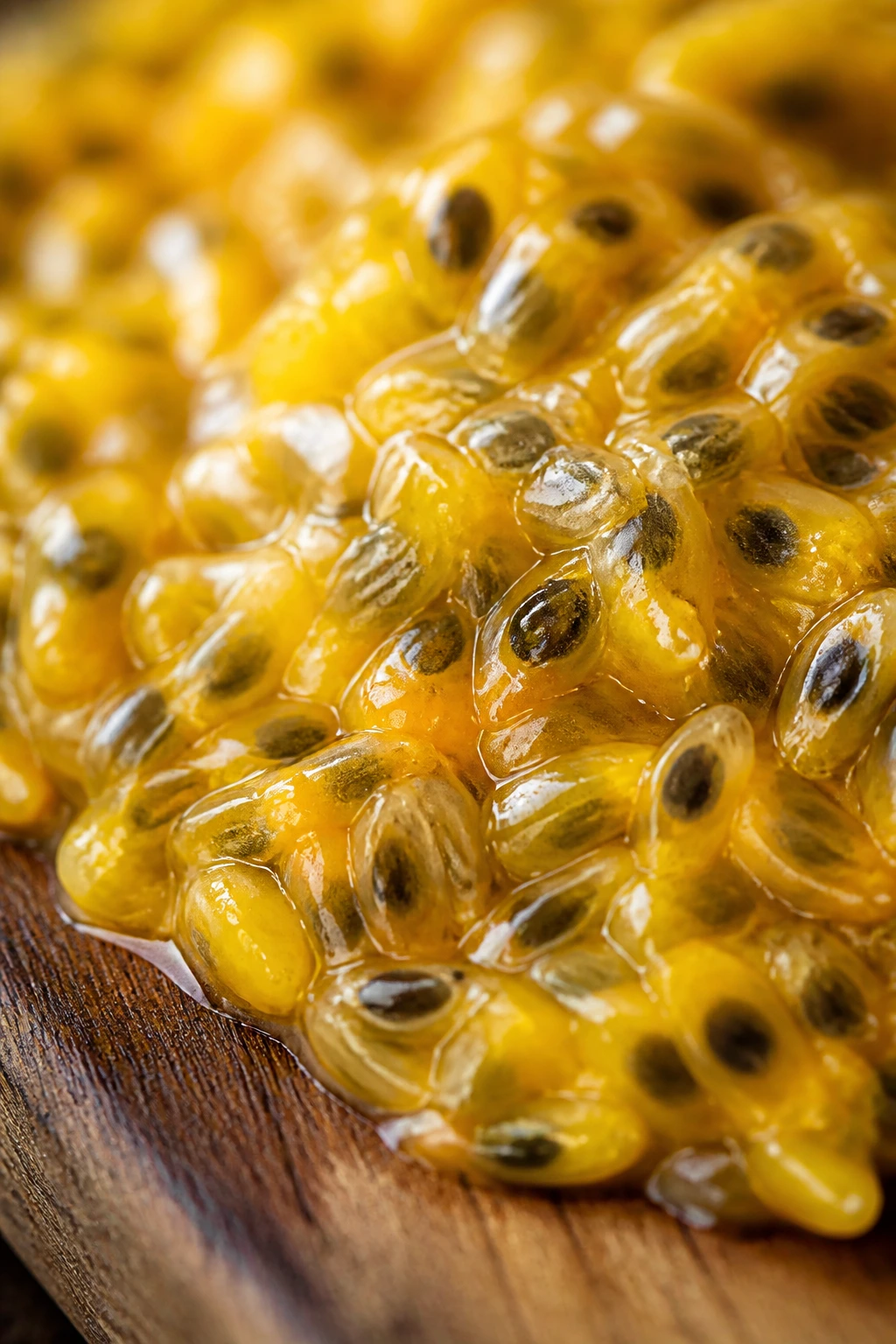
A good passion fruit drink starts at the fruit stand or the refrigerated shelf, not at the blender. If you pick tired juice or under-ripe fruit, no amount of sweetener will fully rescue it.
-
1 cup passion fruit pulp, from 10 to 12 ripe passion fruits, or 1 cup unsweetened frozen passion fruit pulp, thawed Use the wrinkled fruit if you can find it; that skin often means the pulp inside has concentrated flavor. Frozen pulp works well too, especially when fresh fruit is sparse.
-
2 cups cold pineapple juice Choose 100% pineapple juice, not a tropical punch blend. Punch mixes often carry extra sugar that makes the final drink taste sticky.
-
1 cup cold orange juice Freshly squeezed gives you the cleanest flavor, but a good chilled orange juice works fine if it tastes bright and not cooked.
-
1 1/2 cups cold filtered water or cold coconut water Water keeps the fruit flavor crisp. Coconut water softens the finish and makes the drink feel rounder.
-
2 to 4 tablespoons fresh lime juice Start low and build. The lime should sharpen the juice, not dominate it.
-
1/4 cup honey or simple syrup, plus more to taste Honey adds a gentle floral note. Simple syrup dissolves faster if your liquids are very cold.
-
1/2 teaspoon fine sea salt Tiny amount. Big effect. Don’t skip it unless you’ve already tasted the drink and know you want a flatter finish.
-
1 cup ice, plus more for serving Use ice in the blender only if you want a slushier, more diluted drink. For a cleaner juice, keep the ice for the glass.
-
Lime wheels and mint sprigs, for garnish Optional, but they keep the pitcher from looking bare.
Why Each Ingredient Pulls Its Weight
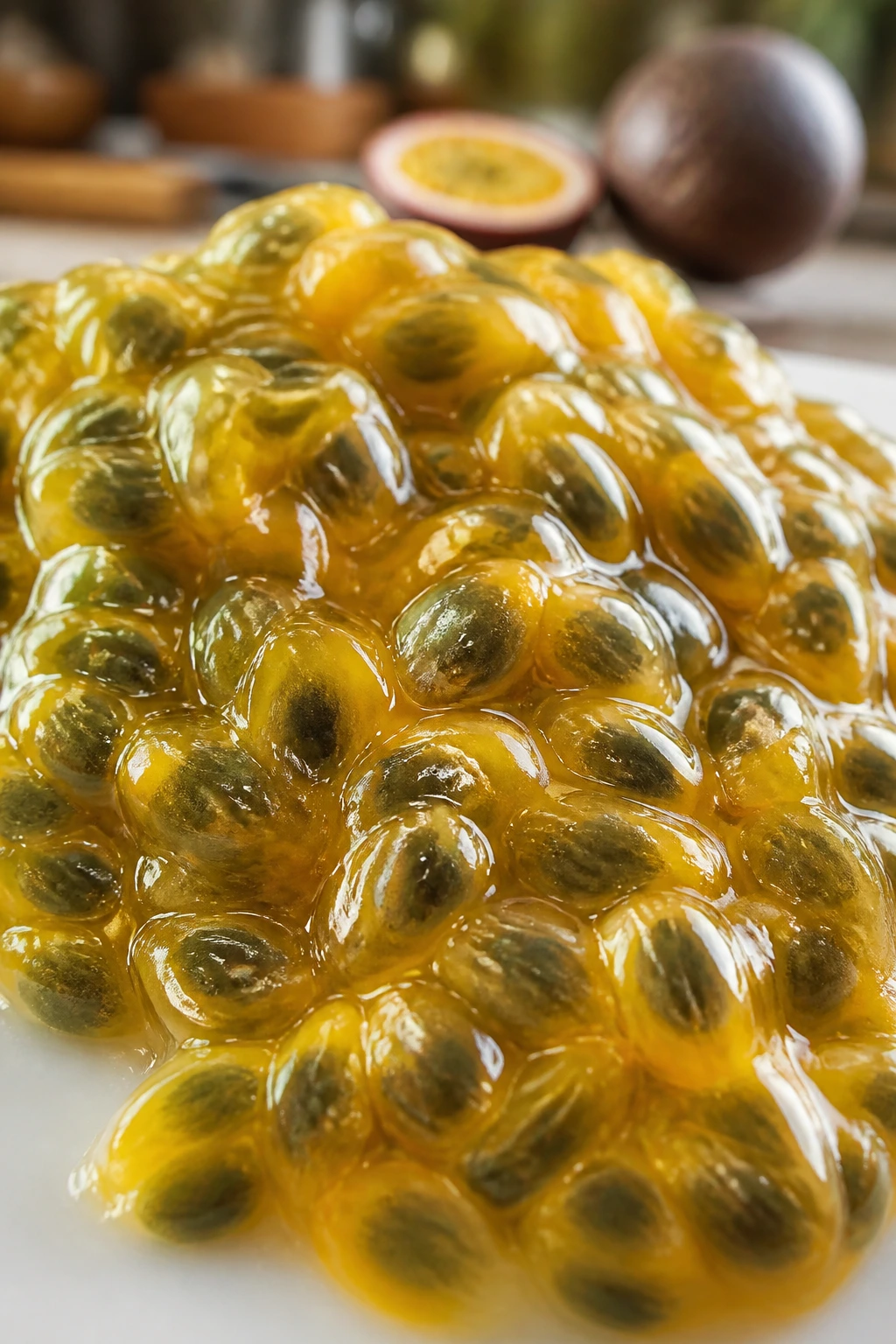
Passion Fruit Pulp
What to use: 1 cup of pulp from ripe fresh passion fruit, or 1 cup unsweetened frozen pulp, thawed.
Preparation: Scoop the pulp into a bowl and scrape the inside of each fruit well; the good stuff clings to the shell more than you’d expect.
Substitutions: If passion fruit is hard to find, look for unsweetened passion fruit puree or maracuja pulp in the freezer aisle. Bottled passion fruit nectar works in a pinch, but cut back on the honey.
Tips: The fruit should smell fragrant and feel heavy. If it smells weak, the juice will taste weak too.
Pineapple Juice
What to use: 2 cups cold 100% pineapple juice.
Preparation: Keep it chilled before blending so the finished drink doesn’t need a long rest in the fridge.
Substitutions: Fresh pineapple juice makes the brightest version, while canned or carton juice is fine if it’s not loaded with added sugar. Pineapple concentrate is a little harsher, so taste before sweetening.
Tips: Pineapple is doing more work here than people realize — it gives the drink body so the passion fruit doesn’t read as thin.
Orange Juice and Lime Juice
What to use: 1 cup orange juice and 2 to 4 tablespoons fresh lime juice.
Preparation: Juice the oranges and limes just before mixing if you can. Citrus starts tasting less lively the longer it sits.
Substitutions: Tangerine juice works if you want a softer, sweeter finish. Meyer lemon can replace some of the lime if you want less sharpness.
Tips: Add lime in stages. Two tablespoons might be enough if your passion fruit is very tart, but a sweeter pulp often needs the full four.
Water, Sweetener, and Salt
What to use: 1 1/2 cups cold filtered water or coconut water, 1/4 cup honey or simple syrup, and 1/2 teaspoon fine sea salt.
Preparation: Measure the sweetener before you taste so you can adjust quickly, then blend only a few seconds after adding it.
Substitutions: Agave syrup works cleanly, and maple syrup brings a darker note that can be nice if you want something less bright. Coconut water gives the juice a softer edge.
Tips: Salt is not a decoration here. It quiets the bitter corners and makes the citrus taste cleaner, especially after the drink sits for a few minutes.
The Tools That Keep It Smooth
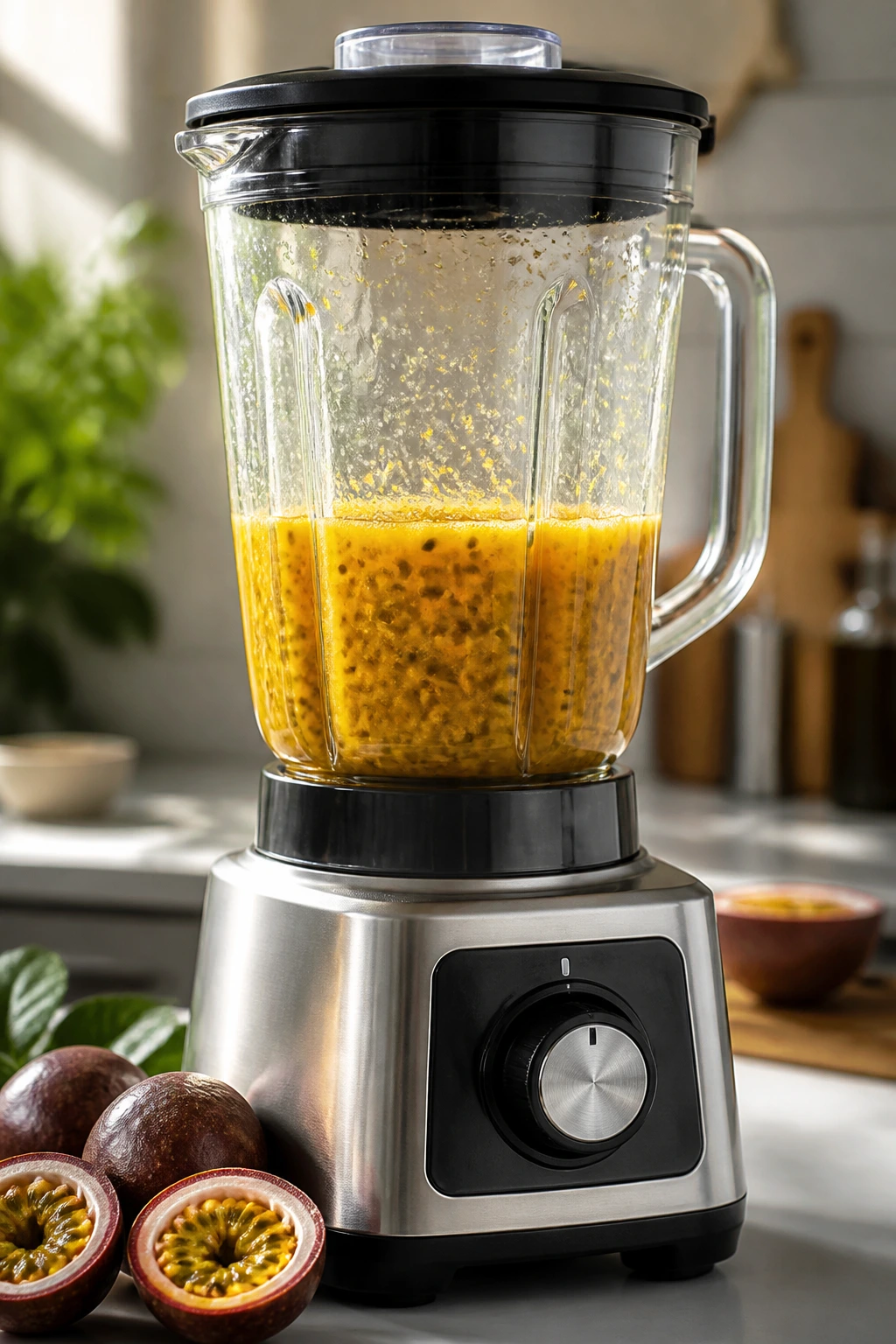
A short tool list is enough here, but each piece earns its place.
-
Blender: A standard countertop blender handles the pulp, juice, and sweetener in seconds. An immersion blender works if you’re making a smaller batch.
-
Fine-mesh sieve or chinois: Use this if you want a smoother drink or if you’ve blended fresh pulp and want to remove some seeds.
-
Large pitcher or mixing bowl with spout: The juice pours more cleanly from a pitcher, and a wide-mouth one is easier to stir before serving.
-
Citrus juicer: Manual or electric, either one speeds up the orange and lime prep and keeps seeds out of the glass.
-
Measuring cups and spoons: This drink needs balance, and rough guessing is how people end up with a juice that tastes loud in one direction.
-
Small paring knife and cutting board: For halving passion fruit and trimming garnishes.
-
Long spoon: Useful for stirring the pitcher after chilling, especially if the pulp settles at the bottom.
How to Blend, Taste, and Strain It
Prepare the Fruit:
-
Halve the passion fruits and scoop the pulp into a bowl. If you’re using fresh fruit, scrape the inside of the shells carefully so you collect the juice that clings to the walls; that’s where a lot of the flavor sits.
-
Measure out 2 cups cold pineapple juice, 1 cup cold orange juice, 1 1/2 cups cold filtered water or coconut water, 2 tablespoons lime juice to start, 1/4 cup honey or simple syrup, and 1/2 teaspoon fine sea salt. If any of the liquids are warm, chill them for at least 20 minutes before blending.
-
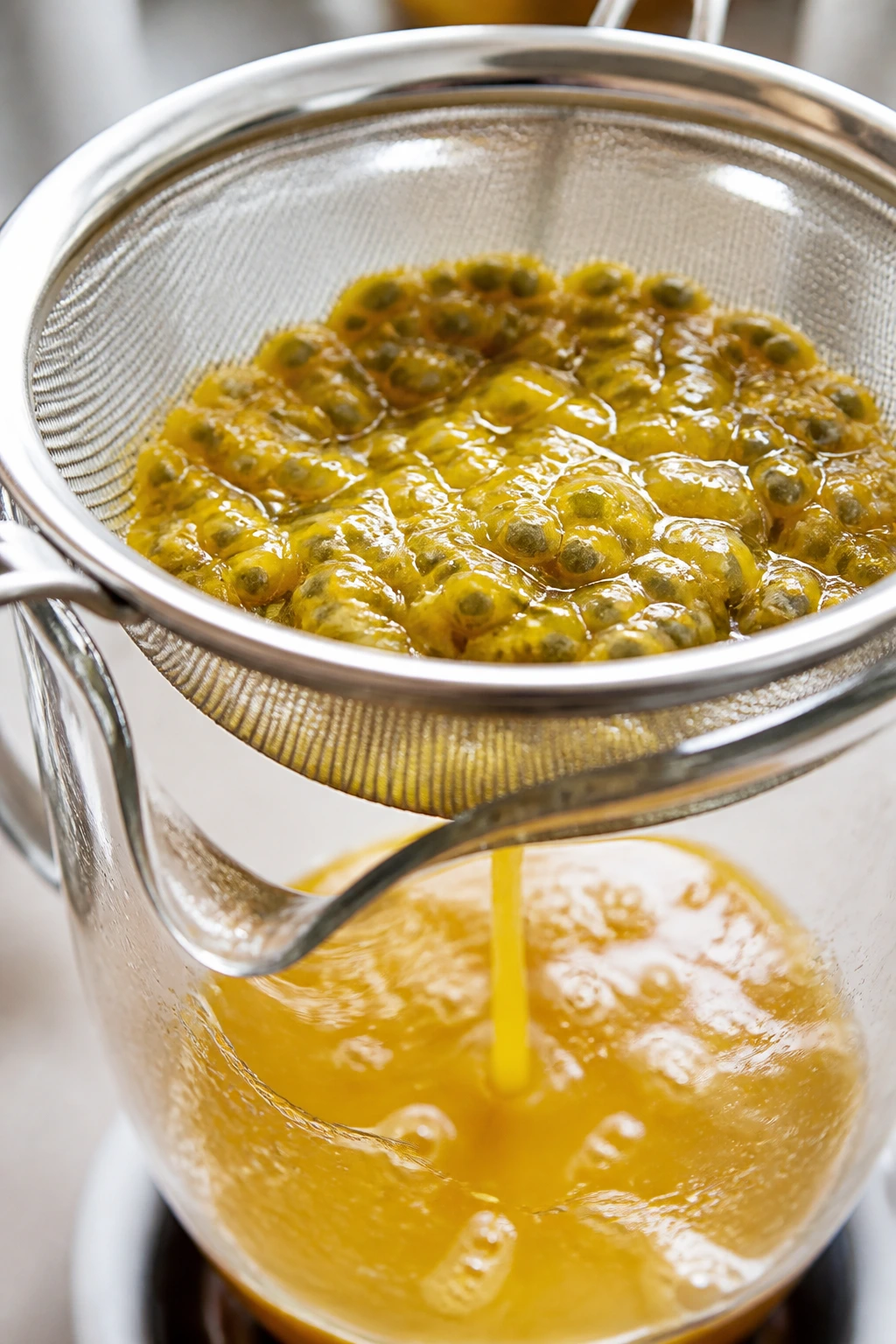
Set a fine-mesh sieve over a pitcher if you want a smoother finish. If you like the seeds, skip the sieve and plan to pour straight from the blender.
Blend the Juice:
-
Add the passion fruit pulp, pineapple juice, orange juice, water, lime juice, honey, and salt to the blender. Blend for 10 to 15 seconds, just until the mixture looks uniform and lightly foamy. Do not keep blending until the seeds break down into grit.
-
Taste a spoonful right away. Add up to 2 more tablespoons honey if the fruit is too sharp, another tablespoon of lime if it tastes sleepy, or a splash more water if you want a lighter finish.
Strain and Chill:
-
Pour the juice through the sieve if you want fewer seeds. Press gently with the back of a spoon for a thicker, more rustic drink, or let it drip through without much pressure if you want a cleaner texture. Pressing hard will push more bitter seed matter through, so stay gentle.
-
Transfer the juice to a pitcher and chill for 20 to 30 minutes. The flavor settles during this rest, and the cold makes the pineapple and citrus feel more integrated.
Serve:
-
Fill glasses with ice and pour the chilled juice over the top. Stir once before the first sip, because passion fruit pulp settles fast.
-
Add lime wheels or mint if you want garnish. If you’re serving it for a crowd, keep the pitcher in the fridge between pours and give it a quick stir each time you refill.
How to Serve It at the Table
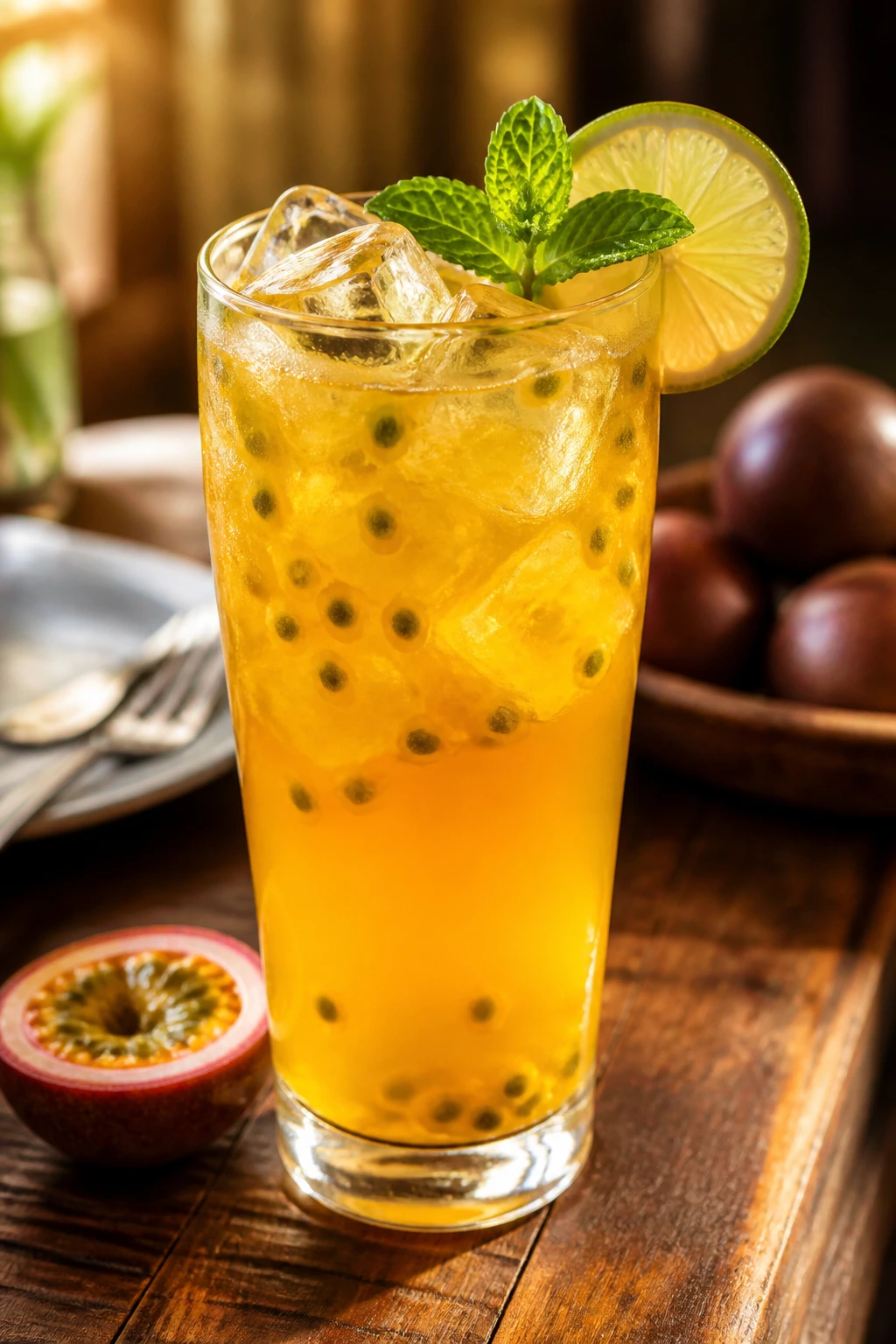
Presentation: Serve this in tall chilled glasses so the color has room to show off. If you strained the seeds out, add a lime wheel or one mint sprig so the drink doesn’t look too plain; if you kept the seeds, let them do the visual work and keep the garnish simple. I also like using clear ice cubes when I’m pouring it for guests, because cloudy ice can make a bright juice look oddly dull.
Accompaniments: The juice likes salty food. Grilled chicken, coconut shrimp, savory breakfast casseroles, chili-lime corn, avocado toast, and even a bowl of roasted cashews all fit neatly beside it. Sweet pairings work too, but I’d keep them light — shortbread, coconut cookies, or plain pound cake instead of anything heavily frosted.
Portions: Plan on 6 to 8 ounces per person if this is one drink on a table with other options, or 10 ounces if it’s the main cold drink. The recipe doubles easily for a brunch spread, and I’d rather make a little extra than have to stretch a nearly empty pitcher with more ice.
Beverage Pairing: If you’re serving other drinks, keep them plain: cold sparkling water with lime or unsweetened iced green tea makes the best companion. Both reset the palate between sips, which is helpful once the fruit starts to feel lush.
Extra Tips for Better Flavor and Faster Prep
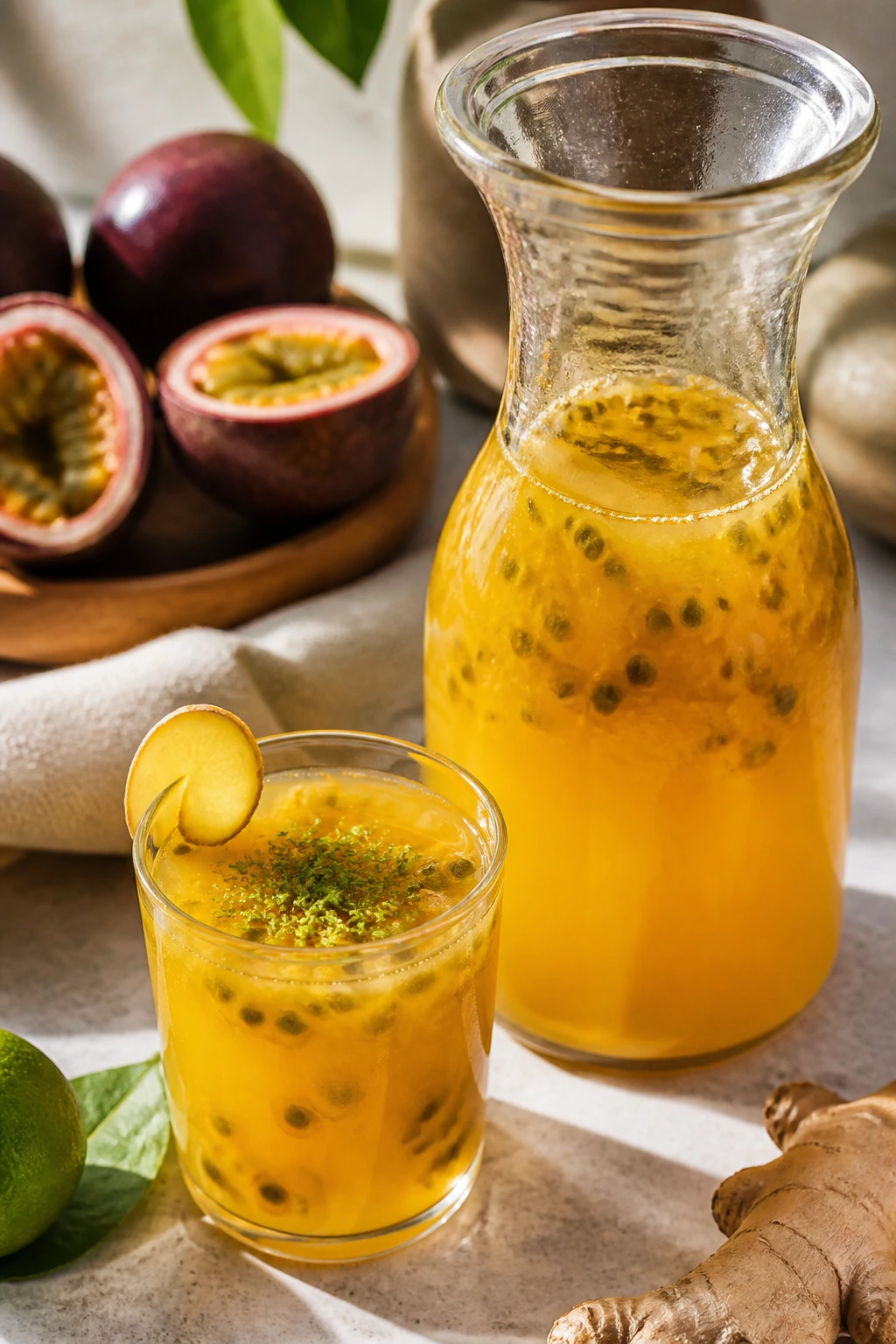
Flavor Enhancement: A teaspoon of finely grated lime zest makes the fruit smell brighter without pushing the drink into sour territory. If you want a warmer note, add a thin slice of ginger to the blender and pull it out after a few pulses.
Texture Control: For a silkier pour, blend the passion fruit pulp with the pineapple juice first, strain it, then add the orange juice, lime, water, and sweetener. That keeps the seeds from grinding into the whole batch and gives the final drink a cleaner finish.
Time-Saver: Freeze passion fruit pulp in 1-cup portions and keep pineapple juice on hand in the fridge. If you do that, the drink comes together in about 10 minutes, which is about as close as juice gets to instant.
Make-It-Yours: Swap half the water for coconut water if you want a softer tropical profile. If you like sharper drinks, cut the sweetener back to 2 tablespoons and push the lime up to the full 4 tablespoons. The recipe holds either direction well.
Common Mistakes That Flatten the Drink
-
Adding all the sweetener before tasting
The drink can swing from tart to dull fast, and once it tastes syrupy there’s no elegant way back. Start with 1/4 cup honey or simple syrup, blend, taste, then add more in 1 tablespoon increments. -
Overblending the seeds
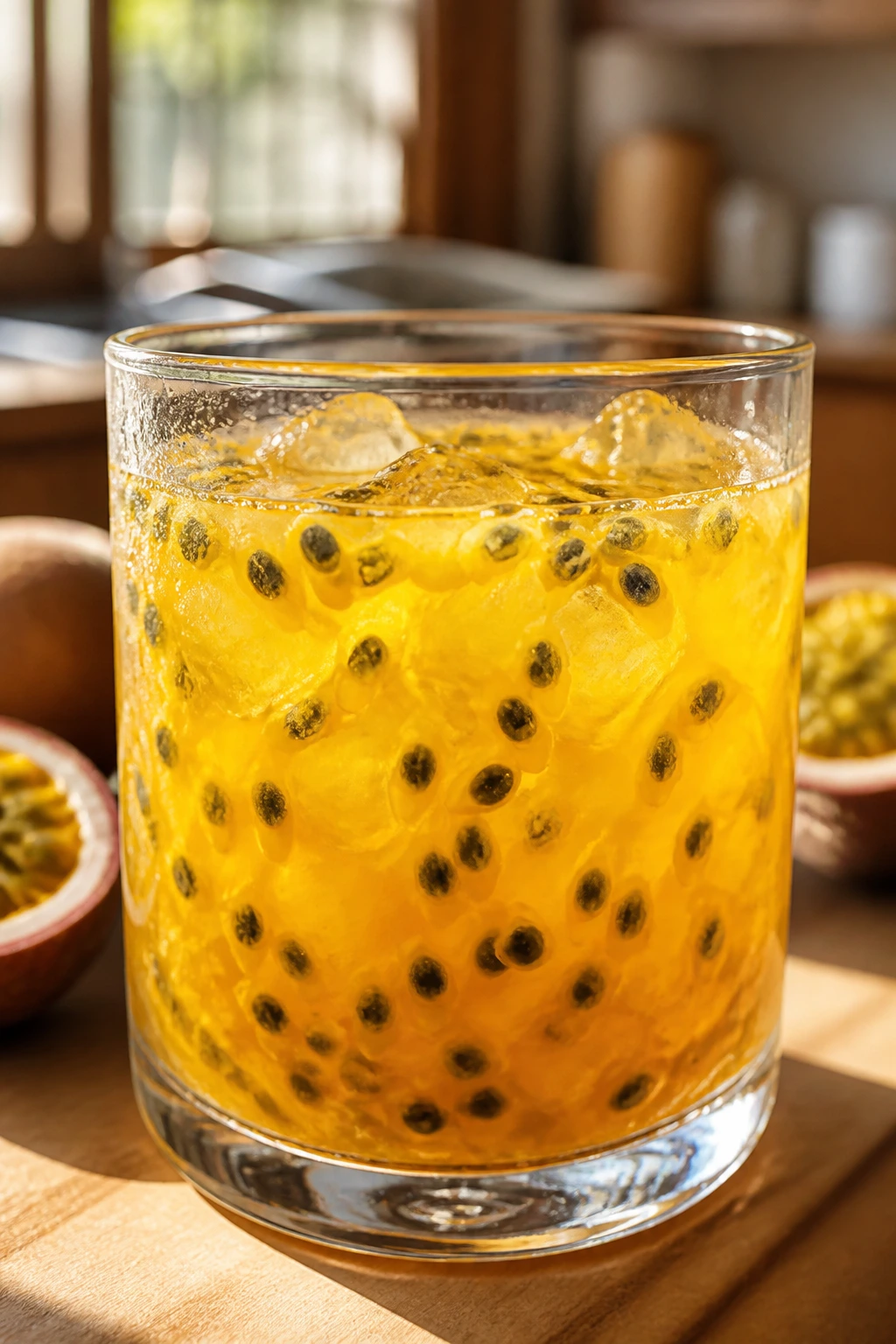
Passion fruit seeds are fine in short bursts, but a long blend turns them bitter and gritty. Blend just enough to mix the liquids, and strain if you want a smoother glass. -
Serving it half-warm
Passion fruit loses some of its charm when it isn’t cold. Chill the juice, chill the glass if you can, and use cold pineapple and orange juice from the start. -
Skipping the salt
Without the salt, the juice often tastes a little thinner and more sour than it should. Half a teaspoon seems tiny, yet it keeps the fruit from feeling flat once the ice starts to melt. -
Using a sweet tropical cocktail mix instead of real juice
Those bottles can taste loud and one-note. If you use them, pull back on the honey and lime; if you can find unsweetened pulp or puree, that’s the better road. -
Overloading the glass with ice
A mountain of small ice cubes waters the drink down before you finish it. Use fewer large cubes, or freeze a bit of the juice in cubes if you want cold without dilution.
Ways to Twist the Recipe
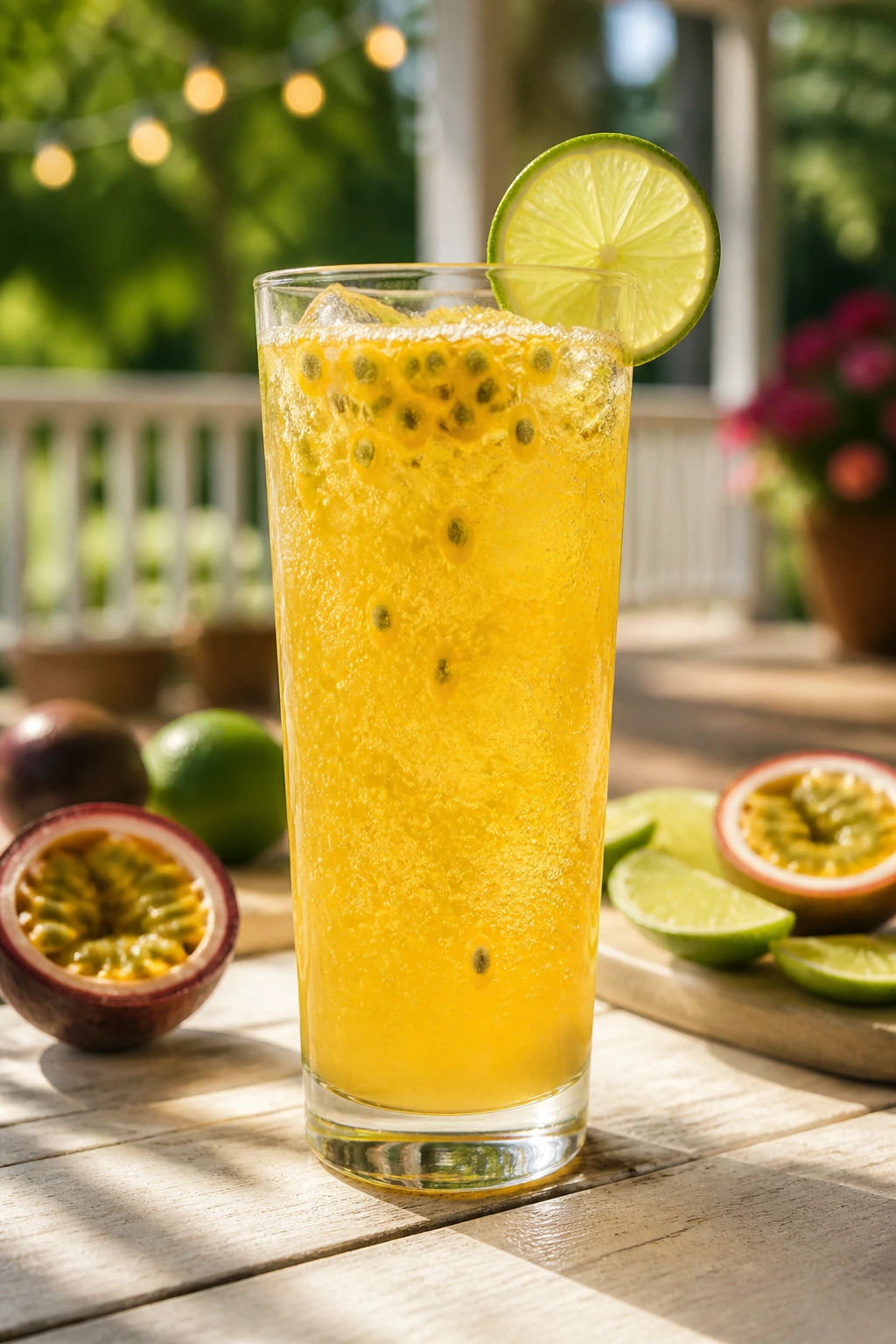
Sparkling Porch Pour
Replace 1 cup of the water with chilled sparkling water, but add it only after the juice has been blended and strained. The bubbles make the passion fruit seem even sharper, so this version tastes cleaner and a little more festive.
Gingered Tropic Cooler
Blend in a 1-inch piece of peeled fresh ginger with the fruit and juices, then strain it out if you want a smoother finish. The ginger cuts through the sweetness and gives the drink a little snap at the back of the throat.
Coconut-Round Version
Swap all of the water for coconut water and keep the honey on the low end. The drink gets softer, less sharp, and a little more beachy without turning creamy or heavy.
Frozen Slush Cup
Add 1 cup ice to the blender and reduce the water to 1 cup. Blend until the texture looks like a loose granita, then serve right away before it melts; this is the version I’d make when the weather is so hot that a regular chilled glass feels too polite.
Adult Brunch Pour
Add 1 1/2 ounces of white rum, vodka, or tequila blanco to each glass just before serving instead of mixing alcohol into the pitcher. That keeps the batch flexible, which matters when some people want the drink plain and others do not.
Keeping It Cold: Storage, Make-Ahead, and Freezing
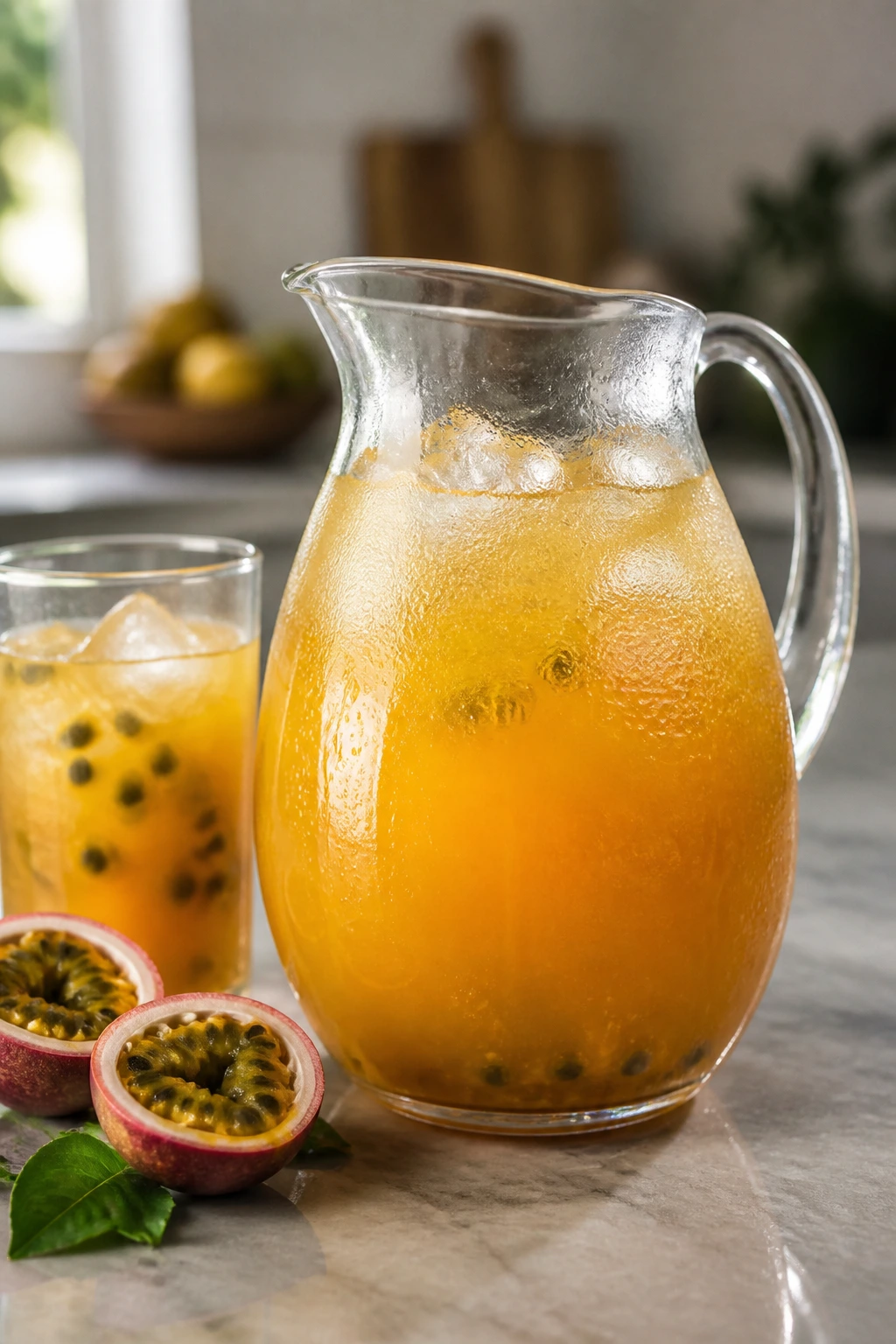
This juice keeps well enough for a short stretch, but it is happiest fresh. In the fridge, store it in a tightly sealed pitcher or jar for up to 3 days, though the flavor is brightest in the first 24 hours. After that, the citrus starts to soften, and if you left a lot of seed matter in the pitcher, the drink can pick up a slightly more bitter edge.
For make-ahead serving, blend and strain the juice a few hours early, then chill it without the ice, mint, or sparkling water. Add those pieces right before pouring. If you’re using the sparkling variation, never mix the bubbles in early; they go flat, and flat sparkling juice is a sad thing.
Freezing works better than people expect. Pour the juice into ice cube trays or freezer-safe containers, leaving about 1 inch of space at the top if you’re freezing it in jars. It keeps for up to 2 months that way. Thaw it in the fridge and stir well, because the pulp can separate a little after freezing.
Do not leave the juice out on the counter for long stretches. Two hours at room temperature is my ceiling, and if the room is hot, I’d shorten that to one hour. Fruit drinks lose their edge fast once they warm up.
Questions People Ask Before Pouring
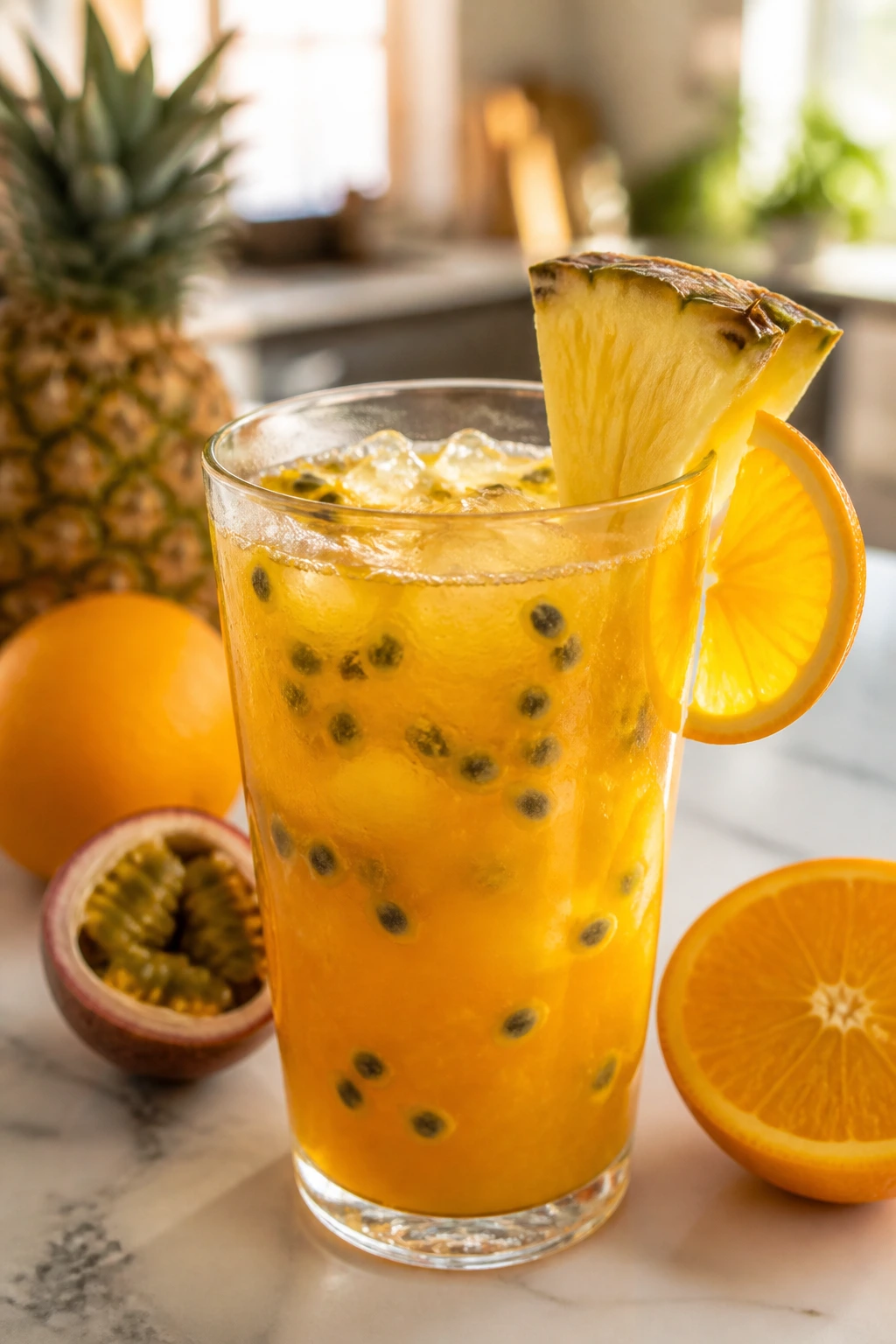
Can I use frozen passion fruit pulp instead of fresh fruit?
Yes, and in some kitchens it’s the smarter choice. Frozen unsweetened pulp is consistent, easy to measure, and usually easier to strain than fresh fruit that varies from one batch to the next.
Do I have to remove the seeds?
No. Keeping the seeds gives the drink texture and a more rustic look, which some people love. If you want a smoother finish, strain the juice after blending and press gently instead of hard.
What if my juice tastes too tart?
Add honey or simple syrup in 1 tablespoon increments, then let the pitcher rest for 5 minutes before tasting again. If it still feels sharp, a little more orange juice often helps without making it taste candy-sweet.
What if it tastes flat after chilling?
That usually means it needs a small lift of lime or salt. Stir in 1 more tablespoon of lime juice and a tiny pinch of salt, then taste again before adding anything sweeter.
Can I make this the day before serving?
Yes, but keep the ice, mint, and sparkling water out until the last minute. If you want the cleanest flavor, strain the juice before storing it overnight.
Can this become a cocktail?
Easily. Add white rum, vodka, or tequila blanco by the glass so the nonalcoholic pitcher stays flexible. That way, the drink works for mixed company without any awkward side batches.
What if I can’t find fresh passion fruit anywhere?
Use unsweetened frozen passion fruit pulp or puree, often sold as maracuja. If the only option is sweetened nectar, cut the honey down or leave it out until you’ve tasted the finished juice.
The Glass Worth Refilling
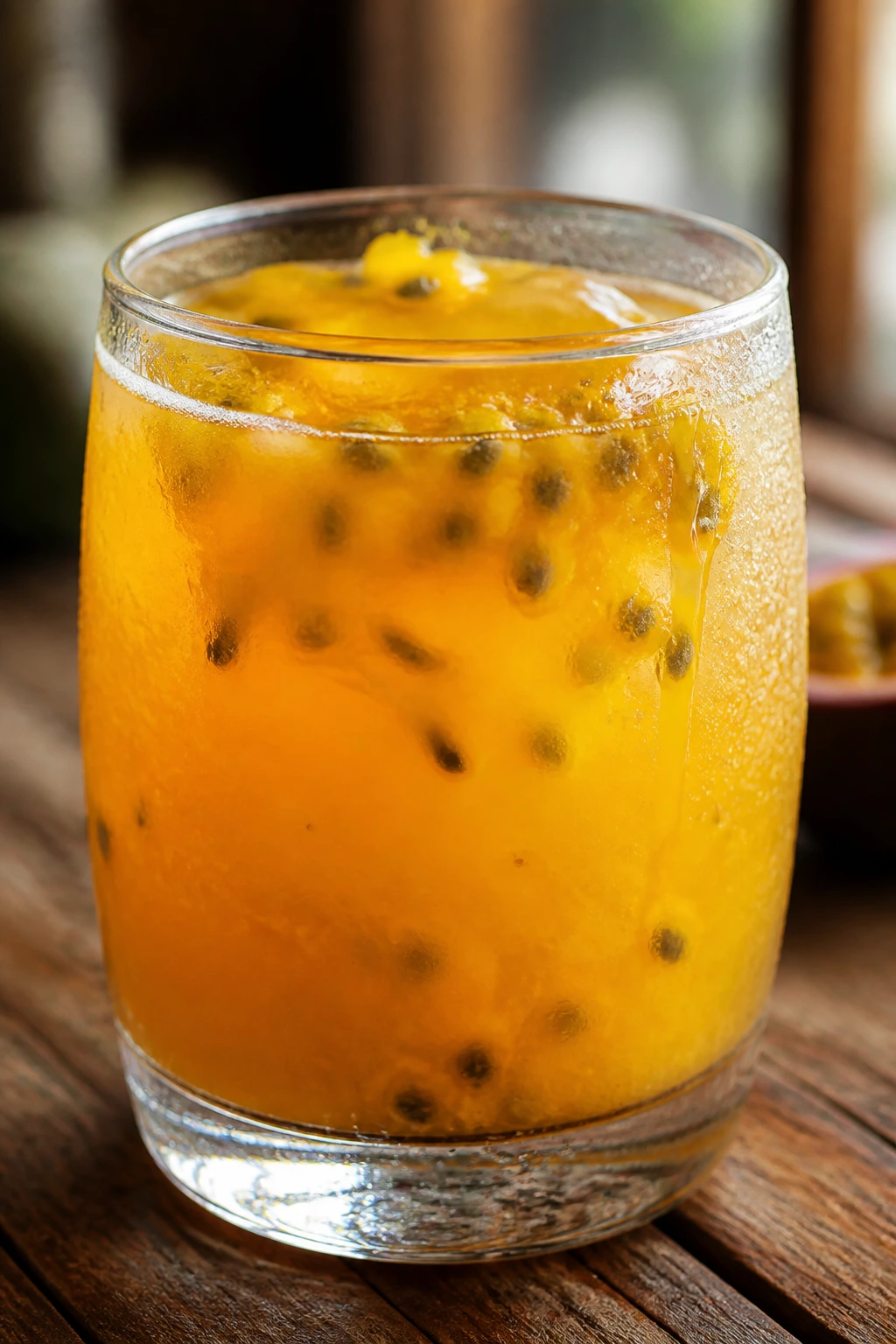
A good passion fruit drink doesn’t need much ceremony. It needs ripe fruit, a little restraint, and the willingness to taste before you sweeten. That’s the difference between a pitcher that vanishes and one that sits on the table looking cheerful while nobody reaches for a second glass.
Keep the juice cold, keep the balance honest, and let the passion fruit stay a little sharp. That edge is the whole point. Once you get the ratio right, this is the kind of drink that gets poured “just to taste” and somehow leaves an empty pitcher behind.
Fruity Passion Fruit Juice for Summer Sipping — Recipe Card
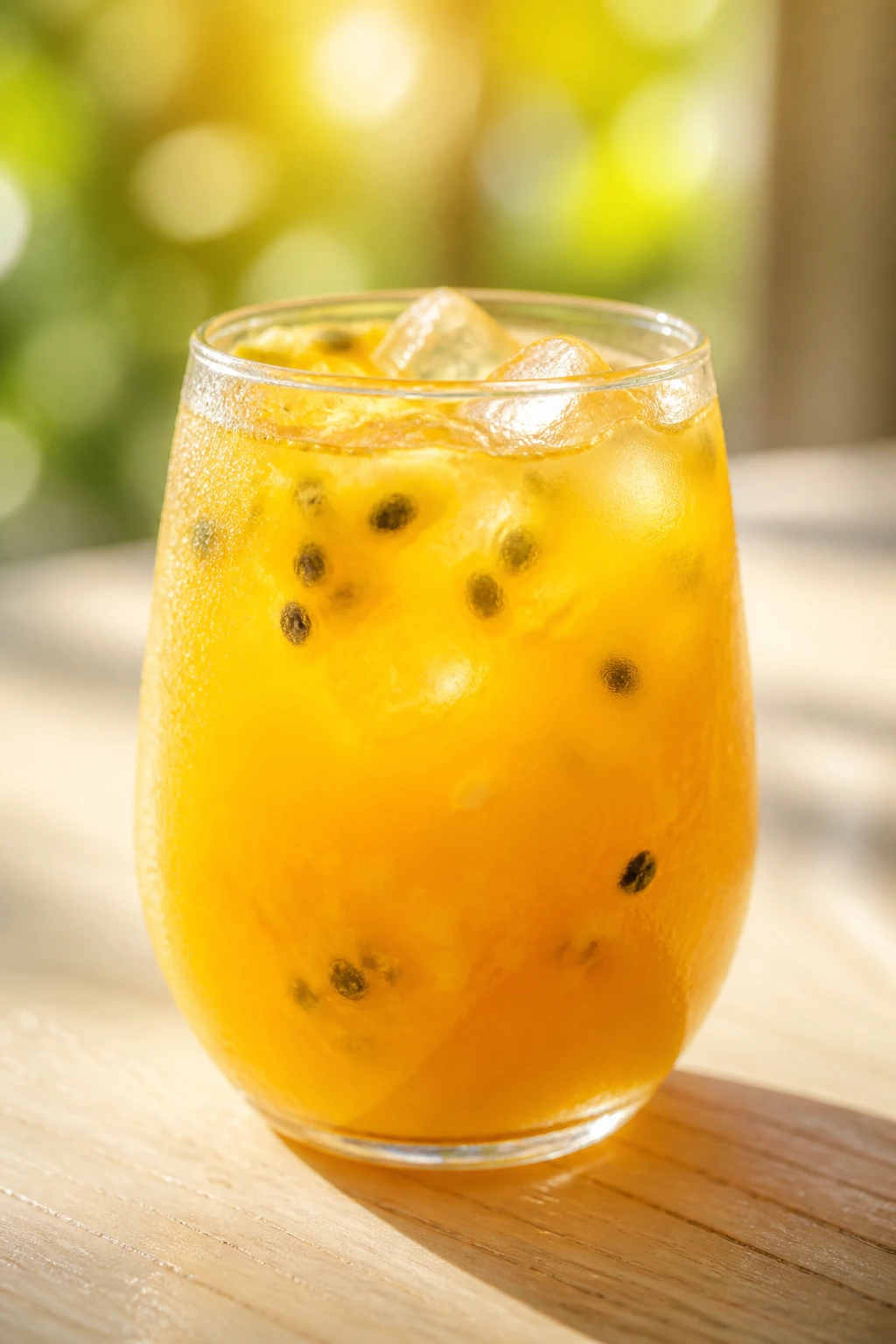
Recipe Name: Fruity Passion Fruit Juice for Summer Sipping
Description: A chilled tropical juice with tart passion fruit pulp, pineapple, orange, lime, and just enough honey to smooth the edges. Bright, fragrant, and easy to serve over ice.
Prep Time: 15 minutes
Cook Time: 0 minutes
Total Time: 15 minutes, plus 20 to 30 minutes chilling if desired
Course: Beverage, Drink
Cuisine: Tropical / Caribbean-inspired
Servings: 6 servings
Calories: About 125 kcal per serving
Ingredients
- 1 cup passion fruit pulp, from 10 to 12 ripe passion fruits, or 1 cup unsweetened frozen passion fruit pulp, thawed
- 2 cups cold pineapple juice
- 1 cup cold orange juice
- 1 1/2 cups cold filtered water or cold coconut water
- 2 to 4 tablespoons fresh lime juice
- 1/4 cup honey or simple syrup, plus more to taste
- 1/2 teaspoon fine sea salt
- 1 cup ice, plus more for serving
- Lime wheels and mint sprigs, for garnish
Instructions
-
Scoop the passion fruit pulp into a bowl. Juice the oranges and limes, and measure out the pineapple juice, water, honey, and salt.
-
Add the passion fruit pulp, pineapple juice, orange juice, water, lime juice, honey, and salt to a blender.
-
Blend for 10 to 15 seconds, just until combined and lightly foamy. Do not overblend the seeds.
-
Taste and adjust with more honey, lime, or water as needed.
-
Strain through a fine-mesh sieve if you want a smoother drink, then chill for 20 to 30 minutes if desired.
-
Fill glasses with ice, pour in the juice, and garnish with lime or mint.
Notes: Use unsweetened passion fruit pulp if you can find it; bottled nectar is sweeter, so reduce the honey. Add sparkling water only at serving if you want fizz.