



Cold pineapple does more in a blender than most people expect. It breaks down into a bright, glossy base that tastes sharper than banana and cleaner than milk, which is exactly why pineapple smoothie recipes made with three ingredients can feel complete without a long ingredient list trying to prove a point.
The trick is not packing the blender. It is choosing one frozen fruit that gives body, one liquid or creamy partner that sets the texture, and letting pineapple stay loud enough to taste like pineapple. That sounds basic, and it is. Basic is good here. The best three-ingredient pineapple smoothie has a short ingredient list and a very clear flavor: icy at the edges, sunny in the middle, and never so diluted that you forget what you’re drinking.
I keep coming back to pineapple for the same reason home cooks keep a jar of salt nearby. It does a lot of work without asking for applause. Frozen chunks make a thick base, the acid keeps the glass from going flat, and the aroma gives even a plain breakfast smoothie a little lift. Once you start making them this way, it’s hard to go back to the watery versions that taste like they were built by accident.
Why Three Ingredients Leave Pineapple in Charge
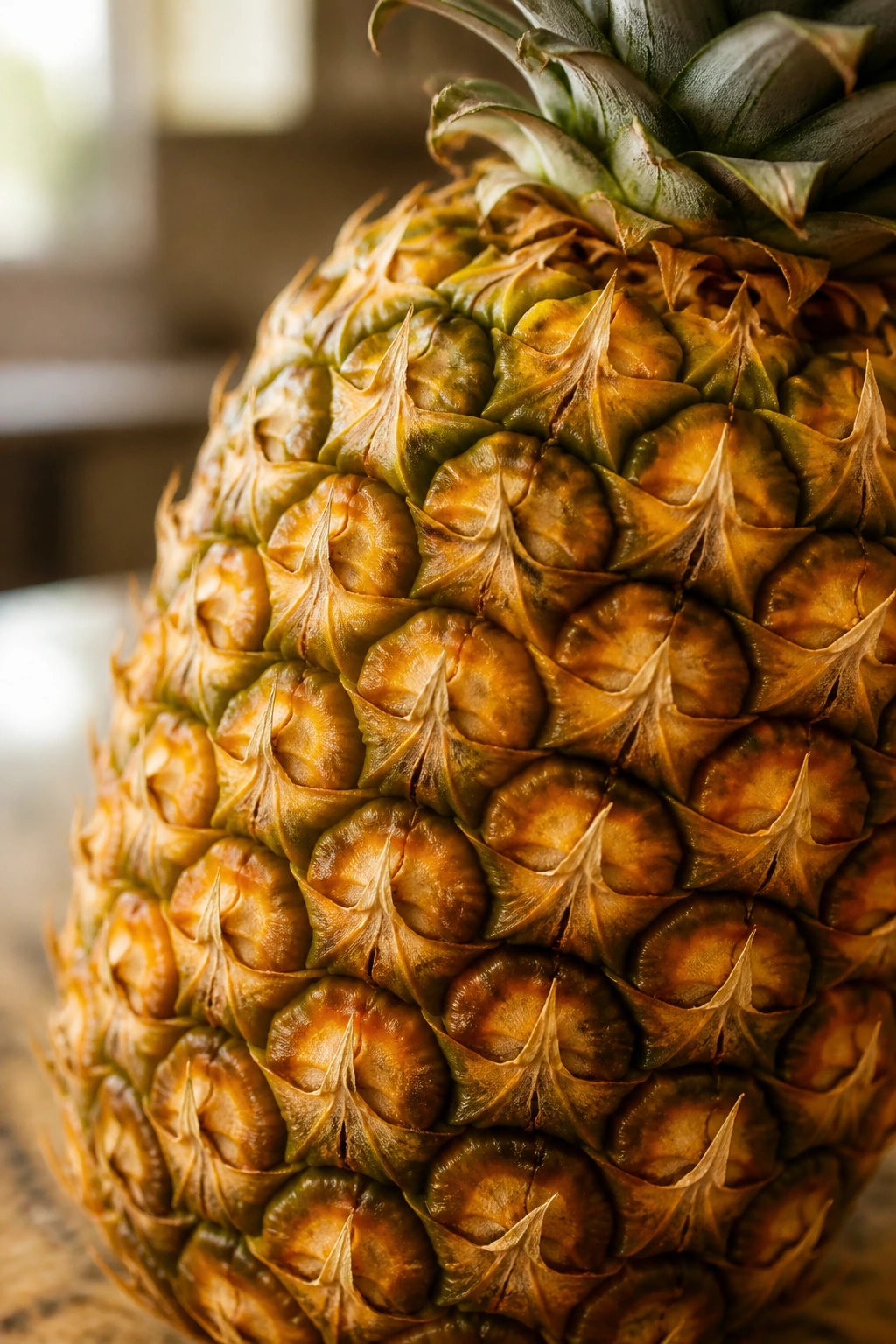
Frozen fruit does the structural work. Pineapple is one of those fruits that blends into a naturally thick, icy texture if you start with frozen chunks instead of fresh pieces and a pile of ice. That matters because ice turns a smoothie slushy; frozen pineapple keeps it cold and tastes like actual fruit.
One creamy ingredient changes the mouthfeel fast. Banana, yogurt, avocado, nut butter, or coconut milk each gives the blender something to chew on, which is why these recipes stay plush instead of thin. You do not need four add-ins to get body. You need the right one.
A small amount of liquid is enough. Coconut water, orange juice, milk, or cold brew all work, but in small doses. A full cup and a half often makes the smoothie drinkable in the wrong way — thin, fast, and forgettable.
The flavor stays readable. That’s the real win. When there are only three ingredients, pineapple does not get buried under chia, protein powder, six spices, and a sad splash of vanilla. It tastes like pineapple.
Blenders behave better. Three ingredients means fewer stalls, fewer chunks stuck under the blades, and fewer moments where you have to stop and stir with the handle of a spoon. Not glamorous. Extremely useful.
1. Pineapple Banana Cooler
Cold pineapple and banana together make the plainest smoothie in the group, and that’s not a criticism. It tastes soft, bright, and a little creamy, like the kind of breakfast glass you can drink quickly without needing to think about it.
Why It Works:
The frozen banana gives the smoothie body, while the pineapple keeps the sweetness from getting heavy. Coconut water adds just enough liquid to move the blades without watering down the fruit. It lands in that sweet spot where you get thickness, chill, and a clean finish in about 30 seconds.
Key Ingredients:
- 2 cups frozen pineapple chunks, the main flavor and the cold base
- 1 frozen banana, sliced before freezing for easier blending
- 1 cup coconut water, which keeps the texture light and drinkable
Quick Steps:
- Pour the coconut water into the blender first.
- Add the frozen pineapple and frozen banana on top.
- Blend on low for 10 seconds, then high for 20 to 30 seconds, until smooth and pale yellow. If it stalls, add 1 to 2 tablespoons more coconut water.
Equipment for This Recipe:
- Blender, ideally one that handles frozen fruit without stopping
- Measuring cup
- Tall glass or insulated cup
How to Serve This Dish:
Serve it in a chilled glass with a straw or just drink it straight from the blender cup if that is your morning style. It pairs well with toast, a boiled egg, or nothing at all.
Pro Tips for This Recipe:
- Freeze the banana in slices, not a whole peeled chunk; it blends faster.
- Use pineapple that is frozen solid. Soft fruit makes the smoothie thinner.
- If your coconut water tastes flat, chill it first. Room-temp liquid dulls the whole glass.
Variations on This Dish:
- Creamier Banana Blend: Swap half the coconut water for milk if you want a richer finish.
- Tropical Breakfast Bowl: Blend until extra thick and pour into a bowl with a spoon.
Common Mistakes to Avoid with This Dish:
- Using fresh pineapple without freezing it first. The smoothie turns thin fast. Freeze the chunks before blending.
- Adding too much liquid at the start. Start with the full cup only if your blender needs it; otherwise, hold some back.
2. Pineapple Mango Sunrise
This one tastes like orange juice got a tropical upgrade. Mango makes pineapple rounder and softer, while the citrus keeps it bright enough to wake you up before the cup is half gone.
Why It Works:
Pineapple and mango are both soft fruits, so they blend into a silky texture without much effort. Orange juice gives the blender the fluid it needs and sharpens the sweetness so the drink does not taste like fruit puree. It is the smoothest-tasting recipe in the lineup without becoming boring.
Key Ingredients:
- 2 cups frozen pineapple chunks
- 1 cup frozen mango chunks
- 3/4 cup orange juice, chilled
Quick Steps:
- Add the orange juice to the blender first.
- Tip in the frozen pineapple and mango.
- Blend for 30 to 45 seconds, stopping once to scrape the sides if needed, until the smoothie looks glossy and no fruit bits are left.
Equipment for This Recipe:
- Blender
- Measuring cup
- Spatula for scraping down the sides
How to Serve This Dish:
Pour it into a wide glass and let the color do the work. It sits nicely next to yogurt, granola, or a breakfast sandwich, and it also works as an afternoon reset when you want something cold without caffeine.
Pro Tips for This Recipe:
- Use mango that is frozen firm, not half-thawed, or the flavor turns muddy.
- Pick orange juice that is 100% juice. Punch-style blends taste too sweet here.
- If you want a thicker glass, use 1/2 cup juice first and add the rest only if needed.
Variations on This Dish:
- Creamier Sunrise: Replace 1/4 cup orange juice with plain yogurt for a softer texture.
- Sharper Citrus Version: Add a little extra juice and use mango that is more tart than sweet.
Common Mistakes to Avoid with This Dish:
- Too much orange juice. The smoothie loses its body and tastes thin. Start small.
- Thawing the frozen fruit too long. Let it sit only a minute or two before blending, not five.
3. Pineapple Coconut Cream
If you want the thickest, richest glass in the first half of the list, this is the one. Banana and coconut milk give pineapple a soft, almost dessert-like texture that still tastes fresh rather than heavy.
Why It Works:
Canned coconut milk brings fat, and fat changes everything in a smoothie. It makes the texture feel round, not watery, and it carries pineapple’s flavor without dulling the acidity. The frozen banana keeps the blend smooth and adds enough sweetness that you usually do not need anything else.
Key Ingredients:
- 2 cups frozen pineapple chunks
- 1 frozen banana
- 1 cup light canned coconut milk, well shaken
Quick Steps:
- Shake the coconut milk can before opening it.
- Add the coconut milk, then the pineapple and banana.
- Blend until thick and smooth, about 30 seconds, adding a splash more coconut milk only if the blades need help.
Equipment for This Recipe:
- Blender
- Can opener
- Tall glass
How to Serve This Dish:
Serve it cold and thick in a short glass if you want it to feel almost spoonable. It goes especially well with toasted coconut on the side, or just as a slower breakfast when you want something richer than juice.
Pro Tips for This Recipe:
- Use light coconut milk if you want the pineapple to stay bright.
- Chill the can before blending. Cold coconut milk helps the texture hold.
- If the banana is very ripe, the smoothie gets sweeter and softer; use a less spotty banana if you want more pineapple bite.
Variations on This Dish:
- Lighter Island Blend: Use coconut milk beverage instead of canned coconut milk.
- Dessert-Thick Version: Freeze the banana in slices and blend a little longer.
Common Mistakes to Avoid with This Dish:
- Using coconut milk that has separated and not shaking it. The smoothie turns uneven. Shake hard, or stir the can well.
- Overblending. Coconut milk can foam if you keep the blender running too long.
4. Pineapple Strawberry Yogurt
Strawberries and pineapple share the same bright, fruit-first energy, but yogurt pulls the whole thing into a smoother, more filling drink. It tastes a little like a milkshake, only sharper and less sugary.
Why It Works:
Frozen strawberries bring color and a tart edge that keeps pineapple from drifting into candy territory. Vanilla Greek yogurt adds body and a mild sweetness, so the smoothie feels complete without needing a spoonful of honey or any extras. It is a good middle-ground recipe: not too thin, not too rich.
Key Ingredients:
- 2 cups frozen pineapple chunks
- 1 cup frozen strawberries
- 1 cup vanilla Greek yogurt
Quick Steps:
- Add the yogurt to the blender first so the blades catch it easily.
- Add the frozen pineapple and strawberries.
- Blend until the color turns pale pink and no berry skins are visible, usually 30 to 40 seconds.
Equipment for This Recipe:
- Blender
- Measuring cup
- 12-ounce glass
How to Serve This Dish:
This is one of the few smoothies that feels at home in a smaller glass because it is thick enough to linger. I like it beside toast or a muffin, though it does fine on its own if breakfast needs to be fast.
Pro Tips for This Recipe:
- Use frozen strawberries for the cleanest color and the coldest texture.
- Choose yogurt with a plain vanilla flavor, not a strong dessert-style vanilla.
- If the smoothie looks too pink and not pineapple-forward enough, use slightly less strawberry next time.
Variations on This Dish:
- Tangier Yogurt Blend: Swap vanilla yogurt for plain Greek yogurt.
- Softer Milkshake Version: Blend in a little longer for a lighter, airier texture.
Common Mistakes to Avoid with This Dish:
- Using fresh strawberries with frozen pineapple. The smoothie can get watery and uneven. Freeze the berries too.
- Adding sweetened yogurt on top of sweet fruit. It can taste heavy fast.
5. Pineapple Orange Creamsicle
This one has the easiest “old-fashioned treat” flavor in the whole batch. Orange juice and yogurt give the smoothie a creamy-citrus profile that tastes nostalgic without getting cloying.
Why It Works:
Orange juice keeps the pineapple bright, and the Greek yogurt adds that soft dairy note people expect from a creamsicle-style drink. Frozen pineapple thickens the glass enough that it does not collapse into juice after ten seconds. The result is sweet, tangy, and a little creamy at the end.
Key Ingredients:
- 2 cups frozen pineapple chunks
- 1 cup orange juice, chilled
- 1/2 cup vanilla Greek yogurt
Quick Steps:
- Add the orange juice to the blender.
- Add the pineapple and yogurt.
- Blend until smooth and frothy, about 30 seconds, stopping if the blend starts to separate near the top.
Equipment for This Recipe:
- Blender
- Measuring cup
- Spatula
How to Serve This Dish:
Pour it into a chilled glass and serve immediately while the top still has a little foam. It feels right with a simple breakfast plate or as a stand-in for dessert when you want something cold but not heavy.
Pro Tips for This Recipe:
- Keep the orange juice cold so the pineapple stays thick.
- Do not use more than the half cup of yogurt unless you want a stronger dairy flavor.
- If you like a tarter drink, pick a sharper orange juice rather than a very sweet one.
Variations on This Dish:
- Extra-Creamy Version: Use a little more yogurt and cut the juice back by 2 tablespoons.
- Brighter Citrus Blend: Add a touch more orange juice for a thinner, zestier drink.
Common Mistakes to Avoid with This Dish:
- Pouring in too much juice. The smoothie turns thin and loses the creamsicle feel.
- Blending until it warms up. Stop as soon as the texture looks smooth.
6. Pineapple Peach Breeze
Peach plus pineapple is the kind of blend that stays soft and sweet without turning muddy. It tastes like summer fruit that knew when to stop talking.
Why It Works:
Frozen peaches have a gentle flavor that does not fight pineapple for attention. Almond milk gives the smoothie a light, clean texture, which keeps the drink from becoming heavy or milky. This is one of the easier recipes for people who want fruit first and cream second.
Key Ingredients:
- 2 cups frozen pineapple chunks
- 1 cup frozen peach slices
- 1 cup unsweetened almond milk
Quick Steps:
- Pour the almond milk into the blender first.
- Add the pineapple and peaches.
- Blend until silky, about 30 to 35 seconds, and stop once the color looks even and pale gold.
Equipment for This Recipe:
- Blender
- Measuring cup
- Tall glass
How to Serve This Dish:
Serve it in a tall, narrow glass so the pale color and soft texture feel a little more polished. It works nicely with toast, cereal, or a handful of nuts if you want the drink to stay light.
Pro Tips for This Recipe:
- Buy unsweetened almond milk; sweetened versions flatten the fruit.
- Frozen peach slices that are cut small blend faster and leave fewer stringy bits.
- If your peaches are very ripe, you may want just under a full cup of almond milk.
Variations on This Dish:
- Creamier Peach Blend: Use oat milk instead of almond milk.
- Sharper Fruit Version: Add a little less almond milk and blend just until smooth.
Common Mistakes to Avoid with This Dish:
- Using canned peaches in syrup. They make the smoothie syrupy and overly sweet.
- Letting the fruit thaw too long. The texture gets loose fast.
7. Pineapple Blueberry Swirl
Blueberries make pineapple look darker and taste a little deeper, which matters more than people think. The smoothie comes out with a purple-gold color that feels richer than the ingredient list would suggest.
Why It Works:
Blueberries bring body and a mild tannic edge, while Greek yogurt adds a thick, spoonable texture. Pineapple cuts through both, so the final sip does not taste like a berry bowl that wandered into the blender. It’s balanced, cold, and a touch tangy.
Key Ingredients:
- 2 cups frozen pineapple chunks
- 1 cup frozen blueberries
- 3/4 cup plain Greek yogurt
Quick Steps:
- Add the yogurt to the blender.
- Add the frozen pineapple and blueberries.
- Blend for 35 to 45 seconds until the skins disappear and the color turns smooth, not speckled.
Equipment for This Recipe:
- Blender
- Measuring cup
- Rubber spatula
How to Serve This Dish:
This one is thick enough to pour slowly, so a shorter glass works well. It fits breakfast, but it also makes sense after a workout or on one of those days when you want something that eats like a snack.
Pro Tips for This Recipe:
- Blend a little longer than you think; blueberry skins need time to fully disappear.
- Plain yogurt keeps the flavor clean. Sweetened yogurt makes it taste blunt.
- If the smoothie seems too tart, use a ripe pineapple with a deeper yellow color.
Variations on This Dish:
- Tangier Berry Blend: Use less yogurt and a touch more pineapple.
- Softer Purple Version: Add a splash of milk if you want it looser.
Common Mistakes to Avoid with This Dish:
- Stopping too early. Blueberry skins leave tiny flecks if the blender does not finish the job.
- Using low-fat yogurt that tastes chalky. It can make the whole drink feel dry.
8. Pineapple Raspberry Tang
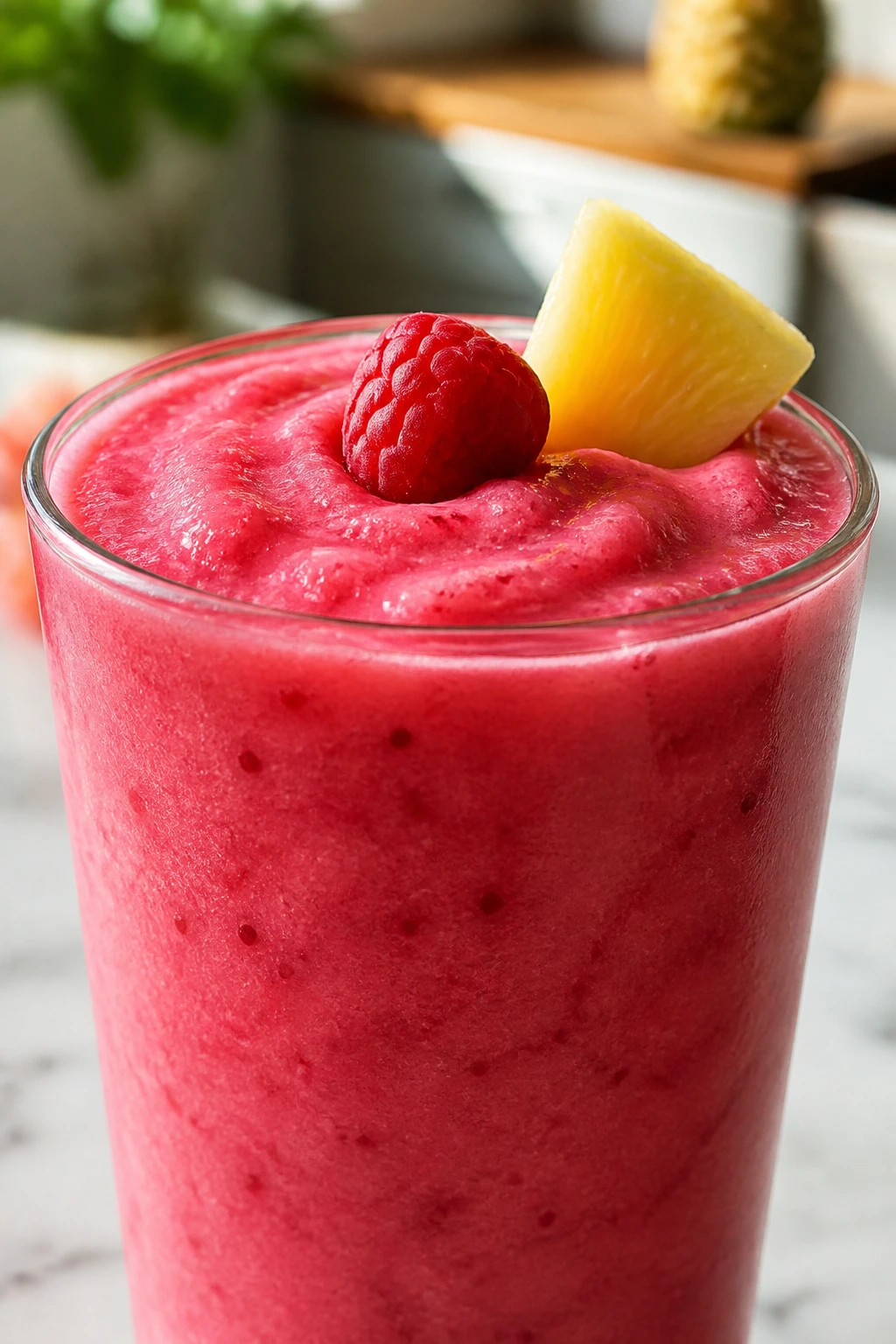
Raspberries bring a sharp, nearly sherbet-like bite to pineapple. The result is bright, tart, and a little wild around the edges, which I mean as a compliment.
Why It Works:
Raspberries are naturally acidic, so they keep the pineapple from going soft or overly sweet. Coconut water gives the blend a light body and enough liquid to keep the drink refreshing instead of creamy. If you like your smoothies with a clear snap at the front of the sip, this one is for you.
Key Ingredients:
- 2 cups frozen pineapple chunks
- 1 cup frozen raspberries
- 1 cup coconut water
Quick Steps:
- Add the coconut water to the blender first.
- Add the frozen pineapple and raspberries.
- Blend until smooth, about 25 to 35 seconds, and serve right away before the raspberry seeds settle.
Equipment for This Recipe:
- Blender
- Measuring cup
- Fine-mesh strainer, optional if you hate seeds
How to Serve This Dish:
Serve it cold in a medium glass, not a tiny one; the tartness feels best in a few steady sips. It works well with plain toast or a breakfast biscuit, since the smoothie itself is on the sharp side.
Pro Tips for This Recipe:
- Use raspberries straight from the freezer so the drink stays thick.
- If you want a smoother finish, strain it once after blending.
- Coconut water tastes cleaner than ordinary water here; it keeps the fruit taste bright.
Variations on This Dish:
- Sharper Berry Version: Add less coconut water and let the raspberries lead.
- Softer Sip: Blend in a little longer for a smoother, less seedy texture.
Common Mistakes to Avoid with This Dish:
- Too much coconut water. The smoothie loses its edge and turns thin.
- Using thawed raspberries. They break down into watery pulp fast.
9. Pineapple Cherry Almond
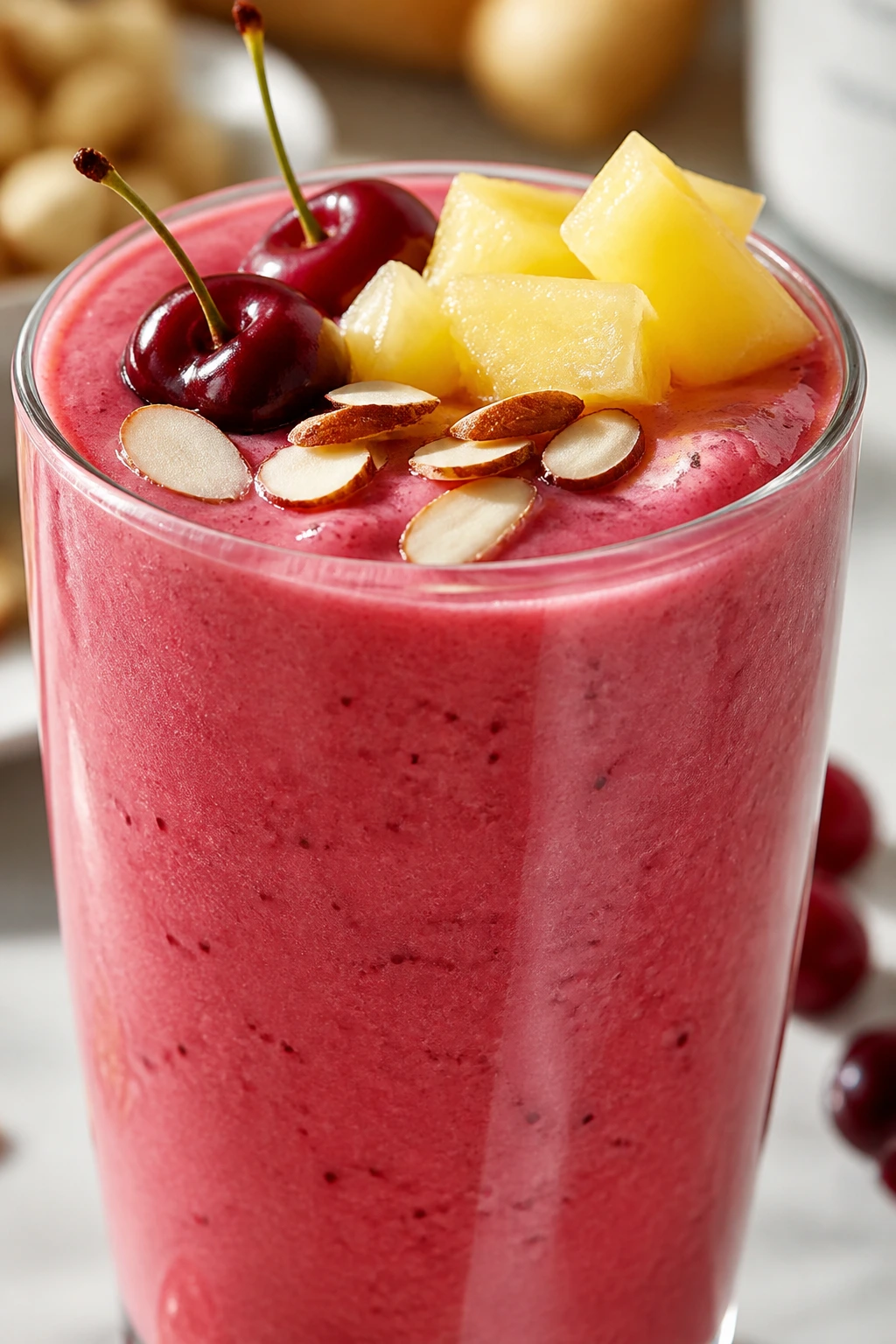
Dark cherries give pineapple a deeper finish than most people expect. With almond milk in the background, the whole glass tastes like a fruit shake that grew up a little.
Why It Works:
Cherries are dense and flavorful, so they bring body without needing a pile of extras. Almond milk keeps the drink smooth and not too sweet, which matters because pineapple and cherries can both lean bright. The result is rich in color, but not heavy.
Key Ingredients:
- 2 cups frozen pineapple chunks
- 1 cup frozen dark sweet cherries
- 1 cup unsweetened almond milk
Quick Steps:
- Add the almond milk first.
- Add the pineapple and cherries.
- Blend until smooth and deep pink, about 30 to 40 seconds, stopping once to scrape down the sides if needed.
Equipment for This Recipe:
- Blender
- Measuring cup
- Tall glass
How to Serve This Dish:
This smoothie looks best in a clear glass, where the color can do its own work. It is a solid breakfast drink, but it also feels a little like dessert if you pour it into a shorter tumbler.
Pro Tips for This Recipe:
- Pit-free frozen cherries save time and keep the blender from fighting the fruit.
- If the cherries are very sweet, use a little less almond milk.
- A chilled glass keeps the color and texture cleaner for longer.
Variations on This Dish:
- Thicker Cherry Blend: Use less almond milk and blend in short bursts.
- Tarter Version: Choose sour cherries if you want a sharper finish.
Common Mistakes to Avoid with This Dish:
- Using cherries with pits. Do not. Just do not.
- Adding too much almond milk at once. The smoothie can turn watery faster than you expect.
10. Pineapple Kiwi Spark
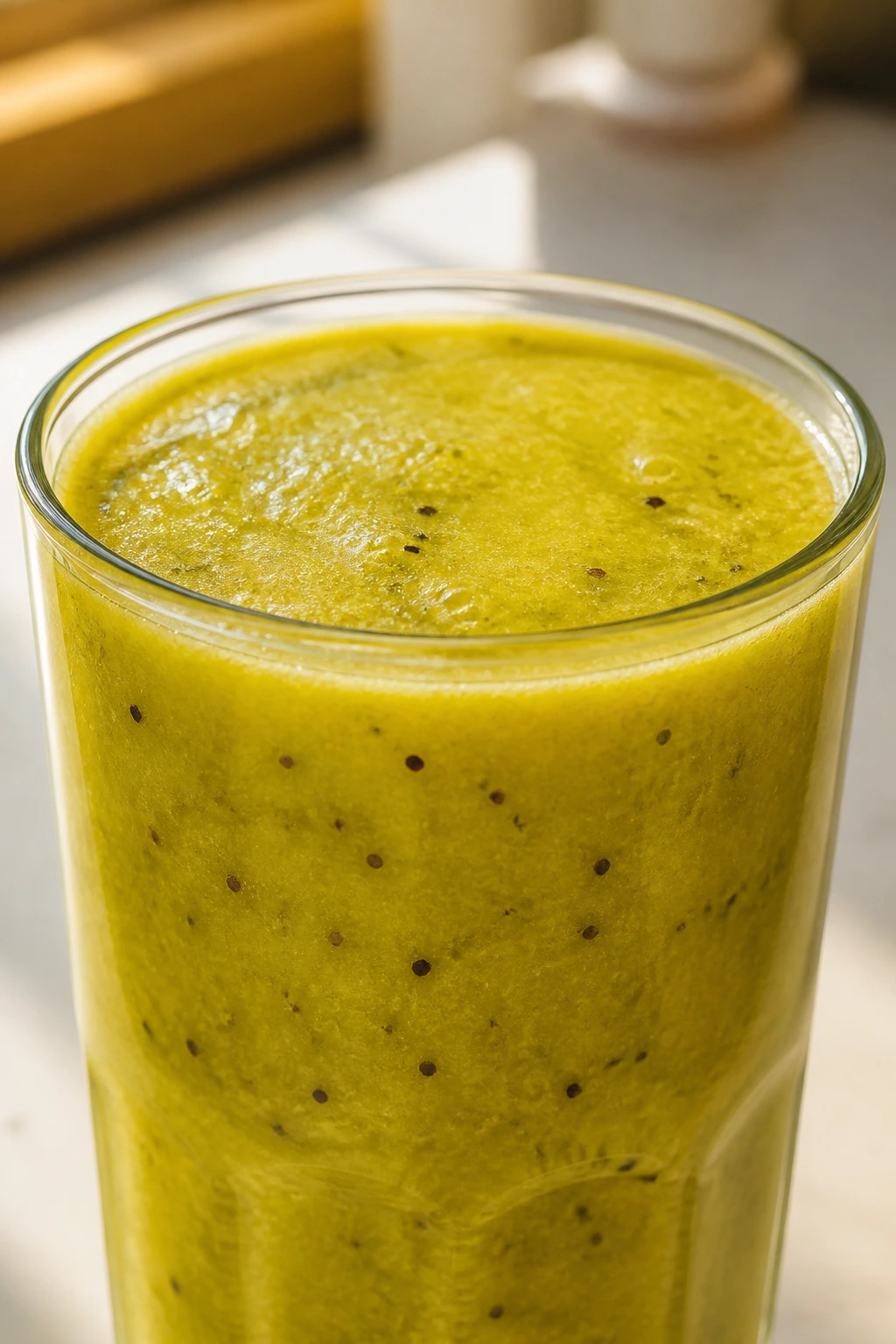
Kiwi is the tart friend who keeps pineapple from drifting into candy territory. The drink ends up lively and green-gold, with a clean finish that feels almost fizzy even though there is no carbonation.
Why It Works:
Kiwi brings acidity and a faint floral note, while coconut water keeps the texture light. Pineapple fills in the sweetness so the drink never gets too sharp. It is a small recipe, but it tastes like a drink with a little more intention than most fruit blends.
Key Ingredients:
- 2 cups frozen pineapple chunks
- 2 ripe kiwis, peeled and chopped
- 1 cup coconut water
Quick Steps:
- Add the coconut water to the blender.
- Add the pineapple and kiwi.
- Blend until smooth and bright green-gold, about 30 seconds, then pour immediately.
Equipment for This Recipe:
- Blender
- Paring knife
- Measuring cup
How to Serve This Dish:
Serve it cold in a short glass if you want the color to look a little more vivid. It works well as a midmorning drink or a light breakfast with a piece of toast.
Pro Tips for This Recipe:
- Peel the kiwi fully; the skin can make the smoothie bitter.
- Use kiwis that give slightly when pressed. Hard kiwi tastes sour in the wrong way.
- Coconut water should be chilled so the fruit stays crisp.
Variations on This Dish:
- Brighter Kiwi Blend: Add slightly less coconut water for a stronger fruit punch.
- Softer Texture: Blend a little longer if the kiwi seeds bother you.
Common Mistakes to Avoid with This Dish:
- Using under-ripe kiwi. It makes the smoothie sharp and gritty.
- Leaving the skins on. Bitterness shows up fast here.
11. Pineapple Papaya Lush
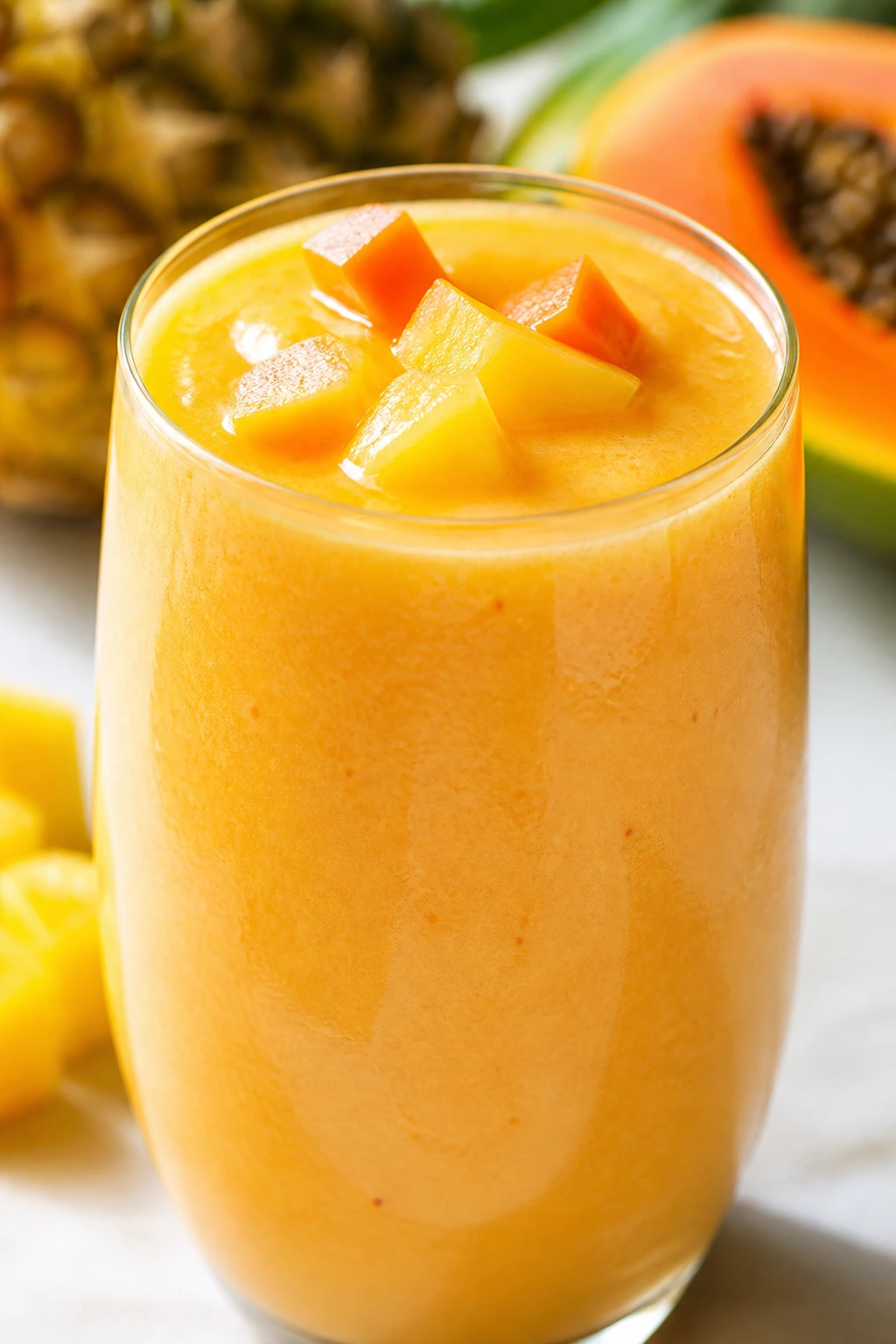
Papaya makes the glass taste plush, almost buttery, which is a strange but useful thing to say about a smoothie. Pineapple gives it the brightness it needs so the result stays tropical instead of flat.
Why It Works:
Papaya is soft and mellow, so it rounds out pineapple’s acid without competing. Orange juice helps everything blend smoothly and sharpens the finish just enough. This is one of the easiest smoothies to sip slowly because it feels rich without being thick like pudding.
Key Ingredients:
- 2 cups frozen pineapple chunks
- 1 cup papaya chunks
- 3/4 cup orange juice
Quick Steps:
- Add the orange juice to the blender.
- Add the pineapple and papaya.
- Blend until smooth and pale orange, about 30 to 40 seconds.
Equipment for This Recipe:
- Blender
- Measuring cup
- Tall glass
How to Serve This Dish:
Serve it in a chilled glass with a straw, and let the soft color do the work. It pairs nicely with plain yogurt or a slice of toast, especially when breakfast needs to stay simple.
Pro Tips for This Recipe:
- Use papaya that smells sweet at the stem end; that is the easiest ripeness check.
- If the papaya tastes grassy, wait longer before using it.
- Keep the orange juice cold so the smoothie stays thick.
Variations on This Dish:
- Softer Tropical Blend: Use less orange juice for a thicker drink.
- Sharper Citrus Version: Pick a tart orange juice to lift the papaya.
Common Mistakes to Avoid with This Dish:
- Using papaya before it is ripe. The drink turns bland and a little woody.
- Overdoing the juice. The smoothie loses its lush texture.
12. Pineapple Green Glow
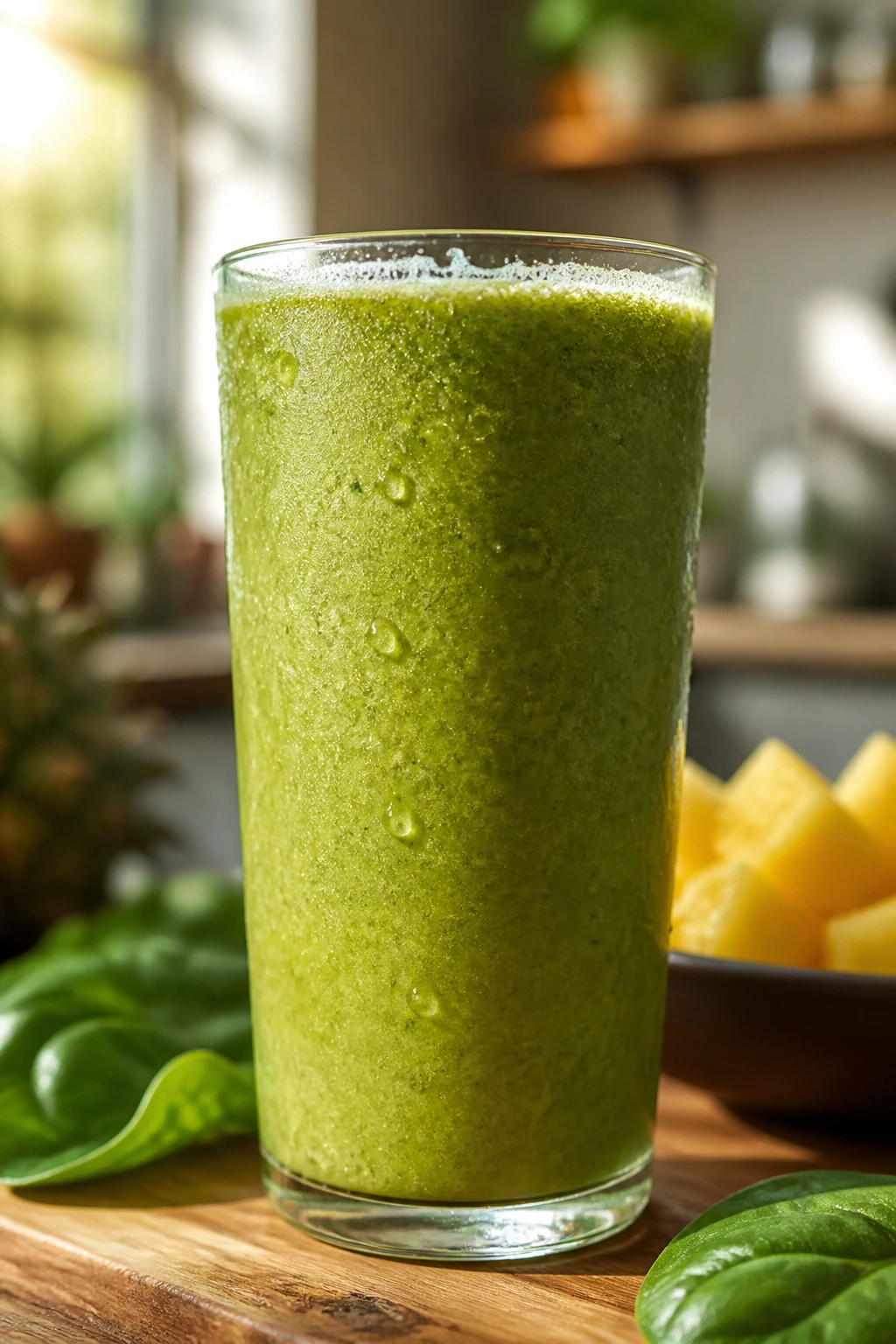
A green smoothie does not need a long ingredient list to taste green. Pineapple and spinach do the job fast, and coconut water keeps the whole thing light enough to drink without a spoon.
Why It Works:
Baby spinach disappears into the background once the blender gets moving, but it leaves behind that clean green taste people want from a smoothie without making the texture gritty. Pineapple hides the vegetal edge, and coconut water keeps it fresh. This is the one I’d make when I want the color to look serious and the flavor to stay easy.
Key Ingredients:
- 2 cups frozen pineapple chunks
- 1 packed cup baby spinach
- 1 cup coconut water
Quick Steps:
- Add the coconut water and spinach to the blender first.
- Blend for 10 seconds so the leaves break down.
- Add the pineapple and blend until smooth, about 25 to 35 seconds.
Equipment for This Recipe:
- Blender
- Measuring cup
- Rubber spatula
How to Serve This Dish:
Serve it in a clear glass so the green-gold color stays visible. It feels right with a breakfast sandwich, a slice of buttered toast, or nothing at all if you want the drink to do the whole job.
Pro Tips for This Recipe:
- Put the spinach in with the liquid first. It blends cleaner that way.
- Baby spinach is easier than mature leaves because the stems are softer.
- If you want the color brighter, use less coconut water and keep the pineapple very frozen.
Variations on This Dish:
- Thicker Green Blend: Use slightly less coconut water and blend in shorter bursts.
- Milder Spinach Version: Add a little more pineapple if you want the green flavor softer.
Common Mistakes to Avoid with This Dish:
- Dropping spinach on top of dry frozen fruit. The blender can stall. Start with liquid.
- Using too much spinach. The smoothie tastes grassy instead of clean.
13. Pineapple Avocado Silk
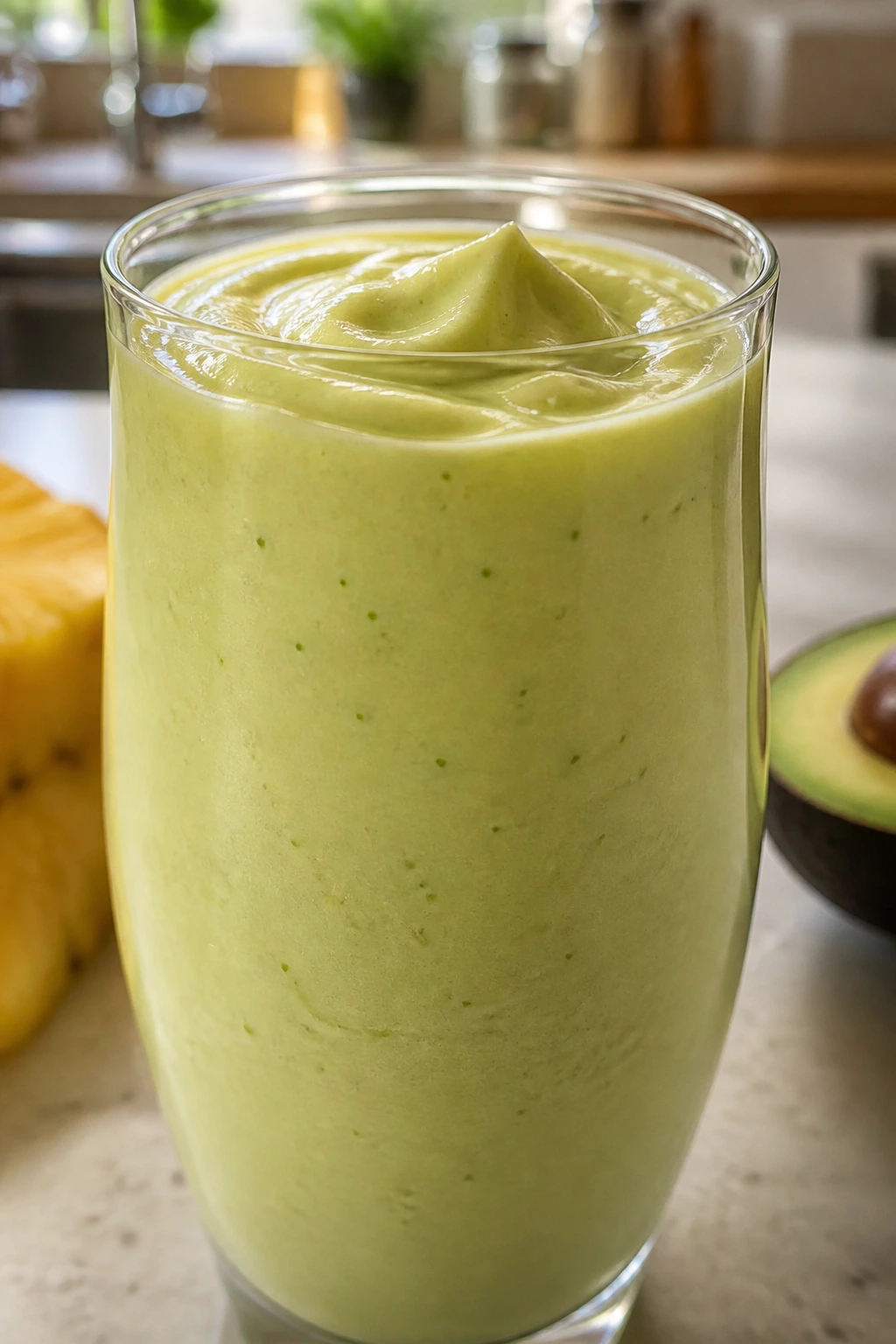
Avocado is the reason this glass feels round instead of thin. It does not taste like avocado once pineapple gets hold of it; it just makes the smoothie creamy in a way banana cannot quite copy.
Why It Works:
Avocado gives the smoothie a lush texture with almost no sweetness, so pineapple gets to stay bright and front-facing. Unsweetened almond milk keeps the flavor light and lets the fruit lead. The result feels smooth, cool, and a little more elegant than the name suggests.
Key Ingredients:
- 2 cups frozen pineapple chunks
- 1/2 ripe avocado
- 1 cup unsweetened almond milk
Quick Steps:
- Add the almond milk to the blender first.
- Add the avocado and frozen pineapple.
- Blend until completely smooth, about 30 seconds, until no green flecks remain.
Equipment for This Recipe:
- Blender
- Measuring cup
- Spoon for scooping avocado
How to Serve This Dish:
Pour it into a chilled glass and serve immediately; avocado texture changes if it sits too long. It is good as a breakfast drink or a quick afternoon refill when you want something creamy but not sugary.
Pro Tips for This Recipe:
- Use a ripe avocado. Hard avocado blends into small grainy bits.
- If the flavor seems too mild, choose a pineapple with a deeper yellow color.
- Almond milk should be plain and unsweetened so the avocado stays neutral.
Variations on This Dish:
- Richer Silk: Use oat milk instead of almond milk.
- Sweeter Finish: Add a little more pineapple and slightly less avocado.
Common Mistakes to Avoid with This Dish:
- Using under-ripe avocado. The smoothie gets grainy and bland.
- Letting it sit too long. Avocado-based smoothies are best right away.
14. Pineapple Protein Blend
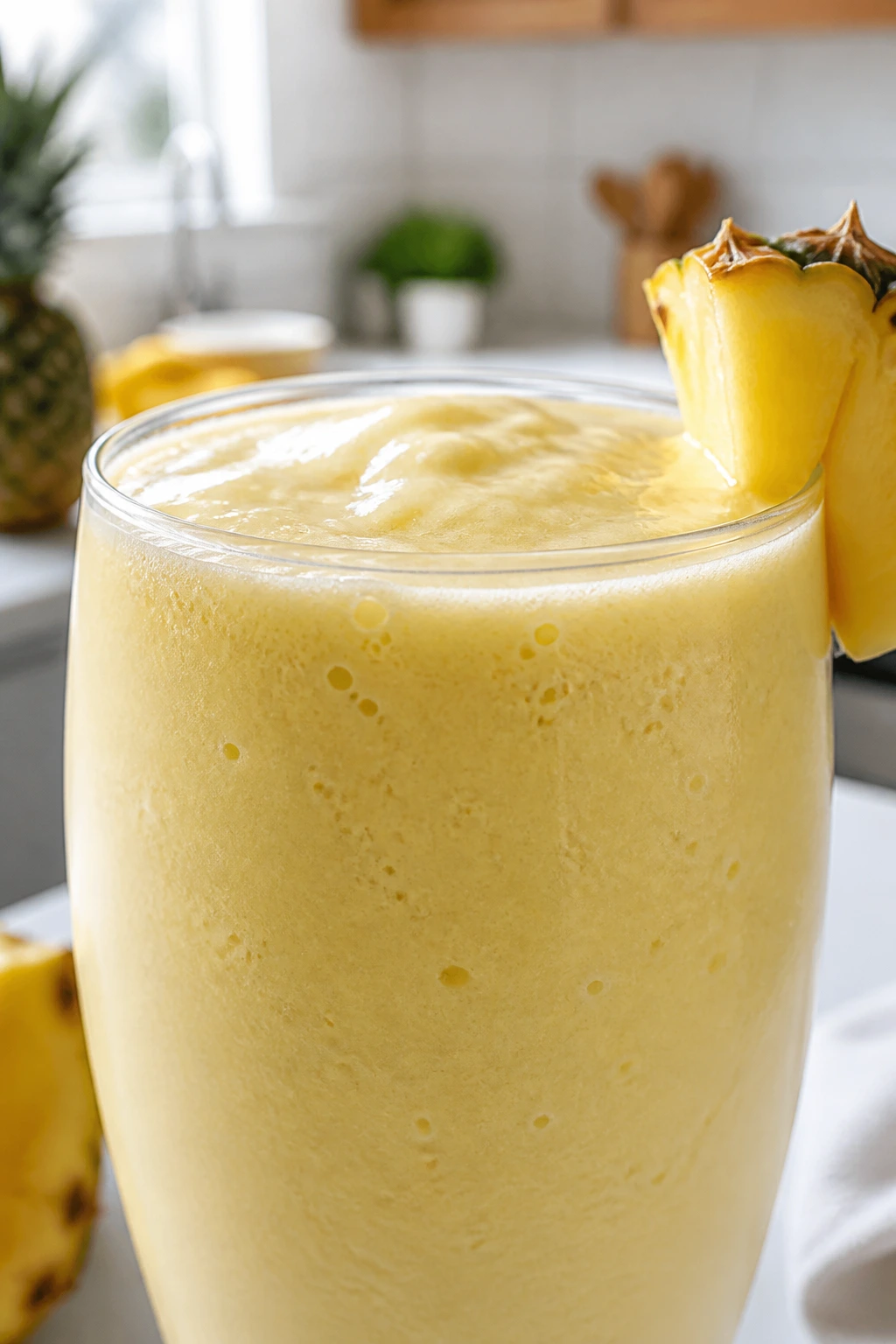
Greek yogurt turns pineapple into something closer to a meal. The texture is thick enough to feel substantial, but the flavor still stays bright and sharp instead of chalky or bland.
Why It Works:
Plain Greek yogurt gives this smoothie a thick, tangy base that holds up under pineapple’s acidity. Milk loosens the texture just enough to keep it drinkable. If you want a breakfast smoothie that does not feel like fruit water, this is the move.
Key Ingredients:
- 2 cups frozen pineapple chunks
- 3/4 cup plain Greek yogurt
- 1/2 cup milk
Quick Steps:
- Add the milk and yogurt to the blender.
- Add the frozen pineapple.
- Blend until thick and smooth, about 30 to 40 seconds, adding a tablespoon more milk only if the blender needs help.
Equipment for This Recipe:
- Blender
- Measuring cups
- Tall glass or lidded travel cup
How to Serve This Dish:
This one is thick enough for a spoon in a pinch, so a small bowl is not out of the question if you like smoothie bowls. Otherwise, serve it cold in a travel cup and keep moving.
Pro Tips for This Recipe:
- Use plain yogurt if you want the pineapple to stay dominant.
- Milk can be dairy or non-dairy; just keep it unsweetened.
- Blend long enough for the yogurt to disappear fully. Short blending leaves streaks.
Variations on This Dish:
- Tangier Breakfast Blend: Use kefir instead of milk for a sharper finish.
- Softer Protein Version: Add a little more milk and blend less aggressively.
Common Mistakes to Avoid with This Dish:
- Using flavored yogurt that is already very sweet. It flattens the pineapple.
- Not blending long enough. Yogurt needs time to disappear into the fruit.
15. Pineapple Oat Breakfast
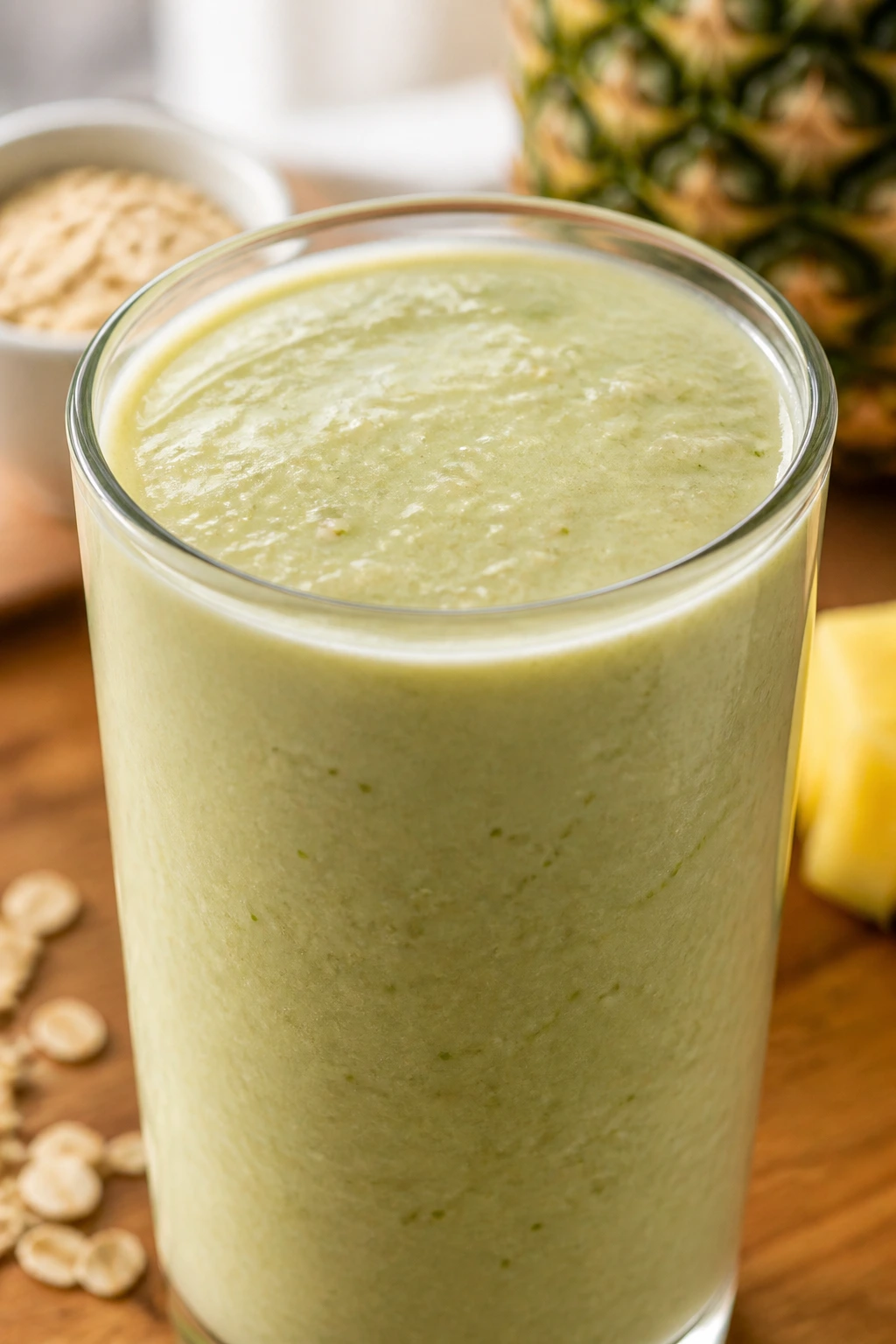
Oats make pineapple act like breakfast without making the blender work hard. The drink gets a thicker, slightly creamy feel that sits in the stomach better than plain fruit juice ever will.
Why It Works:
Rolled oats add body in a way that is subtle once they are blended, and milk softens the sharp edges of the pineapple. If your blender is decent, the oats disappear into the background and leave behind a smoother, fuller sip. This is a very practical smoothie. That’s the point.
Key Ingredients:
- 2 cups frozen pineapple chunks
- 1/4 cup rolled oats
- 1 cup milk
Quick Steps:
- Add the milk and oats to the blender first.
- Blend for 10 seconds to break up the oats.
- Add the pineapple and blend until creamy, about 35 to 45 seconds.
Equipment for This Recipe:
- Blender
- Measuring cup
- Spatula
How to Serve This Dish:
Serve it in a tall cup if you need breakfast on the move, or in a bowl if you want it thicker and slower. A slice of toast beside it is usually enough.
Pro Tips for This Recipe:
- Let the oats soak in the milk for 2 minutes before blending if your blender is weak.
- Use old-fashioned rolled oats, not steel-cut oats.
- If the smoothie feels too dense, add 2 tablespoons more milk and blend again.
Variations on This Dish:
- Thicker Oat Blend: Use less milk and let the oats sit for 5 minutes.
- Smoother Finish: Blend the oats first until they look finely ground.
Common Mistakes to Avoid with This Dish:
- Using too many oats. The smoothie turns pasty fast.
- Skipping the first blend of oats and milk. Whole oats can stay gritty.
16. Pineapple Peanut Butter Shake
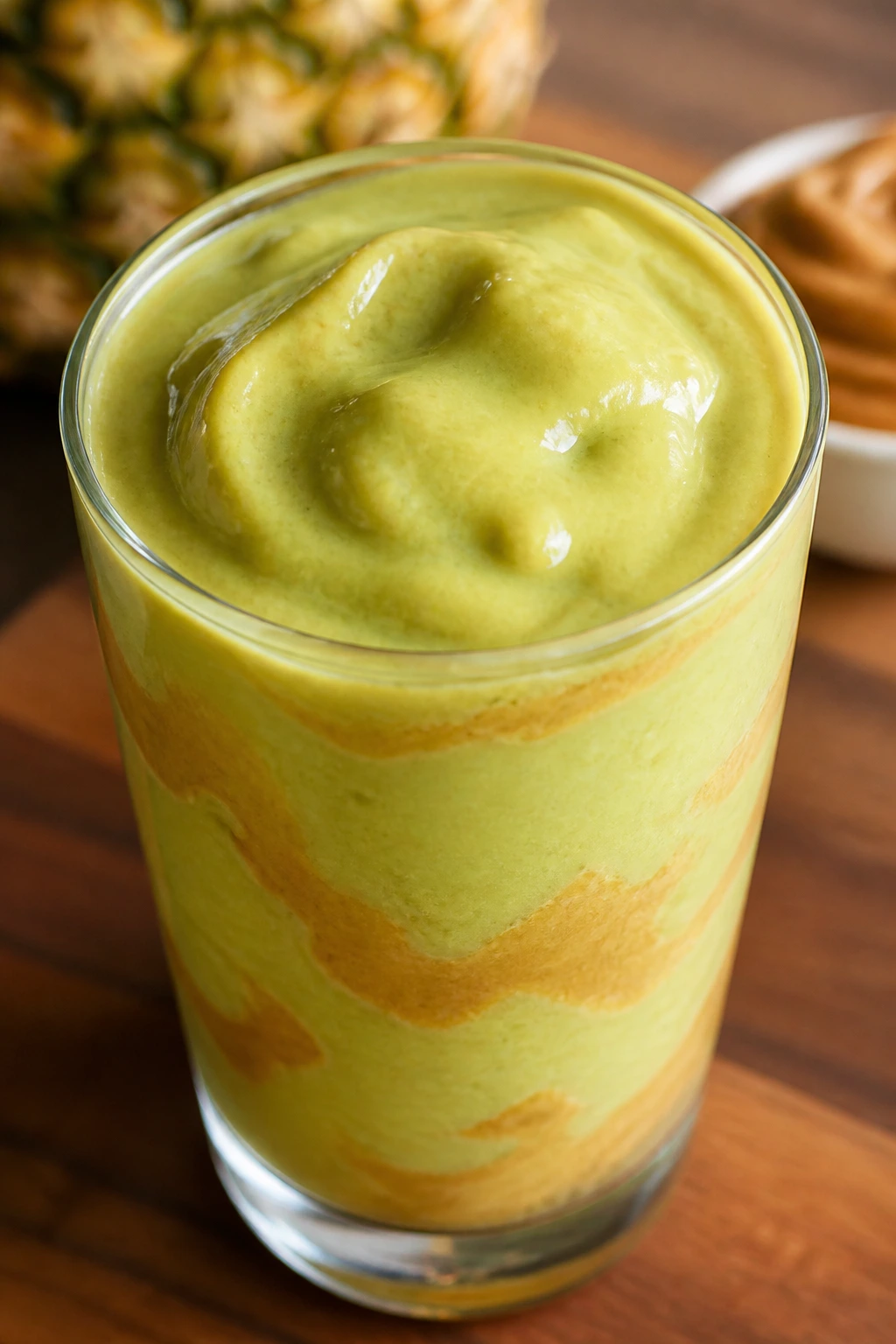
Peanut butter and pineapple sound odd until the first sip. Then the sweet-salty thing makes sense, and the whole glass turns into a thick, almost milkshake-like breakfast.
Why It Works:
Peanut butter gives the smoothie fat and a roasted flavor that plays against pineapple’s brightness. Milk keeps it moving, while frozen pineapple keeps the shake from becoming greasy or dull. The combination tastes richer than the ingredient list would suggest.
Key Ingredients:
- 2 cups frozen pineapple chunks
- 2 tablespoons peanut butter
- 1 cup milk
Quick Steps:
- Add the milk and peanut butter to the blender.
- Add the pineapple.
- Blend until smooth and thick, about 30 to 40 seconds, stopping if peanut butter sticks to the sides.
Equipment for This Recipe:
- Blender
- Measuring spoons
- Tall glass
How to Serve This Dish:
Pour it into a tall glass and use a spoon if it comes out especially thick. It works as breakfast, but it also feels right after a workout when you want something cold and filling.
Pro Tips for This Recipe:
- Natural peanut butter blends more smoothly than the stiff, sugary kind.
- If the peanut butter is separated, stir it before measuring.
- A little extra blending time helps the nut butter fully disappear.
Variations on This Dish:
- Softer Sweet-Salty Blend: Use only 1 tablespoon peanut butter for a lighter nut flavor.
- Thicker Shake Style: Reduce the milk slightly and serve with a spoon.
Common Mistakes to Avoid with This Dish:
- Using chunky peanut butter. It leaves bits that do not feel right in a smoothie.
- Adding the fruit before the nut butter and milk. The blades can stall.
17. Pineapple Almond Butter Shake
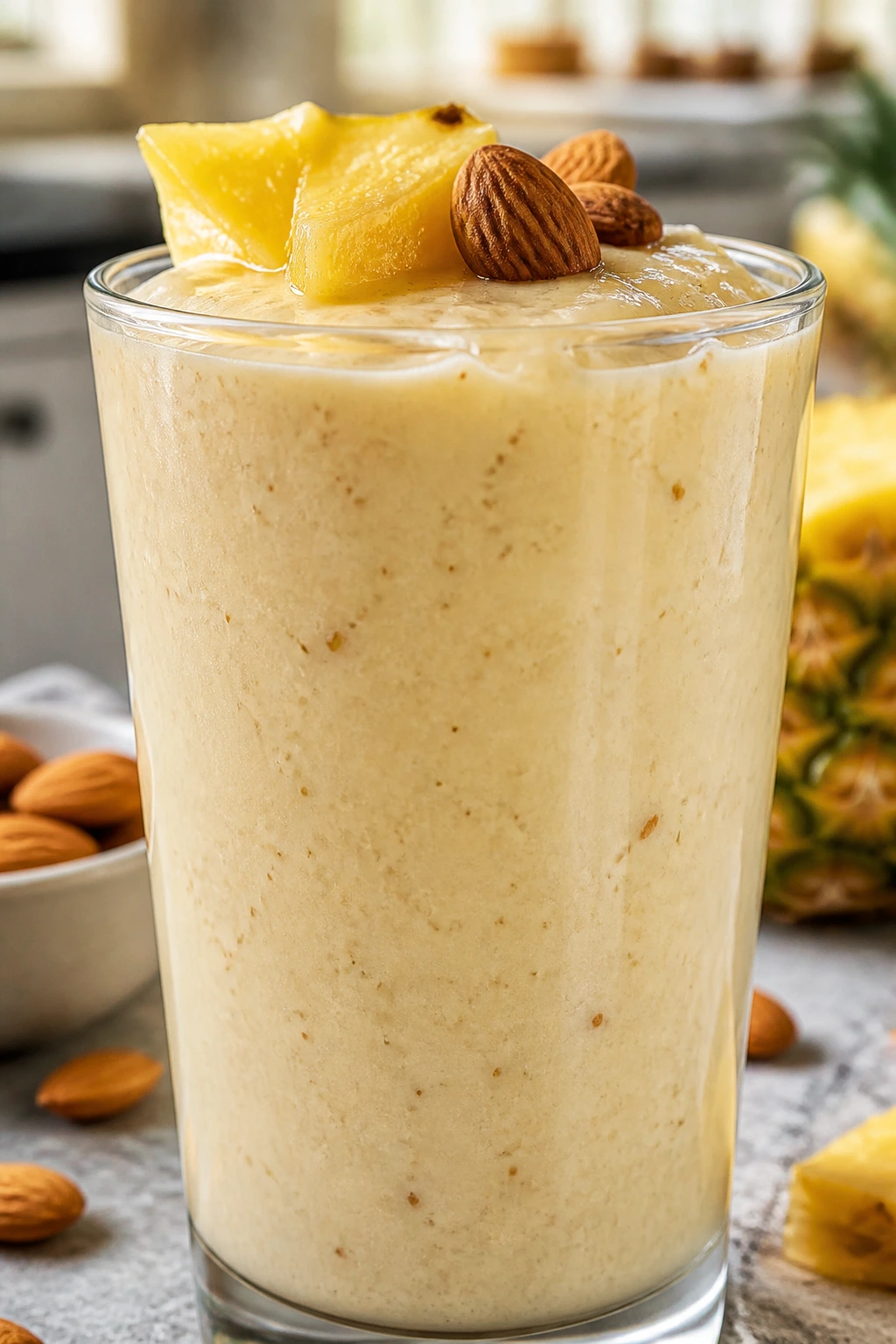
Almond butter is milder than peanut butter, and this blend leans into that softness. The pineapple keeps it from tasting flat, while oat milk gives the whole thing a smooth, easy finish.
Why It Works:
Almond butter has a gentler flavor than peanut butter, so the pineapple stays more visible in the glass. Oat milk brings a little natural sweetness and a round texture that suits the nut butter well. This is a good one when you want something creamy but less assertive than the peanut butter version.
Key Ingredients:
- 2 cups frozen pineapple chunks
- 2 tablespoons almond butter
- 1 cup oat milk
Quick Steps:
- Add the oat milk and almond butter to the blender.
- Add the frozen pineapple.
- Blend until smooth and even, about 30 seconds, until there are no streaks of almond butter left.
Equipment for This Recipe:
- Blender
- Measuring spoons
- Tall glass
How to Serve This Dish:
Serve it in a chilled glass and drink it while it still has that soft, creamy texture. It pairs well with granola or a simple breakfast pastry, though it does not need much help.
Pro Tips for This Recipe:
- Stir almond butter before measuring so you do not scoop mostly oil.
- Unsweetened oat milk keeps the drink from becoming syrupy.
- If you want a thinner shake, add just 2 tablespoons more oat milk.
Variations on This Dish:
- Toastier Finish: Use a darker roasted almond butter.
- Lighter Breakfast Blend: Cut the almond butter back to 1 tablespoon.
Common Mistakes to Avoid with This Dish:
- Using almond butter that has separated badly. It blends unevenly and can taste oily.
- Overdoing the oat milk. The smoothie loses its creamy hold.
18. Pineapple Chia Chiller
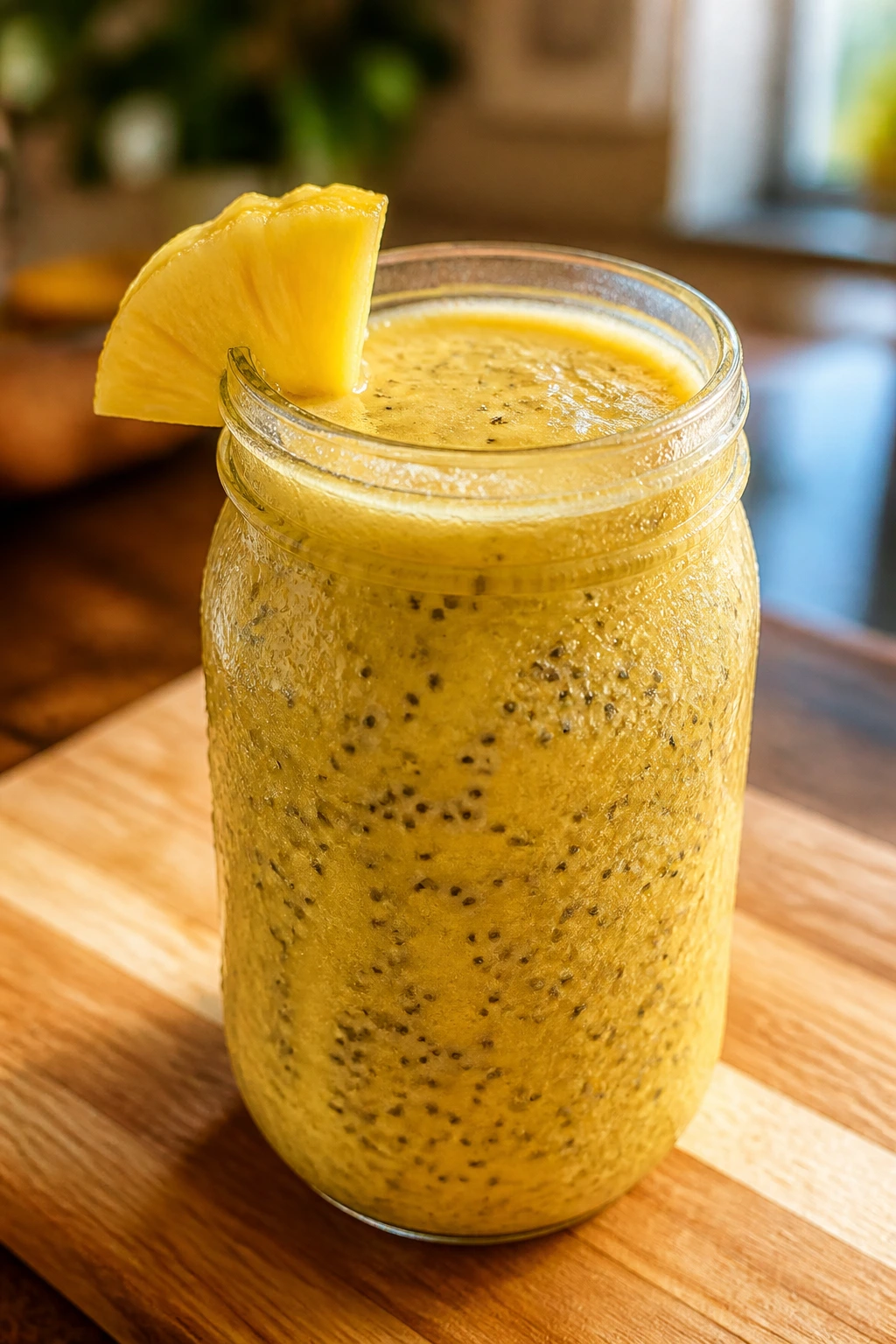
Chia is the ingredient that changes its own mind after blending. Right away, the smoothie seems loose; a few minutes later, it thickens and turns into something more substantial.
Why It Works:
Pineapple and coconut water keep the flavor bright, while chia seeds absorb liquid and build body as the smoothie sits. That makes this one a little different from the others: it improves slightly after a short rest instead of demanding immediate drinking. Not a long rest. Just enough time for the chia to wake up.
Key Ingredients:
- 2 cups frozen pineapple chunks
- 1 tablespoon chia seeds
- 1 cup coconut water
Quick Steps:
- Add the coconut water to the blender.
- Add the pineapple and chia seeds.
- Blend until smooth, then let the smoothie sit for 3 to 5 minutes before drinking so the chia thickens it slightly.
Equipment for This Recipe:
- Blender
- Measuring spoon
- Glass or jar with a lid
How to Serve This Dish:
Serve it in a jar if you want to shake it once before sipping. It works as a grab-and-go breakfast, but the thicker texture also makes it nice for a slower drink at a desk or on the porch.
Pro Tips for This Recipe:
- Give chia a short rest after blending or it stays thinner than it should.
- Do not add more than a tablespoon unless you want the texture to get gel-like.
- Coconut water should be cold so the chia starts thickening cleanly.
Variations on This Dish:
- Thicker Chia Blend: Let it rest closer to 5 minutes before drinking.
- Lighter Sip: Use a little extra coconut water if you want it looser.
Common Mistakes to Avoid with This Dish:
- Drinking it immediately and expecting the chia effect. Give it a few minutes.
- Using too much chia. The smoothie can turn oddly stiff.
19. Pineapple Cucumber Cooler
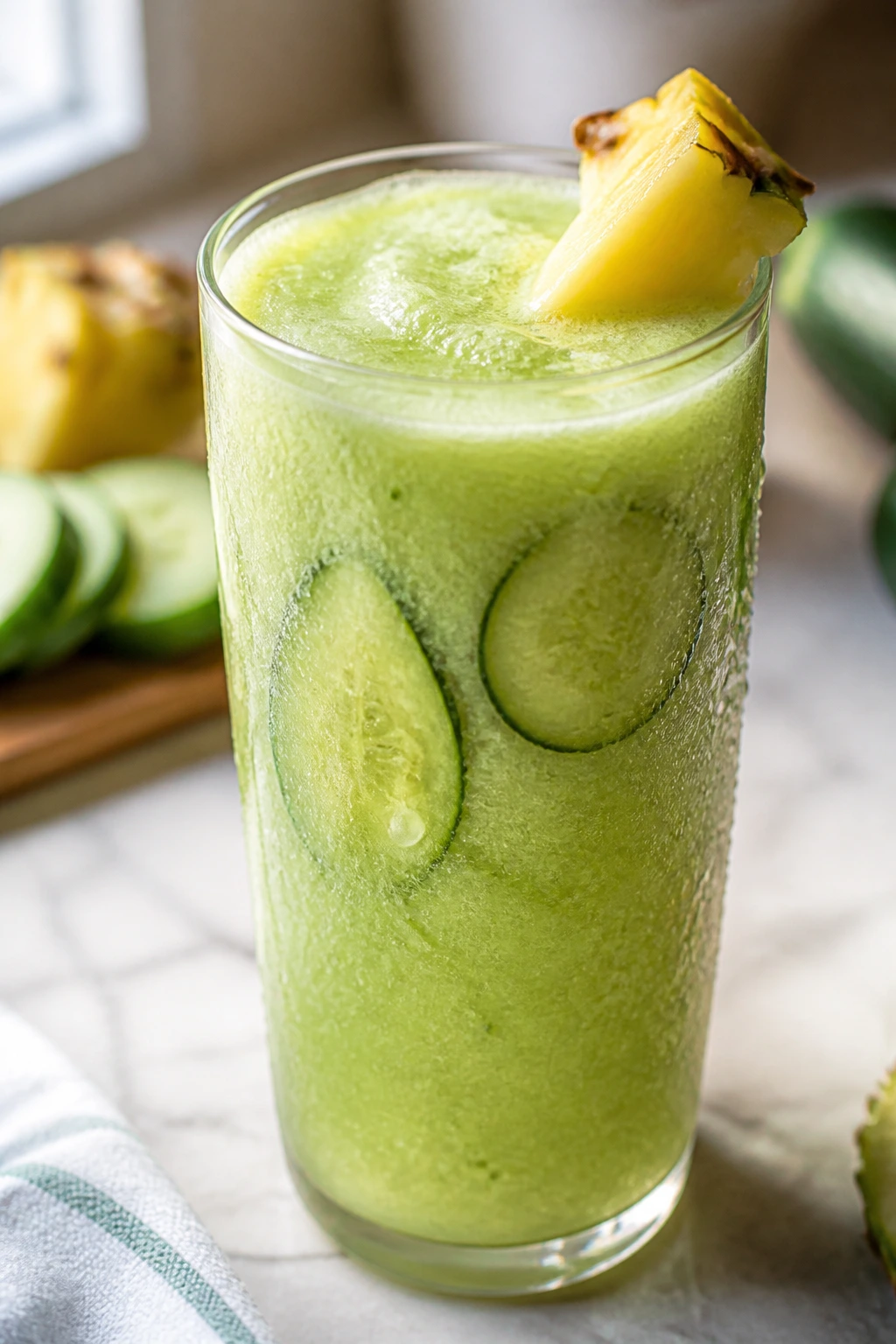
Cucumber keeps pineapple light, cold, and almost spa-like. The flavor is crisp rather than creamy, which makes this the cleanest-tasting glass in the whole set.
Why It Works:
Cucumber adds water, but it also adds a clean green note that makes pineapple feel less sweet and more refreshing. Coconut water keeps the glass from tasting hollow. If you want something that feels like a reset instead of breakfast, this is the one.
Key Ingredients:
- 2 cups frozen pineapple chunks
- 1 cup chopped cucumber, peeled if the skin is waxy
- 1 cup coconut water
Quick Steps:
- Add the coconut water to the blender first.
- Add the cucumber and pineapple.
- Blend until pale and smooth, about 30 seconds, then serve right away.
Equipment for This Recipe:
- Blender
- Cutting board and knife
- Measuring cup
How to Serve This Dish:
Serve it very cold, ideally in a chilled glass. It sits well beside a light lunch, a plain bagel, or a plate of fruit if you want to keep the whole meal simple.
Pro Tips for This Recipe:
- Peel the cucumber if the skin tastes bitter or looks waxy.
- Seedless cucumbers give the cleanest texture.
- Keep the fruit frozen so the cucumber does not dominate the blend.
Variations on This Dish:
- Sharper Green Cooldown: Use a little less coconut water for a stronger cucumber note.
- Softer Spa Blend: Blend it longer for a smoother, less crisp texture.
Common Mistakes to Avoid with This Dish:
- Using old cucumber. It tastes watery in the wrong way.
- Skipping the peel check. Bitter skin shows up fast in a two-flavor smoothie.
20. Pineapple Ginger Zing
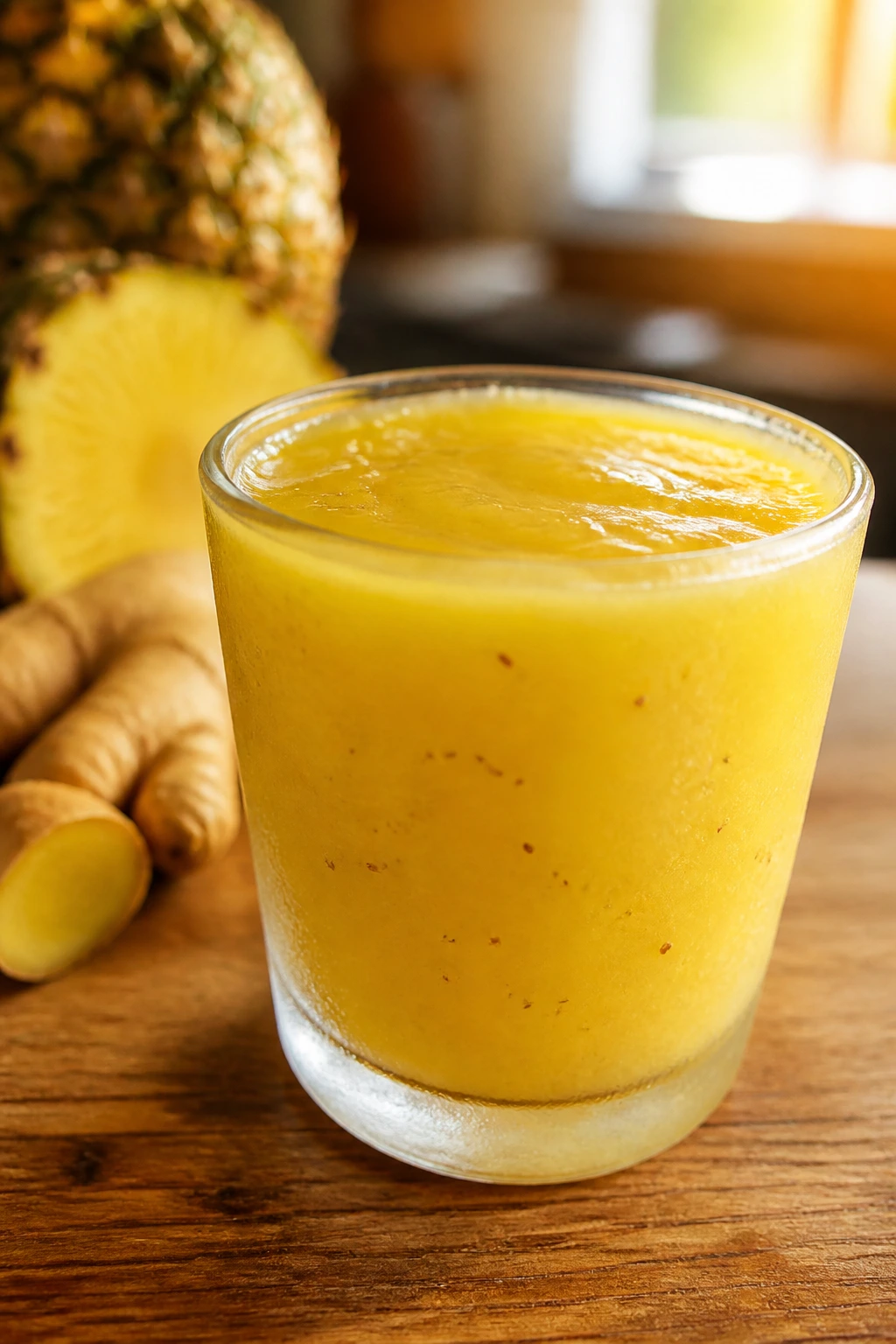
Fresh ginger cuts straight through pineapple’s sweetness. The whole drink tastes brisk, warm at the back of the throat, and bright enough to wake up a dull morning.
Why It Works:
Ginger brings heat and a little sharpness, while orange juice rounds the edges and helps the fruit blend smoothly. Pineapple stays in charge of the sweetness, which keeps the ginger from becoming harsh. This is the smoothie I reach for when I want fruit with a little snap.
Key Ingredients:
- 2 cups frozen pineapple chunks
- 1 tablespoon peeled fresh ginger
- 1 cup orange juice
Quick Steps:
- Add the orange juice to the blender.
- Add the pineapple and ginger.
- Blend until smooth, about 30 to 35 seconds, and taste before pouring if you want a more aggressive ginger note next time.
Equipment for This Recipe:
- Blender
- Microplane or knife
- Measuring cup
How to Serve This Dish:
Serve it in a smallish glass; ginger is stronger when the serving is concentrated. It makes a good midmorning drink and also works alongside plain toast or breakfast cereal.
Pro Tips for This Recipe:
- Grate the ginger finely so it disappears instead of hitting in one spicy burst.
- Use a thumb-sized piece only if you like a strong ginger finish.
- Chilled orange juice keeps the smoothie from going flat.
Variations on This Dish:
- Hotter Ginger Blend: Add a little more ginger and blend longer.
- Softer Citrus Version: Use slightly less ginger for a gentler finish.
Common Mistakes to Avoid with This Dish:
- Using big ginger chunks. They hit too hard and unevenly.
- Overdoing the orange juice. The smoothie loses its clean edge.
21. Pineapple Turmeric Gold
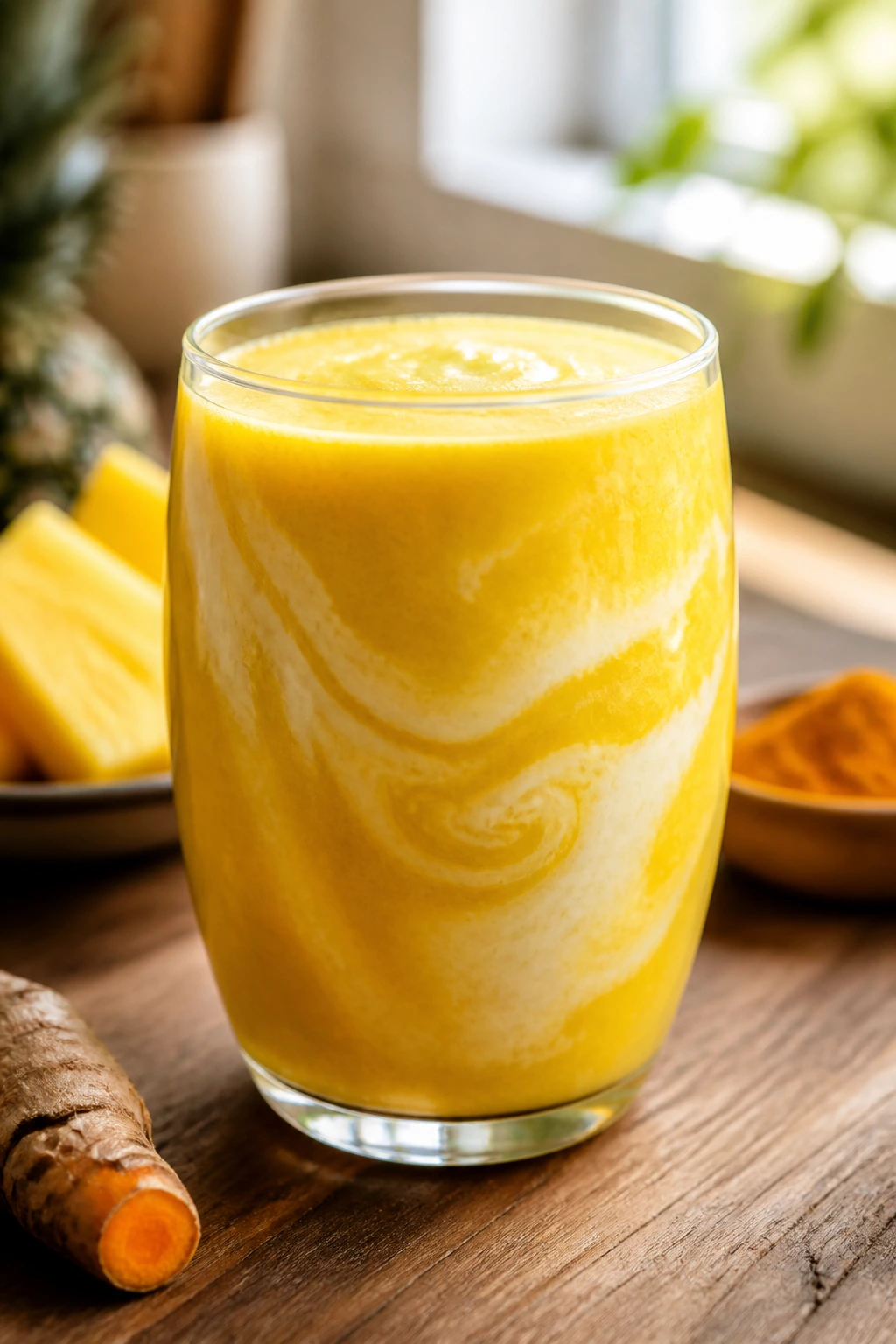
Turmeric gives the glass a warm color and a low hum of spice. Pineapple keeps it from tasting earthy in a heavy way, and coconut milk softens the whole thing into something calm and smooth.
Why It Works:
Turmeric needs fat or it can taste dusty, which is why coconut milk matters here. Pineapple brightens the spice and keeps the smoothie from tasting like a wellness drink trying too hard. The result is golden, creamy, and a little earthy in a way that stays pleasant.
Key Ingredients:
- 2 cups frozen pineapple chunks
- 1 cup light canned coconut milk
- 1/2 teaspoon ground turmeric
Quick Steps:
- Add the coconut milk to the blender.
- Add the pineapple and turmeric.
- Blend until the color turns evenly gold, about 30 seconds, and rinse the blender soon after so the turmeric does not stain.
Equipment for This Recipe:
- Blender
- Measuring spoons
- Can opener
How to Serve This Dish:
Serve it immediately in a chilled glass so the color stays bright. It feels right as a slower breakfast drink or a midafternoon sip when you want something creamy but not sweet like dessert.
Pro Tips for This Recipe:
- Shake or stir the coconut milk before measuring.
- Rinse the blender right away; turmeric leaves a yellow film fast.
- Use a light hand with turmeric. A half teaspoon is enough.
Variations on This Dish:
- Softer Spice Blend: Use a little less turmeric if you want the pineapple louder.
- Richer Gold Version: Swap in a fuller-fat coconut milk for a thicker drink.
Common Mistakes to Avoid with This Dish:
- Using too much turmeric. The drink turns muddy and bitter.
- Waiting to wash the blender. The yellow stain gets stubborn.
22. Pineapple Matcha Oat
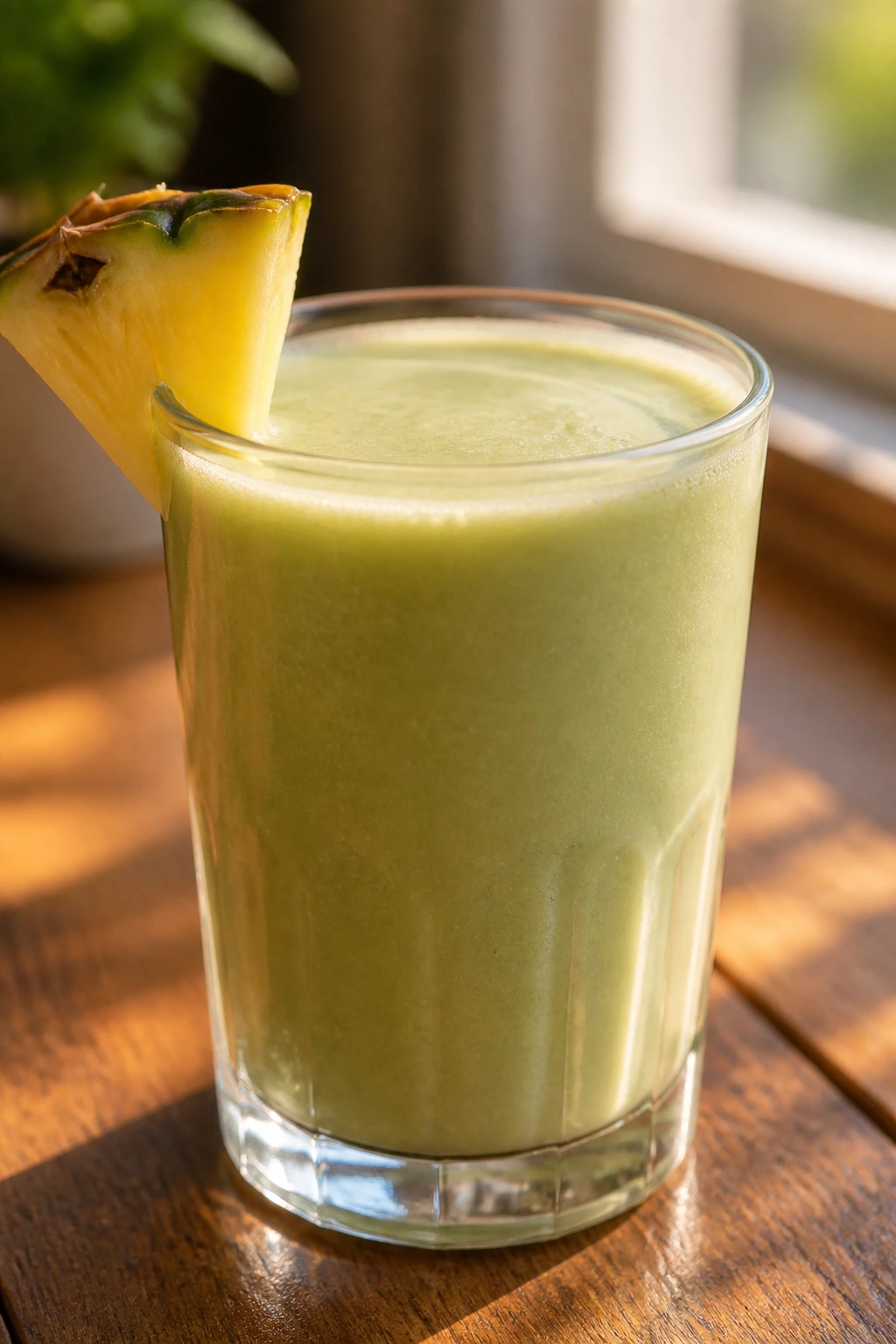
Matcha and pineapple should not work as well as they do. The earthy tea gets pulled into line by the pineapple’s brightness, and oat milk smooths the whole thing into a calm, lightly sweet glass.
Why It Works:
Matcha can taste grassy or sharp if it is not balanced, and pineapple gives it exactly that balance. Oat milk softens the tea flavor and keeps the smoothie creamy without dairy. It is unusual enough to feel interesting, but not so strange that it stops tasting like a smoothie.
Key Ingredients:
- 2 cups frozen pineapple chunks
- 1 teaspoon matcha powder
- 1 cup oat milk
Quick Steps:
- Add the oat milk to the blender.
- Add the matcha powder and pineapple.
- Blend until the color looks even, about 30 to 40 seconds, and stop once there are no green specks left.
Equipment for This Recipe:
- Blender
- Measuring teaspoon
- Small whisk, optional for dissolving matcha first
How to Serve This Dish:
Pour it into a clear glass so the pale green color shows through. It works as a breakfast drink when you want something a little different, or as a cooler afternoon sip with no extra fuss.
Pro Tips for This Recipe:
- If your matcha clumps, whisk it into the oat milk first.
- Use culinary-grade matcha with a clean green color.
- Do not overdo the powder or the drink turns bitter quickly.
Variations on This Dish:
- Softer Tea Blend: Use a scant teaspoon of matcha for a gentler taste.
- Creamier Version: Add a little more oat milk and blend less aggressively.
Common Mistakes to Avoid with This Dish:
- Adding too much matcha. Bitterness takes over fast.
- Not dissolving the powder properly. Green flecks show up in the glass.
23. Pineapple Coffee Banana
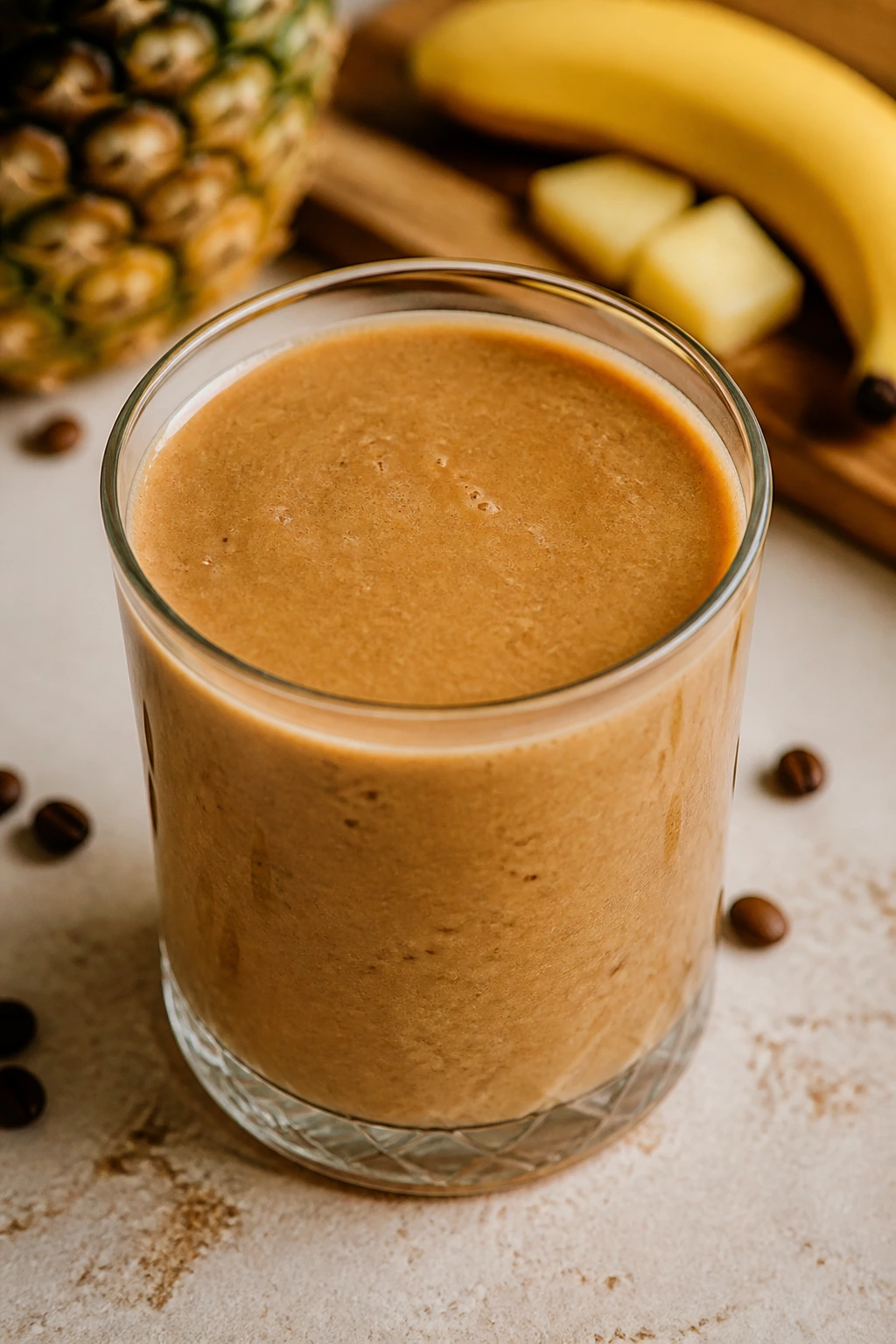
Coffee and pineapple make a strange, good little breakfast shake. The cold brew gives it a mellow bitterness, the banana makes it smooth, and pineapple keeps the drink from feeling like dessert pretending to be morning fuel.
Why It Works:
Banana and coffee already like each other, and pineapple adds enough acid to keep the flavor from going flat. Cold brew is smoother than hot coffee cooled down, so the smoothie stays clean instead of tasting burnt. This one is less tropical than the others, but it is one of the most useful.
Key Ingredients:
- 2 cups frozen pineapple chunks
- 1 frozen banana
- 3/4 cup cold brew coffee, chilled
Quick Steps:
- Pour the cold brew into the blender.
- Add the frozen pineapple and banana.
- Blend until thick and smooth, about 30 to 35 seconds, then pour immediately so the coffee flavor stays crisp.
Equipment for This Recipe:
- Blender
- Measuring cup
- Travel cup, if you want it on the move
How to Serve This Dish:
Serve it in a lidded cup if you want a breakfast you can carry. It also works in a short glass with a spoon, since it tends to come out a little thicker than a juice-style smoothie.
Pro Tips for This Recipe:
- Use cold brew, not hot coffee cooled at the last second.
- Freeze the banana in chunks so the texture stays thick.
- If your coffee is very bold, keep the banana fully ripe to soften the edge.
Variations on This Dish:
- Milder Coffee Blend: Use a little less cold brew for a softer coffee note.
- Thicker Breakfast Shake: Add a few extra pineapple chunks and blend a bit longer.
Common Mistakes to Avoid with This Dish:
- Using warm coffee. It melts the fruit and ruins the texture.
- Choosing a coffee that is too sharp. The smoothie can taste bitter instead of balanced.
24. Pineapple Watermelon Splash
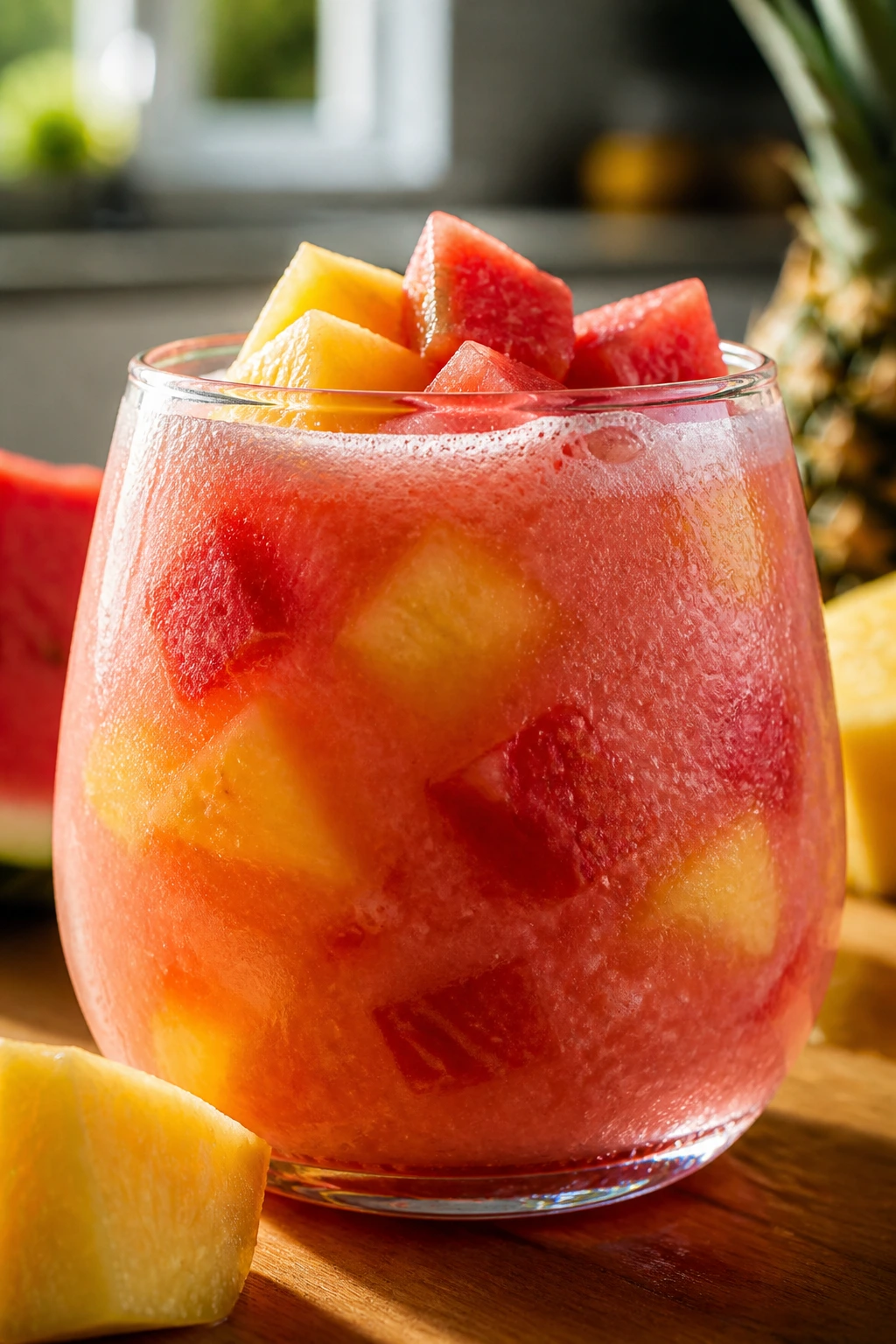
Watermelon turns pineapple into something slushy and loose without any ice. It is the lightest, most drink-now smoothie in the set, and it tastes like a hot day chopped into cubes.
Why It Works:
Watermelon is high in water, so it keeps the smoothie loose and easy to drink while still bringing sweetness. Coconut water reinforces the fresh, light flavor without making it taste like melted fruit punch. The pineapple keeps the whole thing from going limp.
Key Ingredients:
- 2 cups frozen pineapple chunks
- 1 cup frozen watermelon cubes
- 3/4 cup coconut water
Quick Steps:
- Add the coconut water to the blender.
- Add the pineapple and frozen watermelon.
- Blend until slushy-smooth, about 25 to 30 seconds, and serve right away before it thins out.
Equipment for This Recipe:
- Blender
- Freezer-safe container
- Measuring cup
How to Serve This Dish:
Serve it in a wide glass because this one moves fast and drinks even faster. It is a good choice for warmer days, though I would not wait for a special occasion to make it.
Pro Tips for This Recipe:
- Freeze the watermelon in cubes first or it gets too watery.
- Keep the coconut water chilled.
- This smoothie is best when served immediately; it loses shape faster than the thicker ones.
Variations on This Dish:
- Thicker Splash: Use slightly less coconut water.
- Fruitier Version: Add more pineapple and reduce the watermelon a little.
Common Mistakes to Avoid with This Dish:
- Using fresh watermelon only. It makes the smoothie too thin.
- Letting it sit. The texture breaks down quickly.
25. Pineapple Honeydew Cooler
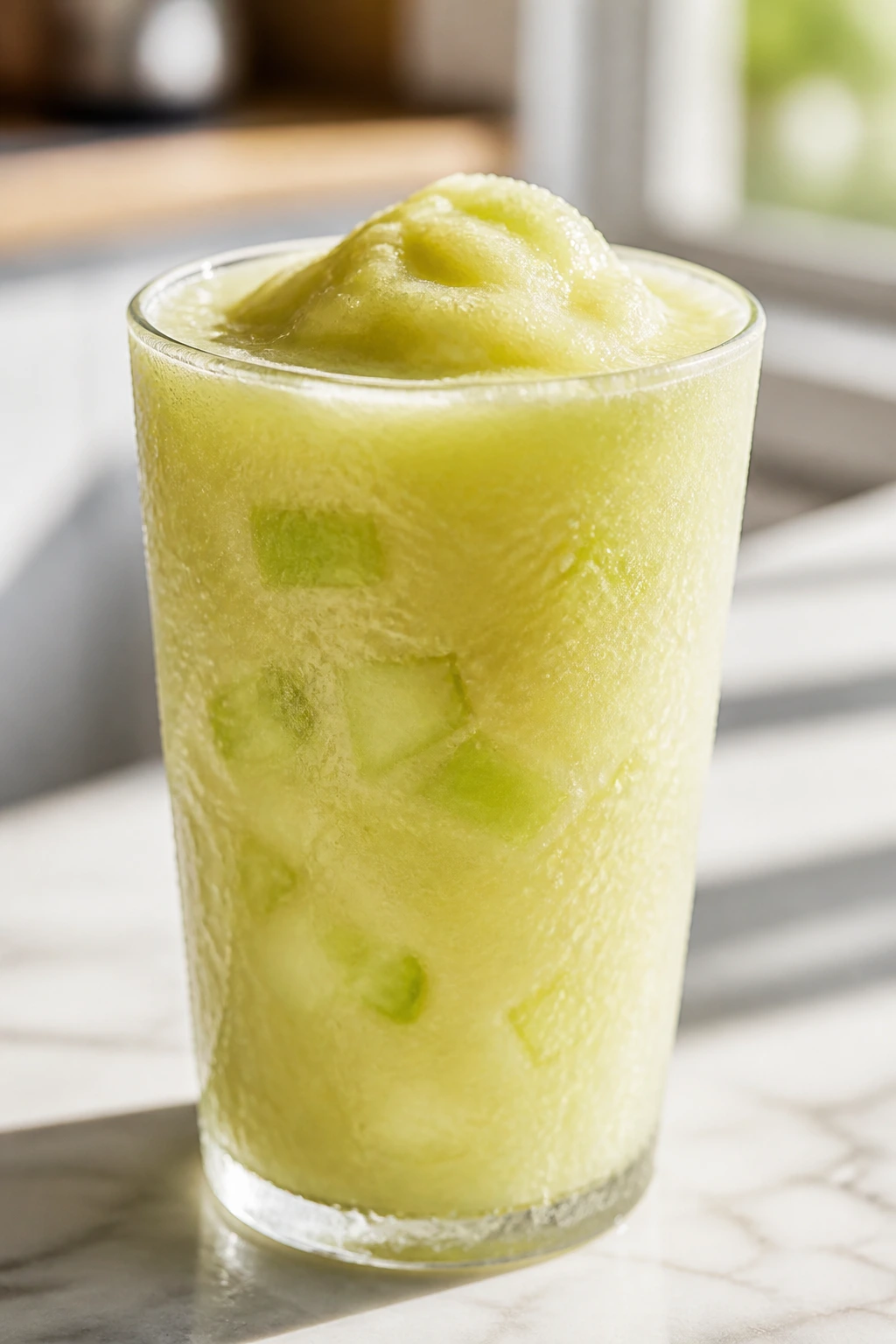
Honeydew is the quietest partner in the bunch, and that is the point. It softens pineapple without stealing the show, giving you a clean, mellow smoothie that tastes cold in a very specific way.
Why It Works:
Honeydew has a gentle sweetness and a soft texture, so it rounds out pineapple without adding a heavy flavor. Coconut water keeps everything crisp and easy to drink. This is the least flashy recipe here, but it is one of the most refreshing.
Key Ingredients:
- 2 cups frozen pineapple chunks
- 1 cup honeydew melon cubes
- 1 cup coconut water
Quick Steps:
- Add the coconut water to the blender.
- Add the pineapple and honeydew.
- Blend until smooth and pale green-gold, about 30 seconds, and pour immediately.
Equipment for This Recipe:
- Blender
- Cutting board and knife
- Measuring cup
How to Serve This Dish:
Serve it in a chilled glass with no ceremony at all. It works well as a light breakfast or a plain afternoon drink when you want something cold that does not shout.
Pro Tips for This Recipe:
- Use honeydew that smells sweet at the stem end; if it smells flat, the smoothie will too.
- Freeze the melon cubes if you want a thicker result.
- Coconut water tastes better here than plain water because it keeps the fruit flavor open.
Variations on This Dish:
- Stronger Melon Version: Use less coconut water and more honeydew.
- Cooler, Thinner Blend: Add a bit more coconut water if you want it lighter.
Common Mistakes to Avoid with This Dish:
- Using bland honeydew. The whole drink depends on the melon being ripe.
- Adding too much liquid. The smoothie turns watery fast.
Why Three Ingredients Win on Busy Mornings
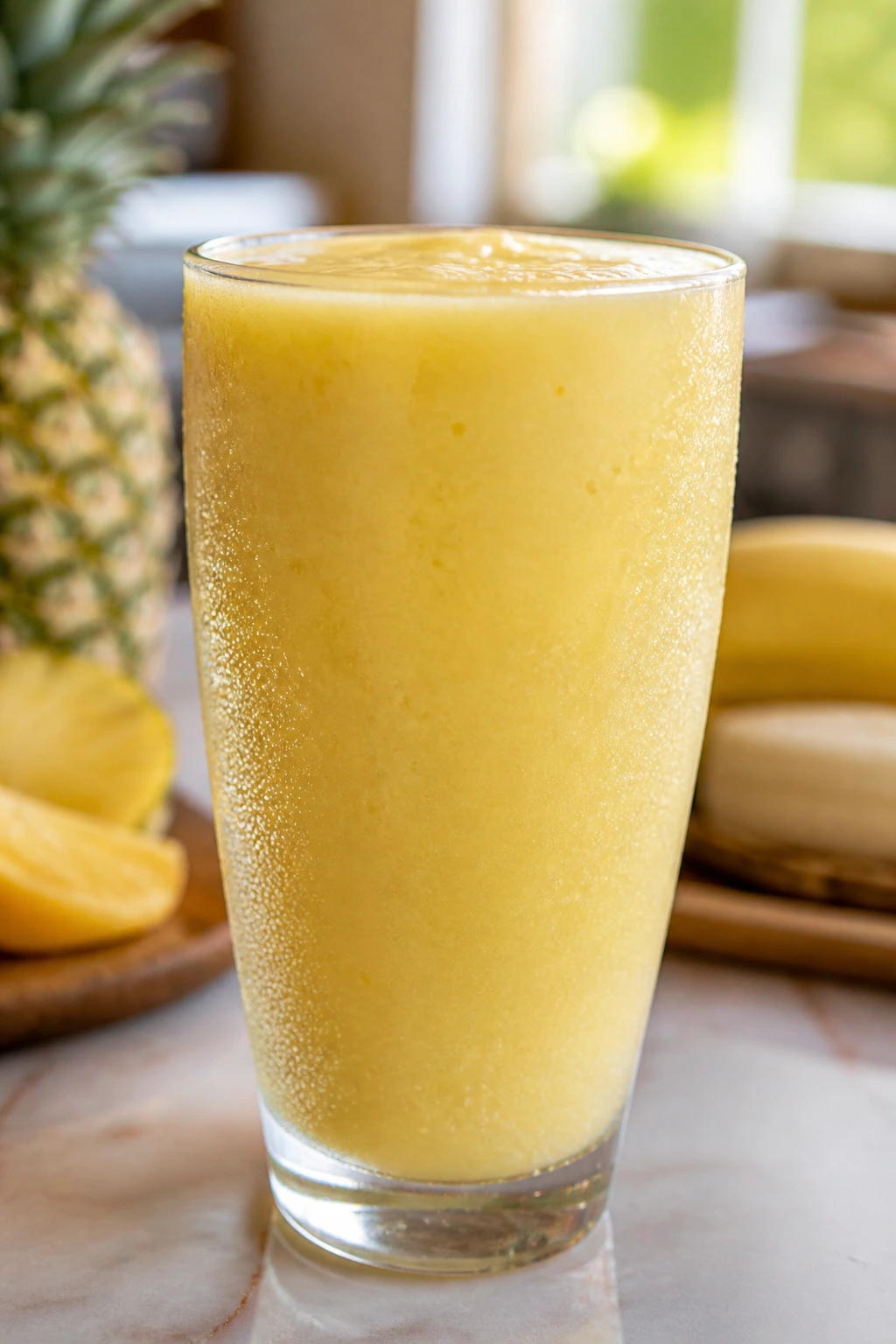
A three-ingredient smoothie only works if the ingredients pull their weight. That is why pineapple keeps showing up here. It has enough acid to stay bright, enough fiber to give the blender something to grip, and enough sweetness to keep the drink from tasting like a compromise.
Frozen pineapple is the real shortcut. It gives you the cold, thick texture people usually try to fake with ice, and it does it without dulling the flavor. One creamy ingredient or one sharply flavored partner is enough to make the glass feel complete. Once you add more than that, the smoothie starts drifting away from pineapple and toward whatever else you dumped in.
The other reason this formula works is simple: it is forgiving. Coconut water, milk, yogurt, nut butter, oats, matcha, ginger — they all behave differently, but the structure stays the same. Liquid first, frozen fruit second, blend until smooth. That rhythm is easy to repeat, which is why these recipes hold up so well in real kitchens.
Essential Equipment for These Smoothies
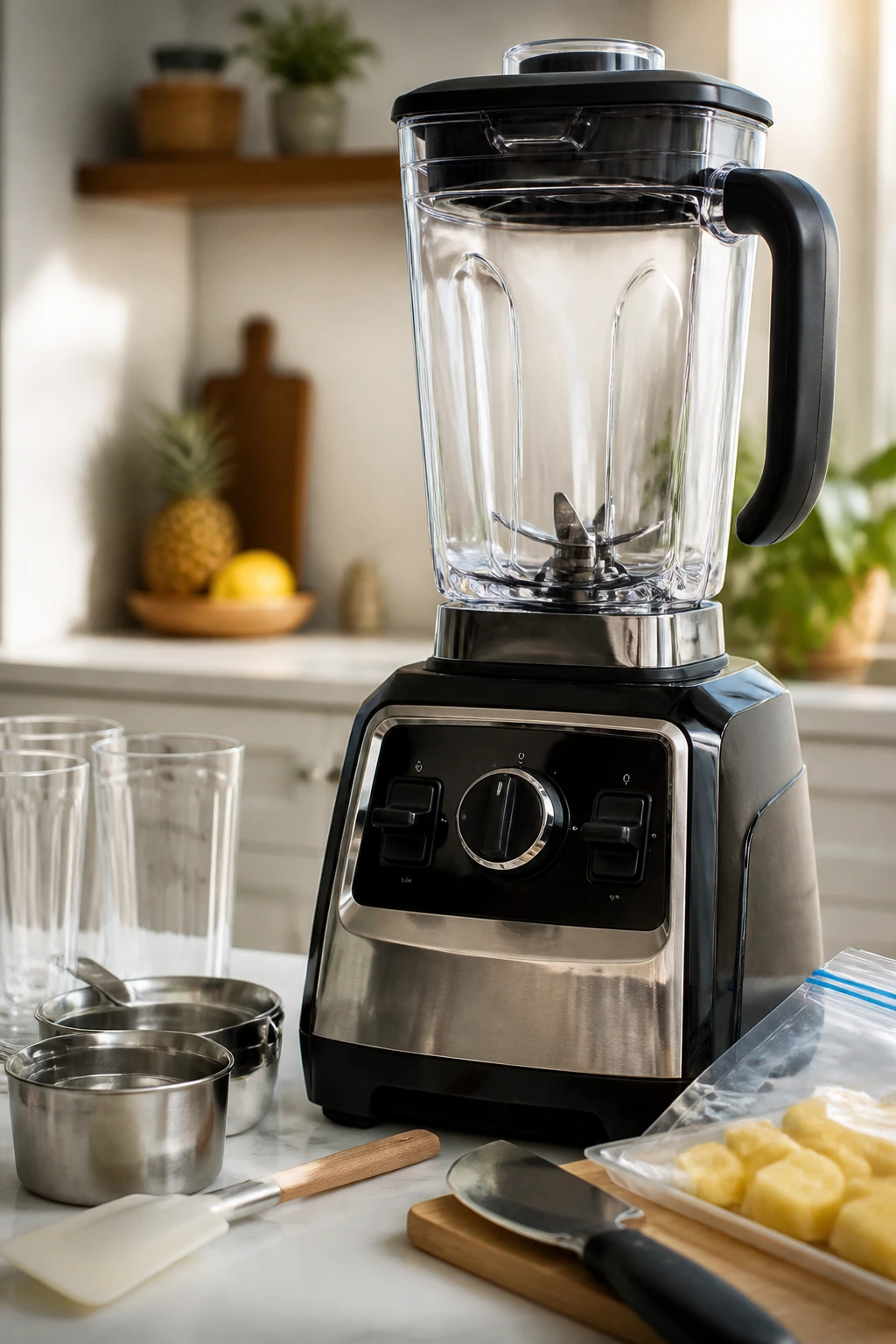
- Blender: A high-speed blender makes the frozen fruit smoother, but a standard one works if you give it a short pause and scrape the sides.
- Measuring cups and spoons: These keep the liquid in range, which matters more than most people think.
- Rubber spatula: Handy for pushing fruit toward the blades without stopping every ten seconds.
- Paring knife and cutting board: Useful for peeling kiwi, ginger, or cucumber and for chopping fresh fruit into freeze-friendly pieces.
- Freezer bags or lidded containers: Best for making fruit packs ahead of time so the blender job stays fast.
- Tall glasses or lidded travel cups: A thick smoothie needs a cup that can handle it, not a tiny juice glass.
Smart Shopping for Pineapple, Fruit, and Liquid
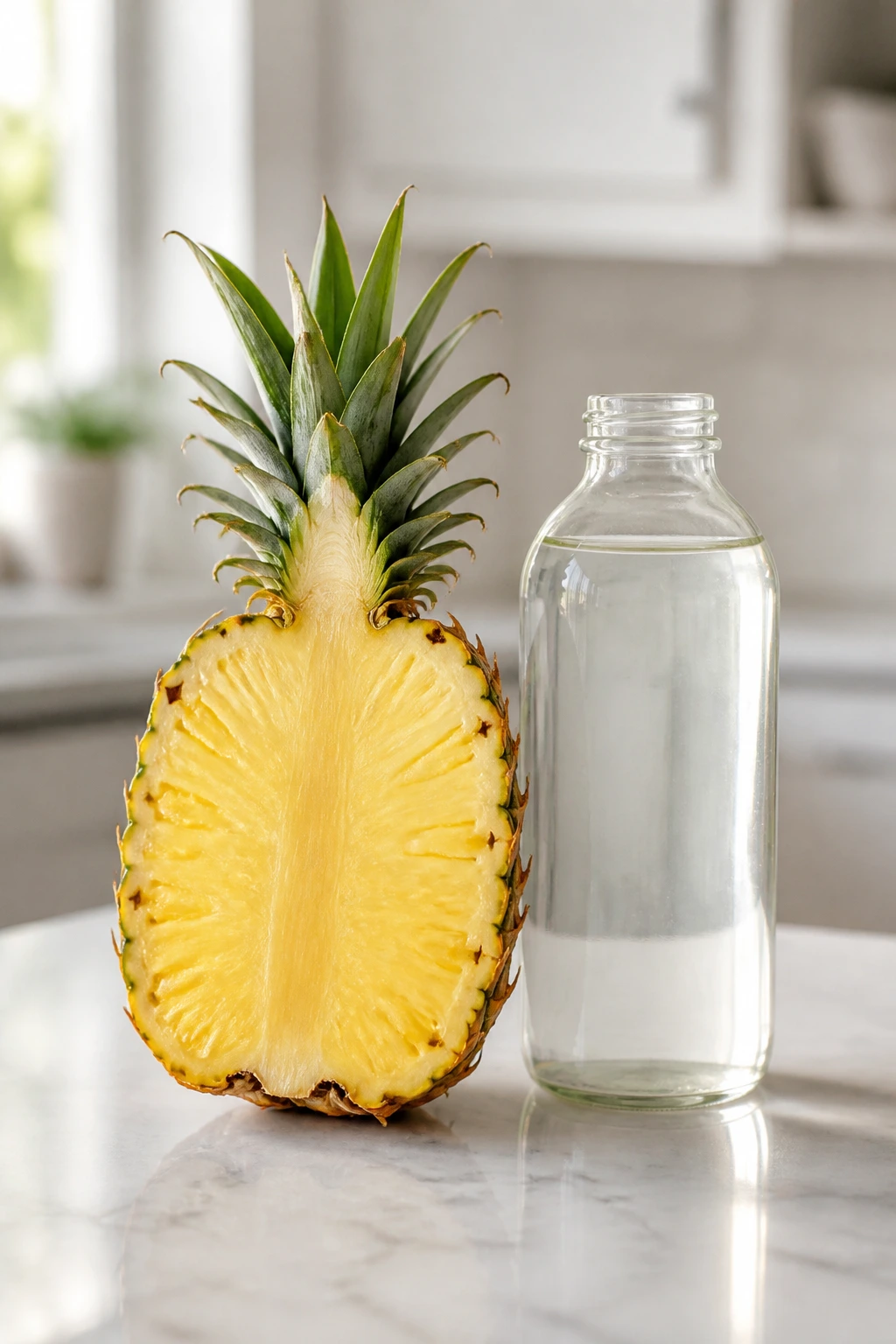
Frozen pineapple should taste like pineapple, not sugar. Check the bag for unsweetened chunks with a clean ingredient list; if syrup or added juice shows up, the smoothie usually turns flatter and sweeter than it needs to be. If you are starting from fresh pineapple, pick fruit that smells sweet near the base and gives slightly when pressed at the bottom.
For liquid, plain is usually better than flavored. Orange juice should be 100% juice, not a cocktail blend. Coconut water varies a lot, so choose one without added sugar if you want the pineapple to stay in the front. Milk and oat milk should be unsweetened unless you specifically want a softer, dessert-like drink.
Yogurt brings a big texture change, so read the label with a little care. Plain Greek yogurt tastes cleaner; vanilla yogurt tastes more like a treat. Both work, but they do different jobs. Same story with nut butter. Natural peanut or almond butter blends more smoothly than the shelf-stable kind loaded with sugar.
How to Serve These Pineapple Smoothies
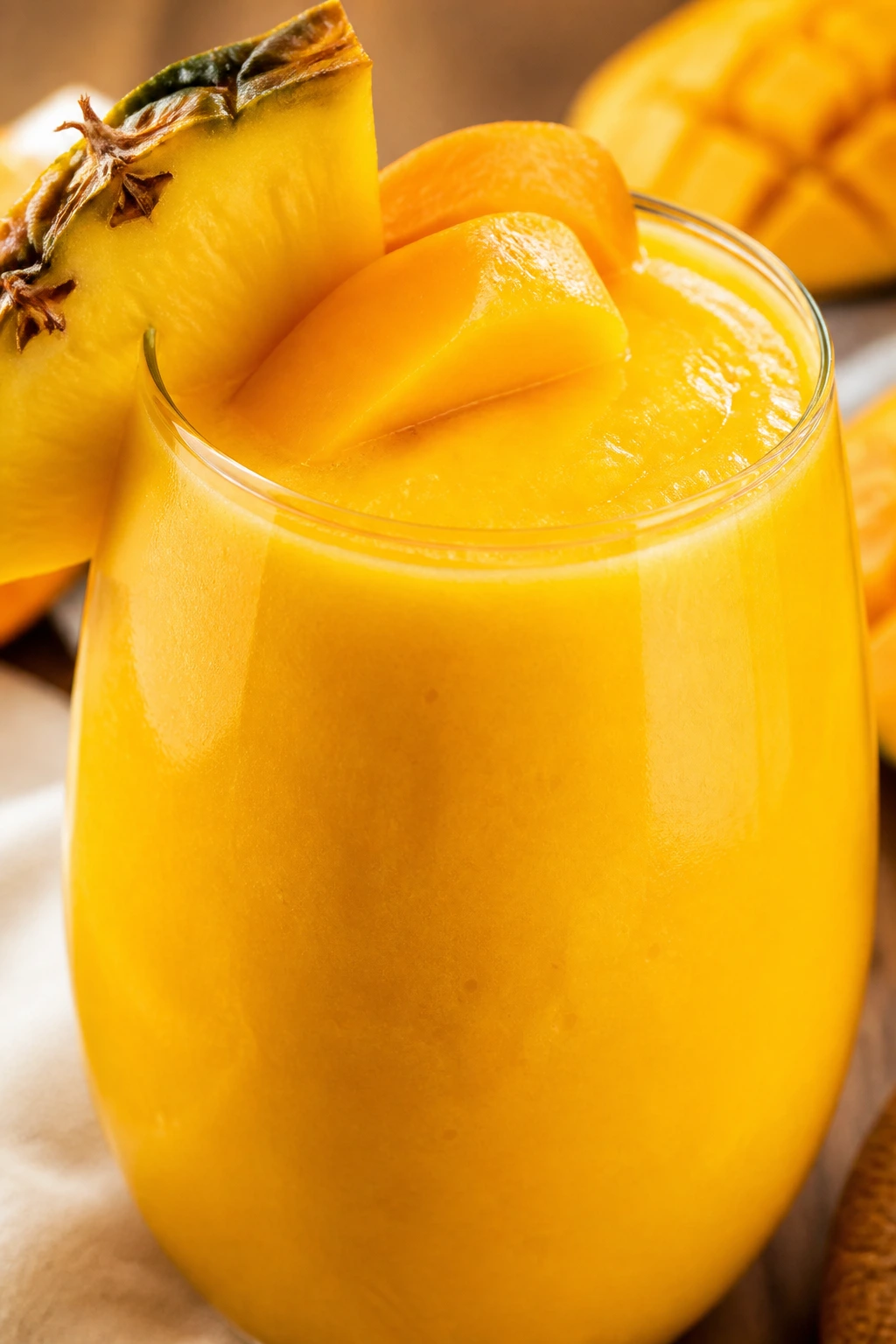
Presentation: Chill the glass for 5 to 10 minutes in the freezer before pouring. It keeps the smoothie thick longer and makes the color look brighter, especially in the berry and green versions.
Accompaniments: For breakfast blends, simple foods do the best job: toast, a boiled egg, a small bowl of granola, or a plain muffin. The richer smoothie recipes with nut butter or yogurt can stand on their own, but the lighter coconut-water versions welcome something dry on the side.
Portions: Most of these recipes make about 12 to 16 ounces, depending on how thick you like them. If you want to scale up, double everything but keep the liquid increase modest; adding too much liquid is the fastest way to ruin the texture.
Beverage Pairing: If you want a second drink, keep it plain. Cold brew works beside the breakfast blends, while sparkling water or unsweetened iced tea fits the fruit-forward ones without fighting the flavor.
Small Flavor Boosters That Do Not Mess Up the Formula
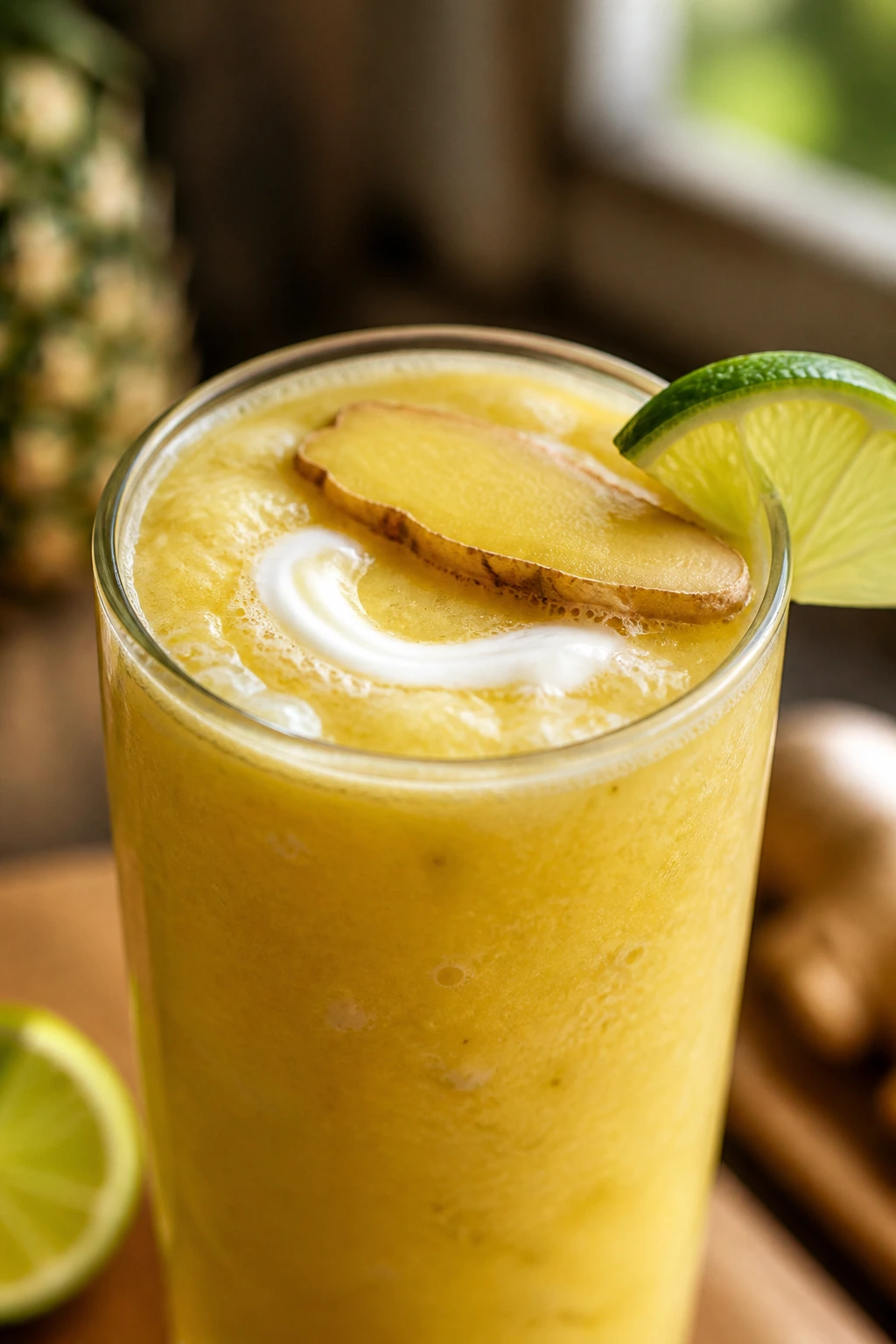
Flavor Enhancement: A squeeze of lime, a little extra ginger, or a spoonful of vanilla yogurt can sharpen the fruit without burying it. With pineapple, tiny changes matter more than big ones.
Customization: If you want a thicker glass, freeze part of the liquid in an ice cube tray and blend those cubes in. If you want a lighter sip, hold back 2 to 4 tablespoons of liquid and add only if the blades need help.
Serving Suggestions: Use a wide straw for the thick banana, yogurt, nut butter, and oat blends. A spoon is not a bad idea for the chia, avocado, or peanut butter versions — no one loses a prize for using a spoon.
Make-It-Yours: Dairy-free is easy with coconut water, oat milk, almond milk, or coconut milk beverage. For more protein, lean on Greek yogurt, kefir, or nut butter. For less sugar, skip sweetened liquids and let the pineapple carry the sweetness on its own.
Make-Ahead, Storage, and Freezer Notes
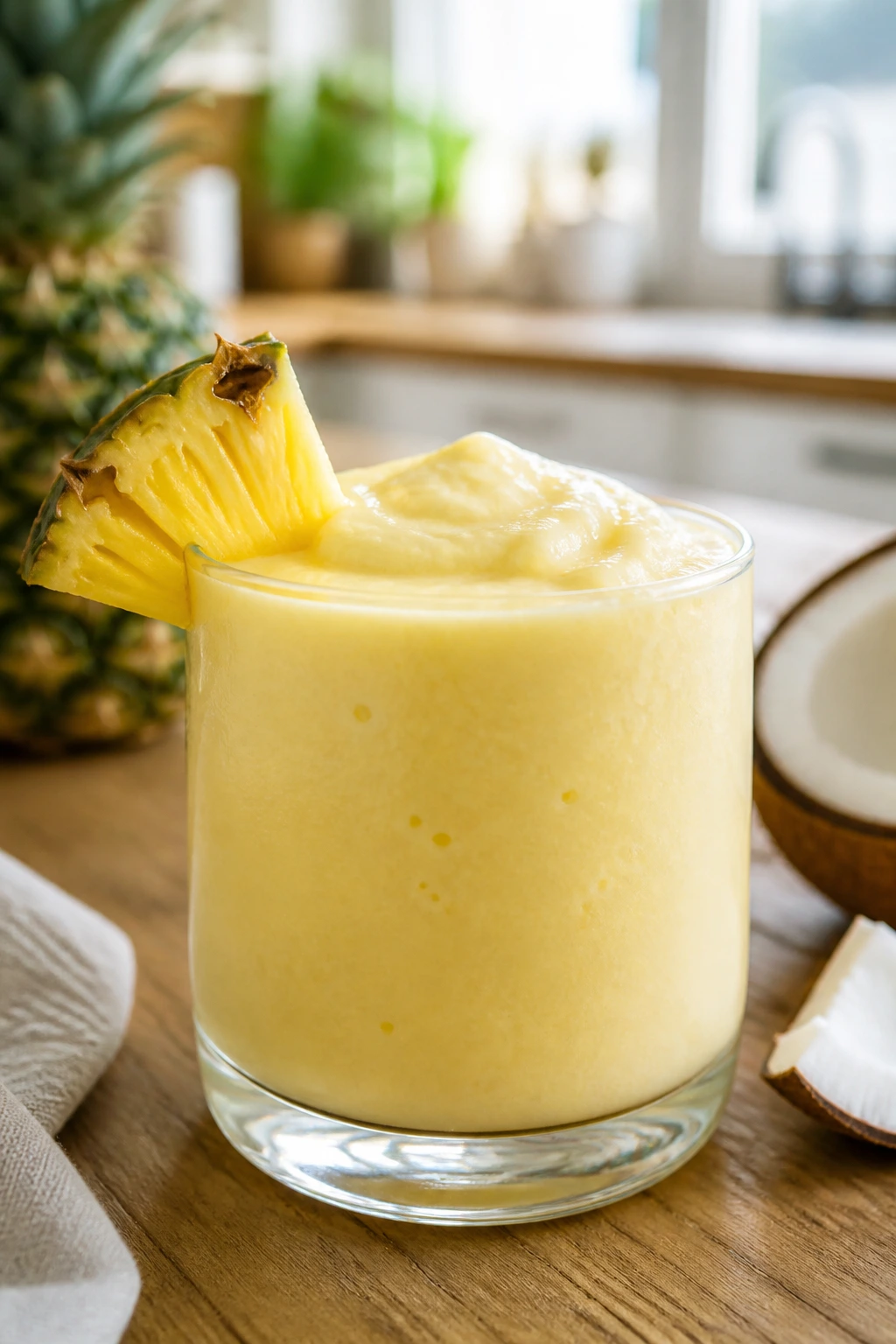
Pineapple smoothies are best the moment they leave the blender. That is not a rule made to sound precious; it is just how frozen fruit behaves. The longer a smoothie sits, the more the liquid separates from the fruit and the more the cold edge fades.
If you need to make them ahead, blend and refrigerate in a sealed jar for up to 24 hours. Give it a hard shake before drinking, or pulse it once more in the blender if the texture has gone grainy. The yogurt, oat, and nut-butter versions hold up a little better than the straight fruit-and-water blends, which tend to separate faster.
For longer storage, freeze leftovers in popsicle molds or ice cube trays for up to 2 months. Thaw the cubes in the fridge for a slushy drink, or blend them again with a tablespoon or two of the original liquid. That trick works especially well with the coconut-water, orange-juice, and coffee versions because the flavor stays clear after freezing.
The best make-ahead move is to portion the fruit into freezer bags. Measure out the pineapple plus the other fruit or add-in, label the bag, and stack it flat. In the morning, all you need to do is pour in the liquid and hit the switch.
Variations and Adaptations to Try
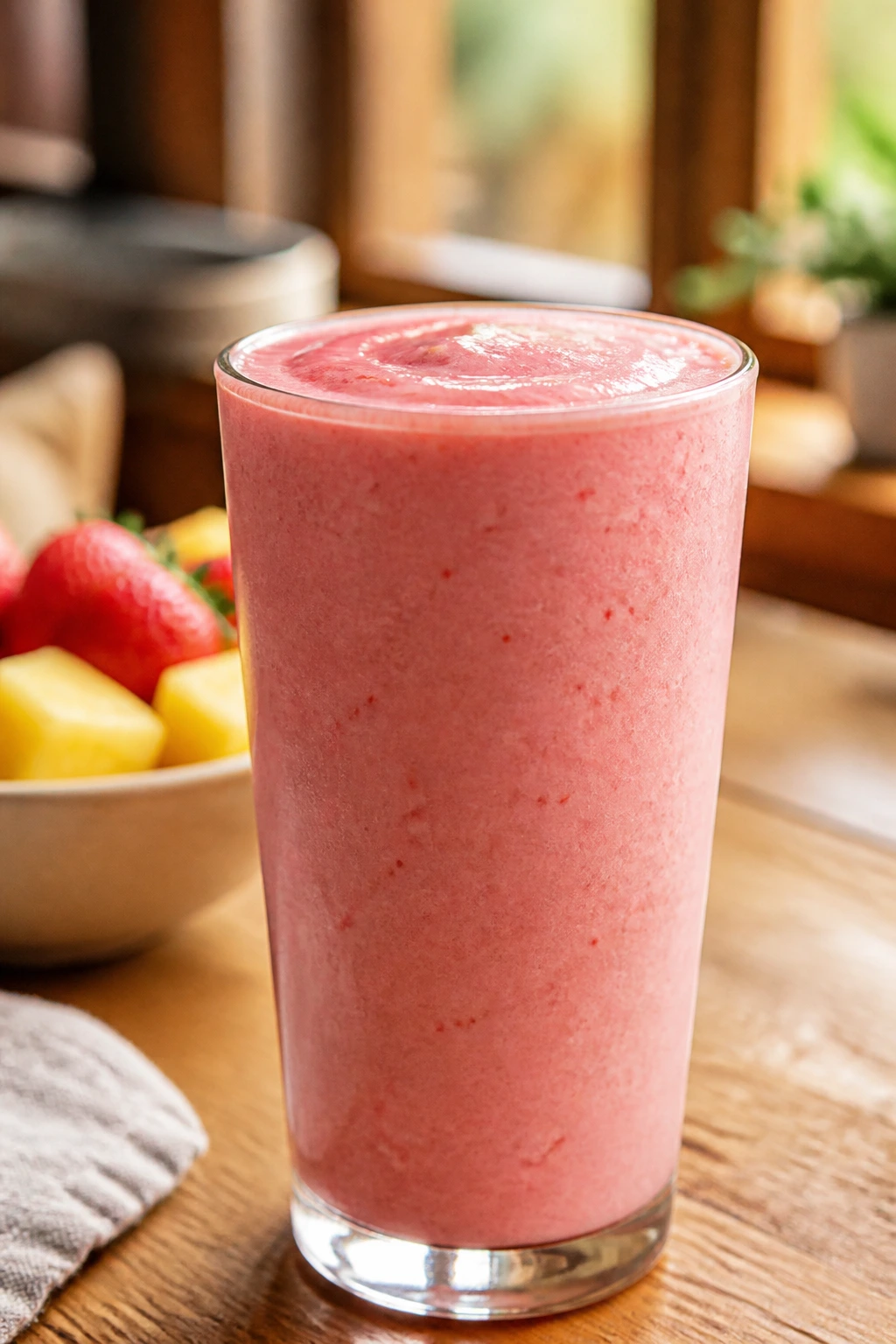
Dairy-Free and Creamy: Use coconut milk beverage, oat milk, or almond milk in the creamy recipes instead of yogurt or dairy milk. If you want more body without dairy, add a little extra frozen pineapple rather than ice.
Higher-Protein Breakfast Glass: Choose the yogurt, peanut butter, almond butter, or oat-based versions when you want a smoothie that eats more like a meal. Plain Greek yogurt gives the cleanest texture, while nut butter adds a richer finish and a more filling feel.
Lower-Sugar Tropical Blend: Keep the coconut-water recipes in rotation and avoid sweetened juice when you want the fruit to stay sharp. Pineapple, cucumber, kiwi, and spinach are especially useful here because they brighten the glass without adding extra sweetness.
Dessert-Style Treat: The coconut cream, orange creamsicle, and strawberry yogurt versions lean the most like a treat. Serve them in a short glass and keep the texture thick so they feel intentional instead of sugary.
Bright and Spicy: Ginger, turmeric, and matcha all change the pineapple in different ways. Ginger gives a sharper bite, turmeric adds warmth and color, and matcha pulls the whole glass toward something calmer and earthier.
Common Mistakes to Avoid
-
Using fruit that is not cold enough. A smoothie made with half-thawed pineapple turns loose and flat. Freeze the fruit hard first, or expect a watery result.
-
Pouring in too much liquid too fast. This is the big one. Start with less liquid than you think you need, then add a tablespoon at a time if the blender stalls.
-
Ignoring the order in the blender. Liquid first, frozen fruit second. That small habit saves a lot of scraping and gives the blades a chance to catch.
-
Choosing sweetened liquids without thinking. Sweetened yogurt, fruit cocktail juice, or flavored milks can push the smoothie into syrup territory. Unsweetened versions keep pineapple in charge.
-
Blending far past the point of smooth. Warm, foamy smoothies are nobody’s favorite. Stop once the texture looks even and pour it out.
Frequently Asked Questions
Can I use fresh pineapple instead of frozen?
Yes, but freeze it first if you want the right texture. Fresh pineapple alone makes the smoothie too thin unless you use ice, and ice changes the flavor more than most people like.
What is the best liquid for a thick pineapple smoothie?
Coconut water and milk both work, but milk, yogurt, and coconut milk create the thickest drinks. If you want the fruit to stay bright and the texture to stay loose, coconut water is the cleaner choice.
Can I make these ahead of time?
You can, but they are best within 24 hours in the fridge. After that, the smoothie separates and needs a hard shake or a quick reblend with a splash of liquid.
Why does my smoothie turn watery?
Usually the fruit was not frozen enough or the blender got too much liquid at once. Start with less liquid, use frozen fruit, and stop blending the second the texture turns smooth.
Can I use canned pineapple?
You can if it is packed in juice, drained well, and frozen into chunks first. Pineapple packed in syrup usually makes the smoothie too sweet and a little flat.
How do I make a pineapple smoothie without banana?
Use yogurt, avocado, nut butter, oats, or coconut milk to replace the body banana usually brings. Banana is common, not required.
Can I turn these into a smoothie bowl?
Yes, especially the banana, yogurt, avocado, and peanut butter versions. Reduce the liquid a little and blend in short bursts until the texture is thick enough to sit in a bowl.
What if my blender struggles with frozen fruit?
Add the liquid first, give the fruit a minute to soften on the counter, and blend in short bursts instead of one long run. A rubber spatula helps too, but do not push anything near the blades.
A Cold Glass Worth Repeating
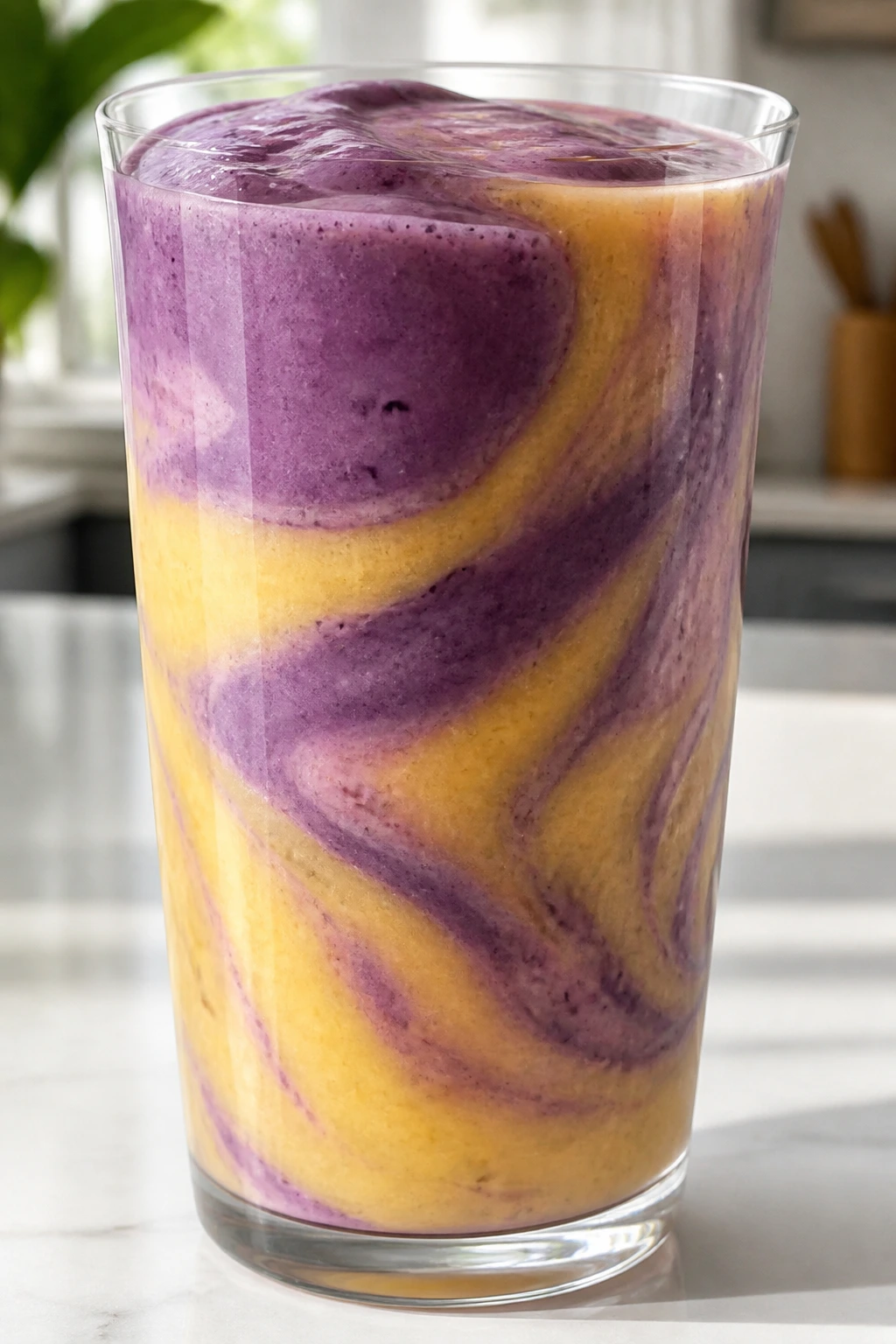
Three ingredients is not a shortcut because it is lazy. It is a shortcut because pineapple already does so much of the flavor work that most smoothies only need one partner and one liquid to feel finished. That is why the best versions here taste clean, cold, and direct instead of busy.
Keep one bag of frozen pineapple in the freezer, pick the second ingredient based on your mood, and the rest is just a blender doing a job it was made to do. That’s the kind of routine worth keeping around.