



Fruit smoothie recipes can turn slippery fast. Too much juice, and you get a cold pink drink that tastes thin by the third sip. Too much banana, and suddenly the whole thing eats like breakfast pudding in a glass. The versions worth making hold a middle line: bright fruit up front, enough body to feel satisfying, and a finish cold enough to fog the glass.
That balance matters more in warm weather than people admit. A good summer smoothie should feel like something you’d happily stand at the sink and sip while the ice maker rattles in the background — not a chore, not a sugar rush, not a bowl pretending to be a drink. Frozen fruit helps more than extra ice ever will. So does a little acid, a pinch of salt, and a blender that’s loaded in the right order.
I like this kind of lineup because it solves the biggest smoothie problem: boredom. One base formula can do a lot, but the flavor should still change from glass to glass. Strawberry-watermelon should taste light and almost floral. Mango-pineapple should lean lush and tropical. Cherry-almond should feel darker and a bit dessert-like. That range is what keeps you reaching for the blender instead of the drive-thru.
Why You’ll Love This Collection
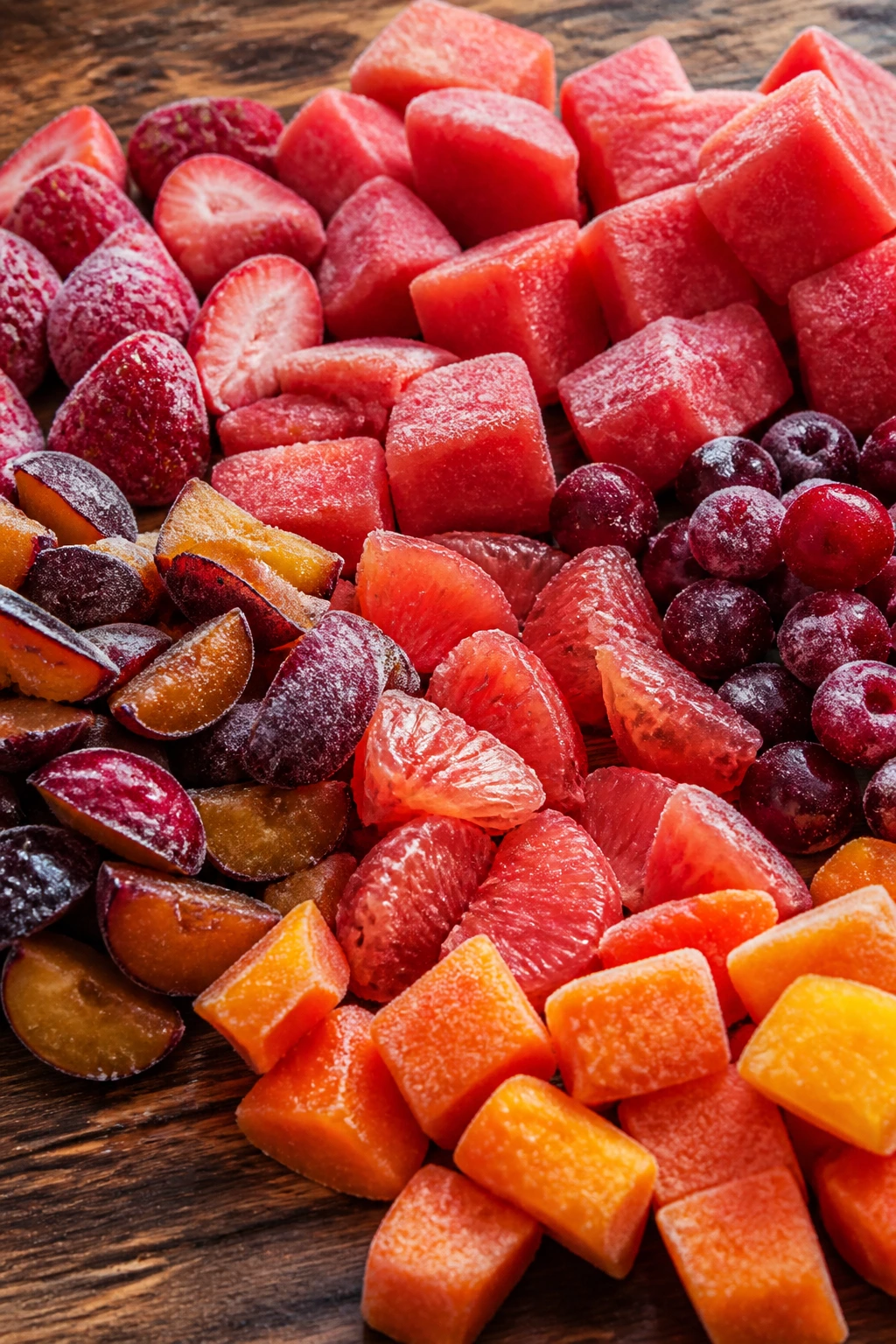
- Frozen fruit does the heavy lifting: Every recipe leans on frozen pieces for texture, which means you get a thick, cold smoothie without dumping in a pile of ice.
- The flavors stay distinct: These aren’t all banana-berry clones. Watermelon, grapefruit, papaya, plum, and cherries each bring their own personality.
- Most of them use pantry-friendly extras: Yogurt, oats, coconut water, chia, and nut butter show up in small amounts, so you’re not buying a cartful of specialty ingredients.
- They can be adjusted without wrecking the recipe: If a fruit runs sweeter, tarter, or thinner than expected, the methods here give you room to nudge the balance back.
- They work as drinks, not thick smoothie bowls: These are built for sipping through a straw, which changes the ratio and makes the whole collection feel more useful on hot days.
- You can mix and match the logic: Once you understand the base structure — fruit, liquid, body, acid, tiny bit of salt — you can riff without guessing.
1. Strawberry Watermelon Mint Smoothie
A strawberry-watermelon smoothie should taste like the first cold bite of summer fruit, only blended into something you can drink before it warms up. The watermelon keeps it light, the frozen strawberries give it body, and the mint stops the whole thing from drifting into candy territory. It’s the smoothie I reach for when I want something refreshing enough to sip quickly, but not so thin that it disappears in two gulps.
Why It Works:
Watermelon brings plenty of water and a soft, clean sweetness, while frozen strawberries add the thicker texture that a smoothie needs. Mint and lime do a lot of quiet work here; both sharpen the fruit so it tastes brighter, not flat. A small pinch of salt makes the strawberry flavor pop in a way people notice even if they can’t name it.
Key Ingredients:
- 2 cups frozen strawberries — use whole berries if you can; they blend more evenly than chopped ones.
- 2 cups cold seedless watermelon cubes — chill them first for a colder, cleaner sip.
- 1/2 cup plain Greek yogurt or coconut yogurt — adds body without turning the smoothie heavy.
- 3/4 cup cold water or coconut water — start here, then add a splash more if needed.
- 1 tablespoon fresh lime juice — keeps the sweetness from going limp.
- 8 fresh mint leaves — use tender leaves; big tough ones can taste grassy.
- 1 to 2 teaspoons honey or maple syrup, optional — only if your berries need help.
- Tiny pinch of fine salt — just enough to wake up the fruit.
Quick Steps:
- Add the watermelon, yogurt, lime juice, mint, salt, and 3/4 cup liquid to the blender first. Blend for 10 seconds to break down the mint.
- Add the frozen strawberries and blend on high for 30 to 45 seconds, stopping once to scrape the sides if needed.
- Check the texture. If it’s too thick to pour, add 1 to 2 tablespoons more liquid and blend for 5 seconds.
- Taste and add honey only if the fruit seems dull or underripe. Blend again for 5 seconds.
- Pour into chilled glasses and serve right away while the mint still smells fresh.
Equipment for This Recipe:
- High-speed blender — the frozen strawberries need a little muscle.
- Measuring cups — this smoothie turns thin fast if you guess.
- Small cutting board and knife — for cubing the watermelon neatly.
- 2 chilled glasses — they help keep the temperature down longer.
How to Serve This Dish:
Serve it in narrow glasses with a mint sprig and a small wedge of watermelon on the rim. I like this one with breakfast toast or a plain buttered English muffin, because the smoothie itself is already bright and sweet. Two 10- to 12-ounce servings is the sweet spot.
Pro Tips for This Recipe:
- Freeze the watermelon cubes for 30 minutes if your fridge fruit feels soft; that gives the smoothie a colder finish.
- Don’t add too much mint. Five or six leaves can be enough if they’re fresh and tender.
- If your strawberries are especially tart, use maple syrup instead of honey; it rounds the edges better.
- Coconut water makes the drink taste cleaner than plain water, but use the plain water version if you want the strawberries to lead.
Variations on This Dish:
- Sparkling Patio Version: Blend as written, then top each glass with 2 to 3 tablespoons chilled sparkling water for a lighter, fizzier sip.
- Creamier Strawberry-Melon Blend: Use full Greek yogurt and cut the liquid back to 1/2 cup. The result is denser and closer to a drinkable breakfast.
- Lime-Mint Cooler: Add another teaspoon of lime juice and a few extra mint leaves if you want something sharper and less sweet.
Common Mistakes to Avoid with This Dish:
- Using warm watermelon: Room-temperature melon makes the smoothie taste flat and watery. Chill it first, or freeze part of it.
- Over-sweetening too early: Strawberries and watermelon can surprise you once they blend. Taste before adding honey.
- Throwing in too much mint: Too many leaves can turn the smoothie bitter. Start small and build carefully.
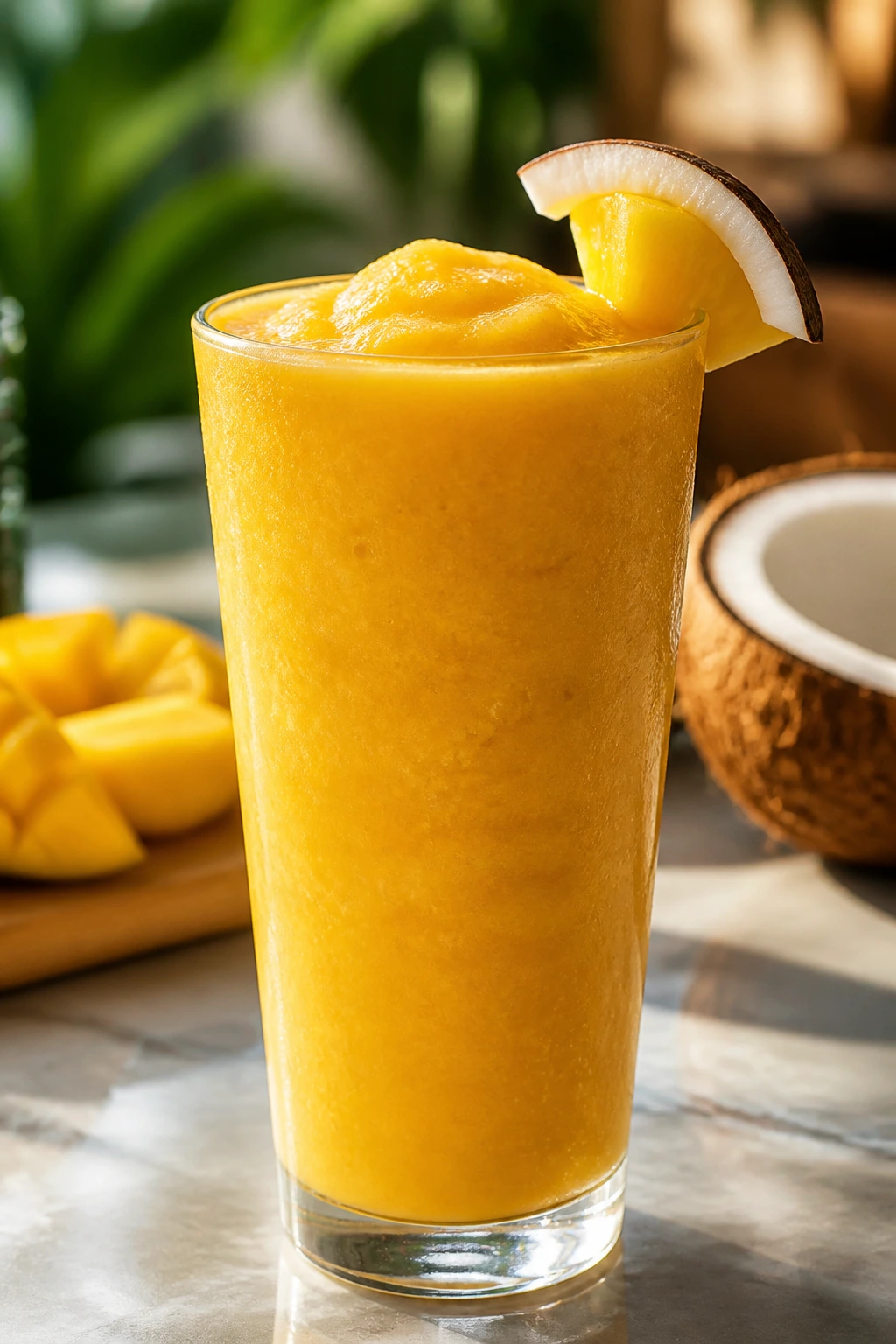
2. Mango Pineapple Coconut Smoothie
This one tastes like a beach drink that never needed a rum bottle in the first place. Mango gives it that velvety, almost custard-like sweetness, pineapple brings the acid, and coconut softens the sharp edges so the whole glass goes down smooth. If you like tropical flavors that lean lush rather than tart, this is the one to keep on repeat.
Why It Works:
Frozen mango is one of the best smoothie ingredients around because it blends into a thick, silky base without much effort. Pineapple keeps the drink lively, and coconut milk or coconut water gives it a cleaner finish than juice. Lime matters here too; without it, the smoothie can taste heavy and a little one-note.
Key Ingredients:
- 1 1/2 cups frozen mango chunks — look for bright yellow fruit with no freezer burn.
- 1 cup frozen pineapple chunks — the sharper the pineapple, the better the balance.
- 1/2 cup plain Greek yogurt or coconut yogurt — for creaminess and a little tang.
- 1/2 cup coconut milk beverage — not the canned kind; keep it light.
- 1/2 cup coconut water — helps the mango blend without making it milky.
- 1 tablespoon lime juice — keeps the finish fresh.
- 1 teaspoon honey, optional — only if the pineapple is too acidic.
- Pinch of fine salt — tiny, but worth it.
Quick Steps:
- Pour the coconut milk beverage and coconut water into the blender first.
- Add the yogurt, lime juice, salt, mango, and pineapple.
- Blend on low for 10 seconds, then high for 30 to 40 seconds until the texture turns glossy and smooth.
- Stop and scrape the sides if a frozen chunk sticks near the top.
- Taste, then add honey only if the pineapple needs smoothing out. Blend for 5 seconds more and pour immediately.
Equipment for This Recipe:
- Blender — a decent one matters because mango can cling to the blades.
- Measuring cups — the liquid ratio keeps the drinkable texture.
- Citrus juicer or reamer — easier than squeezing by hand.
- Tall glasses — this smoothie looks better in a narrow glass than a wide tumbler.
How to Serve This Dish:
A little toasted coconut on top gives this smoothie a nice scent when the glass comes up to your mouth. Serve it with sliced banana or a plate of plain toast if you want a more complete breakfast. It’s best in two smaller servings rather than one giant one; the flavors stay brighter that way.
Pro Tips for This Recipe:
- Use frozen fruit rather than ice. Ice dulls the mango and leaves the pineapple sharper than it should be.
- If your blender struggles, add the coconut water in two stages instead of all at once.
- Coconut yogurt makes this fully dairy-free without changing the texture much.
- A tiny pinch of salt keeps the coconut from tasting flat.
Variations on This Dish:
- Golden Ginger Tropical: Add 1/2 teaspoon finely grated ginger for a sharper finish.
- Pineapple Creamsicle Spin: Swap half the yogurt for vanilla yogurt and add 1/4 teaspoon vanilla extract.
- Thicker Spoonable Version: Reduce the coconut water by 1/4 cup and serve it in a bowl with sliced kiwi.
Common Mistakes to Avoid with This Dish:
- Using canned coconut milk straight from the can: That’s too heavy for a sipping smoothie. Thin it with water or use the beverage carton.
- Skipping lime juice: Without acid, the smoothie can taste like sweet puree.
- Overloading the blender with frozen fruit and no liquid: The blades stall, and the texture turns icy instead of smooth.
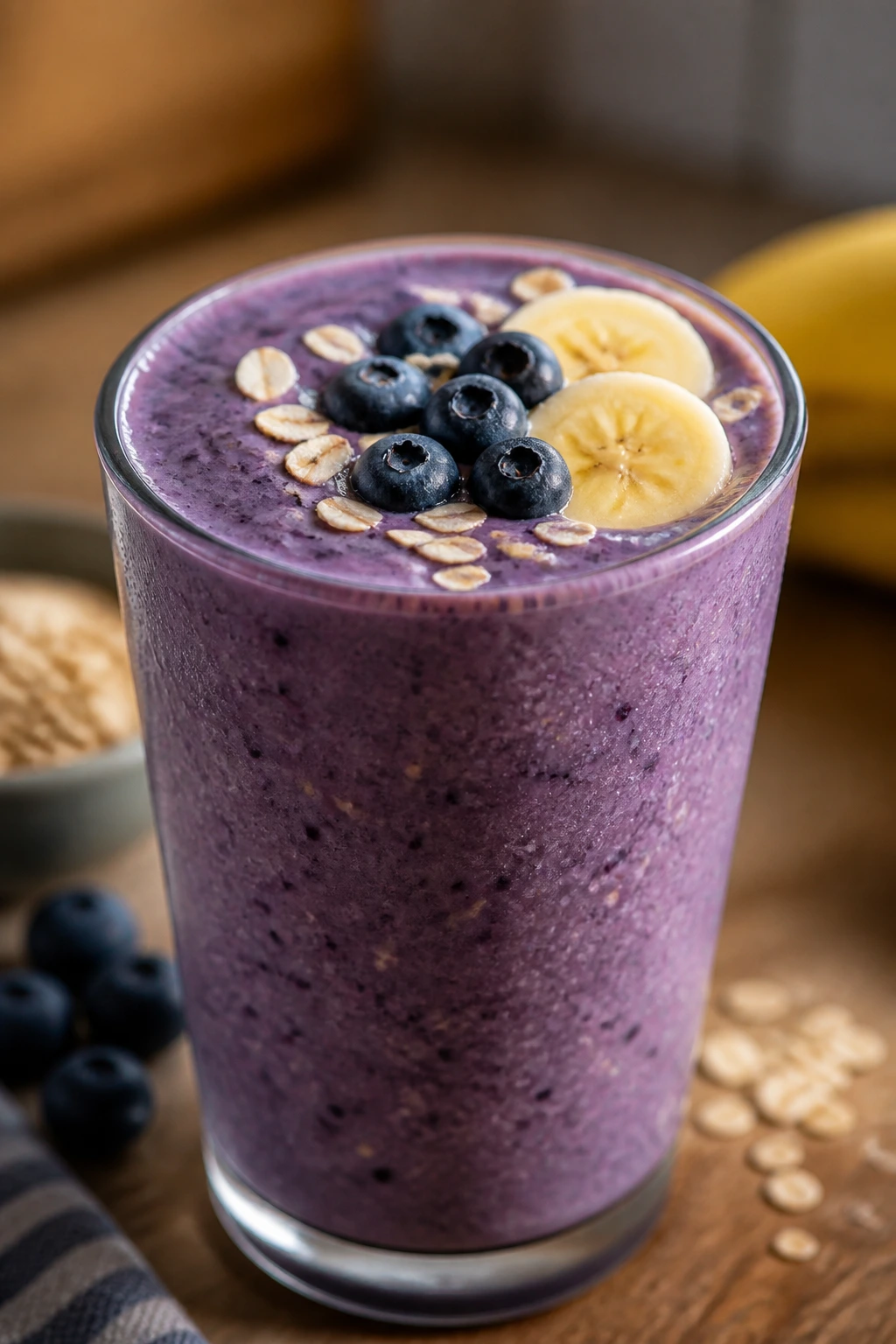
3. Blueberry Banana Oat Smoothie
Blueberry and banana is a familiar pair, but the oat makes this one feel sturdier and less sugary than the usual version. It drinks like breakfast in a glass, only colder and more relaxed. The blueberries bring color and tartness, the banana handles sweetness, and the oats give the smoothie a little staying power without making it thick enough to spoon.
Why It Works:
Oats absorb some liquid and soften the blender texture, which helps the smoothie feel more rounded. Frozen blueberries can be sharp, so banana fills in the gaps and keeps the drink from tasting thin. A bit of vanilla is worth adding because it makes the blueberries read sweeter without dumping in extra sugar.
Key Ingredients:
- 1 1/2 cups frozen blueberries — frozen wild blueberries give the deepest flavor.
- 1 large ripe banana, sliced and frozen — this is the sweetness anchor.
- 1/4 cup rolled oats — not instant oats; you want the slower, creamier texture.
- 1 cup milk or oat milk — start here and adjust by the tablespoon.
- 1/2 cup plain Greek yogurt — for body and a little tang.
- 1 tablespoon almond butter or peanut butter — optional, but it makes the smoothie more filling.
- 1 teaspoon vanilla extract — small amount, big payoff.
- 1 to 2 teaspoons honey, optional — only if the blueberries are very tart.
Quick Steps:
- Add the milk, yogurt, oats, and vanilla to the blender first. Blend for 10 seconds so the oats start to break down.
- Add the frozen banana, blueberries, and almond butter.
- Blend on high for 35 to 45 seconds until the color turns deep purple and the surface looks smooth, not grainy.
- Taste and add honey only if the berries need it.
- Blend for 5 more seconds, then pour and let it sit for 1 minute if you want the oats to soften a touch more.
Equipment for This Recipe:
- High-speed blender — helpful for the oats.
- Measuring cups and spoons — especially for the oats and vanilla.
- 2 glasses or mason jars — wide-mouth jars make this easy to pour.
- Straw or long spoon — the oat texture clings a little.
How to Serve This Dish:
Serve this with sliced strawberries or a hard-boiled egg if you want a more complete breakfast. The smoothie is thick enough to coat the glass, so chilled mugs work well too. I’d keep the portion to two 8- to 10-ounce servings; it’s more filling than it looks.
Pro Tips for This Recipe:
- Blend the oats first with the milk if your blender is weak. That prevents little oat flecks.
- Banana should be ripe, with brown freckles, before freezing. Under-ripe banana tastes chalky here.
- Almond butter adds a quiet roasted note, but peanut butter makes the smoothie heavier. Pick based on mood.
- If the smoothie thickens too much after 2 or 3 minutes, stir in 1 to 2 tablespoons milk.
Variations on This Dish:
- PB&Blue Twist: Use peanut butter instead of almond butter and add a pinch of cinnamon.
- Berry-Lemon Version: Add 1 teaspoon lemon juice for a brighter edge.
- Dairy-Free Breakfast Blend: Use oat milk and coconut yogurt for a softer finish.
Common Mistakes to Avoid with This Dish:
- Using quick oats in a large handful: They can turn gluey. Stick with measured rolled oats.
- Forgetting the liquid first: Oats and frozen banana can jam the blades if they go in dry.
- Adding too much sweetener too soon: Blueberries often need less help than people expect.
4. Peach Raspberry Yogurt Smoothie
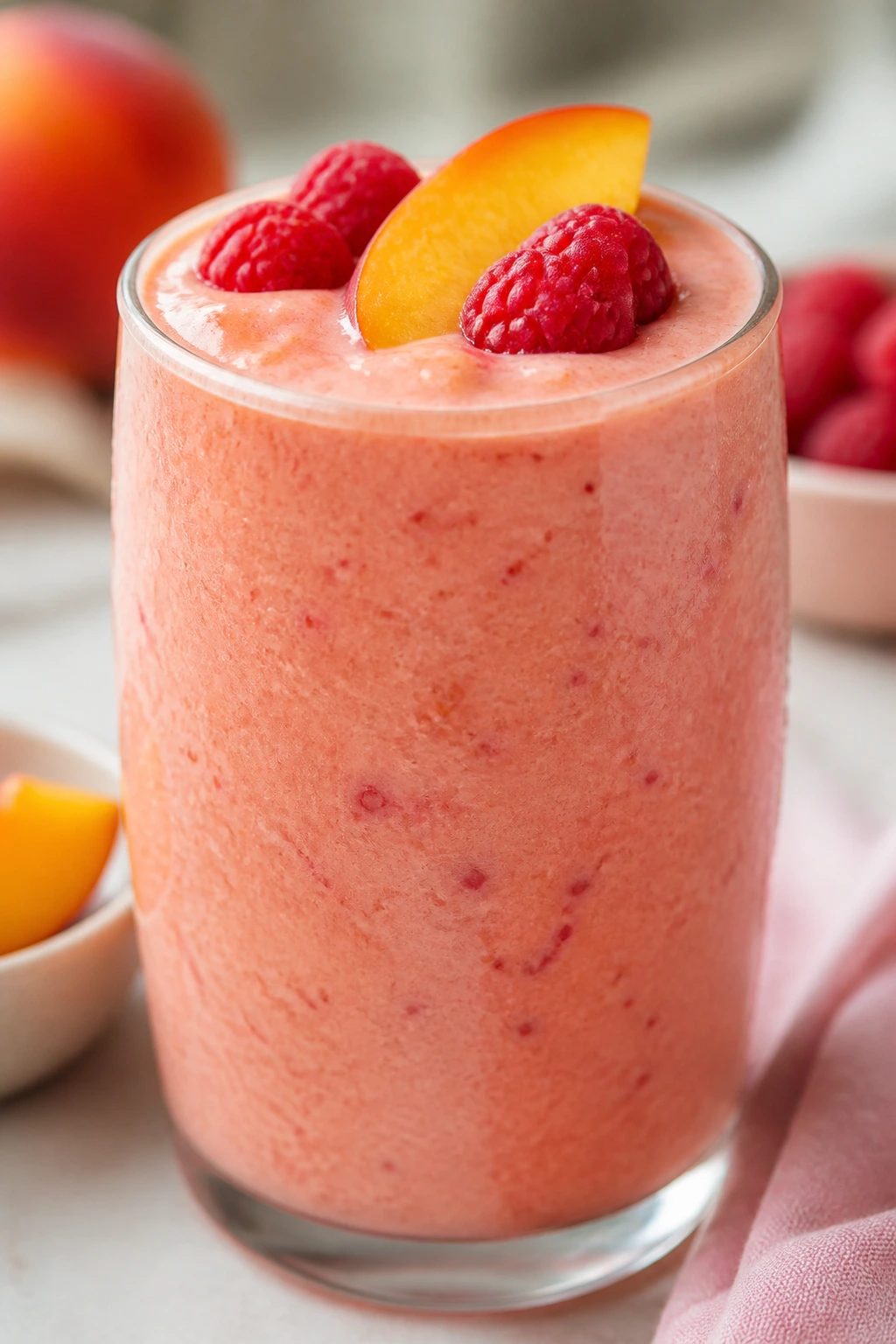
Peach and raspberry is one of those pairings that tastes better than it has any right to. The peach brings velvety sweetness, raspberry cuts through it with a clean tart snap, and yogurt makes the whole thing feel cool and polished without being heavy. It’s a pink-orange smoothie with a little edge.
Why It Works:
Peaches are soft and fragrant, but they can taste bland if the fruit isn’t ripe enough. Raspberries solve that by bringing acidity and a faint perfume that wakes the whole glass up. Yogurt makes the texture creamy, and lemon juice keeps the peach from tasting sleepy.
Key Ingredients:
- 2 cups frozen peach slices — use ripe peaches frozen at peak flavor if you have them.
- 1 cup frozen raspberries — they carry the tartness.
- 3/4 cup plain Greek yogurt — gives the smoothie a clean, tangy base.
- 1/2 cup milk or almond milk — enough to move the fruit through the blades.
- 1 tablespoon lemon juice — sharpens the peach.
- 1 to 2 teaspoons honey — only if the raspberries are very sour.
- Pinch of fine salt — makes the peach taste more like peach.
- 1/2 teaspoon vanilla extract, optional — nice if you want it softer and rounder.
Quick Steps:
- Add the yogurt, milk, lemon juice, vanilla if using, and salt to the blender.
- Add the peaches and raspberries.
- Blend on low for 10 seconds, then high for 30 to 40 seconds until the mixture turns smooth and coral-colored.
- Taste before adding honey. Raspberries can be sharp, but peaches are often sweet enough to carry the drink.
- Blend 5 seconds more and pour into cold glasses.
Equipment for This Recipe:
- Blender — a mid-range blender works fine here.
- Fine-mesh strainer, optional — only if you want to remove raspberry seeds.
- Measuring cups and spoons.
- Chilled glasses.
How to Serve This Dish:
This one looks best in clear glasses, where the color can do its work. A peach slice on the rim or a few crushed freeze-dried raspberries on top makes it feel finished. Serve it with toast, scones, or plain cookies if you’re leaning brunch.
Pro Tips for This Recipe:
- If you hate raspberry seeds, strain the blended smoothie for a silkier texture.
- Vanilla yogurt works well, but plain yogurt gives the cleanest fruit flavor.
- Don’t skip the lemon. Peach can go flat fast without a little acid.
- Frozen peaches beat fresh ones here because they thicken the drink without extra ice.
Variations on This Dish:
- Honey Peach Version: Use honey instead of maple syrup for a softer sweetness.
- Creamier Brunch Blend: Add 1/4 cup more yogurt and reduce the milk slightly.
- Raspberry-Lime Swap: Replace the lemon juice with lime for a sharper, brighter edge.
Common Mistakes to Avoid with This Dish:
- Using underripe peaches: Hard peaches can taste like nothing, and no amount of yogurt fixes that.
- Adding too much liquid: This smoothie loses its charm if it turns watery.
- Blending the raspberries for too long in a weak blender: That can make the texture foamy and the seeds more noticeable.
5. Cherry Vanilla Almond Smoothie
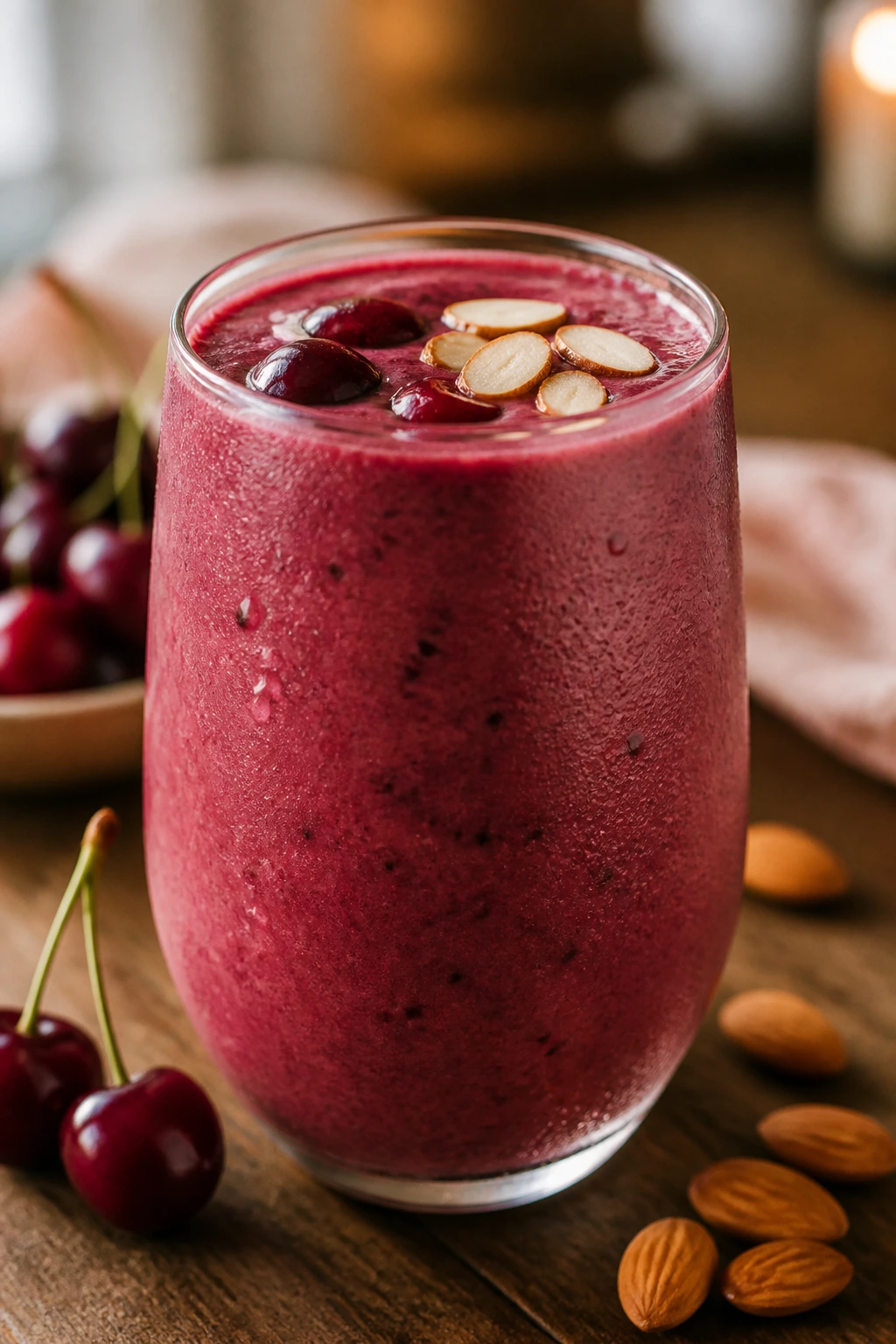
This one leans a little dessert-ward, but in the good way. Cherries give the smoothie a dark, almost jammy flavor, vanilla smooths out the edges, and almond butter brings a nutty finish that makes the whole glass feel more substantial. If you like a smoothie that tastes grown-up and a little bit moody, this is the one.
Why It Works:
Frozen cherries blend into a thick, almost sherbet-like base. Banana softens their tart edge, while almond extract adds a bakery note that makes the fruit taste deeper. The yogurt keeps things cold and creamy, but not too rich.
Key Ingredients:
- 1 1/2 cups frozen pitted cherries — sour or sweet both work.
- 1 frozen banana — for sweetness and body.
- 3/4 cup unsweetened almond milk — keeps the almond flavor in the lane.
- 1/2 cup plain Greek yogurt — for creaminess.
- 1 tablespoon almond butter — optional, but excellent here.
- 1/2 teaspoon vanilla extract — for warmth.
- 1/4 teaspoon almond extract — use sparingly; it can take over fast.
- 1 teaspoon honey, optional — only if the cherries are sour.
Quick Steps:
- Pour the almond milk and yogurt into the blender first.
- Add the cherries, banana, almond butter, vanilla, almond extract, and salt.
- Blend on low for 10 seconds, then high for 30 to 45 seconds until the smoothie looks thick and glossy.
- Taste. Add honey if the cherries need help, then blend 5 seconds more.
- Pour right away; this one thickens a bit after standing.
Equipment for This Recipe:
- Blender — frozen cherries need a strong blade.
- Measuring spoons for the almond extract.
- Small spatula for scraping down the sides.
- Two glasses.
How to Serve This Dish:
A few sliced cherries or a dusting of finely chopped toasted almonds makes the top look intentional. Serve it with a slice of toast, a cheese plate, or nothing at all if you want it to stand alone. It’s rich enough to count as a snack.
Pro Tips for This Recipe:
- Measure the almond extract carefully. A heavy hand makes the smoothie taste like perfume.
- If you don’t want almond butter, add 2 tablespoons oats for a softer texture.
- Sweet cherries need less honey than most people expect. Taste first.
- Frozen cherries often create a thicker smoothie than other fruits, so keep extra almond milk nearby.
Variations on This Dish:
- Black Forest Feel: Add 1 teaspoon cocoa powder for a darker, dessert-like version.
- Cherry Coconut Blend: Swap almond milk for coconut milk beverage.
- Higher-Protein Version: Add an extra 1/4 cup Greek yogurt and skip the almond butter.
Common Mistakes to Avoid with This Dish:
- Overusing almond extract: It turns bitter and sharp if you pour in too much.
- Adding the banana when it’s not fully frozen: You lose that thick, creamy texture.
- Ignoring cherry sweetness: Sour cherries may need honey, but sweet cherries often don’t.
6. Kiwi Lime Green Smoothie
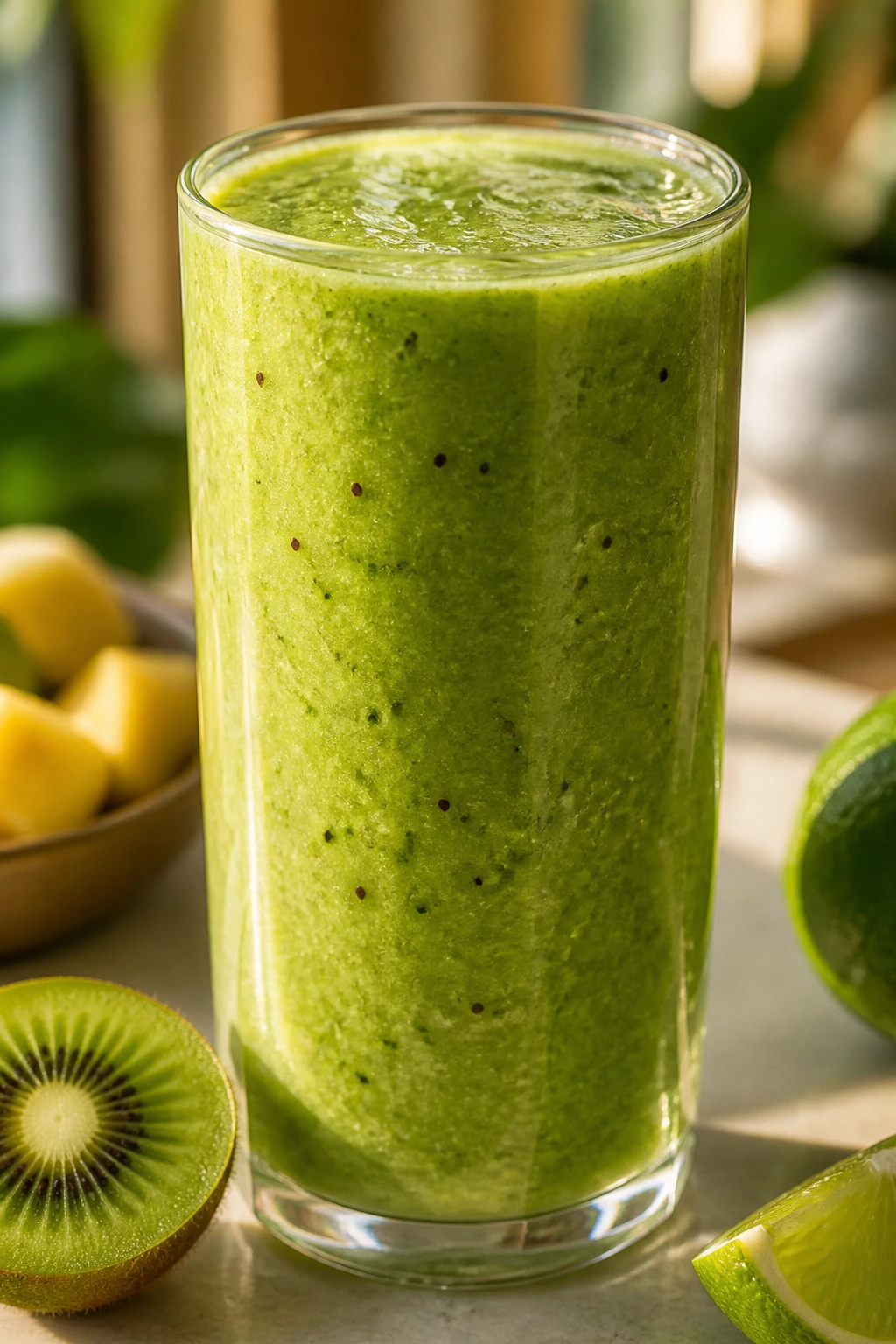
A green smoothie can go wrong in two directions: grassy and sad, or so sweet it stops tasting like fruit. Kiwi and lime keep this one on the bright side. The banana gives it body, pineapple keeps it juicy, and the spinach disappears into the background without making the glass taste like a salad.
Why It Works:
Kiwi has sharp acidity and tiny seeds that add a little texture, which keeps the smoothie from tasting one-note. Lime enhances that tartness, while pineapple adds enough sweetness to keep the fruit from reading sour. A handful of spinach changes the color more than the flavor, which is exactly what you want here.
Key Ingredients:
- 3 ripe kiwi, peeled and sliced — freeze them if they’re very soft.
- 1 frozen banana — gives body and sweetness.
- 1 cup frozen pineapple chunks — brings the sugar.
- 1/2 cup baby spinach — mild enough to disappear.
- 3/4 cup cold coconut water — clean and light.
- 1 tablespoon lime juice — wake-up juice, basically.
- 1 tablespoon chia seeds, optional — for a slightly fuller texture.
- Pinch of salt — keeps the kiwi flavor sharp.
Quick Steps:
- Add the coconut water, lime juice, spinach, and chia seeds if using to the blender first.
- Add the kiwi, banana, and pineapple.
- Blend on high for 30 to 40 seconds until the smoothie turns bright green and no spinach flecks remain.
- Taste and add a splash more coconut water if it’s too thick.
- Pour into cold glasses and serve immediately.
Equipment for This Recipe:
- Blender — a standard one handles this easily.
- Peeler — for the kiwi.
- Measuring cups.
- A fine mesh strainer, optional, if you want the kiwi seeds out.
How to Serve This Dish:
This smoothie looks sharpest in a clear glass with a kiwi slice tucked on the rim. It works well with a salty breakfast — eggs, toast, or a handful of nuts — because the fruit is bright and clean. Two smaller servings keep the flavor lively.
Pro Tips for This Recipe:
- Kiwi ripens quickly on the counter. Use fruit that gives a little under pressure, not hard golf-ball kiwi.
- If you want the green color to stay vivid, blend and serve right away.
- Pineapple frozen in small chunks blends faster than big wedges.
- Chia seeds thicken the drink after 5 minutes, so add them only if you like that effect.
Variations on This Dish:
- Minty Green Cooler: Add 4 mint leaves for a cooler finish.
- Mango-Kiwi Swap: Replace half the pineapple with mango for a softer sweetness.
- Dairy Version: Add 1/2 cup plain yogurt if you want a creamier breakfast smoothie.
Common Mistakes to Avoid with This Dish:
- Using too much spinach: A handful is enough. More can push the flavor toward cooked greens.
- Skipping the lime: Kiwi needs acid to stay lively.
- Letting the smoothie sit too long: The color dulls and the chia thickens it more than expected.
7. Mixed Berry Chia Smoothie
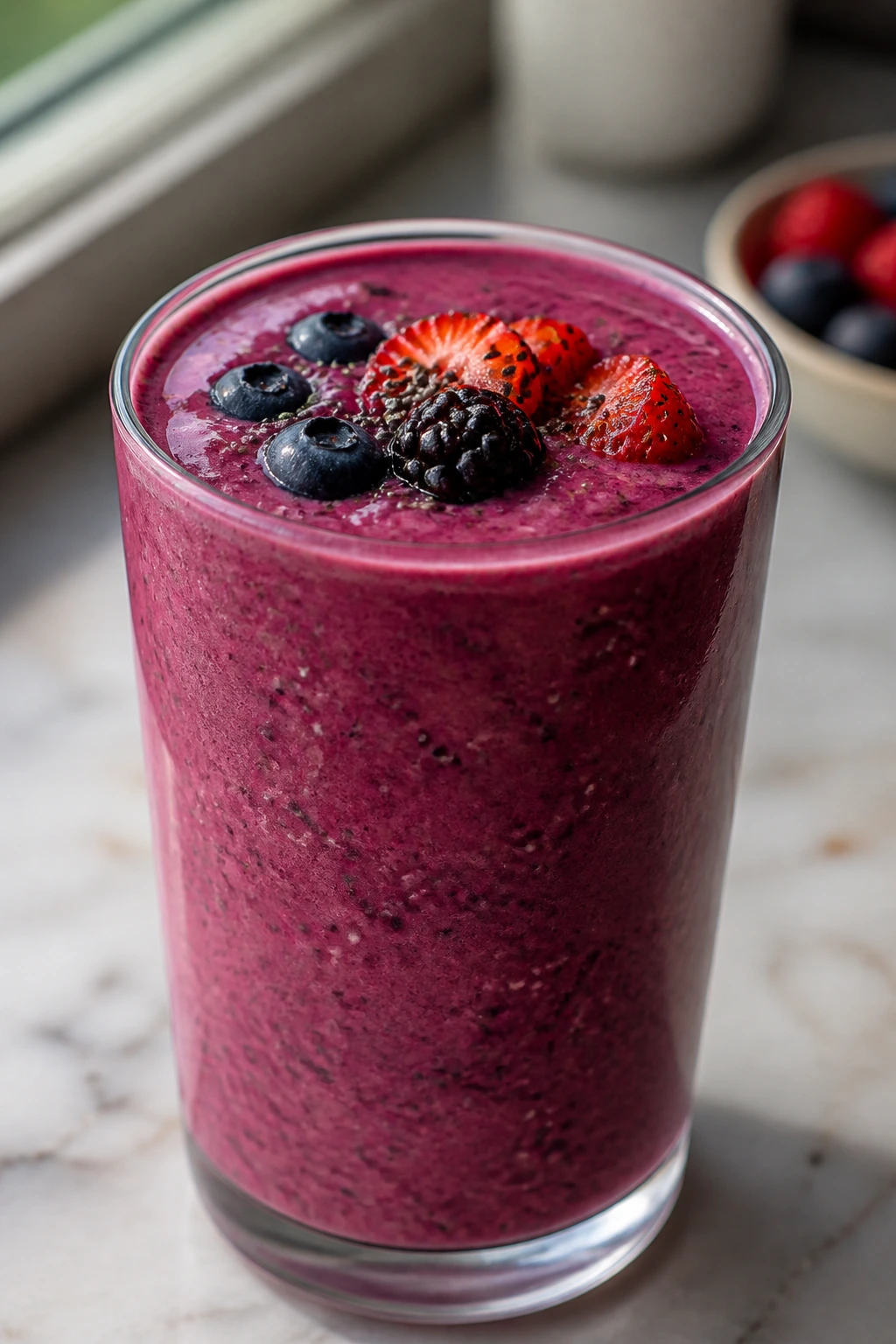
If you want a smoothie that tastes like berries and not just sugar, this is the one. The mix of strawberries, blueberries, and blackberries gives it depth, while chia seeds add a faint body that feels more polished than thick. It’s cold, tart, and the kind of purple that looks almost stained on the spoon.
Why It Works:
A mix of berries gives you more than one note: strawberry rounds it out, blueberry softens the sharp edges, and blackberry brings a darker finish. Kefir or yogurt adds tang and creaminess, while chia seeds make the texture a little fuller after a short rest. Lemon juice keeps the whole thing from tasting jammy.
Key Ingredients:
- 1 cup frozen strawberries — the sweet base.
- 1 cup frozen blueberries — for depth and color.
- 1 cup frozen blackberries or raspberries — tart and bold.
- 1 cup plain kefir or Greek yogurt — choose kefir for a lighter tang.
- 1/2 cup cold water or milk — just enough to help it blend.
- 1 tablespoon chia seeds — thickens after a few minutes.
- 1 tablespoon lemon juice — sharpens the fruit.
- 1 to 2 teaspoons honey, optional — only if the berries need it.
Quick Steps:
- Pour the kefir or yogurt, water, lemon juice, and chia seeds into the blender first.
- Add the frozen berries.
- Blend on high for 35 to 45 seconds until the mixture turns smooth and speckled.
- Taste after blending. Add honey if needed, then blend again for 5 seconds.
- Let the smoothie sit for 2 minutes if you want the chia to thicken the texture slightly before pouring.
Equipment for This Recipe:
- Blender.
- Measuring cups and spoons.
- Two glasses or mason jars.
- Spoon or straw.
How to Serve This Dish:
Serve this with a wedge of lemon or a few whole berries on top. It pairs well with plain yogurt, toast, or a light brunch spread because the smoothie itself brings enough acidity. If you want a more drinkable texture, sip it right away; if you like a thicker finish, wait those 2 minutes.
Pro Tips for This Recipe:
- If you hate berry seeds, strain the smoothie before serving.
- Kefir gives the drink a sharper, slightly fermented note; yogurt makes it smoother.
- Chia thickens as it sits, so don’t let the smoothie stand too long before serving.
- Frozen blackberries can dominate fast, so keep the mix balanced.
Variations on This Dish:
- Strawberry-Forward Blend: Use 2 cups strawberries and cut the darker berries to 1 cup total.
- Vanilla Berry Cream: Add 1/2 teaspoon vanilla extract.
- High-Fiber Version: Add 2 tablespoons oats and reduce the water a little.
Common Mistakes to Avoid with This Dish:
- Using only one kind of berry: The flavor gets flat fast. The mix matters.
- Overdoing the chia: Too much turns this into pudding.
- Blending and waiting too long before serving: The berries lose their fresh edge and the texture keeps thickening.
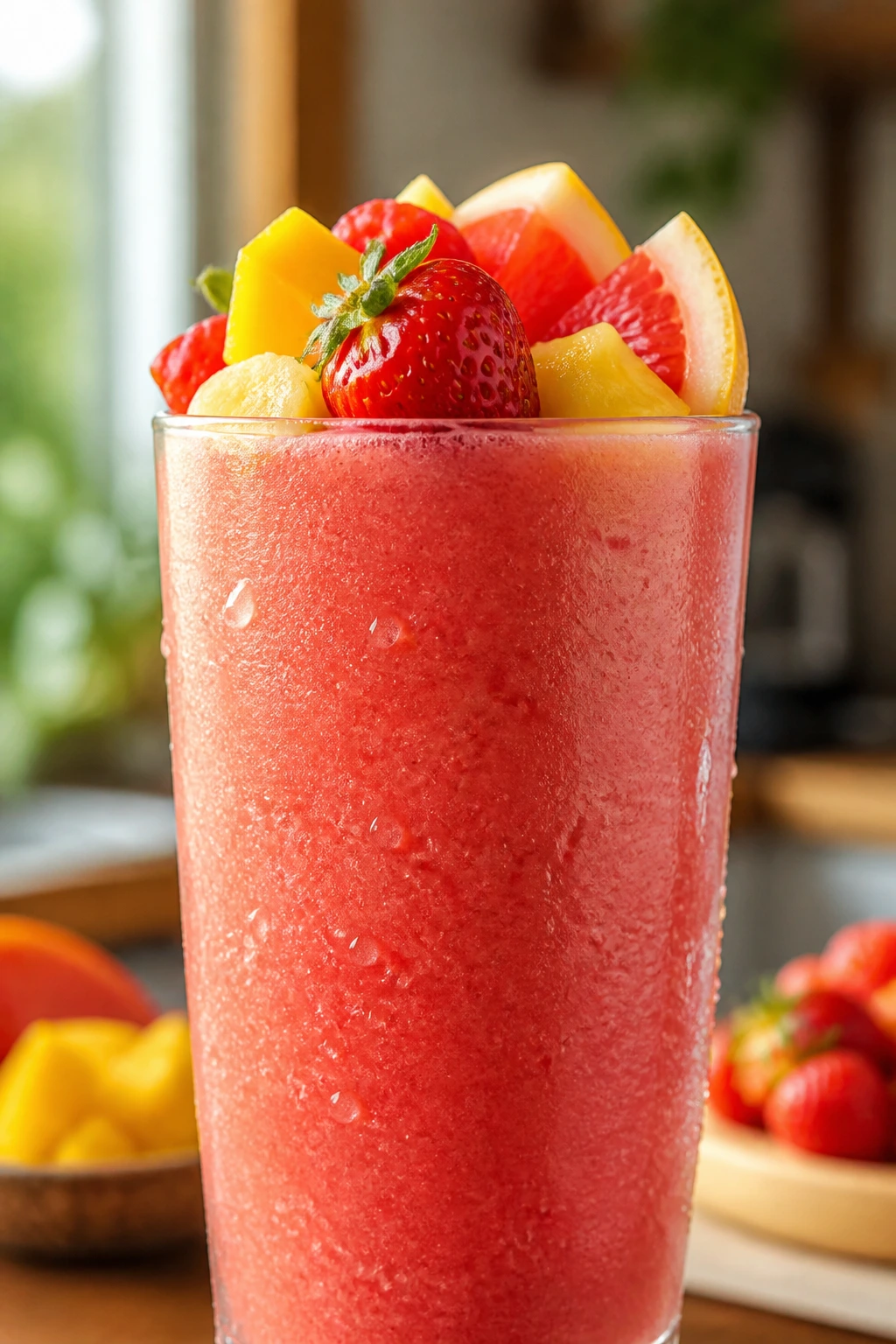
8. Grapefruit Strawberry Sunrise Smoothie
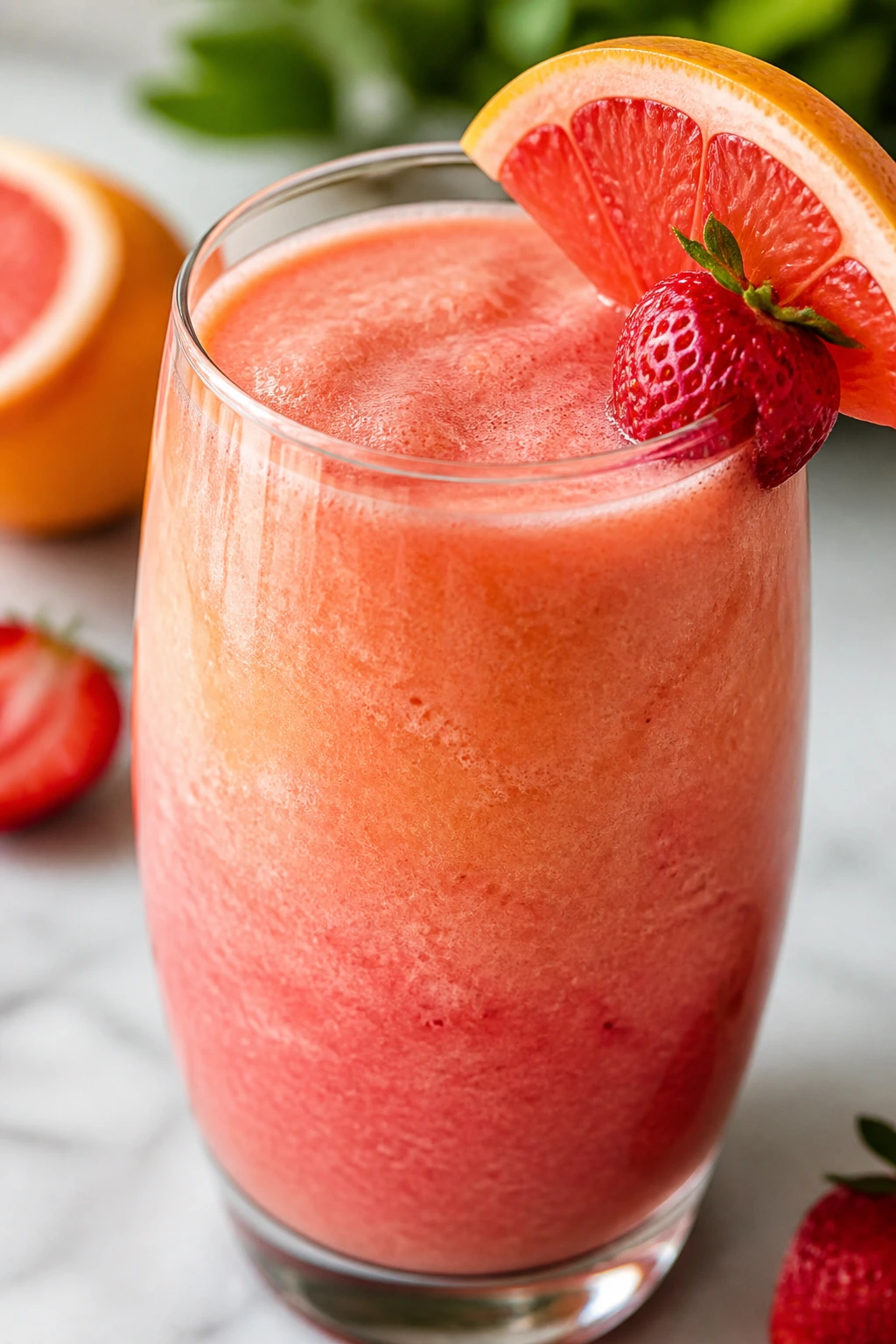
Grapefruit in a smoothie sounds risky until you taste what strawberry does to it. The strawberry rounds out the bitterness, the banana gives the drink some shape, and the grapefruit brings that clean snap that makes you pay attention after the first sip. It tastes bright, grown-up, and just a little bracing.
Why It Works:
Pink grapefruit has a sharp, slightly bitter edge that needs sweetness and body, or it feels too thin on the tongue. Strawberry handles the sweetness without making the smoothie taste like juice, and banana keeps the citrus from becoming aggressive. A spoonful of yogurt smooths the whole thing into something drinkable instead of sharp.
Key Ingredients:
- 1 large pink grapefruit, peeled and segmented — remove as much white pith as you can.
- 1 1/2 cups frozen strawberries — the sweeter partner.
- 1 frozen banana — important for texture.
- 1/2 cup plain Greek yogurt — softens the citrus.
- 1/2 cup orange juice or cold water — use juice if your grapefruit is very bitter.
- 1 teaspoon honey — optional, depending on the fruit.
- Pinch of salt — helps the strawberry and grapefruit read clearly.
- 1/4 teaspoon vanilla, optional — softens the sharper edges.
Quick Steps:
- Add the liquid, yogurt, grapefruit, honey if using, and salt to the blender.
- Add the strawberries and banana.
- Blend for 30 to 40 seconds on high until the color turns pink-orange and the texture looks smooth.
- Taste carefully. If the grapefruit still bites too hard, add another teaspoon of honey or a splash more orange juice.
- Pour into chilled glasses and serve immediately.
Equipment for This Recipe:
- Blender.
- Sharp knife for peeling the grapefruit.
- Citrus bowl or plate to catch juice.
- Measuring cups.
How to Serve This Dish:
Serve this in clear glasses so the color shift shows up. A strawberry slice or grapefruit segment on the rim makes it feel like an actual morning drink, not an afterthought. It’s good with eggs, buttered toast, or a plain muffin.
Pro Tips for This Recipe:
- Remove as much pith as you can. White grapefruit pith is where the harsh bitterness lives.
- If the grapefruit is very juicy, cut back the orange juice.
- Frozen strawberries do better than fresh here because they keep the drink cold and slightly thicker.
- Taste before sweetening; once you add too much honey, the grapefruit loses its point.
Variations on This Dish:
- Strawberry-Grapefruit Fizz: Add sparkling water after blending.
- Creamier Sunrise: Increase the yogurt to 3/4 cup.
- Citrus-Mint Version: Add 4 mint leaves for a colder, sharper profile.
Common Mistakes to Avoid with This Dish:
- Leaving pith on the grapefruit: That’s what makes the smoothie taste bitter and rough.
- Using only juice and no fruit pieces: The drink turns thin and one-dimensional.
- Over-sweetening to hide the citrus: You want brightness, not orange candy.
9. Apricot Orange Creamsicle Smoothie
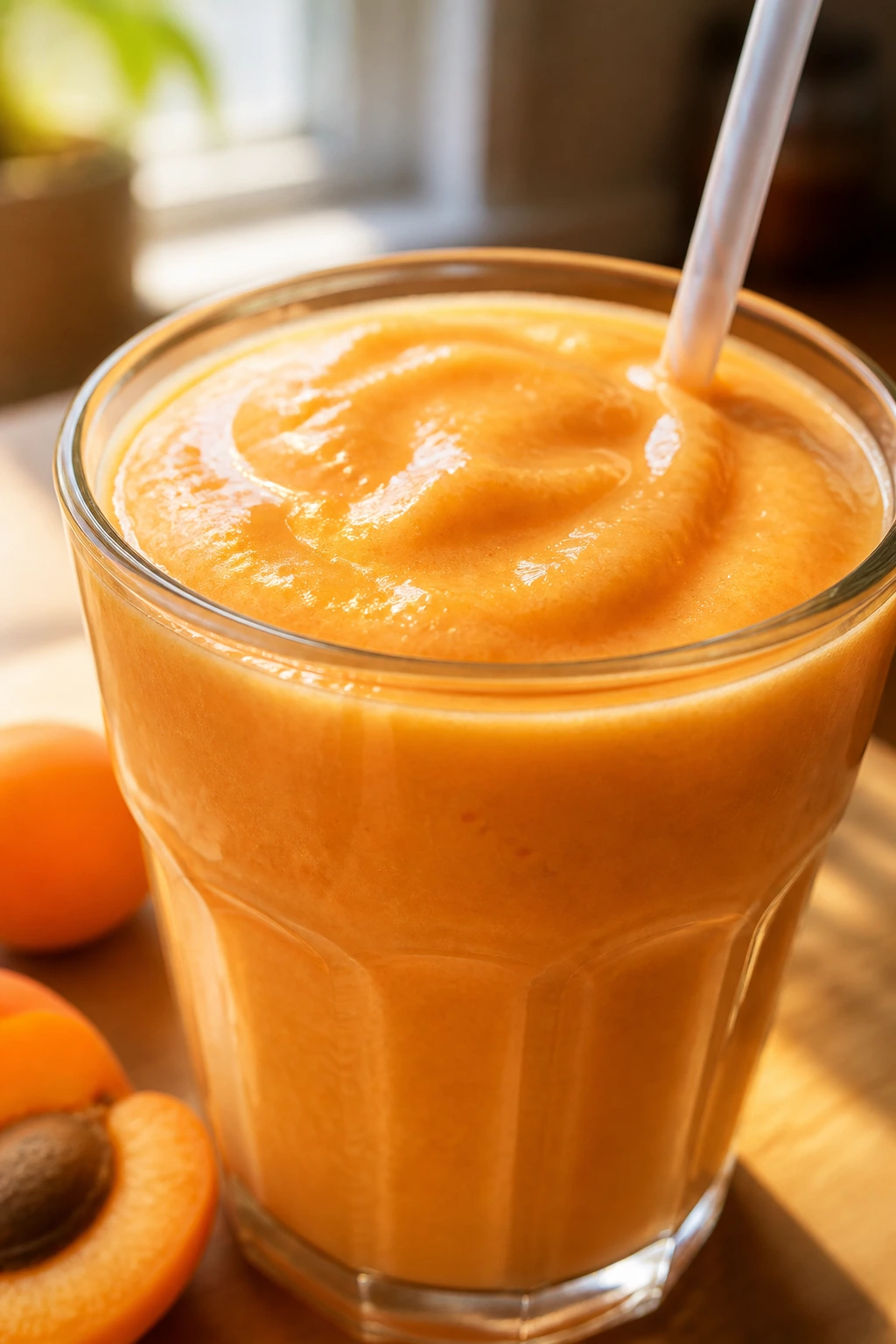
This tastes like a creamsicle that got a little more interesting. Apricot brings a soft floral note, orange adds the familiar citrus punch, and vanilla yogurt gives the drink that creamy finish people love in dessert-style smoothies. It’s bright without being sharp.
Why It Works:
Apricots are subtle, which is why they need orange and vanilla to fully show up. The orange juice gives the smoothie lift, while yogurt keeps the texture creamy enough to feel indulgent without becoming heavy. A touch of zest makes the whole thing smell like a peeled orange on a hot counter.
Key Ingredients:
- 1 1/2 cups frozen apricot halves — peeled if the skins are tough.
- 1 orange, peeled and segmented — or about 3/4 cup segments.
- 3/4 cup vanilla yogurt — the creamy base.
- 1/2 cup milk — helps the fruit move through the blender.
- 1/2 teaspoon vanilla extract — for a creamsicle finish.
- 1 teaspoon orange zest — use a fine grater.
- 1 teaspoon honey, optional — only if the apricots are tart.
- Tiny pinch of salt.
Quick Steps:
- Add the yogurt, milk, vanilla, zest, and salt to the blender.
- Add the apricots and orange segments.
- Blend for 30 to 40 seconds until the smoothie turns pale orange and smooth.
- Taste and add honey only if the fruit needs it.
- Blend for 5 seconds more and pour into cold glasses.
Equipment for This Recipe:
- Blender.
- Microplane or fine grater for the zest.
- Measuring cups.
- Two glasses.
How to Serve This Dish:
This one is especially good in a tall glass with a little extra zest on top. Serve it with plain toast, a scone, or a handful of almonds if you want something simple beside it. It’s a nice mid-morning smoothie because it feels light but not skimpy.
Pro Tips for This Recipe:
- Use ripe apricots if you can find them; they blend into a softer, sweeter drink.
- Don’t overdo the zest. A little is fragrant; too much tastes bitter.
- Vanilla yogurt already brings sweetness, so taste before adding honey.
- Frozen apricots keep the smoothie cold and help it hold shape.
Variations on This Dish:
- Peach Creamsicle Swap: Use peaches in place of half the apricots.
- Coconut Creamsicle: Replace the milk with coconut milk beverage.
- Higher-Protein Version: Use plain Greek yogurt and add 1/2 teaspoon extra vanilla.
Common Mistakes to Avoid with This Dish:
- Using too much orange zest: Bitter peel flavor can take over fast.
- Choosing sour apricots and skipping honey: The smoothie can taste sharp and unfinished.
- Not freezing the apricots: Fresh fruit makes this less creamy and more watery.
10. Blackberry Mint Kefir Smoothie
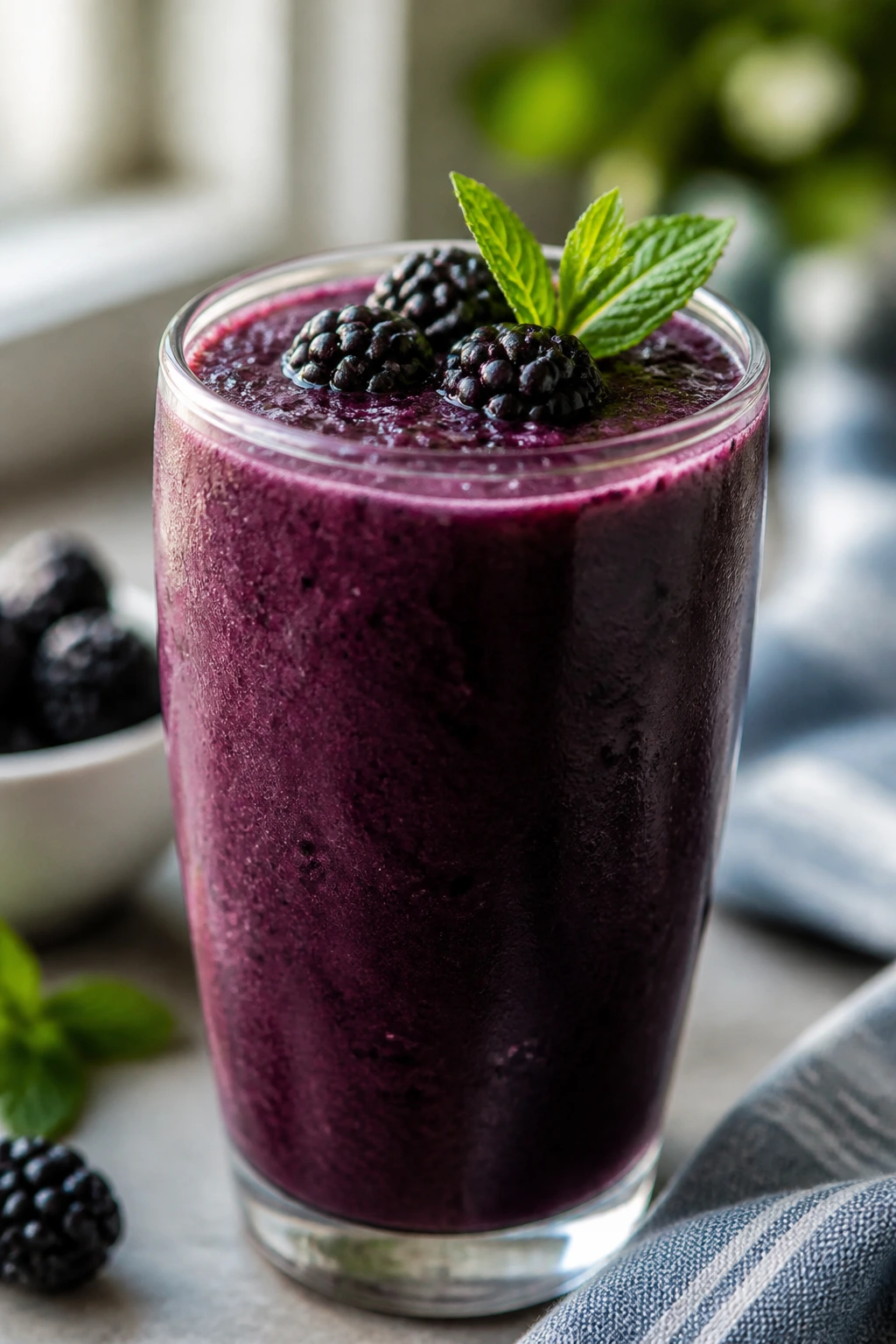
Blackberry and mint is one of those pairings that feels cooler than the temperature outside. The berries are dark and tangy, kefir adds a gentle tartness, and mint gives the finish a clean edge that hangs around after the sip. It’s a little sharper than the sweeter smoothies in this collection, and I mean that as a compliment.
Why It Works:
Blackberries are full of flavor, but they can taste heavy if they don’t have something bright alongside them. Kefir keeps the smoothie light and tangy, while mint cuts through the fruit’s deeper note. Lime keeps the whole thing from feeling too soft or jammy.
Key Ingredients:
- 1 1/2 cups frozen blackberries — use good ones; bland blackberries stay bland in a blender.
- 1 frozen banana — for body and balance.
- 1 cup plain kefir — gives a tart, drinkable texture.
- 1/2 cup cold water or almond milk — use water for a cleaner finish.
- 1 tablespoon lime juice — keeps the berries lively.
- 6 fresh mint leaves — enough for freshness, not toothpaste.
- 1 teaspoon honey, optional — only if the berries are extra sharp.
- Pinch of salt.
Quick Steps:
- Add kefir, water, lime juice, mint, and salt to the blender.
- Add the blackberries and banana.
- Blend on high for 30 to 45 seconds until the smoothie turns deep purple and the mint disappears.
- Taste, then add honey if needed.
- Blend for 5 seconds more and pour immediately.
Equipment for This Recipe:
- Blender.
- Measuring cups.
- Small knife for mint if needed.
- Fine strainer, optional, if you want fewer berry seeds.
How to Serve This Dish:
Serve it in a chilled glass with a mint sprig slapped lightly between your hands first; that wakes up the aroma. It works well with toast, granola, or a piece of plain shortbread if you want a small snack beside it. The flavor is best when it’s cold enough to feel almost crisp.
Pro Tips for This Recipe:
- Use kefir if you want a lighter sip; yogurt makes it thicker and more breakfast-like.
- Mint should go in near the liquid so it blends evenly and doesn’t leave flecks.
- Blackberry seeds are part of the deal here unless you strain the smoothie.
- If the banana is too ripe, the smoothie gets sweeter and loses some edge.
Variations on This Dish:
- Lime-Heavy Cooler: Add another teaspoon of lime juice for more snap.
- Creamier Berry Kefir: Replace 1/4 cup kefir with yogurt.
- No-Mint Version: Use a strip of lime zest instead of mint if you want the fruit to stay center stage.
Common Mistakes to Avoid with This Dish:
- Using too much banana: It can drown the blackberry flavor.
- Skipping the lime: The smoothie loses its cool, sharp finish.
- Letting mint dominate: Mint is a supporting note here, not the whole song.
11. Pineapple Cucumber Cooler Smoothie
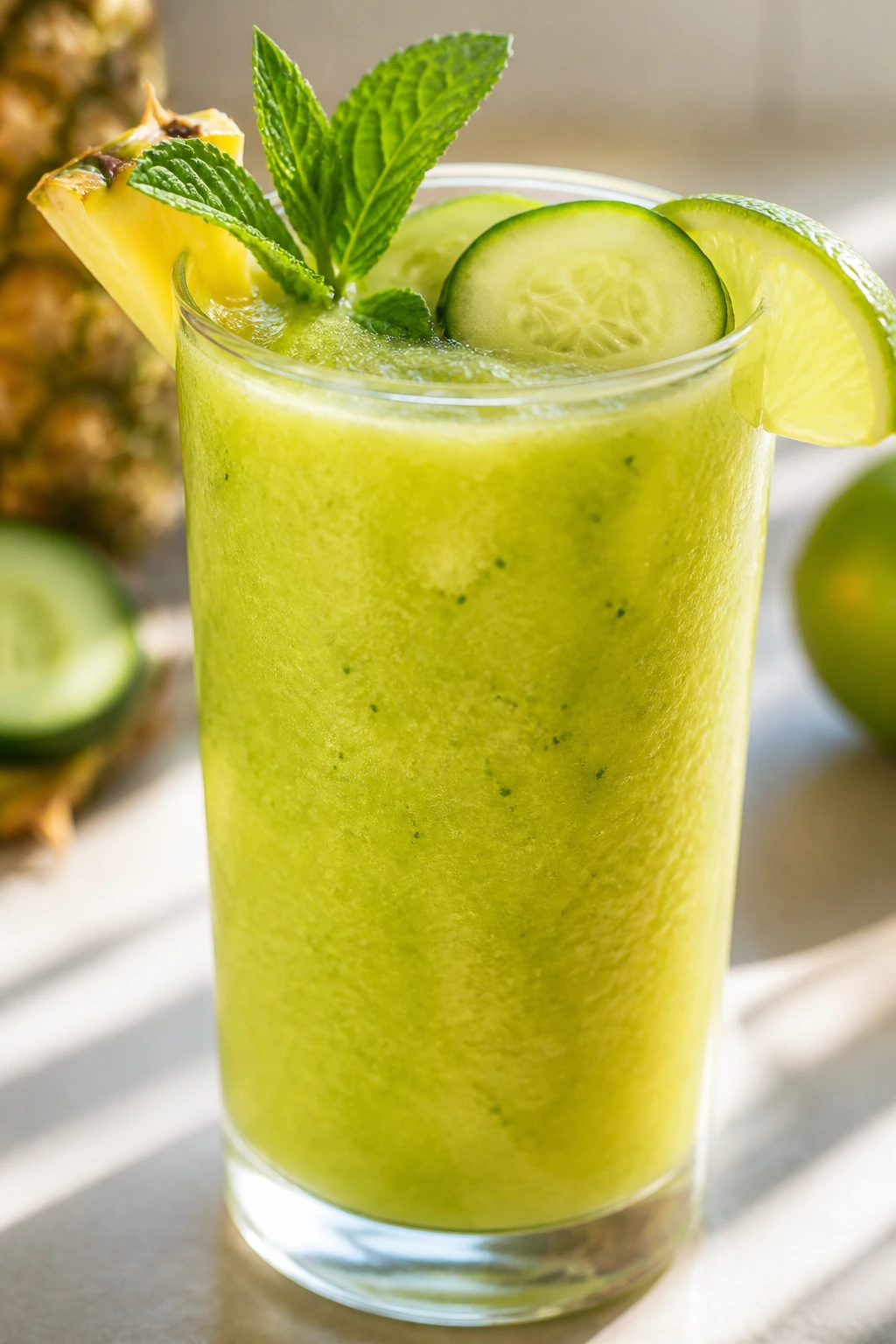
This is the one you make when you want fruit, but you also want relief. Pineapple brings the sweetness, cucumber brings the cold, watery snap, and lime plus mint turn the whole thing into something that feels almost restorative. It’s not heavy, it’s not thick, and that’s exactly why it works.
Why It Works:
Pineapple is strong enough to carry a smoothie even when the other ingredients are mild. Cucumber adds volume and freshness without changing the flavor much, which makes the drink feel extra cold. A little banana helps the texture, because otherwise cucumber and pineapple can lean too thin.
Key Ingredients:
- 2 cups frozen pineapple chunks — the main flavor.
- 1/2 medium cucumber, peeled if waxy and seeded — keep the flavor clean.
- 1 frozen banana — for body.
- 3/4 cup coconut water — fresh and light.
- 1 tablespoon lime juice — sharpens the pineapple.
- 4 to 6 mint leaves — gives the cooler effect.
- Pinch of salt — makes the pineapple taste sweeter.
- 1 teaspoon honey, optional — only if the pineapple is too tart.
Quick Steps:
- Add the coconut water, lime juice, mint, cucumber, and salt to the blender first.
- Add the pineapple and banana.
- Blend on high for 30 to 40 seconds until smooth and pale yellow-green.
- Taste before sweetening. Add honey only if needed and blend again for 5 seconds.
- Pour into chilled glasses and serve cold.
Equipment for This Recipe:
- Blender.
- Peeler and knife.
- Measuring cups.
- Strainer, optional, if the cucumber has many seeds.
How to Serve This Dish:
Serve this in a tall glass with a cucumber ribbon or a mint sprig. It’s the smoothie I’d pair with a salty snack, not a sweet one — think crackers, toast with butter, or a small handful of almonds. Two smaller servings keep it brighter.
Pro Tips for This Recipe:
- Seed the cucumber if it’s large. Those seeds can make the texture watery.
- Frozen pineapple does most of the texture work, so don’t skimp there.
- If you want a stronger mint finish, rub the mint leaves gently before adding them.
- Coconut water keeps it light, but plain water is fine if that’s what you have.
Variations on This Dish:
- Basil Cooler: Use basil instead of mint for a softer herbal note.
- Pineapple-Lime Slush: Add a few extra pineapple chunks and reduce the banana.
- Creamy Cooler: Add 1/4 cup yogurt for a more filling sip.
Common Mistakes to Avoid with This Dish:
- Using too much cucumber: It can make the smoothie taste diluted.
- Skipping the banana: Without it, the texture gets thin fast.
- Letting pineapple dominate with no acid balance: Lime keeps the drink lively.
12. Banana Date Peanut Butter Smoothie
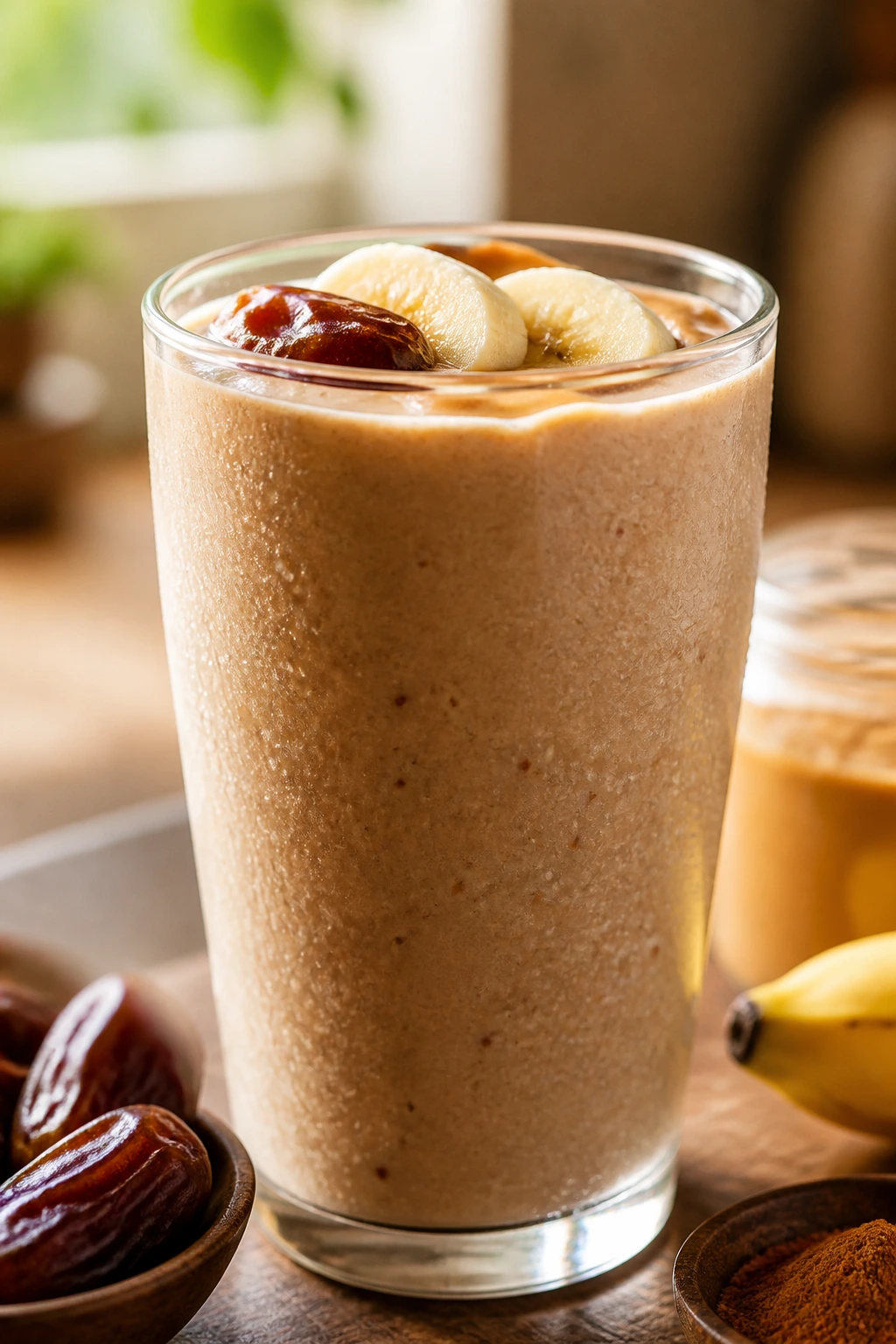
This is the richest smoothie in the group, and that’s the point. Banana and date give you deep sweetness, peanut butter adds that roasted edge, and the result tastes closer to a drinkable snack than a fruit juice. It’s the one I’d make when I need something cold but also a little more substantial.
Why It Works:
Frozen bananas turn creamy fast and give the smoothie a milkshake-like texture without needing much else. Dates bring caramel flavor, which pairs naturally with peanut butter, and cinnamon keeps the drink from feeling too heavy. If you want a smoothie that can stand in for breakfast, this is the practical choice.
Key Ingredients:
- 2 frozen bananas, sliced — the base and the sweetness.
- 2 Medjool dates, pitted — rich and sticky in the best way.
- 1 tablespoon peanut butter — smooth or natural both work.
- 1 cup milk or soy milk — soy milk makes it a little more filling.
- 1/2 cup plain Greek yogurt — optional, but nice for extra body.
- 1/2 teaspoon cinnamon — gives warmth.
- 1 teaspoon vanilla extract — softens the date flavor.
- Tiny pinch of salt.
Quick Steps:
- Soak the dates in the milk for 2 to 3 minutes if they feel dry.
- Add the milk, dates, peanut butter, yogurt if using, vanilla, cinnamon, and salt to the blender.
- Add the frozen bananas.
- Blend on high for 30 to 45 seconds until the smoothie looks creamy and evenly tan.
- Taste and add another splash of milk if needed. Pour right away.
Equipment for This Recipe:
- Blender — a stronger machine helps with the dates.
- Measuring cups and spoons.
- Small bowl for soaking dates, optional.
- Tall glass.
How to Serve This Dish:
Serve it with a dusting of cinnamon on top or a few chopped peanuts if you want crunch. This one goes well with toast, oatmeal, or nothing beside it at all. It’s substantial enough to hold its own.
Pro Tips for This Recipe:
- If your dates are dry, soak them. Don’t force the blender to do all the work.
- Use frozen bananas that are fully ripe before freezing; green bananas taste starchy here.
- Soy milk or dairy milk both give a creamier finish than water.
- Peanut butter should be measured, not guessed at. Too much turns the smoothie heavy.
Variations on This Dish:
- Chocolate Banana-Date Blend: Add 1 teaspoon cocoa powder.
- Almond Date Version: Swap peanut butter for almond butter and add a drop of almond extract.
- Dairy-Free Protein Sip: Use soy milk and skip the yogurt.
Common Mistakes to Avoid with This Dish:
- Using hard, dry dates without soaking: They won’t blend smoothly.
- Adding too much peanut butter: The drink turns dense and sticky.
- Using bananas that aren’t frozen: You lose the cold, creamy texture that makes this worth making.
13. Plum Ginger Lemon Smoothie
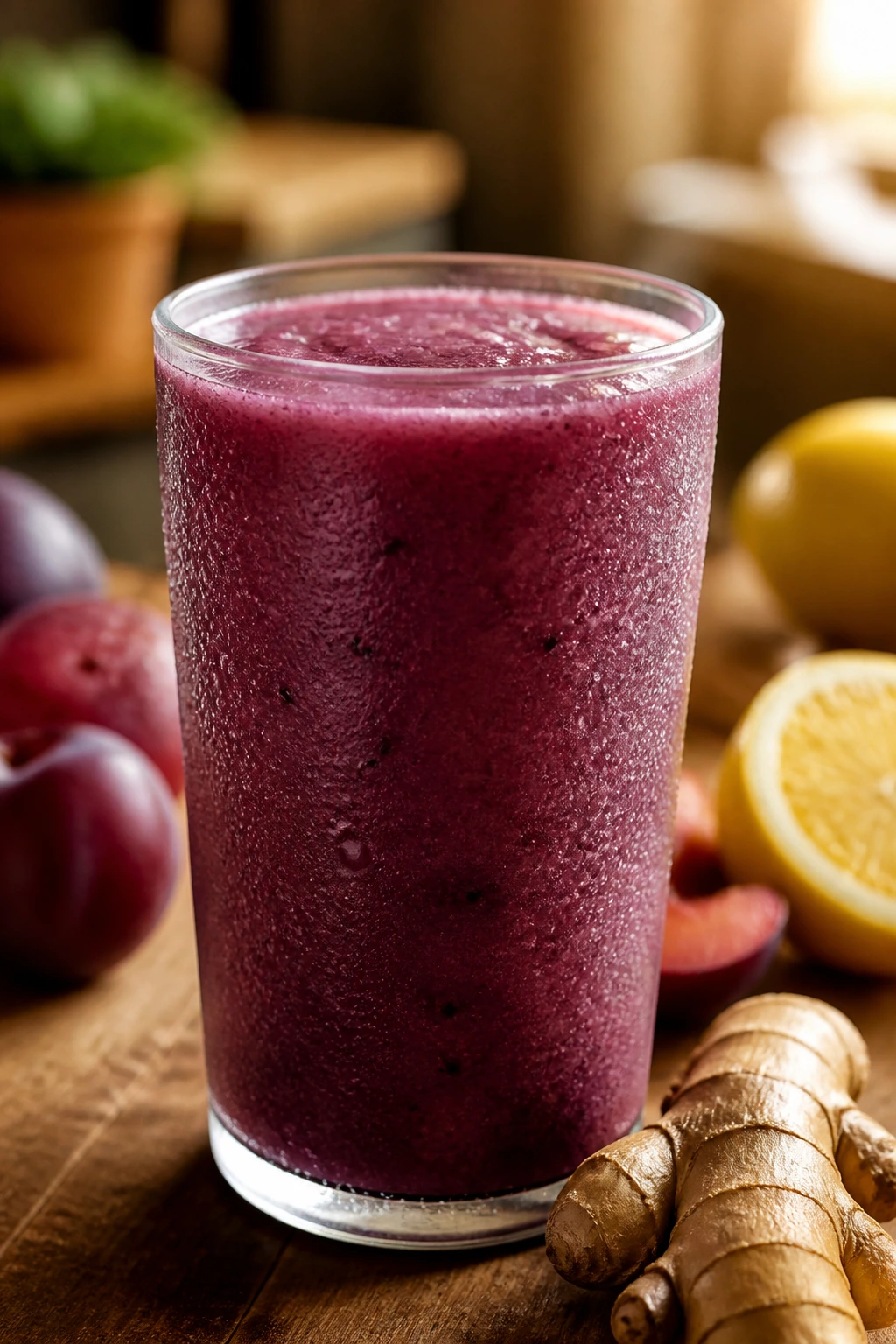
Plums don’t get enough credit in smoothies. They bring a tart-sweet flavor with a little depth, and ginger keeps that flavor from feeling flat or sleepy. Lemon lifts everything at the end, so the smoothie tastes crisp instead of jammy. It’s one of the more interesting glasses in this collection, and it earns that spot.
Why It Works:
Plums can be soft and fragrant or tart and sharp, which makes them ideal for a smoothie that needs contrast. Ginger cuts through the fruit’s sweetness and gives the drink a clean, warm bite. Lemon keeps the finish bright, especially if the plums are very ripe.
Key Ingredients:
- 4 ripe plums, pitted and sliced — freeze them first if they’re very soft.
- 1 frozen banana — helps with body.
- 3/4 cup plain yogurt — tangy and smooth.
- 1/2 cup apple juice or cold water — juice if the plums are tart, water if they’re sweet.
- 1 teaspoon fresh grated ginger — start here; it adds a lot.
- 1 tablespoon lemon juice — the brightness switch.
- 1 teaspoon honey, optional — only if the plums need it.
- Tiny pinch of salt.
Quick Steps:
- Add the yogurt, juice or water, ginger, lemon juice, and salt to the blender.
- Add the plums and frozen banana.
- Blend on high for 30 to 40 seconds until the smoothie turns dusty rose and smooth.
- Taste. Add honey if needed, then blend for 5 seconds more.
- Pour and serve while the ginger still smells sharp.
Equipment for This Recipe:
- Blender.
- Grater or microplane for the ginger.
- Knife and cutting board.
- Measuring cups.
How to Serve This Dish:
Serve it with a plum slice or a thin strip of lemon peel on top. It works well with toast, a cheese plate, or a savory breakfast because the ginger keeps it from leaning too sweet. Two glasses is enough; the flavor is intense.
Pro Tips for This Recipe:
- Ginger should be grated fine so it disappears into the drink.
- If the plum skin tastes bitter, freezing the fruit first can soften that edge.
- Apple juice makes this taste rounder, while water keeps the plum more central.
- Taste before sweetening. Ripe plums often need less help than expected.
Variations on This Dish:
- Spiced Plum Blend: Add a pinch of cinnamon with the ginger.
- Plum-Lime Version: Swap the lemon for lime if you want a sharper finish.
- Creamier Sip: Add an extra 1/4 cup yogurt and reduce the liquid slightly.
Common Mistakes to Avoid with This Dish:
- Using underripe plums: They’re sour and lack the fragrance that makes this recipe work.
- Too much ginger: It can overwhelm the fruit quickly.
- Skipping lemon: The smoothie tastes heavier and less bright without it.
14. Papaya Lime Coconut Smoothie
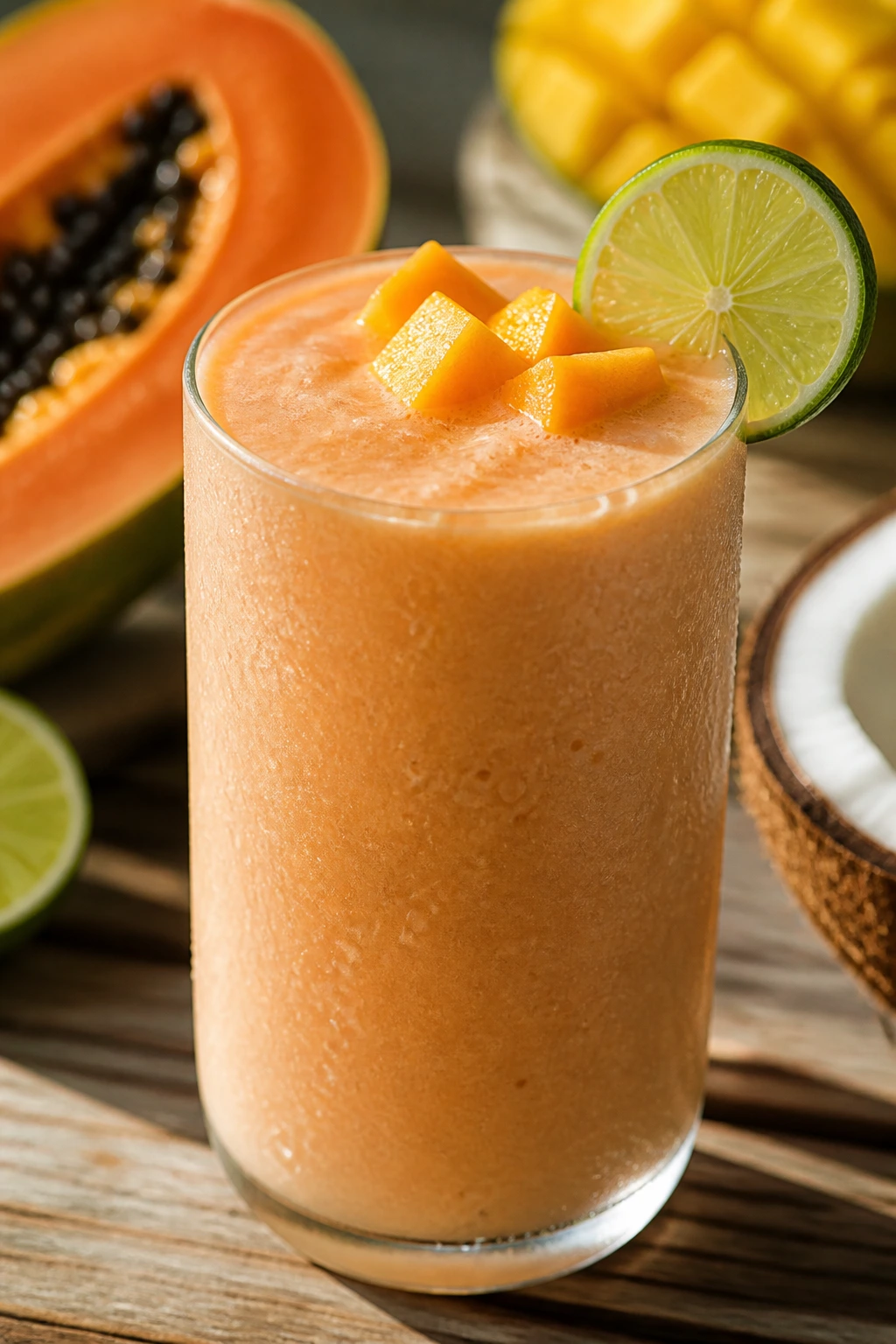
Papaya is soft, mellow, and a little musky, which means it needs strong supporting players. Lime wakes it up, coconut rounds it out, and mango helps keep the flavor from drifting too far into bland territory. This is a smooth, tropical glass with a relaxed sweetness instead of a loud one.
Why It Works:
Papaya blends into a naturally creamy texture, but on its own it can taste flat. Lime gives it tension, coconut adds a smooth finish, and mango reinforces the fruit flavor without making the smoothie syrupy. A small pinch of salt helps everything read cleaner.
Key Ingredients:
- 2 cups frozen papaya chunks — ripe fruit frozen at its best.
- 1 cup frozen mango chunks — brightens the papaya.
- 1/2 cup plain Greek yogurt or coconut yogurt — creamy base.
- 3/4 cup coconut milk beverage — light and smooth.
- 1 tablespoon lime juice — gives the smoothie shape.
- 1 teaspoon honey, optional — only if the papaya is under-ripe.
- Pinch of salt.
- 1/4 teaspoon vanilla, optional — softens the tropical edges a little.
Quick Steps:
- Add the coconut milk beverage, yogurt, lime juice, salt, and vanilla if using to the blender.
- Add the papaya and mango.
- Blend on high for 30 to 40 seconds until the smoothie looks pale gold and smooth.
- Taste and add honey if needed.
- Blend 5 seconds more and pour into chilled glasses.
Equipment for This Recipe:
- Blender.
- Measuring cups.
- Knife if you’re starting from fresh papaya.
- Tall glasses.
How to Serve This Dish:
Serve this with a lime wedge on the rim or a little toasted coconut on top. It’s a nice match for plain muffins, toast, or a light breakfast sandwich because it’s smooth without being heavy. The color looks best in clear glass.
Pro Tips for This Recipe:
- Papaya must be ripe. If it’s bland before blending, it stays bland after blending.
- Coconut yogurt makes this fully dairy-free without sacrificing creaminess.
- Don’t overdo the vanilla. One-fourth teaspoon is enough if you want it.
- Frozen mango keeps the smoothie colder and helps with texture.
Variations on This Dish:
- Papaya-Pineapple Punch: Swap half the mango for pineapple.
- Lime-Mint Cooler: Add 4 mint leaves for a fresher finish.
- Thicker Bowl-Style Base: Reduce liquid by 1/4 cup and serve with sliced fruit.
Common Mistakes to Avoid with This Dish:
- Using unripe papaya: The flavor turns dull and almost vegetal.
- Skipping lime: The smoothie loses its brightness and can taste sleepy.
- Adding too much liquid: Papaya already has plenty of softness; don’t wash it out.
15. Honeydew Cantaloupe Basil Smoothie
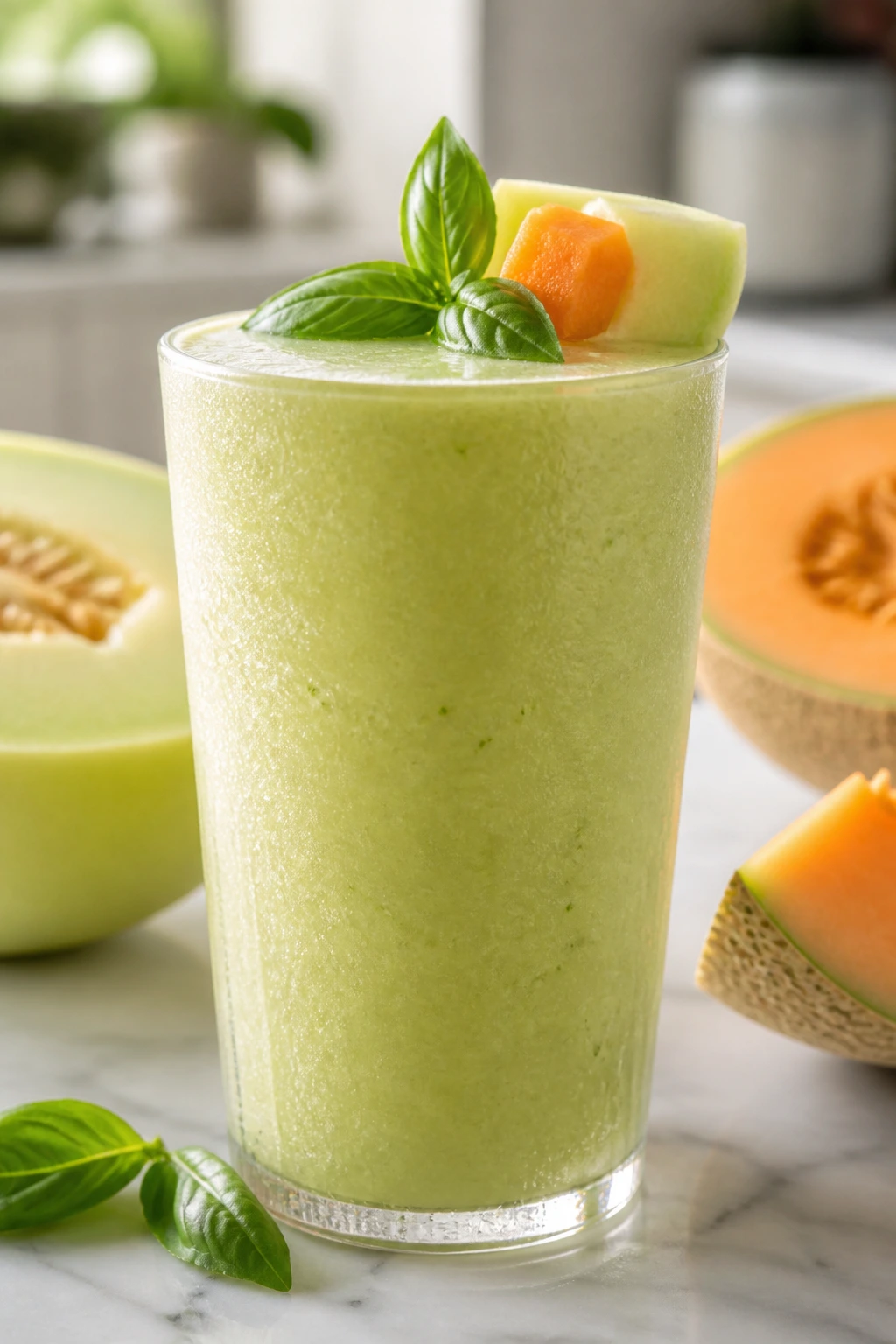
Honeydew and cantaloupe together make a very specific kind of summer drink: pale, cold, and quietly sweet with a green-herb finish from basil. It’s less punchy than a berry smoothie, but that’s what makes it useful. You can drink the whole glass and still want another sip of water afterward, which I count as a win.
Why It Works:
Melons are naturally watery, so they need something creamy to give the smoothie shape. Banana or yogurt handles that job, while basil adds a fresh, almost savory note that keeps the drink from tasting like melon juice. Lime sharpens the whole thing so it doesn’t drift into blandness.
Key Ingredients:
- 1 cup frozen honeydew cubes — freeze them in a single layer if you can.
- 1 cup frozen cantaloupe cubes — choose fruit that smells fragrant before freezing.
- 1 frozen banana — gives the smoothie body.
- 1/2 cup plain Greek yogurt or coconut yogurt — for creaminess.
- 1/2 cup cold water or coconut water — use sparingly; melon needs less than you think.
- 1 tablespoon lime juice — brightens the fruit.
- 4 fresh basil leaves — light herbal finish.
- Pinch of salt.
- 1 teaspoon honey, optional — only if the melon is weak.
Quick Steps:
- Add the water or coconut water, yogurt, lime juice, basil, and salt to the blender.
- Add the frozen melon cubes and banana.
- Blend on high for 30 to 40 seconds until the smoothie turns pale green and pours smoothly.
- Taste. Add honey only if the melon is faint, then blend for 5 seconds more.
- Serve immediately before the basil fades.
Equipment for This Recipe:
- Blender.
- Measuring cups.
- Knife and spoon for melon prep.
- Chilled glasses.
How to Serve This Dish:
This smoothie is best in a straight-sided glass with one small basil leaf floating on top. It pairs well with toast, eggs, or a salty snack because the drink itself is gentle and lightly sweet. Two servings is enough; the flavor is subtle and easy to over-pour.
Pro Tips for This Recipe:
- Freeze the melon on a tray first so the cubes don’t clump together.
- Basil should be fresh and tender. Tough basil can taste bitter.
- Use just enough liquid to help the blades. Melon brings more water than people expect.
- If the smoothie tastes flat, add more lime before more honey.
Variations on This Dish:
- Mint Melon Cooler: Swap basil for mint if you want something colder and sharper.
- Creamier Green Sip: Increase the yogurt to 3/4 cup.
- Ginger-Melon Version: Add 1/4 teaspoon grated ginger for a little bite.
Common Mistakes to Avoid with This Dish:
- Using too much liquid: Melon already thins the smoothie on its own.
- Choosing flavorless melon: If the fruit smells weak, the smoothie will too.
- Blending basil too aggressively in a weak machine: It can turn the smoothie muddy instead of fresh.
Why These Fruit Smoothie Recipes Stay Cold Longer
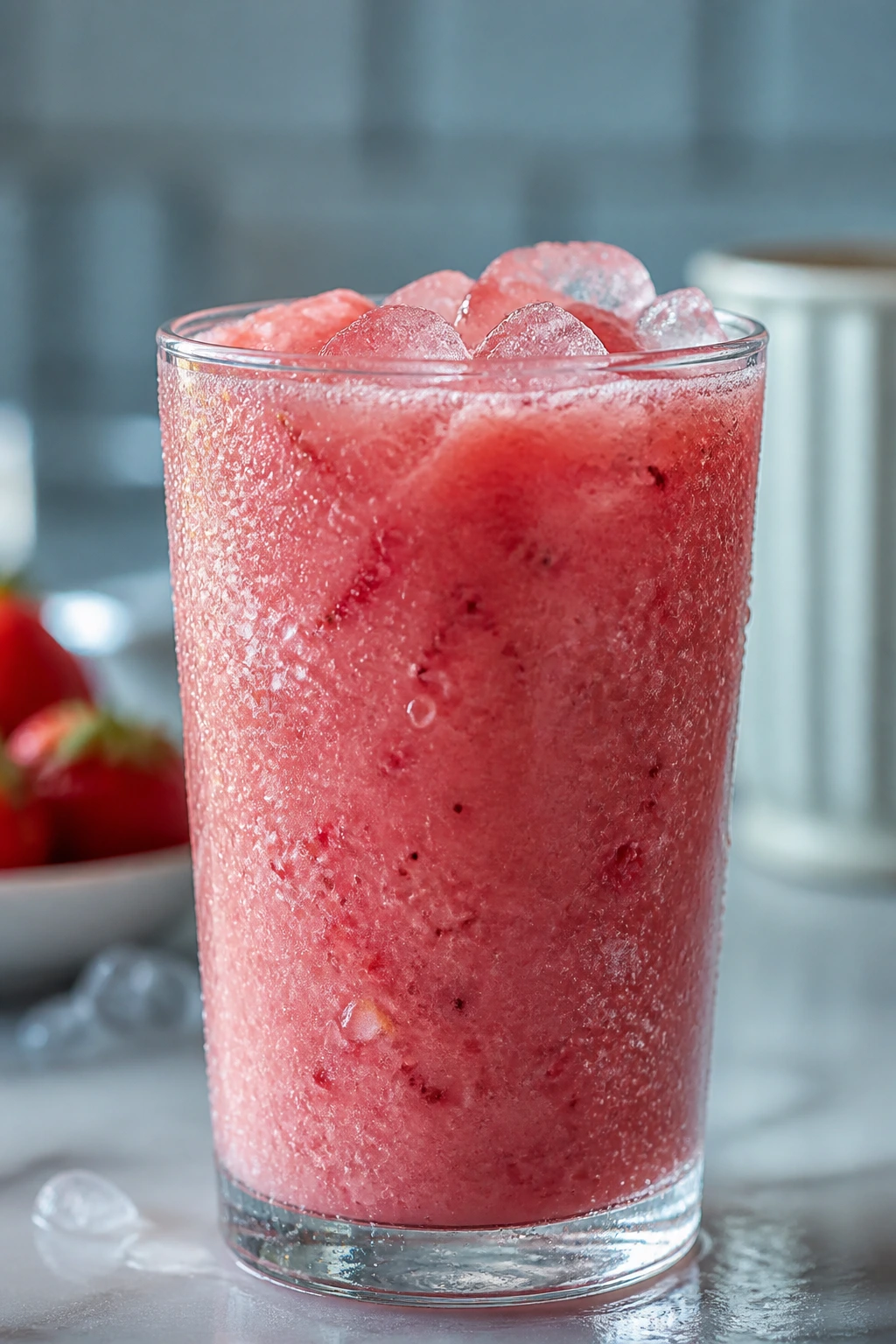
A good summer smoothie is less about dumping fruit in a blender and more about building a cold, balanced drink that holds together long enough to enjoy. Frozen fruit does the real work here. Ice can help, but it also dilutes flavor the second it melts, and that’s why so many smoothies go from lively to bland halfway through the glass.
The other pieces matter in a quieter way. Acid from lime, lemon, or grapefruit keeps sweet fruit from turning syrupy. A small amount of yogurt, coconut yogurt, kefir, or even oats gives the drink a little structure so it doesn’t collapse into juice. Salt sounds fussy until you taste the difference; a pinch is often what makes the fruit taste like itself.
I also like that these recipes let the fruit stay recognizable. You can tell when strawberry is doing the heavy lifting versus peach, pineapple, or papaya. That sounds obvious, but it’s where a lot of smoothies lose me — they blur into beige sweetness. These do not.
Essential Equipment for These Recipes
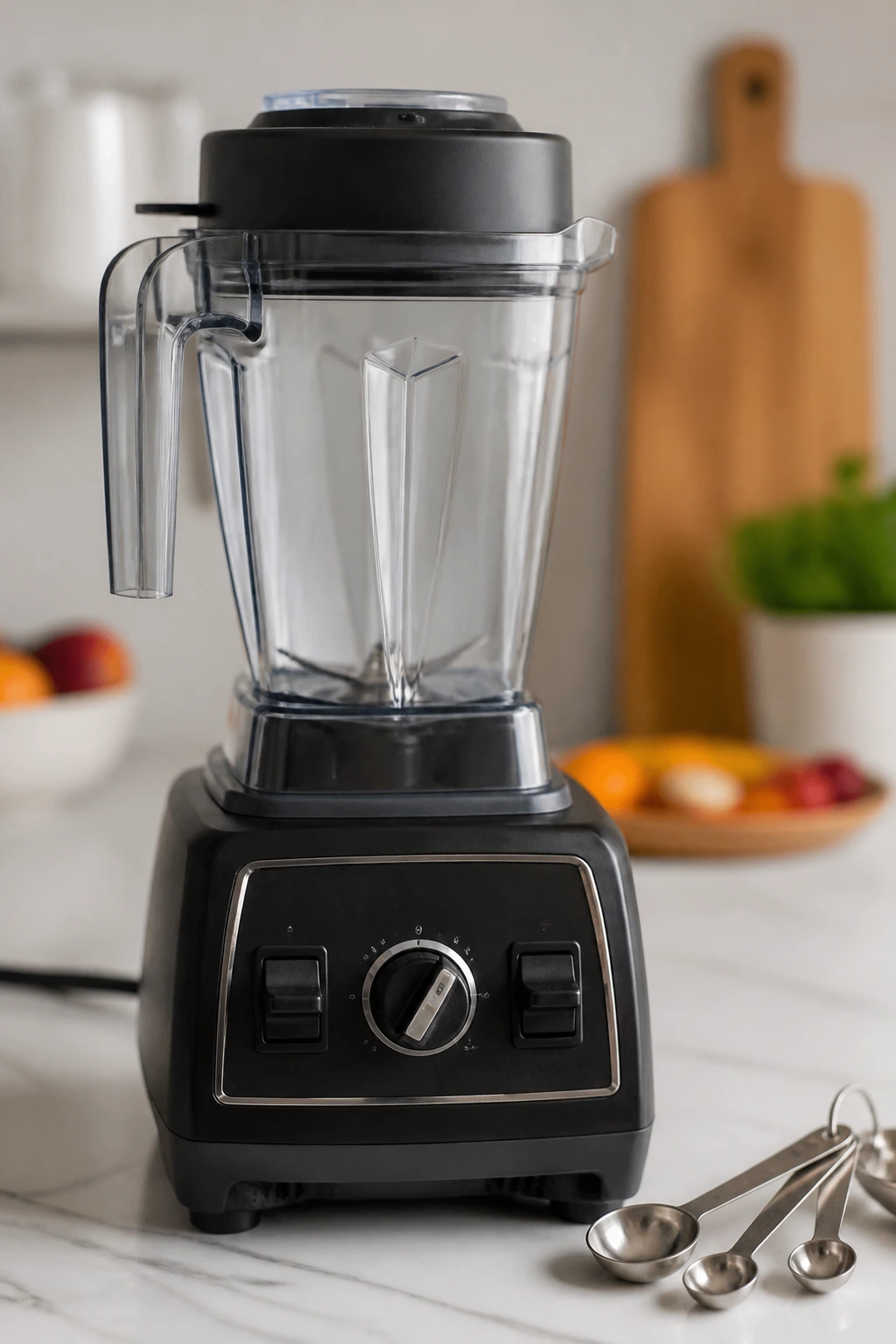
- High-speed blender: Not every smoothie needs the same kind of power, but frozen fruit, dates, oats, and chia all blend better when the motor doesn’t struggle.
- Measuring cups and spoons: Smoothies go off balance fast when liquid is guessed at.
- Sharp knife and cutting board: For melon, citrus, peaches, and any fruit you’re freezing yourself.
- Citrus juicer or reamer: Handy for lime, lemon, and grapefruit without wrestling the fruit.
- Fine-mesh strainer, optional: Useful if you want to remove berry seeds or kiwi seeds for a smoother sip.
- Two chilled glasses or jars: Cold glass matters more than people think, especially with thinner smoothie recipes.
- Silicone spatula: Great for scraping thick mixtures down into the blades.
Smart Shopping and Ingredient Tips
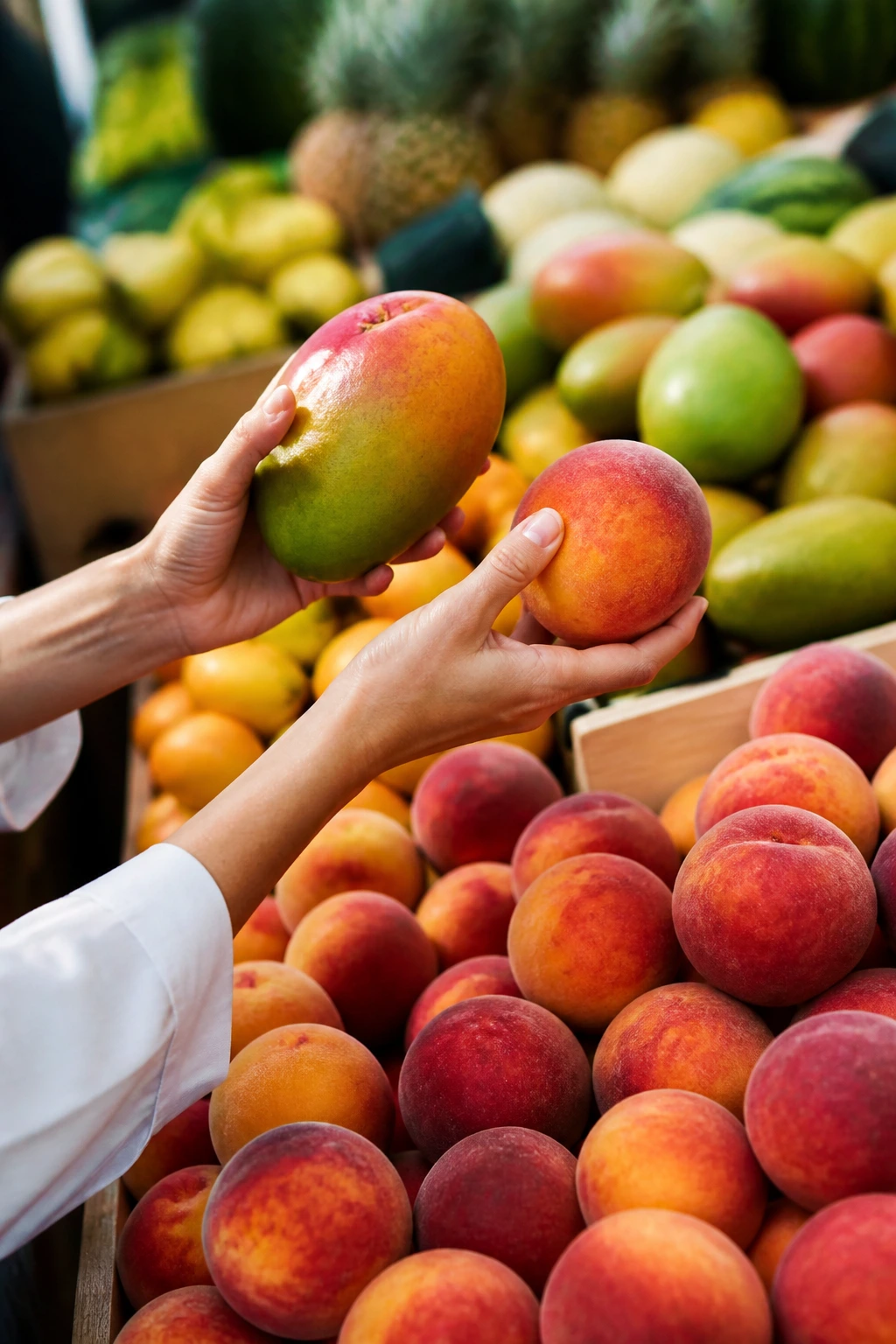
The best fruit smoothie recipes start before the blender. Buy fruit with the final texture in mind, not just the prettiest box on the shelf. Mango should smell sweet near the stem. Peaches and plums need to give slightly when pressed, but not collapse in your hand. Watermelon should sound deep and hollow when tapped, and melons should smell like something before you cut them; if they don’t, the smoothie usually won’t rescue them.
Frozen fruit is not a compromise here. It’s the backbone. Frozen strawberries, blueberries, mango, and cherries bring colder texture and stronger flavor than ice ever will. If you freeze fruit yourself, spread it on a tray first so the pieces don’t fuse into one stubborn block. Bananas should be peeled, sliced, and frozen when fully ripe, with brown speckles on the skin.
For dairy, plain Greek yogurt gives the most structure without extra sweetness. Kefir is lighter and tangier. Coconut yogurt works well for dairy-free smoothies, but check that it’s not overly sweet, or it can flatten the fruit. Coconut water is useful in thin, bright smoothies; milk works better when you want a creamier finish. If a recipe calls for juice, pick one that supports the fruit rather than shouting over it. Orange juice and apple juice can round out tart fruit, but too much juice is how you end up with a drink that tastes like melted fruit punch.
How to Serve These Recipes
Presentation:
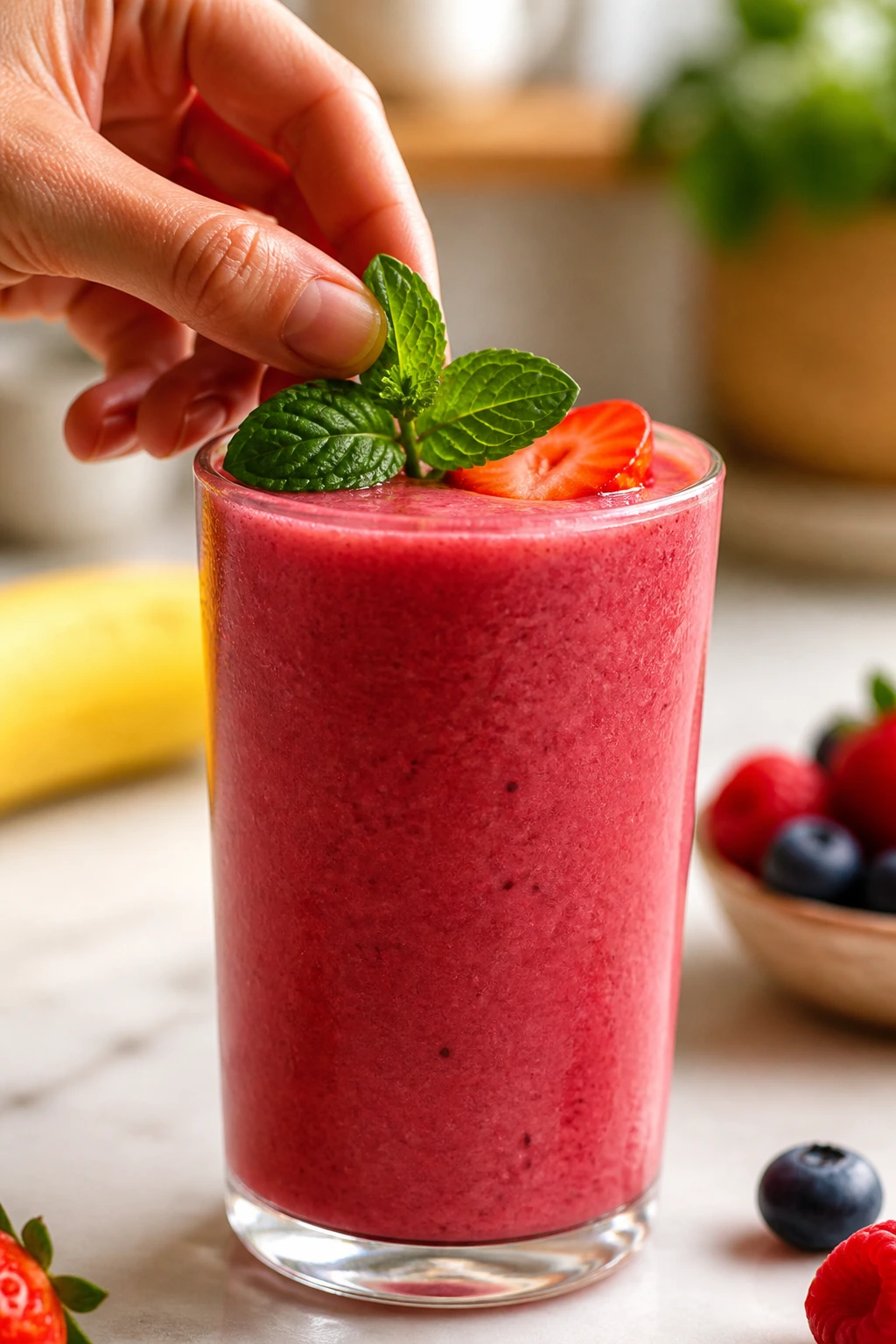
Chilled clear glasses make the colors do the work. A mint sprig, a citrus wheel, a strawberry slice, or even a few oats or chopped nuts on top gives the drink a finished look without turning it into a fuss. Keep the rim clean. A smeared glass makes even a good smoothie look rushed.
Accompaniments:
These smoothies fit best with simple food: buttered toast, eggs, a piece of fruit, granola, or a plain muffin. The sweeter recipes, like cherry-vanilla and banana-date, can stand alone. The sharper ones — grapefruit, kiwi-lime, pineapple-cucumber — are nice alongside something salty.
Portions:
Most of these recipes make 2 modest servings, usually 10 to 12 ounces each. If you want them as part of breakfast, that’s the right size. If you want one smoothie as a snack, split it into 3 smaller glasses instead of making a giant one and watching it warm up.
Beverage Pairing:
For an easy pairing, go with sparkling water with a citrus wedge or unsweetened iced tea. If you’re serving the smoothie at brunch, a simple cold brew or plain coffee works with the sweeter fruit blends, especially banana-date and cherry-vanilla.
Additional Tips and Flavor Boosters
Flavor Enhancement:
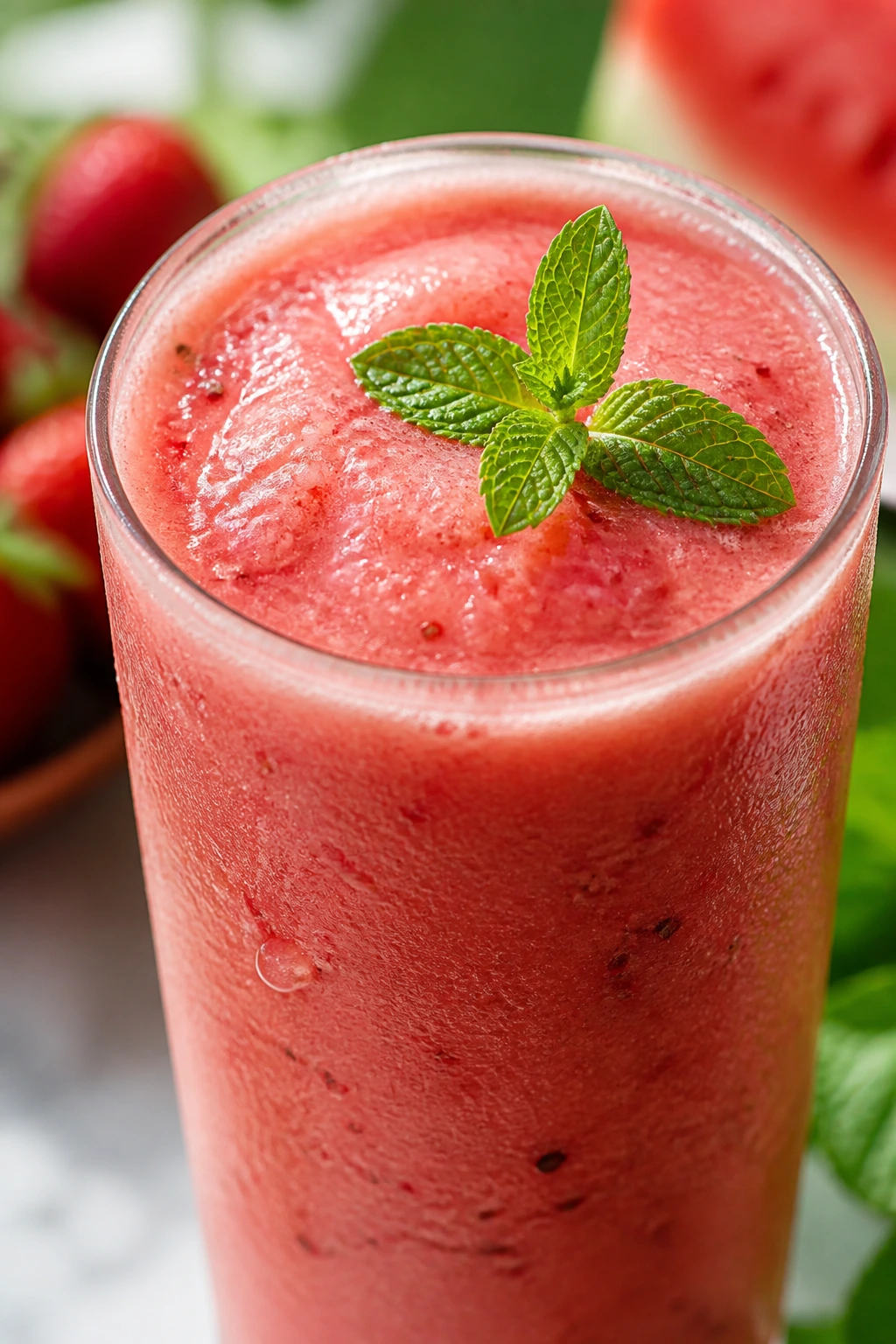
A pinch of salt is the easiest upgrade in the whole collection. It doesn’t make the smoothies salty; it makes strawberries taste fuller, mango taste rounder, and melon taste like it finally showed up to work. Citrus zest is another good one — a little lemon, lime, or orange zest changes the aroma before the first sip.
Customization:
Need more protein? Add extra yogurt, kefir, or a scoop of plain or vanilla protein powder. Want more fiber? Use oats, chia, or ground flaxseed, but keep the amount modest so the texture stays drinkable. If you like thinner smoothies, loosen with water or coconut water in 1-tablespoon increments rather than flooding the blender at the start.
Serving Suggestions:
Frozen fruit on top looks nice and keeps the glass cold. So does a fresh herb leaf, a citrus twist, or a spoonful of chopped nuts on the thicker recipes. For the citrus and berry smoothies, a chilled straw is enough. No need to get fancy when the color already does half the styling.
Make-It-Yours:
For dairy-free versions, coconut yogurt, almond milk, oat milk, or coconut water can step in cleanly. For lower sugar, skip honey until you taste the blend. For a kid-friendly spin, lean into strawberry, mango, peach, and banana, and keep the tart fruits in the back row.
Make-Ahead, Storage, and the Rescue Plan
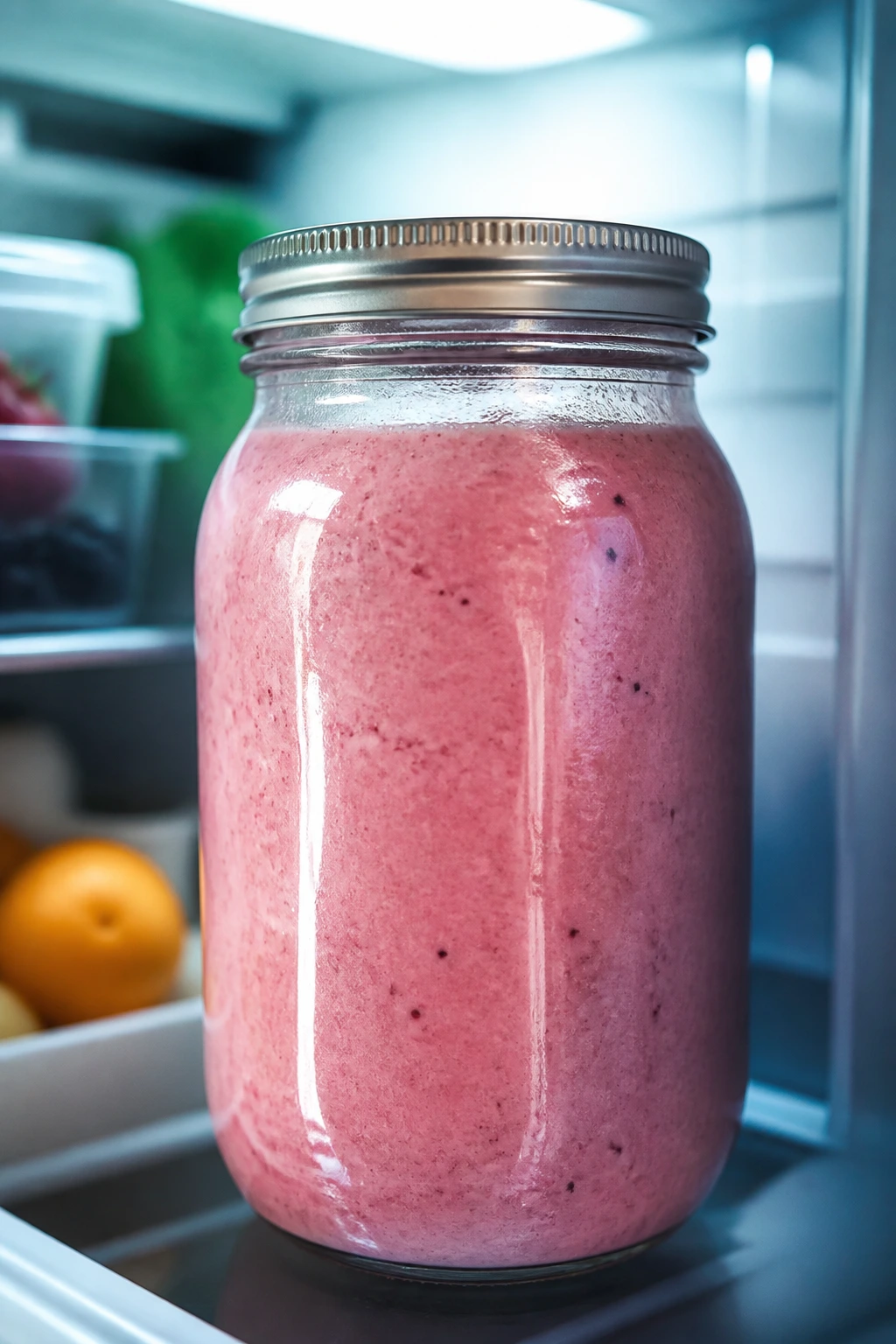
Smoothies are at their best the minute they leave the blender. After that, separation starts slowly and then all at once. If you need to make one ahead, store it in a tightly sealed jar or bottle in the fridge for up to 24 hours, and shake or stir before drinking. The texture won’t be quite as bright, but it will still be fine for lunch or the next morning.
Freezer prep works better than freezer storage for finished smoothies. You can portion fruit, yogurt, and add-ins into freezer bags or containers and freeze them for up to 2 months. In the morning, dump the contents into the blender with the liquid and blend from frozen. That’s the move I’d use more often than freezing a finished smoothie.
If you do freeze a blended smoothie, leave room in the container for expansion. Thaw it in the fridge until it’s slushy, then reblend with 1 to 2 tablespoons liquid. There’s no reheating here — that would wreck the texture — but there is a rescue plan, and it works better than people expect. For thinner drinks, a single frozen fruit cube can bring the temperature and body back without making the flavor watery.
Variations and Adaptations to Try
Dairy-Free Citrus Lineup:
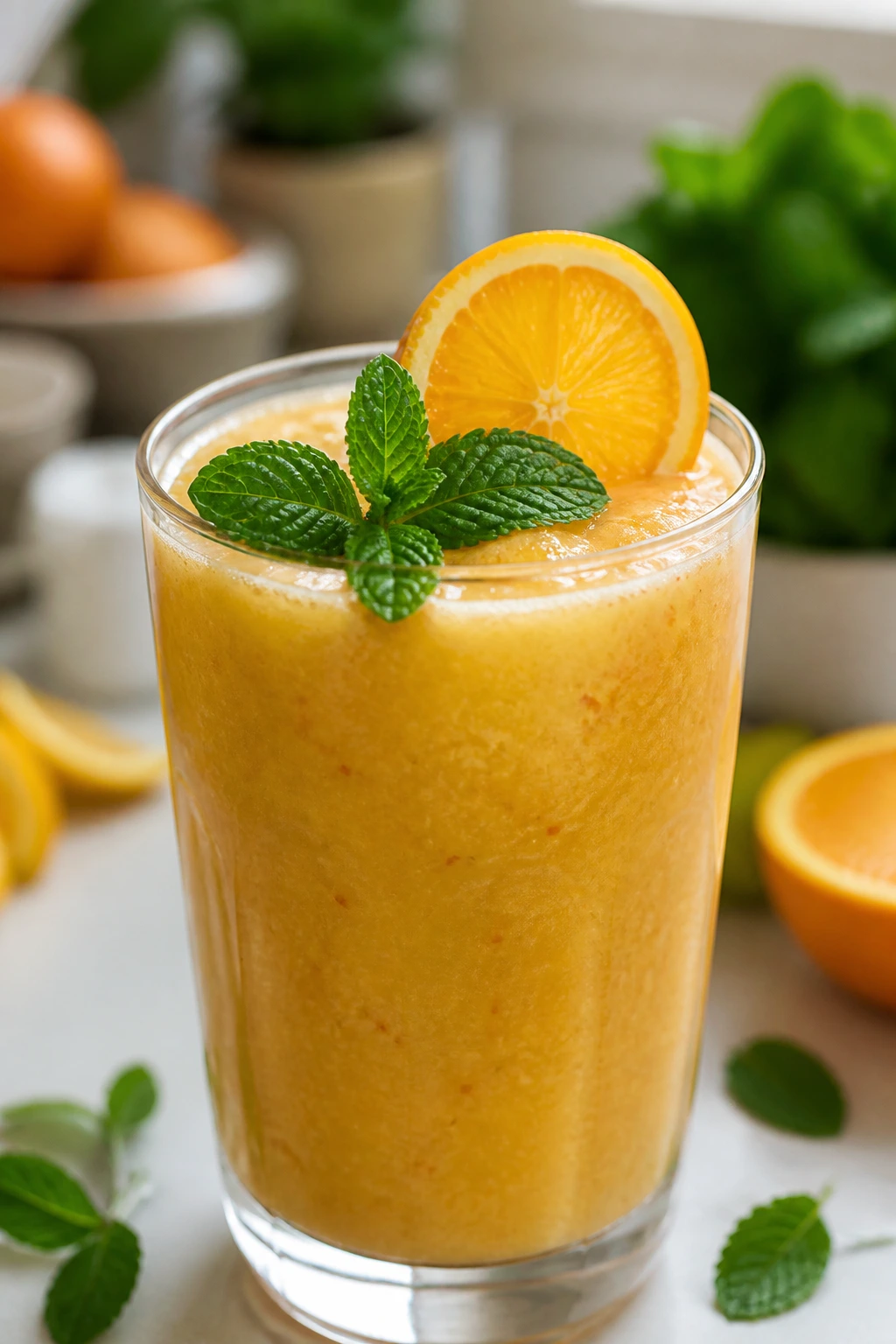
Use coconut yogurt, almond milk, or coconut water in the citrus and tropical recipes. They stay bright and lighter than dairy, which works especially well in kiwi-lime, pineapple-cucumber, and grapefruit-strawberry.
Higher-Protein Breakfast Swaps:
Increase Greek yogurt, add kefir, or stir in a scoop of protein powder to the blueberry-banana, banana-date, and cherry-vanilla recipes. Keep the liquid a little lower so the smoothie doesn’t go thin after the powder goes in.
Lower-Sugar Fruit Blends:
Use more tart fruit — raspberries, blackberries, grapefruit, kiwi, or plum — and skip the honey until you taste. Frozen banana can handle a lot of sweetening on its own, so don’t overcorrect.
Kid-Friendly Soft Sweet Versions:
Stick with strawberry-watermelon, mango-pineapple, peach-raspberry, and apricot-orange. Use vanilla yogurt if needed, but keep the citrus restrained so the drink stays easy.
Herb-and-Zest Brighteners:
Mint, basil, lime zest, and orange zest are small additions, but they change the whole mood. Add them lightly. You want the fruit to stay in front.
Common Mistakes to Avoid
Using too much liquid too soon:
This is the easiest way to make a smoothie taste washed out. Start with the lower end of the liquid range, blend, then add more by the tablespoon only if the blades need help.
Treating ice like the main texture source:
Ice cools the drink, but frozen fruit gives it body and flavor. Too much ice makes the smoothie pale, thin, and slightly dead-tasting by the end of the glass.
Forgetting acidity:
A lot of fruit needs a little lemon, lime, or grapefruit to stay lively. Skip that, and the smoothie can taste flat even when the fruit is good.
Overloading the blender with thick ingredients:
Dates, oats, frozen banana, nut butter, and chia can turn into a brick if you add them all at once without enough liquid. Put the liquid in first, then the softer ingredients, then the frozen fruit.
Sweetening before tasting:
This one wastes the most honey. Strawberries, mango, peaches, and bananas can already bring enough sweetness. Taste first, then adjust.
Letting the smoothie sit too long:
The colder recipes get watery, and the chia or oats keep thickening the denser ones. Pour and drink. Smoothies are not patient.
Frequently Asked Questions
Can I use fresh fruit instead of frozen fruit?
Yes, but the texture changes a lot. Fresh fruit usually needs ice or a frozen banana to get that cold, thick body, and the flavor tends to be less concentrated than frozen fruit. If you want the best sipping texture, freeze at least part of the fruit.
What’s the best liquid for a thin, drinkable smoothie?
Coconut water and plain water make the lightest smoothies, while milk and yogurt create a creamier drink. If you want something that pours easily but still tastes like fruit, start with coconut water or a mix of water and yogurt.
How do I keep the smoothie from separating?
Use enough body ingredients — yogurt, banana, oats, or chia — and serve it right after blending. If it sits for more than a few minutes, stir or shake it before drinking. A jar with a tight lid helps if you’re taking it along.
Can I make these smoothies without yogurt?
Absolutely. Coconut yogurt, silken tofu, nut butter, oats, or just extra frozen fruit can replace the yogurt depending on the recipe. The drink will be lighter, so you may need less liquid than the original version calls for.
Why does my smoothie taste bland even when the fruit is sweet?
Usually the missing piece is acid or salt. A teaspoon of lemon or lime juice and a tiny pinch of salt can change a smoothie from flat to vivid without making it taste sour or salty. That’s especially true for mango, melon, and banana blends.
How far ahead can I prep smoothie packs?
Most fruit smoothie packs keep well in the freezer for up to 2 months. Portion the fruit and dry add-ins into bags, then add liquid and yogurt when you’re ready to blend. If you include banana, slice it before freezing so it breaks down more easily.
What if my blender leaves little chunks behind?
Stop and scrape the sides, then add 1 to 2 tablespoons more liquid and blend again. If that still doesn’t work, start with the liquid and softer ingredients next time, then add the frozen fruit in smaller batches. Weak blenders do better with patience than with overload.
Can I make these into popsicles instead of drinking them?
Yes, and the fruit-heavy ones are especially good for that. Strawberry-watermelon, mango-pineapple, peach-raspberry, and blackberry-mint freeze nicely in molds. Just keep the liquid a little lower so they freeze without separating.
Cold Glasses, Bright Fruit
The best fruit smoothie recipes don’t try to hide the fruit. They let each one do its job: strawberry for sweetness, grapefruit for bite, mango for silk, melon for coolness, plum for depth. Once you start paying attention to those differences, the blender stops being a shortcut and starts behaving like a tool with some range.
I’d keep a few frozen fruit bags on hand, a couple of citrus fruits in the bowl, and one good bottle of coconut water or plain yogurt in the fridge. That’s enough to make the whole collection work on a weeknight, a slow morning, or any day when a cold drink needs a little more substance than flavored ice.