



Brunch cocktails for tropical vacation vibes live or die on balance. Too much pineapple and you get a sticky sugar bomb. Too little acid and the drink tastes flat, like fruit syrup left in the sun. The sweet spot is sharper, colder, and a little more savory than people expect — the kind of drink that still tastes good after the second sip and doesn’t fight the eggs on your plate.
That’s why the best tropical brunch cocktails lean on dry sparkling wine, fresh citrus, a pinch of salt, and fruit that has enough personality to stand up to bubbles. Pineapple, mango, guava, passion fruit, coconut, papaya, and blood orange all show up here, but they don’t get to run the show alone. Rum, tequila, gin, cachaça, vodka, and even cold brew step in to keep things moving.
I like this style of cocktail because it can be playful without turning sloppy. You can go crisp and salty, creamy and dessert-like, bright and bubbly, or spicy enough to wake up a sleepy palate. And when brunch is the occasion, that range matters more than another glass that tastes like orange juice wearing perfume.
Why These Tropical Brunch Cocktails Actually Work
Bright fruit needs a brake. Pineapple, mango, guava, and papaya all bring sweetness and perfume, but lime, grapefruit, and lemon keep them from going sticky. A drink with only fruit juice tastes loud for about three sips, then it turns dull.
Dry bubbles do real work here. Brut sparkling wine, prosecco, soda water, and tonic lift aroma and cut heaviness. That’s why a tropical mimosa lands better when the bottle is dry and cold.
Salt is the quiet hero. A tiny pinch in a pineapple drink or a salted rim on a paloma-style cocktail makes the fruit taste more vivid. No, it does not make the drink salty. It just wakes it up.
Brunch wants texture, not just flavor. Some of these drinks are shaken and strained silky smooth. Some are built over ice and left a little rough around the edges. Some get foam from egg white or aquafaba. That variety matters when the table already has rich food on it.
Most of these recipes can flex. You can batch the juice-and-spirit base, swap prosecco for soda water, or pull the alcohol down and still keep the same tropical shape. That makes the collection useful for a slow, chatty brunch where the drinks need to keep pace with the conversation.
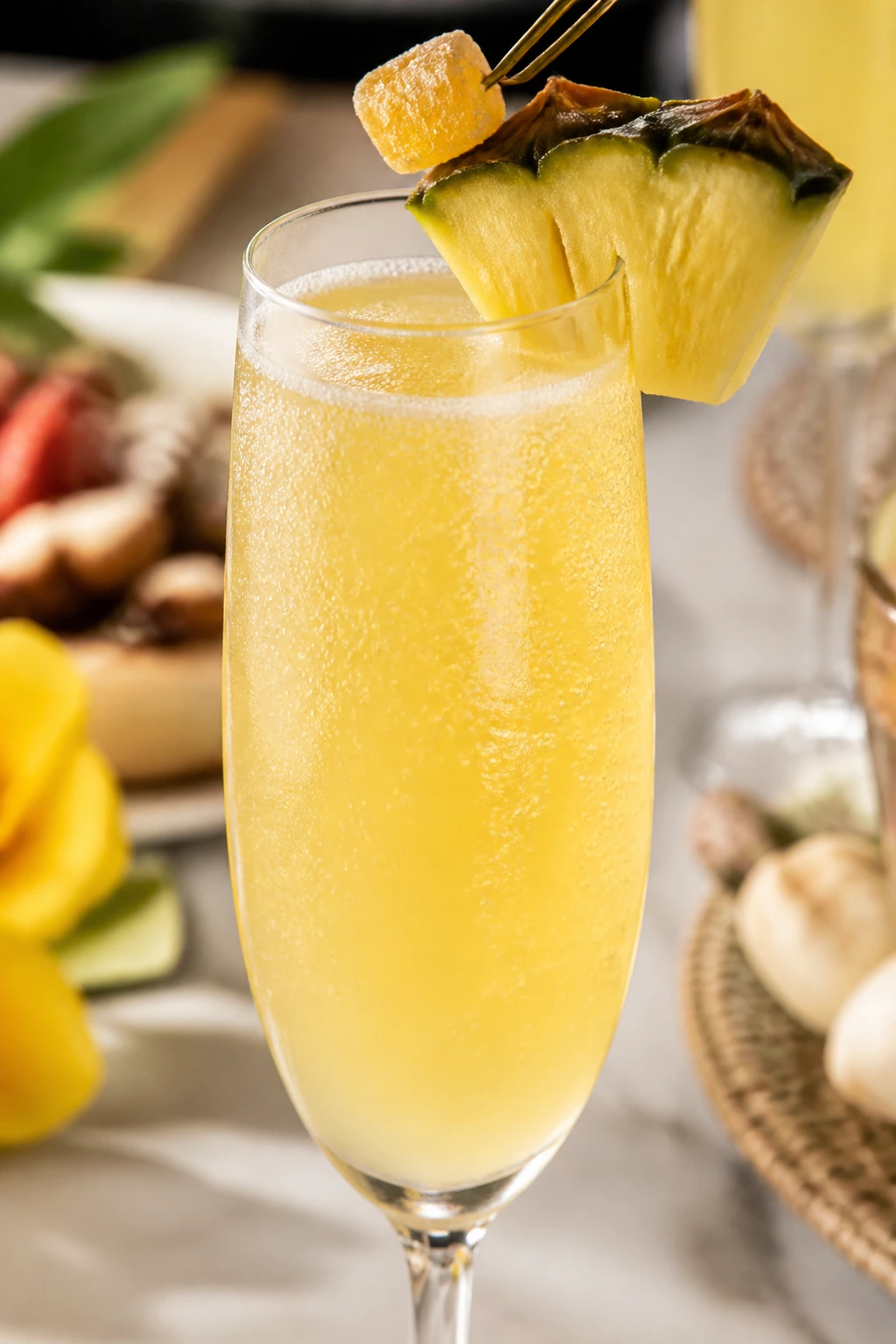
1. Pineapple Ginger Mimosa
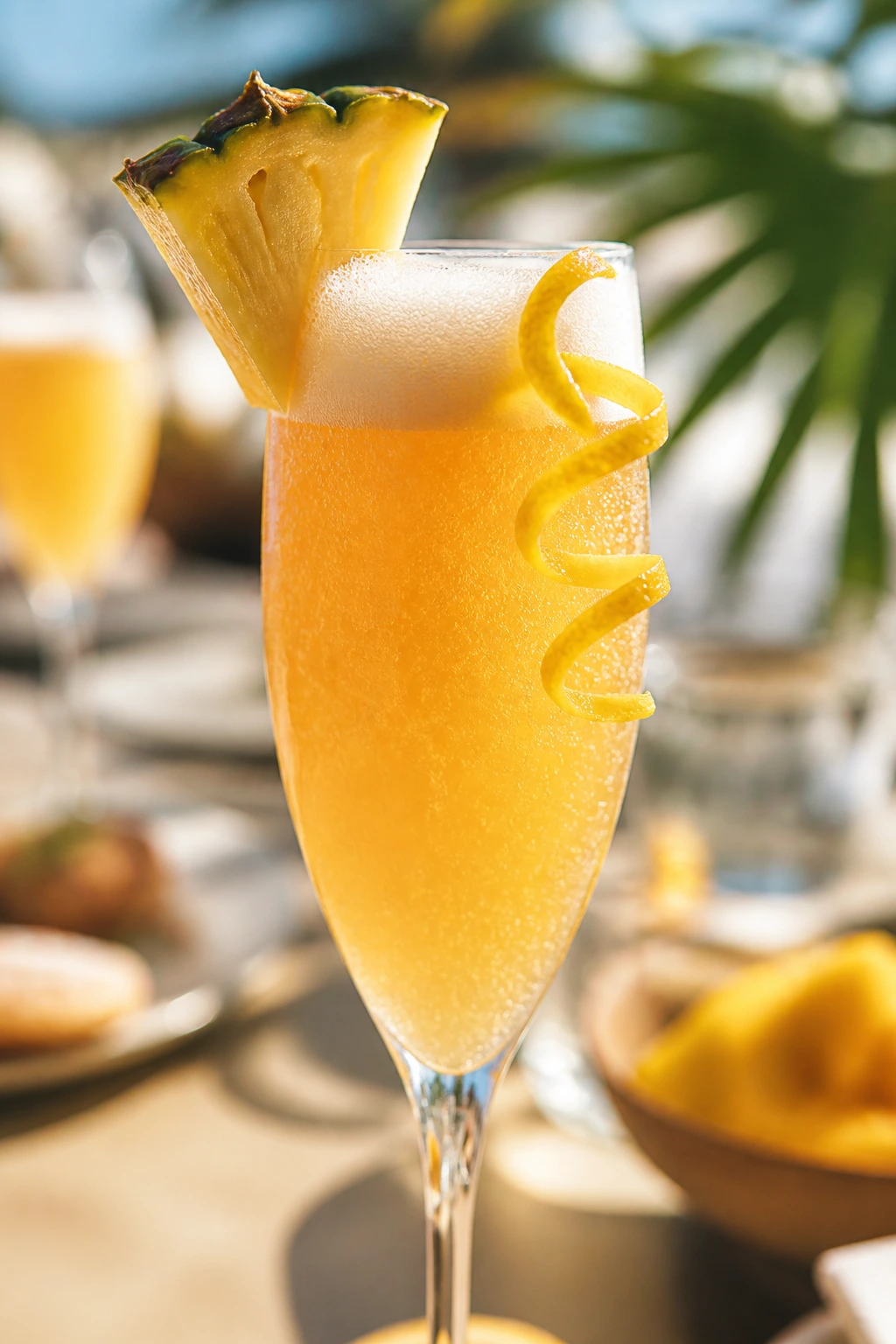
A good pineapple ginger mimosa smells like a beach hotel breakfast bar if the kitchen staff actually knew what they were doing. The pineapple brings the bright, sunny part, but the ginger pulls the drink back from candy territory. Dry sparkling wine keeps the whole thing crisp, and a tiny pinch of salt gives the fruit a cleaner finish.
Why It Works:
This is a better mimosa template than the sugary versions that lean too hard on pineapple juice alone. Ginger adds heat without turning the drink into a cocktail that feels spicy for the sake of it, and the bubbles make the pineapple seem lighter than it is. Use brut sparkling wine, not a sweeter bottle; the dryness is what lets the ginger stay sharp instead of turning muddy.
Key Ingredients:
- 2 oz pineapple juice, chilled — the juice should be 100% pineapple, not a cocktail blend.
- 1/2 oz fresh lime juice — this keeps the drink from tasting one-note.
- 1/2 oz ginger syrup — a little goes a long way.
- 4 oz brut sparkling wine, chilled — dry is better than sweet here.
- Pinch fine sea salt — tiny, but it matters.
- Pineapple wedge, for garnish — use a thin wedge so it doesn’t tip the flute.
- Candied ginger, for garnish — optional, but a nice little nudge.
Quick Steps:
- Chill a champagne flute or a narrow white-wine glass for 10 minutes.
- Add the pineapple juice, lime juice, ginger syrup, and salt to the glass. Stir once, just enough to combine.
- Slowly pour in the sparkling wine so the bubbles don’t race out of the glass.
- Give the drink one gentle turn with a spoon. Do not stir hard — you’ll flatten the fizz.
- Garnish with a pineapple wedge and a piece of candied ginger. Serve immediately.
Equipment for This Recipe:
- Champagne flute or stemmed wine glass
- Jigger
- Bar spoon
- Small knife for garnish
How to Serve This Dish:
Serve it cold and upright, not in a giant goblet. The narrow glass keeps the bubbles alive longer, which is half the point. It goes especially well with fruit salad, smoked salmon toast, or a plate of eggs that needs something bright beside it.
Pro Tips for This Recipe:
- Use a dry ginger syrup, not ginger beer. Beer brings more fizz than control.
- If your pineapple juice tastes dull, add another drop of lime before you reach for more syrup.
- Chill the wine well. Warm bubbles feel sloppy and drop fast.
- If you want extra ginger bite, grate a little fresh ginger into the syrup while it’s warm.
Variations on This Dish:
- Zero-Proof Ginger Pineapple Fizz: Swap the sparkling wine for chilled soda water and add 1 extra ounce of pineapple juice.
- Spiced Sunset Version: Add a dash of Angostura bitters for a deeper, almost pastry-like finish.
- Rum-Backed Brunch Pour: Add 1 oz white rum and reduce the pineapple juice to 1 1/2 oz.
Common Mistakes to Avoid with This Dish:
- Using sweet sparkling wine: The drink turns heavy and loses the clean ginger finish.
- Overdoing the syrup: A full ounce of ginger syrup can swamp the pineapple.
- Mixing too aggressively: Stirring like you mean it knocks the bubbles out before the first sip.
2. Mango Coconut Bellini
This one tastes like a soft sunrise in a flute. Mango gives it that thick, perfumed sweetness, while coconut water keeps the texture loose enough for brunch instead of dessert. If you’ve ever had a Bellini that tasted like melted peach candy, this is the better version. It has shape.
Why It Works:
Mango is richer than peach and a little heavier on the tongue, so it needs acid and a dry sparkler to keep it from dragging. Coconut water makes the drink feel tropical without turning it creamy, which is the mistake a lot of coconut cocktails make. A small amount of lime lifts the mango, and the prosecco adds the crisp finish that keeps you reaching for another sip.
Key Ingredients:
- 2 oz mango puree or thick mango nectar, chilled — puree gives the best body.
- 1 oz coconut water, chilled — this lightens the texture.
- 1/2 oz fresh lime juice — necessary, not optional.
- 1/2 oz white rum — gives the Bellini a little more backbone.
- 4 oz prosecco or brut sparkling wine, chilled — keep it dry.
- Tiny pinch salt — makes the mango taste more like mango.
- Toasted coconut, for garnish — use just a light sprinkle.
Quick Steps:
- Chill a flute for 10 minutes.
- Add the mango puree, coconut water, lime juice, rum, and salt to the glass. Stir until the mixture looks smooth and even.
- Pour in the prosecco slowly. If you dump it in fast, the foam climbs and spills.
- Stir once at the bottom with a spoon.
- Finish with toasted coconut on top and serve right away.
Equipment for This Recipe:
- Champagne flute
- Jigger
- Bar spoon
- Small skillet or toaster for the coconut garnish
How to Serve This Dish:
This belongs on the table with yogurt, granola, croissants, or a plate of sliced citrus. It also works with salty food — bacon makes the mango taste brighter. Serve it in a narrow glass so the coconut stays in the background instead of turning the drink thick.
Pro Tips for This Recipe:
- If your mango puree is fibrous, strain it before mixing.
- Use coconut water, not cream of coconut. That would turn the drink heavy.
- If the mango tastes flat, add another 1/4 oz lime before adding more sweetener.
- Toast the coconut just until pale gold; dark coconut tastes bitter fast.
Variations on This Dish:
- Frozen Mango Coconut Bellini: Blend the ingredients with 1 cup of ice for a slushy brunch pour.
- Peach-Mango Blend: Replace half the mango with peach nectar for a softer, more floral finish.
- Spiked Island Bellini: Add an extra 1/2 oz rum and keep the coconut water as written.
Common Mistakes to Avoid with This Dish:
- Using coconut milk instead of coconut water: The drink turns cloudy and heavy.
- Skipping the lime: Mango can taste flat and sticky without it.
- Using a sweet sparkling wine: The finished drink turns syrupy fast.
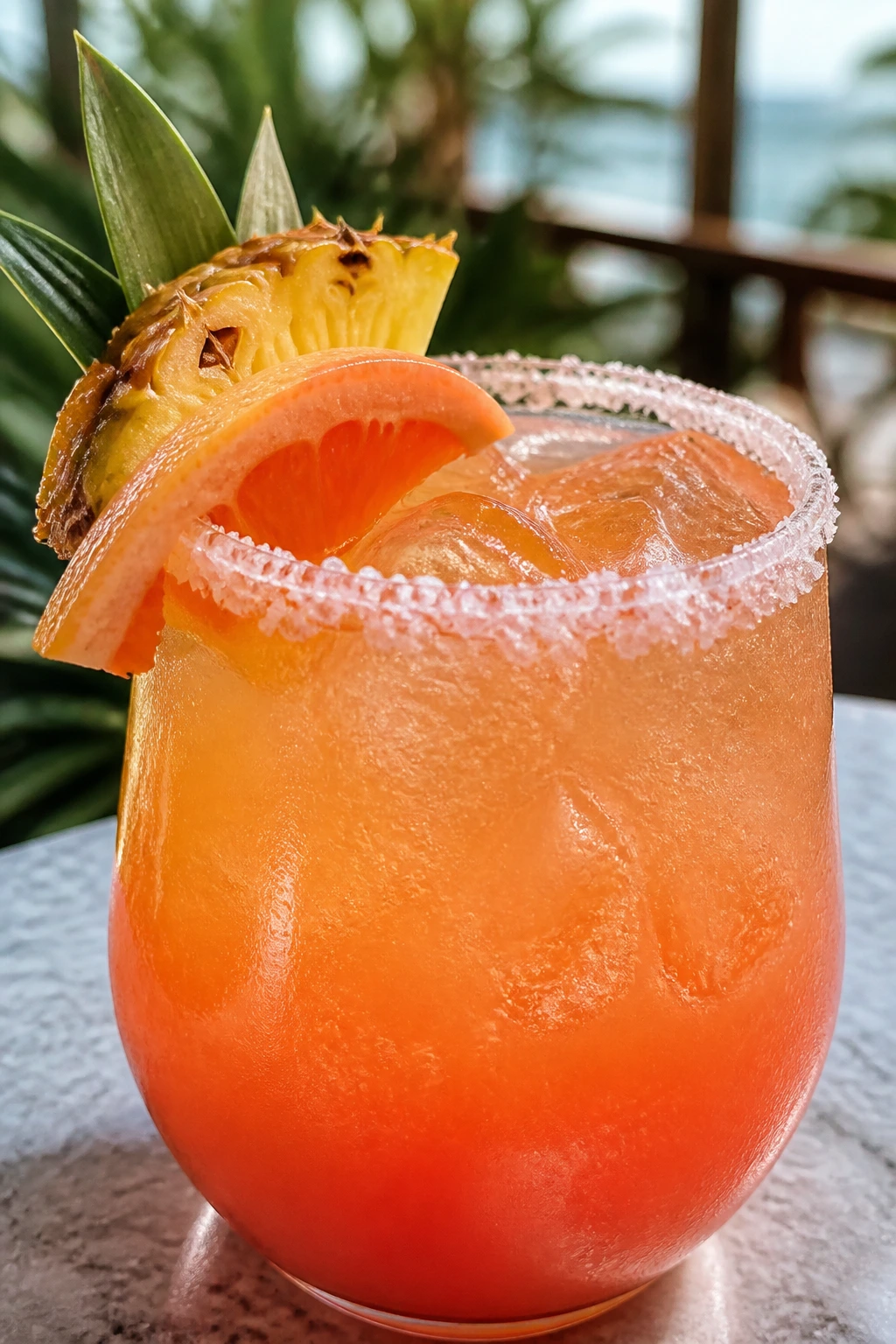
3. Tropical Paloma Spritz
This is what happens when a paloma goes on vacation and comes back better dressed. Grapefruit brings the bitter edge, pineapple adds roundness, and tequila keeps the drink from feeling thin. The salt rim is not decoration. It’s part of the flavor.
Why It Works:
A standard paloma already knows how to balance citrus, bitterness, and fizz. Pineapple slides into that structure without wrecking it, which is why this cocktail works so well at brunch. The agave is there to soften the grapefruit, not bury it, and the club soda keeps the drink long and refreshing instead of sticky.
Key Ingredients:
- 1 1/2 oz blanco tequila — clean and bright, not smoky.
- 1 oz fresh grapefruit juice — fresh beats bottled by a mile.
- 1 oz pineapple juice — adds sweetness and body.
- 1/2 oz fresh lime juice — sharpens the finish.
- 1/2 oz agave syrup — just enough to smooth the edge.
- 2 oz club soda — for lift.
- Fine salt, for the rim — use a shallow layer.
- Grapefruit wedge, for garnish — express the oils over the glass.
Quick Steps:
- Run a grapefruit wedge around the rim of a rocks glass and dip it lightly in salt.
- Fill the glass with ice. Big cubes are fine here.
- Add tequila, grapefruit juice, pineapple juice, lime juice, and agave to the glass or a shaker. Shake briefly with ice if you want it colder.
- Strain over the ice.
- Top with club soda and stir once. Add the grapefruit wedge. Do not pour soda into the shaker.
Equipment for This Recipe:
- Rocks glass or highball glass
- Cocktail shaker
- Jigger
- Citrus juicer
- Small plate for the salt rim
How to Serve This Dish:
This is the one to set beside breakfast tacos, huevos rancheros, or a plate of salty potatoes. The grapefruit keeps it from fighting savory food. It looks best in a clear glass with a pale salt rim and a bright wedge on the edge.
Pro Tips for This Recipe:
- If your grapefruit is sweet, cut the agave to 1/4 oz.
- A pinch of salt in the shaker works, too, if you hate rimming glasses.
- Use chilled club soda. Warm soda goes flat before the drink is halfway gone.
- If you want more bite, add a dash of orange bitters.
Variations on This Dish:
- Tajín Rim Paloma: Swap the salt for Tajín and let the chile chew against the grapefruit.
- Smoky Mezcal Paloma: Replace half the tequila with mezcal for a more campfire finish.
- Pitcher Paloma Spritz: Scale everything except the soda, chill it ahead, then top each glass with soda at the table.
Common Mistakes to Avoid with This Dish:
- Too much agave: The drink stops tasting like a paloma and starts tasting like juice.
- Flat soda: If the club soda is old, the whole glass loses its snap.
- A thick salt rim: You want a light edge, not a salt crust.
4. Hibiscus Rum Fizz
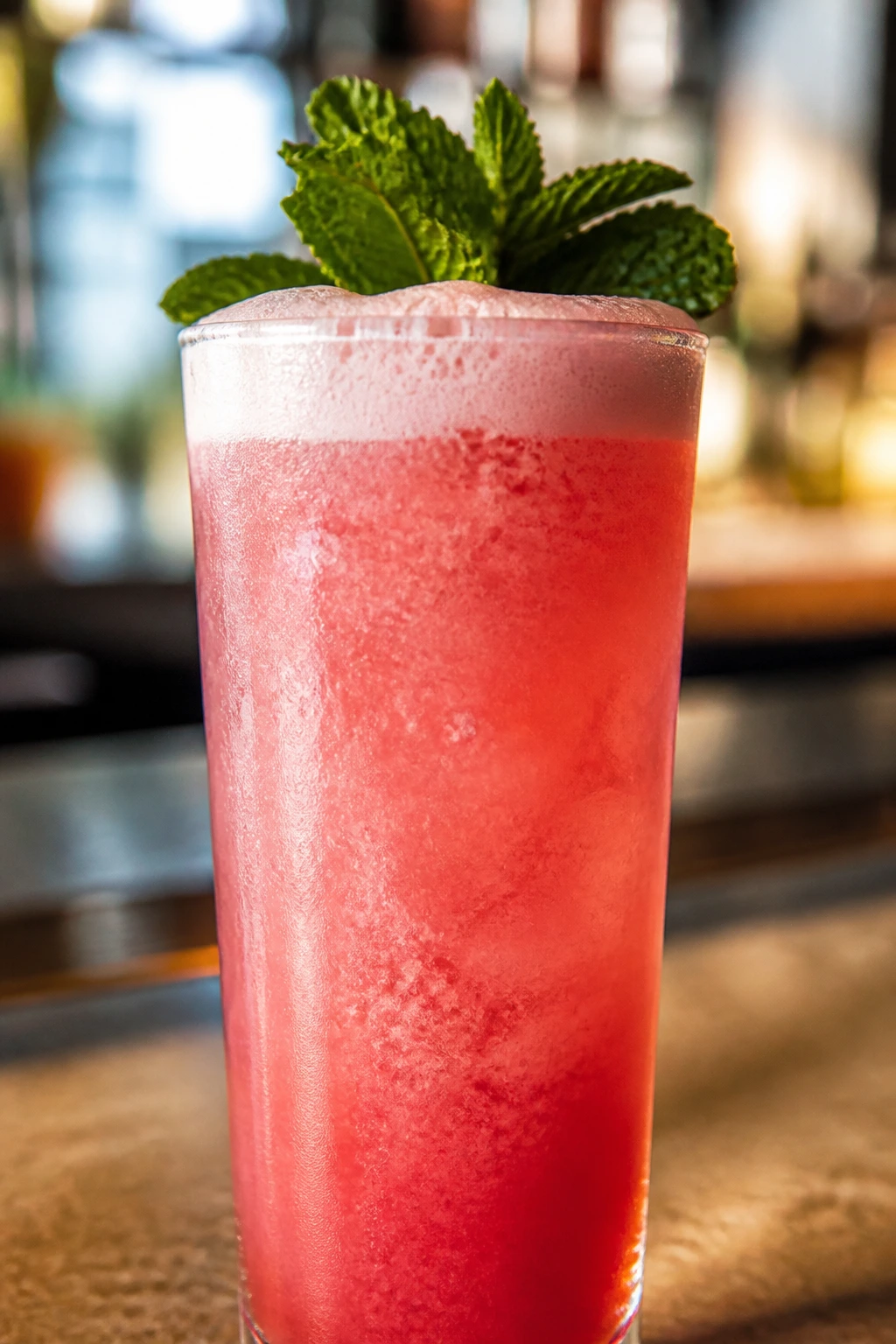
Deep pink, slightly floral, and sharp enough to cut through brunch food — that’s the whole trick here. Hibiscus gives the drink a tart edge and that beautiful color that looks even better when the foam rises on top. Rum keeps it from drifting into tea territory.
Why It Works:
A fizz needs structure. The acid, the spirit, the foam, and the bubbles all have jobs to do, and this recipe gives each one a clear lane. Hibiscus syrup adds color and a bright tartness that works especially well with white rum. The egg white or aquafaba is optional in some drinks; here, it earns its place because it gives the cocktail that soft, cloudlike top that feels right for brunch.
Key Ingredients:
- 1 1/2 oz white rum — clean, light, and easy to shake.
- 3/4 oz hibiscus syrup — tart and floral.
- 3/4 oz fresh lemon juice — keeps the syrup honest.
- 1 egg white or 1/2 oz aquafaba — for foam.
- 2 oz soda water — added at the end.
- 2 dashes orange bitters — deepen the floral notes.
- Mint sprig, for garnish — slap it first.
Quick Steps:
- Add the rum, hibiscus syrup, lemon juice, and egg white or aquafaba to a shaker without ice. Shake hard for 15 seconds.
- Add ice and shake again until the outside of the shaker feels cold, about 10 to 12 seconds.
- Strain into a Collins glass filled with fresh ice.
- Top with soda water slowly so the foam stays in place.
- Add the bitters and garnish with mint.
Equipment for This Recipe:
- Cocktail shaker
- Collins glass
- Fine-mesh strainer
- Jigger
- Bar spoon
How to Serve This Dish:
Serve it tall and cold with pastries, coconut scones, or a plate of scrambled eggs that needs a little lift. The foam should sit like a cap on the surface. If the garnish is fresh mint, the first smell at the table is mint and hibiscus, which is a nice opening note.
Pro Tips for This Recipe:
- Use pasteurized egg white if you want the smoothest foam with less fuss.
- If you make the hibiscus syrup at home, strain it well so no petal bits clog the pour.
- Pour the soda down the side of the glass. That keeps the foam from collapsing fast.
- The drink tastes sharper after five minutes. That’s not a flaw; it’s the acid opening up.
Variations on This Dish:
- Rosemary Hibiscus Fizz: Muddle one small rosemary sprig with the syrup before shaking.
- Gin Hibiscus Fizz: Swap the rum for gin if you want a drier, more botanical drink.
- No-Foam Version: Skip the egg white and add an extra ounce of soda water for a lighter pour.
Common Mistakes to Avoid with This Dish:
- Skipping the dry shake: The foam stays thin and patchy.
- Using too much syrup: Hibiscus should taste tart, not jammy.
- Dumping soda in too fast: You’ll lose the head before the drink reaches the table.
5. Piña Colada Mimosa
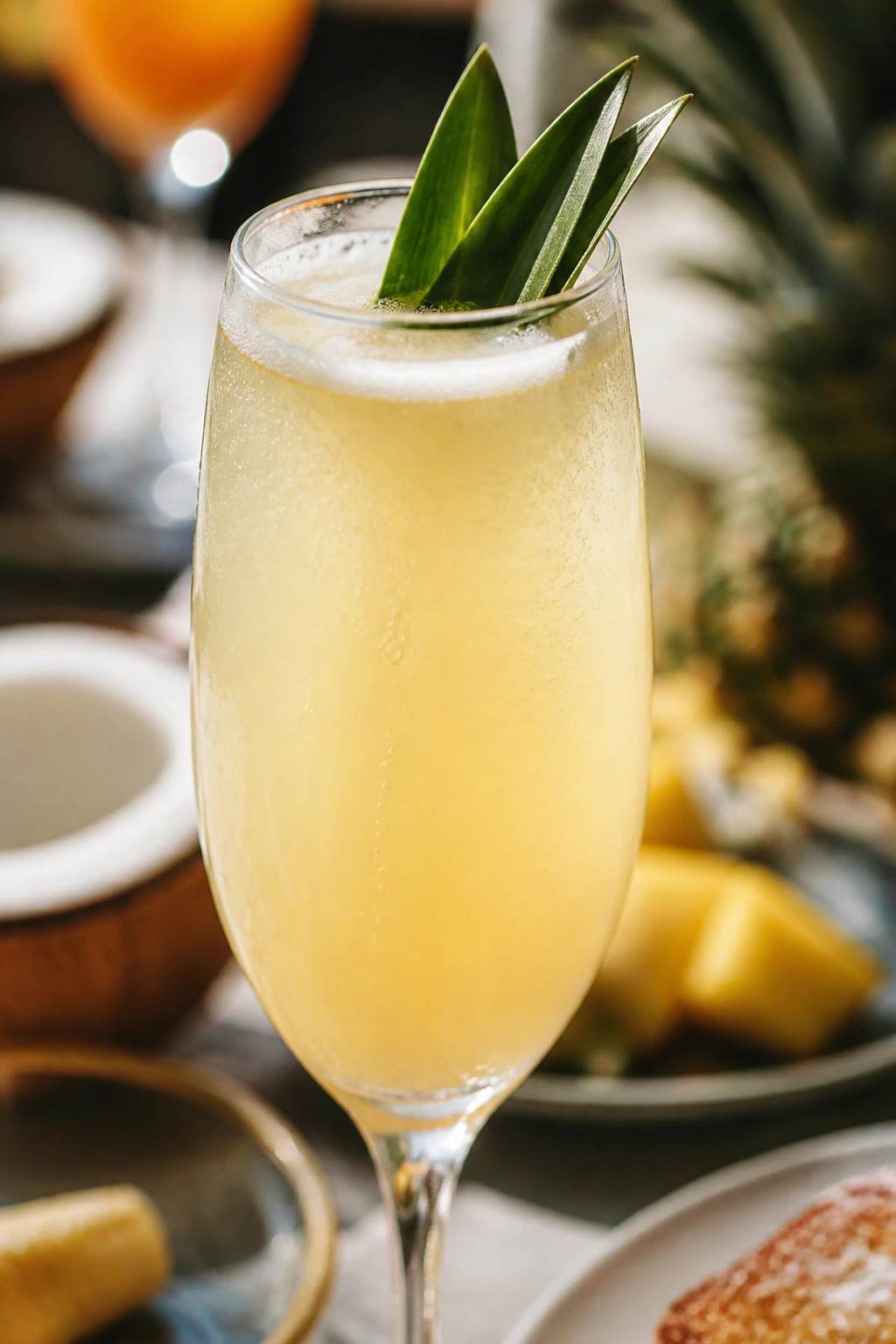
This is the brunch cocktail for people who like a little dessert but still want something cold and bubbly. It tastes like pineapple, coconut, and sunshine, but the dry sparkling wine keeps it from feeling like a milkshake. The trick is restraint. A little cream of coconut goes a long way.
Why It Works:
Piña colada flavors are naturally rich, so they need acid and fizz to stay useful at brunch. Lime keeps the coconut from sitting on your tongue, and the bubbles slice through the cream of coconut so the drink feels lighter than it sounds. A dry wine matters here more than almost anywhere else in the collection.
Key Ingredients:
- 1 1/2 oz pineapple juice, chilled — the backbone of the drink.
- 1 oz cream of coconut — sweetened, smooth, and essential.
- 1/2 oz fresh lime juice — this is what keeps it bright.
- 4 oz brut sparkling wine, chilled — do not use a sweet bottle.
- 1/2 oz white rum — optional in spirit, but not in attitude.
- Toasted coconut, for the rim or garnish — use a thin band.
- Pineapple leaf or wedge — for a tropical finish.
Quick Steps:
- If the cream of coconut has separated, warm the jar in hot water and stir until smooth.
- Rim a flute with a thin line of cream of coconut and toasted coconut.
- Add pineapple juice, cream of coconut, lime juice, and rum to the glass. Stir well until the mixture looks uniform.
- Slowly pour in the sparkling wine. If you add wine first, the coconut floats in clumps.
- Garnish with pineapple and serve immediately.
Equipment for This Recipe:
- Champagne flute
- Jigger
- Small spoon
- Fine grater or pan for toasting coconut
How to Serve This Dish:
Put this on the table beside salty food — bacon, ham, breakfast potatoes, or even a savory egg bake. The salt around the rim matters because it interrupts the sweetness and keeps the drink from feeling sticky. It also looks better in a narrow glass than a wide one.
Pro Tips for This Recipe:
- Use cream of coconut, not coconut cream. They are not the same thing.
- Warm the bottle gently if it’s too thick to pour.
- Keep the wine dry and cold. A sweet sparkler makes the drink heavy fast.
- Lime is the difference between “fun” and “too much.”
Variations on This Dish:
- Frozen Piña Colada Mimosa: Blend the non-sparkling ingredients with 1 cup ice, then top with wine in the glass.
- Dairy-Free Creamier Version: Add 1/4 oz coconut milk if you want a softer texture, but stop there.
- Coconut Rum Brunch Cup: Increase the rum to 1 oz and serve over crushed ice instead of in a flute.
Common Mistakes to Avoid with This Dish:
- Using coconut milk as the main coconut ingredient: The texture gets dull and thin.
- Pouring the sparkling wine too fast: The foam spills over and the coconut never fully blends.
- Skipping the lime: The drink turns syrupy and one-dimensional.
6. Passion Fruit Aperol Spritz
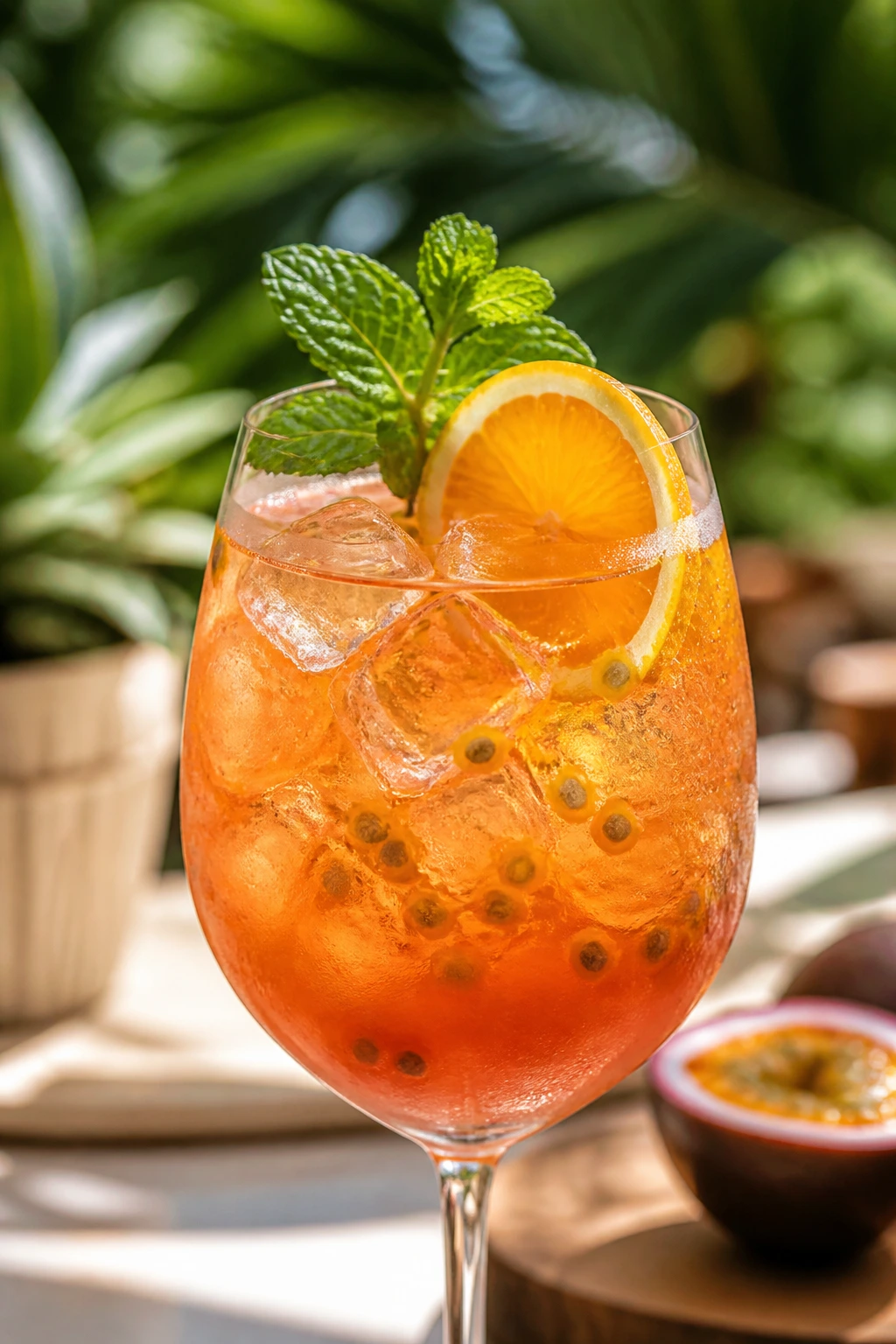
Bittersweet orange and sharp tropical fruit belong together more than people think. Passion fruit keeps Aperol from tasting too soft, and the prosecco gives the drink a clean finish that makes it work at brunch instead of happy hour. It’s bright, dry, and a little smarter than the average fruit spritz.
Why It Works:
Aperol already brings orange peel, herbs, and a gentle bitterness. Passion fruit adds the sour-fruit punch that makes the glass feel more alive. That combination is one of the best ways to build a tropical cocktail that doesn’t read as sugary juice. The soda water doesn’t just add bubbles; it gives the drink a longer shape in the glass.
Key Ingredients:
- 1 1/2 oz Aperol — the bitter orange base.
- 1 oz passion fruit nectar or puree — intense, tart, and tropical.
- 3 oz brut prosecco — dry enough to keep the drink clean.
- 1 oz club soda — for lift.
- 1/2 oz fresh orange juice — just a small amount.
- Orange wheel, for garnish — gives the glass a fresh look.
- Mint leaf or two — optional, but nice with passion fruit.
Quick Steps:
- Fill a stemmed wine glass with ice.
- Add the Aperol, passion fruit nectar, orange juice, and club soda.
- Top with prosecco and stir once with a long spoon.
- Garnish with the orange wheel and mint.
- Serve immediately while the bubbles are still lively.
Equipment for This Recipe:
- Stemmed wine glass
- Bar spoon
- Jigger
- Citrus juicer
How to Serve This Dish:
This is a good bridge drink for brunches that include pastry, cheese, and fruit. It doesn’t need a heavy plate beside it. A small bowl of olives, toast with whipped ricotta, or a citrus salad keeps the whole table in the same lane.
Pro Tips for This Recipe:
- If your passion fruit is very sweet, cut the orange juice a little.
- Use a glass with enough room for ice and bubbles. Crowded glasses go flat faster.
- Don’t shake prosecco. Build this one in the glass.
- A strip of orange peel twisted over the top adds more aroma than a wheel alone.
Variations on This Dish:
- Campari Passion Spritz: Swap Aperol for Campari if you want more bitterness and a deeper color.
- Zero-Proof Citrus Spritz: Use a bitter orange soda and passion fruit syrup instead of Aperol.
- Peach-Passion Spritz: Replace the orange juice with peach nectar for a rounder, softer finish.
Common Mistakes to Avoid with This Dish:
- Too much passion fruit puree: The drink can turn thick and sticky.
- Warm prosecco: The bubbles fall out early.
- Overfilling the glass: You need room for the liquid to move without spilling.
7. Guava Prosecco Cooler
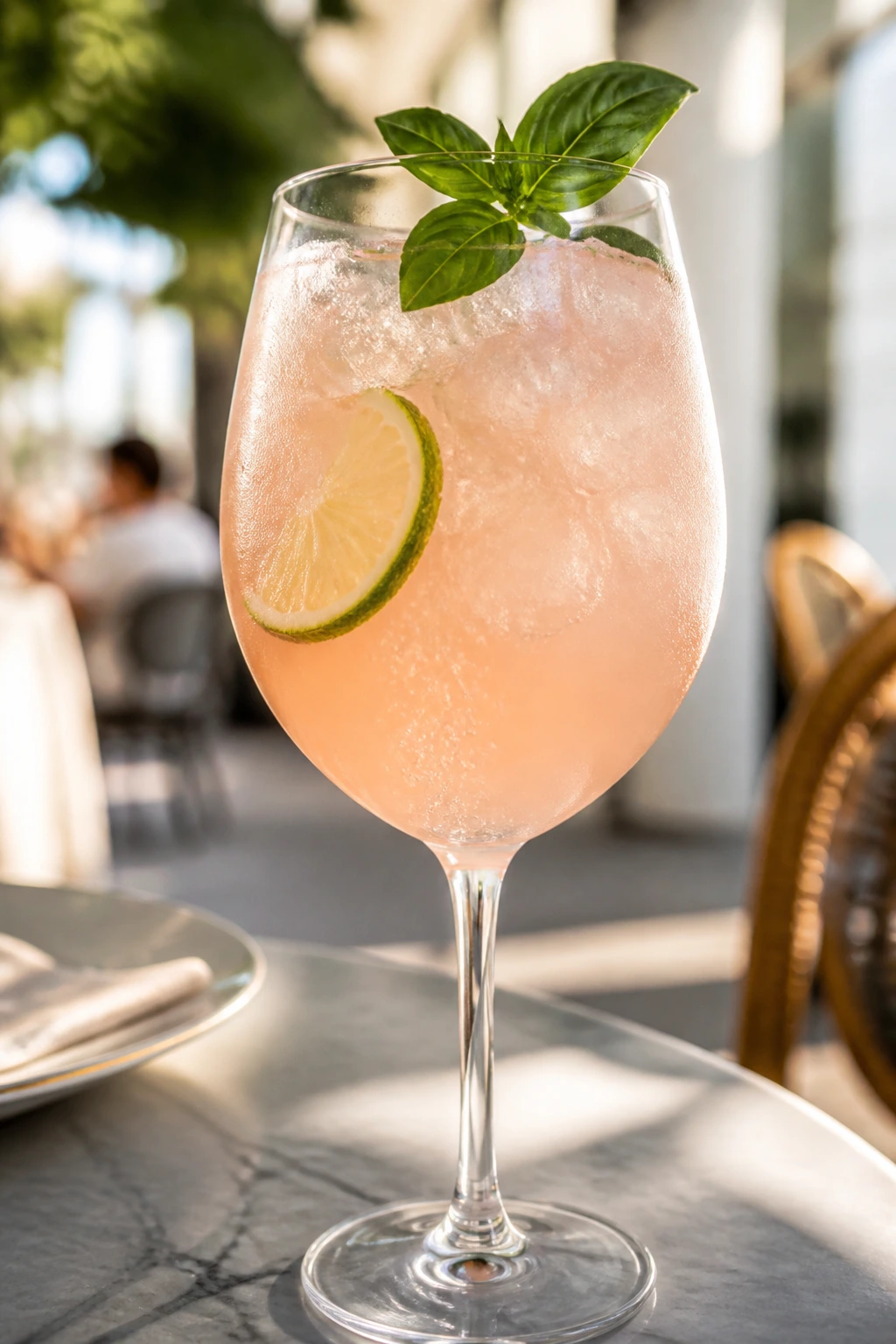
Guava has a perfume to it that feels almost soft, but it needs a sharp edge or it can get flabby fast. Lime and gin fix that. Prosecco keeps the whole thing moving, and basil gives the drink a slightly green finish that works better than people expect.
Why It Works:
Guava nectar is thicker and sweeter than a lot of tropical juices, so this drink needs acid and a dry base. Gin helps because its botanicals keep the flavor from becoming one giant pink blur. The basil is not there to make the drink “fancy.” It adds a savory note that keeps the nectar in check.
Key Ingredients:
- 2 oz guava nectar — thick, pink, and fragrant.
- 1/2 oz fresh lime juice — gives the drink structure.
- 1 oz gin — clean botanicals work best.
- 4 oz prosecco — dry and chilled.
- 1 oz club soda — optional, but useful if the nectar is dense.
- Pinch fine salt — quiet but effective.
- Fresh basil leaf, for garnish — slap it before serving.
Quick Steps:
- Add the guava nectar, lime juice, gin, and salt to a wine glass over ice.
- Stir until the nectar loosens and the color looks even.
- Top with prosecco and club soda.
- Give the drink one slow stir.
- Garnish with basil.
Equipment for This Recipe:
- Stemmed wine glass or Collins glass
- Jigger
- Bar spoon
- Citrus juicer
How to Serve This Dish:
This one feels right with shrimp toast, fruit tarts, or a light cheese board. It also looks good with pale pink guava color against clear glass and green basil on top. Keep the ice clean and fresh so the drink stays bright.
Pro Tips for This Recipe:
- If the nectar tastes syrupy, use a little more lime before adding more booze.
- Rub the basil between your palms before garnishing. That wakes the smell up.
- If you skip the club soda, serve in a smaller glass so the prosecco stays concentrated.
- Store the nectar chilled. Warm guava tastes flat.
Variations on This Dish:
- Guava-Rose Sparkler: Add 2 drops of rose water for a more floral glass.
- Jalapeño Guava Cooler: Muddle one thin jalapeño slice with the lime for a little heat.
- No-Gin Version: Swap the gin for vodka if you want less botanical noise.
Common Mistakes to Avoid with This Dish:
- Using too much nectar: The drink turns thick and jammy.
- Skipping the lime: Guava needs lift.
- Letting the basil sit too long: It can get muddy if it’s bruised into the glass and left there.
8. Watermelon Basil Daiquiri Spritz
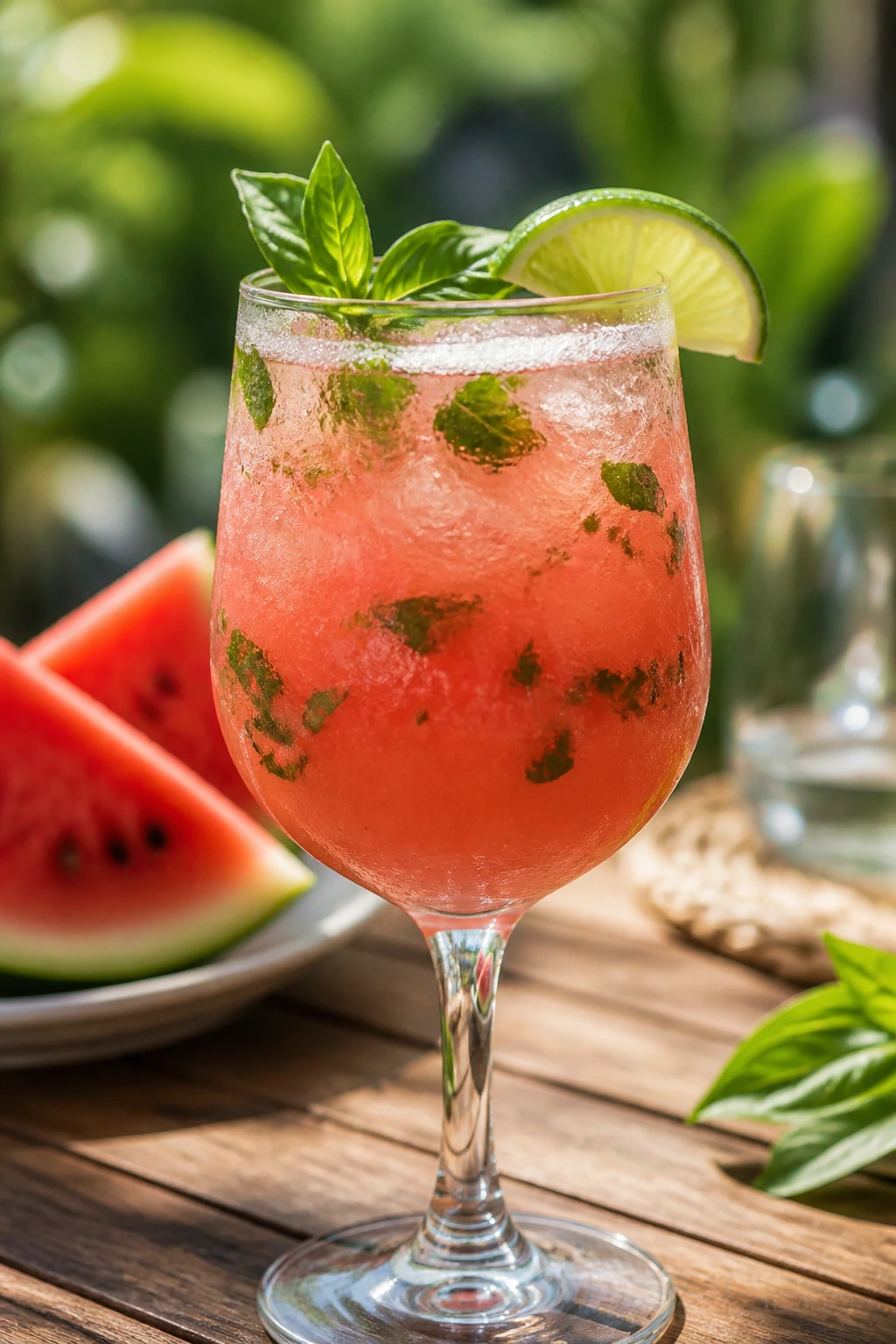
When watermelon is good, it tastes cool and almost crisp. When it’s not, it tastes like colored water. This cocktail assumes you have good melon. Basil and lime keep the fruit from feeling lazy, and white rum gives the drink enough edge to carry through brunch.
Why It Works:
Watermelon has a lot of volume but not much structure. Rum, lime, and a little sugar build that structure back in. Basil adds a savory note that works especially well with the melon’s soft sweetness. The soda water is the final piece; it stretches the drink so it doesn’t feel like a frozen push-pop.
Key Ingredients:
- 2 oz fresh watermelon juice — strain it if it’s seedy.
- 1 1/2 oz white rum — clean and light.
- 3/4 oz fresh lime juice — essential.
- 1/2 oz simple syrup — adjust only if needed.
- 4 to 5 basil leaves — enough to smell, not enough to turn grassy.
- 1 oz club soda — for lift.
- Pinch salt — makes the melon taste more like itself.
- Basil sprig, for garnish — optional but pretty.
Quick Steps:
- Muddle the basil gently with the simple syrup and salt in a shaker.
- Add the rum, watermelon juice, lime juice, and ice.
- Shake briefly, about 10 seconds.
- Strain into a rocks glass filled with crushed ice.
- Top with club soda and garnish with basil.
Equipment for This Recipe:
- Cocktail shaker
- Muddler
- Rocks glass
- Fine strainer
- Juicer or blender for the watermelon
How to Serve This Dish:
Serve it with salty food, grilled pineapple, or avocado toast with something sharp on top. Crushed ice makes the drink feel more tropical and keeps the basil aroma close to the nose. A cube of garnish watermelon on a pick doesn’t hurt either.
Pro Tips for This Recipe:
- Strain the watermelon juice if you blend it yourself. Seedy pulp makes the drink look cloudy.
- Don’t smash the basil into paste. Just bruise it enough to release the scent.
- Use crushed ice if you can. It changes the whole experience.
- If the melon is bland, add another squeeze of lime before more syrup.
Variations on This Dish:
- Frozen Watermelon Daiquiri Spritz: Blend everything with 1 cup ice and skip the soda.
- Mint Switch: Use mint instead of basil for a cooler, sharper finish.
- Spicy Rim Version: Add Tajín to the rim for a salty-chile edge.
Common Mistakes to Avoid with This Dish:
- Using watery melon: The drink gets thin fast.
- Over-muddling basil: Bitter and grassy is not the goal.
- Forgetting the salt: Watermelon can taste oddly flat without it.
9. Coconut Lime Caipirinha
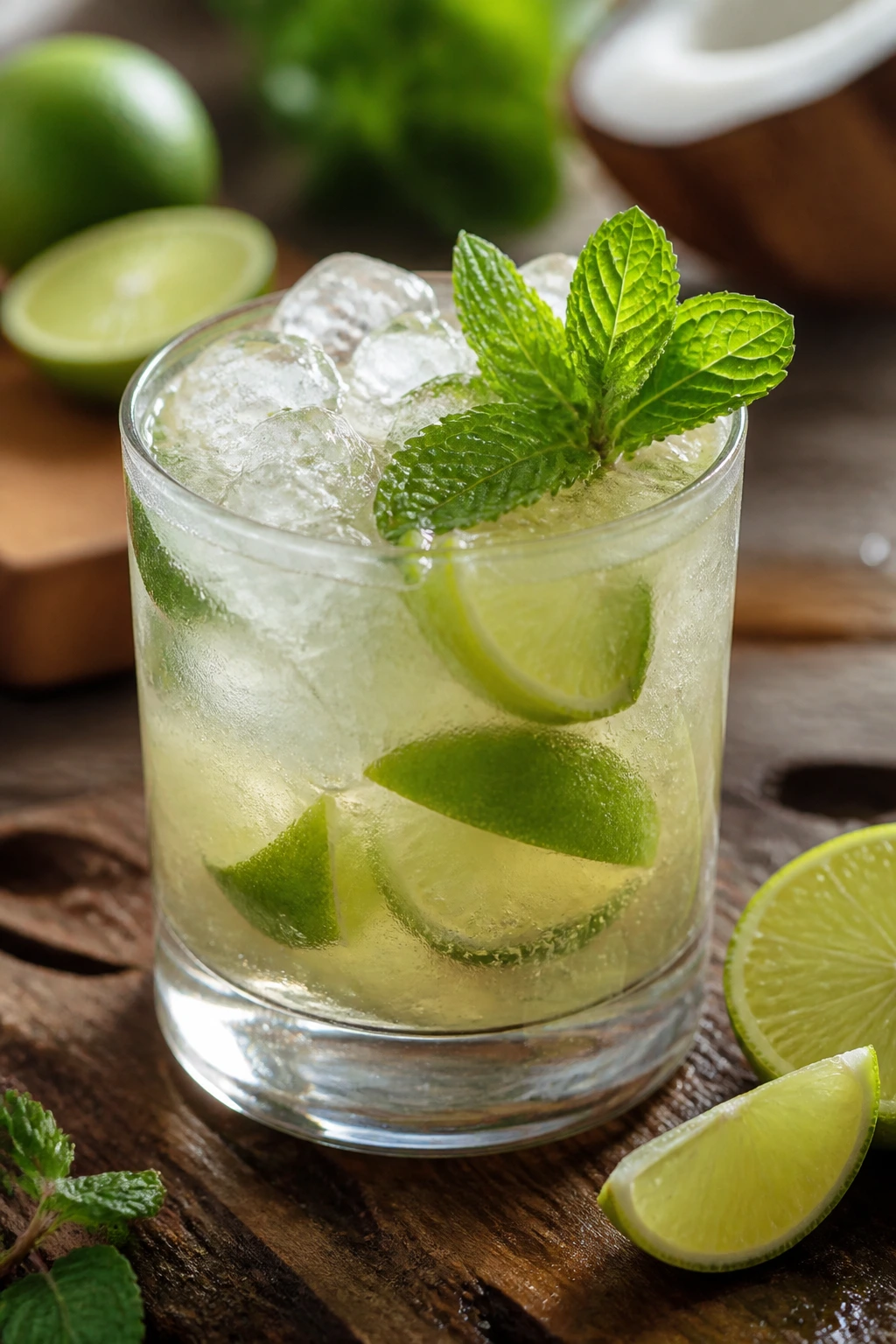
This one leans rustic, which is part of its charm. Cachaça has that grassy, sugarcane bite that can handle lime better than most spirits, and coconut water softens the edges without taking over. It’s bright, cold, and a little raw in the best way.
Why It Works:
A caipirinha already knows how to balance lime, sugar, and spirit. Coconut water gives the cocktail a smoother shape and adds just enough tropical flavor to justify the name without making the glass creamy. Crushed ice matters here because it gives the sugar a chance to dissolve and the lime a chance to spread out.
Key Ingredients:
- 1 lime, cut into 6 wedges — use a juicy one.
- 2 tsp superfine sugar — dissolves better than coarse sugar.
- 2 oz cachaça — the right spirit for the job.
- 1 oz coconut water — softens the drink.
- Crushed ice — enough to fill the glass.
- Mint sprig, for garnish — optional, but fresh.
- Lime wheel, for garnish — adds a bright top note.
Quick Steps:
- Add the lime wedges and sugar to an old-fashioned glass.
- Muddle gently, just until the juice comes out. Do not crush the peel to mush — that makes the drink bitter.
- Add the cachaça and coconut water.
- Fill the glass with crushed ice and stir until the sugar starts to disappear.
- Top with more crushed ice if needed and garnish with mint.
Equipment for This Recipe:
- Old-fashioned glass
- Muddler
- Jigger
- Bar spoon
How to Serve This Dish:
This is especially good with savory brunch plates, flaky pastries, or anything that benefits from a limey reset. The crushed ice makes it feel beachy without becoming a slush. It should look a little rough and honest, not polished to death.
Pro Tips for This Recipe:
- Superfine sugar dissolves faster and gives you a smoother sip.
- If your lime is small or dry, use another wedge rather than adding more sugar.
- Crushed ice is part of the recipe, not an accessory.
- If you want richer coconut flavor, add 1/4 oz coconut cream, but no more.
Variations on This Dish:
- White Rum Caipirinha: Swap cachaça for white rum if that’s what you have.
- Coconut Cream Version: Add a small splash of coconut cream for a richer, dessert-leaning drink.
- Pitcher Caipirinha: Muddle the limes and sugar in a pitcher, then add the spirit and coconut water just before serving.
Common Mistakes to Avoid with This Dish:
- Over-muddling the lime peel: The pith turns the drink bitter.
- Using coarse sugar: It stays gritty in the bottom of the glass.
- Skipping crushed ice: Cubes slow the drink down too much.
10. Pineapple Jalapeño Bloody Mary
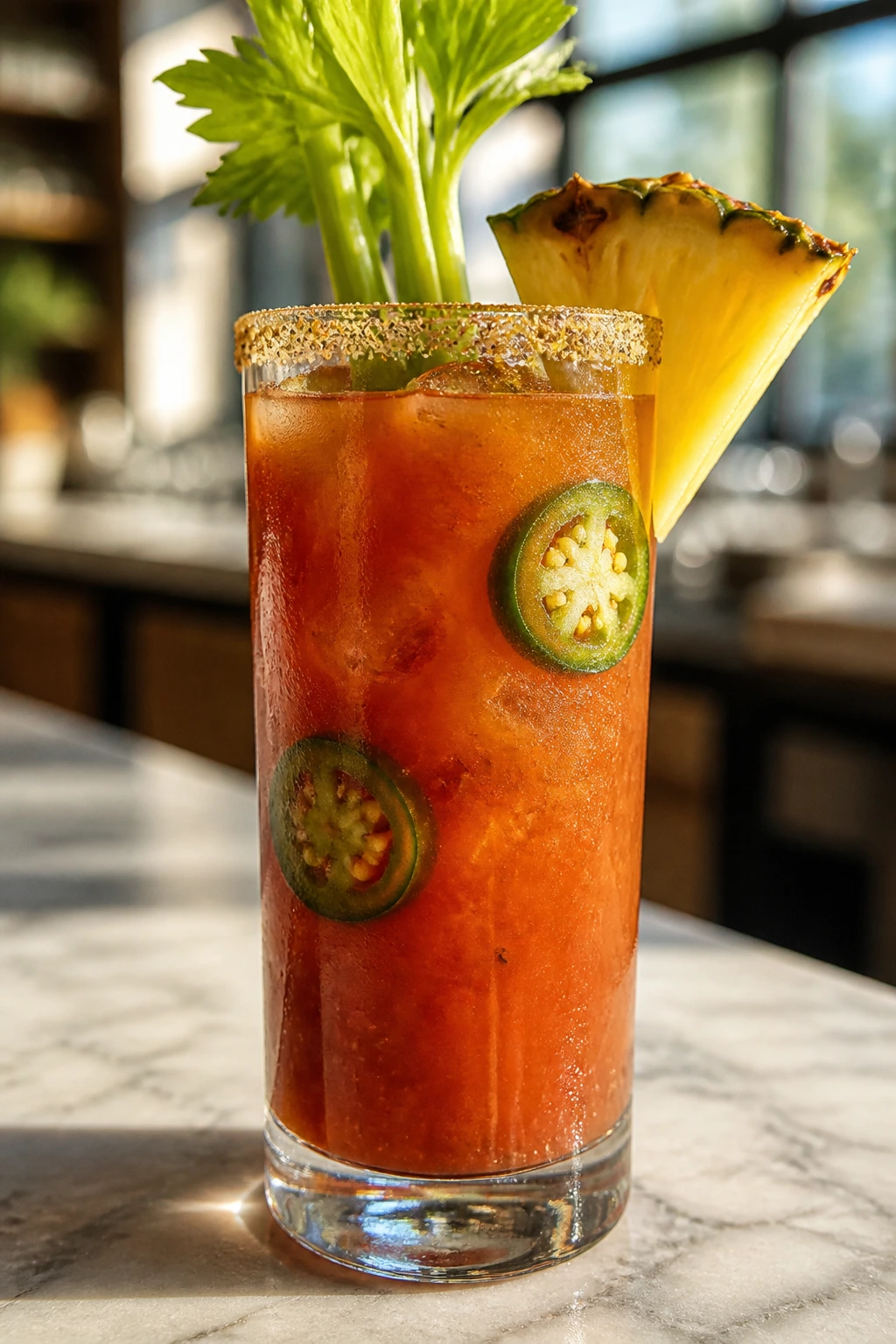
Savory cocktails need a little confidence, and this one has it. The pineapple doesn’t make the Bloody Mary sweet so much as round the sharp edges of tomato and horseradish. Jalapeño brings heat that reads fresh, not aggressive, which matters before noon.
Why It Works:
Tomato juice and pineapple juice sound like a weird pairing until you taste the balance. Pineapple softens the acidic punch of tomato, while lemon keeps the drink from going syrupy. The jalapeño does not need to set your mouth on fire. It should feel like a warm line running through the drink, then disappear into the salt and savory notes.
Key Ingredients:
- 1 1/2 oz vodka — neutral and clean.
- 3 oz tomato juice — chilled.
- 2 oz pineapple juice — brightens the mix.
- 3/4 oz fresh lemon juice — sharper than lime here.
- 1/2 tsp prepared horseradish — gives the drink backbone.
- 3 dashes Worcestershire sauce — savory depth.
- 3 dashes hot sauce — adjust to taste.
- 2 jalapeño slices — seeds removed if you want less heat.
- Celery salt, for the rim — not optional.
- Celery stalk and pineapple wedge, for garnish — a good contrast.
Quick Steps:
- Rim a highball or rocks glass with celery salt.
- Add vodka, tomato juice, pineapple juice, lemon juice, horseradish, Worcestershire, hot sauce, and jalapeño to a shaker with ice.
- Shake briefly, just until cold.
- Strain over fresh ice into the rimmed glass.
- Garnish with celery and pineapple. Taste before adding more hot sauce.
Equipment for This Recipe:
- Shaker
- Highball glass
- Jigger
- Citrus juicer
- Small plate for the rim
How to Serve This Dish:
This is the brunch drink for bacon, eggs, fried potatoes, and anything with a little fat on the plate. The pineapple keeps it tropical, but the celery salt and horseradish make it stay in Bloody Mary territory. Serve it cold enough that the spice feels intentional.
Pro Tips for This Recipe:
- Seed the jalapeño if you want the heat without the burn.
- If your tomato juice is already salted, go easier on the rim.
- A tiny splash of olive brine makes the drink dirtier in a good way.
- Taste before serving. Bloody Marys are easy to fix in the glass.
Variations on This Dish:
- Mezcal Pineapple Bloody Mary: Swap vodka for mezcal for a smoky edge.
- Clamato Version: Use Clamato instead of tomato juice if you want a softer, more rounded savory profile.
- Milder Brunch Pour: Leave out the horseradish and use one jalapeño slice.
Common Mistakes to Avoid with This Dish:
- Too much pineapple juice: The drink can tip into sweet brunch soda.
- Using weak hot sauce only: You still need horseradish or some other backbone.
- Skipping the rim: The texture matters here.
11. Mango Chili Michelada
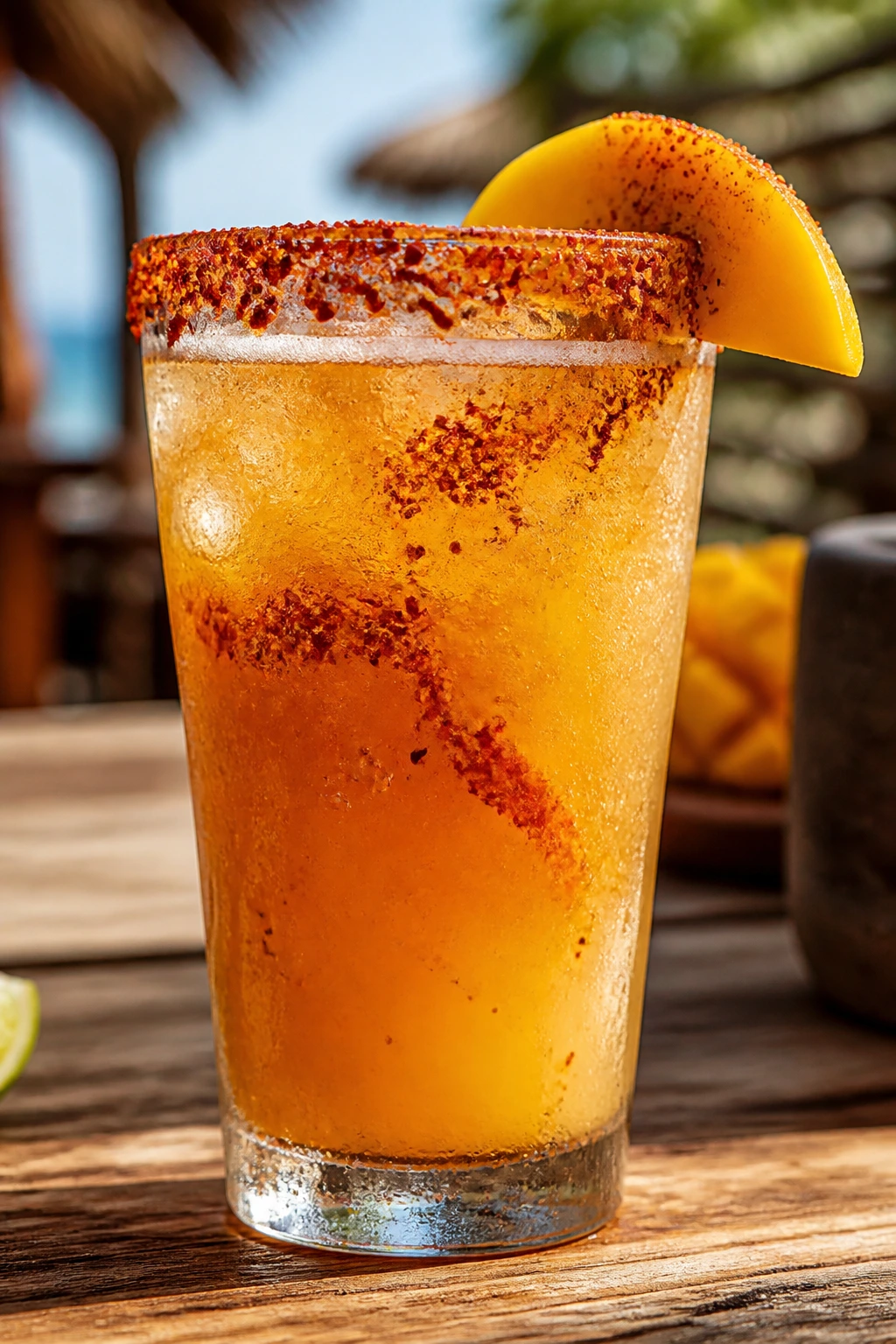
A michelada with mango makes brunch feel looser, louder, and a little more fun. The mango nectar softens the tomato and lime, while the chile salt on the rim keeps the beer from going flat. It’s the kind of drink that belongs next to breakfast tacos and chipped plates.
Why It Works:
Beer drinks can fall apart fast if the fruit is too sweet or the seasoning is too timid. This version works because the mango sits behind the lager instead of on top of it. The lime and hot sauce keep it sharp, and the chile rim gives you a hit of flavor before the beer even hits your tongue.
Key Ingredients:
- 1 oz mango nectar — use a thick one.
- 1 oz tomato juice or Clamato — brings the savory base.
- 1/2 oz fresh lime juice — keeps the drink lively.
- 1 dash hot sauce — more if you want it hotter.
- 2 dashes Worcestershire sauce — for depth.
- 8 oz light lager, chilled — a crisp beer, not a heavy one.
- Chili-lime salt, for the rim — Tajín works well here.
- Lime wedge and mango slice, for garnish — bright and obvious.
Quick Steps:
- Rim a pint glass with chili-lime salt.
- Add mango nectar, tomato juice, lime juice, hot sauce, and Worcestershire to the glass.
- Fill the glass halfway with ice and stir.
- Slowly pour in the lager so it keeps some foam.
- Garnish and serve immediately.
Equipment for This Recipe:
- Pint glass
- Jigger
- Spoon
- Small plate for the rim
How to Serve This Dish:
This is the savory brunch drink for a table with chilaquiles, breakfast burritos, or fried plantains. It should be cold, salty, and just a little wild. Keep the beer chilled until the last second or the drink loses its snap.
Pro Tips for This Recipe:
- Use a light lager. Heavy beer muddies the mango.
- If you use Clamato, pull back on the Worcestershire.
- Pour the beer slowly down the side of the glass to keep the head from rushing over the rim.
- Taste the base before adding the beer. The seasoning should already be set.
Variations on This Dish:
- Tamarind Mango Michelada: Add 1/4 oz tamarind syrup for a deeper sweet-sour edge.
- Nonalcoholic Version: Use a crisp nonalcoholic lager and keep the rest the same.
- Smoky Rim Version: Mix Tajín with a pinch of smoked paprika.
Common Mistakes to Avoid with This Dish:
- Warm beer: The whole drink goes flat and heavy.
- Too much tomato: It loses the beachy fruit note.
- Skipping the rim: The cocktail feels unfinished.
12. Banana Espresso Rum Flip
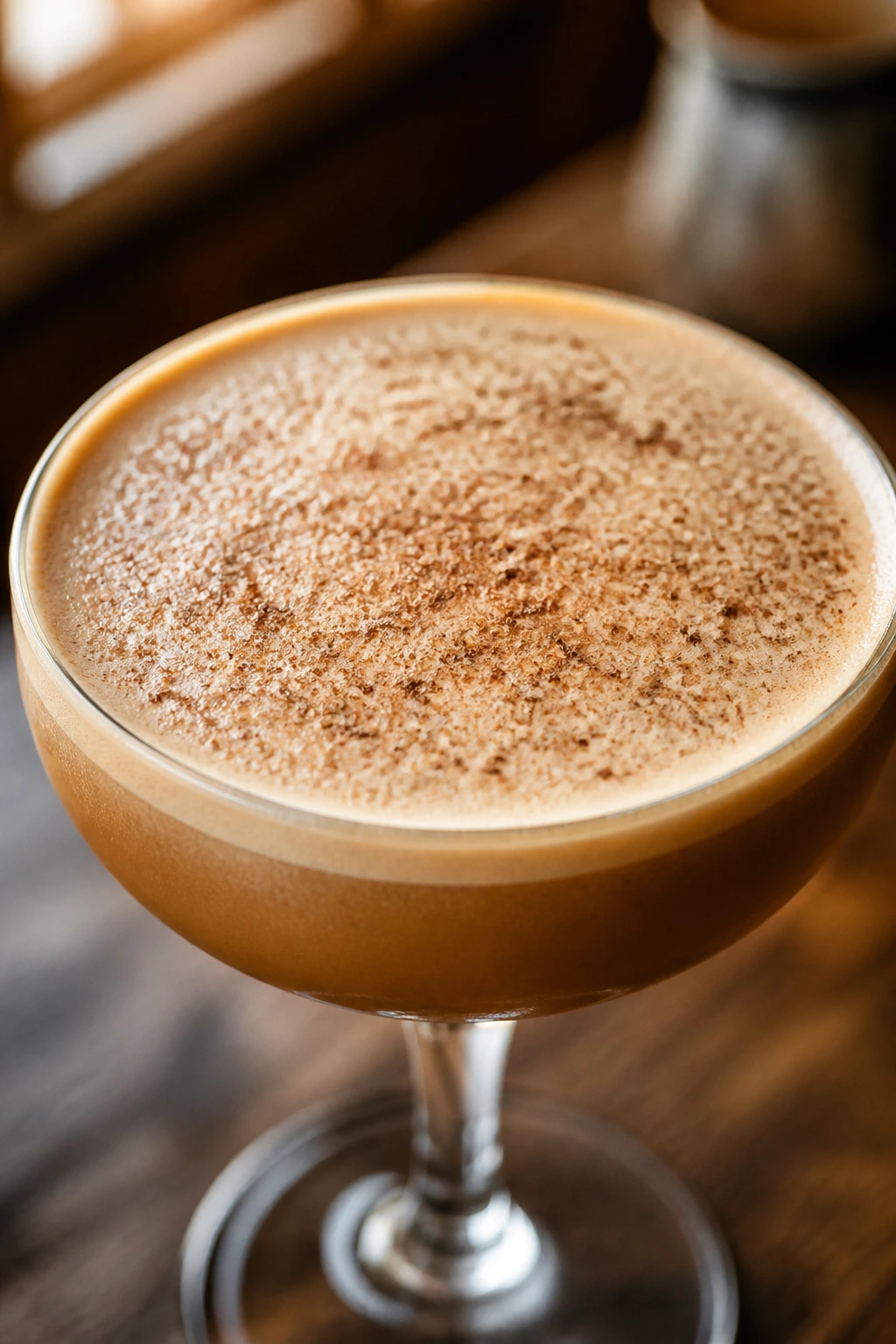
This one is decadent without being clumsy, which is a harder line to walk than people think. Banana liqueur and dark rum give the drink a ripe, almost baked flavor, while cold espresso keeps it from feeling too sweet. The egg gives it body. Without that silky texture, it’s just coffee and booze in a glass.
Why It Works:
A flip should feel thick, cool, and slightly frothy. The egg emulsifies the drink and holds the creamy ingredients together, while the espresso keeps the banana from veering into milkshake territory. Maple syrup adds a round sweetness that tastes better here than plain sugar, and a pinch of salt keeps the cream from getting cloying.
Key Ingredients:
- 1 1/2 oz dark rum — deeper than white rum.
- 3/4 oz banana liqueur — the signature note.
- 1 oz chilled espresso — strong and cold.
- 3/4 oz half-and-half or coconut milk — for body.
- 1 whole pasteurized egg — gives the drink its flip texture.
- 1/2 oz maple syrup — a soft, warm sweetness.
- Pinch fine salt — balances the cream.
- Freshly grated nutmeg — the finish matters.
Quick Steps:
- Add the rum, banana liqueur, espresso, half-and-half, egg, maple syrup, and salt to a shaker.
- Dry shake for 15 seconds to emulsify everything.
- Add ice and shake again for 15 seconds until very cold.
- Double strain into a chilled coupe.
- Grate nutmeg over the top and serve immediately.
Equipment for This Recipe:
- Cocktail shaker
- Fine strainer
- Coupe glass
- Microplane or grater
- Jigger
How to Serve This Dish:
Serve this with cinnamon rolls, banana bread, or French toast. It reads like brunch dessert, but the espresso keeps it from getting sleepy. A chilled coupe is the right glass because it keeps the texture dense and the top neat.
Pro Tips for This Recipe:
- Use espresso that has cooled all the way down. Hot coffee wrecks the shake.
- Pasteurized egg is the easy choice if you want less worry.
- Shake hard. Weak shaking leaves the texture thin.
- If banana liqueur tastes too sweet, shave the maple syrup down to 1/4 oz.
Variations on This Dish:
- Coconut Flip: Swap the half-and-half for coconut milk and add a little toasted coconut garnish.
- Egg-Free Version: Use aquafaba instead of the egg and shake a little longer.
- Iced Coffee Version: Skip the egg, pour over crushed ice, and top with a splash of cream.
Common Mistakes to Avoid with This Dish:
- Not chilling the espresso: The drink goes lukewarm fast.
- Skipping the dry shake: The egg won’t emulsify cleanly.
- Over-sweetening: Banana liqueur already pulls sweet.
13. Cucumber Mint Gin Fizz with Pineapple
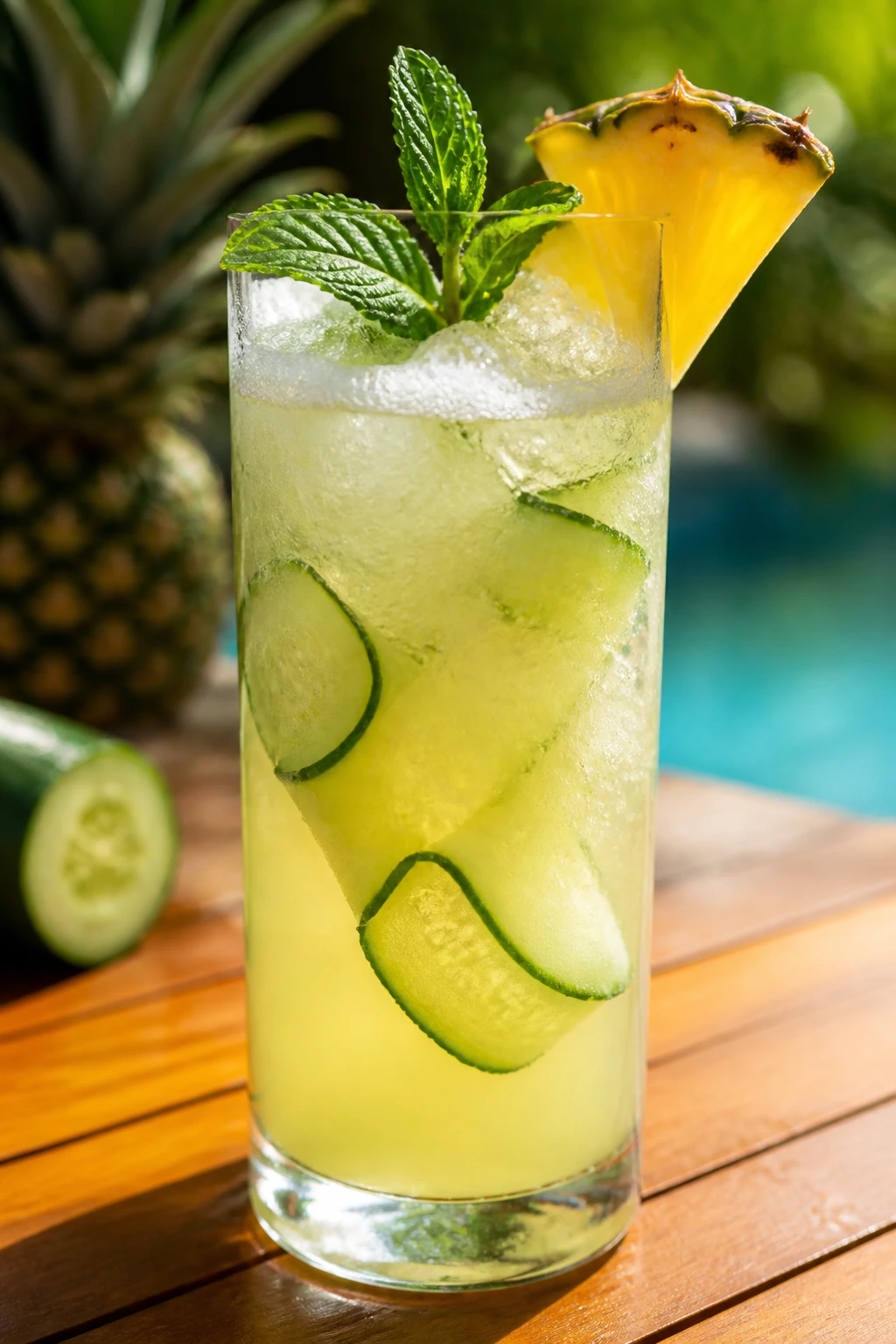
This is the cleanest drink in the bunch, and I mean that as a compliment. Cucumber cools everything down, mint gives the first smell, and pineapple finishes with a soft tropical note instead of a sugar rush. Gin works because it knows how to stay out of the way and still taste like something.
Why It Works:
Cucumber and mint bring freshness, but pineapple gives the drink enough fruit to earn the tropical label. The lime keeps the gin crisp, and the soda water gives the cocktail a tall, easy shape. If you’ve ever had a brunch drink that felt heavy before noon, this is the opposite of that.
Key Ingredients:
- 1 1/2 oz gin — botanical but not aggressive.
- 1 oz pineapple juice — enough to register, not dominate.
- 3/4 oz fresh lime juice — sharp and necessary.
- 1/2 oz simple syrup — keep it light.
- 4 cucumber slices — use English cucumber if possible.
- 6 mint leaves — fresh and green.
- 1 to 2 oz soda water — adjust for length.
- Cucumber ribbon, for garnish — optional, but neat.
Quick Steps:
- Muddle the cucumber slices with the mint and simple syrup in a shaker.
- Add the gin, pineapple juice, lime juice, and ice.
- Shake for about 10 seconds.
- Strain into a Collins glass over fresh ice.
- Top with soda water and garnish with a cucumber ribbon.
Equipment for This Recipe:
- Cocktail shaker
- Muddler
- Collins glass
- Fine strainer
- Vegetable peeler for the garnish
How to Serve This Dish:
This pairs well with smoked salmon, fruit, yogurt, or anything that benefits from a clean reset between bites. The drink should look pale, green, and cold. One long cucumber ribbon in the glass is enough; don’t crowd it.
Pro Tips for This Recipe:
- Use English cucumber if you can. The seeds are smaller and the flavor is cleaner.
- Slap the mint in your hands before garnishing to wake up the smell.
- If the pineapple is very sweet, add a touch more lime.
- Don’t over-muddle the mint or it gets bitter.
Variations on This Dish:
- Vodka Cucumber Fizz: Swap gin for vodka if you want the herbs and cucumber to lead.
- Chile Cucumber Fizz: Add one thin slice of jalapeño to the muddle.
- Extra-Light Version: Skip the syrup and use only pineapple juice for sweetness.
Common Mistakes to Avoid with This Dish:
- Over-muddling mint: Bitter and grassy show up fast.
- Adding soda too early: The bubbles disappear before serving.
- Using watery cucumber: The drink loses its clean edge.
14. Lychee Elderflower Sparkler
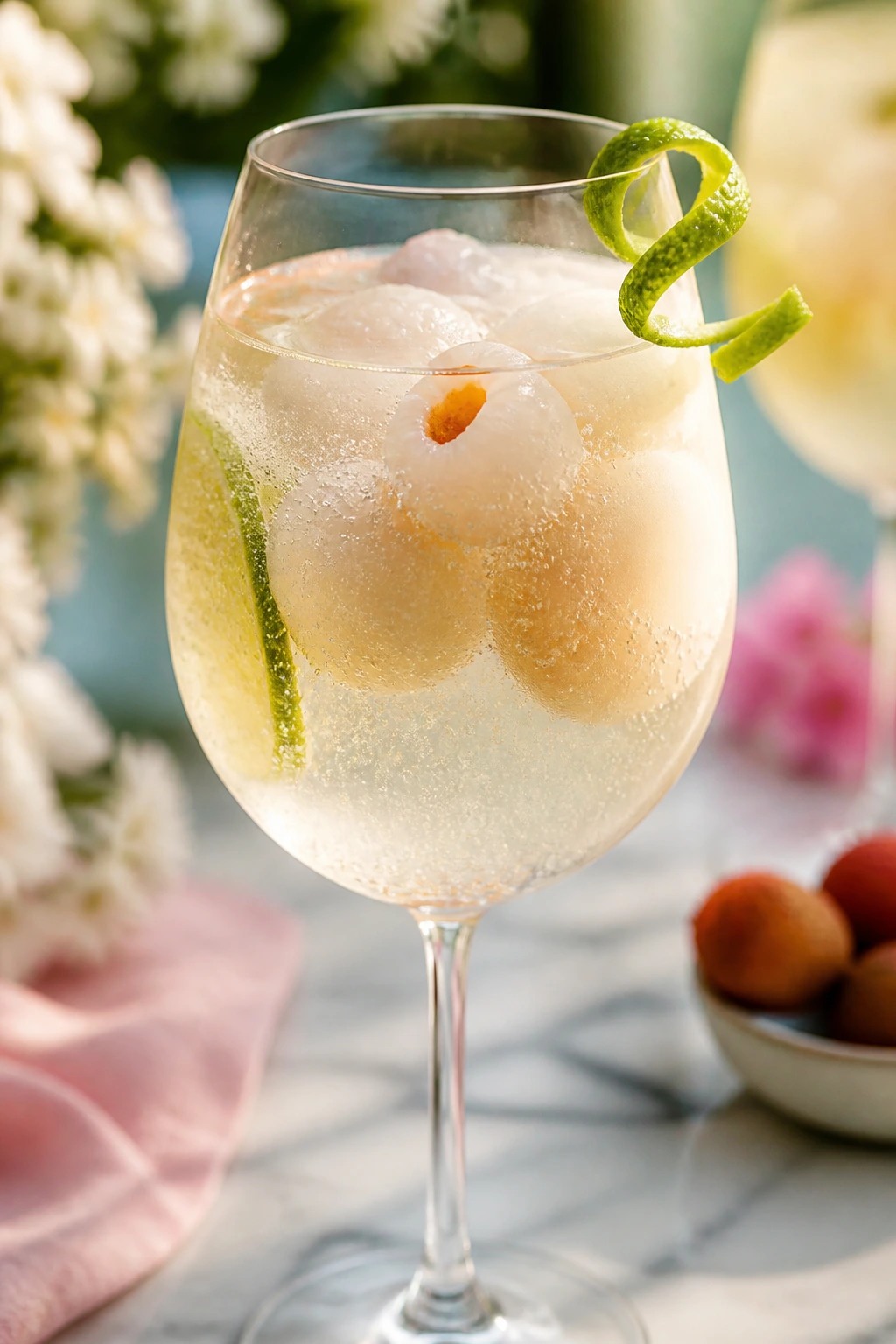
Lychee has a perfume to it that feels almost plush, but it can go syrupy if you’re careless. Elderflower adds another floral layer, while lime and prosecco keep the whole thing from turning into a candle shop. This one is soft, pale, and oddly elegant without trying too hard.
Why It Works:
Lychee needs sharp edges because the fruit is naturally lush. Elderflower liqueur can lean sweet too, so the lime is doing serious work here. The prosecco keeps the drink bright, and a touch of gin gives the cocktail shape without making it taste like a martini in disguise.
Key Ingredients:
- 2 oz lychee nectar — chilled and smooth.
- 1/2 oz elderflower liqueur — floral and sweet.
- 1 oz gin or vodka — gin gives more personality; vodka gives less.
- 1/2 oz fresh lime juice — needed to cut the sweetness.
- 3 oz brut prosecco — cold and dry.
- 1 lychee fruit, for garnish — canned or fresh works.
- Thin strip of lime peel — a small finishing touch.
Quick Steps:
- Add the lychee nectar, elderflower liqueur, gin or vodka, and lime juice to a stemmed wine glass with ice.
- Stir once to combine.
- Top with prosecco.
- Garnish with the lychee and a twist of lime peel.
- Serve cold while the aroma is still fresh.
Equipment for This Recipe:
- Stemmed wine glass
- Jigger
- Bar spoon
- Peeler or paring knife
How to Serve This Dish:
Serve it with melon, shrimp, light pastries, or any brunch plate that needs a soft, fragrant drink beside it. The flavor is delicate, so don’t bury it under too much garnish. One lychee looks elegant; five look crowded.
Pro Tips for This Recipe:
- If the lychee nectar is very sweet, use a touch more lime.
- Keep the prosecco dry. Sweet sparkling wine makes this drink sticky.
- Fresh lychee fruit is lovely, but canned fruit is fine if it’s in light syrup, not heavy syrup.
- A long, thin peel releases more aroma than a thick twist.
Variations on This Dish:
- Lychee-Passion Sparkler: Add 1/2 oz passion fruit nectar for more acid.
- Zero-Proof Version: Replace the spirit and liqueur with elderflower syrup and a splash of white grape juice.
- Grapefruit Lychee Sparkler: Swap half the lime for grapefruit juice if you want more bite.
Common Mistakes to Avoid with This Dish:
- Too much elderflower: The drink starts tasting perfume-heavy.
- Warm prosecco: The sparkle fades too fast.
- Over-garnishing: Lychee is subtle, so keep the glass clean.
15. Rum Sunrise Brunch Punch
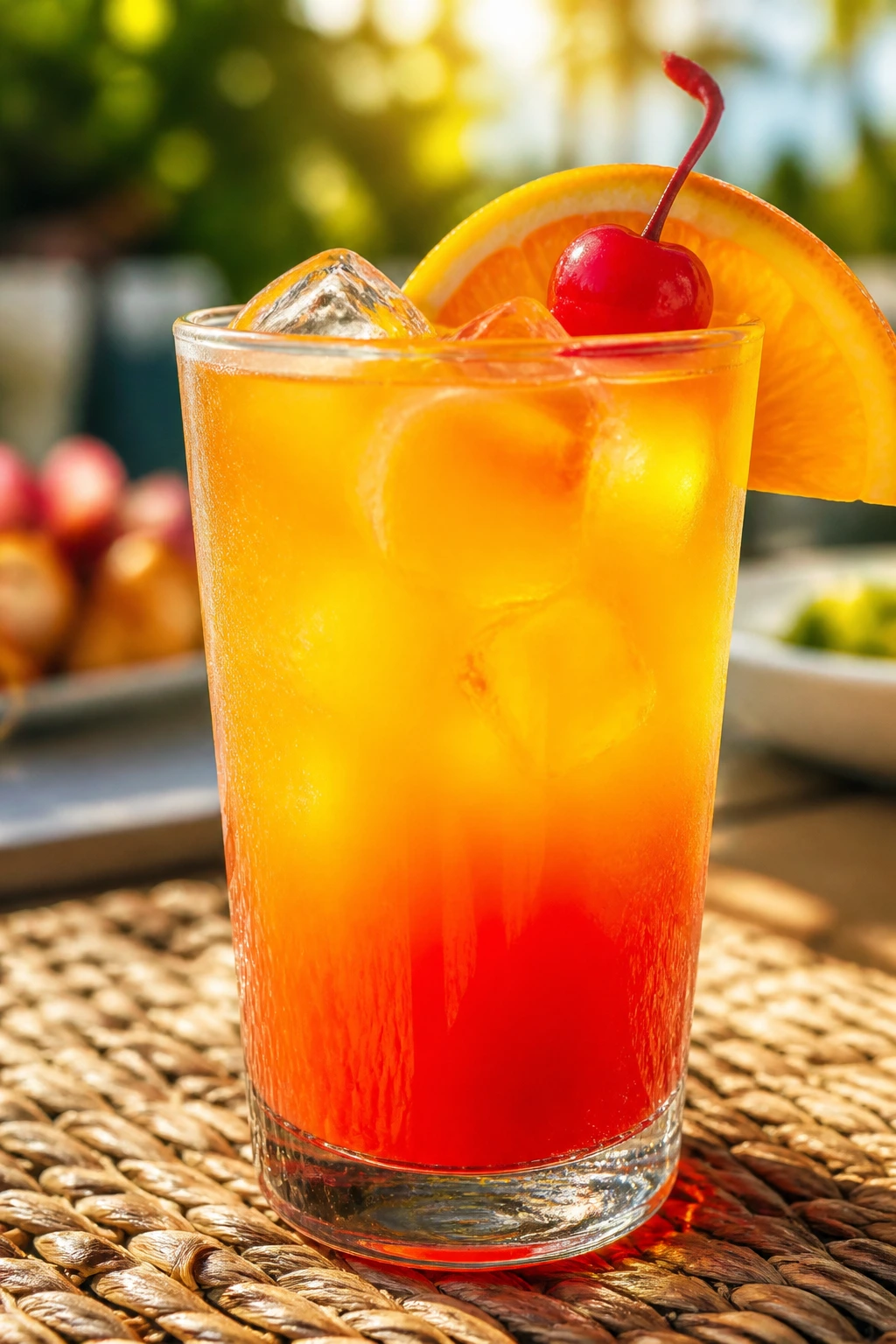
This is the easy crowd drink, the one you make when the table is full and somebody has already asked for “something pretty.” Orange and pineapple make the base taste sunny, the rum keeps it from feeling like juice, and the grenadine gives you that slow red layer at the bottom if you pour carefully.
Why It Works:
A sunrise drink works because the visual cue matters as much as the flavor. The layered grenadine changes how people taste the first sip — and yes, that matters. Pineapple adds body to the orange juice, lime keeps the punch from flattening out, and soda water makes the drink a little longer so it can stretch across brunch.
Key Ingredients:
- 1 1/2 oz light rum — clean and easy.
- 2 oz fresh orange juice — squeezed if possible.
- 2 oz pineapple juice — tropical and bright.
- 1/2 oz fresh lime juice — keeps the punch from turning flat.
- 1/2 oz grenadine — for the sunrise effect.
- 1 oz soda water — lightens the finish.
- Orange slice and maraschino cherry — classic garnish.
- Ice — use plenty.
Quick Steps:
- Fill a highball glass with ice.
- Add the rum, orange juice, pineapple juice, and lime juice. Stir once.
- Top with soda water.
- Slowly pour the grenadine down the inside of the glass so it sinks.
- Garnish with the orange slice and cherry. Serve without stirring if you want the layer.
Equipment for This Recipe:
- Highball glass
- Jigger
- Bar spoon
- Citrus juicer
How to Serve This Dish:
This is the brunch punch for fruit platters, pancakes, bacon, or a table that wants something easy to understand at a glance. It scales well, too. Make it in pitchers for a crowd, but keep the grenadine separate until each glass is poured.
Pro Tips for This Recipe:
- Fresh orange juice makes a real difference.
- Pour the grenadine slowly; that’s what creates the layered look.
- If you batch the base, keep the soda and grenadine out until serving.
- Use crushed ice if you want a slushier feel.
Variations on This Dish:
- Tequila Sunrise Brunch Punch: Swap the rum for tequila blanco.
- Spiced Rum Sunrise: Use spiced rum for a warmer finish.
- Zero-Proof Sunrise Punch: Replace the rum with extra pineapple juice and a splash of sparkling water.
Common Mistakes to Avoid with This Dish:
- Stirring after the grenadine: The layer disappears.
- Using bottled orange juice with too much pulp: The drink can feel muddy.
- Skipping ice: The punch needs it to stay cold and balanced.
16. Tequila Grapefruit Tonic with Sea Salt
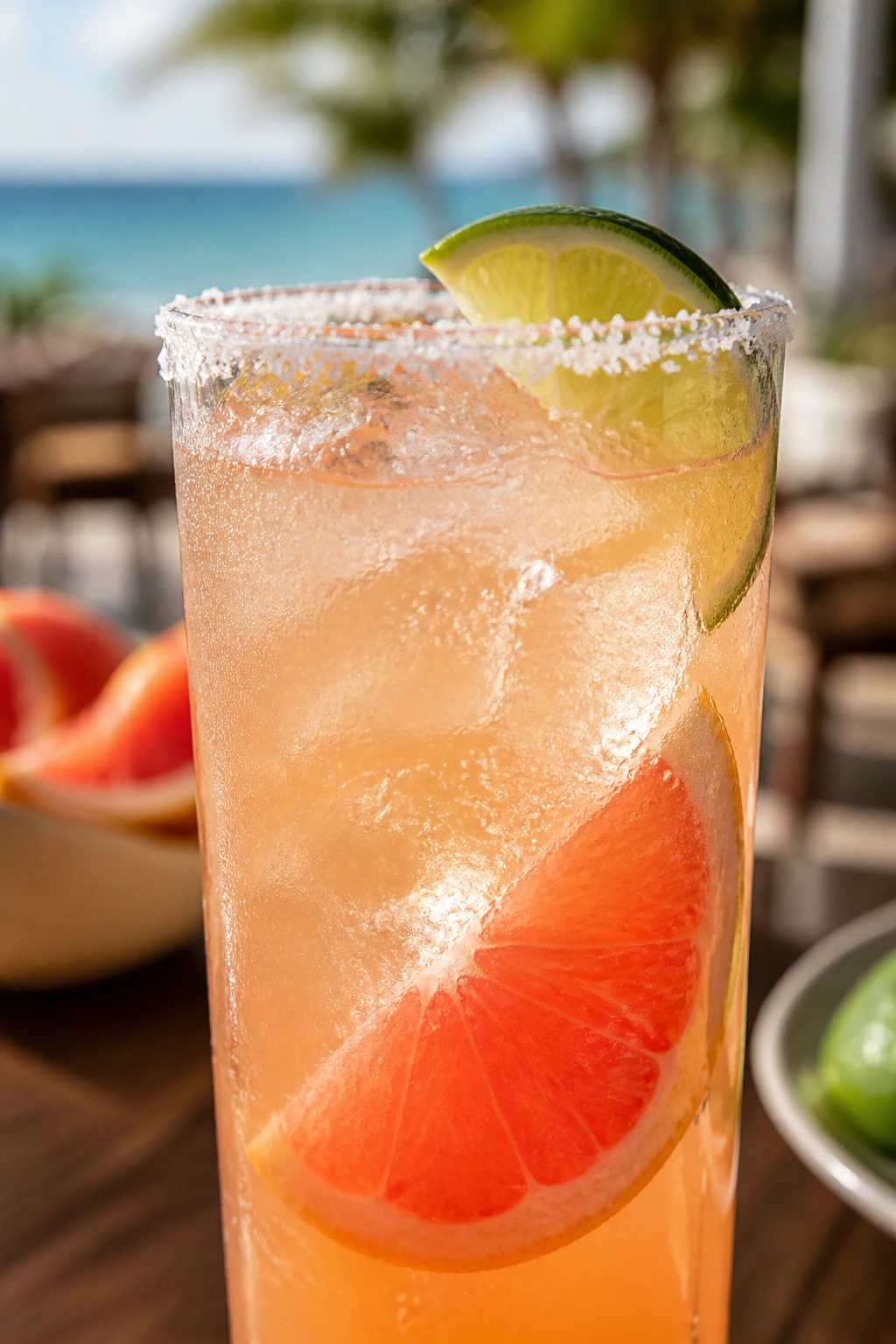
This is the driest drink in the group, and that’s its charm. Grapefruit and tonic give you bitterness and snap, tequila adds warmth, and the sea salt keeps the edges smooth. It’s the cocktail equivalent of a linen shirt and sandals that actually fit.
Why It Works:
Tonic brings quinine bitterness, which gives grapefruit somewhere to land. Tequila Blanco has enough brightness to sit comfortably beside both, and a small amount of agave just smooths the gap. Salt matters here more than in many of the fruitier drinks because it softens the tonic’s bite without making the glass taste salty.
Key Ingredients:
- 1 1/2 oz tequila blanco — clean and bright.
- 2 oz fresh grapefruit juice — the bitter-sour center.
- 1/2 oz fresh lime juice — adds edge.
- 1/4 oz agave syrup — just enough to round the bitterness.
- 3 oz tonic water — cold and fizzy.
- Pinch sea salt or a few drops of saline — tiny amount.
- Grapefruit peel or wheel — for garnish.
- Ice — lots of it.
Quick Steps:
- Fill a highball glass with ice.
- Add tequila, grapefruit juice, lime juice, agave, and salt. Stir until the agave loosens.
- Top with tonic water.
- Stir once gently.
- Garnish with grapefruit peel or a wheel and serve right away.
Equipment for This Recipe:
- Highball glass
- Jigger
- Bar spoon
- Citrus juicer
How to Serve This Dish:
Put it beside breakfast tacos, smoked fish, or anything salty and crisp. This cocktail stays sharp the whole way through the glass if the tonic is cold and the ice is fresh. It looks especially good with a long peel curled over the rim.
Pro Tips for This Recipe:
- Use tonic water you actually like drinking on its own.
- A small pinch of salt is enough; don’t build a rim unless you want more crunch.
- Express the grapefruit peel over the drink to release the oils.
- If your grapefruit is sweet, skip the agave entirely.
Variations on This Dish:
- Smoky Sea Salt Version: Swap half the tequila for mezcal.
- Pink Peppercorn Grapefruit Tonic: Add one crushed pink peppercorn to the glass for a little spice.
- Lower-Sugar Version: Leave out the agave and rely on tonic and grapefruit alone.
Common Mistakes to Avoid with This Dish:
- Warm tonic: The fizz falls apart fast.
- Too much sweetener: The bitterness is what makes this drink work.
- Over-salting: A pinch is enough.
17. Papaya Peach Sparkler
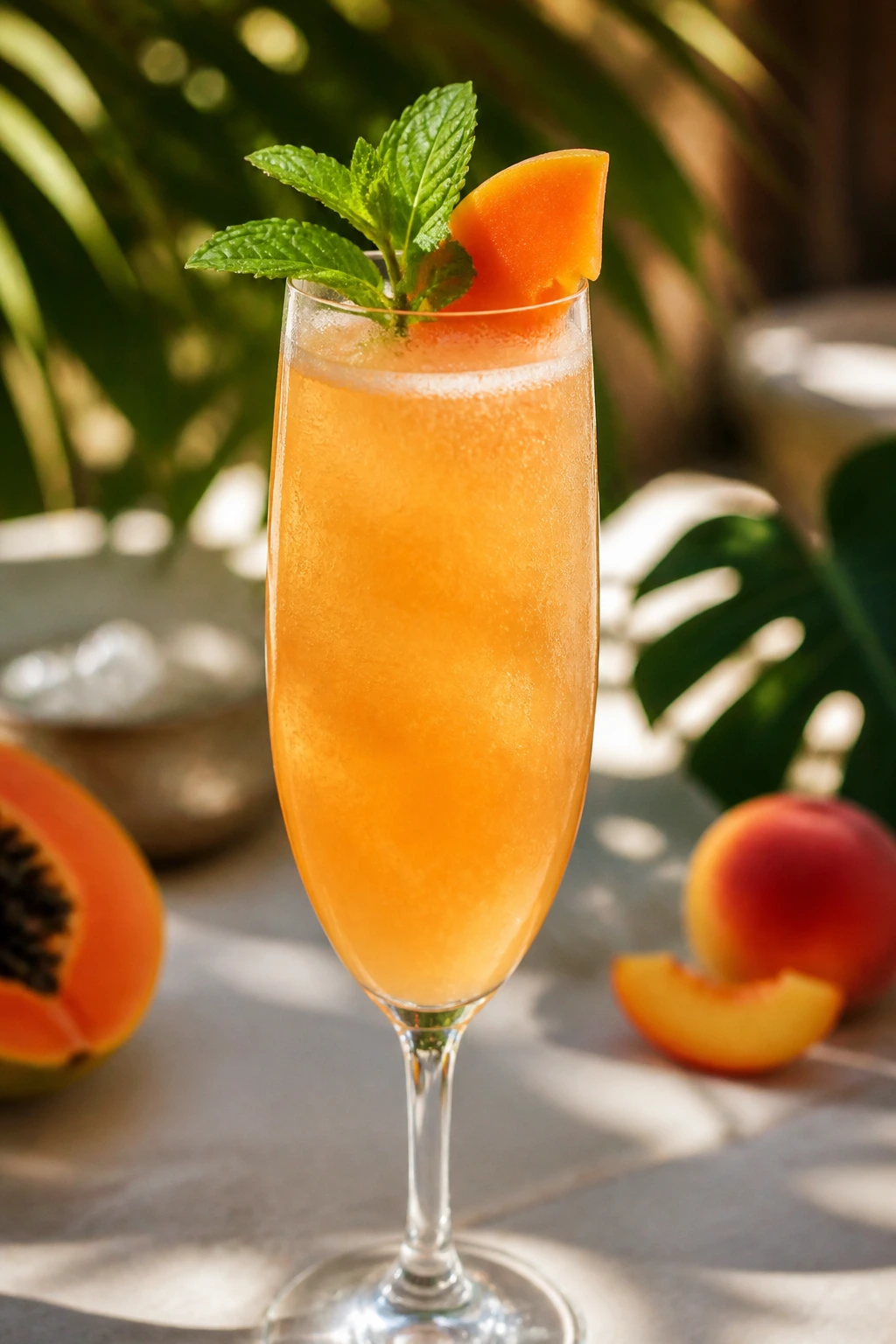
Papaya can be a little awkward on its own. It needs help. Peach gives it a softer sweetness, lemon keeps the drink from sagging, and prosecco turns the whole thing into something you’d happily pour before noon. This one smells like warm fruit and cold bubbles.
Why It Works:
Papaya has a mellow, almost buttery texture, but not much acid. Peach deepens the fruit flavor without making the drink feel clumsy, and lemon keeps it from tasting like puree in a glass. The sparkle matters because it keeps the whole cocktail light enough for brunch.
Key Ingredients:
- 2 oz papaya nectar or strained papaya puree — chilled.
- 1 oz peach nectar or peach puree — smooth and soft.
- 1/2 oz fresh lemon juice — the sharp edge.
- 1 oz vodka — neutral and clean.
- 3 oz brut prosecco — cold and dry.
- Splash of soda water — optional, but useful.
- Pinch fine salt — keeps the fruit from going flat.
- Mint, for garnish — a fresh finish.
Quick Steps:
- Shake the papaya nectar, peach nectar, lemon juice, vodka, and salt with ice.
- Strain into a flute or stemmed wine glass.
- Top with prosecco.
- Add a small splash of soda if you want a longer drink.
- Garnish with mint and serve immediately.
Equipment for This Recipe:
- Shaker
- Fine strainer
- Flute or wine glass
- Jigger
How to Serve This Dish:
This goes well with scones, fruit skewers, or a soft cheese plate. It feels elegant in a clear glass because the color is pale and sunny, not neon. Keep the garnish small and clean; this drink doesn’t need much decoration.
Pro Tips for This Recipe:
- Strain the papaya if it’s fibrous.
- Dry prosecco keeps the fruit from reading as syrup.
- A little salt makes papaya taste fuller.
- If the peach nectar is thick, add a touch more lemon before adding more vodka.
Variations on This Dish:
- Papaya-Ginger Sparkler: Add 1/4 oz ginger syrup for a little heat.
- Frozen Version: Blend everything with 1 cup ice and skip the prosecco until the glass is poured.
- Zero-Proof Papaya Sparkler: Replace the vodka with sparkling water and a splash of white grape juice.
Common Mistakes to Avoid with This Dish:
- Using too much puree: The drink turns dense.
- Too little acid: Papaya can taste flat and strange.
- Warm sparkling wine: The fizz dies early.
18. Cold Brew Coconut Rum Cooler
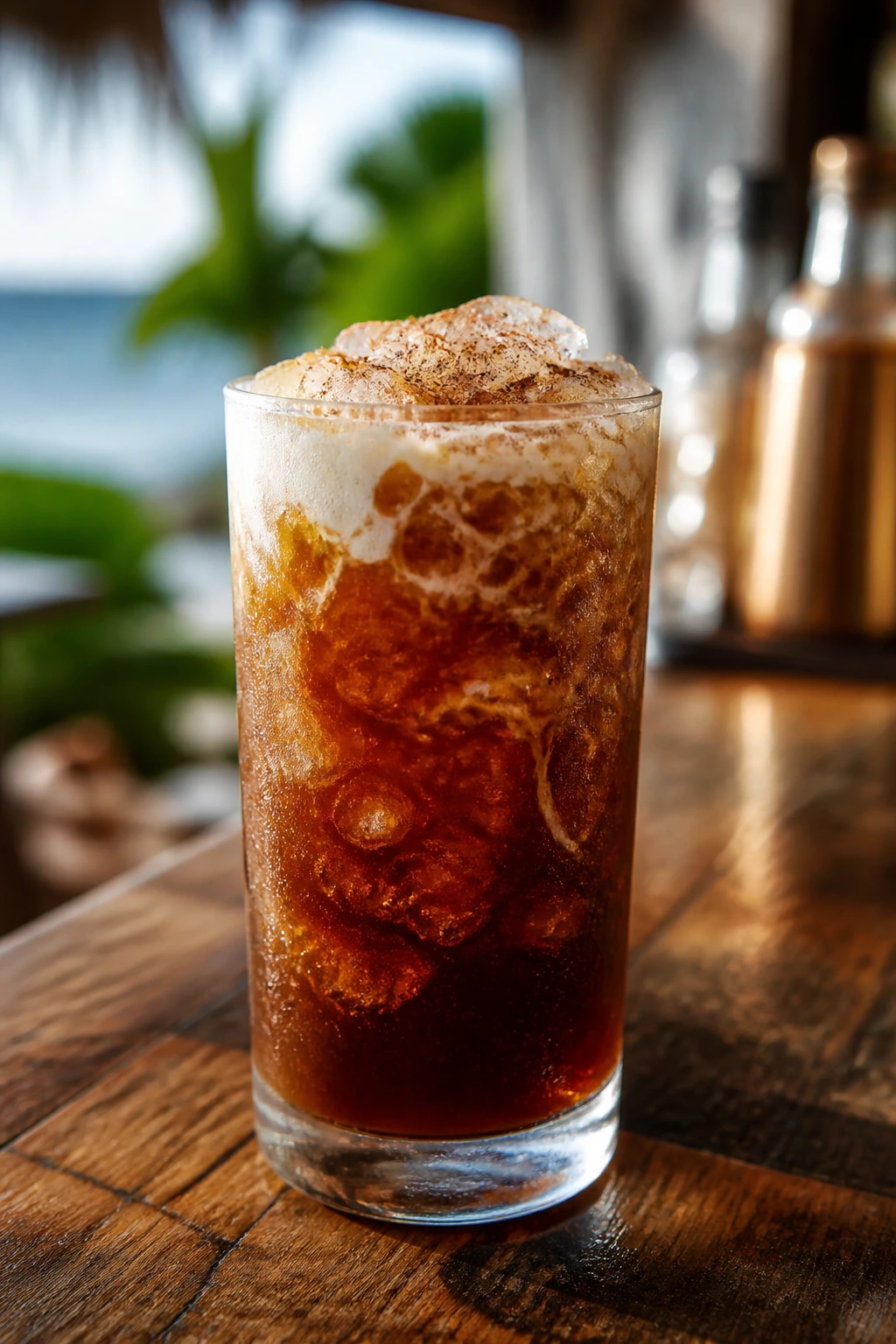
This is the brunch cocktail for people who want coffee in the glass but do not want a sugar bomb pretending to be dessert. Cold brew gives the drink a real coffee edge, dark rum adds depth, and coconut cream rounds everything out so the bitterness doesn’t take over. It’s rich, but it still drinks cold.
Why It Works:
Cold brew concentrate has enough strength to hold up against coconut and rum. Cream of coconut gives sweetness and body, while coconut milk softens the texture without making the drink gluey. A pinch of salt keeps the coconut from tasting one-note and gives the coffee a cleaner finish.
Key Ingredients:
- 2 oz cold brew concentrate, chilled — not weak coffee.
- 1 1/2 oz dark rum — caramel, molasses, and depth.
- 1 oz cream of coconut — sweet and silky.
- 1 oz coconut milk — loosens the texture.
- 1/2 oz vanilla syrup — optional, but nice.
- Pinch fine salt — keeps the drink balanced.
- Crushed ice — a lot of it.
- Grated nutmeg or toasted coconut — for the finish.
Quick Steps:
- Add the cold brew, rum, cream of coconut, coconut milk, vanilla syrup, and salt to a shaker with ice.
- Shake hard until the mixture looks smooth and cold.
- Fill a tall glass with crushed ice.
- Strain the drink over the ice.
- Top with nutmeg or toasted coconut and serve immediately.
Equipment for This Recipe:
- Cocktail shaker
- Tall glass or Collins glass
- Jigger
- Fine strainer
- Small grater if you’re using nutmeg
How to Serve This Dish:
Pour this beside pancakes, banana bread, or anything with cinnamon. It works when you want one coffee cocktail that still feels like brunch and not a late-night dessert. The crushed ice matters here because it keeps the drink cold and makes the coconut texture feel lighter.
Pro Tips for This Recipe:
- Use concentrate, not regular drip coffee. Weak coffee gets lost.
- Stir the cream of coconut before measuring; it separates in the jar.
- If the drink tastes too sweet, add another small pinch of salt before more rum.
- A little fresh nutmeg goes farther than you think.
Variations on This Dish:
- Espresso Coconut Rum Cooler: Swap the cold brew for chilled espresso if you want a sharper coffee bite.
- Creamier Brunch Float: Add 1/2 oz half-and-half for extra richness.
- Zero-Proof Coconut Coffee Cooler: Leave out the rum and add a splash more cold brew.
Common Mistakes to Avoid with This Dish:
- Warm coffee: It melts the ice too fast and thins the texture.
- Too much vanilla: The drink starts tasting like frosting.
- Forgetting to shake hard: Coconut ingredients need real agitation to combine.
Why Tropical Fruit Needs a Little Structure
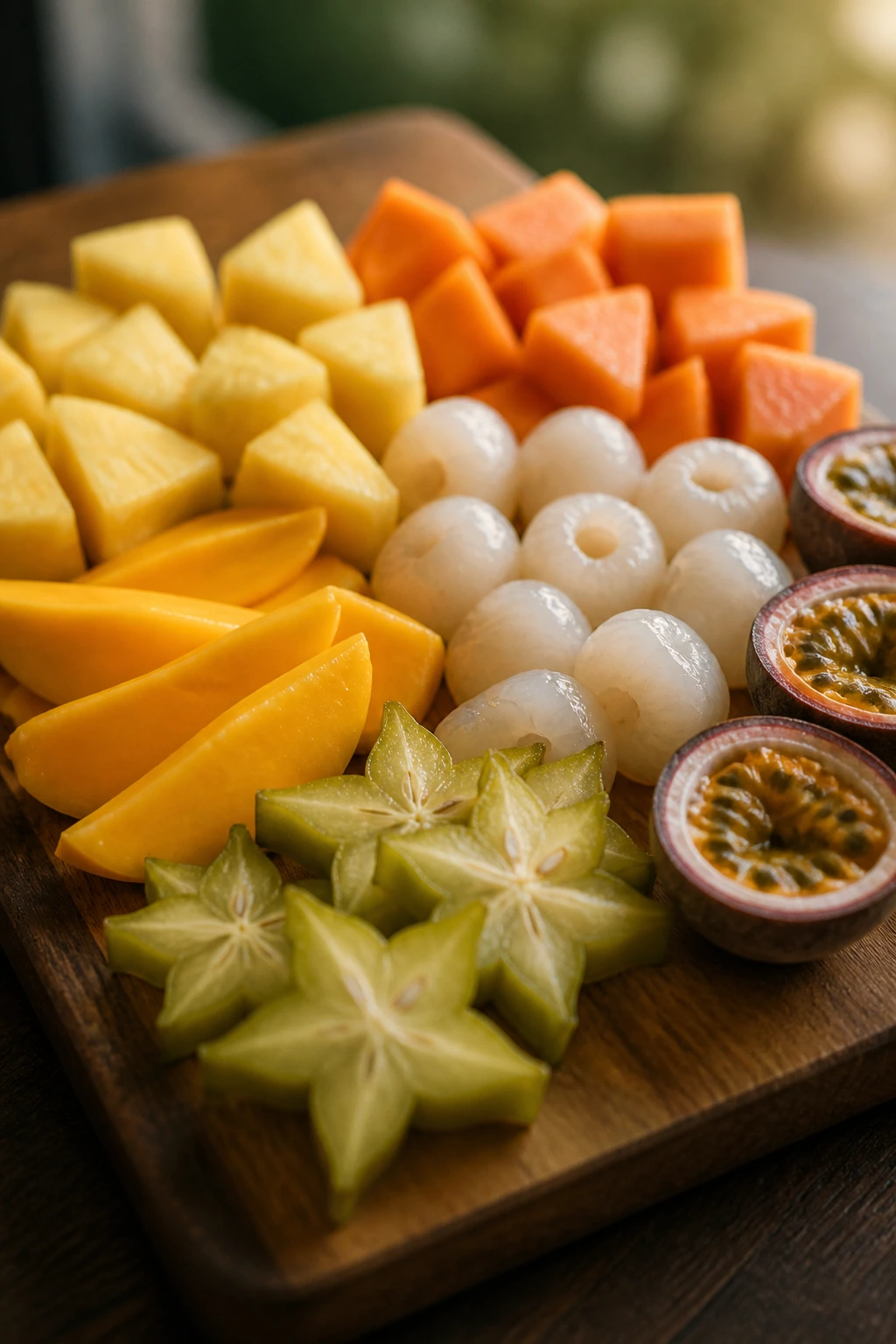
The fruit in these cocktails is doing the heavy lifting, but fruit alone is rarely enough. Pineapple, mango, guava, papaya, and lychee all come with a lot of natural sweetness and perfume, and that can turn soft or sticky if nothing pushes back. Lime, lemon, grapefruit, salt, dry sparkling wine, tonic, and a few bitter ingredients are what make the drinks taste finished instead of merely fruity.
There’s also the matter of texture. Brunch cocktails should not all feel the same in the glass. A shaken drink over crushed ice hits differently from a flute of sparkling fruit, and both are miles away from a savory Bloody Mary with celery salt on the rim. That’s a good thing. It means the table can move from bright and bubbly to salty and spicy without anyone getting bored.
And yes, the ice matters. A drink poured over fresh, hard ice stays cold longer and tastes cleaner as it melts. Crushed ice gives you a softer, beach-bar feel, but it also dilutes faster, so those recipes need more structure from the start. That’s not a problem to solve. It’s part of the style.
Essential Equipment for These Recipes
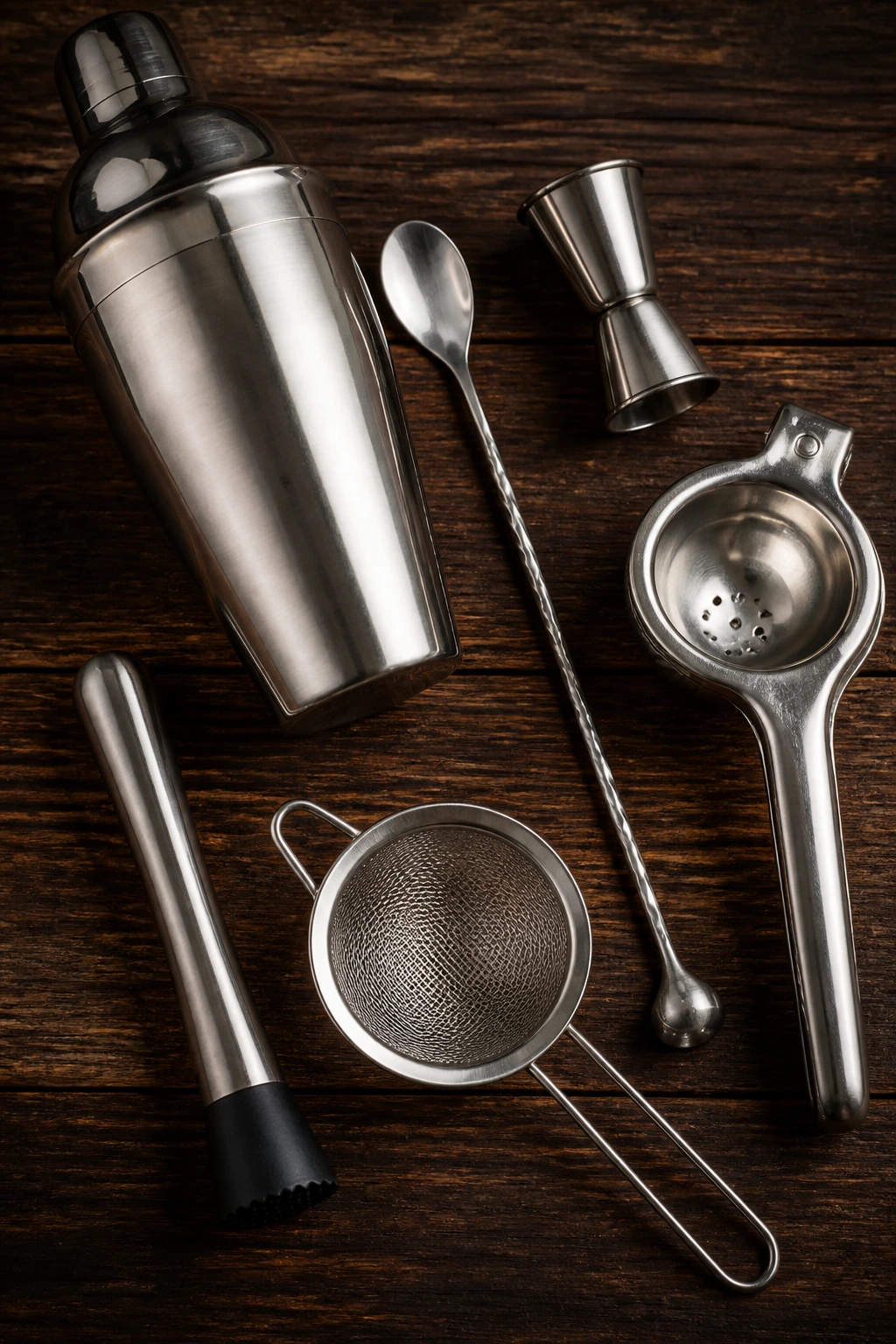
- Cocktail shaker: Needed for the drinks that include juice, egg white, or coconut. A sealed shaker is better than a leaky one.
- Jigger: The easiest way to keep the tropical drinks balanced. A rough pour is how sweet cocktails get out of hand.
- Bar spoon: Useful for building spritzes and layered drinks without trashing the bubbles.
- Citrus juicer: Fresh lime, lemon, grapefruit, and orange juice matter here. Hand-squeezed beats bottled almost every time.
- Muddler: Handy for the caipirinha, cucumber fizz, and mint-heavy drinks. Use a gentle hand.
- Fine-mesh strainer: Helps with watermelon, papaya, and any drink that’s been muddled or blended.
- Stemmed wine glasses and flutes: The sparkling drinks taste better in glasses that keep the bubbles concentrated.
- Rocks glasses and highballs: The savory drinks and spirit-forward coolers need room for ice and garnish.
- Blender: Only needed if you’re turning any of these into frozen versions.
- Pitcher: Worth having if you’re serving more than four people and don’t want to shake every glass one at a time.
Smart Shopping and Ingredient Tips
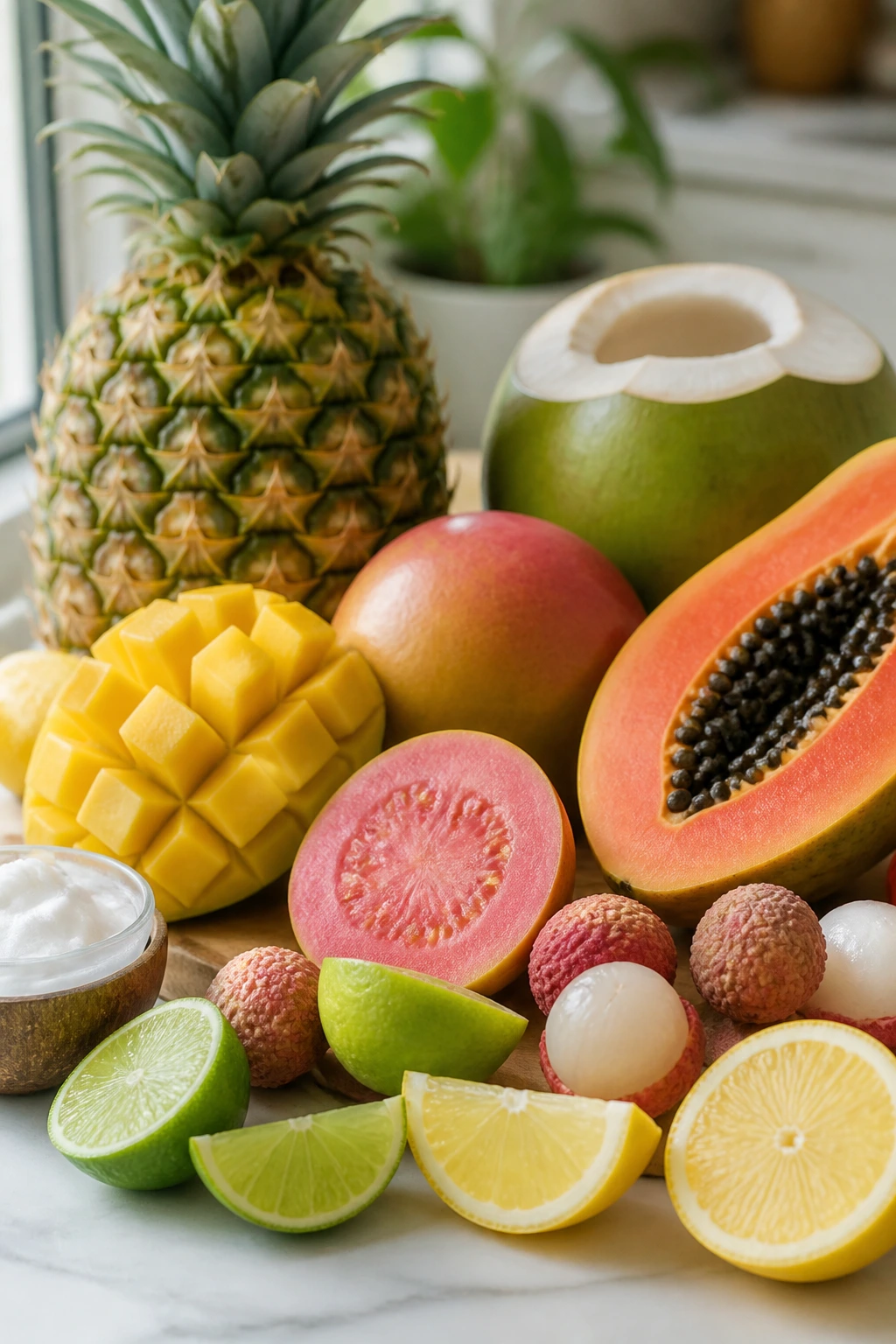
The quickest way to make tropical brunch cocktails taste flat is to use the wrong juices. Buy 100% juice when you can, not “juice cocktail,” because the added sugar makes it hard to balance the drink later. Pineapple juice should taste bright and a little sharp, not like syrup. Mango, guava, papaya, and lychee nectars are usually thicker and sweeter, so use a lighter hand with syrup when those show up.
Coconut products need a little care. Cream of coconut is sweetened and used in drinks like piña coladas; coconut cream is unsweetened and much drier. Those two are not interchangeable unless you enjoy fixing broken cocktails one spoonful at a time. Coconut water is the quiet, lighter option for drinks that need just a whisper of coconut.
Sparkling wine matters more than people think. Brut prosecco, cava, or Champagne gives you dry bubbles that keep fruit drinks from turning sticky. Sweet sparklers can work in a dessert-style cocktail, but most of these recipes want the leaner bottle. Keep it cold. Warm bubbles vanish fast.
Fresh citrus is worth the extra minute. Bottled lime or lemon juice tastes dull and often a little metallic next to fresh fruit. If you’re making more than one drink, squeeze the citrus earlier in the day and refrigerate it, but don’t push it too far ahead. The flavor fades.
Finally, think about herbs and garnish like they’re part of the recipe, not afterthoughts. Mint bruises easily, basil turns muddy if it’s torn to bits, and toasted coconut can go from golden to burnt in a blink. Small details. Big payoff.
How to Serve These Recipes
Presentation:
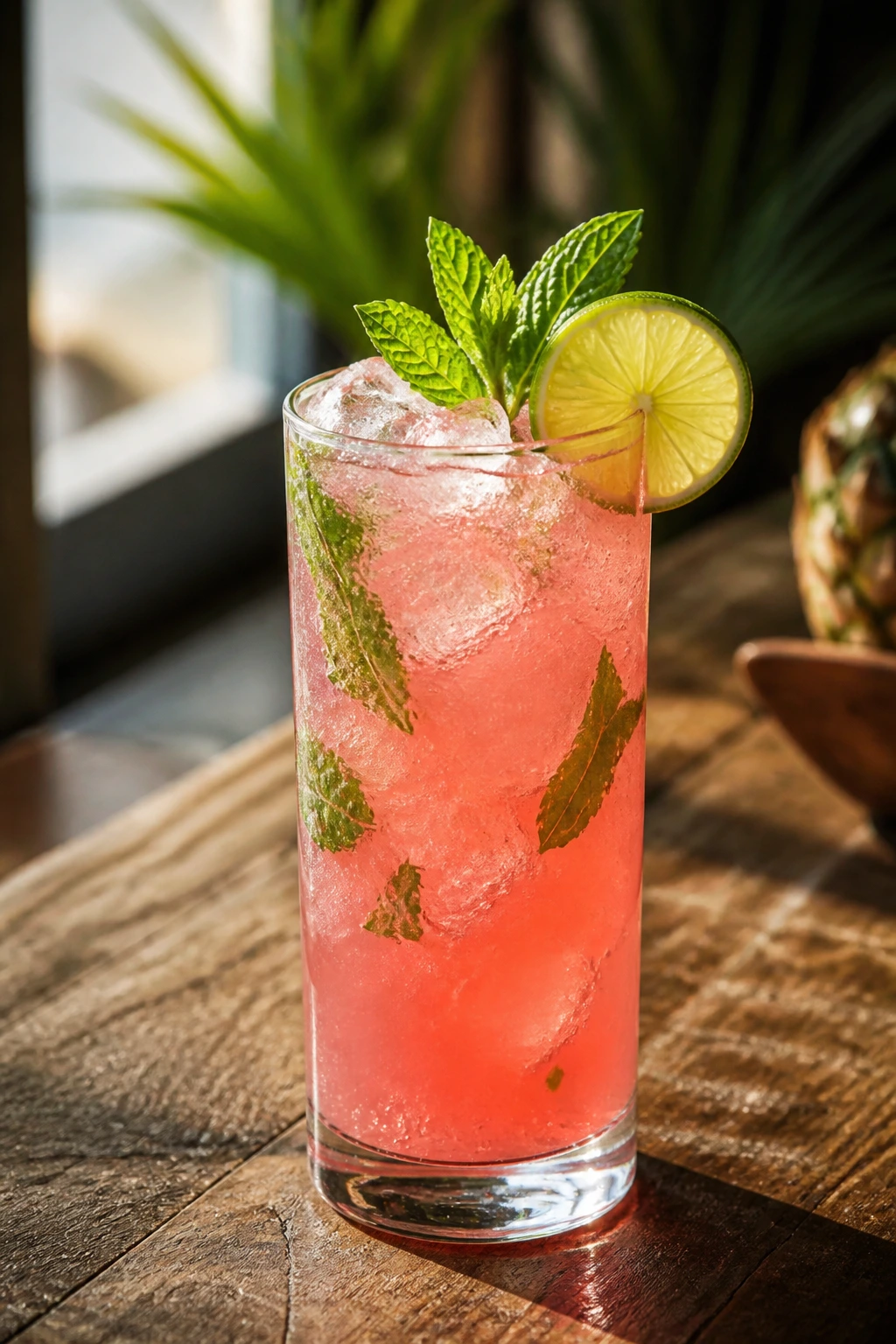
Use clear glassware whenever you can. These cocktails depend on color — pink guava, pale mango, deep hibiscus, layered sunrise grenadine, and the green edge of mint or basil all look better in plain glass than in opaque cups. Keep the garnishes tidy: one citrus wheel, one sprig of mint, one pineapple wedge, not a whole hedge on the rim.
Accompaniments:
Bright fruit cocktails want salty food beside them. Think bacon, ham, breakfast potatoes, avocado toast, smoked salmon, shrimp toast, chilaquiles, fruit salad, yogurt, and flaky pastries. The savory drinks — especially the Bloody Mary and michelada — can carry richer plates like tacos, egg casseroles, or fried plantains. If you’re serving the creamier cocktails, keep the rest of the table lighter.
Portions:
These are mostly built as single drinks, but they scale well. For a brunch group of six, the sparkling and fruit-forward recipes are easiest to batch if you keep the bubbles out until the last second. A spirit-forward pour usually lands around 1 1/2 to 2 ounces of liquor per glass, which is enough to feel like a cocktail without taking over the meal. Go smaller for long brunches.
Beverage Pairing:
If you want something alongside the cocktails, serve cold sparkling water with lime, unsweetened iced tea, or hot coffee for the table. That gives guests a reset between rounds. For the sweeter drinks, a bitter coffee on the side works better than another sweet beverage.
Additional Tips and Flavor Boosters
Flavor Enhancement:
A pinch of salt is the cheapest upgrade in the whole collection. Add it to pineapple, mango, papaya, or watermelon drinks and the fruit tastes cleaner and fuller. A couple of dashes of orange bitters also help the sparkling cocktails stay interesting without turning them dark.
Customization:
If a drink feels too sweet, trim the syrup first, not the citrus. If it feels too sharp, add a touch more juice or a splash of soda. Rum can move into tequila, tequila can move into gin, and vodka can step aside almost anywhere without breaking the whole recipe. The shape of the drink matters more than the exact spirit.
Serving Suggestions:
Toast coconut in a dry skillet until it’s pale gold, not brown. Slap mint or basil between your palms before garnishing. Express citrus peel over the drink so the oils hit the nose before the first sip. Those little moves are not decoration. They change how the drink tastes.
Make-It-Yours:
For a lower-alcohol version, reduce the spirit by half and add more soda or prosecco. For a richer version, lean into coconut cream or egg white, but only in the drinks that can support it. For a spicy version, add one thin jalapeño slice or a Tajín rim, then stop. More heat is not automatically better.
Make-Ahead, Storage, and Chilling Notes
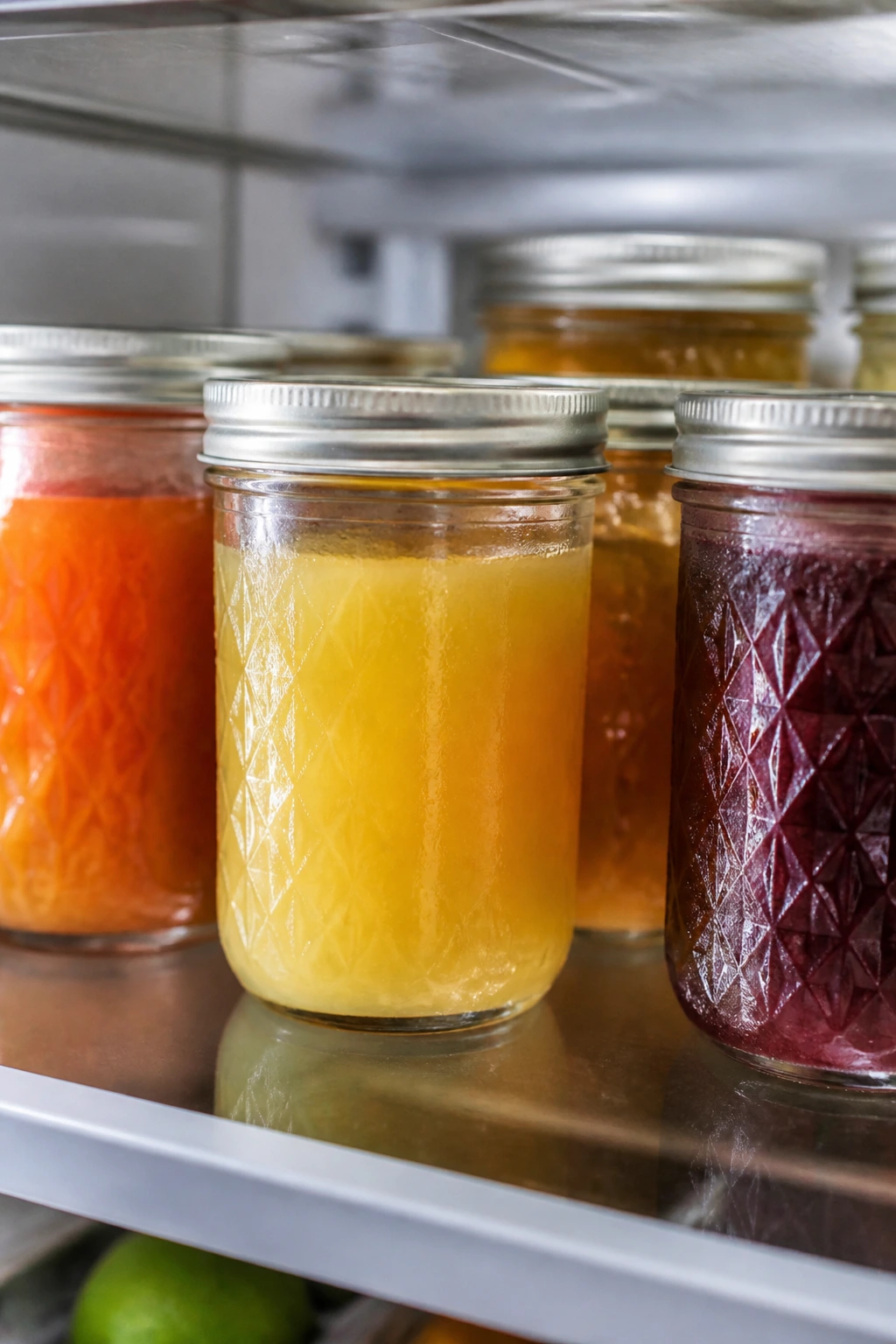
Most tropical brunch cocktails are happiest when they’re cold, assembled, and served right away. That said, the building blocks can absolutely be done ahead if you know where the line is. Simple syrups, ginger syrup, and hibiscus syrup keep for about 2 weeks in the refrigerator in a sealed jar. Fruit juices are best squeezed the day you use them, but if you have to make them ahead, they hold for about 24 hours chilled before the flavor starts to drop.
For batching, mix the non-carbonated part of the cocktail up to 24 hours ahead and keep it cold. That works well for the paloma, sunrise punch, guava cooler, and most of the spritzes. Do not add prosecco, soda water, tonic, or beer until the glass is on the table. Once the bubbles go in, the clock starts. You’ll lose texture fast if the drink sits around.
Creamy cocktails and cocktails with egg white are best shaken right before serving. A shaken coconut, egg, or flip-style drink can sit for a short time, about 10 to 15 minutes, but the texture will settle and separate if you leave it longer. If that happens, shake again with ice and strain it back out. No drama.
There is no reheating here. If a cocktail warms up, chill it again in the refrigerator for 10 to 15 minutes or pour it over fresh ice. Frozen cocktails can hold their texture for about 15 to 20 minutes before they start melting into sadness. Garnishes can be prepped ahead — citrus wedges, toasted coconut, herb sprigs — but keep delicate herbs wrapped in a damp paper towel so they don’t wilt before brunch starts.
Tropical Twists and Easy Adaptations
Zero-Proof Beach Cooler:
Swap the spirits for extra juice, soda water, tonic, or bitter orange soda, depending on the drink. The best zero-proof versions keep the acid and salt, because that’s what makes them feel like cocktails instead of just juice in a nice glass.
Frozen Pitcher Style:
Turn pineapple, mango, watermelon, or papaya drinks into frozen pours by blending the non-carbonated ingredients with ice and serving them right away. This works best for the rum and tequila drinks, where a little dilution actually helps the fruit stay balanced.
Low-Sugar Cut:
Trim syrup by half and let the fruit do more of the work. This is especially useful for guava, lychee, and coconut-based drinks, where sweetness can sneak up on you. Keep the lime or grapefruit in place so the drink doesn’t flatten out.
Spice-Rim Remix:
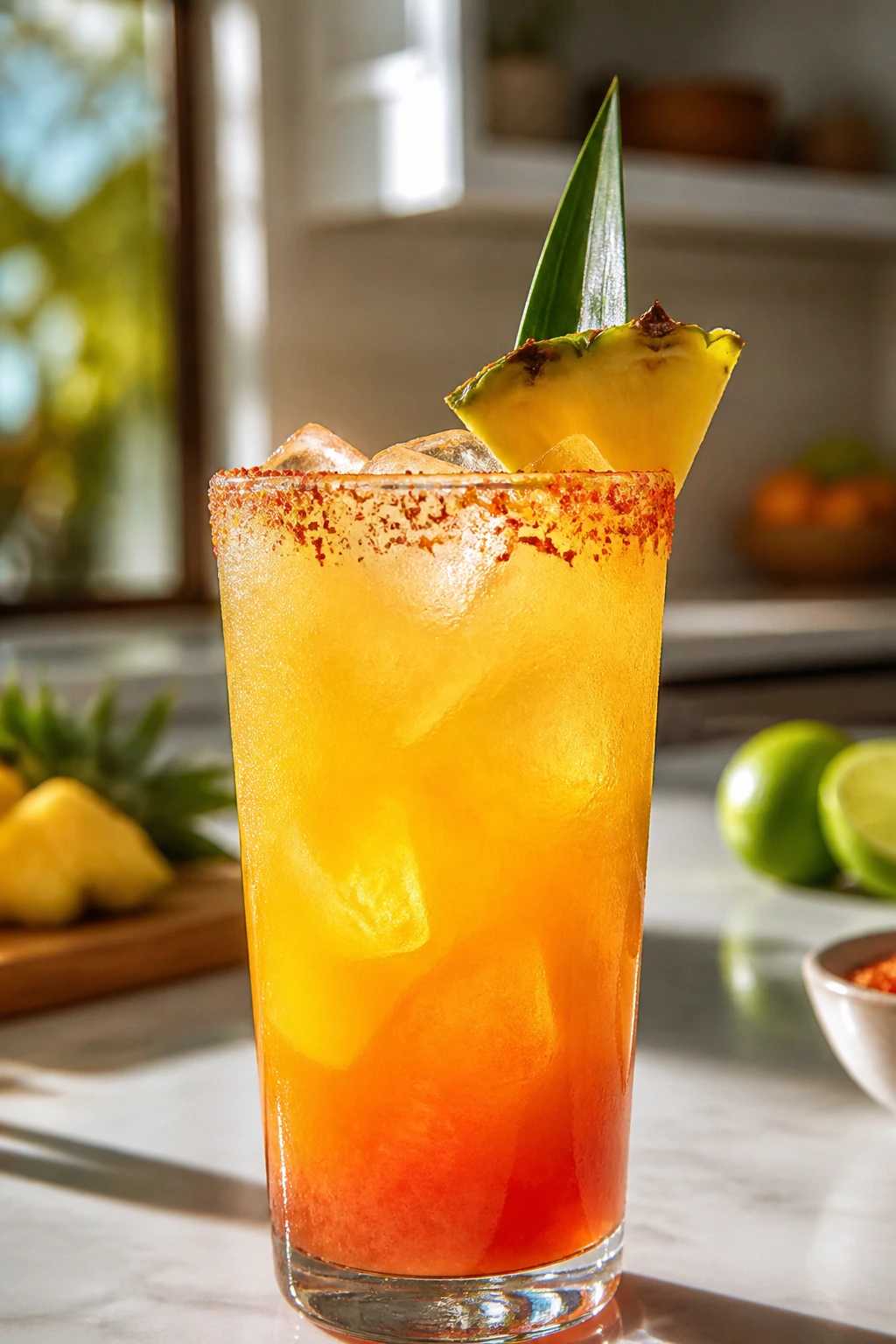
Use Tajín, chili-lime salt, or a salt-and-paprika blend on palomas, micheladas, Bloody Marys, and tequila coolers. The rim should be light, not crusted, so the drink still tastes like a cocktail and not a snack mix.
Creamy Swap:
If you want a richer texture, add coconut cream or half-and-half only to the drinks that can carry it: the piña colada mimosa, the coffee cooler, and the banana espresso flip. Don’t force cream into the sparkler-style drinks. They’ll fight back.
Common Mistakes to Avoid
Making everything too sweet:
This is the fastest way to ruin tropical brunch cocktails. Fruit juice already brings sweetness, so syrup should play a smaller role than people assume. If a drink tastes sticky, add lime, grapefruit, salt, or bubbles before you add more sweetener.
Adding sparkling ingredients too early:
Prosecco, soda, tonic, and beer go in last. If they sit in the shaker or wait too long in the glass, the whole drink goes limp. Flat tropical cocktails taste heavier than they should.
Using warm ingredients:
Warm juice, warm sparkling wine, and room-temperature spirits make a cocktail melt before it reaches the table. Chill what can be chilled. Use more ice than you think you need.
Over-muddling herbs or citrus peel:
Mint and basil should smell fresh, not bitter. Lime and lemon peel should give you oils, not pith. A light touch is enough. Push harder and the drink starts tasting green in the wrong way.
Choosing the wrong glass for the drink:
A flute keeps bubbles tight. A highball gives a long, salty drink room to breathe. A rocks glass suits the rum, tequila, and savory recipes. Put the drink in the wrong glass and it feels off even if the recipe is sound.
Ignoring the salt:
Pineapple, mango, watermelon, and grapefruit all benefit from a tiny pinch or a light rim. The salt doesn’t announce itself. It just makes the fruit taste more like itself.
Frequently Asked Questions
Can I batch these tropical brunch cocktails for a crowd?
Yes, especially the spritzes, palomas, sunrise punch, and guava-based drinks. Mix the juice, spirit, and syrup base ahead, chill it, then add the sparkling parts one glass at a time or right before serving from a pitcher.
Which cocktails hold up best in a pitcher?
The Rum Sunrise Brunch Punch, Tropical Paloma Spritz base, and Mango Chili Michelada base do well in pitchers. The key is to keep beer, tonic, soda, and prosecco out until the last possible moment so the drinks stay lively.
What can I use instead of cream of coconut?
If a recipe specifically calls for cream of coconut, the best swap is to make a quick version by whisking 2 parts coconut milk with 1 part simple syrup. It will be a little lighter and less rich, but it won’t taste wrong. Coconut cream alone is unsweetened and usually needs extra sugar.
How do I keep the sparkling drinks from going flat?
Use cold ingredients, cold glasses, and fresh bottles. Add the sparkling wine or soda after the other ingredients are already in the glass, and stir only once or twice. If you need to walk a tray to the table, fill the glasses only halfway first and top them there.
Can I make these without alcohol?
Absolutely. The best zero-proof versions keep the citrus, fruit, salt, and bubbles, then replace the spirits with soda, tonic, or alcohol-free sparkling wine. Drinks like the pineapple ginger mimosa, guava cooler, and papaya sparkler adapt especially well.
What’s the best ice for tropical cocktails?
Use crushed ice for caipirinhas, daiquiri-style drinks, and anything you want to feel beachy. Use big cubes for longer drinks like palomas, tonics, and Bloody Marys. Fresh ice matters more than fancy ice.
Are bottled juices okay if that’s what I have?
Yes, with a catch: choose 100% juice or a good nectar, and keep an eye on sweetness. Bottled juices are often less sharp than fresh, so you may need a little more lime or lemon to wake the drink up.
How do I fix a cocktail that tastes too sweet?
Add a squeeze of citrus, a pinch of salt, or a splash of soda water. If it still feels heavy, pour it over more ice and stir once. That tiny bit of dilution can pull the drink back into balance fast.
One More Round
The best tropical brunch cocktails do not taste like resort brochures. They taste cold, bright, and a little sharper than you expected, which is exactly why they work so well with eggs, pastries, fruit, and salty brunch plates. A good one should still feel fresh halfway through the glass, not like you’ve already finished the idea by the third sip.
If you keep the fruit in check with lime, grapefruit, salt, and dry bubbles, these drinks stay useful all the way through brunch instead of collapsing into sugar. That’s the real trick. Give them structure, keep them cold, and let the garnish do a little honest work. Then pour another round when the glasses fog back up.