



A good stir-fry has a sound before it has a smell. The pan should hiss the second the oil goes in. Garlic should hit the heat and turn sweet, not bitter, and the vegetables should still have a little bite when they land on the plate.
That is the whole appeal of stir fry dinners ready in 20 minutes: a hot pan, a short ingredient list, and enough movement to keep everything crisp instead of soggy. I’ve always trusted a stir-fry on nights when the clock feels rude. It does not ask for patience. It asks for a sharp knife, a little focus, and ingredients that know how to cook fast.
The bad stir-fry problem is easy to spot. Pale chicken. Limp broccoli. Sauce puddled at the bottom like soup. The recipes in this collection dodge that mess by leaning on thin cuts, quick-cooking vegetables, and sauces that get mixed before the pan ever gets hot. Nothing fancy. Just smart timing.
Why These 20-Minute Stir-Fries Work So Well
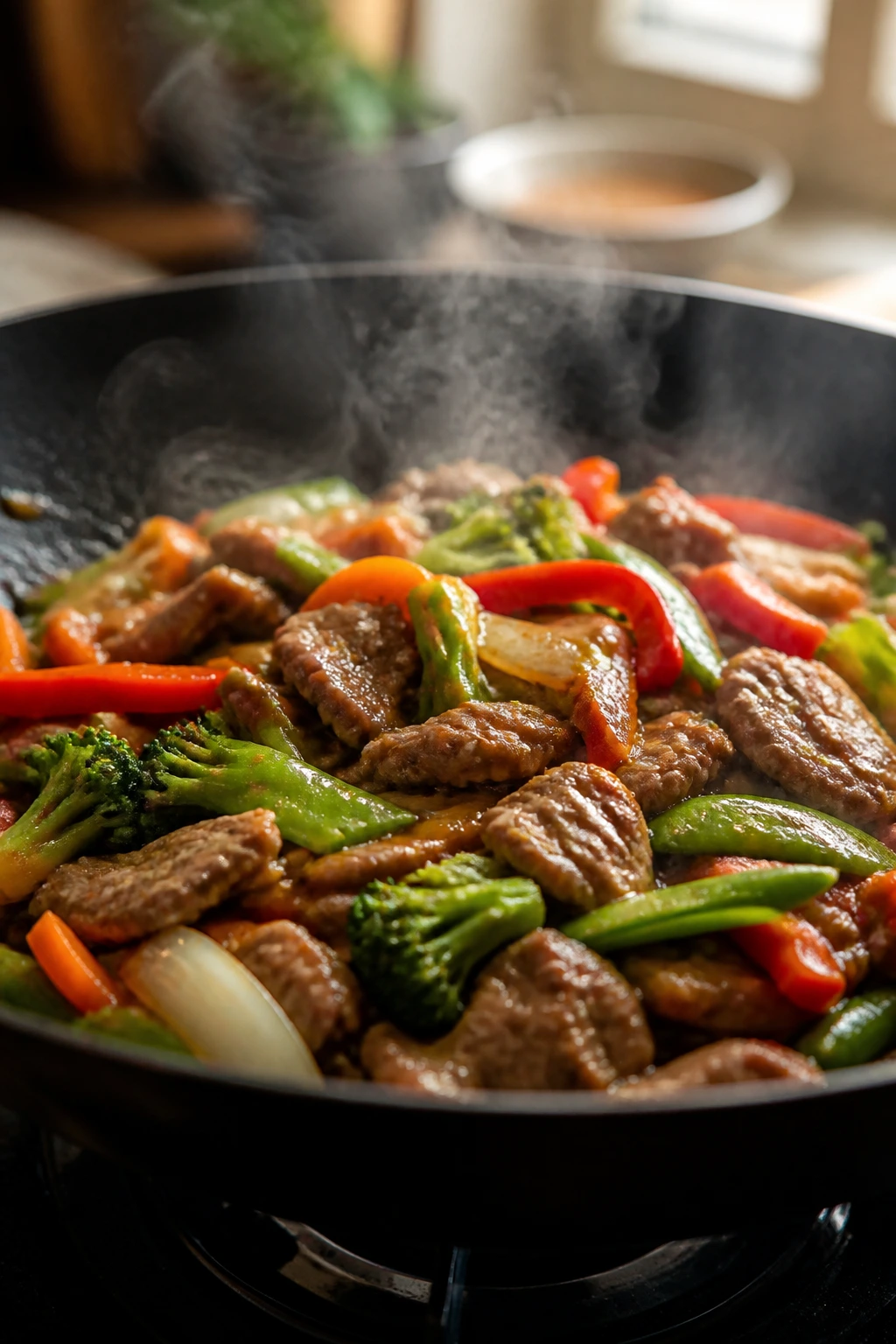
- Fast pan, fast plate: Thin-sliced proteins, small vegetable pieces, and quick noodles keep every recipe inside a real 20-minute window instead of a wishful one.
- Sauces that cling: Cornstarch, a little sugar or honey, and enough liquid to move around the pan give you that glossy finish without a long simmer.
- Flexible ingredients: Chicken, shrimp, tofu, beef, pork, turkey, eggs, and fish all fit the same basic stir-fry rhythm, so you can cook from what you’ve got.
- Better texture, less fuss: Vegetables stay crisp-tender, not steamed into mush, because each recipe keeps the pan hot and the cook time short.
- Weeknight cleanup stays sane: Most of these are one-skillet meals with a bowl for sauce and, at most, a pot for rice or noodles.
- Built for swaps: If you keep soy sauce, garlic, ginger, and a good neutral oil in the house, half the collection becomes a choose-your-own-dinner situation.
1. Garlic Ginger Chicken and Broccoli Stir-Fry
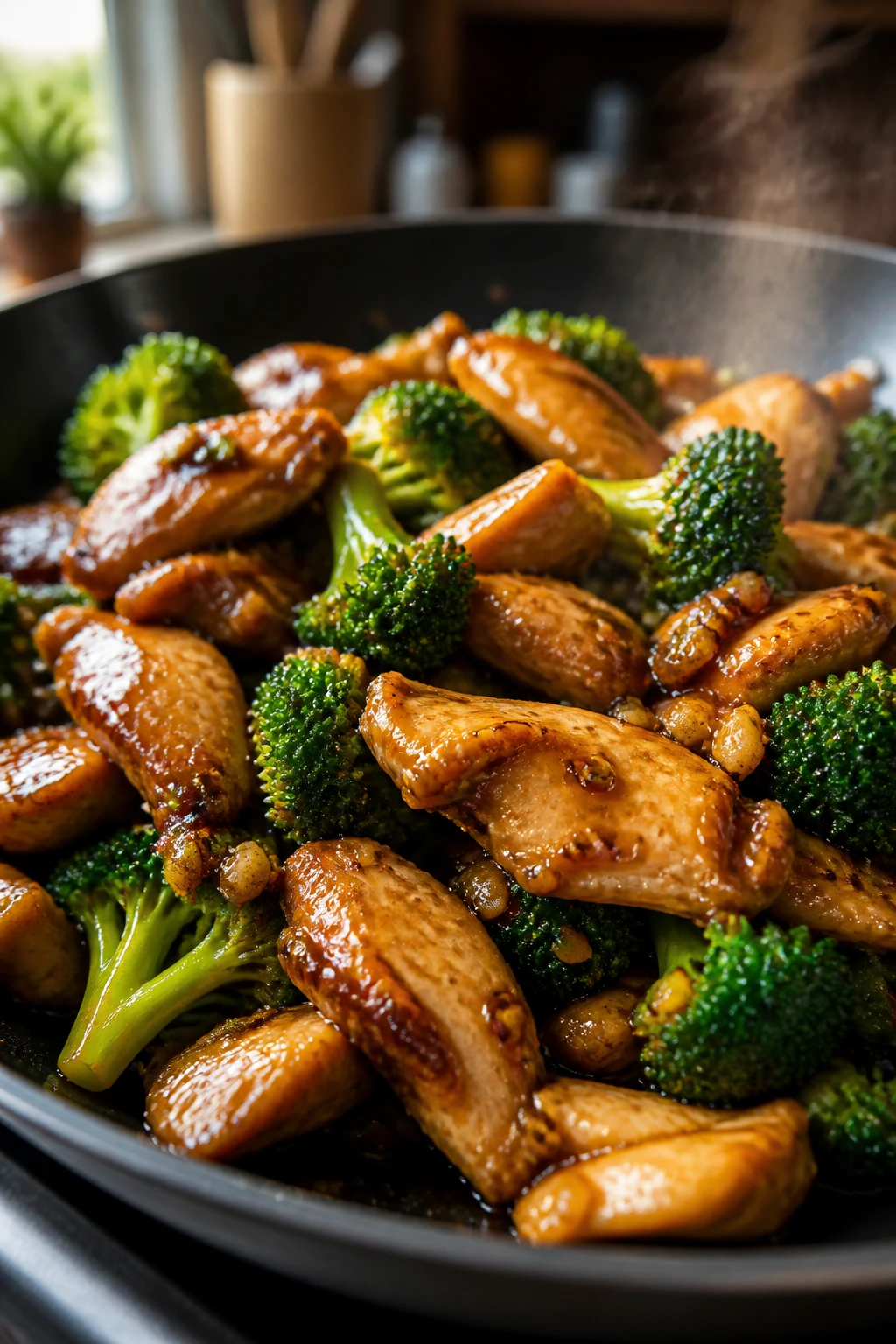
The first skillet smell here is exactly what people mean when they say they want takeout at home, but better. Chicken thighs turn golden at the edges, broccoli stays bright green, and the garlic-ginger sauce coats everything with that sticky, savory sheen that makes rice disappear fast.
Why It Works: Chicken thighs are the smart move here because they stay juicy in a hot pan, even if you let them go a minute too long. Broccoli only needs a short steam in the skillet, so it keeps its snap and never goes gray. The sauce uses soy sauce, oyster sauce, and honey, which gives you salt, depth, and a little gloss without a long reduction. A teaspoon of cornstarch does the real heavy lifting; once it hits heat, the sauce tightens and clings instead of running off the vegetables.
Key Ingredients:
- 1 lb boneless, skinless chicken thighs, sliced into 1/2-inch strips — thinner pieces cook fast and stay tender.
- 3 cups broccoli florets, cut small — smaller florets cook through in minutes.
- 3 cloves garlic, minced — the sweet spot for a bold but not harsh finish.
- 1 tablespoon fresh ginger, grated — gives the sauce that warm, sharp lift.
- 3 tablespoons soy sauce — the salty backbone.
- 1 tablespoon oyster sauce — adds body and a darker savory note.
- 1 tablespoon honey — balances the salt and browning.
- 1 teaspoon cornstarch mixed with 2 tablespoons water — thickens the sauce at the end.
- 2 tablespoons neutral oil — use avocado, canola, or peanut oil.
- 2 scallions, sliced — for a fresh finish.
- 2 cups hot cooked rice — white, brown, or jasmine all work.
Quick Steps:
- Whisk the soy sauce, oyster sauce, honey, cornstarch slurry, garlic, ginger, and 3 tablespoons water in a small bowl.
- Heat 1 tablespoon oil in a large skillet or wok over high heat until the oil shimmers.
- Add the chicken in a single layer and cook for 4 to 5 minutes, stirring once or twice, until browned and cooked through. Do not crowd the pan or the chicken will steam.
- Add the remaining oil and the broccoli. Splash in 2 tablespoons water, cover for 1 minute, then uncover and stir until the broccoli turns bright green and tender-crisp.
- Pour in the sauce and toss for 30 to 60 seconds, until it turns glossy and clings to the chicken and broccoli.
- Finish with scallions and serve over hot rice.
Tips and Variations:
- Swap broccoli for broccolini or snap peas if that’s what’s in the fridge.
- Add a pinch of red pepper flakes if you want heat without changing the flavor profile much.
- A squeeze of lemon at the end sounds odd, but it wakes up the whole pan.
2. Sesame Beef and Snap Pea Stir-Fry
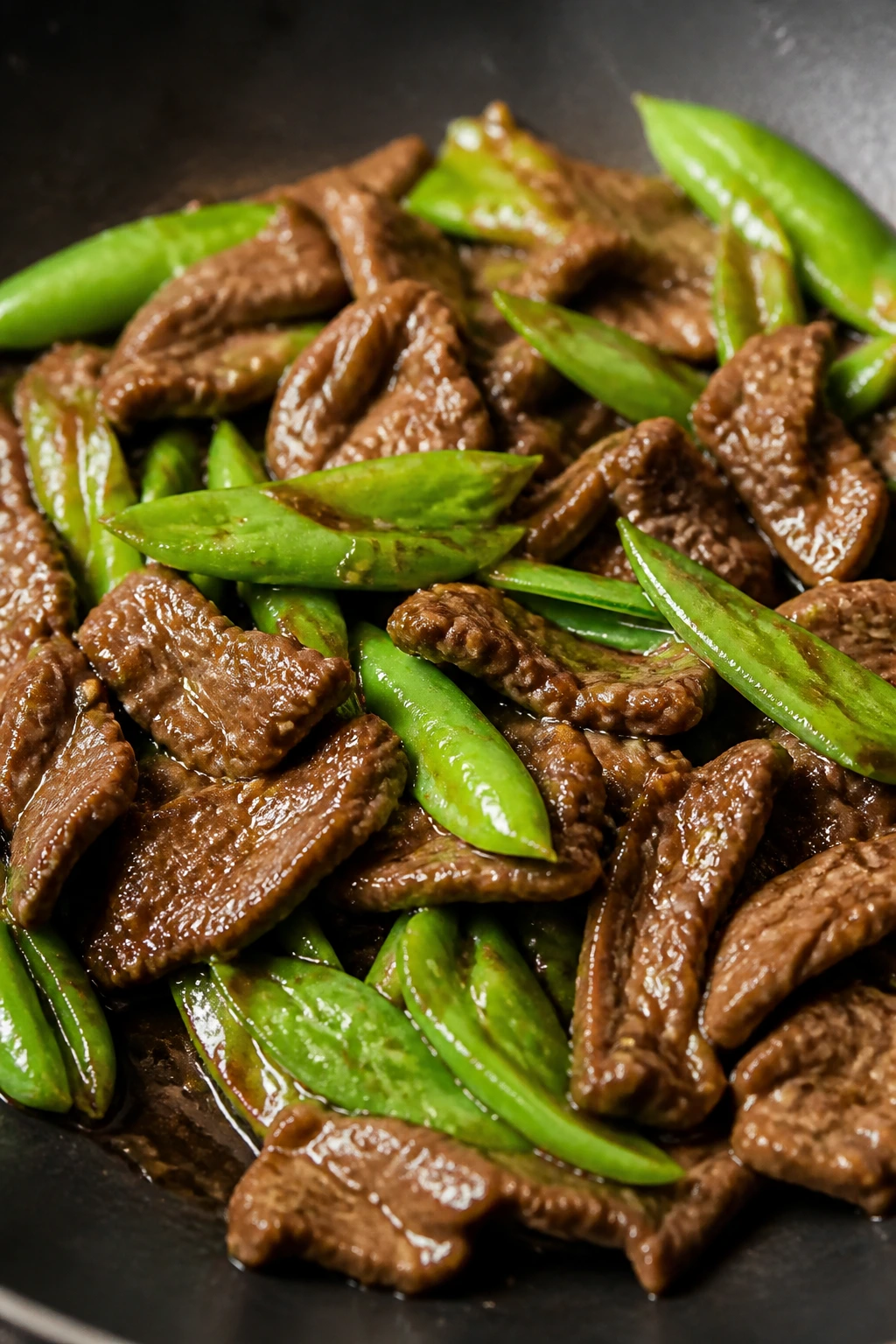
This one has a clean, sharp flavor that feels almost too polished for a 20-minute dinner. Thin beef sears fast, snap peas stay snappy, and the sesame-soy sauce has just enough sweetness to make the whole pan taste finished instead of rushed.
Why It Works: Flank steak or sirloin is ideal because it cooks in a flash when sliced thin across the grain. That cross-grain cut matters; it shortens the muscle fibers and keeps each bite from feeling chewy. Snap peas are one of the best stir-fry vegetables because they need almost no cooking, which means their color stays vivid and their crunch stays loud. A little cornstarch on the beef helps the sauce cling, and a splash of rice vinegar keeps the flavor from getting heavy.
Key Ingredients:
- 1 lb flank steak or sirloin, sliced very thin across the grain — pop it in the freezer for 10 minutes to make slicing easier.
- 3 cups snap peas, strings removed — they should look bright and full.
- 1/2 small red onion, thinly sliced — sweetens fast in the pan.
- 3 cloves garlic, minced — needed here, no shortcuts.
- 2 tablespoons soy sauce — for the beef coating and sauce.
- 1 tablespoon rice vinegar — keeps the finish sharp.
- 1 tablespoon sesame oil — use at the end for flavor, not for searing.
- 1 tablespoon brown sugar — just enough for gloss.
- 1 teaspoon cornstarch — helps the sauce stick.
- 1 tablespoon neutral oil — for high heat.
- 1 tablespoon toasted sesame seeds — for crunch and a little nuttiness.
- 2 cups cooked rice — serves as the base.
Quick Steps:
- Toss the beef with 1 tablespoon soy sauce and the cornstarch while the skillet heats.
- Whisk the remaining soy sauce, rice vinegar, brown sugar, garlic, and 2 tablespoons water in a bowl.
- Heat the neutral oil in a skillet over high heat until it just starts to smoke.
- Add the beef in one layer and sear for 1 to 2 minutes per side. Pull it out when it’s still slightly pink in spots. Thin beef goes from perfect to dry fast.
- Add the onion and snap peas, stir-fry for 2 minutes, then return the beef.
- Pour in the sauce and toss for 30 seconds, until everything is glossy.
- Finish with sesame oil and sesame seeds, then serve hot.
Tips and Variations:
- A handful of sliced mushrooms makes this feel fuller without adding much time.
- If you like heat, add a spoonful of chili crisp with the sauce.
- Leftover steak works here, too; just add it at the very end so it does not toughen.
3. Shrimp and Bell Pepper Stir-Fry with Lime
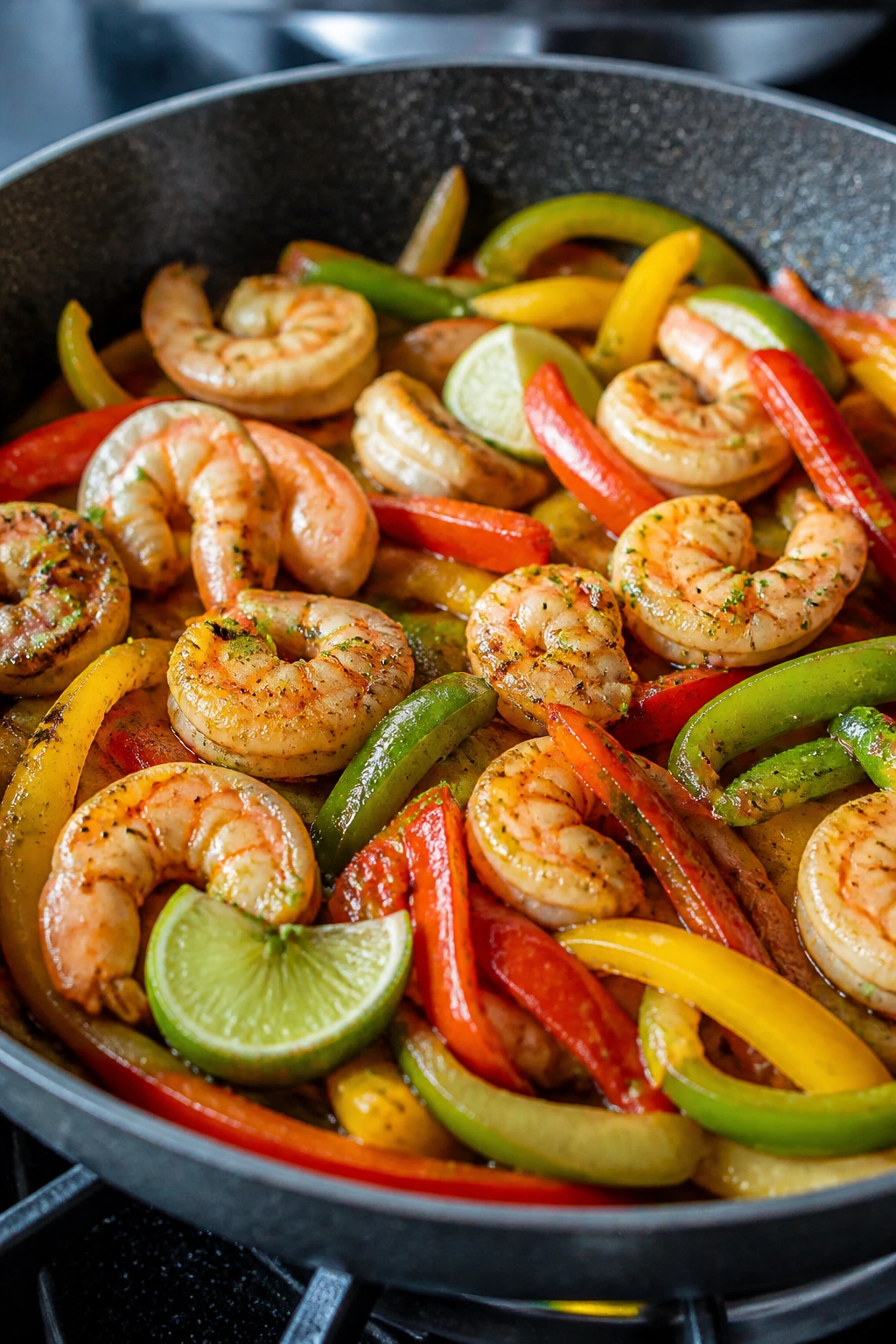
Shrimp is the speed demon of the stir-fry world. It turns pink in minutes, takes on whatever sauce you give it, and loves a bright finish like lime juice. Bell peppers add sweetness and color, so the whole dish lands somewhere between fresh and lively.
Why It Works: Shrimp cooks faster than almost any other protein you’d throw into a skillet, which makes it perfect for a 20-minute dinner. The trick is to stop cooking it the second it turns opaque and curls into a loose C shape; tight little O shapes mean you’ve gone too far. Bell peppers bring enough natural sweetness that you do not need a long sauce reduction. Lime juice goes in at the end, not the beginning, because heat dulls the fresh citrus edge.
Key Ingredients:
- 1 lb large shrimp, peeled and deveined — thawed and patted dry if frozen.
- 2 bell peppers, sliced into thin strips — red, yellow, or orange.
- 2 cloves garlic, minced — use fresh, not jarred, if you can.
- 1 tablespoon fresh ginger, grated — gives the sauce lift.
- 2 tablespoons soy sauce — salty base.
- 1 tablespoon honey — rounds out the lime.
- Juice and zest of 1 lime — the brightest part of the dish.
- 1/4 teaspoon red pepper flakes — optional, but welcome.
- 1 tablespoon neutral oil — for searing.
- 2 scallions, sliced — fresh finish.
- 2 cups cooked rice or rice noodles — both work.
Quick Steps:
- Mix the soy sauce, honey, lime juice, lime zest, garlic, ginger, and red pepper flakes in a bowl.
- Heat the oil in a skillet over high heat until shimmering.
- Add the shrimp and cook for 1 to 2 minutes per side, just until pink. Remove them to a plate.
- Add the peppers and stir-fry for 3 minutes, until they soften at the edges but still hold shape.
- Return the shrimp to the skillet and pour in the sauce.
- Toss for 30 to 45 seconds, just until the sauce clings and smells bright.
- Finish with scallions and serve right away.
Tips and Variations:
- A handful of snap peas can join the peppers if you want more crunch.
- Swap shrimp for scallops if you keep the pieces small and dry.
- Serve this over noodles when you want something more slurpable than rice.
4. Cashew Tofu and Snow Pea Stir-Fry
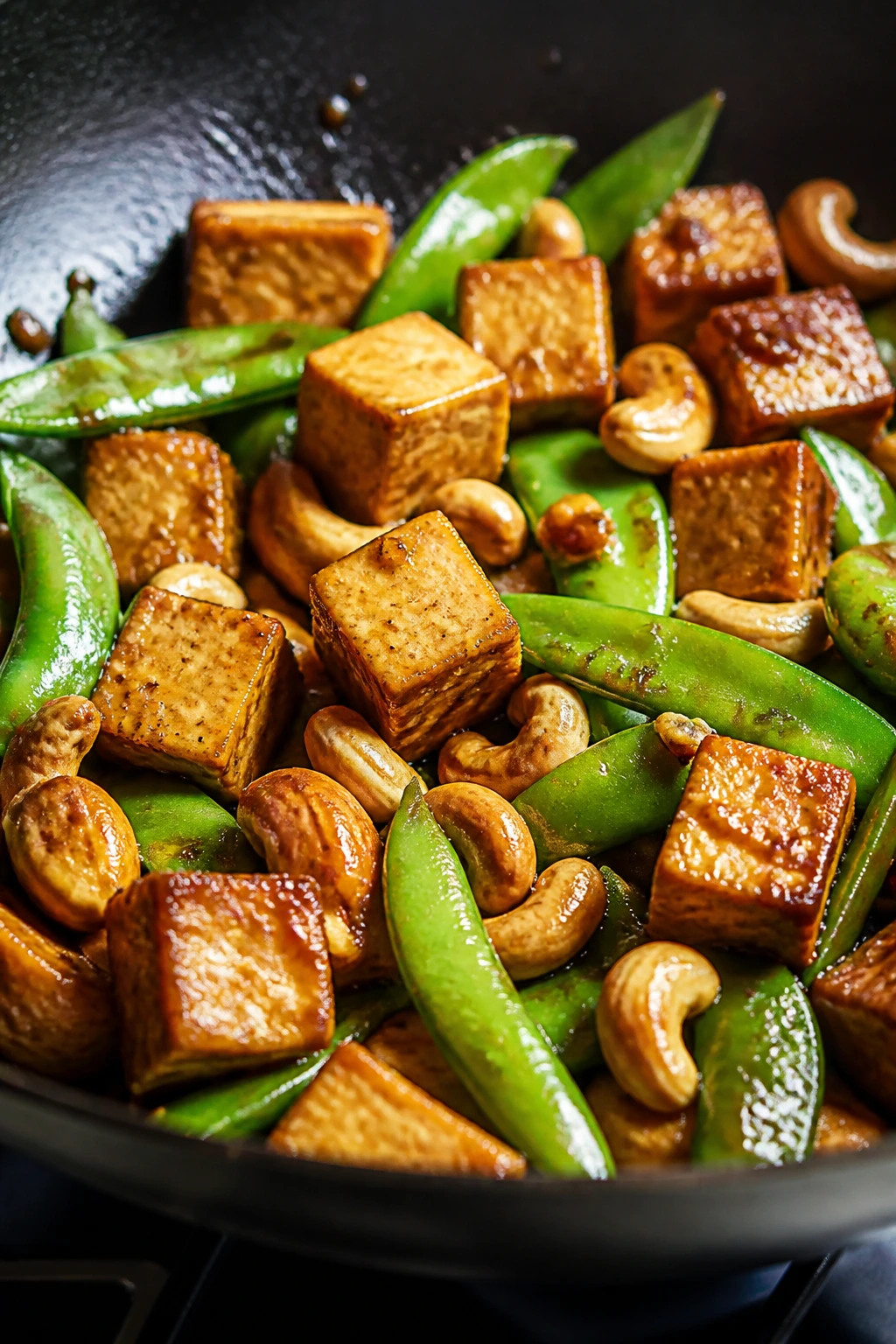
Tofu gets a bad reputation from people who undercook it or drown it in sauce. In a hot skillet, though, extra-firm tofu turns crisp on the outside and soft inside, and the cashews add the kind of crunch that makes the whole pan feel complete.
Why It Works: Extra-firm tofu can take high heat if you dry it well and cut it into even cubes. That surface dryness matters more than a lot of cooks realize. Snow peas cook in almost no time, which keeps the texture lively and makes the dish feel lighter than a heavy takeout bowl. Cashews should be toasted just long enough to smell nutty; if they go far past that point, they taste flat and burnt.
Key Ingredients:
- 14 oz extra-firm tofu, pressed and cut into 1-inch cubes — press out water for at least 10 minutes.
- 2 cups snow peas, strings removed — keep them whole for maximum crunch.
- 1 medium carrot, cut into thin matchsticks — adds color and sweetness.
- 1/2 cup unsalted cashews — toasted for flavor.
- 2 cloves garlic, minced — the backbone of the pan.
- 1 tablespoon fresh ginger, grated — sharpens the finish.
- 3 tablespoons soy sauce or tamari — tamari keeps it gluten-free.
- 1 tablespoon rice vinegar — keeps the sauce bright.
- 1 tablespoon maple syrup — balances the salt.
- 1 teaspoon cornstarch mixed with 2 tablespoons water — for a light glaze.
- 2 tablespoons neutral oil — enough to sear the tofu.
- 2 scallions, sliced — for freshness.
Quick Steps:
- Pat the tofu dry with paper towels and toss it lightly with a pinch of salt.
- Heat 1 tablespoon oil in a skillet over medium-high heat and sear the tofu for 6 to 7 minutes, turning until the cubes are golden on several sides.
- Remove the tofu and add the cashews to the dry pan for 30 seconds, just until fragrant. Take them out right away.
- Add the remaining oil, then cook the carrot and snow peas for 2 minutes, stirring often.
- Whisk the soy sauce, rice vinegar, maple syrup, garlic, ginger, and cornstarch slurry, then pour it into the skillet.
- Return the tofu and cashews, tossing for 1 minute until everything is coated.
- Finish with scallions and serve over rice.
Tips and Variations:
- If you want the tofu crisper, dust it lightly with cornstarch before searing.
- Peanut lovers can swap the cashews for chopped peanuts.
- A spoonful of chili garlic sauce gives this more heat without changing the structure.
5. Pork and Cabbage Stir-Fry with Hoisin
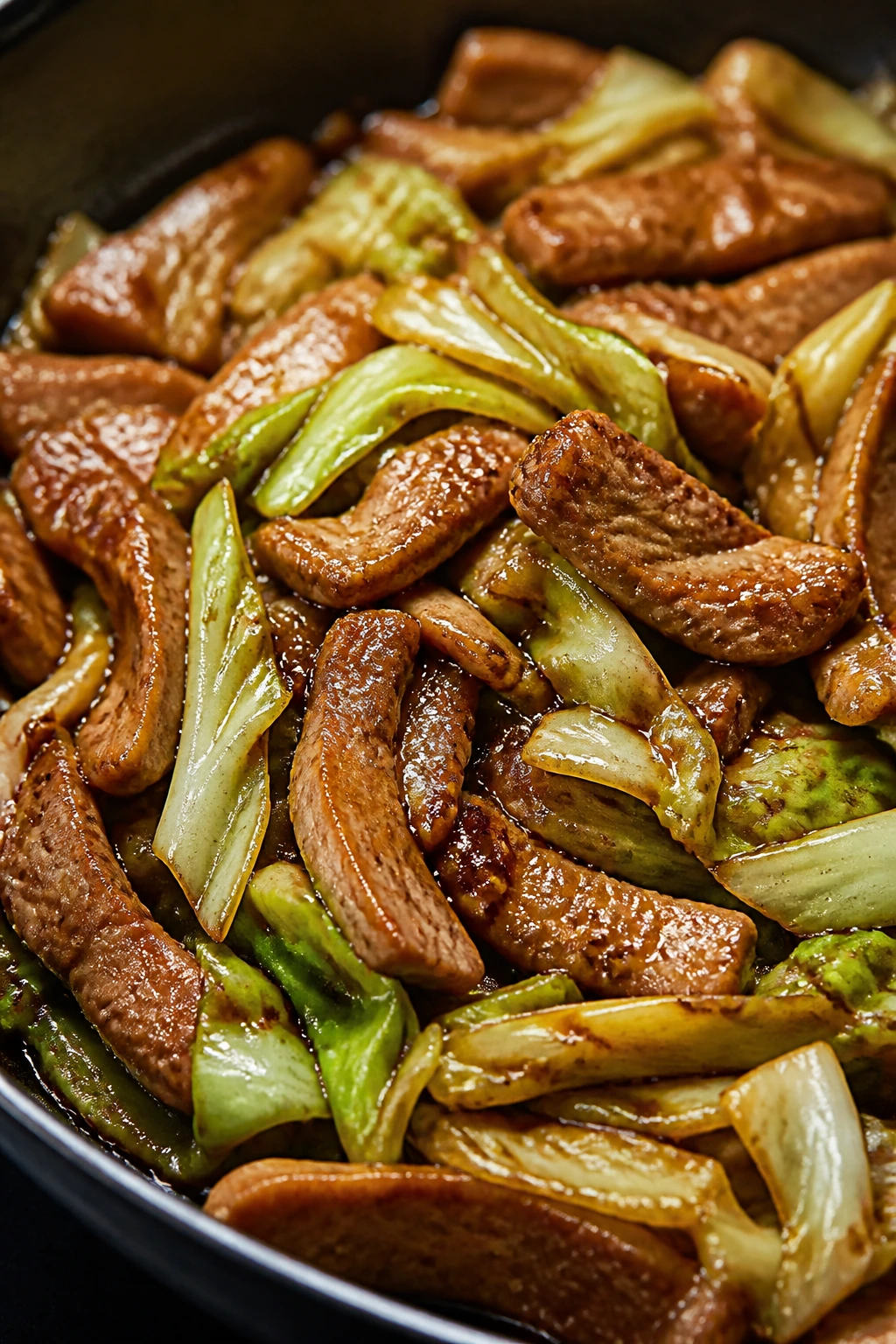
Cabbage is one of those vegetables that feels plain until it gets hit with heat and salt. Then it softens, sweetens, and turns into the best kind of weeknight filler. Pair it with pork and hoisin, and the whole pan tastes richer than it has any right to.
Why It Works: Thin pork tenderloin slices cook fast and stay tender, which is exactly what you want in a 20-minute stir-fry. Cabbage is forgiving, cheap, and happy to soak up sauce, so it lets you build a full dinner without reaching for a long ingredient list. Hoisin brings sweetness, soy sauce brings salt, and rice vinegar keeps the finish from getting sticky in a bad way. The chopped cabbage also gives volume, so this feeds people without needing much else on the plate.
Key Ingredients:
- 1 lb pork tenderloin, sliced very thin — trim away tough silver skin first.
- 4 cups green cabbage, thinly sliced — a half head is usually enough.
- 1 medium carrot, julienned or shredded — for sweetness and color.
- 3 cloves garlic, minced — needed for depth.
- 1 tablespoon ginger, minced — keeps the flavor lively.
- 2 tablespoons hoisin sauce — the sweet-savory anchor.
- 1 tablespoon soy sauce — for salt and balance.
- 1 tablespoon rice vinegar — sharpens the sauce.
- 1 tablespoon neutral oil — for searing.
- 1 teaspoon sesame oil — finish only.
- 2 green onions, sliced — fresh top note.
- 2 cups cooked rice — a neutral base for the sticky sauce.
Quick Steps:
- Stir together the hoisin, soy sauce, rice vinegar, garlic, ginger, and 2 tablespoons water.
- Heat the oil in a large skillet over high heat.
- Add the pork in a single layer and sear for 2 to 3 minutes, until lightly browned and just cooked through.
- Add the cabbage and carrot, then stir-fry for 3 to 4 minutes until the cabbage softens but still has some bite.
- Pour in the sauce and toss for 30 to 45 seconds until everything looks glossy.
- Turn off the heat, drizzle with sesame oil, and scatter scallions over the top.
Tips and Variations:
- Napa cabbage works too and cooks even faster.
- A handful of bean sprouts at the end adds crunch if you like a fresher finish.
- If you want more heat, add a spoonful of sambal oelek with the sauce.
6. Turkey and Green Bean Stir-Fry
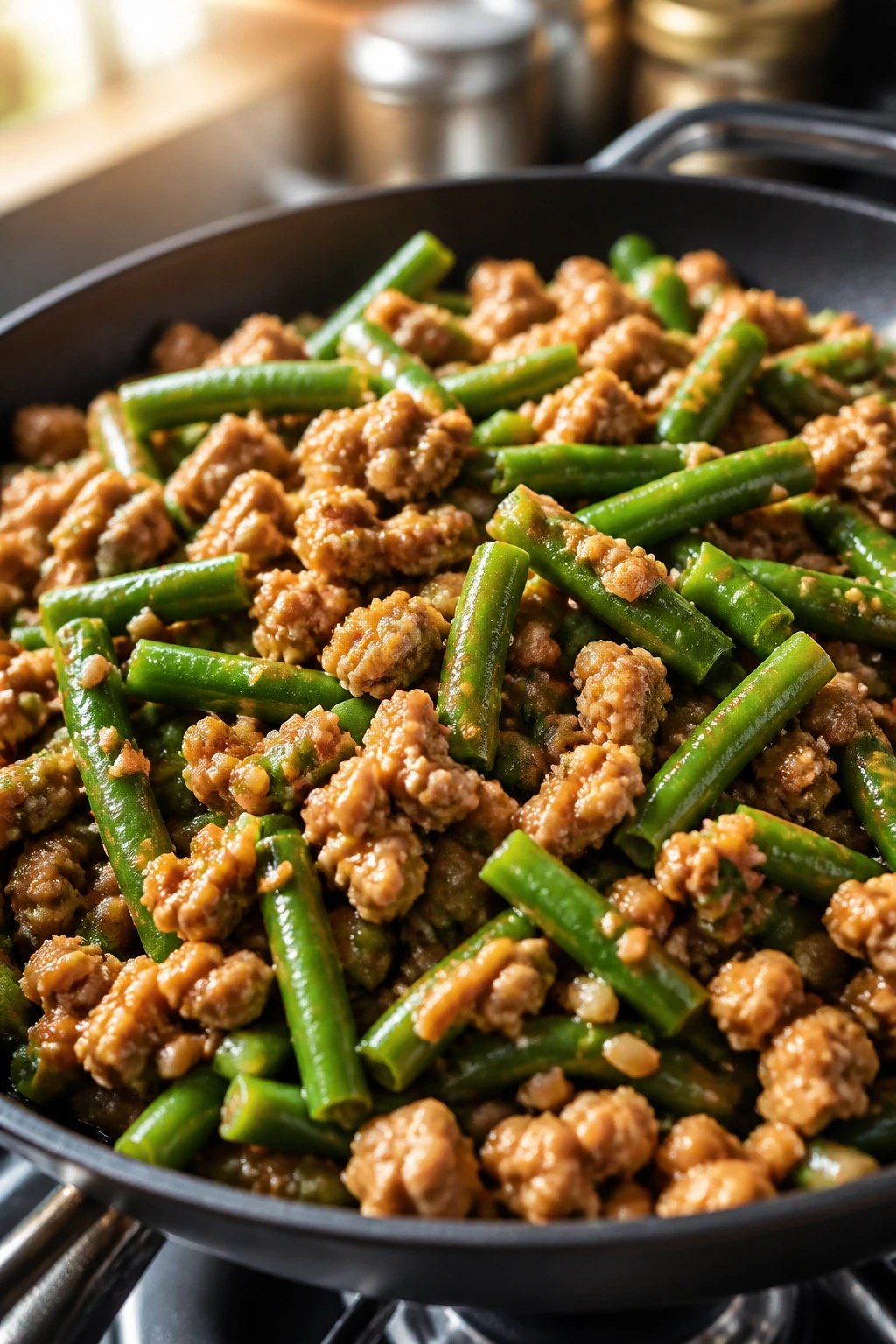
Ground turkey is not exciting on its own. In a hot pan with garlic, ginger, and a sharp sauce, though, it becomes a fast, useful dinner that eats more like a bowl than a compromise. Green beans keep it from feeling soft or heavy.
Why It Works: Ground turkey cooks faster than sliced meat and picks up seasoning in every little crumb. That means you can build a savory base in under 10 minutes, which is exactly why it belongs in a 20-minute stir-fry lineup. Green beans hold their shape better than a lot of vegetables, so they stay crisp with only a short steam in the pan. A touch of honey or brown sugar rounds out the soy and rice vinegar and keeps the whole thing from tasting flat.
Key Ingredients:
- 1 lb ground turkey — lean is fine, but not bone-dry extra-lean if you can avoid it.
- 3 cups green beans, trimmed and cut in half — shorter pieces cook faster.
- 3 cloves garlic, minced — don’t be shy here.
- 1 tablespoon ginger, grated — brightens the turkey.
- 3 tablespoons soy sauce — split between the pan and the sauce.
- 1 tablespoon rice vinegar — sharpens the flavor.
- 1 teaspoon honey — just enough to balance.
- 1 teaspoon chili garlic sauce or 1/4 teaspoon red pepper flakes — optional heat.
- 1 teaspoon cornstarch mixed with 2 tablespoons water — lightens the sauce body.
- 1 tablespoon neutral oil — for the skillet.
- 2 scallions, sliced — finish.
- 2 cups cooked rice — to serve.
Quick Steps:
- Whisk 2 tablespoons soy sauce, rice vinegar, honey, garlic, ginger, chili garlic sauce, and the cornstarch slurry in a bowl.
- Heat the oil in a skillet over medium-high heat and add the turkey.
- Cook for 4 to 5 minutes, breaking it up with a spoon, until no pink remains and the bits start to brown.
- Add the green beans and 3 tablespoons water, then cover for 2 minutes to steam them lightly.
- Uncover, stir in the remaining soy sauce mixture, and cook for 1 more minute until glossy.
- Finish with scallions and spoon over rice.
Tips and Variations:
- A handful of shredded carrots makes the pan more colorful and slightly sweeter.
- Ground chicken works the same way if that’s what you have.
- A fried egg on top turns this into a proper bowl dinner.
7. Beef and Broccoli Lo Mein Stir-Fry
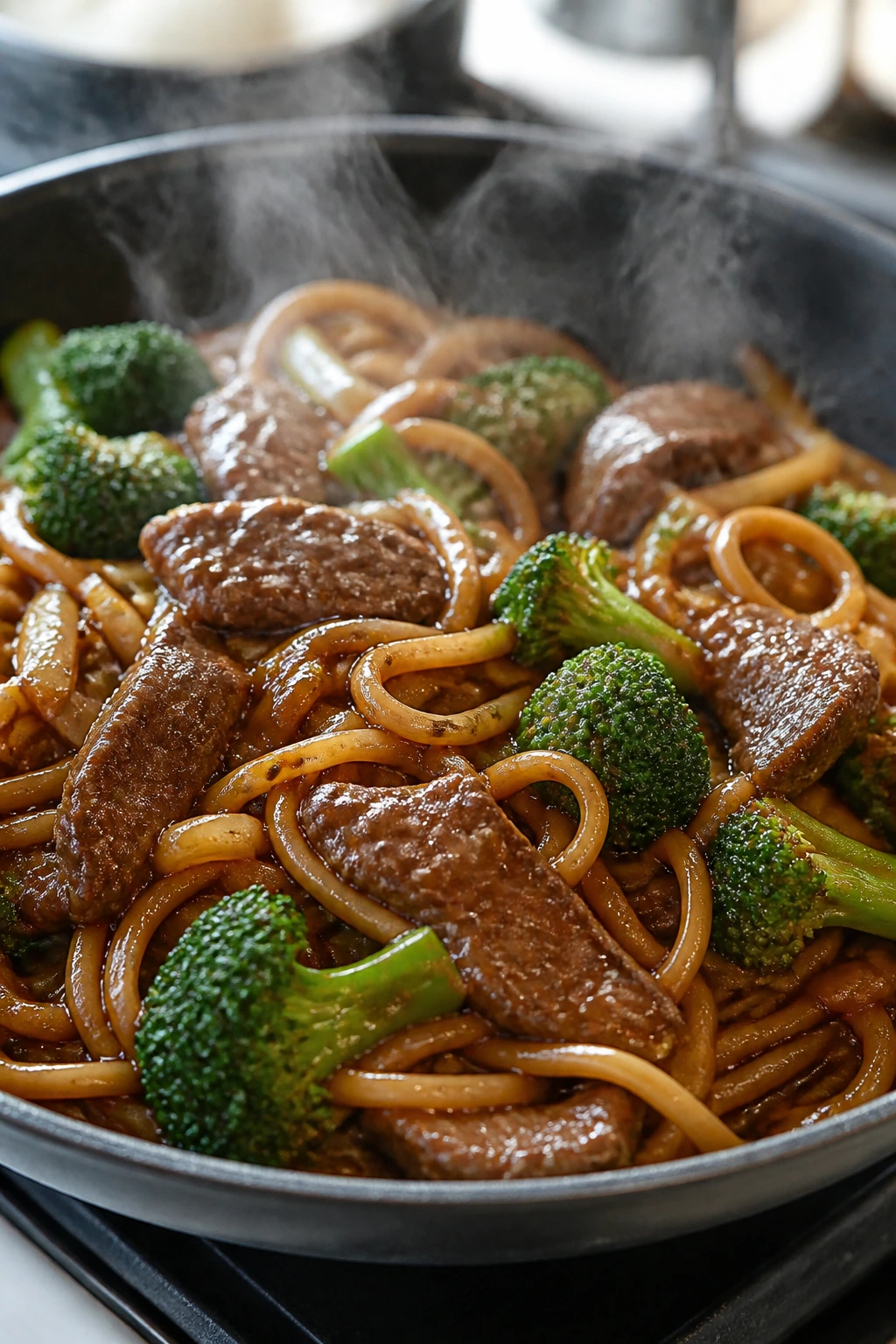
This is the one that tastes like you ordered in, then remembered you own a stove. Noodles bring the comfort, beef brings the heft, and broccoli keeps the dish from feeling one-note. It’s saucy, but not soupy, and that matters.
Why It Works: Lo mein noodles are built for quick tossing because they grab sauce without falling apart. Beef cooks fast when sliced thin and treated with a little cornstarch, which gives you that classic silky edge people associate with takeout. Broccoli gets a brief steam in the same pan, so you do not need a separate pot of boiling water beyond the noodles. The sauce is tight and salty with oyster sauce and soy sauce, then loosened just enough with noodle water to coat everything.
Key Ingredients:
- 8 oz lo mein noodles or spaghetti — either one can carry the sauce.
- 1 lb flank steak, sliced thin across the grain — freeze 10 minutes first for easier slicing.
- 3 cups broccoli florets — cut small.
- 3 cloves garlic, minced — for the sauce base.
- 2 tablespoons soy sauce — the salty piece.
- 1 tablespoon oyster sauce — for body.
- 1 teaspoon cornstarch — keeps the beef tender and the sauce glossy.
- 1 tablespoon sesame oil — finish flavor.
- 1 tablespoon neutral oil — for the pan.
- 2 scallions, sliced — bright finish.
- 1/4 cup reserved noodle water — helps the sauce loosen and cling.
Quick Steps:
- Cook the noodles according to the package directions, then drain and save 1/4 cup of the water.
- Toss the beef with the cornstarch and 1 tablespoon soy sauce while the skillet heats.
- Heat the neutral oil in a large skillet or wok over high heat and sear the beef for 2 minutes, just until browned. Remove it.
- Add the broccoli with 2 tablespoons water and stir-fry for 2 minutes, until bright green.
- Add the garlic, noodles, remaining soy sauce, oyster sauce, and reserved noodle water.
- Return the beef and toss for 1 minute, until the noodles are coated and the sauce looks glossy.
- Drizzle with sesame oil and top with scallions.
Tips and Variations:
- Spaghetti works better than you’d think if lo mein noodles are not in the cupboard.
- A few slices of carrot or mushroom fit in easily.
- Keep the heat high so the noodles do not turn sticky and heavy.
8. Chicken Teriyaki Noodle Stir-Fry
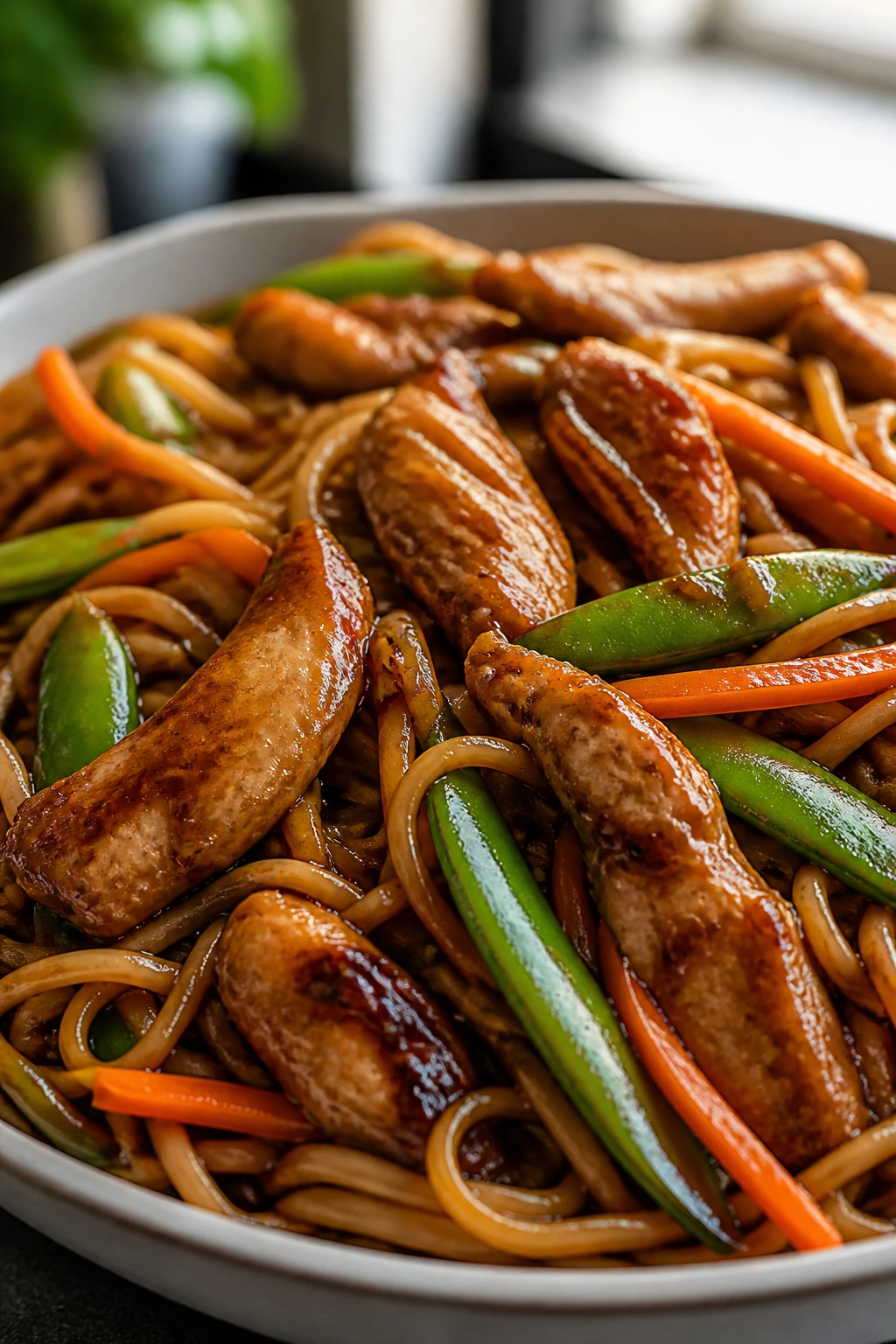
Sweet-savory teriyaki is one of those flavors that never needs convincing. It hugs the noodles, softens the chicken, and makes even a fast weeknight dinner feel a little more composed than the clock deserves.
Why It Works: Thin chicken pieces cook in minutes, and ramen or other quick noodles soak up the sauce without needing a separate sauce pan. Teriyaki works well in a stir-fry because the soy-honey balance gives you a glaze that clings to both meat and noodles. Carrots and snap peas bring crunch, which keeps the whole thing from turning soft. A little sesame oil at the end is enough; if you pour too much in early, it gets flat and heavy.
Key Ingredients:
- 1 lb boneless, skinless chicken breasts or thighs, thinly sliced — thighs are juicier, breasts are leaner.
- 2 packs ramen noodles, seasoning packets discarded — quick and easy.
- 1 cup snap peas — for snap and sweetness.
- 1 medium carrot, cut into matchsticks — cooks quickly.
- 3 tablespoons soy sauce — base flavor.
- 2 tablespoons honey — for the teriyaki gloss.
- 1 tablespoon rice vinegar — keeps the sauce from tasting sticky.
- 2 cloves garlic, minced — sharpens the sauce.
- 1 teaspoon ginger, grated — gives the whole pan lift.
- 1 teaspoon sesame oil — finish only.
- 1 tablespoon neutral oil — for the skillet.
- 1 tablespoon sesame seeds — optional garnish.
Quick Steps:
- Cook the noodles until just tender, then drain.
- Whisk the soy sauce, honey, rice vinegar, garlic, ginger, and 2 tablespoons water.
- Heat the neutral oil in a skillet over medium-high heat.
- Cook the chicken for 4 to 5 minutes, stirring until no pink remains.
- Add the carrot and snap peas and stir-fry for 2 minutes.
- Add the noodles and sauce, tossing for 1 minute until everything is glossy and warmed through.
- Drizzle with sesame oil and sprinkle with sesame seeds.
Tips and Variations:
- Use udon if you like thicker noodles with more chew.
- A few drops of sriracha are easy to add at the table.
- If you have leftover rotisserie chicken, add it only at the end to warm through.
9. Mushroom, Bok Choy, and Edamame Stir-Fry
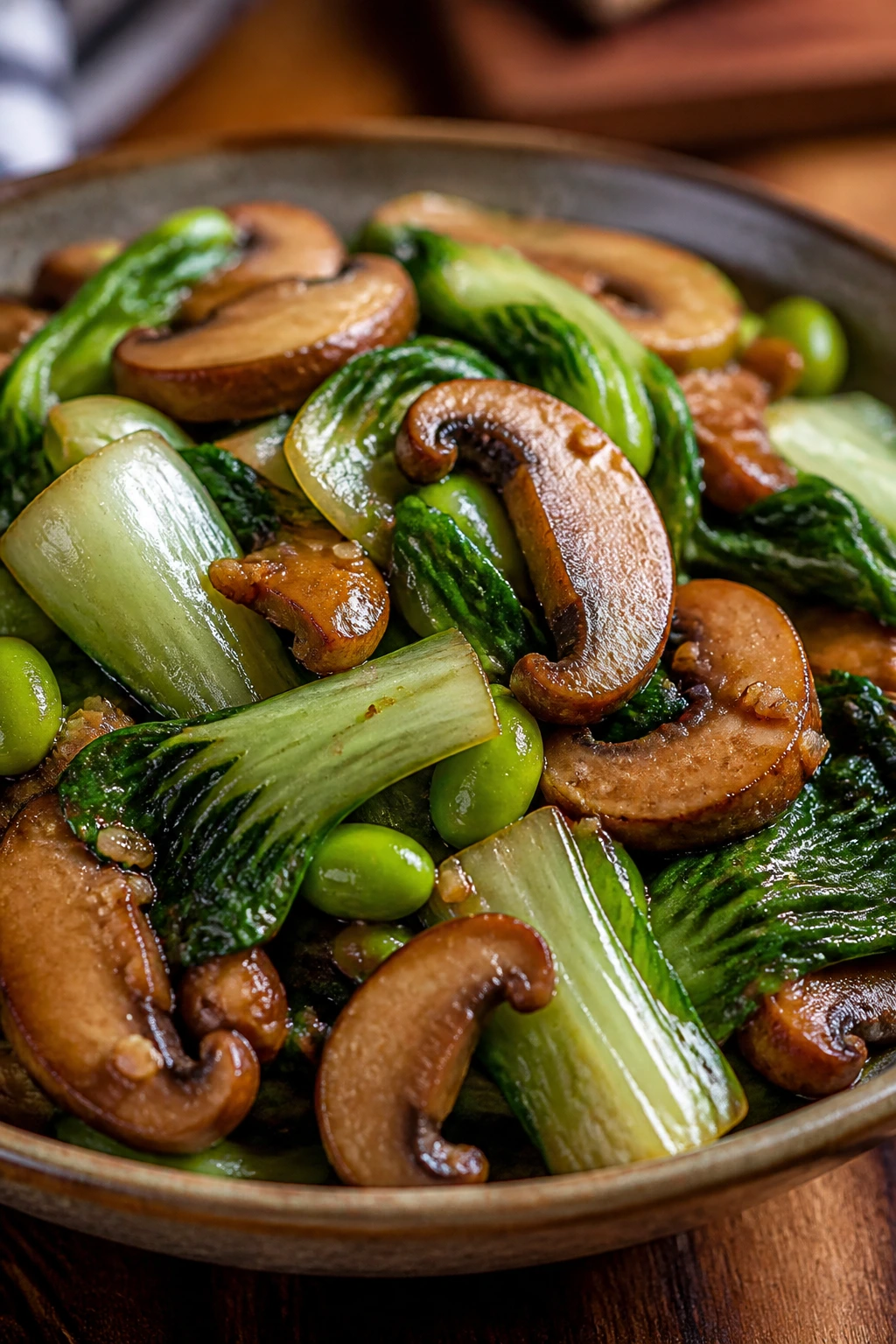
This is the meatless dinner that never feels apologetic. Mushrooms bring the savory depth, bok choy gives you that juicy crunch at the stalk and delicate green leaf on top, and edamame fills the bowl enough to count as dinner.
Why It Works: Mushrooms are one of the best stir-fry vegetables because they take on a browned edge when the pan is hot enough, which gives you flavor without meat. Bok choy cooks fast, but its stems and leaves want slightly different timing, so adding it in stages keeps the texture honest. Edamame brings protein and a little pop, which makes the dish feel complete over rice. A sauce built from soy sauce, ginger, and a small spoonful of oyster sauce or vegetarian oyster sauce gives it a deep savory finish without needing any cream or broth.
Key Ingredients:
- 12 oz cremini or shiitake mushrooms, sliced — cremini are easy; shiitake give more perfume.
- 3 baby bok choy, halved or quartered — keep stems and leaves together.
- 1 cup shelled edamame, thawed if frozen — fast protein.
- 3 cloves garlic, minced — mushrooms love garlic.
- 1 tablespoon ginger, grated — bright and sharp.
- 3 tablespoons soy sauce — main seasoning.
- 1 tablespoon oyster sauce or vegetarian oyster sauce — for body.
- 1 teaspoon rice vinegar — keeps the sauce lively.
- 1 tablespoon neutral oil — for browning.
- 1 teaspoon sesame oil — finish.
- 2 scallions, sliced — garnish.
- 2 cups hot cooked rice — the base.
Quick Steps:
- Whisk the soy sauce, oyster sauce, rice vinegar, garlic, ginger, and 3 tablespoons water.
- Heat the neutral oil in a skillet over high heat.
- Add the mushrooms and cook for 4 minutes without stirring much, until they brown and release their moisture.
- Add the bok choy stems and edamame, stir-fry for 2 minutes, then add the bok choy leaves.
- Pour in the sauce and toss for 30 to 45 seconds, until the leaves wilt and the sauce coats the pan.
- Turn off the heat, add sesame oil, and top with scallions.
Tips and Variations:
- Add tofu cubes if you want the pan even heartier.
- White rice keeps the flavors clean, but brown rice works too.
- A spoonful of chili crisp on top gives this a stronger finish.
10. Egg and Cabbage Fried Rice Stir-Fry
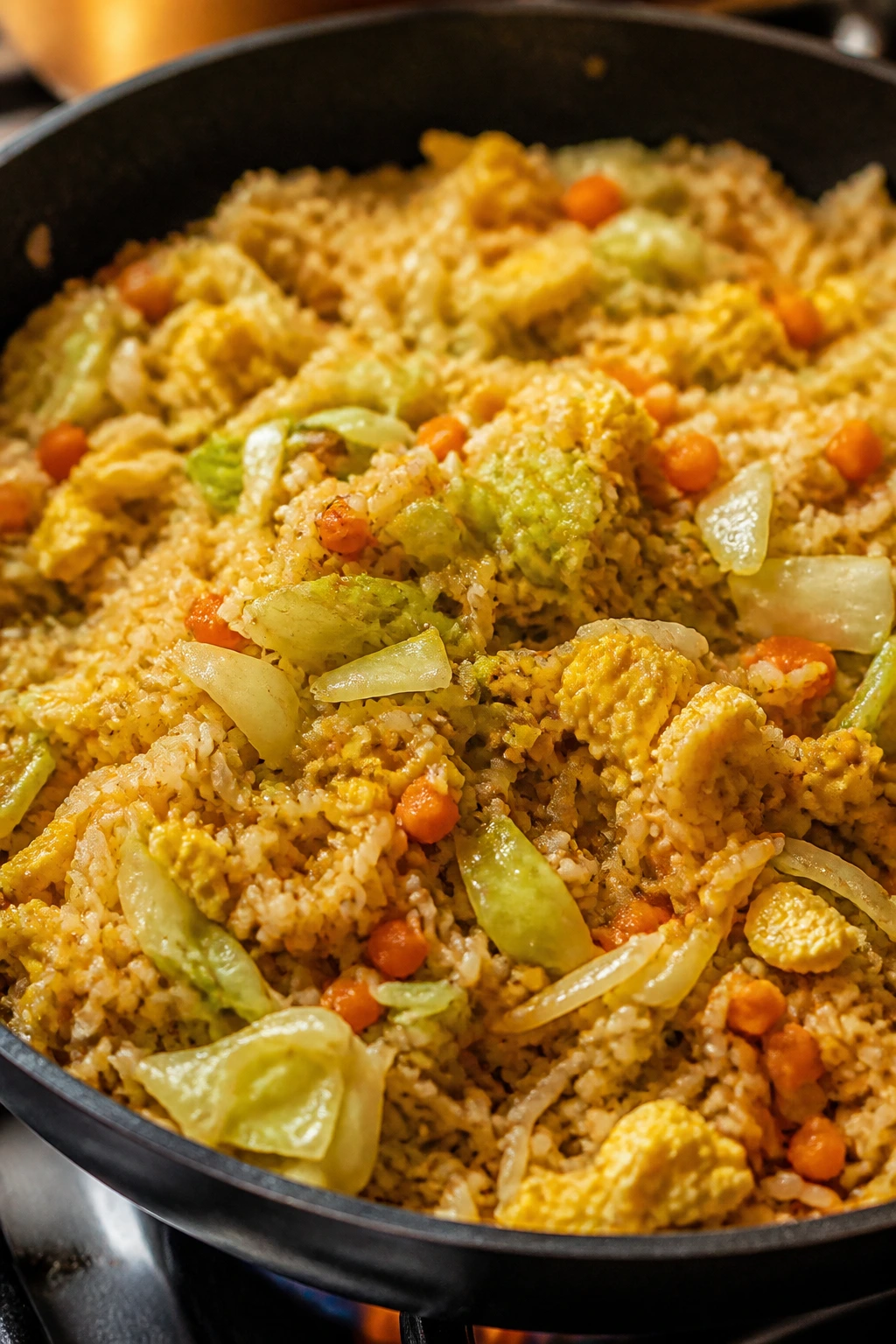
Leftover rice does not need to sit in the fridge waiting for moral purpose. It needs a hot pan, a little oil, cabbage, and eggs. That is enough to turn yesterday’s rice into dinner that tastes planned.
Why It Works: Cold rice cooks better for fried rice because it is drier and less likely to clump. That texture is the whole game. Eggs scramble fast and coat the rice with richness, while cabbage adds bulk without extra cost or prep hassle. This is one of the few stir-fries where you can honestly say the leftovers are part of the plan, not a backup.
Key Ingredients:
- 3 cups cold cooked rice — day-old rice works best.
- 3 large eggs, lightly beaten — the binder and richness.
- 3 cups green cabbage, thinly sliced — use a sharp knife so it shreds cleanly.
- 1 medium carrot, diced small — keeps the texture varied.
- 3 scallions, sliced — some for cooking, some for garnish.
- 2 tablespoons soy sauce — season the rice.
- 1 teaspoon sesame oil — finish.
- 1 tablespoon neutral oil — for the skillet.
- 1 clove garlic, minced — optional, but good.
- 1/4 teaspoon white pepper or black pepper — gives it a little edge.
Quick Steps:
- Heat 1/2 tablespoon oil in a skillet over medium-high heat and scramble the eggs for 30 to 45 seconds, just until set. Remove them.
- Add the remaining oil, then cook the cabbage, carrot, garlic, and the white parts of the scallions for 2 to 3 minutes.
- Add the rice and break up any clumps with your spatula.
- Stir-fry for 3 minutes, until the rice is hot and starting to toast in spots.
- Add the soy sauce and pepper, tossing until the rice turns evenly seasoned.
- Fold the eggs back in, drizzle with sesame oil, and top with the green scallions.
Tips and Variations:
- Frozen peas fit nicely if you want a sweeter version.
- Add diced ham or leftover chicken if you want more protein.
- A dab of chili oil on the table makes this much more interesting.
11. Thai Basil Chicken Stir-Fry
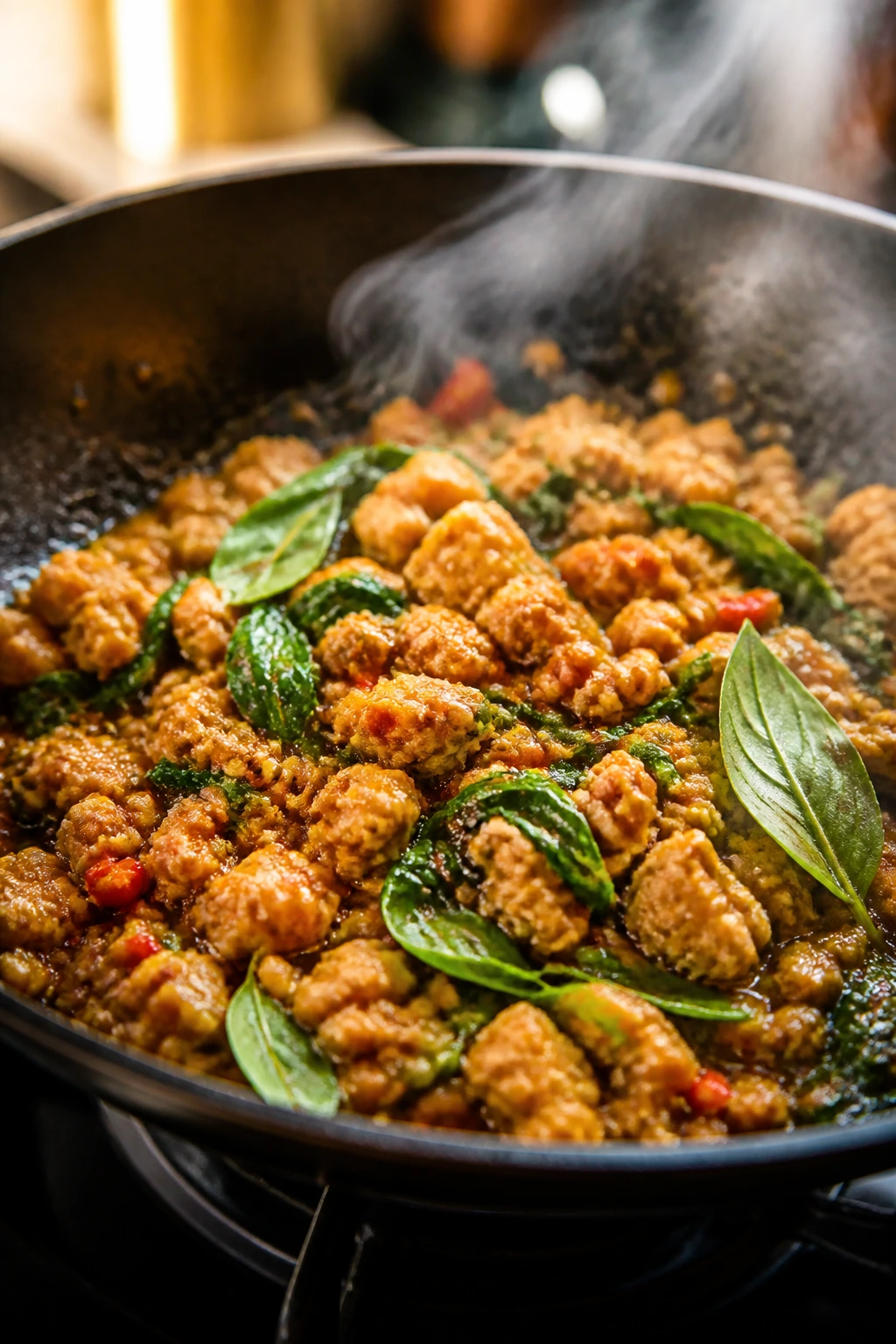
The basil is the point here. Not a garnish. Not decoration. It should smell peppery and almost sweet the second it hits the hot chicken, and if it does not, the pan probably needed more heat.
Why It Works: Ground chicken cooks fast and leaves little browned bits that soak up the sauce like tiny flavor sponges. Thai basil brings a peppery, clove-like note that ordinary basil does not quite match, and it should go in at the end so it stays fragrant. Fish sauce, soy sauce, and a little sugar give the dish its familiar sweet-salty edge. You can make this with a handful of pantry ingredients, but the basil is what turns it from “good enough” into something people will ask about.
Key Ingredients:
- 1 lb ground chicken — quick and ideal for a stir-fry skillet.
- 3 cloves garlic, minced — the base note.
- 1 to 2 Thai chilies or 1/2 teaspoon red pepper flakes — use to taste.
- 2 tablespoons fish sauce — deep savory salt.
- 1 tablespoon soy sauce — rounds the flavor.
- 1 teaspoon sugar — small but necessary.
- 2 cups packed Thai basil leaves — add them at the end.
- 1 tablespoon neutral oil — for cooking.
- 2 cups hot cooked jasmine rice — the usual serving.
- 2 fried eggs, optional — for a richer meal.
Quick Steps:
- Mix the fish sauce, soy sauce, sugar, garlic, chilies, and 2 tablespoons water.
- Heat the oil in a skillet over medium-high heat and add the chicken.
- Cook for 4 to 5 minutes, breaking it up as it browns.
- Pour in the sauce and stir for 1 minute, until the chicken is coated and sizzling.
- Turn off the heat and stir in the Thai basil until it starts to wilt.
- Serve immediately over rice, with fried eggs if you want them.
Tips and Variations:
- If you cannot find Thai basil, use regular basil and a little more pepper.
- Ground pork works here too, and honestly, it’s excellent.
- Keep extra basil on the table; people always want more.
12. Salmon and Asparagus Stir-Fry with Orange Ginger
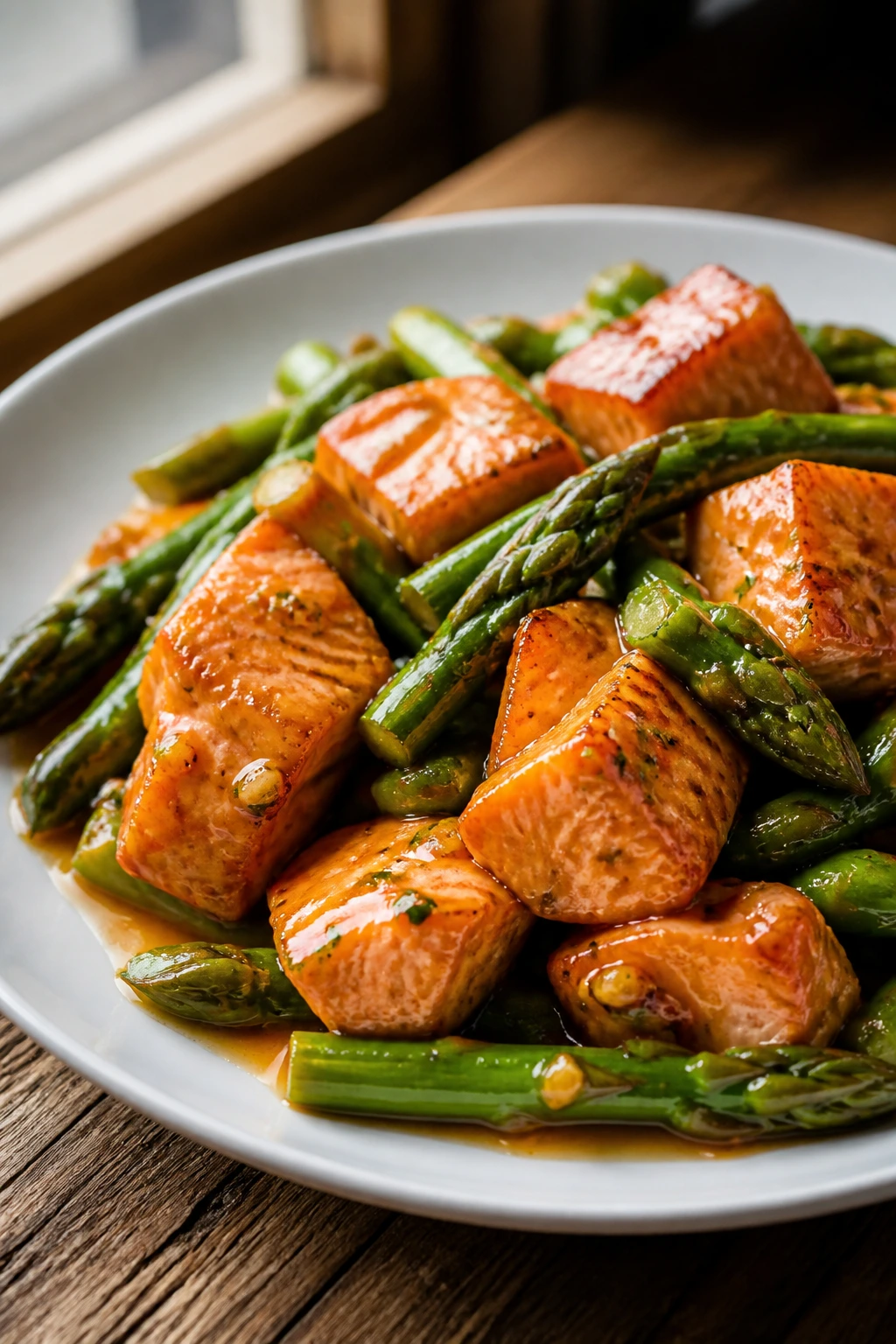
Fish in a stir-fry needs confidence. Salmon is sturdy enough to sear quickly, asparagus cooks fast, and orange ginger sauce keeps everything bright enough that the plate tastes clean instead of heavy.
Why It Works: Salmon is rich, so it benefits from a sauce with acid and freshness instead of another heavy glaze. Orange juice and zest bring that, while ginger adds heat and aroma without turning the dish sharp. Asparagus cooks in a few minutes and stays snappy if you cut the spears into short lengths. The only real challenge is not overhandling the fish; once the salmon is seared, treat it gently and let the sauce do the rest.
Key Ingredients:
- 1 lb salmon fillet, cut into 1-inch chunks — skin removed if you want cleaner searing.
- 1 bunch asparagus, trimmed and cut into 2-inch pieces — slender spears cook fastest.
- 2 cloves garlic, minced — a light hand is enough.
- 1 tablespoon fresh ginger, grated — gives the sauce lift.
- Juice and zest of 1 orange — bright and slightly sweet.
- 2 tablespoons soy sauce — to season the glaze.
- 1 teaspoon honey — smooths the citrus.
- 1 tablespoon neutral oil — for the pan.
- 1 teaspoon sesame oil — finish only.
- 2 scallions, sliced — garnish.
- 2 cups cooked rice — serve underneath.
Quick Steps:
- Whisk the orange juice, orange zest, soy sauce, honey, garlic, and ginger together.
- Heat the neutral oil in a skillet over medium-high heat.
- Add the salmon chunks and sear for 1 to 2 minutes per side, until the outside is lightly browned. Remove them carefully.
- Add the asparagus and stir-fry for 2 to 3 minutes, until bright green and just tender.
- Pour in the sauce and let it bubble for 30 seconds.
- Return the salmon to the pan, spoon the sauce over it, and cook for 30 seconds more.
- Finish with sesame oil and scallions, then serve.
Tips and Variations:
- Cut the salmon pieces evenly or some will overcook before the rest are ready.
- A little grated fresh turmeric gives the sauce a warmer color and flavor.
- If asparagus is not in season where you shop, green beans work nearly as well.
13. Spicy Soba Noodle Stir-Fry with Edamame and Kale
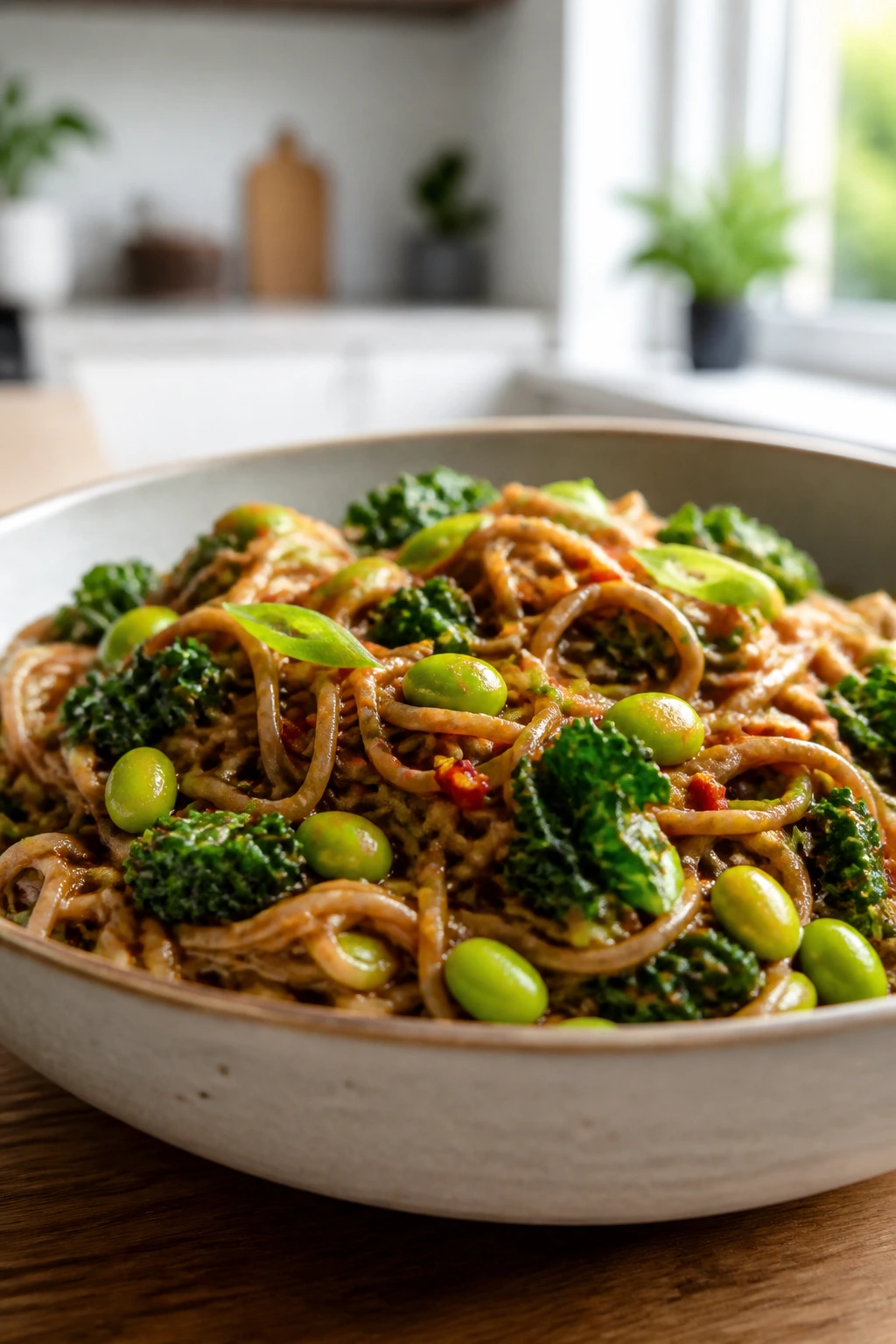
Chewy soba noodles give this bowl a different personality. It feels a little nuttier, a little heartier, and a little more grown-up than a standard noodle stir-fry. The spicy sauce ties it all together without needing much cooking at all.
Why It Works: Soba noodles cook fast, but they need a quick rinse so they do not turn gummy in the pan. Edamame adds protein, kale adds sturdiness, and the sauce sticks because it has peanut butter or sesame butter in it. That little spoonful of nut butter does a lot of work. It gives body, helps the sauce coat the noodles, and rounds out the chili heat so the dish tastes layered rather than harsh.
Key Ingredients:
- 8 oz soba noodles — rinse after cooking to keep them separate.
- 1 cup shelled edamame, thawed if frozen — fast protein.
- 3 cups kale, stems removed and torn — cut it small so it cooks quickly.
- 1 medium carrot, julienned — for sweetness and crunch.
- 2 tablespoons peanut butter or sesame butter — builds the sauce.
- 2 tablespoons soy sauce — salty base.
- 1 tablespoon rice vinegar — sharpens the bite.
- 1 teaspoon chili paste or sriracha — add more if you like it hotter.
- 1 clove garlic, minced — enough to notice.
- 1 teaspoon grated ginger — brightens the sauce.
- 1 tablespoon sesame oil — for finishing.
- 2 tablespoons chopped peanuts or sesame seeds — garnish.
Quick Steps:
- Cook the soba noodles according to the package, then rinse briefly with cool water and drain well.
- Whisk the peanut butter, soy sauce, rice vinegar, chili paste, garlic, ginger, and 3 tablespoons warm water into a smooth sauce.
- Heat a skillet over medium-high heat and stir-fry the carrot, kale, and edamame for 2 to 3 minutes.
- Add the noodles and sauce, tossing for 1 to 2 minutes until everything is coated.
- Drizzle in sesame oil and toss once more.
- Top with peanuts or sesame seeds and serve hot.
Tips and Variations:
- Thinly sliced cabbage can replace kale if that is easier to find.
- A soft-boiled egg on top makes the bowl feel fuller.
- For a cleaner finish, use sesame butter instead of peanut butter.
14. Cashew Chicken with Carrots and Peppers
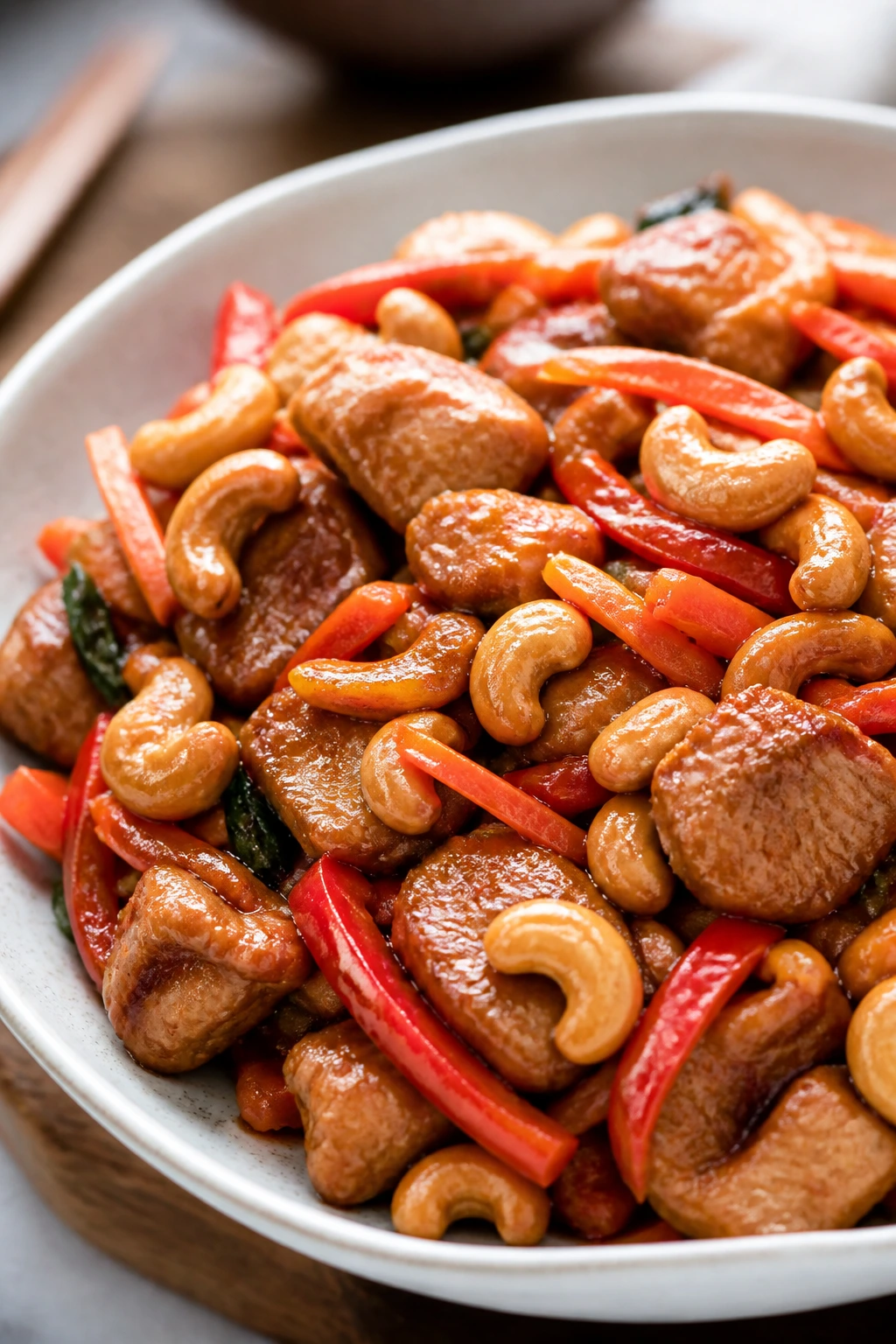
Cashew chicken has one job: stay glossy. The sauce should coat the chicken, cling to the vegetables, and lightly glaze the cashews so every bite gets a little crunch. Carrots and peppers give color and sweetness, which is part of why this dish tastes complete so quickly.
Why It Works: Chicken thigh pieces stay juicy in a hot pan, which matters because the sauce here is fast and concentrated. Cashews are added in two stages if you can manage it: a quick toast first, then a return to the pan at the end. That keeps them crisp instead of soggy. Carrots and bell peppers cook quickly if sliced thin, and the mix of hoisin, soy, and honey gives the dish the familiar takeout flavor people expect without a long list of ingredients.
Key Ingredients:
- 1 lb boneless, skinless chicken thighs, cut into bite-size pieces — thighs handle high heat well.
- 1 red bell pepper, sliced thin — for sweetness and color.
- 1 carrot, cut into thin matchsticks — cooks quickly this way.
- 1/2 cup roasted cashews — unsalted if possible.
- 2 cloves garlic, minced — needed for depth.
- 1 tablespoon ginger, grated — gives the sauce some snap.
- 2 tablespoons soy sauce — salt.
- 1 tablespoon hoisin sauce — body and sweetness.
- 1 teaspoon honey — rounds the glaze.
- 1 teaspoon rice vinegar — keeps it from getting sticky in a bad way.
- 1 tablespoon cornstarch mixed with 2 tablespoons water — to thicken.
- 1 tablespoon neutral oil — for the skillet.
- 2 cups cooked rice — to serve.
Quick Steps:
- Whisk the soy sauce, hoisin, honey, rice vinegar, garlic, ginger, and cornstarch slurry.
- Toast the cashews in a dry skillet for 30 to 45 seconds, then remove them.
- Heat the oil and cook the chicken for 4 to 5 minutes, until browned and cooked through.
- Add the carrot and bell pepper and stir-fry for 2 minutes, until the vegetables soften just at the edges.
- Pour in the sauce and cook for 30 to 45 seconds until it thickens.
- Return the cashews, toss once, and serve over rice.
Tips and Variations:
- A few broccoli florets fit well if you want more vegetables.
- Use chicken breast if you like, but cut it smaller so it does not dry out.
- Chopped scallions or cilantro on top keep the dish from feeling too sweet.
15. Kimchi Pork Stir-Fry with Rice
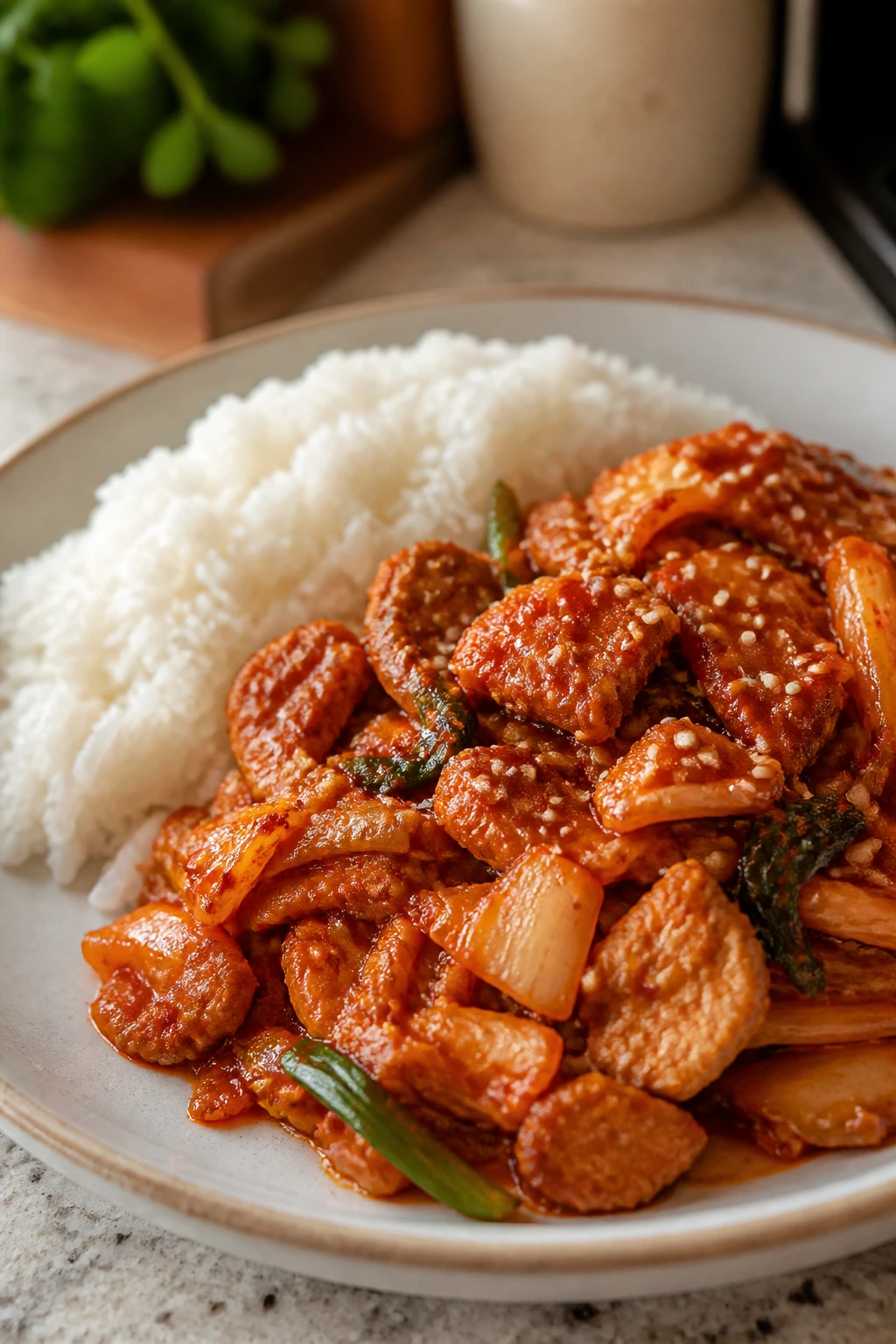
Kimchi brings built-in flavor. That is the whole advantage. You get tang, heat, salt, and a little funk in one ingredient, which makes this pork stir-fry feel louder and more layered than the minute count suggests.
Why It Works: Ground pork cooks quickly and handles strong seasoning well, so it is the right partner for kimchi. The kimchi also brings liquid, which means you do not need much extra sauce to get a flavorful pan. A spoonful of gochujang deepens the color and adds a slow chili note, while a little sugar balances the sour edge. This is one of those dinners that tastes even better when the pan gets a little sticky in the best way.
Key Ingredients:
- 1 lb ground pork — rich enough to stand up to the kimchi.
- 1 1/2 cups chopped kimchi, plus 2 tablespoons kimchi juice — use the tangy stuff, not the milder scraps.
- 1/2 medium onion, thinly sliced — softens into the pork.
- 2 cloves garlic, minced — for more punch.
- 1 tablespoon gochujang — gives depth and heat.
- 1 tablespoon soy sauce — salt.
- 1 teaspoon sugar — balances the kimchi.
- 1 teaspoon sesame oil — finish only.
- 1 tablespoon neutral oil — for the skillet.
- 2 scallions, sliced — fresh top note.
- 2 cups cooked rice — to serve.
- 2 fried eggs, optional — if you want extra richness.
Quick Steps:
- Stir the gochujang, soy sauce, sugar, garlic, and kimchi juice together.
- Heat the neutral oil in a skillet over medium-high heat and cook the pork for 4 to 5 minutes, breaking it up as it browns.
- Add the onion and cook for 2 minutes, until softened.
- Stir in the kimchi and sauce mixture, cooking for 2 more minutes until the pan smells deep and a little spicy.
- Drizzle in sesame oil and toss once.
- Serve over rice and top with scallions and fried eggs if using.
Tips and Variations:
- If your kimchi is mild, add a few extra spoonfuls of the juice.
- This is excellent with leftover rice because the grains stay separate.
- A handful of shredded cabbage can stretch the pan without changing the flavor much.
Why the Skillet Wins on Busy Nights
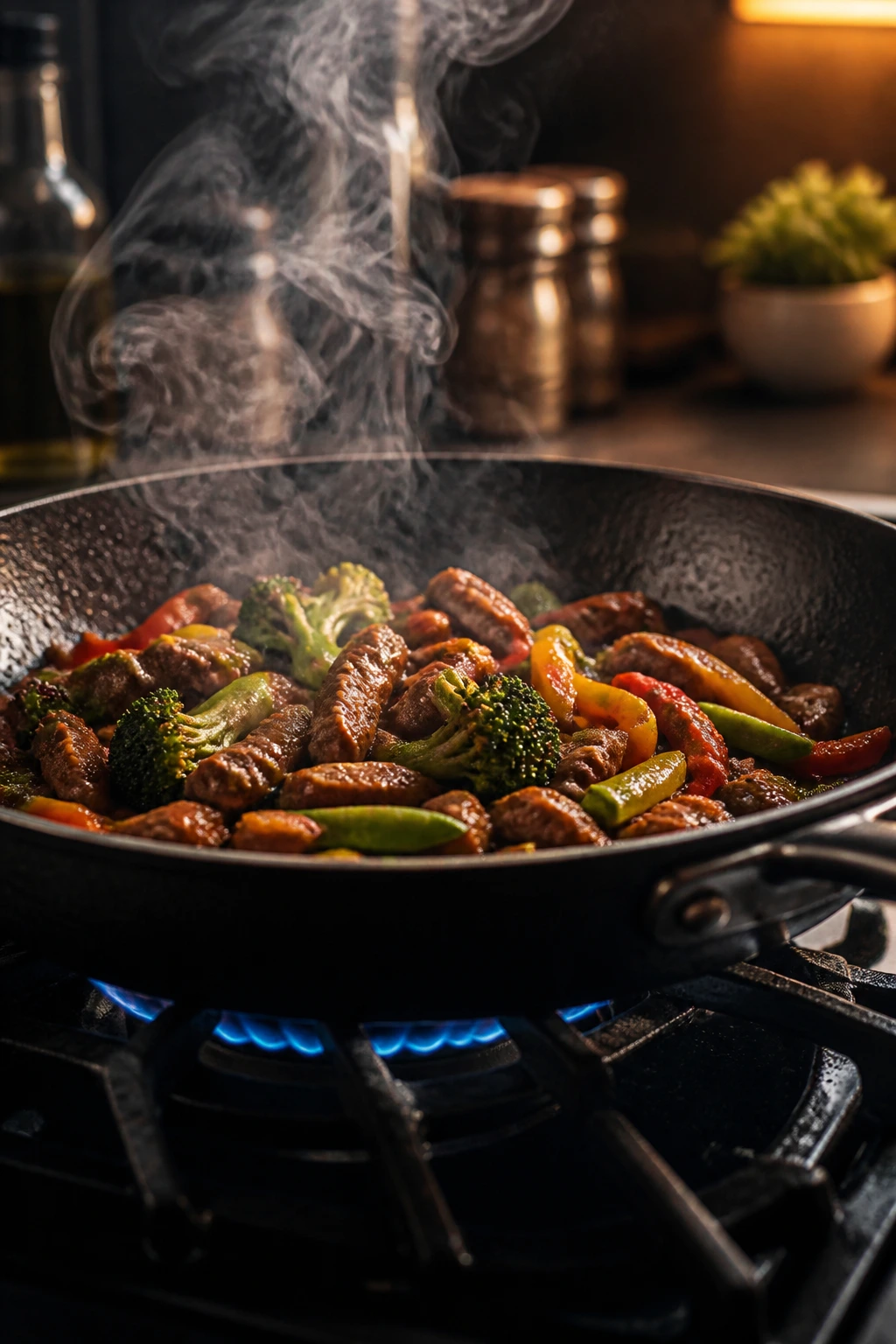
A stir-fry is not a lazy dinner. It just hides the work in the prep where it belongs. Once the pan is hot, you need decisions made already: protein sliced, vegetables trimmed, sauce mixed, rice waiting.
That is why these dinners hold together so well. The heat stays high, the ingredients stay small, and nothing lingers long enough to get tired. A good skillet meal should feel like motion, not a chore.
Essential Equipment for These Recipes
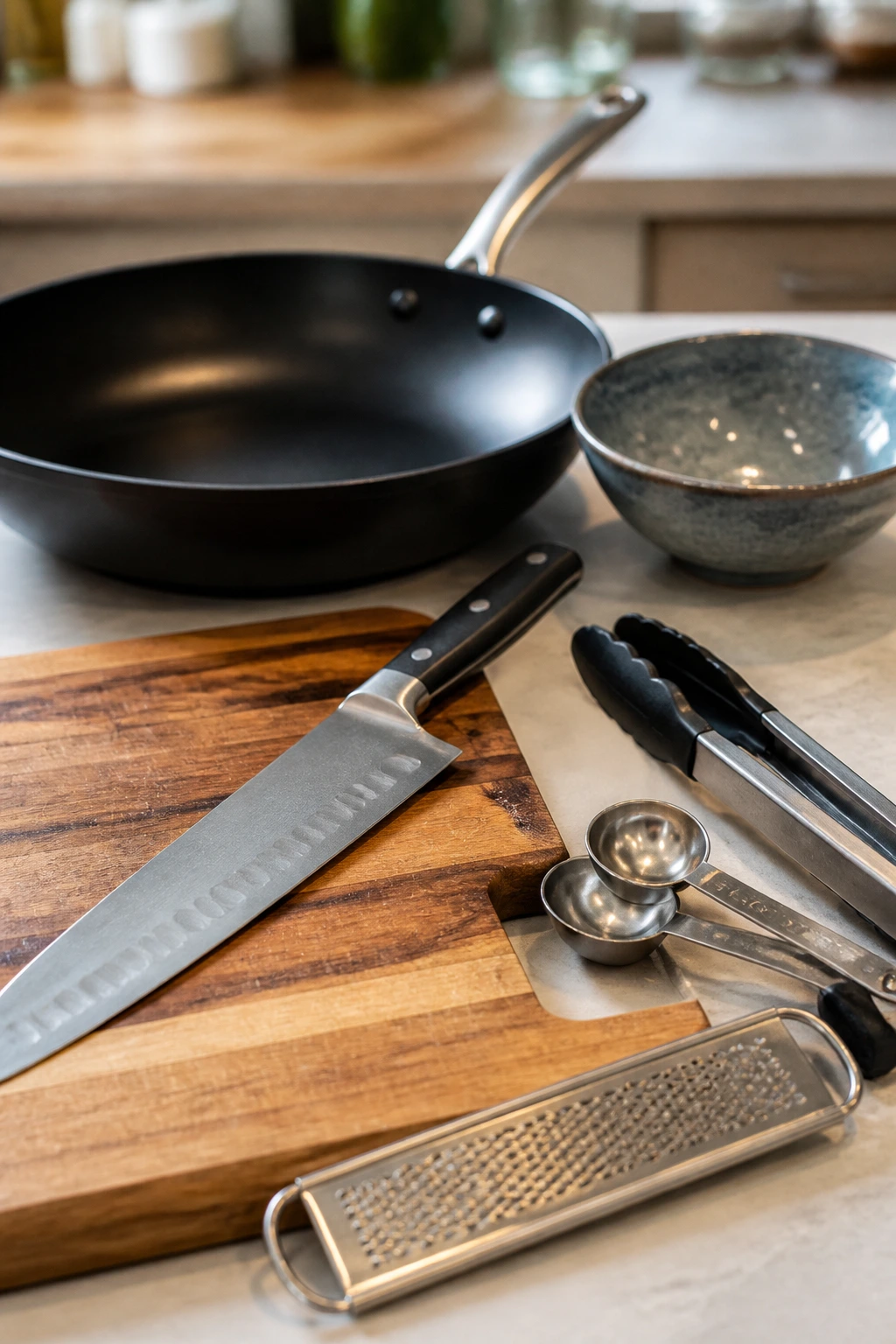
- 12-inch skillet or wok: Big enough to keep the ingredients in contact with the hot surface instead of piling up.
- Sharp chef’s knife: Thin slicing is half the job here, especially for beef, pork, chicken, and vegetables.
- Cutting board: Use one for protein and one for vegetables if you can; if not, wash carefully between tasks.
- Small mixing bowls: Handy for sauce, cornstarch slurry, and pre-measured seasonings.
- Tongs or a flat spatula: Either one lets you move ingredients fast without mashing them.
- Measuring spoons and cups: Stir-fry sauces are short, and a tablespoon too much soy sauce matters.
- Microplane or fine grater: Best for ginger and garlic when you want them to melt into the sauce.
- Colander or mesh strainer: Useful for noodles, rinsing vegetables, or draining tofu quickly.
- Airtight storage containers: Important if you’re meal-prepping any of these ahead of time.
- Rice cooker or microwave-safe rice container: Optional, but it keeps the grain side of dinner painless.
Smart Shopping and Ingredient Tips
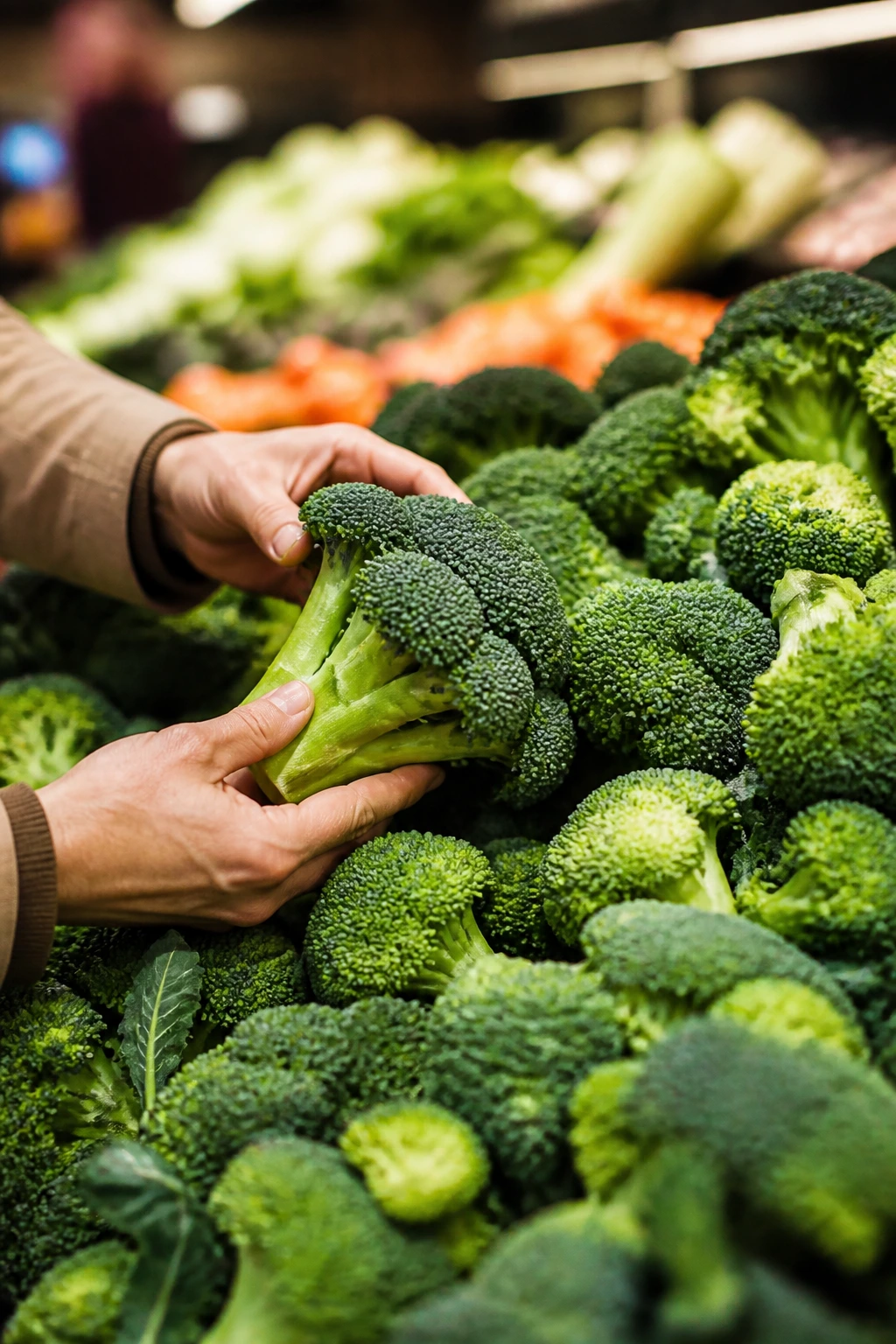
The fastest stir-fries start in the produce aisle, not the pan. Look for vegetables that cook quickly and hold shape: broccoli florets cut small, snap peas, baby bok choy, shredded cabbage, carrots, bell peppers, asparagus, and mushrooms. If a vegetable takes 20 minutes to roast, it probably has no business in a 20-minute stir-fry unless you cut it very thin.
For protein, thinness matters more than almost anything else. Chicken thighs or breasts should be sliced into strips no thicker than 1/2 inch. Beef should be cut across the grain, not with it. Pork tenderloin can be sliced thinly before cooking, and shrimp should be thawed and patted dry so they sear instead of steaming. Ground turkey, ground chicken, and ground pork are the easiest shortcuts because they need no slicing at all.
Frozen vegetables are fair game, but choose wisely. Frozen edamame, peas, and even broccoli florets can work well if you cook off the surface moisture in a hot pan. Frozen bell peppers and onions usually go soft, so I’d skip them unless texture is not your main concern. Bagged slaw, shredded cabbage, and pre-washed greens are excellent time-savers because they cut prep down without ruining the final dish.
Sauce ingredients deserve a little care. A good stir-fry sauce usually needs salt, something sweet, something acidic, and something that thickens or glazes. Soy sauce or tamari handles the salt. Honey, brown sugar, or maple syrup adds balance. Rice vinegar, lime juice, or orange juice gives lift. Cornstarch helps the sauce cling, but whisk it into cold liquid first or you’ll get little white clumps in the pan.
How to Serve These Recipes
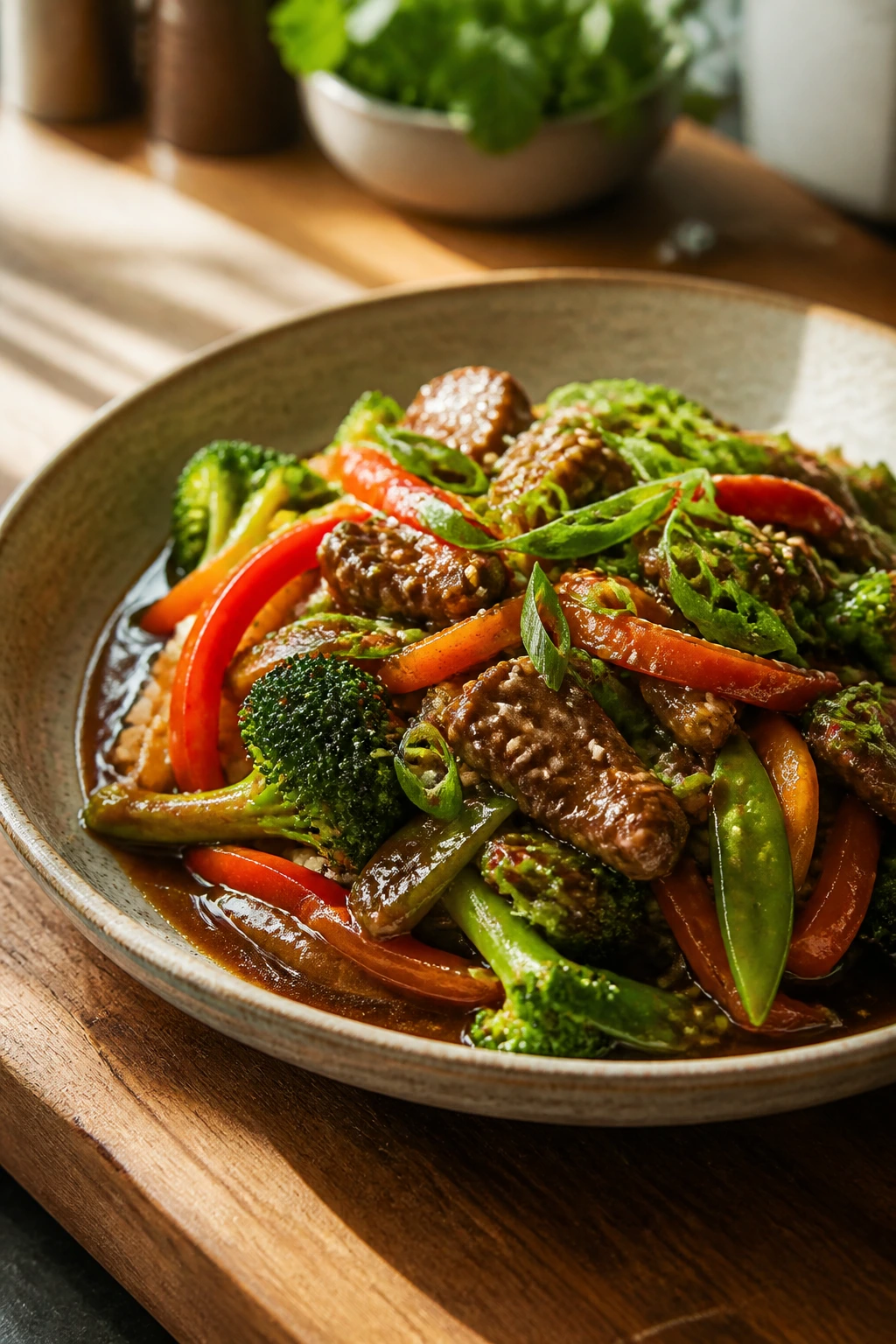
Presentation: Serve stir-fries in shallow bowls rather than flat plates. The sauce pools a little, the rice or noodles stay centered, and the whole thing looks generous without extra work. A scatter of scallions, sesame seeds, chopped herbs, or chili crisp gives the top some life.
Accompaniments: Plain jasmine rice is the easiest base, but brown rice, rice noodles, soba, lo mein, and cauliflower rice all fit depending on the recipe. On the side, I like a crisp cucumber salad, steamed edamame, or a quick miso soup when I want the meal to feel more complete. If you’re feeding people who want more bulk, add a fried egg or a few lettuce cups.
Portions: Most of these recipes serve 4, which usually means about 1 to 1 1/2 cups of stir-fry per person if you’re pairing it with rice or noodles. If you’re serving big eaters, stretch the meal with extra vegetables instead of extra sauce; the pan stays balanced that way. For smaller portions, cut the protein and carb base by a third and keep the sauce the same.
Beverage Pairing: I like iced green tea with sesame-heavy dishes, sparkling water with lime next to the shrimp and citrus recipes, and a light lager or dry cider when the dinner leans sweet-savory. Nothing fancy. Just drinks that clean the palate and don’t fight the sauce.
Additional Tips and Flavor Boosters
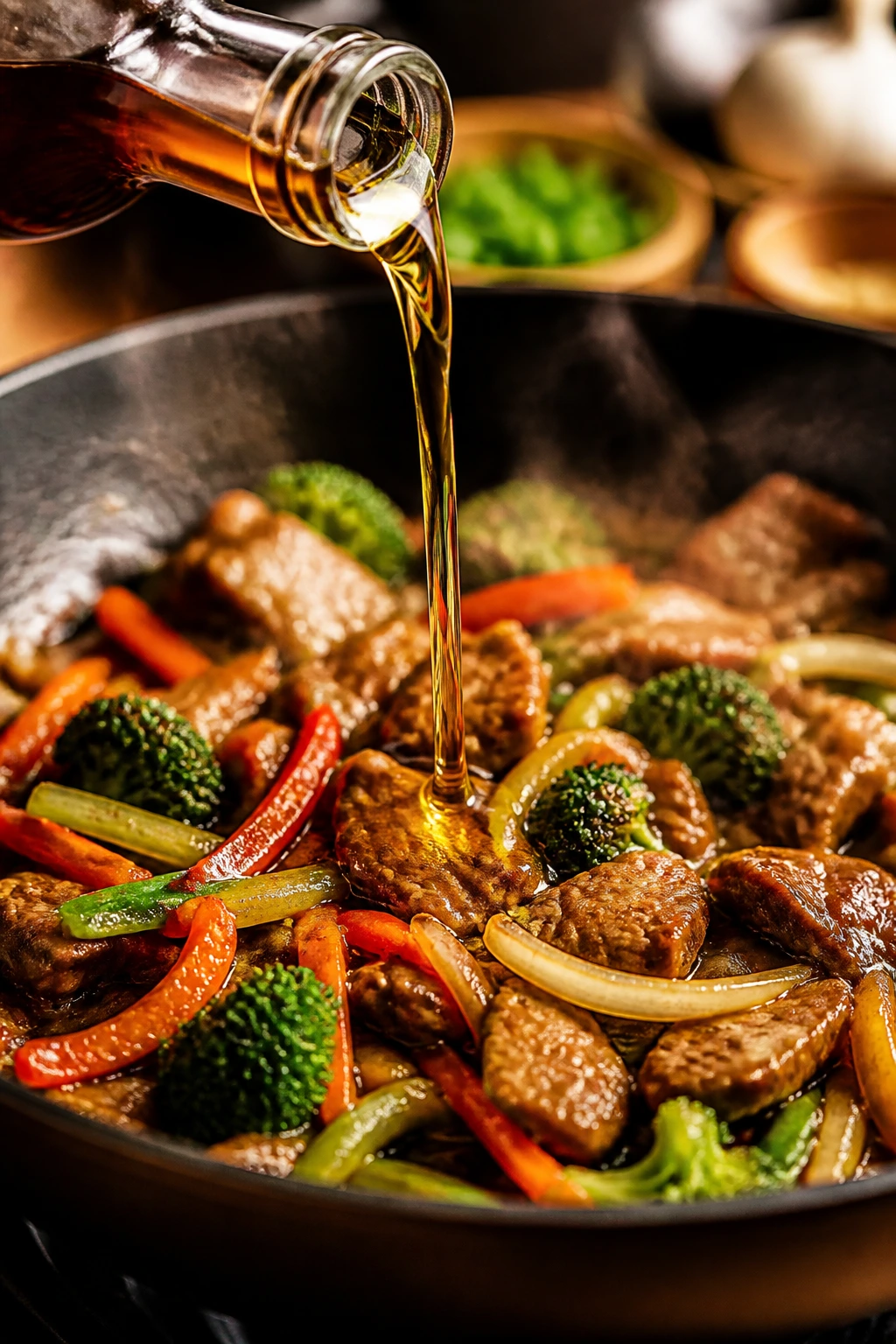
Flavor Enhancement: Finish most stir-fries with a small drizzle of sesame oil or a squeeze of citrus after the heat is off. That tiny last-minute hit brings the aroma back to the front, which is half the pleasure of eating a hot skillet meal.
Customization: Add a handful of mushrooms, shredded cabbage, baby spinach, or snap peas to almost any recipe in this collection. Those vegetables cook quickly and bulk up the pan without wrecking the sauce ratio. If you want more richness, a fried egg on top solves a surprising number of problems.
Serving Suggestions: Toasted sesame seeds, chopped peanuts, cilantro, Thai basil, or sliced scallions all work as finishing touches, but don’t use every garnish at once. Pick one or two. Too many toppings can make a clean stir-fry taste busy.
Make-It-Yours: For gluten-free cooking, use tamari and check the labels on hoisin or oyster sauce. For dairy-free cooking, you’re already in good shape; most stir-fries here don’t need dairy at all. If you want lower sodium, cut the soy sauce with water and lean harder on garlic, ginger, lime, vinegar, and herbs.
Make-Ahead, Storage, and Reheating Guidance
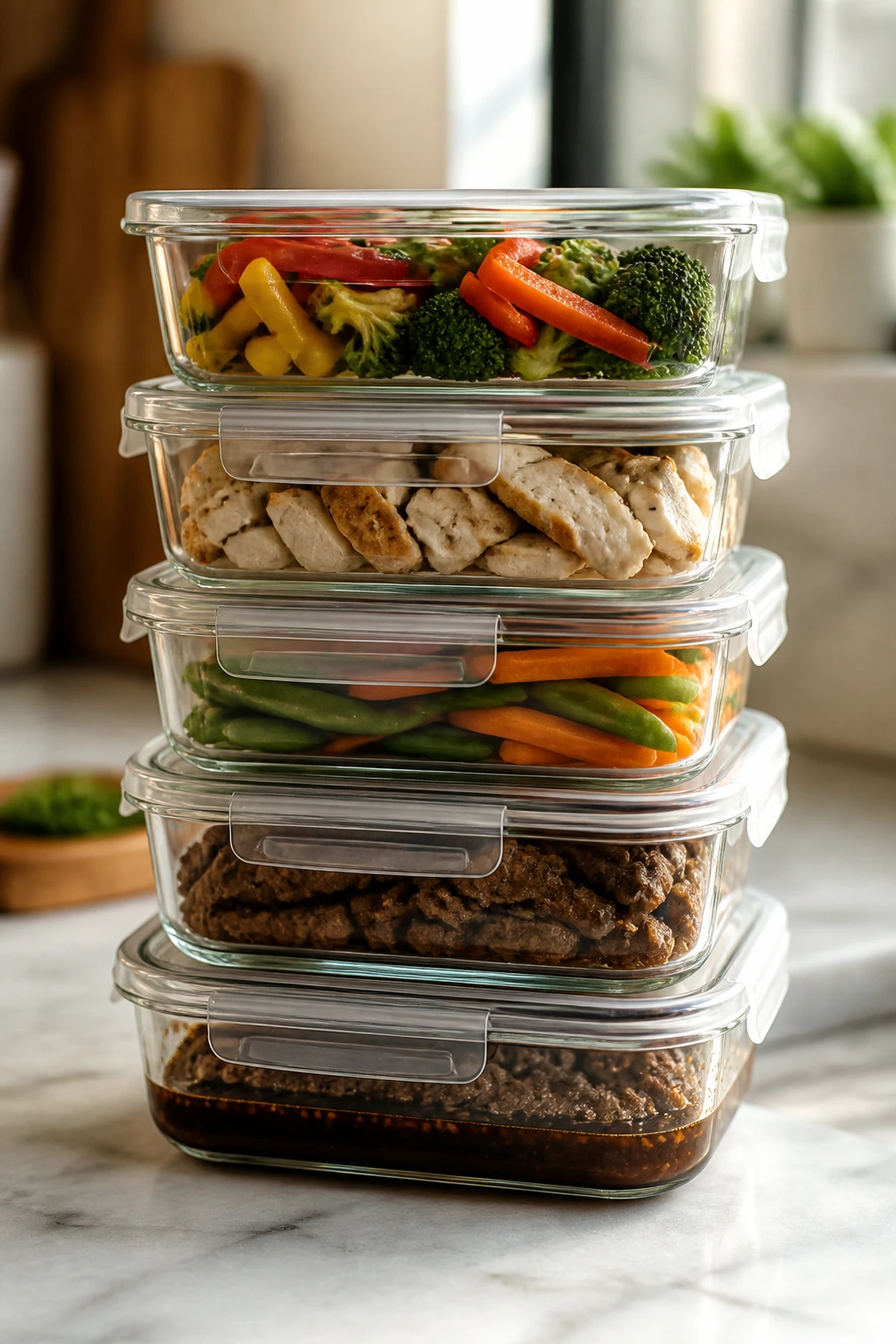
A little prep goes a long way here. You can slice vegetables, mix sauces, and trim protein 1 to 2 days ahead and keep each part in separate airtight containers in the fridge. That turns a rushed night into a 10-minute pan job, which is where this whole style of cooking becomes useful instead of aspirational.
Cooked stir-fries keep well in the fridge for 3 to 4 days, though seafood versions are best within 1 to 2 days. Rice and noodle stir-fries can be frozen for up to 2 months, but the texture softens a bit when thawed. If you’re freezing, cool the food quickly on a tray first, then pack it into shallow containers so it chills evenly.
Reheat meat and vegetable stir-fries in a skillet over medium heat with 1 to 2 tablespoons of water. The water creates a little steam and helps loosen the sauce without drying everything out. Noodle stir-fries do better with a splash of water or broth and a lid for the first minute. Fried rice reheats well in a skillet too, though a microwave works if you cover it and stop to stir halfway through.
Shrimp and salmon are the least forgiving leftovers, so cook only what you expect to eat within a day or two. Chicken, beef, pork, and tofu hold up better. If you know you’ll be packing lunch the next day, choose those first.
Variations and Adaptations to Try
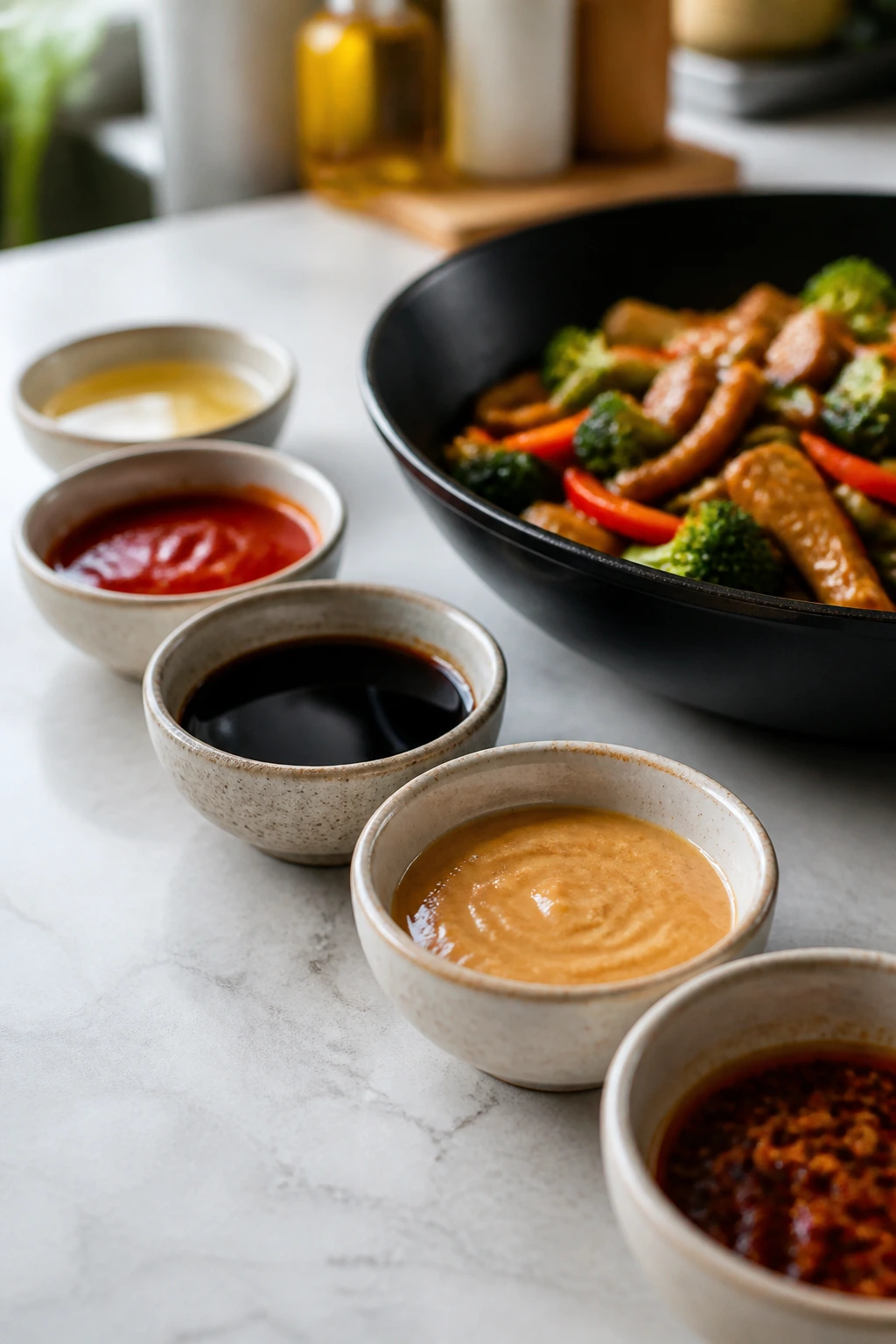
Gluten-Free Pantry Swap: Use tamari instead of soy sauce, and check your oyster, hoisin, and teriyaki labels carefully. A lot of bottled sauces contain wheat, and the difference shows up fast in a small-batch stir-fry. With tamari, lime, garlic, and ginger doing the work, you won’t miss much.
Low-Sodium Skillet: Cut the soy sauce in half and replace the rest with water, unsalted stock, or citrus juice. That works especially well in chicken, tofu, and vegetable stir-fries where garlic, ginger, and sesame oil are doing more of the flavor work anyway. Salt the finished dish only if it needs it.
Heat-Lover’s Version: Add fresh chilies, chili crisp, sambal oelek, or gochujang to the sauce instead of dumping flakes on top at the end. Mixing the heat in early spreads it through the pan, which tastes more balanced than a few hot bites buried in a mild dish. This works especially well for the shrimp, pork, and kimchi recipes.
Kid-Calm Dinner: Keep the sauce sweeter, skip the red pepper, and serve the spicy element on the side. Chicken, beef, broccoli, carrots, and noodles usually go over well because they’re familiar and easy to pick up. A little extra honey or teriyaki makes the dish feel friendly without turning it cloying.
Vegetable-Heavy Night: Cut the protein by a third and add more broccoli, cabbage, mushrooms, bok choy, peppers, or snow peas. The sauce amounts here are flexible enough to handle extra produce if you keep the pan hot and cook off excess moisture. That’s the move when the fridge is full of odds and ends.
Common Mistakes to Avoid
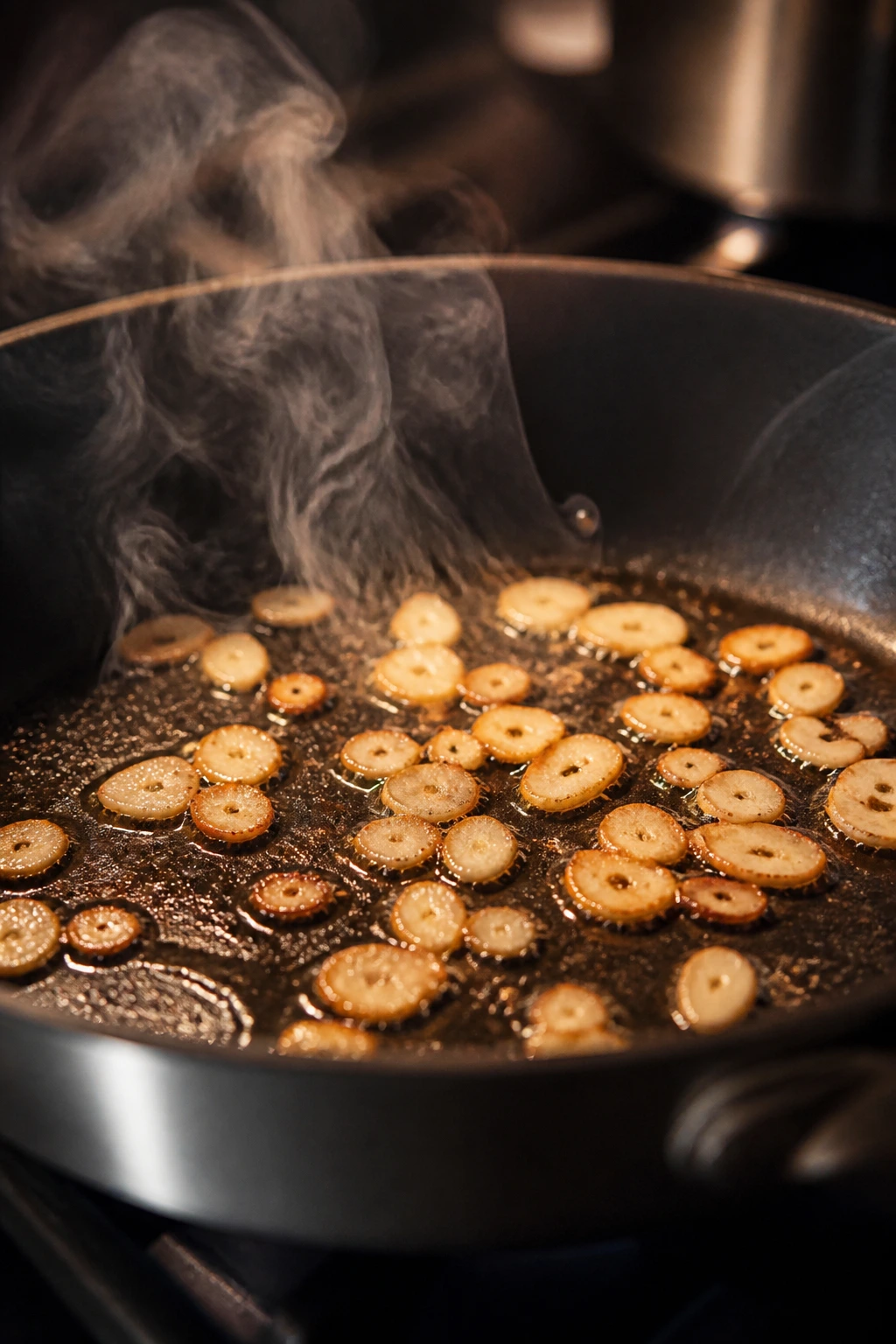
Starting with a lukewarm pan: If the skillet is not hot enough, the food sweats instead of sears. The symptom is pale chicken, limp vegetables, and sauce that never really comes together. Heat the pan first, then add oil, then add food.
Crowding the skillet: Too much food in one batch drops the temperature and gives you steamed meat instead of browned edges. The fix is boring but effective: cook beef, chicken, tofu, or shrimp in batches if needed, then bring everything back together at the end.
Adding sauce before the ingredients are ready: If you pour sauce into a pan before the vegetables or protein have some color, you lose the whole point of stir-frying. You want a little browning before glazing. Wait until the main ingredients are nearly done, then add the sauce for the last 30 to 60 seconds.
Using vegetables that take too long: Big carrot chunks, thick broccoli stems, and dense potatoes are not the right fit here unless you pre-cook them. The symptom is a dish where the meat is done and the vegetables still feel raw. Slice vegetables thin, choose fast-cooking varieties, or steam the stubborn ones for a minute first.
Letting garlic burn: Garlic turns bitter quickly in a hot pan, especially if it sits in oil without liquid nearby. If it starts to smell sharp and darken too fast, pull back the heat or add the sauce sooner. Burnt garlic ruins an otherwise good skillet.
Overcooking seafood: Shrimp and salmon do not give you much room to recover. If shrimp curl into tight little rings or salmon turns chalky, they’ve gone too far. Take them off the heat a little early; the carryover heat will finish the job.
Frequently Asked Questions

Can I use frozen vegetables in stir-fry dinners?
Yes, with a caveat: choose vegetables that handle fast cooking well, like edamame, broccoli florets, peas, or mixed stir-fry blends without too much watery zucchini. Thaw them enough to remove excess ice, then cook them in a hot pan so the surface moisture burns off instead of pooling.
What’s the best pan if I don’t have a wok?
A 12-inch skillet is fine, and in some kitchens it’s better because the wider base gives you more contact with the heat. Cast iron holds heat beautifully, while stainless steel gives you a good sear without much fuss. Nonstick is workable for eggs and tofu, but it won’t brown as aggressively.
How do I keep the sauce from getting watery?
Use a cornstarch slurry, not dry cornstarch dumped straight into the pan. Also, do not overload the skillet with vegetables that leak a lot of water unless you cook them long enough for that moisture to evaporate. Mushrooms, cabbage, and bok choy all need a hot pan if you want a proper glaze.
Can I prep these stir-fries ahead of time?
Absolutely. Slice the vegetables, trim the protein, and whisk the sauce up to 2 days ahead, then store each part separately. If you’re using rice or noodles, cook them ahead and chill them so they’re ready to go when the pan heats up.
What protein cooks fastest for a 20-minute stir-fry?
Ground chicken, ground turkey, and shrimp are the quickest. Thin-sliced chicken, beef, and pork are close behind if you cut them small and evenly. Tofu is fast too, but only if you press it and dry it well first.
Can I make these without rice or noodles?
Yes. Spoon the stir-fry over shredded cabbage, lettuce cups, cauliflower rice, or even plain steamed vegetables if you want something lighter. The sauce and the main protein are doing most of the work, so the base can change without wrecking the meal.
How do I know chicken, pork, or shrimp are done?
Chicken should reach 165°F and have no pink in the center. Pork is safe at 145°F with a short rest, though thin slices often cook a touch more in the pan. Shrimp should turn opaque and pink; if it curls tightly and looks rubbery, it’s gone too far.
Why does my stir-fry taste flat even with sauce?
Usually it needs either acid, heat, or a finishing touch. A squeeze of lime, a splash of rice vinegar, a pinch of salt, or a drizzle of sesame oil at the end can wake the whole dish up. Stir-fry flavor often lives in the final 10 seconds, not the first 10 minutes.
Fast Skillet Dinners, Sorted
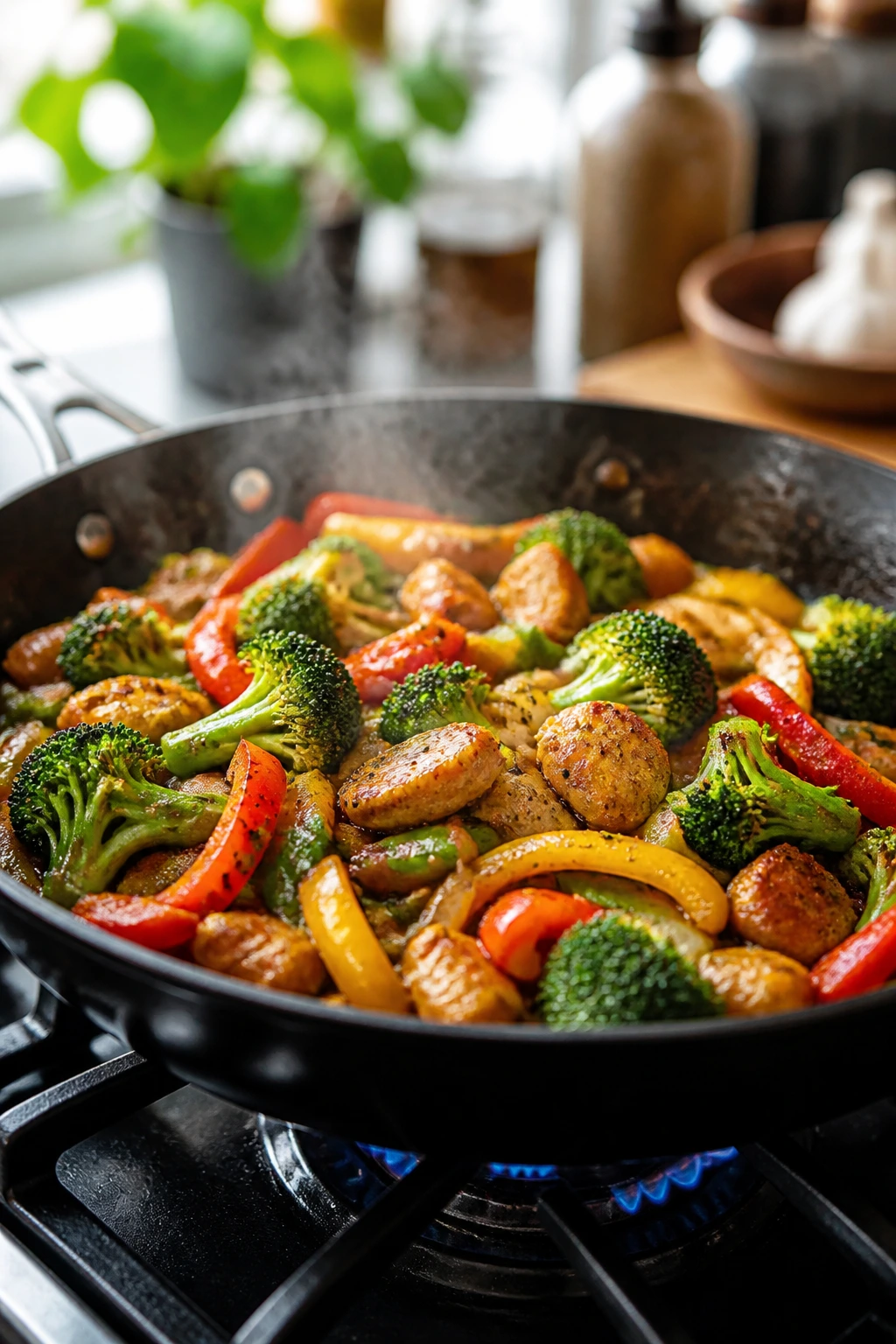
Stir-fry is one of those rare dinners that respects both the cook and the clock. It rewards preparation, but it does not punish you for keeping things simple. A hot pan, a decent sauce, and ingredients cut small enough to behave—that’s the formula, and it works across chicken, beef, shrimp, tofu, pork, eggs, noodles, and rice.
The nicest part is how adjustable it is. You can cook one of these recipes exactly as written or slide in whatever vegetables are hanging around in the crisper drawer. That flexibility is why stir-fries survive on real weeknights, not just on tidy recipe cards.