



Instant ramen is not a meal. It’s a cheap, salty, stubborn little base that wants help. Give it an egg, a handful of spinach, a spoon of peanut butter, or a pile of chicken, and it stops being a dorm joke and starts acting like dinner.
That’s the whole appeal of ramen dinners for college students: one packet, one bowl, and enough room for whatever you’ve got in the fridge, pantry, or freezer. A tiny kitchen makes people creative fast. So does a tight budget. And when the only thing standing between you and a hot meal is a 12-minute window before your next reading assignment, ramen earns its place.
The best part is how forgiving it is. Broth can be thin or rich. Noodles can be plain or tossed with sauce. You can lean on an egg, a can of tuna, leftover rotisserie chicken, frozen vegetables, or a spoonful of curry paste and turn the whole thing into something that tastes planned. Not fancy. Planned. That matters more on a Tuesday night than anyone wants to admit.
Why You’ll Love These Ramen Dinners
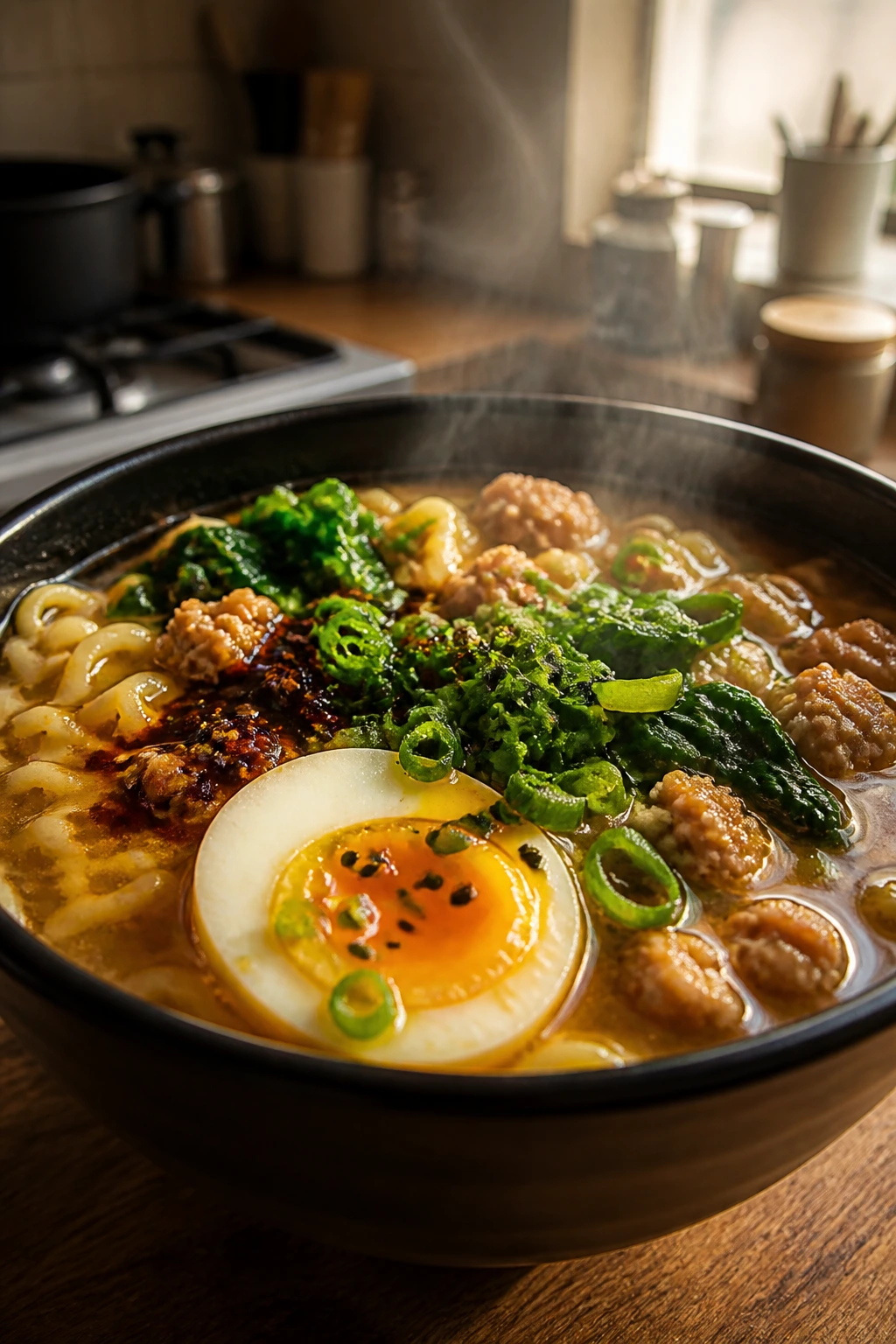
-
Budget-Friendly: Most of these bowls lean on one ramen packet, one or two pantry extras, and a cheap protein, so the grocery bill stays low without tasting like punishment.
-
Fast Enough for Busy Nights: Several recipes finish in under 20 minutes, and even the richer bowls are faster than waiting for delivery.
-
Built for Tiny Kitchens: One burner, a microwave, or a single skillet can handle nearly all of them, which is useful when your “kitchen” is really a hot plate and determination.
-
Flexible With What You Have: Frozen vegetables, canned fish, eggs, leftover chicken, and shelf-stable sauces all fit the same bowl without making it feel random.
-
Filling, Not Flimsy: These aren’t sad noodles in broth. Protein, fat, vegetables, and a little acid turn ramen into a real dinner that actually holds you until morning.
-
Easy to Make Your Own: A pinch of chili crisp, a squeeze of lime, or a soft egg can change the whole bowl without adding a second hour of work.
1. Egg Drop Miso Ramen
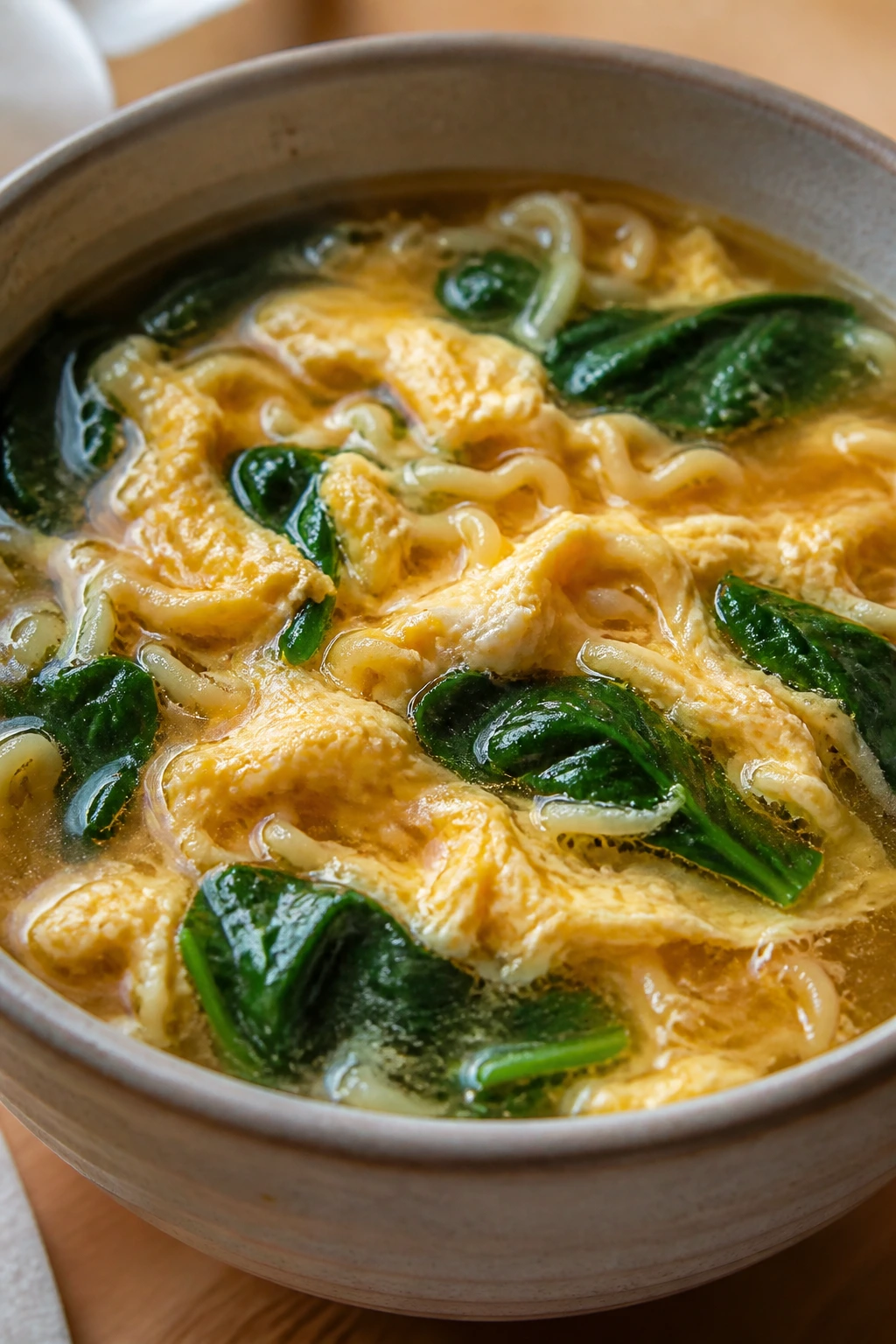
A good miso ramen smells like a tiny noodle shop the second the garlic hits the pot. This version is soft, savory, and a little silky from the egg ribbons, with spinach melting into the broth so it feels more like dinner than a snack. It’s the bowl I’d make when I wanted something warm and calm, not just fast.
Why It Works
Miso brings depth without requiring a long simmer, which is why it belongs in a college kitchen. The ramen seasoning packet helps with salt, but the miso paste gives the broth that rounded, fermented flavor people usually assume takes hours. The egg turns the soup into something richer and the spinach disappears into the heat in under a minute. That’s a lot of payoff for one small pot.
Key Ingredients
- 2 packages instant ramen noodles, seasoning packets saved or discarded
- 3 cups water
- 1 tablespoon white miso paste
- 1 teaspoon soy sauce
- 1 garlic clove, minced
- 1 teaspoon toasted sesame oil
- 1 large egg, beaten
- 1 cup baby spinach
- 2 scallions, thinly sliced
- 1 teaspoon sesame seeds, for finishing
Quick Steps
-
Build the broth: Bring 3 cups water, the garlic, miso, and soy sauce to a gentle simmer over medium heat. Whisk until the miso dissolves and the broth looks smooth, not clumpy.
-
Cook the noodles: Add the ramen noodles and cook for 2 to 3 minutes, stirring once or twice so they loosen and don’t stick together.
-
Add the greens: Stir in the spinach and let it wilt for about 30 seconds. It should collapse into the broth and turn glossy.
-
Create the egg ribbons: Reduce the heat to low. Slowly drizzle in the beaten egg while stirring the broth in a circle. The egg should set into soft threads, not big scrambled chunks.
-
Finish the bowl: Remove from the heat and stir in the sesame oil. Taste before salting; miso and ramen packets can already be salty.
-
Serve hot: Top with scallions and sesame seeds. Eat it right away while the broth is still steaming.
Tips and Variations
- Make it heartier: Add 1/2 cup cubed tofu or a soft-boiled egg if you want more protein.
- Flavor boost: A small spoon of chili crisp gives the broth a sharper edge.
- If it’s too salty: Use half the ramen packet, then adjust at the end with soy sauce if needed.
2. Peanut Butter Chili Crunch Ramen
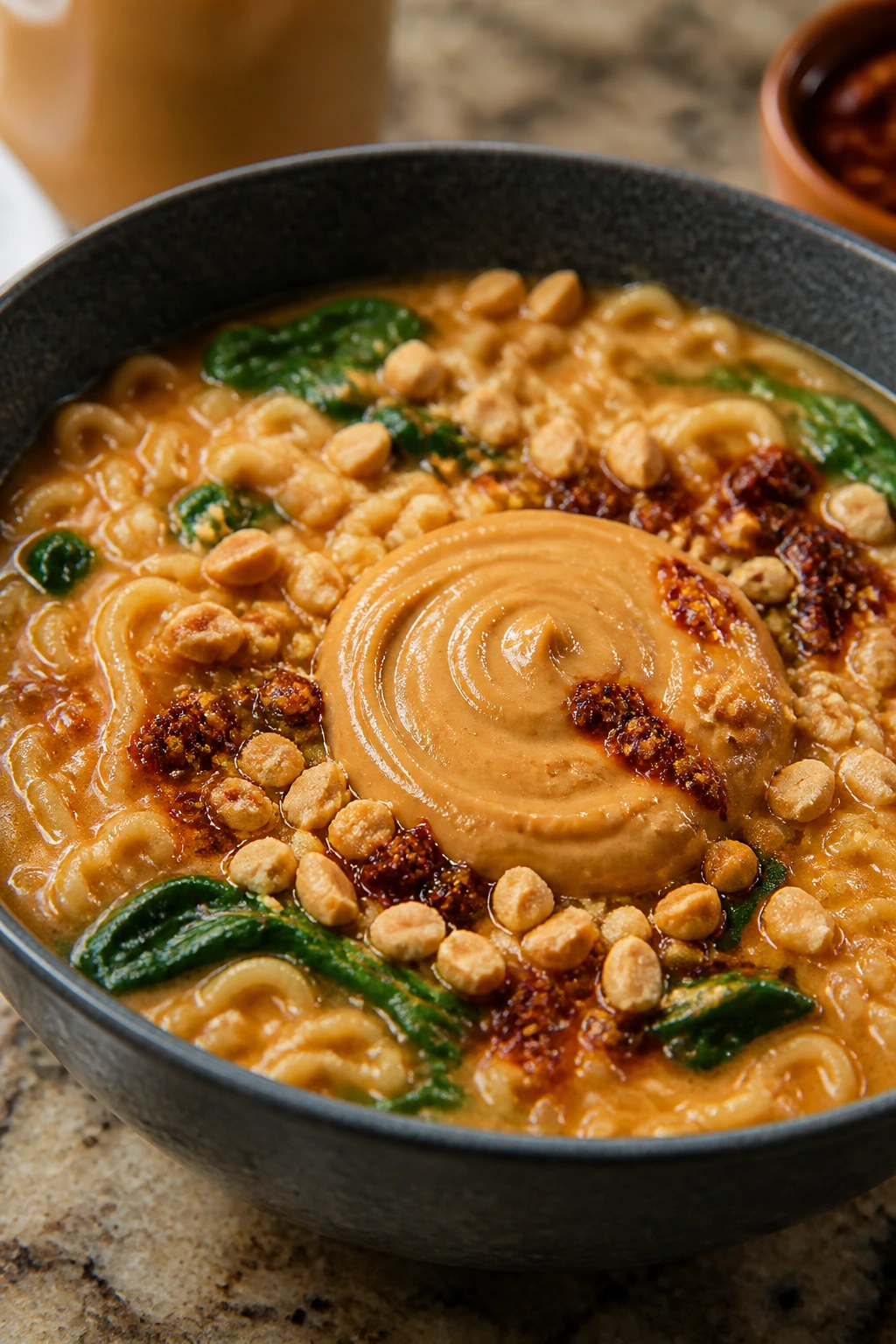
Peanut butter in ramen sounds odd until the first spoonful. Then it tastes like something you should have been making for years: nutty, salty, a little sweet, and then suddenly hot from chili crisp. The sauce clings to the noodles and gives them that glossy, takeout-style finish people pay too much for.
Why It Works
Peanut butter thickens the broth and makes the noodles feel substantial without any cream or fancy ingredients. Soy sauce and vinegar keep the sauce from going flat, while chili crisp adds heat plus tiny crunchy bits of garlic and pepper. It’s one of the easiest ways to make instant ramen feel like a planned meal instead of a backup plan.
Key Ingredients
- 2 packages instant ramen noodles, seasoning packets discarded
- 2 tablespoons creamy peanut butter
- 1 tablespoon soy sauce
- 1 tablespoon rice vinegar or lime juice
- 1 to 2 teaspoons chili crisp, plus more for serving
- 1 teaspoon brown sugar
- 1 garlic clove, finely grated
- 1 cup frozen broccoli florets
- 2 tablespoons chopped peanuts
- 1 tablespoon sliced scallions
Quick Steps
-
Mix the sauce: In a bowl, whisk peanut butter, soy sauce, vinegar, chili crisp, brown sugar, and garlic with 2 tablespoons hot water until smooth.
-
Cook the broccoli: Simmer the frozen broccoli in 2 cups water for 2 minutes. The florets should turn bright green and just begin to soften.
-
Add the noodles: Drop in the ramen noodles and cook for 2 more minutes, until tender but not mushy.
-
Reserve a splash: Before draining, save 1/4 cup of the noodle water. That little bit helps the sauce coat everything.
-
Toss hard: Combine the noodles, broccoli, sauce, and reserved water in the pot or a bowl. Stir until the noodles look glossy and evenly coated.
-
Top and eat: Finish with peanuts and scallions. Add another spoon of chili crisp if you like more heat.
Tips and Variations
- Creamier version: Stir in 1 tablespoon sesame paste or tahini for a deeper nutty flavor.
- More protein: Add shredded chicken, tofu, or a fried egg on top.
- Watch the heat: Chili crisp can sneak up fast, so start small.
3. Rotisserie Chicken and Frozen Veggie Ramen

Rotisserie chicken is the college cook’s cheat code. It’s already seasoned, already tender, and already waiting in the fridge to save you from a sad bowl of plain noodles. With frozen mixed vegetables and a little ginger, this ramen tastes like you paid attention when you were just trying not to order takeout again.
Why It Works
This bowl works because it borrows smart shortcuts from every direction. The chicken brings protein, the frozen vegetables bring color and fiber, and the broth gets enough body from ginger, soy, and the ramen packet to taste complete. You’re also using ingredients that tolerate a small kitchen well. No knife heroics. No long prep.
Key Ingredients
- 2 packages instant ramen noodles, seasoning packets saved
- 2 cups low-sodium chicken broth
- 1 cup shredded rotisserie chicken
- 1 1/2 cups frozen mixed vegetables
- 1 teaspoon grated fresh ginger or 1/4 teaspoon ground ginger
- 1 tablespoon soy sauce
- 1 teaspoon sesame oil
- 1 scallion, sliced
- 1/2 teaspoon crushed red pepper flakes, optional
Quick Steps
-
Start the broth: Bring chicken broth, ginger, soy sauce, and the ramen seasoning packet to a simmer in a medium pot.
-
Heat the vegetables: Add the frozen mixed vegetables and cook for 2 minutes until they’re hot and the broth smells savory and a little sweet.
-
Add chicken and noodles: Stir in the shredded chicken and ramen noodles. Cook for 2 to 3 minutes, until the noodles are tender.
-
Check the broth: Taste and add a splash more soy sauce if the flavor feels thin. The broth should taste layered, not flat.
-
Finish with sesame oil: Turn off the heat and stir in the sesame oil. That last little drizzle matters.
-
Serve immediately: Top with scallions and red pepper flakes if you want a bit of heat.
Tips and Variations
- Best shortcut: Buy chicken already shredded from the deli if you do not want to pull apart a rotisserie bird.
- Veg swap: Frozen peas, corn, or stir-fry blends all work.
- Meal prep note: Keep the noodles separate if you plan to save leftovers.
4. Kimchi and Egg Ramen
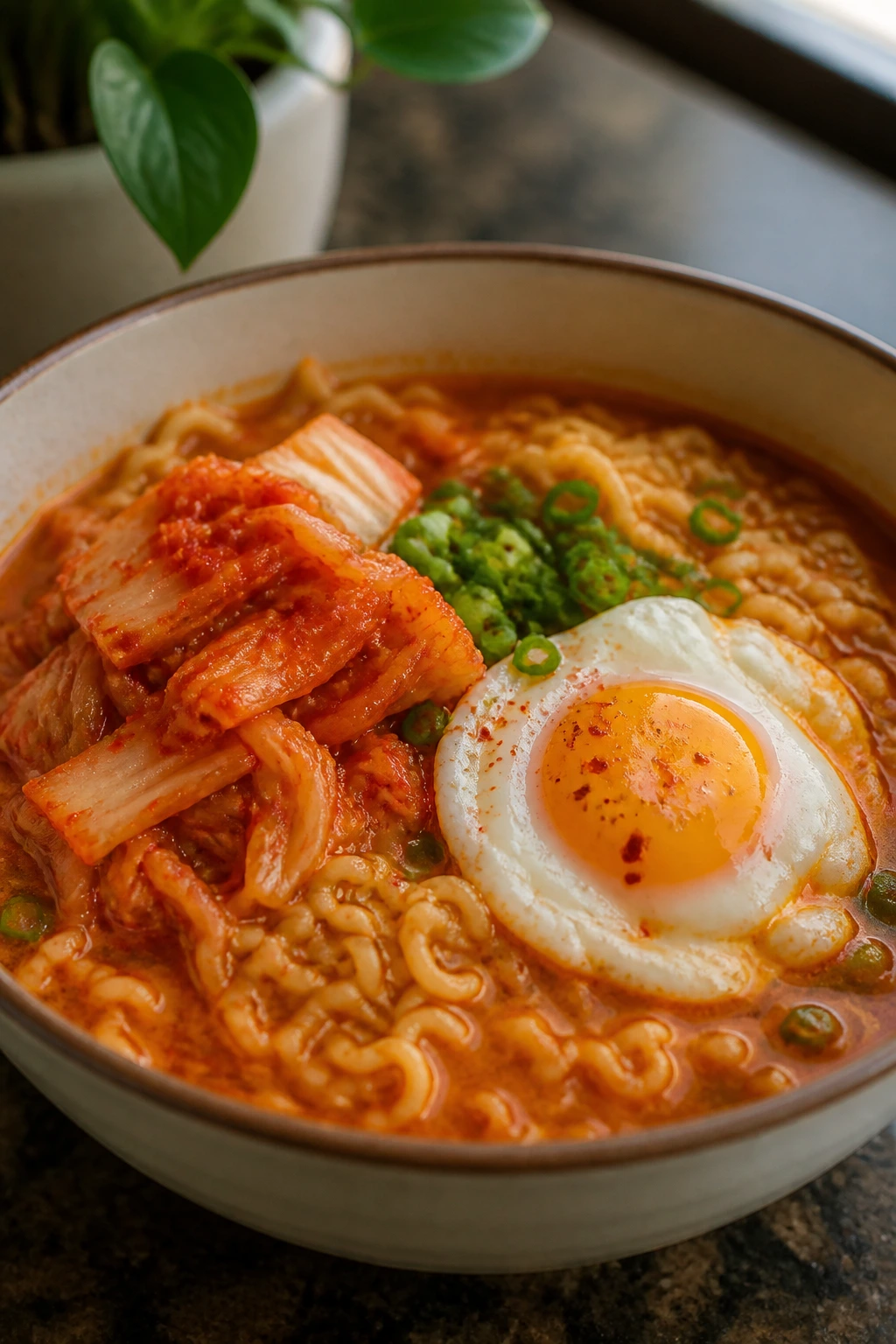
Kimchi wakes ramen up. That’s the simplest way to say it. The broth turns tangy and sharp, the noodles pick up a little fermented funk, and the egg softens the edges so the whole bowl tastes bold instead of loud. If plain soup has been boring you, this fixes that fast.
Why It Works
Kimchi does two jobs at once: it seasons the broth and brings acid, which keeps the bowl from tasting heavy. A spoon of gochujang deepens the color and gives the soup a slow burn, while the egg makes it feel more like dinner and less like emergency fuel. It’s also a smart fridge-cleanout meal if you’ve got a lonely jar of kimchi hanging around.
Key Ingredients
- 2 packages instant ramen noodles, seasoning packets discarded
- 1 cup kimchi, chopped if the pieces are large
- 2 cups water
- 1 cup low-sodium chicken or vegetable broth
- 1 tablespoon gochujang
- 1 teaspoon sesame oil
- 1 large egg
- 2 scallions, sliced
- 1 teaspoon sesame seeds
Quick Steps
-
Make the base: Bring water, broth, kimchi, and gochujang to a simmer in a small pot.
-
Cook the noodles: Add the noodles and cook for 2 to 3 minutes until just tender.
-
Poach the egg: Crack the egg directly into the broth and simmer gently for 1 to 2 minutes. The white should set while the yolk stays soft, unless you prefer it firmer.
-
Lift the flavor: Stir in the sesame oil after you turn off the heat. Heat blunts that aroma, so finish with it instead of cooking it hard.
-
Taste and adjust: If the broth feels too intense, add a splash of water. If it feels thin, a little soy sauce will tighten it up.
-
Top and serve: Add scallions and sesame seeds right before eating.
Tips and Variations
- Extra body: Stir in a spoon of miso if you want a deeper, thicker broth.
- Vegetarian route: Use vegetable broth and keep the egg.
- Leftover kimchi tip: The older, softer stuff is actually better here.
5. Cheesy Bacon Ramen Carbonara
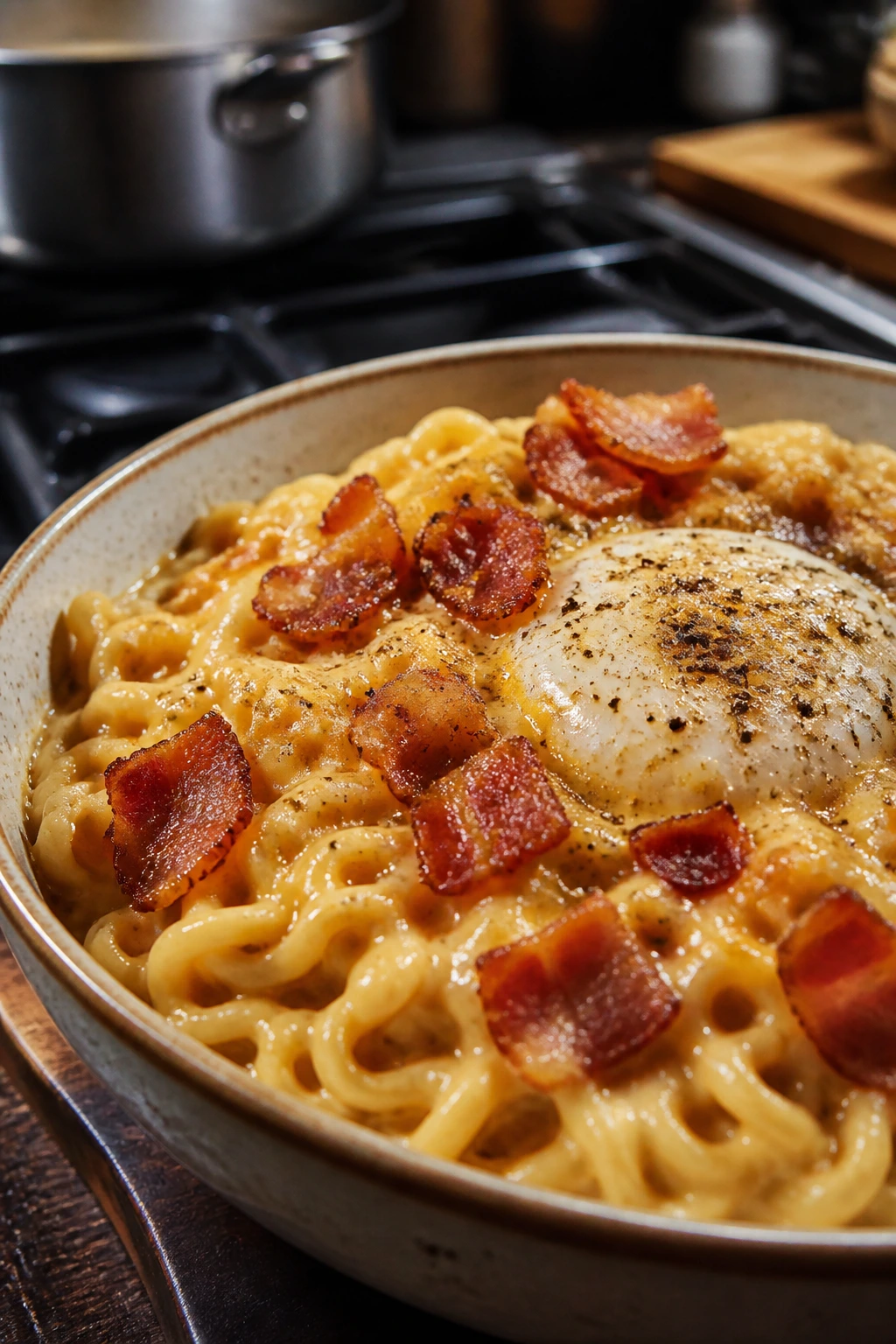
Carbonara and instant noodles should not work this well. They do. The egg, cheese, and bacon make the noodles taste creamy and salty in a way that feels far fancier than the ingredient list deserves. It’s rich, a little greasy in the good way, and exactly the sort of bowl that disappears fast after a long day.
Why It Works
This recipe leans on the carbonara idea: hot noodles toss with egg and cheese off the heat so they turn silky instead of scrambled. Bacon brings smoky salt, and the starchy ramen water helps everything cling together. It’s the rare ramen dinner that tastes indulgent without needing a full fridge.
Key Ingredients
- 2 packages instant ramen noodles, seasoning packets discarded
- 4 slices bacon, chopped
- 1 large egg plus 1 egg yolk
- 1/3 cup finely grated Parmesan cheese
- 1/4 teaspoon black pepper, plus more to taste
- 1 tablespoon butter
- 1/2 cup frozen peas
- 2 tablespoons pasta water or ramen cooking water
- 1 scallion, sliced
Quick Steps
-
Cook the bacon: In a skillet over medium heat, cook the bacon until crisp and the fat has rendered, about 5 to 7 minutes.
-
Boil the noodles and peas: While the bacon cooks, boil the ramen noodles and peas in a separate pot for 2 to 3 minutes. Save 1/4 cup of the cooking water before draining.
-
Mix the sauce: In a bowl, whisk the egg, yolk, Parmesan, black pepper, and 2 tablespoons of hot cooking water. It should look thick and glossy.
-
Toss off the heat: Add the drained noodles to the skillet with bacon and butter. Turn off the heat first, then stir in the egg mixture quickly so it coats the noodles without scrambling.
-
Loosen if needed: Add a splash more cooking water if the sauce feels too tight. It should cling, not sit in clumps.
-
Finish and serve: Top with scallions and more black pepper.
Tips and Variations
- No bacon? Use sliced mushrooms cooked until deeply browned.
- Cheese note: Pre-grated Parmesan tends to clump; grate your own if possible.
- Heat warning: The egg goes in only after the pan is off the burner.
6. Beef and Broccoli Ramen Stir-Fry
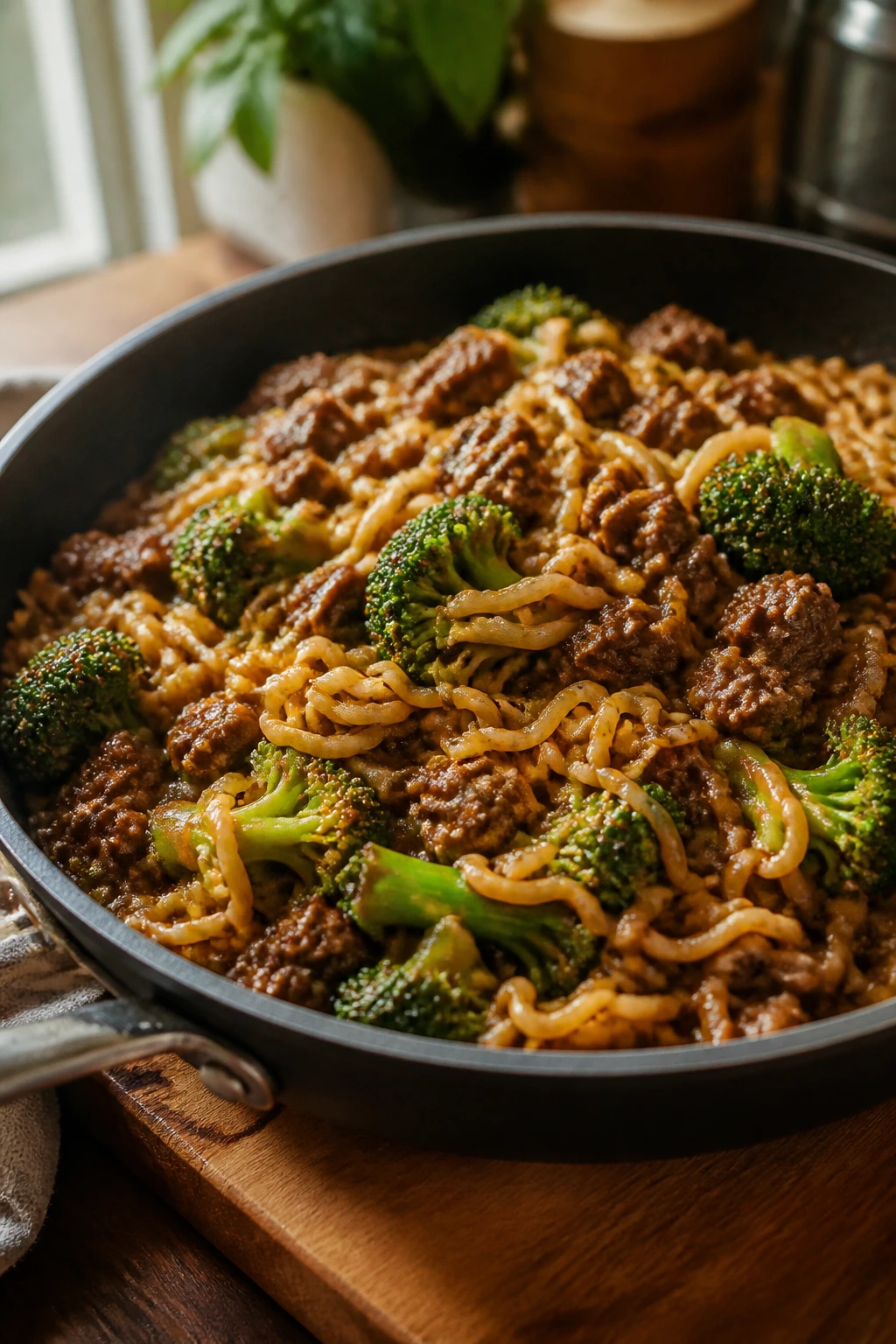
Ground beef ramen is the bowl that eats like stir-fry. It’s savory, a little sticky from the sauce, and packed with broccoli so the dish feels like it has shape, not just noodles floating around in a pan. This is the one you make when you want something hearty and don’t feel like thinking too hard.
Why It Works
Ground beef cooks fast, which matters when you’ve got one skillet and no patience. Broccoli holds up well under heat, and the soy-garlic sauce clings to the noodles once you toss everything together. A tiny splash of brown sugar smooths the edges and makes the whole thing taste more like takeout than dorm food.
Key Ingredients
- 2 packages instant ramen noodles, seasoning packets discarded
- 1/2 pound ground beef
- 2 cups broccoli florets
- 2 tablespoons soy sauce
- 1 tablespoon oyster sauce
- 1 teaspoon brown sugar
- 2 cloves garlic, minced
- 1 teaspoon grated ginger
- 1 tablespoon neutral oil
- 1 tablespoon water, if needed
- 1 teaspoon sesame seeds
Quick Steps
-
Brown the beef: Heat oil in a large skillet over medium-high heat. Add the beef and cook for 4 to 5 minutes, breaking it apart until no pink remains.
-
Add the aromatics: Stir in garlic and ginger and cook for 30 seconds, until fragrant. Don’t let the garlic darken.
-
Steam the broccoli: Add broccoli and 2 tablespoons water, then cover the skillet for 2 minutes so the florets soften slightly.
-
Cook the noodles: In a separate pot, boil the ramen noodles for 2 minutes. Drain them while they still have a little chew.
-
Make the sauce: Stir soy sauce, oyster sauce, and brown sugar into the skillet. Add the noodles and toss until everything is coated and glossy.
-
Finish hot: Taste and add a splash of water if the pan looks dry. Top with sesame seeds and serve right away.
Tips and Variations
- Lean version: Ground turkey works if you want a lighter bowl.
- Spice option: A spoon of chili garlic sauce gives it more bite.
- Broccoli trick: Frozen broccoli works fine; just give it an extra minute in the pan.
7. Sesame Tuna and Corn Ramen
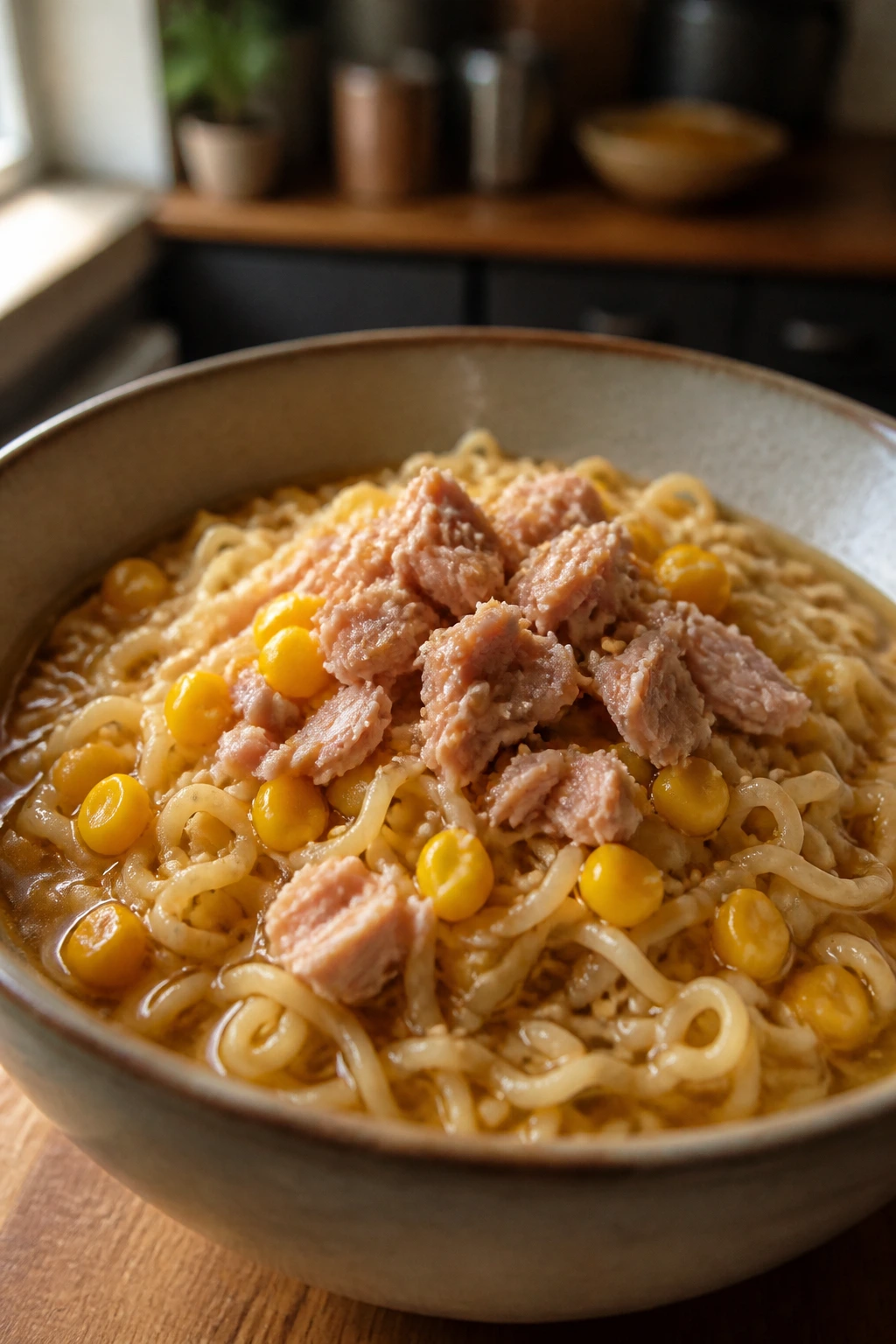
Canned tuna has a long shelf life and a bad reputation. Ramen fixes both. With sesame oil, soy sauce, and sweet corn, the whole bowl turns savory and a little toasty, with the tuna breaking into soft flakes that feel right at home in broth. It’s cheap in the best way.
Why It Works
Tuna is already cooked, which keeps this bowl fast and easy. Corn adds sweetness, sesame oil makes the broth smell nutty, and a touch of vinegar gives the dish enough lift so it doesn’t taste heavy. The result is surprisingly balanced for something that mostly comes from a can and a noodle packet.
Key Ingredients
- 2 packages instant ramen noodles, seasoning packets saved
- 1 can tuna in water or oil, drained
- 2 cups water
- 1 cup low-sodium chicken or vegetable broth
- 1/2 cup canned or frozen corn
- 1 teaspoon soy sauce
- 1 teaspoon sesame oil
- 1 teaspoon rice vinegar
- 1 scallion, sliced
- 1 teaspoon furikake or sesame seeds, optional
Quick Steps
-
Start the broth: Bring water, broth, and the ramen seasoning packet to a simmer.
-
Add corn: Stir in the corn and cook for 1 minute until hot and bright.
-
Cook the noodles: Add the ramen noodles and simmer for 2 to 3 minutes, stirring once.
-
Flake in the tuna: Break the tuna into chunks with a fork and stir it into the pot during the last minute of cooking.
-
Season the bowl: Add soy sauce, sesame oil, and vinegar. Taste and adjust before salting more; canned tuna and the seasoning packet can already be salty.
-
Finish: Top with scallions and furikake or sesame seeds.
Tips and Variations
- Texture fix: Tuna packed in oil tastes richer, but water-packed tuna is easier on the budget.
- Fresh crunch: Thin slices of cucumber on top are better than they sound.
- If you hate tuna smell: Use drained canned salmon instead.
8. Coconut Curry Ramen
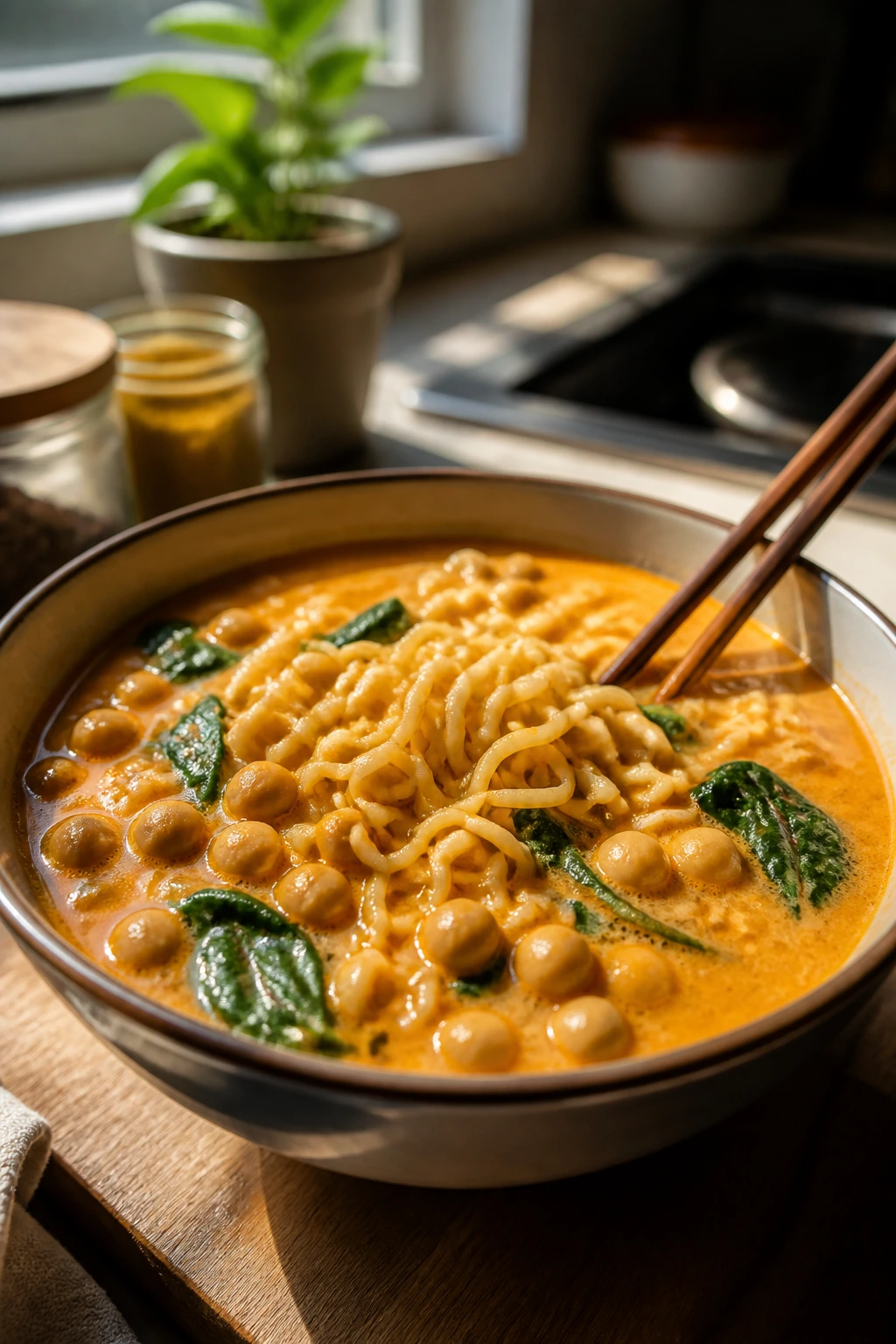
Coconut curry ramen is what happens when you want takeout flavor from pantry scraps. The broth is creamy and warm, with curry paste giving it a slow, steady heat that doesn’t hit like a dare. It’s one of the richest bowls in the group, and it still comes together quickly.
Why It Works
Coconut milk softens the sharp edges of curry paste and turns instant ramen into a bowl with real body. Chickpeas or chicken bring enough substance to make it dinner, not just soup. A squeeze of lime at the end matters more than people expect; it wakes the whole bowl up and keeps the coconut from feeling heavy.
Key Ingredients
- 2 packages instant ramen noodles, seasoning packets discarded
- 1 tablespoon red curry paste
- 1 can coconut milk, about 13.5 oz
- 1 cup vegetable or chicken broth
- 1/2 cup chickpeas, drained and rinsed
- 1 cup baby spinach
- 1 teaspoon soy sauce
- 1/2 lime, juiced
- 1 tablespoon chopped cilantro or scallions
- 1 teaspoon neutral oil
Quick Steps
-
Bloom the curry paste: Heat oil in a pot over medium heat. Stir in curry paste and cook for 30 seconds until fragrant.
-
Build the broth: Add coconut milk, broth, and soy sauce. Stir until the liquid looks smooth and the curry paste disappears into it.
-
Add chickpeas: Simmer for 2 minutes so the chickpeas pick up flavor and the broth thickens slightly.
-
Cook the noodles: Add ramen noodles and cook for 2 to 3 minutes, until tender.
-
Wilt the spinach: Stir in spinach during the last 30 seconds and let it soften.
-
Finish bright: Turn off the heat, add lime juice, and top with cilantro or scallions.
Tips and Variations
- Protein swap: Cubed tofu or shredded chicken both fit this bowl well.
- Heat control: Use less curry paste if your dorm fridge has a low tolerance for spice.
- Flavor note: Lime at the end keeps the coconut from tasting sleepy.
9. Cajun Sausage Ramen
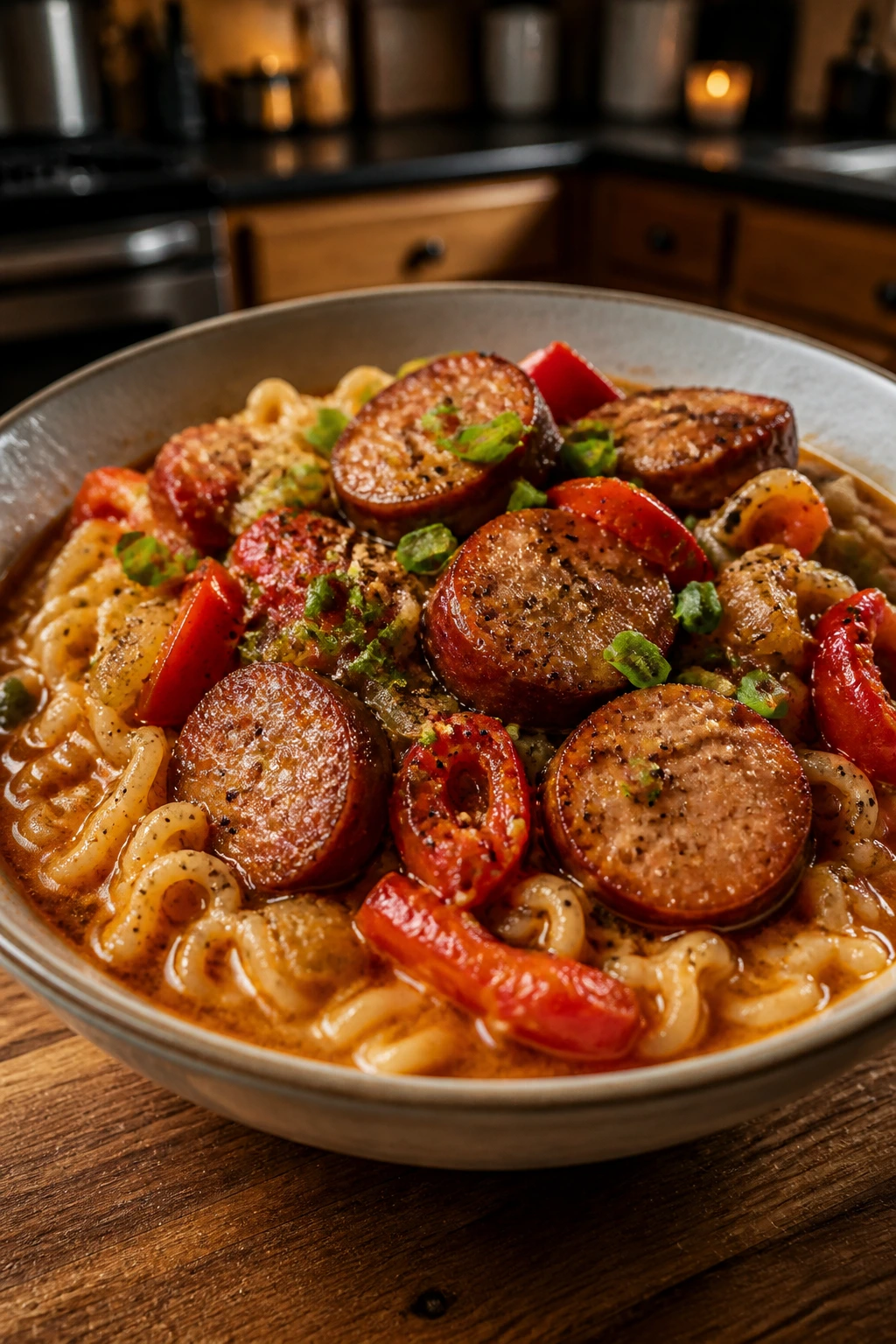
Smoky sausage turns plain noodle soup into something louder. This bowl has pepper, garlic, and a little swagger from the Cajun seasoning, with sweet bell pepper keeping the broth from going too heavy. It’s the kind of dinner that feels like a shortcut in a good way.
Why It Works
Smoked sausage already brings fat and seasoning, which means you don’t have to build every layer from scratch. Cajun seasoning adds depth fast, and bell pepper gives the bowl a bit of sweetness and crunch. The ramen noodles drink up the broth without losing the spice, so every bite has some heat and some smoke.
Key Ingredients
- 2 packages instant ramen noodles, seasoning packets discarded
- 1/2 pound smoked sausage, sliced into coins
- 1 red bell pepper, sliced thin
- 1 teaspoon Cajun seasoning
- 2 cups chicken broth
- 1 cup water
- 1 tablespoon butter
- 1 clove garlic, minced
- 1 scallion, sliced
- Hot sauce, optional
Quick Steps
-
Brown the sausage: Melt butter in a skillet over medium heat and cook the sausage slices for 3 to 4 minutes until browned on the edges.
-
Add peppers and garlic: Stir in bell pepper and garlic, cooking for 2 minutes until the pepper begins to soften.
-
Build the broth: Pour in broth and water, then add Cajun seasoning. Bring to a simmer.
-
Cook the noodles: Add ramen noodles and cook for 2 to 3 minutes, stirring to keep them separate.
-
Taste the broth: If it needs more punch, add a dash of hot sauce or a pinch more Cajun seasoning.
-
Serve hot: Top with scallions and eat while the broth is still bubbling at the edges.
Tips and Variations
- Sausage swap: Andouille gives more spice; kielbasa leans milder and sweeter.
- Add a vegetable: Frozen corn or sliced okra both fit the flavor.
- Salt check: Cajun seasoning can be salty, so taste before adding anything else.
10. Tomato Parmesan Ramen
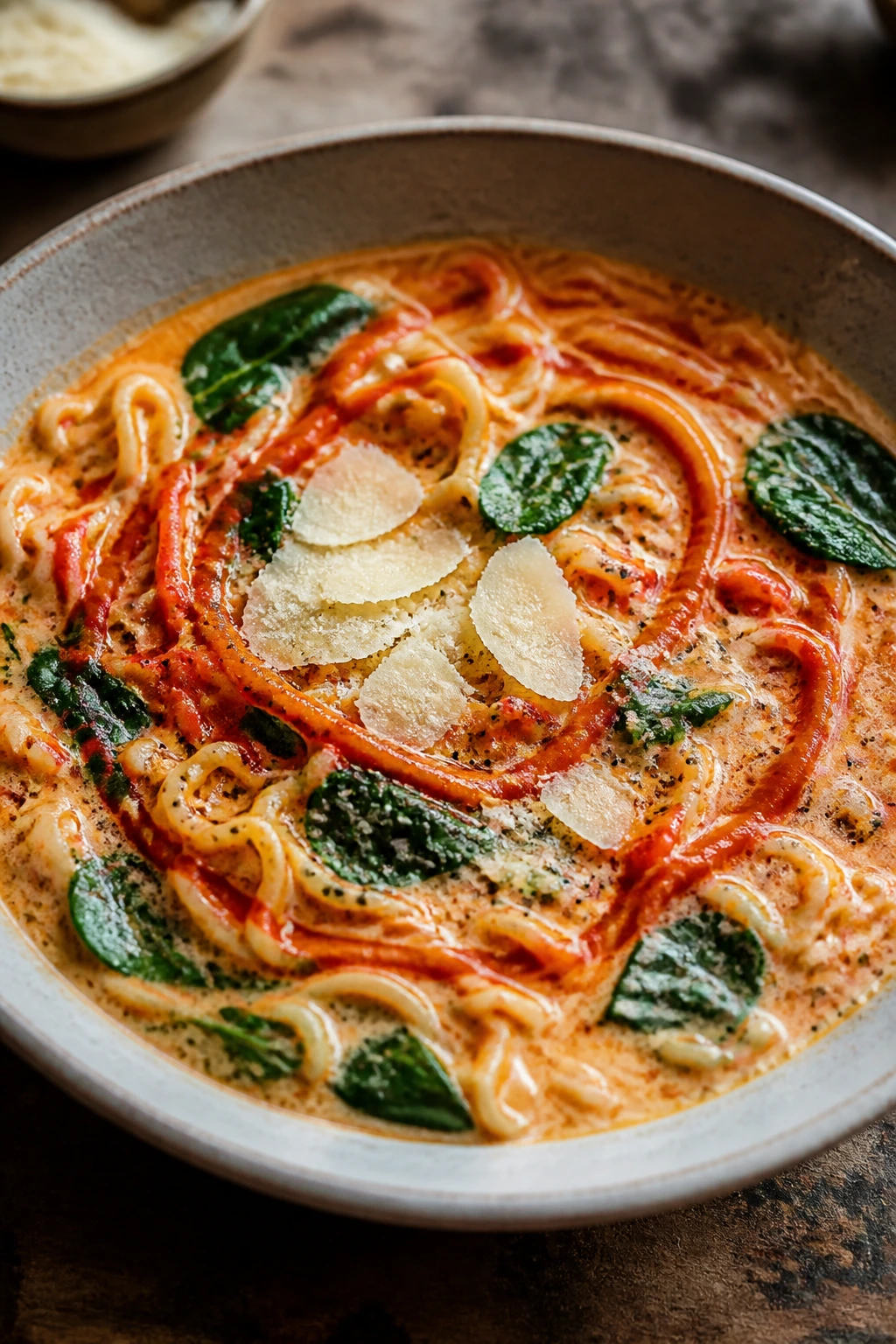
Tomato paste is the secret weapon here. It gives the broth a deep, almost roasted flavor that tastes far more deliberate than the ingredient list suggests. Add garlic, butter, and Parmesan, and the whole thing lands somewhere between noodle soup and a quick pasta dinner.
Why It Works
Tomato paste cooks down fast and gets sweeter when it hits hot butter, which is why this bowl tastes layered in such a short time. Parmesan adds salt and body, while spinach gives the dish enough color to keep it from looking like red noodles in a pot. It’s a smart use of pantry basics, and it has real comfort food energy.
Key Ingredients
- 2 packages instant ramen noodles, seasoning packets discarded
- 1 tablespoon butter
- 2 tablespoons tomato paste
- 2 cloves garlic, minced
- 2 cups water
- 1 cup broth
- 1/3 cup grated Parmesan cheese
- 1 cup baby spinach
- 1/2 teaspoon dried oregano
- Black pepper, to taste
Quick Steps
-
Cook the paste: Melt butter in a small pot over medium heat. Stir in tomato paste and garlic, and cook for 1 minute until the paste darkens slightly and smells sweet.
-
Add liquid: Pour in water and broth, then stir to loosen any browned bits from the bottom.
-
Season lightly: Add oregano and black pepper. Let the broth simmer for 2 minutes.
-
Cook the noodles: Drop in the ramen noodles and cook for 2 to 3 minutes.
-
Finish creamy: Turn off the heat and stir in Parmesan and spinach. The cheese should melt into the broth and the spinach should wilt immediately.
-
Taste and serve: Add more black pepper if needed. Serve while the broth is still hot and slightly silky.
Tips and Variations
- Creamier bowl: A spoonful of ricotta or cream cheese makes it even richer.
- Herb option: Basil works if you have it, but oregano is the sturdier choice.
- Don’t boil the cheese hard: Parmesan can clump if the pot is raging.
11. Buffalo Chicken Ramen
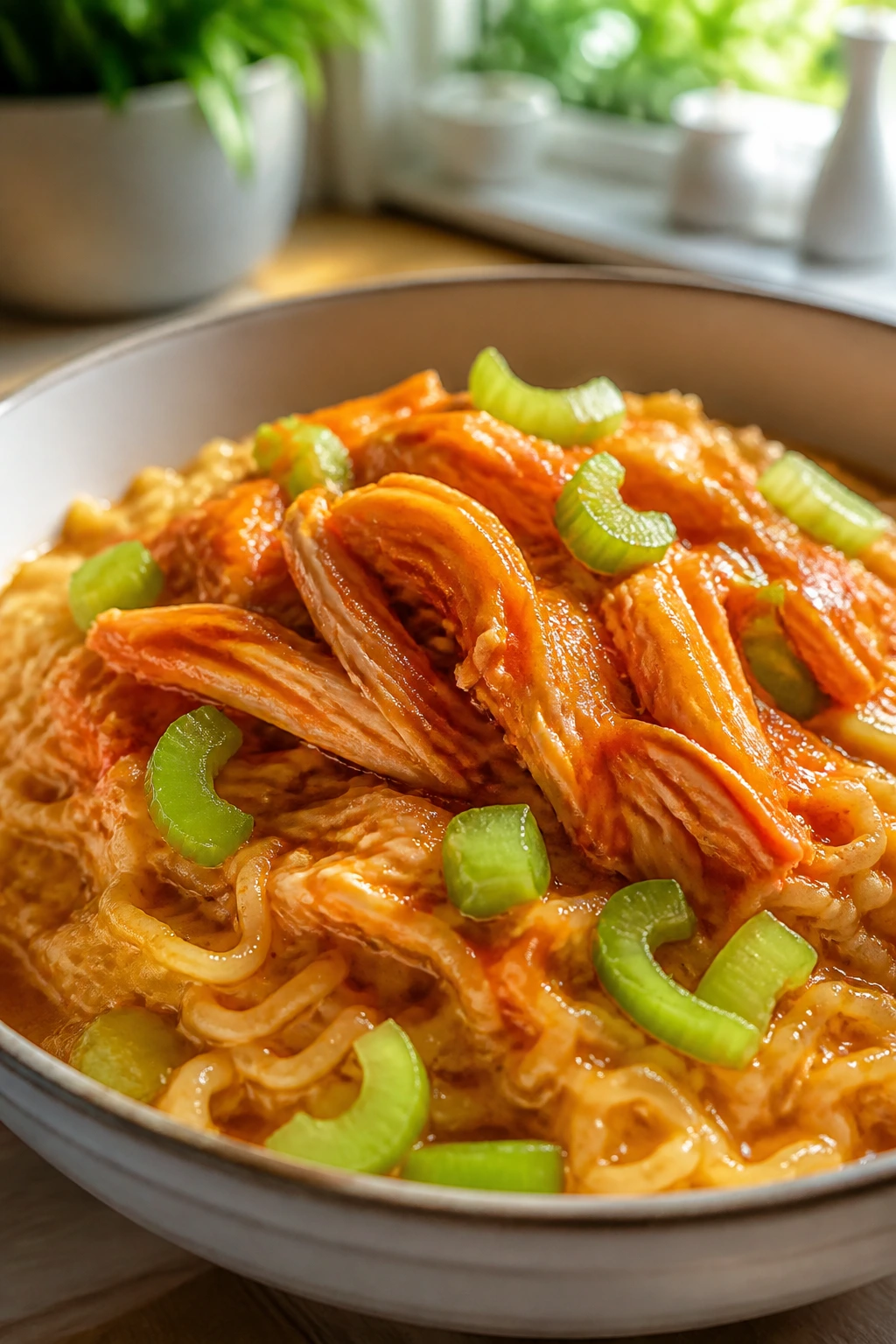
Buffalo sauce and noodles sound rowdy for a reason. This bowl tastes like game-day food crossed with late-night comfort, and it works because the heat, butter, and tang all stay bright against the noodles. Celery on top keeps it from becoming too heavy, which sounds like a small thing until the last bite.
Why It Works
Buffalo sauce brings vinegar and spice in one shot, so the bowl tastes sharp instead of flat. Shredded chicken gives it enough protein to stand alone, and a little cream cheese or ranch can smooth the heat without muting it. If you like bold flavor, this one pays off immediately.
Key Ingredients
- 2 packages instant ramen noodles, seasoning packets discarded
- 1 cup shredded cooked chicken
- 2 tablespoons buffalo sauce
- 1 tablespoon butter
- 2 cups chicken broth
- 1/4 cup milk or a small spoon of cream cheese
- 1 celery stalk, thinly sliced
- 1 scallion, sliced
- Crumbled blue cheese or shredded cheddar, optional
Quick Steps
-
Warm the base: Bring chicken broth to a simmer in a medium pot.
-
Cook the noodles: Add the ramen noodles and cook for 2 to 3 minutes, until tender.
-
Build the buffalo sauce: In a small bowl, stir buffalo sauce with butter and milk or cream cheese until smooth.
-
Add chicken: Stir the shredded chicken into the hot broth and let it warm through for 1 minute.
-
Combine: Pour in the buffalo sauce mixture and stir until the broth turns orange-red and glossy.
-
Serve: Top with celery, scallions, and cheese if using.
Tips and Variations
- Heat control: Start with 1 tablespoon buffalo sauce if you don’t want a full blast of spice.
- Cool contrast: A little ranch drizzle works if you like the classic wing combo.
- Vegetable add-in: Shredded carrot gives the bowl more crunch and color.
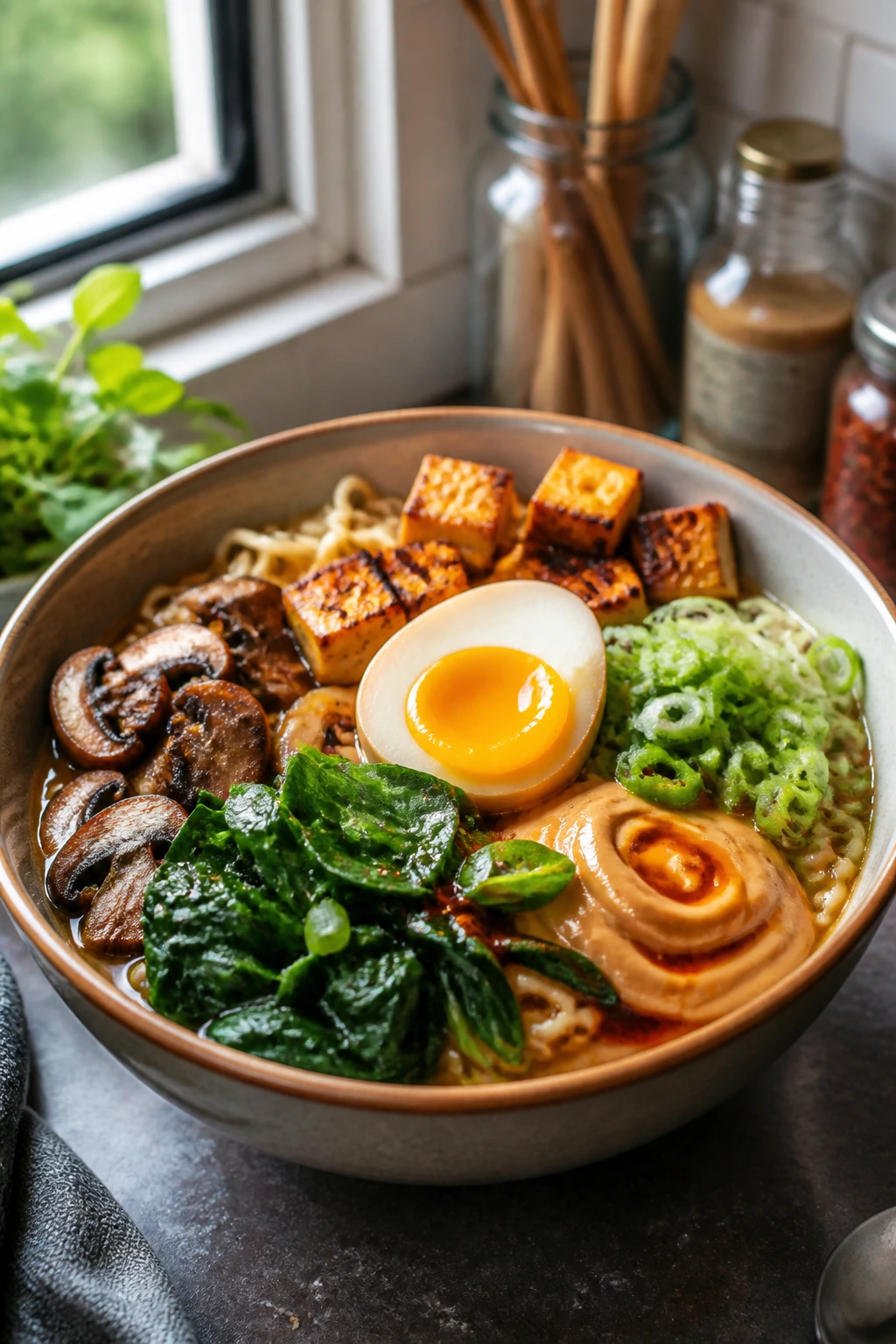
12. Mushroom and Spinach Ramen with Soft Egg
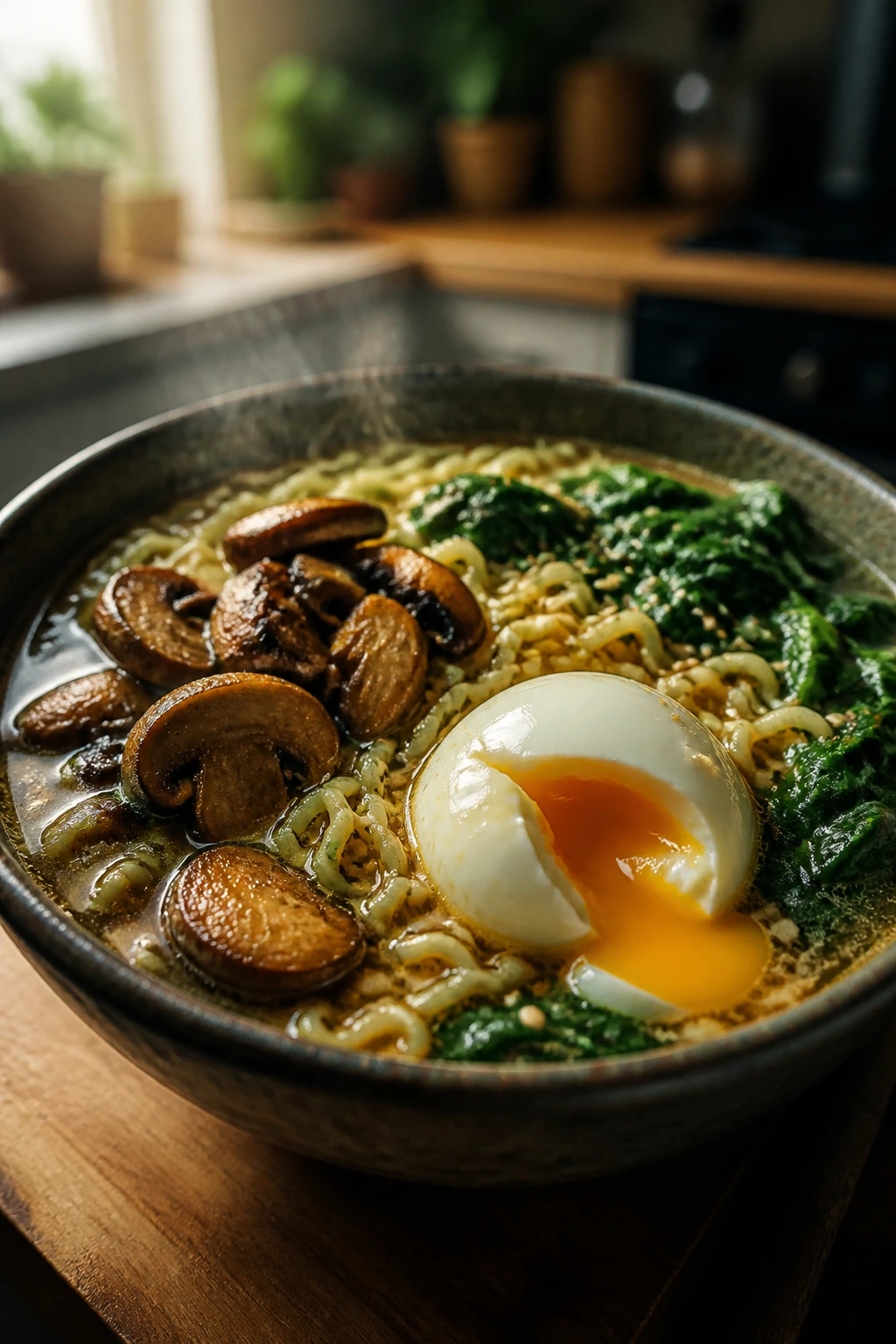
Mushrooms give ramen the deep, browned flavor cheap meals usually miss. This bowl tastes earthy and a little rich, with spinach folding in at the end and a soft egg dropping silk into the broth. It’s the vegetarian bowl I’d choose when I wanted dinner to feel like it had a backbone.
Why It Works
Mushrooms bring umami, which is the long way of saying they make broth taste fuller. Butter helps them brown, miso or soy deepens the stock, and the egg adds enough protein to make the bowl complete. This is one of the most balanced ramen dinners in the set because it leans on texture as much as seasoning.
Key Ingredients
- 2 packages instant ramen noodles, seasoning packets saved or discarded
- 2 cups sliced mushrooms
- 1 tablespoon butter
- 2 cups vegetable broth
- 1 tablespoon white miso paste or 1 teaspoon soy sauce
- 1 cup baby spinach
- 1 large egg
- 1 teaspoon sesame oil
- 1 scallion, sliced
- Black pepper, to taste
Quick Steps
-
Brown the mushrooms: Melt butter in a pot over medium-high heat. Add mushrooms and cook for 5 minutes until browned and their moisture cooks off.
-
Build the broth: Stir in broth and miso or soy sauce, then bring to a gentle simmer.
-
Cook the noodles: Add the ramen noodles and cook for 2 to 3 minutes.
-
Poach the egg: Crack the egg into the simmering broth and cook for 1 to 2 minutes, until the white sets and the yolk still looks soft.
-
Add spinach: Stir in spinach and let it wilt for 20 to 30 seconds.
-
Finish cleanly: Turn off the heat, add sesame oil, and top with scallions and black pepper.
Tips and Variations
- Mushroom choice: Cremini are sturdy and cheap; shiitake bring more depth.
- Make it richer: A spoon of tahini or a pat of butter changes the mouthfeel fast.
- Egg preference: If poaching makes you nervous, top with a fried egg instead.
Why Ramen Belongs in a College Kitchen
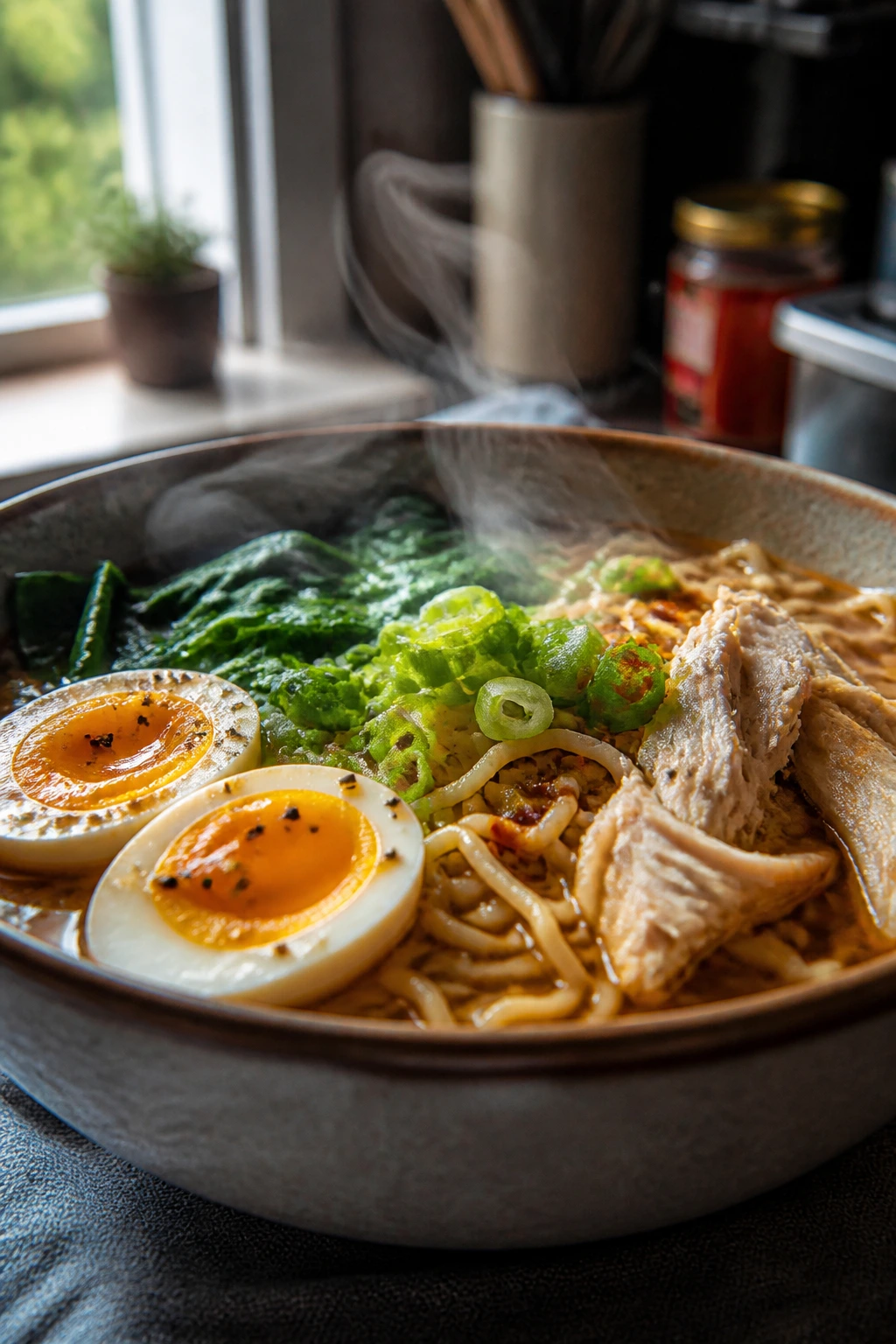
Ramen works in a college kitchen because it gives you a sturdy base and lets you spend your money on the parts that matter. The noodles bring comfort, but they do not have to carry the whole meal alone. A bit of fat, a little protein, and one bright note — lime, vinegar, scallion, kimchi, even black pepper — are enough to make the bowl feel complete.
That is also why ramen is so useful for students. You can cook it in a single pot, stretch it with frozen vegetables, and build flavor from cheap pantry staples that keep for months. Eggs, canned fish, broth, peanut butter, curry paste, and chili crisp all do real work here. No drama. Just practical food that tastes like someone cared.
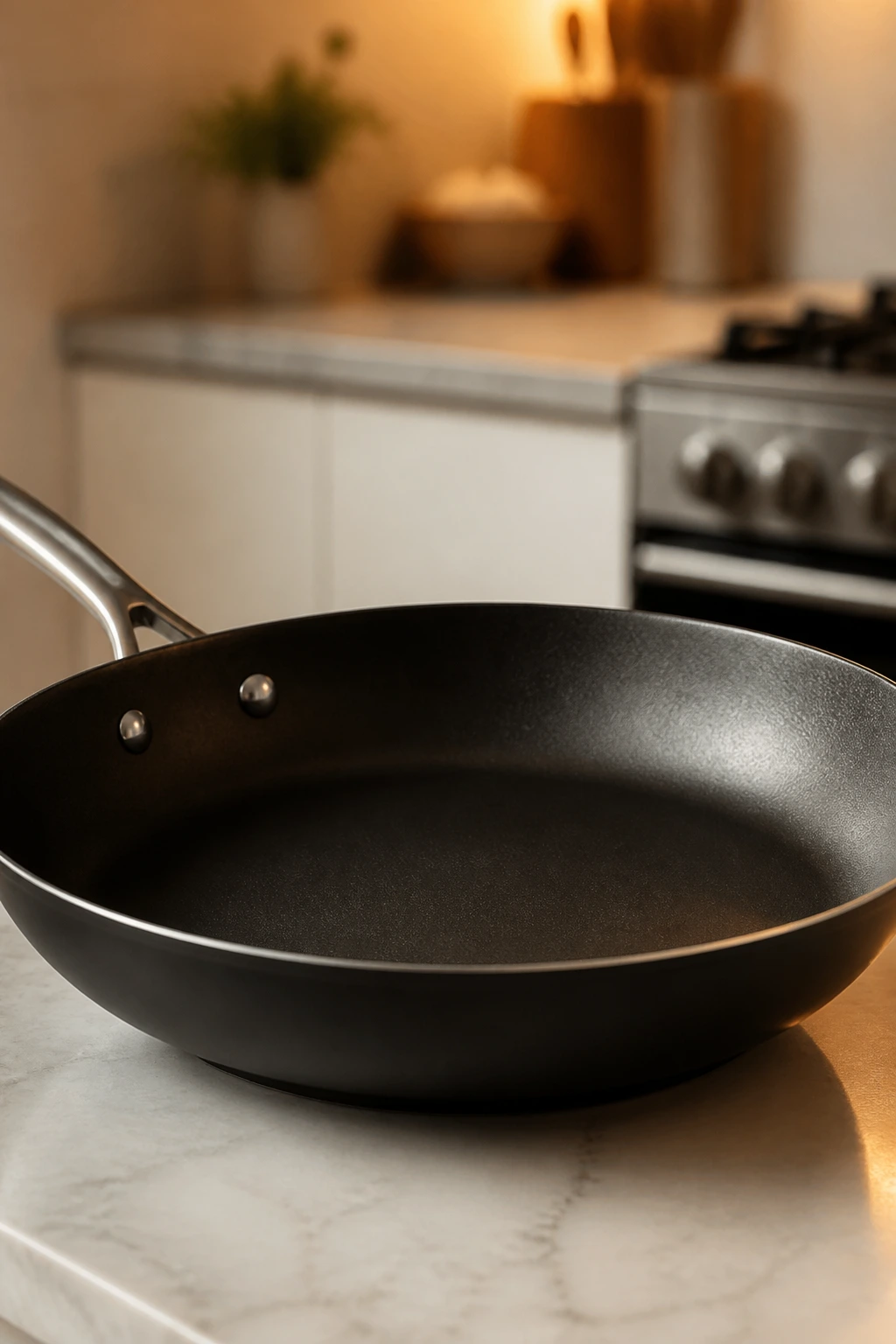
Essential Equipment for These Recipes
-
Medium saucepan or small pot: Most of these bowls need one pot for broth and noodles, which is enough if you’re cooking for one or two.
-
Large skillet: Best for the beef, sausage, bacon, and stir-fry style bowls where browning matters.
-
Wooden spoon or heat-safe spatula: Useful for stirring noodles without tearing them apart.
-
Whisk or fork: Handy for miso, peanut sauce, egg ribbons, and any broth that needs a smooth finish.
-
Measuring cups and spoons: Ramen is forgiving, but sauces turn sloppy fast when you guess too much.
-
Small bowl: Good for mixing egg, carbonara sauce, or peanut sauce before it goes into the pot.
-
Colander or slotted spoon: Helps if you want to drain noodles separately, especially for stir-fry bowls.
-
Sharp knife and cutting board: You can get by with kitchen scissors for scallions and herbs, but a knife makes prep faster.
-
Microwave-safe bowl: Useful for dorm-style cooking or reheating leftovers without dragging out extra pans.
-
Airtight storage containers: Worth having if you’re making extra broth, chicken, or sauce for later.
Smart Shopping and Ingredient Tips
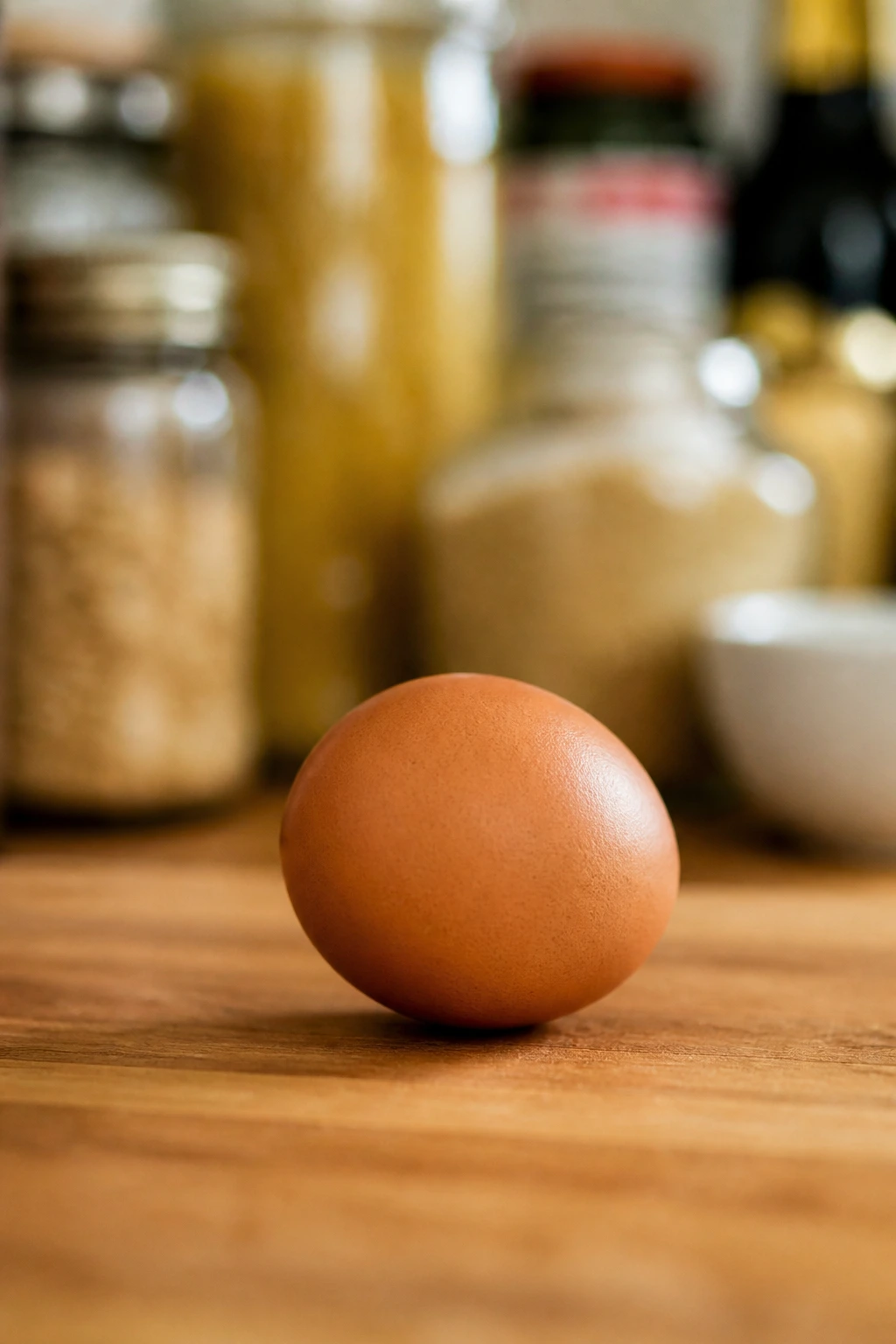
The ramen packet itself is only half the story. Buy noodles that stay springy after cooking, not the flimsy kind that falls apart if you look at it wrong. If you can find packs with a slightly thicker noodle, grab those for broth-heavy bowls. Thin noodles work fine too, but they go soft fast, which matters when you’re eating in shifts between class and the library.
Eggs are the cheapest protein here, and they earn their keep. Choose eggs with intact shells and a sell-by date that gives you room to breathe. For chicken, rotisserie meat is usually the easiest shortcut because it’s already cooked and seasoned. If you buy raw chicken, cook it fully to 165°F and shred it before adding it to broth or sauce.
Frozen vegetables are often smarter than fresh for college cooking. They last longer, cost less per cup, and don’t need knife work. Broccoli, peas, corn, stir-fry blends, spinach, and mixed vegetables all fit ramen well. Fresh scallions, cilantro, and lime are small splurges that change the finish more than their price suggests.
Pantry sauces do a lot of the heavy lifting. Soy sauce, sesame oil, rice vinegar, curry paste, peanut butter, gochujang, tomato paste, and canned coconut milk can all live in a small fridge or cupboard and still turn into dinner. If sodium is a concern, buy low-sodium broth and use only part of the ramen seasoning packet. The packet is there for salt, not as a law.
How to Serve These Recipes
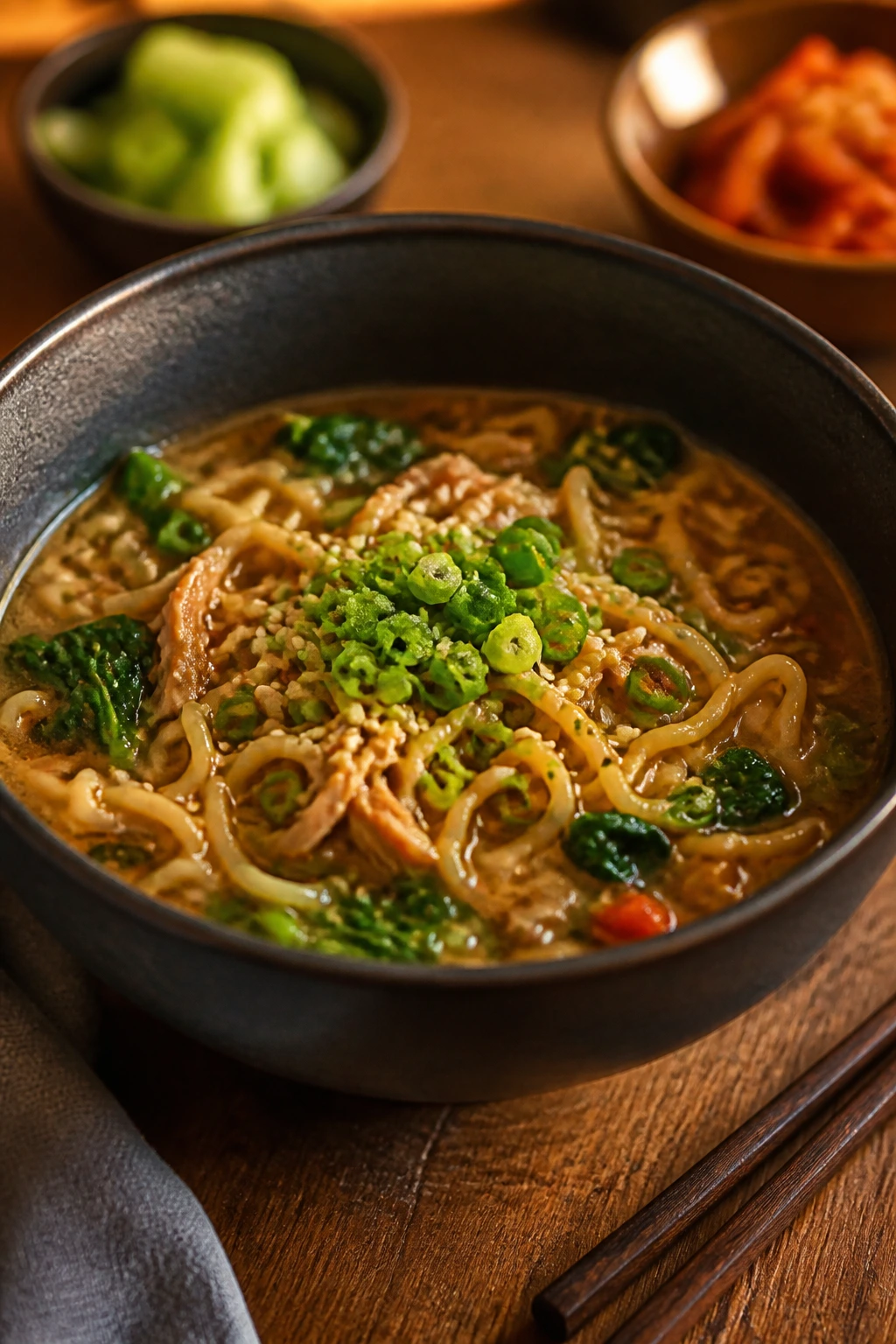
Presentation: Serve each bowl in a deep bowl rather than a flat plate; ramen looks and eats better when the broth or sauce has room to pool around the noodles. A soft egg, a scatter of scallions, and a pinch of sesame seeds make the bowl look finished without adding work. Keep garnishes small and deliberate. A heap of random toppings gets messy fast.
Accompaniments: Side dishes do not need to be serious. A cucumber salad, orange wedges, steamed edamame, leftover dumplings, or a piece of buttered toast can round out the meal. For the richer bowls, something crisp and fresh works best. For the lighter bowls, a piece of garlic bread or a quick fried rice egg on the side keeps you full.
Portions: Most of these recipes feed 1 generous serving or 2 smaller servings. If you’re scaling up, add broth first and noodles last so you don’t end up with a pan full of mush. For a bigger appetite, double the protein or add an extra egg. Noodles stretch in a strange way; protein stretches in a better way.
Beverage Pairing: Cold water with lime works across the board. So does unsweetened iced tea if you like something less plain. For the bolder bowls, ginger ale or sparkling water with citrus cuts through the salt and heat without fighting the broth.
Additional Tips and Flavor Boosters
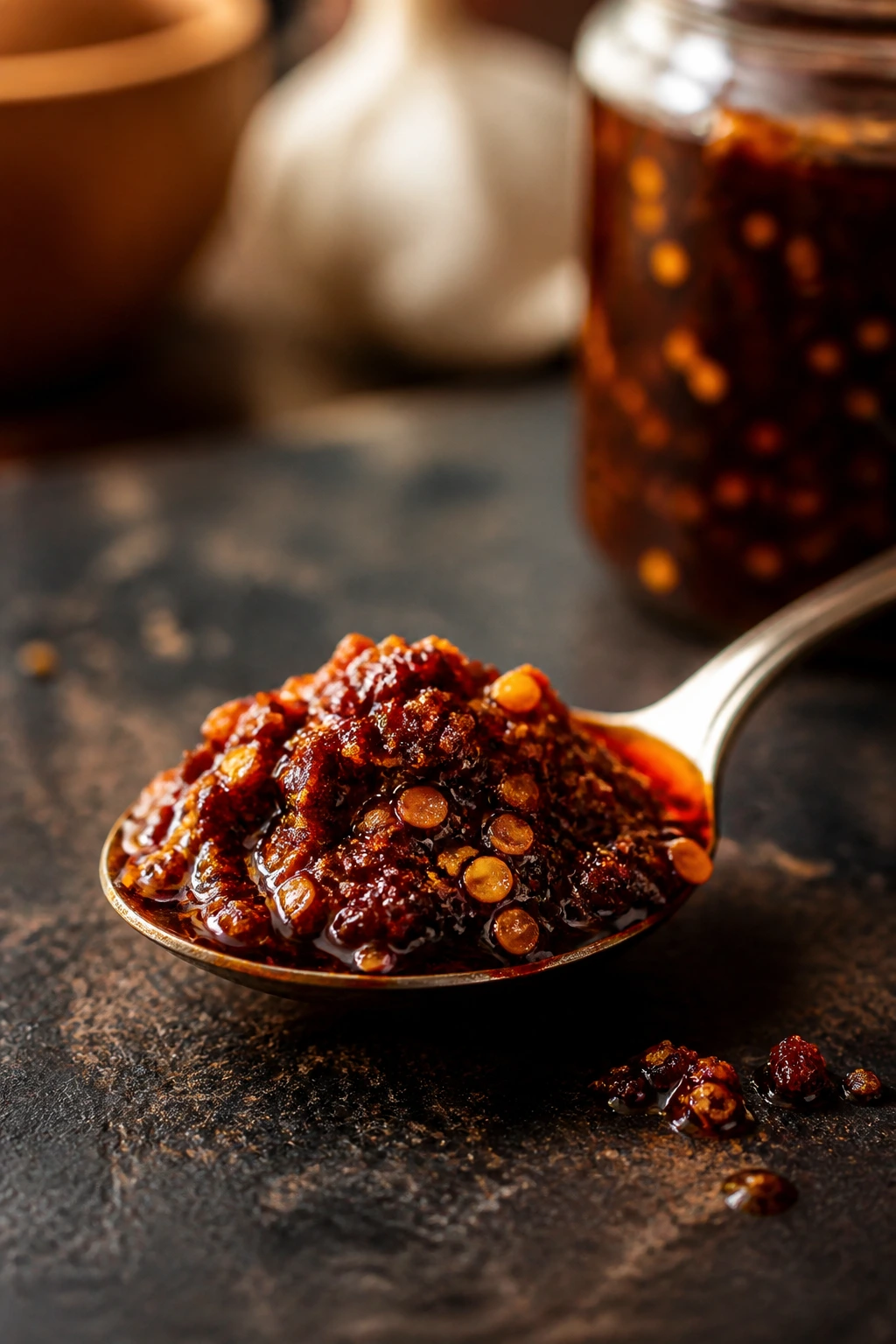
Flavor Enhancement: A teaspoon of chili crisp, a drizzle of sesame oil, or a spoon of miso paste at the end can do more than a whole extra packet of seasoning. Finish with something aromatic, not just salty. The nose matters. If it smells good before the first bite, the bowl usually lands.
Customization: Add a soft egg to almost anything. Add frozen spinach to soups, frozen broccoli to peanut bowls, and shredded cabbage to stir-fries. If you have leftover rice, spoon it into the bottom of the bowl and pour the ramen over it. That trick feels old-school for a reason.
Serving Suggestions: Scallions, sesame seeds, crushed peanuts, nori strips, cilantro, and a squeeze of lime all make these dinners taste more awake. Keep one or two toppings on hand and stop there. Too many toppings can make ramen feel like a kitchen drawer exploded into a bowl.
Make-It-Yours: For vegetarian bowls, use vegetable broth and tofu or eggs. For lower sodium, skip most of the seasoning packet and lean on vinegar, citrus, garlic, and herbs. For more heat, use chili crisp, gochujang, or hot sauce. For a creamier bowl, stir in a spoon of butter, cream cheese, or coconut milk at the end.
Common Mistakes to Avoid
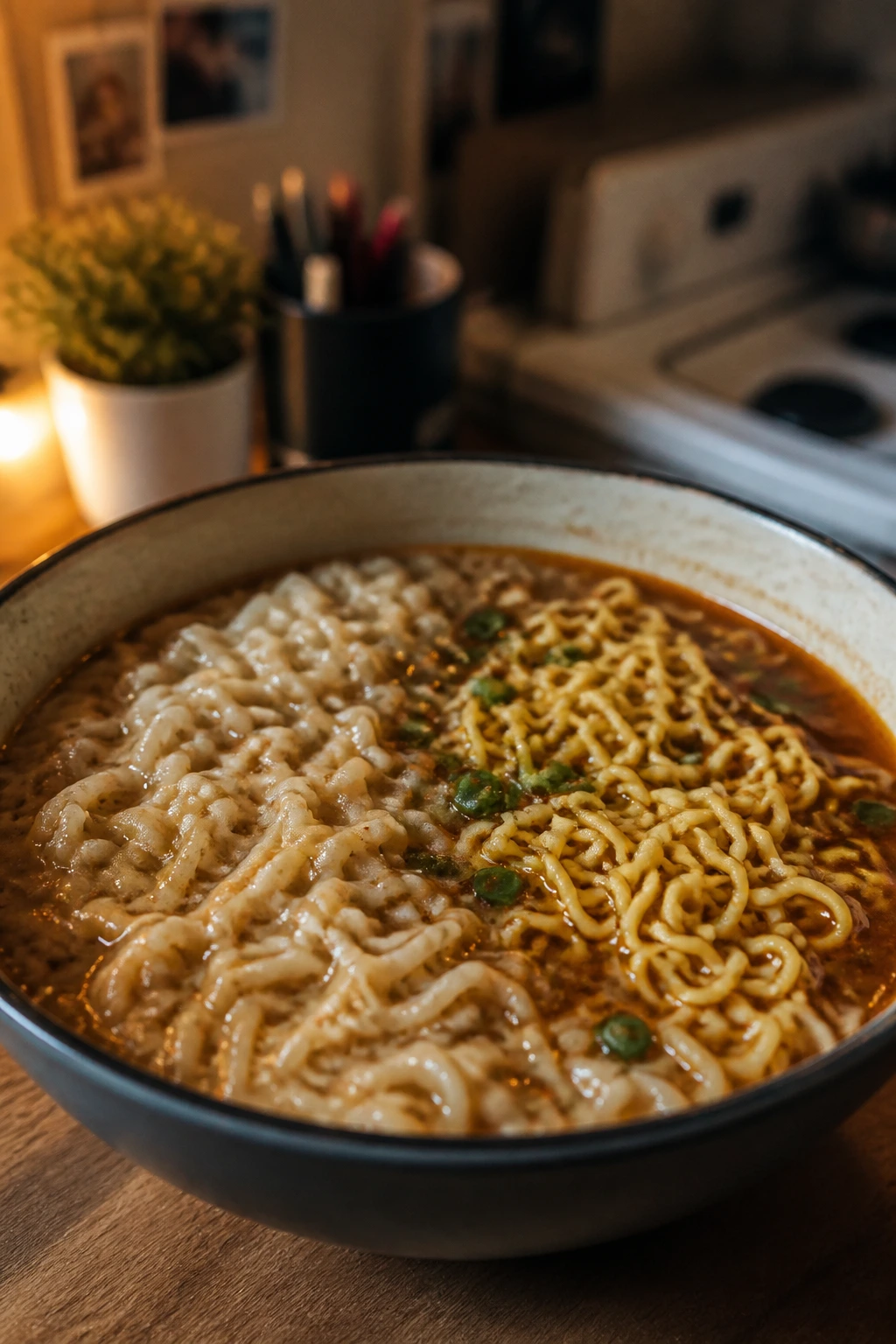
Overcooking the noodles: Instant ramen goes from springy to soft faster than people expect. Pull it off the heat when it still has a little chew, because it keeps cooking in the hot broth or sauce. If you’re making leftovers, undercook it by about 30 seconds.
Using the whole seasoning packet without tasting first: The packet is salty enough on its own, and a lot of the add-ins here bring their own salt too. Taste the broth before you add more soy sauce or salt. One extra shake can flatten the whole bowl.
Scrambling the egg by accident: Carbonara bowls and egg-drop soups both depend on temperature control. If the pan is too hot, the egg turns into little rubbery bits. Turn the heat down or off, then add the egg slowly while stirring.
Letting watery vegetables dilute the broth: Frozen vegetables can release a lot of water. That is fine if you plan for it. If the pot looks thin, simmer for another minute before serving so the broth gets back some body.
Leaving leftovers in broth for too long: Noodles keep soaking up liquid, and the texture gets limp. If you know there will be leftovers, store noodles and broth separately when you can. That one habit saves a lot of sad reheats.
Skipping acid or freshness: A bowl can have enough salt and still taste dull. Vinegar, lime juice, kimchi, scallions, or even a little hot sauce fix that. Heavy bowls need a sharp note, or they sink.
Variations and Adaptations to Try
Dorm Microwave Mode: Use a microwave-safe bowl, cover the noodles with water, and cook in 1-minute bursts until tender. Stir in shelf-stable add-ins like peanut butter, soy sauce, canned tuna, or pre-cooked chicken after heating. Keep the bowl covered for a minute so the heat evens out.
Vegetarian Night Reset: Swap chicken broth for vegetable broth, use tofu or eggs for protein, and lean on mushrooms, spinach, and miso for depth. Coconut curry, mushroom-spinach, and peanut bowls adapt especially well. The trick is to keep one rich element in the bowl so it doesn’t feel thin.
Higher-Protein Build: Add a second egg, extra chicken, canned fish, or cubes of tofu. If you need a bowl that actually carries you through a long study block, double the protein before you double the noodles. That keeps the meal filling without making it sleepy.
Lower-Sodium Bowl: Use low-sodium broth, half the seasoning packet, and more acid from vinegar, lime, or kimchi. Garlic, ginger, scallions, and chili crisp can carry a lot of flavor when salt takes a back seat. The bowl will taste brighter, not weaker.
Gluten-Free Swap: Use rice ramen or another gluten-free noodle and replace soy sauce with tamari. The sauces in peanut, curry, and tomato bowls still work; they just need a quick taste check at the end. Texturally, gluten-free noodles can be softer, so watch the clock.
Extra-Spicy Route: Add gochujang, chili crisp, hot sauce, or red pepper flakes one spoon at a time. Spicy ramen works best when the heat has something creamy, salty, or sour to push against. That’s why peanut, coconut, and miso bowls handle spice so well.
Frequently Asked Questions

Can I use the ramen seasoning packet in these recipes?
Yes, but use it like salt, not like a full recipe. In many bowls, half a packet is plenty once you’ve added soy sauce, broth, miso, curry paste, or cheese. Taste first, then decide if the packet needs to go in at all.
How do I keep ramen from getting mushy?
Cook the noodles until they’re just tender, then stop. If you’re making a broth bowl, pull the pot off the heat as soon as the noodles are done and serve right away. For leftovers, store the noodles and broth separately whenever possible.
What’s the cheapest protein to add?
Eggs are usually the easiest low-cost option, followed by canned tuna, tofu, and shredded chicken if you already have it. Ground beef and sausage are great for flavor, but they cost more per bowl. Pick the protein that fits both your budget and your fridge space.
Can I make these without a stove?
Yes. A microwave-safe bowl and boiling water can handle several of them, especially the miso, peanut, tuna, and veggie bowls. Use short microwave bursts, stir between rounds, and give the noodles a minute to sit before eating so the heat spreads evenly.
How long do leftovers keep?
Most cooked ramen bowls keep for 3 to 4 days in the fridge if they’re cooled quickly and stored in airtight containers. Broth-heavy bowls freeze better if you freeze the broth separately from the noodles. Noodles do not love the freezer. They turn weird.
Can I add more vegetables without ruining the recipe?
Absolutely. Frozen spinach, broccoli, peas, carrots, cabbage, and mushrooms all fit well. The only trick is to give watery vegetables a minute or two to cook off their extra liquid so the bowl does not turn thin.
What if my broth tastes flat?
Add one bright thing: a splash of vinegar, lime juice, kimchi juice, hot sauce, or a tiny pinch of sugar. If it still feels dull, it probably needs more garlic, ginger, or scallion. Flat broth is usually a layering problem, not a salt problem.
Are these recipes okay for meal prep?
Some are, but not all parts age the same. Sauces, broth, and cooked proteins keep well; noodles are best cooked fresh or kept separate. If you’re meal prepping, build the bowl in parts and combine them after reheating.
One Packet, Many Dinners
Ramen is cheap, yes. That’s the obvious part. The better reason to keep it around is that it can become almost anything when you stop treating it like a punchline and start using it as a base.
A soft egg, a spoon of peanut butter, a handful of spinach, or a little rotisserie chicken changes the whole shape of dinner. You do not need a big kitchen for that. You need a small stack of pantry staples, one pot, and a willingness to make something better than plain noodles.
The bowls above are built for real life: late classes, thin wallets, crowded fridges, and the kind of hunger that shows up when you’re not in the mood to cook a whole production. Pick one, keep the ingredients around, and the next time you stare into a cupboard at 9 p.m., dinner will already be waiting.