



Some meals feel built for weather that keeps you indoors. Hearty stew dinners for snowy days are one of them: the kind of pots that perfume the house, coat the spoon, and make the kitchen window fog up while the snow keeps falling outside.
A stew is never just soup with a thicker texture. It lives or dies on browning, on patience, on when you add the potatoes, and on whether the broth gets a few quiet minutes to settle into itself. Rush it, and you get a thin, flat bowl. Give it time, and the whole thing turns into dinner that feels larger than the weather.
What I love most is how forgiving stew can be. A chuck roast wants a long simmer. Chicken thighs forgive a late-night cook. Beans and barley make a meatless pot feel substantial. Even fish stew, which people sometimes treat like a lighter cousin, can be rich and filling when you build it with potatoes, tomatoes, and fennel.
Why These Stews Earn Their Keep on a Snowy Night
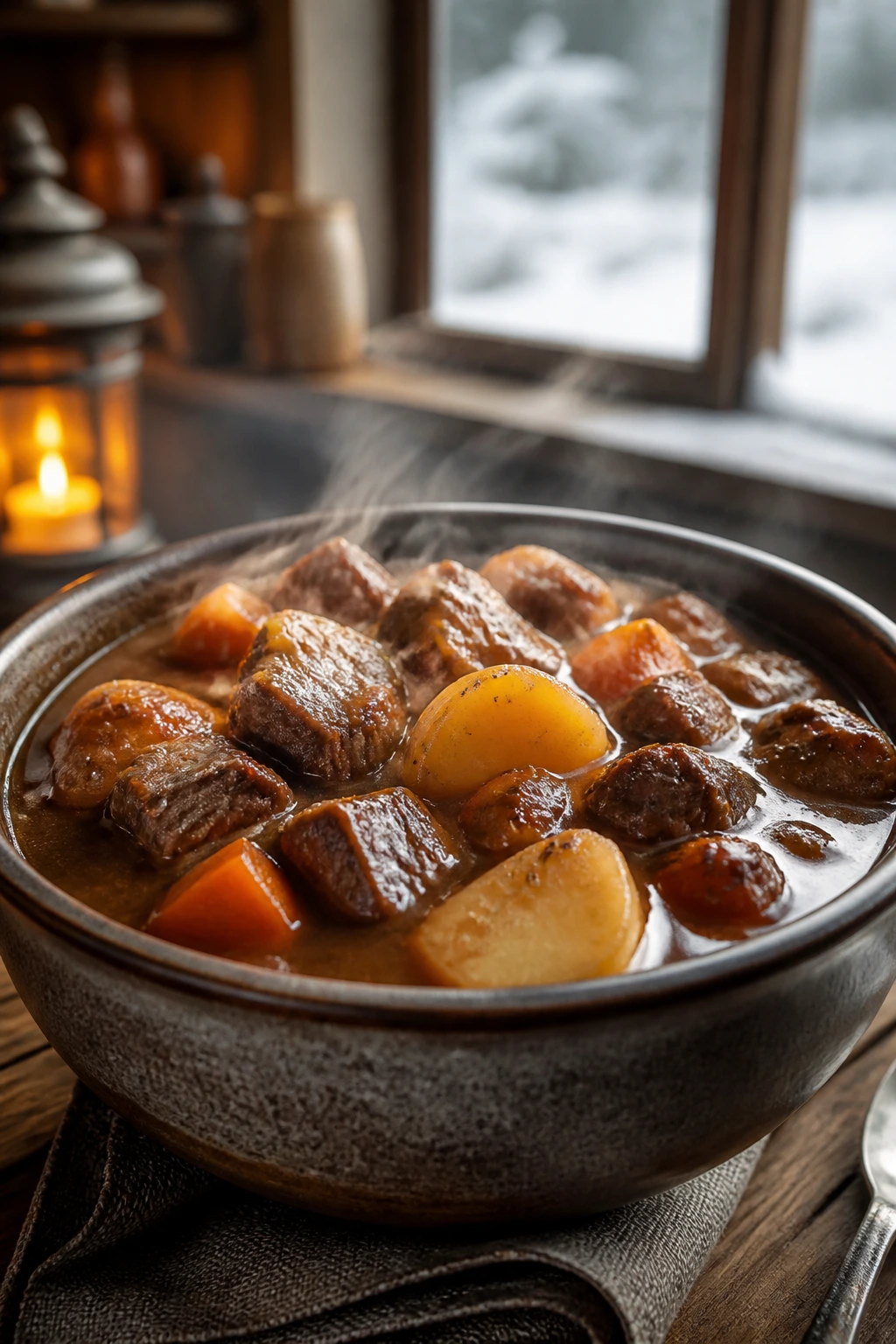
- They make the house feel warmer: Browning meat, onions, garlic, and tomato paste builds a smell that lingers for hours and makes a cold evening feel a little softer.
- They stretch ingredients well: A few pounds of meat, a bag of beans, or a handful of root vegetables can turn into a full dinner with leftovers for lunch.
- They work with pantry staples: Stock, onions, garlic, canned tomatoes, beans, barley, and dried herbs are enough to start most of these pots.
- They taste better with time: Beef, lamb, pork, pea, and bean stews often deepen overnight, which is a rare and lovely thing in home cooking.
- They cover a wide mood range: Some are rich and dark, some are bright with lemon or cider, and some land somewhere in the middle with herbs and greens.
- They feed a table without much fuss: One pot, a ladle, maybe a loaf of bread. That’s the rhythm, and I never get tired of it.
1. Classic Beef and Red Wine Stew
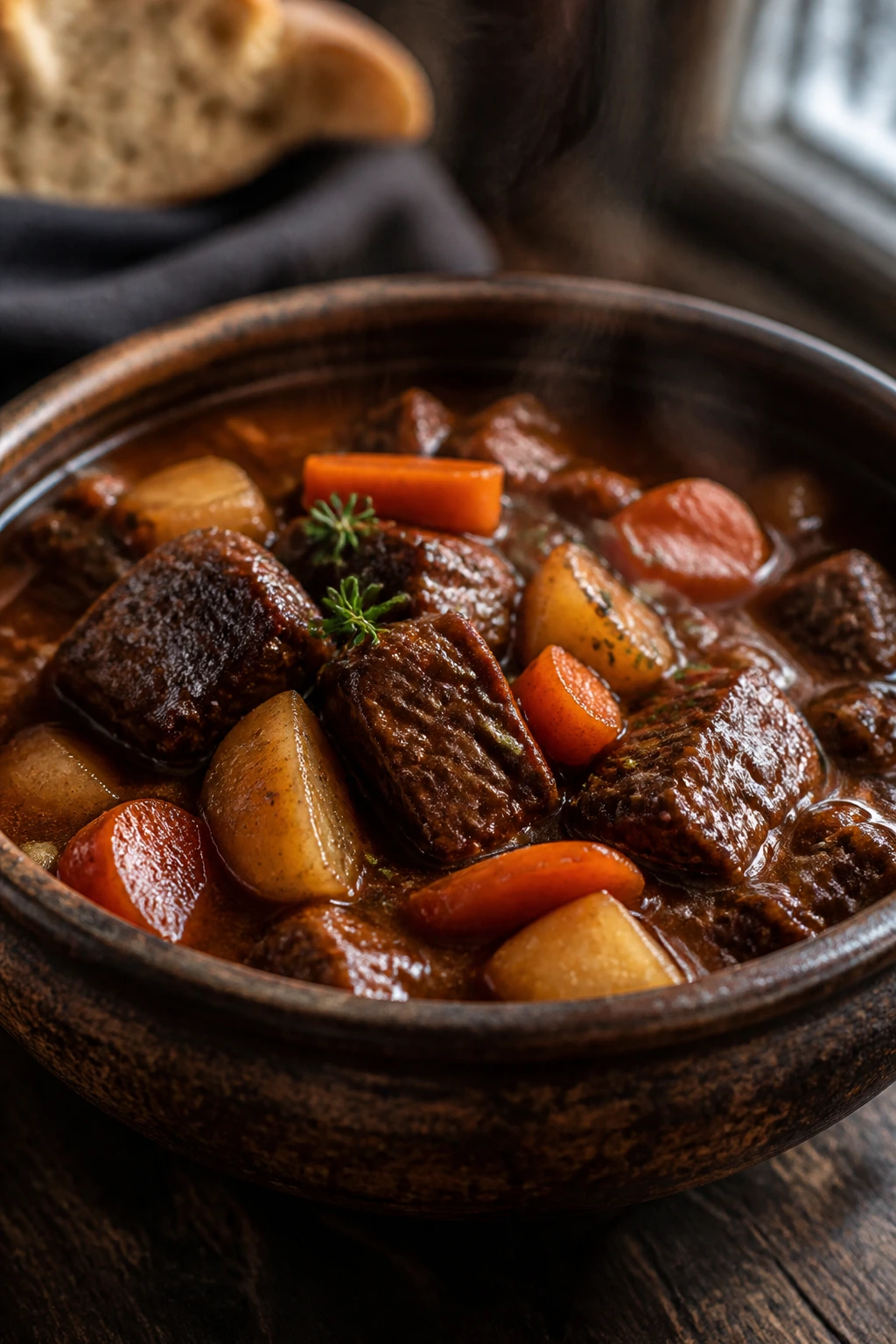
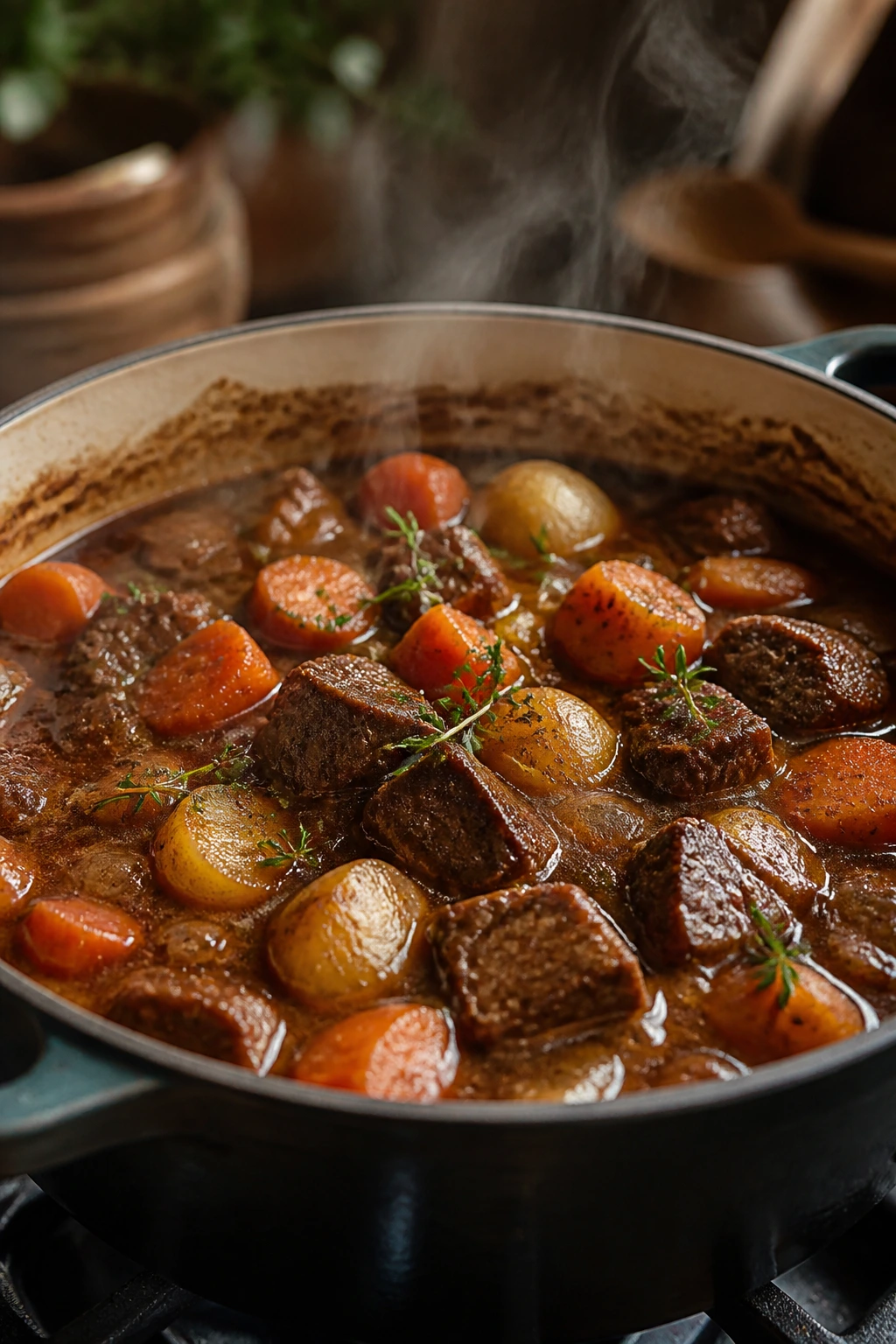
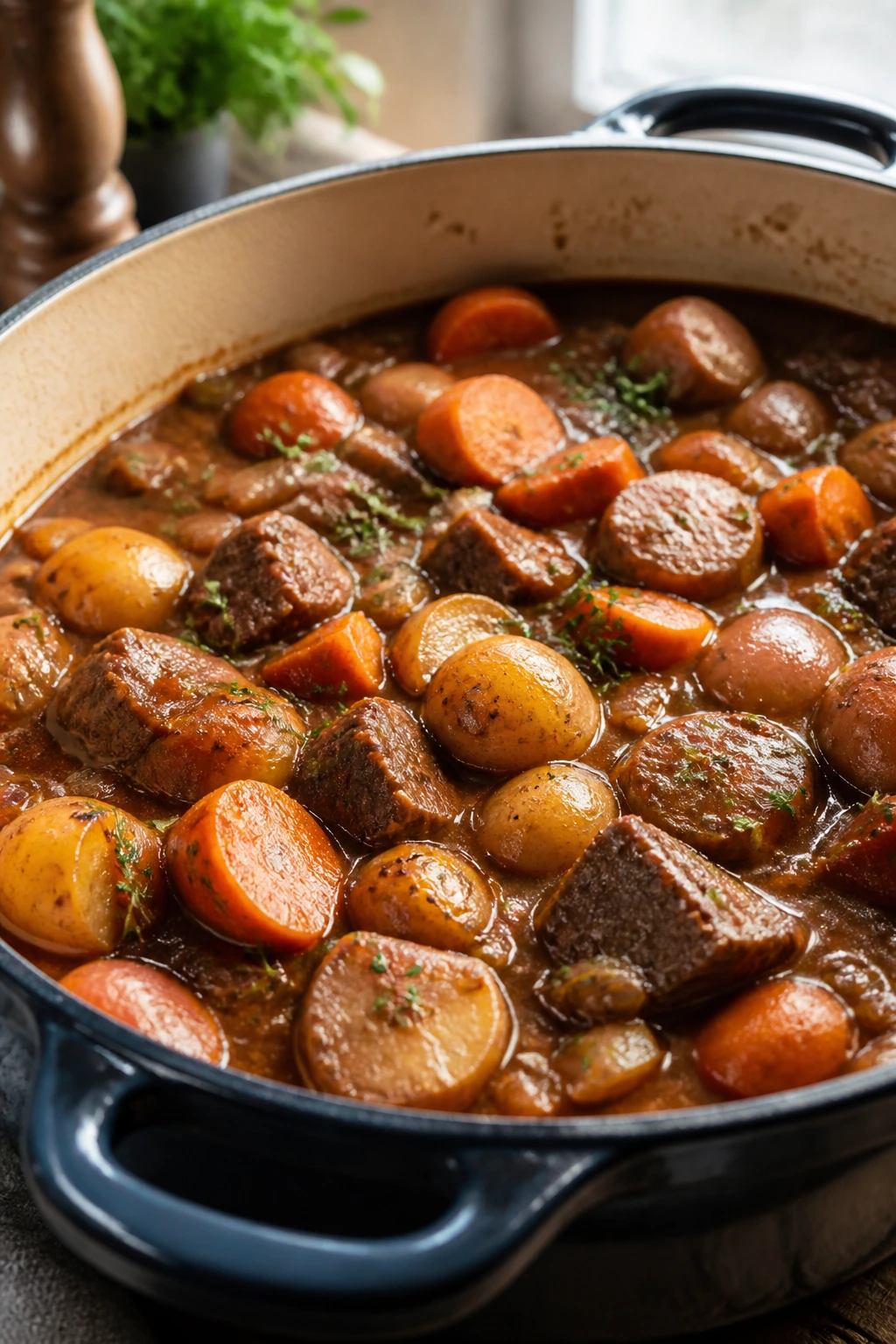
The smell of beef stew is half the reason people make it. Onion, wine, thyme, and browned chuck create a deep, savory steam that seems to pull everyone into the kitchen before dinner is even ready. This version goes old-school in the best way: thick, glossy broth; tender cubes of beef; potatoes that soak up the sauce; carrots that still have a little shape.
A good beef stew should feel sturdy without being heavy in the wrong way. The broth needs body, not glue. The vegetables should taste like themselves, not like they were boiled into submission.
Why It Works
Beef chuck is the right cut here because its collagen breaks down during a long simmer and turns the broth silky. The flour coating helps the meat brown and gives the sauce a little structure, while dry red wine adds acidity and the kind of deep, almost woody flavor that plain stock never quite reaches. A long, gentle simmer at a bare bubble—never a hard boil—keeps the beef tender instead of stringy.
Key Ingredients
- 2½ lbs beef chuck, cut into 1½-inch cubes and patted dry
- 2 tablespoons all-purpose flour
- 2 tablespoons neutral oil
- 1 large yellow onion, chopped
- 3 carrots, cut into thick coins
- 3 celery stalks, chopped
- 4 garlic cloves, minced
- 2 tablespoons tomato paste
- 1 cup dry red wine
- 4 cups beef stock
- 1 lb Yukon Gold potatoes, cut into 1-inch chunks
- 2 bay leaves
- 2 teaspoons fresh thyme leaves or 1 teaspoon dried thyme
- Chopped parsley for finishing
Quick Steps
- Season and dredge the beef: Toss the beef with flour, 1½ teaspoons salt, and 1 teaspoon black pepper until lightly coated.
- Brown in batches: Heat the oil in a Dutch oven over medium-high heat. Sear the beef in two or three batches for 3 to 4 minutes per side, until deeply browned. Do not crowd the pot or the meat will steam.
- Build the base: Lower the heat to medium. Add the onion, carrots, and celery with a pinch of salt and cook for 6 to 8 minutes, stirring, until the onion softens and the edges start to color.
- Add garlic and tomato paste: Stir in the garlic and tomato paste and cook for 1 minute, until the tomato paste darkens slightly and smells sweeter.
- Deglaze and simmer: Pour in the wine, scraping up the browned bits from the bottom. Add the stock, bay leaves, thyme, and beef. Bring to a gentle simmer, cover, and cook on low heat for 1½ hours.
- Finish with potatoes: Add the potatoes and cook for 30 to 35 minutes more, uncovered, until the potatoes are tender and the broth lightly coats a spoon. Remove the bay leaves, taste for salt, and finish with parsley.
Tips and Variations
- Better the next day: This stew tastes even fuller after a night in the fridge.
- Wine swap: If you do not want to cook with wine, use extra stock plus 1 tablespoon balsamic vinegar.
- Texture fix: If the broth feels thin, mash a few potato pieces against the side of the pot and stir them back in.
2. Chicken and Butternut Squash Stew
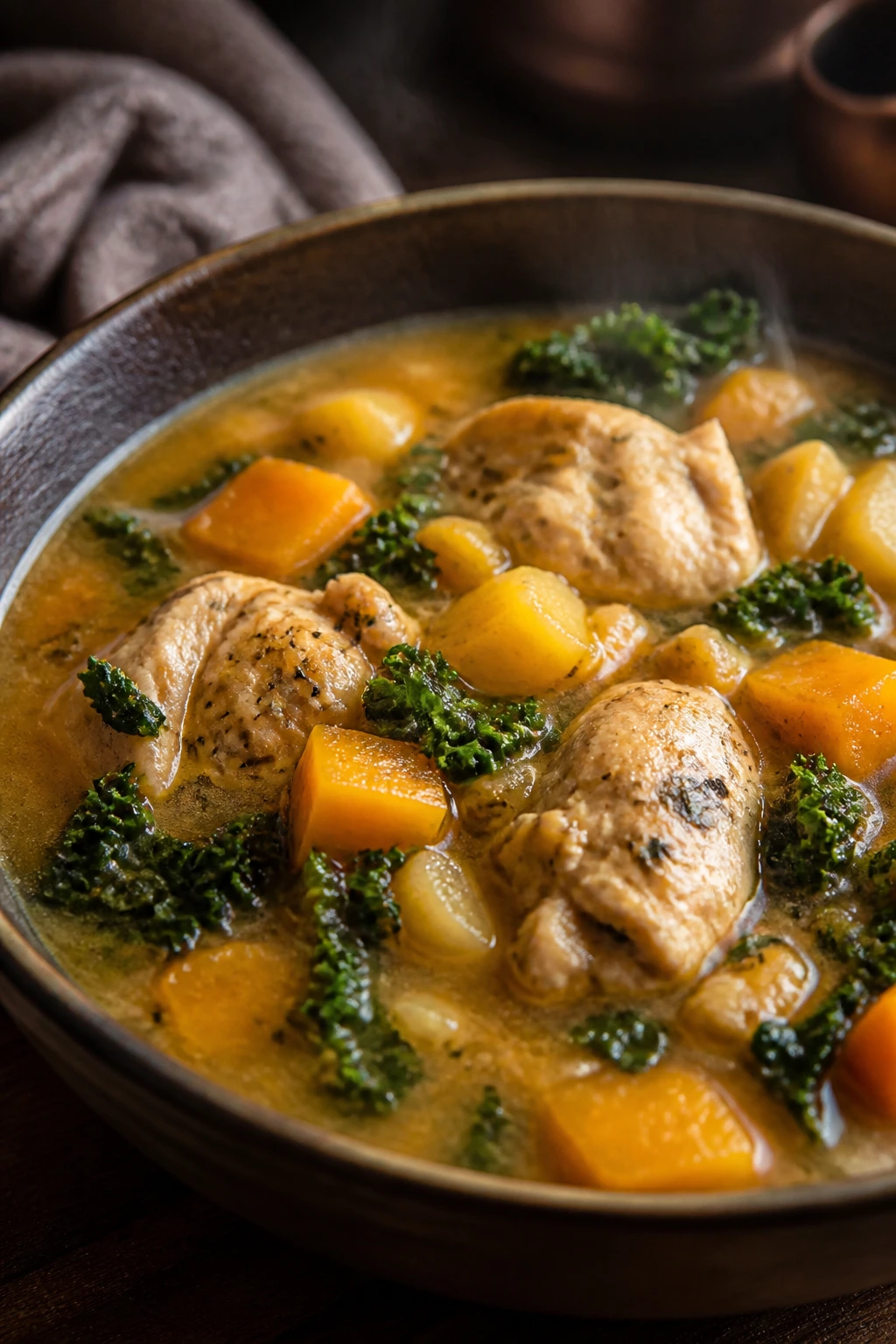
Chicken stew can be bland if it’s treated like a hurry-up dinner. This one isn’t. Butternut squash softens just enough to thicken the broth, chicken thighs stay juicy, and a handful of kale at the end gives the whole pot a dark green edge that looks and tastes right on a cold night.
There’s a gentle sweetness here, but nothing sugary. The squash leans savory once it’s simmered with onion, garlic, and thyme. The result feels warm and calm, not fussy.
Why It Works
Chicken thighs hold up better than breasts in a stew because they stay tender through a simmer and bring more flavor to the broth. Butternut squash gives the pot natural body without needing much flour, and a splash of apple cider vinegar at the end wakes everything up. Kale goes in late so it keeps a bit of bite instead of turning swampy.
Key Ingredients
- 2 lbs boneless, skinless chicken thighs
- 1 tablespoon olive oil
- 1 yellow onion, diced
- 2 carrots, diced
- 2 celery stalks, diced
- 3 garlic cloves, minced
- 1 medium butternut squash, peeled and cut into 1-inch cubes
- 4 cups chicken stock
- 1 can white beans, drained and rinsed
- 2 teaspoons fresh thyme or 1 teaspoon dried thyme
- 3 cups chopped kale
- 1 tablespoon apple cider vinegar
- Salt and black pepper
Quick Steps
- Brown the chicken: Season the thighs with salt and pepper. Heat the oil in a large Dutch oven over medium-high heat and brown the chicken for 3 to 4 minutes per side.
- Soften the vegetables: Add the onion, carrots, and celery. Cook for 5 to 6 minutes, until the onion looks translucent and the carrots start to soften.
- Add garlic and squash: Stir in the garlic and butternut squash, then cook for 1 minute so the garlic loses its raw edge.
- Pour in the stock: Add the chicken stock, thyme, and beans. Bring to a simmer, cover, and cook for 20 minutes.
- Finish the chicken and greens: Return the chicken to the pot if you removed it, or shred it right in the stew. Stir in the kale and cook for 5 more minutes, until the leaves turn glossy and tender.
- Balance the flavor: Stir in the vinegar, taste for salt, and add black pepper. The broth should taste rounded, not flat.
Tips and Variations
- Squash size matters: Cut it into even chunks so it softens at the same rate.
- No kale? Swiss chard or spinach works, though spinach needs only 2 minutes.
- Extra richness: A spoonful of crème fraîche or plain yogurt on top is nice, though I usually skip it.
3. Lamb and Root Vegetable Stew
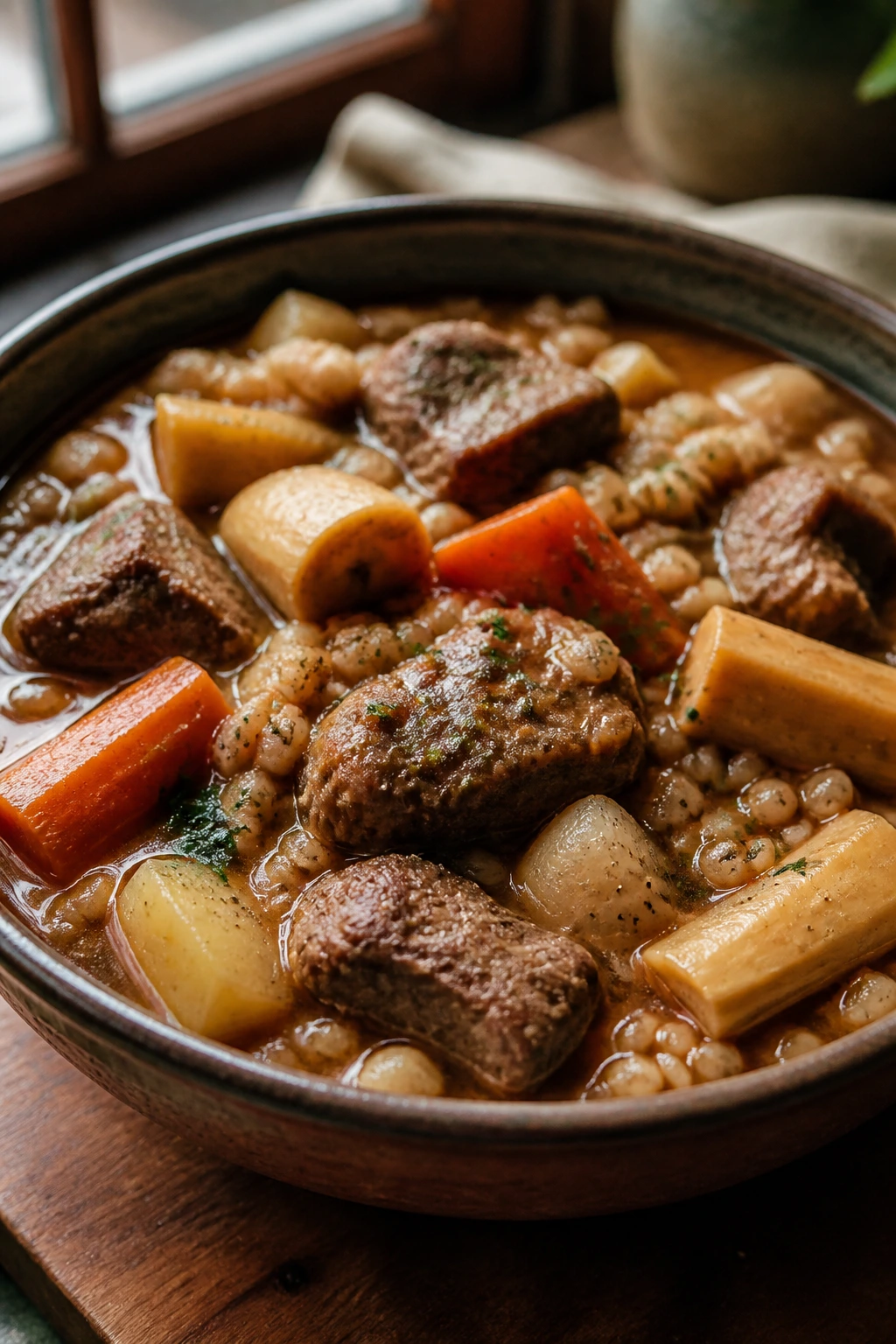
What makes lamb stew feel special is that it never tastes timid. The meat brings its own personality, and root vegetables like parsnips and turnips take on a sweet, earthy depth you don’t get from potatoes alone. This is the pot you make when you want dinner to feel like it had some intention behind it.
A lot of people think lamb is hard to work with. It isn’t, not really. It just wants enough heat and enough time to relax.
Why It Works
Lamb shoulder is the cut to buy because it has enough fat and connective tissue to stay juicy during a long braise. Parsnips and turnips hold their shape better than delicate vegetables and bring a sweet, peppery edge that keeps the stew from tasting one-note. A little red wine and tomato paste deepen the sauce without turning it heavy.
Key Ingredients
- 2½ lbs lamb shoulder, cut into 1½-inch cubes
- 2 tablespoons flour
- 2 tablespoons olive oil
- 1 large onion, chopped
- 3 garlic cloves, minced
- 2 tablespoons tomato paste
- 1 cup dry red wine
- 4 cups lamb or beef stock
- 3 carrots, cut into large chunks
- 2 parsnips, peeled and cut into chunks
- 2 turnips, peeled and cut into chunks
- 1 cup pearl barley, rinsed
- 2 sprigs rosemary
- 2 bay leaves
- Chopped mint or parsley for finishing
Quick Steps
- Coat and brown the lamb: Toss the lamb with flour, salt, and pepper. Brown it in hot oil in batches for 3 to 4 minutes per side.
- Cook the aromatics: Add the onion and cook for 5 minutes, scraping up the browned bits. Stir in the garlic and tomato paste and cook for 1 minute.
- Deglaze with wine: Pour in the wine and let it bubble for 2 minutes, until the sharp alcohol smell softens.
- Add stock and herbs: Stir in the stock, rosemary, bay leaves, and barley. Bring to a gentle simmer.
- Slow-cook the stew: Cover and cook on low heat for 1 hour 15 minutes.
- Add root vegetables: Stir in the carrots, parsnips, and turnips. Cook 40 to 45 minutes more, until the lamb is tender enough to pull apart with a spoon.
- Finish cleanly: Remove the rosemary and bay leaves, taste for salt, and add mint or parsley.
Tips and Variations
- Do not rush lamb: If it still feels chewy, give it more time. Lamb shoulder gets better, not worse, with patience.
- Barley note: The barley makes the stew thicker, but you can skip it if you want a lighter broth.
- Best garnish: Mint sounds odd until you taste it. Then it makes sense.
4. Smoky Sausage, Bean, and Kale Stew
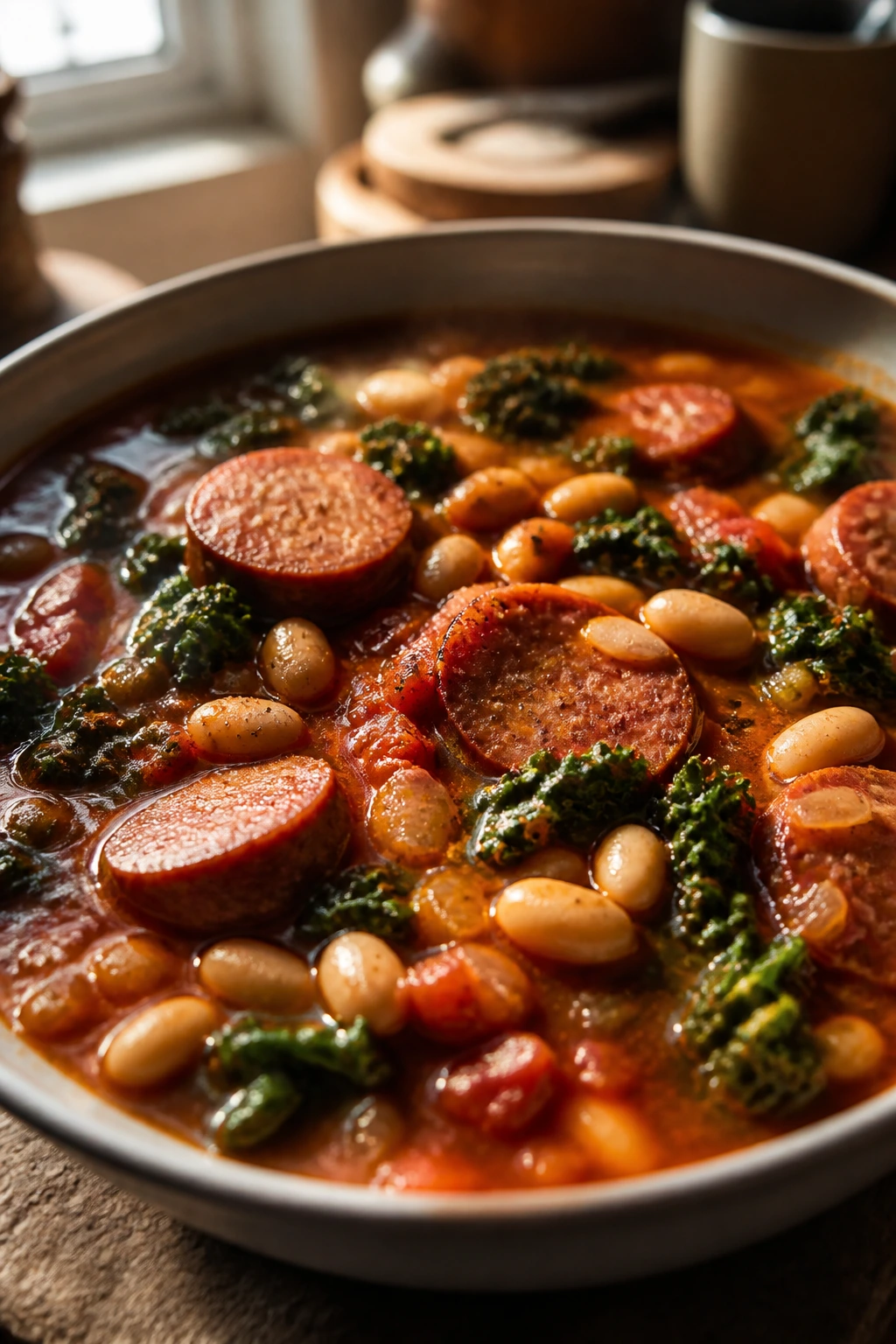
Smoky. Fast. Fridge-friendly. This is the stew I make when I want something that feels like it simmered all afternoon but only asked for half an hour of attention. The sausage seasons the whole pot, the beans make it filling, and the kale gives it that dark green backbone snowy nights seem to invite.
The trick here is simple: use sausage that actually tastes seasoned on its own. Bland sausage makes a bland stew, which is a waste of time and a perfectly avoidable disappointment.
Why It Works
Smoked sausage or kielbasa gives the broth fat, salt, and spice in one move, which means the pot gets flavor fast. Cannellini beans add creaminess without cream, and kale holds up well to the heat so the final bowl still has texture. A little smoked paprika doubles down on the smoky note and makes the stew taste deeper than the ingredient list suggests.
Key Ingredients
- 1½ lbs smoked sausage or kielbasa, sliced into ½-inch rounds
- 1 tablespoon olive oil
- 1 yellow onion, diced
- 2 carrots, diced
- 4 garlic cloves, minced
- 1 tablespoon smoked paprika
- 1 teaspoon fennel seeds
- 1 pinch red pepper flakes
- 1 can crushed tomatoes
- 3 cans cannellini beans, drained and rinsed
- 4 cups chicken stock
- 4 cups chopped kale
- 1 tablespoon lemon juice
- Chopped parsley for finishing
Quick Steps
- Brown the sausage: Heat the oil in a large pot and brown the sausage for 4 to 5 minutes, until the edges darken and some fat renders out.
- Cook the vegetables: Add the onion and carrots and cook for 6 minutes, until the onion softens. Stir in the garlic, paprika, fennel seeds, and red pepper flakes.
- Build the broth: Add the crushed tomatoes, beans, and stock. Scrape the bottom of the pot well.
- Simmer briefly: Bring the stew to a gentle simmer and cook uncovered for 15 minutes so the flavors settle and the broth thickens a little.
- Add the kale: Stir in the kale and cook for 5 minutes, until it turns deep green and tender.
- Brighten and serve: Add the lemon juice, taste for salt and pepper, and finish with parsley.
Tips and Variations
- Rinse the beans well: That canned bean liquid can muddy the broth.
- More heat: Add a chopped Calabrian chile or a little more red pepper flakes.
- Serve with bread: A thick slice of country bread catches the broth better than anything else.
5. Moroccan Chickpea and Sweet Potato Stew
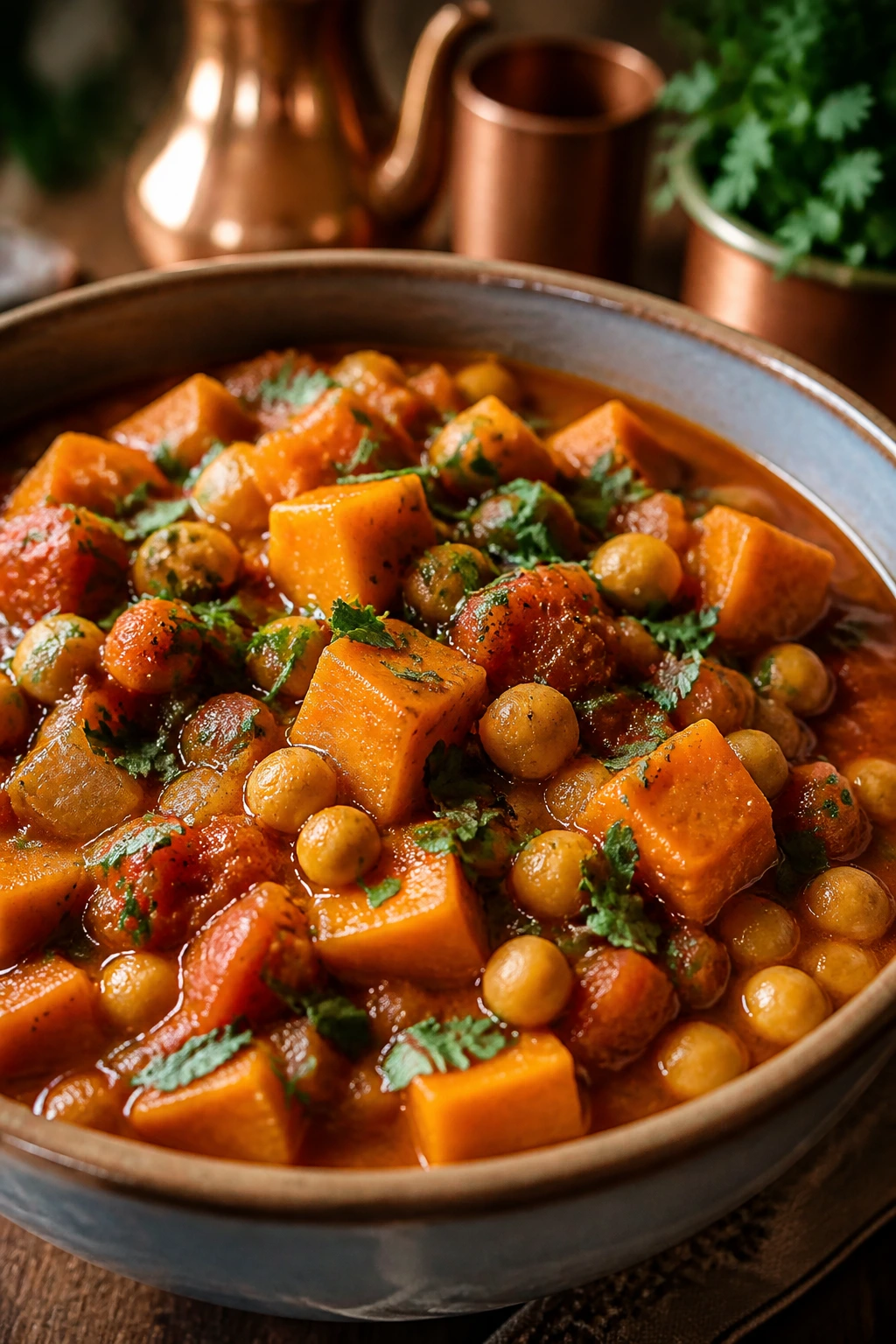
A vegetarian stew can carry dinner. It just has to do more than sit there and ask to be forgiven for not having meat. This one brings chickpeas, sweet potatoes, tomatoes, and warm spices into the same pot, then finishes with lemon so the whole thing stays bright instead of sleepy.
I like this stew because it has layers without being fussy. You taste sweetness first, then cumin and coriander, then a little heat, then the clean finish of herbs and citrus.
Why It Works
Chickpeas give the stew protein and a sturdy, nutty bite, while sweet potatoes break down enough to give the broth a soft, creamy body. Cumin, coriander, and cinnamon build a warm spice base that feels right in cold weather, and lemon juice at the end keeps the stew from turning heavy. If you like a little fire, a spoon of harissa adds depth instead of just heat.
Key Ingredients
- 2 tablespoons olive oil
- 1 large onion, chopped
- 4 garlic cloves, minced
- 1 tablespoon grated fresh ginger
- 2 teaspoons ground cumin
- 2 teaspoons ground coriander
- ½ teaspoon ground cinnamon
- 1 to 2 tablespoons harissa paste
- 2 large sweet potatoes, peeled and cut into 1-inch cubes
- 2 cans diced tomatoes
- 3 cans chickpeas, drained and rinsed
- 4 cups vegetable stock
- 3 cups baby spinach
- 1 lemon, juiced
- Chopped cilantro for serving
Quick Steps
- Wake up the spices: Heat the olive oil in a Dutch oven over medium heat. Cook the onion for 5 minutes, then add the garlic and ginger for 30 seconds.
- Toast the seasoning: Stir in the cumin, coriander, cinnamon, and harissa. Cook for 1 minute, until the spices smell fragrant.
- Add the body: Stir in the sweet potatoes, tomatoes, chickpeas, and stock. Bring to a simmer.
- Cook until tender: Cover and simmer for 20 minutes, until the sweet potatoes are soft at the edges and the broth has thickened a little.
- Finish with greens: Stir in the spinach and cook for 1 to 2 minutes, just until wilted.
- Brighten the pot: Add lemon juice, taste for salt, and serve with cilantro on top.
Tips and Variations
- Mash a cup of chickpeas if you want a thicker stew without flour.
- Coconut milk works too: Replace 1 cup of stock with coconut milk for a rounder finish.
- Good bread matters here: Flatbread, pita, or even toasted sourdough all do the job.
6. Guinness Beef Stew
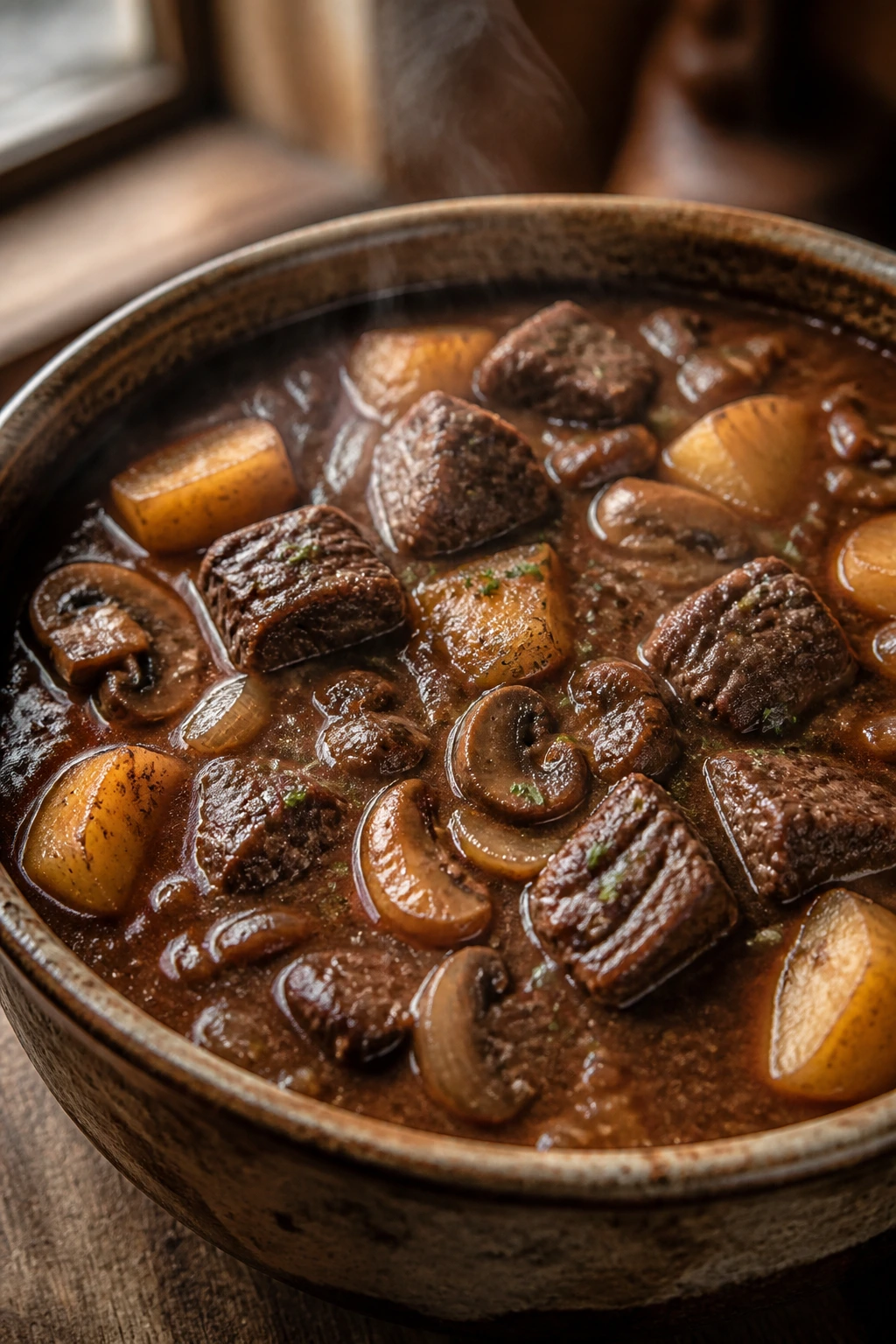
A bottle of stout and a cheap beef cut can make a pot that tastes far richer than the effort suggests. Guinness brings roasted bitterness, a faint molasses note, and enough depth to keep the stew from tasting like plain beef and carrots. Add potatoes, mushrooms, and onions, and you get something dark, glossy, and very easy to keep ladling.
This is the stew that teaches people not to fear beer in the pot. You’re not making beer soup. You’re using stout the way you’d use a strong stock with attitude.
Why It Works
Stout adds bitterness and roasted flavor that balance the fat in beef, while beef chuck turns tender after a long braise. Mushrooms reinforce the earthy note, and Worcestershire sauce gives the broth a little salty punch without making it taste like any one ingredient. A covered oven braise at low heat is the cleanest way to keep the meat soft and the sauce concentrated.
Key Ingredients
- 2½ lbs beef chuck, cut into cubes
- 2 tablespoons flour
- 2 tablespoons oil
- 1 large onion, sliced
- 8 oz mushrooms, halved
- 2 tablespoons tomato paste
- 1 bottle stout, about 12 oz
- 3 cups beef stock
- 3 carrots, cut into chunks
- 1 lb Yukon Gold potatoes, cut into chunks
- 2 teaspoons Worcestershire sauce
- 2 sprigs thyme
- 2 bay leaves
Quick Steps
- Brown the beef well: Coat the beef lightly with flour, salt, and pepper. Sear it in hot oil in batches until the edges are deeply browned.
- Cook onion and mushrooms: Add the onion and mushrooms and cook for 6 to 8 minutes, until the mushrooms release their liquid and start to brown.
- Stir in tomato paste: Cook the tomato paste for 1 minute so it darkens slightly.
- Add stout and stock: Pour in the stout and scrape the bottom of the pot. Add stock, Worcestershire sauce, thyme, and bay leaves.
- Braise slowly: Cover and cook in a 325°F oven for 1 hour 45 minutes.
- Add vegetables: Stir in the carrots and potatoes and cook 30 to 35 minutes more, until the beef is fork-tender.
- Finish and rest: Remove the herbs, taste for salt, and rest the stew for 10 minutes before serving.
Tips and Variations
- Use a dry stout: Sweeter beers can make the broth too heavy.
- Oven or stovetop: Either works, but the oven gives steadier heat.
- Tiny finish, big payoff: A splash of red wine vinegar at the end sharpens the whole pot.
7. Turkey and White Bean Stew
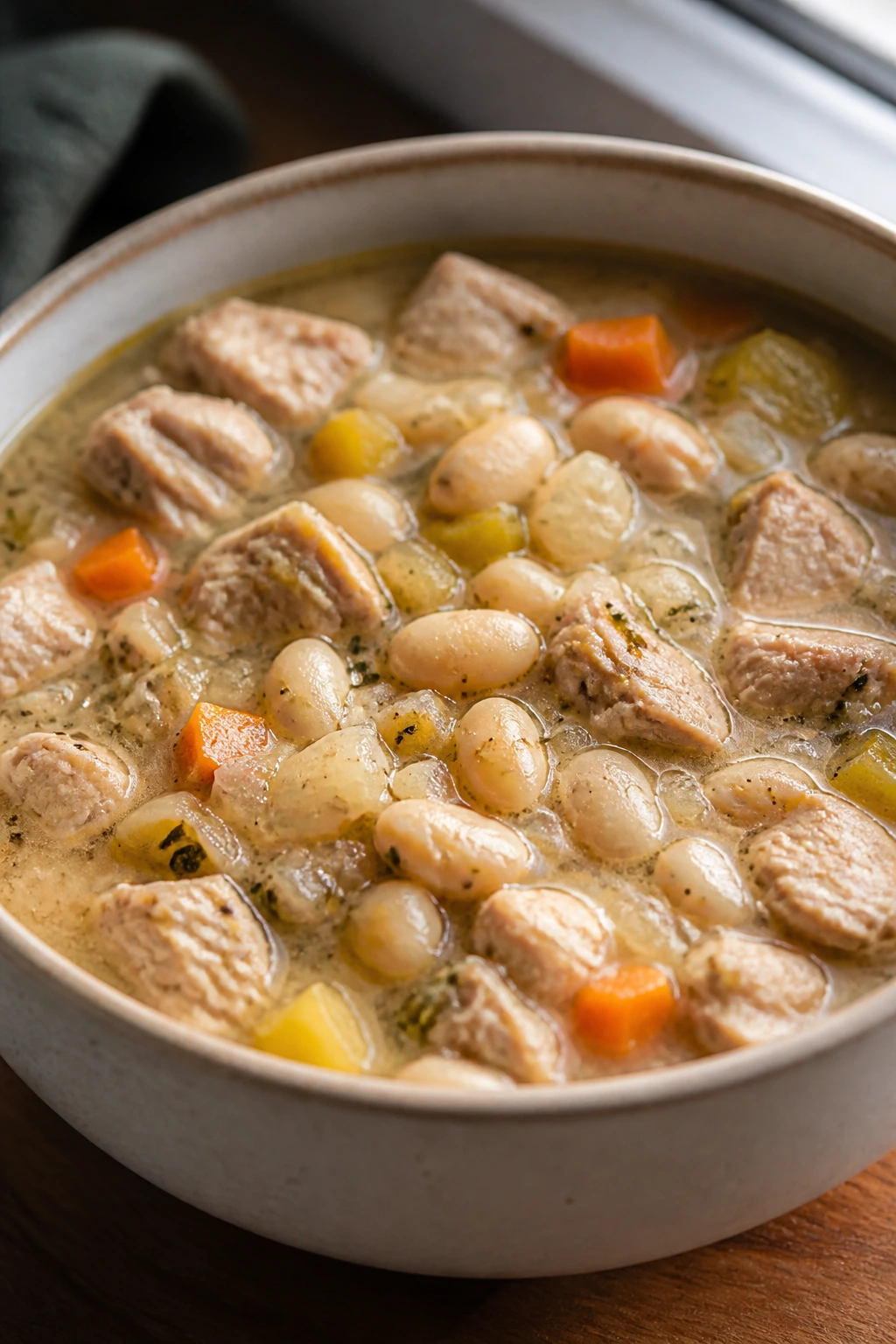
Turkey stew gets ignored too often, usually because people only think of it as a leftover move. That’s a shame. Turkey thighs simmer beautifully, white beans make the broth creamy, and fennel or celery gives the whole pot a clean, almost quiet flavor that feels good when the weather outside is loud and gray.
This is lighter than the beef stews, but not flimsy. It has enough body to stand on its own, especially with bread or a mound of rice on the side.
Why It Works
Turkey thighs are juicier than breast meat and better suited to a simmer. White beans thicken the broth naturally, which means the stew feels full without turning stodgy. A little lemon zest or juice at the end keeps the flavor sharp, which matters because turkey and beans can both lean mild if they’re not pushed in the right direction.
Key Ingredients
- 2 lbs boneless turkey thighs, cut into 1½-inch pieces
- 1 tablespoon olive oil
- 1 onion, diced
- 2 carrots, diced
- 2 celery stalks, diced
- 3 garlic cloves, minced
- 1 teaspoon dried rosemary
- 1 teaspoon dried thyme
- 3 cans white beans, drained and rinsed
- 4 cups chicken stock
- 2 cups chopped spinach
- 1 lemon, zested and juiced
- Salt and black pepper
Quick Steps
- Brown the turkey: Heat the oil in a pot and brown the turkey pieces for 3 to 4 minutes per side.
- Cook the vegetables: Add onion, carrots, and celery. Cook for 6 minutes, until the onion softens.
- Add garlic and herbs: Stir in garlic, rosemary, and thyme for 30 seconds.
- Add beans and stock: Stir in the beans and stock. Bring to a simmer and cook for 20 minutes.
- Check the turkey: Make sure the turkey reaches 165°F and feels tender, not dry.
- Finish with greens and citrus: Stir in the spinach, lemon zest, and lemon juice. Cook just until the spinach wilts.
Tips and Variations
- Leftover turkey works: If you’re using cooked turkey, add it during the last 10 minutes only.
- Try dill: It sounds unusual, but a little dill with lemon works well here.
- Creamy option: Mash a cup of beans against the side of the pot for a thicker broth.
8. Fish Stew with Tomatoes and Fennel
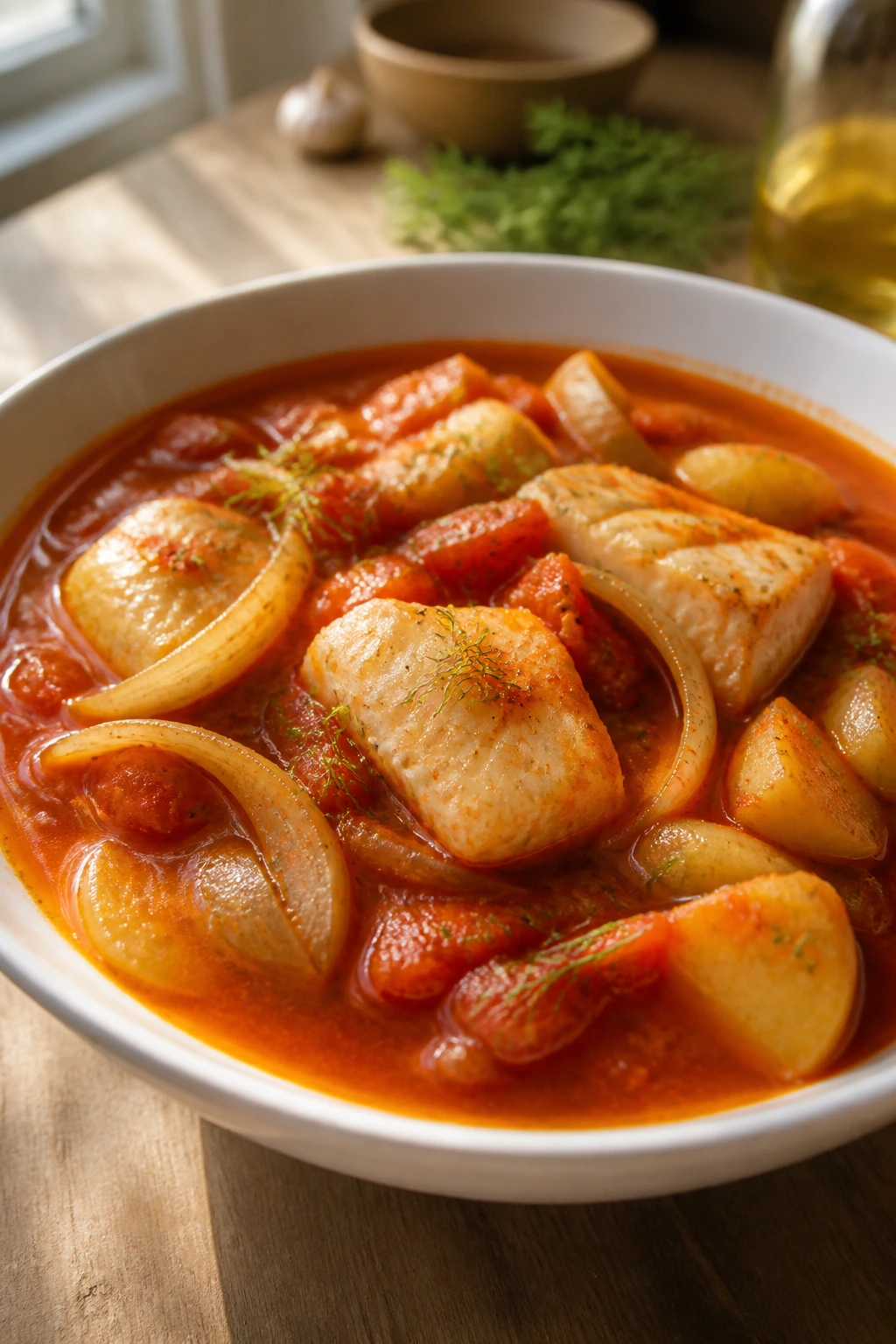
A tomato-rich fish stew smells like the coast and the stove at the same time. Fennel softens into sweetness, garlic and white wine sharpen the broth, and firm white fish turns tender in a few minutes if you treat it with a little respect. This is hearty in a different way—less heavy, more briny, still very much dinner.
Don’t overthink the fish. Buy something firm, keep the simmer gentle, and stop stirring once the fish goes in. That’s the whole trick.
Why It Works
Firm white fish like cod, haddock, halibut, or pollock stays intact in hot broth if you add it at the very end. Fennel and tomatoes create a clean, savory base that feels both rich and fresh, while potatoes make the bowl filling enough for a full meal. A little saffron is lovely, but smoked paprika can do useful work too if saffron is not in the pantry.
Key Ingredients
- 1 fennel bulb, thinly sliced
- 1 onion, sliced
- 4 garlic cloves, minced
- 2 tablespoons tomato paste
- 1 cup dry white wine
- 1 can crushed tomatoes
- 3 cups fish stock or chicken stock
- 1 lb Yukon Gold potatoes, sliced into thin rounds
- 1½ lbs firm white fish, cut into large chunks
- 1 lb peeled shrimp, optional
- Pinch of saffron threads or 1 teaspoon smoked paprika
- Lemon wedges
- Chopped parsley
Quick Steps
- Soften the base: Cook fennel and onion in olive oil over medium heat for 8 minutes, until they soften and smell sweet.
- Add garlic and paste: Stir in garlic and tomato paste and cook for 1 minute.
- Deglaze with wine: Pour in the white wine and cook for 2 minutes.
- Simmer potatoes in broth: Add tomatoes, stock, saffron or paprika, and potatoes. Simmer for 15 to 20 minutes, until the potatoes are just tender.
- Add seafood late: Gently lay in the fish and shrimp. Cook for 5 to 7 minutes, until the fish flakes and the shrimp turn pink.
- Finish gently: Add lemon juice if needed, then parsley. Do not stir hard once the fish is in the pot.
Tips and Variations
- Use the freshest fish you can get: Fish stew forgives many things, but not tired seafood.
- Skip the shrimp if you want: The fish alone is enough.
- Bread is non-negotiable: A crusty loaf is the best utensil here.
9. Pork and Cider Stew
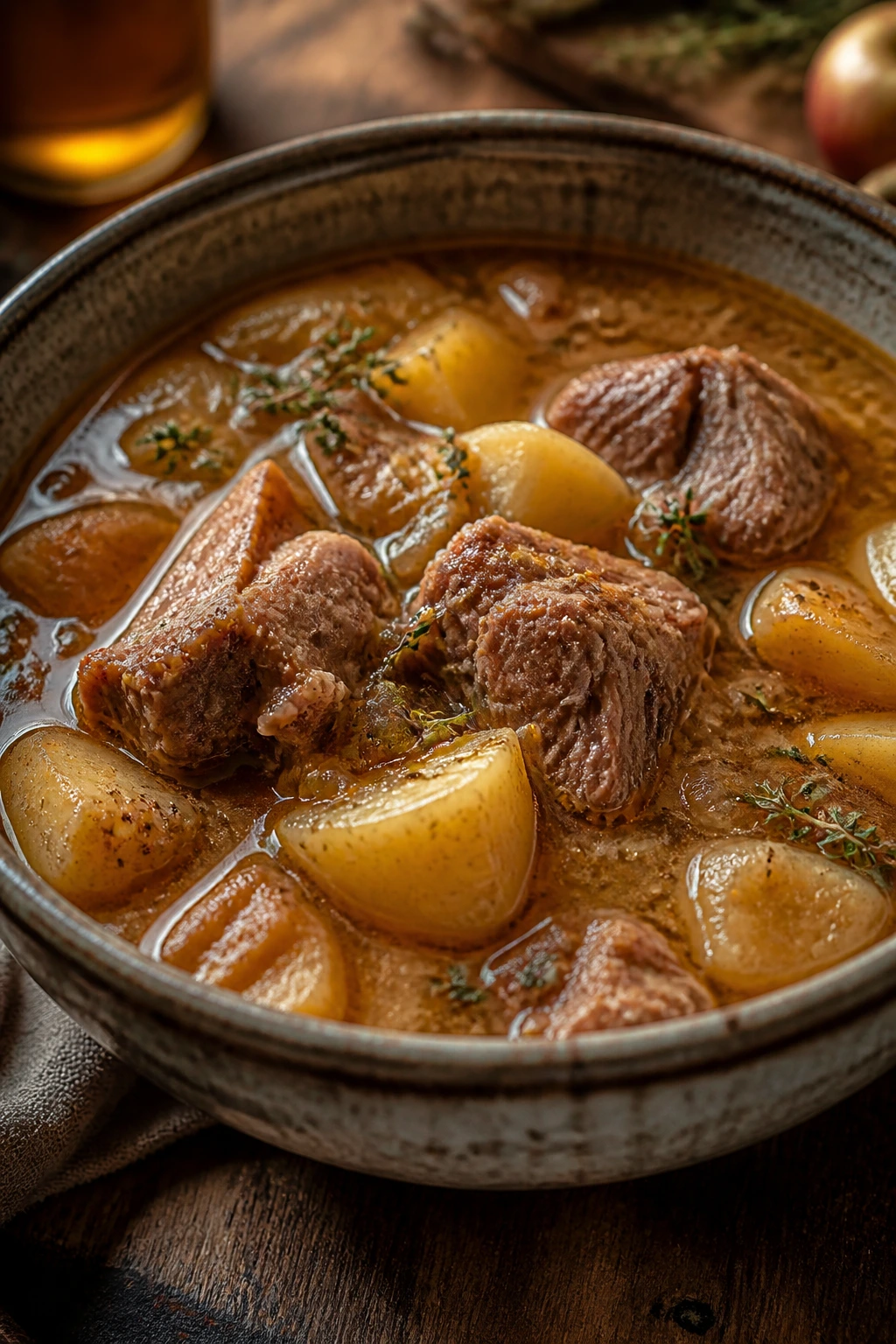
Pork shoulder belongs in stew more often than people admit. It turns tender in a long simmer, it likes apples and mustard, and cider gives the broth a faint sweetness that keeps the pot from tasting muddy. This is one of those dinners that feels rural in the best sense—simple ingredients, clear flavors, no drama.
The apples go in late. That’s the whole difference between a stew that tastes balanced and one that tastes like dessert wandered into the wrong pot.
Why It Works
Pork shoulder has enough fat and connective tissue to stay juicy through a long cook. Dry cider adds acidity and a fruit note that plays well with apples, mustard, and thyme, which means the broth tastes rounded instead of heavy. A few potatoes help the stew feel complete without making it clumpy.
Key Ingredients
- 2½ lbs pork shoulder, cut into 1½-inch cubes
- 2 tablespoons flour
- 2 tablespoons oil
- 1 onion, chopped
- 3 carrots, cut into chunks
- 3 garlic cloves, minced
- 2 cups dry cider
- 2 cups chicken or pork stock
- 2 tablespoons Dijon mustard
- 2 teaspoons fresh thyme or 1 teaspoon dried thyme
- 2 apples, peeled and cut into wedges
- 1 lb baby potatoes
- 1 tablespoon apple cider vinegar
Quick Steps
- Brown the pork: Toss the pork with flour, salt, and pepper. Brown it in hot oil in batches until the edges are golden.
- Cook the onion and carrots: Add the onion and carrots and cook for 5 to 6 minutes, until the onion softens.
- Add garlic and mustard: Stir in garlic and Dijon mustard for 30 seconds.
- Pour in cider and stock: Add the cider, stock, and thyme, scraping up the browned bits.
- Simmer until tender: Cover and cook for 1 hour 15 minutes on low heat.
- Add apples and potatoes: Stir in the apples and potatoes and cook 25 to 30 minutes more, until the pork is soft and the potatoes are cooked through.
- Finish with acid: Stir in cider vinegar and adjust salt and pepper.
Tips and Variations
- Use dry cider, not sweet: Sweet cider can make the stew taste sticky.
- Apples should stay visible: Add them late so they keep some shape.
- Good with mustard bread: A smear of whole-grain mustard on toast is a sharp, smart side.
10. Mushroom and Barley Stew
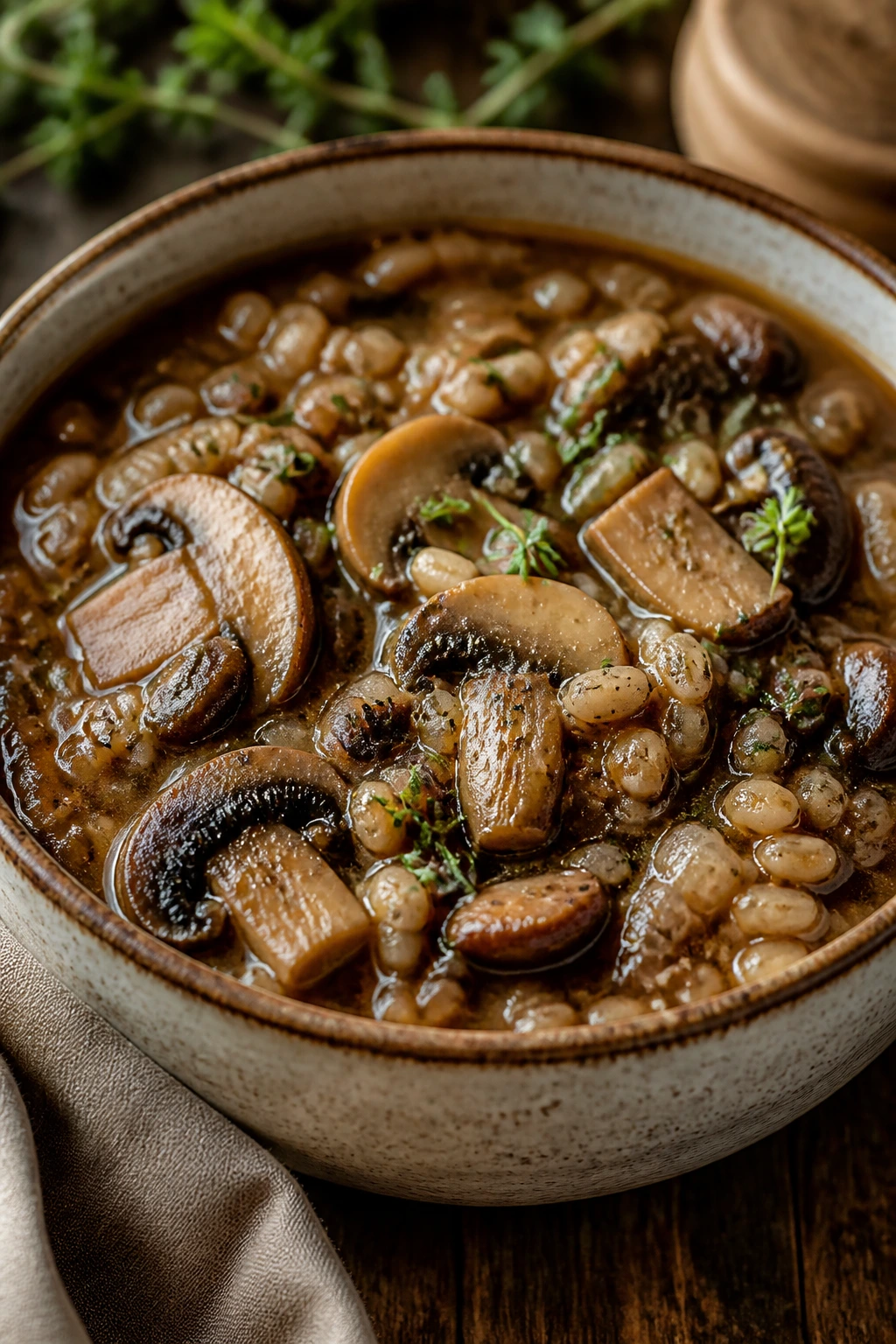
Can mushrooms carry a stew on their own? They can, if you treat them well. Brown them in batches, let barley do its slow, steady work, and use enough thyme and stock to make the pot taste intentional. This is one of the best meatless stews for a cold day because it eats like something with a backbone.
The texture matters here. Barley gives chew, mushrooms give richness, and the broth should land somewhere between brothy and thick.
Why It Works
A mix of mushrooms—cremini, shiitake, oyster if you like—creates more depth than a single variety can manage. Pearl barley releases starch slowly, thickening the broth while keeping a pleasant chew, and a little soy sauce or tamari adds savory depth without making the stew taste Asian or overly salty. This one also gets better after resting, which is handy because barley keeps absorbing flavor.
Key Ingredients
- 2 lbs mushrooms, sliced or torn
- 2 tablespoons olive oil
- 1 onion, diced
- 2 carrots, diced
- 2 celery stalks, diced
- 4 garlic cloves, minced
- 1 cup pearl barley, rinsed
- 6 cups vegetable stock
- 2 teaspoons fresh thyme or 1 teaspoon dried thyme
- 2 tablespoons soy sauce or tamari
- 1 bay leaf
- 2 tablespoons chopped parsley
- 1 tablespoon butter or olive oil for finishing, optional
Quick Steps
- Brown the mushrooms in batches: Use a wide pot and cook the mushrooms in a little oil until they give up their water and start to brown. This takes 8 to 10 minutes.
- Soften the vegetables: Add onion, carrots, and celery and cook for 6 minutes.
- Add garlic and barley: Stir in garlic and barley and cook for 1 minute.
- Add stock and herbs: Pour in the stock, thyme, soy sauce, and bay leaf. Bring to a boil, then reduce to a steady simmer.
- Cook until the barley is tender: Simmer uncovered for 40 to 45 minutes, stirring now and then, until the barley is chewy and the broth has thickened.
- Finish and adjust: Remove the bay leaf, stir in parsley, and add a little butter or olive oil if you want the broth to feel rounder.
Tips and Variations
- Do not crowd the mushrooms: That’s how you get gray, steamed slices instead of browned ones.
- Gluten-free swap: Use buckwheat groats or brown rice instead of barley.
- A little acid helps: A splash of sherry vinegar at the end wakes up the mushrooms nicely.
11. Coconut Curry Lentil Stew
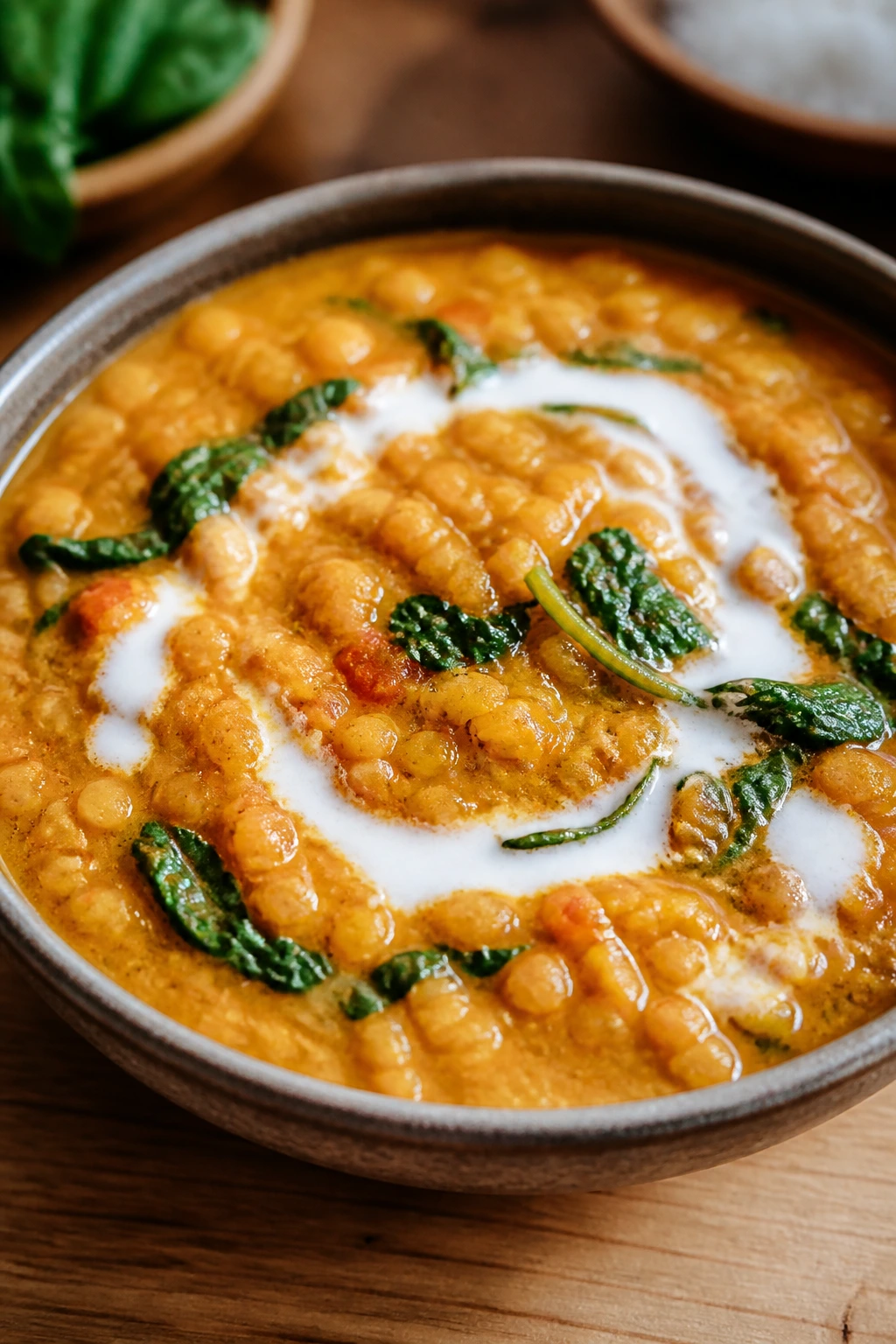
Red lentils thicken themselves. That’s part of their charm and part of why they’re so useful on a cold night when you want dinner to move faster than a beef braise. Add coconut milk, ginger, and curry paste, and you get a stew that is soft, fragrant, and still filling enough to count as a real meal.
This one is the fastest pot in the bunch, and I make no apology for that. Not every snowy day needs a three-hour braise.
Why It Works
Red lentils break down quickly and create a naturally thick stew without needing cream or flour. Coconut milk softens the spice and gives the broth a lush texture, while ginger, curry paste, and lime keep the flavors bright. A handful of spinach at the end adds color and a little freshness that cuts through the richness.
Key Ingredients
- 1½ cups red lentils, rinsed
- 1 tablespoon coconut oil or olive oil
- 1 onion, diced
- 3 garlic cloves, minced
- 1 tablespoon grated ginger
- 2 to 3 tablespoons curry paste
- 2 carrots, diced
- 4 cups vegetable stock
- 1 can coconut milk
- 2 cups baby spinach
- 1 lime, juiced
- Salt
- Chopped cilantro for serving
Quick Steps
- Cook the onion: Heat the oil over medium heat and cook the onion for 5 minutes until soft.
- Add the aromatics: Stir in the garlic and ginger for 30 seconds, then add the curry paste and cook for 1 minute.
- Add lentils and carrots: Stir in the lentils, carrots, and stock.
- Simmer gently: Cook uncovered for 20 minutes, stirring now and then, until the lentils soften and begin to fall apart.
- Stir in coconut milk: Add the coconut milk and cook for 5 minutes more.
- Finish with greens and lime: Stir in spinach until wilted, then add lime juice and taste for salt.
Tips and Variations
- Rinse the lentils: They cook more evenly and the broth stays cleaner.
- Don’t blast the heat: A hard boil can make the stew sputter and stick.
- Serve over rice: It turns a bowl into a meal that eats far bigger than it looks.
12. Tex-Mex Chicken and Hominy Stew
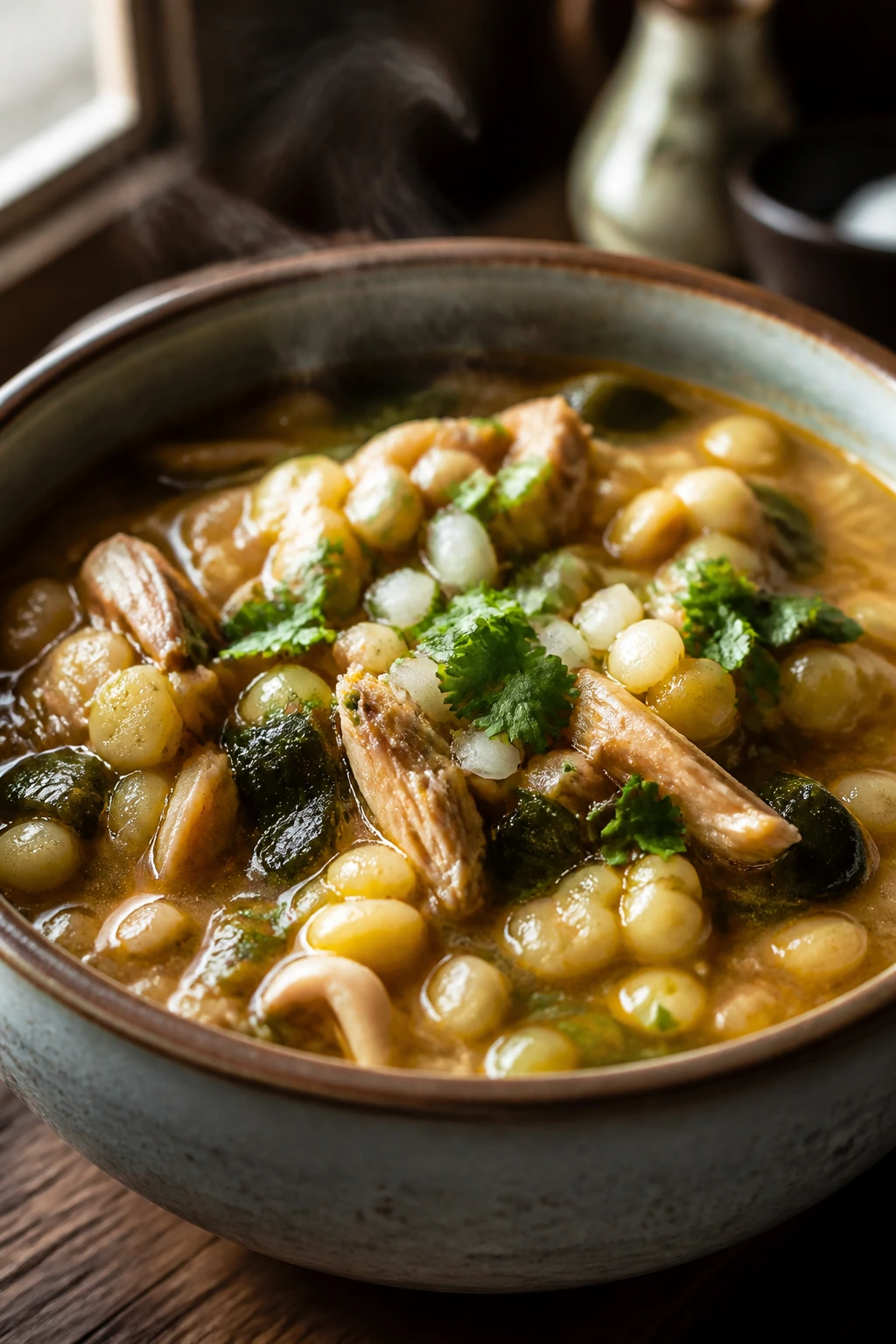
If the pot needs to feed people fast, this is the one I reach for. Chicken thighs, hominy, poblano peppers, and cumin make a stew that feels like it has been simmering much longer than it has. The hominy gives a chewy, corn-forward bite that sets this apart from plain chicken soup, and the broth takes on a satisfying, chili-adjacent depth.
There’s a lot to like here, but the real charm is texture. Hominy stays distinct, chicken shreds into the broth, and the whole thing likes a squeeze of lime at the end.
Why It Works
Hominy brings body and chew in a way beans or potatoes can’t quite match. Chicken thighs stay juicy through the simmer, and poblano peppers, cumin, and oregano build a savory base with a little smoke and warmth. A final hit of lime and cilantro keeps the stew from feeling too dense.
Key Ingredients
- 2 lbs boneless chicken thighs
- 1 tablespoon oil
- 1 onion, diced
- 2 poblano peppers, diced
- 4 garlic cloves, minced
- 2 teaspoons ground cumin
- 1 teaspoon dried oregano
- 1 can diced tomatoes
- 2 cans hominy, drained and rinsed
- 4 cups chicken stock
- 1 cup corn kernels, fresh or frozen
- 1 lime, juiced
- Chopped cilantro
- Avocado, for serving, optional
Quick Steps
- Brown the chicken: Season the thighs with salt and pepper. Brown them in oil for 3 to 4 minutes per side.
- Cook the vegetables: Add onion and poblanos and cook for 5 minutes.
- Add garlic and spices: Stir in garlic, cumin, and oregano for 30 seconds.
- Build the stew: Add tomatoes, hominy, stock, and corn. Bring to a simmer.
- Cook until tender: Cover and simmer for 20 to 25 minutes, until the chicken is cooked through and easy to shred.
- Finish the bowl: Shred the chicken, stir in lime juice and cilantro, and serve hot.
Tips and Variations
- Mash some hominy: That thickens the broth without flour.
- Want heat? Add jalapeño or a spoon of chipotle in adobo.
- Nice with tortillas: Warm corn tortillas make a better side than bread here.
13. Rustic Tomato, White Bean, and Escarole Stew
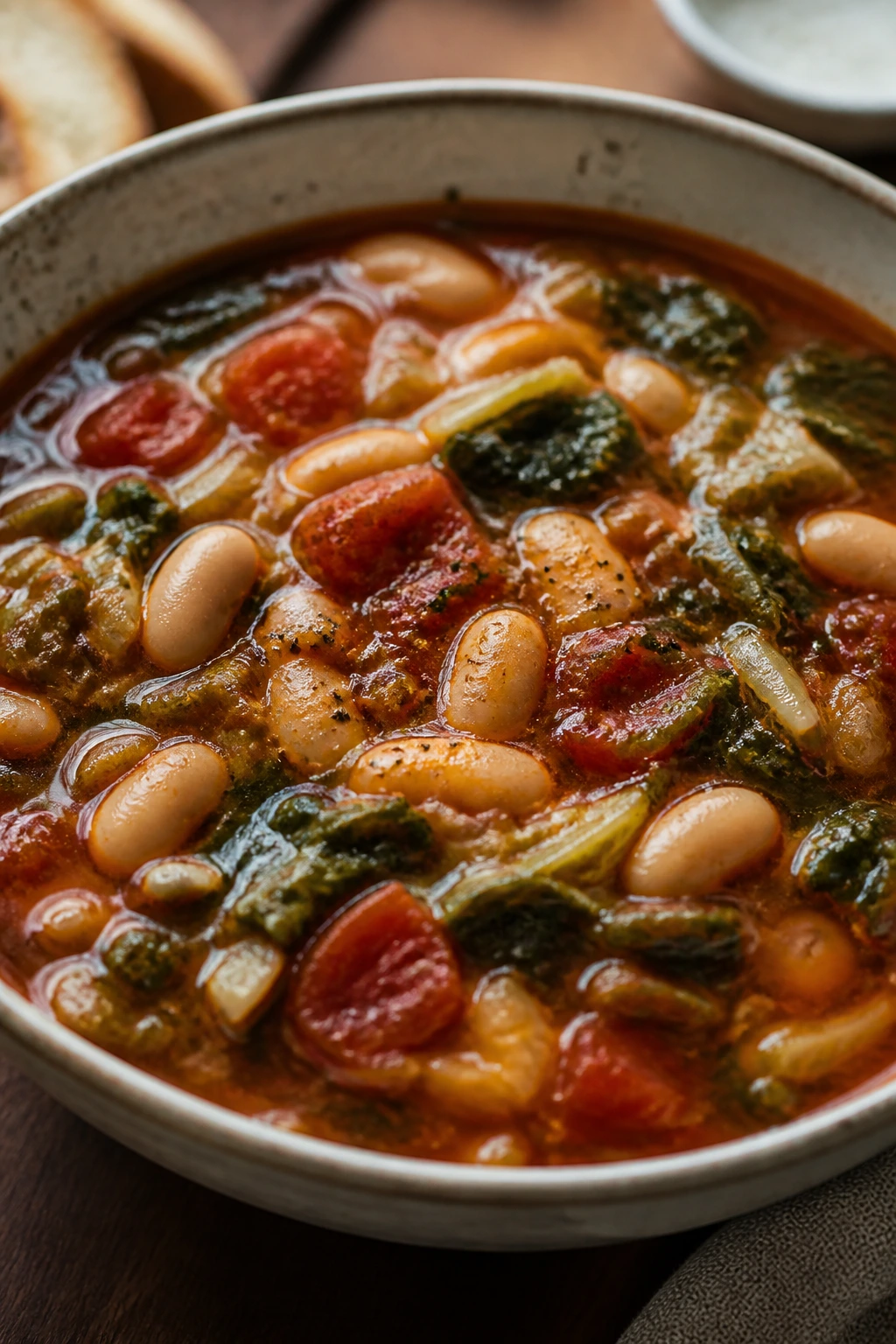
Escarole turns silky in hot broth, which is reason enough to love this stew. Add tomatoes, white beans, garlic, and a parmesan rind if you have one, and the whole pot takes on a savory depth that tastes far more complicated than it is. It’s humble food, but in the best possible way.
I like this one for nights when I want something meatless but still grown-up. The beans carry it, the greens finish it, and the broth tastes like it has been paying attention.
Why It Works
Cannellini beans make the stew filling and creamy, while escarole softens without turning to mush. Tomatoes, garlic, rosemary, and a parmesan rind give the broth enough backbone that you don’t miss meat. A little olive oil at the end rounds the edges and makes the greens taste richer.
Key Ingredients
- 2 tablespoons olive oil
- 1 onion, diced
- 4 garlic cloves, minced
- 1 teaspoon crushed red pepper flakes
- 1 can crushed tomatoes
- 3 cans cannellini beans, drained and rinsed
- 4 cups vegetable stock
- 1 parmesan rind, optional
- 1 small head escarole, chopped
- 1 teaspoon dried rosemary or 1 tablespoon fresh rosemary
- Salt and black pepper
- Extra olive oil for finishing
Quick Steps
- Start the base: Heat olive oil and cook onion for 5 minutes, until softened.
- Add garlic and pepper flakes: Stir in garlic and red pepper flakes for 30 seconds.
- Add tomatoes and beans: Pour in the crushed tomatoes, beans, stock, and parmesan rind.
- Simmer: Cook uncovered for 20 minutes so the broth thickens and the flavors settle.
- Add escarole: Stir in the chopped escarole and rosemary and cook 5 minutes more, until the greens are tender.
- Finish cleanly: Remove the parmesan rind, season with salt and pepper, and drizzle with olive oil.
Tips and Variations
- Kale can step in: If escarole is hard to find, chopped kale is an easy swap.
- Bread and cheese help: Toasted bread rubbed with garlic is a smart side.
- Make it richer: A spoon of pesto on top is excellent here.
14. Short Rib and Parsnip Stew
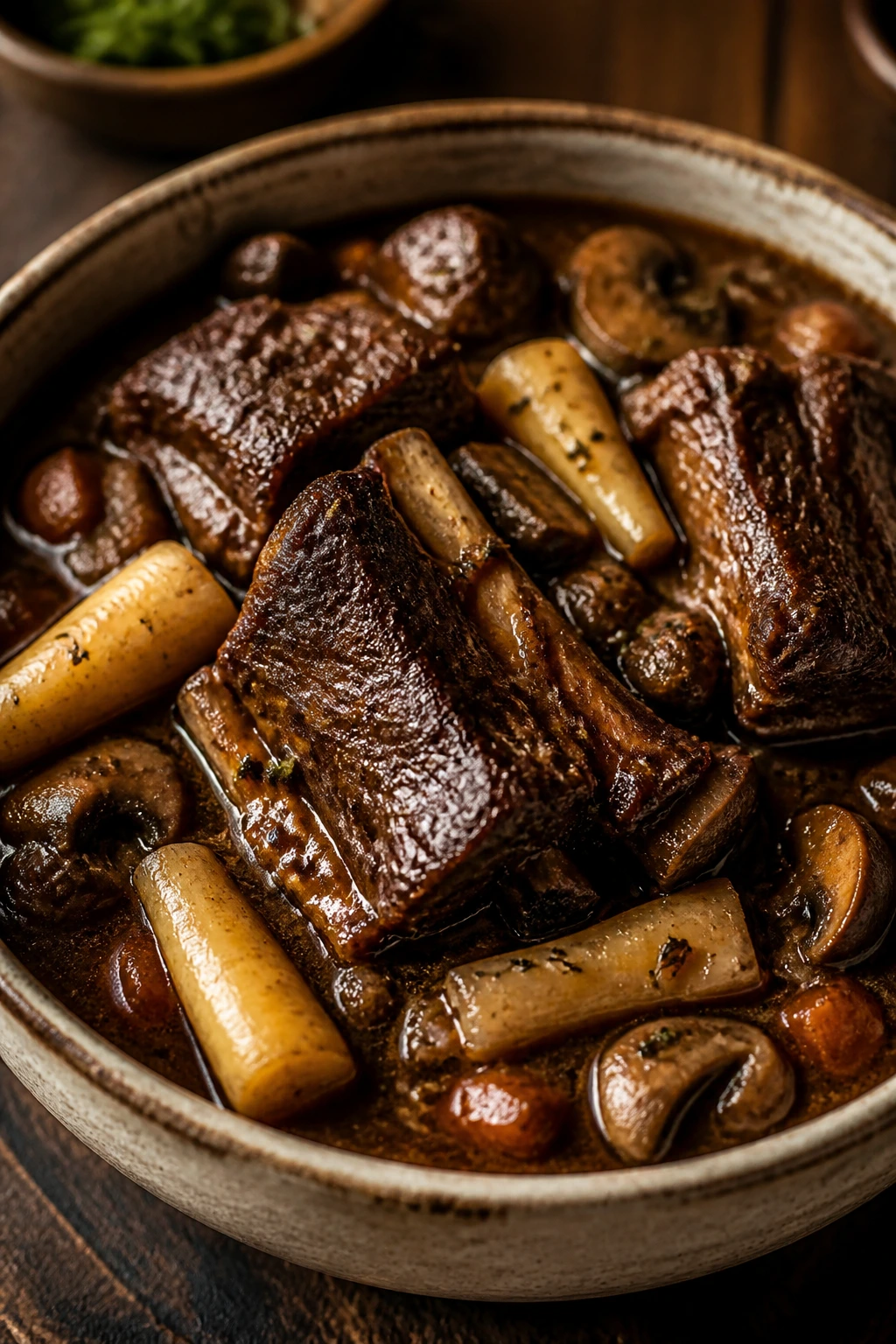
Short ribs make a stew taste expensive because they are. They also make a stew taste worth the time you put into it, which matters more. The meat braises into silky, nearly spoonable pieces, the parsnips go sweet at the edges, and the sauce ends up dark and glossy in a way that makes people go quiet for a second.
This is a long-cook pot, and it should be. If you want the kind of stew that feels like a reward, this is it.
Why It Works
Short ribs have collagen and fat in exactly the right ratio for a long braise, which means they soften instead of drying out. Parsnips, mushrooms, and carrots build sweetness and earthiness around the meat, while red wine and tomato paste deepen the sauce. A low oven keeps the braise gentle and steady, which gives the ribs time to collapse into tenderness.
Key Ingredients
- 4 lbs bone-in short ribs
- 2 tablespoons flour
- 2 tablespoons oil
- 1 large onion, chopped
- 3 carrots, cut into chunks
- 2 parsnips, cut into chunks
- 8 oz mushrooms, halved
- 2 tablespoons tomato paste
- 1½ cups dry red wine
- 4 cups beef stock
- 2 bay leaves
- 2 sprigs thyme
- 1 tablespoon balsamic vinegar
Quick Steps
- Season and brown the ribs: Pat the ribs dry, season with salt and pepper, dust lightly with flour, and brown them well on all sides in hot oil.
- Cook the vegetables: Add onion, carrots, and parsnips. Cook for 6 minutes.
- Stir in tomato paste: Cook the paste for 1 minute until it darkens.
- Deglaze and build the braise: Pour in the wine, scrape the pot, then add stock, bay leaves, and thyme.
- Braise slowly: Cover and cook at 325°F for 2½ to 3 hours, until the meat is falling off the bone.
- Add mushrooms near the end: Stir in the mushrooms for the last 25 minutes so they stay meaty.
- Finish and rest: Remove the ribs if needed, skim fat, stir in balsamic vinegar, and let the stew sit for 10 minutes.
Tips and Variations
- Braise tightly covered: Loose lids let steam escape and dry out the meat.
- Even better tomorrow: Short rib stew is one of the best make-ahead pots in the whole list.
- Serve with mashed potatoes: It’s rich enough to welcome a creamy side.
15. Split Pea and Ham Stew
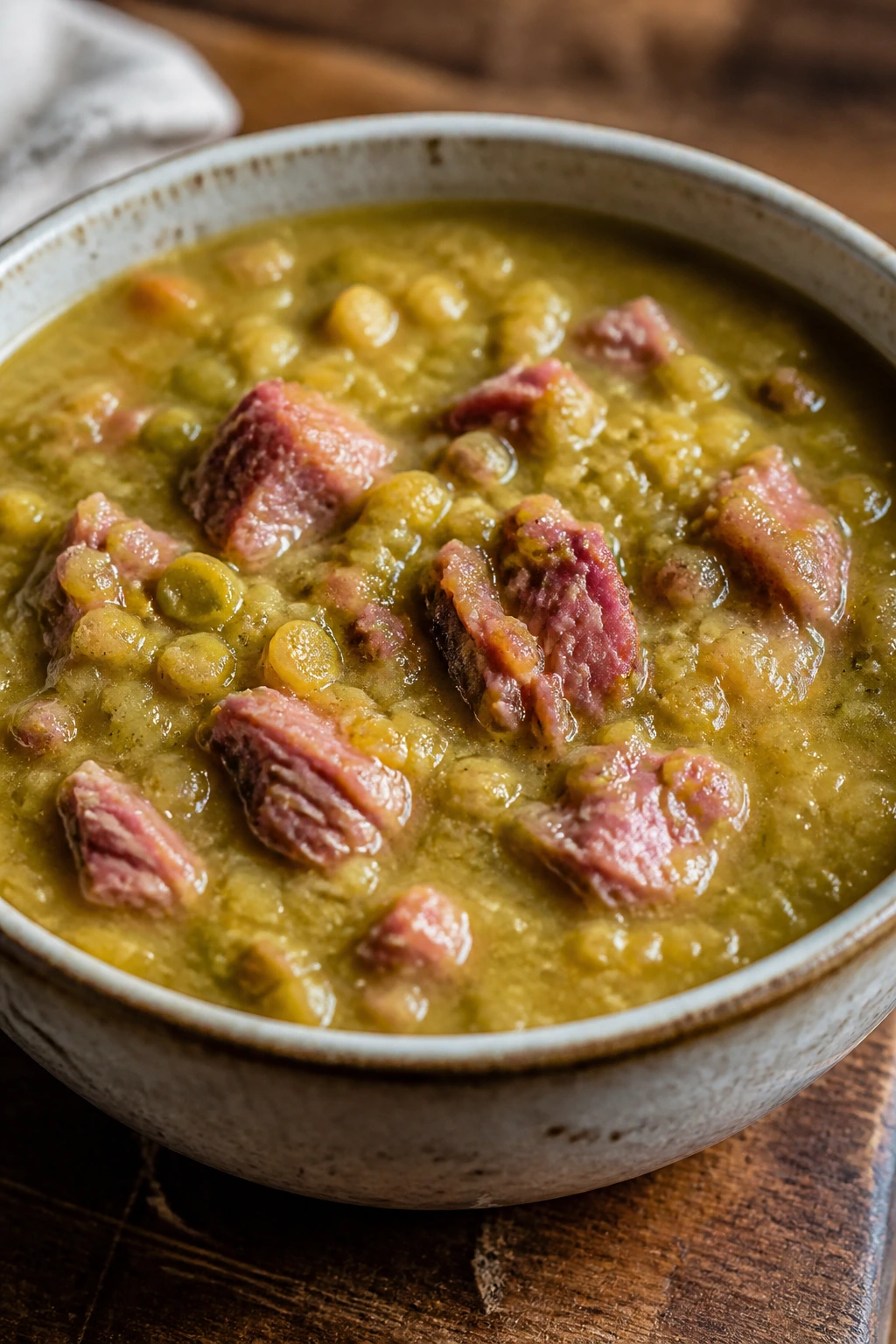
Split peas go from dusty little pellets to velvet if you give them time and a salty ham bone. That transformation never gets old. The broth turns thick, the peas melt, the ham adds smoky depth, and carrots and celery keep the bowl from collapsing into pure starch.
This is the stew that smells like an old, well-used kitchen in the best sense. It’s thrifty, filling, and better than its humble ingredients suggest.
Why It Works
Split peas break down naturally and create body without cream or flour. Ham hock or diced ham seasons the entire pot while adding smoky richness, and a mix of carrots, celery, and onion gives the stew enough sweetness to balance the salt. Because ham can be salty on its own, the smartest move is to season in layers and taste near the end.
Key Ingredients
- 1 lb dried split peas, rinsed
- 1 smoked ham hock or 2 cups diced ham
- 1 onion, diced
- 2 carrots, diced
- 2 celery stalks, diced
- 3 garlic cloves, minced
- 2 bay leaves
- 1 teaspoon dried thyme
- 6 cups chicken stock or water
- 1 lb Yukon Gold potatoes, optional, cut into chunks
- 1 tablespoon Dijon mustard
- Black pepper
Quick Steps
- Rinse the peas: Give them a quick rinse and pick out any stones or damaged pieces.
- Soften the vegetables: Cook onion, carrots, and celery in a large pot with a little oil for 5 to 6 minutes.
- Add garlic and peas: Stir in garlic, split peas, ham hock, bay leaves, thyme, stock, and enough water to cover by about 1 inch.
- Simmer slowly: Cook uncovered or partly covered for 1 to 1½ hours, stirring now and then, until the peas break down and the stew turns thick.
- Add potatoes if using: Stir them in during the last 20 minutes so they hold their shape.
- Finish the flavor: Remove the ham hock, shred any meat from it, return the meat to the pot, and stir in Dijon mustard and black pepper.
Tips and Variations
- Salt late: Ham can be salty enough on its own.
- Texture choice: If you want it smoother, blend a cup of the stew and stir it back in.
- Good with rye bread: The flavor pairing is old-fashioned in the nicest way.
Why the Pot Belongs on the Stove When Snow Falls
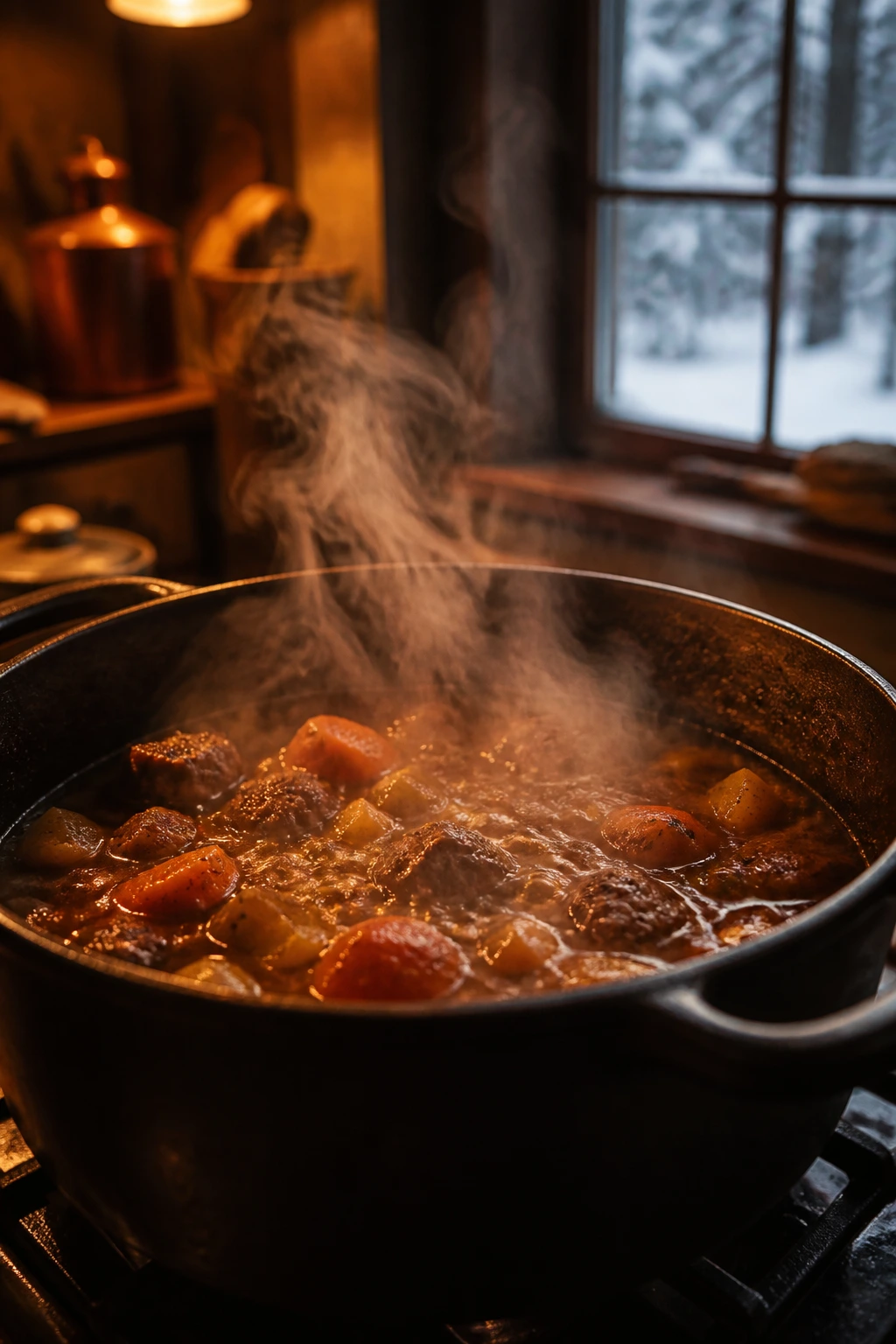
Stew rewards calm heat and a little patience. That’s the real reason these bowls work so well when the weather turns ugly. Browning creates depth, long simmering softens the right cuts, and the broth picks up body from starch, beans, barley, or collagen without needing a lot of extra fuss.
The best part is how little you have to force it. If the ingredients are good and the pot is managed well, the stew does the heavy lifting on its own. You just keep an eye on the heat and know when to stop.
Essential Equipment for These Stew Dinners
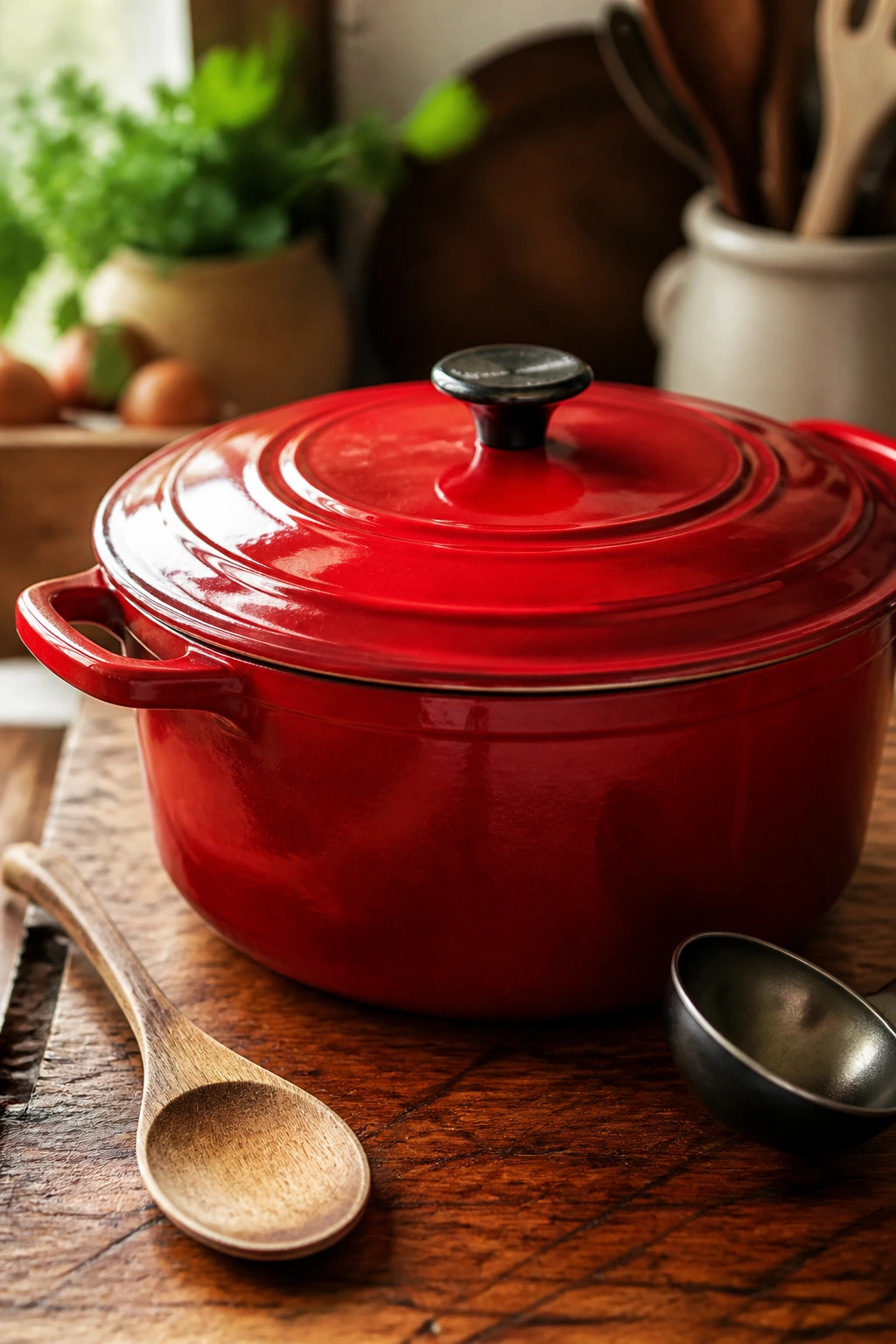
- Dutch oven or heavy soup pot: The even heat matters, especially for beef, lamb, pork, and short rib stews.
- Large wooden spoon or spatula: Useful for scraping up browned bits without tearing up the pot.
- Sharp chef’s knife: Root vegetables cut better, and faster, with a sharp blade.
- Cutting board with a stable surface: A damp towel under the board helps it stay put.
- Measuring spoons and cups: Helpful for spices, stock, and thickeners.
- Ladle: Makes serving cleaner and easier, especially with chunky stews.
- Tongs: Best for turning meat in batches without burning your fingers.
- Fine mesh strainer or spider: Handy for skimming foam or lifting herbs.
- Airtight storage containers: Needed if you want leftovers to keep their texture.
- Immersion blender, optional: Good for smoothing a cup of pea, bean, or vegetable stew if you want more body.
Smart Shopping and Ingredient Tips
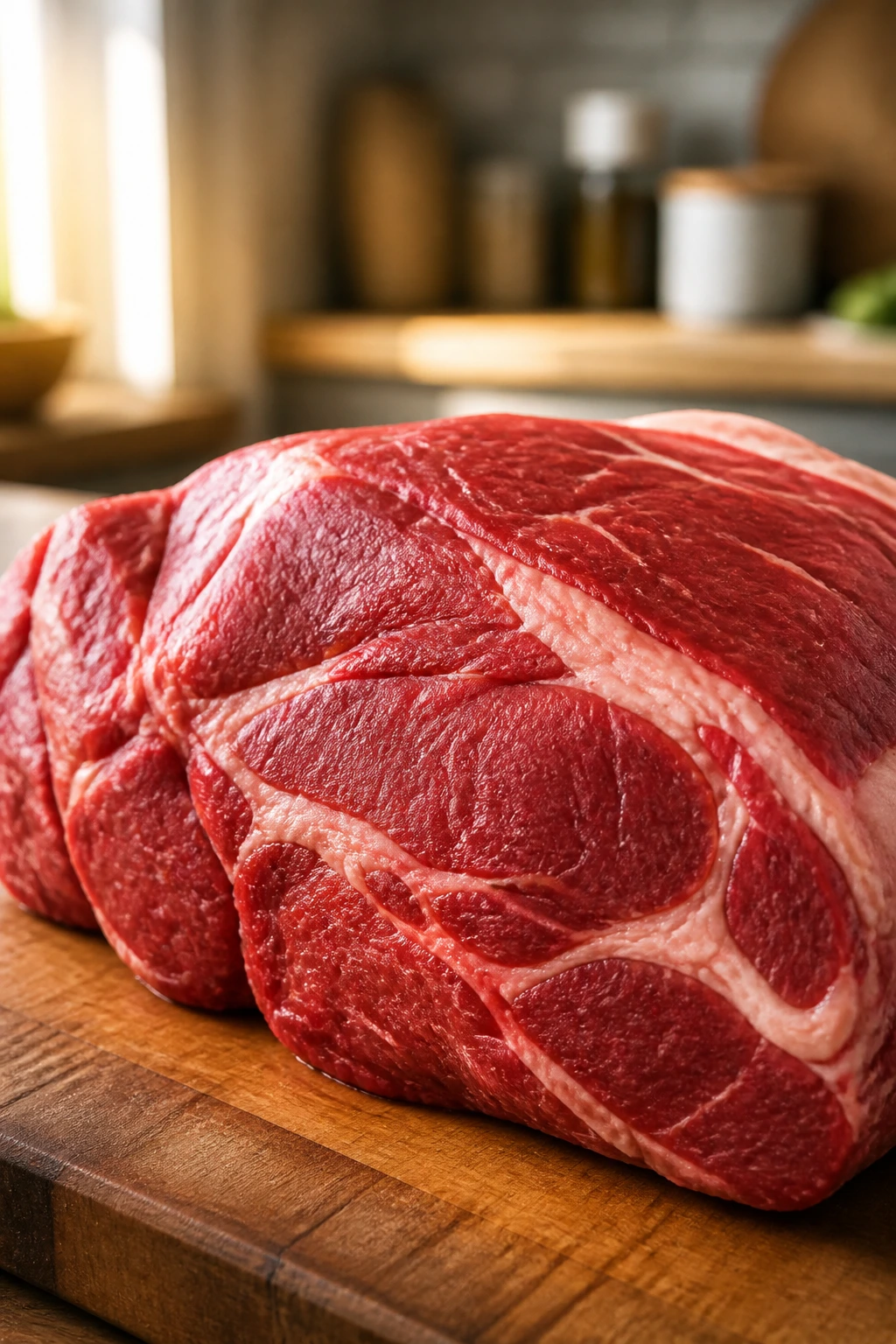
The best stew ingredients are usually the ones that look a little plain in the store. Beef chuck, pork shoulder, lamb shoulder, and short ribs are the cuts to watch for because they have enough fat and connective tissue to turn tender during a long simmer. Lean cuts are cheaper sometimes, but they dry out or go stringy before the broth gets interesting.
For broth, buy stock you’d actually drink. If it tastes thin or metallic from the carton, the stew has to work too hard to fix it. Canned tomatoes should taste bright and clean, not sugary, and tomato paste should be cooked for a minute or two so it loses that raw tinny edge.
Vegetables matter more than they get credit for. Yukon Gold potatoes hold their shape better than russets. Parsnips and turnips bring more flavor than plain potatoes alone. Mushrooms need space in the pan to brown, so a too-small pot works against you. And if you’re using dried beans or peas, check that they’re fresh; old dried beans can stay stubbornly firm no matter how long you cook them.
Spices should smell alive when you open the jar. If cumin, thyme, or paprika has been sitting around forever, the stew will taste flat and you’ll blame the recipe instead of the pantry. That’s rarely the recipe’s fault.
How to Serve These Stews Without Making Dinner Feel Heavy
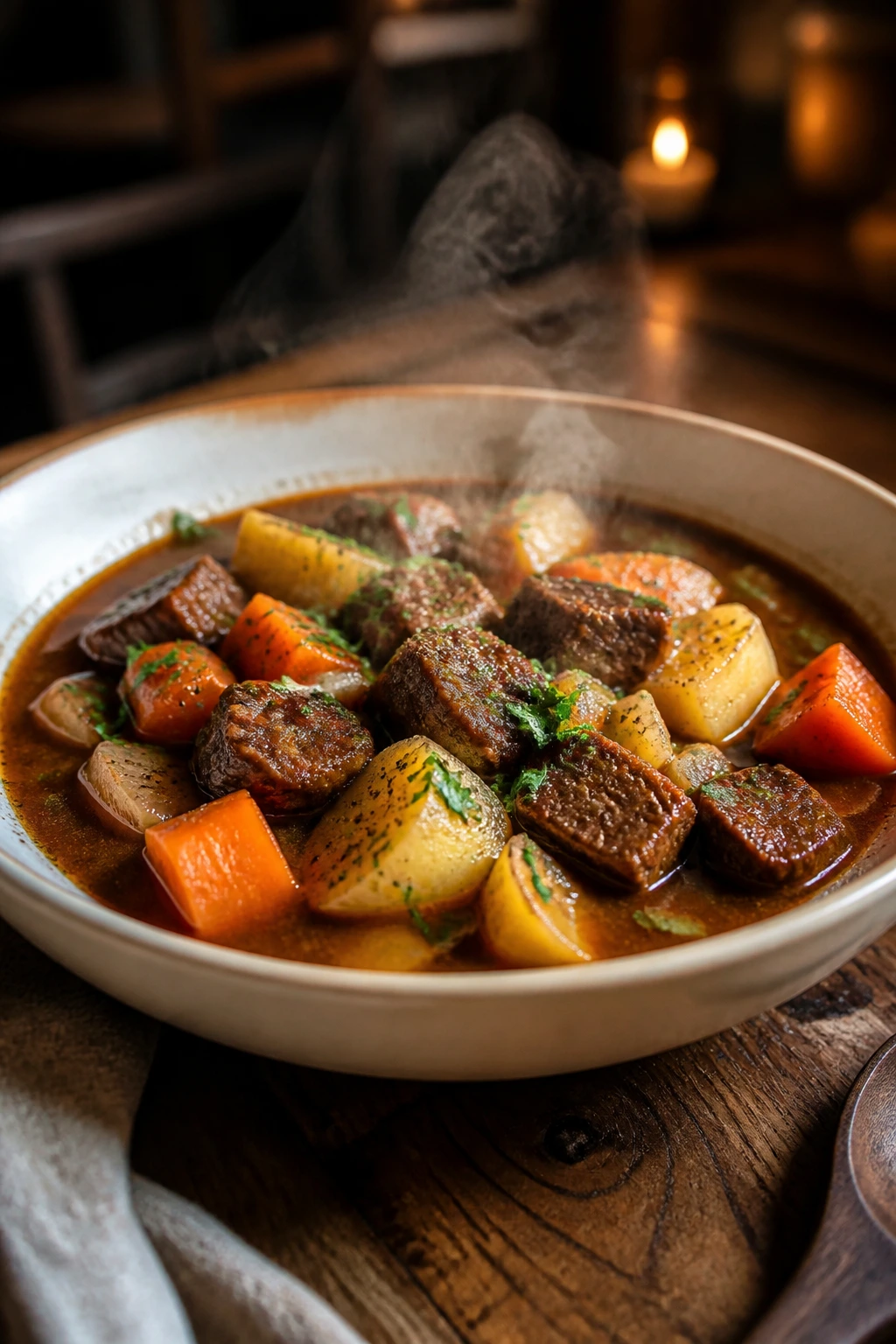
Presentation: Warm the bowls first if you can. A stew looks and tastes better in a shallow bowl with some height—meat and vegetables visible, broth spooned around them, and a small handful of herbs or black pepper on top. A little green parsley or cilantro goes a long way.
Accompaniments: Crusty bread is the obvious answer, and it’s still the right one. Buttered toast, cornbread, mashed potatoes, rice, polenta, and simple green salads all work depending on the stew. Fish stew likes bread best. Bean and lentil stews welcome rice. Beef and short rib stews can sit over mashed potatoes if you want the meal to lean extra cozy.
Portions: Most of these recipes serve well in 1½ to 2 cup portions per adult. Rich braises like short rib or lamb stew feel satisfying at the smaller end. Lighter pots with beans, lentils, or vegetables can go a touch bigger. If you’re feeding a crowd, plan on one sturdy side and a second lighter side rather than stretching the stew too thin.
Beverage Pairing: A dry red wine fits beef, lamb, and short rib stew. Amber ale or stout suits sausage and Guinness stew. Cider works beautifully with pork, and sparkling water with lemon is a fine match for chicken, fish, and vegetable stews. For the Moroccan and Tex-Mex pots, I like iced tea, lime soda, or a dry lager.
Extra Flavor Moves That Change the Whole Pot
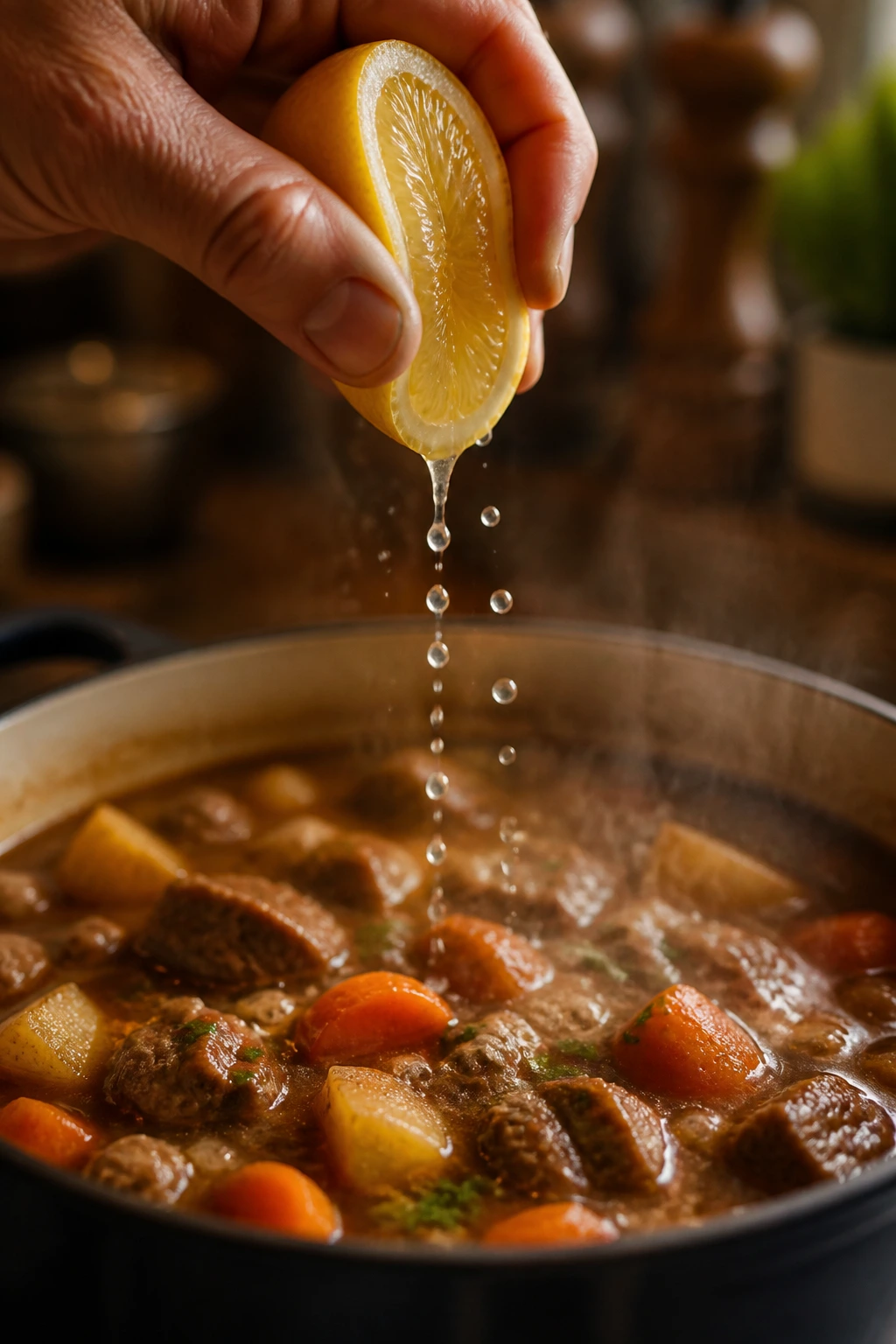
Flavor Enhancement: A small hit of acid at the end changes everything. Try 1 tablespoon red wine vinegar, 1 tablespoon apple cider vinegar, or a squeeze of lemon. It won’t make the stew sour; it will make the flavors line up.
Customization: Use the pot you have. Add barley to beef or mushroom stew, white beans to chicken, hominy to Tex-Mex stew, or lentils to a vegetable base. Stews are not precious. They’re more like a good framework that welcomes whatever makes sense.
Serving Suggestions: A spoonful of pesto, herb oil, sour cream, yogurt, or salsa verde on top can give the bowl a lift. Toasted breadcrumbs work too, especially on mushroom or bean stews, where a little crunch keeps things interesting.
Make-It-Yours: For gluten-free stews, skip flour dredging and thicken with potato starch or a cornstarch slurry near the end. For dairy-free cooking, lean on olive oil, coconut milk, or pureed beans instead of cream. For vegetarian bowls, use mushroom stock or vegetable stock with a parmesan rind if dairy is fine. For lower-sodium versions, season at the end and rely on herbs, acid, and browned vegetables for depth.
Make-Ahead, Storage, and Reheating Guidance
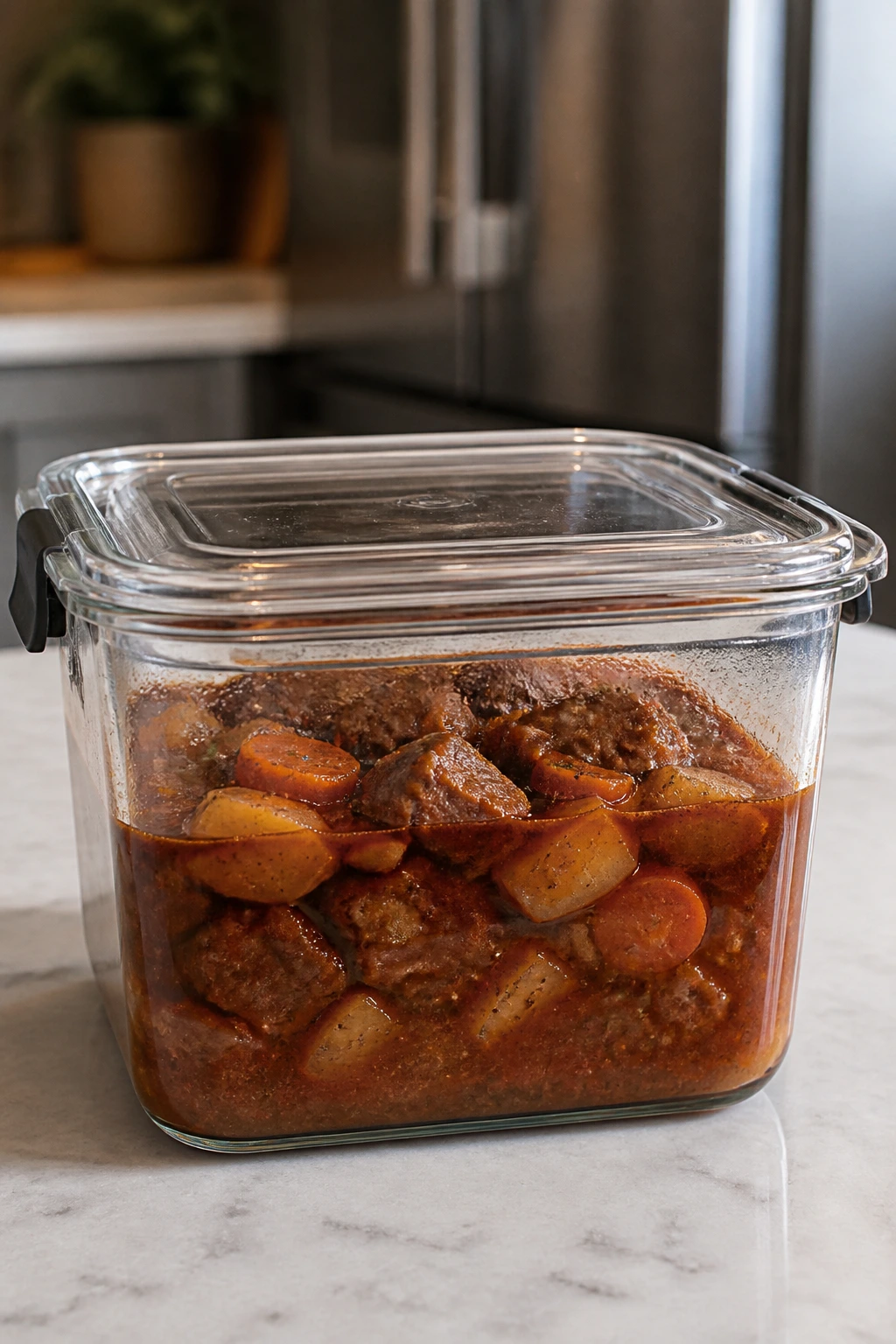
Most beef, lamb, pork, bean, lentil, and vegetable stews keep well in the refrigerator for 3 to 4 days. Chicken and turkey stews are usually best within 3 days, and fish stew is safest and nicest within 1 to 2 days. The texture often tightens in the fridge, which is normal; the broth firms up because of fat and starch.
Freezing works especially well for beef, lamb, pork, pea, bean, and lentil stews. They hold for up to 3 months in airtight containers. Chicken and turkey stews usually do fine for 2 to 3 months, though chunks of potato can soften a bit more after thawing. Fish stew is the one I wouldn’t freeze unless you have no other choice; the texture of the seafood tends to suffer.
Reheat gently on the stove over low to medium-low heat, stirring now and then and adding a splash of stock or water if the stew has thickened too much. Microwaving is fine for a single bowl, but use short bursts and stir between them so the edges don’t dry out. If you froze the stew, thaw it in the fridge overnight first for the best texture.
Some stews improve overnight. Beef, lamb, pork, sausage, bean, split pea, and mushroom stews are the usual winners. If you’re making ahead on purpose, undercook potatoes and carrots very slightly so they finish perfectly when reheated.
Variations and Adaptations to Try
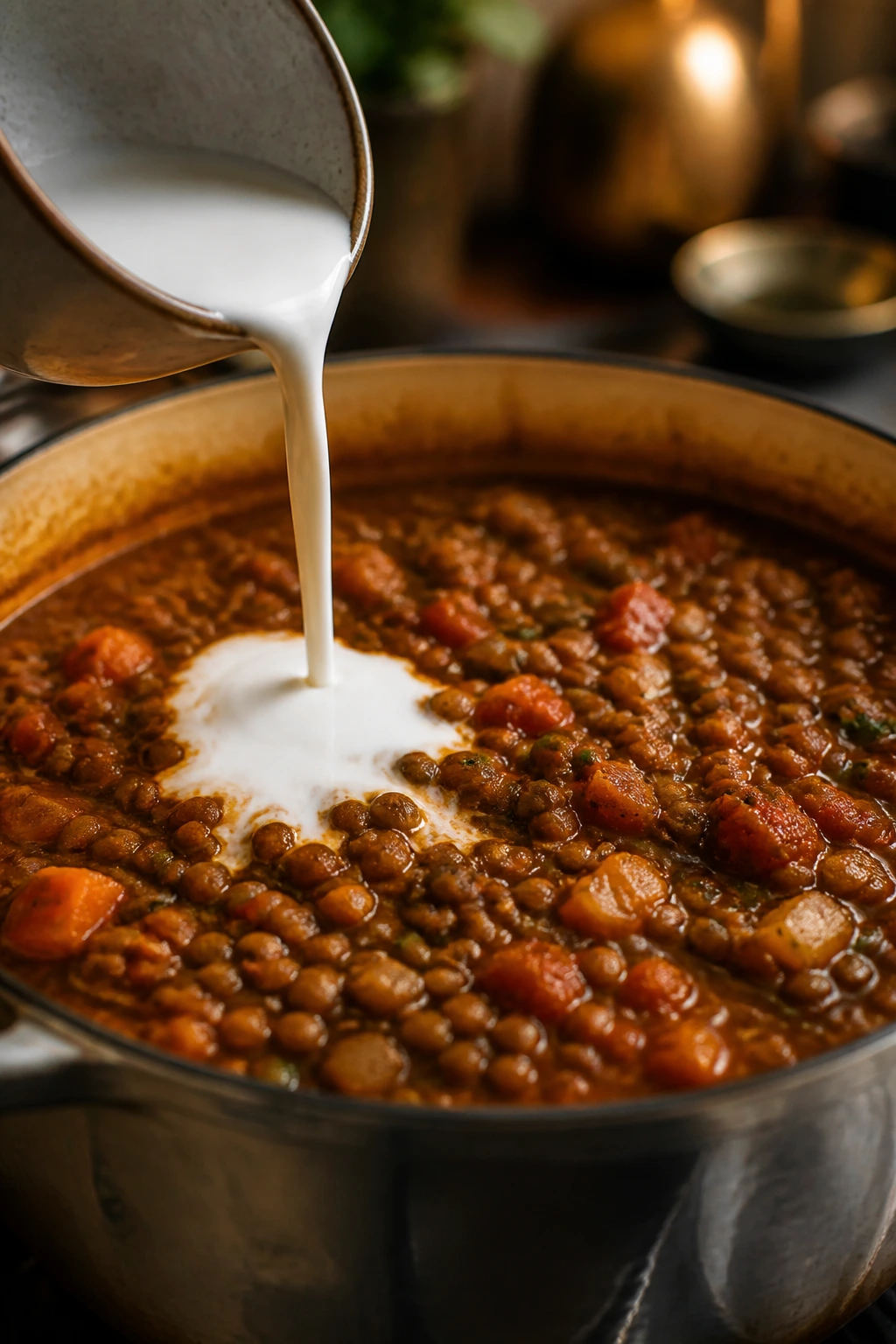
Pantry-Only Comfort Pot: Build a stew from stock, onions, garlic, canned tomatoes, beans, frozen vegetables, and one seasoning profile. This works best for the sausage, bean, lentil, and tomato-based stews, where the pantry ingredients have enough room to shine.
Gluten-Free Without Drama: Skip flour dredging and thicken with cornstarch, potato starch, pureed beans, or by reducing the broth a little longer. Barley can be replaced with rice, buckwheat, or extra potatoes if you want a similar sense of body.
Dairy-Free Richness: Most of these stews don’t need dairy at all. If you want a rounder finish, use coconut milk in the lentil stew, olive oil in bean stews, or a little blended potato in chicken and vegetable pots.
Pressure-Cooker Shortcut: Beef chuck, pork shoulder, short ribs, and dried beans all work well under pressure. Brown the meat first, then cook under high pressure until tender, using a natural release when possible. You still need the browning step. Skip that and the stew tastes flatter.
Loud-and-Spicy Snow Day: Add harissa, chipotle in adobo, Calabrian chile paste, or extra red pepper flakes to the chickpea, chicken, sausage, and Tex-Mex stews. Heat should have a reason, though. Keep the base savory so the spice tastes deliberate instead of reckless.
Common Stew Mistakes and How to Avoid Them
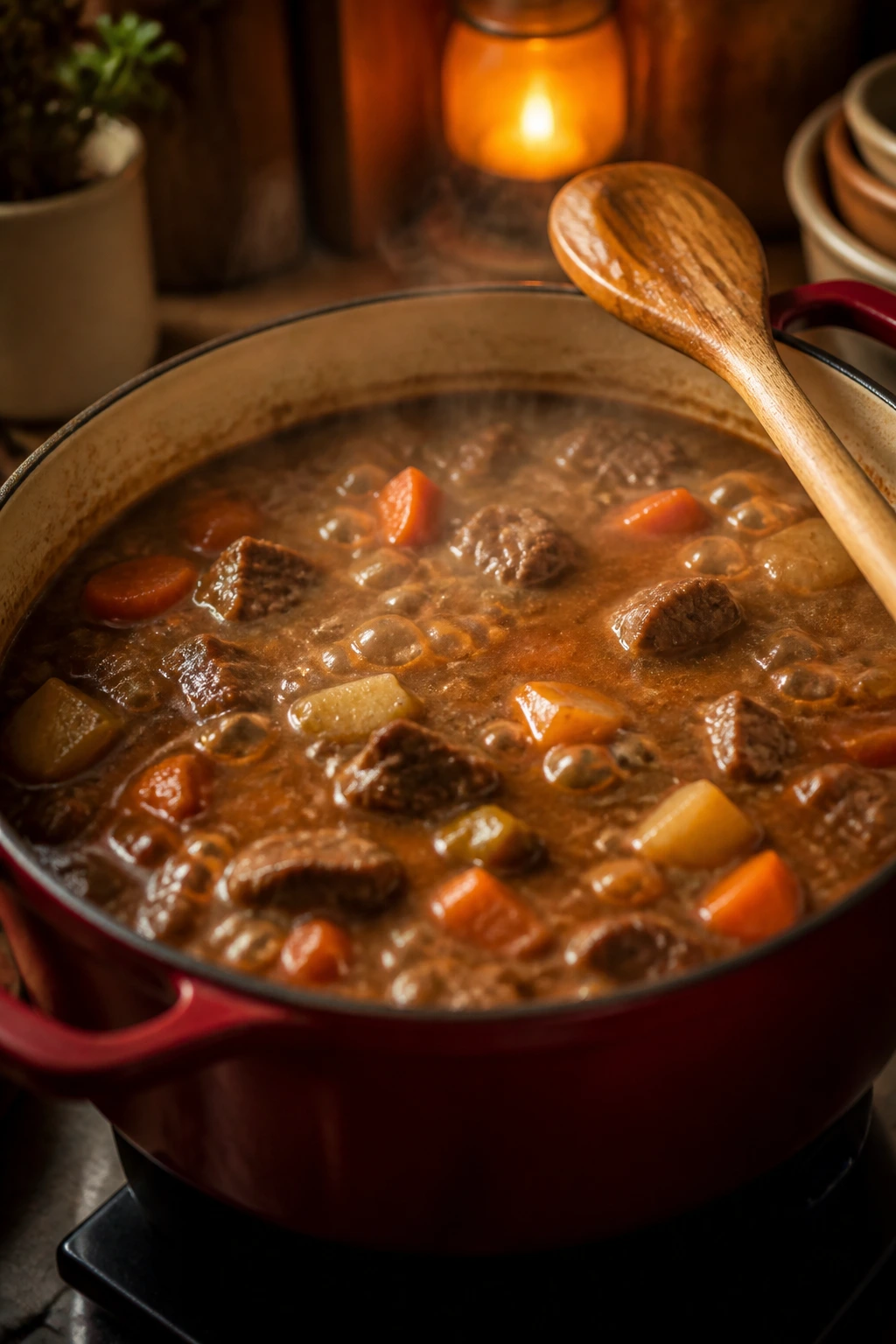
Crowding the pot: If too much meat goes in at once, it steams instead of browning. The fix is simple: cook in batches and let the pan recover its heat between rounds.
Boiling too hard: A furious boil makes meat stringy and clouds the broth. Keep the heat at a steady simmer, where you see only a few lazy bubbles.
Cutting vegetables too small: Tiny carrot coins and baby potato chunks fall apart before the stew is done. Go larger than you think, especially for long-cook pots.
Seasoning only at the end: If the pot tastes flat for most of the cook, it was under-salted early. Season in layers—meat, aromatics, broth, and final adjustment—so the flavor has somewhere to go.
Adding delicate ingredients too soon: Spinach, kale, fish, and fresh herbs can turn dull or mushy if they cook for too long. Add them near the end and watch the color change.
Forgetting acid: A stew can taste heavy even when it’s cooked well. Lemon juice, vinegar, cider, or wine vinegar at the end usually fixes that without making the dish taste sharp.
Stew Dinner Questions People Actually Ask
What cut of beef is best for stew?
Beef chuck is the safest buy. It has enough marbling and connective tissue to soften during a long simmer, which is why it tastes richer than lean stew meat that never gets the memo.
Can I make these stews in a slow cooker?
Yes, especially the beef, pork, lamb, bean, and lentil versions. Brown the meat and aromatics first if you can, then move everything to the slow cooker. Fish stew is the one I would keep on the stovetop.
How do I thicken a stew without flour?
Mash some potatoes or beans into the broth, reduce the liquid uncovered for a while, or stir in a small cornstarch slurry near the end. Red lentils and barley also thicken naturally as they cook.
Why does my stew taste flat?
Usually it needs salt, acid, or more browning. A splash of vinegar or lemon juice can wake it up fast, but if the meat and onions were never browned properly, the flavor base may still be thin.
Can I freeze stew with potatoes in it?
You can, but potatoes often get softer and a little grainy after thawing. If freezer texture matters to you, leave potatoes out and add fresh ones when reheating, or use them only in stews you plan to eat within a few days.
What if the stew is too thin?
Simmer it uncovered for 10 to 20 minutes, mash a few vegetables, or add a small slurry of cornstarch and cold water. Don’t dump in a lot of thickener at once. That’s how you get glue.
How do I keep vegetables from turning to mush?
Cut them larger than you would for soup and add them in stages. Root vegetables can go early; greens, fish, and quick-cooking vegetables belong near the end.
Which stew tastes best the next day?
Beef, lamb, pork, split pea, mushroom, and bean stews usually improve overnight. The broth settles, the seasoning evens out, and the texture gets a little more cohesive.
A Pot Worth Coming Back To
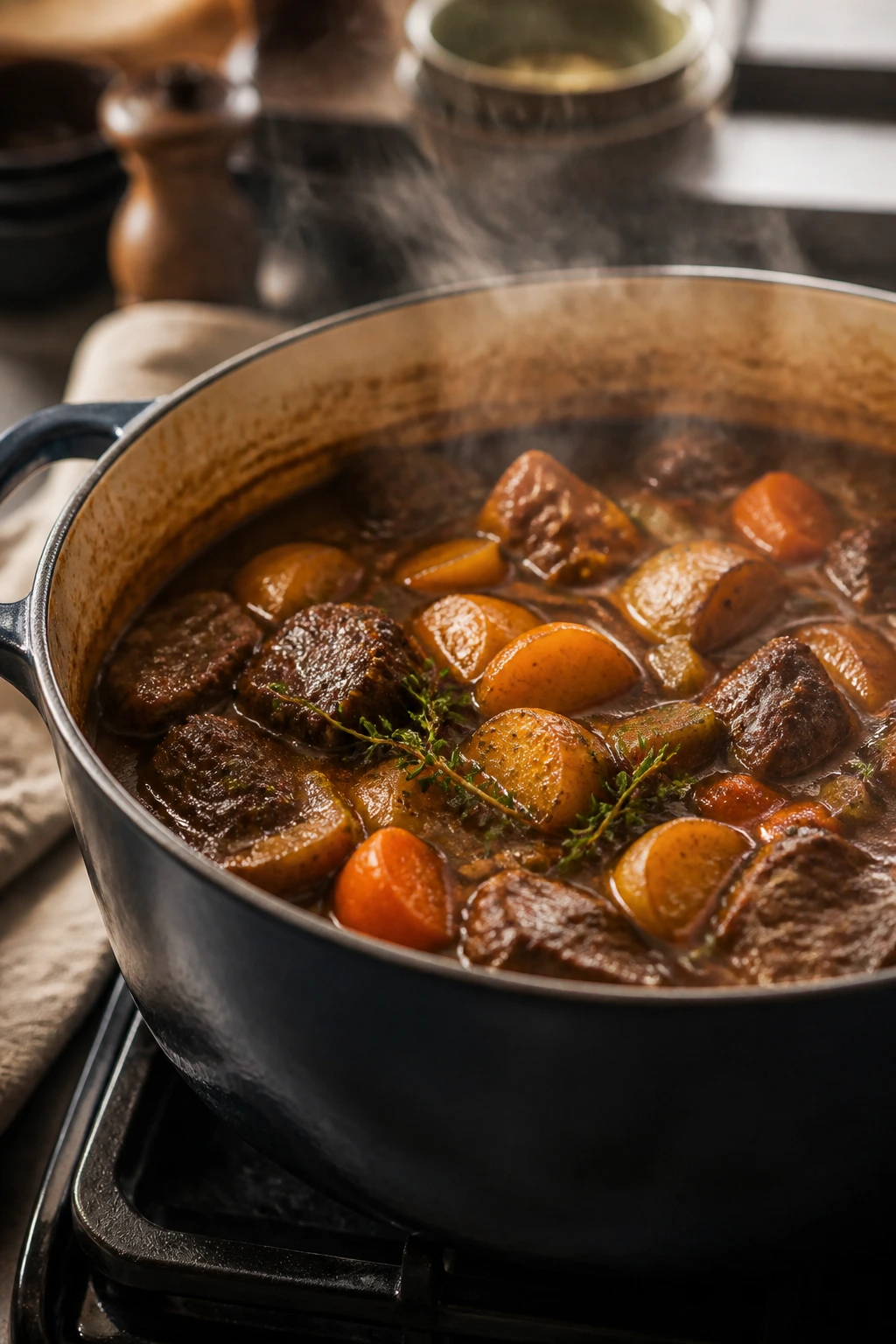
A good stew doesn’t just feed people. It settles a room. It gives a snowy day a shape. It makes the kitchen smell like something worth staying inside for, which is about as practical and charming as dinner gets.
These fifteen pots cover a wide spread of moods, from dark beef braises to fast lentil stews to bright fish broth with fennel and lemon. Pick the one that matches your pantry and your patience. Then let the stove do what stoves were built to do.
Stew Dinner Quick Reference
| Recipe | Prep Time | Cook Time | Total Time | Servings | Standout Detail |
|---|---|---|---|---|---|
| Classic Beef and Red Wine Stew | 25 min | 2 hr 30 min | 2 hr 55 min | 6 | deepest beefy broth |
| Chicken and Butternut Squash Stew | 20 min | 45 min | 1 hr 5 min | 6 | squash-thickened comfort |
| Lamb and Root Vegetable Stew | 25 min | 2 hr 15 min | 2 hr 40 min | 6 | earthy parsnip and turnip balance |
| Smoky Sausage, Bean, and Kale Stew | 15 min | 35 min | 50 min | 6 | fastest smoky bowl |
| Moroccan Chickpea and Sweet Potato Stew | 15 min | 35 min | 50 min | 6 | warm spice and lemon finish |
| Guinness Beef Stew | 25 min | 2 hr 20 min | 2 hr 45 min | 6 | stout gives dark roasted depth |
| Turkey and White Bean Stew | 20 min | 45 min | 1 hr 5 min | 6 | light but filling broth |
| Fish Stew with Tomatoes and Fennel | 20 min | 35 min | 55 min | 4 to 6 | clean, briny tomato base |
| Pork and Cider Stew | 20 min | 1 hr 40 min | 2 hr | 6 | cider and apples in balance |
| Mushroom and Barley Stew | 20 min | 1 hr | 1 hr 20 min | 6 | chewy barley and browned mushrooms |
| Coconut Curry Lentil Stew | 15 min | 30 min | 45 min | 4 to 6 | quickest thick stew in the group |
| Tex-Mex Chicken and Hominy Stew | 20 min | 40 min | 1 hr | 6 | hominy adds hearty chew |
| Rustic Tomato, White Bean, and Escarole Stew | 15 min | 35 min | 50 min | 4 to 6 | parmesan rind boosts the broth |
| Short Rib and Parsnip Stew | 30 min | 3 hr 15 min | 3 hr 45 min | 8 | richest braise in the lineup |
| Split Pea and Ham Stew | 15 min | 1 hr 30 min | 1 hr 45 min | 6 to 8 | classic smoky pea texture |