



A 20-minute dinner is only half the job on a school-night schedule. The real test comes the next morning, when somebody is hunting for shoes, somebody else is asking for one more bite of toast, and the pan you used for dinner is still sitting on the stove. That’s why family-friendly toddler dinners for busy school mornings need to do more than taste good. They need to reheat cleanly, stay mild without turning boring, and leave behind leftovers that don’t turn gummy, dry, or weirdly separated in the fridge.
I keep coming back to the same kind of meal for this reason: dishes with soft edges, sturdy textures, and ingredients that don’t get fussy overnight. Broccoli that stays bright, pasta that still twirls, chicken thighs that don’t dry out, beans that hold their shape, cheese that melts into the sauce instead of pooling on top. Those are the details that make dinner feel calm at 6 p.m. and breakfast-lunch-panic feel less ugly at 7 a.m.
The recipes below are built for that rhythm. Some are sheet-pan dinners. Some are skillet meals, casseroles, soups, and a few sneaky little hand-held things that toddlers grab with both fists. All of them lean mild, practical, and repeatable.
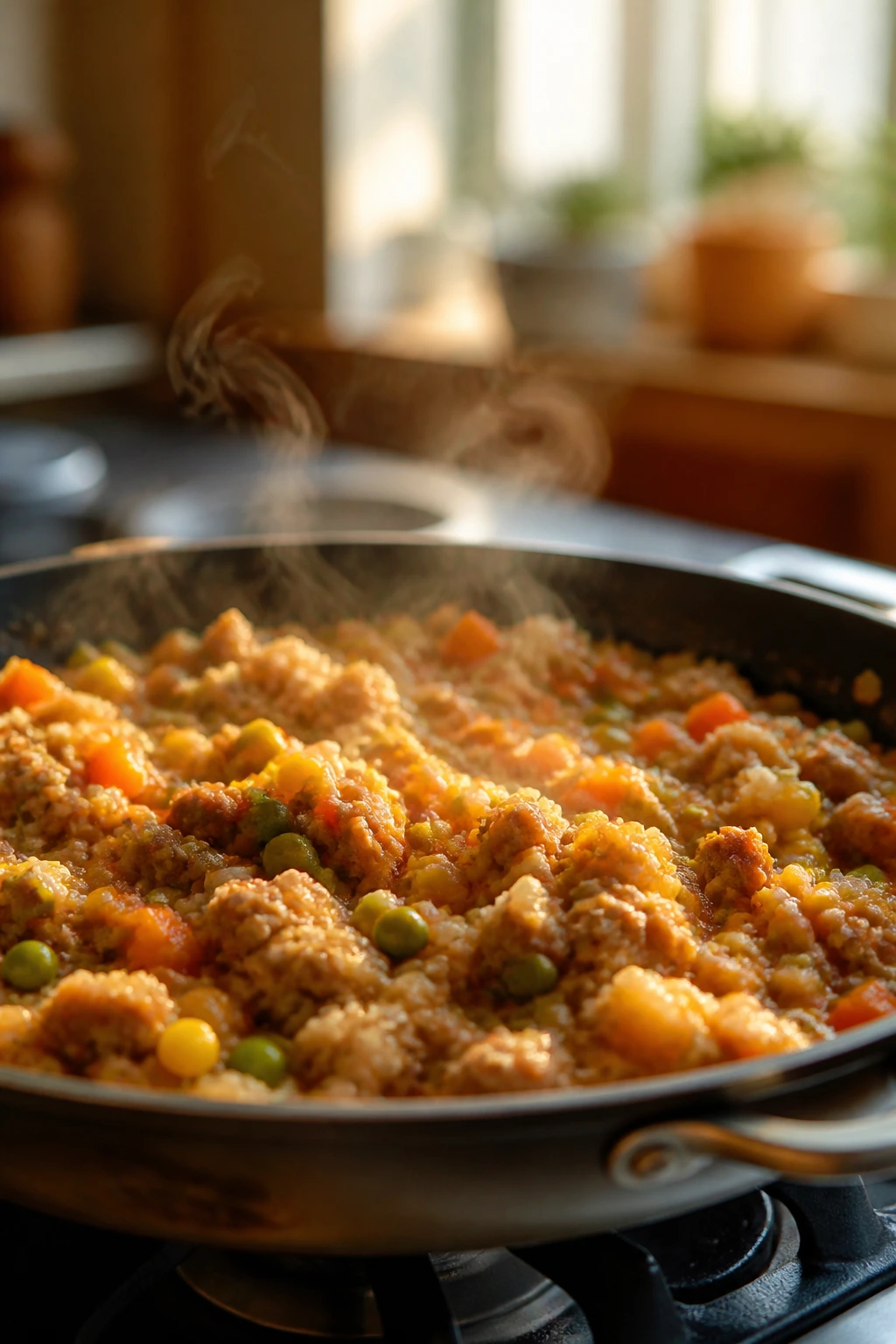
Why These Toddler Dinners Work on Busy School Mornings
-
Leftovers stay usable: These meals reheat without turning into dry shards or watery mush, which matters when the second serving gets eaten standing up at the counter.
-
Mild doesn’t mean dull: A little garlic, a little cheese, a little tomato, or a spoonful of yogurt gives each dish enough flavor for adults while staying friendly for tiny taste buds.
-
Most of them use one main pan: Fewer dishes at dinner means fewer dishes in the sink when the morning alarm is already a nuisance.
-
Soft textures win with toddlers: Tender chicken, small pasta shapes, mashed potato tops, and rice bowls are easier for small mouths than anything crisp-heavy or overly chewy.
-
They flex around pantry food: Frozen peas, canned beans, jarred sauce, and leftover rice all have jobs here. That flexibility is the whole point.
-
They pack well for the next day: A lot of these recipes can slide into a thermos, a lunchbox, or a quick breakfast plate without needing a full second round of cooking.
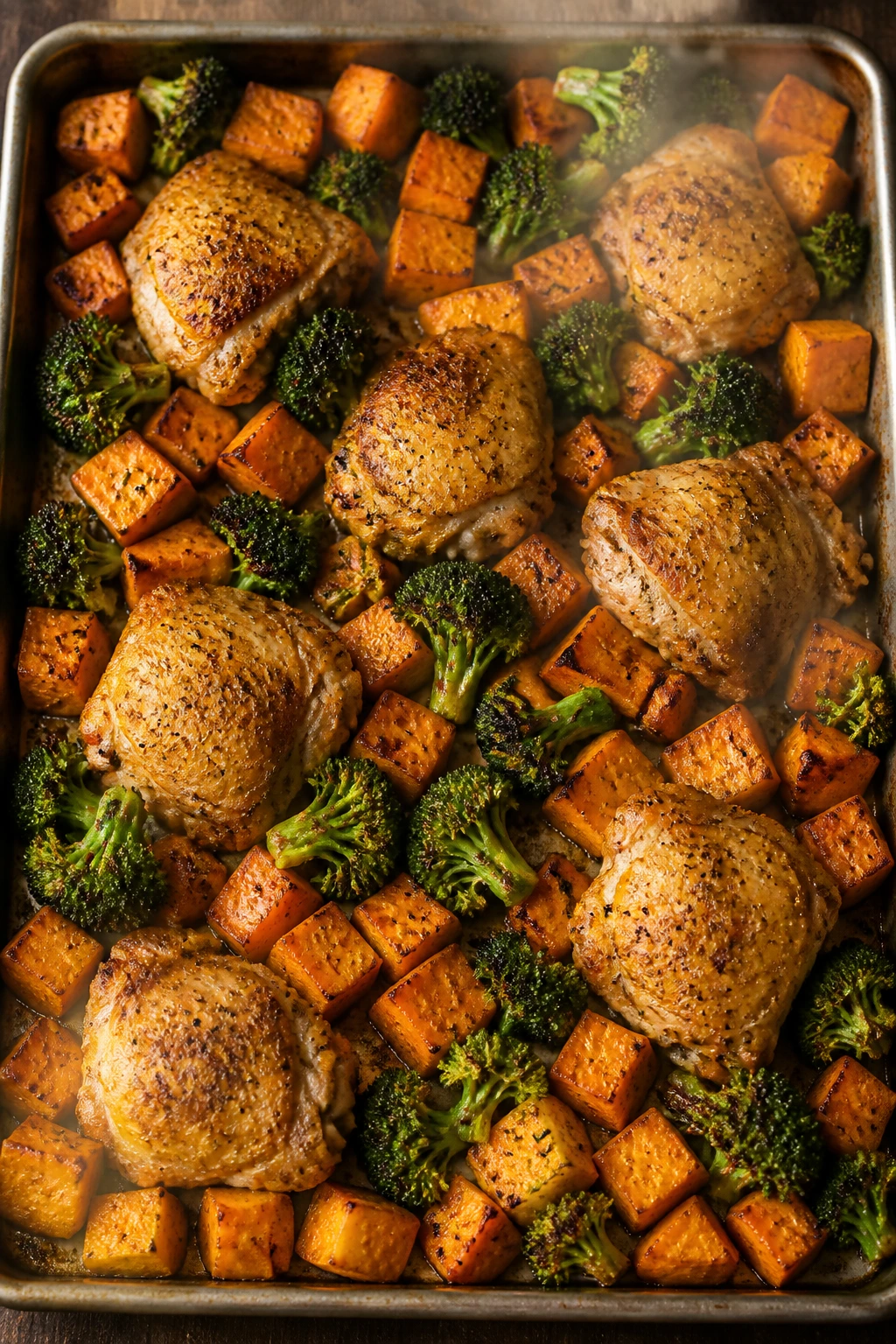
1. Sheet Pan Chicken and Sweet Potatoes
Chicken thighs, sweet potatoes, and broccoli make a tray that smells like dinner before the oven timer even dings. The sweet potatoes turn soft at the edges and a little caramelized on the bottom, while the chicken stays juicy enough for toddlers who treat dry meat like a personal insult.
Why It Works:
Bone-in or boneless thighs both handle the high heat, but boneless thighs finish faster and stay easier to shred into toddler-sized pieces. The sweet potatoes and broccoli roast in the same window, so dinner lands in one sweep instead of three separate pans.
Key Ingredients:
- 1½ lb boneless skinless chicken thighs
- 2 medium sweet potatoes, peeled and cut into 1-inch cubes
- 3 cups broccoli florets
- 2 tablespoons olive oil
- 1 teaspoon garlic powder
- 1 teaspoon paprika
- ¾ teaspoon fine salt
- ¼ teaspoon black pepper
Quick Steps:
- Heat the oven to 425°F and line a rimmed sheet pan with parchment.
- Toss the sweet potatoes with 1 tablespoon oil, half the salt, and half the garlic powder.
- Rub the chicken with the remaining oil, garlic powder, paprika, salt, and pepper.
- Spread everything on the pan in a single layer and roast for 18 minutes.
- Add the broccoli, toss it lightly with the pan juices, and roast 10 to 12 minutes more, until the chicken reaches 165°F and the sweet potatoes are tender at the center.
- Rest 5 minutes, then cut the chicken into small pieces or strips.
Equipment for This Recipe:
- Rimmed sheet pan
- Parchment paper
- Mixing bowl
- Sharp knife and cutting board
How to Serve This Dish:
Pile it into shallow bowls so the sweet potatoes don’t roll everywhere. A spoonful of plain yogurt on the side helps if the broccoli needs a little cooling off for a toddler palate. Leftovers reheat well in a skillet with a splash of water.
Pro Tips for This Recipe:
- Cut the sweet potatoes the same size or they’ll roast unevenly.
- Don’t crowd the pan; broccoli turns soggy if it sits on top of the potatoes.
- If your chicken pieces are thick, press them flat before roasting so they finish with the vegetables.
Variations on This Dish:
- Maple-Dijon Tray: Add 1 tablespoon maple syrup and 1 teaspoon Dijon to the chicken rub.
- Apple-Sausage Swap: Use sliced chicken sausage instead of thighs for a faster version.
- Dairy-Free Dip Night: Serve with mashed avocado and lime instead of yogurt.
Common Mistakes to Avoid with This Dish:
- Tiny broccoli florets overcook fast. Keep them in medium florets so they brown instead of burning.
- Wet pan = steamed dinner. If the vegetables release a lot of moisture, give them more space and use a second pan.
- Skipping the rest time makes the chicken leak. Five minutes on the counter keeps the juices inside the meat.
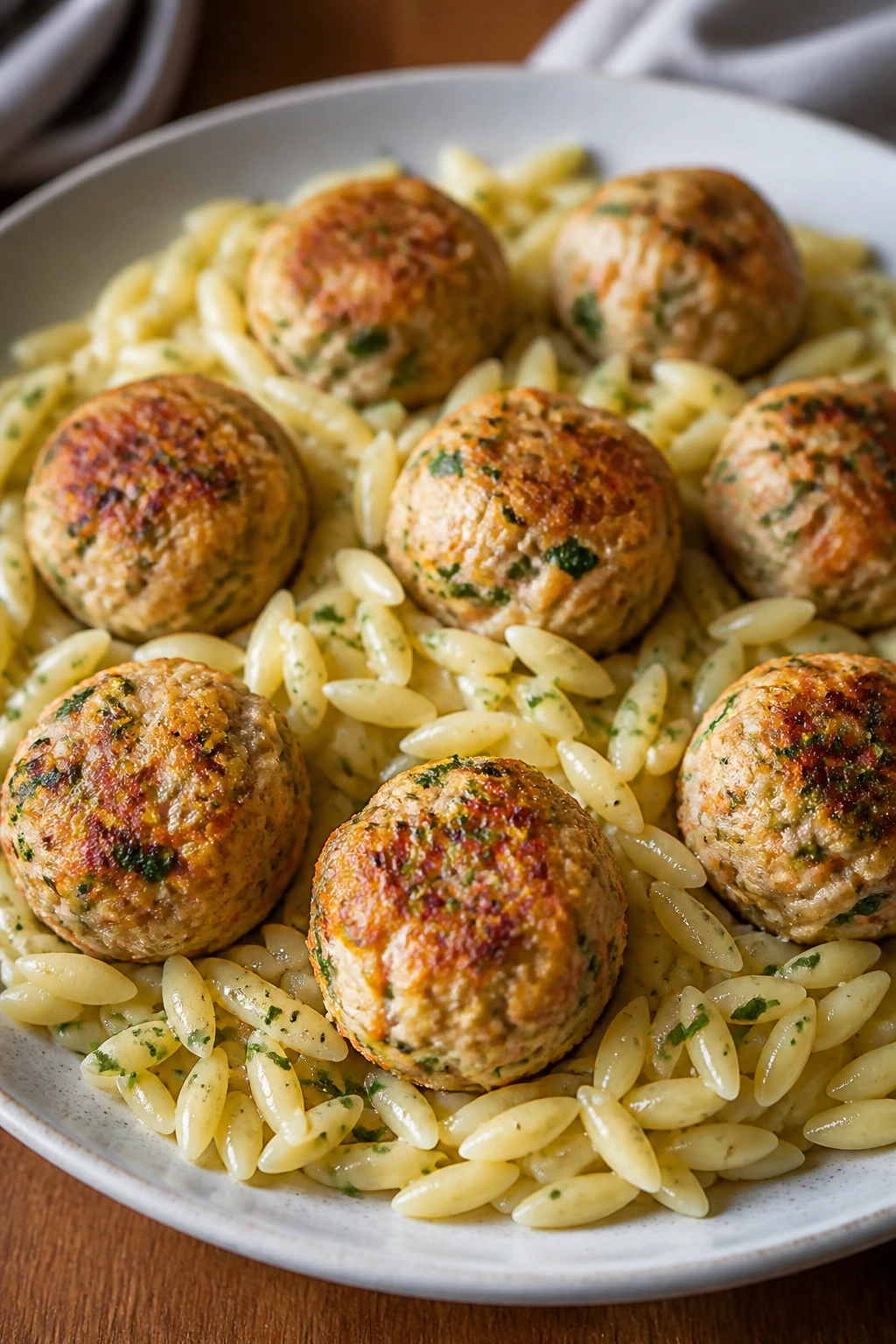
2. Turkey Veggie Meatballs with Buttered Orzo
These meatballs are soft in the middle, lightly browned outside, and easy to break apart with a fork. Orzo catches the juices in its little rice-shaped curves, which is exactly the kind of texture toddlers usually accept without argument.
Why It Works:
Ground turkey keeps the flavor mild, and grated zucchini disappears into the mix instead of announcing itself. Baking the meatballs on a sheet pan keeps them tender; pan-frying can toughen them if you leave them too long.
Key Ingredients:
- 1 lb ground turkey
- 1 small zucchini, grated and squeezed dry
- ½ cup breadcrumbs
- 1 egg
- ¼ cup grated Parmesan
- 1 teaspoon Italian seasoning
- ½ teaspoon salt
- 8 oz orzo pasta
- 2 tablespoons butter
Quick Steps:
- Heat the oven to 400°F and line a baking sheet.
- Mix turkey, zucchini, breadcrumbs, egg, Parmesan, seasoning, and salt until just combined.
- Roll into 20 small meatballs and place them apart on the sheet.
- Bake 15 to 17 minutes, until the centers reach 165°F and the tops look set.
- Cook the orzo in salted water until tender, then drain and toss with butter.
- Serve the meatballs over or beside the orzo with a spoon of sauce or broth if you like.
Equipment for This Recipe:
- Rimmed baking sheet
- Large bowl
- Box grater
- Medium pot
How to Serve This Dish:
Serve 3 to 4 meatballs per toddler portion with a little orzo underneath to catch any pan juices. A side of peas or cucumber coins works well if you want something green on the plate.
Pro Tips for This Recipe:
- Squeeze the zucchini hard or the mix turns slack.
- Keep the meatballs small; golf-ball size is too much for little hands.
- Butter the orzo right after draining so it doesn’t clump.
Variations on This Dish:
- Saucy Tomato Version: Toss the baked meatballs in warm marinara before serving.
- Hidden Spinach Swap: Replace half the zucchini with finely chopped wilted spinach.
- Gluten-Free Bowl: Use gluten-free breadcrumbs and rice instead of orzo.
Common Mistakes to Avoid with This Dish:
- Overmixing makes them dense. Stop once the ingredients look evenly distributed.
- Skipping the squeeze on the zucchini waters down the meat.
- Packing the pan too tightly causes pale meatballs. Give them space so the edges brown.
3. Hidden-Veggie Creamy Tomato Pasta
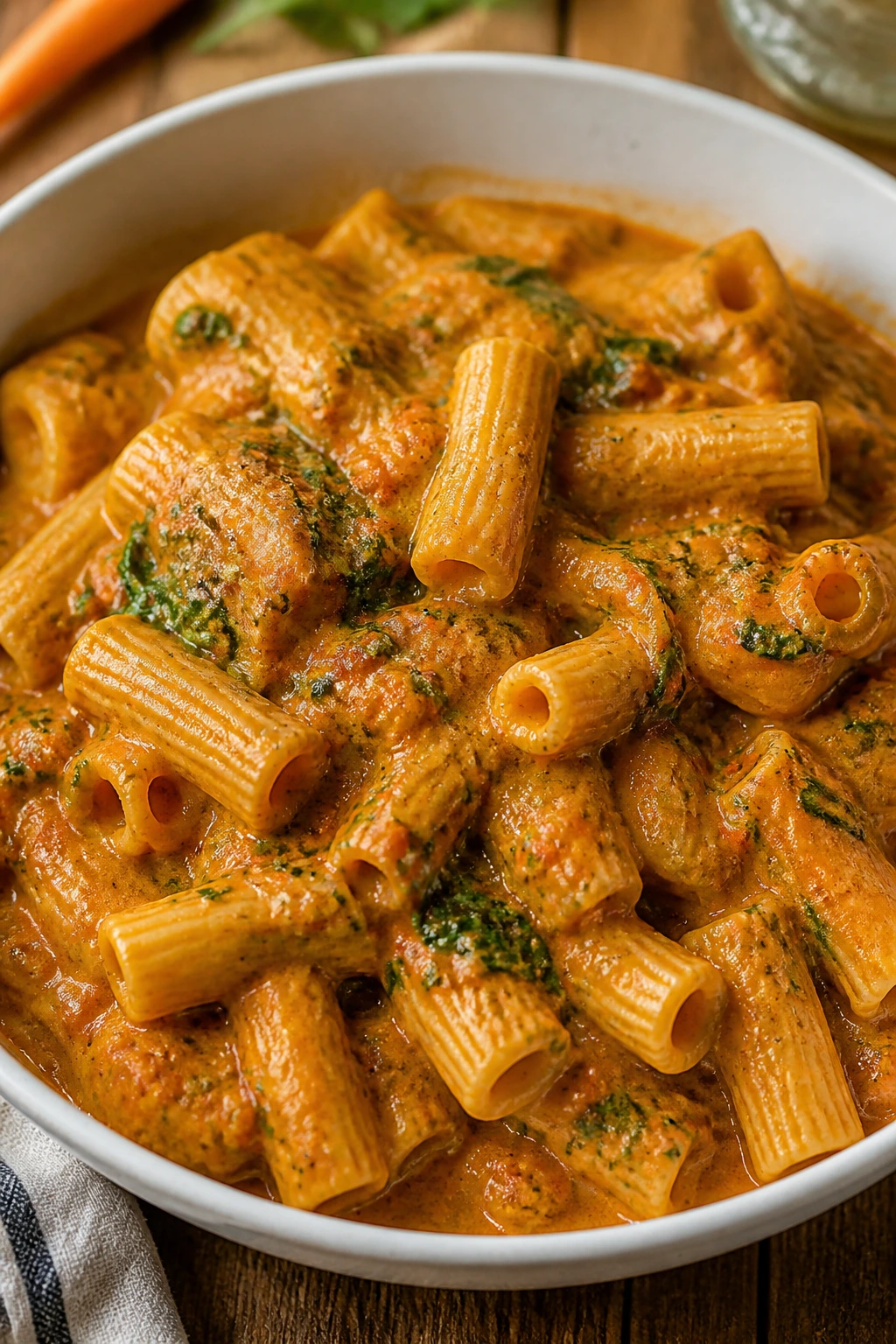
This one is smooth, red, and quietly loaded with carrots and spinach blended into the sauce. It tastes like tomato pasta should, except the sauce is thicker and rounder, with none of the sharp jarred edge that can make toddlers take one suspicious look and quit.
Why It Works:
Cooking the vegetables until soft before blending gives the sauce body instead of chunks. A splash of cream or milk at the end softens the tomato and helps the sauce cling to short pasta like shells or rotini.
Key Ingredients:
- 12 oz short pasta
- 1 tablespoon olive oil
- 1 small onion, diced
- 2 carrots, peeled and grated
- 2 garlic cloves, minced
- 1 can (15 oz) crushed tomatoes
- 1 cup baby spinach
- ½ cup whole milk or cream
- 1 teaspoon salt
- ¼ teaspoon black pepper
Quick Steps:
- Cook the pasta in salted water until just tender; save ½ cup pasta water.
- Warm oil in a saucepan over medium heat and cook the onion and carrots for 6 to 8 minutes.
- Add garlic and cook 30 seconds.
- Stir in crushed tomatoes, spinach, salt, and pepper, then simmer 10 minutes.
- Blend until smooth, then stir in milk or cream.
- Toss with pasta and enough pasta water to coat the noodles.
Equipment for This Recipe:
- Large pot
- Saucepan
- Blender or immersion blender
- Wooden spoon
How to Serve This Dish:
Spoon it into shallow bowls and shower the top with a little Parmesan if your kid tolerates it. Garlic bread on the side is optional, but I won’t pretend it isn’t the first thing adults reach for.
Pro Tips for This Recipe:
- Blend the sauce longer than you think; smoother sauce means fewer suspicious eyes.
- Use short pasta shapes so the sauce gets trapped inside.
- If the sauce tastes flat, add a pinch more salt before reaching for sugar.
Variations on This Dish:
- Cheesy Red Sauce: Stir in ½ cup shredded mozzarella at the end.
- Protein Boost: Add 1 cup shredded rotisserie chicken.
- Lactose-Light Bowl: Use oat milk and skip the cream; the carrots still give body.
Common Mistakes to Avoid with This Dish:
- Using raw carrots in the sauce leaves a gritty texture.
- Boiling after adding dairy can split the sauce. Keep the heat low.
- Overcooking the pasta ruins leftovers. Stop at just-tender so it holds up tomorrow.
4. Mild Beef Taco Bowls
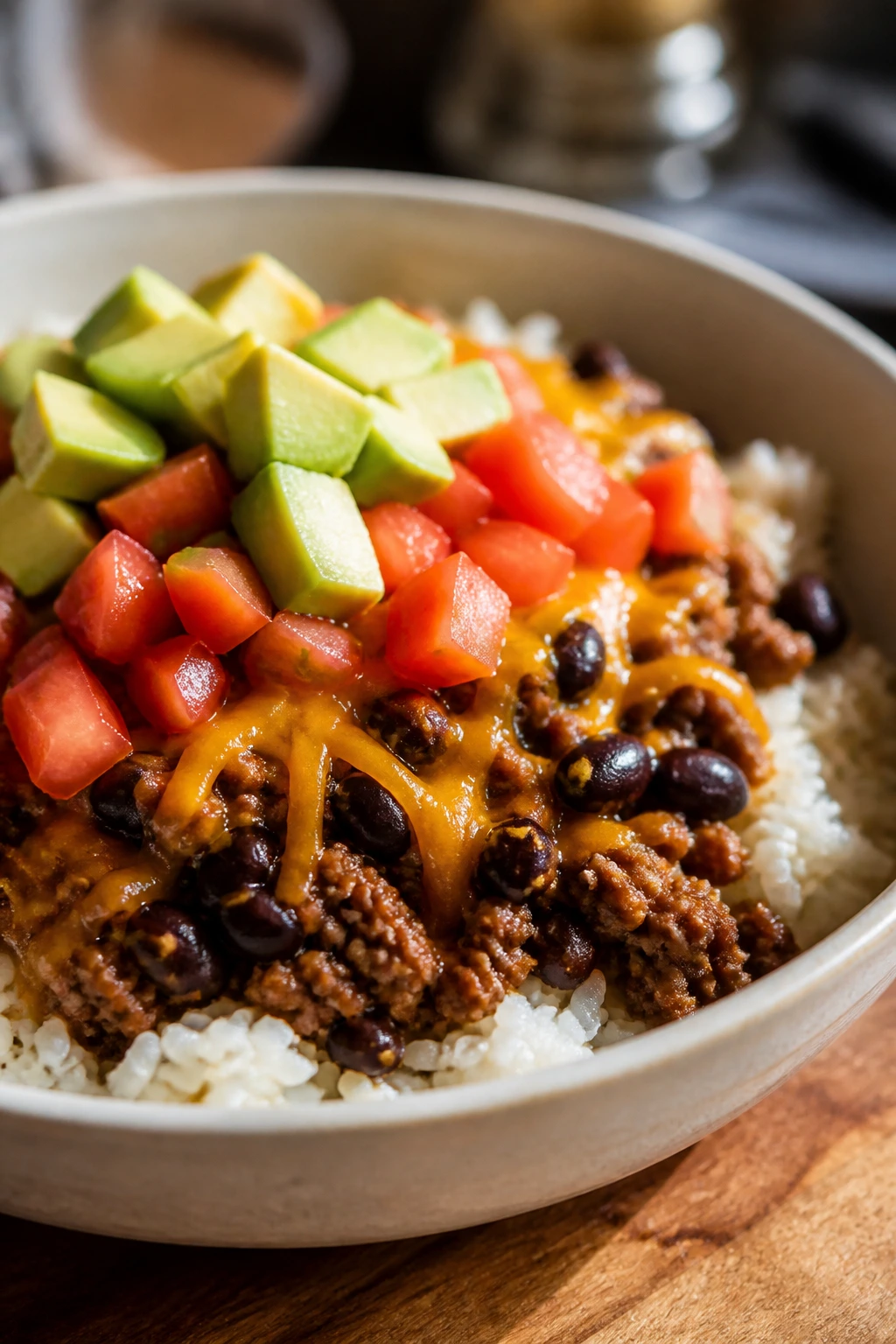
This is the dinner you make when everyone wants something familiar and nobody wants a hard shell exploding across the table. The beef is soft, the rice is plain enough for toddlers, and the toppings can be arranged like little stations instead of dumped into chaos.
Why It Works:
A mild taco bowl lets each person build the plate they’ll actually eat. Ground beef cooks fast, rice stretches the meal, and beans add enough softness that the whole bowl feels cohesive rather than scattered.
Key Ingredients:
- 1 lb ground beef
- 1 tablespoon olive oil
- 1 small onion, finely diced
- 1 tablespoon tomato paste
- 1 tablespoon mild chili powder
- 1 teaspoon cumin
- ½ teaspoon salt
- 2 cups cooked rice
- 1 cup black beans, rinsed
- 1 cup shredded cheese
Quick Steps:
- Warm oil in a skillet over medium heat and cook the onion for 4 minutes.
- Add the beef and cook until browned, breaking it into fine crumbles.
- Stir in tomato paste, chili powder, cumin, and salt for 1 minute.
- Add black beans and 2 tablespoons water, then simmer 3 minutes.
- Build bowls with rice, beef, and cheese.
- Add diced avocado or plain yogurt if the table wants extra softness.
Equipment for This Recipe:
- Large skillet
- Wooden spoon
- Measuring spoons
- Small serving bowls
How to Serve This Dish:
Set the fillings out separately if your toddler prefers to inspect food before committing. Adults can pile on salsa and hot sauce at the table while the younger crowd gets a calmer bowl.
Pro Tips for This Recipe:
- Chop the onion very small so it nearly disappears.
- Use warm rice; cold rice makes the bowl feel stale.
- If your beef is greasy, drain it before adding the spices.
Variations on This Dish:
- Turkey Taco Bowls: Swap in ground turkey and add a little extra olive oil.
- Bean-Heavy Version: Use half beef, half pinto beans for a softer bite and lower cost.
- Cheesy Queso Bowl: Stir ¼ cup mild queso into the beef before serving.
Common Mistakes to Avoid with This Dish:
- Big beef crumbles are awkward for toddlers. Break them up fine.
- Overdoing chili powder makes the bowl too sharp.
- Dry rice beneath the toppings feels like an afterthought. Fluff it with a splash of broth or butter.
5. Baked Mac and Cheese with Peas
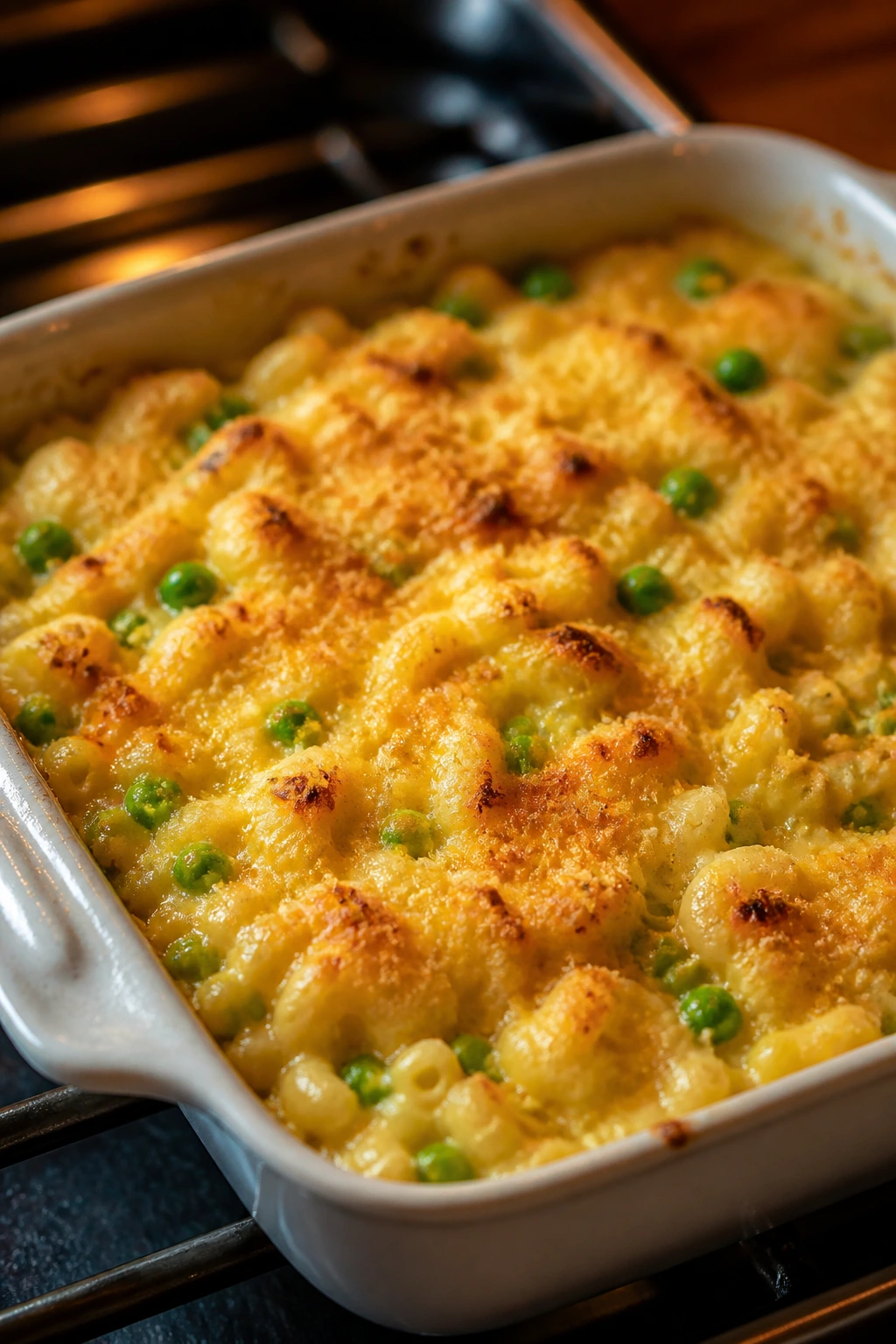
Mac and cheese has a stubborn way of disappearing from toddlers’ plates, but baked mac with peas gives the dish a little structure and a little color. The top turns lightly golden; the inside stays creamy and spoonable instead of stiff and rubbery.
Why It Works:
A mix of cheddar and a little milk-based sauce keeps the pasta loose enough for tiny forks. Peas add sweetness and a soft pop, which helps the bowl feel more like dinner and less like a cheese block.
Key Ingredients:
- 12 oz elbow macaroni
- 3 tablespoons butter
- 3 tablespoons flour
- 2½ cups milk
- 2 cups shredded mild cheddar
- 1 cup frozen peas
- ½ teaspoon salt
- ¼ teaspoon mustard powder
Quick Steps:
- Heat oven to 375°F and grease an 8-inch baking dish.
- Cook macaroni until barely tender, then drain.
- Melt butter in a saucepan, whisk in flour, and cook 1 minute.
- Whisk in milk and simmer until slightly thickened.
- Stir in cheese, salt, mustard powder, and peas.
- Fold in macaroni, pour into the dish, and bake 18 to 20 minutes.
Equipment for This Recipe:
- Medium saucepan
- Whisk
- Baking dish
- Colander
How to Serve This Dish:
Serve it right out of the baking dish with a spoon, not a rigid slice. A few apple slices or steamed carrots on the side balance the richness without turning dinner into a lecture.
Pro Tips for This Recipe:
- Shred your own cheese if you want the sauce to melt smoothly.
- Pull the pasta a minute early; it keeps cooking in the oven.
- Frozen peas can go in straight from the freezer.
Variations on This Dish:
- Broccoli Mac: Swap peas for very small broccoli florets, steamed first.
- Tuna Mac: Fold in one drained can of tuna for a fuller dinner.
- Breadcrumb Top: Sprinkle on buttered crumbs if your family likes crunch.
Common Mistakes to Avoid with This Dish:
- Overbaked mac turns grainy. Stop when the edges bubble.
- Too much flour makes the sauce gluey. Measure carefully.
- Sharp cheddar can overpower toddlers. Mild cheese usually wins here.
6. Chicken and Rice Soup
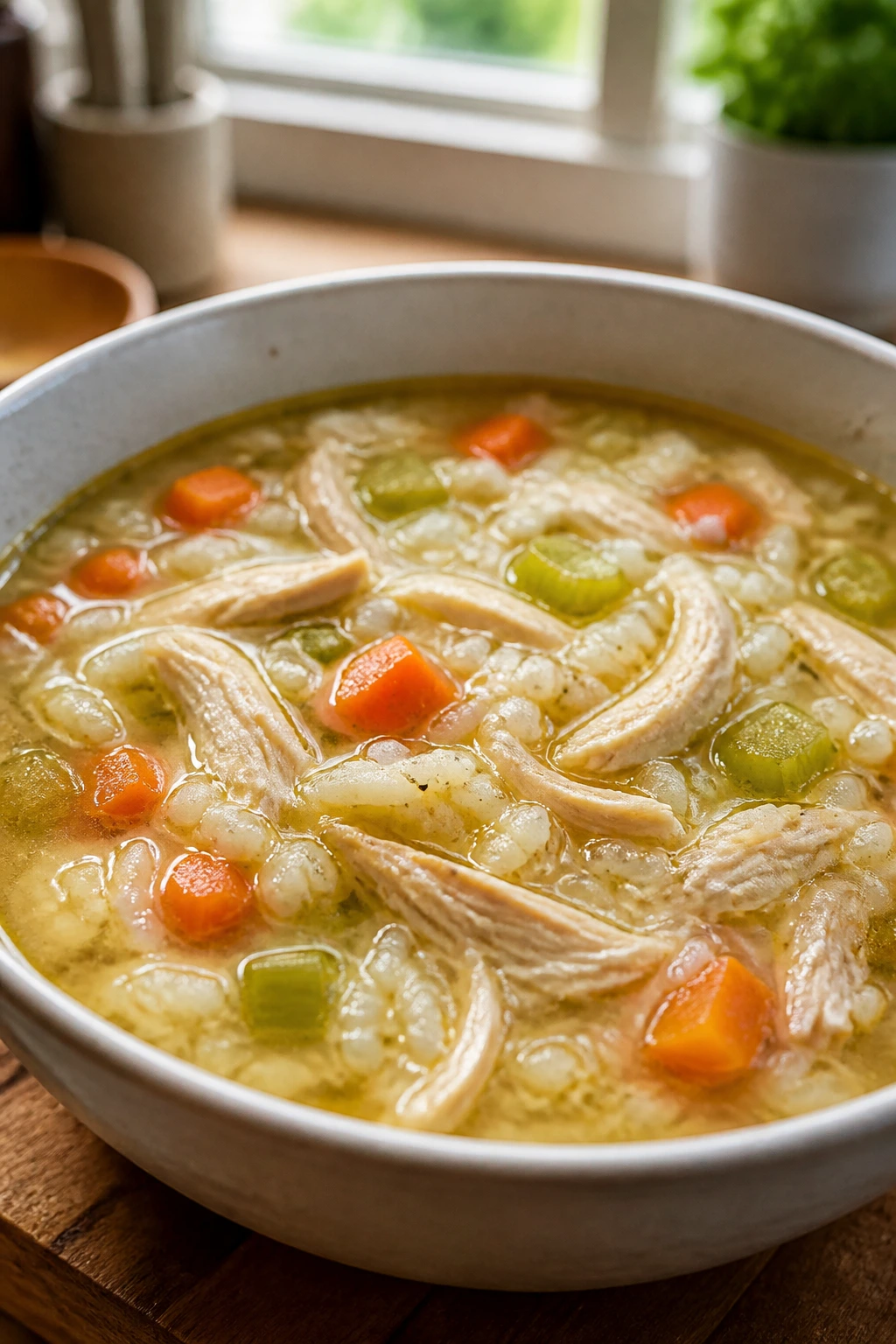
Clear broth, soft rice, and shredded chicken make a bowl that slides down easily on tired evenings. This is the sort of soup that tastes gentle but not bland, which is a harder balance than people think.
Why It Works:
Rice thickens the broth just enough to feel satisfying, and shredded chicken gives protein without chewiness. The carrots and celery cook until they soften, which means the soup stays easy for spoon-happy toddlers.
Key Ingredients:
- 1 tablespoon olive oil
- 1 small onion, diced
- 2 carrots, diced
- 2 celery stalks, diced
- 2 garlic cloves, minced
- 6 cups chicken broth
- 1 cup cooked rice
- 2 cups shredded cooked chicken
- 1 teaspoon salt
- ½ teaspoon dried thyme
Quick Steps:
- Heat oil in a soup pot over medium heat and cook onion, carrots, and celery for 6 minutes.
- Add garlic and thyme and cook 30 seconds.
- Pour in broth and simmer 15 minutes until vegetables are tender.
- Stir in rice and chicken.
- Simmer 5 minutes more, then taste and adjust salt.
- Serve warm, not scalding.
Equipment for This Recipe:
- Soup pot
- Ladle
- Cutting board
- Wooden spoon
How to Serve This Dish:
Ladle the soup into wide bowls so the rice doesn’t all settle in one corner. A buttered roll or soft crackers works well if you want something for dipping.
Pro Tips for This Recipe:
- Use cooked rice if you want the broth to stay clear.
- If you cook rice in the soup, it will absorb broth fast.
- Rotisserie chicken makes this a weeknight rescue.
Variations on This Dish:
- Lemon Chicken Rice Soup: Stir in 1 tablespoon lemon juice at the end.
- Veggie-Heavy Pot: Add peas or corn in the last 3 minutes.
- Creamier Bowl: Stir in ¼ cup milk or cream for a softer finish.
Common Mistakes to Avoid with This Dish:
- Boiling too hard can shred the chicken into strings. Keep it at a gentle simmer.
- Rice left in the pot overnight drinks the broth. Add extra stock when reheating.
- Undercooked celery stays stringy. Give it enough time to soften.
7. Mini Turkey Shepherd’s Pies
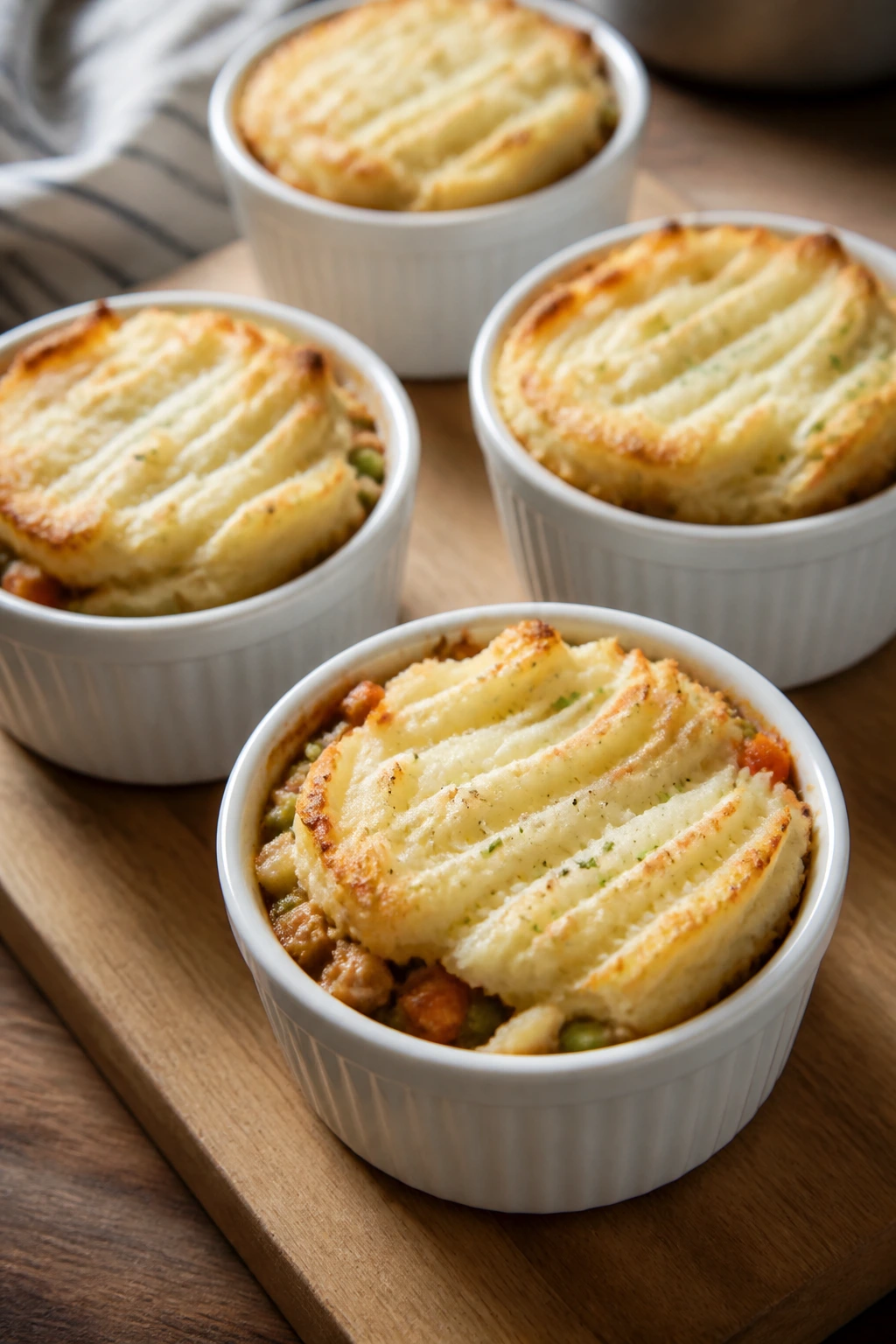
These little pies feel like comfort food in a kid-sized package. The mashed potato top gets a few toasted ridges, the turkey filling stays savory and soft, and each ramekin feels like its own tiny dinner instead of a giant casserole nobody wants to divide.
Why It Works:
Baking in small dishes gives you crisp edges and better portion control. The turkey filling can be made ahead, and the mashed potatoes seal the top so the inside stays moist.
Key Ingredients:
- 1 lb ground turkey
- 1 tablespoon olive oil
- 1 small onion, diced
- 1 cup frozen peas and carrots
- 2 tablespoons tomato paste
- 1 cup chicken broth
- 2 cups mashed potatoes
- ½ teaspoon salt
- ¼ teaspoon black pepper
Quick Steps:
- Heat oven to 400°F and grease 4 ramekins.
- Cook onion in oil for 4 minutes, then add turkey and brown.
- Stir in tomato paste, peas and carrots, broth, salt, and pepper; simmer 5 minutes.
- Divide filling among the ramekins.
- Top with mashed potatoes and rough up the surface with a fork.
- Bake 18 to 20 minutes until the tops are lightly browned.
Equipment for This Recipe:
- 4 ramekins or small baking dishes
- Skillet
- Spoon
- Fork for the potato top
How to Serve This Dish:
Set the ramekins on plates because they’ll be hot and a little messy at first scoop. A crisp cucumber salad on the side is a nice contrast, though a toddler may just eat the potatoes and call it a day.
Pro Tips for This Recipe:
- The filling should be thick, not soupy, or the potato top slides off.
- Use leftover mashed potatoes if they’re not too stiff.
- Drag a fork across the top for browned peaks.
Variations on This Dish:
- Beef Version: Use ground beef instead of turkey and add a splash of Worcestershire.
- Cheesy Top: Mix cheddar into the mashed potatoes.
- Sweet Potato Lid: Swap in mashed sweet potatoes for a softer flavor.
Common Mistakes to Avoid with This Dish:
- Runny filling makes the pie collapse. Simmer until most liquid cooks off.
- Cold mashed potatoes won’t brown well. Warm them first.
- Overfilling the ramekins causes spills. Leave a little room at the top.
8. Salmon Cakes with Yogurt-Dill Dip
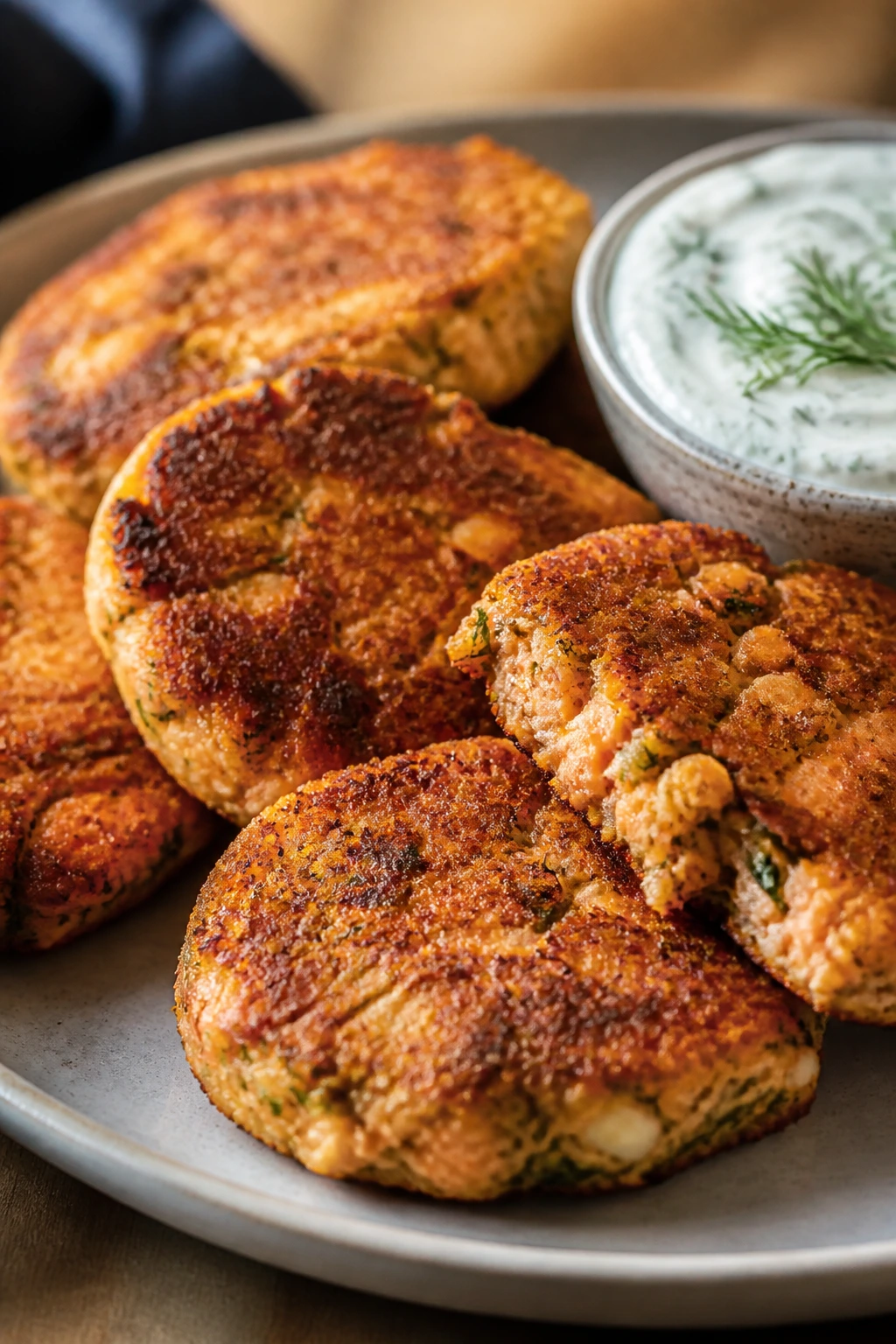
Salmon cakes sound fancier than they are. In practice, they’re crisp outside, soft inside, and easy to break into flakes with a fork, which is useful when you’re trying to get fish into a toddler without a full sales pitch.
Why It Works:
Canned salmon keeps this fast and affordable, and the binder keeps the cakes from drying out. The yogurt-dill dip cools the fish and gives the meal a creamy edge without making it heavy.
Key Ingredients:
- 2 cans salmon, drained and flaked
- 1 egg
- ½ cup breadcrumbs
- 2 tablespoons mayonnaise
- 1 tablespoon lemon juice
- 1 tablespoon chopped dill
- 1 tablespoon olive oil
- ½ cup plain yogurt
- ½ teaspoon salt
Quick Steps:
- Mix salmon, egg, breadcrumbs, mayonnaise, lemon juice, dill, and salt.
- Shape into 8 small cakes.
- Heat oil in a skillet over medium heat.
- Cook cakes 3 to 4 minutes per side until golden and hot through.
- Stir yogurt with a pinch of dill and lemon for dipping.
- Serve warm.
Equipment for This Recipe:
- Skillet
- Mixing bowl
- Fish spatula or wide turner
- Small bowl for dip
How to Serve This Dish:
Pair the cakes with buttered peas or soft rice so the plate stays gentle. For younger toddlers, cut the cakes into bite-size wedges and keep the dip on the side instead of all over the fish.
Pro Tips for This Recipe:
- Drain the salmon well or the mixture gets floppy.
- Make the cakes small; big ones break when flipped.
- Chill the shaped cakes for 10 minutes if they feel soft.
Variations on This Dish:
- Potato Salmon Cakes: Add ½ cup mashed potato to the mix.
- No-Dill Option: Swap dill for parsley if the herb flavor is too sharp.
- Baked Version: Bake at 425°F for 12 to 14 minutes, flipping once.
Common Mistakes to Avoid with This Dish:
- Too much mayonnaise makes them greasy.
- A crowded pan prevents browning. Leave space.
- Flipping too soon tears the crust. Wait until the bottom is set.
9. Slow Cooker Chicken Tacos
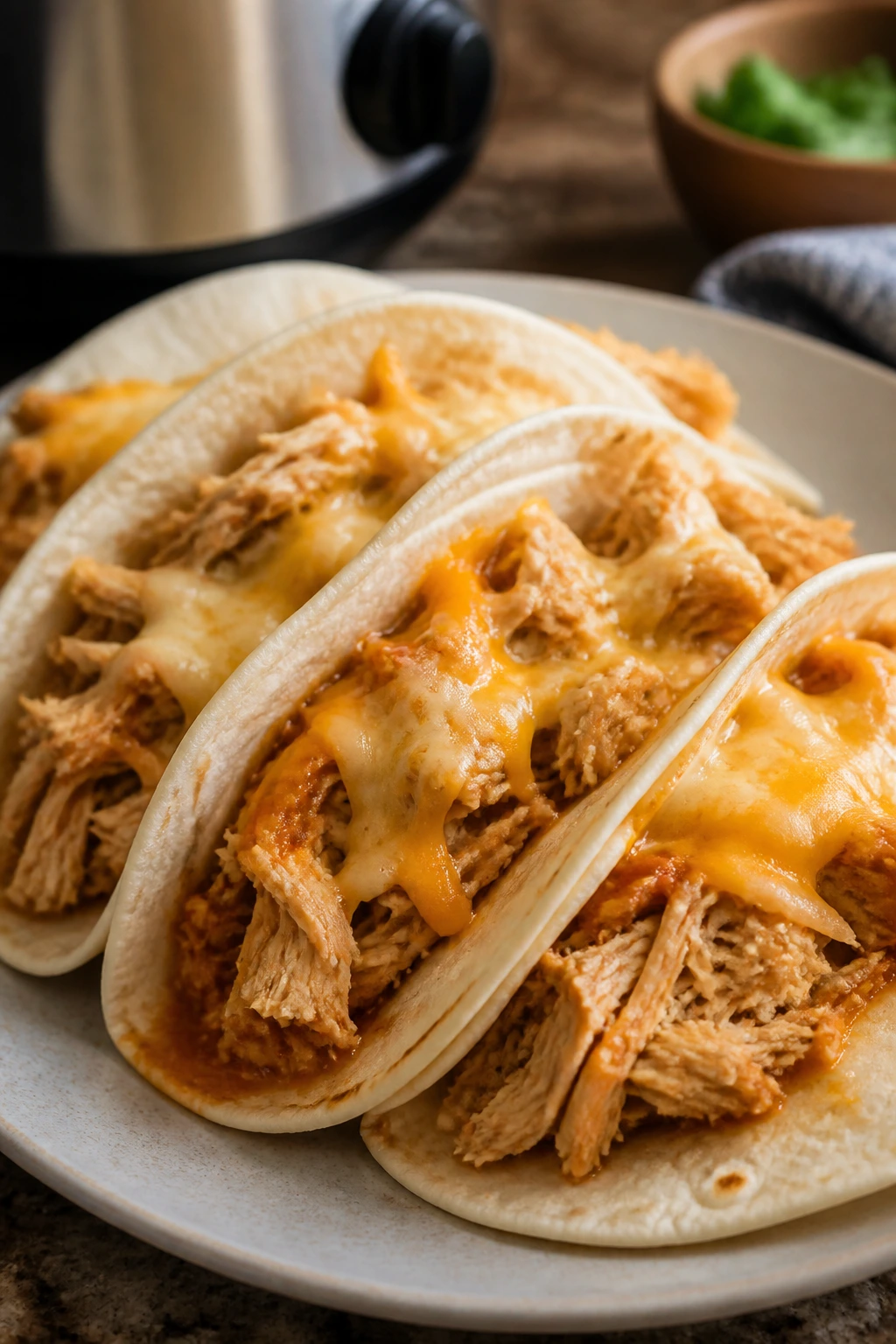
The beauty here is plain: you dump in a few ingredients, walk away, and come back to chicken that shreds under a fork. Soft tortillas, mild filling, and a little cheese turn this into dinner that barely interrupts the rest of the evening.
Why It Works:
Slow cooker chicken stays moist even if it waits a little before serving. The salsa and seasoning do the work while the chicken cooks, and shredding it at the end lets every strand soak up the sauce.
Key Ingredients:
- 2 lb boneless skinless chicken breasts
- 1 cup mild salsa
- 1 teaspoon cumin
- 1 teaspoon garlic powder
- ½ teaspoon salt
- 8 small soft tortillas
- 1 cup shredded cheese
- ½ cup plain yogurt or sour cream
Quick Steps:
- Place chicken in the slow cooker.
- Pour salsa over the top and sprinkle with cumin, garlic powder, and salt.
- Cook on low for 5 to 6 hours or high for 3 to 4 hours.
- Shred the chicken in the pot with two forks.
- Spoon into tortillas and top with cheese and yogurt.
- Serve with avocado or corn if desired.
Equipment for This Recipe:
- Slow cooker
- Two forks
- Measuring spoons
- Warm tortillas holder or plate
How to Serve This Dish:
Serve the tacos open-faced for toddlers who treat folding tortillas like origami. Adults can tuck in shredded lettuce, hot sauce, or pickled onions while the kids keep theirs plain.
Pro Tips for This Recipe:
- Use thighs if you want a richer texture.
- Don’t add too much liquid; salsa already does the job.
- Warm the tortillas so they don’t crack.
Variations on This Dish:
- BBQ Chicken Tacos: Swap salsa for barbecue sauce.
- Bean Stretch: Add 1 can drained black beans in the last 30 minutes.
- Rice Bowl Version: Skip the tortillas and serve over rice.
Common Mistakes to Avoid with This Dish:
- Overcooking dries out breast meat. Check early if your slow cooker runs hot.
- Watery salsa makes sloppy tacos. Use a thicker jarred salsa.
- Skipping seasoning leaves the chicken flat. Salsa alone usually needs help.
10. Lentil Bolognese
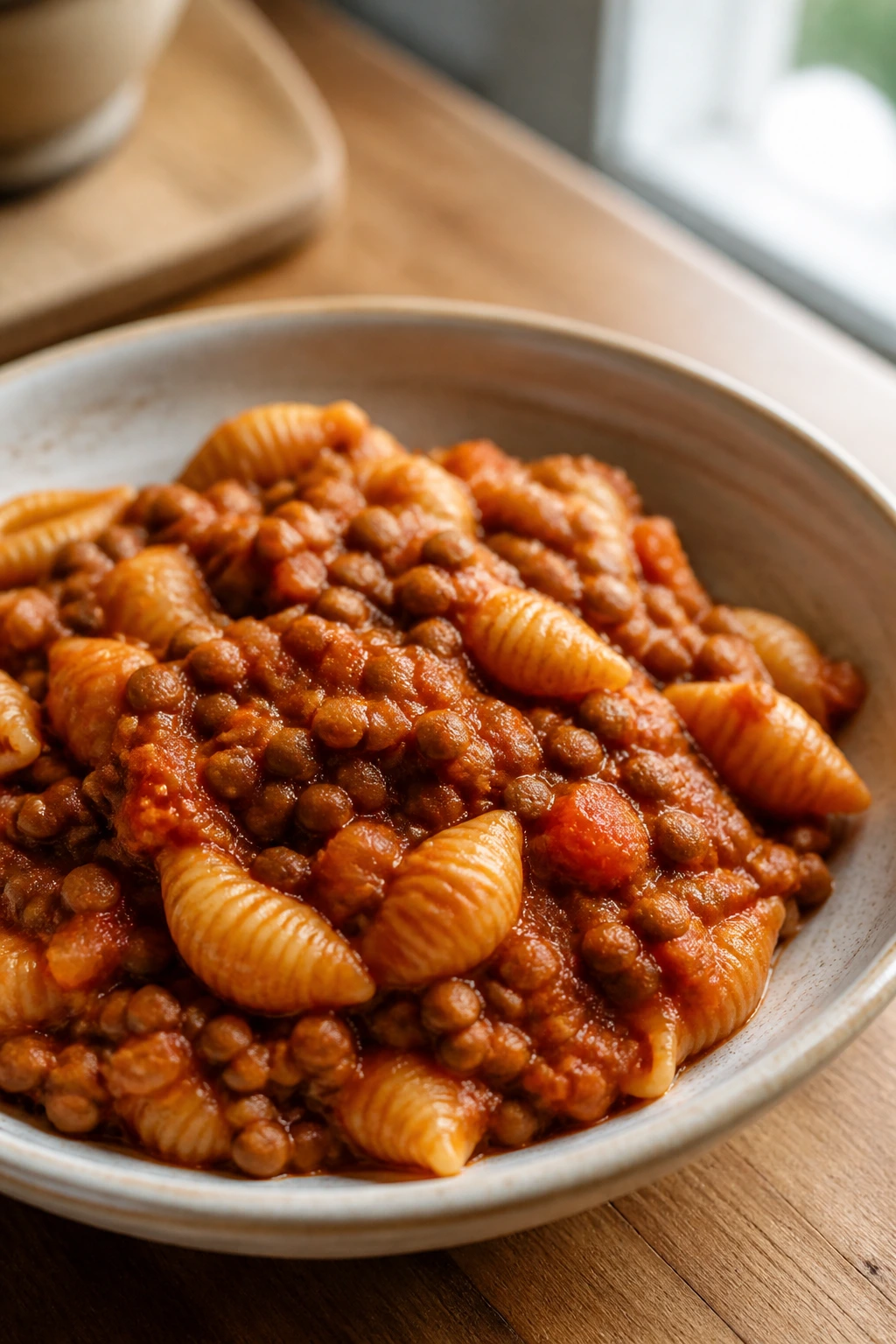
This sauce has the thick, spoon-coating body of a meat sauce, but the lentils give it a softer, earthier feel. It clings to pasta shells and tastes better the next day, which is one of those rare kitchen facts that actually matters on school mornings.
Why It Works:
Lentils cook into a tender, almost meaty texture without needing browning or special handling. They also soak up tomato sauce so the finished bowl feels rich enough for adults and gentle enough for kids.
Key Ingredients:
- 1 tablespoon olive oil
- 1 small onion, diced
- 1 carrot, diced
- 2 garlic cloves, minced
- 1 cup brown lentils, rinsed
- 1 can (15 oz) crushed tomatoes
- 3 cups vegetable broth
- 1 teaspoon Italian seasoning
- 12 oz pasta
Quick Steps:
- Warm oil in a pot and cook onion and carrot for 6 minutes.
- Stir in garlic and cook 30 seconds.
- Add lentils, tomatoes, broth, and seasoning.
- Simmer 30 to 35 minutes until lentils are tender and the sauce is thick.
- Cook pasta separately and toss with the sauce.
- Top with cheese if you like.
Equipment for This Recipe:
- Large pot
- Wooden spoon
- Colander
- Measuring cups
How to Serve This Dish:
Use short pasta so the sauce catches in the ridges. A little grated Parmesan goes a long way, and a side of soft bread helps adults mop up the extra sauce.
Pro Tips for This Recipe:
- Brown lentils hold their shape better than red lentils.
- Keep extra broth nearby if the sauce tightens too much.
- Salt at the end so the lentils stay tender.
Variations on This Dish:
- Meaty Blend: Add ½ lb ground beef if you want a half-lentil, half-meat sauce.
- Creamy Finish: Stir in 2 tablespoons cream at the end.
- Veggie Rich: Add finely chopped mushrooms with the carrots.
Common Mistakes to Avoid with This Dish:
- Not rinsing lentils can leave grit.
- Letting the sauce boil hard makes it reduce too fast.
- Using too little salt leaves it flat. Lentils need seasoning.
11. Teriyaki Chicken and Broccoli
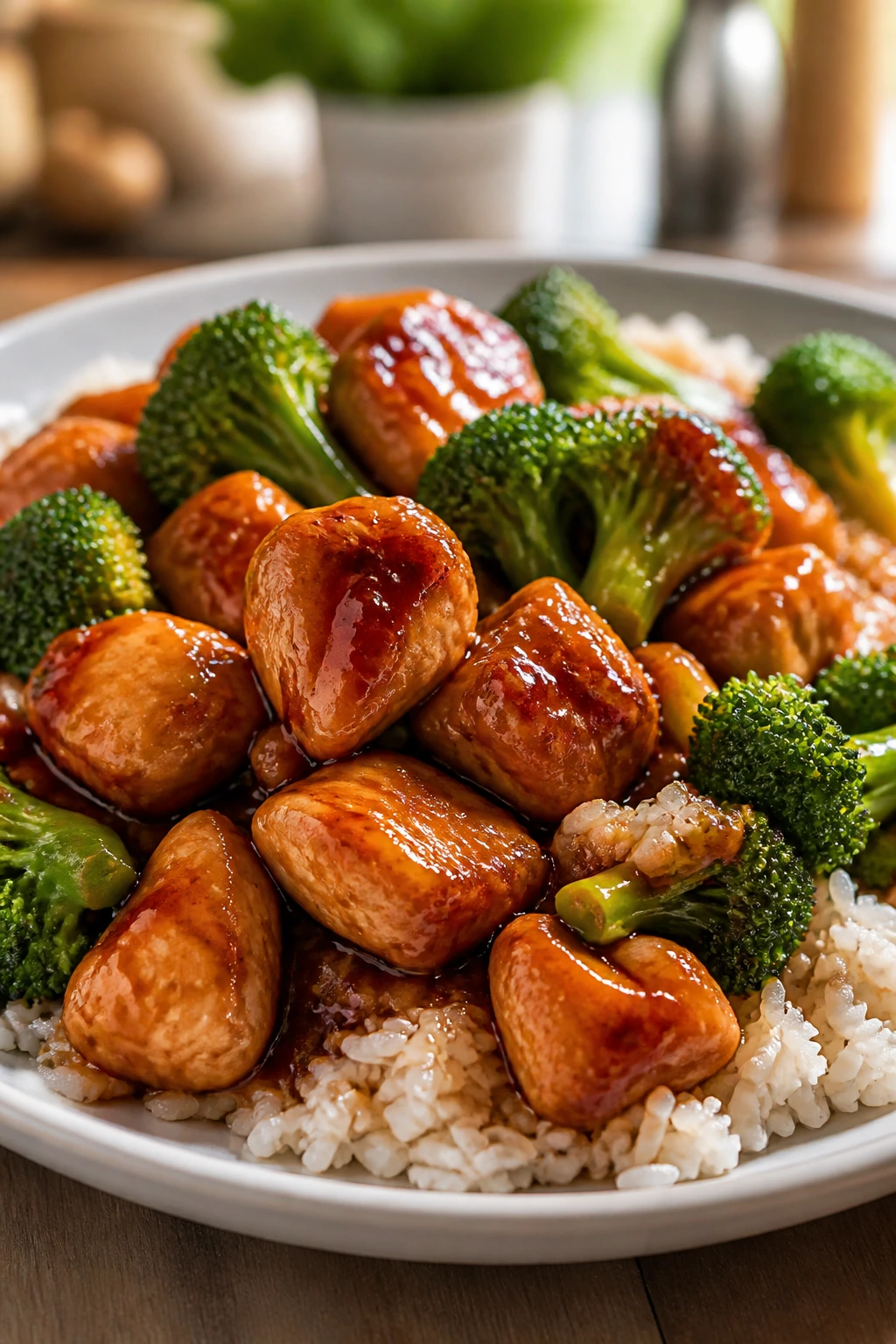
Sticky, glossy chicken with bright broccoli is one of those meals toddlers will often eat because the sauce is sweet enough to feel familiar. The trick is keeping the glaze mild and not letting it burn into a sugary crust on the pan.
Why It Works:
A quick homemade teriyaki sauce thickens just enough to coat the chicken without turning syrupy. Broccoli roasts in the same pan, so you get one dinner with a little shine and some green that doesn’t taste bitter.
Key Ingredients:
- 1½ lb chicken thighs, cut into bite-size pieces
- 3 cups broccoli florets
- ¼ cup soy sauce
- 2 tablespoons honey
- 2 tablespoons water
- 1 tablespoon cornstarch
- 1 teaspoon sesame oil
- 1 tablespoon olive oil
- 2 cups cooked rice
Quick Steps:
- Heat oven to 425°F.
- Toss broccoli with olive oil and spread on a sheet pan.
- Mix soy sauce, honey, water, cornstarch, and sesame oil.
- Stir chicken with half the sauce and spread on the pan.
- Roast 18 to 20 minutes, adding the rest of the sauce in the last 5 minutes.
- Serve over rice.
Equipment for This Recipe:
- Sheet pan
- Small saucepan or bowl
- Mixing spoon
- Rice cooker or pot
How to Serve This Dish:
Spoon the chicken and broccoli over rice so the sauce settles into the grains. Sesame seeds are optional, but they do make the bowl look finished without much effort.
Pro Tips for This Recipe:
- Cut chicken into equal pieces so it cooks evenly.
- Don’t drown the broccoli in sauce or it softens too much.
- Keep the glaze thin before baking; it thickens in the oven.
Variations on This Dish:
- Pineapple Teriyaki: Add pineapple chunks in the last 5 minutes.
- Ground Chicken Shortcut: Use ground chicken and cook it in a skillet instead.
- Lower-Sodium Bowl: Use low-sodium soy sauce and add a squeeze of lime.
Common Mistakes to Avoid with This Dish:
- Sugary sauce burns fast. Watch the last few minutes closely.
- Undercooked broccoli stays tough. Cut florets small enough to roast through.
- Too much cornstarch makes the glaze gummy. Measure carefully.
12. Breakfast-for-Dinner Egg and Potato Skillet
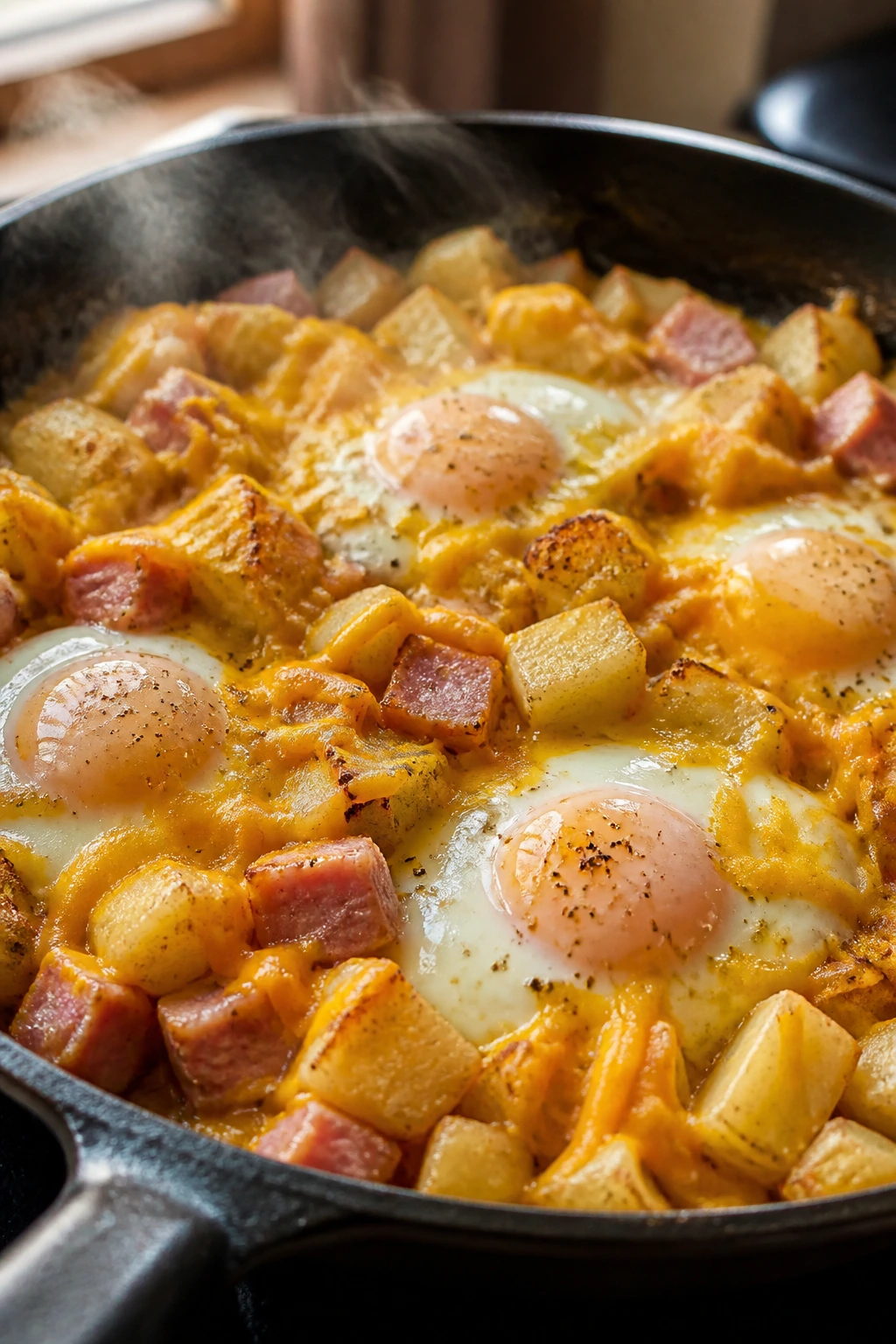
Eggs, potatoes, cheese, and a little ham make a dinner that feels relaxed instead of ambitious. It’s also one of the few meals that can be served in a single skillet without anybody complaining that there isn’t enough “real food” on the plate.
Why It Works:
Potatoes create a sturdy base, eggs cook quickly, and the whole dish stays soft enough for toddlers who prefer fork-friendly food. Ham adds salt and protein, but it isn’t mandatory if your family prefers a vegetarian version.
Key Ingredients:
- 2 tablespoons olive oil
- 2 medium potatoes, diced small
- 1 small onion, diced
- ½ cup diced ham
- 6 eggs
- ½ cup shredded cheddar
- ½ teaspoon salt
- ¼ teaspoon pepper
Quick Steps:
- Heat oil in a skillet over medium heat.
- Cook potatoes and onion for 12 to 15 minutes, stirring often, until tender.
- Add ham and cook 2 minutes.
- Make six little wells and crack in the eggs.
- Cover and cook 4 to 6 minutes until the whites are set.
- Sprinkle cheese over the top and let it melt before serving.
Equipment for This Recipe:
- Large skillet with lid
- Spatula
- Knife and cutting board
- Measuring cup
How to Serve This Dish:
Cut the skillet into small wedges or scoop portions onto plates. Toast, fruit, or a few cucumber sticks beside it keeps the meal from feeling too egg-heavy.
Pro Tips for This Recipe:
- Dice the potatoes small so they cook before the eggs overcook.
- Covering the skillet gives you set whites without rubbery yolks.
- Use a nonstick skillet if you want the cleanup to stay easy.
Variations on This Dish:
- Veggie Skillet: Skip ham and add spinach or bell pepper.
- Sausage Version: Use mild breakfast sausage instead.
- Hash Brown Shortcut: Frozen diced potatoes can shave off prep time.
Common Mistakes to Avoid with This Dish:
- Potatoes cut too large stay hard. Small dice matters here.
- Cooking eggs on high heat turns them leathery.
- Skipping the lid leaves the tops underdone. That’s annoying when you’re feeding kids fast.
13. Mild Butter Chicken with Rice
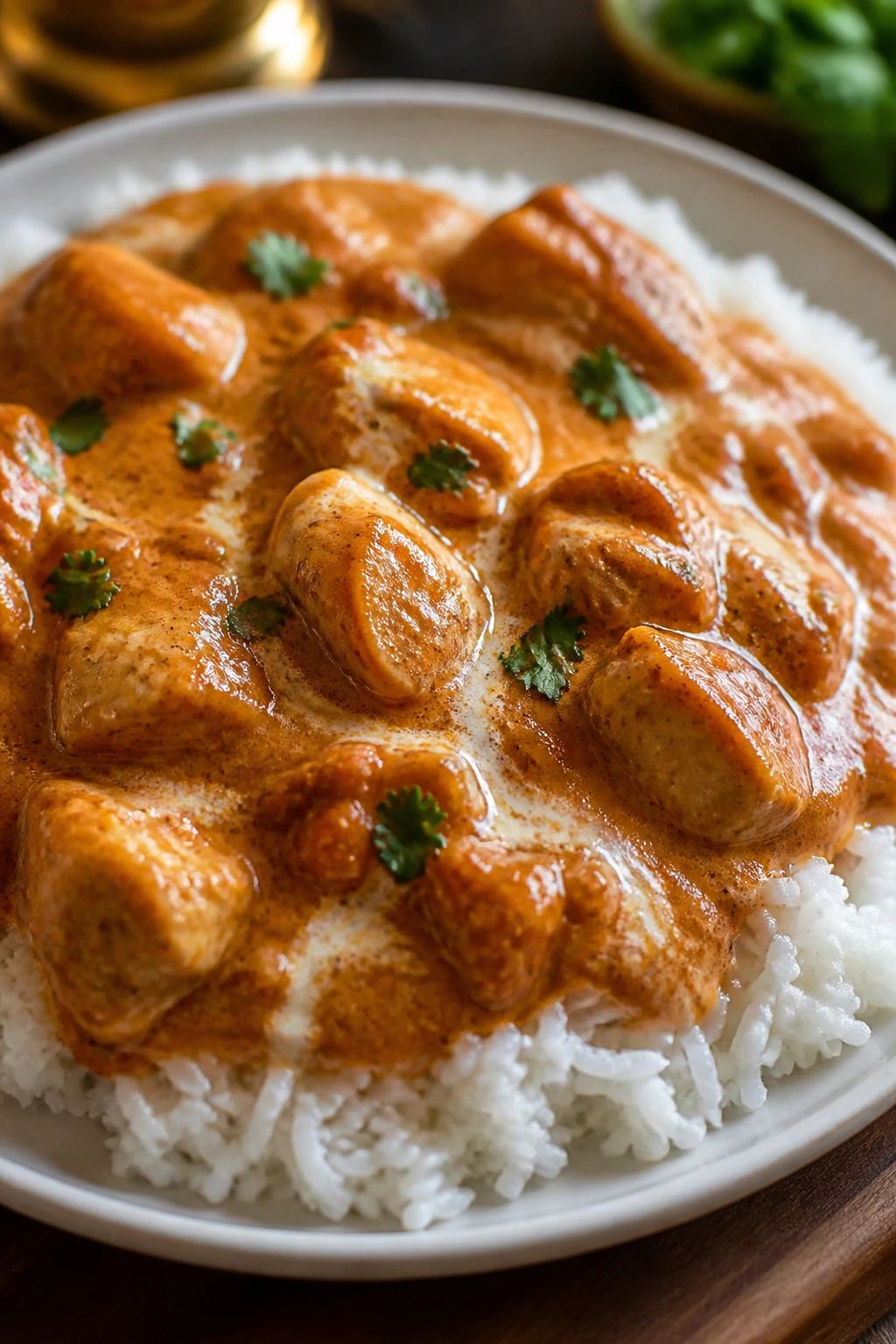
This is the curry for people who want warmth and spice without a fire alarm on the tongue. The sauce is creamy, tomato-rich, and smooth, and the chicken gets tender enough to cut with a spoon.
Why It Works:
Butter chicken leans on yogurt or cream to soften the tomato and spice. You can keep the heat low, the sauce silky, and the rice plain, which is how you make curry toddler-friendly without removing the point of curry entirely.
Key Ingredients:
- 1½ lb chicken thighs, cut into pieces
- 1 tablespoon butter
- 1 small onion, diced
- 2 garlic cloves, minced
- 1 tablespoon mild curry powder
- 1 can (15 oz) tomato sauce
- ½ cup plain yogurt or cream
- ½ teaspoon salt
- 2 cups cooked rice
Quick Steps:
- Melt butter in a skillet and cook onion for 5 minutes.
- Add garlic and curry powder and cook 30 seconds.
- Add chicken and cook until the outside loses its pink color.
- Stir in tomato sauce and salt, then simmer 15 minutes.
- Turn off the heat and stir in yogurt or cream.
- Serve over rice.
Equipment for This Recipe:
- Deep skillet
- Wooden spoon
- Small bowl for yogurt
- Rice pot or cooker
How to Serve This Dish:
Pile the chicken and sauce beside or over rice, not buried under it. Naan or soft flatbread works for adults who want to swipe up the sauce, while toddlers usually prefer the rice plain with a spoonful of chicken nearby.
Pro Tips for This Recipe:
- Keep the heat low when adding yogurt or it may split.
- Chicken thighs stay juicier than breasts here.
- A little salt at the end matters more than people expect.
Variations on This Dish:
- Cauliflower Add-In: Simmer small cauliflower florets in the sauce.
- Dairy-Free Curry: Use coconut milk instead of yogurt.
- Tomato-Lighter Version: Add half tomato sauce, half broth.
Common Mistakes to Avoid with This Dish:
- A broken sauce is usually from high heat.
- Too much curry powder can turn bitter. Start mild.
- Dry chicken ruins the texture. Use thighs or don’t overcook breasts.
14. Veggie Fried Rice with Scrambled Eggs
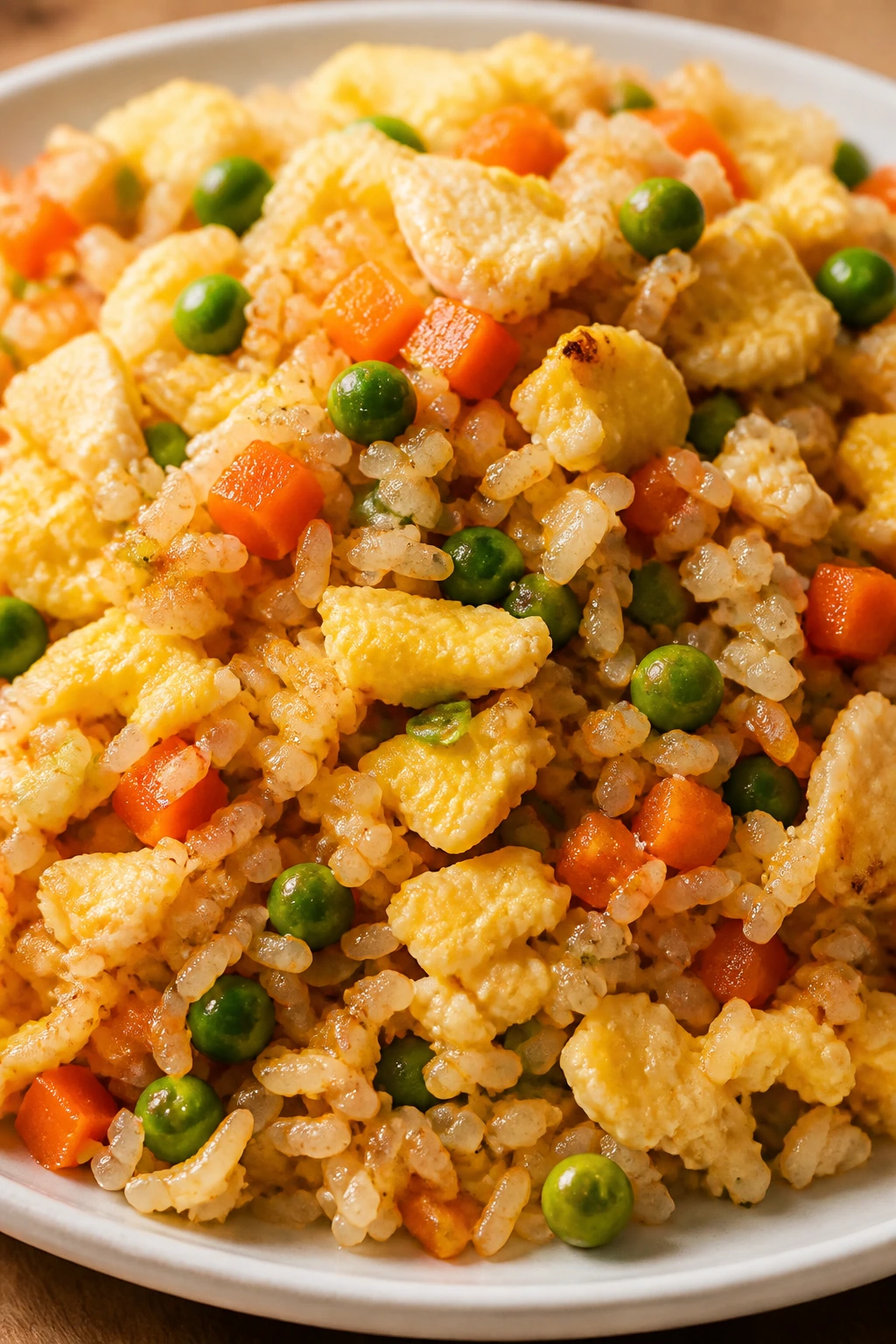
Cold rice, hot pan, and a few fast-moving ingredients make fried rice one of the most useful dinners in the house. It’s soft, salty, and flexible enough to swallow whatever stray vegetables are hiding in the crisper drawer.
Why It Works:
Day-old rice fries better because it’s drier and less likely to clump. Scrambled egg adds soft protein, and peas or diced carrots bring enough sweetness that toddlers often treat the bowl as familiar rather than suspicious.
Key Ingredients:
- 3 cups cooked cold rice
- 2 tablespoons neutral oil
- 2 eggs, beaten
- 1 cup frozen peas and carrots
- 2 tablespoons soy sauce
- 1 teaspoon sesame oil
- 2 green onions, sliced thin
Quick Steps:
- Heat oil in a large skillet or wok over medium-high heat.
- Scramble the eggs quickly and remove them.
- Add peas and carrots and cook 2 minutes.
- Stir in rice and break up any clumps.
- Add soy sauce and sesame oil, then return the eggs.
- Finish with green onions.
Equipment for This Recipe:
- Large skillet or wok
- Spatula
- Bowl for beaten eggs
- Measuring spoons
How to Serve This Dish:
Serve it hot from the pan while the rice still has a little bite. For toddlers, I like to press it into a small mound and keep the green onions light or skip them entirely.
Pro Tips for This Recipe:
- Use a hot pan so the rice fries instead of steaming.
- Keep the egg in large soft curds.
- Frozen vegetables can go in straight from the freezer.
Variations on This Dish:
- Chicken Fried Rice: Add 1 cup shredded cooked chicken.
- Pineapple Rice: Stir in small pineapple cubes at the end.
- Low-Sodium Version: Use reduced-sodium soy sauce and more egg.
Common Mistakes to Avoid with This Dish:
- Fresh rice turns sticky. Chill it first.
- Too much soy sauce makes the rice soggy and dark.
- Overcrowding the skillet lowers the heat fast. Cook in batches if needed.
15. BBQ Chicken Sliders
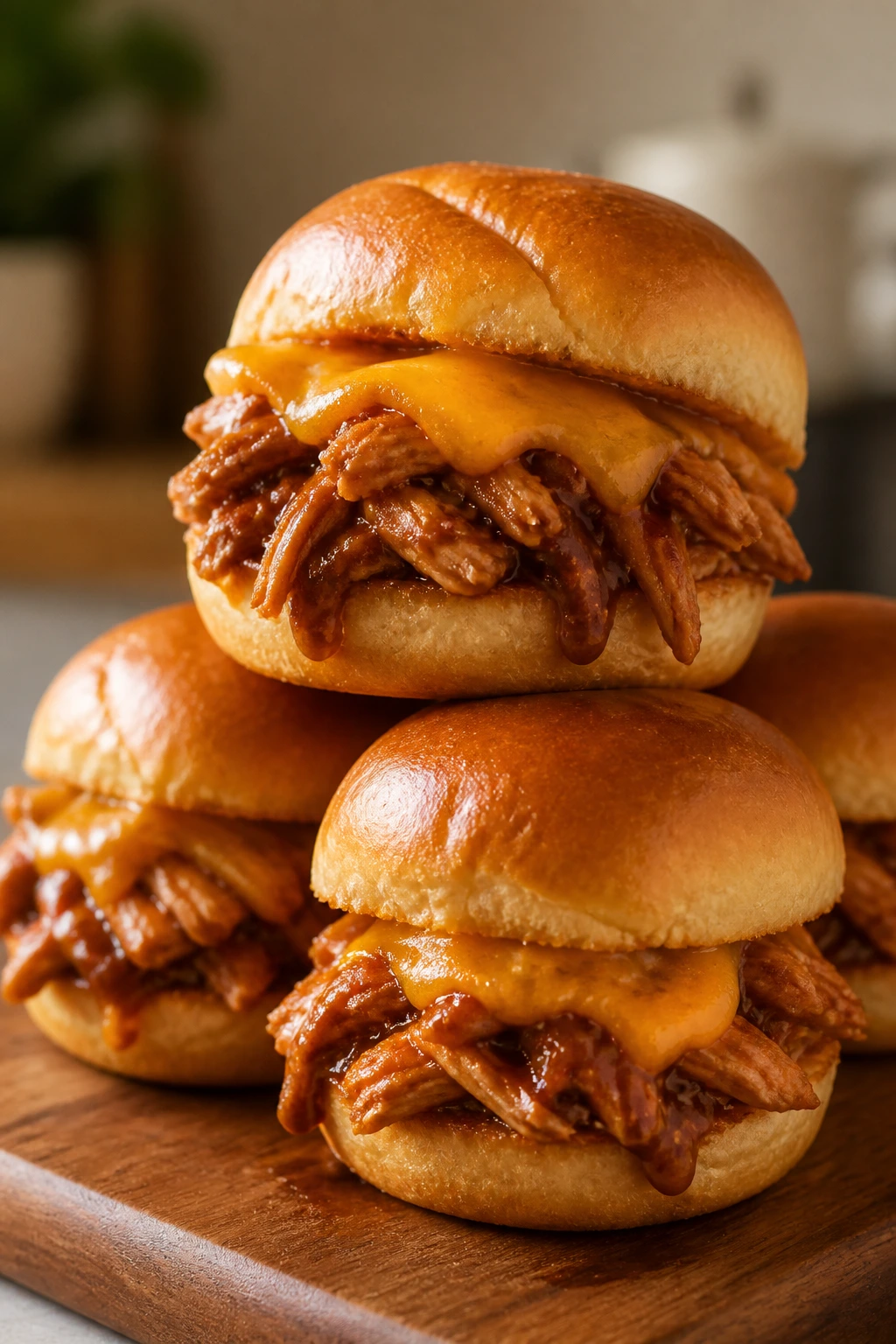
Soft buns, shredded chicken, and sticky barbecue sauce make these sliders feel like a treat without becoming a project. They’re friendly to small hands, and if you tuck a little coleslaw inside for adults, everyone acts like they’re eating a different meal.
Why It Works:
Shredded chicken absorbs sauce better than sliced chicken, so every bite tastes seasoned. Slider buns are easier for toddlers to hold, and the smaller size keeps portions sane when dinner is running late.
Key Ingredients:
- 2 cups shredded cooked chicken
- ½ cup barbecue sauce
- 8 slider buns
- 4 slices provolone or mild cheddar
- 1 cup coleslaw mix
- 2 tablespoons mayonnaise
- 1 teaspoon vinegar
Quick Steps:
- Warm the chicken with barbecue sauce in a skillet over low heat.
- Mix coleslaw with mayonnaise and vinegar.
- Split the slider buns and layer chicken and cheese inside.
- Bake or toast at 350°F for 5 minutes until the cheese melts.
- Add slaw if using.
- Serve warm.
Equipment for This Recipe:
- Skillet
- Baking dish or sheet pan
- Mixing bowl
- Knife for splitting buns
How to Serve This Dish:
Set out the sliders open-faced first; that’s usually easier for toddlers than trying to hold a full stacked bun. A few baked beans or apple slices round out the plate without competing with the sauce.
Pro Tips for This Recipe:
- Don’t drown the chicken or the buns will go soggy.
- Use softer buns rather than crusty rolls.
- Warm the chicken before assembly so the cheese melts quickly.
Variations on This Dish:
- Pineapple BBQ: Add crushed pineapple to the chicken.
- Pulled Turkey Swap: Use leftover turkey or chicken breast.
- No-Slaw Version: Skip the slaw and serve with cucumber spears.
Common Mistakes to Avoid with This Dish:
- Too much sauce leaks through the buns.
- Cold cheese won’t melt on time.
- Overtoasting dries the slider tops. A short warm-up is enough.
16. Spinach Ricotta Stuffed Shells
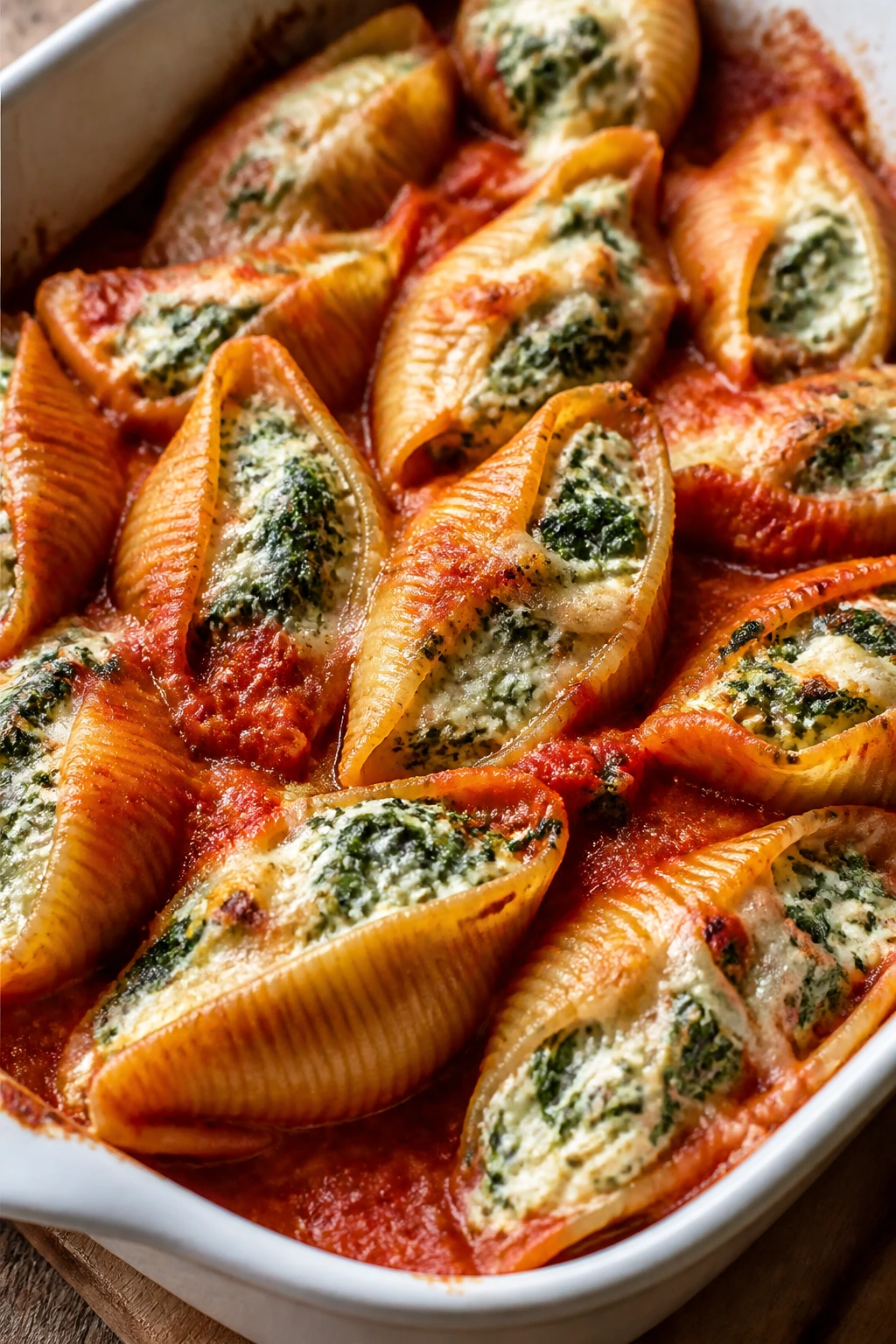
Stuffed shells look like a special dinner, but the filling is mild and the pasta shells are easy to portion. The spinach disappears into the ricotta in a way toddlers usually tolerate because the texture stays soft and the flavor stays gentle.
Why It Works:
Large pasta shells hold filling without falling apart, and ricotta gives a creamy center that reheats well. A thin layer of marinara underneath keeps the pasta from drying out in the oven.
Key Ingredients:
- 20 jumbo pasta shells
- 1½ cups ricotta
- 1 cup shredded mozzarella
- 1 cup chopped spinach, cooked and squeezed dry
- 1 egg
- 2 cups marinara sauce
- ¼ teaspoon salt
- ¼ teaspoon black pepper
Quick Steps:
- Cook the shells until just tender and drain carefully.
- Mix ricotta, mozzarella, spinach, egg, salt, and pepper.
- Spread half the marinara in a baking dish.
- Fill the shells and arrange them in the dish.
- Spoon the remaining sauce on top and bake at 375°F for 25 minutes.
- Rest 5 minutes before serving.
Equipment for This Recipe:
- Large pot
- 9×13-inch baking dish
- Spoon for stuffing
- Colander
How to Serve This Dish:
Serve 3 to 4 shells per adult and 2 to 3 for smaller toddlers, depending on appetite. A soft green salad or steamed carrots on the side gives the plate some structure without fighting the pasta.
Pro Tips for This Recipe:
- Cook extra shells; a few always tear.
- Squeeze the spinach dry or the filling gets watery.
- Use a piping bag or zip-top bag if stuffing by spoon feels clumsy.
Variations on This Dish:
- Meatball Shells: Add chopped cooked meatballs to the filling.
- Pesto Shells: Stir 1 tablespoon pesto into the ricotta.
- White Sauce Version: Swap marinara for a light béchamel.
Common Mistakes to Avoid with This Dish:
- Overcooked shells split when filled.
- Wet spinach makes the filling slide out.
- Skipping the rest time leads to runaway sauce.
17. Turkey Chili with Cornbread Toppers
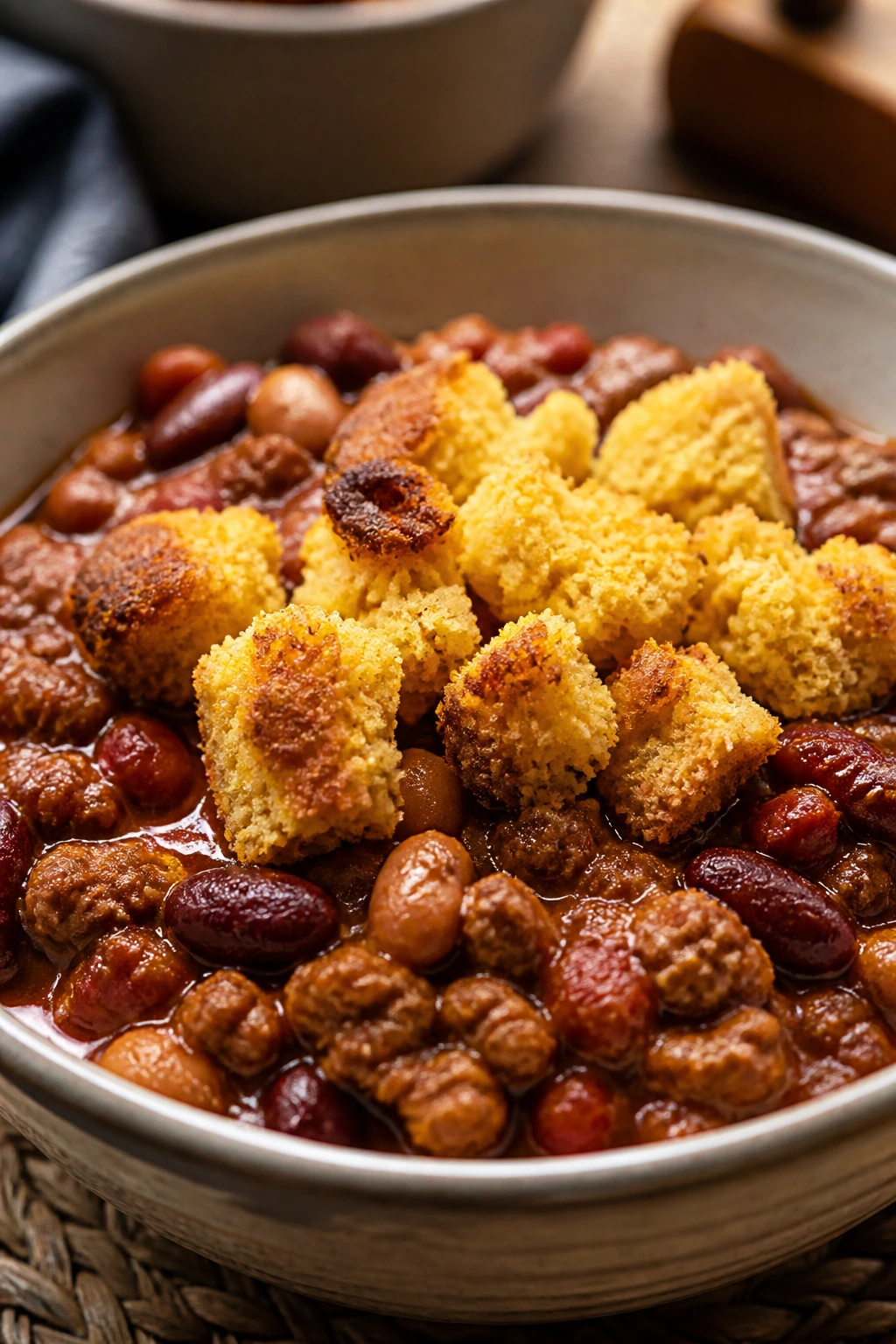
This is chili with a softer edge than the usual bowl of spice and beans. The turkey keeps it lighter, the beans make it hearty, and cornbread toppers turn the whole thing into dinner that feels finished without needing a second pan of bread.
Why It Works:
Ground turkey gives you protein without a heavy flavor. Mild chili powder and tomatoes build a base that’s warm, not sharp, and the cornbread topping keeps little eaters interested because it brings a sweet bite to the bowl.
Key Ingredients:
- 1 lb ground turkey
- 1 tablespoon olive oil
- 1 small onion, diced
- 1 can (15 oz) kidney beans, rinsed
- 1 can (15 oz) diced tomatoes
- 2 tablespoons mild chili powder
- 1 teaspoon cumin
- ½ teaspoon salt
- 1 batch cornbread batter or 6 cornbread muffins
Quick Steps:
- Brown turkey with onion in oil over medium heat.
- Add beans, tomatoes, chili powder, cumin, and salt.
- Simmer 20 minutes until thick.
- Warm cornbread toppers separately.
- Spoon chili into bowls and place cornbread on top or beside it.
- Serve with yogurt or cheese if desired.
Equipment for This Recipe:
- Large pot
- Wooden spoon
- Muffin tin or baking dish for cornbread
- Ladle
How to Serve This Dish:
Put a cornbread muffin directly on the bowl if your family likes a dunking situation. For toddlers, I like to serve the chili in a shallow bowl and let the cornbread stay on the side so it doesn’t dissolve before they’re halfway done.
Pro Tips for This Recipe:
- Simmer long enough for the chili to thicken or it’ll be soupy.
- Break the turkey into fine crumbles for easier spooning.
- A little cheese on top softens the tomato edge.
Variations on This Dish:
- Bean-Only Chili: Skip the turkey and add a second bean can.
- Sweet Corn Chili: Stir in 1 cup corn for more sweetness.
- Milder Bowl: Use half the chili powder and extra cumin.
Common Mistakes to Avoid with This Dish:
- Spicy chili powder can overwhelm toddlers. Keep it mild.
- Thin chili doesn’t hold onto cornbread.
- Dry cornbread on top of hot chili can feel crumbly. Add it just before serving.
18. Tuna Pasta Bake
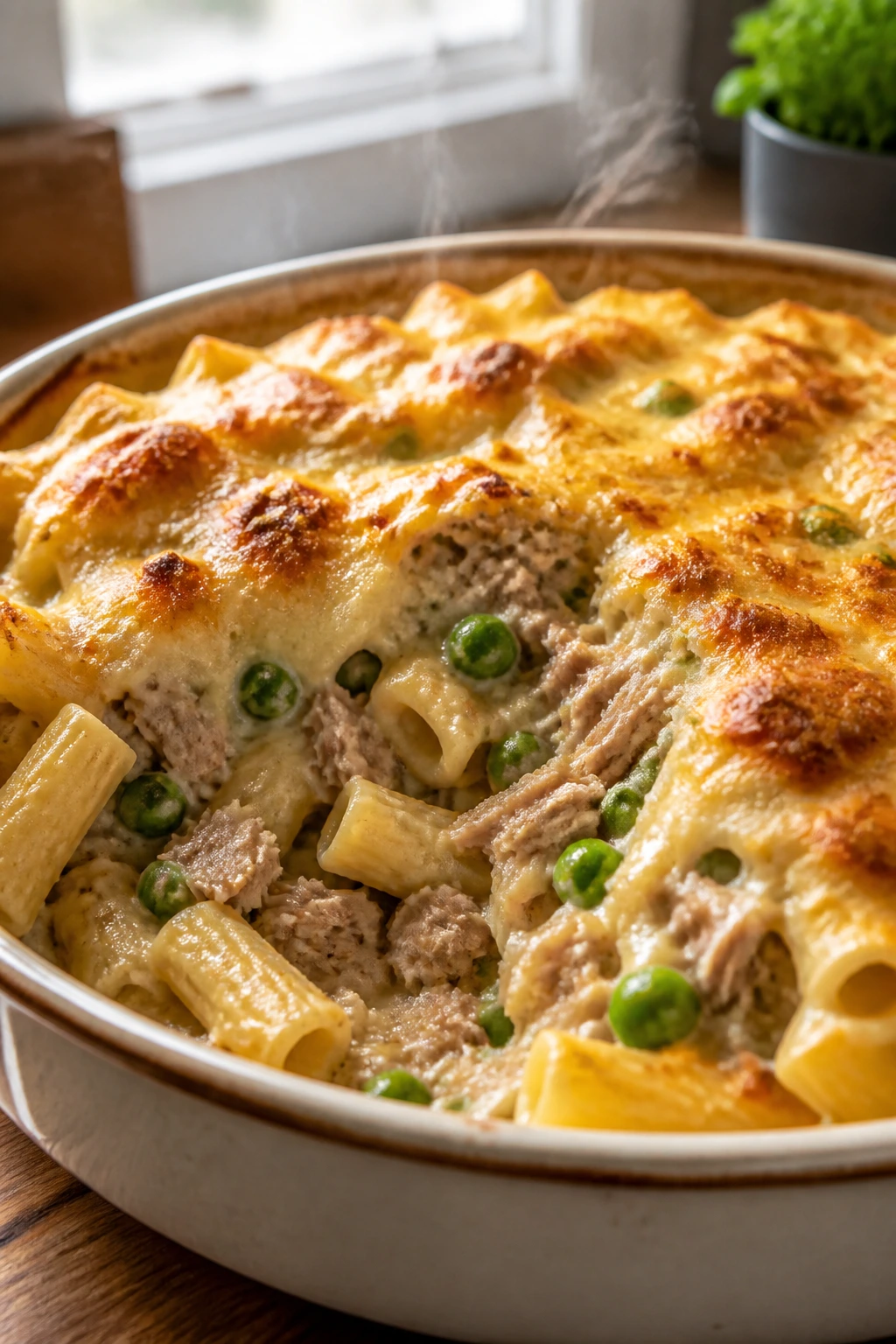
This is the pantry dinner that comes through when fresh meat didn’t happen. The tuna stays tucked into a creamy pasta base, the top gets a little golden, and the whole dish somehow tastes more organized than the sum of its parts.
Why It Works:
Canned tuna brings protein without a long cook time. A creamy sauce keeps the pasta moist in the oven, and peas or corn add sweetness that smooths out the fish flavor.
Key Ingredients:
- 12 oz pasta shells or penne
- 2 cans tuna, drained
- 2 tablespoons butter
- 2 tablespoons flour
- 2 cups milk
- 1½ cups shredded cheddar
- 1 cup frozen peas
- ½ teaspoon salt
- ¼ teaspoon pepper
Quick Steps:
- Cook pasta until just tender and drain.
- Make a quick sauce with butter, flour, and milk in a saucepan.
- Stir in half the cheese, tuna, peas, salt, and pepper.
- Fold in pasta and transfer to a baking dish.
- Top with remaining cheese and bake at 375°F for 20 minutes.
- Rest 5 minutes before serving.
Equipment for This Recipe:
- Saucepan
- Baking dish
- Whisk
- Colander
How to Serve This Dish:
A scoop with a side of cucumber or apple slices keeps the plate from feeling too beige. Toddlers often do better with this dish in a small bowl rather than a wide plate, because the sauce stays where it belongs.
Pro Tips for This Recipe:
- Drain the tuna well or the bake goes fishy in a bad way.
- Keep the sauce loose before baking; pasta absorbs a lot.
- Mild cheddar works better than sharp here.
Variations on This Dish:
- Corn Tuna Bake: Swap peas for corn.
- Lemon Tuna Version: Add a little lemon zest to brighten the sauce.
- Breadcrumb Top: Use buttered breadcrumbs for a crunchy cap.
Common Mistakes to Avoid with This Dish:
- Dry pasta soaks up too much sauce. Stop cooking it early.
- Too much tuna can dominate the bake.
- Skipping the rest time makes it fall apart on the plate.
19. Zucchini Chicken Quesadillas
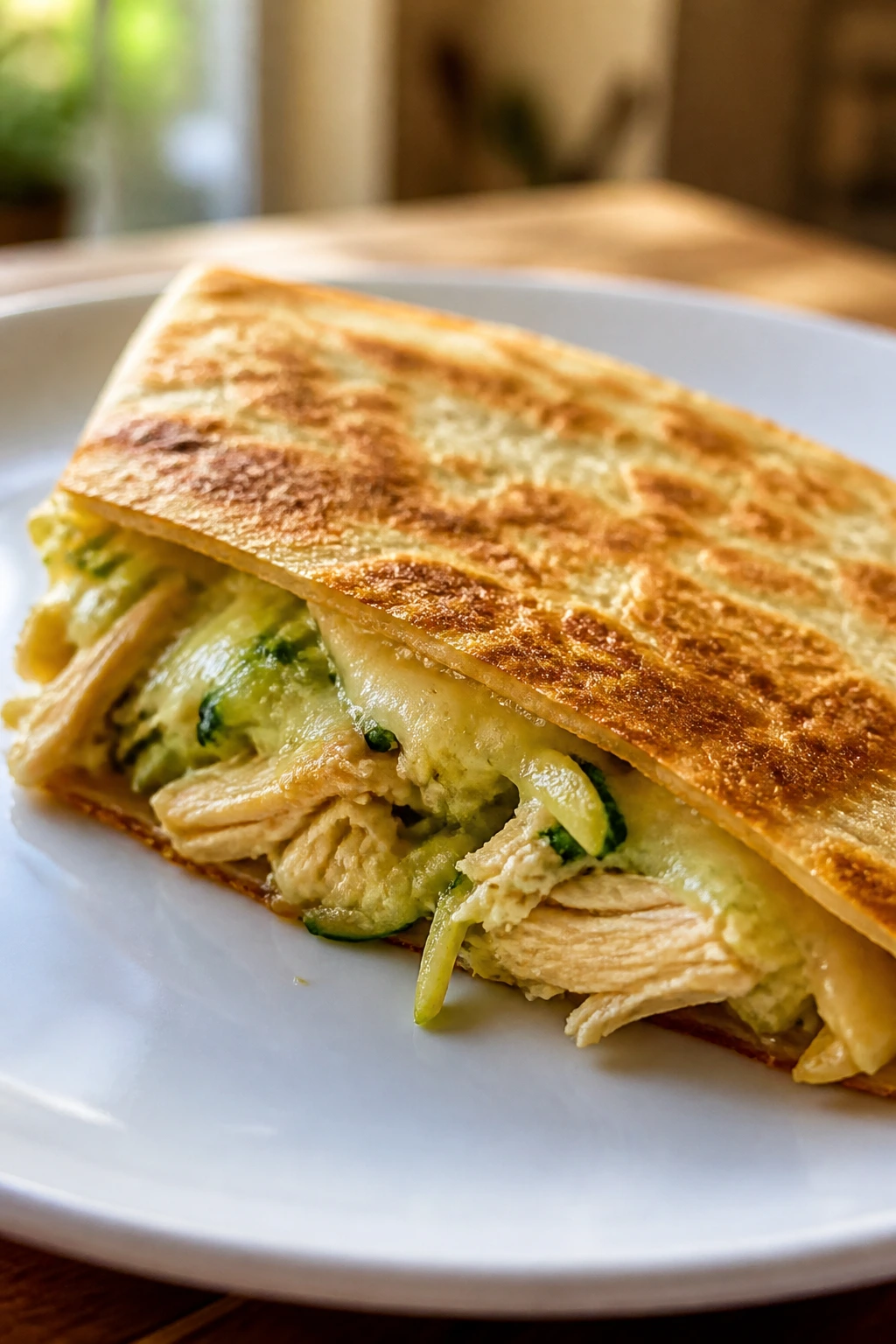
Quesadillas are one of the few dinners that can disguise vegetables while still tasting like a familiar comfort meal. Shredded chicken and zucchini melt into the cheese, and the tortilla crisps lightly without becoming sharp or brittle.
Why It Works:
Zucchini adds moisture and softness, which helps the filling stay tender instead of stringy. A moderate amount of cheese holds the tortilla together, and using a skillet lets you control browning so the outside doesn’t go too dark.
Key Ingredients:
- 2 cups shredded cooked chicken
- 1 medium zucchini, grated and squeezed dry
- 1½ cups shredded mozzarella or mild cheddar
- 4 large flour tortillas
- 1 tablespoon butter or oil
- ¼ teaspoon salt
- ¼ teaspoon garlic powder
Quick Steps:
- Mix chicken, zucchini, cheese, salt, and garlic powder.
- Heat a skillet over medium heat and add butter or oil.
- Fill each tortilla on one half and fold over.
- Cook 2 to 3 minutes per side until golden and the cheese melts.
- Slice into wedges and cool slightly before serving.
Equipment for This Recipe:
- Skillet
- Box grater
- Spatula
- Cutting board and knife
How to Serve This Dish:
Cut each quesadilla into thin triangles for toddlers, then let adults add salsa or sour cream at the table. Refried beans or fruit on the side keeps the meal balanced without creating extra work.
Pro Tips for This Recipe:
- Squeeze the zucchini hard or the quesadilla gets damp.
- Use medium heat; high heat burns the tortilla before the cheese melts.
- Let it rest for 1 minute before slicing or the filling spills out.
Variations on This Dish:
- Bean Quesadilla: Add mashed black beans for a cheaper version.
- Corn and Chicken: Stir in a handful of thawed corn kernels.
- No-Chicken Option: Use more cheese and finely chopped spinach.
Common Mistakes to Avoid with This Dish:
- Overfilling makes flipping messy.
- Cold filling doesn’t melt well inside the tortilla.
- Too much butter leaves the outside greasy.
20. Pesto Pasta with Peas and Chicken
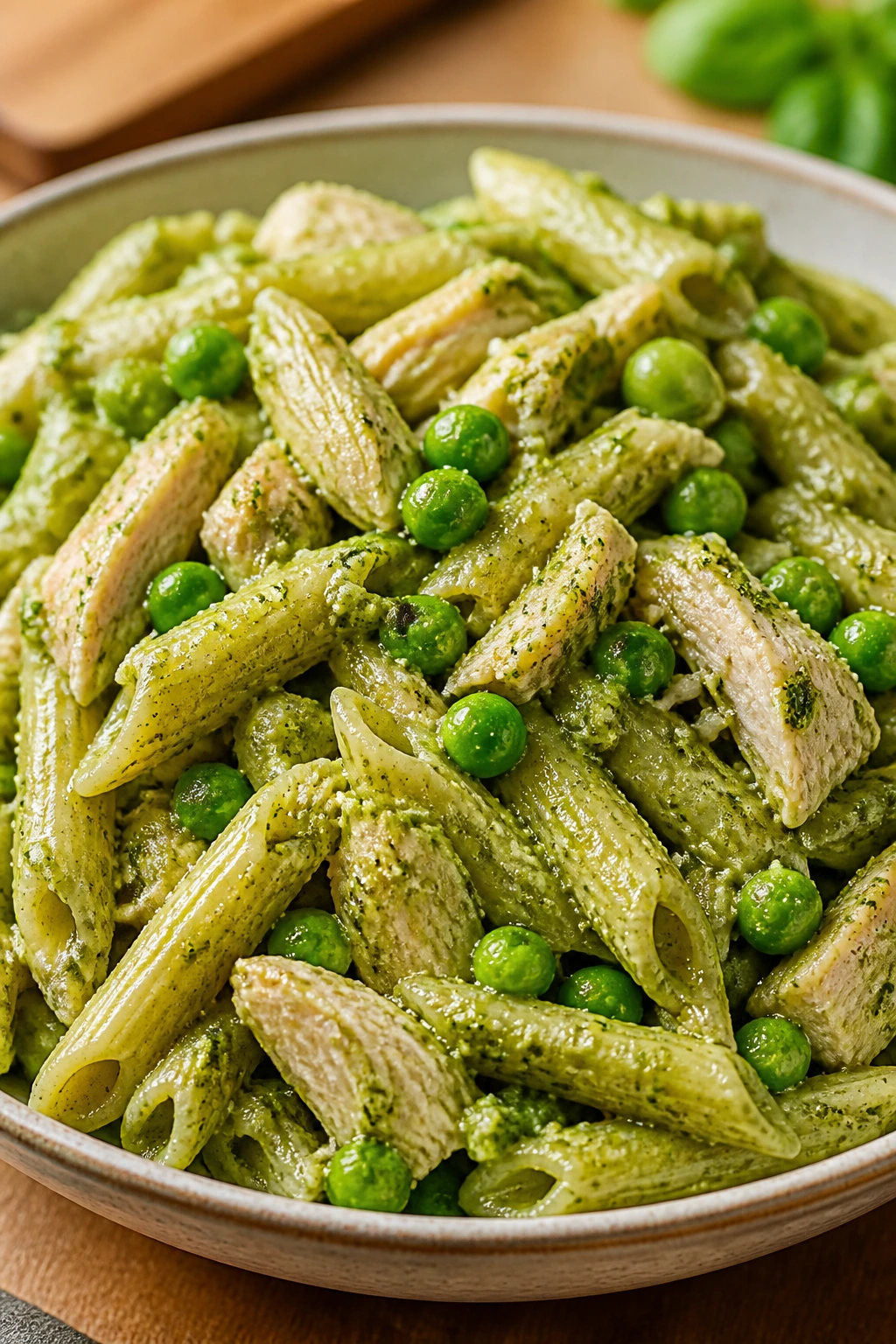
The basil pesto gives the pasta a green, fresh smell, but the peas and chicken keep the meal grounded enough for kids who don’t want anything too loud. I like this one because it looks greener than it tastes, and that usually helps at dinner time.
Why It Works:
Pesto clings to pasta fast, so dinner is ready before everyone gets cranky. Frozen peas soften in the hot pasta water, and chicken adds enough substance that nobody starts asking for a second sandwich five minutes later.
Key Ingredients:
- 12 oz pasta
- 2 cups shredded cooked chicken
- ¾ cup pesto
- 1 cup frozen peas
- ¼ cup pasta water
- ¼ cup grated Parmesan
- 1 tablespoon olive oil
Quick Steps:
- Cook pasta and save ¼ cup pasta water.
- Warm peas in the pasta water or toss them in during the last minute of boiling.
- Mix pesto with olive oil and a little pasta water.
- Toss pasta, chicken, peas, and Parmesan in a bowl.
- Add more pasta water if needed for a glossy coat.
- Serve warm.
Equipment for This Recipe:
- Large pot
- Large bowl
- Colander
- Tongs
How to Serve This Dish:
Serve it in shallow bowls with a little extra Parmesan on top. A few cherry tomato halves on the side can brighten the plate, though some toddlers will pick around them like tiny food critics.
Pro Tips for This Recipe:
- Thin the pesto with pasta water instead of extra oil.
- Use rotini or fusilli so the sauce gets trapped.
- Taste pesto first; some jars are salty enough on their own.
Variations on This Dish:
- Sun-Dried Tomato Pesto: Swap in a red pesto for a different flavor.
- Veggie-Only Bowl: Skip the chicken and add white beans.
- Creamy Pesto: Stir in 2 tablespoons ricotta.
Common Mistakes to Avoid with This Dish:
- Dry pesto clumps on the noodles. Loosen it first.
- Too many peas can crowd the pasta.
- Overcooking chicken leftovers makes the dish stringy.
21. Mini Meatloaf Muffins
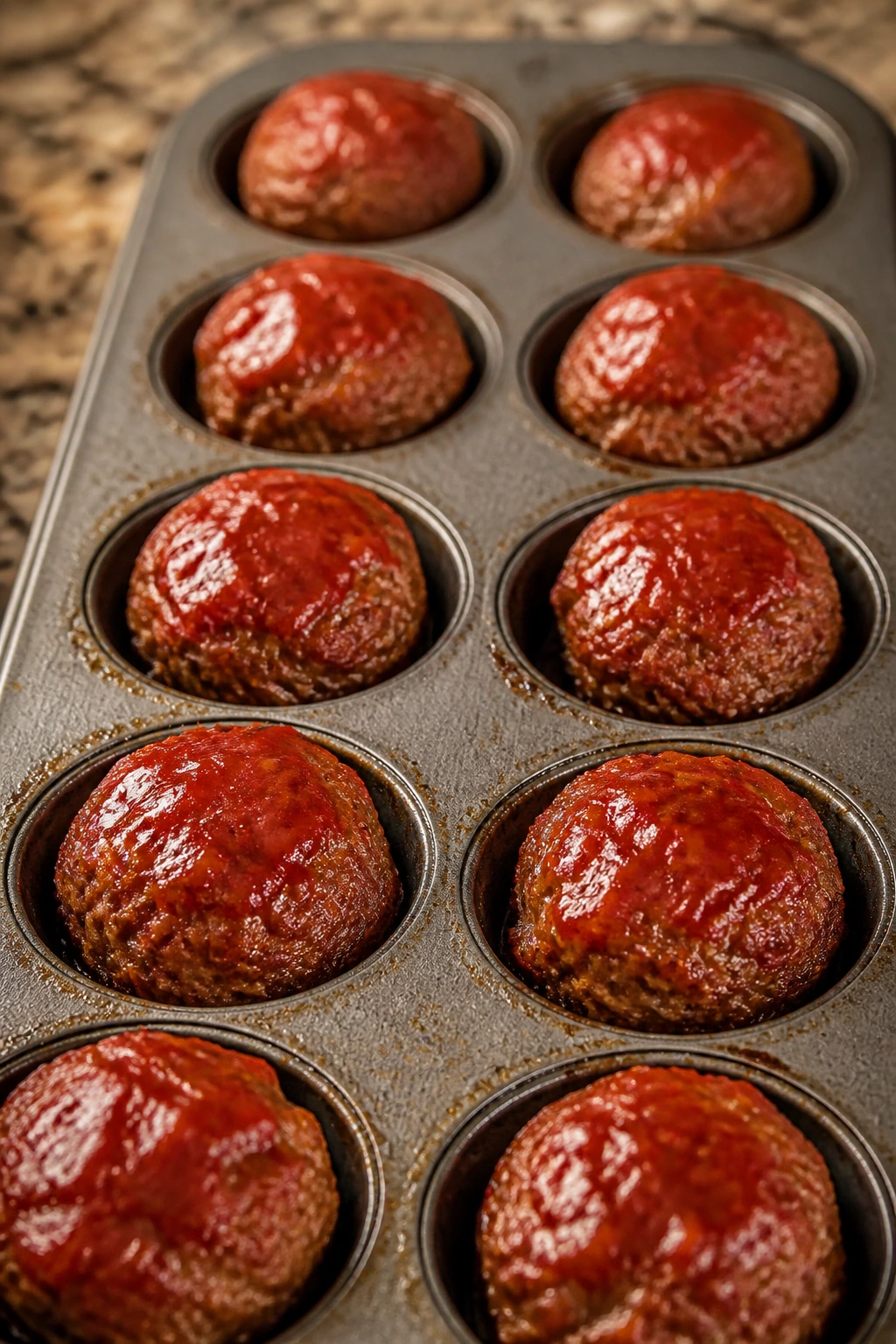
Meatloaf gets a lot friendlier when it comes in muffin form. The edges brown a little, the centers stay tender, and ketchup on top gives each one a sticky glaze that toddlers usually recognize immediately.
Why It Works:
Small portions bake faster and cool faster, which is useful when dinner is running late. The muffin shape also makes leftovers easy to reheat one or two at a time instead of hacking into a giant loaf.
Key Ingredients:
- 1½ lb ground beef or turkey
- ¾ cup breadcrumbs
- 1 egg
- ⅓ cup milk
- ¼ cup ketchup, plus more for topping
- 1 small onion, grated
- 1 teaspoon salt
- ½ teaspoon garlic powder
Quick Steps:
- Heat oven to 375°F and grease a muffin tin.
- Mix meat, breadcrumbs, egg, milk, ketchup, onion, salt, and garlic powder.
- Press into 10 muffin cups.
- Top each with a small dab of ketchup.
- Bake 20 to 22 minutes until the centers reach 160°F for beef or 165°F for turkey.
- Rest 5 minutes before removing.
Equipment for This Recipe:
- Muffin tin
- Mixing bowl
- Spatula
- Instant-read thermometer
How to Serve This Dish:
Serve 1 to 2 muffins per person with mashed potatoes or buttered noodles. A side of green beans keeps the plate from leaning too hard into beige.
Pro Tips for This Recipe:
- Grate the onion so it melts into the meat.
- Don’t pack the mix so tightly that the muffins turn dense.
- Let them sit in the tin briefly before turning out.
Variations on This Dish:
- BBQ Glaze: Replace ketchup with barbecue sauce.
- Veggie Muffins: Add grated carrot or zucchini, squeezed dry.
- Cheesy Center: Tuck a small cube of mozzarella inside each muffin.
Common Mistakes to Avoid with This Dish:
- Too much liquid makes the muffins collapse.
- Skipping the thermometer risks dry meat.
- Overbaking turns the edges tough. Watch the last few minutes.
22. White Bean and Ham Soup
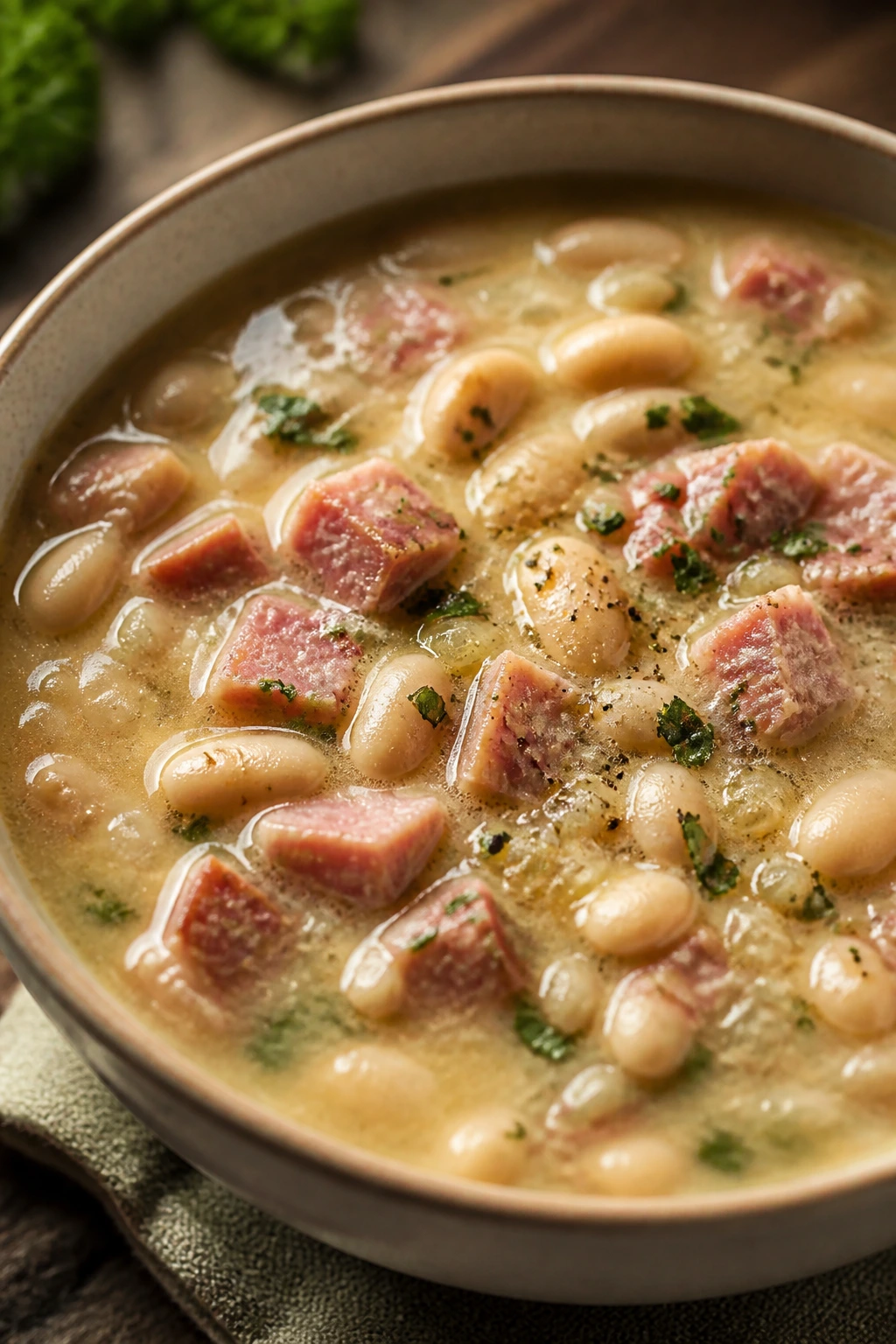
This soup tastes like a bigger meal than it is. The beans turn creamy as they simmer, the ham brings salt and depth, and the broth stays soft enough for toddlers who like soup but not intense soup.
Why It Works:
White beans break down a little, which thickens the broth naturally. Ham adds flavor without requiring a long stock-making project, and the whole pot reheats well because it doesn’t depend on delicate pasta or crisp garnish.
Key Ingredients:
- 1 tablespoon olive oil
- 1 small onion, diced
- 2 carrots, diced
- 2 garlic cloves, minced
- 2 cans white beans, drained and rinsed
- 1½ cups diced cooked ham
- 5 cups chicken broth
- 1 teaspoon thyme
- ½ teaspoon salt
Quick Steps:
- Cook onion and carrots in oil for 6 minutes.
- Add garlic and thyme for 30 seconds.
- Stir in beans, ham, broth, and salt.
- Simmer 20 minutes until carrots are tender and some beans have softened.
- Mash a few beans against the pot wall for a thicker texture.
- Serve hot.
Equipment for This Recipe:
- Soup pot
- Potato masher or spoon
- Ladle
- Knife and cutting board
How to Serve This Dish:
A warm roll or soft toast on the side is enough. For toddlers, scoop the beans into a shallow bowl so they can manage the spoon without chasing beans around the edge.
Pro Tips for This Recipe:
- Mash some beans at the end to make the soup silkier.
- Use low-sodium broth if the ham is salty.
- Dice carrots small so they soften by the time dinner is served.
Variations on This Dish:
- Chicken Swap: Use shredded chicken instead of ham.
- Tomato Twist: Add ½ cup crushed tomatoes for a slightly redder broth.
- Herb Finish: Stir in chopped parsley at the end.
Common Mistakes to Avoid with This Dish:
- Too much salt can happen fast with ham and broth together.
- Beans not rinsed can cloud the soup and taste briny.
- Cutting the carrots too large leaves them hard in the bowl.
23. Oven Fish Sticks with Yogurt Tartar
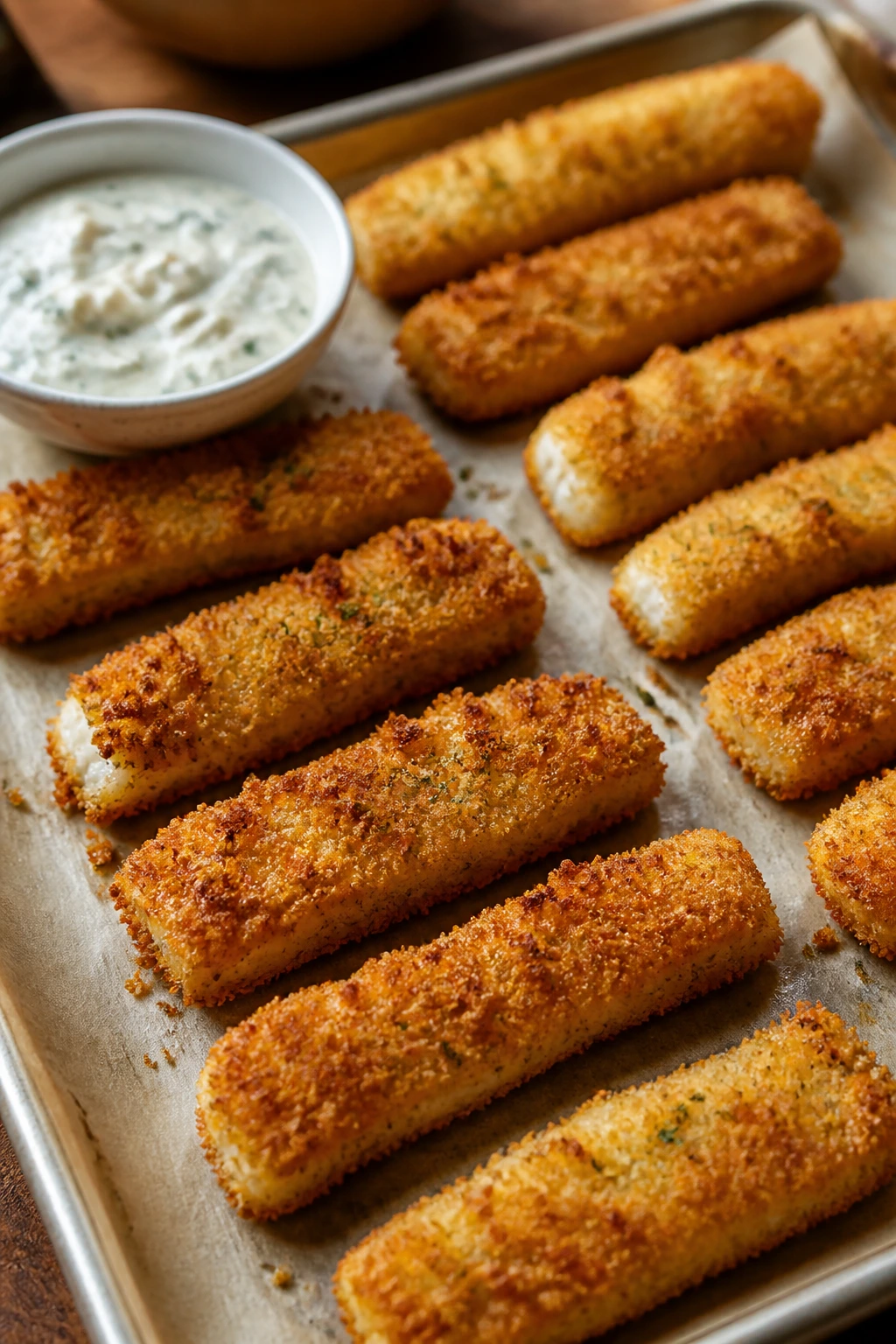
Homemade fish sticks sound ambitious until you make them once and realize the whole point is breading, baking, and dipping. The crust gets crisp, the fish stays flaky, and the yogurt tartar cools off the edges without making the meal feel heavy.
Why It Works:
Oven baking keeps the coating crunchy enough for kids without the mess of deep frying. Using mild white fish gives you a clean flavor, and cutting the pieces into small sticks helps with both cooking time and small hands.
Key Ingredients:
- 1½ lb white fish fillets, cut into sticks
- 1 cup flour
- 2 eggs, beaten
- 1½ cups breadcrumbs
- 1 teaspoon salt
- ½ teaspoon paprika
- 2 tablespoons oil
- ½ cup plain yogurt
- 1 tablespoon chopped pickles or relish
Quick Steps:
- Heat oven to 425°F and line a baking sheet.
- Set up flour, egg, and breadcrumb bowls.
- Season the breadcrumbs with salt and paprika.
- Dredge fish in flour, then egg, then breadcrumbs.
- Place on the sheet, drizzle with oil, and bake 12 to 15 minutes.
- Mix yogurt with pickles for dipping.
Equipment for This Recipe:
- Baking sheet
- Three shallow bowls
- Parchment paper
- Tongs or dry hand/wet hand for breading
How to Serve This Dish:
Serve with peas, fries, or roasted carrots if you want a full plate. For toddlers, cut the fish sticks into shorter pieces before serving so the breading doesn’t slide off in one long strip.
Pro Tips for This Recipe:
- Pat the fish dry before breading or the coating slips.
- Use a wire rack on the sheet if you want extra crunch.
- Flip once halfway through for even browning.
Variations on This Dish:
- Parmesan Crust: Mix a little Parmesan into the crumbs.
- Cornflake Crunch: Use crushed cornflakes instead of breadcrumbs.
- Lemon Dip: Add lemon juice to the yogurt sauce.
Common Mistakes to Avoid with This Dish:
- Wet fish makes a soggy crust.
- Crowding the pan steams the sticks.
- Baking too long dries out the fillets fast.
24. Cheesy Bean Enchiladas
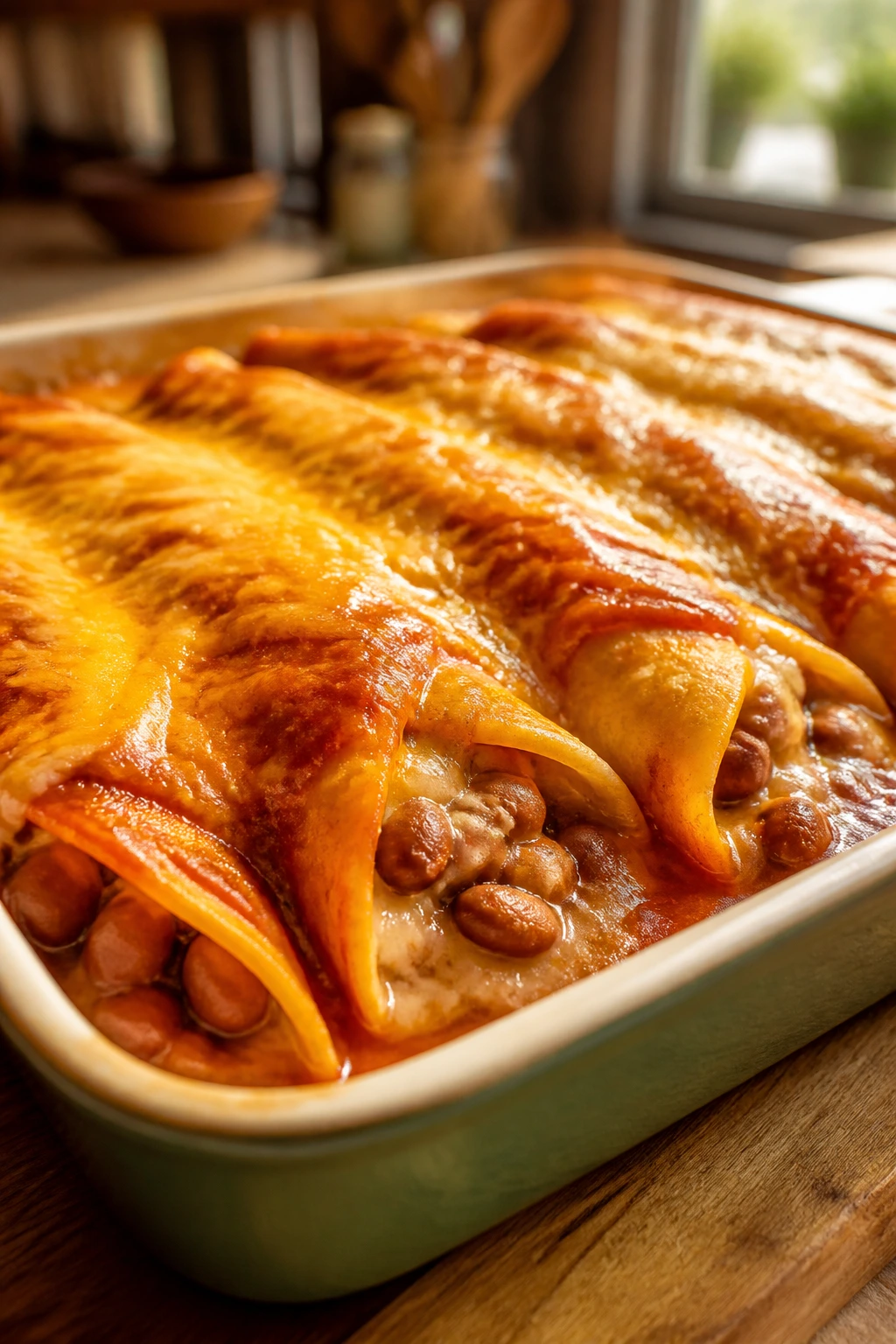
These enchiladas are soft, saucy, and mild enough that toddlers usually accept them as “the tortilla thing.” The beans make the filling hearty, the sauce keeps everything tender, and the cheese melts into a stretchy top that gets eaten first.
Why It Works:
Beans mash easily, which helps the filling stay inside the tortilla instead of rolling out. A mild enchilada sauce keeps the flavor family-friendly, and baking them covered for part of the time prevents dry edges.
Key Ingredients:
- 8 small flour tortillas
- 2 cans refried beans or black beans, mashed
- 2 cups shredded cheese
- 2 cups mild enchilada sauce
- 1 teaspoon cumin
- ½ teaspoon salt
- 1 tablespoon olive oil
Quick Steps:
- Heat oven to 375°F and grease a baking dish.
- Mix beans with cumin and salt.
- Fill tortillas with beans and a little cheese, then roll.
- Place seam-side down in the dish and spoon sauce on top.
- Cover with foil and bake 20 minutes.
- Uncover, add the rest of the cheese, and bake 5 minutes more.
Equipment for This Recipe:
- Baking dish
- Foil
- Mixing bowl
- Spoon
How to Serve This Dish:
Cut enchiladas into halves or thirds for toddlers, because a full rolled tortilla can be awkward. A spoon of yogurt on top cools the sauce if the family is sensitive to heat.
Pro Tips for This Recipe:
- Warm tortillas first so they don’t crack.
- Don’t overfill them or the filling squeezes out.
- Let the pan rest before cutting so the sauce settles.
Variations on This Dish:
- Chicken Bean Enchiladas: Add shredded chicken to the filling.
- Green Sauce Version: Use mild green enchilada sauce instead.
- Corn Enchiladas: Add corn kernels to the bean mix.
Common Mistakes to Avoid with This Dish:
- Cold tortillas tear when rolled.
- Too much sauce makes the tortillas soggy.
- Skipping the foil can dry the tops before the center heats through.
25. Sausage and Apple Sheet Pan Dinner
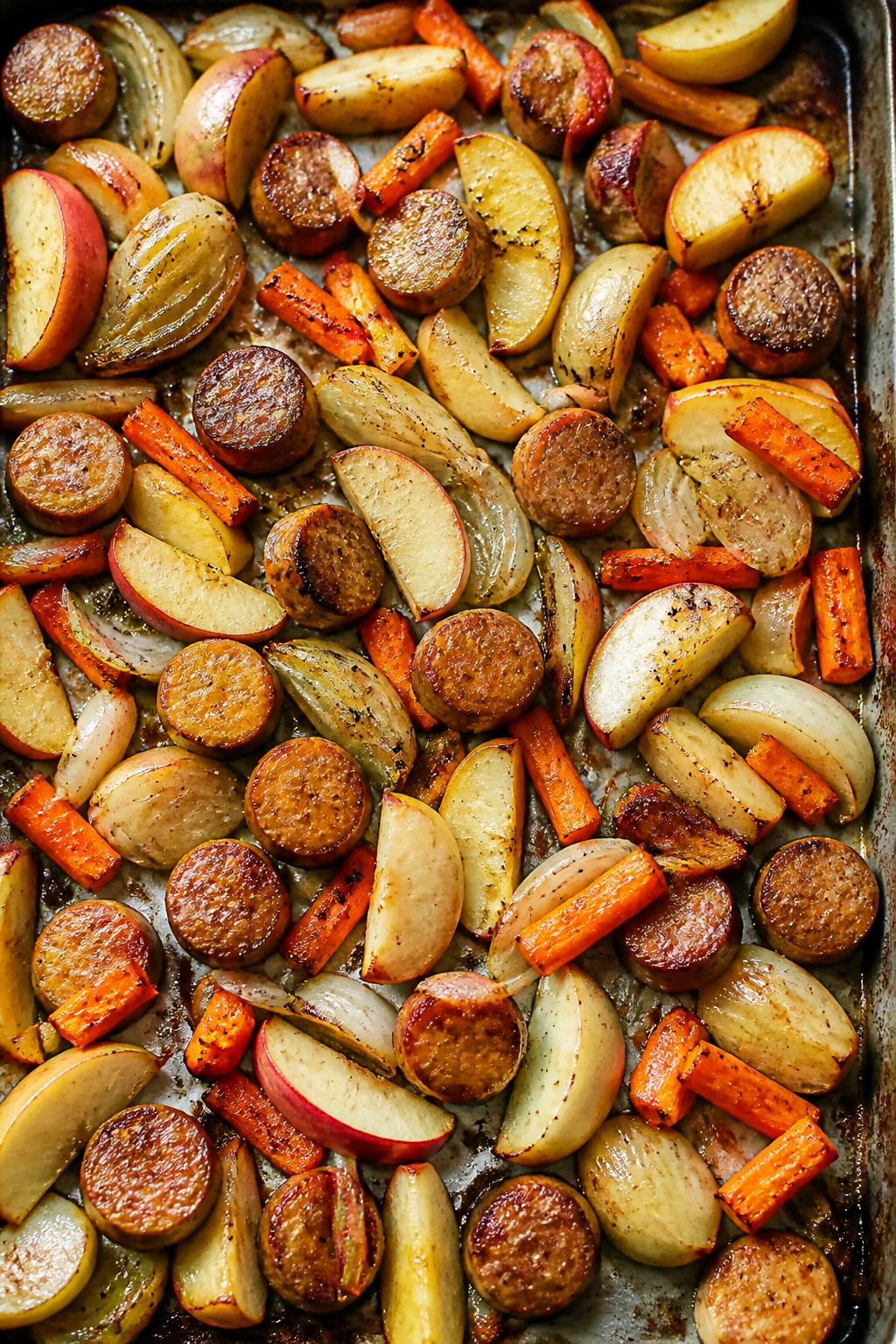
Sausage with apples sounds odd until you roast them together and notice how the sweet fruit softens into the savory meat. The carrots and onions fill out the pan, and the whole thing tastes like fall without turning sugary.
Why It Works:
Sausage cooks quickly and carries enough seasoning for the rest of the tray. Apples soften but don’t melt away if you choose a firmer kind, and the carrots soak up the pan juices that usually get left behind.
Key Ingredients:
- 1 lb mild chicken or pork sausage links
- 2 apples, cored and sliced
- 3 carrots, sliced
- 1 red onion, cut into wedges
- 2 tablespoons olive oil
- 1 teaspoon dried thyme
- ½ teaspoon salt
- ¼ teaspoon pepper
Quick Steps:
- Heat oven to 425°F.
- Toss carrots and onion with oil, thyme, salt, and pepper.
- Spread on a sheet pan and roast 10 minutes.
- Add sausage and apples.
- Roast 15 to 18 minutes until sausage is cooked through and apples are tender.
- Slice sausage before serving if needed.
Equipment for This Recipe:
- Sheet pan
- Cutting board
- Knife
- Spatula
How to Serve This Dish:
Serve it as a skillet-style pile or with mashed potatoes underneath. For toddlers, I like to cut the sausage coins and leave the apples in soft slices so the plate stays easy to eat.
Pro Tips for This Recipe:
- Choose firm apples like Honeycrisp or Fuji.
- Give the carrots a head start so they aren’t crunchy.
- Don’t use sweet sausage if your apples are very sweet; the tray can tip into dessert territory.
Variations on This Dish:
- Mustard Finish: Drizzle with a little mustard and honey after roasting.
- Potato Add-In: Add baby potatoes with the carrots.
- Chicken Sausage Swap: Use fully cooked chicken sausage for faster roasting.
Common Mistakes to Avoid with This Dish:
- Soft apples vanish into the pan. Use firm fruit.
- Sausage cut too late gets overcooked while the vegetables wait.
- Underseasoned carrots taste flat next to the sausage.
26. Cottage Pie with Peas and Carrots
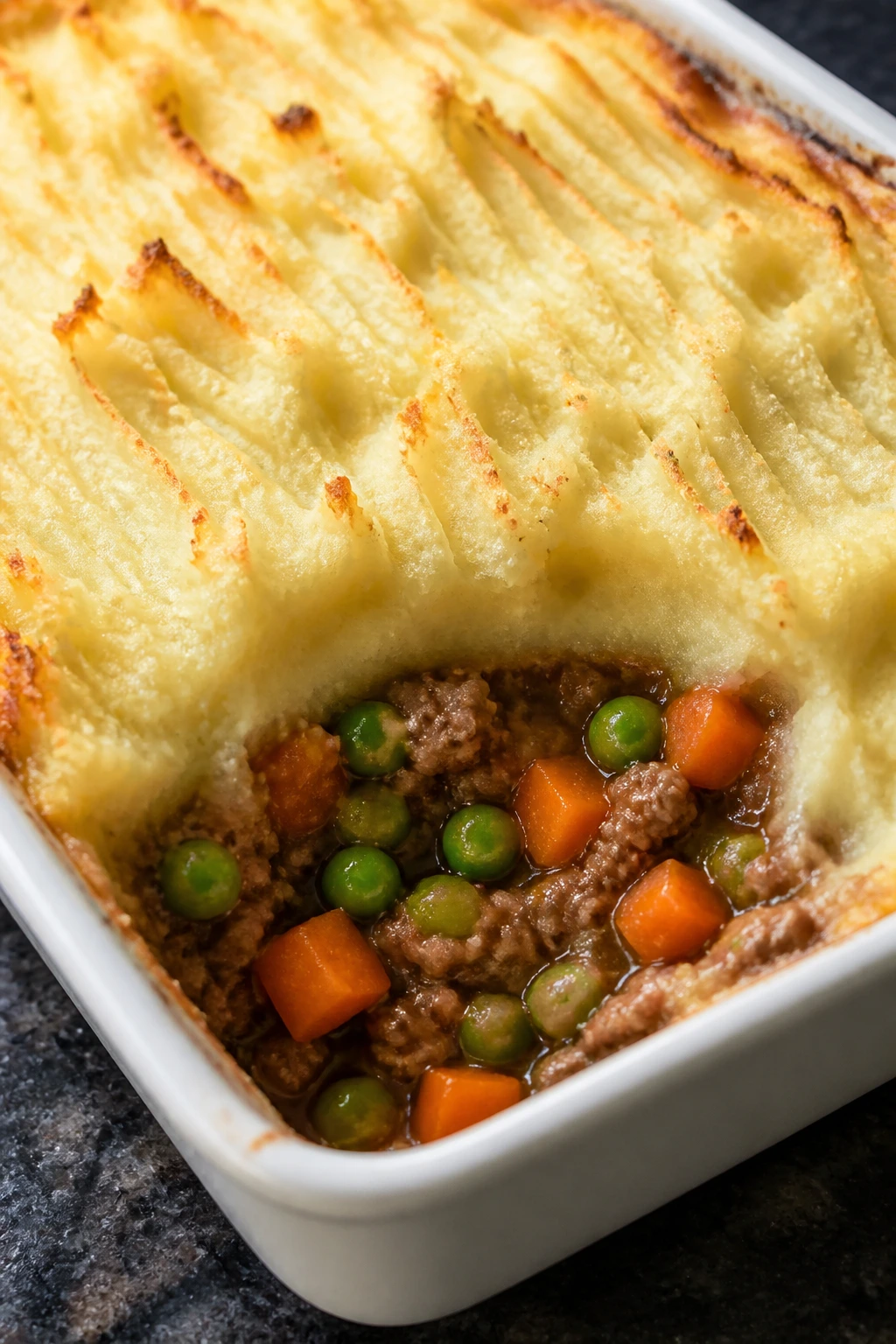
Cottage pie gives you a soft, savory filling under a mashed potato blanket, which is about as toddler-friendly as a dinner can get without being plain. The top browns a little, the filling stays spoonable, and leftovers reheat with no drama.
Why It Works:
Ground beef simmers in a thin gravy that thickens during baking. Peas and carrots soften into the meat so every bite has a mix of textures, but nothing is sharp or chewy enough to start a mealtime standoff.
Key Ingredients:
- 1 lb ground beef
- 1 tablespoon butter
- 1 small onion, diced
- 1 cup frozen peas and carrots
- 1 tablespoon tomato paste
- 1 cup beef broth
- 2 cups mashed potatoes
- 1 teaspoon Worcestershire sauce
- ½ teaspoon salt
Quick Steps:
- Heat oven to 400°F.
- Brown beef with onion in butter.
- Stir in tomato paste, peas and carrots, broth, Worcestershire, and salt; simmer 5 minutes.
- Spread filling in a baking dish.
- Top with mashed potatoes and rough the surface with a fork.
- Bake 20 to 25 minutes until the top browns lightly.
Equipment for This Recipe:
- Skillet
- Baking dish
- Spatula
- Fork
How to Serve This Dish:
Serve it in wide spoonfuls rather than neat slices. A side of green beans or applesauce works well because the pie itself leans rich and soft.
Pro Tips for This Recipe:
- Keep the filling thick enough to support the potatoes.
- Warm the mashed potatoes before spreading them.
- Drag a fork over the top for better browning.
Variations on This Dish:
- Turkey Cottage Pie: Swap in ground turkey and a little extra butter.
- Cheddar Top: Mix cheese into the potatoes.
- Sweet Potato Cap: Use mashed sweet potatoes for a softer finish.
Common Mistakes to Avoid with This Dish:
- Thin filling turns the pie soupy.
- Cold potatoes spread badly and sink into the filling.
- Too much Worcestershire can dominate the dish. Use a light hand.
27. Spinach Ravioli Skillet
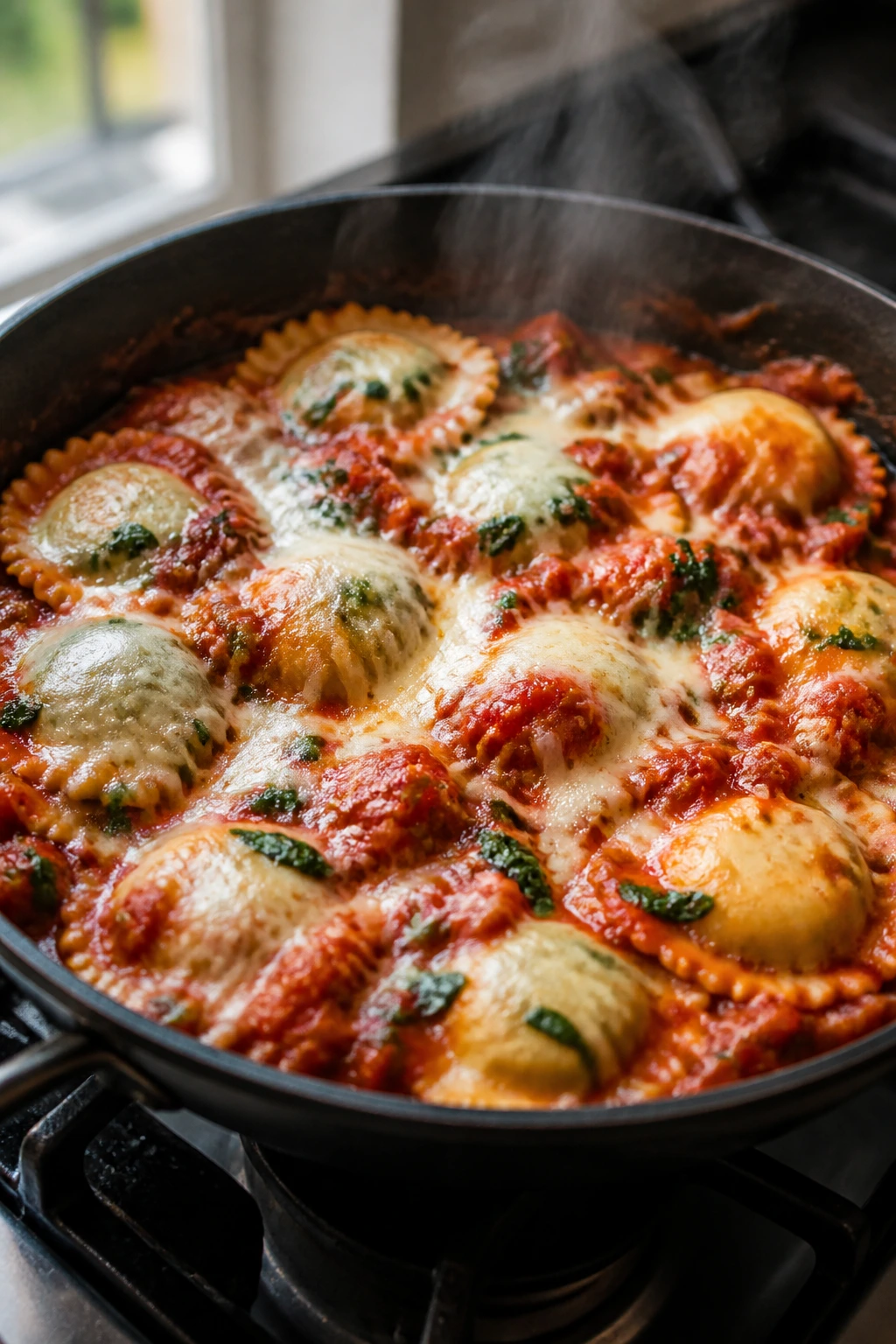
Frozen ravioli is one of those shortcuts that deserves more respect than it gets. In a skillet with sauce and a little cheese, it turns into a dinner that feels assembled rather than dumped, which is a nicer outcome than the ingredients deserve.
Why It Works:
Ravioli cooks fast and carries its own filling, so you only need a sauce and a few extras. Spinach ravioli brings a mild vegetable note without needing a separate greens side, and the skillet method keeps everything soft and cohesive.
Key Ingredients:
- 1 bag frozen spinach ravioli, about 20 oz
- 2 cups marinara sauce
- ½ cup water
- 1 cup shredded mozzarella
- 1 tablespoon olive oil
- 1 teaspoon Italian seasoning
Quick Steps:
- Warm oil in a deep skillet over medium heat.
- Add marinara, water, and seasoning.
- Stir in frozen ravioli in a single layer.
- Cover and simmer 7 to 9 minutes until the ravioli is tender.
- Sprinkle mozzarella on top and cover for 1 minute to melt.
- Serve straight from the skillet.
Equipment for This Recipe:
- Deep skillet with lid
- Spoon
- Measuring cup
- Cheese grater if using block mozzarella
How to Serve This Dish:
Scoop carefully so the ravioli stay whole. A bit of garlic bread or a soft salad works for older eaters, though younger toddlers often just want ravioli and the sauce.
Pro Tips for This Recipe:
- Don’t stir too hard or the ravioli can tear.
- Add a splash more water if the sauce tightens too quickly.
- Use a skillet with enough depth to hold the pasta in one layer.
Variations on This Dish:
- Alfredo Skillet: Swap marinara for a mild cream sauce.
- Chicken Ravioli Bowl: Add shredded chicken for more protein.
- Veggie Boost: Stir in finely chopped spinach near the end.
Common Mistakes to Avoid with This Dish:
- Boiling too hard breaks the ravioli apart.
- Too little sauce leaves the pasta dry at the edges.
- Crowding the skillet makes some pieces cook unevenly.
28. Chicken Noodle Casserole
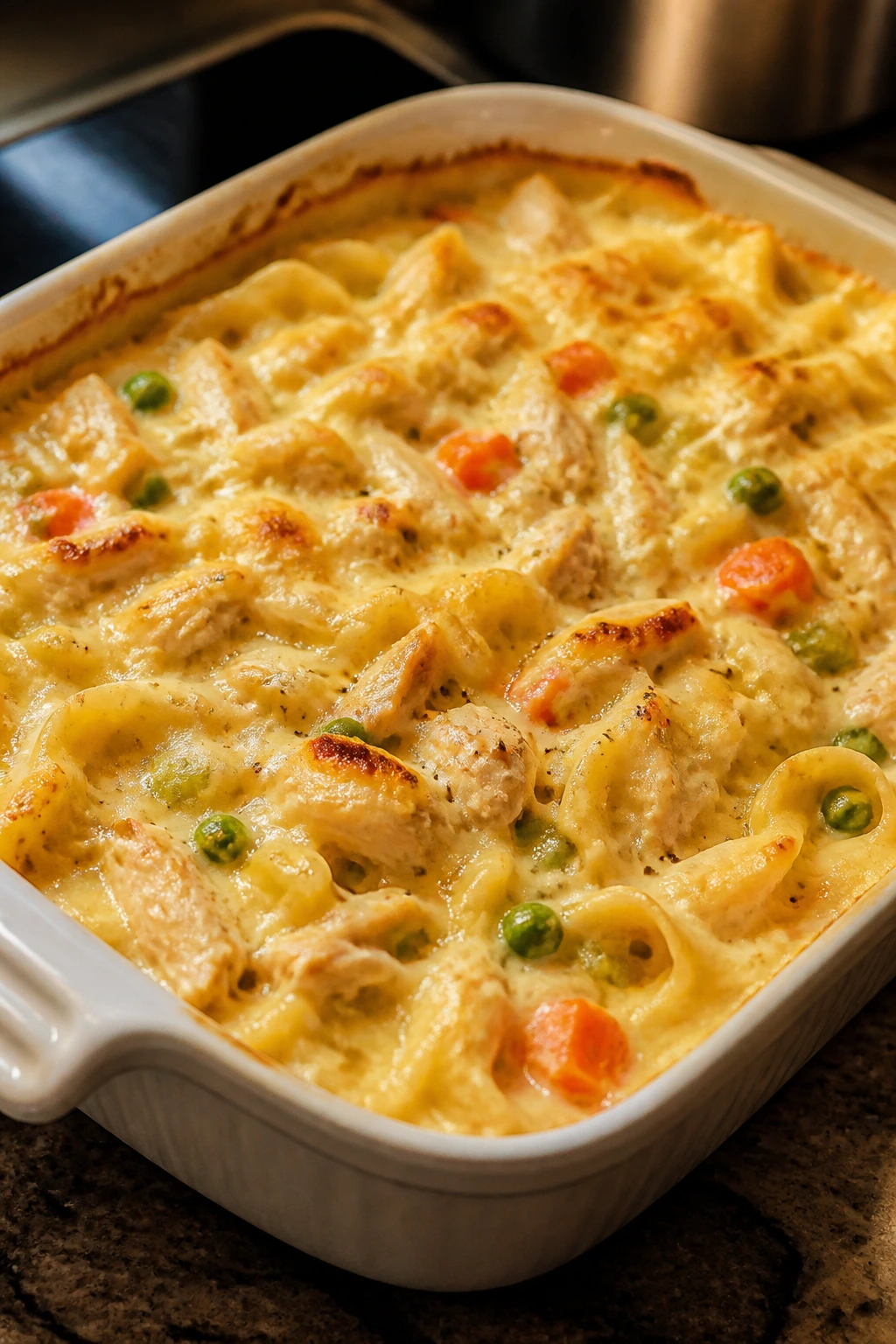
Chicken noodle casserole has the kind of soft, creamy texture that makes everyone calm down a little at the table. The noodles stay tender, the chicken stays tucked into the sauce, and the top gets a tiny bit of toast if you let it.
Why It Works:
Egg noodles hold cream sauces nicely and don’t get as heavy as larger pasta shapes. A simple creamy base keeps the dish familiar, and peas or carrots add enough color that it doesn’t look like a beige pile.
Key Ingredients:
- 12 oz egg noodles
- 2 cups shredded cooked chicken
- 1 can cream of chicken soup
- 1 cup milk
- 1 cup frozen peas and carrots
- 1 cup shredded cheddar
- ½ teaspoon salt
- ¼ teaspoon pepper
Quick Steps:
- Heat oven to 375°F and grease a casserole dish.
- Cook noodles until just tender and drain.
- Stir soup, milk, salt, pepper, chicken, and vegetables together.
- Fold in noodles and half the cheese.
- Spread into the dish, top with remaining cheese, and bake 20 minutes.
- Rest 5 minutes before serving.
Equipment for This Recipe:
- Pot
- Casserole dish
- Mixing spoon
- Colander
How to Serve This Dish:
Serve it in heaping spoonfuls with a simple fruit side or steamed green beans. Toddlers usually handle this best when the casserole has cooled for a couple minutes and thickened a bit.
Pro Tips for This Recipe:
- Stop the noodles before they’re fully soft.
- Use low-sodium soup if you want more control over salt.
- Let the casserole rest or it’ll spread across the plate.
Variations on This Dish:
- Broccoli Chicken Bake: Replace peas and carrots with chopped broccoli.
- Mushroom Version: Stir in sautéed mushrooms for adults.
- Crumb Top: Add buttered breadcrumbs if you want a crisper finish.
Common Mistakes to Avoid with This Dish:
- Overcooked noodles collapse in the bake.
- Too much milk makes the casserole runny.
- Skipping the rest time means the sauce won’t set.
29. Mild Chickpea Curry
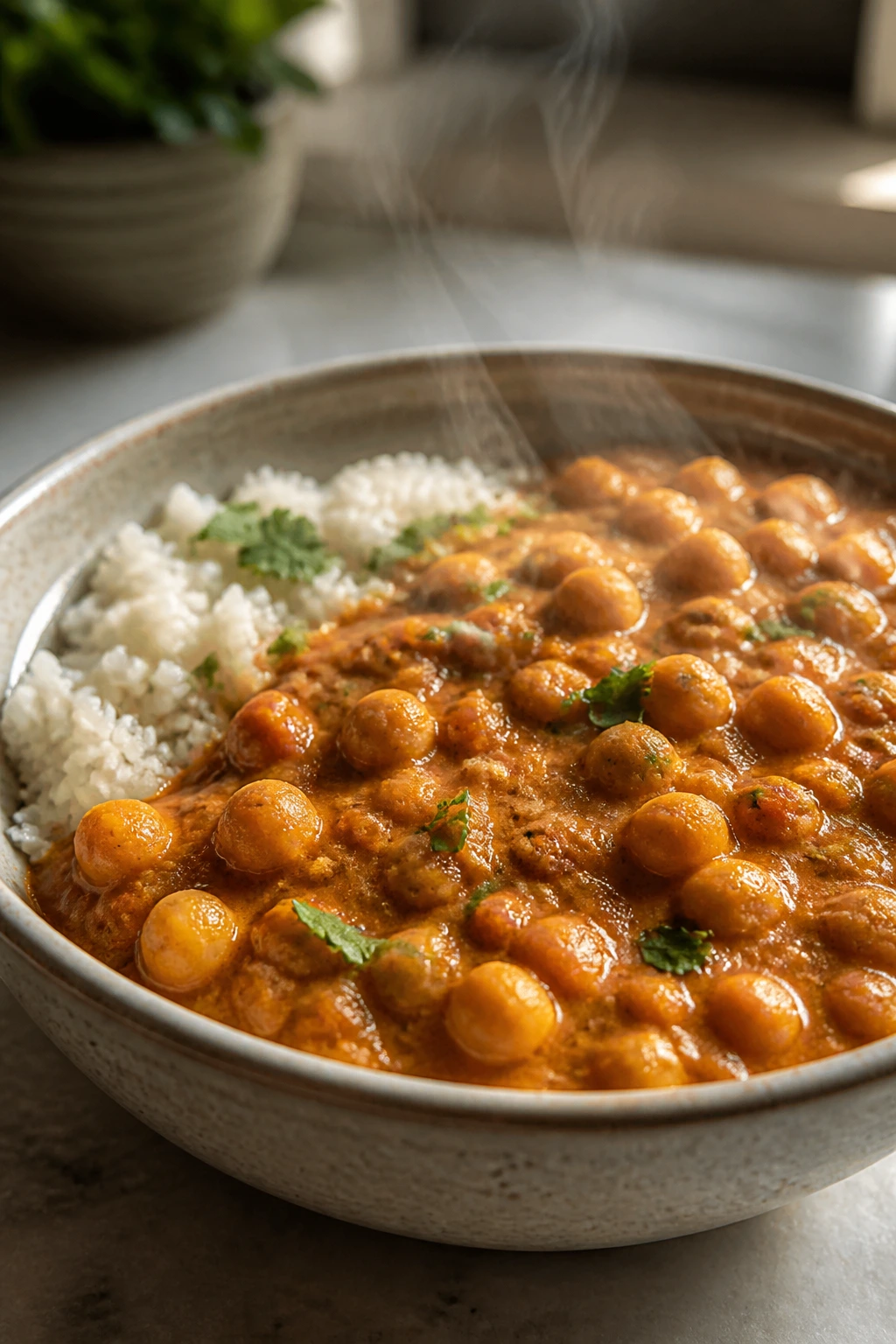
This curry is soft-spoken, not loud. Chickpeas stay whole, the sauce is creamy and tomato-based, and the spices are warm enough to feel interesting without scaring off smaller eaters who notice every little thing in a bowl.
Why It Works:
Chickpeas bring protein and texture without a long simmer. Coconut milk or cream smooths the sauce, and keeping the spice level low means you can serve it over rice without anybody reaching for a glass after each bite.
Key Ingredients:
- 1 tablespoon oil
- 1 small onion, diced
- 2 garlic cloves, minced
- 1 tablespoon mild curry powder
- 1 can (15 oz) chickpeas, drained and rinsed
- 1 can (15 oz) tomato sauce
- 1 cup coconut milk
- ½ teaspoon salt
- 2 cups cooked rice
Quick Steps:
- Cook onion in oil for 5 minutes.
- Add garlic and curry powder and cook 30 seconds.
- Stir in chickpeas, tomato sauce, coconut milk, and salt.
- Simmer 15 minutes until slightly thickened.
- Serve over rice.
- Add a spoonful of yogurt if you want extra creaminess.
Equipment for This Recipe:
- Skillet or saucepan
- Wooden spoon
- Measuring cups
- Rice pot
How to Serve This Dish:
Scoop the curry over rice and keep the sauce a little looser than you think. A few naan strips on the side are nice, though toddlers often prefer using a spoon.
Pro Tips for This Recipe:
- Mash a few chickpeas if you want a thicker sauce.
- Use mild curry powder, not hot curry blend.
- Add spinach at the end if you want more green in the bowl.
Variations on This Dish:
- Sweet Potato Curry: Stir in diced cooked sweet potato.
- Paneer Version: Add cubes of paneer for extra richness.
- Tomato-Light Bowl: Use half tomato sauce, half broth.
Common Mistakes to Avoid with This Dish:
- Hot curry powder can overpower the whole pot.
- A thin sauce slides off the rice. Let it reduce a bit.
- Salted chickpeas plus salty sauce can tip the dish over. Taste before adding more salt.
30. Pizza Stuffed Pita Pockets
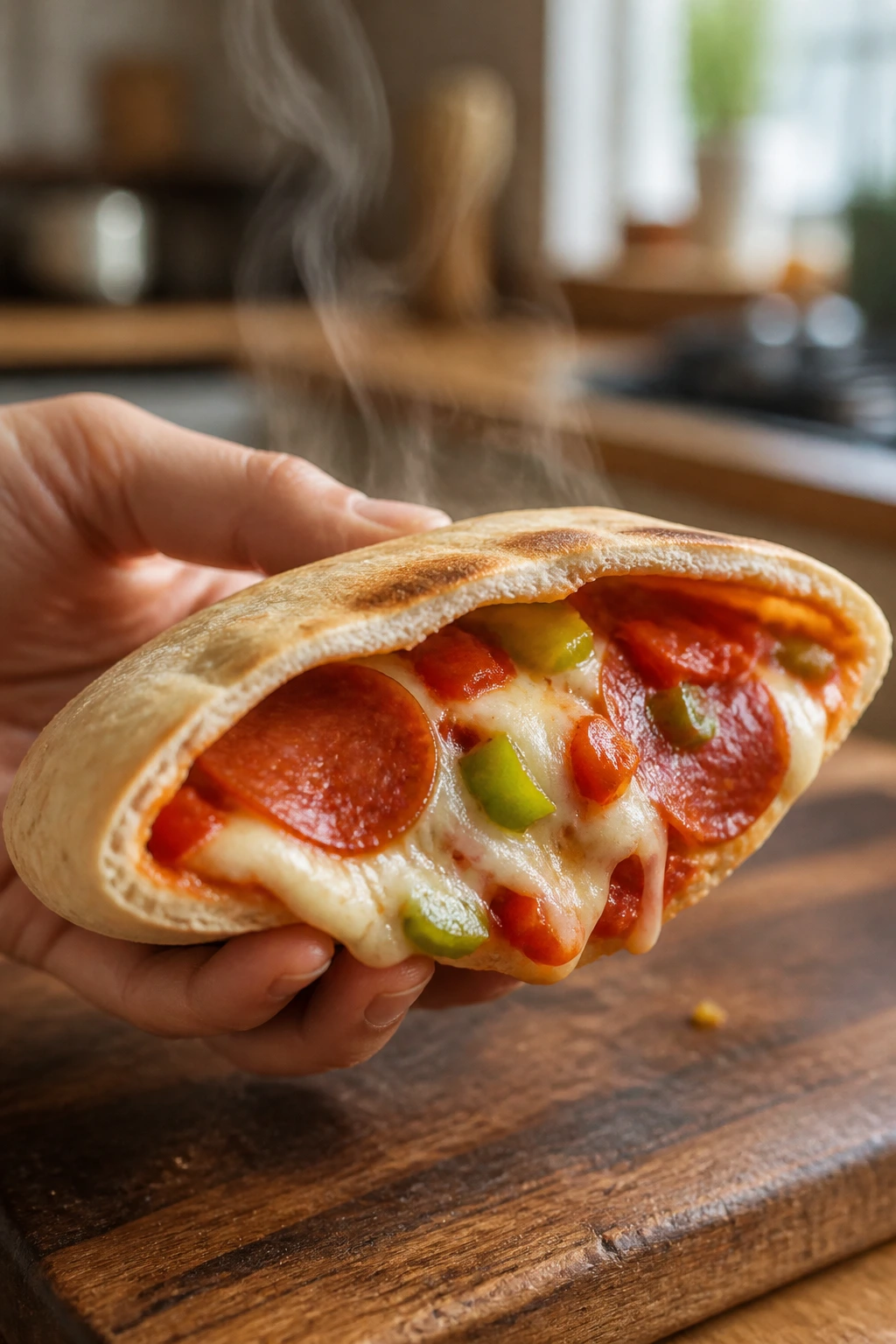
These feel like pizza without the long bake or the mess of slicing a whole pie. The pita turns lightly crisp, the cheese melts inside, and the filling stays sealed enough that toddlers can hold the food instead of chasing toppings around the plate.
Why It Works:
Pita pockets keep the sauce and cheese contained. That alone makes dinner easier. The filling can be as plain or as loaded as your family wants, and the handheld shape helps with both dinner and next-day lunch.
Key Ingredients:
- 4 pita pockets
- ¾ cup pizza sauce
- 1½ cups shredded mozzarella
- ½ cup mini pepperoni or chopped cooked chicken
- ½ cup finely chopped mushrooms or bell pepper
- 1 tablespoon olive oil
- ½ teaspoon Italian seasoning
Quick Steps:
- Heat oven to 400°F.
- Mix sauce with Italian seasoning.
- Fill each pita with sauce, cheese, and toppings.
- Brush the outside lightly with oil.
- Bake 10 to 12 minutes until the pitas are warm and the cheese melts.
- Rest briefly, then cut in half.
Equipment for This Recipe:
- Baking sheet
- Small bowl
- Spoon
- Pastry brush or fingers for oil
How to Serve This Dish:
Serve the pockets halved so the filling doesn’t spill out in one bite. A small bowl of fruit or a few carrot sticks on the side turns it into a meal without stretching the prep.
Pro Tips for This Recipe:
- Don’t overfill the pitas or they split in the oven.
- Use thick sauce so the pockets don’t turn soggy.
- Let them rest before cutting, because molten cheese has a bad habit of escaping.
Variations on This Dish:
- Margherita Pita: Use sauce, mozzarella, and tiny basil pieces.
- Breakfast Pizza Pocket: Fill with scrambled egg and cheese.
- Veggie Lover’s Pocket: Use mushrooms, peppers, and chopped spinach.
Common Mistakes to Avoid with This Dish:
- Thin sauce leaks through the bread fast.
- Too much oil makes the pita greasy.
- Cutting too soon lets the filling flood out.
Why These Dinners Make Mornings Easier
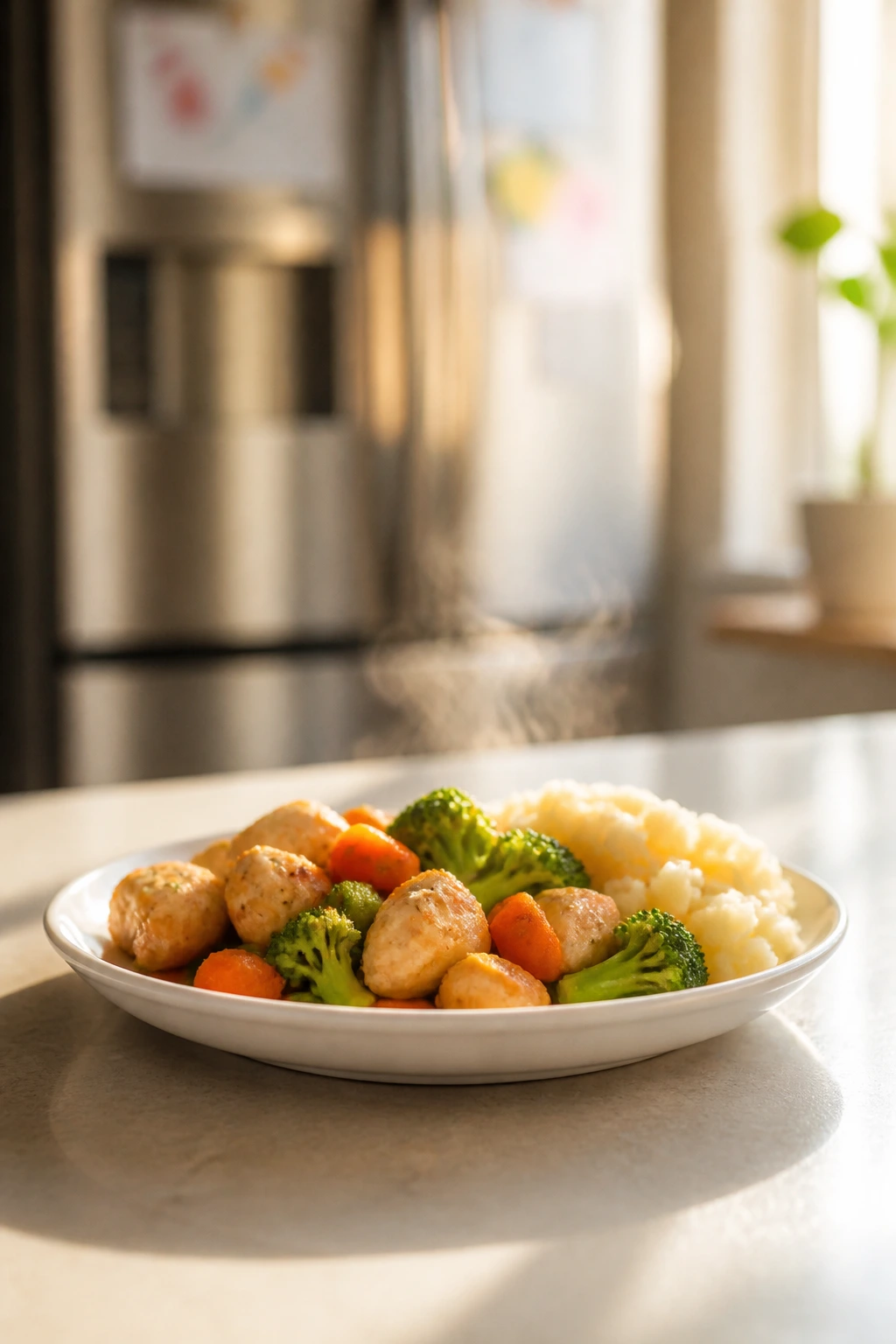
The real win with family-friendly toddler dinners for busy school mornings is not that they’re fancy. It’s that they behave. They stay tender after refrigeration, they reheat without needing a prayer, and they don’t demand a whole second meal prep session when the sun comes up and everybody is already behind.
I also like that these recipes respect the limits of a normal kitchen. A sheet pan, a skillet, a baking dish, a soup pot. That’s the gear. No special tricks hidden behind a shiny promise. Just food that can sit in a fridge for a day or two and still taste like somebody knew what they were doing.
Essential Equipment for These Recipes
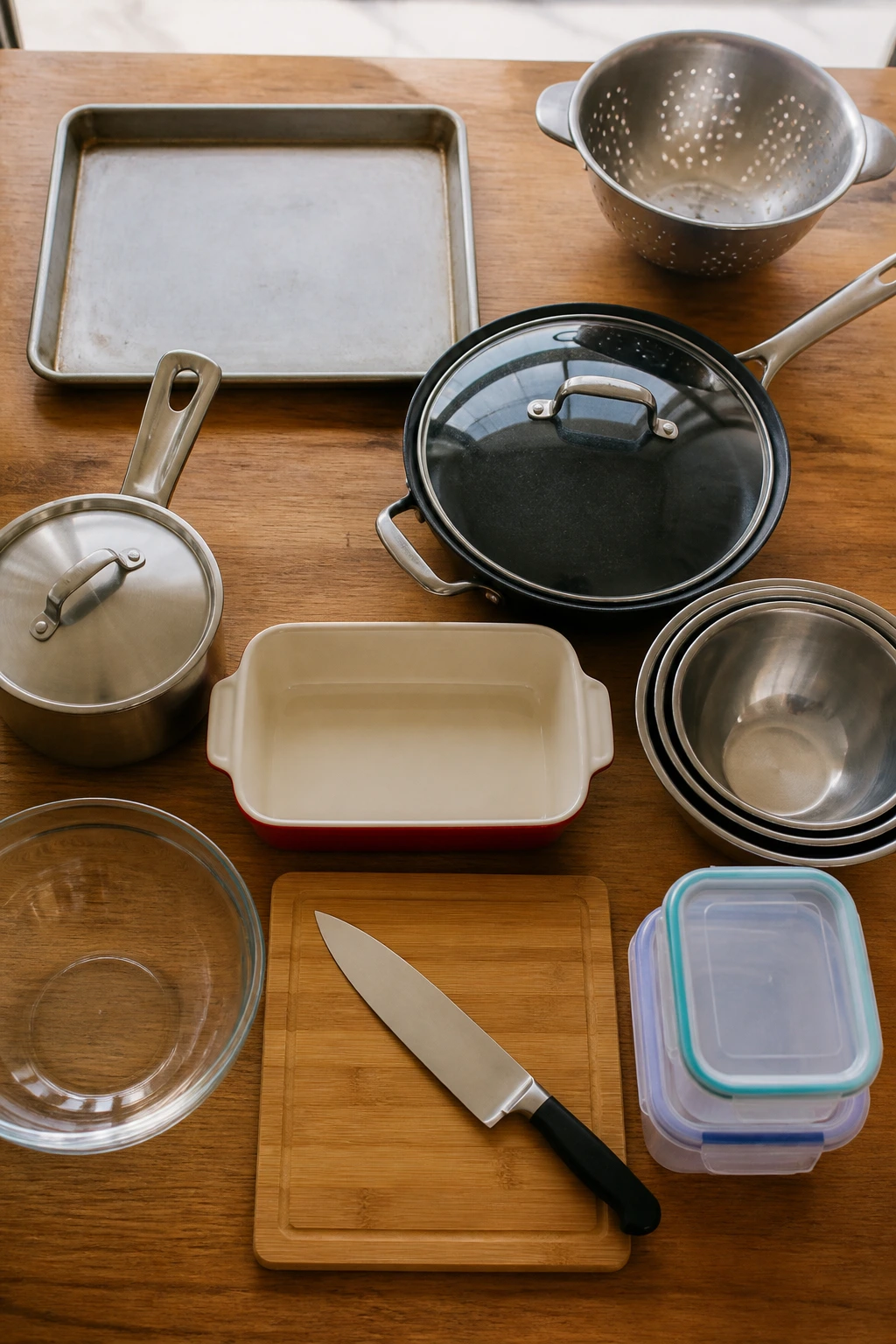
- Rimmed sheet pans: Useful for roasting chicken, vegetables, meatballs, and fish sticks without spilling juices onto the oven floor.
- Large skillets with lids: Good for skillet breakfasts, fried rice, curry, quesadillas, and sauces that need a quick simmer.
- Saucepan or soup pot: A medium-to-large pot handles soups, pasta sauces, and quick cheese sauces without boiling over.
- Baking dishes and casserole pans: These keep mac and cheese, enchilada bakes, casseroles, and stuffed shells contained and easy to portion.
- Mixing bowls: One medium and one large bowl cover most of the stirring, breading, and filling jobs.
- Sharp knife and sturdy cutting board: Small dice matters here; toddler dinners go better when the pieces are even.
- Colander: Pasta, rice add-ins, and blanched vegetables need a fast drain so they don’t water down the dish.
- Instant-read thermometer: Handy for chicken, turkey meatballs, meatloaf muffins, and fish so you don’t have to guess.
- Paring spoon or small scoop: Makes meatballs, filling shells, and portioning sliders much less messy.
- Airtight containers: The leftovers live or die here, especially if you want a Tuesday dinner to become a Wednesday lunch.
Smart Shopping and Ingredient Tips
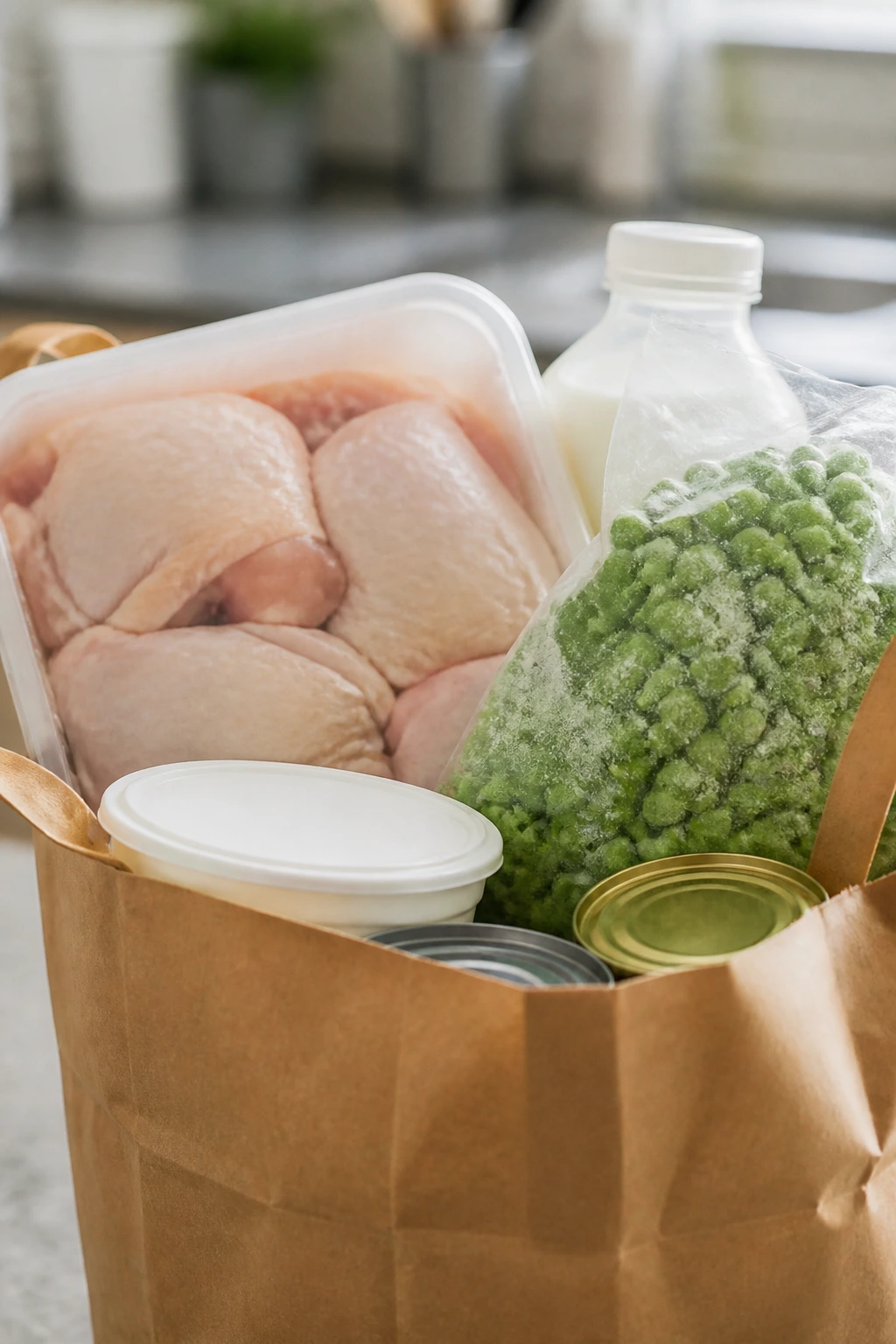
The best toddler dinners start at the store, not at the stove. I always look for ingredients that cook softly and reheat cleanly. Chicken thighs over breasts when I want forgiveness. Mild cheddar over sharp when I want the cheese to melt instead of shout. Short pasta shapes, because they catch sauce instead of letting it slide off into the bowl.
Frozen vegetables earn their keep in this kind of cooking. Peas, broccoli florets, corn, spinach, and mixed carrots all work well if you don’t overcook them. Frozen peas can go straight from the freezer into pasta or fried rice. Frozen spinach is fine too, but squeeze it dry or it will thin every sauce it touches. That little squeeze matters more than people like to admit.
Canned beans, tomatoes, tuna, salmon, and broth should be chosen with an eye on salt. If the recipe already includes cheese, ham, sausage, soy sauce, or bottled salsa, low-sodium versions make the meal easier to control. You can always add salt at the end. You can’t take it back.
For dairy, buy what melts or stirs smoothly. Whole milk, plain yogurt, ricotta, mozzarella, and mild cheddar all behave better than fancy low-fat swaps that split or go grainy. I’m not against shortcuts. I’m against badly behaved shortcuts.
How to Serve These Recipes
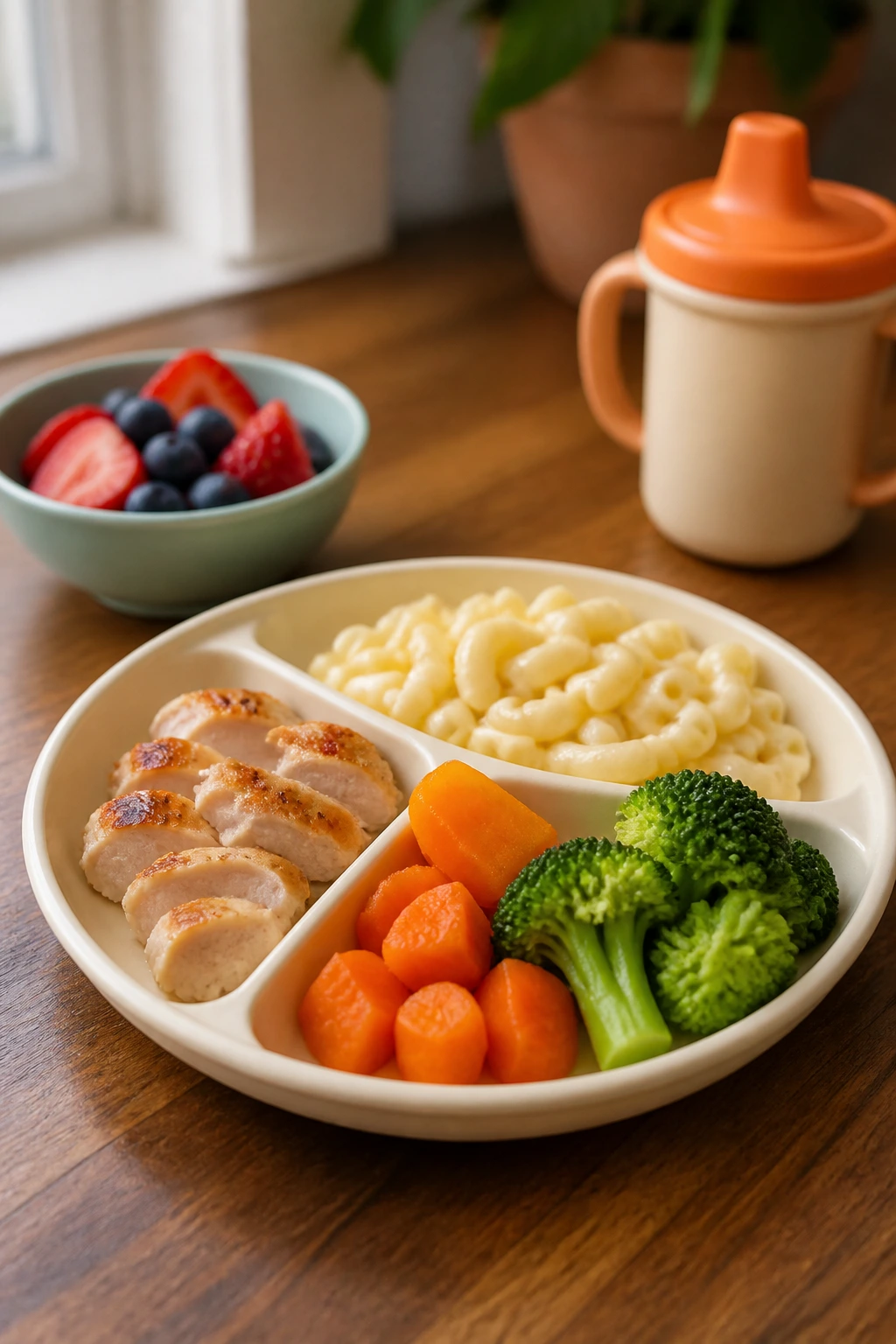
Presentation:
Keep toddler portions low and visible. Shallow bowls, small plates, and cut-up pieces work better than tall piles. If a meal has sauce, spoon it under or beside the main item so the child can see what they’re eating instead of facing a swamp of mixed textures.
Accompaniments:
Plain fruit, soft vegetables, buttered bread, rice, or simple pasta are the easiest partners. Carrot sticks and raw celery are not the move for every toddler; steamed carrots, cucumber coins, peas, and sliced apples do more work with less arguing. For the adult side of the table, a crisp salad or a few pickles can wake up a mild dinner.
Portions:
A toddler portion is usually smaller than an adult serving by a lot, but these dishes are flexible. Start with a half-cup to ¾ cup of the main food for younger toddlers and grow from there. For family meals, make enough so adults can take a second helping without leaving the children short.
Beverage Pairing:
Water is the default for a reason. Milk fits pasta bakes, mac and cheese, and casseroles. For adults, sparkling water with lemon or a light iced tea handles the milder tomato and cheese dishes nicely.
Additional Tips and Flavor Boosters
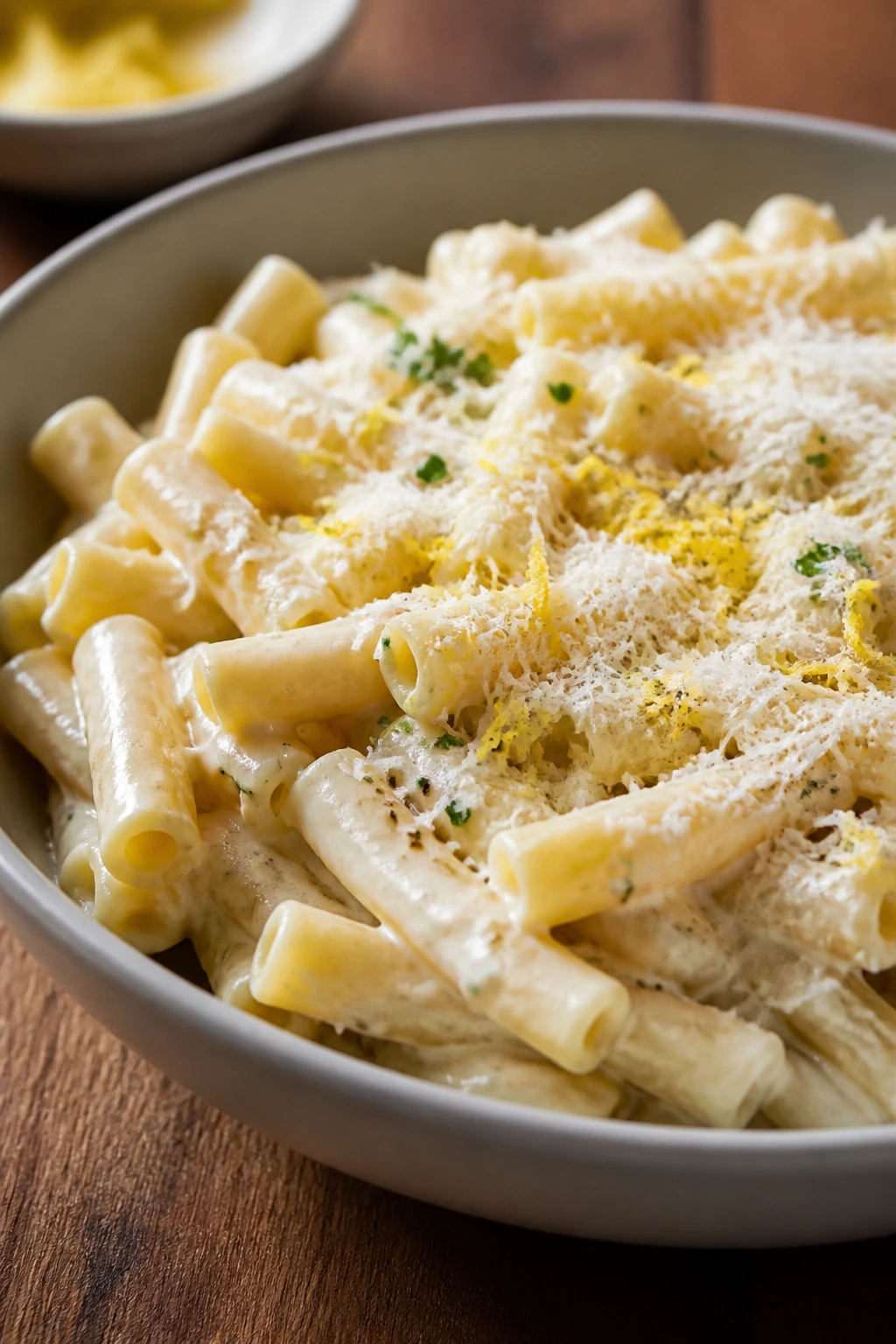
Flavor Enhancement:
A small finish often does more than a long list of spices. Lemon zest on chicken, a spoon of yogurt on chili, a little Parmesan on pasta, or a dab of butter in rice changes the way the dish lands without scaring anyone at the table.
Customization:
Keep one or two add-ins on standby: peas, corn, spinach, shredded zucchini, or white beans. They fold into casseroles, soups, and pasta without changing the meal’s basic identity. That’s useful when you need to use what’s in the fridge and keep the toddler from noticing the swap.
Serving Suggestions:
Cut everything smaller than feels necessary. Meatballs, sliders, quesadillas, fish sticks, stuffed shells, and taco meat all become easier once they’re nudged into smaller pieces. A sprinkle of cheese or a spoon of sauce across the top makes the plate look finished without any extra cooking.
Make-It-Yours:
For dairy-free meals, coconut milk, olive oil, and dairy-free cheese can step in where the recipe needs richness. For gluten-free versions, use corn tortillas, rice, certified gluten-free pasta, or breadcrumbs made for the job. For extra vegetables, blend them into sauces rather than tacking them on at the side where toddlers can identify them from across the table.
Make-Ahead, Storage, and Reheating Guidance
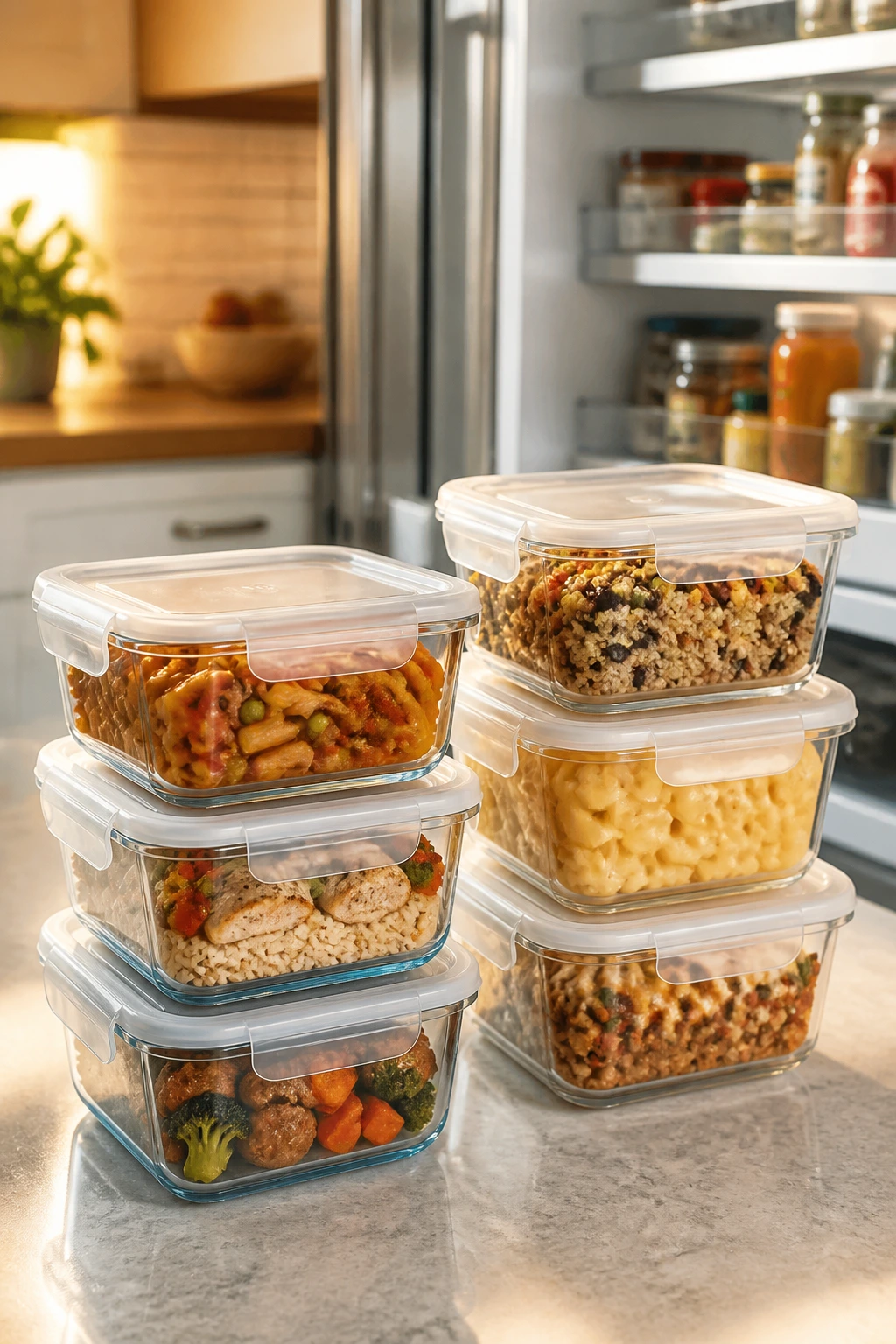
Most of these dinners hold for 3 to 4 days in the refrigerator if you cool them quickly and store them in shallow, sealed containers. Soups and sauces often improve overnight because the flavors settle together. Pasta bakes and casseroles also soften into a friendlier texture after a rest, though you may want to add a splash of milk or broth when reheating.
Freezer life varies a little. Meatballs, meatloaf muffins, chili, soup, curry, taco filling, and baked pasta dishes usually freeze well for up to 2 months. Chicken and rice soups, lentil sauces, and tomato-based casseroles tend to reheat the cleanest. Dishes with crunchy coatings, like fish sticks or quesadillas, are better fresh, though you can still freeze components separately and assemble later.
For reheating, use the method that matches the texture. Skillet dishes and fried rice do best over medium-low heat with a teaspoon or two of water. Casseroles and baked pasta do better in a covered dish at 350°F until hot through. Soups should be warmed gently on the stove so the broth doesn’t reduce too far. Microwave leftovers in short bursts, stirring between rounds, especially for rice and cheese-heavy dishes.
If you want to plan ahead, make fillings, sauces, and proteins a day early. Shred chicken in advance. Cook rice ahead. Grate cheese and chop vegetables when the kitchen is quiet. Those little jobs make a weeknight feel less like a trap.
Variations and Adaptations to Try
-
The Dairy-Light Route: Use olive oil instead of butter, coconut milk instead of cream, and skip the cheese or replace it with a mild dairy-free melt. This works especially well for soups, curries, and some pasta sauces.
-
The Gluten-Free Table: Swap in gluten-free pasta, corn tortillas, rice, and certified gluten-free breadcrumbs. Meatballs, taco bowls, chicken dinners, and soups adapt easily with those changes.
-
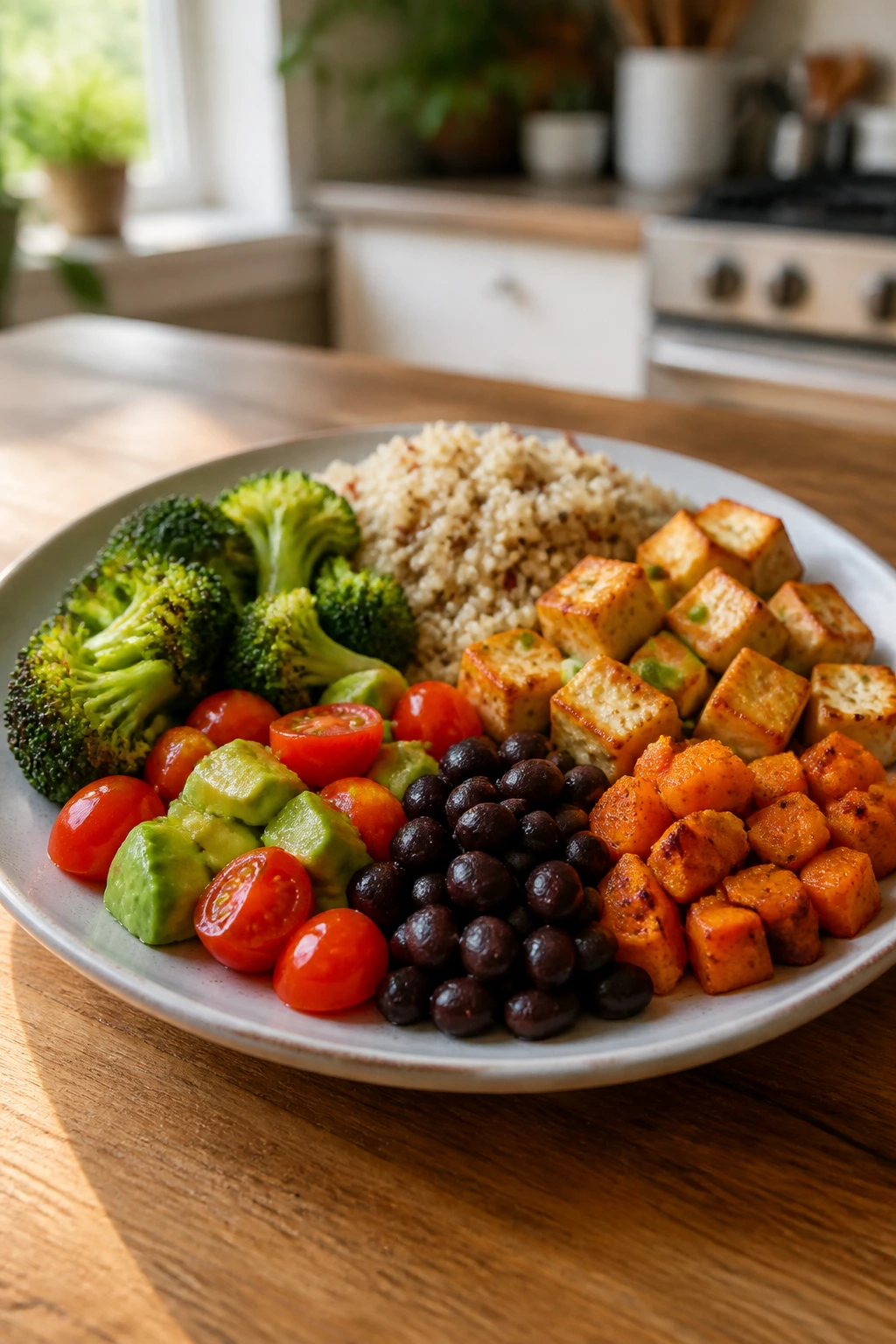
The Veggie-First Shift: Build more meals around beans, lentils, chickpeas, and hidden vegetables. Lentil bolognese, chickpea curry, bean enchiladas, and white bean soup are all strong candidates when you want the pantry to carry more of the work.
-
The Extra-Soft Plate: For toddlers who dislike mixed textures, serve components separately. Keep sauce on the side, slice proteins very small, and serve rice, pasta, or potatoes as the base instead of a mixed casserole.
-
The Heat-Control Version: If a family member wants spice and the toddler doesn’t, cook the base mild and put hot sauce, chili flakes, or pickled vegetables on the adult table only. That keeps dinner from splitting into two separate meals.
Common Mistakes to Avoid
-
Making every dish too dry: Toddler food often fails when it’s overbaked or overcooked. Keep chicken juicy, pasta a little underdone, and casseroles slightly saucy so leftovers stay usable.
-
Using oversized pieces: Huge chunks of carrot, onion, meat, or pasta turn a friendly dinner into a chewing test. Smaller cuts cook faster and are easier for little mouths.
-
Adding too much spice too early: Mild meals can always be adjusted at the table, but you can’t take back heat once it’s built into the pot. Hold back on chili, pepper flakes, and strong curry until you know the family can handle them.
-
Skipping the salt check: Many family dinners taste flat because the cook was being careful. Mild and bland are not the same thing. Taste the sauce, soup, or filling before serving and nudge the seasoning if needed.
-
Ignoring texture after reheating: A meal that looks fine on day one may tighten up in the fridge. Add a splash of broth, milk, or water when warming leftovers so the food stays spoonable.
-
Trying to hide every vegetable: Toddlers often do better when vegetables are partly hidden, not completely erased. A little visible pea or carrot can be less alarming than a suspiciously smooth green sauce.
Frequently Asked Questions
Which of these dinners work best for leftovers the next day?
The ones with sauce do the best job: taco fillings, soups, chili, lentil bolognese, casseroles, and pasta bakes. They reheat without losing too much moisture, which makes them easy to serve again for dinner or pack into a thermos.
Can I make these meals without turning on the oven?
Yes. Fried rice, taco bowls, soup, curry, chicken tacos, and several pasta sauces can all be done on the stovetop or in a slow cooker. Skillet dinners and soups are especially useful when the oven is already occupied.
How do I make these recipes more toddler-friendly without changing them completely?
Cut everything smaller, keep sauces mild, and serve components separately when needed. A toddler often handles the same food better when it’s not piled high, not too hot, and not mixed into one big texture.
What’s the easiest way to hide vegetables here?
Blend them into tomato sauce, grate them into meatballs or meatloaf, or cook them down until they melt into a soup or curry. Zucchini, carrots, spinach, cauliflower, and onions all disappear fairly well when cooked long enough.
Can I freeze pasta dishes and casseroles?
Usually, yes. Pasta bakes, stuffed shells, chicken noodle casserole, mac and cheese, and tuna pasta bake all freeze fairly well. Cool them completely first, wrap them tightly, and add a little milk or sauce when reheating if they seem dry.
What if my toddler refuses mixed foods?
Serve the parts separately. Put chicken in one pile, rice in another, sauce in a small cup, and vegetables on the side. That small change often solves the problem without needing a different recipe.
How do I keep chicken from drying out in these recipes?
Use thighs when you can, don’t cook breast meat past done, and let it rest before cutting. In sauces and soups, add the chicken near the end if it’s already cooked so it stays tender.
Are there safe make-ahead steps for busy evenings?
Absolutely. You can chop vegetables, mix meatball or meatloaf mixtures, cook rice, shred cheese, and make sauces a day ahead. Those quiet prep steps reduce the dinner rush without changing the final result.
What should I do if a casserole turns out runny?
Let it rest longer before serving, then bake it a little more uncovered if needed. Most casseroles firm up as they cool, and an extra 5 to 10 minutes in the oven can tighten a loose sauce.
Which recipes should I start with if I’m short on time and patience?
Sheet pan chicken and sweet potatoes, slow cooker chicken tacos, veggie fried rice, pizza stuffed pita pockets, and tuna pasta bake are all low-friction starters. They use common ingredients and don’t ask for much more than basic chopping and stirring.
Quiet Dinners, Easier Mornings
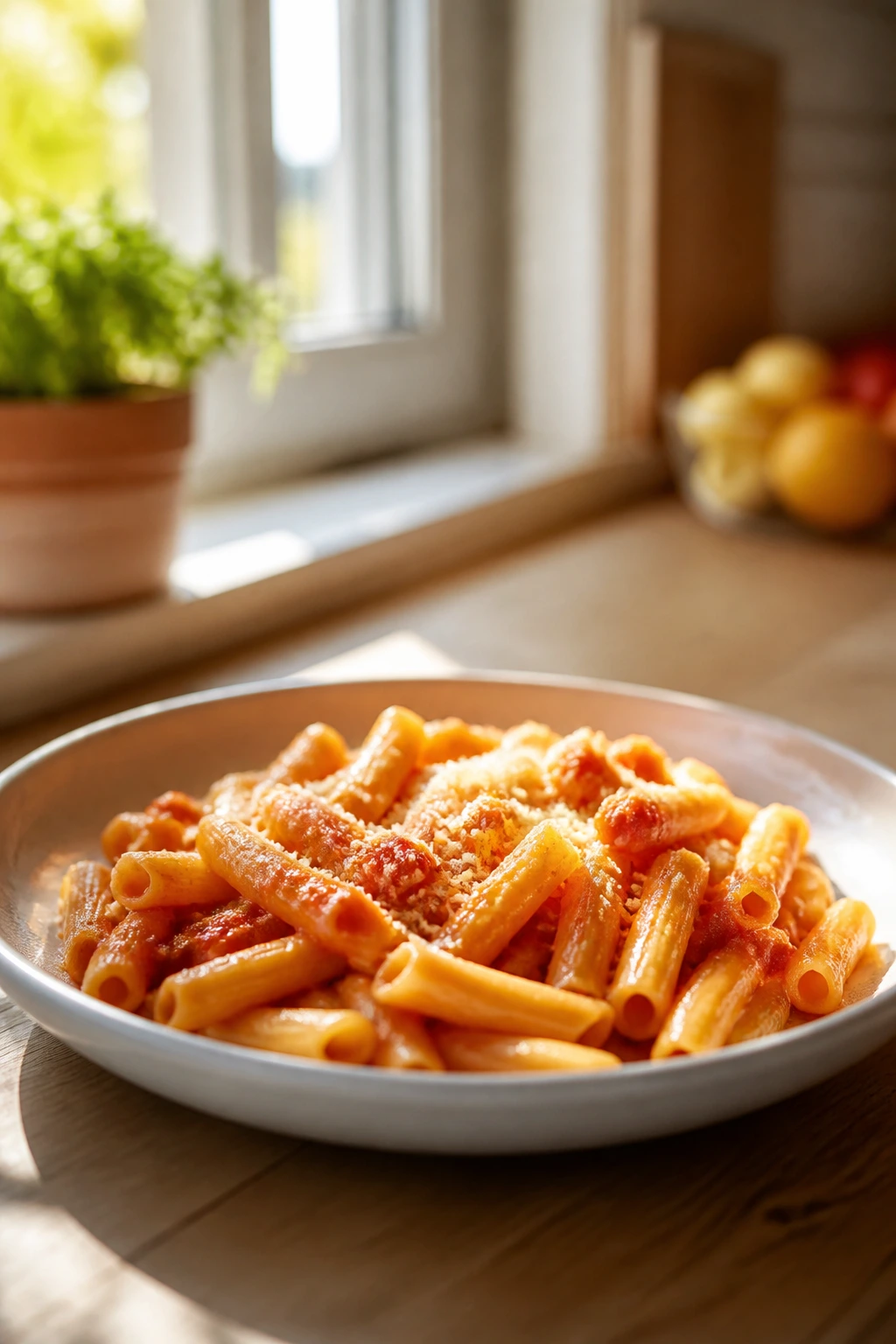
A good school-night dinner doesn’t need a spotlight. It needs to leave the kitchen calmer than it found it, the leftovers still worth eating, and the next morning a little less frantic. That’s the real measure here, and it’s why these recipes lean on mild flavors, soft textures, and ingredients that keep their manners overnight.
Pick a few and rotate them until they become automatic. That’s when a dinner list stops feeling like homework and starts feeling like a system you can trust.