



Three-ingredient tea smoothies can be maddeningly good when the tea is brewed with intent and the fruit is chosen like it matters. Weak tea disappears. Overly sweet fruit turns everything flat. But when the tea is strong, chilled, and paired with the right frozen fruit or creamy base, the blender produces something that tastes clean, cold, and a little more grown-up than the usual banana-and-milk routine.
Tea gives these smoothies their spine. Green tea brings a grassy, slightly savory edge; black tea adds tannin and depth; Earl Grey turns berries into something fragrant; chai throws spice into the mix without asking for a spice cabinet raid. The interesting part is how little you need beyond that. One tea, one fruit, one creamy or icy element. That’s the whole trick, and it works because each ingredient has a job instead of crowding the glass.
There’s also a practical angle that makes these worth keeping around. Three ingredients means fewer chances to oversweeten, fewer things to shop for, and fewer excuses to skip breakfast when the blender’s sitting there in plain sight. If you know how to steep tea a little stronger than you’d sip it, you can make a smoothie that tastes deliberate instead of thin. The fruit should stay recognizable. The tea should still show up. The texture should land somewhere between milkshake and frosty puree, not soup. That balance is where the good ones live.
Why These Three-Ingredient Tea Smoothies Keep Working
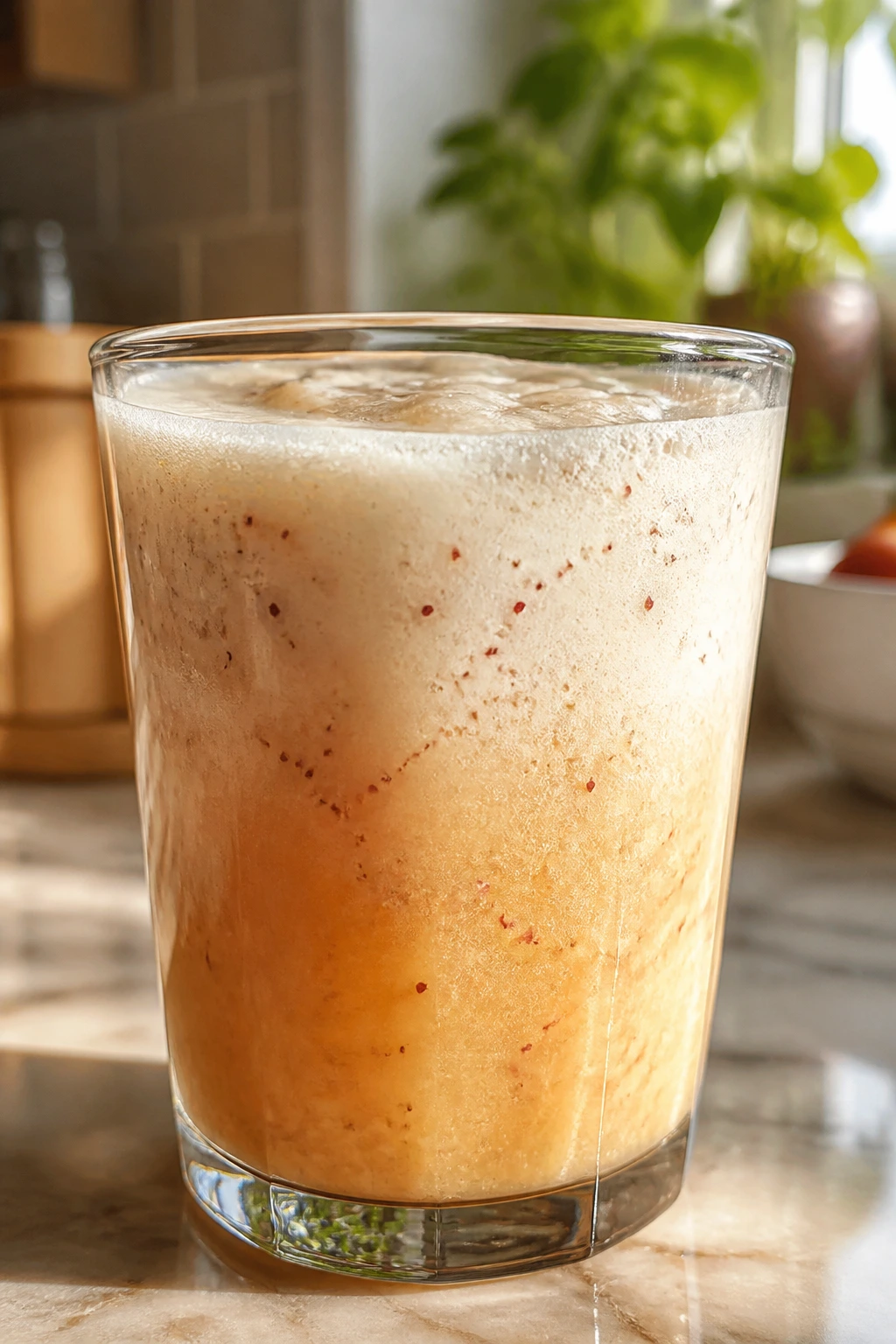
-
The tea has a job, not a cameo: Each recipe uses tea as the flavor base, so the drink tastes like tea first and fruit second instead of tasting like diluted juice.
-
Frozen fruit does the heavy lifting: Mango, berries, pineapple, and banana bring thickness without needing ice, which keeps the flavor from turning watery.
-
One creamy ingredient is enough: Yogurt, kefir, coconut milk, or a ripe banana can smooth out tannins and give the blender something silky to work with.
-
The recipes are fast, but not sloppy: Once the tea is chilled, most of these blend in under a minute, which matters on mornings when you’re not in the mood for a sink full of dishes.
-
The flavor pairings make sense: Earl Grey loves berries, chai likes stone fruit and banana, hibiscus wakes up citrus, and matcha behaves better with tropical fruit than a lot of people expect.
-
They scale cleanly: Double the tea and fruit, keep the ratio the same, and you can make one glass or two without guessing your way through it.
1. Green Tea Mango Banana Smoothie
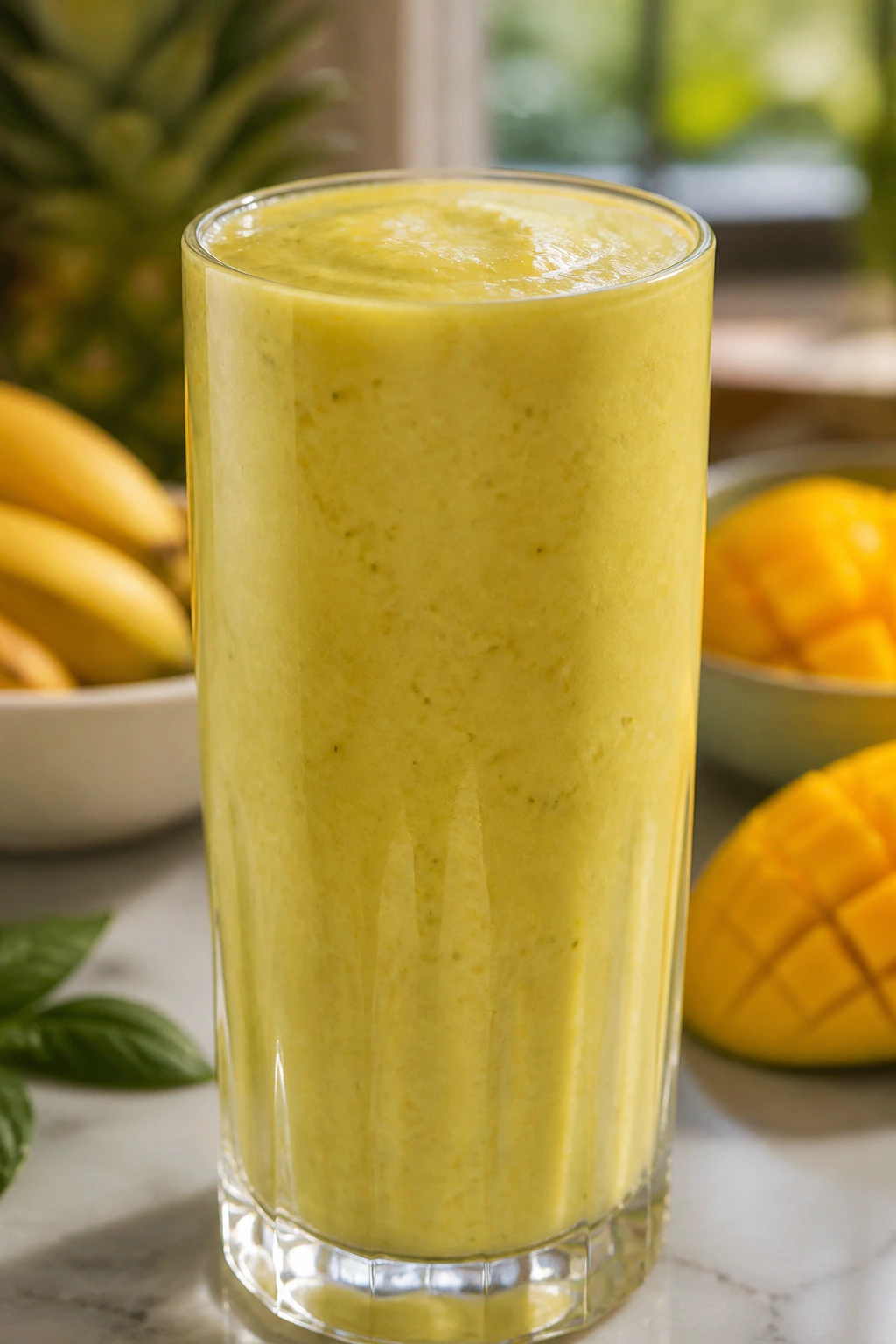
A cold mango smoothie can taste a little one-note if you leave tea out of it. Green tea fixes that by bringing a quiet, grassy edge that keeps the banana from taking over the whole glass. The mango gives the drink a vivid tropical smell, and the frozen banana makes it thick enough to cling to the sides of the blender.
Why It Works:
Green tea has enough structure to stand up to mango, but it doesn’t bully the fruit. Brew it strong and chill it well, or the smoothie will lean too sweet and faint. The banana softens the tea’s bitterness and makes the texture feel fuller without needing ice.
Key Ingredients:
- 1 cup strongly brewed green tea, chilled — steep a little longer than you would for sipping.
- 1 cup frozen mango chunks — use ripe mango for a deeper, sweeter flavor.
- 1 frozen banana, sliced — this is the texture ingredient.
Quick Steps:
- Brew the green tea in 1 cup boiling water for 4 to 5 minutes, then chill it completely.
- Add the chilled tea, frozen mango, and frozen banana to a blender.
- Blend on low for 10 seconds, then high for 30 to 45 seconds until smooth.
- Stop and scrape the sides if the mixture sticks above the blades.
- Pour right away while it’s still thick and cold.
Equipment for This Recipe:
- Blender
- Measuring cup
- Knife and cutting board for the banana
- Tall glass
How to Serve This Dish:
Pour it into a chilled glass and serve it immediately, while the surface still looks glossy and cold. A thin mango slice on the rim makes sense here, but the drink doesn’t need much dressing up.
Pro Tips for This Recipe:
- Brew the tea stronger than you think. Frozen mango dulls weak tea fast.
- If your banana is huge, use half of it first. The smoothie should taste like mango, not banana pudding.
- Chill the tea in a shallow container so it cools fast and stays bright.
Variations on This Dish:
- Pineapple-Tilted Version: Swap half the mango for frozen pineapple if you want a sharper, tangier finish.
- Creamier Bowl Version: Use 1/2 frozen banana and add a spoonful of yogurt if you want a spoonable texture.
Common Mistakes to Avoid with This Dish:
- Using warm tea: It melts the frozen fruit and leaves you with a thin drink.
- Adding too much banana: The mango gets buried, and the smoothie starts tasting heavy instead of clean.
2. Blackberry Black Tea Smoothie
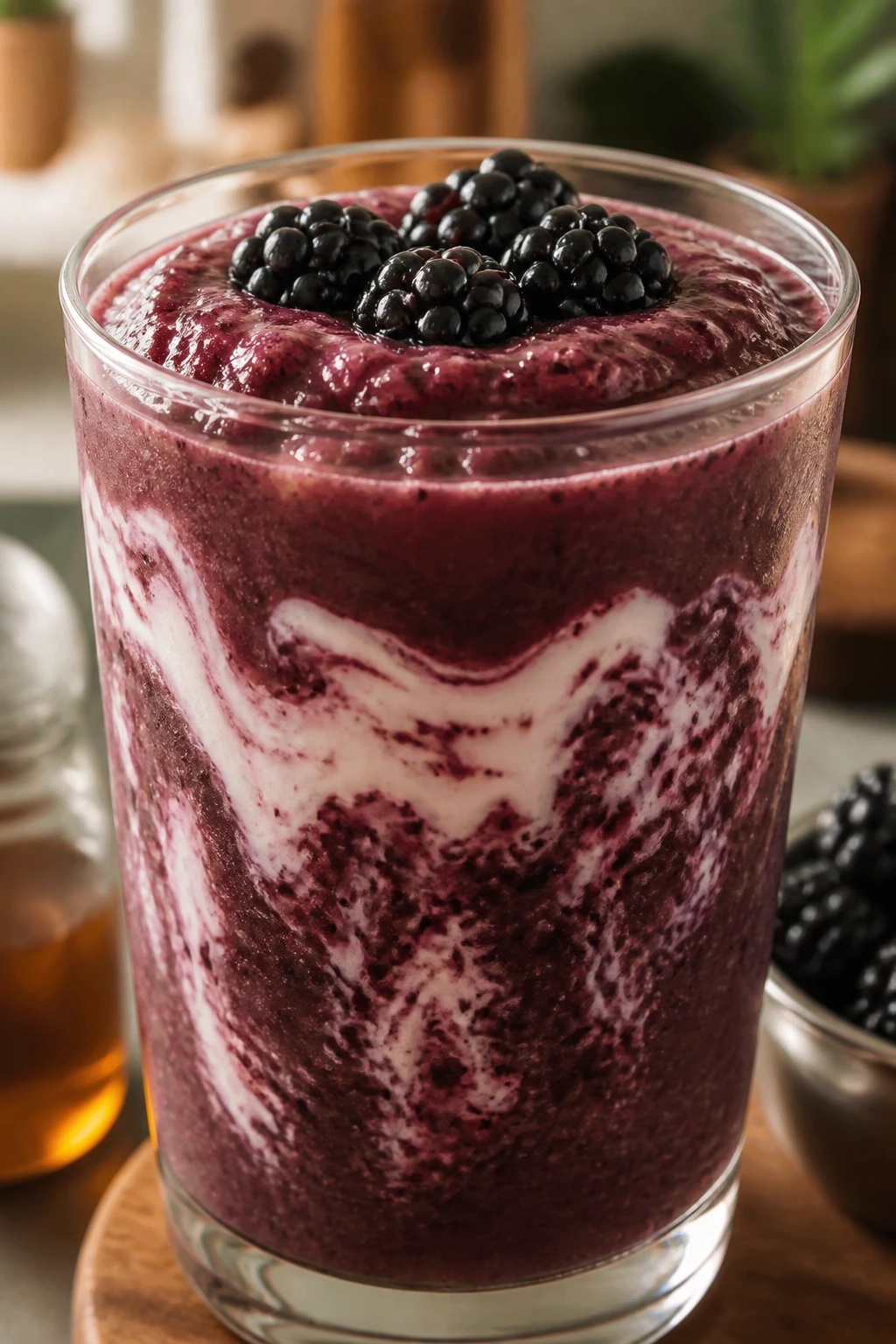
Black tea and blackberries get along in a way that feels almost obvious once you taste them together. The tea’s tannic edge sharpens the berries, and the yogurt rounds off the rough corners so the final sip lands somewhere between jam and cream. It’s dark, tart, and a little broody.
Why It Works:
Black tea has enough depth to survive frozen fruit without vanishing. Blackberries bring acid and color, while Greek yogurt gives the smoothie body and a faint tang that echoes the tea instead of fighting it. This one tastes best when the tea is brewed boldly; weak black tea turns muddy next to berries.
Key Ingredients:
- 1 cup strongly brewed black tea, chilled — plain black tea works, but an English breakfast style is especially good.
- 1 cup frozen blackberries — use unsweetened berries so the tartness stays clean.
- 3/4 cup plain Greek yogurt — full-fat gives the best texture.
Quick Steps:
- Brew the black tea for 4 to 5 minutes, then chill it fully.
- Add the tea, frozen blackberries, and yogurt to the blender.
- Blend until the berries break down and the color turns deep purple.
- Blend another 15 seconds if you still see berry skins.
- Serve cold, before the yogurt starts to loosen.
Equipment for This Recipe:
- Blender
- Fine-mesh sieve, optional if you want a smoother finish
- Measuring cup
- Glass or jar
How to Serve This Dish:
Serve it in a narrow glass so the color looks almost ink-dark against the sides. It’s good with plain toast or a slice of buttered sourdough because the drink itself already has enough punch.
Pro Tips for This Recipe:
- If your blackberries are very seedy, strain the smoothie after blending.
- Use yogurt straight from the fridge so the drink stays thick.
- A tea brewed with two bags in one cup of water holds up better than a weak single-bag steep.
Variations on This Dish:
- Silkier Version: Replace Greek yogurt with kefir for a thinner, tangier sip.
- Bitter-Sweet Version: Add a few extra blackberries and let the tea stay the dominant note.
Common Mistakes to Avoid with This Dish:
- Undersweetening by accident: Very tart berries can make the tea taste harsher than it is.
- Overblending: Once the yogurt loosens, the texture gets thin faster than people expect.
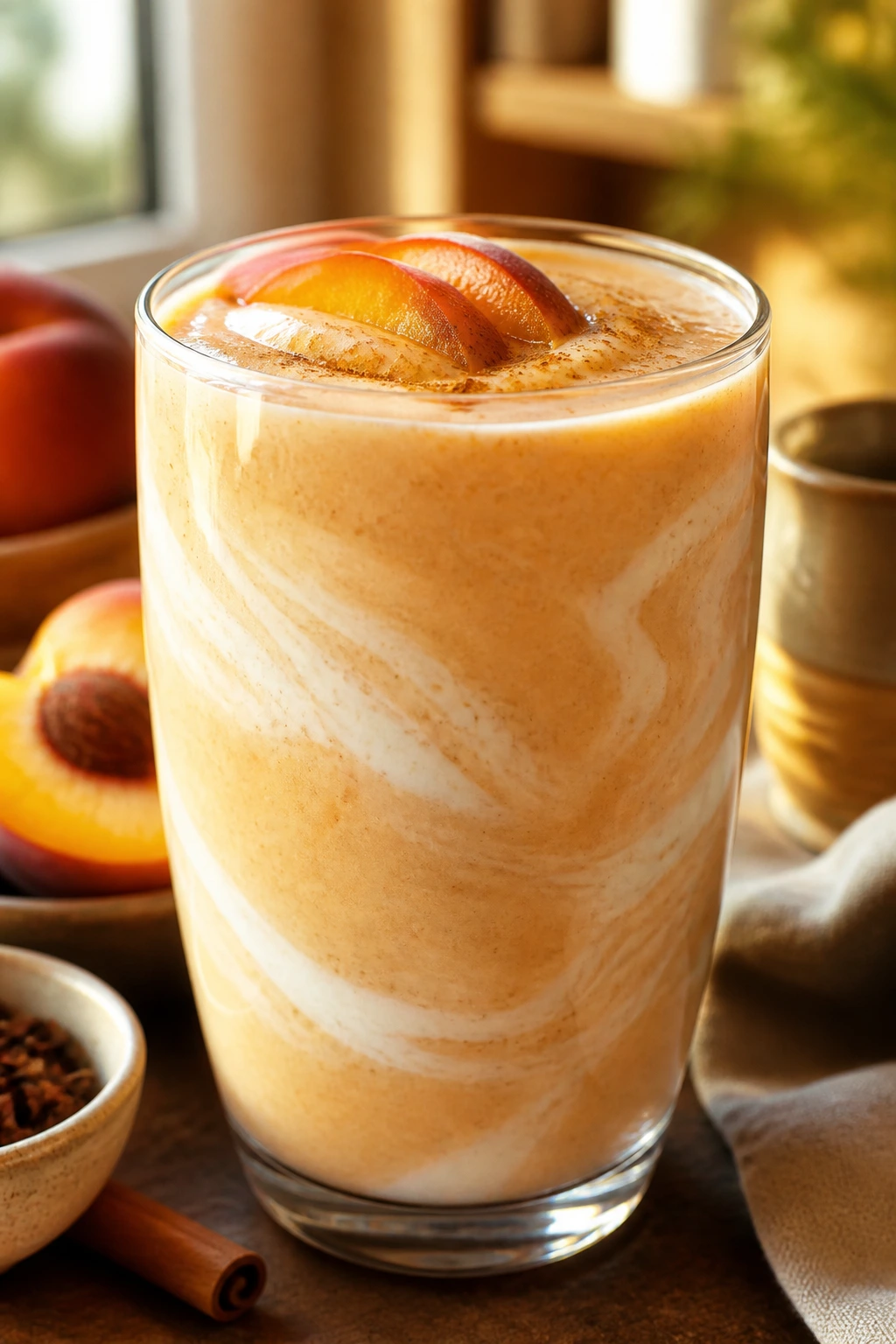
3. Peach Chai Smoothie
Peach and chai is one of those pairings that should feel odd and never does. The spice in the tea catches on the peach’s soft perfume, and the yogurt turns the whole thing into something that tastes like breakfast at a diner that still uses real spice in its tea. It’s warm in flavor, cold in temperature, and that contrast matters.
Why It Works:
Chai already contains cinnamon, cardamom, ginger, and clove, so it brings the seasoning with no extra pantry digging. Frozen peaches cool the spice down and keep the drink bright. Yogurt smooths the sharper edges and gives the chai somewhere to land.
Key Ingredients:
- 1 cup strongly brewed chai tea, chilled — use a bold black tea chai or a concentrate if you have one.
- 1 cup frozen peach slices — ripe peaches make the best flavor.
- 3/4 cup vanilla yogurt — plain works too, but vanilla softens the spice.
Quick Steps:
- Brew the chai in 1 cup boiling water for 5 minutes, then chill it completely.
- Add the tea, frozen peaches, and yogurt to the blender.
- Blend until the mixture turns pale orange and the peach pieces disappear.
- If needed, blend in short bursts to avoid warming the yogurt.
- Pour and drink immediately.
Equipment for This Recipe:
- Blender
- Measuring cup
- Spatula
- Chilled glass
How to Serve This Dish:
This one works well in a short tumbler rather than a tall glass. The color looks soft and creamy, and the spice aroma comes up the second you lift it.
Pro Tips for This Recipe:
- Freeze peach slices in a single layer before bagging them; clumps are annoying.
- Brew the chai a touch stronger than usual so the spice survives the fruit.
- Use a yogurt with enough body to keep the drink from turning watery.
Variations on This Dish:
- Cardamom-Forward Version: Use a spicier chai if you want the tea to be more aromatic than sweet.
- Dairy-Free Version: Swap the yogurt for coconut yogurt and keep the peach frozen.
Common Mistakes to Avoid with This Dish:
- Using very mild tea: The peach swallows it.
- Choosing bland fruit: Peach flavor matters here; pale, underripe slices make the smoothie flat.
4. Pineapple Matcha Coconut Smoothie
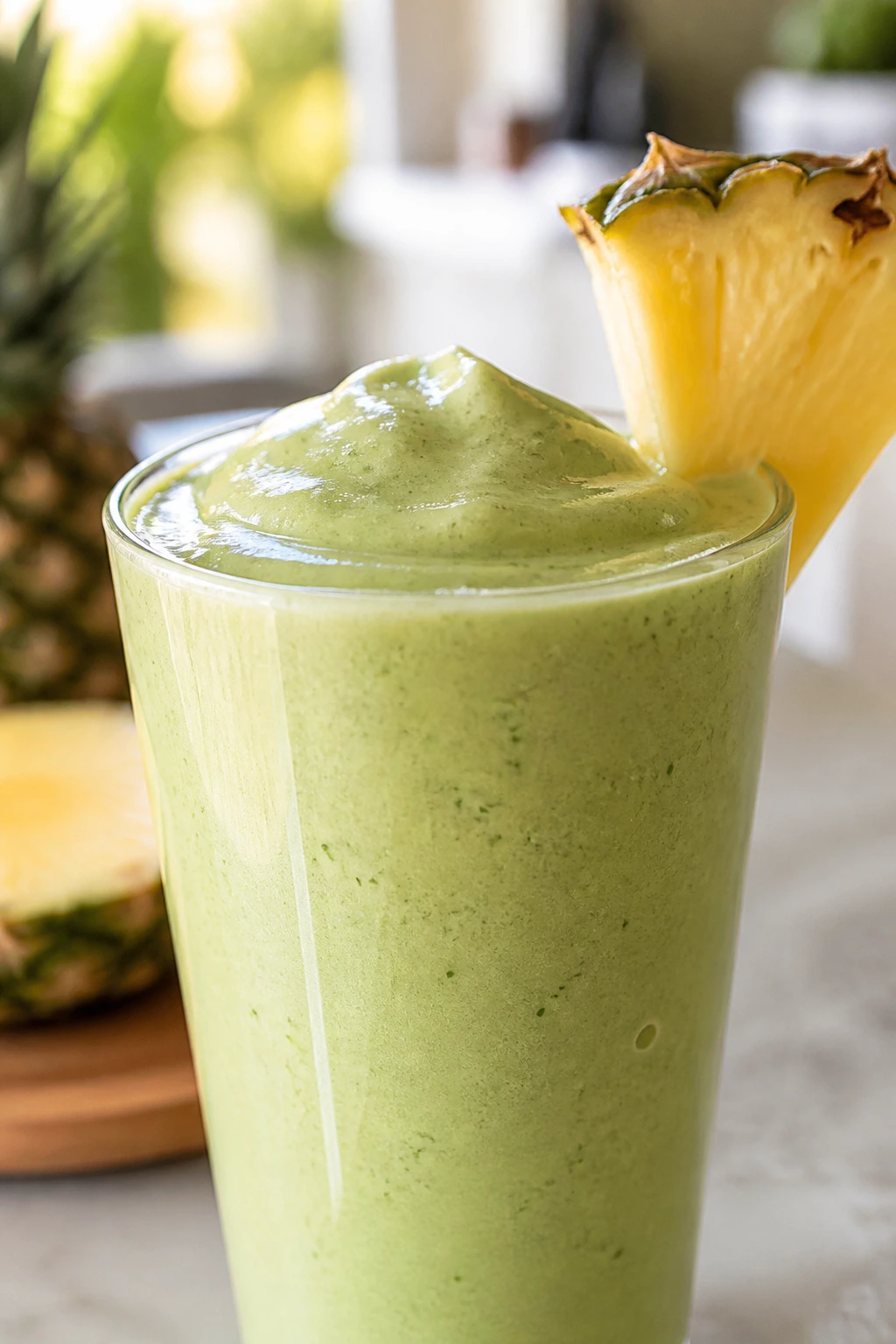
Matcha can go chalky fast if you treat it like powdered decoration instead of tea. Pineapple and coconut rescue it by giving the drink enough brightness and fat to carry the green flavor. The result tastes sharp up front, then creamy on the finish, with a clean tropical smell that hits before the first sip.
Why It Works:
Matcha is concentrated, so a little goes a long way. Coconut milk softens the powder’s slight bitterness, and frozen pineapple adds acid that keeps the smoothie from tasting heavy. The blender should leave it glossy, not frothy.
Key Ingredients:
- 1 cup chilled coconut milk beverage — the carton kind blends more easily than canned.
- 1 cup frozen pineapple chunks — unsweetened if you can find them.
- 1 teaspoon matcha powder — sift it if yours tends to clump.
Quick Steps:
- Add the coconut milk and matcha to the blender first.
- Blend briefly until the matcha disappears into the liquid.
- Add the frozen pineapple.
- Blend until thick, pale green, and smooth.
- Pour right away; matcha loses its edge if it sits too long.
Equipment for This Recipe:
- Blender
- Small sieve, optional for the matcha
- Measuring spoon
- Spatula
How to Serve This Dish:
Serve it in a clear glass so the green color stays visible. It’s thick enough to eat with a spoon if you let it sit for a minute, which is not a bad problem to have.
Pro Tips for This Recipe:
- Whisking matcha into liquid before adding fruit prevents dusty green specks.
- Frozen pineapple needs a stronger blender than soft fruit.
- If the drink tastes too earthy, you probably used too much matcha, not too little pineapple.
Variations on This Dish:
- Lighter Coconut Version: Use coconut water instead of coconut milk for a thinner, more refreshing sip.
- Bowl Version: Cut the liquid in half and eat it with a spoon.
Common Mistakes to Avoid with This Dish:
- Dumping matcha in last: It clumps. Every time.
- Using canned coconut milk: It can overpower the pineapple and make the texture heavy.
5. Strawberry Earl Grey Smoothie
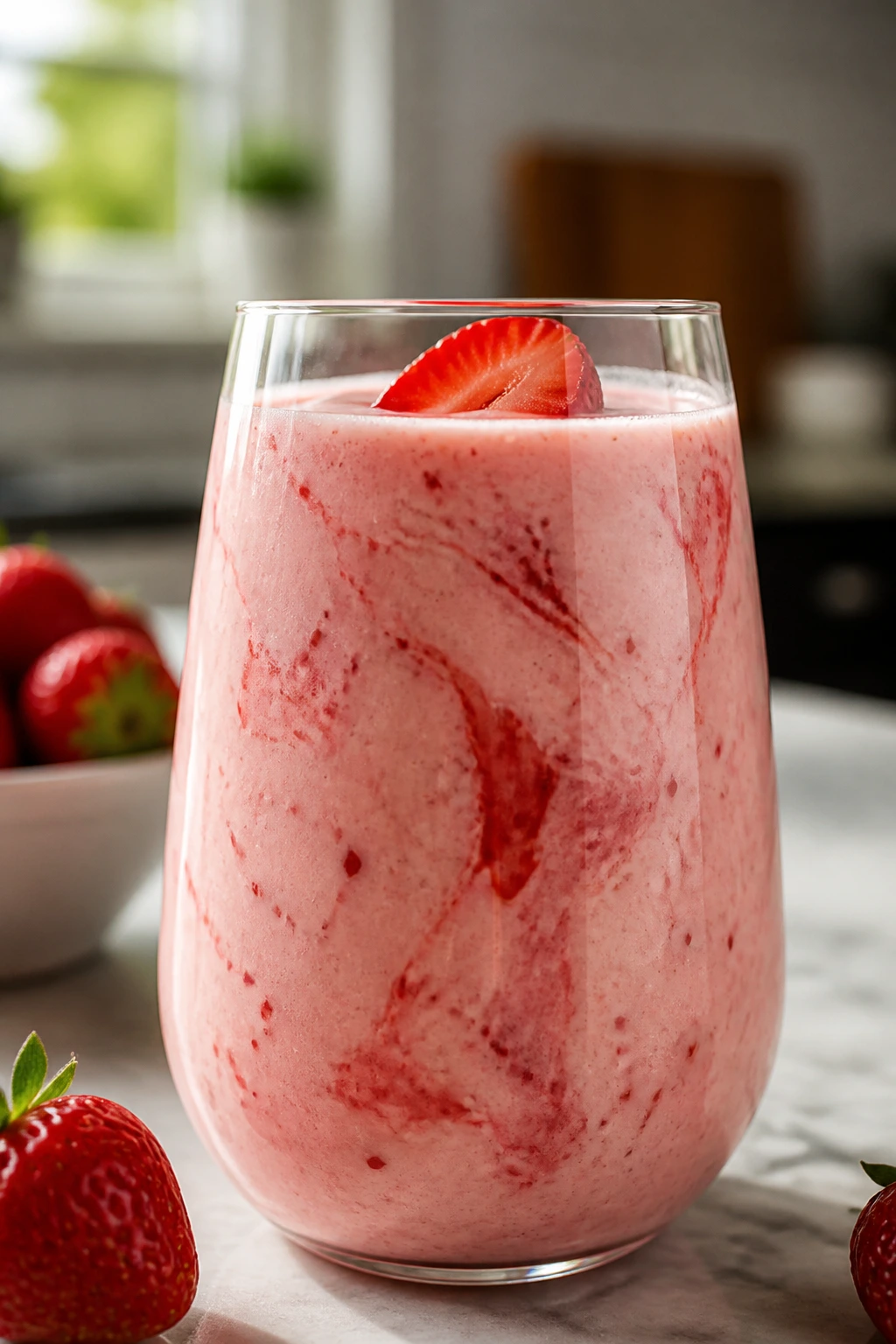
Earl Grey turns strawberry into something a little more floral and a little less obvious. Bergamot has a perfume that feels crisp rather than sweet, and the berries give the drink a bright red color that looks almost too clean to drink. Almost.
Why It Works:
Strawberries bring natural sweetness, but Earl Grey keeps them from tasting flat. Greek yogurt adds heft and helps the citrus note stay lifted instead of disappearing under dairy. Brew the tea strong enough that the bergamot still speaks after the blender gets involved.
Key Ingredients:
- 1 cup Earl Grey tea, strongly brewed and chilled
- 1 cup frozen strawberries
- 3/4 cup plain Greek yogurt
Quick Steps:
- Brew the Earl Grey for 4 minutes, then chill it fully.
- Add tea, strawberries, and yogurt to the blender.
- Blend until the color turns pale pink and the berries are gone.
- Stop once the smoothie looks thick and smooth.
- Serve cold in a chilled glass.
Equipment for This Recipe:
- Blender
- Measuring cup
- Tea strainer, if using loose leaf
- Tall glass
How to Serve This Dish:
This is one of the prettier smoothies in the set, so a clear glass helps. It pairs nicely with toast or a plain scone, though it’s fine on its own.
Pro Tips for This Recipe:
- Earl Grey tea bags vary a lot in strength; taste the tea before chilling if you’re unsure.
- Frozen strawberries work better than fresh because they help the drink thicken without ice.
- Keep the yogurt plain if you want the bergamot to stay sharp.
Variations on This Dish:
- Creamier Café Version: Use vanilla yogurt for a softer, dessert-like finish.
- Tart Version: Add a few extra strawberries and keep the yogurt plain.
Common Mistakes to Avoid with This Dish:
- Brewed tea that’s too delicate: The fruit takes over and the bergamot disappears.
- Using overly sweet yogurt: It mutes the tea and makes the smoothie taste like berry pudding.
6. Hibiscus Berry Kefir Smoothie
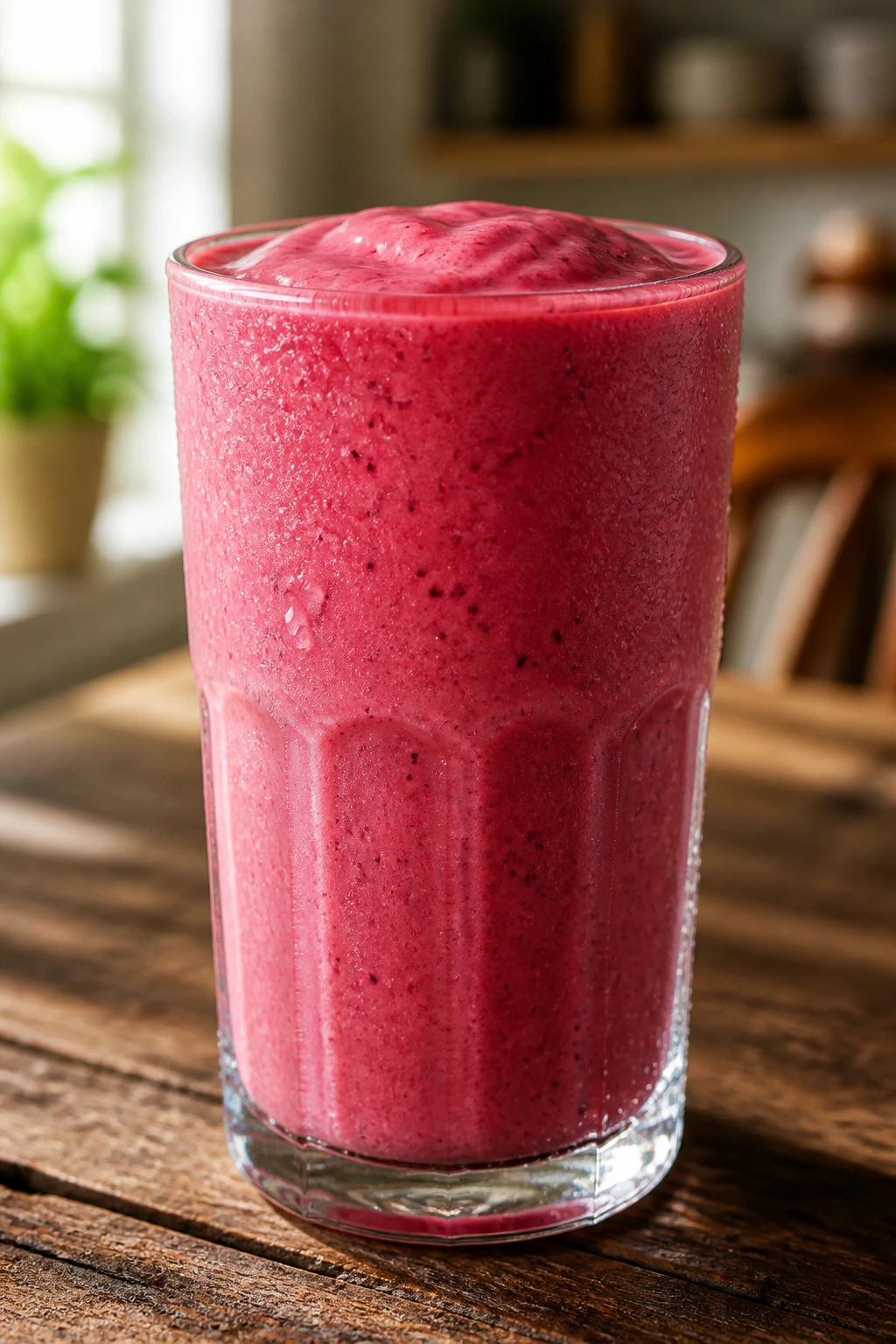
Hibiscus has a tart, almost cranberry-like snap that makes berries taste sharper and more vivid. Kefir steps in with a cultured tang that keeps the whole thing from becoming a fruit punch situation. The color is the best part, honestly — deep pink, nearly ruby, and a little dramatic in the glass.
Why It Works:
Hibiscus tea is naturally bright and acidic, which means it plays well with berries that already have some bite. Kefir gives the smoothie a thin, drinkable body and a little fermented tang. The key is to chill the tea before blending, because hibiscus can taste sharper when it’s still warm.
Key Ingredients:
- 1 cup hibiscus tea, chilled — steep it strong.
- 1 cup frozen mixed berries — a mix of raspberries, blueberries, and blackberries works well.
- 3/4 cup plain kefir
Quick Steps:
- Brew the hibiscus tea and chill it until cold.
- Add tea, frozen berries, and kefir to the blender.
- Blend until the color deepens and the texture turns smooth.
- If the berries are very seedy, blend an extra 10 to 15 seconds.
- Serve chilled right away.
Equipment for This Recipe:
- Blender
- Measuring cup
- Fine-mesh sieve, optional
- Glass
How to Serve This Dish:
Serve it cold and unadorned. The flavor is busy enough on its own, and the color does the visual work without garnish.
Pro Tips for This Recipe:
- Choose unsweetened berries so the tartness stays balanced.
- If the hibiscus tastes too sharp, the tea was probably steeped too long or too hot.
- Kefir gives a lighter mouthfeel than yogurt, which suits this tart drink.
Variations on This Dish:
- Thicker Version: Swap kefir for Greek yogurt if you want more body.
- Citrus Version: Use a berry blend with more strawberries if you want less sharpness.
Common Mistakes to Avoid with This Dish:
- Using weak tea: Hibiscus is the whole point here.
- Oversweetening with fruit: It turns the smoothie into generic berry mush.
7. Pumpkin Chai Banana Smoothie
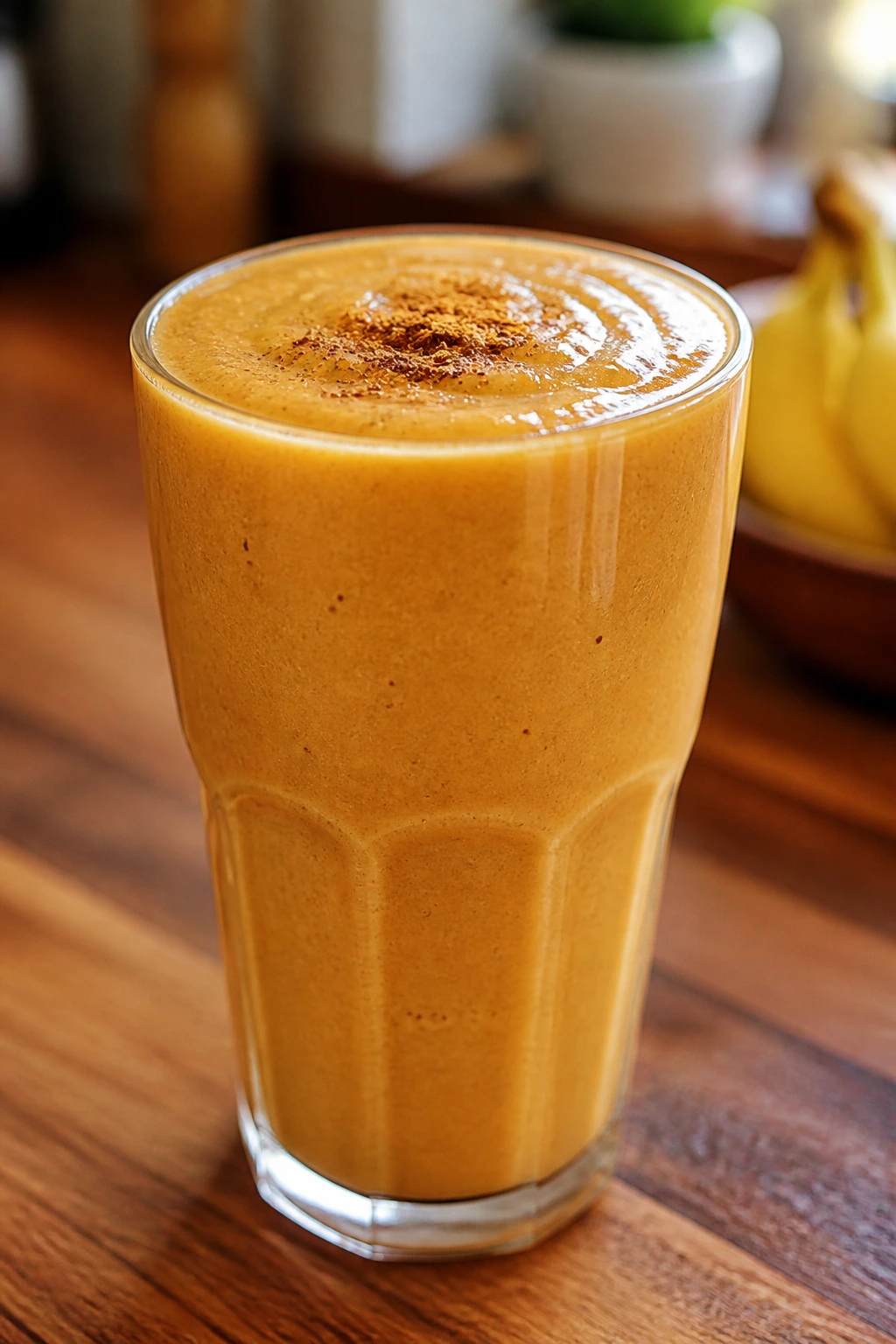
Pumpkin in a smoothie can be dull if the seasoning is timid. Chai fixes that by bringing spice in the tea itself, while banana gives the drink enough sweetness and thickness to stop the pumpkin from tasting like pie filling left out on the counter. This one feels substantial without becoming heavy.
Why It Works:
Pumpkin puree is dense and mild, so it needs a strong tea base to wake it up. Chai does the job with cinnamon, clove, ginger, and cardamom already built in. Banana smooths the edges and creates a texture that feels closer to a milkshake than a juice.
Key Ingredients:
- 1 cup chai tea, chilled
- 1/2 cup pumpkin puree
- 1 frozen banana, sliced
Quick Steps:
- Brew the chai and chill it completely.
- Add tea, pumpkin puree, and banana to the blender.
- Blend until no pumpkin streaks remain.
- Blend another 10 seconds for a silkier finish.
- Pour into a glass and serve cold.
Equipment for This Recipe:
- Blender
- Measuring cup
- Spoon for the pumpkin puree
- Glass
How to Serve This Dish:
This tastes good in a smaller glass because it’s rich and dense. If you want breakfast with it, a piece of toast is enough; the smoothie itself already eats like a meal.
Pro Tips for This Recipe:
- Use plain pumpkin puree, not pie filling. Pie filling brings extra sugar and seasoning you don’t need.
- Freeze the banana in slices so it blends without forcing the motor.
- A bold chai matters more here than in fruitier recipes.
Variations on This Dish:
- Sweeter Version: Use a very ripe banana and a sweeter chai blend.
- Creamier Version: Swap pumpkin puree for canned butternut squash puree if you want a softer finish.
Common Mistakes to Avoid with This Dish:
- Using watery pumpkin mash: It thins the drink and drowns the spice.
- Brewing weak chai: The banana will take over and the smoothie loses its point.
8. Ginger Pineapple Green Tea Smoothie
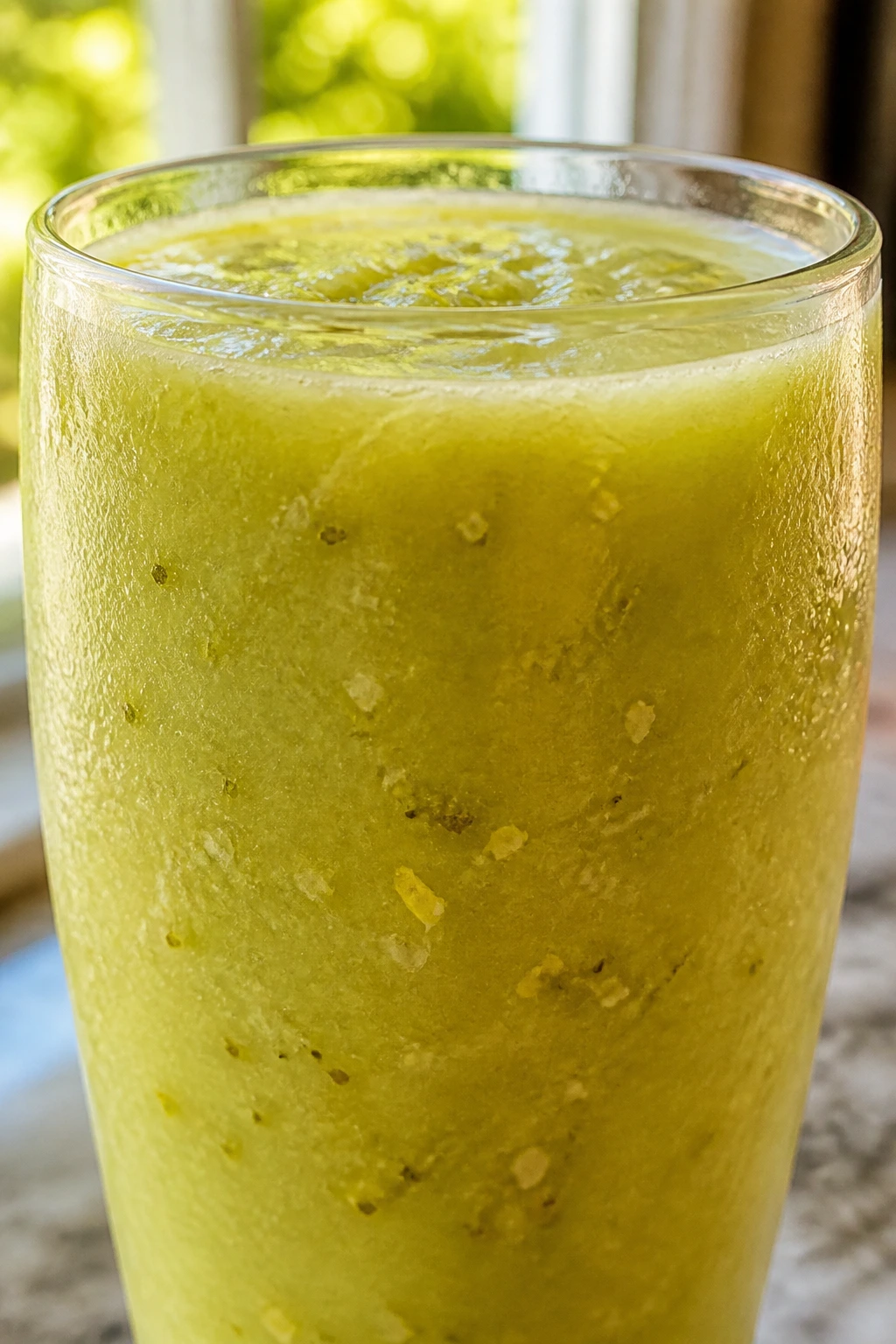
Ginger and pineapple are already a sharp pair, and green tea slips in underneath them with a clean, almost herbal finish. This is the sort of smoothie that wakes up your mouth before your brain catches up. It’s bright, fast, and a little cheeky.
Why It Works:
Green tea keeps the pineapple from tasting too candy-like, while ginger adds heat that lands on the back of the throat. Frozen pineapple gives the smoothie enough sweetness to soften the ginger’s bite. You only need a small amount of ginger, or the whole drink starts behaving like a wellness shot instead of a smoothie.
Key Ingredients:
- 1 cup green tea, chilled
- 1 cup frozen pineapple chunks
- 1 tablespoon fresh ginger, peeled and grated
Quick Steps:
- Brew the tea and chill it until cold.
- Add tea, pineapple, and ginger to the blender.
- Blend until the ginger disappears into the fruit.
- Blend a little longer if you want the ginger to feel gentler.
- Serve immediately.
Equipment for This Recipe:
- Blender
- Microplane or fine grater
- Measuring cup
- Glass
How to Serve This Dish:
Serve it in a tall glass with no garnish unless you want a tiny pineapple wedge. This is a wake-up smoothie, not a decorative one.
Pro Tips for This Recipe:
- Fresh ginger is cleaner than powdered ginger here.
- If your pineapple is very sour, chill the tea extra well so the bitterness stays in check.
- Peel ginger with a spoon; it wastes less than a knife.
Variations on This Dish:
- Milder Version: Use 2 teaspoons ginger instead of 1 tablespoon.
- Thicker Version: Freeze the pineapple chunks before blending.
Common Mistakes to Avoid with This Dish:
- Too much ginger: The smoothie turns hot and harsh.
- Not chilling the tea enough: Warm tea dulls the pineapple and makes the drink taste flat.
9. Jasmine Pear Smoothie
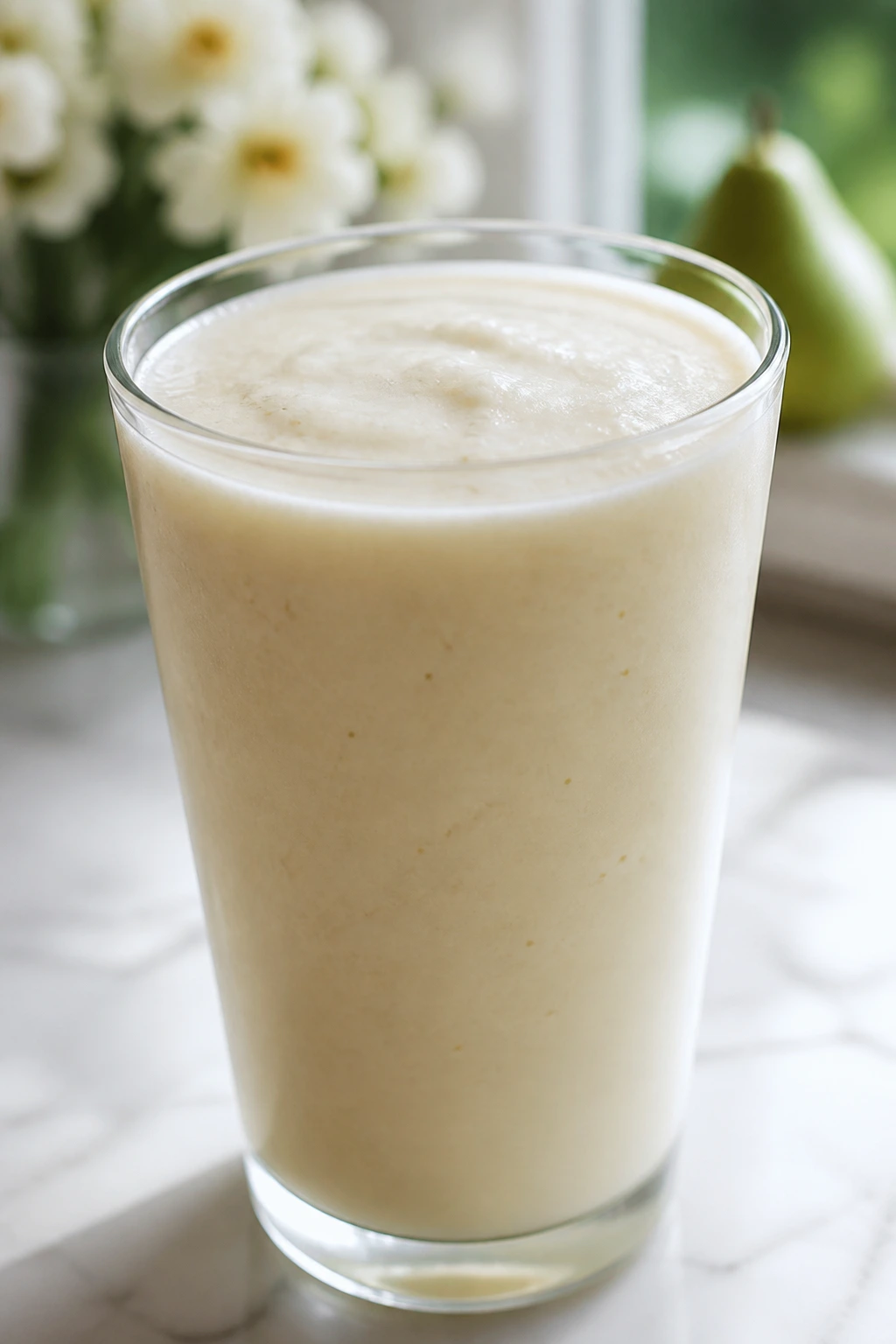
Jasmine tea has a floral note that pear can wear better than almost any other fruit. Pear is subtle, so the tea has room to stay visible, and yogurt gives the drink a creamy center that keeps everything from feeling too pale or too quiet. It’s delicate, but not flimsy.
Why It Works:
Jasmine tea brings perfume without acid, which means pear doesn’t get bullied. A ripe pear gives body and natural sweetness, while yogurt adds enough thickness to help the blend feel complete. This one depends on using a pear that’s fully ripe; hard pears stay grainy.
Key Ingredients:
- 1 cup jasmine tea, chilled
- 1 ripe pear, cored and chopped
- 3/4 cup plain yogurt
Quick Steps:
- Brew the jasmine tea and chill it completely.
- Core and chop the pear into small pieces.
- Add tea, pear, and yogurt to the blender.
- Blend until smooth, giving it a few extra seconds if the pear is still a little grainy.
- Serve cold.
Equipment for This Recipe:
- Blender
- Knife and cutting board
- Measuring cup
- Glass
How to Serve This Dish:
This is best in a small clear glass so the pale color doesn’t disappear. It’s a quiet smoothie, the kind that pairs well with toast, crackers, or nothing at all.
Pro Tips for This Recipe:
- A ripe Bartlett or Anjou pear blends more easily than a firm one.
- If the pear is not ripe enough, this recipe turns chalky.
- Chill the tea well; floral teas taste thin when warm.
Variations on This Dish:
- Sweeter Version: Use a very ripe pear and vanilla yogurt.
- Dairy-Free Version: Swap yogurt for plain coconut yogurt.
Common Mistakes to Avoid with This Dish:
- Using under-ripe pear: It stays gritty.
- Overpowering the tea: Don’t go too heavy on the fruit or the jasmine note disappears.
10. Cherry Rooibos Banana Smoothie
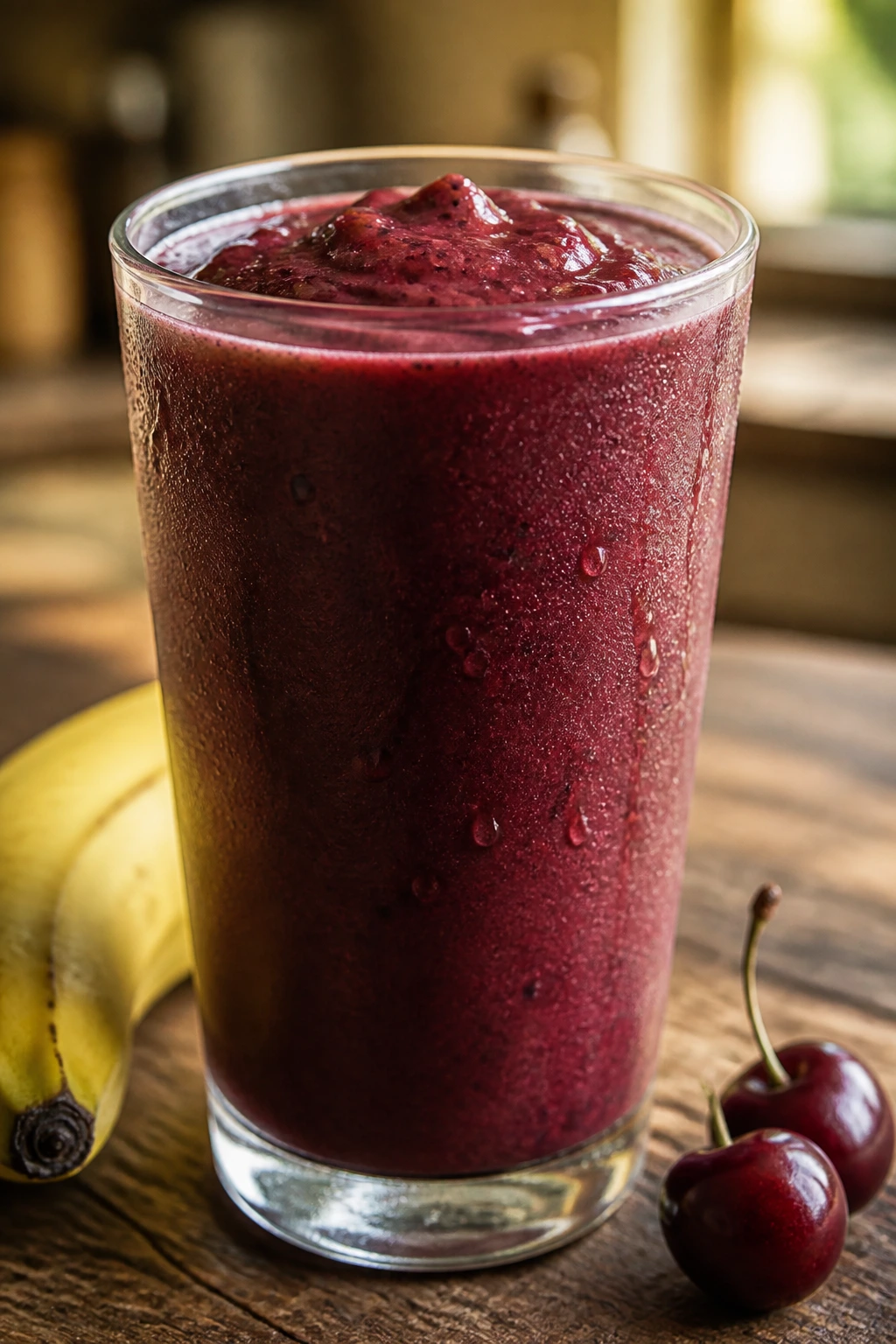
Rooibos has a round, vanilla-like flavor that makes cherries taste deeper and less sharp. Banana fills the gaps and makes the smoothie feel plush without turning it into banana dessert. The best part is that this one is caffeine-free but still feels substantial enough for breakfast.
Why It Works:
Cherry and rooibos meet in the middle nicely because neither one is overly aggressive. The tea has a soft sweetness, and the banana carries the texture so you don’t need ice or sweetener. Frozen cherries are ideal because they keep the color dark and the flavor focused.
Key Ingredients:
- 1 cup rooibos tea, chilled
- 1 cup frozen cherries
- 1 frozen banana, sliced
Quick Steps:
- Brew the rooibos and chill it until very cold.
- Add tea, cherries, and banana to the blender.
- Blend until the cherries are broken down and the color turns deep red.
- Blend briefly longer if you want a smoother finish.
- Pour and serve right away.
Equipment for This Recipe:
- Blender
- Measuring cup
- Knife for slicing the banana
- Glass
How to Serve This Dish:
Serve it cold in a wide glass so the color looks almost burgundy. It works well as a midmorning drink when you want something filling but not heavy.
Pro Tips for This Recipe:
- Rooibos can take a longer steep, so don’t underbrew it.
- Frozen cherries blend better than fresh because they help the drink thicken.
- If your banana is very ripe, the smoothie will taste sweeter without any extra help.
Variations on This Dish:
- Tarter Version: Use sour cherries if you want more bite.
- Creamier Version: Replace half the banana with Greek yogurt.
Common Mistakes to Avoid with This Dish:
- Using weak rooibos: It tastes like red water.
- Letting the banana dominate: Keep the banana frozen and measured, or it takes over.
11. Blueberry Oolong Banana Smoothie
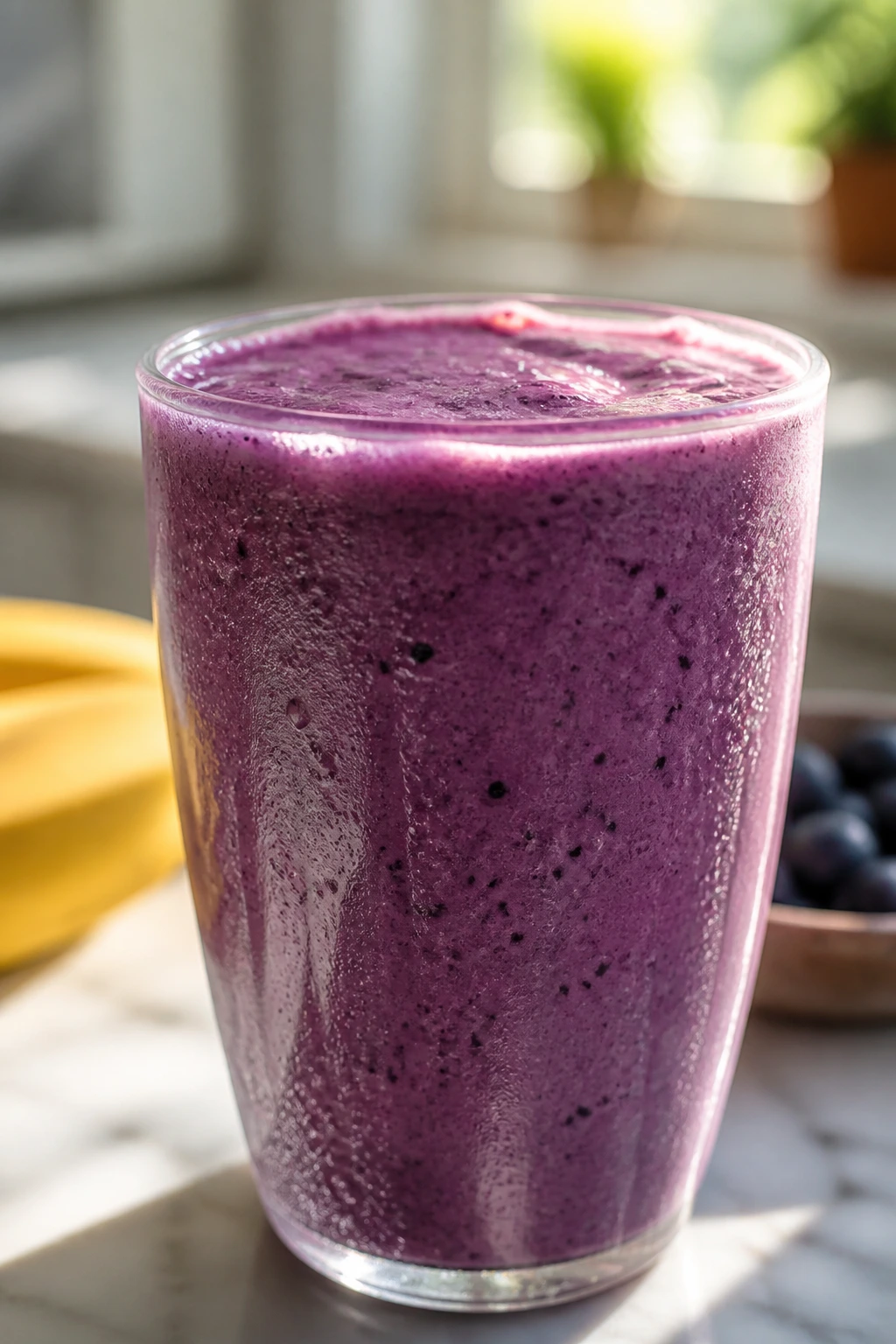
Oolong sits in a nice middle ground between green tea and black tea, which makes it a smart match for blueberries. The banana smooths the edges, while the blueberries give the drink a dense purple color and a sweet-tart finish that feels a little more layered than the usual berry smoothie.
Why It Works:
Oolong has a toasted note that pairs well with berry sweetness. Blueberries bring enough acid to keep the drink lively, and banana keeps the texture from becoming thin or icy. The tea should be brewed with enough strength to stay visible after blending.
Key Ingredients:
- 1 cup oolong tea, chilled
- 1 cup frozen blueberries
- 1 frozen banana, sliced
Quick Steps:
- Brew the oolong and chill it fully.
- Add tea, blueberries, and banana to the blender.
- Blend until the color is even and the blueberries have vanished.
- Scrape the sides if any fruit sticks above the blades.
- Pour into a chilled glass.
Equipment for This Recipe:
- Blender
- Measuring cup
- Spatula
- Glass
How to Serve This Dish:
This one looks good in a narrow glass because the deep purple color stands out. It’s good with a piece of toast or a handful of nuts if you want something to eat alongside it.
Pro Tips for This Recipe:
- Oolong works best when brewed at the upper end of its steeping time.
- Frozen blueberries can make the drink speckled if you stop too soon.
- Use a ripe banana, not an underripe one, or the texture turns starchy.
Variations on This Dish:
- Thicker Version: Use half a banana and let the blueberries do more of the work.
- Dessert-Like Version: Add vanilla yogurt in place of some banana in a different batch.
Common Mistakes to Avoid with This Dish:
- Undercooling the tea: It weakens the flavor and melts the fruit.
- Using too little fruit: Oolong can taste thin if the berry amount drops.
12. Thai Tea Banana Coconut Smoothie
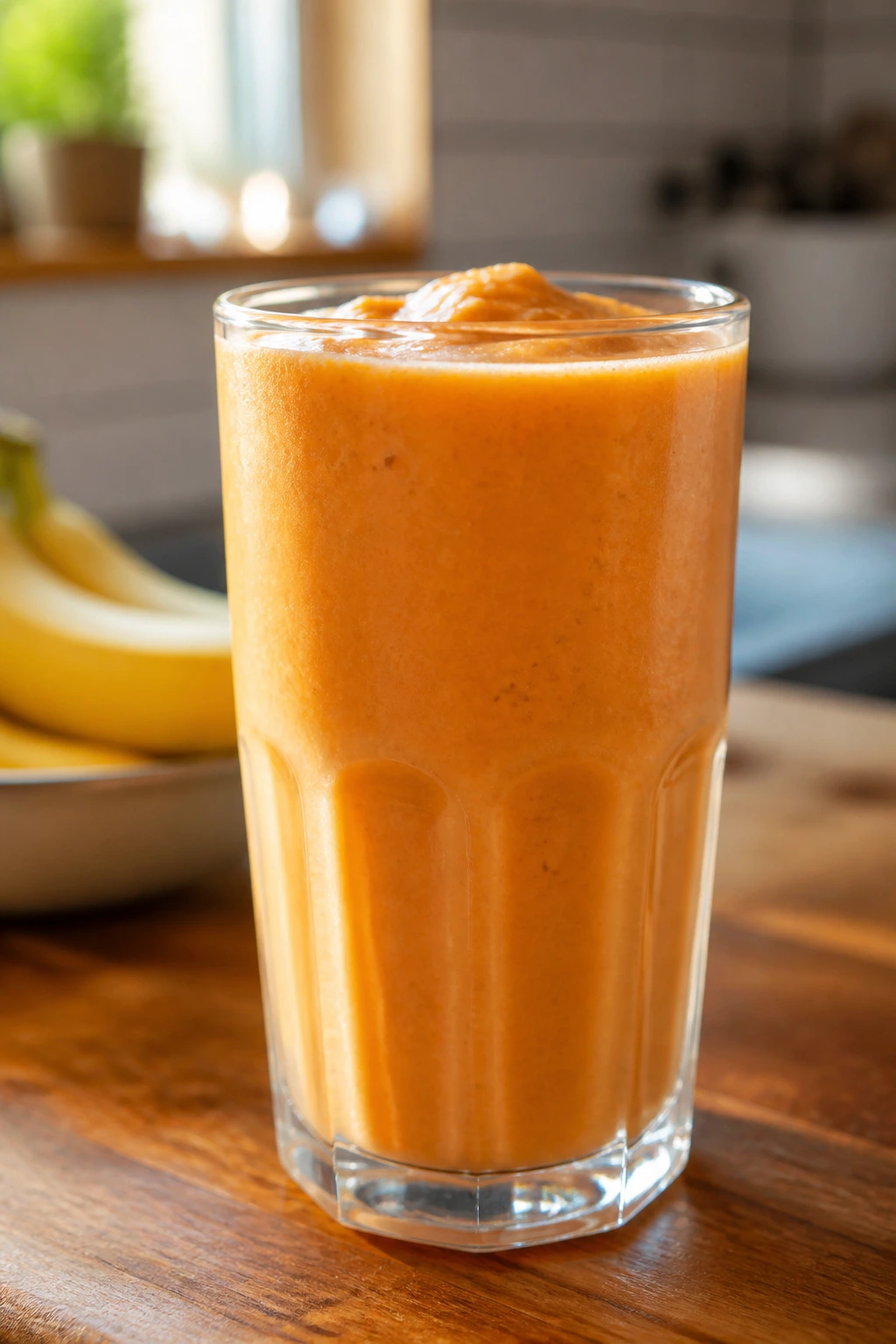
Thai tea already has color, spice, and a little sweetness built in, so the smoothie doesn’t need much else to feel finished. Coconut milk makes it creamy, and frozen banana gives it the thick, almost custardy texture that Thai tea begs for. It tastes like a café drink with fewer moving parts.
Why It Works:
Thai tea is strong and aromatic, which means it can survive being blended with banana and coconut. The coconut milk smooths out the tea’s tannins, and the banana keeps the drink cold without ice. This is one of the few recipes here that can taste almost like a milkshake if you blend it long enough.
Key Ingredients:
- 1 cup strongly brewed Thai tea, chilled
- 1 frozen banana, sliced
- 3/4 cup chilled coconut milk beverage
Quick Steps:
- Brew the Thai tea and chill it until cold.
- Add tea, banana, and coconut milk to the blender.
- Blend until thick and orange-brown with no banana streaks.
- Blend another 10 seconds if you want it smoother.
- Serve right away.
Equipment for This Recipe:
- Blender
- Measuring cup
- Glass
- Spatula
How to Serve This Dish:
Serve it in a clear glass or a small mason jar. The color is part of the appeal, and the coconut aroma comes up as soon as you pour it.
Pro Tips for This Recipe:
- Use real brewed Thai tea or a strong Thai tea concentrate for better flavor.
- Frozen banana is non-negotiable here if you want the texture to stay thick.
- Coconut milk beverage blends more cleanly than canned coconut milk.
Variations on This Dish:
- Sweeter Version: Use a very ripe banana and a sweeter tea blend.
- Creamier Version: Swap the coconut milk beverage for half coconut milk and half water in a different batch.
Common Mistakes to Avoid with This Dish:
- Using weak tea: The banana and coconut flatten it out.
- Pouring while warm: The smoothie loses its body fast.
13. Apple Chai Oat Smoothie
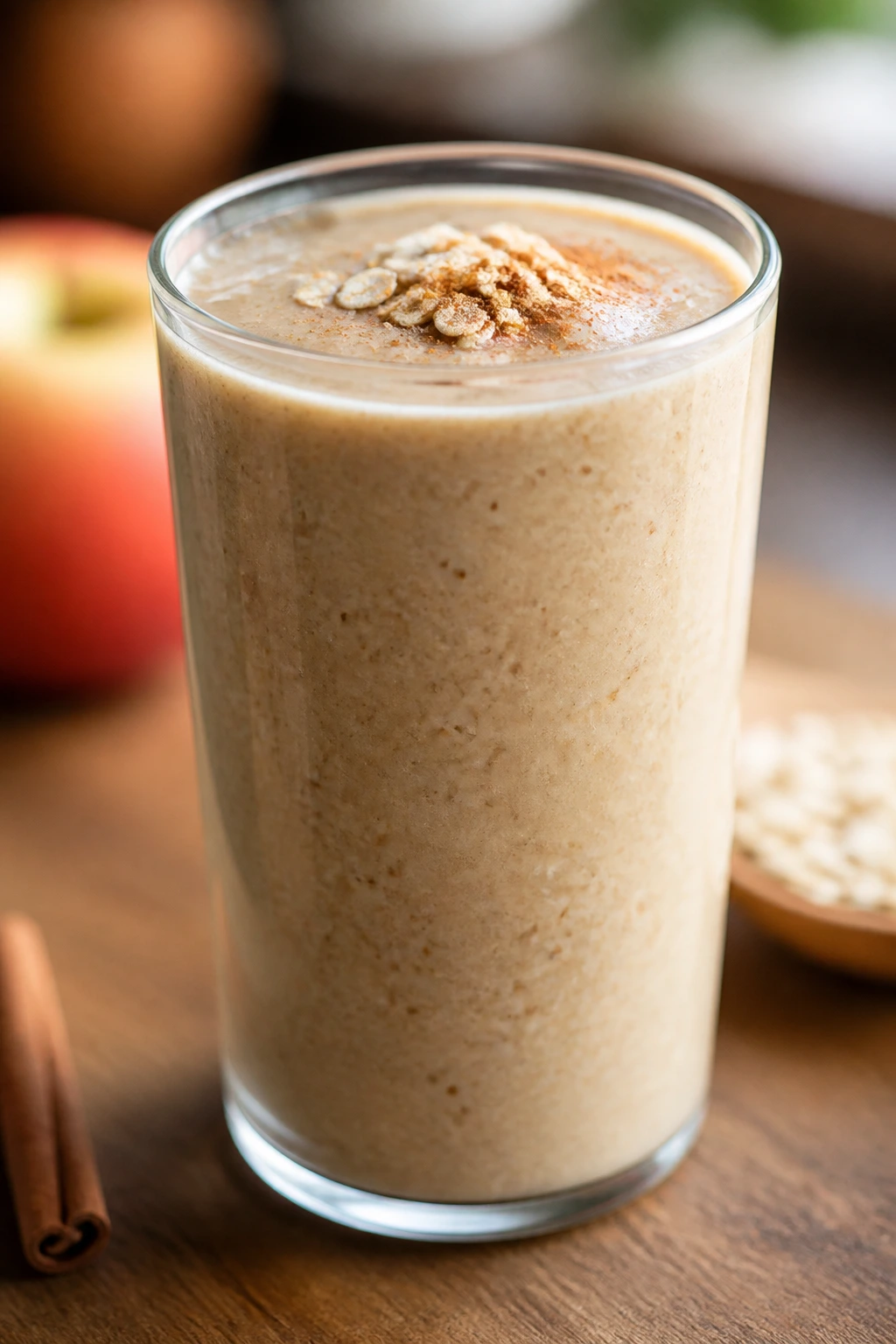
Apple and chai feel familiar in the best possible way, but the oat takes this beyond a flavored drink and turns it into something that actually holds you over. The texture is soft and cereal-like without tasting like breakfast mash. It’s one of the more grounded smoothies in the group, and I mean that kindly.
Why It Works:
Chai gives the apple some warmth and keeps the drink from tasting watery. Oats thicken the blend naturally, which means you don’t need banana or yogurt to create body. A sweet apple, like Fuji or Gala, works best because the drink has no extra sweetener to hide behind.
Key Ingredients:
- 1 cup chai tea, chilled
- 1 medium sweet apple, cored and chopped
- 1/3 cup rolled oats
Quick Steps:
- Brew the chai and chill it fully.
- Core and chop the apple into small pieces.
- Add tea, apple, and oats to the blender.
- Blend longer than you would with frozen fruit, until the oats break down and the drink looks smooth.
- Let it sit for 1 minute if you want the oats to soften a little more, then drink.
Equipment for This Recipe:
- Blender
- Knife and cutting board
- Measuring cup
- Glass
How to Serve This Dish:
Pour it into a medium glass or even a travel cup if you’re taking it out the door. It’s denser than the berry smoothies, so a straw may struggle a bit.
Pro Tips for This Recipe:
- Use rolled oats, not steel-cut oats. Steel-cut oats stay gritty.
- A sweeter apple matters because the chai spice doesn’t provide sweetness on its own.
- Blend a little longer than usual to keep the oats from feeling sandy.
Variations on This Dish:
- Soaked-Oat Version: Let the oats sit in the chilled tea for 10 minutes before blending.
- Cinnamon-Heavy Version: Use a spicier chai if you want a stronger fall-style flavor.
Common Mistakes to Avoid with This Dish:
- Using too much oat: The smoothie turns pasty.
- Leaving the apple chunks too large: They don’t blend evenly and you get sharp pieces.
14. Blackberry White Tea Yogurt Smoothie
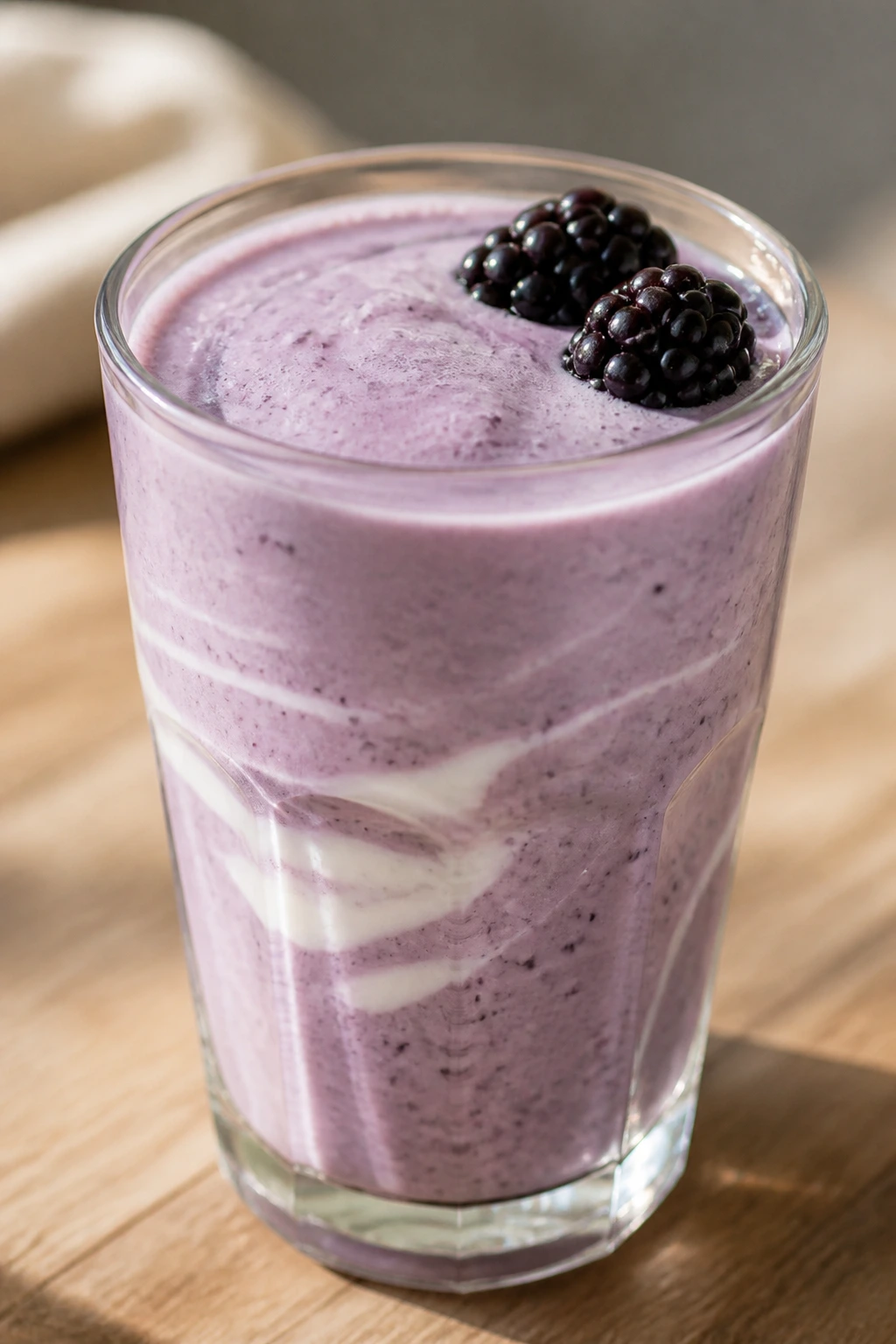
White tea is gentler than black tea, so it lets blackberries show off without making the drink harsh. Yogurt fills in the gaps and gives the smoothie a pale lavender tint that looks soft but tastes sharper than it looks. That contrast is half the fun.
Why It Works:
White tea has a light, clean flavor that won’t overwhelm delicate fruit. Blackberries bring color and acid, while yogurt gives the smoothie enough structure to feel finished. Because white tea is subtle, you need to brew it with care or it disappears completely.
Key Ingredients:
- 1 cup white tea, chilled
- 1 cup frozen blackberries
- 3/4 cup plain Greek yogurt
Quick Steps:
- Brew the white tea and chill it until cold.
- Add tea, blackberries, and yogurt to the blender.
- Blend until the berries are fully broken down.
- Blend an extra 10 seconds if the seeds still show up too much.
- Serve immediately.
Equipment for This Recipe:
- Blender
- Measuring cup
- Fine-mesh sieve, optional
- Glass
How to Serve This Dish:
Use a chilled clear glass so the pale purple color reads cleanly. It’s good on its own, though a slice of toast or a few crackers makes a decent side.
Pro Tips for This Recipe:
- White tea should not be brewed too hot or too long; it can turn sharp fast.
- Frozen blackberries work better than fresh because they deepen the texture.
- If the seeds bother you, strain after blending.
Variations on This Dish:
- Lighter Version: Use kefir instead of Greek yogurt.
- Brighter Version: Add a few more blackberries and keep the tea subtle.
Common Mistakes to Avoid with This Dish:
- Brewing white tea like black tea: It can get bitter.
- Using watery yogurt: It thins the smoothie and weakens the berry flavor.
15. Cranberry Hibiscus Orange Smoothie
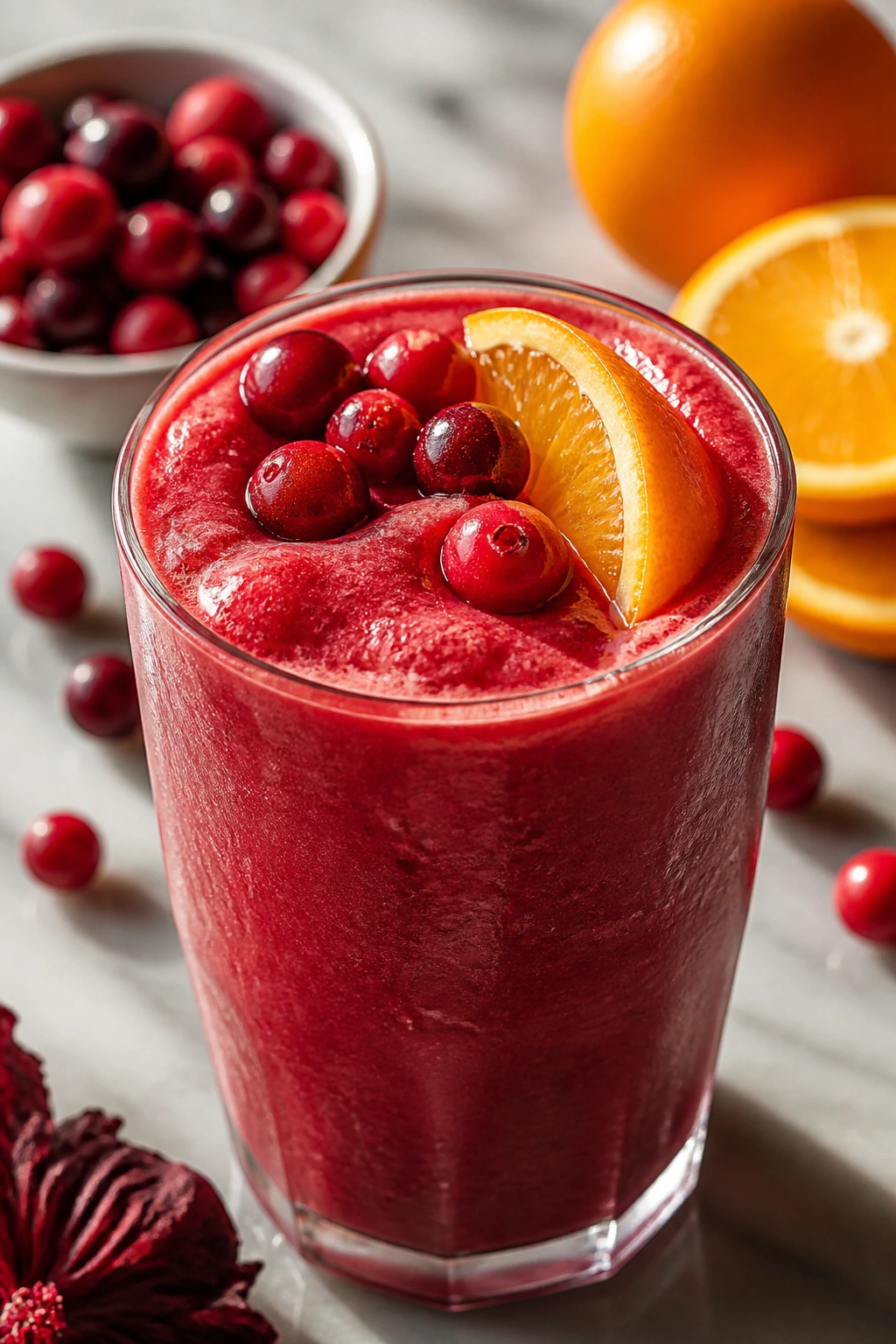
This one tastes like sharp fruit with purpose. Hibiscus brings cranberry-like acidity, the frozen cranberries sharpen it further, and orange pulls the whole drink back from the edge so it stays bright instead of harsh. It’s tart, vivid, and not shy.
Why It Works:
Cranberries alone can be punishing in a smoothie, but orange gives them a sweet, juicy counterpoint. Hibiscus reinforces the red-fruit note and keeps the flavor clean. This recipe depends on using a fully ripe orange so the final sip doesn’t come out too sour.
Key Ingredients:
- 1 cup hibiscus tea, chilled
- 1 cup frozen cranberries
- 1 peeled orange, seeded and broken into segments
Quick Steps:
- Brew the hibiscus tea and chill it completely.
- Peel and seed the orange.
- Add tea, cranberries, and orange to the blender.
- Blend until smooth and deep red.
- Taste the texture by smell alone first; if it still seems icy, blend a few seconds more.
Equipment for This Recipe:
- Blender
- Knife
- Measuring cup
- Glass
How to Serve This Dish:
Serve it cold in a tall glass with no garnish unless you want an orange peel twist on the rim. It’s a strong flavor, so a small portion often feels right.
Pro Tips for This Recipe:
- Frozen cranberries are intensely tart; that’s the point, but don’t expect a sweet drink.
- Use a seedless orange if you want the blending step to move faster.
- Chill the tea hard so the cranberries don’t melt into something watery.
Variations on This Dish:
- Softer Version: Replace half the cranberries with strawberries.
- Creamier Version: Swap the orange for a ripe peach in a different batch.
Common Mistakes to Avoid with This Dish:
- Expecting sweetness from cranberries: They won’t give it.
- Using a dull orange: The smoothie turns flat and loses its brightness.
16. Coconut Matcha Banana Smoothie
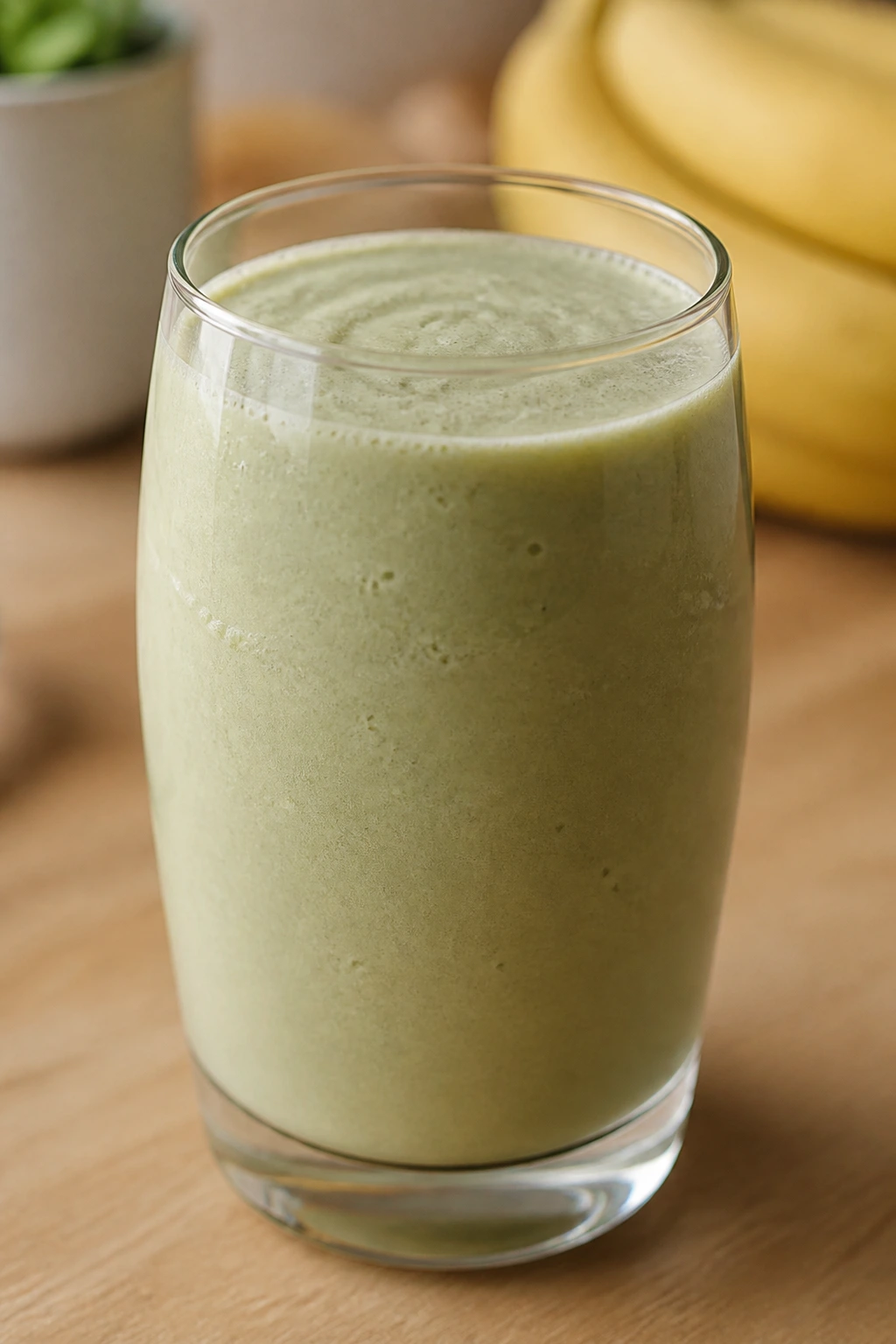
Coconut milk, matcha, and banana sound almost too neat, but the combination holds up because each ingredient has a clear role. Coconut provides the fat, banana brings the body, and matcha gives the whole thing its green tea edge. It’s smooth, pale, and a little more restrained than the pineapple version.
Why It Works:
Matcha blends best when it has a creamy liquid to ride in, and coconut milk does that job without drowning the tea. Banana cuts the bitterness and gives the smoothie a soft, almost pudding-like finish. If you want a drink that tastes clean rather than tropical, this is the one.
Key Ingredients:
- 1 cup chilled coconut milk beverage
- 1 frozen banana, sliced
- 1 teaspoon matcha powder
Quick Steps:
- Add the coconut milk and matcha to the blender first.
- Blend briefly until the powder disappears.
- Add the frozen banana.
- Blend until the mixture is pale green and smooth.
- Pour into a glass right away.
Equipment for This Recipe:
- Blender
- Measuring spoon
- Spatula
- Glass
How to Serve This Dish:
Serve it in a short glass so the pale green color looks dense and creamy. It makes a decent breakfast drink on its own because the banana gives it enough weight.
Pro Tips for This Recipe:
- Sift the matcha if it tends to clump.
- Use a banana that was frozen ripe, not green.
- Coconut milk beverage keeps the drink drinkable; canned coconut milk can make it too rich.
Variations on This Dish:
- Thicker Version: Freeze the coconut milk in cubes and use those instead of liquid.
- Sharper Version: Use a little less banana if you want more matcha bite.
Common Mistakes to Avoid with This Dish:
- Leaving matcha dry in the blender: It sticks to the sides.
- Overdoing the banana: The tea disappears under the sweetness.
17. Plum Black Tea Yogurt Smoothie
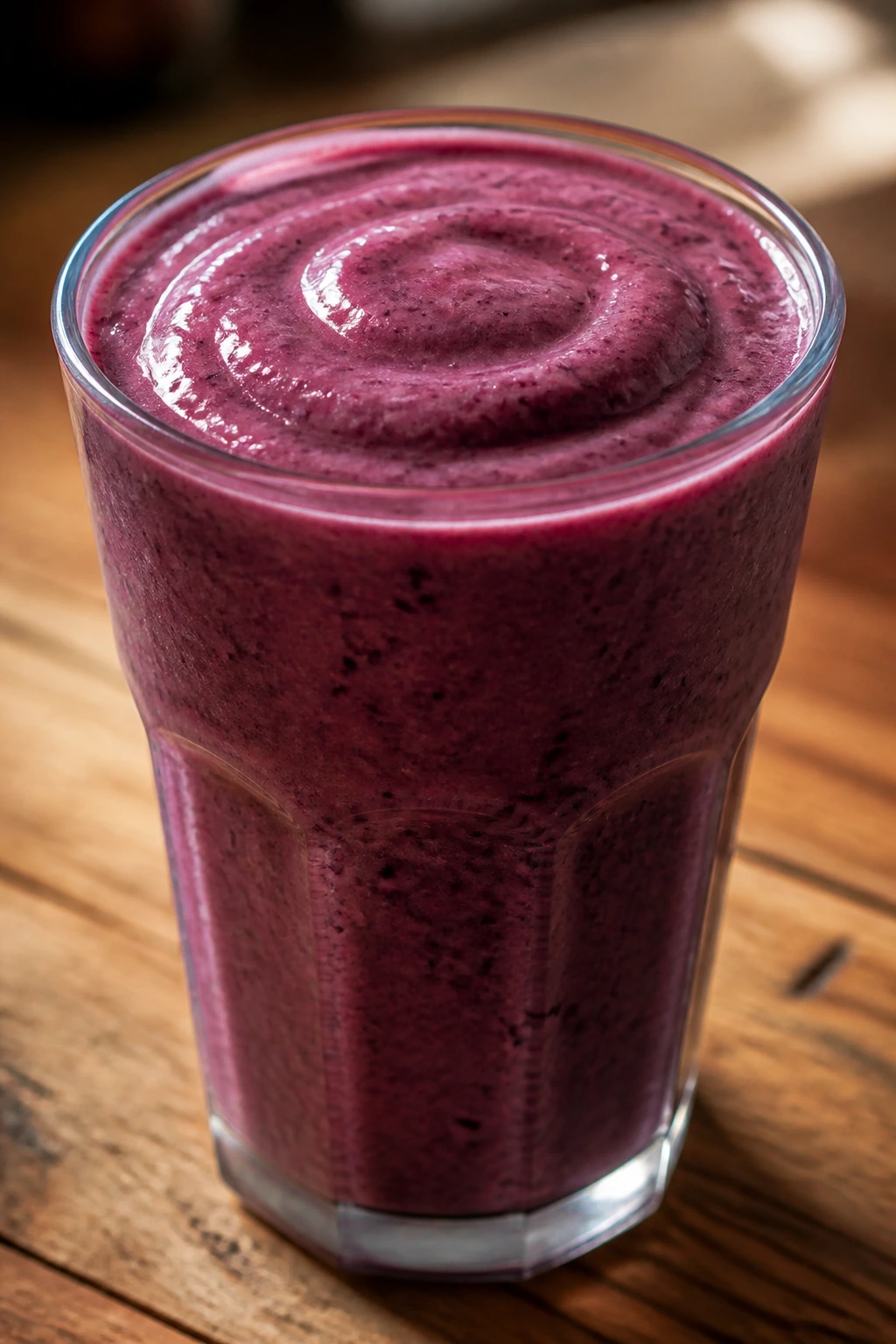
Plums are one of those fruits that taste better when a little tannin is involved, which is why black tea fits them so well. The yogurt keeps the fruit from getting too sharp, and the color turns a deep dusty purple that looks heavier than it drinks. It’s a smart use of plum season, though the recipe works with good frozen plums too.
Why It Works:
Black tea gives plum a darker, rounder edge. Yogurt softens the fruit’s acidity and makes the whole drink more stable in the blender. If the plums are very ripe, the smoothie tastes almost jammy; if they’re just ripe, it stays brighter.
Key Ingredients:
- 1 cup black tea, chilled
- 2 ripe plums, pitted and chopped
- 3/4 cup plain yogurt
Quick Steps:
- Brew and chill the black tea.
- Pit and chop the plums.
- Add tea, plums, and yogurt to the blender.
- Blend until no plum pieces remain.
- Serve cold and drink it soon after blending.
Equipment for This Recipe:
- Blender
- Knife
- Measuring cup
- Glass
How to Serve This Dish:
Pour it into a glass with a wide mouth so the aroma opens up a little. It works especially well as an afternoon snack because it lands between tart and creamy.
Pro Tips for This Recipe:
- Ripe plums blend smoother than hard ones.
- If your plums are very juicy, use Greek yogurt instead of regular yogurt.
- A strong black tea keeps the plum flavor from feeling washed out.
Variations on This Dish:
- Tarter Version: Use more plum and a plainer yogurt.
- Dessert Version: Use vanilla yogurt and let the fruit go extra ripe.
Common Mistakes to Avoid with This Dish:
- Using underripe plums: They stay grainy and sour in the wrong way.
- Brewing thin tea: The fruit takes the lead and the tea vanishes.
18. Lychee Jasmine Lime Smoothie
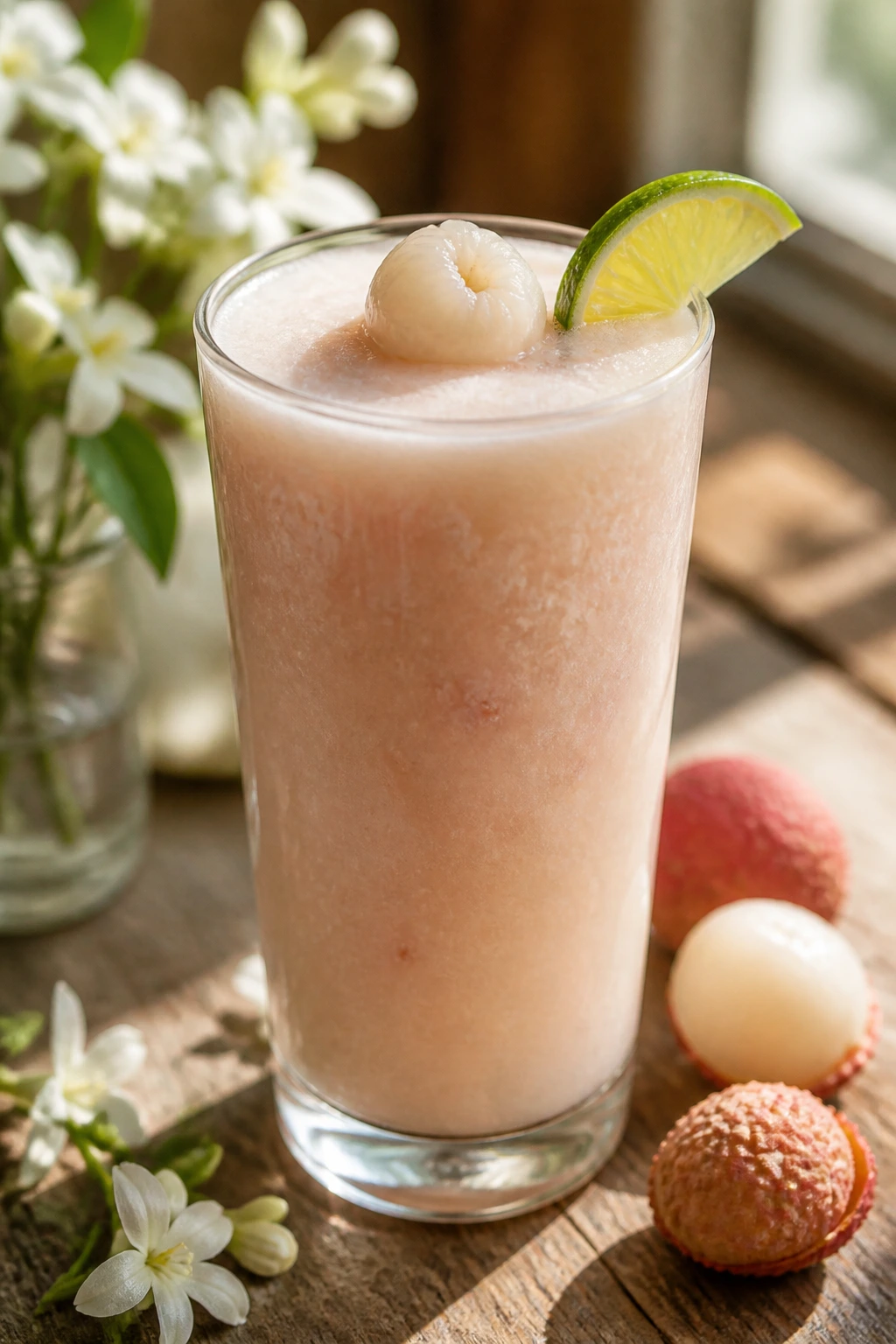
Lychee is sweet, floral, and a little slippery in texture, which makes jasmine tea a natural partner. Lime wakes the whole thing up and keeps it from leaning too perfume-heavy. The result is bright, fragrant, and unmistakably not an ordinary fruit smoothie.
Why It Works:
Jasmine tea amplifies lychee’s floral note without turning it heavy. Lychees are sweet but delicate, so the lime juice gives the drink a small sharp edge that keeps your palate awake. This one benefits from canned lychees if fresh ones are hard to get; just drain them well.
Key Ingredients:
- 1 cup jasmine tea, chilled
- 1 cup canned lychees, well drained
- 1 tablespoon fresh lime juice
Quick Steps:
- Brew the jasmine tea and chill it completely.
- Drain the lychees and measure the lime juice.
- Add all three ingredients to the blender.
- Blend until smooth and pale.
- Serve cold immediately.
Equipment for This Recipe:
- Blender
- Measuring spoon
- Strainer for the lychees
- Glass
How to Serve This Dish:
Serve it in a small glass because the flavor is floral and concentrated. It tastes especially good when the rim is cold from the freezer.
Pro Tips for This Recipe:
- Drain canned lychees well or the drink turns watery.
- Lime juice should be measured, not guessed; a little goes a long way.
- Jasmine tea must be chilled before blending or the lychee flavor goes soft.
Variations on This Dish:
- Sweeter Version: Reduce the lime juice slightly.
- Sharper Version: Add a touch more lime if you want the floral note to stay in check.
Common Mistakes to Avoid with This Dish:
- Using too much lime: It buries the lychee.
- Leaving the lychees wet: The smoothie turns thin fast.
19. Apricot Rooibos Yogurt Smoothie
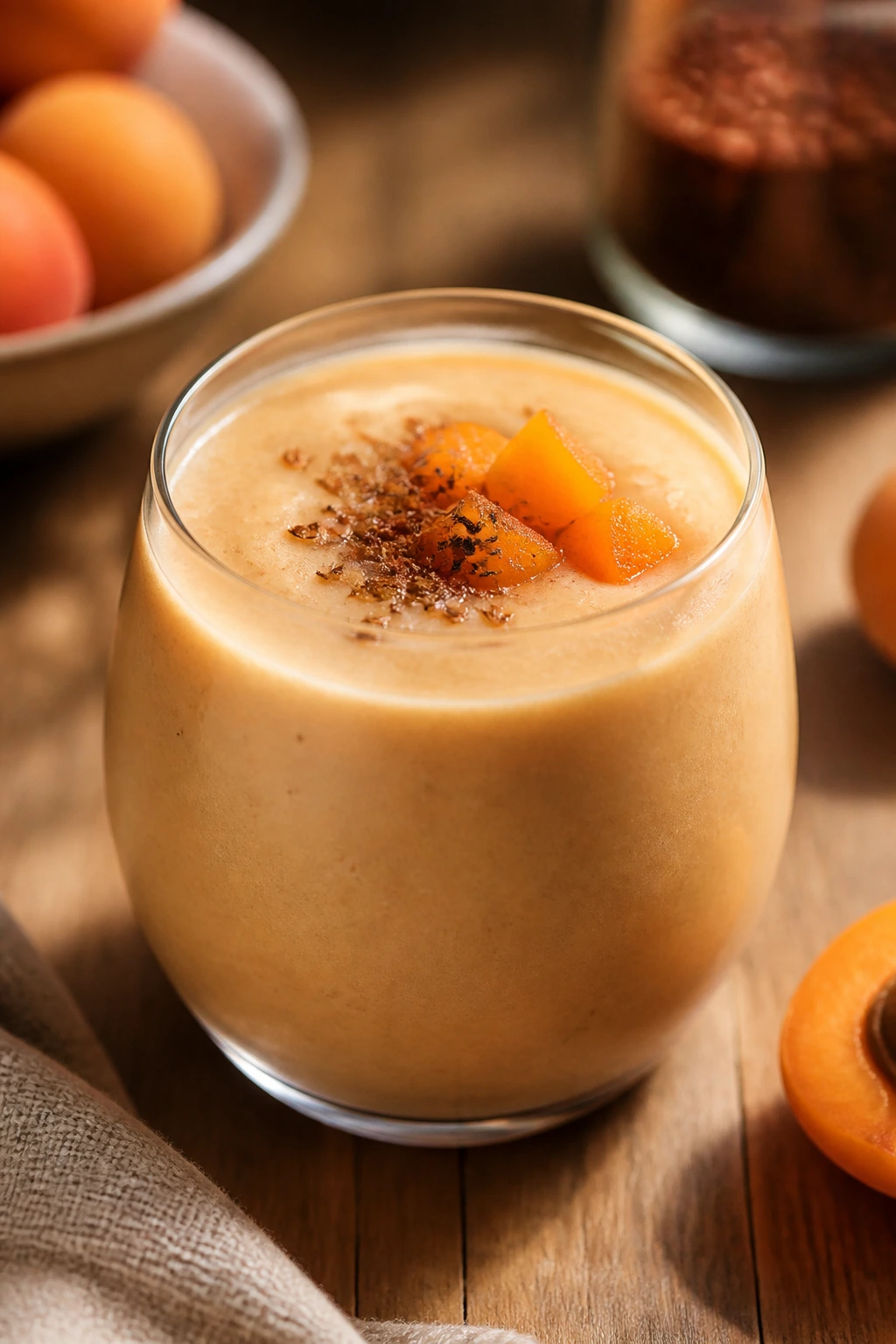
Apricot has a soft, honeyed flavor that feels tailor-made for rooibos. The tea’s vanilla-like depth keeps the fruit from tasting flat, and yogurt gives the drink a mellow creaminess that works at breakfast or later in the day. This one is gentle, but not bland.
Why It Works:
Rooibos is naturally smooth and caffeine-free, so it can support apricot without bringing bitterness into the mix. Apricots have enough sweetness to carry the drink, and yogurt gives the texture a little more weight. Frozen apricots are especially useful because they chill the smoothie without ice.
Key Ingredients:
- 1 cup rooibos tea, chilled
- 1 cup frozen apricot halves
- 3/4 cup plain yogurt
Quick Steps:
- Brew the rooibos and chill it fully.
- Add tea, apricots, and yogurt to the blender.
- Blend until the fruit disappears and the color turns pale peach.
- Blend a little longer if the apricot skins still show.
- Serve cold.
Equipment for This Recipe:
- Blender
- Measuring cup
- Spoon
- Glass
How to Serve This Dish:
Serve it in a rounded glass or a cup with a wide opening. The flavor is soft, so it works well with plain crackers or toast.
Pro Tips for This Recipe:
- Frozen apricots often need a stronger blender than soft fresh fruit.
- Plain yogurt keeps the apricot flavor clearer than vanilla yogurt.
- Rooibos can steep a little longer than green tea, so don’t baby it.
Variations on This Dish:
- Honeyed Version: Use very ripe apricots for a sweeter finish.
- Thicker Version: Swap plain yogurt for Greek yogurt.
Common Mistakes to Avoid with This Dish:
- Using unripe apricots: They stay tart and grainy.
- Underbrewing rooibos: The fruit can flatten it out.
20. Watermelon Mint Green Tea Smoothie
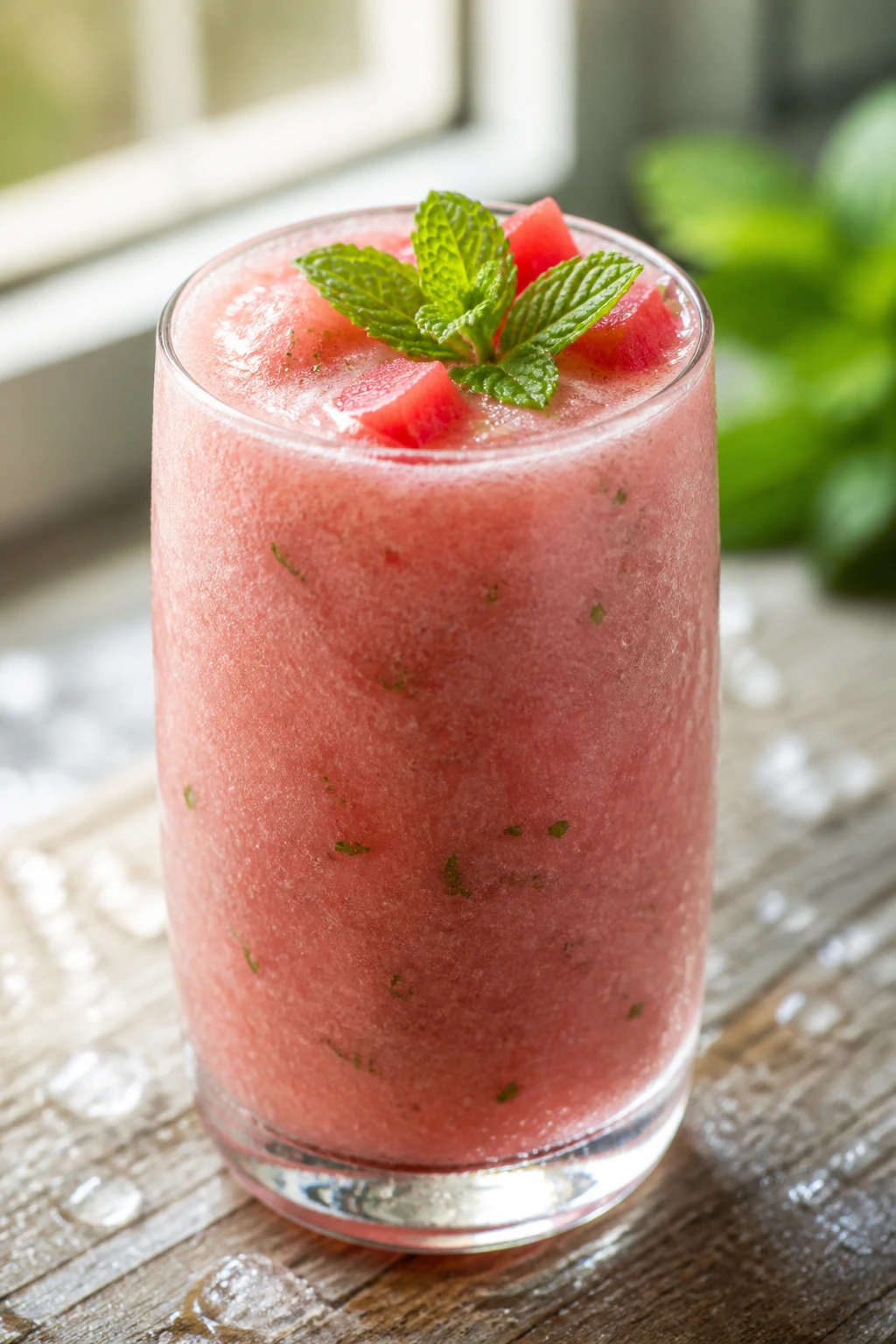
Watermelon in a smoothie can collapse into a watery mess if you don’t freeze it first. Add mint and green tea, though, and it becomes crisp instead of sugary, with a cool finish that feels almost too refreshing for its own good. This is the lightest drink in the set, and that’s the point.
Why It Works:
Green tea keeps watermelon from tasting like pure sugar water. Mint adds coolness without needing extra ingredients, and frozen watermelon cubes give enough body to make the drink feel frosty. This one is best when the watermelon is frozen in advance, because fresh watermelon is too loose.
Key Ingredients:
- 1 cup green tea, chilled
- 2 cups seedless watermelon cubes, frozen
- 6 fresh mint leaves
Quick Steps:
- Brew the green tea and chill it completely.
- Freeze watermelon cubes until firm.
- Add tea, frozen watermelon, and mint to the blender.
- Blend until the mint disappears and the drink looks pale pink.
- Serve immediately while it’s still icy.
Equipment for This Recipe:
- Blender
- Measuring cup
- Small knife, if needed for watermelon
- Glass
How to Serve This Dish:
Serve it in the coldest glass you have, because it drinks best when the edges stay frosty. It’s a good hot-weather style of smoothie without needing any extra sweetness.
Pro Tips for This Recipe:
- Freeze watermelon in a single layer so it doesn’t clump.
- Tear the mint leaves once before blending to wake up the aroma.
- Use a stronger green tea if your melon is extra sweet.
Variations on This Dish:
- Sharper Version: Add one extra mint leaf and keep the tea strong.
- Softer Version: Use a little less mint if you want the watermelon to stay dominant.
Common Mistakes to Avoid with This Dish:
- Using fresh watermelon: It turns thin fast.
- Overloading the mint: The drink starts tasting like toothpaste.
21. Cantaloupe Earl Grey Yogurt Smoothie
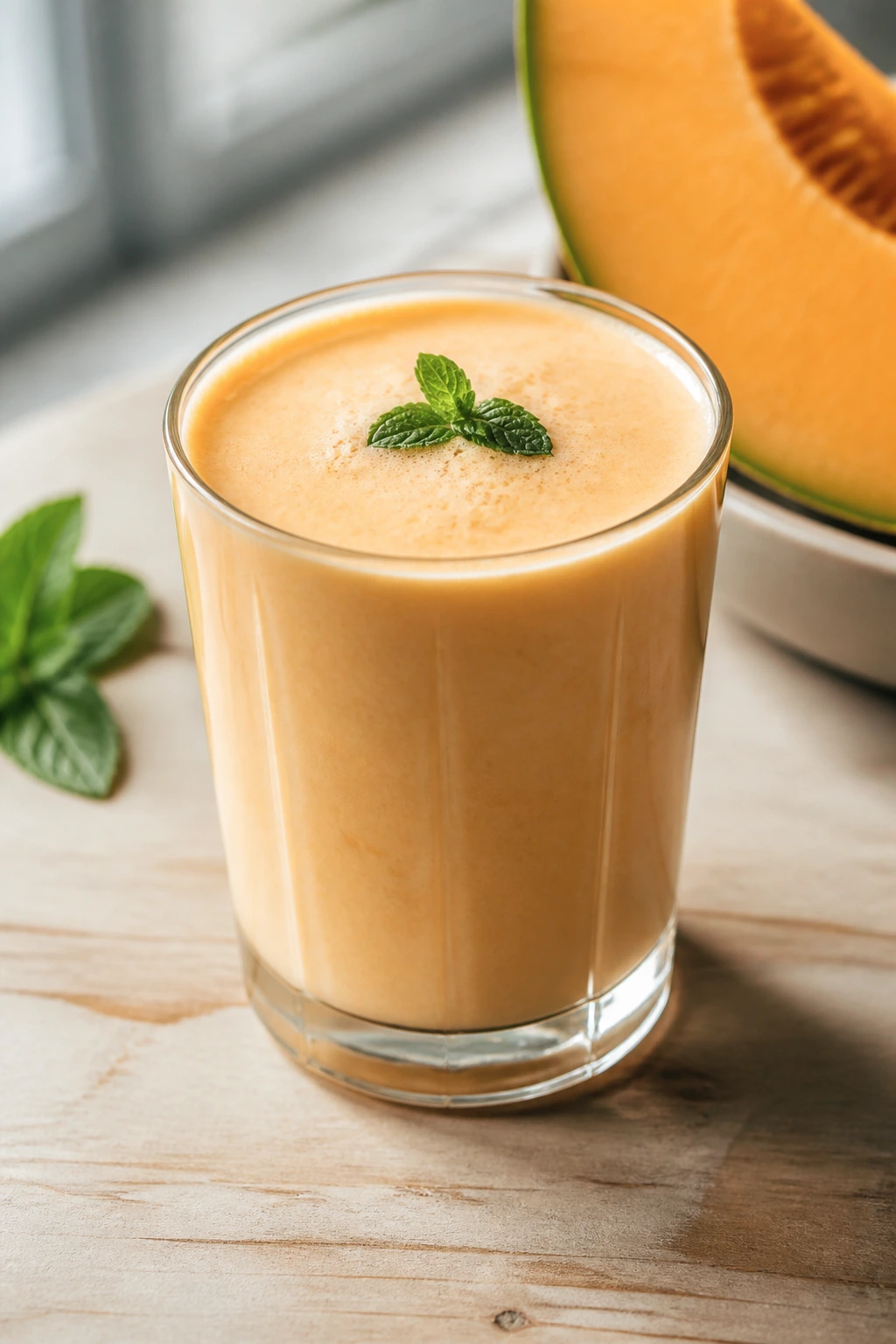
Cantaloupe and Earl Grey sound fancy for about two seconds, then they just taste right. The melon brings soft sweetness, the bergamot adds a citrus-floral edge, and yogurt keeps the drink from becoming all perfume and no structure. It’s mellow, but it has a backbone.
Why It Works:
Cantaloupe is subtle, so Earl Grey gives it shape. Yogurt helps the melon blend into a thicker drink, which matters because cantaloupe is high in water and can get thin fast. A ripe melon with deep color gives the best result.
Key Ingredients:
- 1 cup Earl Grey tea, chilled
- 1 cup frozen cantaloupe cubes
- 3/4 cup plain Greek yogurt
Quick Steps:
- Brew the Earl Grey and chill it thoroughly.
- Freeze cantaloupe cubes until firm.
- Add tea, melon, and yogurt to the blender.
- Blend until the mixture turns pale orange and smooth.
- Serve cold right away.
Equipment for This Recipe:
- Blender
- Measuring cup
- Knife and cutting board
- Glass
How to Serve This Dish:
This is easy to serve in a small breakfast glass or a travel tumbler. The flavor is gentle enough to go with toast, but it also works alone.
Pro Tips for This Recipe:
- Freeze cantaloupe in small cubes; large chunks can stall the blender.
- Use Greek yogurt if your melon is very juicy.
- Don’t steep the tea too long or the bergamot gets sharp.
Variations on This Dish:
- Creamier Version: Use vanilla yogurt for a more dessert-like result.
- Brighter Version: Add a little more tea and keep the melon frozen solid.
Common Mistakes to Avoid with This Dish:
- Using watery melon: It weakens the whole drink.
- Brewing tea that’s too bitter: The delicate fruit can’t hide it.
22. Avocado Matcha Coconut Smoothie
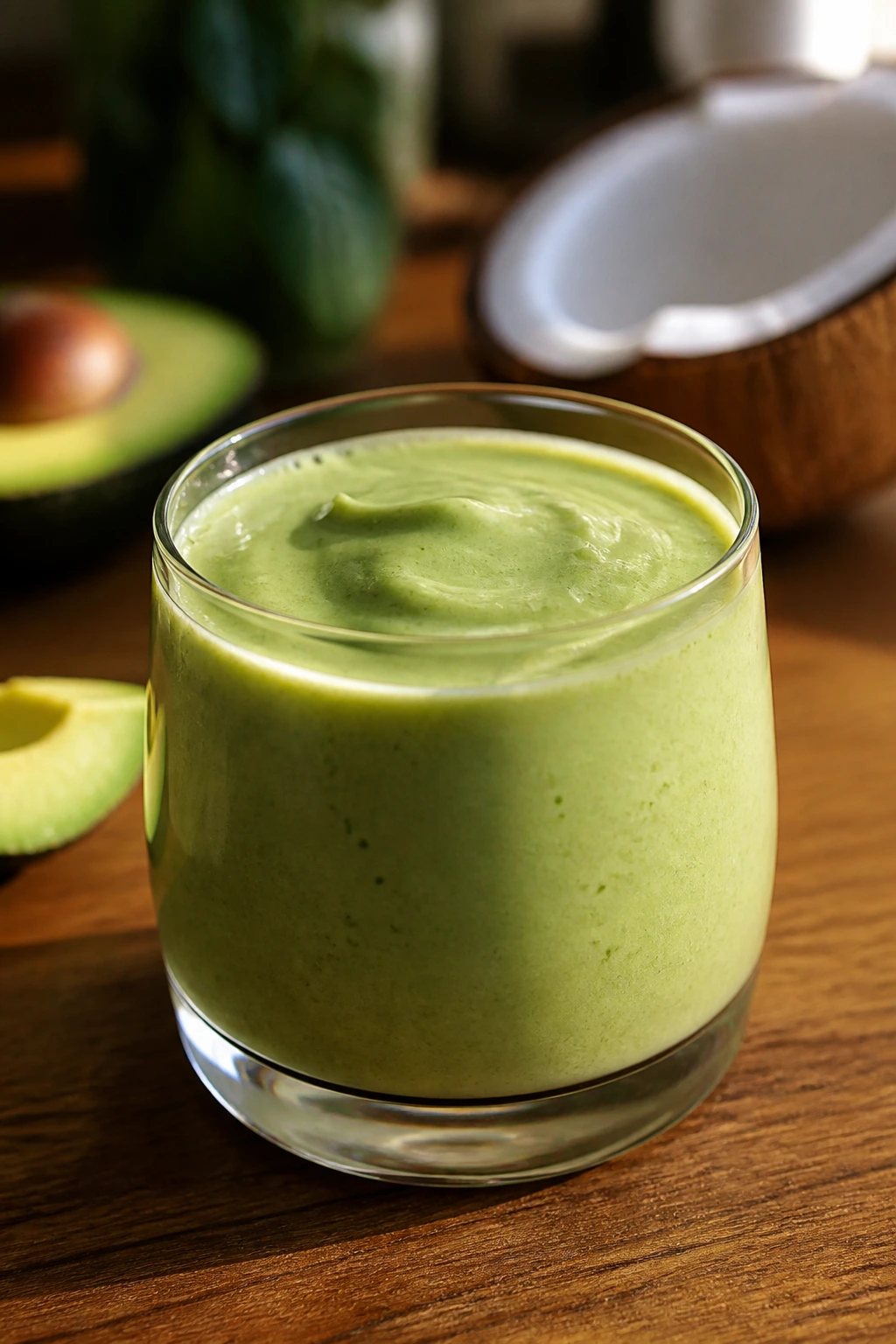
Avocado with matcha sounds richer than it actually tastes. Coconut milk keeps the texture lush, avocado makes it silky, and matcha gives the smoothie a green tea note that is much cleaner than people expect. This is the one for readers who like their smoothies smooth rather than fruity.
Why It Works:
Avocado brings fat and a dense, almost custard-like texture. Matcha needs that kind of support because it can taste dry without enough creaminess around it. Coconut milk makes the drink feel full, while keeping the flavor from becoming heavy or savory.
Key Ingredients:
- 1 cup chilled coconut milk beverage
- 1/2 ripe avocado, peeled and pitted
- 1 teaspoon matcha powder
Quick Steps:
- Add the coconut milk and matcha to the blender first.
- Blend until the powder dissolves.
- Add the avocado.
- Blend until the mixture turns pale green and completely smooth.
- Serve cold.
Equipment for This Recipe:
- Blender
- Measuring spoon
- Knife
- Glass
How to Serve This Dish:
Serve it in a short glass because the texture is richer than most of the fruit-based smoothies here. It works well as a fast lunch or a late morning drink.
Pro Tips for This Recipe:
- Use a fully ripe avocado so the texture stays creamy.
- A little matcha goes a long way; too much turns the drink grassy.
- Coconut milk beverage blends better than thick canned coconut milk in this recipe.
Variations on This Dish:
- Lighter Version: Use coconut water instead of coconut milk.
- Thicker Version: Use a whole small avocado if you want a spoonable texture.
Common Mistakes to Avoid with This Dish:
- Using underripe avocado: The smoothie turns grainy.
- Adding too much matcha: The tea flavor gets sharp and dusty.
23. Date Chai Almond Smoothie
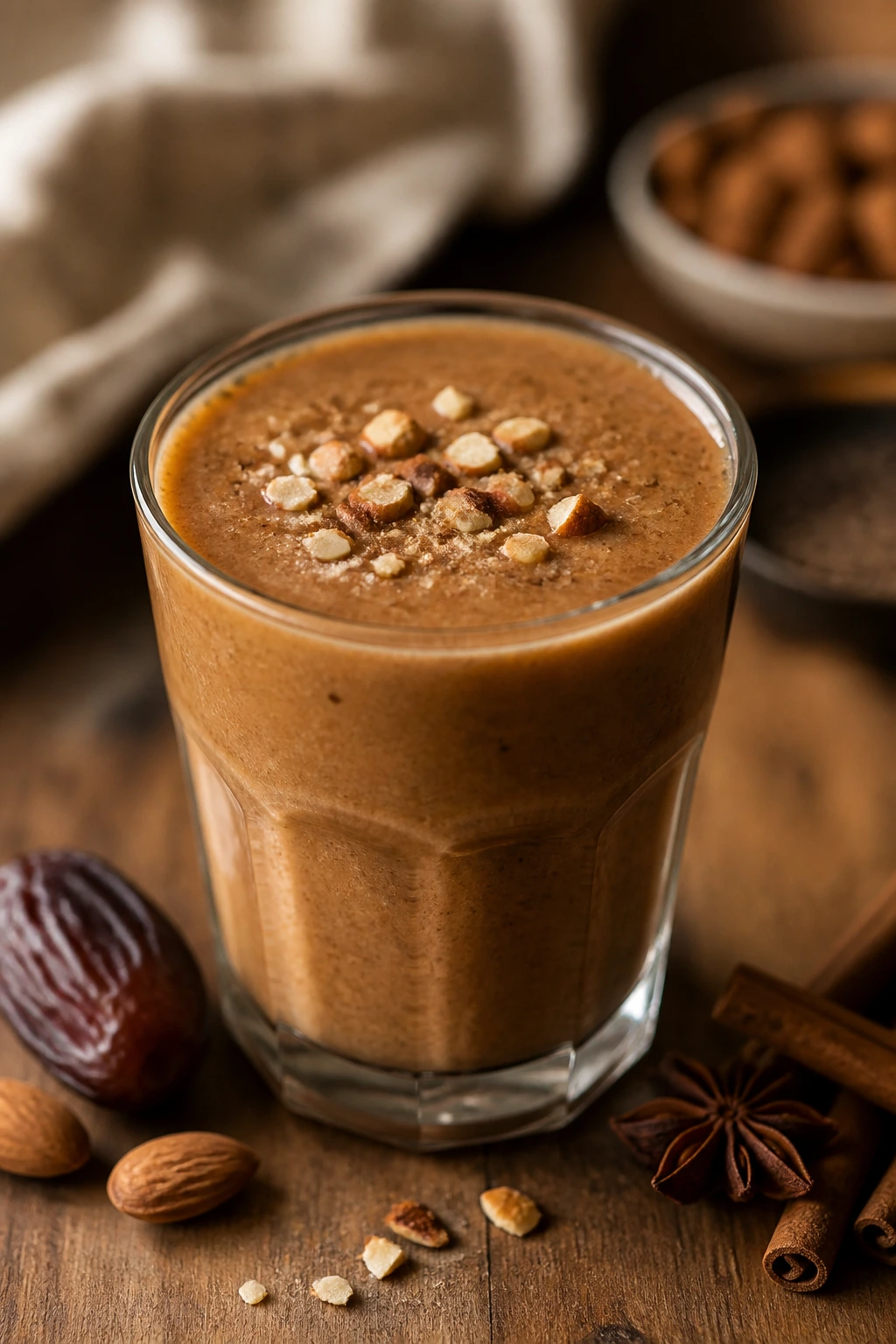
Dates and chai make a naturally sweet, spiced pair that doesn’t need anything else to feel finished. Almond milk keeps the drink leaner than yogurt-based versions, and the dates bring the kind of caramel note that makes chai taste deeper. This one is especially good when you want dessert energy without actually making dessert.
Why It Works:
Medjool dates are soft enough to blend smoothly and sweet enough to cover the tea’s bitterness. Chai gives spice and structure, while almond milk keeps the final texture light and drinkable. If your dates are dry, this recipe gets much easier if you let them soften a little in the tea first.
Key Ingredients:
- 1 cup chai tea, chilled
- 4 soft Medjool dates, pitted
- 3/4 cup unsweetened almond milk
Quick Steps:
- Brew the chai and chill it until cold.
- Pit the dates and tear them in half if they’re large.
- Add tea, dates, and almond milk to the blender.
- Blend until the dates disappear and the drink turns smooth.
- Serve immediately.
Equipment for This Recipe:
- Blender
- Measuring cup
- Knife for splitting dates, if needed
- Glass
How to Serve This Dish:
Serve it in a smaller glass because it tastes richer than it looks. It’s a solid afternoon pick-me-up when you want something sweet but not icy.
Pro Tips for This Recipe:
- Soft Medjool dates blend far better than dry dates.
- If your dates are stubborn, let them sit in the chilled tea for 5 minutes before blending.
- Unsweetened almond milk keeps the chai spice from getting buried.
Variations on This Dish:
- Thicker Version: Use fewer dates and let the smoothie stay more tea-forward.
- Richer Version: Swap almond milk for oat milk in a different batch.
Common Mistakes to Avoid with This Dish:
- Using hard dates: They leave chewy bits.
- Pouring in extra almond milk out of habit: The drink gets thin fast.
24. Raspberry Black Tea Kefir Smoothie
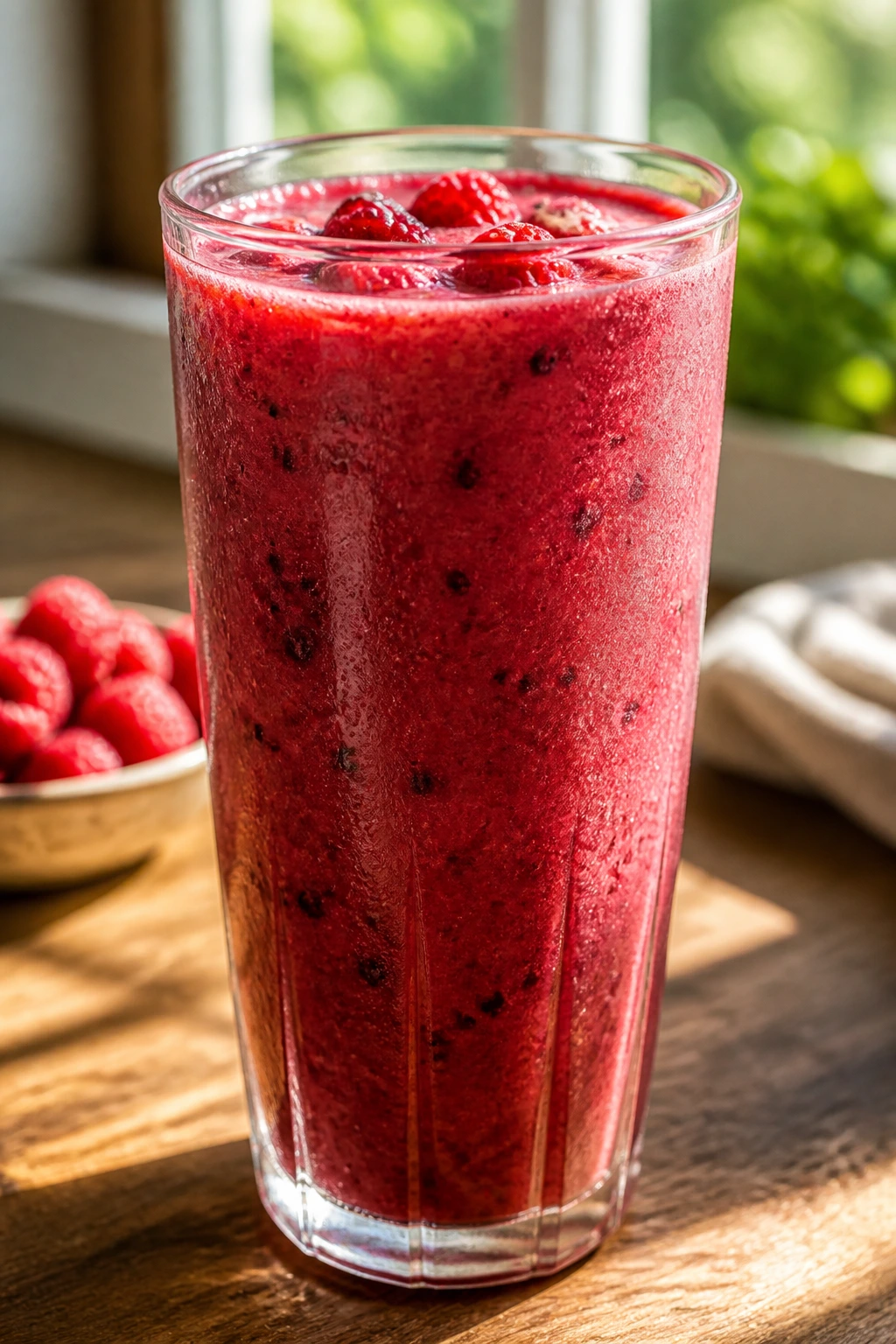
Raspberries and black tea have the kind of tart, bracing flavor that wakes up your palate without needing any sugar. Kefir keeps the drink drinkable and adds a faint tang that makes the berries taste even brighter. It’s sharp in a good way.
Why It Works:
Raspberries can be loud, so black tea is a good match because it has enough backbone to keep up. Kefir softens the edges and gives the smoothie a thinner, pourable body. If the berries are very tart, the tea should be brewed strong enough to stay present after blending.
Key Ingredients:
- 1 cup black tea, chilled
- 1 cup frozen raspberries
- 3/4 cup plain kefir
Quick Steps:
- Brew the black tea and chill it fully.
- Add tea, frozen raspberries, and kefir to the blender.
- Blend until the color turns vivid pink-red.
- Blend a few seconds longer if the seeds still feel too noticeable.
- Serve cold.
Equipment for This Recipe:
- Blender
- Measuring cup
- Sieve, optional
- Glass
How to Serve This Dish:
This one looks best in a clear glass because the color is bright and dramatic. It’s a strong breakfast drink, but it works just as well as a midafternoon reset.
Pro Tips for This Recipe:
- Kefir gives a lighter texture than yogurt.
- Frozen raspberries blend faster than fresh because they help the drink set up.
- If you want less seed texture, strain after blending.
Variations on This Dish:
- Creamier Version: Replace kefir with Greek yogurt.
- Sharper Version: Use extra raspberries and keep the tea very strong.
Common Mistakes to Avoid with This Dish:
- Using weak tea: The berry flavor turns flat.
- Expecting a smooth texture without straining: Raspberry seeds are part of the deal.
25. Fig Black Tea Almond Smoothie
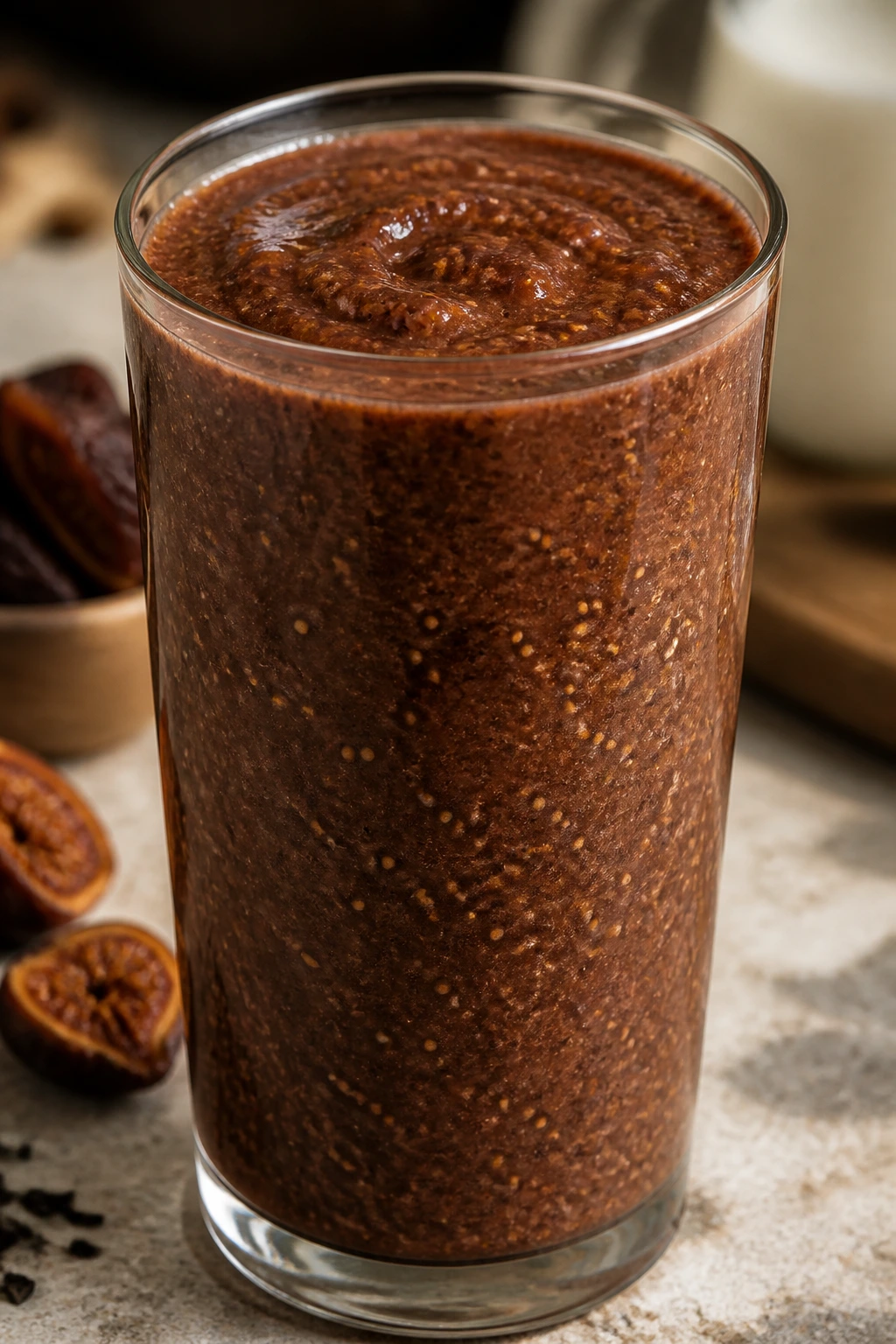
Dried figs give black tea a dark, jammy sweetness that feels richer than a lot of fruit smoothies. Almond milk keeps the drink from getting heavy, and the tea adds enough tannin to stop the figs from tasting like candy. This is one of the most quietly luxurious combinations in the group.
Why It Works:
Dried figs need a little help to blend cleanly, and black tea gives them both liquid and flavor. Almond milk softens the edges while keeping the profile nutty and restrained. If your figs are dry, letting them sit in the tea for a few minutes makes a huge difference.
Key Ingredients:
- 1 cup black tea, hot for soaking and then chilled
- 4 soft dried figs, stems trimmed
- 3/4 cup unsweetened almond milk
Quick Steps:
- Brew the black tea, then pour a few tablespoons over the figs for 5 minutes if they seem dry.
- Chill the tea and softened figs completely.
- Add tea, figs, and almond milk to the blender.
- Blend until smooth, stopping to scrape down the sides if needed.
- Serve right away.
Equipment for This Recipe:
- Blender
- Measuring cup
- Small bowl for soaking
- Glass
How to Serve This Dish:
Serve it in a small glass because the fig flavor is concentrated. It pairs nicely with toast or a handful of nuts, though the smoothie itself is filling.
Pro Tips for This Recipe:
- Soft figs save a lot of blending time.
- Black tea and figs need a strong brew or the fruit dominates.
- Almond milk keeps the finish dry and nutty instead of milky.
Variations on This Dish:
- Sweeter Version: Use more figs and a milder tea.
- Creamier Version: Swap almond milk for oat milk if you want a softer texture.
Common Mistakes to Avoid with This Dish:
- Using hard, dry figs with no soak: They stay chewy.
- Adding too much tea to compensate: The smoothie gets thin and bitter.
26. Tangerine White Tea Strawberry Smoothie
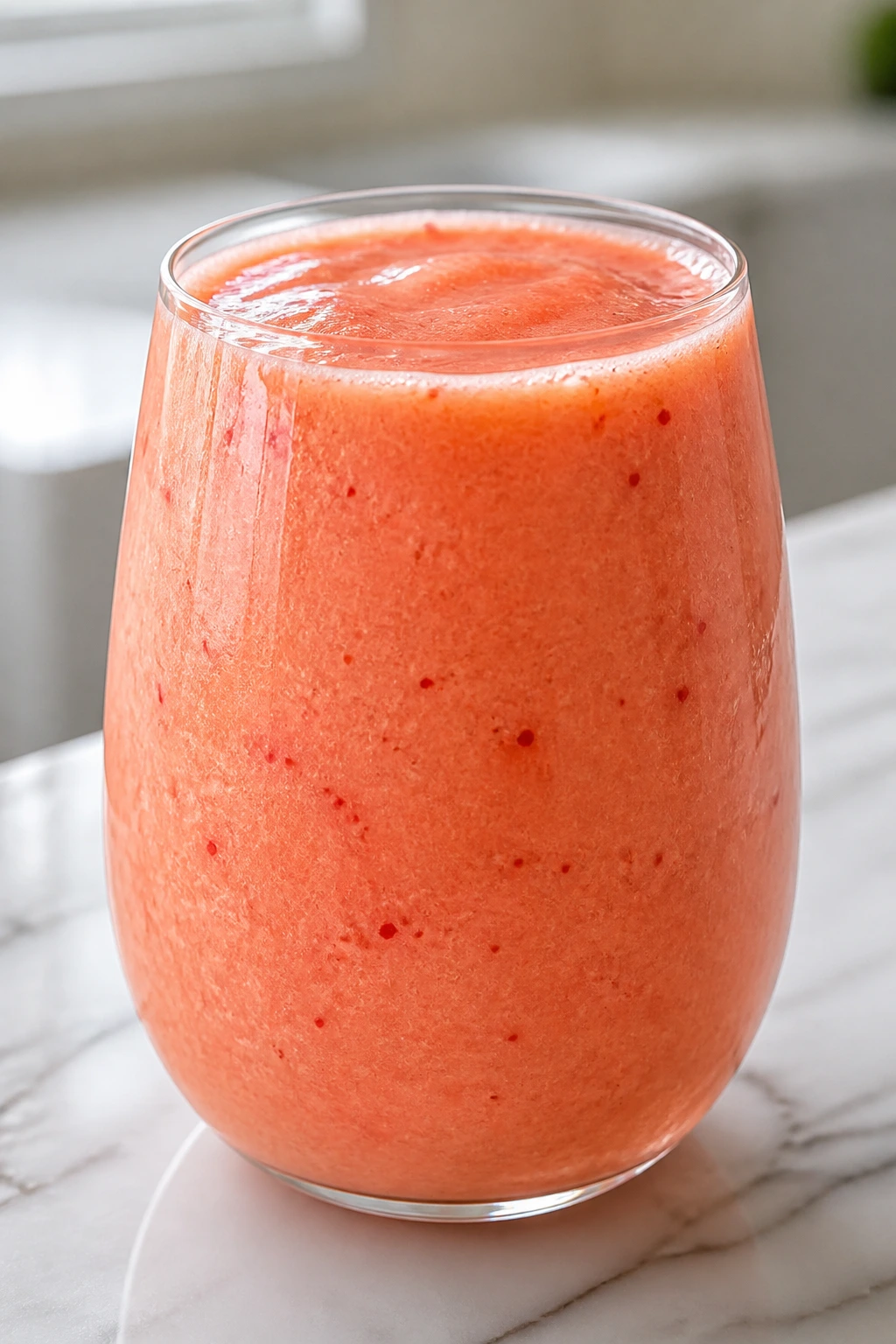
White tea is almost invisible until you pair it with tangerine and strawberry, and then it suddenly makes sense. The citrus lifts the berries, the berries give body, and the tea keeps the drink light instead of syrupy. This tastes like spring without trying too hard.
Why It Works:
Tangerine brings juice and brightness, while strawberries provide sweetness and color. White tea is delicate enough to support both without turning bitter. Because the fruit carries a lot of water, the tea needs to be chilled hard so the smoothie doesn’t go slack.
Key Ingredients:
- 1 cup white tea, chilled
- 1 peeled tangerine, seeded if needed
- 1 cup frozen strawberries
Quick Steps:
- Brew the white tea and chill it completely.
- Peel the tangerine and remove any seeds.
- Add tea, tangerine, and strawberries to the blender.
- Blend until the color turns soft coral and the texture looks even.
- Serve immediately.
Equipment for This Recipe:
- Blender
- Knife
- Measuring cup
- Glass
How to Serve This Dish:
Serve it in a clear glass with a narrow shape if you want the coral color to stand out. It makes a good light breakfast or an afternoon drink when you want something fruit-forward but not heavy.
Pro Tips for This Recipe:
- A sweet tangerine matters more than a huge one.
- White tea should stay gentle; don’t force it with a long steep.
- Frozen strawberries help the drink hold its body better than fresh ones.
Variations on This Dish:
- Brighter Version: Add a second tangerine segment if you want more citrus.
- Creamier Version: Swap a few strawberries for Greek yogurt in another batch.
Common Mistakes to Avoid with This Dish:
- Using too much citrus without enough berry: The drink gets sharp and thin.
- Overbrewing white tea: It loses the lightness that makes this pairing work.
27. Pineapple Oolong Banana Smoothie
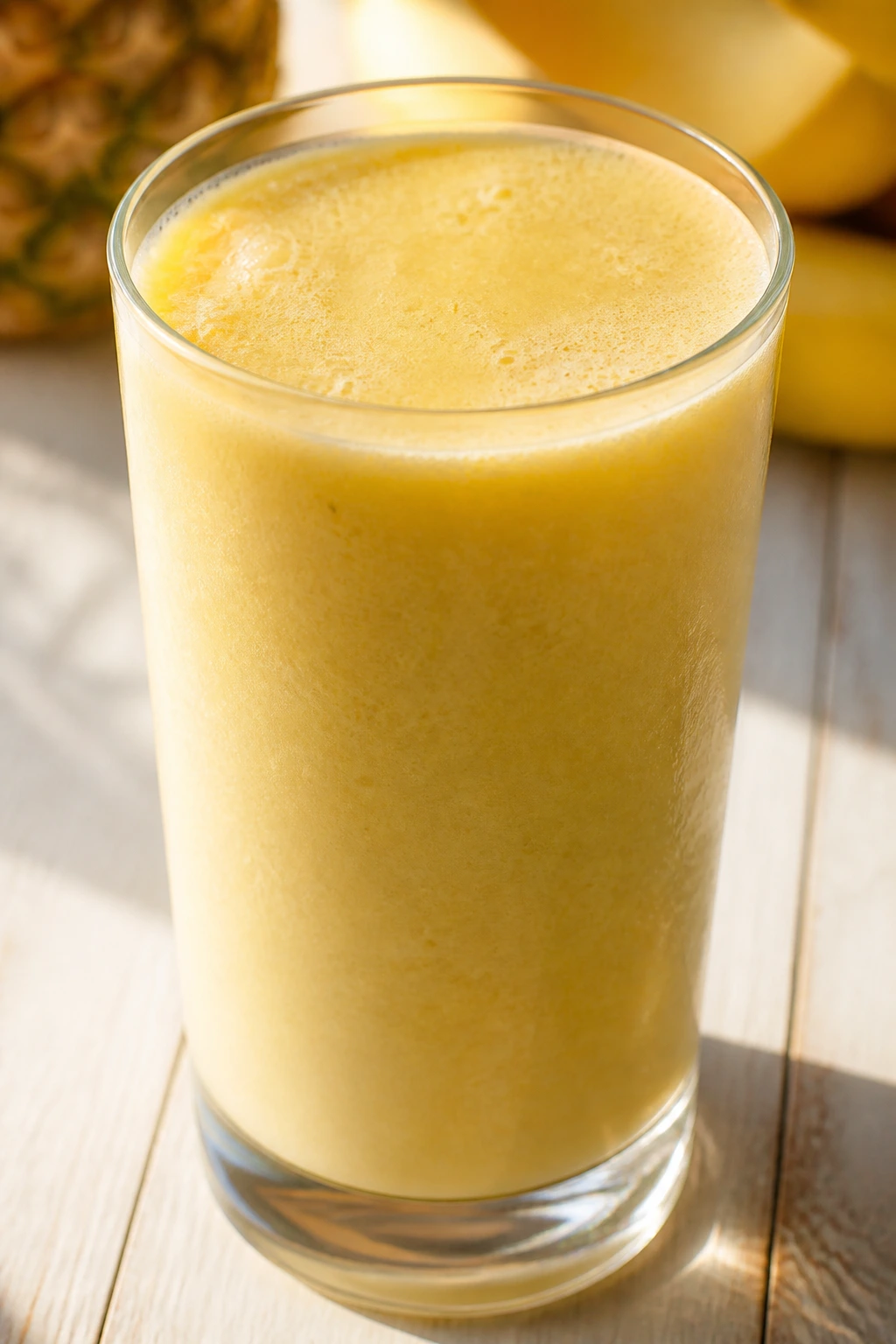
Oolong brings a toasted, almost honeyed note that gives pineapple a little more depth than green tea would. Banana fills out the texture and keeps the acid from getting too sharp. This is a smart middle-ground smoothie: bright enough for daytime, smooth enough to feel finished.
Why It Works:
Pineapple needs a tea with some body, and oolong has exactly that. Banana rounds the edges and helps the smoothie thicken without ice. Brew the tea strongly enough that it still tastes like tea after the pineapple hits it.
Key Ingredients:
- 1 cup oolong tea, chilled
- 1 cup frozen pineapple chunks
- 1 frozen banana, sliced
Quick Steps:
- Brew the oolong and chill it fully.
- Add tea, pineapple, and banana to the blender.
- Blend until smooth and pale gold.
- Stop and scrape if the pineapple wedges stick.
- Serve cold right away.
Equipment for This Recipe:
- Blender
- Measuring cup
- Spatula
- Glass
How to Serve This Dish:
Serve it in a tall glass so the pale gold color reads cleanly. It’s good on its own, but it also works with a slice of toast if you want something to eat with it.
Pro Tips for This Recipe:
- Oolong does better with a slightly longer steep than green tea.
- Frozen pineapple provides more body than fresh pineapple.
- A ripe banana keeps the drink from tasting tart in a rough way.
Variations on This Dish:
- Sharper Version: Reduce the banana slightly and let the pineapple lead.
- Creamier Version: Add yogurt in another batch if you want a thicker body.
Common Mistakes to Avoid with This Dish:
- Using weak oolong: The pineapple swallows it.
- Adding too much banana: The tea gets buried and the smoothie turns heavy.
28. Mint Tea Cocoa Banana Smoothie
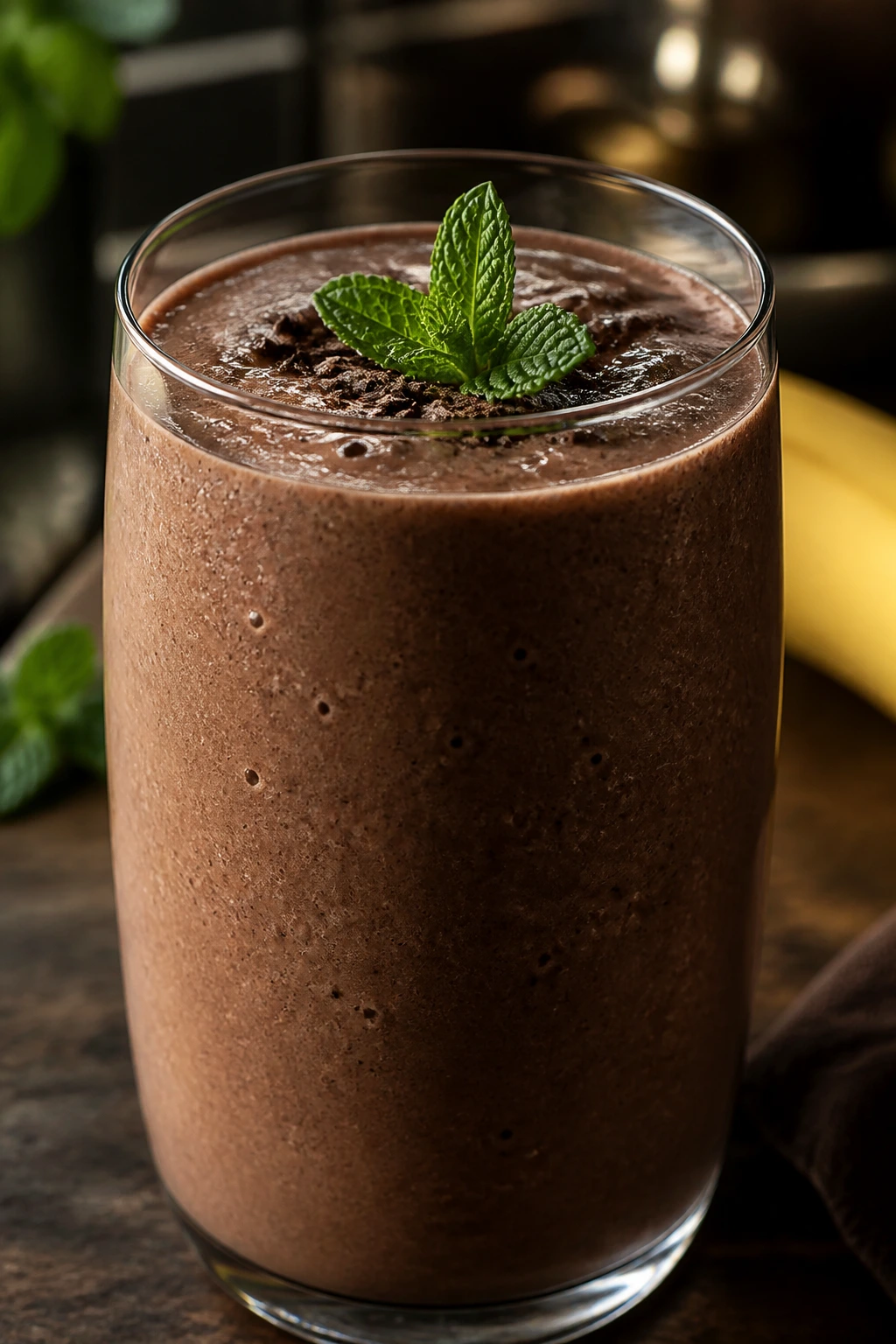
Mint tea and cocoa sound like an after-dinner drink because that’s exactly how they behave. The banana ties the mint and cocoa together so the smoothie doesn’t taste like dessert one second and toothpaste the next. When it works, it’s cool, dark, and surprisingly balanced.
Why It Works:
Mint tea gives the drink a cold, clean edge, and cocoa adds bitterness that keeps the banana from being too sweet. Banana is the bridge ingredient here; it carries both flavors and makes the smoothie thick enough to feel like a treat. Keep the cocoa modest or it takes over fast.
Key Ingredients:
- 1 cup mint tea, chilled
- 1 frozen banana, sliced
- 1 tablespoon unsweetened cocoa powder
Quick Steps:
- Brew the mint tea and chill it completely.
- Add tea, banana, and cocoa to the blender.
- Blend until the cocoa disappears and the color turns light brown.
- Blend a few seconds longer if the cocoa clings to the sides.
- Serve cold.
Equipment for This Recipe:
- Blender
- Measuring spoon
- Measuring cup
- Glass
How to Serve This Dish:
Serve it in a short glass because the flavor is concentrated and the color is dark. It works well when you want something that feels dessert-adjacent but still cold and drinkable.
Pro Tips for This Recipe:
- Use unsweetened cocoa, not sweetened drink mix.
- If the mint is very strong, reduce the steeping time a little.
- Frozen banana keeps the cocoa from tasting harsh.
Variations on This Dish:
- Richer Version: Use a riper banana for more sweetness.
- Cooler Version: Add a few extra mint leaves if you want the tea to feel sharper.
Common Mistakes to Avoid with This Dish:
- Too much cocoa: It muddies the mint.
- Weak mint tea: The cocoa takes over and the drink loses its point.
29. Peach White Tea Kefir Smoothie
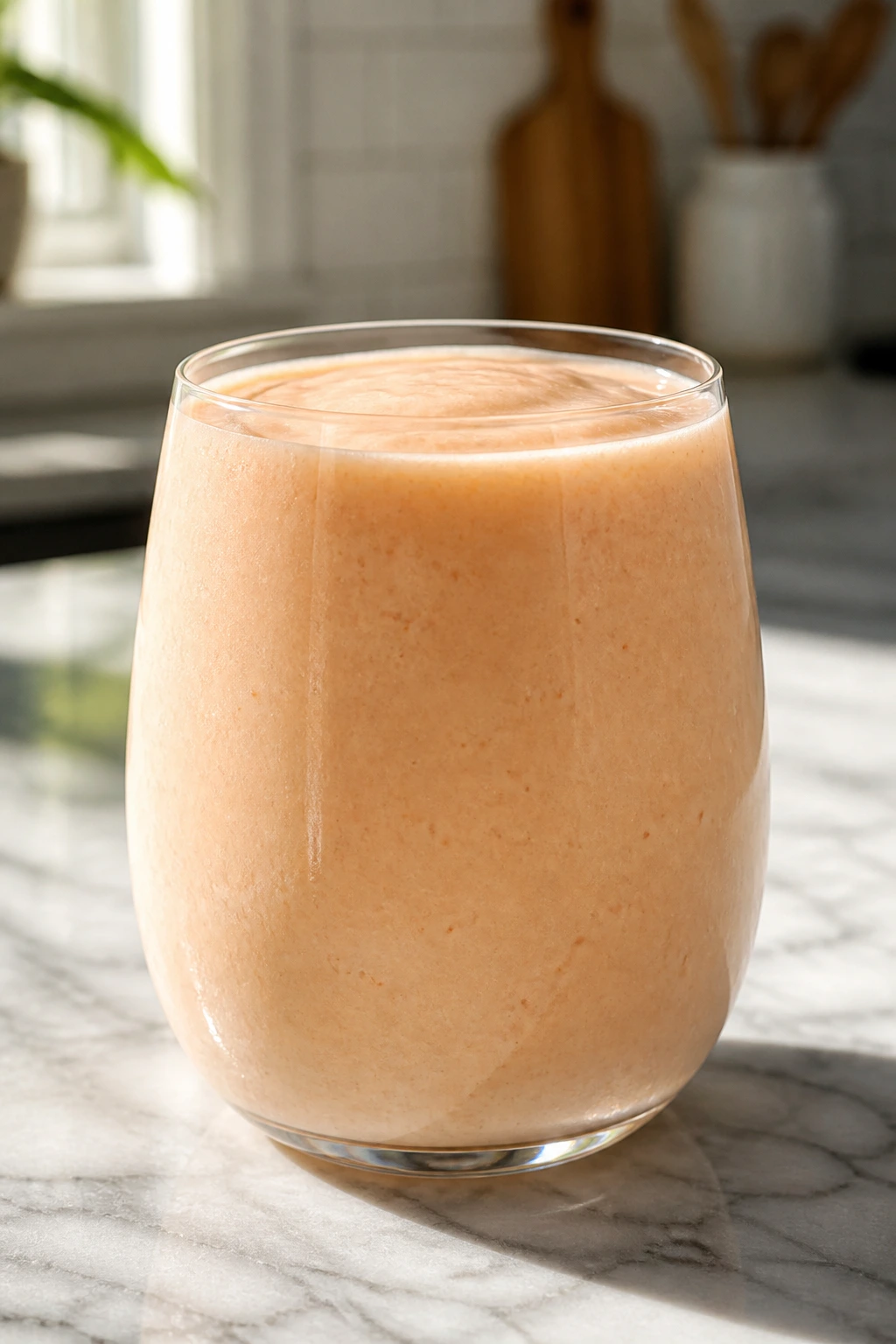
White tea makes peach taste more delicate instead of more generic. Kefir gives the drink a light tang and a thin, pourable body that keeps it from feeling like baby food in a glass. It’s soft, clean, and easy to drink fast.
Why It Works:
Peach has enough sweetness to carry white tea, and kefir adds the acidity that keeps the finish lively. Frozen peach slices make the texture cooler and thicker without ice. If you use ripe peaches, the flavor feels rounder; if you use less ripe ones, the tea needs to be stronger.
Key Ingredients:
- 1 cup white tea, chilled
- 1 cup frozen peach slices
- 3/4 cup plain kefir
Quick Steps:
- Brew the white tea and chill it fully.
- Add tea, peaches, and kefir to the blender.
- Blend until the drink turns pale peach and smooth.
- Blend a little longer if the fruit still looks rough.
- Serve immediately.
Equipment for This Recipe:
- Blender
- Measuring cup
- Knife, if needed for peach prep
- Glass
How to Serve This Dish:
Serve it in a narrow glass to keep the pale peach color from fading visually. It works as a light breakfast smoothie or a midafternoon drink when you don’t want something too thick.
Pro Tips for This Recipe:
- Frozen peaches beat fresh peaches here because they help the smoothie hold its shape.
- Kefir gives a cleaner finish than yogurt.
- White tea should be brewed carefully so it stays soft and not bitter.
Variations on This Dish:
- Creamier Version: Use Greek yogurt instead of kefir.
- Fruit-Forward Version: Use especially ripe peaches and keep the tea subtle.
Common Mistakes to Avoid with This Dish:
- Using fresh, watery peaches: The smoothie thins out too quickly.
- Overbrewing white tea: It can turn sharp and fight the fruit.
30. Blueberry Hibiscus Coconut Smoothie
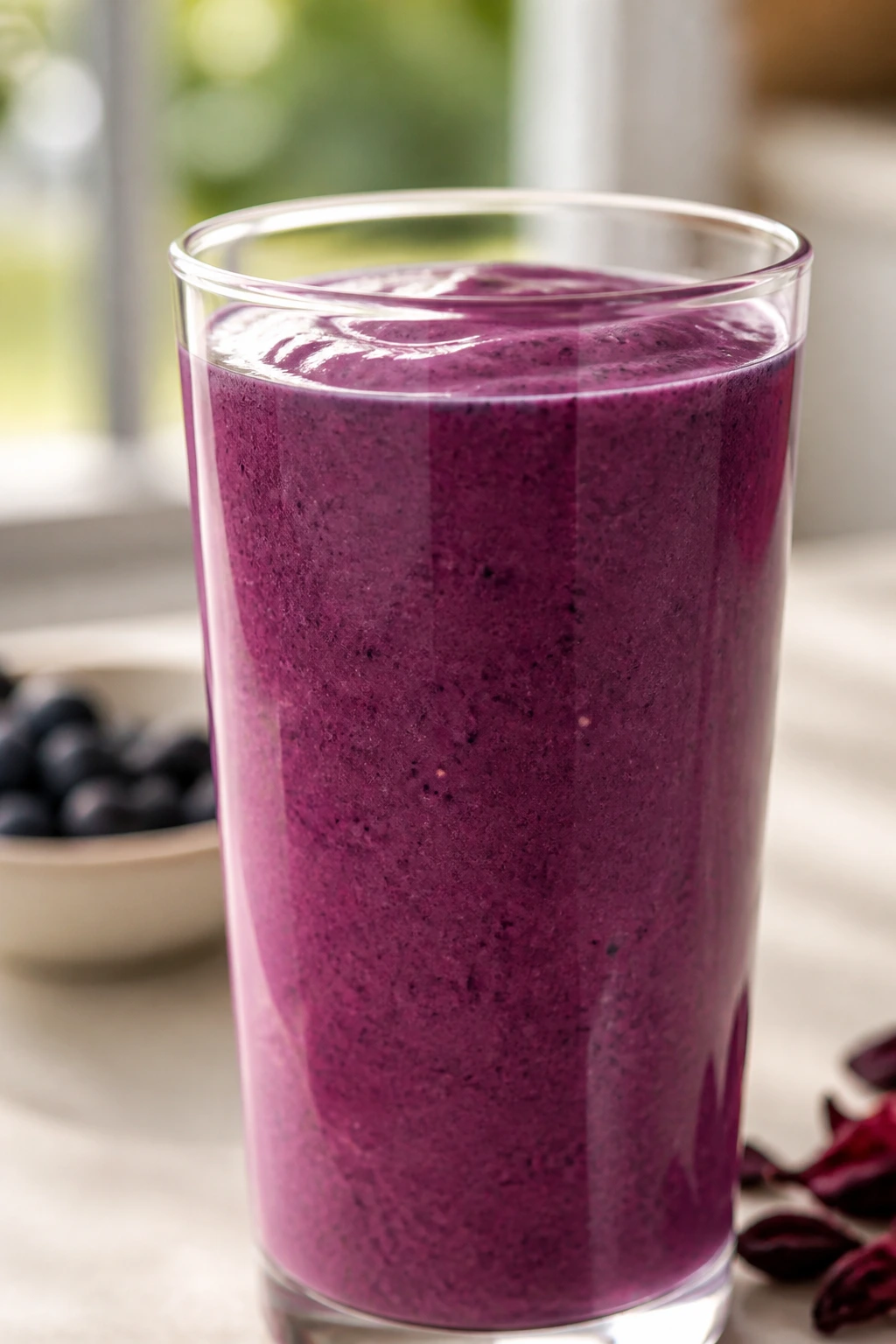
Blueberry and hibiscus already have a shared tart, dark-berry thing going on, and coconut milk turns that brightness into something creamier. The drink ends up deep purple with a soft finish, which is a nice trick for such a short ingredient list. It tastes more layered than it looks.
Why It Works:
Hibiscus gives blueberry a tart edge and keeps the color vivid. Coconut milk provides enough fat to soften the acidity and give the smoothie a smooth, almost velvety finish. Frozen blueberries are the right choice because they thicken the drink without making it icy in a bad way.
Key Ingredients:
- 1 cup hibiscus tea, chilled
- 1 cup frozen blueberries
- 3/4 cup chilled coconut milk beverage
Quick Steps:
- Brew the hibiscus tea and chill it completely.
- Add tea, blueberries, and coconut milk to the blender.
- Blend until the color turns deep purple and the berries are gone.
- Blend a few more seconds if you want it extra smooth.
- Serve cold.
Equipment for This Recipe:
- Blender
- Measuring cup
- Glass
- Spatula
How to Serve This Dish:
Serve it in a clear glass if you want the color to do the talking. It’s strong enough to stand on its own, but a piece of toast or a small bowl of fruit beside it feels natural.
Pro Tips for This Recipe:
- Use unsweetened coconut milk beverage so the berry flavor stays clean.
- Hibiscus should be steeped strongly; weak tea won’t hold up to blueberries.
- Frozen blueberries blend better if they’re not packed into one giant clump.
Variations on This Dish:
- Creamier Version: Swap coconut milk beverage for Greek yogurt.
- Sharper Version: Use a touch less coconut milk and let the hibiscus lead.
Common Mistakes to Avoid with This Dish:
- Using warm tea: It dulls the color and melts the fruit.
- Making the smoothie too sweet: The tart berry-tea balance is the whole appeal.
Why Three Ingredients Is Enough Here
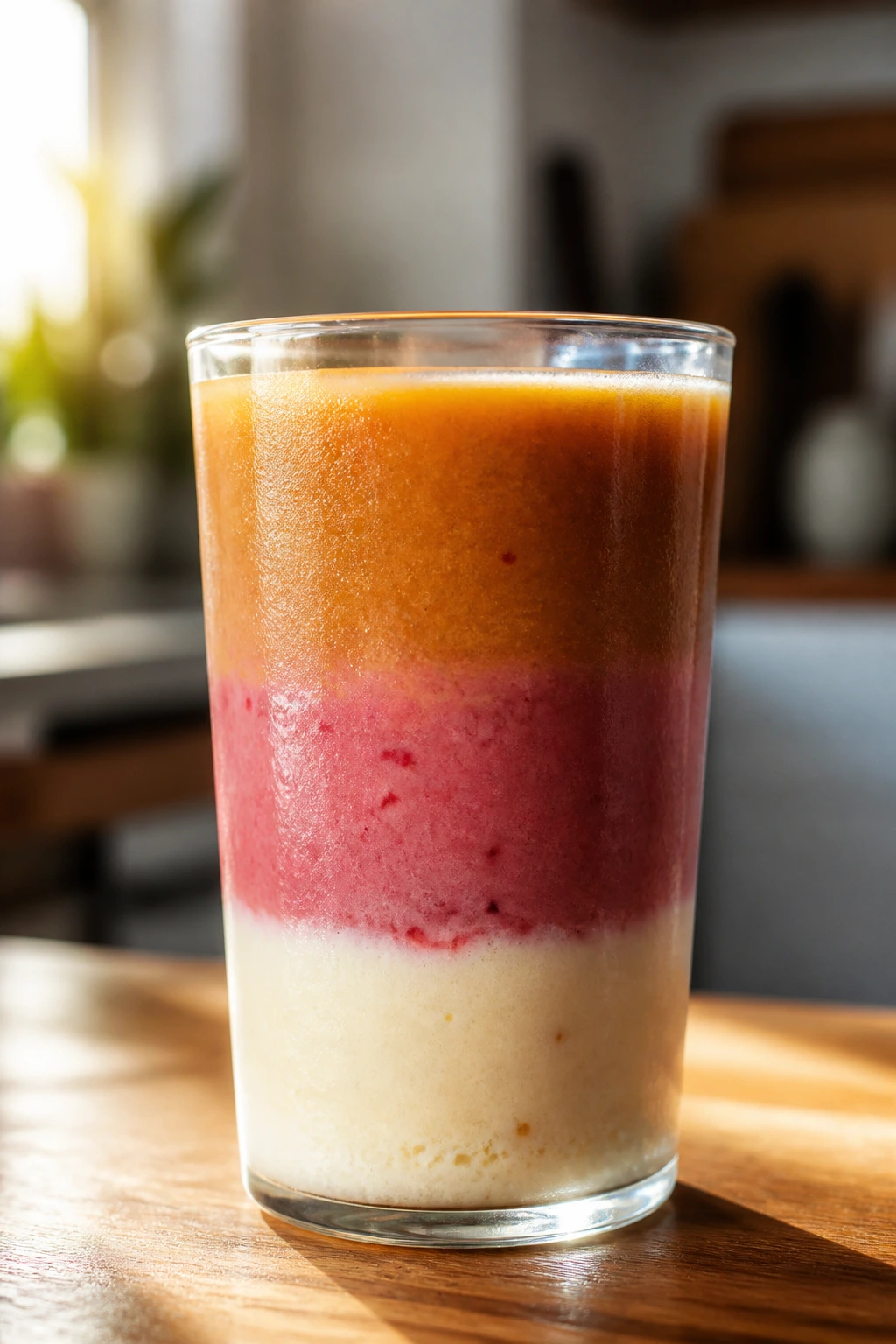
A three-ingredient tea smoothie works because every piece has to earn its place. That pressure is useful. The tea can’t hide, the fruit can’t drift, and the creamy element can’t be generic filler. You end up tasting the structure of the drink, not a long list of pantry items dressed up as breakfast.
The tea should be brewed a little stronger than you’d sip it, especially when frozen fruit is involved. That’s not fussy advice. It’s the difference between a smoothie that tastes like green tea and mango, and one that tastes like faint fruit water. Black tea, chai, hibiscus, and Earl Grey all hold up differently, but the rule stays the same: chill the tea hard and don’t treat it like an afterthought.
Frozen fruit is doing more work than most people realize. It chills, thickens, and sweetens all at once. Banana acts as a texture bridge; mango and pineapple bring body and brightness; berries add color and acid; stone fruit gives a softer, rounder finish. When the fruit is chosen with that in mind, the blender doesn’t need help from syrups or giant ice cubes.
Tea Strength Matters More Than Speed
If you brew tea too lightly, the fruit swallows it whole. That’s true for almost every tea here, though it shows up fastest with green tea and white tea because they’re more delicate to begin with. Black tea and chai have more muscle, but even they need a full steep and a proper chill.
Loose-leaf tea can work beautifully, but tea bags are fine if you brew them strong enough. I’d rather have a well-steeped bagged tea than a timid loose-leaf cup any day.
Fruit Texture Does the Heavy Lifting
Frozen fruit is the silent star. It makes the smoothie cold without thinning it out, and it lets the tea stay concentrated. Fresh fruit can work in a pinch, but the drink will be looser and will need a minute or two in the freezer before serving.
The one exception is a fruit like pear or plum, where ripeness matters more than deep freeze. Even then, a very cold piece of fruit or a frozen banana can save the texture.
Creamy Ingredients Keep the Tea from Going Sharp
Yogurt, kefir, coconut milk, almond milk, and avocado each bring a different kind of structure. Yogurt is thick and tangy. Kefir is thinner and brighter. Coconut milk is richer. Almond milk stays light. Avocado creates a dense, smooth body that feels almost dessert-like.
Pick the creamy piece based on the tea. Matcha likes coconut or avocado. Chai likes yogurt, banana, or dates. Hibiscus often benefits from kefir or citrus. Once you start matching tea to texture instead of just sweetness, the whole category gets more useful.
Essential Equipment for These Smoothies
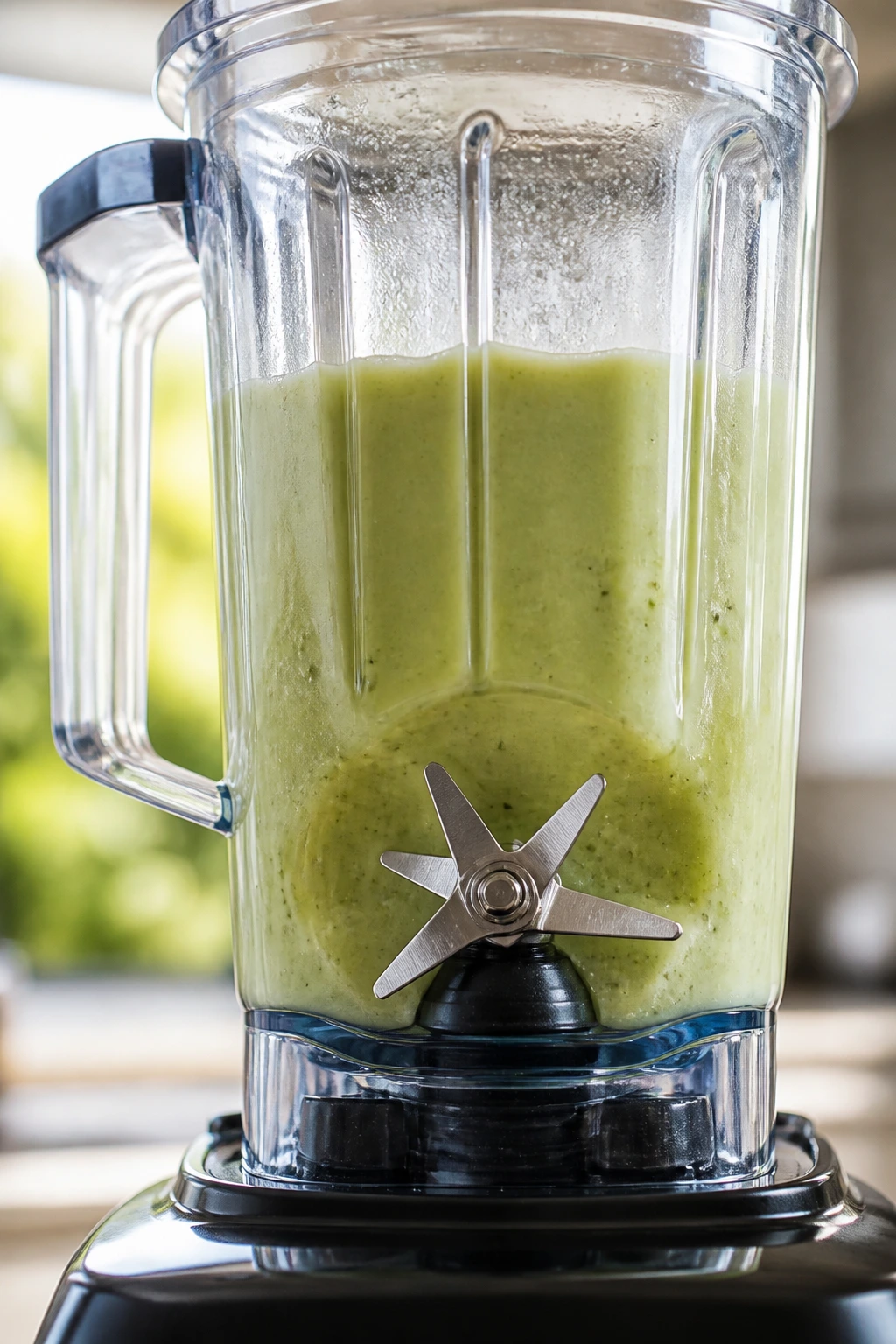
- Blender: A standard blender works, but a high-speed blender handles frozen fruit and dates with less drama.
- Kettle or small saucepan: Useful for brewing tea fast and evenly.
- Measuring cups and spoons: Three-ingredient recipes still need exact tea and fruit amounts if you want the balance to hold.
- Fine-mesh strainer: Optional, but handy for loose-leaf tea or raspberry-heavy smoothies.
- Knife and cutting board: Needed for bananas, pears, plums, citrus, and larger fruit.
- Spatula: Helps you scrape thick mixtures back toward the blades.
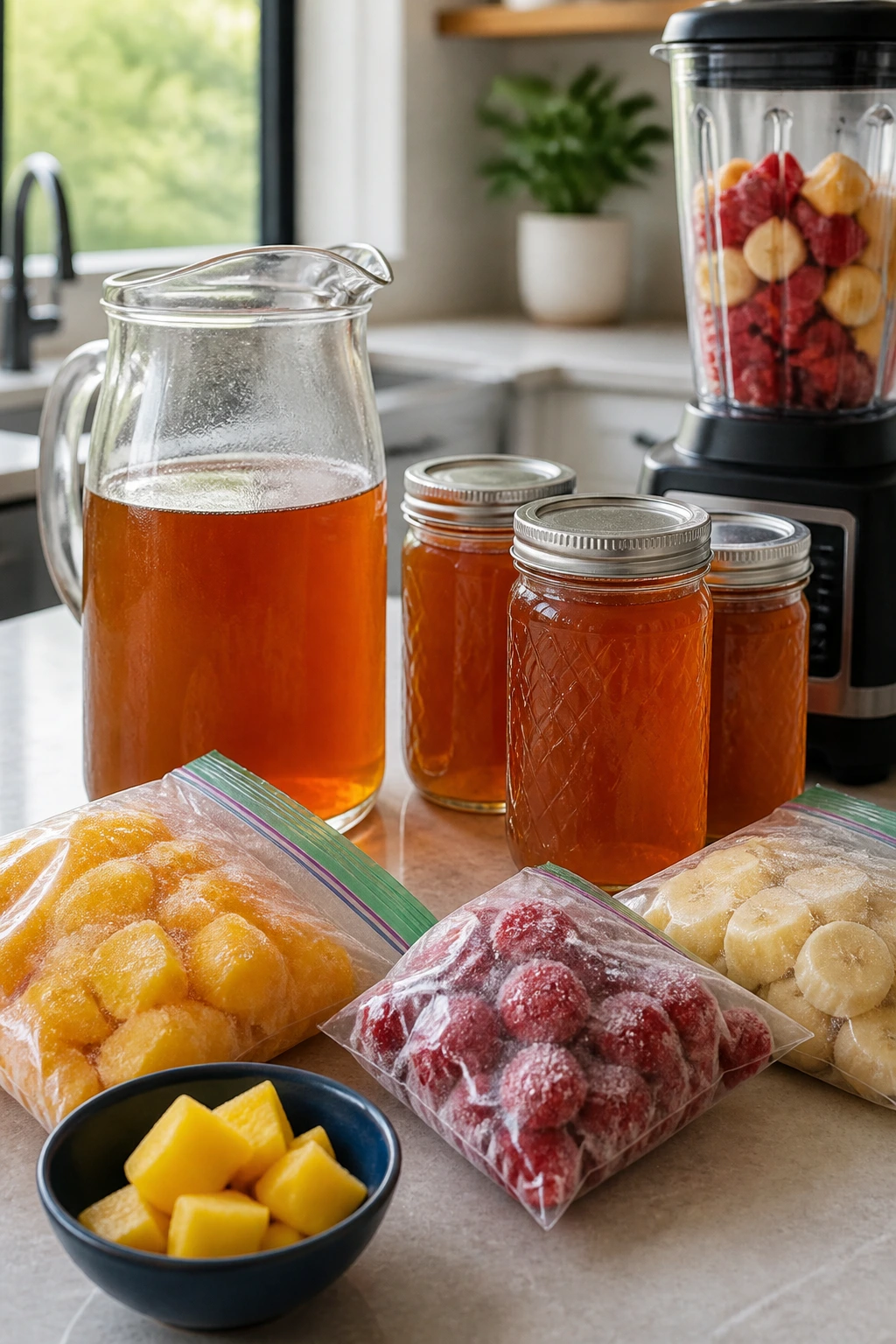
- Freezer-safe containers or zip bags: Good for portioning fruit ahead of time so the blender is the only thing you need later.
- Chilled glasses or jars: Not required, but they keep the first sip cold longer and make the texture feel better.
Smart Shopping and Ingredient Tips
Tea choice matters more here than it does in a lot of smoothies, because the tea isn’t hidden under a long ingredient list. If you’re buying green or white tea, look for a clean, fresh smell and a pale brew that doesn’t turn muddy after five minutes. Black tea and chai should smell brisk and spicy, not dusty. Matcha should look bright, not brownish; dull matcha gives you a flat, grassy smoothie that tastes old even if it isn’t.
Frozen fruit is your friend. Buy plain frozen fruit with no syrup or added sugar, and check the bag for fruit pieces that still look distinct. If the fruit is packed into one giant icy block, it usually means it thawed and refroze, which is bad news for texture. Frozen mango, berries, pineapple, and banana all behave well in a smoothie; frozen watermelon and cantaloupe are useful too, but they need more support from tea or yogurt because they’re water-heavy.
For dairy, the fat level changes the result more than most people expect. Greek yogurt makes a thicker, spoonable smoothie. Regular yogurt stays looser. Kefir gives you a thinner, tangier drink. Coconut milk beverage is lighter than canned coconut milk, which can be too rich for fruit-heavy recipes. Almond milk keeps flavors crisp but can taste thin if you use too much.
If you’re buying fresh fruit, use ripeness as your filter. Pears should yield slightly at the stem. Peaches should smell like peaches. Plums should be soft enough to pit without a fight. Bananas can be frozen only after they’re spotted and ripe, because green bananas turn chalky in a smoothie and they never really recover.
How to Serve These Smoothies
Presentation:
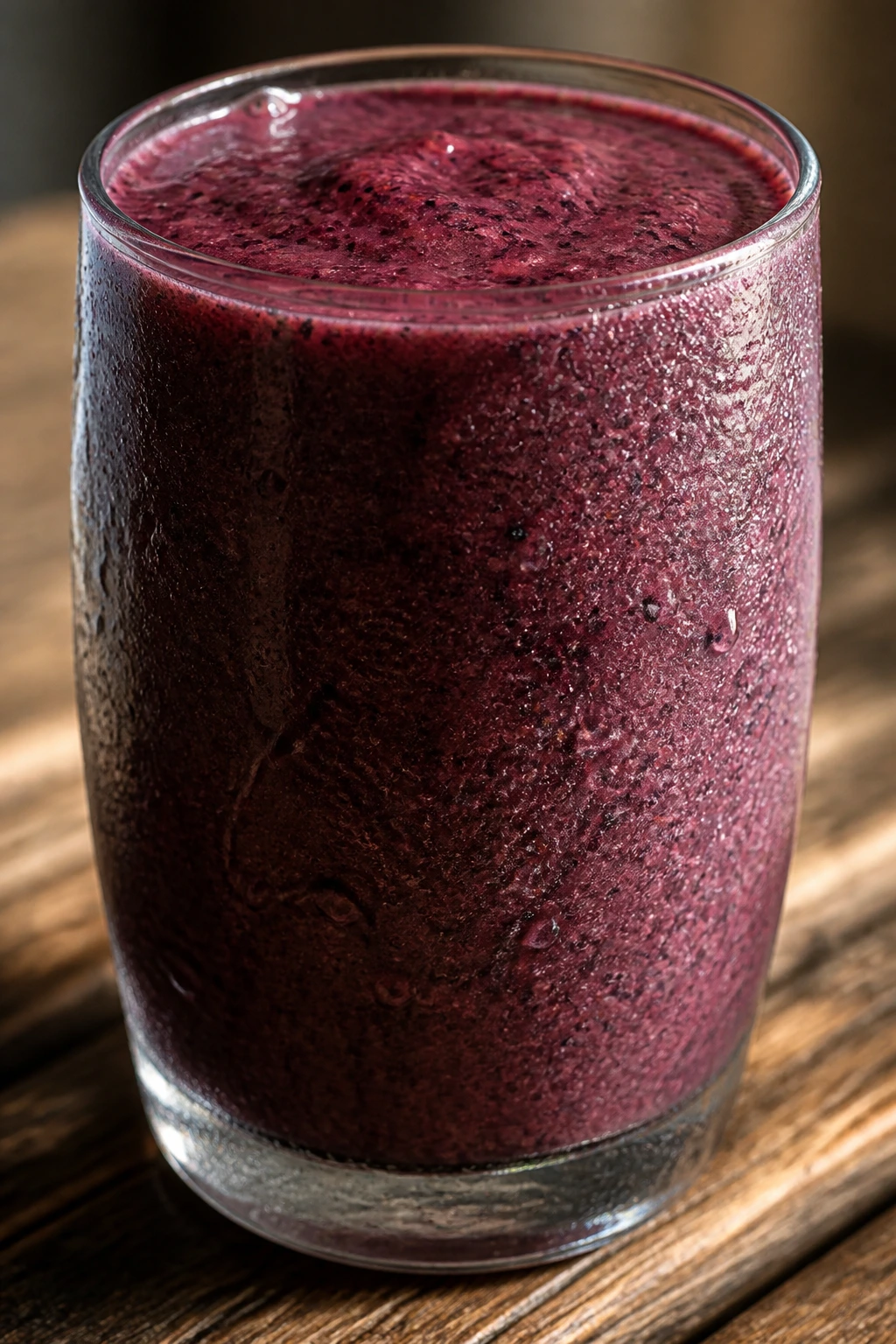
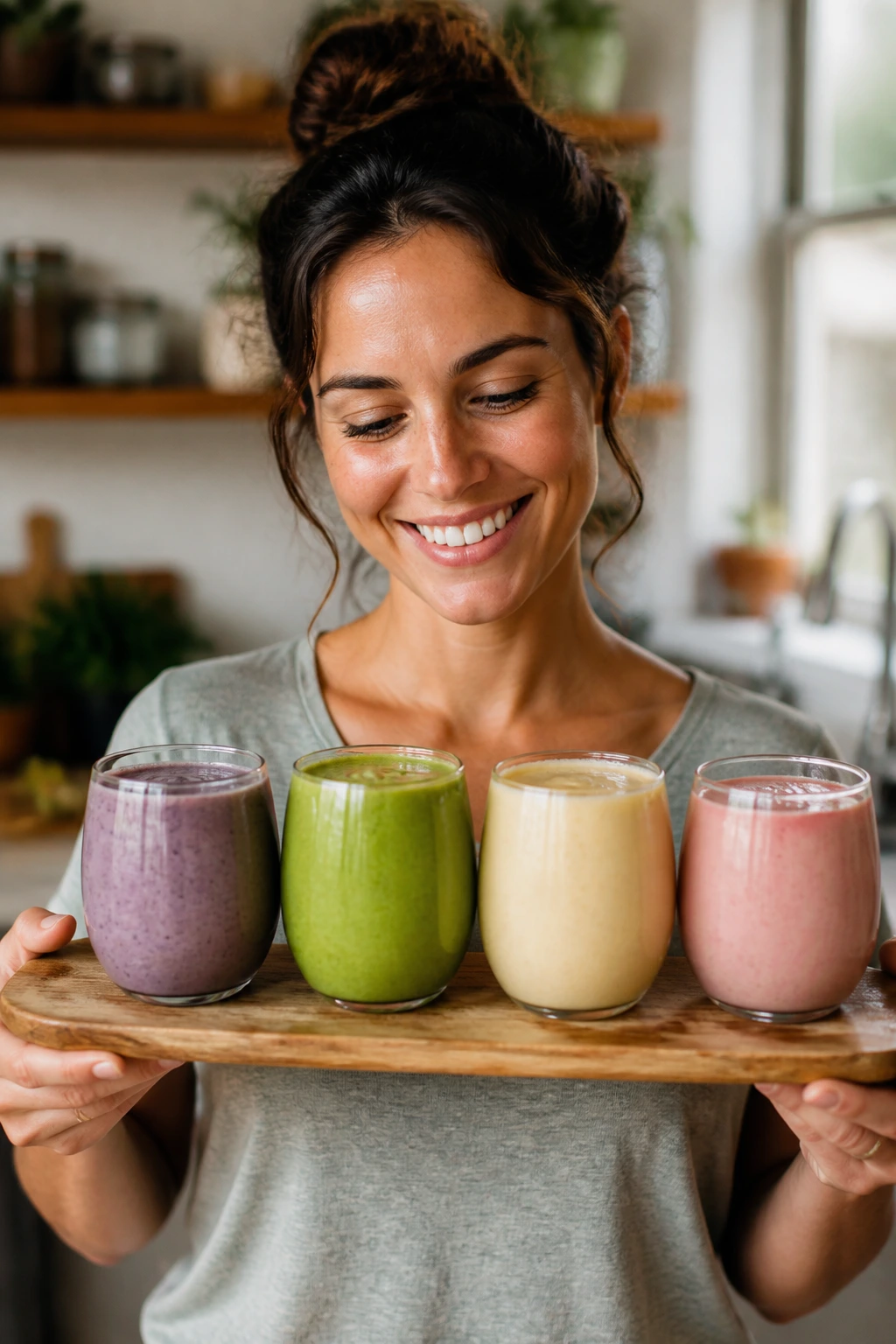
Pour these smoothies into chilled glasses, clear jars, or short tumblers so the color and thickness show up right away. Purple berries, pale matcha, coral citrus, and deep hibiscus all look better when the glass has a little height and the rim isn’t crowded with garnish.
Accompaniments:
Most of these pair well with plain toast, buttered sourdough, oatmeal, a piece of fruit, or a handful of nuts. The thicker ones — especially the banana, yogurt, and oat versions — can stand in for breakfast on their own. The lighter ones, like watermelon mint or lychee jasmine, are better with something small and salty beside them.
Portions:
Each recipe makes one large smoothie or two small servings if you’re pouring carefully. If you want to scale up, keep the tea-to-fruit ratio steady and blend in batches rather than crowding the blender. The more frozen fruit you add, the more likely the blades are to stall if the pitcher is overfilled.
Beverage Pairing:
I’d keep the pairing light: cold water, plain sparkling water, or a second cup of tea that matches the base without repeating the exact same flavor. Green tea smoothies go well with plain seltzer. Chai smoothies can sit beside black coffee. Fruitier blends are fine with water and nothing else, which is probably the cleanest answer.
Additional Tips and Flavor Boosters
Flavor Enhancement:
Use tea that’s a little stronger than your drinking preference, especially for green tea, white tea, and oolong. Frozen fruit softens the tea more than people expect, and that extra steep time is what keeps the drink from tasting vague. Tea ice cubes also help if you want to keep the smoothie cold without watering it down.
Customization:
If you want more body, add half a frozen banana to a fruit-forward recipe the next time you make it. If you want more tang, swap yogurt for kefir. If you want a richer finish, move from almond milk to coconut milk. The nice part is that each change is small enough to notice without turning the drink into something else.
Serving Suggestions:
A pinch of citrus zest, a mint leaf, or a spoonful of coconut flakes can make the glass feel more finished without turning it into a garnish contest. For the darker fruit smoothies, a chilled clear glass does most of the work on its own. For matcha and coconut versions, a short glass makes the texture look thicker than it is.
Make-It-Yours:
For dairy-free versions, use coconut yogurt, almond milk, or coconut milk beverage instead of yogurt. For higher-protein versions, choose Greek yogurt in place of regular yogurt or kefir. For caffeine-free versions, rooibos is the easiest swap because it has enough flavor to stand up to fruit without adding a jolt.
Make-Ahead, Storage, and Re-Blending Guidance
Tea smoothies are best the minute they’re blended, and I say that as someone who likes convenience. The texture starts to separate after about 20 to 30 minutes, especially if the recipe uses kefir, banana, or watery fruit like melon. If you have to store one, use a sealed jar or lidded bottle and refrigerate it for up to 24 hours. Shake hard before drinking, because the fruit pulp and liquid usually split into layers.
For better make-ahead results, prep the pieces instead of the finished drink. Brew tea in batches, chill it, and keep it in a sealed container for up to 3 days. Freeze fruit in single portions so you can dump one pack into the blender without thinking. Banana slices, mango chunks, berries, and pineapple all freeze well in zip bags. If you’re using tea as ice cubes, they’ll hold for about a month in the freezer and keep the drink from getting diluted.
Some smoothies re-blend better than others. Banana, mango, and yogurt versions usually come back together with a quick 10-second blend and maybe a splash of extra tea. Kefir and melon versions can thin out after chilling, so give them a hard shake or a fast re-spin in the blender. Matcha smoothies are the most prone to clumping if they sit, so don’t let them hang around long. If a smoothie thickens in the fridge, a few ice-cold tea cubes can revive it without changing the flavor too much.
Variations and Adaptations to Try
Dairy-Free Shift:
Swap yogurt for coconut yogurt or use coconut milk beverage in place of dairy. This works especially well with matcha, hibiscus, and fruit-heavy blends where the tea already has plenty of character.
Higher-Protein Breakfast Build:
Use Greek yogurt in place of regular yogurt or kefir whenever a recipe allows it. The texture gets thicker, and the drink holds up longer if you’re taking it to go.
Lower-Caffeine Rotation:
Rooibos and some white teas give you a softer cup with less bite. That makes them useful when you want a tea smoothie in the afternoon without the stronger kick of black tea or matcha.
Thicker Spoonable Bowl:
Cut the tea by a quarter cup, keep the fruit frozen, and use less liquid overall. This works best with mango, banana, berry, and coconut combinations, which already behave well in a thicker format.
More Tart and Bright:
Use hibiscus, cranberry, raspberries, lime juice, or very ripe berries to push the acidity up. This style works best when you like your smoothies sharp rather than sweet.
Spice-Forward Comfort Blend:
Lean on chai with banana, pumpkin, dates, or peach. That gives you a warmer flavor profile without needing cinnamon sticks or extra add-ins.
Common Mistakes to Avoid
-
Using tea that is too weak: Weak tea disappears under fruit, and the smoothie tastes like colored milk instead of tea. Brew it stronger than a drinking cup and chill it completely before blending.
-
Pouring hot tea over frozen fruit: The fruit melts, the texture turns thin, and the whole drink loses the cold, dense feel that makes a smoothie worth making in the first place.
-
Adding too much liquid: This is the fastest route to a watery smoothie. Start with the amount listed, then stop and check the texture before adding anything else.
-
Choosing the wrong fruit ripeness: Underripe pears, peaches, plums, or bananas leave you with a grainy blend. Overripe fruit can work, but only if it still tastes clean and not fermented.
-
Forgetting that some teas are delicate: White tea and green tea need gentler treatment than black tea or chai. If you overbrew them, bitterness creeps in and the fruit can’t hide it.
-
Overpowering the tea with sweet add-ins: If you keep reaching for honey, syrup, or extra banana, you may be covering up a brewing problem instead of fixing it. Better tea, chilled properly, does more than sugar ever will.
Tea Smoothie Questions, Answered
Can I use store-bought iced tea instead of brewing my own?
You can, but check the sweetness first. A lot of bottled iced tea is already sweetened, and that can throw off the fruit balance fast. Unsweetened iced tea is a much better starting point if you want the tea flavor to stay clean.
Do I need a high-speed blender for these recipes?
Not necessarily. A standard blender handles most of these fine if the fruit is frozen in small pieces and the tea is cold. The recipes with dates, figs, oats, or avocado benefit more from a stronger blender, but they’re still workable in a basic one.
Which teas work best with berries?
Black tea, hibiscus, Earl Grey, and white tea all do well with berries, but for different reasons. Black tea adds depth, hibiscus sharpens the fruit, Earl Grey adds citrus-floral lift, and white tea keeps the result light. Berries are flexible; what matters is the mood you want.
Can I make these tea smoothies dairy-free?
Yes. Coconut yogurt, almond milk, oat milk, coconut milk beverage, and coconut water all work in different recipes. The tradeoff is texture: dairy-free versions often taste a little lighter, so frozen fruit becomes even more important.
Why does my smoothie taste bitter?
Usually the tea was brewed too long, too hot, or too weak and then overpowered by fruit. Matcha can also go bitter if you use too much. The fix is usually stronger fruit, a colder brew, or a shorter steep next time.
Can I use loose-leaf tea instead of tea bags?
Absolutely. Loose-leaf tea often gives a cleaner flavor, especially in green, white, and oolong smoothies. Just strain it well before chilling so you don’t end up with little bits in the blender.
How can I make a tea smoothie thicker without adding ice?
Use frozen fruit, especially banana, mango, pineapple, or berries. Greek yogurt and avocado also thicken the drink fast. If you want a bowl instead of a sip, cut the liquid back slightly and let the blender work a little longer.
Can I prep smoothie packs ahead of time?
Yes, and it’s one of the better ways to stay consistent. Portion the fruit into freezer bags, label them with the tea you plan to use, and keep your brewed tea chilled in the fridge for up to 3 days. That way, the smoothie only takes a minute to finish.
A Better Way to Use Tea
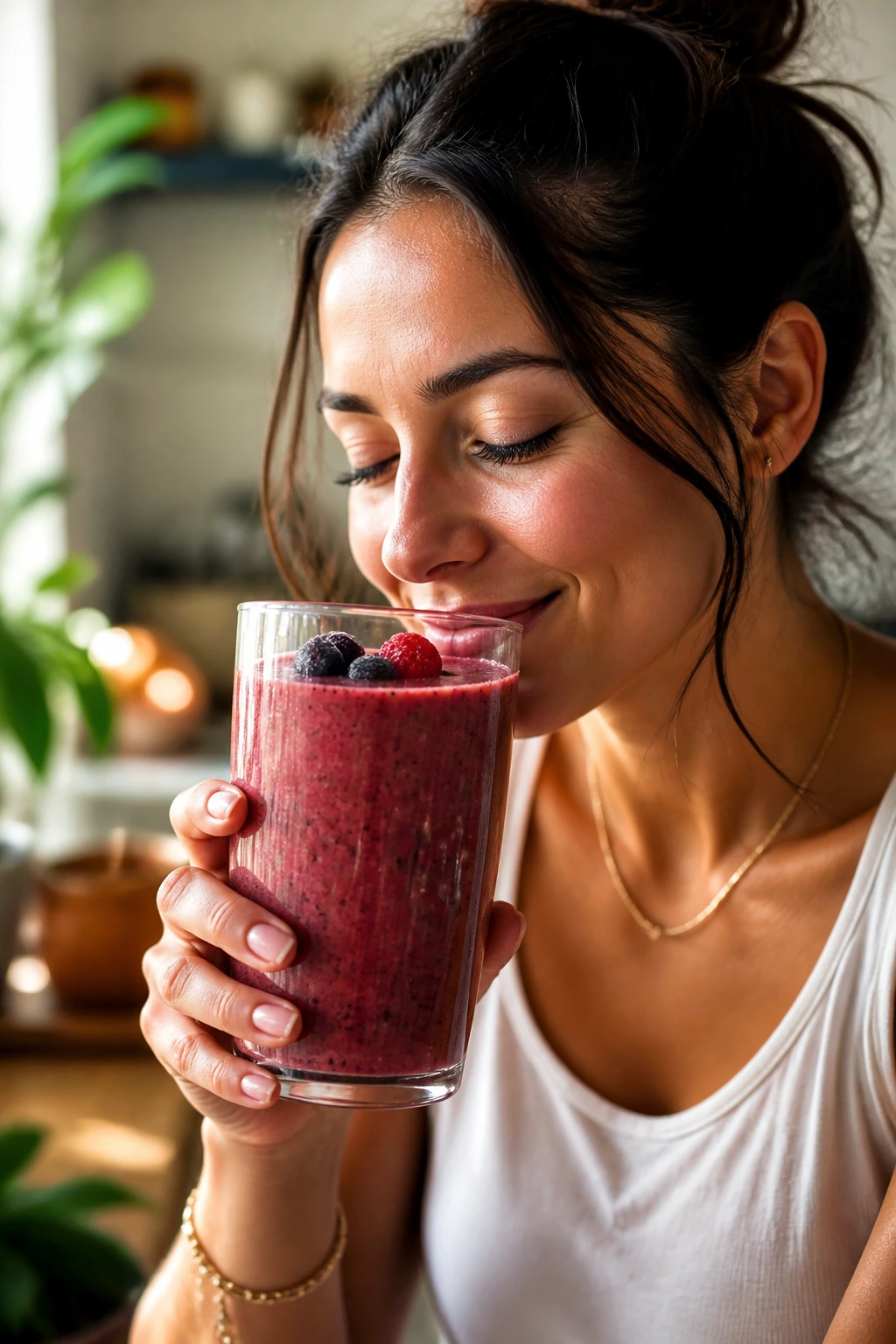
Tea smoothies are most useful when they stay honest about what they are: cold, quick, and shaped by the tea as much as the fruit. If you brew the tea with enough strength and choose fruit that matches it instead of fighting it, the result feels far more polished than the ingredient count suggests.
The nice surprise here is how many directions three ingredients can go. Mango and green tea feel bright. Chai and banana feel round. Hibiscus and berries lean tart. Earl Grey and strawberry feel almost perfumed. Once you’ve made a few, the pattern gets obvious, and that’s when the fun starts — you stop following recipes and start building your own combinations from whatever tea and fruit you already trust.