



A weeknight dinner under $10 is not a stunt. It’s a system.
The difference matters. One kitchen throws money at a package of chicken breasts, a sad bag of pre-cut vegetables, and a jar of sauce that tastes thin after two spoonfuls. Another starts with rice, onions, beans, eggs, a cabbage, or a tray of chicken thighs, then lets heat and seasoning do the rest. The second kitchen eats better.
I’ve watched people miss the mark by a few dollars because they spent the budget on one flashy ingredient and forgot the rest of the plate. A real budget dinner needs structure. It needs starch that fills the bowl, protein that doesn’t cost a fortune per bite, and one vegetable that won’t collapse into mush by the time you sit down. It also needs a little salt, acid, and fat — the boring trio that keeps cheap food from tasting thin.
A skillet of garlicky rice with eggs and frozen peas can feel more complete than a takeout bowl if you cook it with care. So can pasta with beans, tomato paste, and a handful of spinach. The point isn’t deprivation. It’s knowing where the money actually does work.
What a Weeknight Dinner Under $10 Really Looks Like
Budget honesty: A real budget dinner counts the groceries you buy tonight, not the olive oil, salt, and black pepper that already live in your cupboard.
Low waste: Ingredients like cabbage, onions, potatoes, rice, beans, and frozen vegetables keep giving. You can cook them in different ways all week, and they don’t punish you if dinner shifts by an hour.
Fast heat: Cheap meals usually cook fast because the ingredients are already humble. You are not trying to turn a whole roast into Tuesday supper. You are browning, simmering, boiling, and finishing.
Flexible protein: Eggs, beans, chicken thighs, and tofu can trade places without wrecking the meal. That matters when the store is out of one thing or the sale sign looks better on the next shelf over.
Better leftovers: Budget meals tend to reheat well when they’re built from sturdy parts. Rice, beans, potatoes, and roasted vegetables still have shape the next day.
Less decision fatigue: A tight budget makes the plate simpler in a good way. You stop arguing with yourself in the aisle and start asking one useful question: what can I buy that feeds us, fills us, and still tastes like dinner?
The only catch is honesty. A dinner under $10 is much easier if your pantry already has oil, salt, and a few spices. If you’re starting from zero, the first trip is a pantry-building trip, not a true meal budget. That’s not failure. It’s the beginning of a cheaper kitchen.
Why the $10 Budget Works Better With a Plan
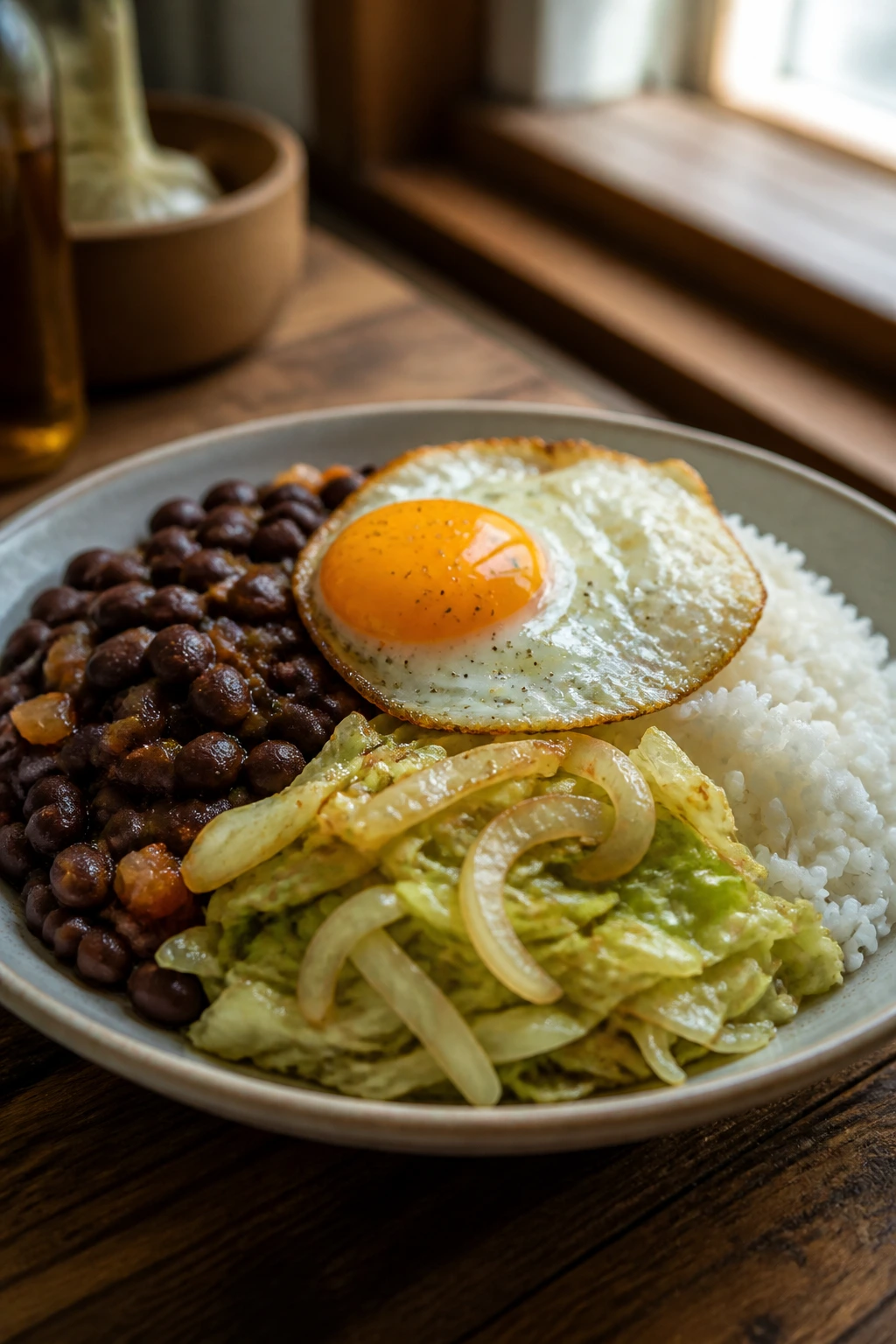
A $10 cap sounds restrictive until you stop treating every ingredient as equal. Once you divide the plate into roles, the math gets friendlier.
I like to think in thirds. One part is the starch — rice, pasta, potatoes, tortillas, bread. One part is the protein, which may be eggs, beans, lentils, tofu, or a lower-cost cut of meat. The last part is the vegetable, which keeps the meal from feeling one-note and gives the plate some color and bite. Then you spend the last dollar or two on flavor: onion, garlic, tomato paste, soy sauce, vinegar, mustard, citrus, herbs, cheese, or a spoonful of something briny.
That breakdown is not a law. It’s a way to stop overbuying the expensive thing. If you spend $6 on protein, you’ve got $4 left for the rest of the dinner, and that usually shows on the plate.
The best budget dinners are built like a tripod. If one leg is missing, the whole thing wobbles. Too much protein, and the vegetables feel like garnish. Too much starch, and dinner turns starchy and flat. Too much vegetable with no seasoning, and you end up eating warm produce with regret. The plan keeps those parts from fighting each other.
There’s also a timing benefit. When you shop with a structure in mind, dinner comes together faster because you already know what the pan wants. Rice and eggs go one direction. Potatoes and onions go another. Beans and greens want a little simmer. Cheap cooking gets easier when the ingredients tell you what to do next.
The Pantry Staples That Make Cheap Dinner Possible
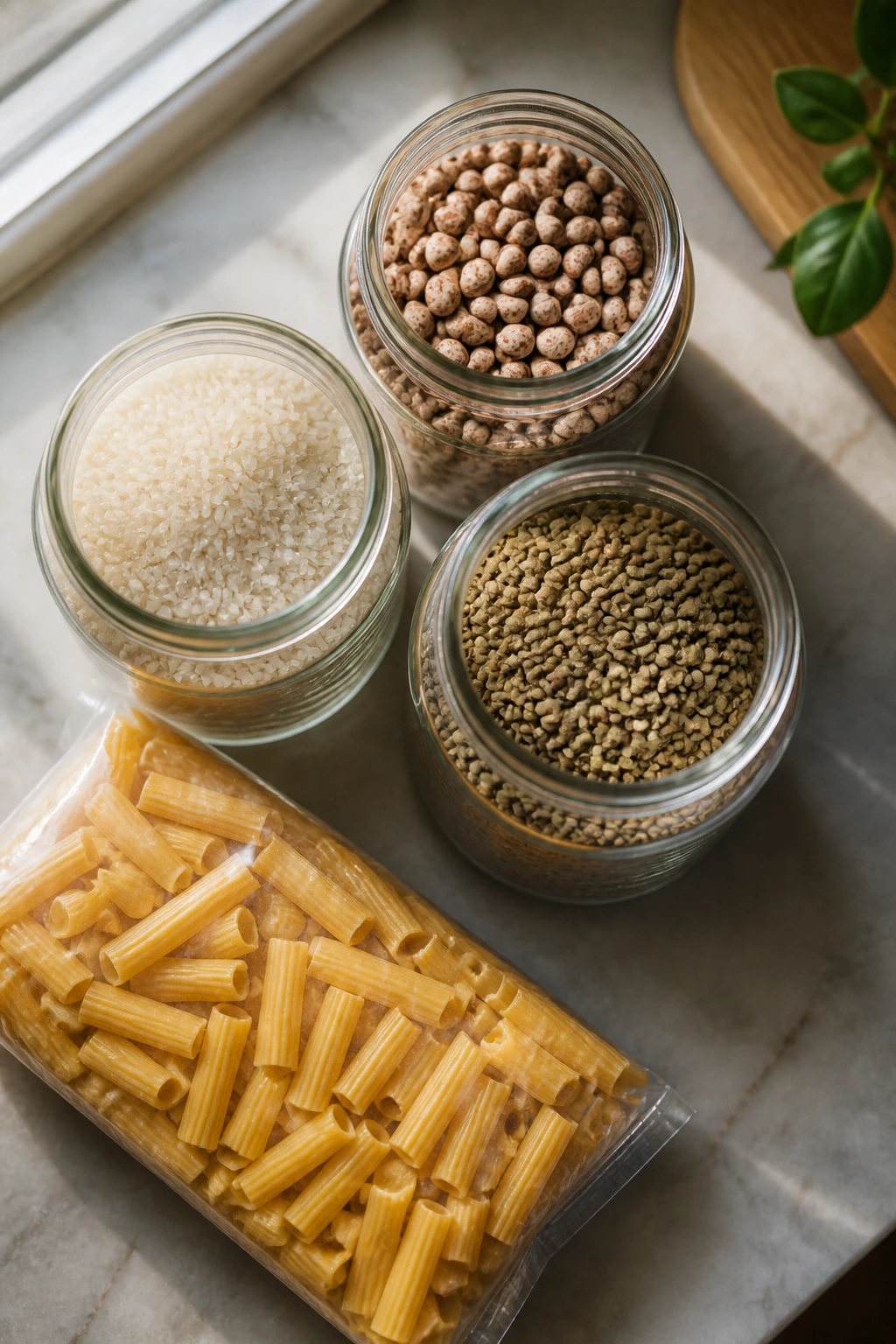
The pantry is where a budget dinner starts acting like a meal instead of a scramble.
Rice is the cleanest example. A cup of dry rice expands into a lot of food, and it plays well with almost anything salty, spicy, or saucy. Long-grain rice stays separate and fluffy, which makes it ideal for fried rice, bowls, and side dishes. Short-grain rice turns stickier, which can be useful too, but it changes the texture of the plate fast. If you want the simplest path, keep plain long-grain rice around and learn one good way to cook it.
Pasta does a similar job, but it carries sauce differently. Short shapes trap bits of beans, onion, and cheese in their curves. Spaghetti likes oil-based sauces and tomato sauce. I reach for regular dried pasta over fancy shapes when the budget is tight; the point is not artisanal drama. The point is a pot that turns a few ingredients into something you can actually eat with a fork.
Beans and lentils are the quiet heroes. Canned beans are faster and still cheap. Dried beans take more time but give you more meals for the money if you cook them in batches. Lentils are the sleeper option because they cook fast, don’t need soaking, and can thicken a stew or sauce in twenty minutes. Red lentils break down almost into a puree, which is useful when you want body without cream.
Potatoes deserve more respect than they get. They roast, mash, simmer, crisp, and bulk up a skillet without asking for much back. A bag of potatoes can become breakfast hash, cheesy potato bowls, soup, or a sheet-pan dinner. They also tolerate imperfect timing, which is a gift on a night when the laundry is making weird noises and someone forgot to answer a text.
Tortillas and bread are not just side items. They turn bean mixtures, eggs, cabbage, or leftover chicken into tacos, melts, wraps, toast, and quick flatbreads. If you have either one in the house, the meal shifts from “something in a bowl” to an actual dinner. That sounds small. It isn’t.
Canned tomatoes, broth, and coconut milk can stretch cheap ingredients into a sauce with body. I don’t buy every version of these. I keep one or two that work in a dozen places. Whole peeled tomatoes, tomato paste, and broth cubes or bouillon are enough to cover a lot of ground. Fancy is not the goal here.
Proteins That Carry a Plate Without Breaking the Budget
Protein eats budget fast if you let it. That’s why I’m picky about where the money goes.
Eggs: small price, big range
Eggs are one of the easiest ways to make dinner feel complete on a tight budget. You can fry them, scramble them, hard-boil them, or tuck them into rice and noodles. A couple of eggs on top of vegetables and starch often does more than a larger portion of a pricier meat. The yolk acts like sauce. That matters.
I like eggs best in meals that already have some salt and heat. Fried rice, breakfast hash, ramen, bean tacos, and skillet potatoes all benefit from a runny yolk or a soft scramble folded in at the end. If you’re shopping carefully, eggs can turn a decent side dish into a full plate with almost no extra effort.
Chicken thighs: the smarter chicken
Chicken thighs are usually the cut I trust when the budget is tight and the stove is busy. They stay juicy longer than chicken breasts, which matters because most weeknight cooks are doing three things at once. A thigh that goes a few minutes too long still tastes fine. A breast that goes a few minutes too long turns dry and sad.
Boneless thighs are easier on a Tuesday. Bone-in thighs are often cheaper and can taste better if you’ve got the time to roast them. Either way, the meat likes strong seasonings: garlic, paprika, soy sauce, cumin, chili powder, mustard, or lemon. You do not need a marinade that sits all afternoon. Salt, pepper, and a hot pan can do a lot.
Beans and lentils: the budget protein that behaves
Beans and lentils are not “backup protein.” They’re dinner. Canned black beans, chickpeas, and kidney beans are ready fast, and dried lentils can go from shelf to bowl in less than half an hour. That means they work when the rest of the kitchen is chaos.
Their strength is texture. Chickpeas stay firm in a skillet. Black beans go creamy if you mash a few against the pan. Brown or green lentils hold their shape in a soup or saucy rice dish. Red lentils disappear into the sauce, which is useful when you want something thick and spoonable. The trick is seasoning them well enough that they taste planned, not accidental.
Tofu: cheap, light, and better than people remember
Tofu earns its place when you brown it properly. Pressed tofu soaks up seasoning and gets crisp on the edges in a hot skillet or oven. It’s especially good with soy sauce, garlic, scallions, sesame oil, and a little sugar or honey. If you’re trying to keep a dinner under $10 without meat, tofu is one of the easiest ways to keep protein on the plate.
The mistake people make is treating tofu like a flavorless cube. It needs seasoning and heat. Once you give it both, it stops acting shy.
Canned fish: the pantry card that saves dinner
Tuna, sardines, and mackerel are not for everyone, but they can be a fast answer when the fridge is nearly empty. A can of tuna folded into pasta with lemon and olive oil feels different from tuna salad straight from the bowl. Sardines on toast with mustard and sliced tomato can be a real dinner. Mackerel mixed into rice with herbs and a little vinegar is old-school in the best way.
Use canned fish when you want speed and you’re willing to lean into its flavor instead of hiding it. It’s not a disguise ingredient. It’s the point.
Starches That Make Dinner Feel Complete
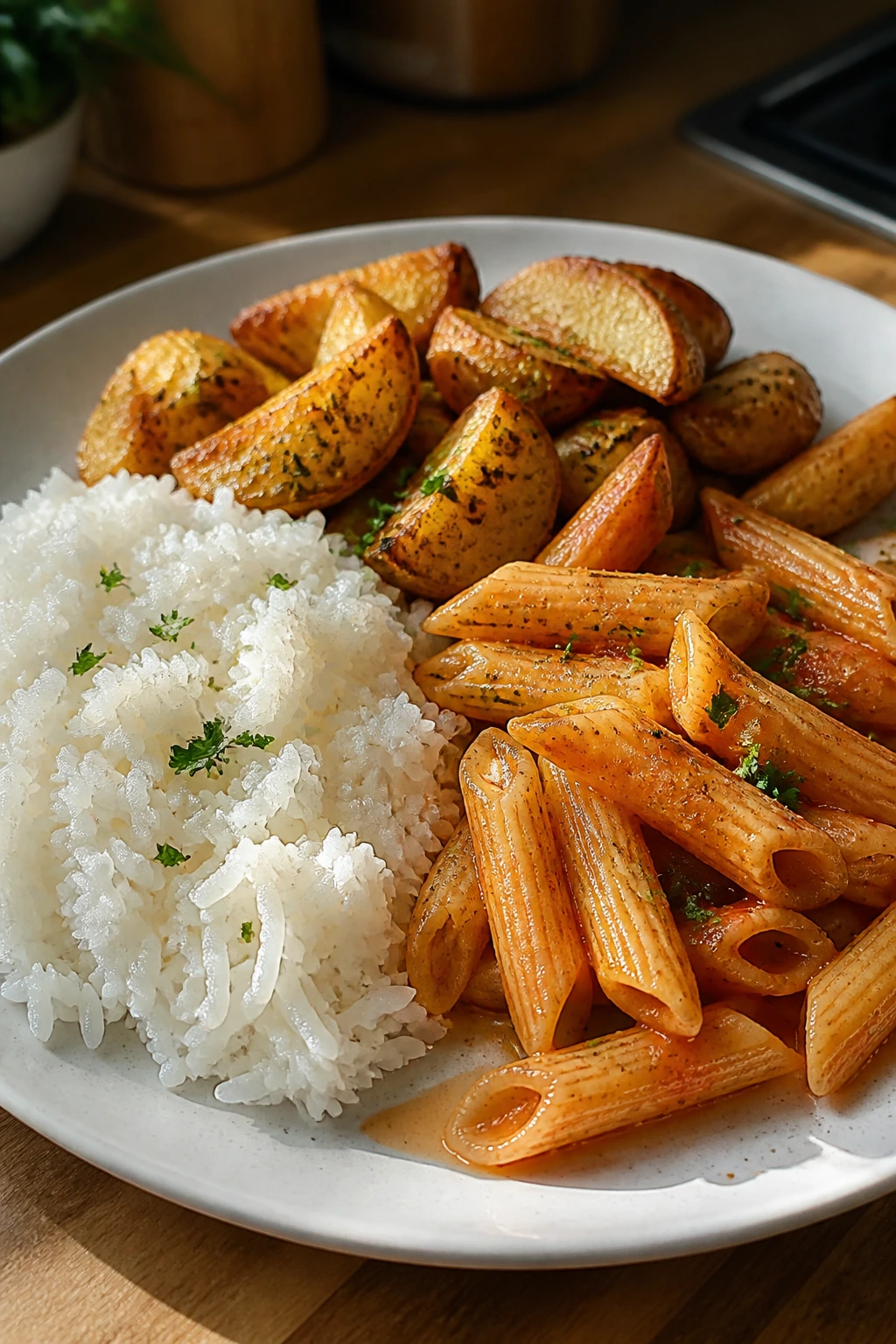
A cheap dinner gets much easier when the starch is doing real work.
Rice is the cleanest blank slate. It wants broth, soy sauce, butter, herbs, roasted vegetables, or a fried egg. Leftover rice is even better than fresh rice for fried rice because the grains dry out a little and separate in the pan. If you cook extra on purpose, you’re buying tomorrow’s dinner while you cook tonight’s.
Pasta is the fastest way to stretch a small amount of sauce into something that feeds people. I like shapes with texture when the sauce is light — penne, rotini, shells, or rigatoni — because they catch beans, garlic, and bits of vegetable. Spaghetti is still useful. It just needs a little more sauce or a generous finish of cheese and olive oil.
Potatoes are the most forgiving starch in the building. They roast at high heat, boil for mash, crisp in a skillet, or simmer in soup. Thin potato slices cook faster than cubes, which matters when the oven is full and people are hungry. If you salt the water well or season the pan hard, potatoes feel richer than their price tag.
Tortillas pull weight in a different way. They turn leftovers into tacos, quesadillas, wraps, breakfast burritos, and tostadas. Corn tortillas are often cheaper and keep well in the freezer. Flour tortillas are softer and easier for melty fillings. Keep whichever one your kitchen actually uses; unused tortillas are just a mild form of clutter.
Bread does one job especially well: it rescues soup, bean mixtures, eggs, and roasted vegetables from feeling incomplete. Toast can be dinner if it’s topped with the right thing. Think beans, a fried egg, grated cheese, tomatoes, and herbs. That’s not a snack. That’s a plate.
Vegetables That Stay Cheap, Crisp, and Useful
Some vegetables are cheap because they’re flimsy. I skip those when the goal is a dinner that still tastes good after ten minutes on the stove.
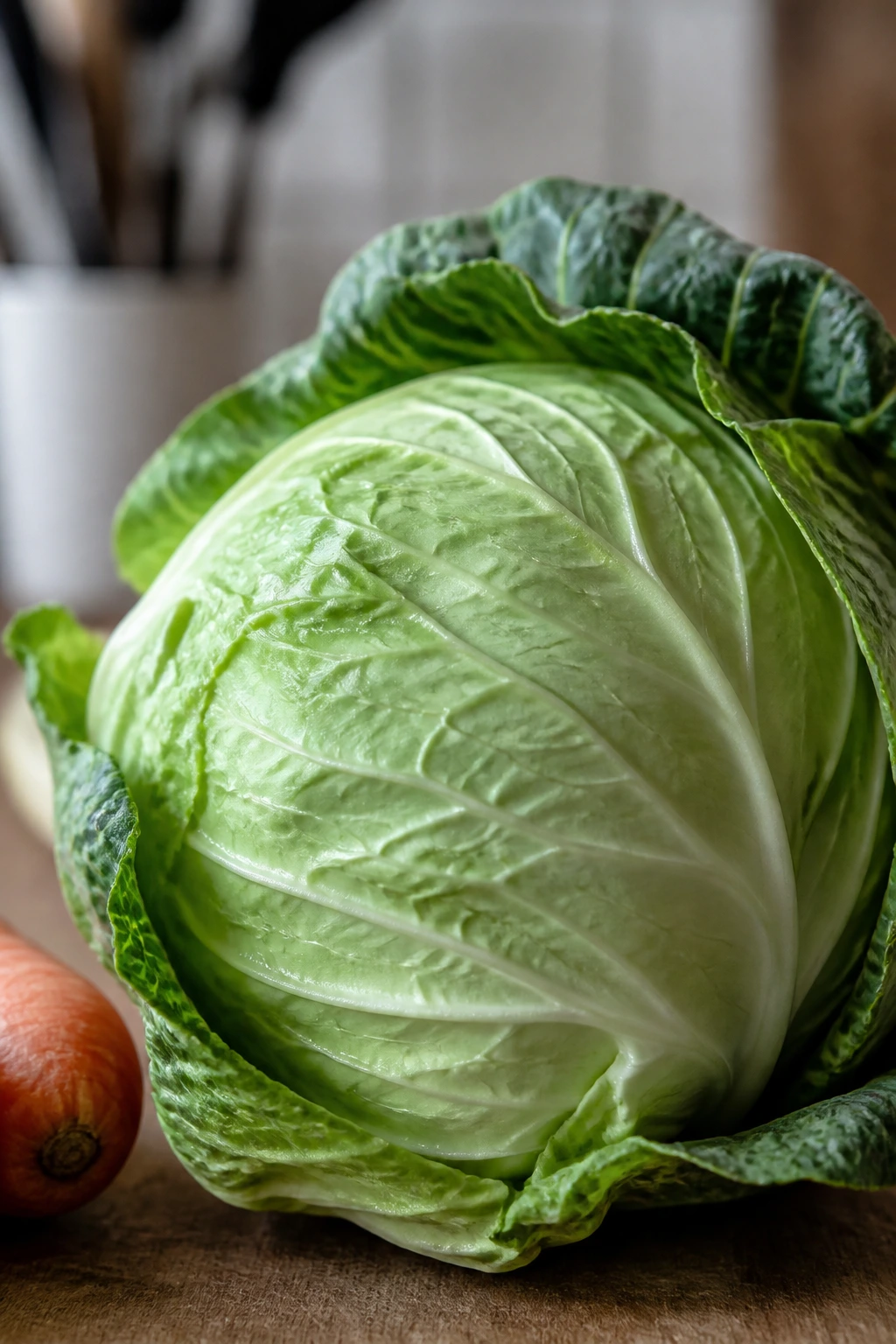
Cabbage is one of the best values in the produce section. A whole head keeps for a long time, it shrinks beautifully in a hot pan, and it can be raw, sautéed, roasted, or simmered. Shredded cabbage with garlic and soy sauce makes a cheap side dish. Wedges of cabbage roasted with oil and salt get sweet at the edges. A little lemon or vinegar at the end keeps it from tasting dull.
Onions and carrots show up in almost every budget kitchen because they’re useful, not because they’re exciting. Onions build flavor from the first minute. Carrots add sweetness and structure, especially in soup, rice, and tray bakes. I buy whole carrots instead of baby carrots when I can. They cost less, they keep longer, and they taste better once they’ve been cut and cooked.
Frozen vegetables are not a compromise. They’re a tool. Frozen peas, broccoli, spinach, corn, and mixed vegetables are often picked and frozen fast enough to beat tired produce that has sat in a cooler too long. They also keep your budget from getting ambushed by spoilage. I’d rather cook a good bag of frozen broccoli than throw away half a fresh crown that went soft in the crisper.
Leafy greens are useful if you treat them like a quick-cook ingredient rather than a salad promise. Spinach disappears into pasta and eggs. Kale wants more heat and a little acid. Collards and mustard greens need a longer simmer, which makes them better with beans or broth. Use greens where they fit. Don’t force them into every meal.
Flavor Builders That Keep Budget Food Interesting
Cheap food gets boring when every ingredient is boiled, salted, and left alone.
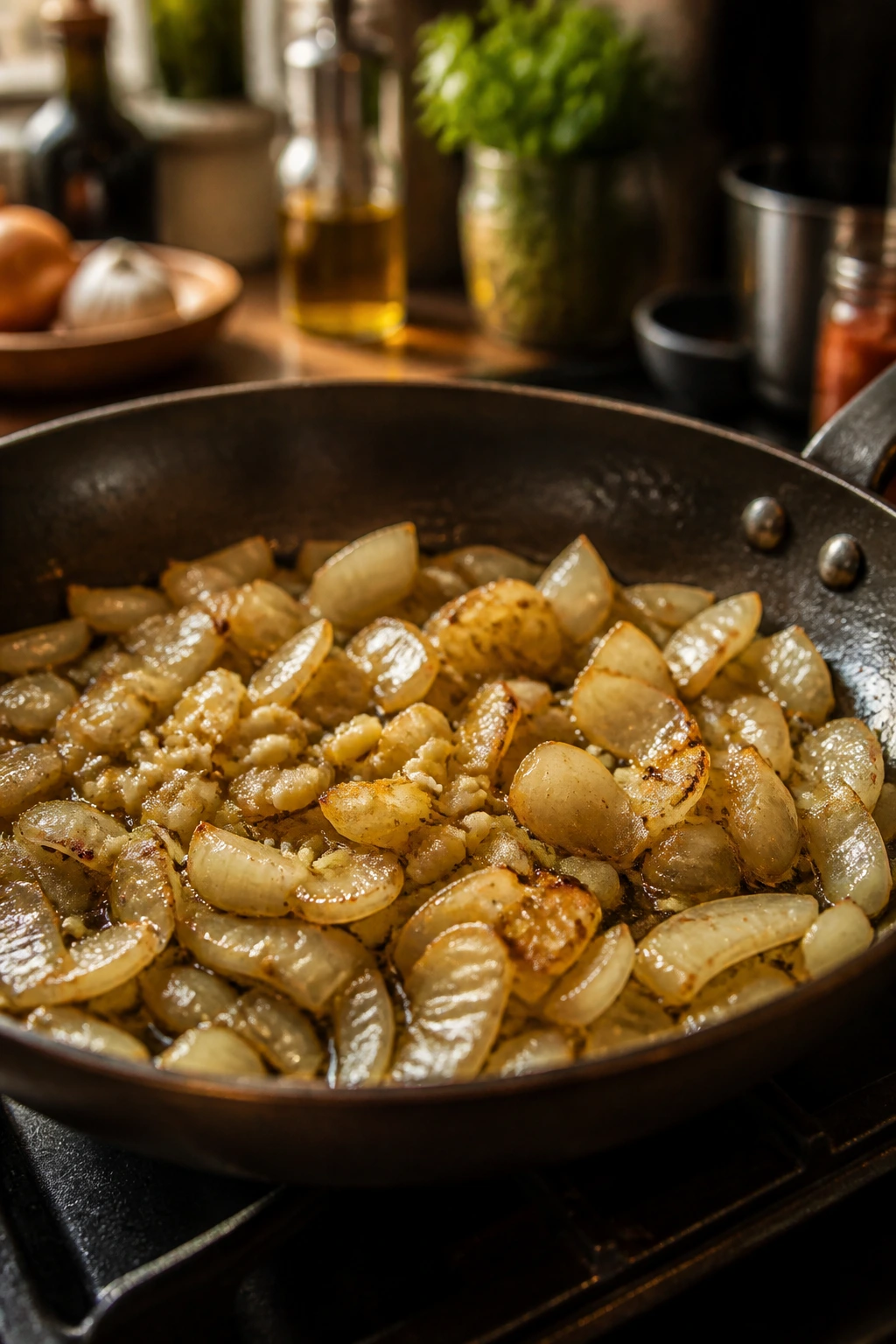
Onion and garlic are the baseline. Cooked in oil until the onion softens and the garlic smells sweet instead of sharp, they give a meal a starting point that tastes intentional. If you rush this stage, the whole dinner tends to taste rushed. I’d rather spend five extra minutes here than try to save the plate later with cheese.
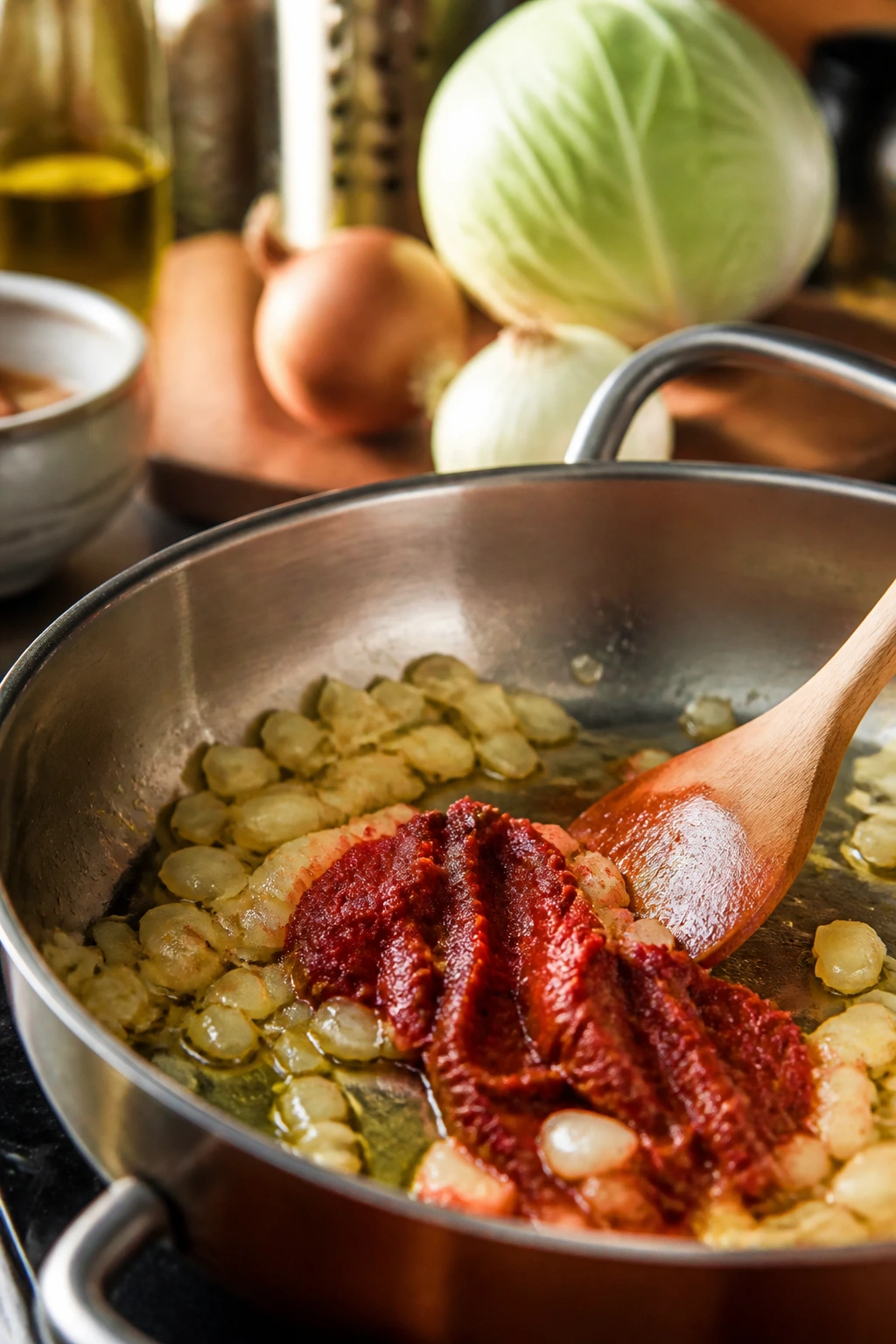
Tomato paste is one of the cheapest ways to add depth. A spoonful cooked in oil for a minute or two loses that raw tinny taste and turns dark brick red. That’s the moment it starts behaving like real flavor instead of canned tomato paste. It’s useful in pasta, beans, stews, and skillet rice.
Acid matters more than people think. Vinegar, lemon juice, lime juice, pickle brine, or even a splash of the juice from jarred peppers can make a cheap dinner taste finished. Acid wakes up beans and potatoes. It also cuts through oil and cheese so the meal doesn’t sit heavy.
Salt is not a villain; it is a tool. Under-salted budget food tastes thin because starch and beans absorb more seasoning than you expect. Taste as you go. That sounds almost too obvious to say, but it is where a lot of cheap dinners fall apart. People cook frugally, then season timidly.
Heat and spice should be used with a little nerve. Chili flakes, paprika, cumin, curry powder, black pepper, hot sauce, mustard, and soy sauce can give the same bowl a completely different shape. You do not need a rack of 40 jars. A few reliable ones, used often, do more.
Cheese and yogurt are finishers, not requirements. A little grated Parmesan, cheddar, feta, or a spoonful of plain yogurt can round out beans, potatoes, or noodles. I like them best when they’re used at the end so the flavor stays bright. A heavy hand can blow the budget. A small hand can make the meal feel generous.
Four Dinner Formulas I Trust on Busy Nights
I don’t invent a brand-new budget dinner every time. I pick a shape and fill it.
Skillet pasta with beans and greens
This is the dinner I make when the fridge looks half awake and I still want something warm and coherent. Start with onion and garlic, add tomato paste, then stir in canned beans, a splash of pasta water, and a handful of spinach or chopped kale. Toss with short pasta and finish with oil, cheese, or chili flakes if you have them.
What I like here is the cost balance. Pasta carries the weight. Beans bring protein and body. Greens keep it from becoming a brick of starch. You can feed several people with one pound of pasta, one can or two of beans, and a vegetable that costs a couple of dollars at most.
If you want the same structure with a different mood, switch the tomato for olive oil, lemon, and garlic. It becomes lighter and sharper. Either way, this is a bowl that reheat workday lunches without turning weird.
Egg fried rice with frozen vegetables
Cold rice is the key. Fresh rice tends to clump and steam itself into mush, while leftover rice fries better because the grains have dried a little. Heat oil in a skillet, scramble in eggs, add frozen peas or mixed vegetables, then stir in the rice and season hard with soy sauce, salt, pepper, and maybe sesame oil or scallions.
This meal is cheap in a way that feels almost unfair. Eggs carry the protein. Rice fills the bowl. Frozen vegetables keep you from paying fresh-produce prices for a handful of limp carrots. If you’ve got leftover chicken or tofu, toss it in. If not, the eggs still do enough.
The dish gets even better if the pan is hot enough to give a few grains of rice a little color. Not burnt. Just toasted. That tiny bit of browning changes the whole thing.
Sheet-pan chicken thighs, potatoes, and cabbage
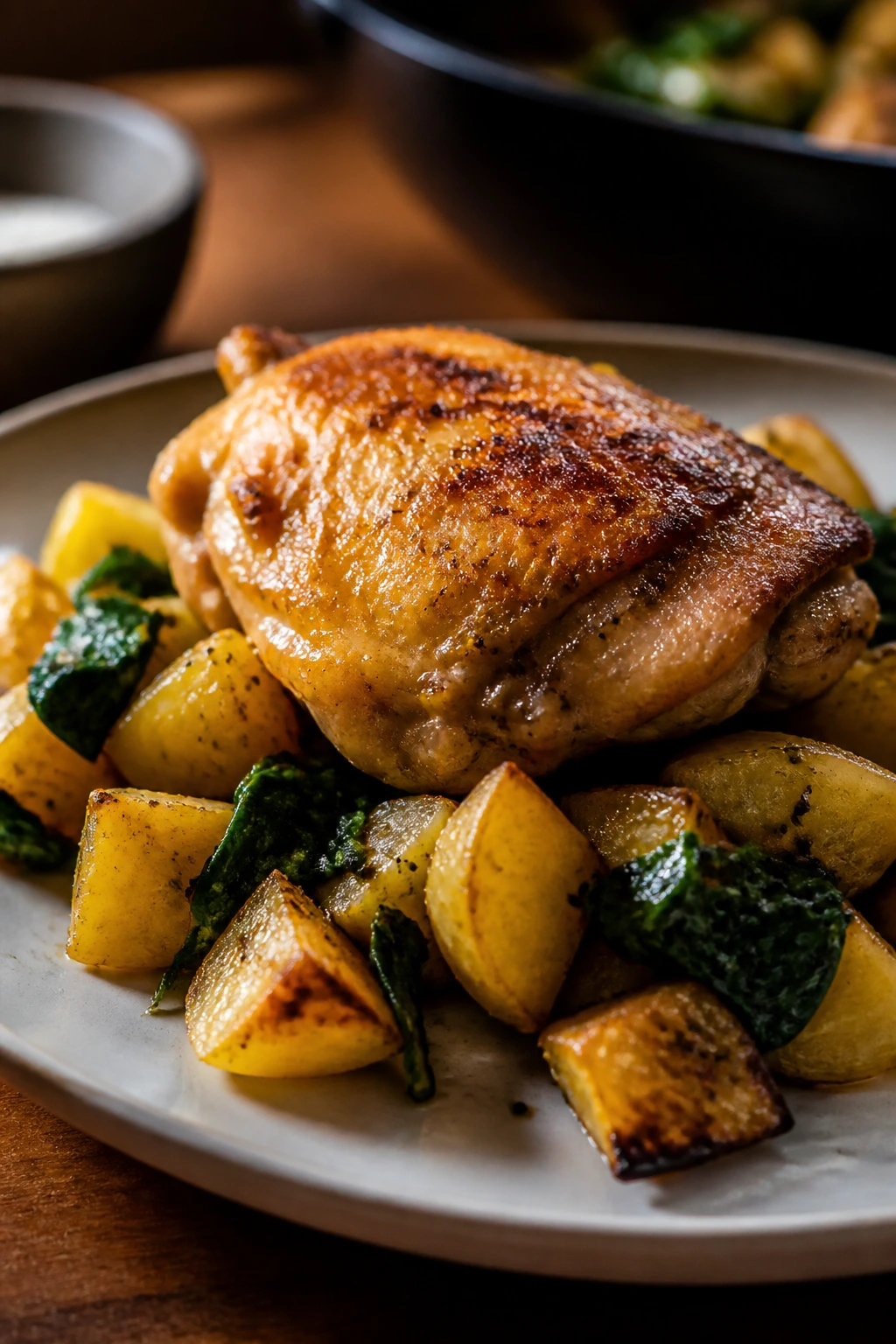
This is the answer when you want dinner to look more like dinner and less like a weeknight compromise. Toss chicken thighs, potato chunks, and cabbage wedges with oil, salt, pepper, paprika, and garlic powder. Roast until the chicken is cooked through and the potatoes are tender at the center, with browned edges where they touched the pan.
The sheet pan matters because it keeps cleanup down and uses the oven to do most of the work. The cabbage softens and sweetens under the chicken drippings. The potatoes soak up the fat and seasoning. It feels like a full plate even before you add mustard, vinegar, or a quick yogurt sauce.
If chicken prices are off, swap in smoked sausage or tofu. The shape stays the same. The flavor changes, but the meal still works.
Black bean taco bowls or loaded potato bowls
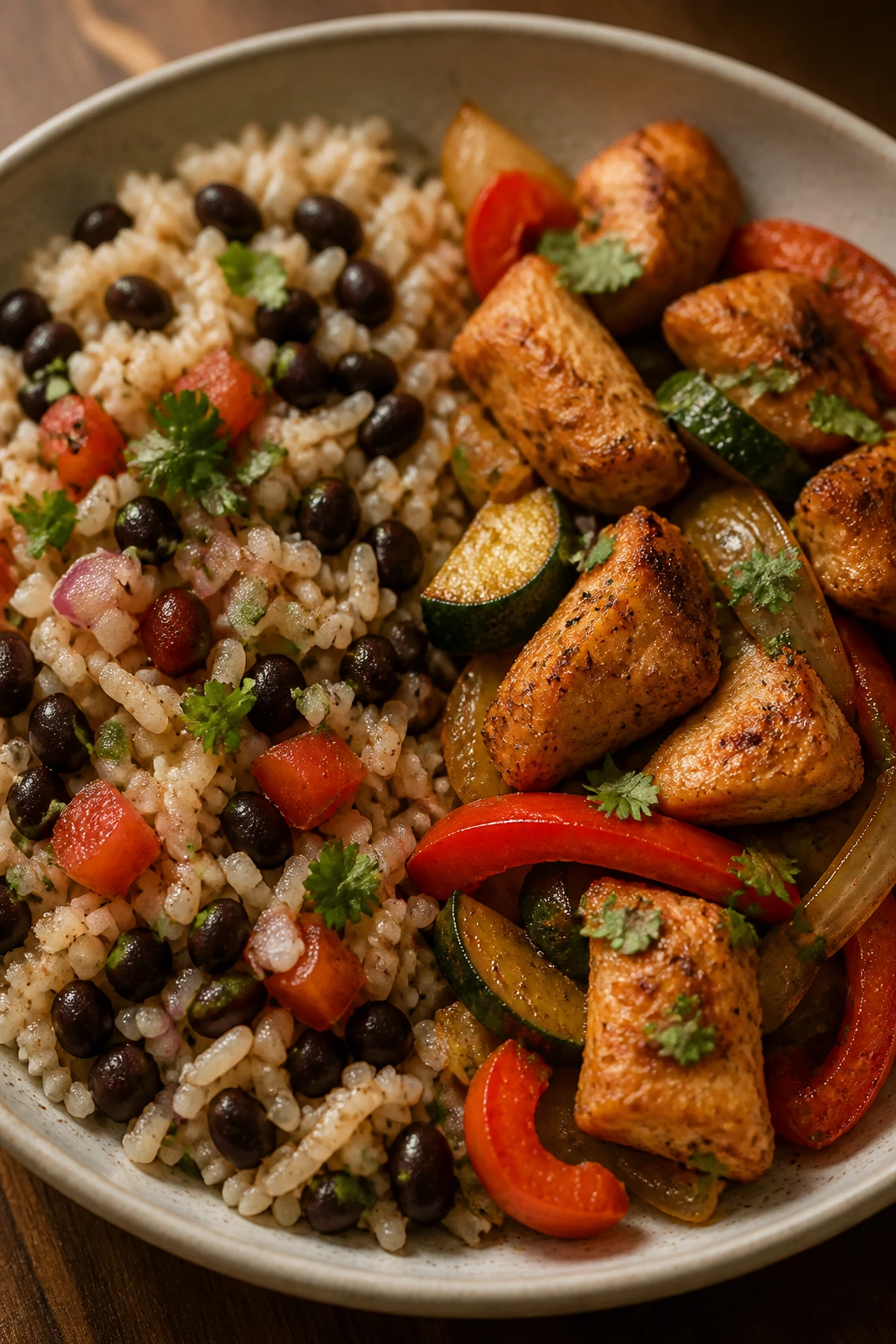
This is the “I need dinner to be loud enough to satisfy people” formula. Start with black beans cooked with onion, cumin, and garlic. Set them over rice or roasted potatoes, then add salsa, cheese, lettuce, cabbage, pickled onions, or a fried egg if you want more staying power.
Taco bowls are flexible in a way that saves money. You can use what’s there and still make the plate look deliberate. Corn tortillas on the side turn it into tacos. Potato wedges turn it into a hearty bowl. A spoonful of sour cream or plain yogurt cools everything down if the salsa leans hot.
I like this formula because it tolerates substitutions without losing its shape. Pinto beans instead of black beans? Fine. Tortillas instead of rice? Fine. Leftover roasted vegetables instead of fresh lettuce? Also fine. That kind of tolerance is what keeps a budget dinner from turning fussy.
The Tools That Save Time in a Small Kitchen
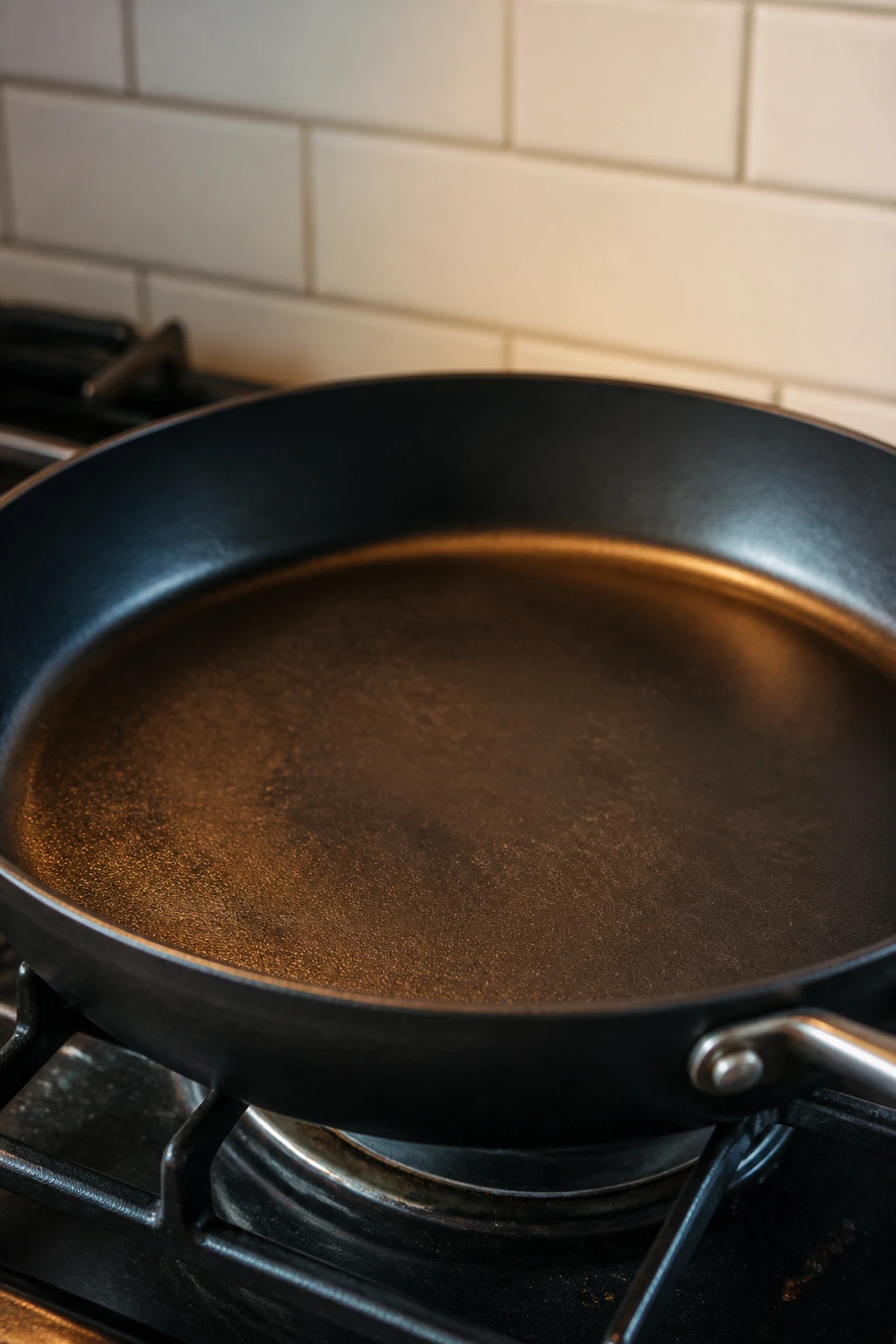
You do not need a kitchen full of gadgets to keep dinner under $10. You need a few tools that earn their drawer space.
- 12-inch skillet: Big enough to brown vegetables, fry eggs, and toss pasta without everything climbing the sides.
- Rimmed sheet pan: Better than a flat tray for roasted potatoes, chicken thighs, cabbage, and sausage because it catches oil and juices.
- Medium saucepan with a lid: Rice, lentils, potatoes, and quick soups all behave better when the pot can trap steam.
- Sharp chef’s knife: A dull knife slows everything down and makes onions and cabbage feel like a punishment.
- Cutting board with a towel underneath: The towel keeps the board from sliding when you’re chopping fast.
- Wooden spoon or flat spatula: Good for scraping browned bits from the pan and turning vegetables without smashing them.
- Colander: Useful for pasta, beans, and rinsing rice if that’s how you cook it.
- Measuring cups and spoons: Not fancy, just useful when you’re trying to repeat a cheap dinner that worked the first time.
- Airtight storage containers: Leftovers stop being a budget win if they dry out or pick up fridge smells.
- Microplane or small grater: Optional, but handy for garlic, ginger, zest, and cheese. A tiny bit of zest can make a plain bowl wake up.
The nicest part is that none of these items are expensive tricks. They are the plain tools that make low-cost cooking less annoying.
Mistakes That Blow the Budget Fast
The fastest way to miss the mark is to buy like you’re making a special occasion meal and then call it a Tuesday dinner.
Buying one-off ingredients: A jar of sauce, a bottle of specialty dressing, or a spice blend you’ll use once can swallow a third of the budget. The fix is to buy ingredients that appear in several meals. Tomato paste, soy sauce, mustard, vinegar, rice, beans, onions, and eggs all have range.
Letting protein eat the whole budget: A too-expensive cut of meat looks fine in the bag and leaves the rest of the plate thin. You can see the problem the moment you plate it: one small piece of protein sitting alone with a sad side. The fix is to choose a protein that shares the work with starch and vegetables, not one that tries to carry dinner by itself.
Ignoring the freezer aisle: Fresh produce has a lot of charm when you have a plan. When you don’t, it can rot in the crisper and take your budget with it. Frozen vegetables and fruit keep the kitchen honest. They cost less waste, and they’re easier to portion.
Buying ingredients before checking the pantry: This one is sneaky. You already have rice, canned tomatoes, or a half-used bag of lentils, but you buy more because the pantry is a jumble. The fix is a quick shelf check before every grocery run. No romance here. Just less duplicate spending.
Trying to force separate dishes instead of one meal: Three side dishes and a lonely protein usually cost more than one integrated skillet or sheet-pan dinner. If dinner has to stay under $10, make the ingredients work together in one pan, one pot, or one bowl.
Skipping leftovers on purpose: If you cook exactly one serving, you pay more in time and ingredients later. A little extra rice, potatoes, or beans can become lunch or tomorrow’s dinner with barely any added cost. That is not wasteful. It is smart.
Practical Tips for Stretching Every Dollar
A good budget kitchen has habits, not luck.
Flavor Enhancement: Brown tomato paste in oil for a minute before adding liquid. That one move turns a flat sauce into something deeper and richer. The paste should darken a shade or two and smell sweeter, not raw.
Time-Saver: Cook extra rice or potatoes on purpose. Cold rice becomes fried rice, and roasted potatoes become breakfast hash or a skillet base the next day. You save time twice — once at dinner, once when tomorrow gets busy.
Cost-Saver: Buy whole cabbage, whole carrots, and whole onions instead of pre-cut versions. The cut-and-packed stuff is convenient, but the whole vegetables keep longer and usually cost less per pound. I’d rather spend three minutes chopping than pay for someone else’s knife work.
Pro Move: Keep a “rescue trio” in the house: eggs, canned beans, and frozen spinach or peas. With those three plus a starch, you can make a dinner in almost any mood. Tired? Scramble the eggs. Short on time? Warm the beans. Need volume? Add the frozen veg.
Serving Suggestions: A cheap dinner feels more complete with one finishing touch. Try pickled onions, chopped herbs, a spoonful of yogurt, grated cheese, chili crisp, lemon juice, or a drizzle of olive oil. You do not need all of them. One bright finish is enough.
Make-It-Yours: If you eat dairy-free, finish with olive oil, tahini, or a squeeze of citrus instead of cheese. If you want more protein, add an egg or more beans before reaching for a pricier meat. If you need lower sodium, use herbs, garlic, and acid to do some of the seasoning work.
The real skill is not squeezing every penny until it squeaks. It’s buying fewer things and getting more uses out of each one.
Variations and Swaps for Different Eaters
One of the nicest things about budget cooking is how easily the same meal shape changes lanes.
No-Meat Night: Swap meat for beans, lentils, tofu, or eggs and lean harder on onion, garlic, and spices. A bowl of lentils over rice with sautéed cabbage can feel sturdy enough for a long night, especially if you finish it with vinegar or yogurt. No one at the table has to feel like they got the “lesser” version if the seasoning is good.
Chicken Thigh Upgrade: If you want a meat-centered dinner without blowing the budget, use chicken thighs instead of breasts. They brown better, stay juicy longer, and taste richer with simple seasoning. That matters when the rest of the plate is built from potatoes or rice and a single vegetable.
Breakfast-for-Dinner Rescue: Eggs, potatoes, onions, and greens can be dinner without pretending to be breakfast. Fry the potatoes until the edges go crisp, fold in wilted spinach or kale, then top with eggs cooked to your liking. Add hot sauce or salsa and it suddenly feels intentional.
Gluten-Free Plate: Rice bowls, potato bowls, corn tortillas, and bean-based skillet meals are the easiest path here. The shape of the meal barely changes. You’re just swapping the starch to match the pantry and the person eating it.
Dairy-Free Finish: Use tahini, olive oil, lemon, or a spoonful of salsa instead of cheese or sour cream. These finishes keep the plate bright and rich without depending on dairy. A little toasted sesame oil on vegetables can also give the meal a deeper edge.
Spice-Forward Version: If your house likes heat, build it with chili flakes, cayenne, jalapeños, or hot sauce from the start. Don’t dump heat only on the plate at the end. Cook a little of it with the onions so the whole dish picks it up.
Make-Ahead, Storage, and Leftover Strategy
Budget dinner gets stronger when leftovers are part of the plan, not an accident.
Cooked rice keeps for about 3 to 4 days in the fridge if you cool it quickly and store it in a shallow container. Reheat it with a splash of water in the microwave or in a skillet over medium heat until it’s hot all the way through. If rice sits out for too long before chilling, toss it. That’s not a place to gamble.
Cooked chicken, beans, pasta, and roasted vegetables usually hold for 3 to 4 days refrigerated in sealed containers. Sheet-pan meals reheat best in a hot oven or toaster oven at 375°F to 400°F until the edges wake back up. A skillet works well too, especially for potatoes and vegetables that need a little browning to feel alive again.
Soups, stews, bean mixtures, and chili freeze well for up to 2 to 3 months in freezer-safe containers. Leave a little space at the top because liquids expand when frozen. Labeling is worth the ten seconds it takes. Guessing what’s in the container six weeks later is a fool’s errand.
Pasta can be tricky. Sauced pasta keeps fine for a few days, but plain pasta holds up better than fully dressed pasta if you know you’ll reheat it later. Add a splash of water or broth when reheating so the noodles don’t dry out and cling together.
Potatoes are the one starch that asks for a little care. They reheat best in a skillet or oven, not a blast of microwave heat that makes them leathery on the outside and gummy in the middle. If you’re planning ahead, roast extra potatoes and use them the next day in a hash, bowl, or breakfast plate.
Frequently Asked Questions
Can a weeknight dinner under $10 feed four people?
Yes, if you build it around a starch and use protein as a supporting player instead of the whole show. Pasta with beans, fried rice with eggs, or a sheet-pan dinner with potatoes and cabbage can feed four without turning stingy. The portion size matters, though, so don’t expect restaurant-sized servings of meat.
What protein gives the most food for the money?
Eggs, beans, lentils, and chicken thighs usually give the best return. Eggs are fast and flexible, beans and lentils stretch well, and thighs stay tender with simple cooking. If the budget is tight enough, I’d rather buy a cheaper protein that can be seasoned well than a pricier one that needs too much help.
Are frozen vegetables worth buying for budget dinners?
Absolutely. Frozen peas, broccoli, spinach, corn, and mixed vegetables are often cheaper than fresh versions and they waste less because they last longer. They also save time, which matters when dinner has to happen between work and everything else.
What if my pantry is almost empty?
Start with the cheapest structure you can build: a starch, one protein, one vegetable, and one flavor builder. Rice plus eggs plus frozen veg is a classic rescue meal. If even that is a stretch, build the pantry first with rice, pasta, beans, onions, garlic, tomato paste, and oil.
How do I keep cheap dinner from tasting flat?
Season in layers. Salt the onion early, season the protein before it cooks, and finish the plate with acid, herbs, or a little cheese. A cheap meal often needs one bright element at the end, not more food.
Can I make this work without meat?
Yes, and often more easily than people expect. Beans, lentils, tofu, eggs, cheese, and yogurt can all carry the protein side of the plate. The trick is to use enough seasoning and a starch with some body so the meal still feels full.
What if one ingredient pushes me over $10?
Swap the expensive item for the next best thing that serves the same job. If chicken is too much, use beans or eggs. If fresh greens are pricey, use frozen spinach or cabbage. The goal is the meal, not loyalty to one shopping list.
Which dinner shapes reheat best the next day?
Bean dishes, rice bowls, soups, stews, and sheet-pan meals usually reheat best. Fried food and delicate noodles are fussier. If you want tomorrow’s lunch to behave, build tonight’s dinner out of sturdy ingredients that can take heat twice.
A Cheap Dinner, Done Right
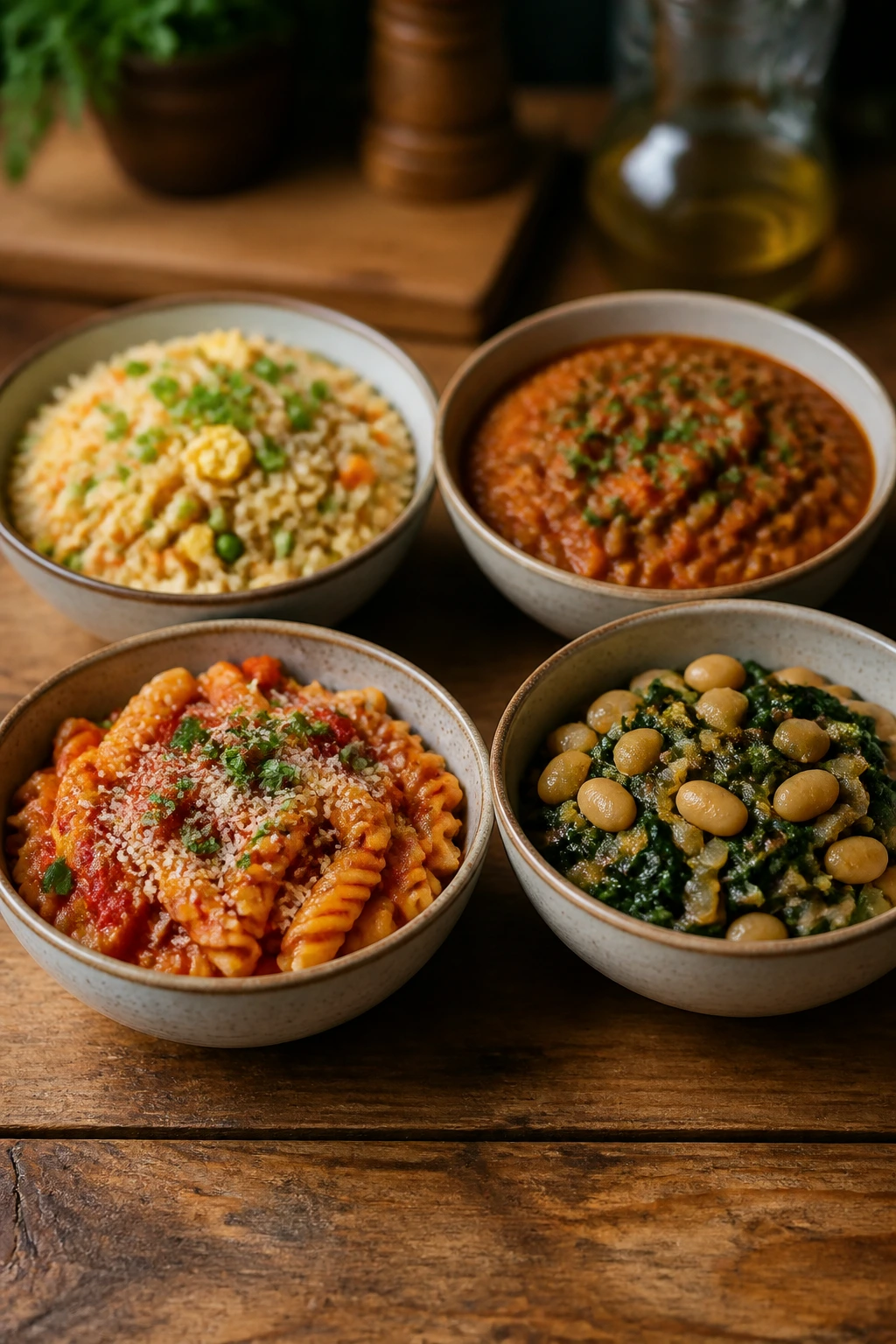
A dinner under $10 works best when it feels planned, not pinched. That usually means a starch that does the heavy lifting, a protein that stays within reason, and one vegetable that can survive a hot pan without losing its mind.
The easiest mistake is trying to make budget food look expensive. I’d rather make it taste complete. That means seasoning with a little more courage, buying ingredients that work in more than one meal, and using the freezer and pantry like they’re part of the kitchen, because they are.
Once you get the rhythm, the whole thing becomes less about saving money and more about knowing how dinner is built. And that’s a useful skill on any Tuesday.