



Cheesy baking for kids who will actually eat it is less about sneaking in vegetables and more about getting the first bite right. A pan that smells like toasted butter, melted cheddar, and soft bread has a much better chance of disappearing than a “healthy” casserole that asks a child to trust a pile of pale, mysterious layers. Kids clock texture before they name flavor. They always do.
I’ve watched a skeptical eater ignore a bowl of plain broccoli, then inhale the same broccoli once it was tucked into a blistered cheese top and cut into little squares. That’s the whole trick, really. A good cheesy bake gives them a familiar shape, a mild flavor, and a texture that makes sense the moment a fork or finger breaks through the top.
The best versions do not rely on hiding everything under a ton of cheese and calling it dinner. They use the cheese on purpose: one part for melt, one part for flavor, one part for that browned edge that kids pick off first. Get those three things right, and you’re already ahead of the usual “take one bite” negotiation.
Why a Golden Cheese Top Gets More First Bites
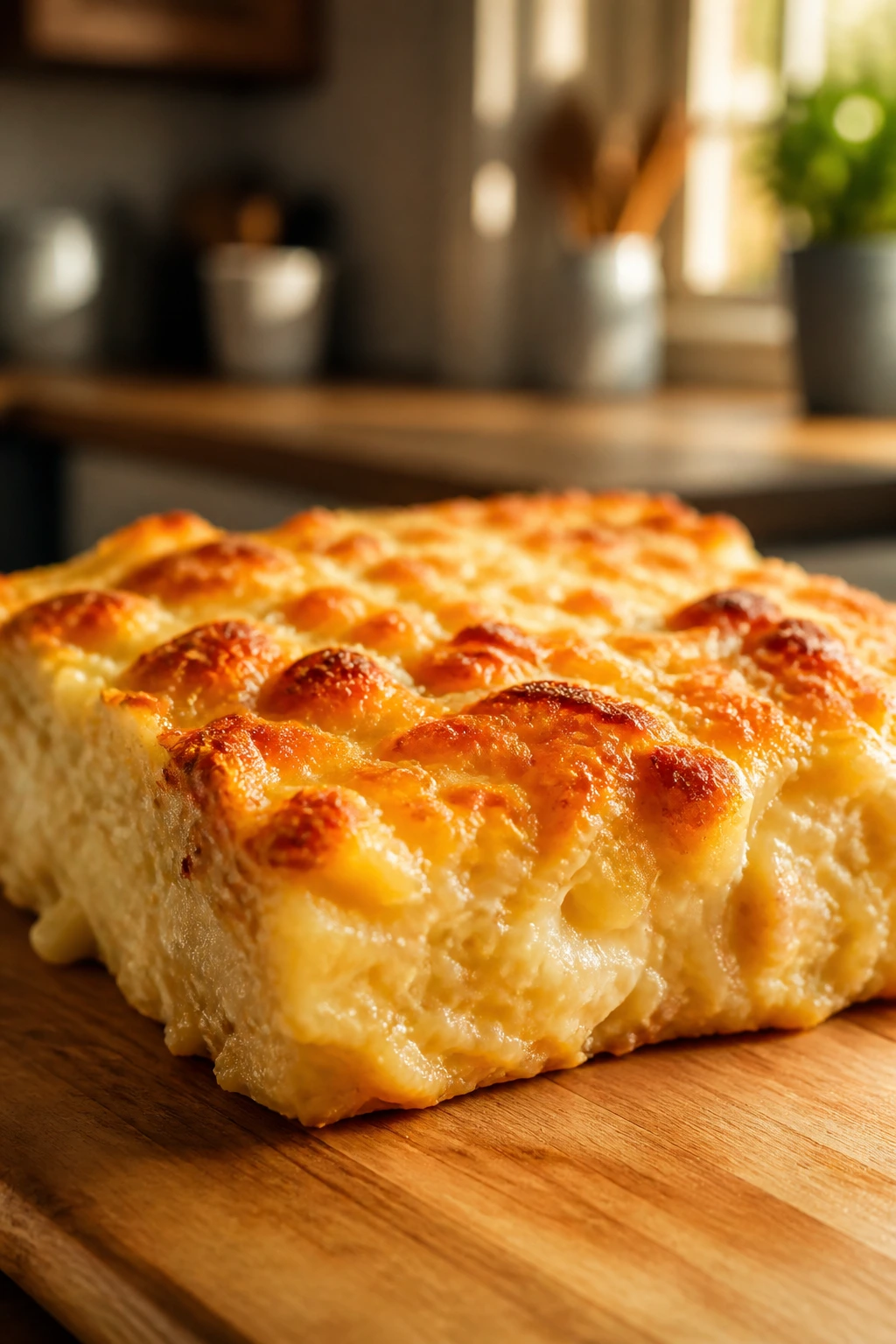
Mild flavor lowers the first-bite alarm. A sharp, salty blast can make a picky child stop before they’ve even swallowed. Mild cheddar, mozzarella, Monterey Jack, and Colby keep the flavor friendly enough to feel familiar without tasting flat.
A browned top acts like a promise. Golden cheese smells different from plain cheese. It smells toastier, a little nutty, and more like a snack than a lesson. That scent matters when the plate hits the table.
Small, even pieces feel safer. A square cut from a casserole or a muffin-tin portion looks predictable. Predictable food gets eaten faster than a forkful of something sprawling and messy.
Creamy textures beat wet ones every time. Kids usually do fine with gooey. They do not love soggy. A cheesy bake that holds together when sliced, then melts softly on the tongue, usually earns more loyalty than a dish that slumps into liquid on the plate.
The cheese can carry the vegetable, not erase it. That’s the distinction people miss. The point isn’t to bury every carrot until it vanishes. The point is to make the vegetable taste like it belongs there.
The Melt Matters: Choosing Cheeses That Stay Smooth in the Oven
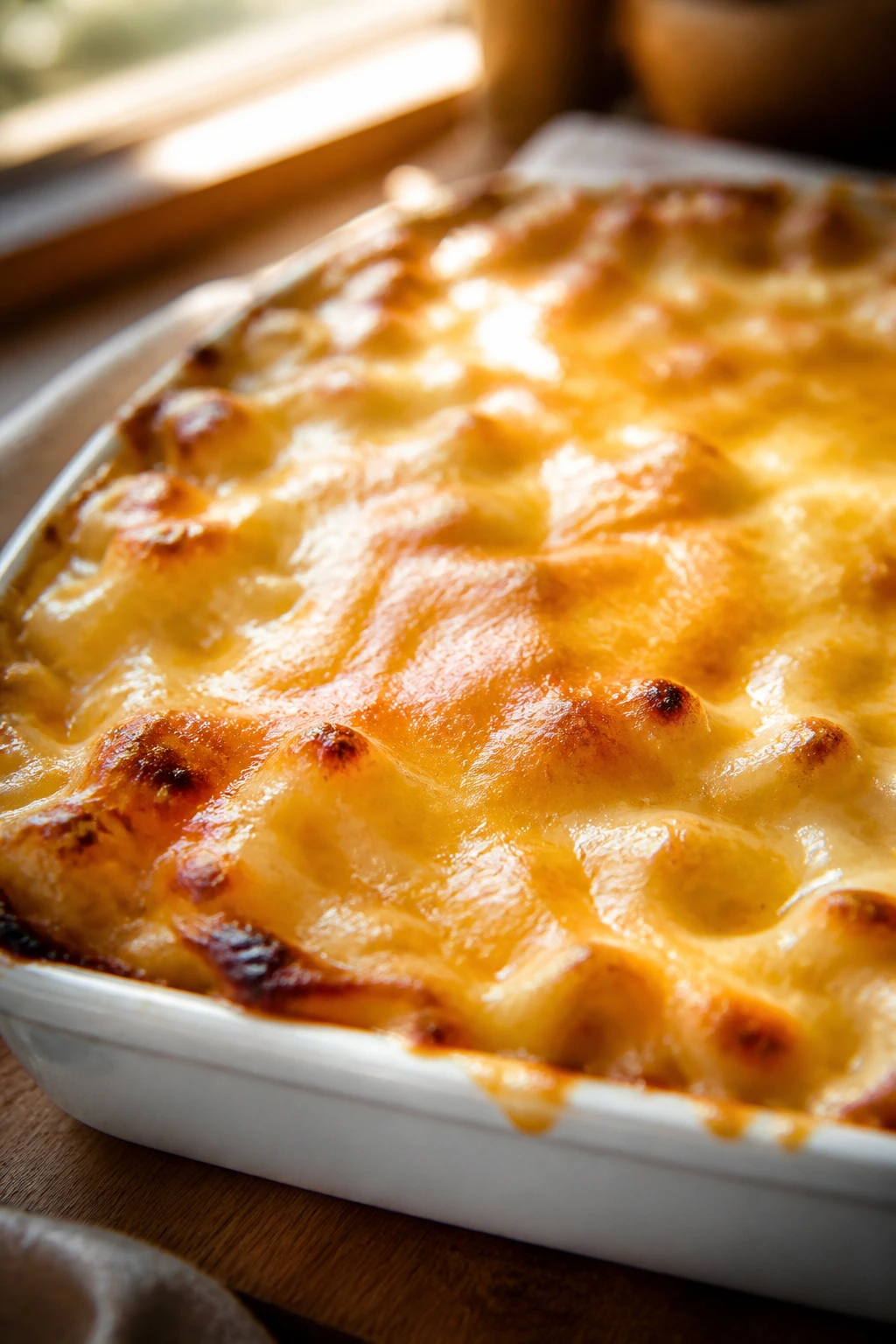
Cheese choice is where most kid-friendly bakes either get clever or go sideways. A lot of recipes reach for the strongest cheese in the fridge because it tastes “grown-up,” then act surprised when the kids refuse the pan. I’m not. If the smell reads as sharp before the bake is even cut, you’ve already lost some of the room.
Mild cheddar is the workhorse. It brings that familiar orange color and enough flavor to feel like dinner, not just bread with glue on it. It’s especially useful when you want the cheese to be visible, because kids often trust a dish more when they can see exactly what’s going on.
Monterey Jack is the quiet hero. It melts smoothly and stays soft without becoming stringy in a weird way. If you’ve ever pulled a baked dish from the oven and watched the cheese separate into oily puddles, Jack is the kind of cheese that keeps the sauce calmer.
Mozzarella helps with stretch. Not the whole sauce. Just enough to give the top that pull kids like to show off. I use it more as a supporting player than a star; alone, it can taste too mild and a little bland.
Colby and Colby Jack are useful when you want color and a softer flavor than sharp cheddar. They’re good in baked pasta, mac-and-cheese cups, and anything that needs to look cheerful without tasting aggressive.
Cream cheese is not a topping cheese, but it’s excellent in the base of a sauce. A few ounces melt into the mix and give the whole thing a thick, plush body. That texture matters more than people admit.
For most cheesy baking with kids, I like a ratio of two parts good melt cheese to one part flavor cheese. So if cheddar is bringing the taste, let Monterey Jack or mozzarella handle the stretch and smoothness. That balance keeps the bake from tasting loud.
What to Skip, or Use Carefully
Very aged cheeses can be lovely, but they’re not always the best main event here. A block of aged Parmesan or an extra-sharp cheddar can make a bake smell more intense than a child wants to walk into. Use those in a light finishing sprinkle, not as the bulk of the filling.
Low-fat cheese tends to get rubbery or greasy in the oven. That’s one of those tradeoffs that sounds good on paper and feels disappointing on the fork. If you want a dish kids trust, save your energy for a proper melt.
Pre-shredded cheese is fine in a pinch. I wouldn’t pretend it’s the same as hand-grated cheese, because the anti-caking coating does change the melt a bit. Still, if the choice is between pre-shredded cheese tonight or no baked dinner at all, use the bag and move on.
Shapes Kids Trust Before They Taste Anything
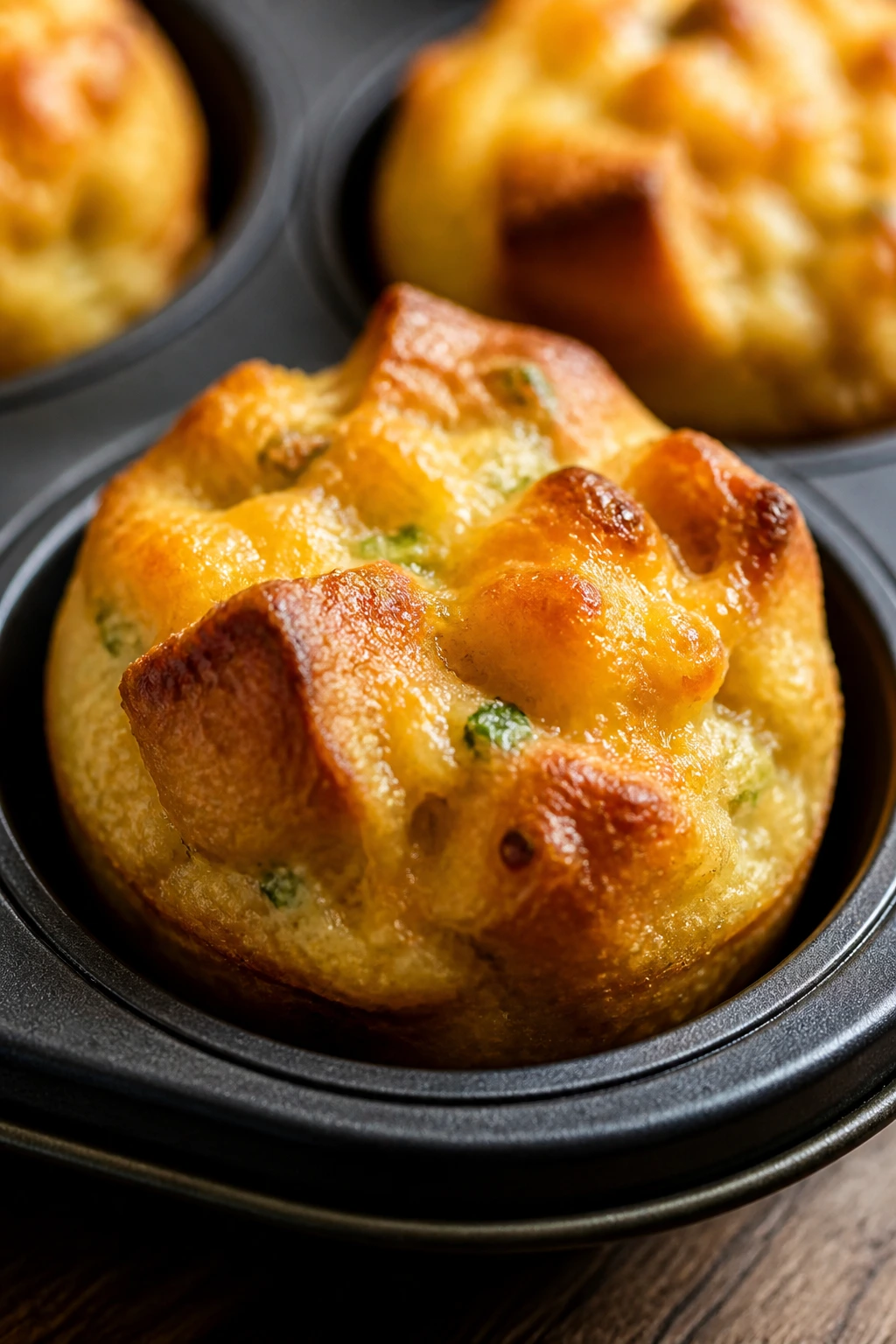
A child often decides whether to try a baked dish by looking at the shape, not the ingredient list. A casserole in one big dish can feel vague. A muffin cup, a square, or a neat little stick reads as manageable.
That’s why form matters almost as much as flavor. Kids like food they can predict. They like food they can hold. They like food that looks like one unit instead of a pile they need to decode.
The Shapes That Usually Work
- Muffin tin portions: These are gold for mac and cheese cups, mini egg bakes, and cheesy vegetable bites. The small size gives crisp edges on all sides.
- Squares from a casserole: Cut them after a short rest so the edges hold. A neat square feels easier than a messy scoop.
- Sticks and fingers: Cheese breadsticks, baked polenta sticks, or strips of cheesy pastry are good for dipping. The hand-held shape lowers the fuss.
- Mini rounds or pucks: These work well for mashed-potato cakes, veggie patties, and biscuit-style bakes.
- Pinwheels and spirals: Kids often say yes to spirals because they look playful. Puff pastry with cheese and a mild filling is a good example.
The visual trick is simple: keep the pieces small, even, and stable. Uneven edges and crumbly fillings make a child feel like they’re being handed a project. A tight little square or circle feels like snack food, and snack food is easier to accept than “dinner.”
I also like shapes that create a built-in crust. A muffin tin or a narrow loaf pan gives more browned edge per bite. That edge is where a lot of the approval lives.
The Texture Formula: Browned Top, Soft Middle, No Surprise Crunch
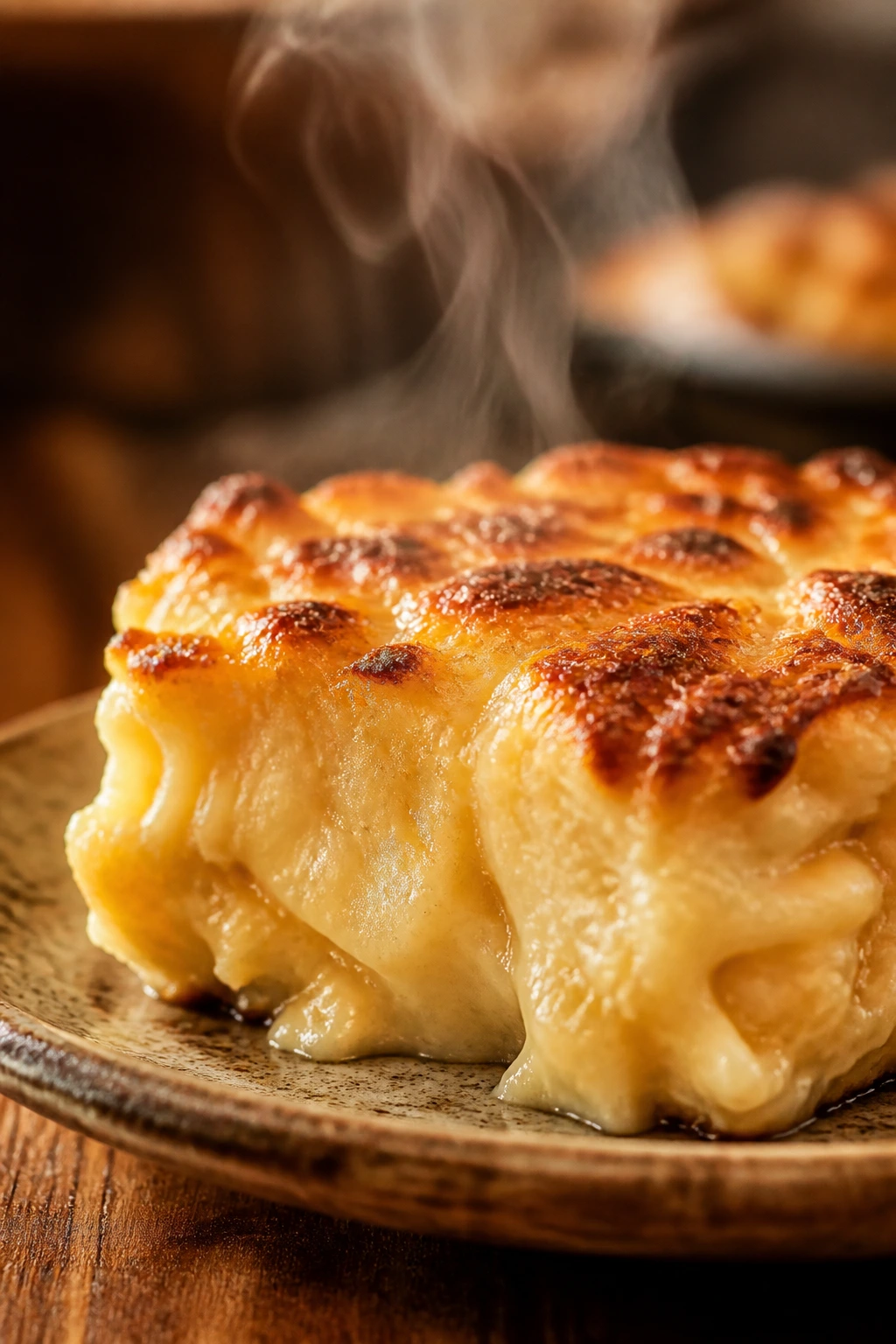
Texture is where cheesy bakes either become repeat requests or one-and-done experiments. Kids usually want contrast, but not surprise. They’ll often eat a crisp edge with a soft center. They’re less forgiving when the middle turns wet, grainy, or spiky with too many hard bits.
The Top Should Crackle, Not Burn
A little browning matters. A lot of browning can make the cheese taste bitter and smell harsh. For most kid-friendly bakes, I want a golden top with a few deeper spots along the corners, not a dark crust that shatters.
If you’re using breadcrumbs, mix them with melted butter before sprinkling. Dry crumbs on their own can taste dusty. Buttered crumbs toast into a light, sandy crunch that reads as pleasant, not gritty. Panko gives a lighter finish; regular crumbs make a tighter lid.
The Middle Should Set Like Warm Custard
A good cheesy bake has a center that holds together when sliced but still feels soft. That usually means the filling needs enough starch, egg, or thick sauce to bind. Pasta, bread, mashed potato, or a béchamel-style sauce all help with that structure.
If the bake is egg-based, it should jiggle a little in the center when you pull it out, then settle as it rests. If it’s pasta-based, the sauce should coat the noodles before baking rather than pooling at the bottom. That small detail makes the finished dish feel creamy instead of soupy.
Moisture Is the Sneaky Enemy
Raw vegetables release water in the oven. So do mushrooms, zucchini, spinach, and even some frozen broccoli if they go in half-thawed and unpressed. If you want a bake kids can eat with a fork or fingers, remove that water first.
Roast, sauté, steam, or squeeze the vegetables before they go into the dish. It’s boring. It works. A zucchini that’s been wrung in a towel behaves much better than one dumped in raw.
Hidden Vegetables That Disappear in the Oven
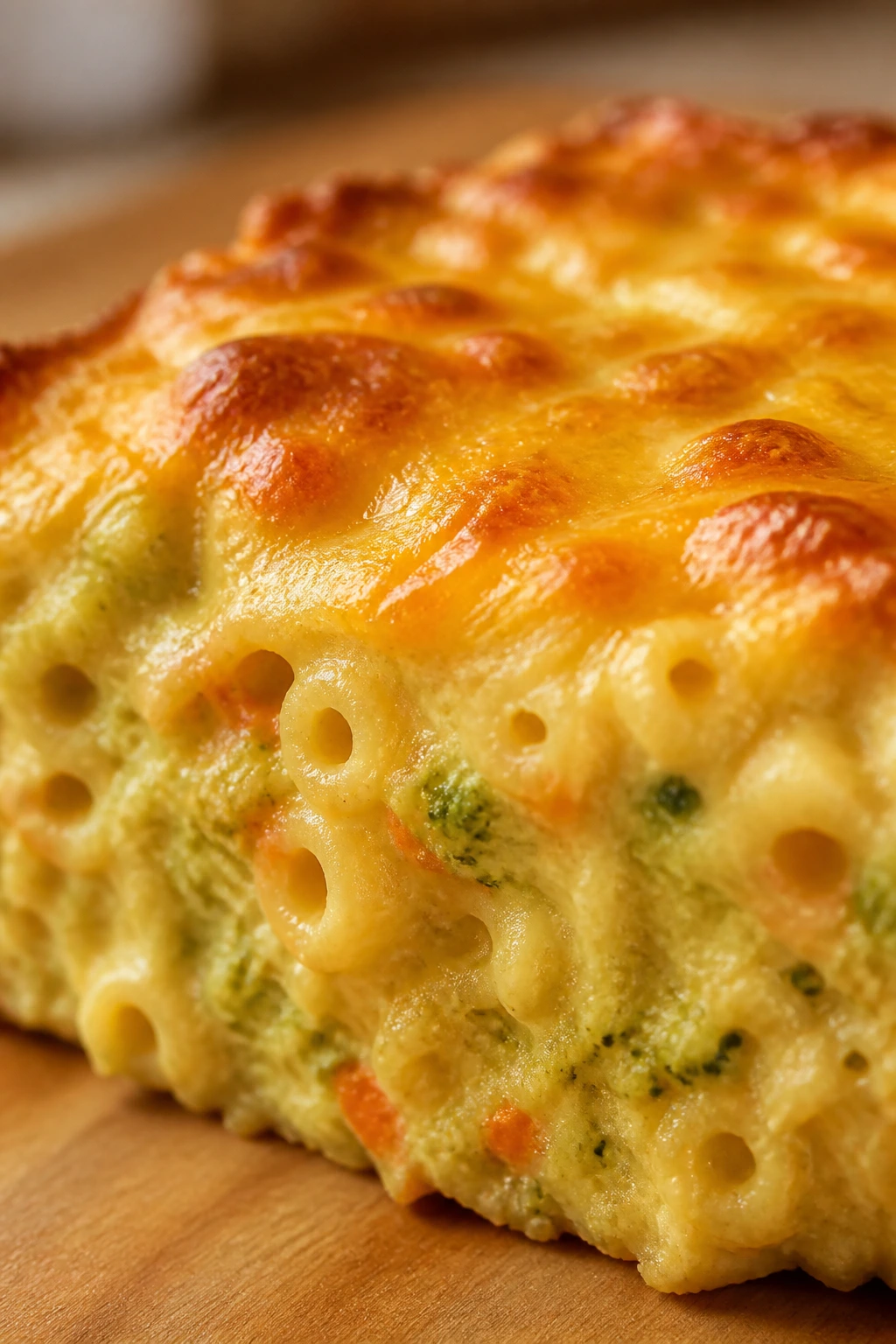
If you’ve tried to smuggle vegetables into a cheesy bake and still found little green islands sitting on the plate, that’s usually a texture problem, not a flavor problem. Kids are good at spotting anything that feels oddly firm, wet, or grassy in a dish that should be smooth.
The fix is to choose vegetables that either melt down naturally or can be softened enough to blend into the base. Cauliflower, butternut squash, carrots, and sweet potato are the easiest starting points because they bring body as well as color. They’re not acting like vegetables at that point; they’re helping create the sauce.
Cauliflower is the most forgiving. Steam it until tender, then mash or puree it into cheese sauce. It fades into the background fast, especially with cheddar and a little garlic powder. If you roast it first, you’ll get more flavor and a slightly nuttier edge.
Butternut squash adds sweetness and makes the whole dish look rich and sunny. That sweetness is useful when a child resists anything that smells too savory. It doesn’t need much—just enough to smooth the sauce and mellow the cheese.
Carrots work best when grated finely or cooked until they’re almost soft enough to mash. The tiny shreds disappear much better than obvious chunks. I like them in baked pasta and savory muffins because they soften to the same bite level as the starch around them.
Spinach is a separate problem. It shrinks, yes, but it also dumps water if you aren’t careful. Frozen spinach should be thawed, squeezed until it feels almost dry, and then chopped. Fresh spinach should be wilted first in a pan before it goes anywhere near the oven.
Zucchini needs even more discipline. Salt it lightly, let it sit, then squeeze it in a clean towel until the liquid stops dripping. If you skip that step, the dish can collapse into a pale, wet layer that no amount of cheese can rescue.
Broccoli can work too, but I prefer very small florets or chopped florets mixed into a sauce rather than giant tree-shaped pieces. Tiny pieces seem less threatening. Big ones look like a vegetable ambush.
From Breakfast to Dinner: The Cheesy Bakes That Get Eaten
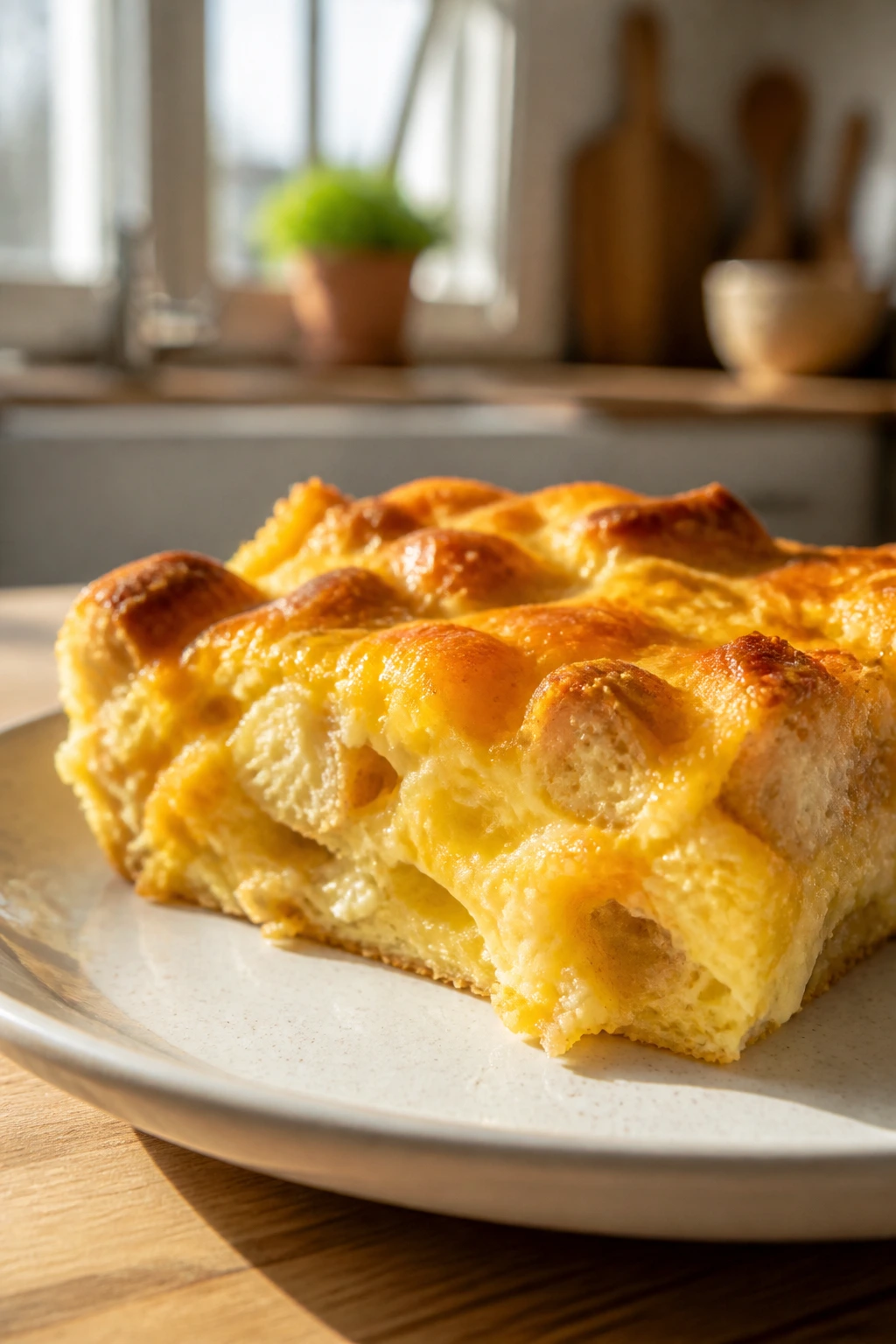
Cheesy baking with kids works best when the format matches the moment. Breakfast, lunchbox food, dinner, and snack time each want a different shape and density. A breakfast strata can be firmer and eggier. A dinner pasta bake can be saucier. A snack bite should hold its form in one hand.
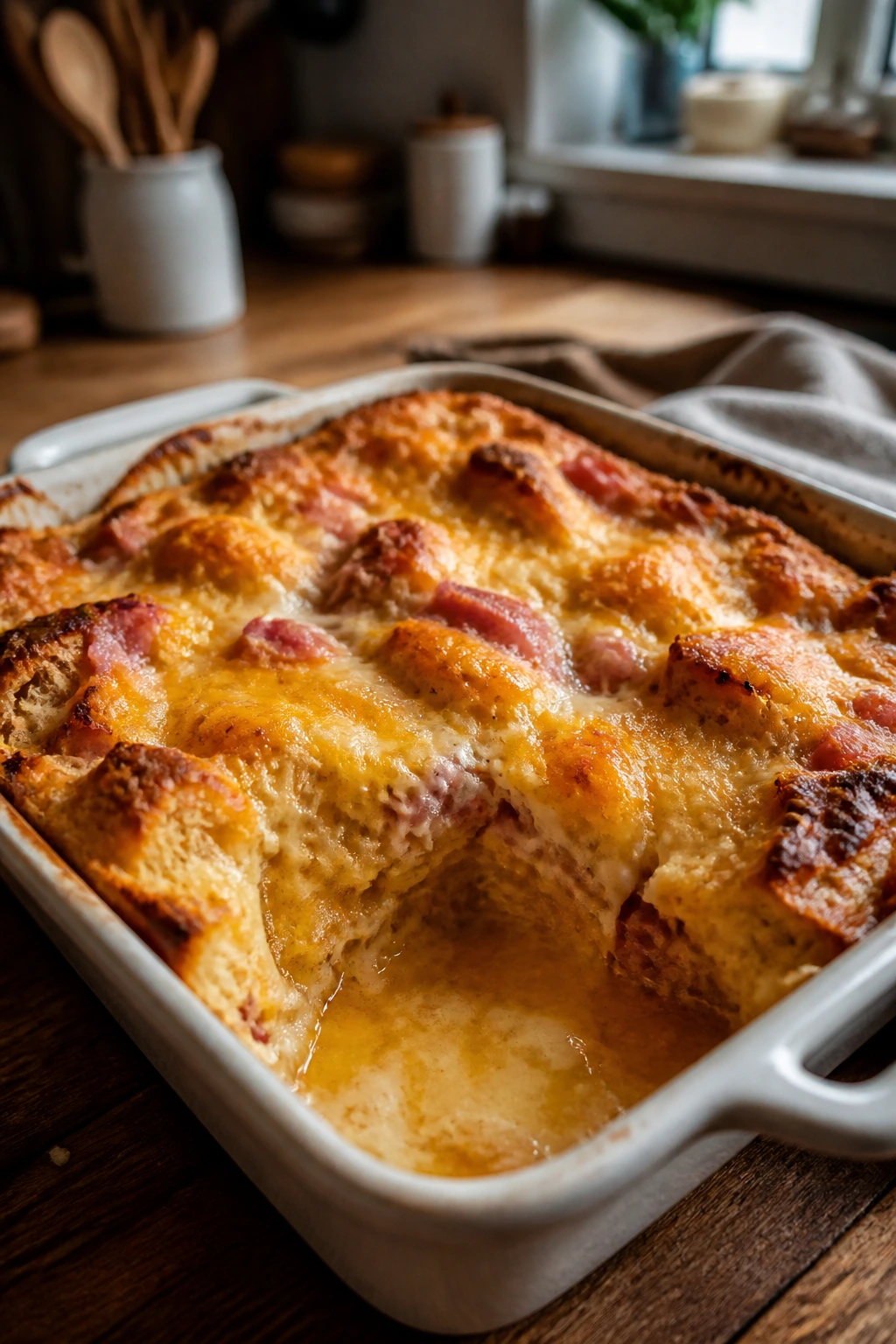
A breakfast bake usually benefits from bread or potatoes because those ingredients absorb the cheese and egg mixture without turning muddy. Think cubes of sandwich bread, cubed brioche, or diced hash browns layered with cheddar and a few finely chopped vegetables. The goal is a slice that holds together and feels familiar enough to eat before school.
A pasta bake is the easiest place to start if you want the least resistance. Elbows, shells, and rotini trap the sauce in the curves, which makes every bite taste consistent. Elbows are especially useful because they’re small and easy to scoop. Penne can work too, but it sometimes feels too big for young eaters who want neat bites instead of twirling.
A muffin tin bake is the move when you want speed and portions. Mini mac and cheese cups, egg-and-cheese bites, or potato-and-cheddar pucks bake quickly and cool fast. They’re also less intimidating because they look like snacks, not a casserole you’re asking a child to commit to.
A sheet-pan or slab bake is good when you need squares. Cheesy bread, stuffed biscuit dough, or a thin veggie-and-cheese pan bake can be cut into strips or squares that children can grab with little drama. The uniformity helps. Kids are suspicious of food that changes shape from one serving to the next.
And then there’s the skillet bake, which feels a bit more rustic. A cast-iron skillet full of cheesy potatoes, corn, and mild sausage can come straight to the table and be portioned there. That works better for older kids and families who like a little crisp around the edges.
Seasoning Quietly So the Cheese Still Tastes Like Cheese
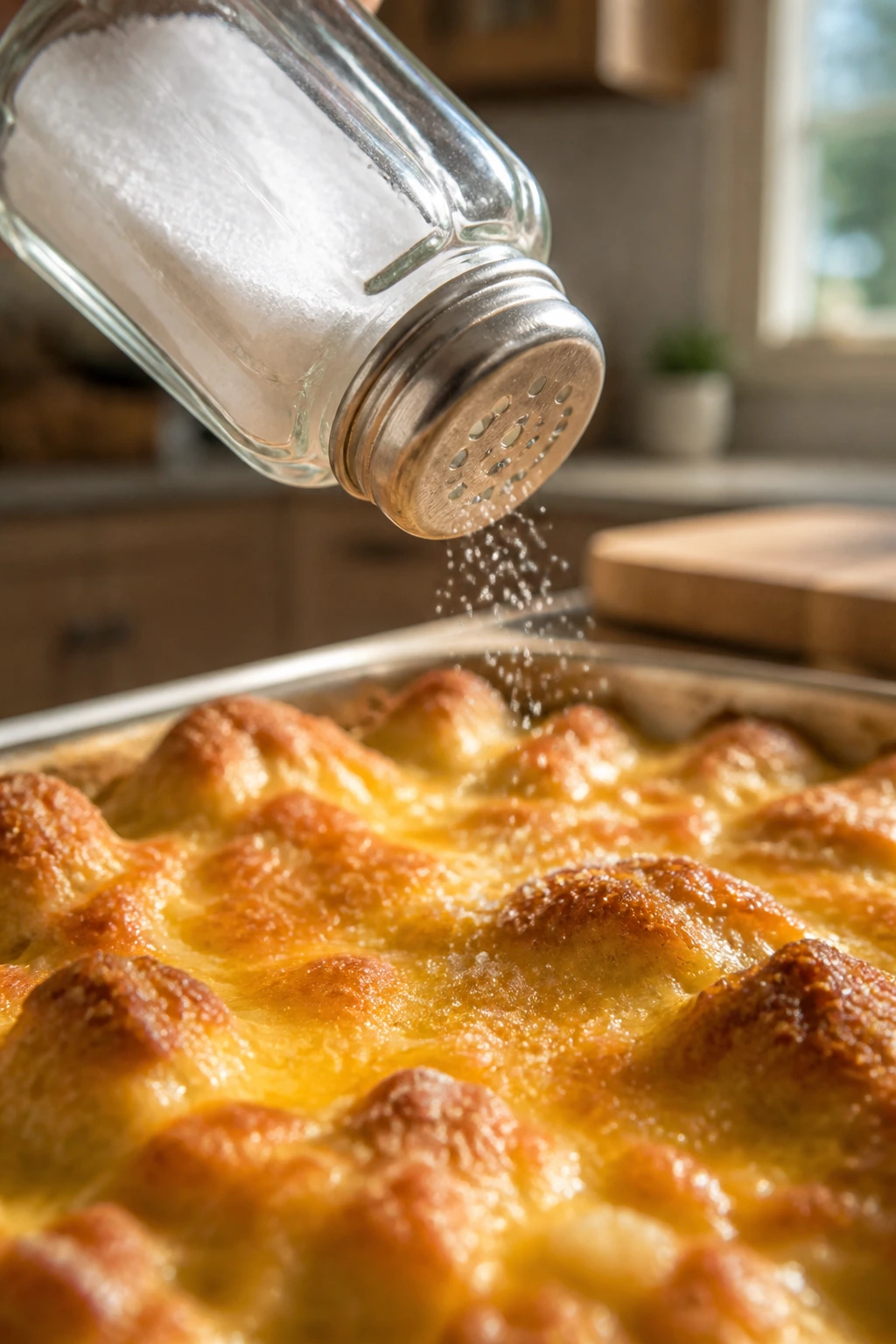
Too much seasoning is one of the fastest ways to lose a young eater. A child may not be able to name the problem, but they can tell when a cheesy bake starts tasting like a spice drawer. The point is not blandness. The point is controlled flavor.
Salt matters more than people think. Cheese already brings salt, so the rest of the recipe has to back off a little. If you’re using salted butter, broth, or processed cheese, the dish can cross into salty fast. I prefer unsalted butter and a careful final taste before baking.
Garlic powder is usually safer than raw garlic. It gives warmth without little sharp bits that announce themselves in the mouth. Onion powder does the same thing. Both disappear into the background and support the cheese instead of competing with it.
A tiny amount of dry mustard can make cheddar taste fuller without reading as mustard. In a 9×13 casserole, a teaspoon or less usually disappears into the sauce and sharpens the cheese flavor. It’s one of those quiet tricks that adults notice more than kids do.
Paprika works best when it’s used lightly. Sweet paprika gives color and a mild roundness. Smoked paprika is fine if the family already likes smoky flavors, but it can push a dish in a direction that feels too grown-up if you overdo it.
If the bake includes broccoli or cauliflower, a little lemon zest or a spoonful of plain yogurt can brighten the sauce. Not enough to make it tangy. Just enough to keep the flavor from getting heavy. Cheese can go flat if it’s carrying too much starch and not enough lift.
Black pepper is where you need to know your audience. Some kids ignore it. Some kids spot the black flecks and object on principle. White pepper blends in better if you want a little bite without visual clues.
How to Serve a Cheesy Bake So the First Bite Happens
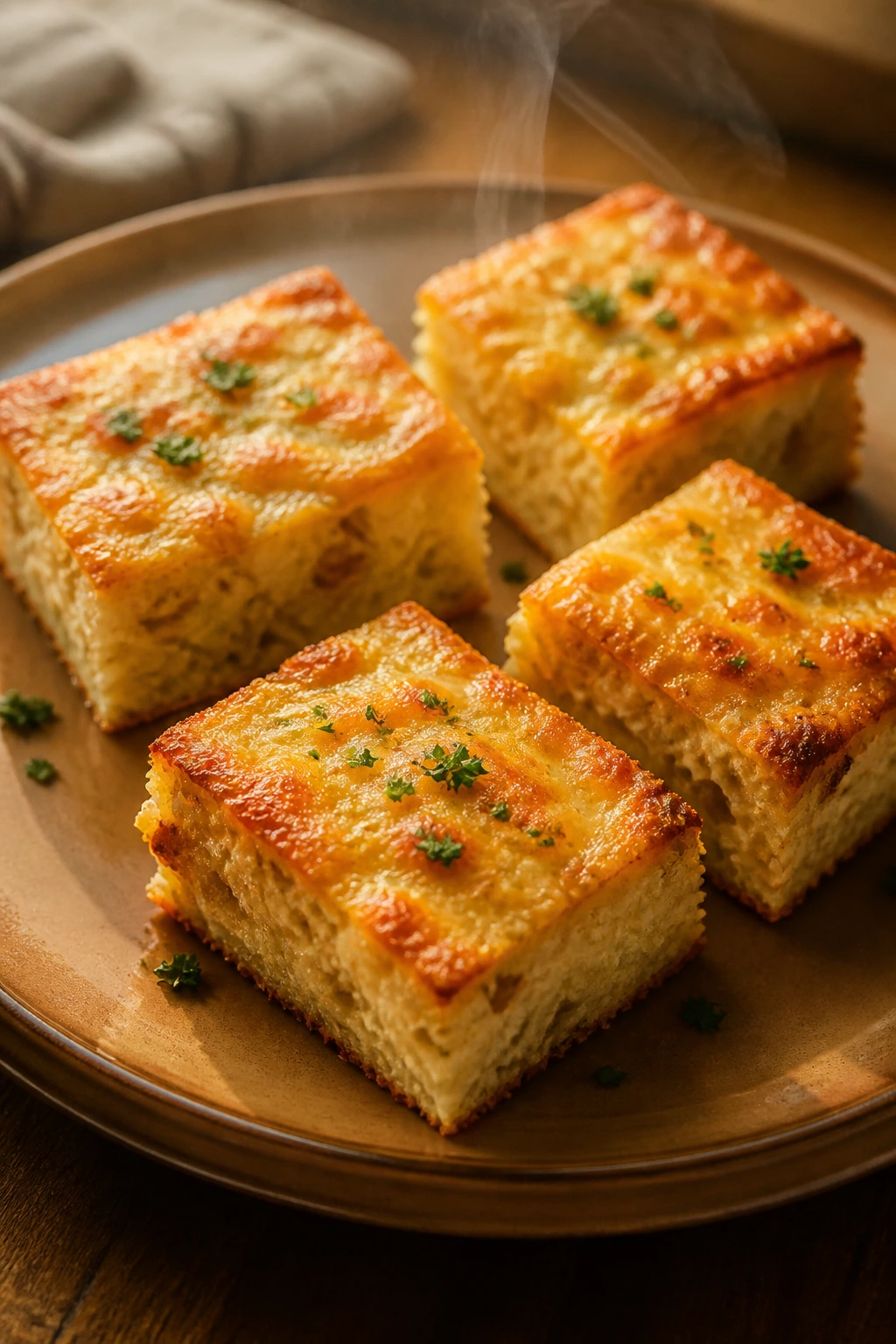
Presentation: Serve cheesy bakes in smaller pieces than you think you need. A casserole looks friendlier when it’s cut into tidy squares and moved to a warm plate rather than scooped into a heap. If you’re serving muffin tin bakes, turn them out onto a tray and let the browned side face up; kids are almost always drawn to the crisp top first.
Accompaniments: Keep the sides simple and familiar. Apple slices, cucumber coins, roasted carrots, steamed peas, or plain fruit work better than a second complicated dish. For dinner, I like a cheesy bake beside a simple green salad for adults and something more neutral for kids, like buttered corn or a few crackers. A little ketchup, ranch, or marinara on the side can help with dunking when the main dish is new.
Portions: Younger kids usually do better with one small square, one muffin cup, or a half-cup scoop rather than a full plateful. Older kids can often handle a larger slice or a second helping if the dish is mostly pasta, potato, or bread. When you’re testing a new bake, smaller portions reduce pressure. Nobody wants to stare down a huge serving of something unfamiliar.
Beverage Pairing: Cold milk is still the classic for a reason. It cuts the richness and feels familiar with cheese-heavy food. Water with a little lemon or cucumber works if you want something lighter. For family dinners, a simple sparkling water or apple juice spritzer keeps the plate from feeling too heavy.
Tools and Pans That Make Cheesy Baking Easier with Kids
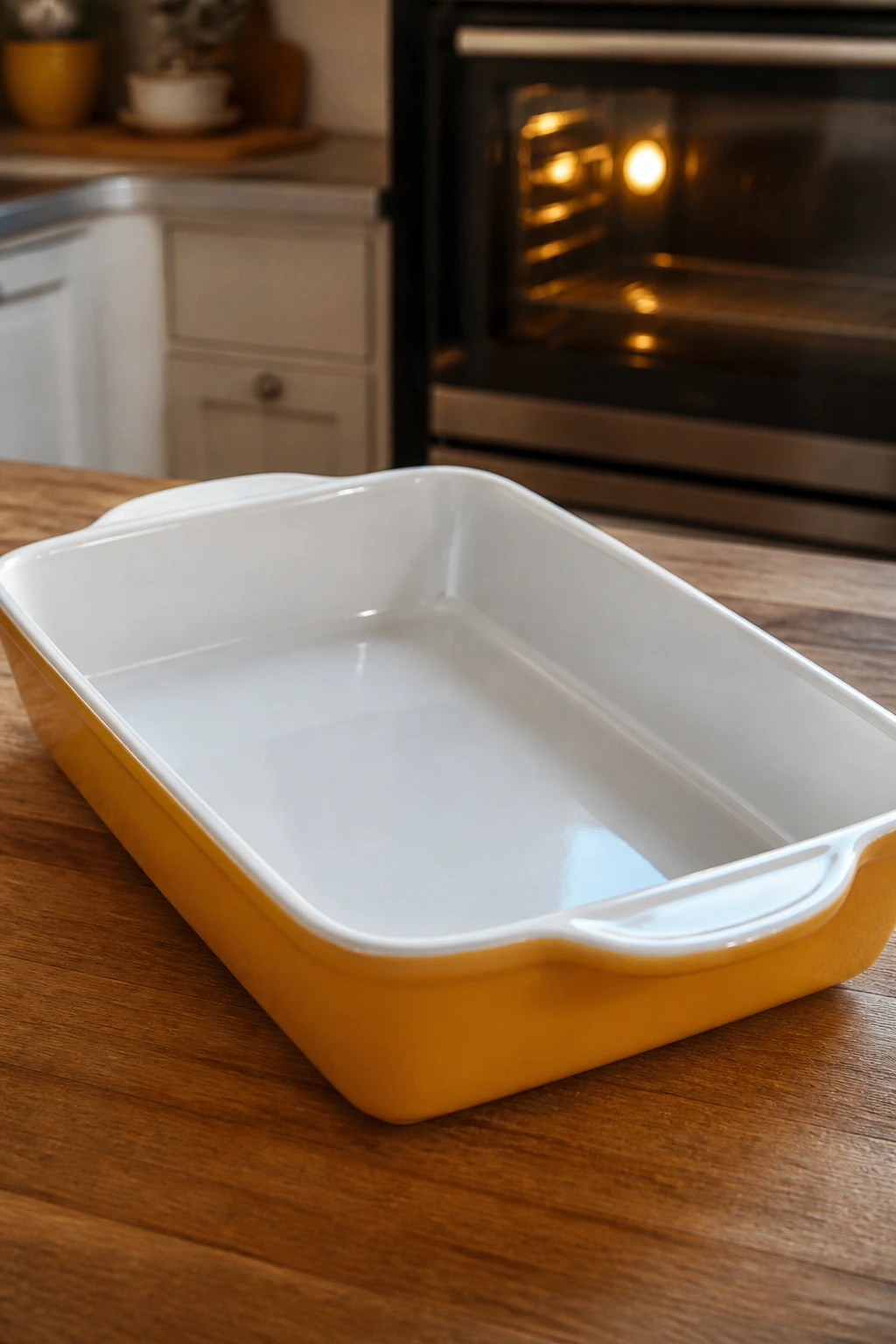
You do not need a fancy kitchen for this. You do need a few reliable tools that make cheese behave and keep cleanup sane.
- 9×13-inch baking dish: The standard size for casseroles, pasta bakes, and strata; it gives even heat and easy slicing.
- Muffin tin: Best for mini mac cups, egg bites, and snack-sized portions that cool quickly.
- Box grater: Useful for shredding cheese and vegetables; finer grates melt faster.
- Large mixing bowl: A roomy bowl keeps sauce and add-ins from spilling when you stir.
- Silicone spatula: Better than a spoon for scraping thick cheese sauce out of a bowl.
- Whisk: Helps smooth out milk, eggs, or béchamel before the cheese goes in.
- Oven thermometer: Home ovens run hot or cool more often than people like to admit. This one saves guesswork.
- Instant-read thermometer: Handy for egg-based bakes and stuffed dishes where you want the center set without overbaking.
- Fine-mesh strainer or clean kitchen towel: Essential for squeezing moisture from spinach, zucchini, or thawed vegetables.
- Sharp knife and cutting board: Keep portions neat so the finished bake slices cleanly.
- Parchment paper: Optional, but useful for lining sheet pans or muffin cups if you want easier removal.
- Casserole lid or foil: Good for the first part of baking when you want the inside hot before the top browns.
Small Moves That Keep the Recipe in the “Yes” Pile
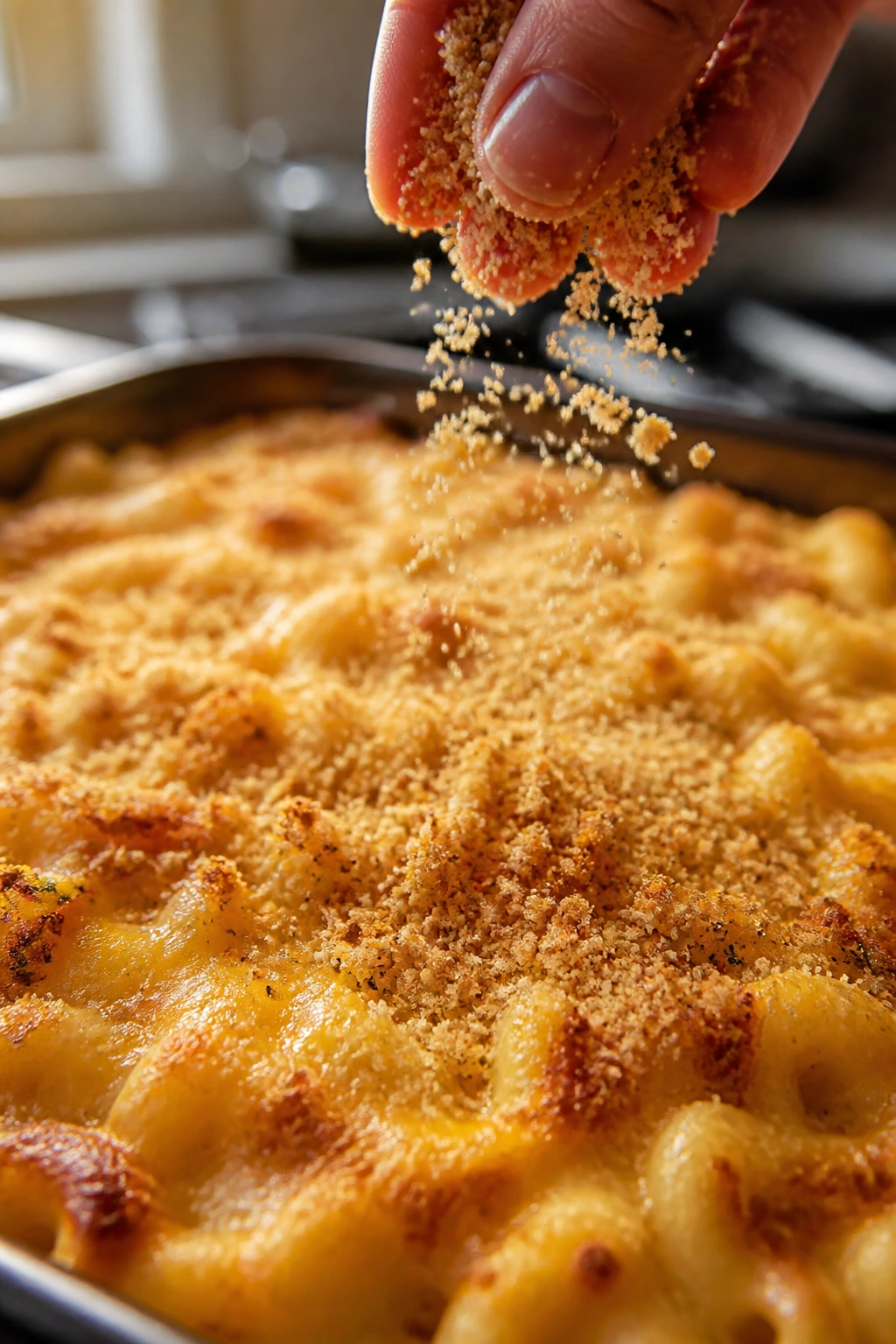
Flavor Enhancement: A small finish of buttered breadcrumbs or a light dusting of parmesan on the top adds a little crunch and a deeper cheese smell right when the dish comes out. I like to finish with that rather than bury the whole bake under more cheese, because the top tastes brighter when the rest of the dish stays creamy.
Customization: Let kids choose one add-in from a short list: finely diced ham, tiny peas, chopped broccoli florets, or corn. Choice matters more than people admit. When a child helps pick one ingredient, they’re less likely to treat the dish like a trap.
Kid Job: Give children the low-risk tasks—sprinkling cheese, tearing bread, or stirring cooled ingredients. That keeps them interested without turning the whole kitchen into a flour storm. A five-year-old can absolutely help top a casserole with shredded cheese. They do not need to handle the hot pan.
Make-It-Yours: For gluten-free baking, use gluten-free pasta, gluten-free breadcrumbs, or a potato base rather than trying to force a wheat-heavy recipe into compliance. For dairy-free versions, look for a good melting plant cheese and add a little starch—like potato or white bean puree—to keep the texture from becoming thin. For lower-sodium versions, lean on herbs, a squeeze of lemon, and unsalted base ingredients instead of chasing flavor with more salt.
Time-Saver: Build the sauce or filling earlier in the day and keep it in the fridge. Cold filling is easier to assemble, and the flavors settle together a little before baking. That’s useful on school nights when the oven window is narrow and the adults are already hungry.
The Mistakes That Make Kids Push the Plate Away
Using cheese that tastes too sharp. A dish can smell delicious to adults and still feel too aggressive to a child. The fix is simple: keep the main cheese mild and use sharper cheese only as a small accent, usually no more than a third of the total.
Baking with too much water in the filling. This shows up as a puddly bottom or a sauce that slides off the fork. Vegetables like zucchini, spinach, mushrooms, and frozen broccoli need to be cooked and drained first. If the filling already looks wet in the bowl, the oven will not fix it.
Serving the bake straight from the oven. That molten, glossy top is tempting, but it can also burn mouths and make the dish seem harsher than it is. Let casseroles rest for 5 to 10 minutes, and let muffin bites cool enough to hold their shape. Warm is better than lava.
Overbaking until the cheese separates. When the fat leaks out and pools, the dish starts tasting greasy instead of creamy. Pull it from the oven as soon as the center is set and the top is golden. An oven thermometer helps here because some ovens run hotter than the dial says.
Making portions too big. A huge scoop can feel like a dare. Smaller squares, cups, and sticks are easier to accept because kids can finish them without feeling trapped. You can always offer a second piece.
Seasoning as if the dish is for adults only. Lots of pepper, strong onions, chili heat, or smoky spice can be enough to stop a young eater cold. Keep the base mild, then add the louder flavors at the table for the people who want them.
Variations and Adaptations to Try
Pizza-Box Pasta Bake: Use marinara, mozzarella, a little cheddar, and tiny pepperoni or diced roasted vegetables. The flavor reads instantly familiar, which helps when you’re trying to get a hesitant child to try pasta that isn’t plain butter noodles.
Mac-and-Muffin Minis: Bake macaroni and cheese in a muffin tin with an egg or breadcrumb binder so each cup holds together. The edges get crisp, the centers stay soft, and the shape feels snackable instead of formal.
Hidden-Gold Veggie Bake: Blend roasted cauliflower or butternut squash into the cheese sauce until it turns silky and pale orange. The color looks cheerful, and the vegetable texture disappears enough that kids usually focus on the cheese first.
Breakfast Strata Squares: Cube bread, whisk it with eggs and milk, and add mild cheddar plus a little ham or spinach if the family likes it. Bake until the center is set, then slice into squares that hold together for a quick morning meal or a brunch tray.
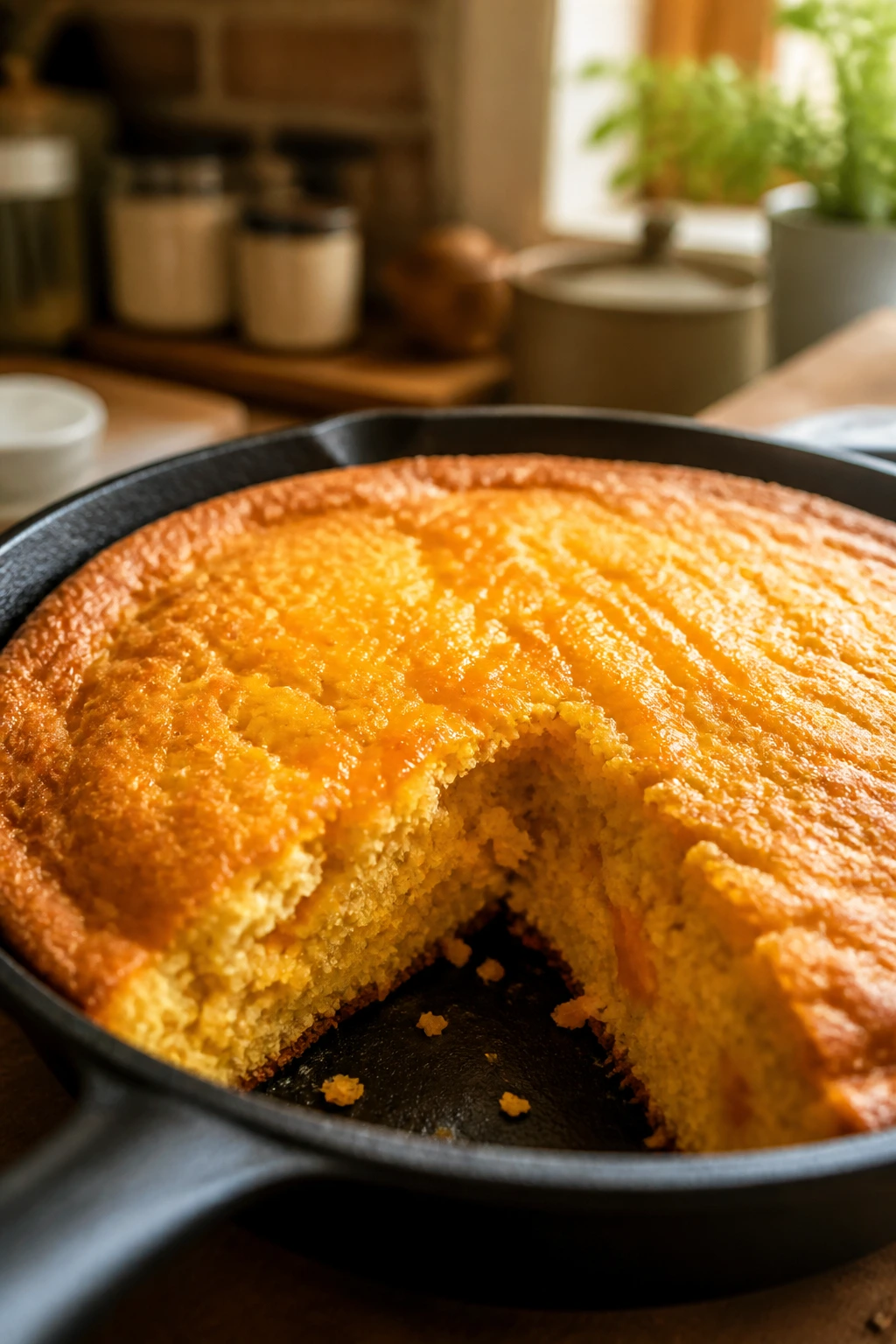
Cornbread-Cheese Skillet: Fold shredded cheddar into a simple cornbread batter and bake it in a cast-iron skillet. The edges go crisp, the middle stays tender, and the flavor hits that sweet-savory lane a lot of kids already like.
Gluten-Free Potato Bake: Skip pasta or bread and lean on thin-sliced potatoes with cream, cheese, and a mild herb finish. Potatoes give enough body that you don’t miss the flour structure, and the finished dish slices neatly after a short rest.
Make-Ahead, Storage, and Reheating Without Wrecking the Cheese
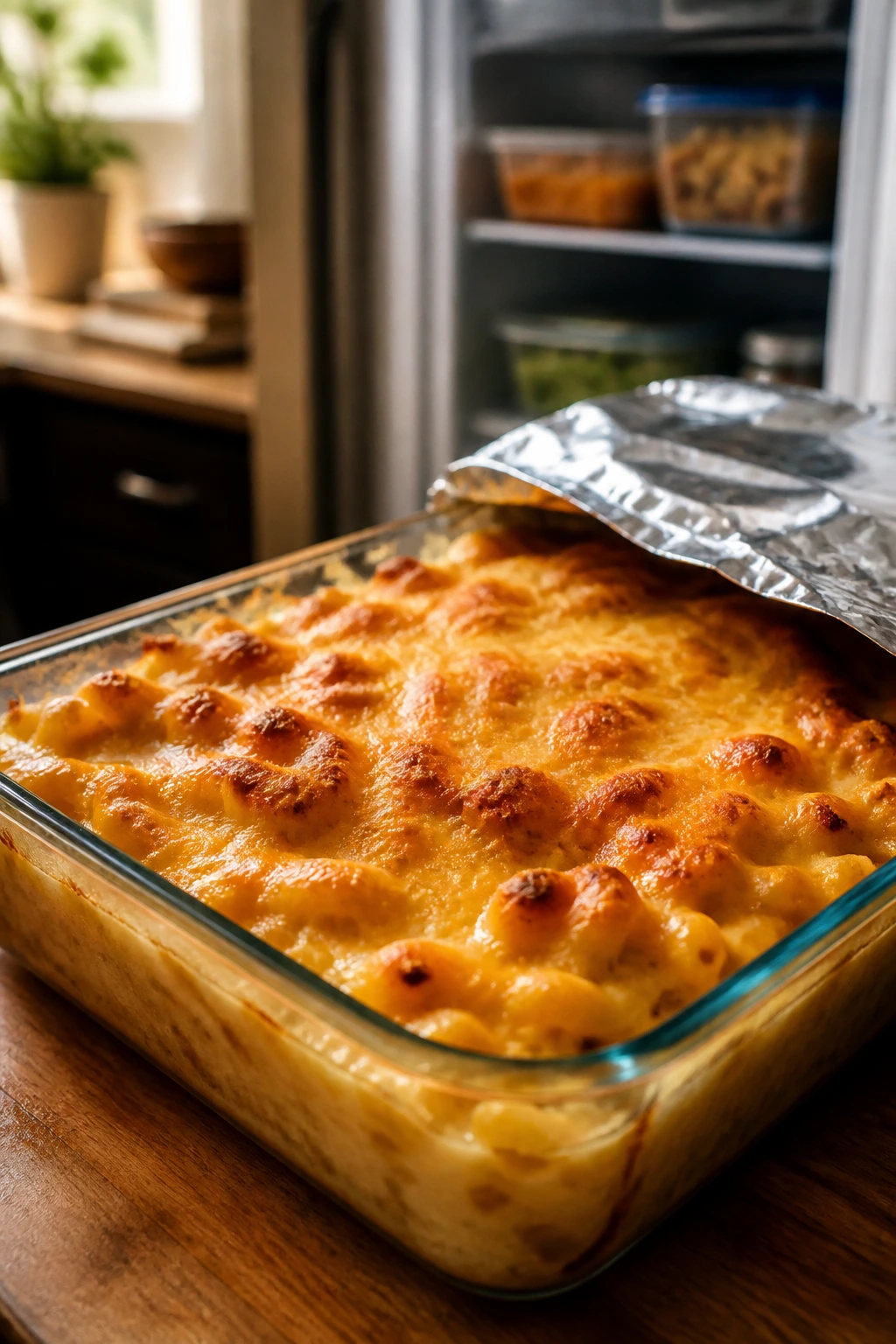
Cheesy bakes can be made ahead, but the method depends on the shape. A casserole or pasta bake often does well assembled earlier in the day and baked later. A muffin-tin bite can be baked, cooled, and reheated without much damage. A delicate breadcrumb topping is the one thing I’d usually hold back until the last minute.
For food safety, get leftovers into the fridge within 2 hours of baking, and sooner if the room is warm. I use shallow containers when I can, because they cool faster and stay creamier than a huge deep dish shoved into the back of the fridge.
Most cheesy bakes keep 3 to 4 days refrigerated. Pasta bakes and casseroles can be frozen for up to 2 months if they’re wrapped well or packed in airtight containers. Muffin-shaped bites often freeze even better because the smaller size thaws evenly.
Reheat casseroles in a 325°F (165°C) oven, covered with foil, until the center is hot and the edges start to steam. A spoonful or two of milk can help revive a dry pasta bake. For muffin cups or small squares, a toaster oven works better than the microwave because it brings back the crisp edge.
Microwave reheating is fine when speed matters, but go in short bursts. Thirty seconds at a time keeps the cheese from turning rubbery. If you’re reheating from frozen, thaw overnight in the fridge when you can. If you don’t have that kind of planning room, reheat covered and add time slowly rather than blasting the dish at high heat.
Questions Parents Ask Before the Oven Even Preheats

What cheese is safest for the pickiest kids to start with?
Mild cheddar and mozzarella are usually the easiest entry point. They melt well, taste familiar, and don’t smell sharp enough to scare off a hesitant eater before the first bite.
Can I hide vegetables in a cheesy bake without changing the texture?
Yes, if you cook and drain them first. Roasted cauliflower, pureed squash, or squeezed spinach blend into cheese sauce much more cleanly than raw vegetables tossed in at the last second.
Is pre-shredded cheese okay for baking?
It’s fine when convenience matters, especially in a busy kitchen. Block cheese melts smoother, but pre-shredded cheese still works in casseroles, muffin cups, and pasta bakes.
How do I keep a cheesy bake from turning greasy?
Use moderate oven heat, don’t overbake, and avoid going heavy on ultra-fatty cheeses. A mix of good melt cheese and a little cream cheese or milk usually gives a smoother result than piling on extra shredded cheese.
What if my child hates visible green bits?
Then use finely chopped or pureed vegetables, or choose orange and white vegetables instead. Cauliflower, squash, and carrot blend more naturally into a pale cheese base than broccoli florets sitting on top like little trees.
Can I freeze cheesy bakes with pasta or eggs?
Yes, though pasta usually freezes a little better than egg-heavy dishes. If you’re freezing a strata or egg bake, reheat it gently so the eggs stay tender instead of dry and spongy.
Which baked shape works best for toddlers?
Muffin cups, strips, and small squares are easiest because they fit tiny hands and cool quickly. Toddlers usually do better with food that can be held and bitten in a clean way, not scooped from a deep dish.
How can I make the dish creamier without adding loads of extra cheese?
Use a thick sauce base with milk, cream cheese, sour cream, or a little mashed potato or cauliflower puree. That kind of body gives the dish a plush texture without making the flavor overly rich.
The Pan Clears Faster When the Edges Brown
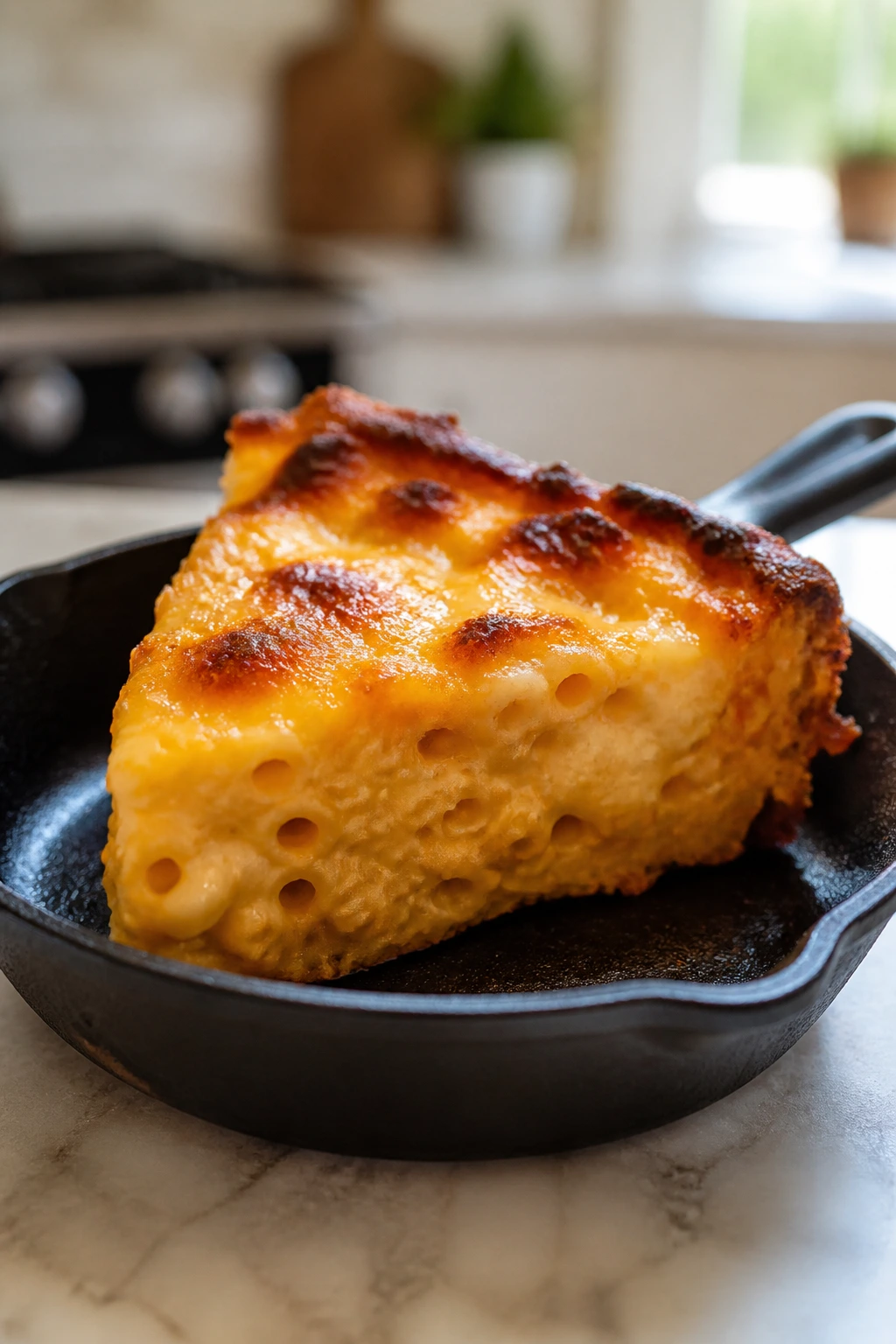
The cheesy bakes kids eat fastest are rarely the loudest ones. They’re the ones with a gentle flavor, a clean shape, and a top that smells like it came from an oven that knew what it was doing. That matters more than hiding vegetables or chasing some perfect “healthy” version that nobody wants to touch.
Start with one familiar cheese, one familiar shape, and one vegetable that disappears when cooked down. That combination gets you farther than a dozen clever shortcuts. A square of baked pasta, a muffin tin cup, or a small skillet slice can become the thing a child asks for again, which is the real victory here.
And if the first pan disappears from the center outward, leaving only the browned corners and one suspiciously empty tray on the counter, you’ve probably found the right formula.