



Sunday dinner has a way of making everyone more opinionated than usual. The kitchen gets a little quieter, the stakes get a little higher, and suddenly the meal on the table is supposed to please a tired adult, a suspicious four-year-old, and a teenager who has opinions about everything except helping.
That’s why so many family dinners miss the mark. People aim too high. They build a menu with three sauces, two textures too many, and one vegetable that only looks good to adults. Kids usually do not reject dinner because it’s “bad.” They reject it because it asks too much of them. A saucy casserole with mystery layers, a salad with too much bite, or a roast that’s been sliced into tiny “helpful” cubes can feel like homework on a plate.
The better move is simpler, and honestly, nicer to live with. Build Sunday meals around one familiar anchor, one easy side, and one thing that smells so good it gets eaten before anyone can negotiate. Roast chicken with buttered potatoes. Mild baked pasta with garlic bread. Slow-cooker pulled pork tucked into soft rolls. The food doesn’t need to be fancy. It needs to look recognizable, stay warm long enough for late arrivals, and give kids at least one safe thing to land on.
Why These Sunday Meals Actually Get Eaten
-
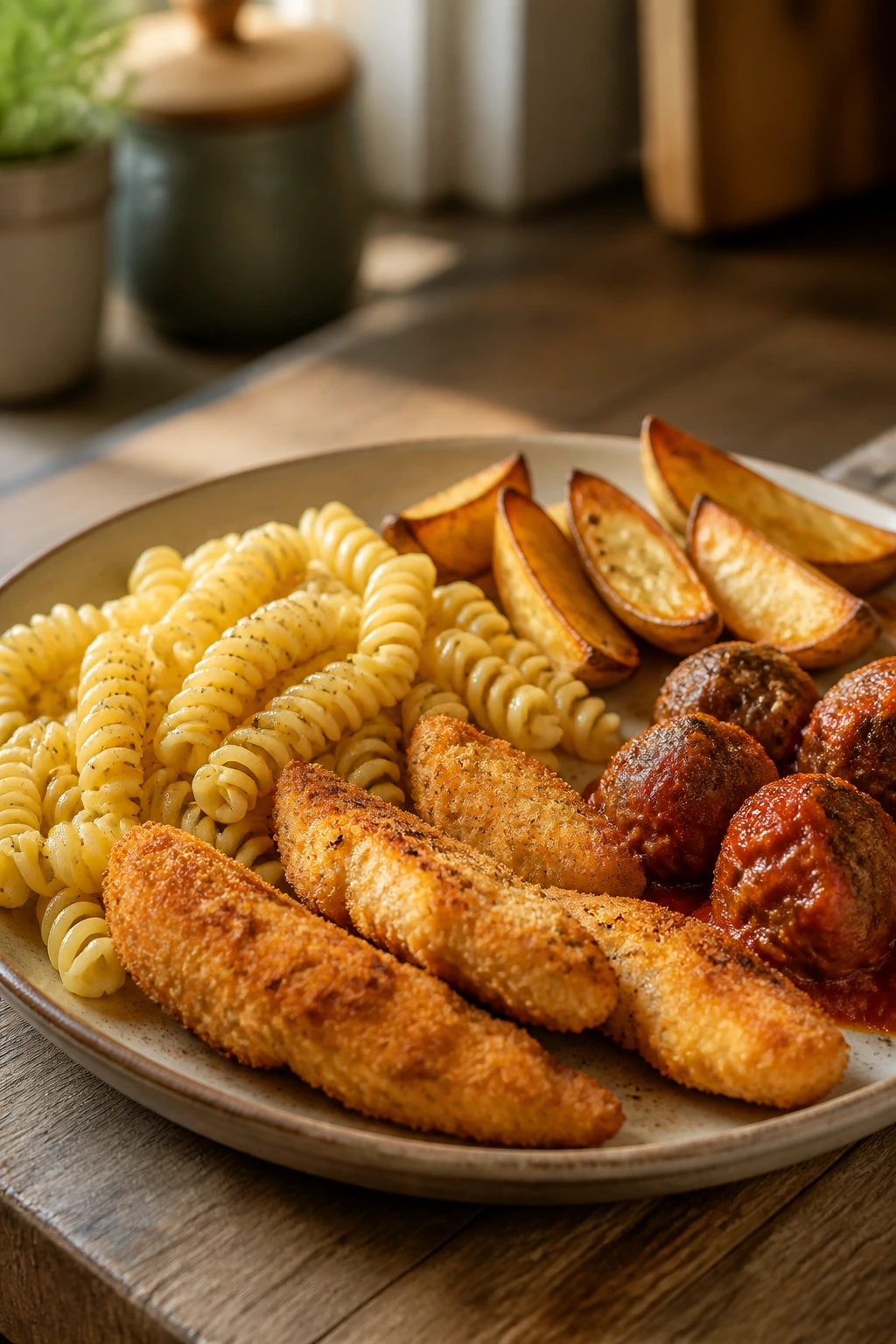
Familiar shapes win first: Kids trust pasta twists, chicken strips, potato wedges, and meatballs faster than mixed-up dishes where everything looks the same.
-
One sauce is enough: A little gravy, tomato sauce, or melted butter gives flavor without turning the whole plate into a slippery mess.
-
Separate components help: When the carrots, chicken, and rice stay in their own lanes, picky eaters can choose what they touch.
-
Soft and crisp together works best: A creamy bake with a crunchy top, or tender chicken with roasted edges, keeps the plate interesting without feeling complicated.
-
Dippers disappear quickly: Bread, tortillas, wedges, and roll-ups give kids a job to do with their hands, and that often matters more than the seasoning.
-
Leftovers are part of the plan: A meal that becomes lunch the next day saves energy when Sunday evening starts to drag.
The One-Safe-Thing Rule on a Family Plate
Kids eat better when dinner includes at least one item they trust before they even taste it. That might be plain rice, buttered noodles, bread, roasted potatoes, or cucumber slices with ranch on the side. It sounds small. It changes everything.
The trick is not to flood the plate with backups. One safe food is enough. Too many choices can make a child freeze, and too much “just in case” food can turn dinner into a buffet of avoidance. A single familiar anchor gives them a starting point, which is often all they need to make it through the rest of the plate.
What Counts as a Safe Food
A safe food is not a bribe. It’s a known quantity. Think plain mashed potatoes, sliced apples, rice with butter, a roll, or noodles with a tiny bit of olive oil. On a Sunday table, the best safe foods are usually the ones that look the same every time and don’t come with surprises in the middle.
The useful part is predictability. A child who sees buttered bread beside roast chicken is more likely to try the chicken. A child staring at a casserole with six mixed ingredients may decide dinner is suspicious before the fork even lands.
How to Stretch the Plate Without Starting a Fight
Pair the safe food with one slightly new thing and one fully familiar finish. That could look like roast chicken, potato wedges, and corn. Or baked ziti, garlic bread, and apple slices. The new item stays small. The familiar parts do the heavy lifting.
And if someone only eats the safe food? Fine. Eat the dinner you made, keep the mood calm, and serve the same ingredient again next week in a slightly different shape. Repetition matters more than speeches at the table.
Sheet-Pan Dinners That Keep the Kitchen Quiet
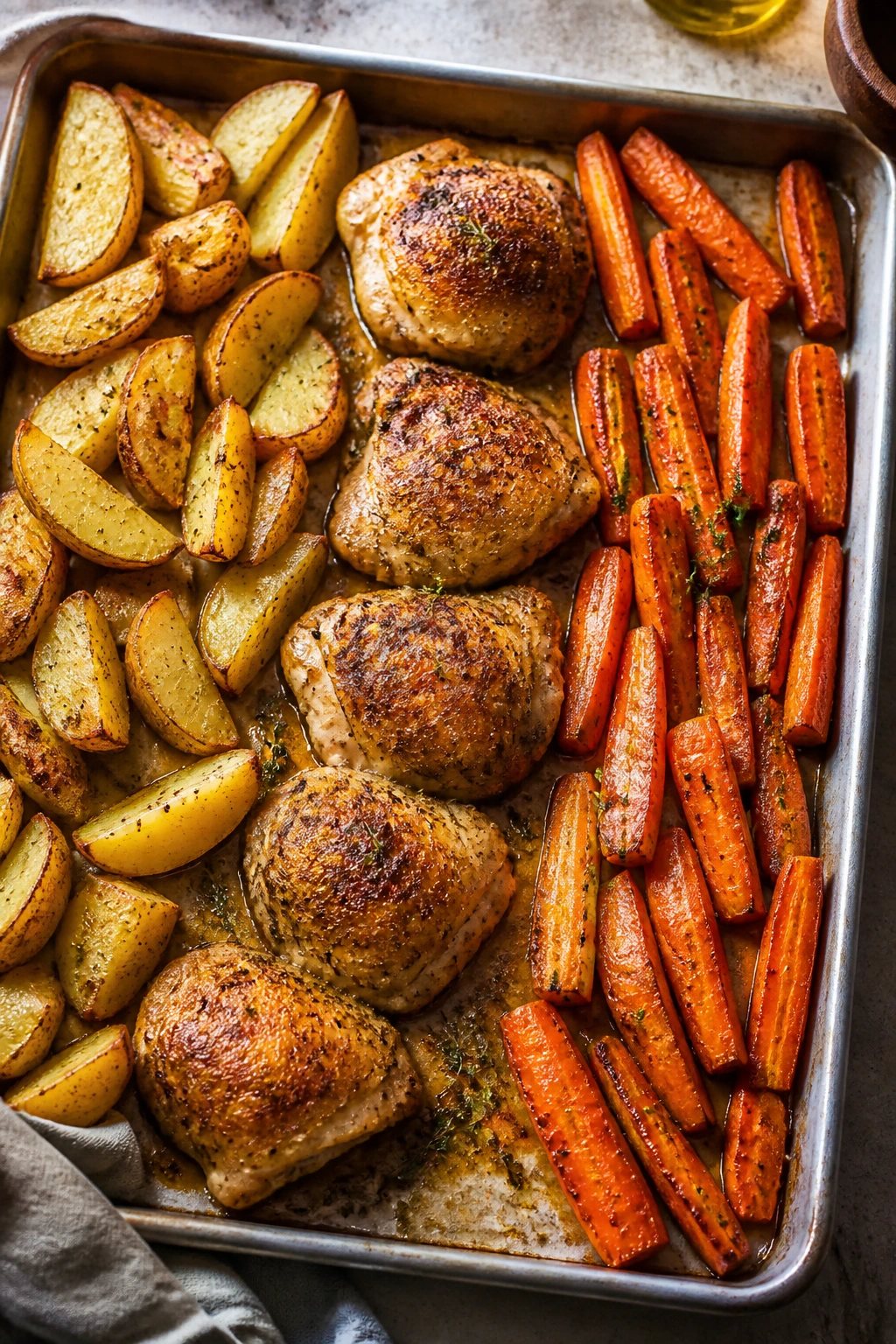
Sheet-pan meals are one of the few dinner formats that feel calm while they’re cooking. One tray goes in, the oven does the work, and you get browned edges without standing over a burner stirring a sauce that might split. For family meals, that matters. A lot.
The best sheet-pan dinners for kids are the ones where each part still looks like itself. Roast chicken thighs with potato wedges and carrots. Sausage coins with peppers and onions, served with rolls. Meatballs tucked beside broccoli and baby potatoes. Even a simple salmon tray can work if you keep the seasoning gentle and put lemon wedges on the side instead of dousing everything.
Why Sheet-Pan Dinners Work at a Busy Table
Kids usually handle roasted food better than food that’s all mixed together. A carrot they can see is less alarming than a carrot that has vanished into sauce. A chicken thigh with crisp skin feels different from a shredded, sauced pile. Texture counts. More than people think.
You also get separate zones of flavor on one pan. The potatoes can pick up chicken drippings. The broccoli can get crunchy at the edges. The sausage browns fast and stays juicy inside. That little spread of textures keeps the meal from feeling flat, and it gives each child a way to find their own path across the plate.
Good Sheet-Pan Combos to Keep in Rotation
-
Lemon chicken thighs, baby potatoes, and carrots: Roast at 425°F until the potatoes are tender and the chicken skin is browned; finish with chopped parsley if your kids tolerate green flecks.
-
Sausage, peppers, and onions: Use mild Italian sausage, slice the peppers wide, and serve with soft rolls or rice so the filling can be scooped.
-
Meatballs, broccoli, and cauliflower: Keep the sauce light, or serve marinara on the side. Kids like having control over the dip.
-
Pork chops, apples, and sweet potatoes: This one sounds fancy, but it’s really just a pan of sweet and salty food that smells like you did more work than you did.
If your oven runs a little cool, give the tray another 5 minutes before you start checking. Better browned than pale. Pale sheet-pan food never made a child run to the table.
Slow-Cooker Meals That Wait for Late Arrivals
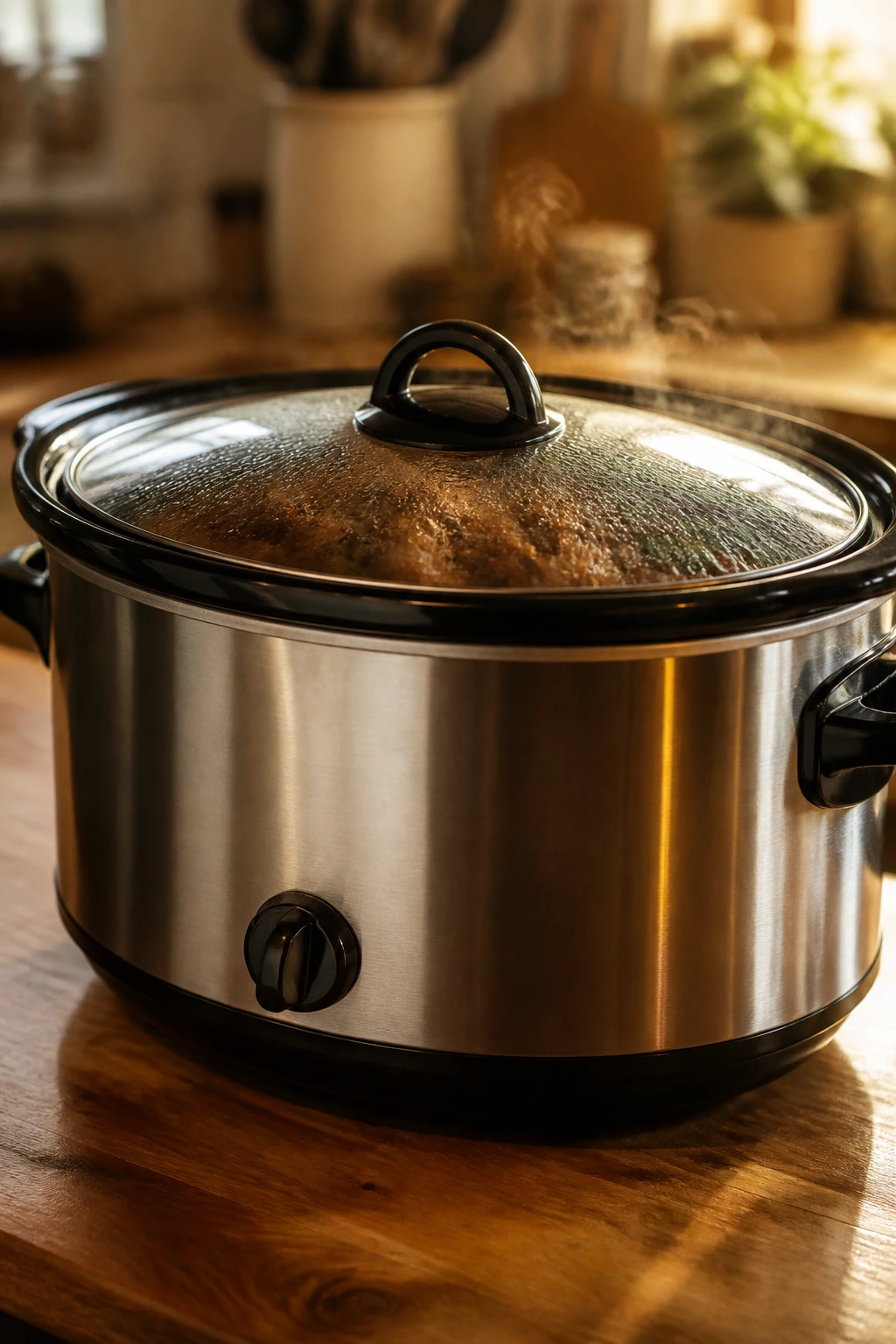
A slow cooker earns its place on Sunday when the family rolls in at different times and nobody wants to reheat dinner three separate ways. The beauty here is patience. You put the food in early, and by late afternoon the house smells like dinner has already made up its mind.
Slow-cooker meals do best when the texture improves with time instead of suffering from it. Shredded chicken in mild salsa. Pulled pork with a little apple juice and onion. Meatballs simmered in marinara until they’re soft enough for small mouths. Mild chili with beans if your crowd likes a spoonable dinner. The machine is not magical. It just holds a temperature long enough to soften tough cuts and blend flavors without drying everything out.
What Slow Cooker Dinners Do Better Than the Oven
They buy you time. Plain and simple. You can leave for errands, help with homework, or spend an hour not standing in the kitchen while onions hiss in a pan. That freedom changes the whole tone of the evening.
They also keep protein tender in a way that kids tend to prefer. A dry roast can make even a child who likes chicken suspicious. A shredded chicken thigh cooked until it falls apart? That feels softer, safer, easier to chew. Same food, different mood.
Best Slow-Cooker Family Meal Ideas
-
Pulled chicken sandwiches: Use boneless thighs, a mild barbecue sauce, and soft buns. Serve coleslaw on the side, not piled on top.
-
Meatballs in marinara: Keep the seasoning light, and put the sauce over pasta or rolls depending on the child.
-
Mild beef stew: Choose chuck, cut the potatoes in larger chunks so they stay intact, and skip the hot pepper.
-
Chicken taco filling: Shred it, serve with tortillas, cheese, and lettuce, and let each person build their own.
The one thing I would not do is dump in delicate vegetables too early. Zucchini and peas turn sad in a slow cooker. Add them near the end if you want them to look like food instead of apology.
Pasta Bakes and Casseroles That Hold Their Shape
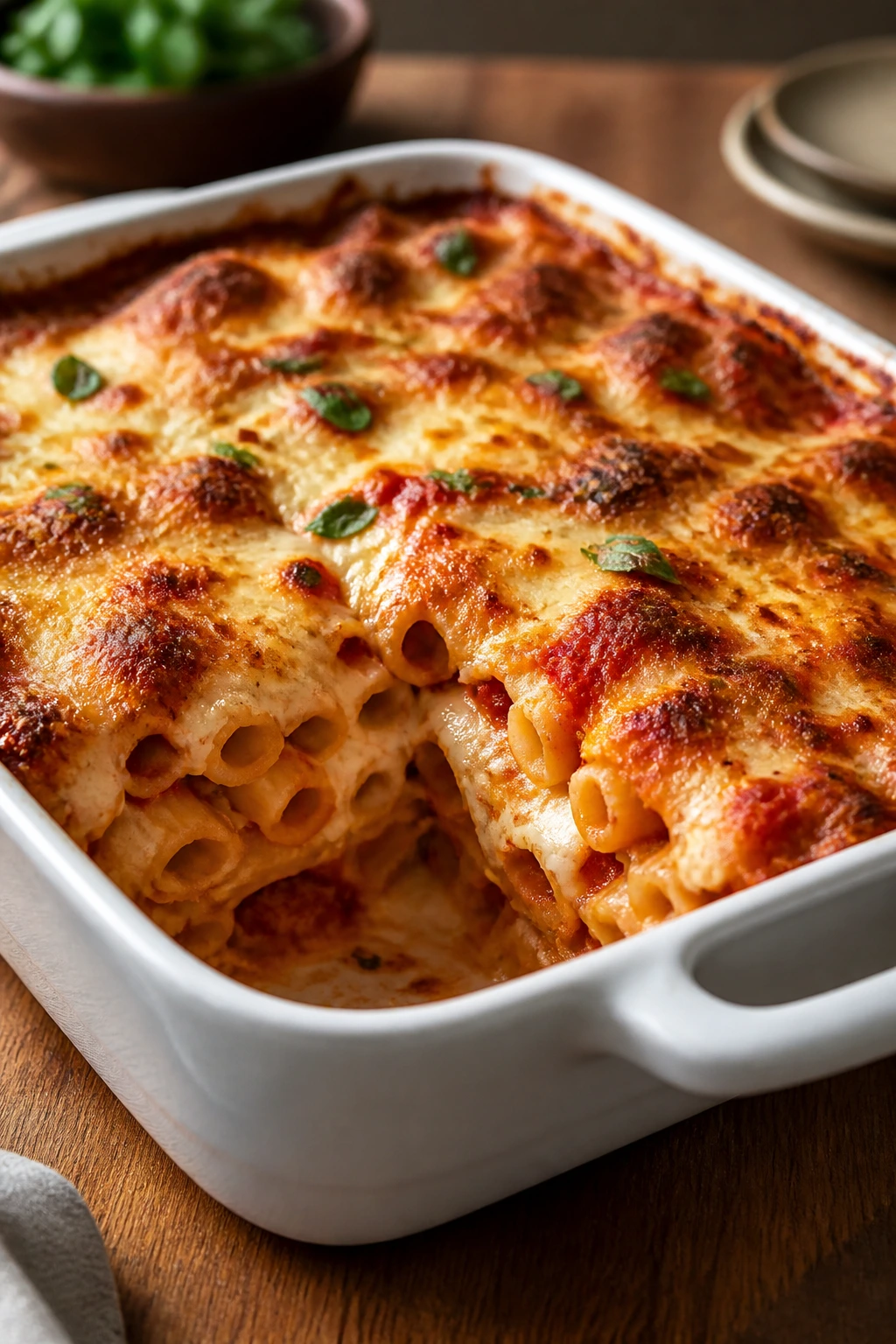
Pasta bakes are one of the few family dinners that can survive a slightly late start and still look like they belong at the table. They reheat well. They slice well. And for kids, the shape matters more than people realize. A clean square of baked ziti or a spoonful of mac and cheese with a browned top feels easier to trust than a loose, glossy skillet pasta that slides around.
The best casseroles keep the ingredients visible. Chicken and broccoli alfredo bake. Baked ziti with ricotta. Taco pasta with mild seasoning and a cheese crust. Shepherd’s pie with mashed potatoes on top and peas tucked underneath. There’s comfort in structure. A child can see what’s there, poke at the edge, and decide whether to commit.
What Makes a Casserole Kid-Friendly
A lot of casseroles fail because they get too wet. Kids notice that. They notice the steam, the wobble, the way sauce pools at the edge. A sturdier bake with enough pasta or potato to hold the filling feels more deliberate and less mushy.
Browning helps too. That golden top is not decoration. It changes the smell of the whole dish, and smell is half the battle. A pan that comes out with bubbling edges and a little crust on top looks finished in a way that encourages the first bite.
Good Casseroles to Put on Repeat
-
Baked ziti with mild sausage: Use a simple tomato sauce, plenty of mozzarella, and ricotta if your crowd likes creaminess.
-
Chicken and noodle casserole: Keep the vegetables small and familiar. Peas, corn, or tiny broccoli florets work better than big chunks.
-
Shepherd’s pie: Ground lamb is classic, but ground beef is often easier for kids. Use mashed potatoes that are smooth, not gluey.
-
Mac and cheese with a crunchy top: Breadcrumbs, a little butter, and sharp cheddar on top make it feel like dinner instead of a side dish.
If the casserole looks too soft in the center, let it rest for 10 to 15 minutes before serving. That pause helps it set, and it also keeps the first scoop from turning into a lava slide.
Taco Bars, Rice Bowls, and Build-Your-Own Suppers
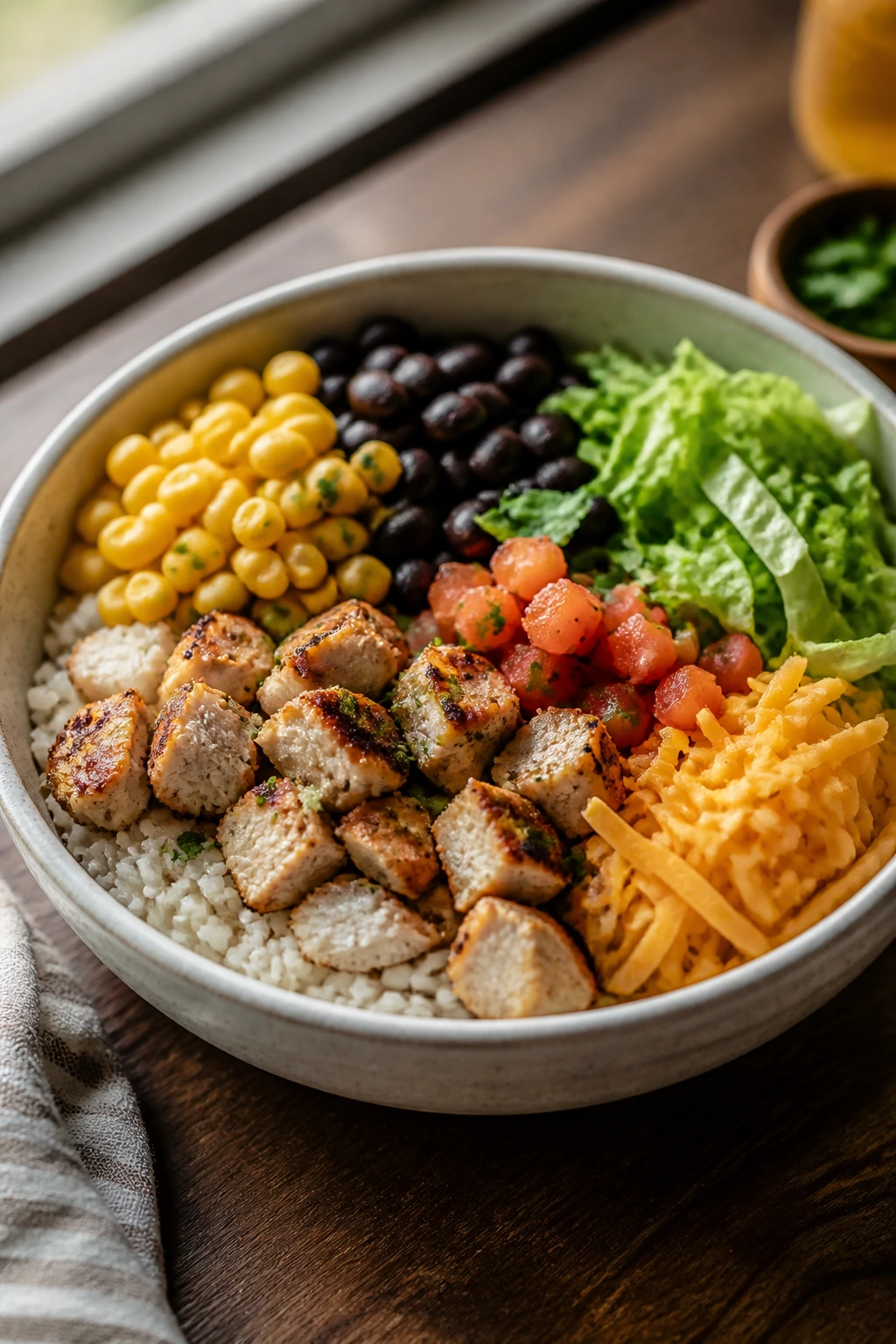
Some family meals go better when everyone assembles their own plate. Taco bars, burrito bowls, rice bowls, and potato bars work because they hand over a little control without turning dinner into chaos. Kids who refuse a mixed dish will often eat the same ingredients one by one if they get to choose the order.
I like this format for Sunday because it feels generous. The bowls can be mild. The toppings can stay in separate piles. Nobody has to suffer through a surprise jalapeño or a sauce that burns halfway through the first bite. And you can keep the base very plain—rice, tortillas, baked potatoes, or even buttered noodles if that’s what your family likes best.
How to Keep Build-Your-Own Meals Calmer
Keep the hot protein mild and the add-ons obvious. Ground turkey with taco seasoning that leans cumin and garlic, not heat. Shredded chicken with a little lime. Black beans, corn, shredded cheese, lettuce, tomatoes, sour cream, and maybe avocado if your kids don’t treat green things like a threat.
Put the toppings in small bowls instead of one giant tray. That sounds fussy, but it helps. Kids handle choices better when the choices are visible and simple. A little pile of cheese is less intimidating than a mountain of “all the toppings.”
Easy Family Formats to Rotate
-
Soft taco night: Ground beef or turkey, mild seasoning, shredded cheddar, lettuce, and flour tortillas.
-
Rice bowl supper: Rice, chicken, cucumbers, corn, beans, and a drizzle of ranch or salsa.
-
Baked potato bar: Butter, cheese, sour cream, broccoli, pulled chicken, and chopped bacon for the kids who want the crunchy stuff.
-
Breakfast-for-dinner bowls: Scrambled eggs, hash browns, cheese, and sliced fruit. Sunday doesn’t always need to look like Sunday.
The best part is what happens to the leftovers. A little taco meat turns into quesadillas. Rice becomes fried rice. Pulled chicken slides into wraps. That means less waste and fewer sighs when Monday shows up.
Soup Nights That Still Feel Like a Real Dinner
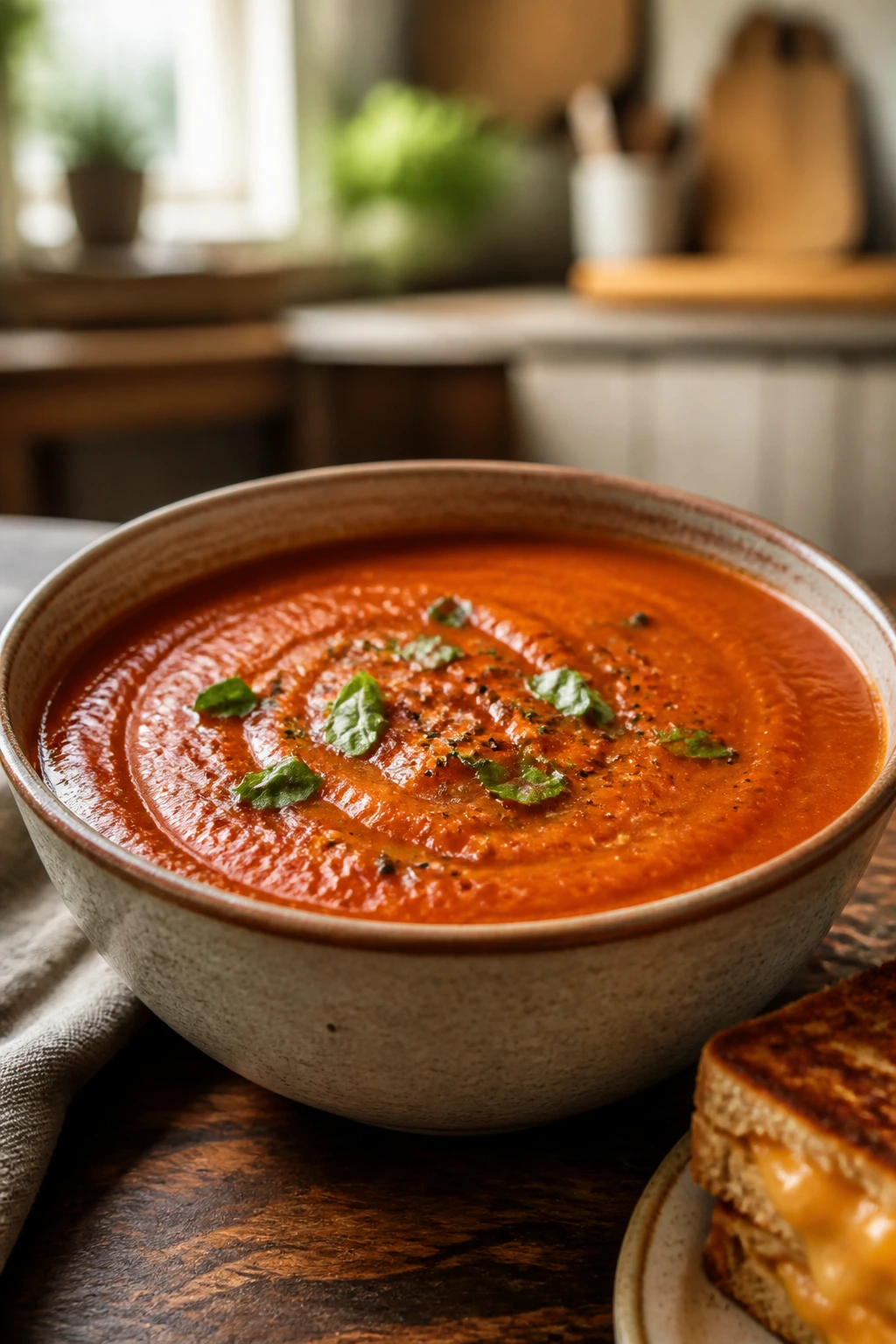
Soup gets underestimated in family meal planning because people picture a thin bowl and a bored child pushing broth around with a spoon. That is not the kind of soup I mean. I mean the thick, bread-friendly, spoonable kind that fills a bowl and keeps everyone full enough to stop complaining about the weather.
Tomato soup with grilled cheese is the obvious move, and I still love it because it works. Chicken noodle with wide noodles and soft carrots. Potato soup with cheddar and a few bacon bits if your crowd eats pork. Tortellini soup with small pasta shapes that feel like a game. Soup has one major advantage on Sunday: it can sit on low heat while the rest of the family drifts in and out of the room.
How to Make Soup Feel Substantial
Give it body. That might mean potatoes, beans, pasta, chicken, or bread on the side. Thin broth alone doesn’t hold kids’ attention for long, but a bowl that needs to be chewed does.
Also, keep the flavors familiar. Sunday is not the night to push fennel-heavy broth at a child who still counts pepper as a risk. Tomato, chicken, potato, and mild vegetable soups tend to land better because they smell like food they already know.
Soup-Dinner Pairings Kids Tend to Finish
-
Tomato soup + grilled cheese: Cut the sandwiches into strips. That small change makes a big difference.
-
Chicken noodle + soft rolls: Add frozen peas or carrots if you want color without drama.
-
Potato soup + cornbread: Serve the bacon bits on the side if a child wants to stay in control.
-
Cheesy broccoli soup + bread cubes: Toast them in butter first. Kids call this “croutons” and suddenly think they invented it.
Soup nights are also useful when one or two people are eating later than the rest. A pot on the stove stays hospitable. It does not sulk the way overcooked chicken does.
Side Dishes Kids Reach for First
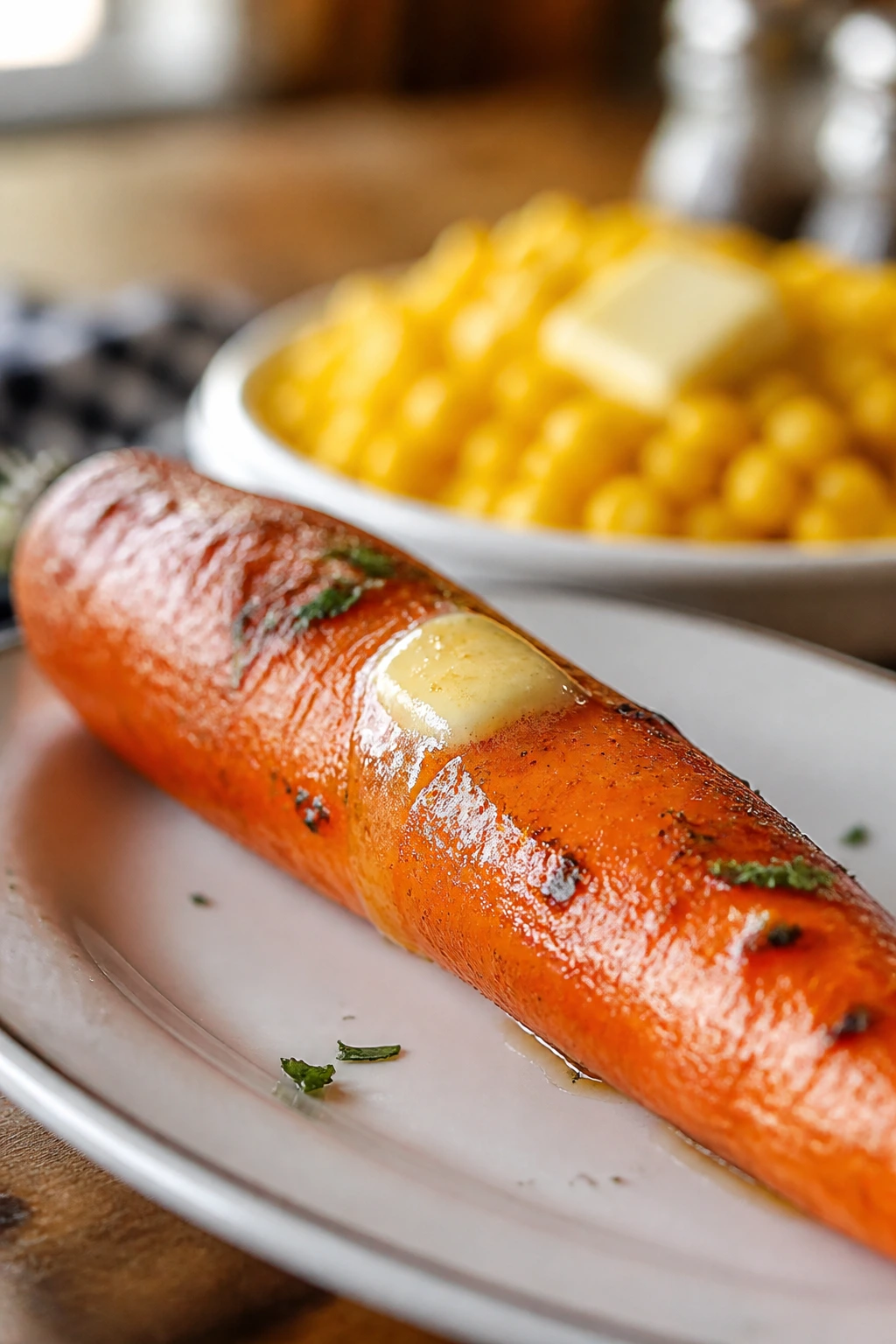
A lot of parents spend all their energy on the main dish and then toss a sad side on the plate as an afterthought. That’s a mistake. The side dish is often the part kids finish first, especially if it has butter, salt, or crunch on it.
Think roasted carrots with a little honey, corn with butter, cucumber spears with ranch, apple slices, garlic bread, peas tossed with melted butter, or rice that’s fluffy and plain enough to absorb gravy. These are not glamorous sides. They are dependable ones. Sunday dinner needs those.
Why Simple Sides Work Better Than Busy Ones
Kids usually do not want their vegetables heavily disguised. They want them recognizable and manageable. A roasted carrot still looks like a carrot. A steamed broccoli floret with cheese sauce feels honest. A child who can see what they’re eating is less likely to push it to the edge of the plate untouched.
Crunch matters too. Raw cucumbers, toasted bread, and roasted potatoes all give the mouth something to do. That texture can carry a meal when the main dish is soft. I’d rather serve one crisp side than three beige ones.
Sides That Earn Their Place
-
Roasted carrots: Cut on the diagonal, toss with oil and salt, and roast until the edges brown.
-
Corn with butter: Fresh, frozen, or canned all work. Just season it well enough that it tastes like something.
-
Garlic bread: Use a loaf that can be cut thick. Thin slices dry out before dinner starts.
-
Fruit on the side: Grapes, apple slices, melon, or orange segments can calm down the whole plate.
One thing I avoid is stuffing the table with five different vegetables at once. That can look generous, but for a child it often feels like a vegetable audition. Pick one or two that work, and let them do the job.
How to Set the Table So Kids Reach In
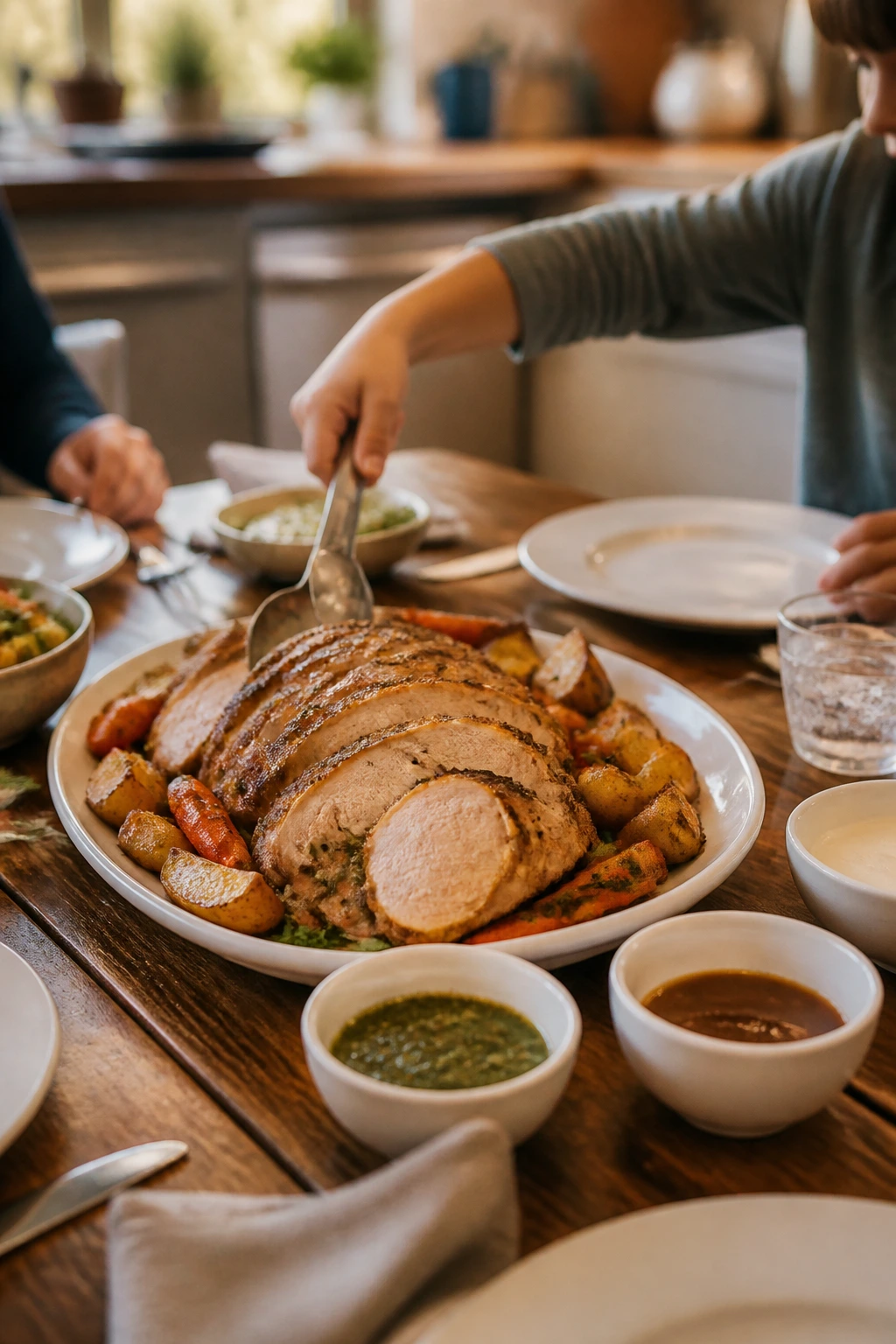
Presentation: Serve the main dish in a big platter or casserole dish so kids can see what they’re choosing. Keep sauces in a small bowl or gravy boat when possible; that one detail gives nervous eaters a sense of control.
Accompaniments: Pair roasted meats with buttered potatoes, pasta bakes with garlic bread, taco bars with rice, and soups with rolls or grilled cheese. The side should support the meal, not fight it.
Portions: Smaller scoops work better than piled plates. A child can always ask for more, but a mountain of food sitting in front of them can stop the appetite before it starts.
Beverage Pairing: Cold milk, sparkling water with lemon, or plain water with a slice of orange usually fits better than sugary drinks that fight the food. Keep it simple. Nobody needs a beverage to steal the show.
Small Tweaks That Change the Whole Meal
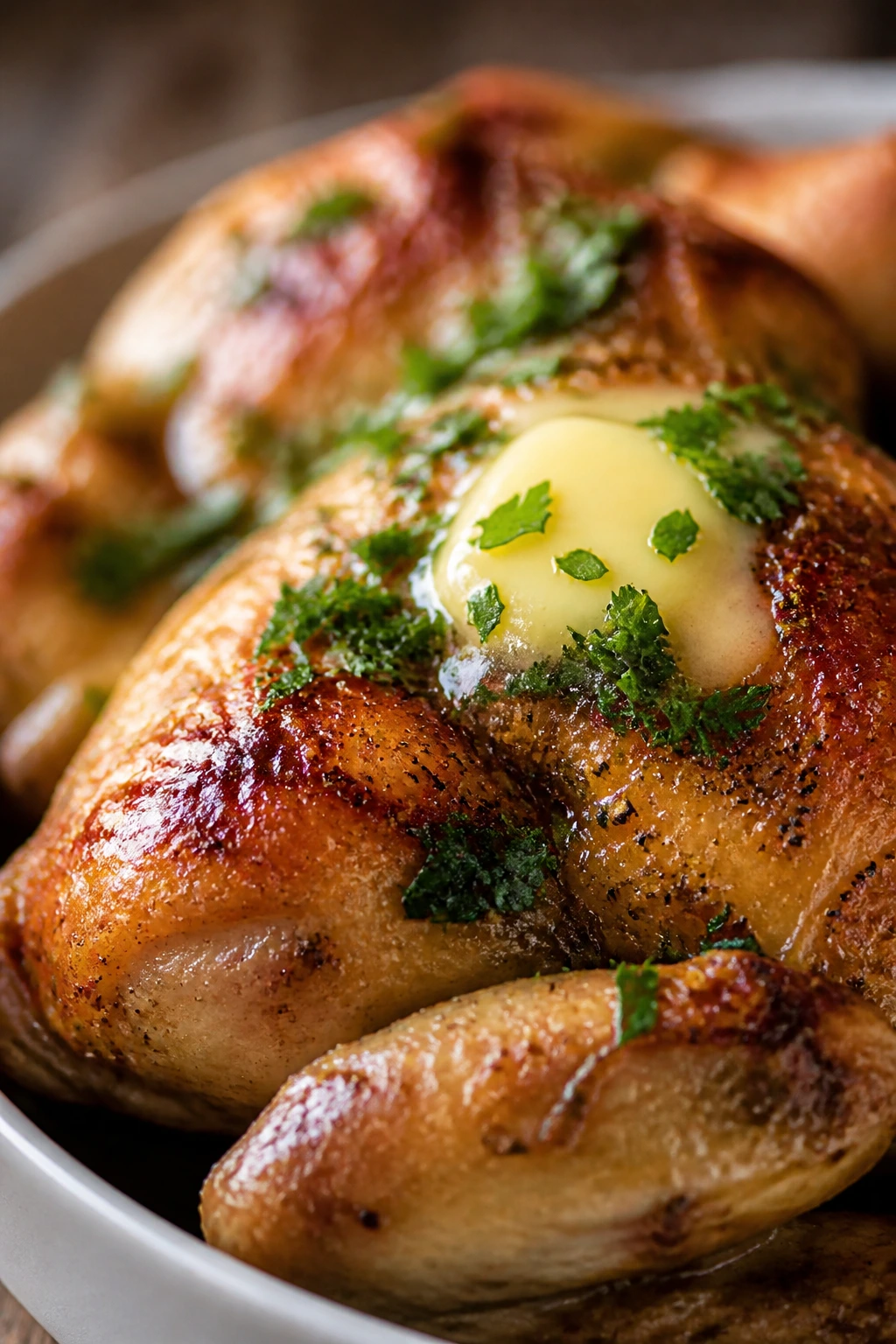
Flavor Enhancement: Finish roasted chicken, pasta bakes, or mashed potatoes with a little salted butter and chopped herbs right before serving. That last spoonful of fat and freshness softens sharp edges in the food and makes the smell carry across the table.
Time-Saver: Buy the pre-cut vegetables when Sunday is already crowded. Chopping carrots, onions, and potatoes can eat half an hour you don’t have, and frozen broccoli or corn is often a smarter move than pretending you’ll prep everything from scratch.
Kid Magnet: Put the dipping sauce on the side in tiny bowls. Ranch, ketchup, mild barbecue sauce, or warm marinara can turn plain chicken, potatoes, or bread into something a child feels in charge of.
Make-It-Yours: For dairy-free meals, use olive oil, coconut milk, or a dairy-free butter substitute where the dish can handle it. For gluten-free plates, build around rice, potatoes, corn tortillas, or gluten-free pasta instead of trying to force bread into every slot.
A small garnish helps more than people admit. Parsley on roasted chicken. Shredded cheese on soup. A squeeze of lemon over fish or chicken. Keep it light, but don’t ignore it. Food that looks finished tends to get treated like dinner instead of “whatever’s left in the pan.”
Common Mistakes That Make Kids Push Dinner Away
-
Mixing everything together too early: A casserole that looks mushy or a bowl where all the ingredients blend into one texture often gets rejected. Keep components visible when you can, and let sauce stay on the side if that helps.
-
Serving the meal too hot and rushing the table: Kids are far less patient when steam rises off every bite. Let baked dishes rest for 10 minutes and carve roasted meat after it settles so the first forkful doesn’t burn anyone.
-
Making Sunday dinner too new: A brand-new sauce, a strange grain, and an unfamiliar vegetable on the same plate can feel like a test. Keep one or two items familiar and change only one part at a time.
-
Overcooking the “kid-friendly” food: Dry chicken, soft noodles, and limp vegetables create a dinner that feels tired before anyone starts eating. Pull food as soon as it’s done, not when you’ve finally found your serving spoon.
-
Hiding vegetables so well they become suspicious: If the spinach in the sauce looks like a trick, kids notice. Small visible pieces are often better than a hidden purée with a strange color.
-
Treating leftovers like an afterthought: A dinner that turns dry or soggy by Monday morning can make the whole meal feel less worth making. Plan storage before you start eating.
Sunday Meal Styles Worth Rotating Through
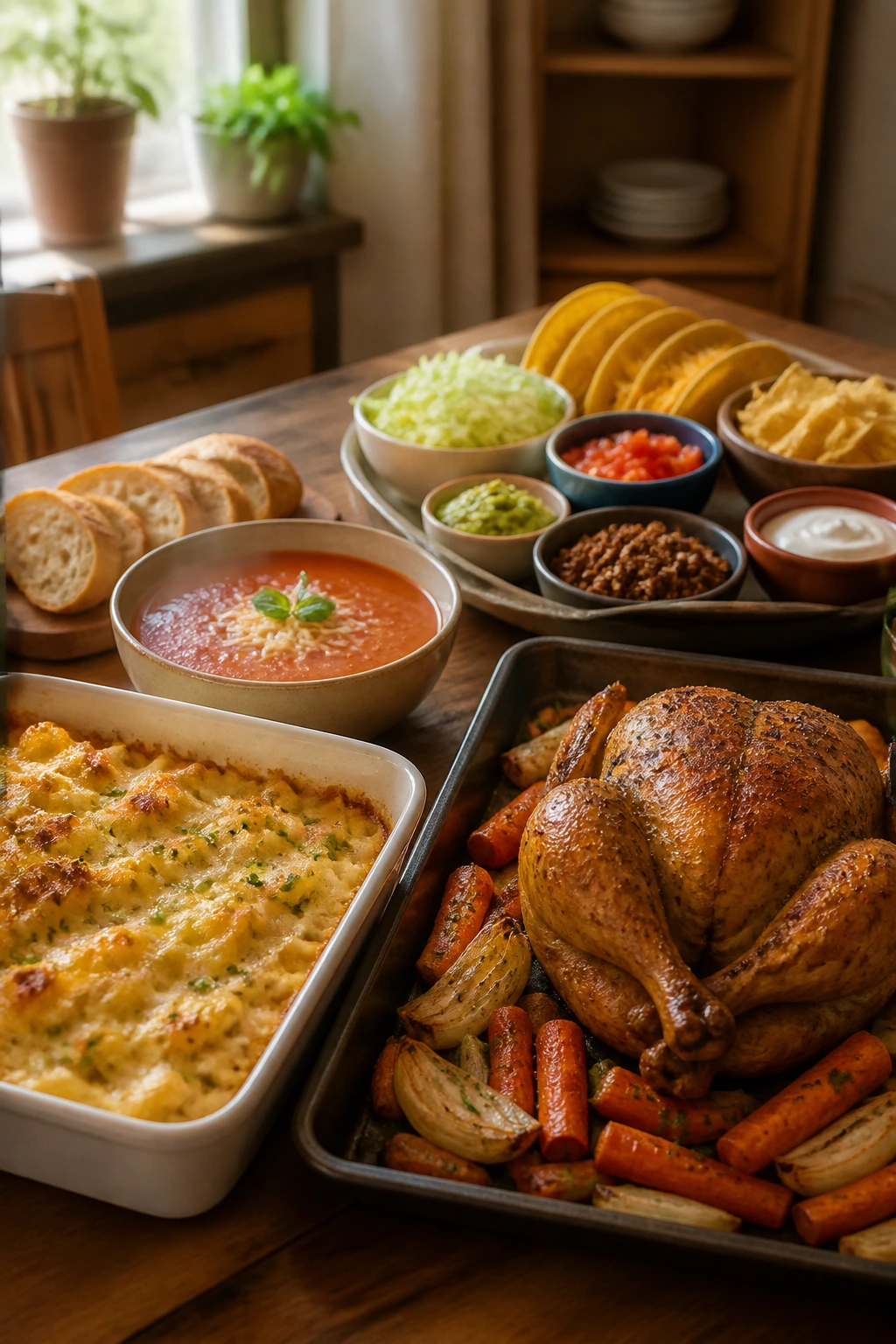
The Oven-Only Sunday: Roast chicken thighs, potatoes, and carrots on one tray, then serve apples or rolls on the side. This is the easiest format when you want the house to smell like dinner without juggling pans.
The Mild Taco Night: Season ground turkey or shredded chicken with cumin and garlic, then put tortillas, cheese, lettuce, corn, and salsa on the table. Kids love the build-it-themselves part because nothing gets trapped under a sauce they didn’t choose.
The Creamy Pasta Bake: Baked ziti, chicken alfredo pasta, or mac and cheese with peas folded in near the end gives you a soft, familiar dinner that usually lands well with younger children. Add a crunchy top so the casserole doesn’t feel flat.
The Soup-and-Bread Supper: Tomato soup, chicken noodle, or potato soup with grilled cheese, rolls, or toast sticks keeps dinner calm and low-maintenance. It’s a smart choice when everyone is arriving in waves.
The Leftover Remix: Turn roast chicken into quesadillas, rice into fried rice, or pulled pork into sliders the next day. Sunday dinner gets a second life, and Monday gets less annoying.
Tools and Kitchen Gear That Make Sunday Easier
-
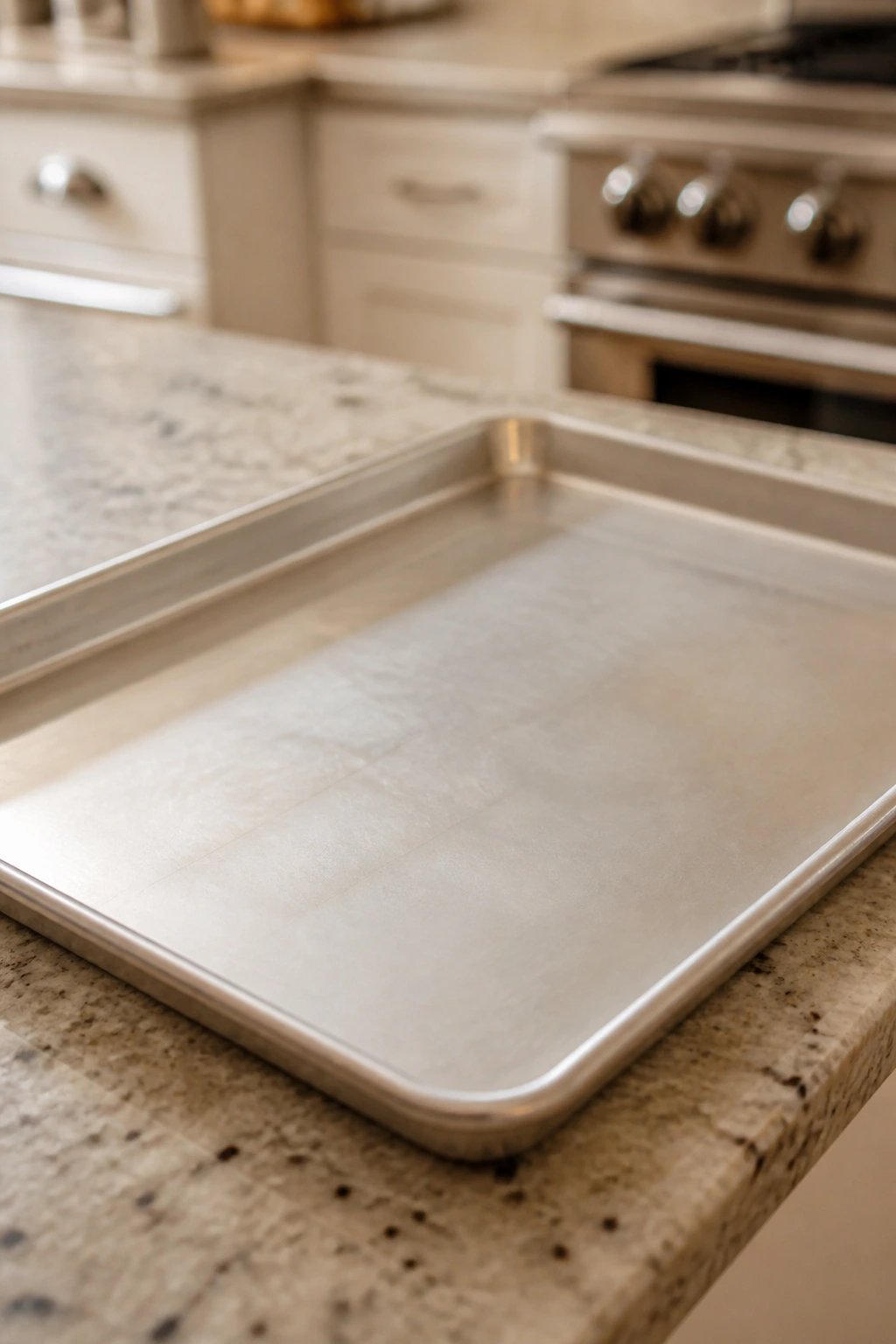
Rimmed sheet pan: The edges keep juices from running off into the oven and make cleanup less annoying.
-
9×13-inch baking dish: A workhorse for casseroles, baked pasta, and layered family meals.
-
Slow cooker, 5 to 6 quarts: Big enough for pulled chicken, shredded pork, or a pot of chili without crowding.
-
Large Dutch oven: Best for soups, stews, and anything that needs to go from stove to table.
-
Instant-read thermometer: Useful for chicken, pork, and casseroles so you’re not guessing.
-
Sharp chef’s knife: A dull knife makes prep miserable and slow, especially with potatoes and onions.
-
Cutting board with a damp towel underneath: Keeps the board from sliding when you’re chopping in a hurry.
-
Mixing bowls in two sizes: One for sauces, one for toppings. Less mess, fewer interrupted dinner plans.
-
Serving spoons and tongs: Tongs for roasted food, spoons for casseroles and sides, and fewer burned fingers.
Leftovers, Fridge Life, and Reheating Without Ruining Dinner
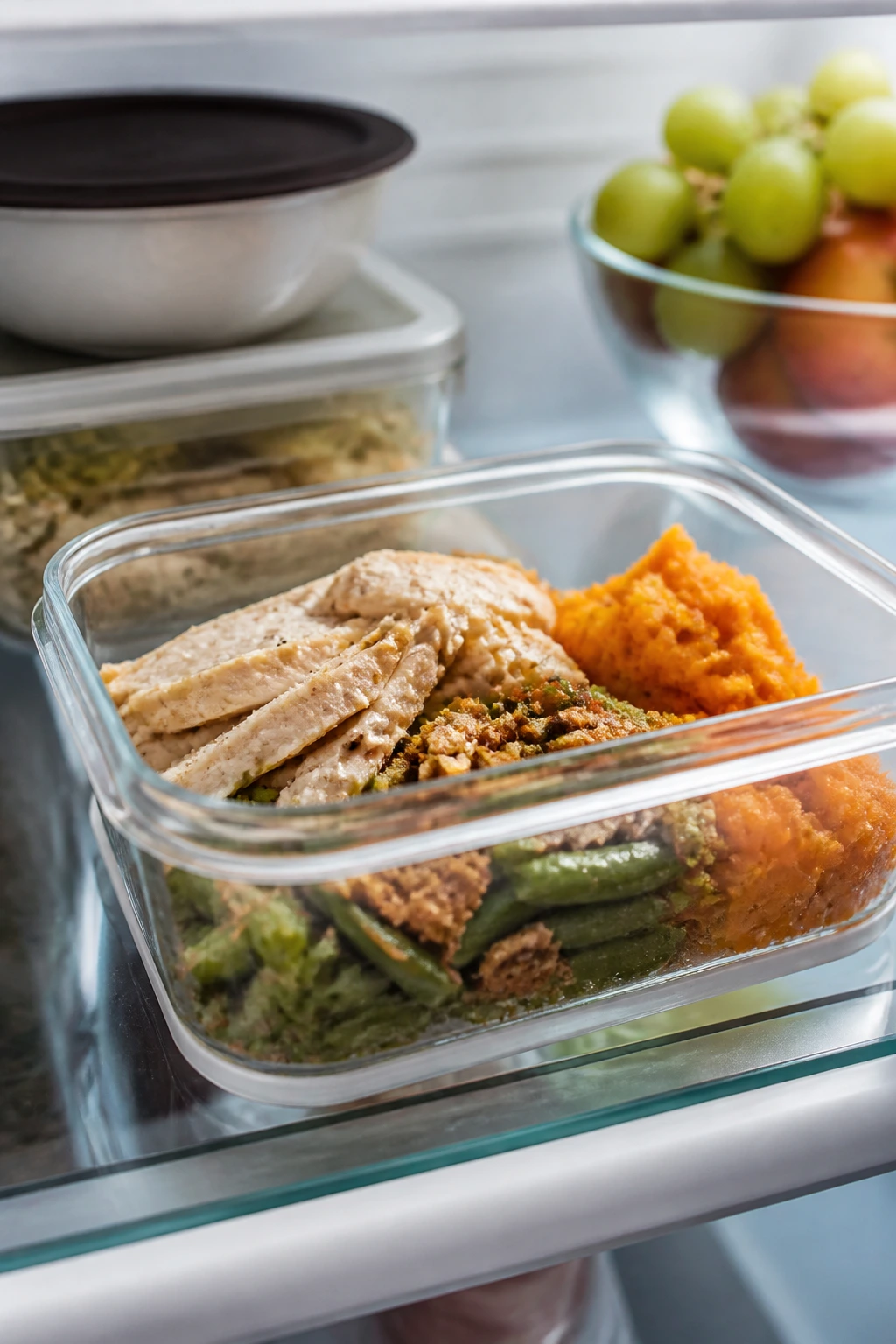
Sunday meals often live or die by what happens after the first round. Get the storage right, and Monday lunch becomes a gift instead of a chore.
Cool food within 2 hours of cooking. After that, bacteria start getting too comfortable, and nobody wants a fridge full of regret. Move leftovers into shallow containers so they drop in temperature faster. Deep, steaming bowls of rice or pasta are the kind of thing that looks harmless and then turns gummy by morning.
Fridge Timing That Actually Works
Most cooked family meals keep well for 3 to 4 days refrigerated if they’re stored cleanly and not double-dipped at the table. Soups, stews, pulled meats, and casseroles usually hold up best. Roasted potatoes and vegetables are fine, though they soften a bit by the next day.
Rice and pasta need a little care. Refrigerate them quickly, and don’t leave them sitting on the counter while the whole family grazes for an hour. That’s where texture and food safety both start to slide.
Freezer Notes by Meal Type
Pulled chicken, chili, soups, and meatballs freeze well for up to 2 to 3 months. Casseroles can also freeze nicely if you undercook them slightly before freezing and add a splash of sauce when reheating. Roasted vegetables freeze less gracefully, because they lose their edges and go soft, so I would save the freezer space for the main dish.
Reheating Without Turning Everything Tough
For chicken and roasted meat, reheat covered in a skillet with a spoonful of water or broth, or warm in a 325°F oven until hot. For casseroles, cover with foil and reheat slowly so the top doesn’t dry out before the middle warms through. Soup comes back beautifully on the stove over medium-low heat.
Microwave reheating works in a pinch, but use shorter bursts and stir between them. That keeps pasta from drying into little hard clumps and prevents one corner from getting hot while the middle stays cold.
Questions Parents Ask About Kid-Friendly Sunday Meals
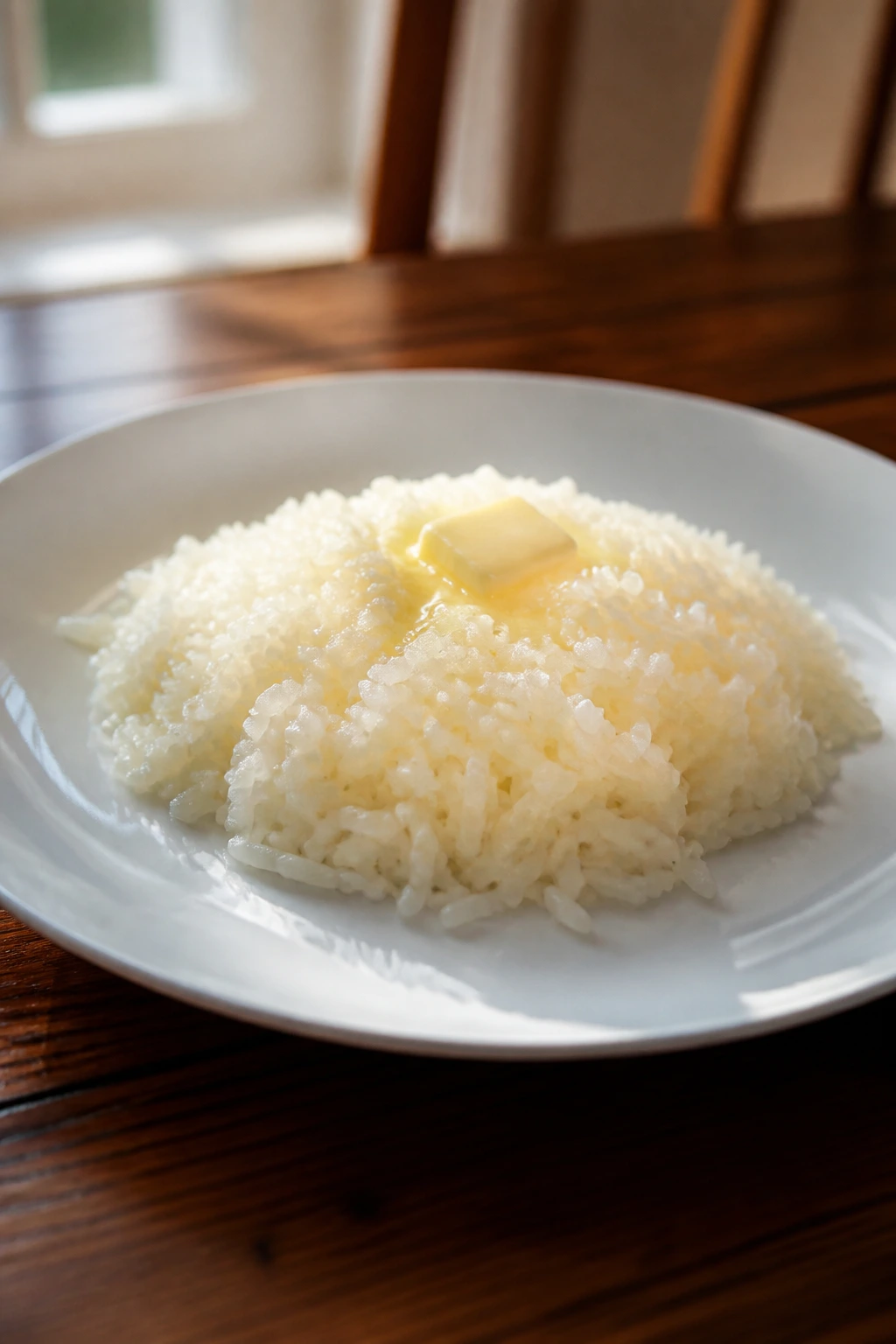
What if my child only eats plain food?
Start there and do not fight it at dinner. Put plain rice, buttered noodles, bread, or potatoes on the plate beside the main dish, then keep serving the same meal in tiny, calm amounts over time. Repetition without pressure usually does more than bargaining ever will.
How do I feed toddlers and older kids from the same meal?
Build around a soft main, a safe starch, and one side that’s easy to chew. Shredded chicken, pasta bake, rice bowls, and meatballs tend to bridge age gaps well because toddlers can handle the texture and older kids can build a bigger plate.
Is it better to hide vegetables?
Not usually. Hidden vegetables can work inside sauce or soup, but visible vegetables tend to feel more honest and less suspicious. Small pieces, roasted edges, and simple seasoning usually land better than a pureed surprise.
What should I make if everyone arrives at different times?
Choose something that holds heat or reheats cleanly. Slow-cooker pulled pork, soup, baked ziti, and chili are stronger choices than a crisp fish fillet or a delicate sauté. Those latter dishes rarely survive the waiting game.
Can I use frozen vegetables and still make dinner feel fresh?
Yes, and I do it all the time. Frozen corn, peas, broccoli, and green beans can be better than tired produce from the back of the fridge, especially on a Sunday when you need things to work without a lot of extra chopping.
How do I stop dinner from turning into a battle over “two more bites”?
Keep the pressure off the table. Let kids take a small portion, offer one safe food, and stop turning the meal into a negotiation. The more the table feels like a quiz, the less likely anyone is to eat well.
What if my oven is too small for big sheet-pan meals?
Split the food between two smaller pans or roast the protein first and the vegetables second. Crowding causes steaming, and steaming gives you pale food that nobody is excited to eat.
Which Sunday meals are best for picky eaters and adults together?
Roast chicken, mild pasta bakes, taco bars, soup with bread, and pulled meat sandwiches are the safest bets. They give adults enough room to season their own plate while keeping the kids’ version plain enough to feel familiar.
A Sunday Table That Feels Easy Again
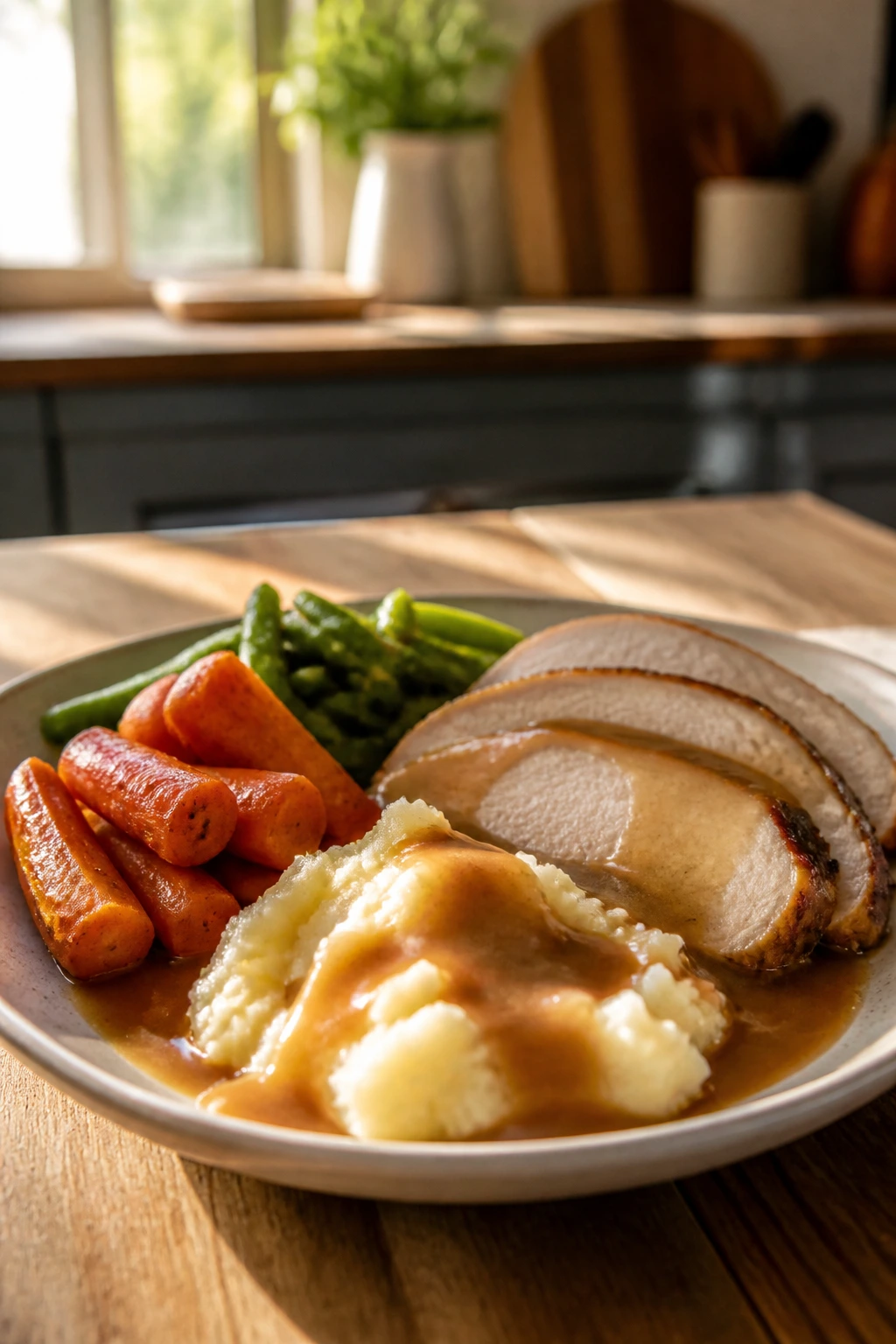
A good family Sunday meal does not need to be clever. It needs to arrive with a smell kids trust, a texture they can handle, and a shape that does not scare them the second it hits the plate. That’s the whole game. Familiar anchor, calm side, one small new thing if you feel like it.
The nicest thing about this kind of meal is that it gives everyone a way in. Adults get comfort food that still feels like dinner. Kids get a plate they can understand at a glance. And you get to sit down without feeling like you staged a performance. That’s worth protecting, week after week.