



An easy budget friendly dinner under $10 does not have to taste like a compromise on a plate. The difference usually comes down to what you buy first, not how much you spend. A pound of chicken thighs, a head of cabbage, a bag of rice, and a jar of something tangy can turn into a dinner that feels complete, warm, and a little bit proud of itself.
The meals that miss the mark on a tight budget usually try to do too much with too little. They chase five different toppings, three kinds of cheese, and a sauce that belongs on a different recipe entirely. The better move is quieter and smarter: one solid protein, one starch that actually fills people up, two vegetables that hold up in the fridge, and a seasoning path that makes the whole thing taste planned.
That’s the whole trick, and it’s a useful one. Once you know how to build a cheap dinner without making it feel thin, you stop depending on random coupons and start cooking from a system. That system is what keeps the receipt low and the plate generous.
Why This Kind of Dinner Works So Well
-
One anchor ingredient does the heavy lifting: A pound of eggs, beans, chicken thighs, or ground meat can carry four servings if you stop treating it like the whole meal.
-
Starch gives the plate actual weight: Rice, pasta, potatoes, and tortillas are the cheapest way to make a dinner feel finished instead of snack-sized.
-
Frozen and canned staples save money and waste: Frozen vegetables, canned tomatoes, and beans give you the exact amount you need without the rest rotting in the crisper.
-
Flavor costs less than extra protein: Garlic, onion, tomato paste, soy sauce, vinegar, mustard, and bouillon do more for a dish than another half-pound of meat.
-
Leftovers become part of the plan: Cheap dinners work best when the second night is already built into the first one.
-
Store brands are not the enemy: For rice, pasta, beans, canned tomatoes, broth, and frozen vegetables, the generic label often performs just as well once it’s cooked with salt and fat.
The Budget Formula That Keeps the Receipt Honest
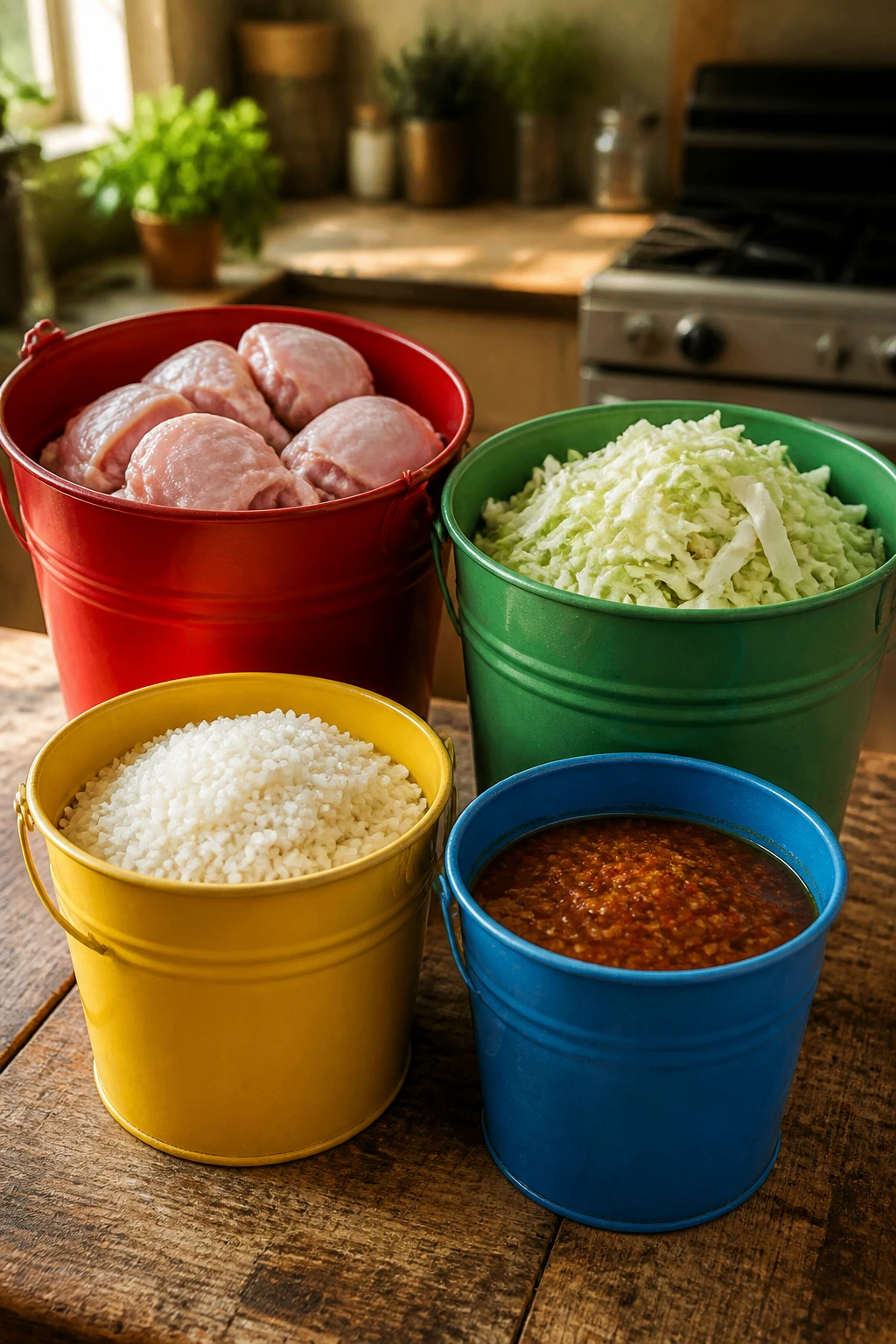
The cleanest way to think about a cheap dinner is in buckets. One bucket goes to protein, one to starch, one to vegetables, and one to flavor. When those four pieces stay in balance, the meal feels like dinner. When one bucket runs wild, the receipt does too.
I like a rough split like this: $3 to $4 for the protein, $1 to $2 for the starch, $2 to $3 for vegetables, and $1 to $2 for flavor builders and fat. That is not a law. It is a way to keep your shopping cart from drifting into silly territory. If the protein costs $6, the rest of the dish needs to be nearly free, and that usually means using pantry items you already own.
The USDA Thrifty Food Plan makes a similar kind of bet. It leans hard on ordinary, sturdy ingredients: beans, rice, oats, eggs, frozen vegetables, potatoes, pasta, milk, and modest amounts of meat. Nothing glamorous. Everything useful.
That is why cheap dinners work better when you think in systems, not recipes. A single recipe can make you buy parsley, capers, cream, and a specialty cheese you will use once. A system says: “Use what carries weight, skip what merely decorates.” One method feeds you tonight and again later in the week.
Why the Formula Beats Random Bargain Hunting
A bargain is only useful if it fits the meal. A sale on a giant pork roast sounds exciting until you realize you wanted a 25-minute skillet dinner, not a three-hour project. A cheap ingredient that doesn’t belong in the cooking plan is still expensive if it sits in the fridge until it turns limp.
The formula saves money because it keeps every ingredient working. The starch stretches the protein. The vegetables bring volume and color. The flavor builders glue everything together so it tastes intentional instead of improvised.
Cheap Proteins That Carry the Whole Plate
Protein is where most budgets wobble. It is also where you can make the smartest swaps.
Eggs and Tofu for Fast, Cheap Dinners
Eggs might be the most flexible low-cost protein in the kitchen. They scramble into rice, turn into a quick frittata, top noodle bowls, and make a dinner feel sturdier with almost no prep. Tofu works in a similar way if you press it for 10 to 15 minutes and fry it until the edges go crisp and pale gold. It drinks flavor like a sponge.
What to use: 4 to 6 eggs, or 1 block firm tofu, about 14 ounces.
What to watch for: Eggs need seasoning more than people think. Tofu needs heat. If you skip both, the meal goes flat fast.
Beans and Lentils That Behave Like a Main Dish
Beans are cheap in the best possible way. Canned black beans, kidney beans, chickpeas, and pinto beans can be turned into a skillet meal, a soup, a burrito filling, or a rice bowl in minutes. Dry lentils are even cheaper per serving and cook in about 20 to 25 minutes, which is faster than most people expect.
I trust lentils when the pantry is looking thin. They do not need soaking, they soften evenly, and they take on onion, garlic, curry powder, cumin, and tomato without complaint.
Best use: Use beans when you need comfort and bulk. Use lentils when you want something spoonable but still hearty.
Chicken Thighs and Ground Meat for Familiar Dinner Energy
Boneless chicken thighs usually cost less than chicken breasts and taste better after a hot pan or a sheet pan roast. They stay juicy even if you give them a few extra minutes, which makes them forgiving on busy nights. Ground turkey, ground chicken, and ground beef can also work well if you season them hard enough and don’t bury them under a bland sauce.
A cheap protein should not feel like a dare. It should be easy to season, hard to ruin, and flexible enough to fit rice, pasta, or potatoes.
Canned Fish and Sausage for Big Flavor in Small Amounts
Canned tuna, sardines, or salmon can turn into pasta, rice, or potato dinners with a squeeze of lemon and a handful of herbs. Sausage works differently: you use less of it, because it brings its own salt, fat, and spice. A single sausage link sliced into a pan of beans and greens can flavor an entire meal.
That’s the part people miss. Some proteins are anchors. Others are flavor tools.
Starches That Stretch the Meal Without Feeling Heavy
A cheap dinner needs something that fills the middle of the plate. That is usually starch, and the good kinds are more useful than expensive shortcuts.
Rice Is the Quiet Workhorse
Rice is the cleanest budget starch because it stretches well, stores well, and takes on whatever you put next to it. White rice cooks in about 15 to 20 minutes. Brown rice takes longer and gives you a nuttier chew, which is fine if you like it, but white rice is usually the more practical dinner base when time and money both matter.
One cup of dry rice can feed several people once you add vegetables and protein. That ratio matters. It means you are spending pennies on the thing that keeps everyone full.
Pasta Works Best When the Sauce Is Part of the Plan
Pasta is cheap, but it gets expensive fast if you start loading it with specialty cheese, imported sauce, and three kinds of meat. Keep it simple. A can of tomatoes, an onion, garlic, olive oil, and a handful of beans or greens can make pasta feel like a proper meal.
I like pasta dinners because they reward restraint. The noodles do not need much help. They need salt in the water, a sauce that coats instead of puddles, and one finishing touch that wakes everything up.
Potatoes Are Still One of the Best Deals Going
Potatoes are hard to beat. Roast them, smash them, mash them, cube them into a skillet, or simmer them in soup. They are filling in a way that expensive grains sometimes are not, and they hold up to butter, yogurt, garlic, chili powder, or rosemary without getting fussy.
A baked potato dinner feels plain only when the toppings are lazy. Give it beans, sautéed onions, shredded cheese, or leftover chicken and it turns into a full meal.
Tortillas and Bread Keep the Meal Flexible
Tortillas are a cheat code for cheap dinners. They turn eggs into tacos, beans into burritos, leftovers into wraps, and skillet vegetables into something handheld. Bread does something similar. A pan of soup or saucy beans feels much more substantial with toast, flatbread, or a quick garlic bread situation.
Starch is not filler. It is what gives the dinner shape.
Vegetables That Add Bulk and Color
Cheap dinners need vegetables that can do more than sit on the side of the plate. The best budget vegetables are sturdy, flexible, and forgiving if you forget them in the fridge for a day or two.
Cabbage Is the Underrated Budget Hero
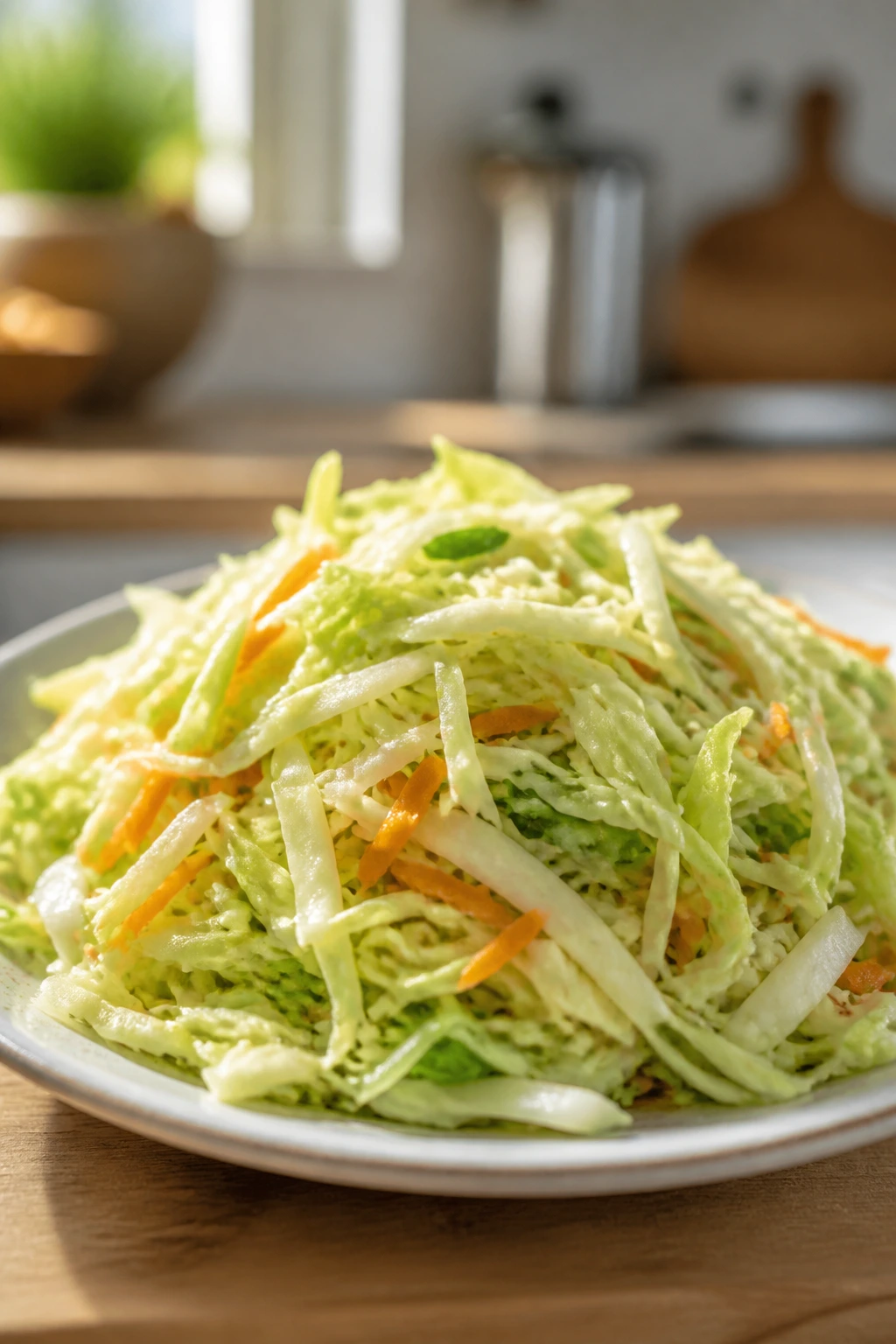
I will happily make the case for cabbage. It costs less than many salad kits, keeps for ages, and can go raw, sautéed, braised, or roasted. One head can become slaw, stir-fry, soup, taco filling, or a buttery skillet pile under eggs or chicken.
Raw cabbage gives crunch. Cooked cabbage goes sweet around the edges. Both versions hold up better than lettuce, which is why cabbage belongs in cheap dinner planning more often than it does.
Onions and Carrots Make Dinners Taste Planned
Onions are one of the first things I buy because they are part of the base layer of so many meals. They caramelize, soften, and make a kitchen smell like somebody knows what they are doing. Carrots do a similar job on the sweet side. They are cheap, they keep well, and they can be sliced thin for fast cooking or chunked into soup.
Together, onions and carrots make the kind of background flavor that expensive meals take for granted.
Frozen Vegetables Save Time and Waste
Frozen peas, corn, spinach, broccoli, and mixed vegetables are worth keeping around. They do not spoil in two days. They do not require washing, chopping, or fussing over stems and skins. They are picked and frozen at the point where they still taste like themselves, which makes them a much better deal than a wilted bag of fresh greens that never made it into the recipe.
I use frozen vegetables when I want a cheap dinner to move fast. They are insurance.
Greens Need to Be Chosen for the Job
Spinach, kale, and chard can all work, but they behave differently. Spinach melts into sauce in a few minutes. Kale takes longer and wants a little salt and acid to soften its edges. Chard sits somewhere in the middle and has those sturdy stems that need a few extra minutes in the pan.
If the budget is tight, buy the green that matches the cooking method. That small choice saves both money and frustration.
Flavor Builders That Make Cheap Food Taste Finished
A cheap dinner gets in trouble when the ingredients are good but the seasoning is timid. Flavor is not decoration. It is the difference between “we ate” and “that was dinner.”
Onion, Garlic, and Tomato Paste Do More Than You Think
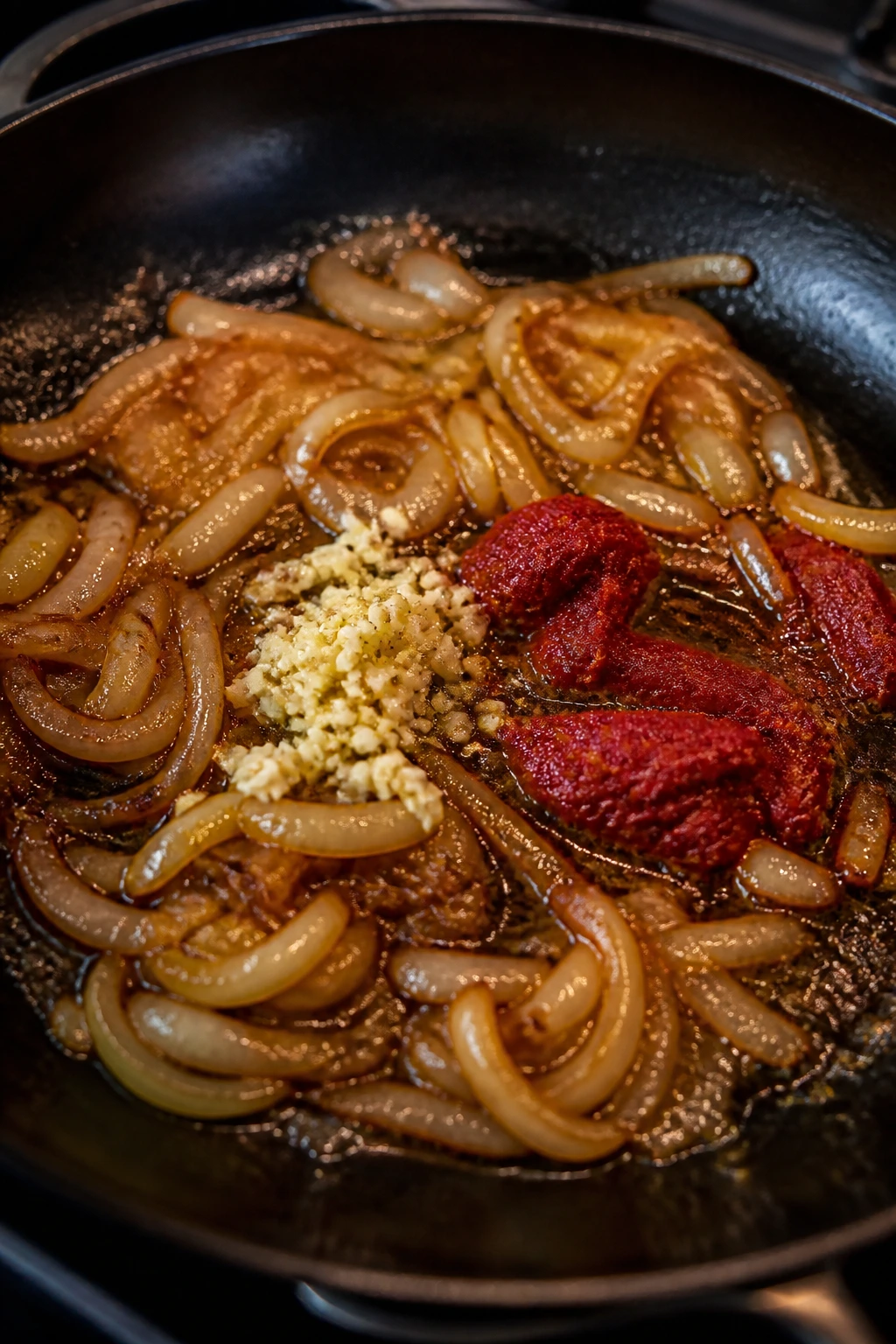
These three are old reliable. Onion brings sweetness when it cooks down. Garlic adds sharpness and depth, but only if you cook it briefly and do not scorch it. Tomato paste, when fried in oil for a minute or two, turns from metallic and thin into deep and savory.
That little move with tomato paste matters. Cook it until it darkens slightly and starts sticking to the pan, then splash in water, broth, or wine to loosen the brown bits. You get a sauce with actual backbone.
Salt, Acid, and Fat Are the Real Finishers
Salt wakes the ingredients up. Acid—lemon juice, vinegar, pickled brine, a spoon of mustard—cuts through heaviness. Fat, from butter, olive oil, sesame oil, or a spoon of yogurt, carries the flavor and smooths the edges.
People often look for one magic spice blend when what they need is a better balance. A splash of vinegar at the end can make a plain bean skillet taste like it took care. A small knob of butter stirred into rice can make a cheap side feel intentional.
Bouillon, Soy Sauce, and Fish Sauce Bring the Umami
Bouillon cubes or paste are cheap flavor insurance. Soy sauce deepens rice, noodles, vegetables, and chicken. Fish sauce is strong, so you only need a little, but it can make broth-based dishes taste richer without costing much per serving.
You do not need every bottle on the shelf. You need one or two that earn their place.
Herbs and Cheese Work Better as Finishes Than Bases
Fresh parsley, cilantro, scallions, or dill can brighten a dish right before serving. Grated cheese can do the same, but I prefer it as a final touch rather than the thing carrying the meal. A little parmesan over pasta or a handful of cheddar over beans goes farther than you’d think.
The cheap dinner that tastes expensive usually has one thing at the end that tastes alive.
Three Dinner Blueprints That Usually Stay Under $10
The point here is not to make you memorize one fixed recipe. It is to show how the budget formula turns into actual dinner.
Tomato-Bean Pasta With Garlic and Spinach
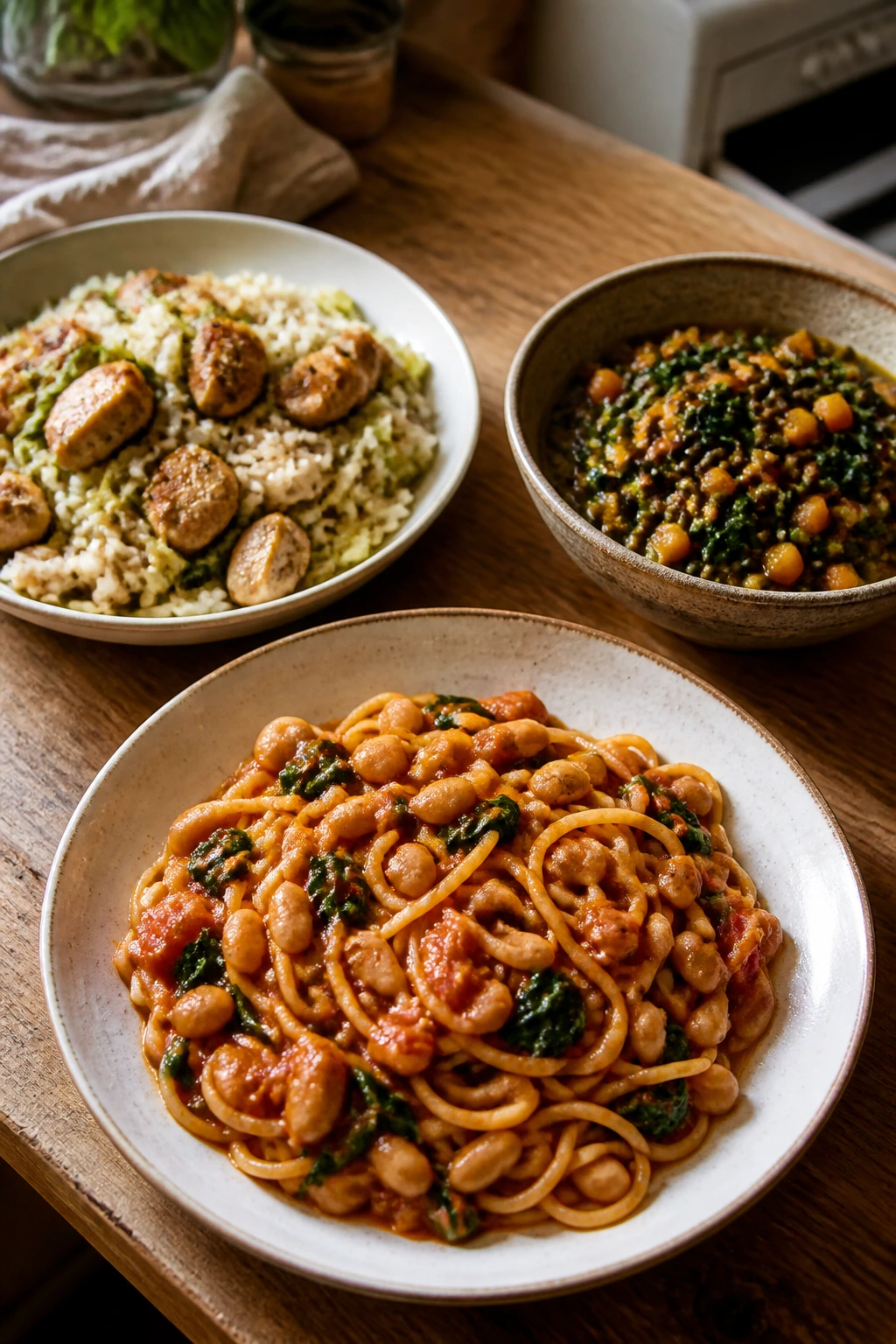
Use 8 ounces of pasta, 1 can of beans, 1 small onion, 3 cloves of garlic, 1 can of crushed tomatoes, and a handful of spinach. Cook the pasta in salted water. Sauté the onion in oil until soft, add garlic for 30 seconds, then stir in tomato paste if you have it and let it darken for a minute. Add the tomatoes and beans, simmer until thick, and fold in spinach at the end.
This lands in the very friendly $5 to $8 zone if you use store-brand pasta and canned goods. It tastes like a real dinner because the sauce clings to the pasta and the beans add enough protein to keep the bowl from feeling light. A little chili flake and a sprinkle of cheese help, but the dish does not depend on them.
Chicken, Cabbage, and Rice Skillet
Use about 1 pound of chicken thighs, 1 small onion, half a head of cabbage, 1 to 1½ cups of rice, garlic, salt, pepper, and soy sauce or broth. Brown the chicken well, take it out, cook the onion and cabbage in the same pan, then add the rice and liquid. Nestle the chicken back in and let everything simmer until the rice is tender and the chicken is cooked through.
This is the meal I reach for when I want something that feels complete but not fussy. The cabbage gets sweet in the pan. The chicken stays juicy. The rice absorbs everything underneath it, which is the reason this kind of skillet works so well in the first place.
Egg Fried Rice With Frozen Vegetables
Use 3 cups of cold cooked rice, 4 eggs, 1 to 2 cups of frozen vegetables, 2 scallions or a small onion, soy sauce, and a little oil. Scramble the eggs first, push them aside, cook the vegetables, then add the rice and toss until hot. Season with soy sauce and finish with scallions.
If you already have rice cooked, this may be the cheapest full dinner on the list. It is also the fastest. The texture works because the rice is dry enough to fry instead of steam, and the eggs make it feel like more than a side dish.
A cheap dinner blueprint should be easy to repeat. If it needs a shopping cart full of specialty items, it has already failed the assignment.
How to Shop the Store Without Letting the Receipt Run Away
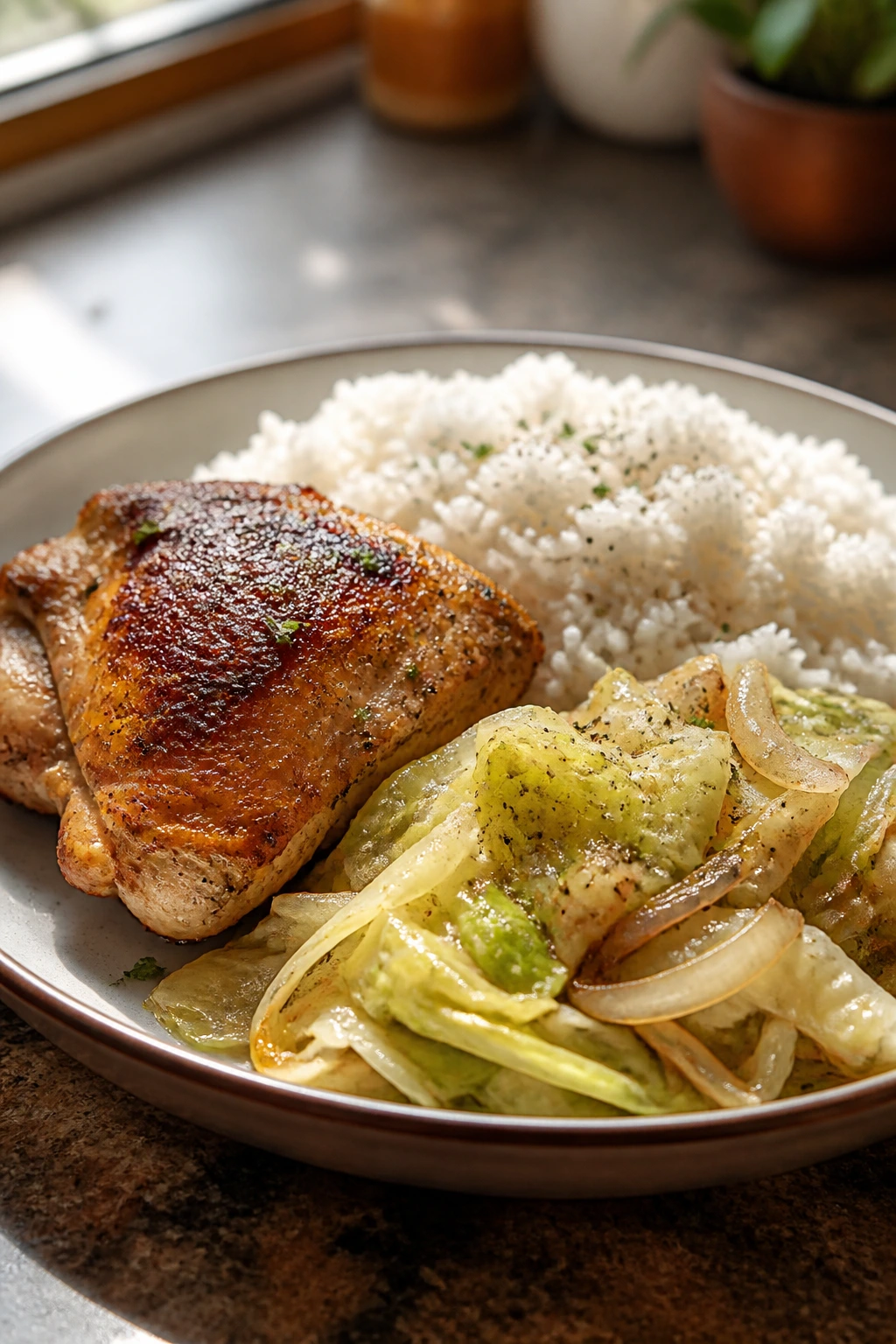
Cheap cooking starts before the stove turns on. It starts in the aisle, where shiny packaging tries to make every item feel necessary.
The first rule is to shop by unit price, not by sticker shock. A large container of rice or oats looks more expensive than a tiny bag, but the per-ounce cost is usually much lower. Same with beans, pasta, flour, and frozen vegetables. The package that looks least glamorous is often the one that quietly feeds you longest.
The second rule is to buy ingredients that overlap across meals. One onion can go into a skillet dinner, a soup, and a sandwich spread. A bunch of carrots can land in a roast, a curry, and a snack box. Cabbage is even better because it lasts, and because almost every form of heat or acid treats it kindly.
Skip the Versions That Have Already Charged You for Convenience
Pre-cut vegetables, shredded cheese, seasoned meat, and single-serve portions all add cost. They are not evil. They are just bad for a tight dinner budget unless your time is worth more than the savings. If you can chop an onion yourself and shred your own cheese, that money belongs somewhere more useful.
The same goes for broth and sauce. A $4 jar of fancy sauce is not automatically better than a can of tomatoes plus garlic, onion, and a little butter. Often it is just easier for the store to sell you a shortcut.
Build the Cart in This Order
Start with the protein or main anchor. Then add the starch. Then choose the vegetable that gives you bulk. Last, grab the flavor pieces you still need. That order stops you from overbuying the fun stuff and forgetting the actual dinner.
If the cart is already too full, the meal has gone wrong.
Buy One Fresh Thing and One Long-Lasting Thing
That is my favorite practical rule. One fresh thing keeps the meal lively—maybe parsley, scallions, spinach, or a lemon. One long-lasting thing protects the budget—rice, beans, pasta, potatoes, or frozen vegetables. The balance matters more than the exact pair.
A good cheap dinner should not leave you with a fridge full of fragile leftovers and no plan.
Fast Cooking Moves for a Weeknight Meal
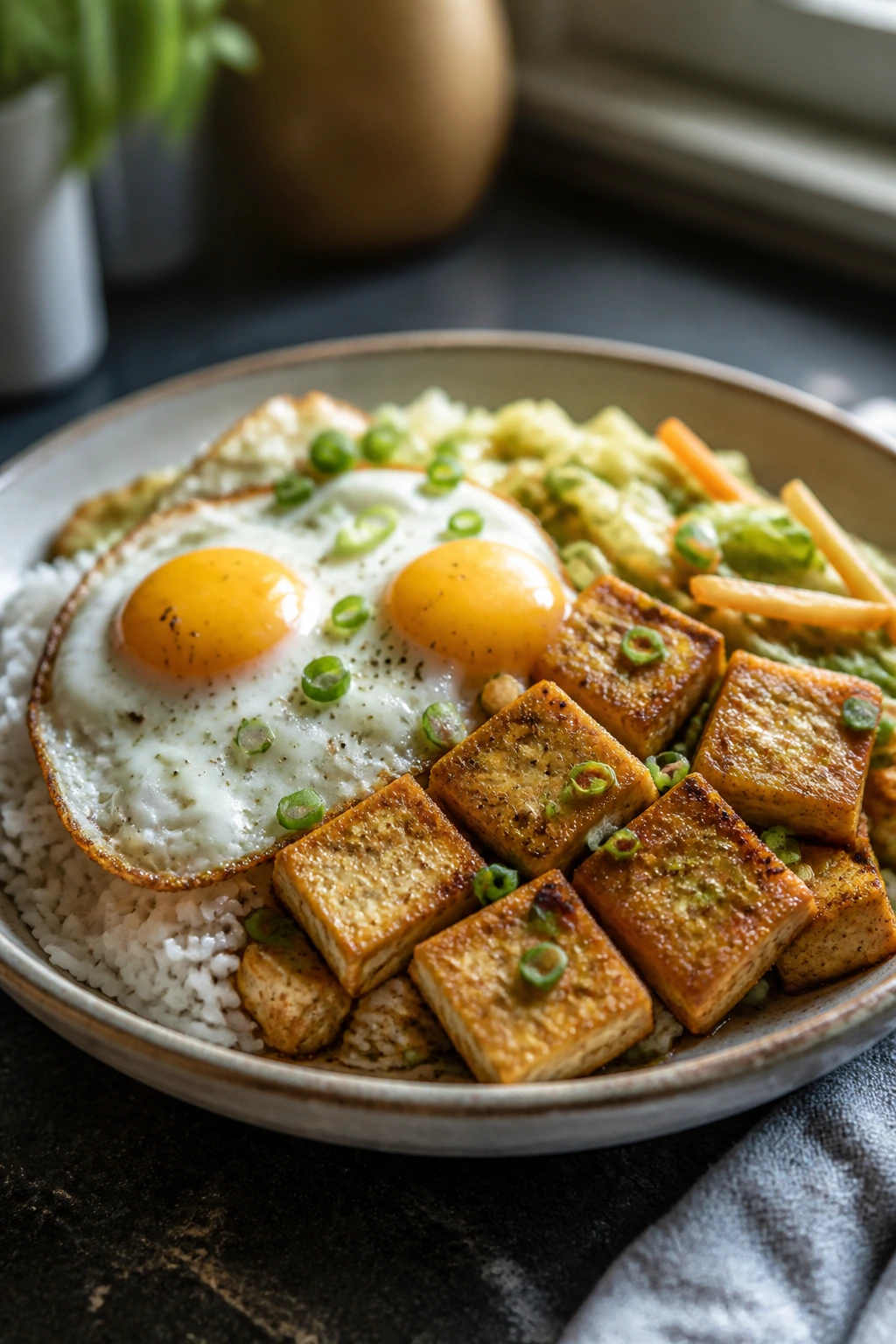
Cooking on a budget gets easier when you stop trying to multitask in the wrong order. A cheap dinner is often faster than a complicated one because the ingredients know what they are for.
Start the Starch First
Rice, potatoes, and pasta take time, so start them before you touch anything else. If you are making a skillet meal, get the water boiling or the rice simmering immediately. That buys you room to chop, sauté, and season without panic.
Season in Layers, Not at the End
Salt the onions a little as they cook. Salt the protein before it hits the pan. Taste the sauce before serving and adjust again. Layers matter because cheap ingredients need help all the way through, not just a dramatic finish at the table.
Use the Pan You Already Built
Browned bits are flavor. When chicken, onions, beans, or meat leaves browned residue in the pan, that residue should not be ignored. Add a splash of water, broth, or vinegar and scrape it up. That process, deglazing, pulls the flavor back into the dish instead of leaving it stuck to the skillet.
Keep a Lid Nearby
A lid is not a luxury. It lets vegetables steam after they brown, helps rice finish evenly, and keeps a skillet from drying out while chicken cooks through. If a dinner seems like it is taking too long, a lid often solves the problem faster than more heat does.
Finish With Something Fresh or Sharp
A squeeze of lemon. A spoonful of pickle brine. A little parsley. A dusting of black pepper. Cheap food often needs one final bright note so it does not taste heavy or flat.
That last move matters more than people think.
How to Plate a Budget Dinner So It Feels Finished
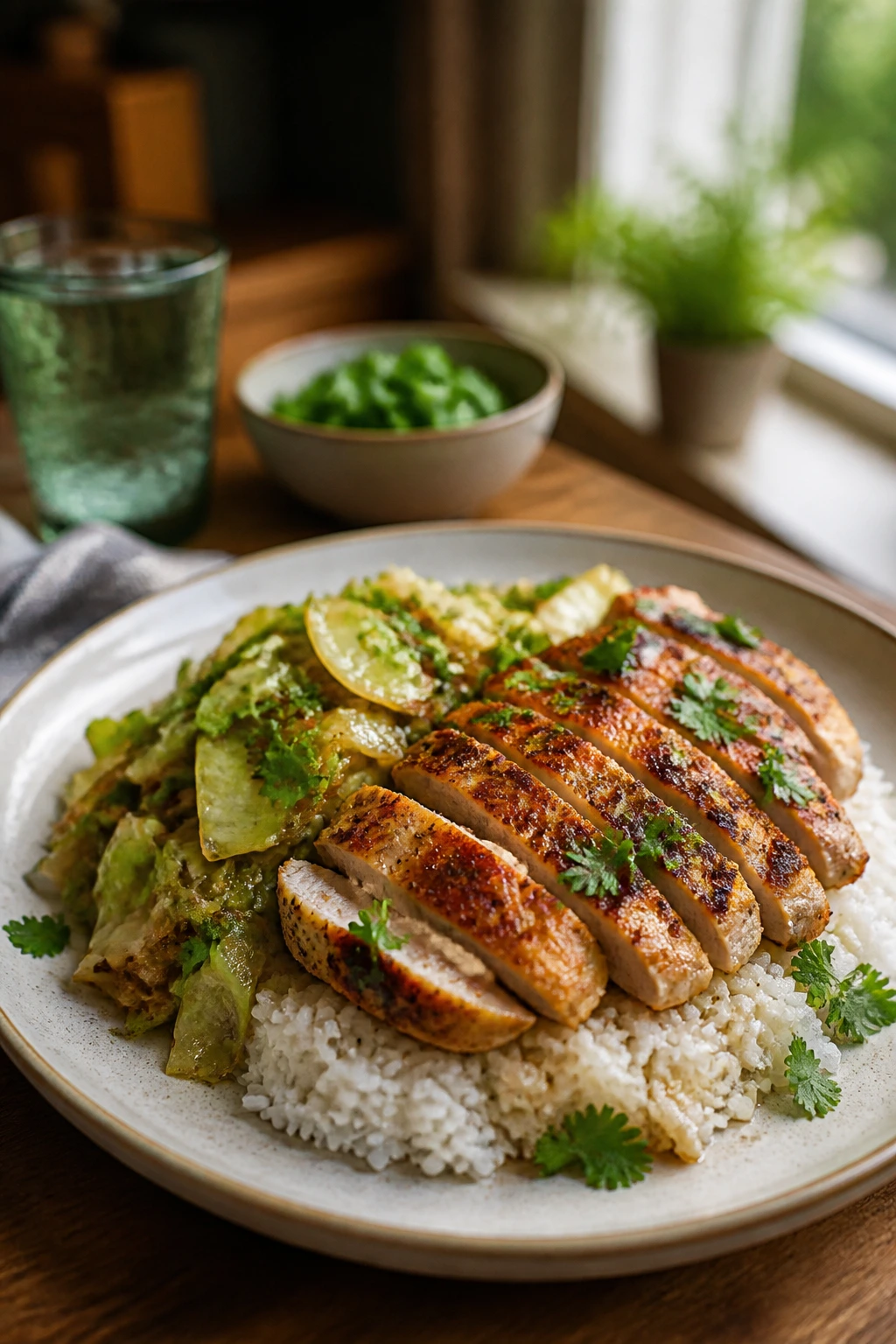
A cheap dinner does not need fancy plating. It just needs shape.
Presentation: Put the starch on the plate first, then spoon the protein and vegetables over or beside it so the eye can see the parts. A handful of chopped herbs, a few thin onion slices, or a crack of black pepper on top keeps the dish from looking beige and sleepy.
Accompaniments: A quick slaw, buttered toast, a plain green salad, pickles, or a bowl of fruit can round out the plate without adding much cost. I especially like something crunchy next to a soft skillet meal. The contrast makes the whole thing taste more deliberate.
Portions: A useful dinner portion is usually about 1 cup of starch, 4 to 6 ounces of protein, and 1 to 2 cups of vegetables per adult. If you need to stretch the meal further, add more vegetables or bread before you add another expensive protein.
Beverage Pairing: Iced tea, sparkling water with lemon, or a cold lager all work with a simple budget dinner. If the meal is tomato-heavy or a little spicy, plain water with a squeeze of citrus is usually enough. The drink should clean the palate, not steal attention.
The plate looks better when the food is arranged like a meal and not a heap. That alone makes a cheap dinner feel more satisfying.
The Small Choices That Save the Most Money
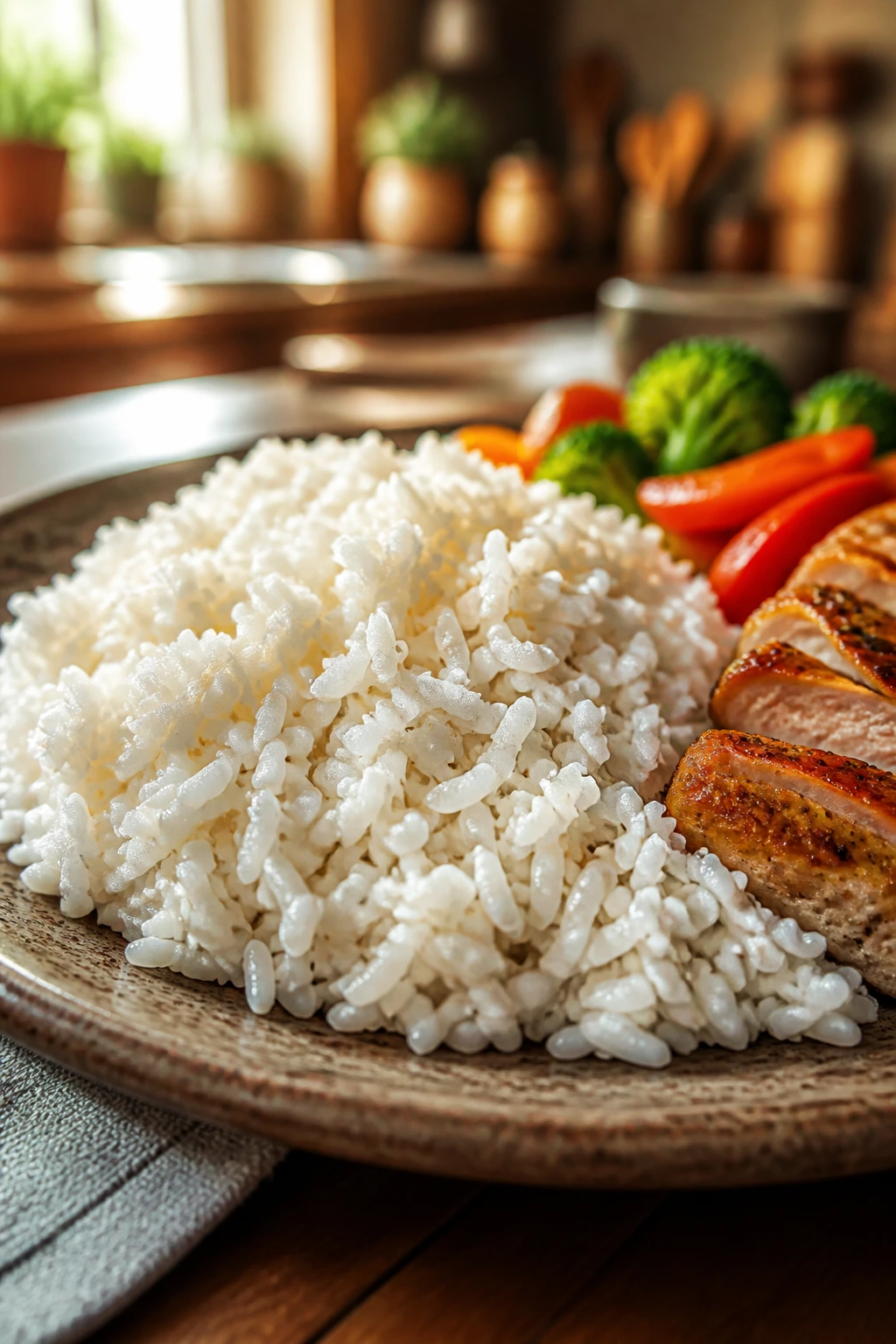
The best savings usually come from boring decisions made early. That is not glamorous, but it works.
Cook Once, Eat Twice: Make rice, potatoes, or roasted vegetables with leftovers in mind. Cold rice becomes fried rice. Roasted carrots become soup. Chicken thighs become wraps or noodle bowls the next day.
Treat Frozen as a Backup, Not a Compromise: Frozen peas, spinach, broccoli, corn, and mixed vegetables keep you from tossing spoiled produce. They are especially useful when you need one small handful of something green instead of a whole bunch that will wilt.
Use One Expensive Finish, Not Three: A little parmesan, a small lemon, or a spoon of good mustard adds more value than stacking cheese, cream, and bacon into a dish that was already cheap. Pick one finish and let it work.
Keep Pantry Bases Ready: A bag of rice, a box of pasta, a can of beans, a jar of tomato paste, and a bottle of vinegar can save dinner on the nights when the fridge is nearly empty. Those items are cheap because they are versatile, not because they are dull.
Make Fresh Herbs the Last Purchase, Not the First: Scallions, parsley, and cilantro are useful, but they are garnish-grade helpers. Buy them when the core dinner is already covered.
One small decision can save more than a coupon ever will.
Common Mistakes That Turn a Cheap Meal Expensive
The budget leaks happen in predictable places.
-
Buying too many one-use ingredients: A recipe that asks for a special sauce, a specialty cheese, a rare spice, and a half-bunch of herbs may look cheap on paper, but the leftovers are where the real cost hides. The fix is simple: choose recipes that reuse ingredients you already own or can use again tomorrow.
-
Choosing convenience cuts when the method does not need them: Pre-cut vegetables, boneless premium meat, and shredded cheese cost more because someone else did the work. If the dinner is already a skillet or soup, you can usually do that work yourself in 10 minutes.
-
Letting the pantry go uncounted: People buy another bottle of oil, another packet of spice mix, or another can of beans because they didn’t look first. That is how a cheap dinner stops being cheap. Check the cabinet before you shop.
-
Underseasoning the base: A meal built from rice, beans, potatoes, or pasta needs salt, acid, and probably fat. If those are missing, the food tastes dull and people start reaching for expensive extras at the table.
-
Overbuying produce with a short life: Salad greens, berries, fresh herbs, and delicate mushrooms are fine when they fit the plan. They are not budget heroes. Cabbage, carrots, onions, and frozen vegetables are much safer bets.
-
Trying to make a cheap dinner taste rich in one giant move: Dumping extra cheese or cream into a thin dish does not fix weak layering. It just makes a thin dish heavier. Build flavor early, then finish lightly.
Variations for Meatless, Gluten-Free, and Extra-Filling Plates
The same budget dinner formula can wear a few different outfits.
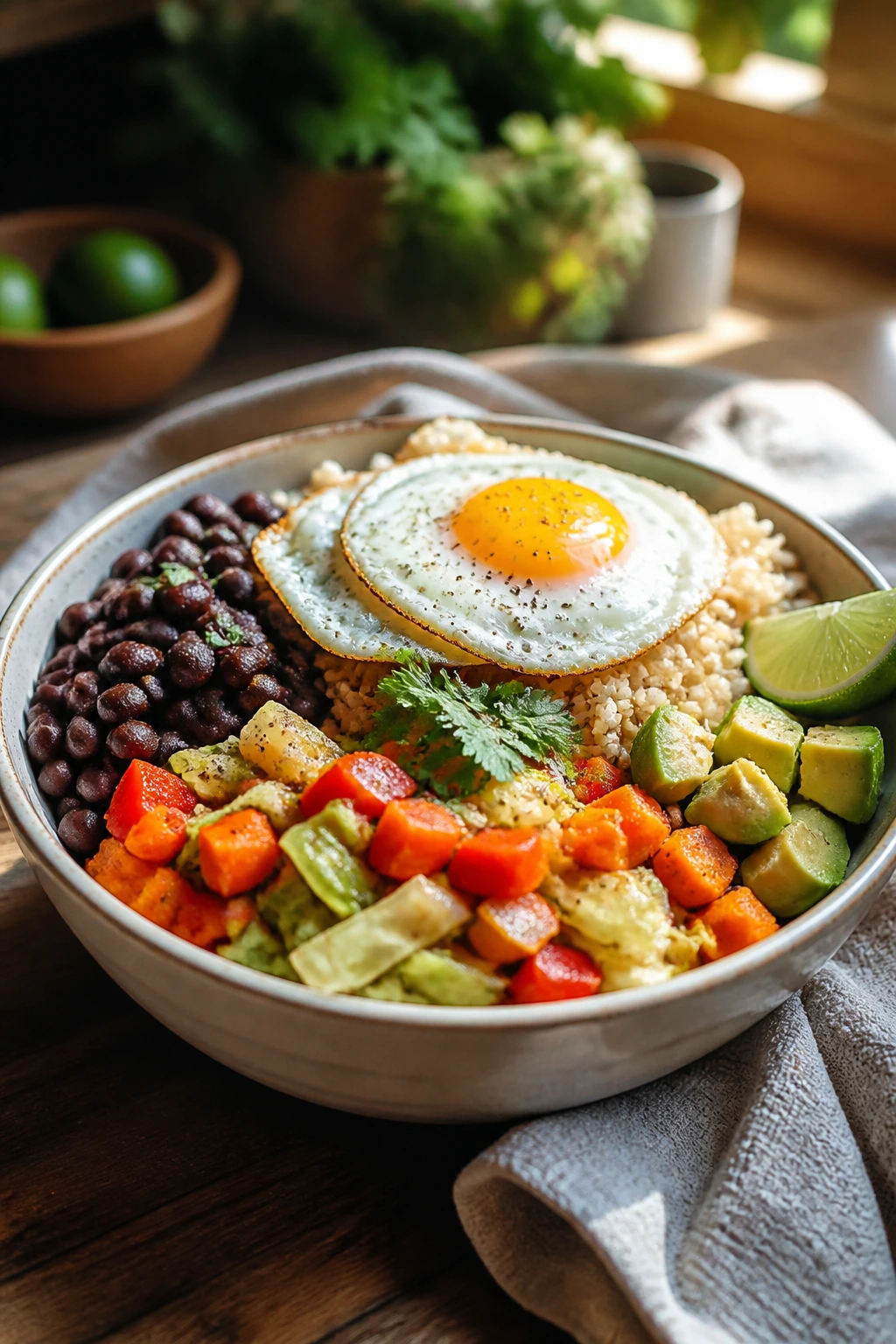
Meatless Pantry Bowl: Swap the meat for a can of beans, lentils, or tofu and build around rice or potatoes. A fried egg on top makes it feel more complete without pushing the cost up much. This version works especially well with soy sauce, hot sauce, or a tomato-based sauce.
Gluten-Free Grain Swap: Use rice, potatoes, corn tortillas, or polenta instead of pasta and bread. The rest of the formula stays the same. Beans, chicken, vegetables, and a sharp sauce all fit naturally into that setup.
Tex-Mex Skillet: Season the base with cumin, chili powder, garlic, onion, and a spoonful of tomato paste. Add black beans, corn, salsa, and rice, then finish with a little cheese or yogurt. It feels different from the pasta version without getting more expensive.
Creamy Comfort Version: Stir in a splash of milk, evaporated milk, or a spoonful of cream cheese at the end of a potato, noodle, or rice dish. Keep the portion modest so it stays rich, not heavy. This works best when the vegetables are broccoli, peas, or spinach.
High-Protein Plate: Add eggs, extra beans, or a second small protein like yogurt or cottage cheese on the side. You do not need to double the meat. A smart second protein can be cheaper and still make the meal hold.
Lower-Sodium Fix: Use no-salt-added canned beans or tomatoes, then rely on onion, garlic, vinegar, lemon, pepper, and herbs to keep the food lively. You can also rinse canned beans and taste before salting.
A good budget dinner should bend. If it breaks the moment you swap one ingredient, it was too fragile to begin with.
Tools That Earn Their Spot in the Kitchen
You do not need a fancy setup to cook cheap dinners well. A small set of reliable tools beats a drawer full of gadgets.
-
10- to 12-inch skillet: Big enough to brown meat, sauté vegetables, and finish a one-pan dinner without crowding.
-
Medium saucepan with lid: Essential for rice, pasta sauce, beans, and potatoes. The lid matters more than people think.
-
Rimmed baking sheet: Useful for roasting vegetables, chicken thighs, and potatoes in one shot.
-
Chef’s knife: A sharp knife saves time on onions, cabbage, carrots, and herbs. A dull knife is a budget killer because it makes prep miserable.
-
Cutting board: Ideally one for produce and one for meat, or at least a sturdy board that does not slide around.
-
Wooden spoon or heat-safe spatula: Better than scraping with whatever is nearby.
-
Colander: Necessary for pasta, rinsing beans, and draining potatoes.
-
Measuring cups and spoons: Helpful when you want rice, broth, and seasonings to land in the right balance.
-
Airtight storage containers: These matter because cheap dinners work harder when leftovers survive the night.
A pressure cooker or slow cooker can also help, but only if you use it often enough to justify the counter space.
Make-Ahead, Storage, and Reheating Rules
Budget dinners get cheaper when they reheat well. That means the food should be cooled and stored with some care, not shoved into a container and forgotten.
Most cooked rice, pasta, beans, chicken, and vegetable-based skillet dinners keep 3 to 4 days in the refrigerator if they are cooled within about 2 hours of cooking and stored in shallow containers. If you want to freeze them, aim for up to 2 to 3 months for best texture. Soup and saucy dishes freeze better than dry pasta or crisped chicken, which is why they are such practical budget meals.
Rice deserves special handling. Spread it out a little so it cools faster, then refrigerate it promptly. When reheating, add a spoonful of water and cover it so the grains steam back to life instead of drying into pebbles.
Pasta is usually best within a few days. Reheat it with a splash of water or extra sauce over low heat in a skillet if you want to keep the texture better than the microwave can. Potatoes can go in the oven or an air fryer to regain their edges, but mashed potatoes need a little milk or butter stirred in so they do not turn gluey.
For meal prep, cook the pieces separately when possible. Roast the vegetables ahead, cook the starch ahead, and hold the sauce separately. The dinner tastes fresher when you combine things at serving time, and the leftovers stay more flexible.
Common Questions About Easy Budget Friendly Dinner Under $10
Can you really feed a family under $10?
Yes, if the pantry already has salt, oil, and a few spices. The easiest way is to lean on rice, pasta, potatoes, beans, eggs, and frozen vegetables, then use a modest amount of meat or cheese as a finish instead of the base.
What is the cheapest protein that still feels like dinner?
Beans and eggs are hard to beat. Chicken thighs and lentils are close behind because they give you more texture and a more traditional “main dish” feel without asking for much money.
Are frozen vegetables better than fresh for cheap dinners?
For many budget meals, yes. Frozen vegetables are prepped, portioned, and less likely to spoil before you use them. Fresh vegetables are better when you want raw crunch or a specific texture, but frozen ones are usually the safer financial bet.
How do I make a cheap dinner taste richer?
Cook onions and garlic until they have color, use enough salt, and finish with acid. A spoon of butter, a splash of vinegar, or a squeeze of lemon at the end can change the whole mood of the dish.
What if my dinner tastes bland even after I season it?
Check texture and balance, not just salt. If everything is soft and heavy, add something sharp or crunchy: pickles, slaw, scallions, toasted breadcrumbs, or a quick salad. Bland food often needs contrast more than it needs another spice.
Can I make these dinners vegetarian without losing the budget advantage?
Absolutely. Beans, lentils, tofu, eggs, potatoes, rice, pasta, and cabbage can build a filling vegetarian dinner with room in the budget for a good sauce or a handful of herbs.
What if I need something faster than 30 minutes?
Go straight for fried rice, egg noodles, pasta with canned tomato sauce, or a bean-and-toast dinner. Those are the fastest formats because they rely on leftovers or pantry staples that cook quickly.
How do I scale a cheap dinner for more people?
Scale the starch and vegetables first. A second pound of meat is usually not the smartest move; another cup of rice, a bigger tray of roasted potatoes, or more cabbage costs less and stretches the meal better.
Keep This Formula on the Back Burner
The easiest budget dinners are not really recipes. They are habits. One anchor protein, one filling starch, two vegetables, and one clear flavor path can turn a bare pantry into something worth sitting down for. That formula is why a cheap dinner can still taste deliberate.
I like that kind of cooking because it rewards common sense. It does not ask for specialty groceries or a perfect schedule. It asks you to buy with a little more care, season with a little more confidence, and stop wasting money on things that only make the ingredient list longer.
A well-built cheap dinner has a nice little honesty to it. The plate is full, the receipt stays low, and tomorrow’s leftovers already make sense.