



Ten dollars does not buy a dramatic dinner unless you insist on shopping like the meal has to impress somebody. It does buy hot food, and that matters more than people admit. Quick cooking under $10 is mostly about refusing to waste money on extra steps that don’t change the bite: pre-chopped produce that cost twice as much, three sauces when one would do, and proteins so fussy they turn a weeknight into a project.
The smartest cheap meals are usually the least precious ones. A skillet of eggs, cabbage, and rice. Pasta with beans and tomato paste. Potatoes smashed in a pan with onions and a little cheese if you’ve got it. Nothing fancy. Nothing fragile. These are the meals that start with pantry pieces and end with a plate that feels complete instead of apologetic.
I like budget cooking best when it behaves like a system. One starch. One quick protein. One vegetable with some backbone. One sharp finish to wake the whole thing up. That pattern keeps the receipt calm and the kitchen moving, and once you get used to it, the idea of “cheap food” starts to look a lot less sad.
Why Quick Cooking Under $10 Works Better Than It Sounds
Short ingredient lists keep the receipt honest.
Every extra item costs money, but it also costs attention, and attention is where cheap dinners usually go off the rails. When you build around 4 to 6 ingredients, you stop wandering into the aisle for random “just in case” extras that never show up again.
Starches do the heavy lifting.
Rice, pasta, potatoes, tortillas, and couscous absorb sauce, fill the plate, and keep the meal from feeling thin. A dollar’s worth of starch can stretch a small amount of protein into something that actually feeds people.
Fast proteins save both time and heat.
Eggs, tofu, canned beans, canned fish, and sale-priced ground meat all cook fast enough to fit under the clock. You don’t need a long braise to feel fed. Sometimes you need 8 minutes and a skillet that gets hot fast.
Frozen vegetables are budget food’s quiet advantage.
They’re already trimmed, chopped, and ready to go, which means less waste and less prep. A bag of peas or spinach often works better than a bargain bunch of fresh greens that wilt before you get around to them.
A sharp finish makes cheap food taste finished.
Vinegar, lemon, hot sauce, mustard, pickles, and a spoonful of yogurt or cheese can make a simple bowl feel deliberate. Flat food is usually missing one bright note. Not five. One.
The old budget logic still holds up.
Staples first. Extras second. That’s the same basic math behind low-cost meal planning whether you’re cooking for one or making a family dinner, and it hasn’t lost its edge.
The Pantry Formula That Keeps Dinner Cheap and Fast
A cheap meal gets a lot easier when you stop thinking in recipes and start thinking in parts. I trust this method because it works with what most people already have, and it doesn’t need a lot of explaining once you’ve done it a few times. One core formula shows up over and over: a base, a protein, a vegetable, and a finish.
The base holds the meal together
Rice, pasta, potatoes, tortillas, oats, or couscous are the part that lets you eat enough without blowing the budget. They also buy you time. A pot of rice or pasta gives you a warm landing spot for almost anything else in the kitchen.
The protein keeps it from feeling like a snack
Eggs are the obvious answer, and I mean that as a compliment. Beans, lentils, tofu, canned tuna, sardines, and on-sale ground meat all do the same job in different ways. The point is not to chase the fanciest protein. The point is to pick one that cooks quickly and still tastes good after it hits a hot pan.
The vegetable gives the meal shape
Cabbage, onions, carrots, frozen peas, frozen spinach, and broccoli are the usual suspects for a reason. They cook quickly, cost less than delicate produce, and survive a little heat without turning to mush. If the vegetable can still look decent after a stir-fry or a simmer, it belongs in this kind of meal.
The finish makes dinner feel intentional
A splash of vinegar. A spoonful of salsa. A little soy sauce. Fresh herbs if you have them, but not as a requirement. The finish is what keeps a cheap meal from tasting like every ingredient was cooked separately and then shoved into the same bowl out of obligation.
A good cheap dinner often starts with a question I ask myself when I’m tired and hungry: what do I already have that can do two jobs? An onion can season the pan and become part of the meal. A cabbage can be a side, a filler, or the base of a stir-fry. A can of beans can be protein tonight and lunch tomorrow. That kind of overlap is where the savings live.
Quick Cooking Under $10 Proteins Worth Buying
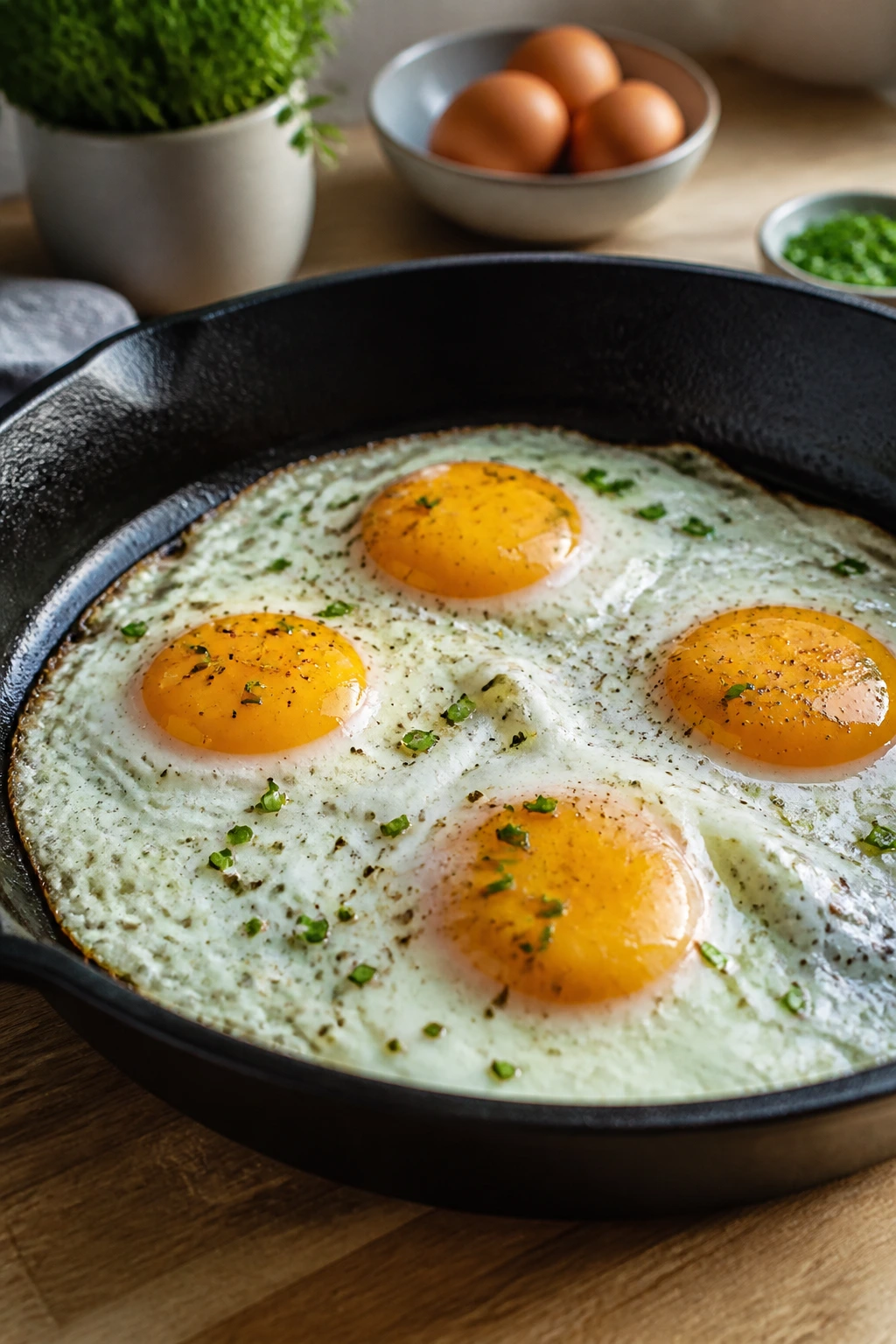
Eggs are the king here, and they earn the title without much competition. A dozen eggs can become fried rice, omelets, hash, frittatas, quesadillas, or just a plate of scrambled eggs over toast. They cook in minutes, they take seasoning well, and they rescue almost any sad starch.
Eggs: buy them when you know you’ll use them within the week. They’re cheap speed, not a mystery ingredient. If your dinner needs a protein and you have ten minutes, eggs are usually the answer.
Canned fish gets overlooked because people still think of it as emergency food, which is a shame. Tuna, sardines, and salmon work in pasta, rice bowls, toast, and salads, and they’re already cooked. Drain them well, and you’ve saved yourself the cost of a raw protein plus the time it takes to cook one.
Beans and lentils are the most reliable budget proteins if you know how to use them. Canned beans are fast. Dried lentils are faster than most dried legumes and can cook in 20 to 25 minutes without soaking. I reach for black beans, chickpeas, or brown lentils when I want something that can carry a bowl with very little help.
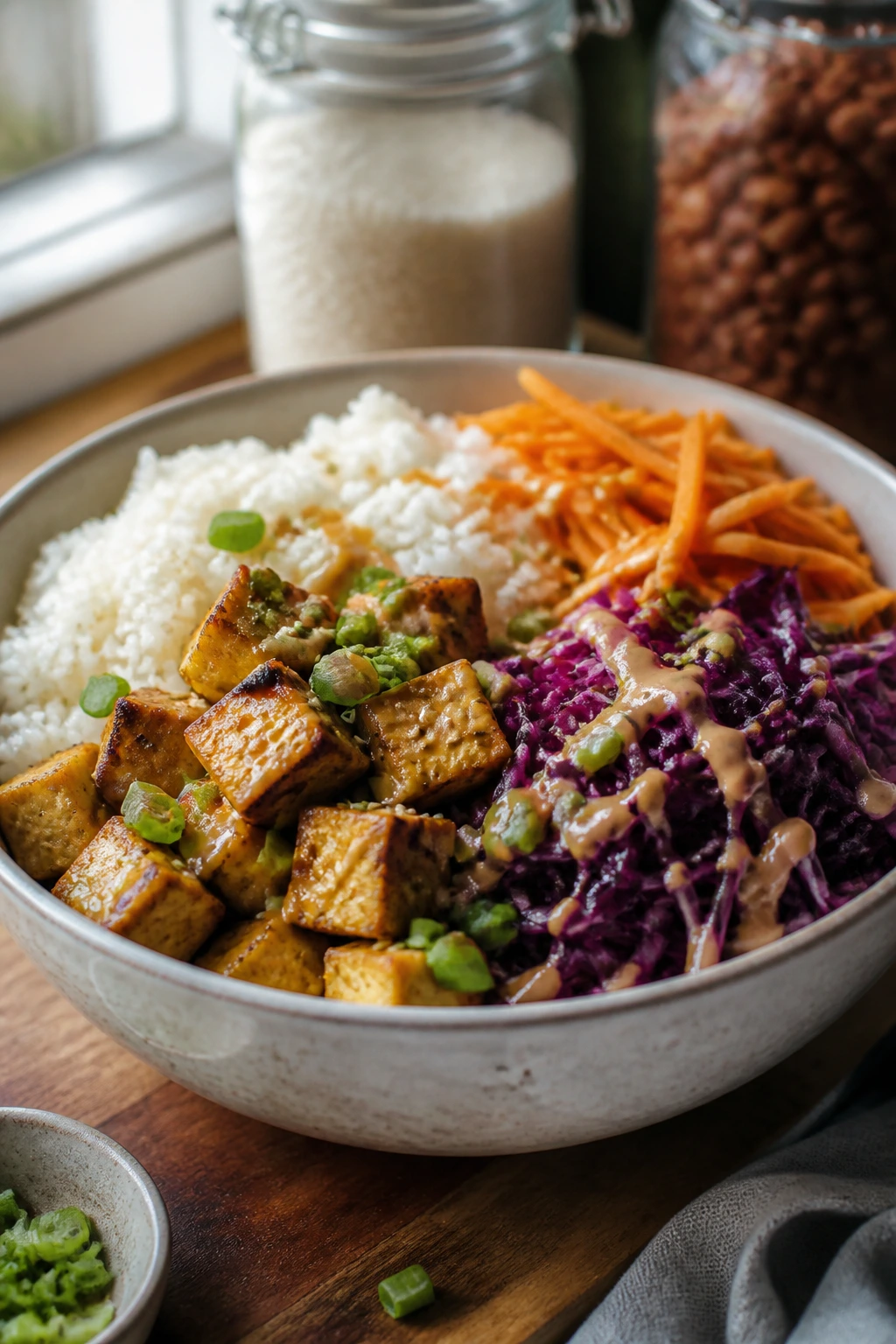
Tofu belongs in this category too, especially extra-firm tofu. It’s mild, which sounds like a criticism until you realize it means the seasoning belongs to you. Press it for a few minutes if you can, cut it into cubes or slabs, and sear it in a hot skillet until the edges go golden and a little crisp. That gives you texture, and texture matters more than people think in cheap food.
Ground meat can fit the budget if the sale price is kind and the rest of the meal stays simple. I’m not talking about stuffing a pan with expensive add-ins. I’m talking about using a small amount of ground turkey, beef, or pork to flavor a dish built mostly from rice, pasta, potatoes, or cabbage. Meat should support the meal, not dominate the grocery list.
Chicken thighs beat chicken breast in a lot of budget situations because they stay juicy and forgive a little rough handling. That said, I wouldn’t buy them just because they’re “cheap” if the rest of the dinner needs to happen in 12 minutes. Quick cooking loves ingredients that are already fast or can get there without much help.
Cheap Starches That Carry the Meal
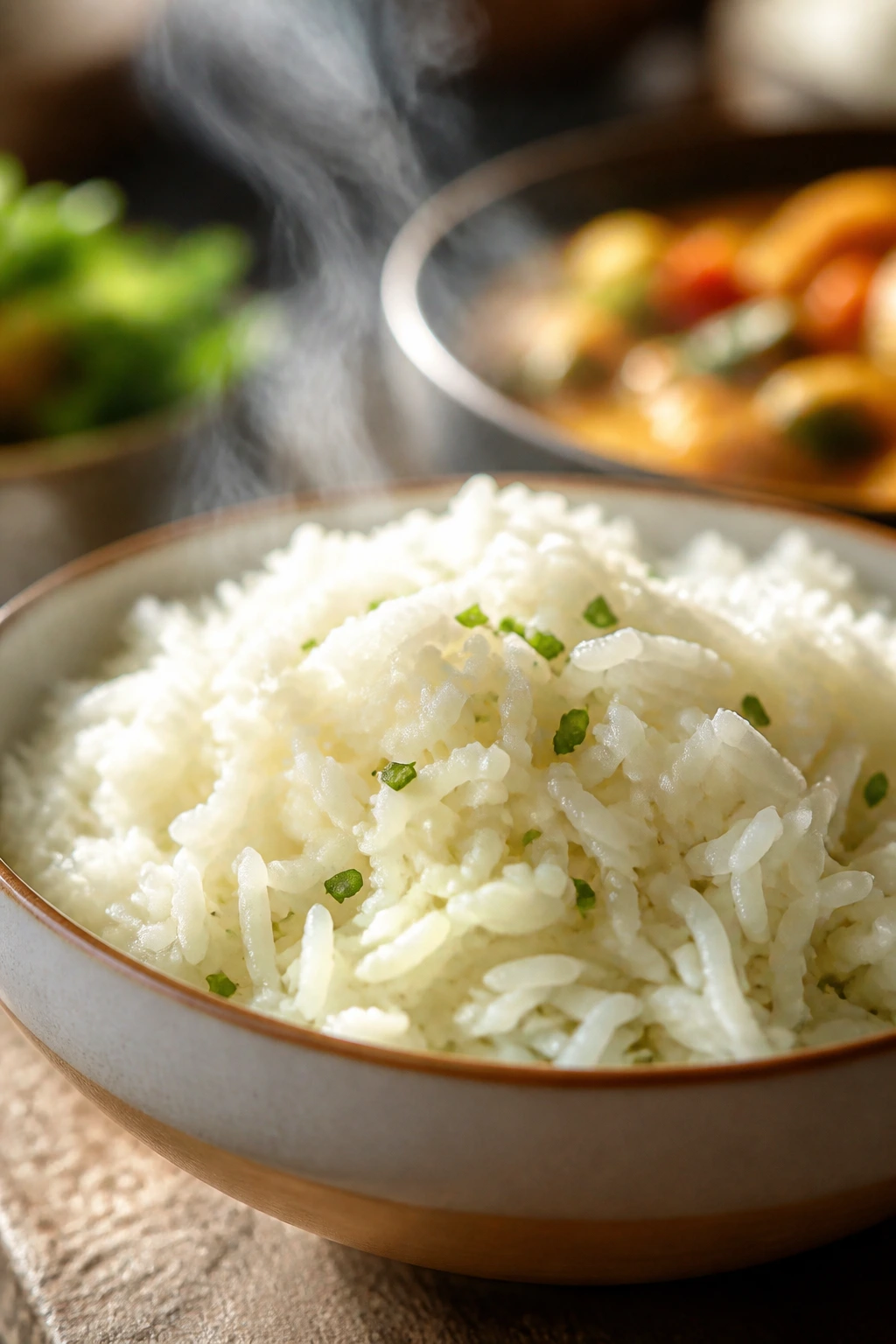
Rice is a workhorse. Plain, boring rice is still one of the best things you can buy when dinner needs to stay under control, because it turns a small spoonful of protein into a real plate of food. It also keeps well, which means you can cook once and eat again without much drama.
Pasta is the fastest route to looking like you meant it. Boil water, salt it well, and you’ve got a base that can hold beans, canned tomatoes, garlic, onion, frozen spinach, or a handful of cheese. A pound of dry pasta usually gives you multiple meals if you’re not trying to feed an army.
Potatoes are the budget food people underrate until they’re hungry. Dice them small and they cook fast in a skillet. Microwave them first if you want them even faster. Whole potatoes are cheap, but they are not quick unless you give them a head start.
Tortillas are a cheat code. They’re dinner wrappers, quesadilla shells, tostada bases, pizza crust in a pinch, and breakfast material the next day. Flour tortillas especially can turn a can of beans and a few onions into something that feels like a full meal instead of a snack.
Couscous is handy when you need dinner to behave. Pour boiling water over it, cover for 5 minutes, fluff with a fork, and it’s done. It doesn’t have the same long simmer that rice asks for, which makes it one of the quickest budget starches in the store.
Instant noodles and ramen are cheap too, but I treat them as a base, not a finished meal. The seasoning packet alone is usually too salty and too one-note. Add an egg, some cabbage, frozen peas, or scallions, and suddenly you have a bowl worth eating.
Vegetables That Finish Before Your Hunger Does
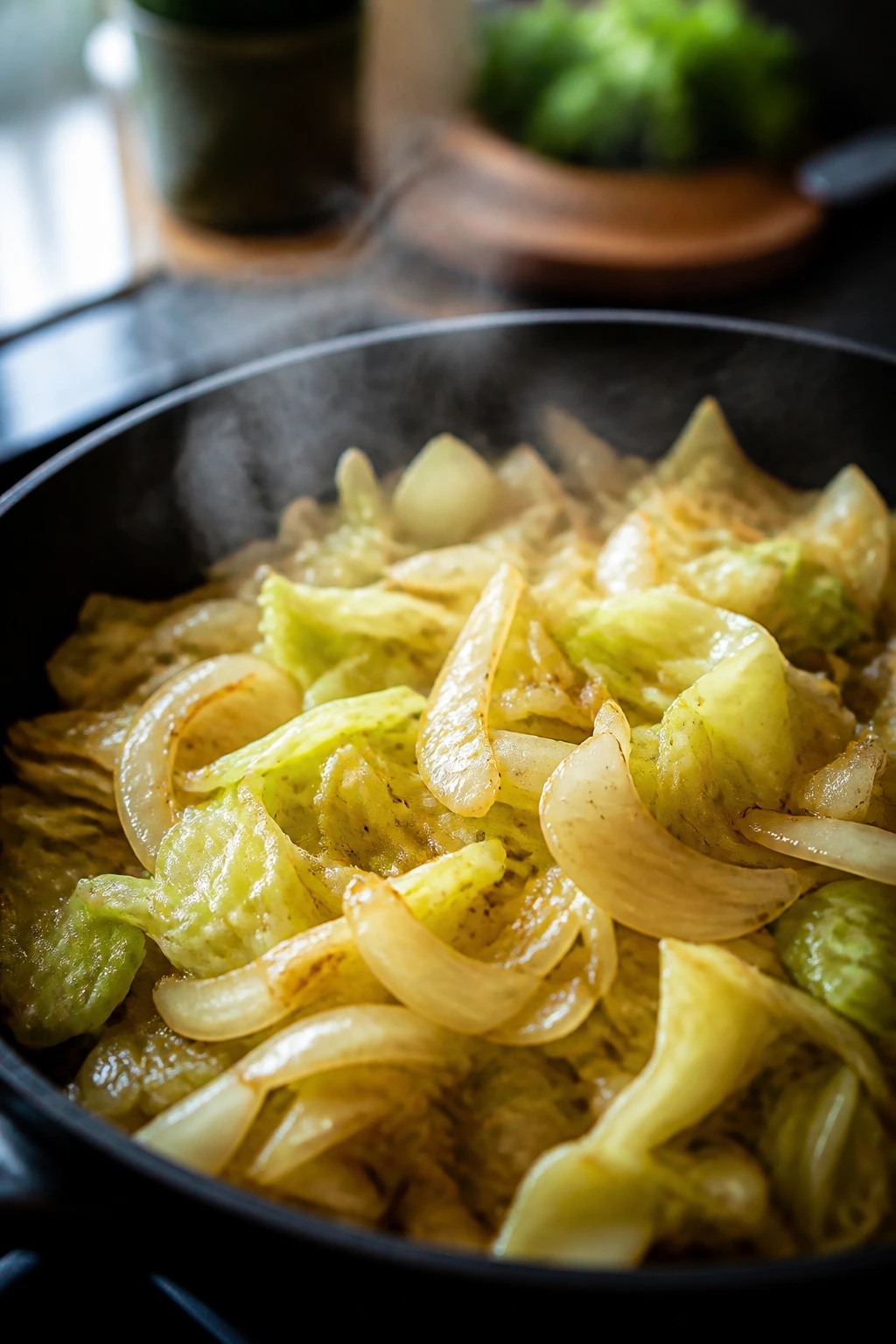
Cabbage is one of the best cheap vegetables in the store, and I will gladly defend that opinion. It lasts for ages, shreds easily, and cooks in a hot pan in minutes. It can be sweet, crisp, silky, or browned at the edges depending on how long you leave it alone, which is a rare amount of flexibility for something that costs so little.
Onions and carrots do the quiet work in the background. They’re not glamorous. They are useful. Slice onions thin and they melt into a skillet; cut carrots small and they stop being a “side” and start being a texture. I keep both around because they make almost everything else taste more deliberate.
Frozen peas, spinach, and broccoli are the budget vegetable trifecta for fast cooking. They need almost no prep, and that matters when you’re trying to get food on the table before the heat from the stove starts to feel annoying. Frozen peas can go straight into hot rice or pasta. Frozen spinach can be squeezed dry and stirred into sauces. Frozen broccoli can be roasted, steamed, or thrown into a skillet with garlic.
Mushrooms can be a bargain or not, depending on the store, so I treat them as opportunistic buys. When they’re priced well, they bring a deep, savory note that makes a cheap meal taste fuller. Cook them in a hot pan without crowding, and let the water cook off before you season them. That’s the difference between mushrooms that taste browned and mushrooms that taste damp.
Cabbage slaw mix deserves a special mention because it saves chopping time. It’s not fancy. It’s the chopped version of the same vegetable you’d buy whole, and it can go into tacos, stir-fries, skillet dinners, or soup. Paying a little more for chopping you don’t have to do is sometimes worth it, especially when the result is a meal that stays under budget anyway.
Take the vegetables that can survive heat. That’s the rule. If a green turns to mush after two minutes, it belongs at the end, not at the start.
Flavor Builders That Cost Pennies, Not Dollars
Cheap meals fall apart when they’re flat. Not bland in a moral sense. Flat in the mouth. The food has the right ingredients, but no edges, no lift, nothing that tells your tongue where to go next.
Acid fixes more cheap dinners than people realize. Vinegar, lemon juice, pickle brine, and even a little tomato bring the kind of brightness that makes beans taste less heavy and potatoes taste less plain. A teaspoon or two at the end can change the whole bowl. Add it too early and it can disappear. Add it late and it wakes everything up.
Salt and umami are a team. Soy sauce, bouillon, tomato paste, miso, and fish sauce all punch above their weight because they bring concentrated flavor. One spoonful of tomato paste cooked in oil for a minute or two gets sweeter and darker, and that single move can make a sauce taste like it had more work behind it than it really did.
Heat matters too, and not just the kind that comes from the stove. Chili flakes, hot sauce, chili crisp, harissa, and pepper paste can turn the same beans-and-rice base into something entirely different. I keep at least one of those around because a cheap meal gets old fast if every version tastes identical.
Garlic and onion are old-school for a reason. They’re cheap, they smell good when they hit oil, and they create the backbone that makes a one-pan meal feel cooked rather than assembled. A pan of onions that has gone translucent and a little golden is one of the best signs that dinner is on track.
Fat carries everything else. Olive oil, butter, peanut butter, tahini, coconut milk, and even a spoonful of mayonnaise in the right place can smooth out rough edges. You do not need a lot. A little goes far when the rest of the meal is simple.
I’m suspicious of cheap food that tries to survive without any of these supports. It can be done, sure. But it usually tastes like the kitchen had no plan. One acid, one savory thing, one little hit of heat. That’s often enough.
Four Quick-Cooking Meal Templates That Stay Under Budget
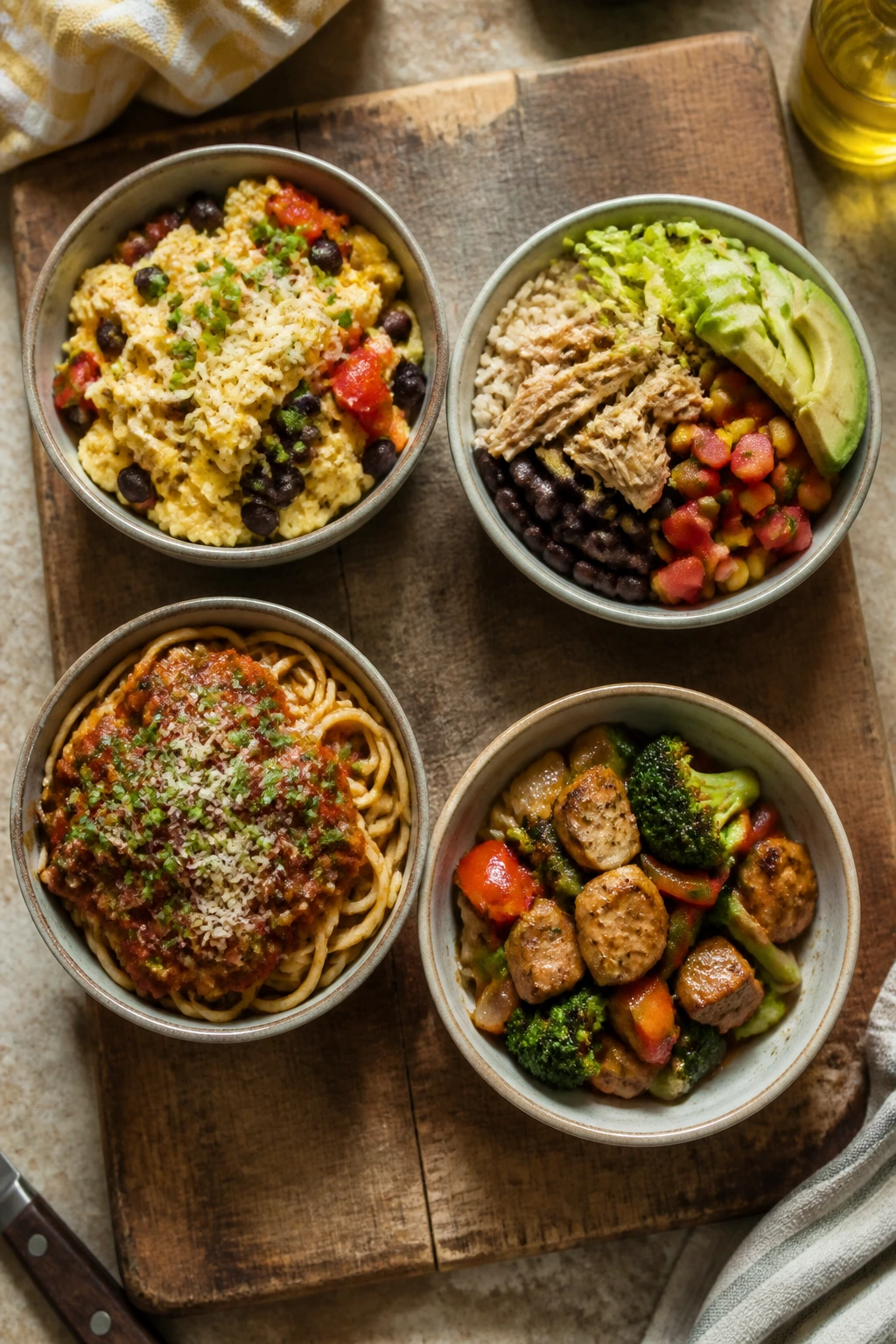
A template is better than a recipe on nights when your brain is tired. It gives you a shape to follow without forcing you to shop for a very specific outcome.
Egg Fried Rice With Frozen Peas and Onion
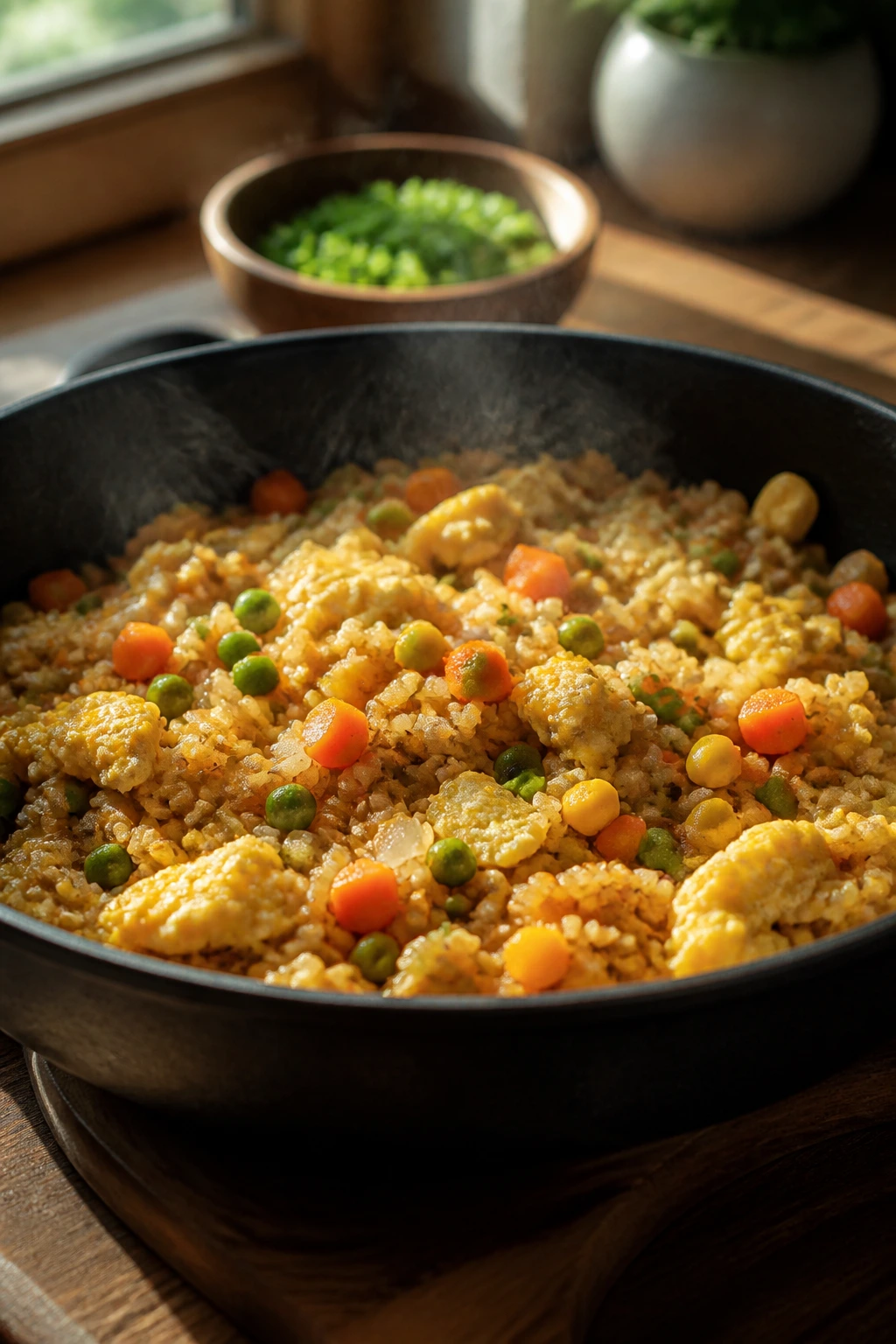
This is the meal I make when the fridge looks like a half-finished sentence. Cooked rice, a few eggs, frozen peas, one onion, soy sauce, and oil can become dinner in about 15 minutes if the rice is already cold. If you need to cook the rice from scratch, use quick-cooking rice or make it earlier in the day.
Sauté the onion until it softens. Add peas. Push everything to the side and scramble the eggs in the same skillet. Stir in the rice, season with soy sauce, and finish with a splash of vinegar or sesame oil if you have it. Cheap, fast, and honestly better than it has any right to be.
Pasta With Beans, Garlic, and Tomato Paste
Boil pasta. While it cooks, warm olive oil in a skillet, add garlic, and cook until fragrant, not brown. Stir in tomato paste and let it darken for a minute, then add canned beans and a ladle of pasta water. Toss the pasta through the sauce so it gets glossy instead of wet.
This one usually lands in the “why don’t I make this more often?” category because it tastes richer than the ingredient list suggests. The beans give body, the tomato paste gives depth, and the pasta water helps everything cling together. A little chili flakes or black pepper helps too.
Bean Quesadillas With Cabbage and Salsa
Mash canned black beans with a pinch of salt, cumin, or chili powder. Spread them on a tortilla, add a little cheese if you want it, fold, and toast in a skillet until the outside goes crisp and the filling is hot. Serve with shredded cabbage and salsa.
The cabbage matters here. It gives crunch, so the meal doesn’t turn soft all the way through. If you want to make it feel fuller, add a fried egg on top or tuck in a spoonful of rice before folding the tortilla.
Potato and Cabbage Skillet With Eggs
Dice potatoes small. Thinly slice cabbage and onion. Brown the potatoes in oil first, then add the onion and cabbage and let the whole pan cook until the edges pick up color. Crack eggs into little wells or scramble them right in the skillet at the end.
This one takes a little longer than the others, but it still belongs in quick cooking under $10 because the ingredients are cheap and the payoff is huge. It eats like a diner hash without the diner bill. Add hot sauce and call it done.
If you keep even one of these templates in your head, grocery shopping becomes less stressful. You stop chasing perfect recipes and start buying ingredients that can play more than one part.
Shopping the Aisles Without Getting Fooled by Size
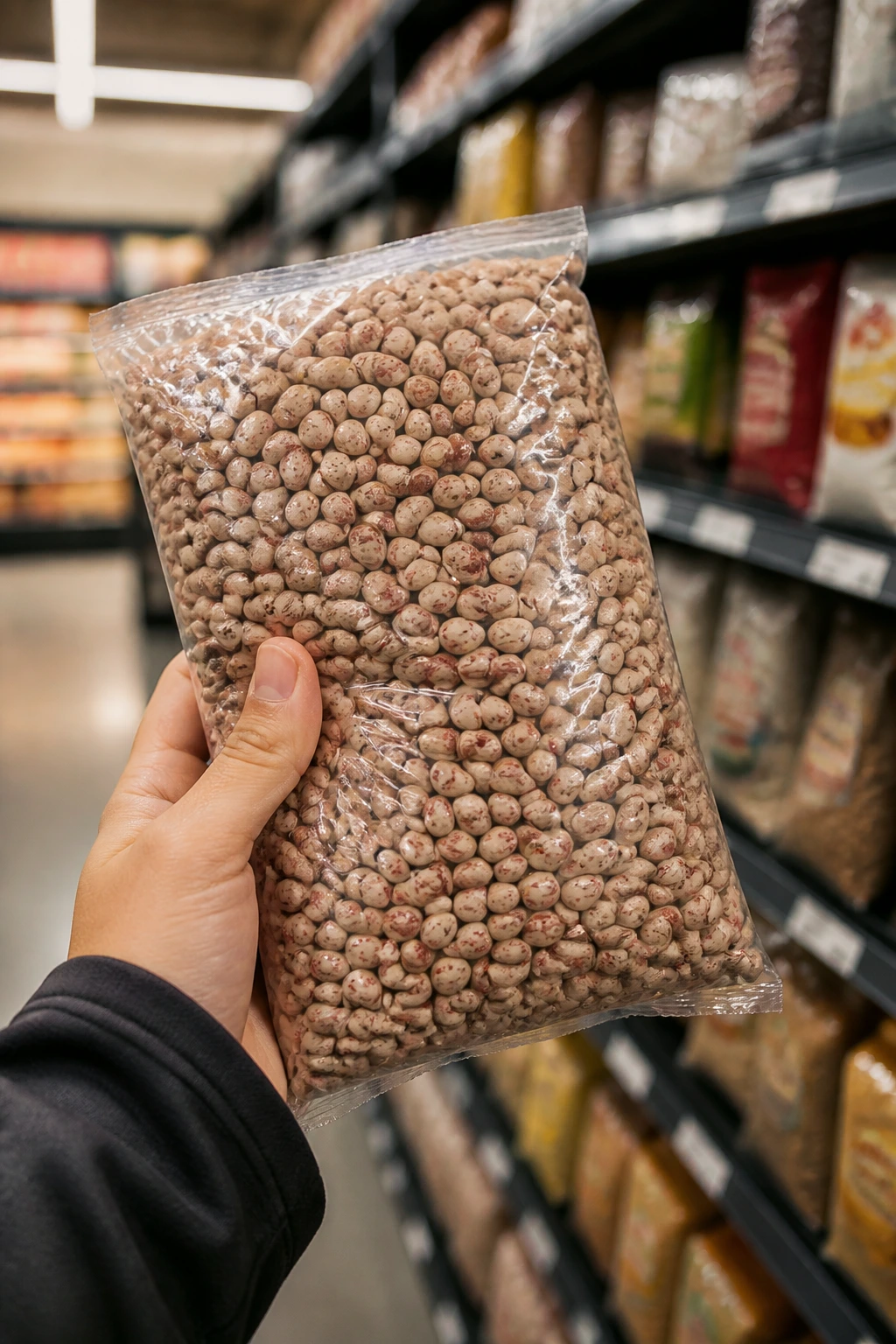
The cheapest item on the shelf is not always the cheapest dinner. That sounds obvious, but stores are built to make people forget it. A tiny bottle of sauce might look cheap until you realize you need three of them to finish a meal. A big pack of something might look like a deal until half of it dies in the fridge.
Read the unit price. Not the sticker price. If two packages of beans or pasta are sitting side by side, the unit price tells you which one gives you more food for the dollar. Packaging loves to play tricks. Unit price usually doesn’t.
Buy ingredients that cross over into more than one meal. An onion can season a skillet dinner, a soup, and a pasta sauce. A cabbage can be slaw today and stir-fry tomorrow. Rice can sit in the fridge for fried rice or become a side for beans. The best budget buys are the ones that don’t lock you into one dinner.
Frozen produce is a strong buy when time matters. You’re paying for chopping you don’t have to do, and that can make sense. Fresh produce is great when it’s in season, sturdy, and actually cheap. Wilted salad greens at a low price are still a waste if they die before they hit the plate.
Canned beans are a smart convenience buy, even if dried beans are cheaper per ounce. Dried beans are a good move when you’ve got the time to cook them or you’re planning ahead. Canned beans win when dinner needs to happen tonight. That is not laziness. That is matching the ingredient to the job.
Store brands are usually fine for staples. Pasta, rice, canned tomatoes, frozen peas, tortillas, eggs, flour, oats, and canned beans rarely need fancy packaging. Spend the extra money only when the difference is real and obvious, not because the label looks more confident.
A small but useful rule: if an ingredient only helps one dish, make sure it’s cheap enough to be forgiven. Otherwise, skip it.
The Tools That Make Budget Cooking Faster
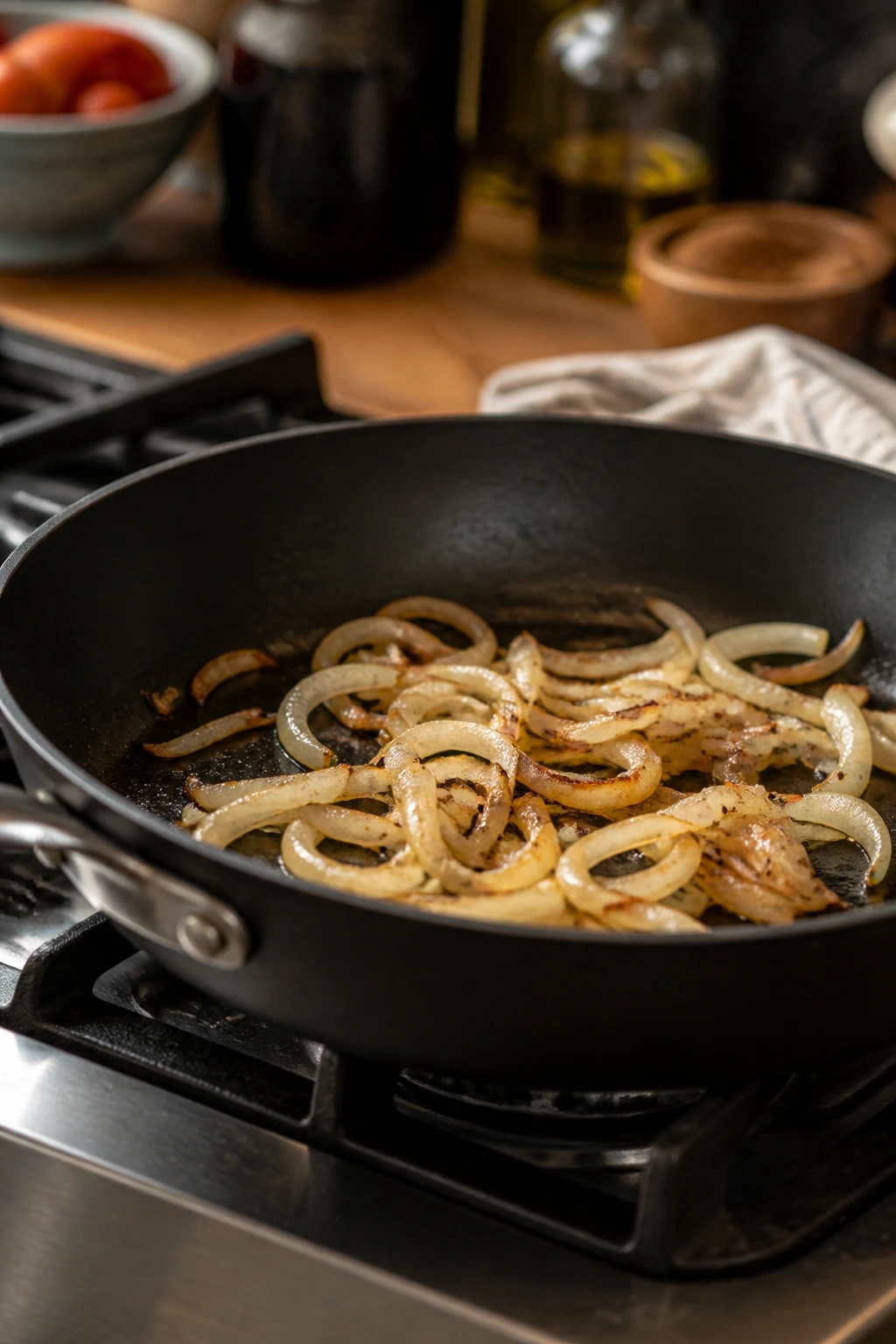
You do not need a crowded kitchen to cook under $10. You need a few dependable tools that can take heat, move food around, and not get in your way.
- 10- or 12-inch skillet — Big enough to brown onions, fry eggs, and toss rice without spilling half the pan onto the stove.
- Medium saucepan with a lid — Useful for rice, lentils, pasta, and quick soups; the lid matters more than people think.
- Sheet pan — Good for potatoes, frozen vegetables, or any dinner that needs heat from all sides and not much babysitting.
- Sharp chef’s knife — A dull knife slows everything down and makes cheap vegetables feel like work.
- Sturdy cutting board — A damp towel underneath keeps it from sliding around when you’re slicing onions or cabbage.
- Can opener — Sounds obvious. Still worth naming, because canned beans and tomatoes are budget heroes.
- Wooden spoon or spatula — You need something that can scrape browned bits off a skillet without feeling flimsy.
- Colander — Makes pasta, beans, and quick-rinsed canned ingredients much easier to handle.
- Box grater — Fast for cheese, carrots, and even some cabbage if you want a finer texture.
- Airtight storage containers — Leftovers are part of the savings, and they need a place to live without drying out.
- Microwave-safe bowl with a cover — Handy for reheating rice, beans, and noodles without turning them into a crust.
If I had to cut this list down to the bare minimum, I’d keep the skillet, saucepan, knife, board, and storage containers. The rest help. The five essentials keep dinner moving.
Small Habits That Keep the Receipt Under Control
Cook in layers instead of piles.
That means you build flavor as you go: onions first, then the vegetable that can take heat, then the protein, then the starch, then the finish. It saves money because you don’t need a bunch of separate ingredients to create a single taste.
Treat leftovers like part of the plan.
A cheap meal gets cheaper when it becomes lunch, breakfast, or the base for another bowl. Extra rice becomes fried rice. Extra beans become toast topping or quesadilla filling. Extra potatoes become hash. The food is supposed to move.
Pick one planned splurge.
Cheese, fresh herbs, or a better protein can improve a budget meal, but all three at once are how $10 turns into $17. Choose one item that makes the dish feel finished and let the rest stay simple.
Keep an emergency dinner shelf.
Pasta, rice, canned beans, canned tomatoes, bouillon, and one or two sauces can save a weeknight that would otherwise spiral into takeout. I like having at least one meal’s worth of shelf-stable food that doesn’t need a special trip.
Do the chopping once.
If you’re already cutting onion or cabbage, cut enough for the next meal too. That little bit of extra prep saves time later and makes it easier to say yes to cooking instead of ordering something.
Use the fridge with purpose.
Leftovers that sit in a deep bowl cool slowly and go soggy. Shallow containers cool faster and reheat better. That sounds tiny. It isn’t. It’s the difference between a meal you want again and one you avoid.
Cheap cooking works better when you stop treating every dinner like a fresh start. It’s not a reset. It’s a chain of meals.
The Mistakes That Blow a Cheap Meal Apart
Buying too many ingredients for one dinner.
The symptom is a receipt that looks harmless until you add the total and realize you bought six items that only help one plate. The fix is blunt: build around a base you already own and choose one protein, one vegetable, and one finish.
Using a slow ingredient when you need a fast meal.
Dried beans, whole potatoes, and large cuts of meat are all fine foods, but they can ruin the idea of quick cooking under $10 if dinner has to be on the table soon. Match the ingredient to the clock. Canned beans, small potatoes, eggs, and lentils are the better answer on rushed nights.
Seasoning only at the table.
If the food tastes flat halfway through cooking, the problem usually started earlier. Salt in stages, taste as you go, and finish with acid at the end. Food that only wakes up after the plate hits the table is food that spent too long asleep.
Ignoring package size and leftovers.
A bargain pack is only a bargain if you can use it before it turns. The fix is to buy what your week can absorb, not what looks impressive in the cart. One onion wasted is not dramatic. A whole bag of limp spinach is.
Trying to make cheap food feel expensive with too many sauces.
This one hurts the wallet and the flavor. Three sauces don’t equal depth. They often equal confusion. Pick one strong flavor path — tomato, soy, citrus, spice, or mustard — and let it lead.
Forgetting that texture matters.
A bowl of soft food with no crunch gets old fast. Keep one crisp thing around: toasted tortilla strips, cabbage, browned potatoes, fried onions, or even a handful of crackers on top of soup. Cheap meals need bite or they start tasting the same.
Variations for Vegan, Gluten-Free, and High-Protein Eaters
Bean-First Budget Meals
If you want meatless dinners that still feel substantial, make beans or lentils the anchor and treat grains as support. Black beans with rice, chickpeas with couscous, or lentils with potatoes all work because the legumes bring enough body to hold the plate together. A spoonful of salsa, mustard, or yogurt on top keeps the whole thing from feeling one-note.
No-Dairy, No Problem
Skip the cheese and use olive oil, tahini, peanut butter, or coconut milk to bring richness instead. A bowl of rice with sautéed cabbage and tofu can taste full without any dairy at all if you finish it with lemon or vinegar. The trick is to replace creaminess, not just remove cheese and hope the meal survives.
High-Protein Without High Cost
Eggs, tofu, canned fish, and beans can be combined instead of chosen one at a time. Fried rice with egg and peas, toast with sardines and tomato, or a bean skillet finished with a fried egg all push protein higher without forcing the grocery bill up. I like this route for people who want cheap food that still keeps them full for hours.
Gluten-Free Bowl Route
Rice, potatoes, corn tortillas, and oats carry this style well. A rice bowl with vegetables and eggs, a potato hash with beans, or tacos on corn tortillas can stay under budget without leaning on wheat products at all. This is one of the easiest swaps in cheap cooking because the starches are already so flexible.
Spice-Forward Pantry Meals
Harissa, curry paste, chili crisp, hot sauce, or even a well-made chili powder blend can make a humble meal feel bold. Use one flavor lane and stick with it. Too many spices together get muddy fast, which is exactly what budget food does not need.
Make-Ahead, Storage, and Reheating That Save Leftovers
Cheap cooking gets stronger when leftovers are treated like assets. Most rice, pasta, beans, and cooked vegetables hold well in the fridge for 3 to 4 days if they’re cooled quickly and packed in shallow containers. Cooked meat and poultry land in the same window when they’re stored properly.
Rice needs extra care. Cool it fast, refrigerate it promptly, and reheat it until steaming hot. That matters more than people like to hear, but the fix is easy: spread it out, let it cool a bit, and get it into the fridge without letting it sit around for hours.
Soups and stews usually freeze well for 2 to 3 months, especially if they don’t rely on delicate dairy or very soft pasta. Pasta dishes with thick sauce can freeze too, though the texture changes a bit. If the meal has potatoes, expect the texture to soften after freezing; that’s normal, not failure.
Reheating depends on the food. Skillet dinners like hash or fried rice do best in a hot pan with a splash of water or oil. Rice bowls need a covered bowl in the microwave and a little moisture so they don’t dry out. Pasta usually comes back best with a spoonful of water or sauce stirred in before heating.
Make-ahead work is where cheap cooking starts to feel easy. Cook a pot of rice or beans, chop a cabbage, and mix a simple sauce once, then use those pieces across two or three meals. That doesn’t just save time. It keeps you from paying twice for the same kind of dinner.
Food should not sit at room temperature for more than about 2 hours. So if dinner runs late, don’t leave it on the stove like a still life. Pack it up. The leftovers are part of the budget, too.
Frequently Asked Questions About Quick Cooking Under $10
Can you really make a full dinner for under $10?
Yes, if you’re building around staples and not trying to buy a new pantry every time. A meal for one or two people is easy to keep under that mark, and a family meal can stay close if you already have oil, salt, and a few seasonings on hand.
What ingredients give the best value for quick meals?
Eggs, rice, pasta, potatoes, tortillas, cabbage, onions, canned beans, frozen peas, and canned tomatoes are hard to beat. They cook fast, stretch well, and show up in enough different meals that they don’t sit around gathering dust.
Is frozen food a better buy than fresh?
Sometimes, yes. Frozen vegetables are often cheaper per usable bite because you don’t lose anything to trimming or spoilage, and they save time on busy nights. Fresh produce wins when it’s sturdy, in season, and you know you’ll use it fast.
What if I only have 10 minutes?
Start with eggs, canned beans, tortillas, or leftover rice. Those ingredients let you skip the slow part of cooking and go straight to heat, seasoning, and assembly. Ten minutes is enough if you don’t waste it on ingredients that need babysitting.
How do I make cheap food taste less plain?
Use salt in layers, add one savory ingredient, and finish with acid. A bowl of beans gets better with onion and vinegar; pasta gets better with tomato paste and garlic; rice gets better with soy sauce and an egg. One bright finish beats a pile of random spices.
Can this work for vegetarian or vegan cooking?
Absolutely. Beans, lentils, tofu, oats, rice, potatoes, and cabbage all fit the budget well. The bigger challenge is texture, not protein, so make sure you’ve got something crisp, something soft, and something sharp in the same meal.
Are canned beans worth buying over dried beans?
For speed, yes. Dried beans can be cheaper in theory, but canned beans save so much time that they often make more sense for weeknight cooking. If you cook ahead and like to batch-cook, dried beans are useful; if dinner has to happen now, canned wins.
How do I keep leftovers from getting soggy?
Cool them quickly, store them in shallow containers, and reheat with a dry skillet or a covered microwave dish rather than steaming them into submission. Fried rice, hash, and skillet noodles are especially good the next day because they tolerate reheating better than wet dishes.
What should I splurge on if I have a couple of extra dollars?
Buy the ingredient that changes texture or flavor the most: a decent cheese, fresh herbs, a better sauce, or a stronger protein on sale. One smart upgrade can do more than three random extras that don’t play well together.
Cooking Cheap Without Cooking Small
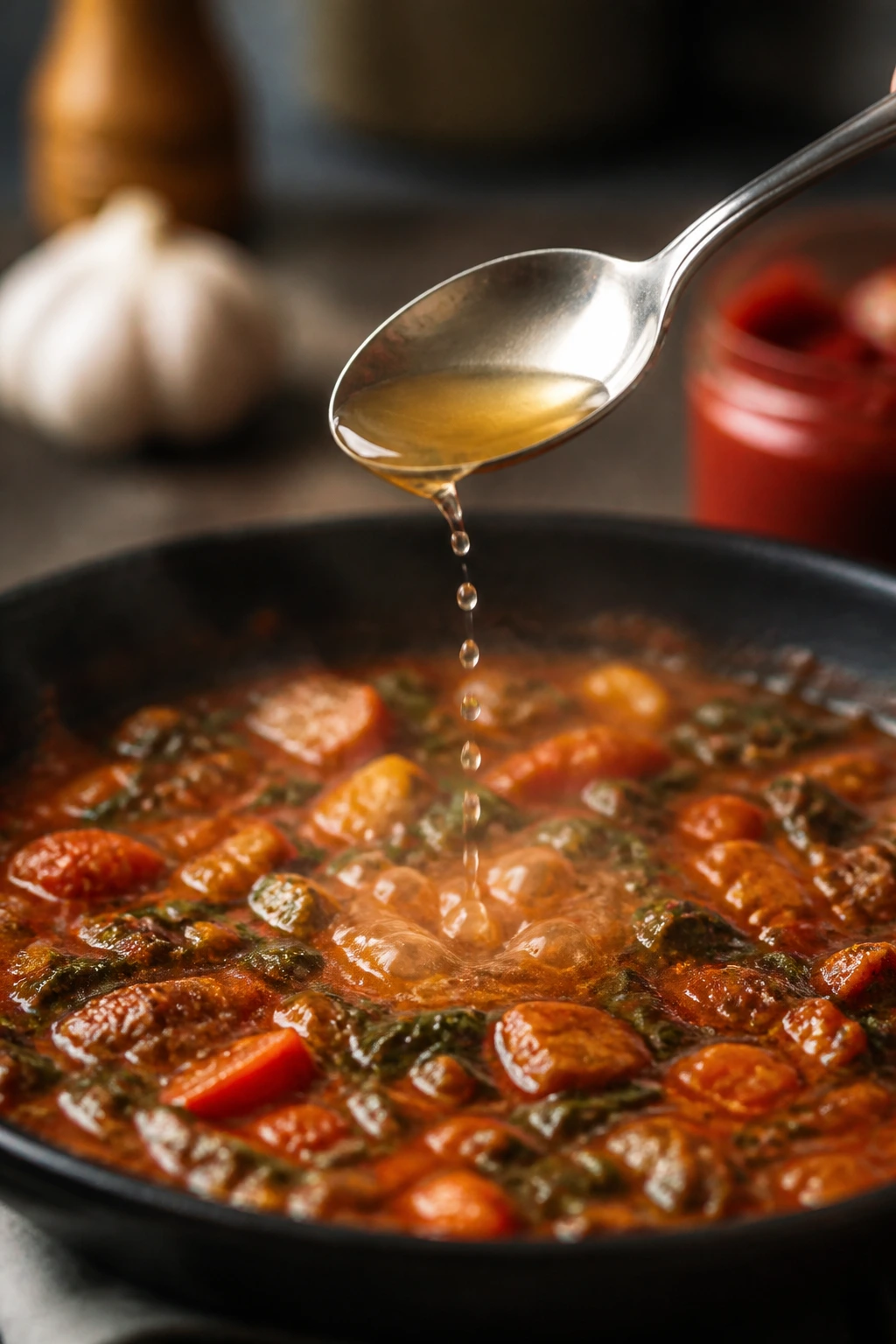
Quick cooking under $10 works because it respects what cheap food is good at. It doesn’t try to imitate restaurant cooking with fewer ingredients. It leans into speed, overlap, and a little bit of planning. That’s why a plain bag of rice and a few eggs can outclass a messy cart full of “cheap” items that don’t belong to each other.
The best part is how repeatable it gets. Once you know the pattern — base, protein, vegetable, finish — you stop feeling trapped by the budget. You start seeing options in the fridge door, the pantry shelf, and the freezer bag at the back that nobody opened.
The next time dinner needs to happen fast and the money needs to stay put, start with one starch, one quick protein, one sturdy vegetable, and one sharp flavor. That’s enough to make a real meal, and more often than not, it’s enough to make the kind of dinner you’ll want again tomorrow.