



A Bay Breeze cocktail should taste like a cold, clean exhale after a hot afternoon—pineapple up front, cranberry in the middle, vodka tucked in the back where it belongs. When it’s made well, it doesn’t hit you with sharp alcohol or sugary fruit punch vibes. It feels round, chilled, and easy to keep drinking.
That balance is what makes this drink worth paying attention to. A bad Bay Breeze is thin, sticky, or aggressively sweet. A good one has a pale coral color, a pineapple aroma that lifts off the glass, and just enough cranberry to keep the whole thing from sliding into syrup territory. The difference usually comes down to juice temperature, ice, and how hard you shake it.
I like this cocktail because it doesn’t need tricks. No fancy syrup. No obscure liqueur. Just a few measured pours, a proper shake, and a glass full of hard ice that keeps the drink crisp until the last sip. Get that part right and you’ve got one of the easiest warm-weather cocktails to make look intentional.
Why This Bay Breeze Cocktail Earns Its Place on a Hot Day
-
Cold Juice Matters: Chilled pineapple and cranberry juice keep the cocktail bright and glass-cold instead of watery by the second sip.
-
The Ratio Does the Work: The right pour gives you pineapple sweetness, cranberry color, and vodka structure without any one piece crowding the rest.
-
Fast, But Not Sloppy: Five minutes is enough when you measure properly; this is not the kind of drink that improves with guesswork.
-
Easy to Scale Up: The same basic build works for one glass or a pitcher, which is handy when you don’t want to rebuild a cocktail every ten minutes.
-
Summer-Friendly Without Feeling Lightweight: It drinks easier than a martini and lands cleaner than a heavy tiki drink, so it fits the middle ground many warm-day cocktails miss.
-
Garnish Is Optional, Not Fussy: A lime wheel or pineapple wedge adds a little lift, but the drink doesn’t collapse if you skip the extra flourish.
Why the Pineapple-and-Cranberry Ratio Tastes Softer Than It Looks
A Bay Breeze belongs to that family of straightforward vodka drinks that don’t pretend to be complicated. It sits near the Cape Codder and the Sea Breeze, which means the formula is simple enough to memorize after one pour. Swap grapefruit out for pineapple, and the whole drink changes character: less sharp, more rounded, and a lot easier to sip slowly.
That swap matters more than people expect. Grapefruit gives a drink a clean bite; pineapple gives it body. Cranberry supplies the blush and the acid, but pineapple smooths its rough edges, which is why this cocktail can taste polished even when the ingredient list is short. A decent Bay Breeze doesn’t taste like fruit juice with alcohol in it. It tastes like the juices were chosen to meet in the middle.
Temperature changes the drink just as much as the ratio does. Warm pineapple juice tastes loose and almost candylike. Cold pineapple juice feels denser and cleaner on the tongue, and that tiny shift makes the vodka less obvious. If you’ve ever had a Bay Breeze that seemed weirdly flat, the problem probably wasn’t the recipe. It was the juice sitting warm on the counter and too much meltwater from the ice.
I also prefer shaking this drink instead of building it lazily in the glass. Yes, a bartender can pour it straight over ice and move on. But a short shake blends the juices in a way that reads smoother from the first sip to the last.
The Exact Pour for One Smooth Bay Breeze
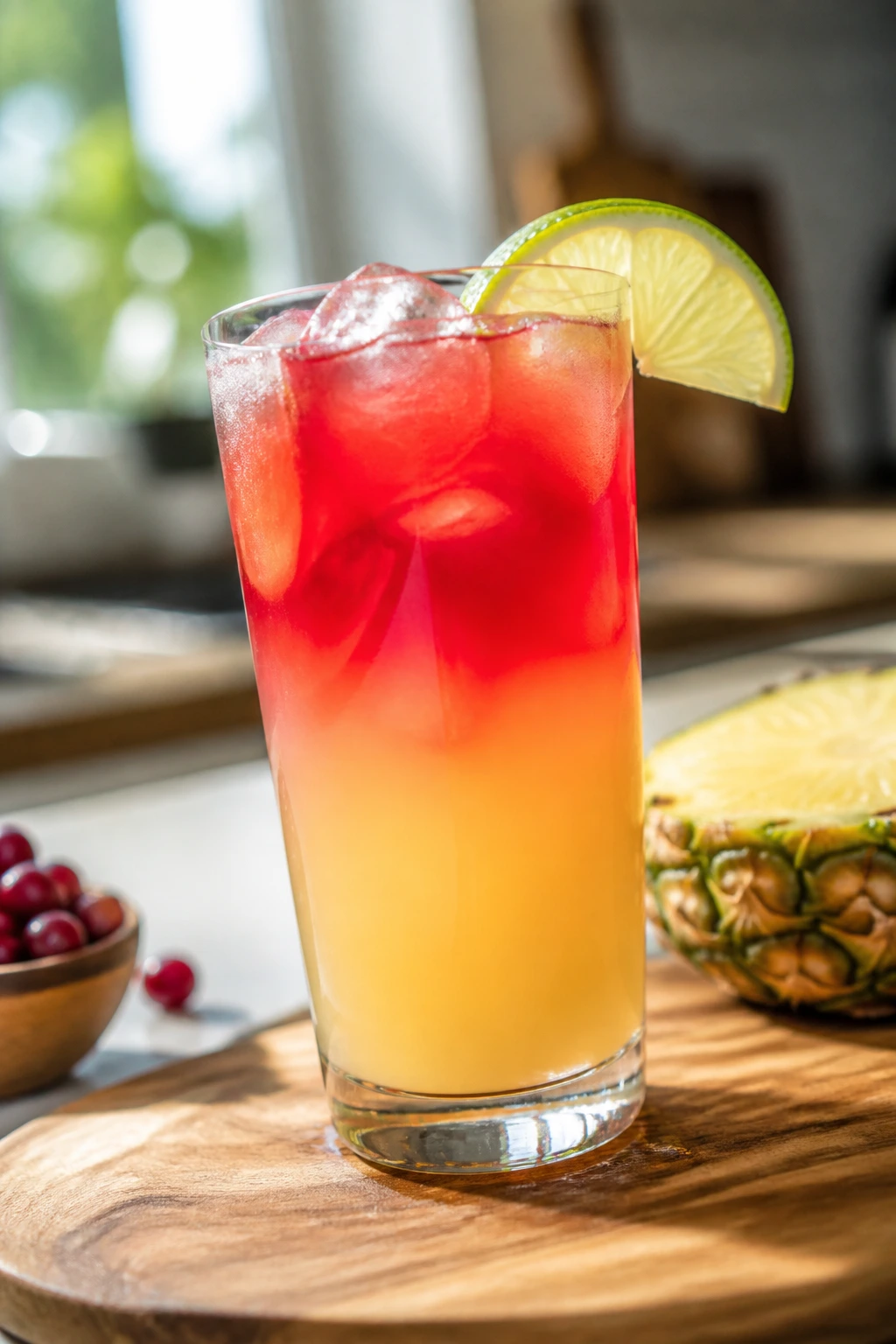
Yield: 1 cocktail
Prep Time: 5 minutes
Cook Time: 0 minutes
Total Time: 5 minutes
Difficulty: Beginner — there’s no cooking here, just measured pours, a shake, and a strain.
Best Served: Immediately, while the glass is still cold and the ice is hard.
For the Cocktail:
- 2 oz vodka, chilled
- 3 oz pineapple juice, chilled
- 1½ oz cranberry juice cocktail, chilled
- ½ oz fresh lime juice, optional but recommended for a cleaner finish
- 1 cup ice cubes, plus more for serving
For Garnish:
- 1 lime wheel or wedge
- 1 small pineapple wedge, optional
Vodka
What to use: 2 oz of a clean, neutral vodka per drink. You want something that disappears into the juice rather than shouting over it.
Preparation: Keep the bottle cold if you have room in the freezer. Cold vodka blends faster and keeps the drink from warming up while you shake.
Substitutions: A citrus vodka can work if you want a brighter edge, and a light coconut vodka will tilt the drink more tropical. I would not reach for anything heavily flavored unless you want the Bay Breeze to stop tasting like a Bay Breeze.
Tips: Cheap vodka is fine if it’s smooth enough to drink straight from the freezer. If it burns on its own, it’ll still burn in the cocktail—you just won’t notice until after the second sip.
Pineapple Juice
What to use: 3 oz pineapple juice, preferably 100% juice rather than a sugary pineapple drink.
Preparation: Chill it well and shake the carton before measuring if the juice has settled. A tiny bit of pulp is fine; a thick, gloopy pour is not.
Substitutions: Pineapple nectar gives a richer, slightly thicker texture, but cut it back to 2½ oz because it’s sweeter. Fresh pineapple juice works too if you’re willing to strain it.
Tips: Pineapple juice is the flavor engine here. Use the good carton, not the sticky one that tastes like candy in a yellow package.
Cranberry Juice Cocktail
What to use: 1½ oz cranberry juice cocktail. That sweetened style gives the drink its blush and keeps the tartness in check.
Preparation: Keep it cold. Cranberry juice that’s been sitting warm goes muddy fast in the glass, and the color looks duller too.
Substitutions: If you only have unsweetened cranberry juice, use 1 oz and add ¼ oz simple syrup or an extra splash of pineapple juice. That version tastes leaner and a little sharper.
Tips: Too much cranberry pushes the drink toward sour-punch territory. Keep it a supporting player unless you want the cocktail to taste more tart than smooth.
Lime Juice
What to use: ½ oz fresh lime juice, optional but worth it if you like the drink cleaner and less sugary.
Preparation: Squeeze it right before mixing. Bottled lime juice can taste flat and metallic in a simple cocktail like this.
Substitutions: If lime isn’t around, a tiny squeeze of lemon will work in a pinch, though the drink will taste a touch brighter and less tropical.
Tips: Lime doesn’t make the drink sour. It makes the pineapple taste more pineapple-like and keeps the cranberry from hanging around too long on the tongue.
Ice and Garnish
What to use: 1 cup ice for the shaker and plenty more for the glass.
Preparation: Use fresh, hard cubes if you can. Soft, half-melted ice dilutes the drink before you even shake it.
Substitutions: Large cubes work in the glass if you want slower melt. Crushed ice is fine for a more casual, beachy look, but it will thin the drink faster.
Tips: Garnish with something that smells good when you lift the glass. Lime and pineapple both do that job well. Pretty is nice. Aroma is better.
The Glass, Ice, and Bar Tools That Keep It Cold
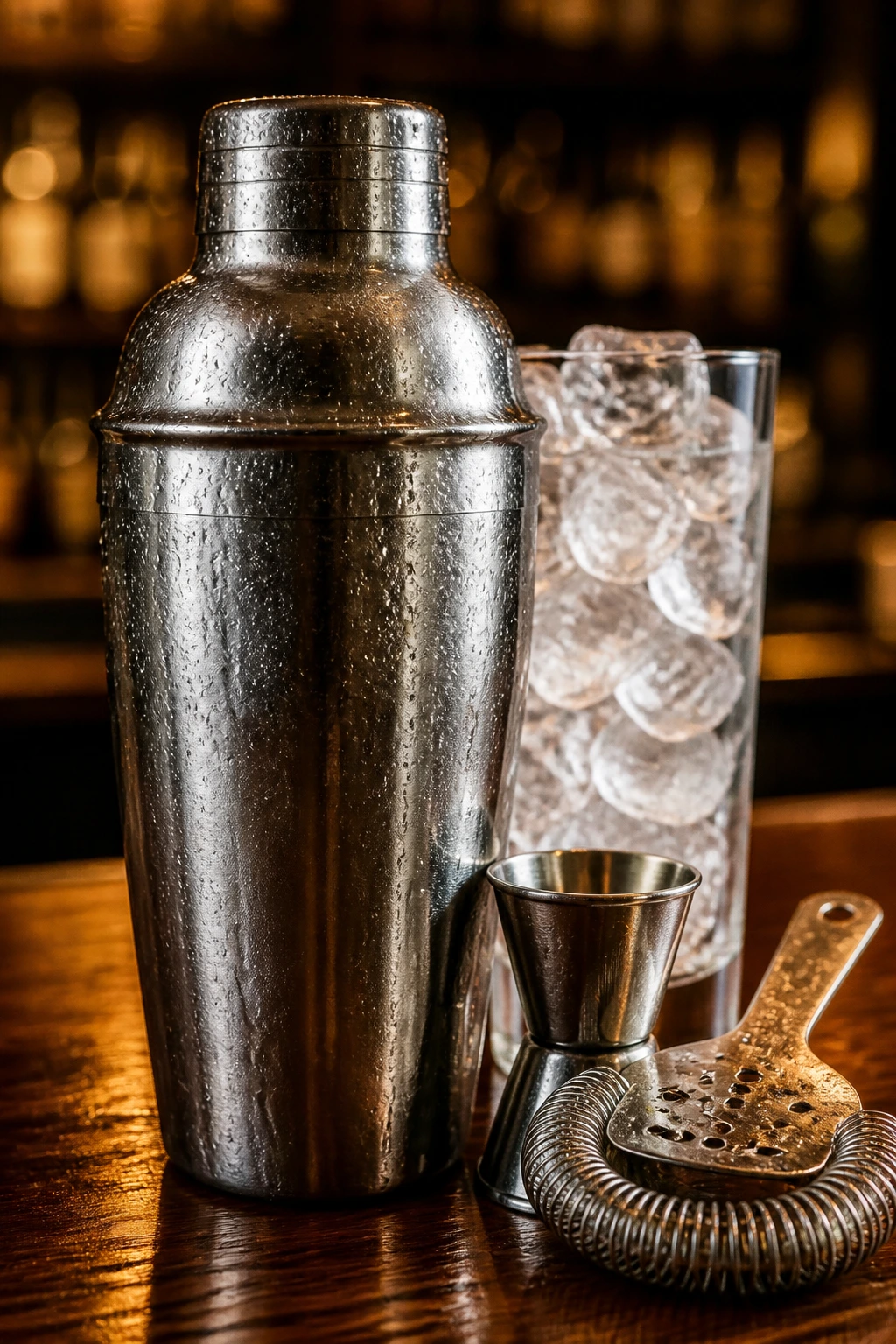
A Bay Breeze is not a cocktail that rewards overthinking, but it does reward the right glass. A tall highball glass or Collins glass gives the drink enough room for ice and leaves space for the aroma to move up when you sip. Short glasses make it feel crowded and warm faster. That little difference matters more than people think.
The shaker matters too. A basic two-piece shaker or Cobbler shaker is all you need. If yours leaks when it’s cold, wrap a towel around the seam before you shake—annoying, yes, but better than sticky cranberry juice down the cabinet front. If you like a cleaner pour, keep a fine-mesh strainer nearby. It catches the little shards of ice that can make the top of the drink feel sloppy.
The ice should be hard and dry, not wet from a freezer tray that’s been left open. Fresh ice chills faster and melts less during the shake. That means your drink stays brighter, and the fruit flavors don’t get dragged down by extra water. I’d rather have a plain tray of hard cubes than crushed ice that has already gone soft in the bag.
What I Reach For
- Cocktail shaker: A basic Cobbler or Boston shaker works. No need for anything fancy.
- Jigger: Measures keep this drink balanced; a rough pour can tip it too sweet or too thin.
- Highball or Collins glass: Tall glass, better ice coverage, slower melt.
- Fine-mesh strainer: Optional, but nice if you want a smoother surface on the drink.
- Citrus juicer: Handy for the lime, especially if you’re making more than one round.
- Bar spoon: Useful only if you choose to build the drink in the glass instead of shaking it.
Shaking the Drink Until the Flavors Blend
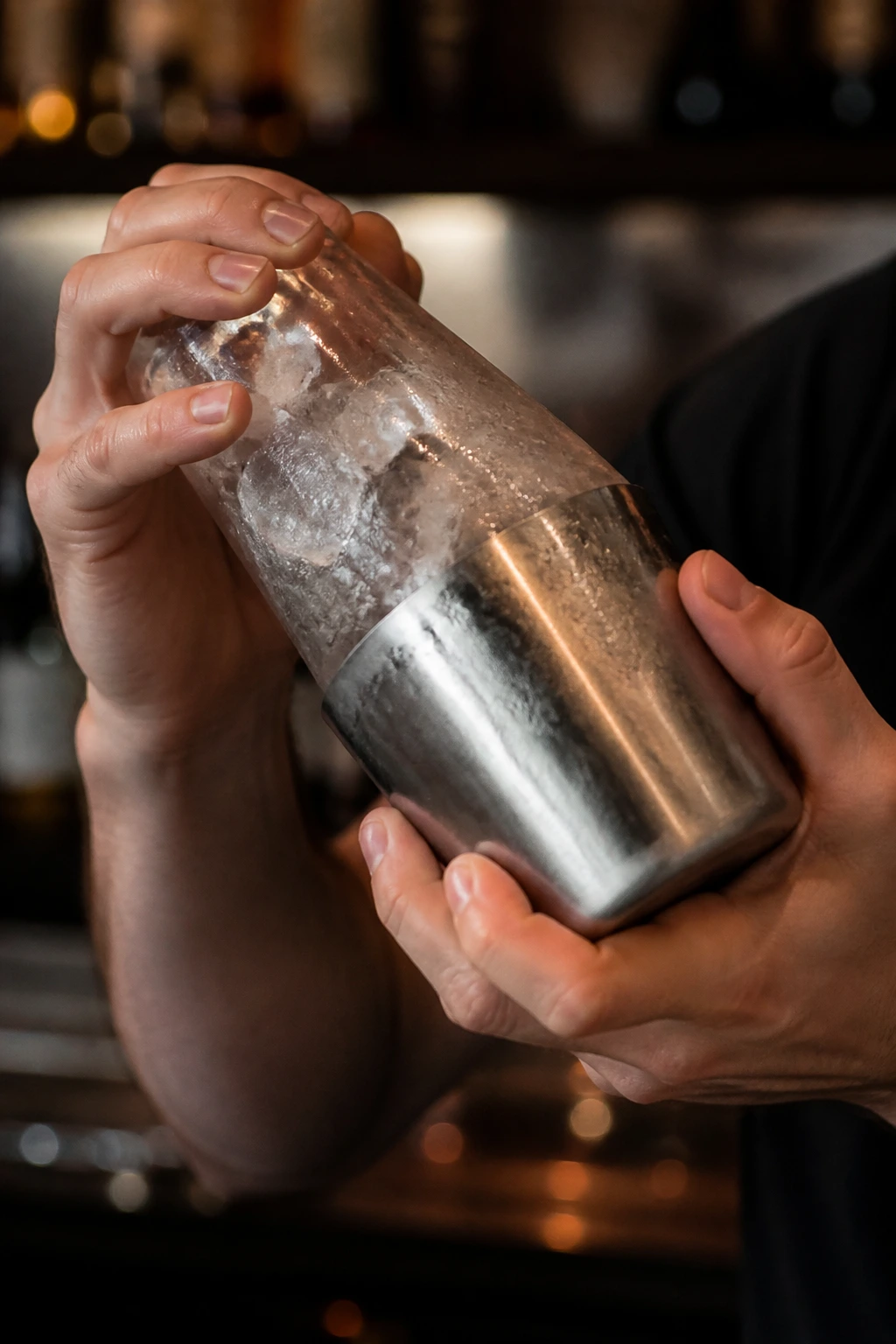
The Bay Breeze is small enough to make in a minute and generous enough to feel like a proper drink. That combination is part of its charm. Still, the method changes the result more than the ingredient list does, and this is one of those cocktails where a little care pays off.
Chill the Glass and Prep the Garnish:
- Fill a highball or Collins glass with ice and set it aside while you mix. If you have freezer space, chill the glass for 5 minutes first.
- Cut a lime wheel or small pineapple wedge so it’s ready to go. You want the garnish waiting, not chopped while the shaker sits open.
Build the Cocktail in the Shaker:
3. Add 2 oz chilled vodka, 3 oz chilled pineapple juice, 1½ oz chilled cranberry juice cocktail, and ½ oz fresh lime juice to a shaker.
4. Fill the shaker with 1 cup of ice cubes. The shaker should feel packed, not half-empty. Loose ice means weak shaking and more dilution.
Shake and Strain:
5. Shake hard for 10 to 12 seconds, until the outside of the shaker feels frosty and the metal is almost painful to hold. The drink inside should sound thicker and colder, not sloshy.
6. Strain into the prepared glass over fresh ice. If you want a cleaner top, use a fine-mesh strainer as well. Do not let the drink sit in the shaker after mixing; the ice keeps melting and the flavor drops off fast.
Finish the Glass:
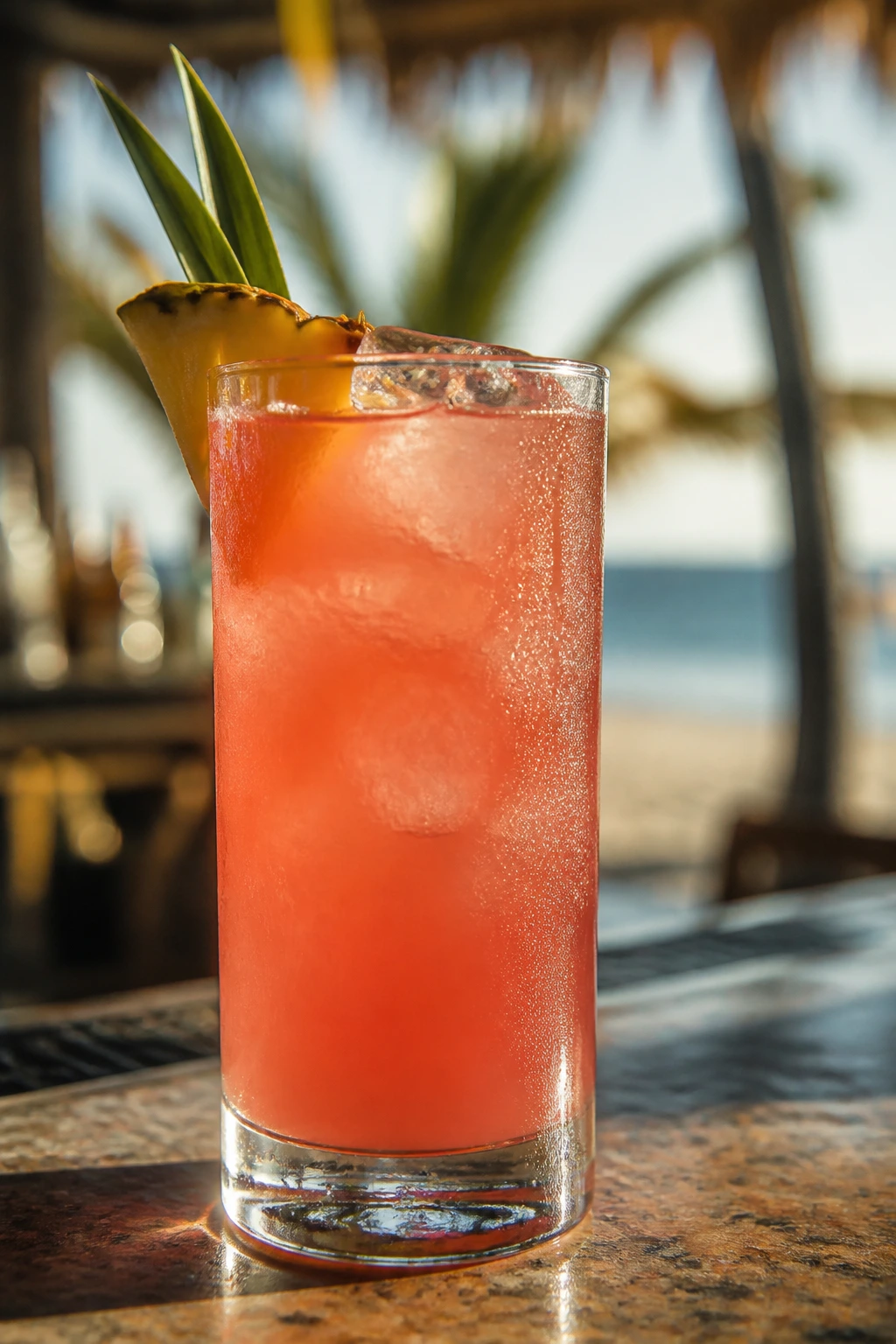
7. Garnish with a lime wheel or pineapple wedge and serve immediately. The finished drink should look pale coral with a soft pineapple smell and a clean, chilled finish.
8. Taste the first sip before you offer it to anyone else. If it feels too sweet, a tiny extra squeeze of lime fixes more than most people expect.
How to Serve It Without Turning It Fussy
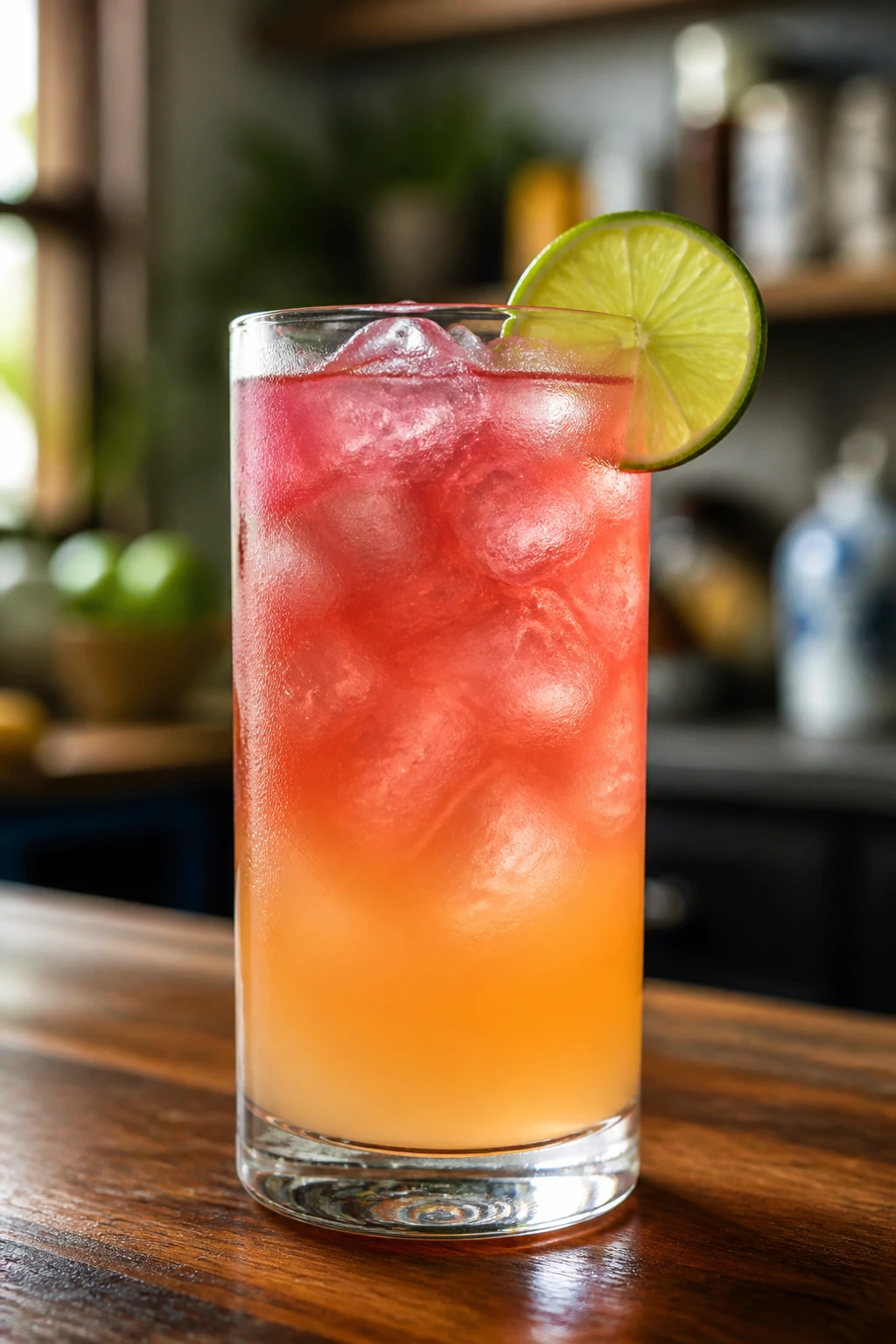
A Bay Breeze likes a simple presentation. Tall glass. Clear ice. One garnish. That’s enough. If you stuff the glass with too many decorations, the drink starts to feel like a resort lobby, and not in a good way.
Presentation: Serve it in a cold highball or Collins glass filled with hard cubes. A lime wheel tucked on the rim gives a bright look; a small pineapple wedge makes it feel a little more tropical without changing the flavor. If you want a cleaner visual, skip the garnish entirely and let the coral color do the talking.
Accompaniments: Salty snacks are the right move here. Think roasted cashews, salted popcorn, chips and guacamole, shrimp skewers, or coconut shrimp if you’re leaning into the tropical side. The drink has enough sweetness that it likes something with salt or a little spice beside it.
Portions: One glass is usually enough for one person because the juice adds volume fast. If you’re serving a crowd, count on one bottle of vodka, one carton of pineapple juice, and one carton of cranberry juice to make a pitcher that scales without fuss. Keep the ice out of the pitcher until the last minute.
Beverage Pairing: If you’re putting out a drink tray, I’d set sparkling water with lime or unsweetened iced tea nearby. Both reset the palate between sips and keep the sweetness from building up across the afternoon.
Practical Ways to Improve the Flavor and Pace the Pour
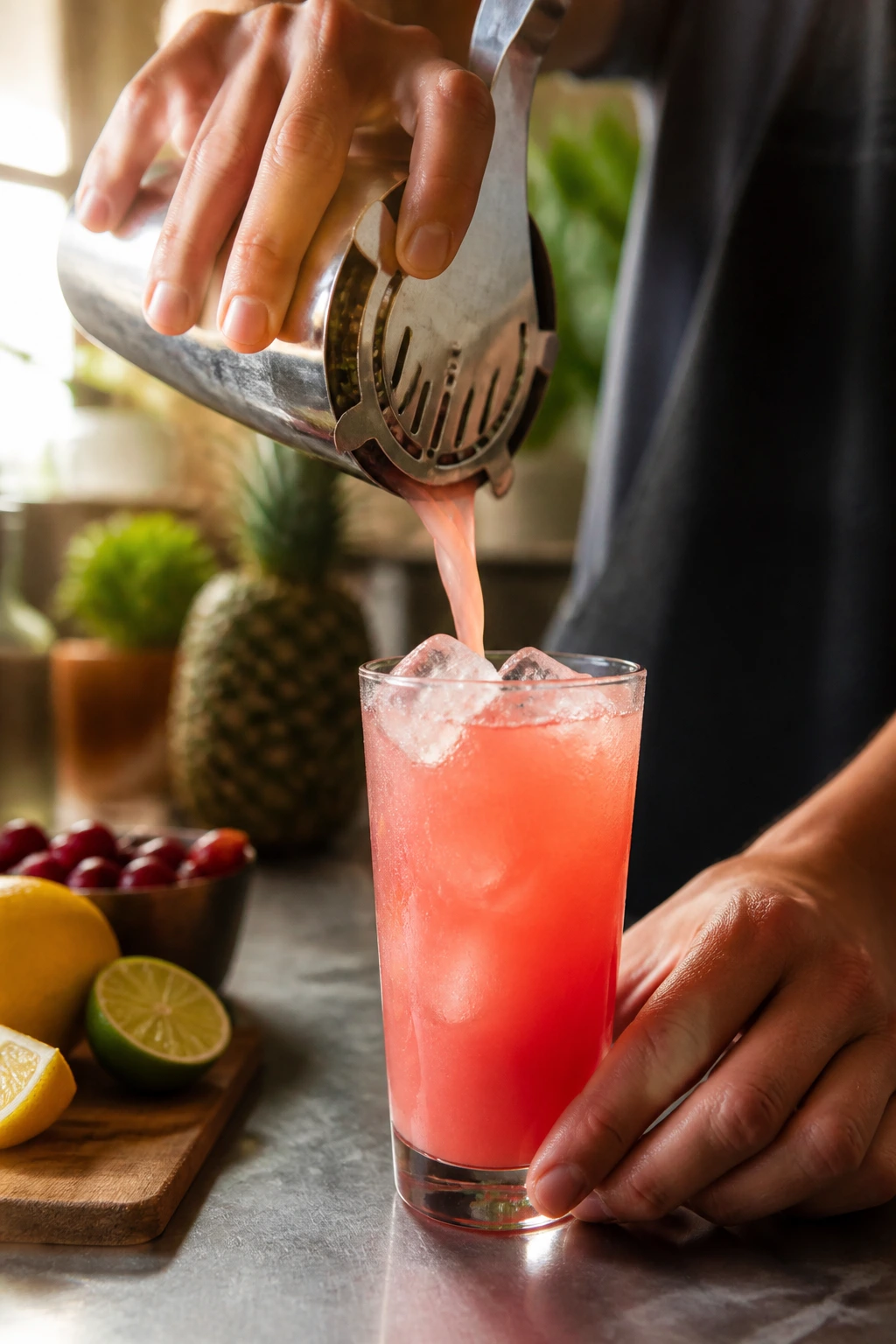
Flavor Enhancement: A tiny pinch of fine salt—less than 1/16 teaspoon—can make the pineapple taste fuller and keep the cranberry from feeling sharp. I don’t use it every time, but when the juice tastes a little flat, it wakes the drink up without making it taste salty.
Time-Saver: Mix the vodka, pineapple juice, cranberry juice, and lime juice in a small pitcher ahead of time, then chill the batch. When people show up, you only need to stir, pour, and add ice. That’s much better than hunting for a jigger while everyone is already thirsty.
Pro Move: Shake until the shaker frosts over, then stop. People often shake cocktails by instinct instead of by temperature, and this drink is cold enough long before the ice has fully beaten it up. That’s the sweet spot.
Cost-Saver: Spend on decent juice before you spend on a fancy bottle of vodka. A perfectly ordinary vodka can disappear into quality juice, but cheap, overly sweet juice will drag the whole drink down no matter what brand name is on the bottle.
Texture Trick: If you like a smoother top, double-strain the drink so no tiny ice chips float on the surface. It gives the first sip a cleaner feel, especially if you’re serving it in a clear glass.
Common Bay Breeze Mistakes and Easy Fixes
-
Using juice that isn’t cold: Warm juice makes the cocktail taste loose and tired. Chill the pineapple and cranberry before you start, even if that means 20 minutes in the freezer while you set up the rest.
-
Pouring too much cranberry: The drink turns darker, sharper, and less pineapple-forward when cranberry takes over. Stick to the measured amount unless you want a tarter profile.
-
Shaking too long: More shaking is not always better. After about 12 seconds, you start adding water faster than you’re improving the texture, and the drink loses its clean fruit shape.
-
Building over soft ice: Half-melted ice gives you a flat, watery cocktail before the first sip. Start with hard cubes in the shaker and fresh cubes in the glass.
-
Skipping the lime and then wondering why it tastes heavy: Pineapple and cranberry can drift sweet if they don’t have a little acid to pull against. A half-ounce of fresh lime fixes that in one shot.
-
Using pineapple drink instead of pineapple juice: The cocktail gets thin and candy-sweet instead of lush. Look for 100% pineapple juice if you want the flavor to hold up.
Variations That Stay in the Same Flavor Family
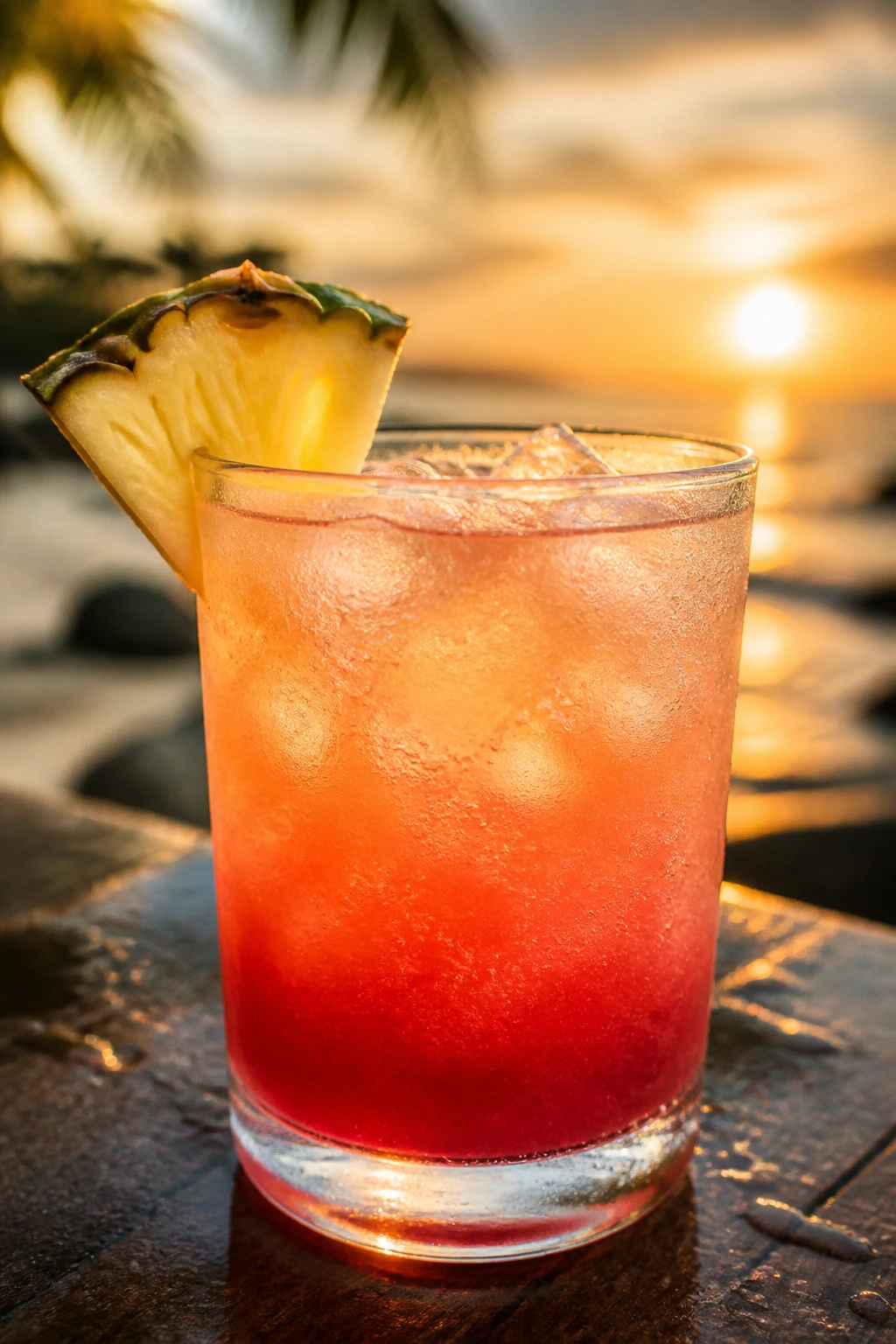
Sparkling Bay Breeze: Top the finished drink with 1 to 2 oz of club soda after straining. It lightens the body and makes the cocktail feel more like a spritz, which is nice when you want something a little less sweet without changing the core flavor.
Frozen Bay Breeze Slush: Blend the vodka, pineapple juice, cranberry juice cocktail, lime juice, and 1 cup ice until smooth but still pourable. This version drinks colder and faster, so serve it in a chilled glass right away before the ice texture loosens.
Coconut Bay Breeze: Swap the plain vodka for coconut vodka or add a very small splash of coconut water alongside the pineapple juice. The drink turns softer and more tropical, but keep the coconut subtle or it will crowd out the cranberry.
Drier Bay Breeze: Cut the cranberry to 1 oz and keep the lime at ½ oz. The drink becomes lighter, brighter, and a little less fruit-forward, which works better if you prefer your cocktails on the crisp side.
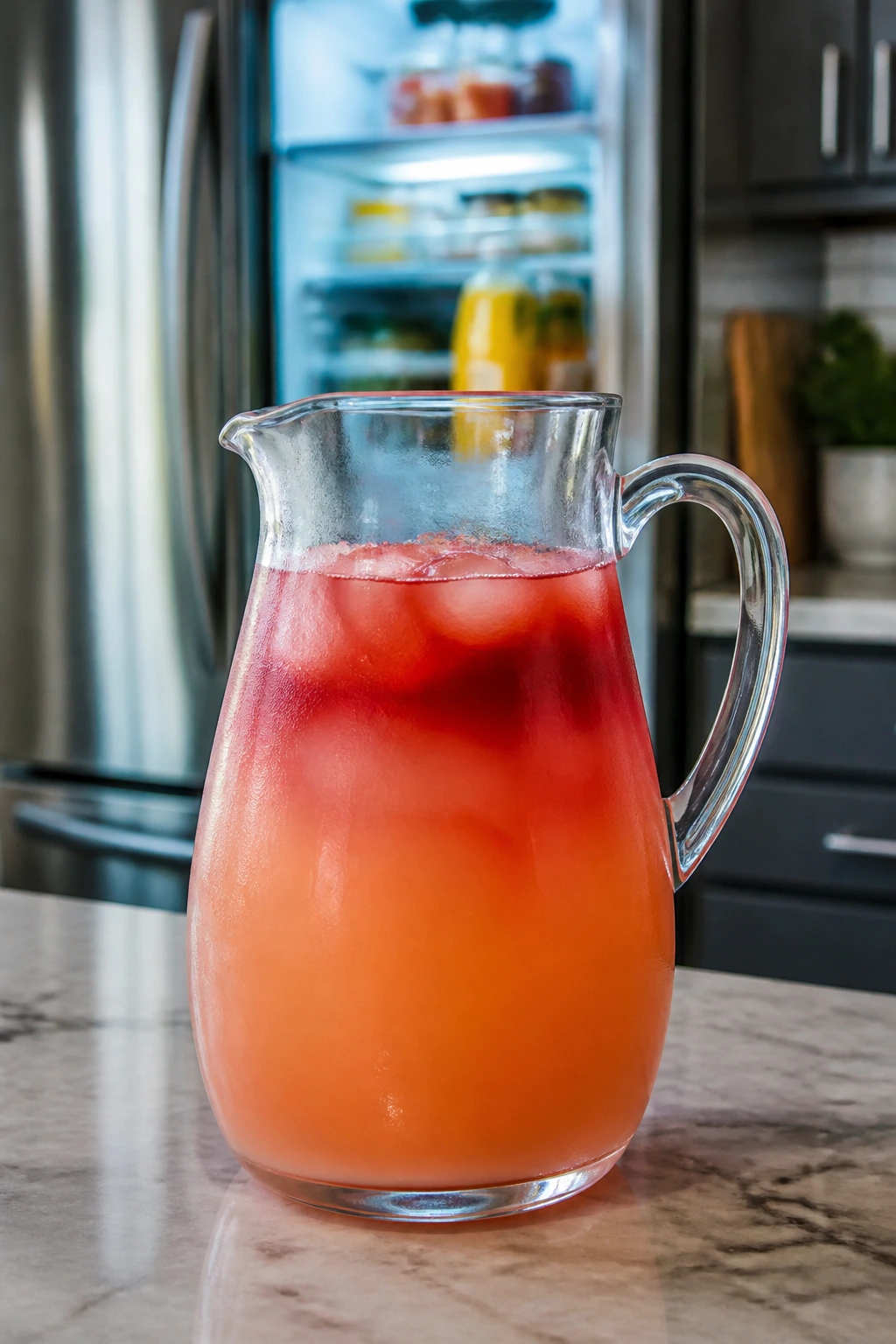
Pitcher Bay Breeze: Multiply the base recipe and mix it in advance without ice. Stir well, chill hard, then pour over ice in individual glasses. The flavor stays cleaner that way than if you let a pitcher sit with ice soaking in it.
Make-Ahead, Storage, and Pitcher Prep
A freshly made Bay Breeze is best right away. Once the ice starts melting, the drink shifts from bright and cold to soft and diluted, and that change happens faster than people expect. Give it 10 to 15 minutes and you’ll already notice the edge fading.
The juice mixture, on the other hand, holds up well. You can combine the vodka, pineapple juice, cranberry juice cocktail, and lime juice in a covered container and refrigerate it for up to 2 days. Give it a good stir before pouring, because pineapple juice can settle a little at the bottom. If you’re making a pitcher for a group, keep the batch ice-free until serving time.
For garnish, cut lime wheels or pineapple wedges a few hours ahead and keep them wrapped in the fridge. The lime stays fresher if you cut it close to serving, but pineapple holds up well as long as it’s sealed from dry air.
There isn’t any reheating here, obviously, but there is one salvage move if a glass sits too long: pour it over fresh ice and add a small splash of pineapple juice or a squeeze of lime. That won’t make it brand-new, but it pulls the flavor back from dull and watery.
Bay Breeze Cocktail FAQ
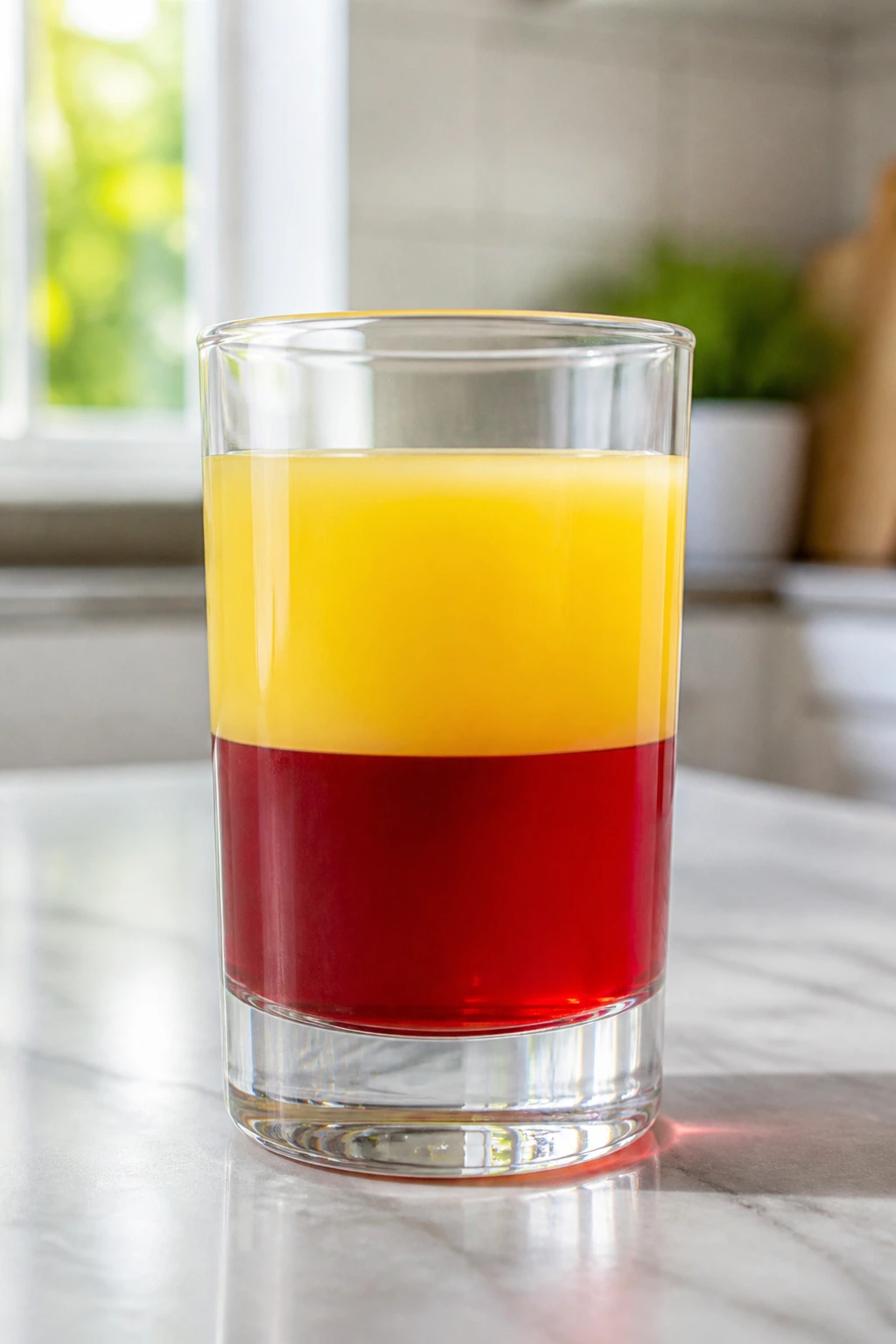
Can I build a Bay Breeze directly in the glass instead of shaking it?
You can, and plenty of people do. I still prefer a short shake because it blends the juices more evenly and gives the drink a smoother first sip, but if you’re making one quick round, build over fresh ice and stir once.
What’s the difference between a Bay Breeze and a Sea Breeze?
The difference is the fruit. A Sea Breeze uses grapefruit and cranberry, which makes it sharper and more bitter; a Bay Breeze uses pineapple and cranberry, which softens the drink and gives it a rounder tropical feel.
Can I use 100% cranberry juice?
Yes, but the drink gets more tart and less sweet. If you go that route, use less cranberry—about 1 oz—and add a touch more pineapple or a small splash of simple syrup to keep the balance friendly.
How do I make a pitcher for a party?
Multiply the vodka, pineapple juice, cranberry juice, and lime juice by the number of servings you want, then chill the batch in a covered pitcher. Pour over ice in individual glasses right before serving, because ice left sitting in the pitcher waters the whole thing down.
What if my Bay Breeze tastes too sweet?
Add a little more fresh lime juice, a splash at a time. If it still feels heavy, use less cranberry next round and make sure your pineapple juice isn’t a sweetened drink rather than 100% juice.
Can I make it without alcohol?
Yes. Replace the vodka with chilled sparkling water or plain club soda, then keep the pineapple and cranberry the same. It won’t have the same backbone, but it still tastes like a clean fruit cooler.
What kind of vodka should I use?
A neutral, unflavored vodka is the safest choice because it stays out of the way. The goal is not to taste the vodka; the goal is to let it support the fruit without adding heat or perfume.
A Cool Finish for Easy Evenings
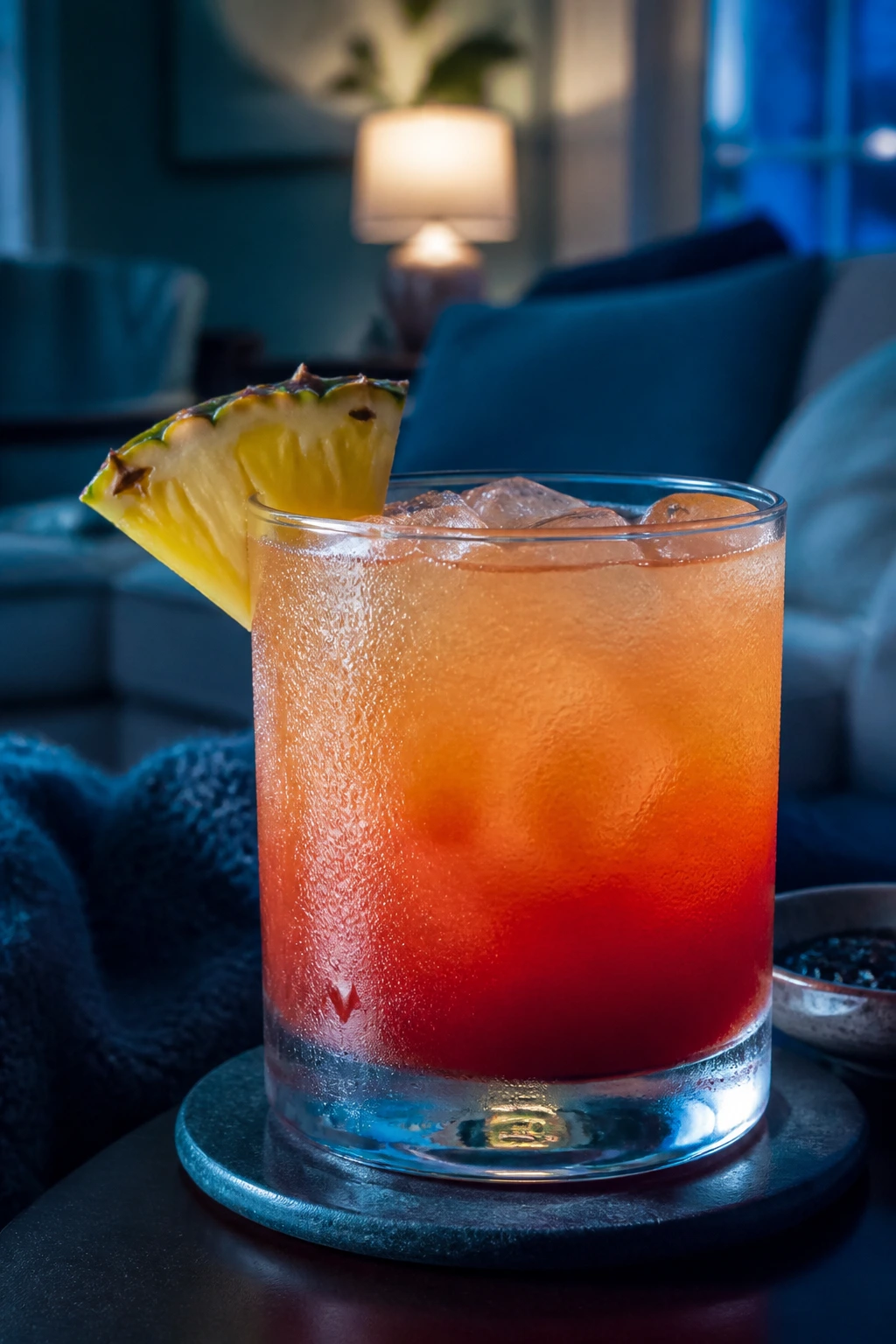
The best Bay Breeze is the one that tastes calm. Not flat. Calm. The pineapple should lead, the cranberry should give it shape, and the vodka should keep the drink from turning into fruit juice with a party hat on.
That’s why I keep coming back to this cocktail when the day is hot and the kitchen feels too bright. It doesn’t need ceremony, and it doesn’t benefit from a long explanation at the bar. Cold ingredients, clean ratios, a hard shake, and a glass packed with ice—sometimes that’s enough, and in this case, it really is.
Smooth Bay Breeze Cocktail — Recipe Card
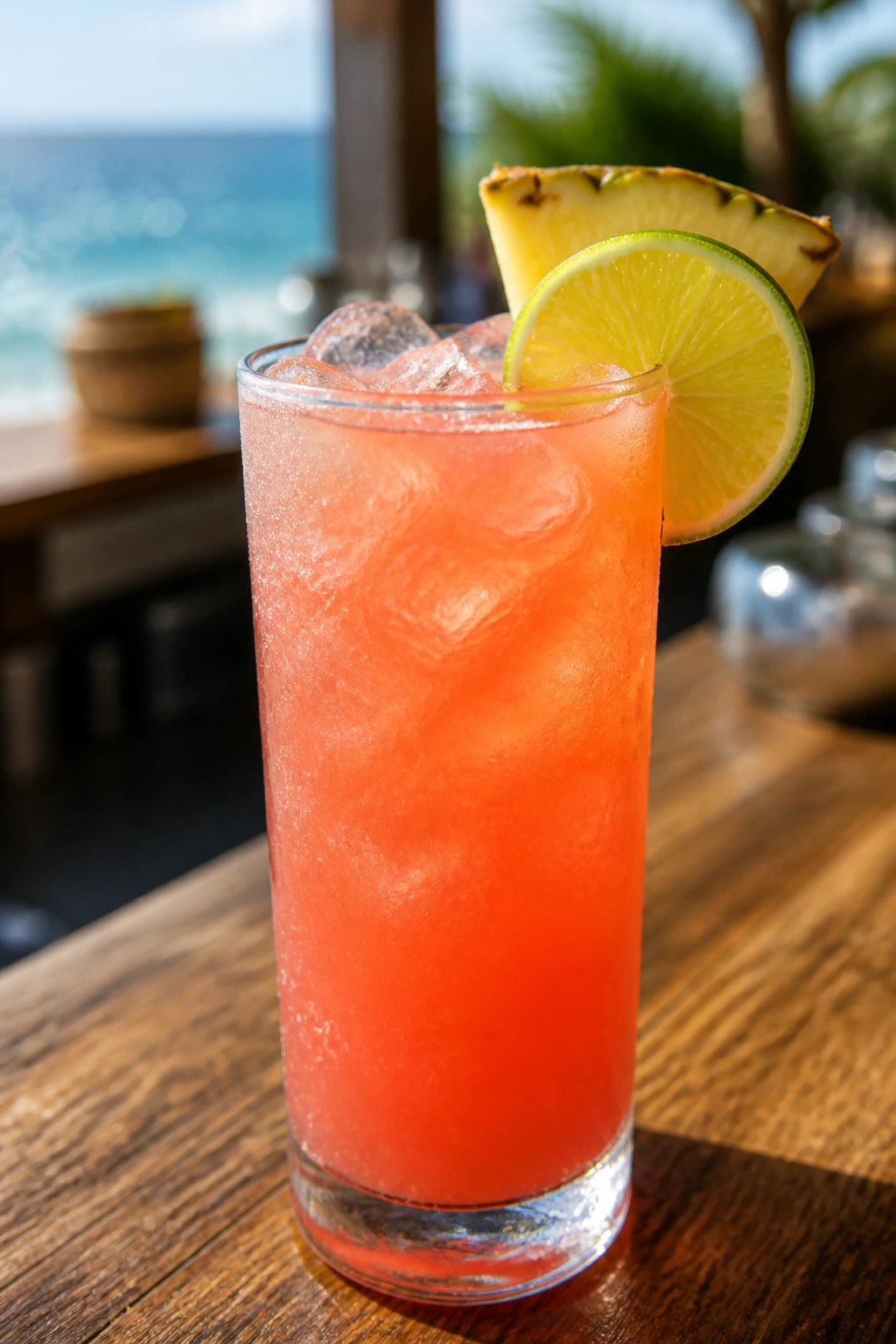
Recipe Name: Smooth Bay Breeze Cocktail
Description: A chilled vodka cocktail built with pineapple juice, cranberry juice cocktail, and a squeeze of lime for a round, soft finish with a coral-colored glow.
Prep Time: 5 minutes
Cook Time: 0 minutes
Total Time: 5 minutes
Course: Drink, Cocktail
Cuisine: American
Servings: 1 cocktail
Calories: About 205 kcal
Ingredients
For the Cocktail:
- 2 oz vodka, chilled
- 3 oz pineapple juice, chilled
- 1½ oz cranberry juice cocktail, chilled
- ½ oz fresh lime juice, optional but recommended
- 1 cup ice cubes, plus more for serving
For Garnish:
- 1 lime wheel or wedge
- 1 small pineapple wedge, optional
Instructions
-
Fill a highball or Collins glass with ice and set it aside.
-
Add the vodka, pineapple juice, cranberry juice cocktail, and lime juice to a shaker.
-
Fill the shaker with ice and shake hard for 10 to 12 seconds, until frosty.
-
Strain into the prepared glass over fresh ice.
-
Garnish with a lime wheel or pineapple wedge and serve right away.
Notes: Chill the juices before mixing for the cleanest flavor. If you want a drier drink, reduce the cranberry to 1 oz and keep the lime.