



A cold glass of beet juice can go one of two ways. It can taste like a damp garden hose with ambition, or it can taste like a bright, glossy fruit drink that happens to wear beet-red lipstick. The difference is balance, and balance matters even more when you’re making something meant for hot afternoons, sticky hands, and ice clinking against a tall glass.
This tropical beet juice leans hard into that balance. Pineapple brings sharp sweetness. Mango gives the drink a soft, almost creamy roundness without turning it into a smoothie. Lime keeps the edges clean. Coconut water adds a pale, breezy finish that lets the beet stay earthy without getting muddy. That’s the trick. You want the beet to show up, not dominate the room.
I’ve always liked beet drinks better when someone stops pretending beet flavor is neutral. It isn’t. It’s deep, soil-sweet, a little stubborn, and if you don’t give it acid and fruit with actual backbone, it will taste like the roots it is. Here, the tropical fruit doesn’t cover the beet up. It frames it. That’s a much smarter move.
Why Tropical Beet Juice Earns a Spot in the Fridge
-
The pineapple does the heavy lifting: Its acid and sweetness pull the beet away from earthy and toward bright, so you don’t need a mountain of added sugar.
-
Frozen mango buys you cold and body at the same time: It chills the juice while making the texture feel plush instead of thin and sharp.
-
Lime keeps the color and flavor awake: A tablespoon is enough to stop the drink from tasting flat, especially after straining.
-
Coconut water makes the finish cleaner: It gives the juice a softer mineral note than plain water, which matters when beet flavor is already doing a lot.
-
It’s easy to tune: A splash more lime, a touch more honey, or a second pass through the strainer can swing the drink from bold to polished without changing the recipe’s bones.
Why Tropical Beet Juice Tastes Better Than Plain Beet Juice
Plain beet juice has a very specific personality. It’s serious. Dense. A little muddy if the beets are large or the liquid ratio is off. Some people like that. I don’t reach for it on a hot day unless someone has already done the balancing work for me.
That balance comes from acidity, fruit, and cold. Pineapple brings the kind of tart sweetness that can stand up to raw beet without getting lost. Mango does something quieter but just as useful: it rounds off the edges and makes the drink feel fuller in the mouth. Lime sharpens the whole thing so the flavor doesn’t sag after the first sip.
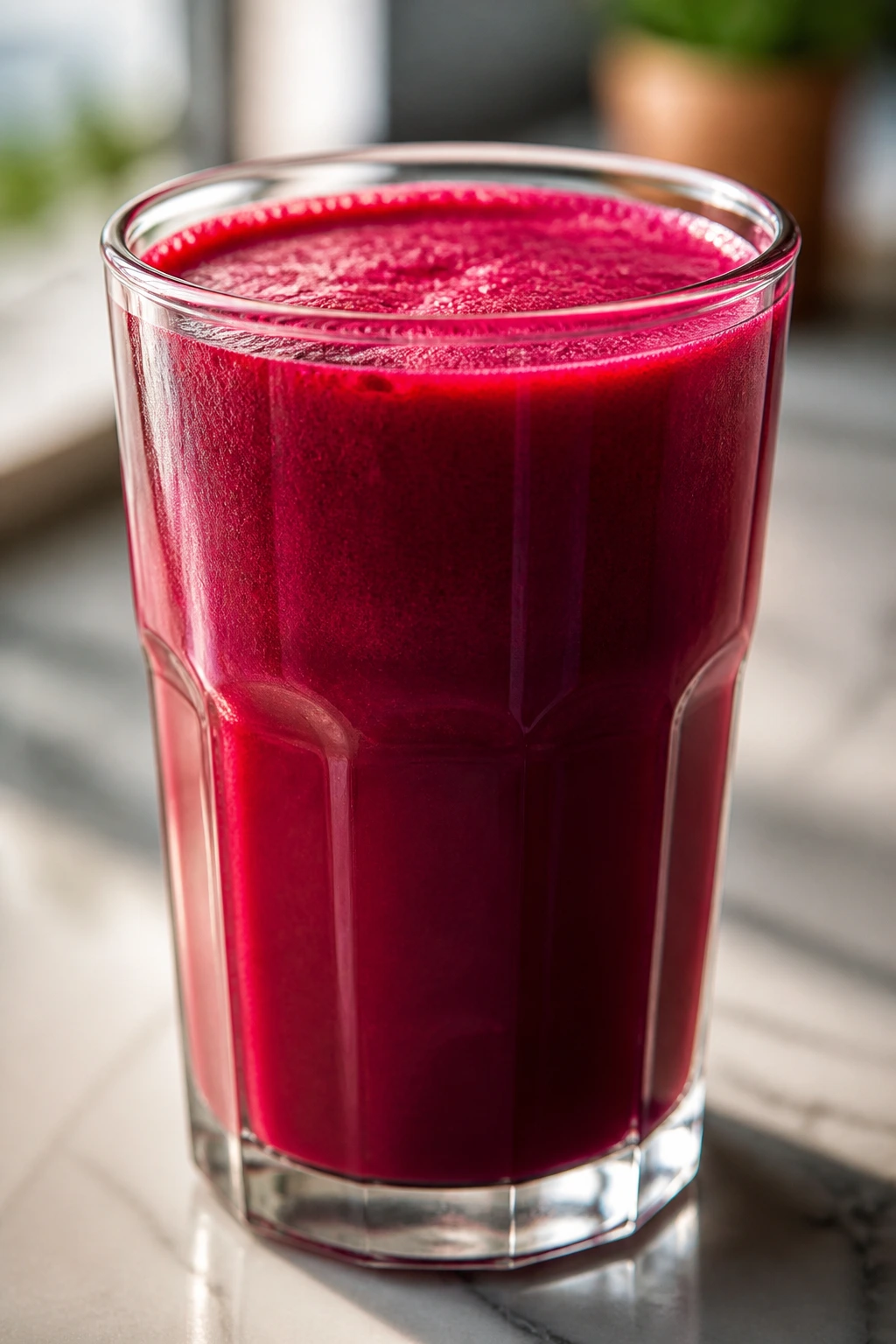
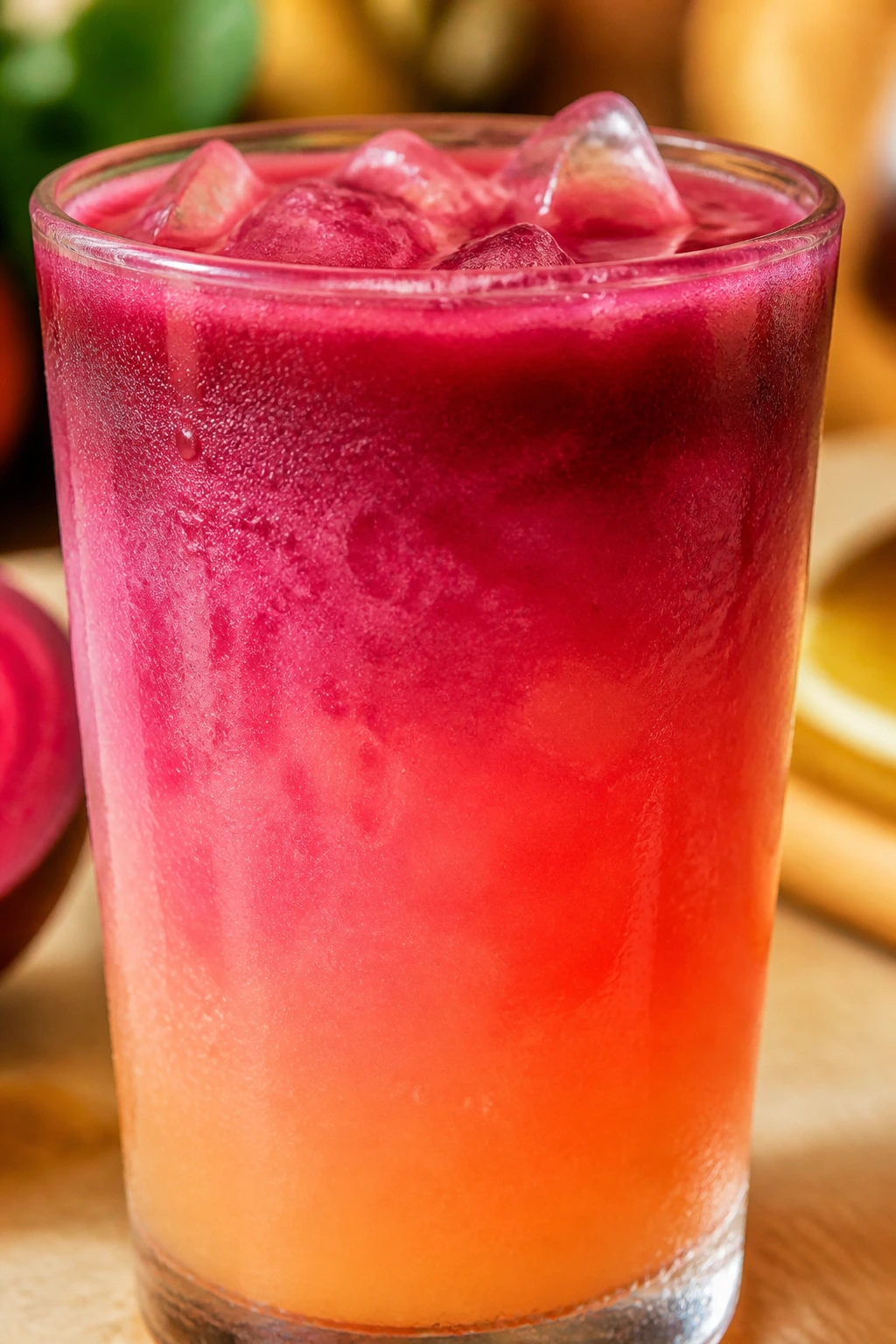
There’s also the color, which matters more than people admit. Beet juice can look almost black in certain lights, especially if you overdo the beet or underdo the acid. Add pineapple and mango, and the glass shifts into a vivid magenta-coral zone that feels alive instead of heavy. That visual cue is not decoration. Your brain tastes the brightness before the first swallow.
A small sensory detail: raw beet has that earth scent some people call “dirt,” though the more accurate word is geosmin, the same earthy note you smell after rain hits dry soil. It’s not a flaw. It just needs a better stage partner. Tropical fruit is a very good stage partner.
Yield: Serves 3 to 4
Prep Time: 15 minutes
Cook Time: 0 minutes
Total Time: 15 minutes active, plus 20 minutes optional chilling
Difficulty: Beginner — the blender does most of the work, and the only real skill is tasting before you pour.
Chill Time: 20 minutes optional for the cleanest cold sip
Best Served: Ice-cold, right after blending and straining
The Produce Lineup That Makes Tropical Beet Juice Work
The Beet
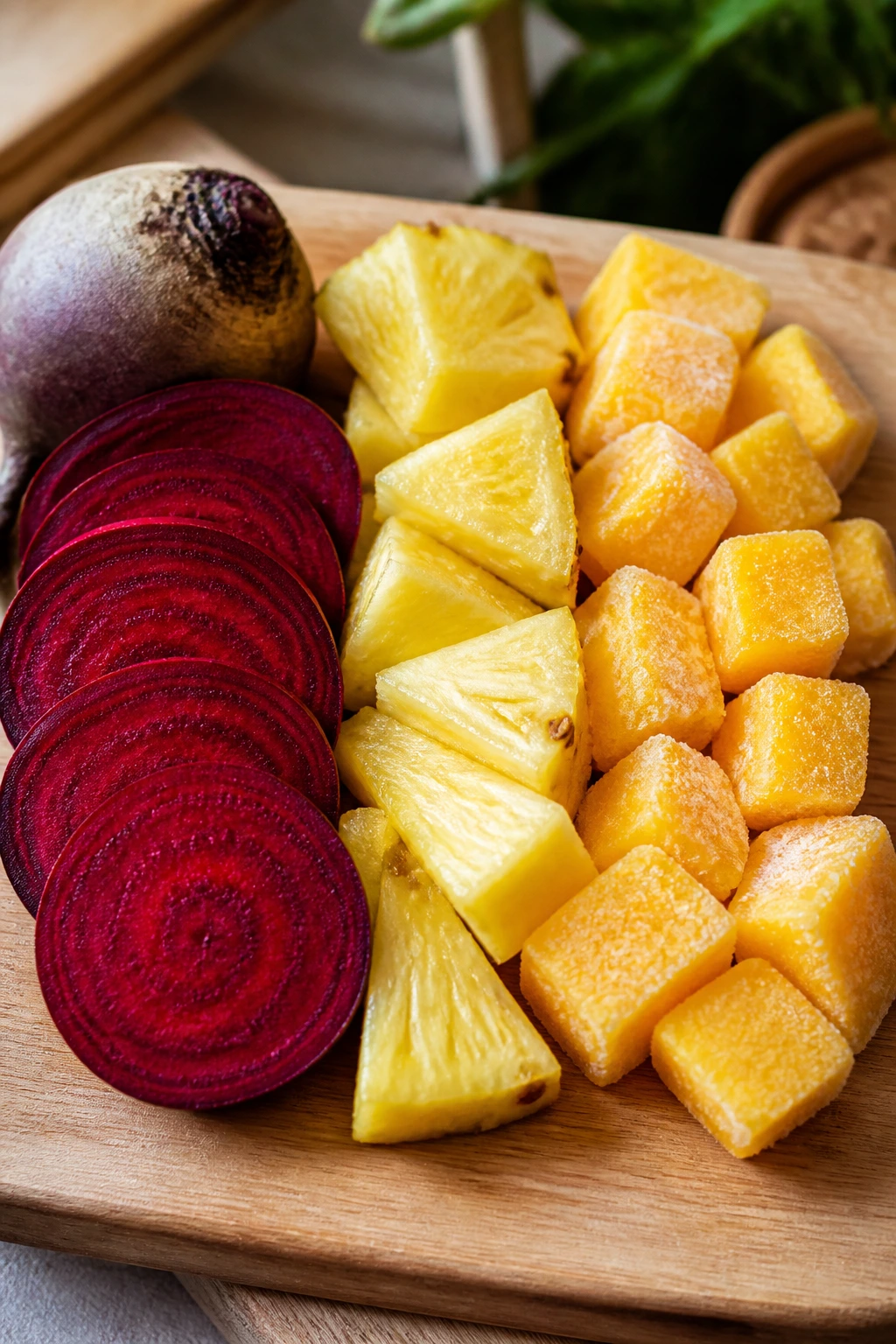
What to use: 1 medium red beet, about 8 ounces / 225 g, peeled and diced.
Preparation: Peel it if the skin is thick or the outside looks dry, then cut it into 1/2-inch pieces so the blender can actually chew through it.
Substitutions: 2 small cooked beets work if you’re in a hurry, though the flavor gets softer and the color less sharp. Golden beets make a gentler, lighter drink, but the whole “tropical beet juice” look changes.
Tips: Wear gloves if you care about your hands or your nails. Beet stains aren’t dramatic in theory; they are dramatic on a white cutting board and even more dramatic on a shirt you liked.
Pineapple and Mango
What to use: 1 cup fresh pineapple chunks and 1 cup frozen mango chunks.
Preparation: Trim the pineapple core away if it’s tough. Frozen mango should go in straight from the freezer, because that chill is doing real work here.
Substitutions: Frozen peaches can stand in for mango if that’s what you have, though the drink loses a little of its tropical plushness. Canned pineapple chunks can work in a pinch, but drain them well so the juice doesn’t tip the drink into syrupy territory.
Tips: Use fruit that tastes like fruit. If the pineapple is bland, the finished juice will feel oddly hollow, and no amount of beet color will save that.
Citrus, Ginger, and Salt
What to use: 1 small orange, 1 tablespoon fresh lime juice, 1 teaspoon finely grated fresh ginger, and 1 pinch fine sea salt.
Preparation: Peel the orange fully, white pith and all, but try to keep the peel itself out of the blend. Grate the ginger finely so it disappears into the juice instead of hitting you in little spicy bursts.
Substitutions: Lemon can take the place of lime if that’s what’s in the fruit bowl. If you hate ginger, leave it out rather than reducing it to a faint ghost; half a measure often tastes more awkward than none.
Tips: Salt does not make the juice salty. It makes the fruit taste more like itself. That pinch matters more than most people expect.
Coconut Water and Ice
What to use: 1 1/2 cups cold coconut water, 1/2 cup cold filtered water, and ice for serving.
Preparation: Chill both liquids before you start. Cold ingredients make the finished drink taste sharper and help the frozen mango stay frozen long enough to thicken the blend.
Substitutions: If coconut water isn’t your thing, replace it with all filtered water and add an extra tiny pinch of salt. You can also use chilled white tea for a quieter, less sweet version.
Tips: Start with less liquid if your blender is powerful. You can always add a splash more, but you cannot take liquid back out once the blender has turned the whole thing into pink soup.
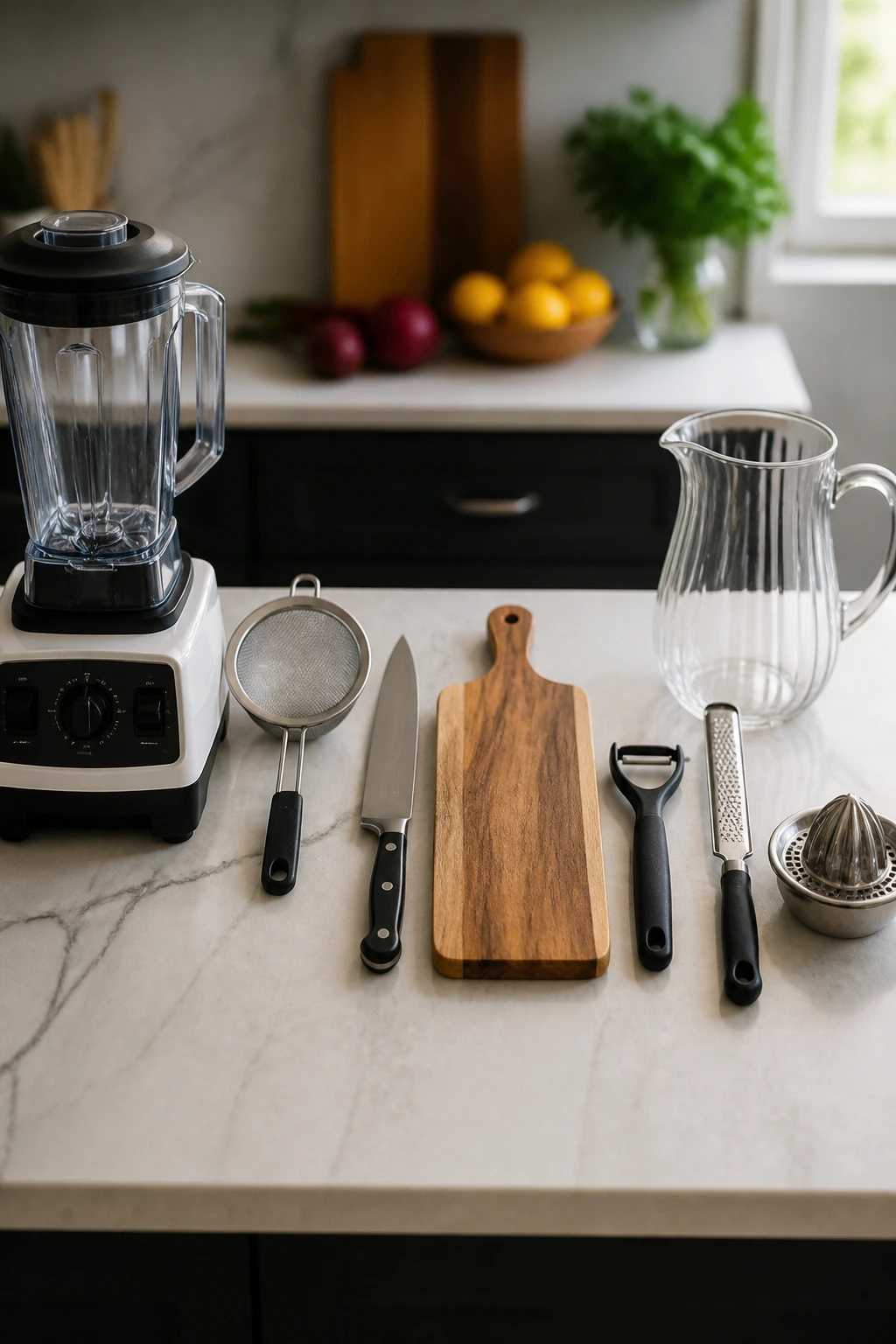
What You Need on the Counter Before You Start
-
High-speed blender: A strong blender handles the raw beet and frozen mango without leaving gritty shards behind.
-
Fine-mesh strainer or nut milk bag: This is what turns the blend into a drinkable juice instead of a pulpy pour.
-
Chef’s knife: Use it for the beet, pineapple, and orange. A sharp knife is safer here than a dull one trying to force its way through a slippery beet.
-
Cutting board: A separate board for beet work is nice if you have one; otherwise line your board with parchment or just accept the stain.
-
Vegetable peeler: Helpful if the beet skin is rough. You can skip it on very young, smooth beets, but I usually peel anyway.
-
Microplane or fine grater: Best for the ginger. Minced ginger works, but grated ginger disappears more cleanly into the juice.
-
Large pitcher or measuring jug: Makes straining and pouring less awkward, especially if you’re serving guests.
-
Citrus juicer: Optional, but it squeezes the lime faster and keeps tiny seeds out of the drink.
How Tropical Beet Juice Comes Together Without Tasting Muddy
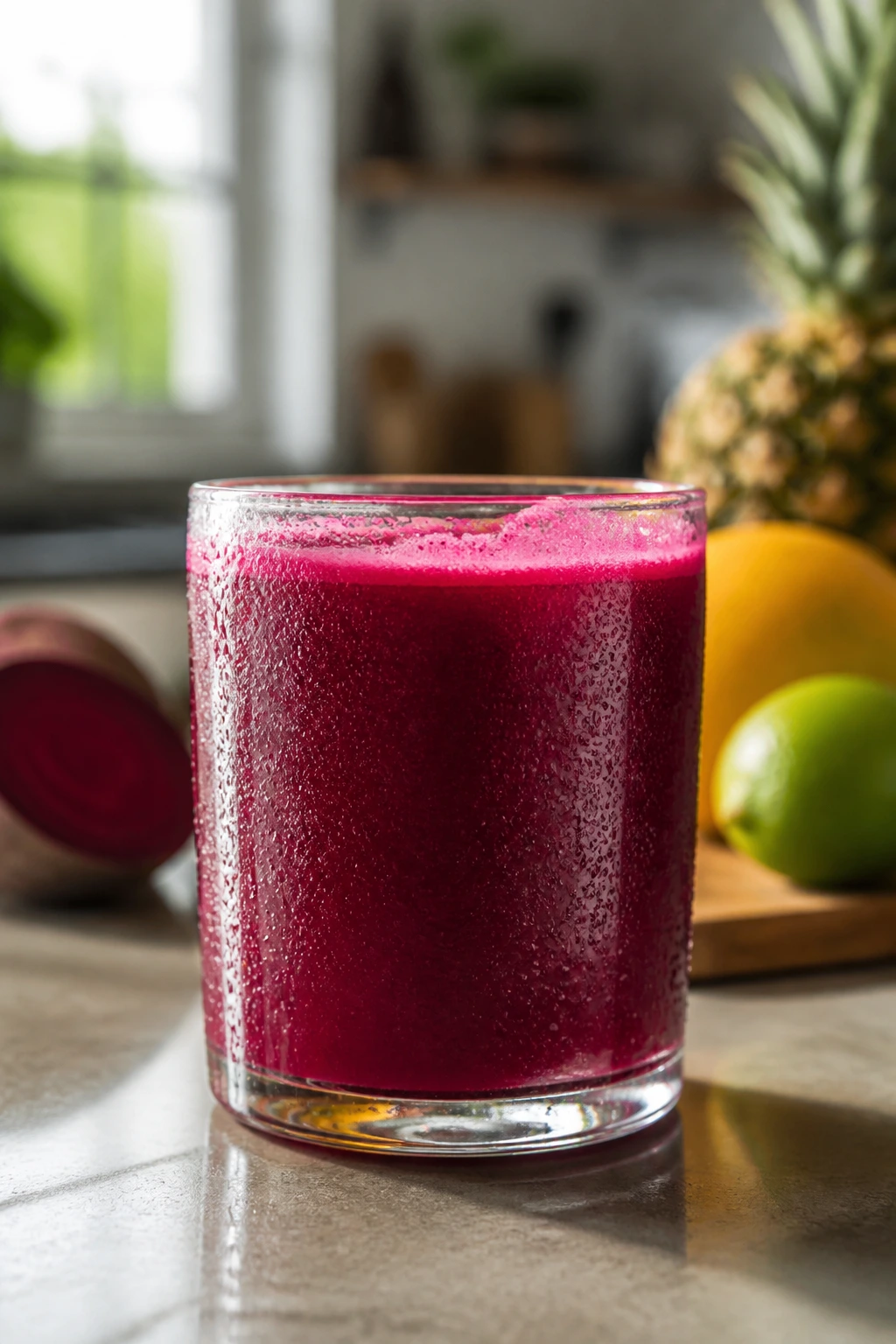
Beet juice has a reputation for being earthy because, well, it is earthy. That’s not a complaint. It’s a description. The problem starts when cooks treat that earthiness like something to erase with sugar alone. Sugar can make a drink sweeter. It cannot make it cleaner.
Pineapple and lime clean. Mango cushions. Coconut water lifts. Put those four things next to a raw beet and the result stops reading like root vegetable punishment and starts reading like a real juice recipe. The beet still gives the drink its deep color and bass note, but the tropical fruit handles the melody. That’s the arrangement that works.
The Beet First
What to use: One medium red beet, peeled and diced.
Preparation: Dice it small enough that your blender blades can catch it quickly. A half-inch cube is the sweet spot.
Substitutions: If you have pre-cooked beet and want a softer flavor, use it cold and cut it into chunks. You can also use one small golden beet for a lighter version, though the final color will be less dramatic.
Tips: Raw beet gives the most assertive flavor. If you’re new to beet juice, don’t double the beet hoping for more health halo or stronger color. More beet mostly means more earth.
Pineapple and Mango as the Brighteners
What to use: Fresh pineapple chunks and frozen mango.
Preparation: Cut the pineapple into bite-size pieces, and keep the mango frozen until the last second.
Substitutions: Papaya can replace half the mango if you want a softer tropical note. Peach works, too, but the drink gets a little rounder and less sunny.
Tips: I prefer frozen mango over extra ice because it thickens the drink without watering it down. Ice chills; mango chills and sweetens. That’s a better trade.
Acid, Salt, and the Little Ginger Bite
What to use: Lime juice, grated ginger, and a pinch of salt.
Preparation: Squeeze the lime right before blending or right after. Both work, but fresh juice tastes cleaner than anything bottled.
Substitutions: Lemon is fine. A tiny strip of lime zest can also stand in if you want more aroma without more acid.
Tips: Ginger is optional, but I like it because beet and ginger play well together in a way that feels crisp, not harsh. Keep the amount small unless you want the drink to shift from juice to spiced tonic.
Coconut Water and Chilling
What to use: Cold coconut water, cold water, and ice.
Preparation: Chill the liquids ahead of time if possible. That keeps the drink from turning soft and sleepy as soon as it’s blended.
Substitutions: Plain water with a touch more salt works if you want less sweetness. Sparkling water belongs at the very end, after blending and straining, if you want bubbles.
Tips: Don’t overdo the water. Beet juice should still taste like something with a shape. If it starts tasting thin, you’ve crossed into pink dilution.
How to Make Tropical Beet Juice Step by Step
Prep the Produce
-
Wash the beet well under cold running water, then peel it if the skin looks tough or dry. Cut the beet into 1/2-inch dice so the blender can break it down without grinding for ages.
-
Chop the pineapple into small chunks and peel the orange completely, removing as much white pith as you reasonably can. Grate the ginger on a microplane and set everything within reach of the blender.
Blend the Base
-
Add the liquids to the blender first: 1 1/2 cups cold coconut water, 1/2 cup cold filtered water, 1 tablespoon lime juice, and the pinch of salt. Pouring liquid in first helps the blades move more freely once the fruit goes in.
-
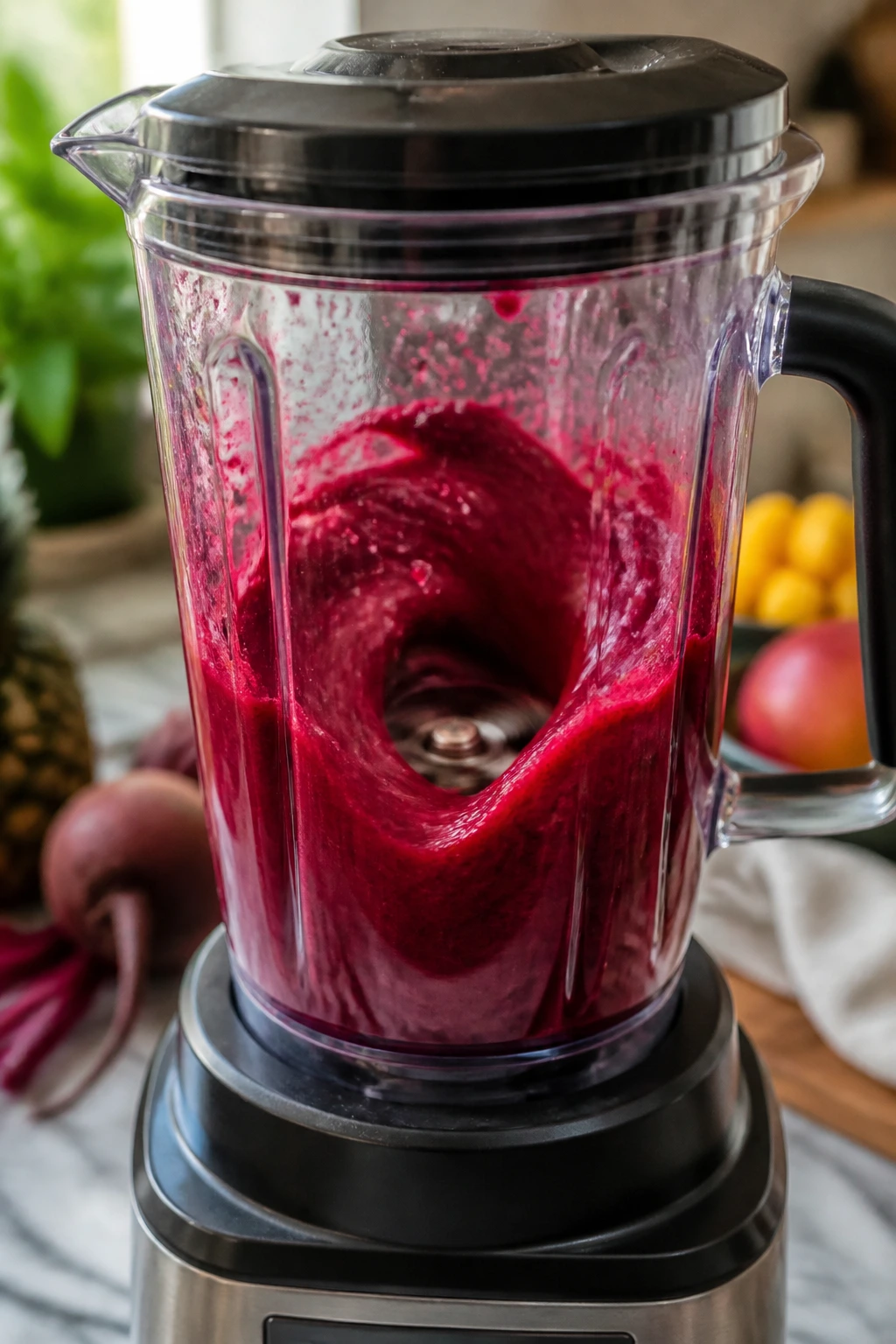
Add the beet, pineapple, mango, orange, and ginger on top. Blend on low for 10 seconds, then increase to high and blend for 45 to 60 seconds, until the mixture looks smooth and deeply magenta with no visible beet chunks. If your blender struggles, stop once, scrape down the sides, and keep going rather than forcing the motor to grind dry.
Strain and Adjust
-
Set a fine-mesh strainer over a pitcher, or line the strainer with a nut milk bag for a cleaner pour. Pour the blend through in batches and press gently with a spatula or spoon until most of the liquid has passed through. Do not mash the pulp aggressively unless you want a cloudier, heavier juice.
-
Taste the juice before sweetening. If the pineapple is tart or the beet tastes unusually earthy, add 1 to 2 teaspoons honey or agave and stir until dissolved. Chill for 10 to 20 minutes if you want a colder, cleaner sip, then pour over ice and garnish with mint. The flavor should taste bright first, earthy second. If it tastes the other way around, add another squeeze of lime.
How to Serve It Cold and Keep the Color Bright
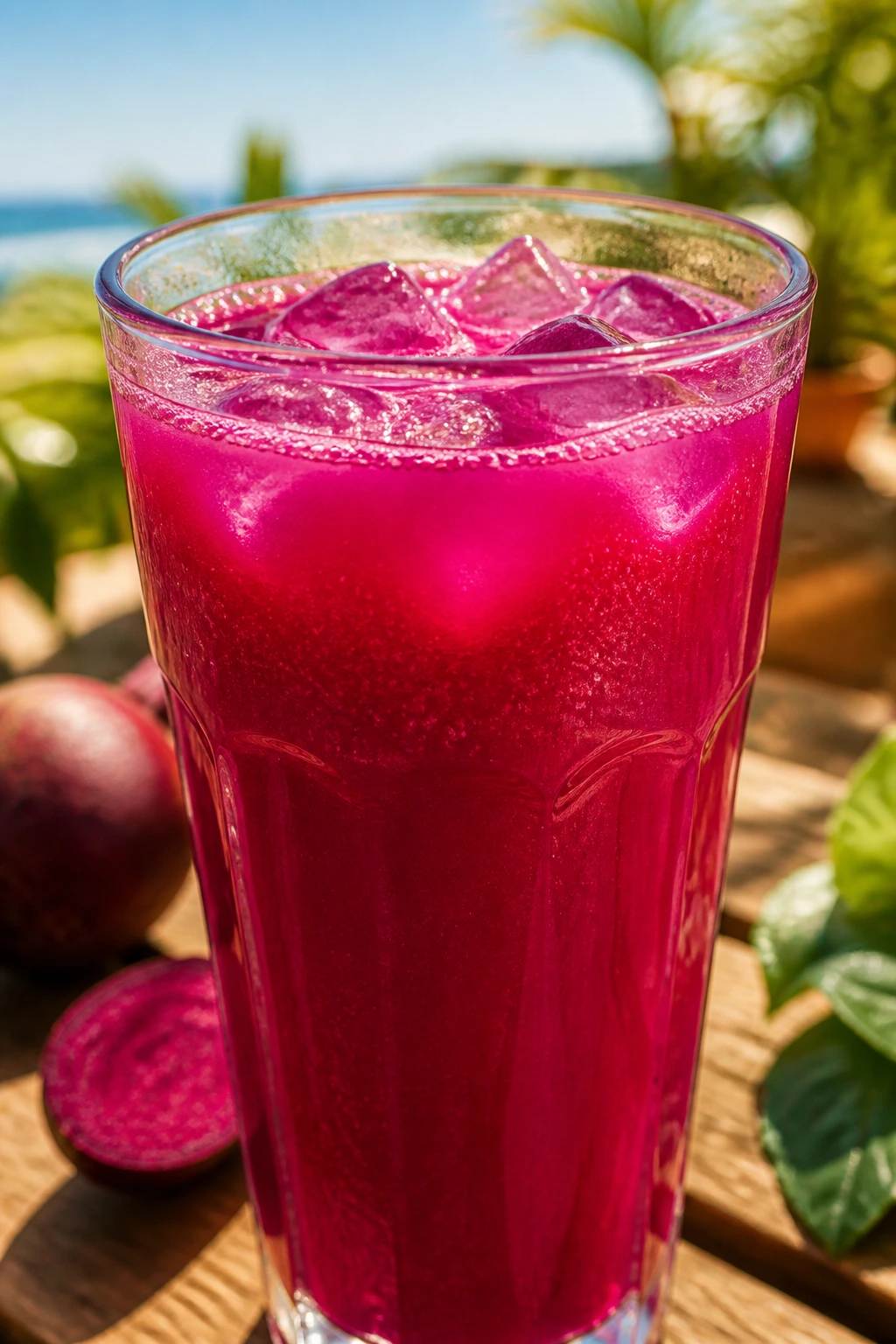
Presentation: Pour the juice into clear glasses or slim tumblers so the color does the talking. One big ice cube looks better than a glass packed with crushed ice, which can dull the pink-purple shade by the time you finish the drink.
Accompaniments: This sits nicely beside salty things: roasted nuts, avocado toast, egg sandwiches, yogurt bowls with granola, or grilled shrimp if you’re serving brunch on the patio. The drink also works with a plate of sliced fruit and a little cheese, especially something mild and creamy.
Portions: I like 8-ounce pours for everyday sipping and 5-ounce pours if the juice is part of a larger spread. If you’re serving a crowd, make a double batch and keep the pitcher cold in the fridge rather than filling everyone’s glasses at once.
Beverage Pairing: If you want a nonalcoholic spread, serve it alongside chilled sparkling water with lime or unsweetened iced green tea. For a brunch cocktail angle, a splash of dry prosecco or white rum sits nicely on top without drowning the fruit.
Extra Tricks for Sharper Flavor and Better Texture
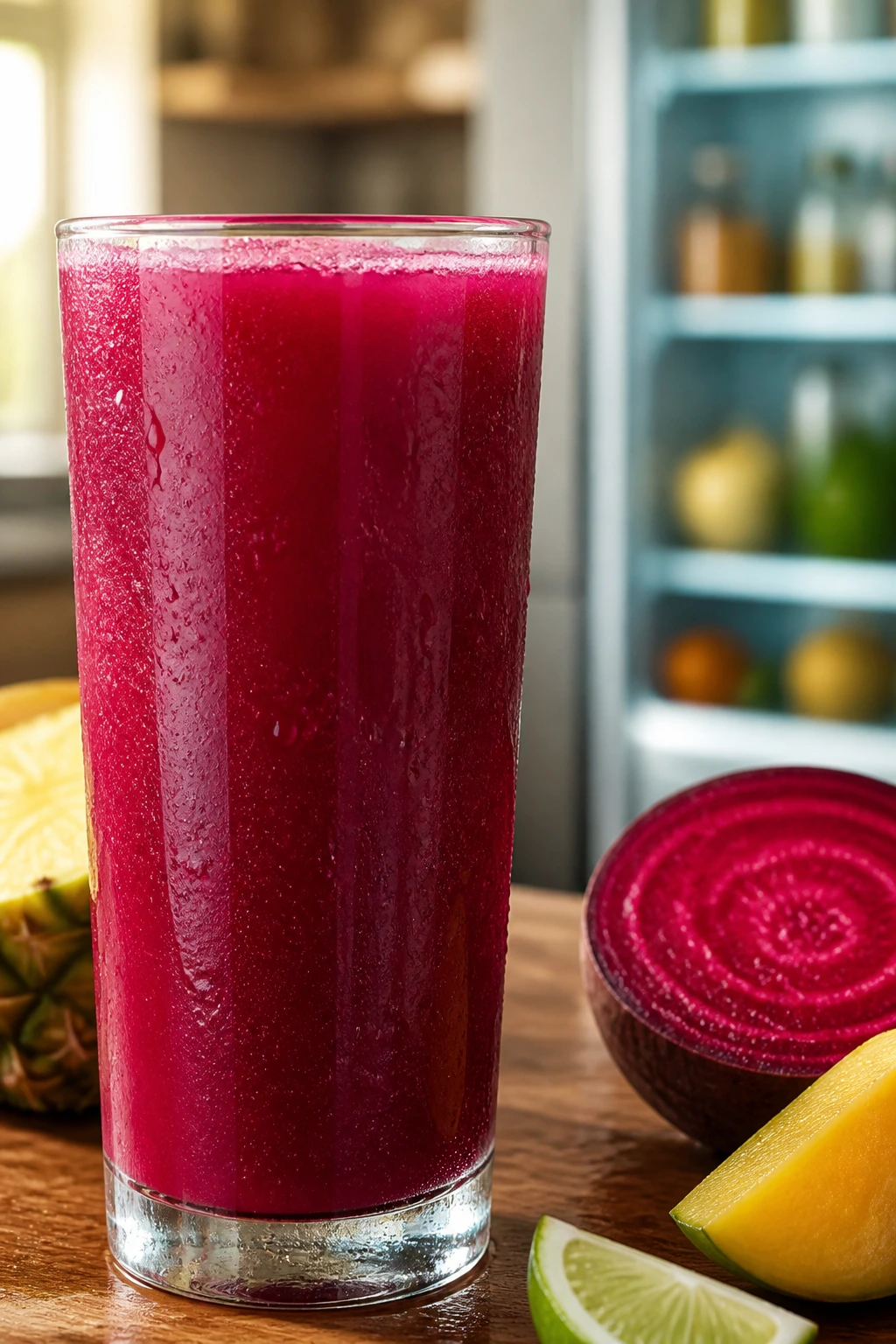
Flavor Enhancement: A tiny pinch more salt right before serving can wake up the pineapple and make the mango taste riper. It sounds backward if you’re not used to using salt in drinks, but it works.
Texture Control: If you like a cleaner juice-bar feel, strain it twice. If you like a little body, skip the second straining and leave a trace of pulp in the glass. I prefer the middle ground: one thorough strain, then a quick taste.
Color and Chill: Use cold fruit whenever you can. Frozen mango pulls more weight than ice because it chills the juice without diluting the flavor. That’s the move I’d keep if I had to choose only one.
Make-It-Yours: If you want a sweeter version, add 1 teaspoon honey after straining rather than before. If you want a sharper version, add another teaspoon of lime and an extra splash of coconut water, then taste again. The drink should respond quickly.
Common Beet Juice Mistakes and How to Dodge Them
-
Cutting the beet too big: If the beet goes into the blender in chunky wedges, you’ll hear the blades grinding for too long and feel little gritty bits in the finished drink. Fix it by dicing the beet into small, even pieces before blending.
-
Relying on sugar instead of acid: A sweet beet drink can still taste flat, almost dusty, if there isn’t enough lime or orange to sharpen it. The fix is a squeeze of citrus, not another spoonful of honey.
-
Using too much water too soon: A thin, watered-down beet drink loses both color and character. Start with the listed amount, blend, taste, and only add more liquid if the blades need help or the drink feels too thick.
-
Skipping the strain: Leaving the pulp in turns this from juice into a loose puree, which is fine if that’s your plan, but it’s not what most people expect from the title. Use a fine strainer or nut milk bag if you want a smoother pour.
-
Serving it warm: Beet flavor gets heavier as the drink sits at room temperature. Chill the produce, use ice, and get the glasses cold before pouring if you want the fruit to stay bright.
-
Ignoring the orange pith: A thick layer of white pith can make the juice bitter at the finish. Peel the orange cleanly and remove any obviously tough membrane before it goes in.
Four Variations That Still Taste Like the Same Drink
Pineapple-Forward Glow
Double the pineapple to 2 cups and reduce the mango to 1/2 cup. The drink gets a sharper, sunnier edge and reads more like a bright juice than a thick tropical blend.
Green Garden Cooler
Add 1 packed cup baby spinach and 1/2 peeled cucumber to the blender. The color shifts toward a softer purple-green, and the cucumber makes the finish feel cooler and lighter.
Sparkling Beet Spritz
Make the base recipe, strain it, then top each glass with 2 to 3 ounces of chilled sparkling water. This is the one I’d serve before dinner or with salty snacks, because the bubbles keep the beet from feeling weighty.
Ginger Heat Wave
Increase the ginger to 2 teaspoons and add a tiny pinch of cayenne. The spice doesn’t make the drink hotter in a dramatic way; it just gives the fruit a little snap at the back of the throat.
Creamier Mango Pour
Use 1 1/2 cups frozen mango and skip the extra water. The result is richer and closer to a drinkable sorbet, which works if you want a thicker, colder glass on a sweltering afternoon.
Keeping It Cold and Fresh for Later
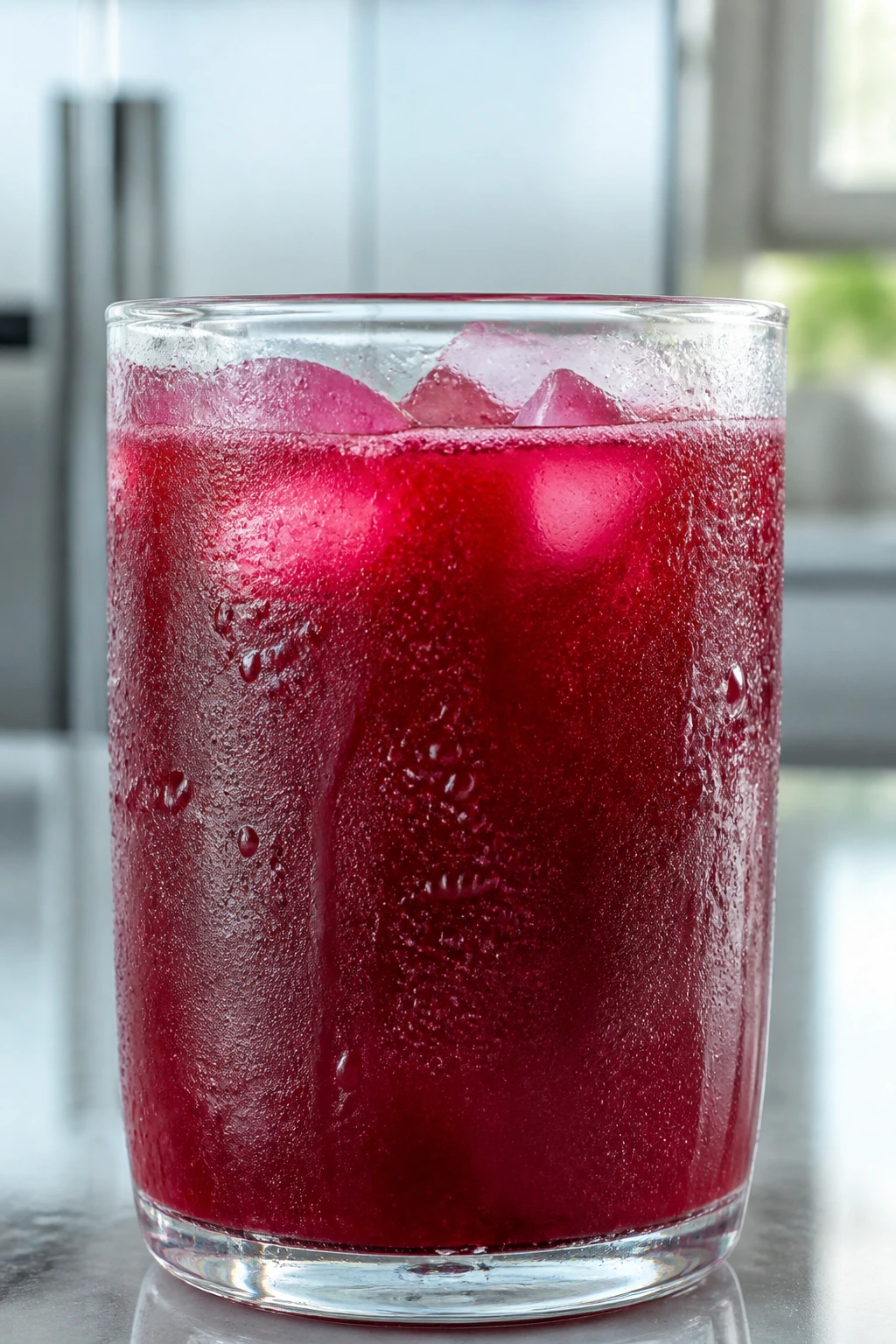
Beet juice is happiest the day you make it. That’s the honest answer. The color holds, but the flavor is brightest right after blending, when the lime still tastes sharp and the mango still tastes frozen-cold.
If you need to store it, pour the juice into a sealed glass jar or pitcher and refrigerate it for up to 3 days. Give it a hard shake or a strong stir before pouring because some separation is normal, especially if you strained it lightly. If the drink tastes a touch flatter on day two, a tiny squeeze of fresh lime usually brings it back.
Freezing works, too. Freeze the juice in ice cube trays for up to 2 months, then thaw the cubes in the fridge or blend them with a little sparkling water for an instant slushy. I like the cube method better than freezing one big container because you can thaw only what you need.
There’s no reheating step here, and there shouldn’t be. Cold is the point. If the juice has sat out for more than 2 hours in warm weather, pour it out and start over rather than pretending it still tastes lively.
Questions Readers Usually Ask About Tropical Beet Juice
Can I make this tropical beet juice in a regular blender?
Yes, as long as you chop the beet small and give the blender liquid first. A regular blender may need a scrape-down halfway through, and you’ll want to strain the drink at the end so it doesn’t feel gritty.
Do I have to peel the beet?
Not always, but I usually do. Young beets with thin skins can sometimes go in unpeeled, yet peeling removes any dried exterior and lowers the chance of a woody, dusty note in the final drink.
Can I use cooked beets instead of raw ones?
You can, and the juice will taste softer and a little sweeter. Raw beet gives a brighter, more direct flavor, while cooked beet makes the drink rounder and less earthy. I’d choose cooked beets if you’re serving someone who is beet-curious rather than beet-loyal.
What if I want the juice less sweet?
Cut the mango back to 1/2 cup, keep the lime, and use plain chilled water instead of all coconut water. That gives you a leaner drink that still tastes tropical without drifting toward dessert.
How do I stop beet juice from tasting too earthy?
Use enough acid, keep the fruit cold, and don’t oversize the beet. Earthy beet flavor becomes much more manageable when pineapple, lime, and a pinch of salt are doing their jobs. More sugar is the lazy fix. Citrus is the better one.
Can I turn this into a cocktail?
Yes. Pour 4 ounces of the strained juice over ice and add 1 to 1 1/2 ounces of white rum or tequila. A little prosecco on top works if you want something lighter and more brunch-y.
Why does my juice separate after sitting for a while?
Because fresh juice has pulp and suspended fruit solids. Separation is normal, not a sign that anything went wrong. Stir or shake before serving, and if you want a more stable texture, strain it a little more thoroughly next time.
A Better Beet Drink for Hot Afternoons
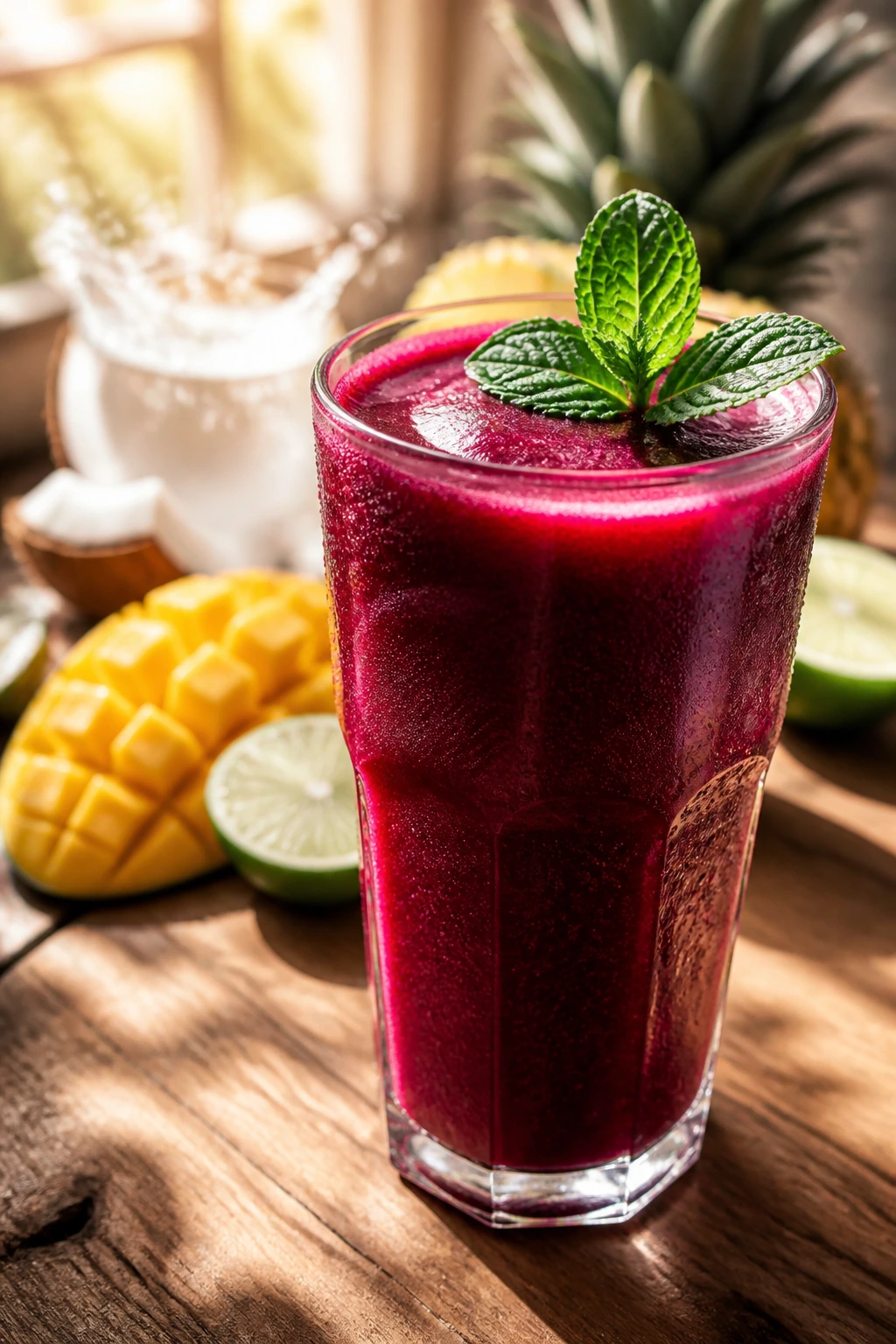
There’s a reason this glass works so well when the weather turns heavy and the kitchen starts feeling like a bad idea. It gives you the color and earthy depth of beet juice, but it refuses to stop there. Pineapple, mango, lime, and coconut water turn the whole thing into something brighter, cleaner, and a lot more drinkable.
I’d make it when I want a cold glass that looks dramatic without tasting like a stunt. I’d make it again if I had one beet left, a bruised lime, and a bag of frozen mango in the freezer. That’s the kind of recipe I trust: the one that uses ordinary produce and ends up tasting like it had better intentions.
If you keep the beet small, the fruit cold, and the lime sharp, this drink lands where it should—fresh, vivid, and a little bit tropical in the best possible way. Serve it over ice, and don’t be shy with the mint if you like the aroma.
Tropical Beet Juice for Summer Sipping — Recipe Card
Recipe Name: Tropical Beet Juice for Summer Sipping
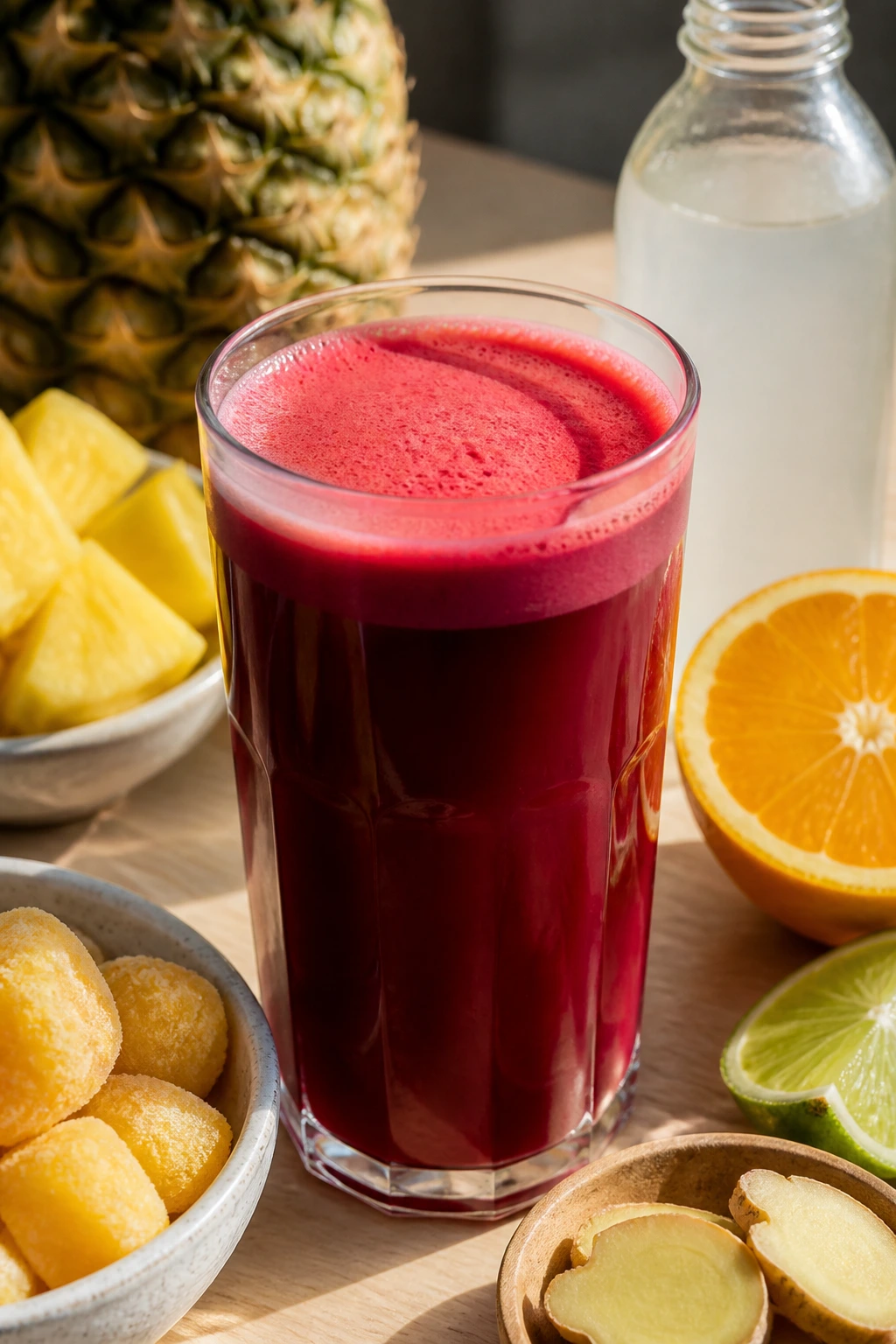
Description: A bright beet juice blended with pineapple, mango, orange, lime, ginger, and coconut water, then strained for a smooth, cold pour. The beet stays earthy in the background while the fruit keeps the drink crisp and sunny.
Prep Time: 15 minutes
Cook Time: 0 minutes
Total Time: 15 minutes active, plus 20 minutes optional chilling
Course: Drink, Beverage
Cuisine: Tropical-inspired
Servings: 3 to 4 servings
Calories: About 80 kcal per serving
Ingredients
- For the Juice:
- 1 medium red beet, about 8 ounces / 225 g, peeled and diced
- 1 cup fresh pineapple chunks
- 1 cup frozen mango chunks
- 1 small orange, peeled and segmented
- 1 tablespoon fresh lime juice
- 1 teaspoon finely grated fresh ginger
- 1 1/2 cups cold coconut water
- 1/2 cup cold filtered water
- 1 pinch fine sea salt
- 1 to 2 teaspoons honey or agave, optional
- Ice, for serving
- Fresh mint leaves, for garnish
Instructions
-
Wash, peel, and dice the beet into 1/2-inch pieces. Chop the pineapple, peel the orange, and grate the ginger.
-
Add the coconut water, filtered water, lime juice, and salt to a blender first.
-
Add the beet, pineapple, mango, orange, and ginger on top.
-
Blend on low for 10 seconds, then on high for 45 to 60 seconds, until the mixture looks smooth and deeply magenta.
-
Strain through a fine-mesh strainer or nut milk bag into a pitcher, pressing gently to extract the liquid.
-
Taste the juice, then stir in honey or agave if needed. Chill briefly, pour over ice, and garnish with mint.
Notes:
Frozen mango helps chill the juice without watering it down. Strain twice if you want a cleaner pour. Add a fresh squeeze of lime at the end if the beet flavor feels heavy.