



The hard part of dinner is rarely the cooking. It’s the hour before dinner, when backpacks hit the floor, someone is already rummaging for crackers, and the kitchen starts sounding like a tiny train station. That’s where family dinner ideas for after-school snacks earn their keep. They fill the gap between “I need something now” and “please sit down and eat,” which is a much smaller gap than most people think.
Snacky dinners work because they’re built around bite-size timing. A quesadilla can be on a plate in 12 minutes. Meatballs can bake while shoes are being kicked off. A potato bar lets one kid build a modest bowl and another pile on the toppings like it’s a competitive sport. The food doesn’t need to be fancy. It needs to be fast, warm, and forgiving.
What I like about this kind of dinner is that it respects the actual shape of the evening. Nobody wants a fragile soufflé when there’s homework, sports bags, and a missing library book in the mix. You want dinners that can be sliced, stacked, dipped, or scooped without drama. That usually means crisp edges, soft centers, and ingredients you already know how to buy without a treasure map.
Why These Snack-Style Dinners Actually Work
-
Fast to the table: Most of these recipes land in the 15-35 minute range, and the ones that need the oven usually give you enough breathing room to answer one question, wipe one spill, and still keep dinner moving.
-
Sized for hungry hands: Wedges, sliders, wraps, and toasties let kids eat in a few bites, which makes these meals feel lighter even when they’re filling.
-
Flexible when appetites are uneven: A child can eat two quesadilla wedges while a bigger eater takes four, and nobody has to wait for a second course to feel satisfied.
-
Built from familiar ingredients: Tortillas, pasta, cheese, eggs, chicken, rice, beans, and bread show up again and again here because they cook quickly and do not scare picky eaters.
-
Leftovers don’t fall apart: Several of these reheat well in a skillet, toaster oven, or air fryer, which matters when dinner is stretched across an hour of staggered arrivals.
-
Easy to tune up or tone down: Mild salsa, extra black pepper, hot sauce, chopped herbs, or a few pickle chips can change the feel of a plate without changing the whole meal.
1. Mini English Muffin Pizzas
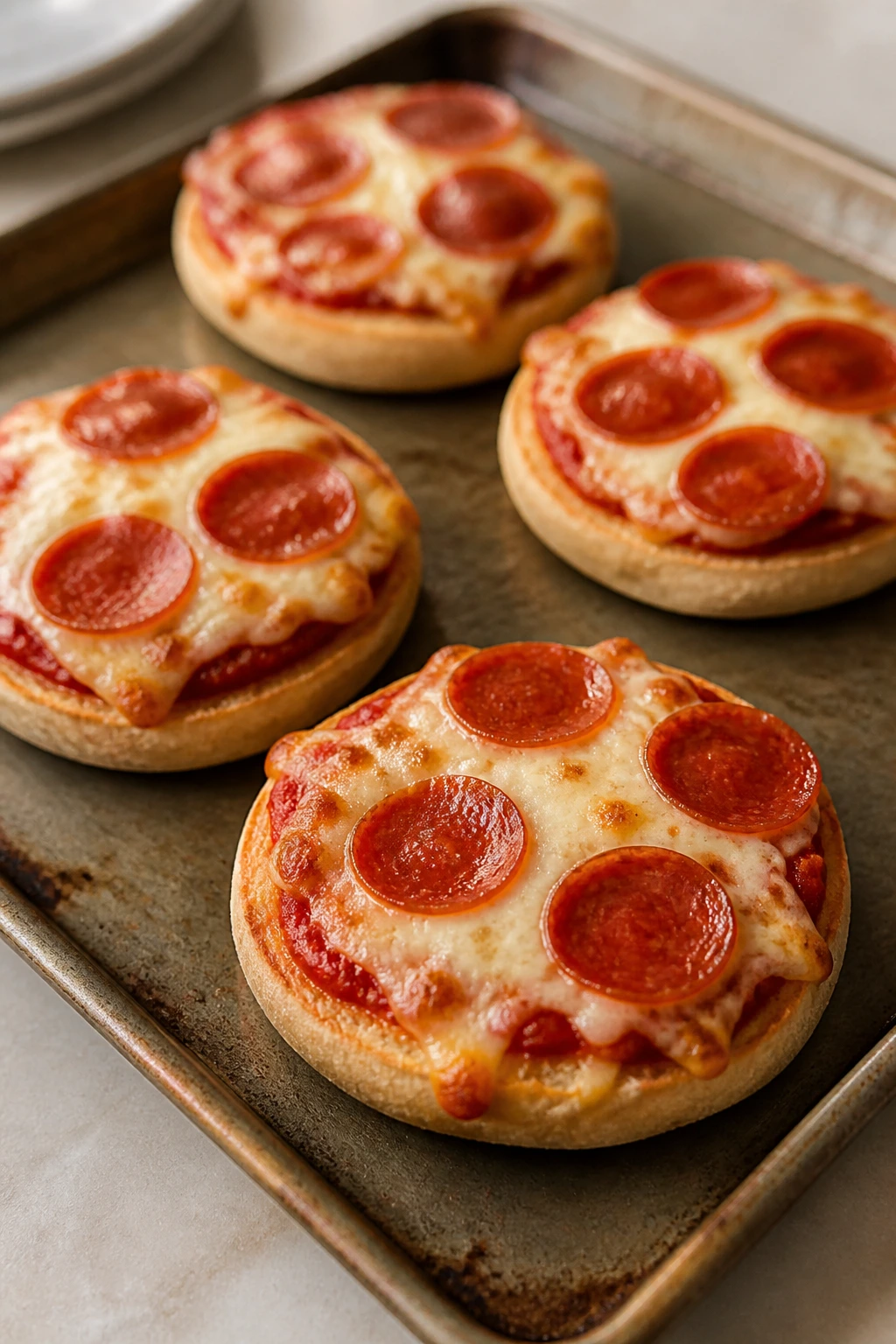
A tray of English muffin pizzas smells like a school-night rescue mission. The edges toast first, the mozzarella goes glossy, and the pepperoni cups into tiny little grease pools that kids somehow find mesmerizing. These are the kind of after-school snack dinners that disappear while the second tray is still cooling.
Why It Works:
English muffins are already split into two neat halves, so there’s no dough to roll and no crust to wrestle with. A light pre-toast keeps the bottoms from going soggy, and the short bake time means the cheese melts before the muffins dry out. They also scale up cleanly, which is handy when one child wants plain cheese and another wants “the spicy circles” — apparently that means pepperoni.
For the Pizzas:
- 4 English muffins, split and lightly toasted
- 1 cup pizza sauce
- 2 cups shredded low-moisture mozzarella
- 16 pepperoni slices
- 2 tablespoons grated Parmesan
- 1/2 teaspoon dried oregano
- 1 tablespoon olive oil
- 1/4 cup sliced olives or diced bell pepper, optional
Quick Steps:
- Preheat the oven to 425°F and line a baking sheet with parchment.
- Split the English muffins and toast them for 3 to 4 minutes, just until the cut sides dry out a bit.
- Brush each muffin half with a little olive oil, then spread on pizza sauce.
- Top with mozzarella, pepperoni, Parmesan, and oregano.
- Bake for 8 to 10 minutes, until the cheese is melted and the edges are golden. Let them sit for 2 minutes before serving.
Equipment for This Recipe:
- Baking sheet
- Parchment paper
- Spoon for spreading sauce
- Toaster or oven for pre-toasting
How to Serve This Dish:
Stack the pizzas on a cutting board and let everyone grab their own. I like to add cucumber spears or apple slices on the side, because the plate needs something cold and crisp next to all that warm cheese. Two halves make a light dinner; four halves turn it into a fuller one.
Pro Tips for This Recipe:
- Pre-toast the muffins. That one step matters more than people think.
- Use low-moisture mozzarella if you can. It melts cleaner and stays less watery.
- If the sauce is thin, simmer it for 5 minutes before spreading.
- A tiny pinch of oregano over the cheese gives the pizzas that old-school pizzeria smell.
Variations on This Dish:
- Veggie Patch Pizzas: Swap pepperoni for finely chopped mushrooms, olives, and bell pepper.
- White Pizza Muffins: Use ricotta, mozzarella, and a little garlic powder instead of red sauce.
- Breakfast-for-Dinner Version: Add scrambled egg and crumbled breakfast sausage after baking.
Common Mistakes to Avoid with This Dish:
- Skipping the toast: Soft muffins get soggy fast, especially with extra sauce.
- Overloading the cheese: Too much cheese slides off and turns the pan into a mess.
- Using wet toppings straight from the fridge: Pat vegetables dry so they do not steam the muffin tops.
2. Cheesy Bean Quesadilla Wedges
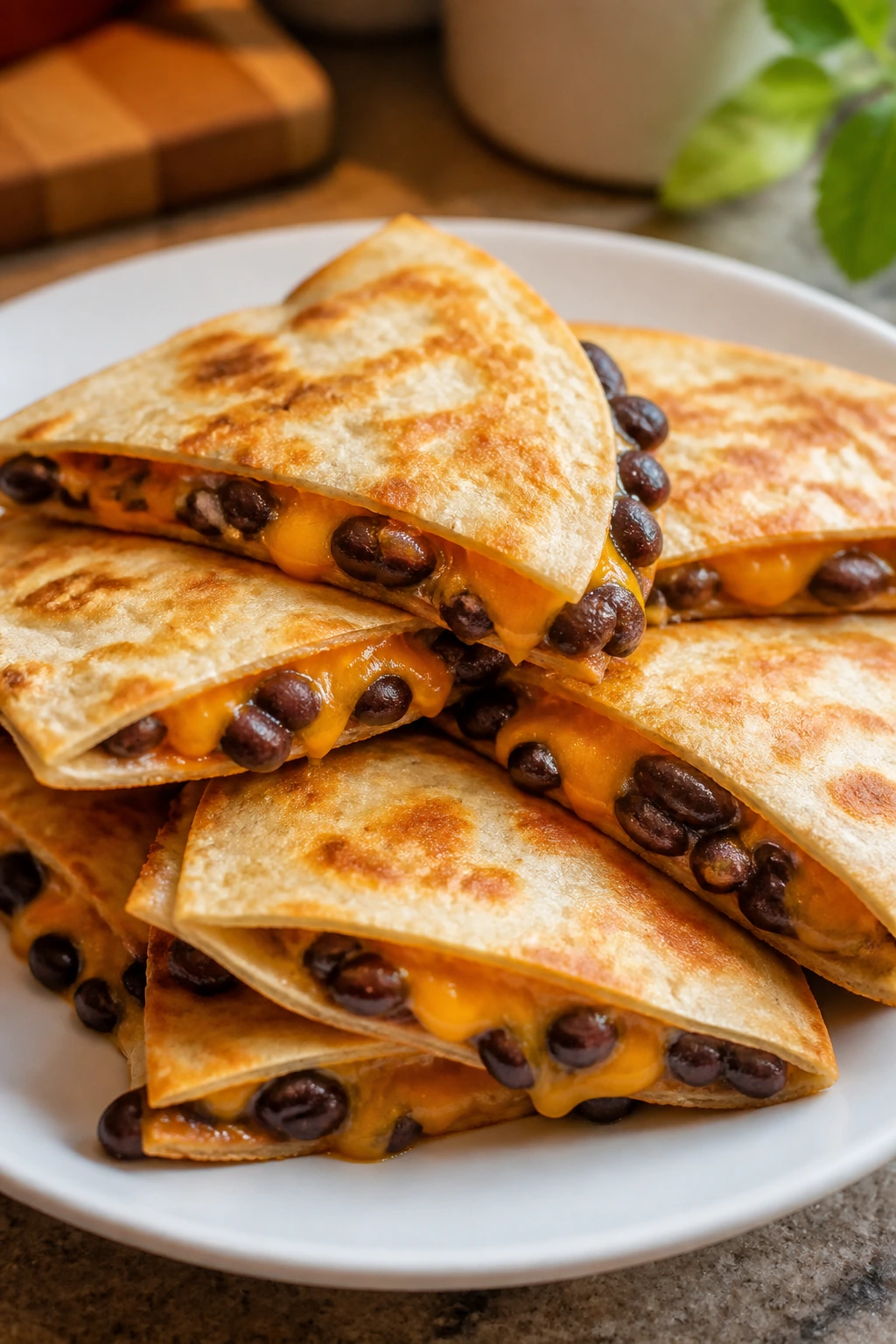
This is the meal that saves me when everyone wants food and nobody wants to sit still. The tortilla goes crisp in the skillet, the cheddar melts into the beans, and the whole thing cuts into tidy wedges that feel more like a snack than a negotiation.
Why It Works:
Beans give the quesadilla enough body to count as dinner, not just an appetizer. Mashing half of them helps everything hold together, so the filling does not slide out at the first bite. A medium skillet and a little butter on the tortilla give you that browned, toasty shell without drying out the center. It’s cheap, fast, and wildly forgiving.
For the Quesadillas:
- 4 8-inch flour tortillas
- 1 can black beans, 15 ounces, drained and rinsed
- 1 1/2 cups shredded cheddar
- 1/2 cup corn kernels, thawed if frozen
- 1/4 cup salsa, drained if watery
- 1 tablespoon butter or neutral oil
- 1/2 teaspoon ground cumin
- 1/4 teaspoon salt
Quick Steps:
- Mash about half the beans with a fork in a bowl, then stir in the remaining beans, corn, salsa, cumin, and salt.
- Heat a large skillet over medium heat and melt a little butter in the pan.
- Lay in one tortilla, spread the bean mixture over half, and scatter cheddar on top.
- Fold the tortilla over and cook for 2 to 3 minutes per side, until deeply golden and the cheese is melted.
- Rest for 1 minute, then cut into wedges.
Equipment for This Recipe:
- Large skillet
- Spatula
- Mixing bowl
- Cutting board or plate for slicing
How to Serve This Dish:
Serve the wedges with extra salsa and a spoonful of sour cream if you like things creamy. A handful of cherry tomatoes or a few carrot sticks gives the plate some crunch. Two wedges make a small dinner; three or four are enough for a hungrier kid or a very normal adult who skipped the afternoon snack.
Pro Tips for This Recipe:
- Drain the salsa if it’s watery. Wet filling makes the tortilla steam instead of crisp.
- Keep the heat at medium. High heat burns the tortilla before the cheese softens.
- If the beans are cold from the fridge, warm the filling for 1 minute in the microwave first.
- A little butter on the outside tastes better than oil here, especially with cheddar.
Variations on This Dish:
- Chicken Taco Quesadillas: Add 1 cup shredded cooked chicken and a pinch of chili powder.
- Green Chile Version: Stir in chopped mild green chiles and use Monterey Jack.
- Breakfast Quesadilla: Replace corn with scrambled egg and a little crumbled bacon.
Common Mistakes to Avoid with This Dish:
- Stuffing the tortilla too full: The filling leaks before the center melts.
- Cooking over high heat: The outside browns too fast and the cheese stays stiff.
- Forgetting to mash some beans: Whole beans alone slide around and make cutting messy.
3. Turkey Meatball Sliders
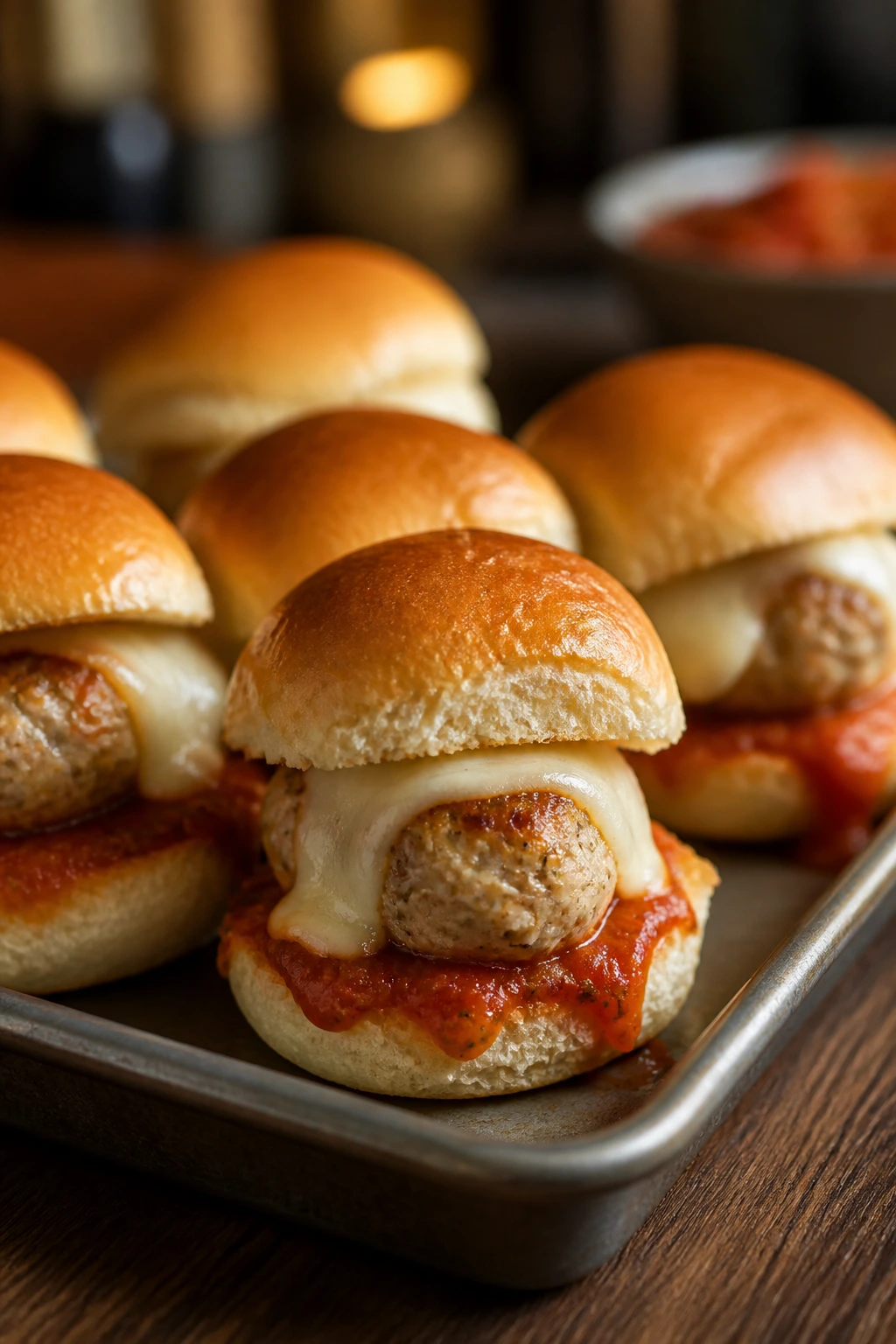
There’s something cheerful about a tray of little meatball sliders. They’re soft, saucy, and easy to eat with one hand, which is probably why kids act like they’re receiving a special event instead of dinner.
Why It Works:
Ground turkey stays tender if you don’t overwork it, and the slider size means the meatballs cook quickly without drying out. Baking them instead of frying keeps the process calmer, and you can warm the sauce in the same pan while the buns get ready. The provolone softens into the bread just enough to glue the whole thing together. That matters. A lot.
For the Sliders:
- 1 pound ground turkey
- 1/2 cup breadcrumbs
- 1 egg
- 1/4 cup grated onion
- 2 cloves garlic, minced
- 2 tablespoons grated Parmesan
- 1 teaspoon salt
- 1/2 teaspoon black pepper
- 1 tablespoon olive oil
- 1 cup marinara sauce
- 8 slider buns
- 4 slices provolone, halved
Quick Steps:
- Preheat the oven to 400°F and line a baking sheet with parchment.
- Mix the turkey, breadcrumbs, egg, onion, garlic, Parmesan, salt, and pepper until just combined.
- Roll the mixture into 12 meatballs and set them on the baking sheet.
- Brush with olive oil and bake for 15 to 17 minutes, until the centers reach 165°F.
- Warm the marinara, split the slider buns, tuck in the meatballs, spoon over sauce, and top with provolone.
Equipment for This Recipe:
- Rimmed baking sheet
- Parchment paper
- Mixing bowl
- Small saucepan for warming sauce
How to Serve This Dish:
Pile the sliders on a platter with pickle chips or a few pepperoncini if the adults like a sharper bite. They go well with baked potato chips, baby carrots, or a simple cucumber salad. Two sliders is a child-sized dinner; three usually satisfies a grown-up who’s still pacing the kitchen.
Pro Tips for This Recipe:
- Grate the onion finely so the meatballs stay tender.
- Use a light hand when mixing. Packed turkey turns dense fast.
- If the buns are soft, toast them cut-side down for 30 seconds in a dry skillet.
- Sauce goes on the bread, then the meatball. That order keeps the bun from getting soggy.
Variations on This Dish:
- Beefy Diner Sliders: Swap in ground beef and add a thin slice of cheddar.
- Italian Herb Version: Mix chopped parsley and a pinch of dried basil into the meatball mix.
- Dairy-Free Option: Skip the provolone and add a little extra marinara.
Common Mistakes to Avoid with This Dish:
- Packing the meatballs too tightly: Dense meatballs lose the soft texture that makes sliders work.
- Under-seasoning the mixture: Turkey needs salt and onion more than beef does.
- Using cold sauce straight from the jar: Warm sauce clings better and keeps the meatballs hot.
4. Crispy Oven Chicken Tenders
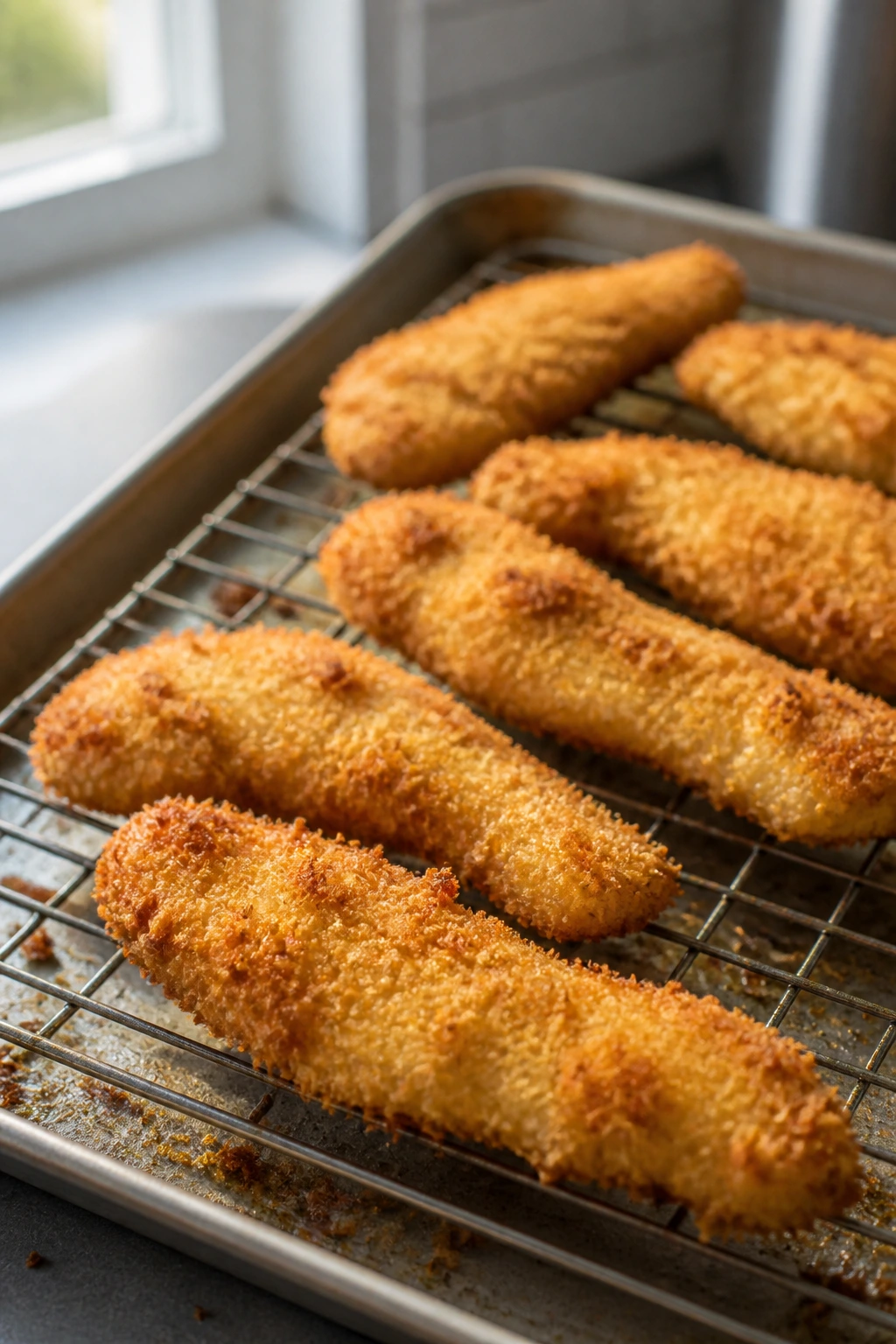
Chicken tenders are the rare dinner that can look like a treat and still behave like actual food. When they come out of the oven with a browned panko crust, kids notice. Adults notice too, usually because they’re stealing the first one before anyone sits down.
Why It Works:
A three-step breading station gives the coating enough structure to crisp in the oven, and the rack keeps hot air moving under the chicken so the bottom does not go limp. Panko is the move here. Regular breadcrumbs can work, but panko gives you that shattery edge that holds up to dipping. And yes, you should cook the chicken to 165°F, not “until it looks done.” The difference matters.
For the Chicken Tenders:
- 1 1/2 pounds chicken tenders
- 1 cup all-purpose flour
- 2 eggs
- 2 cups panko breadcrumbs
- 1 teaspoon paprika
- 1 teaspoon garlic powder
- 1 teaspoon salt
- 1/2 teaspoon black pepper
- Cooking spray or 2 tablespoons neutral oil
Quick Steps:
- Preheat the oven to 425°F and place a wire rack on a baking sheet.
- Set out three bowls: flour in one, beaten eggs in the second, and panko mixed with paprika, garlic powder, salt, and pepper in the third.
- Dredge each tender in flour, dip in egg, then coat in panko and press lightly so the crumbs stick.
- Set the tenders on the rack, spray lightly with oil, and bake for 18 to 20 minutes, flipping once halfway through.
- Remove when the crust is golden and the chicken reaches 165°F in the center.
Equipment for This Recipe:
- Wire rack
- Rimmed baking sheet
- Three shallow bowls
- Tongs or one dry hand and one wet hand
How to Serve This Dish:
Set the tenders beside honey mustard, barbecue sauce, or ranch and let people dip without ceremony. Add carrot sticks, celery, or apple slices if you want the plate to feel fuller. Three tenders is a solid dinner portion for a child; four or five works for an adult with a hungry afternoon behind them.
Pro Tips for This Recipe:
- Pat the chicken dry before breading. Moisture is the enemy of crisp coating.
- Use one hand for dry ingredients and one for wet so your fingers do not turn into breaded bricks.
- A light oil spray helps the panko brown in the oven.
- Let the tenders rest for 3 minutes before serving so the juices settle.
Variations on This Dish:
- Parmesan Chicken Tenders: Mix 1/2 cup grated Parmesan into the panko.
- Spicy Version: Add 1/2 teaspoon cayenne to the crumb mixture.
- Gluten-Free Version: Use gluten-free flour and crushed gluten-free cornflakes instead of panko.
Common Mistakes to Avoid with This Dish:
- Skipping the rack: Tenders on a flat pan steam underneath.
- Overcrowding the pan: If the pieces touch, the coating softens.
- Serving before the chicken rests: The first cut can send juices running out onto the plate.
5. Ham and Cheese Crescent Roll-Ups
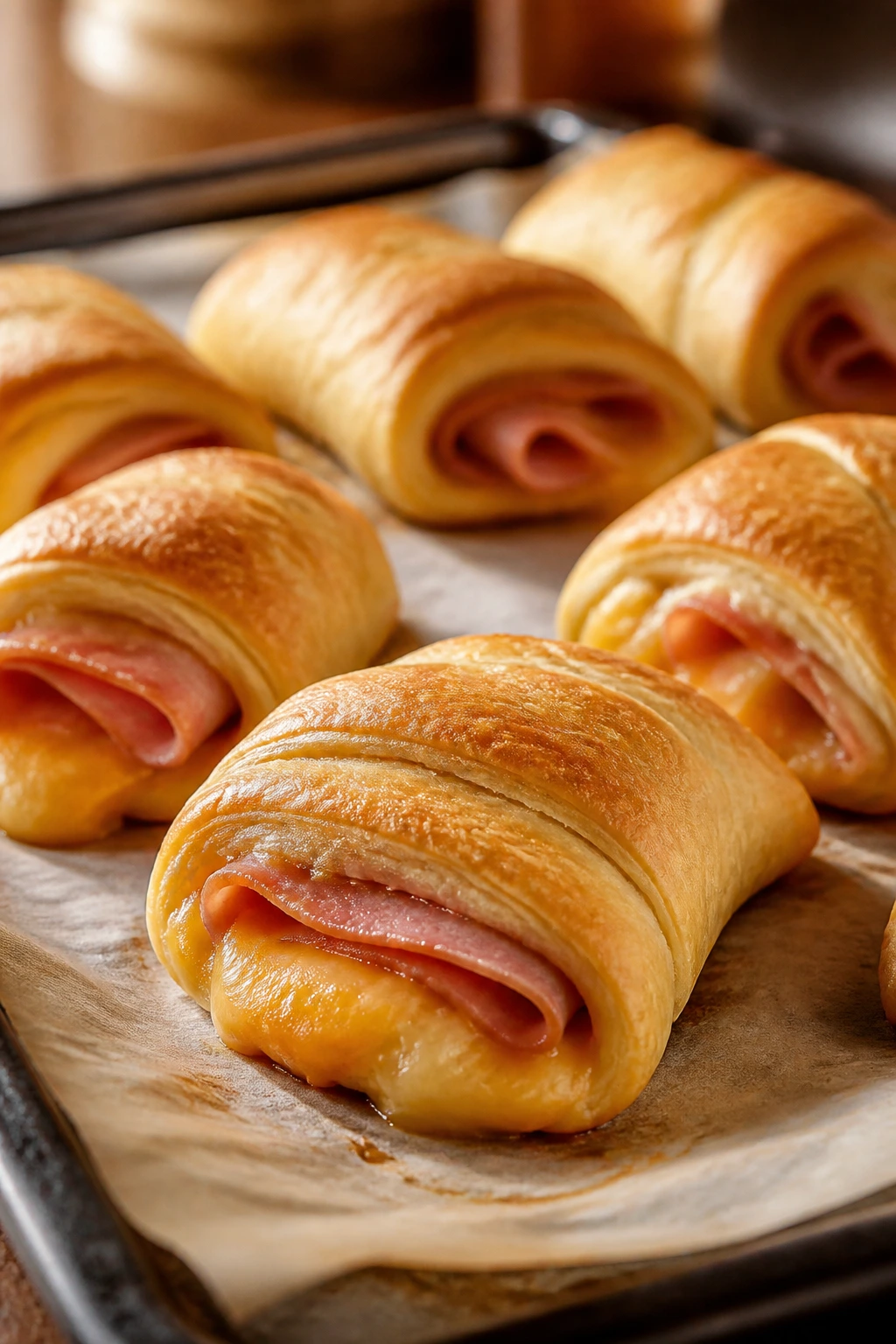
These are little pockets of soft dough, melted cheese, and salty ham that vanish faster than you’d expect. They feel snacky enough for an after-school plate, but they eat like a proper meal when you add soup or fruit on the side.
Why It Works:
Crescent dough bakes quickly and turns golden at the seams, which gives you a soft, buttery shell without making the kitchen hot for an hour. Ham and cheese are already a familiar pair, so you don’t spend time convincing anyone. A little Dijon adds back some sharpness, which keeps the rolls from tasting flat. Tiny detail. Big payoff.
For the Roll-Ups:
- 2 cans refrigerated crescent roll dough, 8 ounces each
- 8 slices ham
- 8 slices Swiss or cheddar
- 2 teaspoons Dijon mustard
- 1 tablespoon melted butter
- 1 teaspoon poppy seeds or sesame seeds
- Black pepper, to taste
Quick Steps:
- Preheat the oven to 375°F and line a baking sheet with parchment.
- Unroll the crescent dough and separate it into triangles.
- Spread a thin swipe of Dijon on each triangle, then layer ham and cheese near the wide end.
- Roll the dough up from the wide end to the tip and place seam-side down on the baking sheet.
- Brush with melted butter, sprinkle with poppy seeds and pepper, then bake for 12 to 14 minutes until puffed and golden.
Equipment for This Recipe:
- Baking sheet
- Parchment paper
- Pastry brush or spoon
- Butter knife for spreading mustard
How to Serve This Dish:
Serve warm with apple slices or a bowl of tomato soup if you want the meal to feel fuller. They also work well with a few pickles, which cut the richness of the cheese. Two roll-ups make a light dinner; four with soup is a much sturdier one.
Pro Tips for This Recipe:
- Keep the filling thin. Crescent dough tears if you try to stuff it like a calzone.
- Press the seams closed so cheese does not leak out.
- Use deli ham sliced thin, not thick slabs.
- If the tops brown too fast, lay foil loosely over the tray for the last few minutes.
Variations on This Dish:
- Pizza Roll-Up: Use mozzarella, a spoon of pizza sauce, and a pinch of oregano.
- Turkey Club Roll-Up: Swap in turkey and add a tiny bit of crispy bacon.
- Vegetarian Option: Use sautéed spinach and shredded cheddar instead of ham.
Common Mistakes to Avoid with This Dish:
- Overfilling the triangles: The filling bursts out and scorches on the pan.
- Not sealing the seam side down: The rolls can unravel as they bake.
- Serving too hot: The cheese needs a minute to stop being molten lava.
6. Taco Pasta Skillet
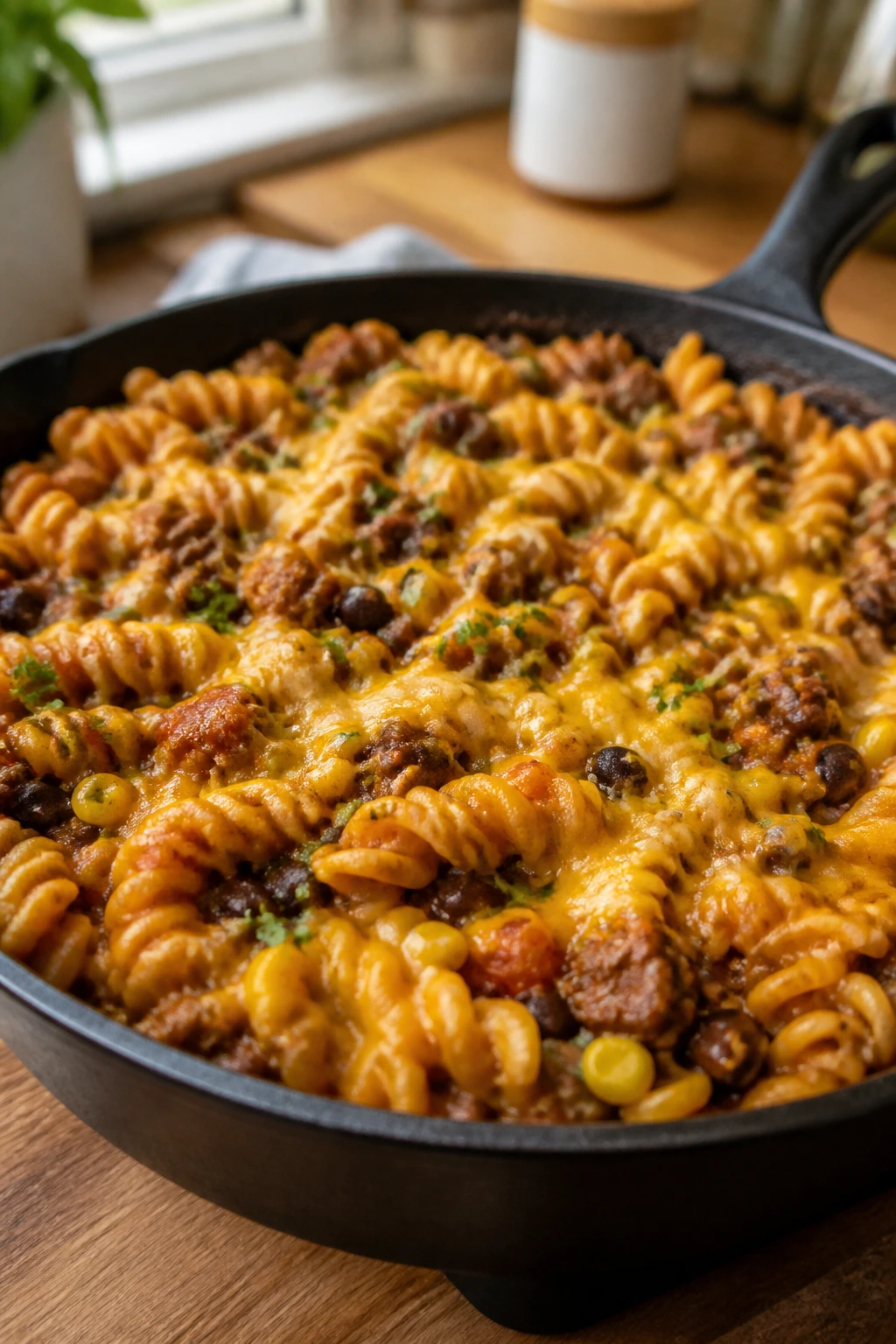
This is the kind of dinner that smells like a shortcut in the best way. The pasta cooks right in the seasoned sauce, the beans make it hearty, and the cheddar melts into the noodles in that stretchy, slightly sticky way kids always seem to love.
Why It Works:
Cooking the pasta in the same skillet as the sauce saves time and also lets the noodles drink up the taco seasoning instead of getting boiled, drained, and left to sit. Ground beef gives you a savory base, but ground turkey works too. The black beans and corn make the skillet feel fuller, which matters when this is dinner and not a side dish pretending to be dinner.
For the Skillet:
- 12 ounces rotini
- 1 pound ground beef or ground turkey
- 1 tablespoon neutral oil, if needed
- 1 packet taco seasoning or 2 tablespoons homemade seasoning
- 2 cups low-sodium broth
- 1 cup salsa
- 1 can black beans, 15 ounces, drained and rinsed
- 1 cup corn kernels
- 1 1/2 cups shredded cheddar
- 2 tablespoons chopped cilantro, optional
Quick Steps:
- Brown the ground meat in a deep skillet over medium-high heat, breaking it up until no pink remains.
- Stir in the taco seasoning, then add the rotini, broth, salsa, black beans, and corn.
- Bring the mixture to a boil, then lower the heat and simmer uncovered for 11 to 13 minutes, stirring now and then, until the pasta is tender and most of the liquid is absorbed.
- Turn off the heat, stir in half the cheese, and scatter the rest over the top.
- Cover for 2 minutes so the cheese melts, then finish with cilantro if you want it.
Equipment for This Recipe:
- Deep 12-inch skillet or sauté pan
- Wooden spoon
- Measuring cups
- Lid that fits the skillet
How to Serve This Dish:
Spoon it into shallow bowls and add tortilla chips on the side for crunch. A little shredded lettuce or a squeeze of lime wakes the whole pan up. It serves well as a one-bowl meal, which is handy when homework starts right after plates are cleared.
Pro Tips for This Recipe:
- Stir every couple of minutes so the pasta cooks evenly.
- Use low-sodium broth if your taco seasoning is salty.
- If the skillet looks dry before the pasta is tender, add 1/4 cup more broth.
- Take the pan off the heat before adding all the cheese so it melts instead of clumping.
Variations on This Dish:
- Creamy Taco Pasta: Stir in 1/4 cup sour cream at the end.
- Vegetarian Taco Skillet: Leave out the meat and add an extra can of beans.
- Milder Kid Version: Use plain tomato sauce instead of salsa.
Common Mistakes to Avoid with This Dish:
- Not using a deep enough skillet: Pasta needs room to move.
- Adding too little liquid: The noodles stay firm in the center.
- Dumping in cheese while the skillet is boiling: The sauce can turn grainy.
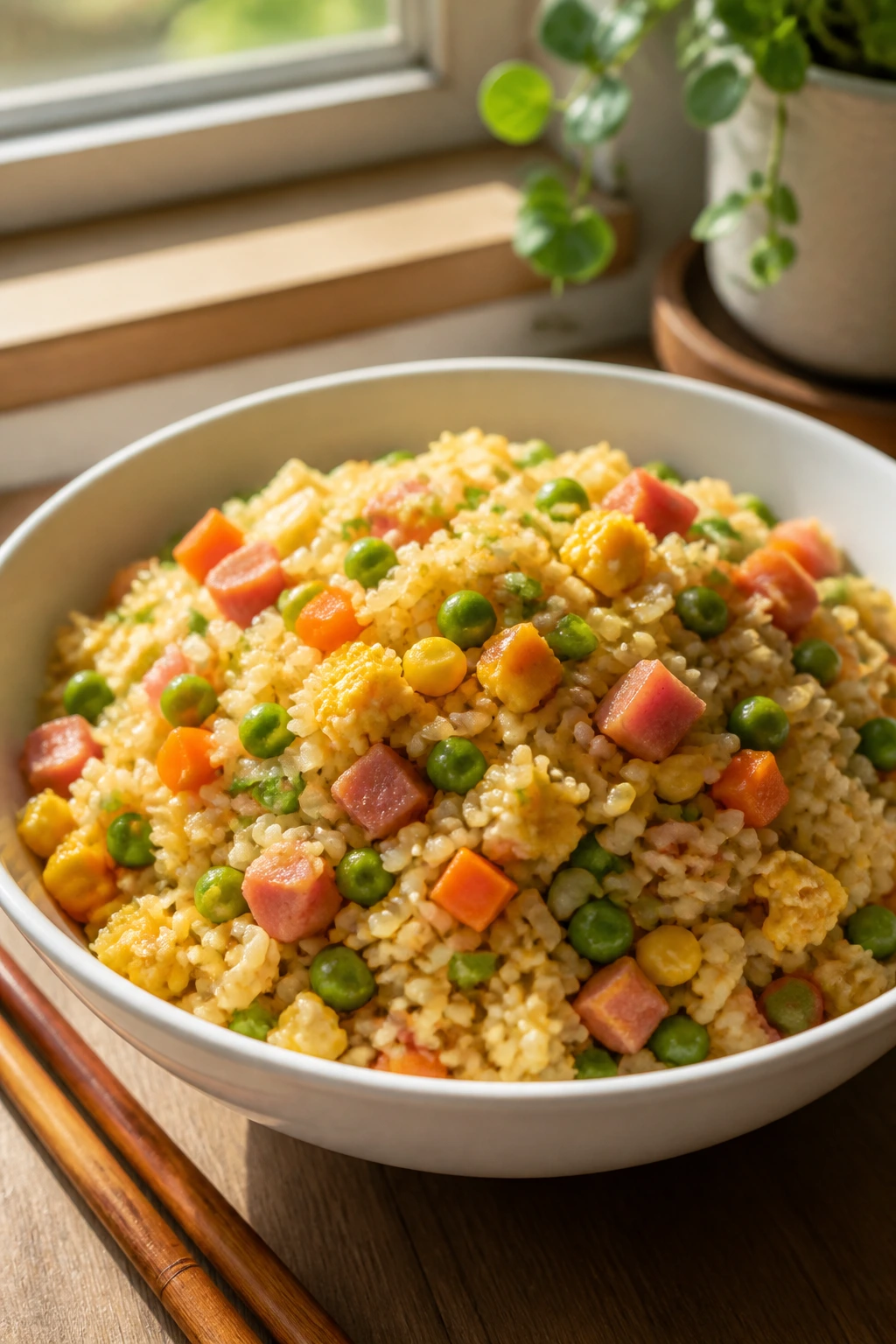
7. Veggie Fried Rice
Fried rice is one of those meals that looks like it took more effort than it did. The rice gets a little crisp in the pan, the eggs cut through the soy sauce, and the vegetables give you enough color to make the bowl look alive.
Why It Works:
Cold rice is the secret. Fresh rice clumps and steams, while day-old rice fries up with separate grains and a nicer bite. The whole dish moves quickly once the pan is hot, so it fits that late-afternoon window when everyone is circling the kitchen and asking when food will happen. It’s also a smart clean-out-the-fridge meal, which I say with affection. Fridge cooking can be excellent.
For the Fried Rice:
- 3 cups cold cooked rice
- 2 eggs
- 2 cups mixed vegetables, frozen or diced
- 1 cup diced ham or edamame
- 3 tablespoons soy sauce
- 1 tablespoon sesame oil
- 2 tablespoons neutral oil
- 2 scallions, sliced
- 1 garlic clove, minced
Quick Steps:
- Heat 1 tablespoon neutral oil in a large skillet over medium-high heat and scramble the eggs until just set. Move them to a plate.
- Add the remaining oil, then sauté the vegetables and garlic for 2 to 3 minutes.
- Stir in the cold rice and ham or edamame, breaking up clumps with your spoon.
- Drizzle in soy sauce and sesame oil, then cook for 3 to 4 minutes until the rice is hot and some bits are lightly crisp.
- Fold the eggs back in and finish with scallions.
Equipment for This Recipe:
- Large skillet or wok
- Spatula or wooden spoon
- Plate for the scrambled eggs
- Small bowl for cracking eggs
How to Serve This Dish:
Serve it in shallow bowls with orange slices or pineapple on the side. A few sesame seeds or extra scallions make it look finished with almost no effort. It can stand alone, but a small dish of cucumber sticks makes the plate feel fresher.
Pro Tips for This Recipe:
- Chill the rice before cooking if you can. Warm rice is stickier and harder to fry.
- Keep the pan hot enough that the rice sizzles when it hits the oil.
- Salt carefully because soy sauce already brings plenty of sodium.
- Chop the vegetables small so they cook in the same time as the rice.
Variations on This Dish:
- Chicken Fried Rice: Add 1 cup shredded cooked chicken.
- Pineapple Fried Rice: Stir in 1/2 cup diced pineapple at the end.
- Spicy Sesame Version: Add chili crisp or a splash of sriracha.
Common Mistakes to Avoid with This Dish:
- Using freshly cooked rice: It turns clumpy and soft.
- Crowding the pan: The rice steams instead of frying.
- Pouring in too much soy sauce at once: The grains get soggy and dark.
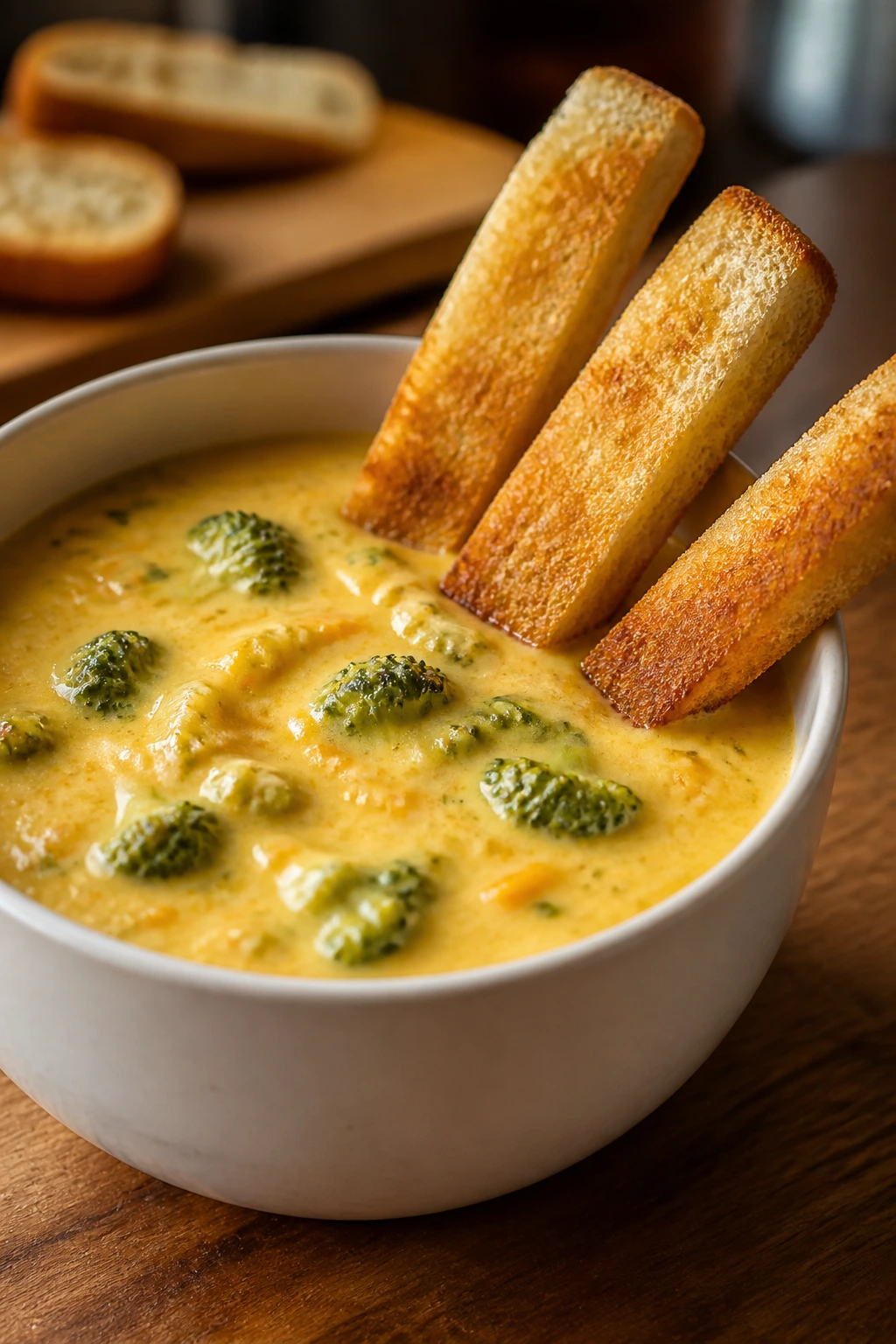
8. Broccoli Cheddar Soup with Toast Soldiers
Some evenings need a bowl that feels like a reset button. Broccoli cheddar soup does that job well. It’s creamy without being heavy, and the toast soldiers give kids something to dunk, which always buys goodwill at the table.
Why It Works:
A simple roux thickens the soup without making it gluey, and the broccoli softens just enough to stay green instead of collapsing into mush. Cheddar melts best when the heat is off or very low, which is why the cheese goes in at the end. If you boil it, the texture goes grainy. If you treat it gently, it turns silky and clingy in the good way.
For the Soup:
- 2 tablespoons butter
- 1 small onion, diced
- 1 carrot, diced small
- 2 tablespoons all-purpose flour
- 2 cups low-sodium chicken or vegetable broth
- 3 cups milk
- 4 cups broccoli florets, chopped small
- 2 cups shredded sharp cheddar
- 1/2 teaspoon salt
- 1/4 teaspoon black pepper
- 4 thick slices bread
- 1 tablespoon butter, softened, for the toast
Quick Steps:
- Melt the butter in a soup pot over medium heat and cook the onion and carrot for 4 to 5 minutes until the onion turns translucent.
- Stir in the flour and cook for 1 minute.
- Whisk in the broth and milk, then add the broccoli, salt, and pepper.
- Simmer for 12 to 15 minutes until the broccoli is tender.
- Turn off the heat, stir in the cheddar until smooth, and toast the bread under the broiler or in a toaster until golden. Butter the toast and cut into strips.
Equipment for This Recipe:
- Soup pot
- Whisk
- Cutting board and knife
- Broiler-safe tray or toaster
How to Serve This Dish:
Ladle it into mugs or shallow bowls and hand out the toast strips for dipping. A little extra cheddar on top looks nice, but a few black pepper flecks are enough if you want to keep it simple. Pair it with an apple or pear to brighten the bowl.
Pro Tips for This Recipe:
- Chop the broccoli small so it cooks at the same pace as the carrot.
- Add the cheese off the heat.
- If you want a smoother soup, mash a few florets with the back of the spoon.
- Use sharp cheddar, not mild. The flavor stands up better in a creamy base.
Variations on This Dish:
- Cauliflower Cheddar Soup: Replace half the broccoli with cauliflower florets.
- Extra-Protein Version: Stir in shredded chicken at the end.
- Dairy-Light Bowl: Use evaporated milk for part of the milk and reduce the cheese slightly.
Common Mistakes to Avoid with This Dish:
- Boiling after adding cheese: The soup can split.
- Leaving the broccoli in huge florets: The texture turns awkward.
- Skipping enough salt: Cheddar needs it or the soup tastes flat.
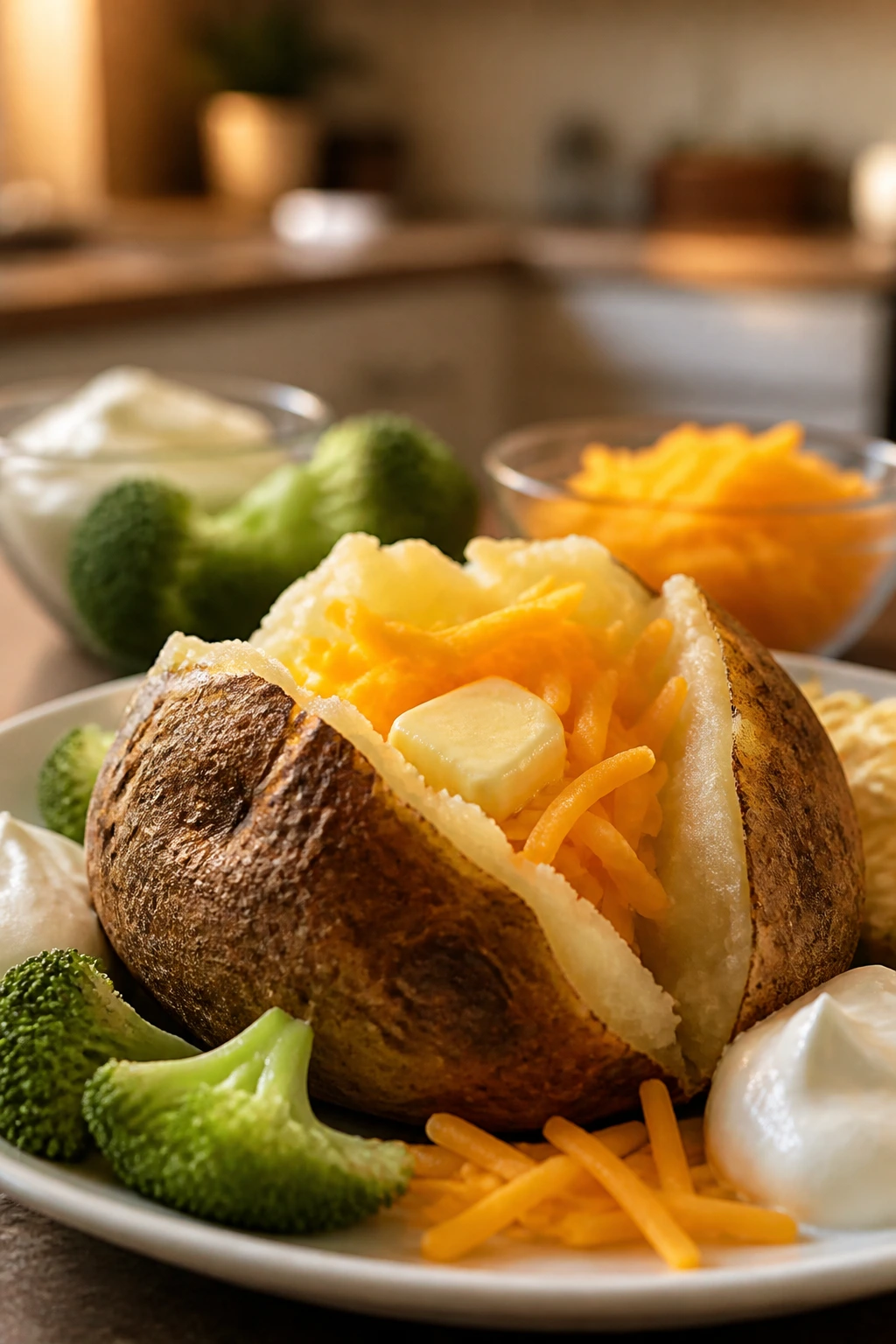
9. Baked Potato Bar with Quick Toppings
A baked potato bar is what I make when I want dinner to feel casual on purpose. The potatoes come out fluffy, the skins get crisp, and the toppings let everyone build the bowl they actually want instead of the bowl I guessed they wanted.
Why It Works:
Russet potatoes have the right starchy interior for this. Bake them long enough and the flesh turns light and dry, which gives you room for butter, cheese, broccoli, beans, bacon, or sour cream without the whole thing turning wet. It is also one of the easiest ways to feed mixed ages at one table, because the five-year-old can make a plain potato and the teenager can pile on everything.
For the Potato Bar:
- 4 russet potatoes, 10 to 12 ounces each
- 1 tablespoon olive oil
- 1 teaspoon kosher salt
- 2 tablespoons butter
- 1 cup shredded cheddar
- 1 cup steamed broccoli florets
- 1 cup cooked bacon bits or drained black beans
- 1 cup sour cream or plain Greek yogurt
- 3 scallions, sliced
Quick Steps:
- Preheat the oven to 425°F. Scrub the potatoes dry, prick them several times with a fork, rub with olive oil, and sprinkle with salt.
- Place the potatoes directly on the oven rack or on a baking sheet and bake for 50 to 60 minutes, until a knife slides through easily.
- Split the potatoes open, fluff the insides with a fork, and add butter first.
- Set out the toppings in small bowls and let everyone build their own.
Equipment for This Recipe:
- Baking sheet, if you do not want potatoes directly on the rack
- Fork for pricking and fluffing
- Small bowls for toppings
- Sharp knife
How to Serve This Dish:
Serve the potatoes with a green salad or just a bowl of cut fruit if you want a low-fuss plate. The bar setup works best when the toppings are separated and easy to scoop. One potato is usually enough for a child, while two smaller potatoes can handle an adult portion if dinner is standing in for something else.
Pro Tips for This Recipe:
- Salt the skin before baking. That is where half the flavor lives.
- If you need them faster, microwave first for 6 to 8 minutes, then finish in the oven for crisp skin.
- Warm the toppings that should be warm, like broccoli and beans.
- Fluff the potato flesh before piling on toppings so the butter melts into the middle.
Variations on This Dish:
- Chili Potatoes: Spoon warm chili over the split potato.
- Vegetarian Loaded Potato: Use black beans, corn, and salsa.
- Breakfast Potato: Add scrambled eggs and shredded cheese.
Common Mistakes to Avoid with This Dish:
- Underbaking the potatoes: The centers stay waxy.
- Forgetting to fluff the inside: The toppings sit on a dense lump.
- Serving cold toppings straight from the fridge: The potato cools too fast.
10. Chicken Caesar Wraps
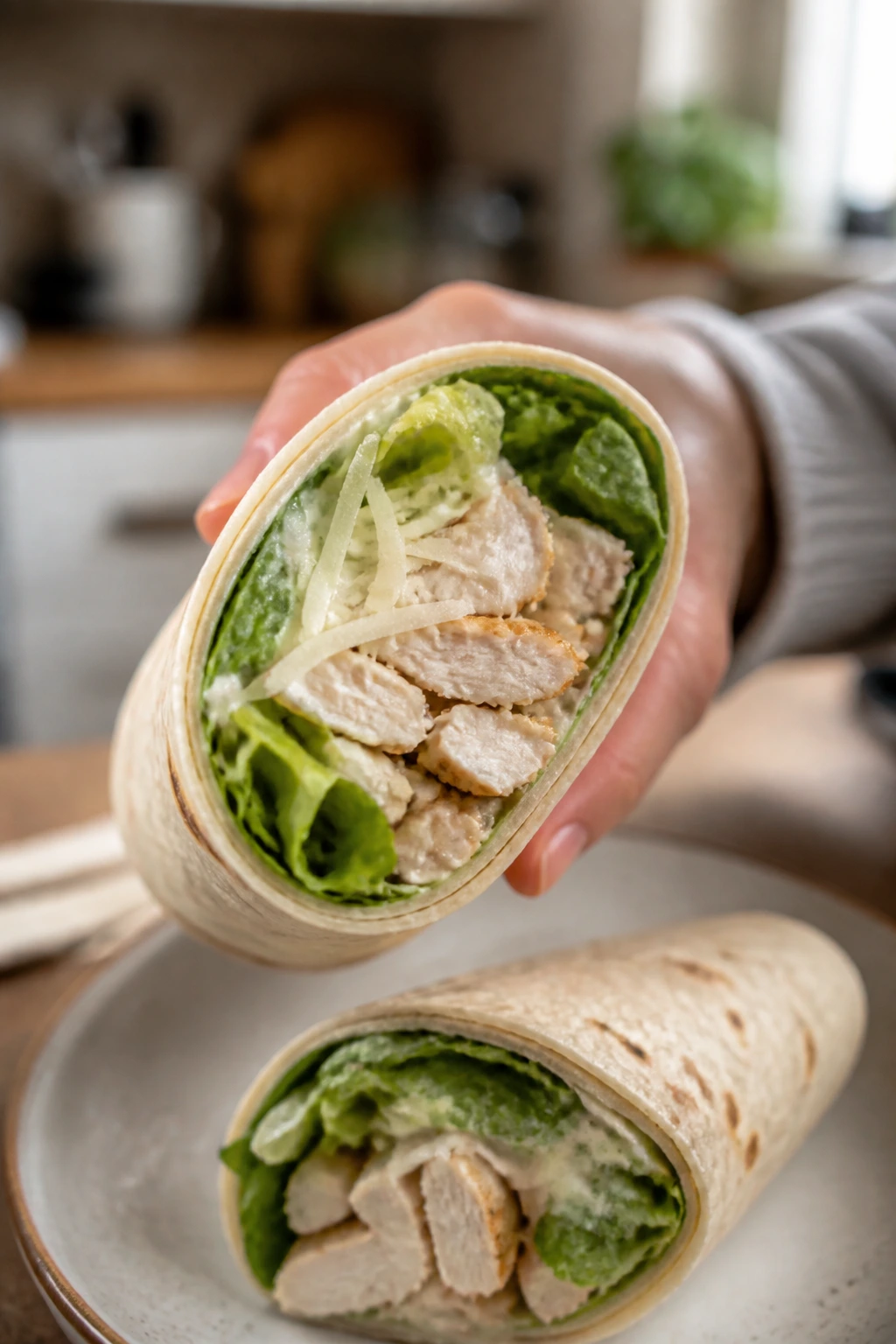
Chicken Caesar wraps are what I reach for when I want dinner to feel fresh but not fragile. They’re crunchy, creamy, salty, and easy to hold, which makes them ideal for a kitchen where people are eating in shifts.
Why It Works:
The dressing coats the chicken and romaine just enough to cling without soaking through the tortilla, as long as you add the croutons right before rolling. Parmesan brings the salt, romaine brings the crunch, and the wrap format keeps everything portable. If you toast the seam in a skillet for 1 minute, the tortilla holds together better and the wrap feels finished instead of slapped together.
For the Wraps:
- 3 cups cooked chicken, chopped or shredded
- 1/2 cup Caesar dressing
- 2 cups romaine lettuce, chopped
- 1/2 cup grated Parmesan
- 1 cup croutons
- 4 large flour tortillas
- Black pepper, to taste
- 1 lemon, cut into wedges
Quick Steps:
- Toss the chicken with Caesar dressing in a bowl.
- Fold in the romaine and Parmesan.
- Add the croutons right before filling the tortillas so they stay crisp.
- Spoon the filling into the center of each tortilla, roll tightly, and tuck the ends in if you can.
- Toast seam-side down in a dry skillet for 1 minute per side, or serve as-is with lemon on the side.
Equipment for This Recipe:
- Mixing bowl
- Skillet, optional but useful
- Cutting board
- Sharp knife
How to Serve This Dish:
Cut the wraps in half on a diagonal so the filling shows, then plate them with grapes or cherry tomatoes. If you want a fuller dinner, add a cup of soup or a handful of chips. One wrap is a light meal; half a wrap is a snack-sized plate for younger kids.
Pro Tips for This Recipe:
- Keep the dressing amount modest. Too much makes the tortilla soggy.
- Add the croutons last.
- Use chilled romaine for a cleaner crunch.
- If the tortillas crack, warm them for 10 seconds in the microwave first.
Variations on This Dish:
- Buffalo Chicken Wraps: Swap Caesar for buffalo sauce and ranch.
- Chickpea Caesar Wraps: Use mashed chickpeas instead of chicken.
- Gluten-Free Option: Serve the filling in lettuce cups or gluten-free wraps.
Common Mistakes to Avoid with This Dish:
- Overstuffing the tortilla: It tears before you can roll it.
- Adding croutons too early: They go soft in minutes.
- Using warm lettuce: The wrap loses its snap.
11. Mini Frittata Muffins
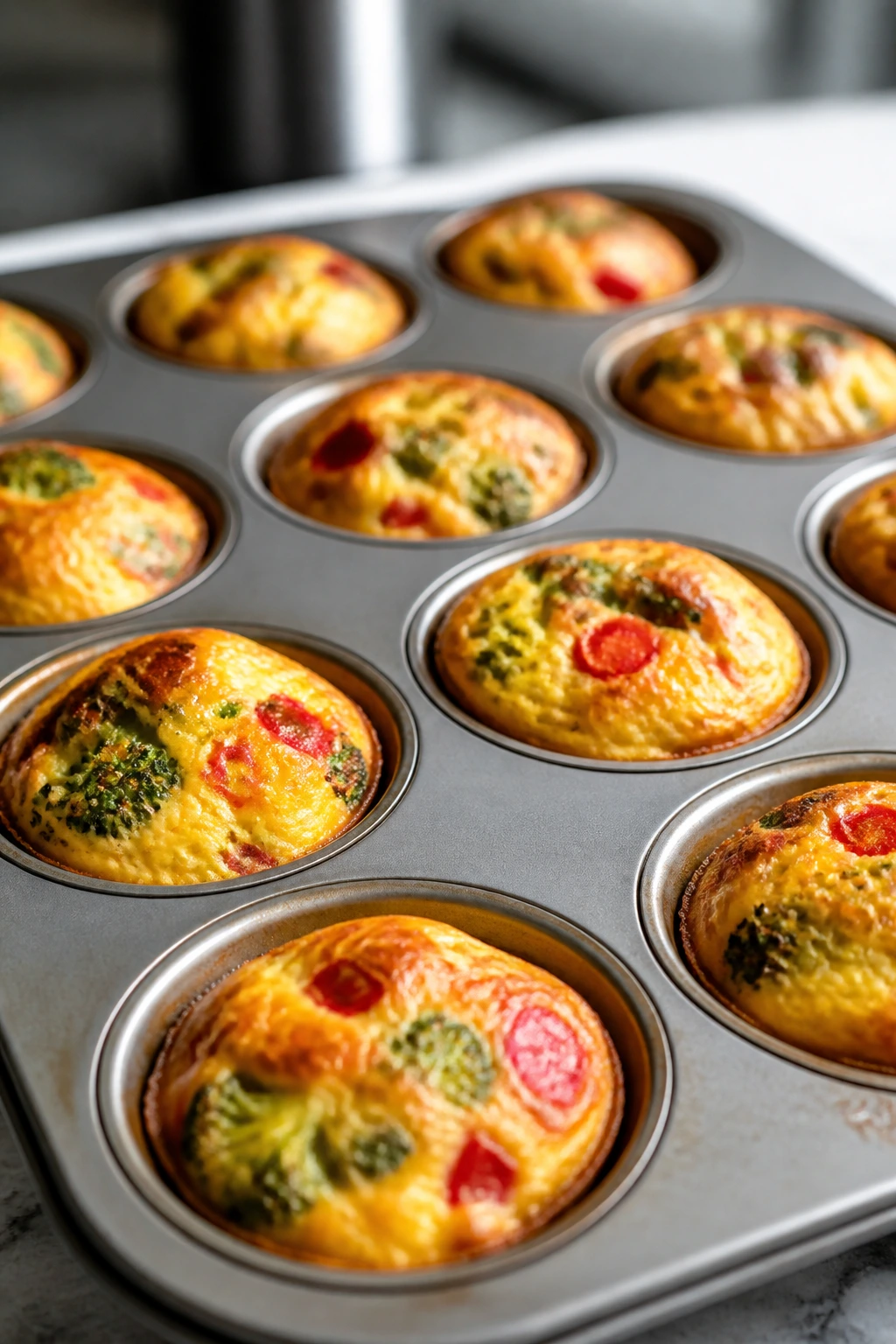
These little egg muffins are the sort of thing that quietly solve problems. They’re tidy, protein-forward, and easy to eat one-handed if somebody is also trying to finish a math worksheet at the table.
Why It Works:
Eggs set quickly in a muffin tin, and the small size keeps the texture tender instead of rubbery. You can tuck ham, spinach, or peppers into the mix without turning it into a full frittata project. They also reheat well, which makes them one of the better snacks-to-dinner hybrids on this list.
For the Frittata Muffins:
- 8 eggs
- 1/4 cup milk
- 1 cup diced ham or cooked spinach
- 1/2 cup shredded cheddar
- 1/4 cup diced red bell pepper
- 1/4 teaspoon salt
- 1/4 teaspoon black pepper
- 1 tablespoon olive oil
Quick Steps:
- Preheat the oven to 375°F and grease a 12-cup muffin tin well with olive oil.
- Whisk the eggs, milk, salt, and pepper in a bowl.
- Stir in the ham or spinach, cheddar, and bell pepper.
- Pour into the muffin cups, filling each about three-quarters full.
- Bake for 15 to 18 minutes, until puffed and just set in the center. Let them cool for 5 minutes before lifting out.
Equipment for This Recipe:
- 12-cup muffin tin
- Mixing bowl
- Whisk
- Measuring cup or ladle for portioning
How to Serve This Dish:
Serve with toast, fruit, or a few sliced tomatoes on the side. Two muffins make a light dinner for a child, while three or four are a better fit for an adult. They also look nice on a platter with a spoonful of salsa tucked nearby.
Pro Tips for This Recipe:
- Grease the tin well or use silicone liners. Eggs can stick hard.
- Don’t overfill the cups; they puff and spill if you do.
- Let them rest before removing so they hold their shape.
- Chop add-ins small so every bite gets a little of everything.
Variations on This Dish:
- Spinach and Feta Muffins: Swap cheddar for feta and add chopped spinach.
- Bacon Breakfast Muffins: Use cooked bacon and a sprinkle of chives.
- Mexican Egg Muffins: Add salsa, Monterey Jack, and a pinch of cumin.
Common Mistakes to Avoid with This Dish:
- Baking until the centers are dry: They keep cooking in the hot tin.
- Skipping the grease: The muffins tear apart on removal.
- Using too many wet vegetables: The eggs turn watery.
12. BBQ Chicken Flatbreads
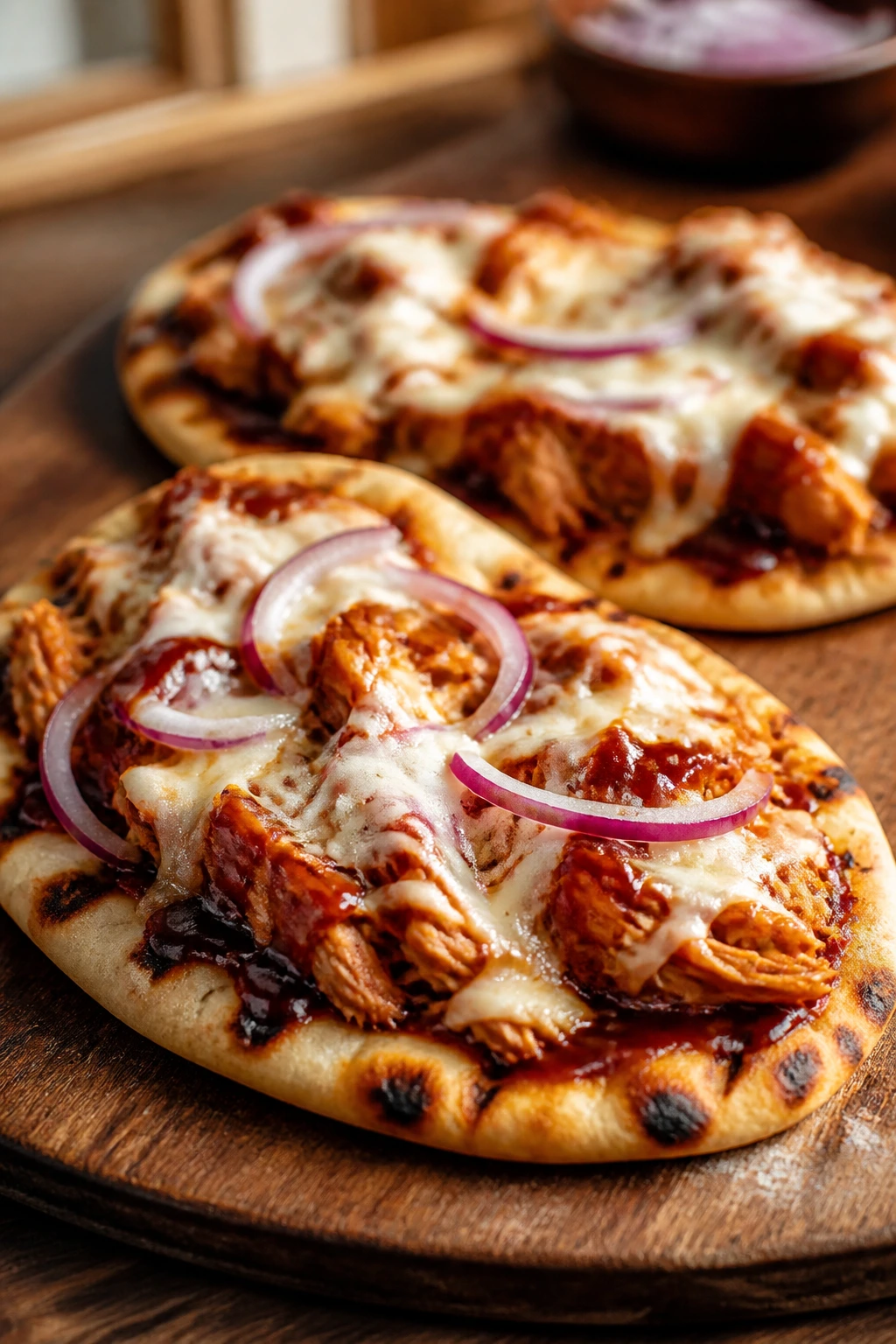
Flatbreads are the unsung shortcut of the dinner hour. They give you a crisp base, a smoky-sweet sauce, and enough cheese to make the whole thing feel deliberate even when it took less than 15 minutes to assemble.
Why It Works:
Naan or flatbread bakes faster than pizza dough, so the edges crisp before the toppings dry out. The barbecue sauce brings sweetness and tang, and the chicken turns the flatbread into a real meal instead of a fancy snack. Red onion adds bite, which keeps the whole thing from leaning too sweet.
For the Flatbreads:
- 2 naan or flatbreads
- 2 cups shredded cooked chicken
- 1/2 cup barbecue sauce
- 1 1/2 cups shredded mozzarella
- 1/2 red onion, thinly sliced
- 1 tablespoon olive oil
- 2 tablespoons chopped cilantro, optional
Quick Steps:
- Preheat the oven to 425°F and place the flatbreads on a baking sheet.
- Brush lightly with olive oil, then spread barbecue sauce over each one.
- Scatter the chicken, red onion, and mozzarella on top.
- Bake for 8 to 10 minutes, until the cheese melts and the edges are browned.
- Finish with cilantro if using, then slice into strips or squares.
Equipment for This Recipe:
- Baking sheet
- Knife or pizza cutter
- Spoon for spreading sauce
- Optional parchment for easy cleanup
How to Serve This Dish:
Cut the flatbreads into long strips so they feel snacky and easy to share. They’re excellent with a side of coleslaw or carrot sticks, and a little extra barbecue sauce on the side is never a bad idea. One flatbread usually feeds two smaller appetites or one very hungry one.
Pro Tips for This Recipe:
- Keep the sauce layer thin or the crust gets soft.
- Shred the chicken finely so the pieces stay on the flatbread.
- Slice the onion paper-thin so it softens during the bake.
- If the bottom needs more color, finish the flatbread under the broiler for 30 seconds.
Variations on This Dish:
- Hawaiian Flatbread: Add pineapple chunks and use a little less onion.
- Buffalo Chicken Flatbread: Swap barbecue sauce for buffalo sauce and add blue cheese.
- Veggie BBQ Flatbread: Use roasted peppers and red onion instead of chicken.
Common Mistakes to Avoid with This Dish:
- Over-saucing the base: The flatbread gets limp.
- Using thick chicken chunks: They slide off too easily.
- Leaving it in the oven too long: The cheese hardens instead of melting.
13. Mac and Peas
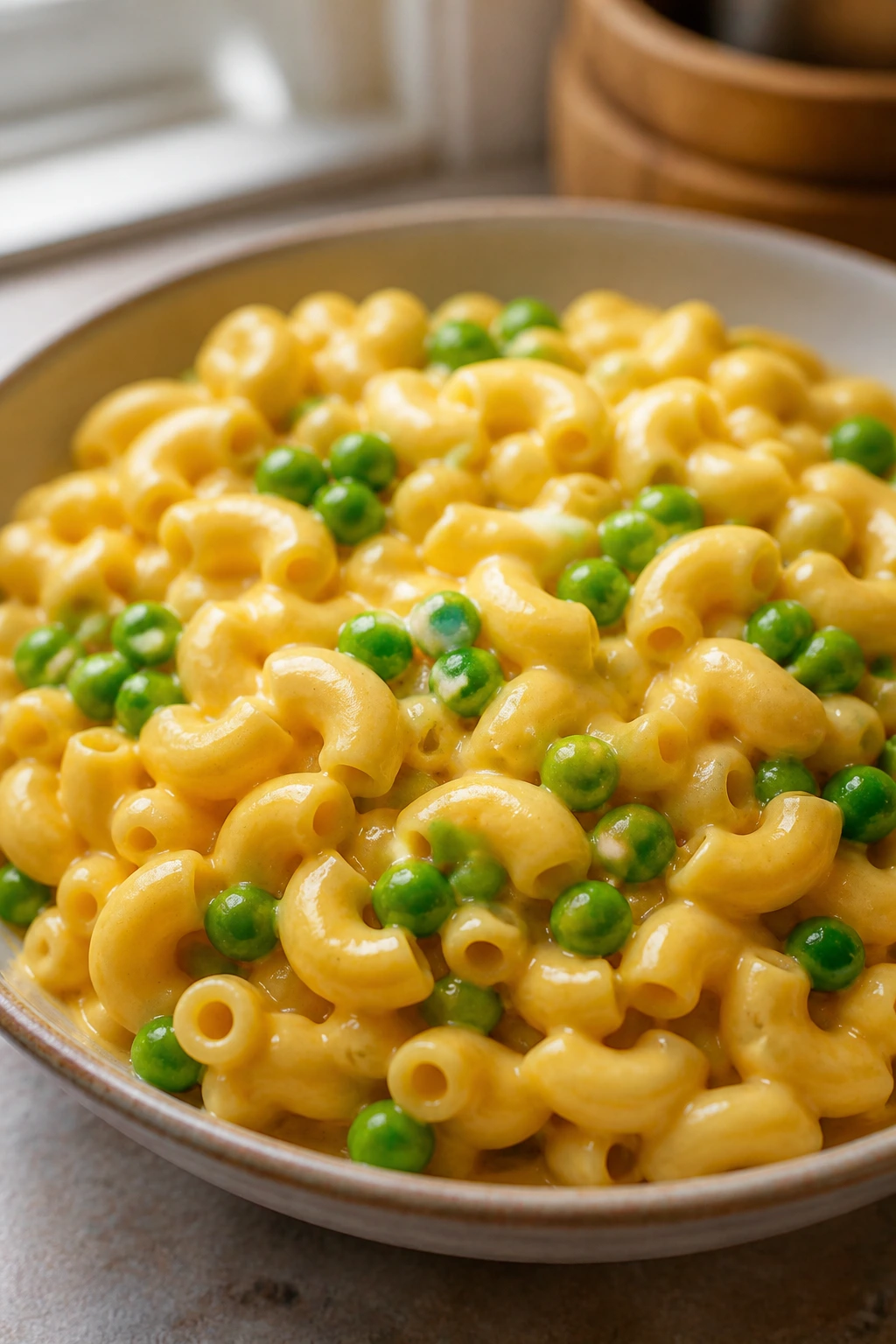
Mac and cheese that includes peas feels like cheating in the best way. It still has the creamy pasta pull kids expect, but the peas give you a little color, a little sweetness, and one less battle over vegetables.
Why It Works:
A simple roux-based cheese sauce clings to the macaroni better than a watery milk-and-cheese shortcut. The peas can go straight into the hot sauce and cook in seconds, which keeps their flavor bright. This is one of those dinners that lands well after a long afternoon because the texture is soft, the cheese is familiar, and nobody has to chew through anything odd.
For the Mac and Peas:
- 12 ounces elbow macaroni
- 3 tablespoons butter
- 3 tablespoons all-purpose flour
- 2 1/2 cups milk
- 2 cups shredded cheddar
- 1 cup frozen peas
- 1/2 teaspoon mustard powder
- 1 teaspoon salt
- 1/4 teaspoon black pepper
Quick Steps:
- Cook the macaroni in salted water until just tender, then drain.
- Melt the butter in the same pot over medium heat and whisk in the flour for 1 minute.
- Slowly whisk in the milk and cook until the sauce thickens enough to coat a spoon.
- Stir in the cheddar, mustard powder, salt, pepper, and peas.
- Fold in the macaroni and cook for 1 more minute until everything is glossy and hot.
Equipment for This Recipe:
- Large pot
- Whisk
- Colander
- Wooden spoon
How to Serve This Dish:
Serve in bowls with a few butter crackers or a side salad if you want to keep the plate from feeling too soft. A sprinkle of black pepper on top helps cut the richness. Smaller portions work well here because the sauce is dense and filling.
Pro Tips for This Recipe:
- Use sharp cheddar for better flavor.
- Warm the milk slightly before whisking it in if you want the sauce to thicken faster.
- Stir the peas in at the end so they stay bright green.
- Keep a splash of pasta water nearby in case the sauce tightens too much.
Variations on This Dish:
- Broccoli Mac: Swap peas for tiny broccoli florets.
- Bacon Mac: Stir in crumbled bacon at the end.
- Gluten-Free Version: Use gluten-free elbows and a GF flour blend for the roux.
Common Mistakes to Avoid with This Dish:
- Overcooking the pasta: It keeps softening in the sauce.
- Adding cheese over high heat: The sauce can turn grainy.
- Making the sauce too thick: It clings like paste instead of cream.
14. Tuna Melt Toasts
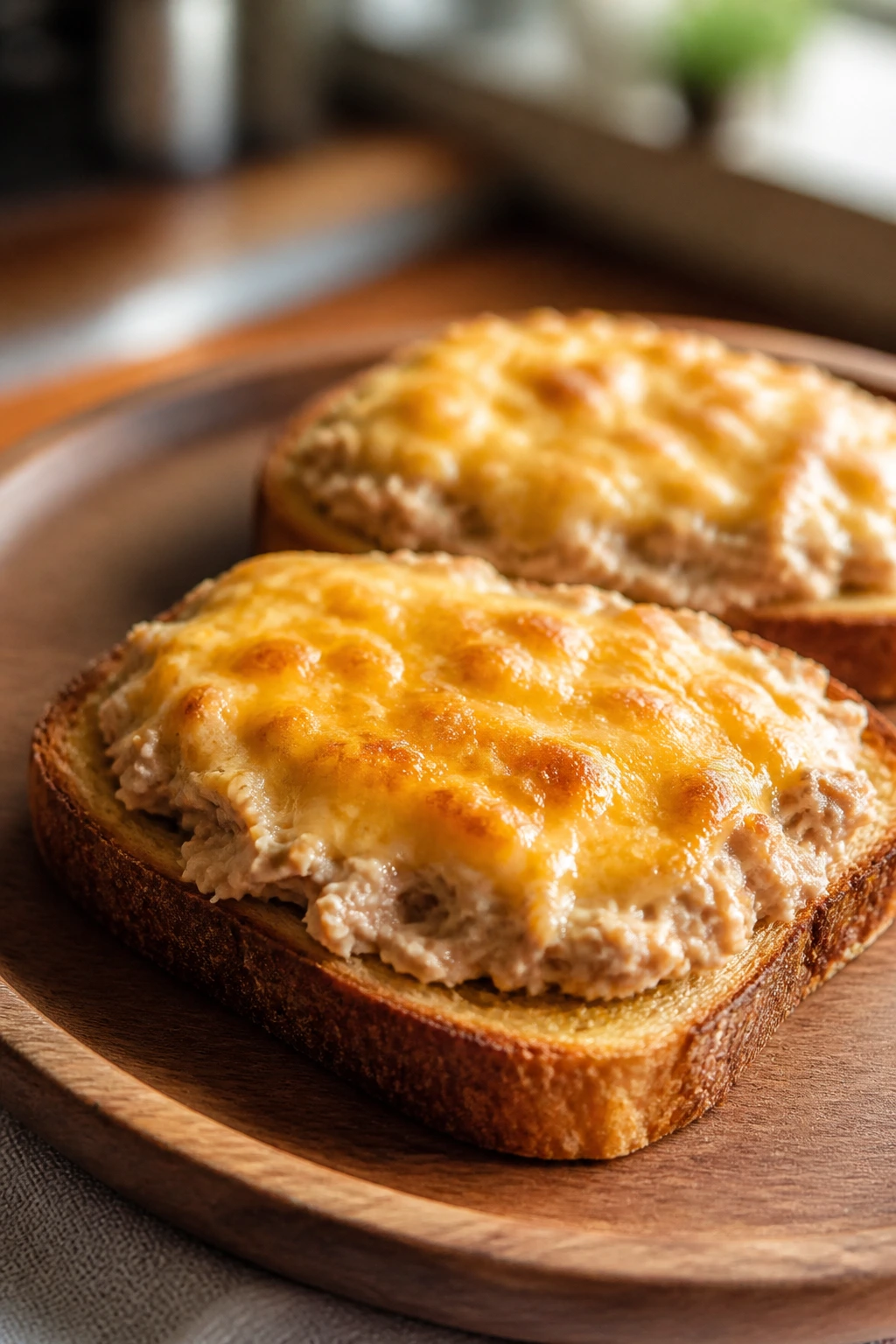
Tuna melt toasts are a bit old-fashioned, and I mean that as a compliment. The bread gets buttery and crisp, the tuna stays savory, and the cheddar bubbles on top until it starts to blister at the edges.
Why It Works:
The open-faced format keeps the bread from going soggy under the filling, and broiling gives you a hot top without baking the whole sandwich into a brick. Celery and relish add crunch and tang, which keeps the tuna from tasting heavy. It’s also a good use for pantry ingredients you probably already have.
For the Toasts:
- 2 cans tuna, 5 ounces each, drained well
- 1/4 cup mayonnaise
- 1 tablespoon pickle relish
- 1 celery stalk, finely diced
- 8 slices sturdy bread
- 4 slices cheddar
- 2 tablespoons butter
- Black pepper, to taste
Quick Steps:
- Preheat the broiler and line a baking sheet with foil.
- Mix the tuna, mayonnaise, relish, celery, and black pepper in a bowl.
- Butter the bread lightly and toast it for 1 to 2 minutes under the broiler or in a toaster oven.
- Spoon the tuna mixture onto each slice, top with cheddar, and broil again for 1 to 3 minutes until the cheese bubbles.
- Let the toasts sit for 1 minute before eating.
Equipment for This Recipe:
- Broiler-safe baking sheet
- Mixing bowl
- Fork for flaking tuna
- Butter knife
How to Serve This Dish:
Serve with potato chips, tomato soup, or sliced cucumbers. The open-faced shape makes them easier to cut for younger kids, and the crisp bread holds up better than a soft sandwich. One or two toasts is usually enough, depending on what else is on the table.
Pro Tips for This Recipe:
- Drain the tuna well. Wet tuna makes soggy toast.
- Use a sturdy bread like sourdough or hearty white.
- Watch the broiler closely; cheese turns from melted to scorched fast.
- A tiny squeeze of lemon wakes up the filling if it tastes flat.
Variations on This Dish:
- Tuna and Tomato Melt: Add a thin slice of tomato under the cheese.
- Chicken Salad Melt: Swap tuna for chopped cooked chicken.
- Spicy Relish Version: Add a pinch of cayenne or chopped jalapeño.
Common Mistakes to Avoid with This Dish:
- Using flimsy bread: It buckles under the filling.
- Broiling too far from the element: The cheese melts slowly and the toast dries out.
- Skipping the drain step: The filling turns watery and bland.
15. Teriyaki Meatball Rice Bowls
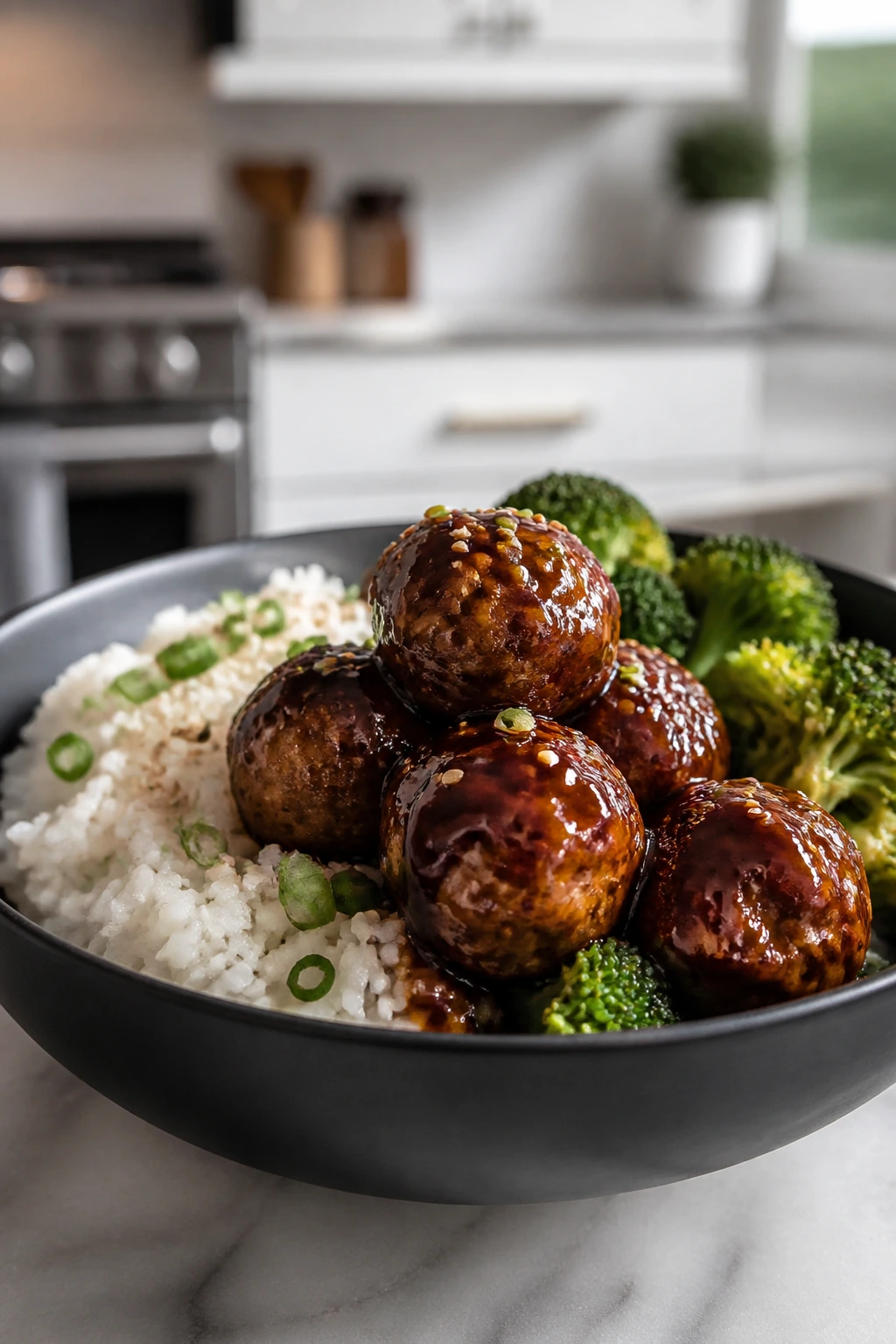
These bowls feel orderly in a way the rest of the evening rarely does. The rice catches the sauce, the meatballs stay glossy, and the broccoli gives the bowl enough structure to look like dinner even if everyone eats at different speeds.
Why It Works:
Ground chicken or turkey makes tender meatballs that cook quickly in the oven, and teriyaki sauce gives them a sweet-salty finish that kids usually accept without a speech. Rice is the blank canvas here, which is useful when you want one base that can handle different toppings. Broccoli gives you color and a little crunch if you keep it just barely tender.
For the Bowls:
- 1 pound ground chicken or ground turkey
- 1 egg
- 1/3 cup panko breadcrumbs
- 2 tablespoons soy sauce
- 1 teaspoon grated fresh ginger
- 1 garlic clove, minced
- 1 cup teriyaki sauce
- 3 cups cooked rice
- 2 cups broccoli florets, steamed or microwaved
- 1 teaspoon sesame seeds
- 1 tablespoon neutral oil, optional for greasing the pan
Quick Steps:
- Preheat the oven to 400°F and line a baking sheet with parchment.
- Mix the ground chicken or turkey with the egg, panko, soy sauce, ginger, and garlic until just combined.
- Roll into 18 meatballs and place them on the baking sheet.
- Bake for 15 to 17 minutes, until the centers reach 165°F.
- Warm the teriyaki sauce in a small saucepan, toss the meatballs in the sauce, then serve over rice with broccoli and sesame seeds.
Equipment for This Recipe:
- Rimmed baking sheet
- Parchment paper
- Small saucepan
- Mixing bowl
How to Serve This Dish:
Build the bowls with rice first, then tuck the broccoli and meatballs around the edges so the sauce drips into the grains. A few sliced cucumbers on the side keep the plate fresh. This is one of the better “everyone is home but not at the same time” dinners because the components hold well.
Pro Tips for This Recipe:
- Don’t overmix the meatball mixture or the texture gets tough.
- Warm the sauce before tossing so it coats evenly.
- Steam the broccoli just until bright green; overcooked broccoli goes soft and dull.
- If the sauce is very sweet, add a teaspoon of rice vinegar to sharpen it.
Variations on This Dish:
- Pineapple Teriyaki Bowls: Add diced pineapple and a squeeze of lime.
- Sesame Tofu Bowls: Swap the meatballs for baked tofu cubes.
- Spicy Ginger Version: Stir chili flakes into the sauce.
Common Mistakes to Avoid with This Dish:
- Making the meatballs too large: They brown unevenly and take longer to cook.
- Saucing before the meatballs are done: The coating can burn before the centers reach temperature.
- Using mushy rice: Freshly cooked, fluffy rice is good; wet, overcooked rice is not.
Why Snack-Style Family Dinners Win on Busy Afternoons
The best thing about these meals is not that they’re “quick,” even though they are. It’s that they fit the emotional shape of the hour when everyone walks in with a different level of hunger. A quesadilla answers immediate hunger. A soup-and-toast plate slows the evening down. Meatballs on a platter make dinner feel like a choice instead of an order.
I also like that these recipes can start small and grow if they need to. One English muffin pizza becomes a second one. One wrap becomes two halves and a bowl of fruit. That kind of flexibility beats trying to guess the perfect dinner size before anyone has put down a backpack. Guessing wrong is how kitchens get loud.
There’s a practical piece here too. Recipes that use standard pantry items and familiar shapes — wedges, cups, sliders, toasts, bowls — tend to get eaten with less fuss. That is not nothing. When dinner is easy to recognize, kids spend less time inspecting it and more time eating it.
Essential Equipment for These Recipes
- Rimmed baking sheets: You’ll use these for pizzas, tenders, sliders, flatbreads, and meatballs without chasing spills.
- A large skillet or sauté pan: Quesadillas, fried rice, and some skillet dinners depend on a pan that can handle heat and motion.
- A deep pot: Soup, mac and cheese, and pasta skillet meals need room to simmer without sloshing over.
- Wire rack: Especially useful for chicken tenders, where airflow keeps the coating crisp.
- Muffin tin: The egg muffins need a 12-cup tin, and a good one releases cleaner.
- Mixing bowls in two sizes: One medium bowl for fillings, one larger bowl for pasta or soup jobs.
- Whisk and spatula: The whisk handles roux and eggs; the spatula scrapes every last bit of filling from the bowl.
- Sharp knife and cutting board: Lots of these recipes depend on clean slicing, especially wraps, potatoes, and flatbreads.
- Toaster oven or broiler-safe tray: Handy for quick browning and reheating bread-based leftovers.
- Airtight containers: Leftovers keep better when they’re cooled promptly and stored in something with a tight lid.
Smart Shopping and Ingredient Tips
The grocery list for snack-style family dinners is mostly about choosing ingredients that behave well under heat. For cheese, low-moisture mozzarella melts cleanly on pizzas and flatbreads, while sharp cheddar brings more flavor to quesadillas, mac, and soup. Pre-shredded cheese is fine for convenience, but if you grate it yourself, it melts a little smoother because there’s less coating on the shreds.
For bread, sturdier is usually better. English muffins, naan, slider buns, crescent dough, and thick sandwich bread all hold up differently, so buy the version that matches the job. Thin bread sounds harmless until it soaks through under tuna salad or Caesar dressing. Same with tortillas: large flour tortillas bend better for wraps, and smaller ones make better quesadillas because they crisp more evenly in a skillet.
Rotisserie chicken is worth keeping in your back pocket. It shortens wrap night, flatbread night, soup night, and rice bowl night without asking much of you. Frozen vegetables do the same thing for peas, corn, broccoli, and mixed veg. They’re usually picked and frozen fast enough that the texture holds up fine in quick-cook recipes.
One more thing. Buy canned beans and tuna that you’d actually eat from the can if you had to. If the base ingredient tastes dull before you season it, it will not magically become exciting later. A good can of beans, a decent salsa, and fresh eggs do more for these dinners than a fancy topping ever will.
How to Serve These Recipes
Presentation:
Use shallow bowls, cutting boards, small platters, and sheet pans lined with parchment when the food is meant to be shared. Snack-style dinners look best when the pieces are visible and easy to grab — wedges stacked loosely, sliders clustered together, wraps sliced on a bias, and flatbreads cut into strips.
Accompaniments:
Keep sides simple and crunchy: apple slices, cucumber spears, baby carrots, cherry tomatoes, green salad, coleslaw, or potato chips depending on the main dish. A small bowl of fruit often works better than a second cooked side because it adds something cold and bright without adding more pans.
Portions:
For younger kids, start with one to two snack-size items or a single bowl. Older kids and adults usually do better with two to four pieces, depending on the recipe. If the meal is standing in for a full dinner, count on 1 to 1 1/2 cups of the more substantial dishes or 2 to 3 handheld pieces per person.
Beverage Pairing:
Cold milk still works well with the cheesy, tomato-heavy, or breaded recipes. Sparkling water with lemon is good when the food is rich, and iced tea fits the sandwich-and-wrap dishes without fighting the flavors. For soup night, plain water and fruit on the side usually feels right.
Additional Tips and Flavor Boosters
Flavor Enhancement:
A small finishing move changes a lot here. A squeeze of lemon on Caesar wraps, a dusting of oregano on pizzas, a few scallions over fried rice, or a spoonful of salsa beside quesadillas can wake up a plate that otherwise leans too soft or too mild.
Customization:
Keep a few mix-ins ready and let people choose their own level of interest. Hot sauce, pickles, chopped cilantro, sliced olives, diced red onion, shredded lettuce, and extra cheese are all easy ways to make one base recipe suit two different eaters without cooking separate dinners.
Serving Suggestions:
If you want a dish to feel finished, add one crisp thing and one cool thing. That could be apple slices and carrot sticks, or cucumber rounds and a little sour cream, or a green salad and a wedge of lemon. A plate that is all soft textures gets tired fast.
Make-It-Yours:
For dairy-free eaters, focus on the recipes where the cheese is optional rather than central. For gluten-free diners, the rice bowls, soup, potato bar, and egg muffins are the easiest places to start, while the tortilla-based recipes need direct swaps. For meatless nights, beans, eggs, edamame, and extra vegetables keep the meals sturdy enough to still count as dinner.
Make-Ahead, Storage, and Reheating Guidance
A few of these recipes are best eaten right away, but most will keep for 3 to 4 days in the refrigerator if you cool them within two hours and store them in airtight containers. That lines up with standard food safety guidance and keeps the textures from getting strange. The bread-based items — pizzas, wraps, tuna melts, and roll-ups — are best reheated in a toaster oven or dry skillet so the bread gets some life back.
Chicken tenders, meatballs, sliders, and teriyaki bowls freeze well for up to 2 months. Wrap them tightly and label them so you remember what sauce belongs with what. Reheat meatballs and chicken tenders in a 375°F oven or air fryer until they reach 165°F in the center; that gives you a safer, better texture than the microwave, which tends to soften the crust.
Soup, mac and cheese, taco pasta, and fried rice usually hold in the fridge for several days. For soup, reheat slowly on the stove with a splash of milk or broth if it thickens too much. Mac and cheese comes back best over low heat with a spoonful of milk stirred in. Fried rice likes a hot skillet with a touch of oil, not a long microwave session that leaves the edges chewy and the middle damp.
A few components can be made ahead without hurting anything. Meatballs can be baked earlier in the day. Quesadilla filling can be mixed and chilled. Potato toppings can be chopped in advance. The one thing I would not do is fully assemble bread-heavy meals far ahead of time unless you enjoy soggy disappointment.
Variations and Adaptations to Try
-
Gluten-Free Night: Start with fried rice, soup, baked potatoes, frittata muffins, or teriyaki bowls, then choose gluten-free breadcrumbs, tortillas, and buns for the other recipes. The biggest win is swapping the base without changing the whole dinner personality.
-
Dairy-Free Switches: Quesadillas, pizza muffins, mac and cheese, and soup are the hardest to adapt, so save those for nights when you have a good dairy-free cheese. The wraps, rice bowls, meatballs, potato bar, and fried rice are much easier because the dairy is optional or easy to skip.
-
Vegetarian Rotation: Bean quesadillas, veggie fried rice, potato bars, egg muffins, mac and peas, and broccoli cheddar soup all fit naturally into a meatless rotation. Add extra beans, edamame, or eggs where you need more protein.
-
Mild Kid Version: Pull back the pepper, keep the sauces plain, and serve condiments on the side. A child who is suspicious of spice usually does better with “build your own” bowls and bars than with a fully sauced plate.
-
Extra-Flavor Adult Version: Keep the kid base the same, then add hot sauce, pickled onions, chili crisp, pepperoncini, or a sharper cheese at the table. That keeps you from cooking separate dinners while still letting the grown-up plate feel less shy.
-
Rotisserie Chicken Shortcut Night: Use a store-bought chicken for wraps, flatbreads, sliders, soup, and rice bowls. Shred it while it’s still warm and tuck it into airtight containers so it stays juicy for the next two or three days.
Common Mistakes to Avoid
The first mistake is making everything too wet. Soggy tortillas, runny queso-style fillings, and watery tuna salad all start the same way: too much moisture in the base. Drain canned ingredients well, pat vegetables dry, and keep sauces modest until you know the dish needs more.
Another one is under-seasoning the base because the cheese or sauce will “handle it.” It won’t, at least not by itself. Beans need salt. Rice needs soy sauce or another savory hit. Turkey meatballs need onion, salt, and garlic or they taste oddly flat even under marinara.
People also rush bread-based dishes and forget that crisping matters. English muffins, wraps, flatbreads, and crescents all depend on a hot oven or skillet, and the difference between warm and properly browned is the difference between “fine” and “please make that again.” A little toast at the start or the end fixes a lot.
Then there’s the overfilling problem. Sliders split. Quesadillas leak. Wraps tear. Flatbreads droop. If you want a neat dinner, use less filling than you think, then add a side bowl of fruit, soup, chips, or vegetables so the meal still feels complete.
And finally, don’t forget that reheating changes texture. Breaded food wants dry heat. Soup wants gentle heat. Mac and cheese wants a splash of liquid. Treat leftovers according to the food, not according to your microwave habits.
Questions People Actually Ask About These Family Dinner Ideas
Can I make most of these recipes with rotisserie chicken?
Yes, and it’s one of the smartest shortcuts in the whole list. Use it in the sliders, wraps, flatbreads, soup, teriyaki bowls, and even the potato bar if you want a sturdier protein topping.
Which recipes work best if kids are eating at different times?
The potato bar, teriyaki bowls, meatball sliders, soup, and fried rice hold up well because their components stay separate for a bit. Breaded items are better served close to the table, while bowls and bars are more forgiving.
What’s the best cheese for melting on these kinds of dinners?
Low-moisture mozzarella melts cleanly for pizzas and flatbreads, sharp cheddar brings stronger flavor to quesadillas and soup, and provolone or Swiss are good for sliders and roll-ups. If you want one all-purpose cheese, cheddar is the easiest buy.
How do I keep wraps and quesadillas from getting soggy?
Use less sauce than you think, drain wet ingredients, and cook over medium heat so the outside browns before the inside turns steamy. If you’re packing them for later, let them cool a little before wrapping.
Can I freeze any of these?
Yes. Meatballs, chicken tenders, cooked chicken, soup, potato toppings, and some cooked rice dishes freeze well. Bread-based items are hit-or-miss after freezing, so I’d eat those fresh or refrigerate them for a short stretch instead.
What if my child only eats plain food?
Start with the English muffin pizzas, plain chicken tenders, mac and peas, or a baked potato with butter and cheese. Keep sauces and toppings separate, because a lot of kids are fine with the base and uneasy about the pile on top.
Can I make these in an air fryer instead of the oven?
Several of them work well: chicken tenders, meatballs, crescent roll-ups, and some flatbreads can all be adapted. You’ll usually want a slightly lower temperature and a shorter cook time, and you need to watch closely because air fryers brown fast.
How do I stretch one of these meals to feed more people?
Add a simple side that matches the shape of the meal: fruit, salad, soup, chips, or steamed vegetables. Potato bars and pasta skillets are the easiest to scale, and meatballs or quesadillas can be stretched with an extra tray or a second batch.
The Table That Makes the Evening Easier
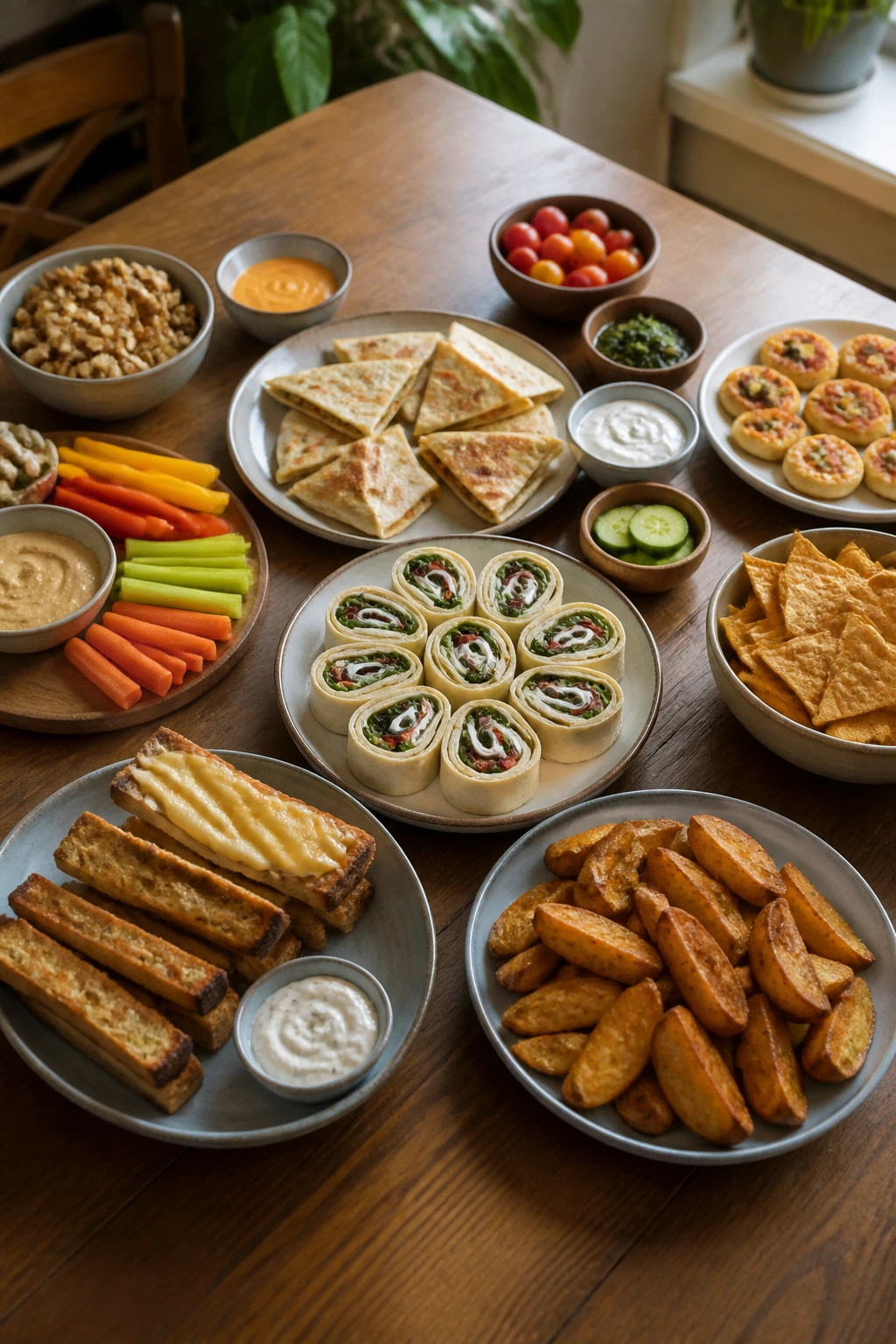
The nicest thing about snack-style family dinners is that they lower the temperature of the room before anyone even sits down. There’s less waiting, less pleading, and less of that awkward gap where everyone is hungry but nobody wants to commit to a full, formal meal. Food in wedges, bowls, wraps, and toast strips just fits better into the after-school hour.
I keep coming back to the same idea because it matters: dinner does not have to be grand to work. Sometimes it only needs to be warm, familiar, and easy to pass across the table. The recipes here do that without making you babysit the stove for an hour, and that’s worth a lot on a busy afternoon.