



Cheesy nutritious kids meal options do not need to hide behind a sauce-heavy casserole and a prayer. A little cheddar can pull broccoli into the meal, make beans feel less suspicious, and turn a plain tortilla into something a child will grab with both hands.
The useful part is not the cheese itself. It’s the way cheese changes the odds: a sauce becomes smoother, a vegetable tastes less sharp, and a protein like beans or chicken gets wrapped in something familiar enough to earn a second bite.
Pick the wrong cheese, though, and the whole thing turns slippery or bland. Use the right one — usually sharp cheddar, Monterey Jack, mozzarella, or a mix — and you get meals that still look like dinner, only less likely to come back with a fork mark and a complaint.
Why These Meals Keep Winning at the Table
-
Familiar flavor first: Sharp cheddar, mozzarella, and Monterey Jack bring a salty, melty taste kids already trust, so the beans, broccoli, or lentils do not feel like surprise guests.
-
Small textures beat big surprises: Tiny broccoli florets, grated zucchini, finely chopped spinach, and mashed beans disappear into sauces better than chunky add-ins ever will.
-
Protein rides along quietly: Chicken, turkey, eggs, lentils, black beans, and cottage cheese keep the meal from turning into a bowl of starch that wears out an hour later.
-
Cheese works as glue: It binds pasta, tortillas, potatoes, and pita pockets so each bite has a little of everything instead of one lonely ingredient on its own.
-
Leftovers usually survive: Baked pasta, meatloaf cups, soup, and fillings reheat well, which matters when one child wants more and another takes two bites and announces they are “done.”
-
You can scale the flavor, not the drama: A sharper cheese, a thinner sauce, or a smaller vegetable dice changes the whole plate without making dinner feel like a lesson.
That is the basic playbook. Keep the texture familiar, keep the flavors clear, and let the cheese bridge the gap instead of trying to carry the whole meal by itself.
Broccoli Mac and Cheese That Still Tastes Like Mac and Cheese
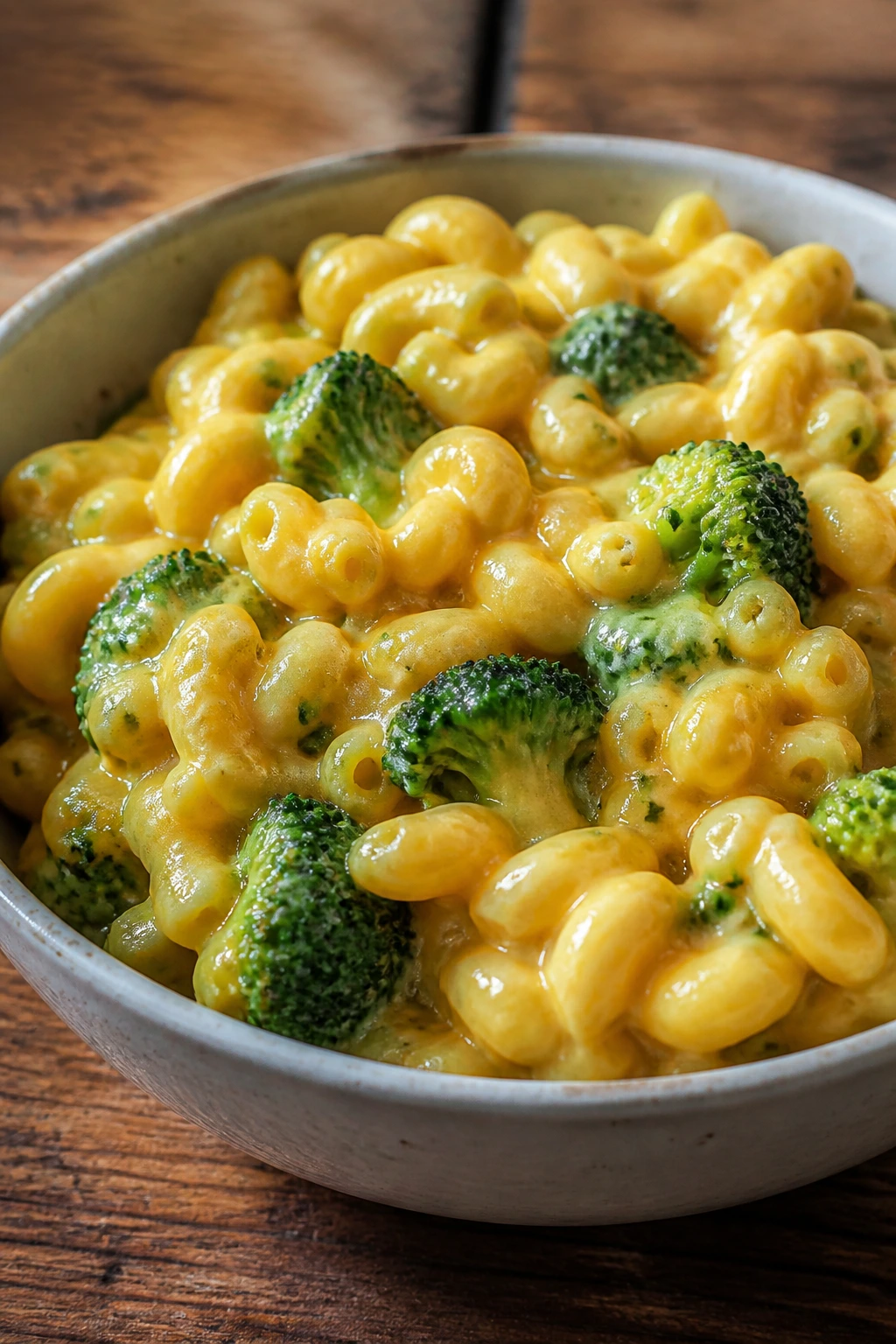
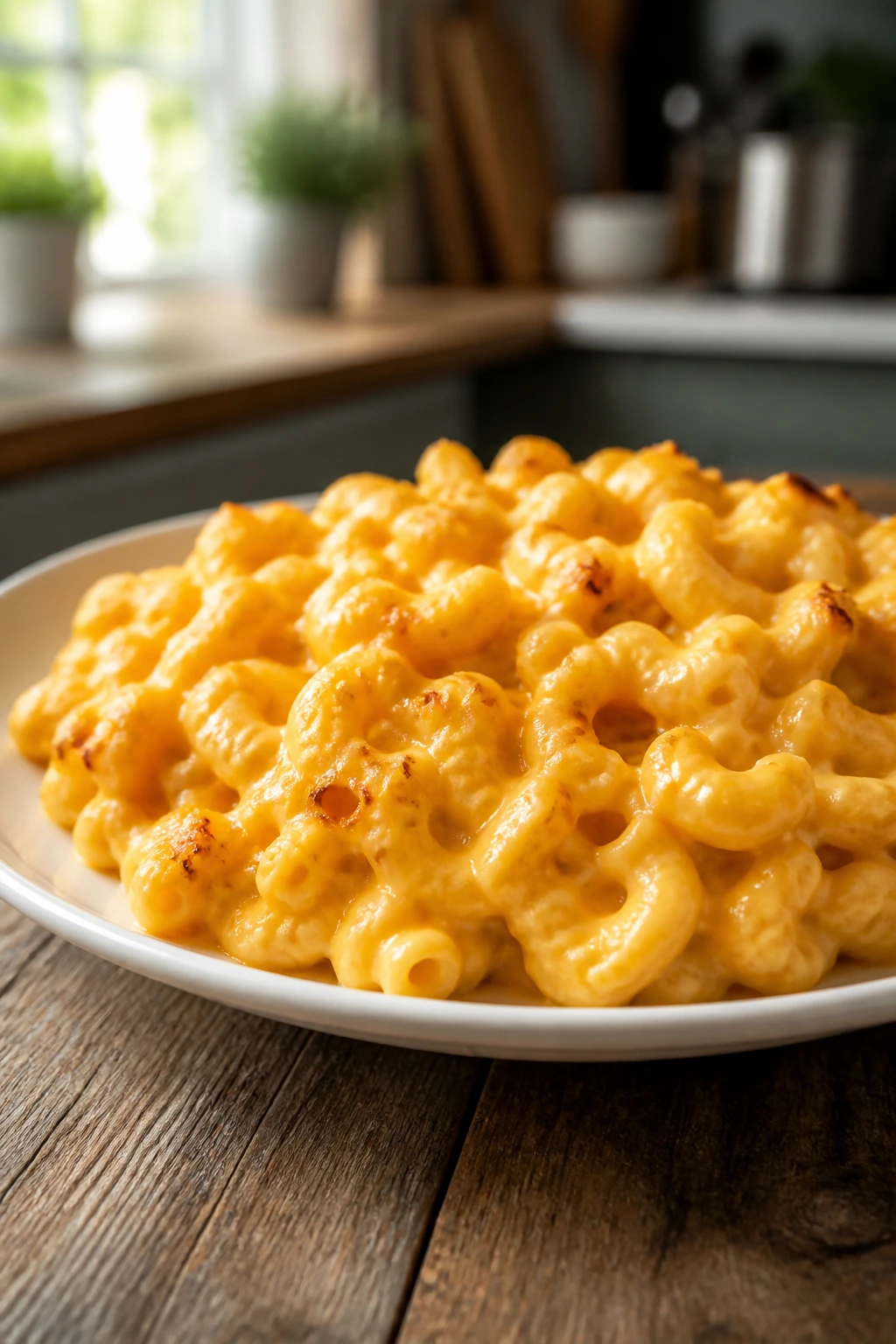
Broccoli mac and cheese works when it tastes like mac and cheese first. The broccoli should tuck itself into the noodles, not sit on top like a warning sign. I like tiny florets for this — the kind that catch cheese sauce in their little tree branches and stop looking like vegetables after the first stir.
The broccoli trick
Blanch the florets for about 2 minutes in salted boiling water, then drain them well. You want them bright green and just tender, not soft enough to go mushy in the oven.
Tiny matters here. If the pieces are smaller than a marble, kids usually read them as part of the pasta rather than as a separate vegetable chapter.
The cheese blend that behaves
Sharp cheddar gives you the flavor kids recognize. A little mozzarella or even a slice of American cheese gives the sauce that stretchy, glossy finish that makes the bowl look inviting instead of stodgy.
One thing I would not do is rely on mild cheddar alone. It melts fine, but the flavor fades the second you add broccoli. Sharp cheese holds its own.
A small spoonful of mustard powder or Dijon works quietly in the background. Not enough to taste “mustardy.” Just enough to wake up the sauce so it does not slump.
- Best pasta shape: elbows or shells, because the sauce clings to the curves.
- Best broccoli cut: florets no larger than 1 inch, with the stems peeled and diced small.
- Best finish: 10 to 15 minutes in a hot oven, just until the top turns spotty gold.
If your child hates green bits, chop the broccoli more finely than you think you should. That extra minute with a knife buys you peace.
Chicken Quesadillas Packed with Beans and Corn
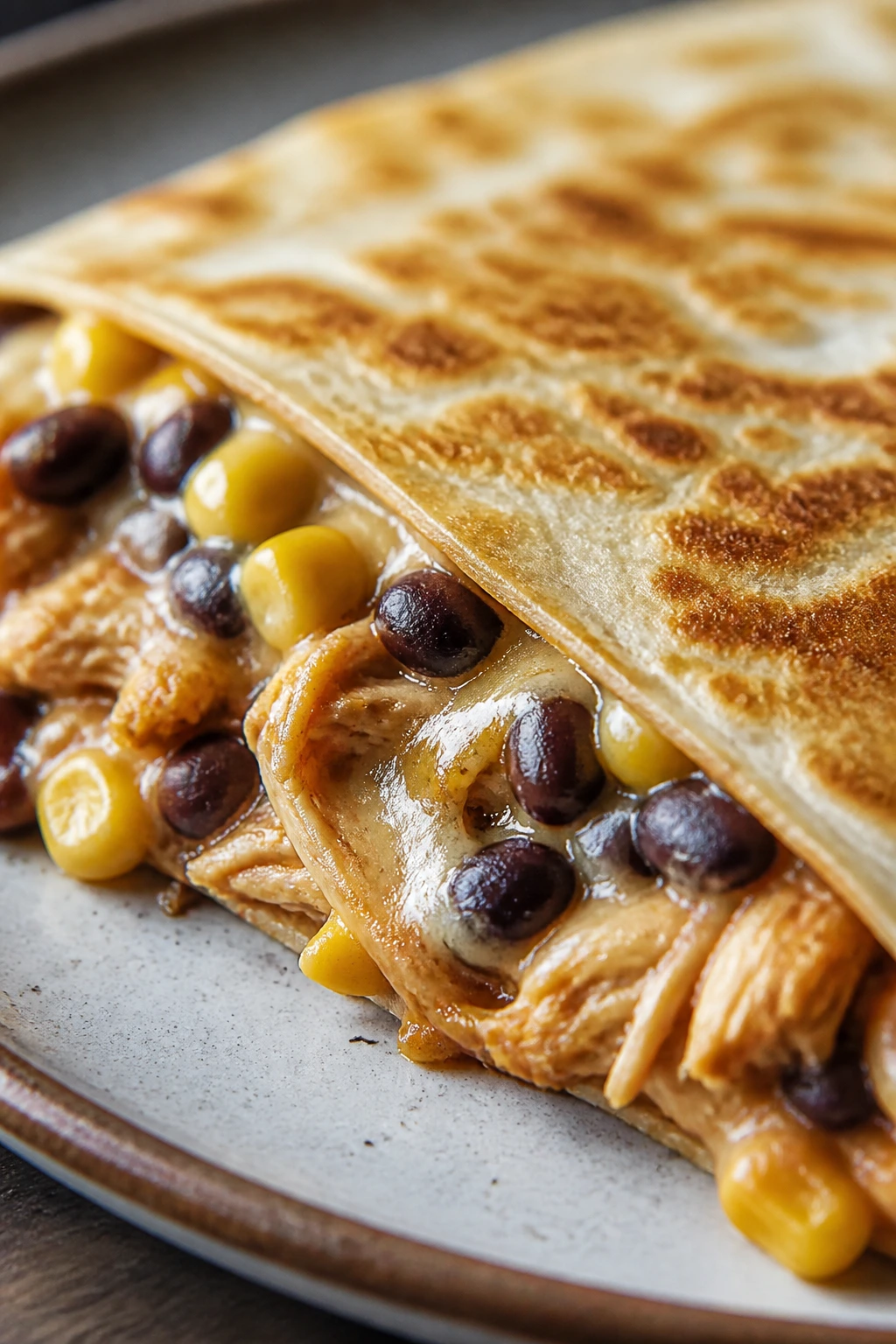
A plain chicken quesadilla is fine. A chicken quesadilla with black beans, corn, and enough cheddar to weld the whole thing together is the one that disappears before the plate cools.
The beauty here is that the filling is forgiving. Shredded rotisserie chicken, canned black beans, thawed corn, and Monterey Jack make a filling that tastes soft and familiar instead of sharp or noisy. I like to mash a few beans with the back of a fork before they go in; it gives the filling a thicker, almost creamy body so the quesadilla does not fall apart when you cut it.
Use a dry skillet over medium heat and give each side about 2 to 3 minutes. You are looking for brown freckles on the tortilla and cheese that has melted all the way to the edge. If the heat is too high, the tortilla darkens before the middle turns gooey. That is a bad trade.
The filling formula
- Shredded chicken
- Black beans, rinsed
- Corn
- Shredded Monterey Jack or cheddar
- A spoon of salsa or mild taco sauce
- Optional spinach, chopped almost into confetti
Keep the filling thin. That sounds boring, but it matters. A quesadilla stuffed to the ceiling turns into a floppy fold-over that leaks cheese into the pan, and nobody needs that on a weeknight.
Serve it in wedges with salsa on the side, or plain if the child in question treats sauce like a personal insult. Greek yogurt is a better dip than sour cream if you want a little more protein and a cooler, less heavy finish.
Baked Ziti with Spinach Hidden in the Sauce
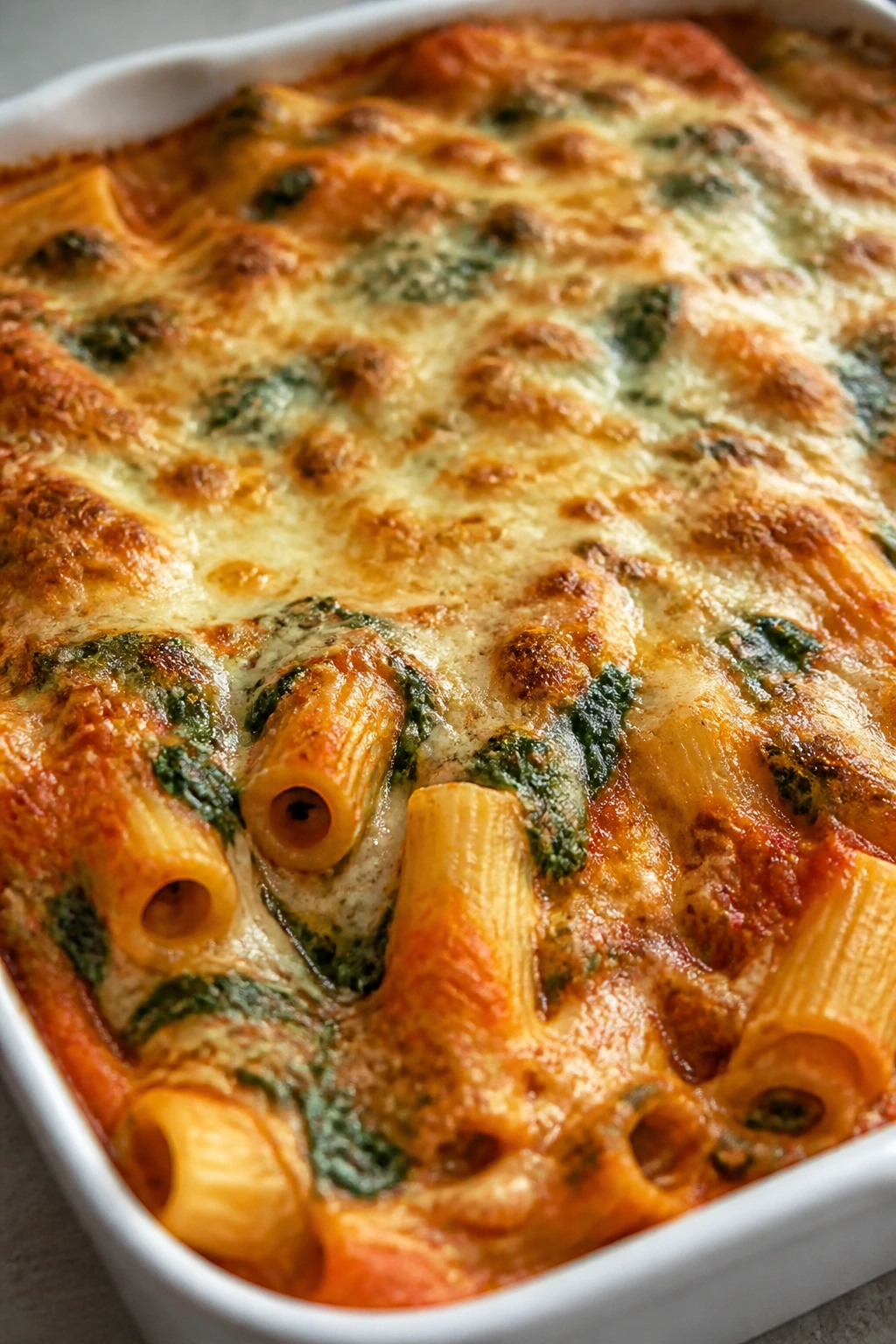
Why does baked ziti work when a bowl of spinach on the side turns into a negotiation? Because the spinach is no longer performing as spinach. It’s folded into the tomato sauce, softened by ricotta, and covered in enough mozzarella to make the whole pan smell like comfort food.
Spinach belongs in the sauce, not the top
Finely chopped fresh spinach wilts down fast, but frozen spinach works too if you squeeze it dry until it feels almost crumbly. Wet spinach is the enemy here. It thins the sauce and leaves little green puddles that make the whole pan look tired.
The sweet spot is a sauce that clings to the pasta rather than pooling at the bottom of the dish. If your marinara is thin, simmer it for 10 minutes before assembling. That extra simmer tightens the whole thing up.
Ricotta, cottage cheese, or both
Ricotta gives baked ziti a soft, creamy middle. Cottage cheese can do the same thing if you blend it first for a smoother texture. I prefer a mix when I want more protein without making the filling heavy.
Mozzarella handles the stretch, Parmesan handles the salty edge, and the tomato sauce carries the rest. Nothing fancy. Just good layering.
If you want the top browned, bake the ziti covered for about 20 minutes at 400°F, then uncover for another 10 minutes until the cheese is bubbling and the edges have a few dark spots. That dark rim around the pan is worth chasing.
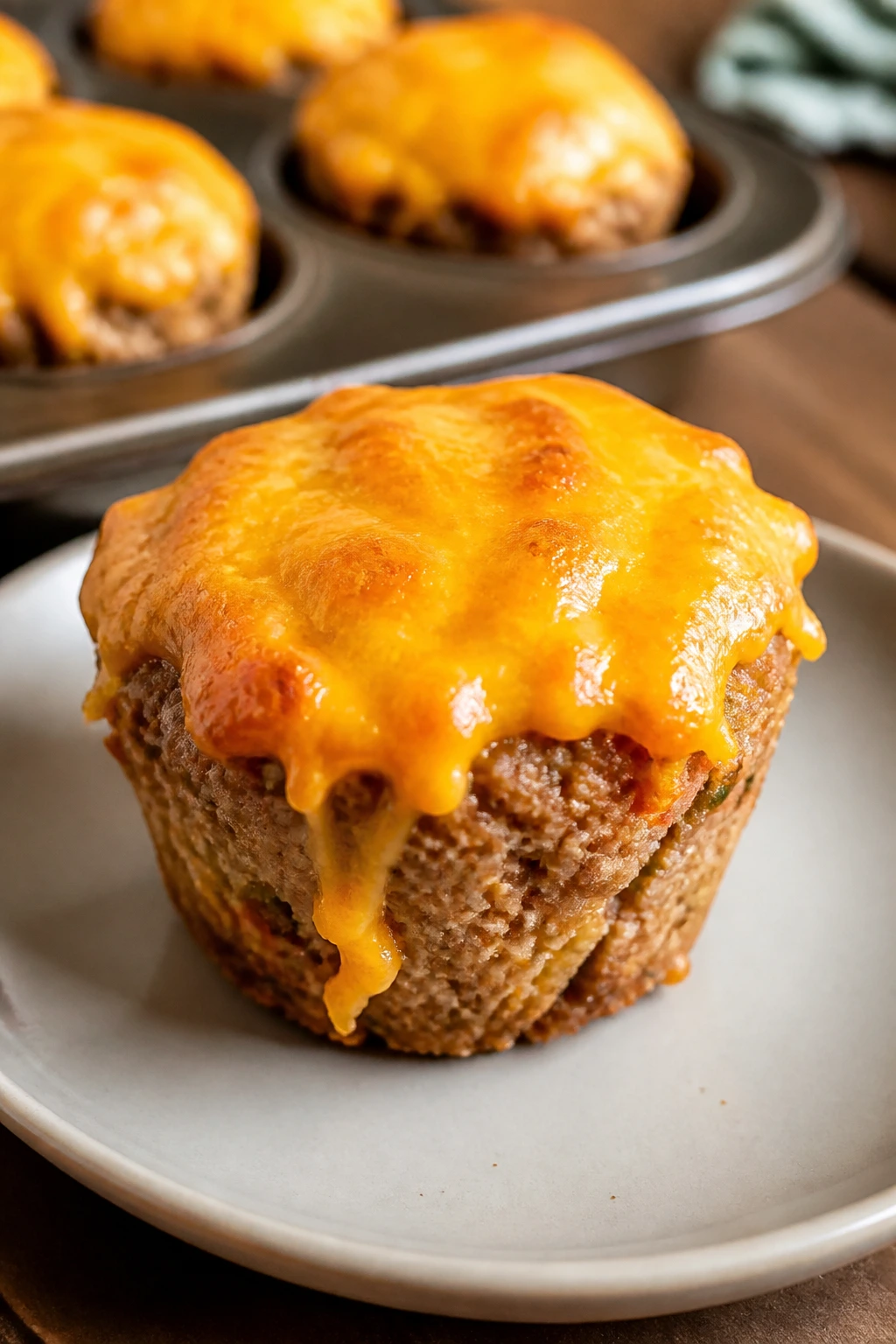
Mini Turkey Meatloaf Muffins with a Cheddar Cap
Meatloaf gets a bad rap because people keep serving it in a brick shape. Put the same mixture into a muffin tin, and suddenly it becomes a crisp-edged, hand-held dinner that cooks faster and feels less like a commitment.
These little muffins are where grated zucchini or carrot earns its keep. The vegetable disappears into the ground turkey, gives off a bit of moisture, and keeps the meat from drying out. I like 93% lean turkey here; go much leaner and the texture gets chalky.
A handful of oats or breadcrumbs gives the mixture enough structure to hold in the tin. Then, near the end of baking, a little cheddar on top melts into a salty cap that kids usually notice before they notice anything else.
At 400°F, they need about 18 to 20 minutes, depending on size. You want the centers to hit 165°F, but you also want the edges a little browned and sticky. That sticky rim is where the flavor lives.
They pack well for lunches, too. One muffin, a few apple slices, and a small scoop of peas is not glamorous. It does the job.
Egg Muffins and Toast Soldiers for Breakfast-for-Dinner
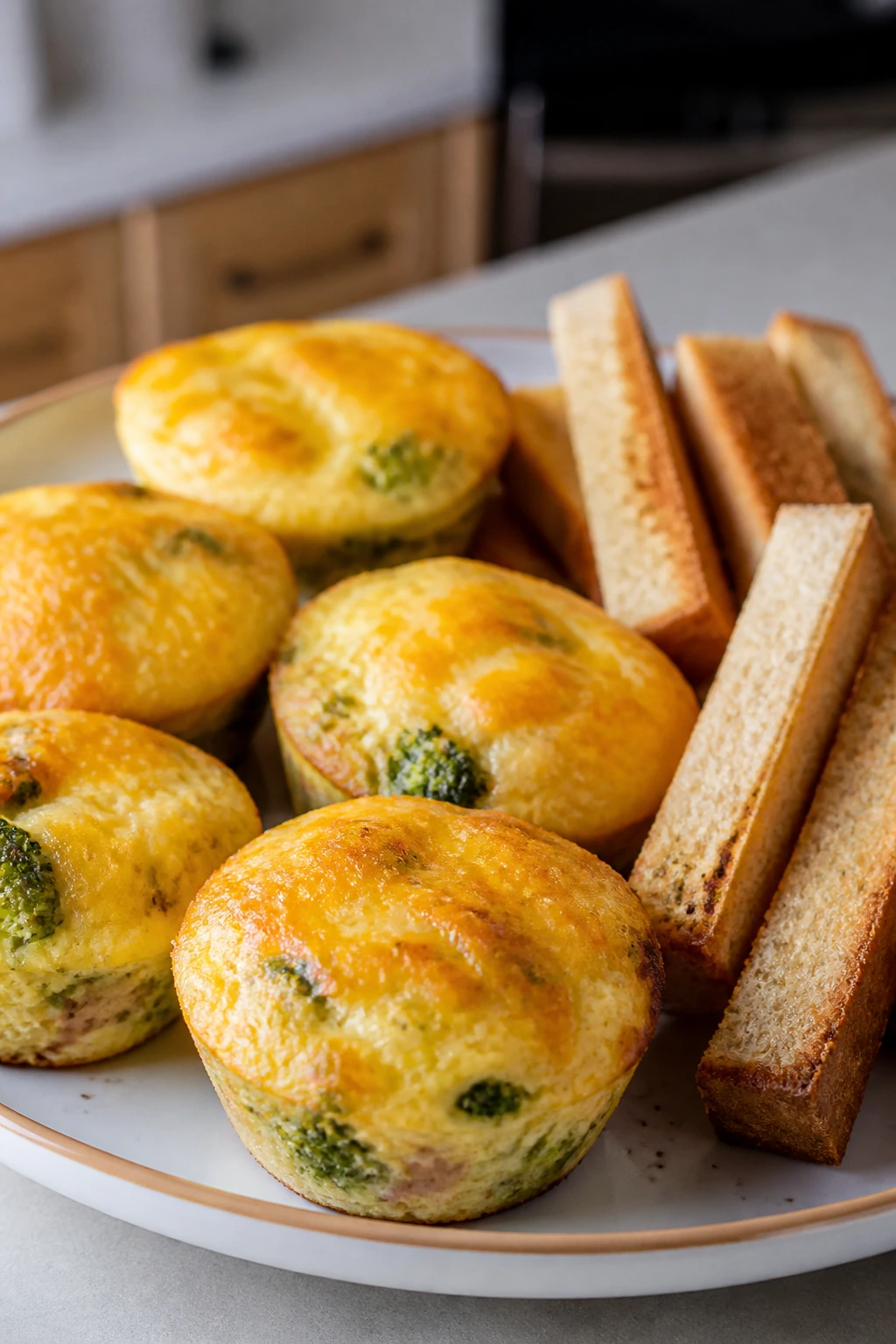
Egg muffins have a specific kind of charm. The edges puff up, the centers stay custardy, and the cheddar on top turns into a little salty crust that tastes better than it has any right to at this hour of the day.
A spoonful or two of cottage cheese whisked into the eggs makes them softer and adds a little extra protein. It also helps the muffins stay tender after reheating, which matters if you’re making a batch for the next day.
I like to keep the add-ins small: diced ham, minced bell pepper, chopped spinach, or a few thawed peas. Anything too large makes the muffin tear when you bite it. The goal is a soft egg bite with some color inside, not a vegetable scavenger hunt.
Bake them in a well-greased muffin tin at 350°F for 15 to 18 minutes, until the centers are set but still give a tiny jiggle when you shake the pan. They finish setting as they cool.
Toast soldiers make the whole thing feel intentional. Cut the toast into strips, spread with butter, and let kids dip into the eggs or eat them side by side. That simple little pairing changes the mood of breakfast-for-dinner from “we’re improvising” to “this is a real plate.”
Pizza Pita Pockets with a Fast Veggie Load
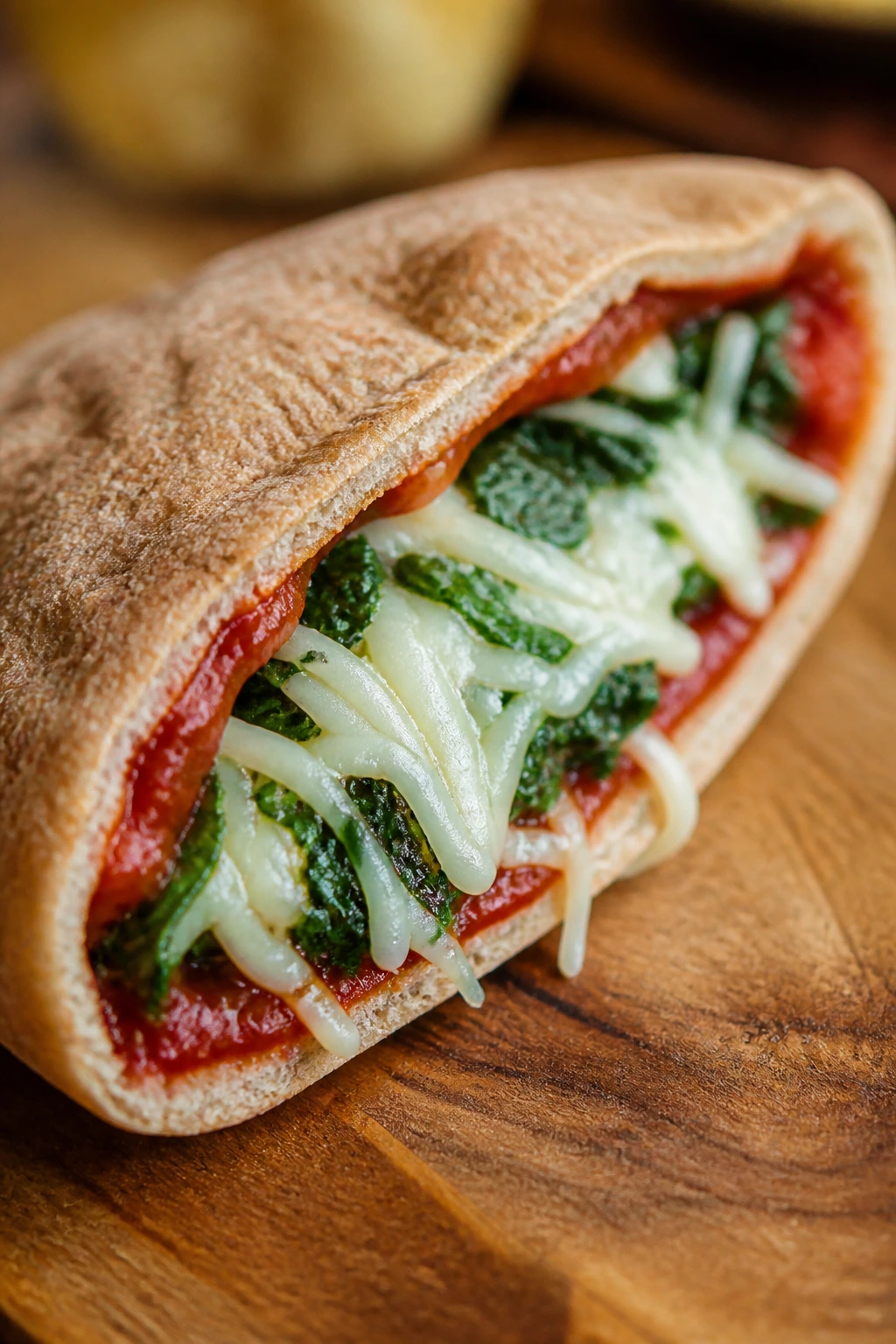
Frozen pizza is easy. Pizza pita pockets are easier to hand to a child, and they are a lot less likely to slide off the plate before the first bite.
The trick is to keep the sauce thin and the fillings light. A spoonful of marinara or pizza sauce, a layer of low-moisture mozzarella, and a few very small pieces of pepper, mushroom, or spinach will melt into a pocket that tastes like pizza instead of like a sandwich wearing a costume.
I prefer whole wheat pitas when the texture is soft enough. They hold up better than delicate flatbreads, and they can take a quick trip under the broiler without collapsing. Two minutes is usually enough — you want the cheese melted and the edges just blistered.
Don’t overfill them. That’s the mistake. A pizza pita with too much sauce turns soggy fast, and the child who was excited five seconds ago suddenly has a broken, steaming triangle and a face full of suspicion.
A good version feels tidy. The crust gives a little crunch, the cheese stretches when you pull it apart, and the vegetables stay in the background where they belong. If someone wants pepper flakes on top, great. If not, the pocket still holds its own.
Cheesy Lentil Sloppy Joes That Hold Together
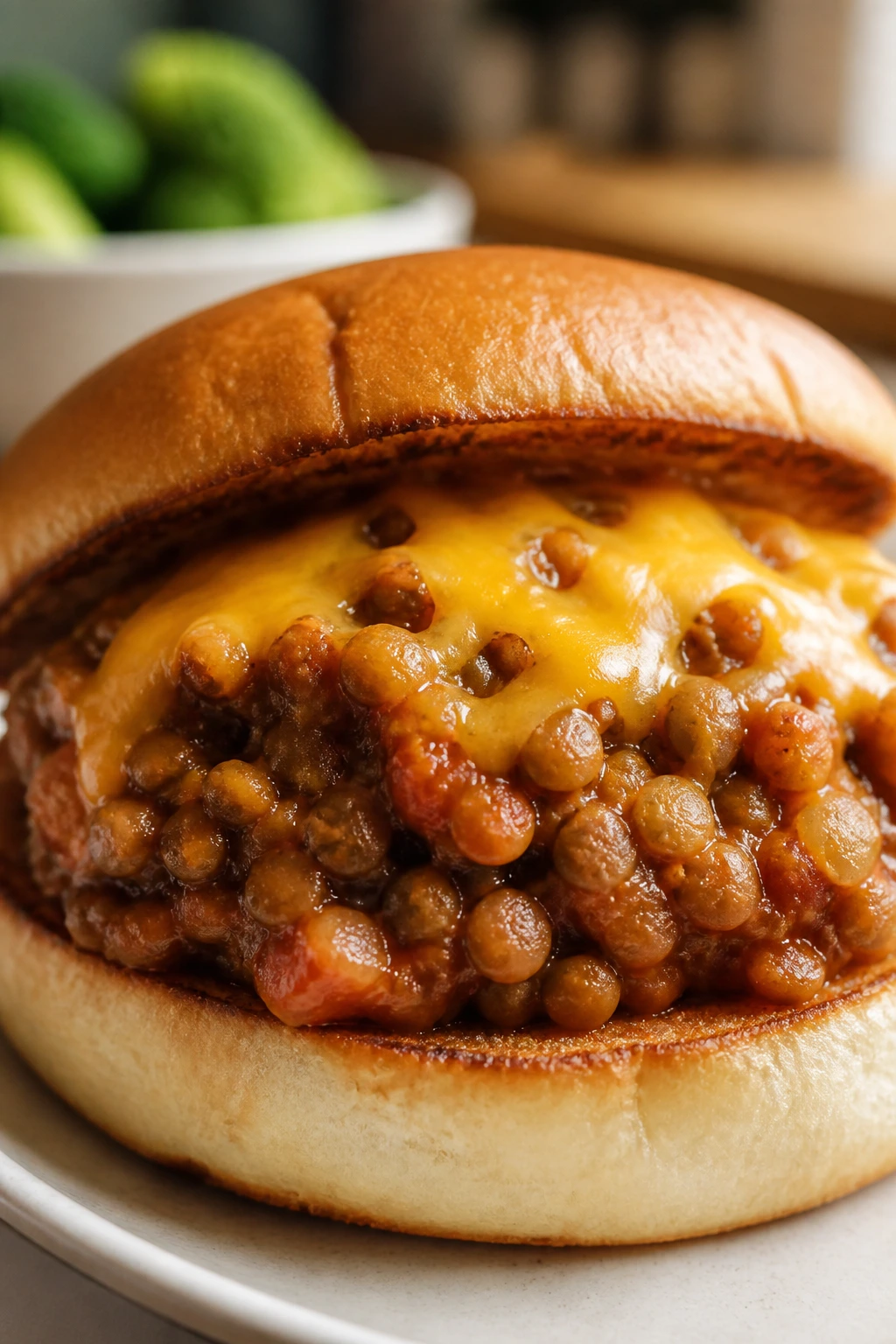
Lentils make a better sloppy joe filling than people expect because they hold sauce without getting soft in a sad way. Brown or green lentils are the right pick; red lentils turn mushy before the bun even hits the plate.
Sauté onion and garlic, stir in tomato paste, a little ketchup or crushed tomato, and cooked lentils, then let the whole thing simmer until it thickens enough to mound on a spoon. A shred of cheddar on top brings the filling back toward familiar territory, which matters a lot when you’re swapping out ground beef.
Choose the right lentil
- Brown lentils: hold shape, mild flavor, best all-around choice.
- Green lentils: firmer and a little earthier, good if you want the filling to feel meatier.
- Red lentils: too soft for this job unless you want a puree-style filling.
A small splash of Worcestershire sauce or tamari deepens the flavor without making it taste “bean-y.” That word shows up fast with lentils, and the easiest way around it is to season them like you mean it.
Toast the buns before you pile on the filling. A soft bun goes soggy in minutes. A toasted bun gives you enough structure to keep the sandwich together long enough for the first few bites, which is usually the whole battle.
Sheet-Pan Nachos with Black Beans and Salsa
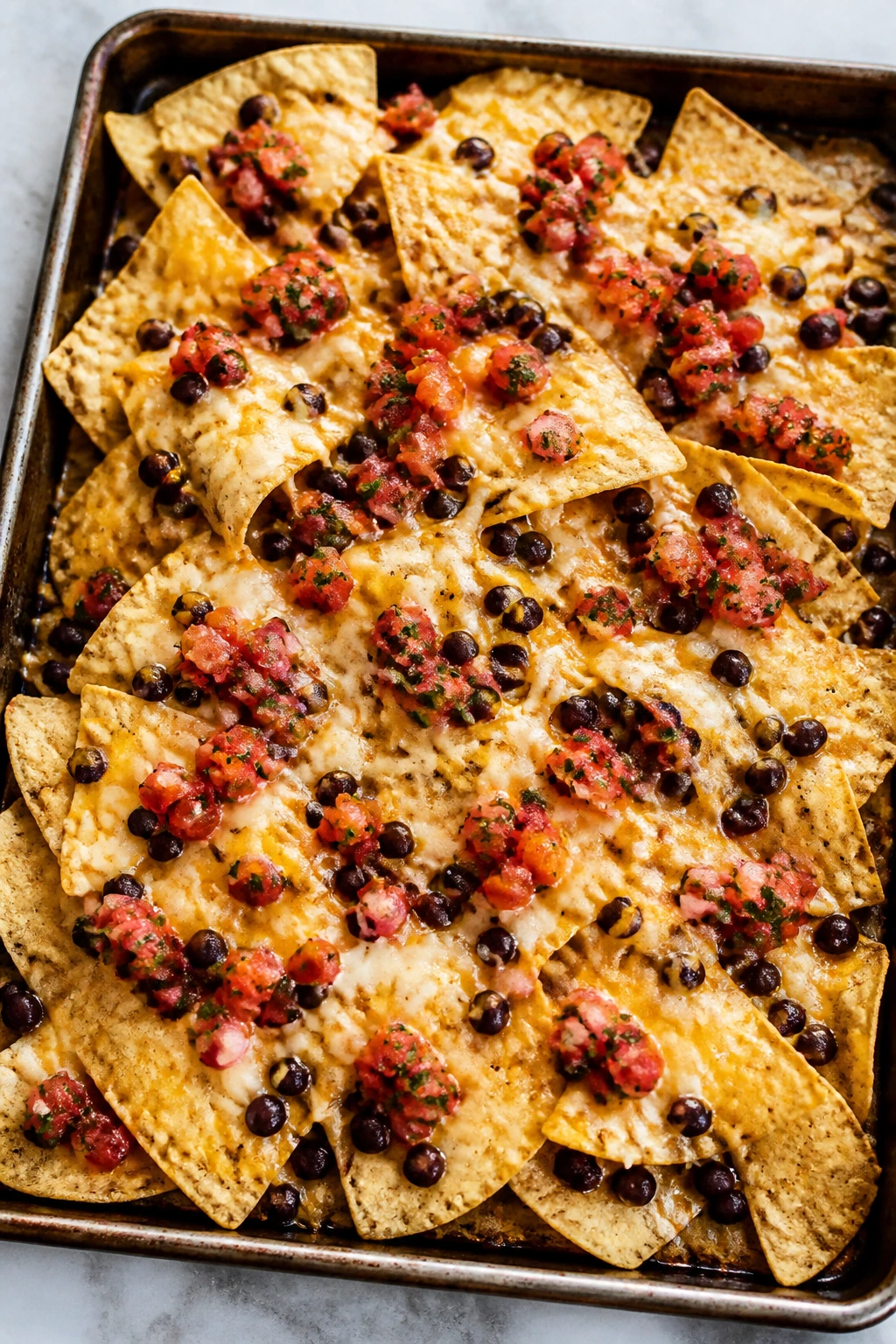
The sound tells you first. Tortilla chips go from dry and brittle to softly loaded at the edges, cheese melts into shiny little craters, and the beans tuck themselves into the gaps so every chip has at least one useful job.
Nachos work when you layer them like you mean it. A base layer of chips, some cheese, beans, maybe shredded chicken, then another layer of chips and more cheese on top. Bake at 425°F for about 6 to 8 minutes, just until the cheese has fully melted and the chips around the edges start to toast.
Layer it like a barricade
If you pile everything on the top layer, the bottom chips stay naked and the top chips get all the attention. That’s not nachos. That’s a mess with a photograph.
A second layer of cheese matters more than people think. It acts like a binder and keeps the toppings from rolling off the first chip the second you move the pan.
Finish with salsa, avocado, chopped tomato, or a few spoonfuls of Greek yogurt after the pan comes out of the oven. If you add cold toppings before baking, they steam the chips and the whole thing loses its crunch.
Nachos are also the one dinner where kids often like the architecture. They get to choose a chip, choose a topping, and build their own bite. That tiny bit of control goes a long way.
Loaded Baked Potato Bowls with Yogurt and Chives
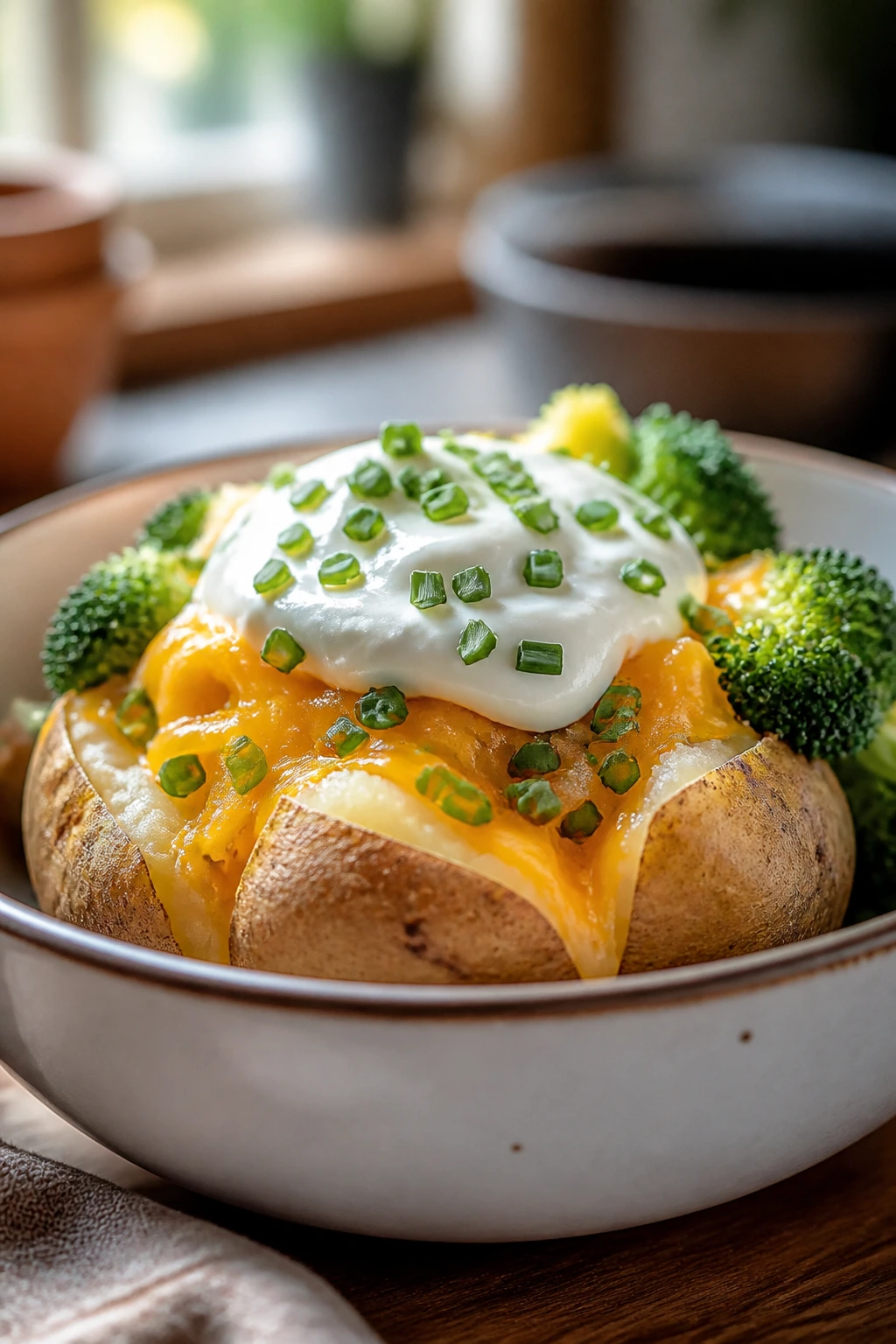
The fridge is half full and dinner has to happen anyway. That is when a baked potato bowl stops being a backup plan and starts looking smart.
Russet potatoes give you a fluffy inside, while Yukon Golds bring a denser, buttery texture. Bake them whole at 425°F until the skins are crisp and the centers give easily when pressed, or microwave them first if you are short on time and finish them in the oven to dry the skins out a little.
Once the potato is split, the rest is mostly assembly. Cheddar, a spoonful of Greek yogurt, chopped chives, and a little steamed broccoli turn the bowl into something that reads like dinner instead of a side dish. Leftover shredded chicken or beans fit right in, and neither one feels forced.
What to pile on top
- Sharp cheddar for flavor
- Greek yogurt for tang and creaminess
- Chives or green onion for freshness
- Broccoli, peas, or corn for color
- Shredded chicken, beans, or leftover taco meat for protein
If your child likes a smoother texture, mash the potato flesh with butter before adding toppings. If they like texture, leave it fluffy and let the fork do the work. The bowl changes shape based on who is eating it, which is part of why it works.
Tomato Soup and Grilled Cheese Dippers for Cold-Night Appetite
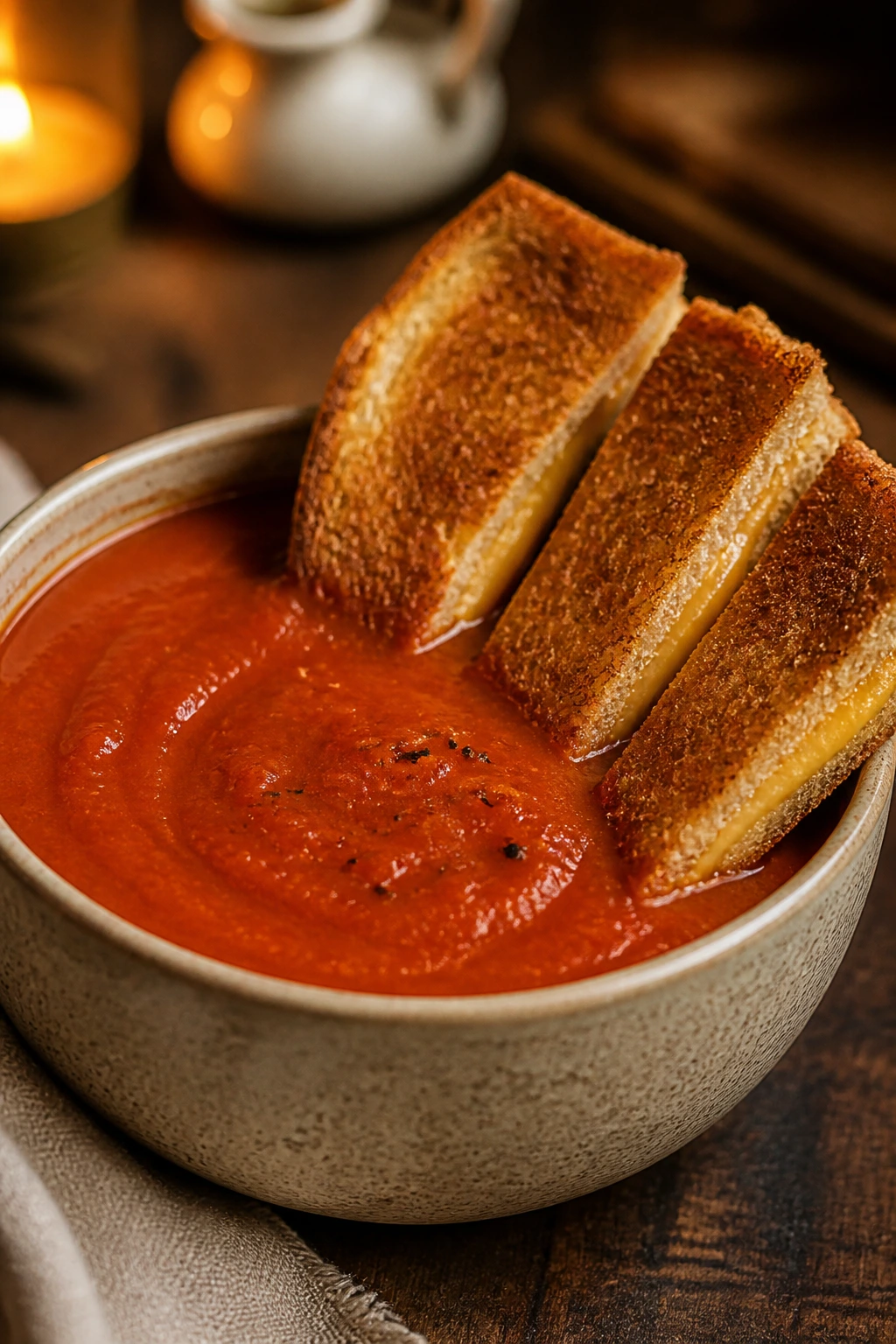
Tomato soup gets eaten faster when it is thick enough to cling to the spoon. That’s the difference. A thin bowl of soup feels like a task; a dense, lightly creamy one feels like something you dip into between bites of grilled cheese.
I like to start with canned crushed tomatoes, sautéed onion, garlic, and a carrot or two for sweetness. A handful of red lentils can add body without making the soup taste like lentils, and the whole pot thickens into a smooth base that feels more substantial than plain tomato broth.
The grilled cheese should be crisp on the outside and fully melted inside — cheddar for flavor, mozzarella for stretch, or both if you want the best of each. Cut it into strips. The shape matters. Dippers are easier for small hands than triangles, and they keep the meal moving.
This combination works because it gives kids a clear job: dip the sandwich, sip the soup, repeat. That rhythm matters more than you’d think. A plate that invites repetition tends to empty faster than a plate that asks for constant decisions.
If the soup tastes flat, a tiny splash of vinegar or lemon near the end sharpens it. Not enough to call attention to itself. Just enough to keep the tomato from tasting sleepy.
How to Add Nutrition Without Turning Dinner Into a Lecture
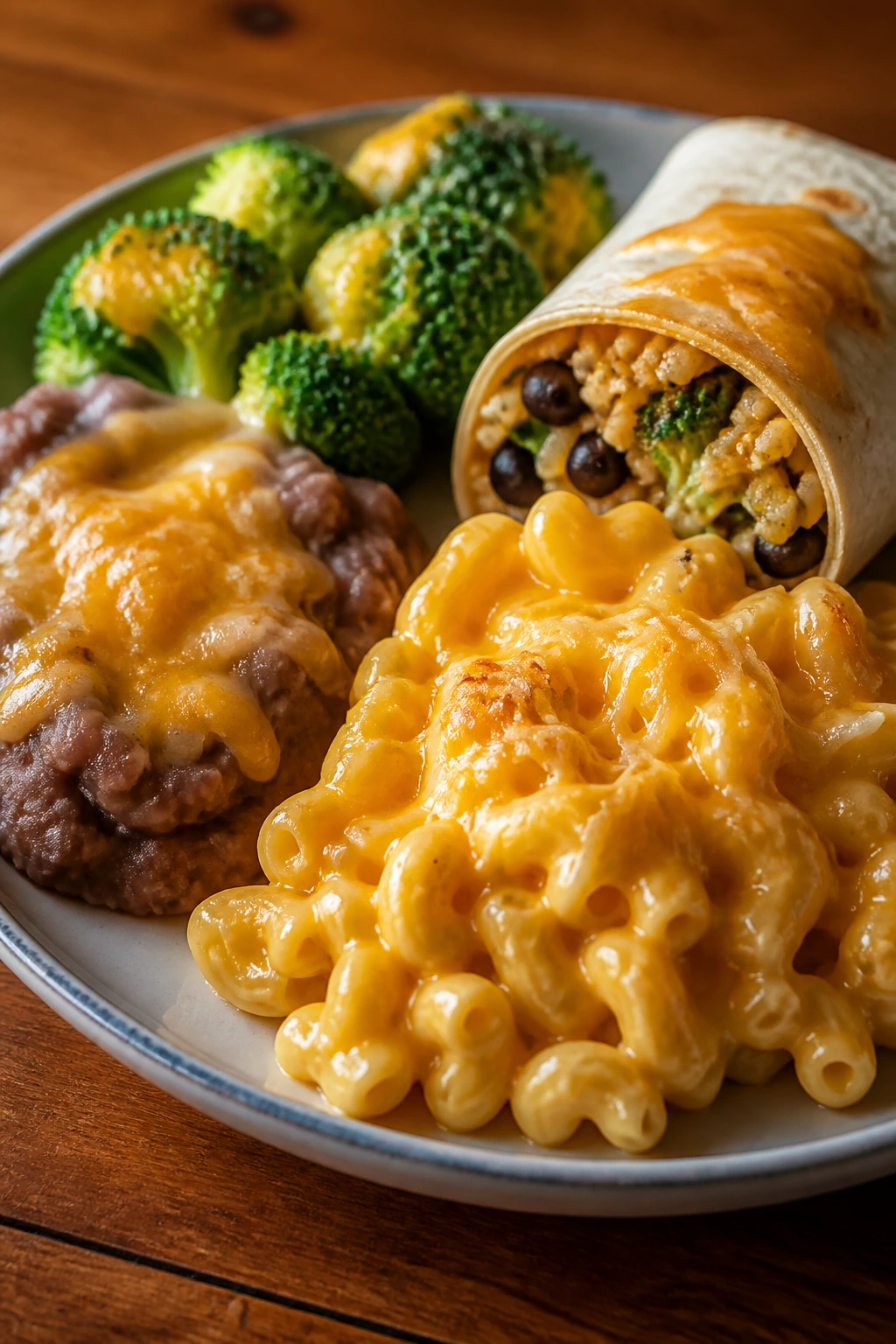
The best kid-friendly cheese meals do not announce themselves as “healthy.” They look like dinner first, and the nutrition is tucked into the structure.
Flavor Enhancement: Use one cheese for flavor and one for melt. Sharp cheddar, Parmesan, or a little smoked gouda can carry taste, while mozzarella or Monterey Jack keeps the texture soft and stretchy. That mix lets you use less cheese overall without making the food taste flat.
Texture Fix: Cut vegetables smaller than you think you need to. Grate zucchini and carrot on the small holes of a box grater, mince spinach into ribbons, or pulse broccoli in a food processor a few times. The smaller the pieces, the less they announce themselves.
Time-Saver: Keep frozen broccoli, frozen spinach, canned beans, jarred salsa, and rotisserie chicken on hand. Those shortcuts are not a compromise if you season them properly. They are how dinner happens on a Tuesday when nobody wants a knife-heavy prep project.
Protein Boost: Stir cottage cheese into eggs, blend it into a creamy sauce, add Greek yogurt as a topping, or tuck lentils into tomato-based fillings. A little protein changes how filling the meal feels, and it usually changes the texture in a good way too.
Color Rule: Aim for one green, one red or orange, and one beige or gold on the plate. A MyPlate-style dinner reads better when the color isn’t all one note. Kids notice that even if they don’t say it.
Smart Shopping for Cheese, Dairy, and Better Shortcuts
Cheese shopping gets easier when you stop buying by habit and start buying by job.
Sharp cheddar: This is the flavor workhorse. Buy a block if you have a few extra minutes to grate it; it melts smoother and tastes cleaner than the bagged stuff. Pre-shredded is fine when speed matters, but the coating on the shreds can make the sauce a little less silky.
Monterey Jack or mozzarella: These are the melters. Jack has a little more flavor; mozzarella gives you stretch. I like one of them in anything baked or folded, because they keep the cheese from turning heavy.
Parmesan or pecorino: Use these as finishing cheeses. A little handful over pasta, soup, or potato bowls sharpens the whole plate without making it greasy.
Greek yogurt, cottage cheese, ricotta: These are the creamy helpers. Greek yogurt gives tang, cottage cheese adds protein and softness, and ricotta works well in baked pasta or stuffed pockets. If the texture bothers you, blend cottage cheese before using it.
Frozen vegetables and canned beans: These save more dinners than any fancy ingredient. Frozen spinach squeezes dry and disappears into sauce; frozen corn and peas go straight into quesadillas, pasta, or soup; canned beans rinse fast and bring texture plus protein.
Low-sodium tomato products and broth: That matters because cheese brings salt on its own. If the sauce starts salty before the cheese goes in, the finished dish can taste harsh instead of balanced.
The Mistakes That Make Kid-Friendly Cheese Meals Fail
-
Too much cheese, not enough structure: If the pan looks like a cheese landslide, the meal turns greasy and heavy. Fix it by building around pasta, tortillas, potatoes, or eggs first and using cheese as the coating, not the foundation.
-
Vegetables left in big, obvious pieces: A whole broccoli crown or a thick zucchini coin gets picked out fast. Chop, grate, or wilt vegetables before they go in so they read as part of the filling rather than an interruption.
-
Using the wrong cheese for the job: Mild mozzarella alone can taste flat in pasta, while a hard cheese alone can go chalky in a sauce. Mix a flavor cheese with a melter and the texture usually improves immediately.
-
Overbaking until the sauce breaks: Cheese sauces can turn grainy if they sit too long in the oven. Pull casseroles when the edges bubble and the top has a few browned spots, not when the whole pan looks dry.
-
Serving the food straight from the oven: Kids burn their mouths, then blame the meal instead of the temperature. Let casseroles rest 5 to 10 minutes and let grilled cheese sit a minute before cutting.
-
Forgetting the salt and acid in the base: Cheese can cover a lot, but it cannot fix a flat sauce. A little salt in the pasta water, tomato base, or egg mix, plus a small splash of lemon or vinegar where it fits, makes the whole dish taste more awake.
Easy Swaps and Adaptations for Different Tables
Gluten-Free Comfort Plate: Use corn tortillas for quesadillas and nachos, rice pasta in baked ziti, and potatoes or polenta as the base when bread is out. The flavor stays familiar, and you do not have to redesign the whole meal.
Higher-Protein Dinner: Add extra chicken, turkey, beans, cottage cheese, or Greek yogurt rather than piling on more cheese. It keeps the meal from feeling heavy while making it stick longer.
Vegetable-Forward Version: Double the broccoli in mac and cheese, add shredded carrot to meatloaf muffins, or fold spinach into tomato soup and baked pasta. The key is chopping it small enough that it blends with the texture already on the plate.
Dairy-Light Comfort: Use less cheese, but choose sharper cheese so the flavor still shows up. For creamy texture, a little blended white bean puree or cauliflower puree can stand in for some of the richness without turning the dish into a science project.
Spice Table Split: Keep the kid portion mild, then set out hot sauce, pickled jalapeños, chili crisp, or crushed red pepper for the adults. The meal stays friendly, but nobody has to eat a bland plate out of politeness.
Tools That Make Weeknight Cheese Dinners Easier
-
Box grater: Faster than you think, and it gives you better-melting cheese than pre-shredded when you have a few extra minutes.
-
12-inch skillet: Useful for quesadillas, sloppy joes, and grilled cheese, especially when you want even browning.
-
Sheet pan with a rim: Essential for nachos, roasted potato bowls, and anything that might leak cheese or sauce.
-
Muffin tin: The best way to turn eggs or meatloaf into kid-sized portions that bake evenly.
-
Casserole dish: Use it for baked ziti, mac and cheese, and anything you want bubbling at the edges.
-
Sharp knife and cutting board: Tiny vegetable pieces matter here, and a dull knife makes that job miserable.
-
Fine-mesh strainer: Handy for rinsing beans and draining spinach until it’s dry enough to disappear into sauce.
-
Microplane or fine grater: Great for Parmesan, lemon zest, garlic, or a tiny hit of nutmeg in cream sauces.
-
Airtight storage containers: The difference between leftovers that get eaten and leftovers that get ignored because they dried out in the fridge.
Make-Ahead, Storage, and Reheating Without Soggy Cheese
Some of these meals hold up beautifully. Others want to be eaten fresh or you lose the crisp part that makes them worth making.
Baked pasta, sloppy joe filling, soup, and meatloaf muffins usually keep 3 to 4 days in the fridge. They also freeze well for up to 2 months if you cool them completely, portion them, and wrap them tightly. Soup should go into shallow containers so it cools fast and reheats evenly.
Egg muffins keep 3 days in the refrigerator and freeze for about 1 to 2 months. Reheat them in the microwave for 20 to 30 seconds, or in a low oven if you want the edges to stay a little firmer. They’re one of the few egg dishes that actually behave after freezing.
Quesadillas, pizza pita pockets, and grilled cheese are best made fresh. If you want to save time, prep the fillings ahead and assemble them at the last minute. Reheat quesadillas in a skillet over medium heat for a minute or two per side; that brings the crisp back faster than the microwave ever will.
Mac and cheese and baked ziti reheat better with a splash of milk stirred in before warming. Cover them loosely and heat at 350°F until hot. The sauce loosens, the pasta stops feeling dry, and the cheese comes back to life instead of turning rubbery.
Always cool leftovers within two hours and store them in shallow containers. That matters more than people like to admit. A tight lid and a cool fridge keep the cheese from developing that sad, thick top layer that no child wants to meet a second time.
Questions Parents Ask About Cheesy Kids Meals

What cheese melts best for picky eaters?
Monterey Jack, mozzarella, Colby, and young cheddar are reliable because they melt smoothly and taste mild. If you want more flavor, mix them with sharp cheddar rather than using a strong cheese all by itself.
Can I use pre-shredded cheese?
Yes, especially on busy nights. It won’t melt quite as smoothly as freshly grated cheese because of the anti-caking coating, but in quesadillas, nachos, and casseroles it usually works fine.
How do I hide vegetables without making dinner mushy?
Chop them smaller than you think you should, then cook them until they’re tender before adding them to the cheese base. Grated zucchini, minced spinach, and tiny broccoli florets blend into the texture far better than big chunks.
Which of these meals make the best leftovers?
Baked ziti, sloppy joe filling, meatloaf muffins, soup, and egg muffins all reheat well. Nachos, grilled cheese, and pizza pitas are better fresh, though their fillings can be prepped ahead.
Are these meals okay for toddlers?
They can be, with a few tweaks. Cut everything small, keep the salt lighter, skip the tough crusty edges if they’re still learning textures, and avoid pieces that are too hot or too chewy.
How do I make them higher in protein without changing the whole dinner?
Add cottage cheese to eggs, Greek yogurt as a topping, beans in quesadillas or nachos, lentils in tomato sauce, or extra shredded chicken in pasta and potato bowls. Those swaps add staying power without changing the basic comfort-food shape of the meal.
What if my child only eats the cheesy part and leaves everything else?
Start there. Use the cheese as the bridge, not the finish line, then make the add-ins smaller or more integrated next time. Kids often need repeated exposure before they accept a vegetable as part of dinner instead of an invasion.
What if the cheese sauce turns grainy?
That usually means the heat was too high or the cheese was added too quickly. Pull the pan off the burner, lower the heat next time, and stir in the cheese gradually so it melts into the sauce instead of seizing.
A Plate They’ll Actually Clear
Cheesy dinners work best when they feel like food a child would choose on purpose, not food they’re being persuaded to accept. That means browned edges, stretchy centers, soft pasta, crisp tortillas, or a bowl of soup thick enough to dip into. Texture matters. A lot.
Start with the meal that matches the night you’re having. Mac and cheese for the rough one. Quesadillas when time is short. Soup and grilled cheese when everybody wants something warm and steady. The smartest dinner is usually the one that comes back with fewer leftovers on the plate and less bargaining at the table.
A little cheese can do a lot of heavy lifting, but only if you let it support the meal instead of trying to become the whole story. Keep one or two of these in rotation, and you’ll have a handful of dinners that feel familiar enough for kids and useful enough for the adults who have to make them again tomorrow.