



Family friendly meals for lunchboxes live or die on texture. If the bread turns damp, the pasta drinks up all its dressing, or the cheese leaks out of the seams before noon, the whole thing feels like a letdown the moment the container opens. The best lunchbox recipes are the ones that still look tidy at the table and still taste like themselves after they’ve sat in a bag for a few hours.
That’s the standard I used here. These are meals that pack cleanly, hold their shape, and don’t ask for a heroic amount of morning effort. Some are cold and crisp, some are warm and comforting in a thermos, and a few split the difference with components you can pack separately so nothing goes soggy before lunch.
A good lunchbox meal also has to survive real life. That means cheese that stays put, sauces that behave, and fillings that don’t need a fork-and-knife performance to eat in a hurry. It also means smart food safety: cold food stays cold with an ice pack, hot food goes into a preheated thermos, and anything perishable doesn’t sit around waiting to be dealt with later. That’s the kind of detail that keeps lunch from being a gamble.
Why You’ll Love This Collection
- Packability: Every recipe here holds up in a lunch container without collapsing into a damp mess by midday.
- Kid Appeal: The flavors lean familiar—cheese, chicken, pasta, rice, mild sauces, soft wraps—so they don’t fight the lunchbox.
- Make-Ahead Friendly: Several of these recipes can be cooked at night, portioned once, and packed for the next few days.
- Hot or Cold Options: You get thermos meals, chilled salads, wraps, and bite-size bakes, which makes the collection useful for different routines.
- Budget Control: A single tray of meatballs, a pot of rice, or a batch of egg muffins can cover multiple lunches without much fuss.
- Easy Swaps: Most recipes accept turkey, chicken, beans, tofu, or dairy-free cheese without changing the whole structure.
1. Turkey and Cheddar Pinwheels
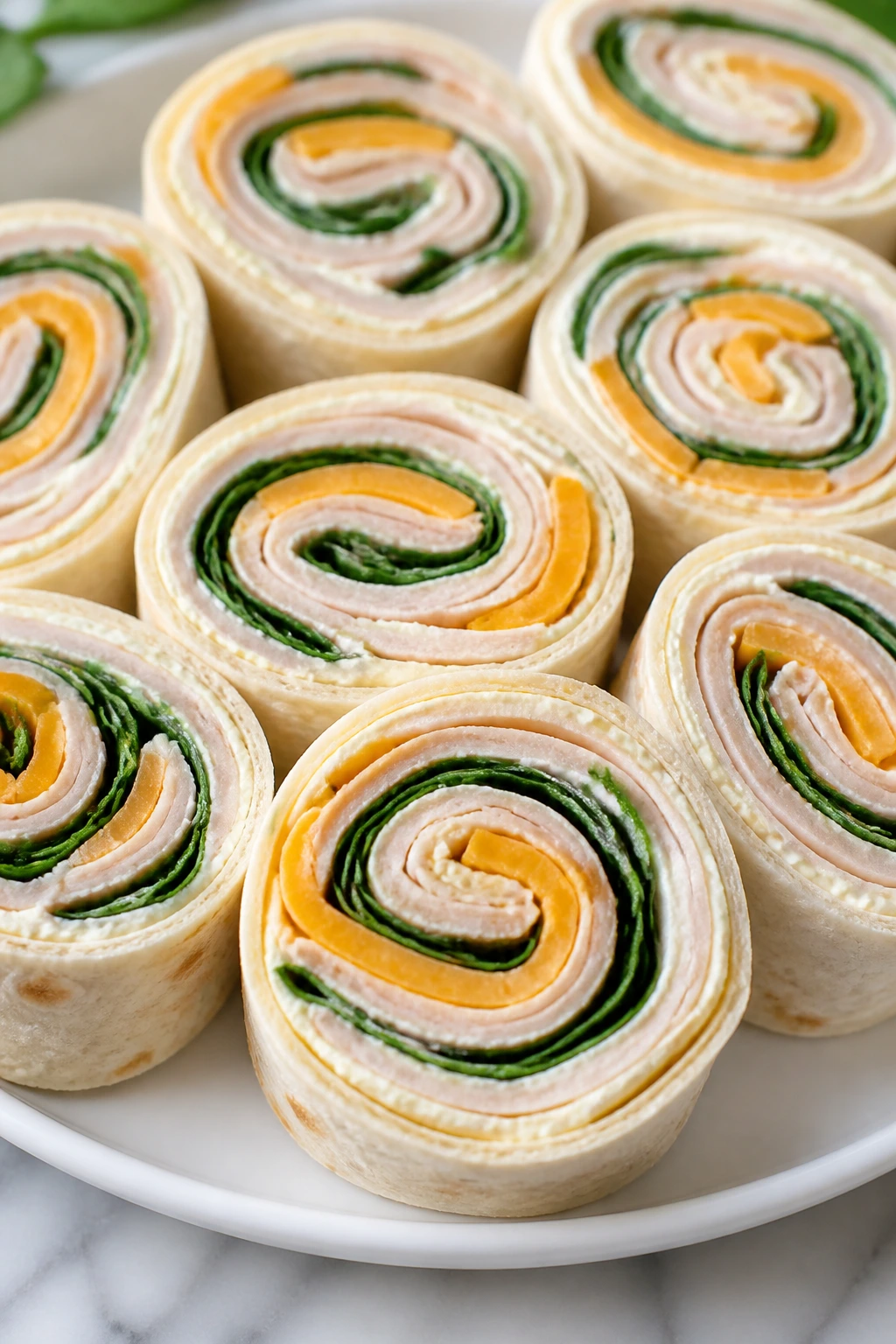
These pinwheels are the kind of lunch that disappears fast because they feel neat, not fussy. Soft tortillas, a thin layer of cream cheese, smoky turkey, and sharp cheddar roll into tight spirals that slice cleanly and stay together in a lunchbox. They’re especially good when you want something cold, tidy, and easy to eat with one hand.
Why It Works: The cream cheese acts like glue, which matters more than people think. It keeps the tortilla sealed and protects the bread from getting leathery. A short chill in the fridge firms everything up, and that gives you those neat rounds instead of squashed coils.
Key Ingredients:
- 4 large flour tortillas
- 8 oz cream cheese, softened
- 1 tablespoon Dijon mustard
- 8 slices deli turkey
- 1 1/2 cups shredded sharp cheddar
- 1 cup baby spinach, stems removed
- 1/4 teaspoon black pepper
Quick Steps:
- Mix the cream cheese and Dijon until smooth.
- Spread about 2 tablespoons over each tortilla, leaving a 1-inch border.
- Layer turkey, cheddar, spinach, and pepper.
- Roll tightly from one side, then wrap each tortilla in plastic wrap.
- Chill for 30 minutes, slice into 1-inch pinwheels, and pack snugly.
Equipment for This Recipe:
- Cutting board
- Sharp knife
- Small mixing bowl
- Plastic wrap or beeswax wrap
How to Serve This Dish: Pack 6 to 8 pinwheels per lunchbox with grapes, cucumber coins, and a few pretzels. They look best lined up in a tight row so the spiral is visible.
Pro Tips for This Recipe:
- Use room-temperature cream cheese or it tears the tortilla.
- Don’t overload the filling. Thin layers slice cleaner.
- Wrap and chill before slicing. That step is not optional.
Variations on This Dish:
- Ranch Turkey Pinwheels: Swap Dijon for 1 tablespoon ranch seasoning.
- Ham and Swiss Spiral: Replace turkey and cheddar with ham and Swiss.
- Veggie Club Version: Use extra spinach, shredded carrot, and cucumber ribbons.
Common Mistakes to Avoid with This Dish:
- Rolling too loosely leaves gaps and falling filling.
- Slicing immediately after assembling makes the swirls collapse.
- Using wet spinach adds moisture and softens the tortilla.
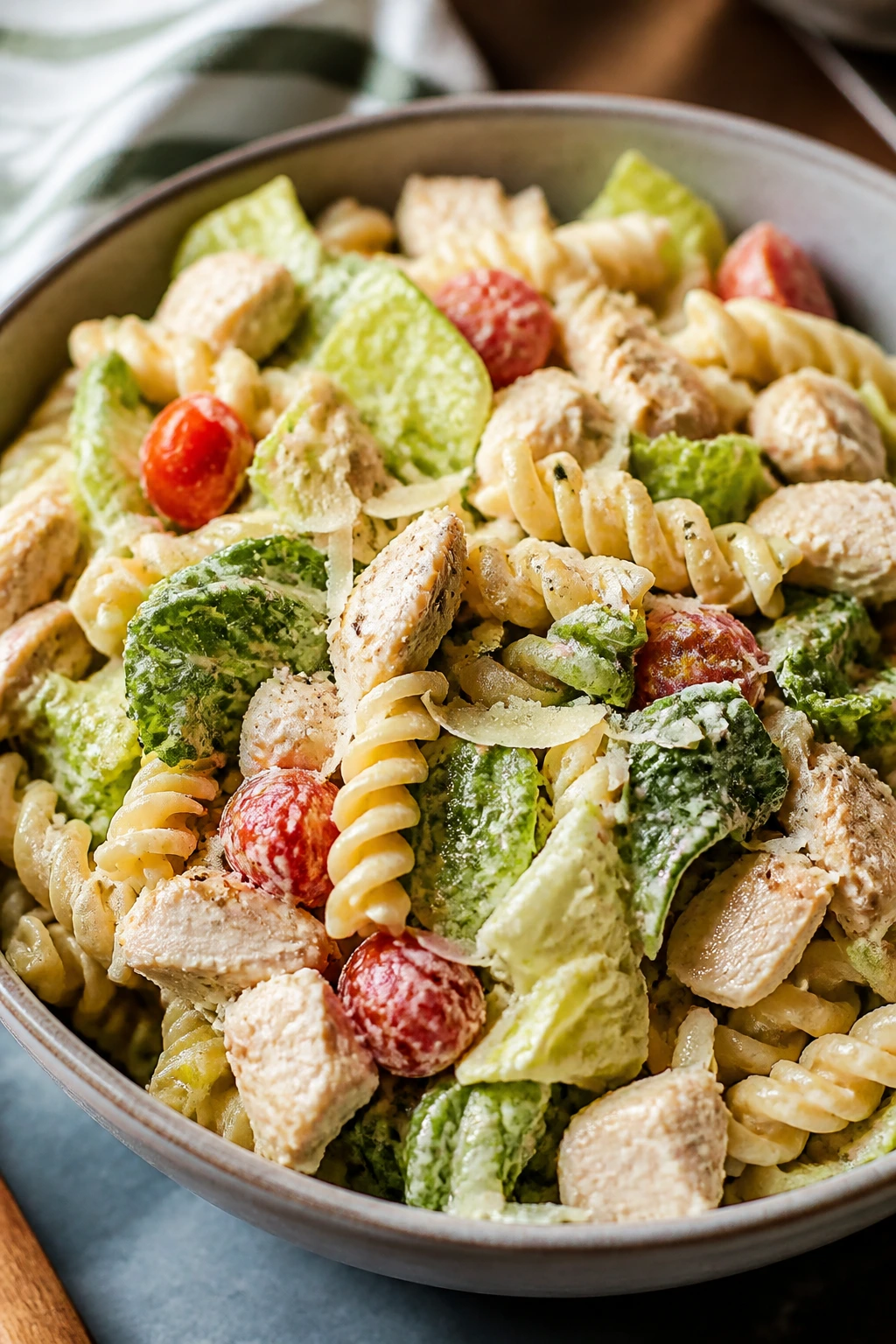
2. Chicken Caesar Pasta Salad
This is the lunchbox version of a Caesar salad that actually makes sense outside a restaurant bowl. Short pasta catches the dressing, chicken adds substance, and a little Parmesan gives it that salty edge that keeps each bite awake. It eats well cold, which makes it a steady, low-drama choice.
Why It Works: Caesar dressing clings to pasta better than vinaigrette, so the salad stays coated instead of oily. Using rotini or penne gives you ridges and little hollows that hold the sauce. If you keep the croutons separate, the texture stays sharp instead of soggy.
Key Ingredients:
- 8 oz rotini pasta
- 2 cups cooked chicken breast, chopped
- 1/2 cup Caesar dressing
- 1/3 cup grated Parmesan
- 1 cup chopped romaine
- 1/2 cup cherry tomatoes, halved
- 1/2 cup croutons, packed separately
- 1/4 teaspoon black pepper
Quick Steps:
- Boil the pasta in salted water until al dente, then drain and cool.
- Toss the pasta with Caesar dressing and Parmesan.
- Fold in chicken, romaine, tomatoes, and pepper.
- Chill for 20 minutes so the flavor settles.
- Pack with croutons in a separate small container.
Equipment for This Recipe:
- Large pot
- Colander
- Mixing bowl
- Meal prep containers
How to Serve This Dish: Serve it cold with apple slices and a few olives if your household likes them. Keep the croutons on the side so they stay crunchy until the last minute.
Pro Tips for This Recipe:
- Slightly undercook the pasta by 1 minute.
- Use cooked chicken that’s well chilled before mixing.
- Add the romaine close to packing time if you want it very crisp.
Variations on This Dish:
- Bacon Caesar Pasta: Add 1/4 cup crisp bacon bits.
- Greek Caesar Twist: Swap tomatoes for diced cucumber and a few olives.
- Tuna Caesar Pasta: Use two 5-ounce cans of tuna instead of chicken.
Common Mistakes to Avoid with This Dish:
- Too much dressing makes the pasta heavy and slick.
- Warm chicken melts the dressing and turns the salad dull.
- Mixing in croutons too early leaves you with soft crumbs.
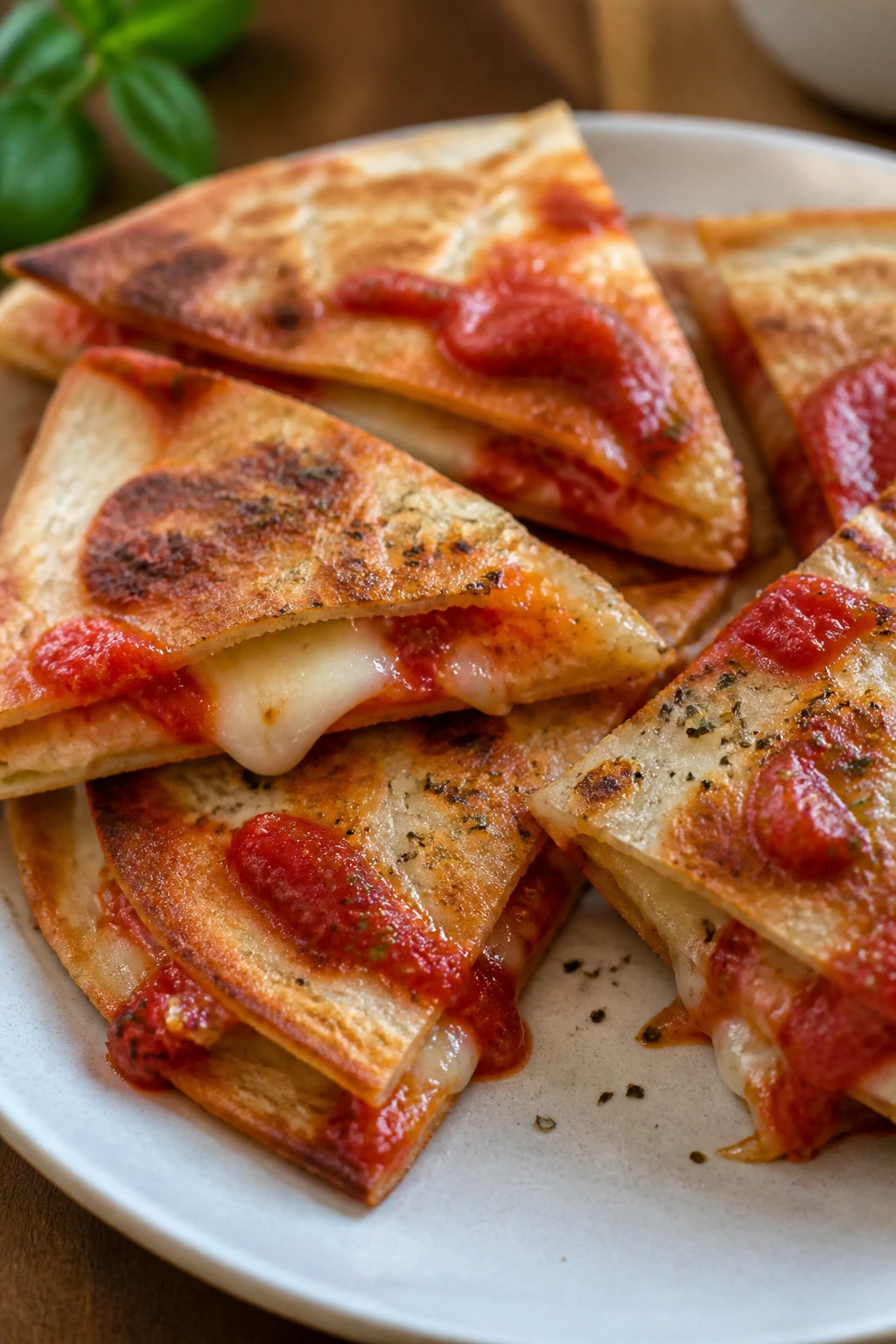
3. Mini Pizza Quesadillas
If your lunchbox crowd likes pizza, this one lands fast. Tortillas crisp on the outside, mozzarella melts into the middle, and a little marinara gives you that familiar pizza bite without a slice box or a pile of grease. They’re easy to cut into wedges and easy to eat when a fork is nowhere nearby.
Why It Works: The quesadilla format keeps the cheese contained, which means fewer leaks and less mess. A thin layer of sauce matters here; too much and the tortilla steams instead of browns. Once cooled, the wedges hold their shape far better than a floppy slice of regular pizza.
Key Ingredients:
- 4 medium flour tortillas
- 1 cup shredded mozzarella
- 1/2 cup finely diced pepperoni
- 1/3 cup marinara sauce
- 1/4 cup chopped bell pepper
- 1 teaspoon Italian seasoning
- 1 tablespoon olive oil
Quick Steps:
- Heat a skillet over medium heat and brush lightly with oil.
- Spread a thin smear of marinara on half of each tortilla.
- Sprinkle mozzarella, pepperoni, bell pepper, and seasoning over the sauced side.
- Fold and cook for 2 to 3 minutes per side until golden and the cheese melts.
- Cool, cut into wedges, and pack once the steam is gone.
Equipment for This Recipe:
- Nonstick skillet
- Spatula
- Cutting board
- Sharp knife or pizza cutter
How to Serve This Dish: Pack 2 wedges per lunch with carrot sticks and a small container of extra marinara for dipping. They’re best at room temperature, not steaming hot.
Pro Tips for This Recipe:
- Grate your own mozzarella if you want a cleaner melt.
- Use low-moisture sauce, not a thin one.
- Let the quesadillas cool before slicing or the filling slips out.
Variations on This Dish:
- Veggie Pizza Quesadilla: Leave out pepperoni and add mushrooms.
- Sausage Supreme Version: Swap pepperoni for cooked sausage crumbles.
- Margherita Style: Use mozzarella, chopped basil, and a spoonful of sauce.
Common Mistakes to Avoid with This Dish:
- Overfilling the tortilla makes it break on the flip.
- Cooking too fast burns the tortilla before the cheese melts.
- Packing while hot traps steam and turns the wedges soft.
4. Ham, Spinach, and Cheese Egg Muffins
These little egg muffins are tidy, sturdy, and much more useful than they look at first glance. They eat like a mini frittata, but they pack like a snack that grew up. The ham keeps them savory, the spinach softens the whole thing, and the cheese gives you little salty pockets in every bite.
Why It Works: Eggs set fast in a muffin tin, so you get portioned lunches without slicing a big casserole. The filling stays put because the egg mixture surrounds it on all sides. They’re good warm, but they also hold their shape cold, which is half the battle for lunchbox food.
Key Ingredients:
- 8 large eggs
- 1/4 cup milk
- 1 cup diced ham
- 1 cup chopped spinach
- 3/4 cup shredded cheddar
- 1/4 teaspoon salt
- 1/8 teaspoon black pepper
- 1 teaspoon butter or oil for greasing
Quick Steps:
- Heat the oven to 350°F and grease a 12-cup muffin tin.
- Whisk eggs, milk, salt, and pepper until smooth.
- Divide ham, spinach, and cheddar among the cups.
- Pour the egg mixture over the filling, filling each cup about 3/4 full.
- Bake for 18 to 20 minutes until set and lightly puffed.
Equipment for This Recipe:
- 12-cup muffin tin
- Mixing bowl
- Whisk
- Measuring cup
How to Serve This Dish: Pack 2 muffins with berries and toast fingers or a whole-grain English muffin. They’re especially nice in a lunchbox with a cold fruit cup beside them.
Pro Tips for This Recipe:
- Squeeze excess moisture out of the spinach.
- Don’t overfill the cups or they spill over.
- Let them cool fully before lifting them out.
Variations on This Dish:
- Broccoli Cheddar Muffins: Use finely chopped broccoli instead of ham.
- Turkey Bacon Version: Swap diced ham for chopped cooked turkey bacon.
- Bell Pepper Breakfast Muffins: Add diced peppers and a pinch of paprika.
Common Mistakes to Avoid with This Dish:
- Wet vegetables make the muffins spongy.
- Baking too long turns the edges rubbery.
- Trying to pack them hot leads to trapped condensation.
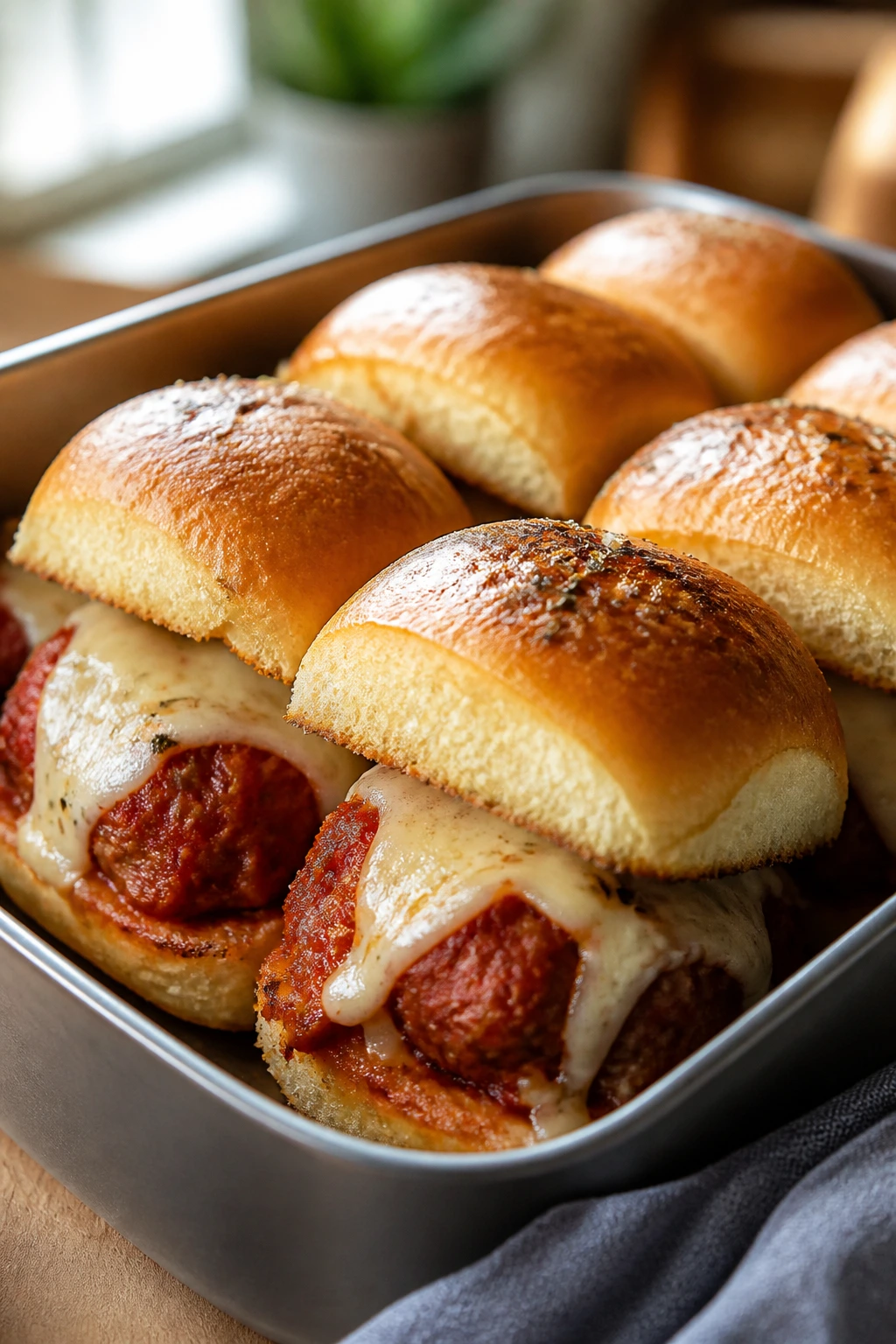
5. Meatball Marinara Slider Box
This is the lunchbox meal that feels generous without being complicated. Soft slider buns, saucy meatballs, and melted cheese make it feel like a tiny sandwich shop order, only easier to carry. Put the meatballs in a thermos if you want them hot, or pack them separately for quick assembly.
Why It Works: Meatballs hold heat better than sliced meat, and marinara keeps them moist through the day. Small buns are easier to manage than full rolls, and they don’t collapse under the weight of the filling. If you toast the buns lightly, they stay sturdier.
Key Ingredients:
- 12 small cooked meatballs
- 1 1/2 cups marinara sauce
- 6 slider buns
- 6 slices provolone or mozzarella
- 1 tablespoon butter, softened
- 1/2 teaspoon garlic powder
Quick Steps:
- Warm the marinara in a saucepan over low heat.
- Add the meatballs and simmer for 10 minutes until hot through.
- Split the buns and brush the cut sides with butter and garlic powder.
- Toast the buns for 2 minutes under a broiler or in a skillet.
- Assemble with meatballs, sauce, and cheese, or pack separately.
Equipment for This Recipe:
- Saucepan
- Baking sheet or skillet
- Tongs
- Thermos, if packing hot
How to Serve This Dish: Two sliders make a solid lunch, especially with celery sticks and a handful of grapes. If packing for later, keep the sauce in a separate cup so the buns stay intact.
Pro Tips for This Recipe:
- Use meatballs about the size of a walnut.
- Toasting is what keeps the buns from getting soggy.
- A thermos should be preheated with boiling water first.
Variations on This Dish:
- Italian Sausage Slider: Swap meatballs for sliced cooked sausage.
- Chicken Parm Slider: Use chicken meatballs and extra mozzarella.
- Spicy Red Pepper Version: Stir a spoonful of crushed red pepper into the sauce.
Common Mistakes to Avoid with This Dish:
- Packing sauced meatballs directly on buns too early.
- Using buns that are too soft and airy.
- Skipping the preheated thermos step for hot lunches.
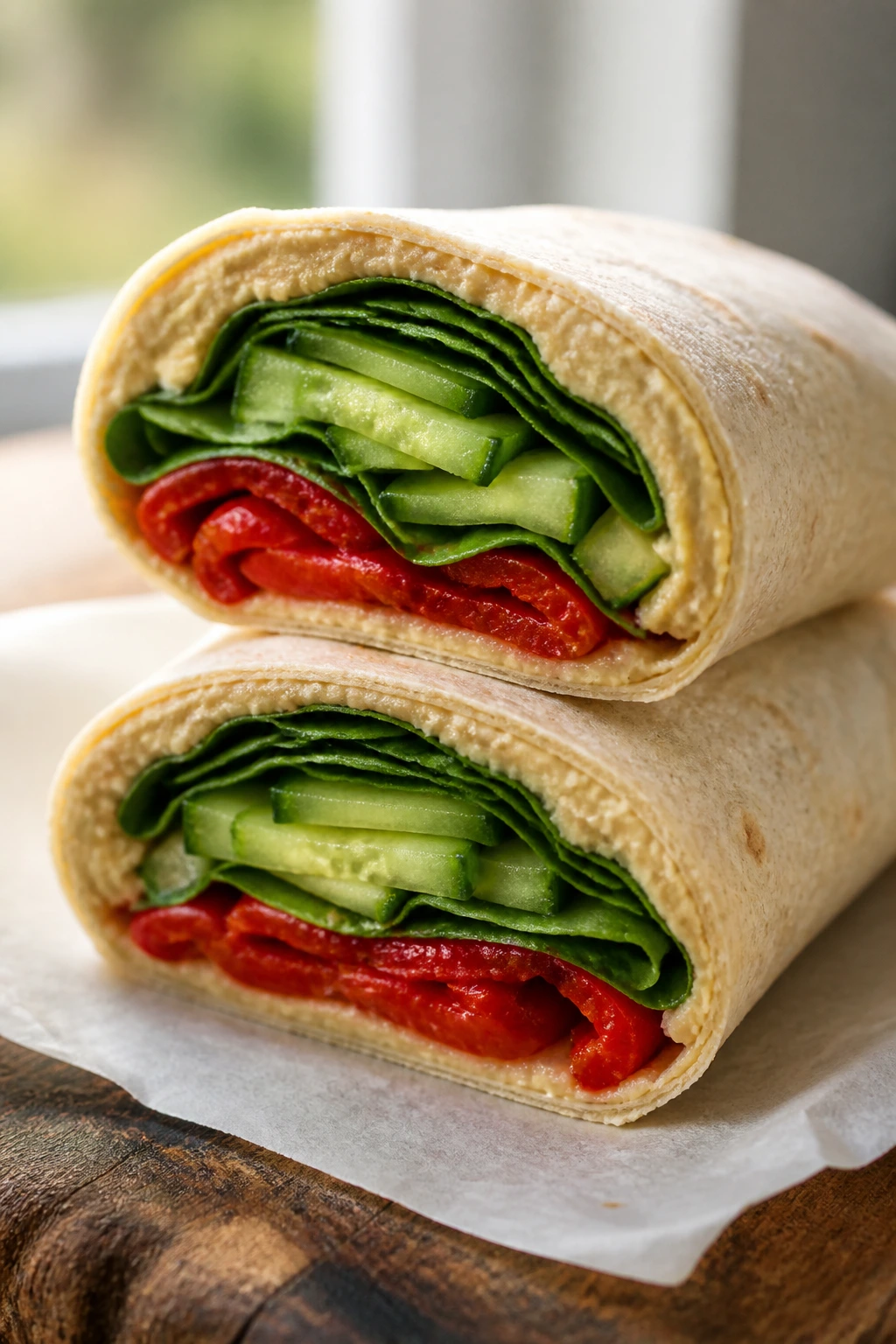
6. Hummus, Cucumber, and Roasted Pepper Wraps
These wraps are cool, crunchy, and very forgiving. Hummus spreads easily, cucumbers bring the snap, and roasted red peppers add sweetness that keeps the wrap from tasting flat. They’re a solid vegetarian lunchbox pick when you want something that feels fresh but still substantial.
Why It Works: Hummus is thick enough to act as a moisture barrier, which protects the tortilla. Cucumbers and peppers bring crunch without making the wrap watery if you pat them dry first. The flavors are mild enough for kids but not so plain that the lunch feels like a compromise.
Key Ingredients:
- 4 large spinach or plain flour tortillas
- 1 cup hummus
- 1 cucumber, thinly sliced
- 1 cup roasted red peppers, patted dry and sliced
- 1 cup shredded carrots
- 1 cup baby spinach
- 1/4 teaspoon salt
Quick Steps:
- Lay the tortillas flat and spread hummus almost to the edges.
- Layer spinach, carrots, cucumber, and roasted peppers down the center.
- Sprinkle lightly with salt.
- Roll tightly and wrap each one in parchment or foil.
- Chill for 15 minutes, then slice in half if desired.
Equipment for This Recipe:
- Cutting board
- Sharp knife
- Measuring cups
- Parchment or foil
How to Serve This Dish: Pack with cherry tomatoes and a cheese stick if you want a more filling box. They’re neatest when cut on a diagonal after chilling.
Pro Tips for This Recipe:
- Pat the peppers dry or they leak into the tortilla.
- Use a thick hummus, not a runny one.
- A spinach tortilla looks nice, but plain flour is usually sturdier.
Variations on This Dish:
- Falafel Wrap Style: Add crumbled falafel and a spoonful of tzatziki.
- Sunflower Seed Version: Swap hummus for sunflower seed spread.
- Greek Veggie Wrap: Add feta and chopped olives.
Common Mistakes to Avoid with This Dish:
- Wet fillings make the tortilla slide apart.
- Overstuffing makes rolling impossible.
- Slicing before chilling gives you messy spirals.
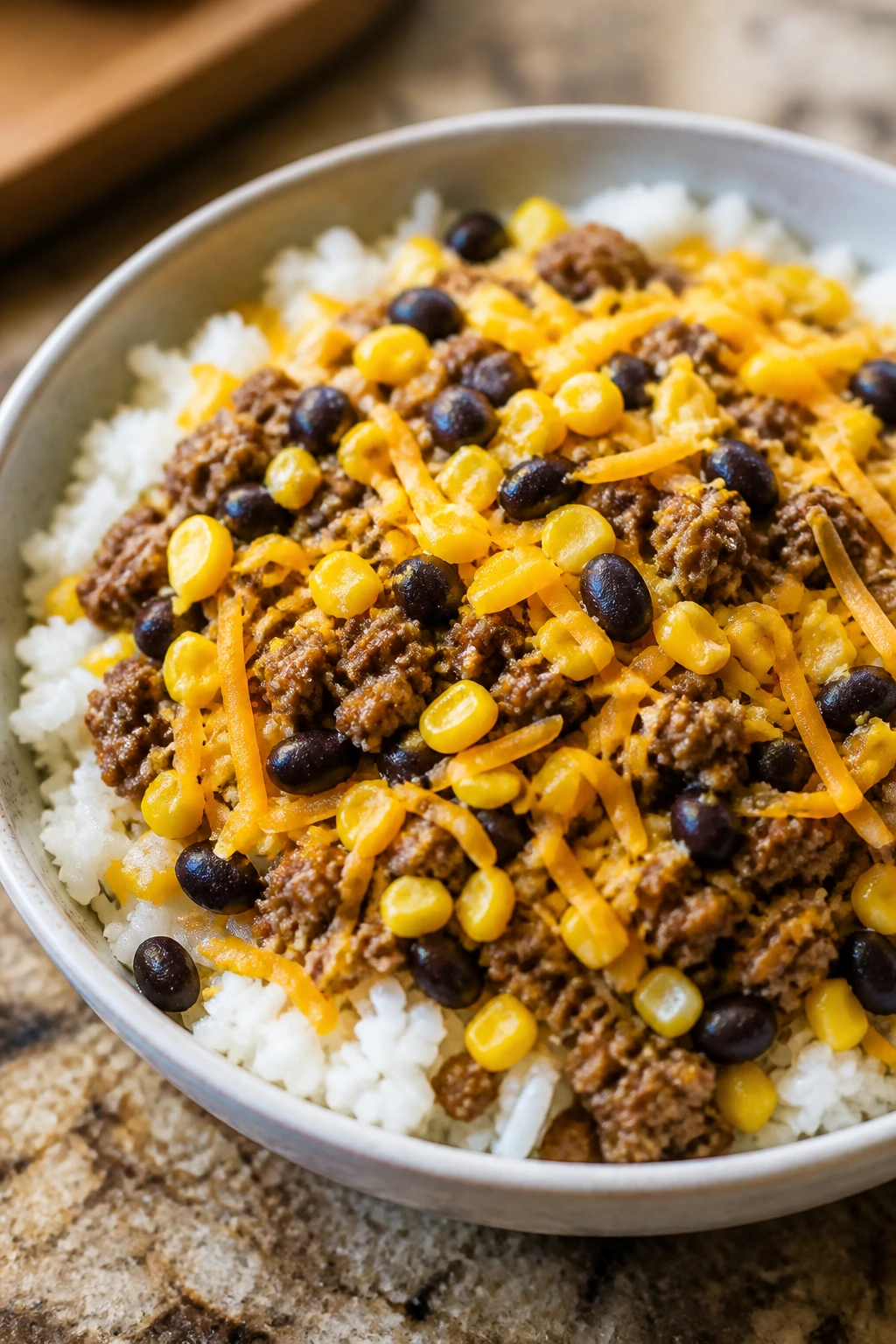
7. Mild Beef Taco Rice Bowls
A taco bowl in a lunchbox feels practical in the best way. Rice catches the juices, seasoned beef brings flavor, and beans make the meal more filling without making it heavy. Pack the toppings separately and you’ve got a lunch that still tastes layered instead of mashed together.
Why It Works: Rice and beans are the backbone here because they hold shape and keep the beef from sliding around. Mild seasoning makes this kid-friendly without removing the taco flavor. A small salsa cup on the side gives you moisture without flooding the bowl.
Key Ingredients:
- 1 cup uncooked white or brown rice
- 1 lb ground beef
- 1 packet mild taco seasoning
- 1/2 cup water
- 1 cup canned black beans, rinsed and drained
- 1 cup shredded cheddar
- 1/2 cup corn kernels
- 1/2 cup salsa
Quick Steps:
- Cook the rice and fluff it with a fork.
- Brown the beef in a skillet over medium heat until no pink remains.
- Stir in taco seasoning and water, then simmer for 3 minutes.
- Fold in black beans and corn until hot.
- Pack rice, beef mixture, cheese, and salsa in separate sections or containers.
Equipment for This Recipe:
- Skillet
- Saucepan with lid
- Spoon or spatula
- Lunch containers with compartments
How to Serve This Dish: Pack with tortilla chips, lettuce, or sliced avocado kept in a separate cup. It’s best assembled at the table, not mixed hours ahead.
Pro Tips for This Recipe:
- Slightly undercook the rice so it stays fluffy.
- Drain the beef well if it’s greasy.
- Keep salsa separate to prevent the rice from turning soft.
Variations on This Dish:
- Chicken Taco Bowl: Swap beef for shredded chicken.
- Bean-Only Version: Double the black beans and skip the meat.
- Nacho Bowl Twist: Add crushed tortilla chips right before eating.
Common Mistakes to Avoid with This Dish:
- Overloading with salsa makes the rice soggy.
- Using overly wet rice clumps the bowl together.
- Skipping the draining step leaves a greasy finish.
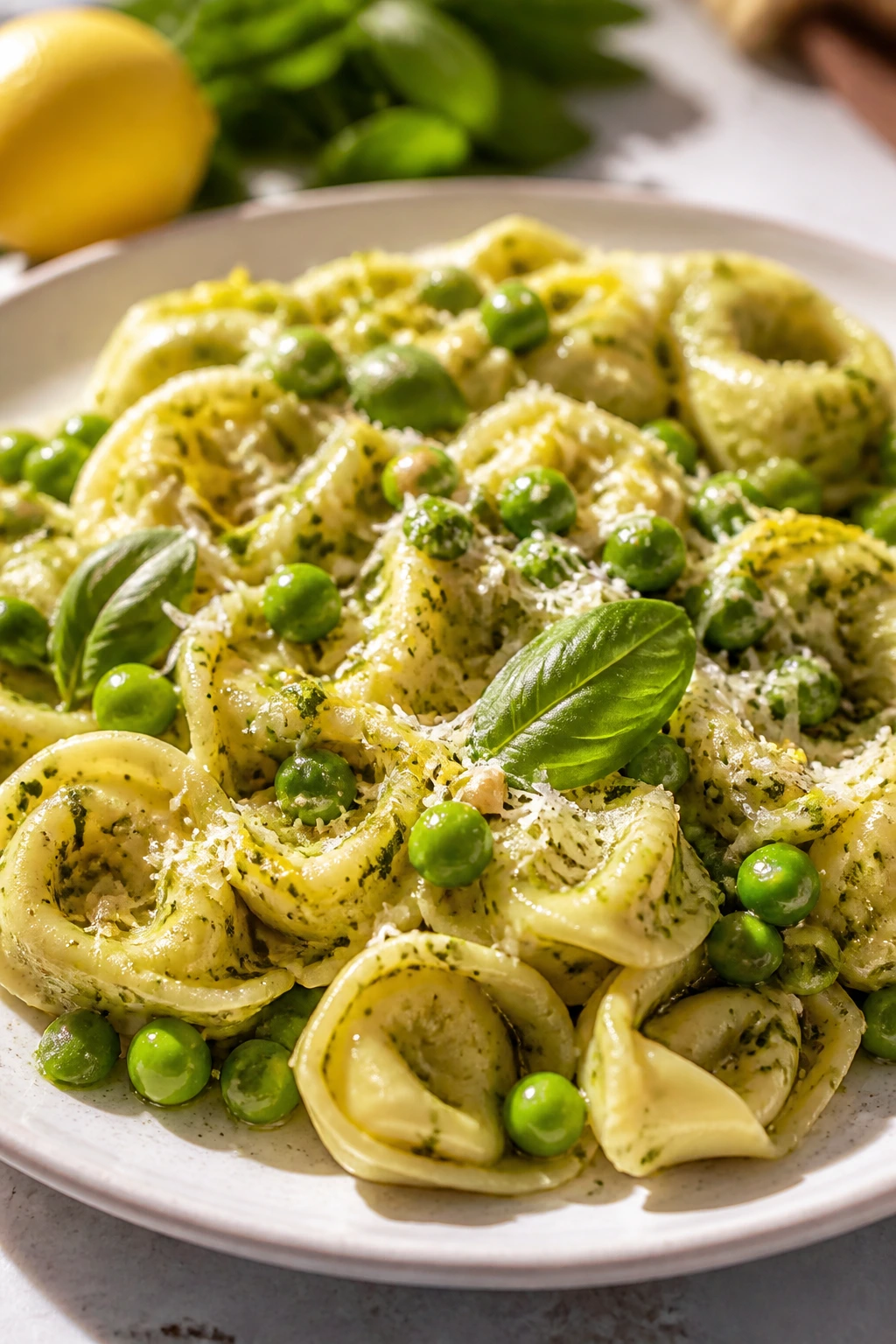
8. Pesto Tortellini Salad with Peas
This one has a soft, buttery kind of comfort that still packs cold. Cheese tortellini, peas, and basil pesto come together fast, and the whole thing tastes richer than the ingredient list suggests. It’s also one of the easiest ways to make a lunchbox feel a little more finished.
Why It Works: Tortellini is a small but filling pasta shape, and pesto coats it without flooding the container. Peas stay bright and sweet after cooking, which keeps the flavor from becoming one-note. A little Parmesan sharpens the whole thing so it doesn’t taste heavy.
Key Ingredients:
- 12 oz cheese tortellini
- 1 cup frozen peas
- 1/3 cup basil pesto
- 1/4 cup grated Parmesan
- 1 tablespoon lemon juice
- 1/4 teaspoon black pepper
- 1/2 cup halved cherry tomatoes
Quick Steps:
- Cook the tortellini according to the package directions.
- Add the peas during the last minute of cooking, then drain.
- Toss warm pasta and peas with pesto, Parmesan, lemon juice, and pepper.
- Fold in cherry tomatoes once the pasta cools slightly.
- Chill before packing.
Equipment for This Recipe:
- Large pot
- Colander
- Mixing bowl
- Spoon for tossing
How to Serve This Dish: Serve cold with sliced cucumbers and a handful of crackers. It holds up well in a compartmental lunchbox because nothing needs to be stacked on top of it.
Pro Tips for This Recipe:
- Toss the pasta while it’s still warm so the pesto spreads evenly.
- Use frozen peas straight from the bag; they thaw in the pasta.
- Add tomatoes after cooling so they stay firm.
Variations on This Dish:
- Chicken Pesto Tortellini: Add chopped cooked chicken.
- Sun-Dried Tomato Version: Replace fresh tomatoes with chopped sun-dried tomatoes.
- Dairy-Free Swap: Use dairy-free pesto and skip the Parmesan.
Common Mistakes to Avoid with This Dish:
- Letting the pasta cool before tossing makes the pesto clump.
- Overcooking tortellini turns the filling gummy.
- Adding too much pesto makes the salad oily.
9. Tuna Pasta Salad Cups
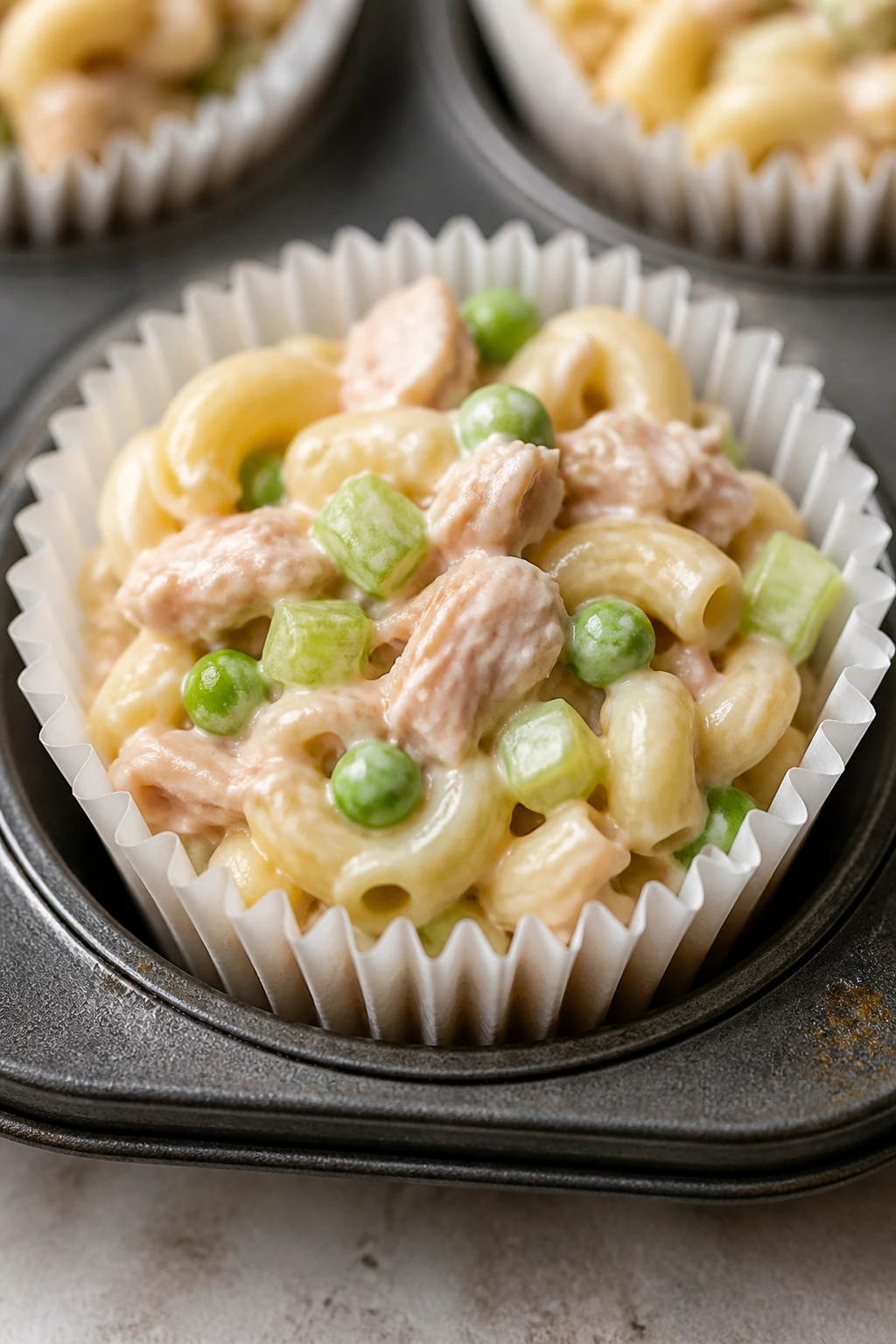
Tuna pasta salad is old-school lunchbox food, and that’s not a criticism. It packs well, tastes good cold, and gives you a protein-rich meal that doesn’t need reheating. Keep the mayo under control and it stays creamy instead of swampy.
Why It Works: Small pasta shapes trap the dressing and tuna in each bite. Celery adds crunch, peas add sweetness, and lemon keeps the flavor from going flat. When the tuna is well drained, the salad stays bright rather than watery.
Key Ingredients:
- 8 oz elbow macaroni
- 2 cans tuna, drained
- 1/3 cup mayonnaise
- 2 tablespoons plain Greek yogurt
- 1 rib celery, finely chopped
- 1/2 cup frozen peas, thawed
- 1 tablespoon lemon juice
- 1/4 teaspoon black pepper
Quick Steps:
- Cook the macaroni until al dente, then rinse briefly and cool.
- Stir mayo, yogurt, lemon juice, and pepper together.
- Fold in tuna, celery, and peas.
- Add the pasta and mix until coated.
- Chill for 30 minutes before packing.
Equipment for This Recipe:
- Pot
- Mixing bowl
- Colander
- Spoon or rubber spatula
How to Serve This Dish: Pack with crackers, sliced bell peppers, or a pickle spear if your household likes one. A small cup of extra pepper on the side can wake up the flavor.
Pro Tips for This Recipe:
- Drain the tuna very well.
- Rinse the pasta just enough to cool it; don’t soak it.
- A spoonful of yogurt keeps the dressing lighter than mayo alone.
Variations on This Dish:
- Pickle Tuna Salad: Add chopped dill pickles.
- Sweet Corn Version: Swap peas for corn kernels.
- Dill Tuna Pasta: Add chopped dill and a touch more lemon.
Common Mistakes to Avoid with This Dish:
- Too much mayo masks the tuna.
- Warm pasta melts the dressing and turns the salad greasy.
- Undrained tuna leaves puddles at the bottom of the container.
10. BBQ Chicken Sliders
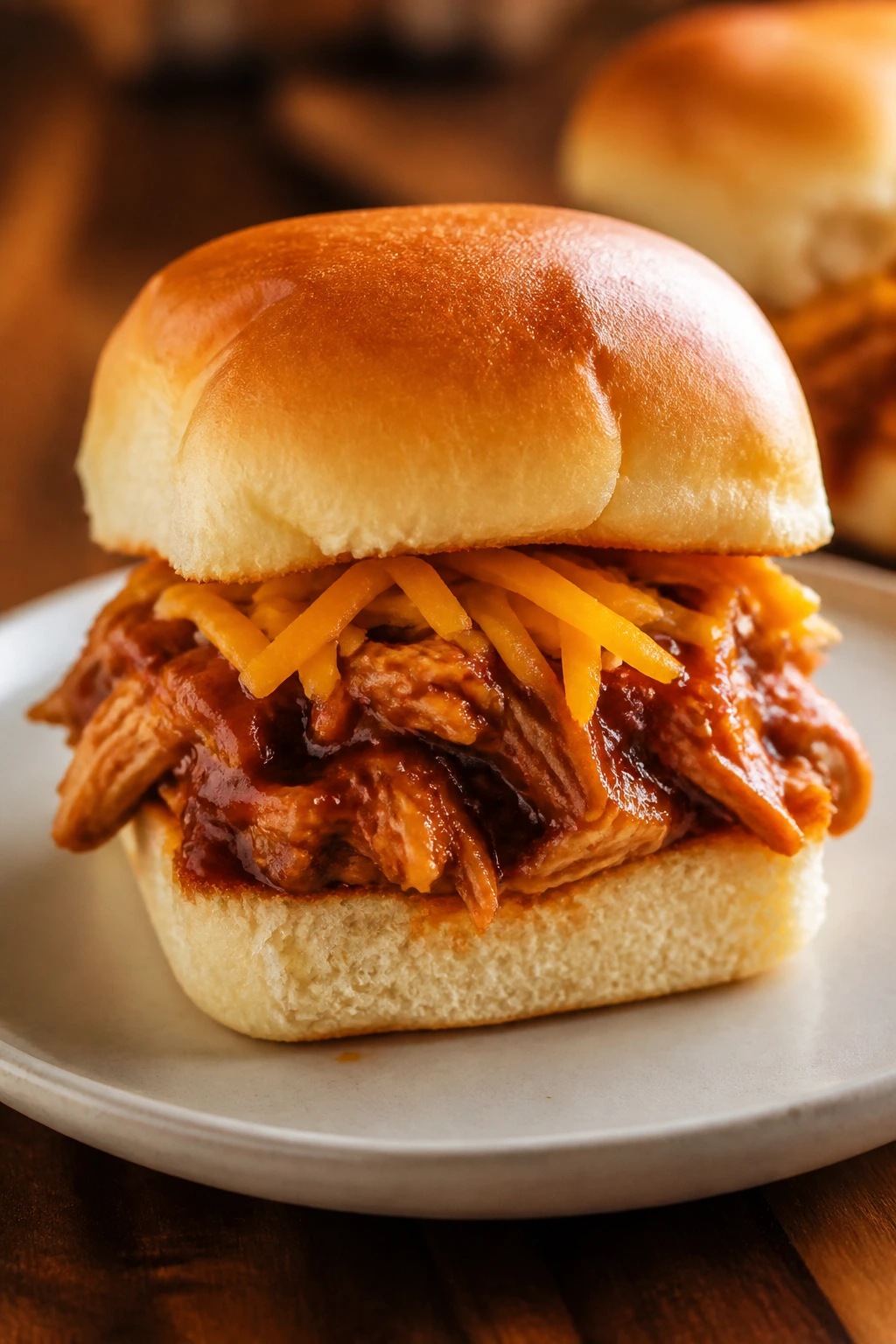
These sliders have a sticky-sweet edge that works well in lunchboxes because the sauce clings to the chicken instead of running off. The bun stays soft, the chicken stays juicy, and the whole thing tastes like a cookout that got packed into a neat little box. Use sturdy rolls so they do not collapse.
Why It Works: Shredded chicken absorbs barbecue sauce better than sliced chicken. A little cheese helps hold the filling together, and slider rolls are small enough that they don’t overwhelm the meat. If you toast the cut sides, the bun handles sauce better.
Key Ingredients:
- 2 cups cooked shredded chicken
- 1/2 cup barbecue sauce
- 6 slider rolls
- 1 cup shredded cheddar
- 2 tablespoons butter, softened
- 1/2 teaspoon garlic powder
Quick Steps:
- Warm the chicken with barbecue sauce in a skillet over low heat.
- Split the rolls and brush the cut sides with butter and garlic powder.
- Toast the rolls lightly.
- Fill with chicken and cheddar.
- Cool slightly before packing, or keep the filling separate.
Equipment for This Recipe:
- Skillet
- Baking sheet or pan
- Spoon
- Knife
How to Serve This Dish: Two sliders make a full lunch with carrot sticks and pineapple chunks. If the box travels far, pack the chicken separately and assemble at lunch.
Pro Tips for This Recipe:
- Choose a thicker barbecue sauce.
- Keep the cheese on top of the hot chicken so it softens.
- Toasting the rolls takes only a minute or two and saves the texture.
Variations on This Dish:
- Pulled Pork Slider: Swap chicken for pulled pork.
- BBQ Ranch Version: Stir a spoonful of ranch into the sauce.
- Spicy Chicken Slider: Add a little chipotle sauce for older kids and adults.
Common Mistakes to Avoid with This Dish:
- Using thin sauce turns the buns soggy.
- Packing assembled sliders too early softens everything.
- Overfilling makes them hard to hold.
11. Baked Ziti Cups
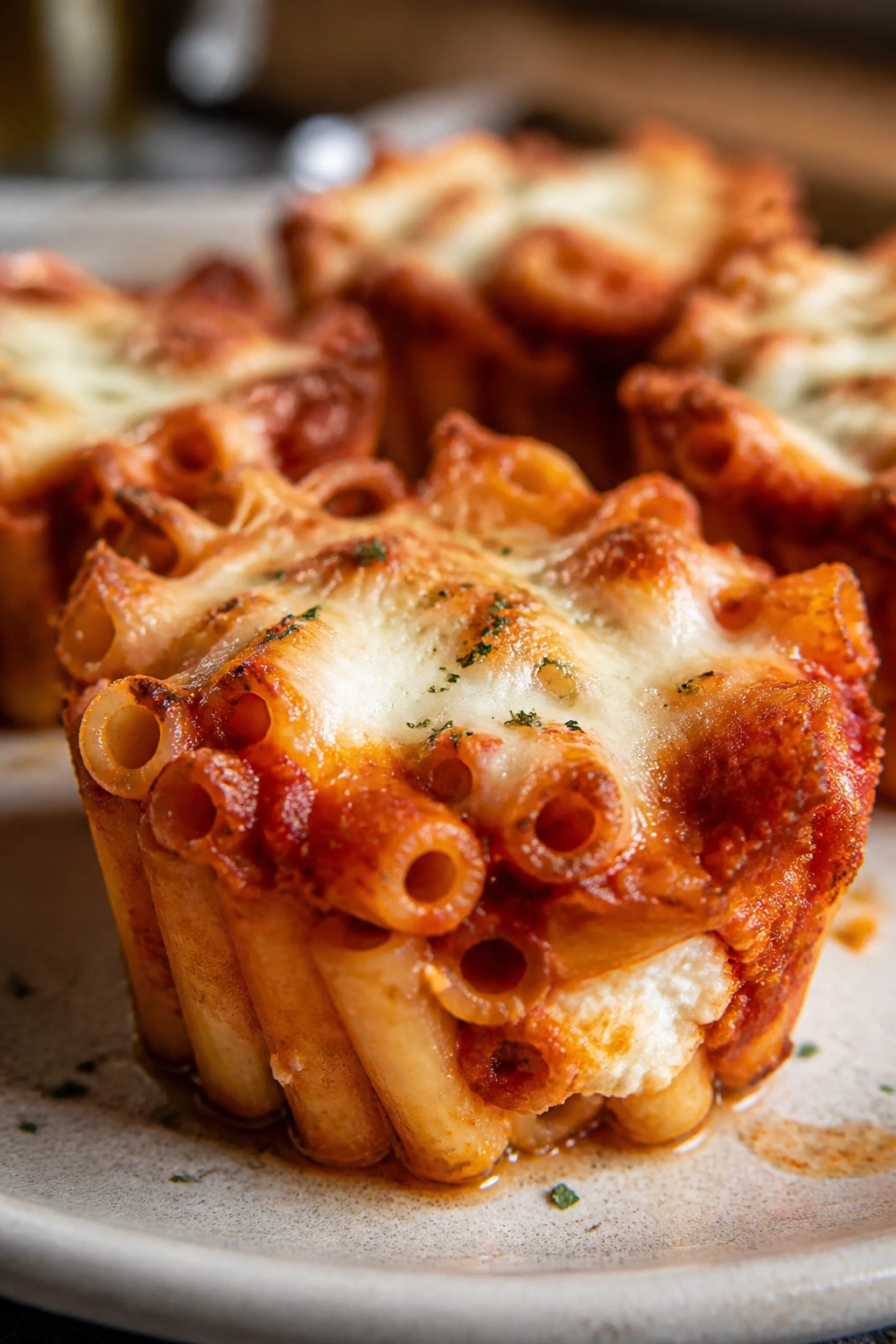
Baked ziti turns into a lunchbox meal that feels organized instead of chaotic when you bake it in muffin cups. You get cheesy pasta portions with sauce in every bite, and they reheat well if you want to send them warm. They’re neat, compact, and easier to eat than a big casserole square.
Why It Works: Baking the pasta in a muffin tin creates firm portions that hold together after cooling. Ricotta and mozzarella help bind the ziti, while marinara keeps it moist. A little sausage or beef can be added, but the pasta itself does a lot of the work.
Key Ingredients:
- 8 oz ziti or penne
- 1 1/2 cups marinara sauce
- 1 cup ricotta
- 1 cup shredded mozzarella
- 1/4 cup grated Parmesan
- 1 egg
- 1/2 teaspoon Italian seasoning
Quick Steps:
- Cook the pasta until just underdone, then drain.
- Mix pasta with marinara, ricotta, egg, seasoning, and half the mozzarella.
- Divide into greased muffin cups.
- Top with remaining mozzarella and Parmesan.
- Bake at 375°F for 18 to 20 minutes until bubbling at the edges.
Equipment for This Recipe:
- Muffin tin
- Large bowl
- Pot and colander
- Spoon
How to Serve This Dish: Pack 2 to 3 ziti cups with a green salad or grapes. They’re best warmed, but they still hold together once cooled.
Pro Tips for This Recipe:
- Undercook the pasta by 2 minutes.
- Pack the mixture into the cups firmly.
- Let them rest before removing from the tin.
Variations on This Dish:
- Meat Lover’s Ziti Cups: Add cooked sausage crumbles.
- Spinach Ricotta Version: Fold in chopped spinach.
- Dairy-Light Swap: Use part-skim ricotta and less mozzarella.
Common Mistakes to Avoid with This Dish:
- Fully cooked pasta turns mushy after baking.
- Removing too soon makes the cups fall apart.
- Too much sauce leaks and pools in the tin.
12. Veggie Egg Fried Rice
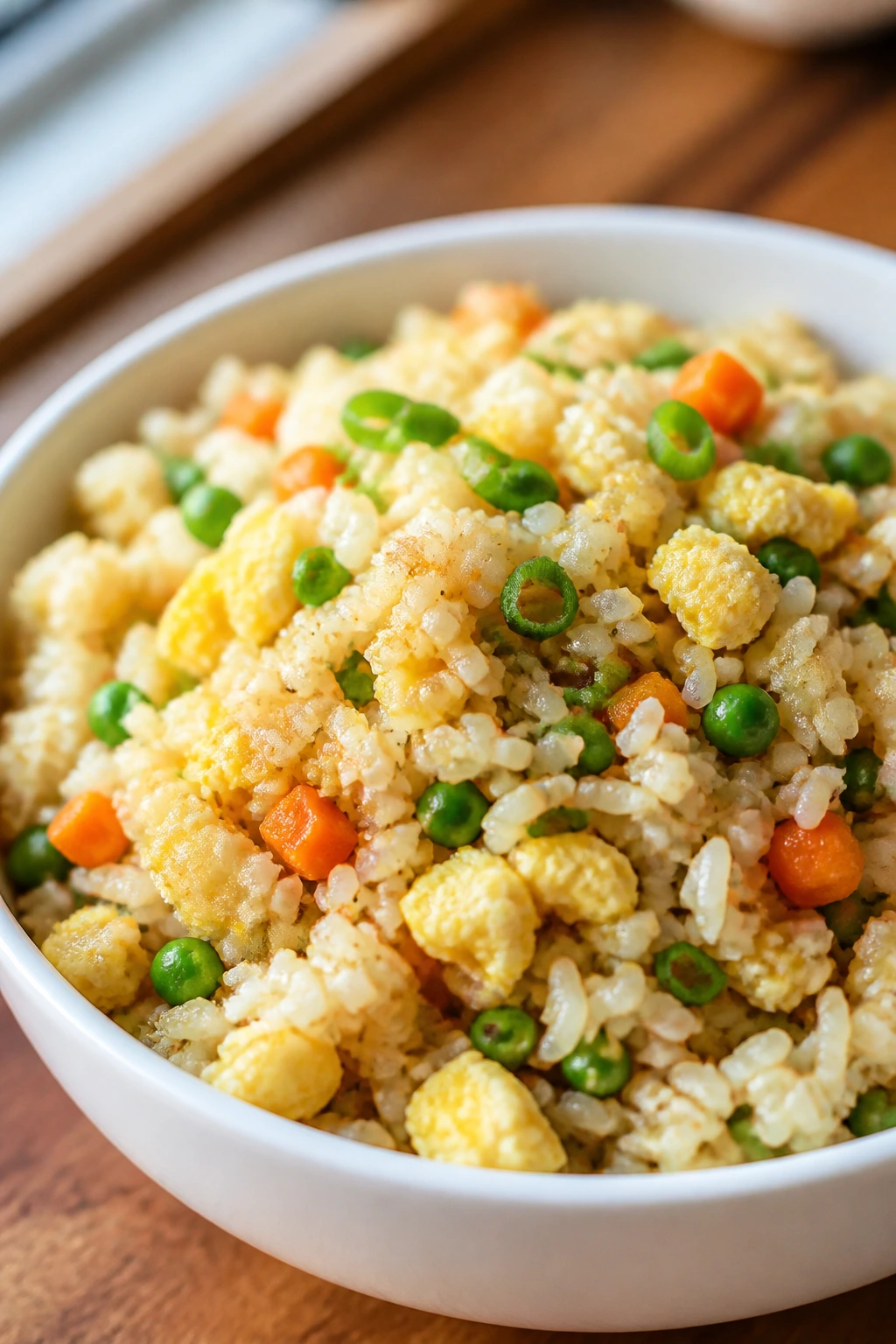
Cold fried rice packs better than people expect, and this version is friendly enough for almost any lunchbox. Eggs, peas, carrots, and rice give you a complete meal in one container, and the soy sauce keeps it savory without needing extra side dishes. It’s also a great use for leftover rice that has dried out a bit in the fridge.
Why It Works: Day-old rice fries better because it’s less sticky. A hot skillet gives the grains a little separation, and scrambled egg adds both protein and texture. The vegetables are small enough to mix through evenly, which keeps the lunchbox from feeling patchy.
Key Ingredients:
- 3 cups cooked, cold rice
- 3 large eggs
- 1 cup frozen peas and carrots
- 2 tablespoons soy sauce
- 1 tablespoon sesame oil
- 2 green onions, sliced
- 1 tablespoon neutral oil
Quick Steps:
- Scramble the eggs in a skillet, then set aside.
- Heat the oil and add the peas and carrots.
- Stir in the cold rice and cook over medium-high heat for 3 to 4 minutes.
- Add soy sauce, sesame oil, eggs, and green onions.
- Cook until the rice is hot and lightly toasted at the edges.
Equipment for This Recipe:
- Large skillet or wok
- Spatula
- Bowl
- Measuring spoons
How to Serve This Dish: Pack with mandarin oranges or edamame for a rounded lunch. It’s good warm, but it also works at room temperature if the rice has been handled safely.
Pro Tips for This Recipe:
- Use rice that has been chilled overnight.
- Don’t crowd the skillet or the rice steams instead of fries.
- Add the soy sauce at the end so it coats, not soaks.
Variations on This Dish:
- Chicken Fried Rice: Add diced cooked chicken.
- Corn and Pea Version: Swap in corn for the carrots.
- Mild Curry Twist: Add a pinch of curry powder.
Common Mistakes to Avoid with This Dish:
- Fresh rice goes gummy.
- A wet skillet keeps the rice pale and soft.
- Adding too much soy sauce makes it salty fast.
13. Greek Chicken Orzo Salad
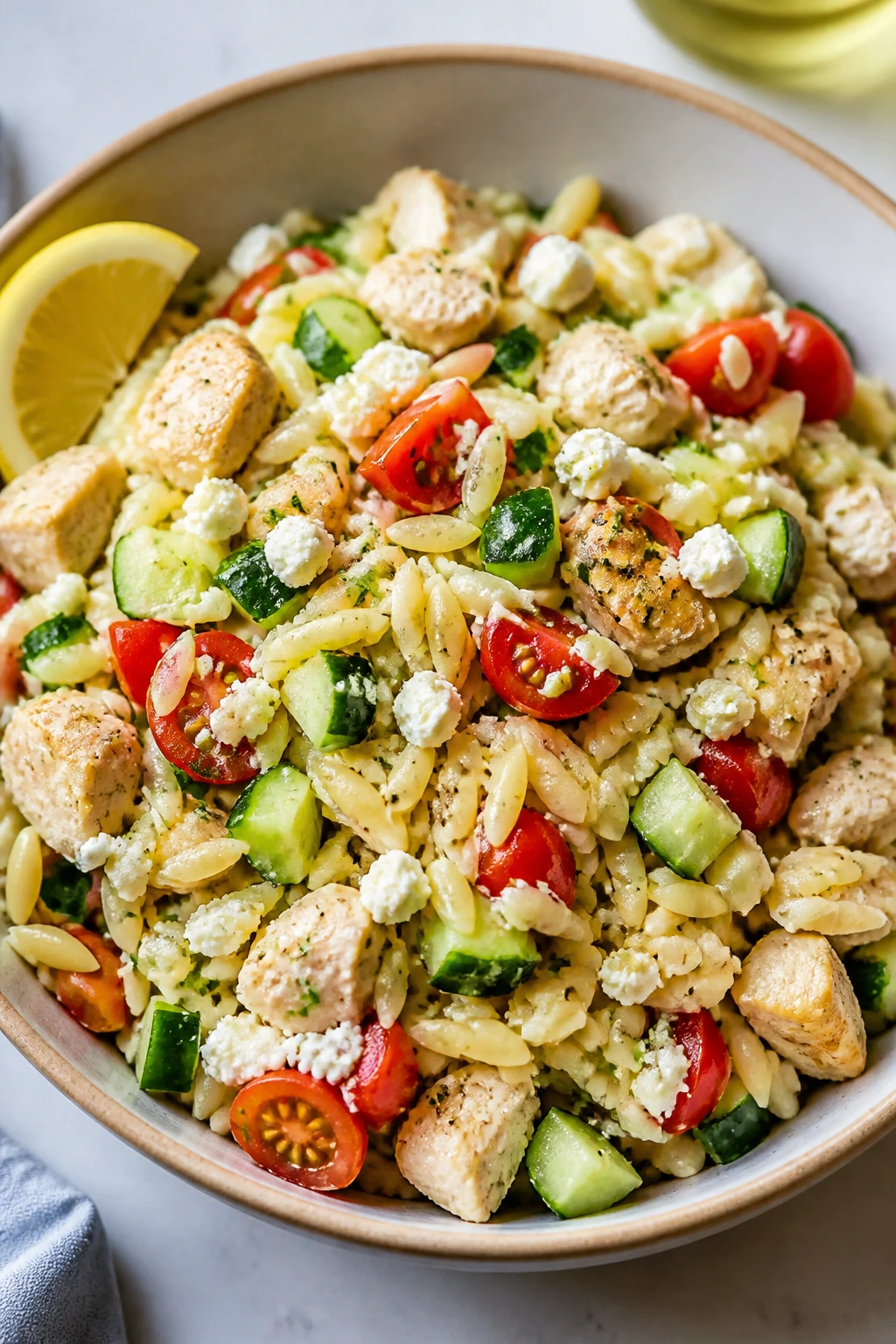
This is one of those lunchbox meals that tastes like it took longer than it did. Orzo gives you the softness of pasta, cucumber and tomato add freshness, and chicken keeps the bowl from feeling too light. A lemony dressing pulls it together and keeps it bright even after a few hours in the fridge.
Why It Works: Orzo is small enough to mix well with chopped vegetables, so every spoonful gets a bit of everything. The lemon dressing is sharper than a creamy one, which helps the salad taste fresh after chilling. Feta adds salt and structure, not just flavor.
Key Ingredients:
- 8 oz orzo
- 2 cups cooked chicken, chopped
- 1 cucumber, diced
- 1 cup cherry tomatoes, halved
- 1/2 cup crumbled feta
- 1/4 cup olive oil
- 2 tablespoons lemon juice
- 1 teaspoon dried oregano
Quick Steps:
- Cook the orzo until tender, then drain and cool.
- Whisk olive oil, lemon juice, oregano, and a pinch of salt.
- Toss the orzo with chicken, cucumber, tomatoes, and feta.
- Pour on the dressing and mix gently.
- Chill for 20 minutes before packing.
Equipment for This Recipe:
- Pot
- Colander
- Mixing bowl
- Whisk
How to Serve This Dish: Pack with pita wedges or a few olives if your lunch crowd likes them. It’s especially good in a divided container because the salad doesn’t need to be stacked on top of anything.
Pro Tips for This Recipe:
- Cool the orzo before adding the feta if you want cleaner crumbles.
- Salt the dressing lightly; feta already brings plenty.
- Dice the cucumber small so the salad scoops easily.
Variations on This Dish:
- No-Chicken Veggie Bowl: Add chickpeas instead of chicken.
- Lemon Dill Version: Add fresh dill and extra lemon.
- Tzatziki Style: Fold in a spoonful of tzatziki for a creamier finish.
Common Mistakes to Avoid with This Dish:
- Hot orzo melts the feta into the dressing.
- Large cucumber chunks make the salad slippery.
- Overdressing turns the orzo heavy and wet.
14. Bean and Cheese Burrito Wraps
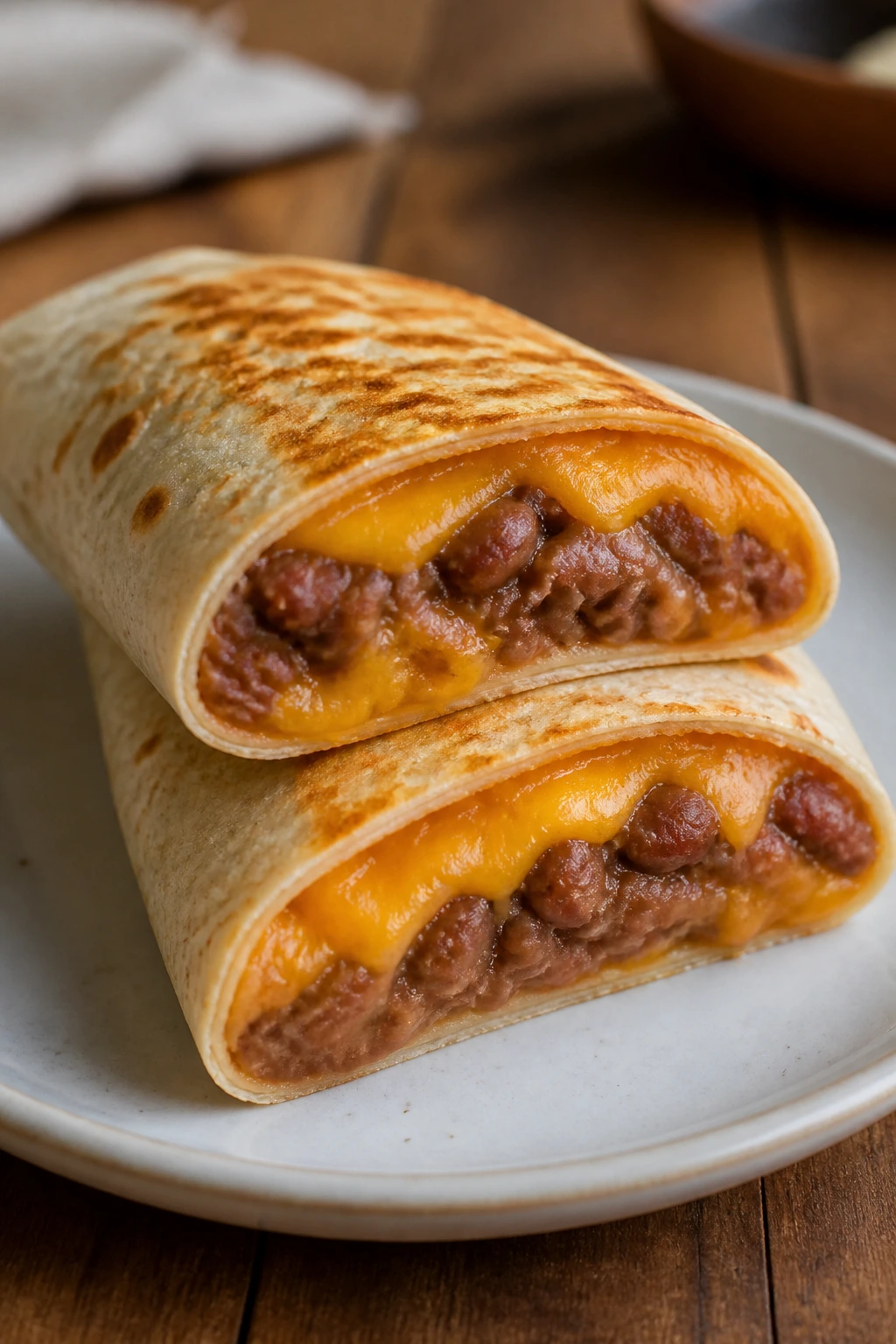
Bean and cheese burrito wraps are the reliable, no-nonsense lunchbox answer when you need something cheap, filling, and easy to reheat. Refried beans spread smoothly, melted cheese ties everything together, and a small spoonful of salsa gives the wrap enough flavor to keep it interesting. They freeze well, too, which is worth a lot on busy weeks.
Why It Works: Refried beans are thick enough to stay put, and they make the tortilla more flexible instead of brittle. Warm filling melts the cheese into the beans, which helps the wrap seal. Wrapped tightly and cooled, they slice neatly or hold whole.
Key Ingredients:
- 4 large flour tortillas
- 1 1/2 cups refried beans
- 1 1/2 cups shredded cheddar or Monterey Jack
- 1/3 cup salsa
- 1/2 teaspoon cumin
- 1 tablespoon butter or oil for the skillet
Quick Steps:
- Warm the beans with cumin in a small saucepan.
- Spread beans down the center of each tortilla.
- Top with cheese and a small spoonful of salsa.
- Roll tightly, then toast seam-side down in a skillet for 1 to 2 minutes per side.
- Cool before packing or freezing.
Equipment for This Recipe:
- Small saucepan
- Skillet
- Spatula
- Foil or parchment
How to Serve This Dish: Pack with corn, fruit, or a small yogurt cup. If serving hot, send it in foil inside an insulated bag so the cheese stays soft.
Pro Tips for This Recipe:
- Don’t overfill. Bean wraps split when they’re packed like a pillow.
- Toasting the seam side first helps seal the wrap.
- Let them cool before wrapping in foil or they’ll steam.
Variations on This Dish:
- Black Bean Burrito: Use mashed black beans instead of refried beans.
- Chicken Bean Wrap: Add shredded chicken for a meatier version.
- Mild Veggie Burrito: Add sautéed peppers and onions.
Common Mistakes to Avoid with This Dish:
- Too much salsa leaks through the tortilla.
- Cold beans make the cheese clump instead of melt.
- Wrapping while the tortilla is overfilled causes tearing.
15. Sunflower Butter Banana Oat Wraps
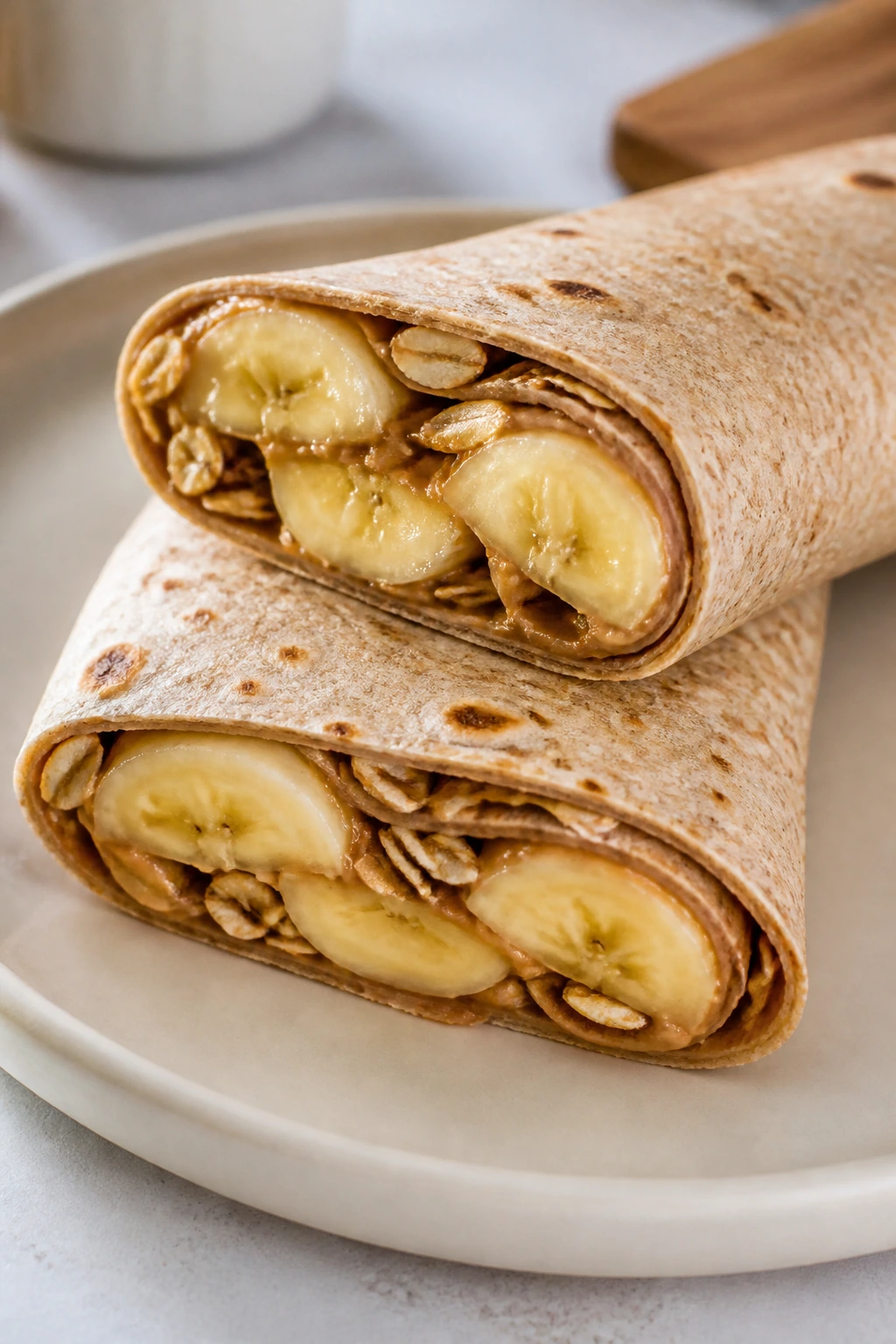
This is the lunchbox wrap I reach for when nuts are off the table. Sunflower butter has a toasty, slightly earthy flavor that plays well with banana, and the oats give the wrap a little grip so it doesn’t feel mushy. It’s sweet enough for kids, but not so sweet that it reads like dessert.
Why It Works: Sunflower butter is thick and spreadable, which helps anchor the banana slices. The oats absorb a tiny bit of moisture and keep the tortilla from sliding. A quick squeeze of lemon on the banana keeps browning under control if the wrap sits for a while.
Key Ingredients:
- 4 large flour tortillas
- 1/2 cup sunflower seed butter
- 2 bananas, sliced
- 1/3 cup old-fashioned oats
- 1 tablespoon honey
- 1/2 teaspoon cinnamon
Quick Steps:
- Spread sunflower butter over each tortilla.
- Sprinkle oats, honey, and cinnamon over the surface.
- Arrange banana slices in a line down the center.
- Roll tightly and slice if you like smaller pieces.
- Pack chilled with an ice pack.
Equipment for This Recipe:
- Cutting board
- Knife
- Spoon
- Lunchbox with ice pack space
How to Serve This Dish: Pair with cheese cubes, berries, or a hard-boiled egg if you want a more complete lunch. It works best cold and is neatest when cut into thick rounds.
Pro Tips for This Recipe:
- Use bananas that are ripe but still firm.
- Pack with an ice pack so the sunflower butter stays thick.
- Sprinkle oats lightly; too much makes the wrap dry.
Variations on This Dish:
- Apple Cinnamon Version: Swap banana for thin apple slices.
- Berry Wrap: Use sliced strawberries, but pack extra cold.
- Chocolate Oat Treat: Add a few mini chocolate chips for a sweeter version.
Common Mistakes to Avoid with This Dish:
- Overripe bananas turn the wrap soft fast.
- Too much sunflower butter makes the tortilla slide.
- Skipping the cold pack leads to a squishy filling.
16. Turkey Chili Thermos Lunch
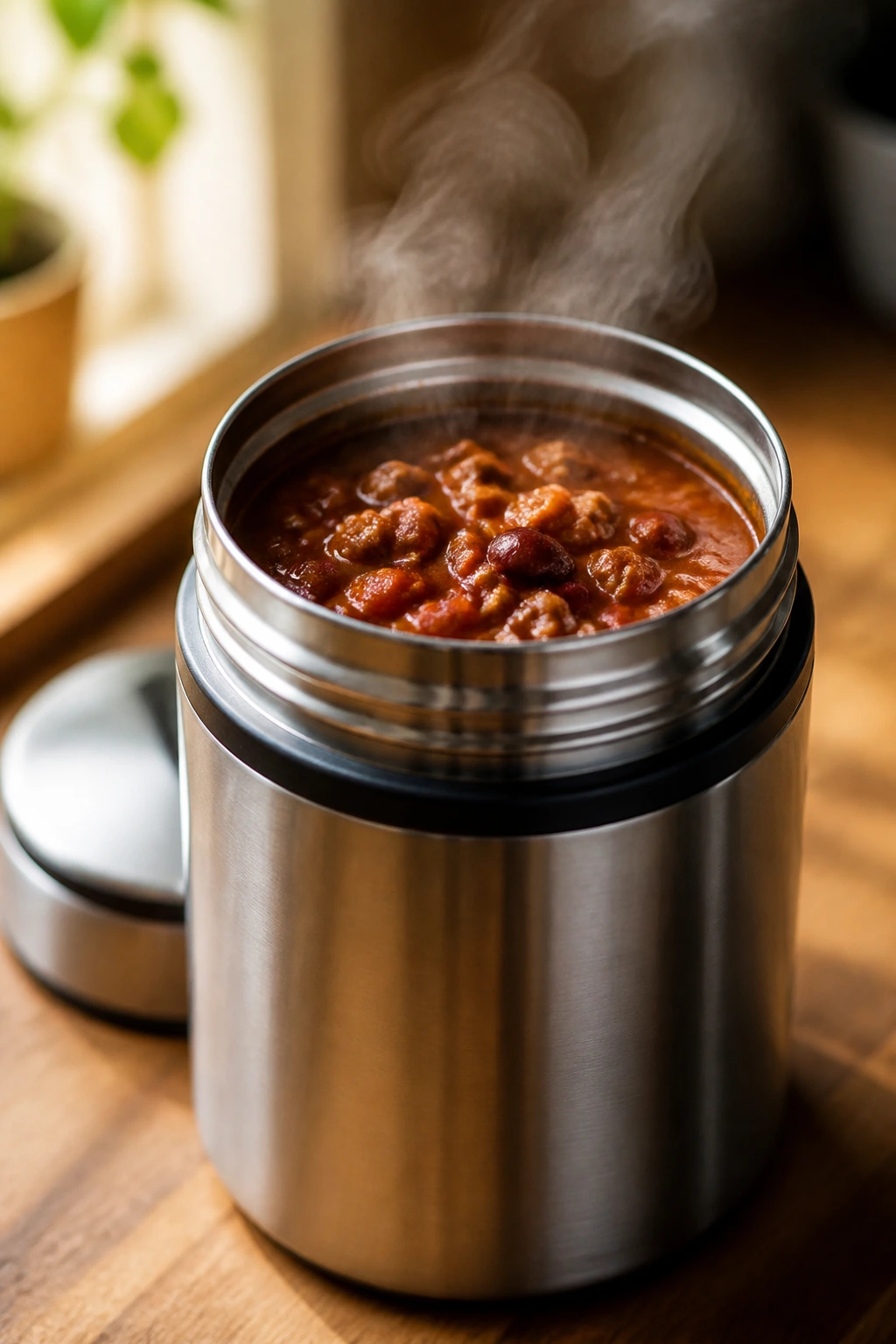
Turkey chili is one of the best warm lunchbox meals because it gets better as it sits. The beans, tomatoes, and ground turkey make a thick spoonable meal that holds heat well in a thermos. Add a little shredded cheese on top and you have a lunch that feels like a real break in the middle of the day.
Why It Works: Chili thickens naturally, so it travels better than soup with a thin broth. Ground turkey keeps the flavor mild and family-friendly. When packed piping hot into a preheated thermos, it stays comfortable to eat by lunchtime.
Key Ingredients:
- 1 lb ground turkey
- 1 small onion, diced
- 2 cloves garlic, minced
- 1 can diced tomatoes, 14.5 oz
- 1 can kidney beans, 15 oz, drained
- 1 cup tomato sauce
- 1 tablespoon chili powder
- 1/2 teaspoon cumin
Quick Steps:
- Brown the turkey with onion in a pot over medium heat.
- Add garlic, chili powder, and cumin, and cook for 30 seconds.
- Stir in tomatoes, beans, and tomato sauce.
- Simmer for 20 to 25 minutes until thick.
- Preheat a thermos with boiling water, then fill it with the hot chili.
Equipment for This Recipe:
- Large pot
- Wooden spoon
- Thermos
- Ladle
How to Serve This Dish: Pack with cornbread muffins or tortilla chips if the thermos has enough room for a side container. A spoon and a napkin are not optional.
Pro Tips for This Recipe:
- Simmer long enough for the chili to thicken.
- Preheating the thermos makes a real difference.
- Let it cool only a few minutes before sealing, not longer.
Variations on This Dish:
- Mild Bean Chili: Use extra beans and less meat.
- Sweet Potato Chili: Add diced sweet potato for texture.
- Cheesy Chili Bowl: Stir in a little cheddar before packing.
Common Mistakes to Avoid with This Dish:
- Packing chili that isn’t hot enough.
- Making it too thin, which causes leaks and slosh.
- Forgetting the preheat step for the thermos.
17. Teriyaki Tofu Noodle Boxes
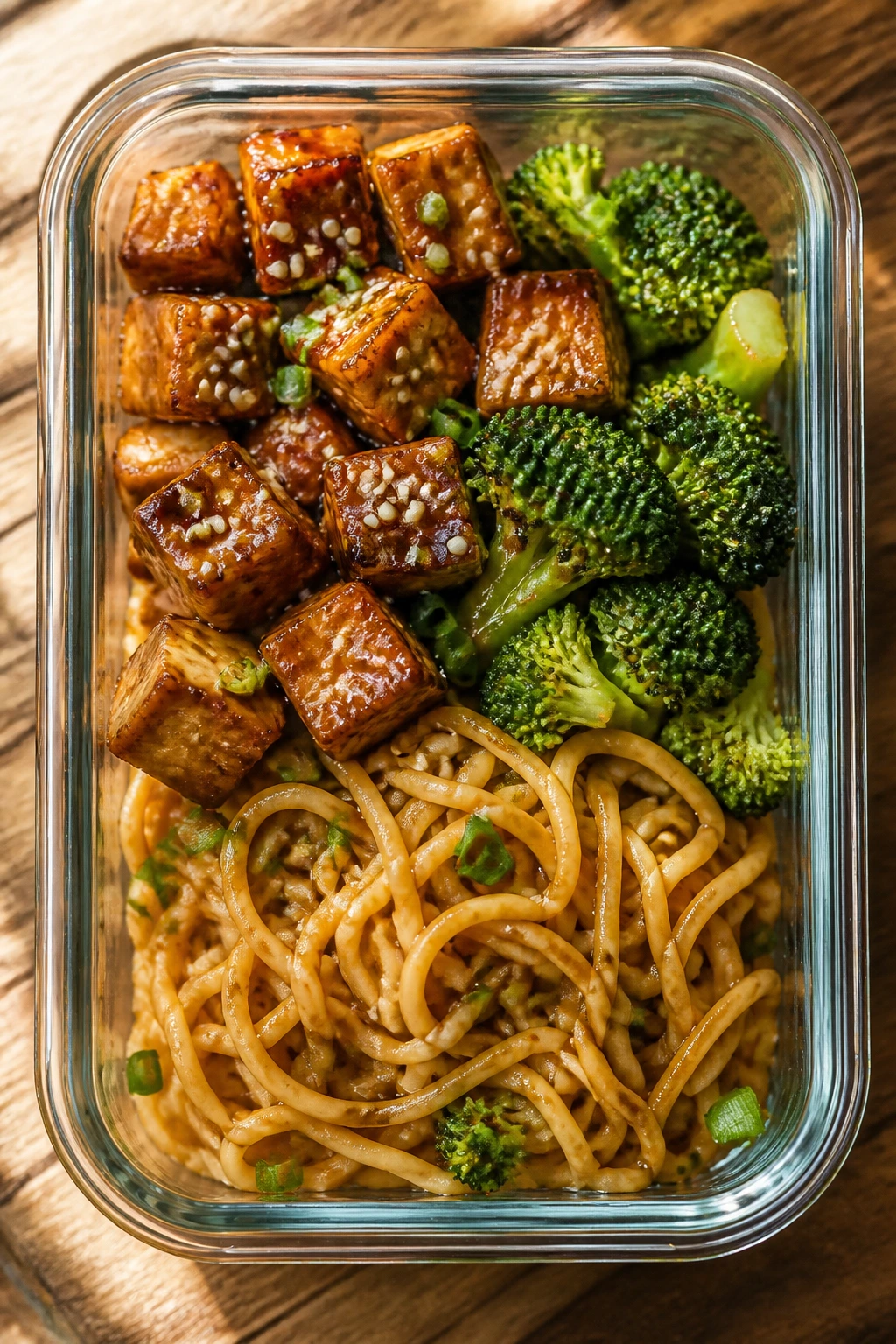
This lunchbox leans savory and glossy, with chewy noodles and tofu that soaks up sauce instead of sitting there like an afterthought. Broccoli or snap peas add crunch, and the teriyaki gives everything a clean sweet-salty finish. It’s one of the easiest meatless boxes to make feel complete.
Why It Works: Pressed tofu browns better and absorbs sauce more evenly. Noodles and vegetables pack well when the sauce is used sparingly, and the whole box tastes good warm or at room temperature. A little sesame seed sprinkle helps with flavor and texture.
Key Ingredients:
- 8 oz udon or soba noodles
- 14 oz extra-firm tofu, pressed and cubed
- 1 cup broccoli florets
- 1/3 cup teriyaki sauce
- 1 tablespoon soy sauce
- 1 tablespoon sesame oil
- 1 teaspoon sesame seeds
Quick Steps:
- Cook the noodles, then rinse briefly and drain.
- Pan-sear the tofu in a little oil until golden on 2 sides.
- Steam or blanch the broccoli for 2 minutes.
- Toss noodles with teriyaki sauce, soy sauce, and sesame oil.
- Fold in tofu and broccoli, then sprinkle sesame seeds.
Equipment for This Recipe:
- Skillet
- Pot
- Colander
- Tongs or spatula
How to Serve This Dish: Pack with sliced cucumber or edamame on the side. It’s tidy in a divided lunchbox and tastes best once the sauce has had a few minutes to settle into the noodles.
Pro Tips for This Recipe:
- Press the tofu for at least 15 minutes.
- Don’t drown the noodles in sauce.
- Cool the box before lidding it if you want the noodles springy.
Variations on This Dish:
- Chicken Teriyaki Noodles: Swap tofu for diced cooked chicken.
- Peanut Noodle Version: Stir in 1 tablespoon peanut butter for a richer sauce.
- Veggie-Heavy Box: Add shredded carrots and bell pepper strips.
Common Mistakes to Avoid with This Dish:
- Wet tofu steams instead of browns.
- Too much sauce makes the noodles clump.
- Overcooked broccoli turns mushy fast.
18. Chicken Noodle Soup Thermos
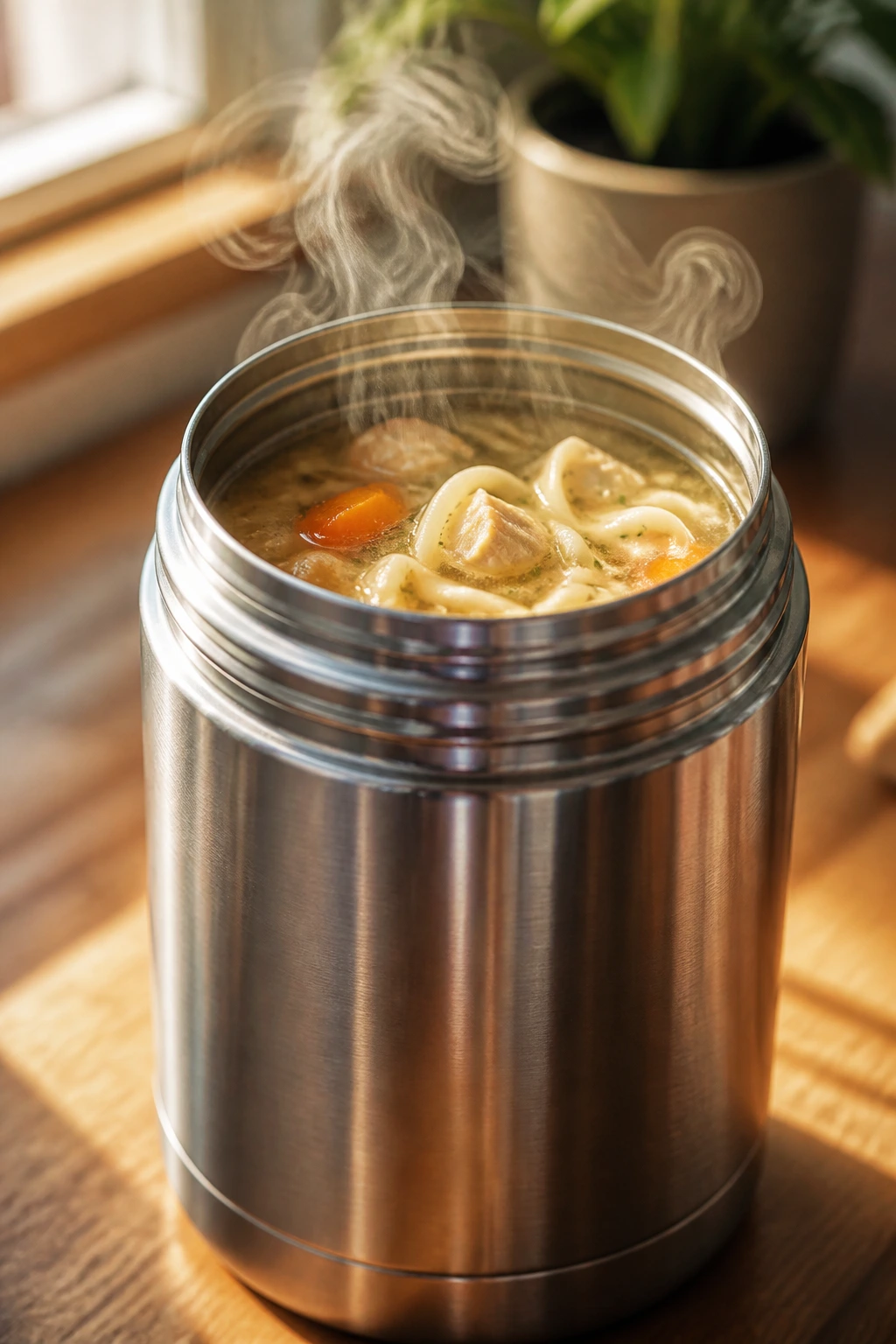
Chicken noodle soup earns its place in a lunchbox because it feels like care in a container. The noodles, carrots, and chicken keep it familiar, and a thermos lets it arrive hot instead of lukewarm and dull. It’s a good one for colder days or for anyone who wants something soothing instead of crunchy.
Why It Works: A broth-based lunch works when the thermos is preheated and the soup is kept at a strong simmer before packing. Short noodles are easier to eat from a thermos than long strands. Carrots and celery stay pleasant when they’re cut small and cooked until just tender.
Key Ingredients:
- 1 tablespoon butter
- 1 small onion, diced
- 2 carrots, sliced thin
- 2 celery stalks, sliced thin
- 6 cups chicken broth
- 2 cups cooked shredded chicken
- 2 cups egg noodles
- 1/2 teaspoon dried thyme
Quick Steps:
- Sauté onion, carrots, and celery in butter for 5 minutes.
- Add broth and thyme, then bring to a simmer.
- Stir in chicken and noodles and cook until noodles are tender.
- Taste and adjust salt.
- Preheat a thermos, then pour in the hot soup.
Equipment for This Recipe:
- Soup pot
- Ladle
- Thermos
- Wooden spoon
How to Serve This Dish: Send it with crackers, a cheese stick, or a small muffin if you want something beside the soup. A wide-mouth thermos makes lunch easier, especially for younger eaters.
Pro Tips for This Recipe:
- Slightly undercook the noodles if they’ll sit a while.
- Heat the thermos with boiling water for 5 minutes.
- Keep the broth well salted or it tastes flat after travel.
Variations on This Dish:
- Turkey Noodle Soup: Use leftover turkey instead of chicken.
- Lemon Chicken Soup: Add a squeeze of lemon before packing.
- Rice Soup Version: Swap noodles for cooked rice if that’s easier to eat.
Common Mistakes to Avoid with This Dish:
- Packing soup that’s barely warm.
- Using long noodles that tangle in the thermos.
- Overcooking the vegetables until they lose shape.
19. Falafel Pita Pockets
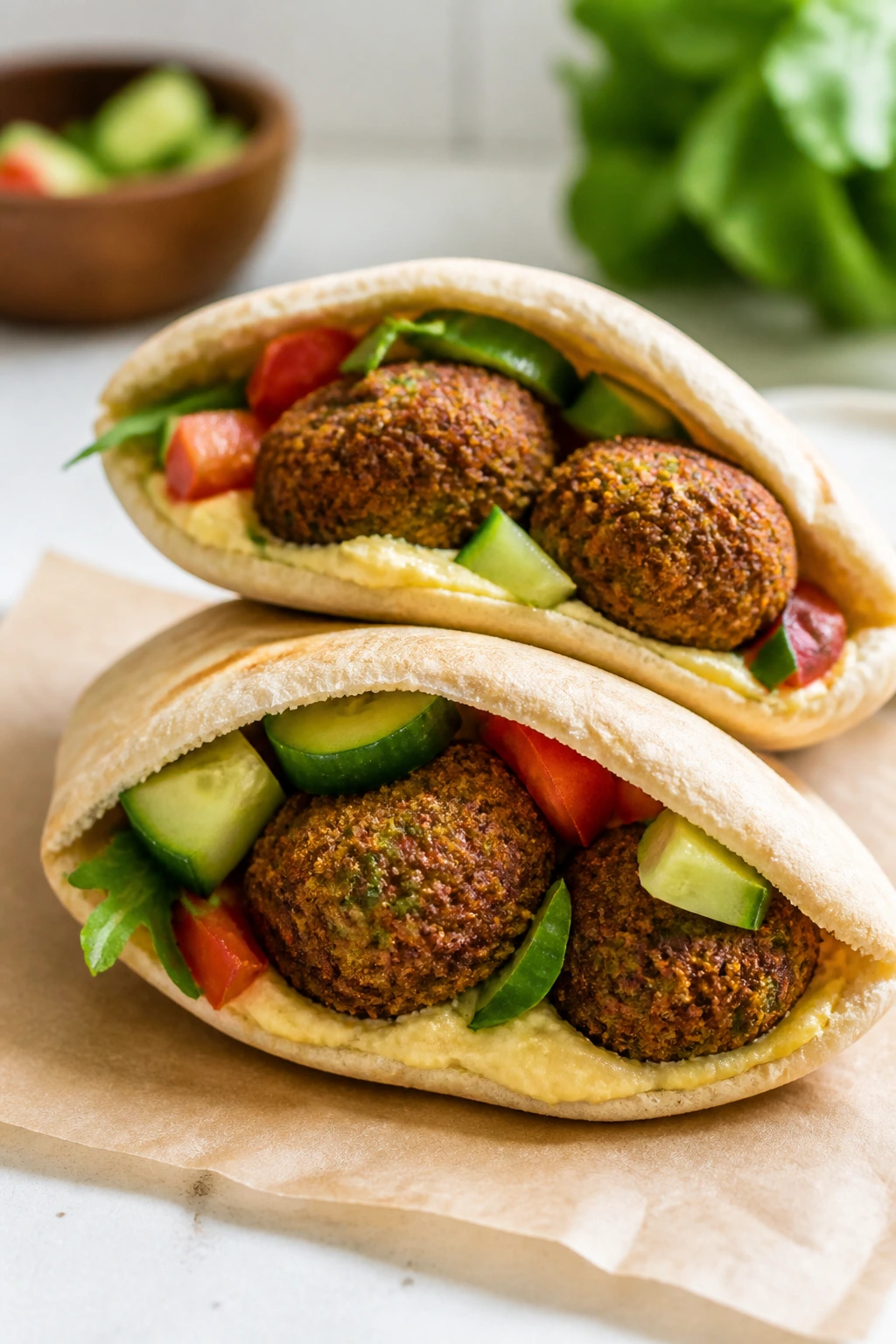
Falafel pockets are one of the few vegetarian lunches that feel properly substantial without much fuss. The falafel brings crunch, the pita holds everything, and a swipe of hummus keeps the filling from scattering. Add cucumber and tomato and you get a lunch that feels fresh instead of staged.
Why It Works: Falafel has enough structure to hold up inside pita bread, unlike softer fillings that leak out on first bite. Hummus adds moisture without flooding the bread. Packing the vegetables dry is the small move that keeps the pocket from turning soggy.
Key Ingredients:
- 8 falafel patties, cooked
- 4 pita rounds
- 1/2 cup hummus
- 1 cucumber, diced
- 1 cup diced tomatoes, seeded
- 1/4 cup crumbled feta
- 1 tablespoon lemon juice
Quick Steps:
- Warm or cook the falafel until crisp.
- Slice each pita pocket open carefully.
- Spread hummus inside the pita.
- Fill with falafel, cucumber, tomatoes, feta, and lemon juice.
- Pack in parchment so the bread stays tidy.
Equipment for This Recipe:
- Skillet or oven
- Knife
- Cutting board
- Parchment paper
How to Serve This Dish: Pair with grapes, carrot sticks, or a small container of olives. Serve it with the pocket slightly open if you want the filling visible and easier to grab.
Pro Tips for This Recipe:
- Use thick hummus as the base layer.
- Seed the tomatoes if you want less moisture.
- Wrap each pocket loosely so it doesn’t get compressed.
Variations on This Dish:
- Chicken Pita Pocket: Use sliced chicken instead of falafel.
- Tahini Veg Version: Replace hummus with tahini yogurt sauce.
- Kid-Simple Version: Skip tomatoes and use cucumbers only.
Common Mistakes to Avoid with This Dish:
- Hot falafel steams the pita.
- Wet tomatoes seep into the bread.
- Overstuffing splits the pocket seam.
20. Cheesy Broccoli Rice Cups
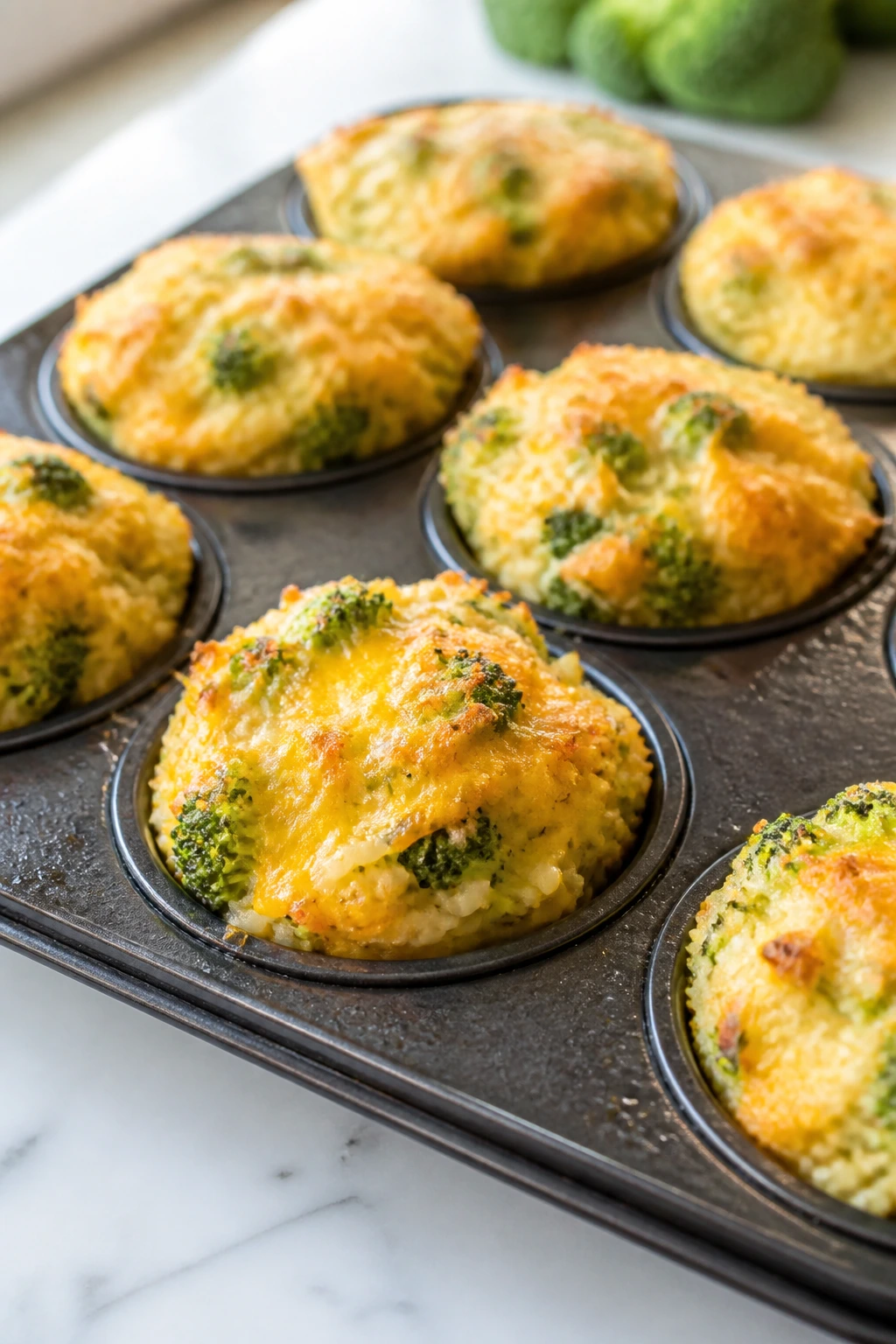
These rice cups are small, soft, and surprisingly filling. They work as a lunchbox main or a sturdy side, depending on what else you pack. Broccoli gives color, cheddar gives that rich melted pull, and the rice keeps everything anchored in a compact little portion.
Why It Works: Rice binds the filling so the cups unmold cleanly. Eggs help the mixture set in the oven, and finely chopped broccoli softens enough to be kid-friendly while still looking green. They travel well because they can be eaten warm or at room temperature.
Key Ingredients:
- 3 cups cooked rice
- 2 cups finely chopped broccoli florets
- 2 large eggs
- 1 cup shredded cheddar
- 1/4 cup milk
- 1/2 teaspoon garlic powder
- 1/4 teaspoon salt
Quick Steps:
- Heat the oven to 375°F and grease a muffin tin.
- Mix rice, broccoli, eggs, cheddar, milk, garlic powder, and salt.
- Press the mixture firmly into the muffin cups.
- Bake for 20 to 22 minutes until set and lightly browned.
- Cool for 10 minutes before removing.
Equipment for This Recipe:
- Muffin tin
- Mixing bowl
- Spoon
- Oven
How to Serve This Dish: Pack 2 or 3 rice cups with sliced cucumbers or a fruit cup. They also work well next to chicken fingers or meatballs if you need a larger lunch.
Pro Tips for This Recipe:
- Chop the broccoli small so it bakes evenly.
- Press the mixture firmly into the cups.
- Let them cool before lifting or they’ll fall apart.
Variations on This Dish:
- Cauliflower Cheese Cups: Swap broccoli for cauliflower rice.
- Ham and Broccoli Version: Add chopped ham.
- Mozzarella Herb Style: Use mozzarella and a pinch of Italian seasoning.
Common Mistakes to Avoid with This Dish:
- Broccoli pieces that are too large make the cups loose.
- Too much milk prevents the rice from setting.
- Removing them too early breaks the edges.
21. Roast Beef and Cheddar Roll-Ups
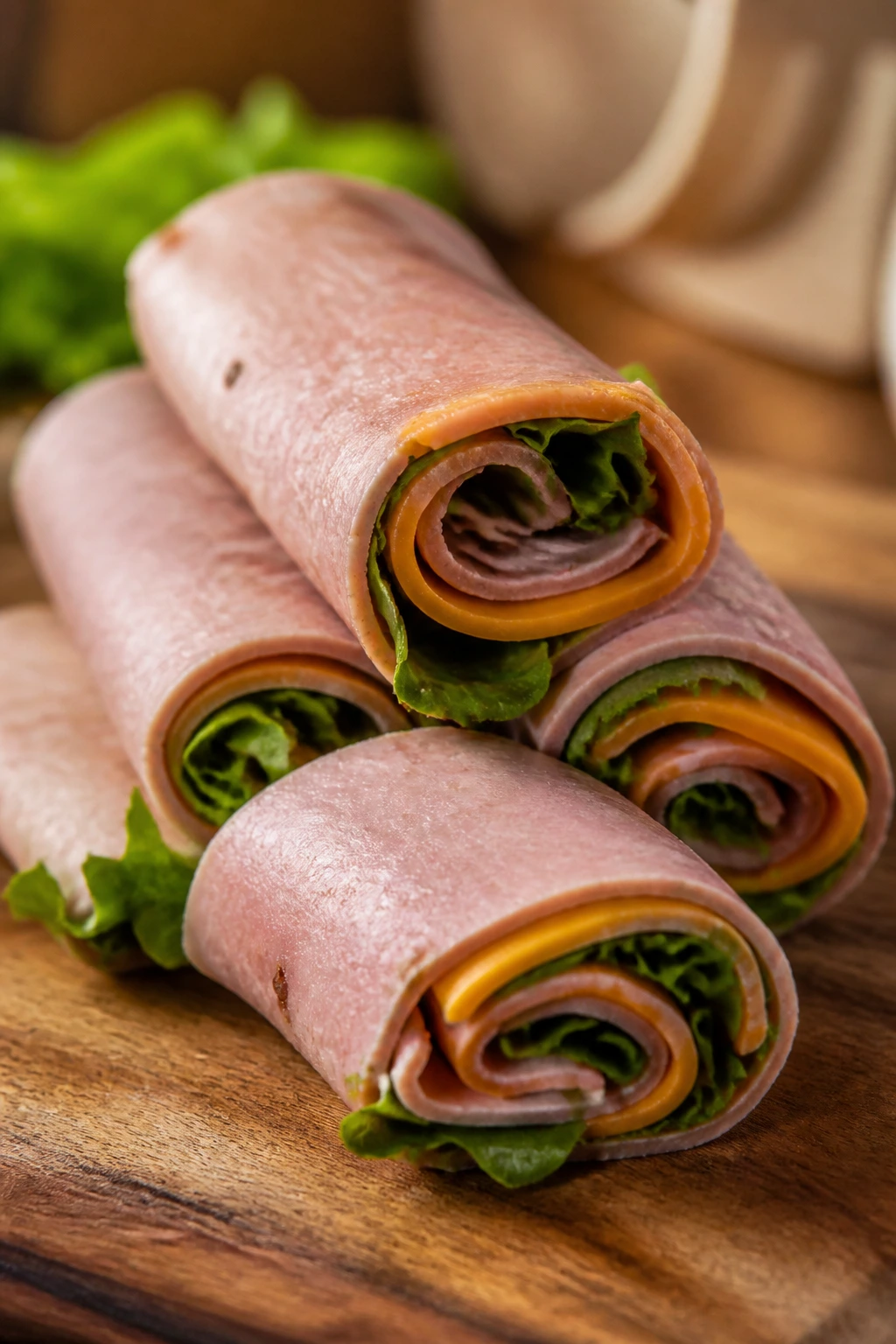
These roll-ups feel a little more grown-up, but they still pack like a kid lunch if you keep them tidy. Roast beef, cheddar, and a dab of horseradish or mustard make a cold lunch that’s salty, meaty, and easy to eat. They’re a good answer when sandwiches start feeling repetitive.
Why It Works: Thin deli beef rolls smoothly and doesn’t fight the tortilla. Cheddar adds enough body that the filling feels complete, and a spread gives the wrap a little moisture without making it wet. If you chill the rolls before slicing, they stay tight.
Key Ingredients:
- 4 large flour tortillas
- 8 slices roast beef
- 1 cup shredded cheddar
- 4 tablespoons cream cheese
- 1 tablespoon Dijon mustard or horseradish sauce
- 1 cup shredded lettuce
- 1/4 teaspoon black pepper
Quick Steps:
- Mix cream cheese and Dijon until spreadable.
- Spread over each tortilla.
- Layer roast beef, cheddar, lettuce, and pepper.
- Roll tightly, wrap, and chill for 20 minutes.
- Slice into rounds or leave whole for packing.
Equipment for This Recipe:
- Knife
- Cutting board
- Bowl
- Plastic wrap or parchment
How to Serve This Dish: Pack with chips, pickles, or an apple on the side. The roll-ups look cleanest when cut into two thick halves instead of tiny slices.
Pro Tips for This Recipe:
- Pat the lettuce dry.
- Use thin roast beef, not thick slices.
- A little mustard goes a long way.
Variations on This Dish:
- French Dip Roll-Up: Add a tiny cup of beef broth for dipping.
- Turkey and Cheddar Version: Swap roast beef for turkey.
- Swiss and Onion Style: Use Swiss cheese and a few caramelized onion strips.
Common Mistakes to Avoid with This Dish:
- Wet lettuce softens the wrap.
- Too much spread makes the tortilla slip.
- Slicing before chilling opens the roll.
22. Breakfast Burrito Muffins
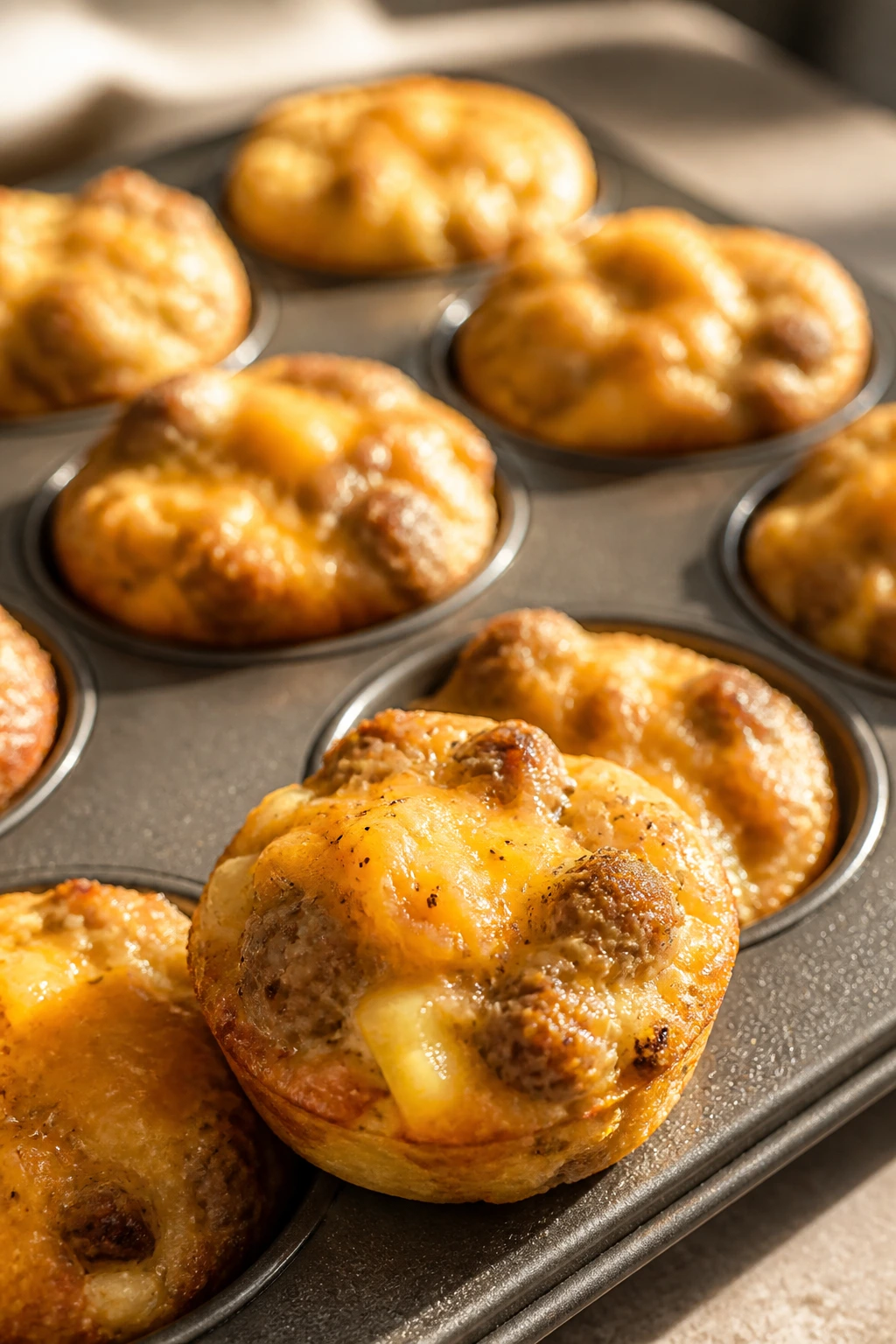
Breakfast burrito muffins are what happen when you want a handheld lunch that still feels hearty. Eggs, potatoes, cheese, and a little sausage bake into individual portions that can go into a lunchbox warm or cold. They’re the sort of thing that makes the middle of the day feel a little more organized.
Why It Works: Eggs and potatoes make a sturdy base that doesn’t collapse after baking. The muffin format creates clean portions, and the sausage gives enough flavor that you do not need much else. They reheat well, which makes them useful for batch cooking.
Key Ingredients:
- 8 large eggs
- 1 cup cooked diced potatoes
- 3/4 cup cooked breakfast sausage, crumbled
- 1 cup shredded cheddar
- 1/4 cup milk
- 1/4 teaspoon salt
- 1/4 teaspoon black pepper
- 1 teaspoon butter for greasing
Quick Steps:
- Heat the oven to 350°F and grease a muffin tin.
- Whisk eggs, milk, salt, and pepper.
- Divide potatoes, sausage, and cheese among the cups.
- Pour the egg mixture over the filling.
- Bake for 18 to 22 minutes until set in the center.
Equipment for This Recipe:
- Muffin tin
- Mixing bowl
- Whisk
- Spoon
How to Serve This Dish: Pack 2 muffins with fruit and a small yogurt cup, or tuck them beside roasted potatoes if you’re sending a bigger lunch. They’re easy to eat with fingers, which is part of their charm.
Pro Tips for This Recipe:
- Let the filling cool before adding the eggs.
- Grease the tin well so the muffins release cleanly.
- Bake until the centers are set, not shiny.
Variations on This Dish:
- Veggie Breakfast Muffins: Replace sausage with spinach and peppers.
- Bacon Cheddar Version: Swap sausage for cooked bacon.
- Dairy-Free Swap: Use dairy-free cheese and skip the milk if needed.
Common Mistakes to Avoid with This Dish:
- Overfilling the cups causes spillover.
- Wet potatoes make the muffins loose.
- Pulling them too early leaves the centers undercooked.
What Makes Family Friendly Meals for Lunchboxes Actually Work
The best lunchbox meals are not the ones that look fancy in a photo. They are the ones that still behave after they’ve been packed, shuffled into a bag, and opened hours later with one hand while somebody is standing in a hallway. Texture is the deciding factor more than flavor. If a wrap turns gummy, a salad leaks, or a hot meal cools into a bland lump, nobody cares how nice it looked at breakfast.
I always pay attention to three things: a sturdy base, a controlled sauce, and a shape that holds. Tortillas, pasta, rice, pita, eggs, and small buns show up again and again because they’re good at staying put. Sauces need to cling, not run. And perishable fillings need the right temperature, which is where ice packs and thermoses earn their keep.
The USDA food-safety rule is simple and worth following without improvising around it: cold food should stay cold, hot food should stay hot, and anything perishable should not sit out long enough to get sloppy or unsafe. For lunchboxes, that means ice packs for chilled meals and preheated thermoses for soups, chili, and other warm dishes. That detail is not glamorous. It matters more than garnish.
Essential Equipment for These Recipes
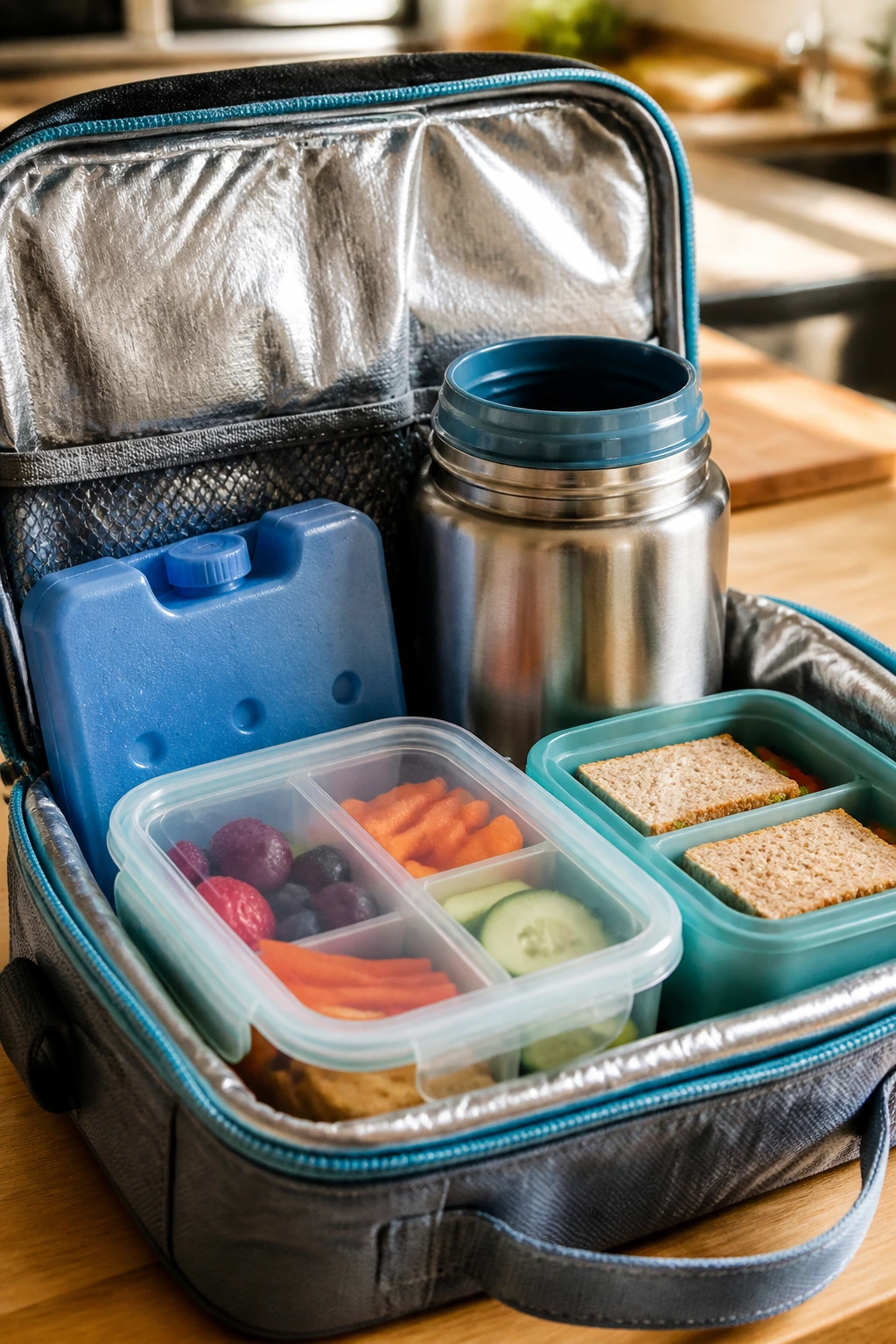
- Insulated lunch boxes or bags: A soft-sided bag with a few sturdy containers inside keeps both hot and cold meals stable.
- Ice packs: Use them for wraps, pasta salads, egg muffins, and any lunch with dairy, meat, or mayo.
- Wide-mouth thermos: Best for chili, soup, and saucy meals that need to arrive hot and spoonable.
- Divided containers: These keep crunchy sides from touching saucy mains, which is half the battle.
- Small sauce cups: Useful for salsa, dressing, ranch, or marinara so nothing gets soggy before lunch.
- Sharp knife: Clean slices matter for pinwheels, wraps, and roll-ups.
- Cutting board: A steady board makes tighter rolls and cleaner portions.
- Muffin tins: Handy for egg muffins, rice cups, and baked pasta portions.
- Skillet or nonstick pan: Needed for quesadillas, sliders, and quick fillings.
- Mixing bowls: You’ll use them constantly for pasta salads, wraps, and fillings.
Smart Shopping for Family Friendly Meals for Lunchboxes
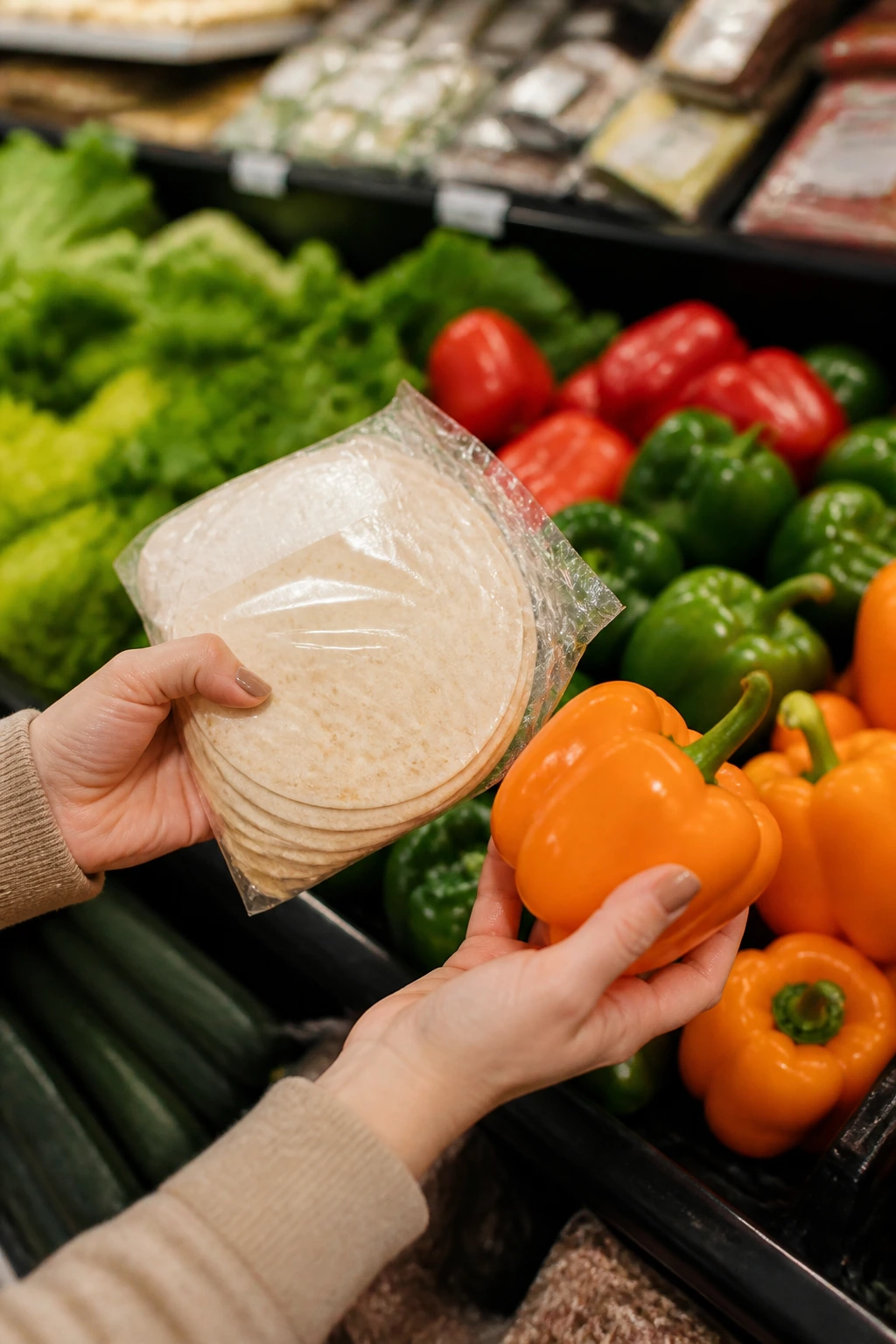
Buy the ingredients with texture in mind, not just price. Tortillas should be soft but not brittle. Deli meat should be sliced thin enough to roll without cracking. For pasta salads, choose shapes with ridges—rotini, penne, tortellini, or orzo—because smooth pasta tends to get slick after dressing.
Cheese matters more than people think in lunchbox food. Shredded cheddar, mozzarella, Monterey Jack, provolone, and feta all behave differently. Cheddar gives bite and stays solid in wraps. Mozzarella melts cleanly in hot dishes. Feta gives salt without turning into glue. If you’re packing something for later, pick the cheese based on how it will act after it has sat for a few hours, not just how it tastes out of the bag.
For proteins, cooked chicken, turkey, meatballs, tofu, tuna, and eggs all do well in lunchboxes because they can be portioned cleanly. Beans and lentils are good too, but drain them well and keep extra sauce on the side. With produce, choose vegetables that stay crisp: cucumber, carrots, bell peppers, celery, romaine, and broccoli hold up better than watery greens or overripe tomatoes.
How to Serve These Recipes
Presentation: Pack the main food in one neat zone and the crunchy side in another. Pinwheels look best in a row, rice bowls look better with toppings tucked in separate corners, and thermos lunches feel more polished when the side dish has its own small container.
Accompaniments: Keep a mix of fruit, raw vegetables, crackers, pretzels, or a cheese stick nearby so the lunch feels complete. A cold wrap pairs well with grapes and carrots. Soup likes crackers or a small muffin. Pasta salad works with sliced cucumbers or apple wedges.
Portions: For most kids, one main portion plus one fruit and one crunchy side is enough. Older kids and adults usually need a larger main portion or a second side. If the dish is rich—like sliders or baked ziti cups—smaller servings tend to travel better and get eaten more cleanly.
Beverage Pairing: Cold water is the safest default. If you want something with more flavor, plain milk, unsweetened iced tea, or sparkling water works with most of these lunches without fighting the food.
Additional Tips and Flavor Boosters

Flavor Enhancement: A tiny finishing hit goes a long way. Lemon juice sharpens tuna salad, a pinch of oregano wakes up Greek orzo, and a spoonful of Parmesan on hot pasta makes the whole lunch taste more finished. I also like a little black pepper on egg muffins and a few sesame seeds on noodle boxes.
Customization: If your family likes more crunch, pack cucumber spears, bell pepper strips, or tortilla chips separately. If the eater prefers softer food, lean into rice bowls, chili, soup, and pasta cups. The same base recipe can move in either direction depending on what you leave on the side.
Serving Suggestions: Keep dips separate when you can. Salsa, ranch, hummus, marinara, and mustard behave better in a cup than they do soaked into the main lunch. A simple garnish of chopped herbs, sliced green onion, or a sprinkle of shredded cheese also helps a lunch feel less repetitive.
Make-It-Yours: Dairy-free versions usually need a thicker spread or a better binder. Hummus, avocado, sunflower butter, and refried beans all work well. For gluten-free lunches, rice bowls, chili, egg muffins, and soup thermos meals are the easiest places to start without fighting the bread.
Make-Ahead, Storage, and Reheating Guidance
Most of these lunches keep 3 to 4 days refrigerated if they’re packed in sealed containers and chilled promptly. Pasta salads, pinwheels, burrito wraps, egg muffins, and rice cups all hold well in that window. Meals with mayo, tuna, or dairy should be treated like perishable food and packed with an ice pack, not left to take their chances in a warm bag.
Several items freeze well, and that’s where lunch planning gets easier. Meatballs, chili, burrito wraps, ziti cups, egg muffins, breakfast burrito muffins, and baked rice cups can usually be frozen for up to 2 months. Wrap them tightly, label them, and thaw overnight in the fridge before reheating. Pasta salads and cucumber-heavy wraps are better eaten fresh, because freezing changes the texture in a way that no dressing can fix.
For reheating, use the method that fits the food. Meatballs, chili, soup, and ziti cups reheat best in the microwave with a loose cover, stopping to stir if needed. Egg muffins warm quickly in 20 to 30 seconds per muffin. Thermos lunches should be heated until steaming before packing, and the thermos itself should be filled with hot water for a few minutes first. Cold lunches should be assembled the night before when that helps, but keep crunchy toppings, dressings, and bread separate until the last possible moment.
Variations and Adaptations to Try
Nut-Free Lunchbox Swap: Use sunflower butter, hummus, cream cheese, or refried beans instead of nut spreads. That keeps the wrap-style lunches safe for shared spaces and still gives you enough body to hold the filling.
Dairy-Light Version: Cut back on cheese and lean on olive oil, avocado, mustard, salsa, or pesto made without cheese. A lot of these meals still work fine when cheese is reduced rather than removed.
Higher-Protein Box: Add boiled eggs, extra chicken, turkey slices, or Greek yogurt dips. The trick is to choose a protein that won’t dry out or crumble after a few hours in the bag.
Vegetarian Rotation: Hummus wraps, falafel pockets, bean burritos, tofu noodle boxes, pesto tortellini, and veggie fried rice make it easy to skip meat without serving a sad plate of side dishes.
Warm-Lunch Rotation: Chili, soup, meatballs, ziti cups, and breakfast burrito muffins are the easiest hot lunch options. Once you’ve got one preheated thermos and a reliable microwave routine, the whole thing gets less annoying.
Picky-Eater Simplifier: Strip out extra toppings and pack the lunch in parts. A plain turkey pinwheel, a pasta salad without tomatoes, or a burrito with beans and cheese only is often more successful than a fully loaded version.
Common Mistakes to Avoid
The first mistake is packing food while it is still hot. Steam is the enemy of tortillas, bread, and crisp vegetables. It turns wraps soft, makes pinwheels slide apart, and leaves condensation on the lid. Cool the food until it’s no longer steaming before sealing the container.
Another common problem is over-saucing. Too much dressing, salsa, mayo, or marinara can turn a lunchbox meal into a puddle. Use thicker sauces when you can and keep loose ones in a separate cup. The food should be coated, not swimming.
People also underestimate how much structure matters. Soft rolls, fragile bread, and thin tortillas can fail fast if they’re packed with wet or heavy fillings. Toasting cut sides, using thicker tortillas, or choosing slider buns with a bit of chew helps the meal survive the trip.
A fourth mistake is ignoring temperature control. Cold meals need an ice pack. Hot meals need a thermos. Perishable food left in the danger zone for hours is a bad trade for convenience, and the fix is easy: pack the right container and stop trying to wing it.
Finally, don’t forget moisture control with vegetables. Wet lettuce, un-dried cucumbers, and seeded tomatoes can ruin a wrap or salad faster than any sauce. Dry the produce well and pack fragile ingredients separately when there’s any doubt.
Frequently Asked Questions
Can I pack these lunches the night before?
Yes, most of them are better when prepped ahead. Wraps, pasta salads, egg muffins, rice cups, and burritos can be assembled the night before as long as they’re chilled properly and packed with the right temperature control.
How do I keep lunchboxes from getting soggy?
Use thicker spreads, pack sauces separately, and cool cooked food before sealing the container. Toasted bread, chilled fillings, and dry produce are the simplest fixes, and they work better than trying to rescue a soggy lunch later.
What lunchbox meals freeze the best?
Meatballs, chili, burritos, baked ziti cups, egg muffins, and breakfast burrito muffins all freeze well. Pasta salads, cucumber wraps, and anything with a lot of fresh tomato are better eaten fresh.
What’s the best way to pack a hot lunch?
Heat the food until it’s steaming, preheat the thermos with boiling water, pour the water out, and fill it immediately. That routine helps soup, chili, and saucy meals stay hot long enough to matter.
How can I make these lunches nut-free for school?
Use sunflower butter instead of peanut butter, and avoid pesto or sauces that may contain nuts unless you check the label. Hummus, cheese, beans, chicken, and egg-based fillings are easier starting points.
What if my kid refuses mixed food?
Pack the meal in parts. Put the main item in one section, crunchy vegetables in another, and sauce on the side. A lot of kids will eat a pinwheel or burrito more willingly when they can see each piece instead of a mixed bowl.
Can I use whole-wheat tortillas or gluten-free wraps?
Yes, but test the brand first. Some gluten-free wraps crack when rolled tightly, so warming them briefly and using a thicker filling helps. Whole-wheat tortillas are usually sturdier than they look.
How do I stop pasta salads from tasting dry by lunchtime?
Dress them a little more lightly than you think, then save a spoonful of dressing for a small side cup. Pasta absorbs sauce as it sits, and that little reserve keeps the texture right at noon.
A Lunchbox Worth Opening
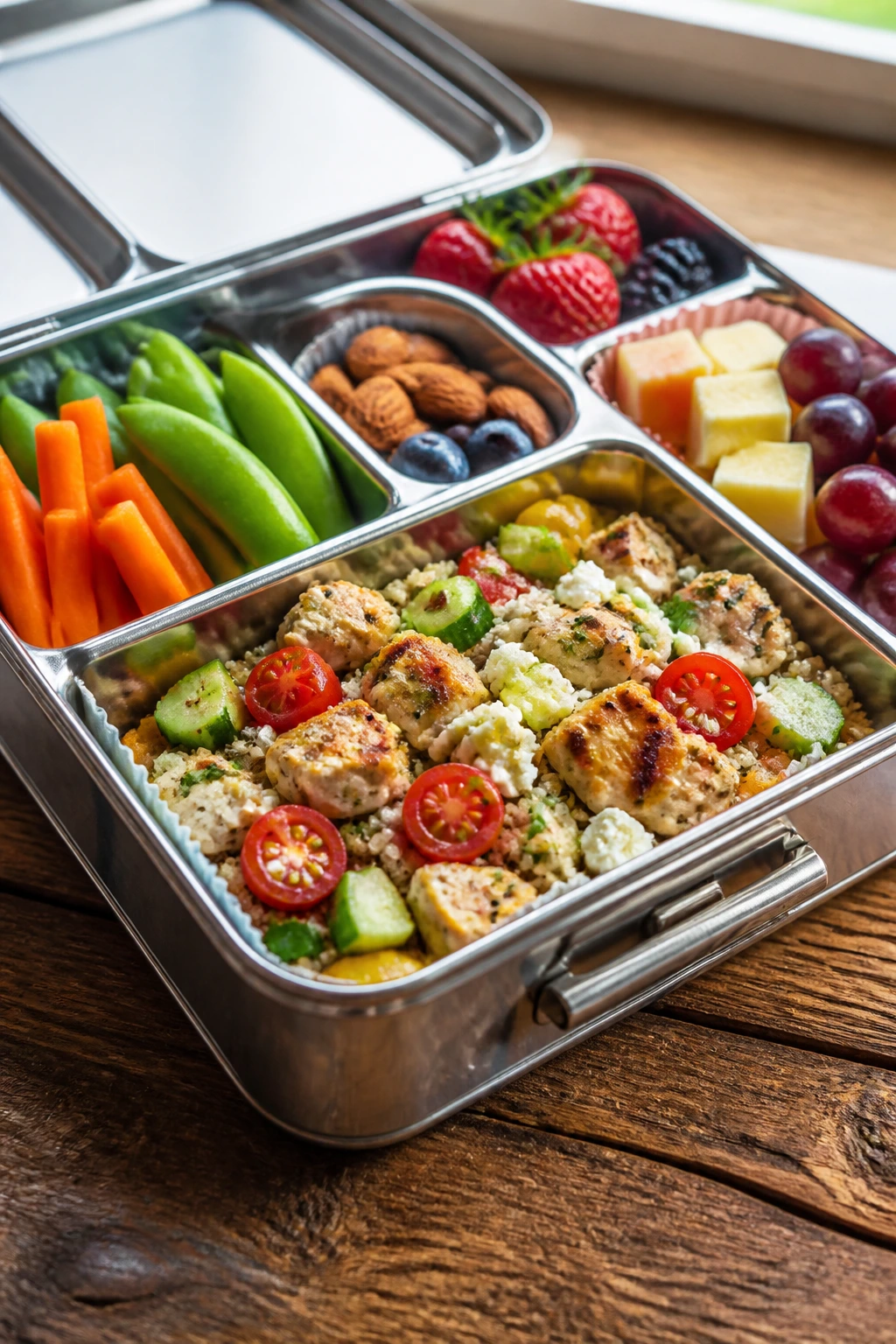
A good lunchbox meal doesn’t need to be fancy. It needs to hold together, taste like something real, and survive the trip from fridge to bag to table without going limp. That is why this mix works: some meals are cold and crisp, some are warm and comforting, and all of them behave like they were designed by someone who has actually packed lunch in a hurry.
The real win is flexibility. Once you know which recipes freeze, which ones need an ice pack, and which ones belong in a thermos, lunch stops feeling like a daily puzzle. And that’s the part that changes the whole routine—less guessing, fewer backups, and a box that gets opened without a sigh.