



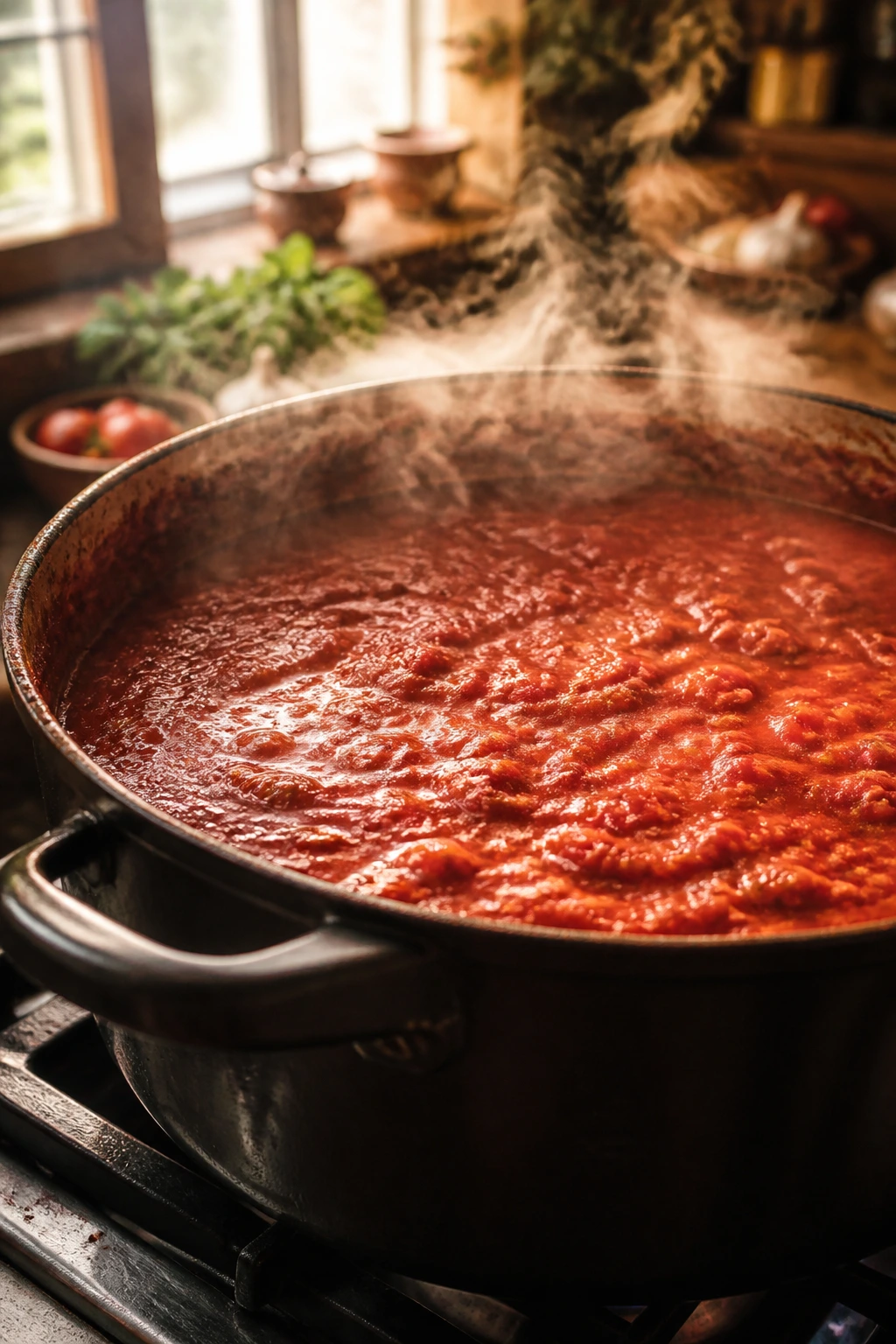
Italian dinners for Sunday family night have a way of changing the pace of an evening. A pot of tomato sauce on the stove, garlic sizzling in olive oil, cheese going soft at the edges—those smells do half the work before anybody even sits down. The food feels generous. The table feels full. And, maybe best of all, the kitchen starts to sound like a place people want to stay in.
That’s why Italian dinners for Sunday family night hit so hard when they’re done well. They don’t need to be fussy to feel special. A baked pasta with browned cheese, a skillet of chicken tucked into a sharp red sauce, a braised roast that falls apart under a spoon—these are the dishes that make bread disappear fast and turn a normal family meal into something people remember later. The trick is choosing recipes that bring comfort without becoming a project you resent by the time the oven timer rings.
A good Sunday Italian dinner should do more than taste good. It should smell like you worked a little, even when the method is practical. It should hold up on the table while people pass salad, tear bread, and go back for the part with the best cheese. It should forgive a five-minute delay because somebody needed another fork. That’s the real measure here.
Why These Sunday Suppers Earn Their Keep
-
Big-pan generosity: Baked pastas, braises, and saucy skillet dinners feed a table without making the portions feel skimpy or rushed.
-
Leftovers that behave: Tomato-based sauces, lasagna, stuffed shells, and meatball dishes often taste even better after a night in the fridge.
-
Family-night friendly timing: Most of these recipes let you get the work done before everyone starts circling the kitchen asking when dinner is ready.
-
Classic flavors, low drama: Garlic, olive oil, parmesan, basil, and tomato do the heavy lifting, so you do not need a long ingredient list to get depth.
-
A little bit of theater: Bubbling cheese, glossy sauce, and a pan that comes to the table still steaming make the meal feel bigger than the effort behind it.
-
Easy to scale up: Several of these dishes stretch cleanly for a crowd, which matters when Sunday dinner turns into an open-door situation.
1. Sunday Lasagna with Beef, Sausage, and Ricotta
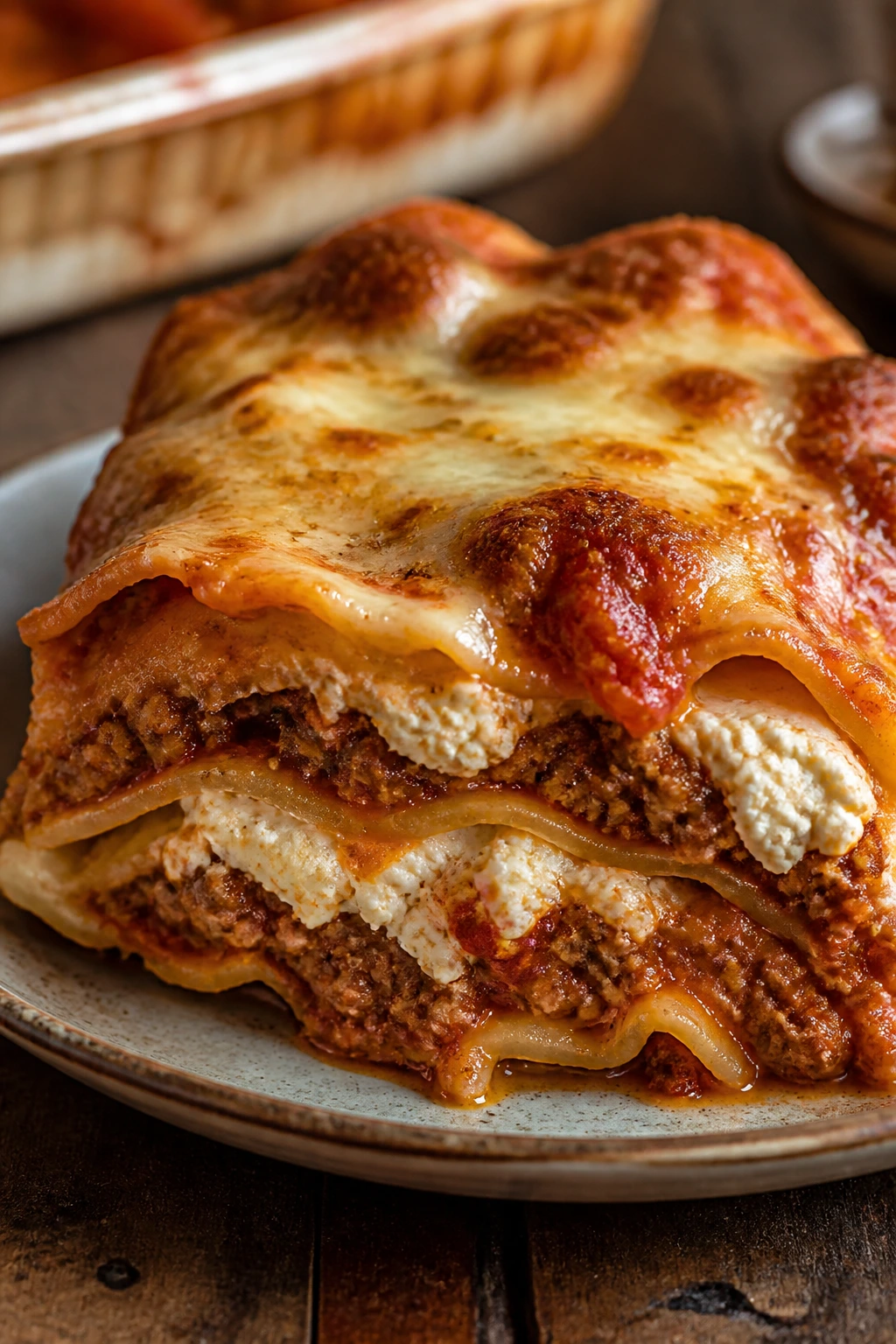
The first cut into a good lasagna is one of the nicest sounds in home cooking. The top layer gives with a little resistance, the cheese pulls, and the pan still smells like tomato, garlic, and browned meat. This version leans into the classic Italian-American style: sturdy sauce, soft ricotta, and noodles that hold their shape instead of collapsing into a puddle.
A lasagna like this belongs on a Sunday table because it settles in, and that matters. You can assemble it ahead, let it rest after baking, and slice it cleanly without the layers wandering off in different directions. It’s rich without feeling fragile, which is exactly why families keep coming back to it.
Why It Works
Lasagna works because every layer has a job. The meat sauce brings salt and body, the ricotta mixture adds creaminess, and the noodles give the whole thing structure. If you let the baked pan rest for 20 minutes, the layers firm up just enough to slice instead of spill, which is the difference between a nice pan of lasagna and a tray of hot chaos. A mix of beef and Italian sausage gives deeper flavor than either meat alone, and the sausage fat carries the herbs through the sauce.
Key Ingredients
- 1 tablespoon olive oil — for softening the onion and starting the sauce.
- 1 medium yellow onion, finely chopped — it should melt into the sauce, not stay chunky.
- 4 cloves garlic, minced — add after the onion so it doesn’t burn.
- 1 pound ground beef — choose 80/20 for flavor.
- 1 pound Italian sausage, casings removed — mild or hot both work.
- 2 tablespoons tomato paste — this gives the sauce a darker, sweeter base.
- 2 cans (28 ounces each) crushed tomatoes — the body of the sauce.
- 12 no-boil lasagna noodles — easy, tidy, and reliable.
- 15 ounces whole-milk ricotta — whole milk makes the filling less grainy.
- 1 large egg — helps the ricotta layer set.
- 3 cups shredded mozzarella — low-moisture mozzarella melts best here.
- 1 cup grated parmesan — for salt and sharpness.
- 1/4 cup chopped fresh basil — stir some into the ricotta and save some for the top.
Quick Steps
-
Preheat the oven to 375°F (190°C) and lightly oil a 9×13-inch baking dish.
-
Build the sauce by sautéing the onion in olive oil for 5 minutes over medium heat, then adding garlic, beef, and sausage. Cook until the meat is browned and no pink remains.
-
Add the tomato base with tomato paste, crushed tomatoes, 1 teaspoon dried oregano, 1 teaspoon kosher salt, and 1/2 teaspoon black pepper. Simmer for 20 minutes until thick and glossy.
-
Mix the ricotta with the egg, 1 cup mozzarella, 1/2 cup parmesan, and half the basil. The mixture should look creamy, not runny.
-
Layer the lasagna with sauce, noodles, ricotta, and more sauce, repeating until you finish with sauce, mozzarella, and parmesan on top. Press the noodles in gently so they are fully covered.
-
Bake and rest for 45 minutes covered with foil, then 15 minutes uncovered until the top is browned at the edges. Rest for 20 minutes before slicing. Do not skip the rest. That’s what keeps the slices from sliding apart.
Tips and Variations
- Make-ahead move: Assemble it up to 24 hours ahead, cover tightly, and bake from the fridge with an extra 10 to 15 minutes.
- Shortcut swap: No-boil noodles save time, but regular noodles work if you undercook them by 2 minutes.
- Flavor boost: A pinch of fennel seed in the meat sauce makes the sausage taste louder and more interesting.
2. Chicken Parmesan with Marinara and Mozzarella
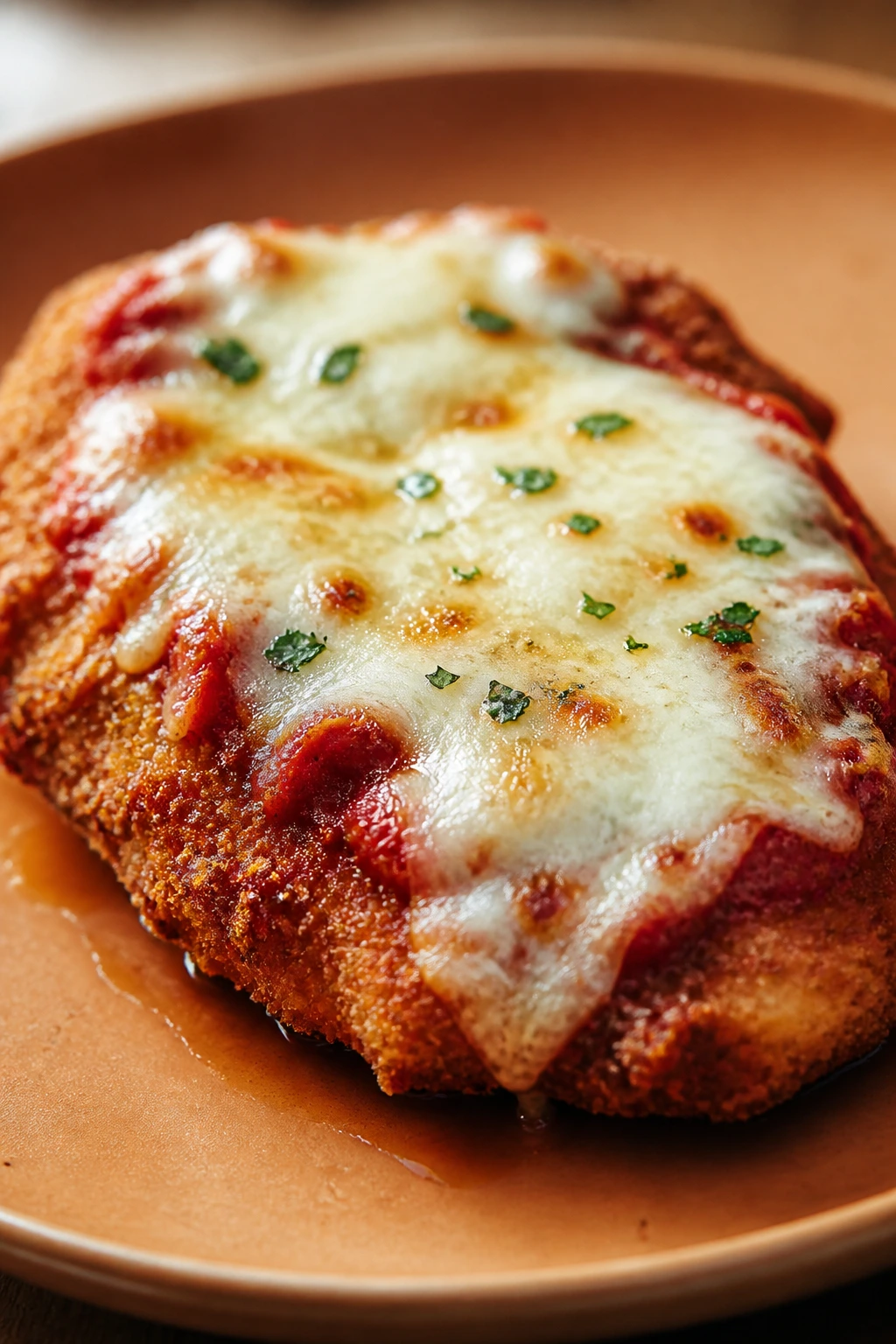
A good chicken parm should crack a little when your fork breaks through the crust. Beneath that, you want juicy chicken, a thick spoon of marinara, and mozzarella that melts into those lacy browned spots people always reach for first. Done badly, it turns soggy fast. Done well, it’s one of the great comfort dinners on earth.
This version keeps the cutlets thin, the breading crisp, and the sauce in the right place. That’s the whole game. Put the sauce under and partly over the chicken, not buried on every inch of crust, and you keep more of that fried texture intact.
Why It Works
Chicken parmesan works because it layers texture instead of just stacking flavors. Pounding the chicken to an even 1/2-inch thickness means it cooks fast and stays tender, while panko breadcrumbs give a lighter crunch than plain fine crumbs. A quick sear before the bake sets the crust, and the final 10 minutes in the oven melts the cheese without drying out the meat. The sauce should be warm and thick; thin sauce will run off the breading and soften everything too much.
Key Ingredients
- 2 large boneless, skinless chicken breasts, sliced into 4 cutlets — thin pieces cook evenly.
- 1/2 cup all-purpose flour — the first coating that helps the egg stick.
- 2 large eggs, beaten — use a wide shallow bowl for easy dredging.
- 1 1/2 cups panko breadcrumbs — these stay crisp longer than standard breadcrumbs.
- 3/4 cup grated parmesan — mix some into the crumbs for extra salt and nuttiness.
- 1 teaspoon garlic powder — keeps the breading savory.
- 1 1/2 cups marinara sauce — thick sauce is better than watery sauce.
- 2 cups shredded mozzarella — low-moisture shreds melt cleanly.
- 2 tablespoons olive oil — enough to brown the cutlets in batches.
- Fresh basil leaves, torn — for the finish.
Quick Steps
-
Preheat the oven to 425°F (220°C) and set a wire rack over a sheet pan if you have one.
-
Pound and season the chicken cutlets to an even thickness, then season both sides with salt and pepper.
-
Set up the breading with flour in one bowl, eggs in another, and panko mixed with parmesan and garlic powder in a third.
-
Coat the chicken in flour, egg, and crumbs, pressing gently so the coating sticks.
-
Sear the cutlets in olive oil over medium-high heat for 2 to 3 minutes per side, just until golden. They do not need to cook through yet.
-
Top and bake by spooning a little marinara over each cutlet, adding mozzarella, and baking for 10 to 12 minutes until the cheese bubbles and the chicken reaches 165°F (74°C).
Tips and Variations
- Crispness fix: If you have a wire rack, use it. Chicken stays crispier on a rack than on a flat pan.
- Sauce control: Warm the marinara before adding it, so the chicken doesn’t sit under a cold, heavy layer.
- Serving idea: Pile it over spaghetti, or keep it simple with a lemony salad and roasted broccoli.
3. Baked Ziti with Italian Sausage and Spinach
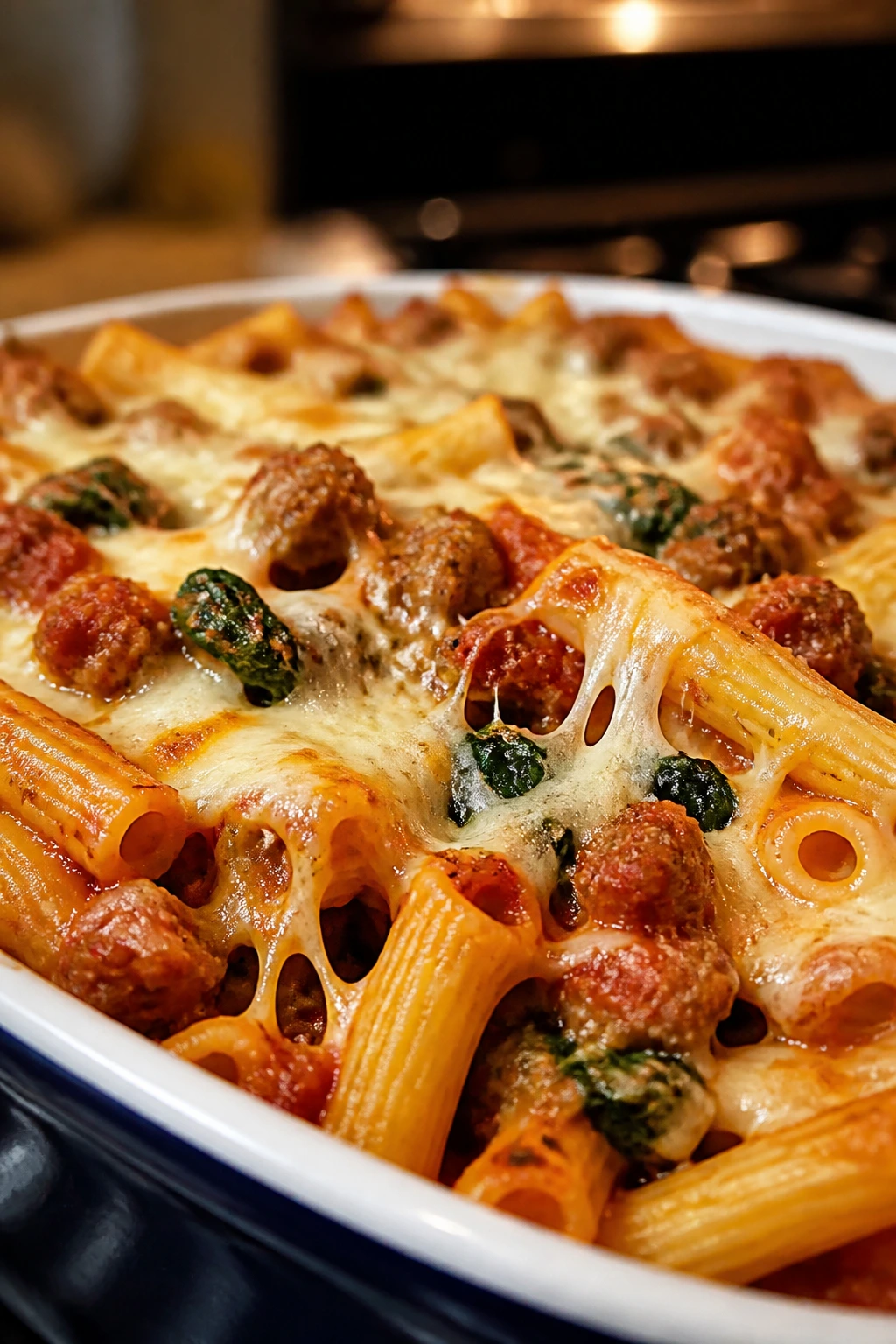
Baked ziti has a cheerful sort of honesty to it. It’s saucy, cheesy, and a little messy in the best way. You scoop out a panful and the pasta comes up with melted mozzarella in strings and ricotta tucked into the cracks like little creamy pockets.
Sunday family night loves baked ziti because it’s hard to overthink. It feeds a group, it reheats well, and it doesn’t ask you to fuss with perfect layers. If lasagna is the dressed-up cousin, ziti is the one who shows up warm, generous, and ready to talk to everybody.
Why It Works
Ziti is built for baked pasta success because the tube shape catches sauce inside and out. Undercooking the pasta by 2 minutes matters here; it keeps the noodles from going soft in the oven. Italian sausage adds seasoned fat, while spinach gives the dish some green without stealing the show. Ricotta softens the sauce, but if you stir half of it through the pasta and dollop the rest on top, you get both creaminess and pockets of richer texture.
Key Ingredients
- 1 pound ziti or penne rigate — ridged pasta holds sauce better than smooth.
- 1 pound Italian sausage, casings removed — mild sausage keeps the whole pan family-friendly.
- 1 medium onion, diced — cooks down into the sauce.
- 4 cloves garlic, minced — adds the base flavor.
- 1 jar or 1 can (28 ounces) crushed tomatoes — use a thick sauce.
- 10 ounces baby spinach — wilts down fast and disappears neatly.
- 15 ounces ricotta — whole milk is creamier.
- 2 cups shredded mozzarella — for the top.
- 1 cup grated parmesan — for salt and depth.
- 1 teaspoon dried oregano — a familiar, warm herb note.
Quick Steps
-
Preheat the oven to 400°F (205°C) and grease a 9×13-inch baking dish.
-
Boil the pasta in salted water until 2 minutes shy of al dente, then drain and set aside.
-
Cook the sausage and onion in a large skillet over medium heat until browned and fragrant, about 8 minutes. Add garlic and cook for 30 seconds.
-
Stir in the tomatoes and oregano, then simmer for 10 to 15 minutes. Fold in the spinach and let it wilt.
-
Combine the pasta, sauce, half the ricotta, half the mozzarella, and half the parmesan in a large bowl.
-
Transfer and bake with the remaining ricotta dotted over the top and the rest of the cheese scattered across the surface. Bake for 25 minutes covered, then 10 minutes uncovered until bubbling.
Tips and Variations
- Freezer smart: Assemble in a disposable pan and freeze unbaked for up to 2 months.
- Vegetable boost: Add sautéed mushrooms or chopped zucchini if you want more body.
- Crumb topping: A handful of toasted breadcrumbs on top gives a nice little crunch.
4. Spaghetti and Meatballs with Long-Simmered Tomato Sauce
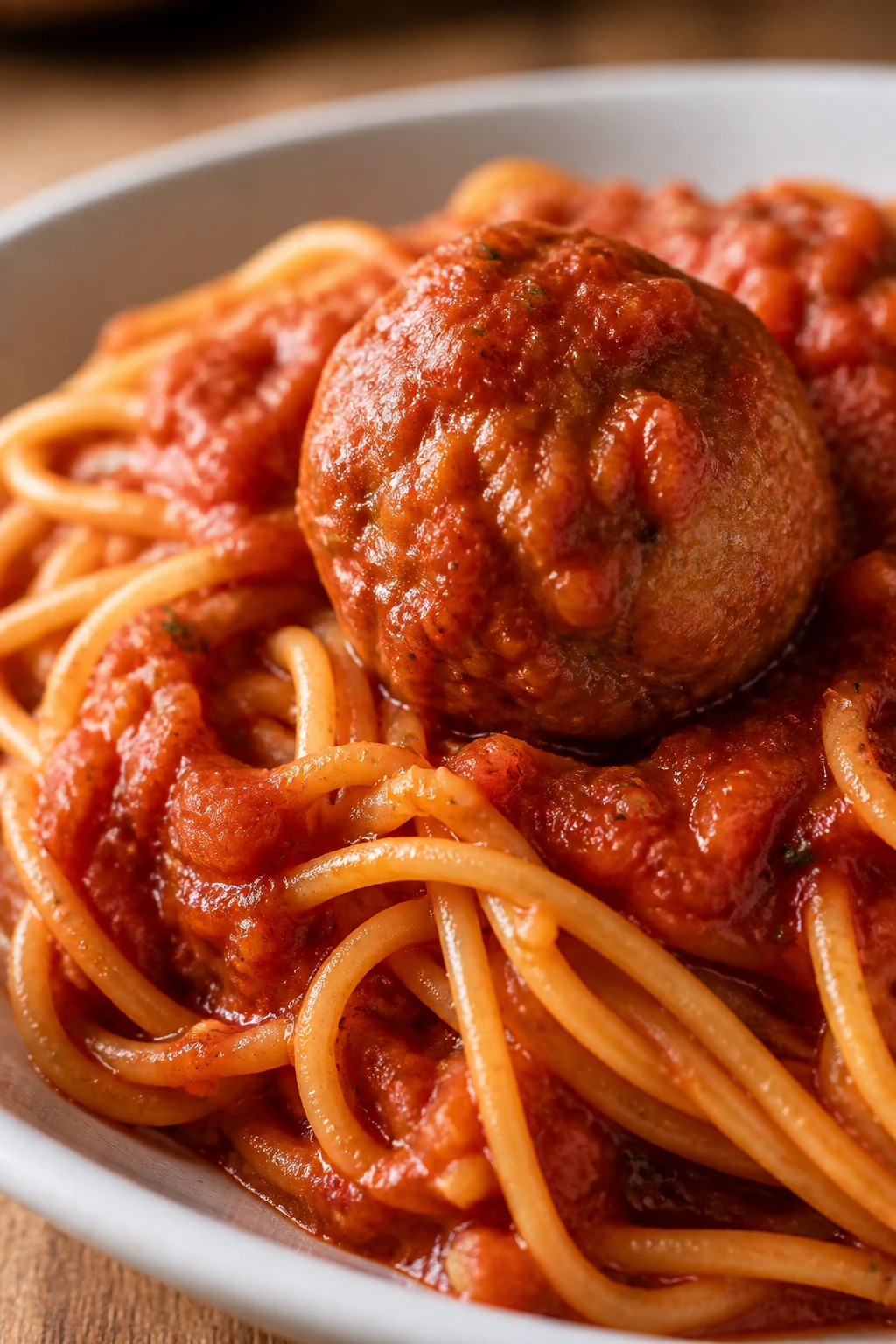
Some dinners feel like they’ve been around forever because people keep making them for good reason. Spaghetti and meatballs is one of those. The sauce clings, the meatballs are tender, and the whole plate looks familiar in the best possible way.
This is not the dish to rush. If the meatballs are dense, or if the sauce tastes flat, the whole thing loses its charm. But when the meatballs are soft and the sauce has simmered long enough to taste rounded instead of sharp, you get that old-school Sunday dinner feeling people always chase.
Why It Works
Meatballs need moisture and patience. A little milk in the breadcrumb mixture keeps them from turning tight, and mixing them lightly helps the meat stay tender after browning. Once the meatballs finish in the sauce, they pick up tomato flavor without getting dry. The sauce itself improves as it cooks with the browned bits from the pan, and that’s where the depth comes from. Serve it over spaghetti because the strands catch the sauce without smothering the meatballs.
Key Ingredients
- 1 pound ground beef — choose a blend with some fat.
- 1/2 pound ground pork — adds richness and softness.
- 1/2 cup plain breadcrumbs — helps the meatballs hold together.
- 1/3 cup whole milk — keeps the texture tender.
- 1 large egg — binds the mixture.
- 1/2 cup grated parmesan — seasons the meatballs from the inside.
- 2 tablespoons chopped parsley — adds freshness.
- 1 large onion, finely chopped — forms the base of the sauce.
- 4 cloves garlic, minced — keep it moving so it doesn’t burn.
- 2 cans (28 ounces each) crushed tomatoes — the sauce backbone.
- 1 pound spaghetti — cook it just to al dente.
Quick Steps
-
Mix the meatballs with the beef, pork, breadcrumbs, milk, egg, parmesan, parsley, salt, and pepper until just combined.
-
Shape and brown the meatballs into 1 1/2-inch balls, then sear them in olive oil over medium heat until golden on all sides. Work in batches so they brown instead of steam.
-
Start the sauce in the same pot with onion and garlic, cooking until soft and fragrant.
-
Add tomatoes and herbs and bring the sauce to a gentle simmer. Return the meatballs and cook, covered, for 25 minutes.
-
Boil the spaghetti in well-salted water while the sauce simmers. Keep it al dente.
-
Serve together with extra parmesan and a few torn basil leaves. If the sauce looks thick, loosen it with a splash of pasta water.
Tips and Variations
- Tiny-meatball trick: Smaller meatballs cook more evenly and feel friendlier on the plate.
- Sauce flavor: A parmesan rind simmered in the sauce adds a deep, salty edge.
- Bread pairing: Garlic bread is almost mandatory here. I don’t make the rules.
5. Chicken Cacciatore with Peppers and Olives
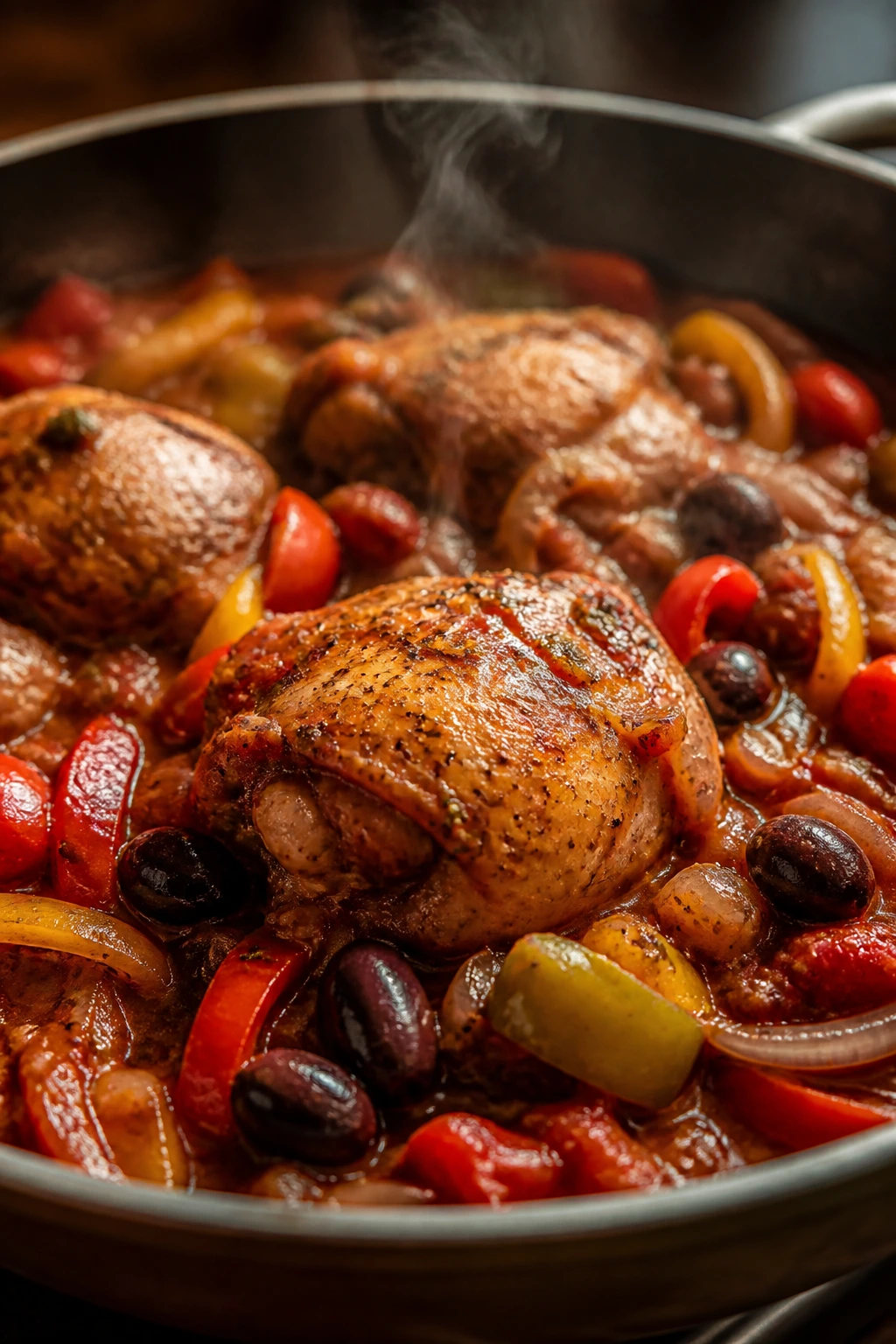
Chicken cacciatore has a rustic smell that fills the kitchen before the lid even comes off the pan. Tomatoes, peppers, onion, wine, and herbs all cook together into something that feels older than the recipe card. It’s the kind of dinner that makes plain rice or a thick slice of bread feel like they were made for it.
I like cacciatore for Sunday because it looks relaxed but still tastes layered. The sauce is bright and savory at once, and the chicken thighs stay juicy in a way breasts usually don’t during a long simmer. That alone earns it a place at the table.
Why It Works
Chicken thighs are the right call because the gentle braise keeps them moist. Browning them first gives the sauce more flavor, but the real magic happens when the peppers and onions soften in the same pot and pick up the browned bits from the chicken. A small handful of olives adds a briny note that keeps the sauce from tasting heavy. You want the finished braise loose enough to spoon, not stiff like a stew that forgot how to move.
Key Ingredients
- 2 pounds bone-in, skin-on chicken thighs — they stay juicy through simmering.
- 2 tablespoons olive oil — for browning.
- 1 red bell pepper, sliced — sweet and soft when cooked.
- 1 yellow bell pepper, sliced — adds color and flavor.
- 1 medium onion, sliced — cooks down into the sauce.
- 4 cloves garlic, minced — adds the usual good smell.
- 2 tablespoons tomato paste — deepens the sauce.
- 1 can (28 ounces) diced tomatoes — use good tomatoes with some juice.
- 1/2 cup dry red wine — gives the braise a darker edge.
- 1/3 cup pitted Kalamata olives — salty and briny.
- 1 teaspoon dried oregano — classic cacciatore flavor.
Quick Steps
-
Season and brown the chicken thighs in olive oil over medium-high heat until the skin is golden, about 5 minutes per side. Remove to a plate.
-
Cook the vegetables in the same pan with onion and peppers until softened, about 8 minutes. Add garlic and tomato paste and cook for 1 minute.
-
Deglaze with red wine, scraping up the browned bits. Let it reduce by half.
-
Add the tomatoes, olives, oregano, and a pinch of chili flakes, then nestle the chicken back in.
-
Braise covered over low heat or in a 350°F (175°C) oven for 35 to 40 minutes, until the chicken is tender and reads 175°F (79°C) near the bone.
-
Finish with parsley and serve over polenta, mashed potatoes, or thick bread.
Tips and Variations
- Brightness trick: A small splash of red wine vinegar at the end wakes up the sauce.
- Vegetable swap: Mushrooms fit neatly into this dish if you want a deeper, earthier pan.
- Serving note: The sauce is excellent over creamy polenta, and that is the route I’d choose.
6. Eggplant Parmesan with Marinara and Basil
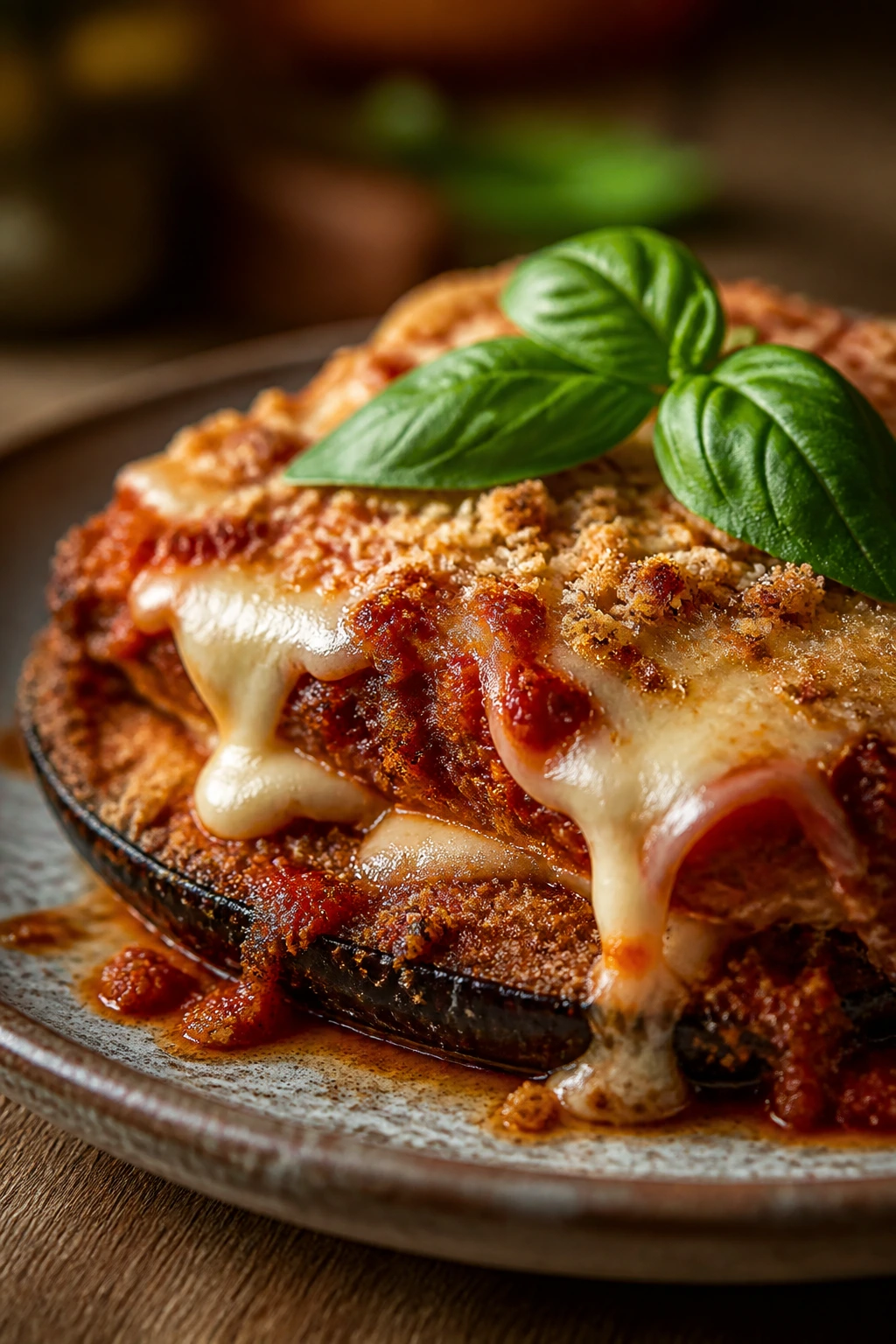
Eggplant parmesan can be a little tricky, which is part of why I respect it. When it’s done well, the eggplant turns silky inside, the crust stays crisp enough to notice, and the marinara gives you a sharp, sweet contrast to all that cheese. When it’s done badly, the slices go greasy and floppy. Nobody wants that.
The answer is moisture control and enough heat. Slice the eggplant evenly, salt it if it’s a dense variety, and give the breading a chance to brown before it goes into the oven. That’s where the structure comes from.
Why It Works
Eggplant holds a lot of water, so the dish works best when you draw some of that moisture out before cooking. Salting the slices helps, but roasting or air-frying the breaded eggplant also matters because it gives the coating a firm shell. Once layered with marinara and cheese, the eggplant softens in a good way while keeping enough shape to slice cleanly. A heavy hand with sauce can make it soggy, so use enough to coat, not drown.
Key Ingredients
- 2 large eggplants, sliced into 1/2-inch rounds — evenly cut slices cook at the same pace.
- 2 teaspoons kosher salt — used to help pull out moisture.
- 1/2 cup all-purpose flour — for the first coating.
- 3 large eggs, beaten — to help the crumbs stick.
- 2 cups Italian-style breadcrumbs — seasoned crumbs keep it simple.
- 1 cup grated parmesan — mixed into the breading and used on top.
- 4 cups marinara sauce — thick sauce is best.
- 3 cups shredded mozzarella — for gooey top layers.
- 1/4 cup chopped basil — for the finish.
Quick Steps
-
Salt the eggplant and let the slices sit in a single layer for 20 to 30 minutes. Pat them dry well with paper towels.
-
Set up the breading with flour, eggs, and breadcrumbs mixed with parmesan.
-
Coat the slices in flour, egg, and crumbs. Press gently so the coating sticks.
-
Bake the eggplant on oiled sheet pans at 425°F (220°C) for 20 minutes, flipping halfway through, until golden and crisp at the edges.
-
Layer sauce, eggplant, mozzarella, parmesan, and basil in a 9×13-inch dish.
-
Bake again for 25 to 30 minutes until bubbling. Rest for 15 minutes before cutting so the layers settle.
Tips and Variations
- Less greasy result: Baking the slices is cleaner than frying and works nicely for family dinner.
- Gluten-free version: Swap in gluten-free breadcrumbs and flour.
- Leftover tip: Reheat slices in a 375°F oven instead of the microwave if you want the crust back.
7. Creamy Tuscan Chicken over Orzo
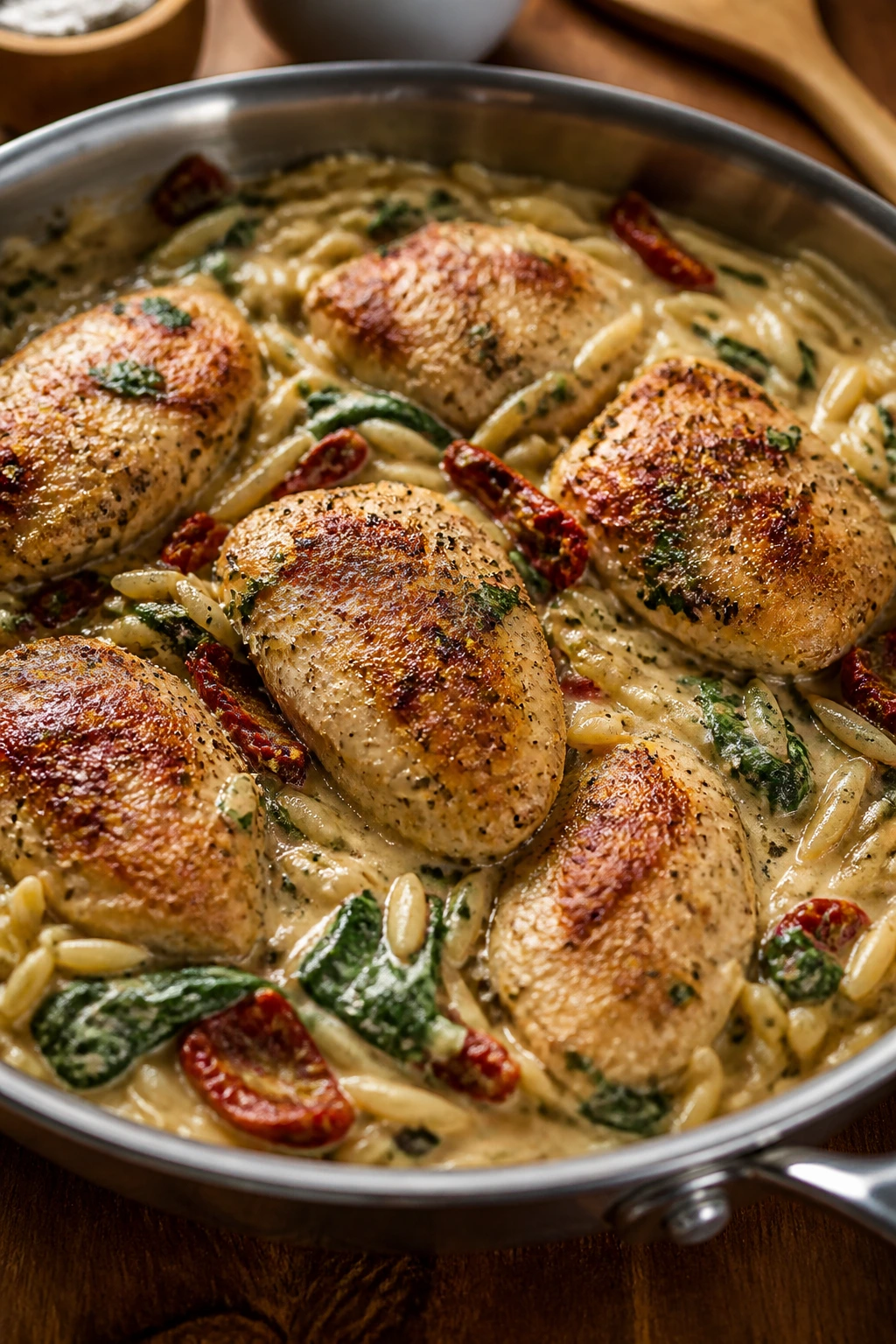
This is the kind of skillet dinner that smells more complicated than it is. Garlic, sun-dried tomatoes, cream, spinach, parmesan—it lands on the table with a rich sauce and a soft bed of orzo that drinks up every bit of it. It feels cozy without being heavy in the way a baked casserole can be.
Orzo is the quiet reason this dish works so well. It cooks right in the pan, which means the starch helps thicken the sauce and gives the whole skillet a smooth, spoonable texture. That’s a smart dinner move on a Sunday when you want comfort without assembling a separate side dish.
Why It Works
Chicken cooks quickly when it’s cut into cutlets or bite-size pieces, and orzo behaves like a fast-cooking pasta that likes to absorb flavor. The cream and parmesan make the sauce rich, while sun-dried tomatoes bring concentrated sweetness and a little tang. Spinach softens at the end so it keeps its color. The result is one pan, one starch, and a sauce that doesn’t need any help.
Key Ingredients
- 1 1/2 pounds boneless, skinless chicken thighs or breasts — thighs stay juicier.
- 1 tablespoon olive oil — for searing.
- 3 cloves garlic, minced — don’t let it brown too hard.
- 1/2 cup sun-dried tomatoes, sliced — oil-packed or rehydrated both work.
- 1 cup orzo — the little rice-shaped pasta does the heavy lifting.
- 2 1/2 cups chicken broth — enough to cook the orzo.
- 3/4 cup heavy cream — for the sauce.
- 1/2 cup grated parmesan — adds body and salt.
- 3 cups baby spinach — wilts in at the end.
- 1 tablespoon lemon juice — cuts through the richness.
Quick Steps
-
Season and sear the chicken in olive oil over medium-high heat until golden, 3 to 4 minutes per side. Remove it to a plate.
-
Cook the garlic and sun-dried tomatoes in the same pan for 30 seconds, just until fragrant.
-
Add the orzo and broth and bring it to a simmer, scraping up the browned bits on the bottom.
-
Stir in the cream and parmesan, then return the chicken to the pan. Cover and cook over low heat for 10 to 12 minutes until the orzo is tender.
-
Fold in the spinach and lemon juice until the greens wilt and the sauce turns glossy.
-
Taste and adjust with salt, pepper, and a pinch of chili flakes if you want a little heat.
Tips and Variations
- Broth control: If the orzo tightens too much, splash in a little more broth before serving.
- Fresh finish: Chopped basil at the end keeps the sauce from feeling flat.
- Serve it right: A loaf of crusty bread is enough alongside this. Nothing fancy.
8. Sausage, Peppers, and Potatoes Skillet Bake
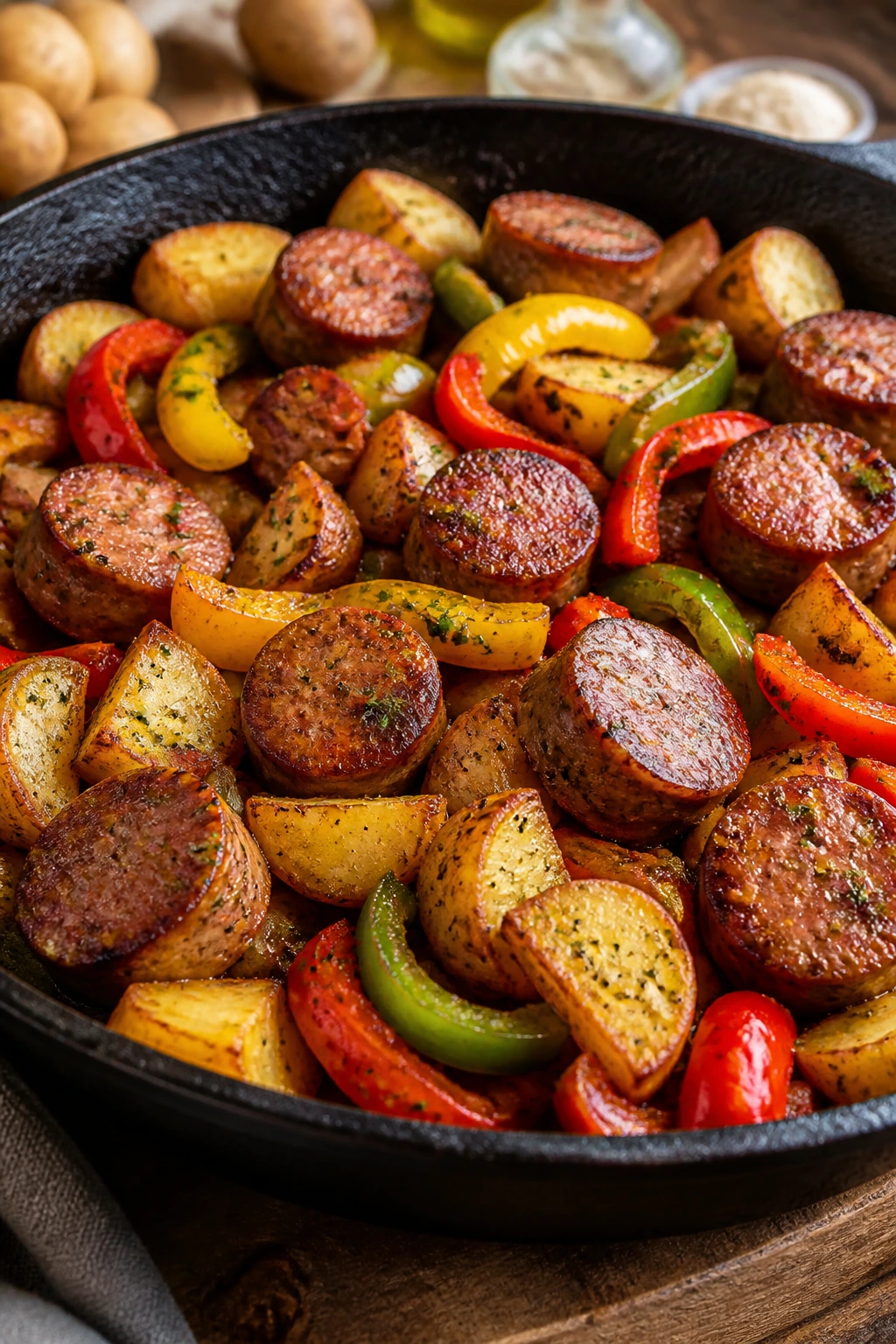
There’s a reason sausage, peppers, and potatoes keeps showing up on family tables. It smells like comfort before the pan even goes into the oven. The potatoes turn golden, the peppers soften and sweeten, and the sausage flavors the whole dish with almost no extra work.
This one lands between rustic and practical. You don’t need a long sauce or a pile of cheese. You need good sausage, enough heat to brown the potatoes, and a skillet large enough to let everything spread out instead of steaming itself into softness.
Why It Works
Italian sausage carries seasoning all by itself, so the peppers and potatoes only need a little help. Par-cooking the potatoes or roasting them first gives them a head start, which matters because potatoes take longer than peppers by a fair margin. The fennel and red pepper flakes echo the sausage and keep the dish from tasting flat. A cast-iron skillet is especially good here because it encourages browning along the bottom and makes the whole pan feel a little old-school.
Key Ingredients
- 1 1/2 pounds Italian sausage links — sweet or hot, depending on your crowd.
- 1 1/2 pounds baby potatoes, halved — small potatoes roast faster.
- 3 bell peppers, sliced — use a mix of colors.
- 1 large onion, sliced — gives the pan sweetness.
- 4 cloves garlic, smashed or minced — whichever you like better.
- 2 tablespoons olive oil — helps the potatoes crisp.
- 1 teaspoon dried oregano — a simple herb note.
- 1/2 teaspoon crushed fennel seed — echoes the sausage.
- 1/2 teaspoon red pepper flakes — optional, but nice.
Quick Steps
-
Preheat the oven to 425°F (220°C).
-
Roast the potatoes first on a sheet pan with olive oil, salt, and pepper for 15 minutes so they get a head start.
-
Brown the sausage in a large oven-safe skillet over medium heat until golden on the outside but not fully cooked through.
-
Add the peppers, onion, garlic, oregano, fennel, and red pepper flakes to the skillet and cook for 5 minutes until the vegetables start to soften.
-
Add the potatoes to the skillet and roast everything together for 15 to 20 minutes until the sausage is cooked through and the potatoes are tender.
-
Serve hot with a squeeze of lemon or a spoonful of mustard if you want a sharper edge.
Tips and Variations
- Texture tip: Don’t crowd the skillet. The potatoes need room to brown.
- Shortcut: If you’re short on time, microwave the potatoes for 4 minutes before roasting.
- Flavor move: A handful of chopped parsley at the end wakes the whole pan up.
9. Stuffed Shells with Ricotta and Spinach
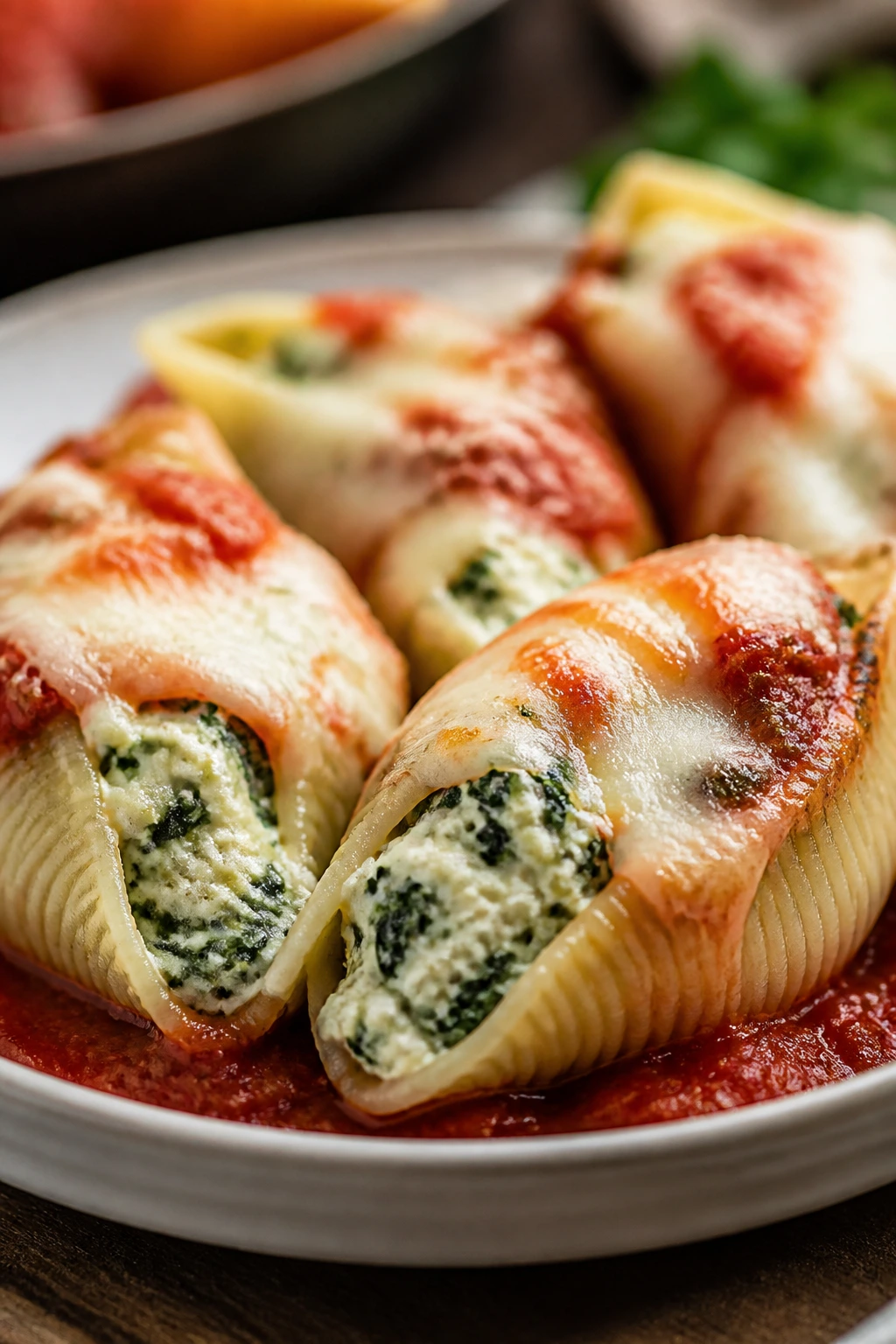
Stuffed shells look like a lot of work from across the room, then you make them once and realize the job is mostly calm, repetitive filling. That’s the charm. The shells cradle the ricotta mixture, the sauce keeps everything from drying out, and the top turns molten in the oven.
This is one of those dinners that feels gentle. The filling is creamy, the pasta stays soft, and each shell gives you a neat little portion without needing a knife. Families like that. So do people who want dinner to be comforting without being heavy-handed.
Why It Works
Jumbo shells are made for stuffing because their shape holds enough filling to feel substantial, but not so much that they crack if you handle them carefully. Ricotta mixed with egg and parmesan sets into a filling that stays creamy rather than runny. A bed of marinara under the shells and more sauce over the top protects the pasta while it bakes. Spinach adds color and a small vegetal note that keeps the filling from tasting one-note.
Key Ingredients
- 20 jumbo pasta shells — buy extra, because a few always split.
- 15 ounces ricotta — whole milk gives the best texture.
- 1 cup shredded mozzarella — mixed into the filling and sprinkled on top.
- 3/4 cup grated parmesan — adds salt and structure.
- 1 large egg — helps the filling set.
- 2 cups chopped spinach, cooked and squeezed dry — wet spinach makes the filling loose.
- 3 cups marinara sauce — enough to cover the bottom and top.
- 2 cloves garlic, minced — stir into the filling or sauce.
- 1/4 cup chopped basil — fresh finish.
Quick Steps
-
Cook the shells in salted water until just al dente, then drain and rinse briefly with cool water.
-
Mix the filling with ricotta, mozzarella, parmesan, egg, spinach, garlic, salt, and pepper until smooth.
-
Spread marinara across the bottom of a baking dish.
-
Stuff each shell with a spoonful of filling and nestle it into the sauce, open side up.
-
Top with more sauce and cheese, then bake at 375°F (190°C) for 30 to 35 minutes until bubbling at the edges.
-
Rest for 10 minutes before serving. The filling gets creamier after it settles.
Tips and Variations
- Filling shortcut: A piping bag or zip-top bag with the corner snipped off makes stuffing faster.
- Vegetable swap: Finely chopped sautéed mushrooms can stand in for some of the spinach.
- Make-ahead win: Assemble the shells early in the day and bake them right before dinner.
10. Pasta e Fagioli with Cannellini Beans
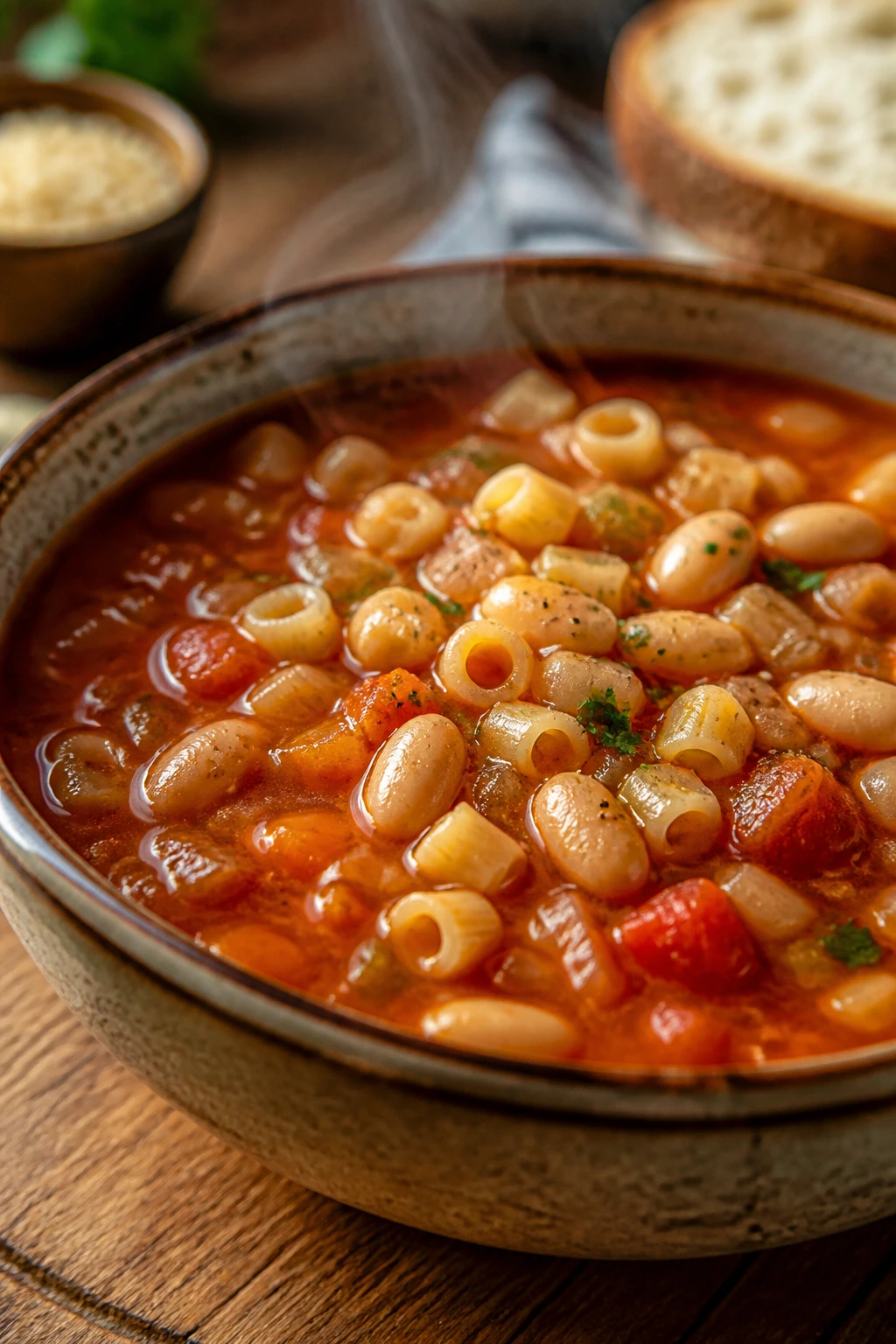
Pasta e fagioli is the kind of soup that keeps dinner honest. It’s hearty, brothy, and thickened by the beans and pasta instead of cream or cheese. You get something that eats like a meal but still feels like a bowl, which is a very nice trick on a Sunday.
This version stays close to the comfort-first spirit of the dish. It’s built on onions, carrots, celery, garlic, beans, and a little pasta, with tomato and parmesan rind pulling it into something deeper than bean soup. Serve bread beside it and people won’t ask what else is for dinner. They’ll just eat.
Why It Works
Beans thicken the broth naturally, so the soup never feels thin or shy. A small shape of pasta, like ditalini, gives you chew without turning the pot into mush. If you cook the pasta separately and add it at the end, the leftovers hold up better. Pancetta adds depth, but the soup still tastes good without meat if you lean on olive oil, garlic, and a parmesan rind.
Key Ingredients
- 2 tablespoons olive oil — or more if you skip the pancetta.
- 4 ounces pancetta, diced — optional, but helpful.
- 1 medium onion, diced — the base of the soup.
- 2 carrots, diced — for sweetness.
- 2 celery stalks, diced — classic soup structure.
- 4 cloves garlic, minced — the aroma sets the tone.
- 1 tablespoon tomato paste — deepens the broth.
- 1 can (15 ounces) cannellini beans, drained and rinsed — creamy and mild.
- 1 can (15 ounces) kidney beans, drained and rinsed — adds color and a firmer bite.
- 1 can (14.5 ounces) diced tomatoes — brings the tomato thread through.
- 6 cups chicken or vegetable broth — enough to keep the soup spoonable.
- 3/4 cup ditalini or small elbows — cooked separately if you plan leftovers.
- 1 parmesan rind — if you have one, drop it in the pot.
Quick Steps
-
Cook the pancetta in olive oil over medium heat until lightly crisp, then add onion, carrots, and celery.
-
Soften the vegetables for 8 minutes, then add garlic and tomato paste and stir for 1 minute.
-
Add tomatoes, beans, broth, rosemary, and the parmesan rind and bring everything to a steady simmer.
-
Simmer for 20 minutes until the vegetables are tender and the broth tastes rounded.
-
Cook the pasta separately in salted water until al dente, then drain.
-
Serve the soup with pasta in the bowl, a drizzle of olive oil, and plenty of grated parmesan.
Tips and Variations
- Leftover fix: Keep the pasta separate if you expect leftovers; it soaks up broth fast.
- Thicker soup: Mash a small ladle of beans against the side of the pot before serving.
- Bread choice: Focaccia or toasted sourdough both make sense here.
11. Shrimp Scampi with Linguine
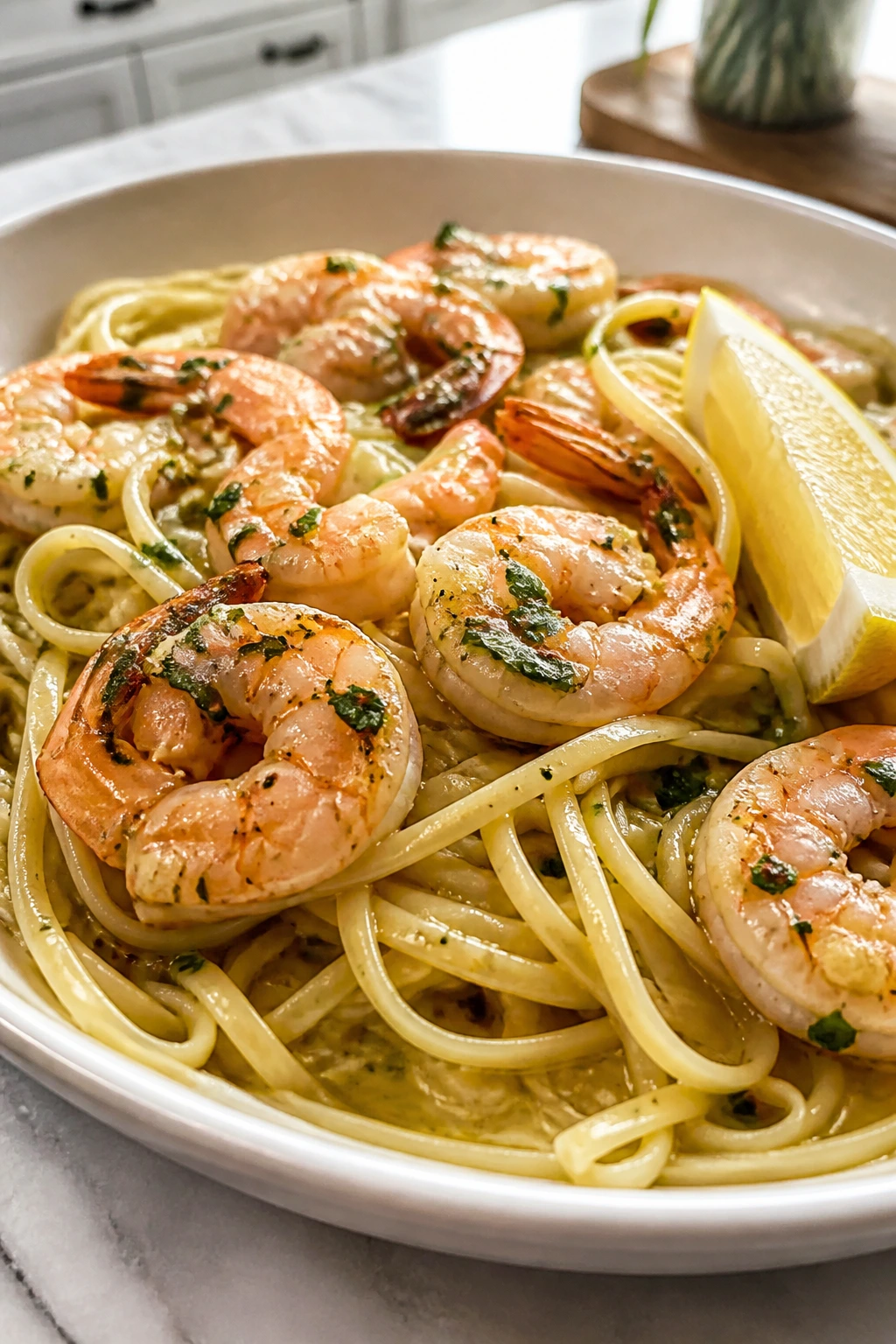
Shrimp scampi changes the mood of a Sunday dinner. It’s lighter, faster, and a little brighter, but it still feels like a proper meal because the garlic-butter sauce lands with such confidence. The lemon keeps the whole thing lively, and the pasta catches all that glossy pan sauce.
This is the one I reach for when I want Italian flavor without an all-afternoon project. Shrimp cooks in minutes. Linguine twirls well. And if you get the garlic and butter in the right order, the sauce tastes fresh instead of greasy.
Why It Works
Scampi works because shrimp needs only a short cook to stay tender and sweet. Once it turns pink and curls into a loose C-shape, it’s done. Anything past that and the texture goes firm too fast. The sauce is built from butter, olive oil, garlic, white wine, lemon, and a splash of pasta water, which gives it enough body to coat the noodles without feeling heavy. Parsley at the end keeps the flavor clean.
Key Ingredients
- 1 pound linguine — long noodles suit the sauce.
- 1 1/2 pounds large shrimp, peeled and deveined — buy them cleaned if that saves sanity.
- 3 tablespoons olive oil — keeps the butter from scorching.
- 4 tablespoons unsalted butter — divided.
- 5 cloves garlic, thinly sliced — sliced garlic gives better texture than minced.
- 1/2 cup dry white wine — helps the pan sauce come together.
- 1 lemon, zested and juiced — use both.
- 1/2 teaspoon red pepper flakes — optional heat.
- 1/3 cup chopped parsley — fresh and bright.
- Salt and black pepper — season the shrimp well.
Quick Steps
-
Cook the linguine in well-salted water until al dente, then save 1 cup of the pasta water.
-
Season the shrimp with salt and pepper.
-
Heat the oil and 2 tablespoons butter in a large skillet over medium heat, then add garlic and red pepper flakes. Cook for 30 seconds until fragrant, not brown.
-
Add the shrimp and cook for 1 to 2 minutes per side, just until pink. Remove them to a plate.
-
Pour in the wine and lemon juice and simmer for 1 minute, scraping the pan. Add the remaining butter and a splash of pasta water.
-
Toss in the linguine and shrimp, then finish with lemon zest and parsley. The sauce should cling in a thin glossy coat.
Tips and Variations
- Shrimp rule: Pull them from the heat the moment they curl; lingering in the pan makes them rubbery.
- Creamier route: A spoonful of mascarpone or cream changes the sauce, but I like the sharper version better.
- Serve with: A green salad and crusty bread cover the rest.
12. Braised Italian Beef with Polenta
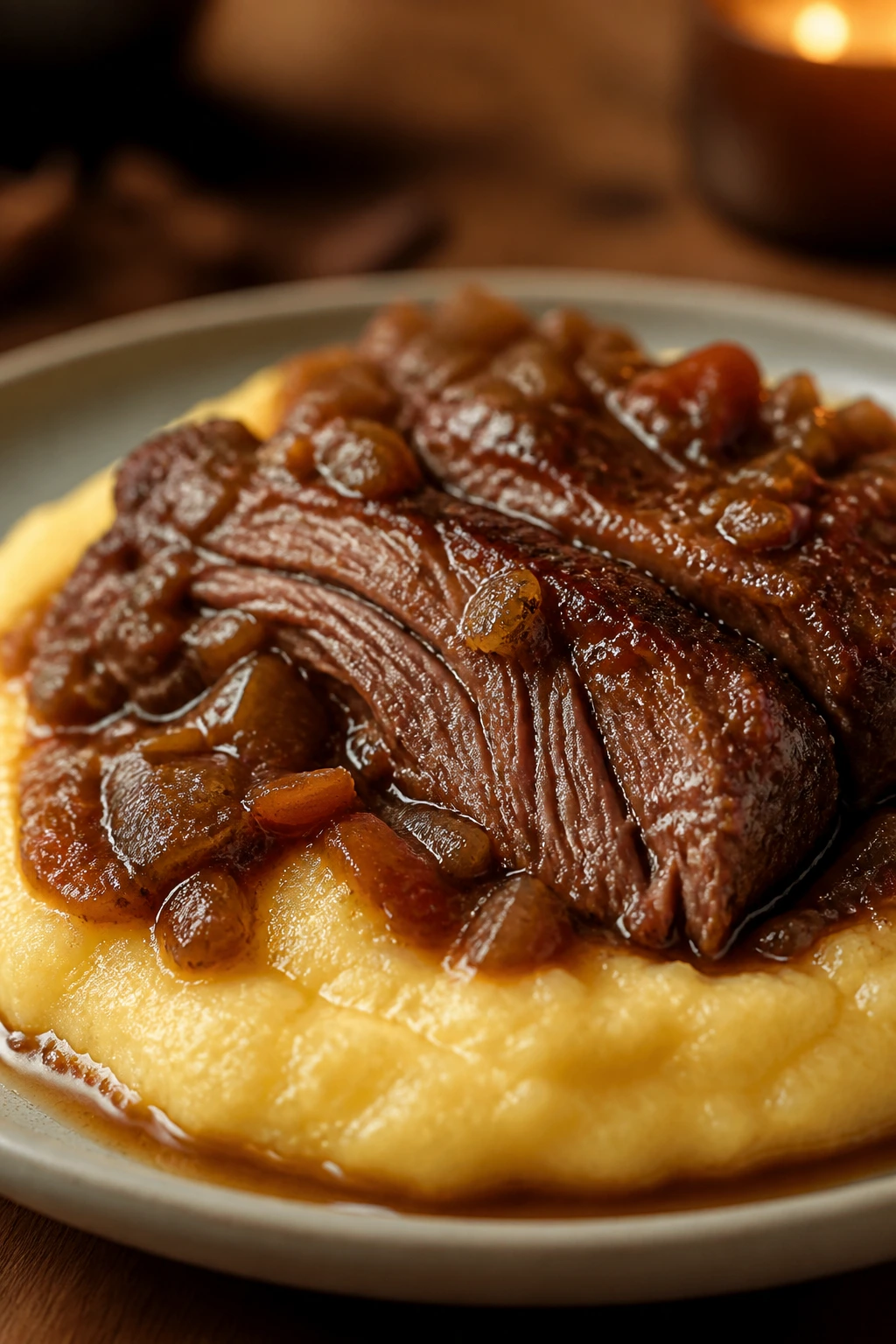
Some Sunday dinners need to slow down. A braised beef dish does exactly that. The kitchen fills with onion, wine, tomato, and herbs while the roast softens in the oven until it barely needs a fork. It’s the kind of meal that makes people lower their voices a little when they walk in.
This is one of the most satisfying Italian-style dinners to put on a family table because it rewards patience so plainly. The beef becomes spoon-tender, the sauce gets dark and rich, and the polenta underneath turns into a creamy landing pad. It’s a proper cold-weather-style meal, though honestly, the smell alone earns it a spot anytime the family needs a big dinner.
Why It Works
Chuck roast is the right cut because it has enough connective tissue to benefit from a long braise. A hard sear gives the sauce a deeper flavor base, and the wine plus broth carry the tomato and herb notes through the meat. Polenta is the smart partner here because it soaks up the braising liquid without becoming gluey if you keep it stirred and finish it with butter and parmesan. The whole dish feels balanced: rich beef, soft starch, and a sauce that stays vivid.
Key Ingredients
- 3 pounds beef chuck roast — cut into large chunks if needed.
- 2 tablespoons olive oil — for searing.
- 1 large onion, chopped — cooks into the braising liquid.
- 2 carrots, chopped — add sweetness.
- 2 celery stalks, chopped — the rest of the soffritto.
- 4 cloves garlic, smashed — they melt into the sauce.
- 2 tablespoons tomato paste — gives the braise a deeper color.
- 1 cup dry red wine — helps build the sauce.
- 2 cups beef broth — enough liquid for a long braise.
- 1 bay leaf and 2 rosemary sprigs — classic herb direction.
- 1 cup polenta — for serving.
- 2 tablespoons butter and 1/2 cup parmesan — to finish the polenta.
Quick Steps
-
Preheat the oven to 325°F (165°C).
-
Sear the beef in olive oil over medium-high heat until deeply browned on all sides. Do this in batches if needed.
-
Cook the onion, carrot, celery, and garlic in the same pot until softened, then stir in tomato paste for 1 minute.
-
Pour in the wine and scrape up the browned bits. Simmer for 2 minutes.
-
Add the broth, bay leaf, rosemary, and beef. Cover and braise for 3 to 3 1/2 hours until the meat pulls apart easily.
-
Cook the polenta near the end, stirring it with butter, parmesan, salt, and enough water or broth to make it soft and creamy.
Tips and Variations
- Sauce finish: Skim fat from the braising liquid before serving if it looks oily.
- Polenta texture: If it thickens too much, whisk in hot water until it loosens again.
- Serving move: Spoon extra braising juices over the polenta. That’s the good part.
13. Mushroom Risotto with Parmesan and Thyme
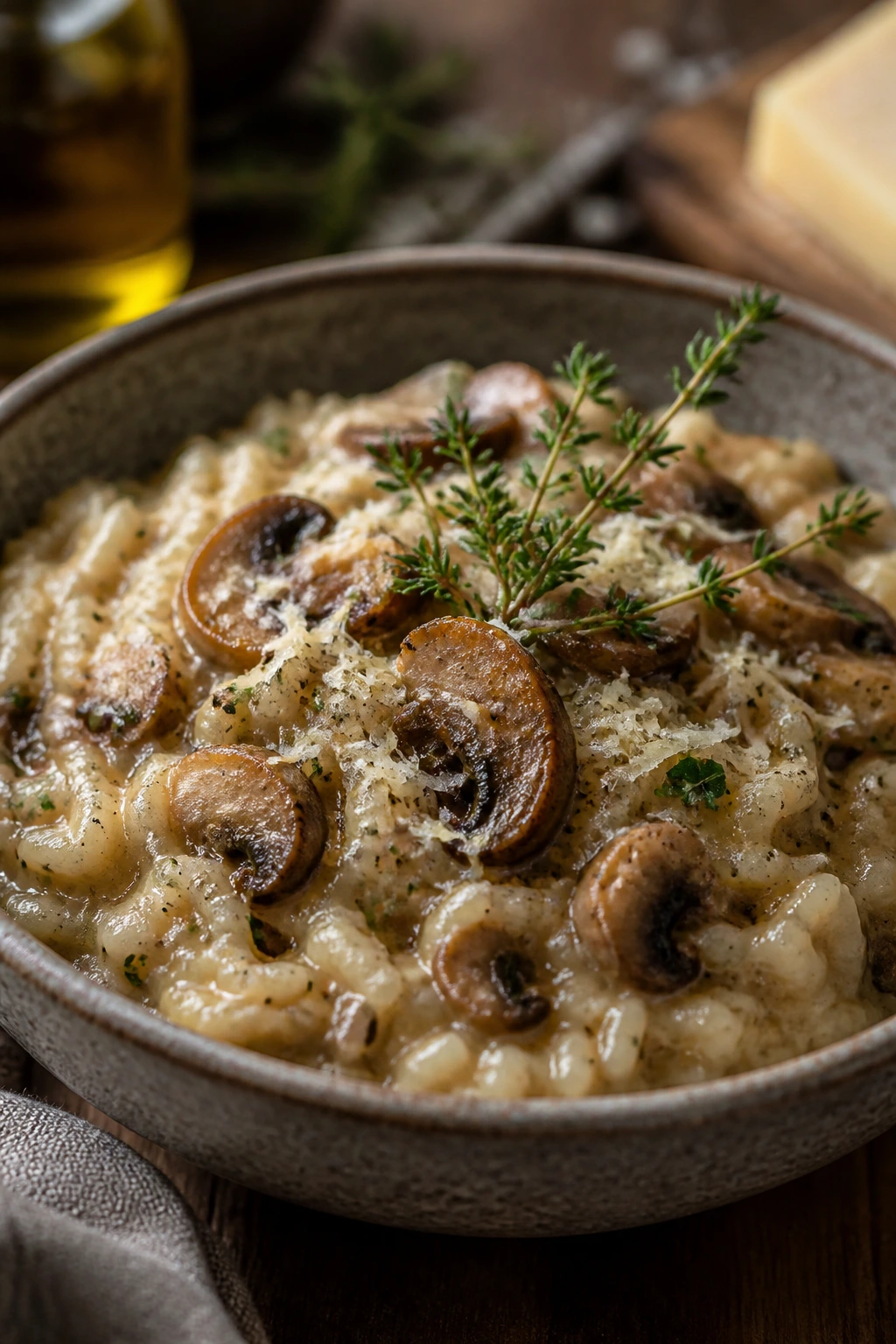
Risotto asks for attention, but it pays you back with a texture that feels almost luxurious in a plain old bowl. The rice turns creamy without adding cream, the mushrooms bring an earthy note, and the parmesan rounds everything out. It’s a softer dinner than some of the baked options here, but it still belongs at the Sunday table.
People sometimes treat risotto like a fussy restaurant dish. I don’t. It’s just a pot of rice that needs warm stock, a steady hand, and a willingness to stir. That’s all. The result is creamy, savory, and deeply satisfying with roasted vegetables or a salad beside it.
Why It Works
Arborio rice contains the starch that makes risotto creamy when stirred with warm liquid. Toasting the rice before adding stock gives the grains a little protection so they stay pleasantly firm in the center. Browned mushrooms matter more than people think; if they’re properly caramelized, they give the whole pot a deeper, almost meaty flavor. Finish with butter and parmesan off the heat so the texture stays glossy instead of tight.
Key Ingredients
- 1 1/2 cups arborio rice — the classic risotto rice.
- 6 cups chicken or vegetable stock, kept warm — cold stock slows the cooking.
- 1 pound mushrooms, sliced — cremini, shiitake, or a mix.
- 1 small onion, finely chopped — softens into the rice.
- 3 cloves garlic, minced — for background flavor.
- 1/2 cup dry white wine — adds brightness.
- 3 tablespoons butter — divided.
- 3/4 cup grated parmesan — finish with the good stuff.
- 1 tablespoon fresh thyme leaves — or 1 teaspoon dried.
- 2 tablespoons olive oil — for browning the mushrooms.
Quick Steps
-
Warm the stock in a saucepan and keep it just below a simmer.
-
Brown the mushrooms in olive oil and 1 tablespoon butter until they release their liquid and develop golden edges. Remove half for garnish.
-
Cook the onion and garlic in the same pot until soft.
-
Stir in the rice and toast it for 1 to 2 minutes, then add the wine and let it absorb.
-
Add the warm stock a ladle at a time, stirring often and waiting for each addition to absorb before adding more. Keep going for about 18 to 20 minutes.
-
Finish with mushrooms, thyme, remaining butter, and parmesan. The risotto should flow slowly on the spoon, not sit in a lump.
Tips and Variations
- Don’t walk away: Risotto wants attention. Not constant drama, just regular stirring.
- Meatier version: A little pancetta with the mushrooms gives the pot extra depth.
- Lemon note: A tiny squeeze at the end sharpens the parmesan nicely.
14. Baked Manicotti with Three Cheeses
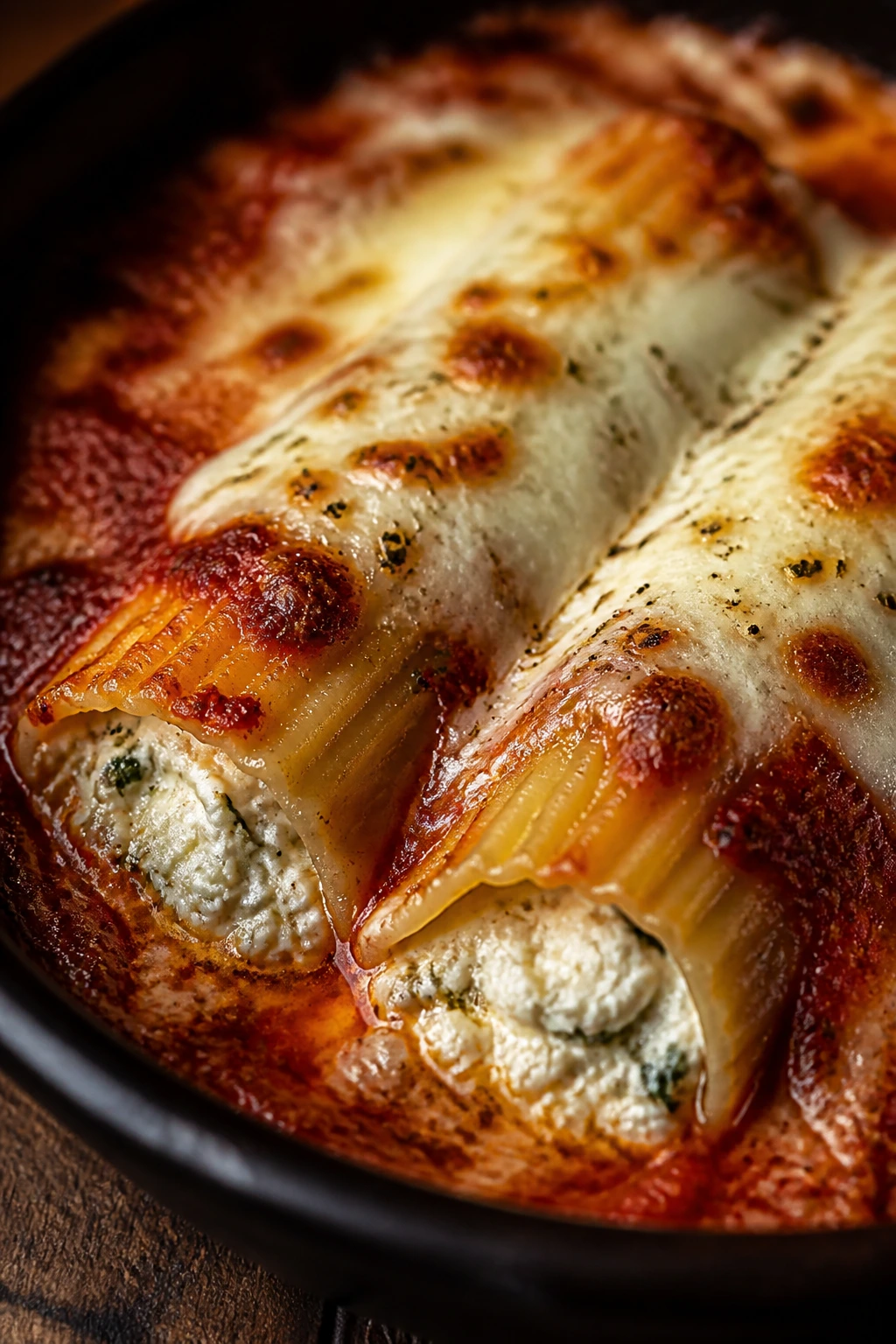
Manicotti is stuffed pasta with a gentler personality than lasagna. The tubes are easy to fill, the cheese melts into soft little pockets, and the sauce bakes around the edges into something a little darker and sweeter. It’s a family-night dish that feels generous without being messy on the plate.
The thing I like most about manicotti is the contrast. The outside softens, the filling stays creamy, and the sauce keeps the pasta from drying out in the oven. If stuffed shells are tidy, manicotti is a little more dramatic, and that makes it fun to serve.
Why It Works
Manicotti shells give you more enclosed filling than flat pasta layers, so the ricotta mixture stays centered and creamy. A bit of egg helps the filling hold its shape, while spinach adds color and keeps the cheese from feeling one-note. Sauce under and over the pasta matters here too; it protects the tubes during baking and gives you those edges where the marinara goes sticky and dark. That’s the part people tend to fight over.
Key Ingredients
- 12 manicotti tubes — cook them just until flexible.
- 15 ounces ricotta — whole milk is the better choice.
- 1 1/2 cups shredded mozzarella — divided.
- 3/4 cup grated parmesan — salty and sharp.
- 1 large egg — to bind the filling.
- 1 cup chopped spinach, cooked and squeezed dry — keeps the filling balanced.
- 3 cups marinara sauce — thick sauce works best.
- 2 cloves garlic, minced — optional but good.
- 1/4 cup chopped basil — for freshness.
Quick Steps
-
Cook the manicotti in salted water until just pliable, then drain and lay them on a lightly oiled tray.
-
Mix the filling with ricotta, 1 cup mozzarella, parmesan, egg, spinach, garlic, salt, and pepper.
-
Fill each tube using a spoon or piping bag. Go gently so the shells don’t split.
-
Spread sauce on the bottom of a baking dish, then arrange the filled manicotti in a single layer.
-
Cover with more sauce and remaining mozzarella, then bake at 375°F (190°C) for 35 to 40 minutes until bubbling.
-
Rest for 10 minutes and finish with basil before serving.
Tips and Variations
- Easier stuffing: A zip-top bag with the corner cut off is cleaner than a spoon.
- Sauce choice: A thicker marinara keeps the tubes from swimming.
- Swap option: If manicotti shells are hard to find, use jumbo shells and keep the filling the same.
15. Orecchiette with Broccoli Rabe and Sausage
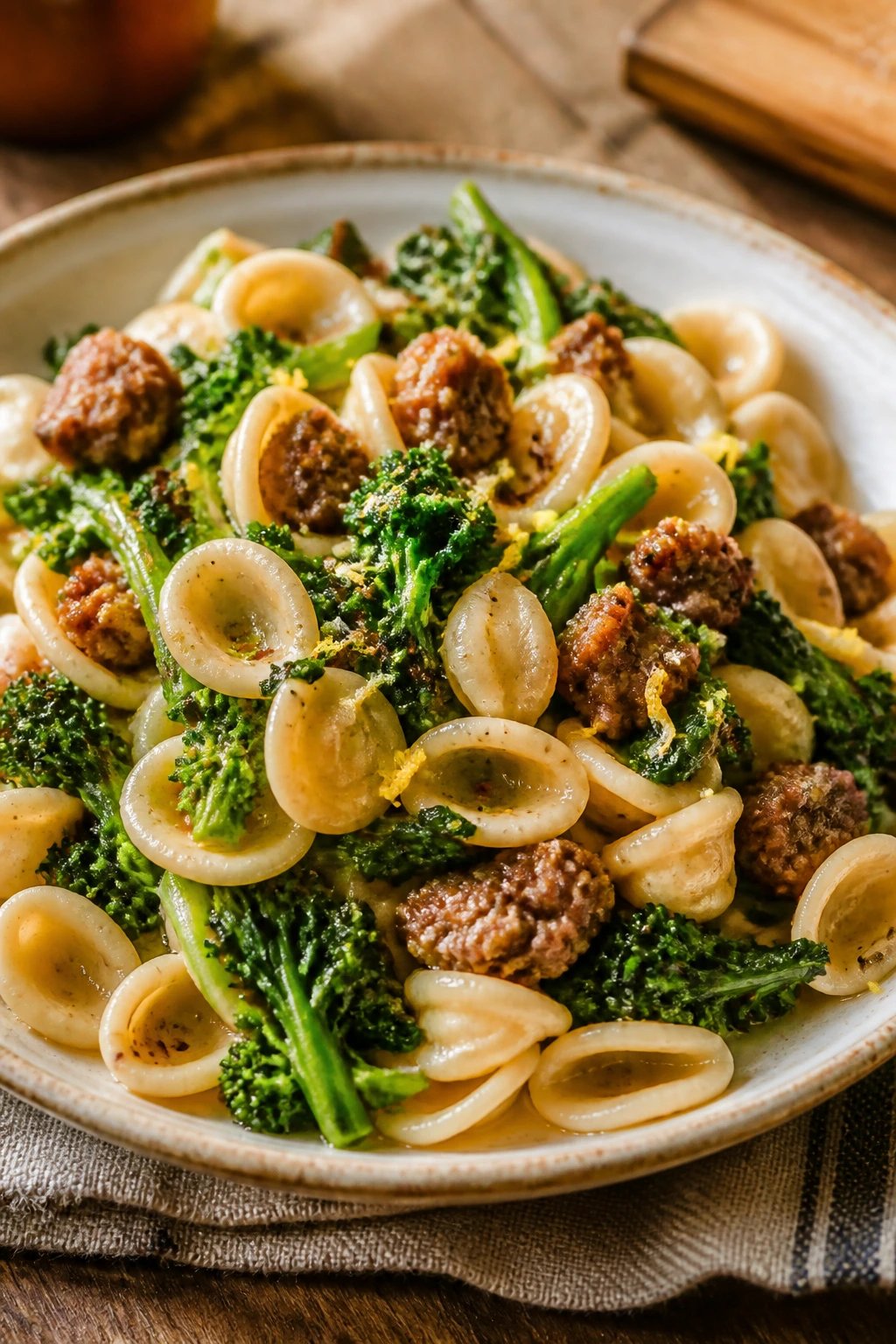
This is the dinner for people who like a little bitterness with their comfort. Broccoli rabe has a sharp green edge, sausage brings savory fat, and orecchiette catches all of it in those little cup-shaped noodles. It looks like a plateful of movement, with the pasta and greens tangled together in a way that feels lively.
This dish belongs on a Sunday table because it keeps the meal from turning too heavy. You still get sausage and pasta, which satisfies the crowd, but the greens keep the plate awake. A little lemon zest at the end helps too. So does good olive oil.
Why It Works
Orecchiette is shaped to trap bits of sausage, chopped greens, and garlic oil. That matters. Broccoli rabe has a bitter streak that can taste harsh if you don’t blanch it first, so a quick boil before sautéing softens the edge and keeps the dish balanced. The sausage fat coats the pasta, the greens cut through it, and a touch of chili flakes gives the whole bowl a little lift. It’s the kind of dinner that tastes more polished than the ingredient list suggests.
Key Ingredients
- 1 pound orecchiette — its little scoops catch the sauce.
- 1 pound Italian sausage, casings removed — mild or hot, depending on taste.
- 2 bunches broccoli rabe, trimmed — bitter greens need trimming and blanching.
- 4 cloves garlic, thinly sliced — adds flavor to the oil.
- 1/4 cup olive oil — enough for the pan sauce.
- 1/2 teaspoon red pepper flakes — optional, but fitting.
- 1/2 cup grated parmesan — for the finish.
- 1 lemon, zested — brightens the dish.
- Salt and black pepper — season in stages.
Quick Steps
-
Blanch the broccoli rabe in salted boiling water for 2 minutes, then drain and chop roughly.
-
Cook the orecchiette in the same boiling water until al dente. Save 1 cup of pasta water.
-
Brown the sausage in olive oil over medium heat until cooked through and deeply golden.
-
Add the garlic and red pepper flakes and cook for 30 seconds, then stir in the broccoli rabe.
-
Add the pasta and a splash of pasta water and toss until the sauce lightly coats the noodles.
-
Finish with parmesan and lemon zest and serve while hot.
Tips and Variations
- Bitterness control: If broccoli rabe tastes too sharp for your family, blanch it for an extra 30 seconds.
- Sausage option: Sausage with fennel makes the dish taste more classic; sausage without it feels cleaner.
- Serve with: A tomato salad or roasted cherry tomatoes bring a nice sweet contrast.
Why Italian Sunday Dinner Recipes Feel So Satisfying
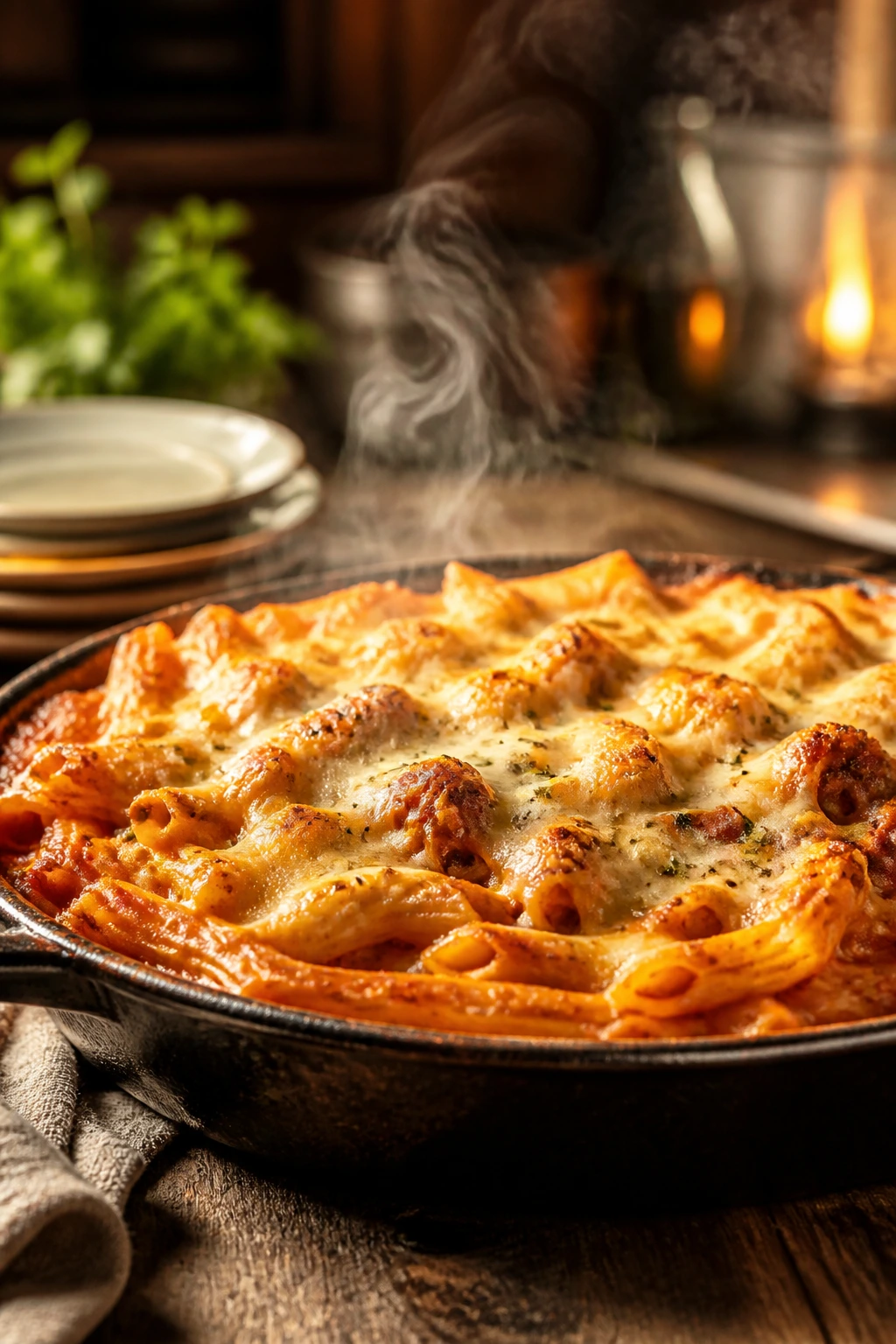
Italian Sunday dinner works because the food wants to be shared. A pan of baked pasta sits in the middle of the table and gives people permission to reach, scoop, and come back for more. A braise or meat sauce also buys you breathing room; it can sit for a few minutes while someone finishes salad, or while the bread warms, and it won’t fall apart on you.
The flavor pattern helps too. Garlic, onion, olive oil, tomato, basil, parmesan, sausage, chicken, beans—these are familiar things, but when you combine them with enough patience, they taste larger than they are. A sauce that simmers for 30 minutes does a lot more than a sauce thrown together in 8. A baked dish that rests for 15 minutes slices cleaner and tastes better than one rushed straight from the oven. Small things. They matter.
Sunday also rewards dishes that feel complete without needing a circus of sides. That’s one reason these recipes make sense as a group. A salad, some bread, maybe a simple vegetable, and dinner is done. No one needs a spreadsheet.
Essential Equipment for These Recipes
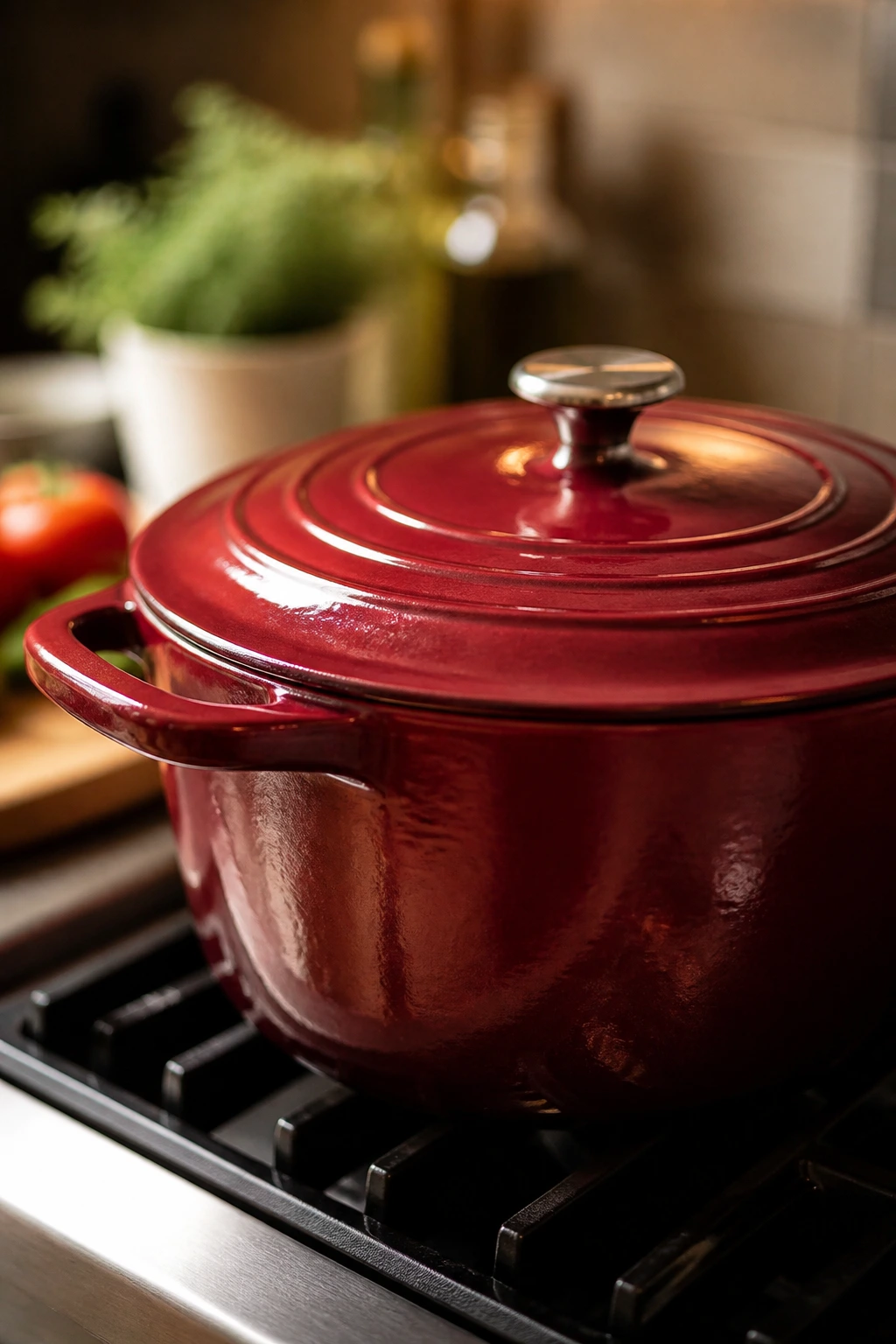
- Large Dutch oven or heavy pot — best for lasagna sauce, braises, soup, and meatball sauce.
- 9×13-inch baking dish — the workhorse for baked pasta, stuffed shells, manicotti, and eggplant parmesan.
- Large skillet, preferably cast iron — ideal for chicken parm searing, sausage and peppers, cacciatore, and scampi.
- Rimmed sheet pans — useful for roasting eggplant, potatoes, and chicken cutlets.
- Large pasta pot — saves you from crowding noodles and losing control of the boil.
- Slotted spoon or spider — makes lifting pasta and meatballs much easier.
- Box grater — for parmesan, mozzarella, and any other cheese that should melt evenly.
- Instant-read thermometer — especially useful for chicken and braised meats; 165°F for poultry is the target.
- Wooden spoon or silicone spatula — the best tool for scraping sauce and stirring risotto.
- Airtight storage containers — important if you want leftovers to taste like dinner and not like the fridge.
Smart Shopping and Ingredient Tips
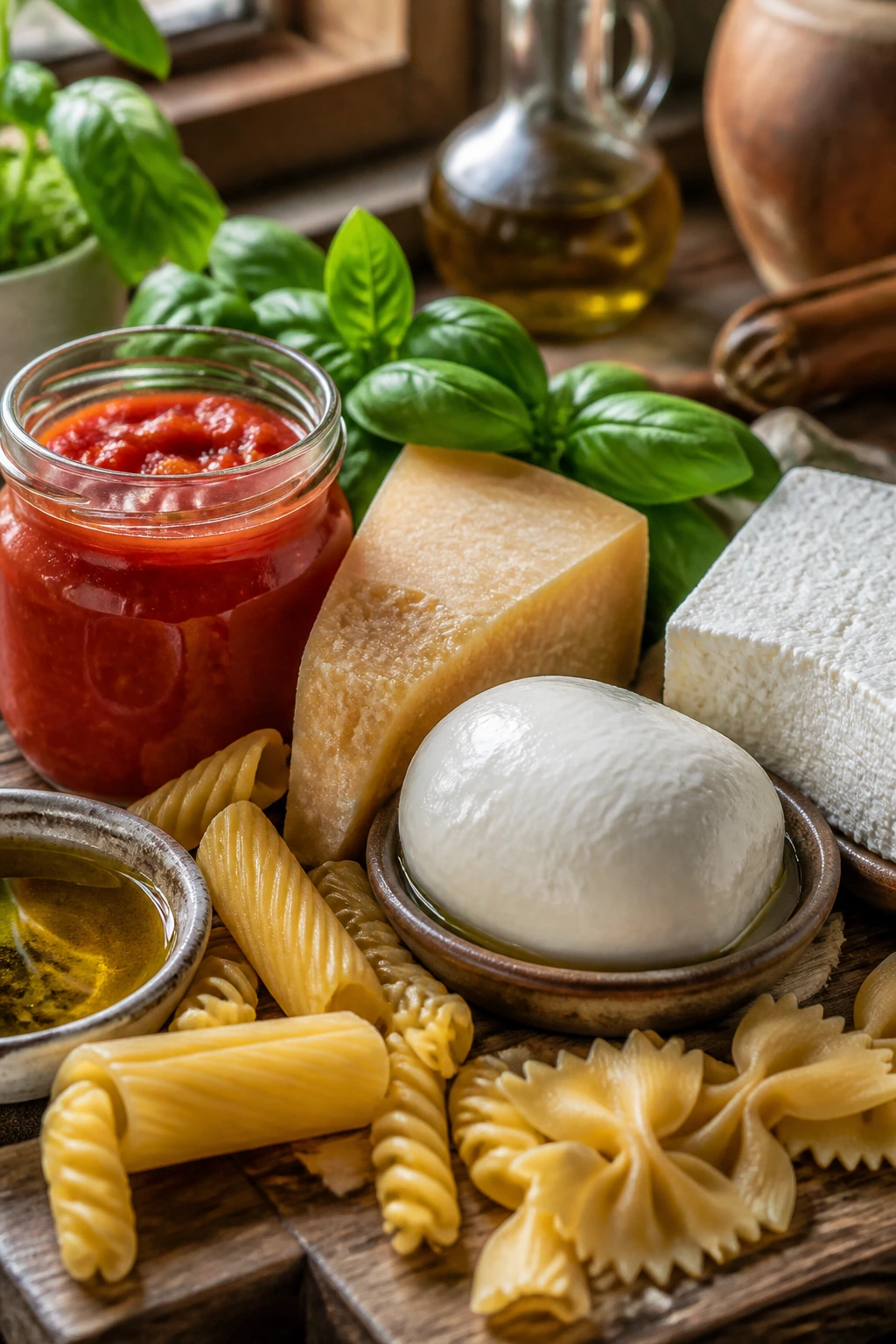
The best Italian-style Sunday dinners start with a few smart buys, not a crowded cart. For tomato-based dishes, look for crushed tomatoes with a short ingredient list. Tomatoes, salt, maybe basil. That’s the shape you want. If the sauce tastes flat after simmering, a pinch of sugar helps less than a small splash of olive oil or a parmesan rind simmered in the pot.
Cheese matters more than people admit. Whole-milk ricotta is smoother and richer than the low-fat version, which can turn dry or grainy once baked. Low-moisture mozzarella melts more cleanly on top of casseroles and cutlets. Fresh mozzarella tastes lovely on a salad or pizza, but it can dump too much water into a baked pasta pan. For parmesan, buy a wedge and grate it yourself. The texture and salt hit harder.
Pasta shape should match the job. Ridged tubes like ziti and rigatoni grab sauce better than smooth pasta. Shells and manicotti hold filling by design. Long pasta works better for scampi and simple olive-oil sauces. If you’re making a dish that bakes, undercook the pasta slightly so the oven can finish the job without leaving it mushy.
Meat cuts deserve the same care. Chicken thighs are safer for long braises and skillet sauces. Breast meat is fine for chicken parmesan or quick creamy skillet dinners, but it needs more attention. For braised beef, chuck roast beats lean cuts because it turns tender instead of dry. And sausage? Buy good sausage. It carries more of the flavor load than people think, so bland sausage makes a bland pan.
How to Serve These Recipes
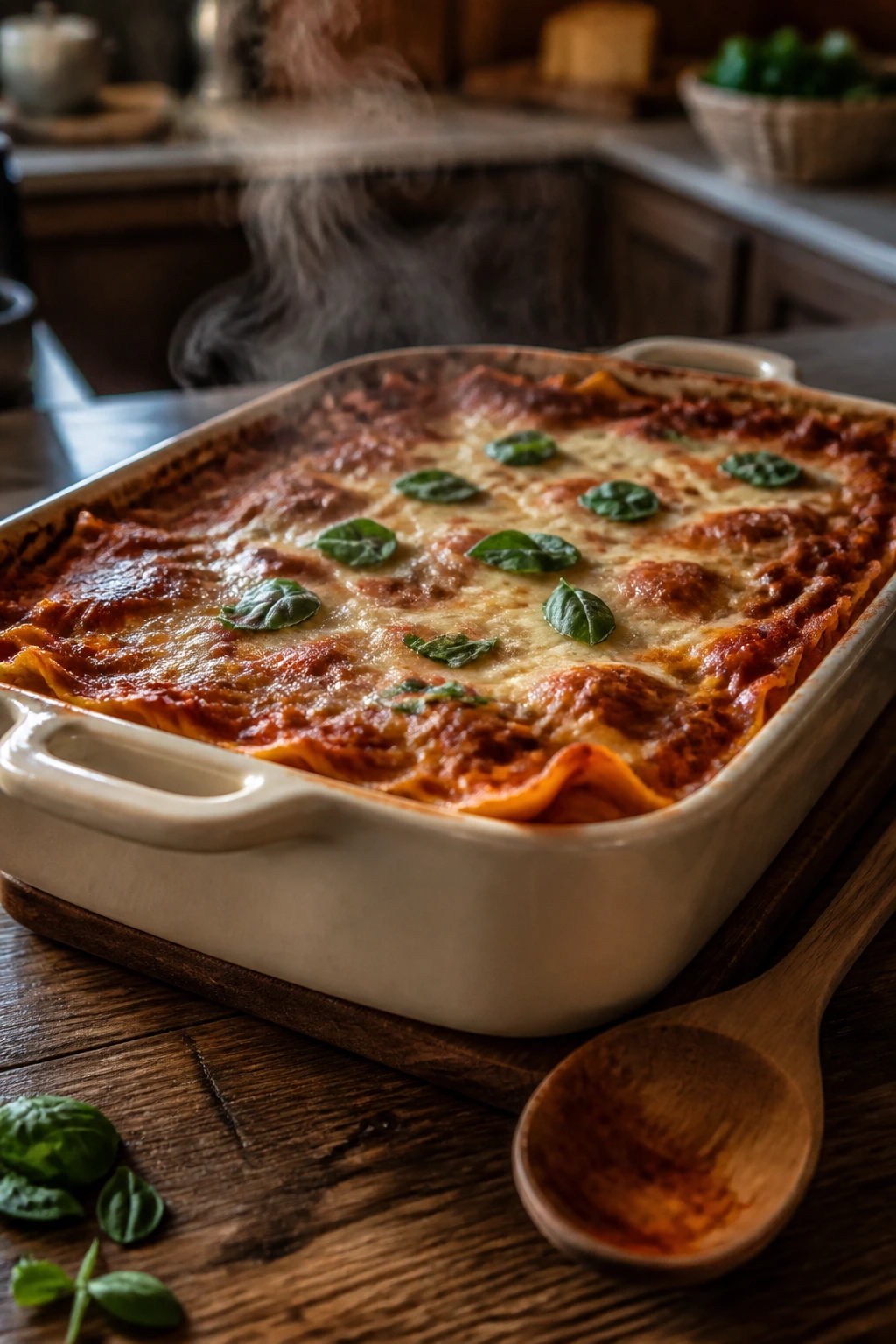
Presentation:
Serve baked pastas and casseroles in the dish they baked in, but let them rest first so the slices hold. Use a wide serving spoon for lasagna, stuffed shells, and ziti, and finish the top with torn basil or a dusting of parmesan right before it hits the table. For skillet dishes like chicken cacciatore or sausage and peppers, a shallow bowl shows off the sauce better than a flat plate.
Accompaniments:
A simple green salad with vinaigrette keeps the meal from feeling too heavy. Garlic bread belongs with lasagna, spaghetti and meatballs, baked ziti, and stuffed shells. Roasted broccoli, broccolini, or a lemony salad of arugula balances richer dishes like braised beef or chicken parm. If you want one starch on the side, polenta is a quiet hero.
Portions:
Most of these recipes serve 4 to 8, and the baked ones scale well if you use a larger pan or make two smaller ones. For a family with hungry eaters, plan on 2 pieces of chicken parm per adult, 1 1/2 cups of baked pasta, or about 1 to 1 1/2 cups of soup per person with bread. Braised beef usually feels right at 6 ounces per serving before the polenta.
Beverage Pairing:
A medium-bodied red like Chianti or Sangiovese fits tomato-heavy dinners. Lambrusco is a fun choice with lasagna or sausage and peppers because the slight fizz cuts richness. For lighter dishes like shrimp scampi or risotto, chilled sparkling water with lemon keeps the meal clean. A nonalcoholic blood orange soda also makes a fine Sunday table companion.
Additional Tips and Flavor Boosters
Flavor Enhancement:
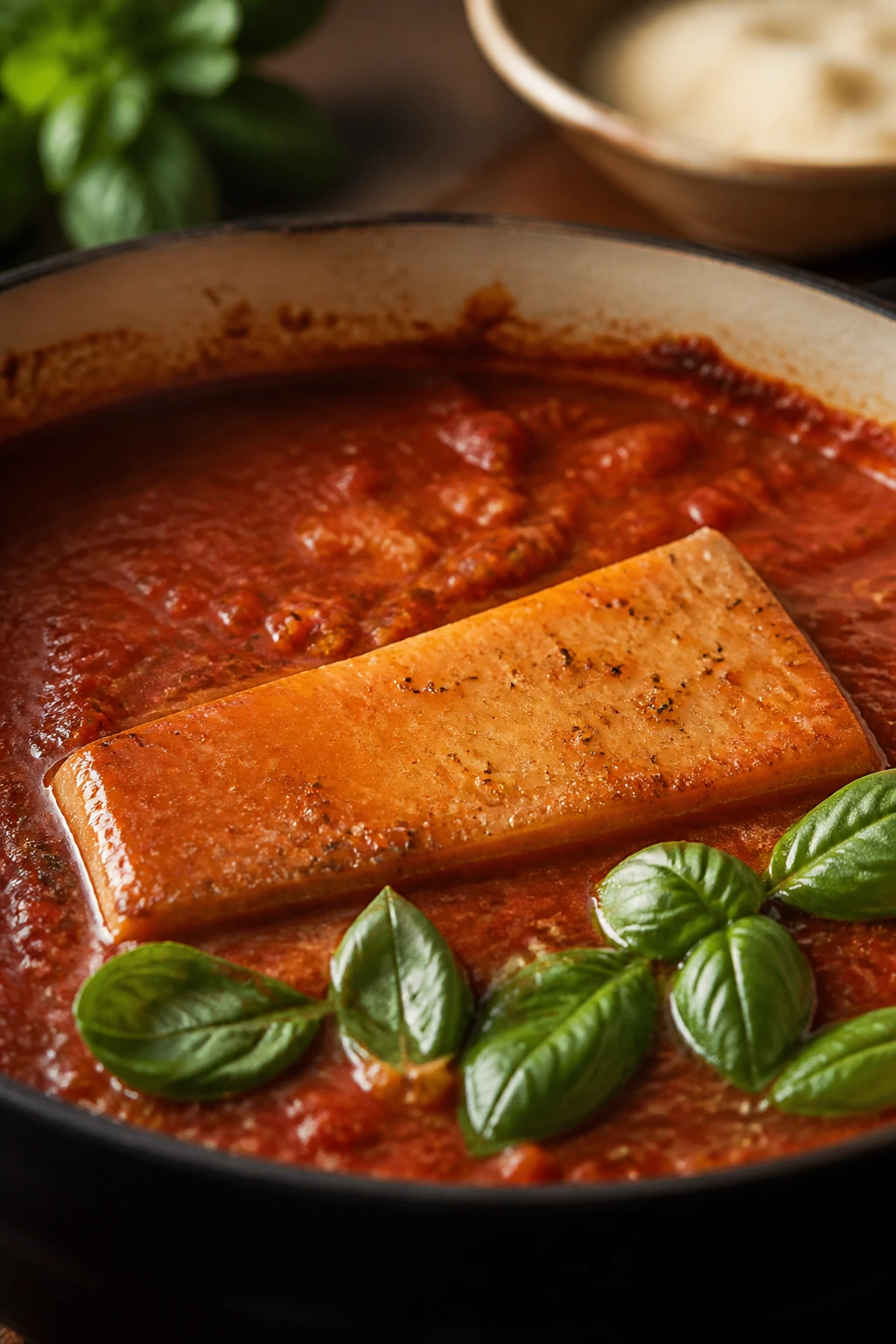
A parmesan rind simmered in tomato sauce or soup adds a savory depth that tastes like more time in the pot, even when the sauce hasn’t been cooking all day. Keep a few rinds in the freezer; they’re worth it. A small handful of fresh basil at the end also does more than people expect.
Customization:
If your family likes heat, add Calabrian chile paste or red pepper flakes to the sauce, not just the top. If they prefer milder food, lean on rosemary, oregano, and garlic instead. You can make many of these dishes more vegetable-heavy by folding spinach, mushrooms, or zucchini into the pan without changing the whole shape of the dinner.
Serving Suggestions:
Top baked pasta with toasted breadcrumbs for crunch, or finish chicken dishes with chopped parsley and lemon zest for a cleaner finish. A drizzle of good olive oil over beans, soup, or braised beef adds shine and rounds out the edge of tomato or garlic. Freshly cracked black pepper right before serving wakes up nearly every dish on this list.
Make-It-Yours:
For a dairy-light version, use more tomato sauce and less cheese, then add extra herbs to keep the plate lively. For gluten-free cooking, choose gluten-free pasta and breadcrumbs that can handle baking without falling apart. If you’re feeding kids, keep the pepper flakes off the table and let the adults add heat at the end.
Make-Ahead, Storage, and Reheating Guidance
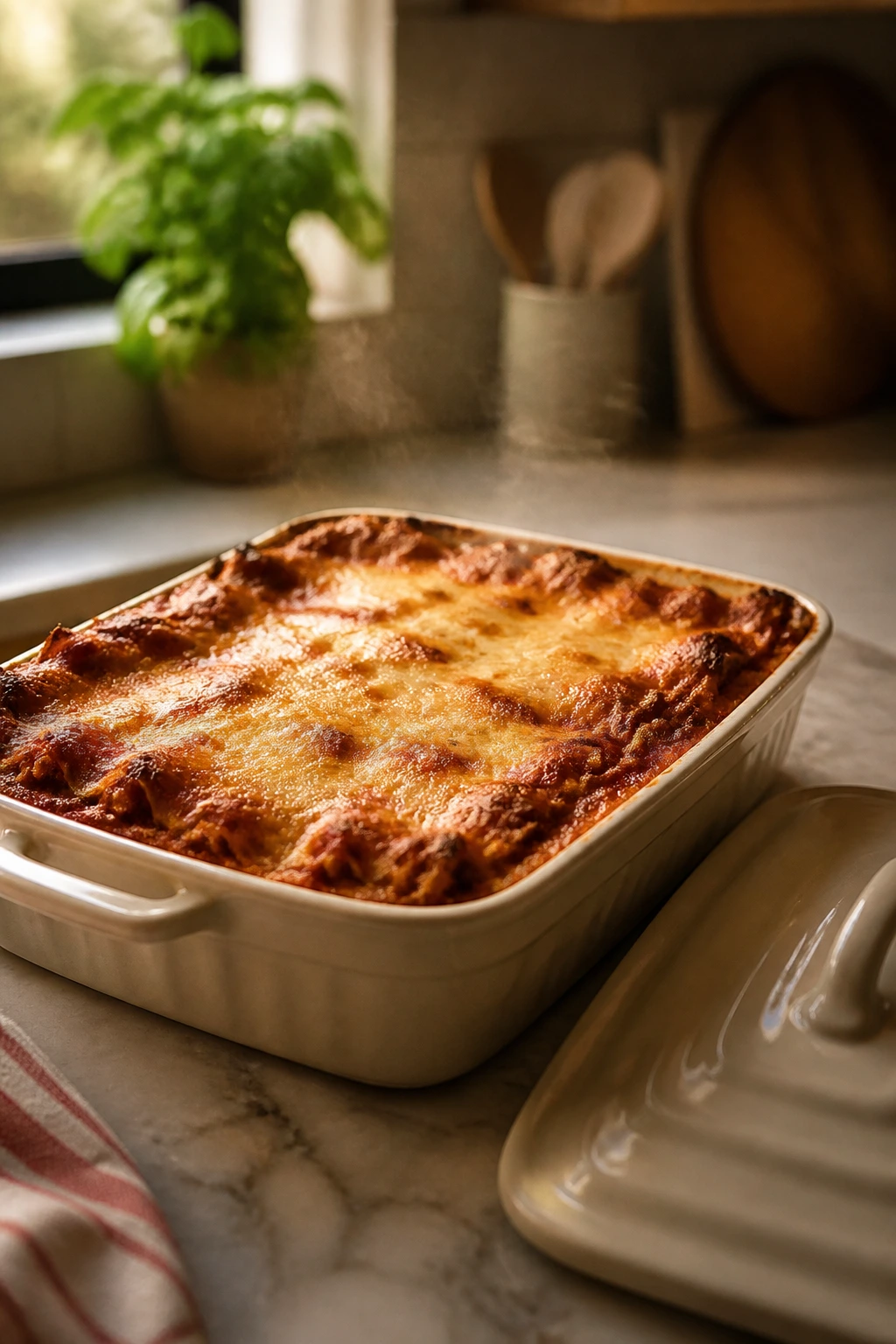
Tomato-based baked pastas hold up well in the refrigerator for 3 to 4 days. Lasagna, baked ziti, stuffed shells, manicotti, and eggplant parmesan all freeze nicely for up to 2 months, though eggplant can soften a bit more after thawing. Store them in tight containers or wrap the baking dish well before freezing. Reheat covered at 350°F (175°C) until hot through, then uncover for the last 10 minutes if you want the top to re-crisp.
Creamy skillet dinners, like Tuscan chicken over orzo, are best within 2 to 3 days. The sauce may thicken in the fridge, so loosen it with a splash of broth when reheating in a skillet over medium-low heat. Shrimp scampi is best eaten the same day, but leftovers can keep for 1 to 2 days if you reheat them gently and stop as soon as the shrimp are warm. Overheating shrimp turns them tough in a hurry. No mercy there.
Braised dishes and soups are often better the next day. Braised beef keeps 4 days refrigerated and freezes for up to 3 months. Pasta e fagioli lasts 4 days in the fridge, though the pasta will absorb broth as it sits; if you know you’ll have leftovers, store the pasta separately. Risotto is the least make-ahead-friendly dish in the group. It can be refrigerated for 2 days, but it loses its perfect texture fast, so I’d make it close to serving time and treat leftovers as a separate lunch instead of a second dinner.
Variations and Adaptations to Try
Gluten-Free Sunday Table:
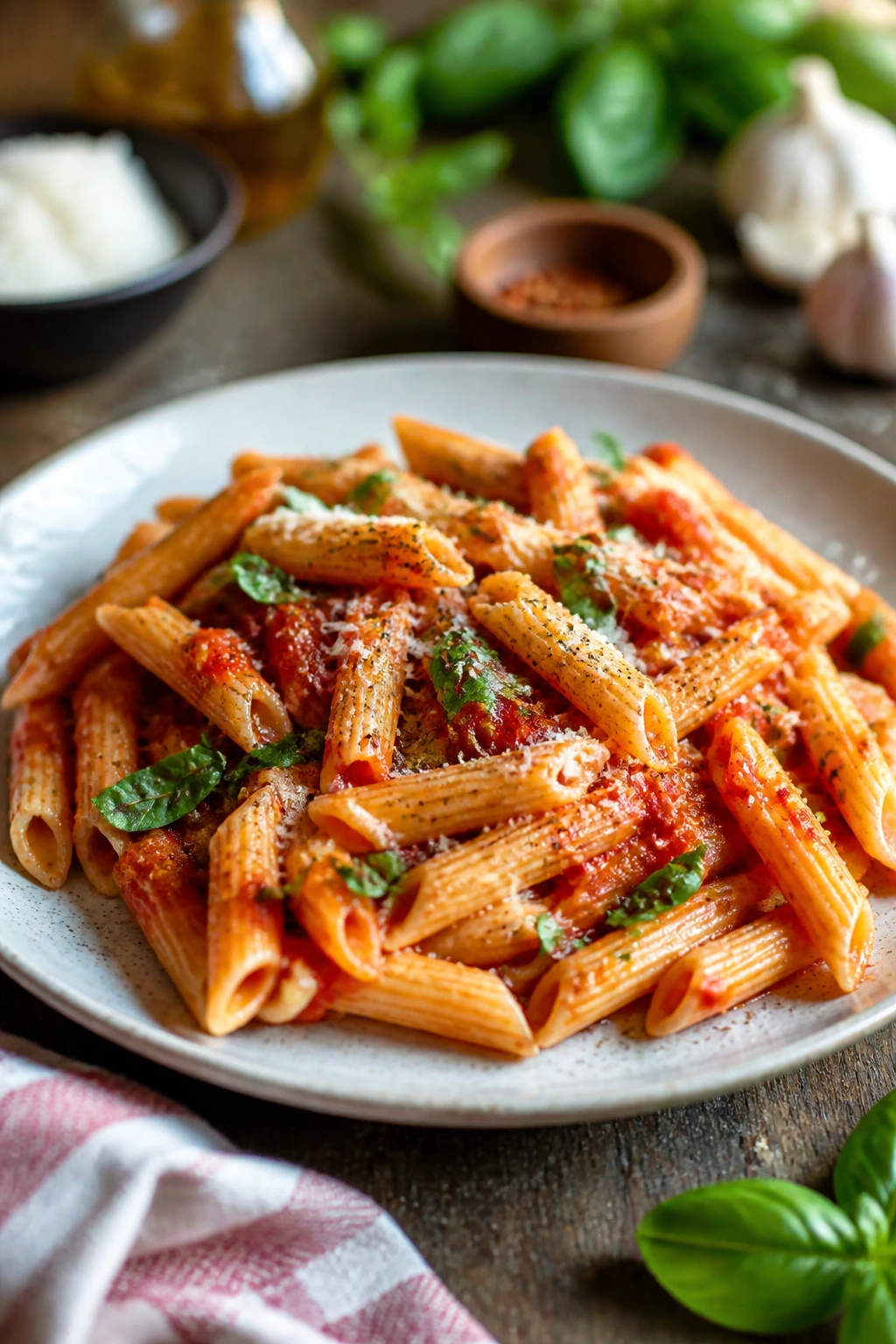
Use gluten-free pasta, gluten-free breadcrumbs, and a flour substitute that works for dredging chicken. Baked pasta and meat sauces adapt cleanly, though risotto, polenta, and braises are already good fits without any change. The one thing to watch is texture; gluten-free pasta can soften fast, so keep it under al dente before baking.
Vegetable-Heavy Plate:
Fold mushrooms, spinach, zucchini, or roasted peppers into baked pastas and skillet dinners. Eggplant parmesan, pasta e fagioli, risotto, and broccoli rabe pasta already lean this way, but even chicken parm can take a side of roasted vegetables without losing its place. If you want the meal to feel lighter, make the vegetables the second thing people notice.
Dairy-Lighter Approach:
Use less cheese on top of casseroles and lean harder on tomato sauce, basil, and olive oil. Braised beef, chicken cacciatore, shrimp scampi, and pasta e fagioli already do a lot without relying on cream. For baked dishes, a modest layer of mozzarella on top is enough if the sauce has real flavor.
Heat-Lover’s Pantry:
Add red pepper flakes, Calabrian chile paste, or hot Italian sausage to bring the temperature up a notch. Put the heat in the sauce or pan, not just as a garnish, so the flavor carries through every bite. This works especially well with chicken cacciatore, sausage and peppers, baked ziti, and orecchiette.
Shortcut Sunday:
Use a good jarred marinara when time is tight, then deepen it with garlic, olive oil, parmesan rind, or fresh herbs. Rotisserie chicken can stand in for cutlets in a pinch, though you lose the crisp crust that makes chicken parm so satisfying. Shortcuts help most when you still finish the dish with a little care at the end.
Common Mistakes to Avoid
Watery sauce or filling:
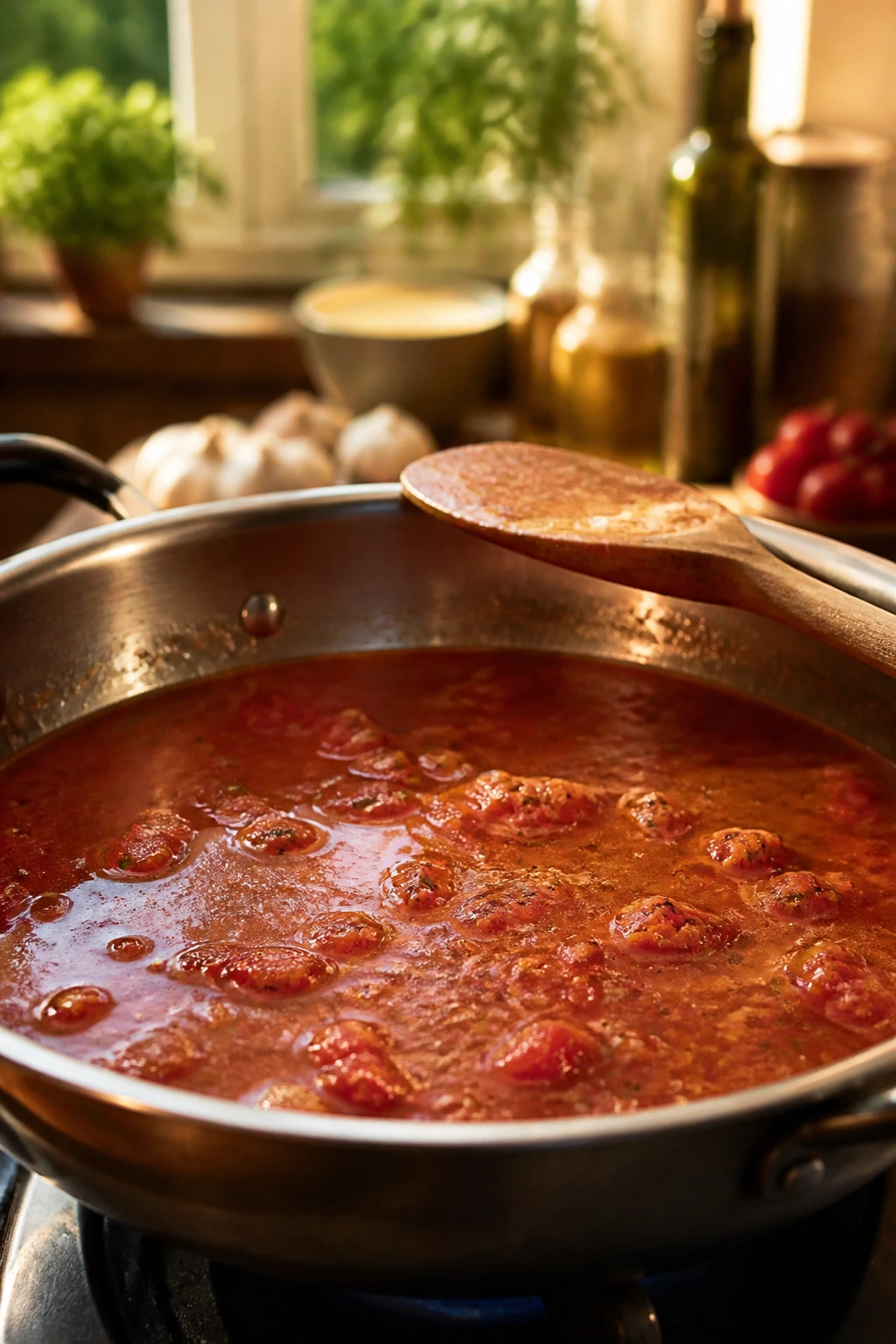
A loose ricotta mixture or thin marinara can turn baked pasta into a slippery mess. Drain spinach well, use thick sauce, and don’t overdo the liquid. If the filling looks like it could slide, it probably will.
Overcooking the pasta before baking:
Pasta keeps cooking in the oven. If you boil it all the way to soft before it goes into a casserole, it’ll come out mushy. Pull it 2 minutes early and let the oven finish the job.
Skipping the rest time:
Lasagna, stuffed shells, manicotti, and even braised beef need a few minutes off heat. Cut too soon and everything moves. Wait, and the slices hold together while the flavors settle.
Crowding the pan:
Chicken cutlets and sausage need room to brown. If you pile them into a pan, they steam instead of sear, and the whole dinner loses texture. Work in batches. It’s a small annoyance with a big payoff.
Underseasoning in layers:
Salt the pasta water, season the meat, season the sauce, and taste again before serving. People often hope cheese will do the work of seasoning. It won’t. Cheese helps, but it doesn’t rescue a flat pan.
Using the wrong cheese texture:
Fresh mozzarella is lovely in some dishes, but too much of it can make baked pasta watery. Use low-moisture mozzarella for casseroles and keep fresh mozzarella for salads or finishing touches. That one swap fixes a surprising number of soggy dinners.
Frequently Asked Questions

Can I make these Italian dinners ahead of time?
Yes, and several of them are even better that way. Lasagna, baked ziti, stuffed shells, manicotti, eggplant parmesan, and braised beef all handle advance prep well. Assemble the baked dishes, cover tightly, and refrigerate for up to a day before cooking.
What pasta shapes work best for baked dinners?
Ridged tubes like ziti and rigatoni hold sauce better than smooth pasta, and shells or manicotti are made for filling. Short pasta with grooves grips cheese and tomato sauce in a way that makes every bite feel finished. Long pasta is better saved for scampi or simple olive-oil dishes.
How do I keep chicken parmesan crisp?
Bread the cutlets well, sear them before baking, and use warm thick sauce instead of thin sauce. If you want more crunch, put the chicken on a wire rack while it bakes and add the sauce only near the end. Heavy sauce over the whole cutlet is the fastest route to soggy breading.
Can I use jarred marinara?
Yes, if you choose one with decent tomato flavor and a short ingredient list. A jar sauce usually tastes better after a few minutes in a pan with garlic, olive oil, basil, or a parmesan rind. That small amount of doctoring makes a bigger difference than people expect.
What if my ricotta filling seems too loose?
Add a little more parmesan and let the mixture sit for 5 minutes before stuffing the pasta. If spinach is the problem, it probably still holds too much water, so squeeze it dry in a clean towel. A loose filling is a warning sign, not a disaster.
Can I freeze these dishes?
Yes for most baked pastas, meat sauces, and braised beef. Chicken parm and shrimp scampi are better fresh, since the crust and shrimp texture suffer after freezing. If you freeze a casserole, wrap it tightly and label it so you remember what’s in the pan later.
What should I serve with a heavy Italian dinner?
Keep the sides simple. A crisp salad, roasted broccoli, green beans, or fennel with lemon balances the richer dishes without competing with them. Warm bread is useful, but one starch at a time is usually enough.
How do I reheat leftovers without drying them out?
Cover baked dishes with foil and reheat in a 350°F oven until hot through. Add a spoonful of water, broth, or sauce if the pasta looks dry. On the stovetop, use low heat and stir often so the bottom does not catch.
A Table Worth Setting
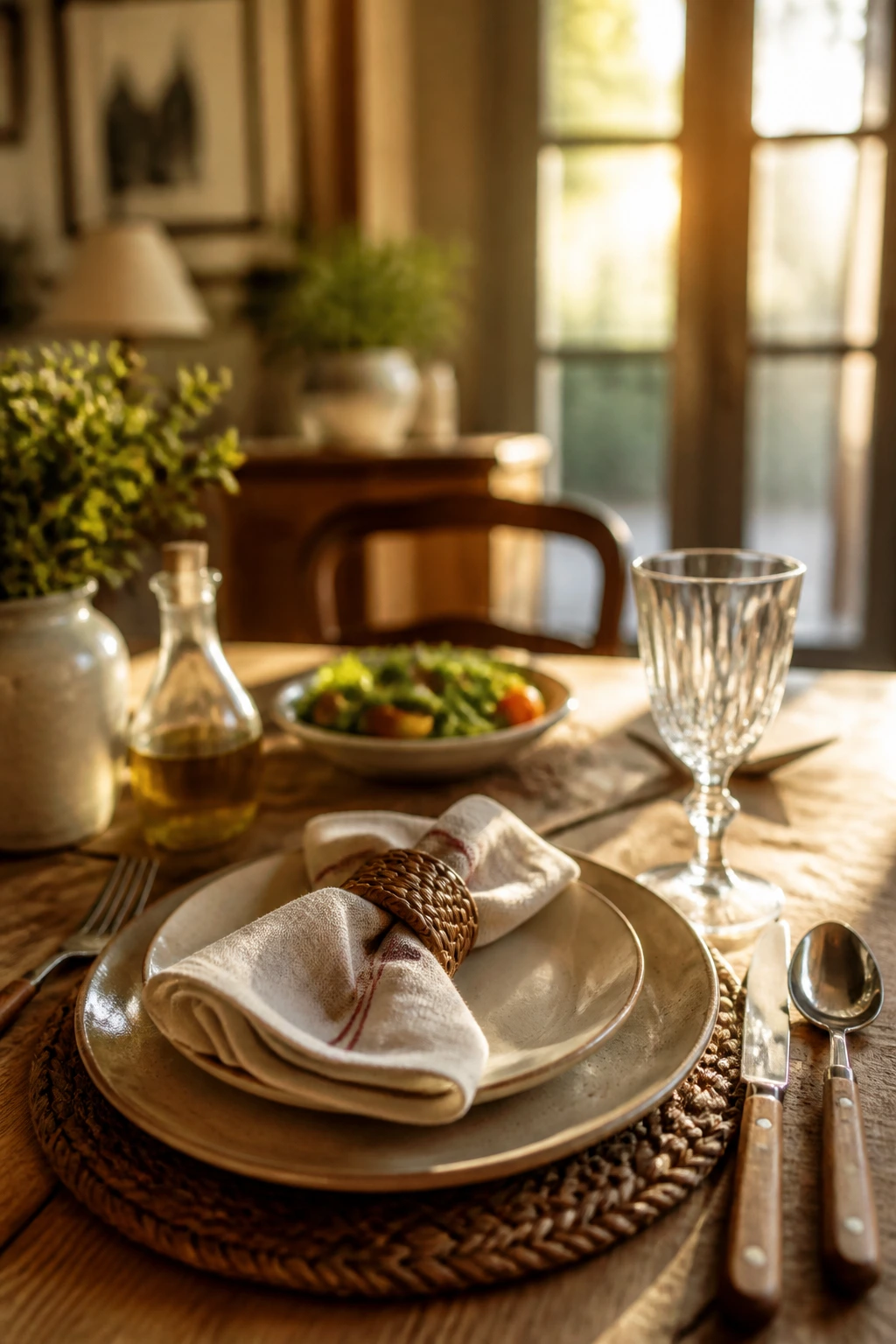
Sunday family night doesn’t need a showpiece every time. It needs food that feels warm, generous, and steady enough to anchor the evening. These recipes do that in different ways: some lean on tomato and cheese, some go deep with a braise, and some keep things quick without losing the Italian character that makes the whole table feel more alive.
The best part is how little they ask in return. A good sauce, a proper rest, decent cheese, and a little patience go a long way. That’s the kind of cooking people remember. Not because it was fussy. Because it was worth sitting down for.