



Backyard summer nights ask for food that can keep pace with the light. A skewer dinner does that better than almost anything else I know. It gives you smoke, char, and a fast cook time without turning the whole evening into a project.
That is the real appeal of skewer dinners: small pieces cook quickly, marinades cling instead of sliding off, and the plate looks festive even when the ingredients are plain. A chunk of chicken gets a little caramelized edge. A cube of steak stays juicy. Shrimp turn pink and snappy in minutes. Even vegetables—especially peppers, onions, zucchini, and mushrooms—pick up enough flame to taste like they belong at the center of the meal, not stuck on the side.
Get the cut size right, keep the heat honest, and skewers become one of the easiest ways to feed people outside without losing your mind over timing. The details matter more than the mood. Small differences in marinating time, grill temperature, and how tightly you pack the skewer decide whether dinner is bright and juicy or dry and dull. That’s the game here.
Why These Skewer Dinners Earn a Spot on the Grill
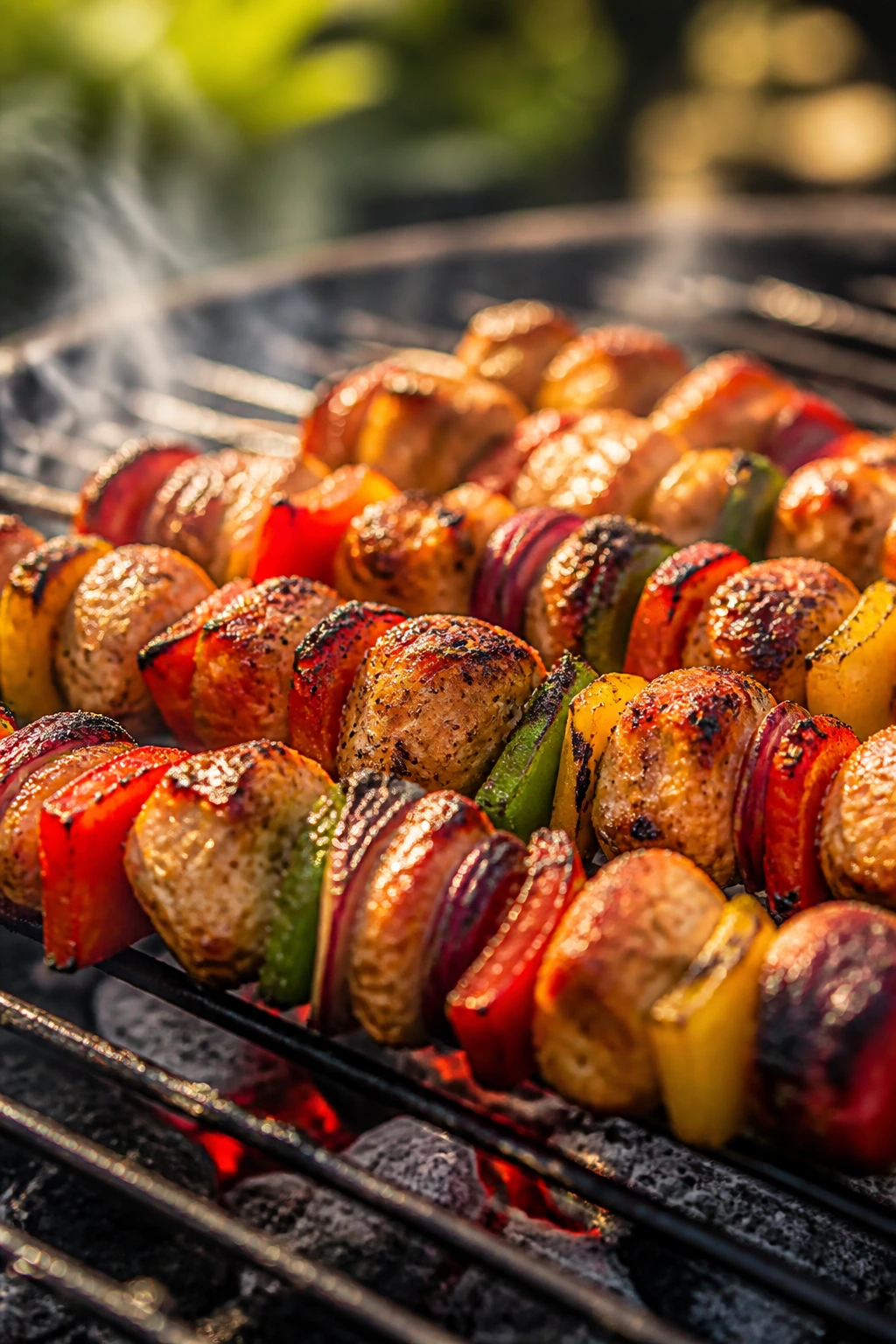
- Fast Heat, Fast Dinner: Most of these skewer dinners come off the grill in 10 to 15 minutes, which keeps the evening moving instead of dragging.
- Easy to Scale Up: Doubling a skewer recipe usually means making a little more marinade and threading a few extra sticks, not rebuilding the whole meal.
- Built for Mixed Crowds: Chicken, steak, shrimp, halloumi, and vegetables all fit the same format, so one platter can please a lot of different eaters.
- Less Cleanup, More Smoke: One grill, one mixing bowl, one sheet pan. That’s the kind of math I like on a warm night.
- Sauce Loves This Format: Chimichurri, yogurt marinades, teriyaki glaze, and buffalo sauce all stick to skewers in a way they don’t stick to a plain grilled chop.
- Flexible for Indoor Backups: If the grill is busy, most of these can move under the broiler without falling apart.
1. Lemon-Garlic Chicken Souvlaki Skewers
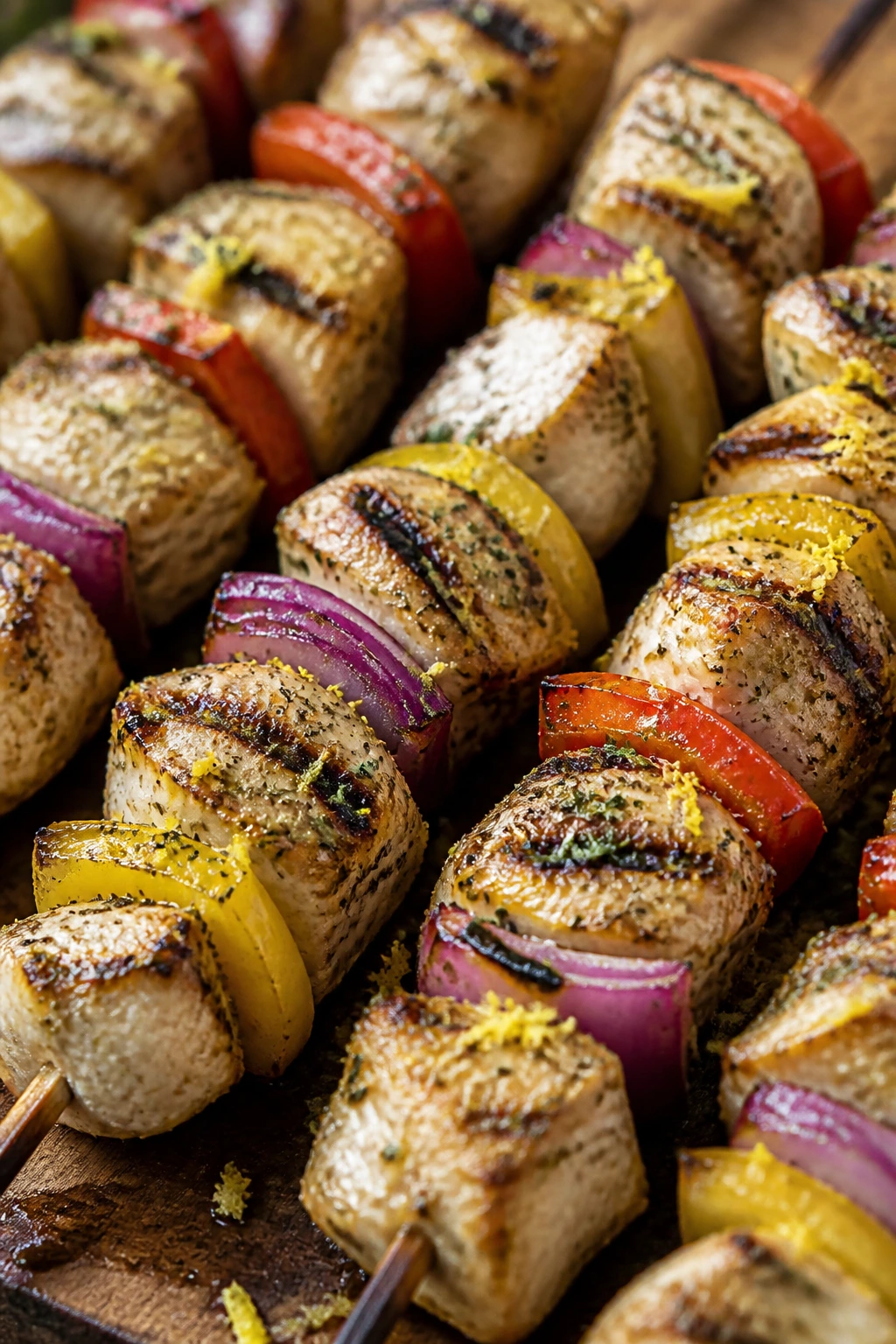
Chicken souvlaki is the skewer dinner I reach for when I want something bright, smoky, and easy to pass around. The lemon and oregano smell like a grill that’s already doing you a favor, and the chicken turns golden at the edges while staying juicy in the middle. It tastes like a meal that belongs outside.
Why It Works
Chicken thighs are the smart cut here because they forgive a hot grill better than breasts do. Cut into 1½-inch pieces, they cook in about 10 to 12 minutes and still stay tender even if the flame gets a little enthusiastic. Lemon, garlic, and oregano bring the classic Greek profile, while onion and pepper add sweetness as they soften. The whole skewer tastes clean and savory, with enough char to feel like dinner and not a picnic snack.
Key Ingredients
For the Chicken and Marinade:
- 2 lbs boneless, skinless chicken thighs, cut into 1½-inch pieces
- 1/4 cup olive oil
- 3 tbsp fresh lemon juice
- 1 tsp lemon zest
- 4 garlic cloves, finely minced
- 2 tsp dried oregano
- 1 tsp kosher salt
- 1/2 tsp black pepper
For the Skewers:
- 1 red onion, cut into 1½-inch chunks
- 2 bell peppers, cut into 1½-inch squares
Quick Steps
- Whisk the marinade: In a large bowl, combine the olive oil, lemon juice, lemon zest, garlic, oregano, salt, and pepper until the mixture looks glossy and even.
- Marinate the chicken: Add the chicken pieces and toss well. Cover and refrigerate for at least 30 minutes or up to 4 hours. Do not go much longer with the lemon marinade or the texture can turn a little too soft.
- Thread the skewers: Alternate chicken, onion, and bell pepper on metal skewers or soaked bamboo skewers, leaving tiny gaps so the heat can move around the pieces.
- Heat the grill: Preheat to medium-high, about 425°F to 450°F. Oil the grates lightly so the chicken releases cleanly.
- Grill and turn: Cook for 10 to 12 minutes, turning every 2 to 3 minutes, until the chicken reaches 165°F in the center and the edges are lightly charred.
- Rest and serve: Let the skewers rest for 5 minutes before serving with pita, rice, or tzatziki.
Tips and Variations
- Thighs vs. Breasts: Chicken breasts work, but pull them off the grill as soon as they hit temperature so they do not dry out.
- Extra Brightness: Add a handful of cherry tomatoes to the skewers for the last 3 minutes of grilling.
- Make-Ahead Move: Mix the marinade the night before and cut the chicken in advance; thread just before grilling so the vegetables stay crisp.
2. Chimichurri Steak and Pepper Skewers
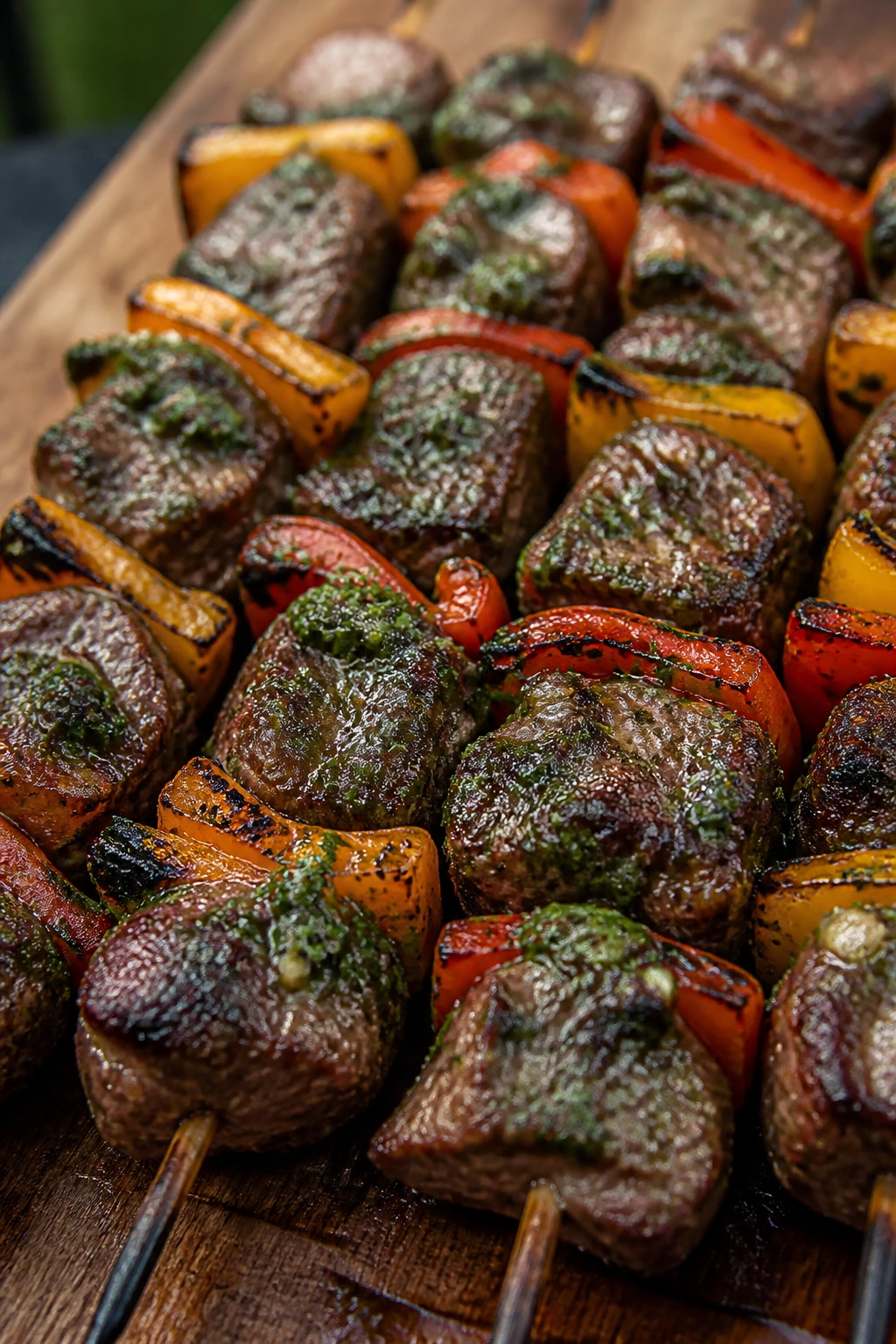
Why does steak on a skewer taste better than steak on a plain plate? Because the grill gets to kiss every side, and the chimichurri gets into the cracks instead of pooling around the meat. The result is smoky, herb-heavy, and a little loud in the best way.
Why It Works
Steak loves direct heat, especially when it’s cut into cubes that can brown quickly before the center dries out. Sirloin gives you enough flavor without turning the skewer into a budget project, and the red wine vinegar in chimichurri cuts through the richness in a sharp, clean way. Reserved sauce at the end matters here; it gives you freshness after the grill has done its darker work. Peppers and onion soften just enough to taste sweet, not mushy.
Key Ingredients
For the Chimichurri Marinade and Sauce:
- 1 cup flat-leaf parsley, finely chopped
- 4 garlic cloves, minced
- 1 tsp dried oregano
- 1/2 tsp red pepper flakes
- 1/4 cup red wine vinegar
- 1/3 cup olive oil
- 1 tsp kosher salt
- 1/2 tsp black pepper
For the Skewers:
- 1½ lbs sirloin steak, cut into 1¼-inch cubes
- 1 red bell pepper, cut into 1½-inch chunks
- 1 yellow bell pepper, cut into 1½-inch chunks
- 1 red onion, cut into wedges
Quick Steps
- Mix the chimichurri: Stir together the parsley, garlic, oregano, red pepper flakes, vinegar, olive oil, salt, and pepper. Reserve half in a separate bowl for serving.
- Marinate the steak: Toss the steak cubes in the remaining chimichurri and let them sit for 20 to 30 minutes. That’s enough time for the flavor to stick without turning the texture soft.
- Build the skewers: Thread the steak with peppers and onion, keeping the cubes and vegetables close in size so they cook evenly.
- Preheat the grill: Set it to medium-high, about 450°F. Oil the grates well.
- Grill briefly: Cook for 8 to 10 minutes total for medium-rare, turning every 2 minutes and watching for a dark sear.
- Check doneness: Pull the skewers when the steak reads 130°F to 135°F for medium-rare or 140°F for medium.
- Finish with sauce: Spoon or brush the reserved chimichurri over the hot skewers and serve right away.
Tips and Variations
- Best Cut Move: Sirloin is easy, but flank steak cut into cubes also works if you keep the pieces uniform.
- Sauce Trick: Make the chimichurri a little looser with another tablespoon of olive oil if you want a more pourable finish.
- Serving Idea: These are excellent with grilled potatoes or a simple tomato salad.
3. Honey-Lime Shrimp and Zucchini Skewers
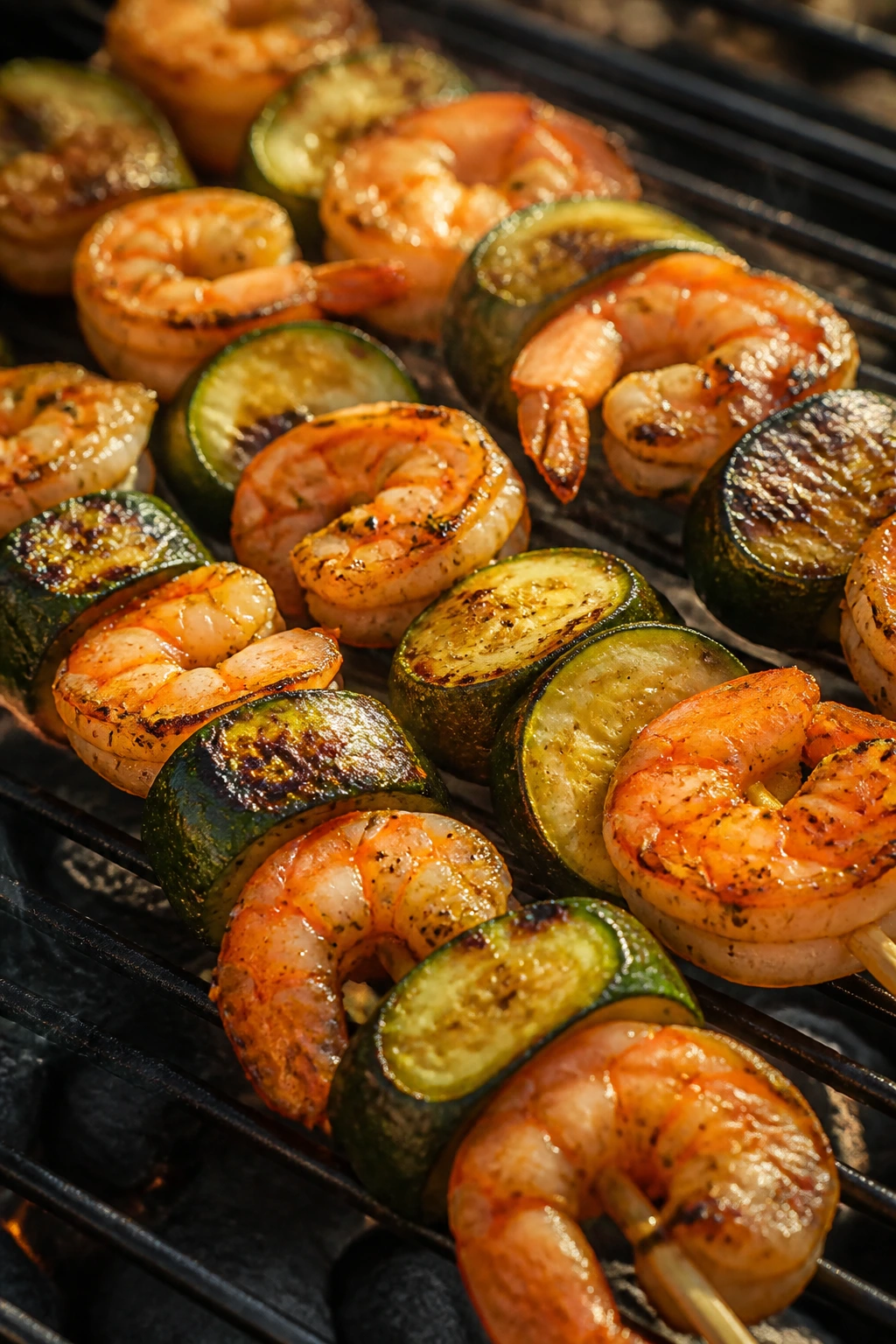
Shrimp on a hot grill changes fast. One minute they’re translucent, the next they’re pink, fragrant, and just springy enough to feel clean on the bite. Add zucchini and a little honey-lime shine, and you get a skewer that tastes like warm weather without acting fussy.
Why It Works
Shrimp cook so quickly that the whole dinner benefits from a short, punchy marinade. Honey gives the surface a little gloss, lime gives it lift, and chili powder keeps the sweetness from feeling sugary. Zucchini is a smart partner because it cooks in the same rough time window as shrimp if you slice it into thick rounds. The key is restraint. Shrimp need enough flavor to stand out, but not so much acid that they turn tough.
Key Ingredients
For the Marinade and Finish:
- 2 tbsp olive oil
- 2 tbsp honey
- 3 tbsp fresh lime juice
- 2 garlic cloves, minced
- 1 tsp chili powder
- 3/4 tsp kosher salt
- 1/4 tsp black pepper
- 2 tbsp chopped cilantro, optional
For the Skewers:
- 1½ lbs large shrimp, peeled and deveined, tails on or off
- 2 medium zucchini, sliced into 1/2-inch rounds
- 1 red bell pepper, cut into 1-inch pieces
Quick Steps
- Reserve the finish: Mix the olive oil, honey, lime juice, garlic, chili powder, salt, and pepper in a bowl. Set aside 2 tablespoons before adding the shrimp so you have a clean finishing glaze.
- Marinate the shrimp: Toss the shrimp in the remaining mixture for 10 to 15 minutes only. Do not leave them much longer or the lime will start to firm the surface too much.
- Thread the skewers: Alternate shrimp, zucchini, and bell pepper. Use two skewers per row if the pieces tend to spin.
- Preheat the grill: Heat to medium-high, around 425°F, and oil the grates.
- Cook fast: Grill for 2 to 3 minutes per side until the shrimp are opaque and curl into a loose C shape.
- Glaze and serve: Brush with the reserved marinade, sprinkle with cilantro if you want it, and serve immediately.
Tips and Variations
- No-Zucchini Option: Thick slices of yellow squash or chunks of pineapple work well here too.
- Heat Boost: Add a pinch of cayenne or a sliced jalapeño to the bowl if you want more kick.
- Best Texture: Pat the shrimp dry before marinating so the glaze clings instead of sliding off.
4. Teriyaki Salmon and Pineapple Skewers
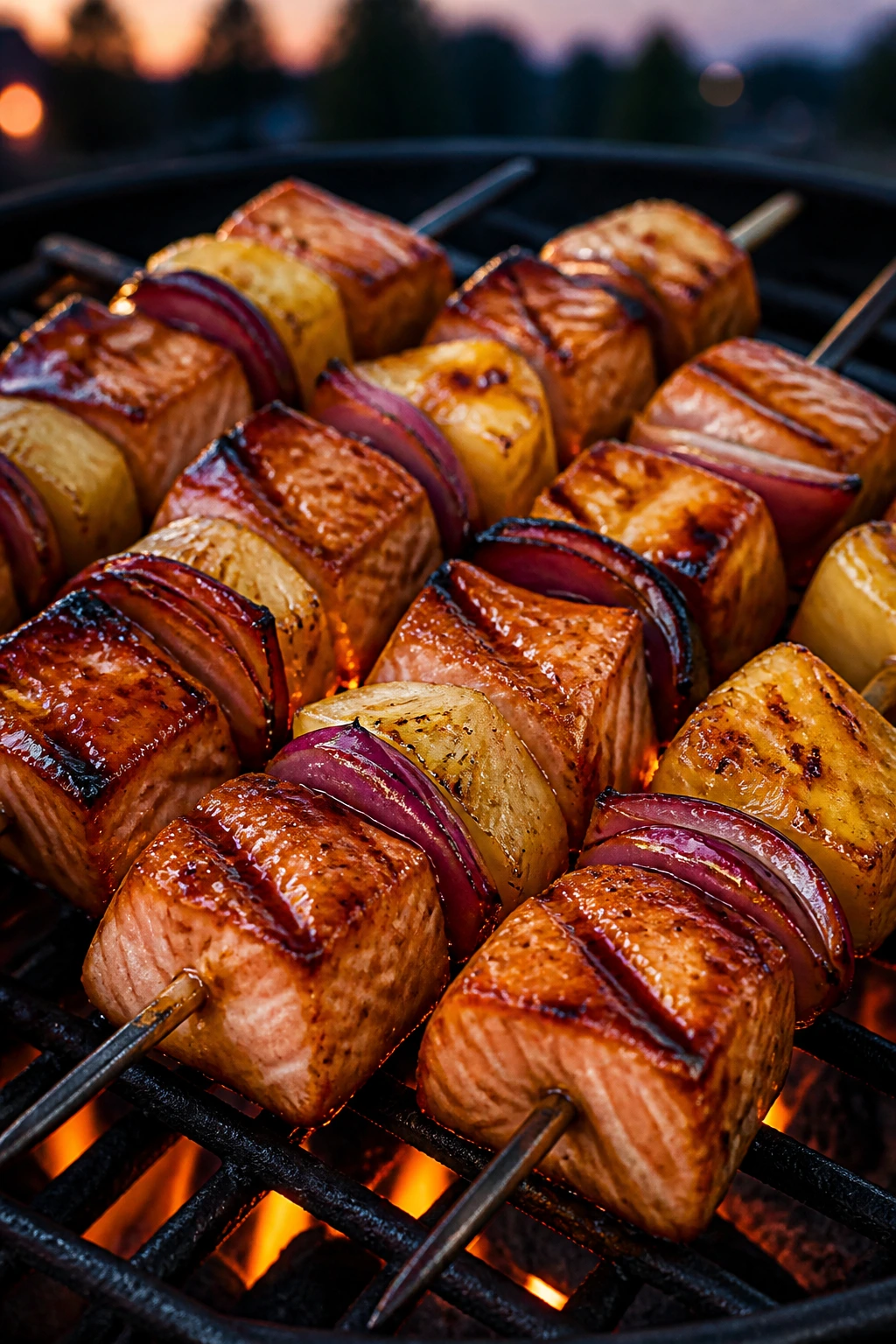
Salmon on skewers is the one that makes people lean in when it hits the grill. The fish gets glossy, the pineapple gives off a sweet edge as it caramelizes, and the teriyaki glaze turns sticky in the right places. It smells like dinner is nearly done before you even turn the skewers.
Why It Works
Salmon has enough fat to stay tender on the grill, but it still needs a little respect. Center-cut fillets are the best choice because they’re thick enough to hold together on a skewer without flaking apart at the first flip. Pineapple does more than add sweetness; its juices balance the soy and sesame, and the red onion softens into a savory bite that keeps the skewer from tasting one-note. A quick simmer on the glaze helps it cling without burning.
Key Ingredients
For the Teriyaki Glaze:
- 1/4 cup soy sauce
- 2 tbsp brown sugar
- 1 tbsp rice vinegar
- 1 tbsp sesame oil
- 2 garlic cloves, minced
- 1 tsp fresh grated ginger
For the Skewers:
- 1½ lbs center-cut salmon fillet, skin removed and cut into 1½-inch cubes
- 2 cups fresh pineapple chunks
- 1 red onion, cut into 1½-inch pieces
- 1 tbsp sesame seeds, for finishing
Quick Steps
- Cook the glaze: Stir the soy sauce, brown sugar, rice vinegar, sesame oil, garlic, and ginger in a small saucepan. Simmer for 2 to 3 minutes until the sugar dissolves and the mixture looks slightly syrupy.
- Cool the glaze: Let it cool for 5 minutes so it does not start cooking the salmon on contact.
- Marinate briefly: Toss the salmon in half of the glaze for 10 to 15 minutes. Save the rest for brushing during grilling.
- Thread carefully: Alternate salmon, pineapple, and onion on the skewers. Keep the salmon pieces snug but not crushed.
- Grill gently: Heat the grill to medium, around 400°F to 425°F. Cook for 8 to 10 minutes total, turning once or twice and brushing with glaze in the last 2 minutes.
- Finish: Pull the salmon when it flakes easily and still looks moist in the center. Sprinkle with sesame seeds before serving.
Tips and Variations
- Chill First: If the salmon feels soft, chill the cubes for 10 minutes before threading so they stay neat on the skewer.
- Pineapple Swap: Mango works if you want a softer, more floral sweetness.
- Sauce Shortcut: Make the glaze earlier in the day and keep it chilled; it reheats in seconds.
5. Pork Tenderloin and Peach Skewers
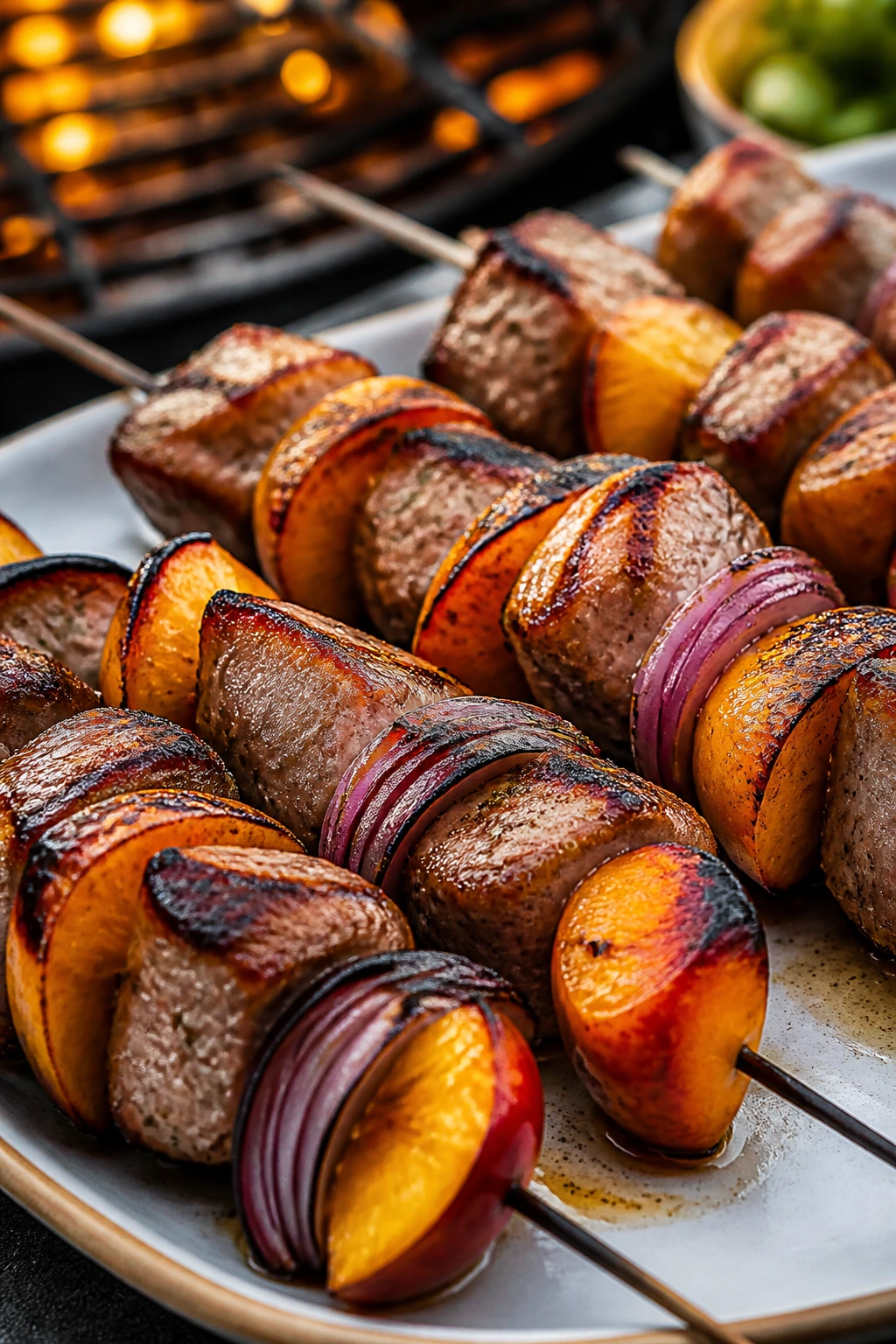
I like pork and peaches because they do two different jobs at once. The pork brings savory heft, and the peaches show up with that soft, almost floral sweetness that only really makes sense when flame gets involved. It tastes like a backyard dinner that knows how to dress up without trying too hard.
Why It Works
Pork tenderloin is lean, so the trick is to cut it into even cubes and grill it quickly before it dries out. A little Dijon, honey, and apple cider vinegar make a marinade that clings nicely and gives the pork a browned, slightly sticky surface. Peaches soften fast, so you want fruit that gives just a little when pressed, not the bruised, mealy kind that falls apart. Red onion keeps the sweetness grounded and adds a sharp edge between bites.
Key Ingredients
For the Marinade:
- 2 tbsp olive oil
- 2 tbsp apple cider vinegar
- 1 tbsp Dijon mustard
- 1 tbsp honey
- 1 tsp fresh thyme leaves or 1/2 tsp dried thyme
- 1 tsp kosher salt
- 1/2 tsp black pepper
For the Skewers:
- 1½ lbs pork tenderloin, trimmed and cut into 1¼-inch cubes
- 2 ripe but firm peaches, pitted and cut into wedges
- 1 red onion, cut into chunks
Quick Steps
- Whisk the marinade: Combine the olive oil, vinegar, Dijon, honey, thyme, salt, and pepper until smooth.
- Coat the pork: Toss the pork cubes in the marinade and let them sit for 30 minutes to 4 hours.
- Thread the skewers: Alternate pork, peach, and onion, keeping the fruit pieces thick enough to stay on the stick.
- Heat the grill: Set to medium-high, about 425°F to 450°F. Oil the grates.
- Grill and turn: Cook for 10 to 12 minutes, turning every few minutes, until the pork reaches 145°F and the peaches have grill marks.
- Rest briefly: Let the skewers sit for 5 minutes so the juices settle before serving.
Tips and Variations
- Peach Season? Nectarines are a clean swap and hold their shape just as well.
- No-Dijon Fix: Whole-grain mustard gives a rougher texture and a little more bite.
- Serving Move: These are excellent over rice with a spoonful of herby pan juices or a quick yogurt sauce.
6. Tandoori Chicken and Onion Skewers
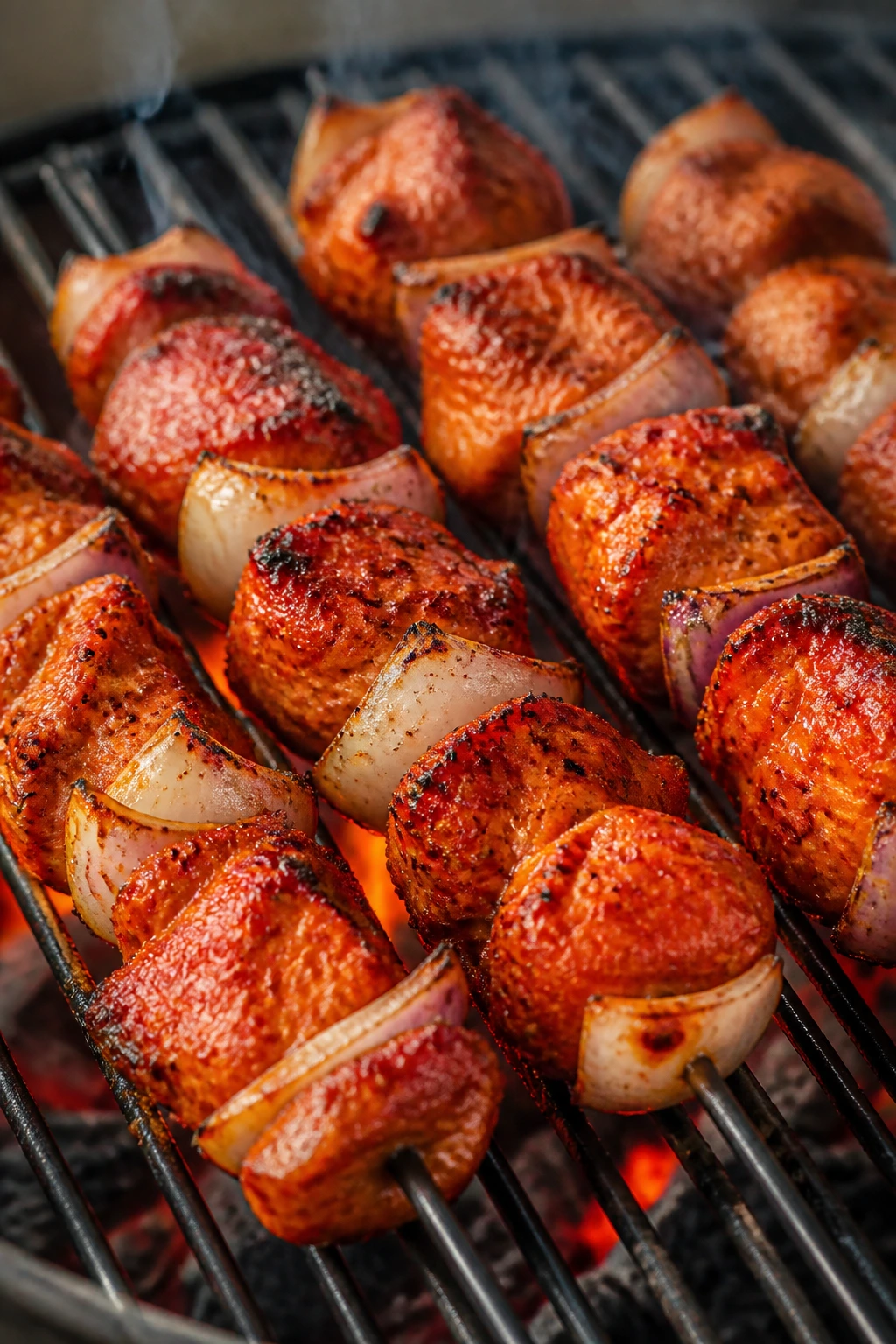
This is the skewer you make when you want dinner to smell like a spice shop and a grill at the same time. The yogurt marinade coats the chicken in a thick layer, the tandoori spices darken into brick-red edges, and the onions go sweet and soft in the heat. It’s bold without being messy.
Why It Works
Yogurt is the secret here, and not in some magical way. Its thickness helps the spices stick, and its gentle acidity tenderizes the chicken while keeping the surface from drying out. Chicken thighs are still the safest choice because they can handle longer marinating and strong heat. Tandoori masala brings color and depth in one shot, which is useful when you want a dinner that looks as good as it smells.
Key Ingredients
For the Marinade:
- 1 cup plain full-fat Greek yogurt
- 2 tbsp lemon juice
- 2 tbsp tandoori masala
- 2 garlic cloves, minced
- 1 tbsp grated ginger
- 1 tsp kosher salt
- 1 tbsp neutral oil
For the Skewers:
- 2 lbs boneless, skinless chicken thighs, cut into 1½-inch pieces
- 1 red onion, cut into wedges
- 1 red bell pepper, cut into chunks
Quick Steps
- Stir the marinade: Mix the yogurt, lemon juice, tandoori masala, garlic, ginger, salt, and oil until the color looks even.
- Marinate the chicken: Coat the chicken thoroughly and refrigerate for at least 2 hours or up to 12 hours.
- Prepare the skewers: Thread chicken with onion and bell pepper. Shake off any thick clumps of marinade that might burn.
- Preheat the grill: Set it to medium-high, around 425°F, and oil the grates.
- Grill with care: Cook for 12 to 14 minutes, turning every 3 to 4 minutes, until the chicken hits 165°F and the edges are charred in spots.
- Rest and serve: Give the skewers 5 minutes to settle, then serve with cucumber salad or flatbread.
Tips and Variations
- Spice Control: If your tandoori mix runs hot, cut it with another 1/4 cup yogurt.
- Better Color: A pinch of smoked paprika deepens the red tone if your spice blend looks pale.
- Make It a Meal: Rice, cucumber, and a spoon of chutney turn these into a complete plate fast.
7. Greek Lamb and Eggplant Skewers
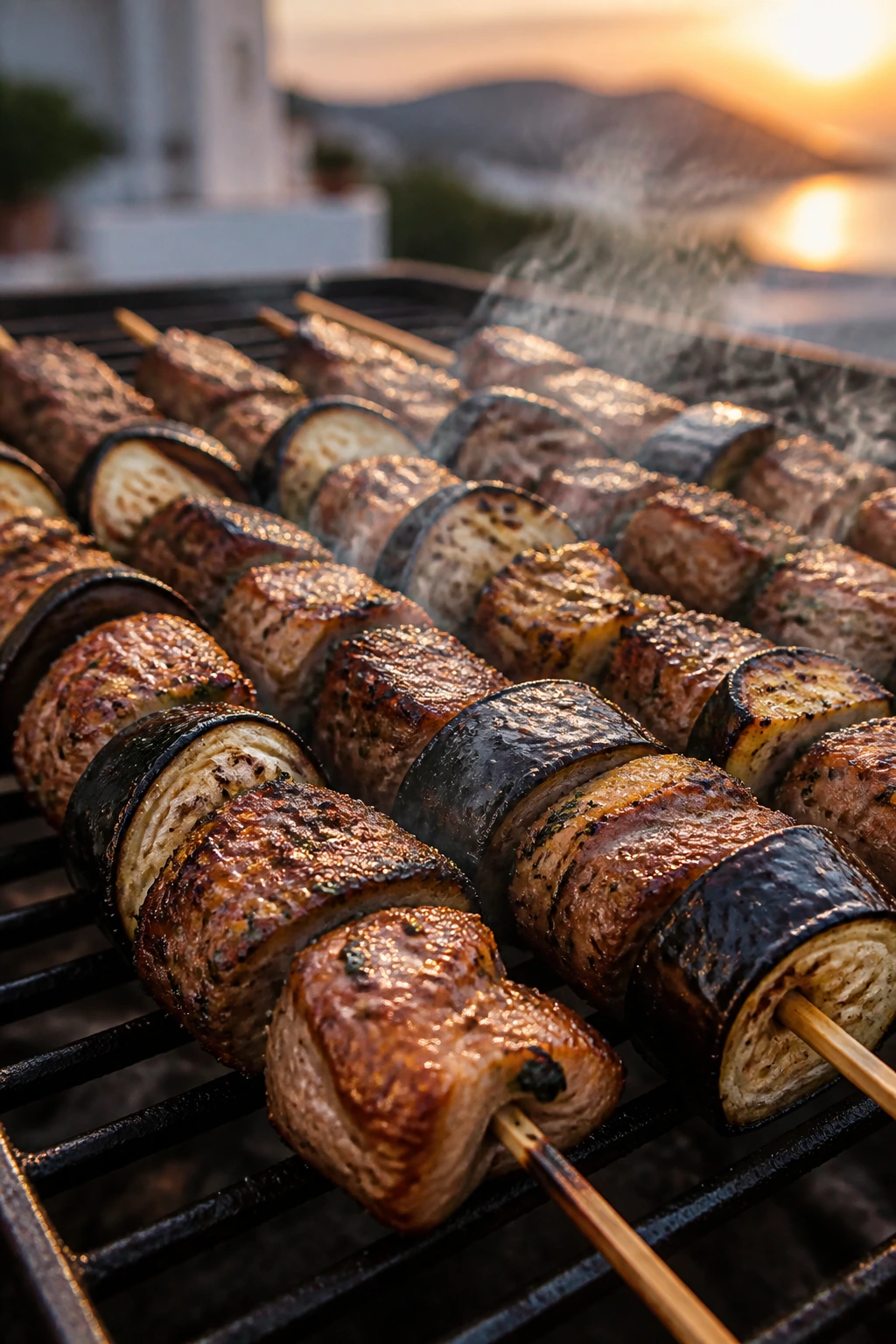
Lamb on skewers behaves differently than chicken. It wants a little more fat, a little more char, and a marinade that can stand up to its deeper flavor. Add eggplant, and the whole thing turns smoky, soft, and a touch luxurious in a way that feels perfect when the evening is warm and the table is loud.
Why It Works
Lamb leg or shoulder has enough richness to stay interesting over the fire, especially when it’s cut into even cubes. Eggplant is the surprise partner here; once salted and patted dry, it soaks up the marinade and becomes creamy instead of spongy. Lemon, garlic, oregano, and cumin give the skewer a Greek edge without burying the lamb. If you like a little char, this is where the grill earns its keep.
Key Ingredients
For the Marinade:
- 1/4 cup olive oil
- 2 tbsp lemon juice
- 3 garlic cloves, minced
- 2 tsp dried oregano
- 1 tsp ground cumin
- 1 tsp kosher salt
- 1/2 tsp black pepper
For the Skewers:
- 1½ lbs lamb leg steak or boneless lamb shoulder, cut into 1¼-inch cubes
- 1 medium eggplant, cut into 1½-inch cubes
- 1 red onion, cut into wedges
Quick Steps
- Prep the eggplant: Toss the cubes with a little salt and let them sit for 15 minutes. Pat them dry with a towel so they brown instead of steaming.
- Marinate the lamb: Mix the olive oil, lemon juice, garlic, oregano, cumin, salt, and pepper. Toss the lamb in the mixture for 30 minutes to 4 hours.
- Thread the skewers: Alternate lamb, eggplant, and onion, keeping the pieces snug but not packed tight.
- Heat the grill: Preheat to medium-high, around 450°F.
- Grill to preference: Cook for 10 to 12 minutes, turning often, until the lamb reaches about 135°F for medium-rare or 145°F for medium.
- Rest and serve: Rest the skewers for 5 minutes, then serve with yogurt sauce or lemon potatoes.
Tips and Variations
- Eggplant Size Matters: Small cubes cook too fast and collapse; keep them chunky.
- Herb Finish: A shower of chopped mint after grilling lifts the whole plate.
- If Lamb Is New to You: Use sirloin steak with the same marinade for a milder path in.
8. Halloumi, Cherry Tomato, and Bell Pepper Skewers
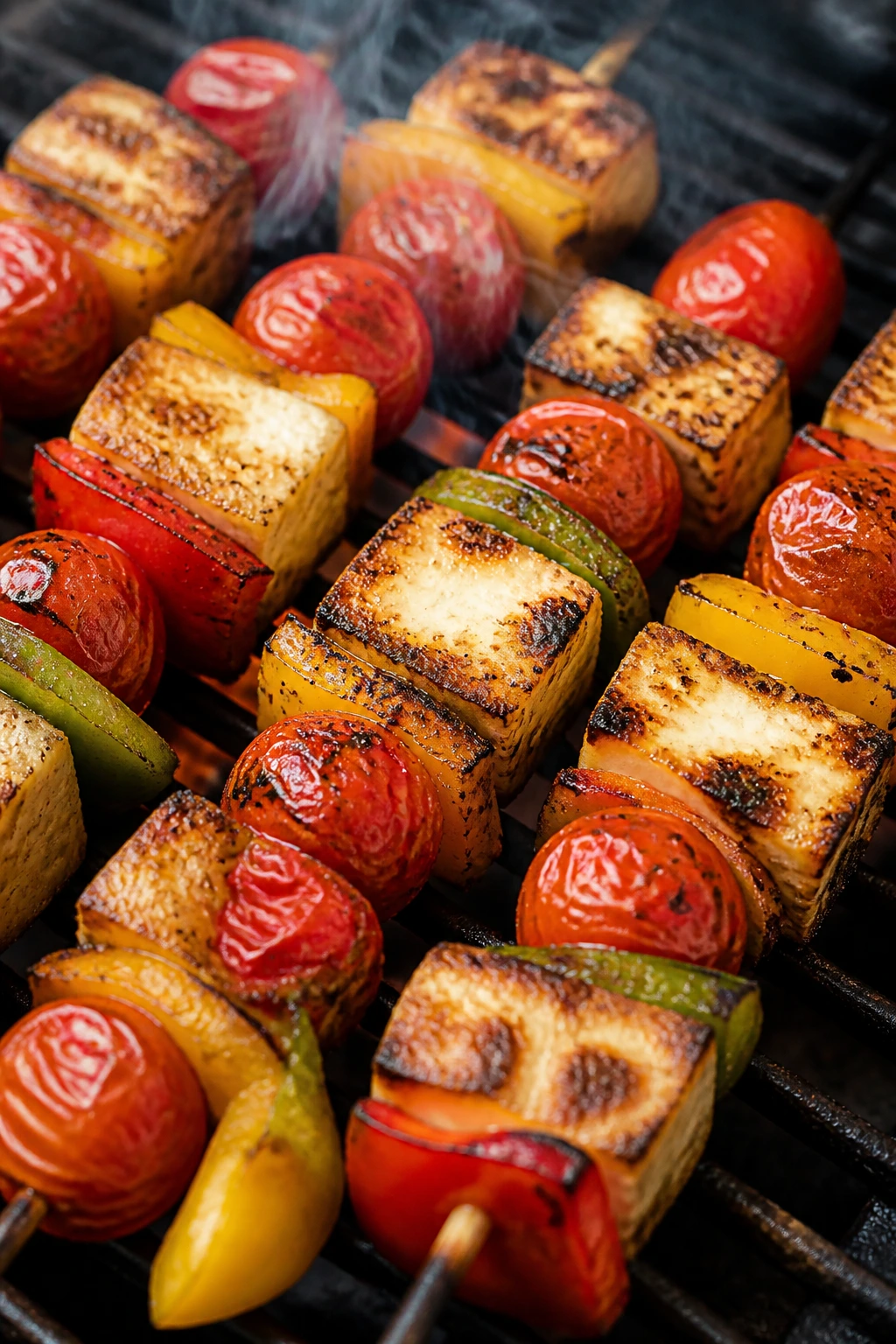
Halloumi is the trick. It holds its shape, takes on grill marks like it was born for them, and gives vegetarian skewers enough chew to feel like dinner instead of an apology. The tomatoes burst a little, the peppers sweeten, and the whole skewer lands with salt, smoke, and enough brightness to keep you reaching back for another one.
Why It Works
Halloumi is one of the rare cheeses that can handle direct heat without collapsing into a puddle. Because it’s salty and firm, you do not need much more than olive oil, lemon, and herbs to make it taste complete. Cherry tomatoes cook fast and bring moisture, while zucchini and peppers add color and a softer bite. The balance is the point here: enough richness to feel satisfying, enough acid to keep it from dragging.
Key Ingredients
For the Skewers:
- 14 oz halloumi, cut into 1-inch cubes
- 2 pints cherry tomatoes
- 2 bell peppers, cut into 1½-inch squares
- 1 medium zucchini, sliced into thick half-moons
- 2 tbsp olive oil
- 1 tbsp lemon juice
- 1 tsp dried oregano
- 1/2 tsp black pepper
- 1 tsp honey, optional
Quick Steps
- Dry the halloumi: Pat the cheese well with paper towels so it browns instead of sputtering.
- Mix the coating: Stir olive oil, lemon juice, oregano, black pepper, and honey if using.
- Assemble the skewers: Thread halloumi, tomatoes, peppers, and zucchini in a pattern that keeps the cheese from breaking.
- Grill quickly: Cook over medium-high heat for 2 to 3 minutes per side until the halloumi has grill marks and the vegetables are softened at the edges.
- Finish immediately: Slide the skewers onto a platter and finish with a little extra lemon juice or olive oil if you want them brighter.
Tips and Variations
- No Honey Needed: If you want the cheese to stay strictly savory, leave it out.
- Tomato Tip: Use tomatoes that feel firm; soft ones tend to burst too early.
- Serve With: Flatbread, cucumber salad, and a handful of fresh mint make the plate feel full.
9. Cajun Sausage, Baby Potato, and Pepper Skewers
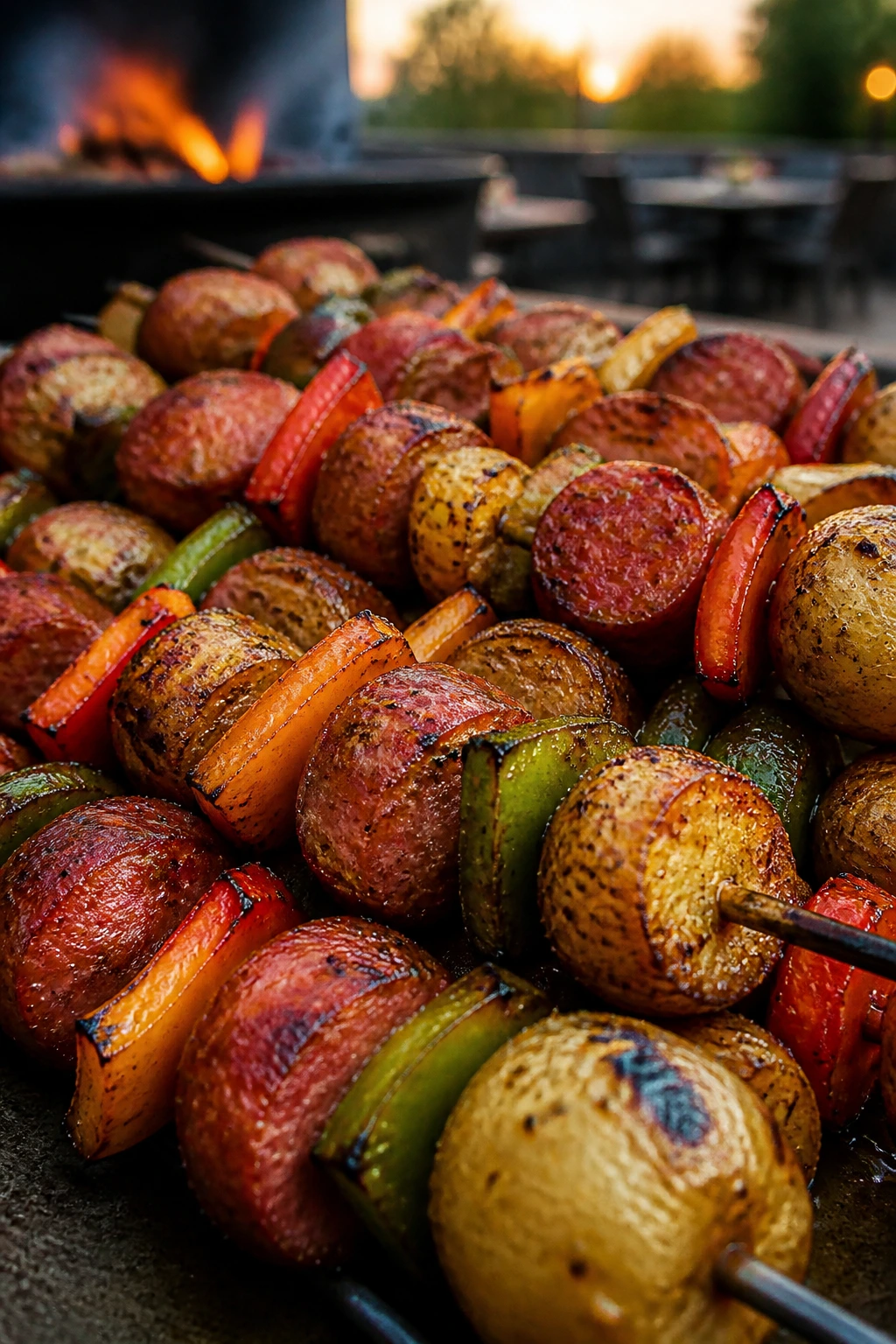
If you need a hearty grill dinner that feeds people who are suspicious of vegetables, this is the one. Sausage gives you smoke and salt, potatoes bring the comfort, and the peppers keep the whole skewer from feeling heavy. It’s a little rowdy, which is exactly the mood some nights ask for.
Why It Works
Smoked sausage is already cooked, so the grill’s job is to brown it and wake up the spices rather than to cook it through from scratch. Baby potatoes need a head start, which is why parboiling matters; otherwise the sausage ends up ready before the potatoes are even close. Cajun seasoning and smoked paprika carry the flavor without needing a long marinade, and red onion adds enough sharpness to keep the skewer from tasting one-note. This is the kind of dinner that disappears fast when people are standing around the patio.
Key Ingredients
For the Skewers:
- 1 lb smoked sausage or andouille, sliced into 1-inch rounds
- 1 lb baby potatoes, halved
- 2 bell peppers, cut into 1½-inch pieces
- 1 red onion, cut into chunks
- 2 tbsp olive oil
- 2 tsp Cajun seasoning
- 1 tsp smoked paprika
- 1/2 tsp garlic powder
- 1/2 tsp kosher salt, only if needed
- 1 tbsp chopped parsley, optional
Quick Steps
- Parboil the potatoes: Simmer the halved potatoes in salted water for 8 to 10 minutes, until they are just barely tender when pierced.
- Dry and season: Drain well, let them steam dry for a minute, then toss with olive oil, Cajun seasoning, smoked paprika, garlic powder, and a little salt if the sausage is mild.
- Thread the skewers: Alternate sausage, potato, pepper, and onion. Keep the potatoes near the outside of the skewer so they brown well.
- Preheat the grill: Set to medium-high, around 425°F.
- Grill until browned: Cook for 10 to 12 minutes, turning every few minutes, until the sausage is sizzling and the potatoes have crisp edges.
- Finish and serve: Shower with parsley if you want a fresh note and serve while hot.
Tips and Variations
- Potato Shortcut: Small baby potatoes work far better than big chunks because they cook more evenly.
- Heat Level: Use mild sausage if the Cajun seasoning is already strong.
- Extra Crunch: A squeeze of lemon at the end wakes the whole skewer up.
10. Korean-Style Beef and Mushroom Skewers
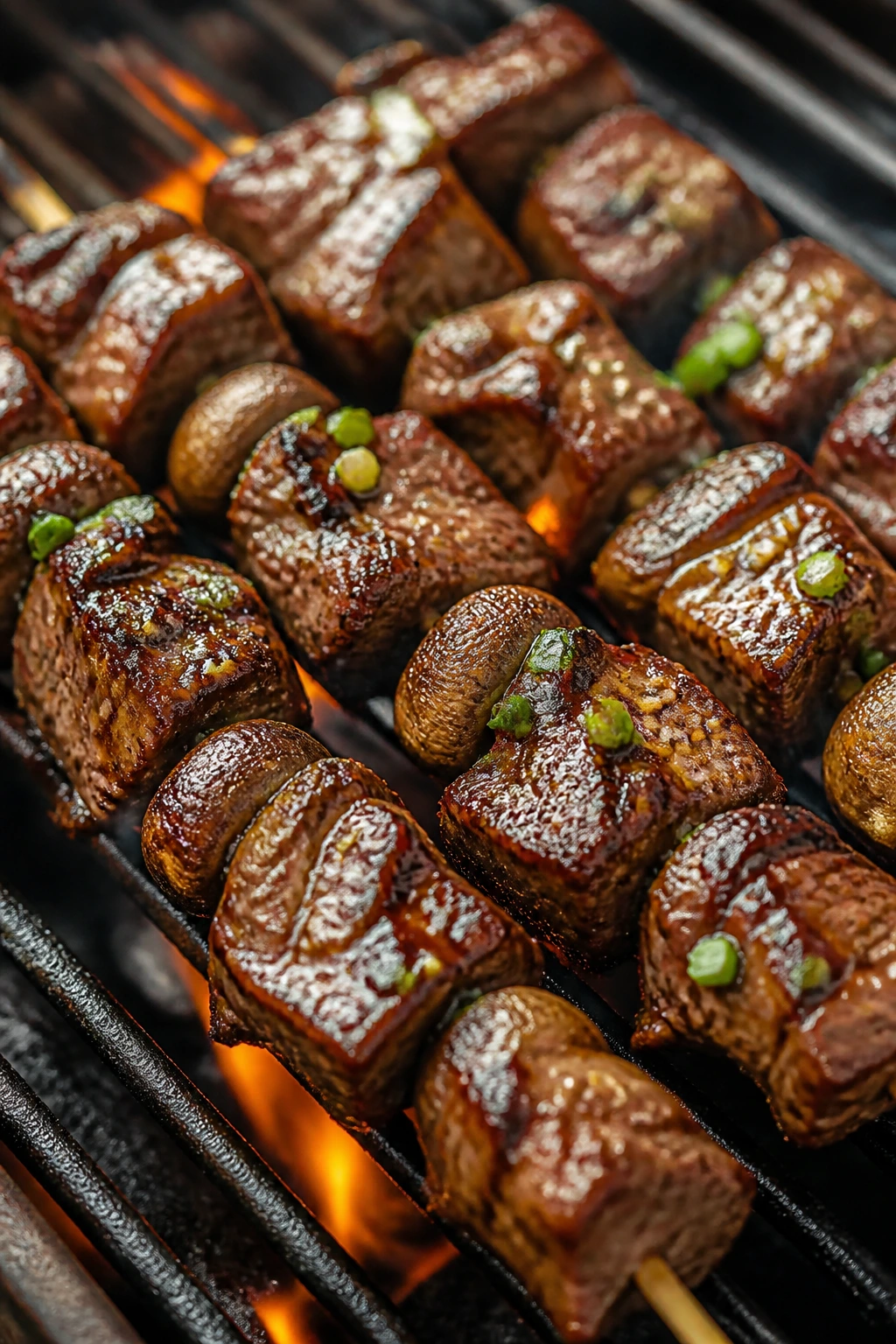
Beef and mushrooms are a smart pairing because they cook at nearly the same pace and both like a salty, savory marinade. Add soy, ginger, sesame, and a little brown sugar, and you get a skewer that tastes glossy, rich, and just sticky enough to make people reach for seconds without thinking.
Why It Works
This is the kind of skewer that benefits from contrast. Flank steak or sirloin brings chew and beefy flavor, while mushrooms soak up the marinade and release a little juice back onto the grill. Gochujang, if you use it, adds gentle heat and a deeper fermented note, but the skewer still works if you keep it to soy, ginger, garlic, and sesame. The trick is not to overcook the beef; these pieces are small, and they go from juicy to dry faster than people expect.
Key Ingredients
For the Marinade:
- 1/4 cup soy sauce
- 2 tbsp brown sugar
- 1 tbsp sesame oil
- 2 tbsp rice vinegar
- 3 garlic cloves, minced
- 1 tsp grated ginger
- 1 tsp gochujang or 1/2 tsp red pepper flakes
For the Skewers:
- 1½ lbs flank steak or sirloin, cut into 1¼-inch cubes
- 8 oz cremini mushrooms, stems trimmed
- 1 red onion, cut into wedges
- 1 tbsp sesame seeds
- 2 scallions, thinly sliced
Quick Steps
- Mix the marinade: Stir soy sauce, brown sugar, sesame oil, rice vinegar, garlic, ginger, and gochujang until the sugar starts to dissolve.
- Marinate the beef: Toss the beef cubes in the mixture and chill for 30 minutes to 4 hours.
- Thread the skewers: Alternate beef, mushrooms, and onion. If the mushrooms are large, use two skewers in parallel so they do not spin.
- Preheat the grill: Set to medium-high, about 450°F, and oil the grates.
- Grill quickly: Cook for 6 to 8 minutes total for medium, turning every 2 minutes and brushing with a little reserved marinade that has been boiled for 2 minutes first.
- Finish with seeds and scallions: Scatter sesame seeds and scallions over the skewers right before serving.
Tips and Variations
- Marinade Safety: If you want extra sauce for serving, set some aside before the beef goes in.
- Mushroom Choice: Cremini are sturdier than button mushrooms and hold up better on the stick.
- Serve With: Rice, cucumber salad, or lettuce cups all fit naturally.
11. Buffalo Chicken and Celery Skewers
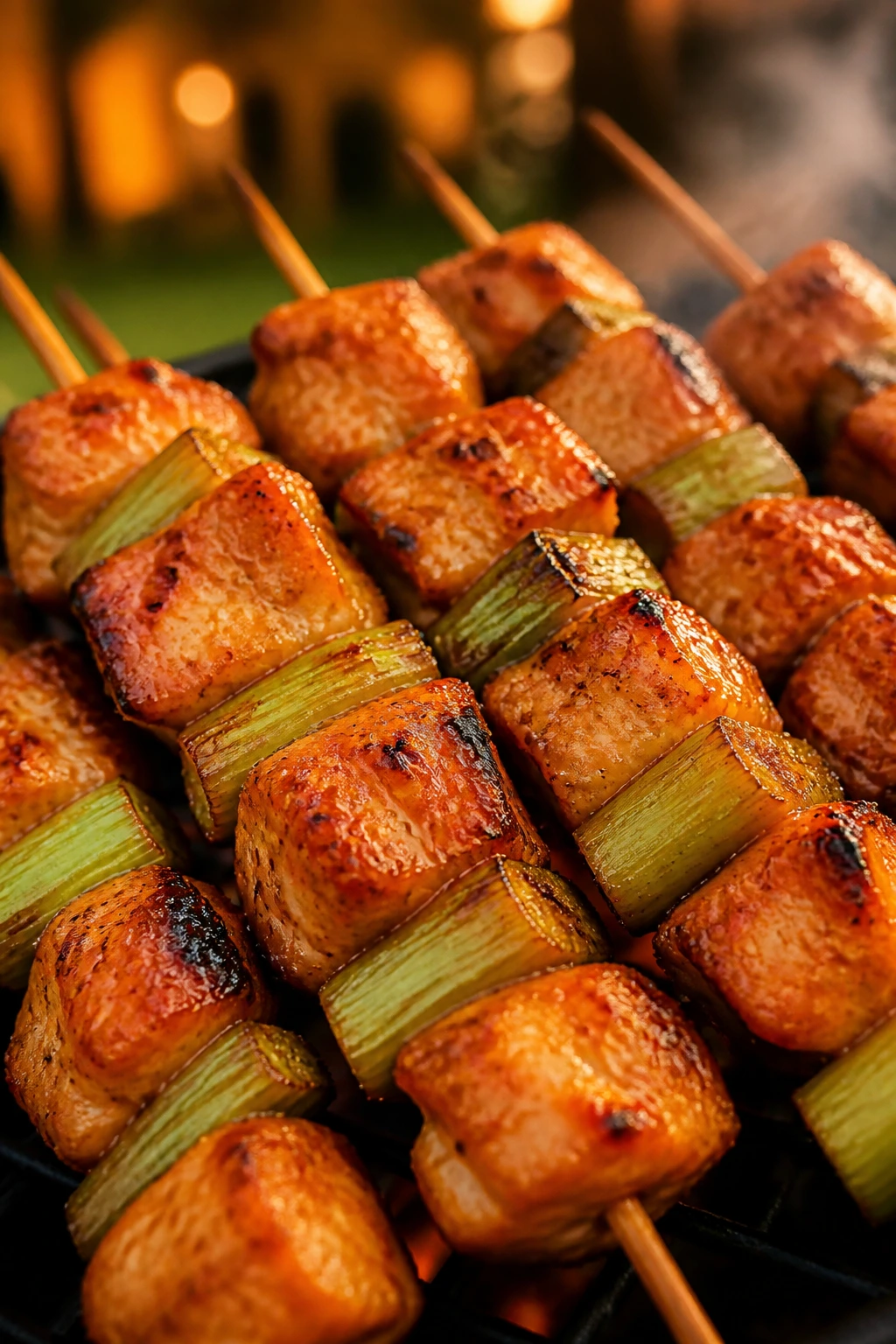
Buffalo chicken on skewers turns a wings night into something you can eat without chasing sauce around the table. The chicken gets grilled first, then coated in buttery hot sauce, while the celery adds a cool snap and keeps the whole thing from feeling too rich. It’s a little messy. That’s part of the fun.
Why It Works
Buffalo flavor is all about contrast: heat, butter, acid, and something cold on the side. Chicken pieces hold up well to that treatment because they can take a dry spice rub before grilling and then soak up the sauce after the fact. Celery is better here as a balancing ingredient than as the star, which is why it shows up in chunks or as a crisp side rather than buried in the glaze. If you love wings but hate the pile of bones, this scratches the same itch with less effort.
Key Ingredients
For the Chicken:
- 2 lbs boneless, skinless chicken breasts or thighs, cut into 1½-inch pieces
- 1 tbsp olive oil
- 1 tsp garlic powder
- 1 tsp paprika
- 1 tsp kosher salt
- 1/2 tsp black pepper
For the Buffalo Finish:
- 1/3 cup hot sauce
- 3 tbsp unsalted butter, melted
- 1 tbsp honey
- 1 tsp apple cider vinegar
For the Skewers and Garnish:
- 2 celery stalks, cut into 1-inch pieces
- 1 red onion, cut into wedges
- Ranch or blue cheese dressing, for serving
Quick Steps
- Season the chicken: Toss the chicken with olive oil, garlic powder, paprika, salt, and pepper.
- Thread the skewers: Alternate chicken, celery, and onion. If you want the celery very crisp, keep some on the side for serving instead.
- Preheat the grill: Heat to medium-high, around 425°F.
- Grill the chicken: Cook for 10 to 12 minutes, turning every 2 to 3 minutes, until the chicken reaches 165°F.
- Mix the sauce: Stir the hot sauce, melted butter, honey, and vinegar together until smooth.
- Coat and serve: Brush or toss the hot skewers in the buffalo sauce and serve with ranch or blue cheese dressing.
Tips and Variations
- Thighs Win: They stay juicier under the sauce than breasts do.
- More Crunch: Leave the celery raw and serve it on the side if you want sharper texture.
- Heat Control: Add more honey if your hot sauce runs sharp.
12. Portobello, Zucchini, and Chickpea Skewers
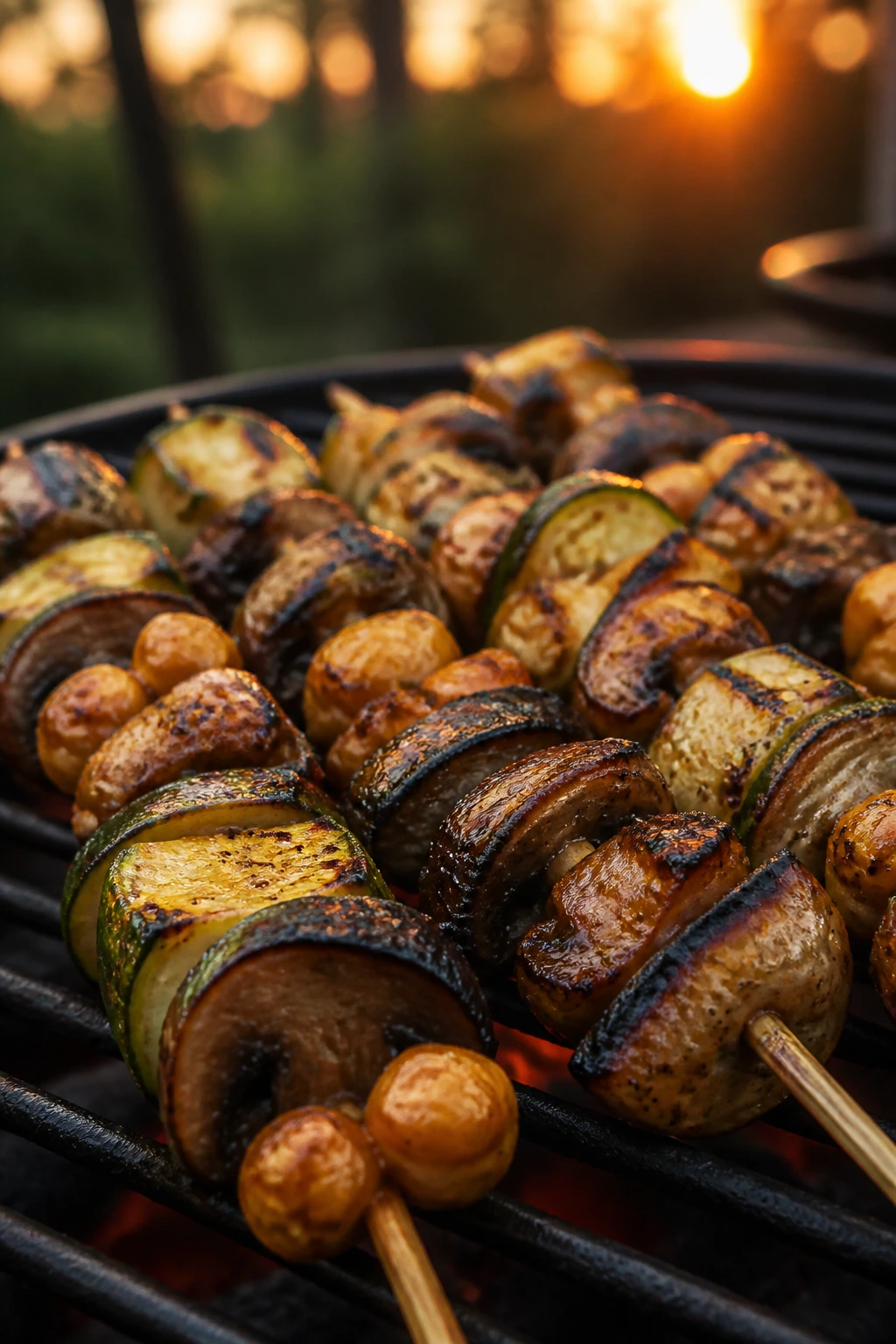
The best vegetarian skewers are not a consolation prize; they are dinner with their own texture and smoke. Portobellos bring a meaty bite, chickpeas turn nutty at the edges, and zucchini softens just enough to catch the seasoning. This one feels generous, not like an afterthought.
Why It Works
Portobello mushrooms are sturdy enough to take the grill’s heat and loose enough to soak up flavor. Chickpeas sound unusual on a skewer until you dry them well and toss them with olive oil; then they get a faint crispness and hold the seasoning in a way that feels a little addictive. Because the whole skewer is built from vegetables and legumes, the marinade needs to do more work, so smoked paprika, cumin, garlic, and lemon pull their weight. Feta on top is optional, but it gives the final plate a salty finish that makes the mushrooms taste deeper.
Key Ingredients
For the Marinade:
- 1/4 cup olive oil
- 2 tbsp lemon juice
- 3 garlic cloves, minced
- 1 tsp smoked paprika
- 1 tsp ground cumin
- 1 tsp kosher salt
- 1/2 tsp black pepper
For the Skewers:
- 3 large portobello caps, gills scraped, cut into 1½-inch pieces
- 2 medium zucchini, sliced into thick rounds
- 1 red bell pepper, cut into squares
- 1 can (15 oz) chickpeas, rinsed, drained, and patted very dry
- 1 red onion, cut into chunks
- 2 tbsp chopped parsley or dill
- 2 tbsp crumbled feta, optional
Quick Steps
- Dry the chickpeas well: Pat them with a towel until they feel dry on the outside. That helps them brown instead of steaming.
- Mix the marinade: Whisk olive oil, lemon juice, garlic, smoked paprika, cumin, salt, and pepper together.
- Coat everything: Toss the mushrooms, zucchini, bell pepper, chickpeas, and onion in the marinade.
- Thread the skewers: Build them with a mix of mushroom, zucchini, chickpea, pepper, and onion so each skewer eats like a full plate.
- Grill over medium-high heat: Cook for 8 to 10 minutes, turning carefully, until the vegetables soften and the mushrooms release their juices.
- Finish: Scatter with parsley or dill and feta if using, then serve while the edges are still warm.
Tips and Variations
- Chickpea Trick: If you want more crunch, roast the chickpeas separately and add them after grilling.
- Vegan Finish: Skip the feta and add a spoonful of tahini sauce instead.
- Flavor Lift: A pinch of sumac at the end adds a lemony edge that fits the whole skewer.
Why Skewers Make the Grill Feel Easier
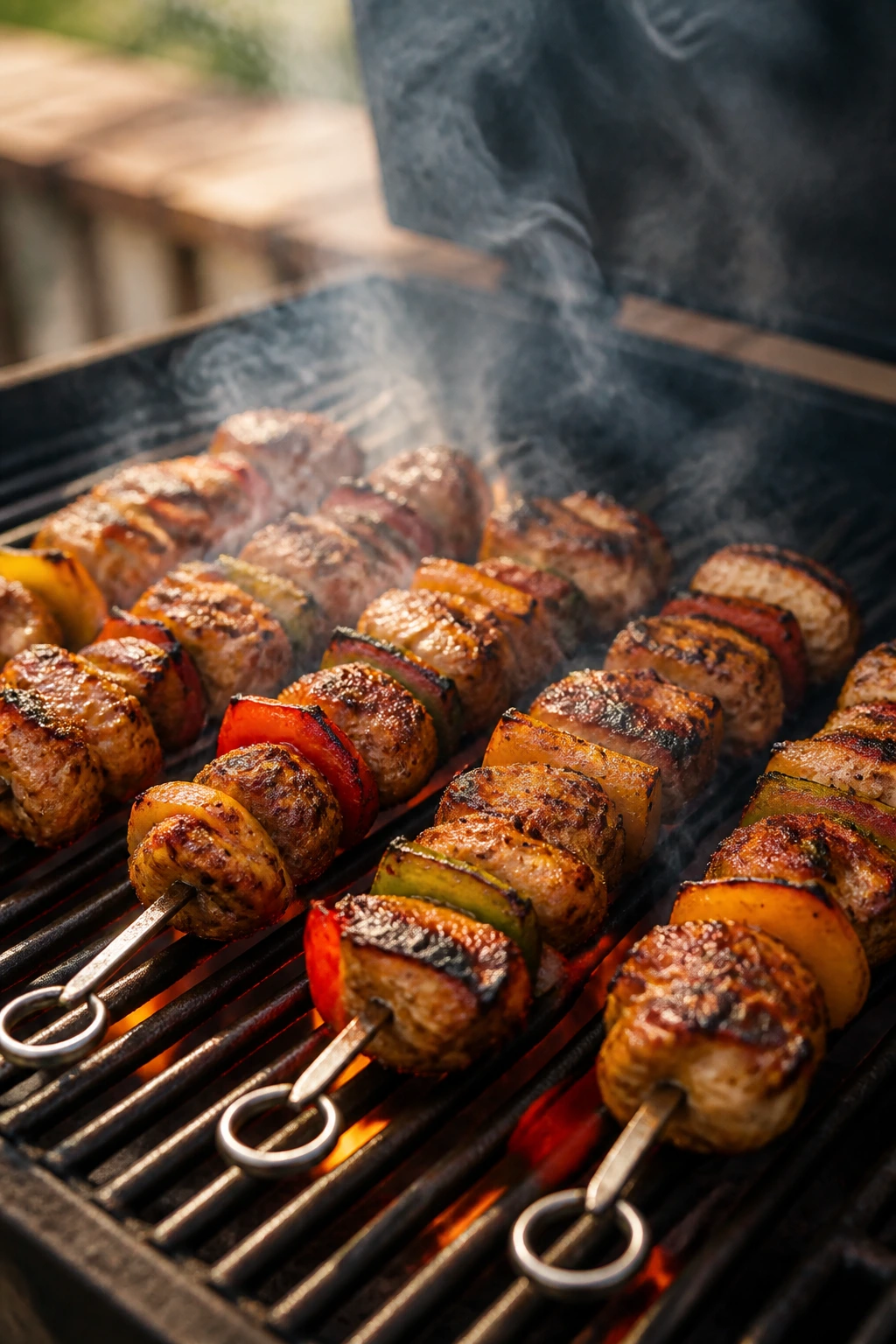
Skewers are tiny built-in portion controls. That sounds unromantic, but it matters when the grill is hot and people are hungry. Cut food into even pieces, thread it in sensible order, and dinner starts cooking with almost no drama.
The other advantage is contact. More surface meets more heat, which means browning happens faster and more evenly than it does with a big hunk of meat or a whole vegetable slab. That’s why a good skewer dinner tastes more seasoned than a plain grilled chop. The marinade reaches more edges, the char lands in more spots, and the food comes off the grill with a little more personality.
There’s also the social part, which I think people underestimate. Skewers are easy to carry, easy to pass, and easy to serve in batches. You can keep a platter warm while the next round finishes. You can mix proteins and vegetables without making six separate side dishes. And if you build the skewers with similar-sized pieces, the grill does the rest with very little babysitting.
Essential Equipment for These Recipes
- Metal skewers or soaked bamboo skewers: Metal lasts forever; bamboo works fine if you soak it for 30 minutes first.
- Large rimmed sheet pan: Use this for threading, marinating, and carrying skewers to the grill without losing juices everywhere.
- Mixing bowls: One for marinades, one for clean ingredients, and one for the inevitable messy toss.
- Instant-read thermometer: The cleanest way to avoid dry chicken, undercooked pork, or overdone salmon.
- Long-handled tongs: Short tongs get you too close to the heat, and nobody needs that.
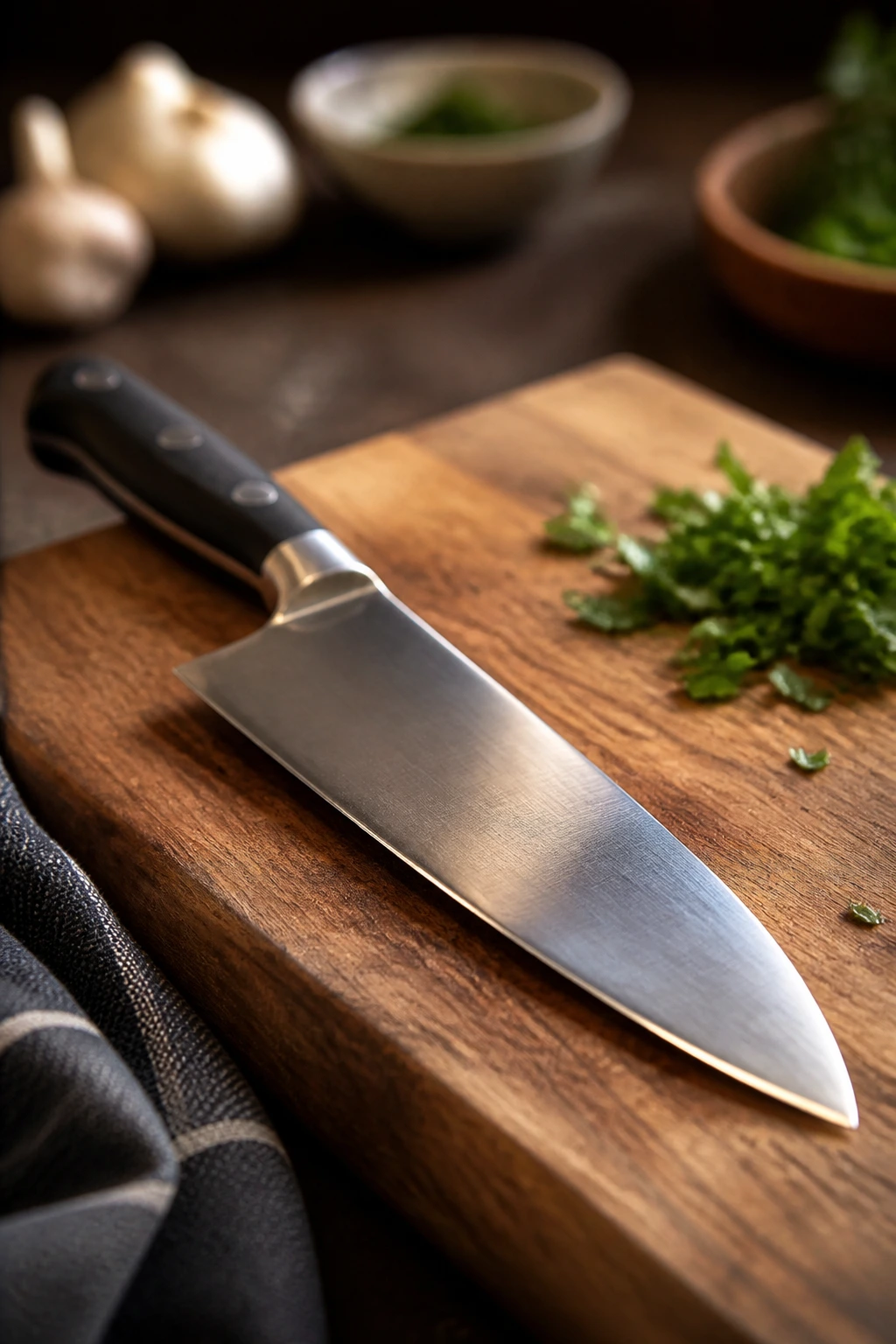
- Sharp chef’s knife: Uniform pieces cook evenly. A dull knife makes uneven cubes, and uneven cubes are where bad skewers begin.
- Cutting board with a groove: Helpful for meat juices and sticky marinades.
- Small saucepan: Handy for simmering teriyaki glaze, boiling reserved marinade, or warming a finishing sauce.
- Basting brush: Good for sauces that need to go on near the end, not at the start.
- Grill brush or oil-soaked paper towel held with tongs: Clean grates help everything release.
- Optional grill basket: Useful for very small mushrooms, tomatoes, or if you hate threading tiny pieces.
Smart Shopping for Better Skewer Dinners
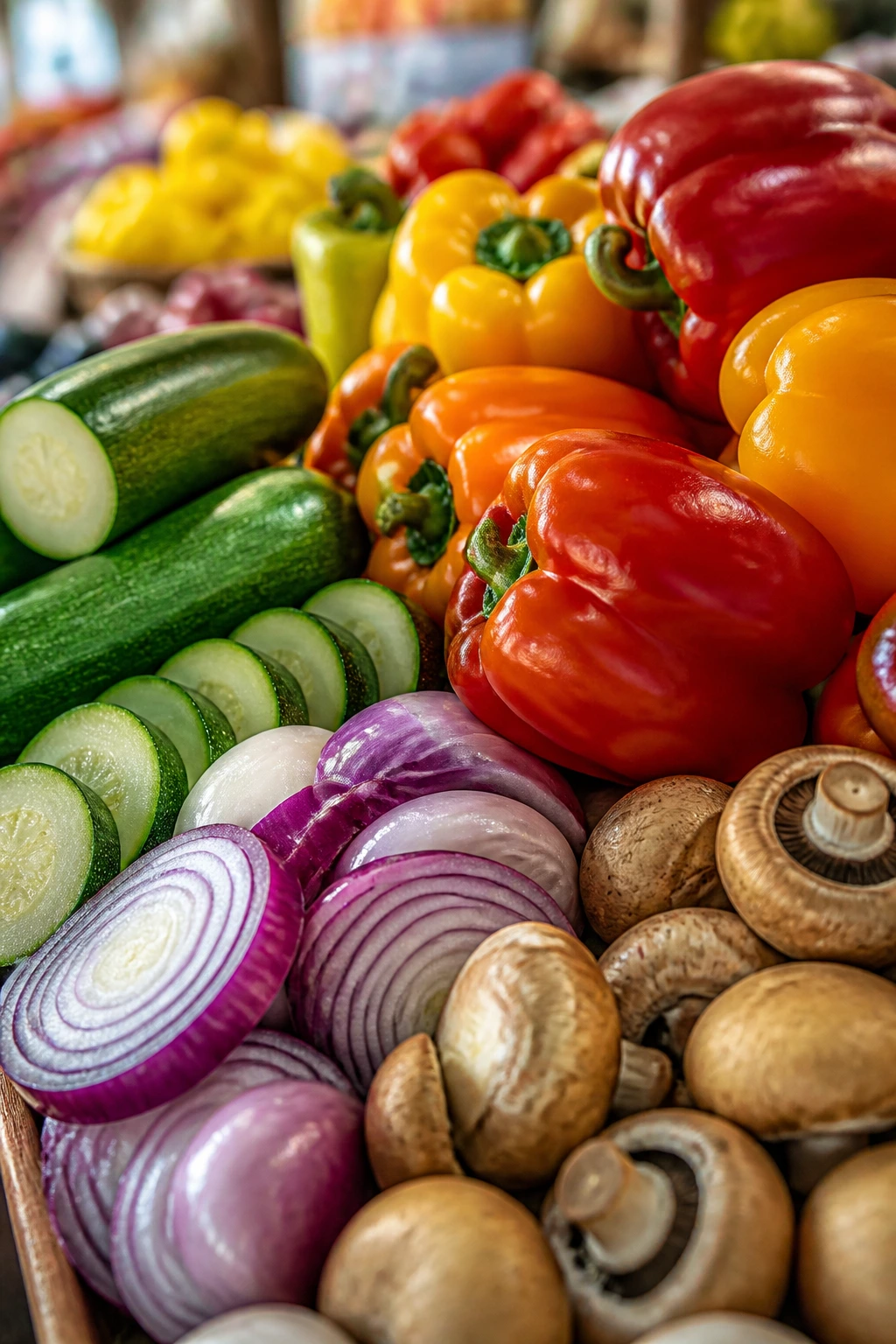
The best skewer dinners start in the grocery aisle, not at the grill. Buy proteins that can be cut into even chunks: chicken thighs, sirloin, pork tenderloin, salmon fillet, and firm shrimp all behave well because they cook in a predictable way. Chicken breasts can work, but they ask for more precision. If you want margin for error, thighs are the friendlier cut.
Vegetables matter just as much. Look for peppers with firm skin, zucchini that feel heavy for their size, onions with tight layers, and mushrooms that are dry rather than slick. For fruit, choose peaches, pineapple, or nectarines that have fragrance but still hold shape when pressed. Mushy fruit falls off the skewer and turns into a pan sauce, which is not the same thing.
A few ingredients deserve special attention. Halloumi should come in a block and feel springy, not crumbly. Chickpeas need to be dried well before they hit the grill, or they’ll steam and stay soft. Sausage should be smoked or pre-cooked so it only needs browning. And if your marinade uses sugar or honey, keep that glaze for the end unless you enjoy black edges before the center is done. That one lesson saves a lot of grief.
How to Serve These Skewer Dinners
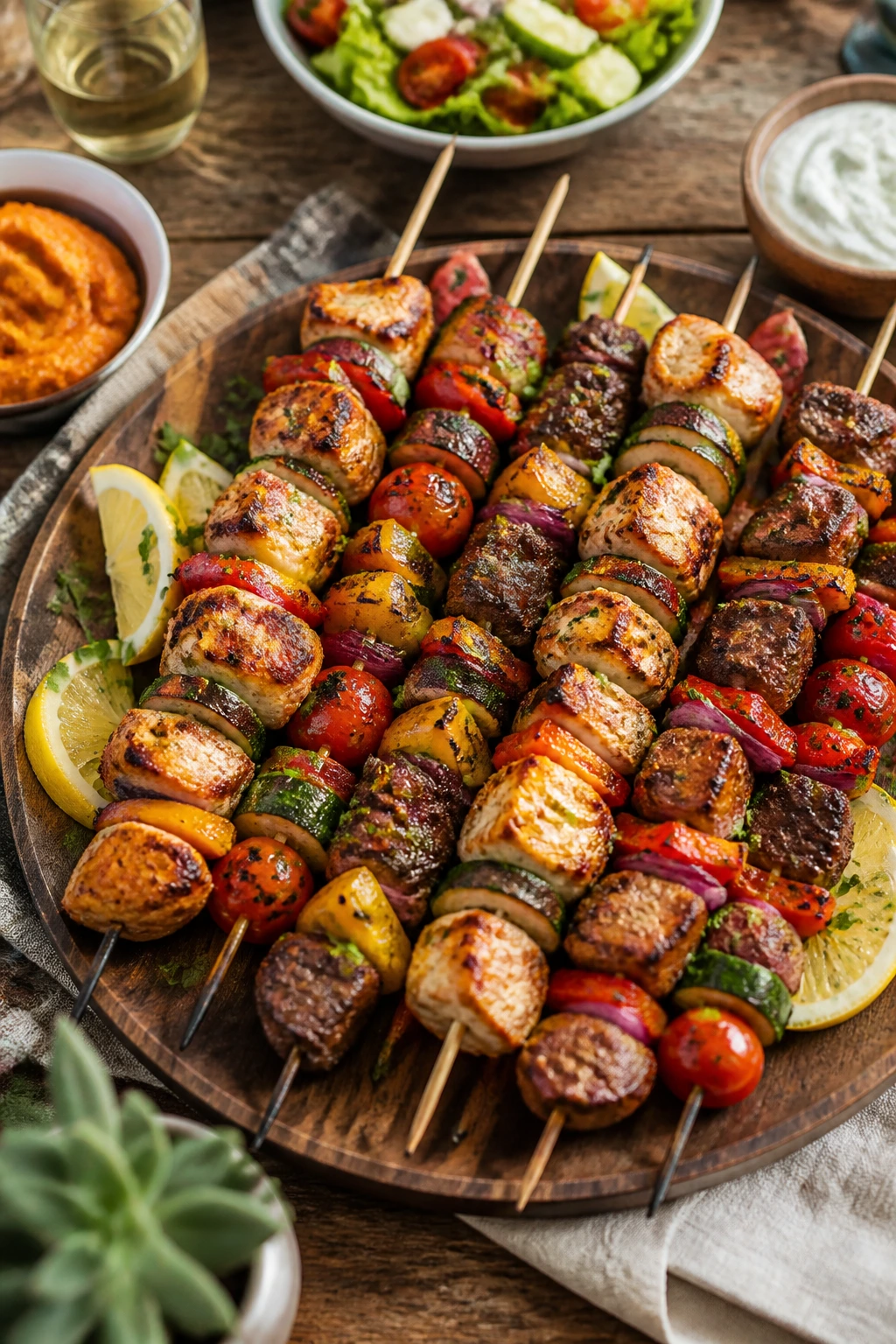
Presentation: Use a large platter or wooden board and lay the skewers in alternating directions so the colors don’t clump together. A scatter of herbs, lemon wedges, and a little flaky salt makes even plain chicken look considered. If you’re serving mixed skewers, group similar sauces together so guests can read the platter without guessing.
Accompaniments: I like these with cucumber salad, grilled bread, rice pilaf, couscous, corn on the cob, or a crisp slaw. Richer skewers—steak, lamb, sausage—take well to something acidic on the side. Lighter skewers—shrimp, halloumi, vegetables—do well with a grain or a chunky salad that gives the plate some weight.
Portions: Plan on 2 substantial skewers per adult for chicken, steak, or pork, and 3 to 4 smaller skewers if you’re making shrimp or halloumi. Vegetable-heavy versions can stretch further if you add bread or rice. If you’re feeding a crowd, make a little extra sauce and keep the finished skewers warm on a low sheet pan in the oven.
Beverage Pairing: Crisp lager, dry rosé, sparkling water with lime, iced mint tea, or a cold citrus spritz all make sense here. Saucy skewers like buffalo or teriyaki love something with a clean finish. Herby chicken and grilled vegetables work especially well with drinks that have a little acidity.
Extra Flavor Moves Worth Using
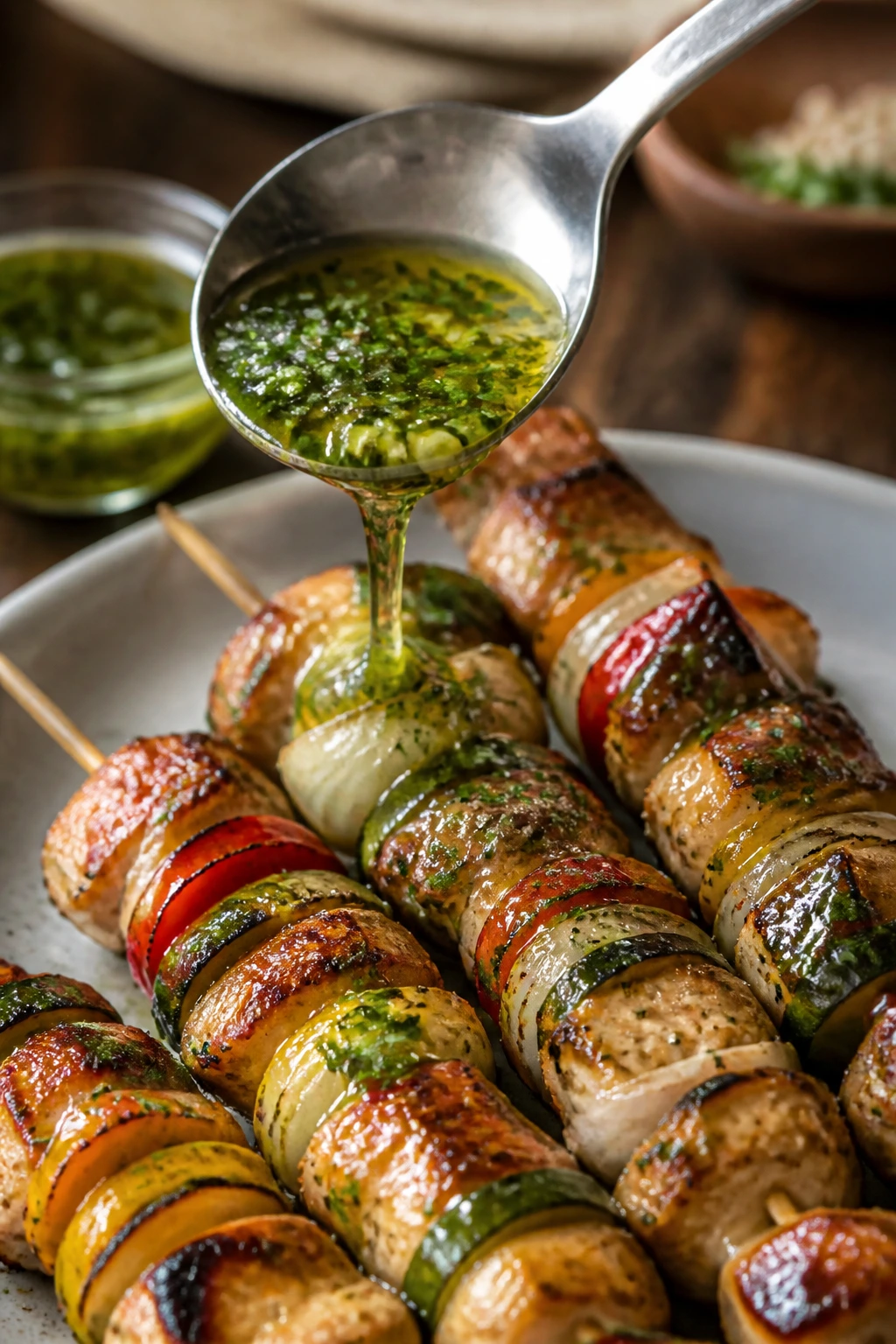
Flavor Enhancement: Finish almost every skewer with something bright after grilling—lemon juice, a quick herb oil, flaky salt, or a spoonful of sauce you kept clean before the raw ingredients touched it. That last hit of acid is what makes grilled food taste awake instead of merely cooked.
Customization: Add cherry tomatoes to chicken and lamb skewers, pineapple to pork, mango to shrimp, or extra mushrooms to the vegetable version. If you want more heat, use sliced jalapeño, red pepper flakes, or a little gochujang in the glaze. If you want softer flavor, lean on herbs, garlic, and citrus and keep the spice blend modest.
Serving Suggestions: Tzatziki fits chicken and lamb. Chimichurri fits steak. Ranch or blue cheese fits buffalo chicken. A tahini drizzle helps the vegetarian skewers feel complete. Pickled onions are a tiny addition that makes almost every skewer taste sharper and fresher.
Make-It-Yours: For dairy-free meals, lean on olive oil marinades and skip yogurt or halloumi. For lower-sodium versions, use fresh herbs, citrus, and garlic to do more of the work and cut back on salt in the marinade. For a more filling plate, add rice, potatoes, or warm flatbread instead of piling on extra sauce.
Make-Ahead, Storage, and Reheating Notes
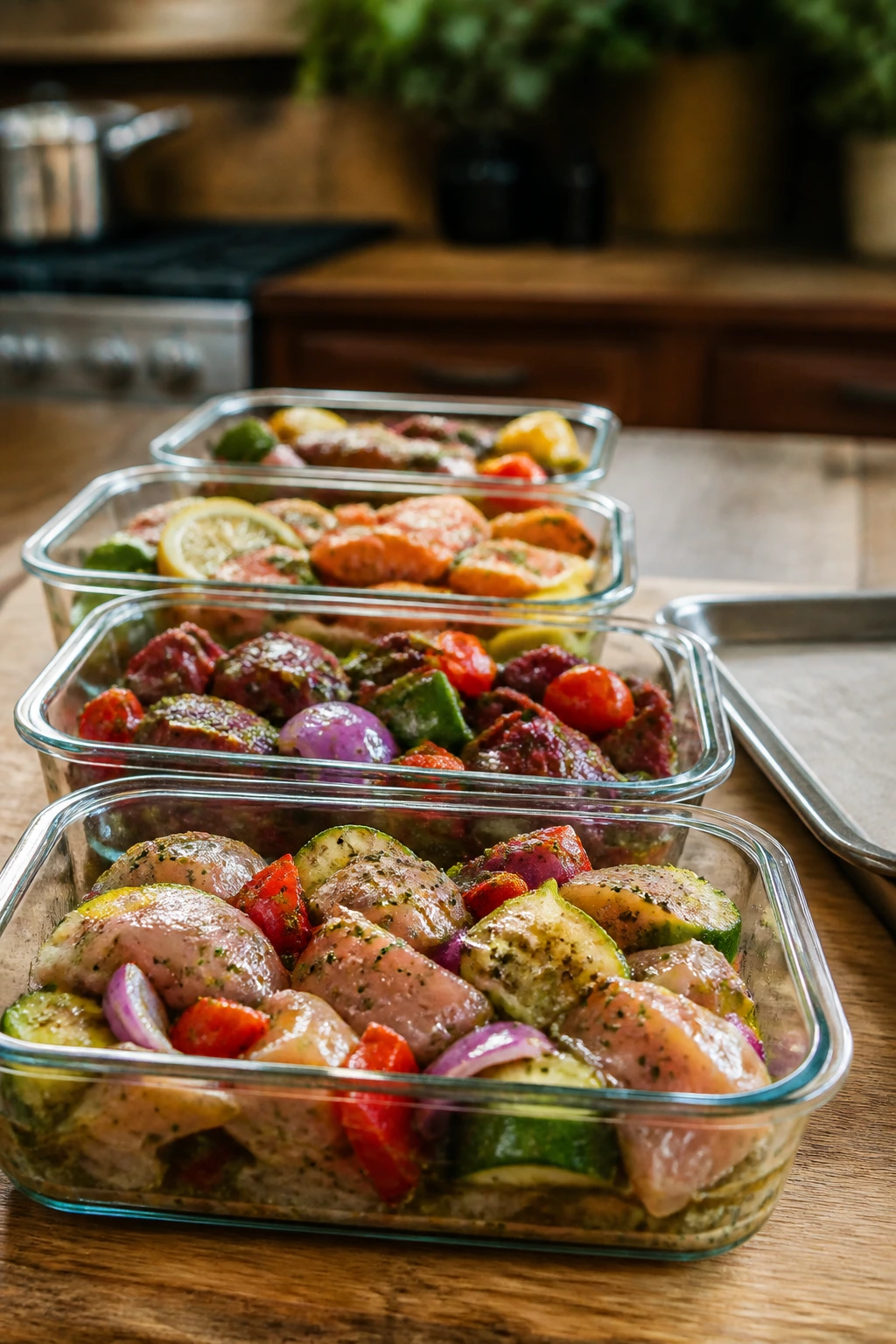
Most skewer dinners benefit from a little prep ahead of time. You can cut vegetables, mix marinades, and portion proteins a day in advance. Chicken, pork, beef, and lamb can usually marinate for 30 minutes to 12 hours, depending on the acid level. Shrimp and salmon need a much shorter soak—think 10 to 20 minutes for shrimp and 10 to 15 minutes for salmon—because strong acid can change the texture fast. Halloumi and vegetables usually only need a light toss right before grilling.
Cooked skewers keep well in the fridge for 3 to 4 days in airtight containers. Seafood is the exception; shrimp and salmon are best eaten within 2 to 3 days. If you want to freeze cooked meat skewers, wrap them tightly and store them for up to 2 months, though the vegetables will soften a bit after thawing. Halloumi does not freeze well after grilling; it tends to turn a little rubbery.
Reheat in a 325°F oven for 8 to 12 minutes, covered loosely with foil so the food doesn’t dry out. Small pieces can also go into a skillet over medium-low heat with a spoonful of water and a lid for 2 to 4 minutes. If you’re reheating shrimp or salmon, be gentle and stop as soon as they’re warm. A hot grill works too—just give the skewers 2 to 3 minutes over lower heat to refresh the char without cooking them again.
Easy Variations for Different Diets and Grills
Gluten-Free Grill Line
Use tamari instead of soy sauce in the teriyaki and Korean-style recipes, and check the label on sausage, hot sauce, and spice blends. Most of the chicken, steak, shrimp, pork, and vegetable skewers are naturally gluten-free if the condiments are clean. Serve with rice, corn tortillas, or grilled potatoes and you’ve got dinner without the guesswork.
Dairy-Free Citrus Route
Skip yogurt marinades and halloumi, and lean on olive oil, lemon, vinegar, herbs, and spices instead. That works especially well for chicken souvlaki, lamb, shrimp, and pork. A dairy-free dinner can still feel rich if you finish it with herb oil or a spoonful of tahini sauce.
Lower-Sugar Glaze Night
Cut the honey or brown sugar in the teriyaki, pork, shrimp, and buffalo recipes by half if you want a less sweet finish. Brighten the flavor with extra citrus, vinegar, or garlic instead of adding more sweetener. The grill still gives you char, so you won’t miss the sugar as much as you might expect.
Vegetarian Swap Board
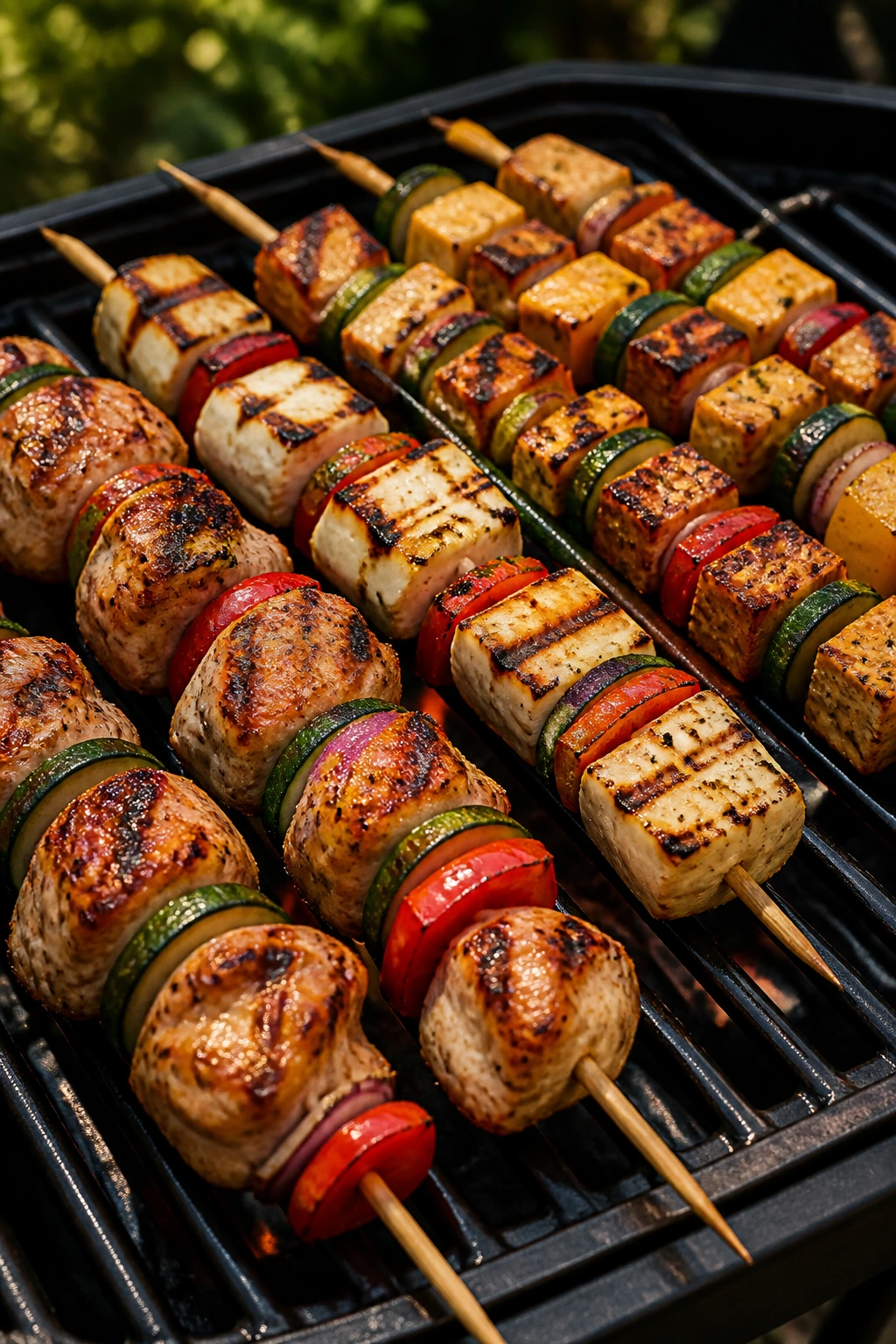
Use the halloumi and portobello skewers as the base, then add extra zucchini, onions, tomatoes, or cubes of firm tofu. Tofu works best if you press it first and toss it in the same oil-and-spice marinade used for the vegetables. If you want the plate to feel hearty, add chickpeas or grilled bread rather than piling on more cheese.
Indoor Broiler Backup
If the grill is occupied or the weather won’t cooperate, place the skewers on a foil-lined sheet pan and broil them 4 to 6 inches from the heat. Turn once halfway through, and watch the sugar-heavy glazes closely because they can darken fast. This works especially well for chicken, steak, halloumi, and vegetables.
Heat Level Adjustment
For milder palates, cut back on cayenne, red pepper flakes, gochujang, and buffalo sauce, then build flavor with garlic, lemon, and herbs. For people who want more bite, add chili crisp at the table or thread a few sliced jalapeños onto the skewer. It’s easier to add heat after grilling than to rescue food that’s already too hot.
Mistakes That Turn Good Skewers Into Fussy Ones
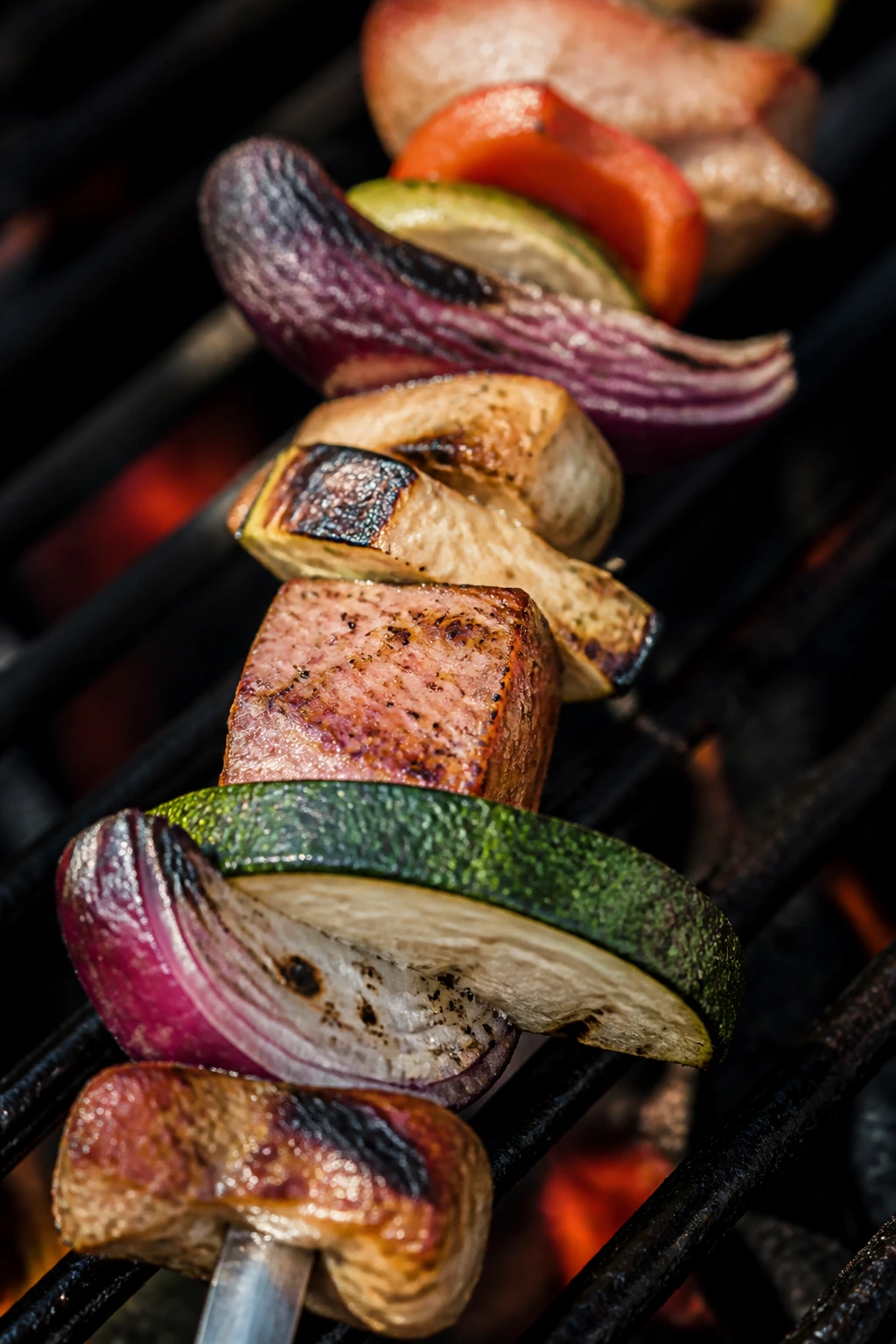
Uneven pieces: If the meat or vegetables are all different sizes, some bits char before others are done. The fix is simple: cut everything into similar cubes, usually around 1 to 1½ inches, and don’t rush the knife work.
Packing the skewer too tightly: When pieces touch too much, they steam instead of browning. Leave a sliver of space between chunks so the heat can move around them.
Adding sugary glaze too early: Honey, brown sugar, and sweet sauces burn faster than most people expect. Brush them on during the last few minutes, or serve them on the side after grilling.
Skipping the grill preheat: A weak grill sticks, tears chicken, and leaves vegetables limp. Give the grate time to get hot, then oil it right before the food goes on.
Marinating delicate seafood too long: Shrimp and salmon do not want an all-night soak. Short marinating times keep them tender and stop the acid from changing the texture into something chalky or mushy.
Serving immediately from the grill without a rest: Even 5 minutes matters for chicken, pork, steak, and lamb. That short pause keeps the juices inside the meat instead of on the platter.
Skewer Dinner Questions People Actually Ask
Can I use wooden skewers instead of metal ones?
Yes. Soak bamboo skewers in water for at least 30 minutes so they don’t scorch on the grill. Metal skewers are easier for repeated use and hold heat a little better, but bamboo works fine if you prep it properly.
How do I keep food from spinning when I turn the skewers?
Use flat metal skewers if you have them, or thread two bamboo skewers side by side through the same pieces. That simple move keeps chicken, mushrooms, and vegetables from rotating every time you flip them.
What if the outside is browning too fast and the inside is still raw?
Move the skewers to a cooler part of the grill or lower the heat slightly, then keep cooking until the center catches up. For thick chicken or pork, you can finish with the lid closed for a minute or two so the heat evens out without burning the surface.
Can I thread the skewers the night before?
You can for sturdier ingredients like chicken, beef, pork, lamb, and vegetables. Keep them covered in the refrigerator and build them with clean, dry hands. I would not pre-thread shrimp or very soft fruit too far ahead, because they lose texture quickly.
Do meat and vegetables need to go on separate skewers?
Not always. If the pieces cook at a similar speed, they can share a skewer just fine. If you’re mixing something fast, like shrimp, with something slower, like potatoes, split them up or you’ll end up overcooking one side of the plate.
How do I know when seafood skewers are done?
Shrimp turn pink, opaque, and curl into a loose C. Salmon should flake gently at the edges but still look moist in the center. If you own a thermometer, it makes life easier; if not, go by the color shift and the way the flesh firms up.
What’s the best way to reheat leftovers without drying them out?
Use a low oven, around 325°F, and cover the skewers loosely with foil. Heat just until warm, not until they feel fresh off the grill again. Seafood needs the gentlest treatment of all, so stop early.
Can I make these without an outdoor grill?
Absolutely. A hot broiler or grill pan will do the job. You lose a little of the open-flame flavor, but you still get browning, fast cooking, and a dinner that feels made for warm nights.
After the Coals Fade
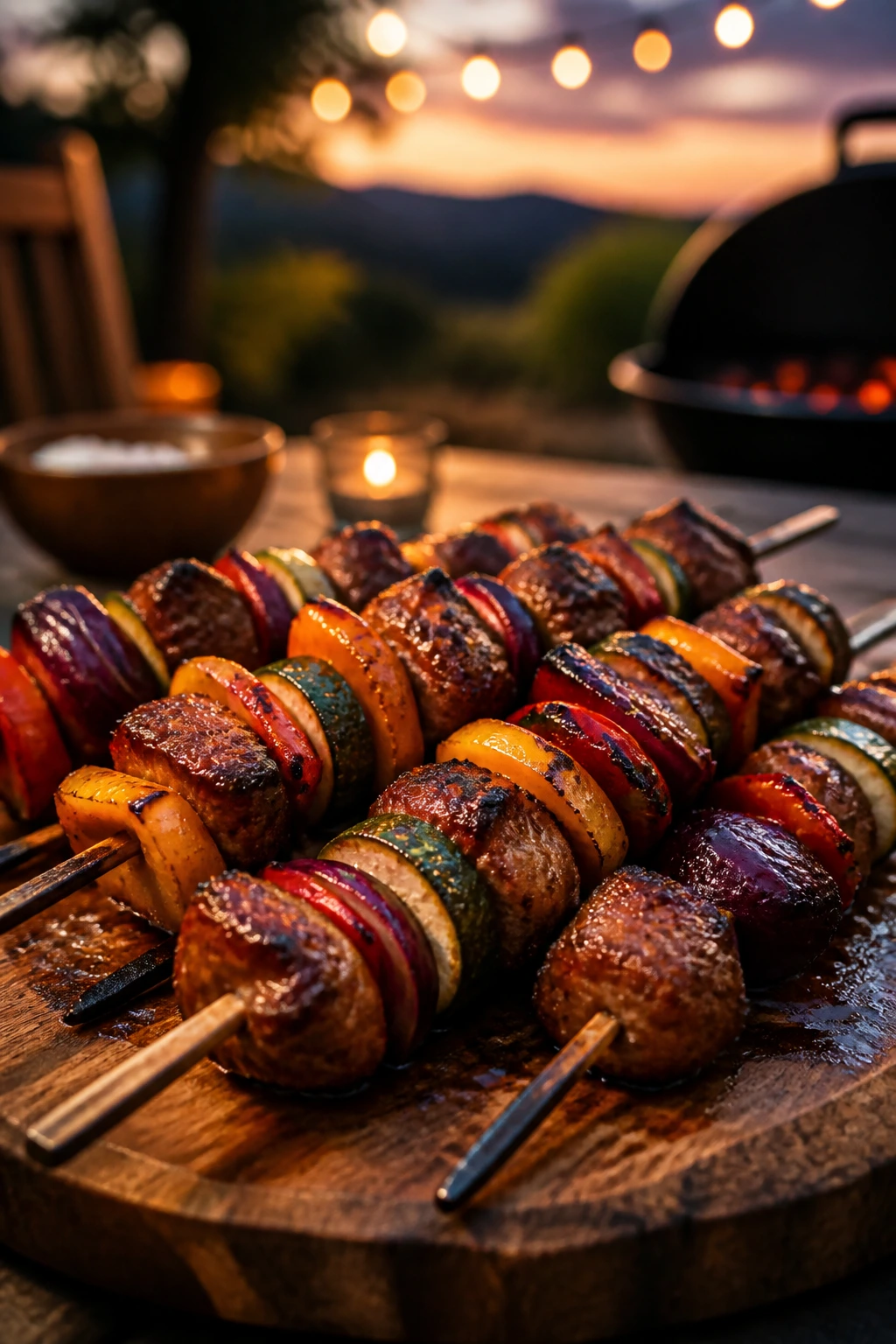
Skewer dinners work because they respect the way people actually eat outside. You want food that cooks in minutes, holds together on a platter, and gives you one clean flavor hit after another. That’s the whole charm of the format, and it’s why I keep coming back to it whenever the evening starts to feel long and the grill is already hot.
The best part is how little pressure they put on the cook. Once the pieces are cut evenly and the marinade makes sense, the grill does the rest. Choose one bright sauce, one sturdy side, and one skewer that fits the mood, and you’ve got dinner with a pulse.
The next warm evening, pick a marinade, thread the sticks, and let the fire do the heavy lifting.
| Recipe | Prep Time | Cook Time | Total Time | Servings | Standout Detail |
|---|---|---|---|---|---|
| Lemon-Garlic Chicken Souvlaki Skewers | 20 min | 12 min | 1 hr | 4 | bright Greek-style char |
| Chimichurri Steak and Pepper Skewers | 25 min | 10 min | 45 min | 4 | herb-packed finish sauce |
| Honey-Lime Shrimp and Zucchini Skewers | 20 min | 6 min | 35 min | 4 | sweet-lime snap, fast grill time |
| Teriyaki Salmon and Pineapple Skewers | 20 min | 10 min | 40 min | 4 | sticky glaze with caramelized fruit |
| Pork Tenderloin and Peach Skewers | 20 min | 12 min | 1 hr | 4 | savory pork with juicy stone fruit |
| Tandoori Chicken and Onion Skewers | 15 min | 14 min | 2 hr 30 min | 4 | yogurt marinade and spice crust |
| Greek Lamb and Eggplant Skewers | 25 min | 12 min | 1 hr 10 min | 4 | rich lamb with smoky eggplant |
| Halloumi, Cherry Tomato, and Bell Pepper Skewers | 15 min | 8 min | 23 min | 4 | salty cheese and blistered tomatoes |
| Cajun Sausage, Baby Potato, and Pepper Skewers | 20 min | 15 min | 45 min | 4 to 6 | hearty, crowd-pleasing grill dinner |
| Korean-Style Beef and Mushroom Skewers | 20 min | 8 min | 1 hr 10 min | 4 | savory-sweet glaze with sesame |
| Buffalo Chicken and Celery Skewers | 20 min | 12 min | 45 min | 4 | saucy, wing-like flavor without the mess |
| Portobello, Zucchini, and Chickpea Skewers | 20 min | 10 min | 40 min | 4 | smoky vegetarian skewer with real heft |