



A good rum punch doesn’t taste like a random mix of fruit juice and alcohol. It tastes sorted. The lime lands first, sharp and clean. Then the pineapple shows up with that soft tropical sweetness, and the rum follows behind it with a warm, brown-sugar finish that makes you slow down a little.
Rum punch recipes live or die on balance, which is why so many versions miss the mark. Too much juice and you’ve made a sticky fruit bowl with a kick. Too much rum and the drink turns hot and harsh before the second sip. The best pitchers do a quiet little dance: acid, sweetness, dilution, and spice all show up in the right order.
That’s the fun of this collection. Every recipe leans into a different vacation mood — some bright and citrusy, some creamy and beach-bar rich, some sharp with ginger or hibiscus or a little chile heat. None of them need fancy bar gear, and all of them reward a chilled pitcher, decent ice, and a careful hand with the sweet stuff. The good ones taste like someone paid attention.
Why These Punches Earn a Spot in the Cooler
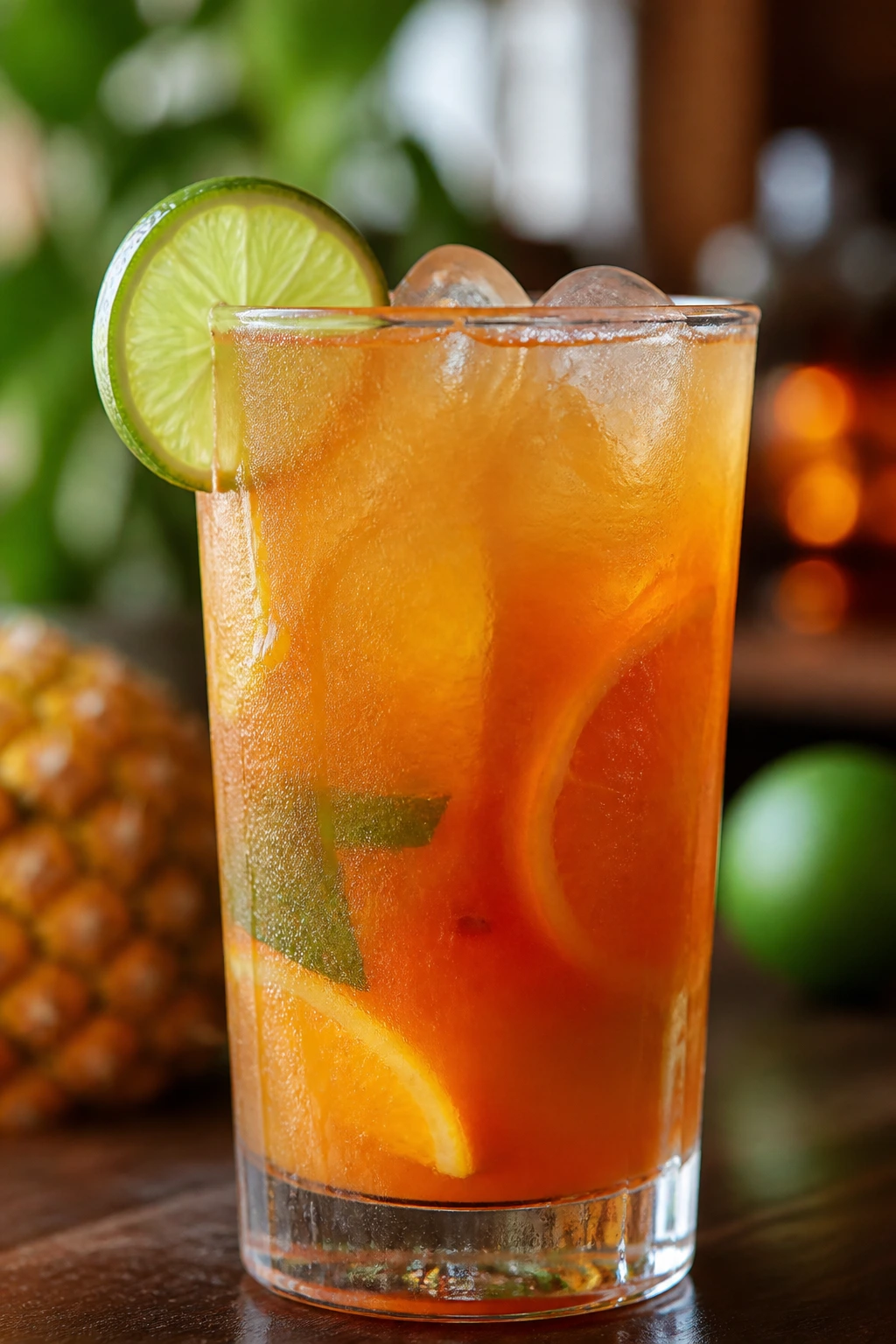
- Batch-Friendly: Every recipe scales cleanly, so you can make a single pitcher for a quiet night or a full bowl for a crowd without changing the method.
- Fresh Juice Matters: These punches use lime, orange, pineapple, grapefruit, guava, or passion fruit in combinations that keep the rum from tasting flat.
- Ice Is Part of the Recipe: A lot of punch mistakes happen when people ignore dilution; these recipes build in enough body to handle melting ice without turning watery.
- Easy to Bend: Each punch can lean lighter, stronger, sweeter, or drier with one simple adjustment, which makes the collection useful instead of rigid.
- Tropical Without Being One-Dimensional: Coconut, ginger, basil, hibiscus, chile, and cardamom show up here because vacation drinks should taste like more than pineapple alone.
- Better After a Short Chill: Most of these punches settle down and taste more integrated after 20 to 30 minutes in the fridge, once the citrus and rum stop arguing.
1. Classic Caribbean Rum Punch
The first sip should feel like lime zest and pineapple juice, then the rum comes in with a darker, rounder note that hangs around just long enough. This is the punch people picture when they hear the phrase, even if they’ve had plenty of bad versions that tasted like cough-syrup grenadine. Done right, it’s bright, a little spicy, and not nearly as sweet as the color suggests.
Why It Works:
Dark rum gives the punch a molasses depth, while white rum keeps the drink from feeling heavy or muddy. Pineapple and orange bring body, lime keeps the sweetness in check, and a few dashes of bitters add the kind of structure that stops the drink from tasting one-note. A little nutmeg on top makes the whole glass smell warmer before you even sip it.
Key Ingredients:
- 1 cup dark rum — choose one with a little molasses or toasted oak character.
- 1/2 cup white rum — this keeps the flavor bright and lifts the fruit.
- 1 cup pineapple juice — strained juice works best if you dislike pulp.
- 3/4 cup orange juice — fresh-squeezed tastes sharper and less sugary.
- 1/4 cup fresh lime juice — about 2 limes, depending on size.
- 2 tablespoons grenadine — use enough for color, not enough to make it syrupy.
- 4 dashes Angostura bitters — the spice edge matters here.
- 1/8 teaspoon freshly grated nutmeg — a small amount goes a long way.
- Ice and orange slices, for serving — keep both ready before mixing.
Quick Steps:
- Chill the serving vessel: Set a 2-quart pitcher or punch bowl in the fridge for at least 15 minutes, if you have the space. Cold glass makes a better first impression than warm glass ever will.
- Combine the juices: Add the pineapple juice, orange juice, lime juice, and grenadine to the pitcher. Stir for 15 to 20 seconds, until the grenadine disappears into the liquid instead of sitting at the bottom.
- Add the rum and bitters: Pour in the dark rum, white rum, and bitters. Stir again for about 10 seconds. Do not shake this punch with ice unless you want a foamy top and extra dilution.
- Taste and adjust: Dip in a spoon. If it tastes too sharp, add 1 tablespoon of simple syrup. If it tastes flat, add 1 more teaspoon of lime juice.
- Chill briefly: Refrigerate for 20 to 30 minutes so the flavors stop feeling separate.
- Serve over ice: Fill glasses with ice, pour the punch over top, and finish with grated nutmeg and an orange slice.
Equipment for This Recipe:
- 2-quart pitcher or medium punch bowl — a wide vessel makes stirring easier.
- Jigger or measuring cup — rum pours get messy without one.
- Citrus juicer — fresh lime juice is worth the small effort.
- Long spoon or bar spoon — better for mixing without bruising the fruit.
- Microplane or fine grater — for the nutmeg finish.
How to Serve This Dish:
Serve it in tall Collins glasses or sturdy punch cups over plenty of ice. A wheel of orange and a thin lime slice are enough; anything heavier than that starts to feel busy. If you want the table to look polished without trying too hard, float a few pineapple spears across the top of the bowl.
Pro Tips for This Recipe:
- Use two rums, not one: The mix of dark and white rum keeps the drink layered instead of loud.
- Grate nutmeg at the end: Pre-grated nutmeg tastes dusty; fresh grating smells far better.
- Keep grenadine modest: If you pour too much, the punch turns candy-sweet fast.
- Chill the juice first: Cold juice means less ice melt and a tighter flavor.
Variations on This Dish:
- Drier Island Punch: Cut the grenadine to 1 tablespoon and add an extra 1 tablespoon of lime juice for a sharper finish.
- Spiced Evening Punch: Add 1 cinnamon stick to the pitcher and let it sit during the chill time for a warmer profile.
- Big-Bowl Party Version: Double everything except the bitters; use 6 dashes instead of 8 so the spice doesn’t take over.
Common Mistakes to Avoid with This Dish:
- Too much grenadine: The punch starts tasting like a melted slushie instead of a cocktail. Fix it with more lime and a splash of soda water.
- Skipping the bitters: Without them, the fruit tastes round but flat. A few dashes give the rum something to lean on.
- Serving it room temperature: Warm punch tastes sweeter and boozier. Chill it first, even if only for 20 minutes.
2. Sunset Pineapple-Orange Rum Punch
This one pours a little lighter than the classic and smells like pineapple juice, orange peel, and warm sugar. The coconut water keeps it from feeling syrupy, which is exactly why I like it for a long glass of something cold on a hot afternoon. It’s the punch I’d make when I want the table to look cheerful without turning the drink into dessert.
Why It Works:
White rum gives this punch a clean base, while a smaller amount of aged rum adds a mellow finish. Pineapple and orange do the heavy lifting, but coconut water pulls the sweetness back and makes the drink taste more refreshing than candy-like. Honey syrup smooths the edges without the sharp, clinging sweetness of straight sugar.
Key Ingredients:
- 1 cup white rum — bright and clean, not harsh.
- 1/2 cup aged rum — for a little roundness.
- 2 cups pineapple juice — this is the backbone of the drink.
- 1 cup orange juice — use pulp-free if you want a cleaner pour.
- 1/2 cup coconut water — adds a light mineral note.
- 1/4 cup fresh lime juice — keeps the fruit from flattening out.
- 2 tablespoons honey — warmed with 2 tablespoons hot water to make syrup.
- 1/2 cup club soda — add at the very end for lift.
- Orange peel or pineapple wedges, for garnish.
Quick Steps:
- Make the honey syrup: Stir the honey and hot water together in a small cup until smooth. If it looks thick, keep stirring; it loosens after a few seconds.
- Build the base: In a pitcher, combine pineapple juice, orange juice, coconut water, lime juice, and the honey syrup. Stir until the liquid looks even, not layered.
- Add the rum: Pour in both rums and stir gently for 10 to 15 seconds.
- Chill the punch: Refrigerate for 20 minutes so the citrus settles into the fruit.
- Finish with soda: Right before serving, stir in the club soda. Add it last or it will go flat fast.
- Pour over ice: Fill glasses with ice, pour the punch, and garnish with orange peel or a pineapple wedge.
Equipment for This Recipe:
- Pitcher or drink dispenser — a clear vessel shows off the color.
- Small bowl or measuring cup — for the honey syrup.
- Long spoon — useful for mixing without bruising the soda.
- Citrus peeler — for a twist of orange peel.
- Ice bucket or tray — this drink tastes better when it stays cold.
How to Serve This Dish:
Serve it in chilled highball glasses over regular ice, not crushed ice, so it doesn’t dilute too quickly. A pineapple wedge on the rim looks right at home here, and a thin strip of orange peel gives the nose a little lift. It works especially well with salty snacks — think plantain chips or roasted cashews.
Pro Tips for This Recipe:
- Use coconut water, not coconut milk: Coconut milk makes this punch heavier than it needs to be.
- Add soda at the last minute: You want bubbles, not a flat, tired pour.
- Balance with lime: The honey softens the drink, but lime is what keeps it awake.
- Taste before serving: Pineapple juice varies a lot in sweetness, so a spoonful of lime can save the batch.
Variations on This Dish:
- Brighter Sunset: Swap 1/2 cup of orange juice for 1/2 cup of grapefruit juice if you want a sharper edge.
- Honey-Free Version: Use 2 tablespoons simple syrup instead of honey syrup for a cleaner taste.
- Extra Chilled Batch: Freeze pineapple juice in ice cube trays and use those cubes in place of regular ice.
Common Mistakes to Avoid with This Dish:
- Pouring soda too early: The bubbles disappear before the second glass. Stir it in only at serving time.
- Using sweetened coconut water or juice blends: The drink gets sticky fast. Check the label and keep the base simple.
- Under-liming it: Pineapple and orange need acid or they blur together.
3. Coconut-Lime Cream Rum Punch
Creamy rum punch can go wrong in a hurry. Too thick and it tastes like a melted dessert. Too thin and it feels unfinished. This version lands in the middle, with coconut cream giving the drink body and lime cutting through so the finish stays bright instead of cloying.
Why It Works:
Coconut cream gives the punch a smooth, plush texture that coats the glass a little. Lime juice keeps that richness from sitting on your tongue too long, and pineapple juice adds enough acidity to keep the coconut from feeling heavy. A pinch of salt matters more than people expect; it sharpens the fruit and makes the whole thing taste more deliberate.
Key Ingredients:
- 1 cup white rum — the cleanest base for creamy drinks.
- 1/2 cup dark rum — gives the punch a deeper finish.
- 1 cup pineapple juice — brings acid and tropical sweetness.
- 3/4 cup coconut cream — use the thick kind, not coconut milk.
- 1/2 cup fresh lime juice — about 4 limes, depending on size.
- 1/4 cup simple syrup — start here and adjust later.
- 1/4 teaspoon fine sea salt — a tiny amount wakes up the coconut.
- 1/8 teaspoon freshly grated nutmeg — for aroma, not bulk.
- Crushed ice and toasted coconut flakes, for serving.
Quick Steps:
- Smooth the coconut cream: Whisk the coconut cream in a bowl until it loosens and looks glossy. If it has separated in the can, this step saves the drink.
- Mix the liquids: In a large pitcher, combine pineapple juice, lime juice, simple syrup, salt, and nutmeg. Stir until the salt disappears.
- Add the rum: Pour in both rums and stir again.
- Fold in the coconut cream: Add the coconut cream slowly while stirring. If you dump it in all at once, it can clump.
- Chill briefly: Refrigerate for 20 to 30 minutes so the texture settles.
- Serve over crushed ice: Spoon or pour the punch over ice, then finish with toasted coconut flakes.
Equipment for This Recipe:
- Pitcher or medium mixing bowl — you need room to whisk well.
- Wire whisk — better than a spoon for coconut cream.
- Citrus juicer — lime juice gives this punch its backbone.
- Measuring spoons — the salt and nutmeg need a light hand.
- Fine-mesh strainer, optional — useful if you want a silkier pour.
How to Serve This Dish:
Serve it in a short tumbler or a tiki-style glass over crushed ice. Toasted coconut on top looks nice, but it also adds a little nutty smell when you lift the glass. This one is rich enough to stand alone, though a plate of salty crackers or plantain chips beside it keeps the sweetness from dominating.
Pro Tips for This Recipe:
- Use full-fat coconut cream: Coconut milk is too thin and will make the punch taste watered down.
- Add the cream slowly: A steady pour keeps the texture smooth.
- Salt matters here: If the coconut tastes dull, a pinch more salt usually fixes it.
- Don’t over-sweeten: The drink should taste creamy and tart, not like a coconut milkshake.
Variations on This Dish:
- Piña Cream Punch: Add 1/2 teaspoon vanilla extract for a softer, dessert-like edge.
- Lighter Island Cream: Replace 1/4 cup coconut cream with 1/4 cup coconut water to reduce richness.
- Rum-Forward Version: Use 1 1/4 cups white rum and skip the dark rum if you want a sharper finish.
Common Mistakes to Avoid with This Dish:
- Using chilled coconut cream straight from the can without whisking: It can stay lumpy. Whisk until smooth first.
- Skipping the salt: The drink can taste flat and heavy without it.
- Serving with too much ice melt: Crushed ice is fine, but don’t let the punch sit out for long.
4. Spiced Rum-Ginger Punch
Ginger beer gives a rum punch a sharper spine, and that matters. Without it, spiced rum can drift into sweet-vanilla territory. With it, the drink gets a bright, peppery bite that feels cleaner and less syrupy, especially if you like a punch that finishes dry.
Why It Works:
Dark rum and spiced rum play different roles here: one gives molasses depth, the other brings vanilla, clove, and cinnamon notes. Pineapple juice softens the edges, ginger beer adds heat, and lime keeps the whole thing from tasting brown and heavy. Cinnamon syrup threads everything together, but only if you use it in a measured way.
Key Ingredients:
- 1 cup dark rum — for depth.
- 1/2 cup spiced rum — for warming spice notes.
- 1 cup pineapple juice — balances the ginger.
- 1 cup ginger beer — choose one with real ginger bite.
- 1/2 cup fresh lime juice — about 4 limes.
- 1/4 cup cinnamon syrup — homemade or store-bought.
- 4 dashes Angostura bitters — keep the fruit from flattening.
- 1 orange, thinly sliced — for garnish and subtle aroma.
- Ice, for serving.
Quick Steps:
- Mix the base first: In a pitcher, stir together dark rum, spiced rum, pineapple juice, lime juice, cinnamon syrup, and bitters.
- Taste before the ginger beer goes in: If it already tastes sweet, stop there and add a little more lime instead of more syrup.
- Chill for 15 minutes: The cinnamon needs a little time to spread through the liquid.
- Add the ginger beer last: Stir in the ginger beer gently, just before serving. Do not stir hard or you’ll beat the bubbles out of it.
- Serve over ice: Fill glasses with ice and pour the punch carefully.
- Garnish with orange slices: Float a few on top or hang one on the rim.
Equipment for This Recipe:
- Pitcher — big enough for bubbles and stirring.
- Jigger — ginger beer is forgiving, syrup less so.
- Bar spoon — gentler than a regular spoon when soda is involved.
- Citrus juicer — fresh lime is nonnegotiable here.
- Knife and cutting board — for the orange garnish.
How to Serve This Dish:
Tall glasses are the move. The bubbles want room, and the ginger beer needs to smell like something when the glass reaches your face. A slice of orange and a little crushed ice are enough; too many garnishes crowd the spice.
Pro Tips for This Recipe:
- Use a ginger beer with bite: Ginger ale is too soft and makes the punch taste sleepy.
- Keep the cinnamon syrup modest: Too much tastes like a candle.
- Chill the pineapple juice first: Cold juice helps the ginger beer keep its fizz.
- Serve promptly: Ginger beer loses edge if it sits too long in a bowl.
Variations on This Dish:
- Extra-Spicy Ginger Punch: Add 2 thin slices of fresh ginger to the base and let them steep for 10 minutes.
- Lighter Porch Version: Replace half the ginger beer with club soda for a less sweet finish.
- Baked-Spice Version: Add a strip of orange peel and a small pinch of allspice to the pitcher.
Common Mistakes to Avoid with This Dish:
- Using ginger ale by accident: It makes the punch flat and sugary. Buy actual ginger beer.
- Adding the ginger beer too early: The fizz goes missing fast.
- Overdoing the cinnamon syrup: The drink should smell warm, not taste like dessert bread.
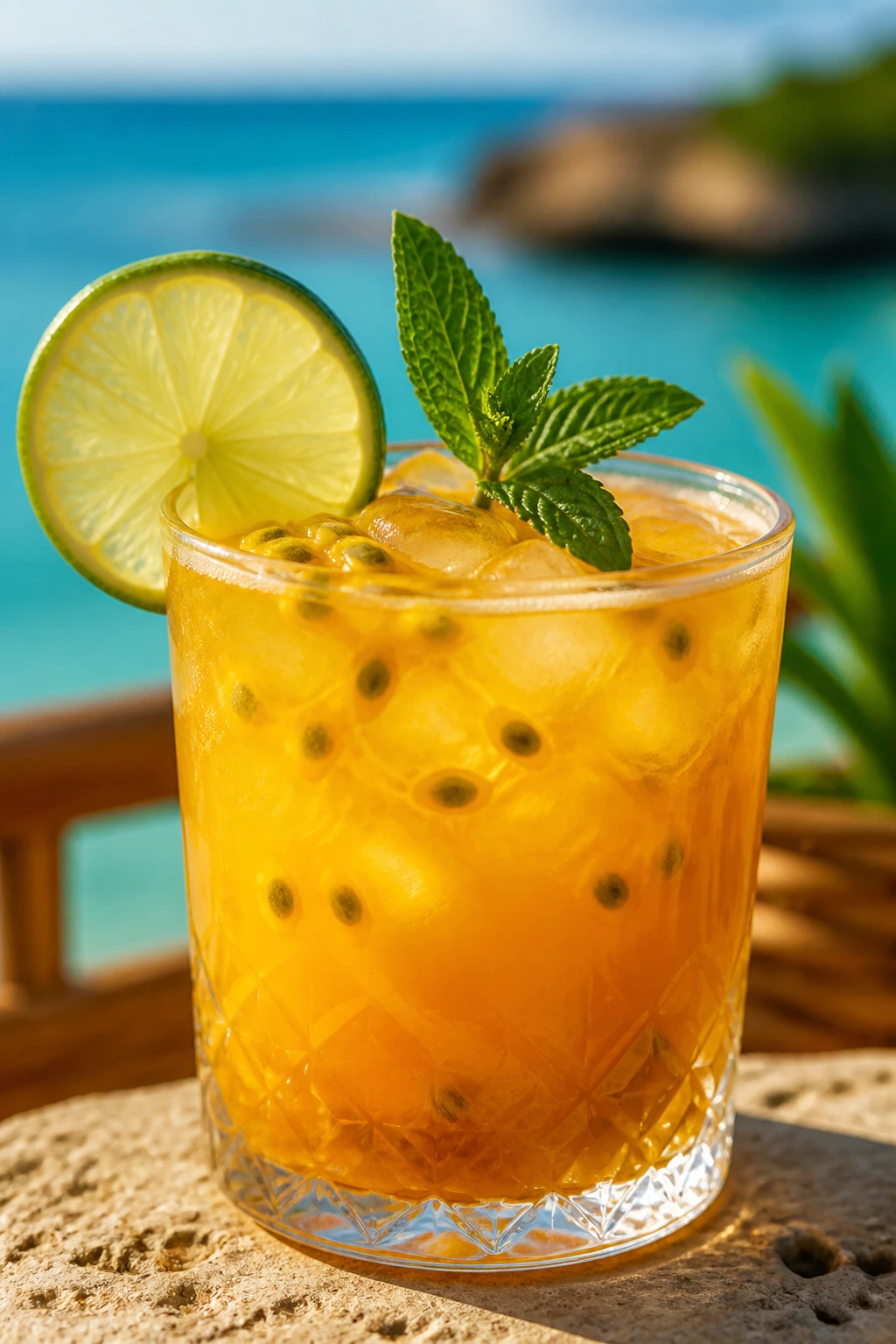
5. Mango-Passion Fruit Rum Punch
This is the punch that smells like a fruit stand by the water. Mango gives it a thick, smooth sweetness, while passion fruit keeps the drink sharp enough to stop it from feeling heavy. If you like bright cocktails with a little tang on the back end, this one earns its place fast.
Why It Works:
Mango nectar brings body, and passion fruit adds the sour-sweet snap that mango alone can’t provide. White rum stays clean in the background, while a smaller amount of dark rum gives the finish a little weight. Lime and a touch of agave keep the drink from drifting into smoothie territory.
Key Ingredients:
- 1 cup white rum — the cleaner half of the blend.
- 1/2 cup dark rum — for a rounder finish.
- 1 1/2 cups mango nectar — thick enough to give the punch body.
- 1/2 cup passion fruit juice or purée — tart and fragrant.
- 1/2 cup orange juice — softens the sharper fruit notes.
- 1/4 cup fresh lime juice — keep it lively.
- 1 to 2 tablespoons agave syrup — start low and taste.
- 1/4 teaspoon chili-lime seasoning, optional — a tiny pinch is enough.
- Mint sprigs and lime wheels, for garnish.
Quick Steps:
- Stir the juices first: Combine mango nectar, passion fruit juice, orange juice, lime juice, and agave in a pitcher.
- Taste the fruit base: It should taste bright and slightly tart before the rum goes in. If it tastes flat, add another teaspoon of lime.
- Add both rums: Stir in the white rum and dark rum until the color turns a deeper gold.
- Chill for 20 minutes: Passion fruit tastes better once it has settled into the mango.
- Add the chili seasoning, if using: Sprinkle in just a pinch and stir. Too much makes the drink taste like rim salt.
- Serve over ice: Pour into ice-filled glasses and garnish with mint and a lime wheel.
Equipment for This Recipe:
- Pitcher — wide enough for thick nectar.
- Long spoon — useful for mixing dense juices.
- Citrus juicer — you’ll want the fresh lime.
- Measuring cup with a spout — helps with nectar.
- Fine strainer, optional — if your passion fruit purée is seedy.
How to Serve This Dish:
Serve this in a stemless wine glass or a tall tumbler with ice and a big mint sprig. It’s pretty enough to stand on its own, but salty snacks are a smart partner here — especially roasted peanuts or plantain chips. If you want extra drama, rim the glass with sugar mixed with a pinch of chili-lime seasoning.
Pro Tips for This Recipe:
- Start with less agave: Mango nectar can be sweeter than you expect.
- Use passion fruit for acid, not just flavor: That tang keeps the punch from feeling thick.
- Taste after chilling: Cold liquid tastes less sweet, so the final balance changes.
- Mint should stay fresh: Slap the sprig once between your hands before garnishing.
Variations on This Dish:
- Frozen Mango Punch: Blend the finished punch with 2 cups of ice until slushy.
- Tart Island Version: Replace 1/4 cup orange juice with extra lime juice.
- No-Heat Version: Skip the chili seasoning and add a few cucumber slices for a cooler finish.
Common Mistakes to Avoid with This Dish:
- Using too much sweetener: Mango nectar already carries weight. Taste before adding more agave.
- Skipping the acid: Passion fruit helps, but lime is what keeps the drink lively.
- Letting mint sit in the punch too long: It can get muddy. Garnish at the end.
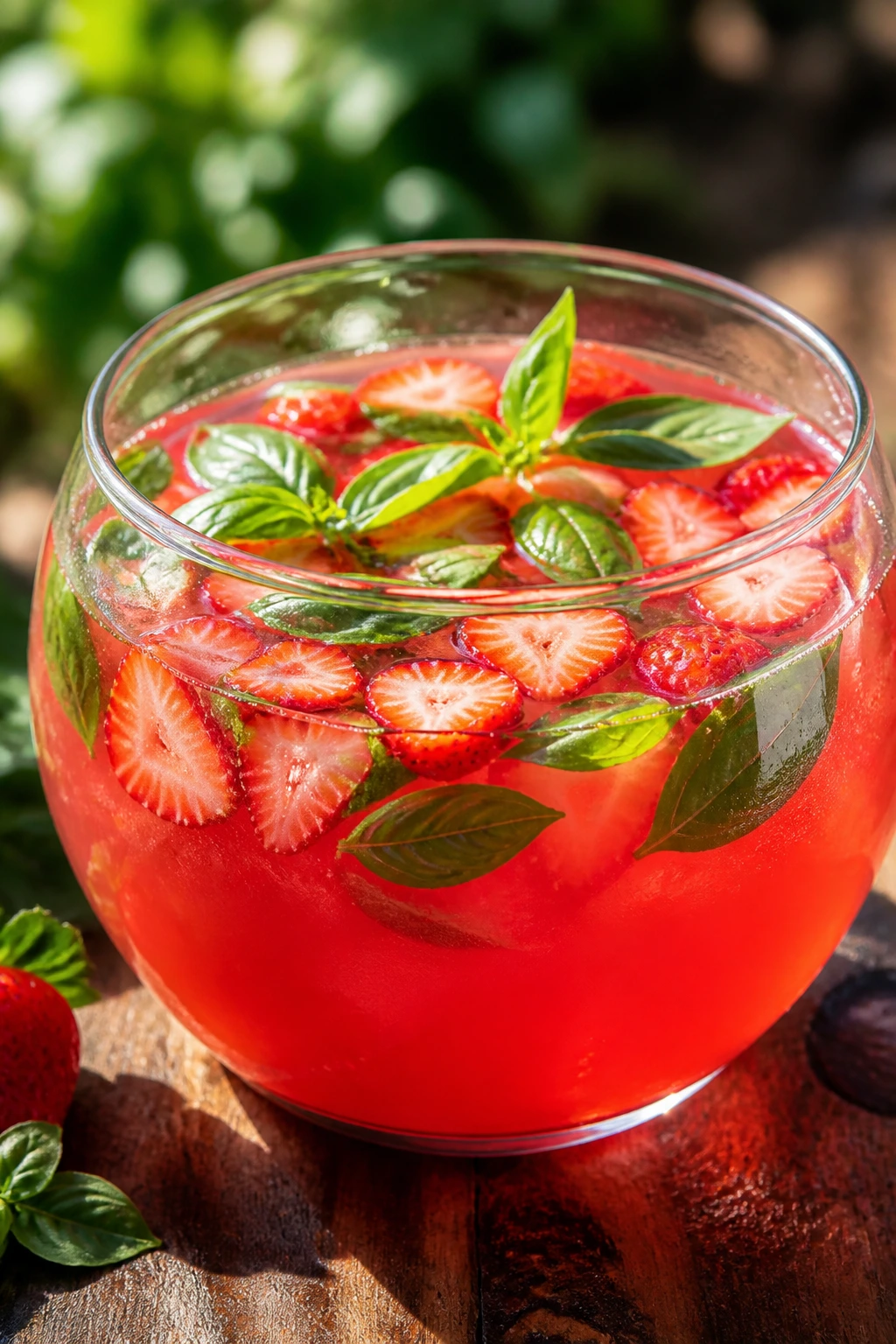
6. Strawberry-Basil Rum Punch
Strawberry and basil sound delicate, but in a rum punch they make a pretty convincing case for themselves. The strawberries bring color and perfume, while basil adds a green, peppery note that keeps the drink from tasting like a melted berry dessert. A splash of pineapple juice makes the whole thing feel more tropical and less like summer lemonade in a different shirt.
Why It Works:
Strawberries need a little acid and a little salt to taste like themselves in a cocktail, and lime handles the first part while a tiny pinch of salt handles the second. White rum keeps the berry flavor clean, dark rum adds a little gravity, and basil gives the punch a fresh herbal finish that makes the fruit taste brighter. A bit of soda at the end keeps it from feeling dense.
Key Ingredients:
- 2 cups fresh strawberries, hulled and sliced — ripe but not mushy.
- 2 tablespoons sugar — for macerating the berries.
- 1 cup white rum — the main spirit.
- 1/2 cup dark rum — for depth.
- 1 cup pineapple juice — tropical and bright.
- 1/2 cup fresh lime juice — about 4 limes.
- 1/2 cup club soda — added at the end.
- 8 to 10 basil leaves — gently bruised, not shredded.
- Pinch of fine salt — helps the strawberries taste fuller.
- Ice, for serving.
Quick Steps:
- Macerate the berries: Toss the strawberries with the sugar and a pinch of salt in a bowl. Let them sit for 10 minutes until they soften and release juice.
- Lightly bruise the basil: Rub the basil leaves between your hands for one second, just enough to wake up the smell.
- Build the punch base: Add the macerated strawberries, their juice, pineapple juice, lime juice, white rum, and dark rum to a pitcher.
- Stir gently: Mix until the fruit swirls through the liquid and the sugar has dissolved.
- Chill for 20 minutes: The basil will spread its flavor through the punch without turning bitter.
- Add soda and ice: Stir in the club soda right before serving, then pour over ice and garnish with basil leaves.
Equipment for This Recipe:
- Mixing bowl — for macerating the strawberries.
- Pitcher — enough room for fruit and bubbles.
- Wooden spoon — good for gentle stirring.
- Knife and cutting board — for the berries.
- Citrus juicer — fresh lime makes the drink pop.
How to Serve This Dish:
This looks best in clear glasses where the berry pieces can drift through the drink. A basil leaf or two on top is enough; you do not need to make it fancy. Serve it with a plate of salty snacks or grilled pineapple skewers if you want the fruit to echo on the table.
Pro Tips for This Recipe:
- Use ripe strawberries: Pale berries make a dull punch.
- Do not shred the basil: Bruising is enough; tearing it too much can make it bitter.
- Keep the soda cold: Warm soda goes flat in a hurry.
- Strain if you want a cleaner pour: The berries can stay in for a rustic look, or you can strain them out.
Variations on This Dish:
- Strawberry-Mint Punch: Swap basil for mint if you want a cooler, simpler herbal note.
- Sparkling Berry Bowl: Replace all the club soda with dry sparkling wine for a lighter, more celebratory version.
- Frozen Berry Punch: Blend the finished base with ice for a slushy texture.
Common Mistakes to Avoid with This Dish:
- Overworking the basil: Pounding it can make the punch taste grassy. A light rub is enough.
- Using unripe strawberries: They look fine and taste like cardboard. Wait for berries with real aroma.
- Adding soda too early: The bubbles disappear before service.
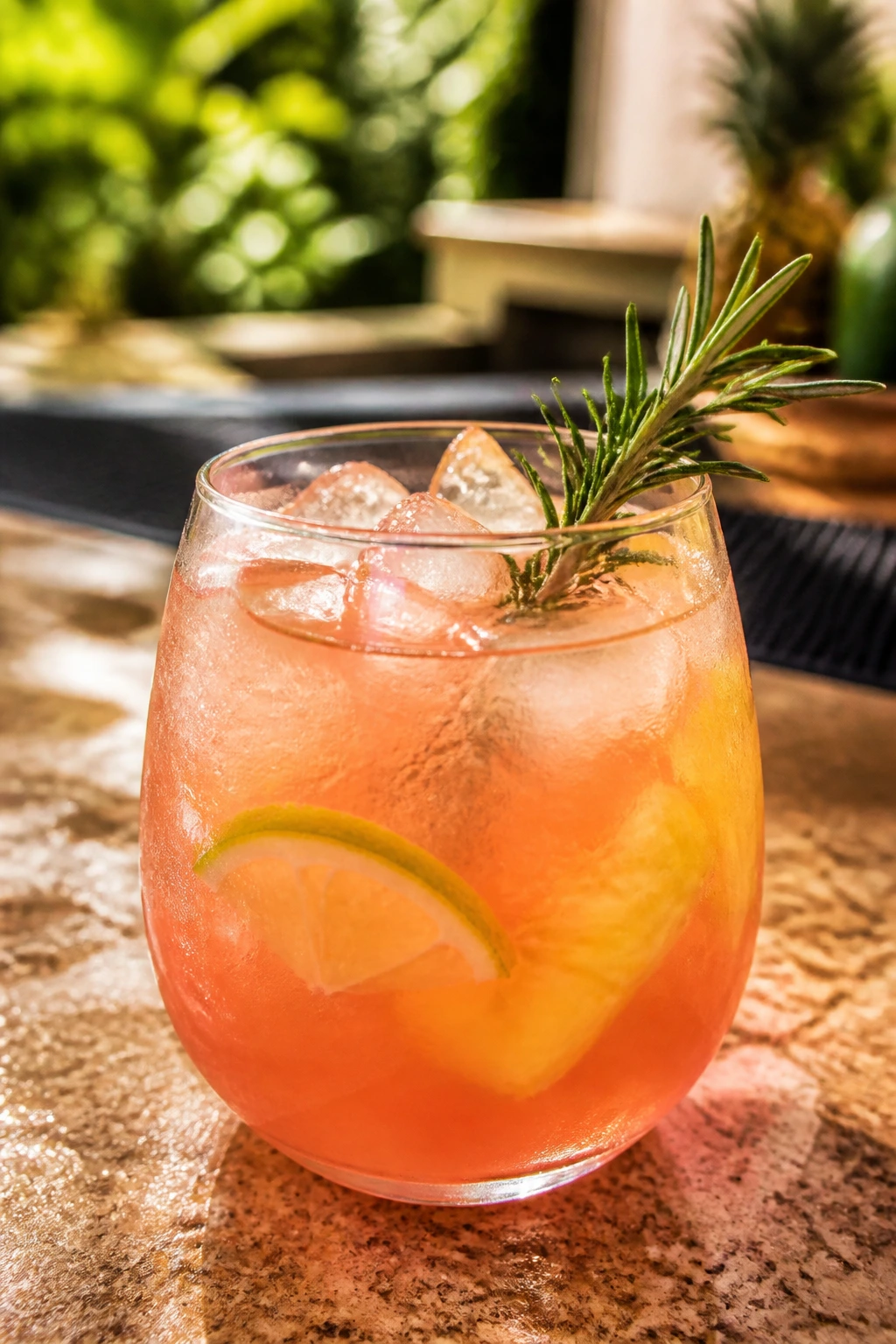
7. Guava-Rosemary Rum Punch
Guava is one of those juices that can make a punch taste expensive without actually being complicated. Rosemary sounds like a strange neighbor until it meets guava’s floral sweetness and suddenly makes perfect sense. The result is soft, fragrant, and a little more grown-up than the fruit-bomb versions.
Why It Works:
Guava has a perfume-like sweetness that needs structure, and rosemary brings that structure with a piney edge. Gold rum and dark rum create a layered base, while pineapple juice and lime stop the guava from becoming too lush. A rosemary syrup ties the whole thing together and keeps the herb note present without turning the drink savory.
Key Ingredients:
- 1 cup gold rum — smooth and slightly oaky.
- 1/2 cup dark rum — gives the punch a deeper edge.
- 1 1/2 cups guava nectar — the star flavor.
- 1 cup pineapple juice — for brightness and body.
- 1/2 cup fresh lime juice — needed to cut the sweetness.
- 1/4 cup rosemary syrup — homemade or store-bought.
- 1/4 cup orange juice — softens the herb note.
- 4 dashes bitters — adds shape.
- Rosemary sprigs and lime wheels, for garnish.
Quick Steps:
- Combine the fruit base: In a pitcher, mix guava nectar, pineapple juice, lime juice, orange juice, and rosemary syrup.
- Taste the base first: Before the rum goes in, it should taste fragrant and lively, not sticky.
- Add the rums and bitters: Stir in the gold rum, dark rum, and bitters until the color deepens.
- Chill for 20 to 30 minutes: Rosemary needs time to spread through the drink.
- Serve over ice: Pour into ice-filled glasses and garnish with a small rosemary sprig.
- Smell before sipping: The rosemary should be a soft perfume, not a pine tree.
Equipment for This Recipe:
- Pitcher or small bowl — to mix the juices well.
- Spoon — for stirring the syrup evenly.
- Citrus juicer — fresh lime is essential.
- Fine-mesh strainer, optional — if your rosemary syrup has little bits.
- Ice bucket — this drink is better cold than cold-ish.
How to Serve This Dish:
Serve in short glasses over large cubes so the guava doesn’t get washed out. A rosemary sprig looks elegant here, but keep it small; a heavy garnish can make the drink smell like soap. This pairs well with salty crackers, roasted nuts, or anything grilled and citrusy.
Pro Tips for This Recipe:
- Keep the rosemary syrup subtle: Too much makes the punch taste medicinal.
- Use guava nectar, not overly sweet juice cocktail: The drink needs room to breathe.
- Add lime at the end if needed: Some guava brands are sweeter than others.
- Gently bruise the rosemary garnish: A light clap between your hands is enough.
Variations on This Dish:
- Herb Swap: Replace rosemary with thyme if you want a softer, less piney herbal note.
- Brighter Guava Punch: Add 2 tablespoons extra lime juice and skip the orange juice.
- Sparkling Version: Add 1/2 cup chilled club soda right before serving.
Common Mistakes to Avoid with This Dish:
- Too much rosemary: The herb can overwhelm guava fast. Use a light hand.
- Serving it warm: This punch depends on cold fruit and cold rum.
- Using syrup that tastes burnt: If the rosemary syrup was cooked too long, the whole drink will taste bitter.
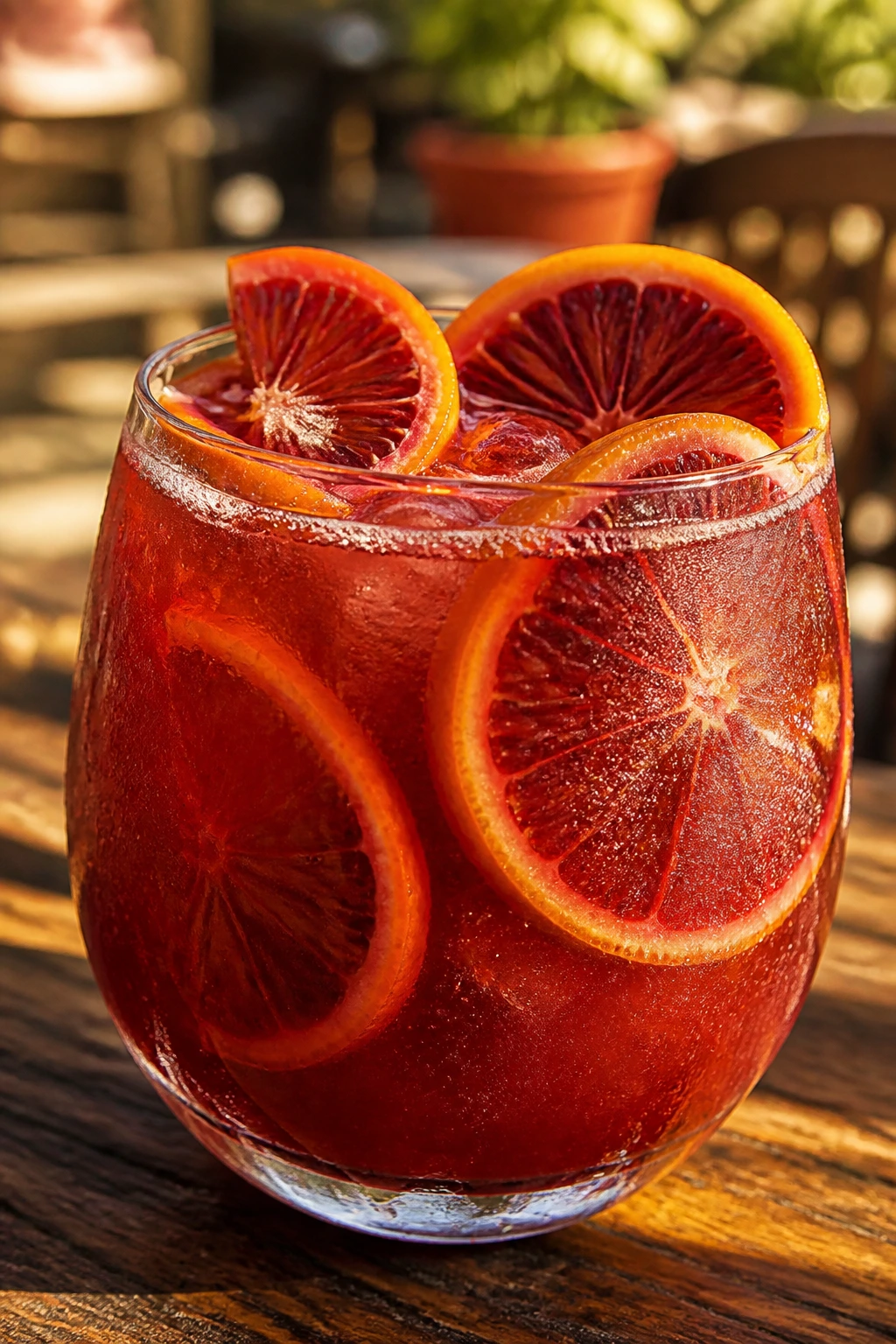
8. Blood Orange Rum Punch
Blood orange gives a punch a darker, more dramatic citrus note, but the drink should still taste bright, not heavy. I like this version when I want something that looks deep ruby in the glass and still drinks clean. Pineapple keeps the blood orange from leaning too tart, and a little grenadine helps the color without making the whole thing syrupy.
Why It Works:
Blood orange has more berry-like depth than regular orange, which means it can stand up to dark rum without disappearing. White rum keeps the top notes fresh, while pineapple and lime brighten the finish. Orange bitters add a dry, citrus-peel edge that keeps the drink from feeling soft all the way through.
Key Ingredients:
- 1 cup white rum — for a clean front end.
- 1/2 cup dark rum — for depth.
- 1 1/2 cups blood orange juice — fresh if you can get it.
- 1/2 cup pineapple juice — keeps the punch lively.
- 1/2 cup fresh lime juice — about 4 limes.
- 2 tablespoons grenadine — just enough for color and sweetness.
- 4 dashes orange bitters — sharpens the citrus.
- Blood orange slices, for garnish.
- Ice, for serving.
Quick Steps:
- Mix the citrus first: Combine blood orange juice, pineapple juice, lime juice, grenadine, and bitters in a pitcher.
- Stir until even: The grenadine should disappear into the juice, not sink at the bottom.
- Add both rums: Pour in the white rum and dark rum, then stir gently for 10 seconds.
- Taste the balance: It should be citrus-forward with a warm finish, not sweet from start to finish.
- Chill for 15 to 20 minutes: This lets the citrus calm down.
- Serve over ice: Add blood orange slices to each glass and pour carefully.
Equipment for This Recipe:
- Pitcher — a clear one shows off the color.
- Citrus juicer — useful for multiple limes.
- Jigger — for precise rum pours.
- Sharp knife — for blood orange slices.
- Long spoon — to mix without bruising the fruit.
How to Serve This Dish:
This looks best in a chilled coupe or a low tumbler if you want the color to show off. A thin blood orange wheel floating on top is enough; the drink already has its own drama. It works well with savory snacks, especially anything salty or smoky.
Pro Tips for This Recipe:
- Use fresh blood orange juice if possible: Bottled juice tends to taste duller.
- Keep grenadine low: The color is already rich.
- Do not skip orange bitters: They sharpen the whole glass.
- Strain out pulp if needed: A smoother texture lets the citrus read more clearly.
Variations on This Dish:
- Ruby Sparkle: Add 1/2 cup club soda at the end for a lighter pour.
- Deeper Citrus Version: Replace 1/4 cup pineapple juice with grapefruit juice.
- No-Grenadine Option: Use 1 tablespoon simple syrup and a few extra dashes of bitters instead.
Common Mistakes to Avoid with This Dish:
- Making it too sweet: Blood orange already leans sweet-tart. Go easy on the grenadine.
- Skipping the bitters: The drink can taste flat without them.
- Letting the juice sit too long in the heat: Citrus fades faster than people think.
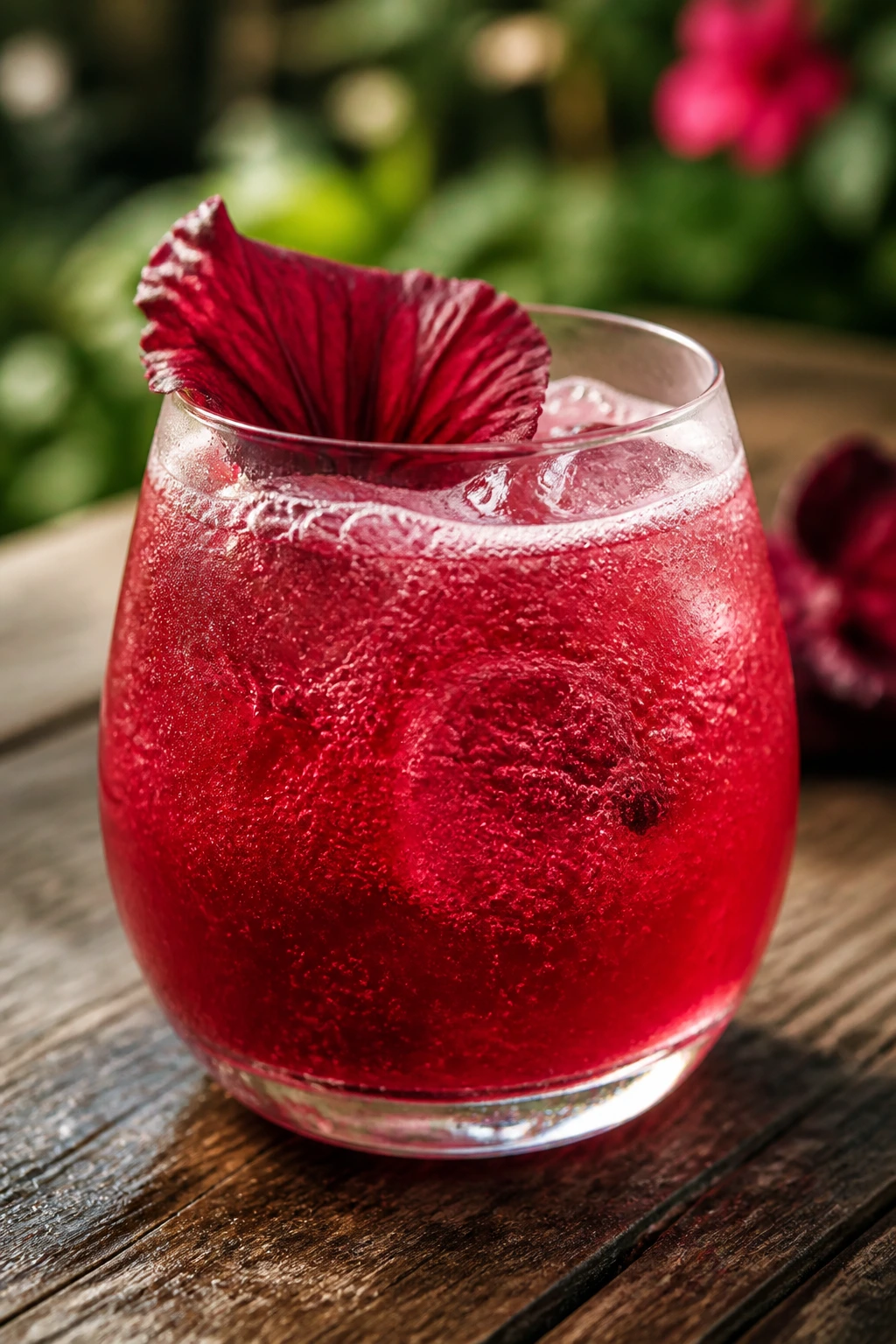
9. Hibiscus Sparkling Rum Punch
Hibiscus gives this punch a tart, tea-like edge and that deep red color people always assume took more effort than it did. Add sparkling water and the drink shifts from heavy to lifted, which is why it works so well when you want something that feels festive without getting syrupy. It’s one of the cleaner, sharper punches in the group.
Why It Works:
Hibiscus brings acidity and a faint floral note that plays nicely with pineapple and lime. White rum keeps the color bright, while aged rum rounds out the finish. The sparkling water at the end gives the drink lift, and a little salt keeps the tartness from turning thin.
Key Ingredients:
- 1 cup white rum — clean base.
- 1/2 cup aged rum — for softness.
- 1 cup strong hibiscus tea, cooled — brewed extra strong.
- 1 cup pineapple juice — balances the tart tea.
- 1/2 cup fresh lime juice — sharpens the finish.
- 1/4 cup simple syrup — enough to smooth the edges.
- 1 cup chilled club soda — added at the end.
- 1/4 teaspoon fine salt — small, but important.
- Lime wheels or edible flowers, for garnish.
Quick Steps:
- Brew the tea strong: Steep hibiscus tea until it tastes a little more intense than you’d drink plain, then cool it completely.
- Build the base: In a pitcher, combine hibiscus tea, pineapple juice, lime juice, simple syrup, and salt.
- Add the rum: Stir in both rums until the color becomes a deep ruby.
- Chill the mix: Refrigerate for 20 minutes so the tartness smooths out.
- Add club soda last: Stir gently to keep the bubbles alive.
- Serve over ice: Garnish with lime wheels or a few edible flowers if you have them.
Equipment for This Recipe:
- Teapot or heatproof jar — for brewing the hibiscus.
- Pitcher — enough room for both still and sparkling ingredients.
- Spoon — gentle mixing matters here.
- Citrus juicer — fresh lime is the difference maker.
- Ice bucket — the drink should feel cool and crisp.
How to Serve This Dish:
Serve it in a tall glass or a punch cup with ice and one lime wheel. If you want a little extra polish, freeze a few hibiscus flowers or lime slices into clear ice cubes. The color does enough visual work on its own, so don’t crowd the glass.
Pro Tips for This Recipe:
- Cool the tea fully: Warm tea melts ice too fast and dulls the sparkle.
- Use strong hibiscus brew: Weak tea disappears into the rum.
- Add soda at the end: This one loses its charm once the bubbles fade.
- Taste after chilling: Hibiscus gets softer after a short rest.
Variations on This Dish:
- Ginger Hibiscus Punch: Add 2 thin slices of fresh ginger to the tea while it steeps.
- Low-Proof Version: Cut the rum by half and add extra club soda.
- Pomegranate Edge: Replace 1/4 cup pineapple juice with pomegranate juice for a deeper tart finish.
Common Mistakes to Avoid with This Dish:
- Brewing weak tea: The hibiscus gets lost fast. Make it stronger than you think.
- Letting it sit too long after adding soda: Bubbles leave, and the punch flattens out.
- Over-sweetening the base: The floral tartness is the point.
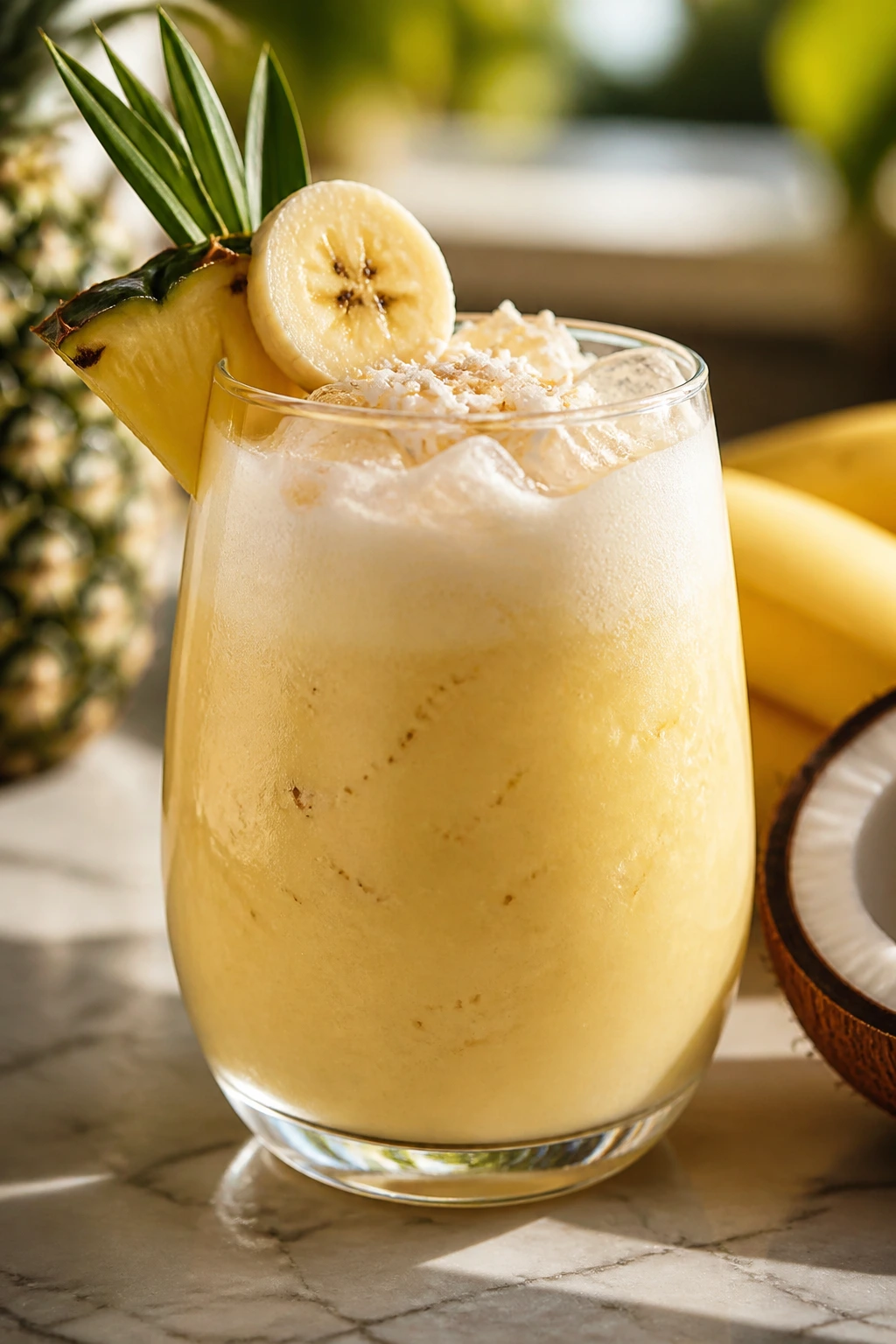
10. Banana-Coconut Rum Punch
Banana in a cocktail can sound suspicious until you taste it with coconut and lime. Then it makes sense. The banana brings a thick, mellow sweetness, the coconut adds body, and the lime keeps the whole thing from feeling like a frozen dessert pretending to be a drink. It’s plush, yes, but not sloppy.
Why It Works:
Banana and coconut naturally read like a beach cocktail pair, but they need acid to stay in check. Pineapple juice and lime do that work. Dark rum reinforces the banana’s caramel note, while white rum keeps the drink from turning heavy or too boozy too quickly.
Key Ingredients:
- 1 cup dark rum — for caramel depth.
- 1/2 cup white rum — keeps the drink lively.
- 1 cup pineapple juice — gives acidity and tropical brightness.
- 3/4 cup banana nectar or 1 cup ripe banana purée — use whichever is easier to find.
- 3/4 cup coconut milk or coconut cream — coconut milk is lighter; cream is richer.
- 1/4 cup fresh lime juice — about 2 limes.
- 1 tablespoon brown sugar syrup — for roundness.
- 1/8 teaspoon vanilla extract — tiny amount, big payoff.
- Fresh nutmeg, for serving.
- Ice, for serving.
Quick Steps:
- Prepare the banana base: If using fresh banana, blend it with a splash of pineapple juice until smooth, then strain if you want a cleaner texture.
- Combine the liquids: In a pitcher, whisk together pineapple juice, banana purée or nectar, coconut milk, lime juice, brown sugar syrup, and vanilla.
- Add the rum: Stir in both rums until the mixture looks even and creamy.
- Chill for 20 minutes: Banana tastes better after a short rest.
- Stir before serving: The coconut may settle a little, so give it one more stir.
- Serve over ice: Grate nutmeg over the top just before serving.
Equipment for This Recipe:
- Blender, if using fresh banana — useful for a smooth base.
- Fine-mesh strainer, optional — for a silkier finish.
- Pitcher — room for the creamy ingredients.
- Whisk — helps keep the coconut smooth.
- Microplane — for the nutmeg.
How to Serve This Dish:
Use a short glass with crushed ice or a tiki-style tumbler. This punch is thick enough to stand on its own, but a pineapple spear or toasted coconut rim makes the glass feel more finished. I’d serve it with salty nuts or something crisp and plain so the banana can stay the star.
Pro Tips for This Recipe:
- Use just a little vanilla: More than 1/8 teaspoon pushes the drink toward milkshake territory.
- Strain if banana fiber bothers you: A smooth texture matters here.
- Choose coconut milk or cream based on mood: Milk is lighter; cream is richer.
- Add nutmeg at the end: It smells best when freshly grated.
Variations on This Dish:
- Frozen Banana Punch: Blend the finished drink with 2 cups of ice until slushy.
- Lighter Coconut Version: Use coconut milk instead of coconut cream and add an extra splash of lime.
- Banana-Daiquiri Twist: Increase the lime juice by 2 tablespoons and reduce the pineapple juice slightly.
Common Mistakes to Avoid with This Dish:
- Using overripe banana with brown spots everywhere: It can taste muddy. Use ripe, not fermented.
- Skipping the lime: Without it, the drink gets cloying.
- Overloading with vanilla: A small splash is enough.
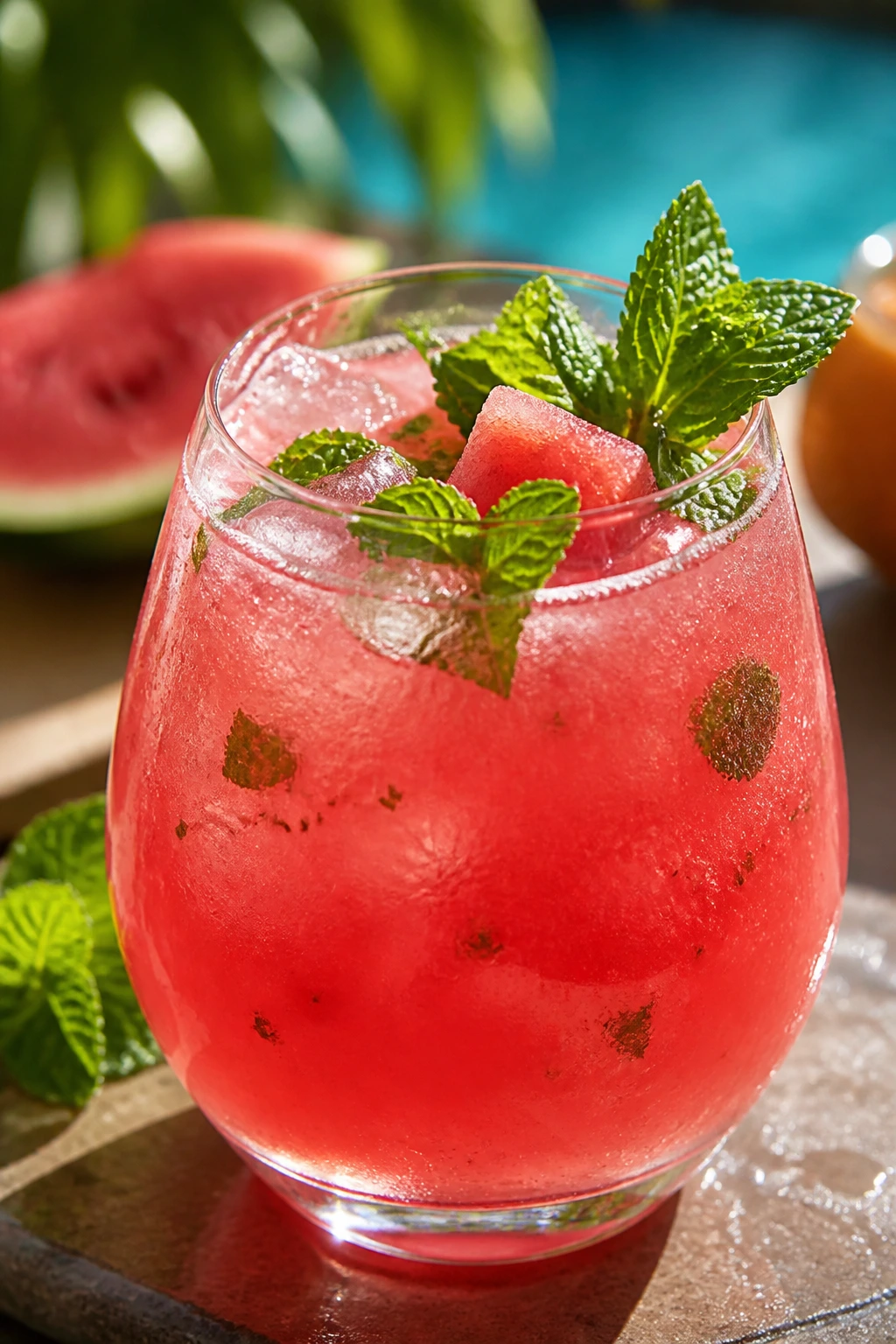
11. Watermelon-Mint Rum Punch
Watermelon sounds simple, which is part of the appeal. It gives the punch a clean, chilled sweetness that doesn’t need much help, and mint keeps that sweetness from feeling lazy. This one is light on its feet, especially if you serve it with plenty of ice and a little lime.
Why It Works:
Watermelon has a high water content, so it naturally makes a softer, more refreshing punch. White rum keeps the drink crisp, while lime juice adds the tart snap watermelon needs to taste like more than flavored water. Mint and a tiny pinch of salt bring out the fruit’s freshness instead of covering it up.
Key Ingredients:
- 3 cups seedless watermelon, cubed or blended and strained — about 1/2 small melon.
- 1 cup white rum — clean and bright.
- 1/2 cup fresh lime juice — the edge the melon needs.
- 1/4 cup simple syrup — start here and adjust.
- 1/2 cup club soda — added at the end.
- 10 mint leaves — plus more for garnish.
- 1/8 teaspoon fine salt — tiny amount, big difference.
- Lime wedges and watermelon cubes, for serving.
- Ice, for serving.
Quick Steps:
- Prepare the watermelon: Blend the watermelon until smooth, then strain it if you want a cleaner punch.
- Muddle the mint lightly: Press the mint with a spoon in the pitcher just until it smells fresh. Do not smash it into bits.
- Mix the base: Add watermelon juice, lime juice, simple syrup, salt, and white rum.
- Stir and taste: It should taste bright, cool, and lightly sweet, not syrupy.
- Chill for 15 to 20 minutes: Watermelon benefits from a short rest in the fridge.
- Add club soda and ice: Stir gently, then serve with mint and watermelon cubes.
Equipment for This Recipe:
- Blender — for the watermelon.
- Fine-mesh strainer, optional — makes the drink smoother.
- Pitcher — room for the bubbles.
- Spoon or muddler — for the mint.
- Citrus juicer — lime juice keeps the flavor sharp.
How to Serve This Dish:
Serve this in a tall glass with lots of ice and a mint sprig slapped once between your hands. If you want it to look especially nice, freeze tiny watermelon cubes and use those instead of plain ice for the first few minutes. It’s a good match for salty cheese, crackers, or anything with a little brine.
Pro Tips for This Recipe:
- Use seedless watermelon: It saves time and avoids gritty pulp.
- Taste the melon first: Some watermelons are sweet, some are almost bland.
- Keep the mint light: You want freshness, not toothpaste.
- Add soda only at the end: Same rule, same reason.
Variations on This Dish:
- Spicy Watermelon Punch: Add 1 thin jalapeño slice to the pitcher and remove after 5 minutes.
- Mint-Lime Cooler: Increase the mint to 15 leaves and cut the simple syrup in half.
- Frozen Version: Blend the finished punch with 2 cups of ice for a slushy texture.
Common Mistakes to Avoid with This Dish:
- Using overripe, mushy watermelon: It can taste dull and oddly flat.
- Muddling the mint too hard: Bitter green notes creep in fast.
- Making it too sweet: Watermelon doesn’t need much help.
12. Grapefruit-Cardamom Rum Punch
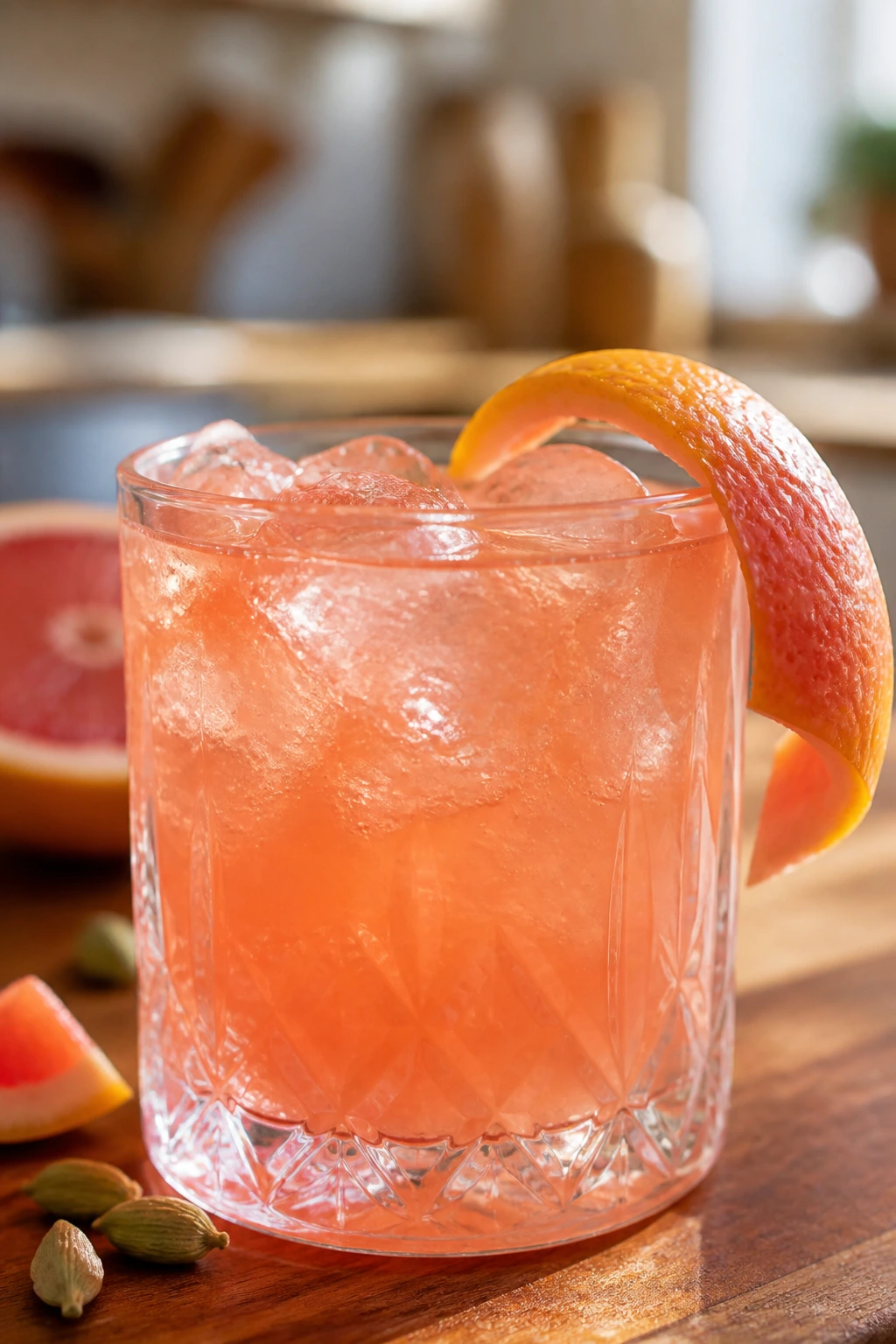
Grapefruit changes the mood immediately. It turns a punch from breezy and sweet into something a little drier, a little more serious, and far more interesting after the third sip. Cardamom gives the whole bowl a soft spice that smells expensive even though the drink itself is simple.
Why It Works:
Pink grapefruit has enough bitterness to stand up to rum without fighting it. Aged rum brings a smooth base, white rum keeps the top notes bright, and pineapple juice fills in the middle so the drink doesn’t taste too austere. Cardamom syrup gives the punch a warm floral note that sits just behind the citrus instead of dominating it.
Key Ingredients:
- 1 cup aged rum — smooth, not smoky.
- 1/2 cup white rum — for brightness.
- 1 1/2 cups pink grapefruit juice — fresh is best.
- 1/2 cup pineapple juice — rounds out the bitterness.
- 1/2 cup fresh lime juice — sharpens the citrus.
- 1/4 cup cardamom syrup — store-bought or homemade.
- 4 dashes bitters — gives the drink a dry finish.
- Grapefruit peel or slices, for garnish.
- Ice, for serving.
Quick Steps:
- Stir the citrus together: Combine grapefruit juice, pineapple juice, lime juice, cardamom syrup, and bitters in a pitcher.
- Taste the base: It should be bright and slightly bitter, with the cardamom sitting in the back.
- Add the rums: Pour in both rums and stir until the punch deepens in color.
- Chill for 20 minutes: The cardamom needs a little time to spread.
- Serve over ice: Add grapefruit slices or a twist of peel to each glass.
- Adjust only if needed: If it tastes too sharp, add 1 tablespoon simple syrup, not more cardamom.
Equipment for This Recipe:
- Pitcher — enough room for acid and aromatics.
- Citrus juicer — grapefruit juice is worth squeezing fresh.
- Peeler — for a clean strip of grapefruit rind.
- Jigger — helps keep the rum balanced.
- Spoon — for gentle mixing.
How to Serve This Dish:
Serve in a short glass with a fat cube of ice if you have one. Grapefruit peels smell best when they’re twisted over the drink right before serving, so don’t skip that small move. This punch goes well with nuts, olives, or anything salty and crisp.
Pro Tips for This Recipe:
- Use pink grapefruit, not white: White grapefruit can taste too sharp.
- Go easy on syrup: Cardamom should whisper, not shout.
- Fresh peel matters: The oils from the rind make the glass smell brighter.
- Taste after chilling: Grapefruit can soften a little in the fridge.
Variations on This Dish:
- Extra-Dry Version: Cut the pineapple juice to 1/4 cup and add 1/4 cup club soda.
- Honey Cardamom Punch: Swap cardamom syrup for honey syrup if you want a softer finish.
- Grapefruit Spritz Punch: Add club soda right before serving for a lighter style.
Common Mistakes to Avoid with This Dish:
- Using too much cardamom syrup: The spice can turn perfumed fast. Start small.
- Ignoring grapefruit bitterness: A little is good; too much needs balancing with pineapple or syrup.
- Serving it flat and warm: This one needs cold and a little lift.
13. Pineapple-Chili Rum Punch
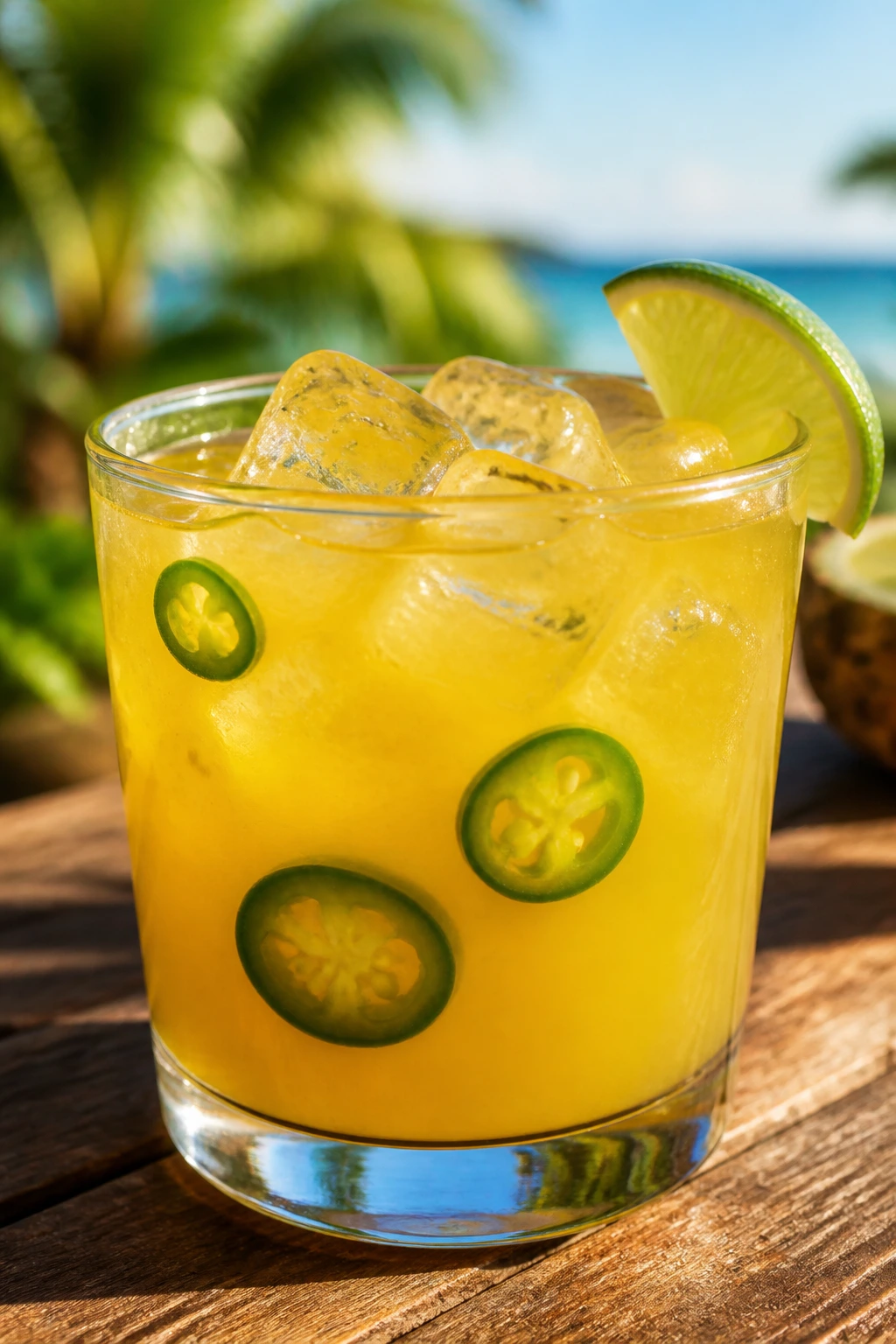
Sweet pineapple and mild chile heat are a classic pair for a reason. The spice doesn’t make the drink hot in the pepper sense; it makes the fruit taste more alive. If you’ve ever had a punch that felt a little too polite, this is the one that wakes it up.
Why It Works:
Pineapple carries enough sugar to support a little chile, while lime keeps the sweetness from taking over. White rum keeps the heat crisp, dark rum adds depth, and a small amount of agave smooths the whole thing out. Tajín on the rim is not essential, but I’d argue it’s the right kind of extra.
Key Ingredients:
- 1 cup white rum — clean and bright.
- 1/2 cup dark rum — adds a deeper finish.
- 2 cups pineapple juice — the main fruit note.
- 1/2 cup fresh lime juice — brings the punch back into balance.
- 1/4 cup agave syrup — enough to round the edges.
- 1 small jalapeño, sliced thin — seed it if you want less heat.
- 1/2 cup club soda — optional, added at the end.
- Tajín, for the rim or garnish.
- Pineapple wedges, for serving.
- Ice, for serving.
Quick Steps:
- Infuse the heat: Add the jalapeño slices to the pineapple juice and let them sit for 5 to 10 minutes. Taste after 5 minutes if you’re nervous.
- Build the base: Remove the jalapeño if you want mild heat, then add lime juice, agave, white rum, and dark rum.
- Stir and taste: It should feel bright, sweet, and just barely spicy in the finish.
- Chill briefly: Refrigerate for 15 to 20 minutes.
- Add club soda, if using: Stir it in gently right before serving.
- Rim the glasses: Dip the rim lightly in lime juice, then Tajín, and pour over ice.
Equipment for This Recipe:
- Pitcher — enough room for the chile infusion.
- Knife — for thin jalapeño slices.
- Citrus juicer — lime juice keeps the heat balanced.
- Small plate — for the Tajín rim.
- Spoon — for tasting and stirring.
How to Serve This Dish:
Serve it in a rocks glass or a stemless tumbler with a half-rim of Tajín. A pineapple wedge works better than a busy garnish pile here. The drink has enough personality already, and the rim gives the first sip a sharp, salty spark.
Pro Tips for This Recipe:
- Control the heat with time: Five minutes is mild; ten minutes brings a real kick.
- Remove the seeds for a softer drink: The pepper flavor stays without as much burn.
- Use fresh lime: Bottled lime juice can make the heat feel harsher.
- Keep the rim light: Too much Tajín turns every sip into a salt lick.
Variations on This Dish:
- Smoky Chili Punch: Add a tiny pinch of smoked paprika to the rim.
- Mild Island Version: Skip the jalapeño and use only Tajín for a gentle heat.
- Heat-Forward Version: Leave the jalapeño in the pitcher until serving, then remove it.
Common Mistakes to Avoid with This Dish:
- Letting the chile steep too long: The punch can turn harsh. Taste early.
- Using too much rim seasoning: Salt should frame the drink, not dominate it.
- Forgetting the lime: Pineapple plus heat without acid tastes heavy.
14. Peach-Passion Rum Punch
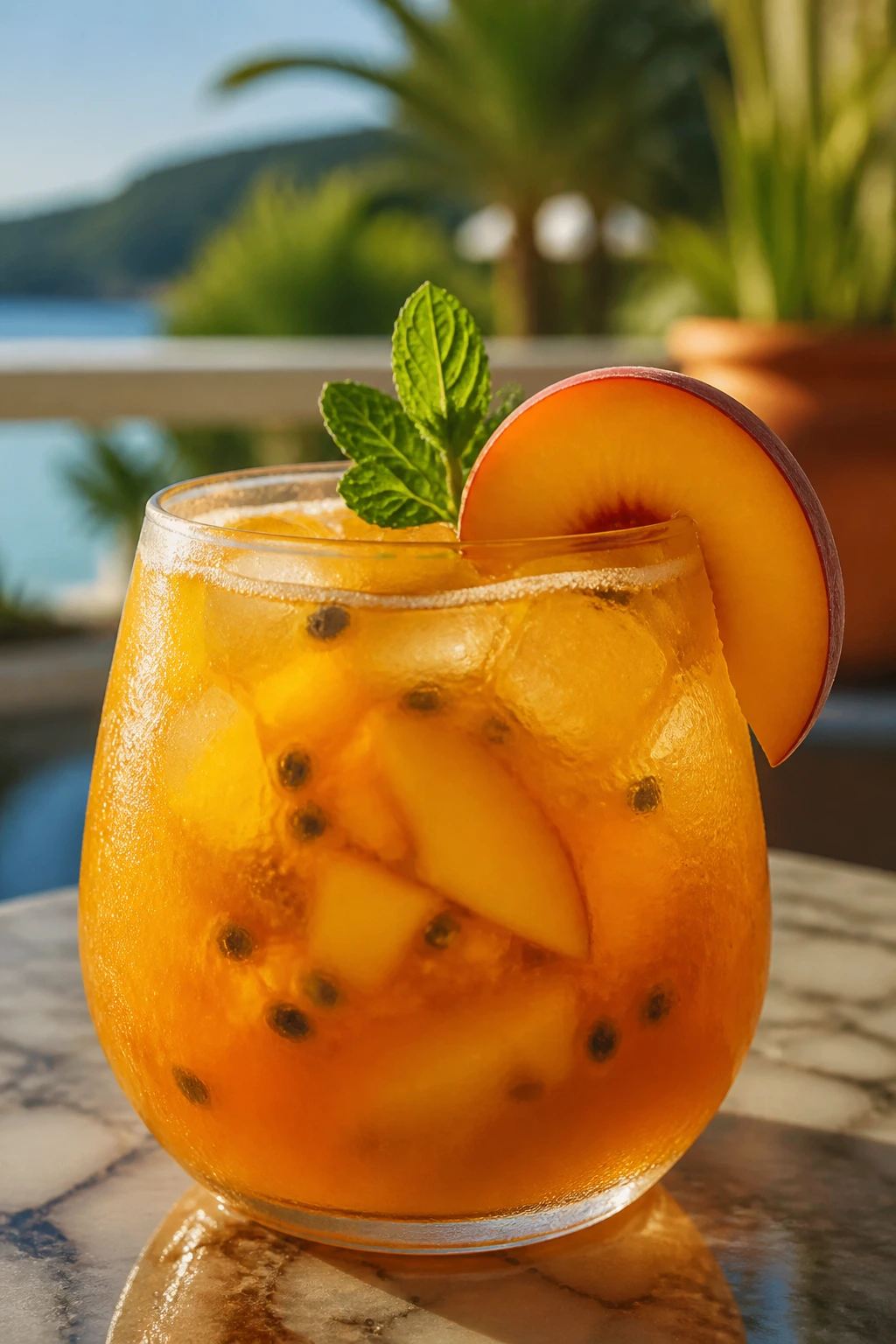
Peach nectar softens a punch in a way that feels almost velvet-like, and passion fruit keeps it from going bland. The result is fragrant, a little tangy, and much more tropical than the name might suggest on paper. It tastes like a poolside drink that someone made with an actual plan.
Why It Works:
Peach brings round sweetness and a soft aroma, but it needs a sharper fruit partner. Passion fruit does that job perfectly. White rum keeps the top notes clean, dark rum adds warmth, and orange juice fills in the middle so the drink doesn’t collapse into a sugary blur.
Key Ingredients:
- 1 cup white rum — for a light, clean base.
- 1/2 cup dark rum — for depth.
- 1 cup peach nectar — smooth and fragrant.
- 1 cup passion fruit juice or nectar — tart and tropical.
- 1/2 cup orange juice — rounds the edges.
- 1/2 cup fresh lime juice — gives the drink lift.
- 1/4 cup vanilla syrup — optional, but lovely.
- Mint sprigs, for garnish.
- Ice, for serving.
Quick Steps:
- Combine the fruit juices: In a pitcher, mix peach nectar, passion fruit juice, orange juice, lime juice, and vanilla syrup.
- Taste the base: It should lean bright and floral, not candy-sweet.
- Add the rums: Stir in the white rum and dark rum until the color turns a soft gold.
- Chill for 20 minutes: The peach and passion fruit get better once they’ve had a little time together.
- Serve over ice: Pour into ice-filled glasses and garnish with mint.
- Adjust the sweetness if needed: Add a teaspoon of lime juice before reaching for more syrup.
Equipment for This Recipe:
- Pitcher — wide enough for the nectars.
- Jigger — keeps the rum balanced.
- Citrus juicer — fresh lime matters.
- Spoon — for tasting and stirring.
- Ice bucket — this one likes a cold pour.
How to Serve This Dish:
Serve in a tall glass with plenty of ice and a mint sprig that’s been lightly slapped to release the oil. A peach slice on the rim works well, but keep the garnish simple so the aroma stays focused. It’s a nice match for salty snacks, grilled shrimp, or crisp crackers.
Pro Tips for This Recipe:
- Use passion fruit for sharpness, not just perfume: It keeps the peach from turning mushy.
- Vanilla is optional: A little softens the drink; too much makes it taste like cake.
- Taste after chilling: Cold peach nectar can read sweeter than warm.
- Mint should stay fresh: Garnish at the end, not during the chill time.
Variations on This Dish:
- Peach Sparkler: Add 1/2 cup club soda right before serving.
- Tart Summer Version: Add an extra 2 tablespoons lime juice and skip the vanilla syrup.
- Frozen Peach Punch: Blend with 2 cups of ice for a slushier texture.
Common Mistakes to Avoid with This Dish:
- Using peach nectar that’s too sweet: Some brands are basically syrup. Dilute with extra lime if needed.
- Overusing vanilla: It should be a background note.
- Skipping the chill time: The fruit tastes more connected after a short rest.
15. Frozen Turquoise Rum Punch
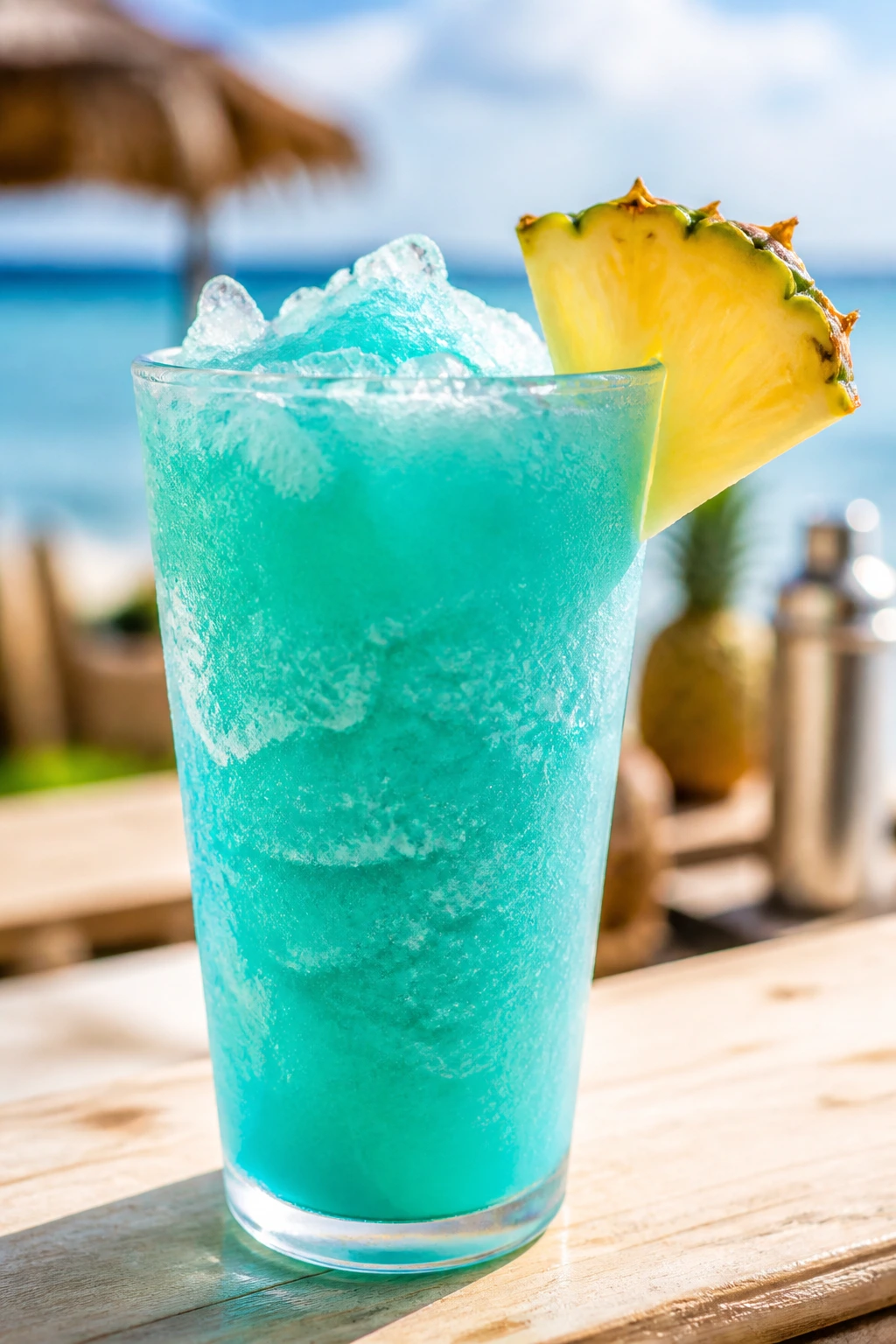
This one is pure vacation theater, but it still needs balance or it becomes a blue sugar bomb. Crushed ice, pineapple, lime, coconut cream, and rum make the base rich and cold, while the blue curaçao gives the drink its bright turquoise color and a little orange-peel bitterness. It tastes like a resort drink in the best possible sense.
Why It Works:
The frozen texture slows the sweetness down. That matters, because the eye wants this drink to taste sweeter than it should. White rum keeps the flavor clean, dark rum adds depth, coconut cream gives body, and pineapple and lime handle the acid. Blue curaçao adds color, but it also contributes just enough citrus bitterness to keep the finish from turning sugary.
Key Ingredients:
- 1 cup white rum — for brightness.
- 1/2 cup dark rum — for a deeper finish.
- 1 cup pineapple juice — the tropical anchor.
- 1/2 cup coconut cream — for body.
- 1/2 cup fresh lime juice — cuts the sweetness.
- 1/4 cup blue curaçao — mostly for color, with a citrus note.
- 1 to 2 tablespoons simple syrup — only if needed.
- 3 to 4 cups crushed ice — the frozen texture depends on it.
- Pineapple wedges and maraschino cherries, for garnish.
Quick Steps:
- Blend the liquid base: Add pineapple juice, coconut cream, lime juice, blue curaçao, white rum, dark rum, and simple syrup to a blender.
- Taste before adding ice: The base should taste brighter than you want the final drink to taste.
- Add crushed ice gradually: Blend in the ice a cup at a time until the texture is thick but still pourable.
- Check the color and sweetness: If it looks too pale, add a little more curaçao; if it tastes too sweet, add a squeeze more lime.
- Pour immediately: Frozen drinks melt fast, so do not let this sit in the blender.
- Garnish and serve: Top with pineapple and a cherry, then drink right away.
Equipment for This Recipe:
- Blender — this is not a hand-stirred drink.
- Measuring cups — frozen recipes hide imbalance fast.
- Citrus juicer — lime juice keeps the drink sharp.
- Tall glasses — the color deserves room.
- Ice scoop — crushed ice is easier to portion that way.
How to Serve This Dish:
Serve it in a chilled hurricane glass or a tall tumbler with a pineapple wedge and cherry. Frozen drinks are about timing, so have the glasses ready before you blend. A paper straw can work, though a spoon is often easier if the texture is thick.
Pro Tips for This Recipe:
- Add ice slowly: Too much at once turns the blender into a stalled snowbank.
- Taste the base before freezing: You can still fix it there.
- Use crushed ice, not giant cubes: The texture turns smoother.
- Serve fast: Frozen punch waits for nobody.
Variations on This Dish:
- Less Sweet Frozen Punch: Cut the blue curaçao to 2 tablespoons and add an extra 1 tablespoon lime juice.
- Pineapple-Forward Version: Increase pineapple juice by 1/4 cup and reduce coconut cream slightly.
- Extra-Rich Resort Punch: Add 1 tablespoon cream of coconut for a fuller texture.
Common Mistakes to Avoid with This Dish:
- Overblending the ice: The drink turns watery fast. Blend just until thick.
- Adding too much sweetener: Blue drinks trick the eye; taste before sweetening.
- Serving it too slowly: Frozen cocktails melt and separate if you linger.
What Makes Rum Punch Work So Well
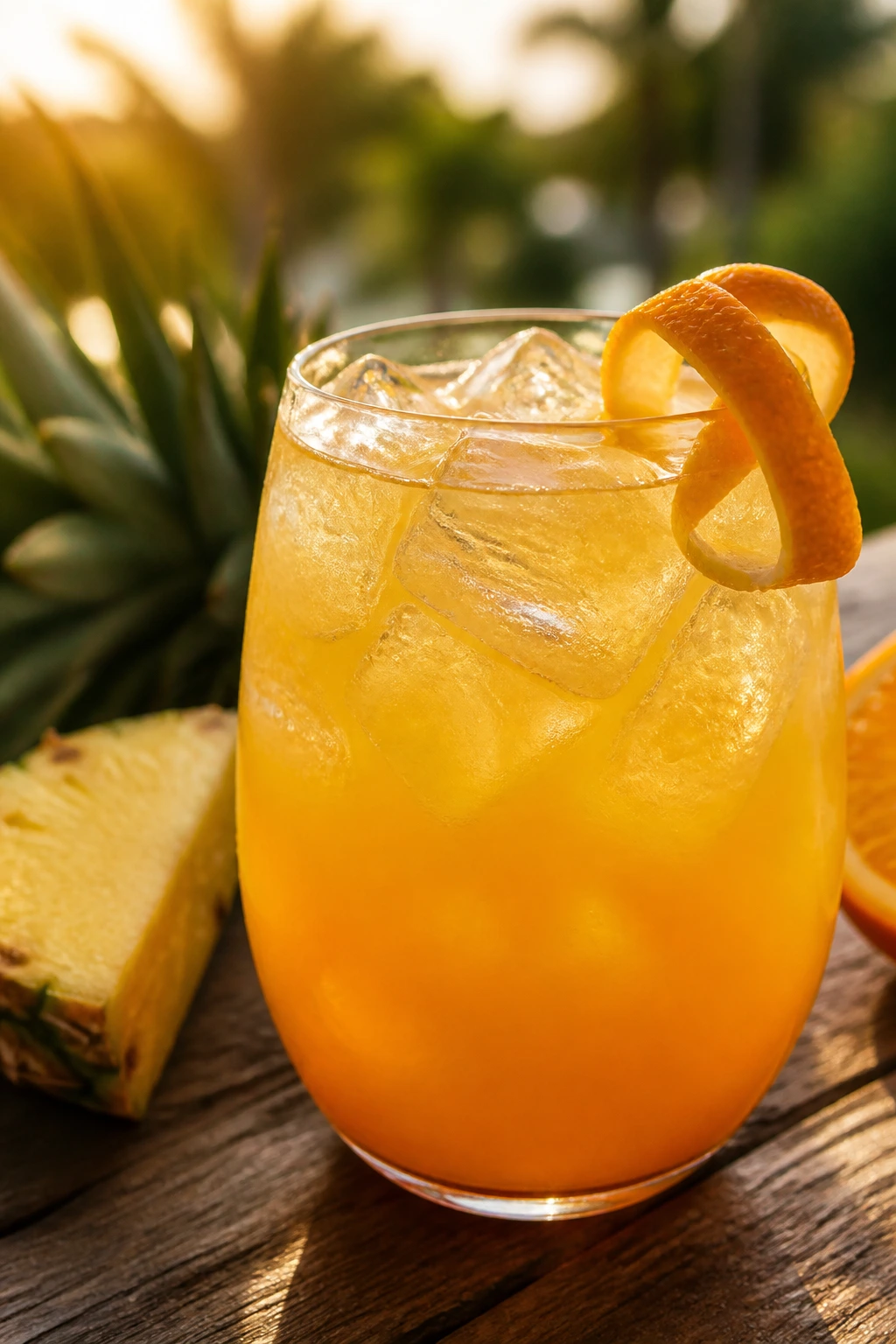
Rum punch works because it’s built on a simple argument: the rum should taste present, but not loud; the fruit should taste fresh, but not sugary; and the drink should feel cold enough to keep the edges clean. When one part gets out of line, the whole thing goes soft and sloppy. When the balance is right, every sip changes a little as it moves across your tongue.
The best punches almost always include three things beyond the rum itself: acid, sweetness, and some kind of structural note. Acid comes from lime, grapefruit, passion fruit, hibiscus, or even a little tart pineapple. Sweetness can come from juice, syrups, grenadine, or nectar, but it needs restraint. Structural notes are the quiet heroes — bitters, salt, ginger, cardamom, nutmeg, or herbs that stop the drink from tasting like a fruit cup.
Dilution matters too, and people mess this up constantly. A punch that tastes perfect at room temperature can fall apart once the ice starts melting. That’s why chilled juice, cold rum, and a short fridge rest make such a difference. The drink doesn’t just get colder. It gets tighter.
Essential Equipment for These Recipes
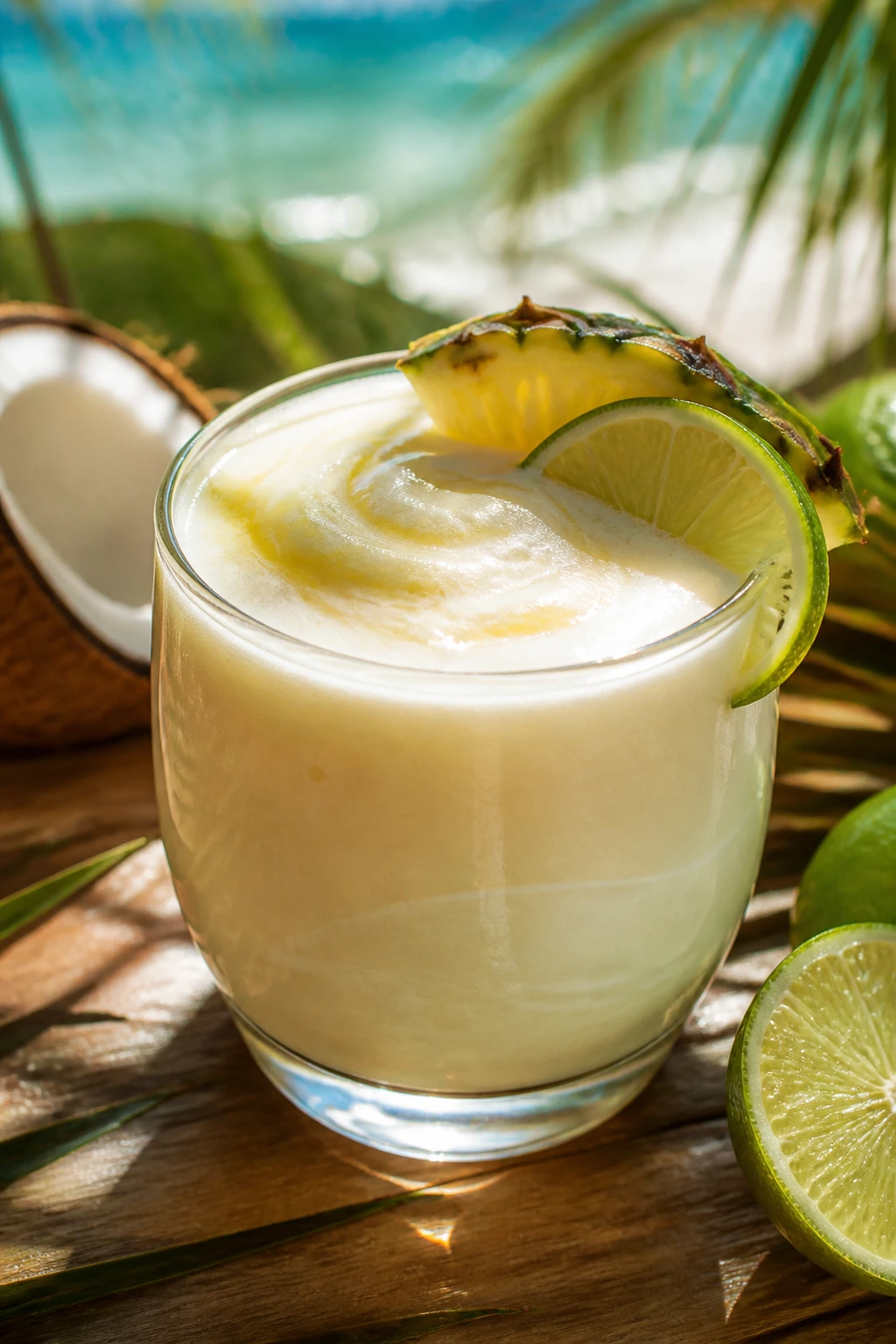
- 2-quart pitcher or punch bowl: A wide vessel makes it easier to stir without splashing and leaves room for ice.
- Jigger or measuring cup: Rum pours need precision, especially in batch recipes where sweetness can snowball.
- Citrus juicer: Fresh lime, grapefruit, and orange juice are central to almost every punch here.
- Long spoon or bar spoon: Gentle stirring keeps bubbles alive and fruit from bruising.
- Blender: Needed for frozen punches, banana-based recipes, and any watermelon purée you want smooth.
- Fine-mesh strainer: Handy for seeded fruit purées or if you want a cleaner glass.
- Microplane or fine grater: Nutmeg, citrus zest, and small finishing touches taste better freshly grated.
- Ice bucket or large tray: Punch drinks are only as good as the ice you have ready.
- Small bowl for syrups: If you’re making honey, cinnamon, or rosemary syrup, keep a separate container for cooling it.
- Knife and cutting board: Citrus slices, herbs, and fruit garnishes need a clean prep area.
Smart Shopping and Ingredient Tips
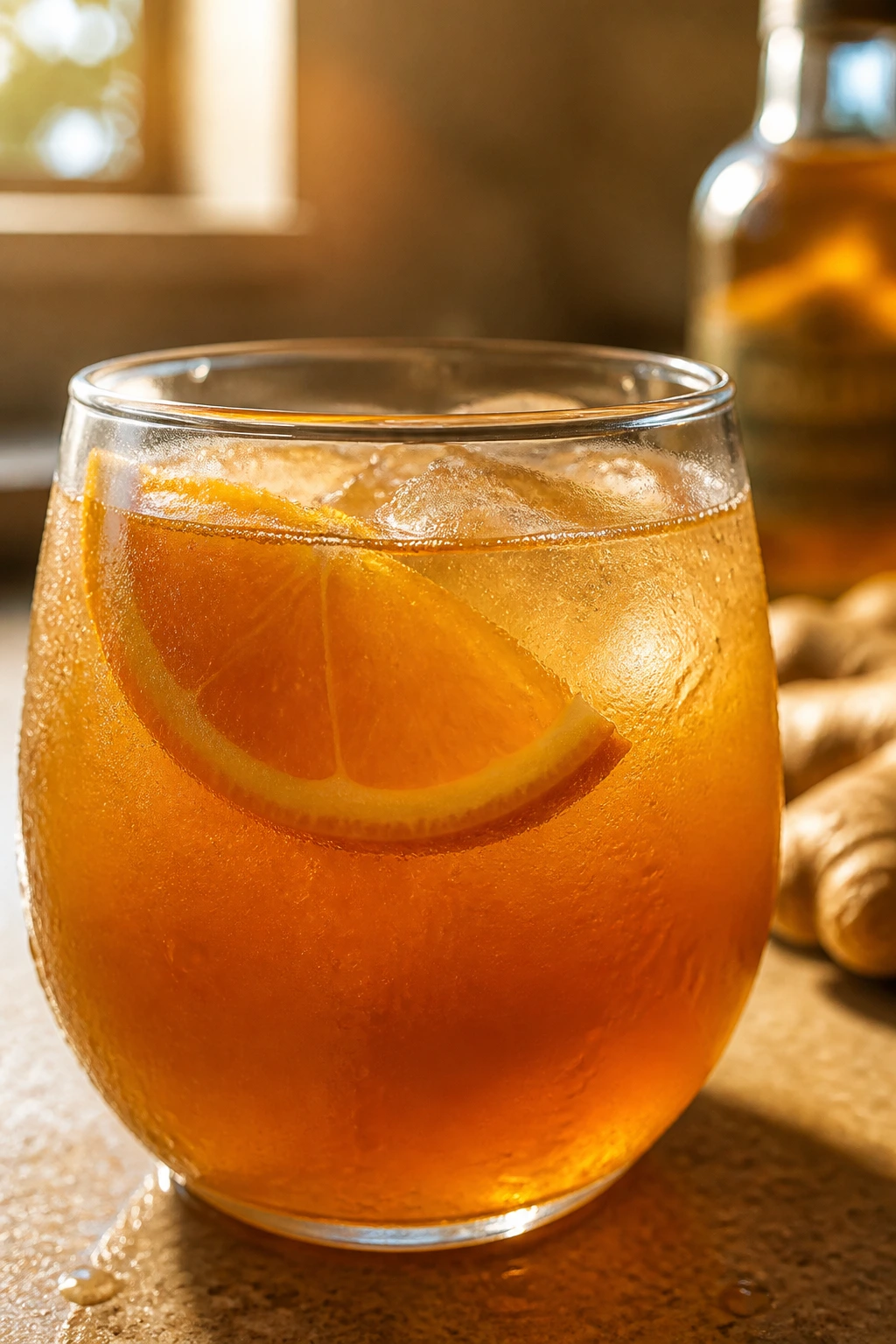
Rum punch rewards decent ingredients more than expensive ones. You do not need the top shelf for every bottle, but you do need rum that tastes like something. A mid-range white rum with a clean finish works well in bright punches, while a dark or aged rum with molasses, oak, or caramel notes helps the richer versions feel grounded. If a rum smells sharp straight from the bottle, it will not become polite in the pitcher.
Fruit juice is where a lot of the personality lives. Fresh lime is worth squeezing by hand; bottled lime juice tends to taste flat and sometimes oddly metallic. Pineapple juice can be fresh or bottled, but choose 100 percent juice and skip anything with a syrupy, cocktail-style label. Orange juice should taste like oranges, not orange candy. Guava, mango, passion fruit, and hibiscus are all easier to find as juices or nectars, and that’s fine — just check for added sugar before you reach for the sweetener.
Grenadine deserves a quick note because people use it badly. Real grenadine should taste tart and fruit-driven, even if the bottle is sweet. If it tastes like red syrup and nothing else, use less of it. Same with coconut cream: the thick version gives you texture; coconut milk gives you a lighter drink. Know which one you’re reaching for before the can is open.
Ice is an ingredient, not an afterthought. Big cubes melt slower. Crushed ice chills fast but waters things down sooner. For punches with soda or ginger beer, I like to chill the base first and add the bubbly part only when the glasses are already waiting. That one habit fixes a lot of rushed party punch.
How to Serve These Recipes
Presentation:
Clear glass pitchers, punch bowls, and tall tumblers show off these drinks better than opaque containers. A few precise garnishes beat a pile of fruit every time: one citrus wheel, one herb sprig, maybe a pineapple wedge. If you want the bowl to look polished, freeze citrus slices into a ring or use a large ice block so the punch stays cold without getting thin too quickly.
Accompaniments:
Rum punch likes salty, crunchy, and grilled food. Plantain chips, roasted nuts, jerk chicken bites, shrimp skewers, salt-and-vinegar chips, and crisp crackers all make sense beside the sweeter punches. For creamier drinks, keep the snacks plain and salty. For sharper citrus punches, a little char from the grill is a nice counterweight.
Portions:
A good pour is usually 6 to 8 ounces per glass, with enough room for ice. If the punch is strong and fruit-forward, lean toward the smaller end. For a party, one 2-quart batch generally serves 6 to 8 people comfortably, though the frozen versions go faster because people treat them like dessert.
Beverage Pairing:
For guests who want something nonalcoholic alongside the punch, keep chilled sparkling water with lime wedges on hand. Unsweetened iced tea also works because it resets the palate between sweeter sips. If you want another alcoholic option on the table, dry ginger beer or a very light lager complements the citrus without fighting it.
Additional Tips and Flavor Boosters
Flavor Enhancement:
A pinch of salt or 2 to 4 dashes of bitters does more than most people expect. Salt sharpens fruit, and bitters keep the drink from tasting like a bowl of juice. I reach for both whenever a punch starts leaning too sweet.
Customization:
If you want a lighter drink, cut the rum by a third and replace the missing volume with soda water, coconut water, or extra citrus juice. If you want more body, add a little more pineapple juice or a spoon of simple syrup. Small adjustments matter more than giant ones here.
Serving Suggestions:
Citrus wheels, mint sprigs, toasted coconut, and a dusting of nutmeg all work as finishing touches. For the more colorful punches, a sugared rim or Tajín rim can make the first sip more interesting. Keep garnishes simple enough that they smell good and don’t fall into the glass in chunks.
Make-It-Yours:
For lower-proof versions, use half the rum and build the rest of the glass with juice and soda. For zero-proof guests, swap rum for strong black tea, spiced tea, or chilled coconut water and keep the same acid-sweet structure. For a drier finish, reduce syrup and add more lime rather than piling in another fruit juice.
Make-Ahead, Storage, and Reheating Guidance
Punch is one of those drinks that benefits from a little planning, but only up to a point. The best move is to make the noncarbonated base ahead of time — rum, juice, syrup, and bitters — and keep it covered in the fridge for up to 24 hours. Many of these punches will hold for 2 days refrigerated if they don’t contain fresh herbs, coconut cream, or carbonated ingredients. After that, the fruit notes start to dull and the drink can taste tired.
Carbonated versions need a different approach. Add club soda, ginger beer, or sparkling wine right before serving, not an hour before. Once the bubbles are in the pitcher, the clock starts. Give it 10 to 20 minutes at most before the texture goes flat. Frozen punches are the exception; those should be blended and served right away, because the ice changes the texture quickly as it sits.
If a recipe uses fresh basil, mint, or rosemary, keep the herbs separate until the end. Stored in the fridge with a damp paper towel, they’ll stay usable for a day or two. Coconut-based punches can separate slightly after sitting, so give them a good stir before pouring. If the drink was iced and diluted too much, strain off the melted ice, add a little fresh juice, and chill the base again.
There is no reheating step here in the usual sense, and that’s part of the charm. If you’ve made a syrup for the batch and it crystallizes in the fridge, warm it gently in a small saucepan over low heat just until it loosens. That’s the only heat this collection really wants.
Variations and Adaptations to Try
Lower-Proof Porch Punch:
Cut the rum in half and replace the missing volume with extra pineapple juice, lime juice, or club soda. The fruit becomes more obvious, and the drink still tastes like a real cocktail instead of a sugar bomb. This is the easiest adjustment if you’re making a big bowl and want people to stay upright for dessert.
Frozen Blender Bowl:
Take any of the noncarbonated recipes and blend it with 2 to 4 cups of ice until thick and slushy. This works especially well with the mango, pineapple, coconut, or watermelon punches. Keep the base a little sharper than you think it needs to be, because frozen drinks soften as they melt.
Herb-Forward Island Punch:
Lean on mint, basil, rosemary, or even a small strip of thyme depending on the fruit. Herbs work best when they’re bruised lightly or steeped briefly, then removed before bitterness creeps in. Use this style when you want the punch to smell fresh instead of dessert-like.
Sugar-Light Citrus Bowl:
Reduce syrups and grenadine by a third, then add more fresh lime, grapefruit, or hibiscus tea for body. This keeps the punch from tasting sticky and gives the rum more room to show up. It’s a smart adjustment for recipes with mango, guava, or banana, which can get sweet quickly.
Sparkling Party Pitcher:
Add club soda, ginger beer, or chilled sparkling water right before serving to lift the punch and stretch it a little farther. This is especially useful with the citrus-heavy recipes, where a little fizz makes the drink feel sharper and cooler. Just keep the bubbly ingredients cold from the start.
Tajín and Salt Rim Style:
Use a light lime juice rim with Tajín, flaky salt, or a mix of the two for the pineapple, mango, or watermelon punches. The rim should frame the first sip, not bury it. A half-rim is usually smarter than a full one, especially if the drink already has chile or ginger in it.
Common Mistakes to Avoid
Too many rum punches fail in the same handful of ways. The first mistake is over-sweetening before tasting the juice. Pineapple, mango, guava, and peach nectars vary a lot in sweetness, and if you dump in syrup before checking, the drink can end up sticky and heavy. Start with less sweetener than you think you need. You can always add another tablespoon.
Another common problem is adding bubbles too soon. Club soda and ginger beer are delicate in a punch bowl. Stir them in at the last minute, then serve quickly. If you’re making the punch for a long gathering, keep the bubbly ingredient in its own bottle and top off each glass individually. That takes less effort than trying to rescue a flat batch later.
Warm ingredients are a quiet disaster. Room-temperature juice, warm rum, or a hot syrup can make the ice work overtime and flatten the whole pitcher before it reaches the table. Chill the juices first if you can, especially the citrus and pineapple. Cold ingredients keep the drink sharper and more stable.
The fourth mistake is treating ice as a garnish instead of a tool. Small cubes melt fast. Crushed ice melts even faster. Use the ice you want for the texture you’re after, but do not pretend all ice is equal. A punch served in a bowl with tiny weak cubes turns into diluted fruit water before everyone gets a second glass.
Finally, people often throw too many flavors into the same glass. Mango, pineapple, orange, grenadine, banana, guava, coconut, vanilla, cinnamon, and rosemary can all work — but not all at once. Pick one or two main notes, then let the rum and acid do the rest. The punch tastes more confident when it doesn’t feel crowded.
Frequently Asked Questions
What rum works best for rum punch?
A mix of white rum and dark or aged rum usually gives the best result. White rum keeps the top notes clean, while dark rum adds depth and a little molasses character. If you only use one bottle, pick something smooth enough to sip on its own.
Can I make rum punch ahead of time?
Yes, but only the noncarbonated base. Mix the rum, juices, syrups, and bitters up to 24 hours ahead and keep it chilled. Add soda, ginger beer, or sparkling wine right before serving so the drink doesn’t go flat.
How do I keep the punch from getting watered down?
Start with cold ingredients, use large ice cubes if you can, and serve the drink soon after mixing. For pitchers, freeze some of the juice into cubes and use those instead of plain water ice. That way, when the cubes melt, they reinforce the flavor instead of thinning it.
Can I use bottled juice instead of fresh juice?
Absolutely, especially for pineapple, mango, guava, and passion fruit. Just choose 100 percent juice or nectar without a lot of added sugar. Fresh lime juice still matters, though, because bottled lime tends to taste flatter and less lively.
What if my punch tastes too sweet?
Add more lime juice first, then a few dashes of bitters or a splash of club soda. Acid and bitterness fix sweetness faster than extra rum does. If the drink is already diluted, a little grapefruit juice can help pull it back into balance.
Can I make a nonalcoholic version?
Yes. Replace the rum with strong chilled black tea, spiced tea, coconut water, or extra fruit juice depending on the recipe’s flavor profile. Keep the same acid-sweet balance so the drink still feels like punch instead of juice.
Why does my punch taste harsh?
Usually the rum is too sharp, the acid is too strong, or the drink wasn’t chilled enough. Letting the batch rest in the fridge for 20 to 30 minutes can soften the edges. A touch of simple syrup or a bit more pineapple juice may help, but taste first.
Can I serve rum punch from a dispenser?
Yes, and it works well for parties. Use a dispenser for the still base and keep soda or ginger beer nearby so you can add it in smaller batches or directly to each glass. That keeps the texture better than mixing everything hours ahead.
Can I freeze rum punch?
You can freeze the fruit base or turn it into a slushy drink, but a finished punch with carbonation won’t freeze well. Alcohol also changes how a drink freezes, so it may not become solid. If you want a frozen version, blend the punch with ice right before serving instead.
Last Sip
Rum punch is at its best when it tastes like someone cared about the proportions. The fruit should be bright, the rum should feel present but not bossy, and the cold should sharpen everything instead of washing it out. Once you get that balance right, the rest is just picking your mood — citrusy, creamy, spicy, herbal, frozen, or somewhere in between.
That’s the real charm of these 15 recipes. They all start from the same basic idea, but none of them drink the same way, and that keeps the whole collection useful long after the first pitcher is empty. Keep the juices cold, taste before you sweeten, and add the bubbles at the end. The glasses will take care of themselves after that.