



Ham steak gets treated like a lesser cousin of bacon, which is a shame, because a good one gives you the same salty, cured edge with more meat on the fork and less drama at the stove. Give it a hot skillet, a little fat, and a glaze that knows when to back off, and the edges turn bronze while the center stays juicy.
If you’ve only had ham steak under a cloying red glaze, you already know the problem. The sugar scorches, the salt shouts, and the whole thing lands flat. What it needs is the kind of cooking bacon gets: steady heat, a little browning, and a finish that tastes smoky even when there’s no bacon in the pan.
That’s the lane here. These ham steak recipes lean sweet, salty, peppery, sticky, and browned at the edges—the flavors bacon lovers usually chase, translated onto a thicker cut of pork that can actually hold onto a sauce.
Why These Ham Steaks Hit Harder Than Plain Ham
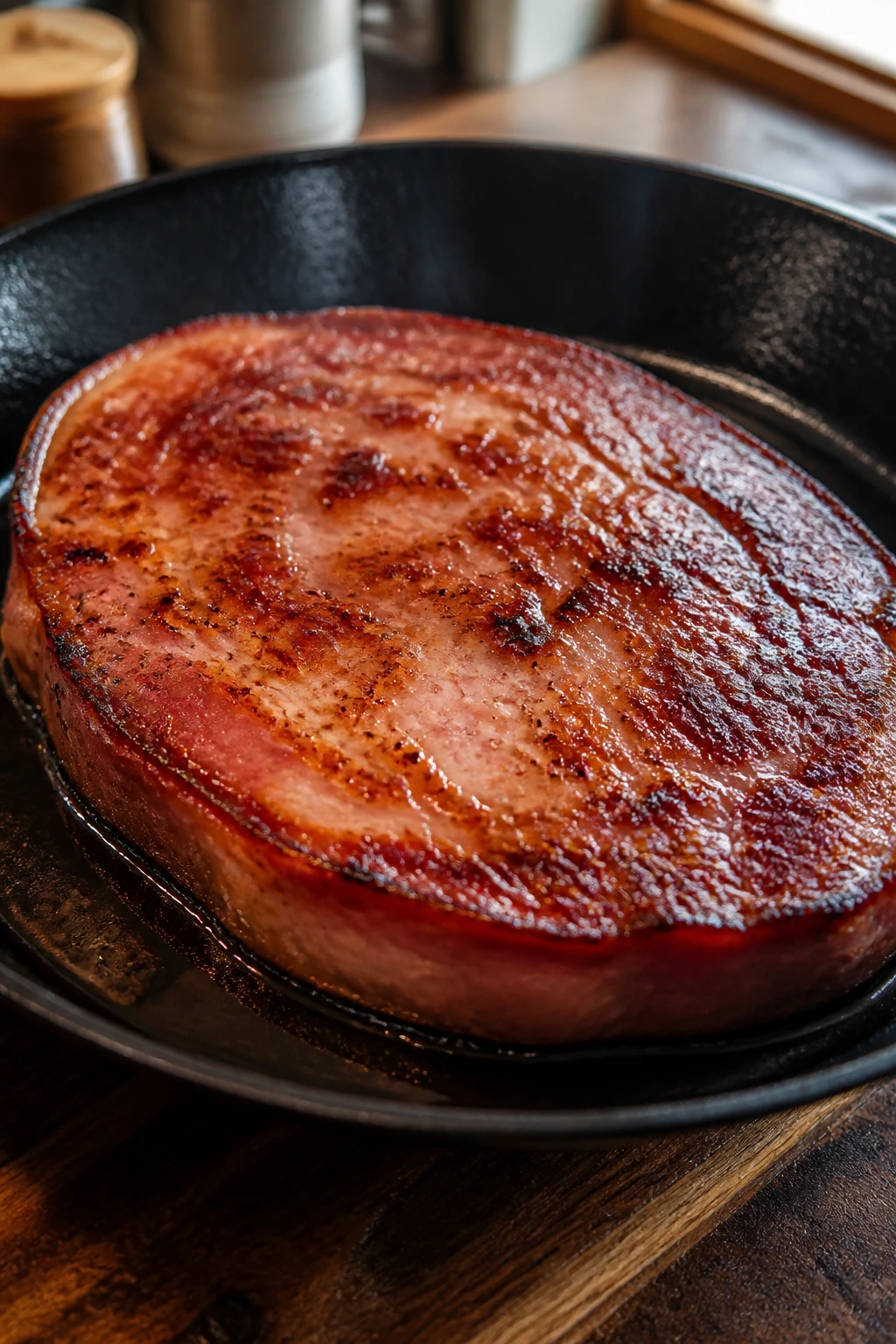
- Fast payoff: Most supermarket ham steaks are already cured and cooked, so you’re building browning and glaze in minutes, not nursing a roast for hours.
- Bacon-adjacent flavor: Brown sugar, pepper, mustard, vinegar, and smoke all give you the salty-sweet snap bacon fans keep reaching for.
- One skillet, real drippings: A hot pan gives you browned bits that turn into sauce instead of a dry, pale slice on a plate.
- Brunch or dinner: These recipes sit comfortably next to eggs and potatoes in the morning or greens and beans at night.
- Easy to scale: One ham steak feeds a small breakfast plate; two or three make a full skillet supper without much extra work.
1. Brown Sugar, Dijon, and Black Pepper Ham Steaks
This is the starter recipe I trust when someone wants ham steak to taste like it had a plan. The glaze turns shiny and tight, with enough pepper to give the cured pork a bite that feels close to crisp bacon edges.
The smell in the pan is the point. Brown sugar goes from plain sweet to toasted and almost nutty, while Dijon keeps the whole thing from tasting one-note.
Why It Works: Brown sugar gives you the sticky lacquer bacon lovers want, but Dijon and cider vinegar keep it from turning into candy. Black pepper adds that sharp, savory snap that makes each bite feel bigger than the ingredient list. Medium heat matters here; sugar burns faster than people expect, and ham steak doesn’t need brute force.
Key Ingredients:
- 2 ham steaks, 8 ounces each and about 1/2 inch thick — thick enough to stay juicy while browning.
- 1 tablespoon neutral oil — helps the surface sear before the glaze goes on.
- 2 tablespoons unsalted butter — gives the sauce a glossy finish.
- 1/4 cup packed dark brown sugar — for the sticky coating.
- 1 tablespoon Dijon mustard — sharpens the sweetness.
- 1 tablespoon apple cider vinegar — cuts the salt.
- 1 teaspoon freshly ground black pepper — the bacon-style bite.
- 1/4 teaspoon garlic powder — optional, but it rounds out the glaze.
Quick Steps:
- Whisk the brown sugar, Dijon, vinegar, black pepper, and garlic powder in a small bowl until it looks like a thick paste.
- Heat a cast-iron skillet over medium heat, add the oil, then pat the ham steaks dry with paper towels.
- Sear the ham for 2 to 3 minutes per side until browned at the edges and lightly crisp in spots.
- Reduce the heat to medium-low, add the butter and glaze, and spoon the mixture over the ham for 1 to 2 minutes until it bubbles and turns shiny.
- Remove the skillet from the heat when the ham is hot through and the glaze clings in a thin coat. Rest for 2 minutes.
Equipment for This Recipe:
- 12-inch cast-iron skillet — best for even browning.
- Small bowl — for mixing the glaze.
- Whisk or fork — to smooth out the sugar.
- Tongs — to flip without tearing the surface.
How to Serve This Dish: Stack it next to fried eggs and crisp hash browns for a breakfast plate that eats like a diner order with better edges. For dinner, spoon the extra glaze over mashed potatoes or buttered green beans.
Pro Tips for This Recipe:
- Pat the ham dry before it hits the skillet; wet surfaces steam instead of browning.
- Keep the heat at medium once the sugar goes in. Higher heat makes the glaze taste bitter fast.
- A final splash of water, about 1 tablespoon, can loosen a glaze that tightens too quickly.
- If your ham is especially salty, add an extra teaspoon of cider vinegar to the glaze.
Variations on This Dish:
- Maple Switch: Replace half the brown sugar with maple syrup for a rounder, woodsy finish.
- Spicy Pepper Cut: Add 1/4 teaspoon cayenne for a sharper burn that plays well with the pepper.
Common Mistakes to Avoid with This Dish:
- Burning the sugar early: If the pan runs too hot, the glaze darkens before the ham warms through. Pull the heat back before adding it.
- Salt overload: Ham is already seasoned. Do not add extra salt unless the package is unusually mild.
- Skipping the rest: Two minutes sounds small, but it keeps the glaze from sliding off the slice the moment you cut it.
2. Maple-Dijon Ham Steaks with Apple Cider
What if the flavor you want is basically breakfast on a fork? This one lands in that sweet-salty lane without tasting like dessert, and the cider gives it a clean finish that bacon fans tend to love.
Maple syrup does the heavy lifting, but Dijon keeps the glaze from going limp. The apple cider adds fruit, acid, and a little steam in the pan, which helps the ham stay tender.
Why It Works: Maple brings caramel notes that match the smokiness already in most ham steaks. Dijon and cider give the sauce shape, so the glaze tastes bright instead of sticky. A small knob of butter at the end smooths the edges and helps the sauce cling to the meat.
Key Ingredients:
- 2 ham steaks, 8 ounces each — preferably 1/2 to 3/4 inch thick.
- 1 tablespoon neutral oil — for browning.
- 2 tablespoons unsalted butter — added in two stages.
- 3 tablespoons pure maple syrup — not pancake syrup.
- 1 tablespoon Dijon mustard — for sharpness.
- 1/4 cup apple cider — the liquid base.
- 1 teaspoon fresh thyme leaves — a woodsy note that works with maple.
- Pinch of cayenne — optional, but it keeps the glaze from tasting flat.
Quick Steps:
- Stir the maple syrup, Dijon, cider, thyme, and cayenne in a bowl.
- Heat the oil in a skillet over medium heat and brown the ham for 2 minutes per side.
- Add the maple mixture and 1 tablespoon butter, then simmer for 2 minutes until the sauce starts to look syrupy.
- Flip the ham once more and spoon the glaze over the top until the surface shines.
- Turn off the heat, add the remaining butter, and let it melt into the pan sauce before serving.
Equipment for This Recipe:
- Skillet with a lid or splatter screen — useful if the cider bubbles hard.
- Small measuring cup — for the cider.
- Wooden spoon — for basting.
- Instant-read thermometer — useful if your ham steak is thick.
How to Serve This Dish: Serve with roasted potatoes and sautéed cabbage, or slide it onto biscuits with a fried egg if you want a breakfast plate that leans rich. The glaze likes plain sides because it already carries sweet, acid, and herb in one spoonful.
Pro Tips for This Recipe:
- Use real maple syrup; the fake stuff gets sticky in a bad way.
- If the cider tastes very sweet, add an extra teaspoon of Dijon.
- Let the sauce bubble just enough to coat the spoon, not reduce until it turns jammy.
- Fresh thyme beats dried here, but dried works in a pinch—use 1/2 teaspoon.
Variations on This Dish:
- Bourbon-Maple Angle: Replace 2 tablespoons of cider with bourbon for a deeper edge.
- Herb-Free Brunch Version: Skip the thyme and add cracked black pepper instead.
Common Mistakes to Avoid with This Dish:
- Using pancake syrup: It cooks differently and can taste syrupy in a flat, fake way.
- Reducing too far: Once maple burns, you can taste it. Stop when the glaze coats the back of a spoon.
- Overcrowding the skillet: Give the ham room or the surface stays pale.
3. Pineapple-Chili Glazed Ham Steaks
Pineapple and ham are old friends for a reason. The fruit brings juice and sharp sweetness, and the chili keeps the whole thing from drifting into a canned-ham memory.
This one smells like a hot skillet and a fruit pan at the same time. That’s not a bad thing. The edges caramelize, the pineapple softens, and the ham picks up a sticky heat that bacon people usually recognize right away.
Why It Works: Pineapple juice has enough acid to cut through cured pork, and the natural sugar browns fast under heat. Chili flakes or chili sauce stop the glaze from reading sugary. A short broil at the end gives you char without drying out the meat.
Key Ingredients:
- 2 ham steaks, 8 ounces each — fully cooked is fine.
- 1 tablespoon oil — for the skillet.
- 1 cup pineapple chunks, well drained — fresh or canned.
- 1/4 cup pineapple juice — from the can or fresh.
- 2 tablespoons brown sugar — helps the glaze cling.
- 1 tablespoon soy sauce — adds savory depth.
- 1 teaspoon crushed red pepper flakes — adjustable heat.
- 1 tablespoon lime juice — brightens the finish.
Quick Steps:
- Mix the pineapple juice, brown sugar, soy sauce, red pepper flakes, and lime juice in a small bowl.
- Sear the ham steaks in oil over medium heat for 2 minutes per side.
- Add the pineapple chunks to the pan and cook for 1 minute until they start to brown.
- Pour in the glaze and simmer for 2 minutes, spooning it over the ham.
- If you want more color, slide the skillet under the broiler for 1 to 2 minutes, watching closely so the sugar does not burn.
Equipment for This Recipe:
- Oven-safe skillet — needed if you finish under the broiler.
- Tongs — for turning the ham and pineapple.
- Small bowl — for the glaze.
- Broiler-safe mitts — because the handle gets hot fast.
How to Serve This Dish: Pair it with jasmine rice or coconut rice and a fast cabbage slaw. The extra pineapple chunks should go on top of the ham, not hidden under it.
Pro Tips for This Recipe:
- Drain canned pineapple well; extra liquid keeps the glaze thin.
- Keep the broiler close and brief. Char is good. Black sugar is not.
- A pinch of smoked paprika gives the glaze more bacon-like depth.
- Fresh lime at the end matters more than it sounds like it should.
Variations on This Dish:
- Habanero Heat: Add a few drops of hot sauce if you want the glaze to bite back.
- Teriyaki Turn: Swap soy sauce for tamari and add 1 teaspoon grated ginger.
Common Mistakes to Avoid with This Dish:
- Using wet pineapple straight from the can: The glaze won’t stick.
- Broiling too long: Pineapple sugar turns bitter if you walk away.
- Skipping the savory element: Pineapple alone is too bright; soy sauce or salt is what gives it shape.
4. Bourbon-Apple Cider Ham Steaks
Bourbon makes ham taste like it belongs in a cast-iron skillet instead of a foil packet. The cider softens the alcohol edge and keeps the sauce warm, round, and a little rustic.
This is the recipe that feels like the pan did half the work for you. Browned ham, browned butter, reduced cider, a splash of bourbon. Simple, but not plain.
Why It Works: Bourbon brings oak and caramel notes that echo the cure in the ham. Apple cider adds body and keeps the glaze from going harsh. A little butter at the end pulls the sauce together, which matters because reduced alcohol sauces can taste sharp if they’re not finished properly.
Key Ingredients:
- 2 ham steaks, 8 ounces each — patted dry.
- 1 tablespoon neutral oil — for searing.
- 2 tablespoons unsalted butter — divided.
- 1/4 cup bourbon — use one you’d actually sip.
- 1/2 cup apple cider — the main liquid.
- 2 tablespoons brown sugar — for shine.
- 1 teaspoon Dijon mustard — keeps the sauce awake.
- 4 sage leaves — optional, but they fit the cider.
Quick Steps:
- Heat the oil in a skillet over medium heat and sear the ham for 2 to 3 minutes per side.
- Remove the ham to a plate and pour off any excess fat, leaving the browned bits in the pan.
- Add the bourbon and cider, then simmer for 2 minutes to cook off the raw alcohol smell.
- Stir in the brown sugar, Dijon, sage, and 1 tablespoon butter, then return the ham to the skillet.
- Spoon the sauce over the ham until it turns glossy and thick enough to coat the back of a spoon, then finish with the remaining butter.
Equipment for This Recipe:
- Heavy skillet — stainless steel or cast iron both work.
- Measuring cup — for the bourbon and cider.
- Wooden spoon — to scrape up browned bits.
- Small plate — for resting the ham.
How to Serve This Dish: Spoon it over mashed sweet potatoes or celery-root mash. A bitter green, like sautéed kale, keeps the plate from leaning too sweet.
Pro Tips for This Recipe:
- Let the bourbon simmer before adding butter; raw alcohol can taste hot and rough.
- Sage can take over fast, so keep it to a few leaves.
- If you want a thicker glaze, simmer 30 seconds longer, not 5 minutes longer.
- Use unsalted butter. The ham already brings enough salt to the party.
Variations on This Dish:
- No-Bourbon Version: Replace bourbon with extra cider and 1 teaspoon vanilla extract.
- Peppery Finish: Add cracked black pepper after the butter melts for a sharper edge.
Common Mistakes to Avoid with This Dish:
- Dumping cold bourbon into a screaming hot pan: Lower the heat first so the alcohol doesn’t flare up.
- Reducing the sauce to nothing: Ham can dry out fast while you keep chasing thickness.
- Using sweet cider with no acid: If the cider tastes flat, add 1 teaspoon apple cider vinegar.
5. Coffee-Rubbed Ham Steaks with Pan Drippings
Coffee and cured pork get along better than people expect. The coffee doesn’t make the ham taste like a cup of espresso; it makes the browned crust deeper and the glaze taste darker.
The smell is half breakfast, half barbecue pit. That’s the hook. A little brown sugar in the rub keeps the coffee from going dusty.
Why It Works: Fine ground coffee clings to the meat and darkens the sear without needing a long cook. Smoked paprika supports the smoke already in the ham, while brown sugar melts into the drippings and builds a pan sauce. The result tastes richer than the ingredient list looks on paper.
Key Ingredients:
- 2 ham steaks, 8 ounces each — about 1/2 inch thick.
- 1 tablespoon finely ground coffee — not instant coffee.
- 1 tablespoon brown sugar — balances the bitter edge.
- 1 teaspoon smoked paprika — for a bacon-like note.
- 1/2 teaspoon black pepper — adds bite.
- 1 tablespoon oil — for the skillet.
- 2 tablespoons apple cider vinegar — for deglazing.
- 1 tablespoon butter — to finish the sauce.
Quick Steps:
- Mix the coffee, brown sugar, smoked paprika, and pepper, then rub it over both sides of the ham.
- Heat the oil in a skillet over medium heat and sear the ham for 2 minutes per side until the surface looks dark and dry.
- Lower the heat and add the vinegar, scraping up the browned bits with a wooden spoon.
- Stir in the butter and let the sauce bubble for 30 seconds until it turns glossy.
- Return the ham to the pan and baste for 1 minute before serving.
Equipment for This Recipe:
- Skillet with good browning power.
- Small bowl — for the rub.
- Measuring spoons — coffee amounts matter here.
- Spoon or spatula — for basting.
How to Serve This Dish: Serve it with skillet potatoes and a sharp pickle on the side. The vinegar in the sauce likes something starchy and something briny.
Pro Tips for This Recipe:
- Grind the coffee fine; coarse grounds feel gritty on the plate.
- Don’t leave the rub sitting too long or the sugar can draw out moisture.
- Use cider vinegar, not balsamic. Balsamic fights the coffee instead of backing it up.
- A tiny pinch of cinnamon can work, but keep it under 1/8 teaspoon.
Variations on This Dish:
- Barbecue Rub Version: Add 1/2 teaspoon cumin for a smoky, dry-rub feel.
- Mocha-Black Pepper Angle: Add 1 teaspoon cocoa powder for a deeper color and a darker finish.
Common Mistakes to Avoid with This Dish:
- Using coarse coffee grounds: They stay crunchy and make the crust messy.
- Cooking on high heat: Coffee and sugar burn fast.
- Forgetting the deglaze: The browned bits are the best part of the pan.
6. Honey-Sriracha Ham Steaks
Sweet heat makes a ham steak taste louder, in the best way. Honey gives you the sticky glaze, and sriracha keeps it from becoming one-note.
The first bite is sweet. The second one starts to sting a little. That delay is what keeps this recipe interesting enough for people who usually reach for a bacon strip instead.
Why It Works: Honey browns fast and clings to the surface, so a small amount goes a long way. Sriracha brings garlic, chili, and acid in one squeeze, which saves you from building a sauce from scratch. Rice vinegar loosens the glaze so it can coat the ham instead of pooling under it.
Key Ingredients:
- 2 ham steaks, 8 ounces each — cut thicker if you can.
- 1 tablespoon oil — for searing.
- 3 tablespoons honey — the main sweetener.
- 1 1/2 tablespoons sriracha — adjust to your heat level.
- 1 tablespoon rice vinegar — keeps the glaze sharp.
- 1 teaspoon soy sauce — adds salt and depth.
- 1 teaspoon grated fresh garlic — optional but good.
- Sesame seeds and sliced scallions — for finishing.
Quick Steps:
- Whisk the honey, sriracha, vinegar, soy sauce, and garlic in a small bowl.
- Brown the ham steaks in oil over medium heat for 2 minutes per side.
- Turn the heat to medium-low, pour in the glaze, and spoon it over the ham for 1 to 2 minutes.
- Keep moving the glaze around the pan until it thickens and turns shiny.
- Finish with sesame seeds and scallions, then serve immediately.
Equipment for This Recipe:
- Nonstick or cast-iron skillet.
- Small bowl and spoon.
- Microplane or grater — for the garlic.
- Tongs — to flip quickly.
How to Serve This Dish: Serve with steamed rice and cucumber slices, or cut the ham into strips and tuck it into lettuce cups. That sweet-hot sauce wakes up plain sides fast.
Pro Tips for This Recipe:
- If the honey starts to darken too quickly, lower the heat right away.
- A teaspoon of butter at the end softens the heat.
- Use fresh scallions, not dried onion flakes; they matter here.
- Thin ham steaks are fine, but they need less time in the pan.
Variations on This Dish:
- Milder Pantry Version: Replace half the sriracha with ketchup.
- Garlic-Chili Kick: Add another teaspoon of garlic and a pinch of red pepper flakes.
Common Mistakes to Avoid with This Dish:
- High heat after the honey goes in: It burns before the ham warms.
- Too much sriracha at once: The glaze should sting, not erase the pork.
- Skipping the garnish: Sesame and scallion add texture, which this sauce needs.
7. Garlic Butter and Crispy Sage Ham Steaks
Garlic butter is a cheat code, and ham steak is happy to accept the help. The sage turns crisp in the butter, and the whole pan smells like something you should have made sooner.
This one leans savory instead of sugary. That’s useful. Bacon lovers don’t only want sweet glaze; they also want fat, salt, and browned edges.
Why It Works: Butter carries garlic into the ham and makes the surface shine without hiding the meat. Sage fries in the butter just long enough to turn crisp, which gives the plate a crackly finish. A tiny hit of lemon at the end stops the butter from feeling heavy.
Key Ingredients:
- 2 ham steaks, 8 ounces each — fully cooked.
- 1 tablespoon olive oil — keeps the butter from scorching.
- 3 tablespoons unsalted butter — divided.
- 3 garlic cloves, thinly sliced — not minced, so they don’t burn as fast.
- 8 fresh sage leaves — for frying.
- 1 tablespoon lemon juice — to finish.
- 1/2 teaspoon black pepper — enough to sharpen the butter.
- Pinch of red pepper flakes — optional.
Quick Steps:
- Heat the oil and 1 tablespoon butter in a skillet over medium heat.
- Sear the ham steaks for 2 to 3 minutes per side until the edges color.
- Add the garlic and sage, then cook for 30 seconds until the garlic smells sweet and the sage starts to crisp.
- Stir in the remaining butter, lemon juice, pepper, and red pepper flakes.
- Spoon the butter over the ham for 30 seconds, then serve while the sage is still crisp.
Equipment for This Recipe:
- Skillet with a wide bottom.
- Tongs.
- Small spoon for basting.
- Paper towel-lined plate for the sage if you want extra crispness.
How to Serve This Dish: Serve with roasted potatoes and a green salad dressed in sharp vinaigrette. The butter wants something dry and crisp beside it, not another soft side.
Pro Tips for This Recipe:
- Slice the garlic thin enough to brown, not blacken.
- Fresh sage fries better than dried; dried leaves can turn dusty.
- Lemon juice should go in at the end so it stays bright.
- If your butter browns too fast, pull the pan off the heat for 15 seconds.
Variations on This Dish:
- Brown Butter Route: Let the butter go nutty before adding the ham for a deeper flavor.
- Herb Swap: Use rosemary instead of sage if you want a piney note.
Common Mistakes to Avoid with This Dish:
- Burning the garlic: Thin slices need a short window, not a long fry.
- Using salted butter without adjusting: The ham already carries salt.
- Skipping acid: Without lemon, the butter can taste heavy after a few bites.
8. Smoky BBQ Ham Steaks with Charred Onions
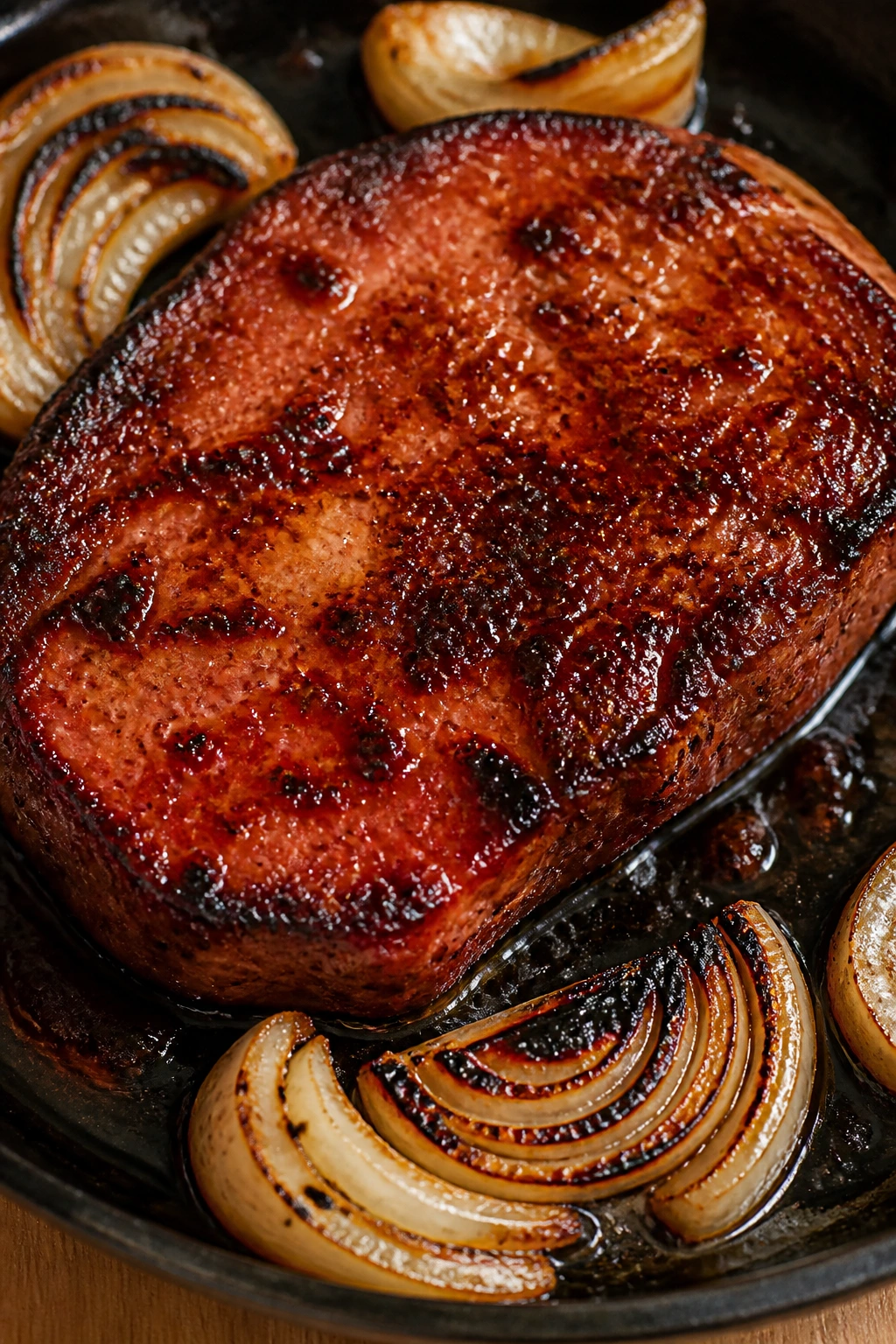
This is the skillet version of backyard barbecue without the full grill setup. The sauce sticks, the onions go sweet and dark, and the ham gets a smoky coating that bacon fans usually chase in a sauce bottle.
It works because BBQ sauce already speaks pork. You’re just letting it meet a hot pan and a few browned onions.
Why It Works: The sugar in BBQ sauce caramelizes fast, so the ham gets a sticky crust in minutes. Charred onions add sweetness that tastes more cooked than raw, which fits the salt in the ham. A splash of vinegar or mustard keeps the sauce from tasting flat.
Key Ingredients:
- 2 ham steaks, 8 ounces each — about 1/2 inch thick.
- 1 tablespoon oil — for browning.
- 1 medium yellow onion, sliced into half-moons — the sweet base.
- 1 cup thick BBQ sauce — choose one with smoke, not just sugar.
- 1 tablespoon apple cider vinegar — sharpens the sauce.
- 1 teaspoon smoked paprika — reinforces the smoky note.
- 1 tablespoon butter — for the onions.
- Hot sauce, optional — for the finish.
Quick Steps:
- Sauté the onions in butter and oil over medium heat for 6 to 8 minutes until browned at the edges.
- Push the onions to the side and sear the ham steaks for 2 minutes per side.
- Stir the BBQ sauce, vinegar, and smoked paprika together, then pour it into the skillet.
- Spoon sauce over the ham for 2 minutes until it turns glossy and thick.
- Serve the onions over the top and add hot sauce if you want more bite.
Equipment for This Recipe:
- Large skillet.
- Wooden spoon.
- Tongs.
- Small bowl for the sauce.
How to Serve This Dish: Serve it with baked beans and coleslaw if you want a full cookout plate. Cornbread on the side does a nice job of catching the extra sauce.
Pro Tips for This Recipe:
- Use a thick BBQ sauce; thin sauce runs everywhere and burns faster.
- Let the onions brown before adding the sauce, not after.
- If your sauce is very sweet, add a little more vinegar.
- A splash of pickle brine works surprisingly well here.
Variations on This Dish:
- Chipotle Version: Swap in chipotle BBQ sauce for a deeper heat.
- Mustard BBQ Hybrid: Add 1 tablespoon yellow mustard for a sharper Southern-style edge.
Common Mistakes to Avoid with This Dish:
- Adding sauce too early: It can scorch before the ham warms through.
- Using watery onions: Slice them evenly so they brown instead of steam.
- Skipping the vinegar: BBQ sauce alone can taste sticky and dull.
9. Ham Steaks with Bacon-Onion Jam
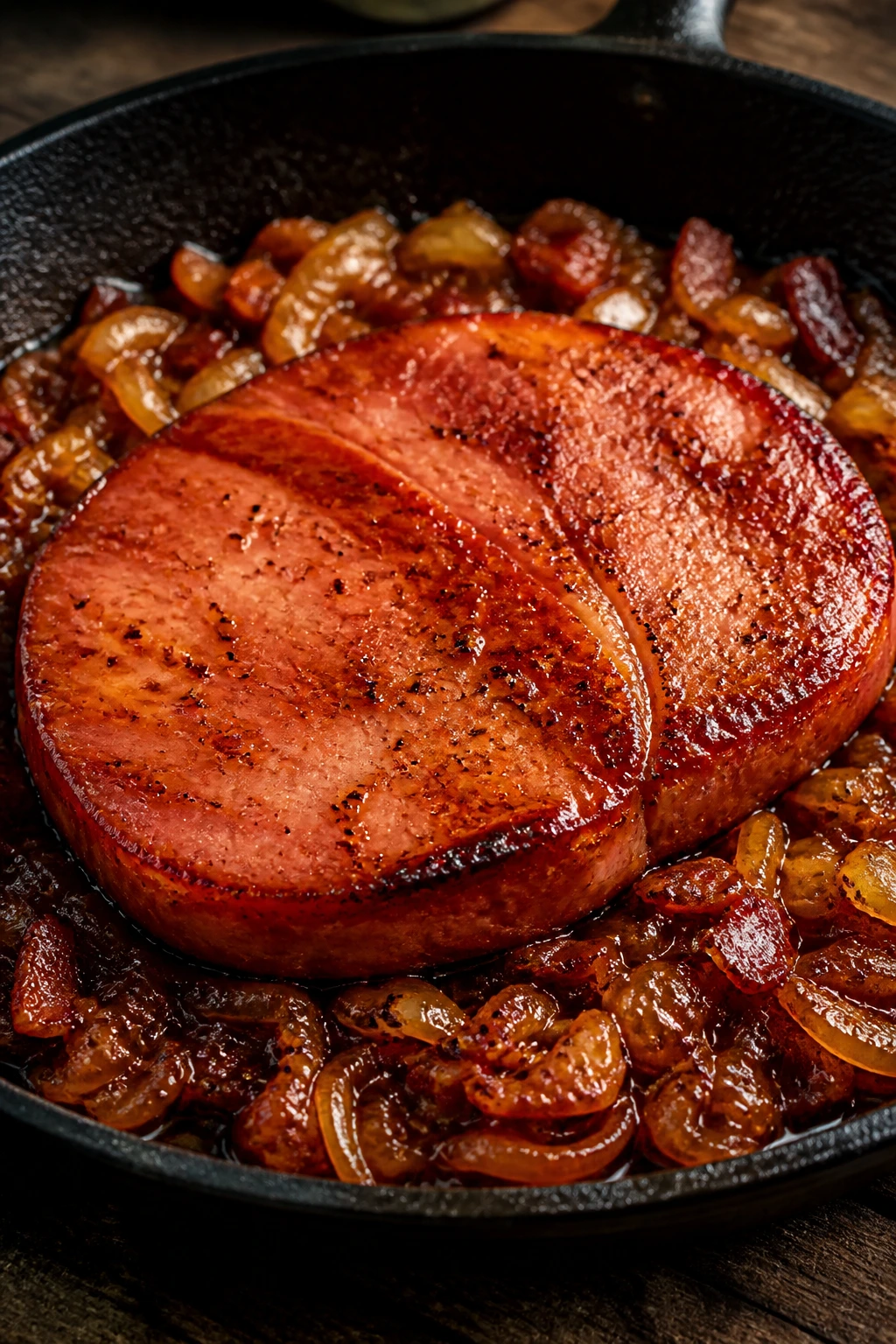
If bacon lovers need a recipe that says the quiet part out loud, this is it. The jam has actual bacon in it, and the ham steak gets to ride on top of that salty-sweet pile like it was always meant to be there.
The bacon cooks down first, so you get rendered fat, crisp bits, and a pan that already smells worth keeping. Then the onions and sugar move in and turn the whole thing glossy.
Why It Works: Bacon fat seasons the onions from the start, which makes the jam taste deep instead of sugary. A little cider vinegar breaks up the sweetness and keeps the jam spoonable. The ham steak picks up the bacon flavor without needing to be wrapped or overworked.
Key Ingredients:
- 2 ham steaks, 8 ounces each — browned separately.
- 4 slices bacon, chopped — the reason this recipe exists.
- 1 large yellow onion, thinly sliced — cooks down into sweetness.
- 2 tablespoons brown sugar — helps the jam.
- 1 tablespoon apple cider vinegar — balances the fat.
- 1 teaspoon Dijon mustard — cuts through the richness.
- 1 tablespoon water — if the pan needs loosening.
- Black pepper, to taste — finishes the jam.
Quick Steps:
- Cook the bacon in a skillet over medium heat until crisp, about 6 to 8 minutes.
- Add the onions and cook in the bacon fat for 8 to 10 minutes until soft and deeply browned.
- Stir in the brown sugar, vinegar, Dijon, and pepper, then cook 2 more minutes until jammy.
- Push the jam to the side and sear the ham steaks in the same skillet for 2 minutes per side.
- Spoon the bacon-onion jam over the ham and serve hot.
Equipment for This Recipe:
- Large skillet — wide enough for bacon and ham.
- Slotted spoon — useful for moving bacon.
- Sharp knife — for thin onion slices.
- Tongs.
How to Serve This Dish: Serve it with mashed potatoes, fried eggs, or toast if you want a strong brunch plate. A bright green salad helps, because the jam is rich and salty.
Pro Tips for This Recipe:
- Chop the bacon small so the jam spreads easily.
- Keep some bacon crisp and some soft; the mix of textures matters.
- If the jam gets too thick, add 1 tablespoon water.
- A few drops of hot sauce wake the whole pan up.
Variations on This Dish:
- Apple Bacon Jam: Add 1/2 diced apple for a softer, sweeter jam.
- Spicy Bacon Jam: Stir in 1/2 teaspoon chili flakes after the onions brown.
Common Mistakes to Avoid with This Dish:
- Letting the bacon burn: It should crisp, not turn bitter.
- Rushing the onions: Pale onions make a flat jam.
- Serving without something plain: Potatoes, toast, or eggs help cut the richness.
10. Orange-Clove Ham Steaks
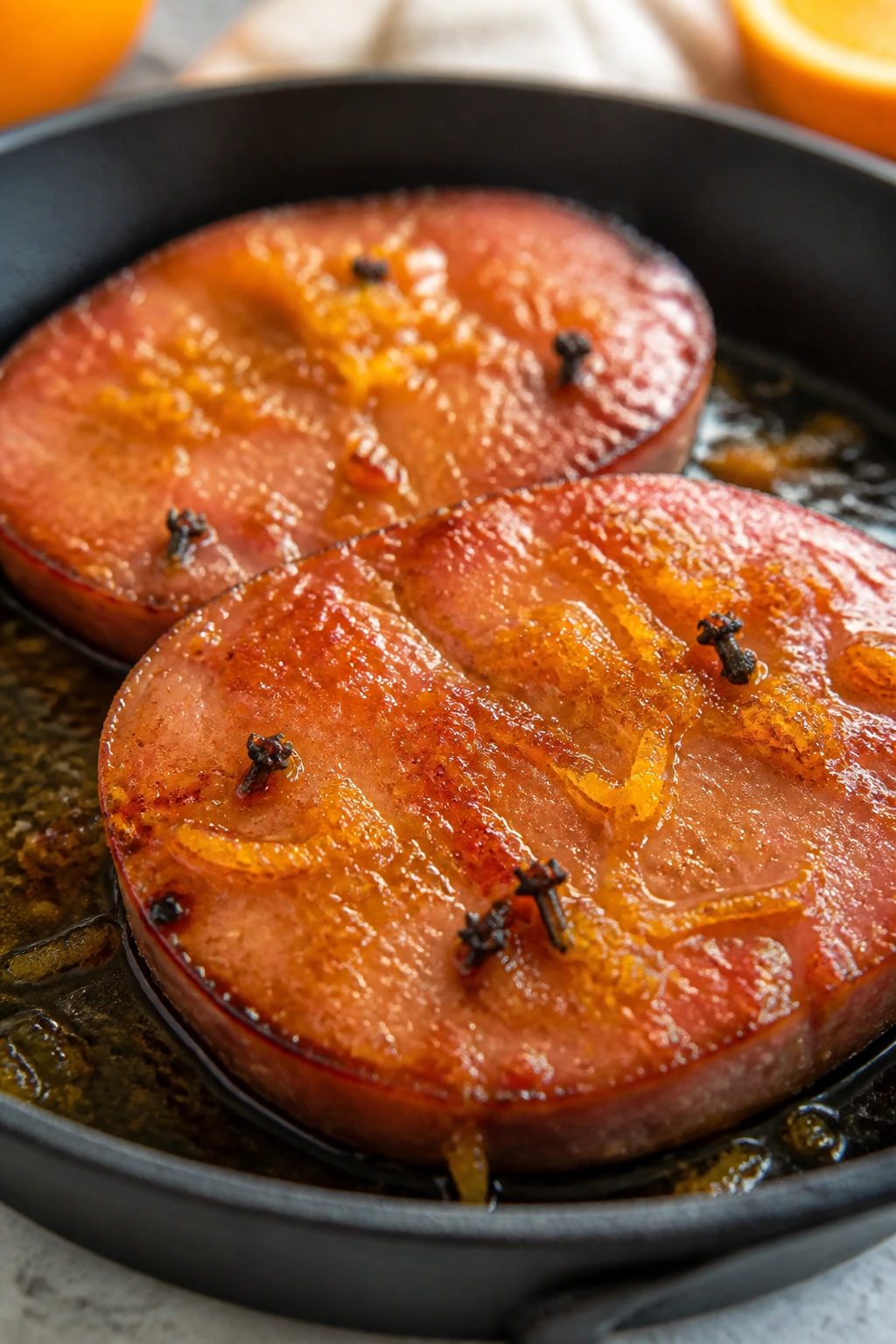
Orange and clove can feel old-fashioned in the best way when they’re handled with a light hand. The citrus wakes up the salt in the ham, and the clove gives the glaze a warm, smoked-spice note that bacon fans usually appreciate.
The scent is bright first, then deep. That’s what makes this one work. It tastes like a glazed holiday ham cut down to skillet size, but it cooks in a fraction of the time.
Why It Works: Orange juice brings acid and natural sugar, which reduces into a glossy sauce. Clove, used sparingly, makes the ham taste warmer and a little more layered. Butter at the end keeps the glaze from feeling sharp.
Key Ingredients:
- 2 ham steaks, 8 ounces each — patted dry.
- 1 tablespoon oil — for browning.
- 1/2 cup fresh orange juice — better than bottled if you have it.
- 1 tablespoon orange zest — the fragrant part.
- 2 tablespoons brown sugar — for body.
- 1/4 teaspoon ground cloves — use less if you’re unsure.
- 1 tablespoon butter — for finishing.
- Pinch of black pepper — keeps the glaze from going too sweet.
Quick Steps:
- Combine the orange juice, zest, brown sugar, cloves, and pepper in a bowl.
- Sear the ham steaks in oil over medium heat for 2 minutes per side.
- Pour in the orange mixture and simmer for 2 to 3 minutes until it starts to look syrupy.
- Add the butter and spoon the glaze over the ham until the sauce turns shiny and coats the pan.
- Serve right away while the citrus aroma is still bright.
Equipment for This Recipe:
- Skillet.
- Microplane or fine grater.
- Small bowl.
- Spoon for basting.
How to Serve This Dish: This works well with roasted carrots, rice, or a pile of garlicky spinach. The citrus likes a side that doesn’t fight back.
Pro Tips for This Recipe:
- Use fresh zest; bottled juice alone tastes flatter.
- Clove is strong. Start with 1/4 teaspoon, not more.
- If the sauce tastes too sweet, add 1 teaspoon vinegar.
- A few thyme leaves can sit in the pan without stealing the show.
Variations on This Dish:
- Blood Orange Swap: Use blood orange juice when you want a deeper color.
- Cinnamon-Free Spice: Leave out the clove and add black pepper only for a cleaner finish.
Common Mistakes to Avoid with This Dish:
- Using too much clove: It can take over the whole pan.
- Reducing the sauce too far: Orange sugar burns fast.
- Skipping the zest: Juice alone won’t give the same aroma.
11. Creamy Mushroom Pan-Sauce Ham Steaks
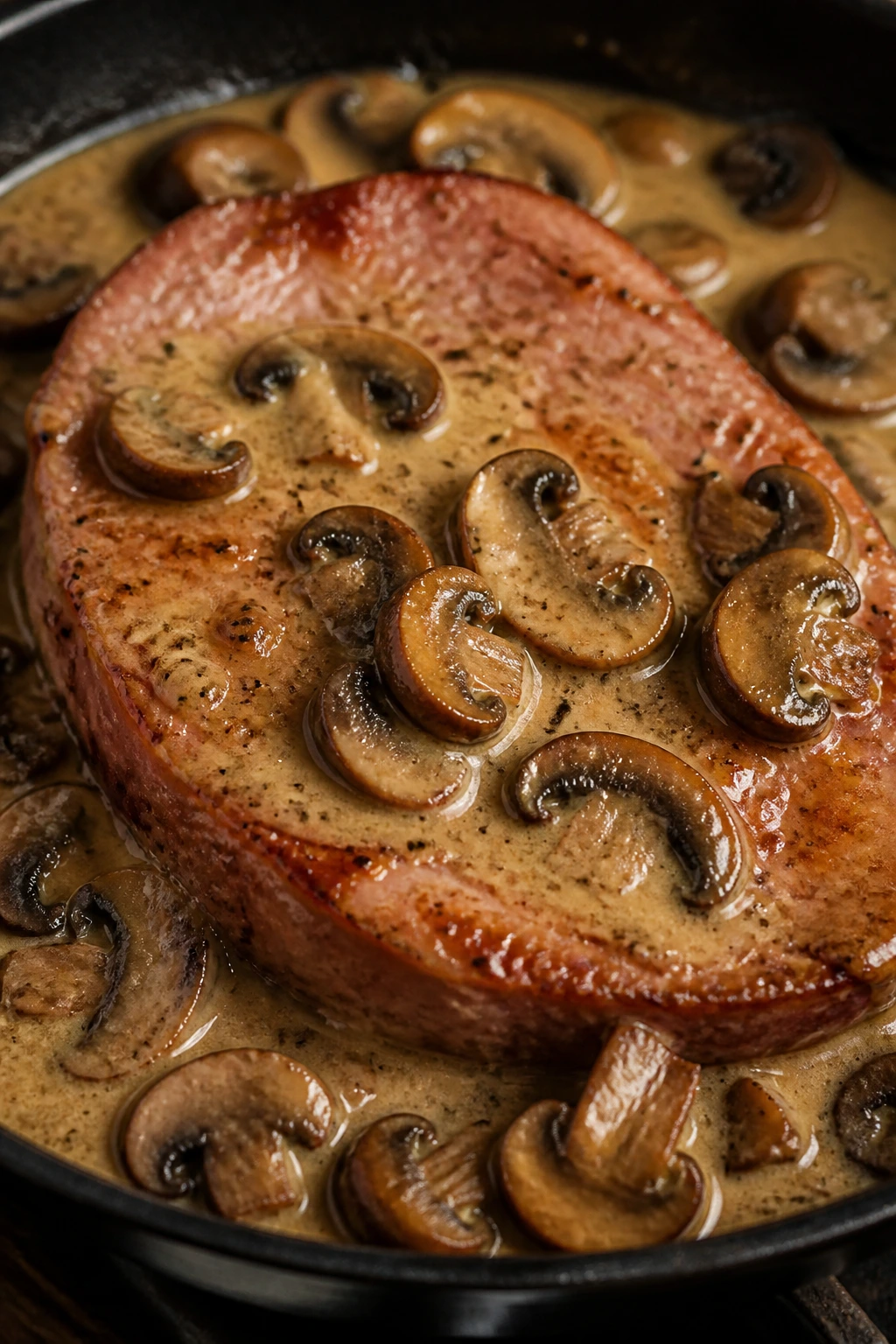
Ham steak and mushrooms make sense together in the same blunt, savory way bacon and mushrooms do. The sauce gets earthy, creamy, and a little glossy, with enough salt from the ham that you barely need to season it.
This recipe feels like a diner special that learned how to behave. The mushrooms soak up the drippings, and the cream ties the whole thing together without muting the cured pork.
Why It Works: Mushrooms absorb the browned bits from the skillet, which gives the sauce a deep, meaty taste. Dijon and cream make a fast pan sauce that clings to ham instead of sliding off. Because ham is already salty, the sauce needs pepper and thyme more than extra salt.
Key Ingredients:
- 2 ham steaks, 8 ounces each — browned first.
- 1 tablespoon oil — for searing.
- 8 ounces cremini mushrooms, sliced — the sauce body.
- 1 small shallot, minced — sweeter than onion.
- 1/2 cup chicken stock — for deglazing.
- 1/3 cup heavy cream — for richness.
- 1 teaspoon Dijon mustard — for lift.
- 1 teaspoon thyme leaves — fresh or dried.
Quick Steps:
- Brown the ham steaks in oil over medium heat, 2 to 3 minutes per side, then remove them from the skillet.
- Add the mushrooms and shallot, cooking for 5 to 6 minutes until the mushrooms release their liquid and turn golden.
- Pour in the stock and scrape up the browned bits from the pan.
- Stir in the cream, Dijon, and thyme, then simmer for 2 minutes until the sauce thickens slightly.
- Return the ham to the skillet and spoon the sauce over it for 1 minute before serving.
Equipment for This Recipe:
- Skillet with enough room for mushrooms.
- Wooden spoon.
- Knife and cutting board.
- Measuring cup.
How to Serve This Dish: Spoon it over mashed potatoes, buttered noodles, or rice. A bitter green, like broccoli rabe or sautéed escarole, keeps the plate from feeling too soft.
Pro Tips for This Recipe:
- Let the mushrooms actually brown; pale mushrooms make a weak sauce.
- If the sauce looks too thin, simmer 30 seconds more, not 5 minutes more.
- Use low-sodium stock so the ham stays in control.
- A splash of lemon at the end can wake up the cream.
Variations on This Dish:
- Garlic Cream Version: Add 2 minced garlic cloves with the shallot.
- Dairy-Light Option: Replace cream with evaporated milk for a thinner but workable sauce.
Common Mistakes to Avoid with This Dish:
- Salting the sauce too early: The ham will do enough of that.
- Pulling the mushrooms too soon: They need time to go from wet to browned.
- Boiling the cream hard: Gentle simmer only, or it can separate.
12. Jalapeño-Maple Ham Steaks
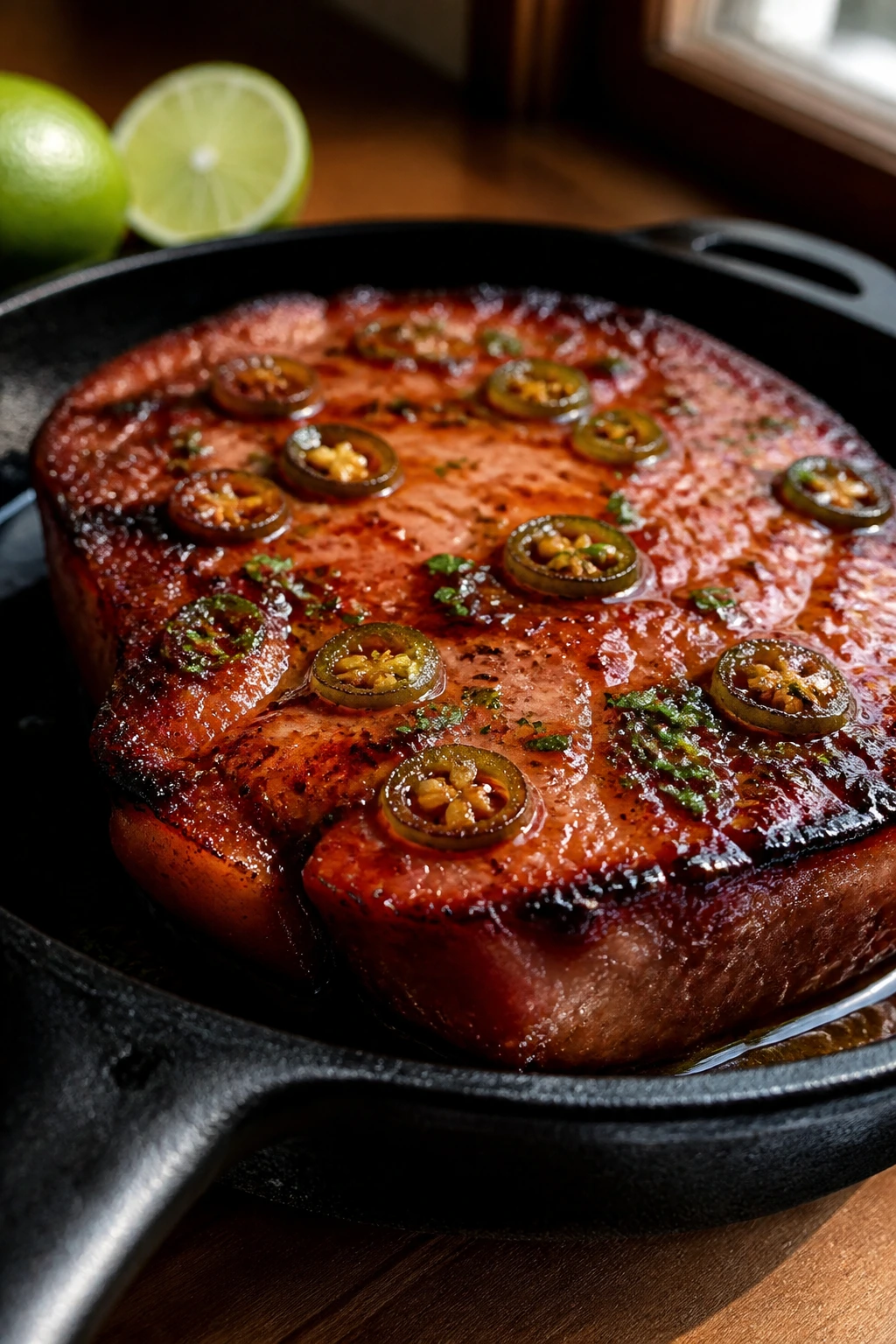
Sweet, spicy, and a little sticky. That’s the whole reason this recipe lands. The maple gives you the familiar cured-pork glaze, and the jalapeño keeps each bite sharp enough to wake up the palate.
This one has real bacon energy: salt, heat, sweetness, and a pan sauce that wants to be mopped up with bread. If you like a little bite with your glaze, this is an easy favorite.
Why It Works: Maple and jalapeño pull in opposite directions, which keeps the sauce from tasting flat. Lime juice gives the glaze a clean finish, and butter softens the heat so it does not feel aggressive. Seed the jalapeño if you want a gentler burn; keep the seeds if you want the glaze louder.
Key Ingredients:
- 2 ham steaks, 8 ounces each — one thicker slice if possible.
- 1 tablespoon oil — for browning.
- 3 tablespoons maple syrup — the sweet base.
- 1 jalapeño, finely minced — seed to taste.
- 1 tablespoon lime juice — adds snap.
- 1 teaspoon soy sauce — for depth.
- 2 tablespoons butter — to finish.
- Black pepper, to taste — optional, but useful.
Quick Steps:
- Stir the maple syrup, minced jalapeño, lime juice, and soy sauce together.
- Heat the oil in a skillet over medium heat and sear the ham steaks for 2 minutes per side.
- Lower the heat, add the glaze, and simmer for 1 to 2 minutes until it thickens.
- Add the butter and spoon the sauce over the ham until the surface glistens.
- Serve as soon as the glaze clings to the meat and the jalapeño smells warm.
Equipment for This Recipe:
- Skillet.
- Small bowl.
- Knife and cutting board.
- Tongs.
How to Serve This Dish: Serve with cornbread, black beans, or simple rice. The plate likes starchy sides that can take the extra glaze without arguing.
Pro Tips for This Recipe:
- Wear gloves if you’re cutting a hot jalapeño and then touching your face is a bad idea.
- Seed the pepper if you want heat but not a long burn.
- A teaspoon of mustard fits well here if you want more savory depth.
- Don’t let maple go past glossy; it can turn bitter.
Variations on This Dish:
- Milder Pepper Version: Use half a jalapeño and add bell pepper strips.
- Hot-Honey Turn: Swap half the maple for hot honey if you want more stickiness.
Common Mistakes to Avoid with This Dish:
- Too much jalapeño juice in the pan: It can overpower the maple fast.
- Cooking on high heat: Sweet glazes burn before the ham heats through.
- Forgetting the lime: The acid is what keeps this from tasting heavy.
13. Mustard-Shallot Ham Steaks
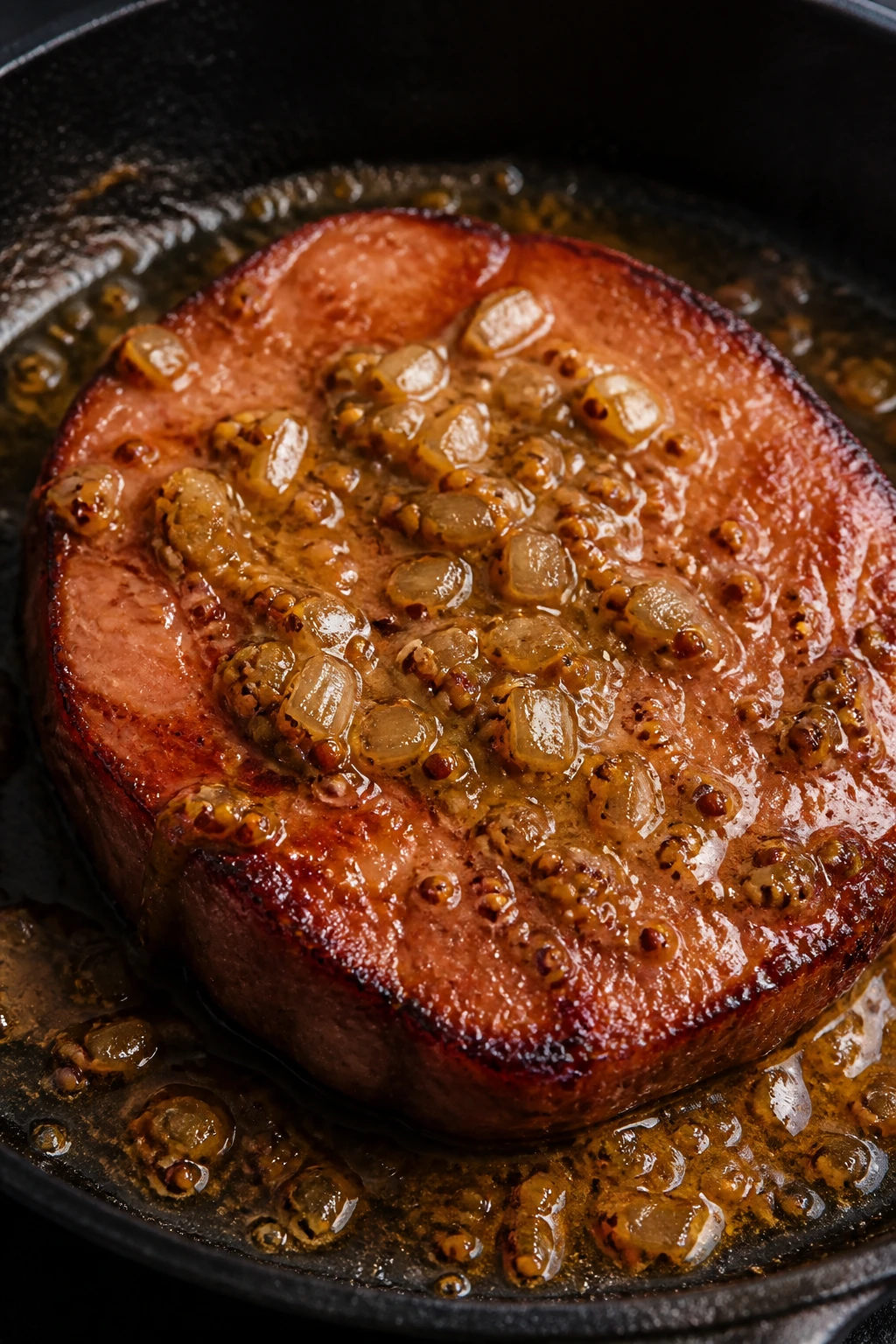
There’s a good reason ham and mustard keep showing up together. Mustard cuts salt, wakes up fat, and makes a cured slice taste sharper without requiring a sweet glaze.
This one is for the savory crowd. It’s not shy, and it doesn’t try to be. Bacon lovers who want salt, tang, and browned edges without syrup usually end up here.
Why It Works: Shallots soften into a quick pan sauce that tastes sweeter than raw onion but sharper than cream. Whole-grain mustard adds texture, while a splash of white wine or stock gives the sauce body. Butter rounds out the edges so the sauce feels polished instead of skinny.
Key Ingredients:
- 2 ham steaks, 8 ounces each — lightly patted dry.
- 1 tablespoon oil — for searing.
- 1 small shallot, minced — the aromatic base.
- 1/4 cup dry white wine or chicken stock — for deglazing.
- 2 tablespoons whole-grain mustard — the main flavor.
- 1 tablespoon Dijon mustard — for smoothness.
- 2 tablespoons butter — finish and shine.
- 1 teaspoon chopped parsley — for a fresh end note.
Quick Steps:
- Brown the ham steaks in oil over medium heat for 2 to 3 minutes per side, then move them to a plate.
- Add the shallot to the skillet and cook for 1 minute until softened.
- Pour in the wine or stock, scraping the pan clean with a spoon.
- Stir in both mustards and the butter, then simmer for 1 minute until the sauce looks creamy and flecked.
- Return the ham to the pan, coat it in sauce, and top with parsley.
Equipment for This Recipe:
- Skillet.
- Measuring cup.
- Small spoon or whisk.
- Knife for the shallot.
How to Serve This Dish: Serve with roasted potatoes, buttered cabbage, or a pile of beans. A crusty roll is worth keeping around for the sauce.
Pro Tips for This Recipe:
- Whole-grain mustard gives texture; don’t replace it with only Dijon.
- Wine needs to simmer for a minute or two so it stops tasting raw.
- Parsley should go in at the very end so it stays fresh.
- A small spoon of honey can soften the sharpness if needed.
Variations on This Dish:
- Herb Mustard Route: Add tarragon or dill for a greener flavor.
- Creamy Mustard Version: Stir in 2 tablespoons cream for a softer sauce.
Common Mistakes to Avoid with This Dish:
- Using only sweet mustard: The sauce gets flimsy and loses bite.
- Skipping the deglaze: The browned bits carry most of the flavor.
- Overdoing the butter: Too much makes the sauce greasy instead of smooth.
14. Fried Apple and Thyme Ham Steaks
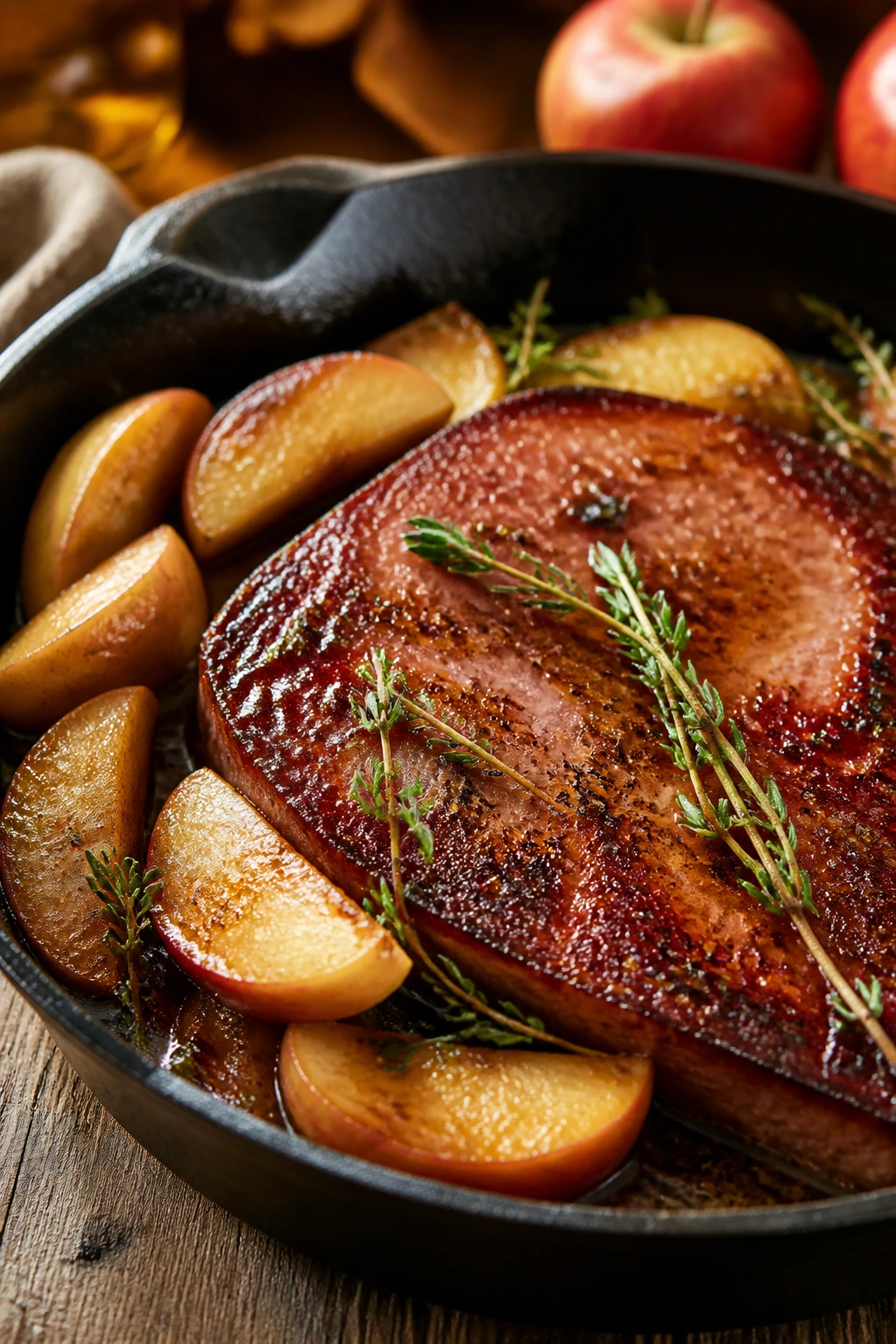
Apples and ham are an old-school pairing that still works because the texture contrast is real. Soft apples, browned ham, thyme, and butter make a plate that feels autumnal without being fussy.
The apples cook in the same pan, which matters. They soak up the drippings and turn into something close to a savory relish, not a dessert topping.
Why It Works: Apples bring sweetness and acid, and when they cook in butter they soften without disintegrating. Thyme ties fruit to pork in a way that tastes intentional, not random. A splash of cider vinegar keeps the apples from sliding into pie filling territory.
Key Ingredients:
- 2 ham steaks, 8 ounces each — browned first.
- 2 medium apples, sliced — firm types hold shape best.
- 2 tablespoons butter — for the apples.
- 1 tablespoon brown sugar — helps caramelization.
- 1 teaspoon thyme leaves — fresh if you can.
- 1 tablespoon apple cider vinegar — balances the fruit.
- 1 tablespoon oil — for the ham.
- Black pepper, to taste — for the finish.
Quick Steps:
- Brown the ham steaks in oil over medium heat for 2 minutes per side, then set aside.
- Melt the butter in the same skillet and add the apples, brown sugar, and thyme.
- Cook the apples for 4 to 5 minutes until softened at the edges and lightly golden.
- Stir in the vinegar and pepper, then return the ham to the skillet.
- Spoon the apples over the ham and warm everything together for 1 minute.
Equipment for This Recipe:
- Skillet.
- Knife and cutting board.
- Spatula or spoon.
- Plate for resting the ham.
How to Serve This Dish: Serve with mashed potatoes or grits, and keep the apple mixture on top of the ham, not under it. That keeps the plate from turning soggy.
Pro Tips for This Recipe:
- Choose firm apples like Honeycrisp or Granny Smith so they hold their shape.
- If the apples brown too fast, lower the heat instead of adding more butter.
- A few extra black pepper cracks make the fruit taste less sweet.
- If you want a richer version, add 1 tablespoon cream at the end.
Variations on This Dish:
- Cider Apple Version: Add 2 tablespoons cider when the apples soften.
- Onion-Apple Mix: Add thin onion slices for a more savory pan topping.
Common Mistakes to Avoid with This Dish:
- Using soft apples: They collapse into mush.
- Cooking the ham too long while the apples soften: The meat dries out.
- Skipping acid: Without vinegar, the apples taste heavy and flat.
15. Cherry-Balsamic Ham Steaks
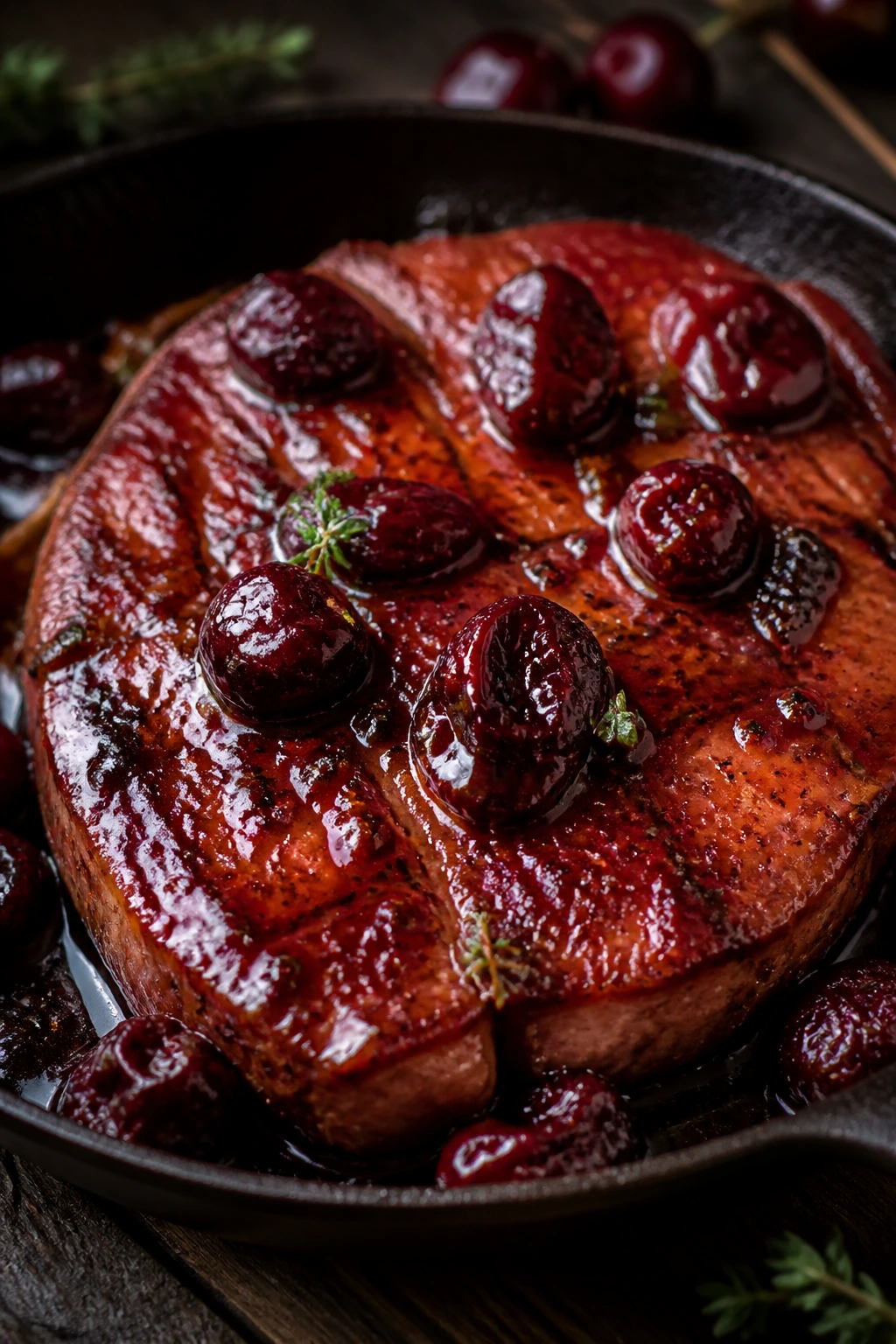
Cherry and balsamic bring a dark, tangy sweetness that tastes bigger than the ingredient list suggests. The sauce turns almost jewel-like, and the ham takes on a glossy finish that feels a little more dressed up than the usual skillet glaze.
It’s not delicate. Good. Ham steak rarely should be. This version is bold enough to stand beside roasted vegetables or a sharp salad without disappearing.
Why It Works: Cherries give the sauce fruit depth and color, while balsamic adds sharpness and a little natural thickness. Butter rounds the fruit edges so the glaze doesn’t feel like jam. Black pepper pulls the whole thing back toward savory.
Key Ingredients:
- 2 ham steaks, 8 ounces each — patted dry.
- 1 tablespoon oil — for browning.
- 1 cup pitted cherries, fresh or frozen — thaw frozen cherries first.
- 2 tablespoons balsamic vinegar — for the tang.
- 2 tablespoons brown sugar — helps the sauce reduce.
- 1 tablespoon butter — finishes the glaze.
- 1/2 teaspoon black pepper — keeps it savory.
- 1 teaspoon chopped thyme — optional, but helpful.
Quick Steps:
- Brown the ham steaks in oil over medium heat for 2 to 3 minutes per side.
- Add the cherries, balsamic, brown sugar, pepper, and thyme to the skillet.
- Cook for 3 to 4 minutes, stirring, until the cherries start to burst and the sauce turns thick and dark.
- Stir in the butter and return the ham to the pan.
- Spoon the sauce over the ham for 30 seconds before serving.
Equipment for This Recipe:
- Skillet.
- Wooden spoon.
- Measuring spoons.
- Small bowl if you want to mix the sauce first.
How to Serve This Dish: Serve it with roasted Brussels sprouts or mashed cauliflower if you want a side that can stand up to the sauce. A peppery arugula salad also works.
Pro Tips for This Recipe:
- Frozen cherries are fine; thaw and drain them first.
- Don’t reduce balsamic until it turns syrupy on its own—too much time makes it harsh.
- Use unsalted butter so the fruit stays bright.
- If the sauce tastes too sharp, add 1 teaspoon honey.
Variations on This Dish:
- Black Cherry Version: Use black cherries and a tiny pinch of clove.
- Port-Style Option: Replace 1 tablespoon of cherry liquid with grape juice if you want a softer fruit note.
Common Mistakes to Avoid with This Dish:
- Using too much balsamic: The sauce turns one-note and harsh.
- Letting the cherries cook until they vanish: You want some pieces left.
- Forgetting pepper: It keeps the glaze in savory territory.
16. Cajun Ham Steaks with Peppers and Onions
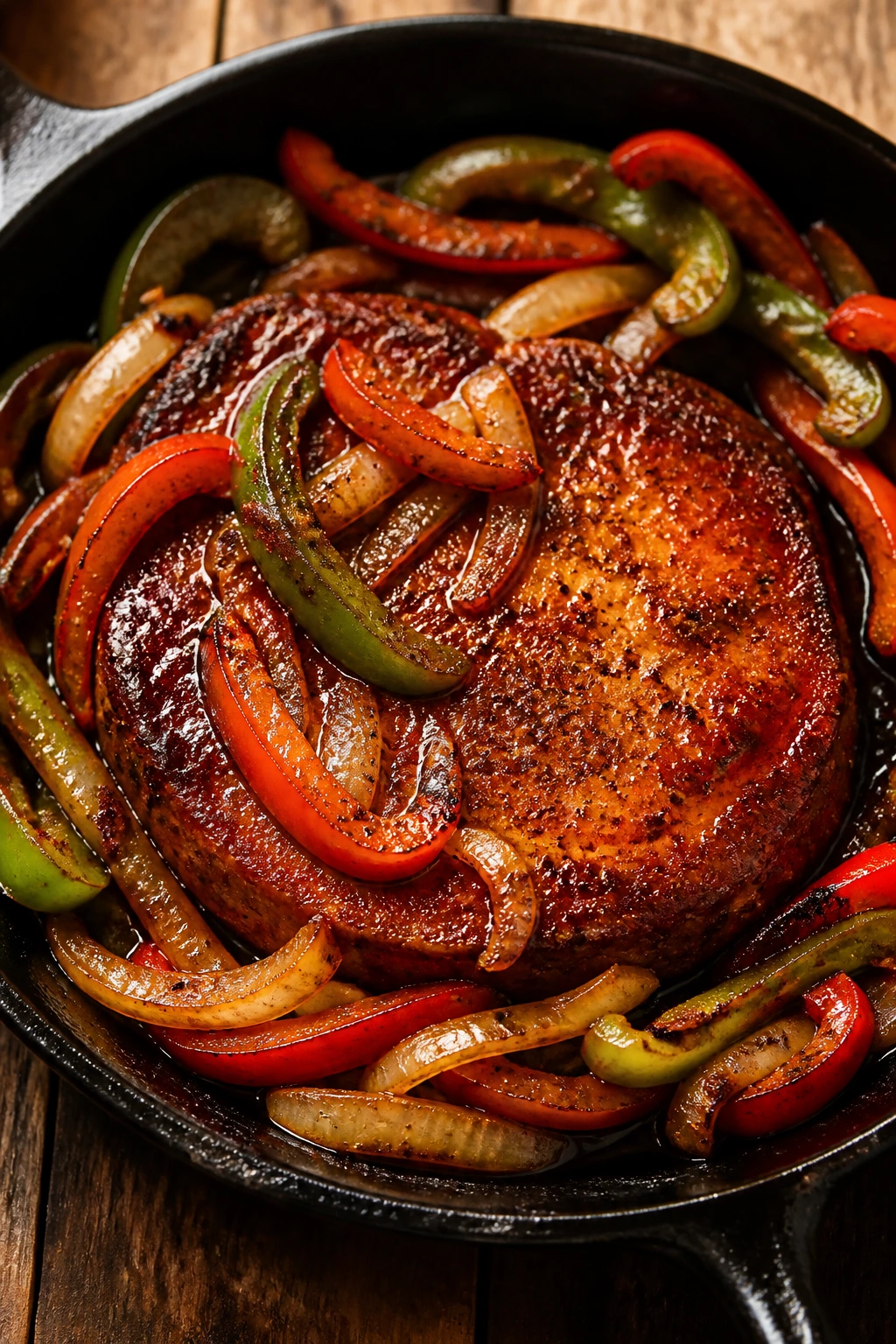
This is the skillet supper that understands the assignment: browned pork, softened peppers, onions with edges, and seasoning that actually tastes like something. It’s one of the most bacon-like recipes in the group because it leans on smoke, spice, and a good browned crust.
You can eat it with rice, spoon it into buns, or put it next to eggs if you want a breakfast plate with attitude. That flexibility is the point.
Why It Works: Cajun seasoning brings paprika, garlic, onion, and pepper in one shake, which is perfect for ham steak. Peppers and onions soften in the same pan and soak up the drippings, so nothing tastes separate. A little lemon at the end keeps the spice from feeling muddy.
Key Ingredients:
- 2 ham steaks, 8 ounces each — not paper-thin.
- 1 tablespoon oil — for searing.
- 1 tablespoon butter — for the vegetables.
- 1 bell pepper, sliced — red or green both work.
- 1 medium onion, sliced — for sweetness.
- 1 1/2 teaspoons Cajun seasoning — adjust for saltiness.
- 1 teaspoon lemon juice — to finish.
- Hot sauce, optional — for extra heat.
Quick Steps:
- Brown the ham steaks in oil over medium heat for 2 minutes per side, then move them to a plate.
- Add butter, peppers, and onions to the skillet and cook for 6 to 8 minutes until soft and browned at the edges.
- Sprinkle in the Cajun seasoning and toss for 30 seconds so it blooms in the hot pan.
- Return the ham to the skillet and spoon the peppers and onions over the top.
- Finish with lemon juice and hot sauce, then serve while everything is still hot.
Equipment for This Recipe:
- Large skillet.
- Tongs.
- Sharp knife.
- Wooden spoon.
How to Serve This Dish: Serve over rice, creamy grits, or stuffed into toasted rolls. The peppers and onions are not a side here; they are part of the main event.
Pro Tips for This Recipe:
- Check the Cajun seasoning label for salt; some blends are aggressive.
- Slice the vegetables evenly so they cook at the same pace.
- Lemon at the end matters. It wakes up the spice and the pork.
- If you want a little more color, finish under the broiler for 1 minute in an oven-safe pan.
Variations on This Dish:
- Creole Lean: Add a spoonful of tomato paste with the vegetables.
- Smokehouse Twist: Stir in smoked paprika and a pinch of thyme.
Common Mistakes to Avoid with This Dish:
- Under-browning the vegetables: Pale peppers taste watery.
- Using too much seasoning at once: Cajun blends vary wildly in salt.
- Cooking the ham too long after it returns to the pan: It only needs to warm through.
Why the Hot Skillet Wins for Ham Steak
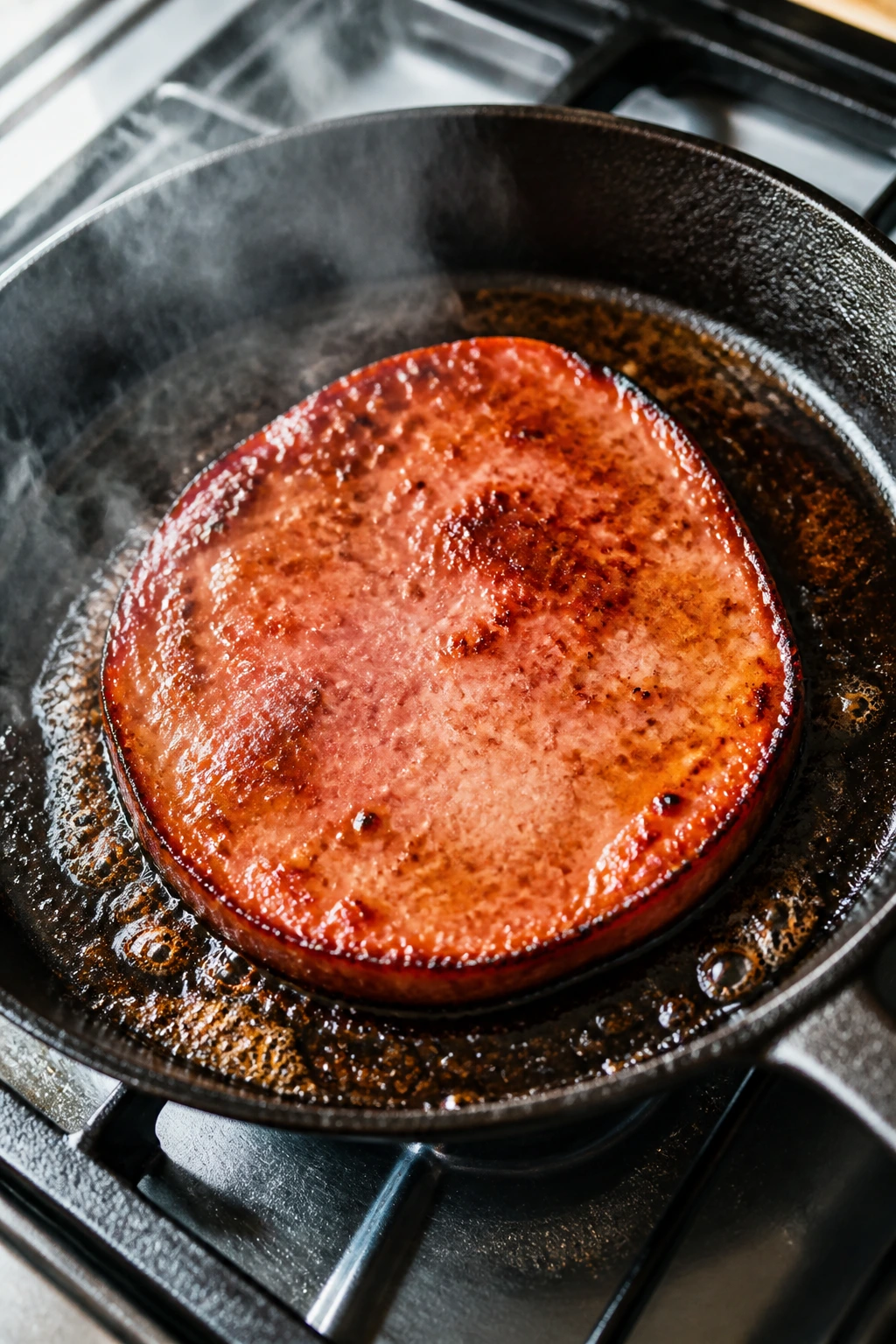
A ham steak does not need a long roast or a slow braise to become interesting. It needs heat, contact, and a reason to brown. That’s the whole trick. A skillet gives you all three at once, and if the pan is hot enough, the edges take on that bronzed, almost crisp look that bacon lovers recognize on sight.
Most ham steaks are already cured and cooked, which changes the game. You’re not trying to make the meat safe from scratch; you’re waking it up. That means the best results usually come from medium heat, a little fat, and a sauce that goes in only after the surface has already started to color. Add sugar too early and it burns. Add it late and it turns glossy.
The USDA’s general guidance for ham is worth keeping in the back of your head: fully cooked ham only needs reheating, while uncooked ham should reach 145°F with a short rest. That matters because many grocery-store ham steaks are fully cooked, and treating them like raw pork is how you end up with a dry, chewy slice nobody wants to finish. A probe thermometer is useful here, but so is a good eye. When the glaze bubbles and clings, and the center feels hot all the way through, you’re close.
What I like most is the built-in sauce. Ham leaves behind browned bits. Those bits matter. They are the difference between a slice that tastes like warmed deli meat and one that tastes like someone actually cooked dinner.
Essential Equipment for These Recipes
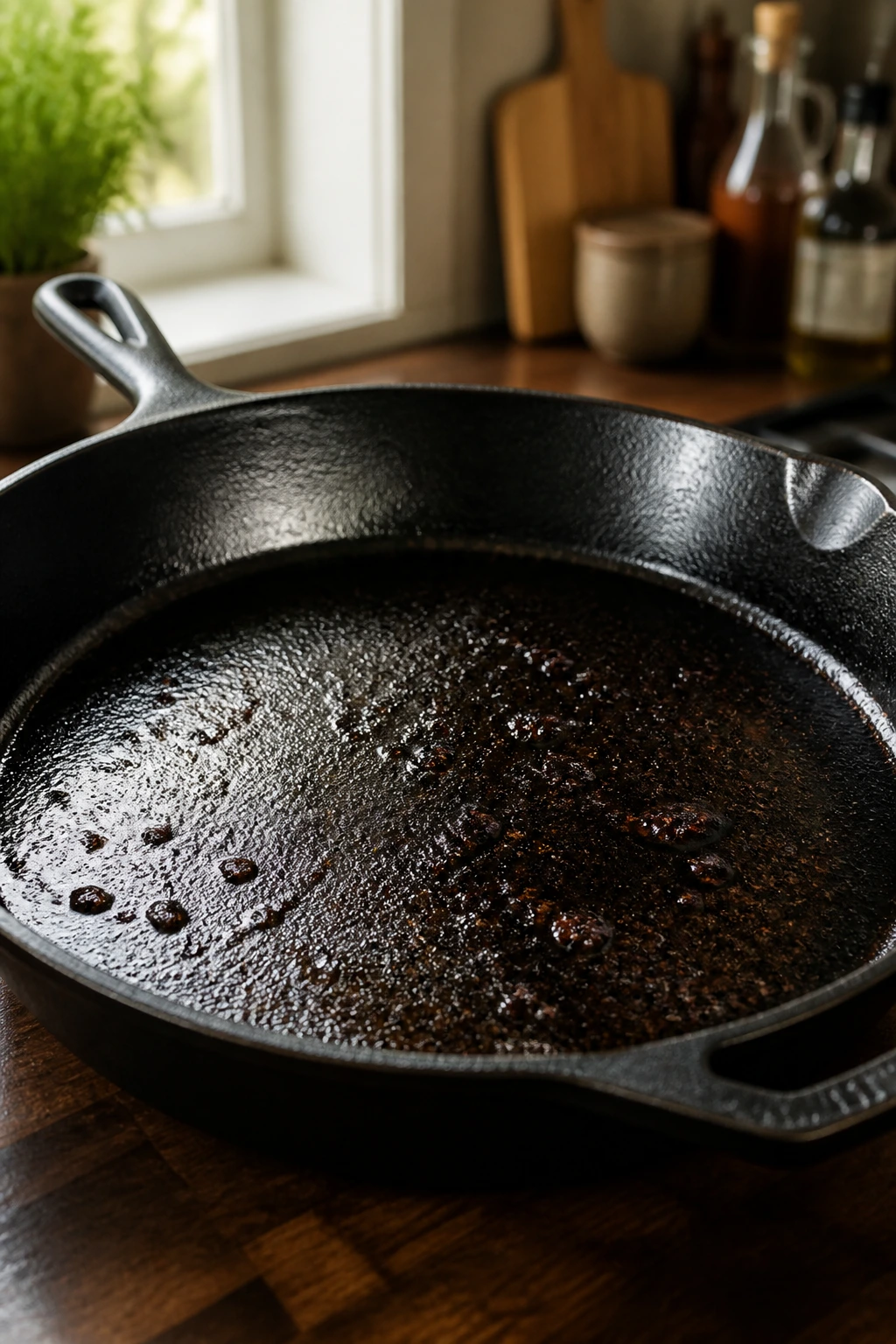
- 12-inch cast-iron skillet: Best for browning and holding heat without hot spots.
- Heavy stainless-steel skillet: A solid second choice, especially for pan sauces.
- Tongs: Ham steak tears if you stab it with a fork and drag it around.
- Wooden spoon: Good for scraping up browned bits without gouging the pan.
- Small bowls: Useful for mixing glazes before the ham hits the skillet.
- Measuring spoons and cups: Sugar, vinegar, and mustard work best when you don’t eyeball them.
- Instant-read thermometer: Handy for thick steaks or if your package gives unclear cooking directions.
- Broiler-safe sheet pan or oven-safe skillet: Needed for the recipes that finish under high heat.
- Knife and cutting board: For onions, apples, peppers, and herbs.
- Paper towels: Dry ham browns better than damp ham. Simple, but true.
Smart Shopping and Ingredient Tips
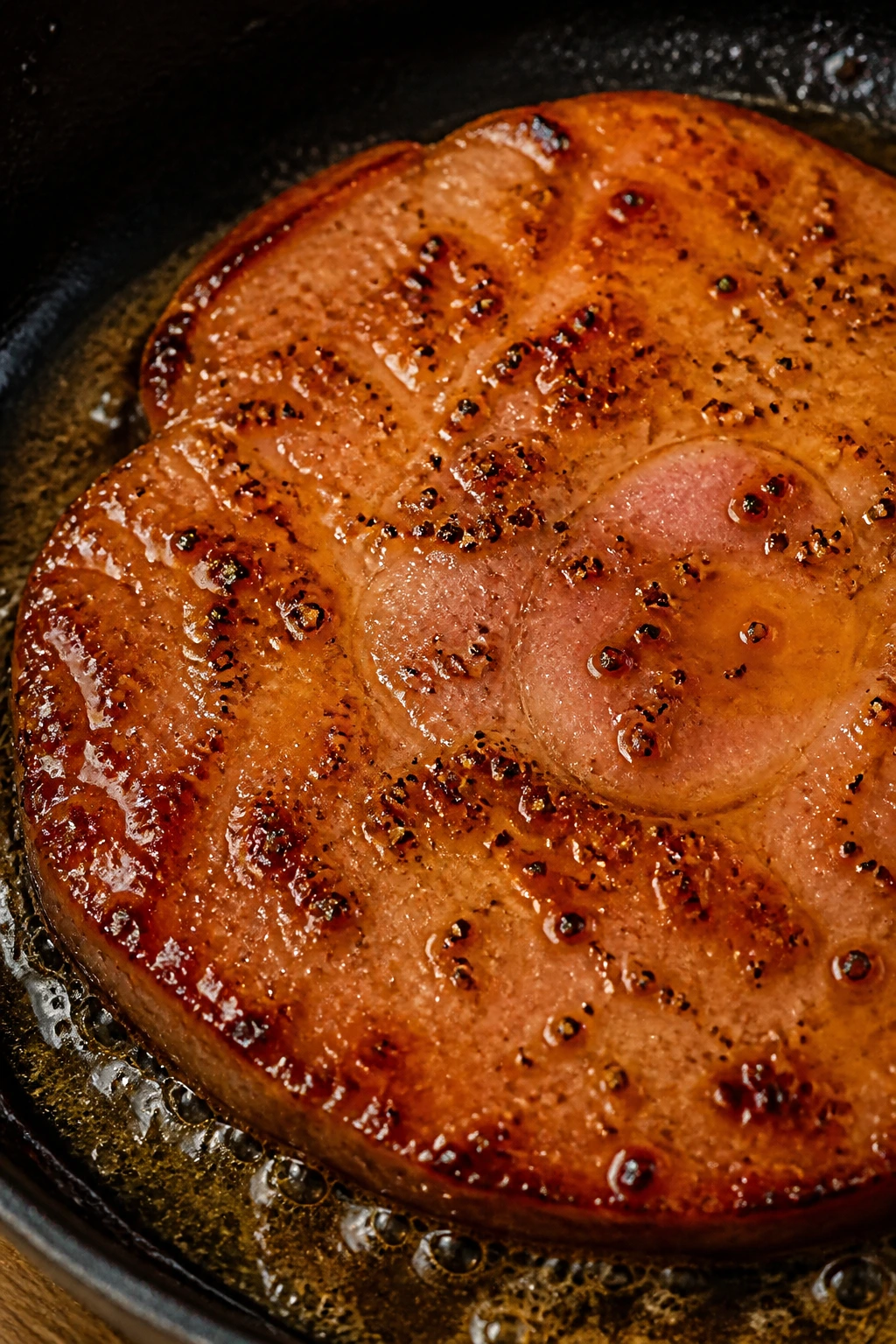
Start with thickness. A ham steak around 1/2 to 3/4 inch thick holds up better than a thin slice that turns leathery before the glaze even wakes up. If the package lists a lot of added water, expect more steam and less browning. That does not make the ham bad, but it does mean you’ll want a slightly drier skillet and a little more patience.
Look at the smoke level too. Hickory-smoked or double-smoked ham steaks bring a flavor that bacon lovers usually respond to right away, because the smoke reads stronger before you even add a glaze. If you’re buying a low-sodium ham steak, good. That gives you room to use mustard, soy sauce, or a bacon-based topping without the whole plate tipping salty.
Sugar matters more than people think. Dark brown sugar gives you molasses depth; light brown sugar is softer and a little cleaner. Maple syrup should be real maple syrup, not pancake syrup with extra corn syrup and coloring. For fruit-based glazes, fresh fruit gives a brighter finish, but frozen fruit works well if you thaw and drain it first. Water is the enemy of glaze.
If you’re using mustard, buy one with a sharp edge. Dijon, whole-grain, or even a grainy pub-style mustard all work. Plain yellow mustard can work in a pinch, but it tastes flatter unless you back it up with vinegar or black pepper. For sauces with soy sauce, low-sodium tamari is a good swap if you need a gluten-free option. And if a recipe asks for cider vinegar, don’t replace it with a random bottle of sweet vinegar dressing. The acid is there to cut through cured pork, not to add another layer of sugar.
How to Serve These Recipes
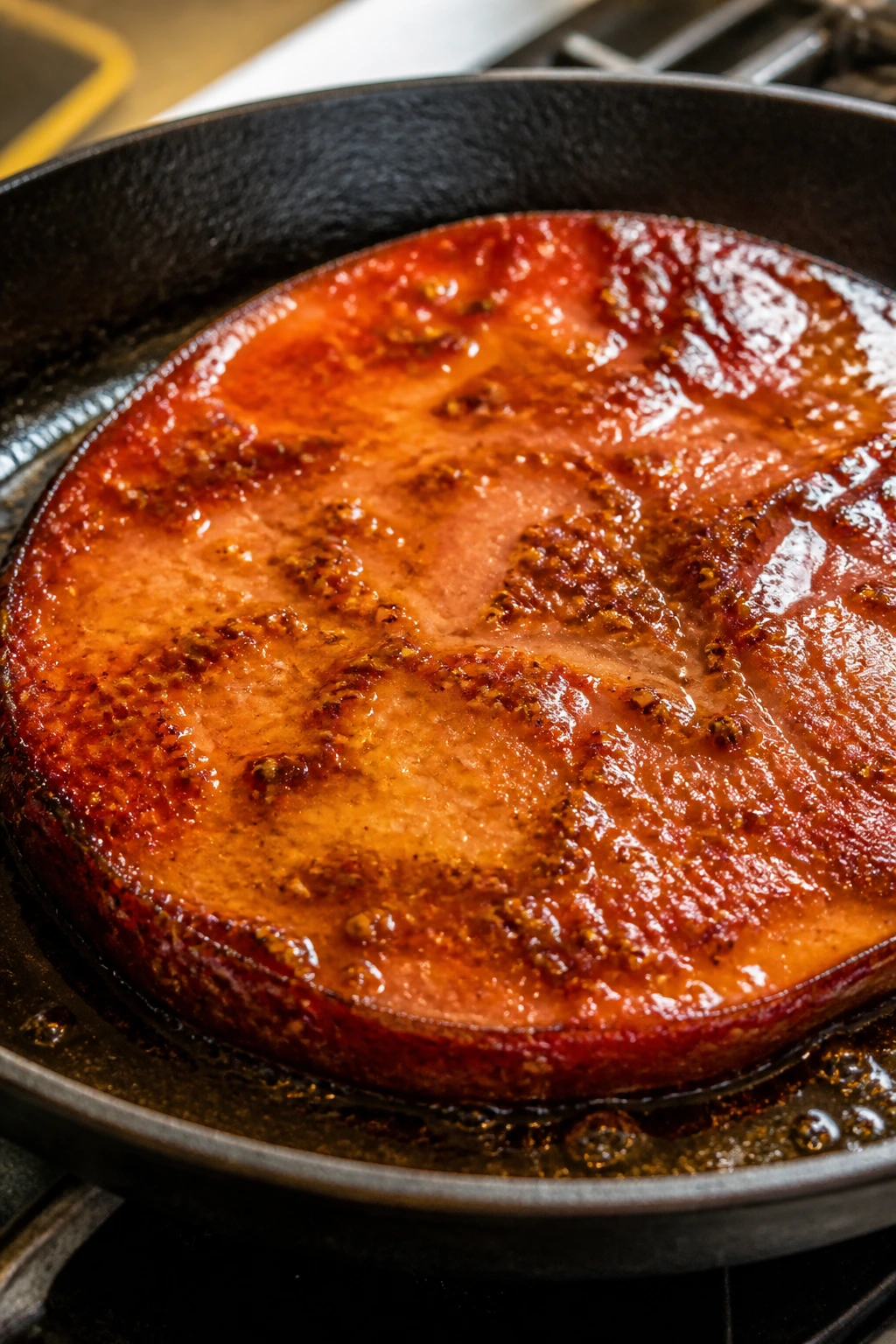
Presentation: Put the ham steak slightly off-center on the plate and spoon the glaze over the top half so you can still see the browned edges. If you’re using fruit, onions, or mushrooms, pile them beside and partly over the meat instead of burying the whole slice.
Accompaniments: Bacon lovers usually want something starchy and something sharp. Think skillet potatoes, grits, buttered noodles, roasted cabbage, coleslaw, biscuits, or a salad with a sharp vinaigrette. For breakfast, eggs and toast make the most sense; for dinner, green beans, beans, or mashed potatoes do the job.
Portions: One 8-ounce ham steak usually feeds one hungry adult or two lighter eaters if you’re serving sides. Two steaks make a family meal, especially if the glaze is bold and the plate has potatoes or rice. If you’re scaling up, brown the ham in batches and make the sauce in the same pan so you don’t lose the fond.
Beverage Pairing: Black coffee works beautifully with the sweeter glazes. Dry hard cider, unsweetened iced tea, or sparkling water with lemon handles the salt and fat without fighting the pork. If you want something richer, a malty amber beer sits nicely next to the smoky versions.
Additional Tips and Flavor Boosters
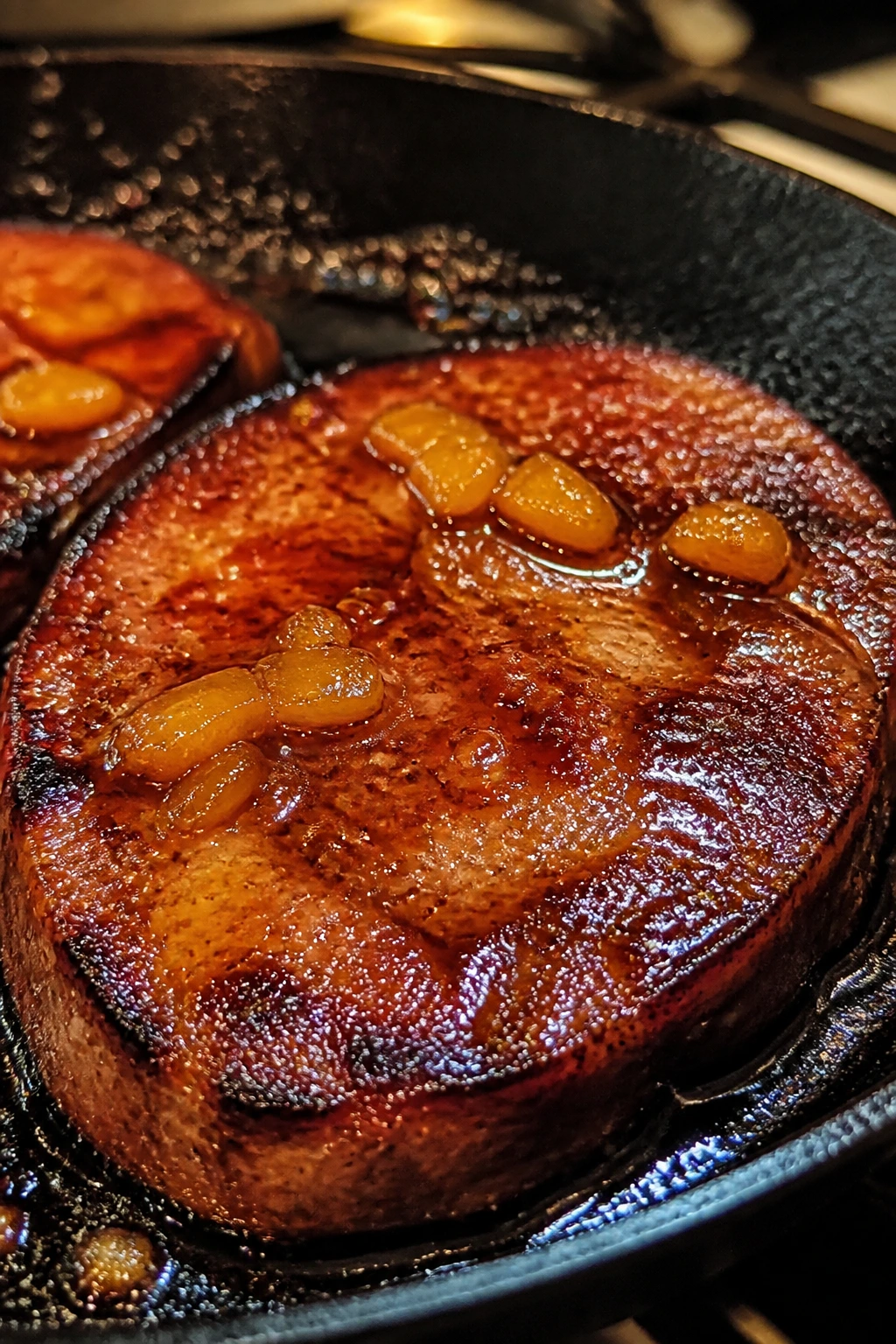
Flavor Enhancement: A teaspoon of acid at the end—lemon juice, cider vinegar, or lime—makes the glaze taste fresher and keeps the ham from feeling heavy. That tiny finishing hit does more than another tablespoon of sugar ever could.
Customization: If you like more crunch, top the finished ham with fried shallots, toasted sesame seeds, chopped scallions, or crisp bacon bits. For a saucier plate, make an extra spoonful of glaze and keep it off to the side so the crust on the ham does not disappear under it.
Serving Suggestions: Slice ham steaks on a bias if you want them to look a little neater on the plate. It also gives you more surface area for glaze. Fresh herbs help here too—parsley for the mustardy recipes, thyme for apple and bourbon versions, scallions for spicy ones.
Make-It-Yours: For a lower-sugar version, cut sweeteners by one-third and lean harder on mustard, pepper, and vinegar. For dairy-free cooking, use oil instead of butter and finish with a little extra acid. For a richer, brunchier result, add a fried egg on top and let the yolk run into the sauce. That is not subtle. It is excellent.
Make-Ahead, Storage, and Reheating Guidance
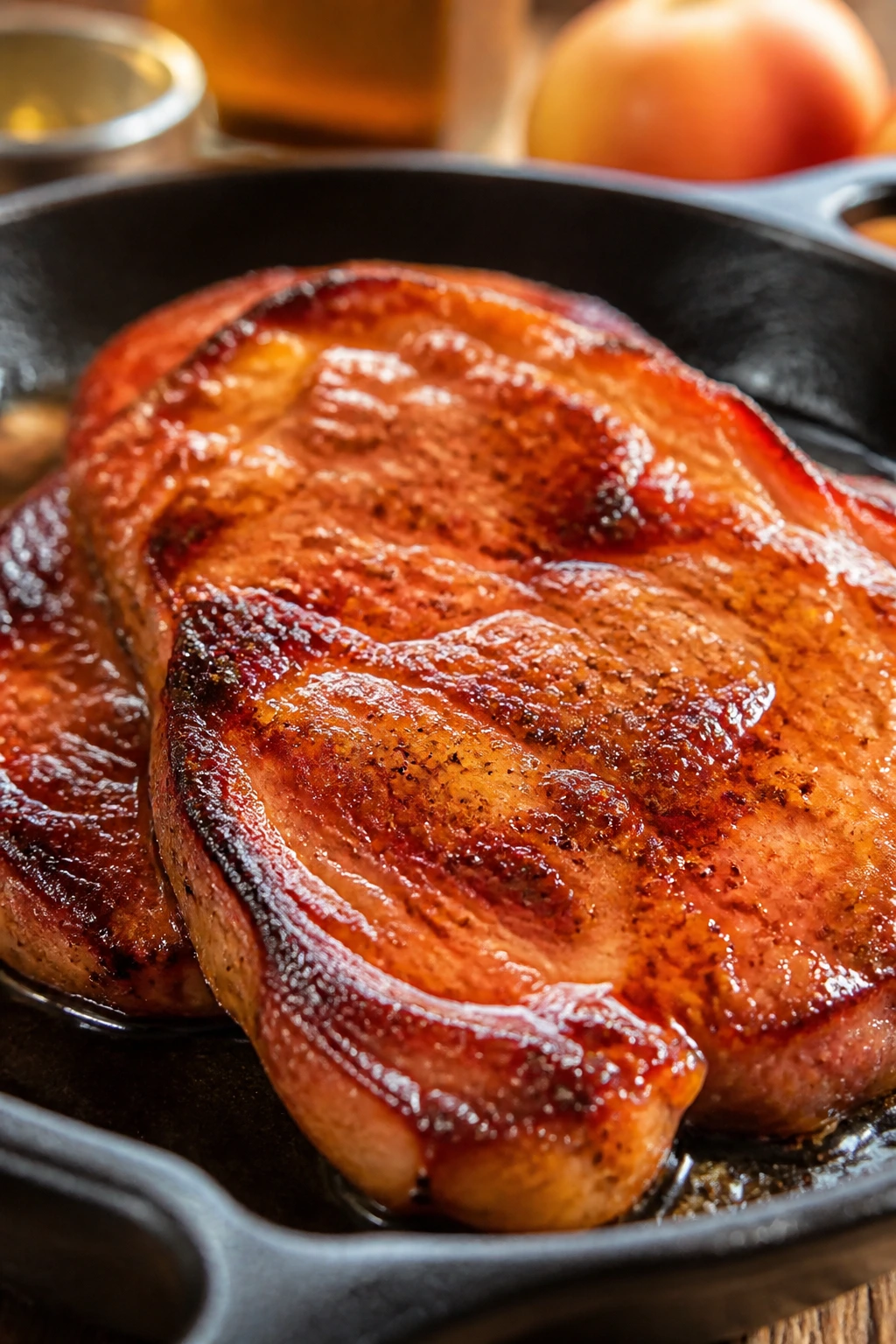
Cooked ham steaks keep well, but they need to be handled like leftovers with a plan. Cool them quickly, get them into shallow containers, and refrigerate within 2 hours. They’ll hold for 3 to 4 days in the fridge. If you want to freeze them, wrap each steak tightly and freeze for up to 2 months. The texture holds best when the sauce is stored separately, though a glazed ham steak can still freeze fine if you don’t mind a softer finish after thawing.
Reheat in a skillet over medium-low heat with a splash of water, cider, or stock. That keeps the meat from drying out and loosens any glaze that has tightened in the fridge. Covering the pan for a minute or two helps heat the center without charring the sugar on the surface. The oven works too: 300°F, covered loosely with foil, for about 10 to 15 minutes depending on thickness. Microwave only if you have to, and use 50% power with a damp paper towel on top.
Glazes can be made ahead. Brown sugar, mustard, vinegar, maple, soy, and spice mixtures all keep for 2 to 3 days in the fridge in a jar or small container. Fruit-based glazes can be prepped a day ahead and warmed before cooking. If you’re making a bacon-onion jam, that actually improves overnight, because the onion flavor settles and the texture thickens. Ham steak itself, though, is best when the sear is fresh and the glaze is hot.
Variations and Adaptations to Try
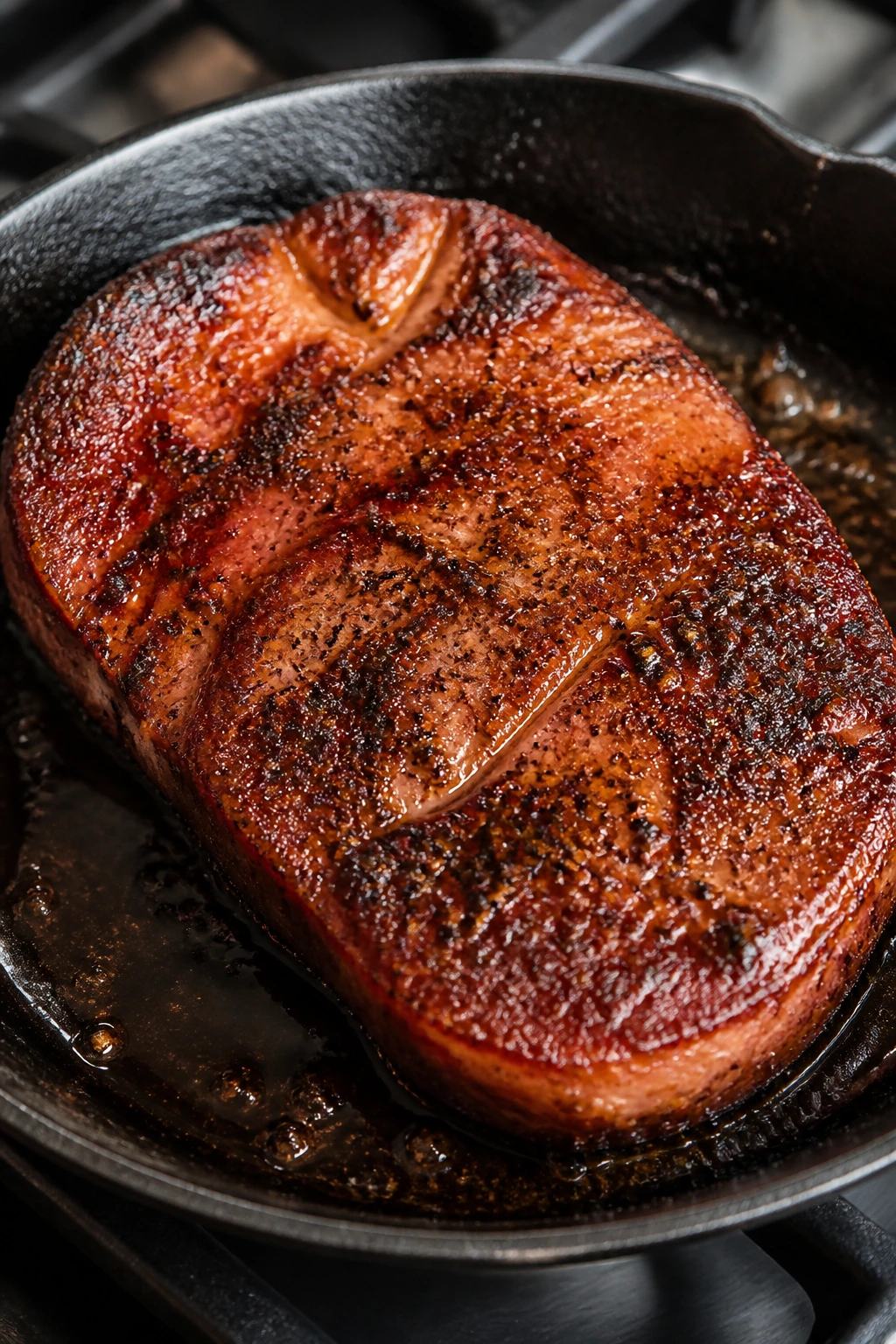
- Lower-Sugar Route: Use half the sweetener and add more mustard, vinegar, black pepper, and herbs. You still get a glossy finish, but the ham tastes saltier and more savory.
- Extra-Smoked Finish: Stir smoked paprika or a teaspoon of bacon fat into the glaze. This is the easiest way to push the flavor closer to the bacon lane without changing the recipe structure.
- Brunch Plate Version: Serve the ham steak with eggs, home fries, and toast. Skip the heavier sauce and go for pepper, mustard, or maple-Dijon so the plate stays balanced.
- Sheet-Pan Family Version: Brush ham steaks with glaze, tuck potatoes or apples around them, and roast in a 400°F oven until the edges brown and the sides soften. It is less fiddly when you’re feeding more than two people.
- Gluten-Free Adaptation: Use tamari instead of soy sauce and check your mustard and BBQ sauce labels. Most of the recipes here are already close to gluten-free, but the bottled condiments deserve a look.
- Savory-Only Version: Leave out the sweetener, then lean on garlic, mustard, herbs, pepper, and a splash of cider or wine. This is the move for people who like ham with the same directness they like bacon: salty, browned, and not fussy.
Common Mistakes to Avoid
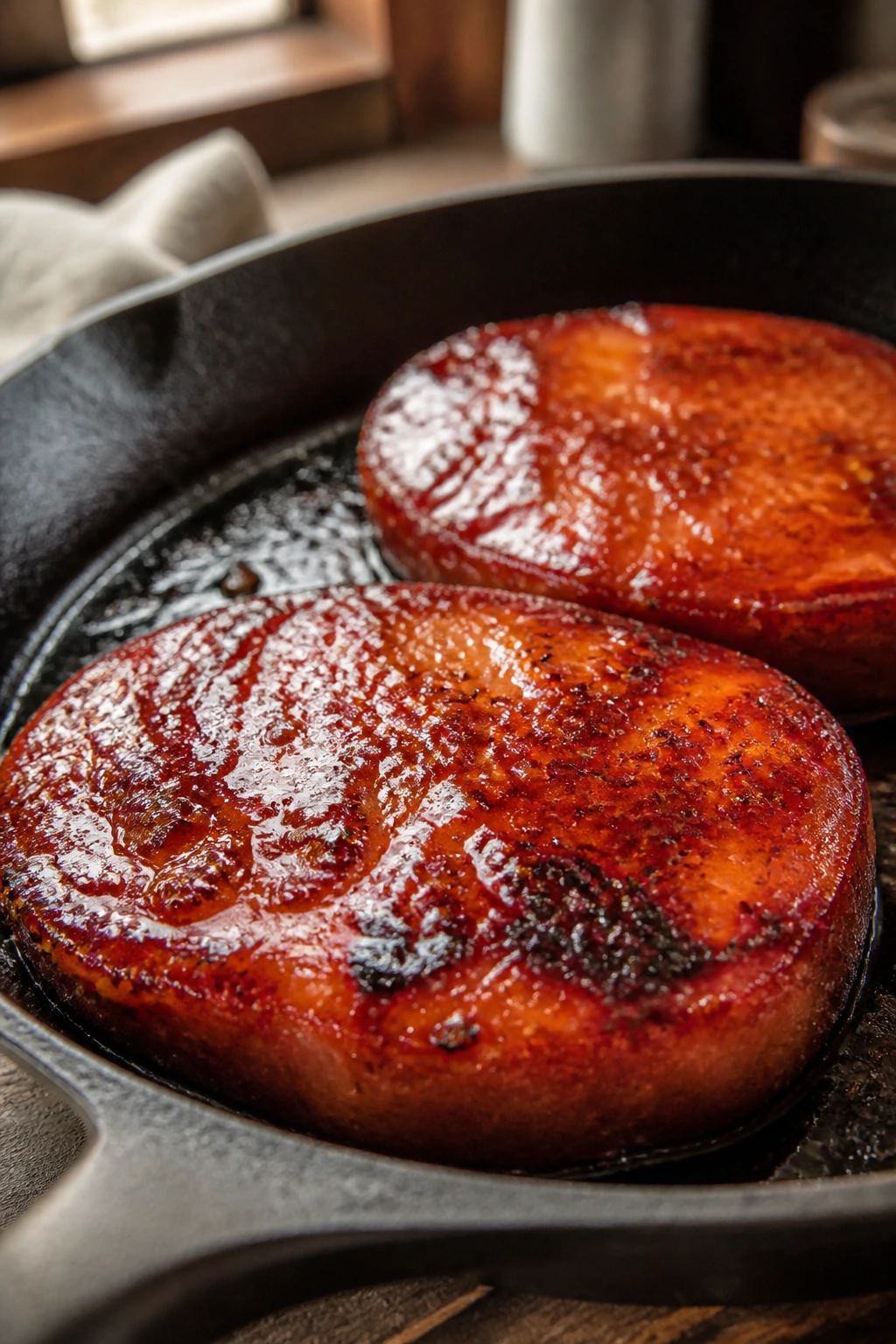
The biggest mistake is cooking ham steak like raw pork chop. That long, hard heat dries it out fast. Most ham steaks are already cured and cooked, so what you want is browning and glazing, not a long, high-heat battle.
Another common problem is adding sugar too early or cooking it too hot. Brown sugar, honey, maple, and BBQ sauce all burn quickly. If the pan is smoking before the glaze goes in, lower the heat first. You want bubbling and sheen, not bitter edges.
People also forget how salty ham already is. Then they add a salty sauce, salted butter, bacon, soy sauce, and extra salt at the end. That stack can go from punchy to exhausting. Taste the glaze before it hits the pan, and use acid to balance salt instead of piling on more seasoning.
Thin ham steaks are trouble too. They can turn dry in a minute or two, especially once sugar is involved. If the grocery store only has thin ones, shorten the sear, pull them from the pan earlier, and keep the glaze lighter. The last mistake is skipping the deglaze. Those browned bits in the skillet are not residue; they are flavor. A spoonful of cider, wine, stock, or even water can turn them into sauce instead of letting them sit there and scorch.
Frequently Asked Questions
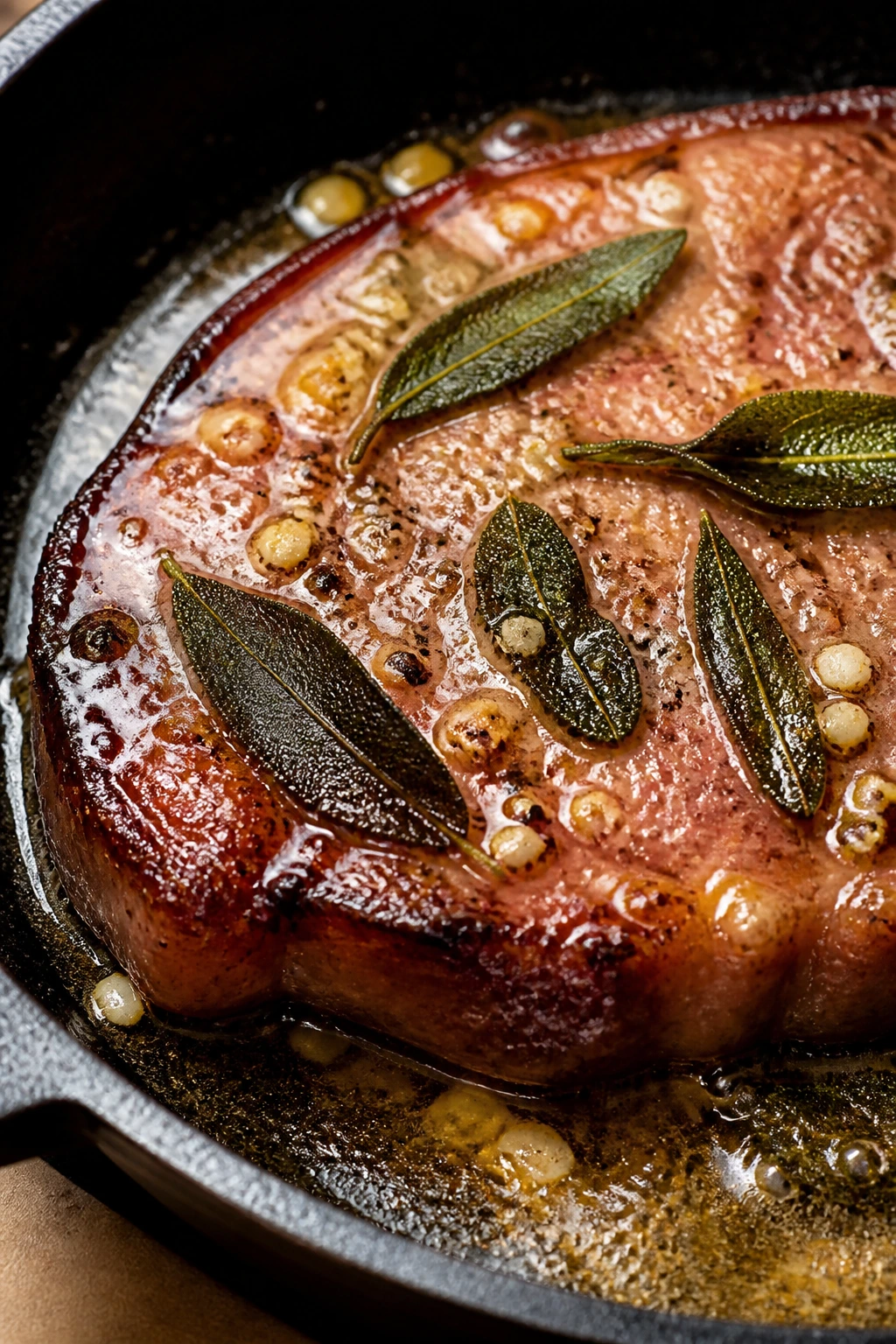
Do I need to cook ham steak all the way through?
Most ham steaks sold in supermarkets are fully cooked, so you’re really reheating and browning them. If the label says uncooked, follow the package and bring it to 145°F with a short rest.
What thickness is best for ham steaks?
A slice around 1/2 to 3/4 inch thick is the sweet spot. Thinner steaks can dry out before the glaze finishes, while thicker ones give you more room to brown without overcooking the center.
Can I bake ham steak instead of frying it?
Yes. A hot oven, usually around 400°F, works well if you brush on the glaze near the end and finish under the broiler for color. You lose some pan drippings, though, so the sauce will taste a little cleaner and less browned.
Why does my glaze keep burning?
The pan is too hot, or the sugar went in too early. Lower the heat before adding sweeteners, and if the sauce starts to darken too fast, add a tablespoon of water or cider to slow it down.
How do I keep ham steak from drying out?
Use medium heat, don’t overcook it, and pull it when the center is hot and the glaze has set. Thick steaks help. So does resting the meat for 2 minutes before slicing.
Can I use bacon drippings instead of oil?
Absolutely, and for this topic, that is a very sensible move. Use a small amount so the skillet stays flavored but not greasy; bacon drippings are strong enough to carry a pan sauce all by themselves.
What sides work best with ham steak?
Potatoes, rice, grits, biscuits, cabbage, green beans, and apples all fit naturally. You want something that can handle salt and catch sauce, not a side that disappears under it.
Can I freeze leftovers?
Yes. Wrap individual portions tightly and freeze for up to 2 months. Reheat gently in a skillet with a splash of liquid so the edges do not turn tough.
What if my ham steak tastes too salty after cooking?
Use acid and something plain around it. Vinegar, lemon, apples, unsalted potatoes, rice, or plain toast all help pull the salt back into line. A sweet glaze can help too, but acid usually fixes the problem faster.
The Last Sear
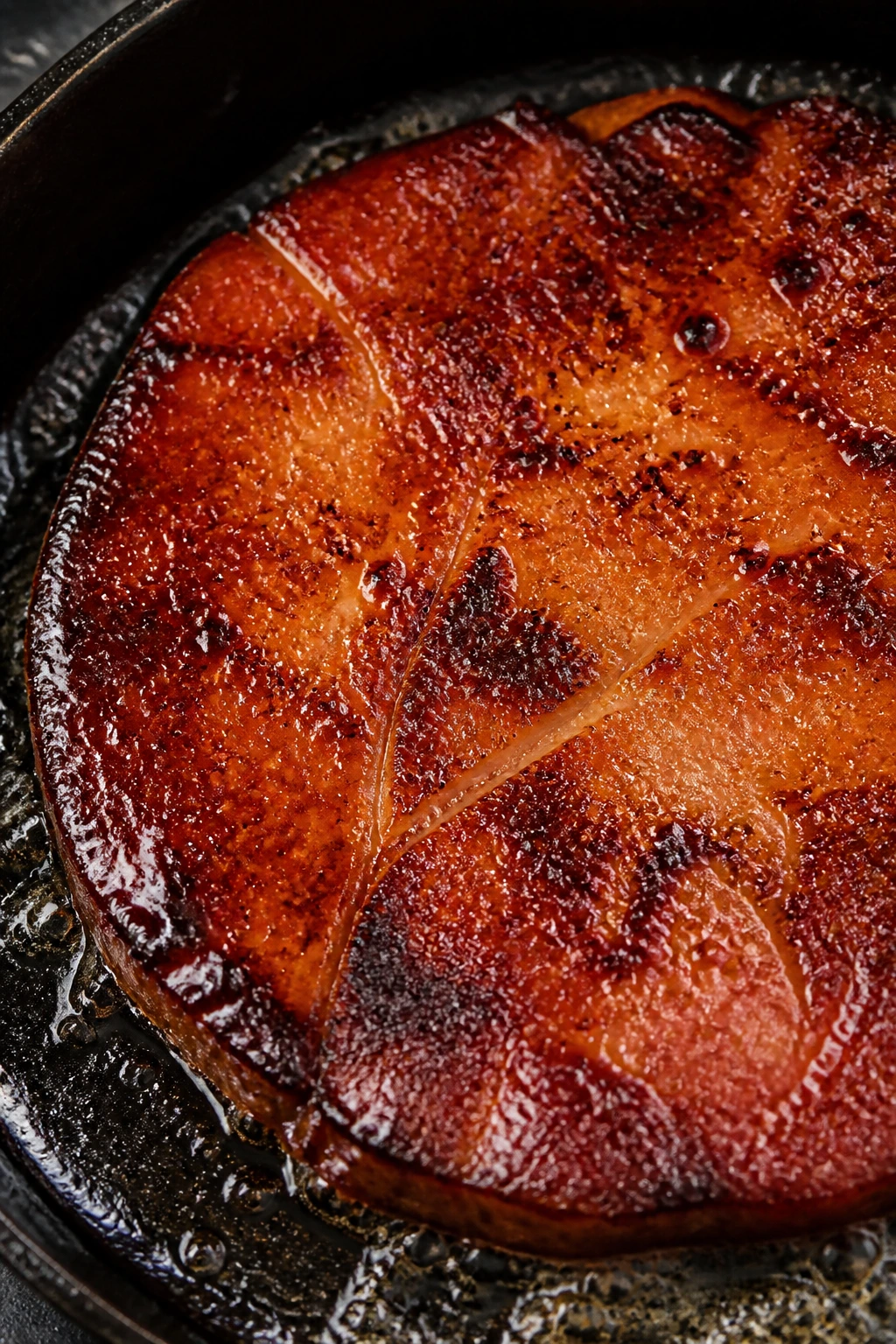
Ham steak earns its keep when you stop treating it like a weak substitute for something else. Browning matters. Acid matters. A sauce that knows when to stop matters even more.
And for bacon lovers, that’s the real appeal: the same salty, cured, smoky pull, but with enough surface area to carry a proper glaze and enough heft to stand up to potatoes, eggs, greens, or a pile of onions. Keep one of these skillet methods in your back pocket and the rest of dinner gets easier.
The next time a ham steak lands in your cart, give it a hot pan and one good glaze. The edges will tell you when you got it right.