



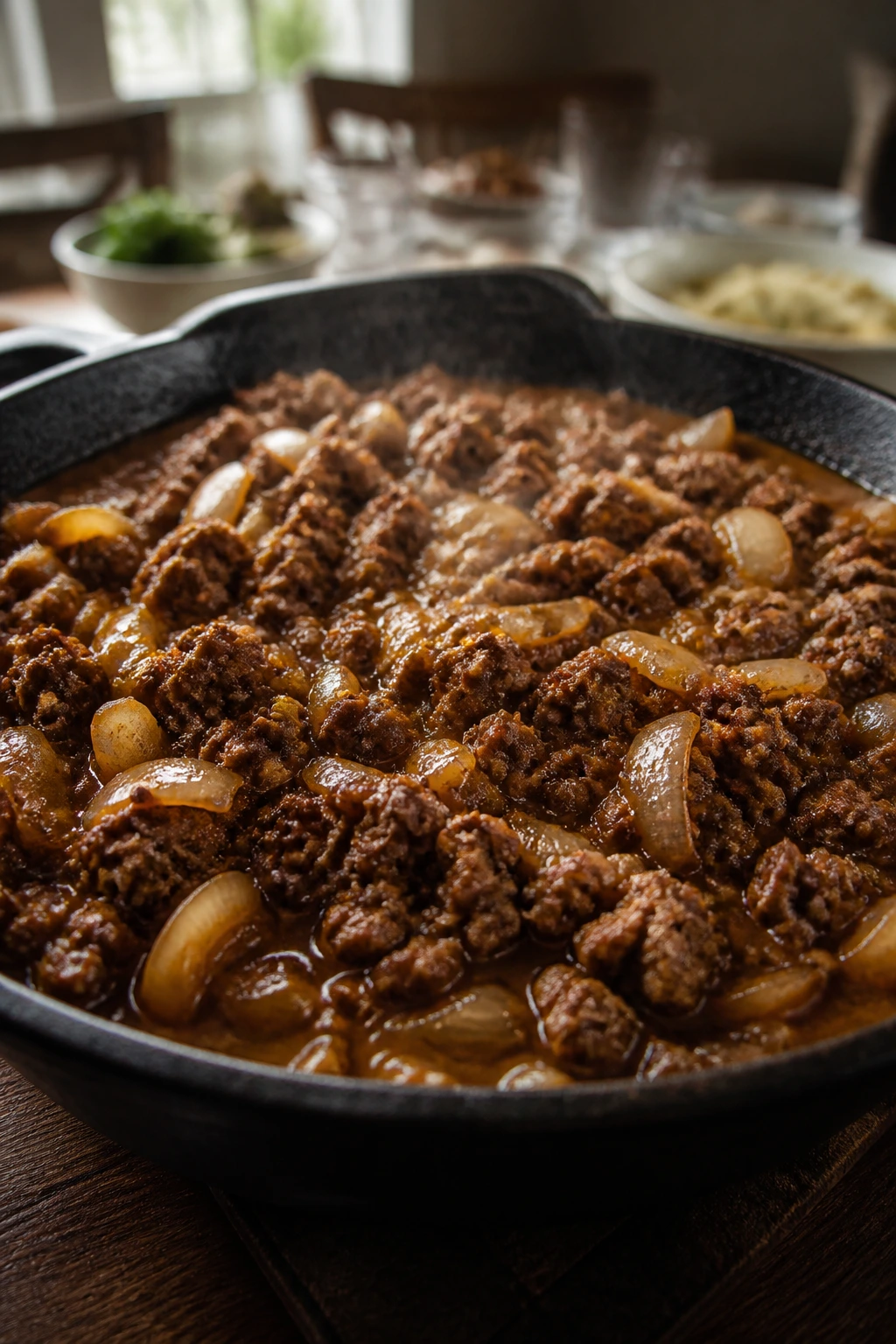
A hot skillet of beef can carry a whole table on its back. That’s the plain truth of it. The pan gets hot, the meat browns, the onions turn sweet at the edges, and before long you’ve got a dinner that smells bigger than the effort you put into it.
That’s why beef skillet meals keep showing up in real kitchens, not just in recipe photos. They stretch, they forgive small mistakes, and they’re built for serving a crowd without hauling out every pot you own. A wide skillet gives you room to brown properly, then lets rice, noodles, potatoes, or beans soak up the savory juices instead of sitting there like an afterthought.
The best versions don’t taste “thrown together.” They taste layered. One pan, yes. Flat flavor, no. The browned beef does the heavy lifting, but the real trick is how each recipe uses a starch, a sauce, and a finishing hit of cheese, herbs, or acid so the whole thing lands with some personality. The first skillet starts with heat and patience. The rest is just smart choices.
Why These Beef Skillet Dinners Work on a Full Table
-
The beef browns before it simmers: That first deep sear gives you the savory base these meals need, especially when you’re feeding six or eight people from one pan.
-
They stretch without feeling skimpy: Rice, noodles, cabbage, potatoes, beans, or cornbread turn 1½ pounds of beef into a meal with real volume.
-
One skillet keeps the sauce concentrated: A wide pan evaporates excess liquid fast, so you get a thicker, better-tasting finish instead of soupy leftovers.
-
They welcome pantry ingredients: Canned tomatoes, broth, frozen corn, frozen broccoli, and a bag of rice all fit here without tasting like shortcuts.
-
They hold up on the table: These are the dishes people can scoop straight from the skillet. That matters. They stay hot, stay saucy, and don’t dry out while everyone grabs seconds.
1. Cheesy Beef and Rice Skillet
The rice in this pan catches every bit of the beef drippings, tomato, and cheddar, which is exactly why this dish disappears fast. It smells like onion, garlic, and toasted rice before the cheese even goes on. Once the lid comes off, the whole skillet looks like dinner that knows how to behave.
Why It Works:
This is the kind of beef skillet meal that feeds a lot of mouths without turning into mush. Long-grain rice holds its shape, the broth cooks it evenly, and the tomato paste gives the sauce a deeper red color and a little backbone. The cheese goes on at the end, where it can melt into the rice instead of sinking to the bottom. That small detail matters.
Key Ingredients:
- 1 1/2 pounds ground beef, 85/15 or 90/10
- 1 medium yellow onion, diced
- 1 red bell pepper, diced
- 3 cloves garlic, minced
- 1 cup long-grain white rice, rinsed and drained
- 2 1/2 cups beef broth
- 1 can (14.5 ounces) diced tomatoes, undrained
- 2 tablespoons tomato paste
- 2 teaspoons kosher salt, divided
- 1 teaspoon chili powder
- 1/2 teaspoon black pepper
- 2 cups shredded sharp cheddar
- 2 tablespoons chopped parsley or scallions
Quick Steps:
- Heat a 12-inch deep skillet over medium-high heat. Add the beef and cook for 6 to 8 minutes, breaking it up until browned with no pink left. Drain off excess fat if needed.
- Add the onion and bell pepper, then cook for 4 minutes until softened and glossy. Stir in the garlic, tomato paste, 1 teaspoon salt, chili powder, and black pepper for 30 seconds.
- Stir in the rice, diced tomatoes, and beef broth. Scrape the bottom well so the browned bits dissolve into the liquid.
- Bring the skillet to a boil, then reduce the heat to low. Cover tightly and simmer for 18 to 20 minutes, until the rice is tender and the liquid is mostly absorbed. Do not keep lifting the lid.
- Remove from the heat and let it sit, covered, for 5 minutes. Fluff the rice gently with a fork.
- Scatter the cheddar over the top, cover again for 2 minutes, then finish with parsley or scallions.
Equipment for This Recipe:
- 12-inch deep skillet with a lid
- Wooden spoon or flat spatula
- Measuring cups and spoons
- Fine-mesh strainer for rinsing rice
- Box grater or shredding blade for cheese
How to Serve This Dish:
Spoon it into shallow bowls and let the cheese run through the rice instead of trying to make it neat. A crisp green salad or simple cucumber slices keep the plate from feeling heavy, and warm tortillas on the side are a nice touch if you want to stretch the table. One skillet feeds 6 generous portions, maybe 8 if you add a side dish.
Pro Tips for This Recipe:
- Use long-grain rice, not instant. Instant rice turns soft before the beef flavor has time to sink in.
- If your beef is fatty, drain after browning or the finished dish will feel greasy around the edges.
- A handful of frozen peas can go in during the last 3 minutes if you want more color without changing the texture much.
- Let the skillet rest after cooking. Rice finishes absorbing steam during those 5 minutes.
Variations on This Dish:
- Southwest Bean Boost: Stir in 1 can black beans and 1 cup frozen corn with the rice. It makes the skillet heavier and a little sweeter.
- Mushroom Rice Version: Add 8 ounces sliced mushrooms with the onions. They soak up the broth and make the pan taste deeper.
- Pepper Jack Heat: Swap half the cheddar for pepper jack and add 1 chopped jalapeño with the bell pepper.
Common Mistakes to Avoid with This Dish:
- Using too much heat after the lid goes on: That can scorch the rice on the bottom while the top stays firm. Keep it at a low simmer.
- Adding cheese too early: If it goes in while the rice is still boiling, the texture gets stringy and greasy.
- Skipping the rest time: The rice needs those extra 5 minutes to settle. Cut it too soon and the center tastes underdone.
2. Loaded Taco Beef Skillet
This is the skillet that tastes like a taco night that got organized. The beef gets seasoned hard, the beans and corn bring heft, and the melted cheese binds everything together so you can scoop it instead of balancing it on a shell. It’s messy in the right way.
Why It Works:
A taco skillet has to do two jobs at once: feed people and not collapse into wet salsa. This one handles that by using drained beans, a measured amount of salsa, and a short simmer so the flavors concentrate instead of spreading out. The tortillas or chips go in late, which keeps them from turning into paste. That’s the whole trick.
Key Ingredients:
- 1 1/2 pounds ground beef
- 1 medium onion, diced
- 2 tablespoons taco seasoning
- 1 cup salsa, chunky style
- 1 can (15 ounces) black beans, drained and rinsed
- 1 cup frozen corn
- 1/2 cup beef broth or water
- 2 cups cooked rice, warm
- 1 cup shredded Monterey Jack or cheddar
- 2 tablespoons chopped cilantro
- 1 lime, cut into wedges
- 4 to 6 cups tortilla chips or warm tortillas, for serving
Quick Steps:
- Brown the beef in a large skillet over medium-high heat for 6 to 7 minutes. Drain off excess fat.
- Add the onion and cook for 3 to 4 minutes until it softens. Stir in the taco seasoning for 30 seconds so it blooms in the fat.
- Add the salsa, beans, corn, and broth. Simmer for 5 minutes until the mixture thickens slightly.
- Stir in the warm rice and cook for 2 minutes, just until everything is hot and coated.
- Scatter the cheese over the top, cover the skillet, and let it melt for 2 minutes.
- Finish with cilantro and a squeeze of lime. Serve with tortilla chips or warm tortillas on the side.
Equipment for This Recipe:
- Large 12-inch skillet
- Wooden spoon
- Can opener and measuring cups
- Lid or sheet of foil
- Citrus squeezer, optional but handy
How to Serve This Dish:
Serve it right out of the skillet with lime wedges and a bowl of extra chips on the table. If you want it to feel more like a full spread, add shredded lettuce, sliced avocado, and a bowl of salsa. It serves 6 to 8, especially if someone brings guacamole and refuses to share.
Pro Tips for This Recipe:
- Use chunky salsa, not thin restaurant-style salsa. Thicker salsa gives you better body.
- Warm the rice before adding it. Cold rice steams less evenly and can clump.
- If you like more heat, add diced green chiles with the beans.
- Do not overdo the chips in the skillet. Keep them on the side unless you want soft edges.
Variations on This Dish:
- Nacho Skillet Style: Skip the rice, add more cheese, and top with crushed chips right before serving.
- Street Corn Twist: Stir in 1/2 cup sour cream and 1/2 cup crumbled cotija after the heat is off.
- Mild Family Version: Use mild salsa and cut the taco seasoning to 1 tablespoon, then let people add hot sauce at the table.
Common Mistakes to Avoid with This Dish:
- Adding watery salsa: The skillet turns loose and slides around on the plate. Use a thicker salsa or simmer longer.
- Skipping the drain on the beans: Extra bean liquid dulls the seasoning and makes the pan soupy.
- Stirring the cheese into boiling filling: Melt it on top with the heat off so it stays creamy.
3. Beef Stroganoff Skillet with Egg Noodles
This is the pan that smells like browned beef, mushrooms, and onions doing something quietly expensive. The sauce clings to the noodles in a way that feels almost unfair. It’s rich, yes, but not heavy in the way people fear.
Why It Works:
Stroganoff gets its depth from a few plain moves done well: brown the meat, cook the mushrooms until they lose their water, and add the sour cream only after the pan has cooled a bit. That last part saves the sauce from splitting. Egg noodles are the right call here because they catch the sauce in their ridges and stay tender without needing forever in the skillet.
Key Ingredients:
- 1 1/2 pounds ground beef
- 8 ounces cremini mushrooms, sliced
- 1 medium onion, diced
- 3 cloves garlic, minced
- 2 tablespoons all-purpose flour
- 3 cups beef broth
- 12 ounces wide egg noodles
- 1 tablespoon Dijon mustard
- 1 tablespoon Worcestershire sauce
- 1 teaspoon paprika
- 1 cup sour cream
- 2 tablespoons chopped parsley
- Salt and black pepper
Quick Steps:
- Brown the beef in a large skillet over medium-high heat for 6 to 8 minutes. Drain excess fat.
- Add the onion and mushrooms. Cook for 6 to 7 minutes until the mushrooms shrink and the onion softens.
- Stir in the garlic, flour, paprika, and a pinch of salt. Cook for 1 minute so the flour loses its raw edge.
- Pour in the broth, then add the noodles, Dijon, and Worcestershire. Bring to a simmer and cook uncovered for 8 to 10 minutes, stirring often, until the noodles are tender and the sauce thickens.
- Turn off the heat. Let the skillet sit for 2 minutes, then stir in the sour cream until smooth.
- Top with parsley and black pepper before serving.
Equipment for This Recipe:
- Wide deep skillet with a lid nearby
- Wooden spoon
- Measuring cups and spoons
- Sharp knife for slicing mushrooms
- Mixing bowl for sour cream, if you want to temper it first
How to Serve This Dish:
Pile it into bowls while it’s still glossy. A lemony green salad or buttered peas make a nice side, and a piece of crusty bread is useful for the last streaks of sauce. It makes 6 hearty servings, and the leftovers get thicker by morning.
Pro Tips for This Recipe:
- Cook the mushrooms until they stop steaming and start browning at the edges. That’s where the good flavor lives.
- Stir the noodles often, especially near the end. Egg noodles like to sit on the bottom and stick.
- If the sauce looks too thick before the noodles finish, add 1/2 cup broth.
- For the smoothest finish, stir 2 tablespoons of hot sauce into the sour cream before adding it.
Variations on This Dish:
- Mushroom-Heavy Version: Double the mushrooms and cut the beef to 1 pound for a deeper, earthier skillet.
- Dairy-Free Stroganoff: Use unsweetened cashew cream or oat cream instead of sour cream, and finish with dill.
- Peppery Onion Version: Add 1 teaspoon cracked black pepper and 1 sliced shallot with the onion for a sharper edge.
Common Mistakes to Avoid with This Dish:
- Adding sour cream over high heat: It can split and go grainy. Turn the burner off first.
- Underbrowning the mushrooms: Pale mushrooms taste flat. Wait for the color.
- Letting the noodles sit dry at the bottom: Stir often once the broth goes in.
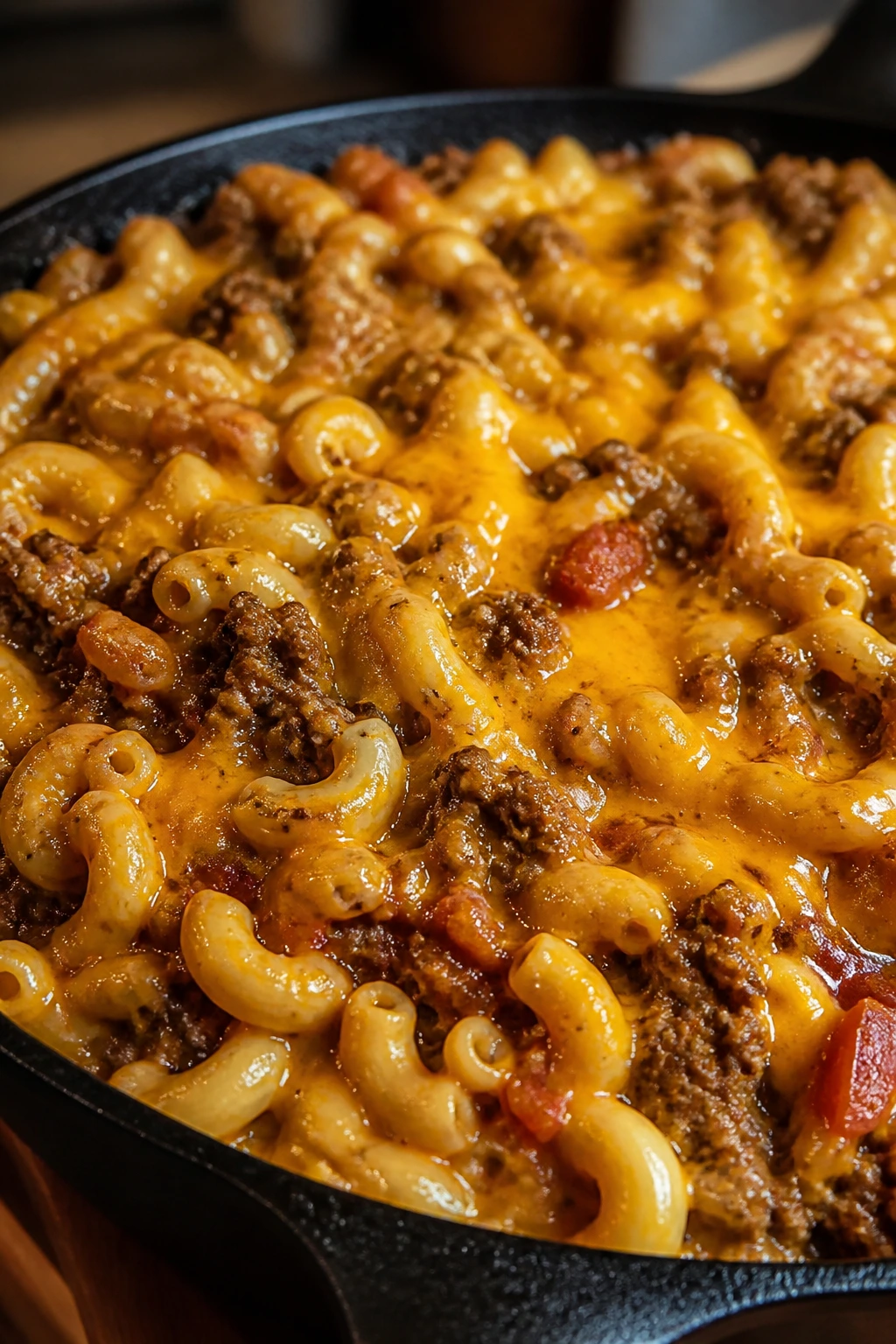
4. Cheeseburger Mac Skillet
If a cheeseburger and a bowl of macaroni had to share one pan, this would be the result. It’s beefy, tomato-sweet, and sharp with cheddar, with a faint mustard note that keeps it from tasting like plain casserole. You can hear the whole thing calling for pickles.
Why It Works:
This skillet works because it borrows the exact flavors people expect from a burger — beef, cheddar, onion, ketchup, mustard — and threads them through macaroni so every bite has a little of everything. The pasta cooks in the sauce, which means the starch helps thicken the pan while it absorbs flavor. That’s why it tastes like more than a shortcut.
Key Ingredients:
- 1 1/2 pounds ground beef
- 1 small onion, diced
- 2 cloves garlic, minced
- 2 tablespoons ketchup
- 1 tablespoon yellow mustard
- 1 can (15 ounces) tomato sauce
- 2 1/2 cups beef broth
- 12 ounces elbow macaroni
- 2 cups shredded sharp cheddar
- 1 teaspoon kosher salt
- 1/2 teaspoon black pepper
- 1/4 cup chopped dill pickles, for serving
- 2 tablespoons chopped chives, optional
Quick Steps:
- Brown the beef in a large skillet over medium-high heat for 6 to 8 minutes. Drain off excess fat.
- Add the onion and cook for 3 minutes until translucent. Stir in the garlic for 30 seconds.
- Mix in the ketchup, mustard, tomato sauce, salt, and black pepper.
- Add the broth and macaroni. Bring to a boil, then reduce to a strong simmer. Cook uncovered for 10 to 12 minutes, stirring often, until the pasta is tender and the sauce has thickened.
- Turn off the heat and stir in 1 1/2 cups cheddar. Sprinkle the rest over the top and cover for 2 minutes.
- Finish with pickles and chives.
Equipment for This Recipe:
- 12-inch skillet
- Wooden spoon
- Measuring cups and spoons
- Cheese grater
- Small knife for pickles and chives
How to Serve This Dish:
Serve it in wide bowls with extra pickles on the side. A plain green salad or sliced tomatoes works well because the skillet itself is rich enough. It feeds about 6 people, and if you’re stretching for 8, add a pile of steamed green beans.
Pro Tips for This Recipe:
- Keep the simmer lively enough to cook the pasta, but not so hard that the sauce evaporates before the noodles soften.
- Shred the cheddar yourself if you can. Pre-shredded cheese works, but it melts more loosely.
- If the sauce gets too thick before the pasta is done, add 1/2 cup broth.
- Pickles are not decoration here. They cut the richness.
Variations on This Dish:
- Bacon Burger Skillet: Stir in 6 chopped cooked bacon slices with the cheese.
- Spicy Special Sauce Version: Add 1 tablespoon sriracha and 2 tablespoons mayo after turning off the heat.
- Gluten-Free Bowl: Use gluten-free elbow pasta and keep a little extra broth on hand.
Common Mistakes to Avoid with This Dish:
- Walking away while the pasta cooks: It can catch on the bottom in a thick sauce.
- Using too much mustard: You want burger flavor, not a mustard sauce.
- Adding the cheese too soon: Boiling cheese gets stringy and grainy fast.
5. Unstuffed Egg Roll Beef Skillet
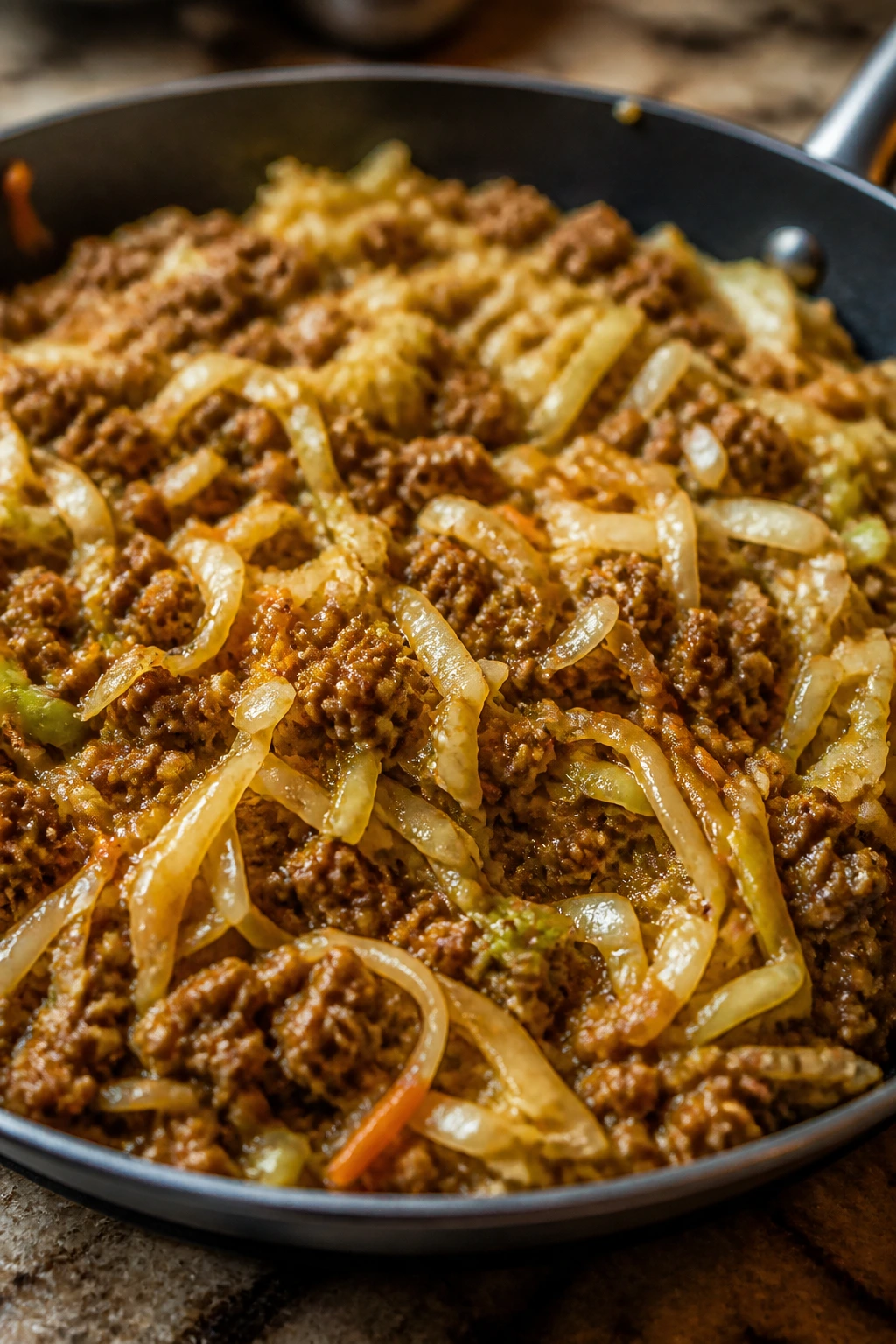
This one smells like garlic, ginger, sesame, and cabbage sizzling in beef fat, which is a better smell than it has any right to be. It’s lighter than a pasta skillet, but still fills a plate in a serious way. The cabbage softens just enough to lose its crunch without turning limp.
Why It Works:
Cabbage is one of the best things to cook with ground beef when you need volume. It shrinks, yes, but it also soaks up the soy, ginger, and garlic in a way that makes the whole pan taste seasoned all the way through. Because the cabbage cooks fast, this stays lively instead of dragging on. That speed matters when you’re feeding people and don’t want another hour at the stove.
Key Ingredients:
- 1 1/2 pounds ground beef
- 1 medium yellow onion, sliced
- 3 cloves garlic, minced
- 1 tablespoon fresh ginger, grated
- 1 bag (14 to 16 ounces) coleslaw mix or shredded cabbage
- 1/4 cup low-sodium soy sauce
- 1 tablespoon rice vinegar
- 1 teaspoon sesame oil
- 1/2 teaspoon black pepper
- 3 scallions, sliced
- 1 tablespoon sesame seeds
- Cooked rice, for serving if you want it more filling
Quick Steps:
- Brown the beef in a large skillet over medium-high heat for 6 to 7 minutes. Drain if there’s a lot of fat.
- Add the onion and cook for 3 minutes. Stir in the garlic and ginger for 30 seconds.
- Add the coleslaw mix, soy sauce, rice vinegar, and black pepper. Toss well.
- Cook for 5 to 7 minutes, stirring often, until the cabbage is wilted but still has a little structure.
- Drizzle in the sesame oil and stir in the scallions.
- Sprinkle with sesame seeds and serve hot, over rice if you want a bigger meal.
Equipment for This Recipe:
- Large skillet or wok
- Wooden spoon or spatula
- Microplane or small grater for ginger
- Measuring spoons
- Cutting board and knife
How to Serve This Dish:
I like this piled into bowls with a spoonful of rice underneath and extra scallions on top. It also works on its own if you’re serving it with egg rolls, dumplings, or a sliced cucumber salad. Expect 6 good servings, more if rice joins the party.
Pro Tips for This Recipe:
- Don’t overcook the cabbage. A little bite keeps the texture interesting.
- Low-sodium soy sauce matters here; the pan can get salty fast.
- Add a splash of water if the cabbage starts sticking before it softens.
- Sesame oil goes in at the end. Heat steals its perfume.
Variations on This Dish:
- Spicy Chili Crisp Bowl: Spoon chili crisp over each serving for extra heat and crunch.
- Mushroom Cabbage Version: Add 8 ounces sliced mushrooms with the onion for more bulk.
- Rice Noodle Route: Serve the finished beef and cabbage over cooked rice noodles instead of plain rice.
Common Mistakes to Avoid with This Dish:
- Cooking the cabbage until it collapses: You lose the whole point of the dish. Stop when it’s wilted and glossy.
- Adding sesame oil too early: It fades in the heat.
- Using too much soy sauce without tasting first: The pan can go from savory to harsh in one pour.
6. Beef Enchilada Skillet
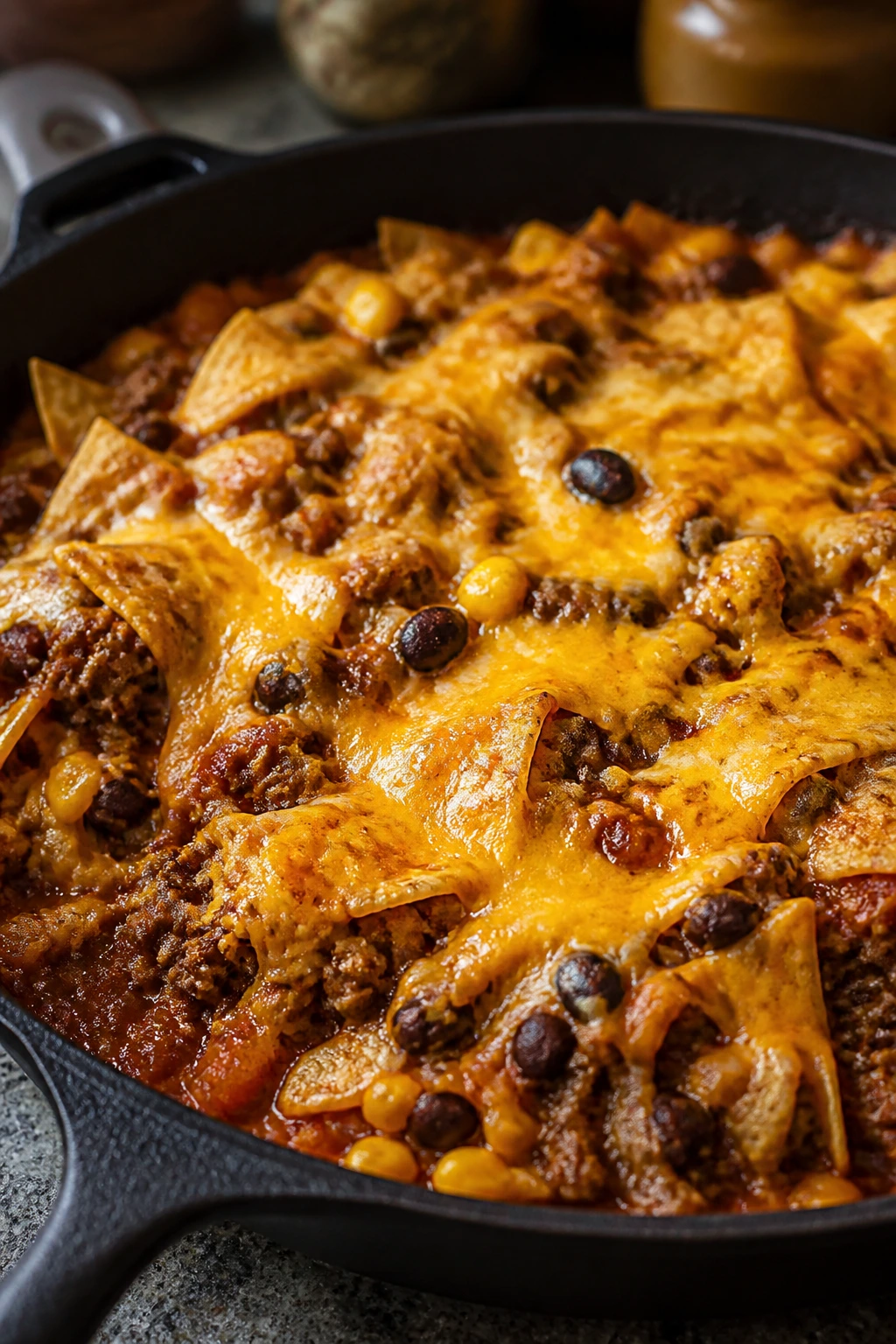
This skillet tastes like enchiladas without the rolling, stacking, or wrestling with tortillas on a cutting board. The sauce clings to the beef, the beans add heft, and the melted cheese gives the top that stringy, browned edge people fight over. It’s a solid answer to a big hungry table.
Why It Works:
A good enchilada skillet needs three things: enough sauce, enough starch, and enough surface area to melt the cheese without drowning the tortillas. Torn corn tortillas solve the starch problem while holding their shape better than flour tortillas. The beans and corn bulk it up so a single pan can feed a room without needing extra sides.
Key Ingredients:
- 1 1/2 pounds ground beef
- 1 medium onion, diced
- 2 cloves garlic, minced
- 2 cups red enchilada sauce
- 1 can (15 ounces) black beans, drained and rinsed
- 1 cup frozen corn
- 6 corn tortillas, cut into strips or wedges
- 2 cups shredded cheddar or Monterey Jack
- 1 teaspoon cumin
- 1/2 teaspoon kosher salt
- 1/4 cup chopped cilantro
- Sour cream and lime wedges, for serving
Quick Steps:
- Brown the beef in a large skillet over medium-high heat for 6 to 8 minutes. Drain off excess fat.
- Add the onion and cook for 3 minutes. Stir in the garlic, cumin, and salt for 30 seconds.
- Pour in the enchilada sauce, then add the beans and corn. Simmer for 4 minutes.
- Stir in the tortilla strips so they get coated and start to soften.
- Sprinkle the cheese over the top, cover the skillet, and cook over low heat for 3 to 4 minutes until melted.
- Finish with cilantro, then serve with sour cream and lime.
Equipment for This Recipe:
- Large deep skillet
- Sharp knife and cutting board
- Wooden spoon
- Lid or foil
- Box grater if shredding cheese by hand
How to Serve This Dish:
Serve it in bowls with a spoonful of sour cream and a squeeze of lime. If you want a bigger spread, add shredded lettuce, sliced avocado, or a simple tomato salad. It makes 6 to 8 portions, depending on whether someone also brings chips.
Pro Tips for This Recipe:
- Use corn tortillas. Flour tortillas turn soft in a way that feels muddy.
- If your enchilada sauce is thick, add 1/4 cup water so it spreads evenly.
- Keep the cheese on top for a better melt instead of stirring it through.
- Let the skillet sit for 3 minutes before serving so the sauce settles.
Variations on This Dish:
- Green Enchilada Skillet: Swap in green enchilada sauce and use Monterey Jack.
- Bean-Heavy Version: Add a second can of beans and cut the beef to 1 pound.
- Smoky Chipotle Style: Stir 1 minced chipotle in adobo into the sauce for deeper heat.
Common Mistakes to Avoid with This Dish:
- Using flour tortillas: They get too soft and gummy in this sauce.
- Overloading the skillet with sauce: You want coated, not soupy.
- Forgetting to drain the beans: The extra liquid makes the bottom loose.
7. Cowboy Beef and Potato Skillet
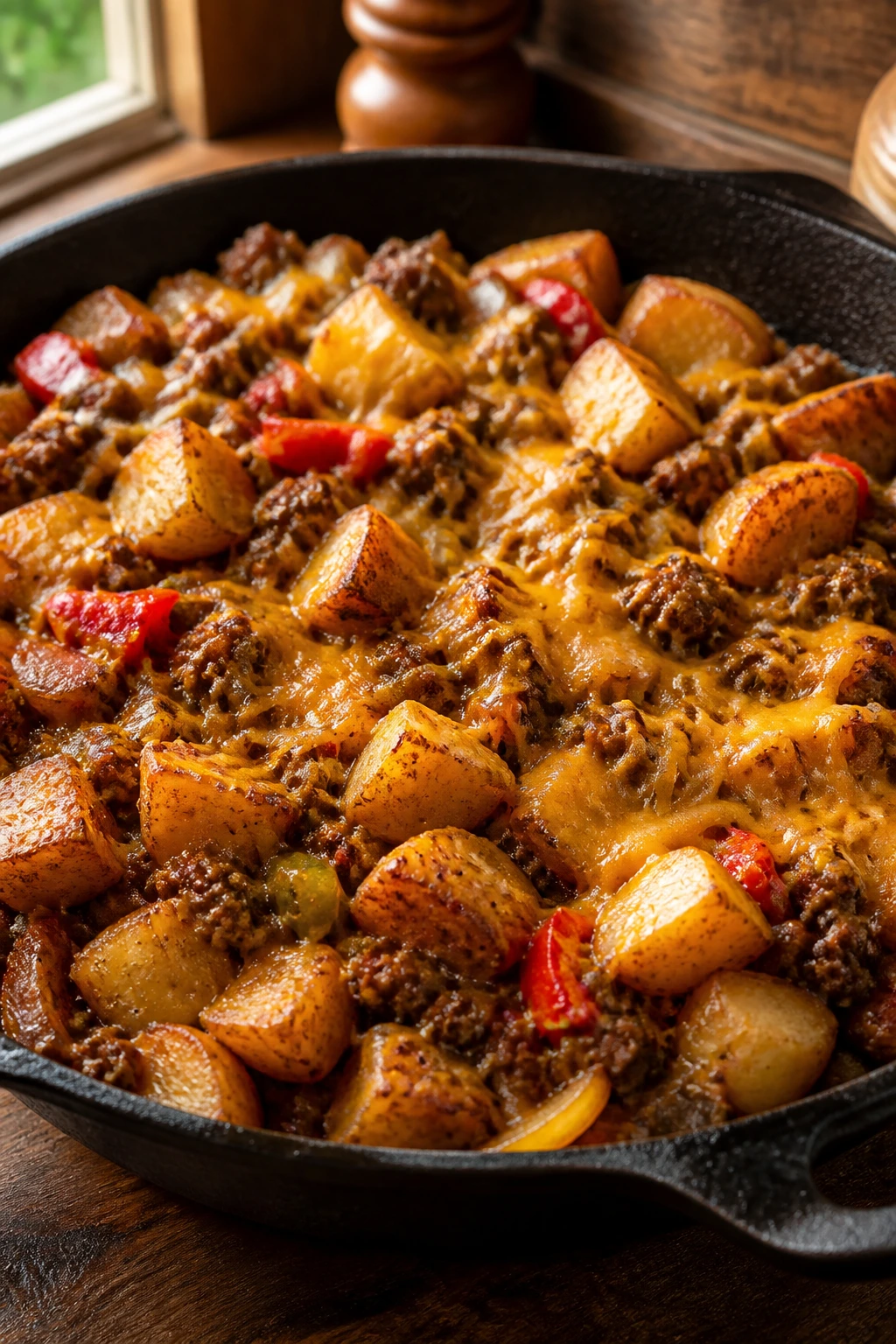
This is the skillet you make when dinner needs to feel sturdy. The potatoes go golden in the beef drippings, the onions and peppers turn sweet, and the whole pan finishes with a blanket of cheese that ties it together. It’s plain in the best way.
Why It Works:
Potatoes are doing a lot here, which is why this meal feeds more people than you’d expect from the amount of beef. The trick is to get the potatoes moving early so they’re tender by the time the beef is ready. Once they pick up paprika, garlic, and the savory pan drippings, they stop tasting like a side dish and start acting like the main event.
Key Ingredients:
- 1 1/2 pounds ground beef
- 1 1/2 pounds Yukon Gold potatoes, cut into 1/2-inch cubes
- 1 medium onion, diced
- 1 green bell pepper, diced
- 2 cloves garlic, minced
- 1 cup frozen corn
- 1 teaspoon chili powder
- 1 teaspoon smoked paprika
- 1 tablespoon Worcestershire sauce
- 1 teaspoon kosher salt
- 1/2 teaspoon black pepper
- 1 cup shredded cheddar
- 2 tablespoons chopped parsley or scallions
Quick Steps:
- Microwave the potato cubes with 2 tablespoons water, covered, for 5 minutes to give them a head start.
- Brown the beef in a large skillet over medium-high heat for 6 minutes. Drain excess fat.
- Add the onion and bell pepper and cook for 4 minutes. Stir in the garlic, chili powder, smoked paprika, salt, pepper, and Worcestershire.
- Add the potatoes and corn. Cook over medium heat for 8 to 10 minutes, stirring gently, until the potatoes are tender and lightly browned at the edges.
- Sprinkle the cheddar over the top, cover, and cook for 2 minutes until melted.
- Finish with parsley or scallions.
Equipment for This Recipe:
- Large skillet with a lid
- Microwave-safe bowl or covered dish
- Spatula
- Measuring spoons
- Sharp knife
How to Serve This Dish:
Bring the skillet straight to the table and let people scoop out the browned potato bits from the bottom. A green salad, pickled jalapeños, or a spoonful of sour cream all work well. This makes 6 solid servings, and it handles second helpings without getting mushy.
Pro Tips for This Recipe:
- Don’t skip the microwave head start unless you like waiting forever for raw potato cubes.
- Yukon Golds hold their shape better than russets.
- Let the potatoes sit against the pan for a minute or two before stirring so they can brown.
- Add a pinch of cayenne if you want the pan to lean more Southwest.
Variations on This Dish:
- Breakfast Cowboy Skillet: Top with fried eggs and serve it with hot sauce.
- Sweet Potato Swap: Use peeled sweet potatoes for a sweeter, softer finish.
- Sausage Blend: Replace 1/2 pound of the beef with bulk breakfast sausage for a sharper, peppery edge.
Common Mistakes to Avoid with This Dish:
- Cutting the potatoes too large: They’ll still be firm when dinner should be done.
- Stirring constantly: You need some contact time for browning.
- Using russets and overcooking them: They can fall apart and turn pasty.
8. Classic Beef Goulash Skillet
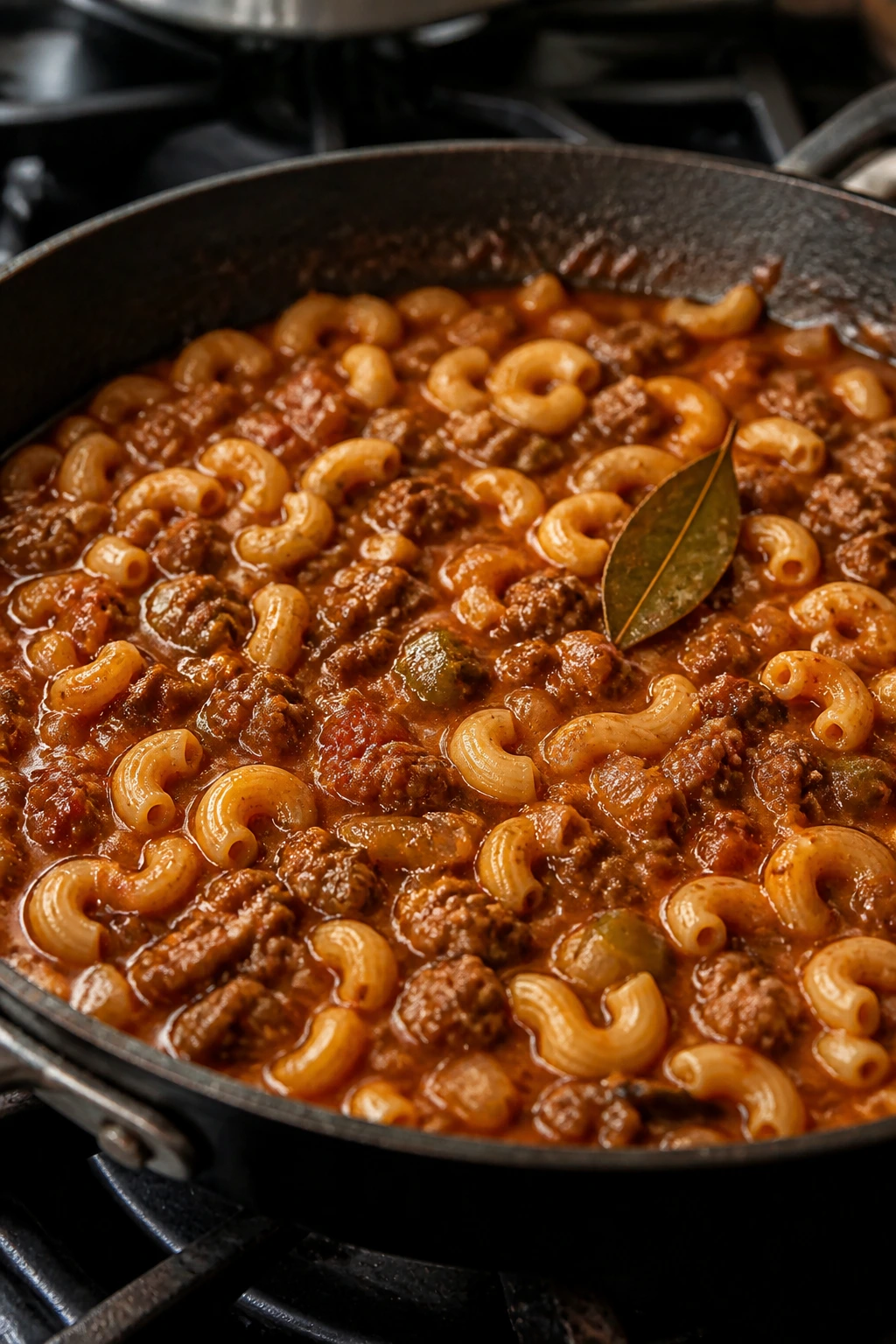
There’s a reason this kind of skillet has lasted so long. It’s all about paprika, beef, tomatoes, and pasta simmering together until the sauce turns brick-red and coats every curve of the macaroni. It smells like a kitchen that’s been working for decades.
Why It Works:
Goulash is one of those beef skillet meals that tastes like more than the sum of its parts because the pasta cooks right in the seasoned tomato broth. Paprika matters more than people think; it’s not just color, it gives the dish its warm, rounded flavor. The pasta absorbs the sauce as it cooks, which means the final pan tastes unified instead of layered in a messy way.
Key Ingredients:
- 1 1/2 pounds ground beef
- 1 medium onion, diced
- 1 green bell pepper, diced
- 3 cloves garlic, minced
- 2 tablespoons sweet paprika
- 1 teaspoon kosher salt
- 1/2 teaspoon black pepper
- 1 can (28 ounces) crushed tomatoes
- 2 1/2 cups beef broth
- 12 ounces elbow macaroni
- 1 bay leaf
- 1 cup shredded cheddar, optional
- 2 tablespoons chopped parsley
Quick Steps:
- Brown the beef in a large skillet over medium-high heat for 6 to 8 minutes. Drain if needed.
- Add the onion and bell pepper and cook for 4 minutes until softened.
- Stir in the garlic, paprika, salt, and pepper for 30 seconds.
- Add the crushed tomatoes, beef broth, and bay leaf. Bring to a simmer.
- Stir in the macaroni and cook uncovered for 10 to 12 minutes, stirring often, until the pasta is tender and the sauce has thickened.
- Remove the bay leaf, top with cheddar if using, and finish with parsley.
Equipment for This Recipe:
- Large deep skillet
- Wooden spoon
- Measuring cups and spoons
- Can opener
- Cheese grater, optional
How to Serve This Dish:
Serve it in bowls with black pepper and parsley on top. A pickle plate or a simple cabbage slaw gives the whole meal some crunch, and a slice of buttered bread is never out of place. It serves 6 with ease, and the leftovers get even thicker overnight.
Pro Tips for This Recipe:
- Use sweet paprika, not smoked, if you want the classic goulash flavor.
- Stir often once the pasta goes in so the macaroni doesn’t glue itself to the bottom.
- If the sauce gets too thick before the noodles finish, add 1/2 cup broth.
- The cheddar is optional, but it makes the top taste a little more like home-cooked diner food.
Variations on This Dish:
- Hungarian-Style Heat: Add 1 teaspoon hot paprika and a dollop of sour cream at the table.
- Vegetable-Heavy Goulash: Stir in diced zucchini or mushrooms with the onions.
- No-Cheese Version: Finish with extra parsley and a squeeze of lemon for a cleaner finish.
Common Mistakes to Avoid with This Dish:
- Using too little liquid: The pasta needs enough broth to cook all the way through.
- Skipping the paprika bloom: That 30-second step in the fat gives the spice real flavor.
- Letting the pasta sit without stirring: The bottom layer will stick fast.
9. Philly Cheesesteak Beef Skillet
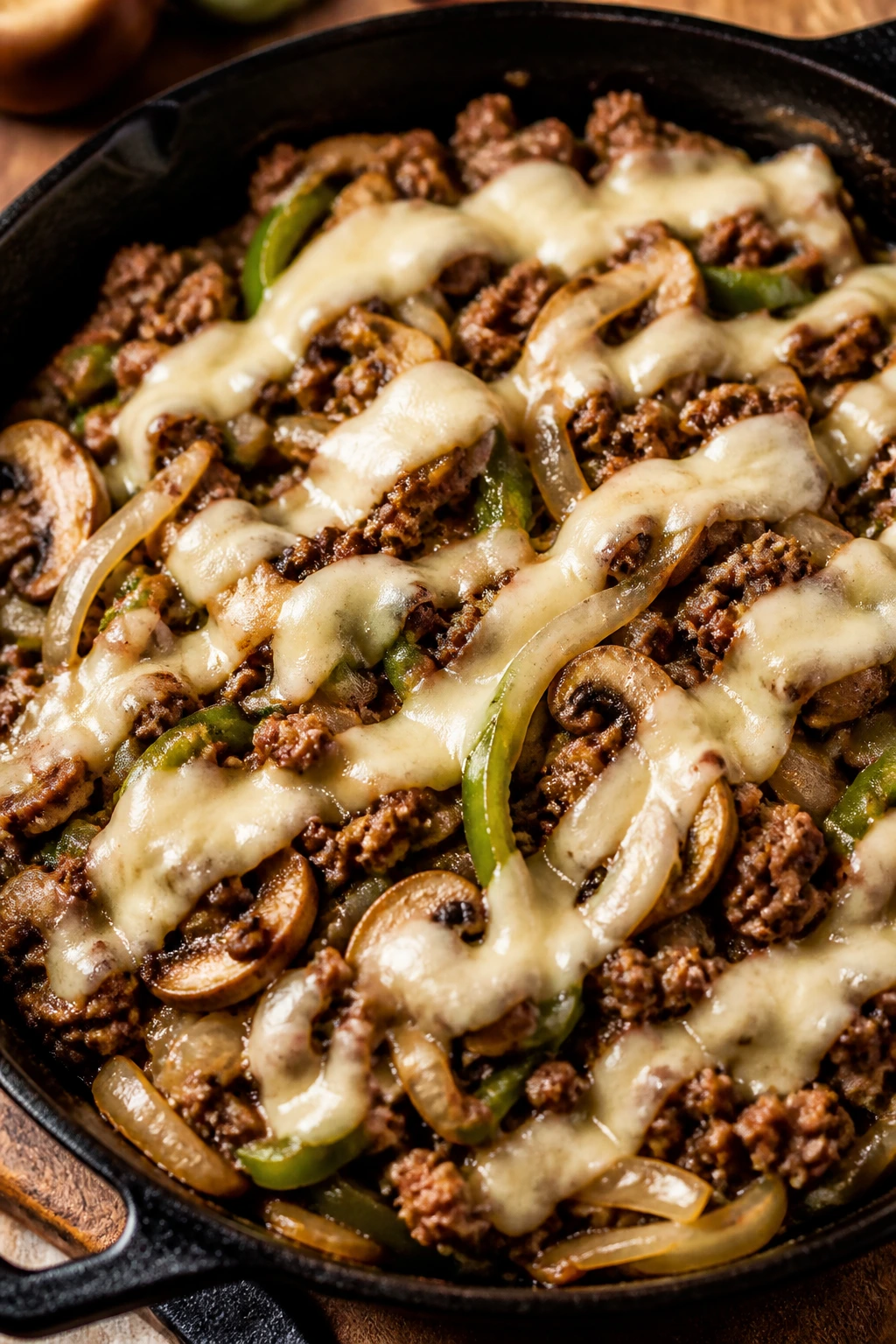
This is the quickest route to cheesesteak flavor without standing over a griddle. The onions go soft, the peppers and mushrooms bring their own sweetness, and the provolone melts over the top in long, lazy ribbons. It smells like a sandwich shop and a skillet at the same time.
Why It Works:
A cheesesteak skillet works because it takes the essential parts of the sandwich — beef, onions, peppers, mushrooms, cheese — and keeps the bread out of the way until serving. That means the filling stays hot and saucy. If you use ground beef, the texture shifts a bit from the sandwich original, but the flavor lands cleanly and stretches farther for a crowd.
Key Ingredients:
- 1 1/2 pounds ground beef or thinly sliced sirloin
- 1 large onion, sliced
- 1 green bell pepper, sliced
- 8 ounces mushrooms, sliced
- 2 cloves garlic, minced
- 1 tablespoon Worcestershire sauce
- 1/4 cup beef broth
- 1 teaspoon kosher salt
- 1/2 teaspoon black pepper
- 8 slices provolone cheese
- Hoagie rolls, toasted, or cooked rice for serving
- 2 tablespoons chopped parsley
Quick Steps:
- Brown the beef in a large skillet over medium-high heat for 5 to 7 minutes. Drain if necessary.
- Add the onion, pepper, and mushrooms. Cook for 6 to 8 minutes until softened and lightly browned.
- Stir in the garlic, Worcestershire, broth, salt, and pepper. Let the liquid bubble for 1 minute.
- Reduce the heat to low and lay the provolone over the top.
- Cover the skillet for 2 minutes until the cheese melts.
- Sprinkle with parsley and serve on toasted rolls or over rice.
Equipment for This Recipe:
- Large skillet
- Tongs or spatula
- Sharp knife
- Measuring spoons
- Lid or foil
How to Serve This Dish:
Toast the rolls if you’re serving sandwiches; cold bread fights the filling. If you want something less fussy, spoon it over rice and call it a day. It feeds 6 people well, and one pan can become a whole tray of sandwiches without much extra work.
Pro Tips for This Recipe:
- Don’t crowd the vegetables. Give the mushrooms a little room so they brown instead of steam.
- Provolone melts fast, so cover only until it goes glossy.
- If you want a little more sauce, add 2 more tablespoons broth before the cheese goes on.
- Ground beef works fine, but thin-sliced sirloin gives a closer cheesesteak feel.
Variations on This Dish:
- Pepper Jack Cheesesteak: Swap half the provolone for pepper jack.
- Mushroom Lover’s Pan: Double the mushrooms and use them as the main bulk.
- Loaded Fries Version: Spoon the finished filling over hot oven fries and top with cheese.
Common Mistakes to Avoid with This Dish:
- Adding the cheese too early: It can separate and get oily.
- Skipping the broth: A little liquid helps the filling stay juicy.
- Using soggy bread: Always toast the rolls first.
10. Beef and Broccoli Noodle Skillet
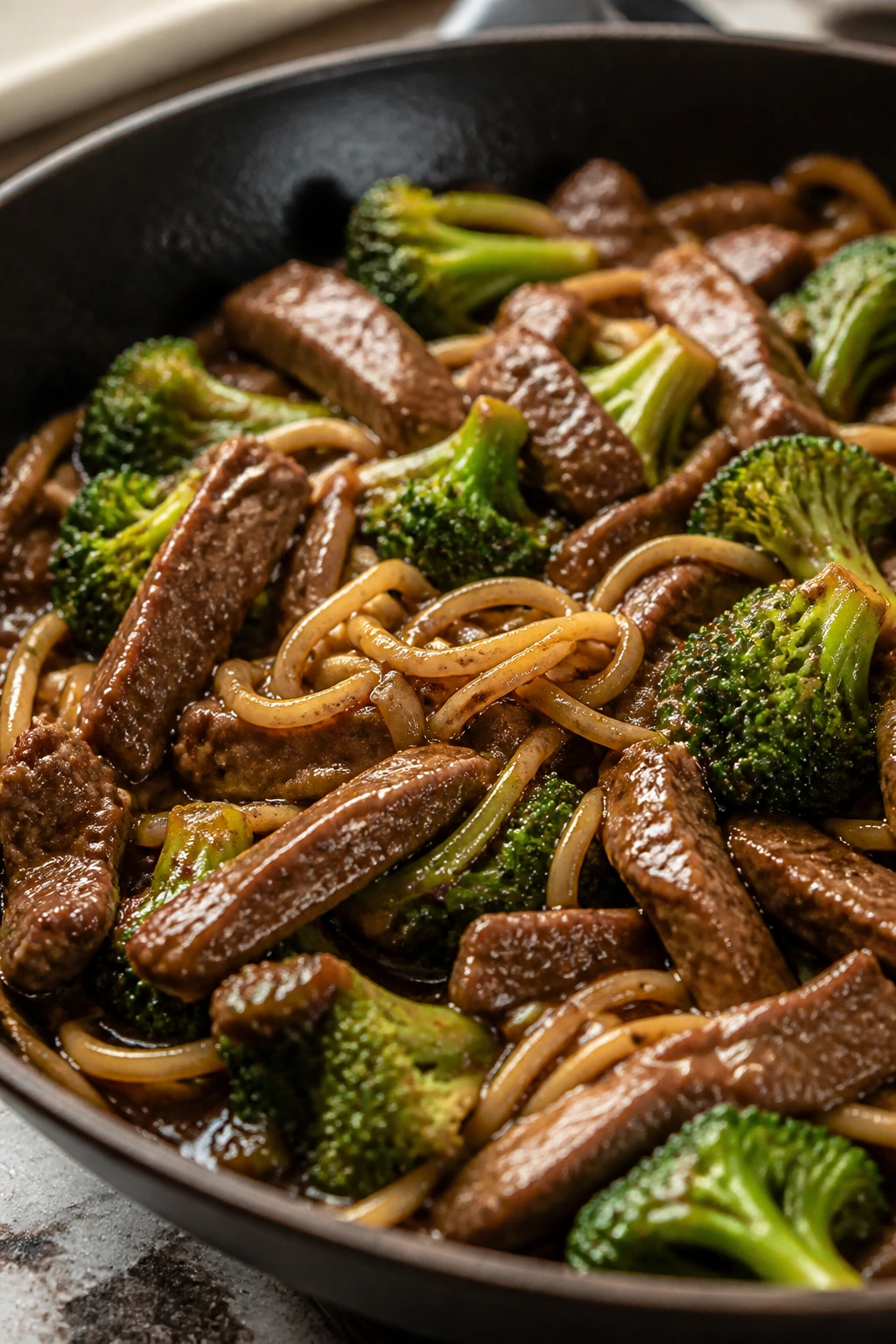
The smell here turns fast from garlic and ginger to beef and soy, with broccoli adding that sharp green note that keeps the pan from feeling heavy. The noodles soak up the sauce instead of floating in it, which is the whole reason this dish works for a crowd.
Why It Works:
Broccoli and beef need a sauce that can coat both without drowning either one. A little cornstarch thickens the broth into something glossy, while the noodles absorb flavor as they finish in the skillet. If you use ground beef, you get a softer, more family-style version than takeout beef and broccoli, and that makes it easier to stretch.
Key Ingredients:
- 1 1/2 pounds ground beef
- 3 cups broccoli florets, cut small
- 12 ounces noodles or spaghetti, cooked just shy of al dente
- 3 cloves garlic, minced
- 1 tablespoon fresh ginger, grated
- 1/3 cup low-sodium soy sauce
- 2 tablespoons brown sugar
- 1 tablespoon sesame oil
- 1 1/2 cups beef broth
- 1 tablespoon cornstarch mixed with 2 tablespoons water
- 2 scallions, sliced
- Sesame seeds, for serving
Quick Steps:
- Brown the beef in a large skillet over medium-high heat for 6 to 8 minutes. Drain excess fat.
- Add the garlic and ginger and cook for 30 seconds.
- Pour in the soy sauce, brown sugar, sesame oil, and beef broth. Bring to a simmer.
- Add the broccoli and cook for 4 minutes until bright green and just tender.
- Stir in the noodles and cornstarch slurry. Cook for 2 to 3 minutes until the sauce turns glossy and coats the pasta.
- Finish with scallions and sesame seeds.
Equipment for This Recipe:
- Large deep skillet or sauté pan
- Pot for boiling noodles
- Wooden spoon
- Measuring cups and spoons
- Small bowl for cornstarch slurry
How to Serve This Dish:
Pile it into bowls with extra scallions and sesame seeds. It’s strong enough to stand alone, but a tray of sliced cucumbers or a simple cabbage salad adds crunch. Plan on 6 servings, maybe more if you use a lot of broccoli.
Pro Tips for This Recipe:
- Cut the broccoli small so it cooks at the same pace as the noodles.
- Cook the noodles slightly underdone before they go into the skillet.
- Keep the soy sauce low-sodium or the pan can turn harsh.
- Add 1 teaspoon chili crisp if you want a little heat.
Variations on This Dish:
- Steak Strip Version: Use thin-sliced flank steak and sear it quickly before the broccoli goes in.
- Garlic-Sesame Bowl: Double the garlic and finish with extra sesame oil off heat.
- Gluten-Free Swap: Use tamari and rice noodles instead of wheat noodles.
Common Mistakes to Avoid with This Dish:
- Overcooking the broccoli: It turns dull and sulfurous fast.
- Adding dry noodles to the skillet: They need to be cooked almost all the way first.
- Using too much sesame oil: It should support the sauce, not take over.
11. Chili Mac Skillet
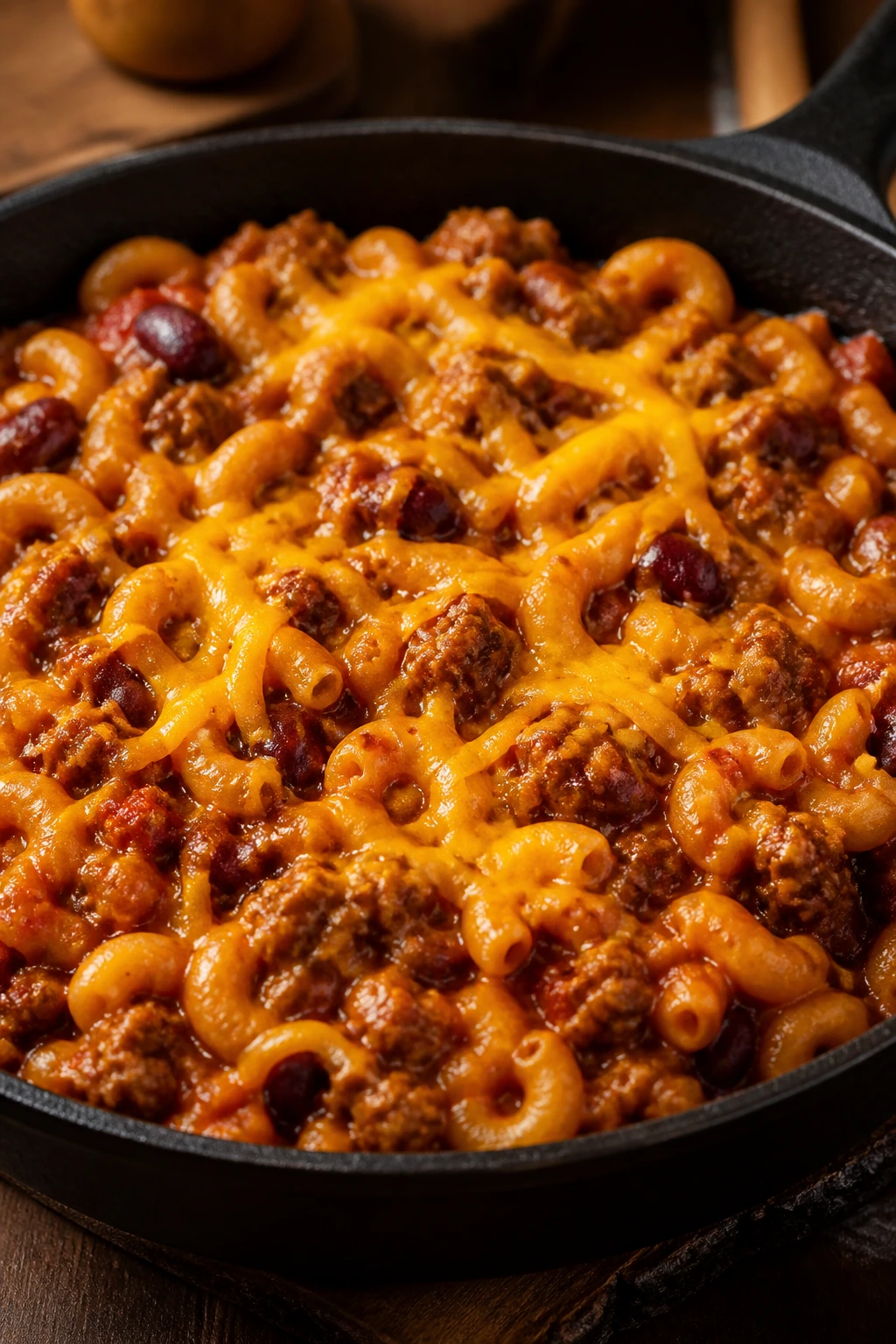
This is the pan you make when people are already hungry and you want them fed fast. The beef, beans, tomatoes, and chili spices turn into a thick red sauce that coats the macaroni from edge to center. It tastes like a pot that worked harder than it looked like it would.
Why It Works:
Chili mac succeeds because the pasta gives the chili a second job. It soaks up spice, thickens the sauce, and turns a pot of beef and beans into something that sits squarely in the middle of the table. The beans add body, which means you can keep the beef amount reasonable and still end up with a skillet that feels full.
Key Ingredients:
- 1 1/2 pounds ground beef
- 1 medium onion, diced
- 2 cloves garlic, minced
- 2 tablespoons chili powder
- 1 teaspoon ground cumin
- 1 can (15 ounces) kidney beans, drained and rinsed
- 1 can (15 ounces) diced tomatoes
- 1 1/2 cups beef broth
- 12 ounces elbow macaroni
- 1 teaspoon kosher salt
- 1 1/2 cups shredded cheddar
- 2 tablespoons chopped green onions
Quick Steps:
- Brown the beef in a large skillet over medium-high heat for 6 to 8 minutes. Drain excess fat.
- Add the onion and cook for 3 minutes. Stir in the garlic, chili powder, and cumin for 30 seconds.
- Add the beans, tomatoes, broth, and salt. Bring to a simmer.
- Stir in the macaroni and cook uncovered for 10 to 12 minutes, stirring often, until tender and thickened.
- Turn off the heat and stir in 1 cup cheddar.
- Top with the remaining cheese and green onions.
Equipment for This Recipe:
- Large deep skillet
- Wooden spoon
- Measuring cups and spoons
- Cheese grater
- Can opener
How to Serve This Dish:
Serve it hot with a spoon and maybe a dab of sour cream if the table wants it. Cornbread, saltines, or a chopped salad all work, but none are required. It feeds 6 to 8, and it’s one of the better leftovers in the group.
Pro Tips for This Recipe:
- Bloom the chili powder in the fat. That small pause makes the whole pan taste deeper.
- Stir often once the macaroni is in. Chili mac likes to stick.
- If you want more texture, add 1 cup frozen corn with the beans.
- Let the skillet stand for 5 minutes after cooking so the sauce thickens.
Variations on This Dish:
- Smoky Chipotle Chili Mac: Add 1 chopped chipotle in adobo.
- Mild School-Cafeteria Style: Use less chili powder and more cheddar.
- White Bean Version: Swap kidney beans for cannellini beans and add a little extra cumin.
Common Mistakes to Avoid with This Dish:
- Using too much broth: The dish should be thick, not sloshy.
- Underseasoning the base: Beans and pasta need assertive seasoning.
- Letting the cheese boil: Add it after the heat goes off.
12. Shepherd’s Pie Skillet
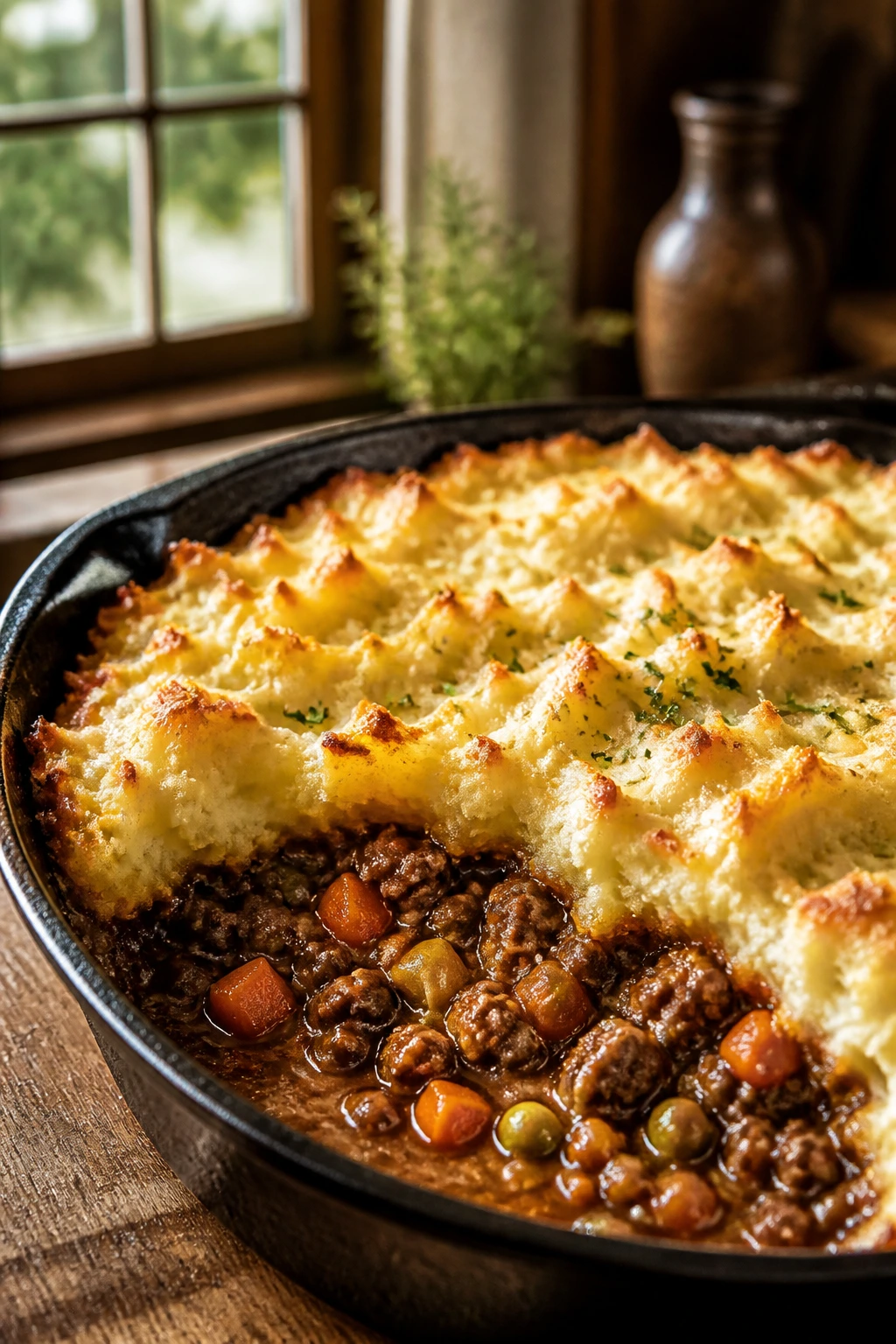
This is the skillet that earns its place because it feeds a crowd with layers instead of just volume. The beef filling cooks under a blanket of mashed potatoes, and when it bakes, the top gets a little color at the ridges while the edges go crisp. That contrast is the whole point.
Why It Works:
Shepherd’s pie is built on contrast: savory meat underneath, soft potato on top, and a hot, bronzed edge where the skillet meets the oven. Using a skillet lets the filling stay hot while you spread the potatoes right over the top, so you don’t lose heat by transferring it to a baking dish. The filling should be thick before the potatoes go on or the bottom gets loose.
Key Ingredients:
- 1 1/2 pounds ground beef
- 1 medium onion, diced
- 2 carrots, diced small
- 1 cup frozen peas
- 2 tablespoons tomato paste
- 2 tablespoons all-purpose flour
- 2 cups beef broth
- 1 tablespoon Worcestershire sauce
- 1 teaspoon kosher salt
- 1/2 teaspoon black pepper
- 4 cups mashed potatoes, warm
- 2 tablespoons butter, melted
- 1/2 cup shredded cheddar, optional
Quick Steps:
- Brown the beef in a large oven-safe skillet over medium-high heat for 6 to 8 minutes. Drain off excess fat.
- Add the onion and carrots. Cook for 5 minutes until the carrots begin to soften.
- Stir in the tomato paste and flour for 1 minute.
- Pour in the broth and Worcestershire sauce. Simmer for 4 to 5 minutes until the filling is thick. Stir in the peas.
- Spoon the mashed potatoes over the top, spread them to the edges, and brush with melted butter. Add cheddar if using.
- Bake at 400°F for 15 to 18 minutes, until the top is lightly browned and the filling bubbles at the edges.
Equipment for This Recipe:
- Large oven-safe skillet
- Potato masher or ricer
- Medium saucepan for the potatoes
- Wooden spoon
- Oven mitts
How to Serve This Dish:
Let it sit for 10 minutes before you cut in, or the filling will slide. Serve it in squares with a green vegetable on the side, like peas, broccoli, or a simple salad. It makes 6 big servings, and it eats like a full meal even without bread.
Pro Tips for This Recipe:
- Use warm mashed potatoes. Cold mash tears the filling underneath.
- A thick filling holds the top in place better than a loose one.
- If the potato top isn’t browning, run it under the broiler for a minute or two.
- Taste the filling before topping it. It should be slightly over-seasoned because the potatoes dull it a little.
Variations on This Dish:
- Cheddar Scallion Top: Mix 1/2 cup cheddar and chopped scallions into the potatoes.
- Root Vegetable Twist: Use half potatoes and half cauliflower for the topping.
- Darker Gravy Style: Add 1 teaspoon soy sauce to the filling for deeper color.
Common Mistakes to Avoid with This Dish:
- Using thin filling: The potatoes sink if the meat layer is too loose.
- Forgetting the oven-safe skillet: A regular skillet can’t handle the bake.
- Skipping the rest time: Cut too soon and the filling runs.
13. Korean Beef Rice Skillet
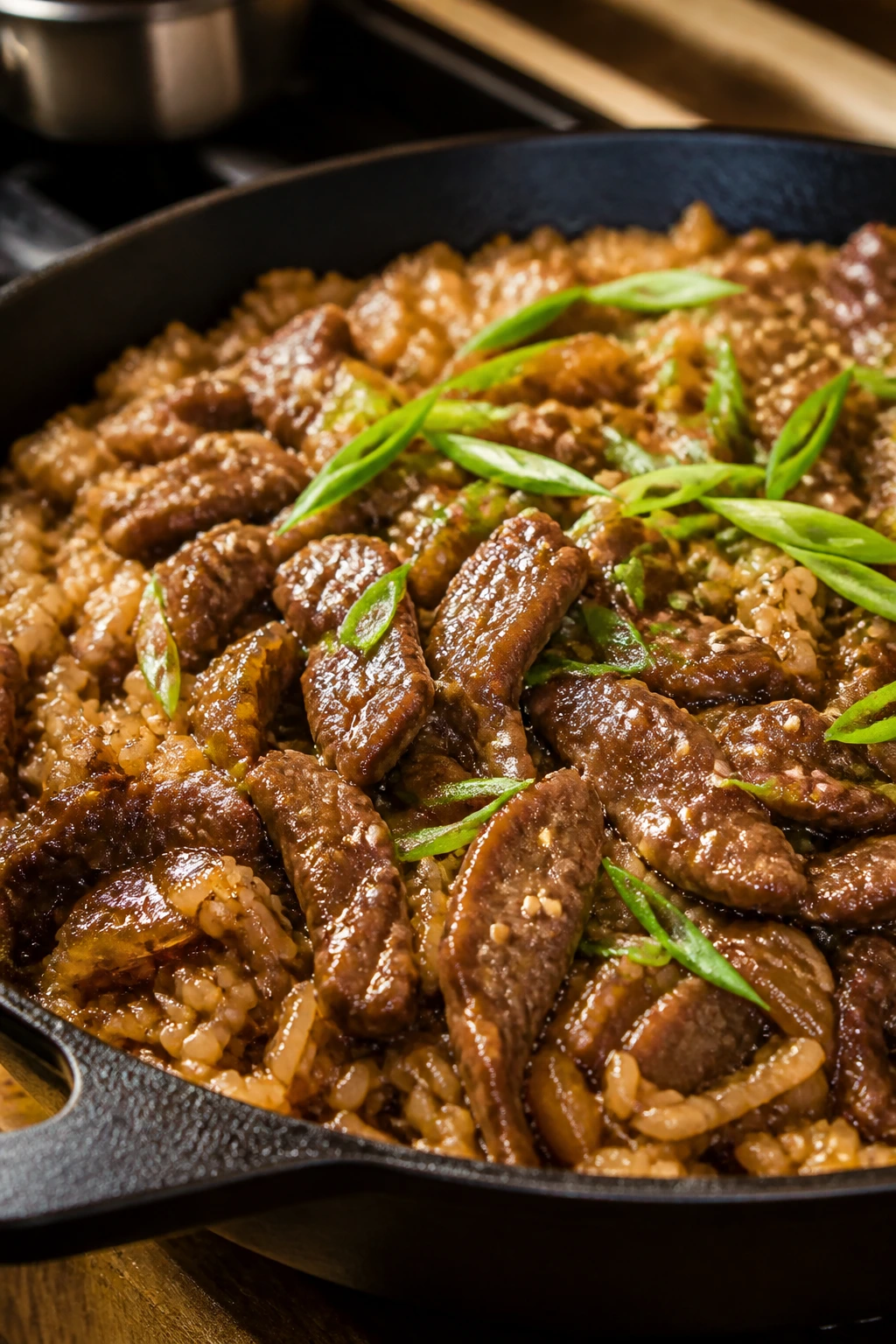
This skillet lands somewhere between takeout and a pantry dinner, and that’s a useful place to be. The beef takes on soy, ginger, garlic, and a little brown sugar, then the rice catches the sauce so every spoonful tastes seasoned. The scallions at the end wake everything up.
Why It Works:
The sugar does more than sweeten here. It helps the beef caramelize slightly, which gives the soy sauce a rounder edge and keeps the pan from tasting too sharp. Cooked rice is the fastest route to volume, and because the sauce is concentrated, you don’t need a lot of it to coat a lot of food. That is what makes this one stretch.
Key Ingredients:
- 1 1/2 pounds ground beef
- 1 medium onion, thinly sliced
- 3 cloves garlic, minced
- 1 tablespoon fresh ginger, grated
- 1/4 cup low-sodium soy sauce
- 2 tablespoons brown sugar
- 1 tablespoon rice vinegar
- 1 teaspoon sesame oil
- 2 cups cooked white rice, warm
- 1 cup shredded carrots or thinly sliced cabbage
- 3 scallions, sliced
- 1 tablespoon sesame seeds
Quick Steps:
- Brown the beef in a skillet over medium-high heat for 6 to 8 minutes. Drain if needed.
- Add the onion and cook for 3 minutes until softened.
- Stir in the garlic and ginger for 30 seconds.
- Add the soy sauce, brown sugar, and rice vinegar. Let it bubble for 1 minute.
- Stir in the carrots or cabbage and cook for 2 minutes.
- Add the warm rice and toss until coated. Drizzle with sesame oil and finish with scallions and sesame seeds.
Equipment for This Recipe:
- Large skillet
- Wooden spoon
- Microplane or grater for ginger
- Measuring spoons
- Knife and cutting board
How to Serve This Dish:
Serve it in bowls with extra scallions and maybe a fried egg if you want to make it feel like more. A quick cucumber salad or kimchi works well on the side. It serves 6, and the rice keeps the whole thing from feeling thin.
Pro Tips for This Recipe:
- Warm rice blends better than cold rice. Cold rice tends to clump.
- Use low-sodium soy sauce so the brown sugar has room to matter.
- Add a spoon of gochujang if you want more heat and a little funk.
- Finish with sesame oil, don’t cook it long. The aroma fades fast.
Variations on This Dish:
- Spicy Gochujang Version: Stir in 1 tablespoon gochujang with the soy sauce.
- Veg-Loaded Bowl: Add mushrooms and spinach near the end.
- Cauliflower Rice Swap: Use cooked cauliflower rice and reduce the sauce slightly.
Common Mistakes to Avoid with This Dish:
- Using cold rice straight from the fridge: It clumps and resists the sauce.
- Burning the garlic: Keep the ginger and garlic stage short.
- Over-salting before tasting: Soy sauce can carry more salt than you think.
14. Skillet Lasagna with Beef and Spinach
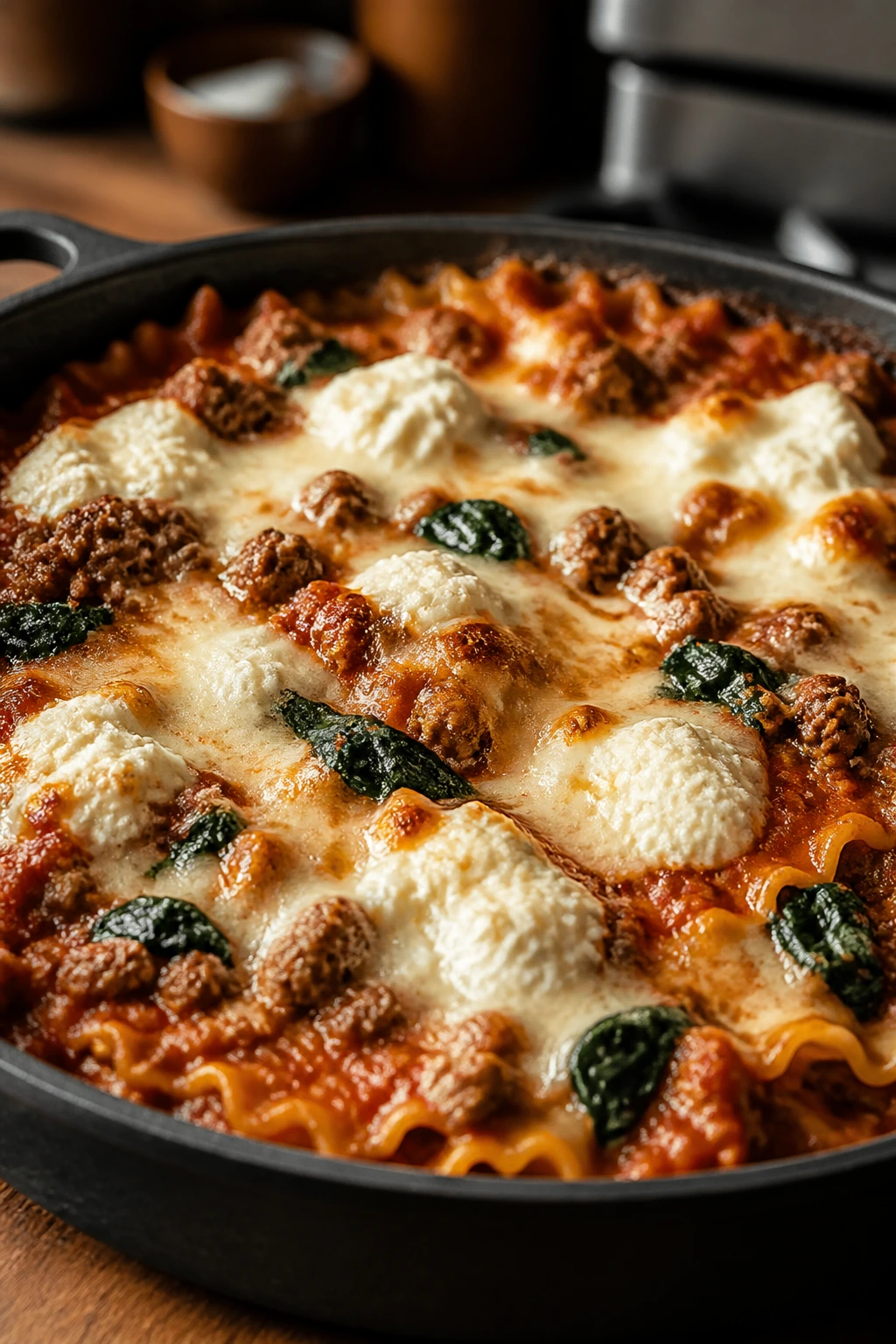
This is the lasagna shortcut that still tastes like someone cared. The broken noodles cook right in the marinara, the beef anchors the sauce, and the ricotta goes on in soft spoonfuls that melt into the top without disappearing. It’s messy, in the best Italian-American way.
Why It Works:
Lasagna usually asks for layering and patience, but a skillet version gets you close to that flavor profile with fewer steps. The noodles cook in the sauce, which means they absorb tomato and beef flavor instead of just being boiled separately. Ricotta and mozzarella finish the pan in different ways: one creamy, one stretchy. You want both.
Key Ingredients:
- 1 1/2 pounds ground beef
- 1 medium onion, diced
- 3 cloves garlic, minced
- 1 jar (24 ounces) marinara sauce
- 2 1/2 cups beef broth
- 8 ounces lasagna noodles, broken into pieces
- 3 cups fresh spinach
- 1 cup ricotta
- 2 cups shredded mozzarella
- 1/2 cup grated parmesan
- 1 teaspoon Italian seasoning
- Salt and black pepper
Quick Steps:
- Brown the beef in a large deep skillet over medium-high heat for 6 to 8 minutes. Drain off excess fat.
- Add the onion and cook for 4 minutes. Stir in the garlic and Italian seasoning for 30 seconds.
- Add the marinara and broth, then stir in the broken noodles. Bring to a simmer and cook for 12 to 14 minutes, stirring often, until the noodles are tender.
- Stir in the spinach and cook for 1 minute until wilted.
- Dollop ricotta over the top, then scatter mozzarella and parmesan across the skillet.
- Cover for 2 minutes until the cheese melts, or broil briefly if your skillet is oven-safe.
Equipment for This Recipe:
- Large oven-safe skillet
- Wooden spoon
- Can opener
- Measuring cups
- Lid or broiler-safe oven rack, if finishing under heat
How to Serve This Dish:
Let it sit for 5 minutes so the sauce settles and the noodles stop sliding around. Serve it with garlic bread or a simple salad with sharp vinaigrette. It makes 6 generous portions, and it reheats well without turning into paste.
Pro Tips for This Recipe:
- Break the noodles into rough pieces, not crumbs. You want shape left in the pan.
- Keep the skillet at a steady simmer so the sauce thickens without scorching.
- Add spinach near the end or it vanishes into the sauce.
- If you want a browner top, broil for 1 to 2 minutes only.
Variations on This Dish:
- Sausage Blend: Replace half the beef with Italian sausage.
- Four-Cheese Finish: Add provolone or fontina with the mozzarella.
- Mushroom Spin: Stir in 8 ounces sautéed mushrooms with the onion.
Common Mistakes to Avoid with This Dish:
- Using too much broth: The lasagna should be saucy, not loose.
- Forgetting to stir the noodles: They can glue themselves to the bottom.
- Adding ricotta too early: It melts away instead of staying in soft pockets.
15. Stuffed Pepper Skillet
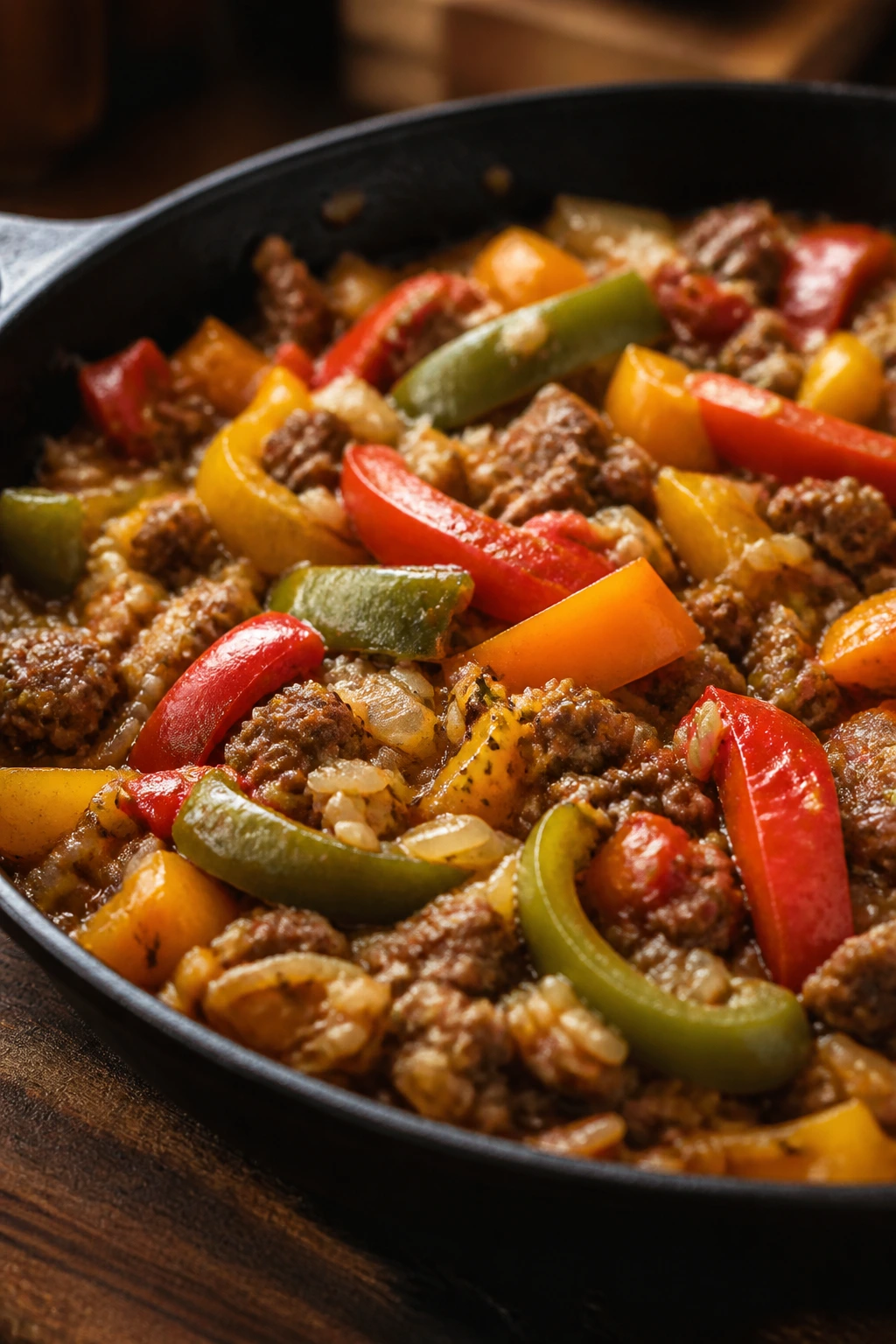
This is the flavor of stuffed peppers without the time sink. The beef, rice, tomato, and peppers cook in the same pan, so the whole thing ends up tasting unified instead of like a pepper holding dinner together. The peppers should stay a little crisp at the edges.
Why It Works:
Stuffed peppers are a good idea trapped inside a fussy shape. A skillet fixes that. The rice absorbs the tomato and broth, the peppers soften just enough, and the beef flavor spreads through everything instead of sitting in one hollow shell. For a crowd, that matters. Nobody wants to juggle dinner around a pepper.
Key Ingredients:
- 1 1/2 pounds ground beef
- 3 bell peppers, mixed colors, diced
- 1 medium onion, diced
- 3 cloves garlic, minced
- 1 cup long-grain rice, rinsed
- 1 can (14.5 ounces) diced tomatoes
- 2 cups beef broth
- 2 tablespoons tomato paste
- 1 teaspoon Italian seasoning
- 1 teaspoon kosher salt
- 1/2 teaspoon black pepper
- 1 cup shredded mozzarella or cheddar
- 2 tablespoons chopped basil or parsley
Quick Steps:
- Brown the beef in a large skillet over medium-high heat for 6 to 8 minutes. Drain excess fat.
- Add the onion and diced peppers. Cook for 5 minutes until they start to soften.
- Stir in the garlic, tomato paste, Italian seasoning, salt, and pepper for 30 seconds.
- Add the rice, diced tomatoes, and broth. Bring to a simmer, cover, and cook for 18 to 20 minutes until the rice is tender.
- Remove from heat, sprinkle the cheese over the top, and cover for 2 minutes to melt.
- Finish with basil or parsley.
Equipment for This Recipe:
- Large skillet with a lid
- Wooden spoon
- Measuring cups and spoons
- Sharp knife
- Cheese grater
How to Serve This Dish:
Spoon it into bowls and make sure each serving gets a little pepper, a little rice, and a little cheese. A side salad or roasted green beans fits well because the skillet is already carrying the starch. It serves 6 to 8 depending on appetite.
Pro Tips for This Recipe:
- Cut the peppers into even dice so they cook at the same pace.
- Rinse the rice if it tends to clump.
- If the pan looks dry before the rice is done, add 1/4 cup broth.
- Cheese on top is better than stirred in. It melts cleanly and doesn’t disappear.
Variations on This Dish:
- Turkey Pepper Skillet: Swap in ground turkey and add 1 tablespoon olive oil with the meat.
- Quinoa Version: Use cooked quinoa instead of rice for a firmer finish.
- Spicy Marinara Style: Add 1/2 teaspoon red pepper flakes and use marinara in place of diced tomatoes.
Common Mistakes to Avoid with This Dish:
- Dicing the peppers too small: They vanish before the rice is tender.
- Using too much liquid: The filling should hold together, not slide.
- Skipping the rest after cooking: The rice needs a few minutes to finish.
16. Beef Fajita Skillet with Black Beans
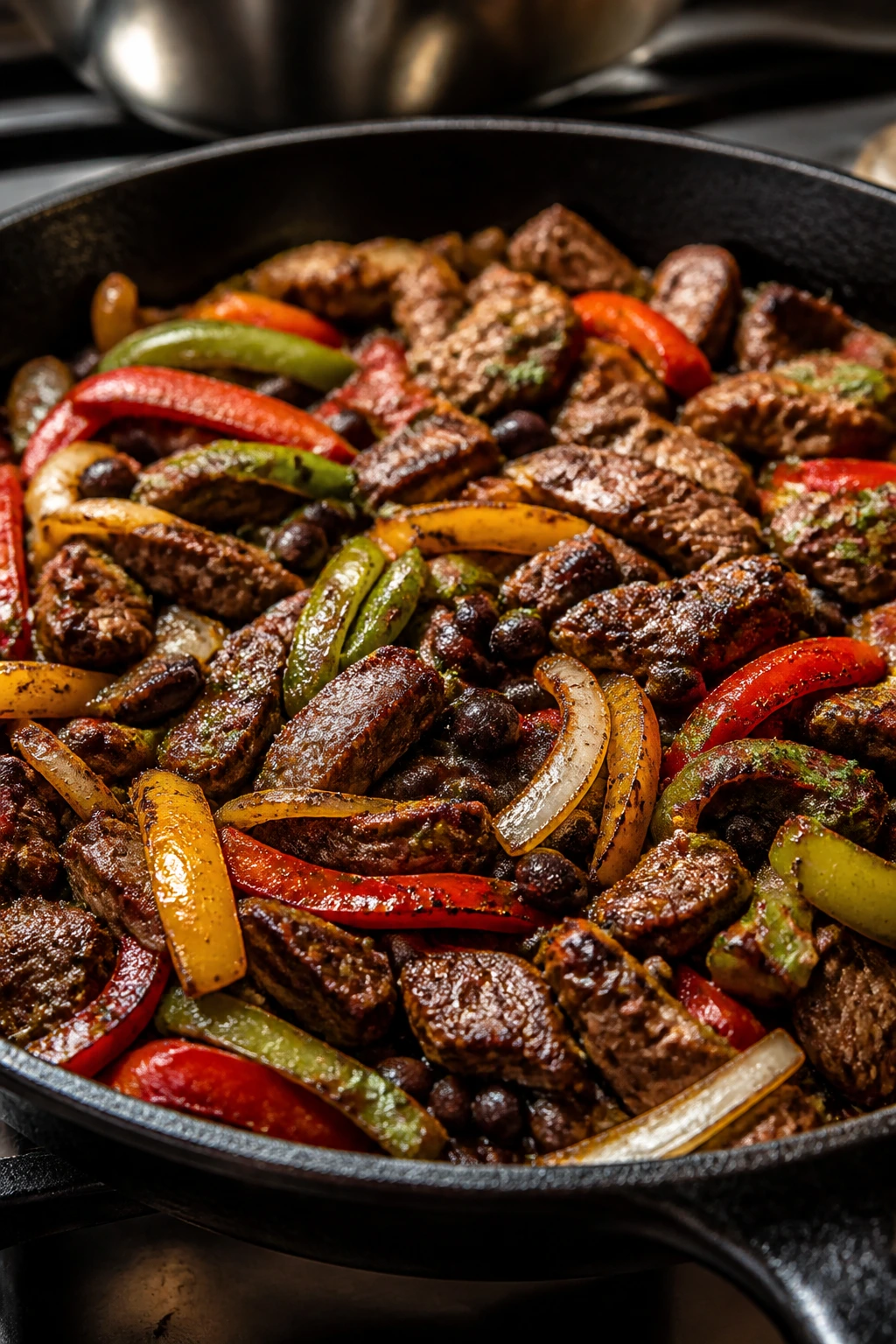
This skillet has the charred edges and citrus lift of fajitas without the pile of pans. The peppers stay bright, the onions soften just enough, and the beef gets enough seasoning to stand up to the lime at the end. It’s one of the better crowd meals because people can build their own bowls or tortillas.
Why It Works:
Fajita flavor depends on contrast: browned beef, sweet peppers, sharp lime, and a little heat. Black beans fill in the gaps so the skillet feels complete without requiring a giant pile of meat. If you keep the vegetables moving and finish with lime after the heat goes off, the whole pan tastes fresher and less flat.
Key Ingredients:
- 1 1/2 pounds ground beef
- 2 bell peppers, sliced
- 1 large onion, sliced
- 2 cloves garlic, minced
- 2 tablespoons fajita seasoning
- 1 can (15 ounces) black beans, drained and rinsed
- 1/2 cup beef broth
- 2 cups cooked rice, optional but useful for stretching
- 1 lime, juiced
- 2 tablespoons chopped cilantro
- Tortillas, sour cream, or avocado for serving
Quick Steps:
- Brown the beef in a large skillet over medium-high heat for 6 to 7 minutes. Drain excess fat.
- Add the onions and peppers. Cook for 6 minutes until they pick up some color but still keep shape.
- Stir in the garlic and fajita seasoning for 30 seconds.
- Add the beans and broth. Simmer for 3 minutes.
- Stir in the cooked rice if using, then cook for 2 minutes until everything is hot.
- Turn off the heat, add lime juice, and finish with cilantro.
Equipment for This Recipe:
- Large skillet
- Wooden spoon
- Sharp knife
- Measuring spoons
- Citrus juicer, optional
How to Serve This Dish:
Serve with warm tortillas, sliced avocado, and sour cream if you want the full spread. If you’re keeping it lighter, spoon it into bowls with extra lime and chopped cilantro. It makes 6 portions, or 8 if rice joins the skillet.
Pro Tips for This Recipe:
- Don’t overcook the peppers; they should still have some bite.
- Use fresh lime at the end, not bottled juice.
- If your fajita seasoning is salty, reduce added salt in the rest of the pan.
- A short high-heat cook on the peppers gives you better color than a long low one.
Variations on This Dish:
- Chipotle Fajita Skillet: Add a spoon of chopped chipotle in adobo.
- Chicken-Free Veg Heavy Version: Double the peppers and beans, keep the beef at 1 pound.
- Cheese Finish: Add shredded Monterey Jack on top before serving.
Common Mistakes to Avoid with This Dish:
- Letting the peppers go soft and pale: They need a little char.
- Adding lime too early: It dulls in the heat.
- Forgetting the beans: They’re what make the pan feed more people.
17. Mediterranean Beef Orzo Skillet
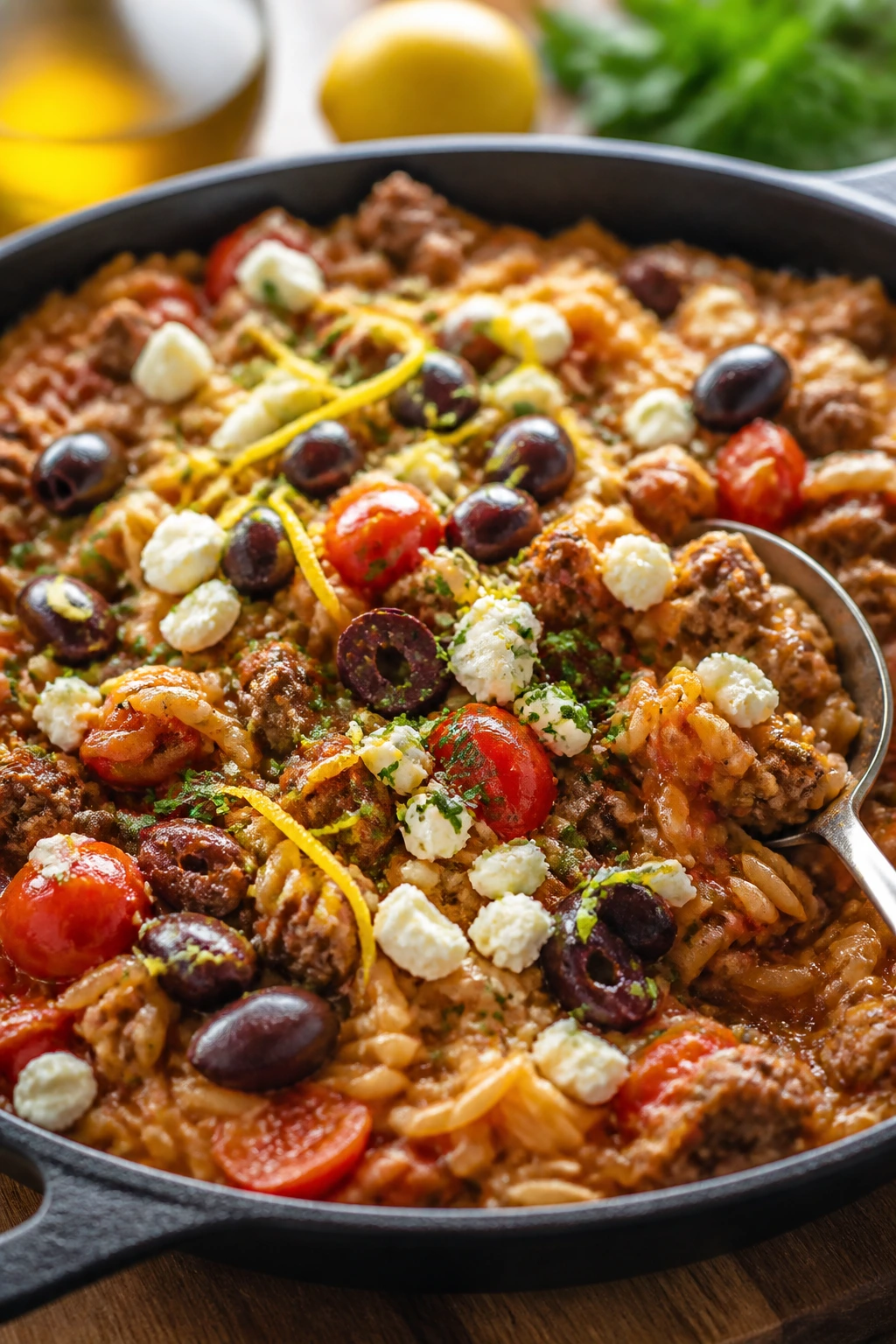
This skillet feels a little brighter than the others. Tomato, oregano, garlic, and lemon give the beef a sharper edge, while the orzo cooks into the sauce and makes the whole pan spoonable. It’s sturdy enough for a crowd, but it doesn’t sit as heavy as pasta with cream.
Why It Works:
Orzo is one of those small pastas that behaves almost like rice in a skillet, which makes it useful when you need volume without fuss. The beef gives the dish its backbone, while olives, lemon, and feta keep it from tasting flat. The result is less diner casserole and more dinner that happens to share a pan.
Key Ingredients:
- 1 1/2 pounds ground beef
- 1 medium onion, diced
- 3 cloves garlic, minced
- 1 zucchini, diced
- 1 cup dry orzo
- 1 can (14.5 ounces) diced tomatoes
- 2 1/2 cups beef broth
- 1 teaspoon dried oregano
- 1/2 cup sliced olives
- 1 cup crumbled feta
- 1 lemon, zested and juiced
- 2 tablespoons chopped parsley
Quick Steps:
- Brown the beef in a large skillet over medium-high heat for 6 to 8 minutes. Drain excess fat.
- Add the onion and zucchini and cook for 4 minutes.
- Stir in the garlic and oregano for 30 seconds.
- Add the orzo, tomatoes, and broth. Bring to a simmer and cook uncovered for 10 to 12 minutes, stirring often, until the orzo is tender.
- Stir in the olives, lemon zest, and half the feta.
- Finish with lemon juice, the remaining feta, and parsley.
Equipment for This Recipe:
- Large deep skillet
- Wooden spoon
- Measuring cups and spoons
- Microplane or fine grater for lemon zest
- Knife and cutting board
How to Serve This Dish:
Serve it warm with extra feta on top and maybe a drizzle of olive oil. A chopped cucumber salad, hummus, or toasted pita makes it feel fuller without making the plate fussy. It serves 6, and the leftovers hold up well because the orzo keeps the sauce close.
Pro Tips for This Recipe:
- Add the lemon juice off heat so it stays bright.
- Stir the orzo often near the end; it likes to settle.
- Choose good feta that crumbles, not the dry powdery kind.
- If the skillet gets dry before the orzo is done, add 1/4 cup broth.
Variations on This Dish:
- Spinach and Feta Version: Stir in 3 cups spinach at the end.
- Chickpea Stretch: Add 1 can chickpeas for more bulk.
- Dairy-Free Finish: Skip the feta and use extra lemon, parsley, and olives.
Common Mistakes to Avoid with This Dish:
- Overcooking the orzo: It goes from tender to soft fast.
- Using too much lemon too early: You lose the freshness.
- Skipping the olives or acid: The dish needs a sharp edge to balance the beef.
18. Tamale Pie Beef Skillet
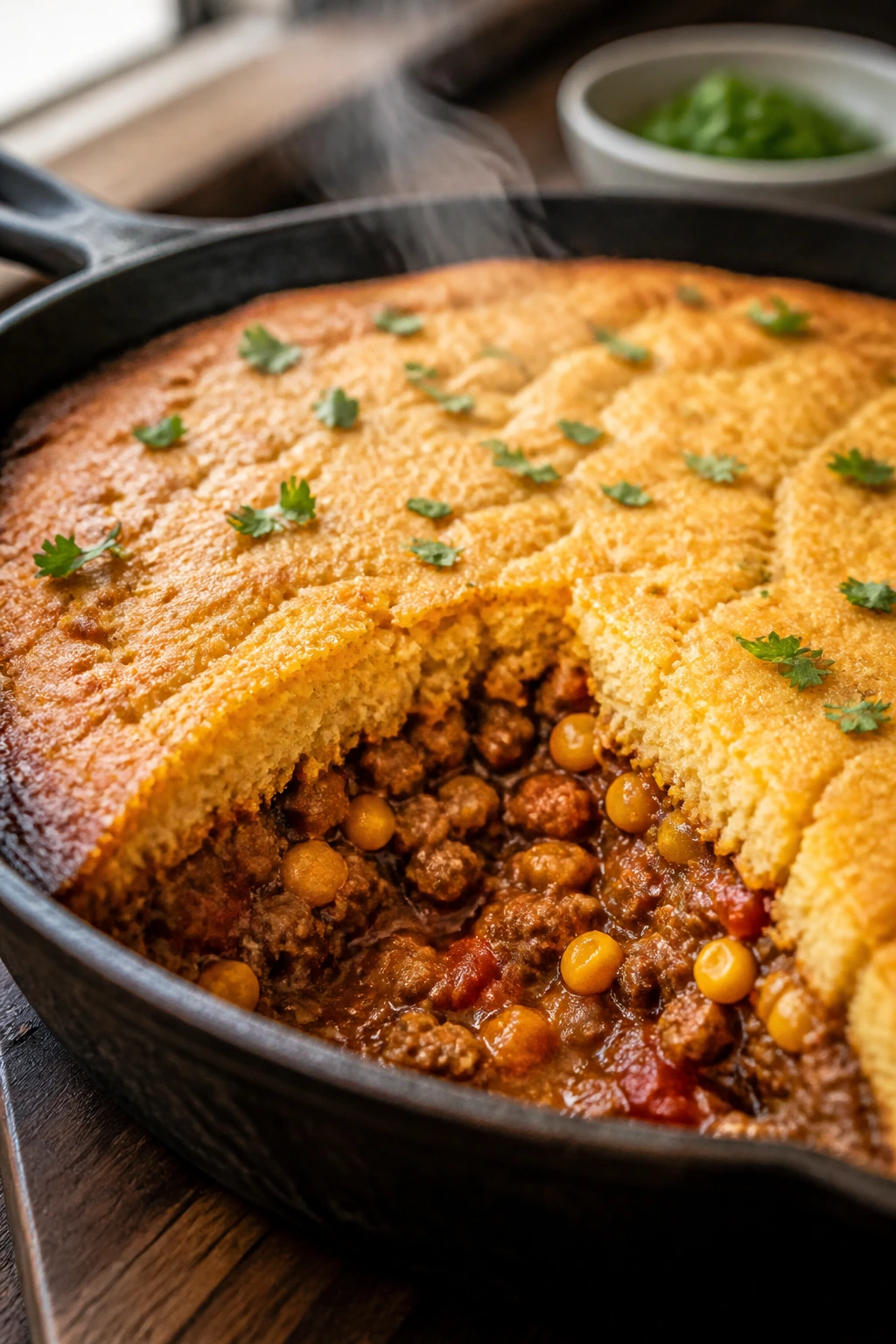
This is the pan that shows off a little. The beef filling simmers with chili and corn, then the cornbread topping bakes right on top until the edges are golden and the center is set. It feeds a crowd because it behaves like chili and cornbread decided to share a house.
Why It Works:
Tamale pie works especially well in a skillet because you can cook the filling on the stovetop, then move straight to the oven without losing any heat. The cornbread batter bakes into the savory filling just enough to soak up steam from below while still setting on top. The skillet gives you crisp edges, which is the part people usually hope for and rarely name.
Key Ingredients:
- 1 1/2 pounds ground beef
- 1 medium onion, diced
- 2 cloves garlic, minced
- 1 can (15 ounces) black beans, drained and rinsed
- 1 cup frozen corn
- 1 can (10 ounces) red enchilada sauce
- 1 teaspoon chili powder
- 1 teaspoon kosher salt
- 1 box cornbread mix
- 1 egg
- 1/3 cup milk
- 1 cup shredded cheddar
- 2 tablespoons sliced scallions
Quick Steps:
- Brown the beef in a large oven-safe skillet over medium-high heat for 6 to 8 minutes. Drain excess fat.
- Add the onion and cook for 3 to 4 minutes. Stir in the garlic and chili powder for 30 seconds.
- Add the beans, corn, enchilada sauce, and salt. Simmer for 3 minutes so the filling thickens.
- In a bowl, mix the cornbread mix, egg, milk, and half the cheddar until just combined.
- Spoon the batter over the filling, then sprinkle the remaining cheddar on top.
- Bake at 400°F for 18 to 22 minutes, until the cornbread is golden and a toothpick comes out clean from the center.
Equipment for This Recipe:
- Large oven-safe skillet
- Mixing bowl
- Wooden spoon
- Measuring cups and spoons
- Oven mitts
How to Serve This Dish:
Let it rest for 10 minutes so the filling can settle under the cornbread. Slice it in wedges and serve with sour cream or a few pickled jalapeños on the side. It feeds 6 to 8, and it eats like a full supper without needing much else.
Pro Tips for This Recipe:
- Make sure the skillet is oven-safe before you start. That sounds obvious until it isn’t.
- Don’t overmix the cornbread batter; a few streaks are fine.
- If the top browns too fast, lay foil over it loosely near the end.
- A little rest after baking keeps the filling from flooding out when you cut in.
Variations on This Dish:
- Jalapeño Cornbread Top: Stir chopped jalapeños into the batter.
- Cheesy Green Chile Version: Use green enchilada sauce and pepper jack.
- Masa-Heavy Style: Add a spoonful of masa harina to the filling for a more tamale-like taste.
Common Mistakes to Avoid with This Dish:
- Using a skillet that can’t go in the oven: You’ll stop the recipe halfway through.
- Putting batter on a watery filling: The top won’t set cleanly.
- Cutting too soon: The layers need the rest.
Why One Skillet Feeds More Than You’d Think
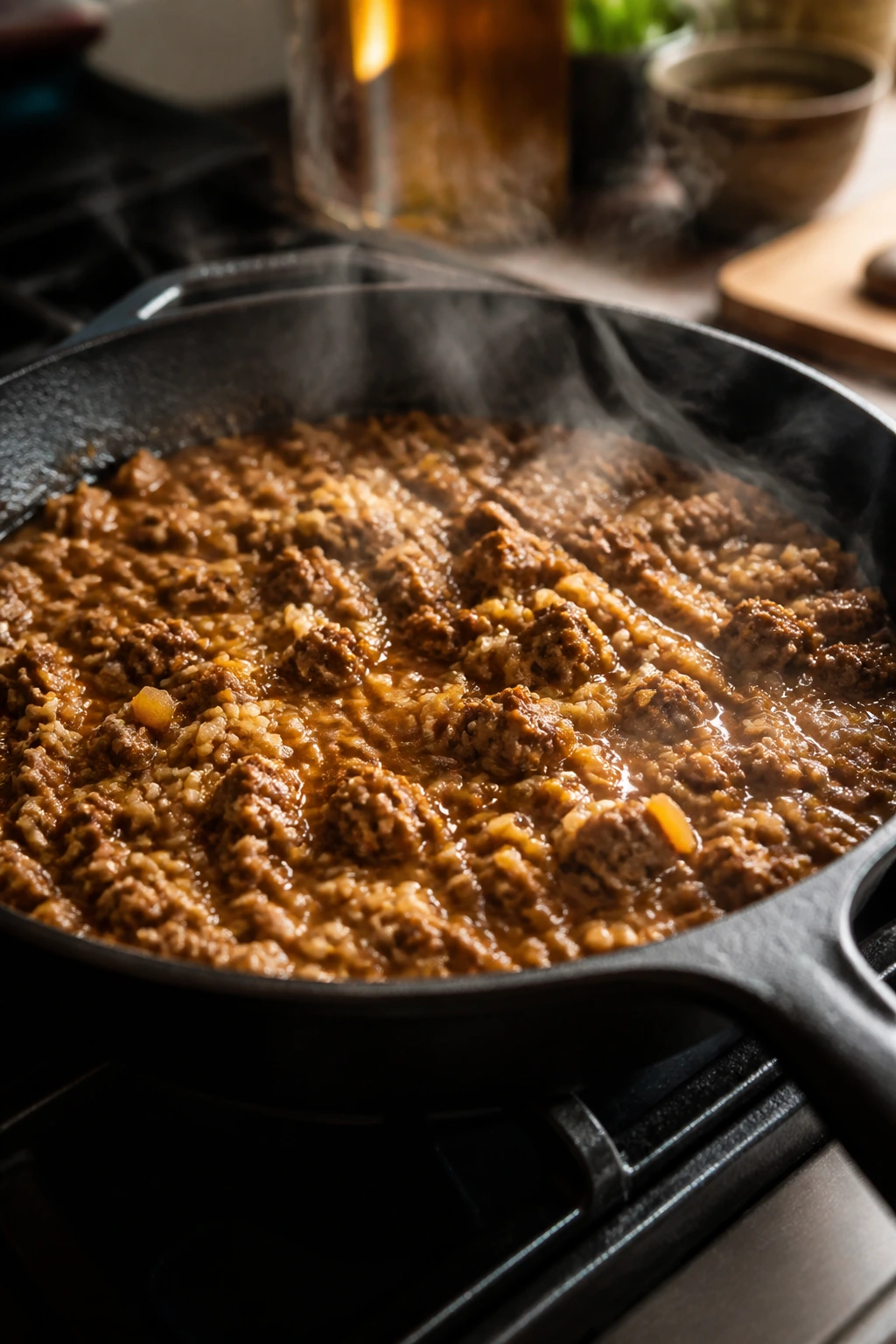
A skillet does something useful that a casserole dish can’t always manage: it browns first, then simmers in the same space. That means the beef picks up color before it ever meets broth, tomato, sauce, or cheese. Color matters. It’s flavor, not decoration, and it’s the reason a pan meal can taste like it took more effort than it did.
The other reason these dinners stretch well is starch. Rice, pasta, potatoes, or orzo don’t just “bulk up” the meal in some vague way. They absorb the beefy liquid, which concentrates the seasoning and turns what might have been a small amount of meat into a full pan. Cabbage and beans do the same job from a different angle, using volume and texture rather than grain.
A wide skillet also helps with control. Food spreads out, moisture evaporates, and you can see what’s happening. If a sauce looks thin, it stays thin long enough for you to fix it. If the bottom starts to scorch, you catch it before the whole meal takes on a burnt edge. That visibility is worth a lot when you’re cooking for six and don’t want surprises.
Essential Equipment for These Recipes
-
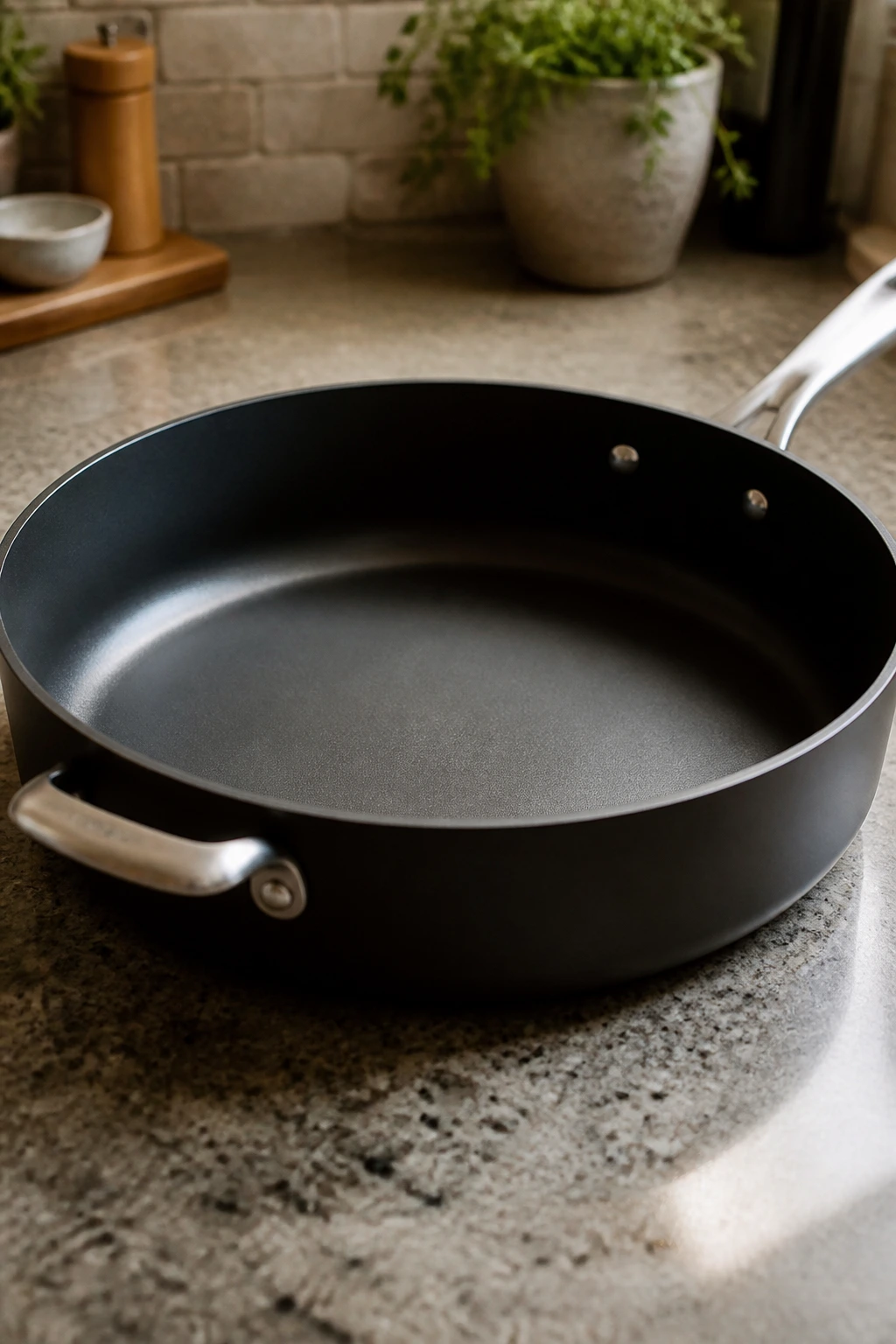
12-inch deep skillet: The workhorse for most of these meals. Deep sides help with rice, pasta, and saucy fillings.
-
Oven-safe skillet: You’ll need one for shepherd’s pie and tamale pie, and it’s useful for any recipe that finishes under the broiler.
-
Lid or sheet of foil: Keeps rice, noodles, and cheese melts moving without drying out the top.
-
Wooden spoon or flat spatula: Good for breaking up beef and scraping up browned bits without tearing the pan.
-
Sharp chef’s knife: Most of these recipes rely on fast, even chopping. Big uneven chunks slow everything down.
-
Measuring cups and spoons: These skillet meals depend on liquid balance. Guessing is how you get either soup or scorched pasta.
-
Cheese grater: Freshly shredded cheese melts more smoothly than the bagged kind.
-
Medium saucepan: Handy for potato-topped dishes and a few noodle or rice prep shortcuts.
-
Colander: Useful for rinsing rice, draining beans, or giving pasta a quick stop when needed.
Smart Shopping and Ingredient Tips
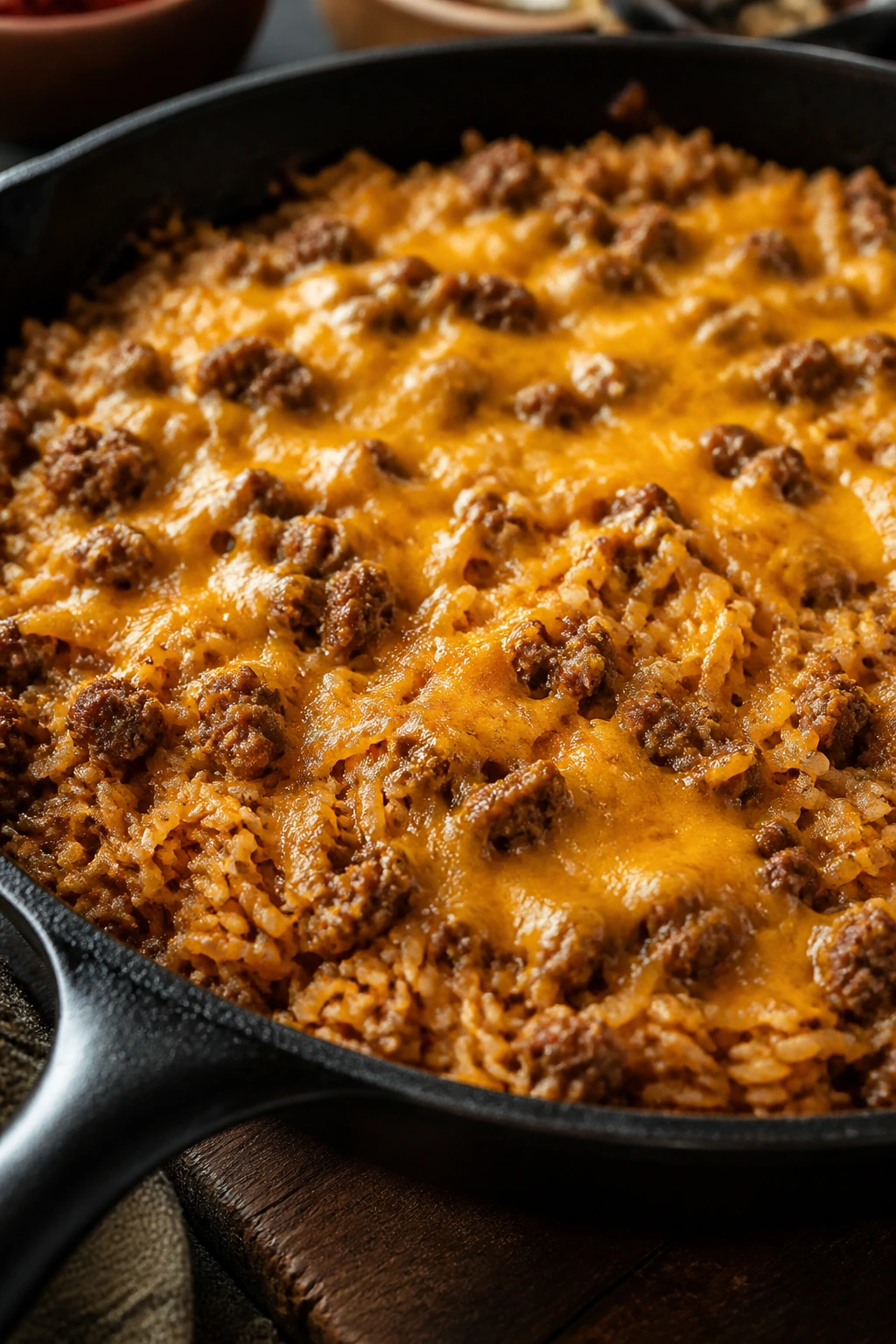
Ground beef matters more than people admit. For most of these skillet meals, 85/15 or 90/10 gives you enough fat for flavor without leaving a grease slick on top. If you go richer, plan to drain it. If you go leaner, add a spoonful of oil at the beginning so the onions and spices have something to bloom in.
Rice, pasta, and potatoes are your stretchers. Long-grain rice stays separate in saucy pans, while egg noodles and elbow macaroni are better when you want sauce to cling. Potatoes should be Yukon Golds when possible; they hold shape and keep a creamy middle. Canned tomatoes are fine here, but look for brands with a short ingredient list and no weird metallic aftertaste. Diced tomatoes with green chiles bring useful flavor to taco and enchilada skillets.
Cheese needs a little thought too. Cheddar gives the sharpest hit, Monterey Jack melts more softly, and provolone is the right move for cheesesteak-style pans. If you’re buying pre-shredded cheese for speed, that’s fine, but the melt will be a touch looser because of the coating on the shreds. Frozen vegetables are fair game. Corn, peas, broccoli, and spinach all work well, and in many of these recipes frozen is the smarter buy because the heat of the skillet takes care of the rest.
Broth should be low-sodium if you’re using soy sauce, enchilada sauce, Worcestershire, or packaged seasoning mixes. Otherwise the dish can turn sharp and salty before it finishes. And one more thing: get the onions. People skip them when they’re in a hurry, then wonder why the pan tastes flat. That little pile of chopped onion is doing more than it looks like.
How to Serve These Recipes
Presentation:
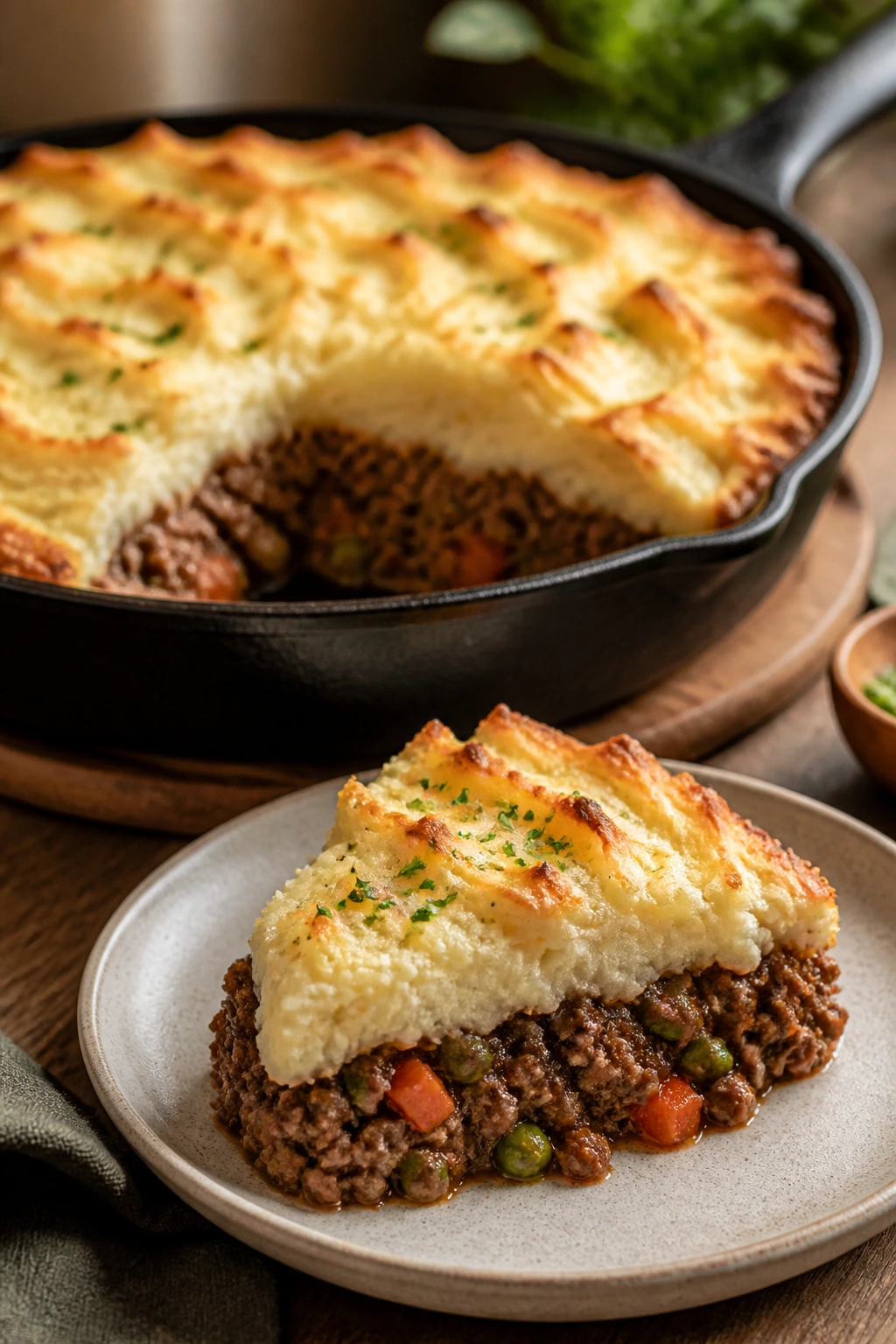
Serve these beef skillet meals straight from the pan whenever the recipe allows it. A shallow bowl shows off saucy dishes like stroganoff, chili mac, and Korean beef rice, while a skillet with a browned top — shepherd’s pie or tamale pie — looks better cut into wedges at the table.
Accompaniments:
A green salad with sharp vinaigrette is the easiest all-purpose side because it cuts through cheese and starch without competing. Garlic bread, toasted rolls, warm tortillas, cucumber salad, or simple steamed beans all work depending on the recipe’s shape. I’d keep pickles, lime wedges, or hot sauce on the table too; they wake up beef in a way plain salt never does.
Portions:
Most of these recipes serve 6 to 8 depending on appetite. If you’re feeding bigger eaters, lean on the starch-heavy ones — rice, pasta, potatoes, and cornbread stretch better than straight beef-and-vegetable skillets. For lighter servings, pair them with a salad and skip the extra bread.
Beverage Pairing:
I like cold lager with cheesier pans, iced tea with the taco and enchilada skillets, and sparkling water with lime for the brighter dishes like Mediterranean or Korean beef. A glass of dry red works for stroganoff or shepherd’s pie if that’s your kind of table.
Additional Tips and Flavor Boosters
Flavor Enhancement:
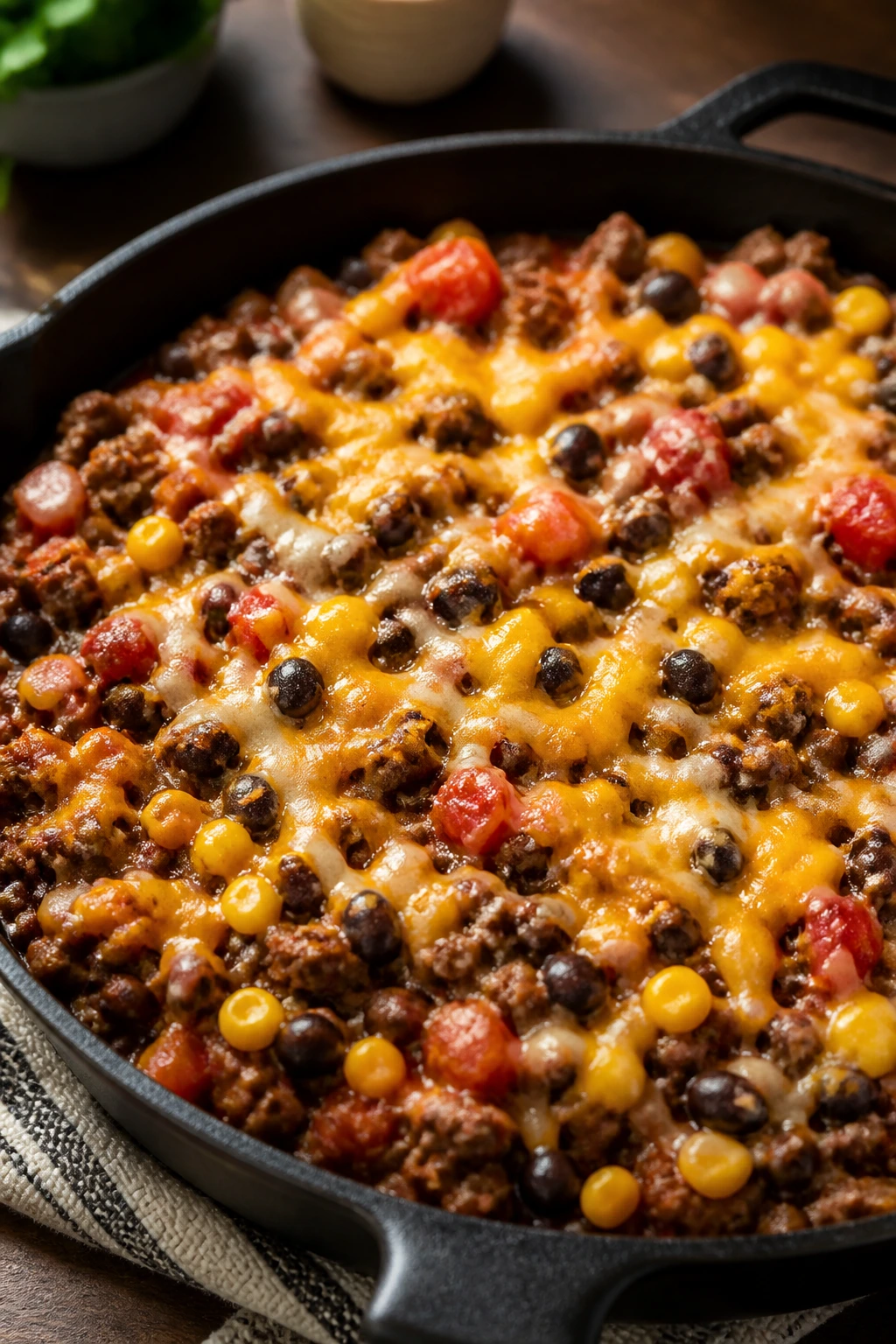
A spoonful of tomato paste, Worcestershire sauce, soy sauce, or Dijon mustard is often the difference between “fine” and “why does this taste so deep?” Use one early in the cooking process so it has time to blend into the beef instead of sitting on top.
Customization:
If you need to stretch a skillet farther, add a can of beans, extra rice, or more vegetables rather than just more cheese. If you need to pull heat back for kids, keep the spice in a bottle at the table and leave the pan mild. That gives you one base dinner and a few directions it can go.
Serving Suggestions:
Fresh herbs matter more than a lot of home cooks think. Parsley on stroganoff, cilantro on taco skillets, scallions on Korean beef, and basil on stuffed pepper pans all add a sharp top note that keeps the meal from going heavy. Lemon wedges and lime wedges do the same job in different kitchens.
Make-It-Yours:
For dairy-free versions, skip the cheese and finish with olive oil, herbs, and acid instead. For gluten-free cooking, use tamari, gluten-free pasta, or rice, and check the seasoning packets. For lower-carb meals, replace part of the rice or pasta with cabbage, zucchini, or broccoli and keep the sauce tight.
Make-Ahead, Storage, and Reheating Guidance
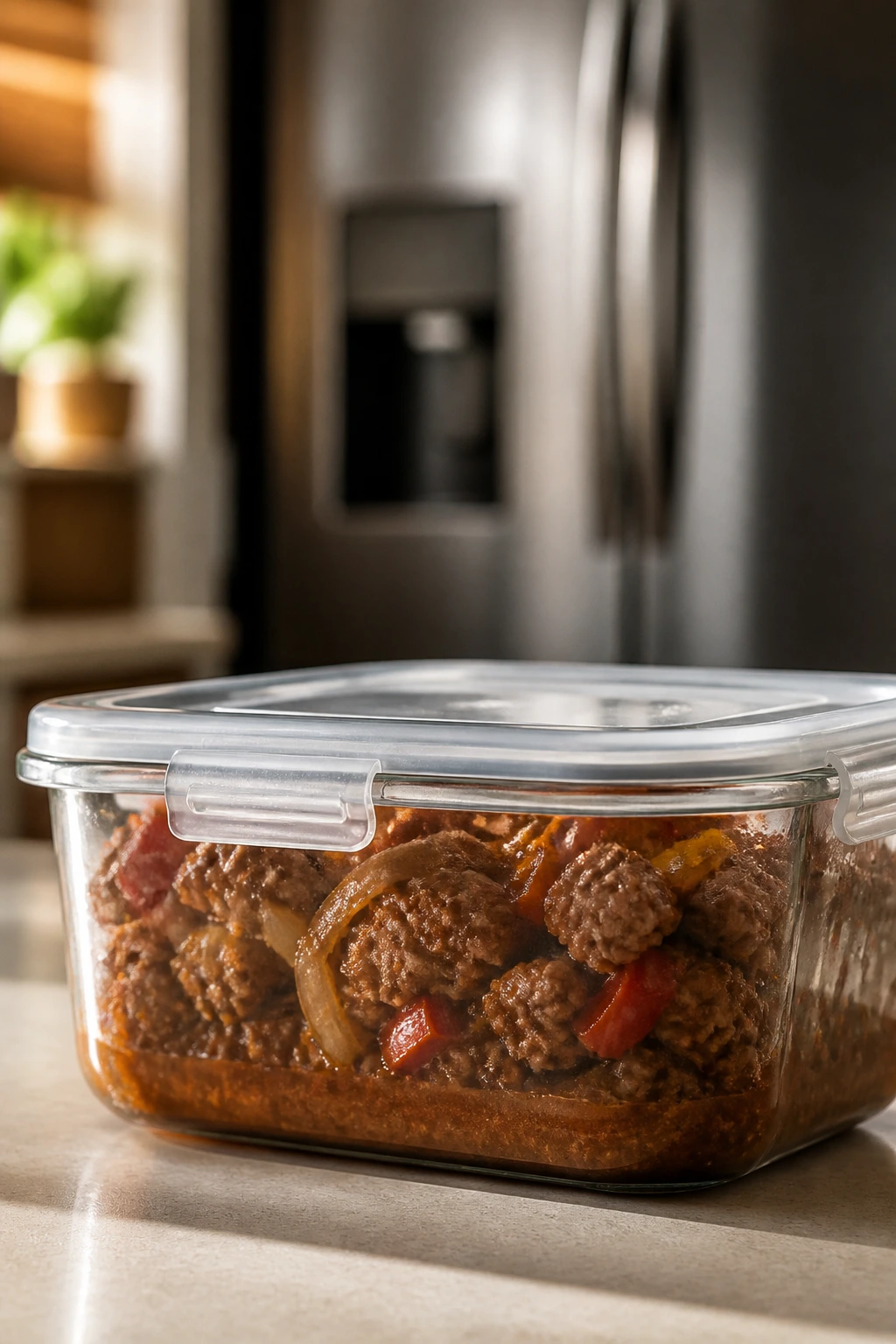
Most of these beef skillet meals keep well for 3 to 4 days in the refrigerator in a sealed container. Rice, pasta, and potato-topped pans are best cooled in shallow containers so they lose heat quickly and don’t sit in the danger zone too long. Let the food come down to room temperature for a short stretch, then get it into the fridge. Don’t leave a full skillet on the counter for hours; that’s how you get limp pasta and unsafe leftovers.
Freezing works best for the sturdier dishes: chili mac, taco beef, enchilada filling, cheeseburger mac, Korean beef, and the beef filling for shepherd’s pie. Most of those will keep up to 2 to 3 months frozen if packed tightly. Pasta and rice dishes freeze fine, though the texture softens a little. Skillet lasagna and tamale pie also freeze well, but the cornbread topping and cheese top are best when reheated gently.
For reheating, a skillet on low with a splash of broth or water is usually the best move. Stir often and cover the pan so the steam comes back through the starch. Microwaving works for single portions, but add a spoonful of water and cover loosely so the rice or noodles don’t dry out. For shepherd’s pie and tamale pie, the oven is kinder: cover loosely with foil and warm at 325°F until hot through. If cheese looks stiff, a final minute under the broiler can bring it back, but don’t walk away. It moves fast.
A few of these recipes improve overnight. Chili mac, goulash, and stuffed pepper skillet often taste even better the next day because the pasta or rice has time to soak up the sauce. Broccoli and cabbage skillets are better sooner rather than later, since the vegetables soften more in the fridge. That’s the honest tradeoff.
Variations and Adaptations to Try
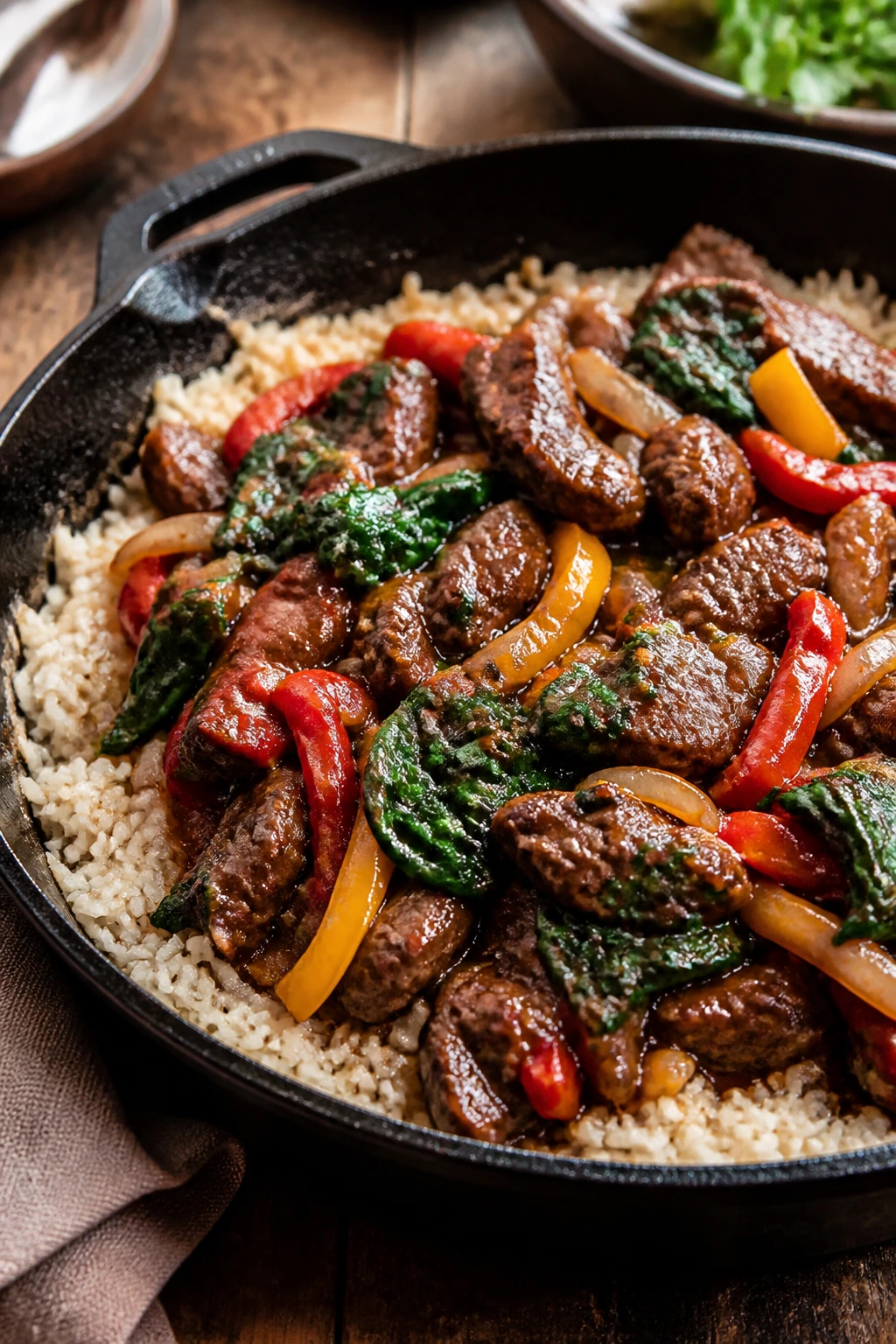
Gluten-Free Pantry Swap:
Use rice, corn tortillas, or gluten-free pasta in place of wheat noodles and check that your broth and sauces are gluten-free. This works especially well for taco, enchilada, Korean beef, and rice-based skillets because the flavor structure stays the same.
Dairy-Free Finish:
Skip the cheese and sour cream, then finish with herbs, citrus, or a spoonful of olive oil. The taco, fajita, cabbage, and Mediterranean skillets handle this shift without feeling like they lost something major.
Lower-Sodium Night:
Choose low-sodium broth, soy sauce, and beans, then season the beef in layers instead of all at once. That keeps the pan from tasting flat while avoiding the salty edge that packaged seasonings can bring.
Kid-Plain, Table-Top Heat:
Leave hot sauce, chili flakes, pickled jalapeños, and pepper sauces on the table rather than building them into the pan. That lets one skillet feed a mixed crowd without splitting the recipe in half.
Vegetable-Heavy Stretch:
Add mushrooms, cabbage, spinach, carrots, corn, or zucchini to bump up volume and lower the beef-to-total ratio. This is especially useful in stroganoff, goulash, lasagna, and shepherd’s pie, where vegetables blend neatly into the sauce.
Freezer-First Batch Cooking:
Make a double batch of one of the saucy skillets — chili mac, taco beef, enchilada filling, or Korean beef — and freeze half in a flat bag. It thaws fast and turns into a second dinner with a fresh pot of rice or pasta.
Common Mistakes to Avoid
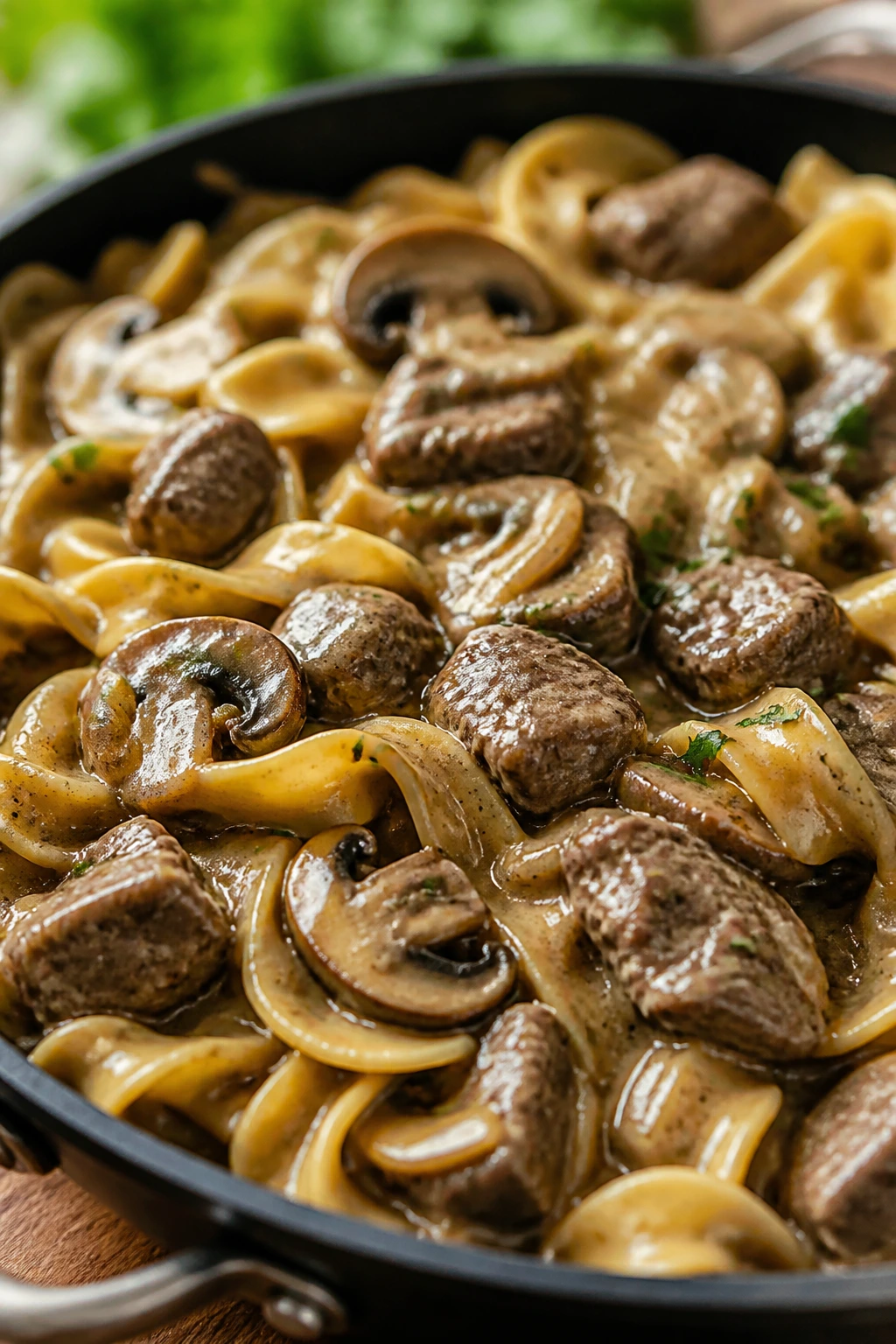
Crowding the skillet:
If the beef sits in a tight mound, it steams instead of browns. Use a wide pan and give the meat room to make contact with the surface.
Adding too much liquid too early:
A lot of these dishes need enough broth to cook the starch, but not so much that the pan turns thin. Add liquid in measured stages and let the sauce tighten before you decide it needs more.
Choosing the wrong starch for the recipe:
Instant rice, overcooked pasta, and mealy potatoes can all drag a skillet down. Match the starch to the sauce: long-grain rice for brothy pans, elbows or egg noodles for creamy ones, potatoes for baked toppings.
Over-seasoning at the beginning:
Broth, cheese, soy sauce, enchilada sauce, and salsa all carry their own salt. Taste near the end, not just at the start, or you’ll box yourself in.
Skipping the rest period:
Rice needs a few minutes to finish steaming. Pasta and potato-topped skillets also settle after the heat goes off. Cut too soon and the whole pan spills loose.
Finishing dairy over high heat:
Sour cream, ricotta, and some cheeses need the burner off. Boiling them can turn the sauce grainy or oily. Lower the heat, then fold them in.
Frequently Asked Questions
Can I double these beef skillet meals for a bigger group?
Yes, but use a wider pan or split the batch between two skillets if you can. A doubled recipe in one crowded pan tends to steam the beef and slow the starch cooking.
What size skillet works best?
A 12-inch deep skillet is the sweet spot for most of these recipes. If you use a smaller pan, the liquid takes longer to reduce and the food can spill over when you stir.
Do I need cast iron?
No. Cast iron is helpful because it holds heat well, but a heavy stainless or enamel skillet works too. What matters most is surface area and enough depth for rice, pasta, or sauce.
Can I use frozen vegetables?
Absolutely. Frozen corn, peas, broccoli, and spinach all fit these recipes well. Add them near the end so they don’t go limp or water down the pan.
How do I keep the skillet from getting greasy?
Use beef that isn’t too fatty, and drain after browning if you see a lot of rendered fat. A greasy skillet usually means the meat was never drained or the pan was too small for the amount of beef.
What if the rice or pasta is still firm when the liquid is gone?
Add 1/4 to 1/2 cup more broth or water, cover the skillet, and keep it at a low simmer. That’s usually enough to finish the starch without throwing the texture off.
Which of these freeze best?
Chili mac, taco beef, enchilada filling, Korean beef, and shepherd’s pie filling freeze well. Creamy dishes like stroganoff are still edible after freezing, but the texture is softer when reheated.
Can I make any of these ahead?
Yes. Most of the beef-based fillings can be cooked a day ahead and reheated with a splash of broth before adding the starch or cheese. Just keep pasta and rice from sitting too long in the sauce or they’ll keep absorbing liquid.
The Skillet at the Center of the Table
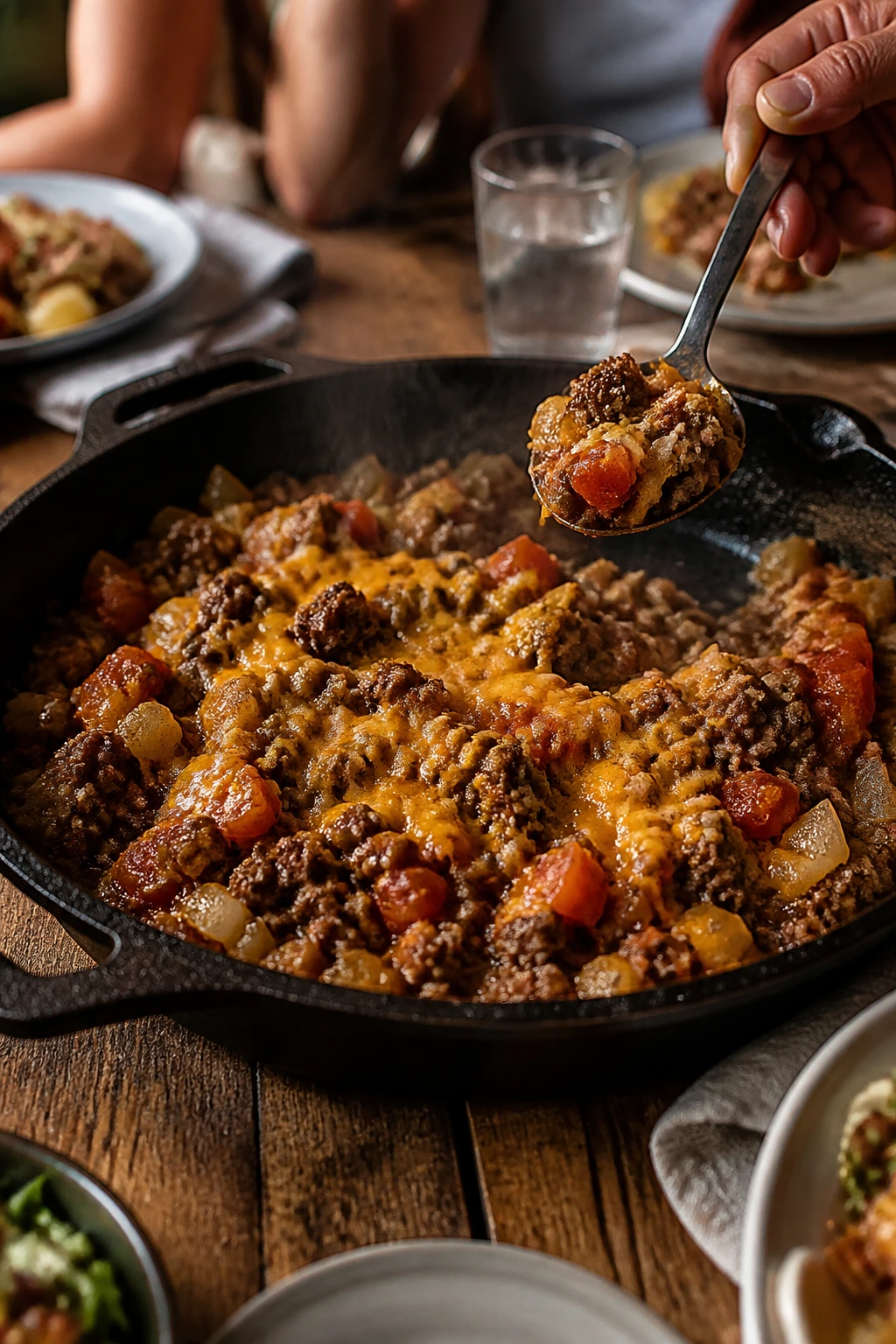
What I like about beef skillet meals is how little theater they need. A hot pan, a wooden spoon, a few smart pantry choices, and dinner starts smelling like it knows where it’s going. No extra flourish. No hard sell.
The best ones feed a crowd because they respect the ingredients instead of burying them. Brown the beef properly. Season in layers. Let the starch do its job. Then bring the skillet to the table and let people help themselves, which is really the part that makes the whole thing feel generous.