



Three-ingredient lemon juice recipes have a rude little charm. They look almost too spare on the page, then hit your tongue with a clean, bright snap that a long ingredient list often buries. If the lemon juice is fresh, the drink tastes awake; if it’s flat or old, you know it immediately.
That’s why I like these drinks so much. There’s nowhere to hide. No thick syrup to mask a tired lemon, no pile of garnishes to distract from a weak ratio, no complicated bar cart nonsense. Just lemon juice, one sweetener or mixer, and one more ingredient to give the drink body, fizz, warmth, or a little kick.
The trick is not inventing magic. It’s getting the balance right. A tart lemon base can turn into a pitcher drink, a hot sipper, a bubbly cooler, or a proper cocktail with almost no extra work, and once you learn the pattern, you stop treating lemon juice like a backup bottle at the back of the fridge. You start using it on purpose.
Why These Three-Ingredient Lemon Drinks Keep Working
-
They’re fast without tasting rushed: Most of these drinks come together in 5 minutes or less, and the short ingredient list means you spend your time balancing flavor instead of chasing obscure bottles.
-
They use lemon juice where it matters most: The sharp edge of fresh lemon wakes up tea, soda, spirits, and fruit juice in a way bottled citrus rarely does, especially when the drink has only two other ingredients to lean on.
-
They scale cleanly: Once you know the ratio for one glass or one pitcher, doubling or tripling the recipe is mostly math, not guesswork.
-
They work hot, cold, still, or fizzy: That’s the real appeal here. The same lemon juice can end up in a warm honey drink, a highball, a sparkling spritz, or a low-key cucumber cooler.
-
They waste less produce: If you’ve got a few lemons rolling around in the fruit bowl, this style of recipe uses them up before they dry out and turn leathery.
-
They’re easy to adapt: Swap sugar for honey, soda for tonic, vodka for gin, or peach nectar for cranberry juice, and the whole drink changes shape without turning into a kitchen project.
1. Classic Three-Ingredient Lemonade
This is the one that proves the point. Real lemonade does not need a long ingredient list; it needs the right ratio and lemon juice that still smells sharp when you cut into the fruit. When it’s mixed well, the first sip lands bright and clean, then finishes with just enough sweetness to keep you coming back for another pour.
Yield: Makes about 4 cups
Prep Time: 5 minutes
Cook Time: 0 minutes
Total Time: 5 minutes
Difficulty: Beginner — no stove, no shaker, just a pitcher and a spoon.
Best Served: Very cold, within a few hours of mixing
Why It Works:
The lemon juice gives the drink its edge, but the sugar has to be fully dissolved or the whole thing tastes gritty and oddly flat. I like a ratio of 1 cup lemon juice to 4 cups water because it keeps the drink sharp without turning it into a sour punch.
The small bit of warm water matters more than people think. If you stir sugar straight into cold water, it sinks, clumps, and sits in a damp layer at the bottom of the pitcher. Dissolve it first, and the texture comes out smooth.
Key Ingredients:
- 1 cup fresh lemon juice, strained — use lemons that feel heavy for their size; that usually means more juice.
- 2/3 cup granulated sugar — enough for balance without making the drink syrupy.
- 4 cups cold water, divided — 1 cup can be slightly warm to dissolve the sugar, the rest should stay cold.
Quick Steps:
- In a large pitcher, stir 2/3 cup sugar into 1 cup water until the liquid looks clear and no grains sit on the bottom.
- Add 1 cup fresh lemon juice and stir until the mixture turns pale yellow.
- Pour in the remaining 3 cups cold water and stir again until fully combined.
- Taste a spoonful. If the lemon hits the back of your throat too hard, let the pitcher sit 5 minutes so the flavors settle.
- Chill for 20 minutes if you have the time, then pour over ice in tall glasses.
Equipment for This Recipe:
- Large pitcher — glass or stainless steel works best.
- Citrus juicer or reamer — hand juicing is fine, but you want every drop.
- Long spoon — a skinny spoon reaches the bottom of the pitcher better.
- Measuring cups — lemon drinks live or die by ratio.
How to Serve This Dish:
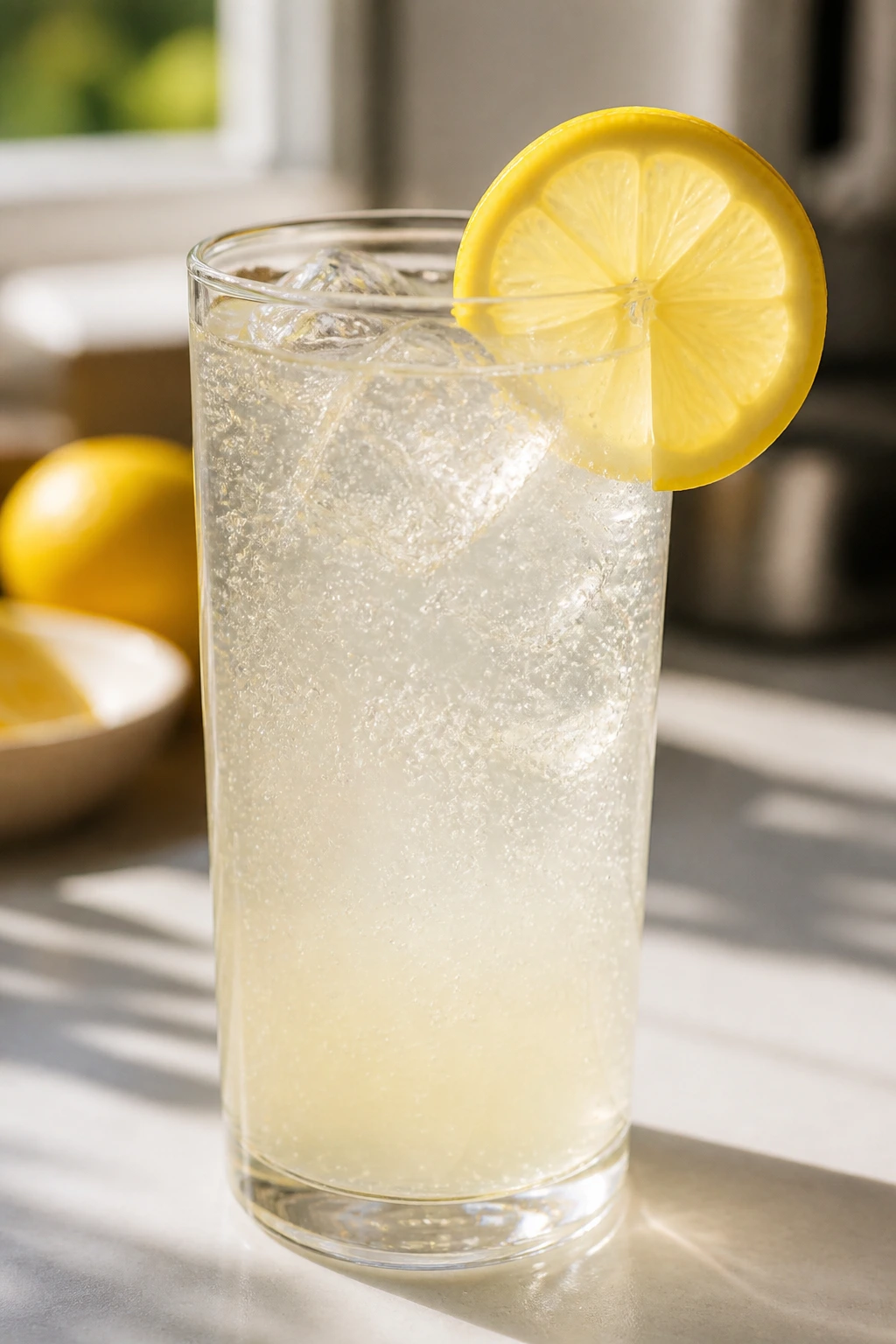
Pour it into clear glasses so the pale yellow color stays visible. A thin lemon wheel on the rim looks clean, but it’s optional; the drink already carries the whole show in the glass.
Serve it with salty snacks, grilled chicken, or a platter of fruit if you want something light beside it. It also sits nicely next to butter cookies, which sounds old-fashioned because it is, and that still works.
Pro Tips for This Recipe:
- Roll the lemons on the counter before cutting them. You’ll usually get more juice with less effort.
- Strain out seeds and a lot of pulp if you want a cleaner sip; leave some pulp in if you like a more rustic texture.
- Make the sugar-water base first, then add lemon. That gives you a smoother, more even sweetness.
Variations on This Dish:
- Honey Lemonade: Swap the sugar for 1/3 cup honey and dissolve it in the warm water before adding lemon juice. The drink comes out rounder and a little floral.
- Sparkling Lemonade: Replace 2 cups of the water with chilled club soda and add it at the very end. Pour gently so the bubbles stay alive.
- Frozen Pitcher Style: Freeze half the lemonade base in an ice tray, then use those cubes in the pitcher for a colder, slower-melting glass.
Common Mistakes to Avoid with This Dish:
- Dumping sugar into cold water: The drink ends up grainy. Dissolve it in a cup of warm water first.
- Using too much pulp and no straining: The first sip can feel gritty. Strain if you want a smoother texture.
- Serving it warm: Lemonade tastes thinner at room temp. Chill it before pouring if you can.
2. Hot Honey Lemon Sipper
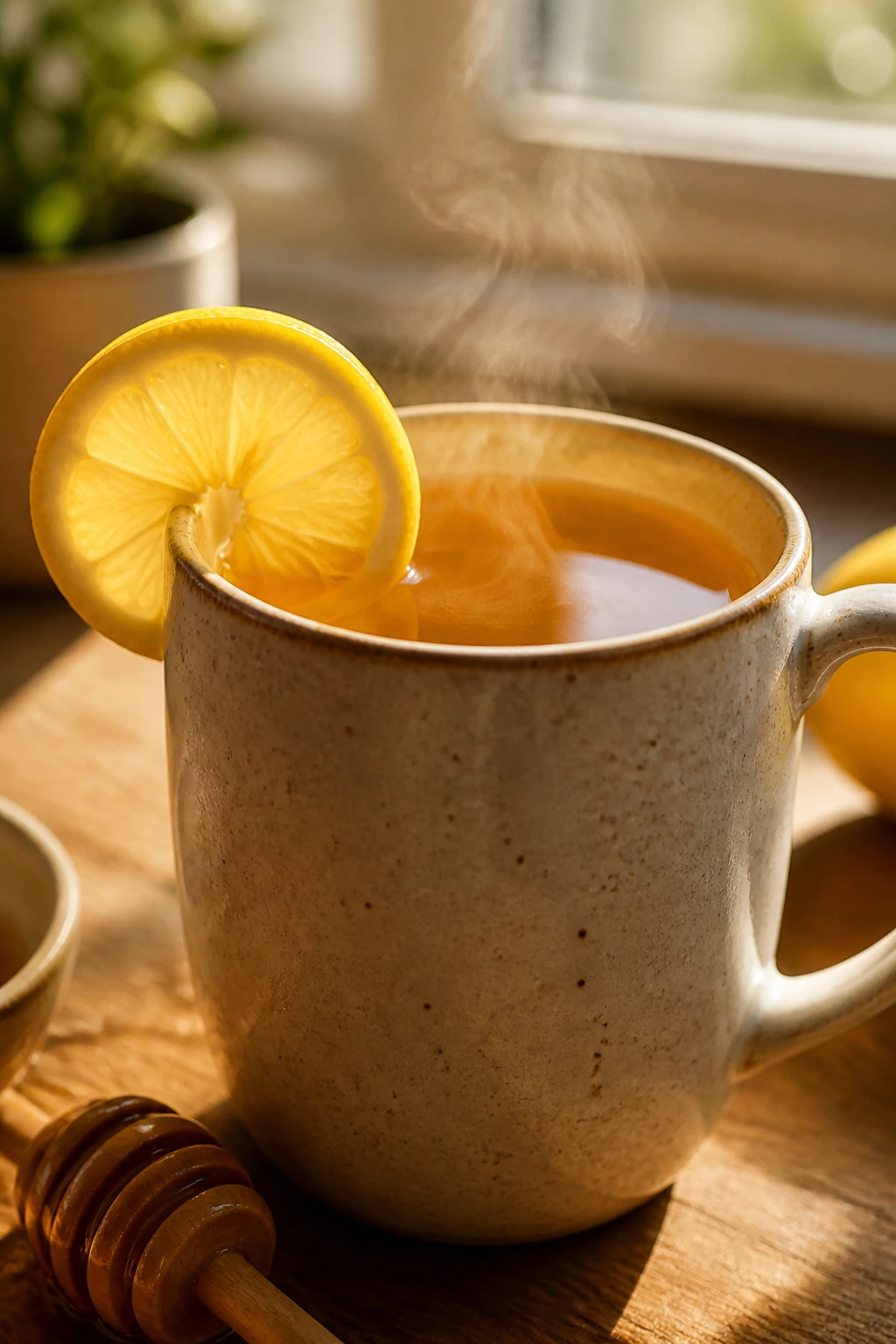
This is the drink I reach for when I want something simple but not boring. It’s warm, sharp, and just sweet enough to take the edge off the lemon, with honey giving the whole mug a soft, rounded finish that plain sugar never quite matches. There’s no tea, no spices, no extra fuss. Just a clean hot citrus drink that feels calm in the hand.
Yield: Makes 1 large mug
Prep Time: 3 minutes
Cook Time: 2 minutes
Total Time: 5 minutes
Difficulty: Beginner — if you can heat water and stir, you’re already there.
Best Served: Right away while hot
Why It Works:
Hot water lets honey dissolve completely, which is half the reason this drink feels smooth instead of sticky. If you add the lemon juice after the honey has disappeared into the water, the final flavor comes across bright instead of muddy.
This recipe is also brutally honest about lemon quality. A tired lemon gives you a dull, almost papery note. Fresh lemon juice smells sharp and clean as soon as it hits the mug.
Key Ingredients:
- 2 cups hot water — hot enough to steam, not boil hard.
- 3 tablespoons honey — a mild honey keeps the lemon from getting buried.
- 3 tablespoons fresh lemon juice, strained — pull out the seeds so you don’t have to fish around in the mug.
Quick Steps:
- Heat 2 cups water until steaming, about 185°F to 190°F.
- Pour the hot water into a mug or small heatproof glass.
- Stir in 3 tablespoons honey until the liquid looks smooth and the honey disappears.
- Add 3 tablespoons lemon juice and stir again.
- Sip right away while the drink is still hot and the aroma is rising off the surface.
Equipment for This Recipe:
- Mug or heatproof glass
- Small saucepan or kettle
- Spoon for stirring
- Citrus juicer or fork to squeeze the lemon
How to Serve This Dish:
Serve it in a wide mug so the steam carries the lemon aroma upward. If you want a little polish, tuck a thin strip of lemon peel on the saucer rather than dropping it into the cup.
It goes well with toast, dry biscuits, or a plain butter cookie. I would not pair it with anything heavily spiced; the lemon is too clean for that.
Pro Tips for This Recipe:
- Don’t boil the water hard. A rolling boil can make the drink feel harsh.
- Add honey before lemon juice. Honey dissolves much better in hot water alone.
- If your honey is thick and stubborn, stir for a full 20 seconds instead of rushing it.
Variations on This Dish:
- Maple Lemon Mug: Replace honey with 2 tablespoons maple syrup for a deeper, woodsy note.
- Salted Citrus Sipper: Add a tiny pinch of fine salt to sharpen the lemon flavor and soften the honey’s sweetness.
- Iced Hot Lemon Switch: Make the drink as written, then pour it over ice and top with a splash of cold water if you want a chilled version.
Common Mistakes to Avoid with This Dish:
- Adding lemon before the honey dissolves: The honey stays streaky. Stir it into the hot water first.
- Using boiling water: The flavor can turn thin and sharp. Aim for steaming water instead.
- Skipping the strain: Seeds in a hot mug are annoying. Strain the juice before you mix.
3. Sparkling Lemon Soda
This one is all about the fizz. The lemon juice hits fast, the agave smooths out the edges, and the club soda gives the drink a crisp, almost crackly finish on the tongue. If you chill everything first, the glass comes out bright and cold without needing much else.
Yield: Makes 1 tall drink or 2 small servings
Prep Time: 5 minutes
Cook Time: 0 minutes
Total Time: 5 minutes
Difficulty: Beginner — the only real trick is keeping the bubbles alive.
Best Served: Immediately after mixing
Why It Works:
Agave syrup dissolves fast in cold liquid, which is why it behaves better here than plain sugar. Once the sweetener and lemon are blended together, the club soda can go in last and stay lively.
The drink tastes better if the soda is cold enough to hiss when opened. Room-temperature club soda goes flat quickly and makes the whole glass feel tired. Little detail. Big difference.
Key Ingredients:
- 1/2 cup fresh lemon juice, strained — enough to give the drink a clear citrus spine.
- 2 tablespoons agave syrup — it blends in without a gritty edge.
- 3 cups chilled club soda — the colder it is, the longer the fizz hangs on.
Quick Steps:
- In a tall pitcher or mixing glass, stir together the lemon juice and agave syrup until the liquid looks even.
- Add about 1/4 cup club soda and stir gently to loosen the syrup mixture.
- Pour in the remaining club soda slowly, tilting the glass or pitcher so the bubbles don’t run off too fast.
- Fill a glass with ice if you want it extra cold, then pour the drink over the top.
- Serve immediately while the surface still looks lively and bright.
Equipment for This Recipe:
- Tall pitcher or mixing glass
- Measuring cup
- Spoon for gentle stirring
- Highball glass
How to Serve This Dish:
Use a clear highball glass if you have one. The drink looks best when the bubbles are still racing upward, and a narrow glass keeps that going longer than a wide tumbler.
It works beside salty nuts, fish tacos, or anything fried. That contrast is the point: sharp lemon, cold bubbles, and something savory on the side.
Pro Tips for This Recipe:
- Open the club soda only when you’re ready to build the drink.
- Stir gently after the soda goes in. Hard stirring knocks the fizz out fast.
- If you want a drier drink, cut the agave back to 1 tablespoon. Don’t remove it entirely unless you like your lemon drinks aggressively tart.
Variations on This Dish:
- Honey Bubbles: Swap the agave for 2 tablespoons honey; dissolve it in the lemon juice first, then add the soda.
- Lemon Lime Shortcut: Use lemon-lime soda instead of club soda for a sweeter, softer version.
- Frozen Glass Version: Chill the glass in the freezer for 10 minutes before pouring so the drink stays colder longer.
Common Mistakes to Avoid with This Dish:
- Adding soda too early: The fizz fades while you’re still mixing. Put it in last.
- Using warm soda: Flat, lifeless bubbles. Chill the bottle first.
- Pouring agave straight into soda: It sinks and stays sticky. Blend it with the lemon juice first.
4. Lemon Ginger Beer Fizz
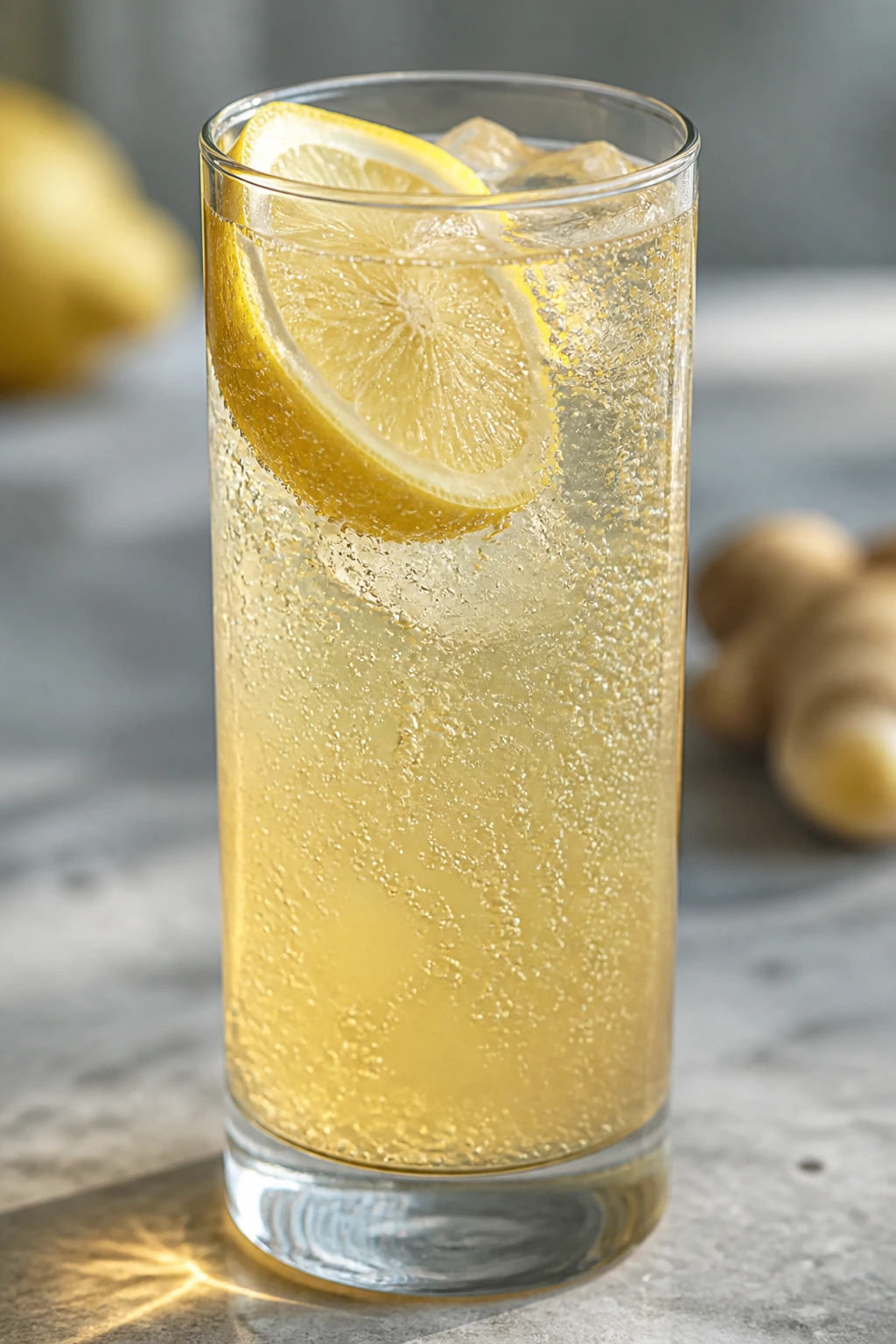
This is the drink that wakes up a dull afternoon. Ginger beer brings heat, lemon juice brings bite, and honey fills the gap so the whole thing tastes rounded instead of sharp and one-note. It’s punchy, a little spicy, and far more interesting than a plain citrus soda.
Yield: Makes 2 drinks
Prep Time: 5 minutes
Cook Time: 0 minutes
Total Time: 5 minutes
Difficulty: Beginner — just mix and pour.
Best Served: Cold, right after assembly
Why It Works:
Ginger beer already has backbone, so lemon juice doesn’t need to do all the work here. Honey keeps the drink from turning too harsh, especially if your ginger beer leans dry or extra spicy.
This is one of those recipes where temperature matters more than people think. Chilled ginger beer gives you a tighter, cleaner finish. Warm ginger beer tastes muddy and makes the lemon seem flatter than it should.
Key Ingredients:
- 1/2 cup fresh lemon juice — strained for a cleaner pour.
- 3 cups chilled ginger beer — choose one with real ginger bite, not candy sweetness.
- 2 tablespoons honey — enough to soften the acid without muting the ginger.
Quick Steps:
- Stir the lemon juice and honey together in a pitcher until the honey loosens and disappears.
- Add a small splash of ginger beer and stir gently to combine the base.
- Pour in the remaining ginger beer slowly.
- Add ice to glasses if serving right away, then pour the fizz over the top.
- Serve while the surface still has a strong, lively head of bubbles.
Equipment for This Recipe:
- Pitcher
- Spoon
- Measuring cup
- Tall glasses
How to Serve This Dish:
Serve it in a tall glass with plenty of cold ice. The ginger aroma rises fast, so a narrow glass keeps the drink lively for longer.
It sits nicely with takeout-style noodles, fried chicken, or roasted peanuts. I also like it with spicy snacks because the ginger and lemon cut through heat without feeling sugary.
Pro Tips for This Recipe:
- Use a ginger beer you actually like to drink on its own. This drink does not hide a bad bottle.
- Add honey to the lemon juice before the ginger beer goes in. Once the fizz is present, stirring gets messy.
- If the drink tastes too sharp, let it sit for 2 minutes. Ginger beer softens the lemon a little as it rests.
Variations on This Dish:
- Extra-Spicy Kick: Use a hotter ginger beer for more bite and a drier finish.
- Honey-Less Highball: Drop the honey to 1 tablespoon if your ginger beer is already sweet.
- Dark Ginger Version: Try this with a strong, old-school ginger beer and a wide-mouthed rocks glass.
Common Mistakes to Avoid with This Dish:
- Using flat ginger beer: The drink loses its sparkle. Chill the bottle and open it at the last second.
- Overstirring after pouring: The fizz escapes fast. Give it one gentle stir, then stop.
- Choosing a syrupy ginger beer: The drink can turn cloying. Pick one with a sharp ginger finish.
5. Lemon Vodka Sparkler
This is the straight-shooting cocktail on the list. Vodka gives it a clean edge, lemon juice keeps it bright, and lemon-lime soda adds sweetness and fizz without asking for another bottle. It tastes like something you’d pour when you want a cold drink fast, but not a careless one.
Yield: Makes 1 cocktail
Prep Time: 5 minutes
Cook Time: 0 minutes
Total Time: 5 minutes
Difficulty: Beginner — the shake is easy, and the ratio is forgiving.
Best Served: Right away, very cold
Why It Works:
Vodka is mostly there to carry the lemon, which is why this drink needs a mixer with some sweetness. Lemon-lime soda handles that job and gives the glass the snap of carbonation that makes the whole thing feel finished.
Shaking the vodka and lemon juice first matters because it chills the liquid before the soda goes in. Warm alcohol and cold soda together make a sloppier drink, and the fizz fades faster than it should.
Key Ingredients:
- 2 ounces vodka — use a clean, neutral vodka.
- 1 ounce fresh lemon juice — strained.
- 4 ounces lemon-lime soda — chilled.
Quick Steps:
- Fill a cocktail shaker with ice.
- Add the vodka and lemon juice.
- Shake hard for 10 to 15 seconds until the shaker feels frosty outside.
- Strain into a tall glass filled with fresh ice.
- Top with lemon-lime soda and give the glass one gentle stir.
Equipment for This Recipe:
- Cocktail shaker
- Hawthorne or fine strainer
- Jigger or measuring shot glass
- Tall glass
How to Serve This Dish:
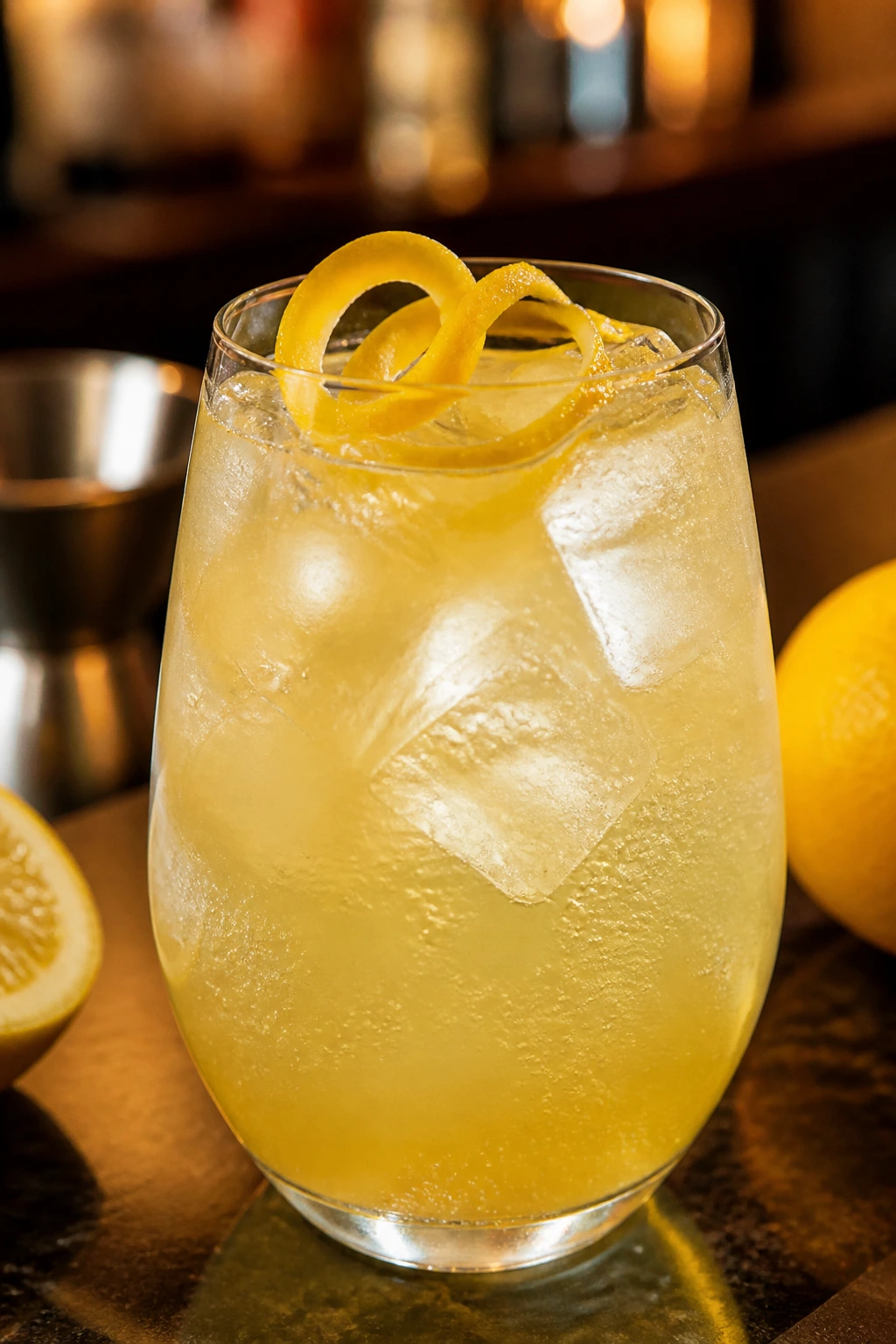
Use a highball glass if you want the bubbles to show off. A thin lemon peel twisted over the top works nicely, though the drink doesn’t depend on garnish to look finished.
Serve it with bar snacks, olives, or a plate of salty chips. It also makes sense next to roast chicken or grilled shrimp if you’re pouring drinks with dinner.
Pro Tips for This Recipe:
- Shake the vodka and lemon before the soda goes in. Soda in the shaker is a mess waiting to happen.
- Chill the glass if you can spare 10 minutes in the freezer.
- If you prefer a drier sip, swap the lemon-lime soda for club soda and add another half-ounce of lemon juice.
Variations on This Dish:
- Drier Collins Style: Use club soda instead of lemon-lime soda for a sharper drink.
- Citrus Vodka Version: A citrus-flavored vodka adds a little extra perfume without changing the structure.
- Pitcher Batch: Multiply the vodka and lemon juice by 4, chill them together, and top each glass with soda at serving time.
Common Mistakes to Avoid with This Dish:
- Putting soda in the shaker: That sprays everywhere. Never do it.
- Using weak lemon juice: The cocktail goes limp. Fresh juice makes a real difference here.
- Skipping the chill: Warm vodka tastes rougher than it should.
6. Lemon Gin Tonic
Gin and lemon are a smart pair because the botanical notes in the gin keep the drink from feeling one-dimensional. Tonic water brings its own bitterness, and lemon juice sharpens the whole thing so the drink lands somewhere between crisp and slightly floral. It’s not a fussy cocktail. It just behaves well.
Yield: Makes 1 cocktail
Prep Time: 4 minutes
Cook Time: 0 minutes
Total Time: 4 minutes
Difficulty: Beginner — three ingredients, one glass, done.
Best Served: Cold and immediately after mixing
Why It Works:
Tonic water already has quinine bitterness, so lemon juice doesn’t need a big sugar cushion. That’s why this drink tastes cleaner than a lot of sweeter lemon cocktails; the gin, lemon, and tonic each do one job and leave.
A dry gin gives the sharpest finish, while a floral gin pushes the lemon toward a softer edge. I prefer the cleaner style here, because too much perfume can crowd the citrus.
Key Ingredients:
- 2 ounces gin — a London dry gin works best.
- 1 ounce fresh lemon juice, strained — keep the pulp out.
- 4 to 6 ounces chilled tonic water — pour to taste.
Quick Steps:
- Fill a tall glass with ice.
- Pour in the gin and lemon juice.
- Stir once to blend the citrus with the spirit.
- Top with tonic water slowly so the bubbles stay lively.
- Give the drink one brief stir and serve right away.
Equipment for This Recipe:
- Tall glass
- Jigger
- Bar spoon or regular spoon
- Citrus juicer
How to Serve This Dish:
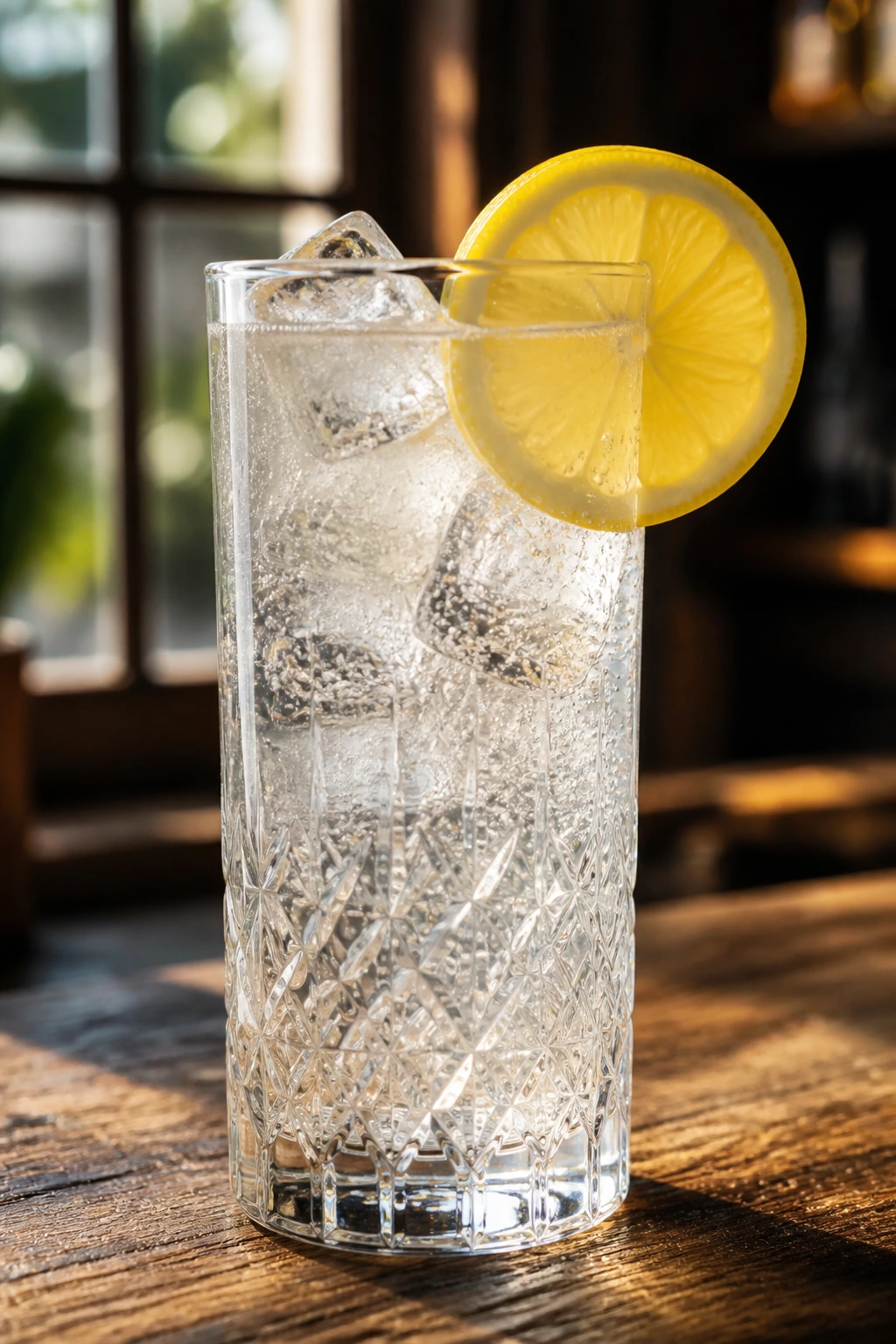
Serve in a tall, narrow glass so the tonic stays fizzy longer. A lemon twist works well, but even without garnish the pale drink looks clean and deliberate.
It pairs nicely with smoked almonds, oysters, or anything salty and cold. If that sounds specific, it is. Gin and tonic likes sharp edges around it.
Pro Tips for This Recipe:
- Use tonic water straight from the fridge.
- Don’t overdo the lemon juice. Gin has delicate notes, and too much acid can flatten them.
- If your tonic is especially bitter, use the full 6 ounces so the drink doesn’t turn harsh.
Variations on This Dish:
- Floral Gin Pour: Use a softer, more botanical gin if you want a perfume-heavy finish.
- Sharper Highball: Replace tonic with club soda for a drier drink.
- Big Ice Style: Use one large cube instead of crushed ice so the tonic doesn’t dilute too quickly.
Common Mistakes to Avoid with This Dish:
- Using warm tonic: The drink loses its bite. Chill the bottle first.
- Pouring too much lemon: Gin can disappear under heavy acid. Stick close to the ratio here.
- Stirring hard after topping: That knocks out carbonation fast. One light stir is enough.
7. Maple Whiskey Lemon Smash
This is the moodier drink in the group. Whiskey gives it depth, lemon juice keeps it from feeling heavy, and maple syrup brings a dark sweetness that sits in the middle instead of floating on top. If lemonade is a bright summer shirt, this is the flannel you reach for when the air turns cooler.
Yield: Makes 1 cocktail
Prep Time: 5 minutes
Cook Time: 0 minutes
Total Time: 5 minutes
Difficulty: Beginner — the shake does the work.
Best Served: Cold, over fresh ice
Why It Works:
Maple syrup is softer than white sugar, so it rounds out whiskey’s edges without tasting sharp or thin. That’s useful here because lemon juice can make whiskey feel lean if the sweetener isn’t strong enough.
Rye gives the drink more pepper, while bourbon makes it rounder and sweeter. I lean toward rye if I want the lemon to pop, bourbon if I want the drink to feel smoother.
Key Ingredients:
- 2 ounces whiskey — rye or bourbon both work.
- 1 ounce fresh lemon juice, strained — keep it bright.
- 1 tablespoon maple syrup — use the real stuff, not pancake syrup.
Quick Steps:
- Fill a cocktail shaker with ice.
- Add the whiskey, lemon juice, and maple syrup.
- Shake hard for 15 seconds until the shaker feels cold and the syrup looks fully blended.
- Strain into a rocks glass over fresh ice.
- Serve immediately while the drink still has a frosty top.
Equipment for This Recipe:
- Cocktail shaker
- Jigger
- Rocks glass
- Fine strainer, if you want a smoother pour
How to Serve This Dish:
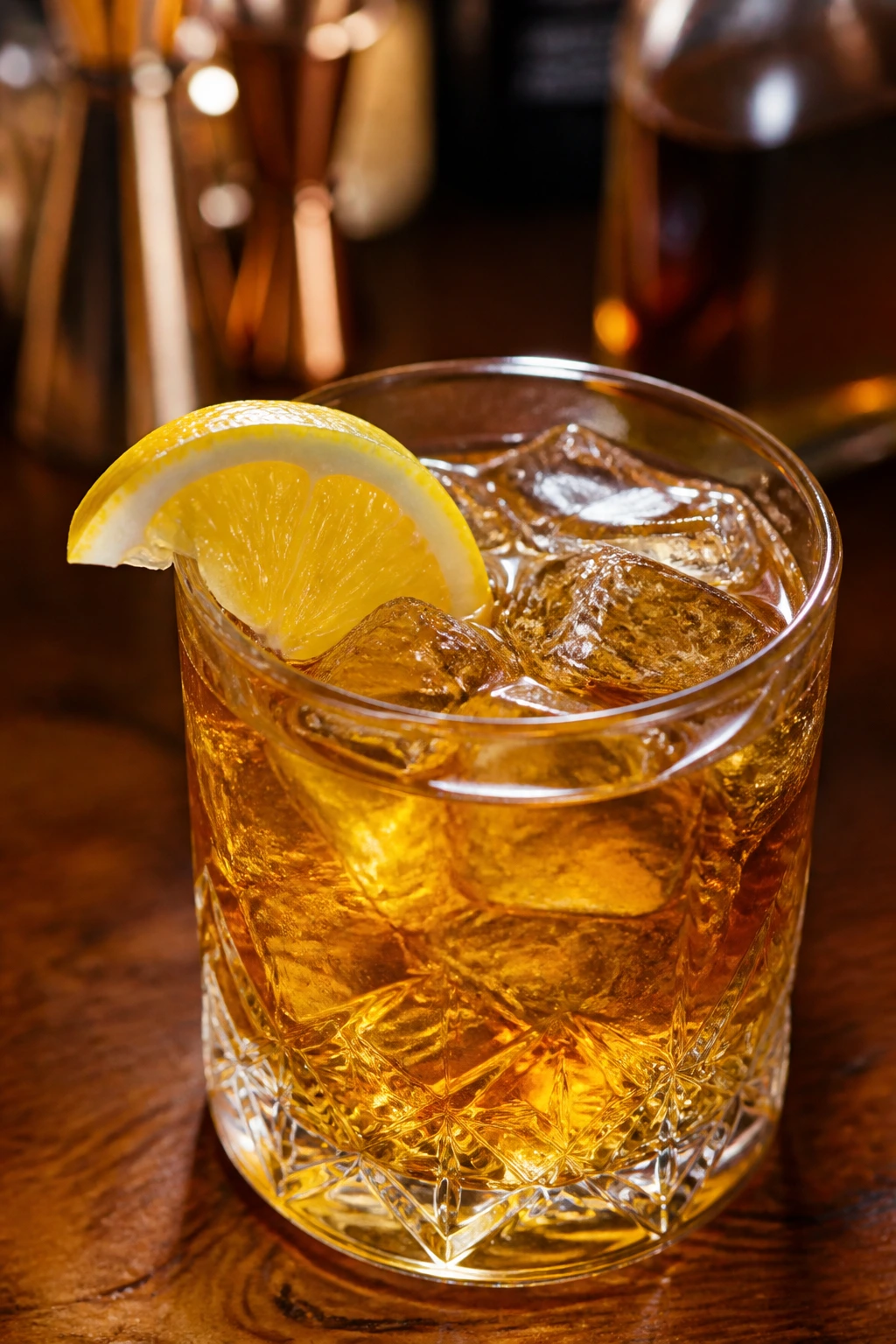
A short rocks glass suits it better than a tall one. The color is deeper and a little amber, which matches the whiskey nicely.
It goes with roasted nuts, sharp cheese, or a piece of dark chocolate after dinner. That last one sounds dramatic, but the maple makes it work.
Pro Tips for This Recipe:
- Warm the maple syrup in your hand for a minute if it’s thick and reluctant.
- Shake longer than you think you need to. Maple needs that extra agitation.
- If the drink tastes too sweet, use rye instead of bourbon next time.
Variations on This Dish:
- Bourbon Smash: Swap in bourbon for a rounder, sweeter version.
- Drier Whiskey Sour Angle: Cut the maple to 2 teaspoons and use a more assertive rye.
- Smoky Pour: Use a lightly smoky whiskey if you want the lemon to sit against a deeper flavor.
Common Mistakes to Avoid with This Dish:
- Using pancake syrup: It tastes fake and sticky. Real maple matters here.
- Under-shaking: The maple stays streaky. Shake until the shaker is cold.
- Pouring over old ice: Melted ice waters the drink down fast. Use fresh cubes.
8. Bourbon Ginger Lemon Highball
This is the easiest crowd drink in the cocktail half of the list. Bourbon brings warmth, lemon juice cuts through it, and ginger ale adds fizz with a little sweetness already built in. It’s a tall, smooth drink that goes down easily without tasting lazy.
Yield: Makes 1 cocktail
Prep Time: 4 minutes
Cook Time: 0 minutes
Total Time: 4 minutes
Difficulty: Beginner — build it in the glass and move on.
Best Served: Cold and fizzy
Why It Works:
Bourbon and ginger ale have enough sweetness to hold lemon juice without a separate syrup. The lemon sharpens the top note, while the ginger gives the bourbon a little lift instead of letting it sit heavy at the bottom of the glass.
This is also one of the few drinks on the list that can survive a slightly sweeter bourbon. If the whiskey has vanilla notes, the lemon keeps it from turning cloying.
Key Ingredients:
- 2 ounces bourbon — choose one you already like neat.
- 1 ounce fresh lemon juice — strained.
- 4 to 6 ounces chilled ginger ale — add enough to fill the glass.
Quick Steps:
- Fill a tall glass with ice.
- Pour in the bourbon and lemon juice.
- Stir once to combine the base.
- Add the ginger ale slowly, pouring down the side of the glass.
- Give the drink one light stir and serve while the bubbles are still lively.
Equipment for This Recipe:
- Highball glass
- Measuring jigger
- Spoon
- Citrus juicer
How to Serve This Dish:
A tall glass keeps the drink bright and prevents the ginger ale from disappearing too quickly. If you have room, use large ice cubes instead of crushed ice so the drink stays cold without getting watery.
It works with barbecue, salted peanuts, or a plate of fries. I also like it with roast pork, which is not a glamorous answer, but it’s an honest one.
Pro Tips for This Recipe:
- Keep the ginger ale as cold as you can.
- Use a bourbon with enough body; very soft bourbon can disappear under ginger.
- If the drink tastes too sweet, increase the lemon by another 1/4 ounce next time.
Variations on This Dish:
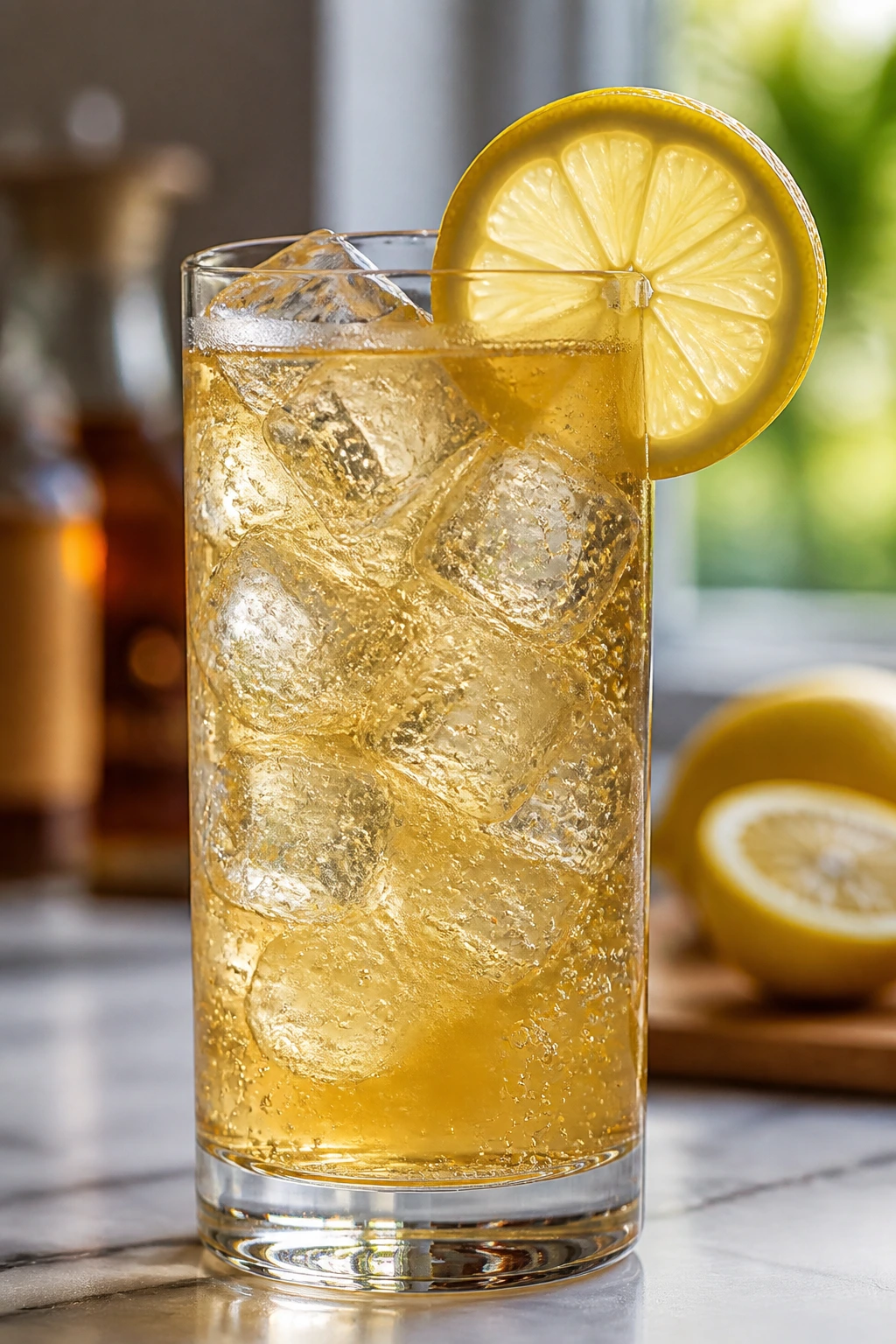
- Ginger Beer Swap: Replace ginger ale with ginger beer for more spice and less sugar.
- Rye Highball: Use rye instead of bourbon for a drier finish.
- Soda-Tall Version: Swap ginger ale for club soda and add a little more lemon for a lighter pour.
Common Mistakes to Avoid with This Dish:
- Adding the ginger ale first: The bourbon doesn’t blend properly. Build the base first.
- Using flat soda: The drink tastes dull. Chill the bottle and pour right away.
- Choosing a too-sweet bourbon: The finish can get sticky. Pick one with a little oak and spice.
9. Cranberry Lemon Vodka Cooler
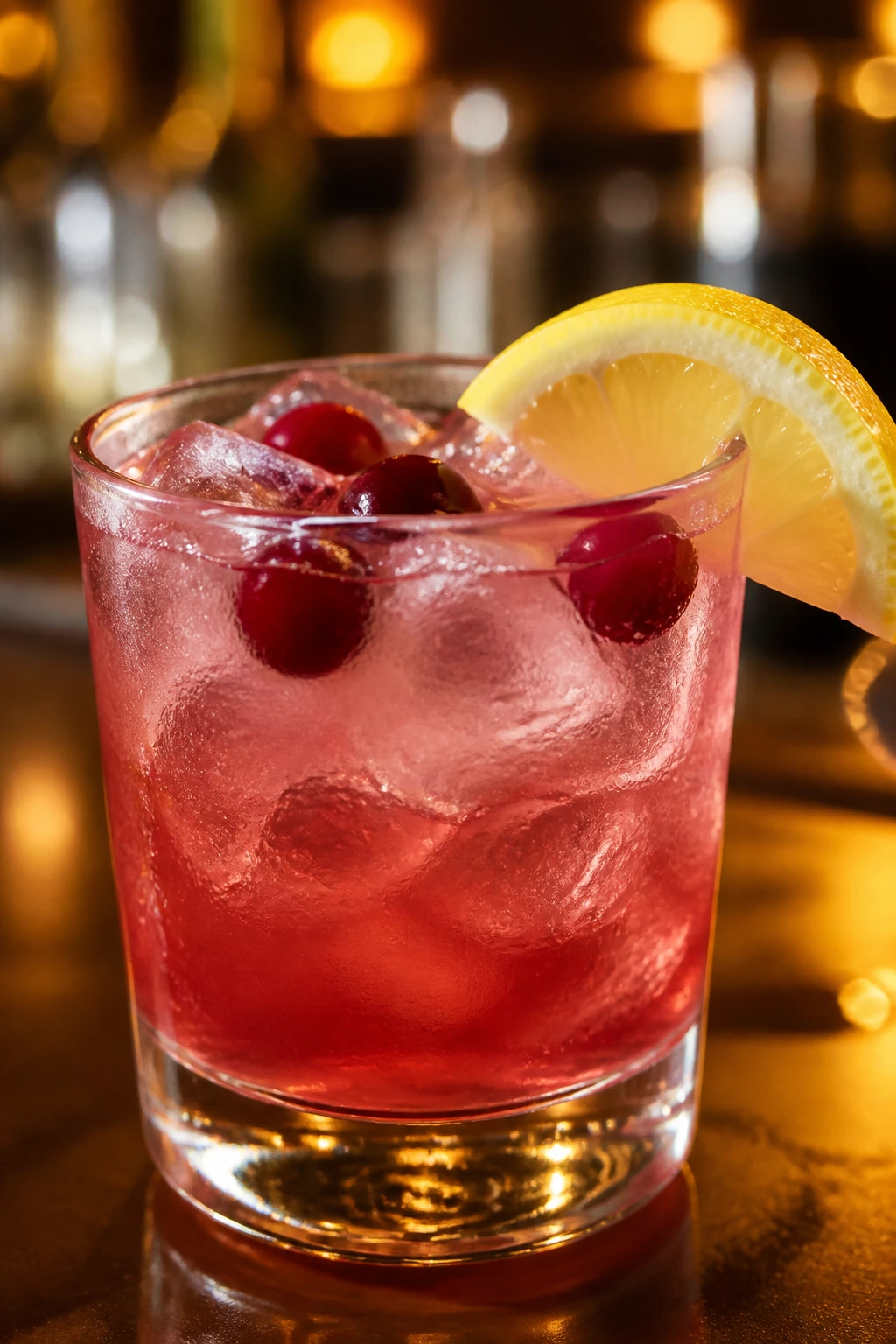
This drink has a clean red-pink color that looks far more complicated than it is. Vodka stays mostly quiet, lemon juice brightens the cranberry, and the cranberry juice gives the whole glass a tart fruit note that lands somewhere between refreshing and sharp. It’s the sort of drink you can pour without explaining yourself.
Yield: Makes 1 cocktail
Prep Time: 4 minutes
Cook Time: 0 minutes
Total Time: 4 minutes
Difficulty: Beginner — no shaker required unless you want one.
Best Served: Very cold
Why It Works:
Cranberry juice and lemon juice share a tart backbone, so vodka has to act as the blank canvas rather than the star. That’s fine. The result is crisp, fruity, and not weighed down by syrupy sweetness.
If your cranberry juice is unsweetened, the drink will be sharper and leaner. If it’s sweetened, the lemon keeps it from turning into juice-box territory.
Key Ingredients:
- 2 ounces vodka — plain and neutral is best.
- 2 ounces fresh lemon juice — strained.
- 3 ounces cranberry juice — chilled and preferably 100% juice or lightly sweetened.
Quick Steps:
- Fill a shaker with ice or use a stirring glass if you prefer a gentler mix.
- Add the vodka, lemon juice, and cranberry juice.
- Shake or stir until the drink is thoroughly chilled.
- Strain into a rocks glass over fresh ice.
- Serve right away while the color is bright and the edges still taste lively.
Equipment for This Recipe:
- Shaker or mixing glass
- Jigger
- Rocks glass
- Citrus juicer
How to Serve This Dish:
A short glass keeps it feeling like a cocktail instead of a juice blend. The color is clean enough to stand on its own, so garnish is optional.
It pairs with sharp cheddar, roasted turkey sandwiches, or salty crackers. For a lighter spread, serve it with citrusy snacks or plain popcorn.
Pro Tips for This Recipe:
- Chill the cranberry juice before mixing.
- Strain the lemon well so seeds don’t land in the glass.
- If the drink seems too tart, use a sweeter cranberry juice next time rather than adding more sweetener on the fly.
Variations on This Dish:
- White Cranberry Version: Use white cranberry juice for a paler, softer drink.
- Sparkling Cooler: Top the finished drink with a splash of club soda if you want bubbles.
- Gin Swap: Use gin instead of vodka for a more botanical finish.
Common Mistakes to Avoid with This Dish:
- Using heavily sweetened cranberry cocktail: It can drown out the lemon. Taste the juice first.
- Serving it warm: The tartness gets rougher. Chill all three ingredients.
- Skipping the strain: Lemon pulp doesn’t belong in this one unless you want texture.
10. Pineapple Lemon Spritz
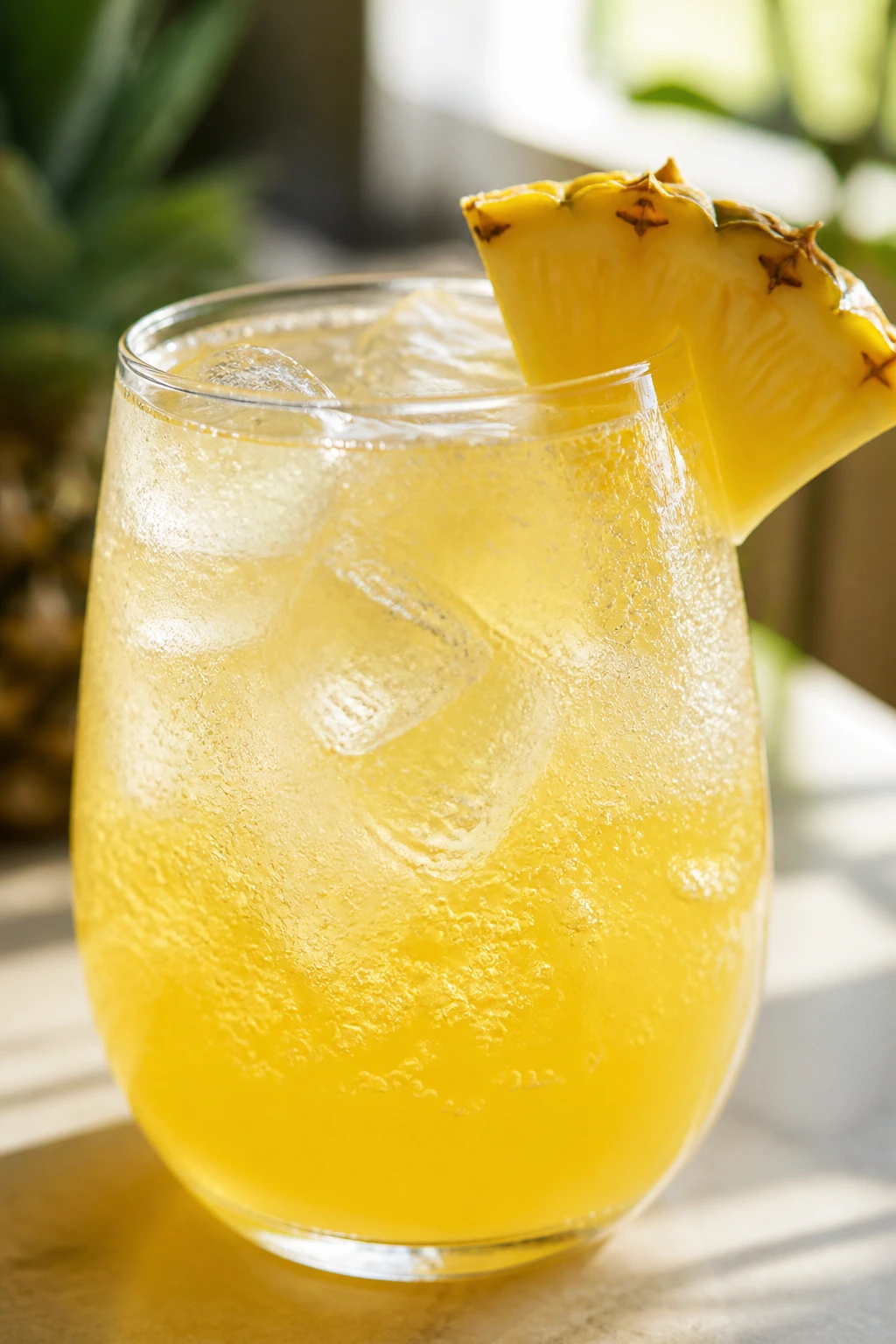
Pineapple and lemon are the kind of pair that sounds obvious once you taste them. Pineapple brings tropical sweetness, lemon keeps it from going syrupy, and sparkling water lifts everything so the drink feels lighter than the juice alone would suggest. It smells bright before you even lift the glass.
Yield: Makes 2 drinks
Prep Time: 4 minutes
Cook Time: 0 minutes
Total Time: 4 minutes
Difficulty: Beginner — mix, top, drink.
Best Served: Cold, right after assembling
Why It Works:
Pineapple juice has enough body to stand up to lemon juice, which makes this spritz taste fuller than a plain citrus soda. Sparkling water keeps it from feeling too dense.
The key is not overdoing the lemon. Pineapple already brings acid, so the lemon’s job is to sharpen the edges rather than take over the drink.
Key Ingredients:
- 1/2 cup pineapple juice — chilled.
- 2 ounces fresh lemon juice — strained.
- 6 ounces chilled sparkling water — plain, not sweetened.
Quick Steps:
- Add pineapple juice and lemon juice to a tall glass or small pitcher.
- Stir until the color looks even.
- Fill glasses with ice if serving right away.
- Top with sparkling water slowly.
- Serve immediately while the bubbles still rise cleanly.
Equipment for This Recipe:
- Pitcher or mixing glass
- Spoon
- Tall glasses
- Measuring cup
How to Serve This Dish:
This looks best in a clear glass because the pale gold color is half the appeal. If you’re serving a few at once, pre-mix the juices in a pitcher and add the sparkling water at the table.
It works next to grilled shrimp, coconut cookies, or a fruit plate. The pineapple already leans sunny, so keep the food simple and let the drink stay bright.
Pro Tips for This Recipe:
- Use pineapple juice that tastes like pineapple, not candy.
- Add the sparkling water at the very end.
- If you want a colder, slower drink, chill the glasses before pouring.
Variations on This Dish:
- Tropical Soda: Swap sparkling water for coconut water if you want a softer, rounder drink.
- Drier Spritz: Use club soda instead of sparkling water with any added flavoring.
- Frozen Fruit Pitcher: Add frozen pineapple chunks to the glass as ice and let them thaw slowly into the drink.
Common Mistakes to Avoid with This Recipe:
- Using sweet pineapple nectar that’s too thick: The drink turns heavy. Pick a lighter juice if you can.
- Adding bubbles too early: They fade while you’re still mixing.
- Too much lemon: Pineapple can handle acid, but it does not need a full-on sour punch.
11. Orange Lemon Sunrise
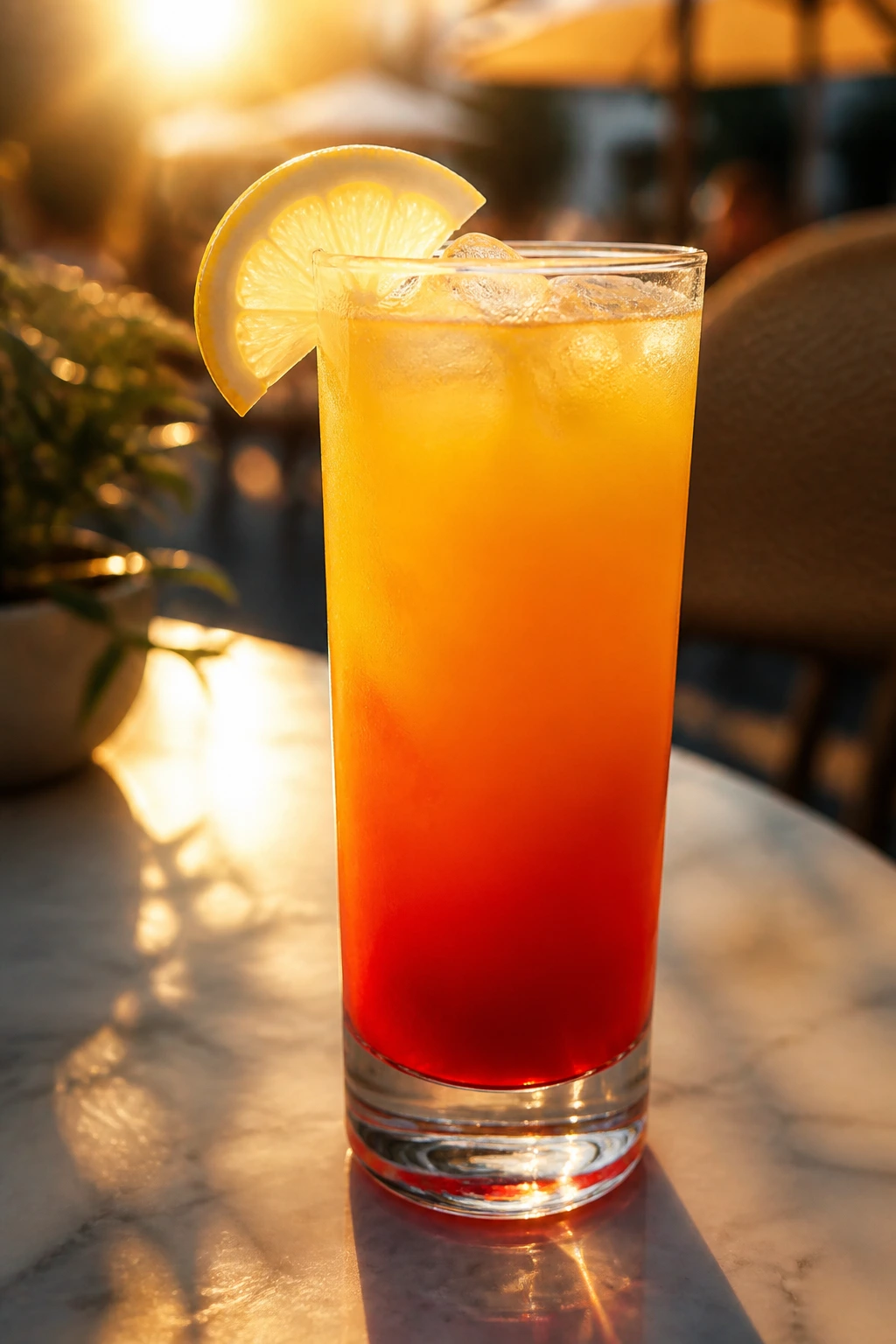
This one is mostly about color, and I mean that in the best way. Orange juice gives the drink a sweet, round base, lemon juice sharpens it, and grenadine sinks through the glass in a red ribbon that looks better than it has any right to. It’s a little retro. That’s part of the fun.
Yield: Makes 1 tall drink
Prep Time: 4 minutes
Cook Time: 0 minutes
Total Time: 4 minutes
Difficulty: Beginner — the layering is easier than it looks.
Best Served: Cold, right away
Why It Works:
Orange juice and lemon juice balance each other in a way that keeps the drink from sliding into breakfast-smoothie territory. Grenadine adds sweetness and color, but it also gives the bottom of the glass a heavier, richer note.
The layering effect works because grenadine is denser than the citrus. Pour it slowly and it drops through the drink instead of blending in all at once.
Key Ingredients:
- 1/2 cup orange juice — chilled.
- 2 ounces fresh lemon juice — strained.
- 1 tablespoon grenadine — store-bought or prepared.
Quick Steps:
- Fill a tall glass with ice.
- Pour in the orange juice and lemon juice.
- Stir once to mix the citrus base.
- Slowly drizzle the grenadine down the inside edge of the glass.
- Let it sink for a few seconds before serving so the layered look shows up.
Equipment for This Recipe:
- Tall glass
- Spoon
- Measuring spoon or jigger
- Citrus juicer
How to Serve This Dish:
Use a clear glass. A sunrise drink in a cloudy tumbler misses the whole point.
It’s good with brunch food, buttery pastries, or a bowl of berries. If you’re serving it as a mocktail, it feels a bit dressier than most fruit drinks because of the color shift in the glass.
Pro Tips for This Recipe:
- Pour the grenadine slowly over the back of a spoon if you want a cleaner layer.
- Use chilled orange juice so the drink stays crisp.
- If you prefer a sweeter finish, choose a less tart orange juice rather than adding more grenadine.
Variations on This Dish:
- Blood Orange Sunrise: Swap in blood orange juice for a deeper color and a slightly berry-like edge.
- Sparkling Sunrise: Top with a splash of club soda before adding the grenadine.
- Pomegranate Version: Use pomegranate syrup in place of grenadine for a sharper red note.
Common Mistakes to Avoid with This Dish:
- Stirring after the grenadine goes in: That wipes out the layered effect.
- Using cloudy glasses: You can’t see the color shift.
- Pouring the grenadine too fast: It blends instead of sinking.
12. Cucumber Lemon Refresher
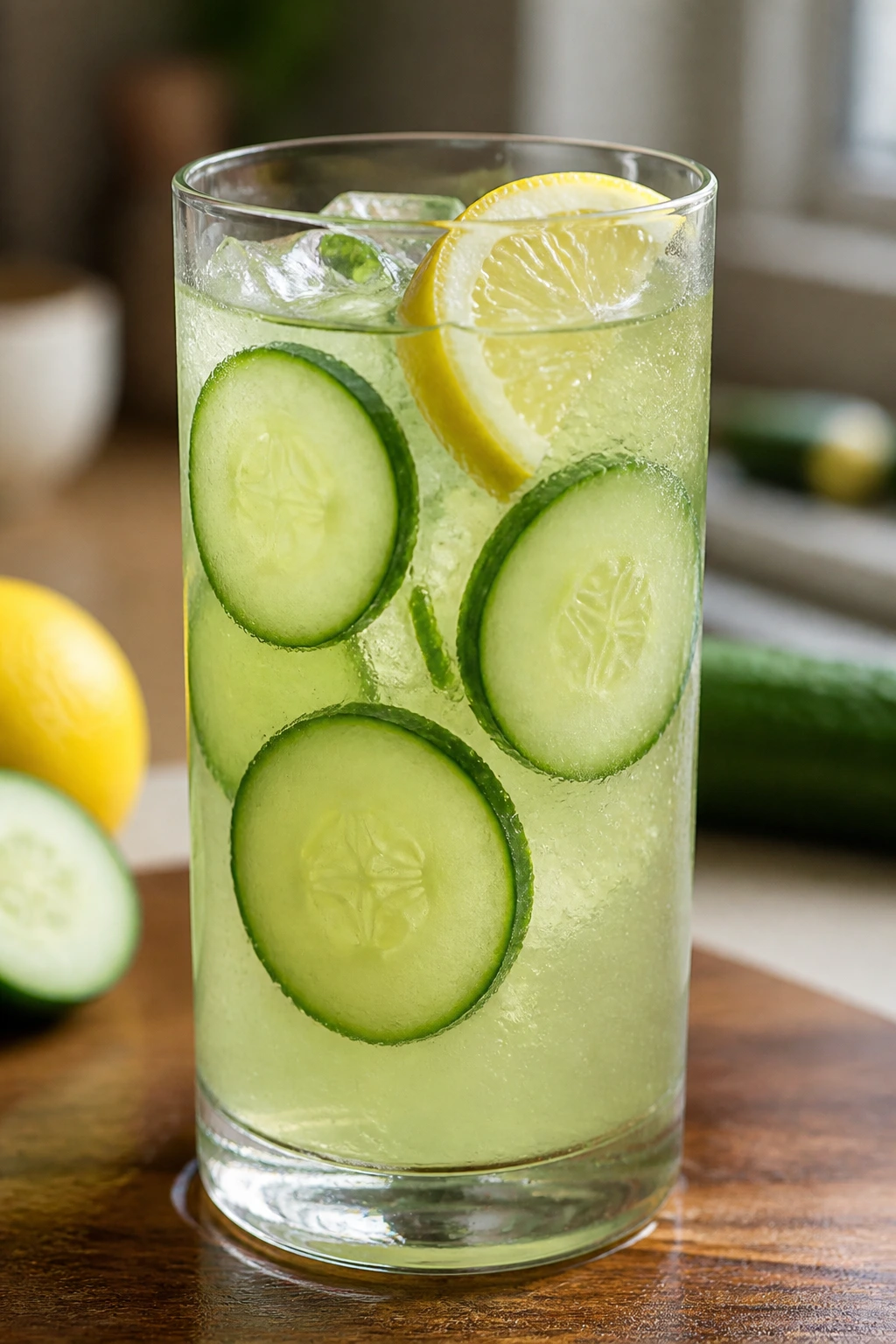
This is the quiet drink on the list, and I mean that as praise. Cucumber brings a cool green note, lemon juice keeps it from tasting watery, and cold water makes the whole glass feel clean and very plain in the best possible way. It’s the one you pour when you want something low-key and not sugary.
Yield: Makes 2 drinks
Prep Time: 6 minutes
Cook Time: 0 minutes
Total Time: 6 minutes
Difficulty: Beginner — the muddling is the only real step.
Best Served: Chilled, with or without ice
Why It Works:
Cucumber needs a little acid to wake up, and lemon juice is the obvious answer. Water stretches the drink without making it thin, especially if you muddle the cucumber hard enough to release some of its juice.
I like this recipe because it tastes clean without tasting empty. That sounds like a tiny distinction until you actually sip it.
Key Ingredients:
- 1/2 medium cucumber, thinly sliced — peeled or unpeeled.
- 2 ounces fresh lemon juice — strained.
- 1 1/2 cups cold water — very cold, if possible.
Quick Steps:
- Add the cucumber slices to a pitcher or sturdy glass.
- Muddle the cucumber gently but firmly until it looks bruised and glossy.
- Pour in the lemon juice and cold water.
- Stir well, then let the drink sit for 2 to 3 minutes so the cucumber flavor spreads.
- Strain if you want a smoother sip, or pour as-is for a more rustic glass.
Equipment for This Recipe:
- Pitcher or mixing glass
- Muddler or wooden spoon
- Fine-mesh strainer, optional
- Knife and cutting board
How to Serve This Dish:
A tall glass with plenty of ice works well here. If you strain the cucumber out, the drink looks pale and neat; if you don’t, it feels a little more garden-fresh.
Serve it with sandwiches, cold noodles, or anything sharp and salty. It also sits nicely next to a simple salad, though that sounds more virtuous than I usually like to be.
Pro Tips for This Recipe:
- Slice the cucumber thin so it muddles faster.
- If the cucumber tastes watery, peel it first and remove the seedy center.
- Chill the water before mixing. That matters more than you’d think in a drink this spare.
Variations on This Dish:
- Sparkling Cucumber Cooler: Replace the water with club soda for a lighter, fizzy version.
- Peeled Cucumber Version: Peel the cucumber fully if the skin tastes bitter.
- Extra-Crisp Pitcher: Let the cucumber and lemon sit in the water for 10 minutes, then strain before serving.
Common Mistakes to Avoid with This Recipe:
- Muddling too lightly: You won’t get enough cucumber flavor. Give it a real bruise.
- Using warm water: The drink goes flat and dull. Chill it first.
- Skipping the rest time: A couple of minutes makes the cucumber taste clearer.
13. Coconut Lemon Cooler
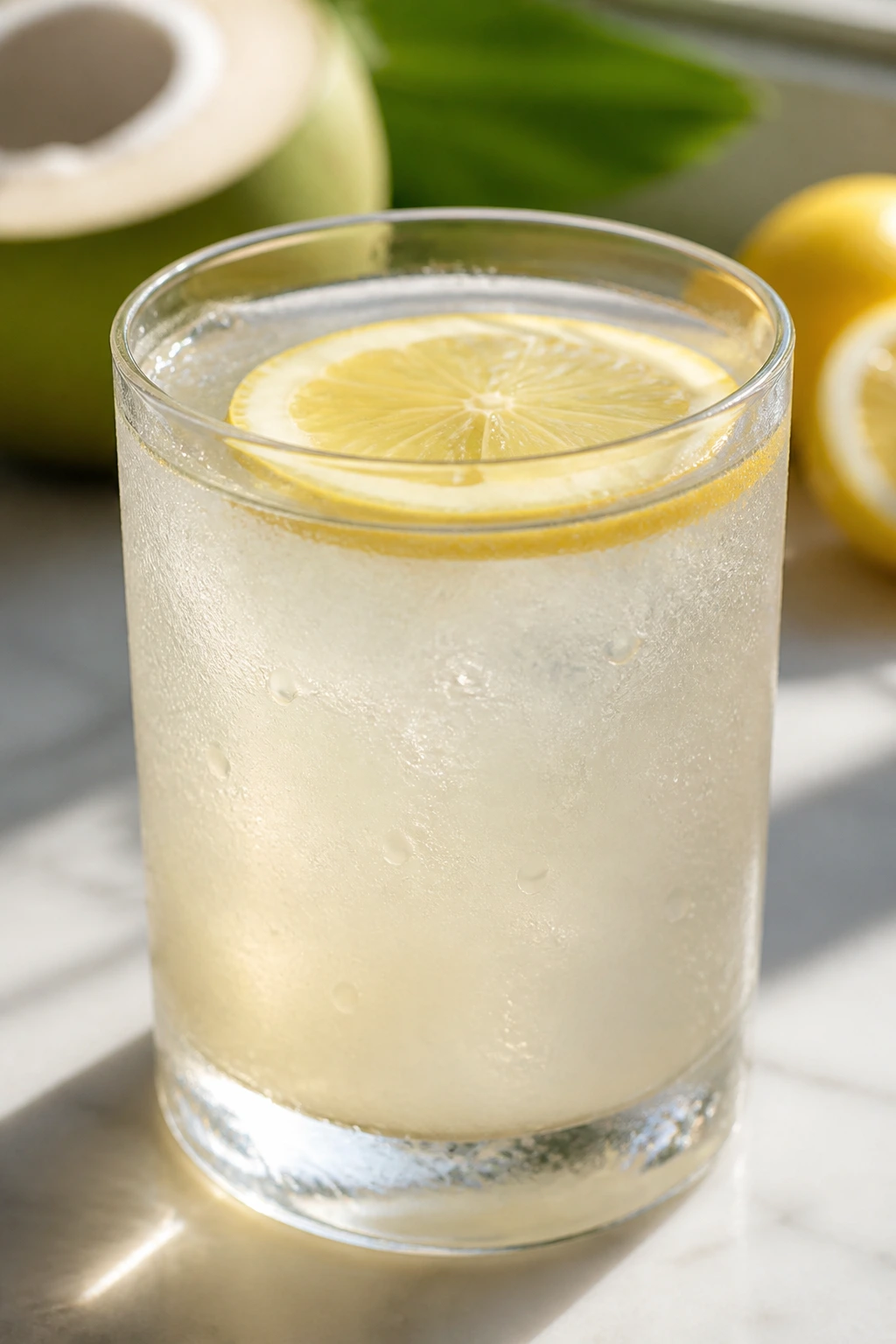
Coconut water and lemon juice make a strange little pair that works better than you expect. Coconut water gives the drink a soft, lightly sweet base, lemon juice sharpens it, and honey fills the gap so it doesn’t taste thin or metallic. It’s a good sip when you want something gentle but not boring.
Yield: Makes 2 drinks
Prep Time: 4 minutes
Cook Time: 0 minutes
Total Time: 4 minutes
Difficulty: Beginner — no tools beyond a spoon.
Best Served: Very cold
Why It Works:
Coconut water can taste too soft on its own. Lemon gives it a line to follow, and honey keeps the finish from going too dry. That balance is what makes the drink feel finished instead of accidental.
I prefer this recipe when the coconut water is clear and lightly sweet rather than thick and creamy. The cleaner the base, the better the lemon shows up.
Key Ingredients:
- 1 1/2 cups coconut water — chilled.
- 2 ounces fresh lemon juice — strained.
- 1 tablespoon honey — mild honey works best.
Quick Steps:
- Stir the honey into the lemon juice until it loosens.
- Pour in the coconut water and stir until the drink looks evenly blended.
- Taste and let it sit for 2 minutes so the flavors settle.
- Serve over ice if you want it colder.
- Drink it right away while the coconut flavor still tastes fresh.
Equipment for This Recipe:
- Pitcher or large mixing glass
- Spoon
- Measuring cup
- Citrus juicer
How to Serve This Dish:
Serve it in a clear glass so the pale, slightly cloudy color doesn’t disappear. The drink is low-drama, so don’t overstyle it.
It works with grilled fish, rice bowls, or salty crackers. I also like it as a midafternoon nonalcoholic pour when coffee would be too much and water would feel too plain.
Pro Tips for This Recipe:
- Use cold coconut water straight from the fridge.
- Stir honey into the lemon first so it doesn’t cling to the bottom.
- If the drink tastes a little flat, a tiny pinch of salt helps the lemon wake up.
Variations on This Dish:
- Sparkling Coconut Cooler: Use sparkling coconut water if you want bubbles.
- Maple Swap: Replace honey with maple syrup for a deeper, less floral finish.
- Lighter Lemon Version: Use 1 1/2 ounces lemon juice if your coconut water is already sweet.
Common Mistakes to Avoid with This Dish:
- Using thick coconut beverage instead of coconut water: The texture gets heavy.
- Adding honey last: It can sit in a sticky layer at the bottom.
- Serving it warm: Coconut water tastes dull when it isn’t cold.
14. Basil Lemon Soda
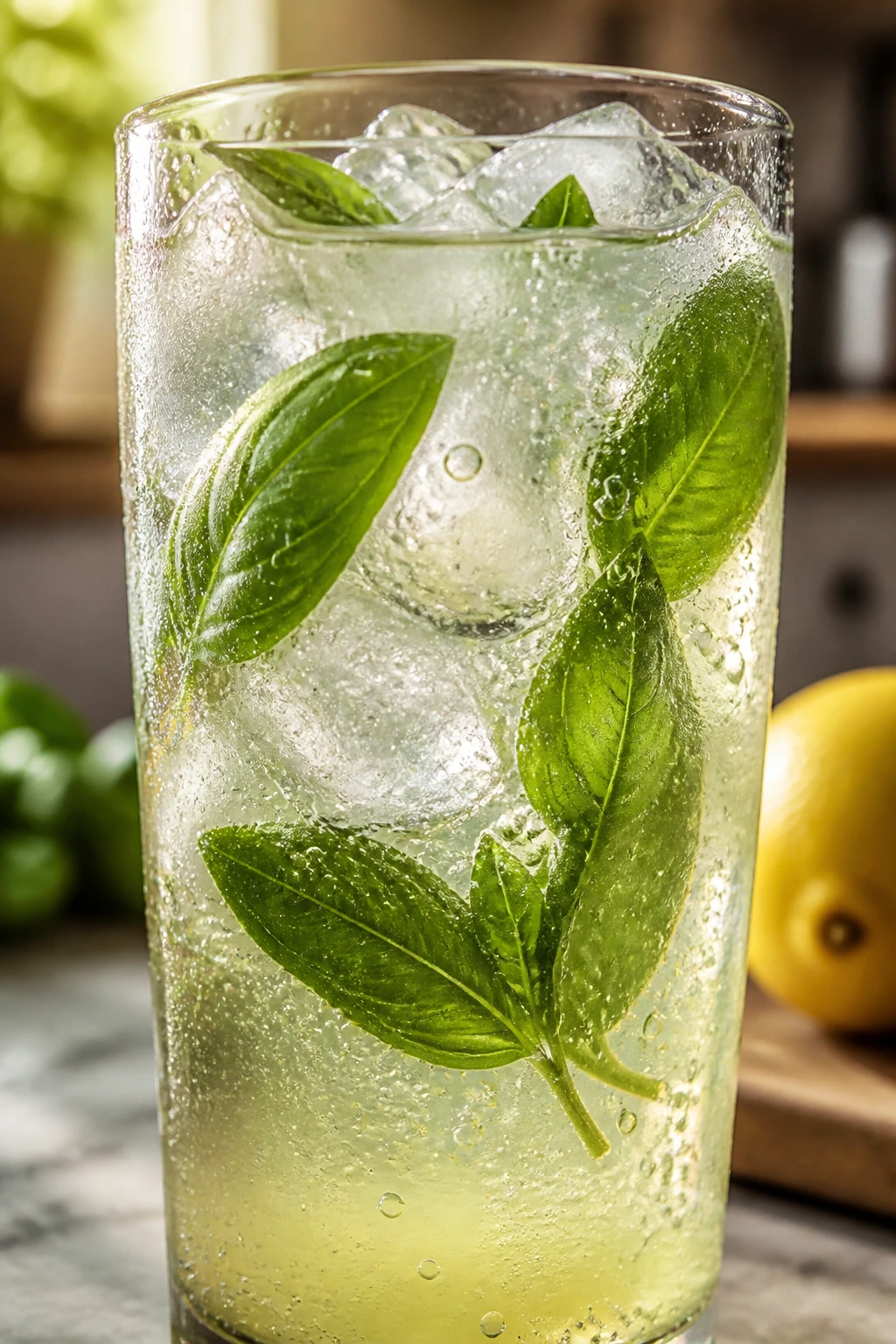
Basil and lemon are old friends, though they don’t always get along if the basil is weak or the lemon is too sour. Here, basil syrup gives the drink a green, herbal edge, lemon juice snaps it into shape, and club soda keeps the whole thing light and brisk. It’s the drink on this list that tastes the most like someone paid attention.
Yield: Makes 1 tall drink
Prep Time: 4 minutes
Cook Time: 0 minutes
Total Time: 4 minutes
Difficulty: Beginner — the bottle does most of the work.
Best Served: Chilled, with fresh bubbles
Why It Works:
Basil syrup carries the herbal flavor better than bruised leaves floating in the glass, especially in a short three-ingredient recipe. Lemon juice keeps the sweetness from getting muddy, and club soda makes the basil feel fresh instead of heavy.
This is one of those drinks that tastes more grown-up than the ingredient list suggests. The basil syrup brings a savory edge that keeps the lemon from feeling childish or candy-like.
Key Ingredients:
- 2 tablespoons basil syrup — store-bought or prepared.
- 2 ounces fresh lemon juice — strained.
- 6 ounces chilled club soda — pour slowly.
Quick Steps:
- Fill a tall glass with ice.
- Pour in the basil syrup and lemon juice.
- Stir once so the syrup doesn’t sink and stay sticky.
- Top with club soda slowly.
- Give the drink one tiny stir and serve immediately.
Equipment for This Recipe:
- Tall glass
- Spoon
- Jigger
- Measuring spoon
How to Serve This Dish:
A slender glass shows off the pale green tint and the bubbles. If you want it to look a little sharper, use a glass with straight sides rather than a rounded tumbler.
It pairs well with tomato dishes, soft cheese, or grilled vegetables. Basil and lemon are both loud enough to stand beside food without stepping on it.
Pro Tips for This Recipe:
- Chill the basil syrup before using it.
- Don’t stir hard after adding soda.
- If your syrup is very sweet, use 1 1/2 tablespoons instead of 2 and let the lemon lead.
Variations on This Dish:
- Mint Syrup Swap: Replace basil syrup with mint syrup for a cooler finish.
- Dry Soda Version: Use plain sparkling water if you want less sweetness.
- Herb Garden Mix: If you have thyme syrup instead, use it the same way for a less sweet, more savory drink.
Common Mistakes to Avoid with This Recipe:
- Using too much syrup: The drink turns sticky fast. Measure it.
- Adding club soda first: The syrup doesn’t blend well.
- Serving it warm: Basil loses its fresh edge fast outside the fridge.
15. Lavender Lemon Spritz
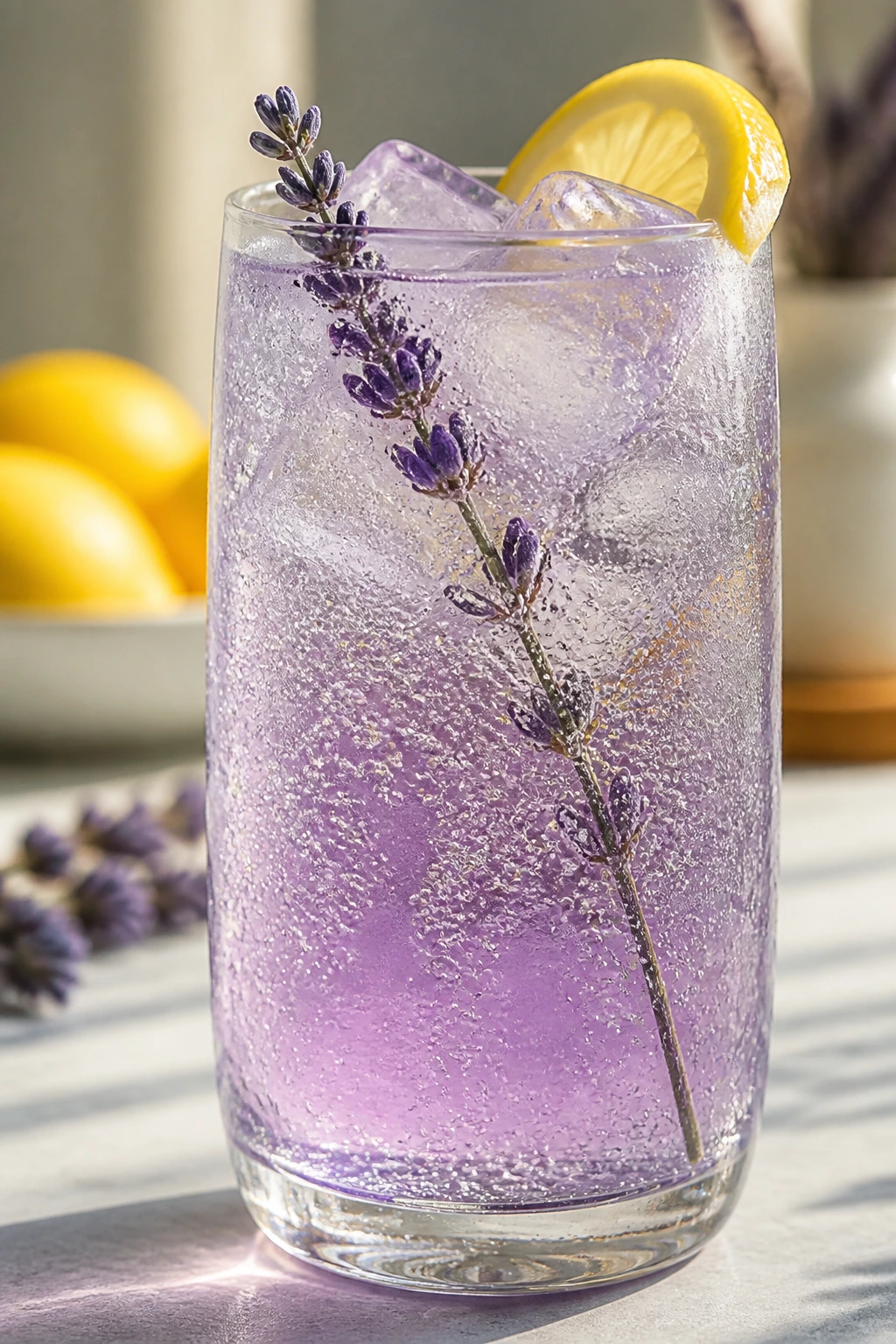
Lavender can go wrong in a hurry, which is why I like it here in a restrained, three-ingredient drink. The syrup gives the lemon a floral halo, sparkling water keeps the sip from feeling heavy, and the lemon juice stops the whole thing from turning into perfume in a glass. It’s delicate, but not fragile.
Yield: Makes 1 tall drink
Prep Time: 4 minutes
Cook Time: 0 minutes
Total Time: 4 minutes
Difficulty: Beginner — simple, if you measure carefully.
Best Served: Very cold
Why It Works:
Lavender syrup is doing the heavy lifting, so the lemon juice only has to keep the drink bright and grounded. Sparkling water matters because it lifts the floral note upward instead of letting it sit flat and sweet.
This is a good example of a drink that needs restraint. Too much lavender syrup, and it tastes like soap. The right amount gives you a clean, soft finish.
Key Ingredients:
- 1 ounce lavender syrup — use a light hand.
- 2 ounces fresh lemon juice — strained.
- 6 ounces chilled sparkling water — plain, not flavored.
Quick Steps:
- Fill a glass with ice.
- Pour in the lavender syrup and lemon juice.
- Stir to blend the syrup evenly.
- Top with sparkling water slowly.
- Serve at once, while the bubbles still look lively.
Equipment for This Recipe:
- Tall glass
- Spoon
- Jigger
- Citrus juicer
How to Serve This Dish:
Serve it in a clear glass where the pale color can breathe a little. A very thin lemon peel makes a nice accent if you want one, but the drink doesn’t need help.
It suits shortbread, almond cookies, or a simple fruit tart. The floral note is gentle enough to go with dessert without smothering it.
Pro Tips for This Recipe:
- Use less syrup than you think you need.
- Chill the sparkling water first.
- If the drink tastes too sweet, add a splash more lemon rather than watering it down.
Variations on This Dish:
- Honey Lavender Version: Swap in honey syrup for a warmer, less perfumed flavor.
- Dry Spritz: Replace sparkling water with club soda to cut the sweetness.
- Frosted Glass Style: Chill the glass in the freezer for 10 minutes before pouring.
Common Mistakes to Avoid with This Recipe:
- Overpouring lavender syrup: The drink goes soapy fast. Measure it.
- Using warm sparkling water: The bubbles disappear quickly.
- Adding lemon after soda: You lose the clean layering of flavors.
16. Indian Lemon Soda
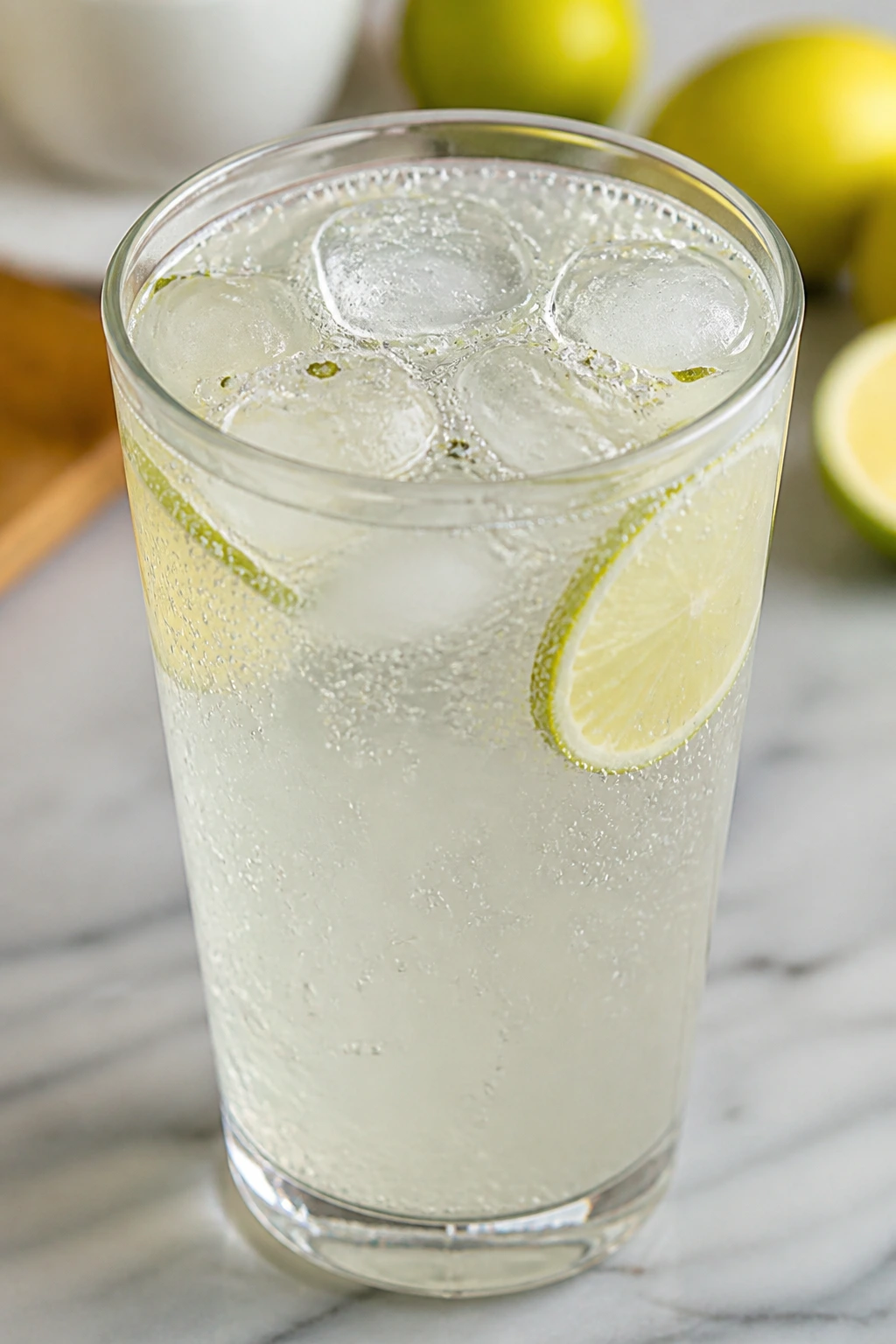
This one goes in a different direction. Salt, lemon juice, and cold water make a drink that is bracing, sharp, and more savory than sweet, and that’s exactly why it belongs here. It tastes like the drink equivalent of opening a window. Not everyone wants lemon with sugar.
Yield: Makes 1 large glass
Prep Time: 3 minutes
Cook Time: 0 minutes
Total Time: 3 minutes
Difficulty: Beginner — barely even a recipe, which is part of the appeal.
Best Served: Very cold
Why It Works:
Salt sharpens citrus the way sugar rounds it out. That means the lemon reads as brighter and more direct, not dessert-like. Cold water keeps the drink clean and fast.
This is the version I’d make when I want lemon juice to taste lean, not sweet. It’s especially useful if the lemons are very fragrant and you don’t want to bury that with sugar.
Key Ingredients:
- 2 ounces fresh lemon juice — strained.
- 1 1/2 cups cold water — icy cold if you can manage it.
- 1/4 teaspoon fine sea salt — dissolve it fully.
Quick Steps:
- Add the salt to the lemon juice in a glass or small pitcher.
- Stir until the salt dissolves and the lemon looks slightly cloudy.
- Pour in the cold water.
- Stir once more, then taste.
- Serve over ice if you want it extra cold.
Equipment for This Recipe:
- Glass or small pitcher
- Spoon
- Measuring spoon
- Citrus juicer
How to Serve This Dish:
Serve it in a plain glass without a lot of garnish. The point is the clean, sharp sip, not decoration.
It works with spicy food, fried snacks, or anything rich that needs a bright sidecar. I like it especially with fried potatoes or savory rice dishes.
Pro Tips for This Recipe:
- Dissolve the salt in the lemon juice first so you don’t get a salty sip at the bottom.
- Use fine salt, not coarse crystals.
- If you want a lighter profile, cut the salt back to 1/8 teaspoon and taste before adding more.
Variations on This Dish:
- Black Salt Version: Swap in black salt for a deeper, funkier flavor.
- Sparkling Cut: Replace the water with club soda for bubbles.
- Stronger Street-Style Pour: Use less water if you want a tighter, more assertive drink.
Common Mistakes to Avoid with This Recipe:
- Leaving the salt grainy: It needs to dissolve or the drink tastes uneven.
- Using warm water: The sharpness goes flat.
- Over-salting: Start small; too much salt overwhelms the lemon fast.
17. Peach Lemon Fizz
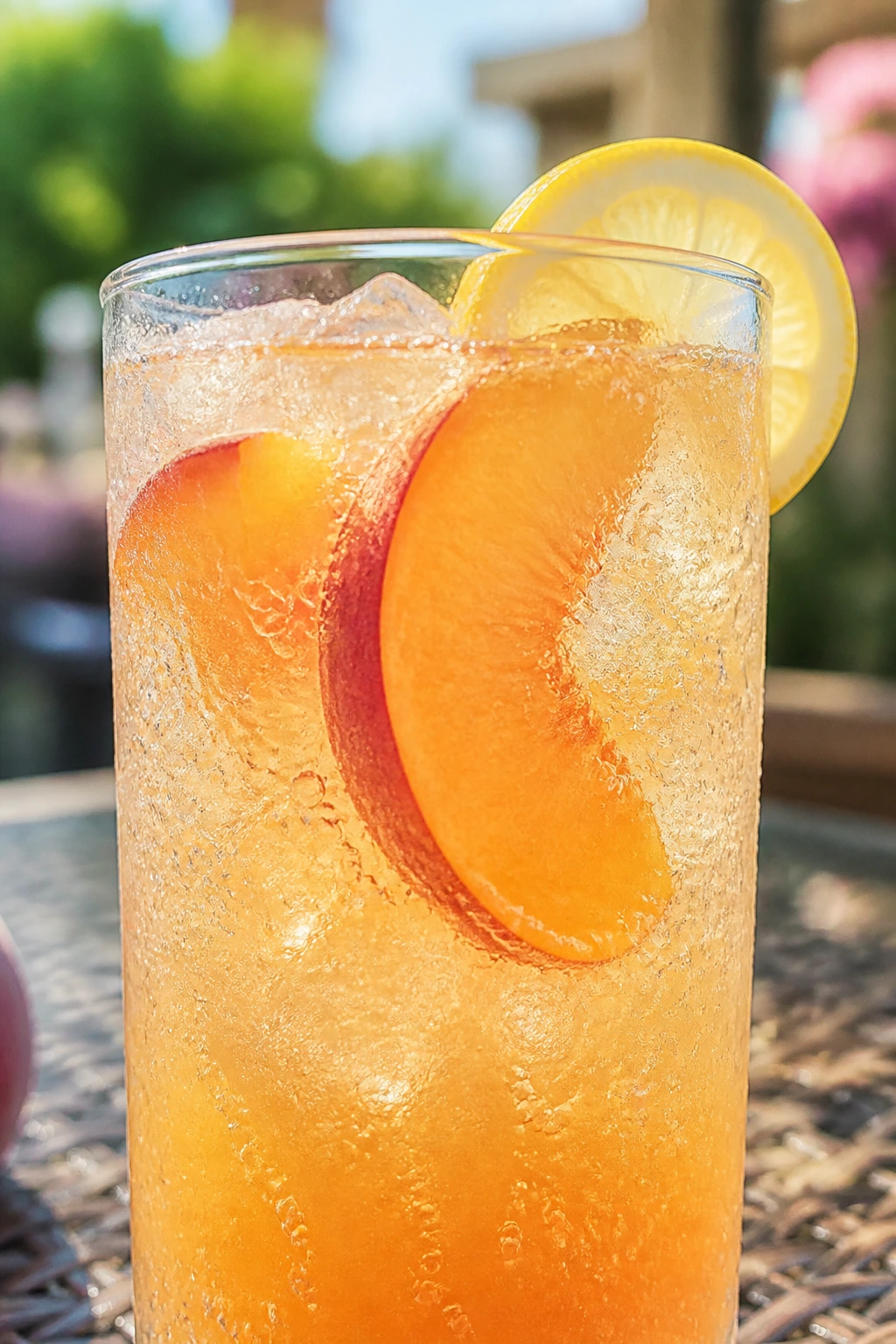
Peach nectar gives this drink a soft, ripe sweetness that lemon juice snaps into shape. Club soda keeps it from feeling heavy, so the finished glass lands somewhere between fruit punch and a spritz. It’s one of the easiest ways to make lemon juice taste round without making it syrupy.
Yield: Makes 2 drinks
Prep Time: 4 minutes
Cook Time: 0 minutes
Total Time: 4 minutes
Difficulty: Beginner — there’s no technique to trip over.
Best Served: Cold, immediately
Why It Works:
Peach nectar has body, and body matters when lemon is involved. Without it, the drink can come across too sharp. With it, the lemon reads as bright rather than sour.
The fizz is important too. Still peach and lemon can taste heavy, but sparkling water gives the drink lift and a cleaner finish.
Key Ingredients:
- 1/2 cup peach nectar — chilled.
- 2 ounces fresh lemon juice — strained.
- 6 ounces chilled club soda — pour at the end.
Quick Steps:
- Combine the peach nectar and lemon juice in a pitcher or tall glass.
- Stir until the mixture turns even and slightly lighter in color.
- Add ice if you’re serving right away.
- Top with club soda slowly.
- Stir once and serve before the bubbles fade.
Equipment for This Recipe:
- Pitcher or tall glass
- Spoon
- Measuring cup
- Citrus juicer
How to Serve This Dish:
Use a glass that shows off the pale peach color. A highball glass is better than a short tumbler here because it keeps the soda more lively.
It goes well with pound cake, scones, or salty snacks if you want to keep the table simple. The peach makes it friendly; the lemon keeps it from drifting into syrup land.
Pro Tips for This Recipe:
- Choose peach nectar with a real fruit taste, not a candy aftertaste.
- Add the club soda last and stir only once.
- If the drink tastes too sweet, add another half-ounce of lemon rather than diluting it with more soda.
Variations on This Dish:
- White Peach Version: Use white peach nectar for a softer, less punchy finish.
- Lighter Spritz: Increase the club soda to 8 ounces if you want a longer drink.
- Still Peach Cooler: Skip the bubbles and serve it over ice for a softer, juice-like pour.
Common Mistakes to Avoid with This Recipe:
- Using thick nectar that’s too sweet: The drink gets sticky fast. Pick a lighter nectar.
- Pouring soda too early: The fizz dies before you serve.
- Too much lemon: Peach needs brightness, not a full sour punch.
18. Raspberry Lemon Spritz
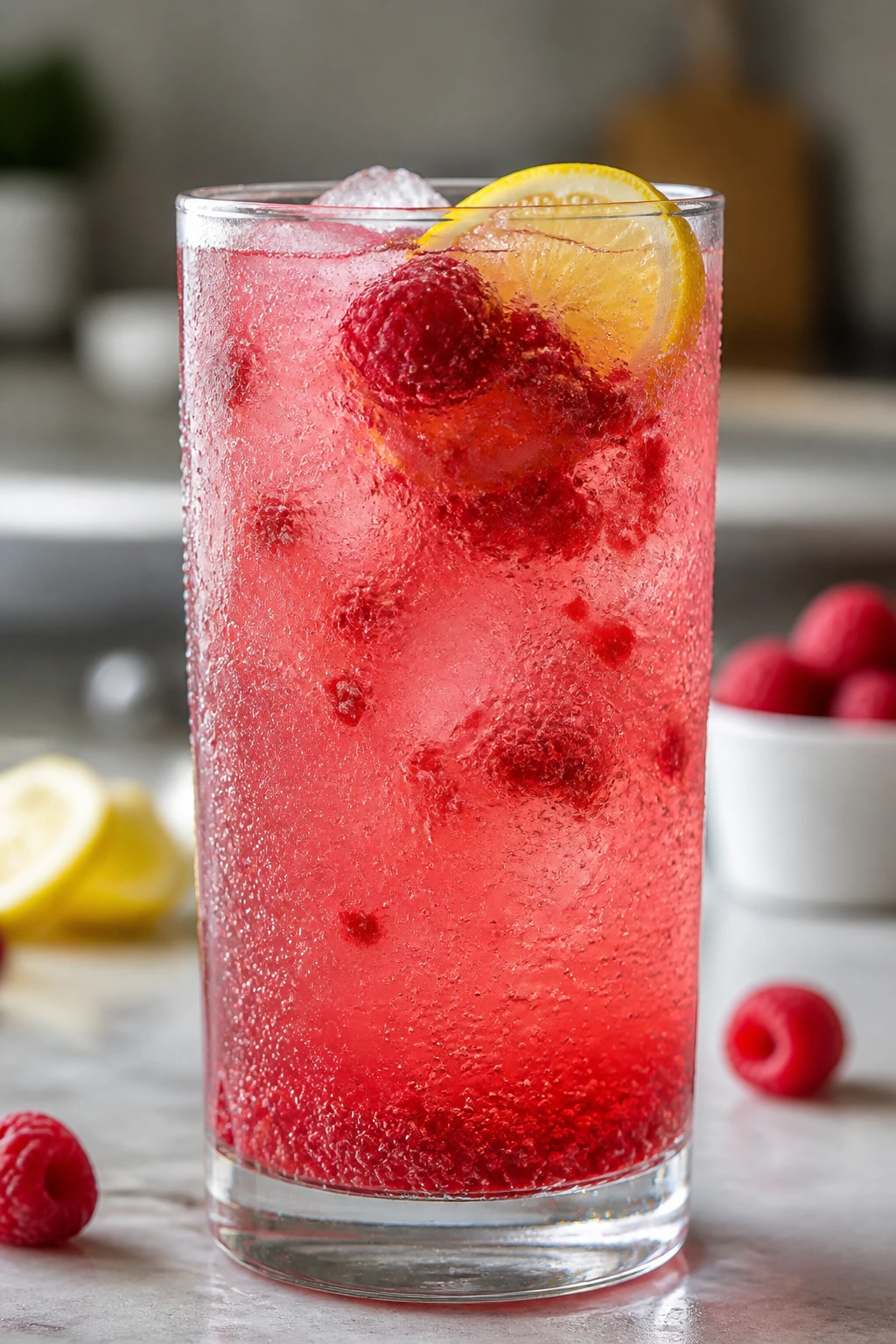
Raspberry and lemon is a color story as much as a flavor one. The berries bring a tart, jammy note, lemon juice makes that flavor feel sharper, and sparkling water keeps the drink from turning heavy or syrupy. It’s bright, pinkish-red, and just a little bit flashy in the right way.
Yield: Makes 2 drinks
Prep Time: 6 minutes
Cook Time: 0 minutes
Total Time: 6 minutes
Difficulty: Beginner — the muddling is straightforward.
Best Served: Cold, right after mixing
Why It Works:
Fresh raspberries break down fast, which means they can give you enough juice and color in a matter of seconds. Lemon keeps the berry flavor from feeling flat, while sparkling water adds the lift that berries sometimes need.
This is a good drink when you want fruit without using a sweet syrup. The raspberries bring enough natural sweetness that you don’t need a fourth ingredient.
Key Ingredients:
- 3/4 cup fresh raspberries — ripe, not mushy.
- 2 ounces fresh lemon juice — strained.
- 6 ounces chilled sparkling water — plain and cold.
Quick Steps:
- Add the raspberries to a sturdy glass or small pitcher.
- Muddle until the berries break down and the juice turns bright pink.
- Pour in the lemon juice and stir.
- Add the sparkling water slowly.
- Strain if you want a smoother texture, or serve it pulpy for a more rustic drink.
Equipment for This Recipe:
- Muddler or sturdy spoon
- Fine-mesh strainer, optional
- Glass or pitcher
- Measuring cup
How to Serve This Dish:
A clear glass shows off the color best, especially if you leave a little pulp in the drink. If you strain it, the finish looks cleaner and more cocktail-like.
It’s good with lemon cookies, simple cake, or a salty snack board. The fruitiness makes it easy to serve as a mocktail at a gathering without adding any extra work.
Pro Tips for This Recipe:
- Use ripe raspberries; under-ripe berries are too sharp and dry.
- Muddle just enough to break the berries, not turn them into paste.
- Add the sparkling water last so the drink still feels lively.
Variations on This Dish:
- Strained Pink Spritz: Strain out the seeds for a smoother sip.
- Blackberry Swap: Replace raspberries with blackberries for a darker, deeper berry note.
- Still Berry Cooler: Use still water instead of sparkling water if you want a softer, juice-style drink.
Common Mistakes to Avoid with This Recipe:
- Muddling too aggressively: The seeds turn bitter. Break the berries, don’t pulverize them.
- Using old raspberries: The drink tastes dull and muddy. Ripe berries are worth it.
- Adding bubbles too soon: You lose the bright fizz that makes the drink work.
Why Three Ingredients Are Enough Here
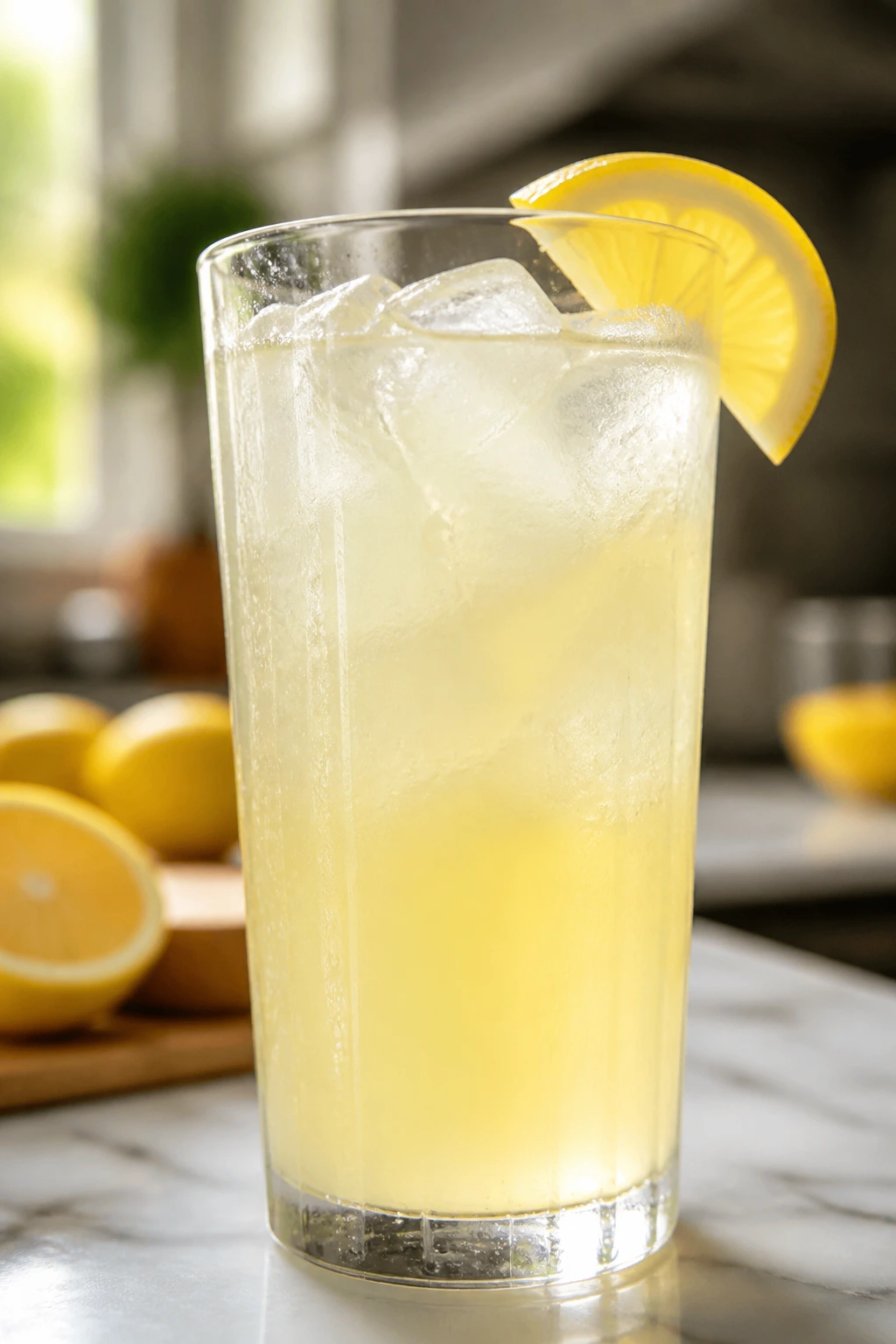
There’s a small bit of discipline hiding inside every good lemon drink. Acid, sweetness, and liquid body have to stay in balance, and three ingredients force that balance to show itself instead of hiding behind a long shopping list. If the lemon is fresh and the ratios make sense, you get a drink that tastes clean rather than complicated.
Carbonation changes the game, but not as much as people think. It does two jobs: it lightens sweetness and it keeps tart lemon from feeling too blunt. That’s why club soda, tonic, ginger beer, and lemon-lime soda all show up so often in this group. They’re not random mixers. They’re structural pieces.
Fresh lemon juice matters more in short recipes than in crowded ones. The cleaner the ingredient list, the more obvious stale citrus becomes. Bottled juice can work in a pinch, but the drinks that really sing have that sharp, clean smell that shows up when you cut into a fresh lemon and the peel oils hit the air.
Essential Equipment for These Recipes
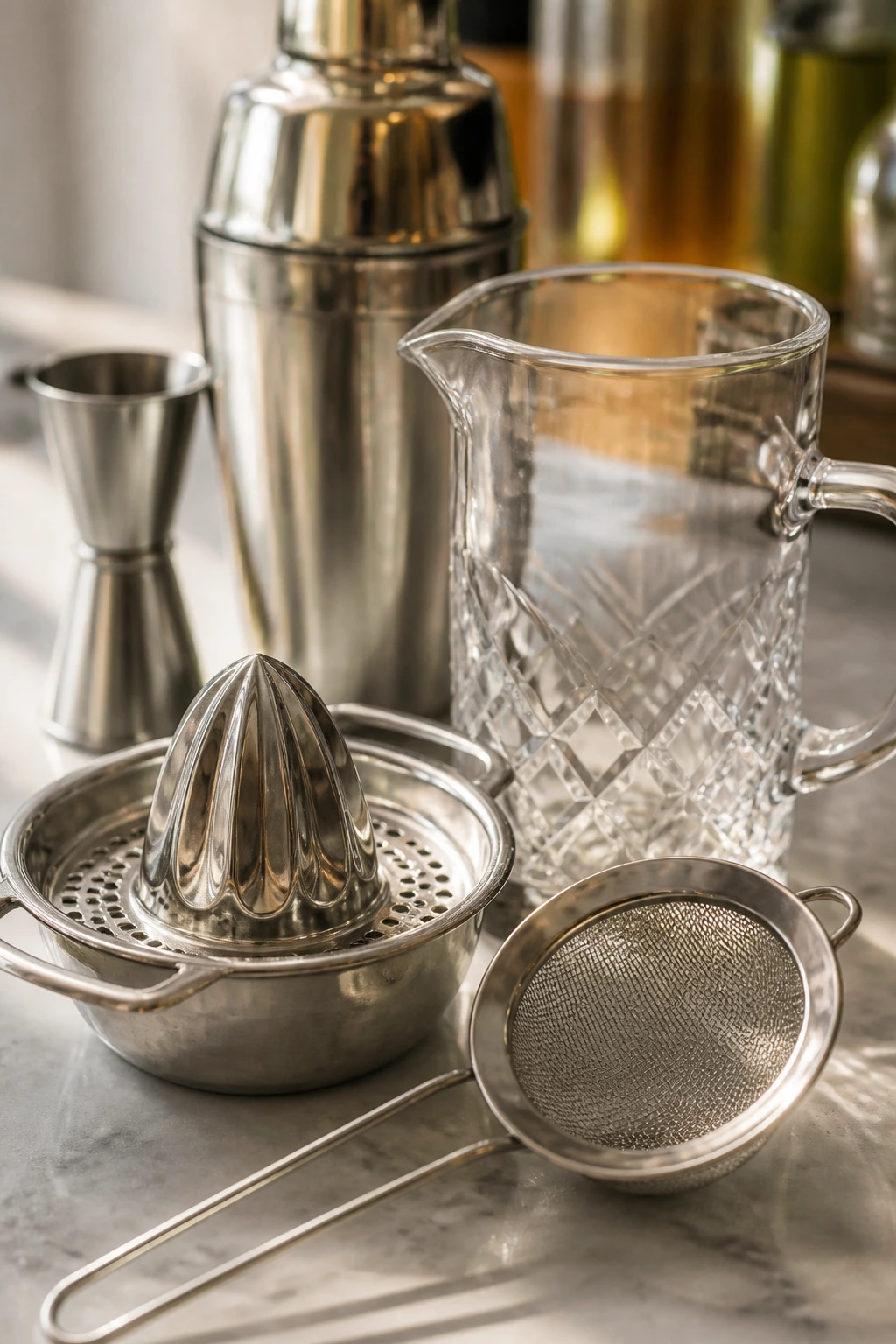
- Citrus juicer or reamer: A hand juicer saves your wrists, and it gets more juice out of smaller lemons than squeezing by hand.
- Fine-mesh strainer: Useful for removing seeds and pulp when you want a smoother, cleaner drink.
- Pitcher: The right size pitcher makes lemonade, spritzes, and batch cocktails far easier to mix and serve.
- Cocktail shaker: Needed for the vodka, whiskey, and some of the cocktail versions so the drink chills fast and mixes evenly.
- Jigger or measuring shot glass: Three-ingredient drinks still fall apart when the pour is sloppy.
- Tall glasses and rocks glasses: Tall glasses work for fizzy drinks; short glasses suit whiskey-based or more concentrated pours.
- Long spoon or bar spoon: Better than a short kitchen spoon for mixing without bruising the carbonation.
- Knife and cutting board: For slicing lemon wheels, cucumber, or fruit garnishes if you want the drinks to look finished.
- Ice cube tray: Not glamorous, but crucial. Big clear cubes are better for cocktails because they melt more slowly.
Smart Lemon Shopping and Ingredient Tips
Buy lemons that feel heavy for their size. That usually means more juice and less dry pith. Thin-skinned lemons tend to squeeze better than thick, bumpy ones, and room-temperature fruit is easier to juice than cold fruit straight from the fridge.
Fresh lemon juice makes a noticeable difference in short recipes, so I would spend the effort there first. Bottled juice can work for a big batch, but it tends to taste flatter and less fragrant, especially in drinks with only three ingredients. If you do use bottled juice, choose one that says 100% lemon juice and has no added sugar or other citrus juice tucked into the label.
For sweeteners, match the sweetener to the drink. Granulated sugar works best in lemonade, honey belongs in hot drinks and some cocktails, agave dissolves beautifully in cold mixes, and maple syrup gives whiskey-based drinks a deeper finish. The wrong sweetener usually doesn’t ruin a drink, but it changes the texture enough that you notice.
As for mixers, chill them before you start. Club soda, tonic, ginger beer, and lemon-lime soda all lose fizz faster when they’re warm. Small cans are often better than large bottles if you’re not serving a crowd, because you’re less likely to open a flat half-used bottle and pretend it still sparkles.
How to Serve These Recipes
Presentation: Use clear glasses whenever the color matters, which is most of the time with lemon drinks. A tall highball glass suits the sparkling recipes, while rocks glasses work for whiskey and bourbon pours. Keep garnishes clean and small — a lemon wheel, a thin peel, or a cucumber ribbon is enough.
Accompaniments: Lemon drinks love salty, crisp, and lightly rich food. Think roasted nuts, chips, fried shrimp, grilled chicken, shortbread, fruit plates, simple sandwiches, or a bowl of olives. Heavy sauces and these drinks tend to fight each other.
Portions: Most of the pitcher-style drinks here serve 2 to 4 people, while the cocktail recipes are built for 1 glass at a time. If you’re scaling up, keep the ratio the same and add the fizz at the table or right before serving. That’s the part people usually rush and regret.
Beverage Pairing: Since these are drinks, the smartest thing to pour beside them is plain still water, especially with the sweeter fruit versions. For a cocktail spread, cold sparkling water is a good palate reset; it keeps the lemon from flattening everything else on the table.
Additional Tips and Flavor Boosters
Flavor Enhancement: A tiny pinch of salt can make lemon taste louder in both sweet and savory versions. I use it most often in lemonade, coconut water drinks, and anything with fruit juice that tastes a little thin.
Customization: Switch sweeteners to change the mood of the drink. Honey softens sharp lemon, agave keeps cold drinks smooth, and maple syrup pushes whiskey drinks deeper and darker. If you want a drier pour, reduce the sweetener by about a third instead of removing it entirely.
Serving Suggestions: Sugar rims suit the sweeter drinks; salt rims belong on the savory or sharper ones. For a cleaner look, serve the drink in a chilled glass with one thin citrus peel instead of a lot of fruit on the rim.
Make-It-Yours: For a zero-proof version of any cocktail here, swap the spirit for extra mixer and a little more lemon. For lower sugar, choose club soda over lemon-lime soda, use less syrup, and let the acid do more of the work. That’s usually better than forcing a drink to be “healthy” by making it thin and sad.
Make-Ahead, Storage, and Reheating Guidance
Still lemon drinks keep well for about 3 to 4 days in the refrigerator when stored in a covered pitcher or jar. The flavor is best on day one, but lemonade, hot honey lemon base, cranberry-lime style mixes, and cucumber lemonade-style drinks will still hold up for a few days if they’re strained and kept cold.
Sparkling drinks are a different story. Once club soda, tonic, ginger beer, or lemon-lime soda goes in, the drink is at its best within 10 to 20 minutes. If you want to prepare ahead, mix everything except the carbonation and chill that base for up to 24 hours; add the bubbles right before serving.
Cocktail bases with spirits can usually be batched up to 24 hours ahead if you leave out the fizzy mixer. Keep the spirit, lemon juice, and sweetener in a covered jar in the fridge, then top each glass with soda when it’s time to pour. That keeps the drink sharper and the carbonation alive.
For the hot honey lemon sipper, store the base in the fridge for up to 3 days and warm it gently over low heat when you want it again. Do not boil it hard on reheating; the lemon tastes flatter and the honey loses its smooth edge. A low flame and a couple of minutes on the stove are enough.
Variations and Adaptations to Try
Zero-Proof Bar Cart: Replace the vodka, gin, whiskey, or bourbon in the cocktail recipes with extra mixer and a touch more lemon. You still get structure and brightness, just without the alcohol. This works especially well with ginger beer, tonic, and cranberry juice.
Lower-Sugar Citrus: Cut the sweetener by one-third and use club soda instead of sweeter sodas where the recipe allows. This keeps the lemon sharper and makes the drink feel lighter. It’s the move I reach for first when a recipe tastes too thick or syrupy.
Herbal House Style: Swap in basil syrup, lavender syrup, or a herb-infused syrup when you want the drink to feel more layered. Basil is savory and green, lavender is floral and soft, and mint syrup pushes everything toward cold and clean. Keep the lemon in place so the herbs don’t take over.
Savory Sparkle: Use the Indian lemon soda as the base for other savory versions by adjusting the salt slightly and serving it with fried food or grilled meats. This style is especially good when you want lemon to behave like a seasoning rather than a dessert note.
Fruit-Forward Pitchers: Turn the peach, pineapple, and raspberry drinks into pitcher pours for a small gathering. Mix the still ingredients ahead, chill them hard, then add sparkling water at the table so the fizz stays lively. That one move changes the feel of the whole spread.
Warm Weather Swap: For any fizzy recipe, chill the glasses in the freezer for 10 minutes and serve with bigger ice cubes. The drink stays brighter longer and the bubbles hang around instead of collapsing into warm foam.
Common Mistakes to Avoid
-
Using flat or warm mixers: Soda, tonic, and ginger beer lose their edge fast if they’re not cold. Chill the bottles first, and only open them when you’re ready to pour.
-
Adding carbonation too early: The bubbles disappear while you’re still stirring. Mix the lemon base first, then add the fizzy ingredient at the very end.
-
Under-dissolving sweeteners: Sugar, honey, agave, and maple all need to be fully blended into the liquid base. If they sink to the bottom, the first glass tastes different from the last one.
-
Using too much lemon in drinks with weak mixers: Some drinks need acid; others need balance. If the drink already has tonic, cranberry, or ginger beer, too much lemon can push it from bright to harsh.
-
Skipping the chill: Lemon drinks taste sharper and thinner when they’re warm. Cold ingredients make the whole recipe read cleaner and more finished.
-
Ignoring texture: Pulp is fine in lemonade, less fine in cocktails, and annoying in sparkling drinks. Strain when you want a polished pour.
Frequently Asked Questions
Can I use bottled lemon juice instead of fresh lemon juice?
You can, especially for large batches, but the flavor will be flatter. Fresh juice smells brighter and tastes cleaner, which matters a lot in three-ingredient drinks where there’s nowhere to hide.
How much juice do I usually get from one lemon?
A medium lemon usually gives about 2 tablespoons of juice, sometimes a little more if it feels heavy and the skin is thin. If you’re making a pitcher, buy extra lemons instead of hoping the first few are generous.
What sweetener works best in cold lemon drinks?
Agave and honey both dissolve well, but agave is faster in cold drinks and honey tastes softer. Granulated sugar still works beautifully in lemonade if you dissolve it first in a little warm water.
How do I keep sparkling lemon drinks fizzy for longer?
Chill everything, add the sparkling ingredient last, and stir only once. If you need to batch ahead, keep the still base separate and open the soda right before serving.
Can I make these recipes ahead for a party?
Yes, but only the still base. Mix the lemon juice, sweetener, and noncarbonated liquid up to a day ahead, then add club soda, tonic, ginger beer, or lemon-lime soda at the last minute.
What spirits work best with lemon juice?
Vodka keeps things clean, gin adds botanicals, whiskey and bourbon give depth, and a mild tequila can work if you want something sharper. The biggest mistake is using a spirit that fights the lemon instead of supporting it.
Why does my lemon drink taste too sour even when I added sweetener?
Usually the lemon is too strong, the drink is too warm, or the sweetener didn’t dissolve fully. Chill the drink, dissolve the sweetener before adding bubbles, and taste again after it rests for a minute.
Can I use Meyer lemons in these recipes?
Yes, and they’ll usually taste softer and a little sweeter than regular lemons. If you use Meyer lemons, cut back the sweetener a bit at first, then adjust after tasting.
Do I need a cocktail shaker for the cocktail recipes?
A shaker helps, but a lidded jar works in a pinch for the noncarbonated cocktail bases. Just remember not to shake anything with soda in it; top with the bubbly mixer after straining.
A Bright Final Pour
Three ingredients is enough when the ratio is right and the lemon is fresh. That’s the part most people miss. They keep looking for the fourth thing, the hidden trick, the clever flourish, when the real move is usually just colder mixers, cleaner juice, and a steadier hand with the sweetener.
Keep a few lemons on the counter, one good sparkling mixer in the fridge, and a bottle of something sweet that dissolves easily. That alone gets you most of the way through these drinks, and it also means the next time you want something bright and cold, you won’t have to think very hard before pouring.