



Easy homemade pizza has a way of making an ordinary evening feel slower, warmer, and more generous. A bowl of flour on the counter, a jar of sauce, cheese that melts into little puddles at the edge of the crust — that’s the whole trick. You do not need a brick oven or a dramatic set of ingredients to get there. You need a hot oven, a dough that has had a chance to relax, and toppings that know when to stop.
The best pizza nights are rarely the loud ones. They’re the nights when the kitchen smells like garlic and olive oil, the windows fog a little, and the first slice comes off the pan with a crisp bottom and a soft center. That contrast matters. A good crust should crack lightly when you cut it, then give way to a chewy middle instead of collapsing under sauce.
These 20 pizzas lean into that kind of cooking. Some are bare and classic. Some are richer, some sharper, some built around one very good vegetable or one excellent cheese. All of them are meant to feel at home on a table where a salad is already tossed, a bottle is already open, and nobody is in a hurry to leave.
Why These Pizzas Work So Well on a Slow Italian Night
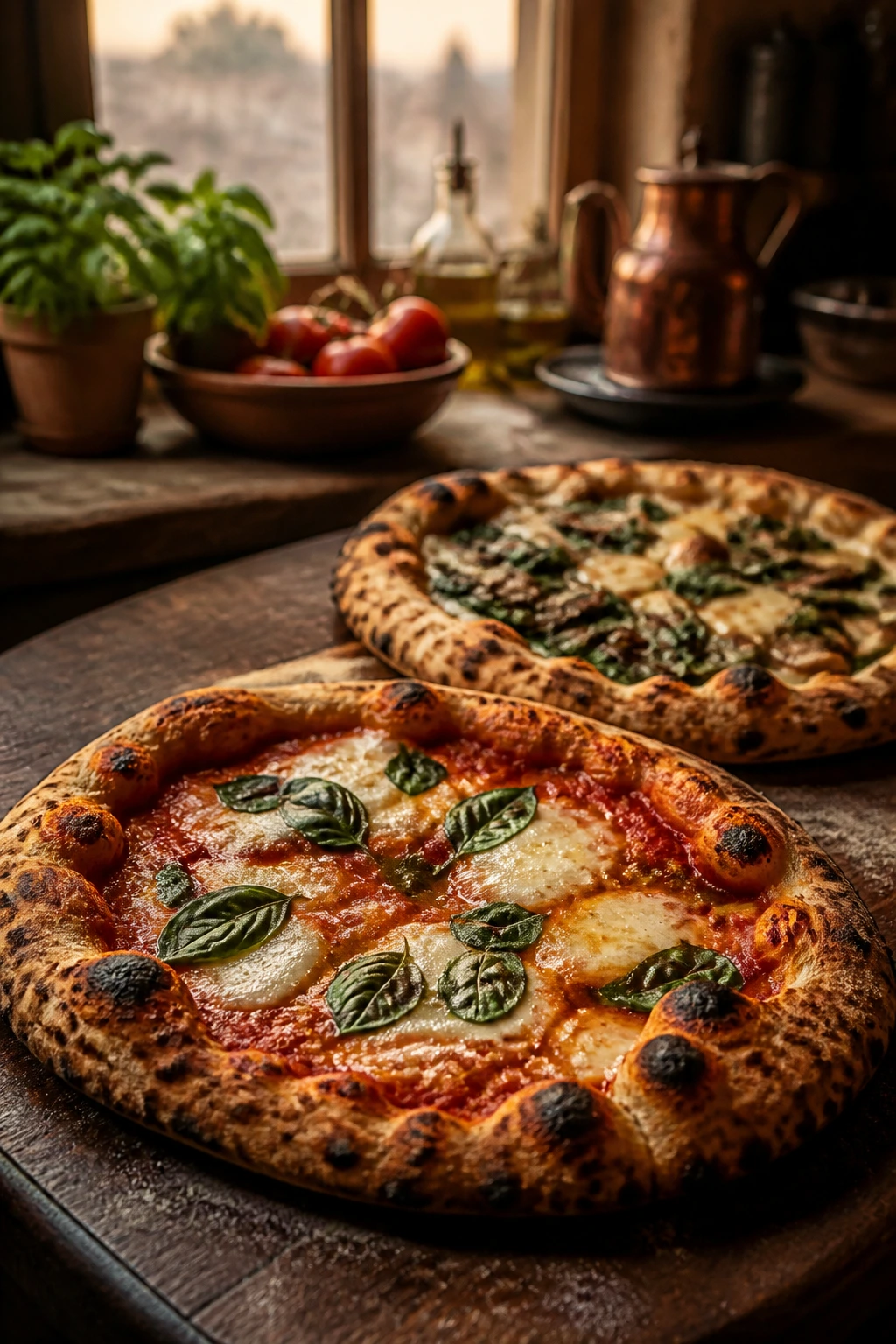
- Short ingredient lists win here: Pizza rewards restraint; a dough, a sauce, one or two cheeses, and one smart topping usually taste cleaner than a crowded pie.
- Hot oven, better crust: Baking on a preheated stone or steel at 500°F to 550°F gives you browned bottoms and blistered rims before the toppings dry out.
- The recipes are flexible: Most of these pies work with store-bought dough or homemade dough, which makes the whole night less fussy without feeling lazy.
- Leftovers behave well: A slice reheated in a skillet or hot oven keeps its texture better than a lot of other dinner leftovers.
- The flavors stay Italian-adjacent and cozy: Tomato, basil, garlic, mozzarella, olive oil, fennel, ricotta, parmesan, and prosciutto all carry the room without needing much help.
- You can cook by sight, not guesswork: Pizza tells you when it’s done — bubbling cheese, browned edges, and a crust that lifts cleanly from the pan.
Why a Hot Oven Matters More Than Fancy Toppings
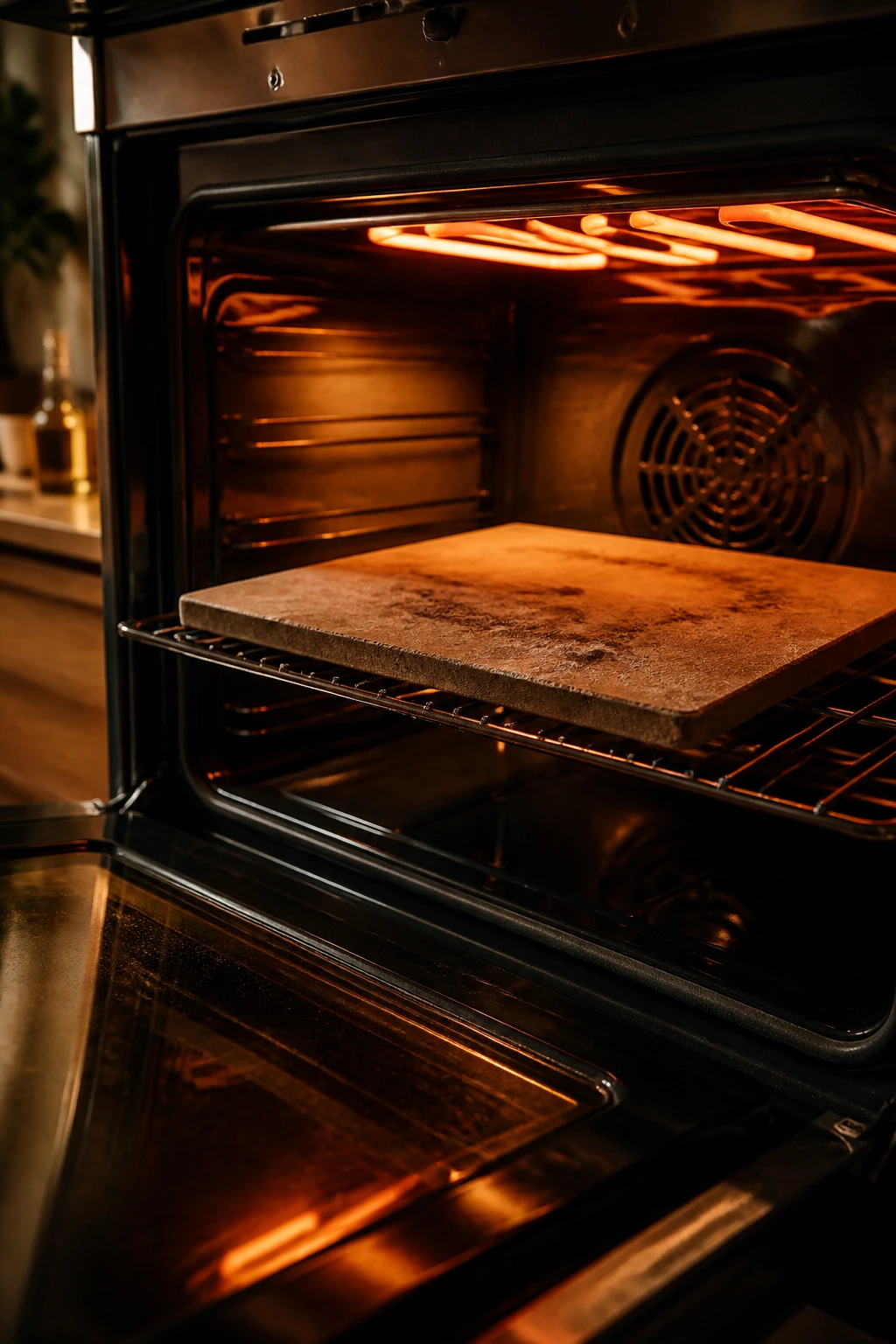
A pizza with a tired oven always tastes like it came from a tired oven. That sounds harsh, but it’s true. A 500°F oven, fully preheated with a stone or steel inside, does more for homemade pizza than one expensive topping ever will. The bottom cooks fast enough to dry out and crisp before the cheese floods the center, and the crust gets those toasted blisters that make each bite feel finished.
The reason is simple. Pizza is a race between heat and moisture. Dough brings water, sauce brings water, vegetables bring water, and cheese brings fat and more water. When the oven is hot enough, the crust sets before the toppings can sog it down. That’s why a steel often beats a stone for home pizza — it stores heat well and transfers it fast.
I also like to think of pizza night as an exercise in balance. Too many toppings, and the middle goes pale and floppy. Too much sauce, and the slice slides apart. A modest amount of cheese, a few well-seasoned toppings, and enough heat to brown the rim are usually enough. You do not need theatrics. You need timing.
A 45-minute preheat is not overkill. It’s insurance.
1. Classic Margherita Pizza with Basil and Fresh Mozzarella
Intro:
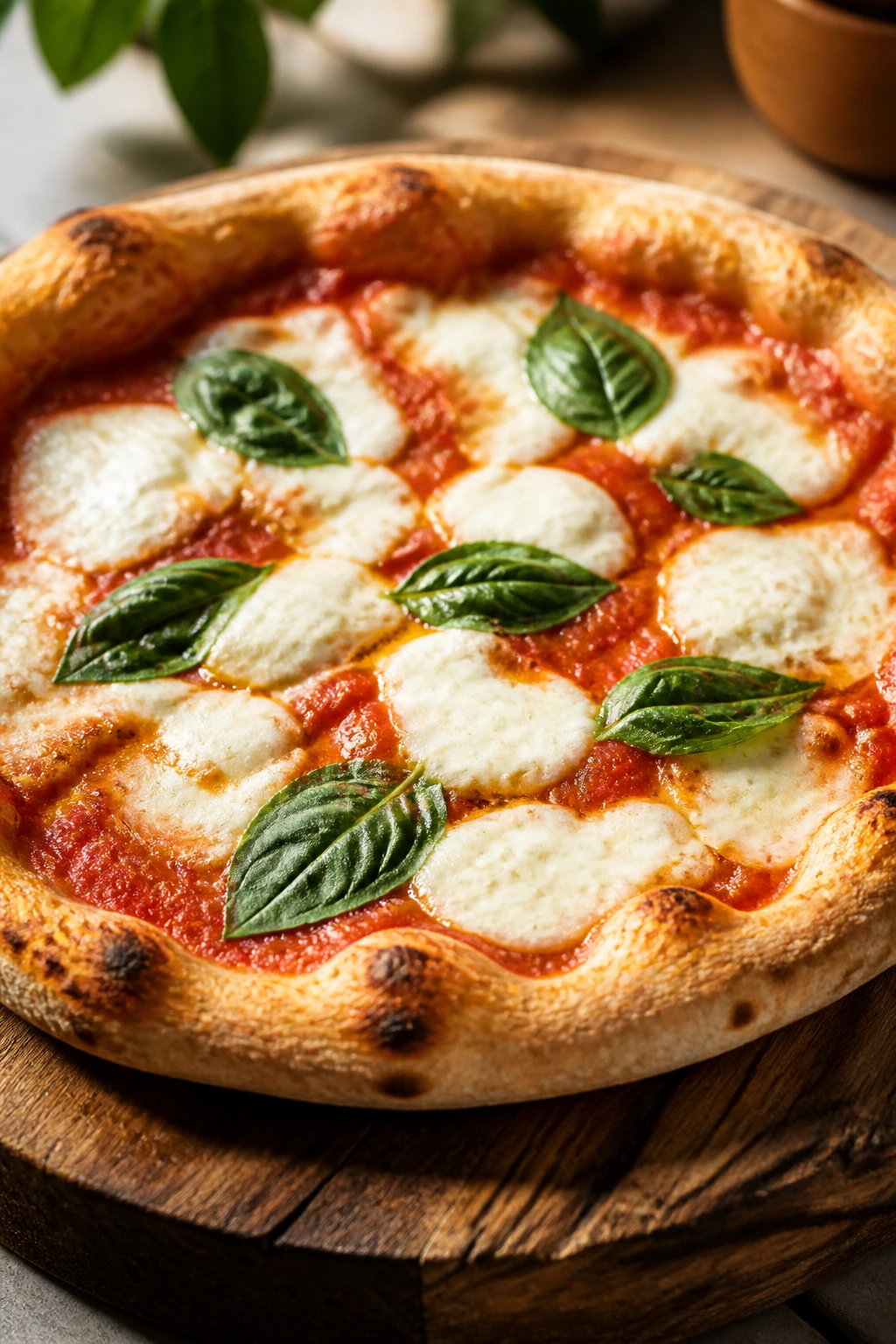
If you want one pizza that reminds you why homemade pizza works in the first place, start here. The crust gets crisp at the edge, the tomato stays bright, and the basil smells sharp the second it hits the heat. It tastes clean, simple, and a little smug in the best way.
Why It Works:
Margherita pizza works because every ingredient has a job and none of them overstay their welcome. A thin layer of sauce keeps the center from getting wet, fresh mozzarella melts into soft white pools, and basil finishes the pie with a fresh green bite. Bake it hot, and the crust bubbles up around the edges in about 9 to 12 minutes.
Key Ingredients:
- 1 pound pizza dough, at room temperature
- 1/2 cup crushed tomatoes or tomato passata
- 1 garlic clove, finely grated
- 8 ounces fresh mozzarella, patted dry and torn into pieces
- 1 tablespoon olive oil
- 12 fresh basil leaves
- 1/2 teaspoon kosher salt
- 1/4 teaspoon black pepper
- 2 tablespoons semolina or cornmeal, for the peel or pan
Quick Steps:
- Preheat the oven to 500°F (260°C) with a pizza stone or steel inside for at least 45 minutes.
- Mix the crushed tomatoes with garlic, salt, and pepper.
- Stretch the dough into a 12-inch round on a lightly floured surface.
- Transfer to a peel or parchment, spread on the sauce, then scatter the mozzarella evenly.
- Bake for 9 to 12 minutes, until the crust is browned and the cheese has melted with a few spotted blisters.
- Finish with basil and olive oil, then slice immediately.
Equipment for This Recipe:
- Pizza stone or pizza steel
- Pizza peel or inverted baking sheet
- Small bowl for sauce
- Bench scraper or spatula, for moving dough
How to Serve This Dish:
Serve it straight from the board, with the basil still bright on top and a little olive oil shining at the rim. I like it with a bitter greens salad dressed in lemon and a few olives on the side. Two slices feel like dinner; three slices mean nobody is going anywhere for a while.
Pro Tips for This Recipe:
- Pat the mozzarella dry. Wet mozzarella makes a pale, damp center.
- Keep the sauce thin. You want the dough to show through in places.
- Tear basil by hand instead of chopping it; it stays greener and less bruised.
- If your oven browns the top too fast, move the pie to a lower rack for the last 2 minutes.
Variations on This Dish:
- Cherry Tomato Margherita: Swap the sauce for halved cherry tomatoes tossed with salt and olive oil.
- Burrata Finish: Bake with standard mozzarella, then add torn burrata after the pizza comes out.
- Gluten-Free Base: Use a well-browned gluten-free crust and bake on parchment for easier transfer.
Common Mistakes to Avoid with This Dish:
- Too much sauce: The center turns soft and soupy. Use a thin hand.
- Cold dough: It fights back when stretched. Let it sit until pliable.
- Basil before baking: It blackens and tastes dull. Add it after the pie comes out.
2. Garlic White Pizza with Ricotta and Mozzarella
Intro:
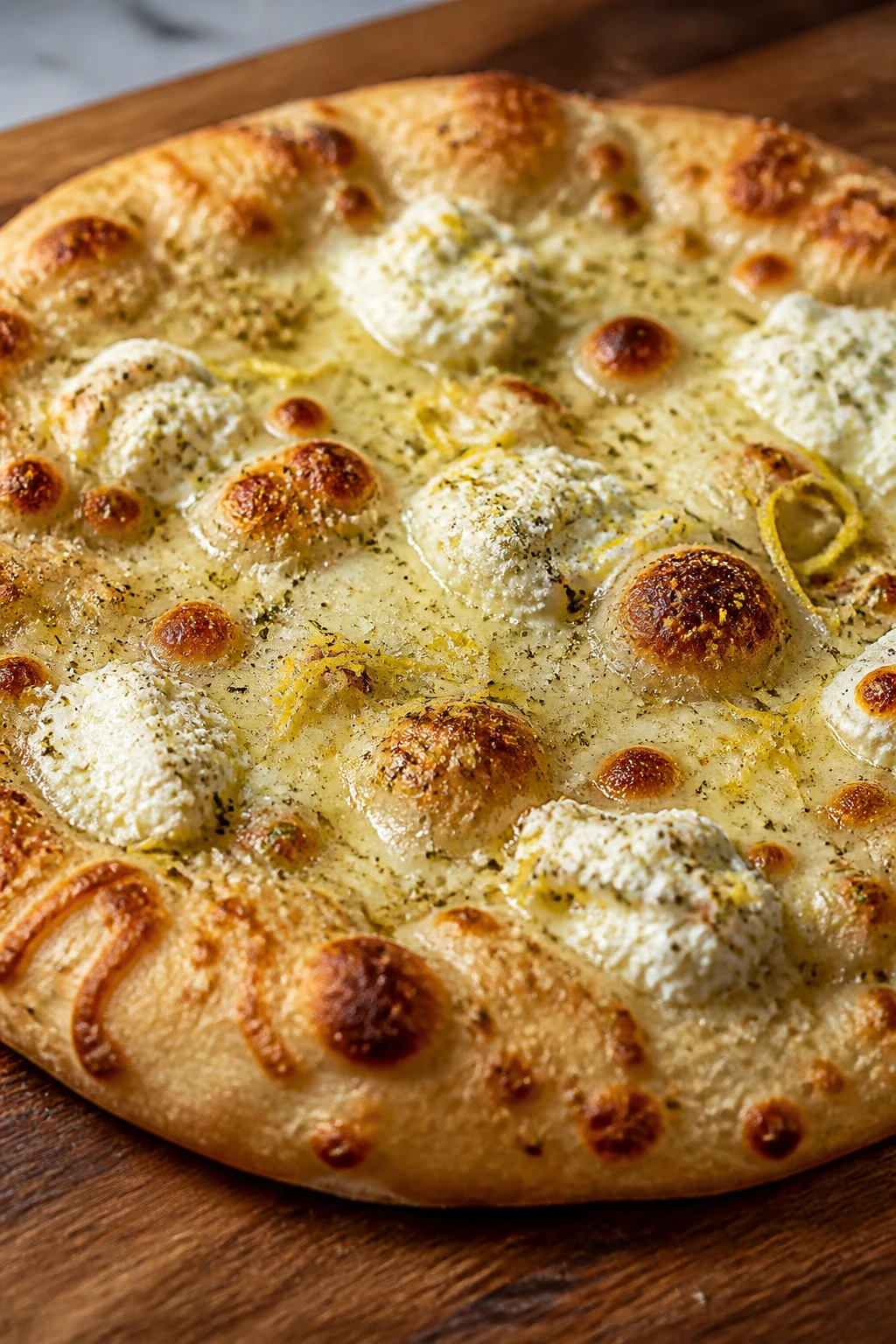
White pizza has a quieter personality, which is exactly why I like it on a cold night. The garlic perfumes the crust, the ricotta lands in soft pockets, and the mozzarella brings the stretch. It eats like a warm blanket, only less sentimental and more useful.
Why It Works:
Without tomato sauce, the crust gets more attention, so the dough should be stretched evenly and baked on a hot surface. Ricotta gives the pie a creamy center, low-moisture mozzarella keeps it from turning watery, and a little parmesan sharpens the finish. A quick lemon zest at the end keeps the whole thing from feeling heavy.
Key Ingredients:
- 1 pound pizza dough
- 2 tablespoons olive oil
- 3 garlic cloves, finely minced
- 3/4 cup ricotta cheese
- 6 ounces low-moisture mozzarella, shredded
- 1/4 cup grated parmesan
- 1 teaspoon dried oregano
- 2 tablespoons chopped parsley
- 1 teaspoon lemon zest
- 1/2 teaspoon kosher salt
Quick Steps:
- Preheat the oven to 500°F (260°C) with a stone or steel for 45 minutes.
- Stir the olive oil with garlic, oregano, and half the salt.
- Stretch the dough into a 12- to 13-inch round and brush it with the garlic oil.
- Spoon ricotta in small dollops, then add mozzarella and parmesan.
- Bake for 10 to 12 minutes until the crust is golden and the cheese has melted into pale spots of brown.
- Finish with parsley and lemon zest before slicing.
Equipment for This Recipe:
- Pizza stone or steel
- Pastry brush
- Rimmed baking sheet or peel
- Microplane for lemon zest
How to Serve This Dish:
This one likes a salad with crunch — shaved fennel, arugula, or sliced cucumber with a sharp vinaigrette. A few roasted mushrooms on the side work too. Cut it into 6 slices if it’s the main event, 8 if you’re serving more than one pizza.
Pro Tips for This Recipe:
- Drain loose ricotta in a sieve for 10 minutes if it seems watery.
- Use minced garlic, not sliced garlic; slices can brown too hard and taste bitter.
- A little lemon zest changes the whole pie. Don’t skip it.
- Let the pizza rest 2 minutes before cutting so the ricotta settles.
Variations on This Dish:
- Spinach White Pizza: Scatter a handful of wilted spinach under the cheese.
- Caramelized Onion White Pizza: Add 1/2 cup sweet onions for a deeper, softer flavor.
- Roasted Garlic Version: Mash 4 roasted cloves into the oil instead of using raw garlic.
Common Mistakes to Avoid with This Dish:
- Too much ricotta: The pizza gets dense and wet. Use dollops, not a blanket.
- Burned garlic: Garlic needs to be thinly minced and lightly coated in oil.
- Skipping the lemon: The pizza can taste flat without a bright finish.
3. Pepperoni Pizza with Hot Honey
Intro:
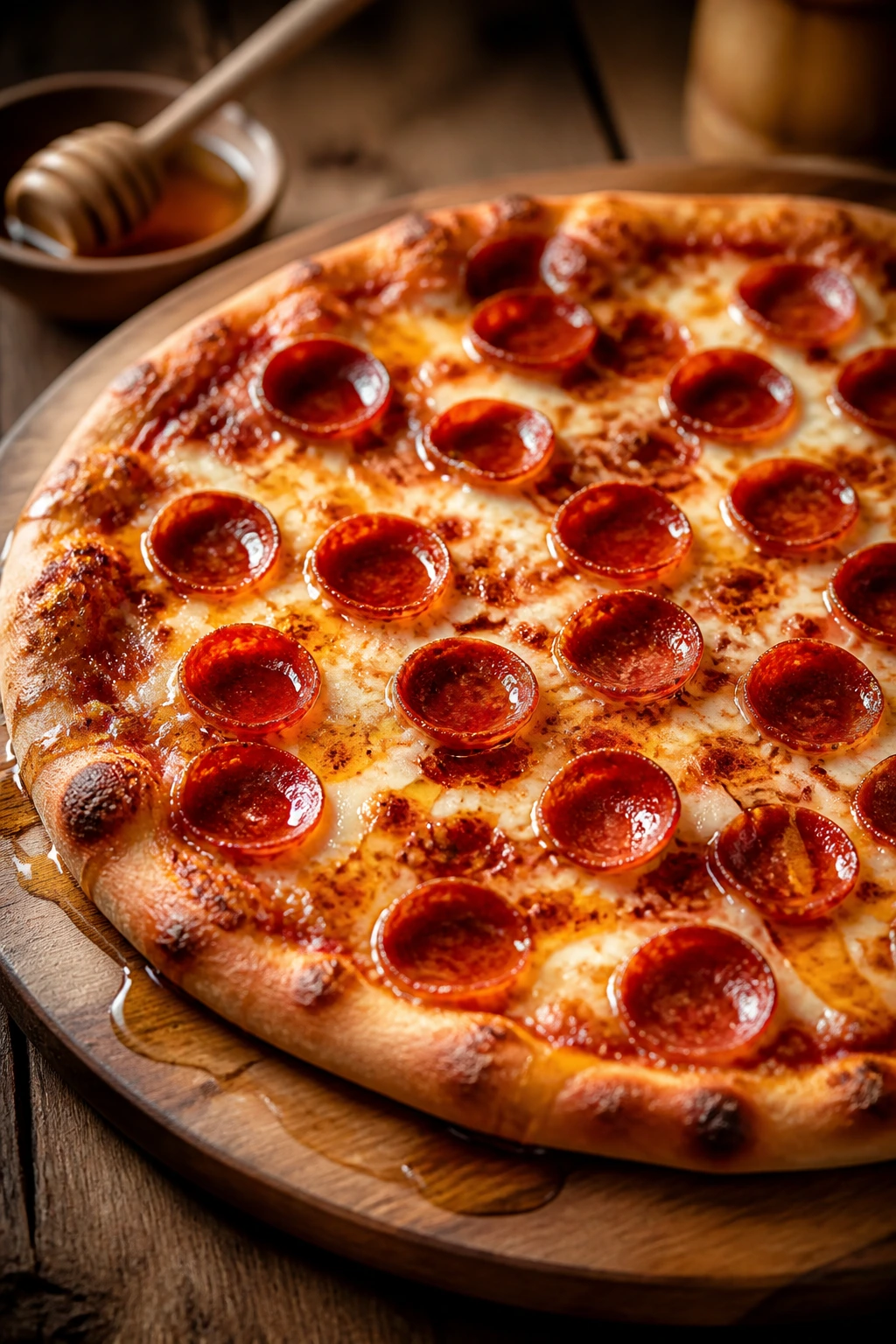
Pepperoni pizza is the loud friend in the group, and that’s fine. The edges curl, the oil sizzles, and the whole pie gets a little spicy-salty edge that makes you keep reaching for one more slice. Hot honey on top pushes it into the sweet-heat zone without turning it into dessert.
Why It Works:
Pepperoni brings fat and spice, which means it can take a strong oven without drying out. A moderate layer of sauce keeps the crust from getting soggy, and shredded mozzarella melts around the pepperoni instead of smothering it. The hot honey goes on after baking so it stays glossy and sharp.
Key Ingredients:
- 1 pound pizza dough
- 1/2 cup tomato pizza sauce
- 8 ounces low-moisture mozzarella, shredded
- 24 to 30 pepperoni slices
- 2 tablespoons grated parmesan
- 1 to 2 tablespoons hot honey
- 1/4 teaspoon red pepper flakes
- 1 tablespoon olive oil
- 2 tablespoons cornmeal, for dusting
Quick Steps:
- Preheat the oven to 500°F (260°C) with a stone or steel for 45 minutes.
- Stretch the dough into a 12-inch round and dust the peel or pan with cornmeal.
- Spread on sauce, then scatter mozzarella evenly.
- Lay the pepperoni on top in a slight overlap so the edges cup as they bake.
- Bake for 10 to 12 minutes until the cheese bubbles and the pepperoni is crisp at the edges.
- Drizzle with hot honey and a pinch of red pepper flakes before slicing.
Equipment for This Recipe:
- Pizza stone or steel
- Pizza peel or baking sheet
- Small spoon for hot honey
- Pizza cutter
How to Serve This Dish:
Serve it with a chopped romaine salad dressed in red wine vinegar so the meal doesn’t feel too heavy. If you like a little extra heat, put chili oil on the table and let people chase their own spice level. This pizza works well at six slices, though I’ve seen it disappear faster than that.
Pro Tips for This Recipe:
- Use pepperoni that curls a bit. Flat slices don’t give you the same crisp edges.
- Add honey after baking. In the oven it can scorch and taste blunt.
- A light hand with sauce keeps the crust snappy.
- If you like extra cup-and-char pepperoni, place a few slices directly on the cheese and a few under it.
Variations on This Dish:
- Soppressata Heat: Swap pepperoni for thin soppressata and add sliced chili.
- Mild Family Version: Use regular honey instead of hot honey and skip the flakes.
- Olive Kick: Add sliced black olives for a saltier finish.
Common Mistakes to Avoid with This Dish:
- Overloading with pepperoni: Too many slices make the middle greasy.
- Adding honey too early: It turns dark and sticky in the oven.
- Underbaking the crust: Pepperoni oil can hide a pale bottom, so check the underside.
4. Sausage, Fennel, and Red Onion Pizza
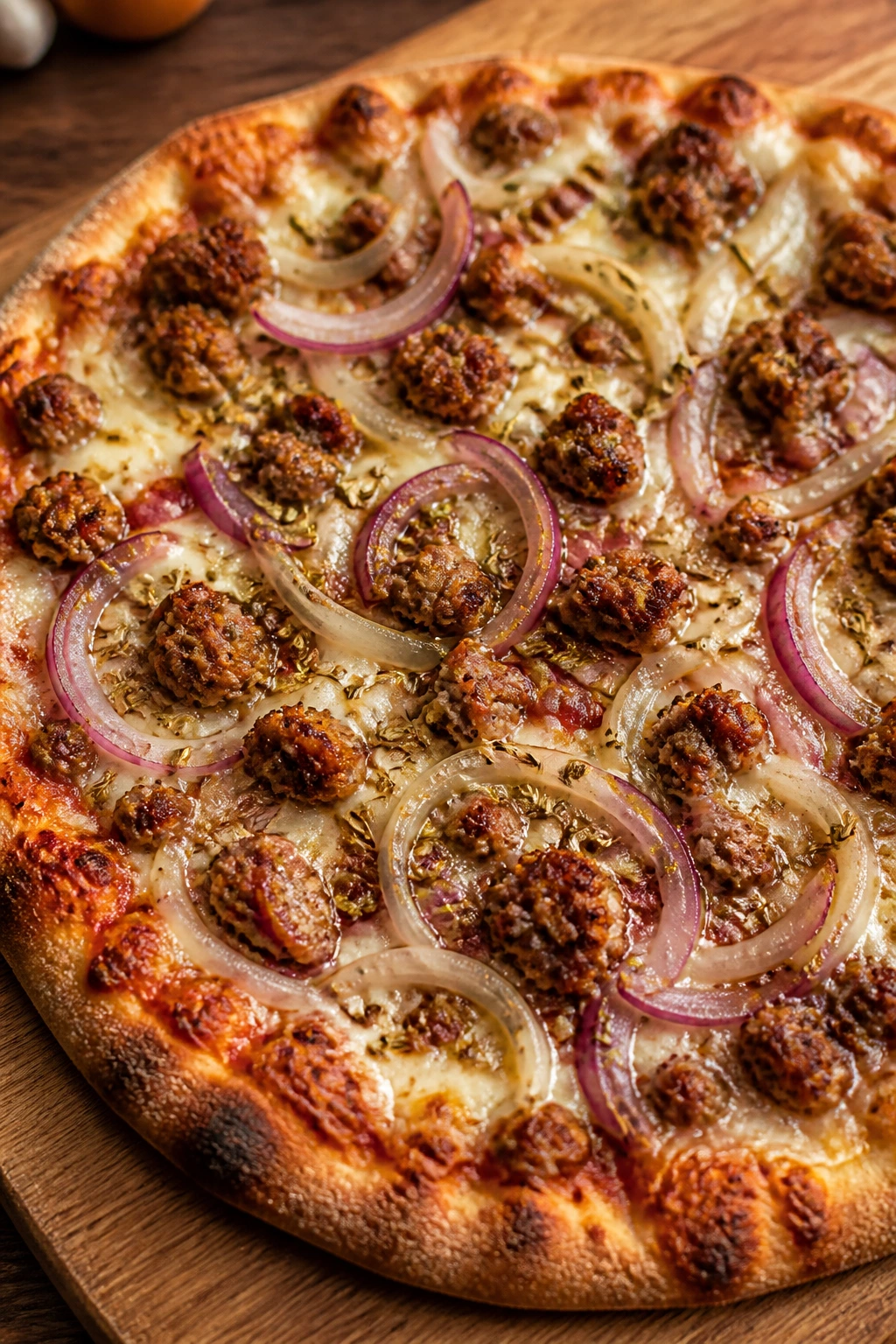
Intro:
This is the pizza I make when I want the kitchen to smell like dinner before anyone sees the pie. Fennel seed in the sausage, sweet red onion at the edges, and browned cheese on top — it tastes like someone knew what they were doing.
Why It Works:
Italian sausage brings fat and seasoning, which means the pizza needs fewer extras. Fennel echoes the sausage instead of competing with it, and red onion softens into a sweet, slightly sticky layer as it bakes. The result is rich, but not muddy.
Key Ingredients:
- 1 pound pizza dough
- 1/2 cup tomato sauce
- 8 ounces Italian sausage, casings removed
- 1/2 small red onion, thinly sliced
- 1/2 teaspoon fennel seed, lightly crushed
- 6 ounces mozzarella, shredded
- 2 tablespoons parmesan
- 1 tablespoon olive oil
- 1/4 teaspoon chili flakes
- 1 teaspoon chopped parsley
Quick Steps:
- Preheat the oven to 500°F (260°C) with a stone or steel.
- Brown the sausage in a skillet over medium heat for 5 to 6 minutes, breaking it into small pieces.
- Stretch the dough and spread on sauce.
- Add mozzarella, sausage, onion, fennel seed, parmesan, and chili flakes.
- Bake for 11 to 13 minutes until the crust is browned and the onion edges are soft.
- Finish with parsley and a thin drizzle of olive oil.
Equipment for This Recipe:
- Skillet for browning sausage
- Pizza stone or steel
- Peel or baking sheet
- Slotted spoon
How to Serve This Dish:
This pizza wants a side of something sharp — a vinegar-heavy salad, pickled peppers, or even marinated tomatoes. Cut it into 8 wedges, because the sausage makes it a little richer than a plain cheese pie. A cold lager works if you like beer with dinner.
Pro Tips for This Recipe:
- Break the sausage into small bits so each slice gets some meat.
- Cook the onion thin enough that it softens in the oven.
- Drain off excess sausage fat before topping the pizza.
- If the sausage is very salty, go lighter on parmesan.
Variations on This Dish:
- Sweet Sausage and Peppers: Add thin strips of roasted bell pepper.
- Spicy Calabrese Style: Use hot Italian sausage and extra chili flakes.
- White Sauce Version: Swap the tomato sauce for ricotta and a little garlic oil.
Common Mistakes to Avoid with This Dish:
- Raw sausage on the pizza: It won’t cook fast enough on top. Brown it first.
- Thick onion slices: They stay sharp and chewy.
- Too much sausage fat: It makes the crust slick. Drain it well.
5. Mushroom, Thyme, and Fontina Pizza
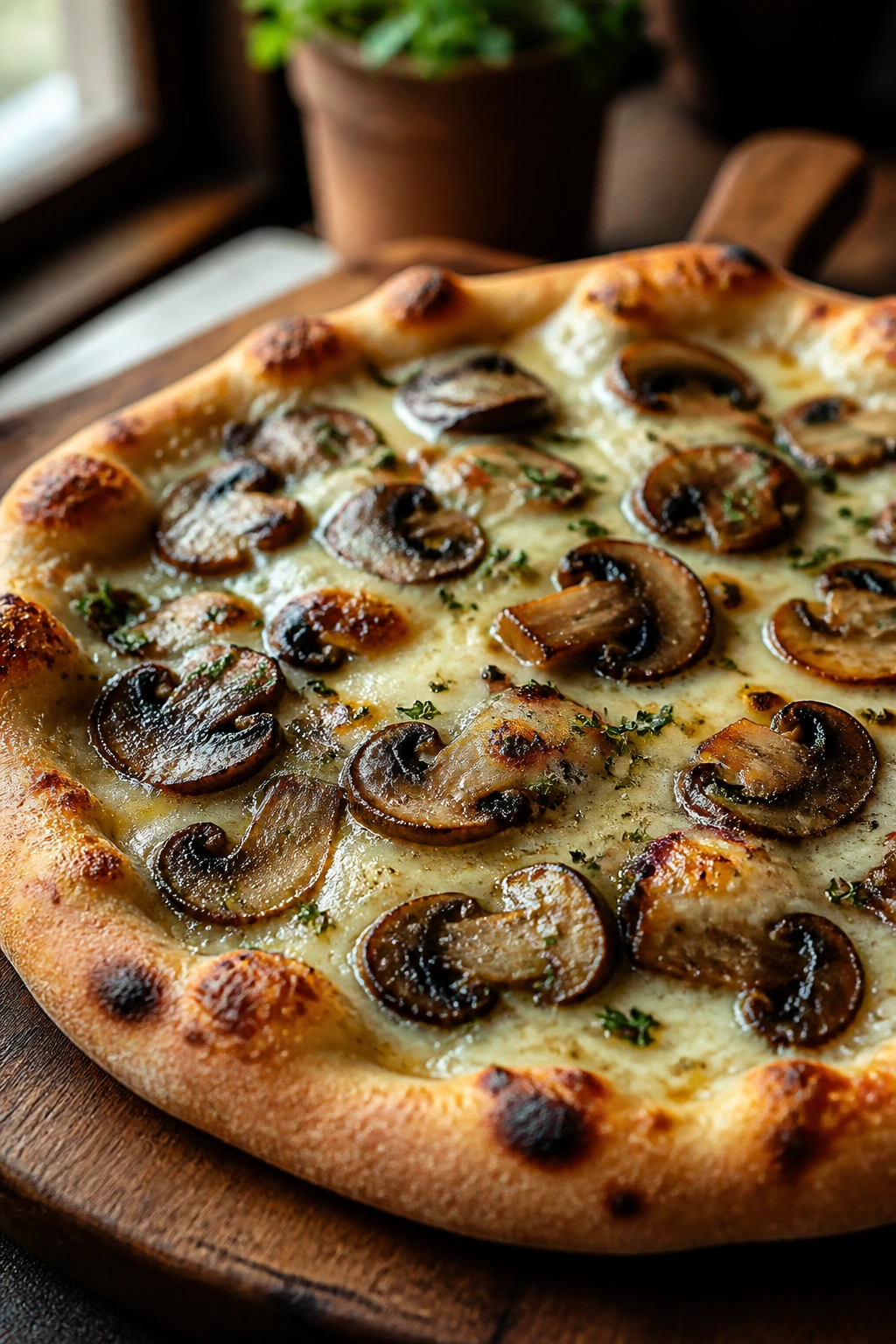
Intro:
Mushroom pizza should taste like the pan you wish you had more of. Earthy, browned, a little buttery. Fontina melts into the mushrooms and thyme gives the whole pie a woodsy smell that feels bigger than the ingredient list.
Why It Works:
Mushrooms need heat and space. If you crowd them in a skillet, they steam; if you sauté them until the water is gone, they turn deep brown and savory. Fontina melts smoothly, thyme keeps the flavor grounded, and a small amount of garlic is enough to carry the pie.
Key Ingredients:
- 1 pound pizza dough
- 1 tablespoon olive oil
- 8 ounces cremini mushrooms, sliced
- 1 garlic clove, minced
- 1 teaspoon fresh thyme leaves
- 1/2 cup shredded fontina
- 1/2 cup shredded mozzarella
- 2 tablespoons grated parmesan
- 1/2 teaspoon kosher salt
- 1/4 teaspoon black pepper
Quick Steps:
- Preheat the oven to 500°F (260°C) with a stone or steel.
- Sauté the mushrooms in olive oil over medium-high heat for 6 to 8 minutes until browned and their moisture cooks off.
- Stir in garlic, thyme, salt, and pepper for the last 30 seconds.
- Stretch the dough and scatter fontina, mozzarella, and the mushroom mixture over the top.
- Bake for 10 to 12 minutes until the cheese is melted and the crust is brown underneath.
- Finish with parmesan right out of the oven.
Equipment for This Recipe:
- Skillet
- Pizza stone or steel
- Peel or parchment-lined sheet pan
- Wooden spoon or spatula
How to Serve This Dish:
This pizza is good with a simple rocket or arugula salad and a shaving of parmesan. It also sits nicely next to roasted carrots or a bowl of olives if you’re laying out snacks first. The flavor leans savory, so don’t drown it in extra sauce.
Pro Tips for This Recipe:
- Brown the mushrooms first. Raw mushrooms make the pizza wet.
- Fontina melts best when shredded fine.
- If thyme is strong, use less than you think. It can take over quickly.
- A tiny drizzle of olive oil at the end wakes up the mushrooms.
Variations on This Dish:
- Truffle Finish: Add a few drops of truffle oil after baking.
- Wild Mushroom Mix: Use a mix of cremini, shiitake, and oyster mushrooms.
- Garlicky Cream Base: Spread a thin layer of ricotta under the cheese.
Common Mistakes to Avoid with This Dish:
- Skipping the sauté: Mushrooms release too much water if they go on raw.
- Using thick cheese shreds: Fine shreds melt more evenly.
- Overdoing thyme: The pizza starts tasting perfumed instead of savory.
6. Prosciutto, Arugula, and Parmesan Pizza
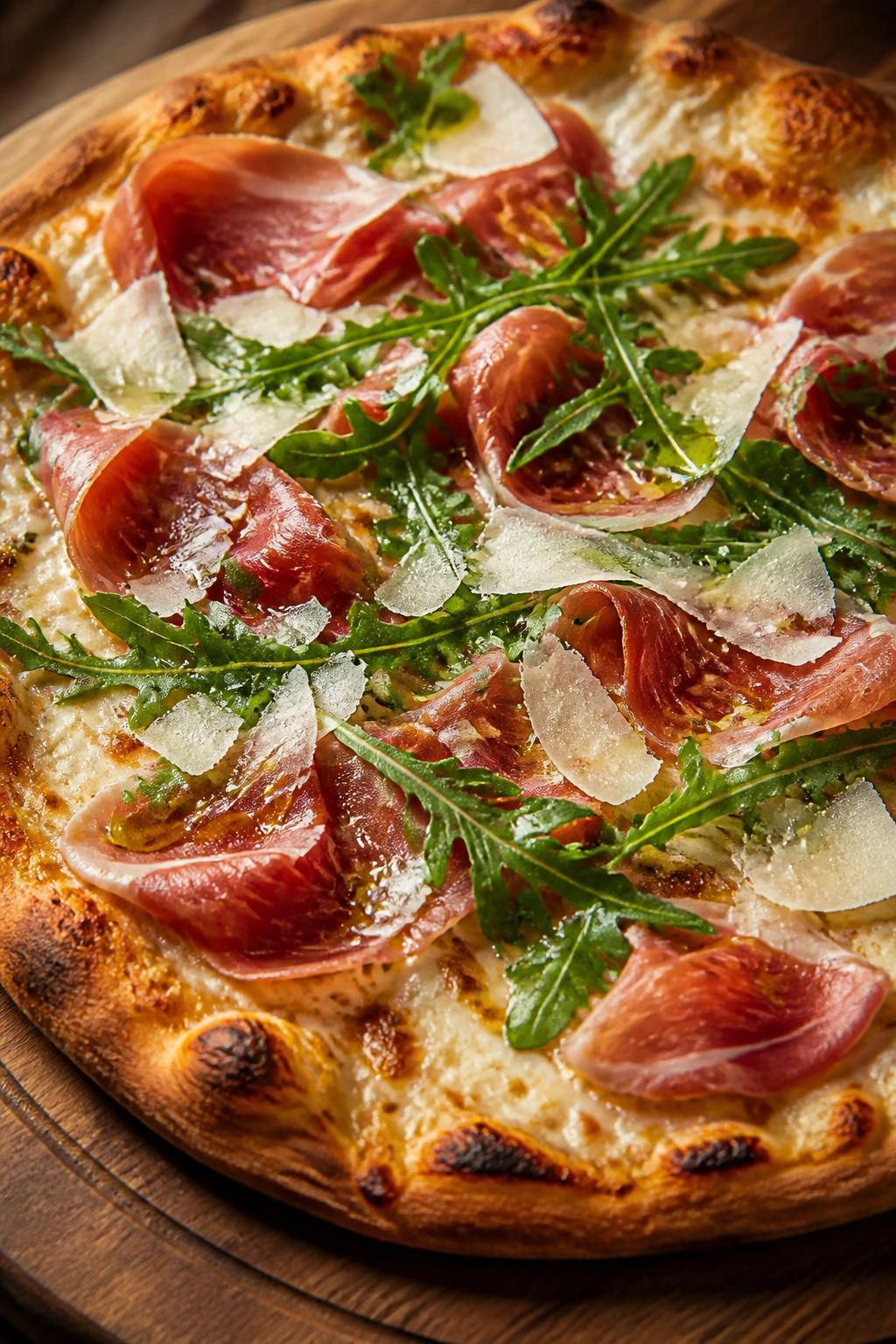
Intro:
This one tastes like a restaurant pizza you can make without leaving the house. The prosciutto goes on in soft folds, the arugula stays peppery, and the parmesan adds salty little sparks. It’s the kind of pie that looks composed even if you were standing in socks when you made it.
Why It Works:
Prosciutto is best used as a finishing ingredient, not a baked one. If it goes on after the pizza comes out, it stays silky and delicate. Arugula gives bite, parmesan adds salt, and a light mozzarella base gives the toppings something to cling to without turning heavy.
Key Ingredients:
- 1 pound pizza dough
- 1/3 cup olive oil
- 1 small garlic clove, grated
- 6 ounces low-moisture mozzarella, shredded
- 4 to 5 ounces prosciutto, thinly sliced
- 2 cups baby arugula
- 1/4 cup shaved parmesan
- 1 tablespoon lemon juice
- 1/4 teaspoon black pepper
Quick Steps:
- Preheat the oven to 500°F (260°C) with a stone or steel.
- Mix olive oil with grated garlic and brush a thin layer on the dough.
- Add mozzarella and bake the pizza for 9 to 11 minutes until the crust is browned.
- Top the hot pizza with prosciutto, arugula tossed with lemon juice, parmesan, and black pepper.
- Slice right away while the cheese is still soft.
Equipment for This Recipe:
- Pizza stone or steel
- Small bowl for arugula dressing
- Peeler for parmesan shavings
- Pizza peel or baking sheet
How to Serve This Dish:
Serve it as the main course with a fennel salad or a few roasted potatoes if you want more food on the table. The slices hold best when cut into 6 pieces, not 8, because the toppings are loose and delicate. A dry sparkling wine fits the salty bite.
Pro Tips for This Recipe:
- Dress the arugula lightly; too much lemon makes the pizza slide.
- Use thin mozzarella so the toppings stay visible.
- Add prosciutto after baking or it gets chewy.
- A few flakes of salt are enough; prosciutto and parmesan already bring plenty.
Variations on This Dish:
- Figgy Version: Add a smear of fig jam under the cheese.
- Burrata Swap: Replace some mozzarella with torn burrata after baking.
- Peppery Version: Add extra arugula and a pinch of chili flakes.
Common Mistakes to Avoid with This Dish:
- Baking the prosciutto: It dries out fast.
- Overdressing the arugula: The greens go limp and messy.
- Too much cheese: The pizza loses the airy, sliced-topping feel.
7. Roasted Vegetable Primavera Pizza
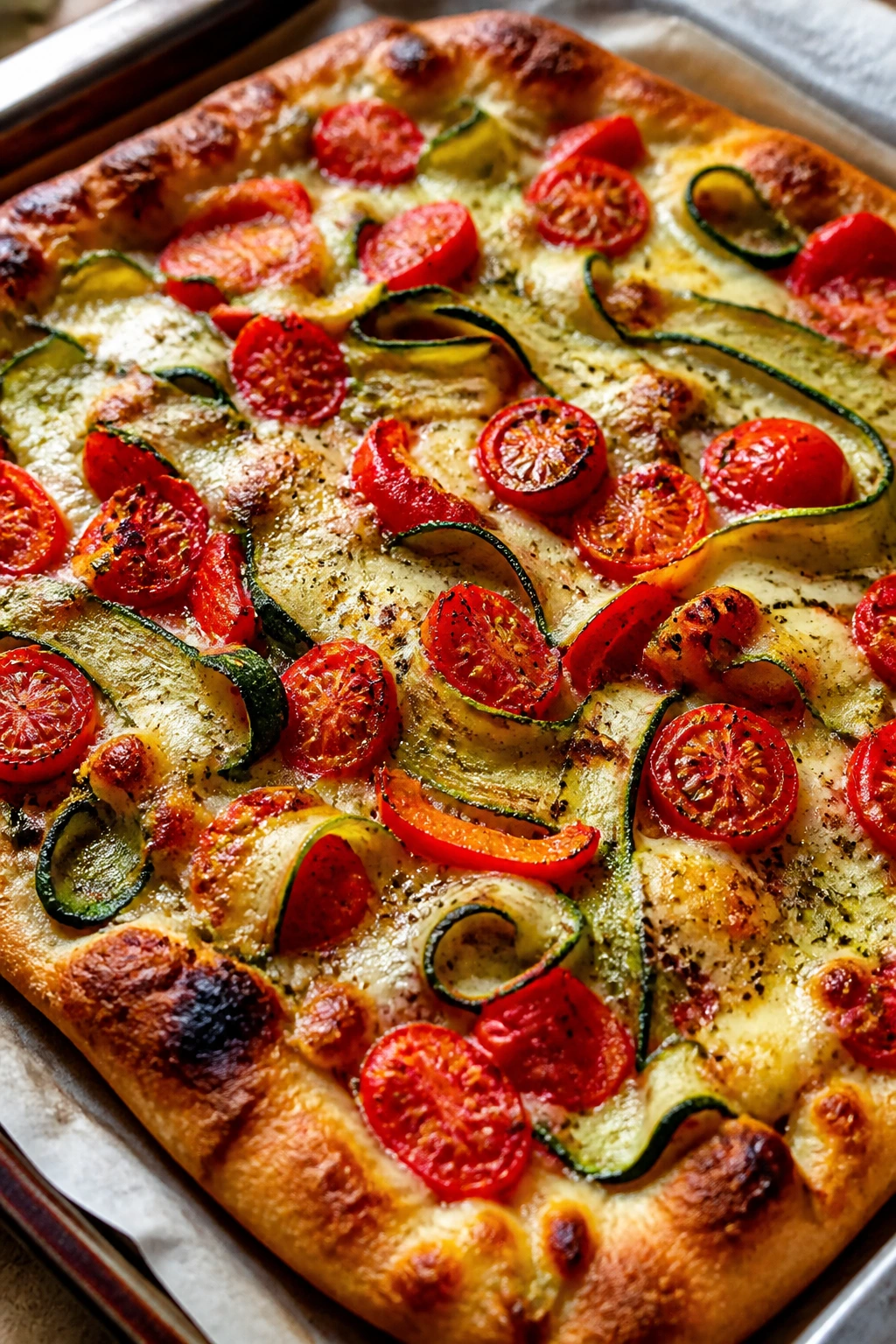
Intro:
Roasted vegetables are the reason vegetarian pizza can feel like dinner instead of a compromise. Zucchini, peppers, and cherry tomatoes get sweeter in the oven, and the crust catches the little bits of caramelized edges. It’s colorful, yes, but more important, it tastes like the vegetables were actually cooked with care.
Why It Works:
Raw vegetables often leak too much water on pizza. Roasting first changes that. Zucchini softens without steaming the crust, peppers get sweet, and tomatoes burst into concentrated little pockets. A little mozzarella and parmesan tie it all together without burying the vegetables.
Key Ingredients:
- 1 pound pizza dough
- 1 zucchini, thinly sliced
- 1 red bell pepper, thinly sliced
- 1 cup cherry tomatoes, halved
- 1/2 small red onion, sliced
- 2 tablespoons olive oil
- 1 teaspoon Italian seasoning
- 6 ounces mozzarella, shredded
- 2 tablespoons parmesan
- 1/2 teaspoon kosher salt
Quick Steps:
- Preheat the oven to 475°F (245°C) and line a sheet pan.
- Toss zucchini, pepper, tomatoes, onion, olive oil, seasoning, and salt.
- Roast for 15 minutes until the vegetables are tender and the edges are starting to brown.
- Stretch the dough, add mozzarella, then scatter the roasted vegetables over the top.
- Bake on a stone, steel, or preheated sheet pan for 10 to 12 minutes until the crust is crisp.
- Finish with parmesan and a drizzle of olive oil.
Equipment for This Recipe:
- Rimmed sheet pan
- Pizza stone or steel
- Large mixing bowl
- Tongs or a spatula
How to Serve This Dish:
This pizza pairs well with a simple tomato salad or marinated beans if you want to keep the meal in the same Mediterranean lane. Cut into 8 pieces and serve while the vegetables are still hot and glossy. It looks best on a wide board, where the colors don’t get crowded.
Pro Tips for This Recipe:
- Roast the vegetables first; raw ones are the fastest way to a soggy crust.
- Keep the slices thin so they soften at the same pace.
- A little parmesan at the end sharpens the sweetness of the peppers.
- If your tomatoes are very juicy, blot them after halving.
Variations on This Dish:
- Eggplant Primavera: Add roasted eggplant cubes for a deeper, softer flavor.
- Pesto Veggie Pizza: Swap a thin layer of pesto for some of the cheese.
- Spicy Garden Version: Add sliced jalapeño or Calabrian chile.
Common Mistakes to Avoid with This Dish:
- Too many vegetables: The crust gets weighed down fast.
- Skipping the roast: Raw vegetables leak moisture.
- Crowding the pan: The vegetables steam instead of browning.
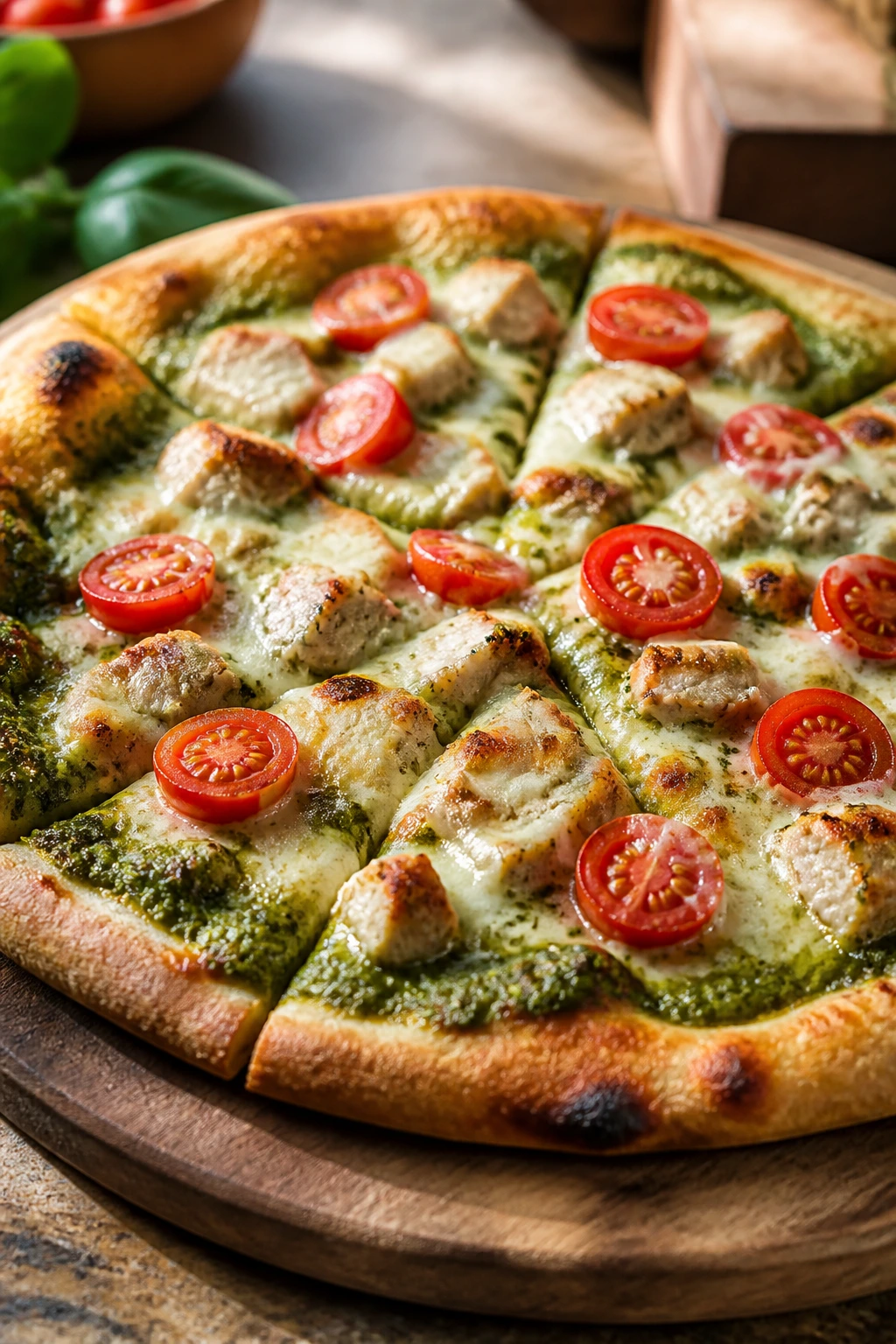
8. Pesto Chicken Pizza with Cherry Tomatoes
Intro:
Pesto chicken pizza works because the basil sauce brings the whole pie into focus. The chicken gives you something substantial, the tomatoes burst with acid, and the pesto coats the crust in a green, garlicky layer that smells like summer even when the table says otherwise.
Why It Works:
Pesto is intense, so you don’t need much. A thin layer keeps the dough from drying out, cooked chicken makes the pizza hearty, and cherry tomatoes break open in the oven to keep the flavor fresh. Mozzarella softens the edges so the basil doesn’t taste too sharp.
Key Ingredients:
- 1 pound pizza dough
- 1/3 cup basil pesto
- 1 cup cooked chicken, shredded or diced
- 1 cup cherry tomatoes, halved
- 6 ounces mozzarella, shredded
- 2 tablespoons grated parmesan
- 1 tablespoon olive oil
- 1/4 teaspoon black pepper
- 1 tablespoon pine nuts, lightly toasted
Quick Steps:
- Preheat the oven to 500°F (260°C) with a stone or steel.
- Stretch the dough and brush it lightly with olive oil.
- Spread on pesto, then add mozzarella, chicken, and cherry tomatoes.
- Bake for 10 to 12 minutes until the crust is browned and the tomatoes have blistered.
- Finish with parmesan, black pepper, and toasted pine nuts.
Equipment for This Recipe:
- Pizza stone or steel
- Peel or parchment-lined sheet pan
- Small spoon for pesto
- Skillet for toasting pine nuts
How to Serve This Dish:
This is one of those pizzas that can stand alone, though I like it with a shaved cucumber salad or simple greens dressed with lemon. Slice it into 6 or 8 pieces depending on whether the chicken came from a smaller lunch or a real dinner appetite. The pine nuts are not decorative; they add crunch, so let them stay.
Pro Tips for This Recipe:
- Use cooked chicken that isn’t too wet. Rotisserie chicken works well if it’s shredded fine.
- Keep the pesto thin or the crust gets slippery.
- Add the pine nuts after baking so they keep their crunch.
- If the tomatoes are large, halve them again so they don’t burst all over the pizza.
Variations on This Dish:
- Sun-Dried Tomato Version: Add chopped sun-dried tomatoes for a deeper tomato hit.
- Grilled Chicken Version: Use leftover grilled chicken for smoky flavor.
- No-Chicken Pesto Pizza: Swap in roasted zucchini or artichokes.
Common Mistakes to Avoid with This Dish:
- Too much pesto: It makes the pizza greasy and heavy.
- Wet chicken: The crust softens underneath.
- Burned pine nuts: Toast them separately and keep a close eye on them.
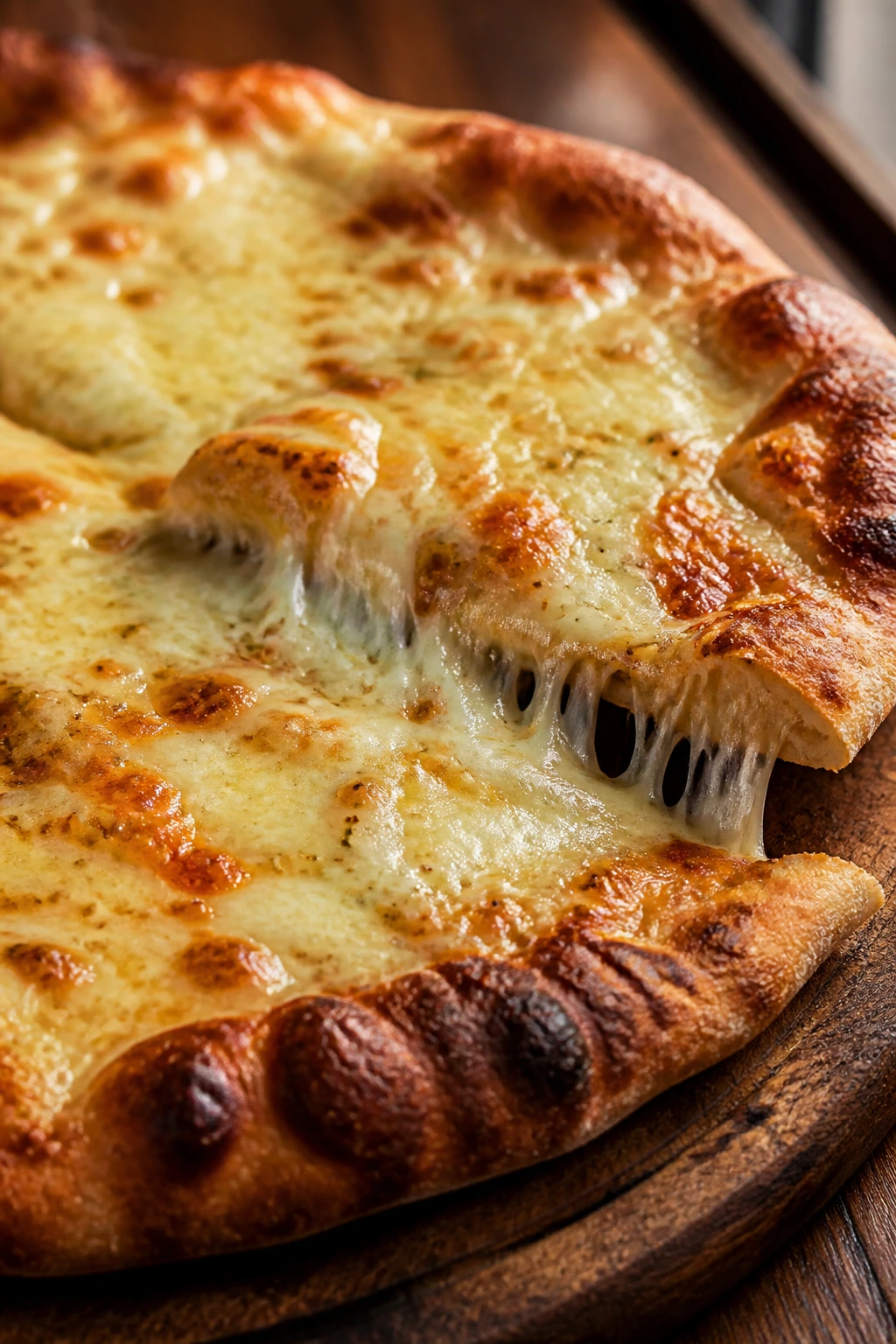
9. Four-Cheese Pizza with Fontina, Mozzarella, Provolone, and Parmesan
Intro:
Some nights you want a pizza that is mostly cheese and not ashamed of it. This is that pie. Fontina melts creamy, mozzarella stretches, provolone adds bite, and parmesan brings a salty edge that keeps the whole thing from becoming one-note.
Why It Works:
Different cheeses melt at different speeds, which is the whole point. Mozzarella gives the pull, fontina turns soft and lush, provolone adds a little tang, and parmesan sharpens the finish. Bake it hot enough, and the top turns browned in spots without drying out the base.
Key Ingredients:
- 1 pound pizza dough
- 2 tablespoons olive oil
- 1 cup shredded mozzarella
- 1/2 cup shredded fontina
- 1/2 cup shredded provolone
- 1/4 cup grated parmesan
- 1/2 teaspoon black pepper
- 1/4 teaspoon garlic powder
- 1 teaspoon chopped parsley
Quick Steps:
- Preheat the oven to 500°F (260°C) with a stone or steel.
- Stretch the dough and brush it with olive oil.
- Mix the cheeses with black pepper and garlic powder.
- Scatter the cheese mixture evenly over the dough.
- Bake for 10 to 12 minutes until the crust is browned and the cheese is bubbling.
- Finish with parsley and a pinch of parmesan.
Equipment for This Recipe:
- Pizza stone or steel
- Large bowl for cheese
- Pizza peel or baking sheet
- Cheese grater
How to Serve This Dish:
Serve it with a bitter salad or a bowl of marinated peppers to cut through the richness. The pie is rich enough that 6 slices are usually enough, unless the table has teenagers at it. A glass of dry red wine keeps pace without fighting the cheese.
Pro Tips for This Recipe:
- Grate the cheese yourself if you can; it melts more smoothly.
- Keep the parmesan in the mix light or the top gets too salty.
- A little black pepper wakes the whole pie up.
- Let it sit for 1 minute before slicing so the cheese settles.
Variations on This Dish:
- Smoked Cheese Version: Replace provolone with smoked scamorza if you like a deeper flavor.
- Garlic Herb Version: Mix minced garlic and oregano into the olive oil.
- Gorgonzola Accent: Add a small crumble of blue cheese for sharper flavor.
Common Mistakes to Avoid with This Dish:
- Too many cheeses: The pizza becomes heavy and greasy.
- Pre-shredded clumps: Some brands melt poorly because of added starch.
- Cutting too soon: The cheese runs off the slice.
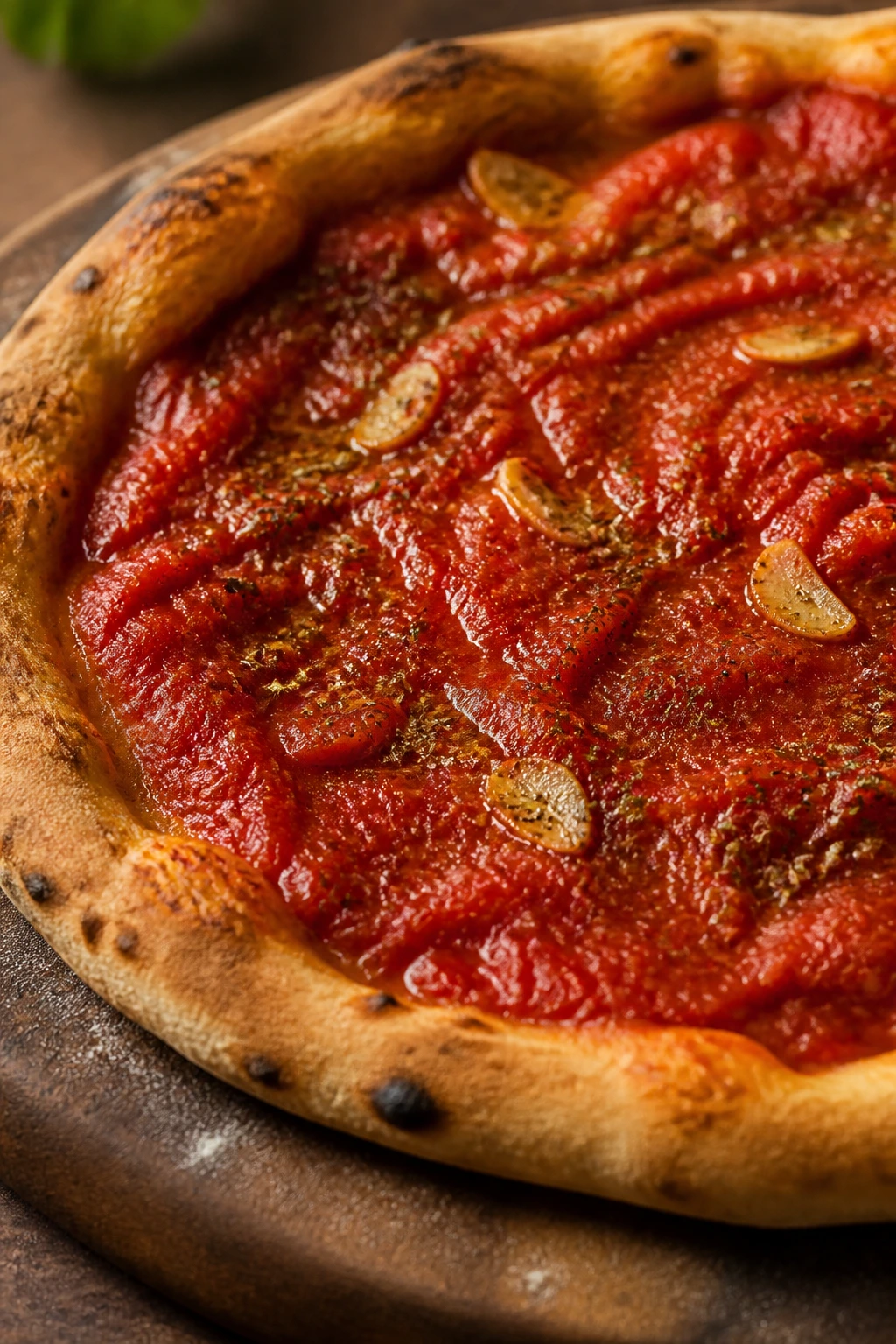
10. Marinara Pizza with Garlic and Oregano
Intro:
Marinara pizza is what happens when you let tomato, garlic, and oregano do all the talking. No cheese, no distraction, no apology. It’s bright, savory, and a little old-school in the best way, with the crust doing more of the work than people expect.
Why It Works:
Without cheese, the sauce needs to be bold and well-seasoned. Garlic gives depth, oregano brings that dry, familiar pizza smell, and olive oil helps the tomato roast instead of just dry out. The surface should look glossy, not wet, when it goes into the oven.
Key Ingredients:
- 1 pound pizza dough
- 2/3 cup crushed tomatoes
- 2 garlic cloves, finely grated
- 1 teaspoon dried oregano
- 2 tablespoons olive oil
- 1/2 teaspoon kosher salt
- 1/4 teaspoon black pepper
- 1 teaspoon capers, rinsed and drained
- 2 tablespoons chopped parsley
Quick Steps:
- Preheat the oven to 500°F (260°C) with a stone or steel.
- Mix tomatoes, garlic, oregano, salt, pepper, and half the olive oil.
- Stretch the dough into a 12-inch round.
- Spread on the sauce, drizzle with the remaining oil, and scatter capers.
- Bake for 9 to 11 minutes until the crust is browned and the sauce has thickened.
- Finish with parsley and slice while hot.
Equipment for This Recipe:
- Pizza stone or steel
- Small bowl for sauce
- Peel or baking sheet
- Spoon for spreading sauce
How to Serve This Dish:
Serve it as a starter with olives, roasted peppers, or a bowl of soup if you want to turn dinner into a longer sit. It also works when you want a lighter slice before a bigger pasta course. The flavor is clean enough that I’d cut it into 8 pieces without hesitation.
Pro Tips for This Recipe:
- Use a sauce with some texture; watery puree can make the crust soggy.
- Don’t bury the surface in oregano. A teaspoon is enough.
- Capers add a salty edge, but rinse them so they don’t dominate.
- A little extra olive oil on top after baking makes the tomato taste rounder.
Variations on This Dish:
- Anchovy Marinara: Add 2 chopped anchovies to the sauce for a deeper salt note.
- Chili Marinara: Stir red pepper flakes into the tomato mix.
- Olive Version: Replace capers with sliced olives.
Common Mistakes to Avoid with This Dish:
- Watery sauce: It softens the crust. Use thick crushed tomatoes.
- Underseasoning: With no cheese, the tomato has to carry more weight.
- Baking too low: The crust needs real heat to hold its shape.
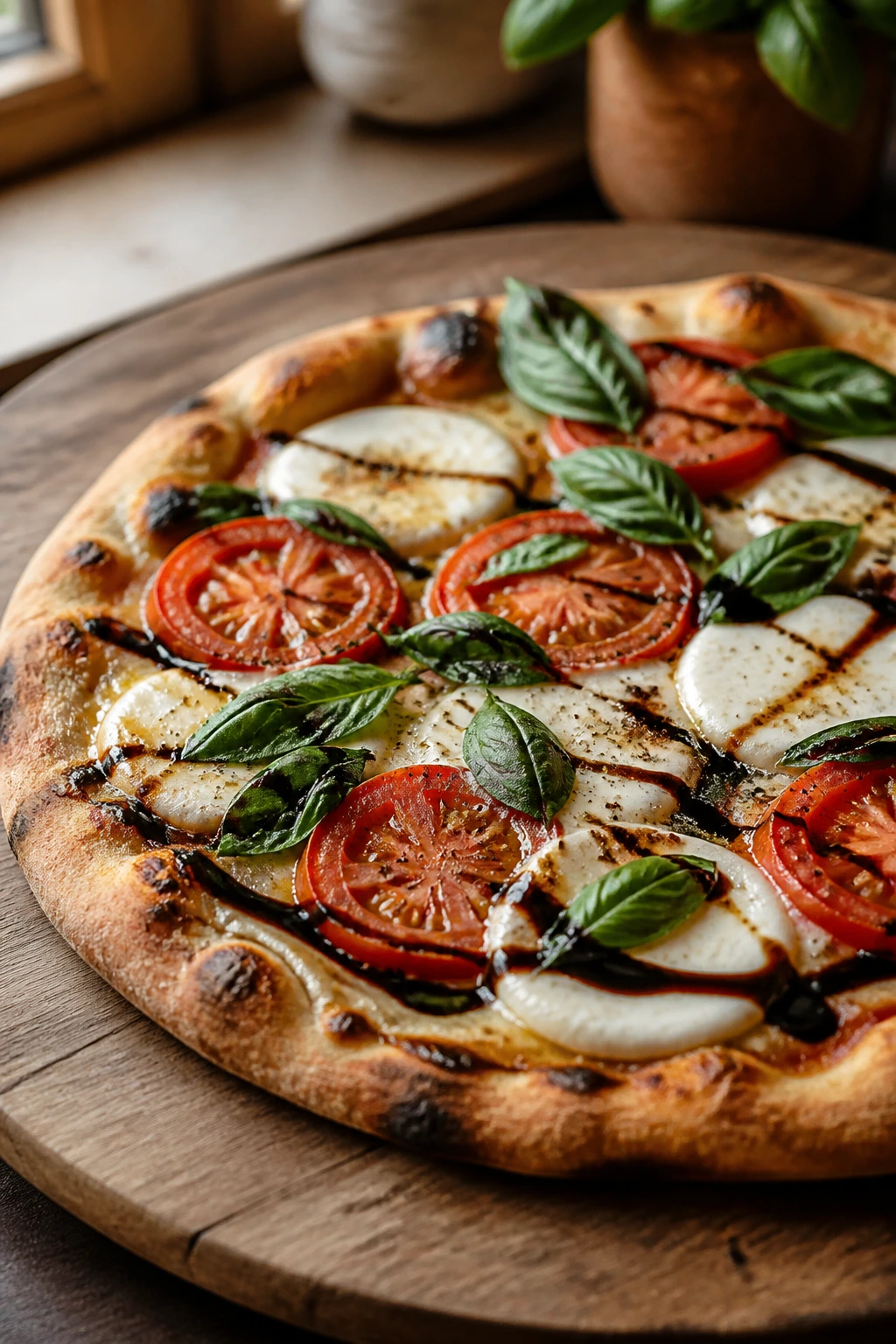
11. Caprese Pizza with Fresh Basil and Balsamic
Intro:
Caprese on a pizza sounds almost too easy, which is exactly why people overlook it. Then the tomatoes soften, the mozzarella melts, and the basil starts smelling like a summer garden after rain. Balsamic at the end gives the whole thing a dark little finish that keeps each bite from drifting off.
Why It Works:
Caprese toppings are best when they’re treated like a salad that has been warmed, not cooked to death. Fresh mozzarella gives creaminess, tomatoes add juice, and basil should stay mostly raw. A light balsamic drizzle after baking sharpens the sweetness of the tomatoes and keeps the pie lively.
Key Ingredients:
- 1 pound pizza dough
- 4 ounces fresh mozzarella, sliced and patted dry
- 1 medium tomato, sliced thin
- 1 cup cherry tomatoes, halved
- 1 tablespoon olive oil
- 8 to 10 fresh basil leaves
- 1 tablespoon balsamic glaze
- 1/2 teaspoon kosher salt
- 1/4 teaspoon black pepper
Quick Steps:
- Preheat the oven to 500°F (260°C) with a stone or steel.
- Stretch the dough and brush lightly with olive oil.
- Arrange mozzarella and tomatoes over the dough, then season with salt and pepper.
- Bake for 9 to 11 minutes until the crust is browned and the mozzarella has melted.
- Add basil leaves and drizzle with balsamic glaze once the pizza comes out.
Equipment for This Recipe:
- Pizza stone or steel
- Sharp knife for slicing tomatoes
- Peel or baking sheet
- Small squeeze bottle or spoon for balsamic glaze
How to Serve This Dish:
This pizza works well with a plate of sliced cucumbers or a little bowl of marinated artichokes. Serve it in 6 slices if you want the tomatoes to stay tidy, or 8 if it’s part of a bigger spread. The balsamic glaze is enough dressing on its own, so don’t overthink the rest.
Pro Tips for This Recipe:
- Pat the mozzarella dry or the pizza goes watery.
- Slice tomatoes thin so they soften quickly.
- Use balsamic glaze, not thin vinegar, or it runs everywhere.
- Add basil after baking to keep it bright.
Variations on This Dish:
- Heirloom Tomato Caprese: Use mixed tomato varieties for color and sweetness.
- Pesto Caprese: Replace olive oil with a thin layer of pesto.
- Stracciatella Finish: Top with torn stracciatella after the bake.
Common Mistakes to Avoid with This Dish:
- Too much tomato moisture: Dry the slices with paper towels.
- Heavy balsamic: It can drown the basil.
- Overbaking the basil: It turns dark and loses its fresh edge.
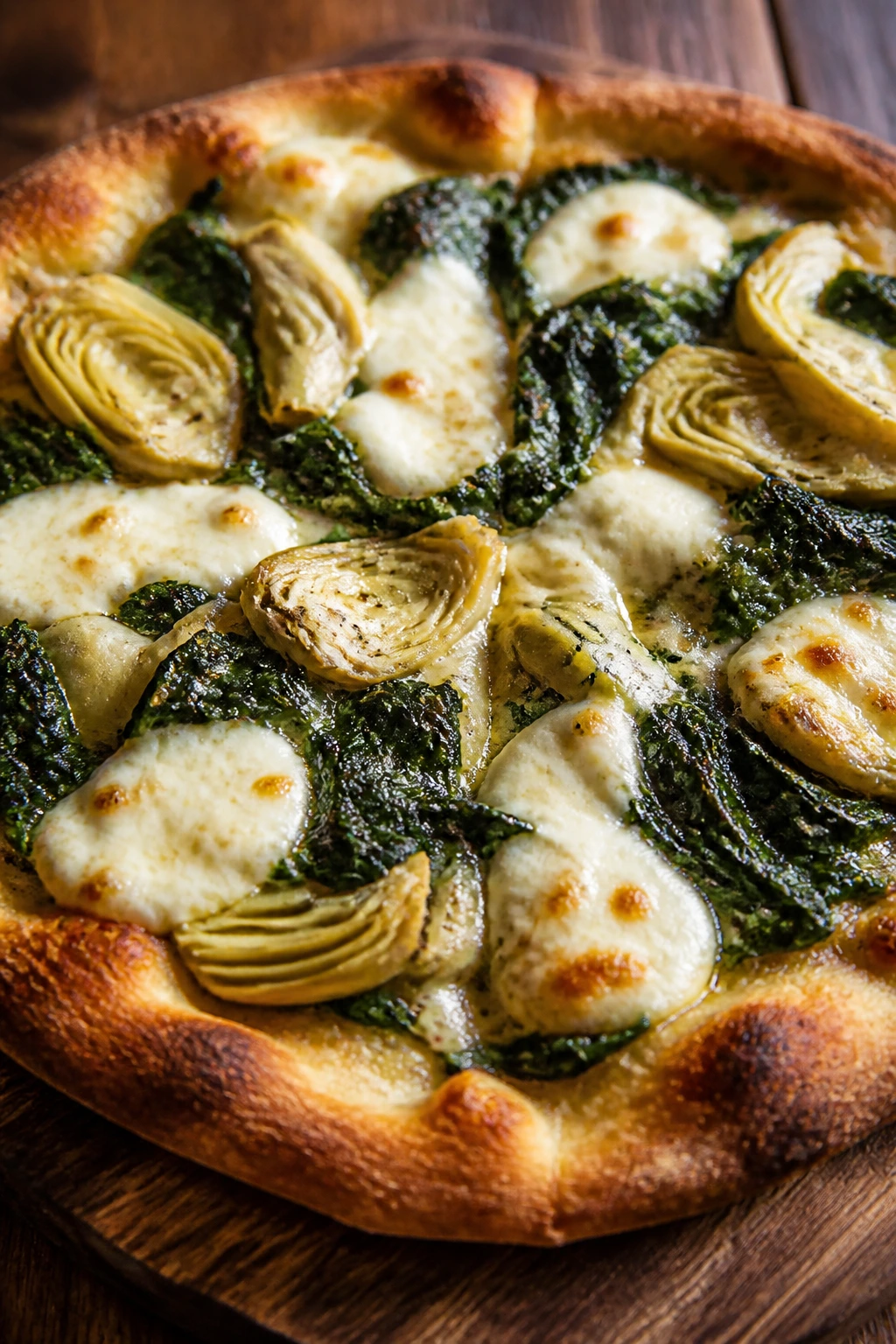
12. Spinach, Artichoke, and Mozzarella Pizza
Intro:
Spinach and artichoke on pizza feels familiar the first time you make it, which is part of the appeal. The artichokes add tang, the spinach softens into the cheese, and the whole pie tastes creamy without needing a thick white sauce. It’s the sort of pizza that disappears fast because nobody argues with it.
Why It Works:
Artichokes carry a briny bite that cuts through mozzarella, and spinach cooks down to almost nothing, which means you can use a generous handful without weighing the dough down. A thin layer of ricotta or olive oil helps the toppings cling. It’s rich, but not stodgy.
Key Ingredients:
- 1 pound pizza dough
- 1/4 cup ricotta cheese
- 1 tablespoon olive oil
- 1 cup baby spinach, lightly wilted
- 1 cup marinated artichoke hearts, drained and chopped
- 6 ounces mozzarella, shredded
- 2 tablespoons parmesan
- 1/2 teaspoon garlic powder
- 1/4 teaspoon black pepper
Quick Steps:
- Preheat the oven to 500°F (260°C) with a stone or steel.
- Stir ricotta with olive oil, garlic powder, and black pepper.
- Stretch the dough and spread the ricotta mixture thinly across the surface.
- Add spinach, artichokes, mozzarella, and parmesan.
- Bake for 10 to 12 minutes until the cheese bubbles and the crust is browned underneath.
- Slice after a 1-minute rest.
Equipment for This Recipe:
- Pizza stone or steel
- Small bowl for ricotta mix
- Peel or baking sheet
- Knife for chopping artichokes
How to Serve This Dish:
I like this with a lemony salad or a bowl of roasted cherry tomatoes. It feels full enough for dinner on its own, especially if you cut it into 6 slices. A little extra parmesan at the table never hurts.
Pro Tips for This Recipe:
- Drain the artichokes well. A wet jar is the fastest route to a soggy crust.
- Wilt the spinach briefly or it can clump in the oven.
- Spread ricotta thin; it should support the toppings, not blanket them.
- If the artichokes are large, tear them so every bite gets some.
Variations on This Dish:
- Creamy White Version: Add a touch more ricotta and skip the parmesan.
- Lemon Artichoke Pizza: Finish with lemon zest for a brighter edge.
- Olive Add-In: Scatter a few chopped green olives for extra brine.
Common Mistakes to Avoid with This Dish:
- Undrained artichokes: They leak liquid onto the dough.
- Too much spinach: It clumps and turns chewy.
- Skipping the ricotta base: The toppings slide around too much.
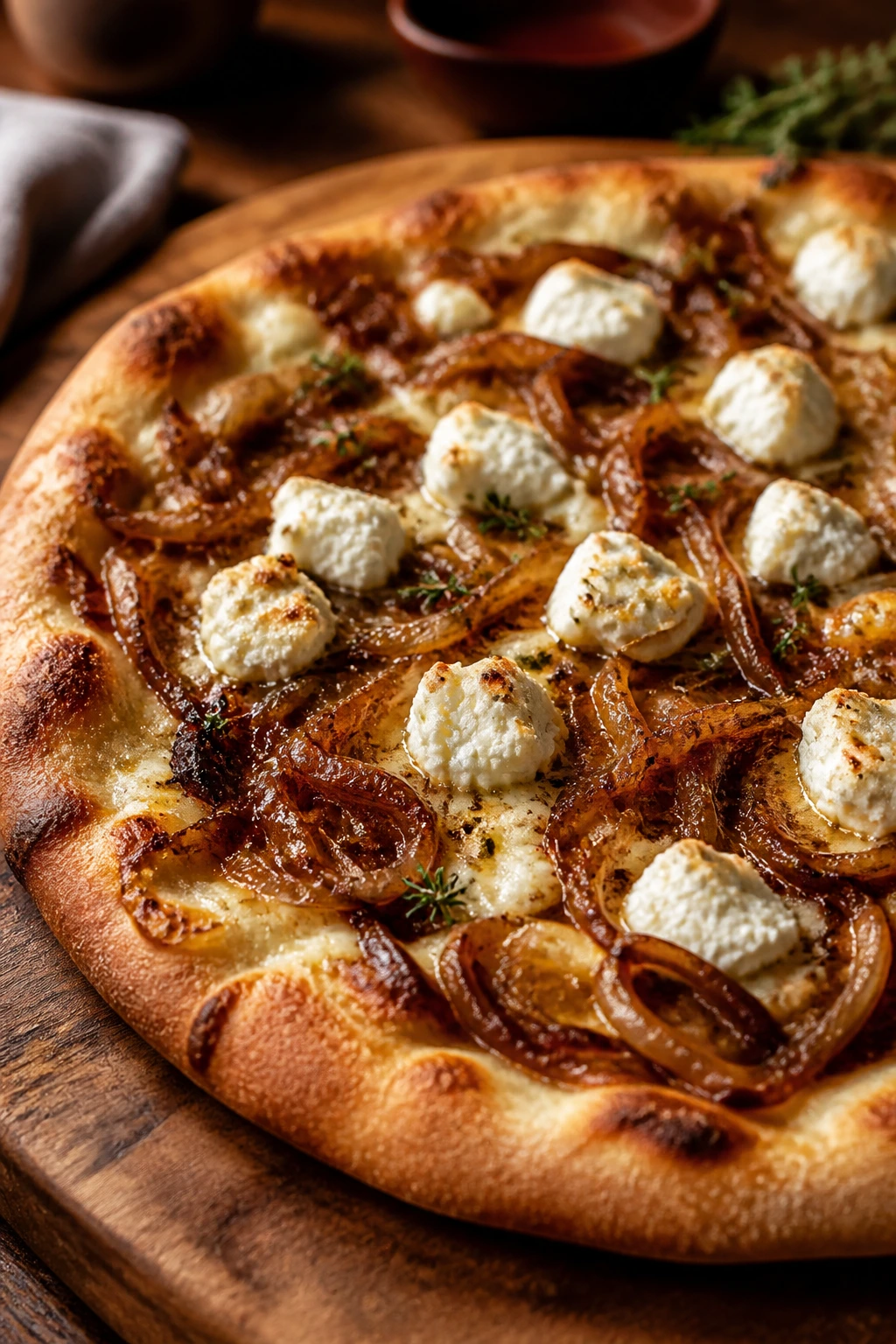
13. Caramelized Onion and Goat Cheese Pizza
Intro:
Caramelized onions make pizza feel slower, and I mean that as praise. They turn soft, sweet, and dark at the edges, then goat cheese comes in with that clean tang that cuts through the sweetness. It’s a pizza with a little patience baked into it.
Why It Works:
Onions need time to actually caramelize; if you rush them, they taste merely cooked. Once they’re soft and brown, they pair beautifully with the creamy sharpness of goat cheese and the crisp crust underneath. A little thyme pulls the flavor into one lane.
Key Ingredients:
- 1 pound pizza dough
- 2 tablespoons olive oil
- 1 large yellow onion, thinly sliced
- 1 teaspoon sugar
- 1 teaspoon fresh thyme leaves
- 4 ounces goat cheese, crumbled
- 1 cup shredded mozzarella
- 1/4 teaspoon kosher salt
- 1/4 teaspoon black pepper
- 1 tablespoon balsamic glaze
Quick Steps:
- Preheat the oven to 500°F (260°C) with a stone or steel.
- Cook the onion in olive oil over medium-low heat for 18 to 22 minutes, stirring often, until deep golden.
- Stir in sugar, thyme, salt, and pepper near the end.
- Stretch the dough and add mozzarella, caramelized onion, and goat cheese.
- Bake for 10 to 12 minutes until the crust is browned and the cheese has soft edges.
- Drizzle with balsamic glaze after baking.
Equipment for This Recipe:
- Skillet for onions
- Pizza stone or steel
- Peel or baking sheet
- Spatula
How to Serve This Dish:
This pizza goes well with an arugula salad and a few toasted walnuts if you want a little crunch beside the soft onions. It’s rich enough that 6 slices are usually enough. The balsamic glaze should stay light and narrow, not cover the whole pie.
Pro Tips for This Recipe:
- Cook the onions slowly. Brown is good; burnt is not.
- Go easy on goat cheese if you don’t want the pizza to feel sharp.
- Balsamic at the end helps the onion sweetness pop.
- If the onions look dry, add a teaspoon of water to the pan, not more oil.
Variations on This Dish:
- Apple Onion Version: Add paper-thin apple slices for a sweet edge.
- Walnut Finish: Scatter toasted walnuts after baking.
- Herb Goat Cheese Swap: Use herbed goat cheese for extra flavor without extra work.
Common Mistakes to Avoid with This Dish:
- Rushing the onions: You get soft onions, not caramelized ones.
- Too much goat cheese: The tang takes over.
- Balsamic before baking: It can turn sticky and bitter.
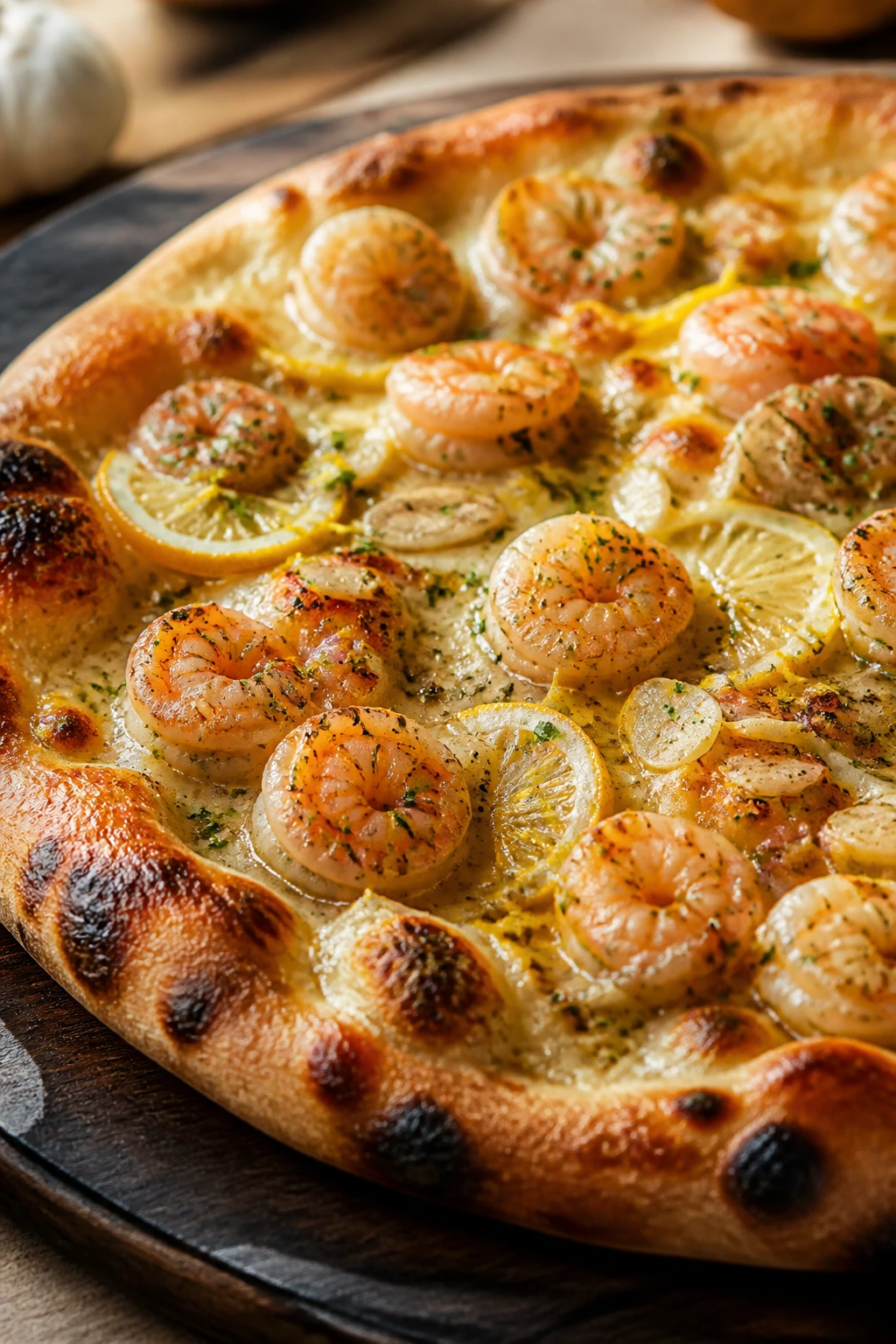
14. Shrimp, Garlic, and Lemon Pizza
Intro:
Shrimp on pizza is not as strange as it sounds, as long as you keep the toppings tight and the bake short. Garlic and lemon do most of the talking here, with shrimp bringing a clean sweetness that feels almost coastal. It’s lighter than the meat pies, which makes it useful when you want dinner to stay bright.
Why It Works:
Shrimp cooks fast, so it fits a hot oven better than most proteins. Garlic and lemon make the seafood taste fresh, mozzarella gives the pizza body, and a little parsley at the end keeps the flavors clean. The trick is to keep the shrimp in a single layer so they cook through without turning rubbery.
Key Ingredients:
- 1 pound pizza dough
- 1 tablespoon olive oil
- 2 garlic cloves, minced
- 6 ounces low-moisture mozzarella, shredded
- 8 ounces raw shrimp, peeled, deveined, and patted dry
- 1 teaspoon lemon zest
- 1 tablespoon lemon juice
- 1/4 teaspoon red pepper flakes
- 1 tablespoon chopped parsley
- 1/4 teaspoon kosher salt
Quick Steps:
- Preheat the oven to 475°F (245°C) with a stone or steel.
- Toss shrimp with half the olive oil, garlic, lemon zest, salt, and red pepper flakes.
- Stretch the dough, add mozzarella, and arrange the shrimp in a single layer.
- Bake for 8 to 10 minutes until the shrimp are pink and the crust is browned.
- Finish with lemon juice, parsley, and the rest of the olive oil.
Equipment for This Recipe:
- Pizza stone or steel
- Small bowl for shrimp seasoning
- Peel or parchment-lined sheet pan
- Microplane for zest
How to Serve This Dish:
Serve it with fennel salad, roasted asparagus, or a few marinated olives to keep the meal in a Mediterranean lane. I’d cut this one into 8 slices because the shrimp toppings are a little lighter. A crisp white wine or sparkling water with lemon fits neatly.
Pro Tips for This Recipe:
- Pat the shrimp dry or they steam instead of roast.
- Do not overbake; shrimp goes from tender to tough quickly.
- Add the lemon juice after baking so it stays bright.
- If the shrimp are large, halve them so they cook evenly.
Variations on This Dish:
- Scampi Style: Add a little butter and extra garlic after baking.
- Mediterranean Version: Add chopped olives and a few capers.
- Chili Lemon Shrimp: Increase the red pepper flakes for heat.
Common Mistakes to Avoid with This Dish:
- Overcooked shrimp: It turns rubbery fast.
- Too much moisture: Wet shrimp or a wet dough base makes the pie soft.
- Heavy cheese: Shrimp tastes better with a lighter hand.
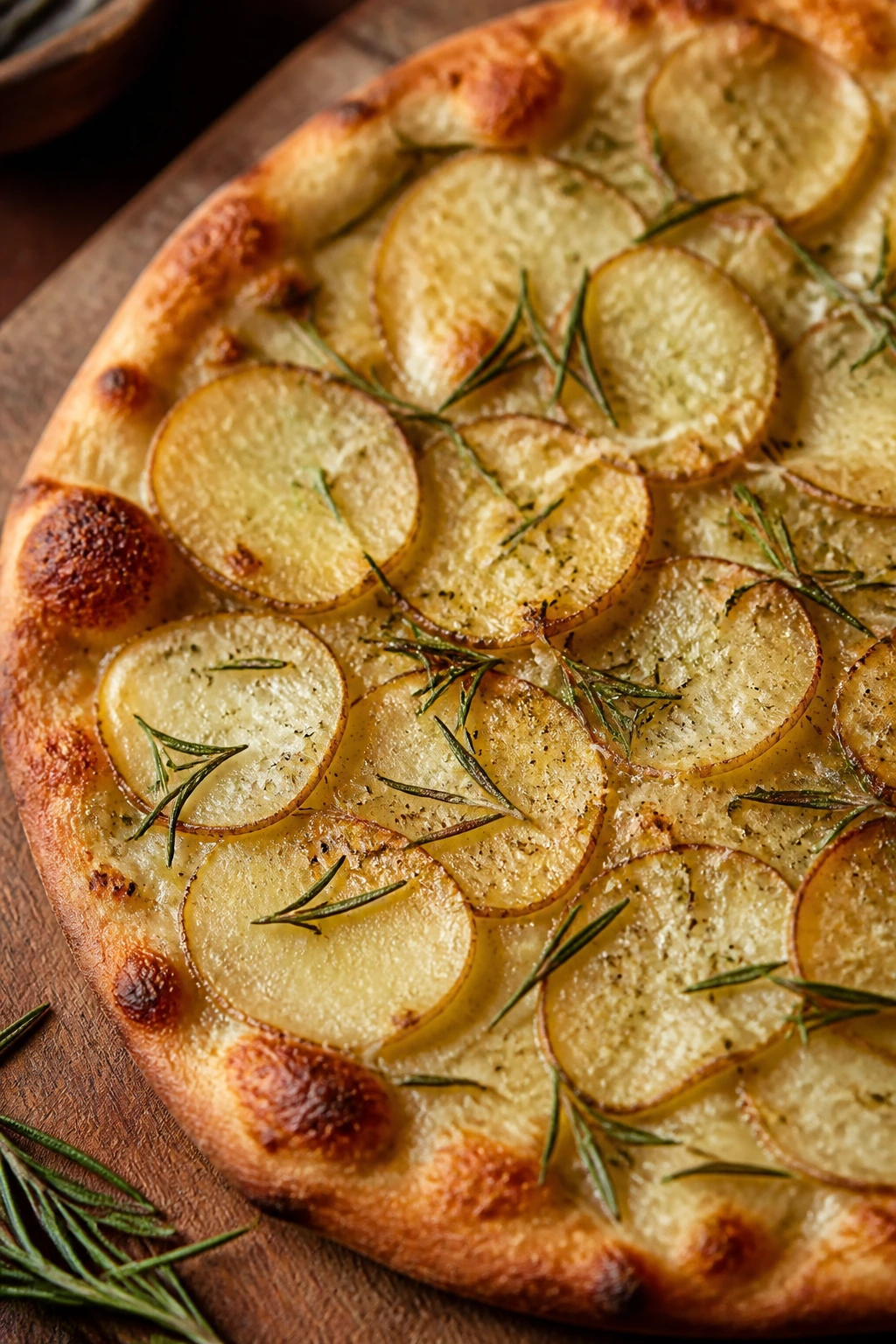
15. Potato and Rosemary Pizza
Intro:
Potato pizza sounds humble until you eat the first slice. Thin potato rounds soften on top but keep their edges, rosemary smells like woodsmoke, and parmesan gives everything a salty finish. It’s a simple pie that feels more interesting than it looks.
Why It Works:
Potatoes need to be sliced thin enough to cook through in the oven. Rosemary is sturdy and loves heat, olive oil helps the potatoes brown, and mozzarella or fontina gives the base a little stretch without hiding the topping. This is the kind of pizza that rewards a sharp knife and thin slices.
Key Ingredients:
- 1 pound pizza dough
- 1 medium Yukon Gold potato, very thinly sliced
- 2 tablespoons olive oil
- 1 teaspoon chopped rosemary
- 1 cup mozzarella, shredded
- 2 tablespoons parmesan
- 1/2 teaspoon kosher salt
- 1/4 teaspoon black pepper
- 1 small garlic clove, finely grated
Quick Steps:
- Preheat the oven to 500°F (260°C) with a stone or steel.
- Toss the potato slices with olive oil, rosemary, garlic, salt, and pepper.
- Stretch the dough and scatter mozzarella over the surface.
- Layer the potato slices in a slightly overlapping pattern.
- Bake for 12 to 14 minutes until the potatoes are tender and the edges are browned.
- Finish with parmesan before serving.
Equipment for This Recipe:
- Mandoline or sharp knife
- Pizza stone or steel
- Peel or baking sheet
- Mixing bowl
How to Serve This Dish:
Serve it with a sharp salad — arugula, lemon, and a little olive oil work well. It also likes a bowl of soup if you want a more filling dinner. Cut into 8 slices, because the potato makes each one more satisfying than it first appears.
Pro Tips for This Recipe:
- Slice the potatoes paper-thin. Thick slices stay undercooked.
- A mandoline makes the job fast, but a steady knife works too.
- Rosemary is strong; use it sparingly.
- If the potatoes are very dry, brush them with a little extra olive oil before baking.
Variations on This Dish:
- Fontina Potato Pizza: Swap in fontina for a creamier melt.
- Onion Potato Version: Add very thin onion slices under the potatoes.
- Cracked Pepper Finish: Add extra pepper after baking for sharper flavor.
Common Mistakes to Avoid with This Dish:
- Thick potato slices: They don’t cook fast enough.
- Too much rosemary: It can taste like pine.
- Crowding the top: Keep the potato layer thin.
16. Meatball and Crushed Tomato Pizza
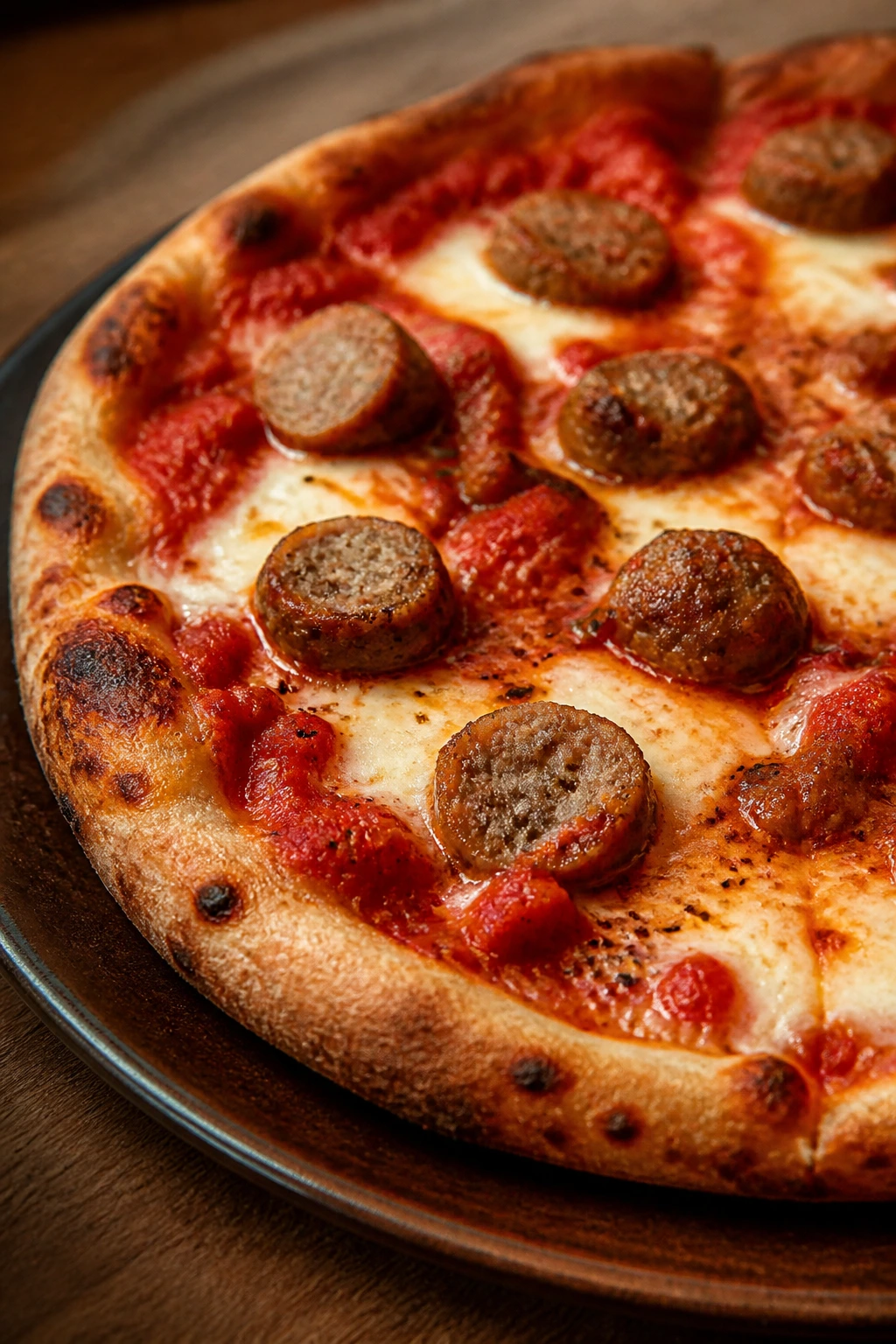
Intro:
Meatball pizza is a comfort move, plain and simple. The meatballs bring heft, the tomato sauce soaks into the crust just enough, and the mozzarella melts around all of it like a blanket that knows its job. It’s messy in a way that feels honest.
Why It Works:
Using pre-cooked meatballs keeps the pizza fast without sacrificing flavor. Crushed tomatoes make a lighter sauce than a heavy marinara, and the meatballs carve out little pockets of richness across the surface. The trick is to use enough sauce to coat, not flood.
Key Ingredients:
- 1 pound pizza dough
- 1/2 cup crushed tomatoes
- 4 to 5 cooked meatballs, sliced or chopped
- 8 ounces mozzarella, shredded
- 2 tablespoons parmesan
- 1 tablespoon olive oil
- 1 teaspoon dried oregano
- 1/4 teaspoon red pepper flakes
- 1 tablespoon chopped basil
Quick Steps:
- Preheat the oven to 500°F (260°C) with a stone or steel.
- Stir the crushed tomatoes with oregano, red pepper flakes, and olive oil.
- Stretch the dough and spread the sauce over the surface.
- Add mozzarella and the sliced meatballs.
- Bake for 10 to 12 minutes until the cheese bubbles and the crust browns.
- Finish with parmesan and basil.
Equipment for This Recipe:
- Pizza stone or steel
- Knife for slicing meatballs
- Peel or sheet pan
- Small bowl for sauce
How to Serve This Dish:
This pizza does well with a salad that has vinegar in it — think romaine, chopped celery, and pepperoncini. It’s filling enough that 6 slices may be enough for a full dinner. If you like a little extra sauce, keep warmed tomato sauce on the side rather than adding more to the pie.
Pro Tips for This Recipe:
- Use small meatballs or slice larger ones thinly.
- Pre-cooked meatballs save time and keep the dough from getting overworked.
- A light sauce layer keeps the bottom crisp.
- Let the pizza rest for 1 minute so the meatballs don’t roll off.
Variations on This Dish:
- Spicy Meatball Version: Use hot meatballs or add more red pepper flakes.
- Chicken Meatball Pizza: Swap in chicken meatballs for a lighter pie.
- Garlic Bread Finish: Brush the crust with garlic butter after baking.
Common Mistakes to Avoid with This Dish:
- Too many meatballs: The pizza gets bulky and hard to cut.
- Wet sauce: The center turns soft.
- Slicing too soon: The toppings slide around.
17. Mediterranean Olive, Tuna, and Onion Pizza
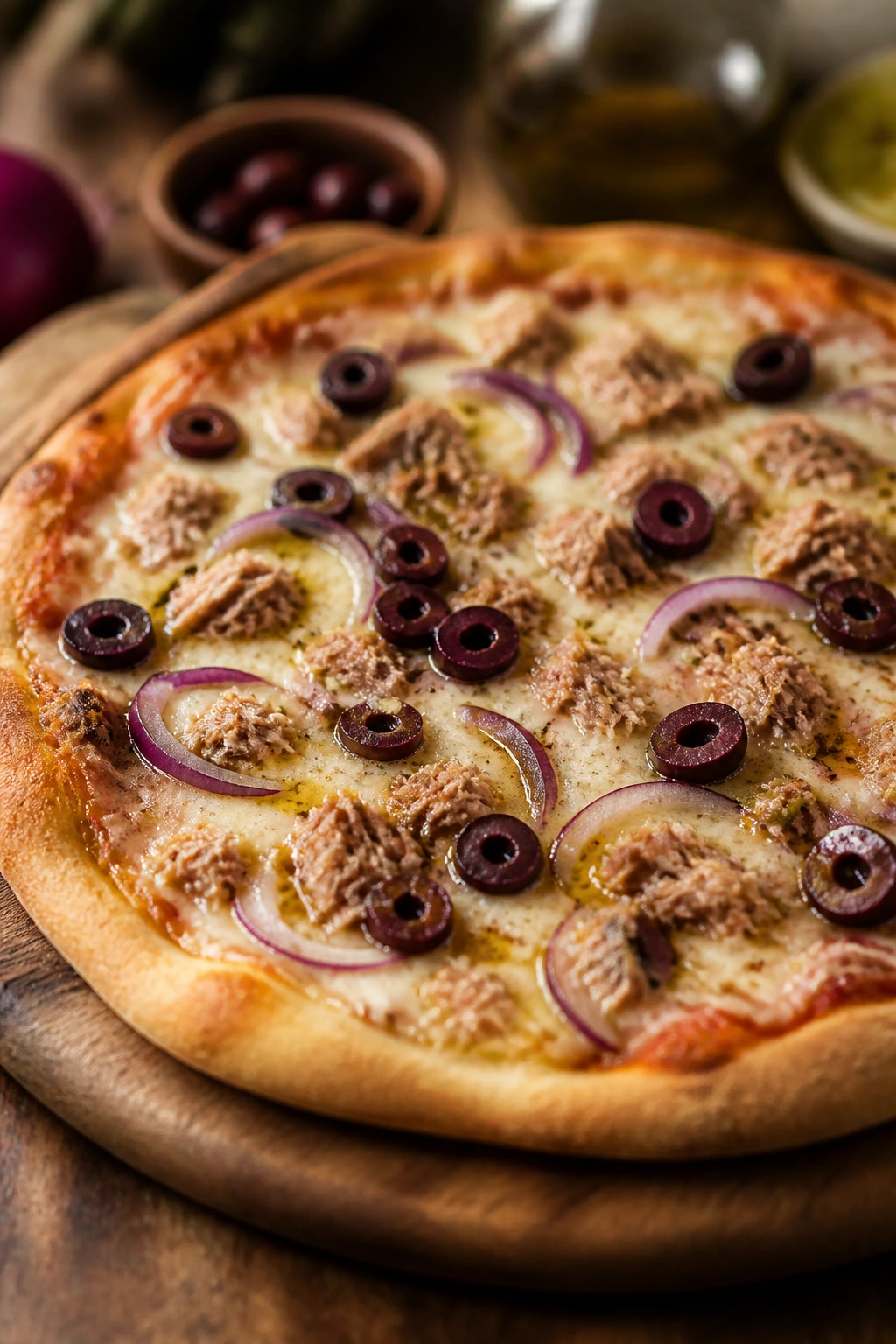
Intro:
Tuna pizza is one of those ideas that makes sense the second you taste it. The olive brine, the sweet onion, and the tuna’s savory depth all push toward the same salty finish. It feels pantry-smart and a little old-world, which is why it belongs in this collection.
Why It Works:
Tuna brings a dense, meaty flavor that stands up to the heat. Olives add salt and texture, onion gives sweetness, and mozzarella keeps the whole thing from going too dry. If you choose good tuna packed in oil, the pizza gets richer without needing extra cheese.
Key Ingredients:
- 1 pound pizza dough
- 1/2 cup tomato sauce
- 1 can tuna in olive oil, drained and flaked
- 1/2 small red onion, thinly sliced
- 1/3 cup pitted olives, sliced
- 6 ounces mozzarella, shredded
- 1 tablespoon capers, rinsed
- 1 tablespoon olive oil
- 1/4 teaspoon black pepper
Quick Steps:
- Preheat the oven to 500°F (260°C) with a stone or steel.
- Stretch the dough and spread on tomato sauce.
- Scatter mozzarella, tuna, onion, olives, and capers over the top.
- Drizzle with olive oil and season with black pepper.
- Bake for 10 to 12 minutes until the crust is browned and the onion has softened.
- Slice while hot.
Equipment for This Recipe:
- Pizza stone or steel
- Small bowl to flake the tuna
- Peel or baking sheet
- Knife for the onion
How to Serve This Dish:
This is good with a simple green salad or roasted peppers. It also works with a bowl of minestrone if you’re turning dinner into something larger. Eight slices make sense here because the flavors are assertive and a little goes a long way.
Pro Tips for This Recipe:
- Choose tuna packed in olive oil if possible; it tastes fuller.
- Rinse capers so they don’t steamroller the other flavors.
- Slice onion thin enough to soften in the oven.
- Keep the cheese modest so the tuna stays the focus.
Variations on This Dish:
- Tomato-Free Version: Use olive oil and herbs instead of sauce.
- Artichoke Tuna Pizza: Add chopped artichokes for more texture.
- Lemony Version: Finish with lemon zest for a brighter bite.
Common Mistakes to Avoid with This Dish:
- Dry tuna: It makes the pizza dull.
- Too many salty toppings: Olives, capers, and cheese can pile up fast.
- Thick onion slices: They stay sharp and raw.
18. Eggplant Parmesan Pizza
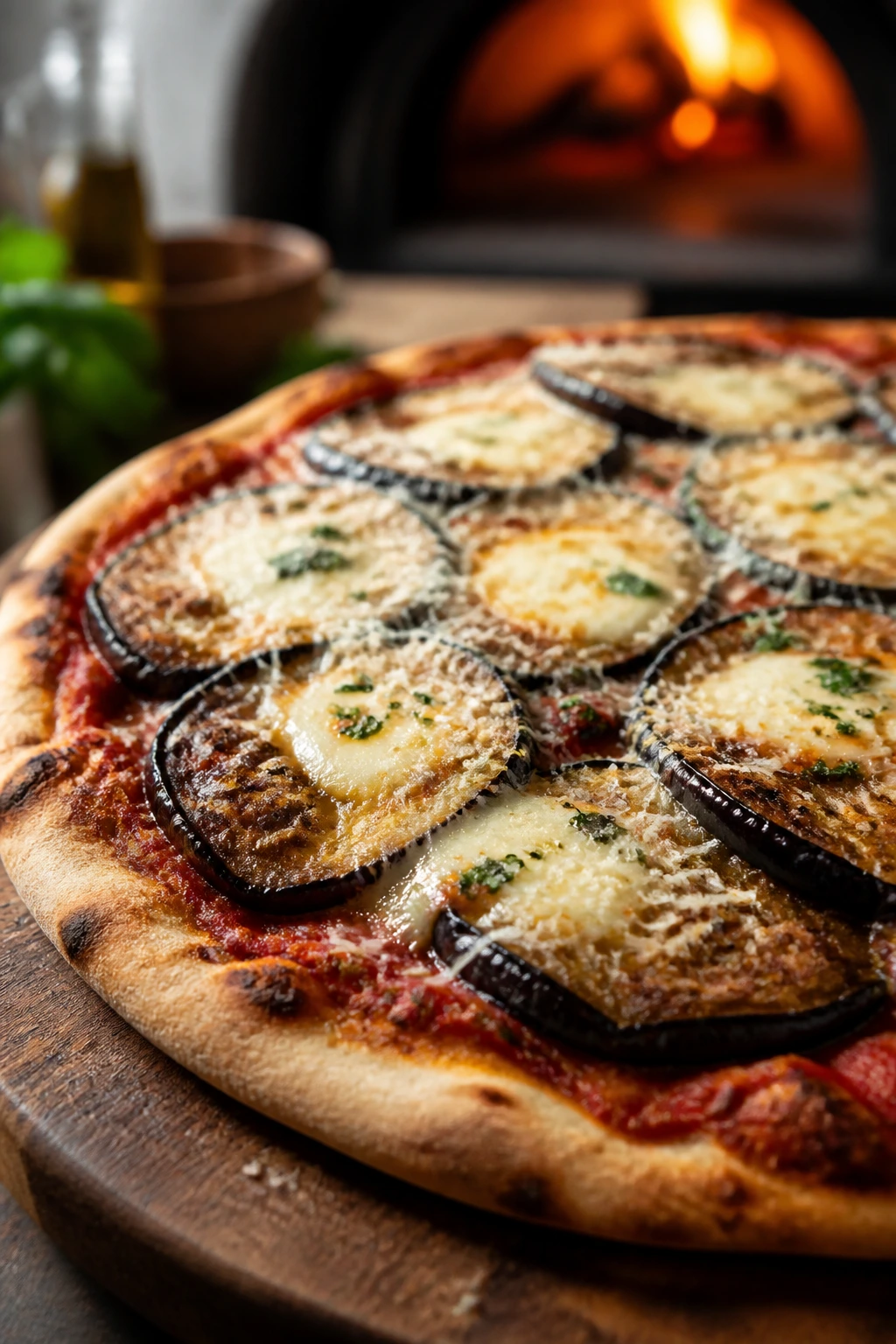
Intro:
Eggplant parmesan as pizza feels like a little kitchen translation, and a good one. The eggplant brings softness, the tomato sauce keeps it grounded, and the cheese browns into that familiar, bubbling cap that everyone wants first. It’s hearty without becoming clumsy.
Why It Works:
Eggplant needs to be cooked before it reaches the pizza, or it can go spongy and wet. Roasting or pan-searing gives it a browned edge, and then the pizza gets layered with sauce, cheese, and a little parmesan for the same flavor profile you’d expect in the casserole version. It scratches the same itch, but in a faster form.
Key Ingredients:
- 1 pound pizza dough
- 1 small eggplant, sliced into 1/4-inch rounds
- 2 tablespoons olive oil
- 1/2 cup tomato sauce
- 6 ounces mozzarella, shredded
- 2 tablespoons parmesan
- 1/2 teaspoon Italian seasoning
- 1/4 teaspoon kosher salt
- 1 tablespoon chopped basil
Quick Steps:
- Preheat the oven to 475°F (245°C) with a stone or steel.
- Brush eggplant slices with olive oil, season with salt, and roast on a sheet pan for 15 minutes until tender and browned.
- Stretch the dough and spread tomato sauce over it.
- Add mozzarella, roasted eggplant, parmesan, and Italian seasoning.
- Bake for 10 to 12 minutes until the cheese bubbles and the crust is browned.
- Finish with basil after baking.
Equipment for This Recipe:
- Rimmed baking sheet
- Pizza stone or steel
- Peel or parchment
- Pastry brush
How to Serve This Dish:
Serve it with a simple salad dressed in red wine vinegar to keep the richness in check. It’s filling enough to cut into 6 slices if the eggplant is generous. A few chili flakes on the side are nice if you want a bit of heat.
Pro Tips for This Recipe:
- Roast the eggplant first or it can turn soft and wet.
- Don’t skip the salt on the eggplant; it helps the slices taste fuller.
- Use enough sauce to flavor the base, not soak it.
- Fresh basil after baking keeps the pizza from feeling heavy.
Variations on This Dish:
- Breaded Eggplant Version: Dip the slices in seasoned breadcrumbs before roasting.
- Ricotta Eggplant Pizza: Add small dollops of ricotta for creaminess.
- Spicy Eggplant Version: Add red pepper flakes to the sauce.
Common Mistakes to Avoid with This Dish:
- Raw eggplant on the pizza: It stays spongy.
- Too much sauce: The crust softens too quickly.
- Skipping the basil: The pie tastes flatter without the fresh finish.
19. Breakfast Pizza with Eggs and Bacon
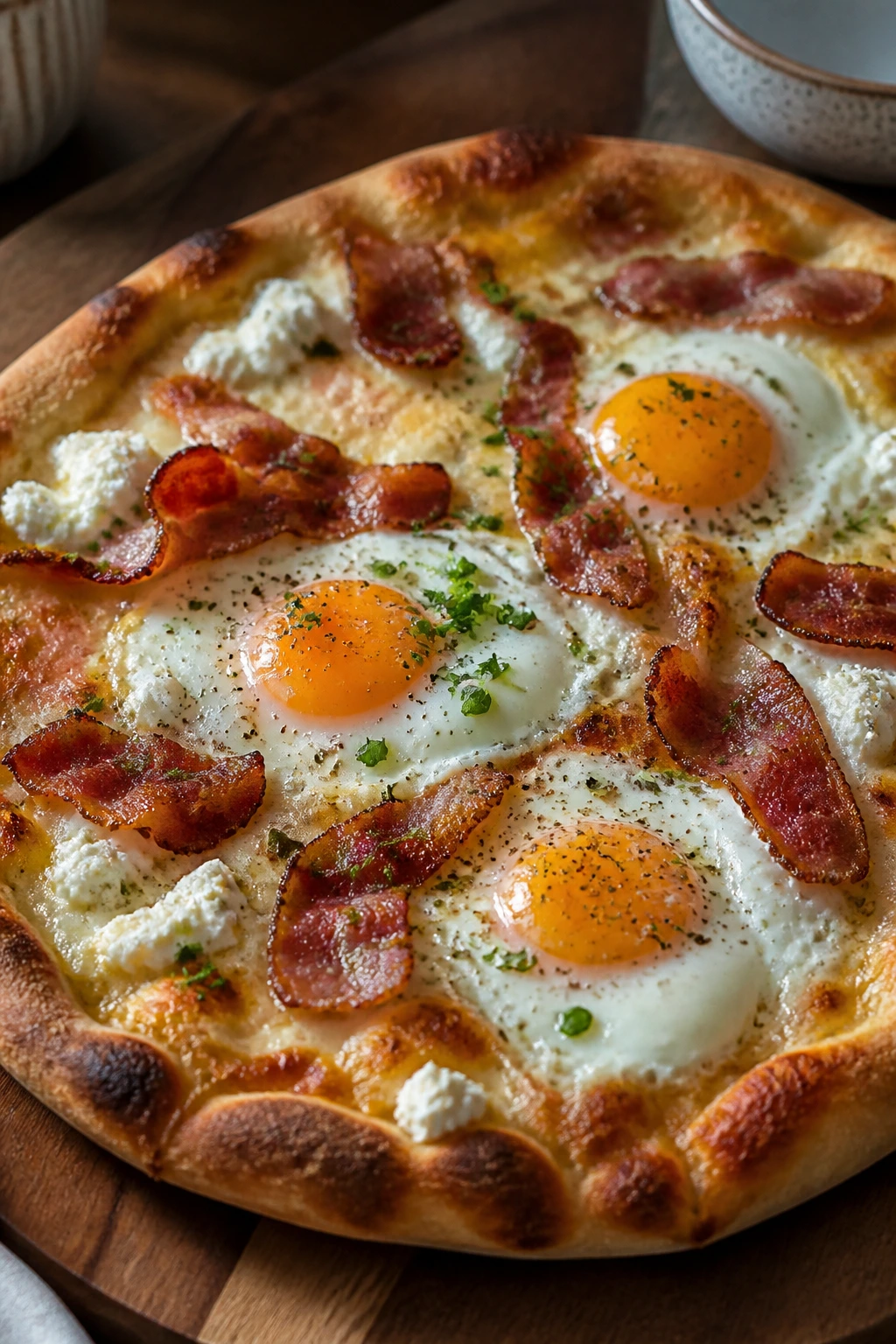
Intro:
Breakfast pizza can be cheesy and chaotic or it can be tidy and excellent. This version leans tidy. The bacon adds salt, the eggs bake softly on top, and the crust catches the yolk in a way that feels luxurious without getting fancy about it.
Why It Works:
Eggs need gentle heat, so a slightly lower oven temperature than some of the other pizzas helps. Bacon brings crunch and smoke, mozzarella gives the eggs something to nest in, and a light layer of ricotta can keep the surface soft. The key is to stop baking while the yolks are still a little loose.
Key Ingredients:
- 1 pound pizza dough
- 2 tablespoons olive oil
- 4 slices bacon, cooked and chopped
- 4 large eggs
- 1 cup mozzarella, shredded
- 1/4 cup ricotta
- 2 tablespoons grated parmesan
- 1 tablespoon chopped chives
- 1/4 teaspoon black pepper
Quick Steps:
- Preheat the oven to 450°F (230°C) with a stone or steel.
- Stretch the dough and brush it with olive oil.
- Dot the dough with ricotta, then add mozzarella and bacon.
- Crack the eggs carefully onto the pizza, spacing them apart.
- Bake for 10 to 12 minutes until the whites are set and the yolks still look a little soft.
- Finish with parmesan, chives, and black pepper.
Equipment for This Recipe:
- Pizza stone or steel
- Small bowl for eggs if you want to crack them one by one first
- Peel or parchment-lined sheet pan
- Knife for chopping bacon
How to Serve This Dish:
Serve it straight away while the yolks are still loose enough to spread. A bitter greens salad sounds odd with breakfast pizza, but it works. If you’re serving it later in the day, cut it into 8 smaller wedges and treat it like a brunch board item.
Pro Tips for This Recipe:
- Crack the eggs into a small bowl first, then slide them onto the pizza.
- Keep the oven a touch cooler so the whites set before the yolks overcook.
- Bacon should be cooked first; raw bacon is too risky for a quick bake.
- Add chives at the end so they stay fresh and mild.
Variations on This Dish:
- Sausage Breakfast Pizza: Use cooked breakfast sausage instead of bacon.
- Spinach Egg Pizza: Add a few wilted spinach leaves under the eggs.
- Cheddar Version: Swap some mozzarella for sharp cheddar.
Common Mistakes to Avoid with This Dish:
- Overbaking the eggs: The yolks go hard fast.
- Too much bacon fat: Blot the bacon before topping the pizza.
- Cracking eggs directly from the shell onto the pie: It’s harder to control placement.
20. Fig, Gorgonzola, and Prosciutto Pizza
Intro:
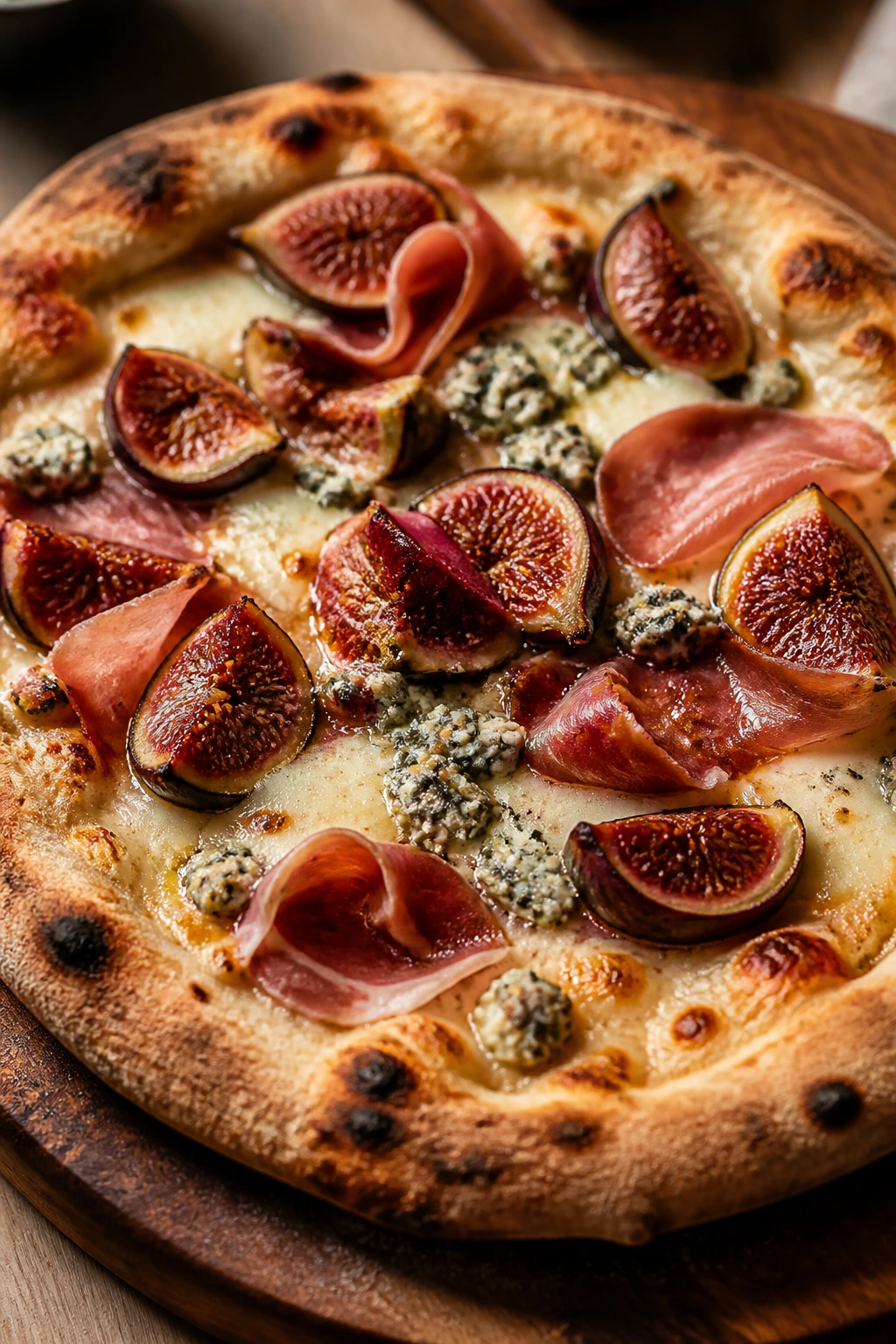
This is the pizza that feels a little dressed up without getting precious. Fig brings sweetness, gorgonzola brings a sharp blue note, and prosciutto softens everything with salt and silk. If you like sweet-savory combinations that actually make sense, this one lands hard.
Why It Works:
The sweetness of figs plays against the salt of prosciutto and the bite of gorgonzola, which means the pizza has built-in contrast. A thin mozzarella base stops the blue cheese from taking over completely, and the crust gives all that strong flavor a place to settle. I like it most when the figs are spread in small pieces, not blobs.
Key Ingredients:
- 1 pound pizza dough
- 1/3 cup fig jam or 4 fresh figs, sliced
- 6 ounces mozzarella, shredded
- 2 ounces gorgonzola, crumbled
- 3 to 4 ounces prosciutto, torn into ribbons
- 1 tablespoon olive oil
- 1 tablespoon balsamic glaze
- 1 tablespoon chopped thyme or basil
- 1/4 teaspoon black pepper
Quick Steps:
- Preheat the oven to 500°F (260°C) with a stone or steel.
- Stretch the dough and brush it lightly with olive oil.
- Spread fig jam thinly, or scatter fresh figs in small pieces.
- Add mozzarella and gorgonzola, then bake for 9 to 11 minutes until the crust is browned.
- Top with prosciutto, balsamic glaze, thyme, and black pepper after baking.
Equipment for This Recipe:
- Pizza stone or steel
- Small spoon for fig jam
- Peel or baking sheet
- Knife for slicing fresh figs
How to Serve This Dish:
Serve it with a simple arugula salad and maybe a few toasted walnuts if you want a little crunch. The flavors are strong, so I’d cut it into 8 slices and let people take smaller portions first. A glass of dry red wine or sparkling water with a squeeze of citrus fits the mood.
Pro Tips for This Recipe:
- Use fig jam sparingly; too much turns the pie sticky.
- Add prosciutto after baking so it stays soft.
- If the gorgonzola is strong, use less than you think.
- Fresh thyme gives a cleaner finish than dried.
Variations on This Dish:
- Pear and Gorgonzola Swap: Replace figs with thin pear slices.
- No-Prosciutto Version: Leave the meat off and add walnuts.
- Honey Finish: Use honey instead of balsamic glaze for a softer sweetness.
Common Mistakes to Avoid with This Dish:
- Too much blue cheese: It overpowers the fruit.
- Heavy fig layer: The crust gets sticky.
- Baking the prosciutto: It loses its soft texture.
Why These Pizzas Taste Better When You Keep Things Simple
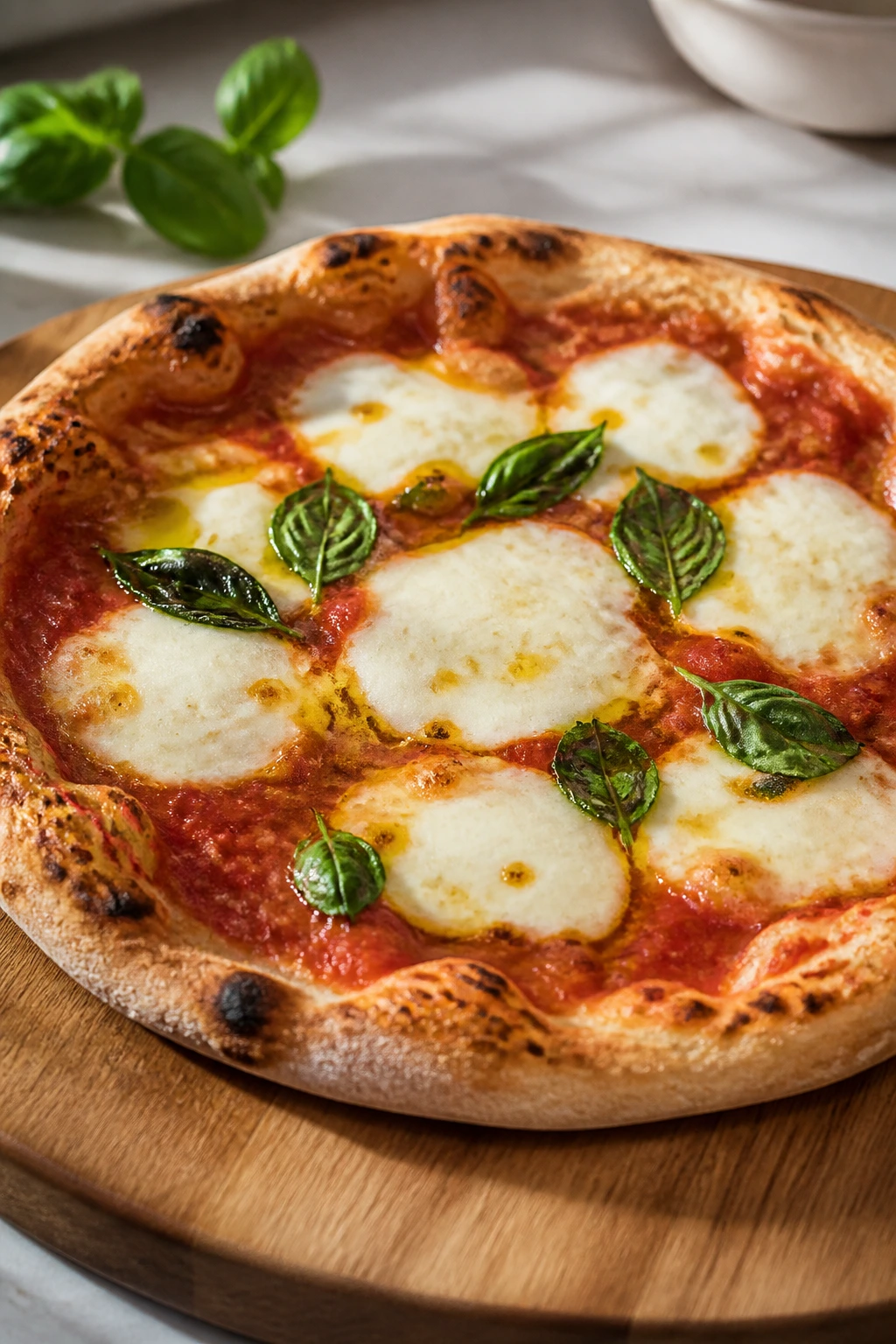
Pizza is one of the few dinners that gets better when you stop trying to make it complicated. A hot oven, a dough that stretches without tearing, and toppings that know their place — that’s the real formula. Once you get that part right, the details start to matter more than the label on the flour bag.
The collection above leans on that idea. Some pies are red, some white, some built around vegetables, some around cured meat, some around cheese that browns in little puddles. None of them need a long ingredient parade. They need balance, a little patience, and the willingness to bake the dough until the underside has color. Pale crust is where most homemade pizza loses its nerve.
If you want the short version, here it is: stop loading the dough, preheat longer than feels necessary, and finish with fresh ingredients where they make the most difference. Basil after baking. Arugula after baking. Prosciutto after baking. It sounds small because it is small, and that’s the point.
Essential Equipment for These Pizzas
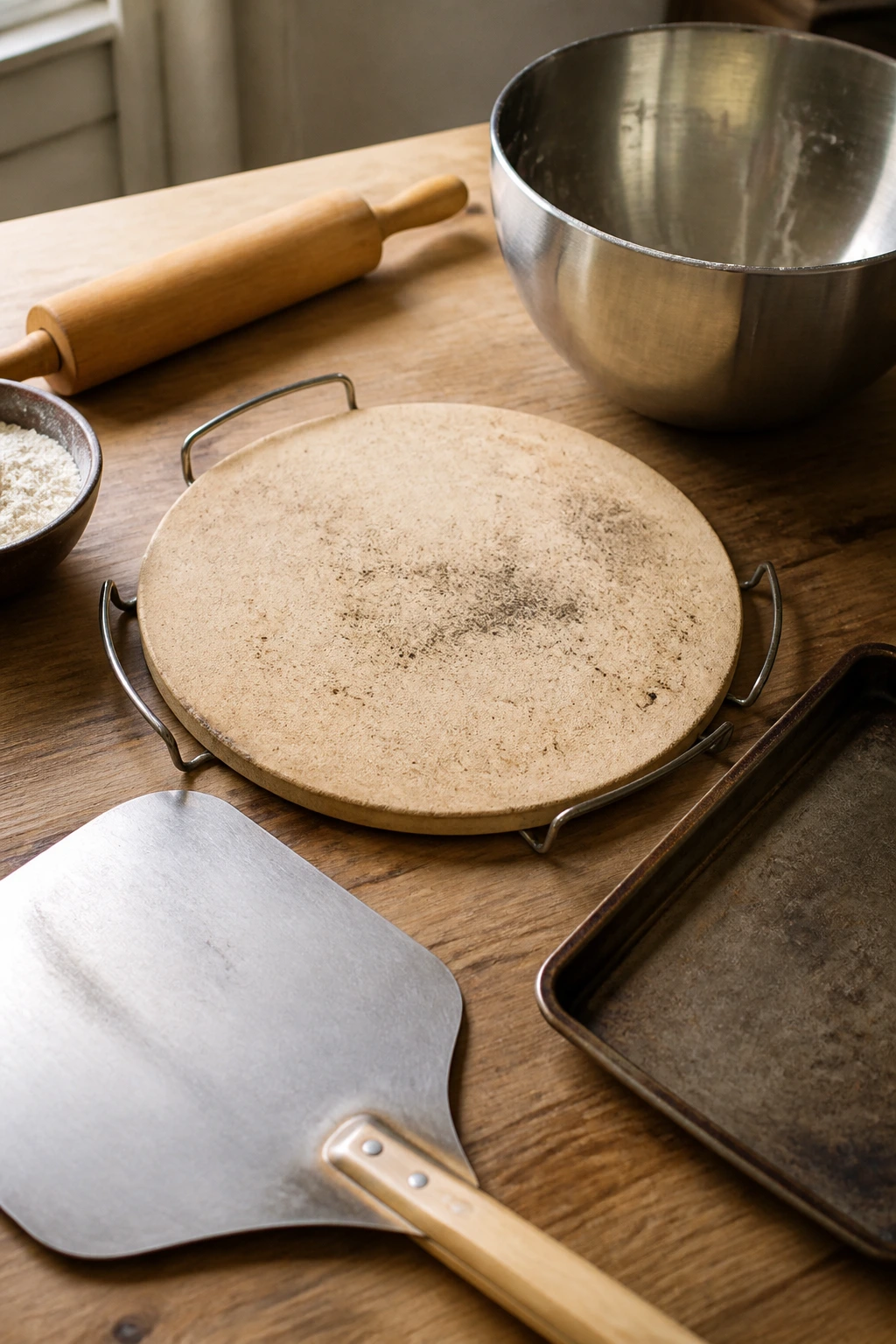
- Pizza stone or pizza steel: A steel gives faster heat transfer, while a stone still does a solid job if it’s fully preheated.
- Pizza peel or inverted baking sheet: Use it to move the dough cleanly into the oven; parchment helps if your peel skill is rusty.
- Rimmed baking sheet: Handy for roasting vegetables, baking sheet-pan versions, or handling pizzas that don’t need a stone.
- Large mixing bowl: Useful for tossing vegetables, seasoning toppings, or resting dough.
- Bench scraper or thin spatula: Makes it easier to move sticky dough without tearing it.
- Kitchen scale: Not required, but it helps if you want the dough portions and toppings to stay consistent.
- Sharp knife and cutting board: For slicing onions, mushrooms, tomatoes, and roasted vegetables thin enough to cook fast.
- Cheese grater: Freshly grated mozzarella, parmesan, and fontina melt better than clumpy pre-grated cheese.
- Microplane: Good for garlic, lemon zest, and hard cheese.
- Pizza cutter or chef’s knife: Either works; a chef’s knife gives cleaner slices if the crust is thick.
Smart Shopping for Easy Homemade Pizza
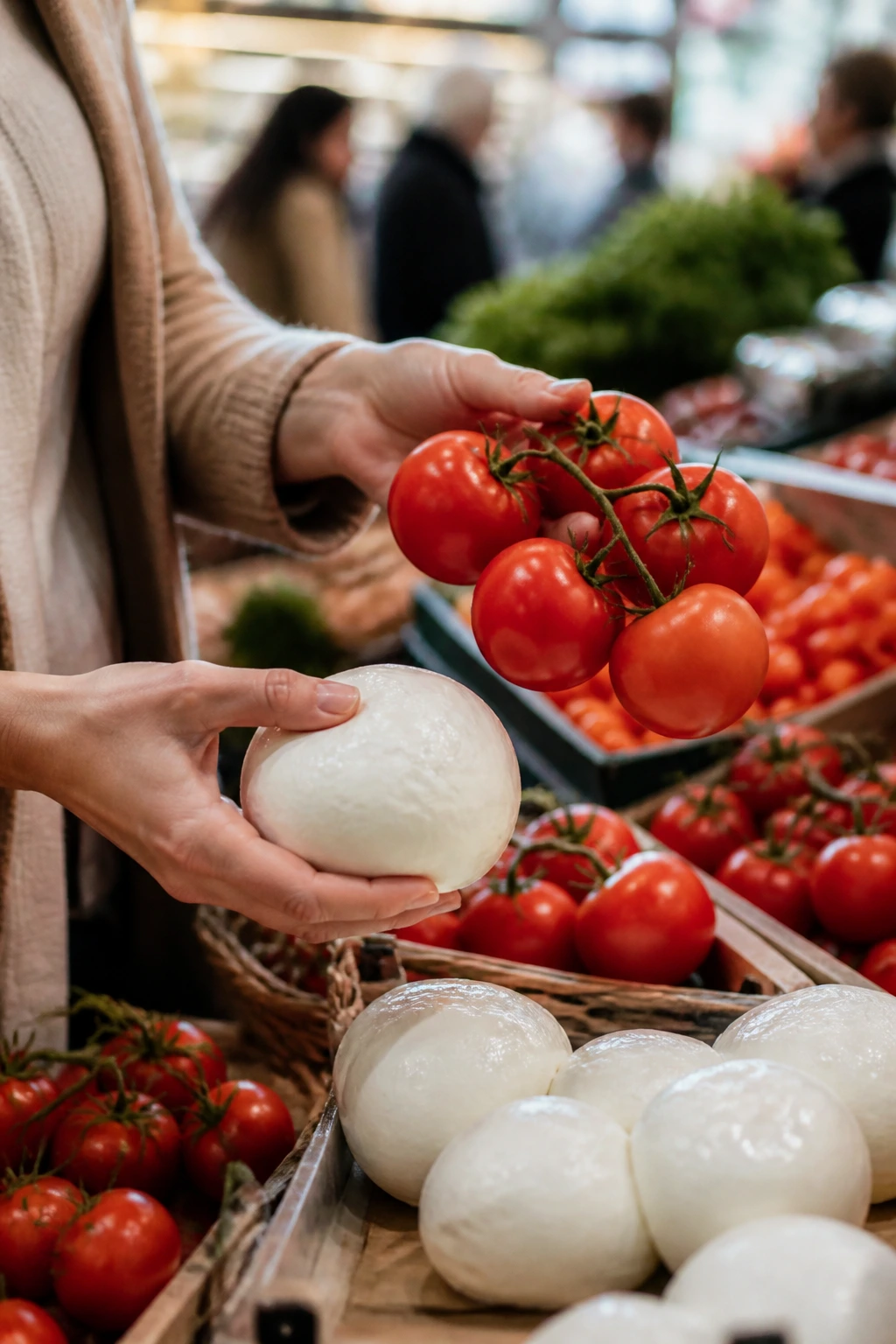
The smartest pizza shopping move is usually the least glamorous one: buy better tomatoes, better cheese, and less of everything else. For the sauce, crushed tomatoes or passata with a clean, bright flavor are worth more than a jar that tries to do too much. If the tomatoes taste flat from the spoon, they’ll taste flat on the pizza, too. A pinch of salt and a little olive oil can fix some of that, but not all.
Cheese is where people get careless. For pies that need melt and stretch, low-moisture mozzarella is the most useful workhorse. Fresh mozzarella has a place — Margherita, Caprese, and a few white pies — but it should be patted dry so it doesn’t flood the center. Parmesan, fontina, provolone, goat cheese, and gorgonzola should be bought in the amount you need and used sparingly. Strong cheese is a condiment, not a blanket.
Dough matters less than most people think, but it still matters. Store-bought dough works fine if it has time to come to room temperature and relax. Homemade dough gives you more control over hydration and fermentation, which changes the crust texture in a real way. If you make your own, a dough that feels supple and a little tacky — not wet, not stiff — is easier to stretch into a thin, even round.
Toppings are best when they’re pre-cooked if they carry water: mushrooms, eggplant, sausage, meatballs, and many vegetables all benefit from a quick browning first. That single habit prevents soggy middles more reliably than any trick with sauce. For herbs, buy them fresh if you’re using them at the end. Dried herbs are fine inside the sauce or on roasted toppings, but basil on a hot pie should stay fresh and green.
How to Serve These Pizzas at the Table
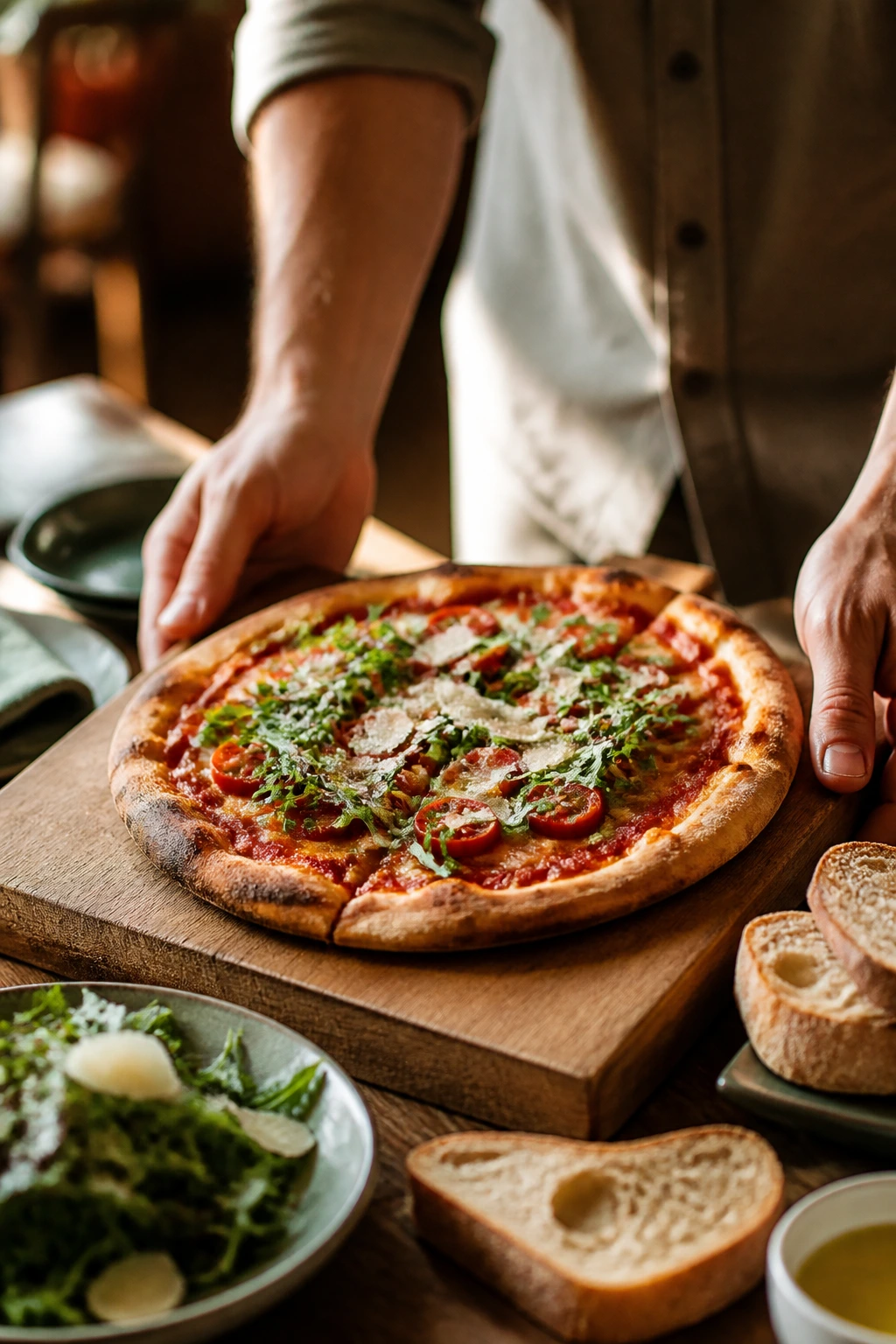
Presentation:
Pizza looks best when it has a few minutes to rest before slicing, so the cheese settles and the toppings stay put. Serve it on a cutting board or a large flat platter, not a deep dish, and keep the knife moving in one clean cut per slice. A scattering of basil, parsley, or parmesan at the end gives the pie a finished look without making it fussier than it is.
Accompaniments:
A bitter salad is the easy answer — arugula, radicchio, frisée, escarole, or romaine with a vinegar-heavy dressing. Roasted peppers, olives, marinated artichokes, and fennel salad also fit the Italian mood without stealing attention. If you want starch on starch, keep it small: a bowl of soup, a few roasted potatoes, or some crusty bread is enough.
Portions:
For most of these pizzas, 1 pound of dough makes a 12- to 13-inch pie that serves 2 to 3 people as a main course or 4 as part of a larger spread. Richer pies — the four-cheese, fig and gorgonzola, sausage, and meatball versions — usually feel satisfying at 6 slices. Lighter pies, like Margherita, Marinara, and Caprese, can be cut into 8 and still disappear.
Beverage Pairing:
A dry red like Chianti or a bright, light Italian red works with tomato-based pies. White pizzas and seafood pizzas like something crisp — Pinot Grigio, Vermentino, or sparkling water with lemon if you’re skipping alcohol. Beer does fine too, especially a cold lager with pepperoni or sausage.
Flavor Boosters That Fit the Whole Collection
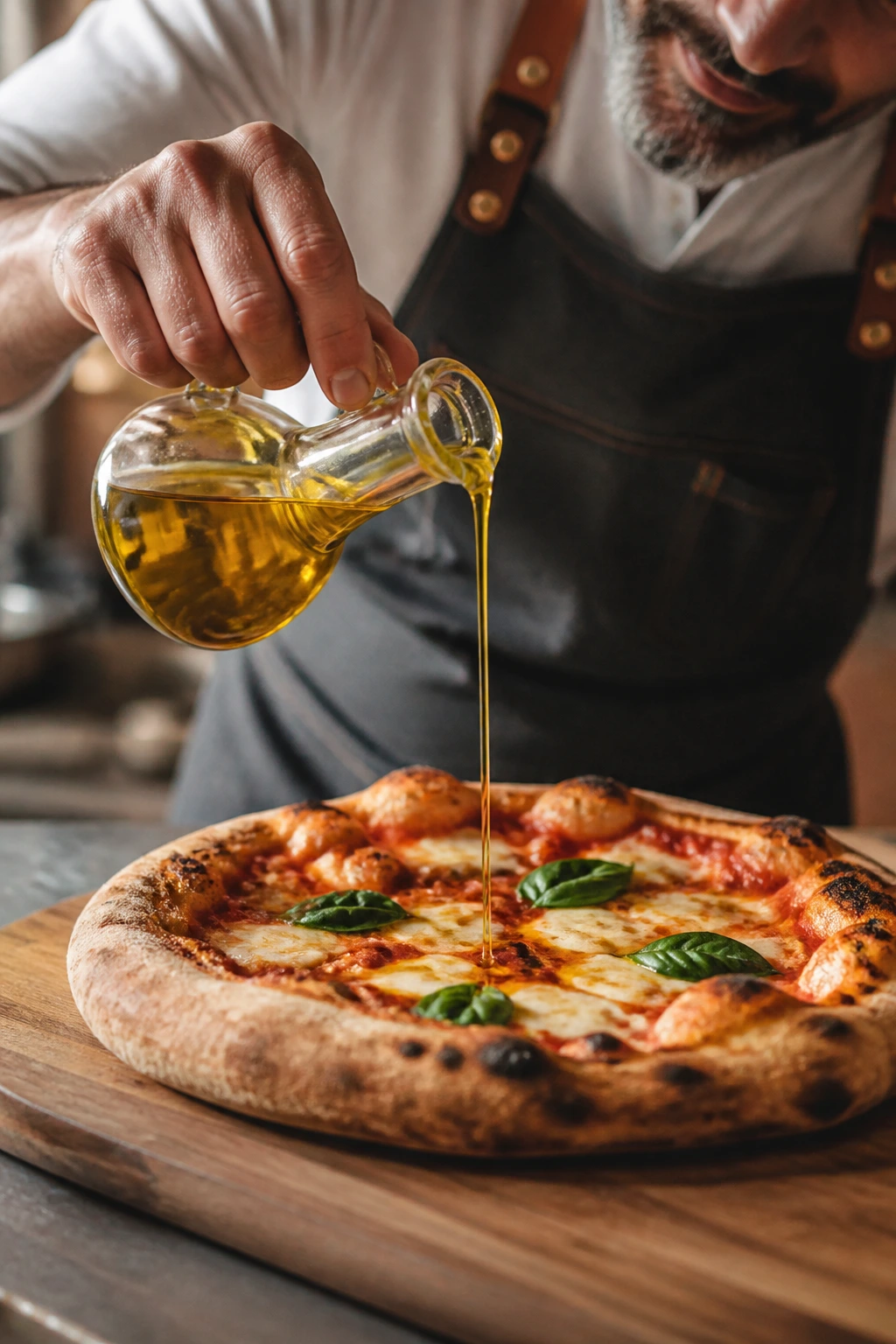
Flavor Enhancement:
A finishing oil changes more pizzas than people expect. A little chili oil, garlic oil, or basil oil drizzled over the pie after baking adds aroma without interfering with the crust. For tomato pies, I like a final splash of olive oil right before serving; it makes the sauce taste rounder and less sharp.
Customization:
If you want to stretch the collection toward your own table, think in lanes rather than random swaps. Swap the cheese, not the logic. Swap the herb, not the whole style. A Margherita can take roasted tomatoes, a white pizza can take spinach or mushrooms, and a meat pie can usually handle one sharp vegetable like onion or pepper without losing balance.
Serving Suggestions:
Keep a few small bowls on the table: chili flakes, parmesan, olive oil, and maybe a jar of pickled peppers or olives. That gives people room to tweak a slice without turning dinner into a topping bar. Fresh basil, parsley, and arugula should always go on last; heat is useful, but fresh greens hate being buried.
Make-It-Yours:
For a dairy-free version, use a good olive-oil base and lean on olives, vegetables, capers, and herbs. For a gluten-free version, choose a crust that bakes firm and crisp rather than soft and bready. If you want more protein, use cooked chicken, tuna, shrimp, or meatballs in smaller amounts rather than stacking on extra cheese and hoping for the best.
Make-Ahead, Storage, and Reheating Notes
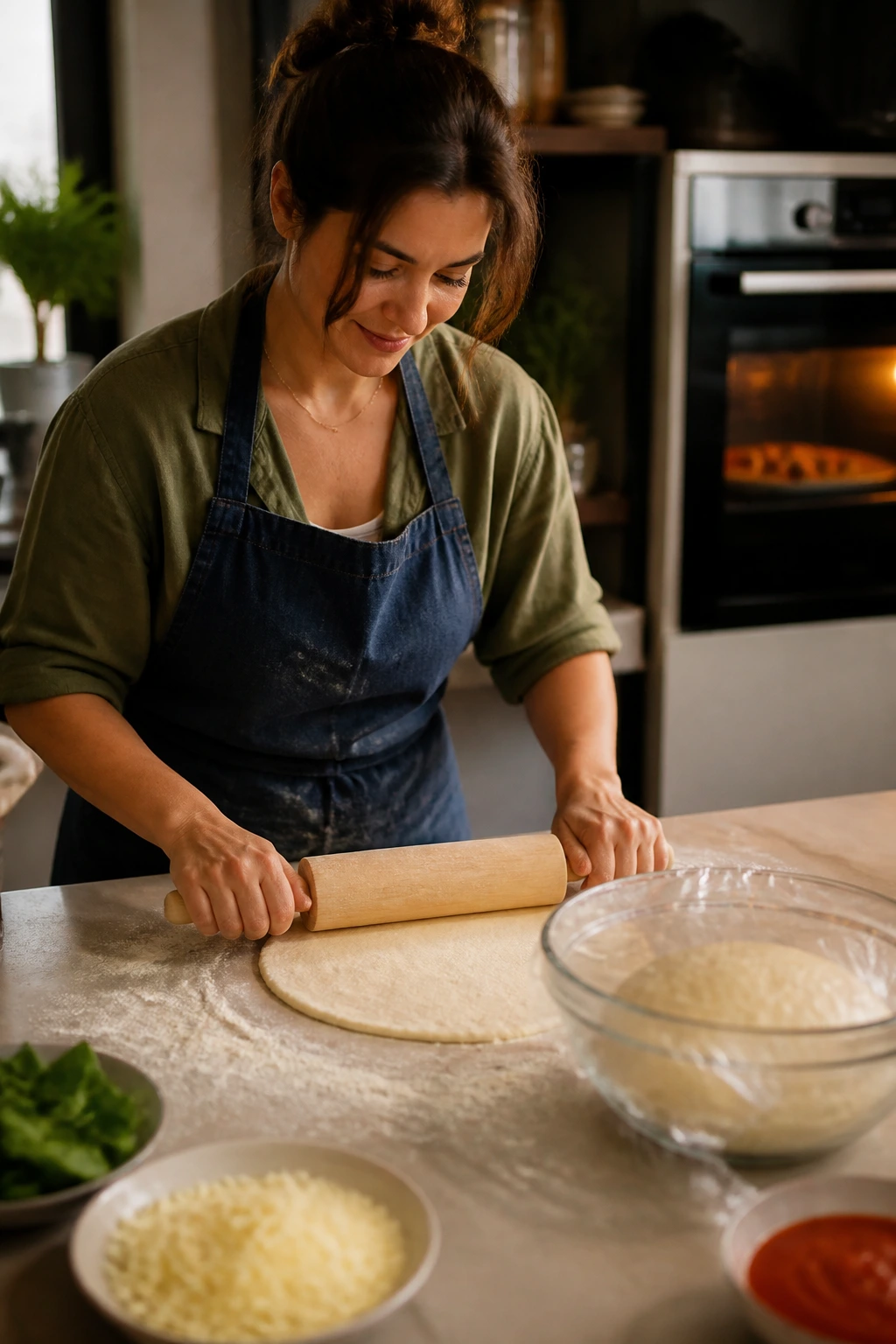
Pizza dough can be made ahead and refrigerated for 24 to 72 hours, depending on how much fermentation flavor you want. A longer rest usually gives the crust a little more depth and easier stretching, though it does need to be covered well so it doesn’t dry out. Bring the dough back to room temperature for about 45 to 60 minutes before shaping.
Baked pizza keeps well in the refrigerator for 3 to 4 days if wrapped tightly or stored in an airtight container. The freezer works too, up to 2 months, though the texture is best if you freeze slices in a single layer first and then wrap them. That keeps the cheese from welding the slices together into one frozen brick.
Reheating matters. For thin-crust pizza, a dry skillet over medium heat for 2 to 3 minutes on the first side, then a minute with the lid on, gives the best crackly bottom. For thicker slices or white pizzas, a 375°F oven for 8 to 10 minutes works well. Microwave reheating is possible, but the crust will go limp and nobody pretends otherwise.
Some toppings improve overnight. Meatball pizza, sausage pizza, and most tomato-based pies hold up well. Fresh basil, arugula, and prosciutto do not; they should be added after reheating if possible. If you’re planning leftovers, store the garnishes separately. That extra step pays off the next day.
Variations and Adaptations to Try
Gluten-Free Crust Night:
Use a gluten-free pizza crust that is built to crisp, not one that stays soft like a flatbread. Pre-bake it a little longer than the package suggests so the center sets before the toppings go on. A gluten-free crust usually handles Margherita, pepperoni, and white pizza best, because the topping weight stays moderate.
Dairy-Light Pizza:
Skip the heavy cheese load and use olive oil, garlic, tomatoes, olives, capers, herbs, and a little parmesan if tolerated. Marinara pizza, olive and onion pizza, and roasted vegetable pizza work especially well here because they already lean on flavor from the toppings. The crust should still be brushed with oil so it browns properly.
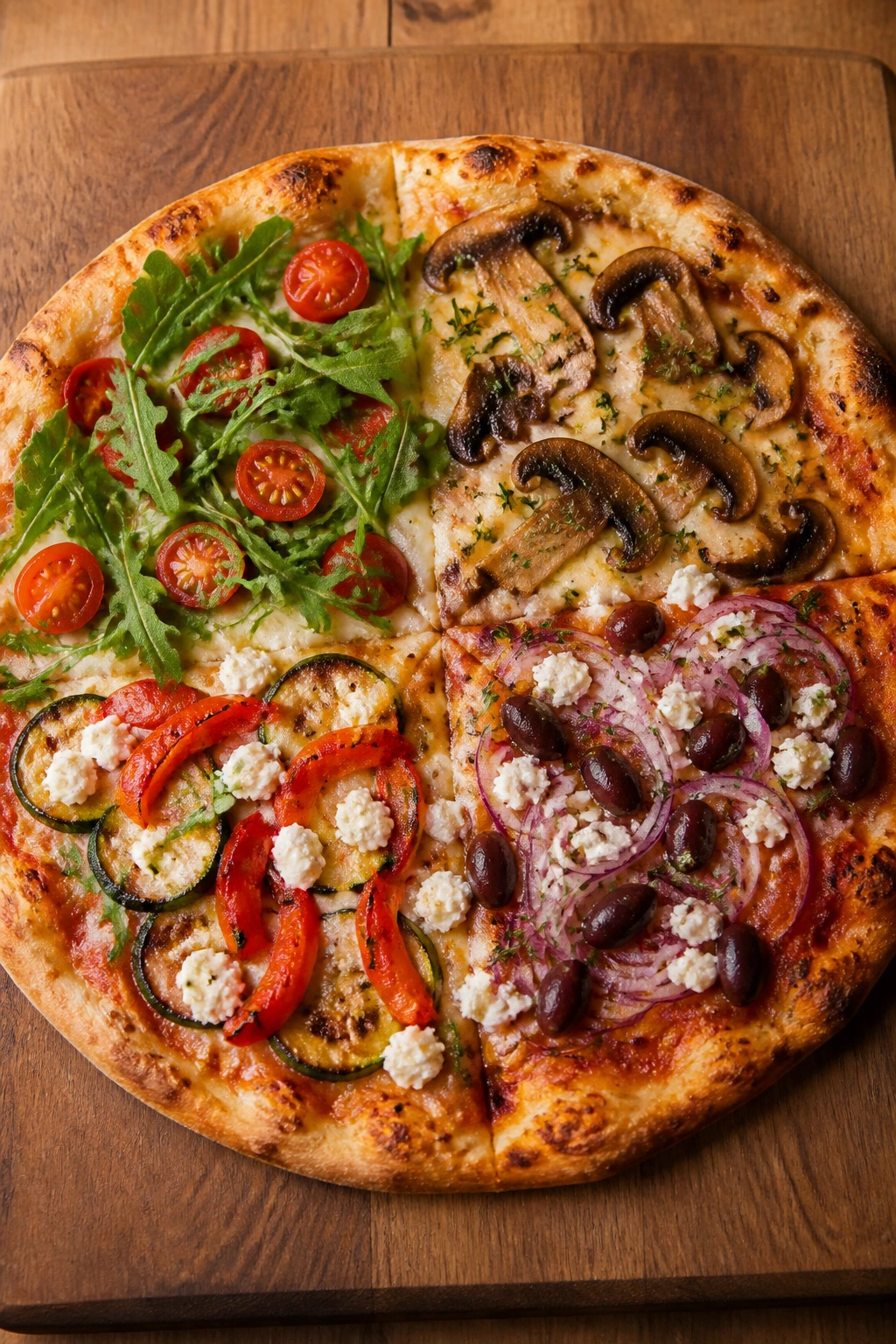
Vegetable-First Pizza Night:
Make the vegetables the center of the pie instead of a side note. Roasted zucchini, mushrooms, onions, artichokes, eggplant, peppers, and tomatoes all hold up well if they’re cooked before topping the dough. This style works best when you use two or three vegetables, not six.
Kid-Friendly Mild Pies:
Keep the heat low and the flavors familiar. Margherita, plain cheese, pepperoni, and breakfast pizza all fit here, and you can trim back garlic or black pepper without changing the structure of the pie. If a child is suspicious of green things, add herbs after the slice lands on the plate.
Higher-Protein Dinner Pizzas:
Use cooked chicken, tuna, shrimp, sausage, or meatballs in smaller amounts and pair them with vegetables or herbs. The goal is not to bury the dough in protein but to give each slice enough weight to feel like dinner. Pesto chicken and meatball pizza are especially useful here.
Sheet-Pan Pizza for a Crowd:
If you need more slices and less fuss, press the dough onto an oiled rimmed sheet pan instead of stretching a round pie. The crust gets a little thicker and softer, which is fine for sausage, roasted vegetable, or pepperoni versions. It’s the easiest way to feed more people without juggling multiple pizzas.
Mistakes That Make Homemade Pizza Slump
- Not preheating long enough: A half-warm oven gives you pale crust and soft bottoms. Preheat for at least 45 minutes if you’re using a stone or steel.
- Using wet toppings without cooking them first: Mushrooms, eggplant, zucchini, and sausage all release moisture. If they go on raw, the center gets soggy fast.
- Overloading the dough: More toppings sound generous, but too much weight keeps the crust from baking through. A pizza should look full, not buried.
- Cutting too soon: The cheese and sauce need a minute to settle or everything slides. Even 60 to 90 seconds helps.
- Using cold dough straight from the fridge: It snaps back when you stretch it and tears more easily. Let it warm up until it feels soft and flexible.
- Putting fresh herbs on too early: Basil, arugula, parsley, and chives lose their brightness if they bake for long. Add them after the pizza comes out.
Pizza Night Questions People Actually Ask

Can I use store-bought dough and still get good results?
Yes. Give it time to warm up, stretch it gently, and bake it on a properly preheated surface. A good hot oven matters more than where the dough came from.
Do I need a pizza stone or steel?
No, but it helps. A preheated rimmed baking sheet can still make solid pizza, especially for sheet-pan versions or pies with a little more topping weight.
How do I keep the crust from getting soggy?
Use less sauce than you think, dry wet ingredients, and pre-cook vegetables and meats that leak moisture. A hot surface under the dough also helps the bottom set before the toppings soften it.
Can I freeze pizza dough?
Yes. Wrap it tightly after the first rise and freeze it for up to 2 months. Thaw it in the fridge overnight, then let it sit at room temperature before stretching.
What if my pizza browns on top but stays pale underneath?
Your oven is probably too cool, or the stone or steel hasn’t preheated long enough. Bake lower in the oven, give the base more time, and make sure the bottom has real contact with heat.
Is pre-shredded cheese fine?
It works in a pinch, but freshly shredded cheese melts more smoothly. Pre-shredded cheese often has anti-caking starch, which can dull the melt and leave the top a little dry.
Can I make these pizzas ahead for guests?
You can prep the dough, sauce, roasted vegetables, and cooked meats earlier in the day. Assemble and bake close to serving time so the crust stays crisp and the toppings keep their shape.
What’s the best way to reheat leftovers?
A skillet gives the best crust for thin slices, while a moderate oven works well for thicker or wetter pizzas. Skip the microwave unless you care more about speed than texture.
Keeping the Oven Warm
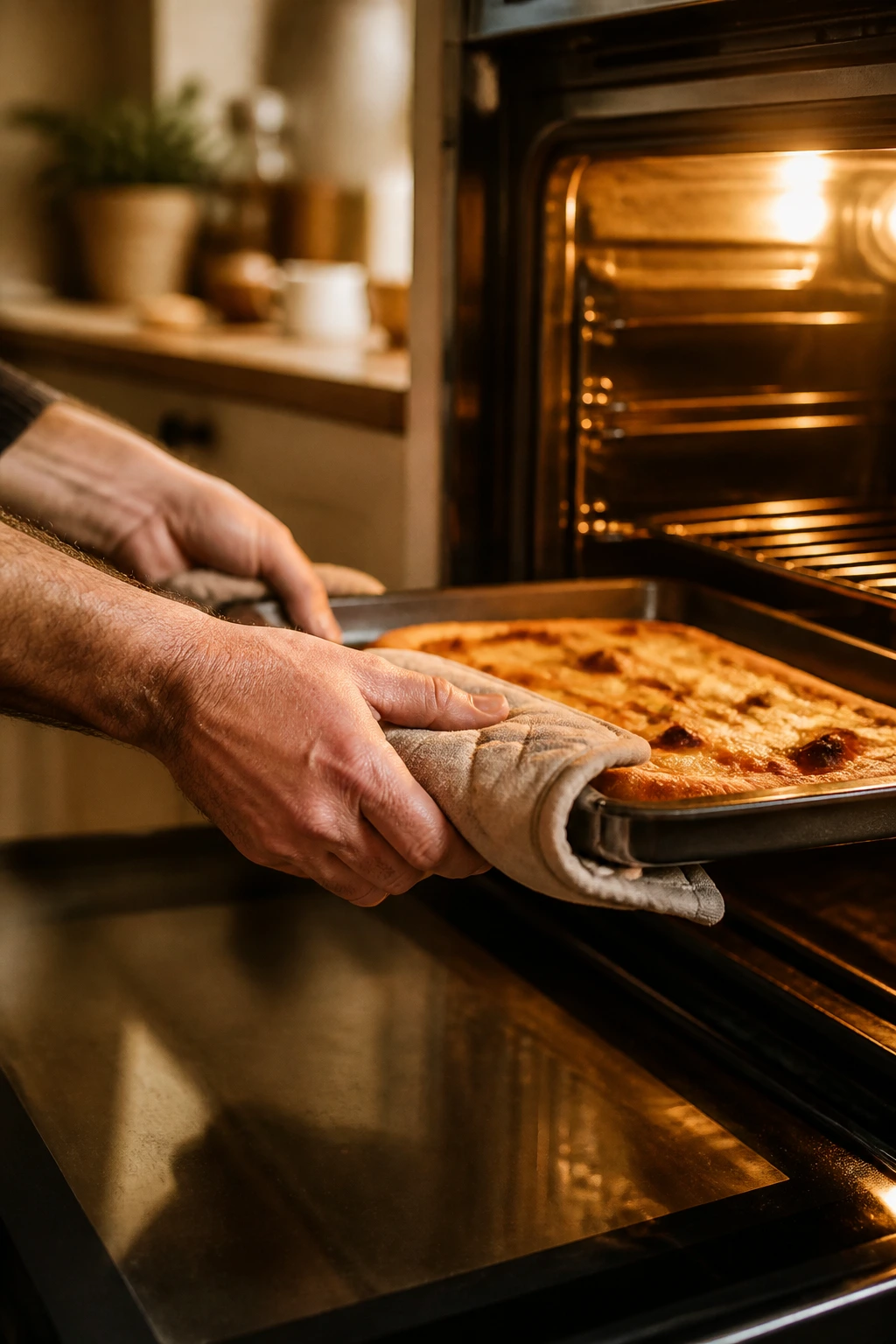
Pizza night works because it gives you a finished dinner with very little ceremony. Once the dough is relaxed, the toppings are ready, and the oven is hot, the rest is mostly timing and restraint. That’s the pleasant part. You don’t need to fuss with ten side dishes or a complicated sauce that takes over the whole kitchen.
The pies in this collection cover a lot of ground without wandering away from what makes homemade pizza worth making: a crisp crust, enough melt, and toppings that taste like they belong together. Some are bright and fresh, some are salty and rich, some lean on vegetables, and some are unapologetically cheesy. Pick one that suits the room, or make two and let the table sort it out.
Either way, keep the oven hot and the toppings lean, and the slices will take care of themselves.