



A good caprese quinoa salad should taste like a tomato that was picked warm, split open with your hands, and salted before the juice had a chance to disappear. That’s the standard here. If the bowl tastes bland, watery, or vaguely “healthy,” it has missed the point by a mile. A proper caprese quinoa salad like Nonna used to make — or would have made, if you had dropped quinoa into her kitchen with a loaf of bread and a heavy bag of tomatoes — should feel generous, bright, and a little bit luxurious in the simplest way.
The trick is not piling on more ingredients. It’s paying attention to the ones already there. Quinoa needs to be rinsed so it loses that dusty edge. Tomatoes need to be ripe enough to perfume the bowl the second you cut them. Basil needs to be torn, not chopped to confetti. Mozzarella needs to be dry on the outside, soft in the middle, and never drowned in liquid from the package.
That balance is what makes this dish worth making again and again. It eats like lunch, stands in for a side dish without apology, and handles a table full of people without turning into a sad heap by the third serving. Get the temperatures right, keep the basil bright, and stop trying to turn a clean Italian-style salad into a storage bin for every vegetable in the crisper. The first thing worth getting right is why the combination works so well.
Why This Caprese Quinoa Salad Makes Sense
Caprese, at its best, is a lesson in restraint. Tomato, mozzarella, basil, olive oil, salt. That’s the whole story, and the story is already good. The move here is to stretch that same logic over quinoa, which gives the salad a backbone without muting the fresh ingredients. You still get the sweet acidity of tomato, the milky softness of fresh mozzarella, and the sharp green hit of basil — now with a grain that catches the dressing and keeps the bowl from feeling flimsy.
Quinoa is not pasta pretending to be something else. It brings its own texture. When it’s cooked correctly, the grains stay separate, a little springy, and faintly nutty. That matters here because the salad needs something to absorb the balsamic and olive oil without turning soggy after ten minutes on the counter. Rice can go soft. Couscous can collapse. Quinoa holds its shape and still drinks up flavor.
There’s also a temperature thing going on that a lot of recipes mishandle. If the quinoa is steaming hot when you toss in mozzarella and basil, the cheese starts to soften too much and the herbs go dark around the edges. If it’s ice-cold, the oil stiffens a little and the whole bowl tastes flat. Room temperature is the sweet spot. Warm enough to smell alive. Cool enough to stay clean.
And yes, this is the kind of dish that rewards decent tomatoes more than fancy technique. That’s the part people get wrong. They fuss over the grain and then buy pale, mealy tomatoes that taste like damp cardboard. Better to use fewer ingredients and buy the ones that actually matter. A bowl like this does not hide bad produce. It exposes it.
Time, Yield, and the Right Moment to Serve It
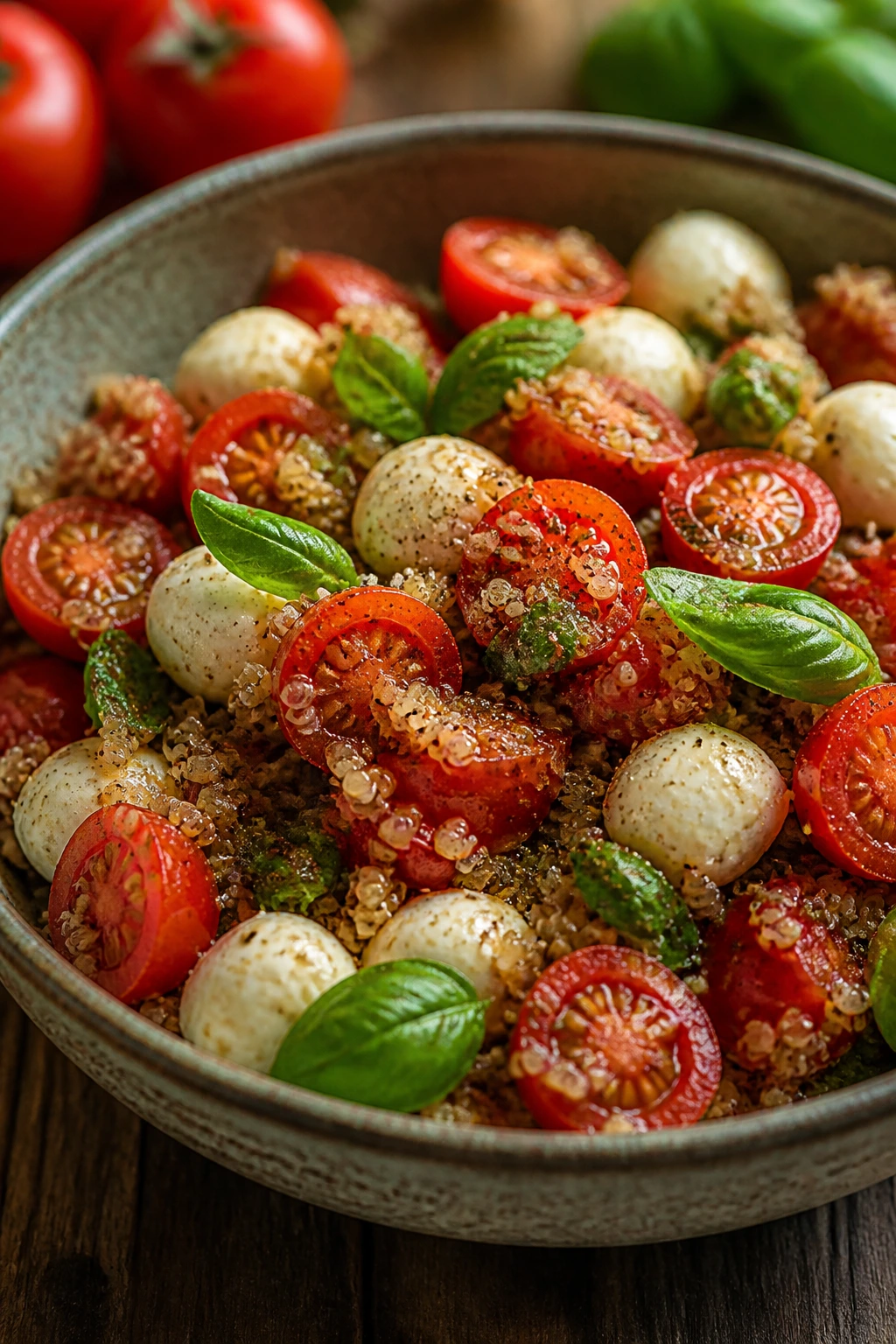
Some salads are best assembled at the table because they wilt if you look at them too long. This one sits in the middle. You want enough time for the quinoa to cool and absorb the dressing, but not so much time that the basil loses its color and the tomatoes start dumping juice everywhere.
Yield: Serves 4 as a side or 2 as a light main
Prep Time: 20 minutes
Cook Time: 15 minutes
Total Time: 35 minutes
Difficulty: Beginner — the steps are straightforward, but the quinoa needs proper rinsing and cooling so the texture stays light.
Chill/Rest Time: 10 to 15 minutes after tossing
Best Served: Slightly warm or at room temperature, with the basil added at the end
That timing is one of the reasons I like this dish for a lunch spread or a relaxed dinner plate. You’re not standing over a stove for an hour. You’re not waiting on dough or sauce reductions or any other labor that starts sounding noble and ends with a sink full of dishes. The rhythm is simple: cook, cool, toss, taste, serve.
What Goes Into the Bowl
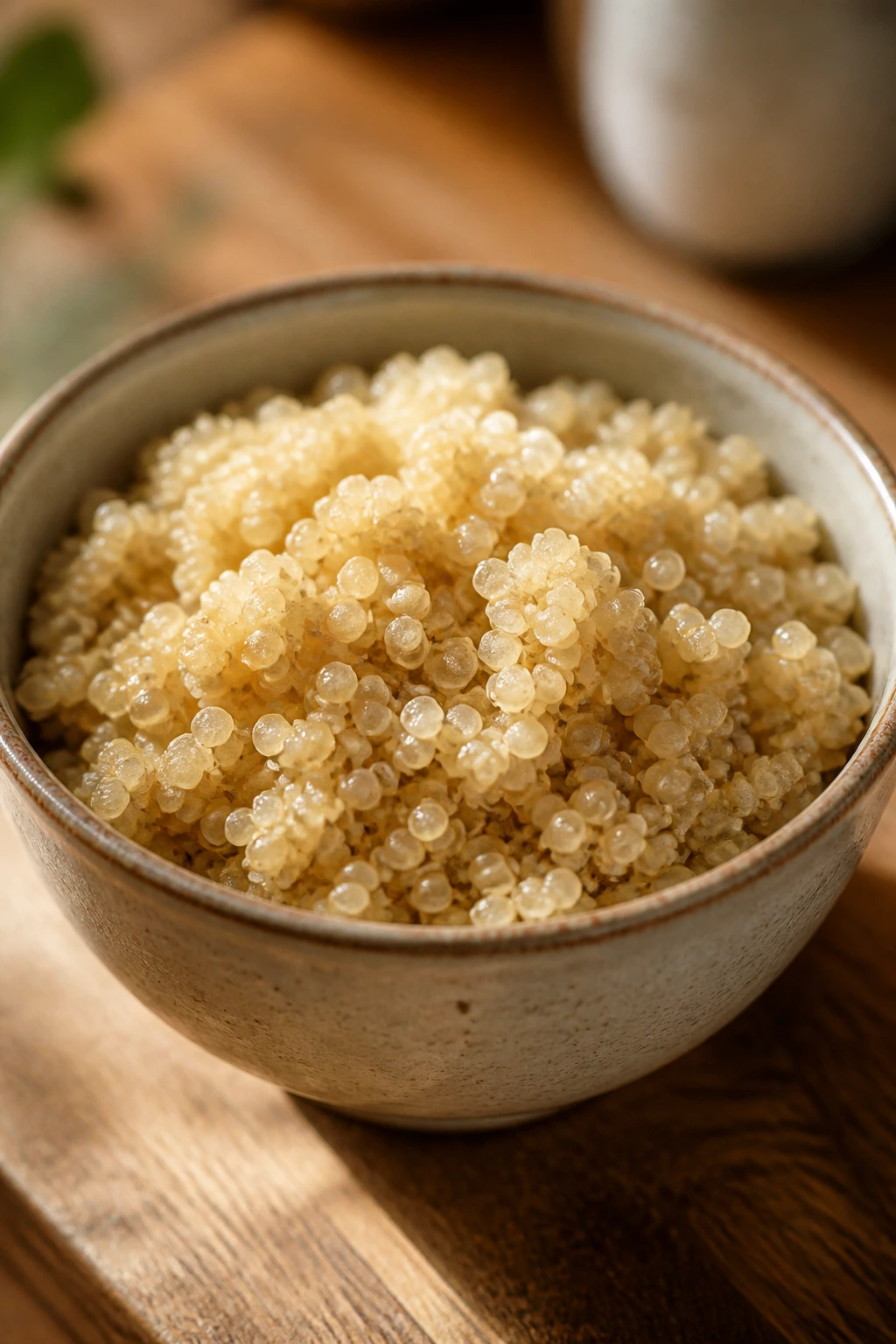
For the Quinoa Base:
- 1 cup dry quinoa, rinsed well
- 2 cups water
- 1/2 teaspoon kosher salt
For the Salad:
- 3 cups cherry or grape tomatoes, halved
- 8 ounces fresh mozzarella pearls, drained and patted dry
- 1/4 cup thinly sliced red onion
- 1 packed cup fresh basil leaves, torn by hand
For the Dressing and Finish:
- 1/4 cup extra-virgin olive oil
- 2 tablespoons balsamic vinegar
- 1 teaspoon honey
- 1/2 teaspoon kosher salt
- 1/4 teaspoon freshly ground black pepper
- 1 tablespoon balsamic glaze, for serving
That ingredient list is short on purpose. Caprese stops being Caprese when it turns into a shopping list of competing flavors. The goal is not novelty. The goal is to make every bite taste like it belongs to the same bowl.
Why Each Ingredient Earns Its Place
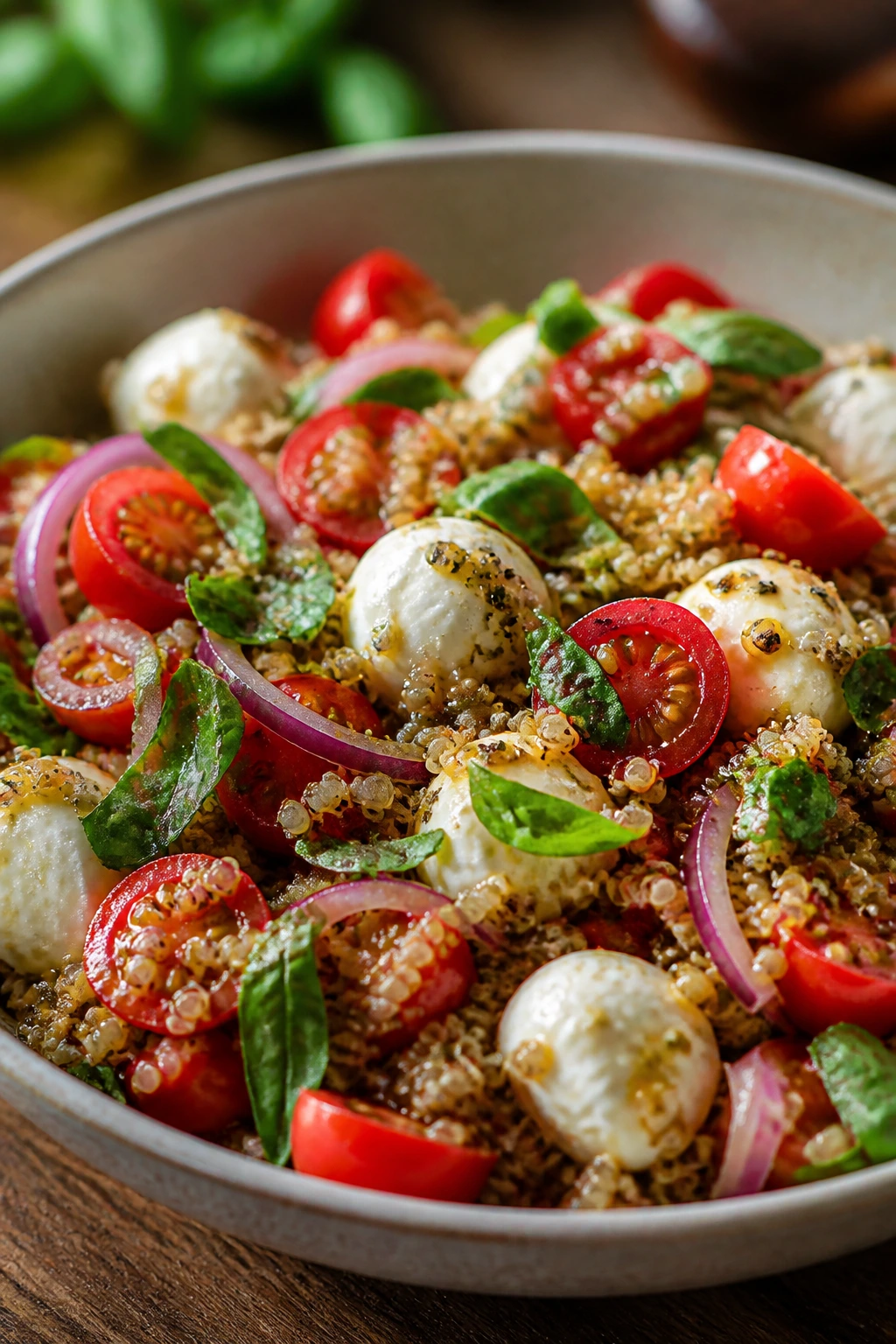
The Quinoa Base
What to use: 1 cup dry quinoa, rinsed well, cooked in 2 cups water with 1/2 teaspoon kosher salt.
Preparation: Rinse it in a fine-mesh sieve under cold running water for 30 to 45 seconds, rubbing the grains a little with your fingers. That wash matters; it removes the natural coating that can taste chalky or bitter if you skip it.
Substitutions: Tri-color quinoa works just as well, and if you want a softer texture, white quinoa is the gentlest option. Couscous or farro will technically work too, though both push the salad away from the clean Caprese feel.
Tips: Cook the quinoa until the liquid is absorbed and the little germ ring pops open around each grain. If the center still looks opaque and wet, keep it covered for another minute or two before fluffing.
Quinoa is the chassis here. Without it, the salad is just tomatoes, cheese, and basil tossed in oil. Good ingredients, sure, but not much staying power. With quinoa, the dressing clings instead of pooling, and the dish gets enough body to sit on a lunch plate without requiring a second course.
Tomatoes and Red Onion
What to use: 3 cups cherry or grape tomatoes, halved, plus 1/4 cup thinly sliced red onion.
Preparation: Cut the tomatoes in half so their juices can mingle with the dressing. Slice the onion very thin; if the onion is sharp, soak the slices in ice water for 5 minutes and dry them well before adding them.
Substitutions: Heirloom tomatoes can be chopped into bite-size pieces when you have them, and sweet onion can replace red onion if you want a gentler bite. If you hate raw onion, skip it rather than forcing it in.
Tips: Tomatoes should smell like tomatoes before they ever touch the board. If they smell like almost nothing, the salad will taste thin no matter how much salt you add.
The tomatoes do more than add color. They bring juice, acid, and that sudden sweet burst that keeps the quinoa from tasting dry. The onion is there for a little snap, not to dominate the bowl. Use enough to wake things up, not enough to make every bite taste like a deli counter.
Mozzarella and Basil
What to use: 8 ounces fresh mozzarella pearls, well drained, and 1 packed cup fresh basil leaves, torn by hand.
Preparation: Drain the mozzarella in a sieve, then blot it with paper towels so it doesn’t water down the bowl. Tear the basil into large pieces right before mixing; chopped basil bruises fast and loses its clean aroma.
Substitutions: If you only have a mozzarella log, cut it into 1/2-inch pieces and pat those dry too. For a sharper edge, a small amount of feta can stand in, but it stops being strictly Caprese once you do that.
Tips: Basil should go in last. If it sits in dressing for too long, the leaves darken and you lose that fresh, slightly peppery smell that makes the whole salad wake up.
Fresh mozzarella gives soft, cool pockets in the salad. Basil gives the top note. Not garnish. Top note. That smell when you lean over the bowl — sweet, green, a little like pepper — is the difference between a salad that feels assembled and one that feels alive.
Dressing and Finish
What to use: 1/4 cup extra-virgin olive oil, 2 tablespoons balsamic vinegar, 1 teaspoon honey, 1/2 teaspoon kosher salt, 1/4 teaspoon black pepper, and 1 tablespoon balsamic glaze for serving.
Preparation: Whisk the dressing until the honey disappears and the vinegar looks fully blended into the oil. If your honey is thick, warm the measuring spoon under hot water for a few seconds so it slides out cleanly.
Substitutions: Maple syrup can replace honey in a pinch, and red wine vinegar can stand in for balsamic if you want a sharper, less sweet edge. The flavor will shift, though, so don’t pretend it’s the same bowl.
Tips: Season the dressing lightly and then taste the finished salad before adding more salt. Tomatoes and mozzarella both bring their own saltiness, and overdoing it at the start is how you end up with a harsh, flat bowl.
The dressing should not drown the salad. It should coat the grains, leave a shine on the tomatoes, and sink into the quinoa just enough to make each forkful taste complete. The balsamic glaze at the end is not decoration. It gives the final bite a sweeter, darker finish that reads as finished, not merely mixed.
How to Cook the Quinoa So It Stays Fluffy
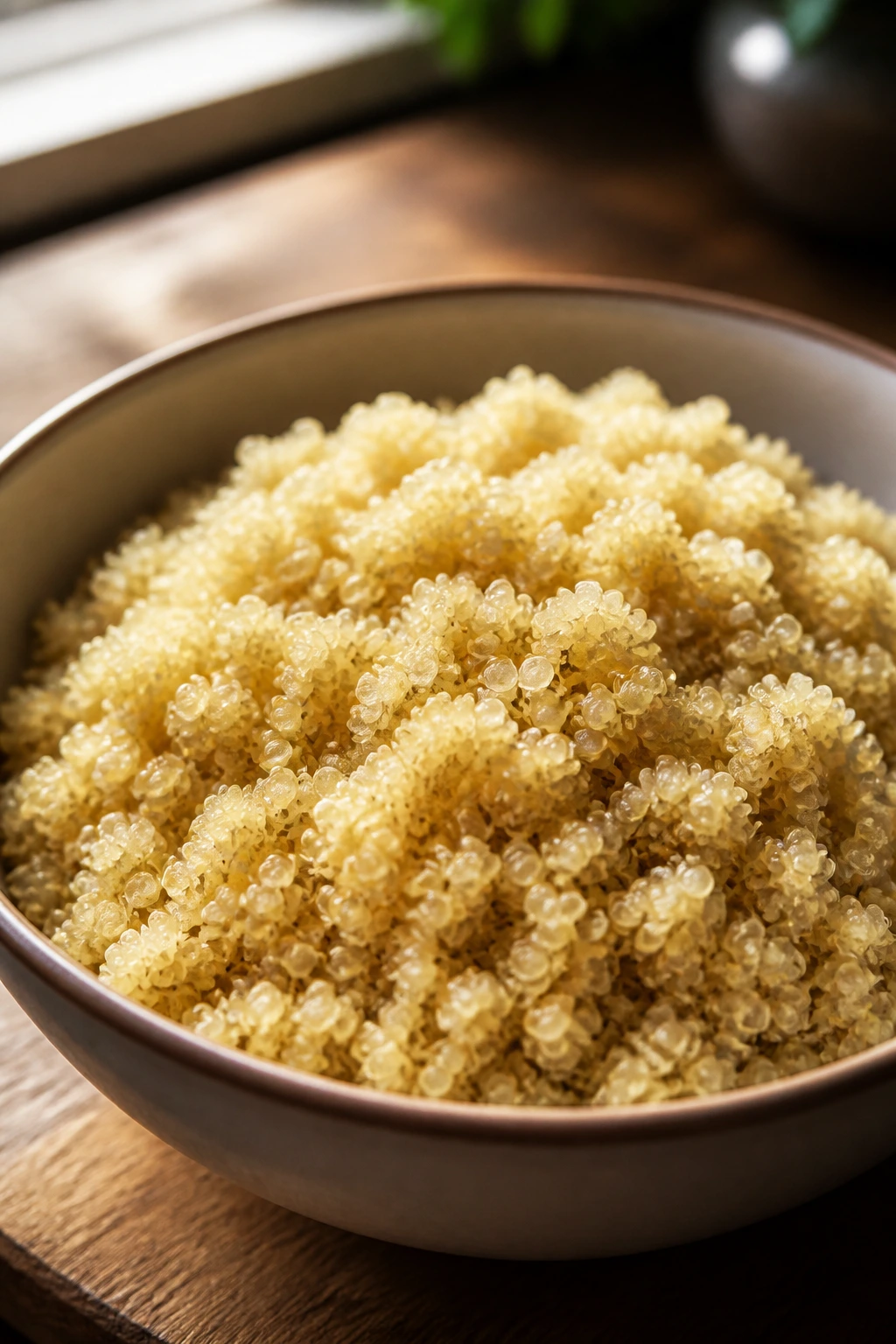
Quinoa is where this salad lives or dies. The good news: the method is simple. The less cheerful news: simple does not mean careless. A pot of overcooked quinoa turns gluey fast, and glue is the enemy of a bowl that’s supposed to taste airy and clean.
You want each grain separate, a little translucent around the edges, with the tiny germ ring visible. That’s the sign. Not a mushy mound. Not a wet porridge. Separate grains. A light fork fluff. Then out of the pot.
Cook the Quinoa:
- Rinse 1 cup quinoa in a fine-mesh sieve under cold running water for 30 to 45 seconds, rubbing the grains gently with your fingers until the water runs mostly clear.
- Combine the rinsed quinoa, 2 cups water, and 1/2 teaspoon kosher salt in a medium saucepan. Bring the mixture to a boil over medium-high heat.
- Reduce the heat to low, cover the pan tightly, and simmer for 15 minutes. Do not keep lifting the lid; steam is doing the work.
- Remove the pan from the heat and let it sit, covered, for 5 minutes more. The grains should look plump and the water should be fully absorbed.
- Fluff the quinoa with a fork, then spread it on a rimmed baking sheet or large plate in a thin layer. Let it cool for 10 to 15 minutes until it’s just warm, not steaming.
That cooling step is not busywork. It’s what keeps the mozzarella from going soft in the wrong way and the basil from collapsing into dark threads. If you are impatient, you’ll taste it later. The bowl gets heavy and dull instead of bright and springy.
One more thing: if your quinoa still looks wet after the full simmer, let it sit off the heat for another 2 minutes before fluffing. A lid is a tool, not a suggestion. Trap the steam, and the grains finish themselves properly.
Folding the Salad Without Bruising the Basil
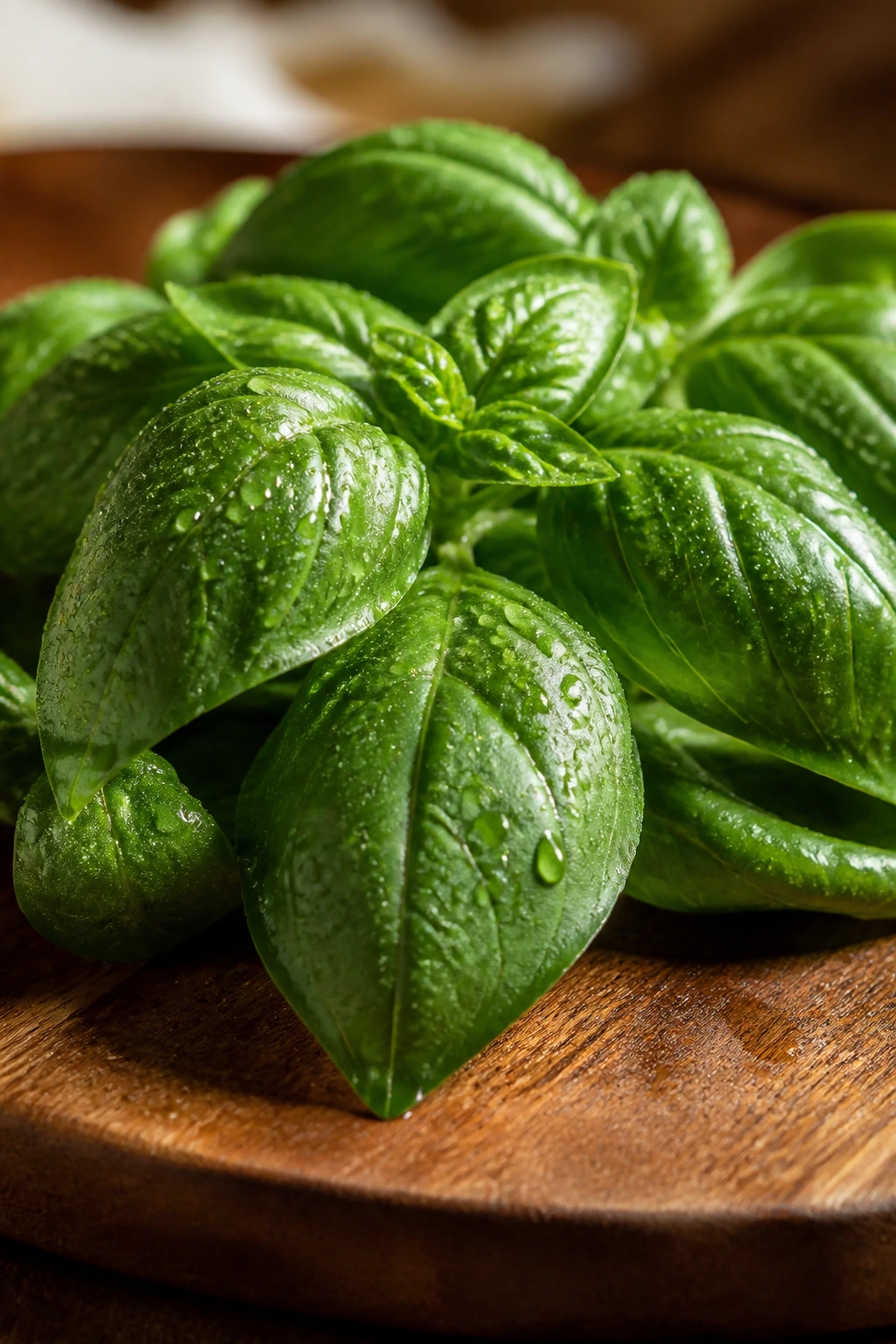
Assembly is where people get casual and then wonder why the salad tastes muddy. You’re not making a stew. You’re layering textures. The tomatoes should stay juicy, the mozzarella should stay soft, and the basil should still smell like basil when the bowl hits the table.
There’s a rhythm to it. Quinoa first. Dressing next. Then the tomatoes and cheese. Basil last. If you fold everything together in one noisy rush, the basil bruises and the tomatoes break down too fast. The salad still gets eaten, obviously, but it loses the tidy, vivid quality that makes the first bite so good.
Build the Salad: 6. In a large mixing bowl, whisk together the olive oil, balsamic vinegar, honey, 1/2 teaspoon kosher salt, and black pepper until the dressing looks glossy and blended. 7. Add the cooled quinoa, tomatoes, mozzarella, and red onion to the bowl. Pour in about half of the dressing and fold gently with a silicone spatula or large spoon until everything is lightly coated. 8. Add the torn basil and the remaining dressing, then fold once or twice more. Taste a spoonful and adjust with a pinch more salt or pepper if needed. Stop mixing as soon as the ingredients look evenly dressed; overmixing breaks the tomatoes and smears the cheese. 9. Let the salad rest for 10 to 15 minutes at room temperature so the quinoa can absorb some dressing and the flavors can settle together. 10. Transfer the salad to a serving bowl or platter and finish with the balsamic glaze. A few extra basil leaves on top don’t hurt either.
If you want one small test before serving, taste the quinoa itself. If it tastes plain, the whole bowl will taste plain. If the grains taste seasoned and lightly tangy on their own, you’re in good shape. That’s the standard I use when I want a salad that feels finished rather than assembled out of leftovers.
Tools That Make the Job Easier
You do not need a drawer full of special equipment for this, which is one of the reasons I keep coming back to it. A few solid basics are enough.
- Fine-mesh sieve: Best for rinsing the quinoa thoroughly so the grains don’t clump or taste bitter.
- Medium saucepan with a tight lid: The lid matters. Loose steam control is how quinoa goes uneven in the middle.
- Large mixing bowl: You want room to fold the ingredients without crushing the tomatoes.
- Rimmed baking sheet or large plate: Spreading the quinoa out helps it cool quickly and evenly.
- Silicone spatula or large spoon: Better than a whisk for folding the salad without breaking the mozzarella.
- Sharp chef’s knife: Halves the tomatoes cleanly and keeps the onion slices thin instead of ragged.
- Airtight storage containers: Useful if you’re making the salad ahead or saving leftovers, especially with basil in the mix.
A salad spinner can help if you wash the basil yourself, but it’s optional. A clean kitchen towel works too. Honestly, basil just wants to be dry and left alone.
How I’d Serve This at the Table
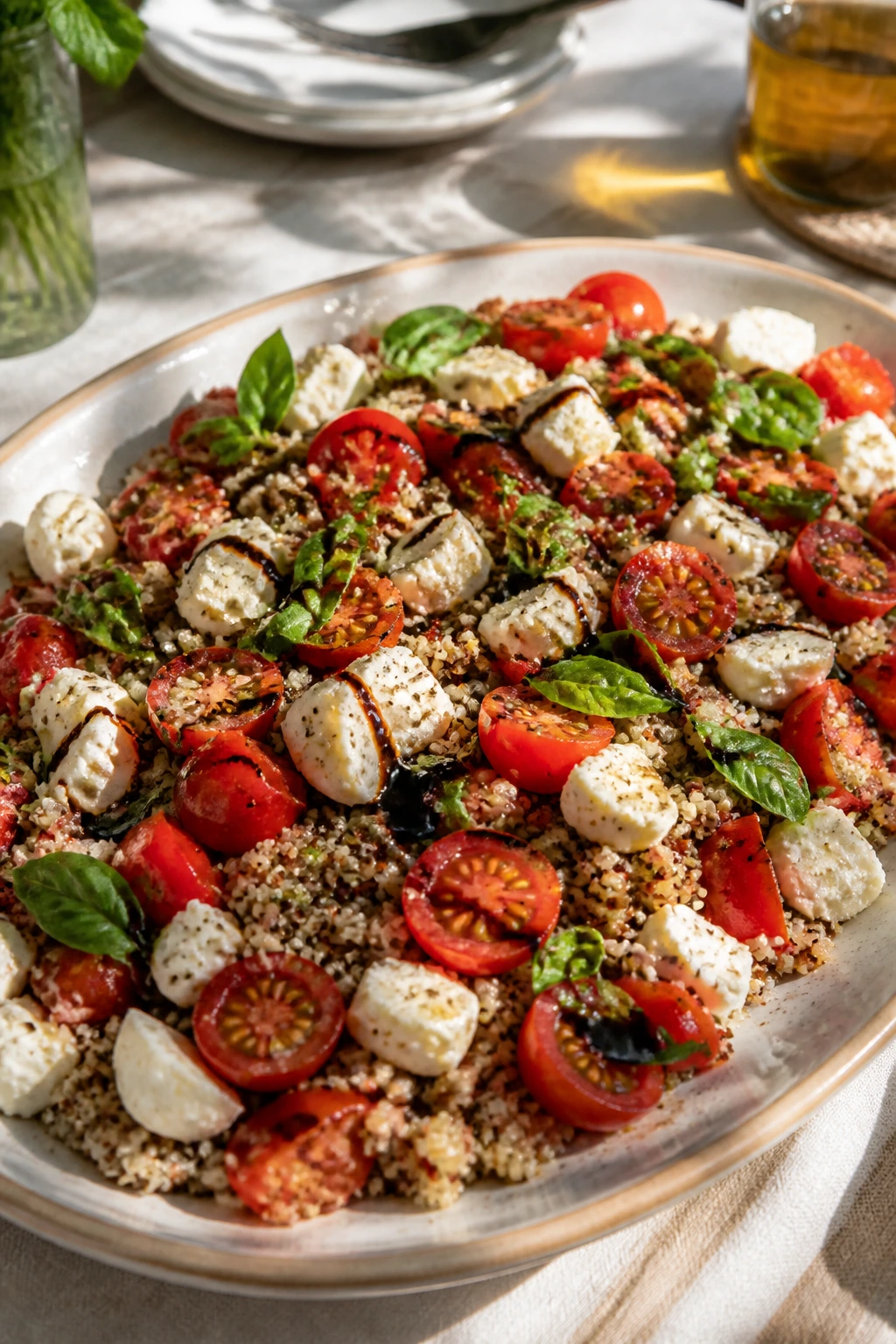
A shallow platter beats a deep bowl here. The colors need space. If you pile everything into a high mound, the tomatoes and basil disappear into the middle and the salad loses some of its charm before anyone takes a bite.
Presentation: Spoon the salad into a wide serving bowl or spread it over a large platter. Finish with a thin ribbon of balsamic glaze and a few torn basil leaves on top so the green stays visible against the red tomatoes and white mozzarella.
Accompaniments: Serve it with grilled chicken, seared salmon, or a plate of sliced sourdough rubbed with garlic and brushed with olive oil. It also sits nicely beside roasted zucchini, asparagus, or a simple green salad if you’re building a fuller spread. A warm focaccia is hard to argue with, too.
Portions: As a side dish, plan on about 1 to 1 1/4 cups per person. As a light main, 2 generous cups feels right, especially if you add beans or chicken. If you’re feeding a crowd, you can double the recipe without changing the method.
Beverage Pairing: A crisp white wine such as Pinot Grigio works well, and so does a dry rosé with enough acidity to keep pace with the tomatoes. If you’re skipping alcohol, go with sparkling water and lemon slices, or a cold unsweetened iced tea with a squeeze of lemon.
This is the kind of dish that looks better after a brief rest, not a long sit. Give it 10 or 15 minutes on the counter after tossing, then serve. The tomatoes will have shared some juice, the quinoa will have picked up the dressing, and the bowl will taste as if it had a little more time to think.
Small Moves That Change the Flavor
A lot of recipe advice is fluff. “Use good ingredients” is true and useless at the same time. What helps here are small, practical moves that change the taste without changing the identity of the dish.
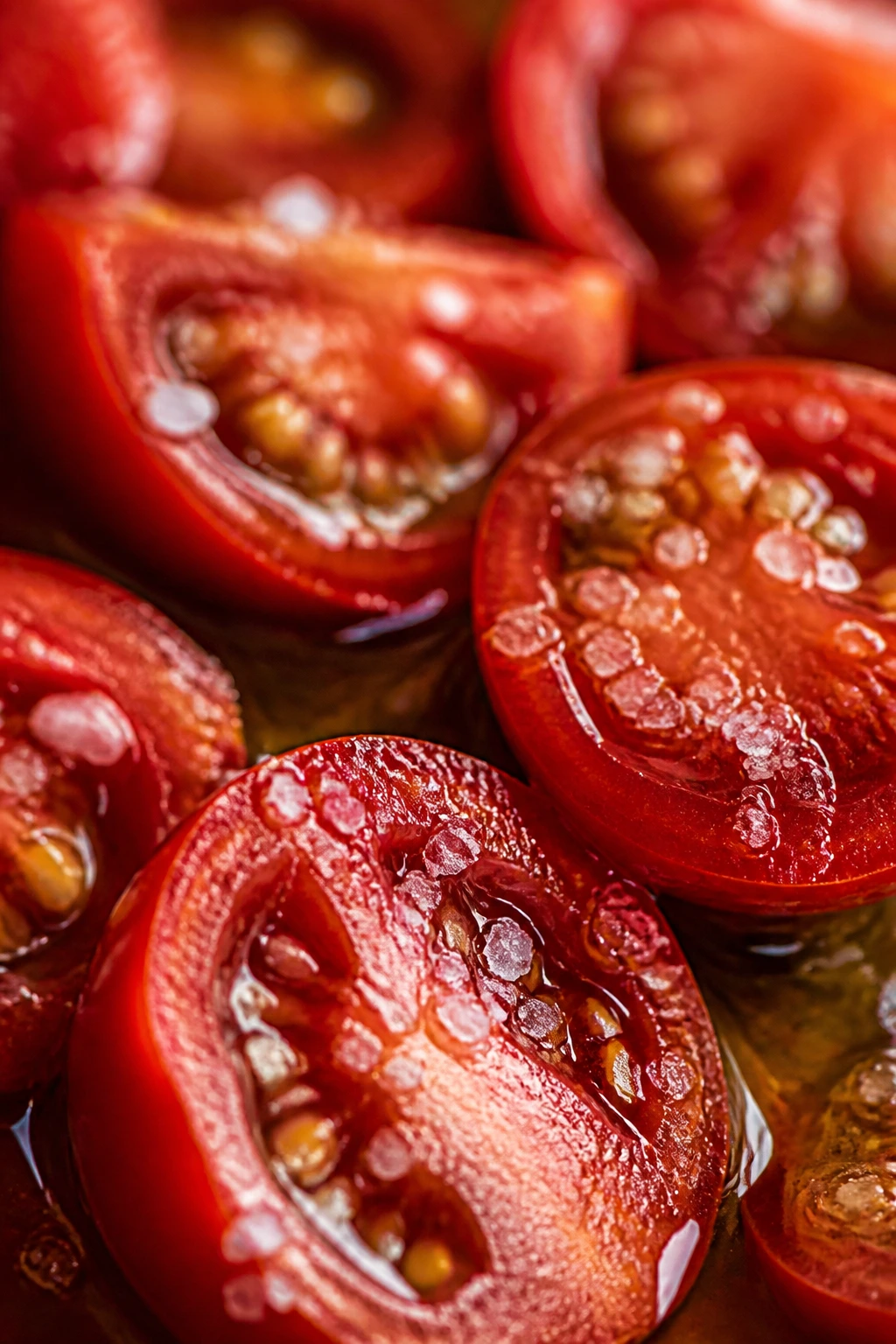
Flavor Enhancement: Salt the tomatoes lightly after you cut them and let them sit for 5 minutes before tossing. That tiny pause pulls out a little juice, which mixes with the olive oil and balsamic to make the quinoa taste seasoned all the way through. If the tomatoes are especially sweet, a pinch of flaky salt at the end sharpens everything.
Customization: Add 1 cup cooked cannellini beans if you want the salad to land more like lunch than a side. The beans bring a creamy texture that plays nicely with the mozzarella, and they do not fight the basil the way heavier add-ins can. A handful of baby arugula also works if you want a peppery edge.
Serving Suggestions: A few drops of balsamic glaze around the rim of the platter look nice, but more useful is a final drizzle over the tomatoes, not the whole bowl. That way the glaze hits the first bite instead of disappearing into the quinoa. If you like heat, a tiny pinch of crushed red pepper on only half the salad gives people a choice.
Make-It-Yours: For a dairy-free version, use marinated tofu cubes or a firm plant-based mozzarella that holds its shape when tossed. For lower sodium, cut the salt in the dressing in half and let the tomatoes do more of the work. For a richer bowl, add 2 tablespoons toasted pine nuts just before serving so they stay crisp.
My favorite tweak is the simplest one: use the best olive oil you’re willing to taste on its own. You do not need a bottle with a story attached to it. You do need one that tastes grassy and clean, because in a salad this spare, the oil is not background music. It’s part of the melody.
Common Mistakes That Make the Bowl Flat
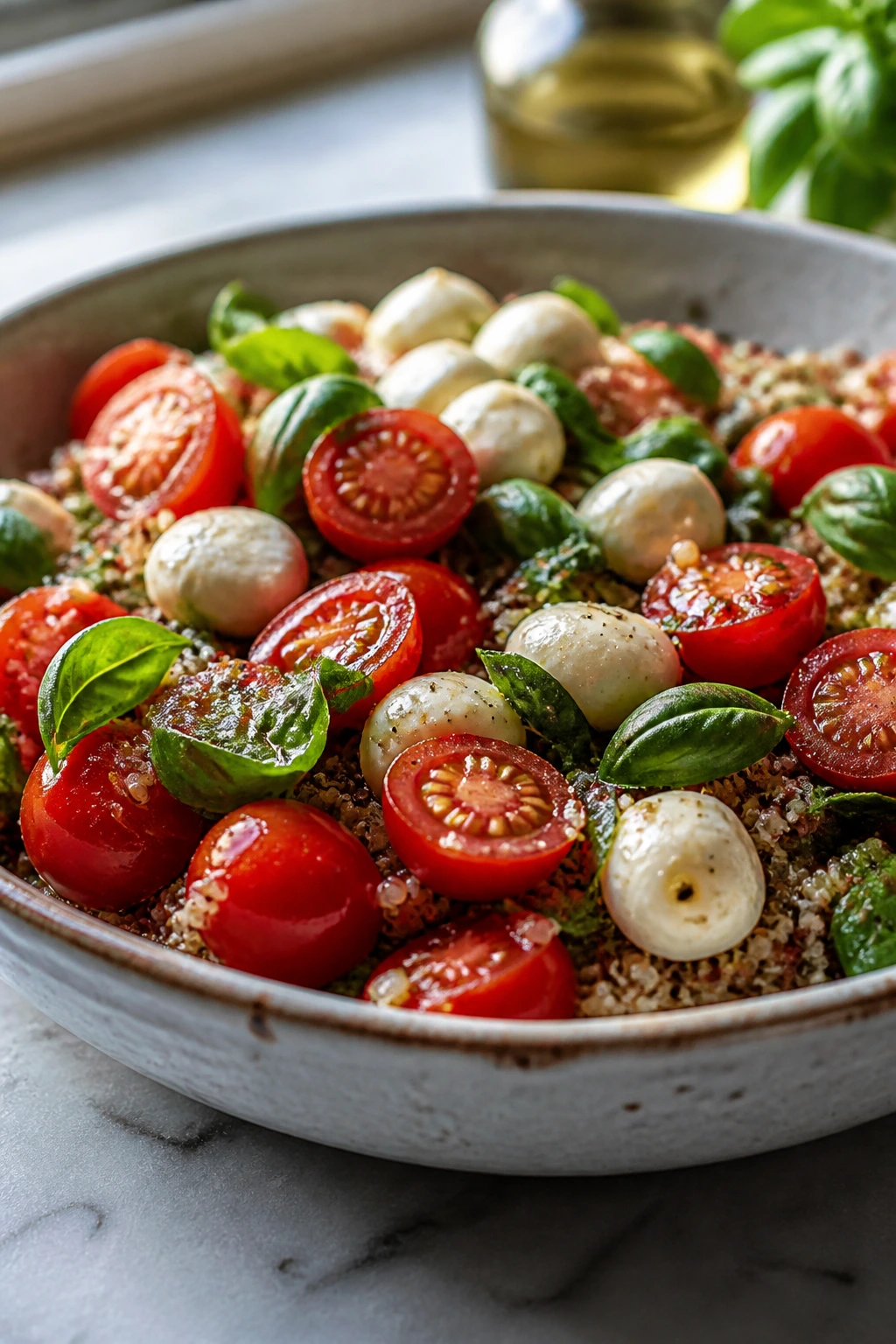
A Caprese quinoa salad can fail in a few predictable ways, and almost all of them are fixable before the first forkful. None of these mistakes are dramatic. That’s what makes them annoying. A bowl can look fine and still taste off.
- Skipping the quinoa rinse: The grains can taste dusty or slightly bitter if you cook them straight from the bag. The fix is simple — rinse until the water runs mostly clear, then cook as directed.
- Using mozzarella straight from its liquid: Wet mozzarella dumps water into the salad and makes the dressing slide off the grains. Drain it in a sieve and blot it dry before adding it.
- Adding basil too early: Basil blackens fast when it sits in warm quinoa or vinegar-heavy dressing. Fold it in at the very end so it stays green and fragrant.
- Serving it ice-cold: Refrigeration dulls the olive oil and makes the tomatoes taste less sweet. Pull the salad out of the fridge 15 to 20 minutes before serving so the flavors open back up.
- Using bland tomatoes: Pale, watery tomatoes can’t carry the bowl no matter how much dressing you add. If the tomatoes don’t smell good when you cut them, wait for better ones or switch to a smaller, sweeter type like cherry or grape.
- Overdressing the quinoa: Too much liquid turns the grains heavy and masks the fresh ingredients. Start with half the dressing, toss, taste, and only then decide if the bowl needs more.
The watery-salad problem deserves special attention. If you see puddles at the bottom of the bowl, it usually means the mozzarella wasn’t dry, the tomatoes were extra juicy, or the salad sat too long before serving. A quick fix is to drain off the excess liquid and add a spoonful of olive oil, then toss once more. Not glamorous. Very effective.
Variations for Different Kitchens
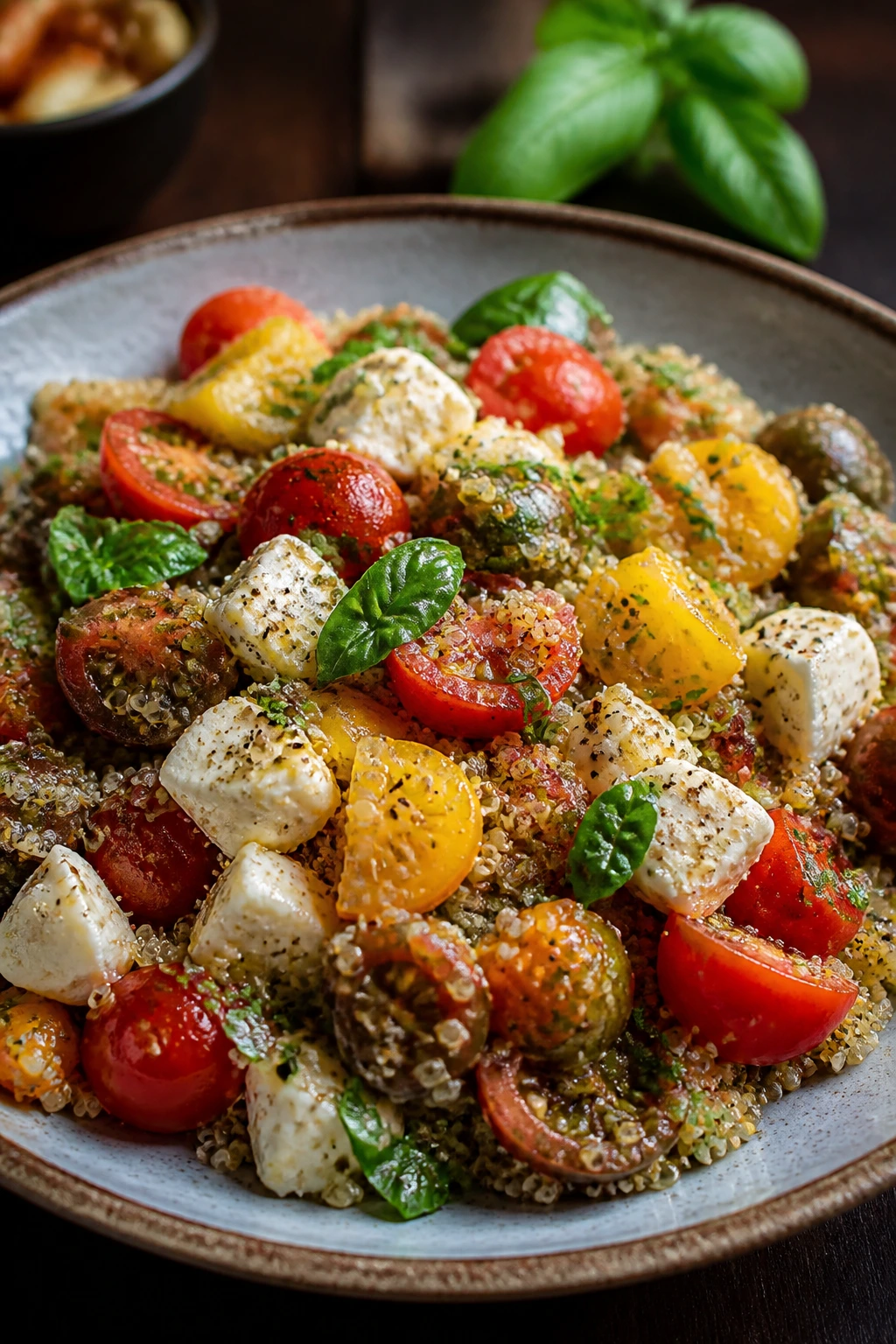
A recipe like this can take a few different roads without losing its personality. The key is to keep the tomato-basil-mozzarella idea visible. Once that trio disappears, you are making a different salad entirely.
Heirloom Market Version: Swap the cherry tomatoes for 4 cups chopped heirloom tomatoes and use only 1/2 cup red onion. Let the tomatoes drain in a colander for 5 minutes before mixing so the bowl doesn’t get watery. This version tastes softer and sweeter, with a little more perfume in every bite.
White Bean Supper Bowl: Add 1 cup rinsed and drained cannellini beans and bump the dressing up by 1 tablespoon of olive oil. The beans make the salad sturdier and give you a creamier bite without adding anything loud. It’s the variation I’d make for lunch when I know I won’t be eating again for hours.
Pesto-Slicked Bowl: Stir 2 tablespoons basil pesto into the quinoa after it cools, then reduce the balsamic vinegar to 1 tablespoon in the dressing. The pesto makes the grains taste richer and more herbal, and the whole bowl reads as a little more lush. Keep the basil garnish on top anyway; you still want the fresh green note.
Dairy-Free Garden Bowl: Replace the mozzarella with 1 cup marinated tofu cubes or 1 cup chopped marinated artichoke hearts. Add 2 tablespoons toasted pine nuts for a creamy-crisp contrast that keeps the salad from feeling bare. This version is not Caprese in the strictest sense, but it keeps the same bright, tomato-forward spirit.
If you want a more savory route, a few chopped Castelvetrano olives can fit nicely too. Keep the amount modest. A small handful is enough. More than that, and the olives start talking over the basil.
Make-Ahead, Storage, and the Real Reheating Question
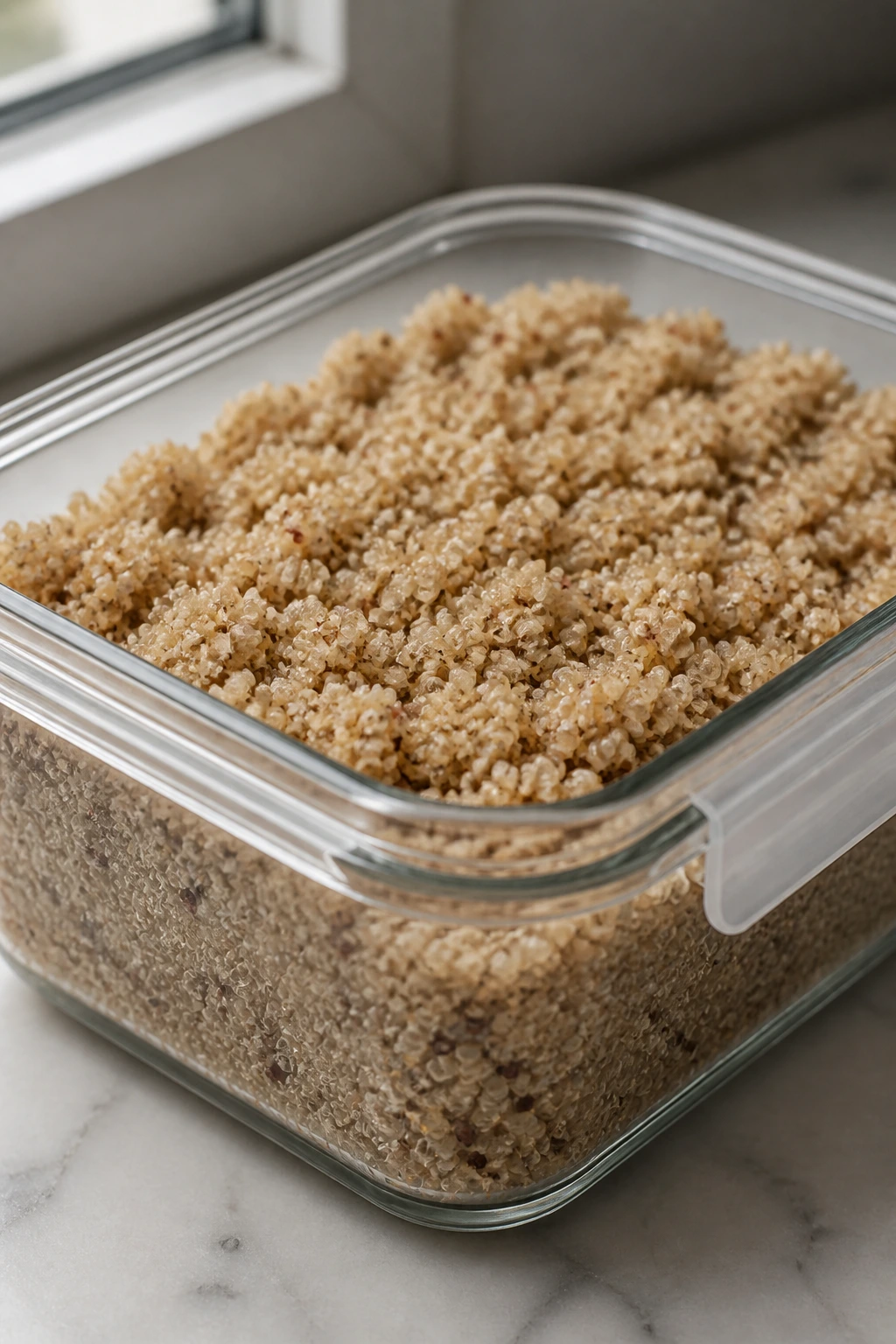
This is one of those dishes that can be prepped ahead without becoming miserable, but the parts age at different speeds. Quinoa is the sturdy one. Tomatoes and basil are the delicate ones. Mozzarella sits somewhere in the middle, provided you keep it dry.
If You’re Prepping Ahead
Cook the quinoa up to 1 day in advance and keep it in an airtight container in the fridge. The dressing can also be mixed 3 to 4 days ahead and stored separately. If you’re really planning, halve the tomatoes and slice the onion a few hours before serving, but keep the basil whole until the last minute.
In the Fridge
Once assembled, the salad keeps for up to 3 days in the refrigerator. Day one is best. Day two is still good. By day three, the basil softens and the tomatoes release more juice, so the texture gets a little looser, though still perfectly edible. Store it in a sealed container and press a piece of parchment directly on the surface if you want to slow drying.
Freezer Reality Check
The finished salad does not freeze well. Tomatoes and fresh mozzarella both turn watery and strange after thawing, and basil loses its brightness. Cooked quinoa alone freezes nicely for up to 2 months, though, so if you want to get ahead, freeze the grain on its own and thaw it in the fridge before assembling.
If You Want It Warm
The salad itself is not a reheating dish. If you want a warmer bowl, heat only the quinoa in the microwave for 15 to 20 seconds per serving, then top it with the cold tomatoes, mozzarella, basil, and dressing. That gives you a pleasant temperature contrast without melting the cheese into a puddle.
Room temperature is still the sweet spot. Cold is fine. Hot is not. The bowl wants to feel fresh, not cooked twice.
Questions People Ask Before Making It
Can I use water instead of broth for the quinoa?
Yes, and I’d actually use water here. The salad should taste like tomatoes, basil, olive oil, and cheese first; broth can pull the grain in a different direction and make the whole bowl heavier than it needs to be.
Do I have to rinse the quinoa?
I wouldn’t skip it. That rinse removes the natural coating that can taste bitter or dusty, and it takes less than a minute. The flavor difference is obvious enough that you’ll notice it the next time you forget.
Can I make this with regular mozzarella instead of pearls?
Absolutely. Cut a mozzarella log into 1/2-inch pieces and blot them dry before tossing. Pearls are convenient, but they are not required.
What tomatoes work best if cherry tomatoes are expensive or soft?
Use grape tomatoes, or switch to the ripest small tomatoes you can find and cut them into bite-size pieces. Big beefsteak tomatoes can work, but they usually need extra draining because they release more juice.
Can I serve this warm?
Warm quinoa with cool toppings is the better move. The full salad should not be hot, because hot quinoa softens the mozzarella too much and pushes the basil toward black edges. A little warmth in the grain is enough.
How do I keep the salad from getting watery in the fridge?
Drain the mozzarella well, don’t oversalt the tomatoes too early, and store the basil separately if you can. If the salad has already loosened up, a spoonful of olive oil and a quick toss usually brings it back into shape.
Can I turn this into a full dinner instead of a side?
Yes. Add 1 cup cannellini beans, grilled chicken, or flaked salmon, and you’ve got a meal that doesn’t need much else. A slice of bread on the side is enough for most people.
Will balsamic glaze make it too sweet?
Not if you use a light hand. One tablespoon drizzled over the top adds contrast and helps the tomatoes taste fuller. If your glaze is syrupy and intense, thin it with a few drops of olive oil before finishing the bowl.
A Bowl Worth Repeating
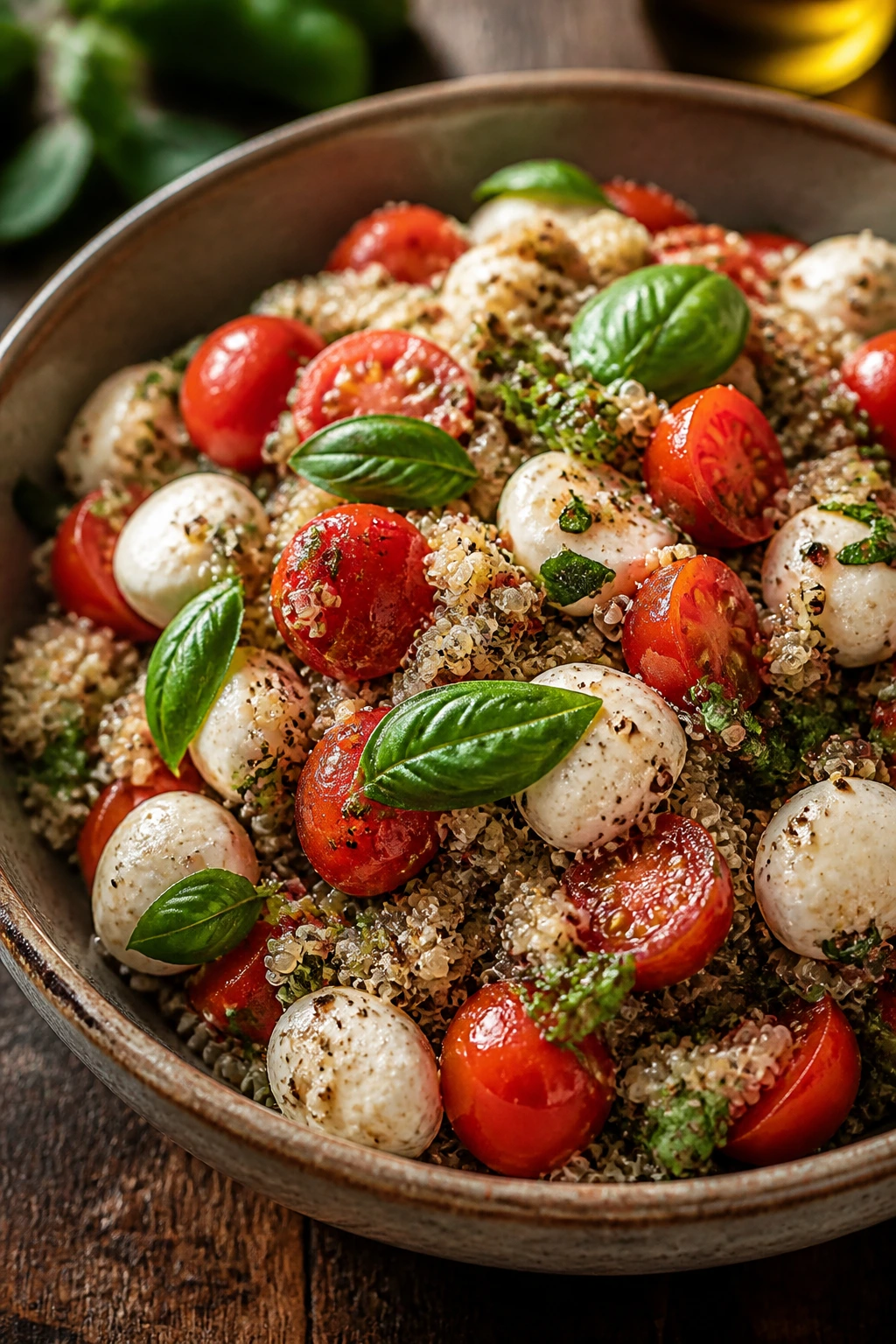
There’s a reason this kind of salad keeps showing up on real tables instead of just looking good in photos. It doesn’t ask for much, but it gives back a lot when the ingredients are honest. Tomatoes do the heavy lifting. Basil carries the smell. Quinoa keeps the whole thing from collapsing into a slippery pile.
The best part is the way it changes by tiny degrees depending on the tomatoes, the olive oil, and how long you let it sit before serving. That’s the mark of a dish with some life in it. Make it once with the right tomatoes and a little patience, and you’ll start seeing the logic everywhere. The next time the market gives you tomatoes that smell like they’ve been waiting for you, this is where they belong.
Classic Caprese Quinoa Salad Like Nonna Used to Make — Recipe Card
Recipe Name: Classic Caprese Quinoa Salad Like Nonna Used to Make
Description: A bright quinoa salad with cherry tomatoes, fresh mozzarella, basil, balsamic, and olive oil. It tastes clean and fresh, with enough body from the quinoa to work as a side dish or a light lunch.
Prep Time: 20 minutes
Cook Time: 15 minutes
Total Time: 35 minutes
Course: Side Dish or Light Lunch
Cuisine: Italian-inspired Mediterranean
Servings: 4 servings
Calories: About 360 kcal per serving
Ingredients
For the Quinoa Base:
- 1 cup dry quinoa, rinsed well
- 2 cups water
- 1/2 teaspoon kosher salt
For the Salad:
- 3 cups cherry or grape tomatoes, halved
- 8 ounces fresh mozzarella pearls, drained and patted dry
- 1/4 cup thinly sliced red onion
- 1 packed cup fresh basil leaves, torn by hand
For the Dressing and Finish:
- 1/4 cup extra-virgin olive oil
- 2 tablespoons balsamic vinegar
- 1 teaspoon honey
- 1/2 teaspoon kosher salt
- 1/4 teaspoon freshly ground black pepper
- 1 tablespoon balsamic glaze, for serving
Instructions
- Rinse the quinoa in a fine-mesh sieve under cold running water for 30 to 45 seconds.
- Combine the quinoa, water, and salt in a medium saucepan and bring to a boil over medium-high heat.
- Reduce the heat to low, cover, and simmer for 15 minutes.
- Remove from the heat and let stand, covered, for 5 minutes. Fluff with a fork and cool on a tray or plate for 10 to 15 minutes.
- Whisk the olive oil, balsamic vinegar, honey, salt, and black pepper in a large bowl.
- Add the cooled quinoa, tomatoes, mozzarella, and red onion. Fold gently to coat.
- Fold in the basil and let the salad rest for 10 to 15 minutes.
- Transfer to a serving bowl and finish with balsamic glaze.
Notes:
Use dry mozzarella and room-temperature quinoa for the best texture. The salad keeps for up to 3 days refrigerated, but the basil is brightest on day one.