



A good pot of stew changes the room. The lid comes off, steam fogs the glasses, and the first smell that hits you is usually browned onion, garlic, and something deeper — beef seared hard, or mushrooms cooked until they lose their squeak, or lentils taking on broth like they’ve been waiting all day for it.
Hearty stews for cold winter nights have a way of making the plainest ingredients feel expensive. Chuck roast, cabbage, beans, carrots, barley, a knobby parsnip you almost forgot at the back of the drawer: give them enough time, and they stop tasting like separate things. They fuse. The broth thickens, the vegetables slump at the edges, and the whole pot takes on that glossy, spoon-coating look that tells you the stove did its job.
What I like most is that a stew does not demand much drama from you. Brown the meat properly. Keep the simmer gentle. Season in layers. Don’t rush the last 20 minutes just because you’re hungry. That’s where the good stuff happens anyway.
Why These Stews Belong in the Cold-Night Rotation
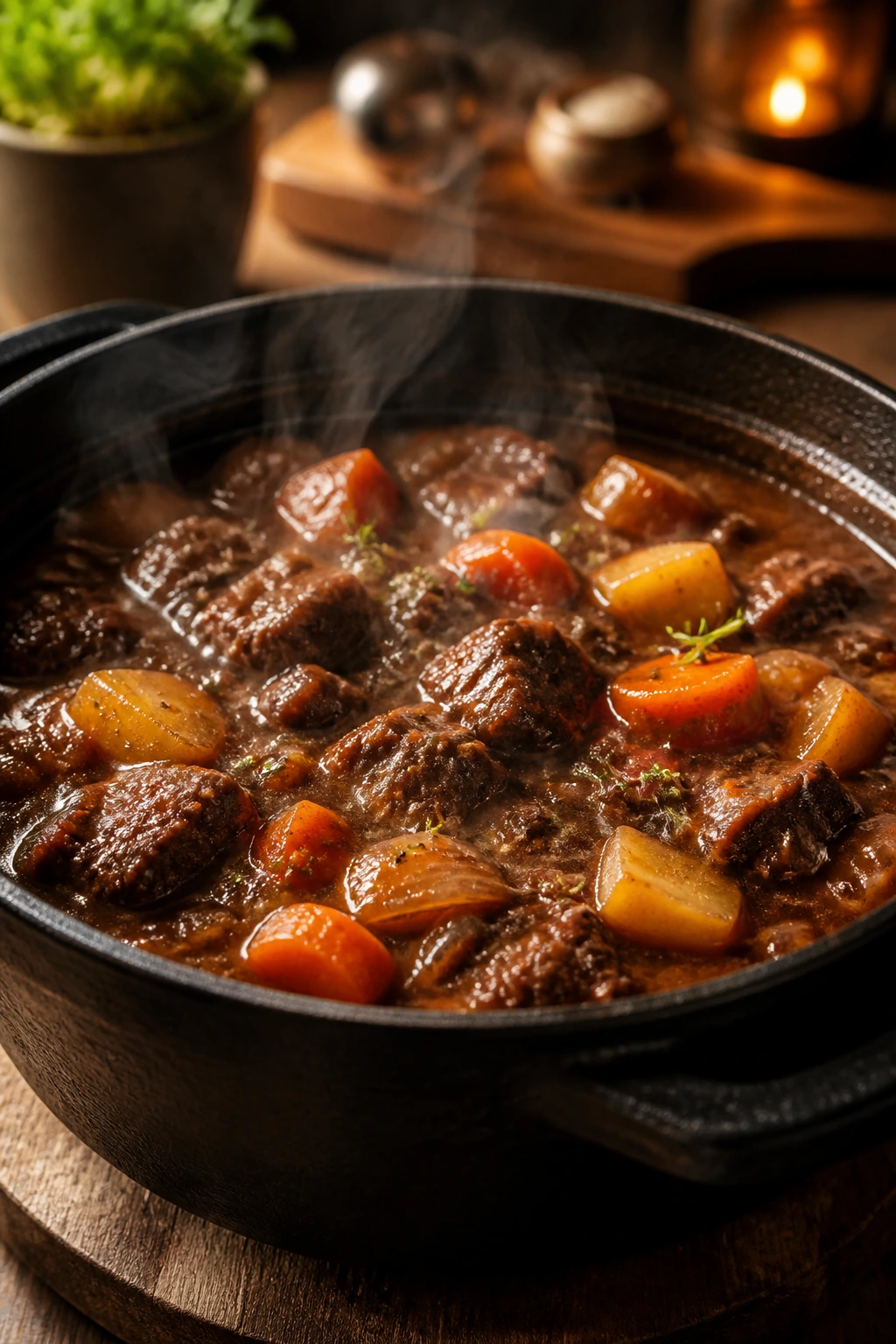
Built for tough cuts: Chuck, lamb shoulder, oxtail, pork shoulder, and even venison get better when they spend time in liquid instead of on a hot grill.
One pot, real payoff: Most of these recipes move from sear to simmer without a pile of extra pans, which matters when the kitchen already feels small and crowded.
Flexible with what you have: Potatoes, beans, carrots, celery, greens, tomatoes, and barley can shuffle around without the stew falling apart.
Leftovers improve overnight: The broth thickens as it cools, the seasoning settles in, and the next bowl usually tastes deeper than the first.
Easy to scale up: Double a stew, cool it in shallow containers, and you’ve got lunch handled for several days or a freezer stash that saves a tired evening.
Good with bread, rice, or nothing at all: A proper stew can sit next to sourdough, mashed potatoes, polenta, or a thick slice of buttered toast and never look out of place.
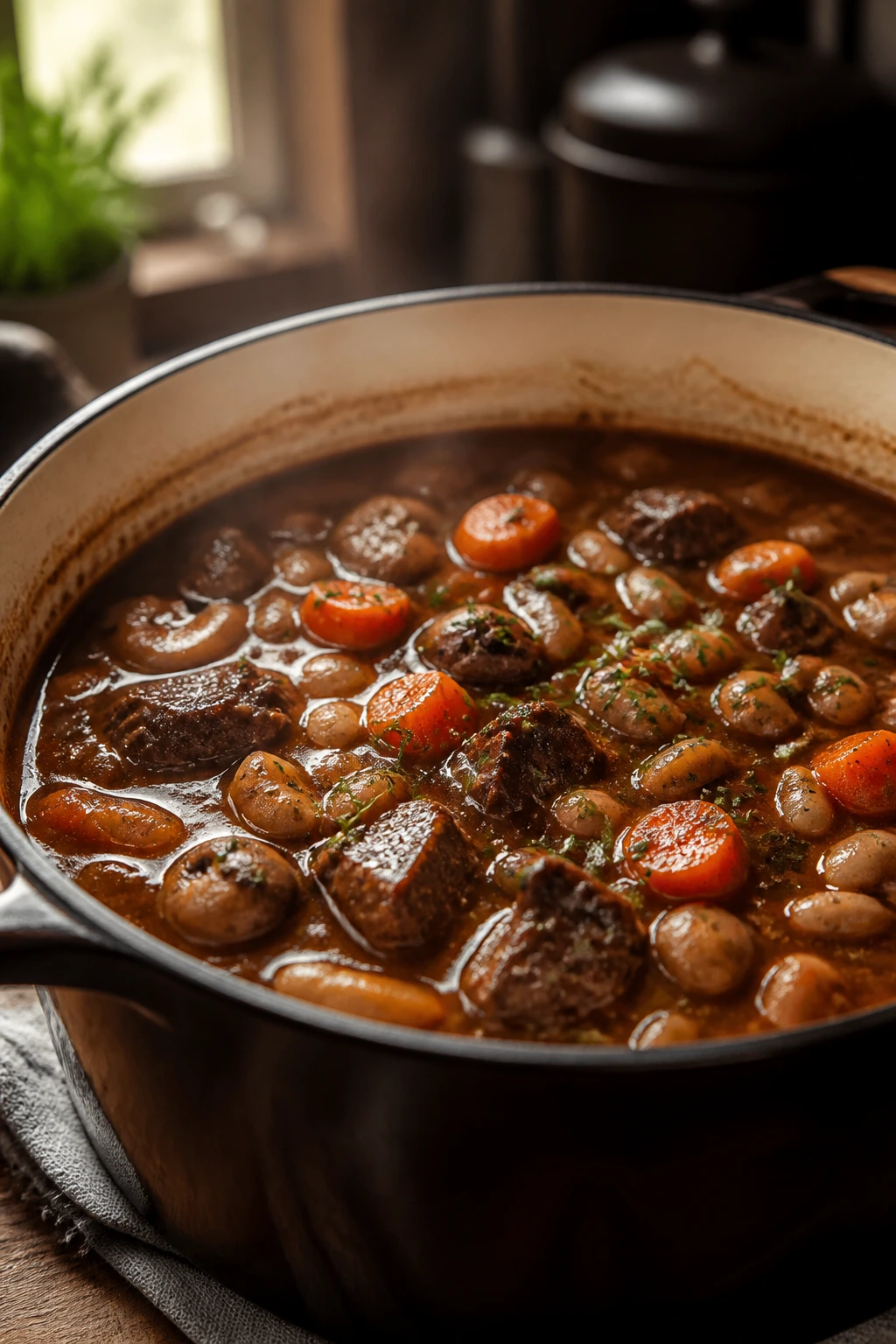
1. Classic Beef, Red Wine, and Mushroom Stew
The smell alone does half the work here. Beef chuck browns into those dark, sticky bits that cling to the pot, the wine goes in and loosens everything, and the mushrooms soak up the broth so they taste like they belong from the start. This is the stew I make when I want the bowl to feel heavy in the hand and the broth to coat the spoon.
Why It Works: Chuck roast has enough fat and connective tissue to stay tender during a long simmer, and the red wine gives the broth a deep edge that plain stock can’t fake. Browning the beef in batches keeps the surface caramelized instead of gray, which matters more than people think. The mushrooms go in late, so they keep some shape instead of turning to mush.
Key Ingredients:
- 2 lb beef chuck roast, cut into 1½-inch cubes
- 2 teaspoons kosher salt
- 1 teaspoon black pepper
- 3 tablespoons all-purpose flour
- 2 tablespoons neutral oil
- 1 large yellow onion, diced
- 3 carrots, cut into thick coins
- 2 celery stalks, sliced
- 4 garlic cloves, minced
- 2 tablespoons tomato paste
- 1 cup dry red wine
- 4 cups low-sodium beef broth
- 1 lb baby potatoes
- 8 oz cremini mushrooms, halved
- 2 bay leaves
- 4 thyme sprigs
- Chopped parsley, for finishing
Quick Steps:
- Pat the beef dry, season with salt and pepper, and toss with flour until lightly coated.
- Heat the oil in a heavy Dutch oven over medium-high heat, then brown the beef in batches for 3 to 4 minutes per side. Do not crowd the pot.
- Lower the heat to medium. Add the onion, carrots, and celery, and cook for 6 to 8 minutes until the onion softens and the edges start to color.
- Stir in the garlic and tomato paste for 1 minute, then pour in the wine and scrape the bottom until the stuck-on bits release.
- Add broth, potatoes, mushrooms, bay leaves, and thyme. Simmer partly covered on low for 1½ to 2 hours, until the beef yields easily to a fork.
- Taste, adjust salt, remove the herbs, and finish with parsley.
Equipment for This Recipe:
- 5- to 7-quart Dutch oven
- Wooden spoon
- Tongs
- Sharp chef’s knife
How to Serve This Dish: Ladle it into wide bowls so the potatoes and mushrooms stay visible. A thick slice of sourdough or a heap of buttered egg noodles is the right move here, and a little extra parsley on top keeps the bowl from looking dark and heavy.
Pro Tips for This Recipe:
- Brown the beef in two or three rounds. Pale beef makes thin stew.
- If the wine smells sharp, simmer it for a minute before adding broth.
- Cut the potatoes larger than you think you need; tiny pieces vanish.
- A teaspoon of red wine vinegar at the end wakes up the broth if it tastes flat.
Variations on This Dish:
- Barley Builder: Swap half the potatoes for ¾ cup pearl barley and simmer until tender and chewy.
- Smoky Pantry Version: Add 1 teaspoon smoked paprika with the tomato paste for a darker, campfire-style edge.
- No-Wine Swap: Replace the wine with extra broth plus 1 tablespoon balsamic vinegar.
Common Mistakes to Avoid with This Dish:
- Skipping the sear: The stew tastes flat and brown instead of deep. Fix it by drying the beef well before it hits the pot.
- Boiling hard: Fast bubbles tighten the meat. Keep it at a lazy simmer with only a few bubbles breaking the surface.
- Adding mushrooms too early: They shrink into dark little knobs. Add them in the last 35 minutes.
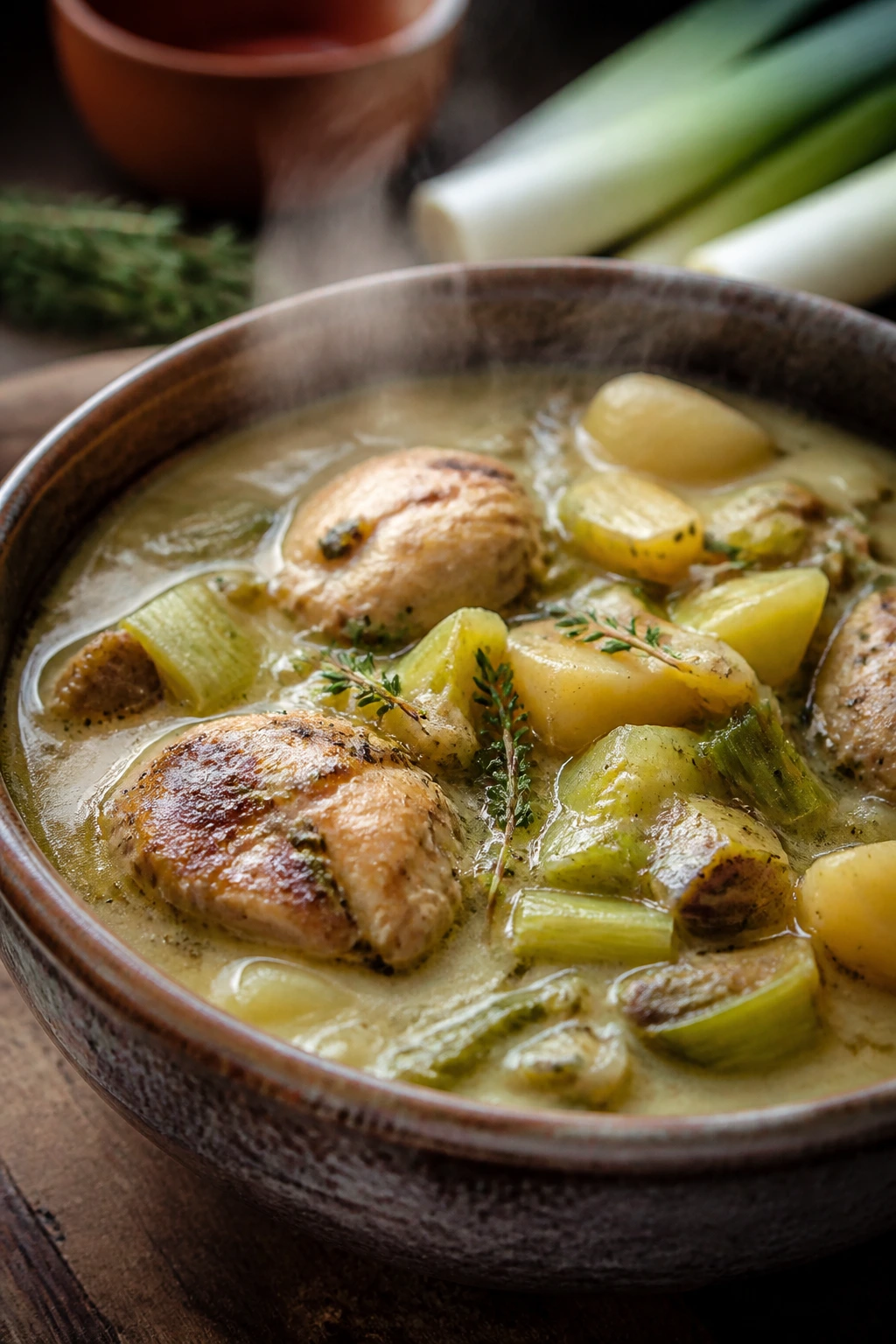
2. Chicken, Leek, and Thyme Stew
What makes this one special is the leeks. They turn soft and sweet in the fat from the chicken thighs, and that sweetness gives the broth a rounder taste than you get from onion alone. It smells clean, herby, and a little buttery, which is exactly what I want when the weather has been rude all day.
Why It Works: Bone-in or boneless chicken thighs stay juicy through a simmer that would dry out breast meat. Leeks melt into the broth and give it body without any cream if you don’t want it. A handful of peas at the end keeps the bowl from feeling too heavy.
Key Ingredients:
- 2½ lb boneless, skinless chicken thighs
- 2 teaspoons kosher salt
- 1 teaspoon black pepper
- 2 tablespoons olive oil
- 3 large leeks, white and light green parts only, sliced and rinsed well
- 3 carrots, sliced
- 2 celery stalks, diced
- 4 garlic cloves, minced
- 6 cups chicken broth
- 1½ lb Yukon Gold potatoes, cubed
- 1 tablespoon fresh thyme leaves
- 1 cup frozen peas
- 2 tablespoons lemon juice
- 2 tablespoons chopped dill or parsley
Quick Steps:
- Season the chicken with salt and pepper. Heat oil in a Dutch oven over medium-high heat and brown the thighs for 3 minutes per side.
- Transfer the chicken to a plate. Add the leeks, carrots, and celery to the pot and cook for 6 minutes until glossy and softened.
- Stir in the garlic and thyme for 30 seconds, then pour in the broth and scrape up the browned bits.
- Add the potatoes and chicken. Simmer on low for 25 to 30 minutes until the potatoes are tender and the chicken reaches 165°F.
- Pull the chicken into large pieces, return it to the pot, stir in peas and lemon juice, and simmer for 2 more minutes.
Equipment for This Recipe:
- Dutch oven or heavy soup pot
- Colander or bowl for rinsing leeks
- Instant-read thermometer
- Wooden spoon
How to Serve This Dish: Serve it in shallow bowls with buttered toast or a square of puff pastry if you want the meal to feel a little dressed up. A squeeze of lemon over the top sharpens the leeks and keeps the broth from tasting sleepy.
Pro Tips for This Recipe:
- Rinse sliced leeks in a bowl of water; grit hides between the layers.
- Add the peas at the very end so they stay bright and sweet.
- If you want a thicker broth, mash a few potato cubes against the side of the pot.
- Fresh thyme beats dried here because the flavor is supposed to feel clean, not dusty.
Variations on This Dish:
- Creamy Country Version: Stir in ½ cup heavy cream at the end for a softer, richer bowl.
- Mustard Herb Twist: Add 1 tablespoon Dijon with the broth for a sharper finish.
- Rice Bowl Shortcut: Skip the potatoes and ladle the stew over steamed rice.
Common Mistakes to Avoid with This Dish:
- Not cleaning the leeks well: Grit ruins the whole pot. Slice, soak, and lift them out of the water instead of dumping the bowl.
- Overcooking the chicken: Dry chicken thighs can still happen if you simmer too hard. Keep the heat low.
- Using only breast meat: It turns stringy and sad by the time the potatoes are done.
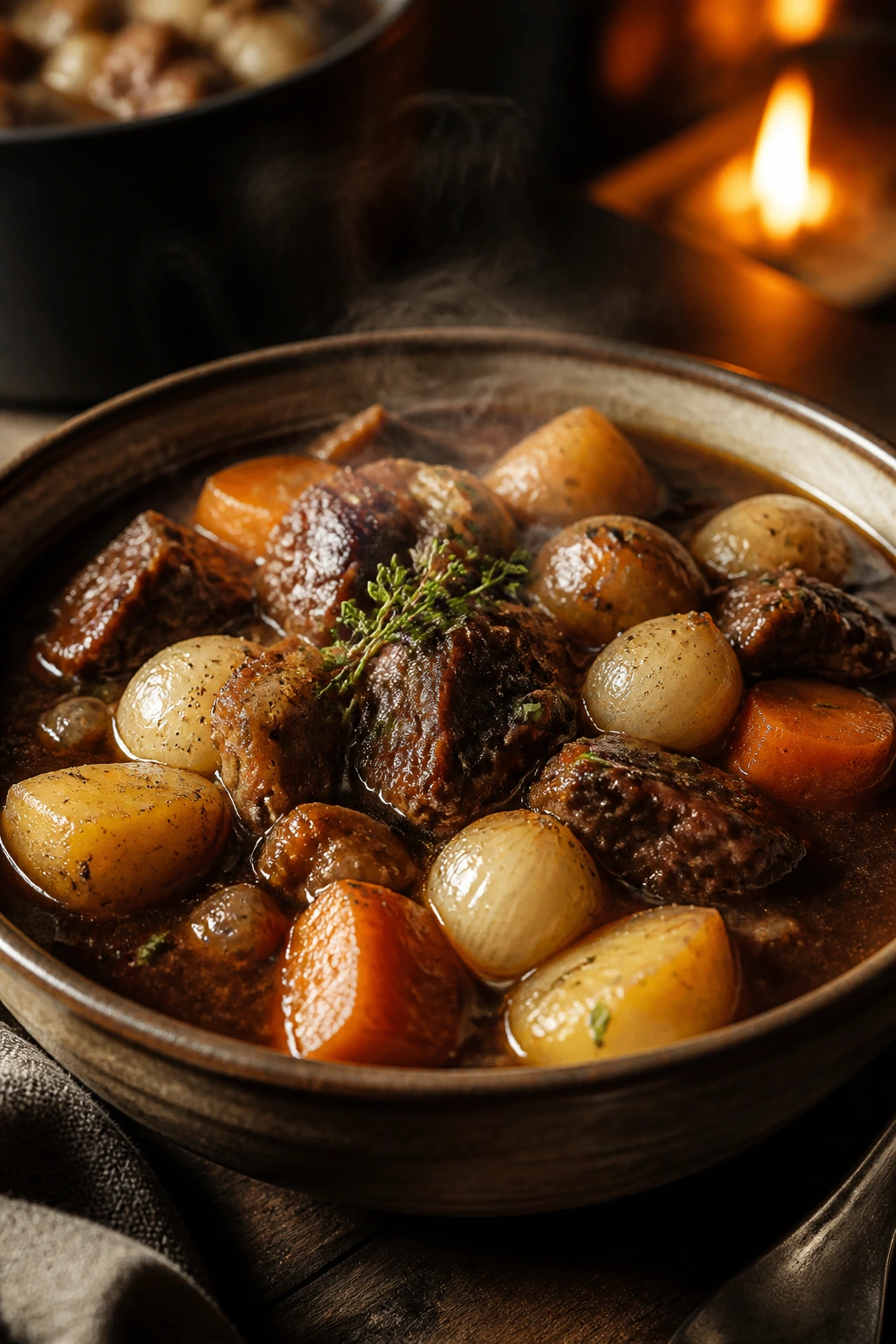
3. Irish Lamb Stew with Stout
Lamb stew has a smell that is hard to confuse with anything else: earthy meat, sweet carrots, and stout that turns almost cocoa-dark in the pot. The potatoes soak up the broth like little sponges, and the broth itself gets a little sticky around the edges in the best possible way.
Why It Works: Lamb shoulder has the fat and connective tissue needed for a long, slow simmer. Stout adds malt, bitterness, and a darker color that plain broth never gives you. Pearl onions and carrots keep the stew tasting like something built in layers, not dumped together.
Key Ingredients:
- 2½ lb lamb shoulder, cut into 1½-inch pieces
- 1½ teaspoons kosher salt
- 1 teaspoon black pepper
- 3 tablespoons flour
- 2 tablespoons beef tallow or oil
- 1 large onion, chopped
- 3 carrots, cut into chunks
- 1 cup stout beer
- 4 cups lamb or beef stock
- 1½ lb Yukon Gold potatoes, cut into large chunks
- 1 cup pearl onions, peeled
- 2 bay leaves
- 1 teaspoon chopped rosemary
- ½ cup frozen peas
Quick Steps:
- Season lamb with salt and pepper, then dust lightly with flour.
- Brown in hot fat over medium-high heat for 4 minutes per side, in batches.
- Add the onion and carrots; cook 5 minutes until the onion softens.
- Pour in stout and stock, add bay and rosemary, then simmer covered on low for 1 hour.
- Add potatoes and pearl onions; cook 35 to 45 minutes until the lamb is tender and the potatoes are cooked through.
- Stir in peas for the last 2 minutes and adjust seasoning.
Equipment for This Recipe:
- Dutch oven
- Tongs
- Peeler
- Wooden spoon
How to Serve This Dish: This wants brown bread, mashed parsnips, or a spoon and a quiet table. A little chopped parsley on top gives the dark broth a fresh edge, and a second pinch of salt usually makes the flavors click.
Pro Tips for This Recipe:
- Brown the lamb hard; pale lamb tastes muddy.
- If using pearl onions from frozen, don’t thaw them first.
- Keep the potatoes in large chunks so they don’t collapse.
- A splash of vinegar at the end brightens stout’s malty depth.
Variations on This Dish:
- Root-Heavy Version: Add parsnips and turnips with the potatoes for a deeper winter bowl.
- No-Beer Option: Replace stout with more stock plus 1 tablespoon molasses.
- Herbier Finish: Stir in chopped mint and parsley right before serving.
Common Mistakes to Avoid with This Dish:
- Using lean lamb: It dries out. Shoulder is the part that wants a long simmer.
- Adding potatoes too soon: They turn mealy before the lamb is tender.
- Letting it boil: The broth gets greasy and the meat tightens.
4. White Bean, Sausage, and Kale Stew
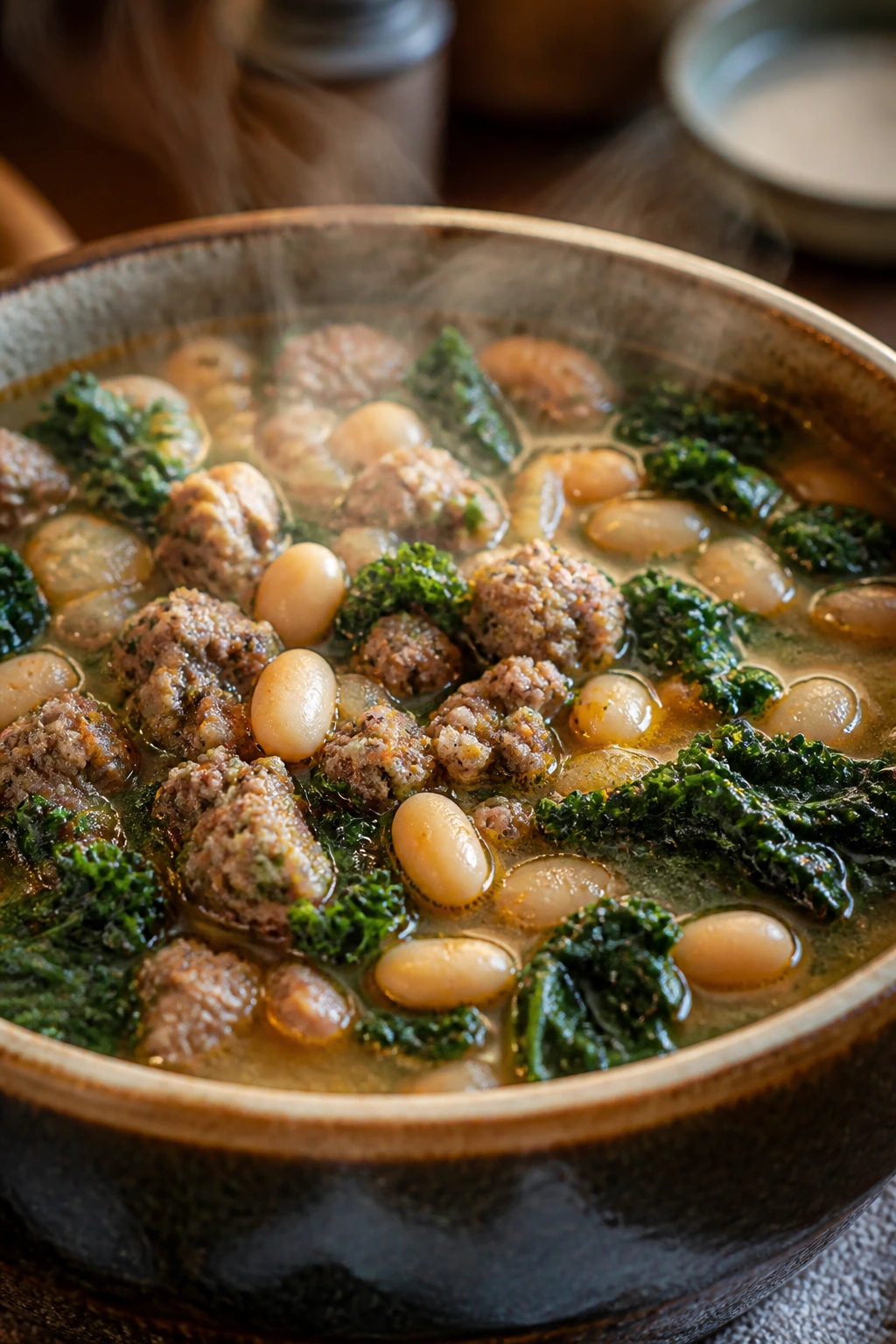
Sausage does a lot of the heavy lifting here. It gives the broth fat and spice from the first minute, and the beans pick up that flavor instead of tasting like canned nothing. Kale goes in late enough to stay green, but long enough to lose its raw edge.
Why It Works: Italian sausage brings seasoning, so you don’t have to build flavor from scratch. White beans thicken the broth without flour, and kale holds up better than spinach in a simmer this long. A little fennel seed in the pot makes the sausage taste more like itself.
Key Ingredients:
- 1½ lb Italian sausage, casings removed
- 1 large onion, diced
- 2 celery stalks, diced
- 4 garlic cloves, minced
- 1 teaspoon fennel seeds
- 2 tablespoons tomato paste
- 2 cans (15 oz each) cannellini beans, drained and rinsed
- 5 cups chicken broth
- 1 bunch kale, stems removed and leaves chopped
- 1 teaspoon red pepper flakes
- 1 tablespoon lemon juice
- 2 tablespoons grated Parmesan, optional
Quick Steps:
- Brown the sausage in a Dutch oven over medium-high heat, breaking it into crumbles.
- Add onion and celery; cook for 5 minutes until softened. Stir in garlic, fennel seeds, tomato paste, and red pepper flakes for 1 minute.
- Add beans and broth, then simmer uncovered for 20 minutes.
- Add kale and cook 8 to 10 minutes until the leaves are tender and dark green.
- Finish with lemon juice and Parmesan.
Equipment for This Recipe:
- Dutch oven
- Wooden spoon
- Can opener
- Chef’s knife
How to Serve This Dish: Spoon it into bowls with toasted baguette, rosemary crackers, or a mound of polenta. I like a drizzle of good olive oil on top; it makes the whole thing smell warmer.
Pro Tips for This Recipe:
- If the sausage is very salty, use low-sodium broth.
- Mash a few beans against the side of the pot for a thicker broth.
- Add the kale in handfuls so it wilts evenly.
- Lemon at the end matters; without it, the stew can taste heavy.
Variations on This Dish:
- Tuscan Tomato Version: Add 1 cup crushed tomatoes for a redder, saucier pot.
- Chicken Sausage Swap: Use chicken sausage if you want a lighter finish.
- Bean-Free Shortcut: Replace one can of beans with diced potatoes.
Common Mistakes to Avoid with This Dish:
- Overcooking the kale: It turns dull and slippery. Add it near the end.
- Skipping the tomato paste step: That minute in the pot gives the broth depth.
- Using sweet sausage without checking seasoning: Some brands need extra pepper or chili flakes.
5. Moroccan Chickpea and Sweet Potato Stew
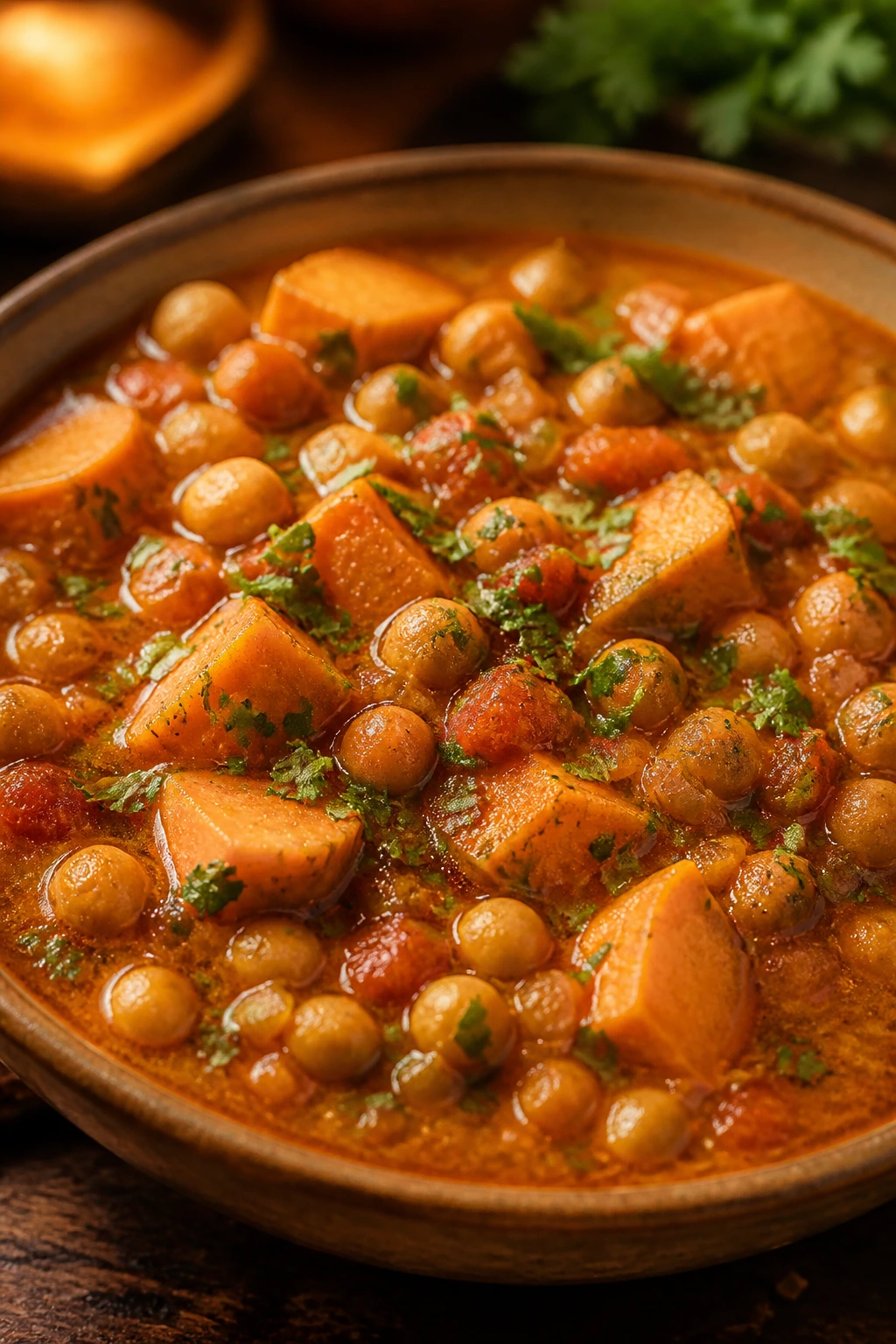
Cumin, cinnamon, tomato, and chickpeas make a broth that smells warm before it even gets to the bowl. The sweet potatoes hold their shape for a while, then go soft at the edges and help thicken the stew naturally. A squeeze of lemon at the end keeps it from leaning too sweet.
Why It Works: Chickpeas bring protein and body, and sweet potatoes break down just enough to make the broth velvety. Blooming the spices in oil before the liquid goes in helps them taste toasted instead of dusty. Dried apricots are optional, but they give the stew a quiet fruit note that works better than it sounds.
Key Ingredients:
- 2 tablespoons olive oil
- 1 large onion, diced
- 4 garlic cloves, minced
- 1 tablespoon fresh ginger, grated
- 2 teaspoons ground cumin
- 2 teaspoons ground coriander
- 1 teaspoon smoked paprika
- ¼ teaspoon cinnamon
- 2 tablespoons tomato paste
- 2 cans (15 oz each) chickpeas, drained and rinsed
- 2 medium sweet potatoes, peeled and cut into 1-inch cubes
- 1 can (14.5 oz) diced tomatoes
- 4 cups vegetable broth
- ¼ cup chopped dried apricots
- 1 lemon, juiced
- Chopped cilantro, for finishing
Quick Steps:
- Heat oil in a pot over medium heat. Cook onion for 5 minutes until translucent.
- Stir in garlic, ginger, cumin, coriander, paprika, cinnamon, and tomato paste for 1 minute.
- Add chickpeas, sweet potatoes, tomatoes, broth, and apricots. Bring to a simmer.
- Cook covered on low for 25 to 30 minutes, until the sweet potatoes are tender but not falling apart.
- Stir in lemon juice and cilantro.
Equipment for This Recipe:
- Medium Dutch oven or soup pot
- Box grater for ginger
- Wooden spoon
- Citrus juicer, optional
How to Serve This Dish: It’s good with couscous, warm flatbread, or plain rice that catches the sauce. Toasted almonds on top add crunch, which this soft, spoonable stew really likes.
Pro Tips for This Recipe:
- Bloom the spices in oil before the broth goes in.
- Cut the sweet potatoes evenly so the pot cooks at the same pace.
- Taste for salt after the lemon goes in; acid can make the stew seem less seasoned.
- A spoonful of yogurt on top is a nice contrast if you want creaminess.
Variations on This Dish:
- Harissa Heat: Stir in 1 to 2 teaspoons harissa paste with the tomato paste.
- Spinach Finish: Add 4 cups spinach in the last 2 minutes for more greens.
- Butternut Swap: Use cubed butternut squash instead of sweet potatoes.
Common Mistakes to Avoid with This Dish:
- Skipping the spice bloom: The stew tastes flat. Give the spices that 60-second sizzle.
- Overcooking the sweet potatoes: They turn to paste. Check them early.
- Forgetting acid at the end: The pot can taste one-note without the lemon.
6. Turkey, Corn, and Poblano Stew
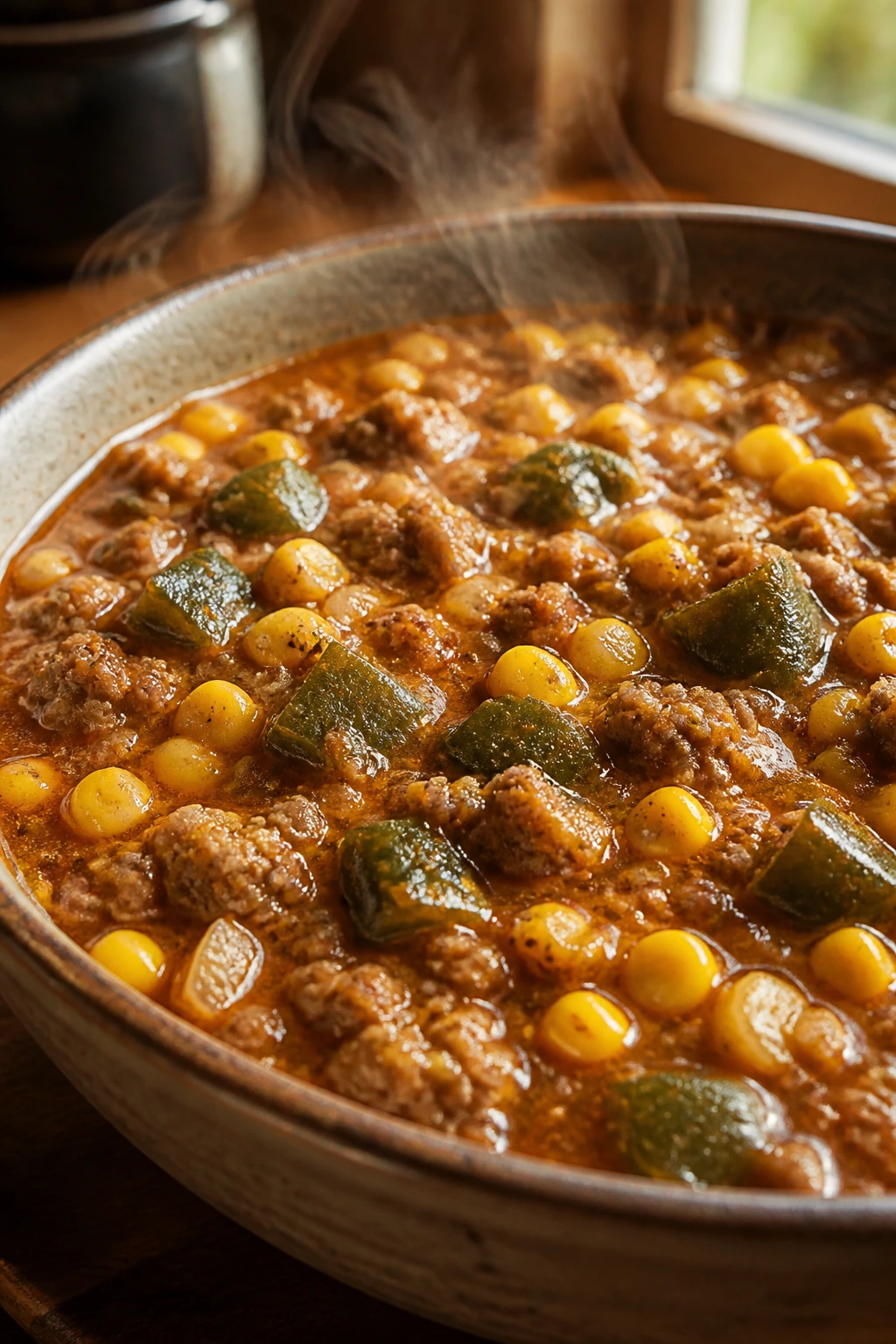
Turkey can be boring if you treat it like a diet food. Here, it gets chile heat, corn sweetness, and enough broth to stay juicy. The poblanos go soft and smoky, and the whole pot lands somewhere between chowder and chili, which is a nice place to be.
Why It Works: Ground turkey browns fast and takes on seasoning well when you use enough fat to start the pot. Poblanos add mild heat without burning your face off, and corn gives the broth small pops of sweetness. A little cumin and oregano tie it together.
Key Ingredients:
- 2 tablespoons oil
- 1½ lb ground turkey
- 1 large onion, diced
- 2 poblano peppers, seeded and chopped
- 3 garlic cloves, minced
- 2 teaspoons ground cumin
- 1 teaspoon dried oregano
- 2 tablespoons flour
- 6 cups chicken broth
- 2 cups frozen corn
- 2 medium Yukon Gold potatoes, cubed
- 1 can (4 oz) diced green chiles
- 1 tablespoon lime juice
- Chopped cilantro and sliced jalapeño, for serving
Quick Steps:
- Heat oil in a Dutch oven over medium-high heat. Brown turkey for 5 to 6 minutes, breaking it up well.
- Add onion and poblano; cook 5 minutes until softened.
- Stir in garlic, cumin, oregano, and flour for 1 minute.
- Pour in broth, add potatoes and green chiles, and simmer for 20 minutes.
- Stir in corn and cook 5 more minutes. Finish with lime juice.
Equipment for This Recipe:
- Dutch oven
- Wooden spoon
- Cutting board
- Chef’s knife
How to Serve This Dish: Serve it with warm tortillas, tortilla chips, or a bowl of rice if you want it to eat more like a full meal. A few cilantro leaves and a jalapeño slice on top make the bowl look awake.
Pro Tips for This Recipe:
- Brown the turkey until some pieces get dark edges; pale turkey tastes bland.
- Add the lime at the end, not mid-simmer.
- If you want a thicker pot, mash a few potatoes against the side.
- Mild poblanos vary, so taste one before you decide whether to add extra jalapeño.
Variations on This Dish:
- Creamy Corn Style: Stir in ½ cup sour cream off the heat.
- Black Bean Add-In: Add 1 can black beans with the corn for extra body.
- Roasted Chile Version: Swap fresh poblanos for roasted green chiles.
Common Mistakes to Avoid with This Dish:
- Using too little seasoning: Turkey needs help. Salt, cumin, and lime are not optional here.
- Adding corn too early: It turns dull and overdone. Keep it near the end.
- Letting the stew dry out: Turkey can tighten if the liquid drops too low; add broth if needed.
7. Pork, Apple Cider, and Cabbage Stew
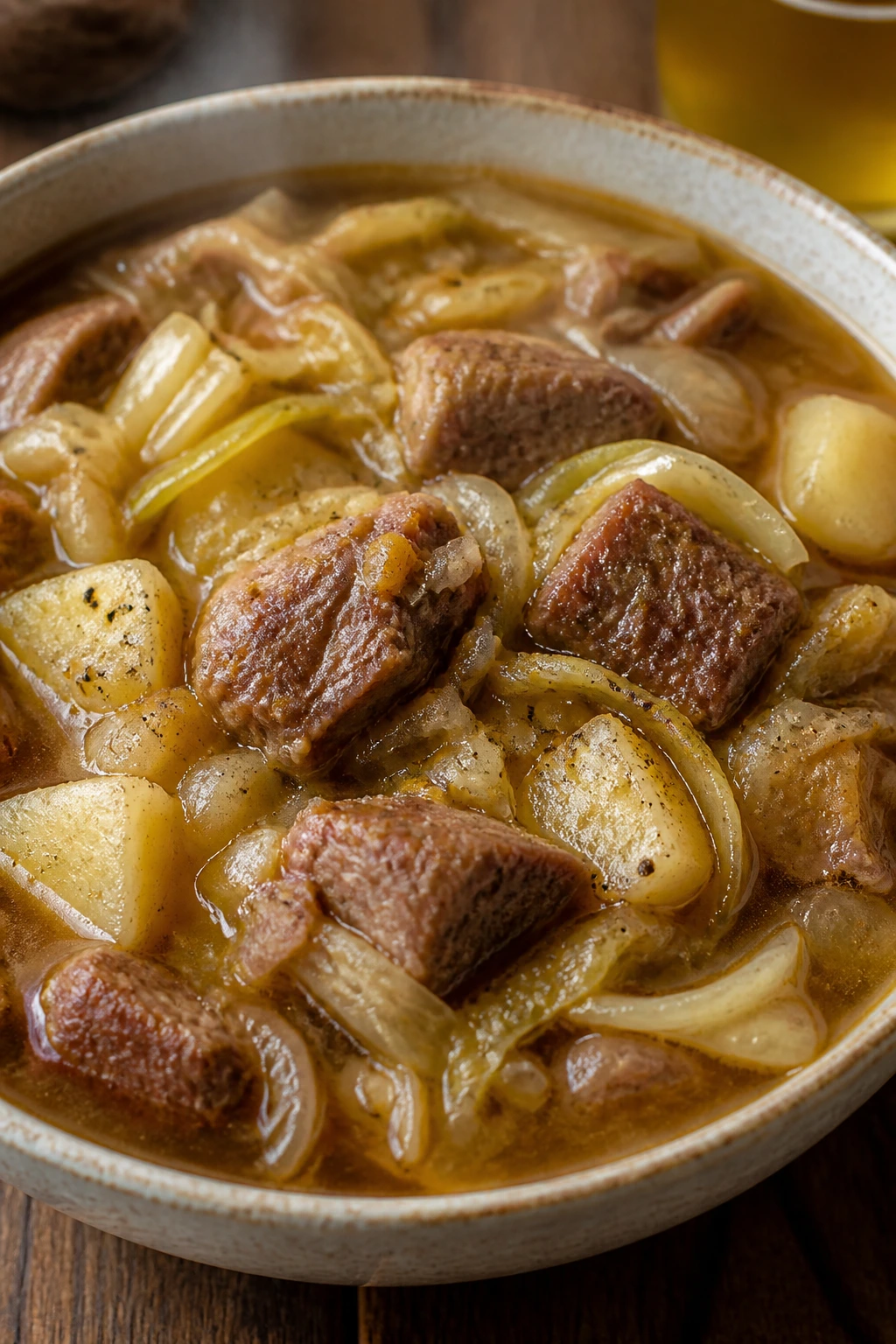
Pork and cider sound soft; they aren’t. The cider sharpens the broth, the cabbage turns sweet and silky, and the pork shoulder gets so tender it starts to fall apart when you press it with a spoon. This is the stew I make when I want something that tastes a little old-fashioned in a good way.
Why It Works: Pork shoulder has enough fat to stay moist during a long simmer. Apple cider adds acidity and a faint fruit sweetness that balances cabbage’s earthiness. Dijon mustard in the broth keeps the whole pot from leaning too sweet.
Key Ingredients:
- 2 lb pork shoulder, cut into 1½-inch pieces
- 2 teaspoons kosher salt
- 1 teaspoon black pepper
- 2 tablespoons oil
- 1 onion, sliced
- 3 carrots, cut into chunks
- 3 cups apple cider
- 3 cups chicken broth
- 1 tablespoon Dijon mustard
- 1 small green cabbage, cored and chopped
- 1½ lb Yukon Gold potatoes, cut into chunks
- 2 thyme sprigs
- 1 tablespoon apple cider vinegar
Quick Steps:
- Season pork with salt and pepper. Brown in oil over medium-high heat in batches.
- Add onion and carrots; cook 5 minutes until the onion starts to soften.
- Pour in cider, scrape the pot, then add broth, Dijon, potatoes, and thyme.
- Simmer covered on low for 1 hour, then add cabbage and cook 25 to 30 minutes more.
- Stir in vinegar and check seasoning before serving.
Equipment for This Recipe:
- Dutch oven
- Tongs
- Wooden spoon
- Sharp knife
How to Serve This Dish: A bowl of this wants rye bread, mashed potatoes, or a spoonful of mustard on the side if you like sharper flavors. The cabbage should look glossy and soft, not shredded into threads.
Pro Tips for This Recipe:
- Use a dry cider, not a sweet dessert one.
- Add the cabbage late so it keeps some shape.
- If the broth tastes too sweet, a bit more vinegar fixes it fast.
- Pork shoulder works better than loin; loin dries out.
Variations on This Dish:
- Smoked Bacon Version: Cook 4 ounces bacon first and use the fat for browning.
- Turnip Swap: Replace half the potatoes with turnips for a sharper root note.
- Creamed Finish: Stir in ¼ cup cream at the end for a softer broth.
Common Mistakes to Avoid with This Dish:
- Using sweet cider: The stew turns candy-like. Dry cider keeps it balanced.
- Adding cabbage too early: It disappears into the broth. Wait until the pork is already tender.
- Choosing lean pork: Shoulder is the cut that pays you back.
8. Mushroom and Barley Stew
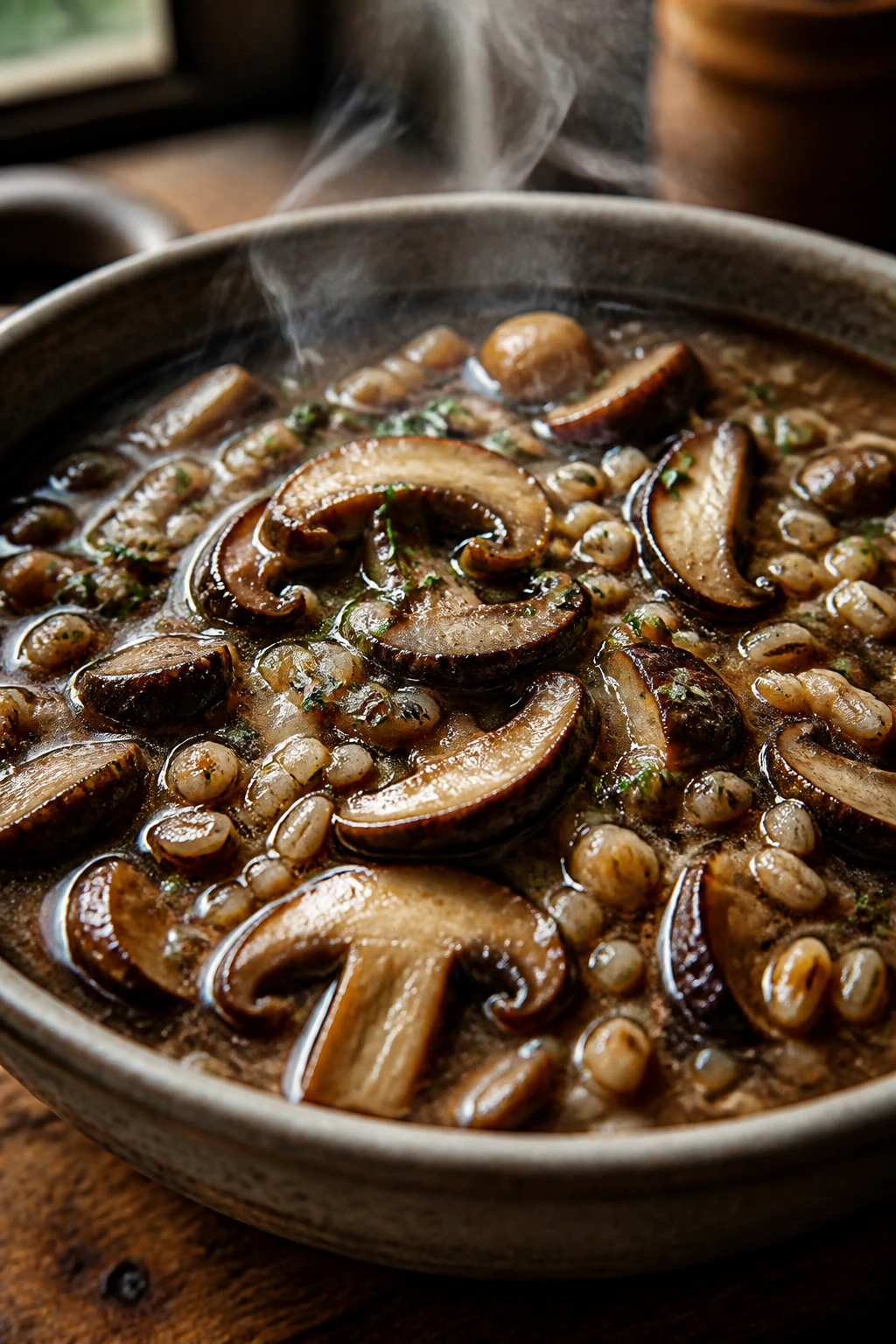
This is the vegetarian stew that never feels like an apology. Mushrooms bring the brown, savory flavor, barley gives the bowl chew, and a little soy sauce deepens the broth until it tastes like it’s been working all day. I like it with black pepper and a splash of vinegar right at the end.
Why It Works: Mushrooms are packed with moisture, so browning them hard matters; that’s where the flavor lives. Barley releases starch as it cooks, which thickens the broth without flour. A mix of cremini and shiitake gives you both body and a more interesting mushroom taste.
Key Ingredients:
- 2 tablespoons olive oil
- 1 onion, diced
- 2 carrots, diced
- 2 celery stalks, diced
- 1 lb cremini mushrooms, sliced
- 4 oz shiitake mushrooms, stemmed and sliced
- 3 garlic cloves, minced
- 1 cup pearl barley, rinsed
- 6 cups vegetable broth
- 1 tablespoon soy sauce
- 2 bay leaves
- 1 teaspoon dried thyme
- 1 tablespoon sherry vinegar
- Chopped parsley
Quick Steps:
- Heat oil in a Dutch oven over medium-high heat. Brown the mushrooms in two batches until they release moisture and turn deep golden.
- Add onion, carrots, and celery; cook 6 minutes until softened.
- Stir in garlic, barley, soy sauce, bay, and thyme.
- Add broth and simmer covered on low for 40 to 45 minutes, until the barley is chewy-tender.
- Stir in sherry vinegar and parsley.
Equipment for This Recipe:
- Dutch oven
- Cutting board and knife
- Wooden spoon
- Fine-mesh strainer, optional for rinsing barley
How to Serve This Dish: It’s good in deep bowls with cracked pepper, toasted bread, or a small pile of roasted broccoli on the side. A drizzle of olive oil on top keeps the surface from looking flat.
Pro Tips for This Recipe:
- Brown the mushrooms in batches. Crowding makes them steam.
- Barley needs time; don’t rush it with high heat.
- A spoonful of miso at the end can deepen the broth if you want more savoriness.
- If the stew gets too thick, add broth a half-cup at a time.
Variations on This Dish:
- Wild Rice Swap: Use wild rice blend instead of barley for a firmer bite.
- Creamy Mushroom Version: Stir in ½ cup oat cream or dairy cream at the end.
- Herb Garden Finish: Add dill, parsley, and chives together for a fresher bowl.
Common Mistakes to Avoid with This Dish:
- Underbrowning the mushrooms: They’ll taste wet and dull. Give them enough heat to color.
- Skipping acid at the end: Vinegar wakes up mushrooms in a way salt can’t.
- Using quick barley without adjusting time: It cooks faster; check the package and shorten the simmer.
9. Split Pea and Ham Stew
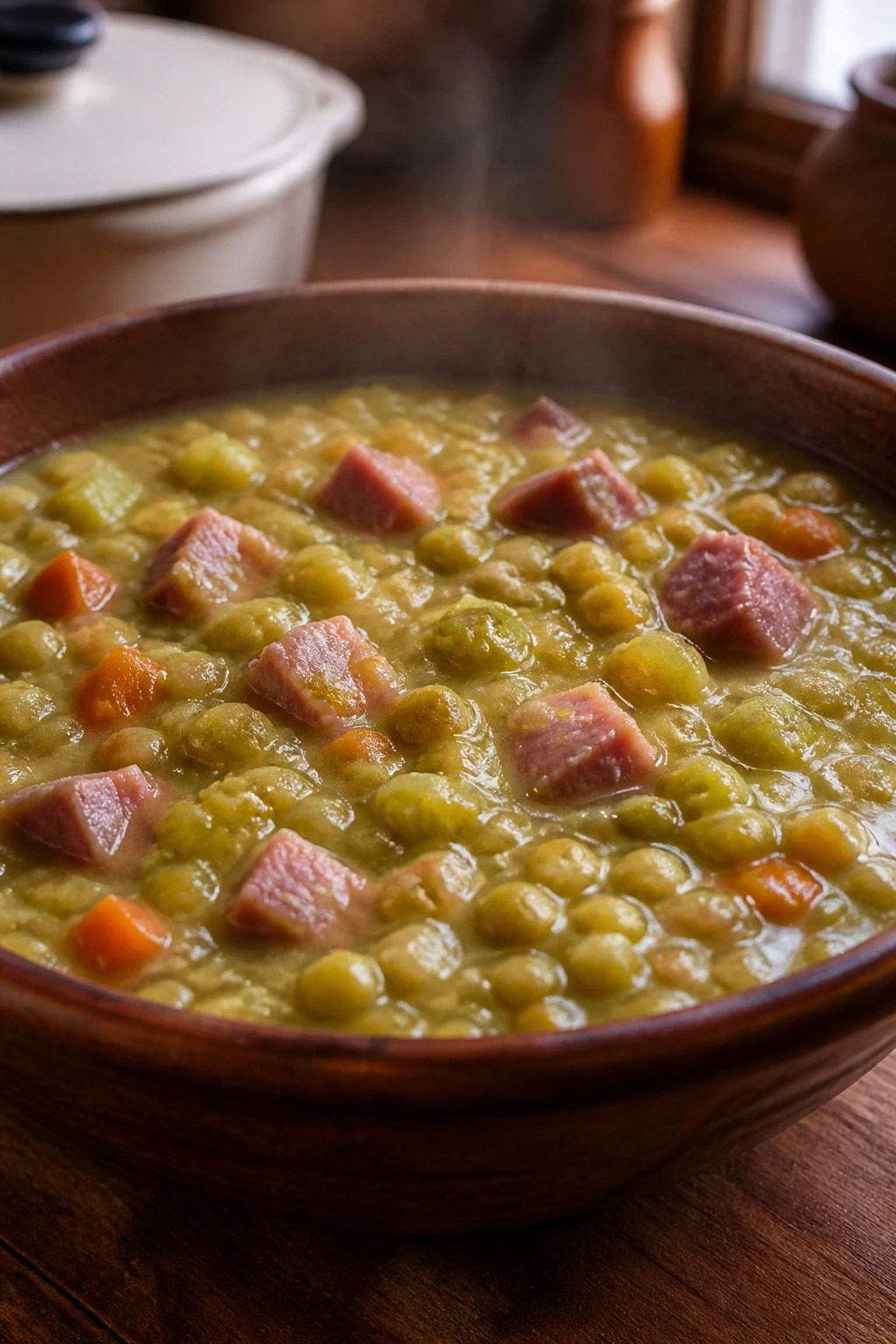
Split pea stew has the kind of thick, almost mashed texture that some people chase and others avoid. I’m in the first camp. When it’s right, the ham gives it a salty backbone, the peas collapse into a velvety bowl, and the whole thing tastes like it has been simmering since noon.
Why It Works: Split peas break down naturally and thicken the broth without any flour or cream. A ham hock or meaty ham bone adds smoked salt and collagen, which makes the broth taste fuller as it cooks. Carrots and celery keep the flavor from going one-note.
Key Ingredients:
- 1 tablespoon butter or oil
- 1 onion, diced
- 2 carrots, diced
- 2 celery stalks, diced
- 3 garlic cloves, minced
- 1 lb dried split peas, rinsed
- 1 meaty ham hock or 2 cups diced ham
- 8 cups chicken broth
- 2 bay leaves
- 1 teaspoon dried thyme
- Black pepper, to taste
- 1 tablespoon lemon juice or vinegar
Quick Steps:
- Heat butter in a stockpot over medium heat. Cook onion, carrots, and celery for 6 minutes until softened.
- Stir in garlic, split peas, ham hock, broth, bay, and thyme.
- Bring to a boil, then lower to a steady simmer and cook partially covered for 1 to 1½ hours, stirring occasionally.
- Remove the ham hock, shred the meat, and return it to the pot.
- Season with pepper and lemon juice. Add broth if the stew gets thicker than you like.
Equipment for This Recipe:
- Stockpot or Dutch oven
- Wooden spoon
- Sharp knife
- Ladle
How to Serve This Dish: Thick toast or rye crackers are the natural side here. A little black pepper on top matters more than garnish, because the stew likes something sharp against all that softness.
Pro Tips for This Recipe:
- Rinse split peas to remove dusty starch.
- Stir from time to time so the bottom doesn’t catch.
- If using diced ham instead of a hock, add a teaspoon of smoked paprika.
- The stew thickens as it cools, so don’t overreduce it.
Variations on This Dish:
- Green Herb Finish: Stir in parsley and dill at the end.
- No-Ham Version: Use smoked paprika and a parmesan rind for a meat-free version.
- Chunkier Bowl: Leave half the peas more intact by shortening the simmer slightly.
Common Mistakes to Avoid with This Dish:
- Forgetting to stir: Split peas settle and scorch if left alone too long.
- Adding too much salt early: Ham can be salty; taste near the end.
- Expecting a clear broth: This stew is meant to be thick and almost creamy.
10. Tuscan Chicken and Cannellini Stew
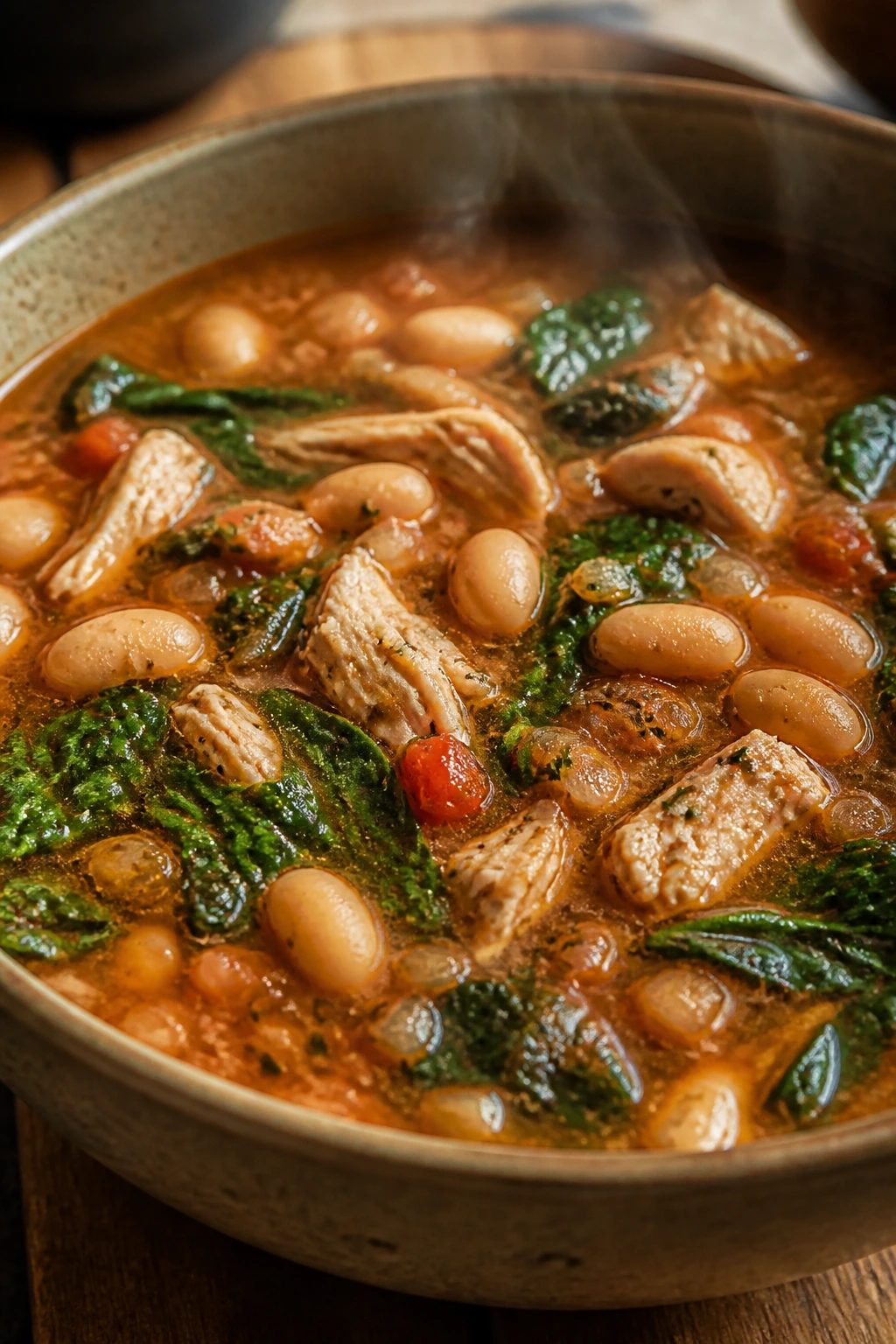
The tomato paste, rosemary, and white beans make this taste like it’s wearing a wool coat. It’s rich without being heavy, and the spinach goes in late enough to keep some life in it. If you want a stew that feels sturdy but not sleepy, this is the one.
Why It Works: Chicken thighs stay juicy and lend enough fat to carry the beans and greens. Cannellini beans soften into the broth and give it a creamy texture without actual cream. Parmesan rind, if you have it, adds a quiet salty depth that lingers.
Key Ingredients:
- 2 lb boneless chicken thighs
- 2 tablespoons olive oil
- 1 onion, diced
- 3 garlic cloves, minced
- 2 tablespoons tomato paste
- 1 teaspoon dried rosemary
- 5 cups chicken broth
- 2 cans (15 oz each) cannellini beans, drained and rinsed
- 1 bunch spinach, stems trimmed
- 1 Parmesan rind, optional
- 1 tablespoon lemon juice
- Chopped parsley
Quick Steps:
- Brown the chicken in oil over medium-high heat for 3 minutes per side, then set aside.
- Cook onion for 5 minutes, then add garlic, tomato paste, and rosemary for 1 minute.
- Add broth, beans, and Parmesan rind. Simmer 15 minutes.
- Return chicken and cook 10 to 12 minutes more until done. Shred or cut into chunks.
- Stir in spinach, lemon juice, and parsley until the leaves wilt.
Equipment for This Recipe:
- Dutch oven
- Tongs
- Wooden spoon
- Ladle
How to Serve This Dish: I like it with grilled bread rubbed with garlic or spooned over mashed potatoes if dinner needs to be bigger. The beans should stay visible, not dissolve completely.
Pro Tips for This Recipe:
- Brown the chicken before the beans go in; the sear matters.
- Mash a few beans if you want a thicker broth.
- Parmesan rind should come out before serving.
- Lemon at the end keeps the spinach tasting green.
Variations on This Dish:
- Sausage Boost: Replace half the chicken with Italian sausage.
- Lemon Herb Version: Add extra lemon zest and basil at the end.
- Dairy-Free Finish: Skip the Parmesan rind and use a spoon of olive oil at serving.
Common Mistakes to Avoid with This Dish:
- Letting spinach overcook: It turns limp and dark. Stir it in at the very end.
- Skipping the sear on the chicken: The broth loses depth.
- Using dry rosemary in a heavy hand: It can take over; measure it carefully.
11. Smoky Black Bean and Sweet Potato Stew
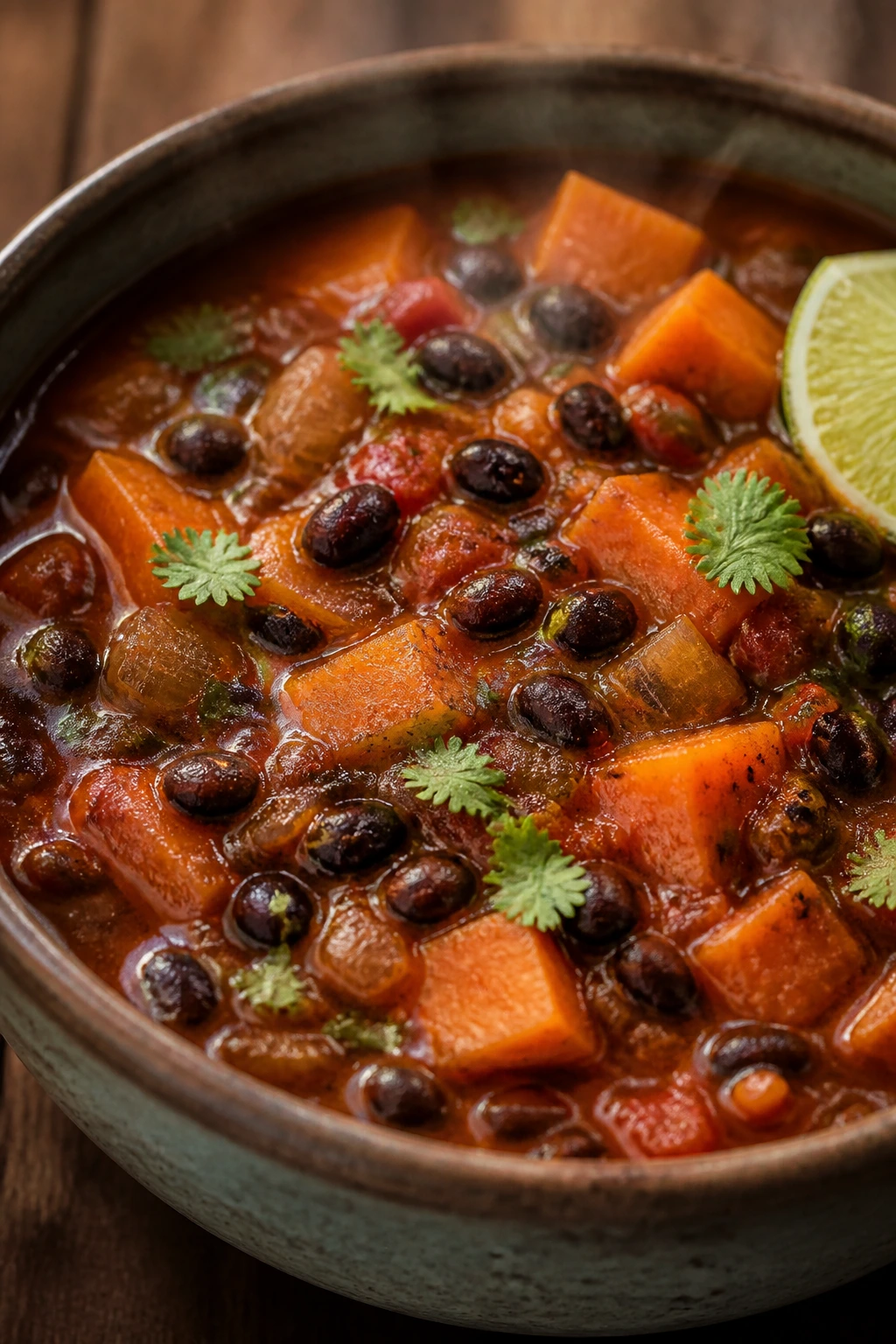
This stew leans smoky, a little sweet, and deeply filling. Chipotle in adobo gives the broth a dark heat, black beans make it thick, and sweet potato softens the fire without turning the whole thing sugary. A squeeze of lime at the end keeps it from feeling heavy.
Why It Works: Black beans break down just enough to thicken the pot if you mash a few of them. Sweet potatoes bring body and a creamy texture without dairy. Chipotle and cumin give the broth a roasted depth that canned beans need.
Key Ingredients:
- 2 tablespoons oil
- 1 onion, diced
- 1 red bell pepper, diced
- 3 garlic cloves, minced
- 1 tablespoon ground cumin
- 1 teaspoon smoked paprika
- 1 to 2 chipotle peppers in adobo, minced
- 2 sweet potatoes, peeled and cubed
- 3 cans (15 oz each) black beans, drained and rinsed
- 1 can (14.5 oz) diced tomatoes
- 5 cups vegetable broth
- 1 lime, juiced
- Cilantro and avocado, for topping
Quick Steps:
- Cook onion and bell pepper in oil for 6 minutes until softened.
- Add garlic, cumin, paprika, and chipotle. Stir for 1 minute.
- Add sweet potatoes, beans, tomatoes, and broth. Bring to a simmer.
- Cook partially covered for 25 to 30 minutes, until the sweet potatoes are tender.
- Mash a cup or two of beans against the side of the pot, then stir in lime juice.
Equipment for This Recipe:
- Dutch oven
- Potato masher or spoon
- Cutting board
- Knife
How to Serve This Dish: Spoon it into bowls with tortilla chips, rice, or warm cornbread. Avocado on top cools the chipotle heat and makes the bowl feel more complete.
Pro Tips for This Recipe:
- Start with one chipotle if you’re unsure; you can always add more.
- Mash some beans only after the sweet potatoes are done.
- Lime belongs at the end, not in the simmer.
- If the stew tastes flat, salt it more than you think you should.
Variations on This Dish:
- Corn Addition: Stir in 1½ cups corn during the last 5 minutes.
- Coconut Finish: Add ½ cup coconut milk for a softer broth.
- Smokier Version: Use fire-roasted tomatoes if you want more char flavor.
Common Mistakes to Avoid with This Dish:
- Adding too much chipotle too fast: The heat can take over. Start small.
- Leaving the sweet potatoes in giant chunks: They cook unevenly and slow the whole pot.
- Forgetting to mash some beans: That’s where the stew gets its body.
12. Coconut Red Lentil and Spinach Stew
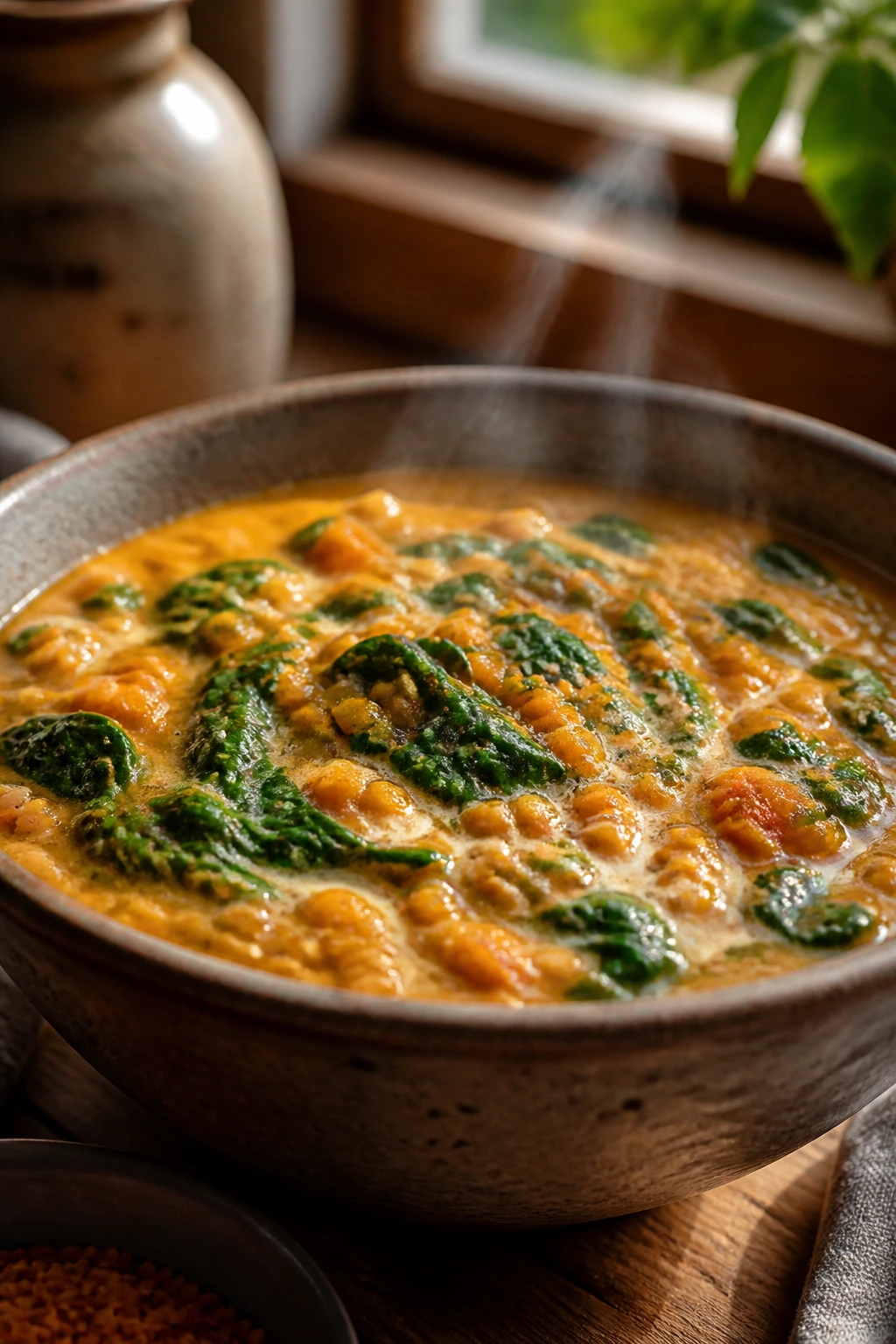
Red lentils are fast, which is a blessing on a long night. They collapse into a soft, almost silky broth, coconut milk rounds the edges, and spinach gives the pot a green finish that looks and tastes fresh even after a long simmer. The whole thing smells like ginger and toasted spice.
Why It Works: Red lentils cook quickly and thicken the pot without needing a roux. Coconut milk adds richness that still feels light enough to eat with rice. Ginger and turmeric keep the broth from tasting flat or sleepy.
Key Ingredients:
- 1 tablespoon coconut oil or olive oil
- 1 onion, diced
- 3 garlic cloves, minced
- 1 tablespoon grated ginger
- 2 teaspoons curry powder
- 1 teaspoon turmeric
- 1½ cups red lentils, rinsed
- 1 can (14.5 oz) diced tomatoes
- 4 cups vegetable broth
- 1 can (13.5 oz) coconut milk
- 4 cups spinach
- 1 lime, juiced
- Salt to taste
Quick Steps:
- Heat oil in a pot over medium heat. Cook onion for 5 minutes until soft.
- Add garlic, ginger, curry powder, and turmeric for 1 minute.
- Stir in lentils, tomatoes, and broth. Bring to a simmer and cook 15 to 18 minutes, stirring often.
- Add coconut milk and spinach. Simmer 2 to 3 minutes until the spinach wilts.
- Stir in lime juice and salt.
Equipment for This Recipe:
- Medium pot
- Wooden spoon
- Measuring cups
- Citrus juicer, optional
How to Serve This Dish: Serve it over basmati rice or with naan for dipping. A spoonful of yogurt or coconut yogurt on top gives the bowl a cool, creamy finish.
Pro Tips for This Recipe:
- Rinse red lentils until the water runs less cloudy.
- Stir often; lentils can stick to the bottom.
- Add coconut milk after the lentils are tender so it stays smooth.
- A pinch of salt at the end makes the spices read more clearly.
Variations on This Dish:
- Carrot Version: Add diced carrots with the onion.
- Extra Green Version: Stir in kale with the spinach and simmer 4 minutes longer.
- Lemongrass Twist: Simmer a bruised stalk of lemongrass in the broth and remove it before serving.
Common Mistakes to Avoid with This Dish:
- Overcooking the lentils: They become gluey. Check them early.
- Adding spinach too soon: It disappears into the broth.
- Skipping lime: The coconut milk needs acid to taste lively.
13. Cod, Fennel, and Tomato Stew
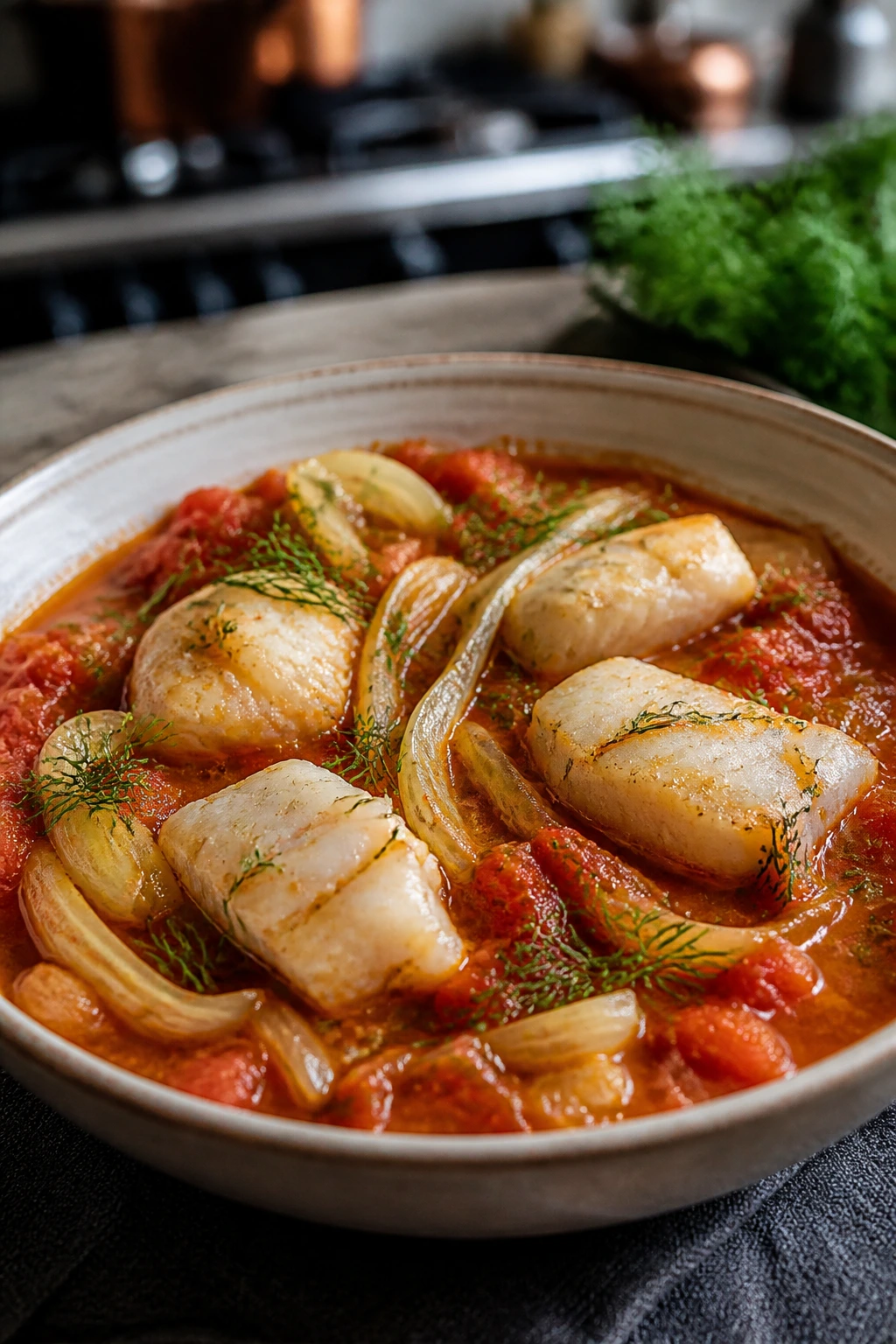
Fish stew needs a lighter hand than beef stew, and cod is the clean, quiet fish that fits best. Fennel gives the broth a faint anise note, tomatoes bring the body, and the cod goes in at the very end so it stays in soft flakes instead of turning to chalk. This one smells like the sea got dressed up for dinner.
Why It Works: Cod is lean, so it cooks quickly and benefits from a flavorful broth instead of a long braise. Fennel softens and turns sweet as it simmers, which balances tomato acid. A splash of white wine builds a sharper base without making the stew feel fancy for the sake of it.
Key Ingredients:
- 2 tablespoons olive oil
- 1 fennel bulb, thinly sliced
- 1 onion, sliced
- 3 garlic cloves, minced
- 1 tablespoon tomato paste
- ½ cup dry white wine
- 1 can (28 oz) crushed tomatoes
- 3 cups fish stock or vegetable broth
- 1 lb baby potatoes, halved
- 1½ lb cod fillets, cut into large chunks
- 1 teaspoon fennel seeds
- Chopped parsley
- Lemon wedges
Quick Steps:
- Cook fennel and onion in oil over medium heat for 8 minutes until soft.
- Stir in garlic, tomato paste, and fennel seeds for 1 minute.
- Add wine, scrape the pot, then add tomatoes, stock, and potatoes. Simmer 20 minutes.
- Nestle in the cod and cook gently for 5 to 7 minutes until opaque and just flaky.
- Finish with parsley and lemon.
Equipment for This Recipe:
- Wide pot or Dutch oven
- Fish spatula or slotted spoon
- Sharp knife
- Cutting board
How to Serve This Dish: Serve it with crusty bread and a green salad with lemon dressing. The broth should stay brothy, not thickened, so the bowl feels clean and bright.
Pro Tips for This Recipe:
- Use cod that smells like the ocean, not fishy.
- Keep the simmer gentle once the fish goes in.
- Cut potatoes small enough to cook through in the tomato broth.
- Parsley and lemon are not garnish here; they’re part of the balance.
Variations on This Dish:
- Saffron Version: Steep a pinch of saffron in the wine for a more aromatic broth.
- Shellfish Add-In: Add shrimp in the final 3 minutes if you want a mixed seafood bowl.
- Spicy Tomato Style: Stir in red pepper flakes with the garlic.
Common Mistakes to Avoid with This Dish:
- Cooking the cod too long: It dries out fast. Watch for opacity and flaking.
- Boiling the broth hard: Fish breaks apart and the tomatoes taste harsh.
- Using too much fennel seed: The broth can taste like licorice candy.
14. Oxtail Stew
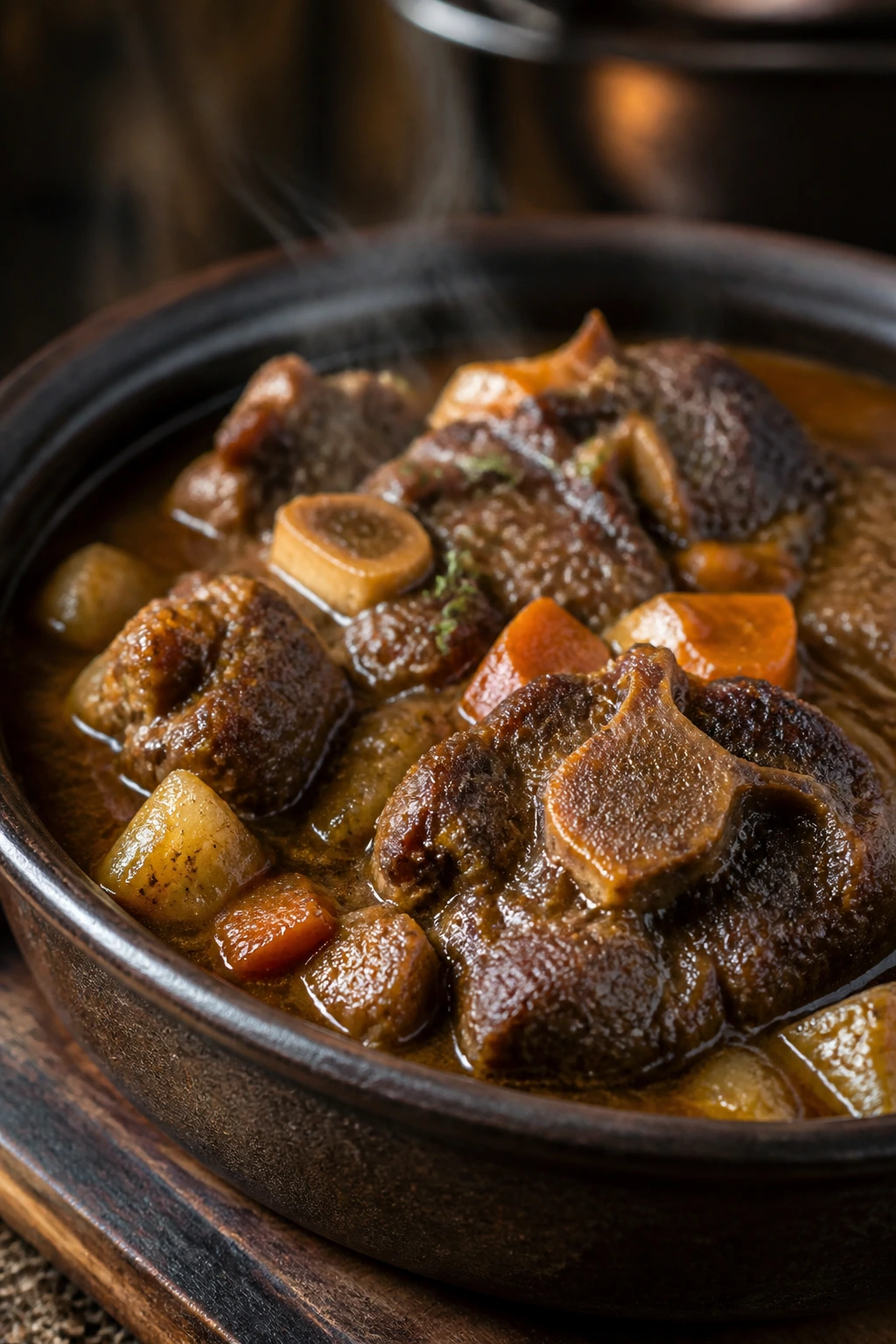
Oxtail gives you what a lot of stews pretend to have: real body. The bones and connective tissue melt into the broth over a long braise, and the meat turns sticky-tender, almost glossy when it comes off the bone. This is a pot that rewards patience in a very literal way.
Why It Works: Oxtails are loaded with collagen, which becomes gelatin and gives the broth that rich, almost silky texture. A long oven braise keeps the heat even and gentle, and tomato paste plus red wine build the base before the stock goes in. Parsnips and carrots hold up well against all that cooking time.
Key Ingredients:
- 3 lb oxtails
- 2 teaspoons kosher salt
- 1 teaspoon black pepper
- 2 tablespoons flour
- 2 tablespoons oil
- 1 onion, chopped
- 3 carrots, chopped
- 2 celery stalks, chopped
- 2 tablespoons tomato paste
- 1 cup red wine
- 5 cups beef broth
- 2 bay leaves
- 3 thyme sprigs
- 2 parsnips, cut into chunks
Quick Steps:
- Heat oven to 325°F. Season oxtails with salt, pepper, and flour.
- Brown in oil over medium-high heat for 4 minutes per side, then set aside.
- Cook onion, carrots, and celery for 6 minutes. Stir in tomato paste for 1 minute, then add wine and scrape the pot.
- Return oxtails, add broth, bay, and thyme. Cover and braise in the oven for 2½ to 3 hours.
- Add parsnips for the last 35 minutes, then skim fat and adjust seasoning.
Equipment for This Recipe:
- Dutch oven with lid
- Tongs
- Oven mitts
- Fat skimmer or spoon
How to Serve This Dish: Spoon it over mashed potatoes or soft polenta so none of that sauce gets wasted. If the broth chills and turns jiggly, that’s a good sign; it means the gelatin is doing its job.
Pro Tips for This Recipe:
- Brown oxtails well; pale bones mean weak broth.
- Skim some fat before serving, but not all of it.
- Parsnips can go in later than carrots because they soften faster.
- If the meat clings to the bone but doesn’t fall off, it needs more time, not more heat.
Variations on This Dish:
- Bourbon Edge: Replace ¼ cup of the wine with bourbon for a deeper caramel note.
- Spiced Root Version: Add a pinch of allspice or clove to the braise.
- Barley Bowl: Add ½ cup barley during the final hour for a thicker, more filling pot.
Common Mistakes to Avoid with This Dish:
- Rushing the braise: Oxtail needs time, not extra heat.
- Skipping the skim: Too much fat can make the broth greasy.
- Using a thin pot: Heavy cookware holds heat better and keeps the simmer steady.
15. Venison and Juniper Stew
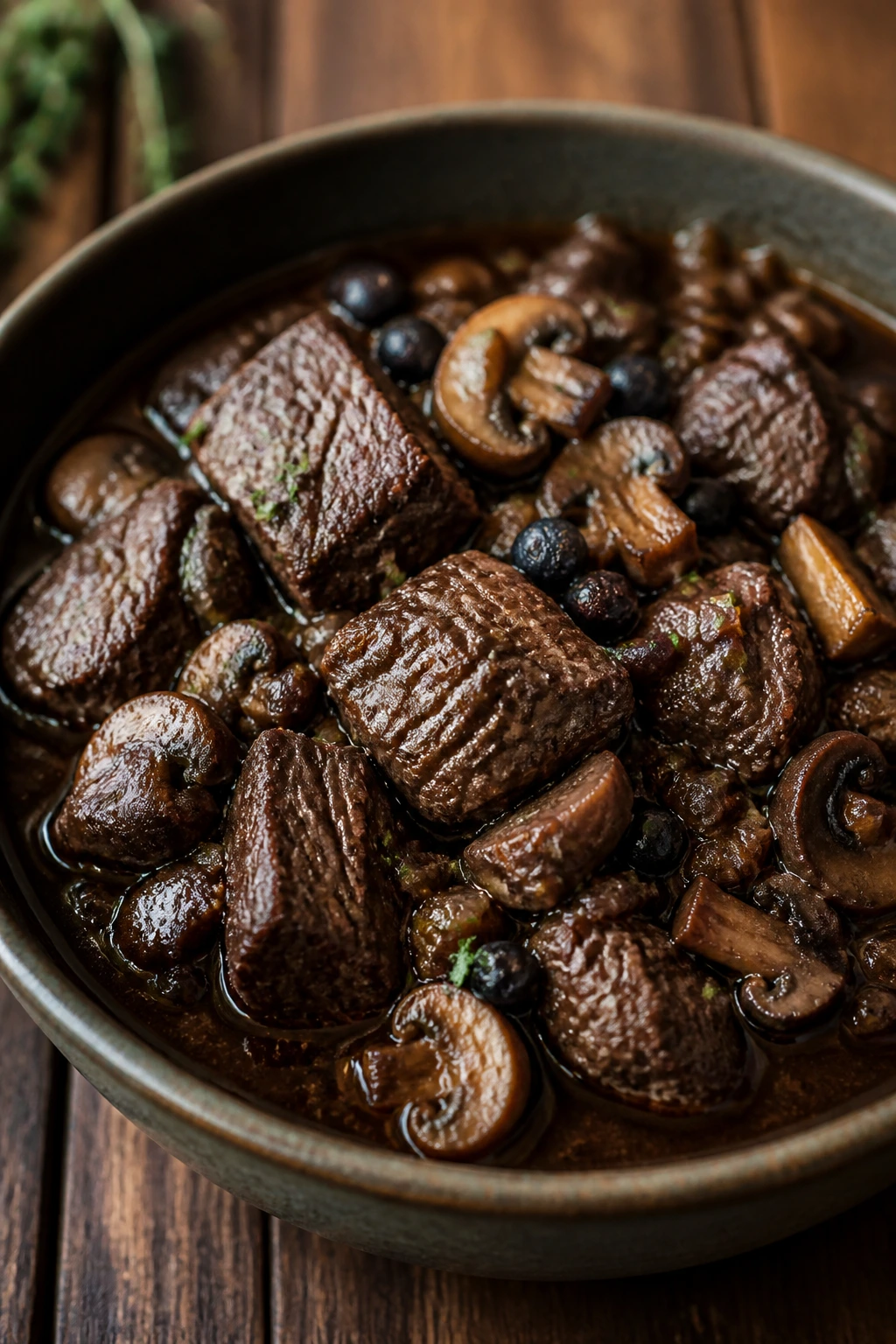
Venison has a clean, slightly wild flavor that can go chalky if you mistreat it. Juniper berries, red wine, and mushrooms help ground it, while onions and carrots round off the edges. This is the kind of stew that tastes like it knows where it came from.
Why It Works: Venison is lean, so it benefits from bacon fat or another rich cooking fat at the start. Juniper berries bring piney brightness that pairs with game meat without making the broth taste like soap if you use them sparingly. Slow braising keeps the meat tender instead of dry and tough.
Key Ingredients:
- 2 lb venison shoulder, cut into chunks
- 4 ounces bacon, diced
- 1 onion, chopped
- 3 carrots, chopped
- 2 parsnips, chopped
- 8 oz cremini mushrooms, halved
- 1 tablespoon flour
- 1 cup red wine
- 4 cups beef or game stock
- 6 lightly crushed juniper berries
- 2 bay leaves
- 1 teaspoon thyme
- Chopped parsley
Quick Steps:
- Render the bacon in a Dutch oven over medium heat until crisp. Remove it and keep the fat in the pot.
- Brown the venison in batches, 3 minutes per side, then set aside.
- Cook onion, carrots, parsnips, and mushrooms for 6 to 8 minutes.
- Stir in flour, then add wine, stock, juniper, bay, and thyme. Return venison and bacon.
- Simmer covered on low for 1½ to 2 hours until tender, then finish with parsley.
Equipment for This Recipe:
- Dutch oven
- Tongs
- Wooden spoon
- Spice mortar or spoon for crushing juniper
How to Serve This Dish: Serve it with mashed potatoes, buttered noodles, or roasted rutabaga if you want to keep the whole plate earthy. A spoonful of sour cream on top can soften the juniper if it feels too sharp.
Pro Tips for This Recipe:
- Use juniper lightly; too much tastes like pine cleaner.
- Don’t overcook venison into dryness.
- Browning the mushrooms separately before they go in can deepen flavor.
- A splash of vinegar at the end sharpens the whole pot.
Variations on This Dish:
- Mushroom-Heavy Version: Double the mushrooms and cut the venison by half a pound.
- Root Veg Swap: Replace parsnips with turnips or celeriac.
- Cream Finish: Stir in ¼ cup cream off the heat if you want a rounder broth.
Common Mistakes to Avoid with This Dish:
- Treating venison like beef chuck: It is leaner and needs less brute force.
- Using too many juniper berries: The flavor takes over fast.
- Skipping the bacon fat: You need that richness at the beginning.
16. Chicken and Dumplings Stew
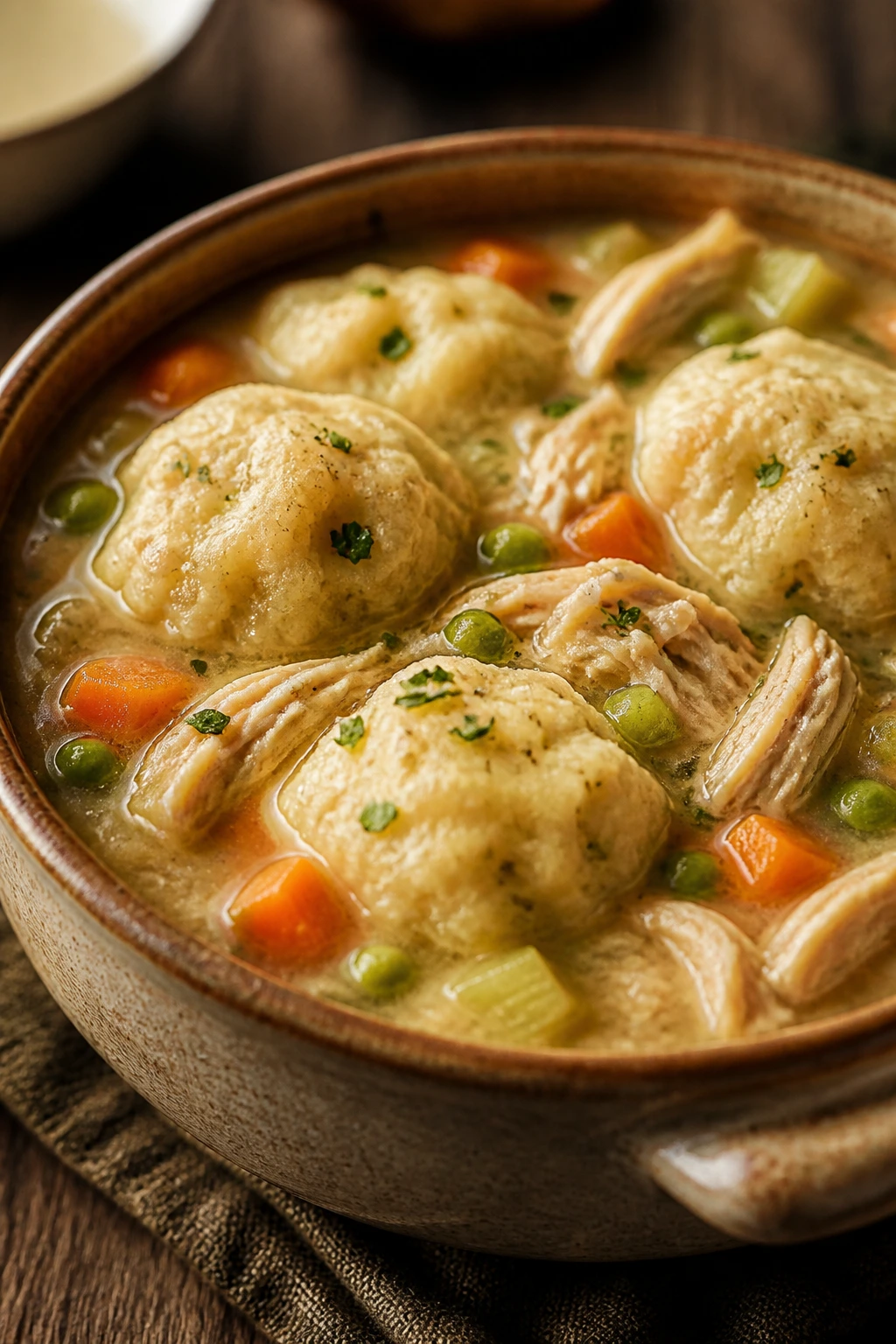
There’s a reason this dish survives every food fad. The broth is savory and rich, the chicken is shredded into soft pieces, and the dumplings steam on top like little clouds that soak up just enough liquid to stay tender. It’s cozy in a way that feels practical, not precious.
Why It Works: Chicken thighs make a better base than breast because they stay juicy through the simmer. The dumplings cook right on top of the stew, where trapped steam turns them fluffy and cooked through. A little cream or milk in the broth adds body without turning the pot into soup.
Key Ingredients:
-
For the Stew:
-
2 tablespoons butter
-
1 onion, diced
-
3 carrots, sliced
-
2 celery stalks, sliced
-
4 garlic cloves, minced
-
2 lb boneless chicken thighs
-
6 cups chicken broth
-
1 cup whole milk or half-and-half
-
1 teaspoon dried thyme
-
1 cup frozen peas
-
For the Dumplings:
-
2 cups all-purpose flour
-
1 tablespoon baking powder
-
1 teaspoon salt
-
4 tablespoons cold butter, cubed
-
¾ cup whole milk
-
2 tablespoons chopped parsley
Quick Steps:
- Melt butter in a Dutch oven. Cook onion, carrots, and celery for 6 minutes until softened.
- Add garlic, chicken, broth, milk, and thyme. Simmer 20 minutes until the chicken is cooked through.
- Remove the chicken, shred it, and return it to the pot with peas.
- Mix dumpling ingredients in a bowl just until a shaggy dough forms.
- Drop spoonfuls of dough onto the simmering stew, cover tightly, and cook 15 minutes without lifting the lid.
Equipment for This Recipe:
- Dutch oven with a tight lid
- Mixing bowl
- Two spoons for dropping dumplings
- Fork for shredding chicken
How to Serve This Dish: Serve straight from the pot while the dumplings are still high and soft. A pepper grinder at the table helps, and you don’t need much else unless you want a simple green salad beside it.
Pro Tips for This Recipe:
- Keep the stew at a gentle simmer when the dumplings go in.
- Do not lift the lid during dumpling cooking.
- Mix dumpling dough minimally; overmixing makes them tough.
- If the broth is too thin, simmer uncovered for a few minutes before adding dumplings.
Variations on This Dish:
- Herb Dumplings: Add dill or chives to the dumpling dough.
- Creamier Base: Stir in ¼ cup cream before dropping the dumplings.
- Turkey Swap: Use cooked turkey after a holiday meal and shorten the simmer.
Common Mistakes to Avoid with This Dish:
- Lifting the lid too soon: The dumplings collapse or stay gummy.
- Making the dough too wet: The dumplings spread instead of puffing.
- Using breast meat only: It can dry out before the dumplings finish.
17. Green Chile Chicken Stew
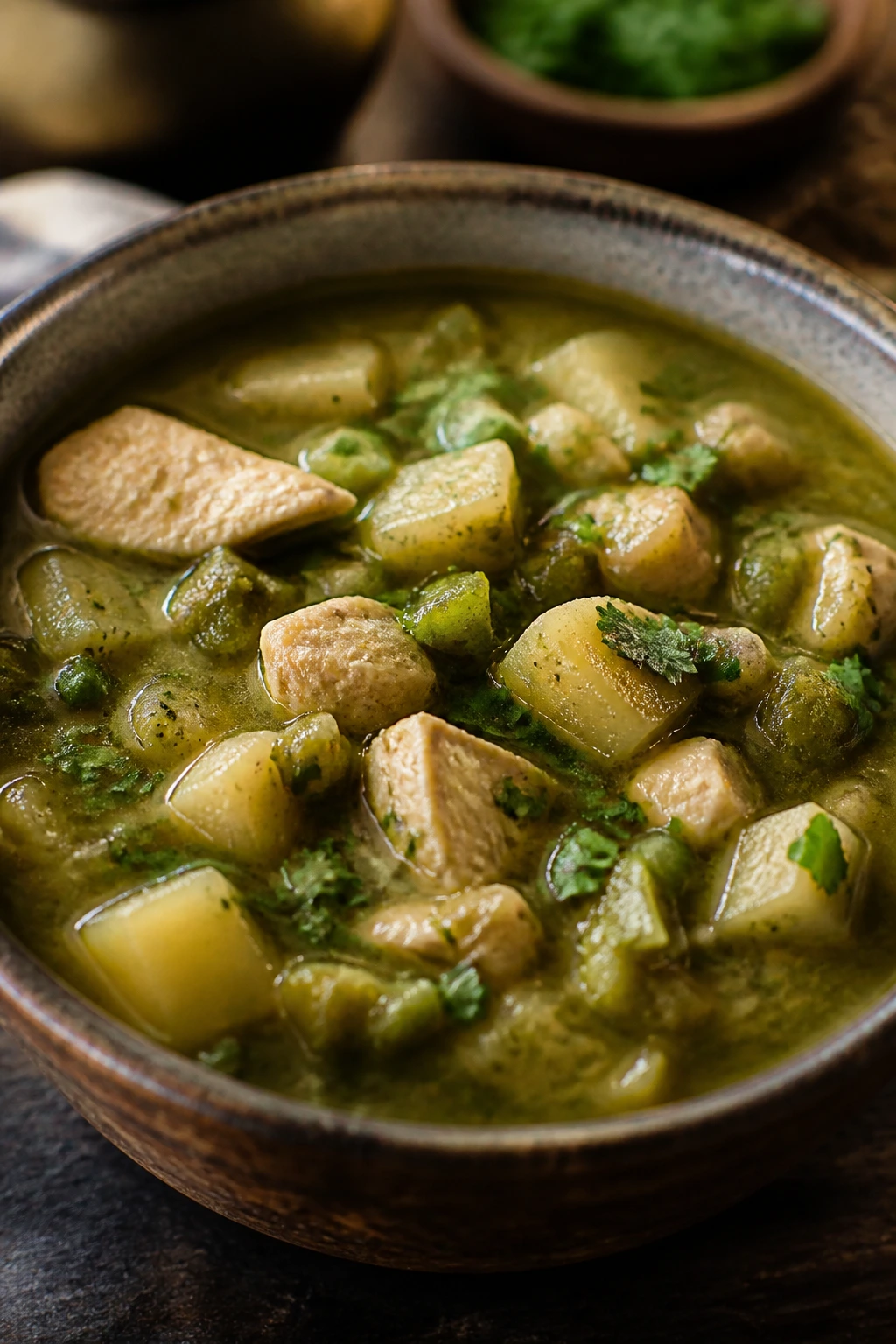
Green chile stew has a sharp, comforting smell that hits as soon as the broth starts to simmer. Potatoes soften, roasted chiles bring a slow burn, and the chicken turns tender in a broth that feels halfway between soup and gravy. It’s the kind of bowl that clears your head a little.
Why It Works: Roasted green chiles give flavor without a ton of heat, so the stew stays balanced. Potatoes help thicken the broth as they cook, and sour cream or crema at the end rounds off the chile edges. Chicken thighs stay more forgiving than breast in a long simmer.
Key Ingredients:
- 2 tablespoons oil
- 1 onion, diced
- 4 garlic cloves, minced
- 2 lb chicken thighs, cut into chunks
- 2 cups roasted green chiles, chopped
- 1 teaspoon ground cumin
- 1 teaspoon dried oregano
- 4 cups chicken broth
- 2 medium potatoes, peeled and cubed
- 1 cup frozen corn
- ½ cup sour cream or crema
- 2 tablespoons lime juice
- Chopped cilantro
Quick Steps:
- Heat oil and cook onion for 5 minutes. Add garlic and chicken, browning lightly.
- Stir in chiles, cumin, and oregano for 1 minute.
- Add broth and potatoes. Simmer 20 to 25 minutes until the potatoes are tender and the chicken is cooked through.
- Stir in corn for the last 5 minutes.
- Remove from heat, then stir in sour cream and lime juice.
Equipment for This Recipe:
- Dutch oven
- Wooden spoon
- Knife and cutting board
- Ladle
How to Serve This Dish: Ladle it into bowls with warm tortillas or cornbread. A few extra chopped chiles on top make the bowl look like you meant business.
Pro Tips for This Recipe:
- Roasted chiles should be chopped small enough to spread through the broth.
- Add the sour cream off the heat so it stays smooth.
- If the stew tastes flat, a little more salt and lime usually fixes it.
- Potatoes should be cut evenly or they’ll cook unevenly.
Variations on This Dish:
- Pork Version: Swap chicken for pork shoulder and simmer longer.
- Cheesy Finish: Stir in a handful of Monterey Jack at the end.
- Bean-Heavy Bowl: Add white beans for extra body.
Common Mistakes to Avoid with This Dish:
- Using raw chiles without roasting: The flavor stays sharp and one-note.
- Adding dairy while boiling: Sour cream can split.
- Cutting the potatoes too small: They can vanish into the broth.
18. Tomato, Sausage, and White Bean Stew
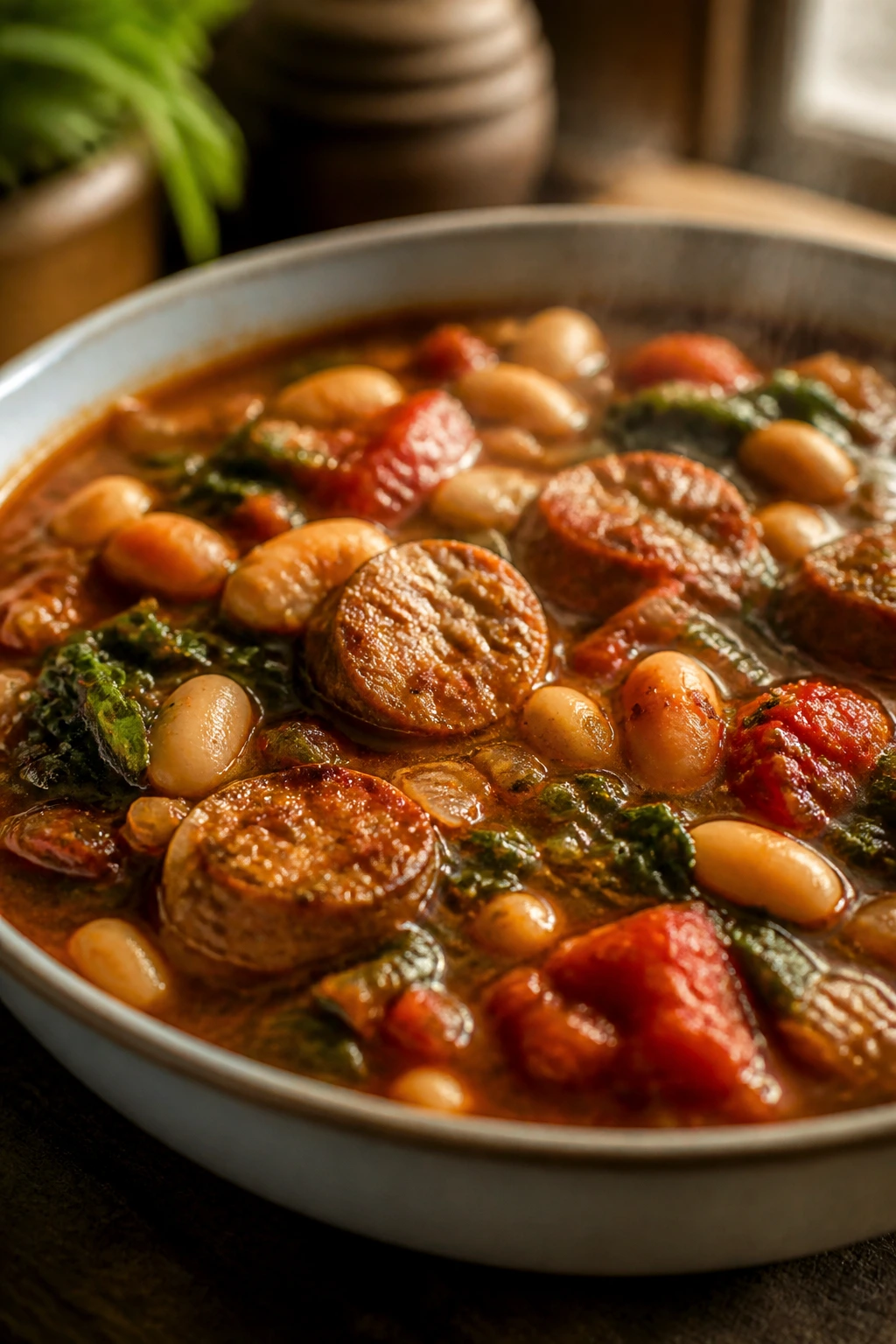
This one is a cousin to Italian soup, but thicker and more stubborn. The sausage seasons the broth, the tomatoes make it bright and red, and the white beans take on all that flavor while the greens soften just enough to stay useful. It’s the sort of pot that wants bread for dunking.
Why It Works: Sausage gives fat, salt, and spice in one move. Tomatoes add acidity that keeps the beans from tasting flat, and escarole or kale holds up better than delicate greens. A pinch of fennel seed makes the sausage taste more like itself, which is a small but useful thing.
Key Ingredients:
- 1½ lb Italian sausage, casings removed
- 1 onion, diced
- 3 garlic cloves, minced
- 1 teaspoon fennel seeds
- 2 tablespoons tomato paste
- 1 can (28 oz) crushed tomatoes
- 2 cans (15 oz each) white beans, drained and rinsed
- 5 cups chicken broth
- 1 bunch escarole or kale, chopped
- 1 teaspoon chili flakes
- 1 tablespoon red wine vinegar
- Grated Parmesan, for serving
Quick Steps:
- Brown sausage in a Dutch oven over medium-high heat, breaking it up well.
- Add onion and cook 5 minutes. Stir in garlic, fennel seeds, tomato paste, and chili flakes for 1 minute.
- Add crushed tomatoes, beans, and broth. Simmer 20 minutes.
- Stir in escarole or kale and cook 8 to 10 minutes until tender.
- Finish with red wine vinegar and Parmesan.
Equipment for This Recipe:
- Dutch oven
- Wooden spoon
- Can opener
- Chef’s knife
How to Serve This Dish: Serve it with toasted garlic bread or a handful of Parmesan on top. The broth should be thick enough to cling to bread, but still loose enough to spoon.
Pro Tips for This Recipe:
- Brown the sausage well; that dark fond is part of the flavor.
- Add vinegar at the end so the tomatoes stay bright.
- Use low-sodium broth if your sausage is salty.
- Escarole gives a slightly bitter edge that works well here.
Variations on This Dish:
- Spicy Version: Use hot sausage and extra chili flakes.
- Sausage-and-Rice Bowl: Spoon the stew over cooked rice.
- Bean Swap: Use Great Northern beans if cannellini aren’t around.
Common Mistakes to Avoid with This Dish:
- Overcooking the greens: They lose color and texture.
- Using bland sausage: The stew depends on that first layer of seasoning.
- Skipping the vinegar: Tomato and bean stew needs a lift at the end.
19. Ratatouille-Style Vegetable and White Bean Stew
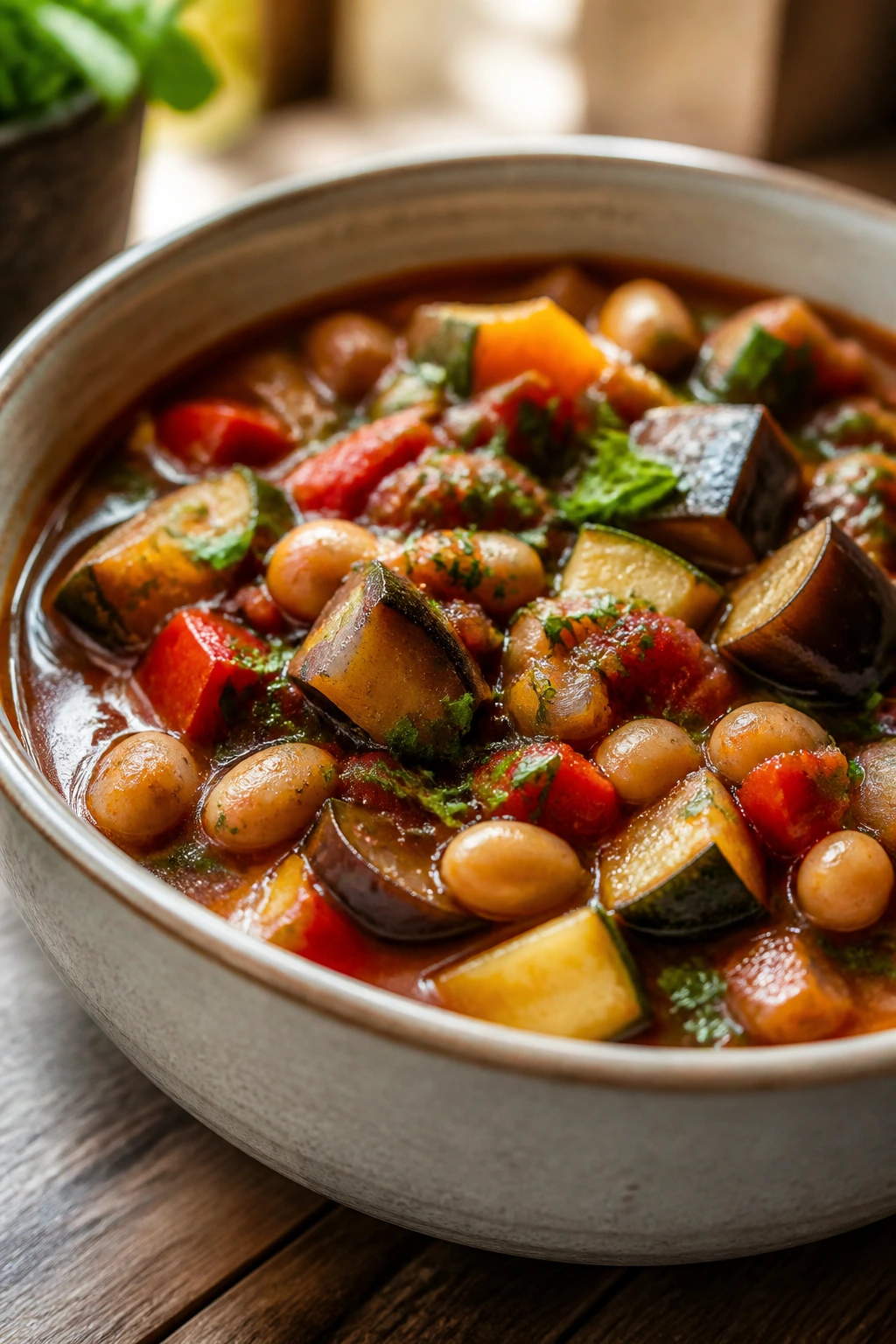
This is the vegetable stew that still feels like dinner. Eggplant turns silky, zucchini melts at the edges, peppers go sweet, and tomatoes bind the whole thing into something spoonable. The beans give it backbone, because a bowl of vegetables still needs a little structure.
Why It Works: Eggplant and zucchini bring different textures if you cook them in the right order; eggplant needs more time, zucchini less. White beans give the stew protein and keep it from tasting like a side dish. Thyme and basil keep the tomato base from going flat.
Key Ingredients:
- 3 tablespoons olive oil
- 1 onion, sliced
- 1 eggplant, cut into 1-inch cubes
- 2 zucchini, cut into thick half-moons
- 1 red bell pepper, sliced
- 4 garlic cloves, minced
- 1 tablespoon tomato paste
- 1 can (28 oz) diced tomatoes
- 2 cans (15 oz each) white beans, drained and rinsed
- 1 teaspoon dried thyme
- 1 tablespoon balsamic vinegar
- Chopped basil
Quick Steps:
- Heat oil in a wide pot. Cook onion and eggplant for 8 minutes until the eggplant starts to soften.
- Add zucchini and bell pepper; cook 5 minutes more.
- Stir in garlic and tomato paste for 1 minute.
- Add tomatoes, beans, and thyme. Simmer uncovered for 20 minutes until thick.
- Finish with balsamic vinegar and basil.
Equipment for This Recipe:
- Wide pot or Dutch oven
- Wooden spoon
- Cutting board
- Knife
How to Serve This Dish: Serve it over polenta, with crusty bread, or beside a fried egg if you want it to lean even more into dinner territory. Fresh basil on top matters; it keeps the bowl from feeling heavy.
Pro Tips for This Recipe:
- Salt the eggplant lightly if it’s especially bitter, then blot it dry.
- Use a wide pot so the vegetables brown instead of steam.
- Add the zucchini later than the eggplant; it cooks faster.
- Balsamic at the end sharpens the tomato sauce.
Variations on This Dish:
- Mediterranean Herb Version: Add rosemary and oregano with the thyme.
- Chickpea Swap: Use chickpeas instead of white beans.
- Roasted Vegetable Version: Roast eggplant and peppers first for deeper flavor.
Common Mistakes to Avoid with This Dish:
- Crowding the pot: The vegetables steam and go soft without browning.
- Cooking zucchini too long: It disappears.
- Underseasoning the tomatoes: They need salt to taste like much of anything.
20. Curried Beef and Lentil Stew
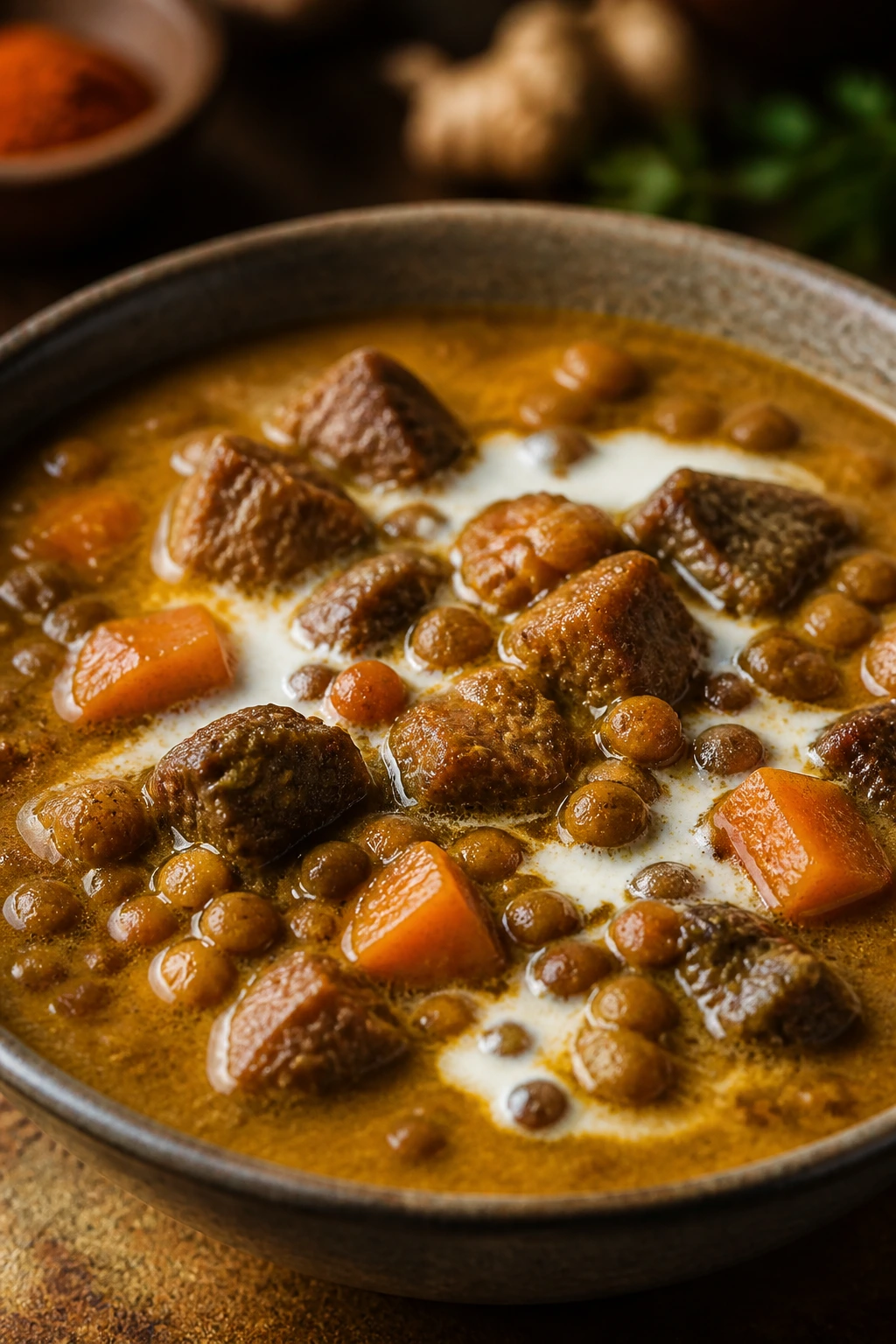
This is the stew for people who want beef, but want it to feel a little different from the usual onion-carrot-potato routine. Curry spices, lentils, and a little coconut milk turn the broth into something warm and earthy, while the beef keeps it solid and filling. It smells like dinner with some backbone.
Why It Works: Beef chuck takes to long cooking, and brown lentils simmer fast enough to soften before the meat is done. Curry powder and ginger add heat and fragrance without needing a long ingredient list. Coconut milk smooths the edges at the end so the broth doesn’t taste harsh.
Key Ingredients:
- 2 lb beef chuck, cut into cubes
- 2 teaspoons kosher salt
- 1 tablespoon flour
- 2 tablespoons oil
- 1 onion, diced
- 3 garlic cloves, minced
- 1 tablespoon grated ginger
- 2 tablespoons curry powder
- 1 tablespoon tomato paste
- 1 cup brown lentils, rinsed
- 4 cups beef broth
- 1 can (14.5 oz) diced tomatoes
- ½ cup coconut milk
- 2 carrots, sliced
- Chopped cilantro, for serving
Quick Steps:
- Season beef with salt and flour. Brown in oil over medium-high heat for 3 to 4 minutes per side.
- Add onion and carrots; cook 5 minutes. Stir in garlic, ginger, curry powder, and tomato paste for 1 minute.
- Add lentils, broth, and tomatoes. Simmer covered on low for 45 to 55 minutes until the beef is tender and the lentils are soft.
- Stir in coconut milk and cook 5 minutes more.
- Taste and finish with cilantro.
Equipment for This Recipe:
- Dutch oven
- Wooden spoon
- Tongs
- Measuring spoons
How to Serve This Dish: Rice is the cleanest side here, though naan or a soft flatbread works too. A spoonful of yogurt on top cools the curry spice and makes the bowl look finished.
Pro Tips for This Recipe:
- Brown the beef well; curry powder won’t fix a pale sear.
- Stir the lentils once or twice so they don’t settle and stick.
- Add coconut milk near the end to keep it smooth.
- If the curry powder tastes dusty, bloom it in the oil a little longer.
Variations on This Dish:
- Potato Version: Add cubed potatoes with the lentils for a fuller pot.
- Mild Coconut Bowl: Use half the curry powder and more coconut milk.
- Spicy Finish: Stir in chili paste or fresh jalapeño near the end.
Common Mistakes to Avoid with This Dish:
- Using lentils that are too old: They can stay firm too long. Check that they soften in the simmer.
- Adding coconut milk too early: It can taste dull if cooked down too long.
- Cutting the beef too small: Tiny pieces dry out before the stew finishes.
Why a Slow Simmer Wins on Cold Nights
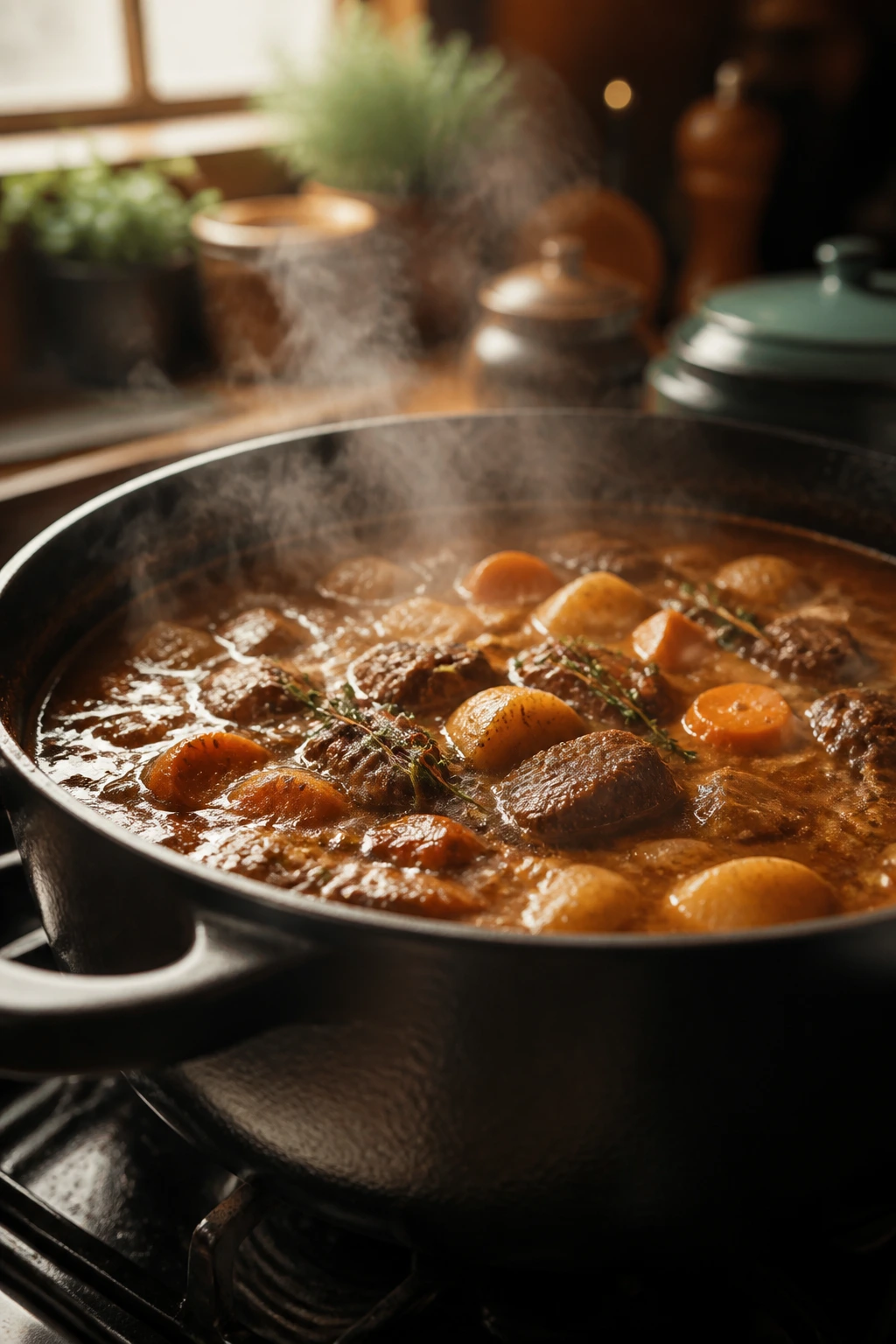
A stew is at its best when it gets a little patient with itself. A hard boil is noisy, but it’s not friendly to meat fibers, and it’s rough on vegetables that need time to soften without turning into mush. A steady simmer — the kind with small bubbles and a quiet surface — gives collagen time to turn into gelatin, lets starches release gradually, and keeps the broth clear enough to taste layered instead of muddy.
That slow heat is also what lets cheap or tough cuts earn their keep. Chuck roast, lamb shoulder, oxtail, pork shoulder, and venison all have connective tissue that needs time to break down. Rush them, and you get chewy meat in thin broth. Give them the full run, and the pot starts to thicken itself.
I also like the way stew rewards restraint. You do not need a dozen spices, and you do not need to keep stirring like a maniac. Brown the right things, deglaze the pot, season carefully, then leave the lid slightly ajar and let the stove work. The food becomes better while you do something else, which feels civilized in the best possible way.
Essential Equipment for These Stews
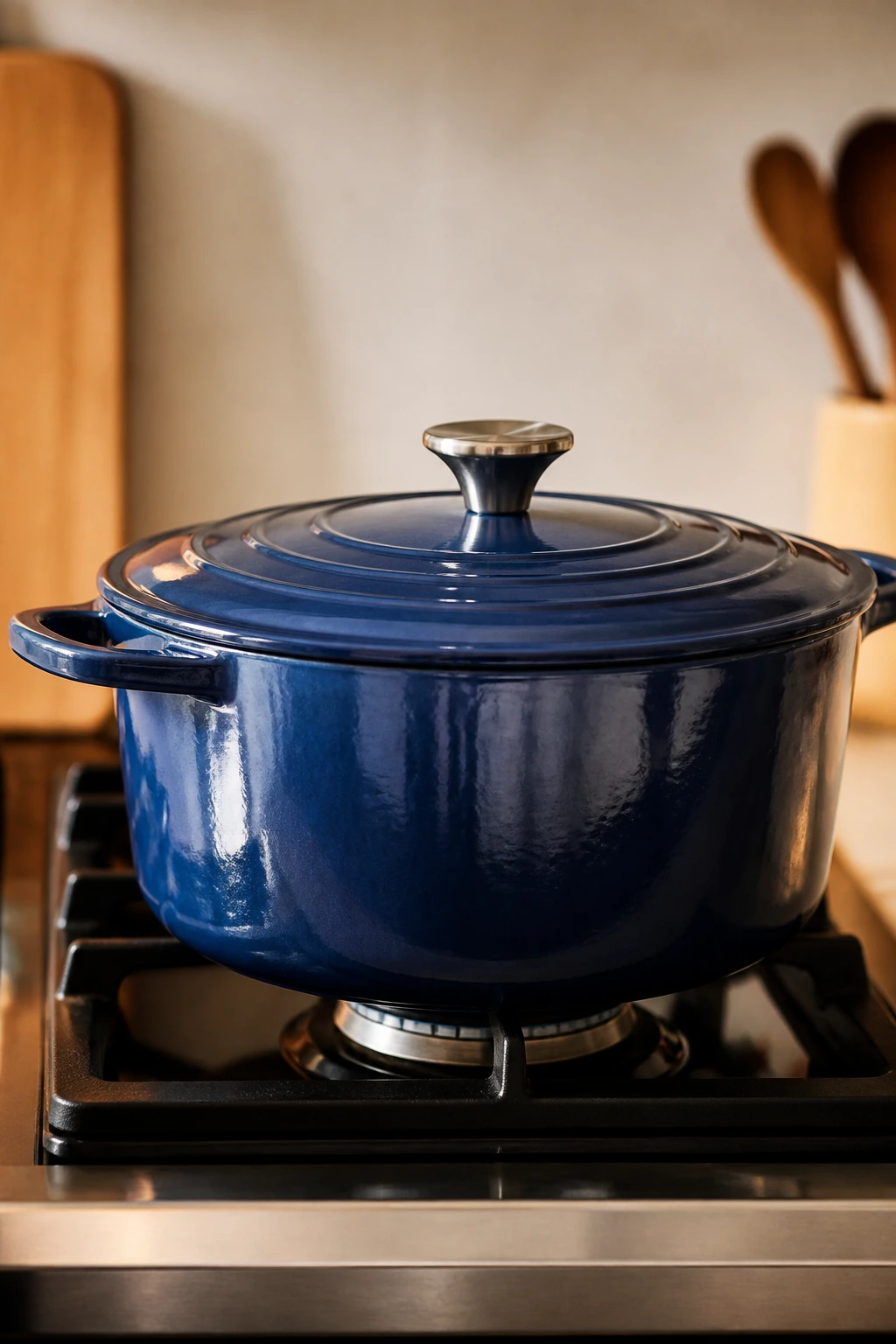
- 5- to 7-quart Dutch oven: The workhorse for browning and long simmering; heavy sides keep the heat steady.
- Large stockpot: Useful for brothy stews or bigger batches that don’t need oven braising.
- Wooden spoon: Better than a metal one for scraping up browned bits without scratching the pot.
- Tongs: Helpful for turning meat without shredding it before it’s tender.
- Sharp chef’s knife: Stews live or die on even cuts; irregular chunks cook unevenly.
- Cutting board with a damp towel underneath: Keeps the board from sliding while you chop roots and onions.
- Instant-read thermometer: Especially useful for chicken, turkey, and fish stews.
- Ladle: Sounds obvious, but a good one saves you from spilling broth all over the stove.
- Fine-mesh strainer: Handy for rinsing lentils, beans, or leeks, and for skimming tiny bits if you want a cleaner broth.
- Oven-safe lid or heavy foil: Important for braised stews that spend time in the oven.
Smart Shopping for Meat, Beans, and Broth
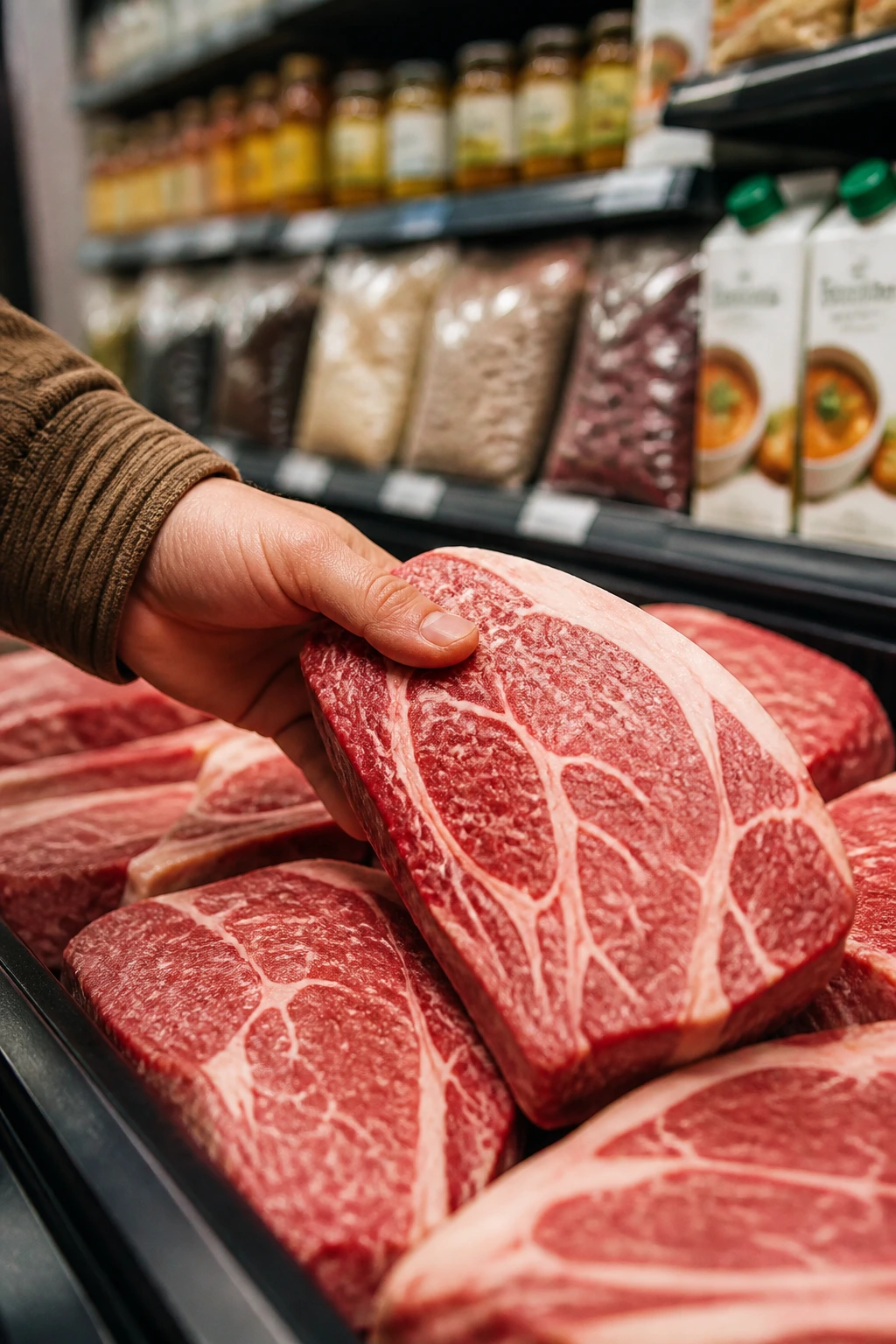
The easiest stew mistake is buying ingredients that fight the recipe. For beef, look for chuck roast with visible marbling and not too much surface trim. You want fat in the meat, not just on the edge, because that marbling melts into the braise and keeps the pot from tasting lean and flat.
For chicken stews, thighs beat breasts almost every time. I’ll die on that hill. Thigh meat stays juicy, survives reheating, and gives the broth a fuller taste. If you do use breast meat, add it near the end so it doesn’t dry out while the vegetables finish.
Beans and lentils deserve a little attention too. Dried beans are great when you have time, but canned beans are fine for weeknight stew if you rinse them well to remove the canning liquid. For lentils, use brown or green when you want them to hold shape, and red when you want them to melt into the broth.
Broth matters more than most people admit. If the box tastes thin on its own, the stew will taste thin too, just with more vegetables in it. Low-sodium broth is usually the better buy because it gives you room to salt the pot yourself, which is how you keep the final bowl from tasting either bland or harsh.
How to Serve These Stews
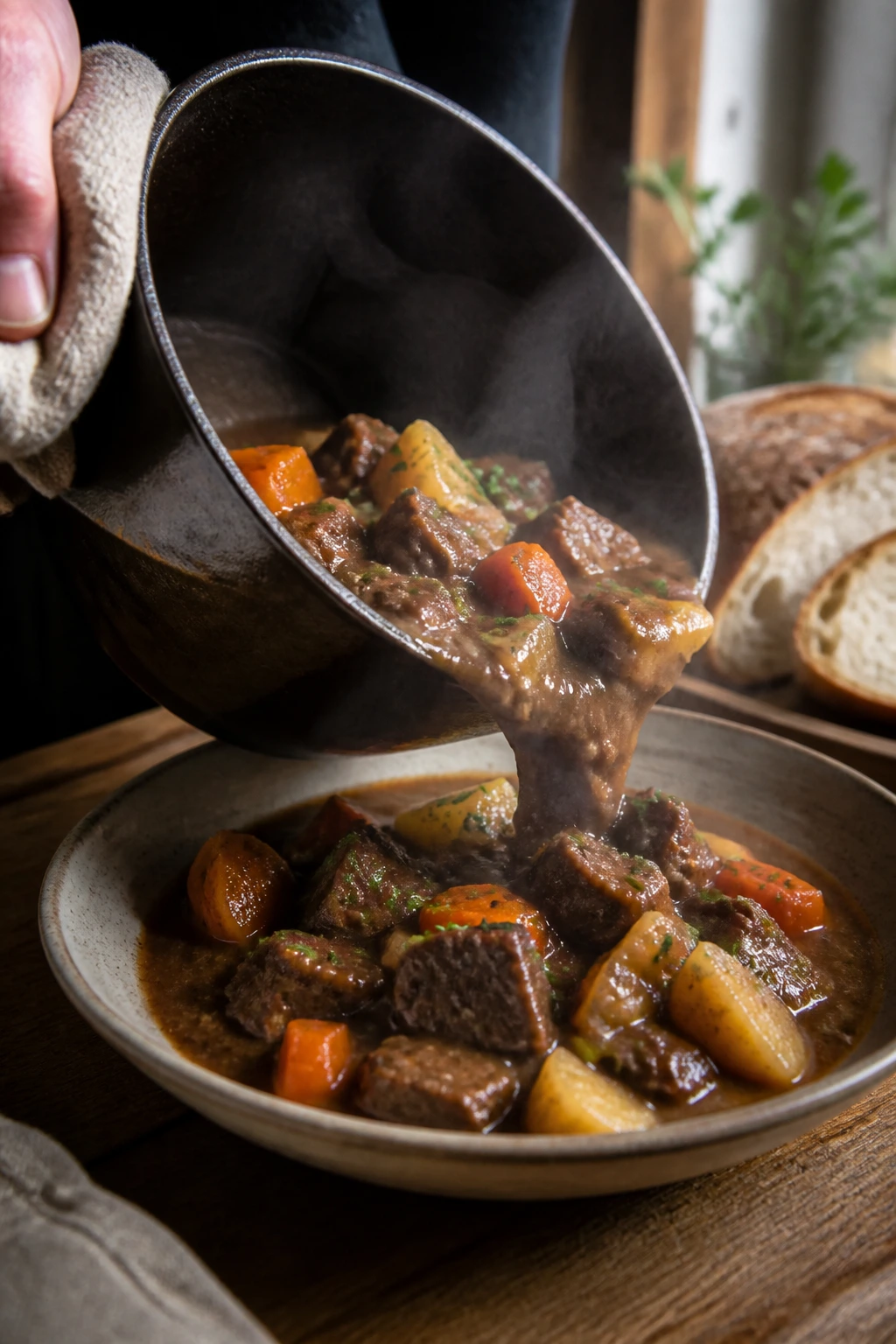
Presentation: Use wide, shallow bowls for chunky stews so the meat, potatoes, and vegetables don’t sink into a dark puddle. For brothy stews, choose deeper bowls and leave a little space at the top so the steam stays where you can smell it. A scatter of herbs, cracked pepper, or a tiny drizzle of olive oil makes the surface look cared for.
Accompaniments: Crusty sourdough, rye bread, cornbread, buttered noodles, mashed potatoes, polenta, rice, and flatbread all have a place here. I’d rather serve one good side than three weak ones. If the stew is bean-heavy or thick with barley, bread is enough. If it’s brothy, rice or potatoes make the bowl feel fuller.
Portions: Most of these recipes serve 4 to 6 as a main dish, though the heavy ones with potatoes or beans can stretch farther. For smaller appetites, a 1½-cup serving is usually enough if bread is on the table. For hungrier crowds, plan on 2 cups each and add a side.
Beverage Pairing: Dry cider is a strong match for pork and chicken stews, while a medium-bodied red wine works well with beef, lamb, and oxtail. For nonalcoholic options, sparkling water with lemon or unsweet black tea keeps the meal from feeling too dense.
Additional Tips and Flavor Boosters
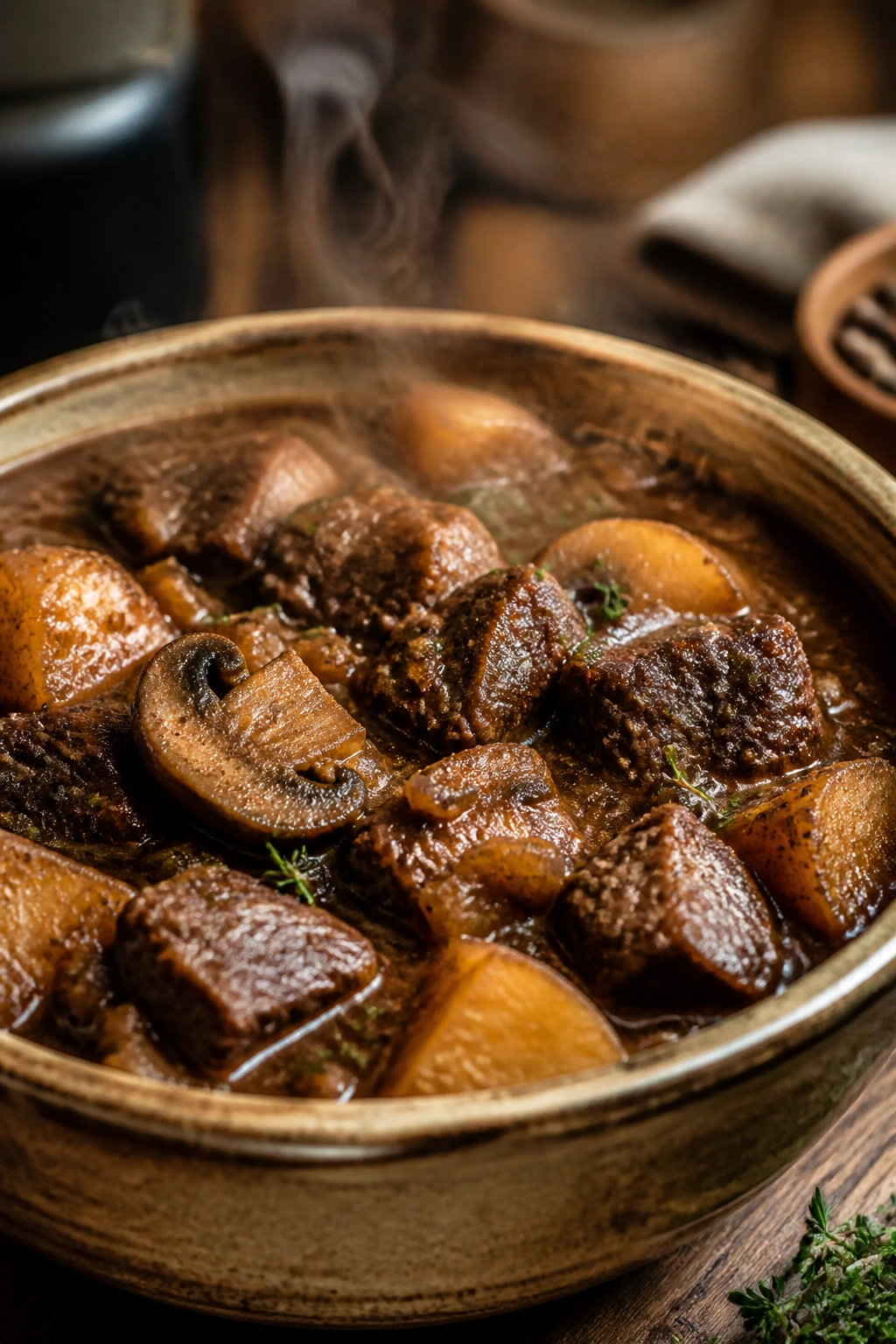
Flavor Enhancement: A spoonful of acid at the end — red wine vinegar, sherry vinegar, lemon juice, or cider vinegar — does more than salt ever will when a stew tastes sleepy. It sharpens the broth without making it sour if you use a light hand.
Customization: Add smoked paprika for depth, harissa for heat, or a Parmesan rind for quiet umami in bean and chicken stews. If you want a thicker bowl, mash a few potatoes or beans against the side of the pot instead of dumping in more flour.
Serving Suggestions: Fresh herbs are not decoration. Parsley, dill, cilantro, basil, and chives each change the way a stew lands on the tongue. A dollop of yogurt, sour cream, or crème fraîche can also calm sharp chiles or smoky spices.
Make-It-Yours: Gluten-free eaters can skip flour and use cornstarch slurry or a potato mash for body. Dairy-free cooks can lean on olive oil, coconut milk, or extra beans. Low-sodium versions work best when you choose unsalted broth and season at the very end.
Make-Ahead, Storage, and Reheating Guidance
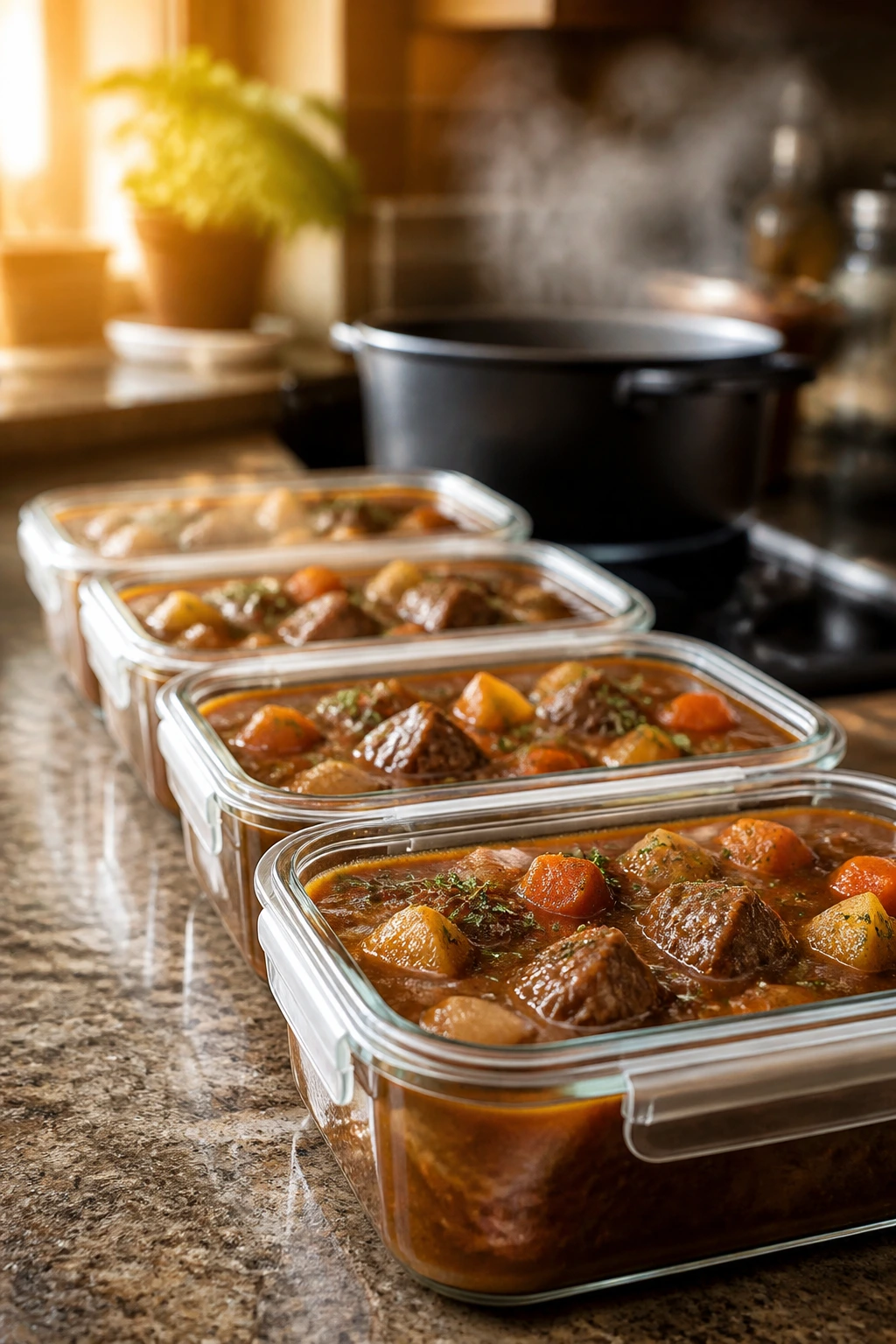
Most of these stews keep well in the refrigerator for 3 to 4 days in sealed containers. Beef, lamb, bean, lentil, and pork stews usually improve overnight because the broth settles and the seasoning spreads through the pot. Fish stew is the exception; it’s best eaten the day it’s made, though it can still be kept for a day if needed.
For the freezer, aim for up to 2 to 3 months in airtight containers or freezer bags laid flat. Stews with potatoes can get a little mealy after freezing, so if you know a pot is headed for the freezer, undercook the potatoes slightly or swap in root vegetables that hold their texture better. Bean and lentil stews freeze especially well because they don’t rely on delicate texture.
Reheat on the stovetop over low heat, stirring now and then so the bottom doesn’t stick. If the stew is very thick, add a splash of broth or water before it heats through. Microwave reheating works in a pinch, but use medium power and stir halfway through so the edges don’t overcook while the center stays cold.
Make-ahead moves help here. Chop the vegetables a day early, or brown the meat ahead of time and refrigerate it. For braised stews, the flavor often improves after a full night in the fridge, so making the pot ahead is not a compromise; it’s the smart move.
Variations and Adaptations to Try
- Gluten-Free Thicker: Use cornstarch slurry, mashed potatoes, or pureed beans instead of flour. This works especially well in beef, chicken, and sausage stews where the broth already has enough body.
- Dairy-Free Finish: Skip cream, butter, and sour cream, then finish with olive oil, lemon juice, or coconut milk depending on the flavor direction. The stew still feels rich if the base is built right.
- Lower-Sodium Pot: Buy unsalted broth, choose plain beans, and season at the end after the stew has reduced a bit. This keeps the final bowl from turning salty once the liquid concentrates.
- Spice-Forward Version: Add harissa, chipotle, chili flakes, or curry powder, but only one of them should lead the show. Too many hot notes can flatten the broth instead of giving it shape.
- Vegetable-Heavy Batch: Double the carrots, celery, mushrooms, cabbage, or greens and reduce the meat slightly. This is a good move when you want the pot to stretch farther without losing substance.
- Freeze-First Batch: Slightly undercook potatoes and delicate greens if you know half the pot is going into the freezer. The thawed stew will land closer to the texture you want.
Common Mistakes to Avoid
- Crowding the pot during browning: Meat steams instead of searing, and the broth loses depth. Work in batches and give the pieces space.
- Turning the heat too high during the simmer: A rolling boil makes meat tight and vegetables ragged. You want a steady, lazy bubble.
- Adding every vegetable at once: Potatoes, cabbage, greens, mushrooms, and fish all cook at different speeds. Put the sturdy vegetables in first and the delicate ones near the end.
- Underseasoning at the finish: Stews taste different after an hour than they did at the start. Taste right before serving and adjust salt, acid, and pepper.
- Cutting ingredients too small: Tiny carrots and potatoes disappear before the stew feels finished. Bigger chunks hold their shape and look better in the bowl.
- Ignoring the fond on the bottom of the pot: Those browned bits are flavor. If you don’t deglaze them with wine, broth, or cider, you’re leaving taste behind.
Frequently Asked Questions About Hearty Stews
What cut of beef is best for stew?
Chuck roast is the most reliable pick because it has enough fat and connective tissue to soften during a long simmer. Brisket and short rib also work, but they tend to be pricier. Lean cuts like sirloin stay chewy and dry.
Can I make these stews in a slow cooker?
Yes, especially the beef, lamb, pork, bean, and lentil versions. Brown the meat and vegetables first if you can; that step gives you the flavor the slow cooker cannot build on its own. Fish and dumpling stews are better on the stove.
How do I thicken a stew without flour?
Mash a few potatoes or beans against the side of the pot, or simmer the stew uncovered for the last 15 to 20 minutes. Cornstarch slurry works too, but use it sparingly so the broth doesn’t turn slick.
Why does my stew taste flat?
Usually it needs salt, acid, or both. A small splash of vinegar or lemon juice at the end often fixes a stew that tastes heavy but not alive. If the broth itself is weak, the issue may be the stock you started with.
Can I freeze stew with potatoes in it?
You can, but the texture softens after thawing. If freezing is the plan, cut the potatoes larger or use beans, barley, or root vegetables that hold up better. Reheat slowly and don’t boil it hard after thawing.
What vegetables hold up best in stew?
Carrots, parsnips, celery, turnips, cabbage, fennel, mushrooms, and onions all do well. Spinach, peas, zucchini, and fish should go in late so they stay recognizable. That timing matters more than most people think.
Can I make stew the day before serving?
Absolutely. Many stews taste better after a night in the fridge because the flavors settle and the broth thickens a little. Reheat gently and add a splash of broth if it seems too thick.
How do I know when the meat is done?
Tough cuts are done when a fork slides in with little resistance and the meat starts to pull apart at the edges. Chicken should reach 165°F, but thighs can go a little beyond that and still stay juicy. Fish is done as soon as it turns opaque and flakes.
What if my stew is too thin?
Keep it uncovered at a low simmer for 10 to 15 minutes, or mash a few potatoes or beans into the broth. Don’t dump in a big flour slurry unless you want the texture to feel heavy and blunt.
A Pot Worth Returning To
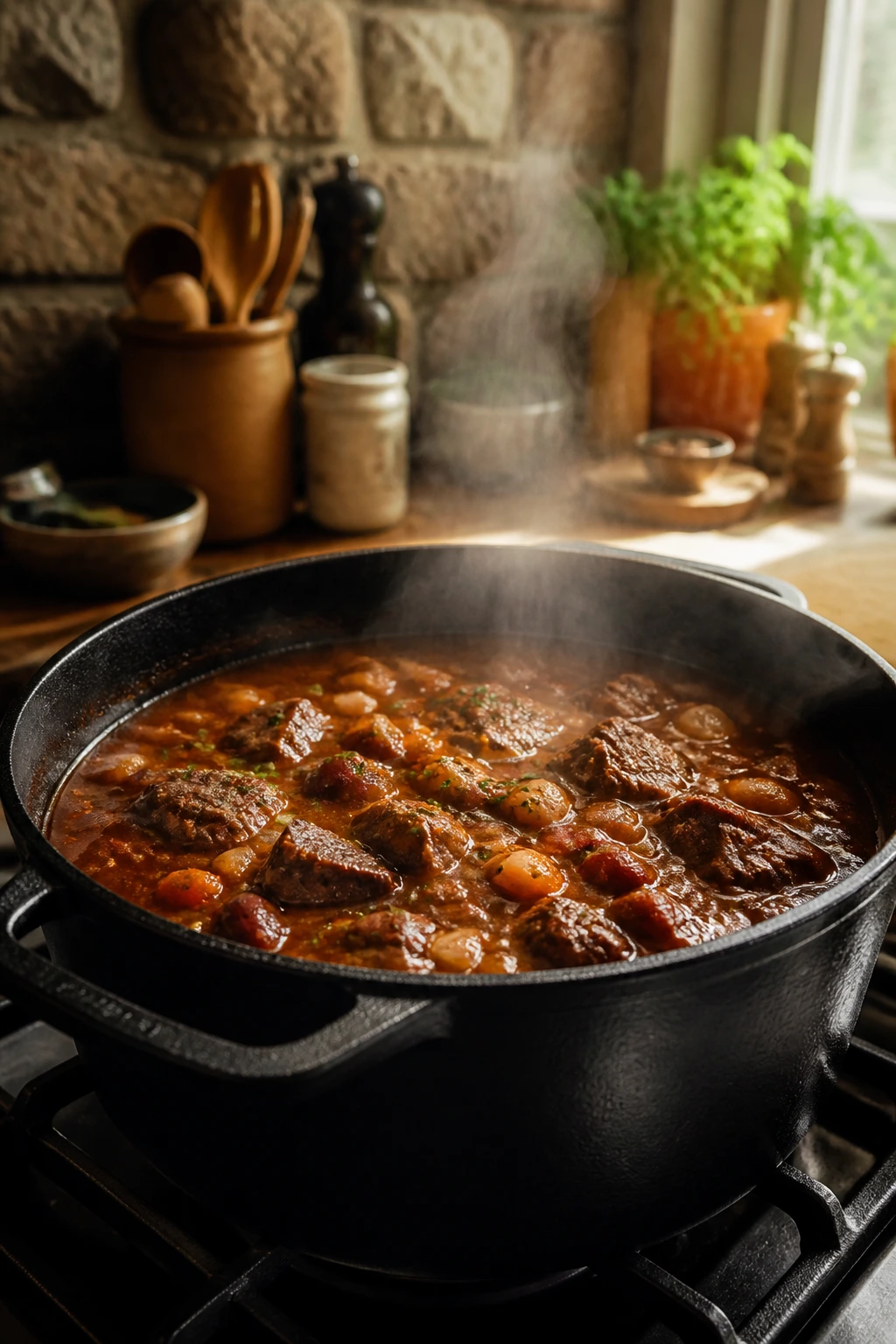
Stew is slow food without the ceremony. It asks for a heavy pot, a little patience, and ingredients that know how to behave under heat. That’s enough. The reward is a bowl that tastes deeper than the sum of what went in, which is a pretty decent trade on a cold night.
The best part is how little of this feels fussy once you’ve done it a few times. Brown the meat, keep the simmer low, add delicate things late, and finish with acid when the pot needs a lift. That rhythm works across beef, beans, chicken, lamb, and vegetables alike, and once it’s in your hands, you’ll stop thinking of stew as a fallback.
You’ll start thinking of it as a plan.