



Creamy bean soup with kielbasa has the kind of practical charm I trust on a cold night: one pot, a smoky sausage, a few cans of beans, and a broth that turns plush once the beans start breaking down. The smell alone — onion, celery, kielbasa fat, a little paprika — makes the kitchen feel warmer before the first bowl is ladled.
I like cannellini beans here because they soften at the edges and make the soup feel almost velvety without disappearing completely. A quick mash with the back of a spoon gives you that spoon-coating texture people often chase with extra cream or a flour-heavy roux, but it happens from the beans themselves. That matters, because the broth stays clean-tasting instead of heavy.
The sausage is already cooked, so you’re not babysitting raw meat. Your real job is browning the slices until the edges pick up a deep golden color, then letting the beans simmer in that flavor. It’s a sturdier bowl than plain white bean soup, and a lot less fussy than a stew that needs hours to become worth eating.
The first thing worth doing is getting the sausage into the pot and letting it do what it does best.
Why Creamy Bean Soup with Kielbasa Belongs on the Coldest Nights

This soup earns its keep fast. The kielbasa browns into little crisp-edged coins, the beans thicken the broth from within, and the whole pot smells like smoke, onion, and pepper before the lid has even come off.
A lot of bean soups lean one of two ways: thin and brothy, or thick and a little paste-like. This one lands in the middle if you treat it right. The broth stays silky, but the spoon still comes up with beans, sausage, and softened vegetables in every bite.
The other reason I reach for this kind of soup is that it behaves well in a real kitchen. It doesn’t demand perfect knife work. It doesn’t need special stock. And it forgives a little extra simmering, which is useful when the phone rings or the dog needs out or you set the garlic aside and forget it for a minute. Been there.
It also scales up cleanly. If you’ve got a bigger pot and a bigger crowd, the soup doesn’t get weird or watery the way some cream soups do. It just gets more of itself.
Why You’ll Love This Soup

-
Smoky sausage does the heavy lifting: Browning 1 pound of kielbasa in the pot gives the broth a meaty, savory base before the beans even go in.
-
Creamy without a flour bomb: Mashing part of the beans thickens the soup from the inside, so it tastes rich without turning gluey.
-
One Dutch oven, one steady simmer: After the vegetables soften, the rest is mostly stirring and waiting for the beans to relax into the broth.
-
Pantry-friendly, but not dull: Canned beans, broth, thyme, and paprika are easy to keep on hand, and the kielbasa keeps the flavor from feeling flat.
-
Leftovers get better: The beans absorb the broth overnight, so the second bowl often tastes deeper than the first.
-
Flexible texture: Leave more beans intact for a brothy spoonful, or mash a bit more if you want something closer to a chowder.
Time and Yield at a Glance
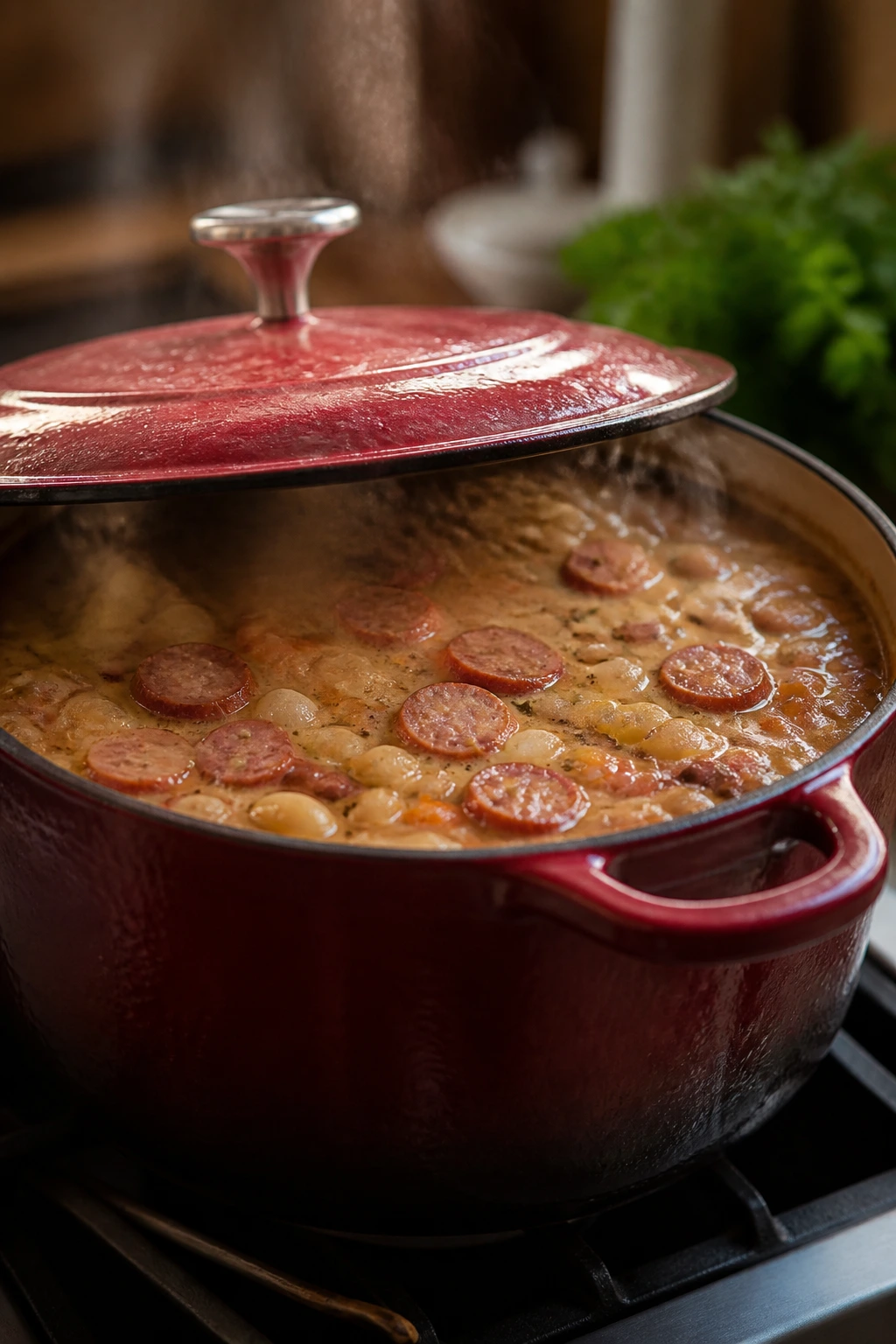
The timing is straightforward, which is part of the appeal. Once the sausage is browned and the vegetables have softened, the pot mostly looks after itself.
Yield: Serves 6 to 8
Prep Time: 20 minutes
Cook Time: 40 minutes
Total Time: 1 hour
Difficulty: Beginner — the steps are simple, and the pot is forgiving as long as you keep the cream at a gentle simmer.
Best Served: Hot, with black pepper, chopped parsley, and thick bread on the side.
The soup thickens as it sits. That’s normal, and I’d count it as a feature, not a flaw.
What Goes Into the Pot

For the Soup:
- 2 tablespoons olive oil
- 1 pound kielbasa, sliced into 1/4-inch coins
- 2 tablespoons unsalted butter
- 1 large yellow onion, diced
- 2 celery stalks, diced
- 2 medium carrots, diced
- 4 garlic cloves, minced
- 2 tablespoons all-purpose flour
- 1 tablespoon tomato paste
- 1 teaspoon smoked paprika
- 1 teaspoon dried thyme
- 1/2 teaspoon black pepper
- 1/4 teaspoon crushed red pepper flakes
- 6 cups low-sodium chicken broth
- 3 cans (15 ounces each) cannellini beans, drained and rinsed
- 1 bay leaf
- 1 cup heavy cream or half-and-half
- 1 tablespoon Dijon mustard
- 1 tablespoon apple cider vinegar
- 1 to 1 1/2 teaspoons kosher salt, plus more to taste
- 2 tablespoons chopped fresh parsley, for serving
Why Each Ingredient Pulls Its Weight
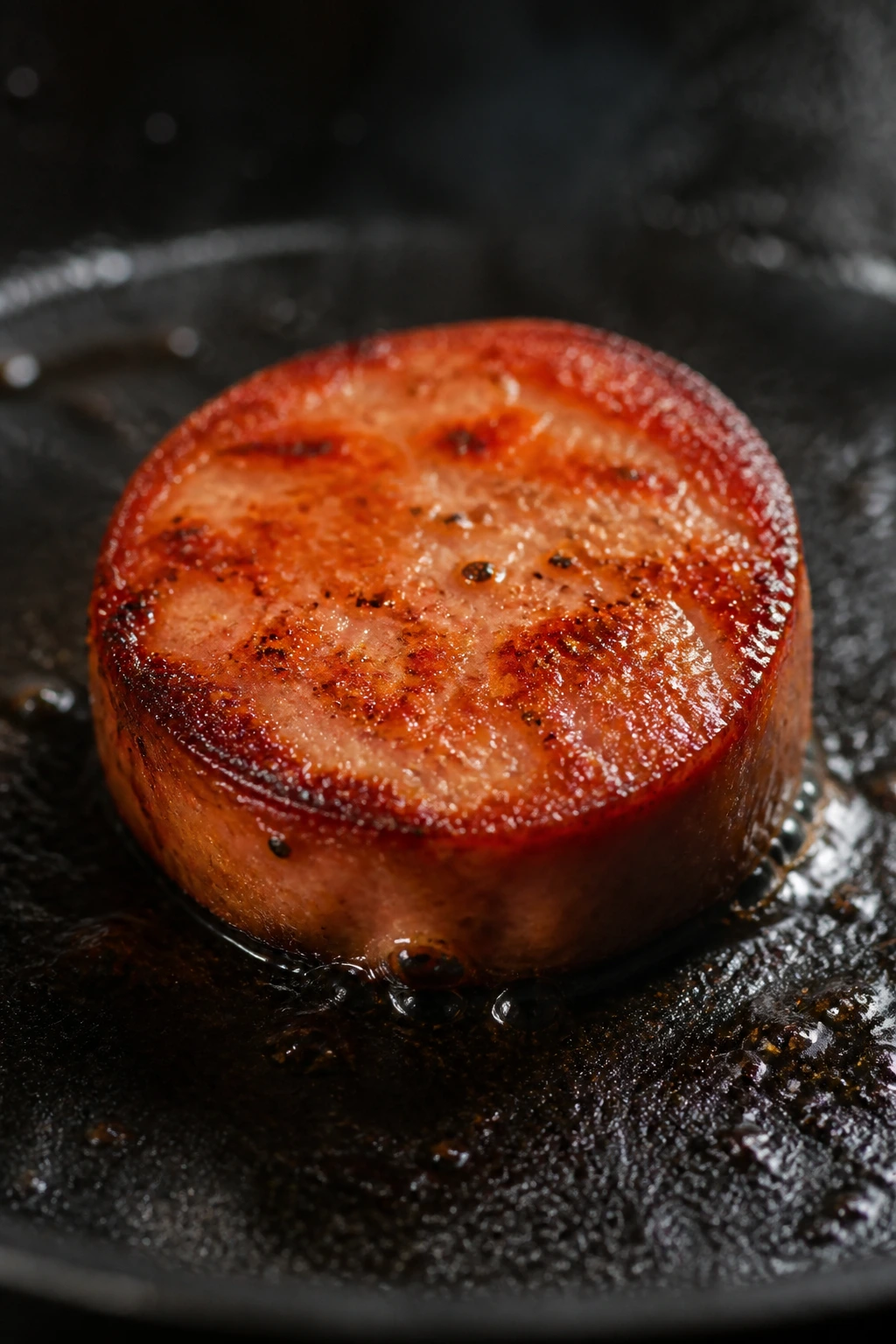
Kielbasa, the Browning, and the Fat It Leaves Behind
What to use: 1 pound kielbasa, sliced into 1/4-inch coins. A pork-and-beef link with a good snap gives you the best browning and the deepest savory flavor.
Preparation: Pat the sausage dry before slicing it. Dry surfaces brown faster, and browning is where this soup starts to taste like more than beans in broth.
Substitutions: Smoked turkey kielbasa works if you want something leaner, and andouille pushes the soup into spicier territory. Regular smoked sausage works too, though the flavor may be a little saltier.
Tips: Don’t drain every drop of fat after the sausage cooks. A little of it stays in the pot and saves you from adding extra oil while also carrying the smoke into the vegetables.
Beans and Broth, the Body of the Soup
What to use: 3 cans cannellini beans, drained and rinsed, plus 6 cups low-sodium chicken broth. One can gets lightly mashed so the broth has something creamy to cling to.
Preparation: Rinse the beans until the water runs mostly clear, then mash about 1 to 1 1/2 cups with a fork or potato masher. That’s enough to thicken the soup without turning it into baby food.
Substitutions: Great Northern or navy beans work well. Vegetable broth can stand in for chicken broth if that’s what you have, though the sausage gives the pot enough savor to carry a lighter broth.
Tips: Low-sodium broth matters here. Kielbasa, Dijon, and the finished seasoning all bring salt, and it’s easier to add more at the end than to fix a salty pot.
Aromatics, Spice, and the Small Amount of Tomato Paste
What to use: 1 yellow onion, 2 celery stalks, 2 medium carrots, 4 garlic cloves, 2 tablespoons tomato paste, smoked paprika, thyme, black pepper, and red pepper flakes.
Preparation: Dice the vegetables evenly, about 1/4-inch pieces, so they soften at the same pace. Stir the tomato paste into the hot fat for a brief moment before adding liquid; it darkens and tastes fuller that way.
Substitutions: Sweet paprika can replace smoked paprika if that’s all you’ve got, though the smoke is part of the soup’s personality. Fresh thyme works if you have it; use about 1 tablespoon of leaves instead of dried.
Tips: Cook the vegetables until they’re truly soft. If the onion still tastes raw, the whole bowl will taste raw around the edges, and no amount of cream will hide that.
Cream, Mustard, and the Finish That Keeps the Soup Balanced
What to use: 1 cup heavy cream or half-and-half, 1 tablespoon Dijon mustard, 1 tablespoon apple cider vinegar, and chopped parsley for the top.
Preparation: Stir the cream in only after the soup has fully simmered and the heat is low. If you want the mustard to disappear smoothly, whisk it into a spoonful of hot broth before adding it to the pot.
Substitutions: Half-and-half works if you want a lighter bowl. For a dairy-free version, blend an extra can of beans with broth and finish with a drizzle of olive oil instead of cream.
Tips: The vinegar is not decoration. It wakes up the beans and keeps the broth from tasting sleepy after the cream goes in.
The Tools That Make the Pot Easier

-
5- or 6-quart Dutch oven or heavy soup pot — The heavy bottom helps prevent scorching, especially once the flour and cream go in.
-
Wooden spoon or heatproof spatula — You want something sturdy enough to scrape up browned bits without scratching the pot.
-
Chef’s knife — Kielbasa, onion, celery, and carrots all go faster when the cuts are clean and even.
-
Cutting board — I like a damp kitchen towel under the board so it doesn’t slip while I’m slicing sausage.
-
Potato masher or immersion blender — Either one works for thickening part of the beans; the blender gives a smoother result, the masher leaves more texture.
-
Measuring cups and spoons — The paprika, flour, and vinegar are small amounts, but they matter more than they look like they should.
-
Ladle — Not mandatory, but it keeps the soup from slopping over the side of the bowl.
How to Build the Soup, Step by Step
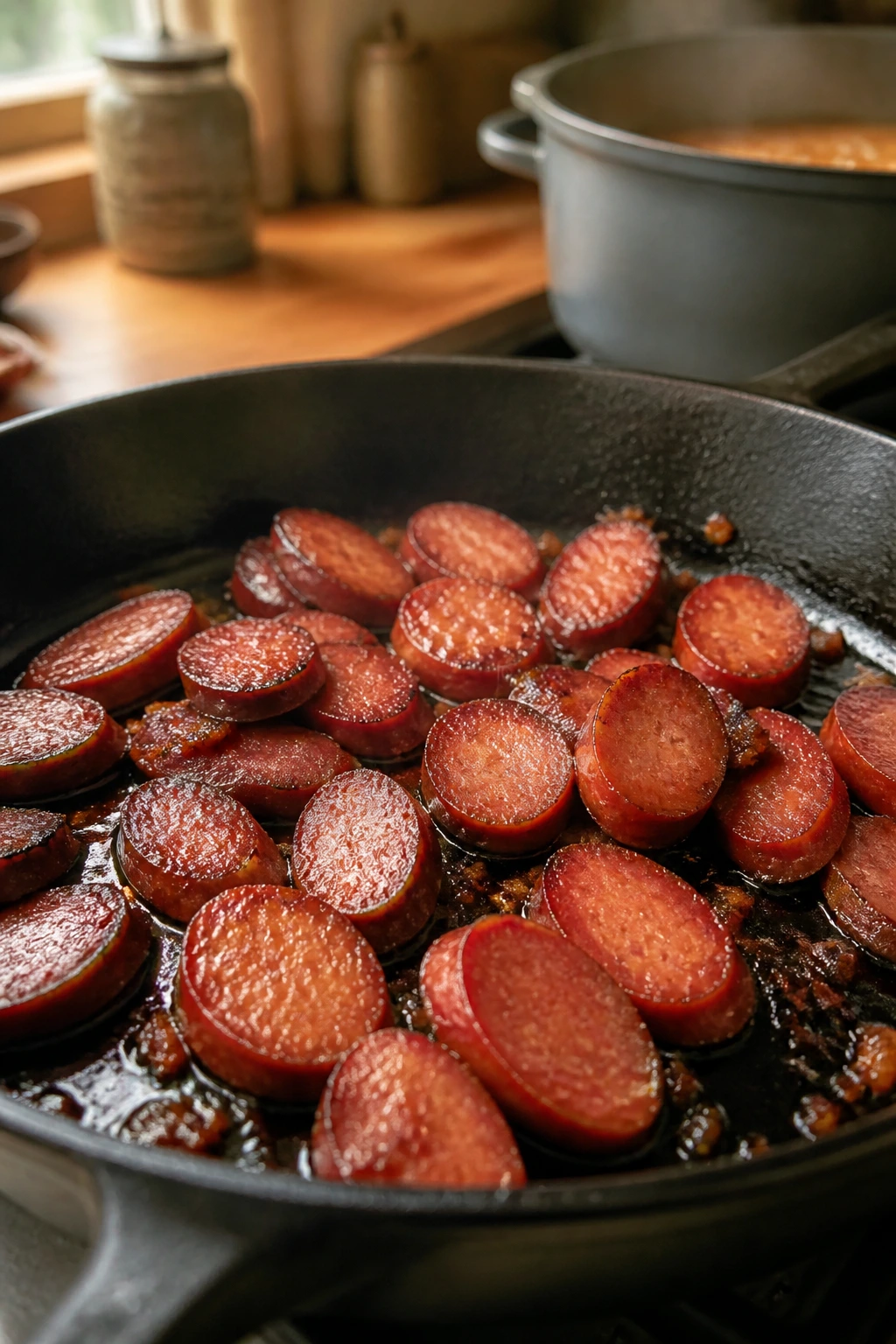
Brown the Kielbasa
-
Set a 5- to 6-quart Dutch oven over medium heat and add 1 tablespoon olive oil. When the oil shimmers, add the sliced kielbasa in a single layer.
-
Cook for 4 to 5 minutes, stirring once or twice, until the edges are deep golden brown and a little crisp. Transfer the sausage to a plate and leave about 1 tablespoon of fat in the pot. Do not wipe the pot clean — those browned bits are the flavor base.
Build the Aromatic Base
-
Add the remaining 1 tablespoon olive oil and the butter to the pot. Stir in the onion, celery, carrots, and 1/2 teaspoon kosher salt, then cook over medium heat for 7 to 8 minutes, stirring every minute or so, until the onion is translucent and the carrots have started to soften at the edges.
-
Add the garlic, flour, tomato paste, smoked paprika, thyme, black pepper, and crushed red pepper flakes. Stir constantly for 1 minute, until the garlic smells sweet rather than sharp and the flour no longer looks dusty. If the garlic starts to brown fast, lower the heat immediately.
Simmer the Beans
-
Pour in the chicken broth, scraping the bottom of the pot with the spoon to release the browned bits. Add the rinsed beans and bay leaf, then return the browned kielbasa to the pot.
-
Bring the soup to a gentle simmer, then lower the heat and cook uncovered for 18 to 20 minutes. Stir once or twice during simmering, and mash about 1 to 1 1/2 cups of the beans against the side of the pot with the spoon or use an immersion blender for a few quick pulses. The broth should look thicker and slightly creamy, but there should still be plenty of whole beans. Do not let it boil hard at this stage.
Finish the Creamy Broth
-
Stir in the heavy cream, Dijon mustard, and apple cider vinegar. Keep the heat low and simmer for 3 to 4 minutes, just until the soup is steaming and slightly thicker. Do not boil after the cream goes in, or the broth can separate and look grainy.
-
Taste and add the remaining kosher salt only if needed. Remove the bay leaf, ladle into warm bowls, and finish with chopped parsley and a little extra black pepper.
If the soup looks too thick before the cream goes in, add up to 1/2 cup more broth. If it looks too loose at the end, give it a few extra minutes over low heat and let the beans do their job.
How I Like to Serve It

Presentation: I like wide bowls here, not mugs. Spoon the soup in first, then make sure each bowl gets a few sausage coins on top, a scatter of parsley, and a crack of black pepper so the surface looks lively instead of flat.
Accompaniments: Thick rye toast is my first pick because it stands up to the creamy broth and the smoky sausage. Crusty sourdough, buttered saltines, or a simple green salad with sharp vinaigrette all work if you want the meal to feel a little lighter.
Portions: Plan on 1 1/2 to 2 cups per adult for a full dinner, or smaller bowls if you’re serving bread and salad on the side. If you want to stretch the pot, add another loaf of bread before you add another spoon of cream.
Beverage Pairing: A dry hard cider matches the sausage nicely, and an amber lager holds up to the smoked paprika without bullying the soup. If you want something nonalcoholic, hot black tea with lemon or sparkling water with a squeeze of citrus keeps the richness from feeling heavy.
Small Tweaks That Make a Big Difference

Flavor Enhancement: A tablespoon of apple cider vinegar at the end does more than brighten the broth; it keeps the cream from tasting sleepy. If you want a deeper smoke note, add an extra 1/4 teaspoon smoked paprika with the flour.
Time-Saver: A bag of pre-diced mirepoix works fine if you’re short on prep time. The soup simmers long enough to erase the difference between pre-cut vegetables and hand-diced ones.
Pro Move: Mash only part of the beans, not all of them. That gives you a pot with both body and texture, and it’s the difference between a soup that feels thick and one that feels flat.
Cost-Saver: Store-brand kielbasa is perfectly fine if it browns well and smells clean when sliced. The soup gets most of its character from the browned sausage, the broth, and the final seasoning.
Serving Suggestions: A little chopped parsley and black pepper are enough garnish here, but a spoonful of sour cream on top is nice if you want a more chowder-like finish. Just don’t pile on too many toppings; the soup already carries a lot.
The Mistakes That Flatten Bean Soup

-
Skipping the sausage browning: Pale sausage makes pale broth. Brown the kielbasa until the edges go deep gold, and leave the browned bits in the pot because that’s where the first layer of flavor lives.
-
Rushing the vegetables: If the onion and carrots go in half-cooked, the soup tastes chopped rather than blended. Keep cooking until the onions are soft and translucent and the carrots have lost their raw crunch.
-
Boiling after the cream goes in: A hard boil can split the dairy and leave the broth looking slightly grainy. Keep the heat low once the cream is added, and stop as soon as the soup is steaming.
-
Mashing every bean: You lose the contrast that makes the bowl interesting. Mash part of the beans for body, then leave the rest whole so every spoonful has both creaminess and shape.
-
Underseasoning at the end: Beans and cream can mute the salt you thought you added earlier. Taste after the final simmer and adjust with a little more salt or a touch more vinegar if the flavor feels flat.
Variations Worth Trying

Smoky Cabbage Pot: Add 3 cups shredded green cabbage with the broth and simmer for an extra 10 minutes. The cabbage softens into silky ribbons and makes the soup feel a little more like a full winter supper.
Spicy Pantry Bowl: Add 1 diced jalapeño with the onion and increase the crushed red pepper flakes to 1/2 teaspoon. A few dashes of hot sauce at the end give the broth a sharper edge without taking over the bowl.
Cream-Light White Bean Soup: Replace the heavy cream with 1 cup half-and-half or whole milk and blend an extra half-can of beans. The texture stays smooth, but the finished soup tastes lighter and a little less rich.
Turkey Kielbasa and Kale: Swap in smoked turkey kielbasa and stir 3 cups chopped kale into the pot during the final 5 minutes. You still get smoke and body, but the bowl lands leaner and a bit greener.
Dried Bean Sunday Pot: If you prefer dried beans, cook about 1 1/4 cups dried cannellini beans until tender, which gives you roughly the same amount as the canned version. Start with low-sodium broth and season carefully, because cooked dried beans absorb salt a little differently.
Make-Ahead, Storage, and Reheating
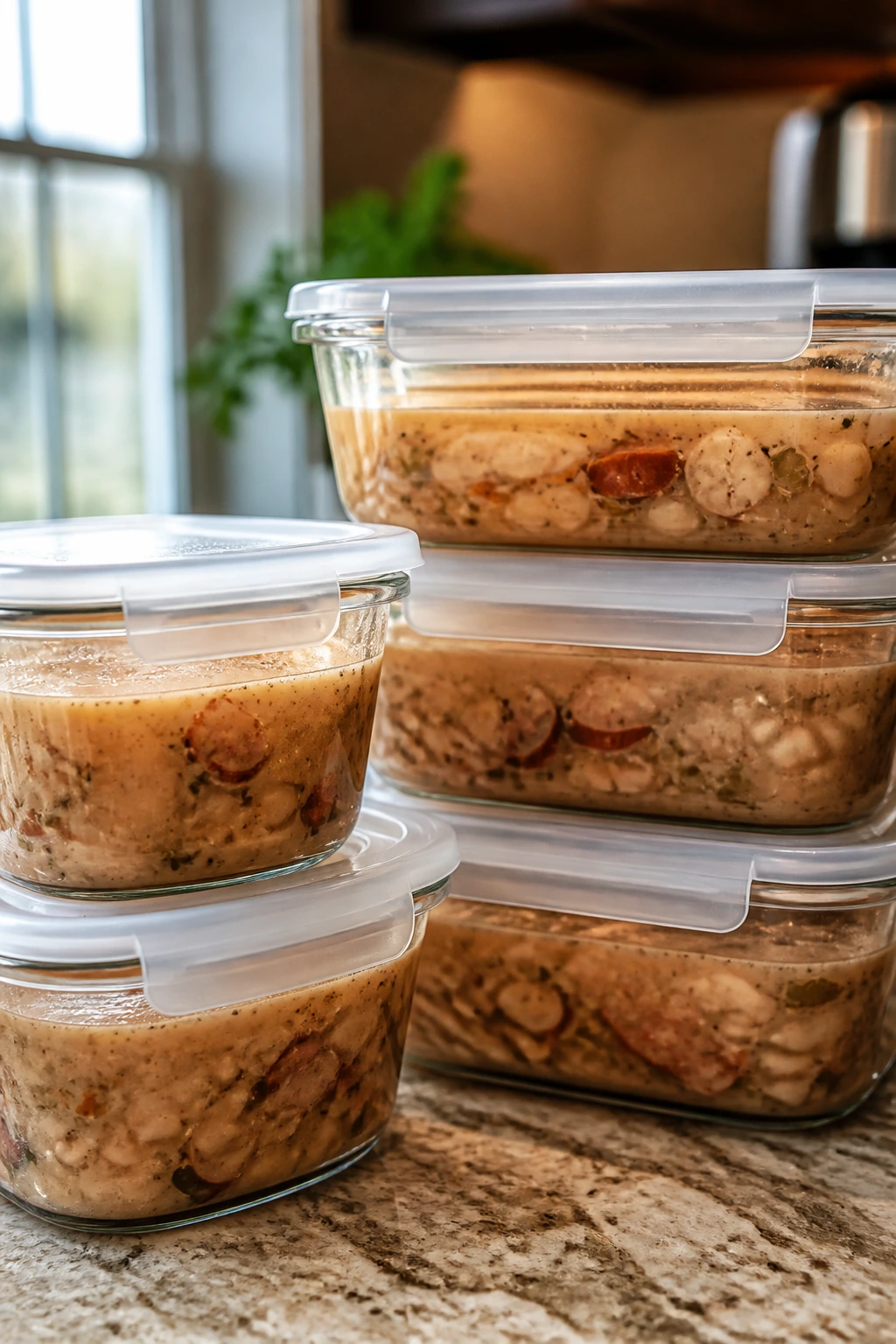
This soup keeps well, which is one reason I like it so much. Let it cool on the counter until the steam fades, then get it into the fridge within 2 hours.
In the refrigerator, it holds for 3 to 4 days. The soup will thicken as it sits because the beans keep absorbing broth, so expect leftovers to be a little denser than the first serving. That’s easy to fix — just stir in a splash of broth or water when you reheat it.
For the freezer, 2 months is the sweet spot. Freeze in 2-cup containers or flat freezer bags so the soup thaws evenly. If you know you’re freezing part of the batch, the cleanest texture comes from freezing the soup before the cream goes in, then stirring the cream into the reheated pot just before serving.
To reheat on the stove, use low heat and stir every minute or two until the soup is hot all the way through. On the microwave side, use 50% power in short bursts, stirring between each round so the cream doesn’t separate at the edges. If the soup seems too thick after chilling, thin it with broth in small splashes rather than dumping in a lot at once.
A small note that matters: parsley is best added fresh after reheating. If you stir it in too early, it turns dull and a little swampy-looking.
Common Questions About This Soup

Can I use dried beans instead of canned?
Yes, and the flavor is good if you have the time. Cook about 1 1/4 cups dried cannellini beans until tender, which usually gives you enough for the pot, then proceed with the recipe and season near the end because dried beans can change how salt reads.
What if my soup is too thick?
Stir in hot broth, a little water, or even a splash of milk until it loosens to the texture you want. Beans keep thickening as they sit, so leftovers almost always need a bit of liquid when reheated.
What if it turns out too thin?
Mash another half-cup of beans against the side of the pot or simmer uncovered for 5 to 10 extra minutes before adding the cream. That gives the broth more body without turning the soup floury.
Can I make this in a slow cooker?
Yes, but brown the kielbasa and soften the vegetables first if you want the same depth of flavor. Then cook on low for 4 to 6 hours, add the cream during the last 20 minutes, and keep the lid on as much as you can.
Will turkey kielbasa work?
It will, and it makes the soup leaner. The tradeoff is less rendered fat and a slightly lighter finish, so you may want to add the full amount of butter and taste carefully at the end.
Can I freeze the finished soup?
Yes, up to 2 months. The texture is cleanest if you freeze the bean-and-broth base before adding the cream, but if you’ve already finished the pot, it still freezes well enough for weeknight meals as long as you reheat it gently.
How do I keep the cream from curdling?
Keep the heat low and never let the soup boil after the cream goes in. If you want to be extra cautious, temper the cream with a ladle of hot broth before stirring it into the pot.
A Bowl Worth Repeating
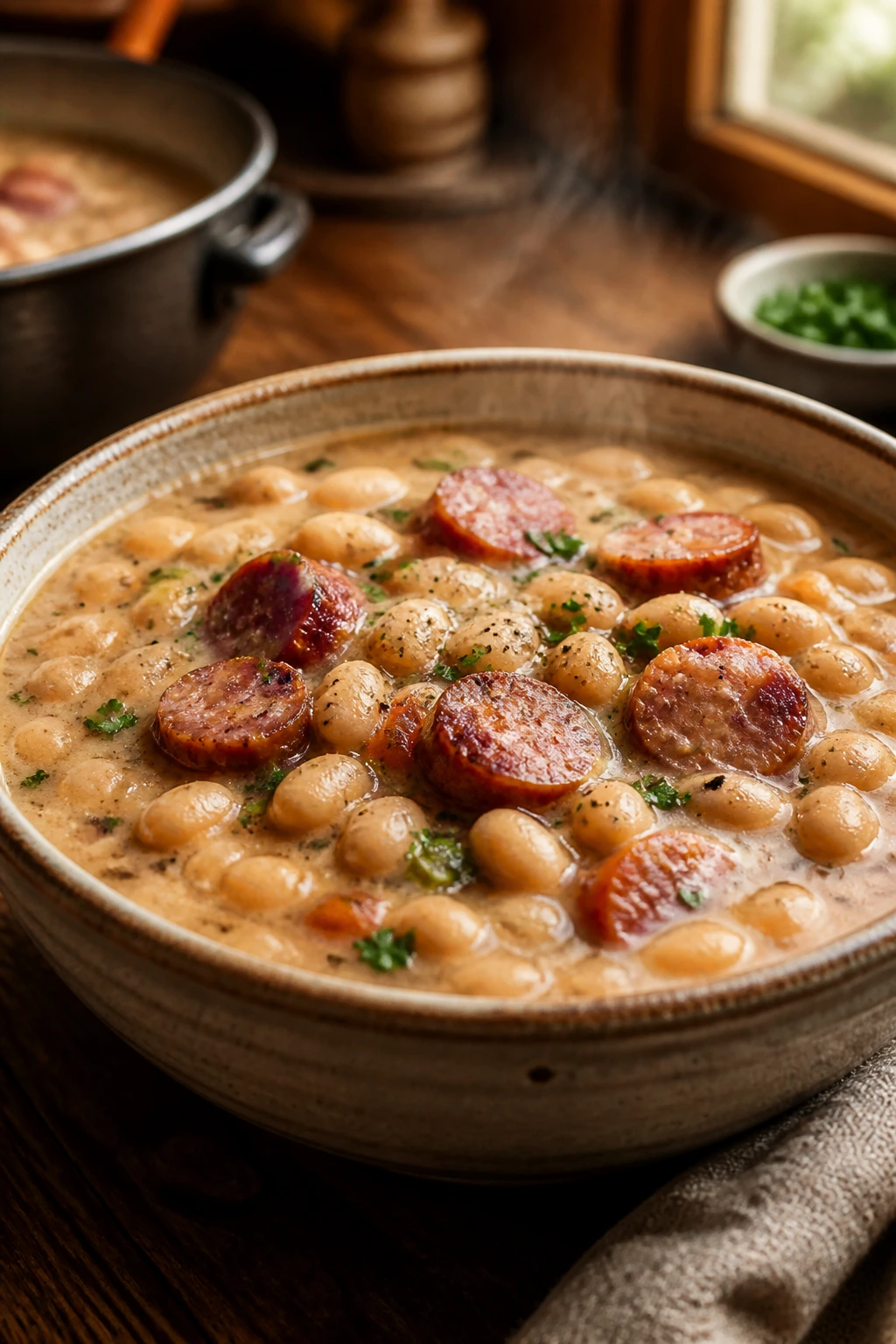
A pot like this earns its place because it doesn’t ask for much and still gives you a proper dinner. Brown the sausage well, soften the vegetables all the way, and keep the cream gentle at the end — that’s the whole trick.
I also like that the soup isn’t precious. If it sits a little too long, it thickens. If it cools down, it reheats without much drama. If you make it once, odds are good it’ll start showing up whenever the evening feels longer than it should.
The next cold evening that lands on your calendar, this is the pot I’d put on first.
Creamy Bean Soup with Kielbasa — Recipe Card
Recipe Name: Creamy Bean Soup with Kielbasa
Description: A hearty white bean soup made with browned kielbasa, tender vegetables, and a creamy broth finished with Dijon and a splash of apple cider vinegar. It’s smoky, thick, and built for chilly nights.
Prep Time: 20 minutes
Cook Time: 40 minutes
Total Time: 1 hour
Course: Dinner, Main Course
Cuisine: American
Servings: 6 to 8 servings
Calories: About 430 kcal per serving
Ingredients
For the Soup:
- 2 tablespoons olive oil
- 1 pound kielbasa, sliced into 1/4-inch coins
- 2 tablespoons unsalted butter
- 1 large yellow onion, diced
- 2 celery stalks, diced
- 2 medium carrots, diced
- 4 garlic cloves, minced
- 2 tablespoons all-purpose flour
- 1 tablespoon tomato paste
- 1 teaspoon smoked paprika
- 1 teaspoon dried thyme
- 1/2 teaspoon black pepper
- 1/4 teaspoon crushed red pepper flakes
- 6 cups low-sodium chicken broth
- 3 cans (15 ounces each) cannellini beans, drained and rinsed
- 1 bay leaf
- 1 cup heavy cream or half-and-half
- 1 tablespoon Dijon mustard
- 1 tablespoon apple cider vinegar
- 1 to 1 1/2 teaspoons kosher salt, plus more to taste
- 2 tablespoons chopped fresh parsley, for serving
Instructions
-
Heat 1 tablespoon olive oil in a 5- to 6-quart Dutch oven over medium heat. Add the kielbasa and cook until browned on the edges, then transfer it to a plate.
-
Add the remaining olive oil and butter to the pot. Cook the onion, celery, carrots, and 1/2 teaspoon salt until softened.
-
Stir in the garlic, flour, tomato paste, paprika, thyme, black pepper, and red pepper flakes. Cook for 1 minute.
-
Pour in the chicken broth, scraping up the browned bits from the pot.
-
Add the beans, bay leaf, and browned kielbasa. Bring to a gentle simmer and cook until slightly thickened.
-
Mash some of the beans with a spoon or use an immersion blender for a few quick pulses.
-
Stir in the cream, Dijon mustard, and apple cider vinegar. Simmer gently, without boiling, until hot and creamy.
-
Taste, add salt if needed, remove the bay leaf, and serve with parsley.
Notes: For a thinner soup, add a splash of broth when reheating. The soup thickens after resting. Do not boil after adding the cream.