



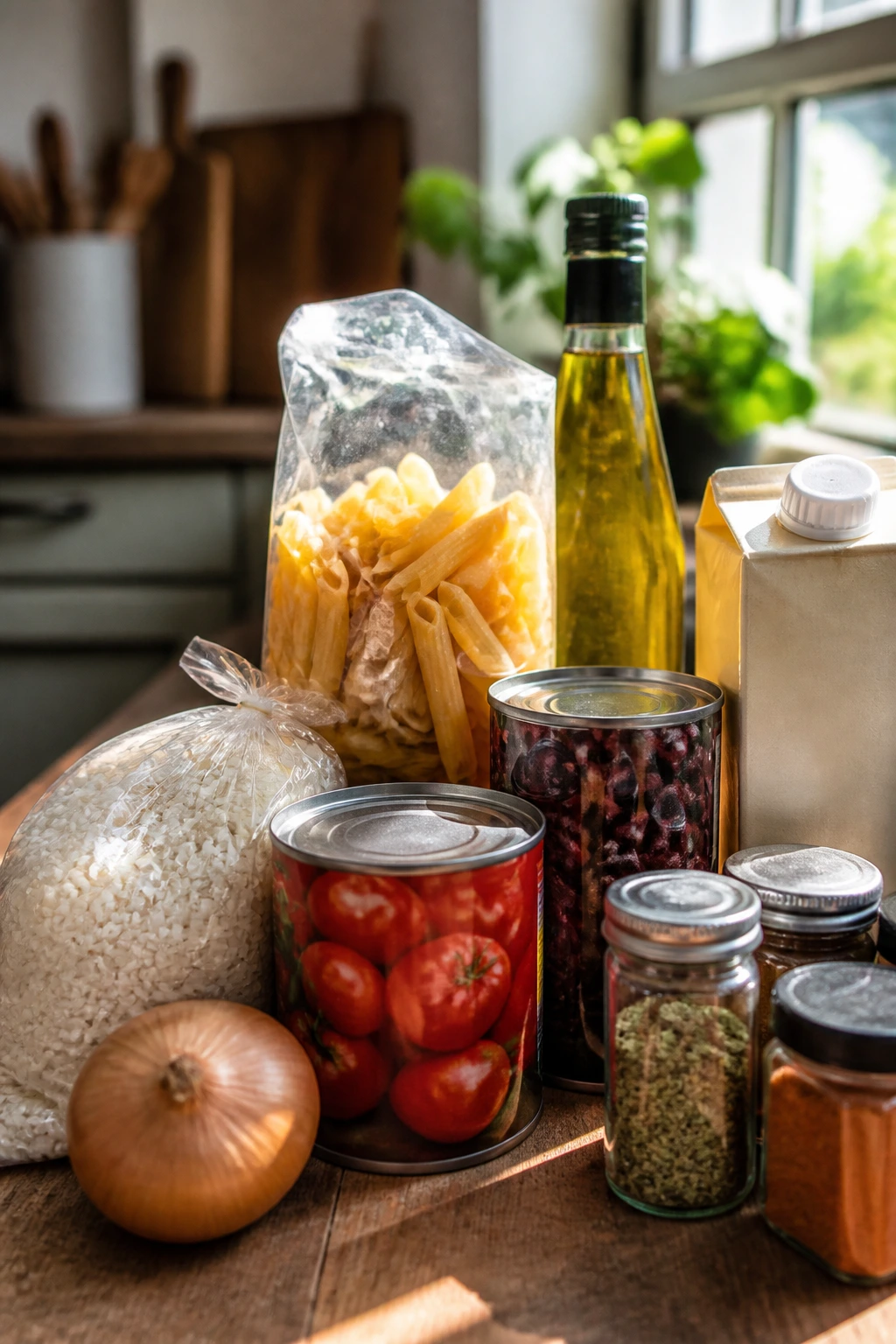
A nearly empty pantry has a funny way of making dinner feel more complicated than it is. A can of tomatoes, a box of pasta, a bag of rice, a few cans of beans, and one onion that’s gone a little soft around the edges can still turn into a real meal—one with salt, fat, acid, texture, and enough substance to shut down the takeout reflex.
That’s the whole charm of pantry staples weeknight cooking. You’re not making do. You’re making dinner the smart way, with ingredients that keep well, cook fast, and don’t punish you if you forgot to shop with a plan. A good can of chickpeas can take a skillet in one direction. A spoonful of tomato paste can turn broth into sauce. Even stale breadcrumbs earn their keep when toasted in olive oil until they smell nutty and a little like toast at the edge of a diner.
What follows is a real working collection for tired nights, empty crisper drawers, and those moments when you want something better than “snack plate plus regret.” Some are saucy. Some are brothy. Some land in bowls, some in skillets, and one or two are the kind of meals that make you wonder why you ever thought dinner needed a trip to the store first.
Why Pantry Staples Beat a Last-Minute Takeout Habit
-
The ingredient lists stay short: Most of these dinners use 6 to 10 items, and several lean on things you probably already keep around—pasta, rice, beans, canned tomatoes, broth, oil, and spices.
-
Cleanup stays sane: A lot of the best pantry dinners happen in one pot, one skillet, or on one sheet pan, which matters when you’d rather sit down than scrub bowls.
-
The cooking moves are familiar: Boil, simmer, toast, stir, crack eggs, warm tortillas, toss noodles. Nothing fussy. Nothing that needs a second kitchen brain.
-
They stretch cheap ingredients farther: One can of beans becomes filling when it gets married to rice, onions, and a good sauce. Pasta water and tomato paste do half the work for pennies.
-
They handle substitutions well: If you’re out of one thing, there’s usually another shelf-stable ingredient that can step in without wrecking the dish.
-
They taste like a plan, not an accident: The difference between random pantry rummaging and a real dinner is technique—blooming spices, reducing tomatoes, and using salt with a steady hand.
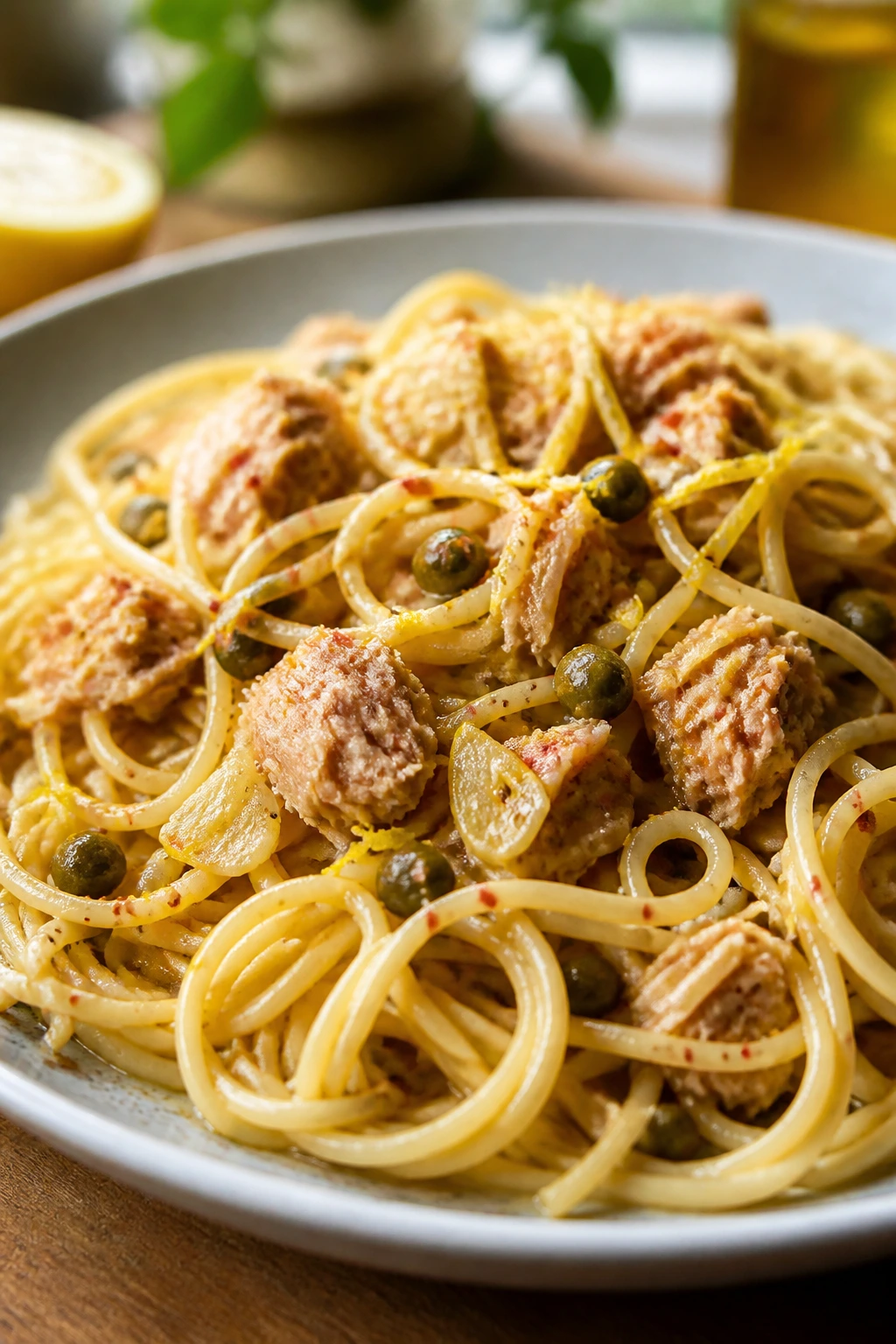
1. Garlic-Chile Tuna Spaghetti
A can of tuna can be boring if you let it sit there in a pile of mayonnaise and disappointment. Give it garlic, red pepper flakes, lemon, and a little pasta water, though, and it turns into a glossy, salty spaghetti that tastes far more deliberate than the ingredient list suggests.
Why It Works:
Oil and starch are doing the heavy lifting here. The olive oil carries the garlic and chili, the reserved pasta water helps the sauce cling, and the tuna brings enough savoriness to make the whole bowl feel complete. If you use tuna packed in oil, the texture stays softer and the flavor lands deeper. A squeeze of lemon at the end keeps the pasta from tasting flat.
Key Ingredients:
- 12 ounces spaghetti
- 2 tablespoons olive oil
- 4 garlic cloves, thinly sliced
- 1/2 teaspoon red pepper flakes
- 2 cans tuna packed in oil, 5 ounces each, lightly drained
- 1/4 cup capers, drained
- 1 lemon, zested and juiced
- 1/2 cup reserved pasta water, plus more as needed
- 1/4 cup chopped parsley
- 1/3 cup grated Parmesan
- Salt and black pepper
Quick Steps:
- Bring a large pot of salted water to a boil and cook the spaghetti until al dente, usually 8 to 10 minutes. Reserve 1 cup of pasta water before draining.
- Warm the olive oil in a large skillet over medium heat. Add the garlic and red pepper flakes and cook for 30 to 45 seconds, just until fragrant. Do not let the garlic brown.
- Stir in the tuna and capers and break the tuna into chunky flakes.
- Add the lemon zest, lemon juice, and 1/2 cup pasta water. Let the mixture simmer for 1 minute so it turns glossy.
- Toss in the pasta, parsley, and Parmesan. Add more pasta water a splash at a time until the sauce coats the noodles.
Equipment for This Recipe:
- Large pot for boiling pasta
- Large skillet
- Tongs for tossing
- Citrus zester or fine grater
- Measuring cup for pasta water
How to Serve This Dish:
Pile it into warm bowls and finish with black pepper and a few extra capers. A simple green salad or a handful of arugula on the side keeps the plate from feeling heavy. This one eats best immediately, while the sauce is still loose and shiny.
Pro Tips for This Recipe:
- Use tuna packed in oil if you can. It blends into the sauce better than tuna packed in water.
- Save more pasta water than you think you need. One extra splash can rescue a dry bowl.
- If you like a little more depth, add 1 chopped anchovy fillet with the garlic.
- Parsley matters here. Even a small handful wakes the whole thing up.
Variations on This Dish:
- Lemony Olive Version: Skip the capers and add chopped green olives for a sharper, brinier finish.
- Tomato-Tuna Twist: Stir in 1/2 cup crushed tomatoes with the pasta water for a looser, red sauce version.
- Breadcrumb Crunch: Toast 1/3 cup breadcrumbs in the skillet before the garlic and sprinkle them on top at the end.
Common Mistakes to Avoid with This Dish:
- Don’t overcook the garlic. Bitter garlic can flatten the whole bowl in seconds.
- Don’t drain the pasta completely dry and walk away from the pot. The starch in the water is part of the sauce.
- Don’t use too much tuna. Two cans is enough; more than that can make the texture dry and muddy.
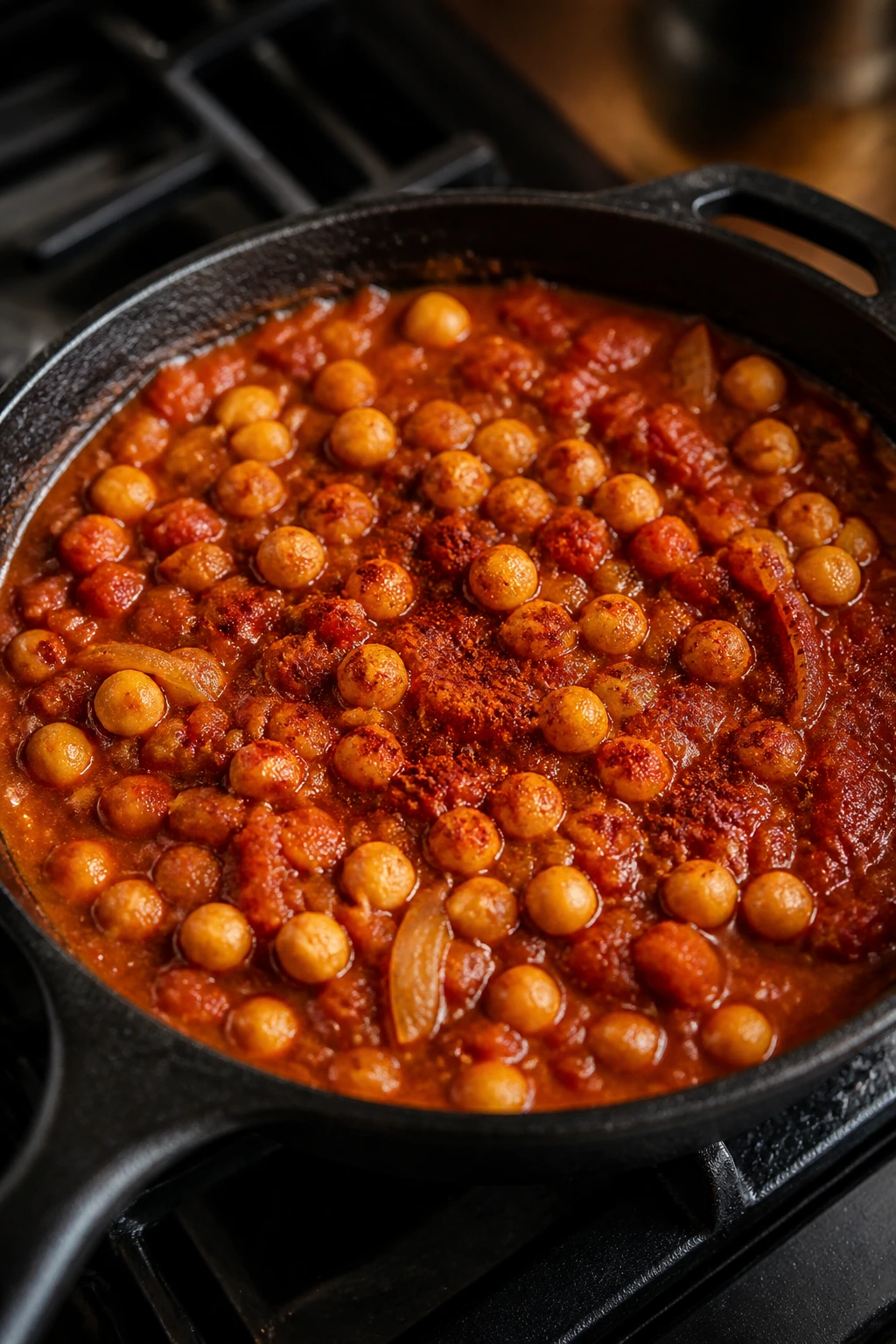
2. Smoky Chickpea Tomato Skillet
This is the dinner I make when I want something warm, spoonable, and cheap without wandering into soup territory. Chickpeas simmer in tomato sauce with onion, garlic, and smoked paprika until the sauce clings to the beans instead of sliding off them.
Why It Works:
Canned chickpeas already have the soft, nutty texture this dish needs, so the whole skillet is built around flavor, not long cooking. Smoked paprika gives the tomatoes a deeper edge, and a short simmer lets the sauce thicken enough to coat the chickpeas properly. A handful of spinach or a spoon of yogurt at the end changes the texture without adding extra work.
Key Ingredients:
- 2 tablespoons olive oil
- 1 yellow onion, diced
- 3 garlic cloves, minced
- 1 teaspoon smoked paprika
- 1/2 teaspoon ground cumin
- 1/4 teaspoon red pepper flakes
- 1 can crushed tomatoes, 28 ounces
- 2 cans chickpeas, 15 ounces each, drained and rinsed
- 2 cups baby spinach
- Salt and black pepper
- 2 tablespoons chopped parsley or cilantro
- Plain yogurt or feta for serving, optional
Quick Steps:
- Warm the olive oil in a skillet over medium heat. Add the onion and cook for 5 to 7 minutes until soft and lightly golden at the edges.
- Stir in the garlic, smoked paprika, cumin, and red pepper flakes. Cook for 30 seconds, just until the spices smell warm and toasty.
- Pour in the crushed tomatoes and chickpeas. Stir well, season with salt and pepper, and simmer uncovered for 10 to 12 minutes.
- Add the spinach and cook for 1 minute until it just wilts.
- Finish with parsley and serve hot.
Equipment for This Recipe:
- Large skillet with a lid, if possible
- Wooden spoon
- Measuring spoons
- Can opener
- Chef’s knife and cutting board
How to Serve This Dish:
Spoon it over rice, couscous, or thick toast. A dollop of yogurt turns the sauce creamy in the bowl, while feta adds a salty bite that works especially well against the tomatoes. It’s a solid meatless main with a very short ingredient list.
Pro Tips for This Recipe:
- If the tomatoes taste sharp, simmer 2 more minutes before deciding they need sugar.
- Smash a small handful of chickpeas with the back of a spoon to thicken the sauce.
- Use smoked paprika, not regular paprika, or the skillet loses its backbone.
- If your spinach is large and tough, chop it before adding it.
Variations on This Dish:
- Harissa Heat: Stir in 1 tablespoon harissa with the garlic for a warmer, spicier sauce.
- Creamy Finish: Add 1/4 cup heavy cream or coconut milk at the end for a rounder sauce.
- Pantry Greens Swap: Use kale or frozen chopped spinach if that’s what’s in the freezer.
Common Mistakes to Avoid with This Dish:
- Don’t rush the onion. Soft onion gives the sauce more body than raw onion ever will.
- Don’t cover the skillet the whole time. The sauce needs to reduce or it will stay thin.
- Don’t forget to salt the tomatoes. Canned tomatoes need more seasoning than people expect.
3. Black Bean Quesadillas with Corn and Salsa
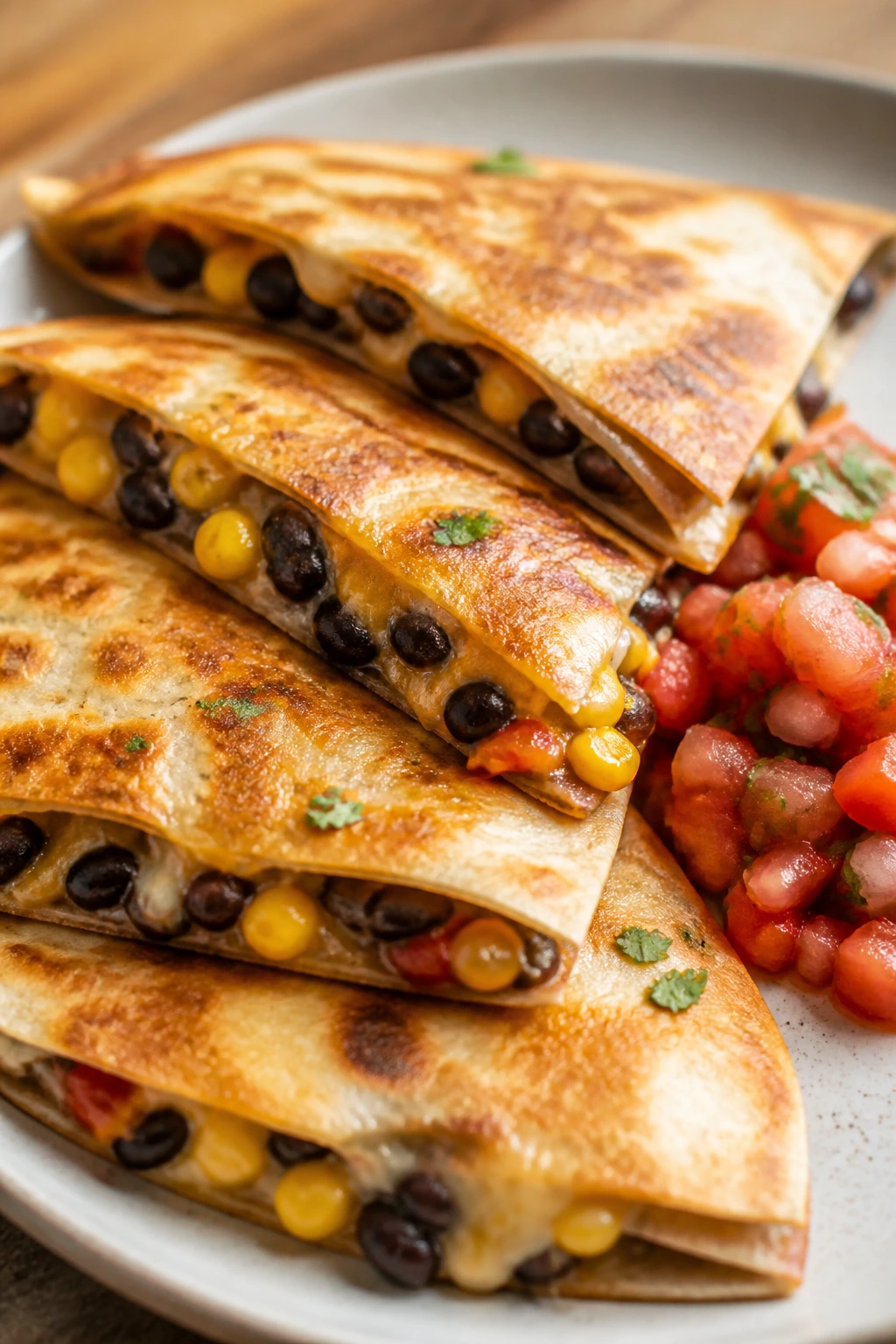
Quesadillas sound simple because they are simple, but the good ones need restraint. You want enough filling for a proper dinner, not so much that the tortillas split and the cheese refuses to glue everything together.
Why It Works:
Black beans bring protein and a dense, mashable texture that holds inside the tortilla. Salsa does double duty by seasoning the filling and adding moisture, while corn gives little bursts of sweetness that keep the quesadilla from tasting flat. Low heat matters more here than speed; the tortillas need time to crisp while the cheese melts through.
Key Ingredients:
- 1 can black beans, 15 ounces, drained and rinsed
- 1 cup frozen or canned corn, drained if canned
- 1/2 cup salsa
- 1 teaspoon ground cumin
- 1 cup shredded cheddar or Monterey Jack
- 4 large flour tortillas
- 1 tablespoon butter or oil, for the skillet
- Sour cream, sliced avocado, or hot sauce for serving
- Salt, if needed
Quick Steps:
- Mash about half the black beans in a bowl with a fork. Stir in the whole beans, corn, salsa, and cumin.
- Heat a skillet over medium-low and add a little butter or oil.
- Lay down one tortilla, sprinkle on cheese, add the bean filling, then more cheese, and top with a second tortilla.
- Cook for 2 to 3 minutes per side until the tortillas are golden and the cheese melts. If the tortilla browns too fast, lower the heat immediately.
- Repeat with the remaining tortillas. Slice into wedges and serve.
Equipment for This Recipe:
- Large nonstick or cast-iron skillet
- Mixing bowl
- Fork for mashing beans
- Spatula
- Sharp knife or pizza cutter
How to Serve This Dish:
Cut the quesadillas into triangles and serve them with sour cream, avocado, and a spoonful of extra salsa. A quick cabbage slaw on the side adds crunch without asking much of your pantry. Two wedges make a light dinner; four wedges is a more serious one.
Pro Tips for This Recipe:
- Mash some of the beans. Whole beans alone can slip around too much.
- Use medium-low heat so the cheese melts before the tortilla gets too dark.
- Pat canned corn dry if it’s wet. Too much moisture makes the tortilla steam.
- A little grated cheese on the outside of the tortilla creates a lacy, crisp edge.
Variations on This Dish:
- Bean-and-Rice Version: Add 1 cup cooked rice to stretch the filling and make the quesadillas more filling.
- Green Salsa Swap: Use salsa verde instead of red salsa for a sharper, brighter flavor.
- Spice-Heavy Cut: Stir in chopped jalapeños or a pinch of cayenne if you want heat.
Common Mistakes to Avoid with This Dish:
- Don’t overstuff the tortilla. If the filling reaches the edge, it will leak in the pan.
- Don’t crank the heat to high. You’ll get dark spots before the cheese softens.
- Don’t forget the cheese on both sides of the filling. That’s the glue.
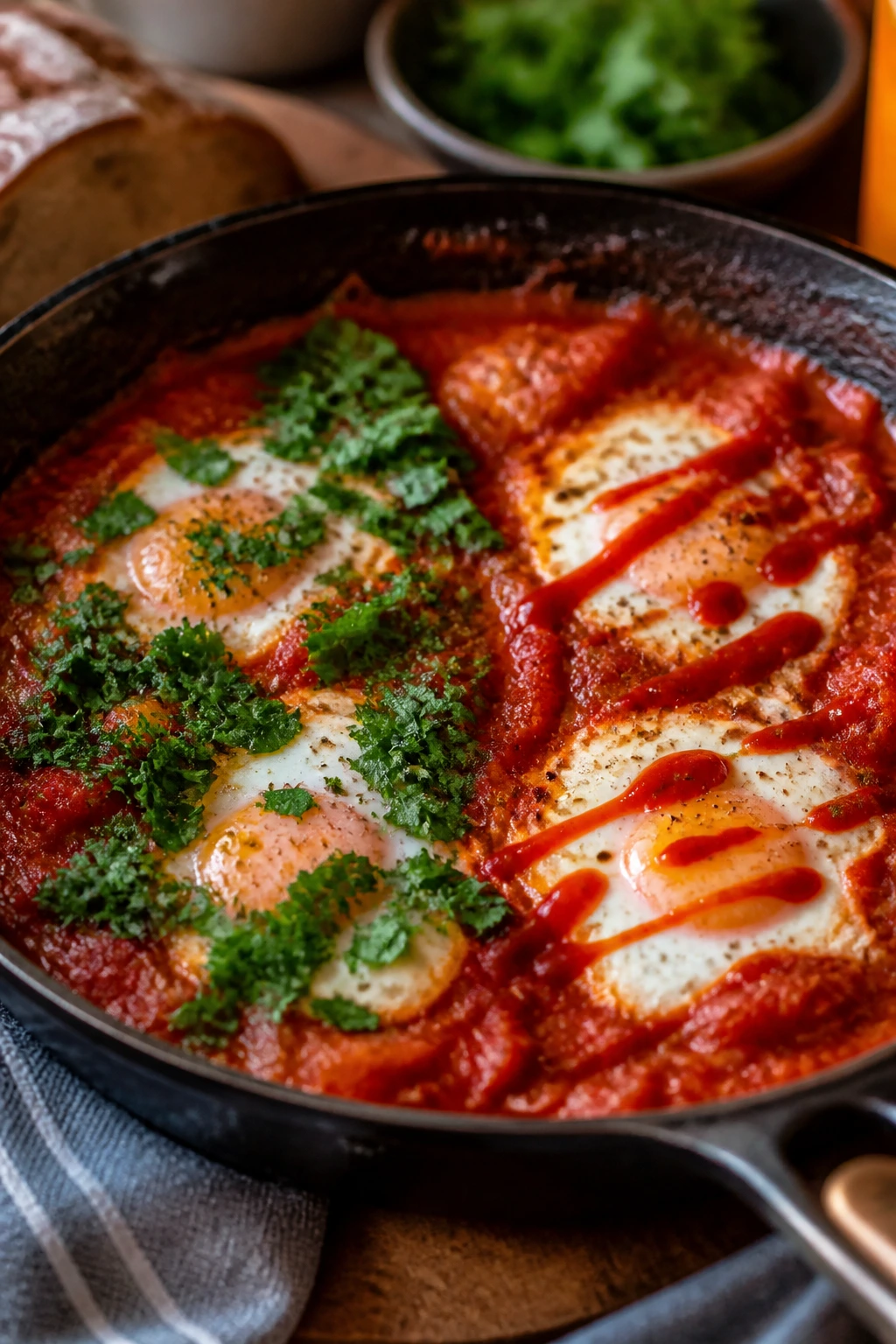
4. Pantry Shakshuka with Eggs
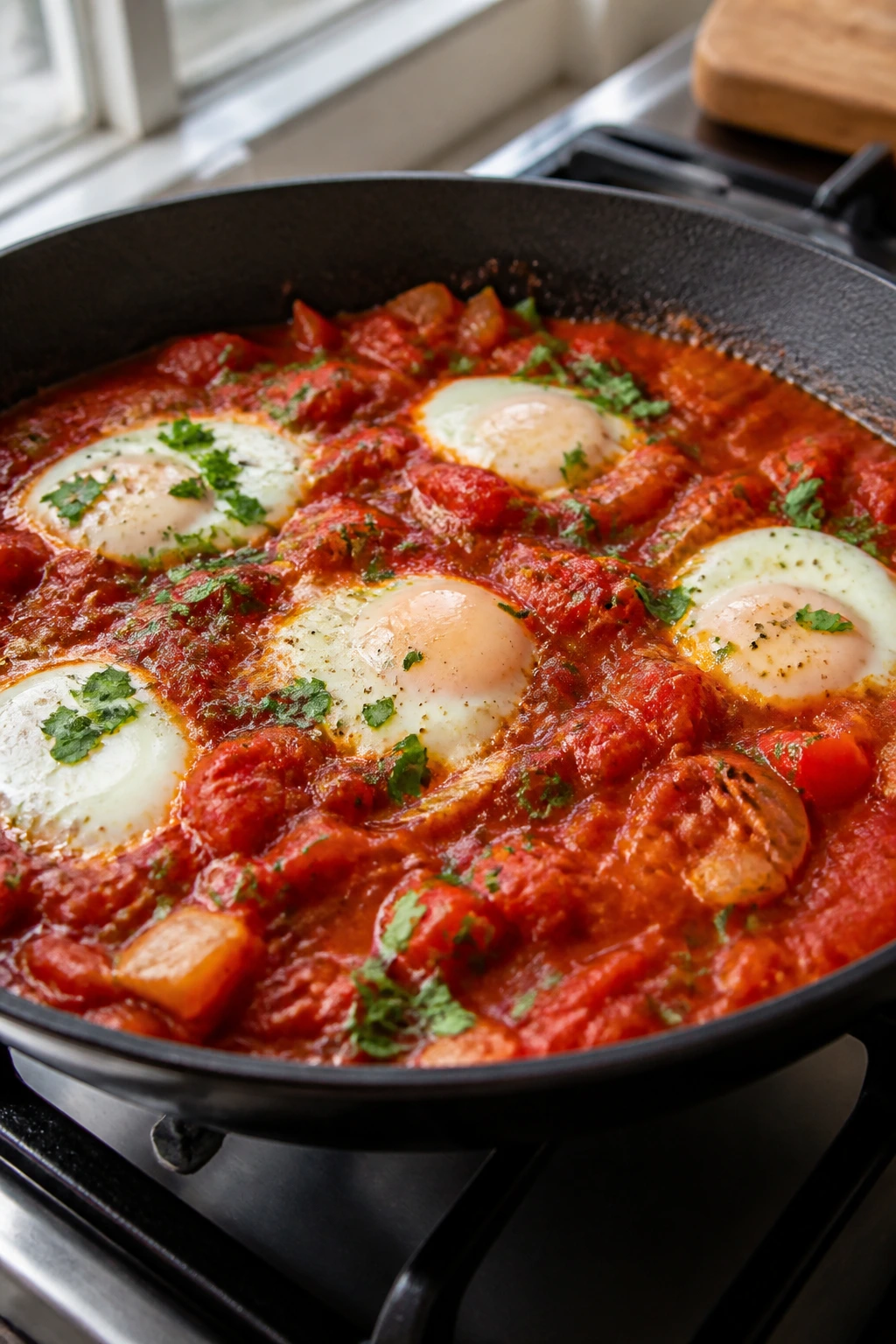
A skillet of tomatoes and eggs feels more special than it has any right to, especially when the ingredients come from the cupboard. The trick is to cook the tomato base until it tastes cooked, not canned, before the eggs ever hit the pan.
Why It Works:
Shakshuka turns a can of tomatoes into a dinner by letting onions, garlic, paprika, and cumin build a thick, savory sauce first. The eggs poach right in that sauce, which means the whites set while the yolks stay soft enough to run into the tomatoes. Bread is not optional in my house, because the pan sauce is the whole point.
Key Ingredients:
- 2 tablespoons olive oil
- 1 small onion, diced
- 3 garlic cloves, minced
- 1 teaspoon ground cumin
- 1 teaspoon smoked paprika
- 1/4 teaspoon red pepper flakes
- 1 can crushed tomatoes, 28 ounces
- 1/2 cup canned chickpeas, drained, optional
- 6 large eggs
- Salt and black pepper
- 2 tablespoons chopped parsley
- Crumbled feta and crusty bread, for serving
Quick Steps:
- Heat the olive oil in a large skillet over medium heat. Add the onion and cook for 5 minutes until soft.
- Add the garlic, cumin, smoked paprika, and red pepper flakes and cook for 30 seconds.
- Stir in the crushed tomatoes and chickpeas, season with salt and pepper, and simmer uncovered for 10 minutes until thick.
- Make 6 small wells in the sauce and crack in the eggs. Cover the skillet and cook for 5 to 7 minutes, until the whites are set but the yolks still wobble.
- Scatter parsley and feta over the top and serve right away.
Equipment for This Recipe:
- Wide skillet with a lid
- Wooden spoon
- Measuring spoons
- Can opener
- Spoon for making wells
How to Serve This Dish:
Serve shakshuka in the skillet with thick toast, pita, or any bread that can scoop hard. I like to put the pan in the middle of the table and let people drag yolk through the tomatoes themselves. It feels casual and slightly messy, which is the right energy.
Pro Tips for This Recipe:
- Let the tomato sauce reduce before adding eggs. Watery sauce leads to slippery whites.
- Crack each egg into a small cup first if you’re worried about broken yolks.
- Feta should go on at the end, not during the simmer.
- If your eggs cook unevenly, rotate the pan once while it’s covered.
Variations on This Dish:
- Harissa Shakshuka: Add 1 tablespoon harissa paste with the spices for a deeper heat.
- White Bean Version: Swap chickpeas for canned white beans if that’s what you have.
- Green Pantry Shakshuka: Stir in spinach or kale during the last 2 minutes of simmering.
Common Mistakes to Avoid with This Dish:
- Don’t crack eggs into a watery sauce. The whites will spread out and overcook before the yolks set.
- Don’t skip the reduction step. The sauce should look spoonable, not soupy.
- Don’t forget a lid or foil. The eggs need trapped steam to cook evenly.
5. Egg Fried Rice with Frozen Peas
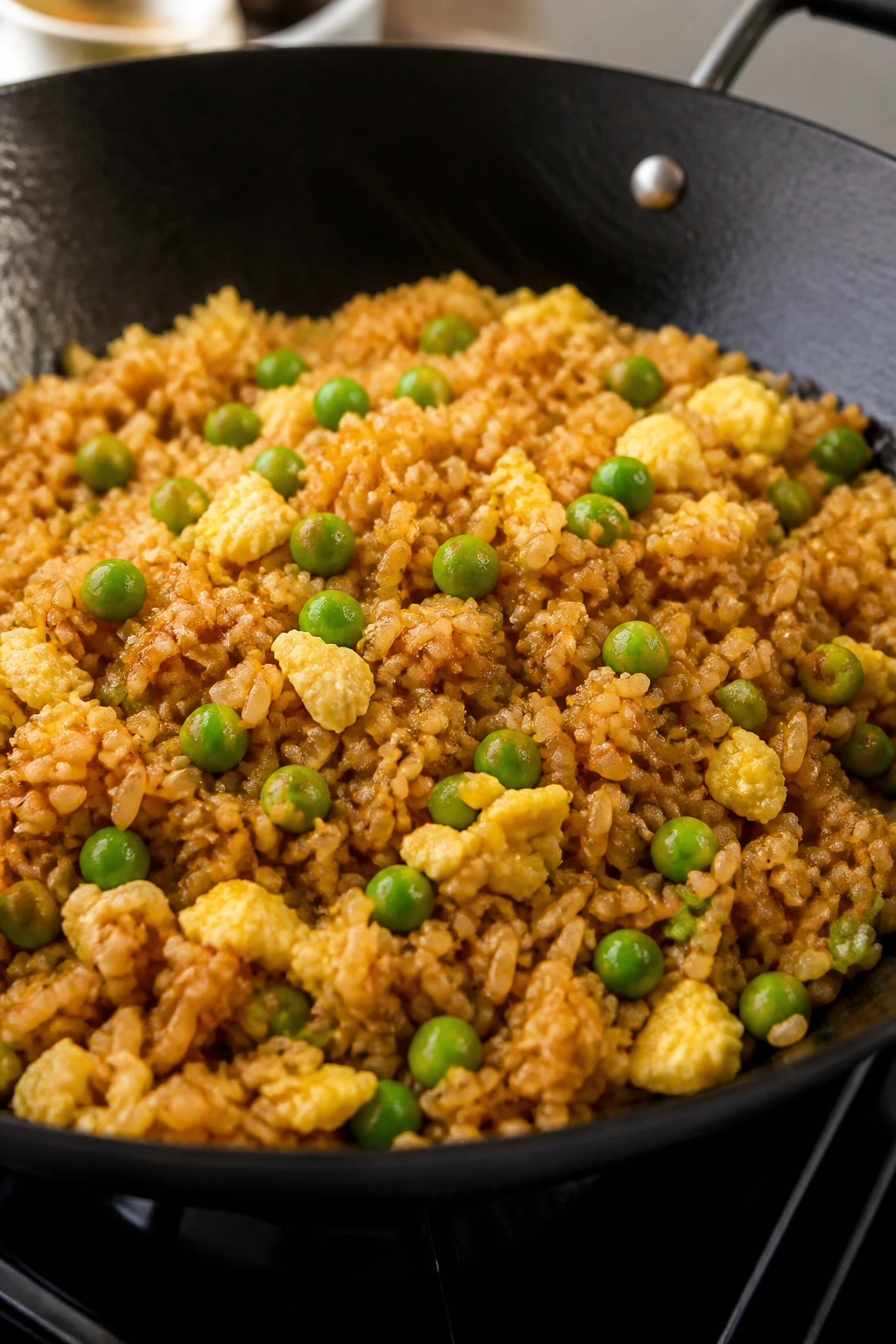
Fried rice is what happens when leftover rice stops being leftovers and starts being useful. Cold rice, a couple of eggs, frozen peas, and soy sauce can become a full dinner faster than most people can clear the counter.
Why It Works:
Dry, cold rice fries instead of turning mushy, which is why day-old rice behaves better than fresh. Eggs coat the grains, frozen peas add sweetness and color, and a small amount of soy sauce seasons the whole pan without drowning it. Sesame oil at the end gives the dish that takeout-style smell people recognize instantly.
Key Ingredients:
- 3 cups cooked, cold rice
- 2 tablespoons neutral oil
- 2 large eggs, beaten
- 1/2 cup diced onion
- 1 cup frozen peas
- 2 tablespoons soy sauce
- 1 teaspoon sesame oil
- 2 scallions, sliced
- 1 clove garlic, minced
- Black pepper, optional
Quick Steps:
- Heat 1 tablespoon oil in a large skillet or wok over medium-high heat. Scramble the eggs for 30 to 45 seconds, then move them to a plate.
- Add the remaining oil, onion, and garlic. Cook for 1 minute until the onion softens.
- Stir in the cold rice and break up any clumps. Cook for 3 to 4 minutes until the grains start to sizzle.
- Add the peas and soy sauce, tossing until the rice is evenly coated and hot.
- Return the eggs, add sesame oil and scallions, then toss once more and serve.
Equipment for This Recipe:
- Large skillet or wok
- Spatula
- Bowl for beating eggs
- Measuring spoons
- Rice cooker or pot, if you’re making rice ahead
How to Serve This Dish:
Serve it in shallow bowls with extra scallions or a drizzle of chili crisp. If you want to make it feel more like dinner, add sliced cucumber or a fried egg on top. It’s hearty enough on its own, but those little cold-and-crisp side notes help.
Pro Tips for This Recipe:
- Cold rice is the difference between fried rice and sticky rice.
- High heat helps the grains dry out fast enough to fry properly.
- Don’t pour in too much soy sauce at once. Start with 1 tablespoon, taste, then add more.
- If the pan looks crowded, fry the rice in two batches.
Variations on This Dish:
- Curry Fried Rice: Add 1 teaspoon curry powder with the onion for a warmer flavor.
- Egg-and-Corn Version: Swap peas for canned corn if that’s what’s in the pantry.
- Kimchi Shortcut: Stir in chopped kimchi for a sharper, tangier bowl.
Common Mistakes to Avoid with This Dish:
- Don’t use freshly cooked rice. It steams and clumps.
- Don’t keep stirring constantly. Let the rice sit in the hot pan so it can crisp a little.
- Don’t oversalt before tasting. Soy sauce can go from enough to too much fast.
6. White Bean Tomato Soup with Toast
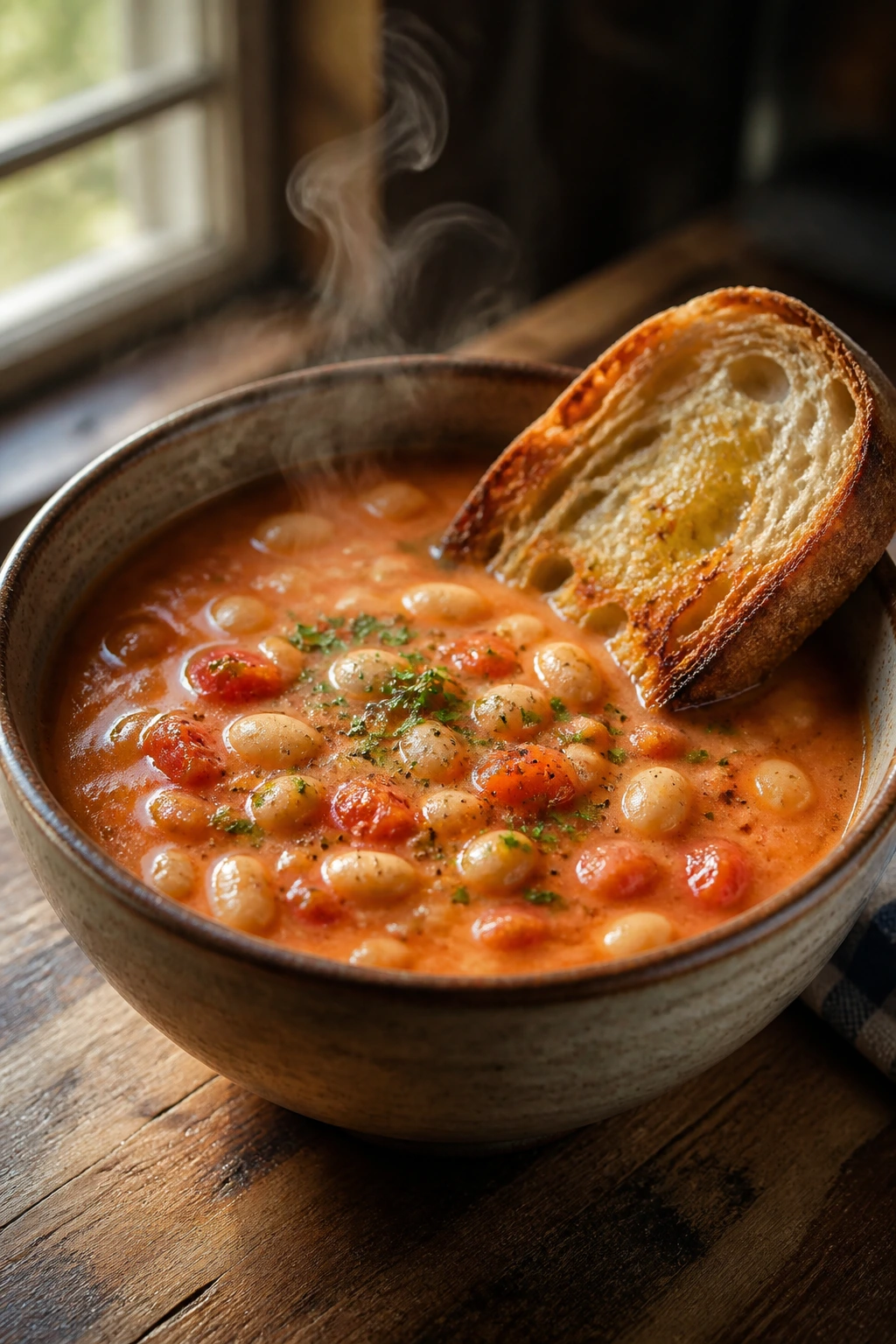
Some nights call for soup that tastes like it has more time in it than it does. White beans and tomatoes can make a surprisingly thick, almost creamy pot when you mash a portion of the beans and let the broth simmer for a few extra minutes.
Why It Works:
White beans bring body without needing cream. Canned tomatoes supply acidity and color, while rosemary or thyme gives the broth a clean herbal edge. Blending or mashing part of the soup makes it feel rounded and substantial, and toasted bread on the side turns it into a proper dinner.
Key Ingredients:
- 2 tablespoons olive oil
- 1 onion, chopped
- 2 garlic cloves, minced
- 1 teaspoon dried thyme or rosemary
- 1 can crushed tomatoes, 28 ounces
- 2 cans cannellini beans, 15 ounces each, drained and rinsed
- 3 cups vegetable or chicken broth
- Salt and black pepper
- 1 tablespoon tomato paste
- Crusty bread, for serving
- Grated Parmesan, optional
Quick Steps:
- Warm the olive oil in a pot over medium heat. Cook the onion for 6 minutes until soft.
- Add the garlic, thyme, and tomato paste. Stir for 30 seconds.
- Pour in the tomatoes, beans, and broth. Season well and simmer for 15 minutes.
- Mash about 1 cup of the beans against the side of the pot or blend a few ladles of soup, then stir them back in.
- Taste, adjust salt, and serve with toasted bread.
Equipment for This Recipe:
- Medium soup pot
- Wooden spoon
- Potato masher or immersion blender
- Measuring cups
- Toaster or oven for bread
How to Serve This Dish:
Ladle it into bowls and top with Parmesan, olive oil, or black pepper. I like a thick slice of toast rubbed with garlic, but plain buttered bread works too. It’s one of those soups that gets better the second day, once the beans have settled into the broth.
Pro Tips for This Recipe:
- Tomato paste should cook for at least 30 seconds or it tastes raw.
- Mash part of the beans for body instead of adding flour or cream.
- If the soup tastes flat, it usually needs salt, not more herbs.
- Use a broth you actually like sipping. This soup doesn’t hide weak stock.
Variations on This Dish:
- Tuscan Greens Version: Add kale or spinach in the last few minutes.
- Spicy Bean Soup: Add red pepper flakes with the garlic.
- Pasta-Forward Bowl: Stir in small pasta for the final 8 minutes.
Common Mistakes to Avoid with This Dish:
- Don’t skip the tomato paste step. It deepens the base in a way canned tomatoes alone can’t.
- Don’t leave the beans whole if you want a thicker soup.
- Don’t boil it hard once the beans are in. A steady simmer keeps the soup smooth.
7. Chili Mac
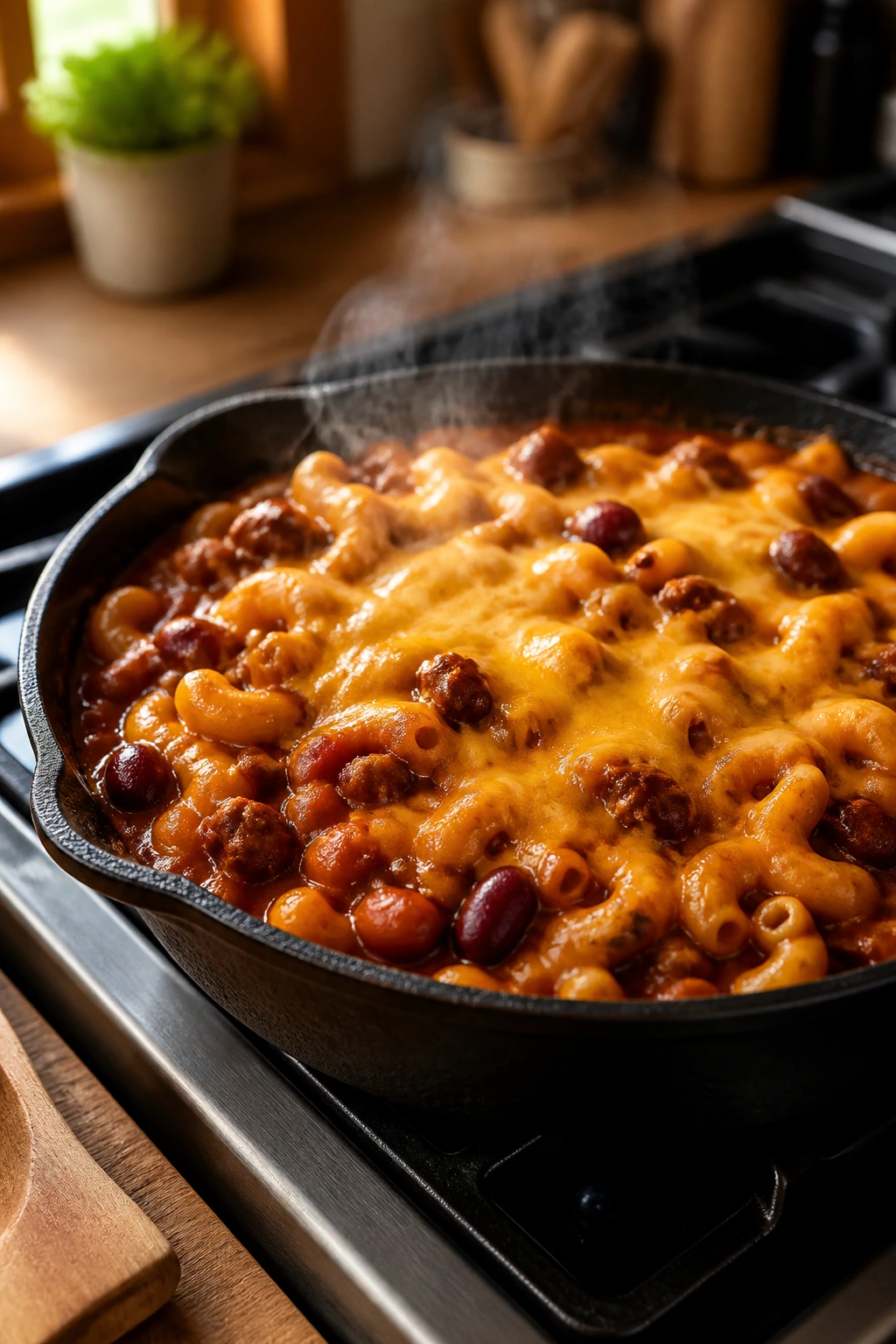
Chili mac is the kind of dinner that feels like it has roots in every American kitchen at once. Pasta, beans, tomatoes, cheese, and a little chili powder make a skillet that’s halfway between chili and baked pasta, which is honestly why it works.
Why It Works:
The pasta cooks in the sauce, so it picks up tomato flavor instead of sitting off to the side like a separate project. Beans make it filling, cheddar melts into the liquid, and chili powder gives the dish enough heat to taste like dinner rather than pasta in a red suit. One pot means fewer dishes, and that matters when the clock is moving.
Key Ingredients:
- 1 tablespoon olive oil
- 1 onion, diced
- 2 garlic cloves, minced
- 1 tablespoon chili powder
- 1 teaspoon ground cumin
- 1 can crushed tomatoes, 28 ounces
- 2 cups broth
- 8 ounces elbow macaroni
- 1 can kidney beans, 15 ounces, drained and rinsed
- 1 1/2 cups shredded cheddar
- Salt and black pepper
Quick Steps:
- Heat the oil in a large pot over medium heat. Cook the onion for 5 minutes until soft, then add the garlic, chili powder, and cumin for 30 seconds.
- Stir in the tomatoes, broth, macaroni, and beans. Bring to a simmer.
- Cook uncovered for 10 to 12 minutes, stirring often, until the pasta is tender and the sauce has thickened.
- Turn off the heat and stir in the cheddar until melted.
- Taste and season before serving.
Equipment for This Recipe:
- Large pot or Dutch oven
- Wooden spoon
- Measuring cups
- Grater, if using block cheese
- Ladle
How to Serve This Dish:
Serve it in deep bowls with a little extra cheddar on top. A chopped pickle or a quick green salad cuts through the richness better than you’d expect. If you want to stretch it, a side of cornbread is never a bad move.
Pro Tips for This Recipe:
- Stir often once the pasta goes in so it doesn’t stick to the bottom.
- Use broth instead of water if you can. It gives the sauce more backbone.
- Add the cheese off the heat or it can go grainy.
- If the pot dries out before the pasta is tender, splash in more broth or water.
Variations on This Dish:
- Smoky Chipotle Mac: Stir in 1 minced chipotle in adobo for a darker, smokier bowl.
- Three-Bean Version: Mix in black beans and pinto beans instead of just kidney beans.
- Mild Family Pot: Skip the chili powder and lean on cumin plus paprika for a softer flavor.
Common Mistakes to Avoid with This Dish:
- Don’t dump in all the liquid at once and walk away. Pasta absorbs unevenly.
- Don’t forget to stir from the bottom. The starch can scorch fast.
- Don’t add cheese while the pot is boiling. It can seize and get stringy.
8. Lentil Sloppy Joes
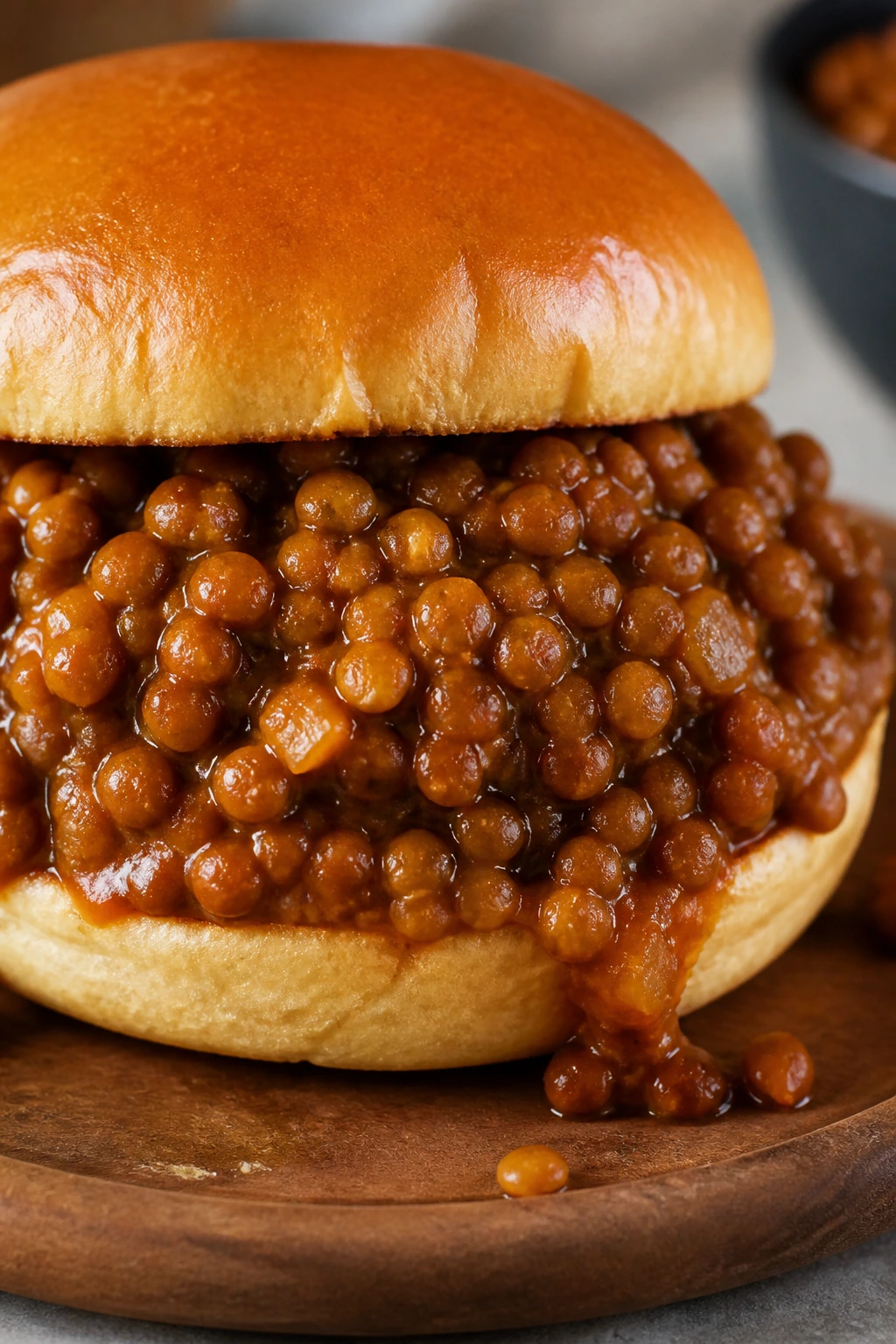
This is the version of sloppy joes that makes sense on a Tuesday. Lentils cook fast, hold their shape, and soak up a sweet-savory sauce that tastes nostalgic without needing ground beef.
Why It Works:
Brown or green lentils keep a little bite, which matters because the sauce needs texture to cling to. Ketchup, mustard, and Worcestershire create the familiar sloppy joe profile, while onion and garlic add the base layer that boxed sauce never gives you. On a bun, the whole thing becomes messy in the way it’s supposed to be.
Key Ingredients:
- 1 cup dried brown or green lentils, rinsed
- 2 1/2 cups water or broth
- 1 tablespoon olive oil
- 1 onion, diced
- 2 garlic cloves, minced
- 1/2 cup ketchup
- 1 tablespoon mustard
- 1 tablespoon Worcestershire sauce
- 1 teaspoon brown sugar
- 4 hamburger buns
- Salt and black pepper
- Pickle chips, for serving
Quick Steps:
- Simmer the lentils in water or broth for 18 to 22 minutes until tender but not mushy. Drain if needed.
- In a skillet, heat the oil over medium heat and cook the onion for 5 minutes. Add the garlic and cook for 30 seconds.
- Stir in the ketchup, mustard, Worcestershire, brown sugar, and cooked lentils.
- Simmer for 5 minutes, stirring until the mixture looks thick and spoonable.
- Spoon onto buns and add pickles.
Equipment for This Recipe:
- Medium pot
- Skillet
- Wooden spoon
- Colander, if needed
- Measuring cups and spoons
How to Serve This Dish:
Pile the lentils onto toasted buns so they can stand up to the sauce. I like pickle chips and maybe a quick slaw, because the crunch keeps the sandwich from turning soft too fast. A handful of potato chips on the side feels almost too fitting.
Pro Tips for This Recipe:
- Don’t overcook the lentils. Soft enough to bite through, yes. Porridge, no.
- If the sauce tastes too sweet, add a splash of vinegar.
- Toast the buns. Untoasted buns collapse fast.
- A spoonful of tomato paste deepens the sauce if you want more body.
Variations on This Dish:
- BBQ Lentils: Replace half the ketchup with barbecue sauce for a smoky-sweet version.
- Spicy Joe: Add hot sauce or chopped pickled jalapeños.
- Open-Face Plate: Serve the lentils over toast or baked potatoes instead of buns.
Common Mistakes to Avoid with This Dish:
- Don’t let the lentils go too soft before the sauce goes in. They’ll fall apart.
- Don’t skip the simmer after combining. That’s when the flavor settles.
- Don’t serve it on delicate bread. It needs structure.
9. Chickpea Pesto Pasta
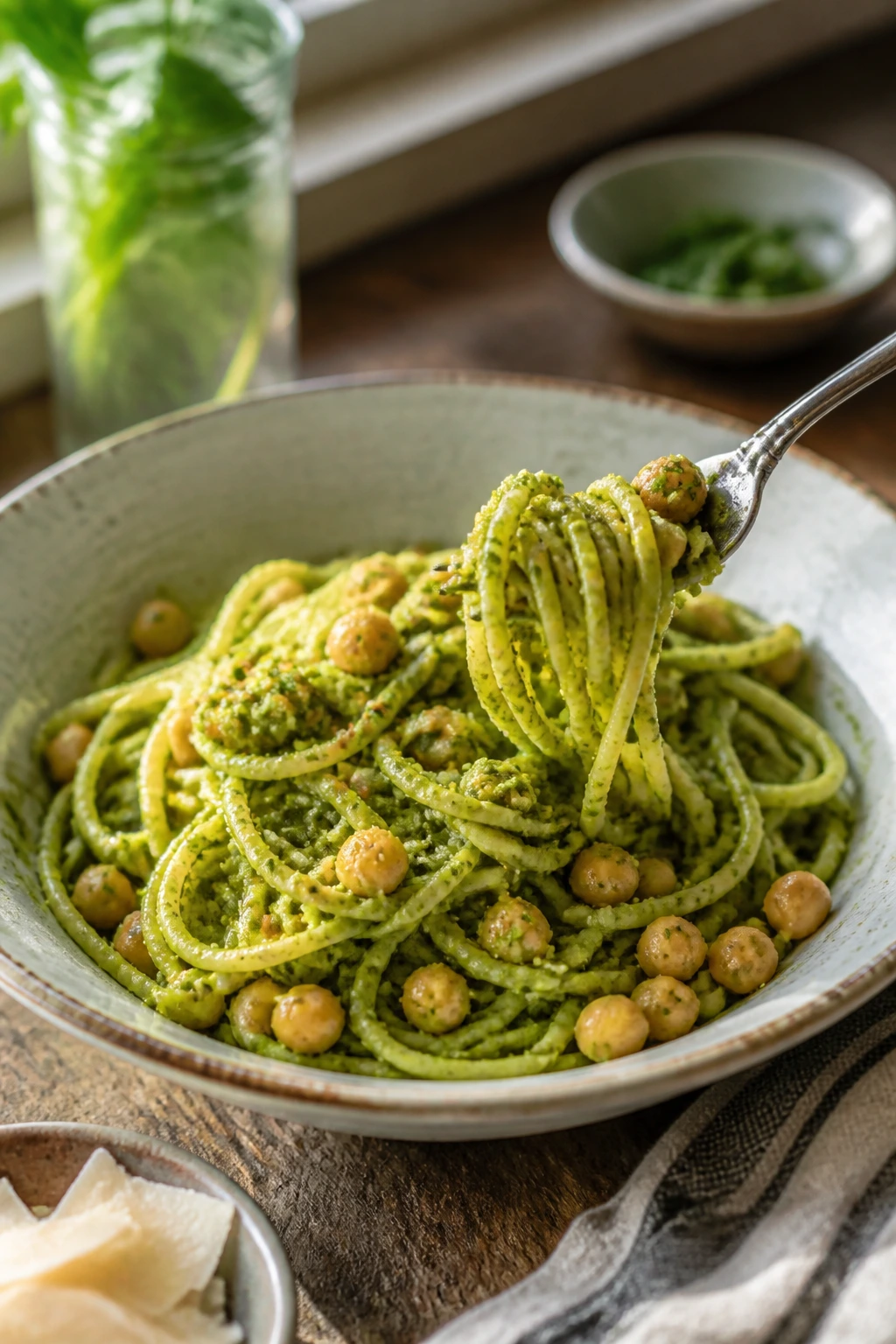
Jarred pesto is one of those pantry buys that people forget they own until dinner gets stressful. Add chickpeas and pasta, and it becomes a meal with enough protein and texture to hold its own.
Why It Works:
Pesto carries herb, garlic, oil, and cheese all in one spoonful, so it’s doing four jobs at once. Chickpeas turn a simple pesto pasta into something more substantial, and a little lemon juice keeps the sauce from tasting dull or heavy. You don’t need much heat here; the magic is in the toss.
Key Ingredients:
- 12 ounces short pasta, such as rotini or penne
- 1 can chickpeas, 15 ounces, drained and rinsed
- 1/2 cup jarred pesto
- 1/2 lemon, juiced
- 1/4 cup reserved pasta water
- 1/3 cup grated Parmesan
- 2 tablespoons toasted pine nuts or sunflower seeds, optional
- Black pepper
- Salt, if needed
Quick Steps:
- Cook the pasta in salted water until al dente. Reserve 1 cup pasta water.
- Warm the chickpeas briefly in a skillet or in the pasta pot with a splash of water.
- Toss the hot pasta with pesto, lemon juice, Parmesan, and 1/4 cup pasta water.
- Add the chickpeas and more pasta water if the sauce looks tight.
- Finish with pepper and seeds if using.
Equipment for This Recipe:
- Large pot
- Colander
- Mixing bowl or the pasta pot itself
- Tongs or spoon
- Citrus juicer, optional
How to Serve This Dish:
Serve it warm or at room temperature with a simple salad. A few tomatoes or cucumbers on the side make the plate feel less heavy without adding work. I like this one in wide bowls, because it’s easier to toss again at the table.
Pro Tips for This Recipe:
- Add pesto off the heat so the basil stays fresher.
- Use pasta water, not plain water, to loosen the sauce.
- Toasting the nuts is worth the minute it takes.
- If the pesto is salty, go easy on the Parmesan at first.
Variations on This Dish:
- Sun-Dried Tomato Pesto Pasta: Stir in chopped sun-dried tomatoes for a sweeter, deeper flavor.
- White Bean Version: Swap chickpeas for cannellini beans if you want a softer texture.
- No-Heat Version: Skip black pepper and keep it kid-friendly.
Common Mistakes to Avoid with This Dish:
- Don’t add pesto to dry pasta without liquid. It will clump.
- Don’t overcook the chickpeas if you’re warming them in a skillet. They only need heat, not softening.
- Don’t forget acidity. Lemon keeps the dish from tasting one-note.
10. Sardine Lemon Breadcrumb Pasta
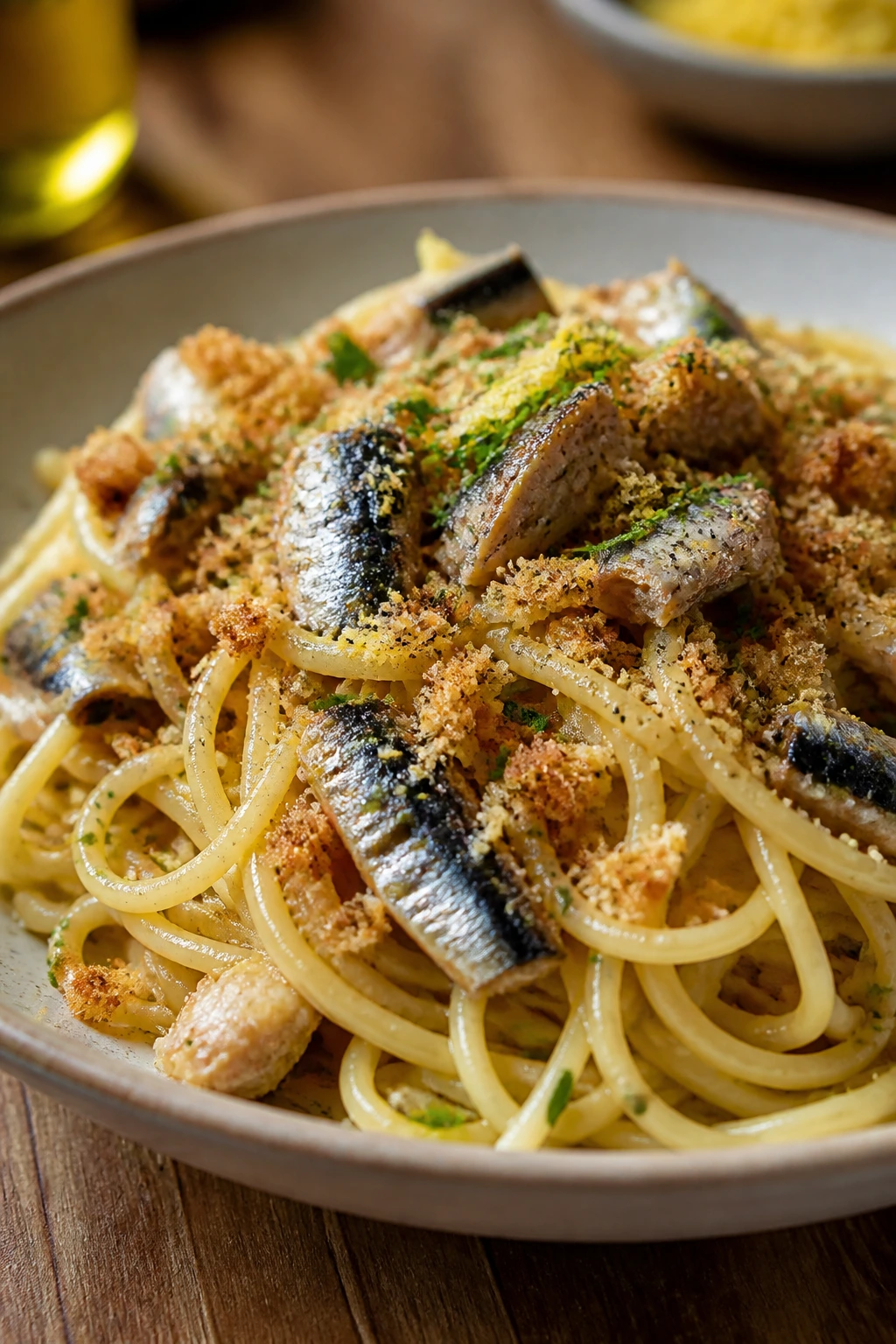
Sardines are a pantry move with opinions attached, but they’re worth the debate. Once you melt them into garlicky olive oil and finish the pasta with lemon and crisp breadcrumbs, the whole dish stops feeling odd and starts feeling smart.
Why It Works:
Sardines bring intense, salty depth, so a little goes a long way. Breadcrumbs toasted in olive oil add crunch where canned fish can feel soft, and lemon cuts through the richness so the bowl stays balanced. This is a strong-flavored dinner, not a shy one.
Key Ingredients:
- 12 ounces spaghetti or linguine
- 2 tablespoons olive oil
- 1/2 cup breadcrumbs
- 3 garlic cloves, thinly sliced
- 1/2 teaspoon red pepper flakes
- 2 cans sardines in olive oil, 3.75 ounces each, drained
- 1 lemon, zested and juiced
- 2 tablespoons chopped parsley
- Salt and black pepper
- 1/4 cup reserved pasta water
Quick Steps:
- Cook the pasta in salted water until al dente. Reserve 1 cup pasta water.
- In a skillet, toast the breadcrumbs in 1 tablespoon olive oil over medium heat until golden, then set aside.
- Add the remaining oil, garlic, and red pepper flakes to the skillet. Cook for 30 seconds.
- Add the sardines and break them up gently. Stir in lemon zest, lemon juice, and pasta water.
- Toss with pasta and top with breadcrumbs and parsley.
Equipment for This Recipe:
- Large pot
- Large skillet
- Spatula
- Microplane or zester
- Small bowl for breadcrumbs
How to Serve This Dish:
Serve it with a simple bitter green like arugula or endive if you have it. The breadcrumbs should stay on top so every forkful has a little crunch. A lemon wedge on the side is not decorative here; it’s useful.
Pro Tips for This Recipe:
- Buy sardines packed in olive oil for the best texture.
- Toast the breadcrumbs first so they stay crisp.
- Use the lemon zest; it softens the fishiness more than juice alone.
- If you want a smoother sauce, mash the sardines harder before adding the pasta.
Variations on This Dish:
- Caper-Crust Version: Add 2 tablespoons capers with the garlic.
- Tomato Sardine Pasta: Stir in 1/2 cup tomato sauce for a red version.
- Herb Finish: Use dill instead of parsley for a colder, cleaner flavor.
Common Mistakes to Avoid with This Dish:
- Don’t drown it in cheese. Parmesan is fine; a heavy hand muddies the fish.
- Don’t skip the breadcrumbs if you can help it. They change the whole texture.
- Don’t cook sardines hard. Gentle heat keeps them from turning pasty.
11. Rice and Bean Burrito Bowls
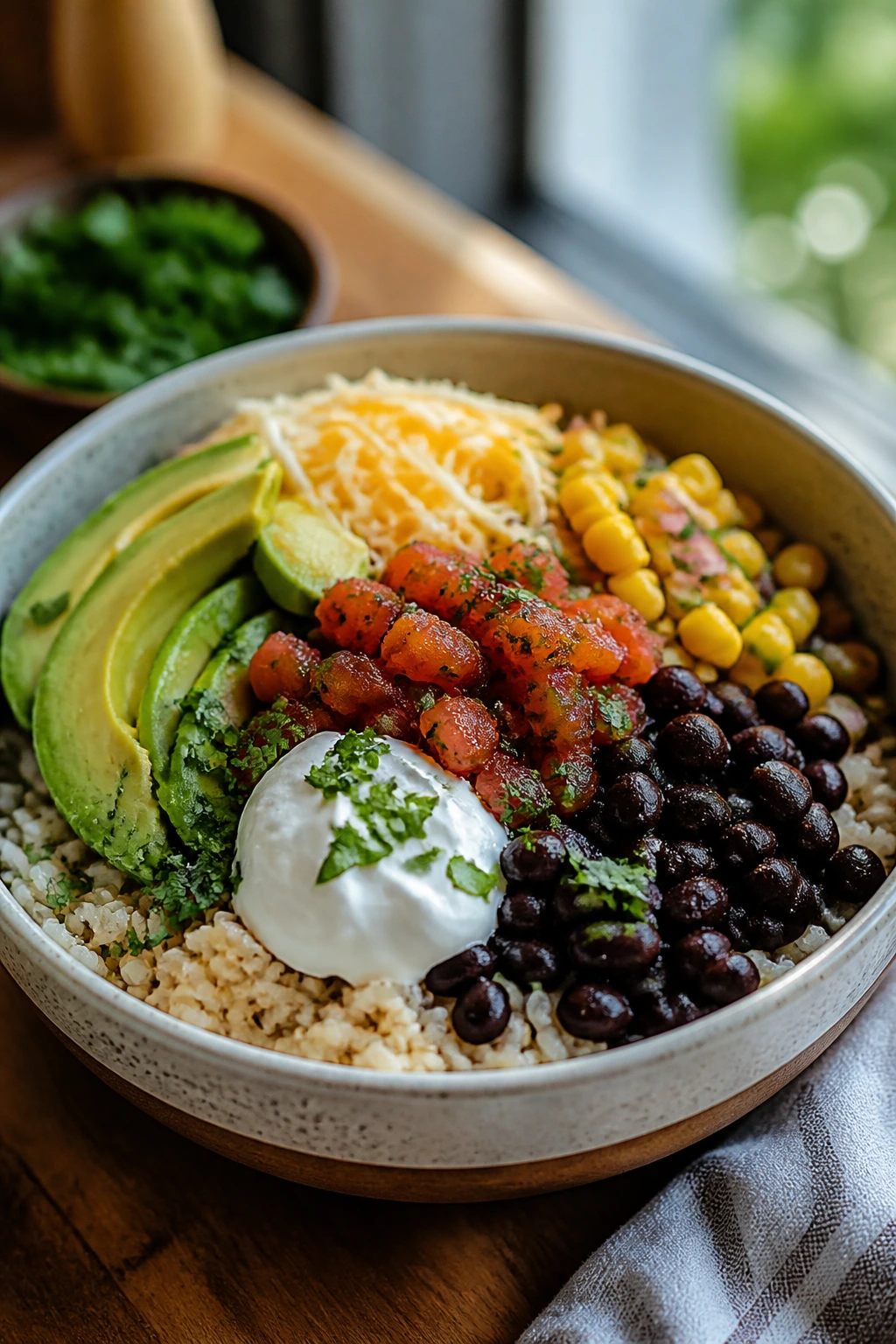
A burrito bowl is what happens when you want the taco shop feeling without the errand. Rice, beans, salsa, corn, and a few toppings make a dinner that can be assembled almost as fast as it can be warmed.
Why It Works:
Beans and rice cover each other’s weak spots. The rice gives bulk, the beans bring protein, and salsa ties the bowl together without demanding a separate sauce. Corn adds sweetness and a little snap, which keeps the bowl from turning into a soft mass.
Key Ingredients:
- 2 cups cooked rice, warm
- 1 can black beans, 15 ounces, drained and rinsed
- 1 cup corn, frozen or canned
- 1 tablespoon olive oil
- 1 teaspoon ground cumin
- 1/2 teaspoon garlic powder
- 1 cup salsa
- 1 cup shredded cheese
- 2 scallions, sliced
- Lime wedges, optional
- Sour cream or avocado, optional
Quick Steps:
- Warm the olive oil in a skillet and stir in the beans, corn, cumin, and garlic powder. Cook for 3 to 4 minutes until hot.
- Heat the rice if needed.
- Spoon rice into bowls and top with the bean mixture.
- Add salsa, cheese, scallions, and any extra toppings.
- Finish with lime juice if using.
Equipment for This Recipe:
- Skillet
- Saucepan or microwave-safe bowl for rice
- Spoon
- Cutting board and knife
- Serving bowls
How to Serve This Dish:
Build the bowls in layers so the rice soaks up the salsa at the bottom. Tortilla chips on the side give the whole thing a better crunch than you’d think. If you have hot sauce, this is the place for it.
Pro Tips for This Recipe:
- Warm the beans with cumin and garlic powder so they taste seasoned, not canned.
- A squeeze of lime wakes the whole bowl up.
- If you use leftover rice, add a splash of water while reheating so it softens again.
- Keep toppings separate until serving if you’re packing leftovers.
Variations on This Dish:
- Fajita Bowl: Add sautéed onions and peppers if you have them.
- Street-Corn Style: Mix the corn with a spoon of mayo, lime, and chili powder.
- Breakfast Bowl: Top with a fried egg and call it dinner with confidence.
Common Mistakes to Avoid with This Dish:
- Don’t serve beans straight from the can. A quick seasoning pass matters.
- Don’t overload the bowl with wet toppings or it gets muddy fast.
- Don’t skip the acid. Lime or salsa keeps the rice from tasting plain.
12. Easy Egg Drop Ramen
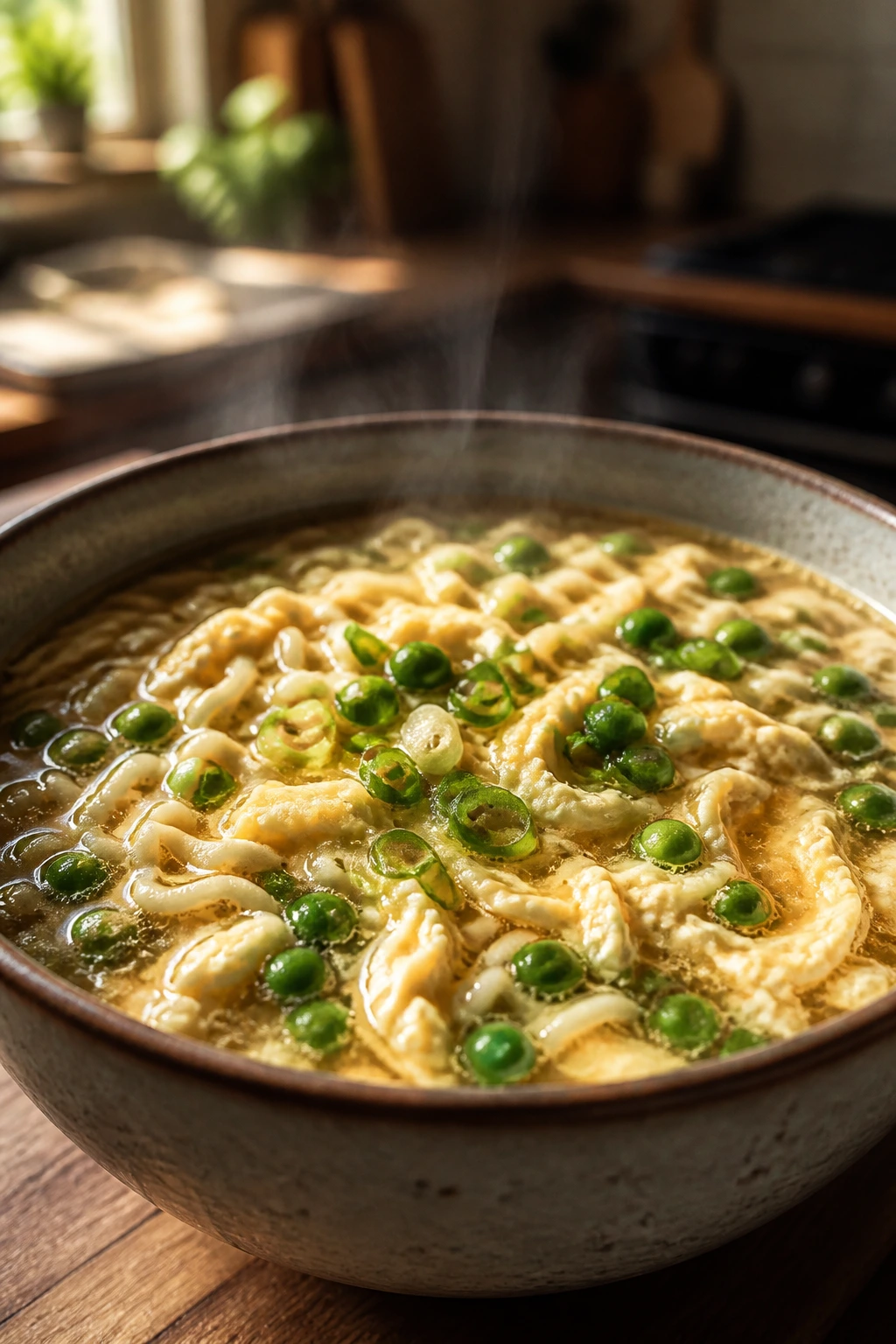
Instant ramen gets dismissed a lot, which is strange considering how fast it turns into dinner if you treat it like a base instead of a full meal. Eggs, scallions, and frozen vegetables turn the little brick into something closer to a bowl you’d actually want on purpose.
Why It Works:
Ramen seasoning packets are salty, so the rest of the ingredients need to be chosen for texture and freshness. Egg ribbons thicken the broth slightly, frozen vegetables bring color and bite, and a little sesame oil at the end makes the bowl smell complete. The whole thing works because it stays hot, slurpable, and fast.
Key Ingredients:
- 2 packets instant ramen, seasoning packets included
- 2 large eggs, beaten
- 1 cup frozen peas or mixed vegetables
- 2 scallions, sliced
- 1 tablespoon soy sauce
- 1 teaspoon sesame oil
- 4 cups water
- Chili crisp or hot sauce, optional
Quick Steps:
- Bring the water to a simmer in a saucepan. Add the ramen noodles and vegetables and cook for 2 minutes.
- Stir in the seasoning packets and soy sauce.
- Slowly drizzle in the beaten eggs while stirring the broth in a circle so the eggs form soft ribbons.
- Cook for 30 seconds more, then turn off the heat.
- Finish with sesame oil and scallions.
Equipment for This Recipe:
- Medium saucepan
- Fork or chopsticks
- Measuring spoons
- Ladle
- Bowl for beating eggs
How to Serve This Dish:
Serve it right away in deep bowls. A soft-boiled egg on top is optional, but the egg ribbons already make the broth feel fuller. A few sesame seeds or chili crisp add crunch if you want it.
Pro Tips for This Recipe:
- Stir the broth while adding eggs so they don’t turn into one giant omelet.
- Use only part of the seasoning packet if you want a less salty bowl.
- Frozen peas cook fast enough here; no need to thaw them first.
- Eat this one hot. Ramen broth loses its charm as it cools.
Variations on This Dish:
- Peanut Ramen: Stir in 1 tablespoon peanut butter for a richer broth.
- Miso Shortcut: Add 1 teaspoon miso paste if you have it.
- Veg-Heavy Bowl: Toss in cabbage or spinach during the last minute.
Common Mistakes to Avoid with This Dish:
- Don’t boil the noodles to death. They keep cooking in the hot broth.
- Don’t pour the eggs in too fast or you’ll get large chewy clumps.
- Don’t forget to taste before adding the whole seasoning packet.
13. Coconut Red Lentil Dal
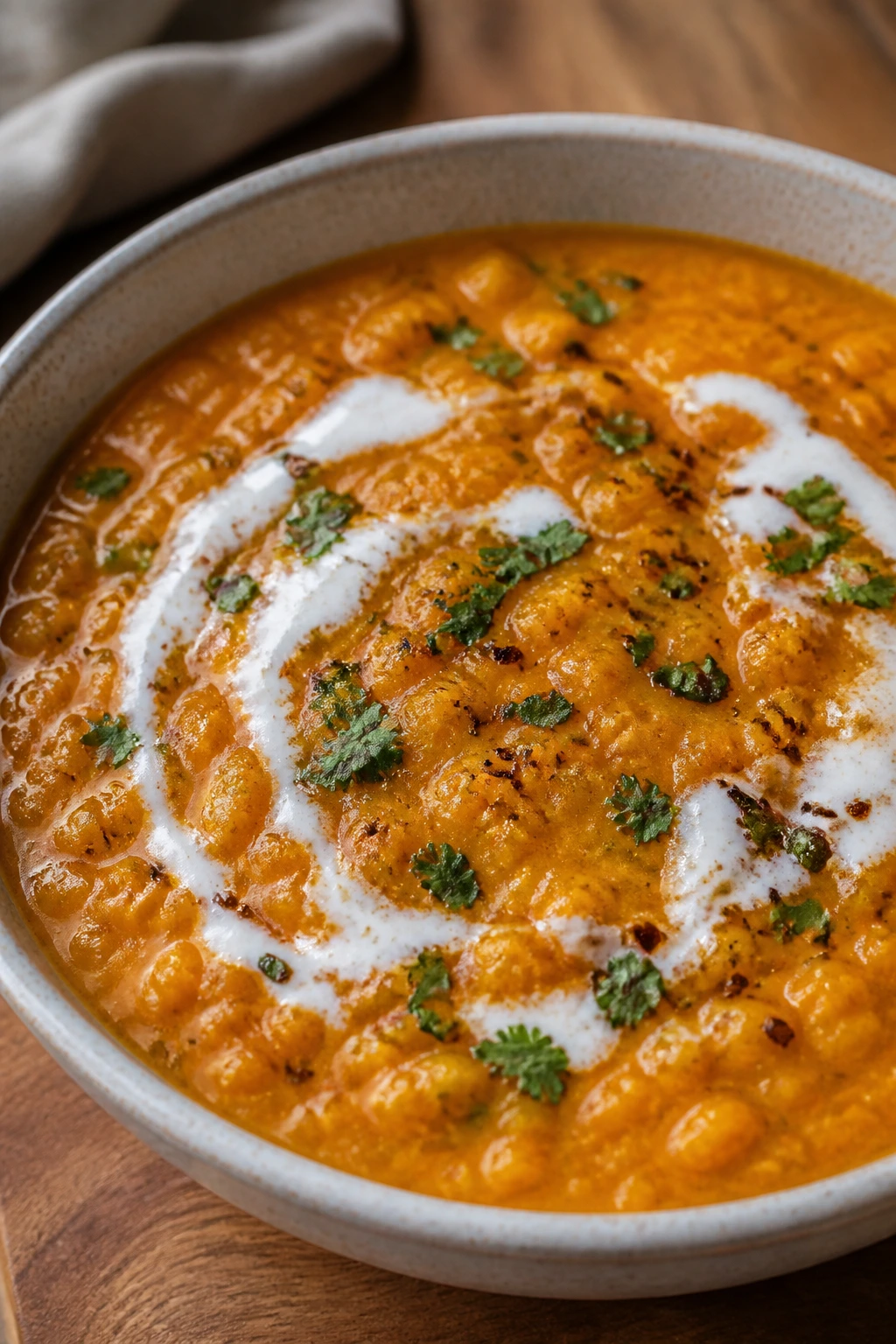
Red lentils are one of the best pantry buys around because they cook quickly and turn soft in a way that makes sauces feel fuller. With coconut milk, curry powder, and a bit of tomato, they become a bowl that’s warm, thick, and more filling than it looks.
Why It Works:
Red lentils break down as they cook, which naturally thickens the dal without flour or cream. Coconut milk rounds out the spices, while tomato paste or crushed tomatoes give the pot a little sharpness so it doesn’t taste heavy. The texture should be loose enough to spoon over rice but thick enough to hold a shape for a second.
Key Ingredients:
- 1 tablespoon oil
- 1 onion, diced
- 3 garlic cloves, minced
- 1 tablespoon curry powder
- 1 teaspoon ground cumin
- 1 cup red lentils, rinsed
- 1 can coconut milk, 13.5 ounces
- 2 cups water or broth
- 1 tablespoon tomato paste
- 2 cups baby spinach
- Salt and lime juice, to taste
Quick Steps:
- Heat the oil in a pot over medium heat. Cook the onion for 5 minutes.
- Add the garlic, curry powder, and cumin and cook for 30 seconds.
- Stir in the lentils, coconut milk, water or broth, and tomato paste.
- Simmer for 15 to 18 minutes, stirring now and then, until the lentils are soft and the dal thickens.
- Stir in spinach, salt, and lime juice.
Equipment for This Recipe:
- Medium pot
- Wooden spoon
- Measuring cups and spoons
- Bowl or mug for rinsing lentils
- Ladle
How to Serve This Dish:
Spoon it over rice or scoop it with flatbread. A little yogurt or extra lime on top helps cut the richness. It’s one of those dinners that looks plain in the pot and much better in a bowl.
Pro Tips for This Recipe:
- Rinse red lentils well or the pot can foam more than you want.
- Stir often near the end so the bottom doesn’t catch.
- Salt at the end, not the start, if you’re using broth.
- A spoonful of peanut butter is odd but useful if you want a deeper, rounder sauce.
Variations on This Dish:
- Tomato-Forward Dal: Add an extra tablespoon of tomato paste for a sharper base.
- Spinach-Free Version: Skip the greens and finish with cilantro.
- Heat-Lover Bowl: Add chili flakes or fresh chili with the onion.
Common Mistakes to Avoid with This Dish:
- Don’t use green or brown lentils here unless you want a completely different texture.
- Don’t let the pot boil wildly. Gentle simmering keeps the coconut milk smoother.
- Don’t under-salt. Lentils need it.
14. Corn and Black Bean Chowder
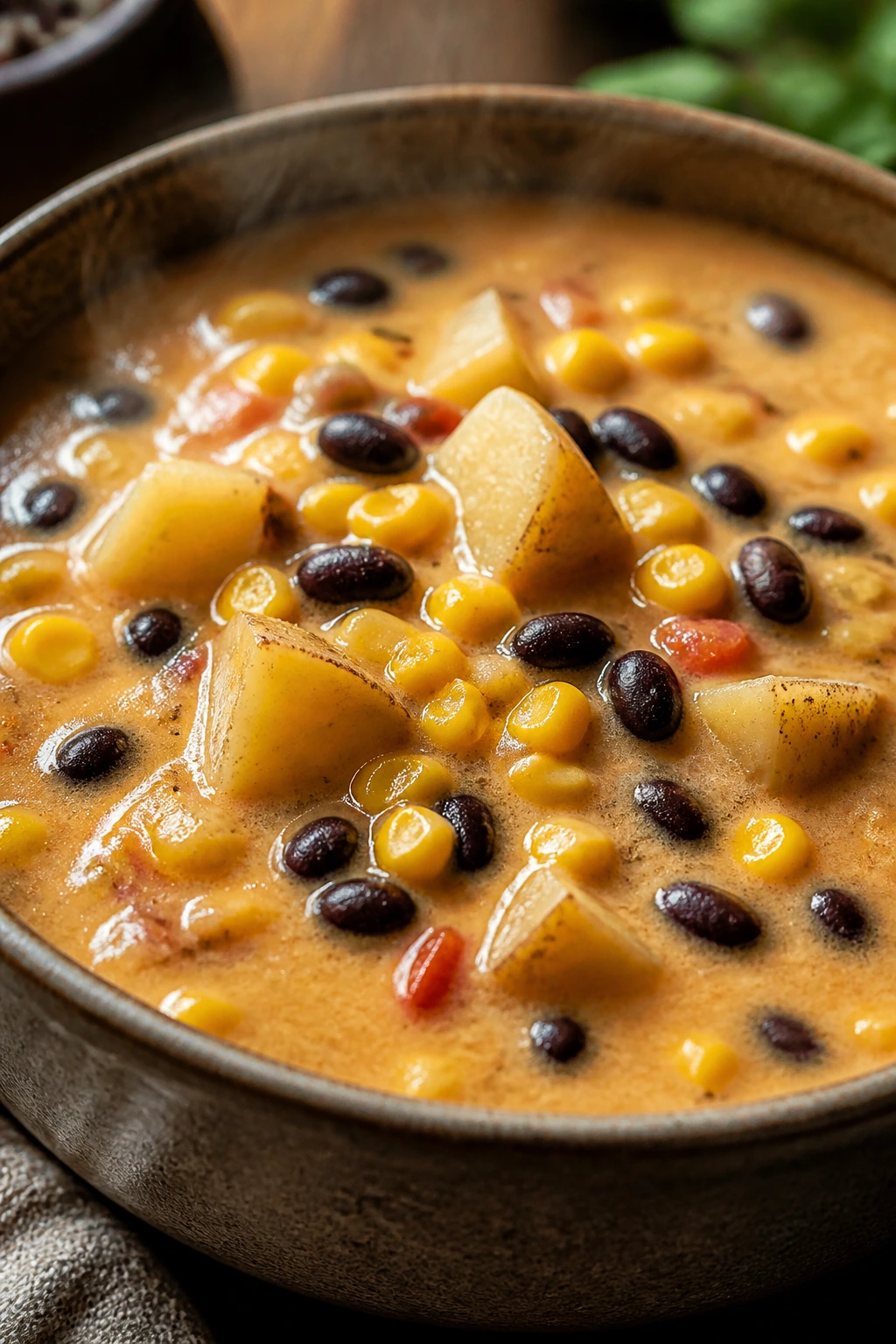
Chowder doesn’t need bacon and cream to earn its name. Corn, beans, potatoes, onion, and broth can make a thick, spoonable pot that feels sturdy enough for dinner, especially when the weather makes a warm bowl sound reasonable.
Why It Works:
Potatoes thicken the broth as they break down a little, and black beans make the soup filling enough to stand alone. Corn adds sweetness, while cumin and onion keep the flavor from drifting into bland comfort-food territory. A splash of milk or coconut milk gives the pot the gentle creaminess most people expect from chowder.
Key Ingredients:
- 1 tablespoon olive oil
- 1 onion, diced
- 2 garlic cloves, minced
- 2 medium potatoes, peeled and diced small
- 3 cups broth
- 1 can black beans, 15 ounces, drained and rinsed
- 1 1/2 cups corn, frozen or canned
- 1 teaspoon cumin
- 1 cup milk or coconut milk
- Salt and black pepper
- Chopped scallions or cilantro, for serving
Quick Steps:
- Cook the onion in olive oil over medium heat for 5 minutes. Add garlic and cumin for 30 seconds.
- Add potatoes and broth. Simmer for 12 minutes until the potatoes are tender.
- Stir in black beans and corn and cook for 5 minutes more.
- Add milk or coconut milk and season well.
- Ladle into bowls and top with herbs.
Equipment for This Recipe:
- Soup pot
- Wooden spoon
- Knife and cutting board
- Potato peeler, optional
- Ladle
How to Serve This Dish:
Serve it with crackers, toast, or cornbread if you have it. A spoonful of salsa on top is a good move if you want a little brightness. This is the kind of bowl that welcomes a second helping without asking for attention.
Pro Tips for This Recipe:
- Dice the potatoes small so they cook fast enough for a weeknight.
- Mashing a few potatoes against the side of the pot thickens the chowder fast.
- Canned corn works fine; just drain it first.
- Add dairy at the end and keep the heat low so it doesn’t split.
Variations on This Dish:
- Southwest Chowder: Add smoked paprika and a little chili powder.
- Green Corn Version: Stir in chopped spinach or kale at the end.
- Chunkier Bowl: Leave the potatoes larger if you want more bite.
Common Mistakes to Avoid with This Dish:
- Don’t cut the potatoes too big or they’ll lag behind the rest of the pot.
- Don’t boil after adding milk. Keep the heat gentle.
- Don’t skip tasting for salt. Beans and potatoes soak it up.
15. Pasta e Ceci
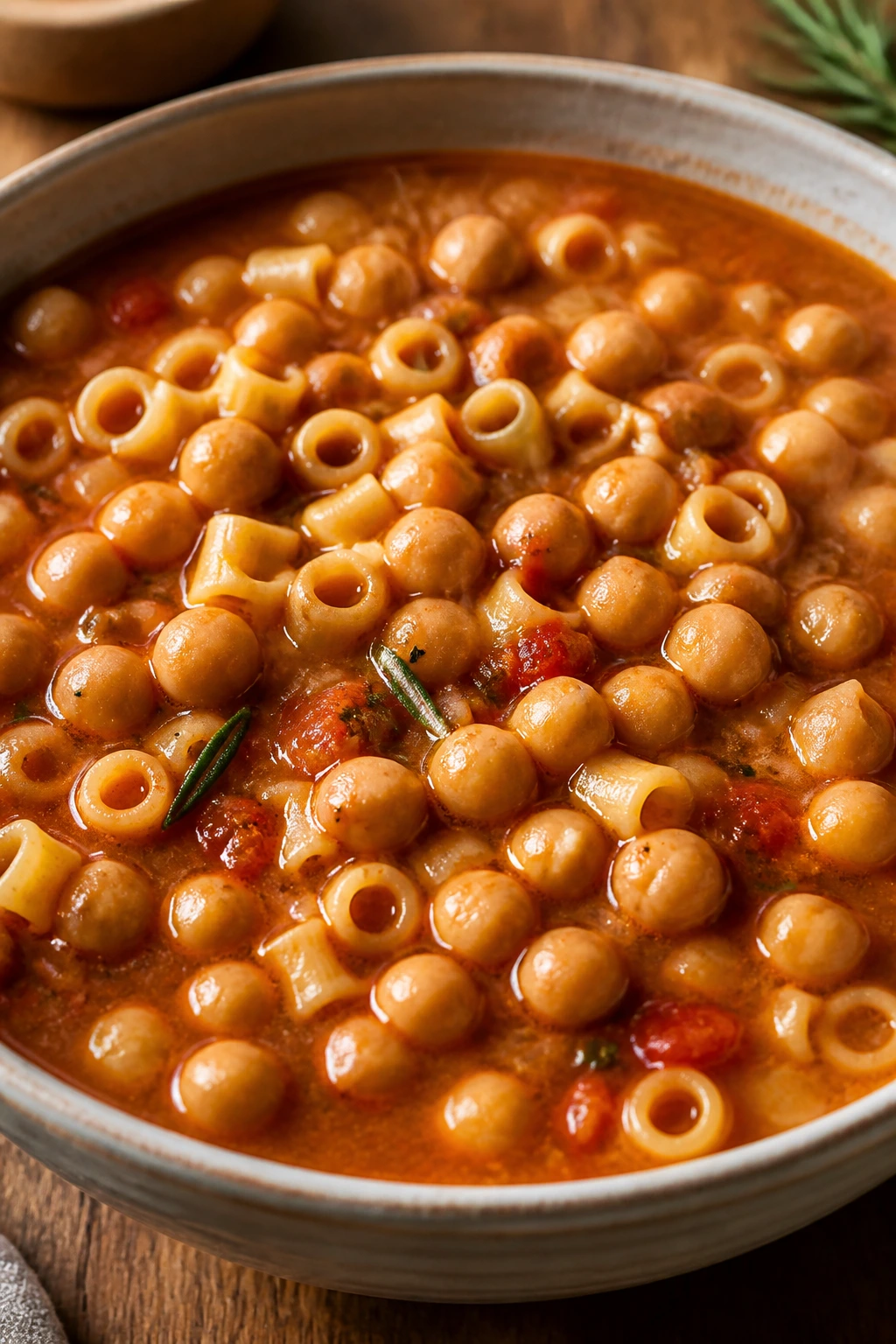
This classic chickpea pasta is one of those dishes that feels like a pantry lesson in disguise. Chickpeas, garlic, tomato paste, and small pasta cook together into a brothy stew that is somehow both rustic and efficient.
Why It Works:
Part of the pasta cooks right in the chickpea broth, which means the starch thickens the pot naturally. Tomato paste gives the sauce depth, garlic and rosemary provide the savory backbone, and chickpeas create a creamy-meets-firm texture that makes every bite feel built, not random. It’s dinner that tastes like a pot with a memory.
Key Ingredients:
- 2 tablespoons olive oil
- 3 garlic cloves, minced
- 1 teaspoon chopped rosemary or 1/2 teaspoon dried rosemary
- 1 tablespoon tomato paste
- 2 cans chickpeas, 15 ounces each, drained and rinsed
- 4 cups broth or water
- 1 cup small pasta, such as ditalini or elbows
- Salt and black pepper
- Parmesan, for serving
- Red pepper flakes, optional
Quick Steps:
- Warm the oil in a pot over medium heat. Add garlic and rosemary and cook for 30 seconds.
- Stir in the tomato paste and cook for 1 minute.
- Add chickpeas and broth. Simmer for 10 minutes.
- Stir in the pasta and cook until tender, usually 8 to 10 minutes, stirring often.
- Season, ladle into bowls, and finish with Parmesan.
Equipment for This Recipe:
- Medium soup pot
- Wooden spoon
- Measuring cups
- Ladle
- Grater for Parmesan
How to Serve This Dish:
Serve it thick and hot, almost like a stew. A drizzle of olive oil and a pile of Parmesan on top do more here than a fancy garnish ever would. A crusty roll or toast on the side is useful because the broth clings well.
Pro Tips for This Recipe:
- Stir often after the pasta goes in so it doesn’t glue itself to the bottom.
- If the pot gets too thick, add more broth in small splashes.
- Tomato paste needs that short cook time or the flavor stays raw.
- A little lemon at the end brightens the chickpeas nicely.
Variations on This Dish:
- Greens and Garlic Version: Add spinach in the last minute.
- Spicy Pantry Bowl: Add more red pepper flakes and black pepper.
- Thicker Stew Style: Use less broth and let it reduce further.
Common Mistakes to Avoid with This Dish:
- Don’t add too much pasta at once. The pot needs room to move.
- Don’t let it sit too long before serving or the pasta will soak up all the broth.
- Don’t ignore seasoning at the end; chickpeas need help.
16. Tomato Anchovy Pasta
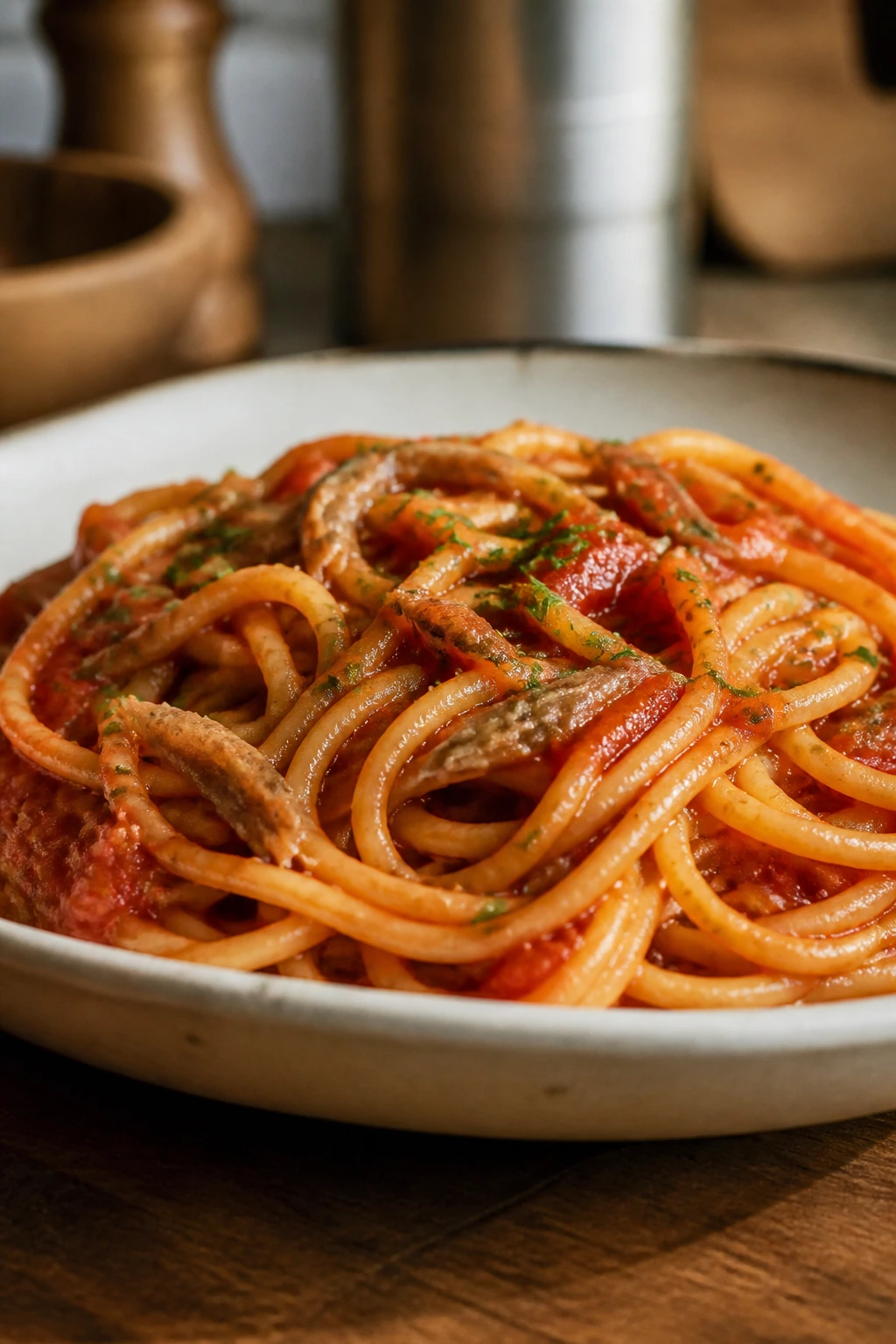
Anchovies scare people in theory and convert them in practice. Melted into olive oil with garlic and tomatoes, they disappear into the sauce and leave behind salty depth that makes the pasta taste much richer than the pantry list suggests.
Why It Works:
Anchovies are not there to taste “fishy.” They’re there for umami, the same savory edge people usually chase with slow-cooked meat or long-simmered stock. Tomatoes soften the salt, garlic keeps the sauce lively, and pasta water gives the sauce enough gloss to coat every strand.
Key Ingredients:
- 12 ounces spaghetti
- 2 tablespoons olive oil
- 4 anchovy fillets
- 3 garlic cloves, sliced
- 1/2 teaspoon red pepper flakes
- 1 can crushed tomatoes, 28 ounces
- 1/2 cup reserved pasta water
- 2 tablespoons chopped parsley
- Salt and black pepper
- Parmesan, optional
Quick Steps:
- Cook the spaghetti in salted water until al dente. Reserve 1 cup pasta water.
- In a skillet, warm the oil and melt the anchovies over medium heat, stirring until they break down.
- Add garlic and red pepper flakes and cook for 30 seconds.
- Stir in the crushed tomatoes and simmer for 8 to 10 minutes.
- Toss with pasta, parsley, and a splash of pasta water until glossy.
Equipment for This Recipe:
- Large pot
- Skillet
- Tongs
- Wooden spoon
- Can opener
How to Serve This Dish:
Serve it with parsley, black pepper, and a little Parmesan if you want it. A simple salad with sharp greens works well because the sauce carries enough richness on its own. This is one of those bowls that feels restaurant-smart without trying to.
Pro Tips for This Recipe:
- Let the anchovies melt fully so there are no little bits left behind.
- Tomato sauce should simmer long enough to lose its raw edge.
- Keep salt light until the end; anchovies and Parmesan both bring plenty.
- A pinch of sugar is optional, but only if the tomatoes taste genuinely sharp.
Variations on This Dish:
- Olive Addition: Stir in chopped olives for more briny bite.
- Breadcrumb Finish: Top with toasted breadcrumbs instead of cheese.
- Spoonable Sauce Version: Add a little more pasta water for a looser sauce.
Common Mistakes to Avoid with This Dish:
- Don’t skip the anchovy melt step. Whole anchovies won’t do their job.
- Don’t add too much cheese too early. It can mute the clean tomato flavor.
- Don’t rush the simmer or the sauce stays thin.
17. Canned Salmon Cakes
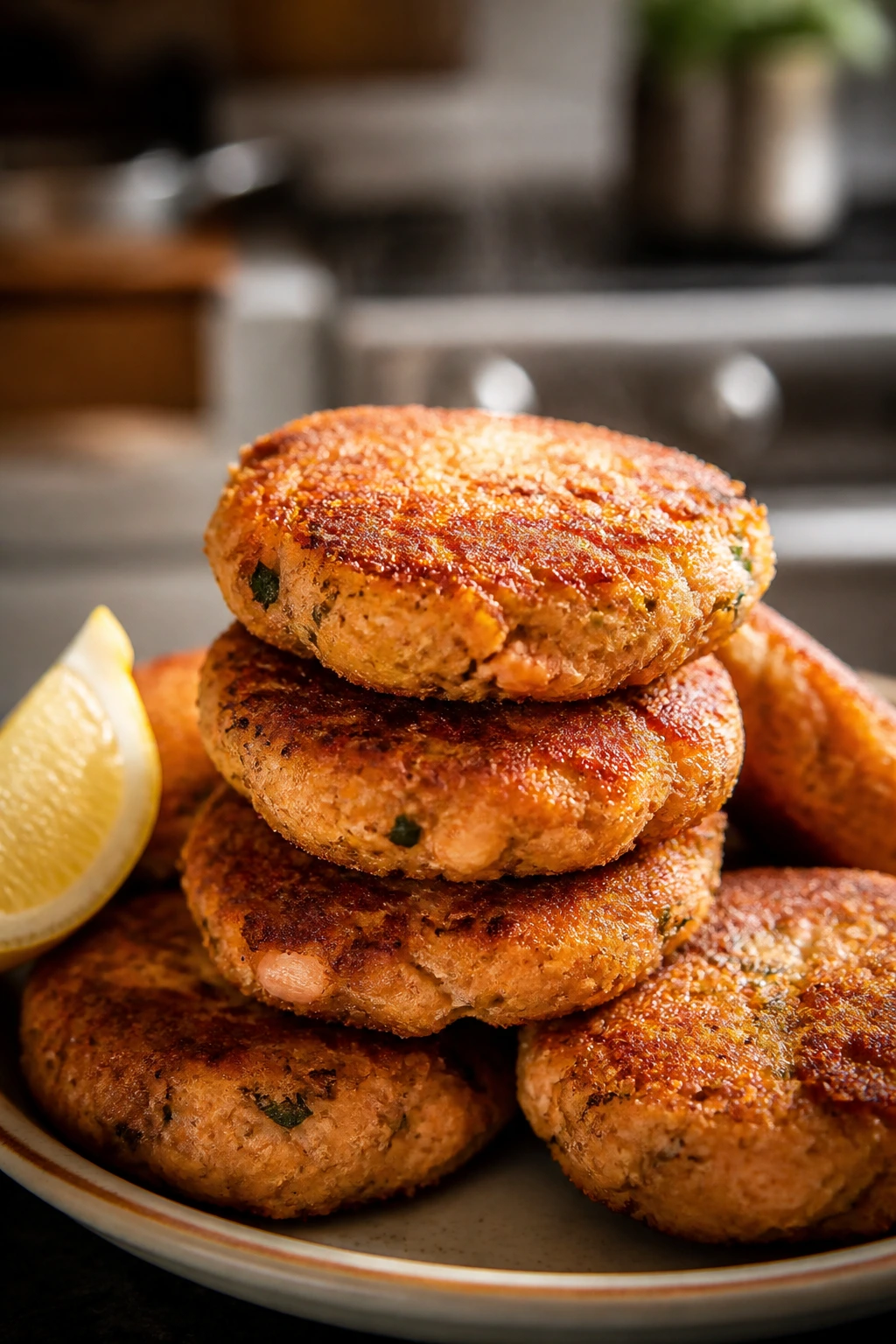
Salmon cakes are one of the most practical pantry dinners around because they cook fast, crisp nicely, and don’t ask for a long ingredient list. They also give canned salmon a second life that feels like a real meal instead of a compromise.
Why It Works:
Canned salmon already comes cooked, so you only need to bind and season it. Egg and breadcrumbs hold the cakes together, mustard adds bite, and a hot skillet creates the crisp crust that makes the texture work. A squeeze of lemon at the end keeps them from tasting too dense.
Key Ingredients:
- 2 cans salmon, 14.75 ounces total, drained and flaked
- 1 egg
- 1/2 cup breadcrumbs or crushed saltines
- 2 tablespoons mayonnaise
- 1 tablespoon Dijon mustard
- 2 tablespoons minced onion or 1 teaspoon onion powder
- 1 tablespoon lemon juice
- 2 tablespoons oil, for frying
- Salt and black pepper
- Lemon wedges, for serving
Quick Steps:
- Mix the salmon, egg, breadcrumbs, mayonnaise, mustard, onion, lemon juice, salt, and pepper in a bowl.
- Shape the mixture into 4 to 6 patties.
- Heat the oil in a skillet over medium heat.
- Fry the patties for 3 to 4 minutes per side until browned and hot through.
- Serve with lemon.
Equipment for This Recipe:
- Mixing bowl
- Skillet
- Spatula
- Measuring cups and spoons
- Plate lined with paper towels
How to Serve This Dish:
Serve the cakes with a sharp salad, potato salad, or buttered green beans. They also work well tucked into buns with lettuce and mustard. If you make them a little smaller, they become good little dinner patties for a lighter plate.
Pro Tips for This Recipe:
- Drain the salmon well or the mixture can turn loose.
- Chill the patties for 10 minutes if they feel fragile before frying.
- Breadcrumbs can be adjusted up or down depending on how wet the salmon is.
- A little dill or parsley works if it’s in the pantry or freezer.
Variations on This Dish:
- Curry Salmon Cakes: Add 1 teaspoon curry powder for a warmer flavor.
- Cracker-Crust Version: Use crushed saltines instead of breadcrumbs.
- Herb-Lemon Cakes: Add chopped dill and extra lemon zest.
Common Mistakes to Avoid with This Dish:
- Don’t fry over high heat. The outside burns before the center sets.
- Don’t make the patties too thick or they’ll crack.
- Don’t skip the acid. Lemon keeps canned salmon from tasting flat.
18. Three-Bean Enchilada Skillet
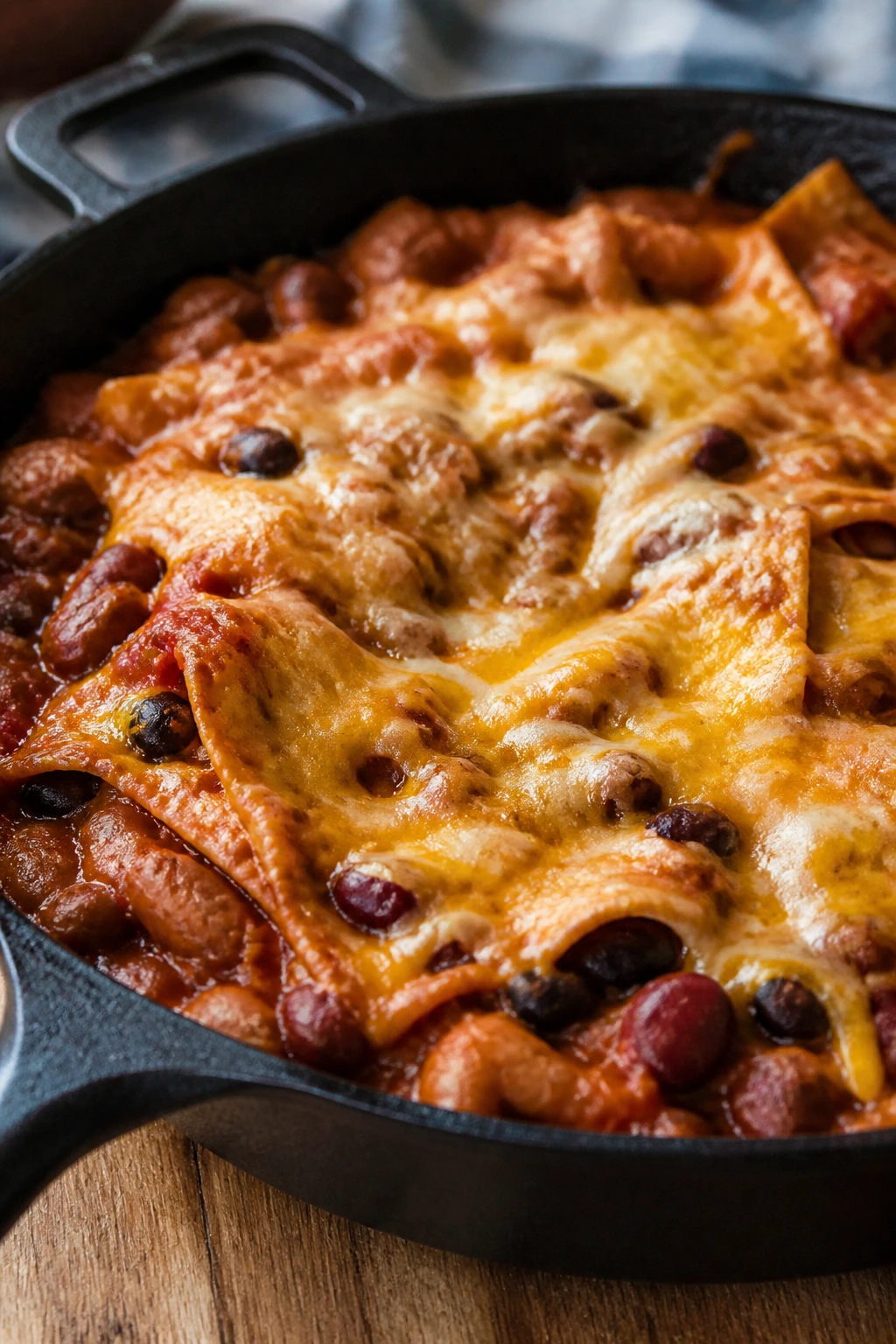
This one sits right at the line between casserole and skillet dinner, which is exactly why I like it. Beans, enchilada sauce, tortillas, and cheese come together fast, and the result tastes like something that should have required more effort.
Why It Works:
Canned beans give you body and protein, enchilada sauce supplies the seasoning, and tortillas thicken as they warm in the sauce. It’s the layering that makes this work: sauce, beans, tortilla pieces, cheese, then more sauce. The top gets melty, the bottom stays saucy, and the whole pan holds together enough to scoop.
Key Ingredients:
- 1 tablespoon oil
- 1 can black beans, 15 ounces, drained and rinsed
- 1 can pinto beans, 15 ounces, drained and rinsed
- 1 can kidney beans, 15 ounces, drained and rinsed
- 1 can enchilada sauce, 10 ounces
- 1 cup corn
- 4 small corn or flour tortillas, cut into strips
- 1 1/2 cups shredded cheese
- 1/2 teaspoon cumin
- Chopped cilantro or scallions, optional
Quick Steps:
- Heat the oil in a skillet over medium heat. Stir in the beans, corn, cumin, and enchilada sauce.
- Cook for 3 to 4 minutes until hot.
- Fold in half the tortilla strips and half the cheese.
- Scatter the remaining tortilla strips and cheese over the top. Cover and cook for 3 minutes until melted.
- Finish with cilantro or scallions.
Equipment for This Recipe:
- Large skillet with lid
- Knife and cutting board
- Spoon or spatula
- Can opener
- Measuring cup
How to Serve This Dish:
Serve it straight from the skillet with sour cream, hot sauce, or avocado if you have them. It scoops like a soft casserole and goes well with rice on the side if you want to stretch it. A squeeze of lime is worth doing.
Pro Tips for This Recipe:
- Drain the beans well so the skillet doesn’t turn soupy.
- Use the tortilla strips in two layers for better texture.
- If the sauce tastes thin, simmer it uncovered for a couple extra minutes.
- Let the pan sit for 2 minutes before serving so the cheese settles.
Variations on This Dish:
- Green Sauce Skillet: Swap enchilada sauce for salsa verde.
- Bean-and-Rice Bake: Stir in cooked rice to make it more filling.
- Mild Cheese Version: Use Monterey Jack and skip the hot sauce.
Common Mistakes to Avoid with This Dish:
- Don’t overload the skillet with too many tortilla strips at once.
- Don’t skip the lid if you want the cheese fully melted.
- Don’t forget to taste the sauce before serving; some enchilada sauces are saltier than others.
19. Peanut Noodles with Pantry Sauce
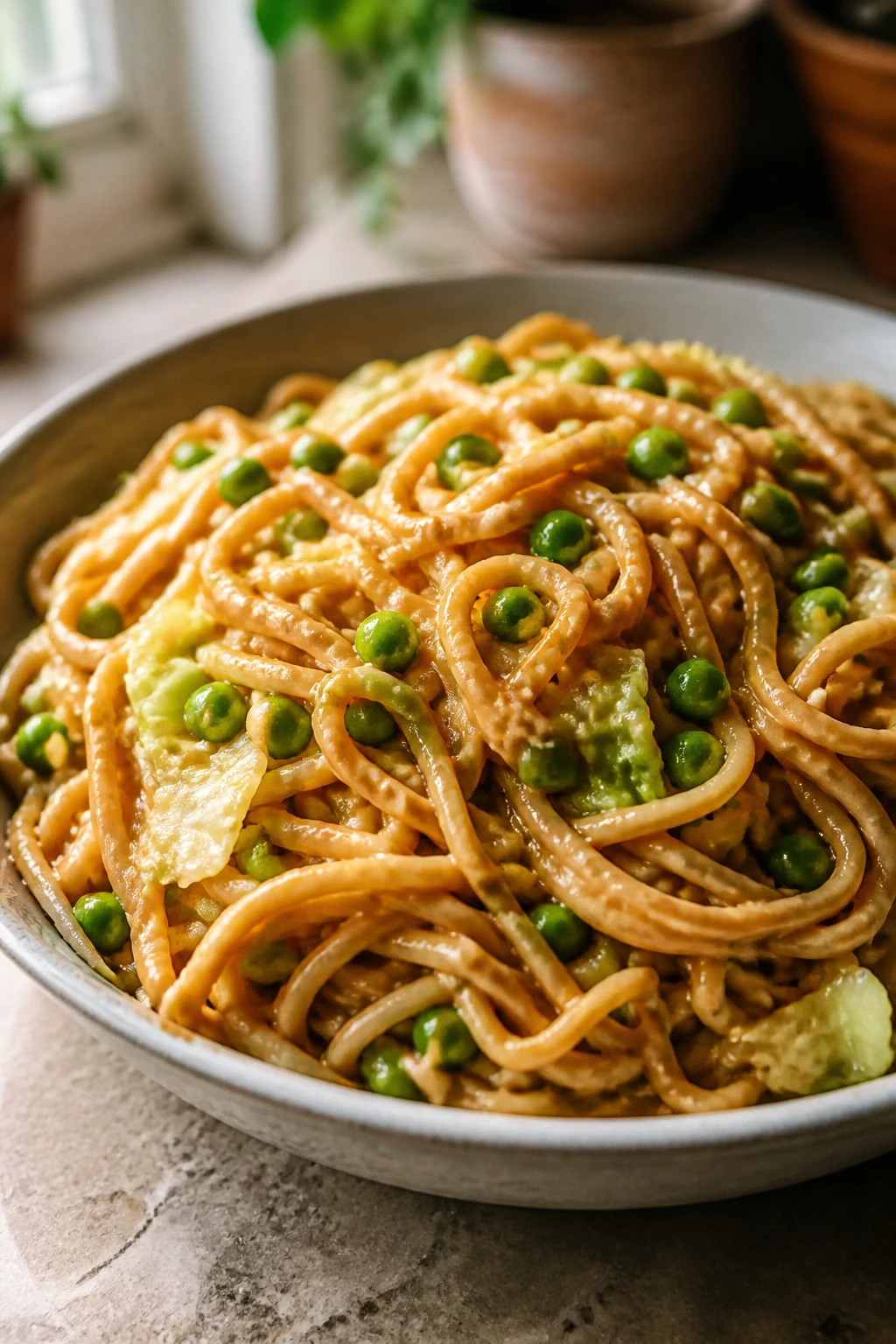
Peanut noodles are one of the fastest ways to turn shelf-stable ingredients into something that tastes deliberate. The sauce is mostly pantry math: peanut butter, soy sauce, vinegar, a little sweetener, and heat if you want it.
Why It Works:
Peanut butter gives the sauce body and fat, soy sauce supplies salt, vinegar cuts the richness, and a touch of honey or sugar smooths the edges. Tossed with noodles, the sauce clings instead of pooling, especially if you loosen it with a bit of hot water. Frozen peas, cabbage, or carrots can slide in without much trouble.
Key Ingredients:
- 12 ounces spaghetti, linguine, or ramen noodles
- 1/3 cup peanut butter
- 2 tablespoons soy sauce
- 1 tablespoon rice vinegar or white vinegar
- 1 tablespoon honey or brown sugar
- 1 teaspoon sesame oil
- 1 teaspoon grated garlic or 1/2 teaspoon garlic powder
- 1/4 cup hot water, plus more as needed
- 1 cup frozen peas or shredded cabbage
- Chili flakes, optional
Quick Steps:
- Cook the noodles until al dente. Add the peas during the last minute if using. Drain.
- Whisk the peanut butter, soy sauce, vinegar, honey, sesame oil, garlic, and hot water in a bowl until smooth.
- Toss the hot noodles with the sauce. Add more hot water a spoonful at a time if the sauce seems thick.
- Sprinkle with chili flakes if you like heat.
- Serve warm or at room temperature.
Equipment for This Recipe:
- Medium pot
- Mixing bowl
- Whisk or fork
- Colander
- Tongs
How to Serve This Dish:
Serve it in bowls with sliced scallions, sesame seeds, or chopped peanuts if they’re around. It’s good warm, but it also holds up at room temperature, which makes leftovers useful. A cucumber salad on the side is cold and crisp against the sauce.
Pro Tips for This Recipe:
- Whisk the sauce in a bowl first so it doesn’t sit in clumps on the noodles.
- Hot pasta water helps the sauce cling better than cold water.
- If the peanut butter is very thick, warm it for 10 seconds before mixing.
- A little lime juice works if you want the sauce brighter.
Variations on This Dish:
- Sesame-Soy Version: Add more sesame oil and a bit of extra soy sauce.
- Spicy Chili Noodles: Stir in chili crisp or sriracha.
- Creamier Bowl: Add an extra tablespoon of peanut butter and more water.
Common Mistakes to Avoid with This Dish:
- Don’t make the sauce too thick before tossing. It needs to coat, not paste over.
- Don’t skip the acid. Vinegar keeps the peanut butter from tasting heavy.
- Don’t overcook the noodles; they can go limp fast once sauced.
20. Sheet-Pan Gnocchi with Tomatoes and Chickpeas
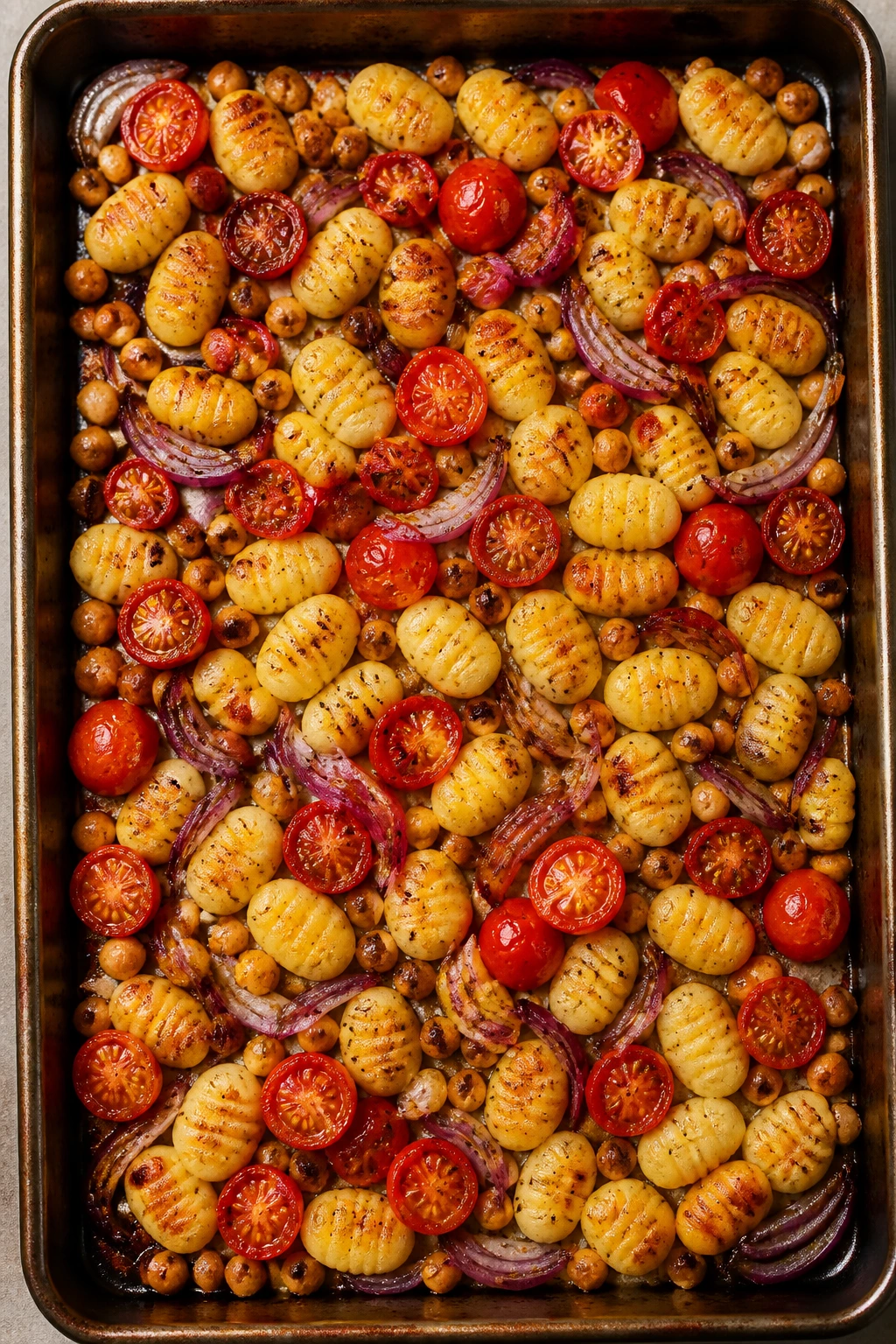
Shelf-stable gnocchi is one of the easiest dinner cheats in the pantry aisle. Roast it with chickpeas and tomatoes, and it comes out crisp at the edges, soft in the middle, and much more dinner-like than anyone expects from a bag of potato dumplings.
Why It Works:
The high heat of the oven gives gnocchi a roasted shell instead of a boiled texture. Chickpeas add heft and protein, tomatoes break down into a quick sauce, and a little olive oil helps everything brown instead of steaming. The pan does most of the work while you clean up or make a salad.
Key Ingredients:
- 1 package shelf-stable gnocchi, 16 ounces
- 1 can chickpeas, 15 ounces, drained and rinsed
- 1 pint cherry tomatoes, or 1 can diced tomatoes, drained lightly if very wet
- 1 small red onion, sliced
- 2 tablespoons olive oil
- 1 teaspoon dried oregano
- 1/2 teaspoon red pepper flakes
- Salt and black pepper
- 1/2 cup feta, optional
- Basil or parsley, for serving
Quick Steps:
- Heat the oven to 425°F (220°C).
- Toss the gnocchi, chickpeas, tomatoes, onion, olive oil, oregano, red pepper flakes, salt, and pepper on a rimmed sheet pan.
- Roast for 20 to 25 minutes, stirring once halfway through, until the gnocchi is lightly crisp and the tomatoes have burst.
- Scatter feta over the pan if using.
- Serve hot with herbs.
Equipment for This Recipe:
- Rimmed sheet pan
- Large bowl, optional
- Spatula
- Measuring spoons
- Oven mitts
How to Serve This Dish:
Serve it straight from the pan or scoop it into shallow bowls with the tomato juices spooned over the top. A green salad or a bag of arugula dressed with lemon keeps the meal balanced. It’s a good one for people who want something roasted but not complicated.
Pro Tips for This Recipe:
- Don’t crowd the pan. The gnocchi needs open space to crisp.
- Use a rimmed sheet pan so the tomato juices don’t run off.
- Stir once, not every five minutes, or you’ll lose browning.
- Feta should go on after roasting so it stays a little soft instead of melting away.
Variations on This Dish:
- Mediterranean Style: Add olives and a little lemon zest.
- Creamy Finish: Stir in a spoon of pesto after roasting.
- Veg-Heavy Tray: Add zucchini or bell pepper if you happen to have them.
Common Mistakes to Avoid with This Dish:
- Don’t use too much liquid. Wet tomatoes can steam the gnocchi instead of roasting it.
- Don’t skip the halfway stir. One side will brown better than the other.
- Don’t serve it lukewarm; the texture is best straight from the oven.
Why Pantry Staples Cook So Fast
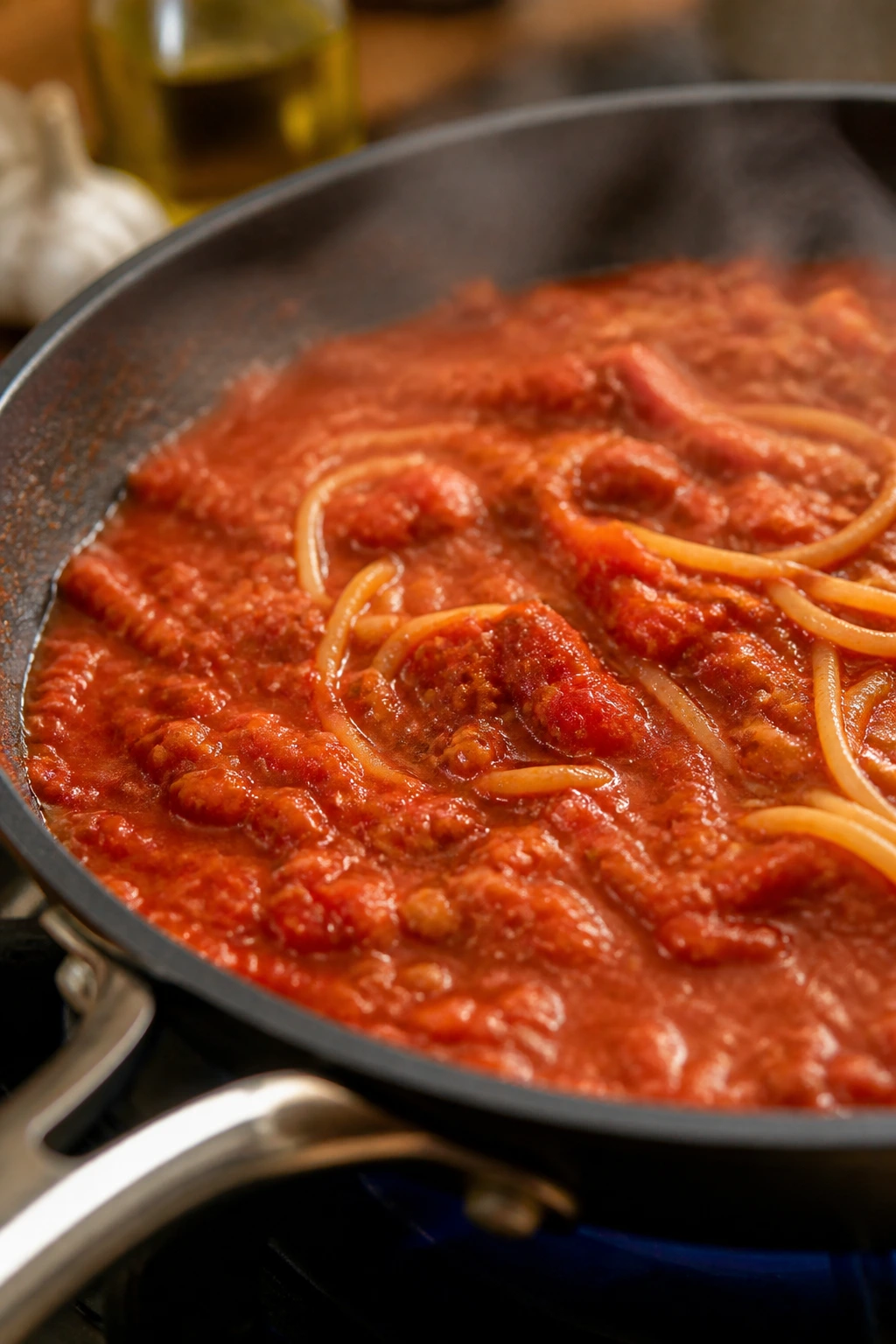
Pantry dinners get a speed advantage before you even turn on the stove. Dried pasta, canned beans, canned tomatoes, tuna, sardines, rice, ramen, and lentils all arrive in a state that’s already halfway to dinner. That matters. You’re not peeling six carrots, trimming a pile of greens, or waiting on a roast to forgive you.
The trick is knowing which pantry items need flavor built around them and which ones are already carrying flavor. Tomato paste wants a few seconds of heat so it stops tasting tinny. Anchovies need to melt into oil. Beans need salt, acid, and maybe a little smash to feel more complete. Red lentils and ramen barely need encouragement at all.
I also think pantry cooking works because it rewards small decisions. Keep capers. Keep breadcrumbs. Keep broth. Keep a can of coconut milk tucked behind the rice. Those little things are what make the difference between “something in a bowl” and an actual dinner you’d repeat without complaint.
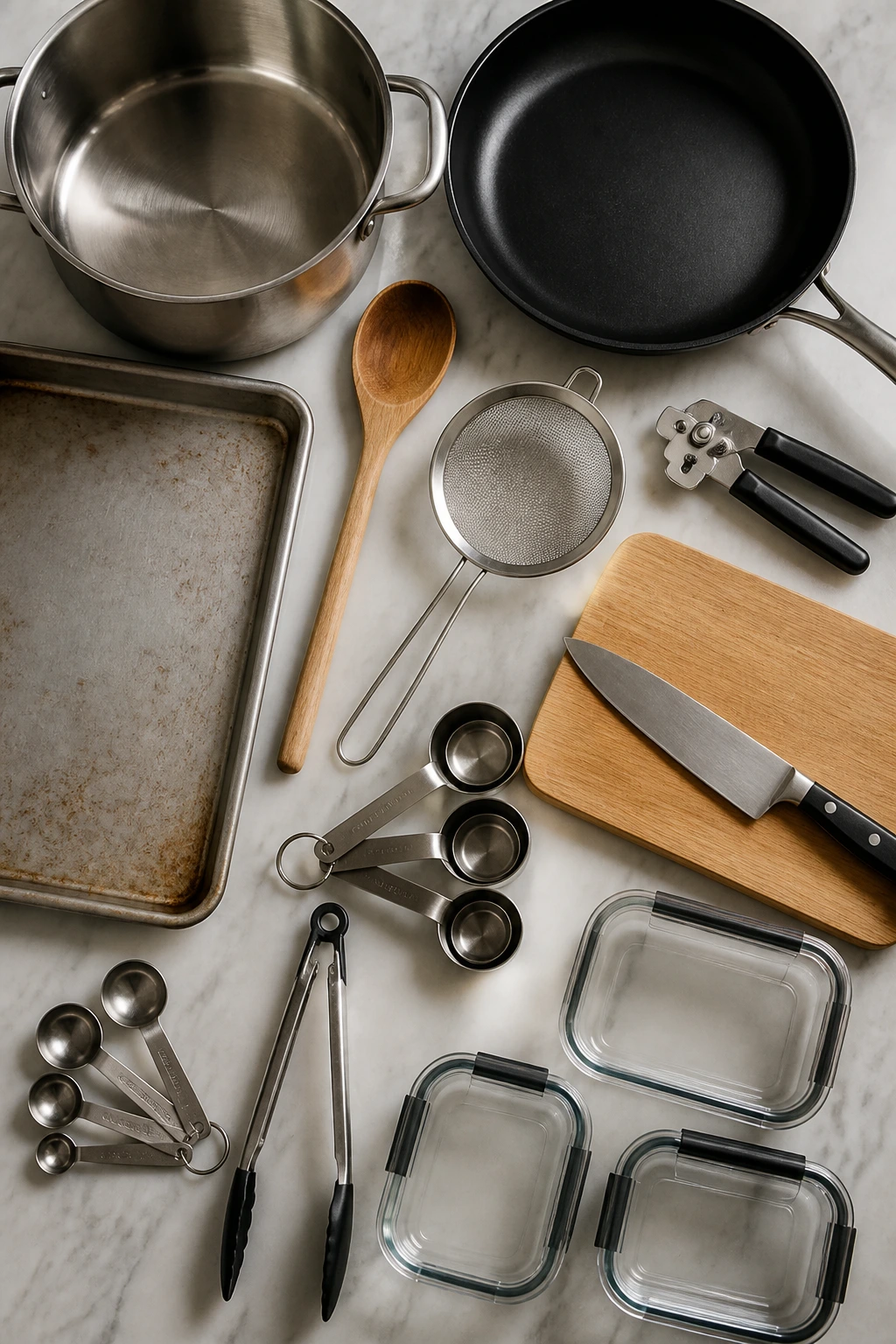
Essential Equipment for These Dinners
-
Large pot or Dutch oven: Useful for pasta, soup, dal, and one-pot sauces that need room to simmer without boiling over.
-
12-inch skillet: The sweet spot for shakshuka, tuna pasta sauces, quesadillas, fried rice, and skillet dinners that need a little surface area.
-
Rimmed sheet pan: Needed for roasted gnocchi and any pantry dinner that improves with browning instead of stirring.
-
Wooden spoon or heatproof spatula: Better than a whisk for beans, sauces, and anything that needs gentle scraping.
-
Fine-mesh strainer or colander: You’ll use this constantly for pasta, beans, lentils, and rice.
-
Can opener: Not glamorous. Absolutely essential.
-
Sharp knife and cutting board: Onion and garlic show up all through this collection, and a dull knife turns quick dinner into slow labor.
-
Measuring cups and spoons: You can eyeball some things, but pantry sauces need the right balance, especially vinegar, soy sauce, and spice.
-
Tongs: Handy for pasta, gnocchi, and quick tossing in a skillet.
-
Airtight containers: Leftovers keep better when they aren’t left in the open air with sauce clinging to the lid.
Smart Shopping and Ingredient Tips for Pantry Staples
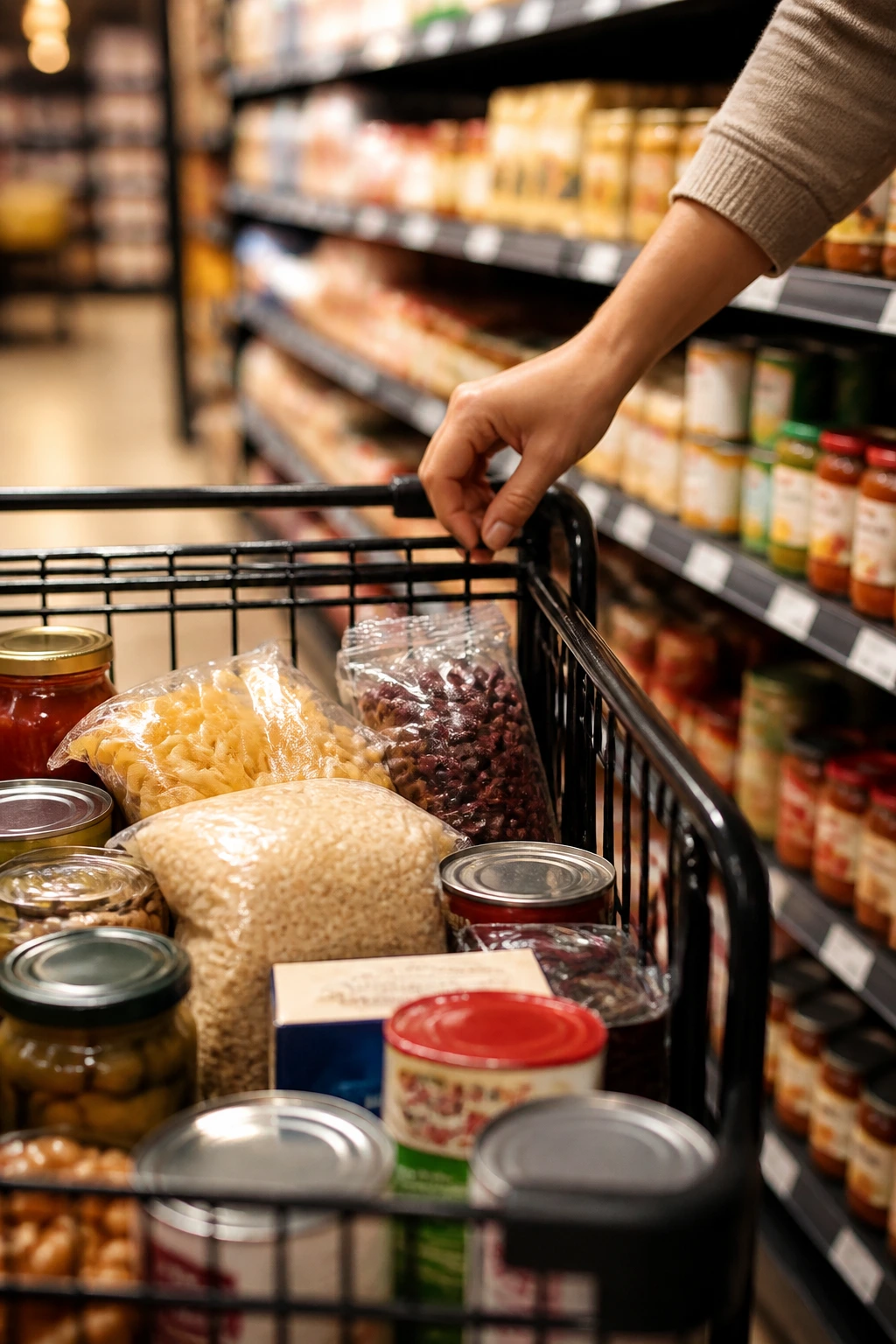
The pantry buys that matter most are the ones with good texture, not just long shelf life. For canned tomatoes, crushed tomatoes give you the easiest sauce base, while diced tomatoes work better when you want more texture in a skillet. Tomato paste should be stored in the fridge after opening, but even one spoonful in a tube or small can can change the depth of a whole meal.
Beans deserve a little attention too. Chickpeas and white beans stay firmer than black beans, which makes them better for skillet dinners and soups that need structure. Black beans can go softer and creamier, which is why they work so well in bowls, quesadillas, and enchilada skillets. If you buy dried lentils, red lentils cook the fastest, while brown or green lentils keep their shape for sloppy joes and stews.
With fish, oil-packed tuna and sardines usually taste fuller than water-packed versions. The oil adds a little richness right in the can, and that matters when the rest of the dish is moving fast. For pasta, keep at least two shapes around: a long noodle for oil-based sauces and a short shape for chunky sauces that need pockets to catch beans or cheese.
I’d also keep a few flavor-support items on hand: capers, soy sauce, peanut butter, breadcrumbs, broth, mustard, red pepper flakes, coconut milk, and a good Parmesan. None of them are flashy. All of them can rescue a plain pantry dinner from the edge of bland.
How to Serve These Pantry Dinners
Presentation:
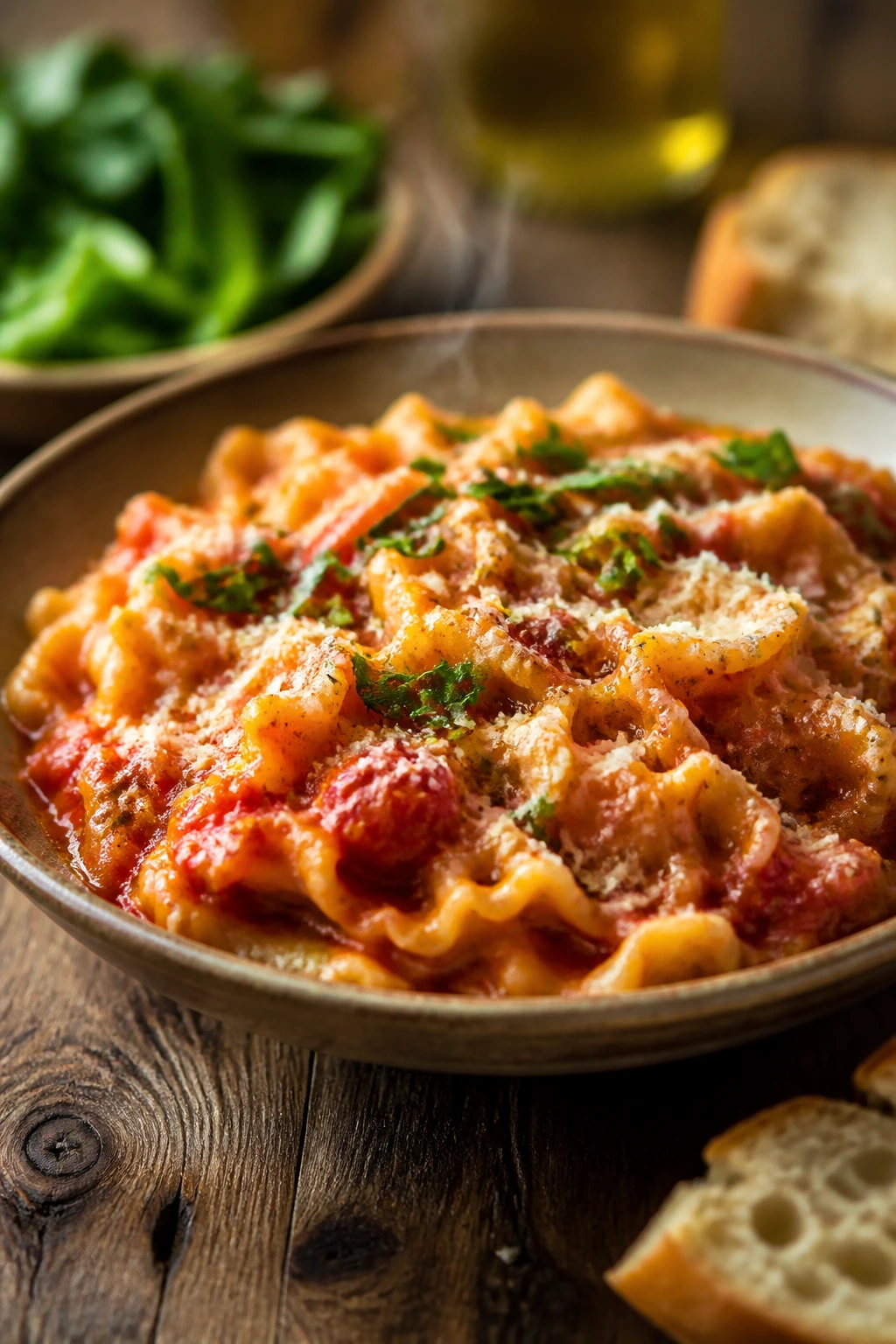
Keep bowls shallow for saucy pasta and soups, and use wider plates or skillets for things with texture, like quesadillas, salmon cakes, and gnocchi. A final drizzle of olive oil, a scatter of herbs, or a dusting of Parmesan makes pantry food look finished instead of rushed.
Accompaniments:
Crusty bread, simple green salad, pickles, sliced cucumbers, and lime wedges all play well across the collection. Rice goes with chili mac, dal, and chickpea skillets. Toast or pita is the natural partner for shakshuka and bean soups.
Portions:
Most of these recipes feed 3 to 4 people as a main dinner, though bowls, soups, and pasta can be stretched with a side. For hungrier eaters, pair the main dish with bread or a salad. For lighter meals, cut the starch portion a little and lean on vegetables or broth.
Beverage Pairing:
Sparkling water with lemon works with nearly all of them. For a more specific match, iced tea fits bean bowls and quesadillas, while a dry white wine is fine with tomato pasta and sardine dishes. If you’re skipping alcohol, a cold ginger beer can handle spicy or rich plates without fighting them.
Additional Tips and Flavor Boosters
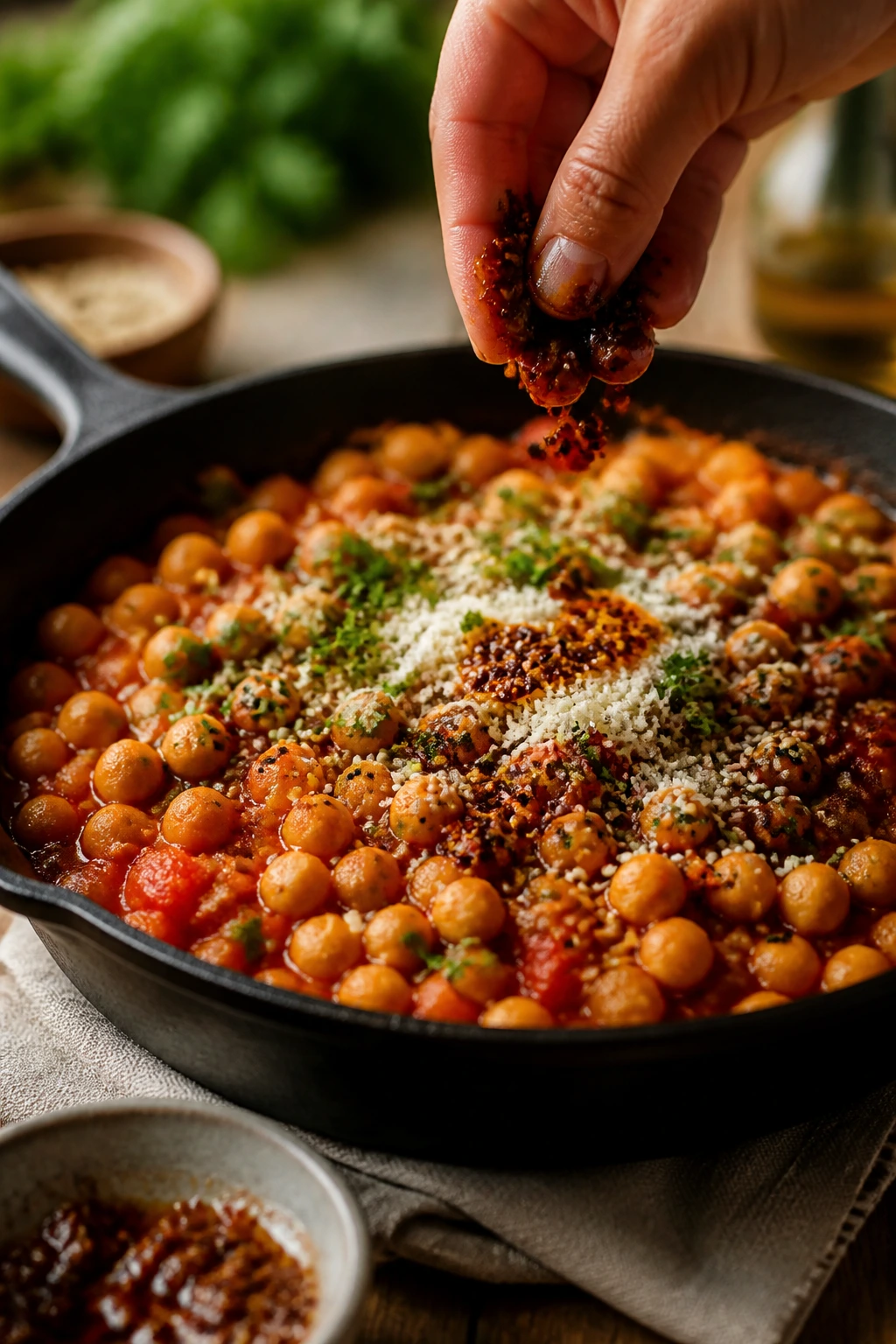
Flavor Enhancement: A small splash of acid at the end—lemon juice, lime juice, vinegar, or even pickle brine—keeps pantry dinners from tasting tired. It is one of the cheapest ways to make canned food taste freshly cooked.
Customization: Keep a few “finishers” around: chili crisp, pesto, hot sauce, toasted sesame seeds, grated cheese, and chopped herbs. They let the same base dinner move in different directions without forcing you to cook two separate meals.
Serving Suggestions: If a dish feels too soft, add crunch. Breadcrumbs on pasta, toasted nuts on noodles, tortilla strips in soup, or crisped tortillas under beans can change the whole texture of a bowl in one move.
Make-It-Yours: For dairy-free meals, lean on olive oil, coconut milk, or tahini instead of cream and cheese. For a higher-protein version, add eggs, tuna, sardines, beans, or lentils. For kid-friendly plates, back off the chili flakes and keep the sauce sweeter and milder.
Make-Ahead, Storage, and Reheating Guidance
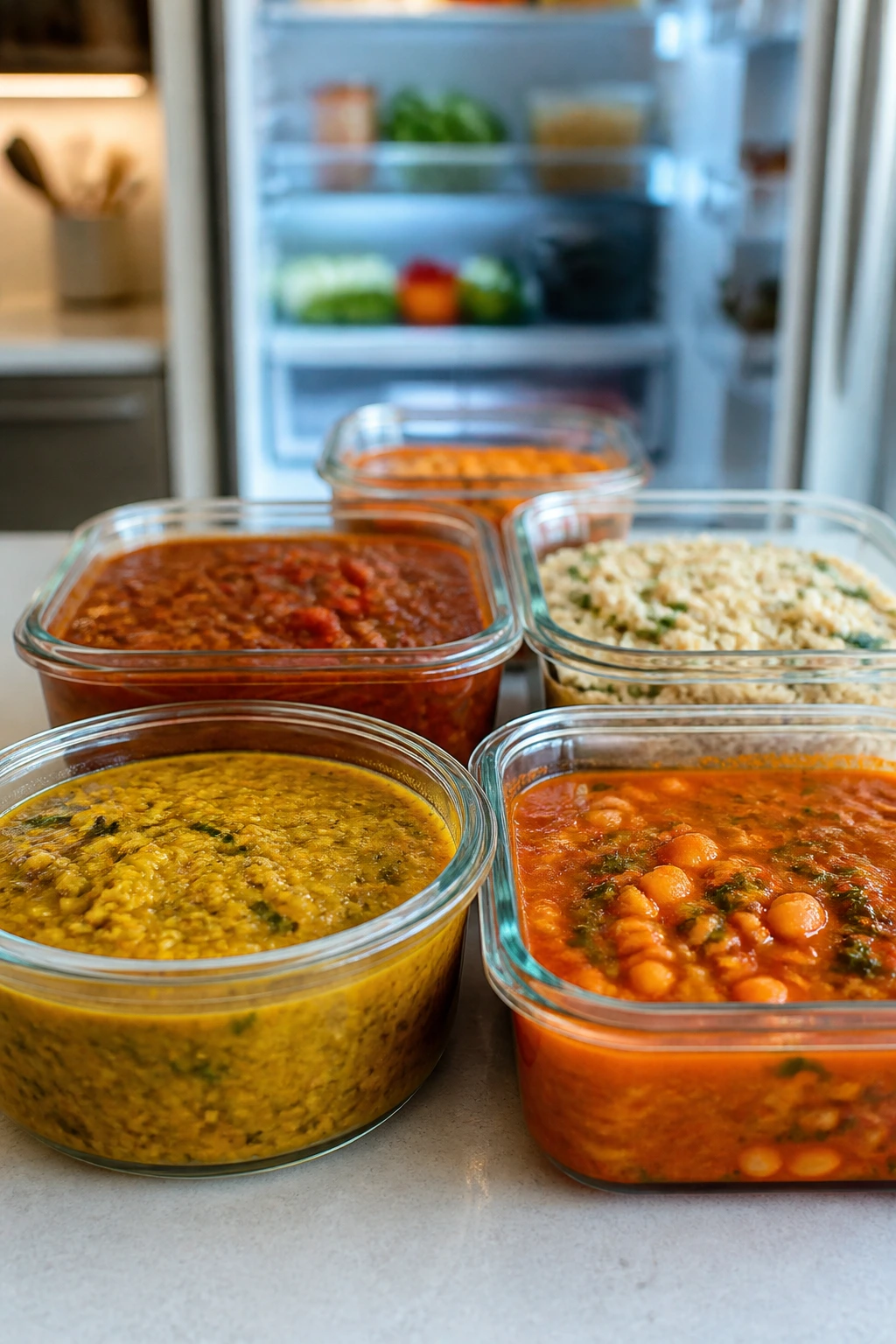
Most pantry dinners keep well because their ingredients are sturdy to begin with, but texture still matters. Pasta dishes and rice bowls usually hold up for 3 to 4 days in the refrigerator if stored in airtight containers. Reheat them in a skillet with a splash of water or broth, or cover and microwave in short bursts so the starch doesn’t dry out.
Soups, dal, and bean stews are the best make-ahead options in the group. They often taste better after a night in the fridge, once the seasoning has settled. Keep them refrigerated for up to 4 days and freeze for up to 2 months in sturdy containers, leaving a little space at the top for expansion. Reheat gently over medium-low heat and stir often.
Fish-based dishes need a little more care. Tuna pasta and sardine pasta are best fresh, though leftovers can still be eaten the next day if chilled promptly. Salmon cakes keep for 3 days refrigerated and reheat best in a skillet or toaster oven so the crust comes back instead of turning soggy. Quesadillas and burrito bowls also keep for 3 days, but they’re better when the wet toppings are stored separately.
For gnocchi tray dinners, store leftovers in the fridge and reheat in a skillet or oven to bring back some browning. A microwave will work in a pinch, but it softens the edges. If you’re planning ahead, make the sauce, beans, or soup base first, then cook pasta, rice, or tortillas fresh when you’re ready to eat. That keeps everything from collapsing into one soft texture.
Variations and Adaptations to Try
Gluten-Free Switchboard: Use rice, corn tortillas, gluten-free pasta, or polenta in place of wheat pasta and bread. The easiest wins are shakshuka, dal, rice bowls, and soups, because they barely need adjustment.
Dairy-Free Route: Skip cheese, butter, and cream, then lean on olive oil, coconut milk, tahini, or a spoonful of nutritional yeast if you keep it. Peanut noodles, chickpea tomato skillet, dal, and ramen adapt cleanly this way.
Kid-Mild Versions: Leave out red pepper flakes, choose mild salsa, and keep the sauce tomato-forward rather than spicy. Black bean quesadillas, chili mac, rice bowls, and gnocchi trays are especially easy to tone down.
Protein-Pantry Swaps: Tuna can become sardines or canned salmon. Chickpeas can become white beans. Red lentils can become brown lentils if you’re willing to cook a little longer. The main thing is to match the bean or fish to the texture the dish needs.
One-Pot Economy Mode: Use the same pot for sauce and starch whenever possible. Chili mac, pasta e ceci, white bean soup, and dal all benefit from this approach because the starch thickens the cooking liquid as it goes.
Big-Flavor Finishers: Add one strong finish at the table—lemon, vinegar, hot sauce, pickles, herbs, or crisp breadcrumbs. Pantry dinners don’t need more ingredients as much as they need a clean final note.
Common Mistakes to Avoid with Pantry Staples
-
Skipping seasoning until the end: Canned beans, tomatoes, rice, and pasta all need help along the way. Season in layers, not just at the finish, or the food tastes flat even when the salt is technically right.
-
Using too much liquid too soon: Soupy pasta, weak skillet sauces, and soggy gnocchi usually come from an overfull pan. Start with less liquid than you think you need and add more only if the starch asks for it.
-
Cooking everything on high heat: Garlic burns fast, cheese seizes, and canned sauces can spit. Medium heat is boring, but boring is often what keeps the dinner on track.
-
Ignoring texture: Pantry food gets dull when everything is soft. Toast breadcrumbs, crisp tortillas, leave chickpeas a little firm, or add raw scallions at the end so the meal has contrast.
-
Forgetting acid: Lemon, lime, vinegar, salsa, and pickle brine keep rich or canned ingredients from tasting heavy. If the dish feels tired at the table, acid is usually the fix before anything else.
-
Treating leftovers the same as fresh food: Some dinners, like shakshuka and fried rice, are best fresh. Others, like soups and dal, improve overnight. Knowing which is which saves you from disappointment and soggy reheats.
Frequently Asked Questions
Can I make these dinners with dried beans instead of canned?
Yes, but not if you need dinner fast that night. Dried beans work well if you cook them ahead and freeze portions, then thaw them for skillet dinners, soups, and bowls. For true weeknight speed, canned beans are the more practical choice.
What pantry item gives the biggest flavor boost for the least money?
Tomato paste. A spoonful, cooked for 30 to 60 seconds, adds depth to soup, dal, chili mac, bean skillets, and pasta sauces. Anchovies and capers are close behind if you like salty, savory food.
How do I keep canned beans from tasting tinny?
Rinse them well, then season them in the pan with onion, garlic, spices, or broth. A little acid at the end helps too. Beans taste much better after they’ve spent a few minutes with something flavorful instead of coming straight from the can to the bowl.
Can I substitute frozen vegetables for fresh ones here?
Absolutely. Frozen peas, corn, spinach, and mixed vegetables work especially well in fried rice, ramen, chowder, dal, and burrito bowls. Add them near the end so they stay bright and don’t turn mushy.
Which of these dinners are best for leftovers?
Soups, dal, chili mac, bean skillets, and pasta e ceci hold up very well. Pasta with oil-based sauces and fried rice are still fine the next day, but they benefit from a splash of water when reheating. Quesadillas and salmon cakes are best when you re-crisp them in a skillet.
What if I don’t have broth?
Water plus a little extra salt, tomato paste, soy sauce, or Parmesan can get you through. Broth adds depth, but it is not the only way to build flavor. In some dishes, like tomato pasta or shakshuka, the stronger pantry items do most of the work anyway.
Can these recipes be doubled without trouble?
Most of them can, but large skillet and one-pot recipes need more stirring time and a bigger pan. Pasta sauces, soups, and bean dishes scale well. Fried rice and quesadillas are better cooked in batches so they stay crisp and hot.
How do I make pantry dinners feel less repetitive?
Change the finish, not the whole base. One night, use lemon and parsley. Another night, use hot sauce and cheddar. The ingredients may be shelf-stable, but the final flavor can shift a long way with one good topping or acid.
The Quiet Power of a Good Pantry
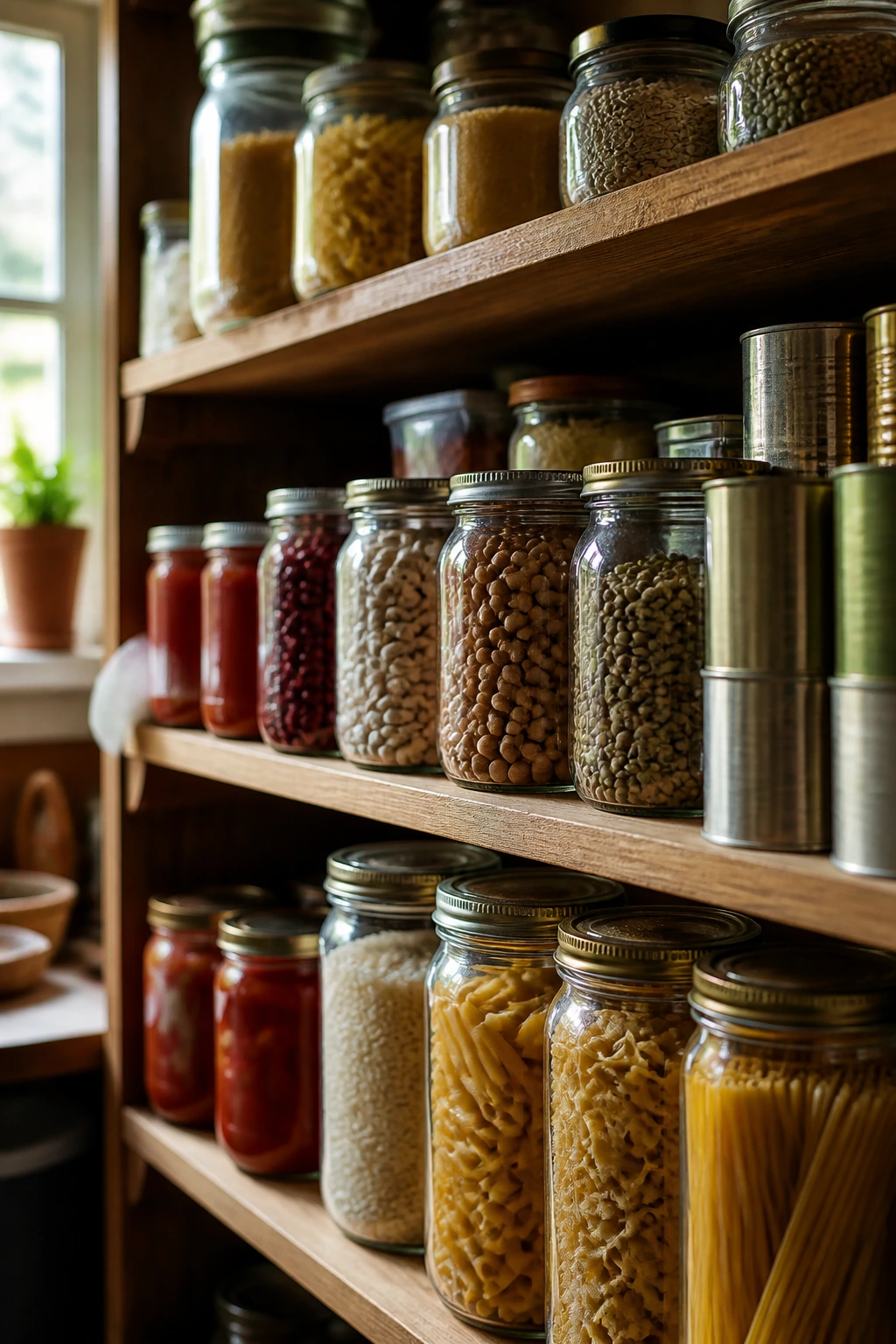
A stocked pantry doesn’t make dinner glamorous. It makes dinner possible. That’s a different kind of value, and on a busy night it counts for more than anyone wants to admit.
The best part is how these meals stop feeling like backup plans once you’ve made them a few times. You start keeping the right cans, the right noodles, the right beans, the right little jars and packets that make a skillet come alive. Then the question isn’t whether you have enough for dinner. It’s which one you want first.