



Some of the best quick comfort food under $10 looks almost stubbornly plain at the store. A box of pasta. A bag of potatoes. A dozen eggs. Not glamorous. But those are the ingredients that still make sense when you’re tired, hungry, and not interested in paying a delivery fee for food that arrives lukewarm and soggy.
The whole trick is understanding that comfort food doesn’t come from expensive ingredients. It comes from the right combination of starch, salt, fat, heat, and a little sharpness at the end. A cheap meal that lands well usually has something creamy, something browned, or something crisped in a hot pan until the edges go golden. That’s why a $6 pasta dinner can feel richer than a $16 one if the pasta water is handled well and the sauce clings instead of pooling.
I keep coming back to the same honest point: if you know which ingredients do the heavy lifting, the budget stops feeling like a punishment. Store-brand pasta is fine. Canned tomatoes are fine. Frozen vegetables are often the smart move, not the backup plan. What matters is how you put the plate together, and the order in which you cook things. That’s where cheap turns into satisfying.
Why This Approach Works
-
The math stays honest: A box of pasta, an onion, a can of tomatoes, and a little cheese can feed two people for far less than takeout, and the same logic works with potatoes, rice, and eggs.
-
Store brands carry their weight: Generic canned beans, pasta, rice, broth, and frozen vegetables usually taste the same once they’ve been seasoned and cooked into a real dish.
-
Texture does half the work: Crisp bread, browned potatoes, or rice with a little fry on it make a budget meal feel finished instead of assembled.
-
The freezer becomes part of the plan: Frozen vegetables, frozen bread, and leftover soup let you build meals without starting from zero every night.
-
Leftovers stop being boring: Tomato-based sauces, soups, bean dishes, and rice bowls often taste better after a night in the fridge because the seasoning settles in.
-
You can scale up without breaking the budget: The same ingredients that make dinner for two can usually stretch to four if you add bread, a side salad, or a fried egg on top.
Quick Comfort Food Under $10 Starts at the Grocery Cart
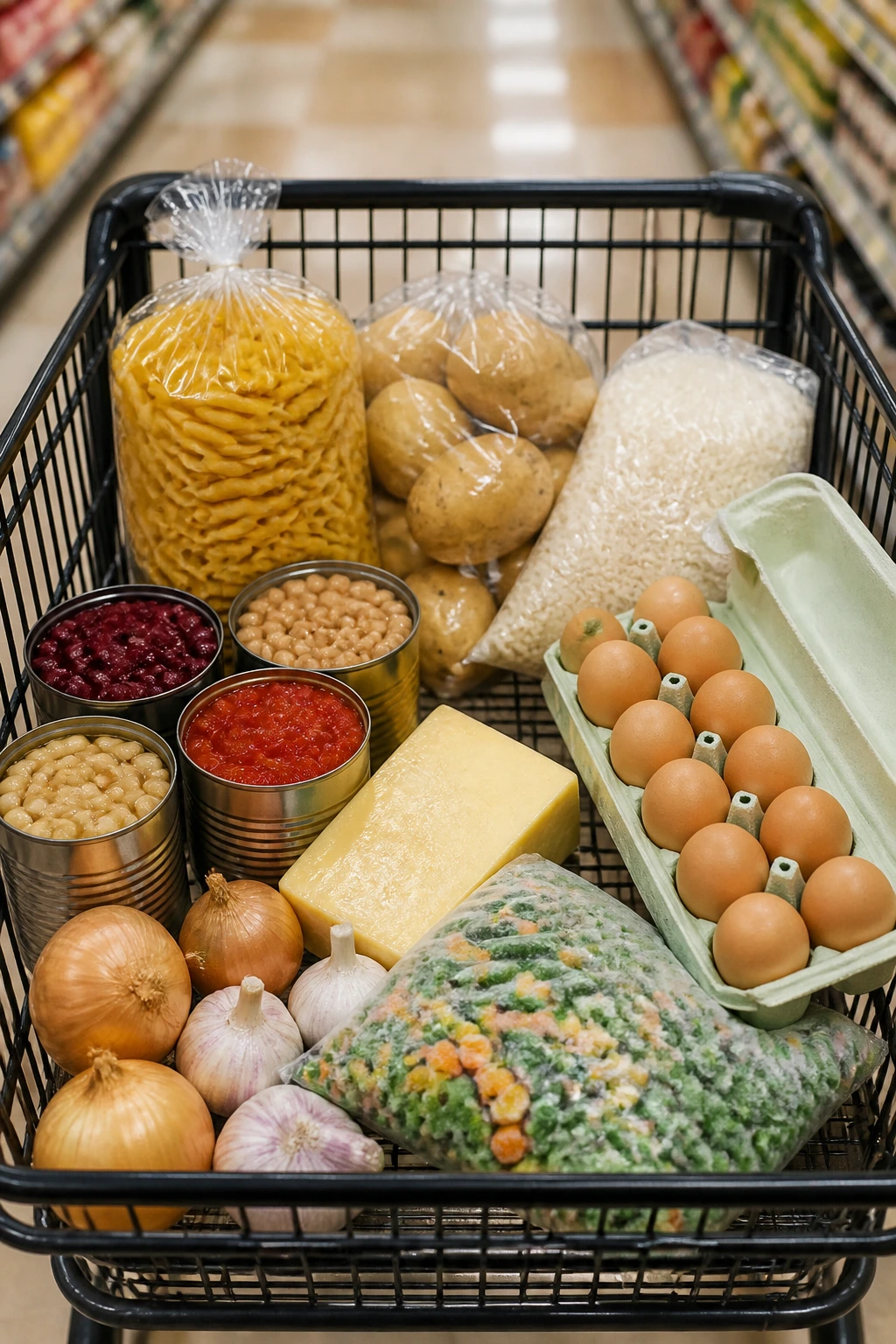
The cheapest comforting meals start before you turn on the stove. They start with a cart that isn’t full of single-use ingredients and shiny shortcuts that only solve one meal. If you buy one expensive sauce, one fancy cheese, and one pre-cut vegetable tub, the budget disappears fast. If you buy a few plain things that cross over into several dishes, you’re in much better shape.
Here’s the cart I’d build first. Not the only cart, just the one that gives you options.
- 1 lb pasta: Spaghetti, penne, or elbows all work; store brand is fine.
- 1 to 2 lb potatoes: Russets for baking or mashing, Yukon Gold for skillet work.
- 1 lb rice: White rice is the cheapest and most flexible, and it keeps well.
- 1 dozen eggs: Fastest path to dinner when the fridge looks bare.
- 2 onions: The budget workhorse. They disappear into almost everything.
- 1 bulb garlic: Optional, but it changes cheap food fast.
- 2 cans beans: Black beans, pinto beans, cannellini beans, whatever is cheapest.
- 1 can tomatoes: Diced or crushed tomatoes turn into sauce, soup, or chili.
- 1 block cheese: Cheddar, mozzarella, Monterey Jack, or a mix you grate yourself.
- 1 bag frozen vegetables: Peas, mixed veg, spinach, or broccoli depending on price.
- 1 loaf bread: Sandwiches, toast, grilled cheese, breadcrumbs, and soup sidekick.
- Butter or oil: You need one fat to make everything taste finished.
That list looks plain because plain is the point. It’s a small-basket strategy, not a shopping spree. If a store-brand can of beans is cheaper than deli meat by a mile, buy the beans. If potatoes are on sale, lean there. If a block of cheese costs less than a pre-shredded bag and melts better, that’s not a moral victory; it’s just the smarter move.
Smart Shopping and Ingredient Tips for the Small-Budget Kitchen
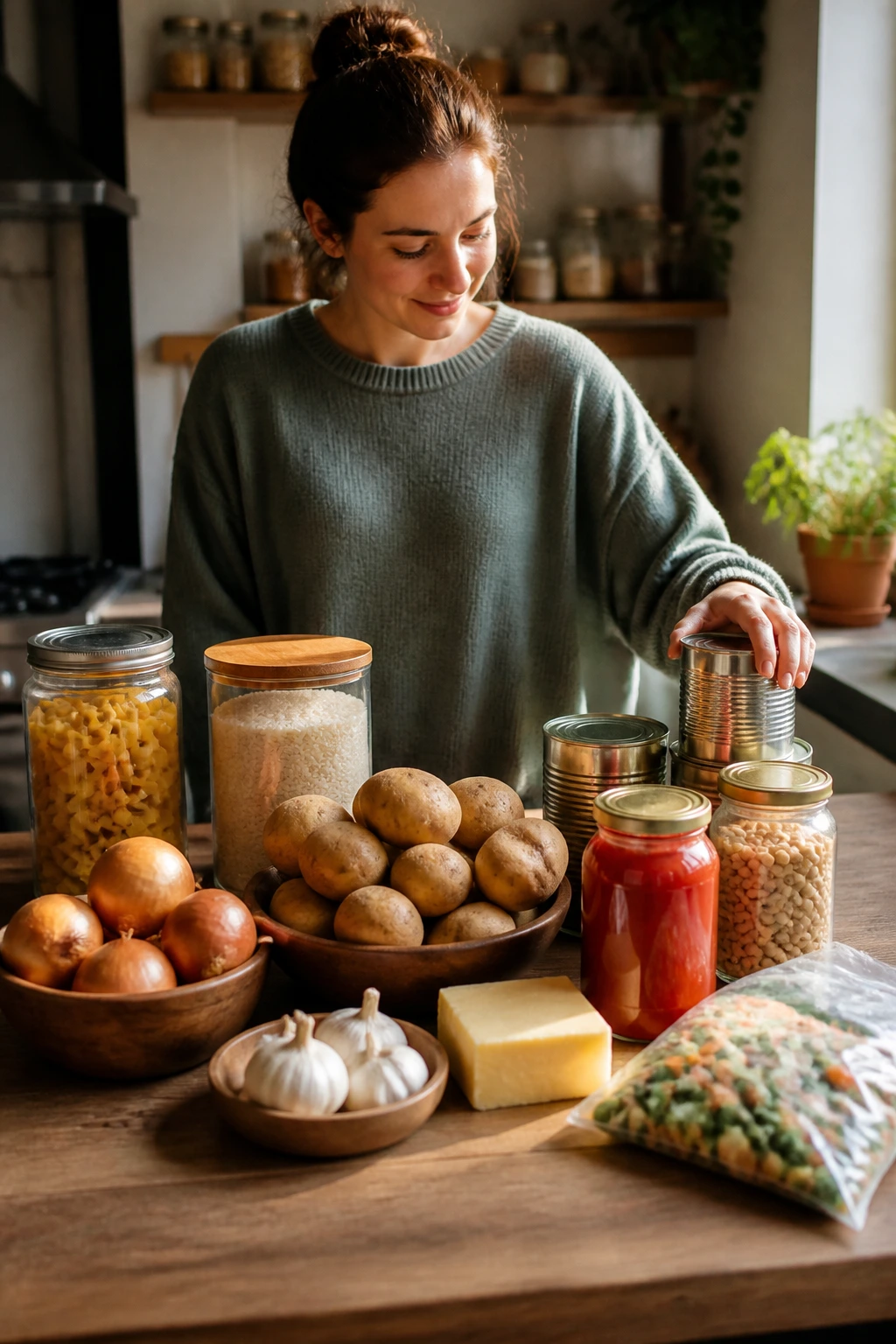
What you buy matters, but what you don’t buy matters more. The fastest way to break a $10 ceiling is to treat every meal like it needs its own special ingredient list. It doesn’t. A good budget kitchen is built on overlap, not novelty.
The staples worth repeating
Pasta and rice: Buy the plain versions. Long noodles and short noodles both work, but the cheapest box is usually good enough. White rice is the classic because it cooks predictably and carries sauce without fighting it. Brown rice is fine if you already like the chew, though it takes longer and can eat into your “quick” promise.
Potatoes: Russets are cheap, filling, and forgiving. Yukon Golds hold together better in a skillet and mash into a smoother bowl. If you want crisp edges, cut them into small chunks and give them enough heat to brown instead of steaming.
Beans: Canned beans save time. Dry beans save money if you’ve got the patience to soak and cook them. For quick comfort food under $10, canned beans are often the better call because speed has value too. Rinse them if you want a cleaner flavor and less sodium.
Eggs: Buy the size that fits your budget, not the label that sounds fancy. Eggs are one of the few cheap proteins that can go from breakfast to dinner without making anyone feel shortchanged.
Frozen vegetables: These are not a compromise. They’re picked at the right stage, frozen quickly, and they don’t go limp in the fridge while you forget about them. Peas, mixed vegetables, spinach, corn, and broccoli all slide into pasta, rice, soup, and frittatas.
What to watch at the register
Skip pre-cut produce unless the time saved genuinely matters. A whole onion, whole potatoes, and a block of cheese cost less for a reason. Pre-shredded cheese carries anti-caking powder, so it melts a little drier. It still works, but the block is better if you can swing the extra minute with a box grater.
Canned tomatoes come in a few forms. Diced tomatoes are good for chunky sauce. Crushed tomatoes make a smoother base. Tomato paste is the tiny can that earns its keep by adding depth after you fry it in oil for a minute until it turns brick-red and smells sweet instead of raw.
Broth is another place where people overspend. Bouillon cubes or concentrated paste can do the same job in a pinch, especially in soup, bean dishes, and rice. You do not need a carton for every meal.
Pasta That Tastes Creamy, Not Cheap
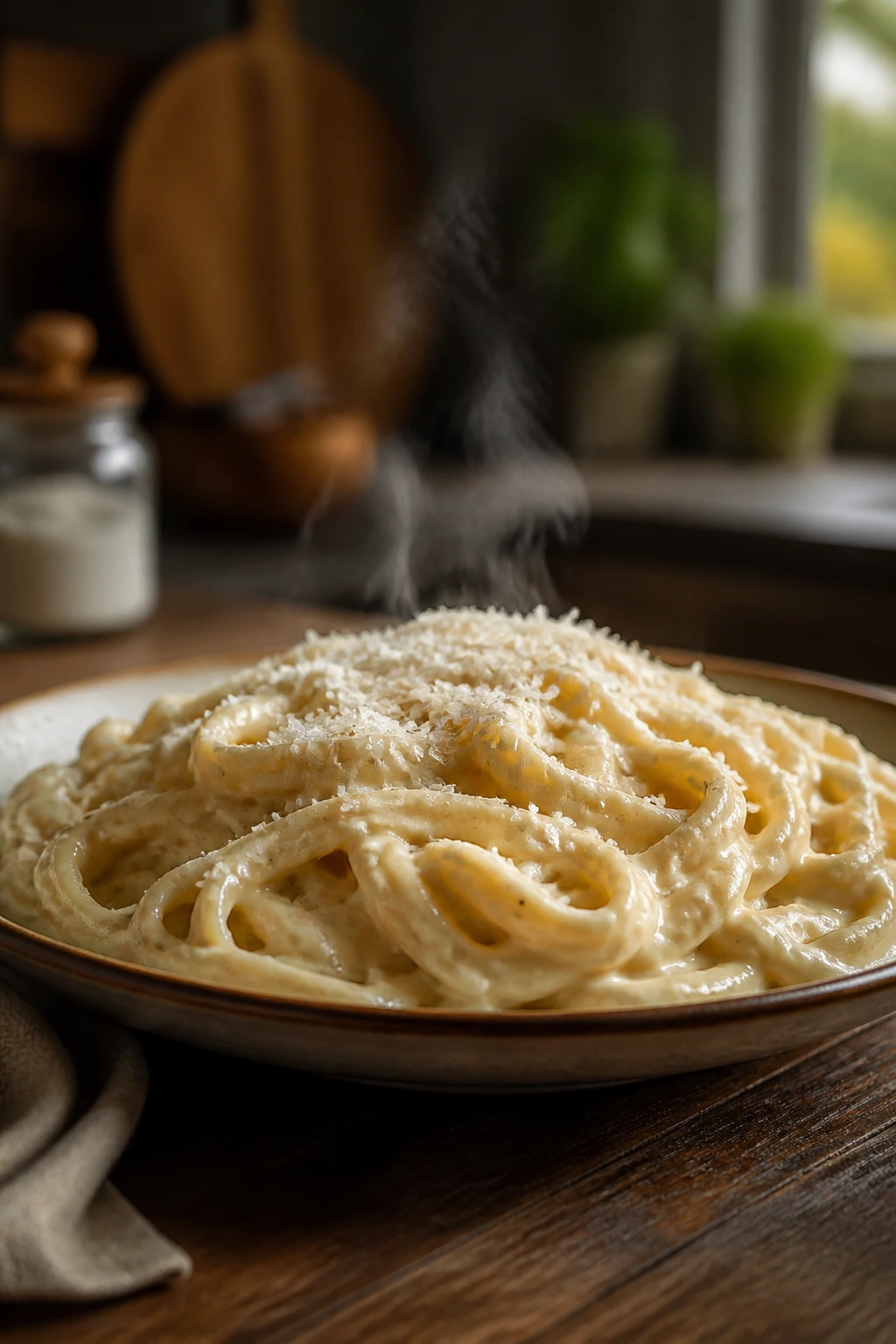
Pasta earns its reputation because it can be dressed up with almost nothing and still feel like dinner. The secret is not “more ingredients.” It’s heat control, salt, and a little starchy water. Pasta that tastes creamy usually got there by being finished in the pan, not just drained and dumped onto a plate.
A $5 pasta dinner can go three directions fast. Butter, garlic, and cheese gives you the simplest version. Canned tomatoes, onion, and chili flakes make a red sauce that tastes far richer than the grocery bill suggests. A splash of milk or cream with cheddar makes a loose, honest mac and cheese that doesn’t need a special occasion.
What matters most
The pasta water is part of the sauce. Reserve about 1 cup before draining, then use a splash at a time to help the fat and starch turn silky. If you pour a dry sauce over drained noodles, it sits on top like an argument. If you toss the pasta in the pan for the last minute, the whole thing comes together.
Garlic should smell sweet, not dark and bitter. That happens fast. One minute too long in hot oil, and the whole pan gets sharp in the wrong way. Onions are a little more forgiving. Let them turn translucent and pale gold around the edges before you add tomato paste or canned tomatoes.
You can stretch pasta with almost anything: peas, spinach, a bit of tuna, a handful of breadcrumbs toasted in butter, or a fried egg on top. That’s not cheating. That’s the point.
A few cheap pasta moves I trust
- Tomato butter pasta: Fry onion in oil, stir in tomato paste, add canned tomatoes, finish with butter and a little cheese.
- Garlic noodle bowl: Sauté garlic gently, toss with butter, pasta water, and a heavy pinch of salt.
- Tuna pasta: Drain a can of tuna, fold it into onion, garlic, and a little cream or milk.
- Budget mac: Stir shredded cheddar into hot pasta with a splash of milk and a spoon of butter.
Pasta gets expensive when you treat it like a blank canvas that needs a lot of toppings. It works better as a base with one or two strong flavors.
Potatoes That Carry Dinner Without Trying Too Hard
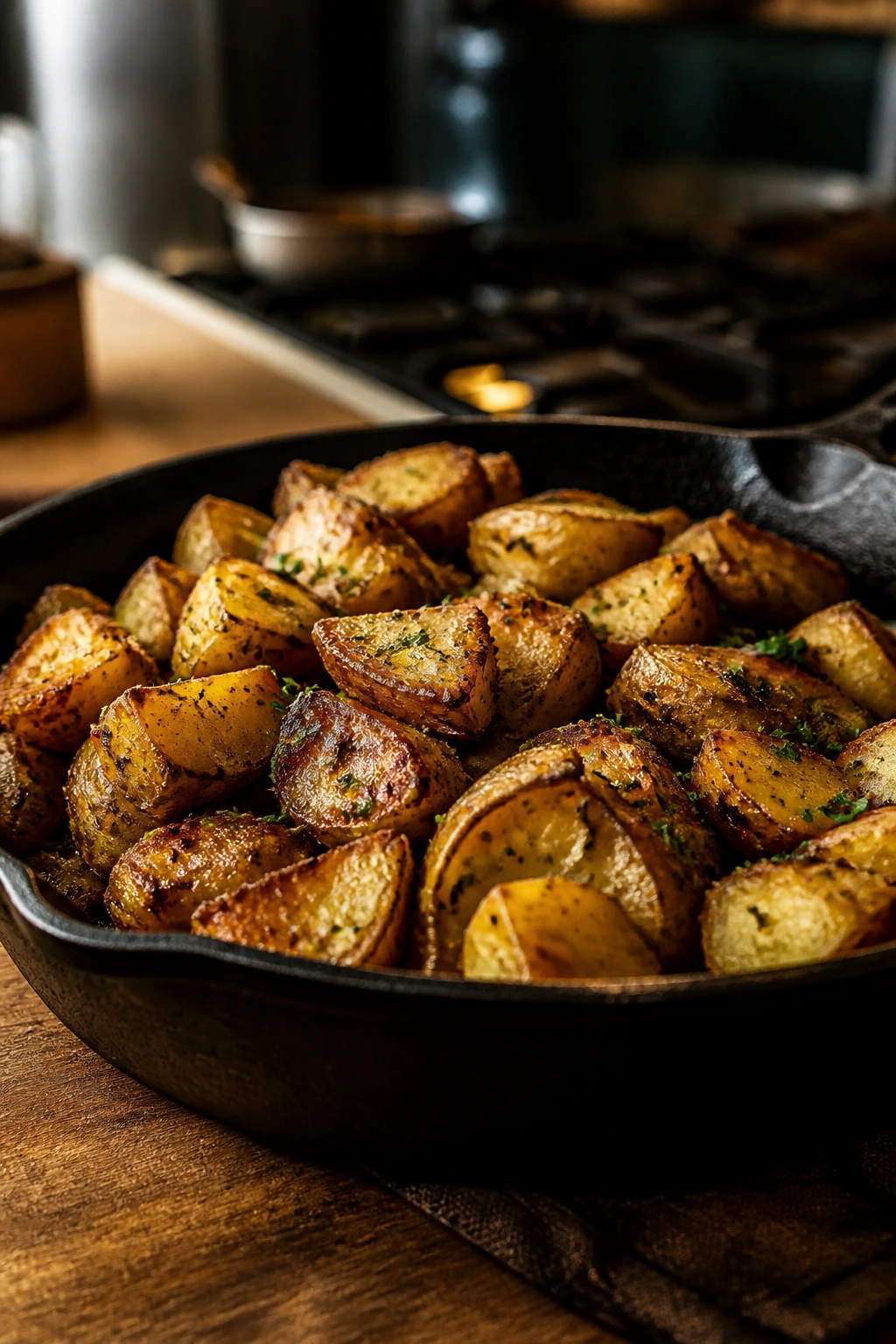
A potato is not glamorous. Good. That’s part of the charm. It turns soft in the middle, crisp at the edges if you treat it well, and it’s one of the rare cheap foods that can feel hearty even when the rest of the plate is spare.
Think about the potato in layers. The skin can go crackly in the oven. The inside can be fluffy when baked or creamy when mashed. Cut into chunks, it browns in a skillet and picks up salt and pepper like it was built for the job. Once you start seeing it that way, the potato stops being a side dish and starts acting like dinner.
A loaded baked potato is the obvious move, and there’s a reason people keep making it. Butter, sour cream, cheddar, scallions, maybe a little bacon if you’ve got it. That’s a cheap meal that feels complete because the potato takes care of the heavy lifting. A baked potato with chili on top is even better on the budget scale because the bean or meat topping stretches across the whole thing.
Skillet potatoes are the sleeper choice. Dice them small, rinse off the extra starch, dry them well, and let them sit in a hot pan without fussing too much. You want those edges to get brown. Salt goes on early. Pepper goes on late. If you want to make them a whole dinner, crack a few eggs into the same pan at the end and let them set.
Mashed potatoes are a different animal. They need enough butter or milk to feel smooth, not gluey. If you mash them too aggressively, they turn sticky. Use a potato masher or a fork, stop when the lumps are gone enough for comfort, and don’t turn them into wallpaper paste.
Rice Bowls, Fried Rice, and the Fast Pan Meal
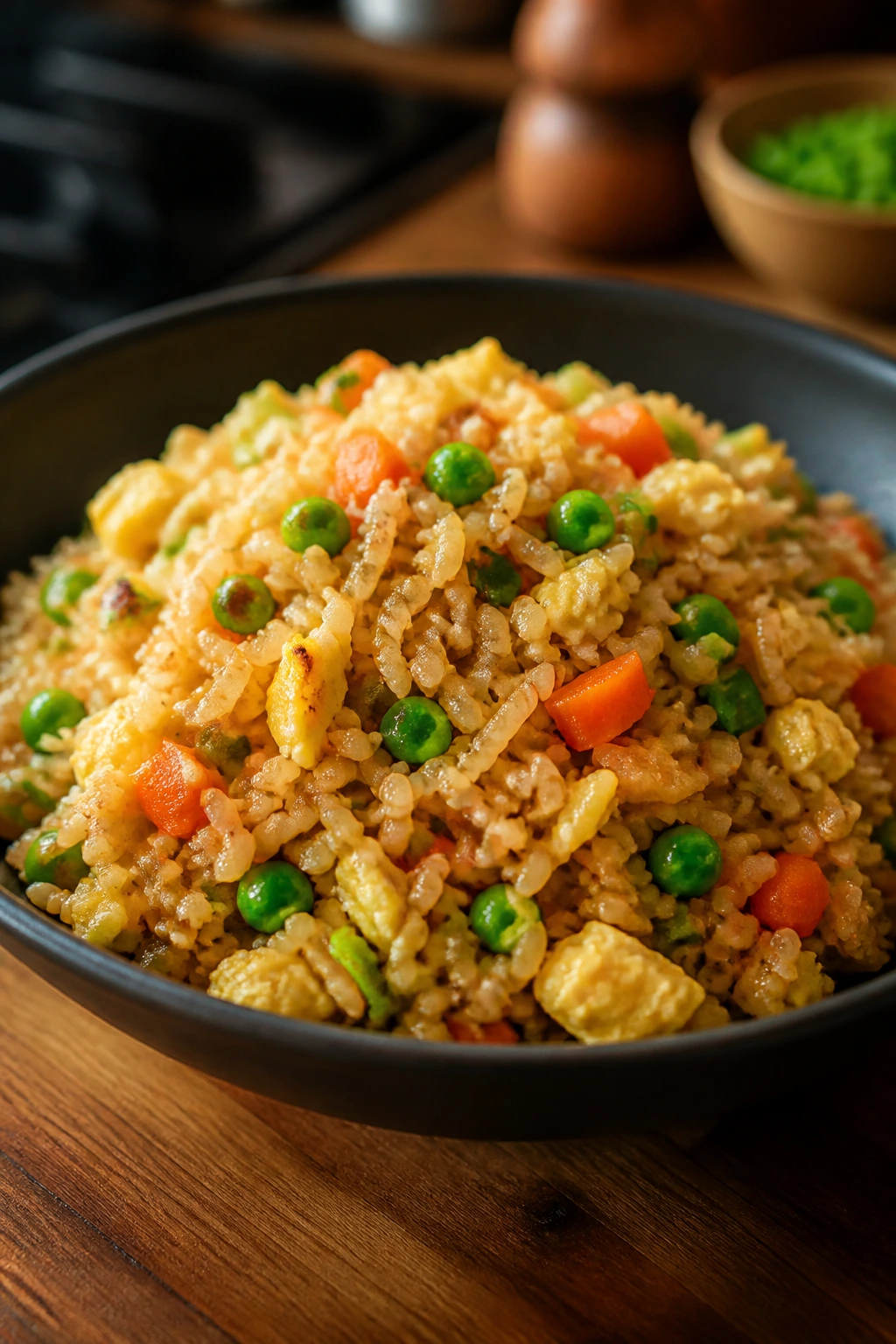
Rice is one of the best budget foods because it does not insist on being the star. It just shows up, soaks up flavor, and makes a small amount of everything else look like a full meal. That’s why rice bowls and fried rice are such strong quick comfort food under $10 plays.
What makes rice work is that it can be hot, savory, and a little chewy without becoming heavy. Day-old rice is gold for frying because the grains have dried out a touch. Fresh rice tends to steam and clump, which is lovely for some dishes and a headache for fried rice. If all you have is fresh rice, spread it on a tray for a few minutes so the steam escapes before it hits the pan.
A basic fried rice is a budget miracle. Oil in the skillet. Onion. Garlic. Frozen peas or mixed vegetables. Rice. Soy sauce. An egg pushed through at the end. That’s dinner. A little butter at the finish makes it taste richer than the ingredient list suggests. If you’ve got leftover chicken, chopped ham, or a few slices of sausage, drop them in like a bonus rather than a requirement.
Rice bowls are even easier. Start with hot rice, then add a cooked vegetable, a fried egg, beans, or a spoonful of saucy meat. The bowl format is forgiving. Everything doesn’t need to match. It just needs salt, heat, and enough texture to keep the mouth interested.
What not to do with cheap rice meals
Don’t flood the pan. A crowded skillet steams instead of fries. Don’t drown the rice in sauce either; you want each grain coated, not soggy. And don’t skip a sharp finish. A few drops of vinegar, soy sauce, hot sauce, or sliced scallions can wake the whole bowl up.
Rice is a cheap meal that acts expensive when you respect the texture.
Soup That Eats Like a Full Meal
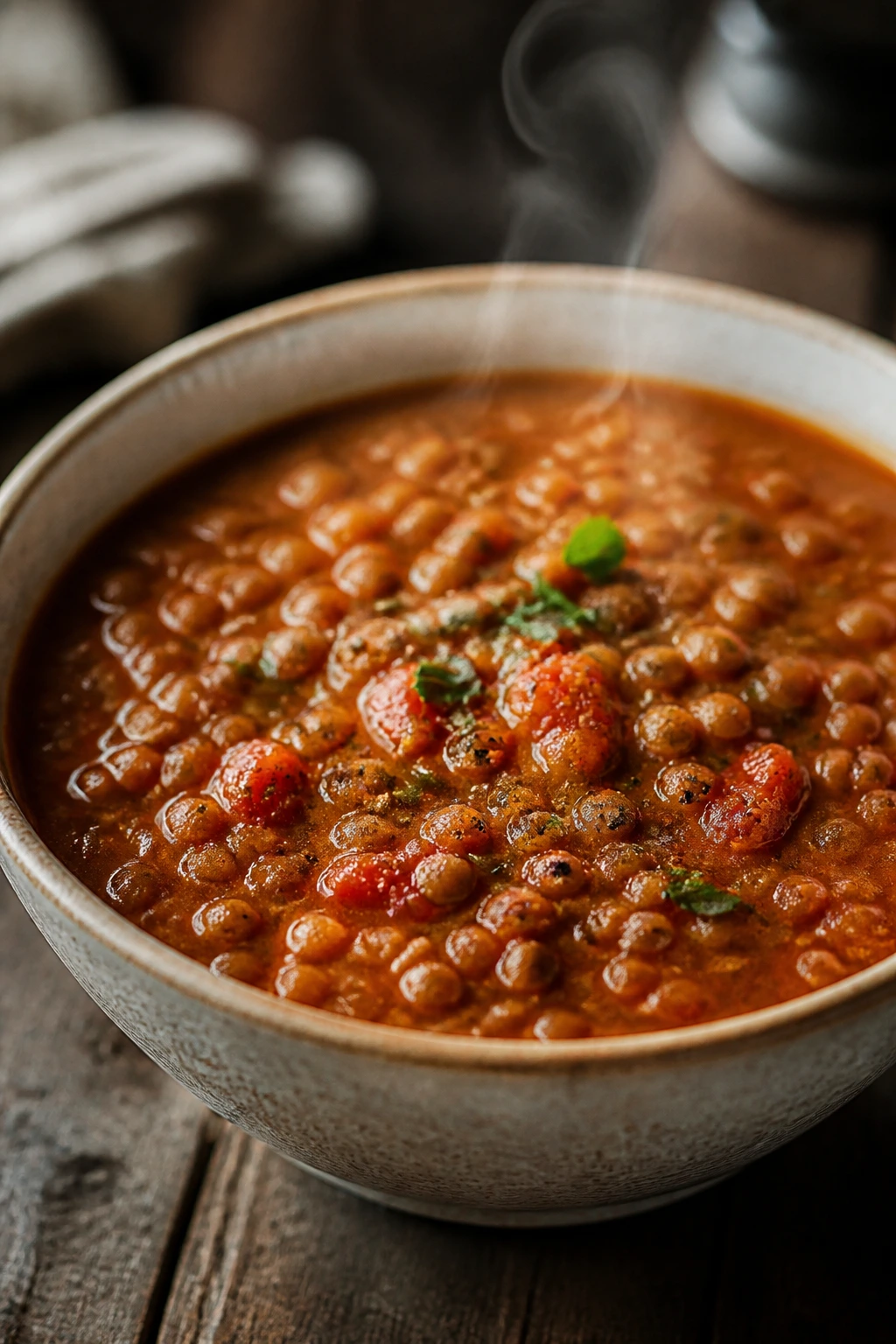
Soup is where the budget starts working harder than the cook. A pot of soup stretches one onion, one can of tomatoes, one bag of lentils, or a handful of vegetables into something that can feed people twice. It also forgives small mistakes. Too thick? Add water. Too flat? Add salt, vinegar, or a bouillon cube. Too plain? Toast bread on the side and call it a correction.
Tomato soup is the classic comfort bowl because it loves butter, cream, or just a little milk stirred in at the end. If you cook tomato paste in oil before adding liquid, it loses that tinny edge and turns deeper, sweeter. A grilled cheese beside it is not optional in my book. It’s the point.
Lentil soup is another budget winner. Brown or red lentils cook quickly, especially red ones, and they give you body without needing a long soak. Onion, garlic, carrots if you’ve got them, tomato paste, broth, and a pinch of cumin or paprika is enough to make a bowl that tastes like it took more effort than it did.
Bean chili sits in the same family. It’s not trying to be a showpiece. It needs beans, tomatoes, onion, garlic, chili powder, and enough simmer time for the flavors to stop tasting separate. A spoonful of sour cream or yogurt on top can round it out, but even without that, it’s solid.
Soup works because it turns cheap ingredients into a hot spoonful that lingers. There’s a reason people keep reaching for it when the weather turns rough or the day runs long. A good bowl does not need a performance.
Eggs for the Nights When the Fridge Looks Bare
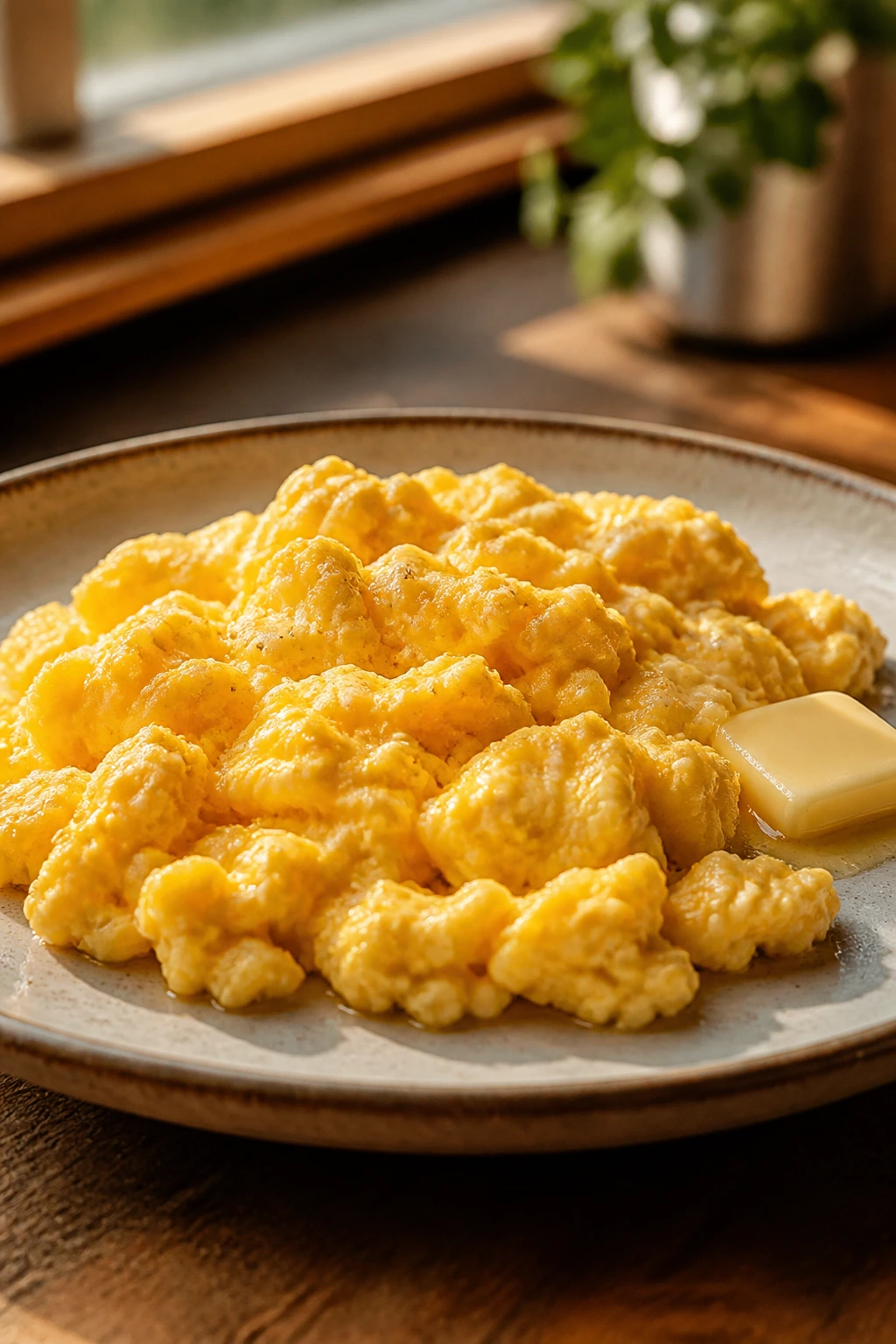
Eggs are the quiet emergency button in the kitchen. Two or three of them can become dinner in minutes, and they don’t ask you to build a full pantry around them. If you’ve got bread, rice, potatoes, or a few vegetables hanging around, eggs will make the whole thing feel intentional.
Scrambled eggs are fast comfort food with almost no drama. Low to medium heat, a dab of butter, salt before the pan if you want a softer result, and constant movement until the curds are just set. Pull them a little early. They keep cooking for a moment after they leave the pan, and nobody wants dry eggs when the whole point is speed.
Omelets and frittatas are better for leftovers. Half an onion, a handful of spinach, a little cheese, maybe some potato or chopped ham. Beat the eggs well, keep the heat moderate, and don’t overload the pan. An overstuffed omelet tears. A modest one folds cleanly and feels like you knew what you were doing all along.
Eggs over rice is one of the best cheap comfort meals that barely asks a question. Fry or soft-poach an egg, set it on a bowl of rice, and spoon a little soy sauce or butter over the top. The yolk runs into the grains and turns the whole bowl richer. If you want more food without more cost, add frozen peas or leftover vegetables to the rice while it warms.
One small warning: eggs like control. Too much heat makes them rubbery. Keep the pan low and the result stays tender.
Beans and Lentils That Don’t Taste Like Filler
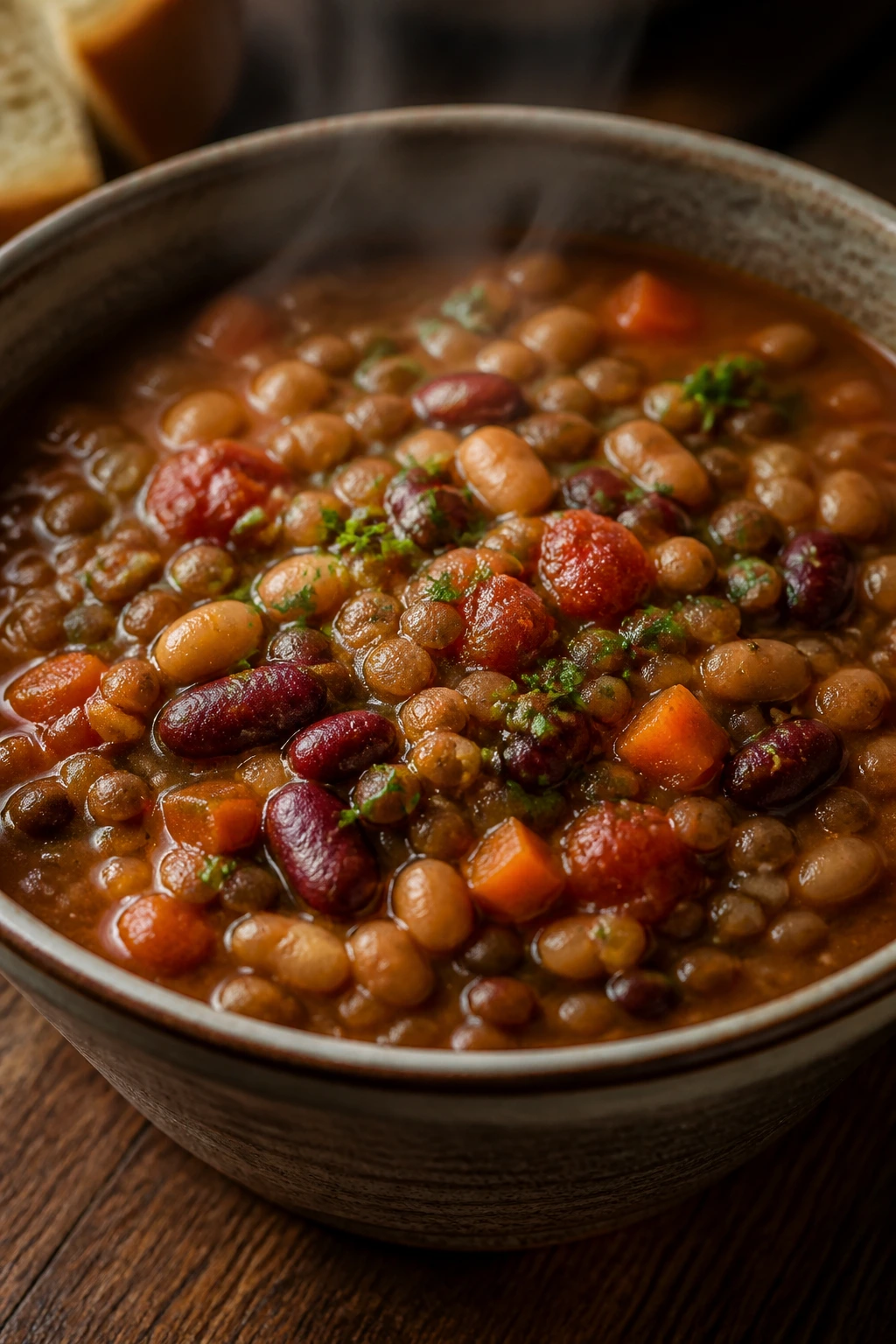
Beans get treated like the poor cousin of every other protein, which is a shame, because they’re one of the most dependable cheap comfort foods around. They’re filling, they hold seasoning well, and they let you build a dinner around a can or a bag of dry beans without blowing the budget on meat.
Canned beans are the fastest route. Drain and rinse if you want a cleaner, less metallic taste, then warm them with onion, garlic, tomato paste, and whatever spice profile you’re in the mood for. Black beans go with rice, corn, and a little cumin. White beans are happy in soup with rosemary or thyme. Pinto beans slide into chili or a mash for toast.
Lentils deserve more love than they get. They cook fast, especially red lentils, and they make a thick stew without needing flour or cream. A lentil curry with onion, garlic, curry powder, and canned tomatoes can taste far richer than its cost. Brown lentils hold their shape better if you want texture; red lentils break down into a softer, more comforting pot.
Beans on toast is old-school for a reason. The toast gives you crunch. The beans give you warmth and heft. A little cheese over the top, melted under the broiler, turns it into dinner without much ceremony. And that’s the real appeal here. Cheap doesn’t have to mean stripped down. It just means you choose where the money goes.
Melty Sandwiches and Toasts That Hit the Spot
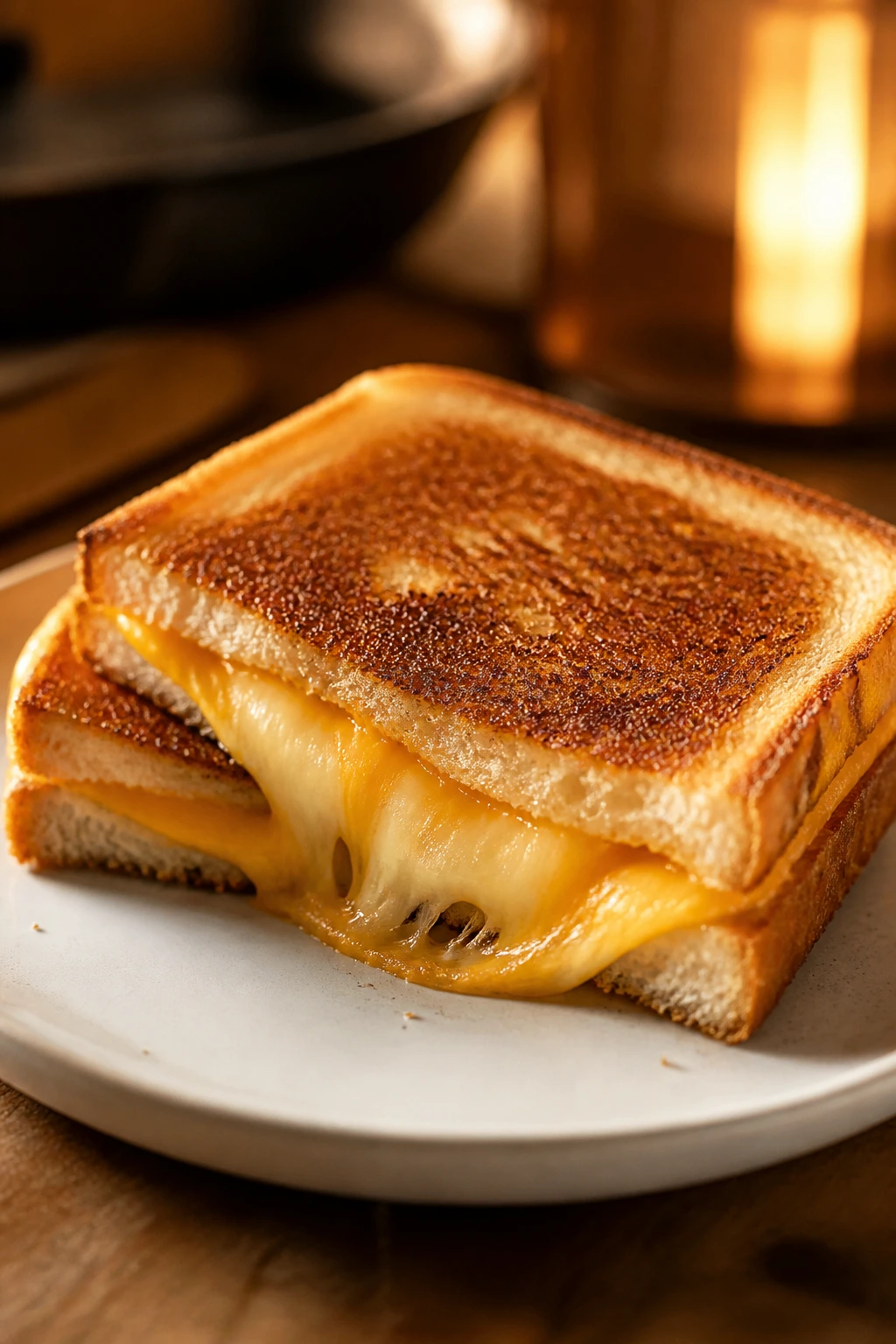
A good sandwich feels humble until the cheese melts and the bread turns crisp at the edges. Then it becomes one of the best quick comfort meals in the house. You don’t need deli meat or a parade of toppings. You need bread that browns well, a filling that holds together, and enough fat to get the outside to the right shade of gold.
Grilled cheese is the obvious hero, and it still holds up because it’s so specific. Butter the bread or spread a thin layer of mayonnaise on the outside if you want better browning. Use medium heat. Let the cheese melt before the bread burns. That sounds simple because it is simple, but it still goes wrong when the burner is too hot. The outside gets dark before the inside softens.
Tuna melts are excellent when you want a little more protein without spending much. Mix tuna with a touch of mayo or yogurt, chopped onion if you like bite, and a slice of cheese over the top. Toast it in a skillet or under the broiler until the cheese bubbles and the edges crisp.
Tomato toast is the budget move people forget. Good bread, toasted. A ripe tomato or even canned tomato slices drained well. Salt, pepper, a drizzle of oil, maybe a scrape of garlic. Add cheese if you want it richer. It tastes like breakfast and dinner at the same time, which is often the right answer.
If a sandwich feels too small, pair it with soup or a handful of pickles. The crunch and acid cut through the cheese and keep the meal from going flat.
Meat as an Accent, Not the Center of the Plate
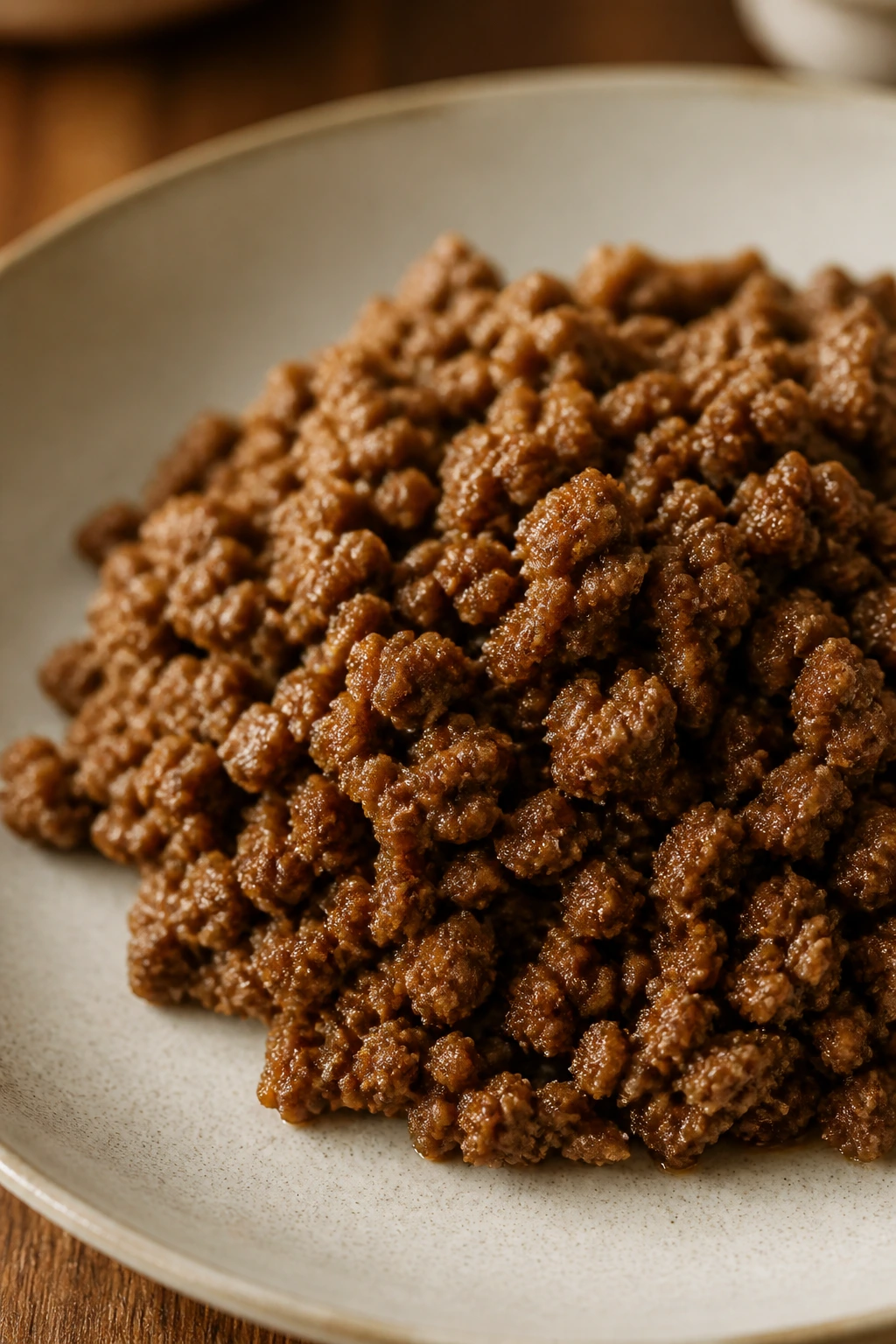
This is where a lot of cheap meal plans fall apart: they try to make meat do all the work. That’s expensive, and it usually leaves the plate lopsided. Meat should often act like seasoning with chew, not the entire story.
A few ounces of ground beef can flavor a whole pan of rice, beans, or pasta. Brown it hard enough to get some color, then add onion and garlic so the drippings have something to cling to. A little sausage in soup does the same job. One link sliced thin can flavor four bowls if you build the broth well.
Chicken thighs are the better budget buy if you want actual pieces of meat on the plate. They stay juicy, they forgive a little overcooking, and they’re usually cheaper than breasts. Roast them with potatoes, shred them into rice bowls, or slice them into pasta with a little tomato sauce. If you buy chicken, use the bones and drippings if you can. That’s where the value is hiding.
Bacon is a seasoning here, not a pile. Same with ham. A few chopped slices can open up beans or greens, but a whole package can blow the budget before you’ve made a real meal. The trick is restraint. Use meat to deepen the dish, not to turn the dish into a meat invoice.
The Pennies-Per-Serving Flavor Boosters I’d Keep Around
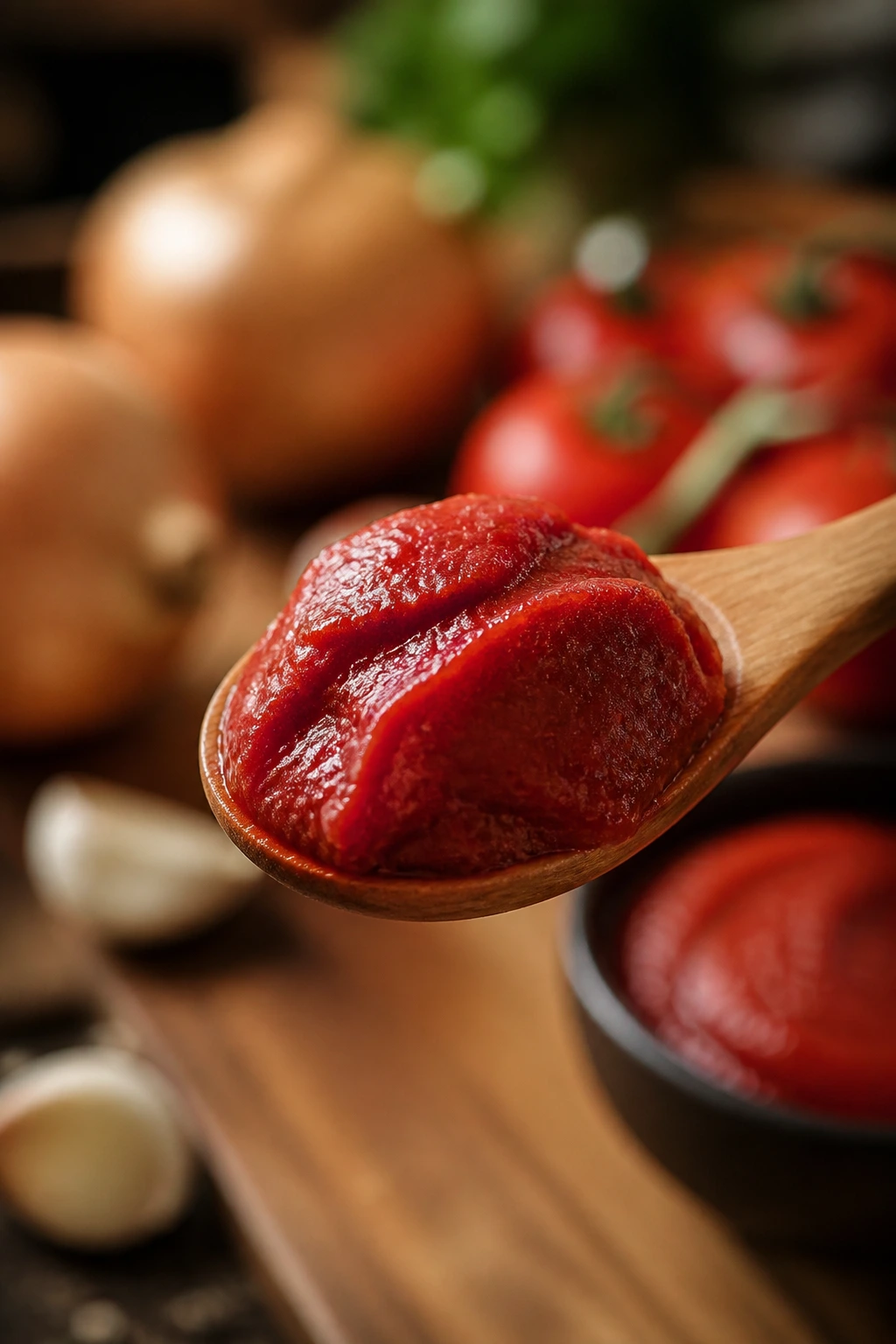
Cheap food tastes cheap when it’s flat. Cheap food tastes comforting when the flavor has layers. The good news is that those layers do not have to be expensive. A small jar of the right pantry item can rescue a whole week of meals.
Onions: Cook them slowly when you want sweetness, quickly when you want bite. They are the base note in almost every budget dinner worth making.
Garlic: Fresh garlic is cheap and potent. Mince it finely, add it after the onions have softened, and keep the heat modest so it doesn’t burn.
Tomato paste: Fry it in oil for 30 to 60 seconds before adding liquid. That one step turns it from canned and metallic into deep and savory.
Bouillon or stock concentrate: Better than watery broth when you need a fast soup, rice, or bean base.
Vinegar or lemon juice: A teaspoon at the end can brighten soup, beans, and pasta in a way that makes the whole dish taste more awake.
Soy sauce: One of the cheapest ways to add salt, color, and depth to rice, noodles, and vegetables.
Hot sauce or chili flakes: Heat keeps budget meals from feeling sleepy. You do not need a lot.
Mustard: Stir a spoonful into potatoes, cheese sauce, or a sandwich spread. It sharpens the whole plate.
The real move is not collecting every condiment under the sun. It’s keeping five or six that do different jobs. Salt, fat, acid, and heat. That’s the framework. Everything else is a detail.
The Gear That Makes Budget Cooking Easier
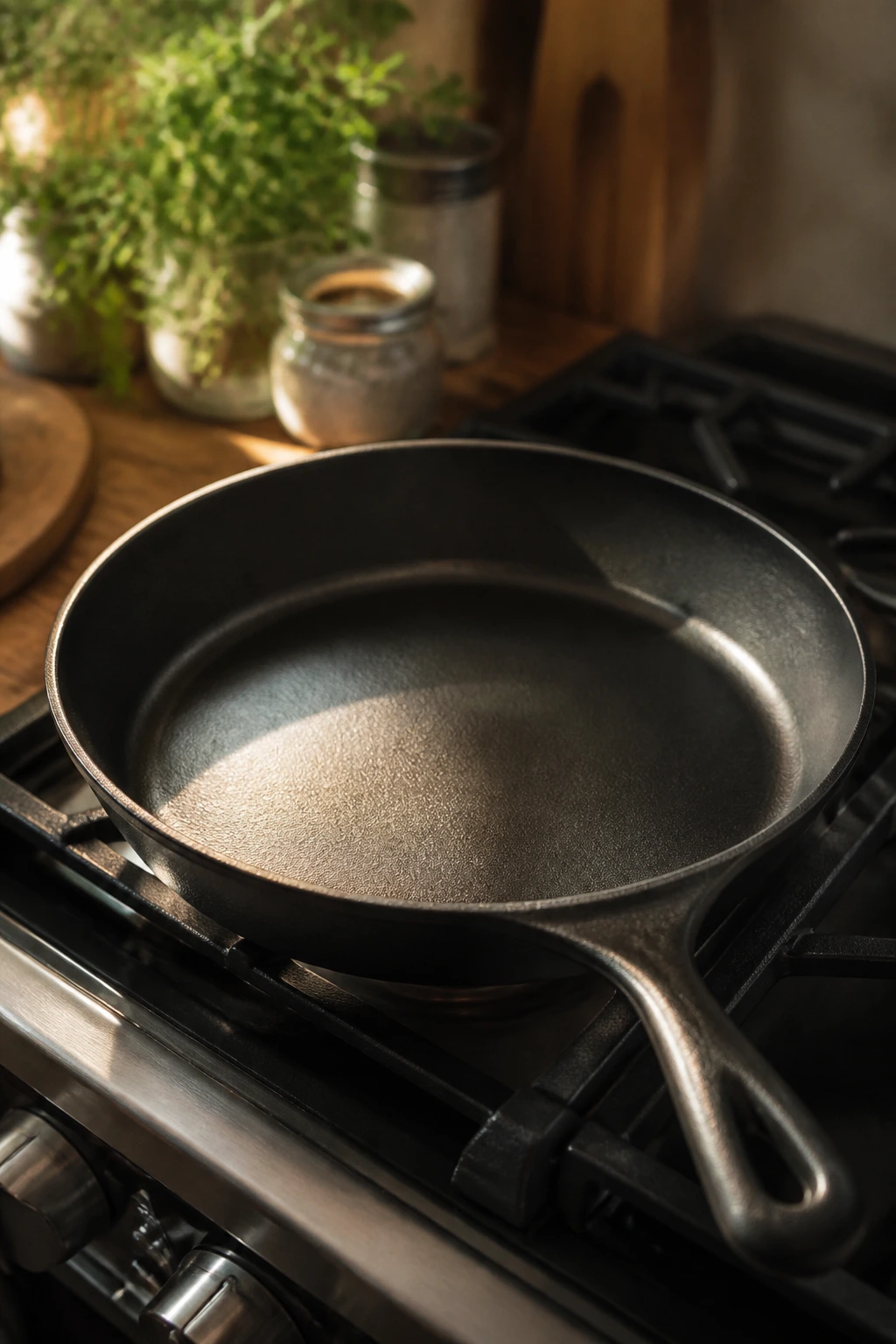
You do not need a crowded kitchen to make quick comfort food under $10, but a few basic tools save time and waste. Cheap meals get easier when the gear is simple and reliable.
- 12-inch skillet: Big enough for fried rice, potatoes, grilled cheese, and quick one-pan dinners without overcrowding.
- Medium saucepan: Perfect for pasta, rice, sauces, and small batches of soup.
- Large soup pot or Dutch oven: Useful when you want to make enough chili or stew to eat twice.
- Box grater: Better than pre-shredded cheese if you want a smoother melt.
- Chef’s knife: A sharp knife makes onions, potatoes, and garlic faster and safer.
- Cutting board: A sturdy board matters more than people think; a slippery board slows everything down.
- Wooden spoon or silicone spatula: Good for scraping browned bits from the pan and folding eggs without tearing them apart.
- Colander: Pasta and beans need draining, and a colander keeps the job clean.
- Measuring cups and spoons: You can eyeball a lot, but broth, rice, and pasta water behave better when you know how much you used.
- Airtight containers: Leftovers only stay useful if they’re stored well.
- Sheet pan: Handy for roasting potatoes or reheating bread and sandwich fillings.
- Fine-mesh strainer: Optional, but useful for rinsing beans and draining small grains.
If I had to cut the list down to the bare minimum, I’d keep the skillet, saucepan, knife, board, grater, and one good container set. Everything else is nice. Those six make dinner happen.
How to Plate Cheap Comfort Food So It Still Feels Like Dinner
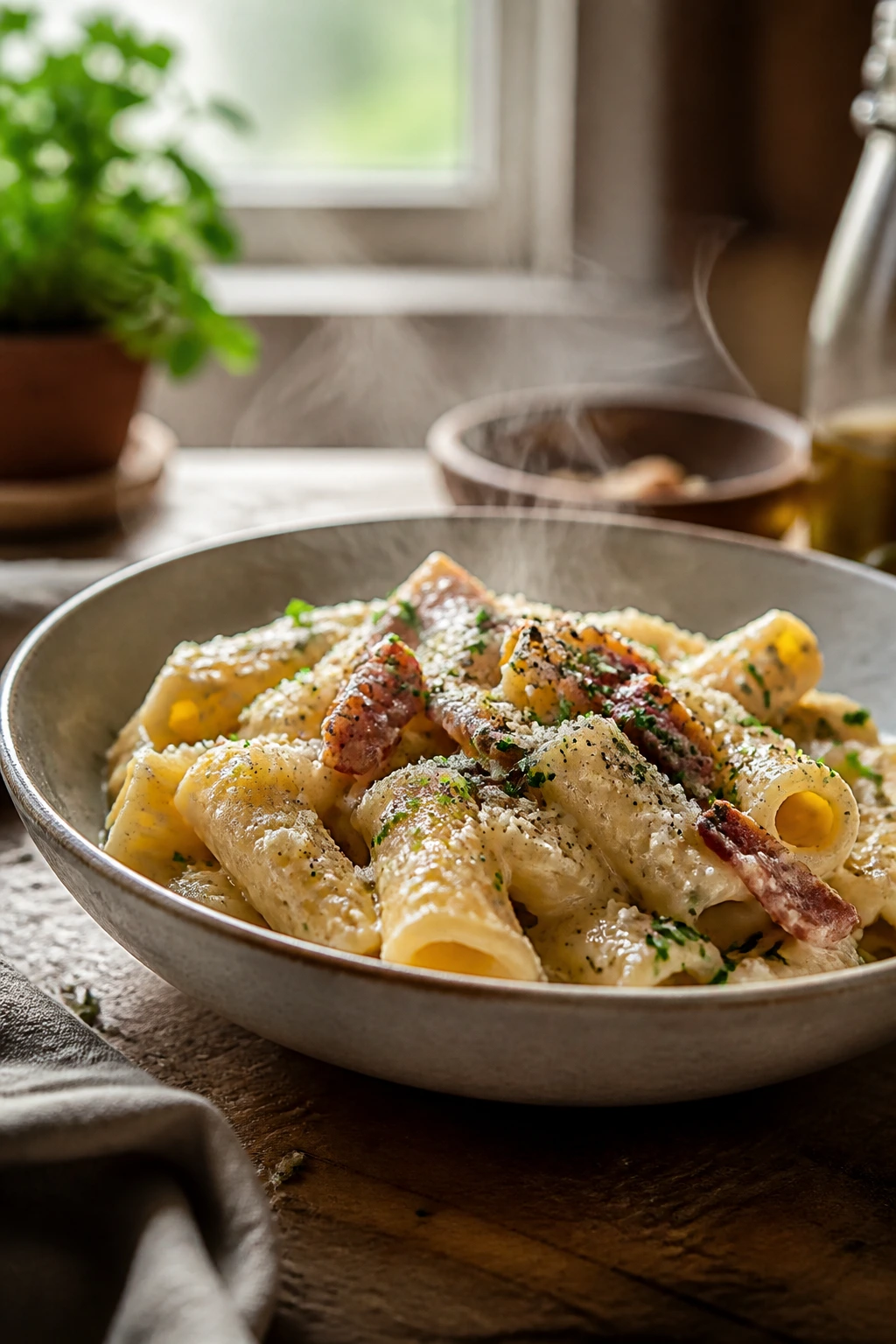
Presentation: Use shallow bowls for pasta, soup, rice, and beans. They hold heat well and make a modest portion look full without faking it. For sandwiches, cut on the diagonal if you want the filling to show; that single cut makes grilled cheese and melts feel more finished. A few chopped herbs or scallions on top of soup or rice changes the look fast.
Accompaniments: Think in textures. Creamy pasta wants something crisp or acidic on the side, like a simple salad or pickles. Potato dishes like buttered toast, coleslaw, or roasted carrots. Soup wants bread, crackers, or a sandwich with a browned crust. Rice bowls do well with a fried egg, sliced cucumber, or quick-pickled onions.
Portions: For most of these meals, 1 to 1½ cups of pasta or rice per person is enough if the dish has cheese, beans, eggs, or vegetables in it. Soup usually lands at 2 cups per serving, more if it’s thick with lentils or beans. Potatoes are flexible: one large baked potato or two smaller ones can count as dinner if you load them properly.
Beverage Pairing: Cold milk with tomato soup is still hard to beat. Black tea or iced tea works with grilled cheese and fried potatoes. Sparkling water with lemon keeps bean dishes from feeling heavy. Coffee belongs with breakfast-for-dinner plates, especially eggs and toast.
How to Get the Most Out of a $10 Comfort-Food Budget
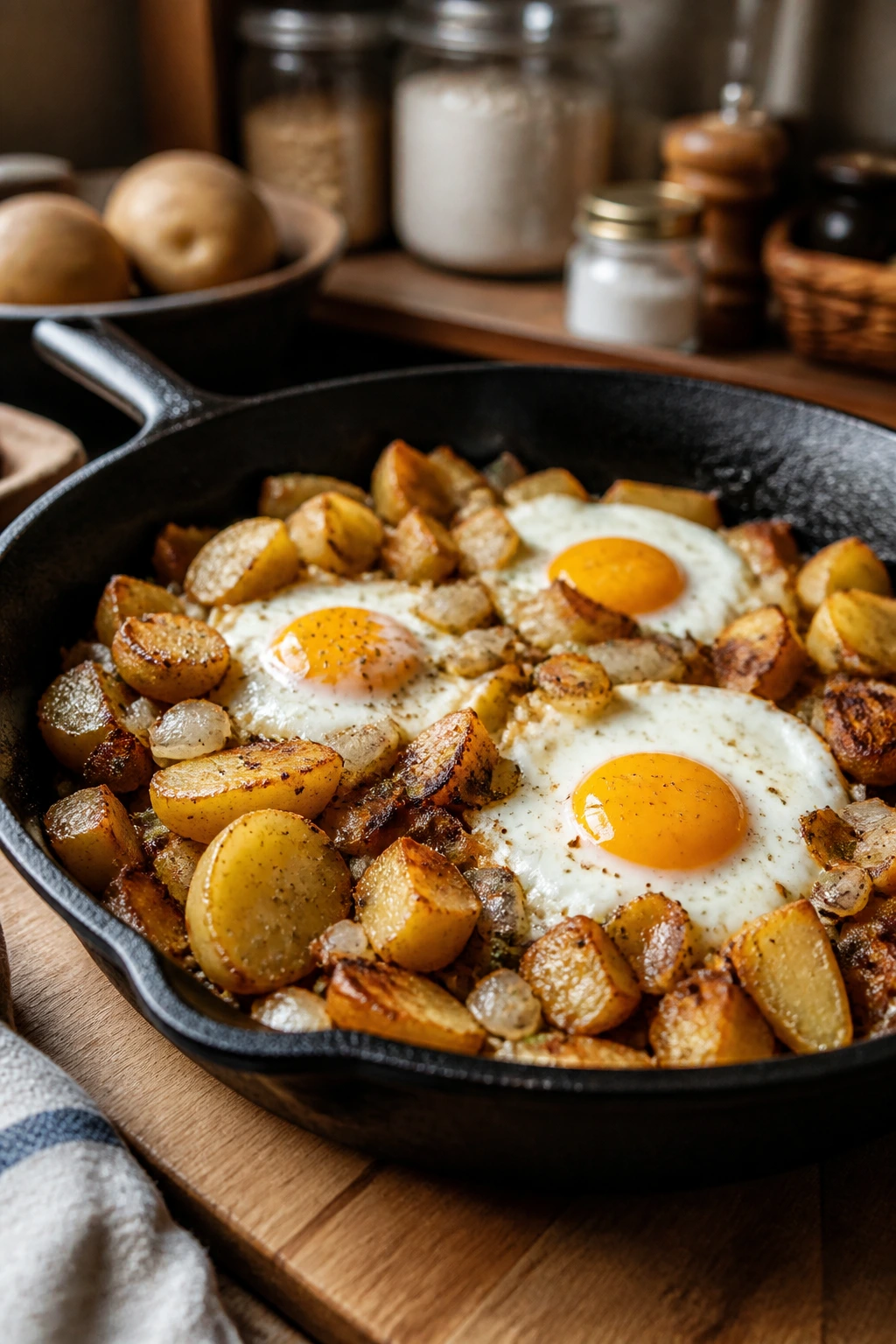
Flavor Enhancement: Brown onions in butter or oil until they smell sweet before you add anything else. That one move makes pasta sauce, soup, beans, and rice taste like they had a longer cooking time than they did. A spoonful of tomato paste browned in the pan does the same thing.
Time-Saver: Cook one starch in a bigger batch and recycle it. Rice from one night becomes fried rice the next. Roasted potatoes become breakfast hash. Pasta can be baked into a simple casserole with a little sauce and cheese on day two.
Cost-Saver: Buy the ingredients that appear in at least three meals. Onion, garlic, potatoes, rice, pasta, eggs, canned beans, and frozen vegetables earn their spot because they keep returning to the plate. A one-off ingredient that only works in one dish is where budgets start leaking.
Make-It-Yours: If you want vegetarian meals, push beans, lentils, eggs, and dairy harder. If you need dairy-free comfort, use olive oil, broth, tomato, mustard, and vinegar for body and brightness. If you want a little more protein without a bigger bill, add one egg, a few slices of sausage, or a small amount of chicken to a starch-heavy bowl. The meal still stays cheap because the expensive item isn’t carrying the whole pan.
The best budget cooks think in combinations, not recipes. One starch. One main flavor. One finish. That’s the whole game more often than people admit.
Where Budget Comfort Food Goes Wrong
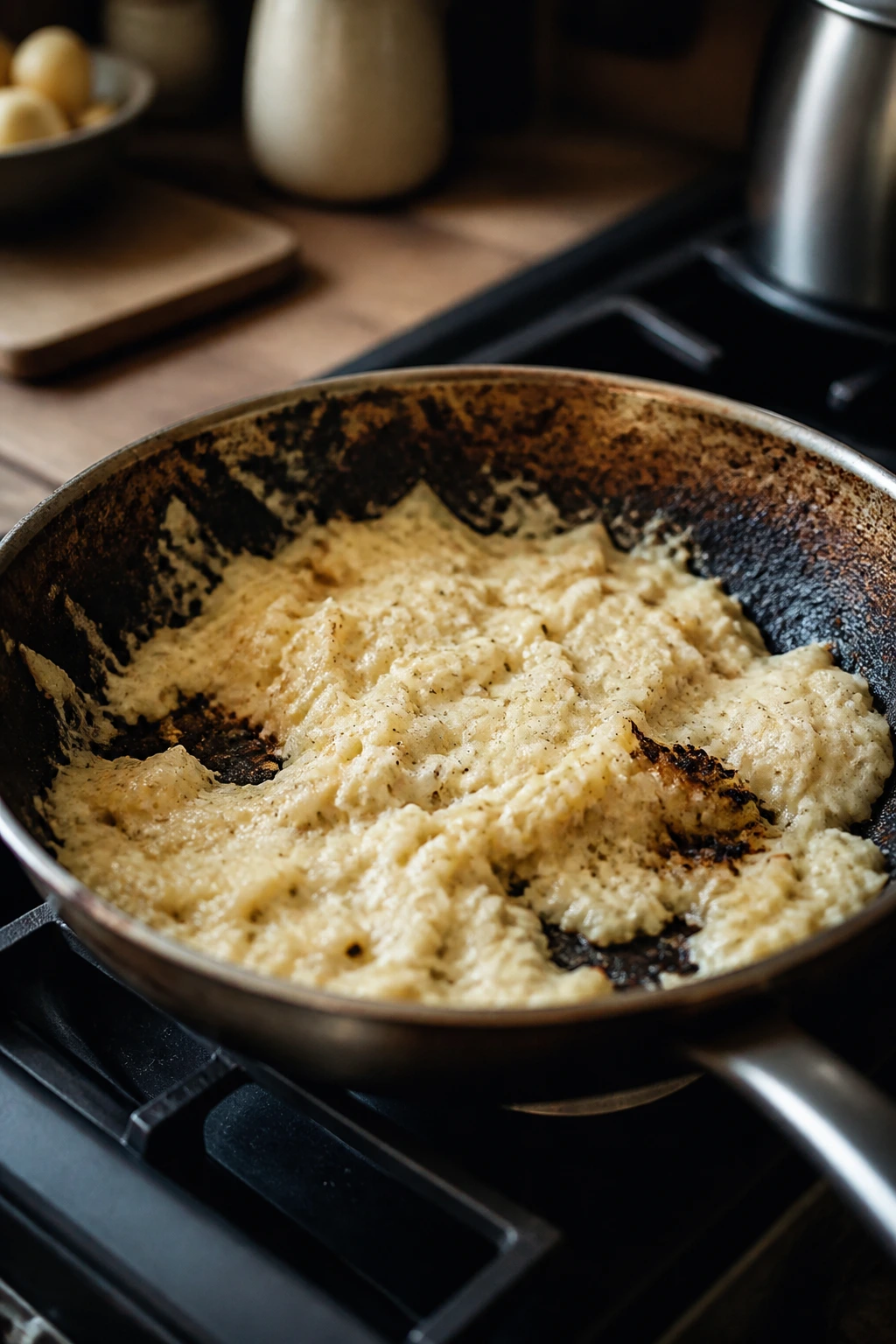
Cheap dinners fail for the same reasons over and over, and none of them are mysterious.
-
Spending the whole budget on one “hero” ingredient: A pricey cheese or a fancy protein can swallow the bill and still leave the plate empty. The fix is to build around a starch first, then add a modest amount of the expensive thing as a flavor note.
-
Skipping salt until the end: Food that never got salted while it cooked tastes oddly hollow, even when you add a pinch at the table. Salt the pasta water, the beans, the rice, and the onions in stages.
-
Using too much heat on the wrong pan: Burnt garlic, scorched cheese, and dried-out eggs happen fast when the burner is too high. Medium heat gives cheap ingredients time to soften, brown, and melt without turning bitter.
-
Not draining or drying enough: Wet beans, wet potatoes, and wet rice all fight browning. Dry them when you need color.
-
Treating leftovers like an afterthought: A soup or chili that sits in a shallow container and gets reheated gently will taste fine. Food shoved into a deep bowl and blasted in the microwave turns uneven and dull.
-
Forgetting acid or crunch: A creamy plate with no sharp edge tastes heavy. A splash of vinegar, a squeeze of lemon, or a handful of toasted breadcrumbs gives the dish a better ending.
The fix is usually small. That’s the nice part. You don’t need a bigger budget so much as better habits.
Variations That Fit Different Kitchens and Diets
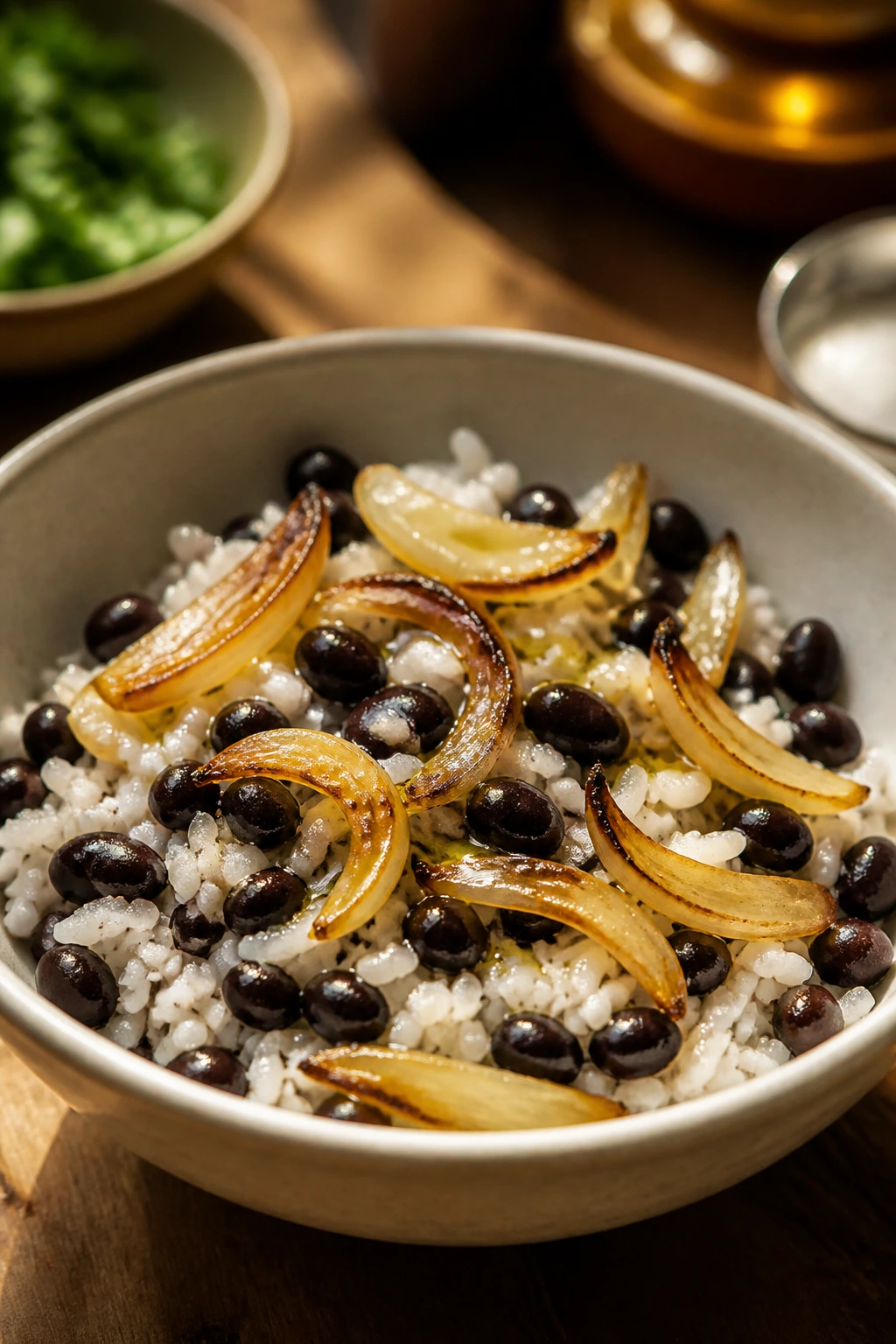
Pantry-Only Night: Build dinner from canned tomatoes, pasta, beans, rice, and broth. This version is for the nights when the fridge is empty but the pantry still has a few rattling cans and a half box of noodles. It works because shelf-stable ingredients can still make a hot, filling bowl if you add onion, garlic, and one finishing fat.
Dairy-Free Cozy Bowl: Skip the cheese and butter, then lean on olive oil, roasted onions, tomato paste, soy sauce, and a little vinegar. The food will feel lighter, but it does not need to feel thin. A well-browned potato or a rice bowl with beans can carry the same comfort profile without milk products.
One-Burner Dorm Dinner: Use one skillet and one saucepan only. Think fried rice, egg noodles with garlic and frozen veg, or beans warmed into toast. The point here is speed and cleanup, not variety for variety’s sake.
Family-Size Stretch: Add frozen vegetables, extra onions, and one more starch before you add more meat. A pot of chili can stretch across baked potatoes, rice, or toast if you let the base do the work. This keeps dinner cheap while making the table feel fuller.
Lower-Sodium Comfort: Rinse canned beans, use low-sodium broth if you buy it, and lean harder on garlic, onion, tomato, and vinegar for flavor. The food still tastes complete because the seasoning comes from building blocks, not salt alone.
Make-Ahead, Storage, and Reheating Without the Sad Leftovers
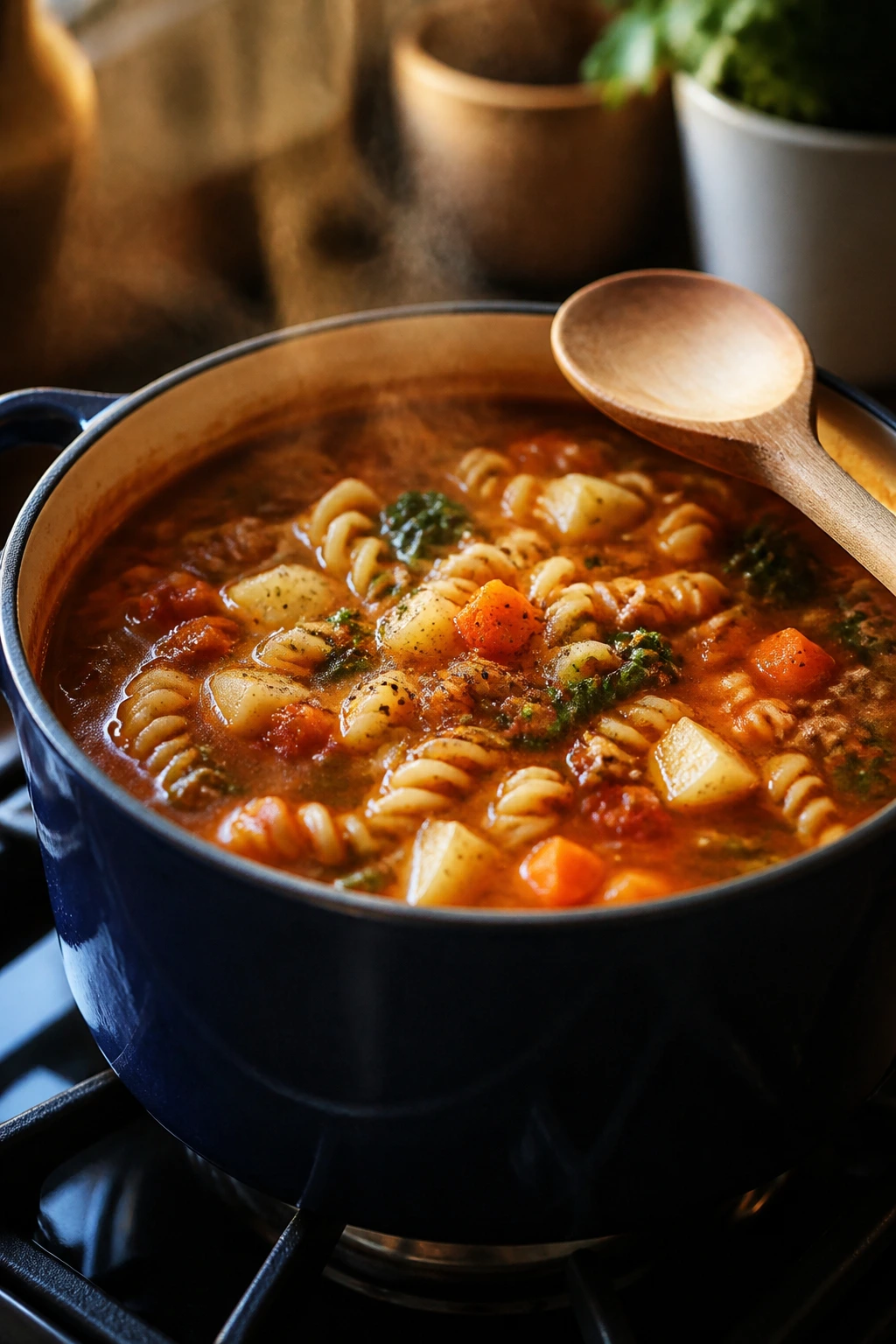
Budget comfort food often improves with a night in the fridge, but texture still matters. Soup, chili, bean dishes, tomato sauce, and lentil stews usually hold up beautifully for 3 to 4 days refrigerated in airtight containers. Freeze them for up to 3 months if you want to batch-cook and pull out dinner later. Reheat on the stovetop over medium-low heat with a splash of water or broth if the pot has thickened.
Pasta is trickier. Tomato-based pasta sauces refrigerate well for 3 to 4 days and usually freeze better than cream-heavy versions. Cream sauces can separate a bit after freezing, so they’re best eaten sooner. Reheat pasta slowly with a spoonful of water or milk so it loosens instead of turning gluey.
Rice needs care for food safety and texture. Cool it quickly, store it in a shallow container, and refrigerate it within 2 hours of cooking. Fried rice works best with cold rice from the day before, and it keeps for 3 to 4 days refrigerated. Reheat with a damp paper towel in the microwave or a quick toss in a hot skillet with a teaspoon of water.
Potatoes are best when they’re crisped again. Mashed potatoes keep for 3 to 4 days refrigerated and reheat with butter or milk over low heat. Baked or roasted potatoes can go back into a 400°F oven for 10 to 15 minutes to wake the skin back up. Microwaves work in a pinch, but they soften the edges.
Sandwiches are the least forgiving. Grilled cheese and melts are best fresh. If you want a make-ahead version, store the filling separately and toast the bread right before serving. That small extra step keeps the whole thing from turning limp.
Questions About Cheap Comfort Dinners

Can I really feed two or four people for under $10?
Yes, if you lean on starches and keep the expensive items small. Pasta, rice, potatoes, eggs, beans, and frozen vegetables can stretch a meal far enough that the price per person stays low. If you start with meat as the main event, the math gets much tighter.
What are the best cheap ingredients to keep around all the time?
Pasta, rice, potatoes, eggs, onions, canned beans, canned tomatoes, frozen vegetables, bread, and a block of cheese cover most of the terrain. Those ingredients can become soup, pasta, fried rice, hash, toast, or a baked potato bar without much extra buying.
Is frozen vegetables a downgrade?
No. Frozen vegetables are often the smarter buy because they don’t spoil fast and they’re already trimmed. Peas, corn, spinach, and mixed vegetables are especially good in rice, soup, and pasta.
How do I make cheap food taste richer?
Brown the onions, salt in layers, and finish with a little fat and acid. Butter, oil, vinegar, lemon juice, mustard, or a spoonful of cheese can change the whole plate. The key is using them at the end, not just dumping them on top.
What if I only have a microwave?
Use it for potatoes, rice, soup, and eggs in a mug or microwave-safe bowl. The results won’t be as textured as skillet cooking, but you can still make a filling meal if you combine starch, protein, and a sharp finish like hot sauce or pickles.
Which cheap comfort foods reheat the best?
Soup, chili, bean dishes, tomato pasta, and mashed potatoes all reheat well. Fried foods, grilled cheese, and toast-based meals are better fresh, though the filling can still be made ahead.
How can I keep rice or pasta from getting mushy?
Cook both a minute or two less than you think you need, then finish them with sauce or heat later. Rice should cool quickly before storage, and pasta should be tossed with enough sauce to coat, not soak. That small restraint makes leftovers behave much better.
Can I use meat and still stay under budget?
Yes, if you treat meat as an accent. A little ground beef, a few slices of sausage, or one chicken thigh can flavor a whole pot of beans, soup, or rice. The plate stays cheap because the starch and vegetables are still doing most of the work.
Cheap Dinners That Still Feel Worth Sitting Down For
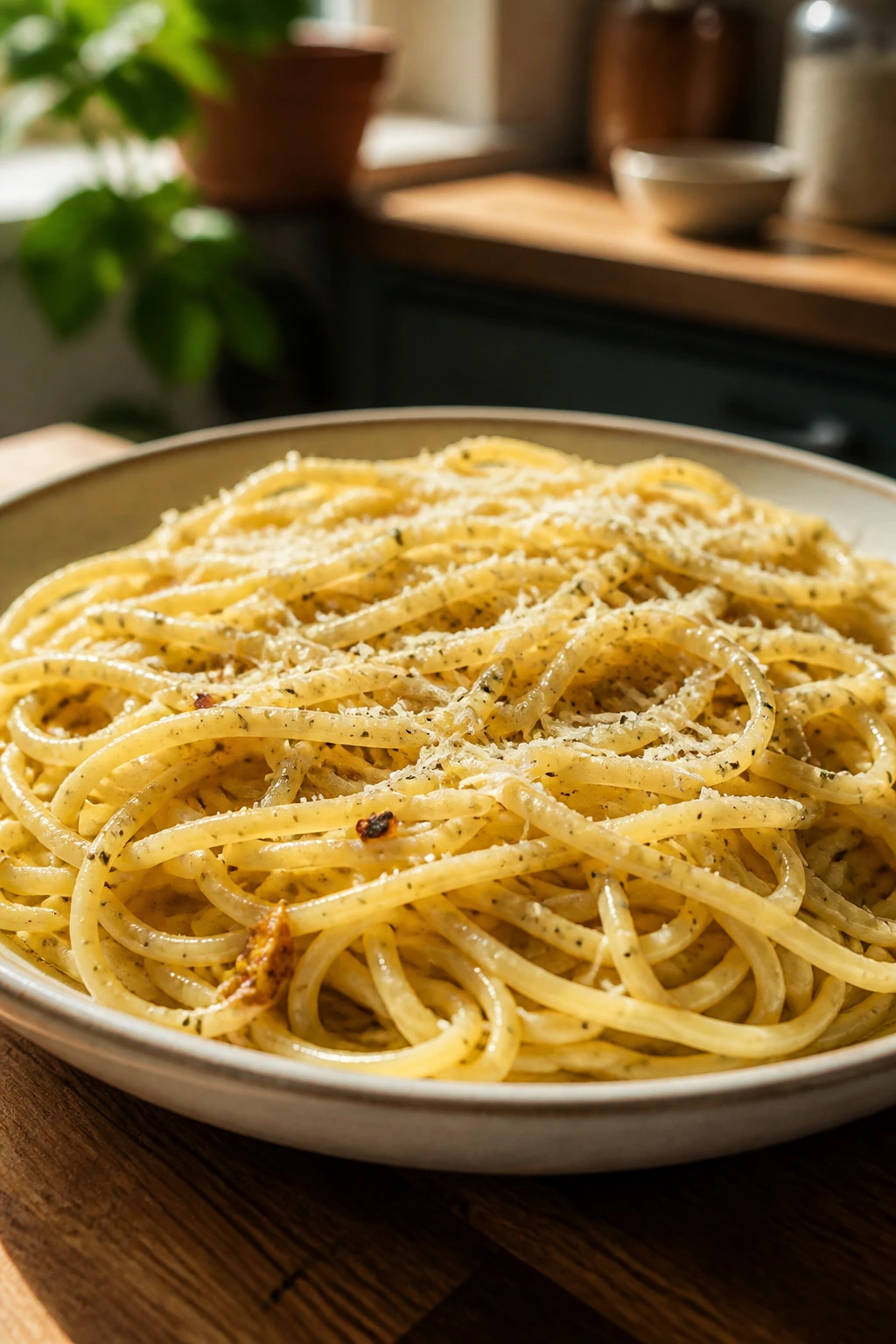
The nicest thing about quick comfort food under $10 is that it doesn’t ask you to lower your standards. It asks you to use them differently. Instead of chasing expensive ingredients, you pay attention to browning, seasoning, and texture. That’s where the satisfaction lives.
Keep one starch, one protein, and one bright finish in the house, and dinner gets easier fast. Pasta, rice, potatoes, eggs, beans, bread. A splash of vinegar. A little cheese. That’s enough to build meals that feel warm, filling, and worth the ten minutes you spent standing at the stove.
And once you get used to that rhythm, the budget starts working for you instead of against you. Cheap food stops looking like a compromise. It starts looking like a habit worth keeping.