



A pot of soup has to earn its place on a weeknight. The best winter soup recipes do that in a way that feels almost unfair: a few chopped vegetables, a can of beans, a carton of broth, maybe some chicken or sausage, and forty minutes later you’ve got dinner that smells like garlic, thyme, and something quietly comforting simmering away on the stove. That’s the whole trick. No drama.
What matters most is texture. Thin broth can be pleasant, sure, but a bowl that eats like dinner needs something to chew on and something to hold the spoon up — potatoes, rice, barley, tortellini, lentils, noodles, beans. When those starches meet a well-seasoned broth, the soup turns from “starter” into “I’m done thinking about dinner.” I keep coming back to that balance because it’s what makes a soup feel complete instead of watery.
Winter cooking also gives you permission to be practical. Use rotisserie chicken. Use frozen corn. Use the jarred roasted peppers sitting in the pantry. If the onion dice are sloppy, nobody cares once everything softens into the pot. The soups below lean hard on that kind of sensible cooking, which is exactly why they work on busy nights when you want something hot, filling, and not remotely fussy.
Why These Winter Soup Recipes Work on Busy Nights
- Most of them start with pantry basics: Onion, garlic, broth, canned beans, potatoes, tomatoes, or pasta show up again and again, so you can cook without a scavenger hunt through the grocery store.
- One pot handles the heavy lifting: A Dutch oven or soup pot does almost all the work here, which means less cleanup and fewer dishes drying on the counter.
- They use starch on purpose: Rice, barley, tortellini, orzo, noodles, potatoes, and beans give the soup body so it eats like dinner instead of a prelude.
- They forgive small mistakes: A carrot cut a little thick or a slightly overcooked onion won’t ruin the pot. Soup is generous that way.
- Leftovers hold up well: Bean soups, lentil soups, and brothy chicken soups usually taste even better the next day once the flavors settle in.
- Finishing touches matter: A squeeze of lemon, a handful of herbs, or a spoonful of parmesan can make a whole pot taste sharper and more finished.
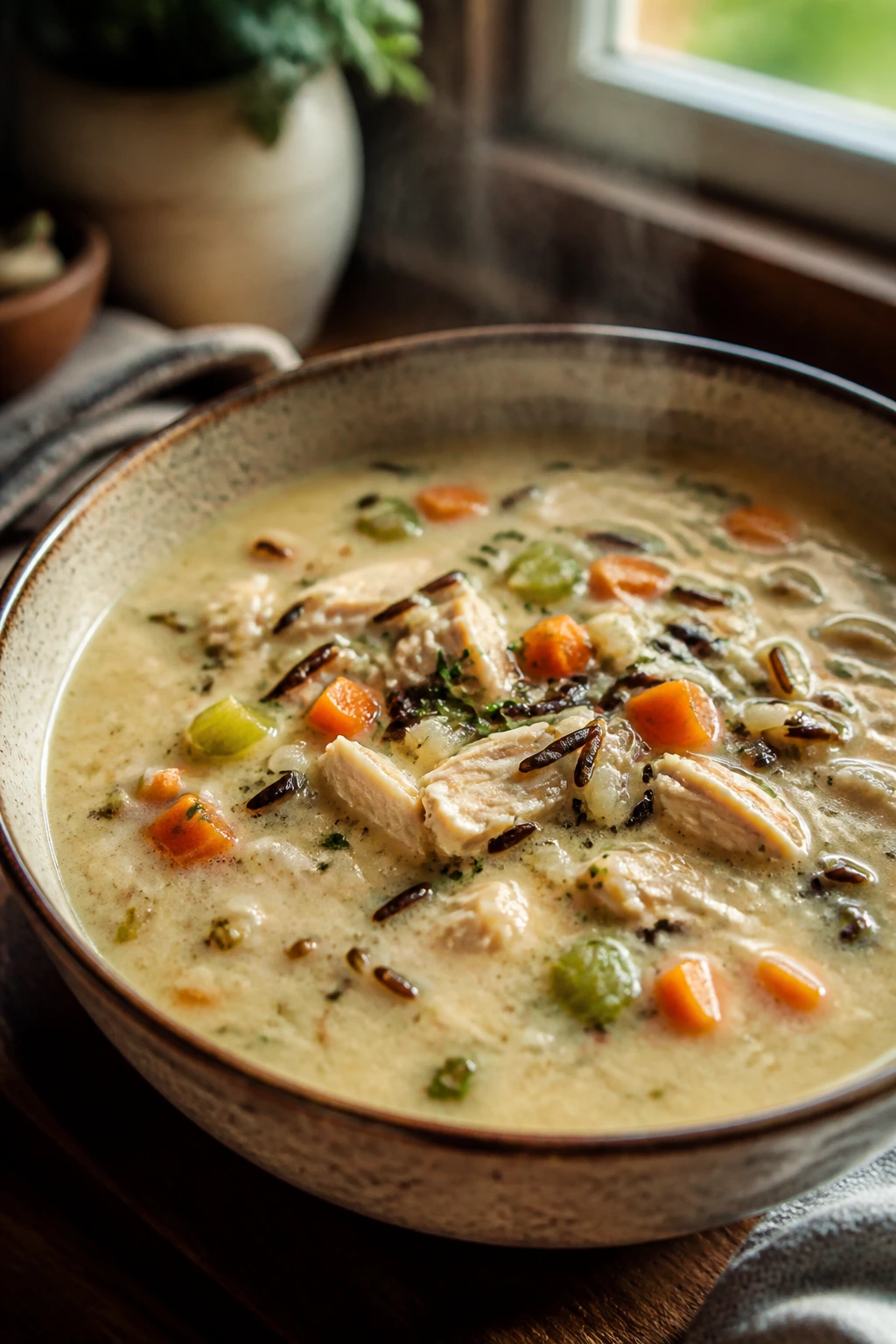
1. Creamy Chicken and Wild Rice Soup
This is the kind of soup that smells like the kitchen has been busy for hours, even when it hasn’t. Wild rice gives the broth a nutty, slightly chewy bite, while the chicken and vegetables make the bowl feel full instead of delicate. I like this one when the evening needs to feel calm by the time dinner lands on the table.
Why It Works:
Wild rice blend brings more texture than plain white rice, which matters here because the broth is creamy. The vegetables soften into the base without turning mushy, and the half-and-half gives you a velvety finish without needing a heavy roux. It’s also easy to stretch with extra broth if the rice drinks up more liquid than you expected.
Key Ingredients:
- 1 tablespoon olive oil + 1 tablespoon unsalted butter — the butter rounds out the broth and gives the vegetables a little richness.
- 1 medium yellow onion, 2 carrots, and 2 celery stalks, diced — the classic soup base that softens into sweetness.
- 3 garlic cloves, minced + 1 teaspoon dried thyme — enough aromatic lift to keep the pot from tasting flat.
- 1/2 cup wild rice blend, rinsed — a blend cooks faster than pure wild rice and gives better weeknight timing.
- 6 cups low-sodium chicken broth — use low-sodium so you can season the pot yourself.
- 2 tablespoons all-purpose flour — just enough to help the broth thicken lightly.
- 2 cups cooked shredded chicken — rotisserie chicken is absolutely fine here.
- 1 cup half-and-half + 1 cup frozen peas + 2 tablespoons chopped parsley — the dairy finishes the texture, the peas add brightness, and the parsley wakes up the bowl.
Quick Steps:
- Sauté the vegetables: Warm the oil and butter in a Dutch oven over medium heat. Add the onion, carrots, and celery, then cook for 6 to 8 minutes until the onion turns translucent and the edges start to soften.
- Build the base: Stir in the garlic, thyme, salt, and pepper, then cook for 30 seconds until the garlic smells sweet. Sprinkle in the flour and stir for 1 minute so it disappears into the vegetables.
- Simmer the rice: Pour in the broth, add the wild rice blend, and bring the pot to a gentle boil. Lower the heat and simmer for 35 to 40 minutes until the rice opens and the broth takes on a slightly silky look.
- Add the chicken and dairy: Stir in the shredded chicken, peas, and half-and-half. Keep the heat low and let the soup warm through for 5 minutes; do not let it boil hard after the dairy goes in.
- Finish and taste: Stir in the parsley, then taste for salt and pepper. If the broth feels too thick, loosen it with a splash of warm broth.
Equipment for This Recipe:
- 5- to 6-quart Dutch oven — gives the rice enough room to simmer evenly.
- Wooden spoon — useful for scraping up the flour and veg without scratching the pot.
- Measuring cups and spoons — the broth-to-rice ratio matters here.
- Ladle — makes serving the creamy broth easy.
How to Serve This Dish:
A thick slice of sourdough is the obvious move, and I won’t argue with it. A simple green salad with lemony dressing also works if you want something sharp next to the cream.
Pro Tips for This Recipe:
- Use a wild rice blend instead of straight wild rice if you want the soup to land in under an hour.
- Add the half-and-half only after the soup is off a hard boil; that keeps it smooth.
- Shred the chicken into small pieces so every spoonful feels balanced.
- If the soup thickens overnight, stir in broth when reheating until it loosens back up.
Variations on This Dish:
- Mushroom-Wild Rice Version: Add 8 ounces sliced mushrooms with the onions for a deeper, earthier broth.
- Turkey and Herb Swap: Use cooked shredded turkey instead of chicken and add a pinch of sage.
- Extra-Green Finish: Stir in 2 cups baby spinach at the very end so it wilts without getting dull.
Common Mistakes to Avoid with This Dish:
- Using pure wild rice and expecting quick results: It takes longer and can leave the soup undercooked; a blend is the weeknight move.
- Boiling after the dairy goes in: The broth can separate or look grainy if you rush it.
- Skipping the final salt check: Wild rice and chicken both need a well-seasoned broth to taste complete.
2. Loaded Baked Potato Soup
This soup tastes like the baked potato bar got a better budget and a warmer personality. The potatoes break down just enough to make the broth thick, while bacon, cheddar, and scallions keep every spoonful salty and sharp. I like russets here because they crumble in the best possible way.
Why It Works:
Russet potatoes give you natural thickness without needing much flour, and the bacon fat handles the first layer of flavor. Sour cream adds tang at the end, which keeps the soup from feeling heavy even though it’s rich. If you mash a few potatoes in the pot, the texture lands right between chunky and creamy.
Key Ingredients:
- 6 slices bacon, chopped — use enough to flavor the pot, but don’t drown the soup in grease.
- 1 medium onion and 2 garlic cloves, diced and minced — the savory base under the potatoes.
- 4 medium russet potatoes, peeled and cubed — russets break down into a creamy, fluffy texture.
- 3 tablespoons all-purpose flour + 2 tablespoons butter — gives the broth a little body without making it gluey.
- 4 cups chicken broth — low-sodium is safer because bacon and cheddar already bring salt.
- 2 cups whole milk + 1 cup sour cream — the creamy finish with a little tang.
- 2 cups shredded sharp cheddar — sharper cheese tastes better here than mild cheese.
- 1 teaspoon kosher salt + 1/2 teaspoon black pepper — season in layers, not all at once.
- 3 scallions, sliced — the fresh finish.
Quick Steps:
- Cook the bacon: In a Dutch oven over medium heat, cook the bacon until crisp, then transfer it to a paper towel-lined plate. Leave about 2 tablespoons of fat in the pot.
- Cook the aromatics: Add the onion and butter to the bacon fat and cook for 4 to 5 minutes until soft. Stir in the garlic and flour, then cook for 1 minute to make a light roux.
- Simmer the potatoes: Add the potatoes and broth, then bring the pot to a boil. Lower the heat and simmer for 15 to 20 minutes until the potatoes are tender enough to mash with the back of a spoon.
- Thicken the soup: Mash some of the potatoes right in the pot, leaving plenty of chunks. Stir in the milk and sour cream over low heat.
- Finish with cheese and bacon: Add the cheddar and half the bacon, stirring until the cheese melts. Top each bowl with the remaining bacon, scallions, and a little black pepper.
Equipment for This Recipe:
- 5- to 6-quart soup pot — enough room for the potatoes and dairy.
- Potato masher — useful for controlling the texture.
- Box grater or shredding tool — block cheddar melts better than thin packaged shreds.
- Slotted spoon — makes it easy to remove bacon without dragging out the fat.
How to Serve This Dish:
Serve it in wide bowls with extra scallions and a few cracked pepper flakes. If you want to lean into the diner feel, add buttered toast or saltines on the side.
Pro Tips for This Recipe:
- Dice the potatoes small so they cook evenly and don’t leave hard centers.
- Stir the cheese in off the boil; high heat can make it grainy.
- Keep at least some potato chunks intact or the soup turns into mashed potatoes with broth.
- If the soup gets too thick, add warm broth a splash at a time.
Variations on This Dish:
- Broccoli Potato Bowl: Stir in 2 cups chopped broccoli during the last 8 minutes of simmering.
- Smoked Sausage Swap: Replace the bacon with sliced smoked sausage for a deeper, meatier pot.
- Lighter Tangy Version: Use plain Greek yogurt in place of sour cream, but add it off the heat.
Common Mistakes to Avoid with This Dish:
- Overcooking the potatoes before mashing: They can turn gummy if they fall apart completely.
- Adding the cheddar too early: Cheese likes low heat and patience.
- Not seasoning after the milk goes in: Dairy can mute salt, so taste again before serving.
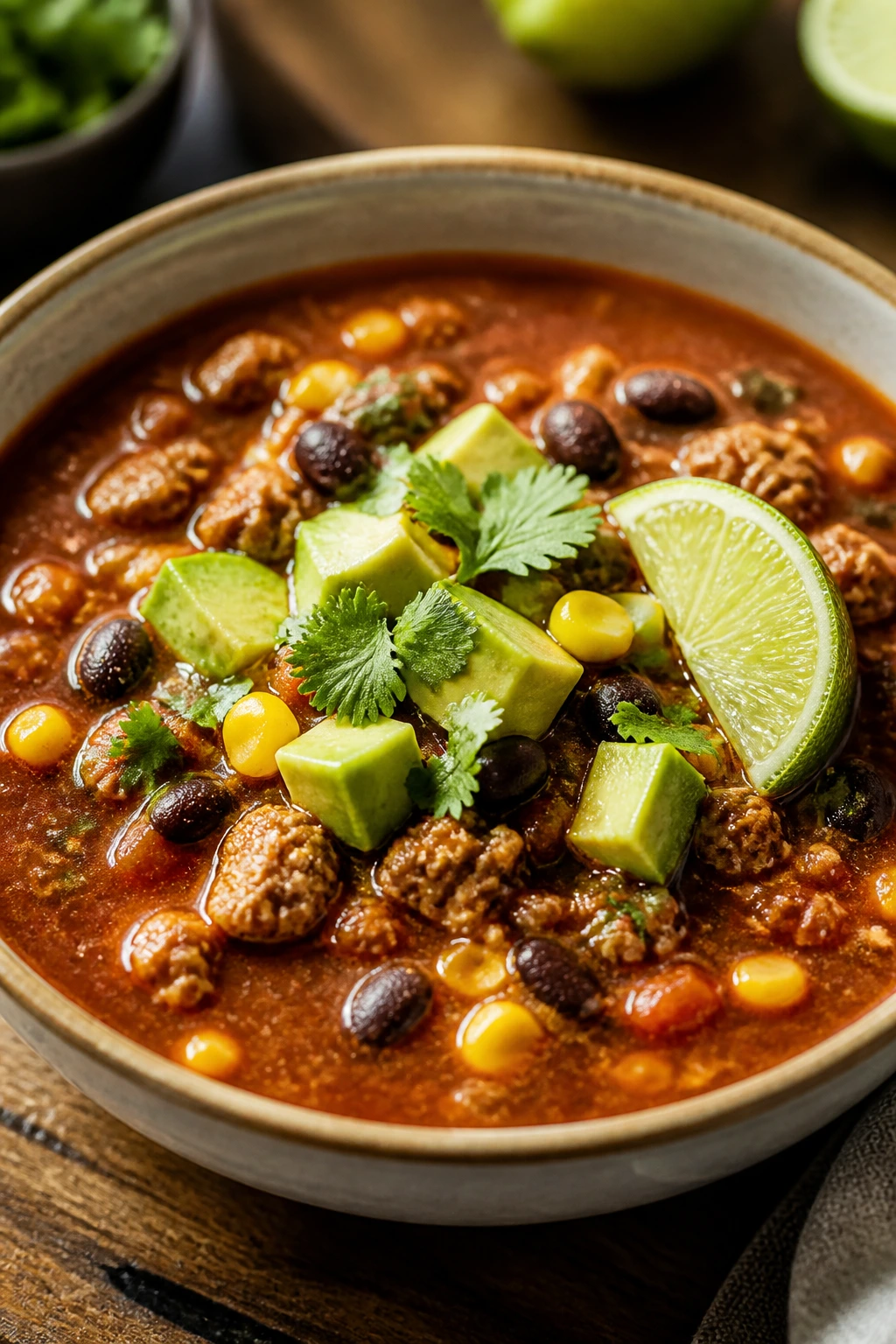
3. Turkey Taco Soup
This is the soup I make when I want dinner to feel lively instead of sleepy. The broth is tomato-rich and a little smoky, the black beans give it weight, and the lime at the end keeps it from tasting like a heavy chili wearing a fake mustache. It’s fast, loud, and very good with tortilla chips.
Why It Works:
Ground turkey cooks quickly and takes on spice without turning greasy. Canned tomatoes, beans, and corn keep the ingredient list short, and taco seasoning does most of the heavy lifting. The real key is the lime at the end; without it, the whole pot tastes flatter.
Key Ingredients:
- 1 tablespoon olive oil — just enough to keep the turkey from sticking.
- 1 pound ground turkey — lean, quick-cooking, and easy to season.
- 1 medium onion and 3 garlic cloves — the savory base.
- 2 tablespoons taco seasoning + 1 teaspoon chili powder — use a blend with cumin and paprika.
- 1 can diced tomatoes (14.5 ounces) + 1 can tomato sauce (8 ounces) — for body and a red, brothy finish.
- 1 can black beans, drained and rinsed + 1 can corn, drained — both bring texture and make the soup feel like dinner.
- 4 cups chicken broth — enough liquid to keep the soup spoonable.
- 1 tablespoon lime juice + cilantro + tortilla chips — the finish and the crunch.
Quick Steps:
- Brown the turkey: Heat the oil in a soup pot over medium-high heat. Add the turkey and onion, then cook for 6 to 7 minutes, breaking the meat into small crumbles until it loses all pink color.
- Season the pot: Stir in the garlic, taco seasoning, and chili powder. Cook for 30 seconds until the spices smell toasted.
- Build the soup: Add the diced tomatoes, tomato sauce, black beans, corn, and broth. Bring the pot to a boil, then lower to a steady simmer.
- Let it marry: Simmer for 15 to 20 minutes so the broth picks up the spice and the beans soften a little.
- Finish bright: Stir in the lime juice and cilantro. Taste and adjust with salt, pepper, or a little more lime if the broth feels sleepy.
Equipment for This Recipe:
- Large soup pot — holds the beans, broth, and turkey without crowding.
- Wooden spoon or spatula — useful for breaking up the meat.
- Can opener — not glamorous, but very necessary.
- Ladle — tortilla chips are not a ladle.
How to Serve This Dish:
Pile tortilla chips on top or tuck them around the bowl if you want crunch in every bite. Avocado, shredded cheddar, or a spoonful of sour cream all work without making the soup fussy.
Pro Tips for This Recipe:
- Use low-sodium broth so the taco seasoning doesn’t push the salt too far.
- If your taco seasoning is mild, add a pinch of cayenne or chipotle powder.
- Don’t skip the lime; it wakes up the beans and tomato in one shot.
- Crush a few tortilla chips into the broth if you want extra body.
Variations on This Dish:
- Turkey and Rice Version: Stir in 1 cup cooked rice at the end for a thicker bowl.
- Creamy Taco Soup: Add 4 ounces cream cheese and whisk until smooth for a richer texture.
- Fire-Roasted Swap: Use fire-roasted tomatoes instead of regular diced tomatoes for a deeper, smoky flavor.
Common Mistakes to Avoid with This Dish:
- Under-seasoning the turkey before the broth goes in: The meat should taste like something on its own.
- Skipping the acid at the end: Lime keeps the tomato and bean flavors from going dull.
- Adding chips too early: They turn soggy fast, so keep them for serving.
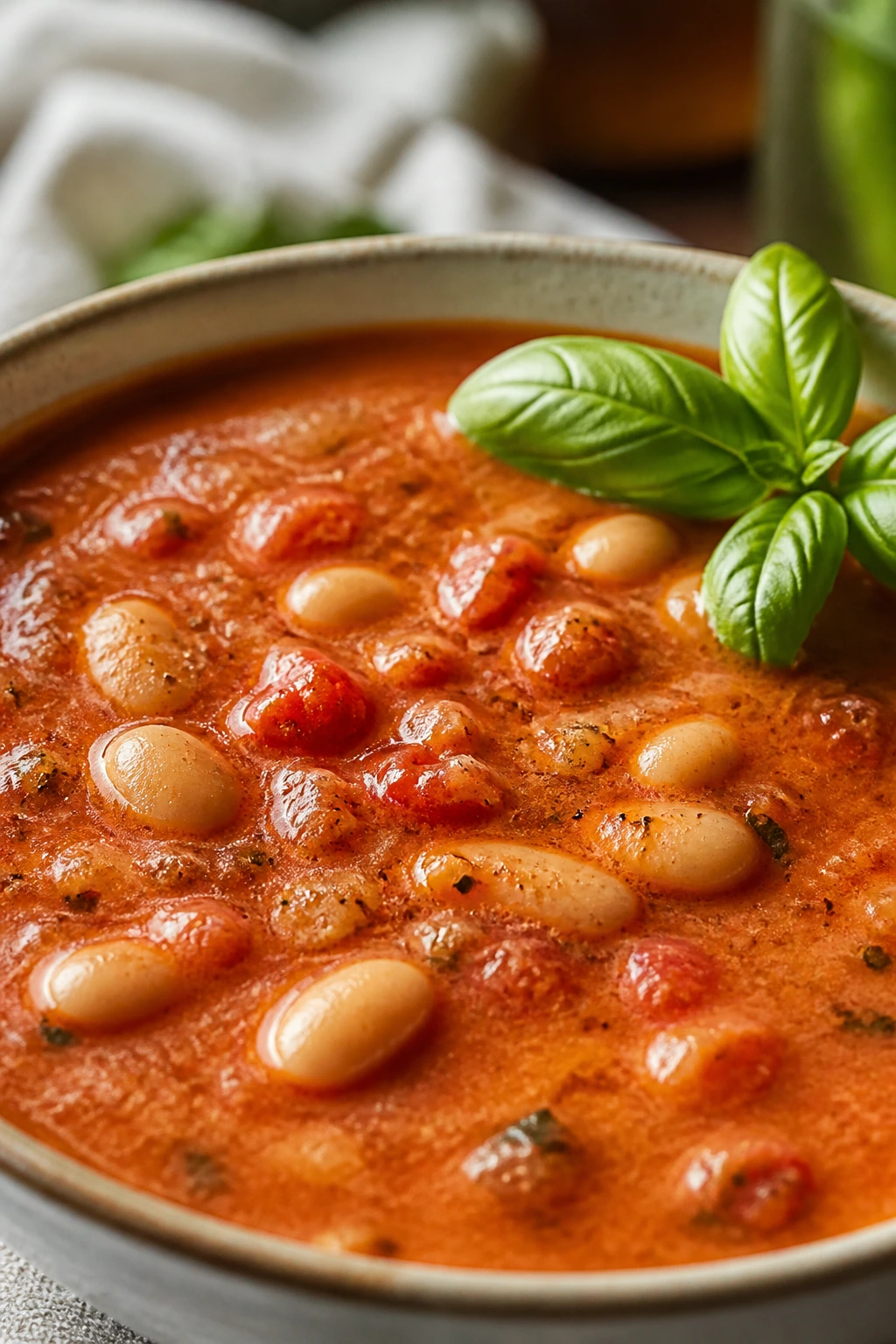
4. Tomato Basil Soup with Cannellini Beans
Tomato soup gets a bad reputation when it’s thin and sweet and clearly phoned in. This version fixes that by adding cannellini beans, which make the broth creamier and more filling without turning it into a bean stew. Fresh basil at the end gives the whole pot a clean, green snap.
Why It Works:
Canned tomatoes are the backbone, but the beans give the soup enough substance to stand up to grilled cheese or garlic toast. A little tomato paste cooked in butter makes the flavor deeper and less canned-tasting. The basil should go in late so it stays bright instead of turning dark and tired.
Key Ingredients:
- 2 tablespoons butter + 1 tablespoon olive oil — the butter softens the acidity of the tomatoes.
- 1 medium onion and 3 garlic cloves — the base that makes the soup smell like dinner.
- 2 tablespoons tomato paste — cooks down into a richer, sweeter flavor.
- 2 cans crushed tomatoes (28 ounces each) — the main body of the soup.
- 1 can cannellini beans, drained and rinsed — adds creaminess and a little protein.
- 3 cups low-sodium vegetable or chicken broth — enough to loosen the tomatoes without making the soup thin.
- 1 teaspoon sugar, 1 teaspoon salt, and 1/2 teaspoon black pepper — the sugar smooths the tomato edge.
- 1/2 cup heavy cream and 1 cup torn fresh basil — for finish and aroma.
Quick Steps:
- Cook the onion: Heat the butter and oil over medium heat. Add the onion and cook for 5 minutes until soft and pale gold.
- Deepen the tomato flavor: Stir in the garlic and tomato paste, then cook for 1 minute until the paste darkens slightly and smells sweet.
- Add the tomatoes and beans: Pour in the crushed tomatoes, broth, beans, sugar, salt, and pepper. Bring the soup to a simmer and cook for 20 minutes.
- Blend for texture: Use an immersion blender to partially blend the soup, leaving some bean texture if you like it rustic. You can also leave it chunky if that’s your preference.
- Finish with basil and cream: Stir in the basil and cream just before serving, then taste for salt.
Equipment for This Recipe:
- Soup pot or Dutch oven — plenty of room for the tomato simmer.
- Immersion blender — optional, but useful for smoothing part of the soup.
- Wooden spoon — helps keep the tomato paste from sticking.
- Ladle — because tomato soup deserves a proper bowl.
How to Serve This Dish:
This is built for grilled cheese, and I mean a real one with browned bread and melting cheddar. A few basil ribbons or black pepper on top makes the bowl look finished without trying too hard.
Pro Tips for This Recipe:
- Cook the tomato paste before adding liquids; raw paste tastes flat.
- If your tomatoes taste sharp, add another pinch of sugar instead of more cream.
- Stir in basil at the end so it keeps its color and smell.
- The soup thickens as it sits, so loosen it with broth when reheating.
Variations on This Dish:
- Roasted Red Pepper Twist: Add 1 cup roasted red peppers for a sweeter, smokier pot.
- Dairy-Free Version: Swap the cream for oat milk or leave it out entirely and blend the beans a little more.
- Pesto Finish: Spoon pesto over each bowl instead of basil for a louder herb note.
Common Mistakes to Avoid with This Dish:
- Using sweetened canned tomatoes without tasting first: Some brands need less sugar than others.
- Adding basil too early: It fades fast if it simmers too long.
- Skipping the beans: They’re what make this soup dinner-worthy instead of thin.
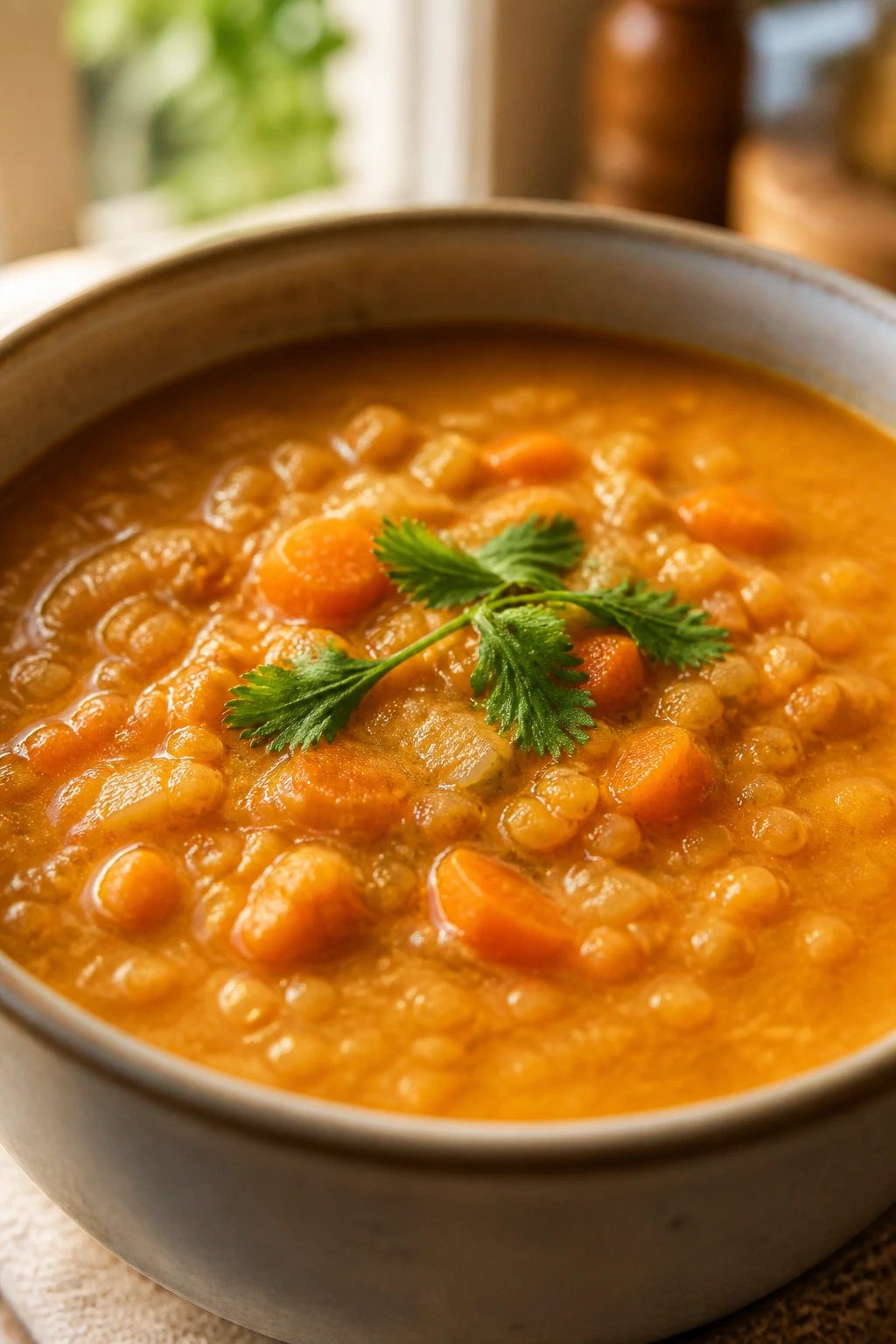
5. Red Lentil Carrot Soup
Red lentils are the weeknight cheat code of soup. They cook quickly, break down into a silky body, and don’t ask much from you beyond a decent onion, a few carrots, and enough seasoning to keep the pot from tasting like baby food. This one lands somewhere between cozy and bright, which is exactly why I make it so often.
Why It Works:
Red lentils soften in about 20 minutes, so the soup stays fast without needing any fancy tricks. Carrots bring sweetness, ginger gives the pot some heat, and coconut milk smooths out the edges. A squeeze of lemon at the end keeps it from turning heavy.
Key Ingredients:
- 1 tablespoon olive oil — the base fat.
- 1 medium onion, 3 carrots, and 3 garlic cloves — the start of the flavor.
- 1 tablespoon fresh ginger, grated — gives the soup a clean, sharp note.
- 1 1/2 cups red lentils, rinsed — they cook quickly and naturally thicken the soup.
- 1 tablespoon curry powder or 2 teaspoons ground cumin — enough spice to keep the carrots interesting.
- 5 cups vegetable broth — use low-sodium so the lentils and spice stay in balance.
- 1 can coconut milk (13.5 ounces) — makes the texture silky.
- 1 tablespoon lemon juice + chopped cilantro — the bright finish.
Quick Steps:
- Soften the vegetables: Heat the oil over medium heat and cook the onion and carrots for 5 to 6 minutes until the onion is translucent.
- Wake up the aromatics: Add the garlic and ginger, then stir for 30 seconds until fragrant. Add the curry powder and cook another 20 seconds.
- Simmer the lentils: Stir in the lentils and broth. Bring the pot to a boil, then lower the heat and simmer for 18 to 22 minutes until the lentils break down.
- Add the coconut milk: Pour in the coconut milk and simmer for 3 to 5 minutes more, just until the soup looks smooth and slightly creamy.
- Finish sharply: Stir in the lemon juice and cilantro, then taste for salt. If the soup feels too thick, add more broth.
Equipment for This Recipe:
- Medium soup pot — red lentils don’t need a huge vessel.
- Fine grater — helps the ginger disappear into the broth.
- Wooden spoon — keeps the lentils moving.
- Ladle — useful for serving the smooth soup.
How to Serve This Dish:
I like it with warm naan or pita for scooping, because the soup is thick enough to cling. A spoonful of yogurt on top is nice if you want a cool, creamy contrast.
Pro Tips for This Recipe:
- Rinse the lentils until the water runs mostly clear so the soup doesn’t taste dusty.
- Keep the simmer gentle; a hard boil can make the bottom catch.
- Add lemon at the end, not halfway through.
- If you want more texture, leave a few carrot pieces chunky instead of blending.
Variations on This Dish:
- Moroccan Spice Version: Add cinnamon and a pinch of smoked paprika with the curry powder.
- Green Lentil Swap: Use green or brown lentils only if you’re willing to cook them longer.
- Spinach Finish: Stir in 2 packed cups baby spinach during the last minute.
Common Mistakes to Avoid with This Dish:
- Using old lentils that never soften properly: Fresh lentils cook faster and break down better.
- Adding too much curry powder: It can take over the carrots if you’re heavy-handed.
- Letting the coconut milk boil hard: Gentle heat keeps it smooth.
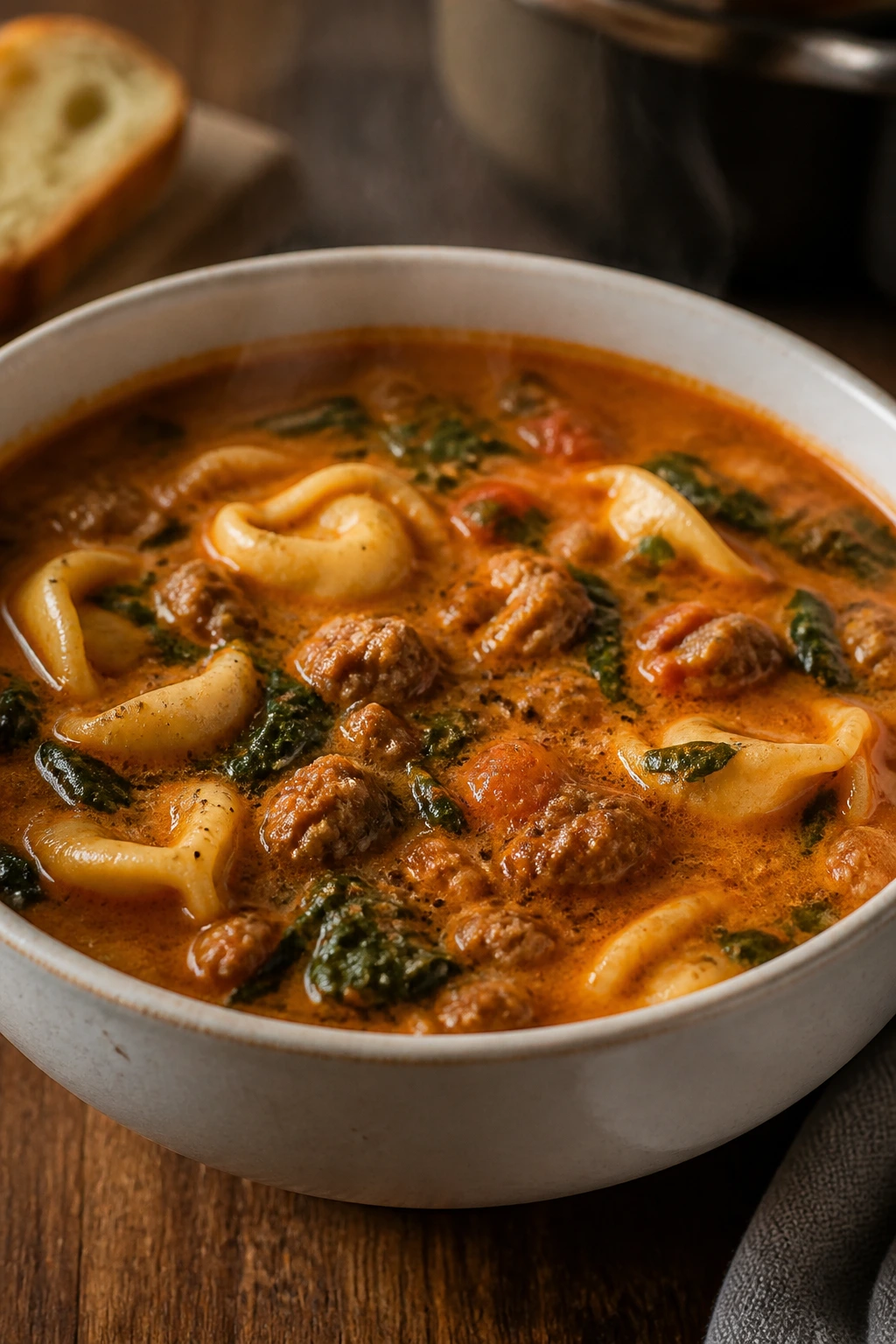
6. Italian Sausage Tortellini Soup
This one tastes like you put in more work than you did. The sausage gives the broth its backbone, the tortellini makes it feel generous, and the spinach keeps the bowl from looking too heavy. It’s the kind of dinner that disappears fast, which is usually a good sign.
Why It Works:
Italian sausage seasons the whole pot from the inside out, so you don’t need a long ingredient list. Tortellini cooks in minutes, which is why this soup belongs on a weeknight. The cream at the end rounds out the tomatoes and makes the broth cling to the pasta instead of sliding off.
Key Ingredients:
- 1 pound Italian sausage — mild or hot, depending on how much heat you want.
- 1 medium onion, 2 carrots, and 3 garlic cloves — the vegetable base.
- 1 tablespoon tomato paste — gives the broth a darker, more finished taste.
- 1 can diced tomatoes (14.5 ounces) — adds brightness and body.
- 6 cups chicken broth — the main liquid.
- 1 package cheese tortellini (about 9 ounces) — the part that makes it dinner.
- 3 cups baby spinach — wilts down quickly and adds color.
- 1/2 cup heavy cream + grated parmesan — the final creamy layer.
Quick Steps:
- Brown the sausage: Cook the sausage in a soup pot over medium heat, breaking it into crumbles, until no pink remains and the edges pick up a little color.
- Add the vegetables: Stir in the onion and carrots and cook for 5 minutes until the onion softens. Add the garlic and tomato paste, then cook for 1 minute.
- Build the broth: Pour in the diced tomatoes and chicken broth. Bring the pot to a simmer and cook for 10 minutes.
- Cook the tortellini: Add the tortellini and simmer according to package instructions, usually 4 to 6 minutes, until the pasta is tender but still shaped.
- Finish with greens and cream: Stir in the spinach and cream, cook for 1 minute more, then serve with parmesan.
Equipment for This Recipe:
- Large soup pot — tortellini needs room so it doesn’t stick.
- Wooden spoon — useful for crumbling the sausage.
- Ladle — the broth is too good to leave in the pot.
- Box grater — parmesan tastes better when it’s freshly grated.
How to Serve This Dish:
A hunk of garlic bread is almost compulsory here. If you want a cleaner plate, serve it with a bitter green salad dressed with lemon so the richness has something to lean against.
Pro Tips for This Recipe:
- Don’t overcook the tortellini; it should still have a little bite.
- Use hot sausage if you like more kick, but taste the broth before adding extra salt.
- Add spinach at the end so it stays green instead of dark and stringy.
- If the soup sits too long, add a splash of broth before serving because the pasta drinks up liquid.
Variations on This Dish:
- Chicken Sausage Version: Use chicken sausage for a lighter pot with similar flavor.
- Tomato-Heavy Twist: Add an extra cup of broth and 1 tablespoon more tomato paste if you want a deeper red broth.
- Cheesy Broth Finish: Stir in 1/4 cup parmesan right before serving for a sharper finish.
Common Mistakes to Avoid with This Dish:
- Cooking the tortellini too early: It keeps softening in the hot broth.
- Skipping the tomato paste step: That quick cook is what gives the broth depth.
- Adding cream over high heat: Keep the boil down or the texture gets rough.
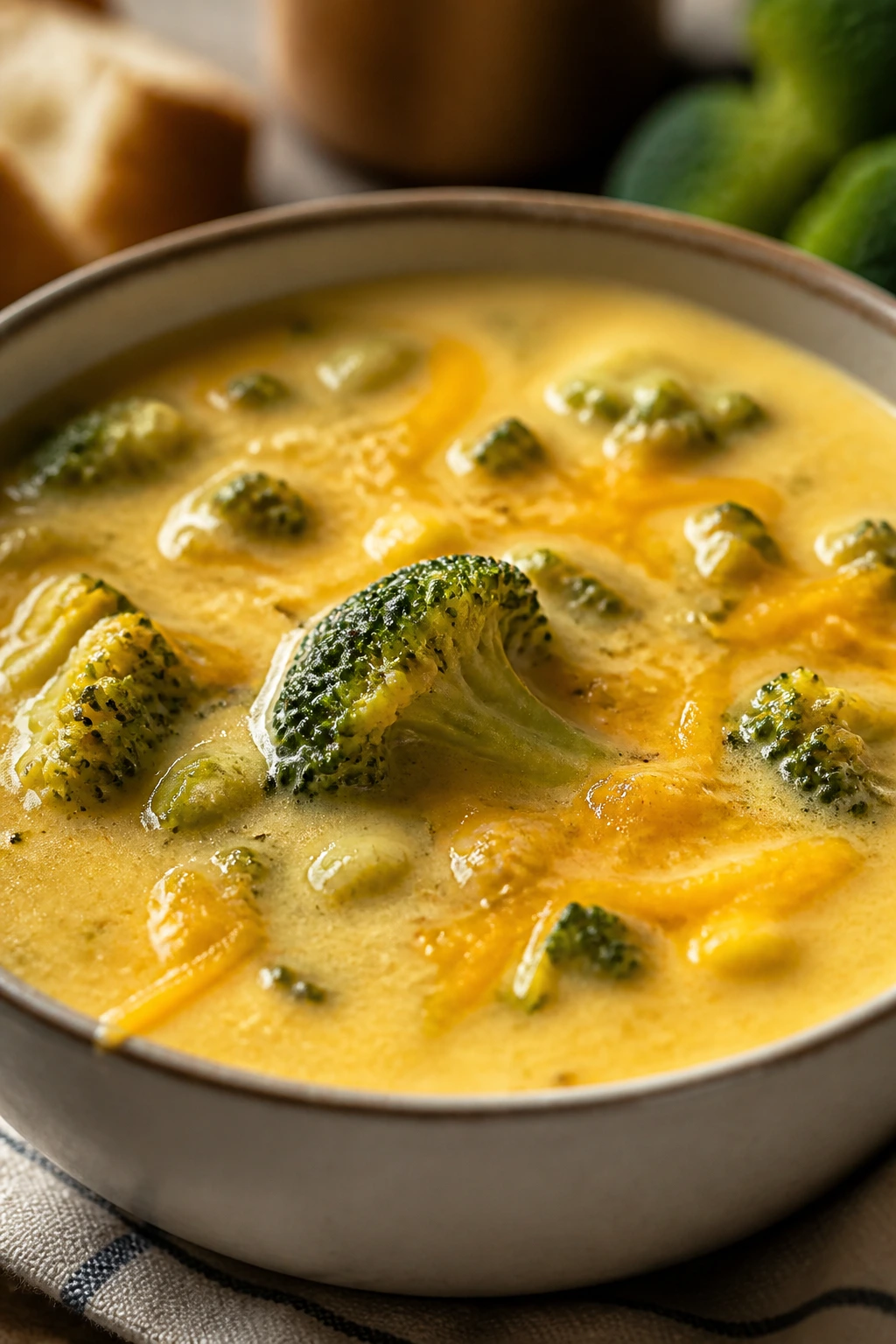
7. Broccoli Cheddar Soup
Broccoli cheddar can go wrong fast if the cheese gets grainy or the soup tastes like pale melted nothing. This version keeps things sane: a simple roux, a good amount of sharp cheddar, and broccoli that stays green enough to look like broccoli. It’s thick, salty, and a little bit addictive in the way the best cheese soups are.
Why It Works:
The roux gives the soup structure, which matters because broccoli alone doesn’t thicken much. Sharp cheddar brings enough flavor that you don’t need a pile of extras. A little Dijon or mustard powder helps the cheese taste more like itself and less like goo.
Key Ingredients:
- 4 tablespoons butter — for the roux and the first layer of richness.
- 1 medium onion and 2 carrots, chopped small — a sweet base under the cheese.
- 1/4 cup all-purpose flour — thickens the broth.
- 4 cups low-sodium chicken or vegetable broth — enough liquid for a spoonable texture.
- 4 cups broccoli florets, chopped small — smaller pieces cook more evenly.
- 2 cups whole milk + 1/2 cup heavy cream — the creamy finish.
- 2 1/2 cups shredded sharp cheddar — block cheese melts smoother than most pre-shredded blends.
- 1 teaspoon Dijon mustard or 1/2 teaspoon mustard powder — gives the cheese some attitude.
Quick Steps:
- Cook the vegetables: Melt the butter over medium heat and cook the onion and carrots for 5 minutes until soft.
- Make the roux: Stir in the flour and cook for 1 minute, stirring constantly so it doesn’t taste raw.
- Add broth and broccoli: Slowly whisk in the broth, then add the broccoli. Simmer for 12 to 15 minutes until the broccoli is tender.
- Blend a little: Use an immersion blender for just a few pulses if you want a smoother soup, or leave it chunky if you don’t.
- Finish with dairy and cheese: Lower the heat, stir in the milk, cream, mustard, and cheddar, and cook gently until the cheese melts.
Equipment for This Recipe:
- Soup pot or Dutch oven — the roux needs room.
- Whisk — useful when the flour and broth meet.
- Immersion blender — optional, but handy for partial smoothing.
- Box grater — fresh cheddar melts better than bagged shreds.
How to Serve This Dish:
Serve it with toasted bread or crackers, not because it needs a lot, but because cheese soup begs for crunch. A little black pepper over the top looks right and tastes right.
Pro Tips for This Recipe:
- Cut the broccoli small so it cooks in the same window as the carrots.
- Keep the soup at a low simmer after the dairy goes in.
- Add the cheese off the hottest part of the stove.
- If you want a brighter flavor, add a few drops of lemon at the end.
Variations on This Dish:
- Cauliflower Broccoli Mix: Swap half the broccoli for cauliflower for a milder bowl.
- Bacon Version: Stir in crisp bacon at the end for more smoke and salt.
- Gluten-Free Swap: Use cornstarch slurry instead of flour for the thickener.
Common Mistakes to Avoid with This Dish:
- Using high heat after adding cheese: That’s how you get a grainy mess.
- Cutting the broccoli too large: Big florets stay too firm while the base thickens.
- Skipping the mustard: It doesn’t make the soup taste mustardy; it makes the cheddar taste sharper.
8. White Bean and Kale Soup
White bean and kale soup is the bowl I reach for when I want something brothy but still filling. The beans make the broth creamy without dairy, the kale holds its shape, and a little parmesan rind gives the whole pot a slow, salty depth. It’s simple in the best way.
Why It Works:
Cannellini beans break down enough to thicken the broth, but they still leave a few whole beans for texture. Kale stands up to simmering better than softer greens, so the bowl stays lively instead of collapsing into sludge. Lemon at the end keeps the beans from tasting dense.
Key Ingredients:
- 2 tablespoons olive oil — the base fat.
- 1 onion, 2 carrots, and 2 celery stalks, diced — the soup foundation.
- 3 garlic cloves + 1 teaspoon chopped rosemary — a simple, sturdy flavor combo.
- 2 cans cannellini beans, drained and rinsed — creamy and filling.
- 6 cups vegetable or chicken broth — keep it low-sodium.
- 1 parmesan rind, optional — adds a long-cooked savory note.
- 1 bunch kale, stems removed and leaves chopped — the green that can handle heat.
- 1 tablespoon lemon juice + olive oil for serving — the finishing lift.
Quick Steps:
- Soften the base: Heat the oil over medium heat and cook the onion, carrots, and celery for 6 to 7 minutes until glossy and soft.
- Add garlic and rosemary: Stir in the garlic and rosemary and cook for 30 seconds until fragrant.
- Build the soup: Add the beans, broth, and parmesan rind. Bring to a simmer and cook for 15 minutes.
- Thicken lightly: Mash a handful of beans against the side of the pot with a spoon to give the broth a creamier feel.
- Add kale and finish: Stir in the kale and cook for 4 to 5 minutes until wilted but still green. Remove the rind, add lemon juice, and taste for salt.
Equipment for This Recipe:
- Soup pot — nothing fancy needed.
- Wooden spoon — useful for mashing some beans.
- Knife and cutting board — kale needs a decent chop.
- Ladle — for serving the brothy bowl.
How to Serve This Dish:
A piece of toasted country bread is enough to make it a full meal. I also like a little extra olive oil and cracked pepper on top, which gives the beans a cleaner finish.
Pro Tips for This Recipe:
- Pull the thick ribs out of the kale so the leaves cook evenly.
- Mash only part of the beans; you want body, not purée.
- If you have a parmesan rind, use it. The pot tastes deeper with it.
- Add lemon only at the end so the greens stay bright.
Variations on This Dish:
- Sausage and Bean Version: Add browned Italian sausage for a meatier bowl.
- Tomato-Kale Twist: Stir in 1 cup diced tomatoes for a more rustic broth.
- Herb-Lemon Version: Add parsley and extra lemon zest for a sharper finish.
Common Mistakes to Avoid with This Dish:
- Cooking the kale too long: It turns dark and limp.
- Forgetting to season after the beans go in: Beans absorb salt, so taste again.
- Skipping an acid finish: Lemon keeps the broth from tasting muddy.
9. Butternut Squash Soup with Sage
Butternut squash soup can get too sweet if nobody pays attention. This version stays balanced by pairing the squash with onion, garlic, and sage, then finishing with just enough cream or coconut milk to smooth the edges. It tastes like a calm bowl, not dessert pretending to be dinner.
Why It Works:
Squash blends into a silky base, but it needs acid, salt, and herbs to stay interesting. Sage gives the pot a woody note that feels right in colder months, and a little apple can sharpen the sweetness without making the soup fruity. The texture gets better if you blend until very smooth and then taste before adding any more salt.
Key Ingredients:
- 2 tablespoons butter or olive oil — either one works, but butter gives a rounder flavor.
- 1 onion and 3 garlic cloves — the savory base.
- 6 cups butternut squash cubes — pre-cut squash is a fine shortcut.
- 1 small apple, peeled and chopped — adds brightness without turning the soup sweet.
- 1 tablespoon chopped fresh sage — the herb that makes squash taste finished.
- 4 cups vegetable broth — enough liquid for blending.
- 1/2 cup heavy cream or coconut milk — choose cream for richness, coconut milk for a dairy-free bowl.
- 1 teaspoon maple syrup + pinch of nutmeg — optional, but useful if the squash tastes flat.
Quick Steps:
- Cook the onion: Warm the butter or oil over medium heat and cook the onion for 5 minutes until soft.
- Add squash and apple: Stir in the squash, apple, garlic, and sage. Cook for 2 minutes so the sage wakes up.
- Simmer until tender: Pour in the broth and bring to a simmer. Cook for 20 to 25 minutes until the squash breaks apart easily.
- Blend smooth: Use an immersion blender or transfer carefully to a blender and purée until silky.
- Finish the soup: Stir in the cream or coconut milk, maple syrup, and nutmeg. Taste and adjust with salt and pepper.
Equipment for This Recipe:
- Dutch oven or soup pot — gives the squash room to soften.
- Immersion blender or countertop blender — the texture depends on this step.
- Cutting board and sharp knife — squash cubes should be roughly even.
- Ladle — blended soup pours fast.
How to Serve This Dish:
A few toasted pepitas or pumpkin seeds give the bowl a nice crunch. If you want a more savory plate, pair it with a sharp cheddar toast or a simple salad dressed with cider vinegar.
Pro Tips for This Recipe:
- Pre-cut squash is worth it on a weeknight.
- Blend the soup in batches only if the blender jar isn’t too full; hot squash expands.
- Taste before adding maple syrup — some squash is sweet enough already.
- Sage can turn bitter if you fry it too hard, so keep the heat moderate.
Variations on This Dish:
- Curried Squash Version: Add curry powder with the onion for a warmer, spicier bowl.
- Roasted Squash Version: Roast the cubes first for deeper flavor if you have extra time.
- Dairy-Free Silk: Use coconut milk and top with toasted coconut or pepitas.
Common Mistakes to Avoid with This Dish:
- Over-sweetening the pot: Maple syrup should stay optional, not automatic.
- Blending with the lid sealed too tightly: Hot soup needs a vent or it can splatter.
- Skipping salt and acid: Squash wants balance, not just sweetness.
10. Ground Beef and Barley Soup
Ground beef and barley soup tastes like a sturdier version of weeknight hamburger helper, only far better behaved. The barley gives the broth a nutty chew, the beef adds depth, and the carrots and celery keep it from getting heavy. It’s the kind of soup that gets more comfortable the longer it sits.
Why It Works:
Ground beef browns quickly, so you get real savory flavor without long simmering. Pearl barley thickens the broth a little as it cooks, which makes the soup feel complete. Tomato paste and Worcestershire sauce push the beef flavor deeper without requiring a fancy stock.
Key Ingredients:
- 1 pound ground beef — enough to make the soup hearty.
- 1 onion, 2 carrots, and 2 celery stalks, diced — the classic savory base.
- 3 garlic cloves + 2 tablespoons tomato paste — build the pot’s depth.
- 6 cups beef broth — use low-sodium if possible.
- 3/4 cup pearl barley — chewy, filling, and perfect for soup.
- 1 tablespoon Worcestershire sauce + 1 bay leaf — both sharpen the beef flavor.
- 1 teaspoon dried thyme — a clean herb that works with barley.
- 1 cup frozen peas + chopped parsley — the bright finish.
Quick Steps:
- Brown the beef: Cook the beef in a soup pot over medium-high heat until no pink remains. If there’s a lot of grease, spoon off most of it.
- Add vegetables: Stir in the onion, carrots, and celery, then cook for 5 minutes until the onion softens.
- Deepen the base: Add the garlic and tomato paste and cook for 1 minute until the paste darkens slightly.
- Simmer the barley: Pour in the broth, barley, Worcestershire, bay leaf, and thyme. Bring to a boil, then simmer for 35 to 40 minutes until the barley is tender.
- Finish the bowl: Stir in the peas for the last 3 minutes, remove the bay leaf, and finish with parsley and black pepper.
Equipment for This Recipe:
- Large soup pot — barley expands, so size matters.
- Wooden spoon — useful for breaking up the beef.
- Fine spoon or ladle — for skimming excess fat if needed.
- Measuring cup — barley is one of those ingredients you don’t want to eyeball.
How to Serve This Dish:
Serve it with rye bread or a buttered roll if you want the meal to lean old-school. A sharp pickle on the side is a good move too; it cuts through the beef nicely.
Pro Tips for This Recipe:
- Brown the beef well instead of just turning it gray; that browned flavor matters.
- If your barley is still firm, keep simmering and add a splash of broth as needed.
- Stir in peas at the end so they stay green.
- Taste after the barley cooks because it can mute the salt a little.
Variations on This Dish:
- Mushroom Beef Version: Add sliced mushrooms with the vegetables for extra depth.
- Tomato-Barley Twist: Add a can of diced tomatoes for a brighter broth.
- Turkey Swap: Use ground turkey and a little extra Worcestershire if you want a lighter soup.
Common Mistakes to Avoid with This Dish:
- Adding the barley too late: It needs time to soften and plump.
- Leaving too much fat in the pot: The broth gets greasy fast.
- Under-seasoning the finished soup: Barley can absorb more salt than you expect.
11. Coconut Curry Chickpea Soup

This soup has a little swagger. Coconut milk softens the curry, chickpeas make it substantial, and spinach gives the pot some color right at the end. It’s fast enough for a weeknight and still tastes like you thought about dinner for more than five minutes.
Why It Works:
Canned chickpeas are already tender, so they only need time to soak up flavor. Curry powder or curry paste adds body fast, and coconut milk gives the broth a lush texture without needing cream. A squeeze of lime at the end keeps the whole bowl from becoming too rich.
Key Ingredients:
- 1 tablespoon oil — for the onion and spices.
- 1 medium onion, 3 garlic cloves, and 1 tablespoon grated ginger — the aromatic base.
- 1 to 2 tablespoons curry powder or curry paste — start modestly and add more if you want heat.
- 2 cans chickpeas, drained and rinsed — the main protein and texture.
- 1 can diced tomatoes — gives acidity and color.
- 1 can coconut milk + 3 cups vegetable broth — the creamy, brothy base.
- 2 cups baby spinach — wilts in at the end.
- 1 lime + chopped cilantro — the finish that makes the bowl pop.
Quick Steps:
- Cook the onion base: Heat the oil over medium heat and cook the onion for 5 minutes until soft.
- Bloom the spices: Add the garlic, ginger, and curry powder or paste. Cook for 30 seconds until fragrant.
- Build the soup: Stir in the chickpeas, tomatoes, coconut milk, and broth. Bring to a gentle simmer.
- Let it thicken: Simmer for 15 minutes so the chickpeas take on the curry flavor.
- Finish fresh: Stir in the spinach until wilted, then add lime juice and cilantro before serving.
Equipment for This Recipe:
- Soup pot — medium size is plenty.
- Wooden spoon — helps the curry paste mix in.
- Grater — ginger disappears better when finely grated.
- Ladle — for serving the creamy broth.
How to Serve This Dish:
A bowl of rice underneath turns this into a bigger dinner without much work. Warm naan on the side is even better if you don’t mind tearing into the plate.
Pro Tips for This Recipe:
- Bloom the curry powder in the oil for a few seconds; it tastes deeper that way.
- Use full-fat coconut milk if you want the broth to feel silky.
- Add lime at the end, not earlier, or the coconut flavor gets muddy.
- If you want more heat, stir in chili flakes or a spoonful of curry paste.
Variations on This Dish:
- Sweet Potato Chickpea Version: Add diced sweet potato and simmer until tender.
- Thai-Style Finish: Stir in a little fish sauce or soy sauce and top with basil.
- Tomato-Forward Version: Use an extra can of tomatoes and a little less coconut milk for a brighter broth.
Common Mistakes to Avoid with This Dish:
- Using too much curry paste at once: It can dominate fast.
- Adding spinach too early: It turns drab and overcooked.
- Forgetting the lime: That last hit of acid makes the bowl sing.
12. Chicken Noodle Soup with Lemon and Dill
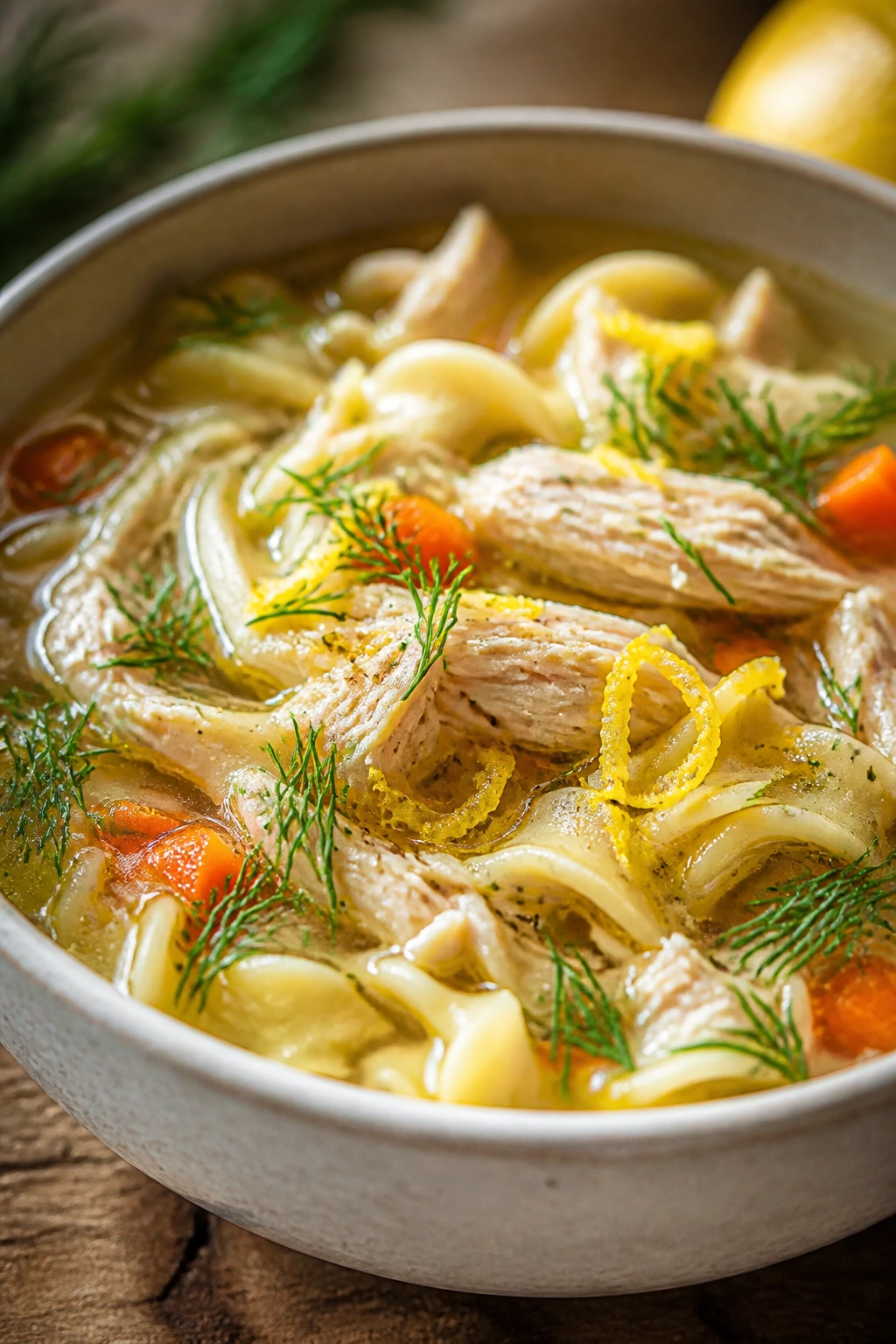
This is the chicken noodle soup I want when the weather turns ugly and everything in the pantry looks uninspiring. Lemon and dill keep it from tasting generic, the noodles make it filling, and the chicken gives the broth enough substance to stand as dinner. It’s plain in the nicest possible way.
Why It Works:
The vegetables soften into a clean broth without getting fussy. Lemon and dill cut through the chicken in a way that tastes fresh, not showy. If you use rotisserie chicken, the whole pot comes together fast without losing the feeling of a real meal.
Key Ingredients:
- 1 tablespoon butter or olive oil — either one works for the base.
- 1 onion, 2 carrots, and 2 celery stalks, diced — the familiar soup trio.
- 3 garlic cloves — just enough to give the broth some shape.
- 6 cups chicken broth — low-sodium keeps the seasoning under control.
- 2 cups cooked shredded chicken — use rotisserie or leftovers.
- 2 cups egg noodles — the part that makes this a proper noodle soup.
- 2 tablespoons chopped dill + 2 tablespoons chopped parsley — fresh herbs matter here.
- 1 lemon, zested and juiced — the ingredient that lifts the whole pot.
Quick Steps:
- Start the vegetables: Heat the butter or oil over medium heat and cook the onion, carrots, and celery for 6 minutes until soft.
- Add garlic and broth: Stir in the garlic for 30 seconds, then pour in the broth and bring the pot to a simmer.
- Cook the noodles: Add the egg noodles and simmer until just tender, usually 6 to 8 minutes.
- Add the chicken: Stir in the shredded chicken and cook for 2 to 3 minutes until heated through.
- Finish with herbs and lemon: Stir in the dill, parsley, lemon zest, and lemon juice. Taste and adjust with salt and pepper.
Equipment for This Recipe:
- Soup pot — enough room for noodles to move.
- Microplane or zester — the lemon zest does real work here.
- Wooden spoon — useful for stirring noodles gently.
- Ladle — the broth should be served hot.
How to Serve This Dish:
This soup likes crackers, buttered toast, or a simple sandwich on the side. I also like a little extra dill on top because it makes the bowl smell fresh the second it hits the table.
Pro Tips for This Recipe:
- Cook the noodles just until tender; they’ll keep softening in the broth.
- Add lemon at the end so the flavor stays bright.
- If using leftover chicken, shred it small so it doesn’t clump.
- Keep extra broth nearby in case the noodles drink the pot dry.
Variations on This Dish:
- Rice Noodle Version: Use thin rice noodles for a lighter broth.
- Herby Garlic Version: Add a little thyme or tarragon if you want more complexity.
- Vegetable-Heavy Swap: Stir in spinach or peas in the last minute for more color.
Common Mistakes to Avoid with This Dish:
- Overcooking the noodles: They go soft quickly and make the soup cloudy.
- Adding all the lemon at the start: It tastes flatter that way.
- Using too little salt: Chicken noodle soup needs seasoning or it falls flat.
13. Black Bean Soup with Avocado
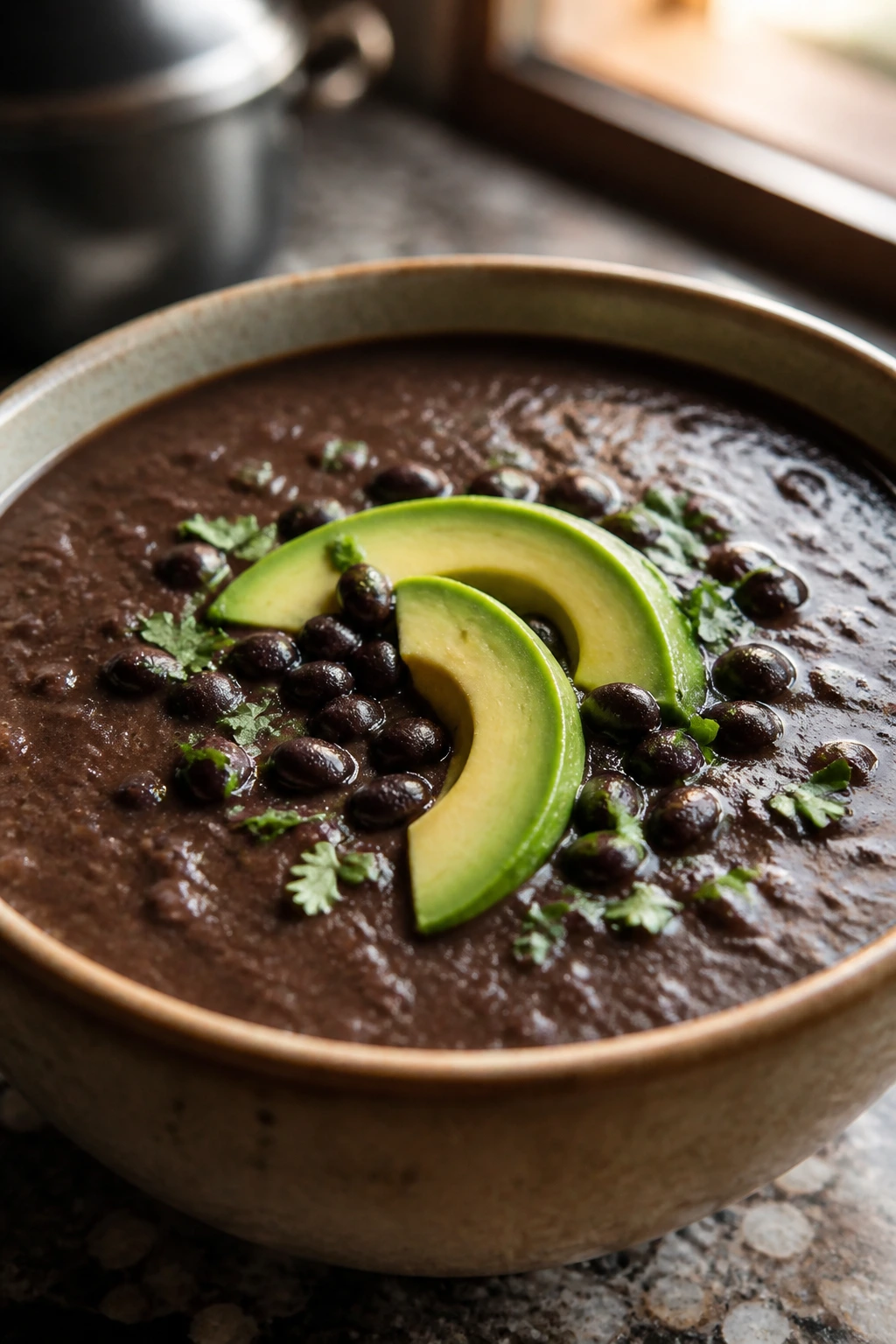
Black bean soup can be silky, smoky, and deeply satisfying without a long ingredient list. I like this one because it comes together fast and still feels like it has weight, especially once you add avocado or a spoonful of sour cream on top. It’s weeknight dinner material through and through.
Why It Works:
Black beans thicken the pot naturally once they simmer a bit, so you don’t need much flour or cream. Smoked paprika or chipotle gives the soup depth, and lime at the end keeps the beans from tasting heavy. If you blend part of the pot, the texture turns smooth without losing all the beans.
Key Ingredients:
- 1 tablespoon olive oil — for the onion and spices.
- 1 medium onion and 3 garlic cloves — the base flavor.
- 2 teaspoons ground cumin + 1 teaspoon smoked paprika — the smoky backbone.
- 3 cans black beans, drained and rinsed — the main event.
- 1 can diced tomatoes or 1 cup salsa — gives the soup some acidity.
- 4 cups vegetable broth — low-sodium is the safer choice.
- 1 lime + 1 avocado — the finishing contrast.
- Cilantro or sour cream — optional, but nice.
Quick Steps:
- Cook the onion: Heat the oil over medium heat and cook the onion for 5 minutes until soft.
- Toast the spices: Add the garlic, cumin, and smoked paprika, then stir for 30 seconds until aromatic.
- Simmer the beans: Add the black beans, tomatoes or salsa, and broth. Bring to a simmer and cook for 15 minutes.
- Adjust the texture: Blend part of the soup with an immersion blender, or transfer a few cups to a blender and return them to the pot.
- Finish and serve: Stir in lime juice, then top bowls with avocado and cilantro.
Equipment for This Recipe:
- Soup pot — one pot is all you need.
- Immersion blender — optional, but very useful for texture.
- Can opener — black beans are doing the heavy lifting.
- Ladle — for serving over toppings.
How to Serve This Dish:
A handful of tortilla chips on the side gives the soup some crunch and salt. If you want a more complete plate, add a small scoop of rice under the soup or a corn tortilla warm from a skillet.
Pro Tips for This Recipe:
- Use smoked paprika, not sweet paprika, if you want the soup to taste deeper.
- Add lime only at the end or the flavor fades.
- Blend only part of the soup if you want some bean texture left.
- A pinch of salt after blending usually helps more than you think.
Variations on This Dish:
- Chipotle Black Bean Version: Add chopped chipotle in adobo for extra smoke and heat.
- Creamy Avocado Bowl: Blend in a little avocado for a richer texture.
- Tomato-Free Swap: Leave out the tomatoes and add extra broth for a cleaner bean flavor.
Common Mistakes to Avoid with This Dish:
- Leaving the soup unseasoned after blending: Beans mute salt more than people expect.
- Skipping the smoky element: Without paprika or chipotle, the soup can taste flat.
- Adding avocado too early: It browns and loses its clean finish.
14. Minestrone with Pesto
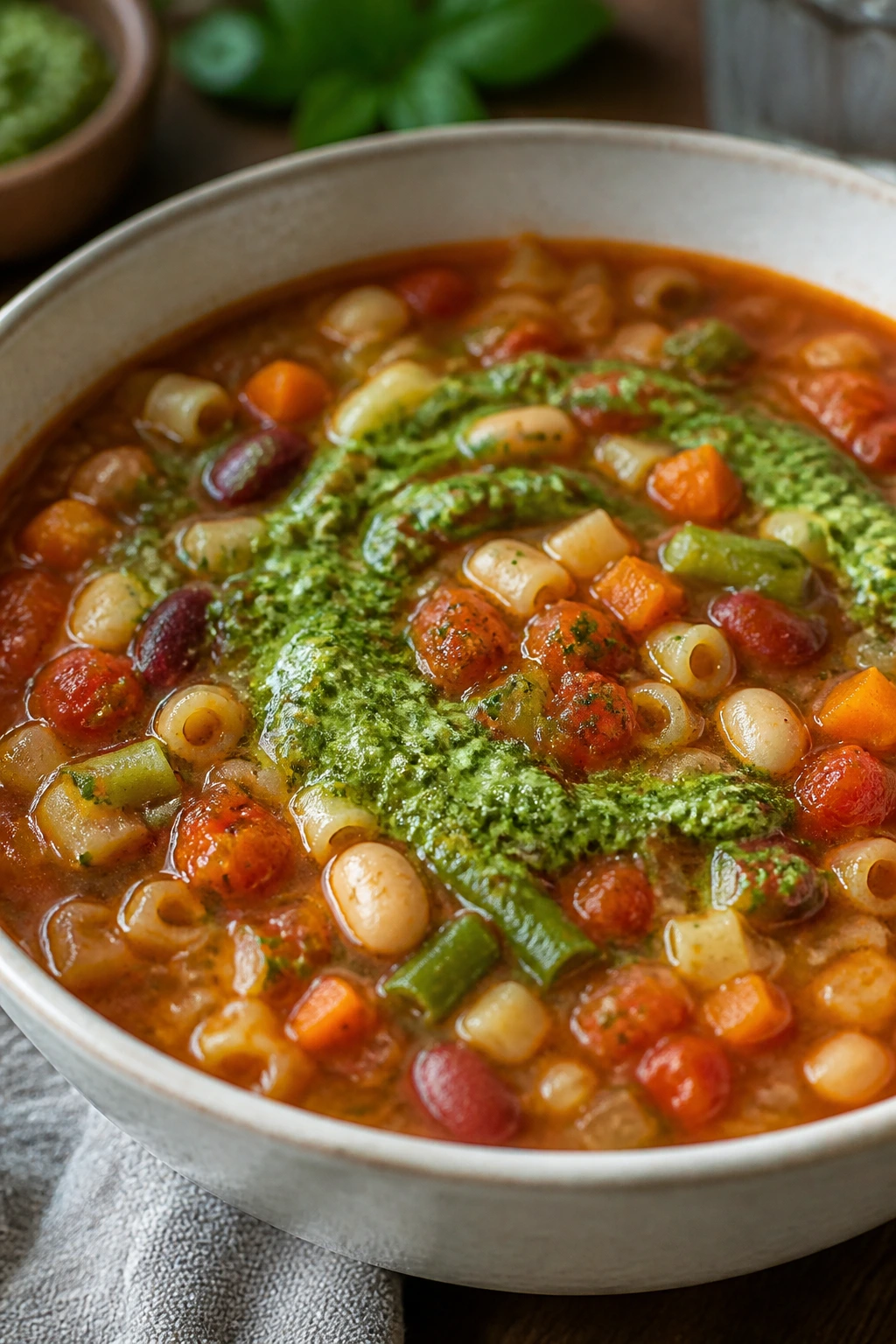
Minestrone is what happens when a vegetable drawer gets organized and decides to make dinner. The broth is tomato-based, the beans and pasta make it substantial, and pesto at the end pushes the whole thing into something more vivid. I like this soup because it feels flexible without turning sloppy.
Why It Works:
This soup gets a lot of body from beans and pasta, which means you don’t need meat for it to feel like dinner. The vegetables soften in layers, so the broth tastes built instead of dumped together. Pesto added at the end gives the bowl a fresh, herby finish that wakes up the tomato.
Key Ingredients:
- 2 tablespoons olive oil — for the vegetables.
- 1 onion, 2 carrots, and 2 celery stalks, diced — the foundation.
- 1 zucchini, chopped + 2 garlic cloves — the more delicate vegetables.
- 1 can diced tomatoes + 1 can cannellini beans — tomato and body.
- 6 cups vegetable broth — the liquid that ties it together.
- 1/2 cup small pasta like ditalini or small shells — the starch.
- 2 cups baby spinach — folds into the soup quickly.
- 2 tablespoons pesto + parmesan — the finish.
Quick Steps:
- Start the vegetables: Heat the oil in a soup pot and cook the onion, carrots, and celery for 6 minutes until softened.
- Add zucchini and garlic: Stir in the zucchini and garlic and cook for 2 minutes.
- Build the broth: Add the tomatoes, beans, and broth. Bring to a boil, then lower to a simmer.
- Cook the pasta: Stir in the pasta and simmer until tender, usually 8 to 10 minutes.
- Finish with greens and pesto: Add the spinach to wilt, then stir in pesto just before serving. Top with parmesan.
Equipment for This Recipe:
- Soup pot — the pasta needs room.
- Wooden spoon — for gentle stirring.
- Ladle — the broth is the point.
- Grater — parmesan tastes better freshly grated.
How to Serve This Dish:
Serve it with crusty bread or garlic toast, because minestrone likes a side that can soak up broth. A little extra pesto swirled on top looks good and tastes even better.
Pro Tips for This Recipe:
- Cook the pasta just until tender so it doesn’t go mushy in leftovers.
- Add pesto off the heat to keep its flavor bright.
- If you want a thicker minestrone, mash a few beans into the pot.
- A parmesan rind simmered in the broth makes the base taste richer.
Variations on This Dish:
- Sausage Minestrone: Add browned Italian sausage for a meatier version.
- Pasta-Free Bowl: Swap the pasta for extra beans if you want a lower-carb pot.
- Lemony Finish: Add a little lemon zest with the pesto for a sharper finish.
Common Mistakes to Avoid with This Dish:
- Overcooking the pasta: It keeps softening once it sits in broth.
- Adding pesto too early: It loses its fresh herb flavor.
- Using too many vegetables without enough broth: The soup should still be spoonable.
15. Mushroom Orzo Soup
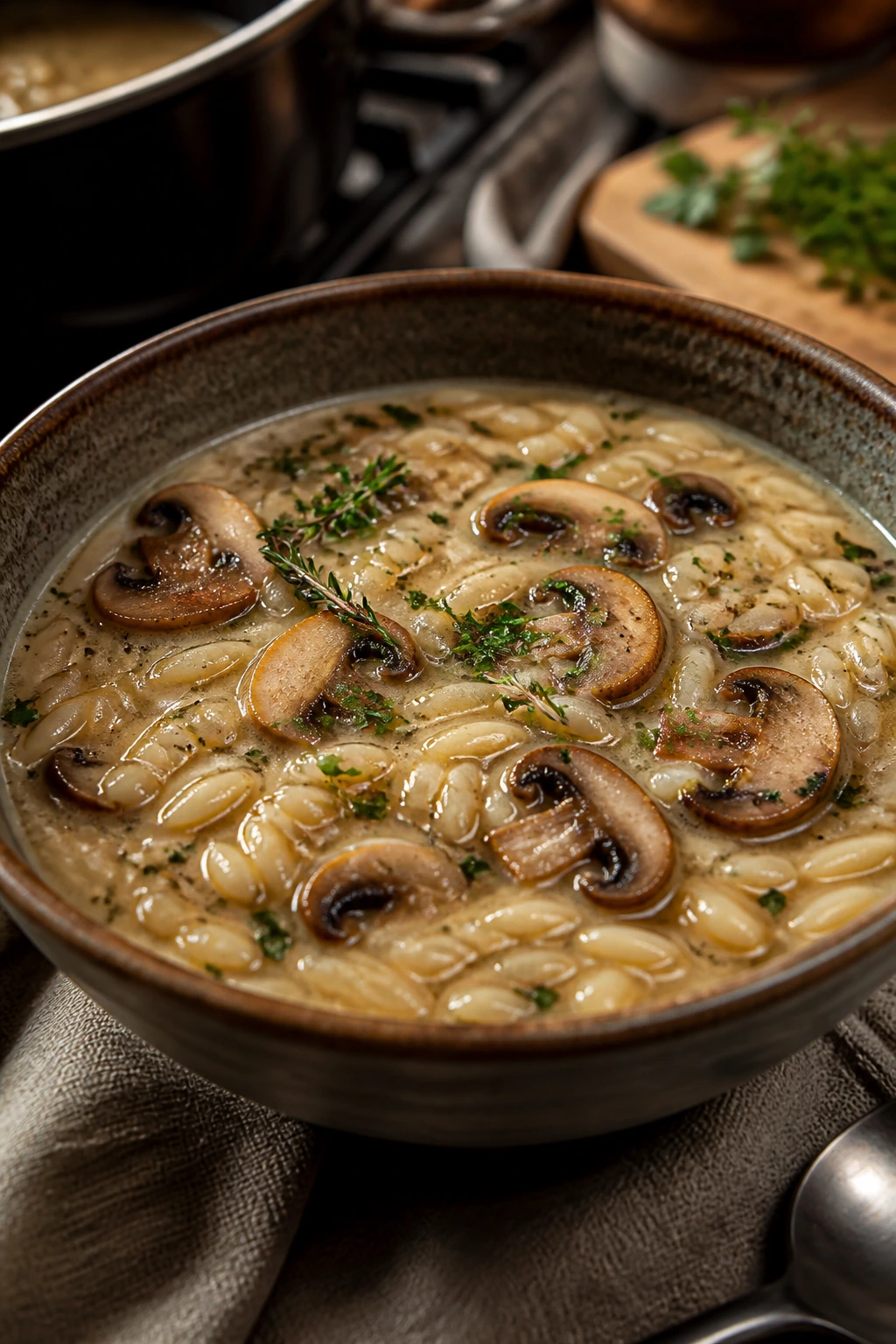
Mushroom soup often gets treated like a side dish, which is a waste. Orzo turns this one into dinner, and browned mushrooms give the broth a deep, savory flavor that tastes like it took more effort than it did. It’s earthy, a little creamy, and very good on a cold night.
Why It Works:
Mushrooms need room to brown, and that browning is what gives the soup its flavor. Orzo cooks fast and adds a pleasant chew, which makes the bowl feel finished. A little soy sauce or Worcestershire sharpens the mushroom flavor without making the soup taste Asian or beefy; it just makes the broth more defined.
Key Ingredients:
- 2 tablespoons butter + 1 tablespoon olive oil — the fat that helps the mushrooms brown.
- 1 pound mushrooms, sliced — cremini, button, or a mix all work.
- 1 onion, 1 carrot, and 3 garlic cloves — the soup base.
- 1 teaspoon dried thyme — a natural match for mushrooms.
- 1/2 cup orzo — small pasta that cooks quickly.
- 6 cups vegetable or chicken broth — the body of the soup.
- 1 tablespoon soy sauce or Worcestershire sauce — deepens the savory flavor.
- 1/3 cup heavy cream + chopped parsley — the finish.
Quick Steps:
- Brown the mushrooms: Heat the butter and oil over medium-high heat and cook the mushrooms in a single layer until they release their moisture and begin to brown, about 8 minutes.
- Add the vegetables: Stir in the onion and carrot and cook for 4 minutes, then add the garlic and thyme for 30 seconds.
- Build the broth: Pour in the broth and soy sauce or Worcestershire. Bring the pot to a boil.
- Cook the orzo: Add the orzo and simmer for 8 to 10 minutes until tender.
- Finish the soup: Stir in the cream and parsley, taste for salt, and serve hot.
Equipment for This Recipe:
- Large soup pot or Dutch oven — mushrooms need a roomy surface.
- Wooden spoon — useful for stirring and scraping the browned bits.
- Measuring cup — orzo cooks fast, so measure it.
- Ladle — the broth is the good part.
How to Serve This Dish:
This soup goes well with rye toast or a piece of crusty bread rubbed with garlic. A little grated parmesan on top works too, even if you didn’t plan for it.
Pro Tips for This Recipe:
- Don’t crowd the mushrooms or they’ll steam instead of brown.
- Stir the orzo often so it doesn’t stick to the bottom.
- Add cream after the heat comes down to keep the texture smooth.
- If the soup thickens too much, loosen it with extra broth.
Variations on This Dish:
- Chicken-Mushroom Version: Add shredded chicken at the end for more protein.
- Wild Mushroom Twist: Use a mix of cremini and shiitake for a deeper flavor.
- Dairy-Free Bowl: Skip the cream and finish with olive oil and parsley.
Common Mistakes to Avoid with This Dish:
- Skipping the browning step on the mushrooms: That’s where the flavor comes from.
- Overcooking the orzo: It goes from tender to bloated fast.
- Salting too early: Mushrooms shrink if they’re salted before they brown.
16. Split Pea Soup with Ham
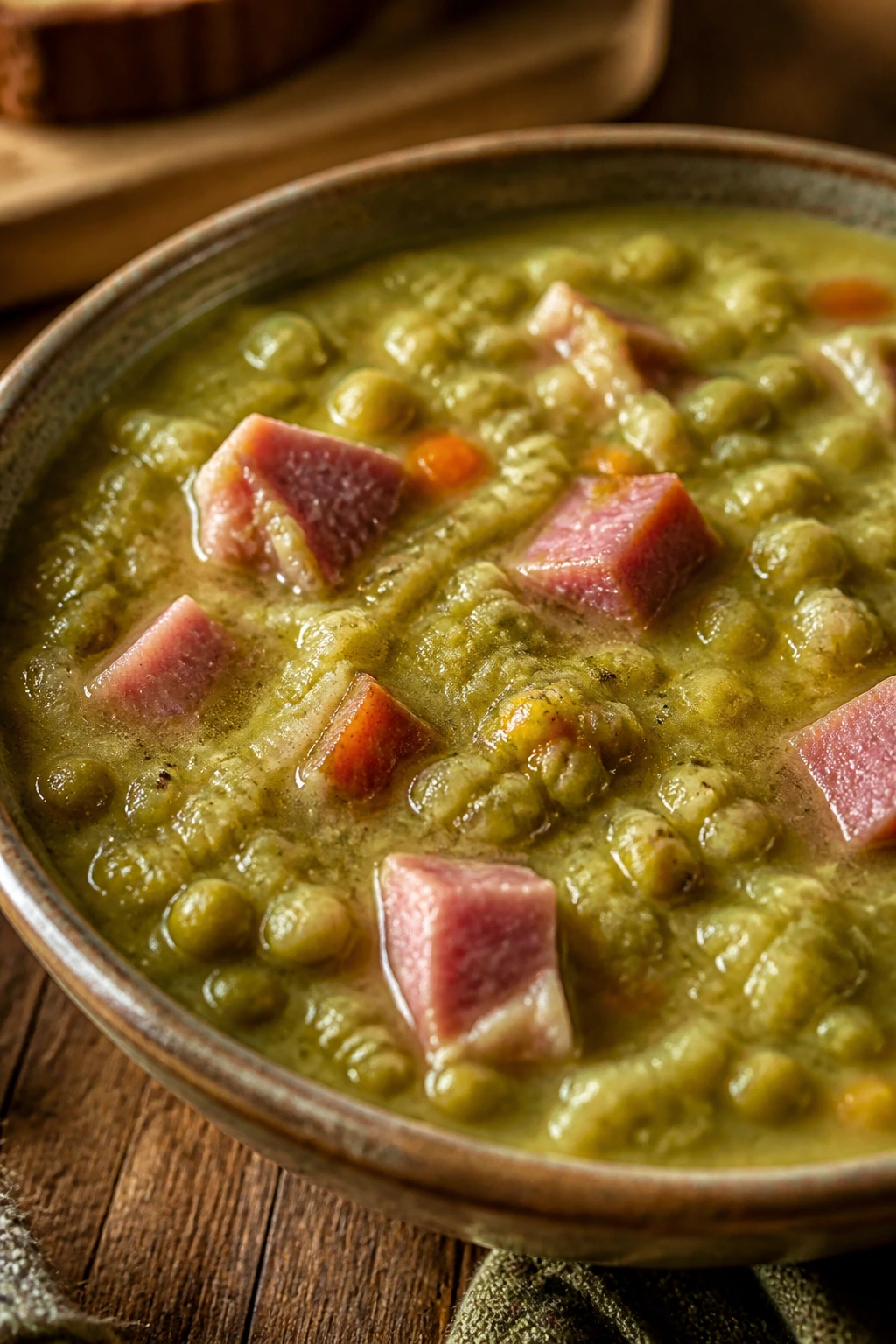
Split pea soup looks humble until you taste what slow cooking does to those peas. They collapse into a thick, savory pot, the ham adds salt and smoke, and the carrots and celery keep the whole thing from turning one-note. It’s old-fashioned in the best way, and it reheats beautifully.
Why It Works:
Split peas naturally break down into a thick base, so you don’t need cream or flour. Ham gives the soup a smoky backbone, and a bay leaf or two adds a quiet herbal note that keeps the broth from tasting muddy. If you add a little vinegar at the end, the peas taste cleaner and less flat.
Key Ingredients:
- 1 tablespoon oil — just enough to start the vegetables.
- 1 onion, 2 carrots, and 2 celery stalks, diced — the classic base.
- 3 garlic cloves — small but useful.
- 1 pound dried split peas, rinsed — the soup’s main texture.
- 1 ham shank or 2 cups diced ham — adds salt, smoke, and body.
- 8 cups chicken broth or water plus broth — enough liquid for a long simmer.
- 1 bay leaf + 1 teaspoon dried thyme — keeps the flavor grounded.
- 1 tablespoon apple cider vinegar — the finishing lift.
Quick Steps:
- Cook the vegetables: Heat the oil in a soup pot and cook the onion, carrots, and celery for 5 minutes until softened.
- Add garlic and peas: Stir in the garlic and split peas for 30 seconds.
- Simmer with ham: Add the ham shank or diced ham, broth, bay leaf, and thyme. Bring to a boil, then lower to a steady simmer.
- Cook until thick: Simmer for 45 to 60 minutes, stirring now and then, until the peas break down and the broth turns creamy.
- Finish sharply: Remove the bay leaf and ham shank, stir in vinegar, and shred any ham from the bone before returning it to the pot.
Equipment for This Recipe:
- Heavy soup pot — long simmering works better in a sturdy pot.
- Wooden spoon — for occasional stirring.
- Ladle — this soup gets thick enough to need a solid scoop.
- Cutting board and knife — ham and vegetables both need prep.
How to Serve This Dish:
Toast or rye bread is the obvious side, and I’d keep it simple. A spoonful of mustard on the side can be surprisingly good if you like a sharper bite with the ham.
Pro Tips for This Recipe:
- Rinse the split peas before cooking so the broth stays cleaner.
- Stir occasionally so the bottom doesn’t catch as the peas break down.
- Taste before salting heavily; ham can make the soup saltier than expected.
- Add vinegar at the end for a brighter, cleaner finish.
Variations on This Dish:
- Smoky Vegetarian Version: Skip the ham and add smoked paprika plus a little extra salt.
- Herb-Heavy Bowl: Add parsley and dill near the end if you want a fresher finish.
- Chunkier Version: Keep some vegetables whole and don’t stir as much for more texture.
Common Mistakes to Avoid with This Dish:
- Not simmering long enough: Split peas need time to break down.
- Adding too much water too late: The soup should thicken as it cooks, not stay thin.
- Over-salting early: Ham can shift the seasoning a lot.
17. Corn Chowder with Bacon

Corn chowder walks a nice line between sweet and savory when it’s done right. Bacon, potatoes, and a little cream give the bowl enough body to feel like dinner, while the corn brings pops of sweetness in every spoonful. It’s thick, cozy, and better with scallions than it has any right to be.
Why It Works:
Potatoes create the chowder’s thickness, and corn adds texture without fighting the cream. Bacon fat gives the pot a smoky base, while milk and cream keep it from feeling dense. If you leave some potatoes chunky and mash a few others, the texture lands in the sweet spot.
Key Ingredients:
- 6 slices bacon, chopped — the savory base.
- 1 onion and 2 celery stalks, diced — classic chowder aromatics.
- 3 medium Yukon Gold or russet potatoes, cubed — potatoes give the soup body.
- 3 cups corn kernels — fresh, frozen, or canned and drained.
- 4 cups chicken broth — the liquid that starts the chowder.
- 2 cups milk + 1/2 cup heavy cream — the creamy finish.
- 2 tablespoons flour + 2 tablespoons butter — helps thicken the base.
- 1 teaspoon dried thyme + sliced scallions — the finishing notes.
Quick Steps:
- Cook the bacon: Brown the bacon in a soup pot over medium heat. Remove most of it and leave about 2 tablespoons of fat behind.
- Cook the vegetables: Add the onion and celery to the bacon fat and cook for 4 to 5 minutes. Stir in the butter and flour, cooking for 1 minute.
- Add potatoes and broth: Pour in the broth and add the potatoes and thyme. Simmer for 15 to 20 minutes until the potatoes are tender.
- Add corn and dairy: Stir in the corn, milk, and cream. Simmer gently for 5 minutes; do not boil hard.
- Finish the chowder: Mash a few potatoes in the pot, return the bacon, and top with scallions.
Equipment for This Recipe:
- Soup pot — wide enough for the potatoes.
- Potato masher — useful for thickening.
- Wooden spoon — for the roux and stirring.
- Ladle — chowder deserves a deep scoop.
How to Serve This Dish:
A few oyster crackers or a hunk of cornbread are the right companions. I also like a tiny shake of hot sauce on top if the sweetness needs a little push.
Pro Tips for This Recipe:
- Use Yukon Gold potatoes if you want a creamier texture; russets break down more.
- Keep the dairy at a gentle simmer or the chowder can split.
- Frozen corn is fine and often better than bland out-of-season fresh corn.
- Don’t skip the salt check at the end because corn can make the soup taste sweeter than expected.
Variations on This Dish:
- Smoked Sausage Chowder: Swap the bacon for sliced smoked sausage.
- Cheddar Corn Twist: Stir in a little cheddar at the end for a cheesier bowl.
- Dairy-Light Version: Use extra broth and only a splash of milk for a looser chowder.
Common Mistakes to Avoid with This Dish:
- Letting the milk boil hard: That can turn the texture grainy.
- Leaving the potatoes in huge chunks: They take too long and don’t thicken the pot evenly.
- Forgetting acid or heat: A small splash of hot sauce or pepper can keep the sweetness in check.
18. Pho-Inspired Ginger Chicken Soup
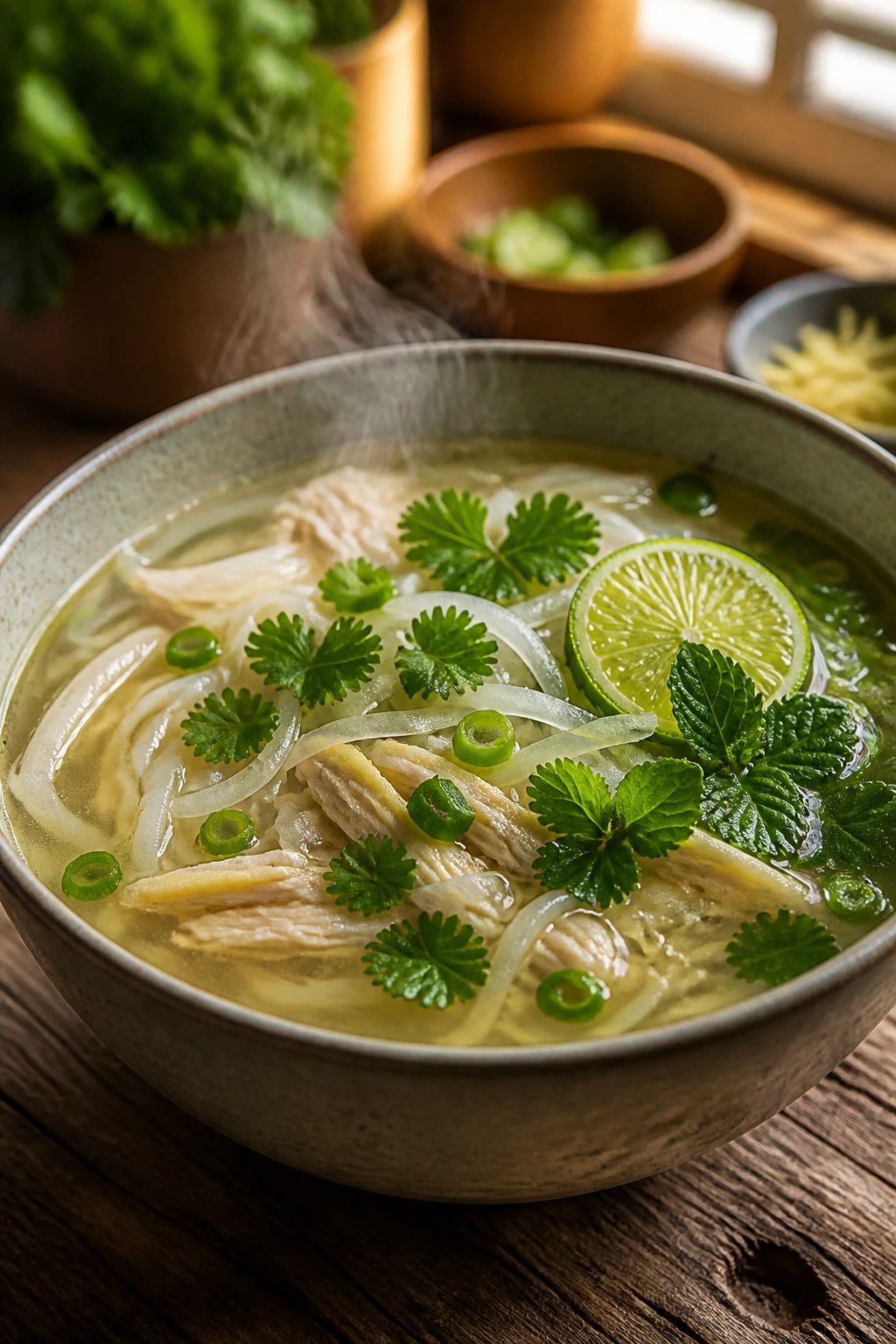
This is not a strict, traditional pho recipe, and I wouldn’t pretend otherwise. It borrows the parts I love most — ginger, broth, lime, herbs, and rice noodles — and turns them into a weeknight soup that feels fragrant and clean. The smell alone is enough to wake the kitchen up.
Why It Works:
Ginger, onion, and a little star anise build a broth that tastes layered without needing hours. Rice noodles cook quickly, shredded chicken makes the bowl filling, and lime plus herbs keep every bite bright. This is the kind of soup that tastes lighter than it looks.
Key Ingredients:
- 1 tablespoon oil — for the aromatics.
- 1 onion and a 2-inch piece of ginger, sliced — the aromatic base.
- 2 garlic cloves + 1 cinnamon stick + 2 star anise — the pho-like flavoring.
- 6 cups chicken broth — the body of the soup.
- 1 tablespoon fish sauce or soy sauce — gives the broth depth and salt.
- 6 ounces rice noodles — fast-cooking and a good texture match.
- 2 cups shredded chicken — rotisserie chicken works well.
- 1 lime, scallions, cilantro, and basil — the fresh finish.
Quick Steps:
- Build the aromatic broth: In a soup pot, warm the oil over medium heat and lightly cook the onion and ginger for 3 to 4 minutes. Add the garlic, cinnamon stick, and star anise for 30 seconds.
- Simmer the broth: Pour in the chicken broth and fish sauce or soy sauce. Simmer gently for 15 to 20 minutes so the spices infuse the liquid.
- Cook the noodles separately: Prepare the rice noodles according to the package so they don’t cloud the broth.
- Heat the chicken: Add the shredded chicken to the broth and warm it through for 2 to 3 minutes.
- Assemble the bowls: Divide the noodles between bowls, ladle the broth over top, and finish with lime, scallions, cilantro, and basil.
Equipment for This Recipe:
- Soup pot — the broth needs a steady simmer.
- Fine-mesh strainer — optional if you want to remove the spices before serving.
- Separate pot or bowl for noodles — keeps them from getting mushy.
- Ladle — broth first, toppings second.
How to Serve This Dish:
Serve it with extra lime wedges and a plate of herbs in the middle of the table. A little sliced chili on the side is good too if you want heat built into each bowl.
Pro Tips for This Recipe:
- Lightly toast the onion and ginger in the pot before adding broth; the flavor gets clearer.
- Cook noodles separately so they don’t turn the broth cloudy and starchy.
- Remove the star anise if the broth starts tasting too licorice-like.
- Add lime right before serving or the broth loses some lift.
Variations on This Dish:
- Beef-Style Swap: Use thinly sliced cooked beef instead of chicken.
- Tofu Bowl: Add tofu cubes and use soy sauce instead of fish sauce.
- Spice-Forward Version: Add sliced jalapeño or chili oil at the table.
Common Mistakes to Avoid with This Dish:
- Overdoing the star anise: A little goes far.
- Cooking noodles in the broth for too long: They’ll soak up too much liquid.
- Skipping the herbs: They’re not garnish here; they’re part of the flavor.
19. Smoky Tomato and Roasted Red Pepper Soup
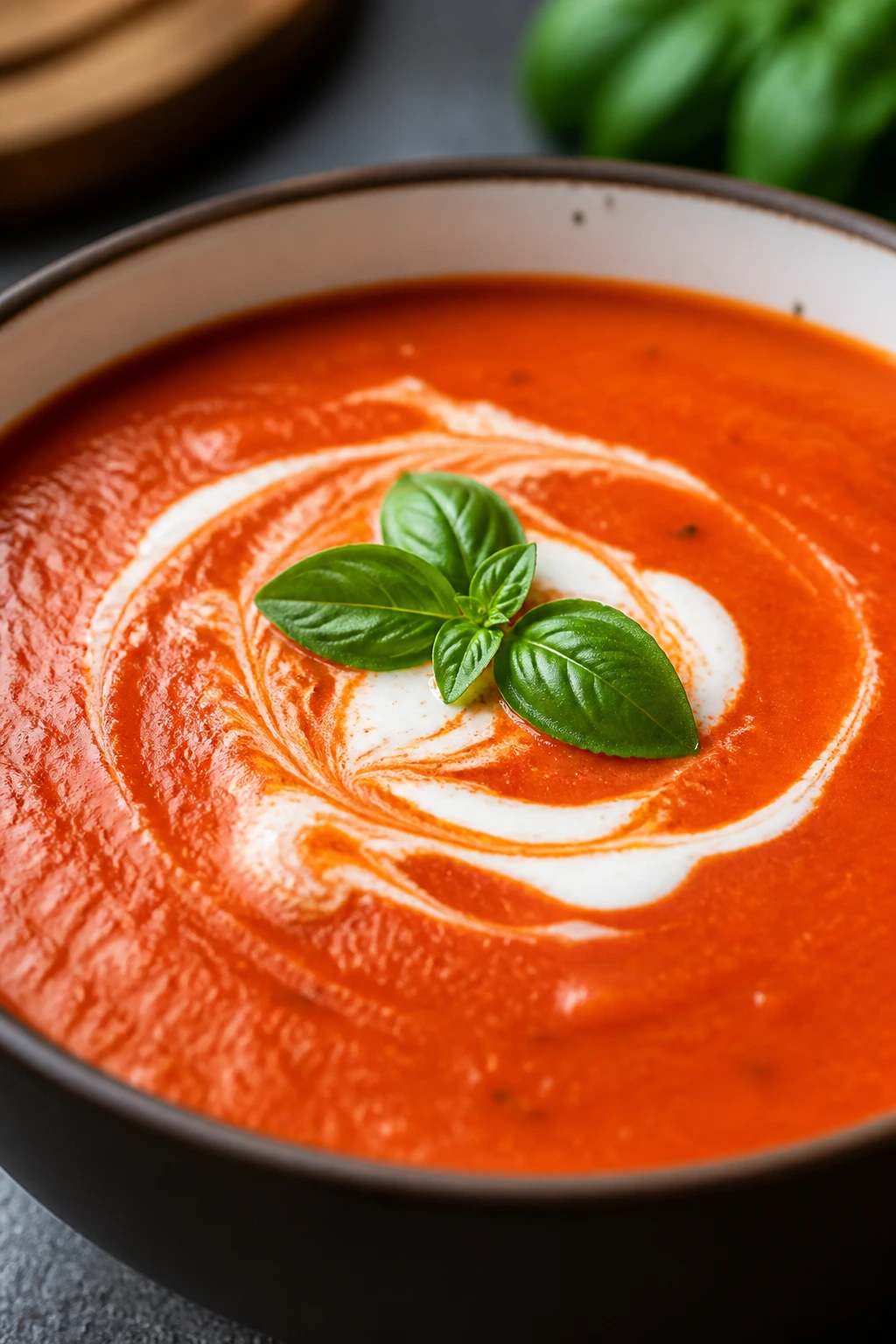
This soup is what I make when I want tomato soup with a little more backbone. Roasted red peppers add sweetness and depth, smoked paprika gives the pot some shadow, and a little cream or white beans round everything out. It’s bold enough to stand alone and still friendly enough for grilled cheese.
Why It Works:
Tomatoes and roasted peppers give you layered sweetness without needing a long simmer. Smoked paprika is the trick that makes the soup taste fuller, not just red. Blend it smooth and you get a restaurant-style texture with almost no effort.
Key Ingredients:
- 2 tablespoons butter or olive oil — the starting fat.
- 1 onion and 3 garlic cloves — the base.
- 1 tablespoon tomato paste — deepens the tomato flavor.
- 1 jar roasted red peppers, drained — sweet, smoky, and fast.
- 1 can crushed tomatoes — the main liquid body.
- 3 cups vegetable broth — enough to loosen the puree.
- 1 teaspoon smoked paprika — the flavor that gives the soup some gravity.
- 1/2 cup cream or 1 can white beans — choose richness or a dairy-free body.
- Basil or parsley — the fresh finish.
Quick Steps:
- Cook the onion: Warm the fat over medium heat and cook the onion for 5 minutes until soft.
- Build depth: Add the garlic and tomato paste, then cook for 1 minute until the paste darkens.
- Add peppers and tomatoes: Stir in the roasted red peppers, crushed tomatoes, broth, and smoked paprika. Simmer for 15 to 20 minutes.
- Blend smooth: Purée the soup until silky, then return it to the pot if needed.
- Finish the texture: Stir in cream or blended white beans, then taste and add basil, salt, and pepper.
Equipment for This Recipe:
- Soup pot — medium or large works.
- Blender or immersion blender — needed for a smooth finish.
- Wooden spoon — for the tomato paste.
- Ladle — because the puree will pour fast.
How to Serve This Dish:
Grilled cheese is the obvious partner, and I’d keep it crisp and cheddar-heavy. A few basil leaves or a drizzle of olive oil on top make the bowl look finished in a very low-effort way.
Pro Tips for This Recipe:
- Drain the roasted peppers well or the soup can taste watery.
- Cook the tomato paste before adding liquids.
- If the soup tastes too sweet, add a little vinegar or lemon at the end.
- White beans make it creamy without any dairy if you want a lighter finish.
Variations on This Dish:
- Spicy Pepper Version: Add red pepper flakes or a spoonful of Calabrian chili paste.
- Creamy Dairy-Free Bowl: Use blended white beans instead of cream.
- Herb Finish: Stir in thyme or basil depending on what’s in the fridge.
Common Mistakes to Avoid with This Dish:
- Skipping the smoked paprika: That’s what separates it from basic tomato soup.
- Not blending long enough: The peppers should disappear into the soup.
- Over-sweetening with sugar: Start with almost none, then taste.
20. Sausage, Cabbage, and White Bean Soup
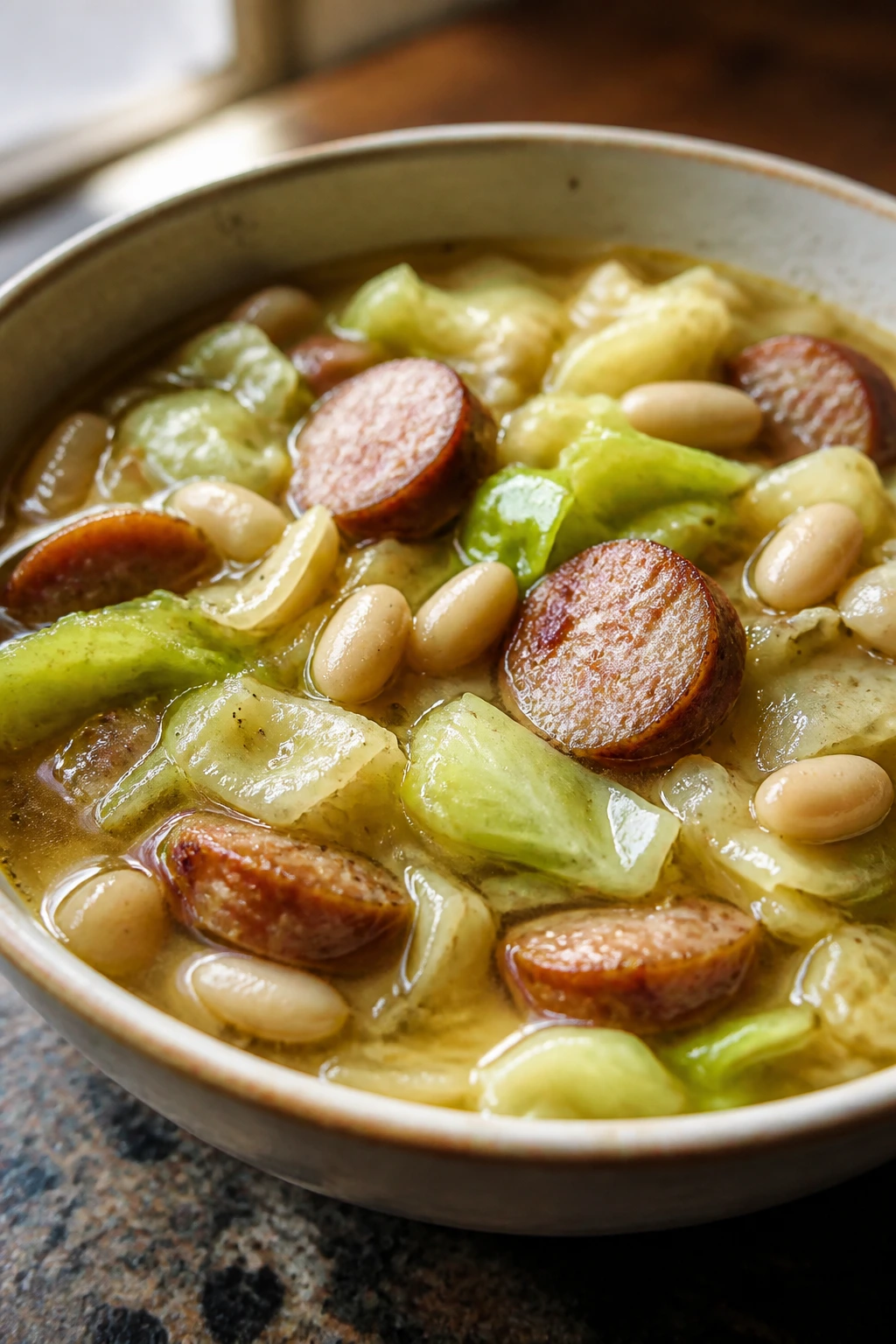
Cabbage soup gets a bad rap because too many versions taste like boiled vegetables and regret. This one avoids that by browning sausage first, then letting cabbage soften into a broth that’s savory, slightly sweet, and surprisingly filling. White beans give it body, and lemon at the end keeps the whole bowl awake.
Why It Works:
Sausage seasons the pot right away, so the broth has a strong base before the vegetables even go in. Cabbage softens into tender ribbons without vanishing, which gives the soup a nice texture contrast. Beans round out the bowl and make it feel like dinner instead of a side dish.
Key Ingredients:
- 1 pound Italian sausage — mild or hot, depending on your mood.
- 1 onion, 2 carrots, and 3 garlic cloves — the flavor base.
- 1/2 head green cabbage, thinly sliced — the main vegetable.
- 2 cans cannellini beans, drained and rinsed — the part that makes it hearty.
- 6 cups chicken broth — low-sodium helps you season it properly.
- 1 tablespoon tomato paste — gives the broth some depth.
- 1 teaspoon fennel seed + 1 teaspoon dried thyme — both suit the sausage and cabbage.
- 1 tablespoon lemon juice + chopped parsley — the finish.
Quick Steps:
- Brown the sausage: Cook the sausage in a large soup pot over medium heat until browned and cooked through. Remove excess fat if needed.
- Cook the vegetables: Add the onion and carrots and cook for 5 minutes until soft. Stir in the garlic, tomato paste, fennel seed, and thyme for 30 seconds.
- Add the cabbage: Stir in the cabbage and cook for 3 minutes so it starts to collapse.
- Simmer the soup: Add the beans and broth, bring to a boil, then lower the heat and simmer for 20 minutes until the cabbage is tender.
- Finish the pot: Stir in lemon juice and parsley, then taste for salt and pepper.
Equipment for This Recipe:
- Large soup pot — cabbage takes up a lot of space at first.
- Wooden spoon — useful for breaking up sausage.
- Sharp knife — cabbage slices better when the blade isn’t dull.
- Ladle — the broth and beans should both land in the bowl.
How to Serve This Dish:
A slice of toasted sourdough or rye is enough, though I won’t stop you from adding butter. If you want a sharper plate, a spoonful of mustard on the side works nicely with the sausage.
Pro Tips for This Recipe:
- Slice the cabbage thin so it softens evenly.
- Add lemon at the end; cabbage and lemon together make the pot taste cleaner.
- Use hot sausage if you want more heat, but adjust the salt carefully.
- Don’t rush the cabbage stage or it stays stubborn.
Variations on This Dish:
- Turkey Sausage Swap: Use turkey sausage for a lighter bowl.
- Smoked Paprika Version: Add smoked paprika if you want a deeper, darker broth.
- Vegetable-Heavy Twist: Add zucchini or potatoes if you want more bulk.
Common Mistakes to Avoid with This Dish:
- Overcooking the cabbage into mush: It should be tender, not dissolved.
- Forgetting to taste after the sausage goes in: Sausage can make the soup saltier than expected.
- Skipping the lemon: That little bit of acid makes a big difference.
Why Soup Wins When Dinner Has to Happen

A good soup starts with the same quiet idea every time: build flavor in layers, then let the pot do the rest. Onion and garlic give you the base, broth carries the seasoning, and one starch — rice, noodles, beans, potatoes, barley, tortellini — turns the bowl into a meal that can hold its own without a side performance. That’s why these winter soup recipes work so well when the evening is already moving too fast.
I also like soups because they’re honest about what they need. A tomato soup wants basil and grilled cheese. A chowder wants something salty and a little crunchy. A bean soup usually needs acid at the end, and a creamy soup needs gentler heat than most people think. Once you learn those small rules, dinner gets easier without getting boring.
The other nice thing: soup is one of the few dinners that improves when you stop trying to make every bowl identical. Some nights you want more broth. Some nights you want more bread. Sometimes the avocado goes on top, sometimes it gets skipped because the bag on the counter went soft. The pot still works.
Essential Equipment for These Recipes
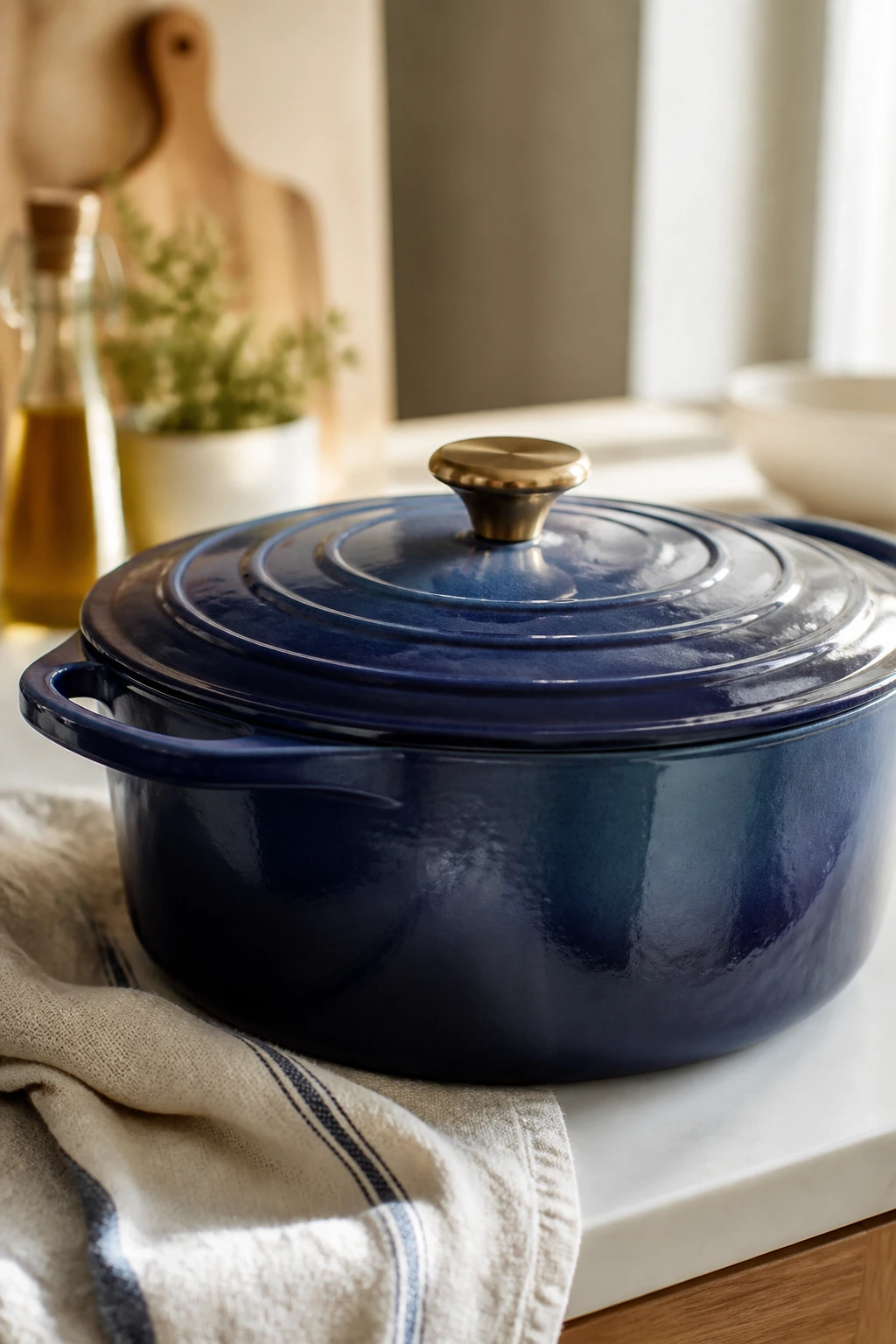
- 5- to 6-quart Dutch oven or soup pot: Big enough for simmering, stirring, and adding noodles or rice without spillover.
- Wooden spoon: Better than a whisk for breaking up meat and scraping the bottom without scratching the pot.
- Chef’s knife: Most of the work in these recipes is chopping onions, carrots, celery, cabbage, and herbs.
- Cutting board: A stable board matters more than people admit; soup prep gets slippery fast.
- Can opener: Beans, tomatoes, peppers, and coconut milk show up often enough to justify a good one.
- Ladle: Useful for broth-heavy soups and for serving without making a mess.
- Immersion blender: Optional, but handy for tomato soup, bean soup, and chowders that need a smoother texture.
- Box grater: Fresh cheddar or parmesan melts and tastes better than the bagged stuff.
- Potato masher: Nice for chowders and bean soups when you want thickness without puréeing the whole pot.
- Measuring cups and spoons: Especially useful for broth, starch, and spice-heavy soups where small differences matter.
Smart Shopping and Ingredient Tips
The easiest way to make these soups taste better is to shop with the final bowl in mind, not just the ingredient list. Low-sodium broth is usually worth buying because it gives you room to fix seasoning at the end instead of fighting an oversalted pot. I’d rather adjust salt myself than spend the whole simmer trying to undo someone else’s.
For the creamy soups, buy block cheese and grate it yourself if you can. Pre-shredded cheese often works in a pinch, but the anti-caking coating can make the texture less smooth in broccoli cheddar, loaded potato soup, and anything else that leans cheesy. The same logic applies to parmesan: a small wedge lasts longer than people think and tastes sharper than the shaker.
Frozen vegetables are not a compromise here. Frozen corn, peas, spinach, and even chopped broccoli are often the smartest move because they’re already cleaned and prepped, and they go straight into the pot without losing much. Canned beans are also fair game; just rinse them until the water runs less cloudy so the broth doesn’t taste tinny.
For starches, choose the version that fits your schedule. Russet potatoes break down beautifully in chowders and baked potato soup. Yukon Golds stay a little firmer. Wild rice blends are usually faster and friendlier than pure wild rice for a weeknight pot. If you’re using pasta, buy the shape that holds broth instead of the longest one on the shelf, because small shapes are easier to eat with a spoon.
How to Serve These Recipes
Presentation:
Wide bowls beat deep cereal bowls for almost every recipe here. A little garnish matters more than people think: parsley on chicken soup, scallions on potato soup, lime on black bean soup, a swirl of pesto on minestrone, or a drizzle of olive oil on tomato soup. Keep it simple. A bowl that looks finished usually tastes that way too.
Accompaniments:
Crusty bread, grilled cheese, saltines, garlic toast, cheddar biscuits, cornbread, or a plain green salad all make sense depending on how rich the soup is. Creamy soups want crunch. Brothy soups want bread. Bean soups can go either way, which is part of their charm.
Portions:
For dinner, figure on 1 1/2 to 2 cups per adult for brothy soups and 2 cups or a little more for chowders, potato soup, or anything with rice or pasta. If you’re serving a hungry crowd, keep extra broth or bread nearby so you can stretch the pot without diluting the flavor.
Beverage Pairing:
A dry cider works well with sausage soups and potato soup. Sparkling water with lemon is a quiet, clean match for chicken noodle, lentil soup, and pho-inspired bowls. If you want wine, a crisp white or a light red usually behaves better than something heavy and oaky.
Additional Tips and Flavor Boosters
Flavor Enhancement:
A small finish of acid changes almost every soup here. Lemon juice, red wine vinegar, apple cider vinegar, or a splash of sherry at the end can pull bean soups, tomato soups, and chowders back into focus. Use it late, taste, then decide if you need a little more.
Customization:
One of my favorite weeknight habits is turning one soup into two dinners by swapping the protein. Rotisserie chicken can stand in for cooked turkey, sausage can replace ground beef, and beans can stretch a pot when meat feels unnecessary. You can also toss in frozen spinach, peas, or corn without upsetting the recipe.
Serving Suggestions:
Herbs make a soup look and taste more finished, but so do toasted seeds, crispy bacon bits, grated parmesan, sour cream, or a spoonful of pesto. I’m also fond of black pepper on almost every bowl because it wakes up broth in a way plain salt never quite does.
Make-It-Yours:
For dairy-free bowls, use coconut milk in curry and squash soups, or leave cream out entirely and rely on beans or potatoes for body. For gluten-free versions, skip flour thickeners and use blended beans, potatoes, or a cornstarch slurry. For extra-protein dinners, add shredded chicken, sausage, or extra beans without changing the pot’s personality.
Make-Ahead, Storage, and Reheating Guidance
Most of these soups hold well in the refrigerator for 3 to 4 days in a sealed container. Bean soups, lentil soups, cabbage soups, and brothy chicken soups usually taste even better the next day because the seasoning settles. Cream soups and pasta soups are a little fussier, but they still keep fine if you handle them gently.
Freezing works best when you think ahead about texture. Brothy soups, bean soups, turkey taco soup, tomato-based soups, and chicken soups freeze well for up to 2 to 3 months. Cream-based soups can also freeze, but the texture may separate a bit when they thaw; if you want the safest freezer version, freeze the base before adding milk, cream, sour cream, or cheese, then finish those ingredients after reheating.
Pasta and rice are the troublemakers. Noodles, tortellini, orzo, and rice soak up liquid in the fridge and can go soft in the freezer. If you know you’ll be saving leftovers, undercook the starch slightly, or cook it separately and add it to each bowl at serving time. That one move saves a lot of disappointment.
Reheat soups on the stovetop over medium-low heat, stirring now and then so the bottom doesn’t scorch. Add a splash of broth or water if the texture has thickened overnight. For creamy soups, keep the heat gentle and stir often; if you rush them, they can look broken even if the flavor is still good. Microwave reheating works in a pinch, but use short bursts and stir between them.
Variations and Adaptations to Try
The Freezer-First Base:
Make the soup base without noodles, rice, cream, or cheese, then freeze it in portions. When you reheat it, add the finishing starch or dairy fresh so the texture stays closer to the original bowl. This works especially well for tomato soup, bean soups, and chicken broth-based recipes.
Rotisserie Shortcut Night:
Keep a cooked rotisserie chicken on hand and use it for chicken noodle, wild rice, pho-inspired soup, and creamy chicken soup. It trims a lot of time without making the soup feel shortcut-heavy. Shred it while it’s still warm; it’s easier and less stringy.
No-Dairy Bowls:
Use coconut milk in squash, curry, and some tomato soups, or rely on blended beans and potatoes for texture in chowders. Olive oil at the end can stand in for butter in brothy soups if you want a clean finish without cream. The key is to give the bowl body another way.
Gluten-Free Swaps:
Swap flour thickeners for cornstarch slurry, and choose rice, potatoes, beans, or corn instead of pasta or barley. Tortellini and orzo need more care, but most of the soups here can be made gluten-free without losing the shape of the bowl. Just check broth and sausage labels; those are common hiding spots for wheat.
Extra-Heat Versions:
Stir in chipotle, red pepper flakes, hot sausage, or sliced chili peppers to turn the tame bowls into something sharper. I like this approach in turkey taco soup, black bean soup, tomato soup, and sausage cabbage soup because the base already has enough flavor to support the heat.
Vegetable-Heavy Bowls:
Add kale, spinach, cabbage, broccoli, zucchini, or extra carrots to stretch the pot without making it thin. This is a smart move when you want dinner to lean lighter but still feel full, especially in bean soups and minestrones.
Common Mistakes to Avoid
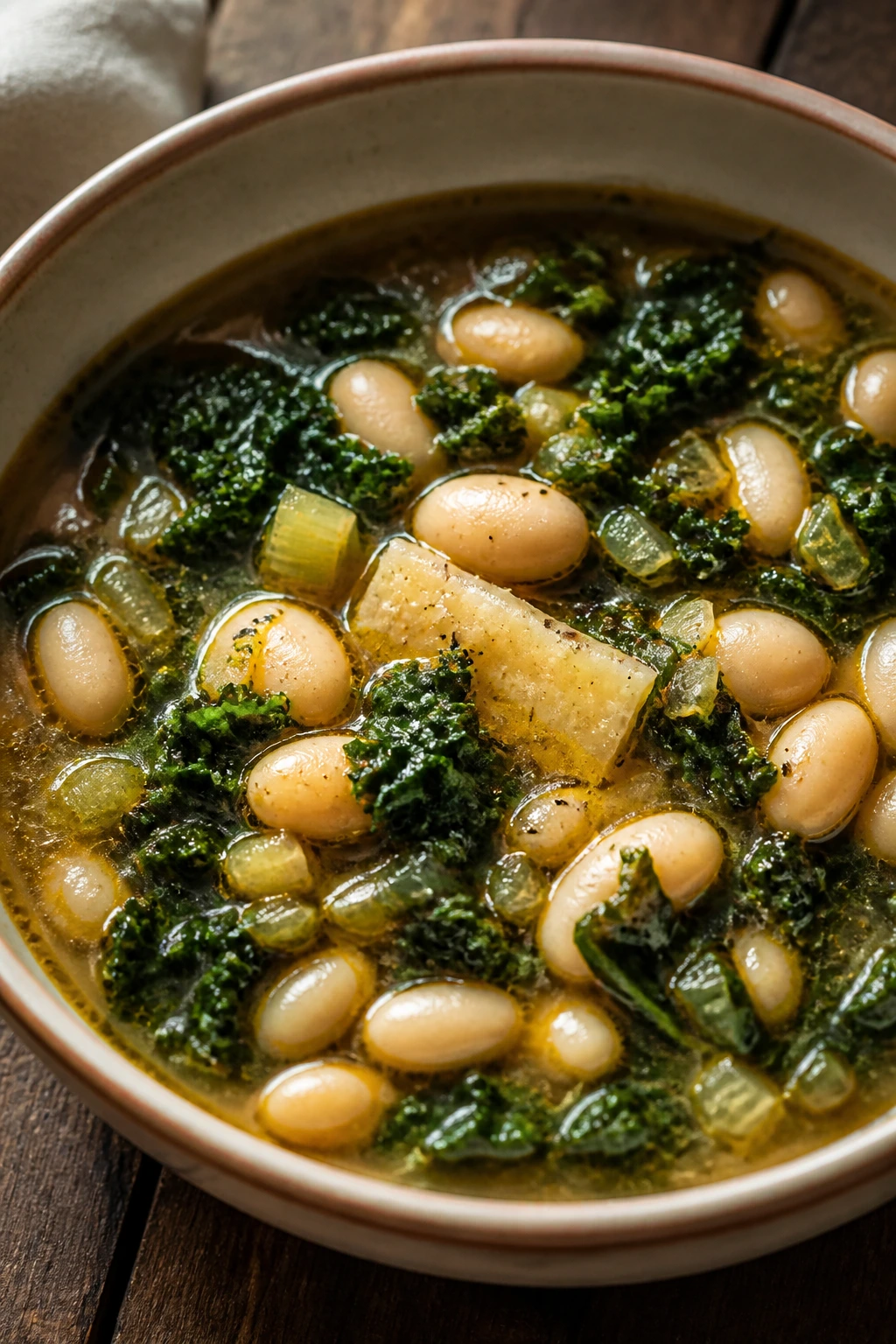
- Adding dairy over high heat: Cream, milk, sour cream, and cheese can separate or turn grainy if the pot is boiling hard. Lower the heat first, then stir them in gently.
- Under-seasoning at the end: Broth, beans, potatoes, rice, and pasta all absorb salt. Taste the soup right before serving and adjust with salt, pepper, lemon, or vinegar.
- Overcooking starches: Noodles, tortellini, orzo, and rice keep softening as they sit in hot broth. If you’re making leftovers on purpose, aim for just-tender instead of fully soft.
- Skipping browning: Onion, sausage, turkey, mushrooms, and tomato paste all gain depth when they get a little color. Pale soup is often a sign that the pot never got that first good hit of heat.
- Forgetting acid: Bean soups, chowders, tomato soups, and creamy bowls often need a sharp finish to keep them from tasting flat. Lemon, vinegar, lime, or even a little sherry can fix that fast.
- Using too little broth for the starch: Rice, barley, and pasta drink up liquid while they cook. If the pot looks thin at first, that’s usually fine; if it looks tight, add more broth before the starch finishes.
Frequently Asked Questions
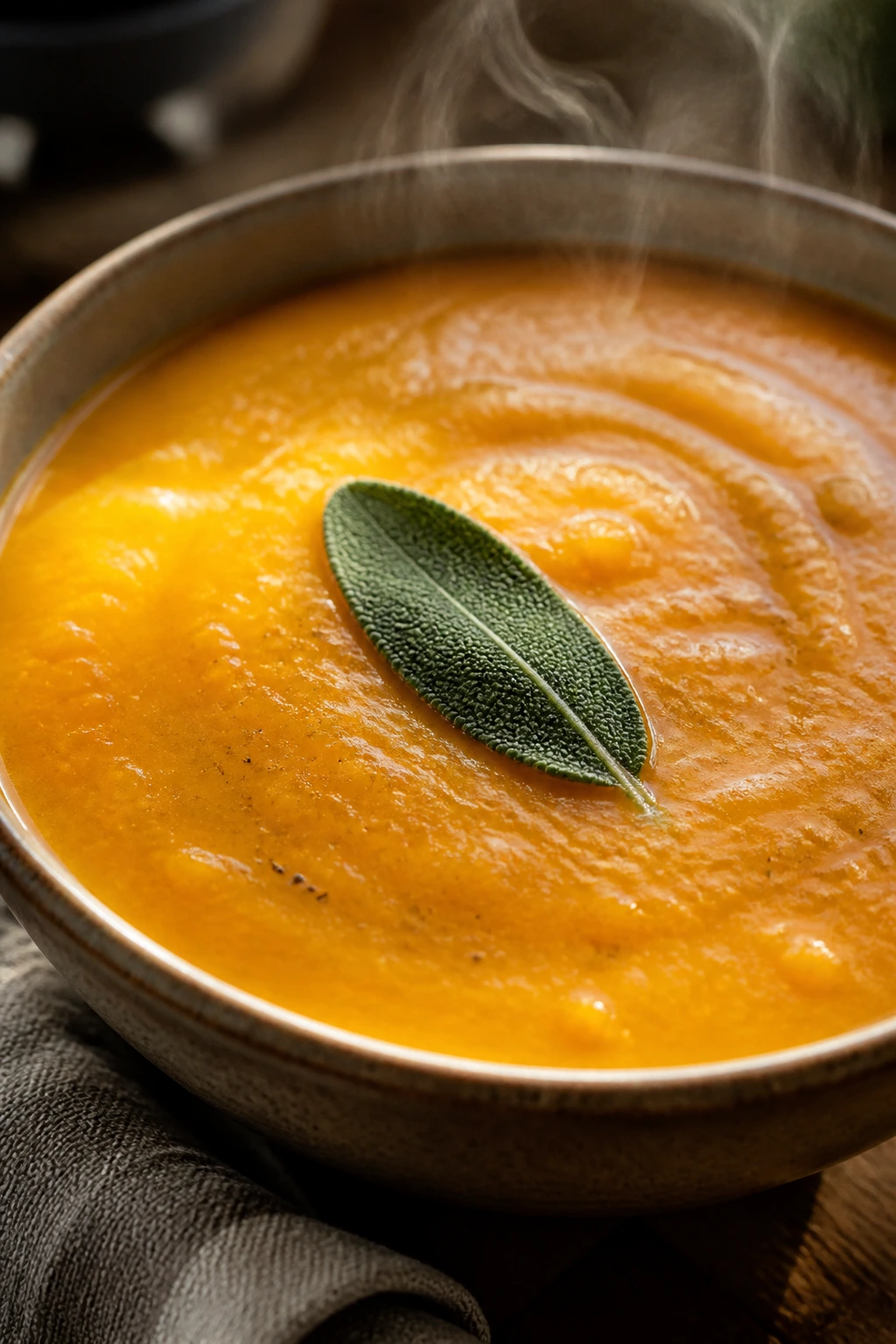
Can I use frozen vegetables in these soups?
Yes, and in several recipes they’re the smarter choice. Frozen peas, corn, spinach, broccoli, and even mixed vegetables go straight into the pot and save prep time without hurting flavor.
How do I keep noodles from getting mushy in soup?
Cook them separately and add them to each bowl, or undercook them slightly if they have to go in the pot. This matters most for chicken noodle, tortellini, and minestrone, because they keep softening in hot broth.
Which soups freeze best?
Bean soups, lentil soups, tomato soups, taco soup, and chicken broth-based soups freeze very well. Chowders and cream-heavy soups can still freeze, but the texture is safer if you add the dairy after reheating.
What if my soup tastes flat?
First, add salt. If it still feels sleepy, try acid next — lemon, lime, vinegar, or a little sherry. Flat soup usually needs one of those two things, not more herbs.
Can I make these in a slow cooker instead of on the stove?
Several of them translate well, especially bean soups, split pea soup, chicken soup, and beef barley soup. Add dairy, cheese, pasta, and tender greens near the end so they don’t break down or overcook.
What broth should I buy if I only want one kind in the pantry?
Low-sodium chicken broth is the most flexible. It works for chicken soups, vegetable soups, bean soups, and even many tomato-based soups once you season the pot properly.
How do I make a soup more filling without changing the flavor much?
Add beans, potatoes, rice, barley, or a handful of orzo. Those ingredients bulk up the bowl without taking over the flavor the way a lot of extra meat sometimes can.
Why does my creamy soup separate after reheating?
Usually the heat was too high or the soup froze with too much dairy in it. Reheat slowly, stir often, and add a splash of broth to help the texture come back together.
Can I prep these soups ahead for the week?
Yes. Chop the vegetables, grate the cheese, and cook the protein a day or two early if that helps. Some soups even taste better after a night in the fridge, especially bean soups and tomato soups.
A Pot Worth Repeating
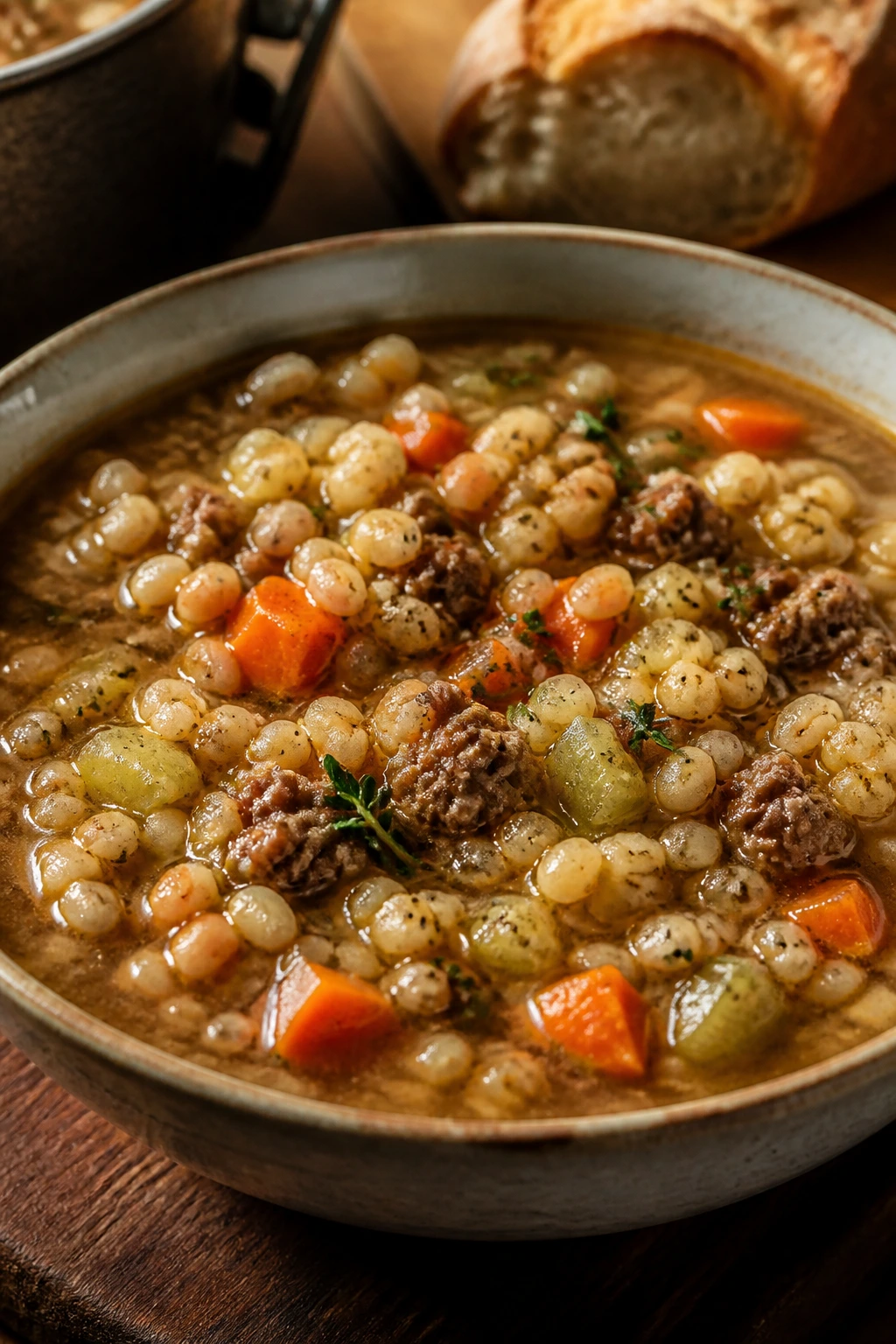
A good weeknight soup does more than warm the kitchen. It gives you a dependable dinner pattern you can repeat without boredom: browning, simmering, tasting, finishing, serving. Once you get used to that rhythm, a cold evening feels less like a problem and more like a reason to pull a Dutch oven off the shelf.
The nicest part is how little these recipes demand in return. A can of beans. A few carrots. A handful of herbs. Maybe some chicken left from yesterday, or sausage from the fridge, or potatoes that were sitting there waiting to be useful. That’s enough to make a bowl that feels finished, and honestly, that’s the sort of dinner I trust.