



A cozy soup and stew for cold winter nights works because it solves two problems at once: dinner and atmosphere. A pot on the stove warms the room before the bowls hit the table, and the smell of onions, bay leaf, and pepper drifting down the hall can make a drafty house feel settled.
The best winter bowls are not random. They’re built in layers: a fat or oil to carry flavor, aromatics that soften instead of scorch, a liquid that tastes like something on its own, and enough body from beans, potatoes, barley, or meat to make a spoonful feel complete.
That structure matters more than most people realize. A thin broth can still taste deep if it has enough salt and a long enough simmer; a thick stew can still feel light if you finish it with vinegar, lemon, or herbs. The trick is balance, not heaviness, and the rest of this lives right there.
Why a Hot Bowl Feels Right on a Dark Night
-
Steam does half the work: The smell of softened onion, garlic, and thyme reaches the table before the first spoonful, and that hot, savory cloud is part of why a winter bowl feels calming almost immediately.
-
Long simmering rewards tough cuts: Chuck, short rib, pork shoulder, and chicken thighs turn tender over 1½ to 3 hours in gentle heat, while lean cuts dry out and fight you the whole way.
-
A pot lets seasoning travel: Salt, pepper, herbs, and spices spread through liquid in a way they never do on a roasted tray or grilled steak, so one careful adjustment can change the whole bowl.
-
Leftovers usually get better: Beans, cabbage, barley, carrots, and braised meat soak up broth overnight, which gives the next bowl a deeper, rounder taste than the first one.
-
Dinner stays contained: A solid soup or stew can hold protein, vegetables, and starch in one bowl, which means fewer side dishes and less cleanup when the night already feels long.
How to Build a Cozy Soup or Stew from the Bottom Up
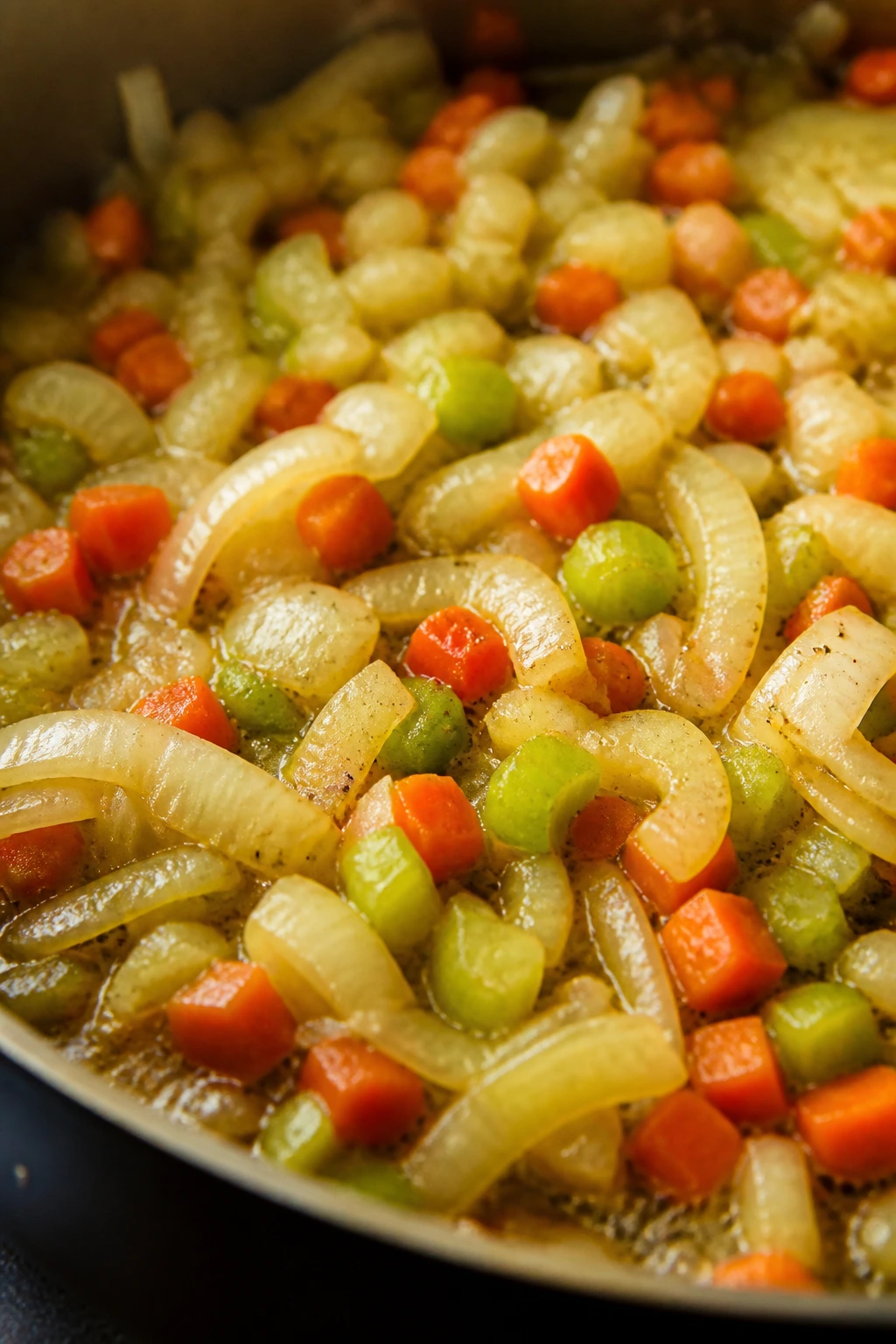
A pot that tastes rich by the end usually starts looking boring. Onion, celery, carrot, and fat don’t photograph like much, but they do the real work. If you rush past this stage, the whole bowl can taste thin even when the ingredient list looks impressive.
The Aromatic Base Does the Heavy Lifting
Start with onion first. Let it go soft and translucent, then add celery and carrot if the recipe wants them. A pinch of salt at this stage pulls water out of the vegetables and helps them collapse into sweetness instead of staying raw and loud.
Garlic goes in late, usually for 30 to 60 seconds, because it burns fast. Once garlic smells sweet and a little nutty, not harsh, you’re in the right place. Tomato paste deserves the same respect; a minute in the fat changes it from metallic to deep red-brown, and that tiny shift is one of the easiest ways to make a winter pot taste like it simmered longer than it did.
Browning Is Flavor, But Only If You Don’t Crowd the Pan
If you’re using meat, brown it in batches. Crowding the pot steams the surface and leaves you with pale gray pieces and no fond, which is the brown film on the bottom that tastes like meat, onion, and patience. That fond matters.
Splash in broth, wine, water, or even a little beer and scrape the bottom with a wooden spoon. That move is called deglazing, and it’s one of the few kitchen habits that immediately pays you back. The brown bits dissolve into the liquid and stop tasting like stuck-on residue.
Spices Need Heat Before They Need Liquids
Cumin, coriander, paprika, black pepper, chili flakes, and curry powder all wake up in hot fat. Give them 20 to 40 seconds, just long enough to smell alive. Too long, and paprika turns bitter. Too short, and the spices sit there tasting dusty.
A soup or stew built this way usually needs less convincing later. The base already has layers, so you’re not trying to fix blandness at the end with a cloud of herbs and a dramatic pinch of salt.
Broth, Stock, and the Liquid Underneath Everything
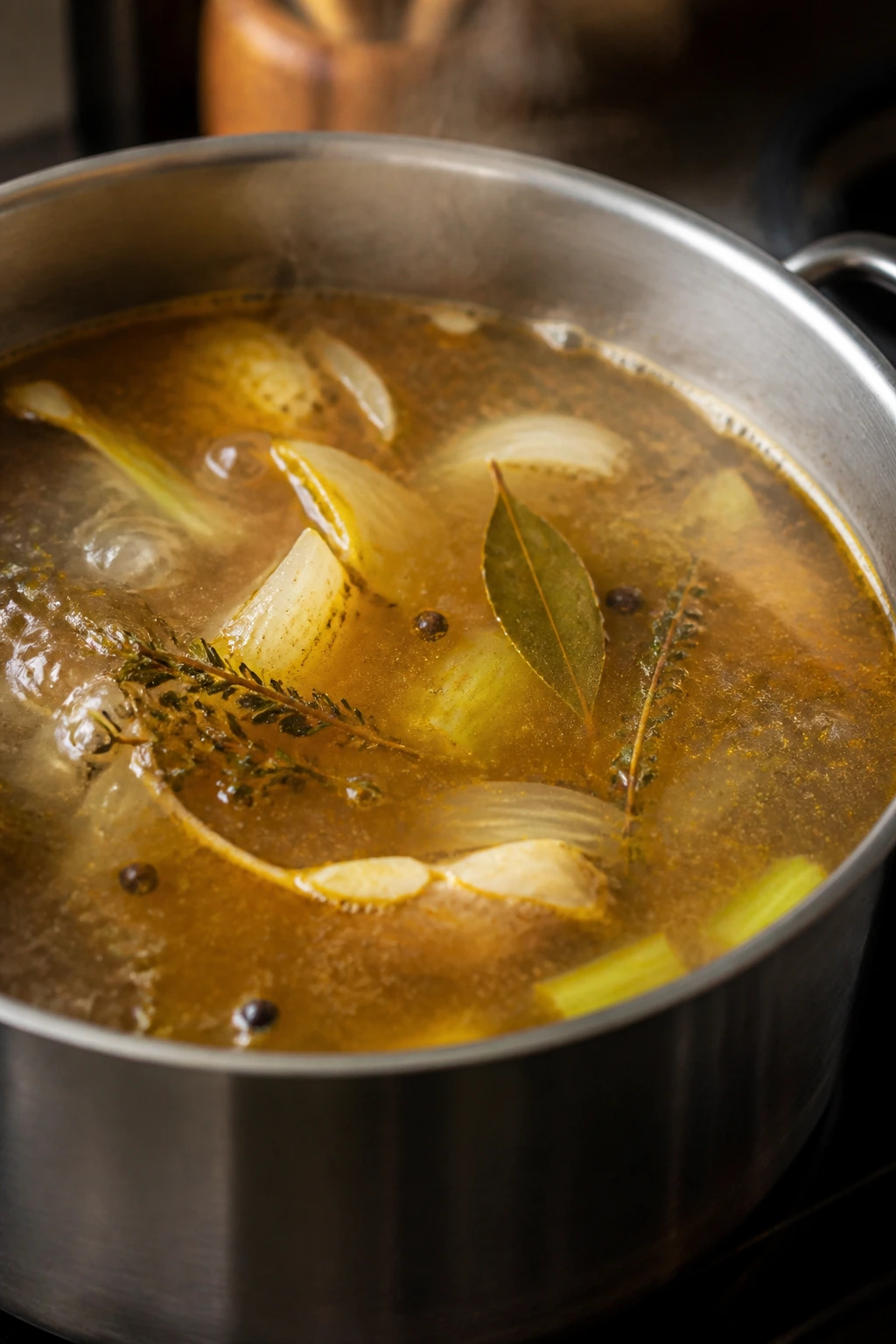
What liquid goes into the pot? More than any other choice, this one decides whether the bowl tastes homemade or like a respectable but forgettable Tuesday.
Low-sodium boxed broth is useful. So is homemade stock, if you’ve got it. Water can work too, but only if you give it help with aromatics, salt, tomato paste, mushrooms, miso, or a Parmesan rind. The mistake people make is assuming the liquid is just background. It isn’t. It’s the thing that carries every other flavor.
Chicken, Beef, Vegetable, or Water
Chicken stock fits noodle soups, creamy chowders, white bean pots, and anything with herbs like dill, parsley, or thyme. It tends to stay light on its feet, which makes it useful when you want the bowl to feel warm but not heavy.
Beef stock has a deeper, darker edge. It belongs with mushrooms, barley, beef chuck, lentils, and tomatoes. A strong beef broth can taste almost smoky even when it hasn’t been smoked at all.
Vegetable broth is at its best when it doesn’t taste watery. Look for one with mushrooms, onion, carrot, celery, and enough salt to register on the tongue. If your vegetable broth tastes thin, fix it with miso, soy sauce, or a long simmer with browned onions.
Homemade Stock Is Great, But Not Required
Homemade stock gives you more body because of the gelatin. That silky mouthfeel matters in winter, especially when the bowl is otherwise lean. Still, boxed stock plus a Parmesan rind, a few mushroom stems, or a spoonful of tomato paste can get you closer than people expect.
I like to keep a small jar of freezer scraps for this reason: onion skins, herb stems, celery ends, mushroom trimmings, and parsley stalks. They’re not glamorous. They work.
Salt the Liquid in Layers
Salt early, then taste again near the end. Broth reduces as it simmers, and what tastes right at minute ten can taste flat or harsh an hour later. If you’re using salted stock, wait on the final adjustment until the vegetables and protein have had time to speak.
A useful rule: the broth should taste a little too quiet before the final seasoning, then come into focus after you add the last pinch of salt and acid. If it tastes flat, don’t reach for more herbs first. Reach for salt, then acid, then fat.
How Beans, Grains, Potatoes, and Pasta Give Soup Its Shape
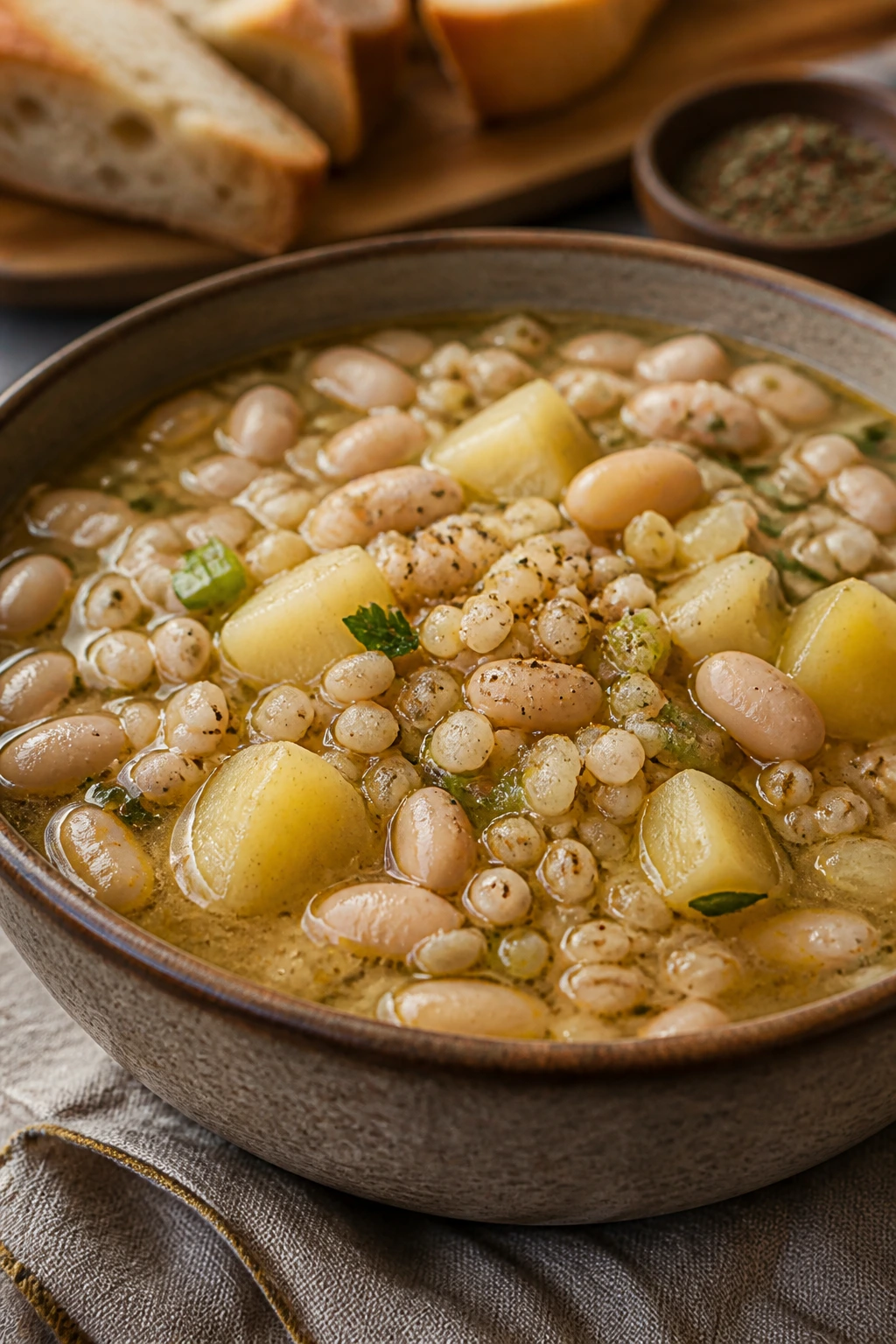
Potatoes are not the only thing that makes a bowl feel thick. Beans, grains, and noodles all change the structure of the spoonful, and each one behaves differently once heat hits the pot.
Beans Bring Creaminess Without Cream
Cannellini, navy, great northern, chickpeas, black beans, and pinto beans all add body in their own way. Canned beans are convenient and reliable; dried beans make better texture if you’ve soaked and cooked them properly. If you want a soup to feel fuller without turning it into stew, a cup or two of beans can do more than a splash of cream ever will.
Some cooks mash a ladleful of beans against the side of the pot. That trick works because it releases starch right where the broth needs it. You don’t need to puree the whole soup. A little goes far.
Grains Turn Broth Into a Meal
Barley is the old dependable here. It gives mushroom soup and beef stew a chewy, almost nutty feel that stands up for hours. Farro behaves a little firmer. Rice goes soft faster and is better for chicken soup or brothy lentil pots.
Cooked grains absorb liquid as they sit, so if you’re planning leftovers, hold back a bit of broth. Otherwise the next day’s soup can feel like a porridge nobody ordered.
Potatoes Need the Right Cut
Use waxy potatoes when you want pieces that stay intact, and starchy potatoes when you want some collapse. Cut them into ¾-inch chunks for stews and ½-inch cubes for quicker soups. Bigger pieces take longer and can stay chalky in the center while the outside starts to break apart.
A lot of people toss potatoes in too early and wonder why the pot turns muddy. If the recipe also has acidic ingredients like tomatoes, add the potatoes after the base has simmered for a bit so they don’t end up weirdly firm.
Pasta Belongs Near the End
Noodles are slippery little thieves. They drink broth fast and keep drinking it after the heat is off. If you want chicken noodle soup with actual broth left tomorrow, cook the pasta separately and add it to each bowl. If you want a one-pot finish, put in the noodles during the last 8 to 10 minutes and accept that the leftovers will be thicker.
Choosing Meat, Poultry, Fish, or Plant Protein That Stays Tender
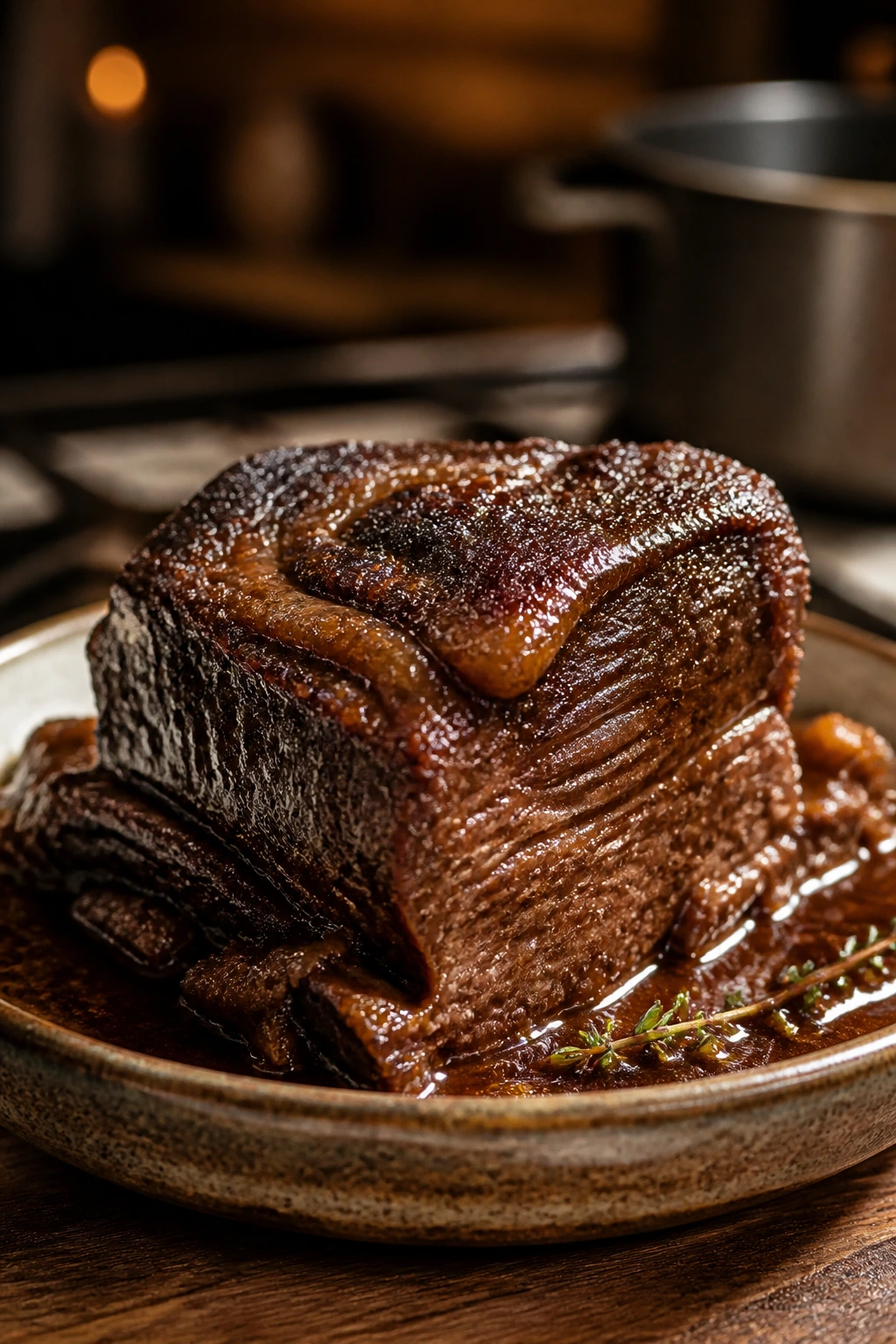
A pot can handle almost anything, but not every protein likes long heat. The difference between silky and stringy usually comes down to cut, timing, and how hard you push the simmer.
Beef and Pork Need Time to Relax
Chuck roast, short rib, brisket, pork shoulder, and lamb shoulder all love a long, slow cook. They start tough. That’s the point. Their connective tissue turns into gelatin as they cook, which is what makes stew feel lush instead of chewy.
Lean beef stew meat is a gamble. If it comes from a proper braising cut, it can be lovely. If it’s too lean, it dries out before the broth has time to reward it. I’d rather cut my own cubes from chuck than trust a mystery package labeled “stew meat.”
Chicken Thighs Beat Chicken Breast in a Simmer
Chicken thighs stay juicy much longer than breasts. That extra fat matters in soup. Breasts can work in a quick noodle soup, but if the pot is going to simmer for more than 20 minutes, add breasts near the end or they’ll turn stringy and dry.
Turkey thighs behave in a similar way. So do drumsticks, which can make a broth taste rich in a way boneless meat never quite does.
Fish and Shellfish Need a Light Touch
Seafood is for the end of the process, not the beginning. Cod, haddock, shrimp, mussels, and clams all cook fast. If they simmer too long, they go rubbery or fall apart. For a seafood chowder or cioppino-style bowl, add them during the last few minutes and stop when they’re just opaque or opened.
Plant Protein Can Do More Than Fill Space
Lentils are the easiest plant protein for cold nights. Red lentils melt into the broth, green and brown lentils keep more shape, and split peas go thick and old-fashioned fast. Tofu can work too, but it needs a broth with enough force—soy sauce, ginger, garlic, maybe chili oil—to keep it from tasting blank.
Tempeh is sturdier than tofu and likes a browned crust first. A pot with smoked paprika, white beans, and kale can stand in for meat without making the meal feel thin or apologetic.
Where Soup Ends, Stew Begins, and Chili Takes Over
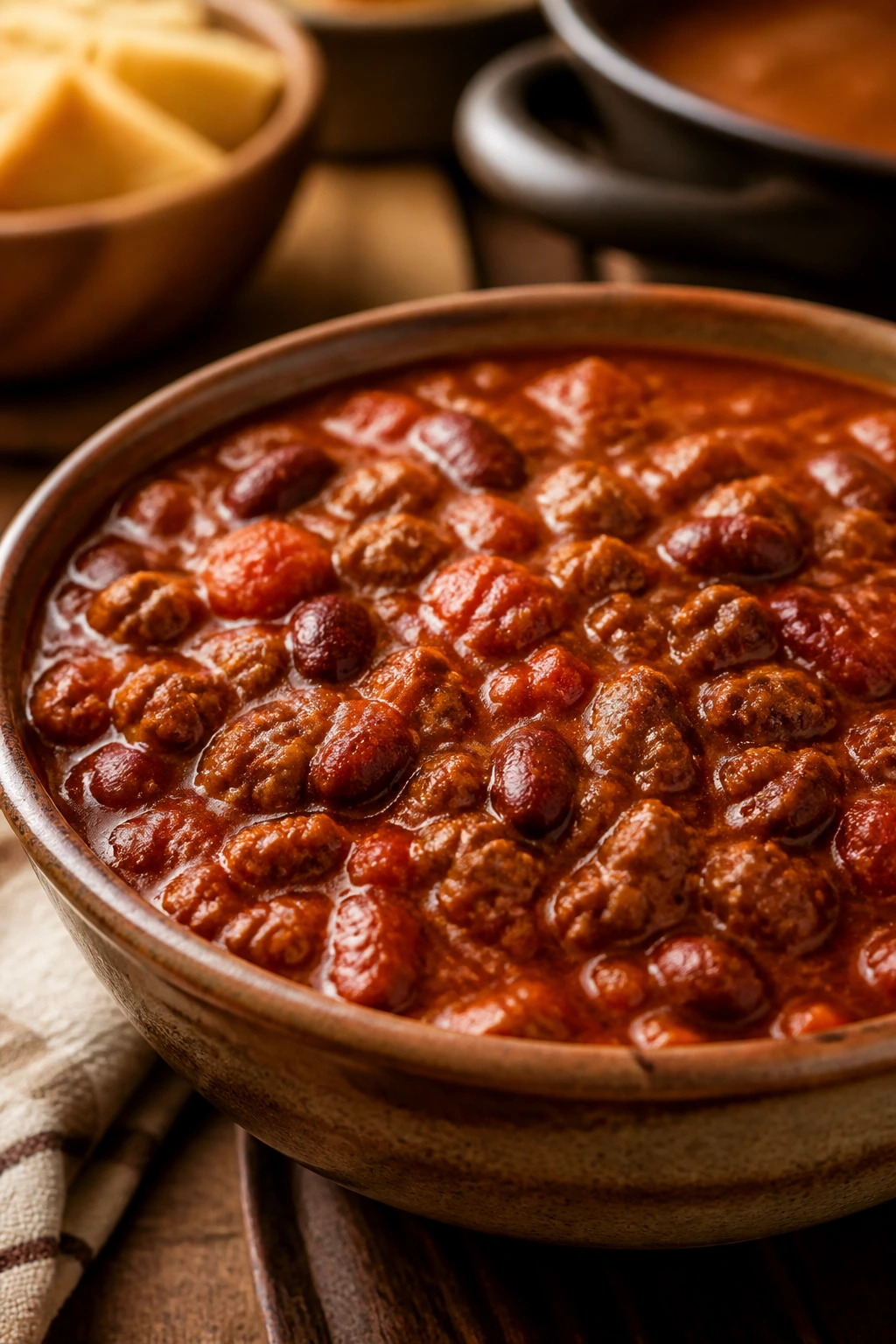
Soup, stew, and chili overlap more than people admit, but they do not eat the same. The difference is mostly liquid ratio, but texture and garnish matter too.
Soup is loose. A spoon should glide through it and come up with broth first, solids second. Think chicken noodle, minestrone, pho-style bowls, or a vegetable soup with enough liquid to sip.
Stew is heavier. It should mound a little on the spoon and land with a soft, thick slump in the bowl. The broth is there, but it clings to the meat and vegetables instead of surrounding them like a lake.
Chili sits in the middle and leans savory, spicy, and concentrated. Beans may be present or absent, but tomato, chile heat, and a thicker body are the usual signs. It usually wants toppings—sour cream, scallions, cilantro, cheese, hot sauce—that make each bowl feel assembled instead of simply ladled.
That line matters because it changes how you cook. A soup can survive a lighter broth and still feel complete. A stew needs enough reduction to taste concentrated. Chili wants seasoning bold enough to stand up to cornbread, crackers, or a cold spoonful of yogurt.
Keeping the Simmer Quiet, Not Raging
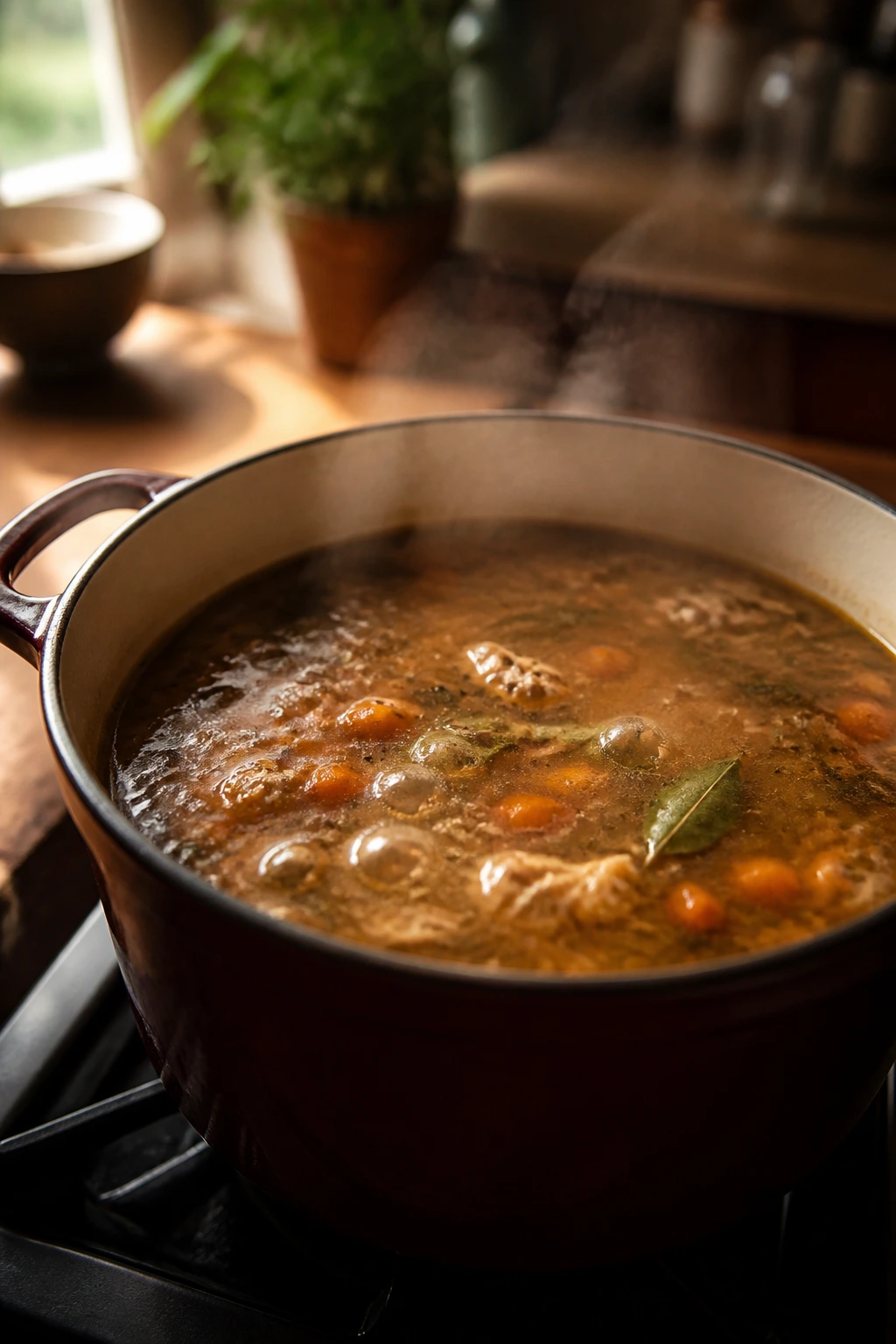
Keep the bubbles small. That sounds fussy until you’ve watched a hard boil shred chicken, cloud broth, and turn vegetables into mush before the pot has earned it.
A proper simmer has lazy movement. You should see an occasional bubble, maybe two or three breaking the surface at once. If the whole pot is roiling like a storm drain, the heat is too high. Turn it down, leave the lid slightly ajar, and let the ingredients relax into the liquid instead of being battered by it.
Stovetop and Oven Behave Differently
A stovetop gives you more control, which is useful for soups with noodles, seafood, or dairy. You can nudge the heat down the moment something looks fragile.
An oven is better for braises and heavier stews because the heat wraps around the pot more evenly. A covered Dutch oven at 300°F to 325°F can turn a pot roast-style stew tender without constant babysitting. I like this method for beef, pork shoulder, and lamb because the lid keeps the top from drying while the liquid works below.
Watch the Surface, Not the Clock Alone
Time helps, but texture tells the truth. Carrots should pierce with a little resistance, not collapse when you look at them. Beef should yield to a spoon and still hold some shape. Beans should be creamy, not split into skins and paste unless you wanted that.
If the broth tastes good but the meat still resists, keep going. If the vegetables are done and the broth is thin, lift the lid and simmer a little longer. The best winter pots ask for judgment, not obedience to a timer.
The Finishing Moves That Wake Up a Heavy Pot
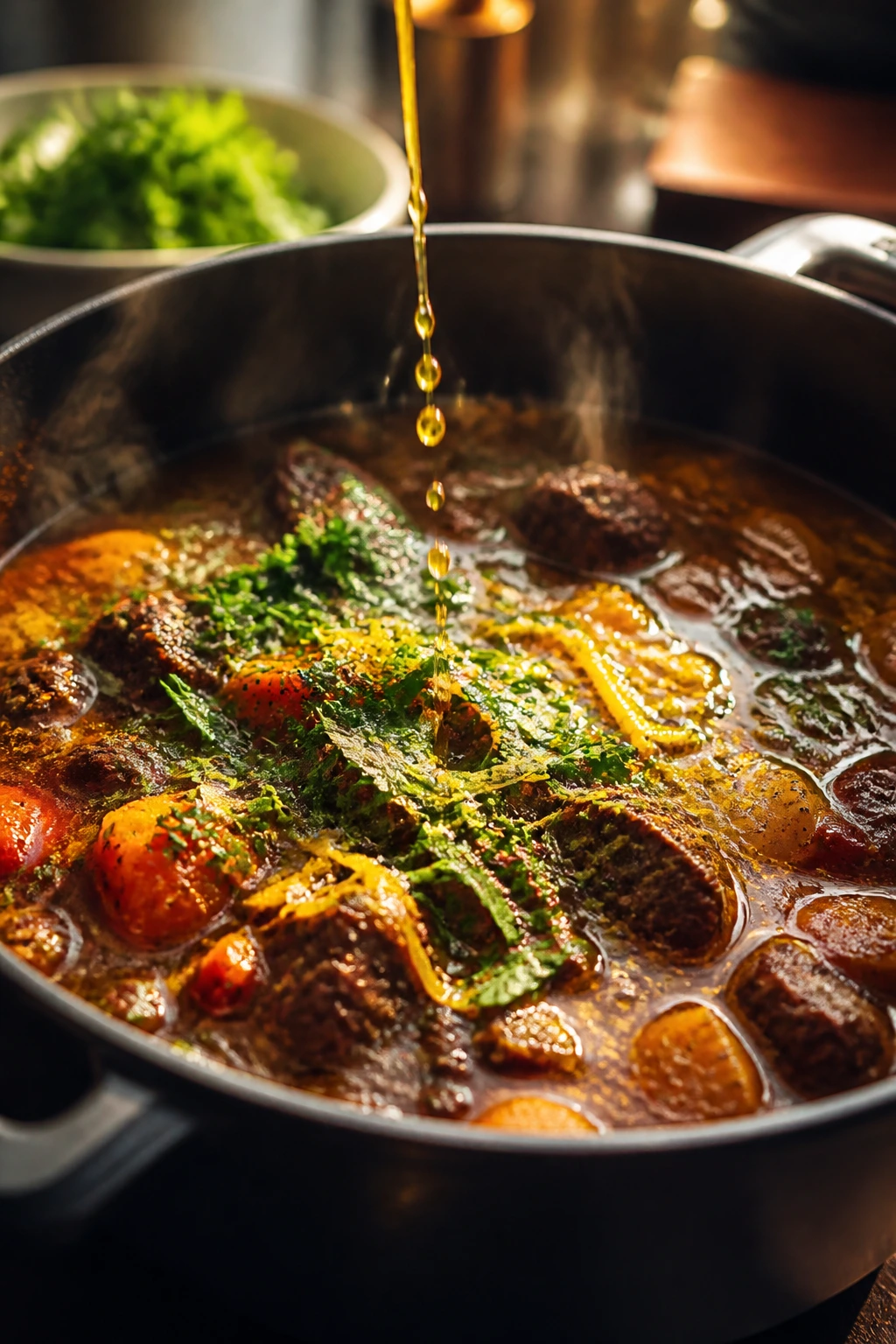
A bowl that tastes heavy by the third bite usually needs one thing, and it is not more salt. It needs something bright, fresh, or sharp enough to cut through the weight.
Acid Changes Everything
A splash of red wine vinegar, sherry vinegar, lemon juice, or even pickle brine can wake up a sleepy pot. Add it at the end, then taste again. Acid doesn’t make soup sour when used in small amounts; it makes broth taste like it has edges.
Tomato-based stews often need less acid because the tomatoes already bring some. Creamy soups and bean-heavy pots usually need more.
Fresh Herbs Should Stay Fresh
Parsley, dill, cilantro, chives, tarragon, and basil all lose their brightness if they cook too long. Chop them fine and scatter them over the bowl just before serving. A pot of lentil stew with a handful of dill on top tastes totally different from the same pot without it.
Dairy Needs Lower Heat
Cream, half-and-half, yogurt, sour cream, and crème fraîche all bring softness, but they can split or curdle if the soup is boiling. Temper them with a little hot broth first, then stir them in off the heat or over very low heat. That small step keeps the bowl smooth.
Fat Makes Flavor Stick
A knob of butter, a drizzle of olive oil, toasted sesame oil, or even a spoonful of chili crisp can change how the spoon feels in your mouth. Fat carries flavor. It also rounds out sharp edges and gives lean soups a fuller finish.
Crunch Should Not Be An Afterthought
Croutons, toasted bread, fried shallots, crispy bacon, pumpkin seeds, or a handful of tortilla strips give contrast. A bowl with nothing but soft textures can start to feel one-note fast. Crunch keeps the last spoonful as interesting as the first.
What to Put on the Table Beside the Bowl
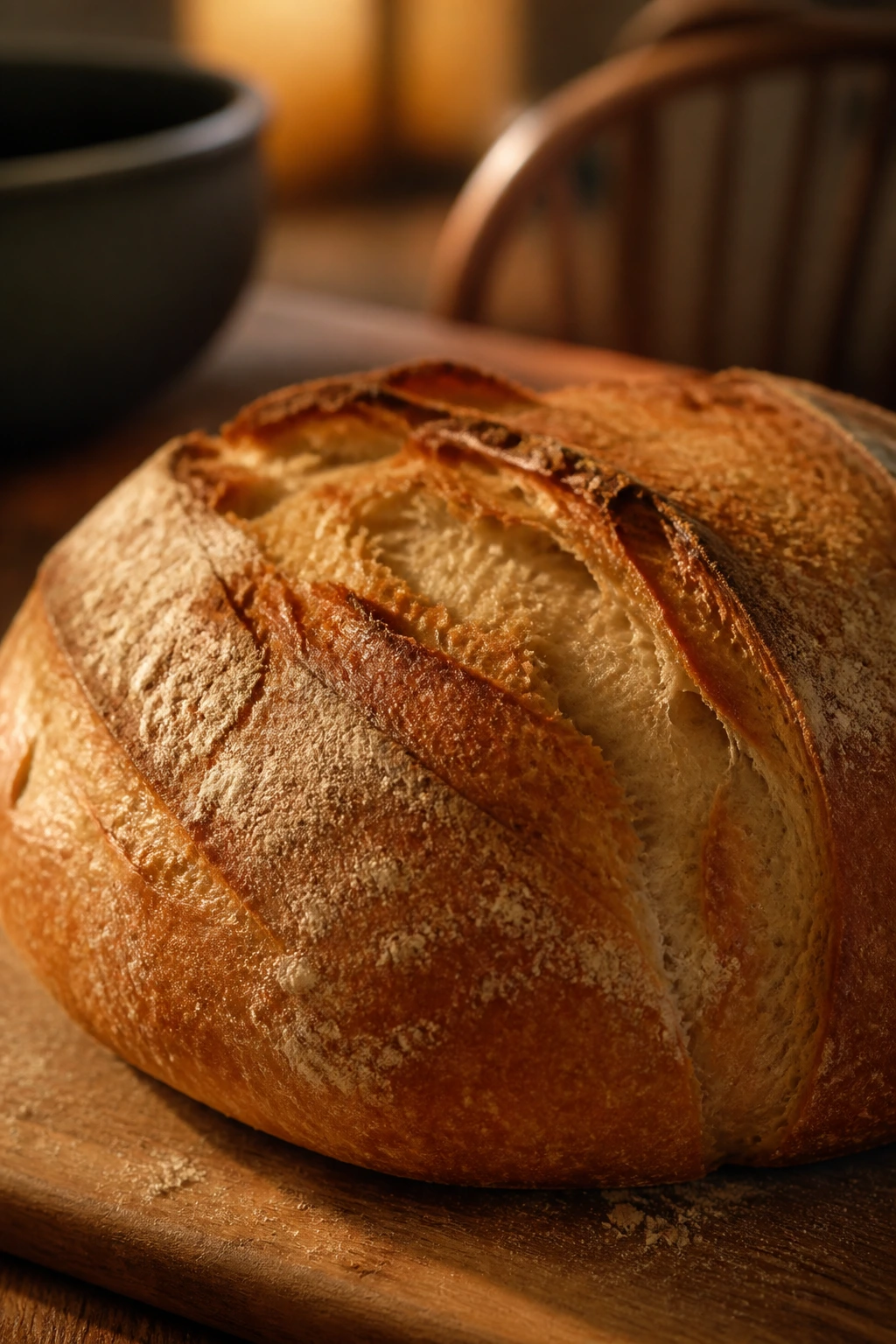
What should sit beside a steaming bowl? Something that soaks, something that snaps, and maybe one small thing that brings acid or salt.
Bread is the obvious answer because it works. Crusty sourdough, split rolls, cornbread, focaccia, or plain toast all act like tools as much as food. Use them to drag through the broth, mop the bowl, or support a thick stew that needs a little help getting from spoon to mouth.
A salad sounds like a compromise until you put it next to a hot bowl. Then it makes sense. A simple pile of greens with a sharp vinaigrette—say, mustard, lemon, and olive oil—cleans your palate between bites of beef stew or creamy chowder. Even a small salad with shaved fennel or sliced radish can keep a heavy dinner from feeling sleepy.
Pickles and condiments deserve more respect here. Cornichons, pickled onions, sauerkraut, hot sauce, whole-grain mustard, and chili oil give you a fast way to sharpen each bowl to taste. That matters when people at the table want different heat levels or acidity.
For portions, think in terms of appetite and context. A brothy soup with bread can be a light dinner in a 2-cup serving. A thick stew with beans and potatoes often lands closer to 1½ to 2 cups per person because it eats like a full meal. If you’re feeding a crowd, keep the bowls a little smaller than your instinct suggests; soup fills more than people expect once the steam hits.
The Tools That Save You from a Mess
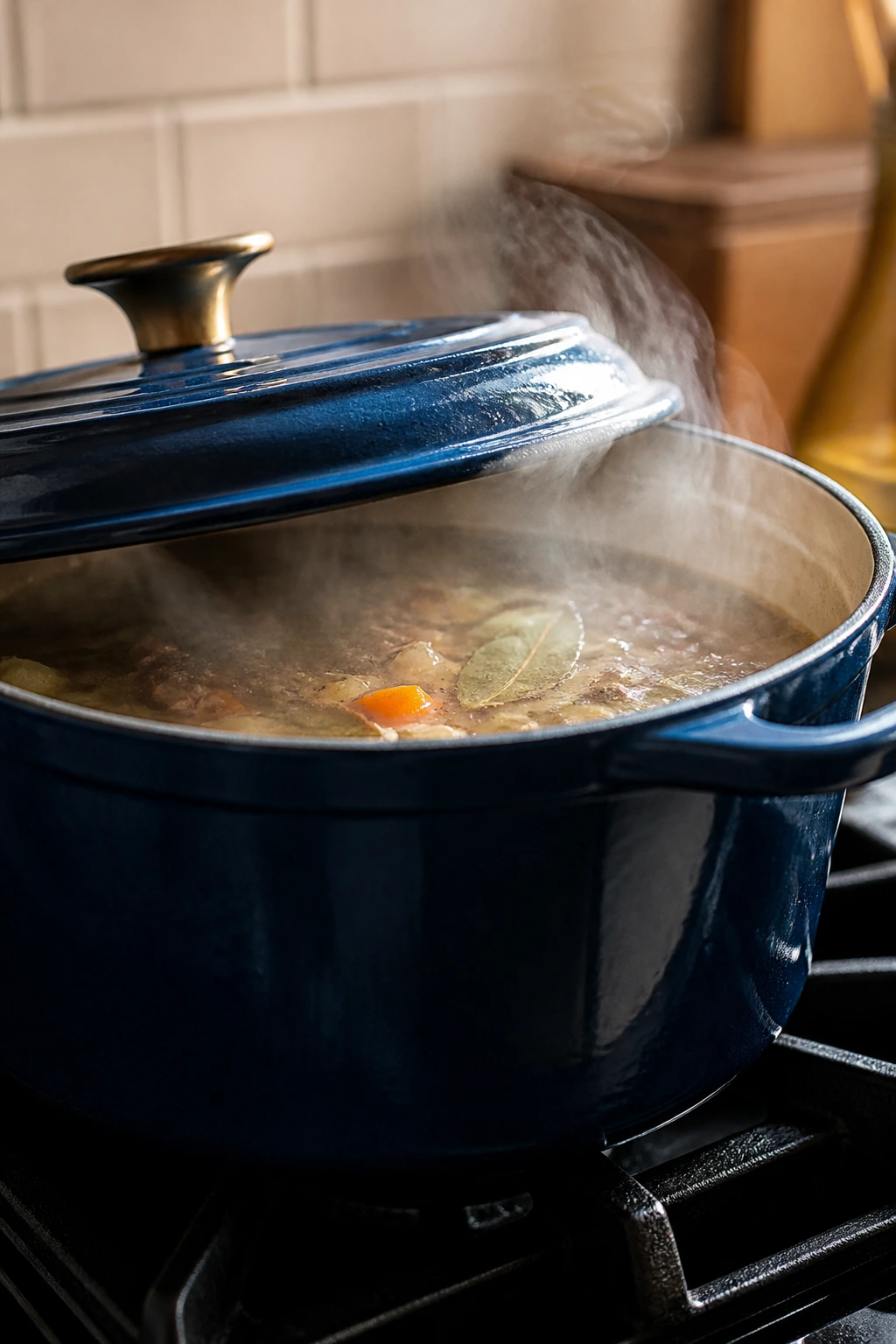
A few tools make winter cooking cleaner. You do not need a kitchen full of gadgets, but the right basics keep the pot moving and the stove less sticky.
-
Dutch oven or heavy stockpot: A thick-bottomed pot holds heat evenly and lowers the chance of scorching the bottom when the soup thickens.
-
Wooden spoon or heat-safe spatula: You want something sturdy enough to scrape fond from the pot and gentle enough not to scratch enamel or nonstick surfaces.
-
Ladle: A deep ladle makes serving easier and keeps you from spilling broth across the stove edge.
-
Chef’s knife: Onion, carrot, celery, cabbage, herbs, and meat all become easier when the cuts are even. A sharp knife is safer than a dull one.
-
Cutting board with a damp towel underneath: This keeps the board from sliding when you’re working through a pile of root vegetables.
-
Instant-read thermometer: Useful for reheating leftovers and checking poultry. It takes the guesswork out of “is this hot enough?”
-
Fine-mesh strainer: Handy if you want a cleaner broth, need to strain out herb stems, or are making stock from scraps.
-
Immersion blender: Not essential, but it’s the easiest way to turn part of a soup into a thicker base without transferring hot liquid to a countertop blender.
-
Shallow storage containers: These matter more than people think. They help hot soup cool faster, which matters for food safety and texture.
Small Moves That Make a Winter Pot Better
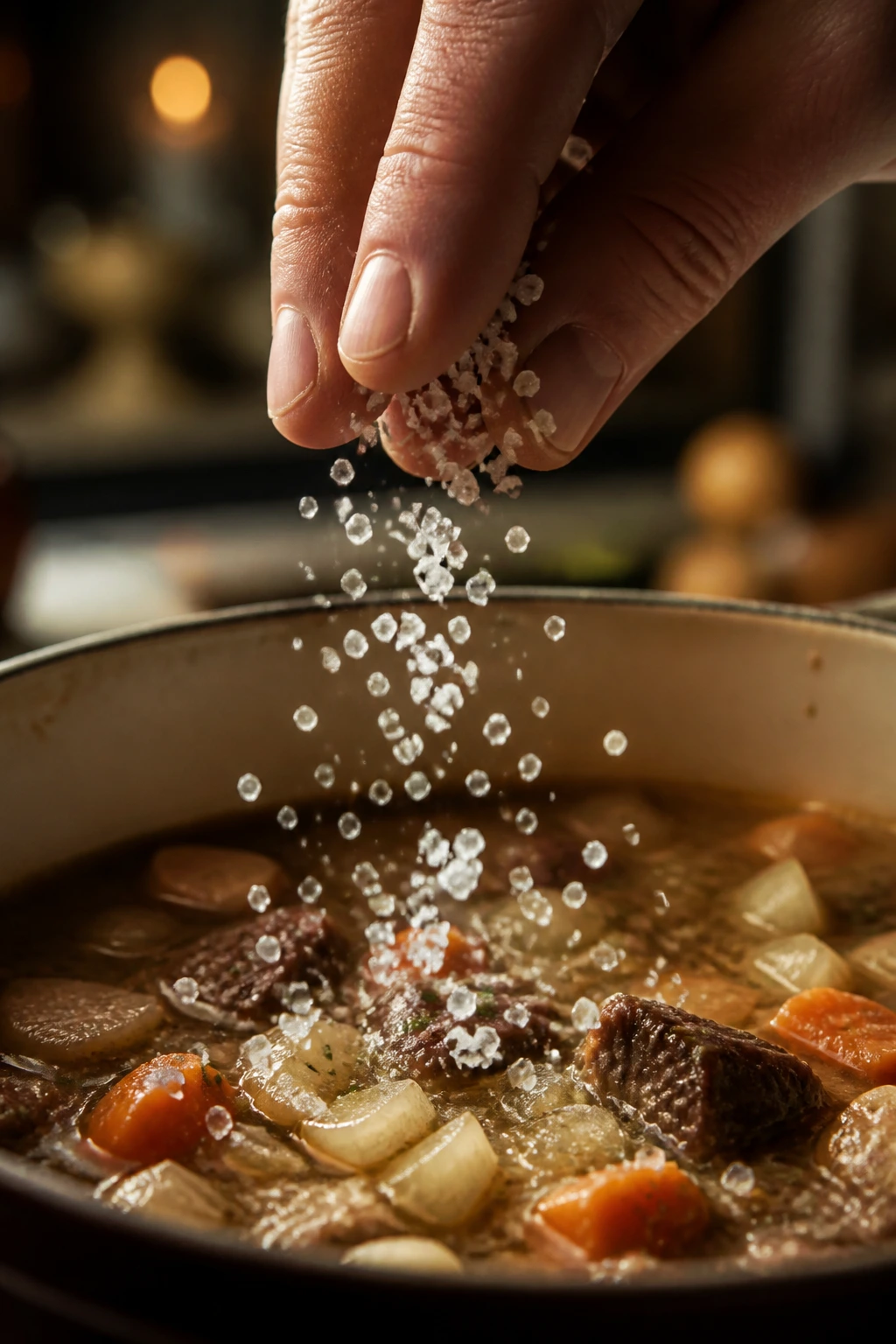
Pay attention to the last 5 minutes. That’s where a lot of good bowls go from decent to something people ask about twice.
Salt in stages: Season the onions, season the broth, then season again at the end. A pot that tastes right after the first hour may still need one more pinch when the liquid has reduced and the starch has settled.
Save the acid for the finish: Lemon juice, vinegar, and pickle brine taste sharper if they simmer too long. Add them when the pot is off the heat or just barely moving.
Roast or brown one ingredient first: Browning onions, tomato paste, mushrooms, or the meat itself gives the whole bowl more depth. Even 10 minutes in a hot pan can make the broth taste less flat.
Keep one texture crisp: If the soup is soft everywhere, add a crunchy topping at the table. Toasted seeds, croutons, fried onions, or chopped celery leaves all help the last spoonful stay interesting.
Use frozen vegetables when they make sense: Frozen peas, corn, spinach, and cut green beans can save a pot that needs color and freshness without a second shopping trip. Add them late so they stay bright and don’t water down the broth.
Mistakes That Flatten Flavor or Ruin Texture
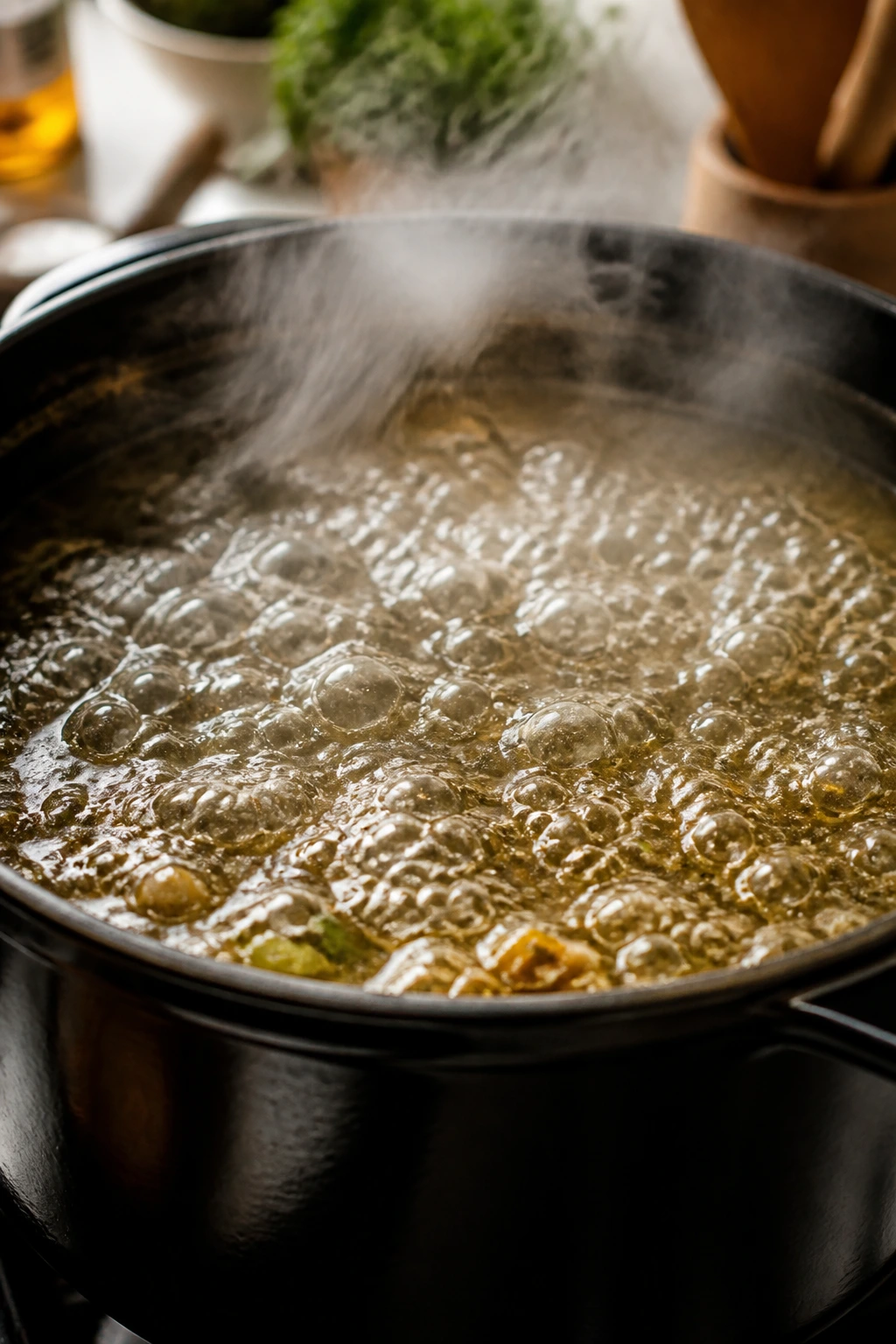
Most bad soup is not undercooked. It’s overhandled, underseasoned, or pushed too hard in the wrong place.
-
Boiling instead of simmering: If the pot is rolling hard, meat dries out and vegetables break apart. Drop the heat until the surface moves lazily with only occasional bubbles.
-
Adding pasta too early: Noodles keep drinking broth after they’re done. Cook them separately or add them in the last 8 to 10 minutes so they don’t turn the pot into glue.
-
Using only lean meat in a long stew: Sirloin cubes and chicken breast can turn chalky or stringy in long heat. Use chuck, thigh, shoulder, or add lean meat near the end.
-
Forgetting acid: A pot without acid can taste thick but dull. A spoonful of vinegar or lemon at the end usually fixes more than people expect.
-
Cutting all vegetables the same size by habit: Uniform size sounds neat, but not every ingredient needs the same cook time. Potatoes may need bigger pieces than carrots; delicate greens go in at the end.
-
Freezing a dairy-heavy soup without a plan: Cream soups can separate after thawing. Freeze the base without dairy when you can, then add cream or yogurt during reheating.
Variations Worth Trying When You Want a Different Mood
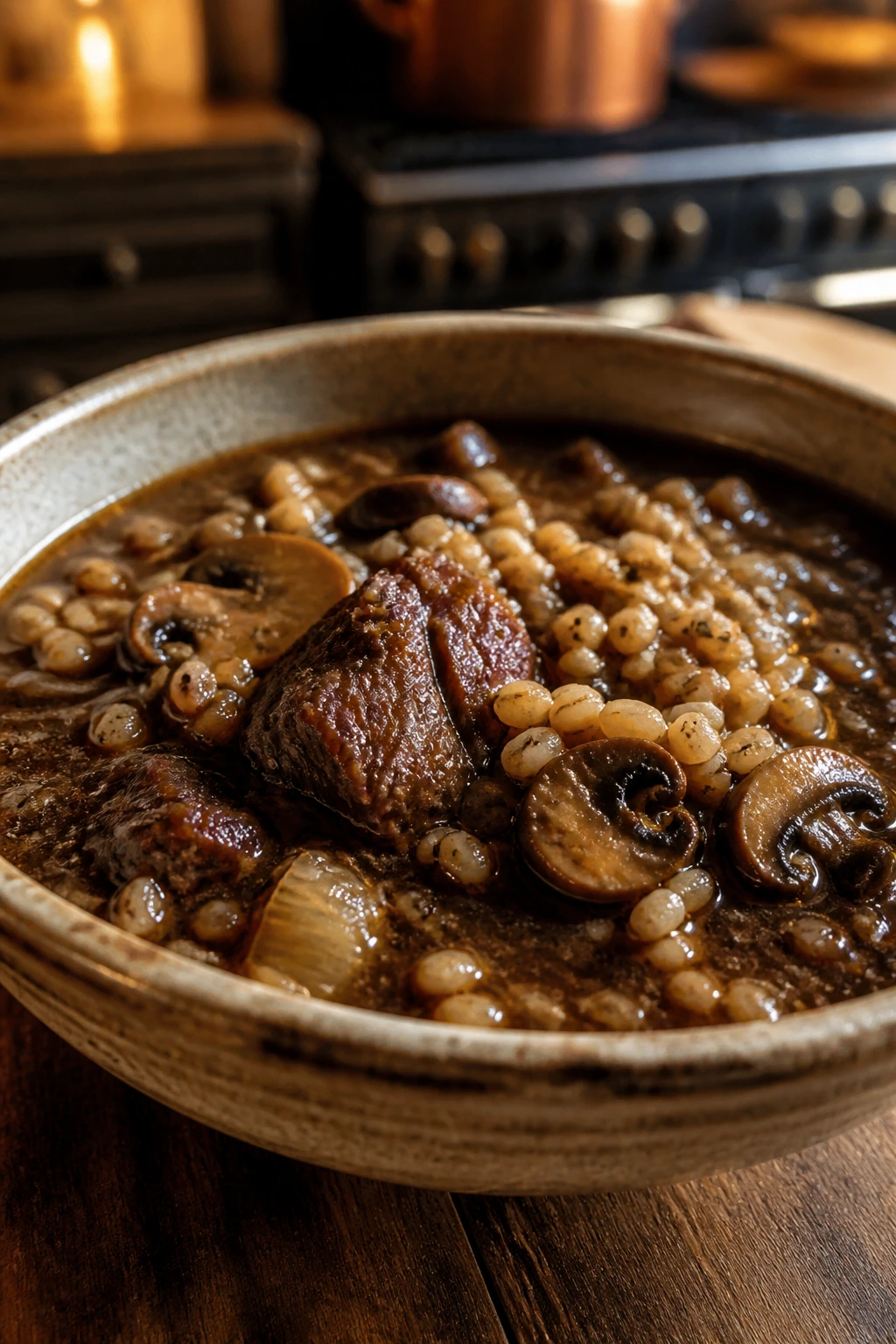
If the same pot starts feeling repetitive, a few smart swaps can change the whole dinner without turning it into a new project.
Braised Beef and Barley: Use beef chuck, mushrooms, onions, carrots, and pearl barley in a dark beef broth. It eats like a stew and works especially well when you want a spoonful that feels dense and earthy.
Smoky White Bean and Kale: Start with onion, garlic, smoked paprika, and a Parmesan rind, then simmer white beans and chopped kale in vegetable broth. A squeeze of lemon at the end keeps the bowl from tasting heavy.
Red Lentil and Coconut Stew: Red lentils, ginger, garlic, curry powder, coconut milk, and tomatoes create a bowl that turns silky fast. This one is useful when you want dinner in under an hour and still want it to feel like a real meal.
Chicken, Rice, and Dill: Chicken thighs, carrots, celery, rice, lemon, and a handful of dill make a cleaner, brighter pot than classic noodle soup. It’s the version I reach for when I want something that tastes plain in the best possible way.
Chili-Style Bean Pot: Black beans, pinto beans, cumin, chipotle, tomato paste, and a little cocoa create a deep, smoky bowl that lands somewhere between chili and stew. Top it with scallions and sour cream if you want it to feel like game-night food without the fuss.
Make-Ahead, Storage, and Reheating for Cozy Soup and Stew
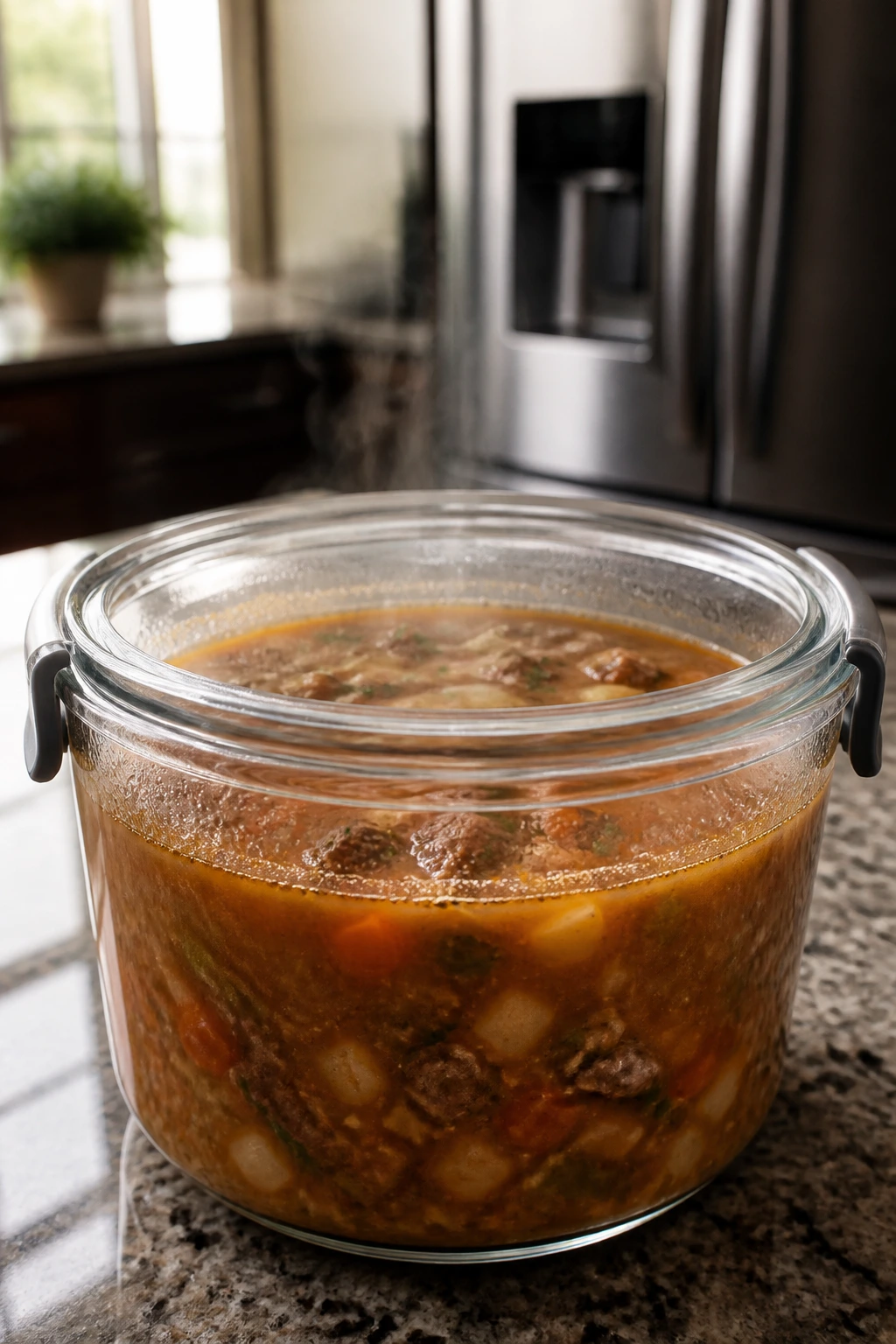
Thick stews turn almost pudding-like in the fridge, while brothy soups loosen up a little but can still surprise you with how much they thicken overnight. That’s normal. It also means storage strategy matters.
Cool the pot within 2 hours, which matches standard food-safety guidance from agencies such as the USDA. For a large batch, divide the soup into shallow containers so the center drops temperature faster. A giant stockpot in the fridge is slow to cool and awkward to reheat.
Most soups and stews keep 3 to 4 days in the refrigerator. Beef stew, bean soup, chicken soup, and lentil soup all freeze well for up to 2 to 3 months if they’re cooled properly and packed in airtight containers. Leave a little headspace in each container because liquid expands when it freezes.
Noodle soups are the one category I treat carefully. If the broth and noodles sit together for days, the noodles go bloated and tired. Store the noodles separately, or cook them halfway and finish them in the bowl when reheating. Potatoes can also get mealy after freezing, so if you know a batch will be frozen, keep the potato pieces a little firmer than usual.
Reheat on the stovetop over medium-low heat until the soup is steaming hot and reaches 165°F in the center. Stir often so the bottom doesn’t scorch. Microwaving works in a pinch, but cover the bowl loosely and stop to stir every minute or so.
Cream-based soups need one more caution: reheat them gently and never let them boil hard. If they separate a little, whisk in a splash of broth or milk off the heat. Sometimes that’s enough to pull the texture back together.
Frequently Asked Questions About Cozy Soup and Stew
How do I make a soup feel like a full meal instead of a starter?
Give it at least two of these three things: protein, starch, and fat. Beans and barley do a lot of the work here, and a finishing spoonful of olive oil or butter can make a lean broth feel complete.
What’s the easiest way to thicken soup without flour?
Mash part of the beans or potatoes against the side of the pot, or blend one ladleful and stir it back in. That method thickens the broth without turning it pasty, and it keeps the flavor from tasting dusty the way raw flour sometimes can.
Can I make stew in a slow cooker?
Yes, but brown the meat and onions first if you can. A slow cooker is good at turning tough cuts tender, but it does not build the same browned flavor on its own. Add dairy, fresh herbs, and acid near the end so they stay bright.
Why does my broth taste flat even after I salted it?
Flat soup usually needs one of three things: more salt, a little acid, or more fat. Taste it in that order, and don’t forget that reduced broth can taste quieter than it did at the start, especially after a long simmer.
Can I freeze soup with cream in it?
You can, but the texture may split when it thaws. The cleaner move is to freeze the base without dairy, then add cream, half-and-half, or yogurt after reheating.
How long should beef stew cook before it’s tender?
Most chuck-based stews need about 2 to 3 hours on the stovetop at a quiet simmer, sometimes longer if the cubes are large. Oven braising often lands in the same zone. The meat is ready when a fork slides in with little resistance, not when the timer says so.
Should I add noodles to the pot or cook them separately?
Cook them separately if you care about leftovers. Noodles in the pot are fine for same-night eating, but they keep soaking up broth and can leave the next bowl dry.
What if the vegetables turned mushy?
You probably cut them too small or cooked them too long at too high a heat. Next time, cut carrots and potatoes a little larger, and add quick-cooking vegetables like zucchini, peas, or spinach in the final minutes.
How do I make a vegetarian version that doesn’t taste thin?
Use mushroom broth, browned onions, tomato paste, miso, soy sauce, and beans or lentils for body. A Parmesan rind won’t work if you need it vegan, but a spoonful of nutritional yeast or a little white miso can bring the same savory depth.
A Bowl Worth Repeating
A good winter pot earns its keep because it solves dinner without making a scene. It bubbles quietly, fills the room with smell, and gives you a bowl that tastes better when you slow down long enough to eat it properly.
The next cold night does not need a complicated plan. Start with a heavy pot, an onion, and a liquid worth sipping. The rest can be built from there, one steady layer at a time.