



An easy toddler dinner kids will actually eat rarely looks impressive in a photo. It’s usually a little soft, a little plain at first glance, and arranged so a small person can touch every part without turning the meal into a puzzle.
That is the part grown-ups miss. We keep trying to make dinner feel complete in the adult sense — protein, vegetable, starch, a little flair — and then wonder why a toddler stares at the plate like it has personally offended them. Toddlers don’t read dinner the way we do. They scan for shape, smell, temperature, and whether the food seems familiar enough to trust.
The fix is not hiding spinach in everything or making a separate “kids’ menu” every night. It’s building a plate that feels legible: one safe food, one soft or easy-to-pick-up item, and one tiny stretch food that doesn’t look like a trap. When dinner stops feeling like a negotiation, the whole house calms down a notch. That’s the kind of quiet win worth chasing.
Why This Dinner Strategy Gets More Bites
-
Familiarity wins fast: If your toddler sees one food they already trust, the rest of the plate stops feeling like a surprise attack.
-
Small portions prevent plate shock: Two or three tiny servings look manageable; a heaped plate can feel impossible before the first bite.
-
Texture matters more than fancy flavor: A soft pasta shell or a warm quesadilla strip usually gets a better response than a mixed bowl full of slippery pieces.
-
A dip changes the whole mood: Ketchup, yogurt, hummus, or marinara gives toddlers a job, and jobs are more interesting than orders.
-
Gentle seasoning still tastes like dinner: Butter, cheese, mild herbs, and a little garlic make food feel grown-up without crossing into spicy or sharp territory.
-
One family meal saves your evening: If the base dinner works for adults too, you’re not cooking two different dinners and cleaning up twice the mess.
What Makes an Easy Toddler Dinner Actually Get Eaten
Easy is not the same thing as bland. That’s the first lesson, and it’s worth saying out loud because the internet loves to act like toddlers are made of toast and resentment. They don’t need bland food. They need food that makes sense at a glance.
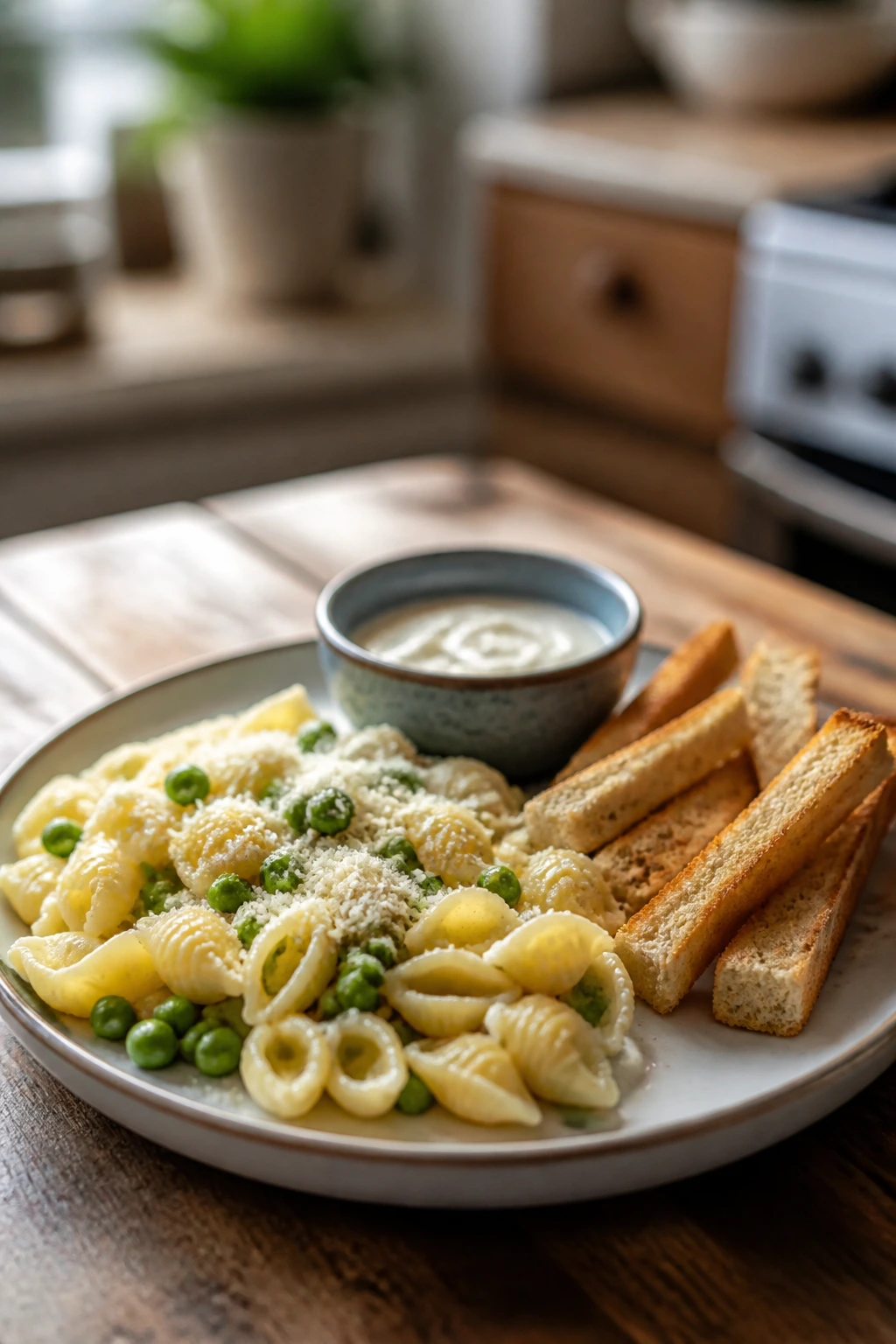
A dinner that gets eaten usually has a short ingredient list, a calm look, and one obvious path from plate to mouth. Think buttered pasta with peas and parmesan. Think scrambled eggs with toast fingers. Think rice, shredded chicken, and cucumber coins. The point is not culinary brilliance. The point is reduced friction.
A toddler’s “no” often starts before the first bite. Too many mixed textures, too much sauce, too much steam, or too many things touching can make a plate feel bigger than it is. A meal with three separate pieces is often more inviting than a single casserole, even when the casserole is made from the exact same ingredients.
That’s the game.
One thing I’d push back on: the idea that dinner has to be nutritionally complete in one sitting. For toddlers, the meal can be part of the day’s food, not the entire story. If lunch was light and the afternoon snack was generous, dinner may need to be simpler. If they ate a lot earlier, they may only want a few bites. That doesn’t mean the dinner failed.
It means the plate should be small, readable, and calm enough for a tired little person to approach without a tiny internal debate.
Start With One Safe Food and One Easy Win
A safe food is the thing your toddler will usually eat without much drama. Bread. Rice. Pasta. Cheese. Plain yogurt. Apples. Scrambled egg. Whatever it is in your house, that food earns its place on the plate because it lowers the temperature of the whole meal.
The smart move is to pair that safe food with one easy win and one stretch food. The easy win is almost familiar — maybe cheese quesadilla strips if your child already likes tortillas, or peas if they’ve eaten peas a few times before. The stretch food is the smallest new or less-loved item on the plate, and it should arrive in a tiny amount. One floret. Two carrot coins. A spoonful of beans. Not a mountain.
Safe Food, Stretch Food, Wild Card
I like this three-part setup because it keeps dinner honest.
- Safe food: Something your child already eats, such as pasta, toast, rice, or fruit.
- Stretch food: Something close to familiar, like chicken, beans, cheese, or soft vegetables.
- Wild card: One tiny bite of something newer, maybe roasted cauliflower, hummus, or a different sauce.
The wild card is there to be seen, not necessarily conquered. That matters. If your child licks it, smells it, or puts it back after one bite, that still counts as contact. Contact is how many toddlers learn trust.
And trust is what you’re feeding before anything else.
If your child lives on carbs, use the carb they already like as the anchor. Buttered noodles can carry peas, shredded chicken, or a little pesto. Toast can carry scrambled eggs, avocado, or thin cheese. Rice can hold almost anything if it’s warm and lightly seasoned. The safe food does not have to be exciting. It just has to be reliable.
Keep the Textures Soft, Dippable, and Easy to Pick Up
A toddler dinner with the right texture feels manageable before anyone says a word. Soft cubes, small strips, and dip-friendly pieces tend to work better than slippery, stringy, or overly crunchy foods. That’s not because toddlers are impossible. It’s because their hands are still learning what to do, and their mouths don’t always like the same sensations adults tolerate without thinking.
Shape matters. A cube of tofu is not the same as a crumbled bite. A wedge of quesadilla is easier to pick up than a floppy slice of pizza. A chicken thigh chopped into tiny pieces is usually easier than a long, chewy strip. And yes, size matters too: a toddler-sized bite is often smaller than you think.
Safety has to live in this section, too. Whole grapes, whole cherry tomatoes, hot dog coins, and similar round foods should be cut lengthwise for little kids. Hard nuts and popcorn are not good toddler dinner foods. Keep that part boring and strict. It saves everyone trouble.
Textures That Usually Work Better
- Soft and warm: scrambled eggs, mashed potatoes, pasta, rice, beans, ripe avocado.
- Dippable: quesadilla strips, toast fingers, steamed broccoli florets, chicken pieces, roasted sweet potato wedges.
- Easy to pinch: cheese cubes, cucumber coins, banana slices, soft meatballs cut in half.
If your toddler is having a rough day, lean harder into soft foods. Warm mashed potatoes with a little butter and peas on the side can do more than a plate full of sharp-edged, mixed-up food. On days when they’re bolder, add a crisp edge or a dip.
That little bit of contrast helps. A soft base with one different texture keeps dinner from feeling flat, but it does not overwhelm the plate. I tend to think that’s where a lot of “kid food” goes wrong. It tries too hard to be fun and ends up busy instead.
Busy food is rarely the answer.
Gentle Flavor That Still Tastes Like Dinner
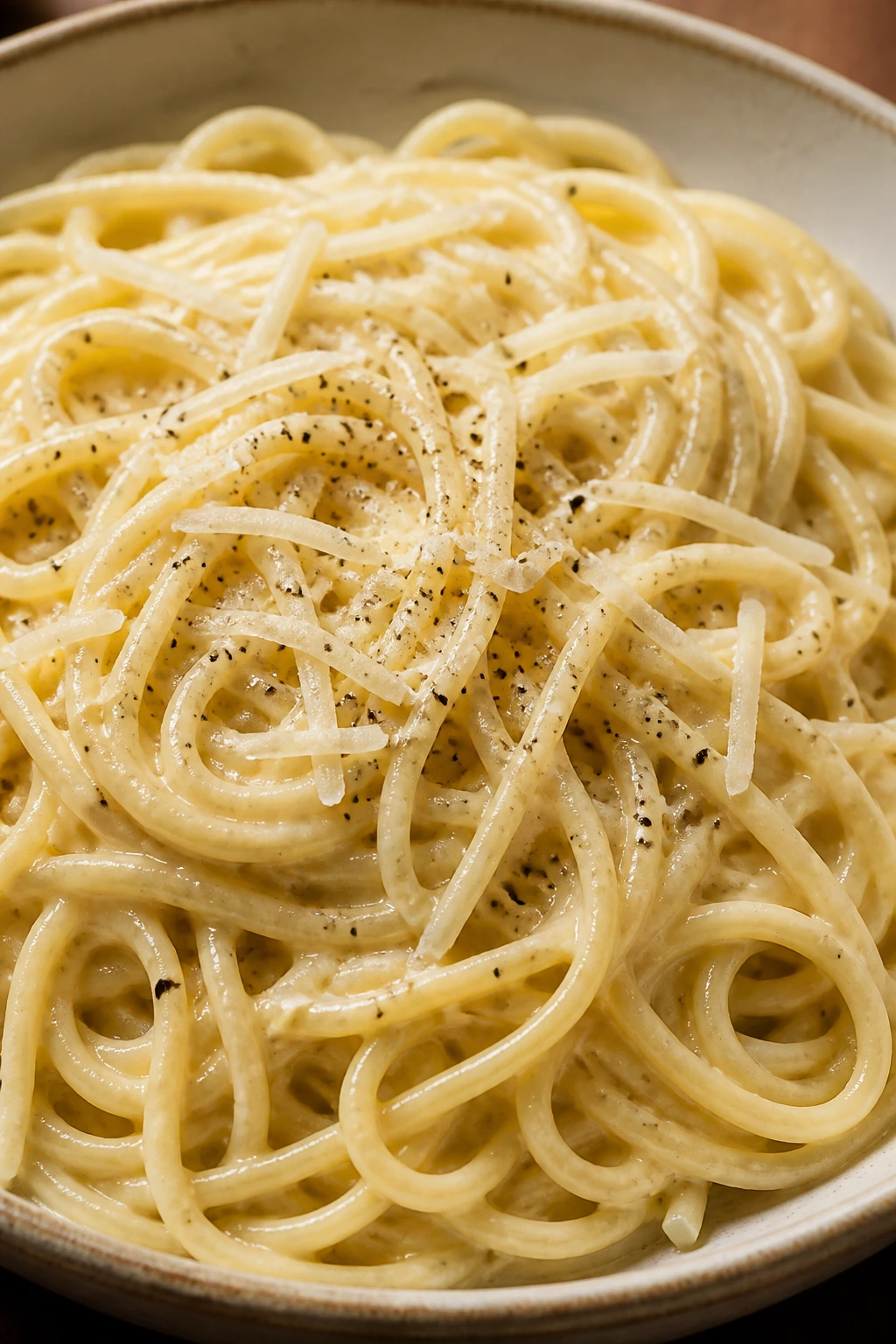
Subtle is not the same as boring. A toddler dinner can taste like real food without tasting like a spice cabinet. In fact, it usually works better when the flavor is clean, gentle, and repeated in a way a child can recognize.
Butter, olive oil, parmesan, a little garlic powder, a pinch of dried dill, mild salsa, yogurt, and tomato sauce all have a place here. So do soft herbs and tiny hits of lemon. You do not need to turn every meal into a flavor experiment. Toddlers are usually happier with one clear flavor than with six competing ones.
The trick is to season the base lightly and leave the strong stuff for adults to add at the table. A plain quesadilla can get hot sauce on your plate. A bowl of pasta can get red pepper flakes on yours. A rice bowl can get soy sauce or chili crisp on the grown-up side while the toddler gets a milder version. That split keeps dinner shared without making the child eat an adult amount of flavor.
I’m also a fan of warm, savory smells. Garlic that has been cooked in butter until it smells sweet. Cheese that melts into pasta instead of sitting in clumps. A little broth in rice. These tiny details matter because smell is part of trust. If the food smells sharp, burnt, or too saucy before it reaches the plate, toddlers notice that fast.
A few reliable flavor pairings earn their keep again and again:
- Butter + pasta + parmesan
- Egg + toast + mild cheese
- Chicken + rice + a little gravy or broth
- Beans + tortilla + cheese
- Sweet potato + olive oil + cinnamon or mild paprika
That list is not fancy. It works because each pairing is easy to read and easy to chew. Dinner does not need fireworks. It needs a steady hand.
Fast Dinner Blueprints for Busy Evenings
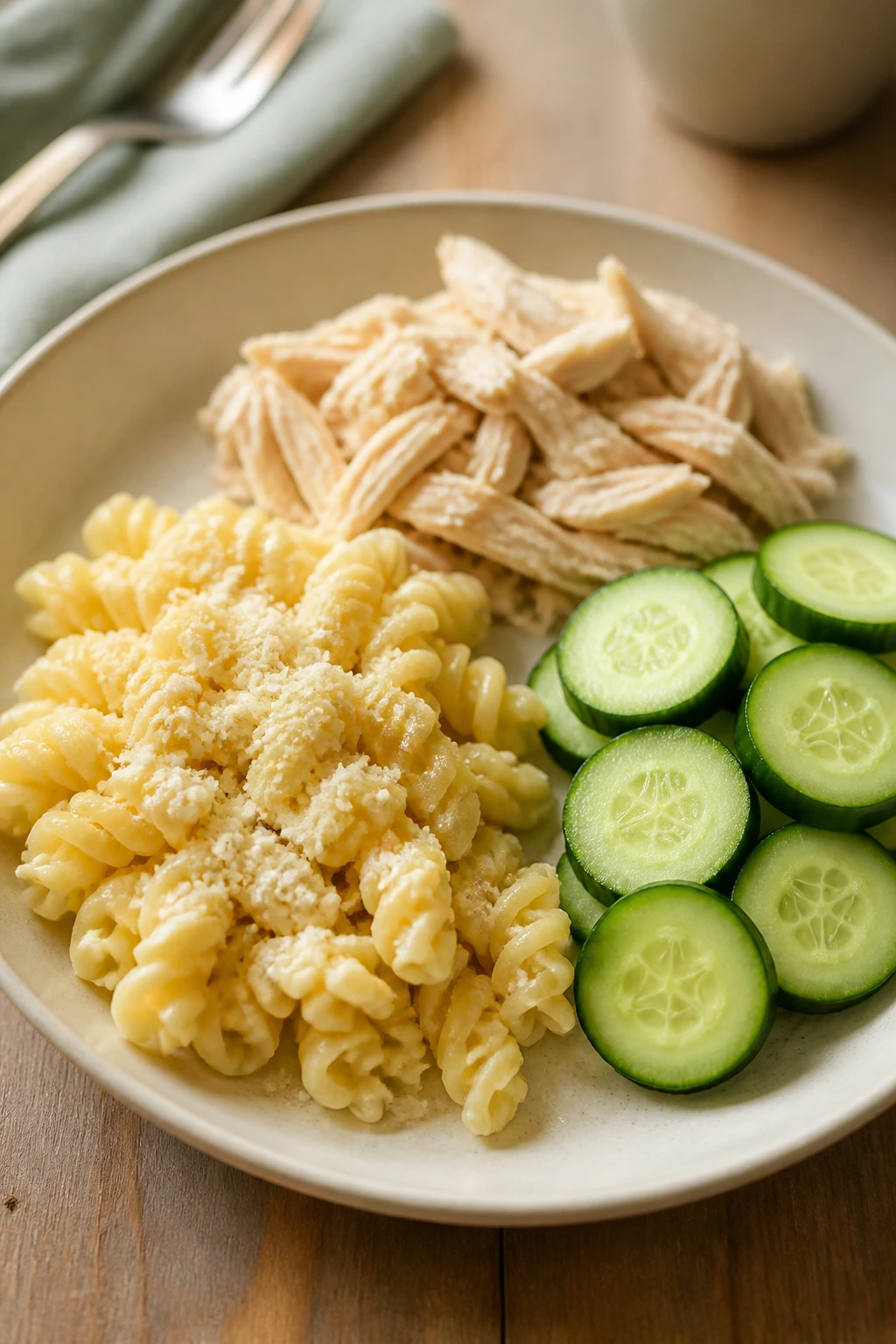
A Tuesday night with a tired toddler is not the place for a three-sauce project. It’s the place for a handful of dinner blueprints you can repeat with different ingredients and never feel bored. The best easy toddler dinner ideas are modular: one starch, one protein, one gentle vegetable, and a finish that makes the food taste finished.
Buttered Pasta, Peas, and Parmesan
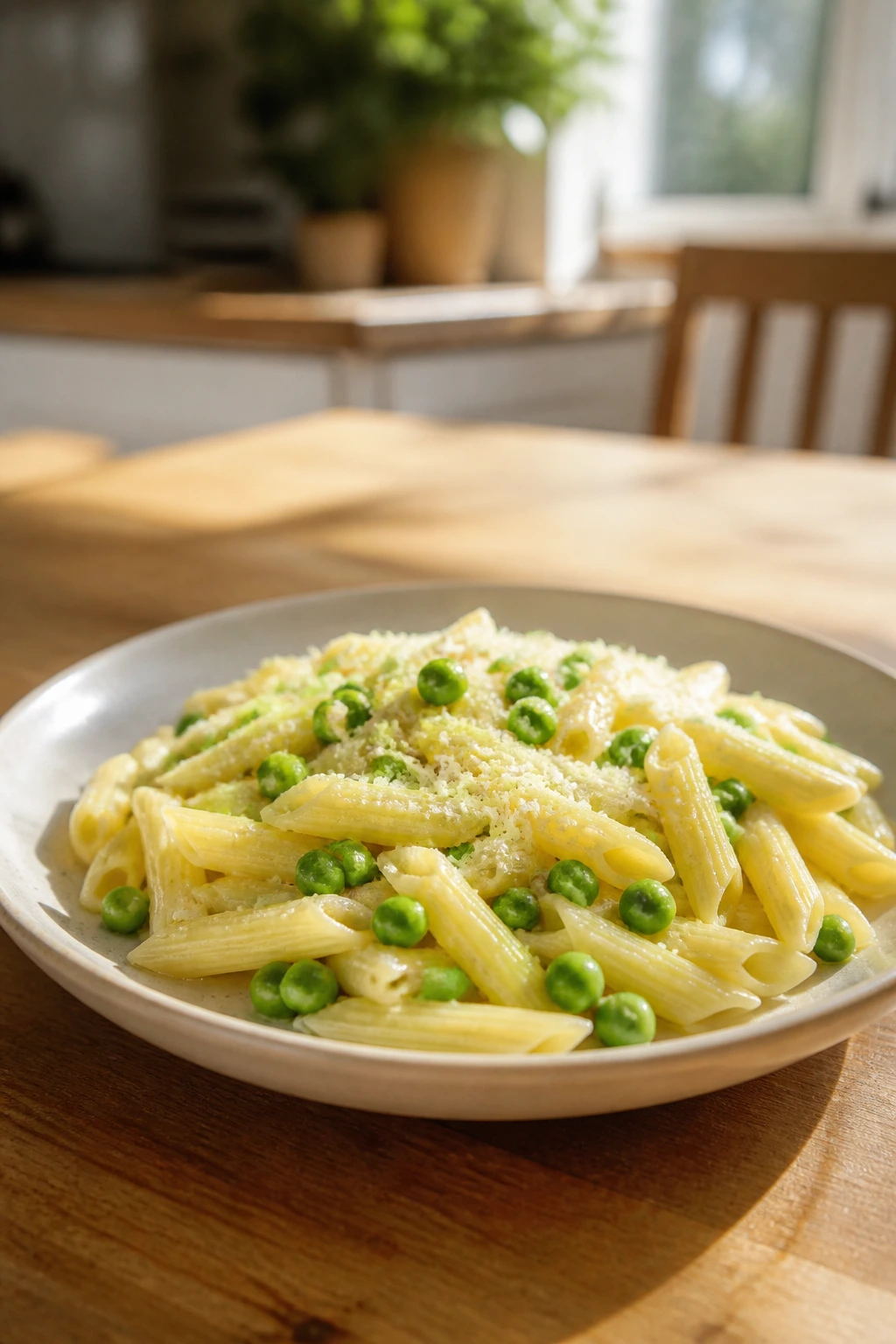
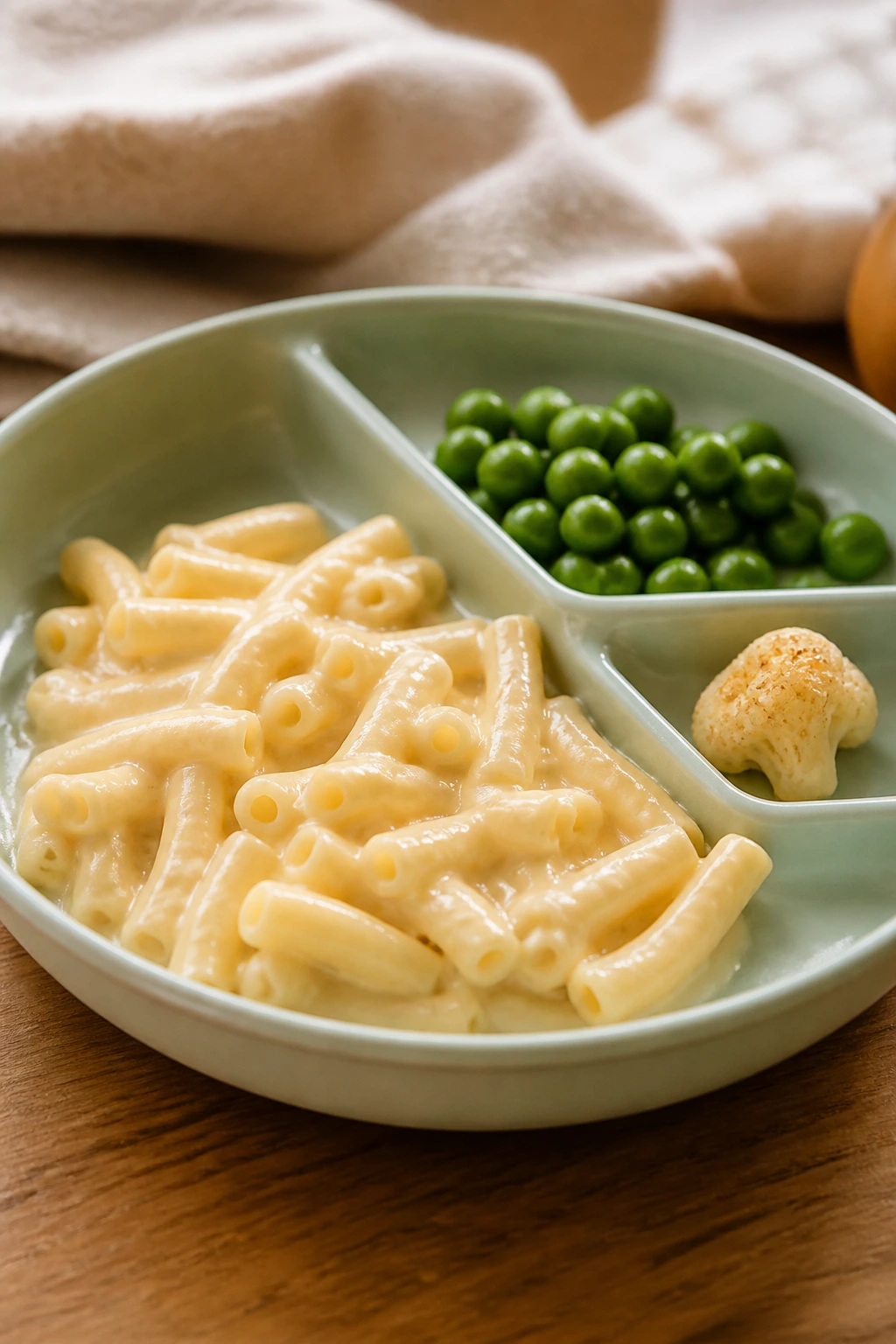
Cook short pasta until just tender, then toss it with butter, a few spoonfuls of frozen peas, and parmesan. If you want protein, add shredded rotisserie chicken or a little white beans mashed into the butter. The peas stay sweet and bright, the pasta stays easy to fork, and the whole bowl smells like dinner without feeling heavy.
Quesadilla Strips with Beans and Fruit
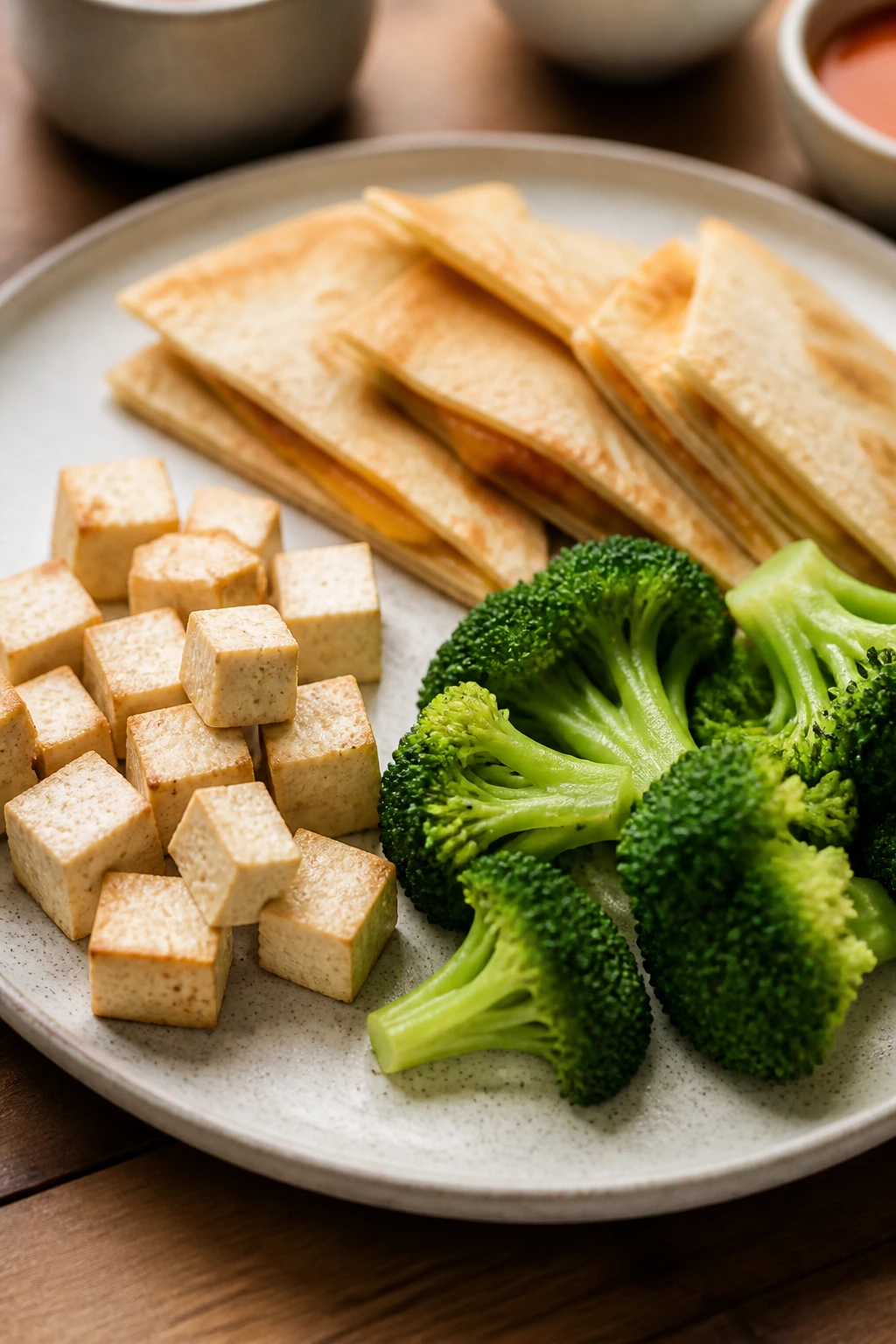
A flour tortilla, some shredded cheese, and a thin layer of mashed beans or chopped chicken make a strong toddler dinner because the shape is familiar and the filling stays soft. Cut it into narrow strips instead of triangles if your child prefers strips they can hold with one hand. A few berries or orange segments on the side can finish the plate without making it feel like dessert.
Mini Meatballs with Rice and Cucumber Coins
Meatballs are one of those foods that carry more weight than they should. Bake them until they’re cooked through and firm but still tender, then serve a few with warm rice and cucumber coins. The rice catches the juices, the meatballs give you protein, and the cucumber adds a cold, clean bite that breaks up the softness.
Scrambled Eggs, Toast Fingers, and Avocado
Eggs are a little boring to adults and often perfect for toddlers. Keep them soft, not rubbery, and serve them with toast cut into thin fingers. Avocado on the side gives creaminess without much work. If your child likes cheese, a sprinkle over the eggs makes the plate feel more complete.
Soup and Grilled Cheese Soldiers
A smooth tomato soup or a mild chicken soup can be paired with grilled cheese cut into sticks. I prefer this when the child likes dipping and doesn’t mind a spoon. The bread gives them something to hold, and the soup gives warmth without a lot of chewing. Just make sure the soup is not too hot. Toddlers do not forgive a scorched mouth.
Snack Plate Dinner That Still Counts
Some evenings need a meal that looks more like a platter than a plate. Cheese cubes, crackers, apple slices, sliced turkey, hummus, and a few steamed carrot coins can cover the bases without any real cooking. That kind of dinner is not a failure. It is a pressure valve.
A useful rule: if you can make the plate in under 15 minutes, and it includes one safe food and one warm item, you are already ahead of the game.
How to Plate an Easy Toddler Dinner Without Turning It Into a Contest
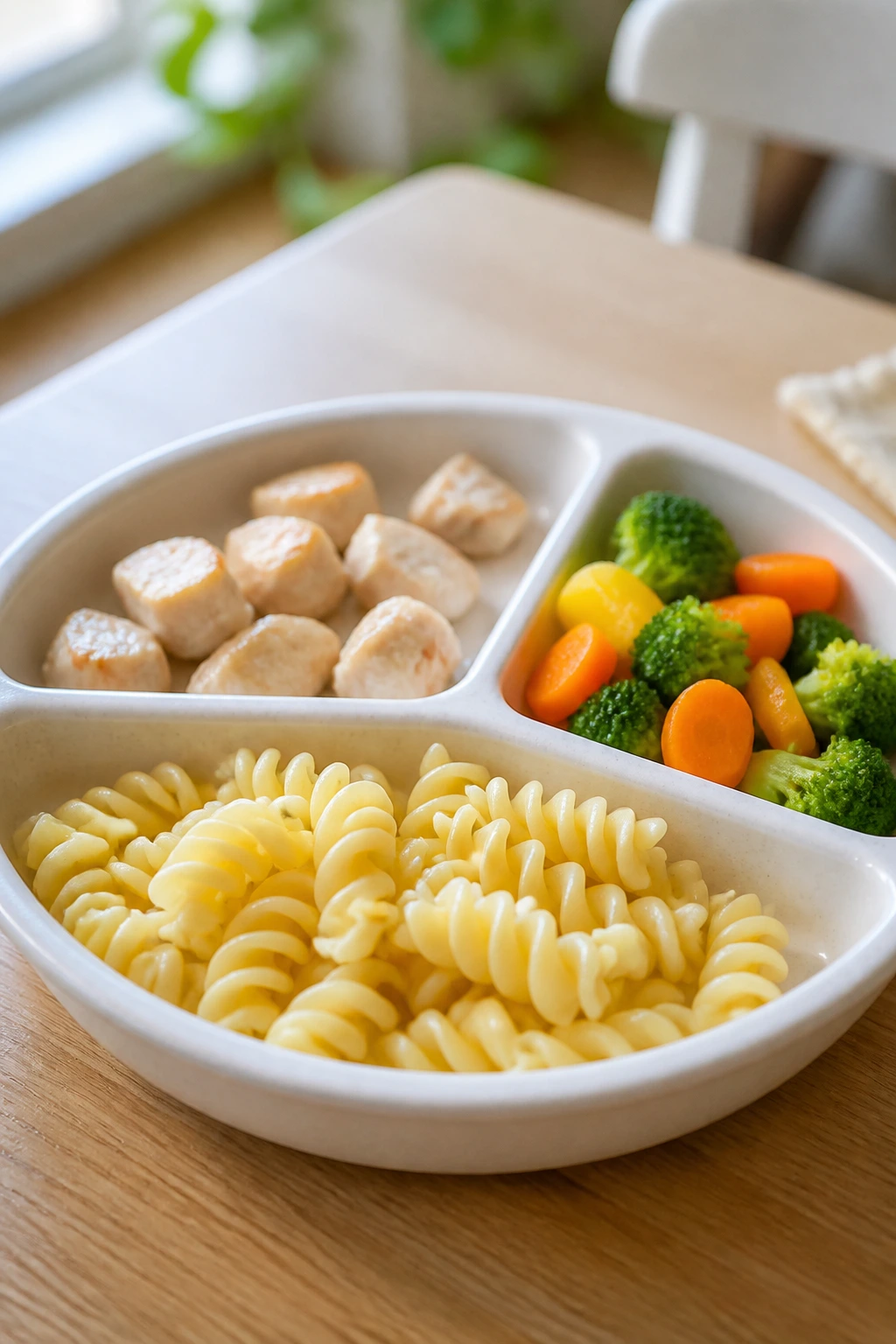
Plating matters more than Pinterest does. A full plate can look like a dare. A smaller one can look like an invitation. Toddlers often eat more when they can see each item clearly and reach it without wrestling the whole meal.
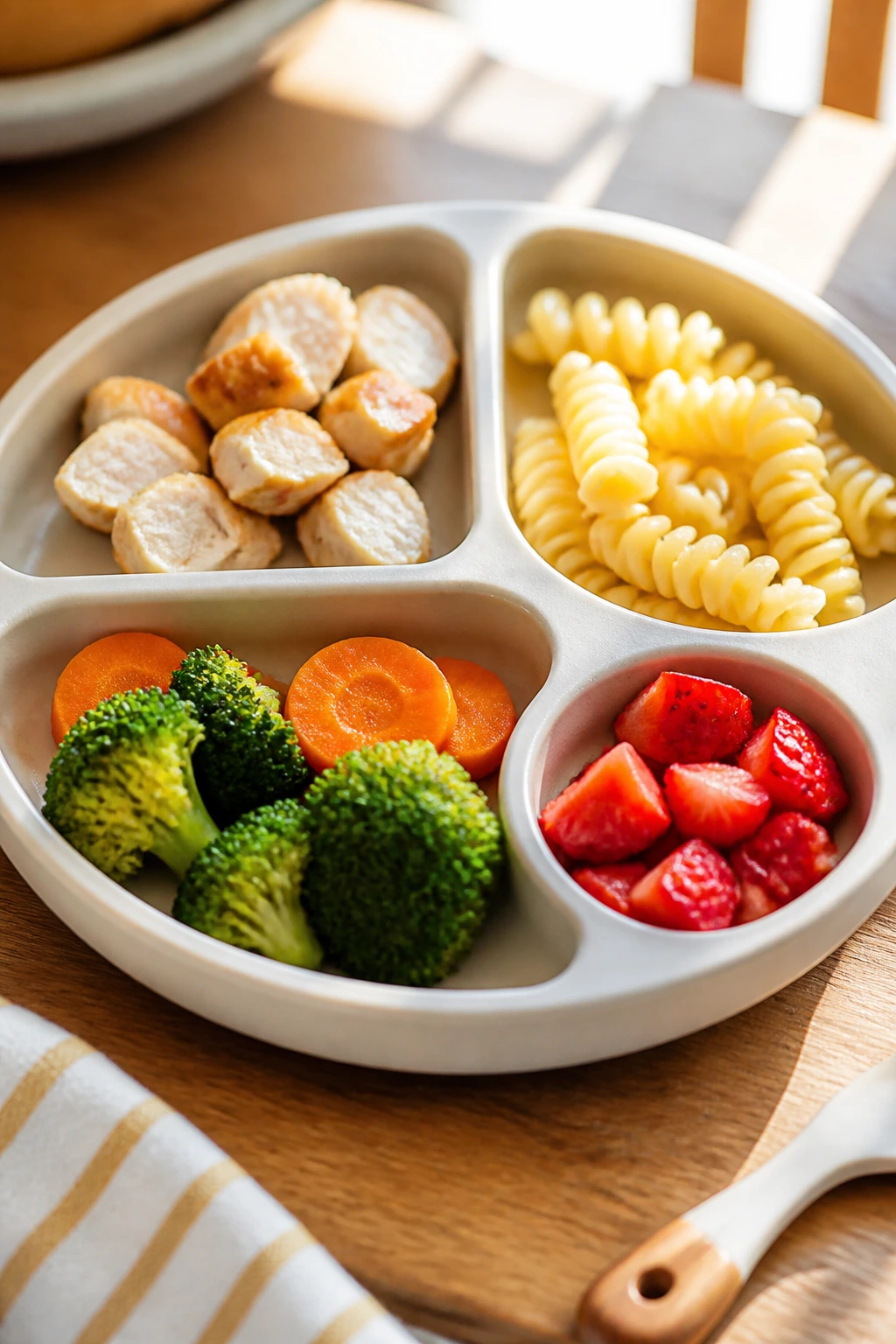
I like divided plates for many toddlers because they keep foods from bleeding together. If the child hates touching foods, the dividers reduce drama before it starts. If they do not care, a plain small plate works fine. The point is not the plate itself. The point is the visual order.
Keep the First Serving Tiny
Two or three bites of each item is enough. Really. A mountain of pasta, a pile of chicken, and six vegetables on a child-sized plate can make a small appetite shut down before dinner even begins. Start with less than you think, then offer more if the first round disappears.
Put the Dip in a Corner
Dips work better when they feel optional. A spoonful of yogurt, ketchup, hummus, or marinara in a small ramekin gives your toddler control. That control is the whole point. They can dip, swipe, or ignore it, and the dinner still works.
Serve One New Food at a Time
If you’re offering something unfamiliar, don’t surround it with five other novelties. One new thing beside two known things is much easier to handle than a plate full of unknowns. The new item can sit there. That still counts as exposure.
Don’t Crowd the Plate
Crowding is a hidden problem. A crowded plate looks complicated, even when every item is beloved. Leave some empty space. It makes the food look calmer and gives your child room to move their hand without knocking half the meal off the edge.
One small visual trick I use a lot: place the safe food first, then add the stretch food, then the vegetable or dip. That order keeps the plate feeling anchored. It sounds tiny. It isn’t.
Shopping, Prep, and Batch Cooking That Save the 5 p.m. Hour
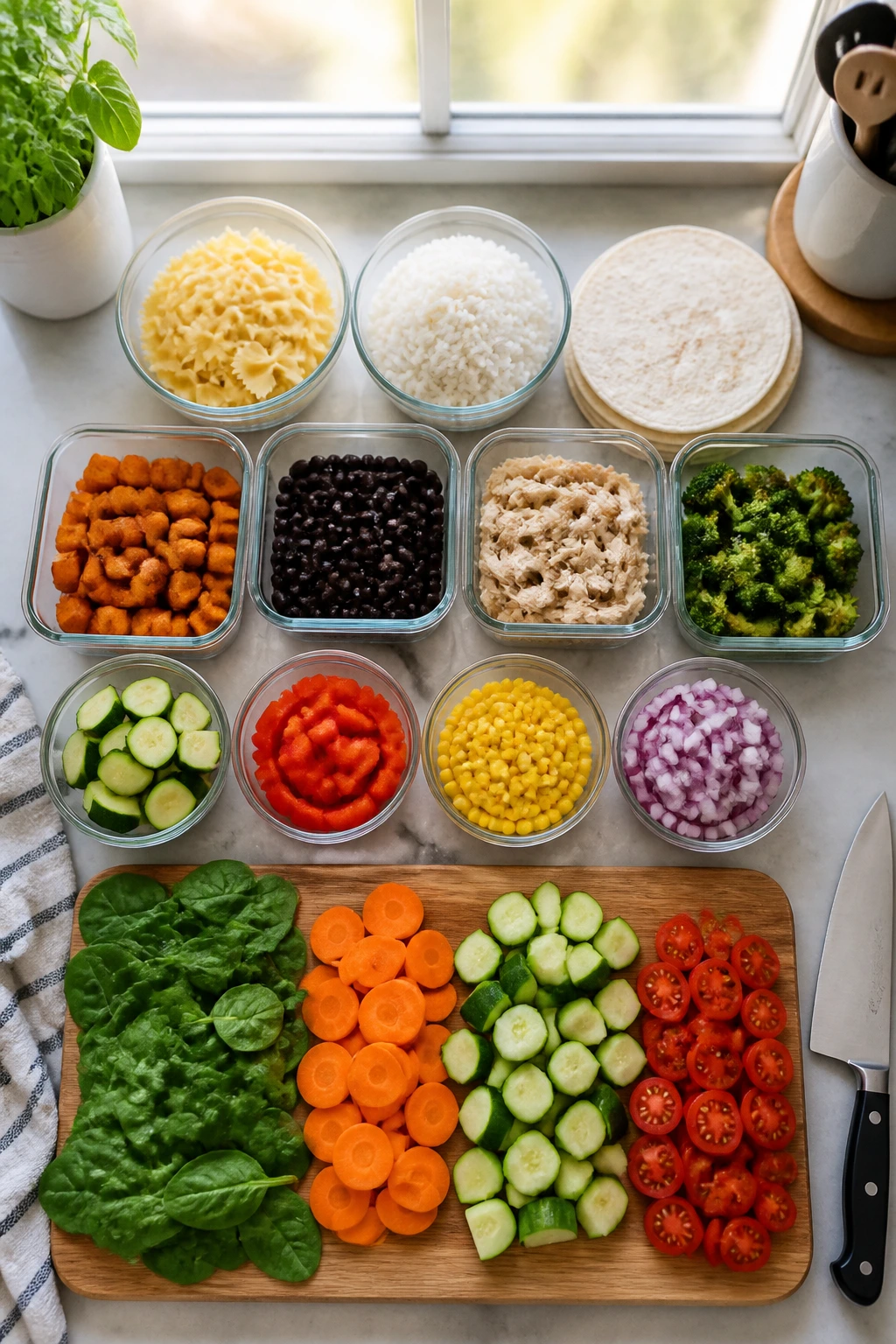
Ten minutes of prep in the morning or the night before can save a whole evening of standing in the kitchen while someone complains about the shape of a carrot. The trick is to keep a few building blocks around and to prep the parts that are annoying when you’re tired.
The Short List Worth Keeping Around
- Two starches: pasta, rice, tortillas, potatoes, or bread.
- Two proteins: eggs, chicken, meatballs, beans, tofu, or fish sticks.
- Three vegetables: frozen peas, carrots, broccoli, cucumbers, sweet potatoes, or zucchini.
- Two mild sauces or dips: marinara, yogurt, hummus, ranch, or mild salsa.
- Two fruit backups: bananas, berries, apple slices, pears, or mandarin segments.
That list is not about perfection. It’s about options that combine quickly without much thinking. Frozen peas are worth their freezer space because they go from bag to bowl in minutes. Eggs are worth it because they can become dinner, backup food, or a protein add-on in almost no time. Tortillas are worth it because they can become quesadillas, roll-ups, or toasted strips.
Prep the Annoying Parts First
Shred cheese before dinner time. Wash fruit while the kettle is boiling. Cook a tray of sweet potatoes or roast carrots and keep them in the fridge for three days. If your child likes chicken, cook a batch of plain shredded chicken or meatballs and freeze half in small portions. Future you will notice.
Think in Components, Not Recipes
You do not need twelve separate dinner plans. You need a grain, a protein, a vegetable, and one dip you like. Rice can become a bowl, a side, or fried rice. Pasta can become buttered noodles one night and a warm pasta salad another. Chicken can live in quesadillas, bowls, soups, or toast.
That kind of prep feels less glamorous than cooking a big family meal. It works better, though. And on a night when the toddler is suddenly refusing everything except the one thing you forgot to buy more of, you’ll be glad the freezer is doing some of the work.
Practical Tips for Better Toddler Dinners
Serve early. A toddler who is already rubbing their eyes or melting into the floor is far less interested in sitting still for dinner. Get food on the table before hunger turns into meltdown mode.
Keep one backup food nearby. A slice of bread, plain fruit, or a few crackers can save the meal from turning into a battle of wills. I’d rather see a child eat a few plain bites than watch everyone get stuck arguing over a carrot coin.
Use dip as a bridge. A tiny bowl of hummus, yogurt, ketchup, or marinara gives hesitant kids a reason to try the food without pressure. Dips work best when they’re small and optional, not treated like a bribe.
Repeat the same food in different forms. Roasted carrots can become grated carrots in rice, soft carrot coins, or blended soup. Same ingredient. Different shape. That matters more than people think.
Leave grown-up extras off the toddler plate. Chili oil, crushed red pepper, extra salt, pickled onions, and a heavy pour of vinaigrette can wait until the food is served. The toddler version should be mild and predictable; the adult version can wake up the plate later.
Stop praising bites like they’re medals. A calm “you can try it if you want” usually lands better than a lecture about being brave. Dinner should not feel like an exam.
A tiny practical note: if your child likes to help, give them one job that doesn’t make a mess you’ll hate. Stirring, sprinkling cheese, or placing peas on a plate can buy you 30 seconds of peace and make the meal feel theirs.
Common Mistakes That Make Dinner Harder
-
Making the plate look like a buffet: Too many choices can freeze a toddler before they start. Keep the first plate small and simple, then offer seconds if they want more.
-
Serving food that is too hot, too cold, or too wet: Toddlers are fast to reject food that burns, shocks, or slides off the spoon. Let hot food cool for a few minutes, and keep soggy items from sitting around too long.
-
Hiding every vegetable under cheese or sauce: This can backfire because the child learns to distrust the plate. Use visible vegetables as the main plan and hidden vegetables as a backup, not the entire strategy.
-
Expecting adult portions: A child who gets a full-size bowl can look overwhelmed before they taste a thing. Start with a few bites of each food, then offer more if there’s interest.
-
Turning dinner into a negotiation: Every extra plea can make the refusal bigger. Serve, stay calm, and let the plate do the work. If they don’t eat much, try again later instead of launching a debate.
-
Serving only one texture every night: Soft food has its place, but all-soft or all-crunchy meals can get boring fast. A little contrast — dip, toast, rice, a crisp vegetable edge — helps the plate feel more inviting.
One mistake deserves special attention: too much adult seasoning. If the food tastes sharp, salty, or spicy to you before it even reaches the plate, it may be too much for a toddler. Your taste buds are not the target here. Their little mouths are.
Easy Variations for Picky Eaters and Different Households
The Deconstructed Plate
Keep every component separate: protein in one section, starch in another, vegetables in a third. This works well for children who hate mixed foods or sauce touching anything. It also makes it easier to serve the same meal to adults later with a few extra toppings.
The Breakfast-for-Dinner Reset
Scrambled eggs, toast fingers, fruit, and cheese can rescue a night when everyone is tired and patience is thin. I like this version because it comes together fast, feels familiar, and usually gets eaten without much commentary. It’s not a backup plan. It’s a legitimate dinner.
The Plant-Forward Bowl
Rice, beans, avocado, mild salsa, and soft vegetables make a dinner that stays gentle but still has enough heft to count. If your toddler likes dollops and scoops, this format usually lands better than a mixed stew. The separate textures help.
The Dairy-Free Swap
Use olive oil, hummus, tahini, or avocado instead of cheese-heavy sauces. Chicken, tofu, beans, or fish can carry the protein. The plate still works as long as you keep the seasoning mild and the shapes easy to hold.
The Parent-Friendly Finish
Serve the toddler base meal plain, then let adults finish their own plates with chili crisp, hot sauce, herbs, lemon, or pickled onions. That way nobody is cooking two different dinners, and nobody has to pretend they want the same level of spice.
The Freezer-Smart Night
Keep meatballs, cooked rice, and a simple sauce in the freezer for the nights when the kitchen is falling apart. A thawed base can become a bowl, a pasta dinner, or a quick plate with fruit and yogurt on the side. This version is less about creativity and more about not starting from zero.
A good variation should change the feel of dinner without changing your whole life. That’s the filter I use. If a “variation” adds another hour of work, it is not a variation. It’s a second job.
Tools and Kitchen Gear That Make Dinner Easier
-
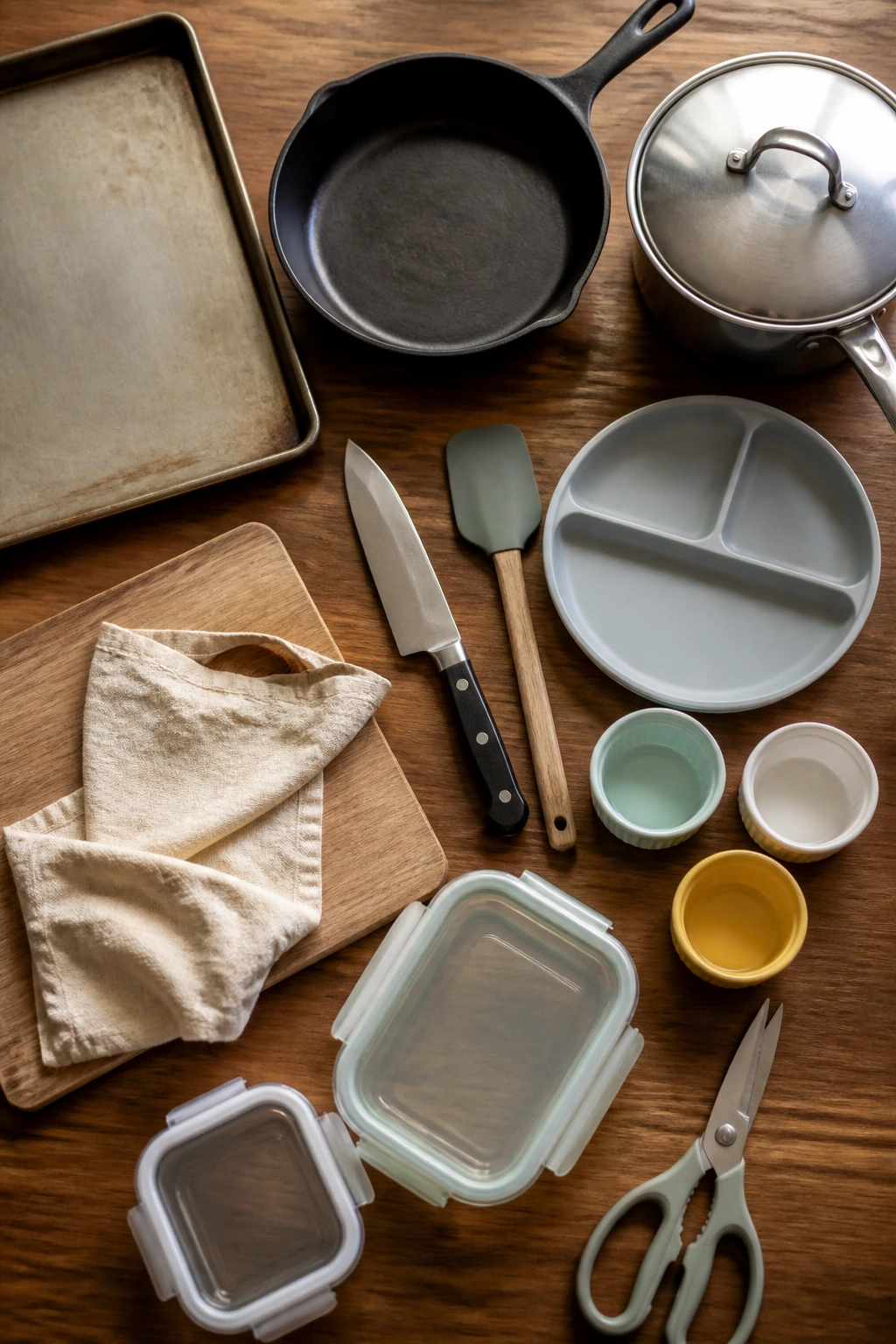
Small rimmed sheet pan: Roasts vegetables, chicken pieces, meatballs, and sweet potato wedges without spilling juice everywhere.
-
10- to 12-inch skillet: Useful for eggs, quesadillas, quick sautés, and rewarming leftovers without drying them out.
-
Small saucepan with a lid: Handy for pasta, rice, simple soups, and reheating sauces.
-
Sharp chef’s knife or paring knife: Cutting food into toddler-friendly shapes goes much faster with a knife that actually slices cleanly.
-
Cutting board with a damp towel underneath: Keeps the board from sliding while you quarter grapes, slice cucumbers, or cut sandwiches into strips.
-
Silicone spatula: Good for scraping eggs, stirring pasta, and moving soft food without tearing it apart.
-
Divided plate or small bowls: Helps separate textures and keeps a child from feeling overwhelmed by a crowded plate.
-
Mini ramekins: Perfect for dips, sauces, and tiny portions of foods you’re testing with a hesitant eater.
-
Airtight containers: Useful for storing cooked rice, pasta, chopped vegetables, and leftovers in toddler-sized portions.
-
Kitchen scissors: More useful than people expect for cutting quesadillas, herbs, cooked noodles, or soft meat into small pieces.
You do not need every gadget on that list. But if you’ve ever tried cutting a hot quesadilla into strips with a dull knife while a toddler bangs a spoon on the table, you know which tools earn their keep.
Leftovers, Storage, and Make-Ahead Moves
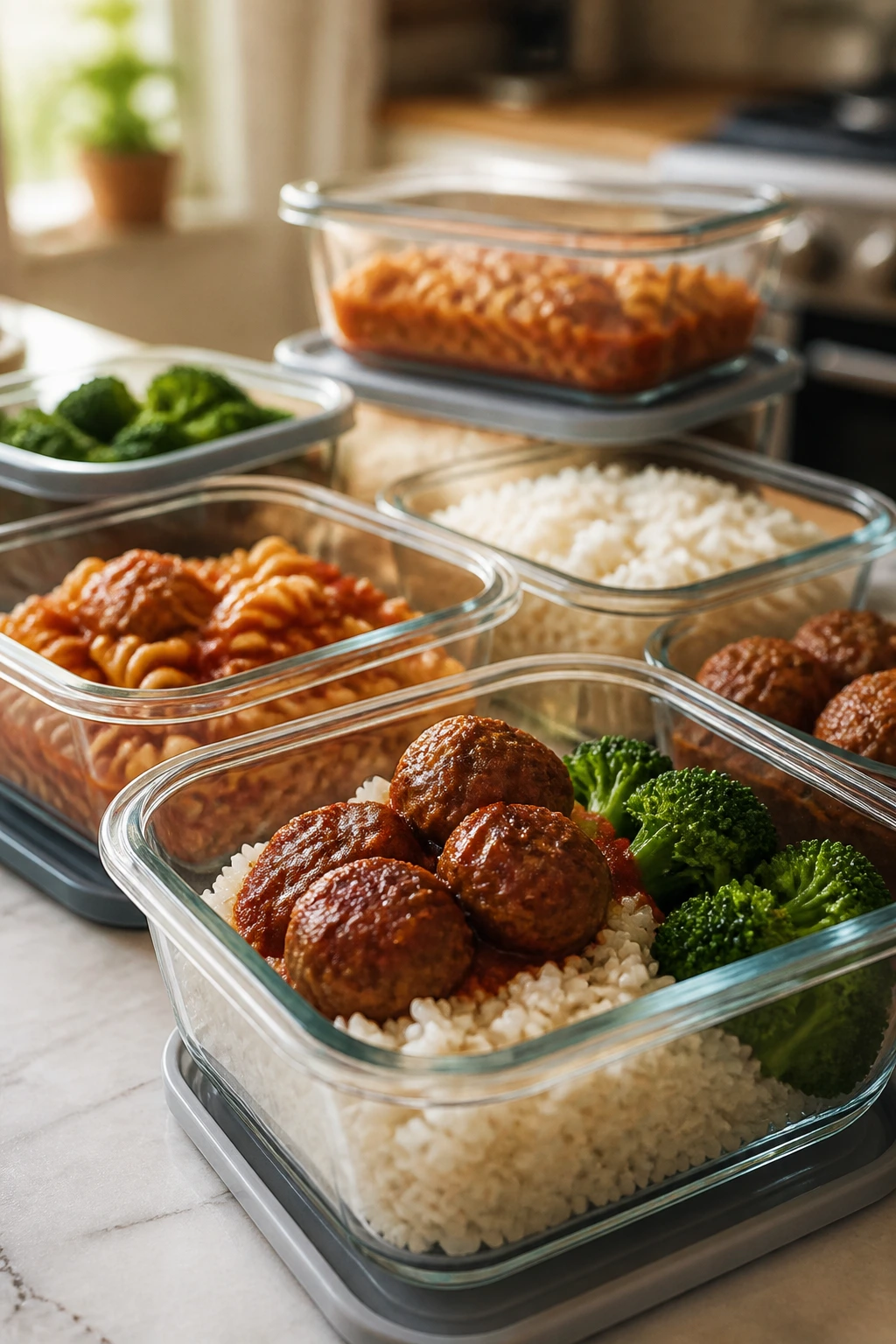
Toddler dinner gets easier when you stop treating leftovers like an afterthought. A little planning here goes a long way, especially for foods that work in more than one form. Cook once, eat twice, and save your evening.
In the Fridge
Most cooked toddler dinner components — rice, pasta, cooked chicken, meatballs, roasted vegetables, scrambled eggs, and simple dips — keep well for 3 to 4 days in the fridge if they’re stored in airtight containers. Let hot food cool enough to safely handle it, then get it into the fridge within 2 hours. If the room is hot and the food is sitting out, shorten that window to 1 hour.
Keep sauces separate when you can. Buttered noodles stay better if the extra butter or parmesan is added after reheating. Quesadilla strips are less soggy if you store the filling and tortilla separately, then assemble and warm them later. Tiny containers are worth the drawer space here.
In the Freezer
Cooked meatballs, shredded chicken, rice, pasta sauce, beans, and many purees freeze well for up to 2 months. Freeze them flat in small bags or in portions that match one toddler meal so you’re not thawing a giant block of leftovers for three bites of dinner. That mistake gets old fast.
Foods with a lot of water, like cucumbers, lettuce, and some fruit slices, do not freeze well. They turn mushy or limp. Breaded foods can freeze, but they lose some crispness, so I’d rather freeze the component and toast or re-crisp it later than freeze a finished platter.
Reheating
For soft foods like pasta, rice, and vegetables, the microwave works fine if you add a teaspoon or two of water and cover the dish loosely. Stir halfway through so there aren’t hot spots. For meatballs, chicken, or quesadilla fillings, a skillet over low to medium heat does a better job of keeping the texture better than blasting everything in the microwave.
If you need crisp edges back, use a 350°F (175°C) oven or toaster oven for a few minutes. That matters for quesadillas, toast fingers, or small baked items. A fast reheat in a skillet with a lid can also bring life back to leftovers without drying them out.
One more thing: some toddler dinners taste better the next day, and some don’t. Pasta with sauce usually holds up. Toast and cucumbers do not. If you can, store the crunchy part apart from the soft part and assemble at mealtime. That tiny habit saves more food than you’d think.
Frequently Asked Questions
What is the easiest toddler dinner when I’m out of energy?
Scrambled eggs with toast fingers is hard to beat. Buttered pasta with peas and parmesan is another strong option because it comes together fast and usually feels familiar enough for hesitant eaters.
How do I get my toddler to eat dinner without a fight?
Keep the plate small, offer one safe food, and stay neutral about bites. The more dinner feels like a test, the more likely a toddler is to push back, so calm repetition works better than pressure.
Should I make a separate dinner for my toddler?
Usually no. A shared base meal with small adjustments — less spice, smaller pieces, dip on the side — saves work and keeps the table from splitting into two meals. Separate dishes become a burden fast.
Is it okay if my toddler only eats one part of the meal?
Yes. A toddler who eats only pasta, only fruit, or only chicken on a given night has still eaten something. Keep offering the other foods on future nights without making that one meal the whole story.
What foods are safest for toddlers to eat with their hands?
Soft strips, wedges, cubes, and small bite-size pieces are easiest to manage. Cut grapes and cherry tomatoes lengthwise, and avoid hard choking hazards like popcorn and whole nuts for little kids.
Can I hide vegetables in toddler dinners?
You can, but I wouldn’t lean on it too hard. Hidden vegetables are useful in sauces, meatballs, or soups, but visible vegetables build trust over time and help kids learn what the food actually is.
How much should a toddler eat at dinner?
Start with a few small bites of each food and offer more if they want it. Appetite swings are normal, and a light dinner on one night does not mean anything is wrong.
Can I freeze toddler dinners ahead of time?
Yes, especially cooked rice, meatballs, shredded chicken, sauces, and soft vegetables. Freeze in small portions so you can reheat only what you need, and keep crunchy items out of the freezer unless you’re fine with a softer texture.
What if my toddler refuses everything on the plate?
Keep the meal calm and remove the food after a reasonable amount of time. Offer the next meal or snack at the usual time instead of turning refusal into a long event, because long events tend to make dinner harder tomorrow too.
A Quieter Way to End the Dinner Battle
Dinner does not have to feel like a nightly referendum on your cooking. A toddler plate can be small, plain-looking, and still do exactly what it needs to do: get food into a child’s body without turning the room into a standoff.
The meals that work best usually have the same shape. One safe food. One easy texture. One gentle flavor. That’s enough. Add a dip, keep the portions modest, and stop trying to make every dinner solve every problem at once. Tomorrow’s meal can be different. Tonight only needs to be edible.
And once that pressure drops, the whole table gets easier to sit at.