



Getting dinner onto the table when one child wants plain pasta, another refuses “green bits,” and somebody else announces they no longer like cheese can feel like a tiny hostage negotiation. Family meals for picky eaters work best when the food is familiar at first glance, easy to separate on the plate, and built on textures kids trust: crisp breading, soft noodles, mild sauce, warm rice, melted cheese. That is the game.
The trick is not trickery. It’s control. Keep the seasoning readable, keep the ingredients recognizable, and keep the “mystery factor” low enough that nobody starts poking around the plate with a suspicious fork. When you do that, dinner gets calmer fast. Not glamorous. Calmer.
These 22 meals lean hard into that idea. Some are baked, some are skillet dinners, some let people choose their own toppings, and a few hide vegetables so well they vanish into the sauce instead of announcing themselves from the bowl. A lot of them also survive the most important test in family cooking: they still taste good after five minutes under the hungry, impatient stare from the other side of the table.
Why This Collection Actually Gets Eaten
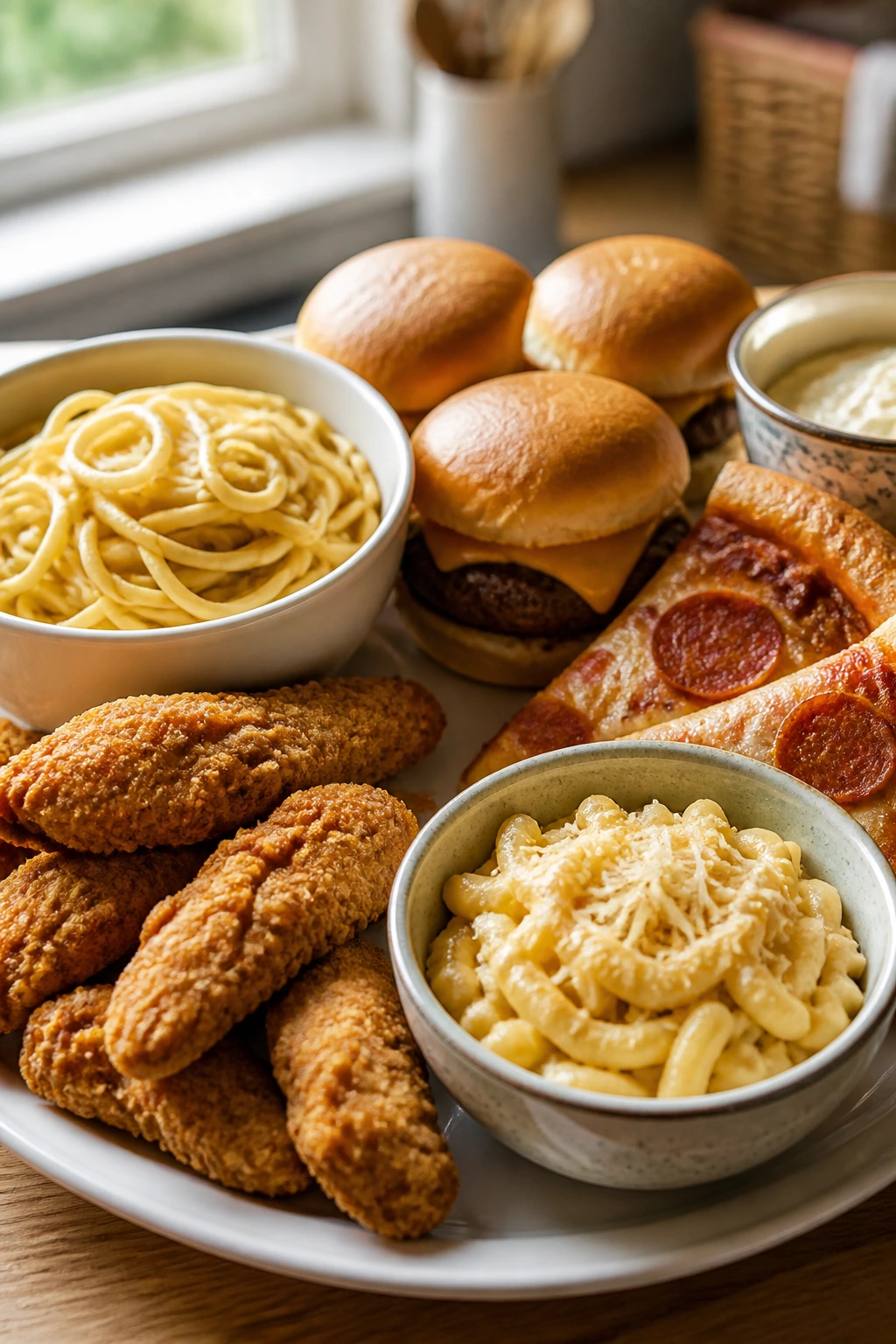
- Familiar Shapes: Chicken tenders, sliders, noodles, pizza, pasta, and bowls are foods kids recognize before the first bite, which cuts down on the “What is this?” problem.
- Mild by Design: Most of these recipes keep heat low, skip aggressive spices, and let ketchup, cheese, butter, and tomato sauce do the heavy lifting.
- Separate the Pieces: Several meals work because toppings stay optional. A kid can take the chicken, skip the broccoli, and still end up with dinner on the plate.
- Crunch and Melt Matter: Picky eaters often trust crisp edges and gooey cheese more than soft mixed casseroles, so plenty of these recipes build in both.
- Weeknight Proof: These are the kinds of dinners that use regular grocery-store ingredients and don’t demand a dozen special sauces you’ll use once and forget.
1. Crispy Baked Chicken Tenders
Baked chicken tenders win because they look like the version kids already know from restaurants, only less greasy and easier to control at home. The crust turns deeply golden in the oven, and the inside stays juicy if you pull them the moment the centers hit 165°F. Keep the seasoning modest. Kids notice when breading tastes like breadcrumbs and garlic instead of “spicy mystery.”
Why It Works:
The crunchy panko coating gives you the fried feel without standing over a skillet of hot oil. A light egg wash helps the crumbs cling, and a little parmesan in the crust adds salt and browning. These are fast enough for a school-night crowd, but they also reheat well in a toaster oven, which matters more than people admit.
Key Ingredients:
- 1 1/2 lb chicken tenders
- 1/2 cup all-purpose flour
- 1 tsp kosher salt
- 1/2 tsp garlic powder
- 1/2 tsp paprika
- 2 large eggs
- 2 tbsp milk
- 2 cups panko breadcrumbs
- 1/2 cup finely grated parmesan
- 2 tbsp olive oil or melted butter
Quick Steps:
- Preheat the oven to 425°F and line a sheet pan with parchment. Set a wire rack on top if you want extra crunch.
- Mix the flour, salt, garlic powder, and paprika in one shallow bowl.
- Whisk the eggs and milk in a second bowl.
- Stir the panko, parmesan, and oil in a third bowl until the crumbs look lightly damp.
- Dredge each tender in flour, dip in egg, then press into the crumb mixture.
- Bake for 15 to 18 minutes, flipping once, until the coating is deep gold and the chicken reads 165°F.
- Rest 3 minutes before serving.
Equipment for This Recipe:
- Sheet pan
- Wire rack, optional but worth it
- 3 shallow bowls
- Tongs
- Instant-read thermometer
How to Serve This Dish:
Pile the tenders next to fries, fruit, or buttered corn and set out ketchup, ranch, or honey mustard. For smaller kids, cut them into strips before they hit the table. The plate looks friendlier when the chicken is sliced into bite-size pieces and the dip sits in a little bowl instead of sloshing across everything.
Pro Tips for This Recipe:
- Press the crumb coating on with your fingertips; loose crumbs fall off in the oven.
- If your breadcrumbs look pale halfway through, give them one quick spray of oil.
- Do not crowd the pan. Airflow keeps the crust dry instead of soft.
- A rack underneath matters more than people think. It keeps the bottoms from going damp.
Variations on This Dish:
- Parmesan Ranch Tenders: Add 1 tsp dried dill and 1 tbsp ranch seasoning to the crumbs.
- Cornflake Crunch Tenders: Swap the panko for crushed cornflakes when you want a sweeter, extra-crisp crust.
- Gluten-Free Version: Use gluten-free flour and gluten-free panko; the texture stays close if you don’t skip the oil.
Common Mistakes to Avoid with This Dish:
- Skipping the thermometer: The crust can look done before the chicken is safe. Pull at 165°F.
- Leaving wet spots in the coating: Patchy breading means patchy crunch. Press every surface.
- Baking on a crowded pan: Steam softens the breading fast.
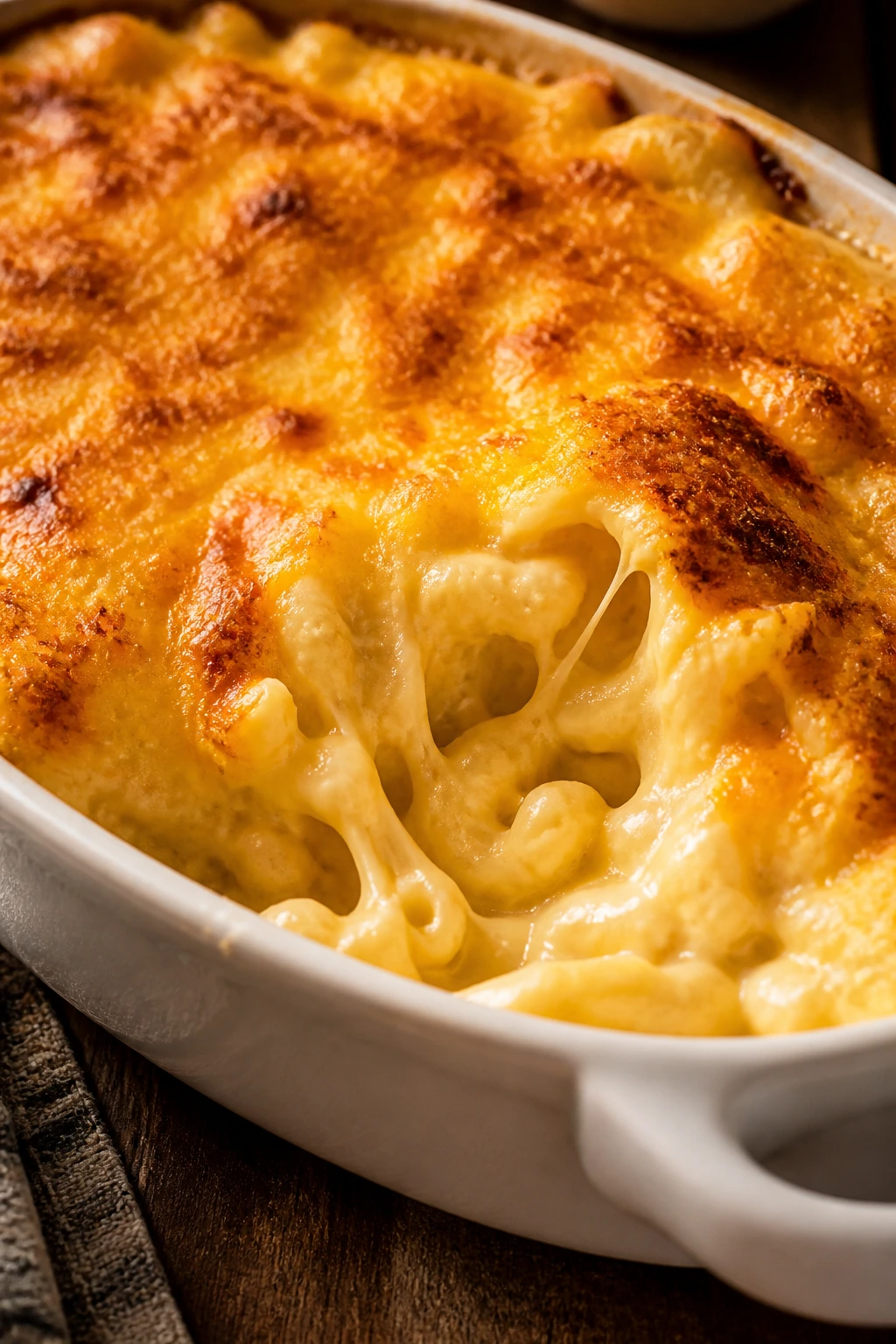
2. Extra-Cheesy Baked Mac and Cheese
Mac and cheese is the dish that buys peace at the table. The noodles stay soft, the cheese sauce coats every elbow, and the baked top adds a browned edge that gives kids something to aim for when they only want the corners. Use sharp cheddar, but not so much that the sauce turns aggressive. Mild cheese plus a little parmesan makes a better family bowl than an overload of one strong flavor.
Why It Works:
The sauce starts with a simple roux, which keeps it smooth instead of grainy. Baking the pan at the end gives you a top that sets slightly, so the casserole scoops cleanly instead of collapsing into soup. If you’ve got a child who only eats “the orange noodles,” this is one of the few dinners that lands without a fight.
Key Ingredients:
- 12 oz elbow macaroni
- 4 tbsp unsalted butter
- 1/4 cup all-purpose flour
- 3 cups whole milk
- 1 tsp kosher salt
- 1/2 tsp garlic powder
- 1/4 tsp mustard powder
- 2 cups shredded sharp cheddar
- 1 cup shredded mozzarella
- 1/2 cup finely grated parmesan
- 1/2 cup buttered breadcrumbs, optional topping
Quick Steps:
- Cook the macaroni in salted water until just shy of tender, then drain.
- Melt the butter in a saucepan over medium heat, whisk in the flour, and cook for 1 minute.
- Slowly whisk in the milk and cook until the sauce thickens enough to coat a spoon.
- Stir in the salt, garlic powder, mustard powder, cheddar, mozzarella, and parmesan until smooth.
- Fold in the pasta and pour into a greased 9×13-inch dish.
- Scatter breadcrumbs on top if using.
- Bake at 375°F for 20 to 25 minutes, until bubbling at the edges.
Equipment for This Recipe:
- Large pot
- Saucepan
- Whisk
- 9×13-inch baking dish
- Wooden spoon
How to Serve This Dish:
Serve it hot and spooned into shallow bowls, not piled sky-high. A little steamed broccoli on the side works better than mixing it in, because some kids will accept a green side before they’ll accept a green noodle. A slice of buttered apple or a few carrot sticks keep the plate from feeling heavy.
Pro Tips for This Recipe:
- Grate the cheese yourself if you can. Pre-shredded cheese works, but it melts a touch less smoothly.
- Undercook the pasta by a minute. It keeps its shape after baking.
- Let the casserole sit 5 to 10 minutes before serving so the sauce settles.
- If the top browns too fast, lay foil over it loosely for the last 8 minutes.
Variations on This Dish:
- Broccoli Cheddar Mac: Stir in 1 cup very small broccoli florets that have been blanched for 2 minutes.
- Bacon-Cheddar Mac: Add 1/2 cup crumbled cooked bacon to the sauce.
- Stovetop Only Version: Skip baking and serve right from the pot for a looser, creamier texture.
Common Mistakes to Avoid with This Dish:
- Using a sauce that’s too thin: It won’t set in the oven. Cook it until it coats the spoon.
- Overbaking: Mac and cheese turns dry fast after 25 minutes.
- Dumping in cold cheese all at once: Add it off the heat so it melts, not clumps.
3. Mini Meatloaf Muffins
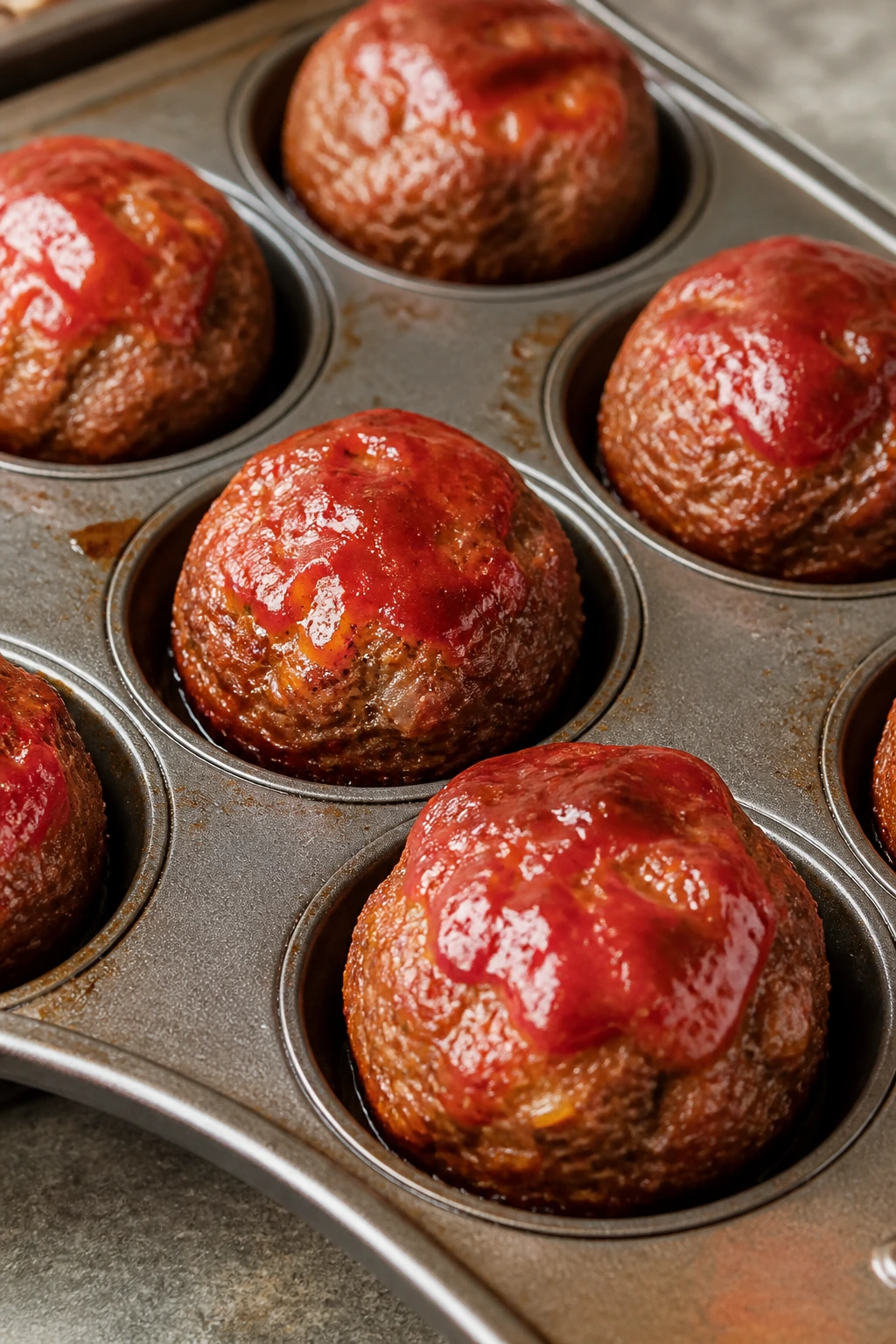
Mini meatloaf muffins solve the one thing that makes regular meatloaf awkward: the giant loaf takes too long to cook and gets sliced too late. In muffin form, the edges brown better, the center cooks faster, and kids get a neat little portion that feels less like “help yourself” and more like dinner on purpose. The ketchup glaze gives the tops a sticky shine that even skeptical eaters tend to tolerate.
Why It Works:
Individual portions mean even cooking and fewer dry corners. The breadcrumbs and milk keep the meat tender, while the egg holds everything together without making it dense. The muffin tin also helps with picky eaters because there’s less visual chaos on the plate. No giant loaf. No mystery.
Key Ingredients:
- 1 1/2 lb ground beef
- 1 cup plain breadcrumbs
- 2 large eggs
- 1/2 cup milk
- 1/3 cup ketchup
- 1 tbsp Worcestershire sauce
- 1 tsp kosher salt
- 1/2 tsp black pepper
- 1 tsp onion powder
- 1 tsp garlic powder
- 1/2 cup ketchup + 1 tbsp brown sugar for glaze
Quick Steps:
- Heat the oven to 400°F and grease a 12-cup muffin tin well.
- Mix the beef, breadcrumbs, eggs, milk, ketchup, Worcestershire, salt, pepper, onion powder, and garlic powder just until combined.
- Divide the mixture among the muffin cups and press lightly to fill each one.
- Stir the glaze ingredients together and spoon a little over each mound.
- Bake for 18 to 22 minutes, until the centers reach 160°F.
- Rest 5 minutes before lifting them out.
Equipment for This Recipe:
- 12-cup muffin tin
- Large mixing bowl
- Measuring cups and spoons
- Small bowl for the glaze
- Spoon or cookie scoop
How to Serve This Dish:
Put two or three mini meatloaves on a plate beside mashed potatoes, roasted carrots, or buttered noodles. They also work inside a lunchbox the next day, sliced in half and tucked with a roll. The small size makes them feel less intimidating than a full slice of loaf.
Pro Tips for This Recipe:
- Mix the meat only until the ingredients disappear. Overworking makes the texture tight.
- Use a cookie scoop if you want every muffin to bake at the same pace.
- If the glaze burns around the edges, brush on half before baking and the rest in the final 5 minutes.
- Let them rest before removing them, or they’ll break apart.
Variations on This Dish:
- Turkey Muffins: Swap in ground turkey and add 1 extra tablespoon of milk.
- Cheese-Stuffed Centers: Press a small cube of cheddar into the middle of each cup before baking.
- BBQ Version: Replace the ketchup glaze with barbecue sauce for a sweeter finish.
Common Mistakes to Avoid with This Dish:
- Packing the meat too tightly: Dense muffins feel bouncy, not tender.
- Using a weak glaze: The top should taste like ketchup with a little sweetness, not plain tomato paste.
- Pulling them too early: Wait for 160°F in the center, not just browned tops.
4. Buttered Parmesan Noodles
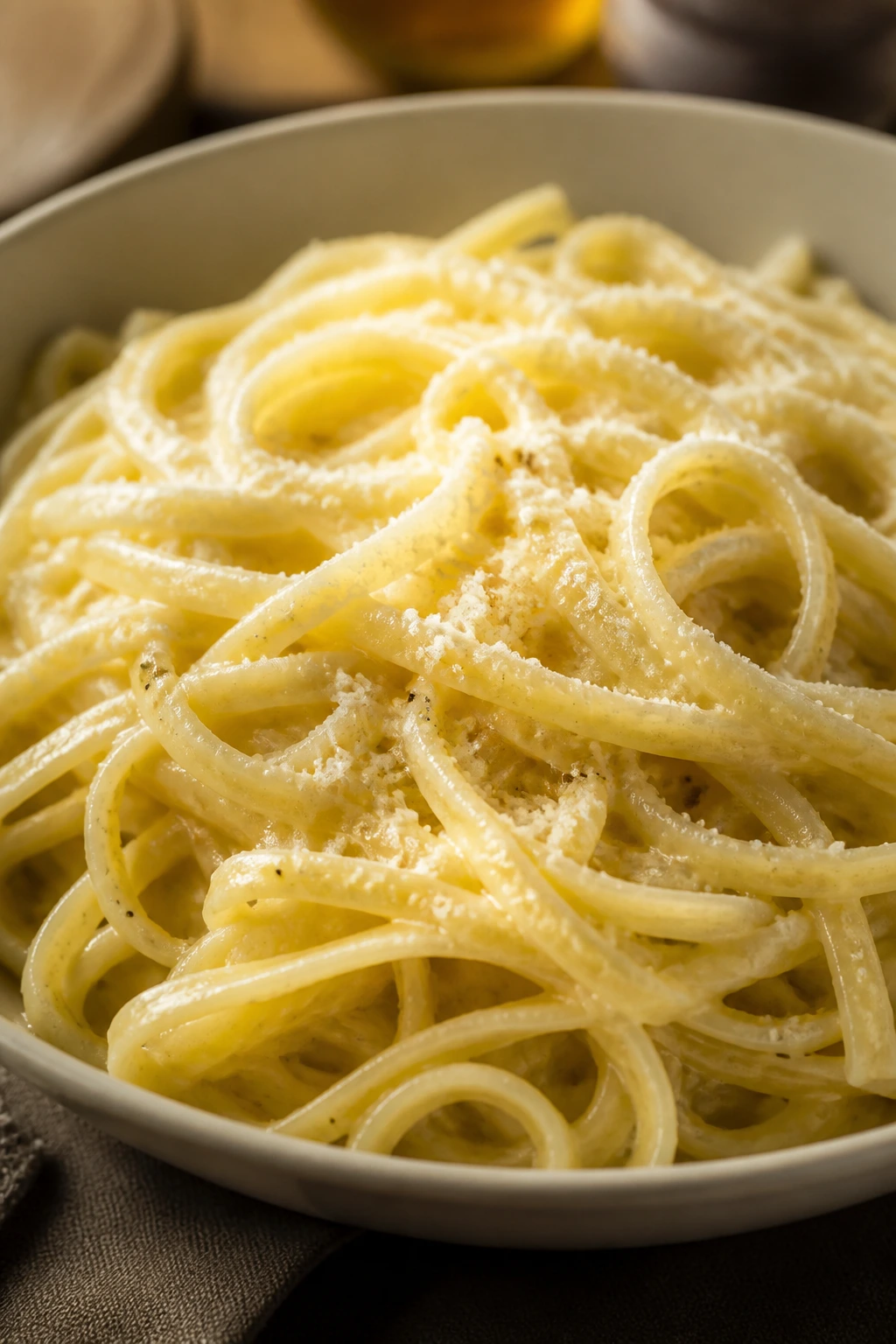
Sometimes the most useful dinner is the one that looks almost too plain to mention. Buttered parmesan noodles are that meal. They’re soft, glossy, and mild enough for the kid who wants nothing “mixed in.” Add a little garlic and use a fine grate of cheese, and you get a bowl that feels deliberate instead of like a backup plan.
Why It Works:
This is comfort food with the volume turned down. The butter coats the noodles first, which keeps the cheese from clumping, and a splash of pasta water helps everything turn silky. It’s a smart dish for households where one child wants plain pasta and the rest of the table wants something a little more finished.
Key Ingredients:
- 12 oz spaghetti, linguine, or egg noodles
- 4 tbsp unsalted butter
- 2 garlic cloves, minced
- 1/2 cup reserved pasta water
- 1 cup finely grated parmesan
- 1/2 tsp kosher salt, plus more for the water
- 1/4 tsp black pepper
- 1 tbsp chopped parsley, optional
Quick Steps:
- Boil the pasta in salted water until tender but still springy.
- Reserve 1/2 cup pasta water, then drain the noodles.
- Melt the butter in the warm pot over low heat and stir in the garlic for 30 seconds.
- Return the noodles, add the pasta water, and toss until glossy.
- Add the parmesan, salt, pepper, and parsley, tossing until the cheese melts into a light sauce.
- Serve right away while the noodles are soft and shiny.
Equipment for This Recipe:
- Large pot
- Colander
- Wooden spoon
- Measuring cup
- Microplane or fine grater
How to Serve This Dish:
Serve the noodles in a shallow bowl with chicken tenders, meatballs, or a fried egg on the side. A small sprinkle of extra parmesan on top is enough; piling on herbs or pepper can push this from “plain enough” into “no, thank you” territory for some kids. Keep the plating calm.
Pro Tips for This Recipe:
- Use fine parmesan, not thick shreds, or it will sit in strings instead of melting.
- Toss the cheese off the heat so it melts into the butter, not onto the bottom of the pot.
- A splash of pasta water matters more than another pat of butter.
- Salt the pasta water well. The noodles need flavor on their own.
Variations on This Dish:
- Lemon Butter Noodles: Add 1 tsp lemon zest for a brighter finish.
- Chicken Noodle Bowl: Fold in 2 cups shredded rotisserie chicken to turn it into a fuller meal.
- Pea Version: Stir in 1/2 cup thawed peas if your kids accept green peas more readily than bigger vegetables.
Common Mistakes to Avoid with This Dish:
- Using wet, clumpy cheese: It turns the sauce grainy. Grate it finely.
- Overcooking the pasta: Soft noodles turn mushy once buttered.
- Skipping the pasta water: Without it, the sauce stays greasy instead of clinging.
5. Sloppy Joe Sliders
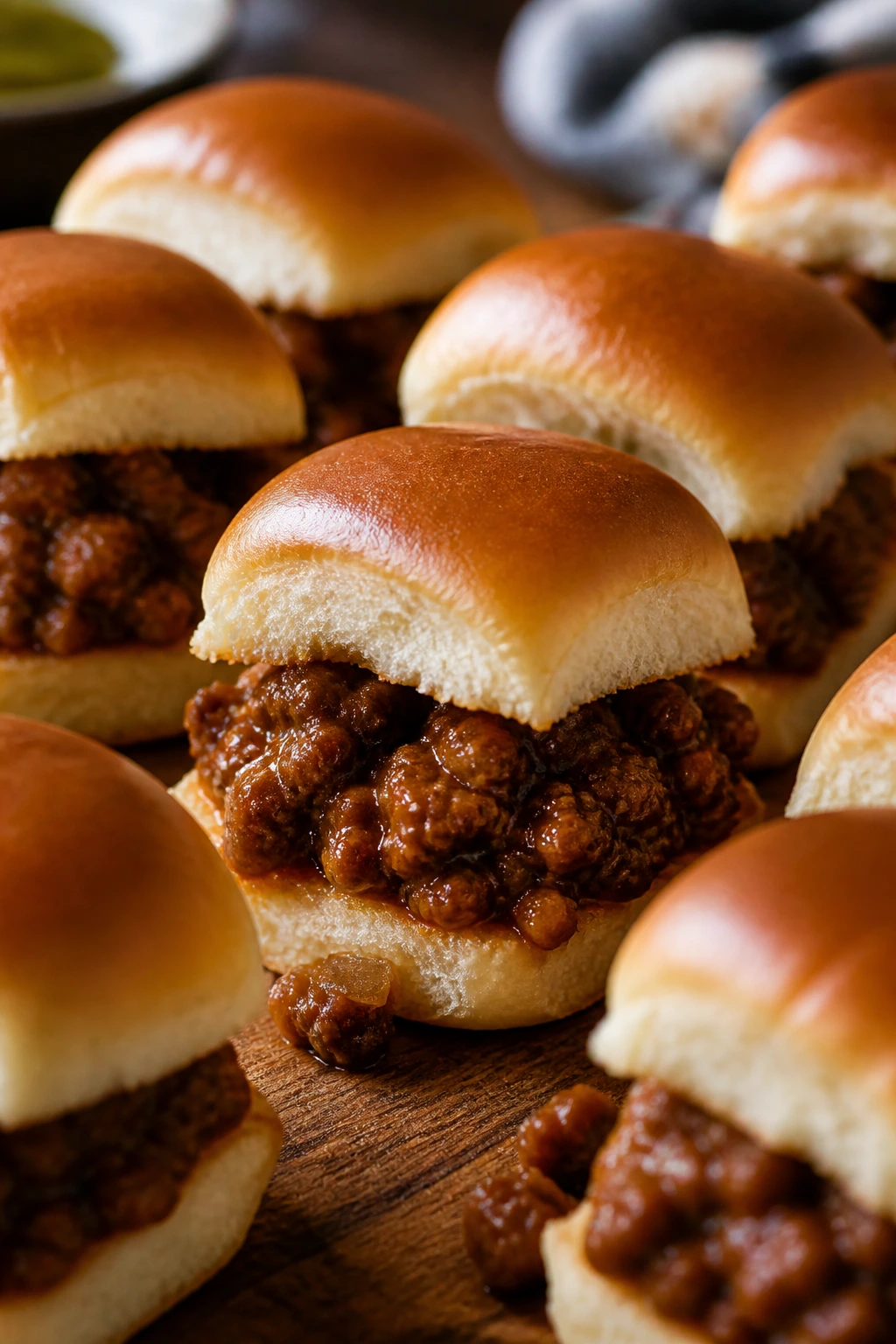
Sloppy Joe sliders are messy in the exact way kids forgive. The filling is sweet, savory, and soft enough that no one has to chew around chunks of anything suspicious. Put them on small buns and the whole thing feels manageable instead of like a giant sandwich that falls apart before the first bite.
Why It Works:
The sauce coats the beef in a familiar ketchup-and-tomato flavor that reads as friendly, not sharp. Sliders also solve the portion problem. Smaller buns make the meal look less overwhelming, and kids often eat a small sandwich more willingly than a full one, even when the filling is the same.
Key Ingredients:
- 1 1/2 lb ground beef
- 1 small yellow onion, finely diced
- 1 tsp kosher salt
- 1/2 tsp black pepper
- 3/4 cup ketchup
- 2 tbsp tomato paste
- 1 tbsp brown sugar
- 1 tbsp apple cider vinegar
- 1 tbsp Worcestershire sauce
- 12 slider buns
- 6 slices cheddar, optional
Quick Steps:
- Brown the beef and onion in a large skillet over medium heat until the meat loses its pink color.
- Drain excess fat if needed.
- Stir in the salt, pepper, ketchup, tomato paste, brown sugar, vinegar, and Worcestershire.
- Simmer for 8 to 10 minutes until thick enough to mound on a spoon.
- Split the slider buns, add cheese if using, and spoon the filling on top.
- Warm the assembled sliders in the oven for 3 minutes if you want the buns soft and the cheese melted.
Equipment for This Recipe:
- Large skillet
- Wooden spoon
- Knife and cutting board
- Measuring cups and spoons
- Sheet pan for warming the sliders
How to Serve This Dish:
Serve the sliders with apple slices, baked potato wedges, or a handful of cucumber coins. A pickle spear on the side works for older kids who like a sharp bite to cut the sweetness. Keep napkins close. These are not neat.
Pro Tips for This Recipe:
- Chop the onion fine so it disappears into the sauce.
- Simmer long enough for the filling to thicken, or the buns will go soggy.
- Toast the buns lightly if you want them to hold up better.
- American cheese melts more evenly here than thick cheddar slices.
Variations on This Dish:
- BBQ Sloppy Joes: Swap half the ketchup for barbecue sauce.
- Turkey Sliders: Use ground turkey and add 1 extra tablespoon of oil to the pan.
- Cheese-Topped Version: Lay a slice of cheese on the bun before adding the filling so it melts under the heat.
Common Mistakes to Avoid with This Dish:
- Leaving the filling too loose: Wet meat ruins the bun fast.
- Using too much vinegar: The tang should stay in the background.
- Assembling too early: Build the sliders right before serving.
6. Sheet-Pan Chicken and Potato Bites
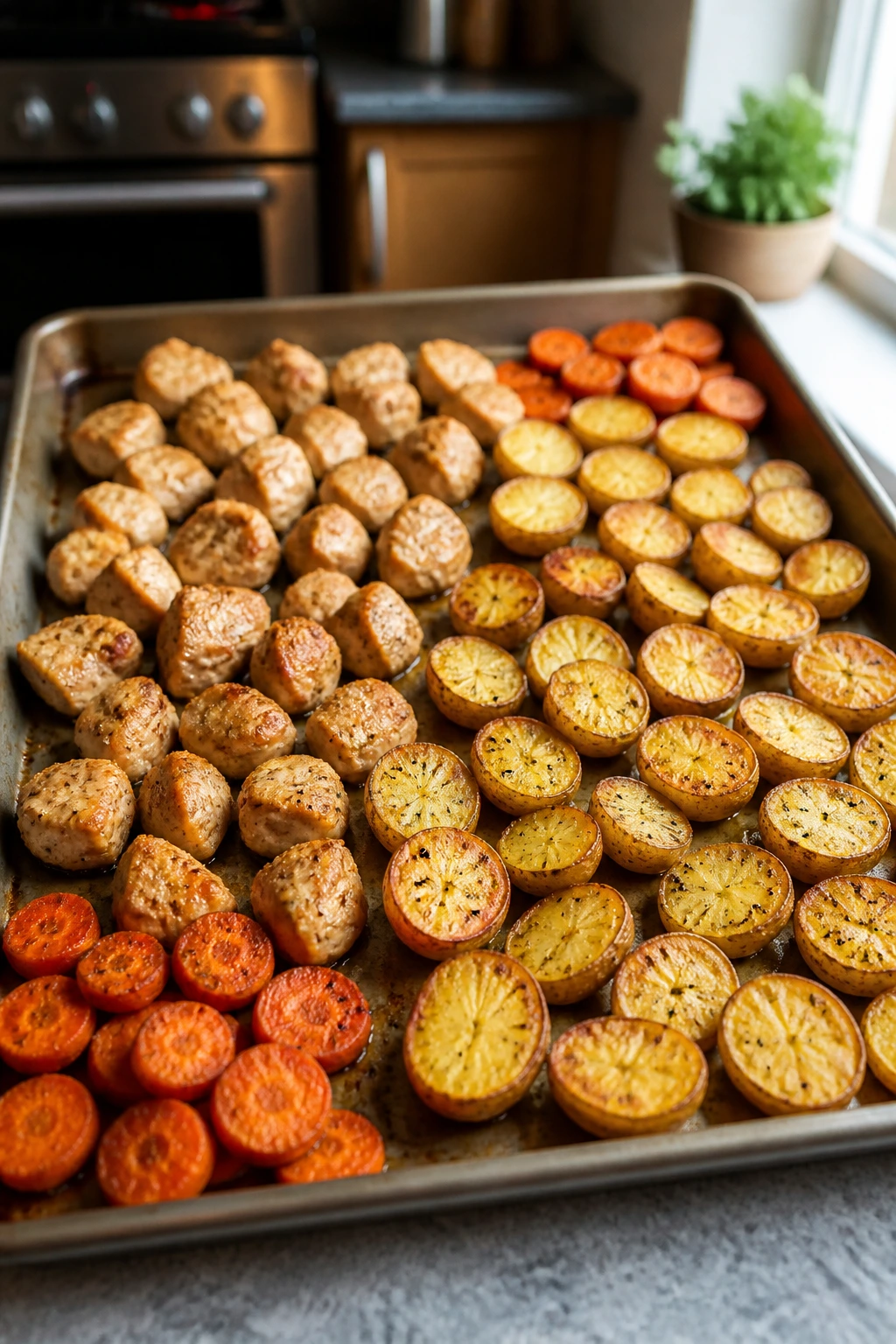
A sheet-pan dinner works for picky eaters because the ingredients can stay in separate corners of the pan if you want them to. Chicken and potatoes are familiar, and when the potatoes get crisp edges while the chicken stays tender, the meal feels more like two things people already like than one big blended casserole. That’s a useful trick.
Why It Works:
Small potato pieces roast faster than whole chunks, and chicken bites cook at the same pace if they’re cut evenly. The seasoning stays plain enough to be recognizable: salt, garlic, paprika, a little oil. If you have a child who won’t touch mixed dishes, this is one of the easiest ways to put a full dinner down without making the plate look crowded.
Key Ingredients:
- 1 1/2 lb boneless, skinless chicken thighs or breasts, cut into 1-inch pieces
- 1 1/2 lb baby potatoes, halved
- 3 medium carrots, cut into coins
- 2 tbsp olive oil
- 1 tsp kosher salt
- 1 tsp garlic powder
- 1 tsp paprika
- 1/2 tsp black pepper
- 1 tbsp honey, optional
- 2 tbsp chopped parsley, optional
Quick Steps:
- Heat the oven to 425°F and line a large sheet pan.
- Toss the potatoes and carrots with half the oil, salt, garlic powder, and paprika.
- Roast the vegetables for 15 minutes first.
- Toss the chicken with the remaining oil, seasonings, and honey if using.
- Add the chicken to the pan and roast 18 to 20 minutes more, stirring once, until the chicken reaches 165°F and the potatoes are browned at the edges.
- Finish with parsley if you want color.
Equipment for This Recipe:
- Large sheet pan
- Mixing bowl
- Sharp knife
- Cutting board
- Instant-read thermometer
How to Serve This Dish:
Serve it straight from the pan with ketchup, ranch, or a mild garlic dip. A dinner roll on the side helps kids who prefer to make little potato-and-chicken bites with bread rather than eat the pieces separately. The plate should look tidy, not dressed up.
Pro Tips for This Recipe:
- Cut the potatoes small enough to roast in under 35 minutes.
- Don’t crowd the pan or the vegetables will steam.
- Chicken thighs stay juicier than breasts if you’re nervous about dryness.
- Salt the vegetables before they go in the oven; they need it more than the chicken.
Variations on This Dish:
- Lemon Herb Pan: Add lemon zest and dried thyme for a fresher finish.
- Sausage Swap: Use mild chicken sausage slices instead of chicken pieces.
- Garlic Butter Version: Toss the finished pan with 1 tbsp melted butter and a pinch of parmesan.
Common Mistakes to Avoid with This Dish:
- Different-sized cuts: Uneven pieces cook at different speeds.
- Overseasoning with spice: Paprika and garlic are enough here.
- Skipping the first roast for vegetables: If everything goes in at once, the potatoes lag behind.
7. Mild Taco Rice Bowls
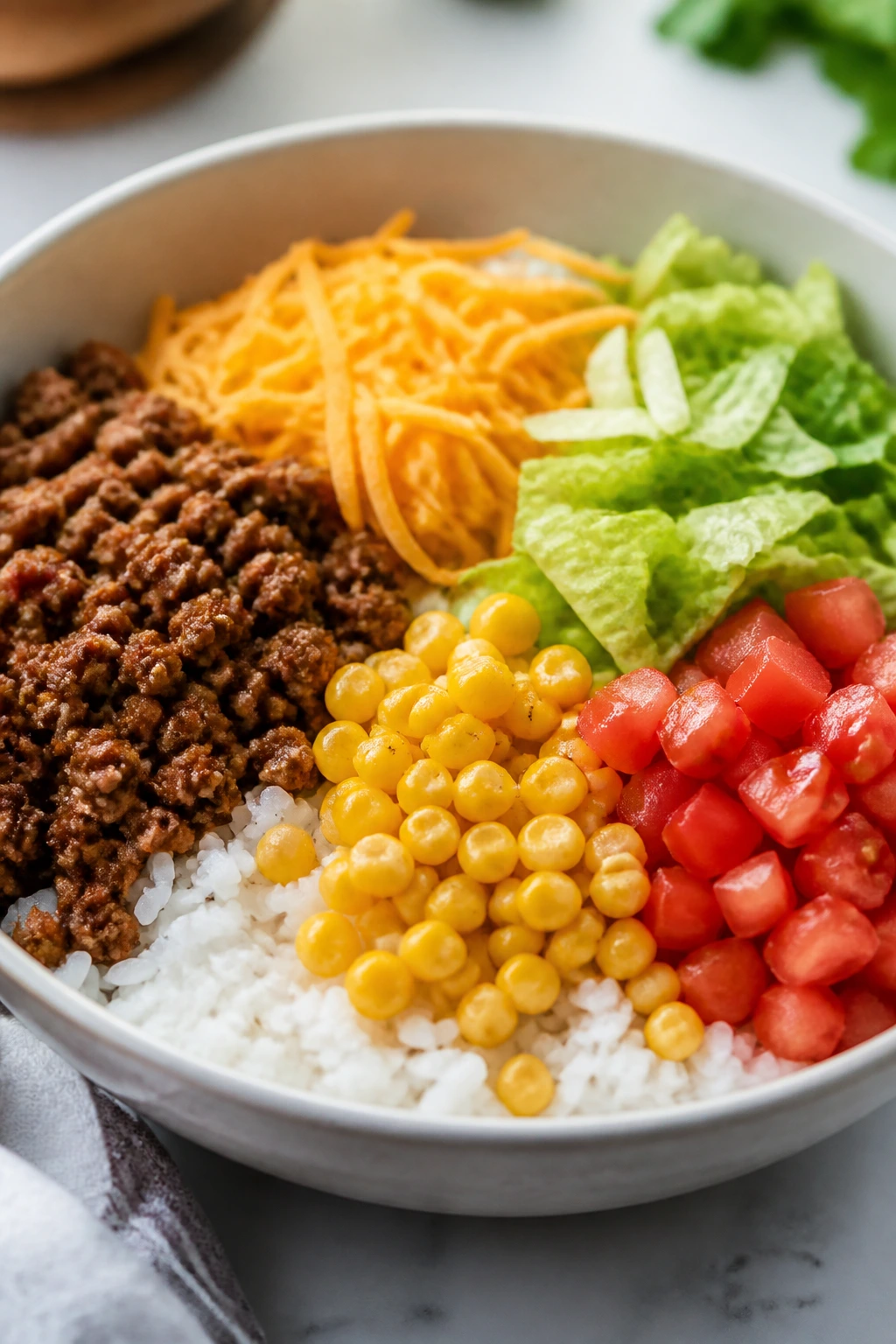
Taco night gets easier the moment you stop insisting on one perfect bowl and start serving the parts separately. Rice, seasoned meat, cheese, and toppings in little piles let picky eaters build their own version without announcing a full refusal. Mild taco rice bowls are useful for exactly that reason.
Why It Works:
The rice acts like a neutral base. The meat brings enough flavor to feel like dinner, but the seasoning stays soft if you use a mild blend and skip the hot sauce at the table. Kids often do better when the “assembly” part is theirs; they’ll eat more if they had a hand in the plate.
Key Ingredients:
- 1 cup long-grain white rice
- 2 cups water or low-sodium chicken broth
- 1 lb ground turkey or ground beef
- 1 tbsp olive oil
- 2 tbsp mild taco seasoning
- 1/2 cup tomato sauce
- 1 cup frozen corn
- 1 cup shredded cheddar
- 1 cup shredded lettuce
- 1/2 cup diced tomatoes, optional
- Sour cream and salsa, optional
Quick Steps:
- Cook the rice in the water or broth until fluffy.
- Brown the meat in oil over medium heat, breaking it up finely.
- Stir in the taco seasoning and tomato sauce, then simmer 3 minutes.
- Add the corn and cook until warmed through.
- Spoon rice into bowls and top with the meat mixture.
- Add cheese, lettuce, and any optional toppings separately at the table.
Equipment for This Recipe:
- Medium saucepan
- Large skillet
- Wooden spoon
- Measuring cups
- Serving bowls
How to Serve This Dish:
Set the toppings out in small bowls so kids can choose what lands on their rice. Tortilla chips on the side are smart here; they give the meal a crunch that plain rice can’t. For smaller children, skip the bowl and make a “deconstructed taco plate” with each part in its own section.
Pro Tips for This Recipe:
- Chop lettuce and tomatoes small so they feel less messy.
- Use low-sodium broth if your seasoning mix runs salty.
- Keep the salsa on the side unless you know everyone wants it.
- A little extra cheese on top makes the whole bowl feel friendlier.
Variations on This Dish:
- Bean Bowl: Add 1 cup rinsed black beans if your family likes them.
- Chicken Taco Bowl: Swap in shredded rotisserie chicken and warm it in the seasoning and tomato sauce.
- Nacho Bowl: Crush tortilla chips over the top for a more casual, crunchy version.
Common Mistakes to Avoid with This Dish:
- Overloading with toppings: Too many choices can make picky eaters shut down.
- Using hot seasoning: Mild is the point.
- Dry meat: The tomato sauce keeps the filling soft and scoopable.
8. Pizza Quesadillas
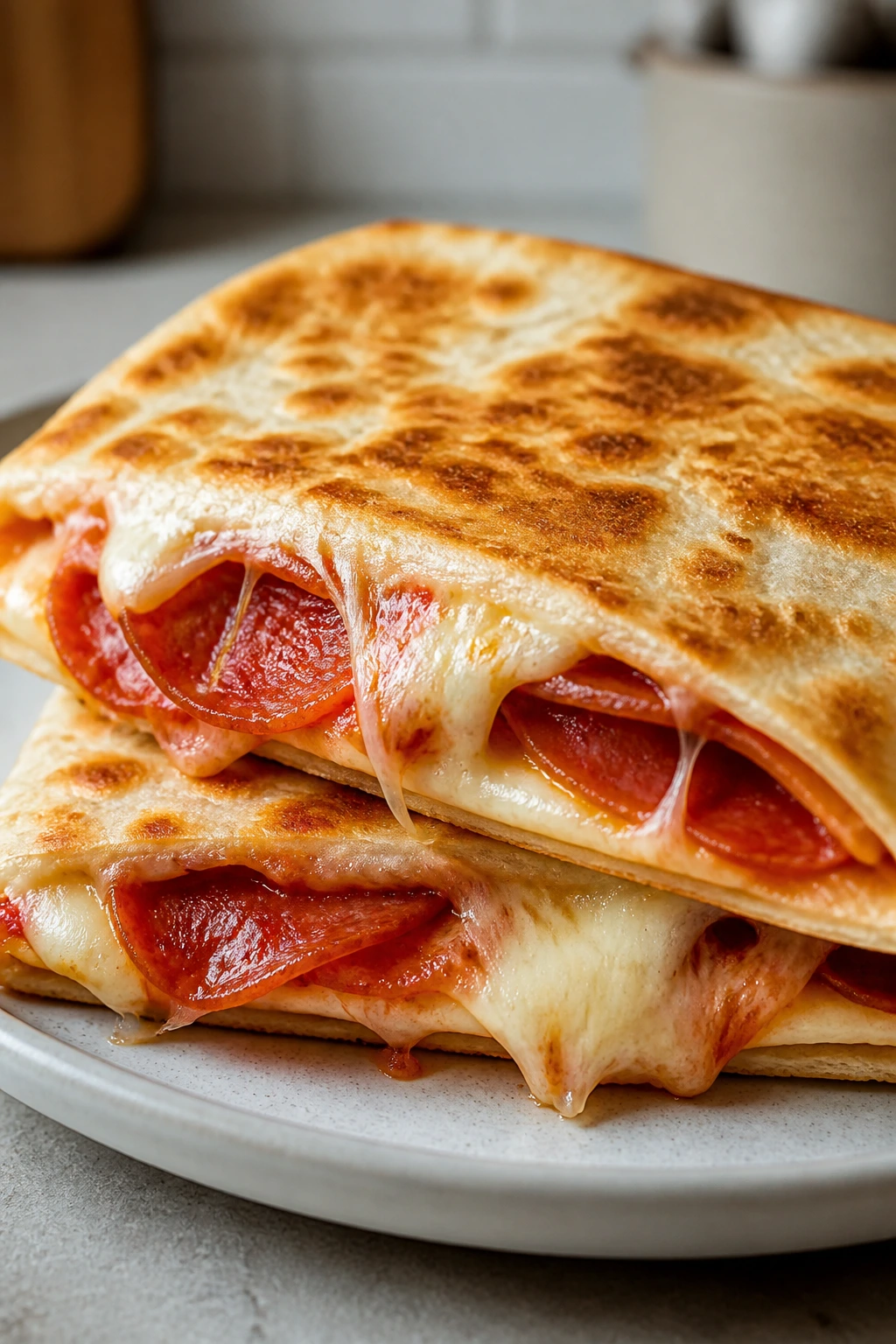
Pizza quesadillas hit the sweet spot between pizza and grilled cheese, which is probably why they vanish so fast. The tortilla crisps up like a thin crust, the cheese melts into a long stretchy layer, and pepperoni gives the filling that familiar pizza flavor without needing an oven preheated for half an hour.
Why It Works:
The flavor profile is recognizable before the first bite. Kids who reject slices with “too much stuff” often accept a quesadilla because it looks compact and flat. A little pizza sauce goes a long way here; too much turns the tortilla soggy, which is how a good idea becomes a floppy mess.
Key Ingredients:
- 8 flour tortillas, 8-inch
- 2 cups shredded mozzarella
- 1 cup mini pepperoni slices
- 1 cup pizza sauce, plus extra for dipping
- 1 tbsp butter or oil for the skillet
- 1/2 tsp dried Italian seasoning
Quick Steps:
- Heat a large skillet over medium heat and melt a little butter.
- Lay one tortilla in the pan and spread a thin layer of pizza sauce over half of it.
- Sprinkle mozzarella, pepperoni, and a pinch of Italian seasoning over the sauced side.
- Fold the tortilla over and cook 2 to 3 minutes per side until crisp and the cheese melts.
- Repeat with the remaining tortillas.
- Slice into wedges and serve with warm pizza sauce for dipping.
Equipment for This Recipe:
- Large skillet
- Spatula
- Cutting board
- Knife or pizza cutter
- Small bowl for dipping sauce
How to Serve This Dish:
Serve wedges on a plate with carrot sticks, fruit, or a handful of chips. The dip on the side matters; it keeps kids in control of how much sauce they want. If you’re feeding a mixed-age group, cut the quesadillas smaller for little hands and leave a few larger wedges for adults.
Pro Tips for This Recipe:
- Use low heat if your tortillas brown too fast before the cheese melts.
- Keep the sauce thin. A heavy spread tears the tortilla when you fold it.
- Press gently with the spatula so the filling settles.
- Let them rest a minute before cutting or the cheese runs out.
Variations on This Dish:
- Ham and Pineapple Version: Swap pepperoni for diced ham and a few chopped pineapple bits.
- Veggie Pizza Quesadilla: Add very small diced bell pepper and mushrooms if your kids accept them.
- White Pizza Style: Use ricotta and mozzarella with no red sauce inside, then serve marinara for dipping.
Common Mistakes to Avoid with This Dish:
- Overfilling the tortilla: That leads to tearing and a leaking pan.
- Using high heat: The outside burns before the center melts.
- Skipping the resting minute: The filling needs a moment to settle.
9. Hidden-Veggie Spaghetti
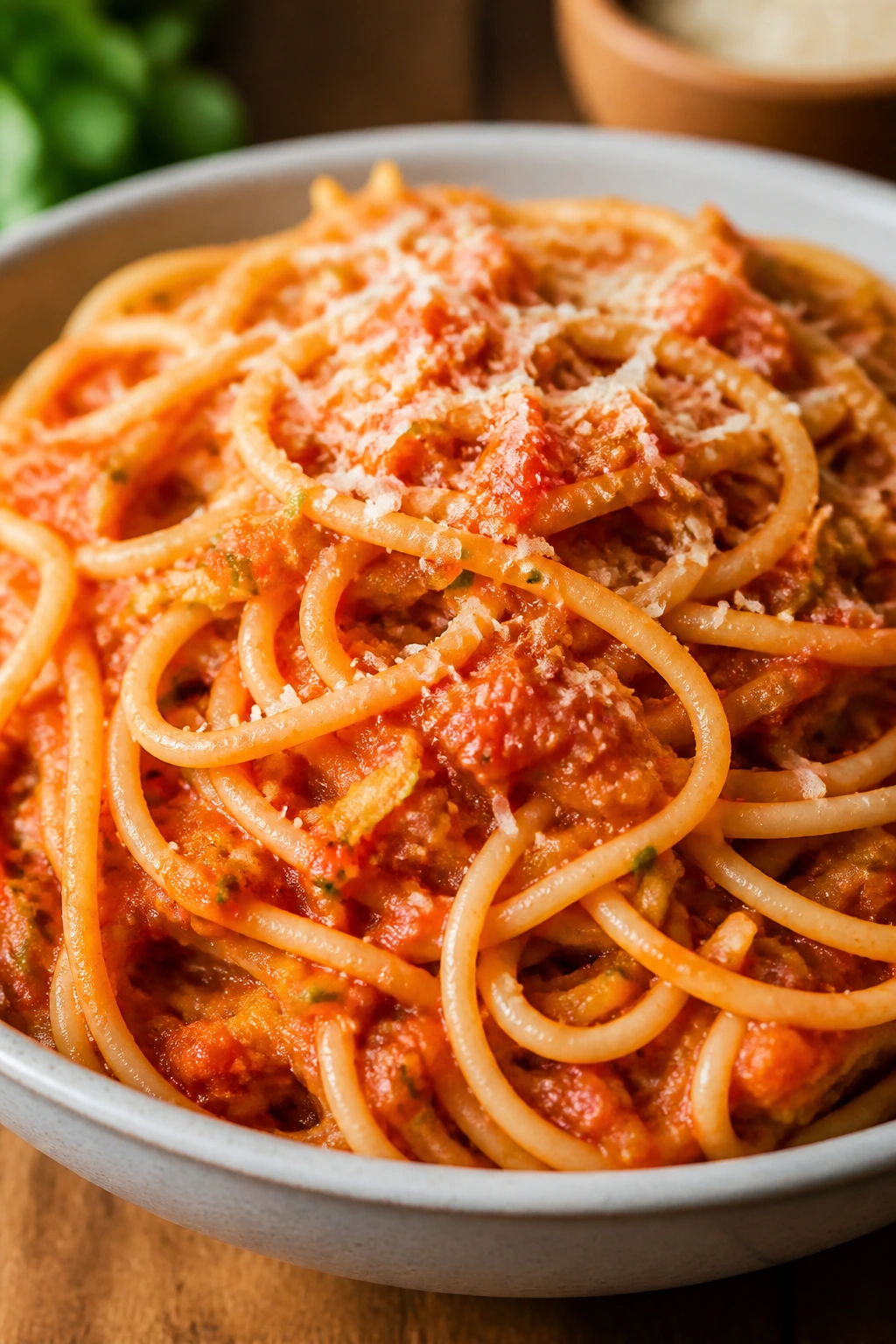
Hidden-veggie spaghetti works because the vegetables disappear into the sauce instead of arriving at the table in obvious chunks. Finely grated carrot and zucchini melt down with the beef and tomato sauce, leaving a richer, slightly sweeter flavor that kids usually accept without a lecture. Nobody needs to know the carrots were there unless you want them to.
Why It Works:
A smooth sauce hides a lot. When the vegetables are grated small and cooked until soft, they stop looking like vegetables and start acting like part of the sauce base. That means the pasta still tastes familiar, but you’ve quietly added color and moisture to the pot.
Key Ingredients:
- 12 oz spaghetti
- 1 lb ground beef or ground turkey
- 1 tbsp olive oil
- 1 small carrot, peeled and grated
- 1 small zucchini, grated and squeezed dry
- 2 cups marinara sauce
- 1 tbsp tomato paste
- 1 tsp Italian seasoning
- 1/2 tsp kosher salt
- 1/4 tsp black pepper
- 1/4 cup parmesan for serving
Quick Steps:
- Cook the spaghetti until al dente.
- Brown the meat in olive oil over medium heat.
- Add the carrot and zucchini and cook 4 to 5 minutes until soft.
- Stir in the marinara, tomato paste, seasoning, salt, and pepper. Simmer 8 minutes.
- Toss the sauce with the spaghetti.
- Serve with parmesan on top.
Equipment for This Recipe:
- Large pot
- Large skillet
- Box grater
- Colander
- Wooden spoon
How to Serve This Dish:
Serve it with garlic bread or plain breadsticks, since those are usually an easier sell than a side salad. If you want a little more vegetable presence, put a few cucumber slices or steamed peas on the side rather than mixing them through the pasta. The bowl should stay red and familiar.
Pro Tips for This Recipe:
- Squeeze the grated zucchini dry so the sauce doesn’t thin out.
- Cook the grated vegetables long enough that they soften completely.
- Keep the seasoning light; the sauce should still taste like spaghetti.
- A little parmesan at the table helps the dish feel finished.
Variations on This Dish:
- Turkey Marinara Version: Use ground turkey for a lighter sauce.
- Creamy Pink Sauce: Stir in 1/4 cup cream at the end for a softer tomato flavor.
- Meatless Option: Swap the meat for finely chopped mushrooms and an extra cup of sauce.
Common Mistakes to Avoid with This Dish:
- Leaving the vegetables chunky: The whole point is for them to disappear.
- Using watery zucchini: Squeeze it firmly before it hits the pan.
- Oversalting the sauce: Many jarred marinara sauces already bring plenty of salt.
10. Baked Turkey Meatballs
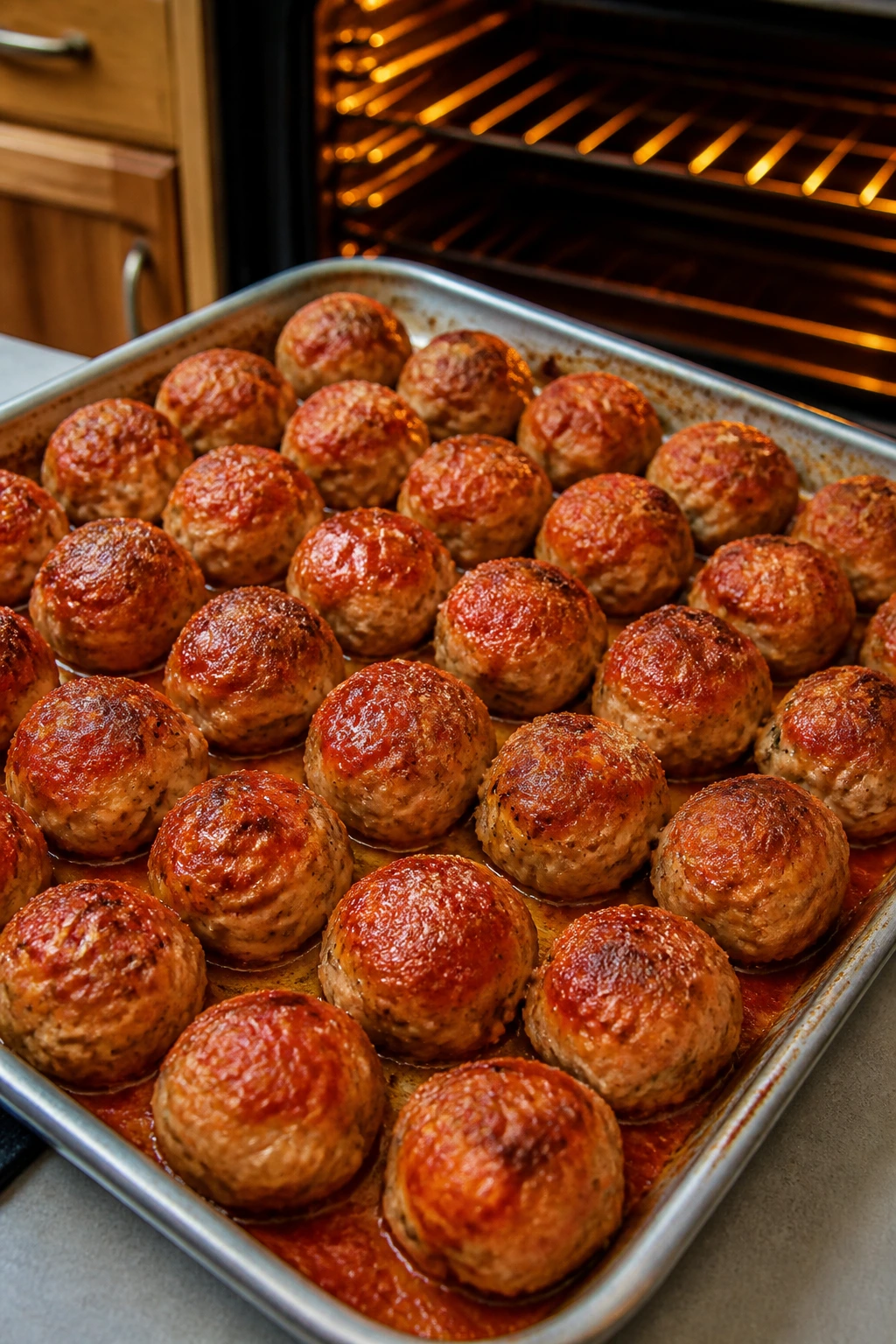
Meatballs are one of the easiest ways to get a dinner on the table that looks organized instead of chaotic. These bake in the oven, which keeps the crust intact, and the turkey stays mild when you pair it with parmesan and a gentle marinara. They’re soft, round, and easy to eat with pasta, rolls, or even toothpicks for snacky dinners.
Why It Works:
Turkey gives you a lighter flavor than beef, which can matter with kids who dislike strong meat taste. Breadcrumbs, milk, and egg keep the meatballs tender, and baking them means you don’t have to stand over a skillet flipping little rounds forever. That matters on any night where patience is thin.
Key Ingredients:
- 1 1/2 lb ground turkey
- 1 cup plain breadcrumbs
- 1 large egg
- 1/3 cup milk
- 1/4 cup finely grated parmesan
- 1 tsp kosher salt
- 1 tsp Italian seasoning
- 1/2 tsp garlic powder
- 1/4 tsp black pepper
- 24 oz marinara sauce
Quick Steps:
- Heat the oven to 400°F and line a baking sheet with parchment.
- Mix the turkey, breadcrumbs, egg, milk, parmesan, salt, seasoning, garlic powder, and pepper until just combined.
- Roll into 1 1/2-inch balls and place on the sheet.
- Bake for 15 to 18 minutes, until browned and cooked through.
- Warm the marinara in a saucepan and add the meatballs for 5 minutes.
- Serve over pasta or in rolls.
Equipment for This Recipe:
- Baking sheet
- Parchment paper
- Large bowl
- Saucepan
- Scoop or spoon for shaping
How to Serve This Dish:
Serve the meatballs over buttered noodles, spaghetti, or tucked into soft rolls with melted cheese. For a kid plate, two or three meatballs and a small pile of pasta feel less overwhelming than a huge bowl. If you’re feeding toddlers, cut the meatballs in half so they’re easier to manage.
Pro Tips for This Recipe:
- Mix gently so the texture stays tender.
- A cookie scoop keeps the meatballs close in size.
- Don’t skip warming them in sauce; it keeps them from drying out.
- If the mixture feels sticky, wet your hands before rolling.
Variations on This Dish:
- Cheesy Center Meatballs: Press a tiny cube of mozzarella into the middle of each one.
- BBQ Meatballs: Swap the marinara for barbecue sauce.
- Pork-and-Turkey Blend: Use half ground pork for a richer flavor.
Common Mistakes to Avoid with This Dish:
- Overmixing the meat: That makes meatballs tough.
- Making them too large: Bigger meatballs need more time and dry out on the outside.
- Putting them in cold sauce too soon: Warm the sauce first so they stay juicy.
11. Chicken Alfredo Pasta Bake
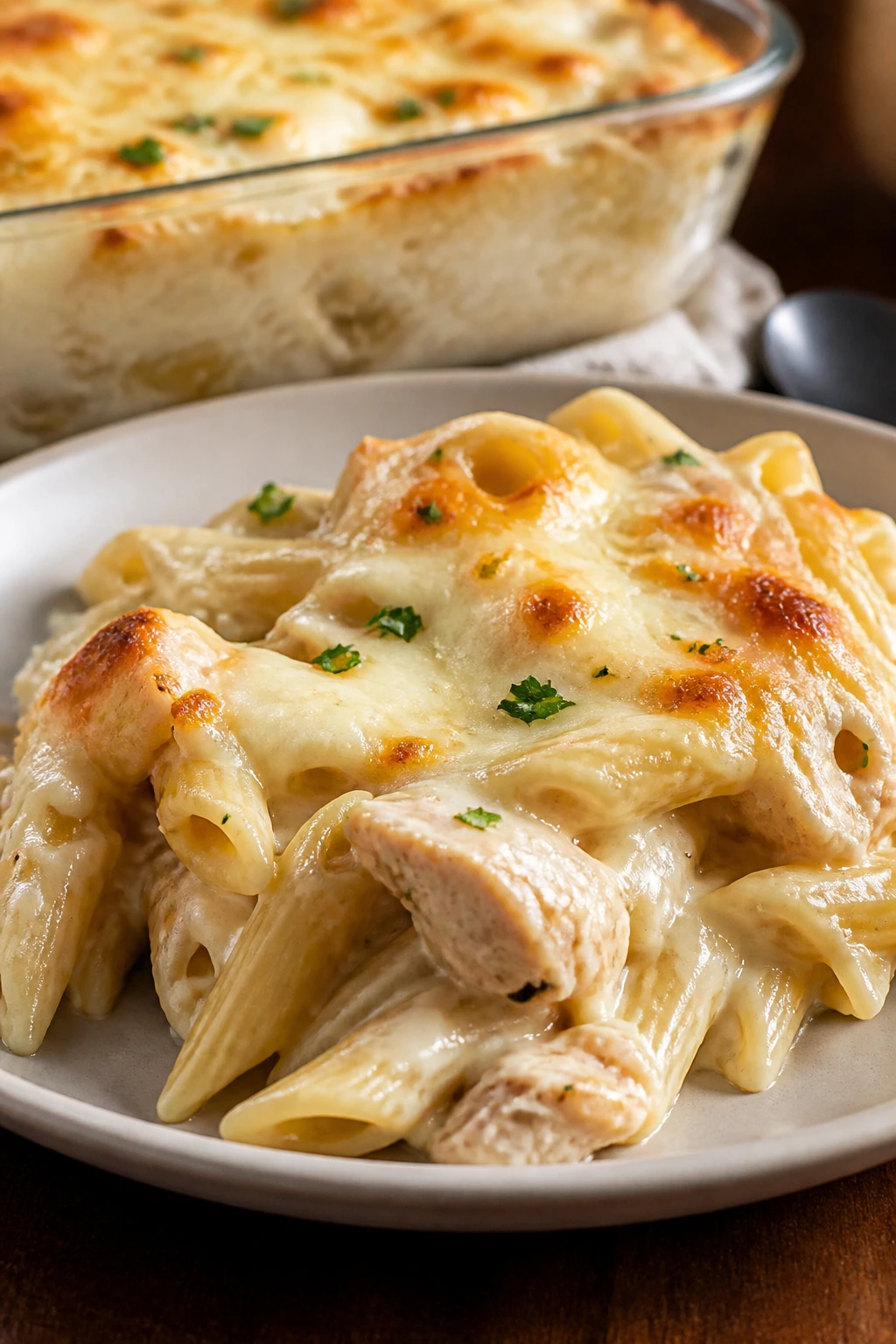
Chicken Alfredo pasta bake is for the child who likes white sauce, soft noodles, and absolutely no surprise ingredients. The sauce coats every bite, the cheese on top turns golden in spots, and the casserole slices cleanly enough to feel like a proper meal without a lot of drama. That’s the real win here.
Why It Works:
The Alfredo flavor is creamy and mild, not sharp. Baked pasta gives you a familiar casserole texture that’s somewhere between lasagna and mac and cheese, which is a useful zone for picky eaters. If you keep the chicken shredded small, it blends in instead of sitting there like a separate issue.
Key Ingredients:
- 12 oz penne
- 2 cups cooked shredded chicken
- 2 cups Alfredo sauce
- 1 1/2 cups shredded mozzarella
- 1/2 cup grated parmesan
- 1 cup frozen peas, optional
- 1/2 tsp garlic powder
- 1/4 tsp black pepper
Quick Steps:
- Cook the penne until just underdone, then drain.
- Mix the pasta, chicken, Alfredo sauce, garlic powder, pepper, and peas if using.
- Spread into a greased baking dish.
- Top with mozzarella and parmesan.
- Bake at 375°F for 20 to 25 minutes until bubbling and lightly browned.
- Rest 5 minutes before serving.
Equipment for This Recipe:
- Pot for pasta
- Mixing bowl
- 9×13-inch baking dish
- Wooden spoon
- Foil, optional for the top
How to Serve This Dish:
Serve it with garlic bread or plain breadsticks and a few cucumber coins or apple slices on the side. The portions should stay modest; Alfredo gets heavy fast. For adults, a little cracked pepper is fine. For kids, keep the top plain and let them add parmesan if they want.
Pro Tips for This Recipe:
- Undercook the pasta by 1 to 2 minutes so it doesn’t soften too far in the oven.
- Use cooked chicken that’s been chopped small or shredded finely.
- If the sauce seems thick, loosen it with a splash of milk before baking.
- Let the casserole sit before cutting or it will run.
Variations on This Dish:
- Broccoli Alfredo Bake: Add tiny broccoli florets that have been steamed for 2 minutes.
- Bacon Alfredo Bake: Mix in 1/2 cup cooked bacon pieces.
- Garlic Parmesan Version: Increase the parmesan and cut back slightly on mozzarella for a sharper finish.
Common Mistakes to Avoid with This Dish:
- Using too much sauce: The casserole should be creamy, not soupy.
- Skipping the rest time: Hot Alfredo slides everywhere.
- Adding raw chicken: Use cooked chicken only for this version.
12. Cheeseburger Pasta Skillet
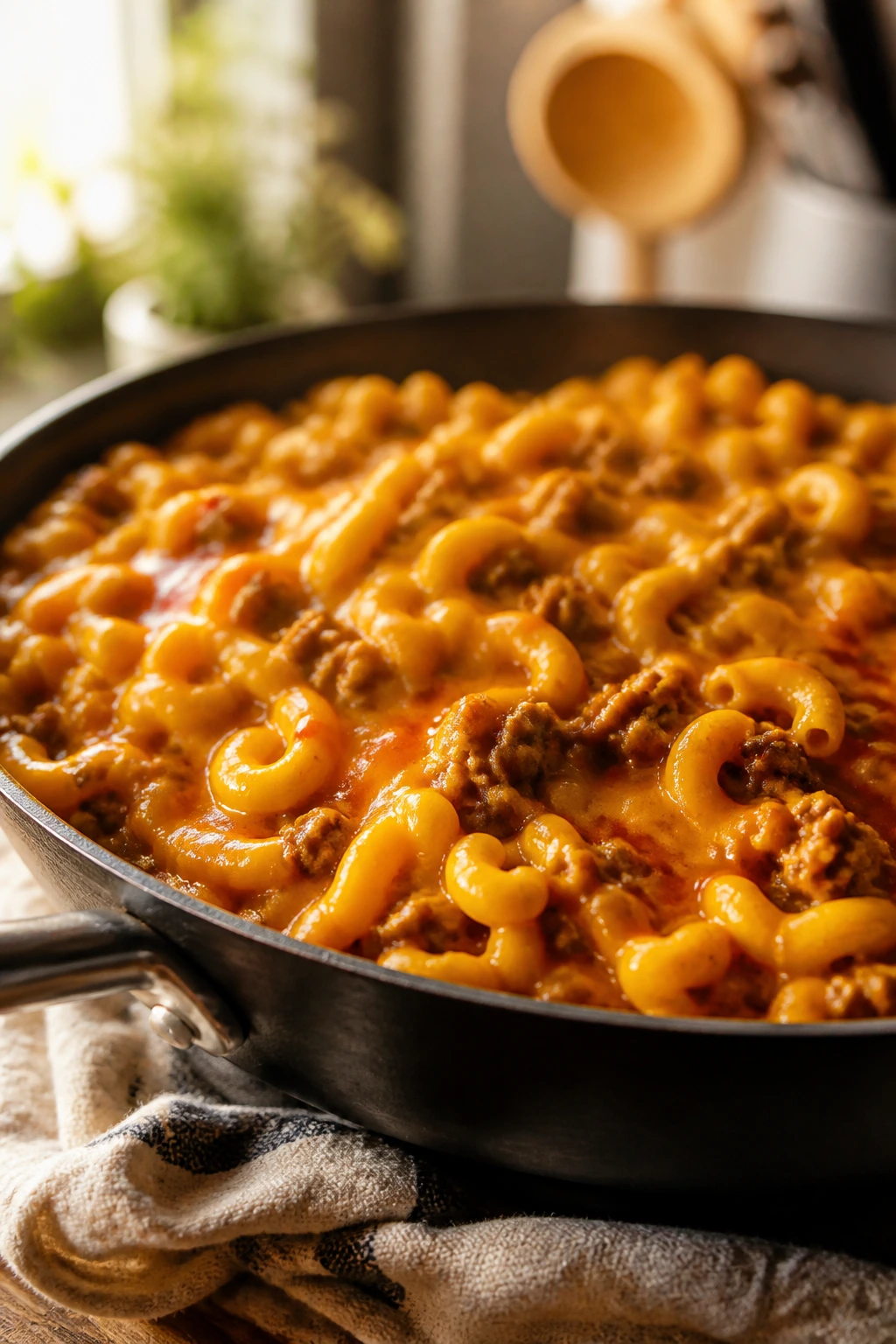
Cheeseburger pasta skillet tastes like the diner version of dinner, which is exactly why kids tend to grab it. You get beef, noodles, ketchup, mustard, and cheddar all in one pan, but the flavor stays familiar rather than fussy. It’s a shortcut meal, yes, but it doesn’t taste like one.
Why It Works:
The beef gives it the burger note, while the pasta takes the place of the bun. Ketchup and mustard create the classic cheeseburger flavor without making the skillet too tangy. This is one of those dishes that survives a picky household because every bite feels known.
Key Ingredients:
- 1 lb ground beef
- 1 small onion, finely diced
- 2 cups elbow macaroni or small shells
- 3 cups beef broth
- 1 cup milk
- 2 tbsp ketchup
- 1 tbsp yellow mustard
- 1 tsp kosher salt
- 1/2 tsp black pepper
- 1 1/2 cups shredded cheddar
- Pickles, optional for serving
Quick Steps:
- Brown the beef and onion in a large skillet.
- Stir in the salt, pepper, ketchup, and mustard.
- Add the macaroni, broth, and milk.
- Bring to a simmer, cover, and cook 10 to 12 minutes, stirring once or twice, until the pasta is tender.
- Stir in the cheddar until melted.
- Serve while the sauce is still creamy.
Equipment for This Recipe:
- Large deep skillet or sauté pan
- Wooden spoon
- Measuring cups
- Lid for the skillet
- Grater, if using block cheese
How to Serve This Dish:
Serve it in bowls with pickles on the side for the kids who like that burger-shop flavor. A few tomato wedges or a simple fruit cup keeps the plate balanced without making it look like a “healthy dinner” announcement. That announcement rarely helps.
Pro Tips for This Recipe:
- Stir the pasta once halfway through so it doesn’t stick.
- Use a deep skillet, not a shallow one, or the liquid won’t cover the noodles.
- Add the cheese off the heat so the sauce stays smooth.
- If it thickens too much, splash in a little milk before serving.
Variations on This Dish:
- Big Mac Style: Add chopped pickles and a little extra mustard.
- Bacon Burger Pasta: Stir in cooked bacon near the end.
- Turkey Burger Version: Swap in ground turkey and keep the seasoning the same.
Common Mistakes to Avoid with This Dish:
- Not enough liquid: The pasta needs to simmer, not dry fry.
- Adding cheese too early: It can seize if the pan is boiling hard.
- Too much onion: Keep the dice tiny or the texture gets noticed fast.
13. Ham and Cheese Crescent Roll-Ups

Ham and cheese crescent roll-ups are what happens when lunchbox food gets promoted to dinner. The dough bakes flaky and soft, the ham stays mild, and the cheese melts into the folds so each roll feels tidy. Tidy matters. A lot of picky eaters trust hand-held food more than casseroles.
Why It Works:
The flavors are simple and predictable. Crescent dough browns quickly, which gives you a little crispness on the outside and a soft center inside. Because each roll is separate, kids can eat one, two, or three without having to commit to a whole tray of anything.
Key Ingredients:
- 2 cans refrigerated crescent roll dough
- 8 slices deli ham
- 8 slices cheddar or American cheese
- 2 tbsp melted butter
- 1 tsp dried parsley, optional
- 1 tsp Dijon or honey mustard, optional
Quick Steps:
- Heat the oven to 375°F and line a baking sheet.
- Separate the crescent dough into triangles.
- Place ham and cheese on each triangle and roll up from the wide end.
- Set the rolls seam-side down on the sheet.
- Brush with butter and sprinkle parsley if using.
- Bake 11 to 13 minutes until golden.
Equipment for This Recipe:
- Baking sheet
- Parchment paper
- Pastry brush
- Knife, if cutting larger slices of ham
- Small bowl for butter
How to Serve This Dish:
Serve the roll-ups with baby carrots, fruit, or a cup of tomato soup. They also make sense with a handful of potato chips if you want the meal to feel like a diner plate without the diner bill. Keep mustard on the side rather than baked in if your family splits on condiments.
Pro Tips for This Recipe:
- Don’t overfill them or the dough will pop open.
- Lay the cheese flat so it melts evenly.
- Bake seam-side down so they stay closed.
- Let them cool 2 minutes before serving; hot cheese leaks fast.
Variations on This Dish:
- Turkey and Swiss Roll-Ups: Swap the ham for turkey and use Swiss.
- Pizza Roll-Ups: Replace ham and cheese with mozzarella and a spoonful of pizza sauce.
- Everything Bagel Topping: Sprinkle a little everything seasoning on top before baking.
Common Mistakes to Avoid with This Dish:
- Using thick deli meat: It makes the rolls bulky and hard to close.
- Overbaking: Crescent dough dries out fast.
- Adding wet condiments inside: Keep sauce on the side so the dough stays flaky.
14. Teriyaki Chicken Rice Bowls
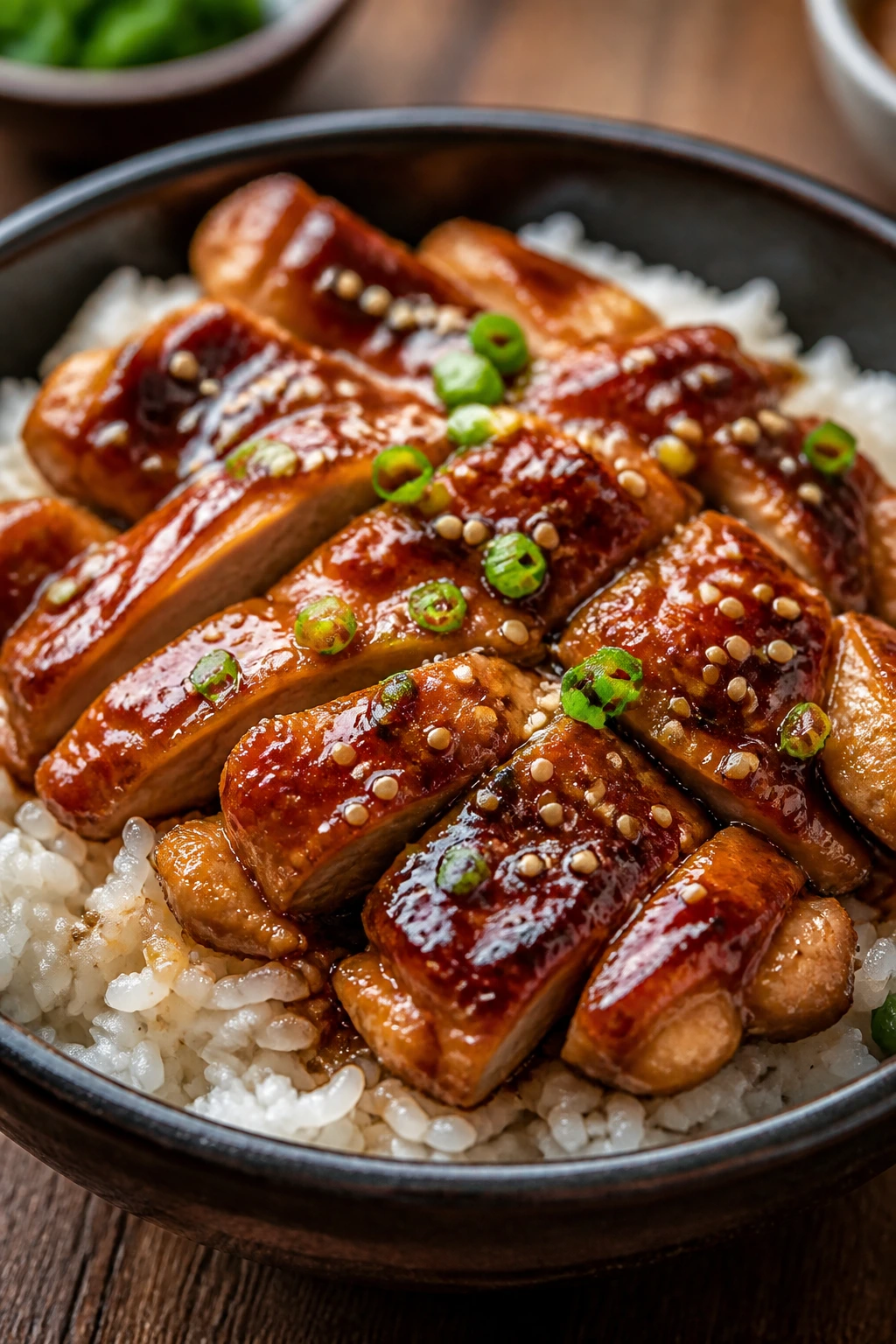
Teriyaki chicken rice bowls feel polished without being fussy. The sauce is sweet and glossy, the chicken pieces stay bite-sized, and the rice underneath gives each child a clean base they can eat around if they want. That matters when a meal needs to be both complete and negotiable.
Why It Works:
Teriyaki has built-in kid appeal because it leans sweet, not spicy. When the chicken is cut small and coated in sauce, it reads as bite-size and easy. The bowl format also lets you keep optional vegetables off to the side, which is often the difference between “yes” and “absolutely not.”
Key Ingredients:
- 1 1/2 lb boneless skinless chicken thighs, cut into 1-inch pieces
- 1 tbsp neutral oil
- 1 cup teriyaki sauce
- 2 tbsp cornstarch mixed with 2 tbsp water
- 3 cups cooked white rice
- 1 cup steamed broccoli or peas, optional
- 1 tbsp sesame seeds, optional
- 2 tbsp sliced green onions, optional
Quick Steps:
- Brown the chicken in oil over medium-high heat until lightly golden.
- Pour in the teriyaki sauce and bring it to a simmer.
- Stir in the cornstarch slurry and cook until the sauce turns glossy and thick.
- Spoon rice into bowls.
- Top with chicken and a little extra sauce.
- Add broccoli, peas, sesame seeds, or green onions if your family wants them.
Equipment for This Recipe:
- Large skillet
- Small bowl for slurry
- Spoon
- Rice cooker or saucepan
- Serving bowls
How to Serve This Dish:
Serve the bowls with the sauce spooned only over the chicken if your eaters prefer dry rice. Offer the vegetables on the side instead of burying them under the glaze. A few pineapple chunks can work for kids who like sweet and salty together, but skip them if your household likes to keep dinner simple.
Pro Tips for This Recipe:
- Cut the chicken evenly so it cooks at the same pace.
- Let the sauce thicken before serving or it will puddle at the bottom.
- Use thighs if you want more tenderness.
- Keep the rice plain so the bowl stays predictable.
Variations on This Dish:
- Pineapple Teriyaki Bowl: Add a few pineapple chunks to the pan near the end.
- Sesame Ginger Version: Stir in a little grated ginger and sesame oil.
- Ground Chicken Bowl: Use ground chicken for a softer texture.
Common Mistakes to Avoid with This Dish:
- Too much sauce: Rice turns soggy fast.
- High heat after the sauce goes in: It can scorch and turn sticky in the wrong way.
- Undercooked rice: The bowl falls apart if the base is crunchy.
15. BBQ Chicken Baked Potatoes
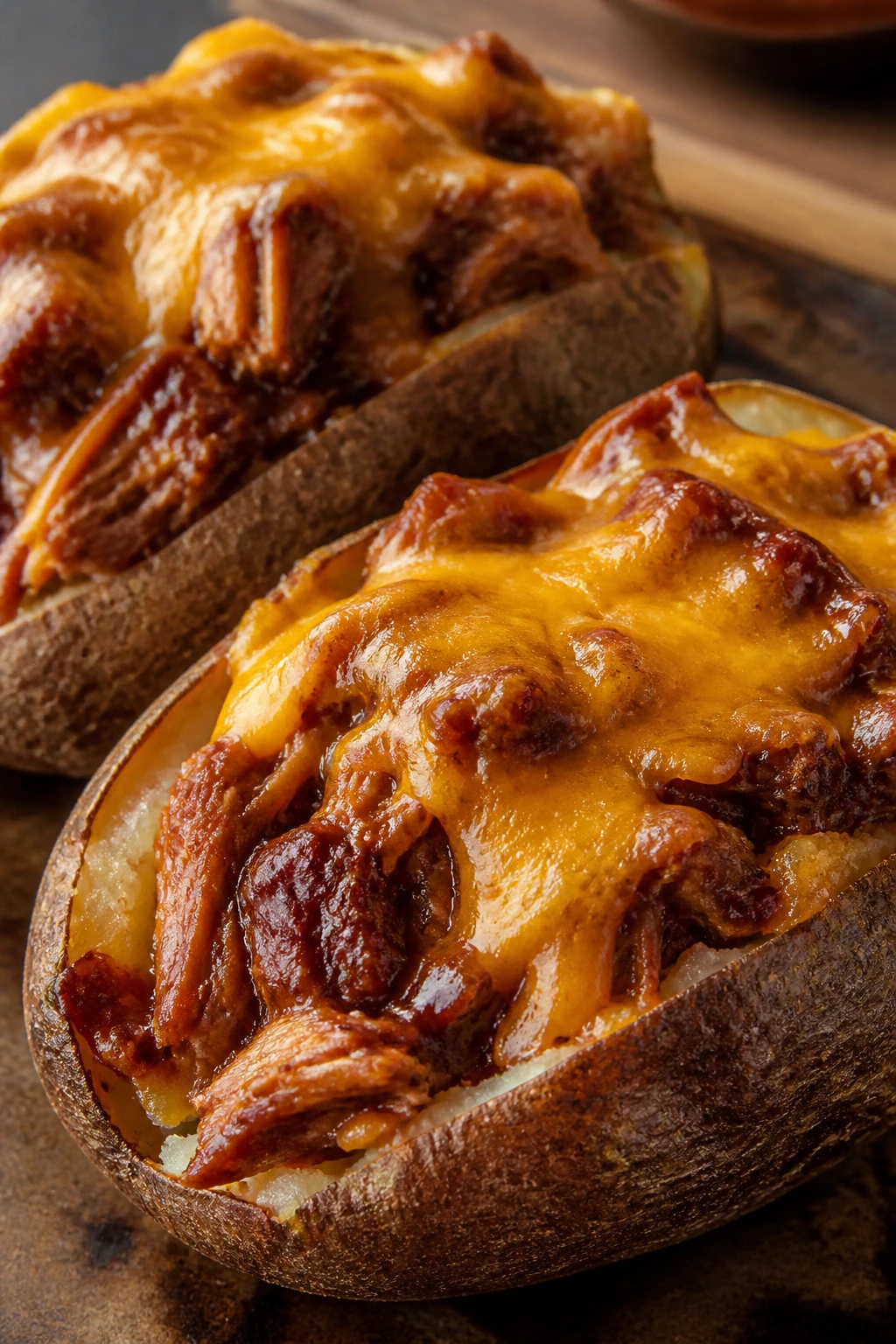
Baked potatoes become a real meal the moment you split them open and fill them with saucy chicken and cheese. The potato skin gives a little texture, the inside stays fluffy, and the barbecue sauce makes the whole thing feel familiar without needing a full plate of sides. Kids who like “build-your-own” food tend to go for this.
Why It Works:
You get a soft starch, a sweet sauce, and melted cheese in one forkful. The potato itself is mild enough to stay out of the way, and the toppings can be kept separate until the last minute. That separation is often what saves a meal for a picky eater.
Key Ingredients:
- 4 large russet potatoes
- 2 cups cooked shredded chicken
- 1 cup barbecue sauce
- 1 cup shredded cheddar
- 1/2 cup sour cream
- 2 tbsp sliced green onion, optional
- 1 tbsp butter for the potatoes, optional
Quick Steps:
- Bake the potatoes at 400°F for 50 to 60 minutes, or microwave until tender and finish in the oven for crisp skins.
- Heat the shredded chicken with the barbecue sauce.
- Split the potatoes open and fluff the insides with a fork.
- Add butter if using, then top with the chicken mixture.
- Sprinkle cheddar over the top and let it melt for 2 minutes.
- Finish with sour cream and green onion if desired.
Equipment for This Recipe:
- Baking sheet
- Fork
- Knife
- Small saucepan or microwave-safe bowl
- Spoon
How to Serve This Dish:
Serve each potato on its own plate with a spoon and maybe a side of apple slices. For smaller kids, use smaller potatoes or halve the baked ones lengthwise so the filling doesn’t spill out. A little extra barbecue sauce on the side helps kids who want more sweetness.
Pro Tips for This Recipe:
- Poke the potatoes before baking so steam can escape.
- Rub the skins with salt for better texture.
- Use rotisserie chicken if you want to save time.
- Don’t overfill the potatoes or the topping slides off.
Variations on This Dish:
- Cheddar Ranch Version: Swap barbecue sauce for ranch dressing and shredded cheddar.
- Pulled Pork Version: Use leftover pulled pork instead of chicken.
- Southwest Potatoes: Add corn and a pinch of cumin if your family likes a little more flavor.
Common Mistakes to Avoid with This Dish:
- Undercooked potatoes: The inside should feel soft when squeezed with a towel.
- Cold chicken on hot potatoes: Warm the filling first or the potato cools too fast.
- Too much topping at once: It makes the skin split and the filling slide.
16. Broccoli Cheddar Chicken Rice Casserole
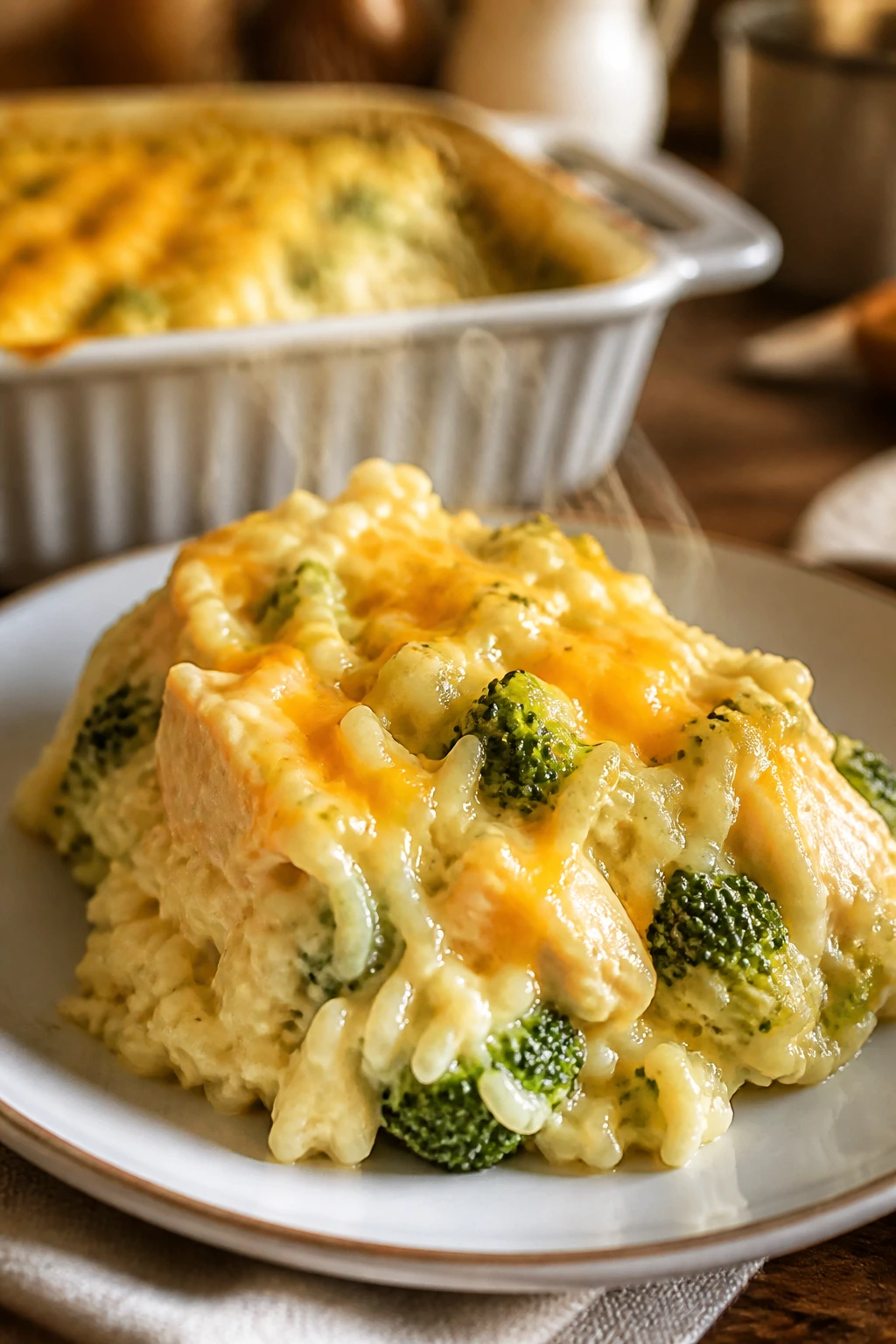
This casserole is for families who need one dish that can hold chicken, rice, and vegetables without looking like a science project. Broccoli cheddar chicken rice casserole uses a creamy base, chopped broccoli, and familiar cheese flavor to make the vegetables feel less like a surprise and more like part of dinner. That’s the whole point.
Why It Works:
Rice gives the casserole structure, cheese gives it comfort, and the broccoli gets tucked into small pieces so it blends in. You’re not trying to make broccoli the star. You’re trying to make it easy to eat. That’s a different job, and this casserole handles it.
Key Ingredients:
- 3 cups cooked rice
- 2 cups cooked shredded chicken
- 3 cups small broccoli florets, chopped fine
- 2 tbsp butter
- 1/4 cup all-purpose flour
- 2 cups milk
- 2 cups shredded cheddar
- 1 tsp kosher salt
- 1/2 tsp garlic powder
- 1/4 tsp black pepper
Quick Steps:
- Steam or blanch the broccoli for 2 minutes so it softens slightly.
- Make a quick sauce by melting butter, whisking in flour, and adding milk until thick.
- Stir in the salt, garlic powder, pepper, and 1 1/2 cups cheddar.
- Fold in the rice, chicken, and broccoli.
- Spread into a baking dish and top with the remaining cheddar.
- Bake at 375°F for 20 to 25 minutes until hot and bubbling.
Equipment for This Recipe:
- Saucepan
- Whisk
- Mixing bowl
- 9×13-inch baking dish
- Steamer basket or pot for broccoli
How to Serve This Dish:
Scoop it into bowls with a small spoonful of sour cream on top if your family likes that creamier finish. A simple bread roll works well on the side. If you’re serving very picky children, keep one section of the plate plain and let the casserole stay in its own corner.
Pro Tips for This Recipe:
- Chop the broccoli tiny. Big florets get rejected faster.
- Use leftover rice that’s cooled a bit; it holds up better.
- Don’t skip the sauce, or the casserole turns dry and grainy.
- Let it rest before scooping so it doesn’t flood the plate.
Variations on This Dish:
- Ham and Broccoli Bake: Swap the chicken for diced ham.
- Cauliflower Cheddar Version: Use cauliflower florets if broccoli is the battle.
- Crunch Top: Add buttered breadcrumbs for the last 10 minutes of baking.
Common Mistakes to Avoid with This Dish:
- Using raw broccoli: It stays too firm for this casserole style.
- Too little sauce: Rice absorbs a lot.
- Overbaking: The casserole should be hot, not dry.
17. Mild Chicken Enchilada Casserole
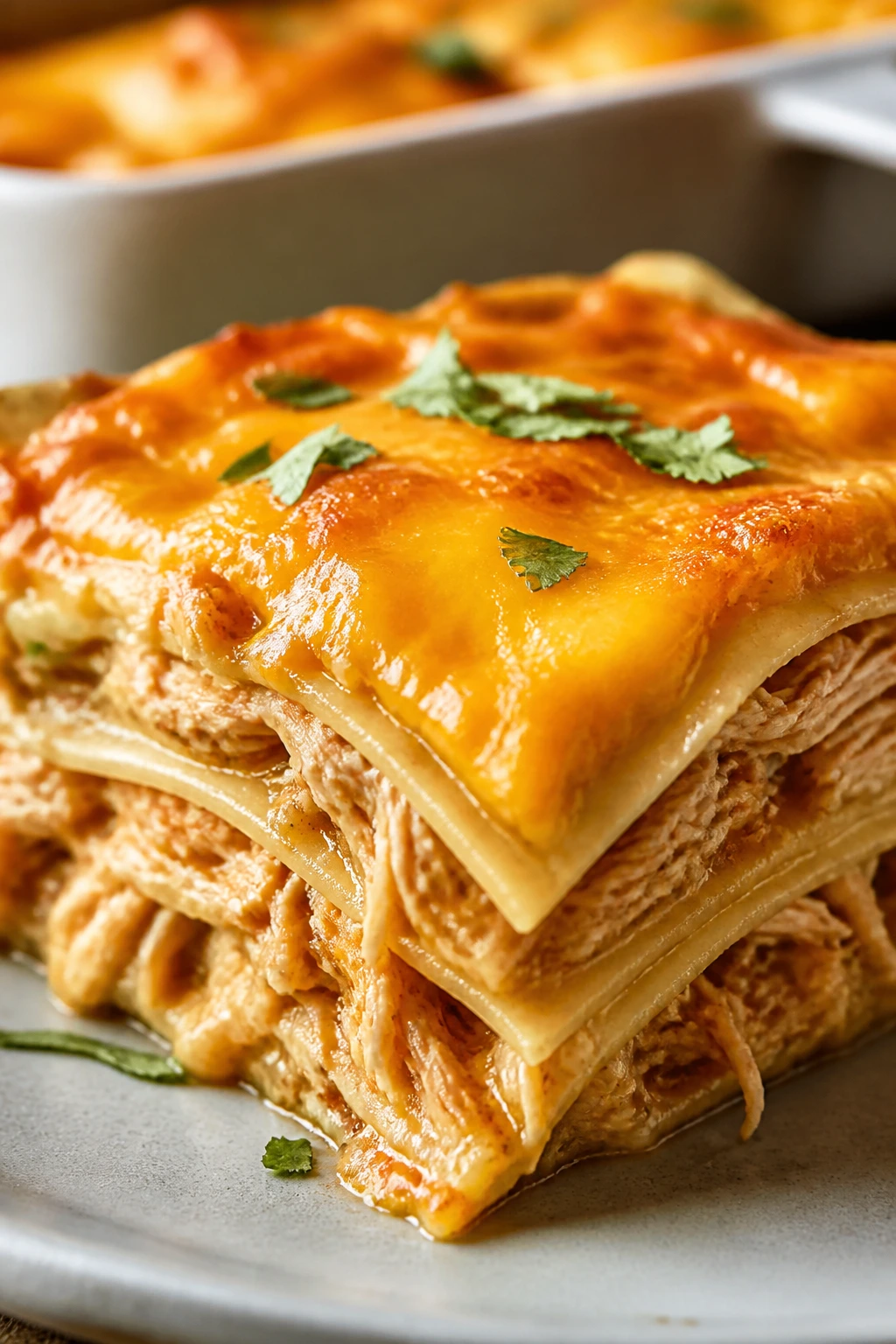
Enchilada casserole can scare picky eaters if it’s too saucy or too spicy, which is why this version keeps the sauce gentle and the layers simple. Tortillas, chicken, and cheese are all familiar. The casserole format just ties them together without making the plate look busy.
Why It Works:
Layered tortillas soften in the sauce, which creates a texture kids already know from baked pasta. The mild enchilada sauce brings flavor without heat, and because the chicken is shredded, it disappears into the layers instead of demanding attention. This is one of those dishes that tastes more approachable after it’s been cut into squares.
Key Ingredients:
- 2 cups cooked shredded chicken
- 8 small flour or corn tortillas
- 2 cups mild enchilada sauce
- 2 cups shredded Monterey Jack or cheddar
- 1 cup frozen corn, optional
- 1/2 cup sour cream, optional
- 1/2 tsp cumin, optional
- 1 tbsp chopped cilantro, optional
Quick Steps:
- Heat the oven to 375°F and grease a baking dish.
- Spread a thin layer of sauce on the bottom.
- Layer tortillas, chicken, corn if using, sauce, and cheese.
- Repeat for 2 to 3 layers, ending with cheese.
- Bake for 25 to 30 minutes until bubbling and golden.
- Rest 10 minutes before slicing.
Equipment for This Recipe:
- Baking dish
- Spoon or ladle
- Foil, optional
- Mixing bowl
- Sharp knife for slicing
How to Serve This Dish:
Serve squares with a spoonful of sour cream on top and a few chips on the side. If your kids are suspicious of casserole layers, cut the first piece cleanly so they can see the fillings instead of a messy scoop. Serve it warm, not piping hot, so the cheese settles a little.
Pro Tips for This Recipe:
- Use mild sauce unless you know your family can handle more.
- Keep the layers thin so the casserole slices cleanly.
- Shred the chicken finely for a softer texture.
- Let it rest or the whole pan slumps apart.
Variations on This Dish:
- Bean and Cheese Version: Add a thin layer of refried beans.
- White Enchilada Casserole: Use green chile sauce only if your kids tolerate it.
- Turkey Enchilada Bake: Swap in shredded turkey.
Common Mistakes to Avoid with This Dish:
- Using too much sauce: The tortillas go mushy.
- Cutting too soon: The layers need time to set.
- Choosing a hot sauce base: Mild is the safe play here.
18. Grilled Cheese with Tomato Soup
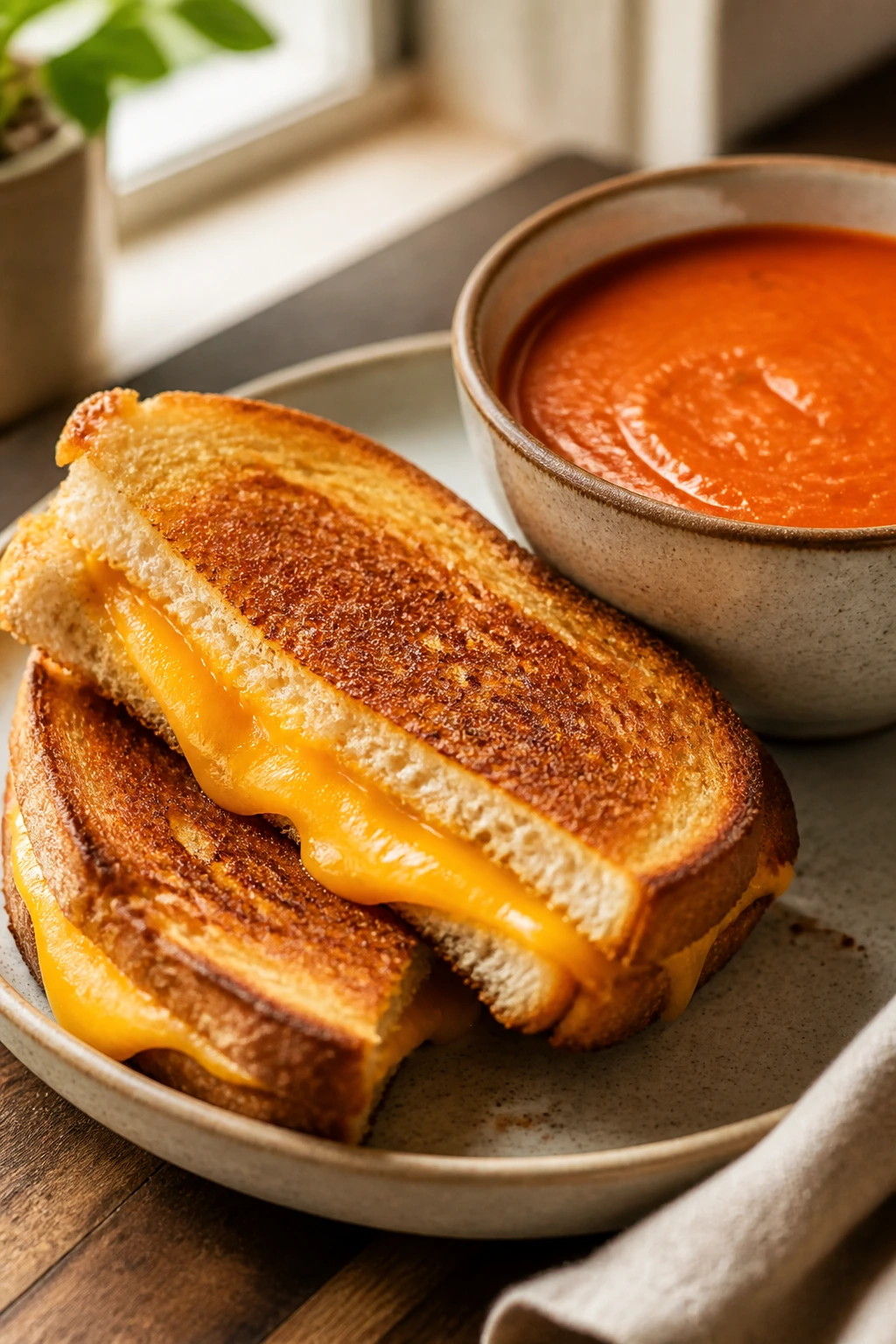
Grilled cheese and tomato soup looks plain on purpose. That’s part of the charm. The bread turns crisp and buttery, the cheese melts into a thick layer, and the soup gives kids something warm to dip or sip. For a picky eater, there’s comfort in a meal that doesn’t look like it’s trying too hard.
Why It Works:
The sandwich is familiar, and the soup can be blended smooth so there are no tomato bits, onion chunks, or anything else that gets questioned. Together they make a complete meal that still feels gentle. There’s a reason this pairing keeps showing up. It actually works.
Key Ingredients:
- 8 slices sandwich bread
- 4 tbsp softened butter
- 8 slices cheddar or American cheese
- 1 tbsp olive oil
- 1 small onion, chopped
- 2 garlic cloves, minced
- 2 cans crushed tomatoes, 28 oz each
- 2 cups chicken broth
- 1 tsp sugar
- 1/2 cup cream
- 1 tsp salt, plus more to taste
- 1/2 tsp dried basil
Quick Steps:
- Start the soup by softening the onion in oil, then add the garlic for 30 seconds.
- Stir in tomatoes, broth, sugar, salt, and basil. Simmer 15 minutes.
- Blend the soup until smooth, then stir in the cream.
- Butter the bread and layer cheese between two slices.
- Cook the sandwiches in a skillet over medium heat until both sides are golden and the cheese melts.
- Serve the soup hot with the sandwich cut into triangles.
Equipment for This Recipe:
- Saucepot
- Blender or immersion blender
- Skillet
- Spatula
- Knife
How to Serve This Dish:
Cut the grilled cheese into triangles or sticks for easier dipping. A small bowl is better than a deep one here; kids can manage the sandwich more easily when the soup isn’t too far down in the bowl. A few crackers on the side can help children who like to crunch their way through dinner.
Pro Tips for This Recipe:
- Use medium heat on the skillet so the bread browns without burning.
- Blend the soup until it’s smooth enough for your pickiest eater.
- American cheese melts more evenly than thick slices of cheddar.
- Add sugar to the soup if the tomatoes taste sharp.
Variations on This Dish:
- Mozzarella Version: Swap cheddar for mozzarella if your family wants a milder melt.
- Garlic Bread Grilled Cheese: Use garlic butter on the bread.
- Creamy Basil Soup: Add a few extra basil leaves at the end if the family likes herbs.
Common Mistakes to Avoid with This Dish:
- Burning the bread before the cheese melts: Keep the heat moderate.
- Leaving soup chunky: Texture matters a lot here.
- Too much cream: The soup should stay tomato-forward, not turn pale and heavy.
19. Chicken Pot Pie Biscuit Bake
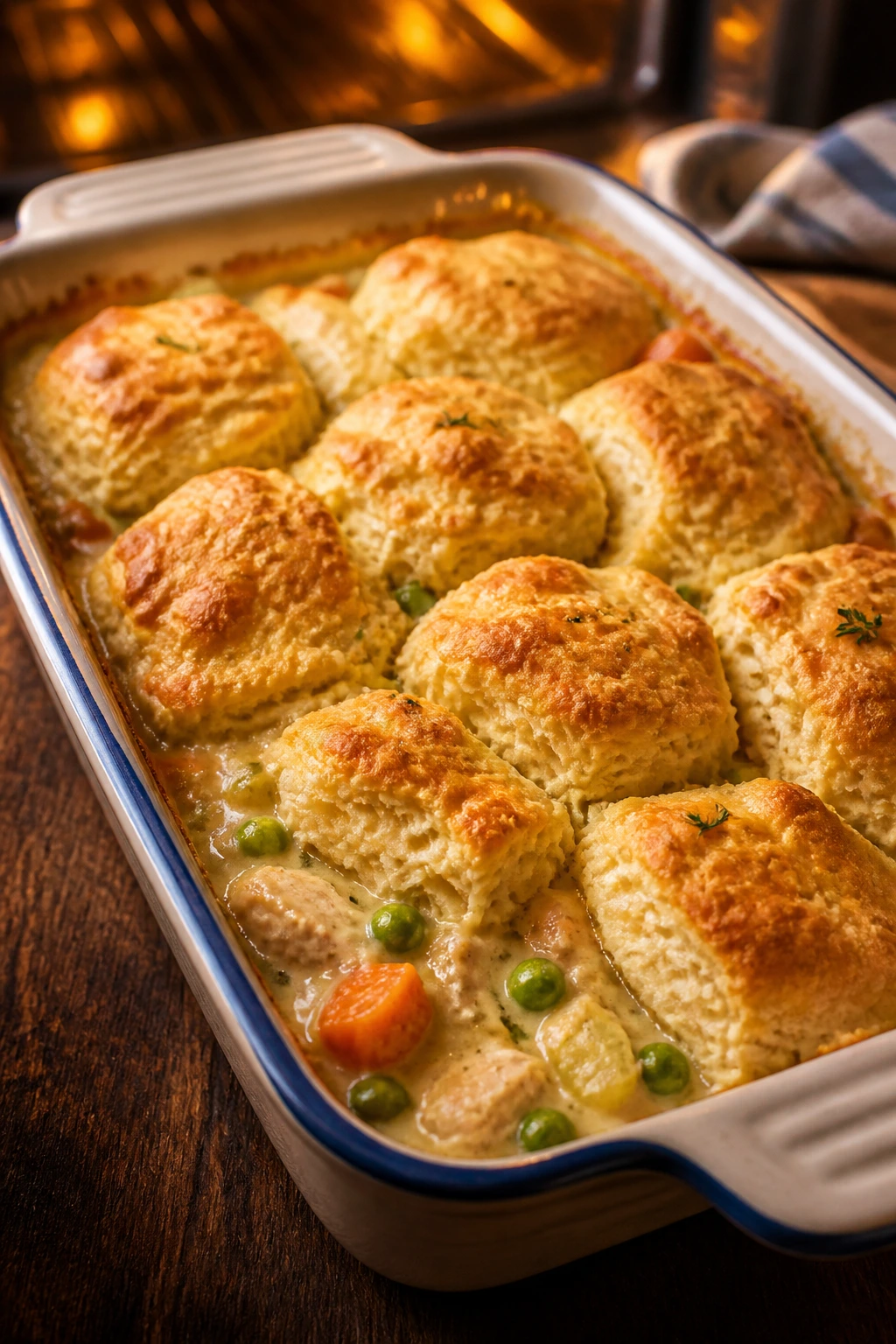
Chicken pot pie biscuit bake takes all the familiar parts of pot pie and makes them easier to eat. The filling stays creamy and mild, the vegetables are tucked into a sauce, and the biscuits on top give kids the best part first. That top layer matters more than you’d think. People often eat what they can see.
Why It Works:
Classic pot pie can feel too fussy with a bottom crust and a dome that collapses. This version is simpler: creamy filling underneath, biscuit topping above. The biscuits brown in the oven, and the casserole underneath stays soft and spoonable. It’s homey without being complicated.
Key Ingredients:
- 3 cups cooked chicken, chopped or shredded
- 2 cups frozen mixed vegetables
- 1 can cream of chicken soup
- 1 cup milk
- 1 tsp dried thyme
- 1/2 tsp garlic powder
- 1/2 tsp black pepper
- 1 can refrigerated biscuits
- 1 tbsp melted butter, optional
Quick Steps:
- Heat the oven to 375°F and grease a baking dish.
- Stir together the chicken, vegetables, soup, milk, thyme, garlic powder, and pepper.
- Spread into the dish.
- Cut the biscuits in half and place them on top with a little space between each one.
- Brush with melted butter if using.
- Bake 25 to 30 minutes until the filling bubbles and the biscuits are golden.
Equipment for This Recipe:
- Baking dish
- Mixing bowl
- Spoon
- Knife or biscuit cutter
- Foil, if the biscuits brown too fast
How to Serve This Dish:
Serve the biscuit bake in shallow bowls so every scoop picks up filling and biscuit together. If you have a child who avoids mixed vegetables, put a few pieces on the side of the plate first and let them get used to the texture. Warm applesauce on the side fits the tone of this meal nicely.
Pro Tips for This Recipe:
- Chop the chicken small for easier bites.
- Don’t bury the biscuits in filling; they need heat from the top.
- If the biscuits brown early, cover loosely with foil.
- Let the bake rest before serving so the filling firms up.
Variations on This Dish:
- Turkey Pot Pie Bake: Use leftover turkey instead of chicken.
- Cheddar Biscuit Top: Sprinkle shredded cheddar on the biscuits before baking.
- Veggie-Heavy Version: Add extra corn and carrots if your household accepts them.
Common Mistakes to Avoid with This Dish:
- Using too much liquid: The filling should be thick, not soupy.
- Baking biscuits under the filling: They won’t brown properly.
- Serving immediately: A short rest keeps the casserole from spilling out.
20. One-Pot Cheeseburger Mac
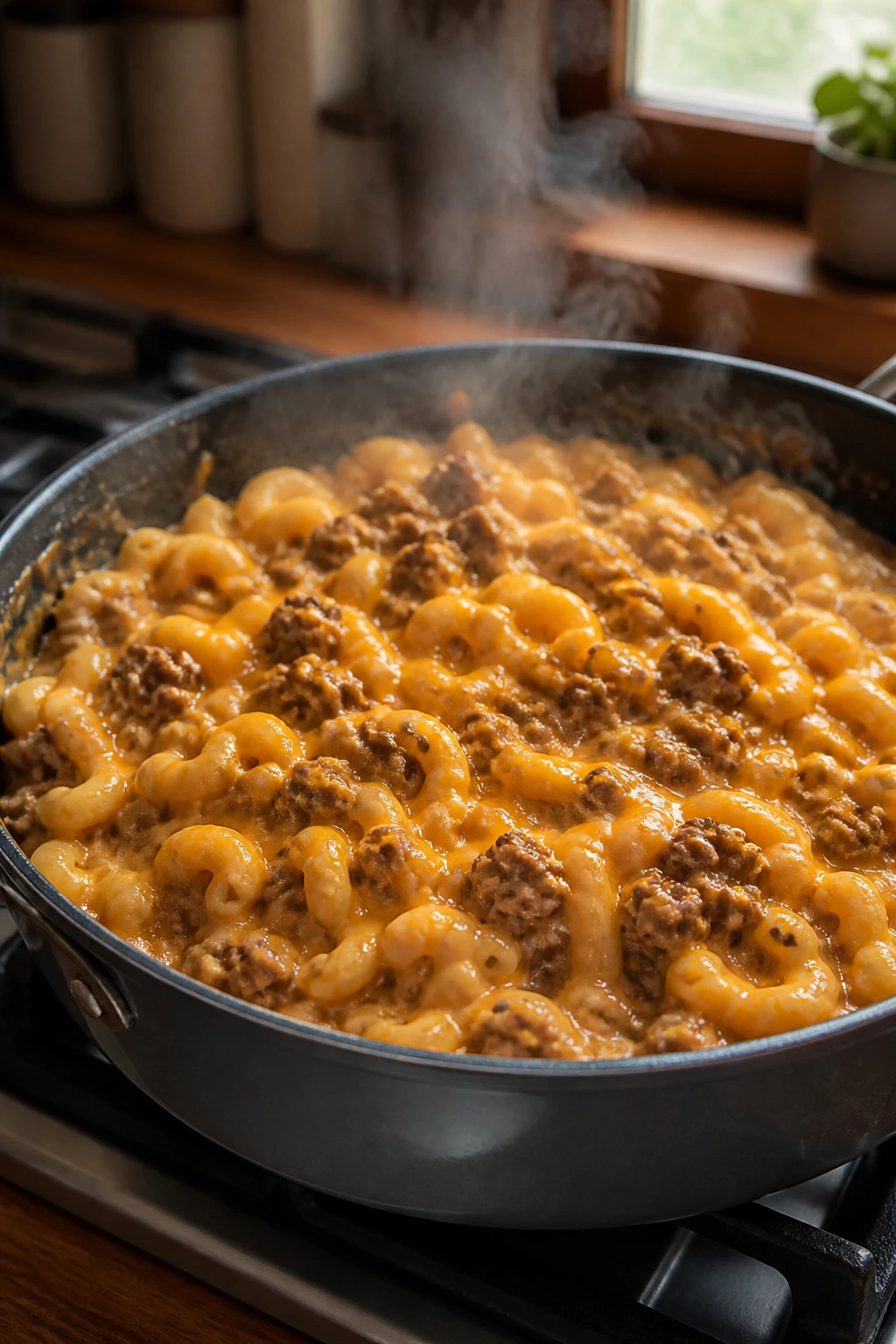
One-pot cheeseburger mac is the sort of meal that gets eaten with less commentary and more forks. It has the same burger-adjacent flavor as the skillet version, but the texture is creamier and more uniform, which often works even better for kids who don’t want chunks of onion or lots of visible garnish. This is the quieter cousin of cheeseburger pasta.
Why It Works:
The noodles cook in the same pot as the beef, so they absorb flavor instead of sitting in plain water first. A little processed cheese melts into the sauce with almost no fuss, which gives the skillet a smooth, kid-friendly texture. You can keep this one blunt and simple. That is the strength.
Key Ingredients:
- 1 lb ground beef
- 1 tbsp neutral oil, if needed
- 2 cups elbow macaroni
- 3 cups low-sodium beef broth
- 1 cup milk
- 8 oz processed cheese, cubed
- 1 cup shredded cheddar
- 2 tbsp ketchup
- 1 tbsp yellow mustard
- 1/2 tsp salt
- 1/4 tsp black pepper
Quick Steps:
- Brown the beef in a deep pot and drain excess fat if needed.
- Stir in the ketchup, mustard, salt, and pepper.
- Add the macaroni, broth, and milk.
- Simmer, covered, for 10 to 12 minutes, stirring once or twice, until the pasta is tender.
- Stir in the processed cheese and cheddar until melted.
- Serve right away while the sauce is creamy.
Equipment for This Recipe:
- Deep pot or Dutch oven
- Wooden spoon
- Measuring cups
- Lid
- Grater, if using block cheddar
How to Serve This Dish:
Serve it in wide bowls with a few dill pickle slices on the side for kids who like burger-shop flavors. If the family wants something fresh next to it, apple slices or grapes do the job better than a complicated salad. The meal already brings plenty of comfort.
Pro Tips for This Recipe:
- Keep the simmer low once the pasta goes in, or the milk can scorch.
- Stir from the bottom so the pasta doesn’t stick.
- Add a splash more broth if it thickens too much.
- Use processed cheese for a smoother melt than cheddar alone.
Variations on This Dish:
- Bacon Cheeseburger Mac: Stir in cooked bacon at the end.
- Turkey Version: Swap in ground turkey and add a touch more oil.
- Pickle Burger Style: Top with chopped pickles right before serving.
Common Mistakes to Avoid with This Dish:
- Boiling too hard: The milk can split.
- Not enough stirring: Pasta sticks to the bottom fast.
- Too much mustard: The flavor should read as burger, not sandwich spread.
21. Mini Pita Pizzas
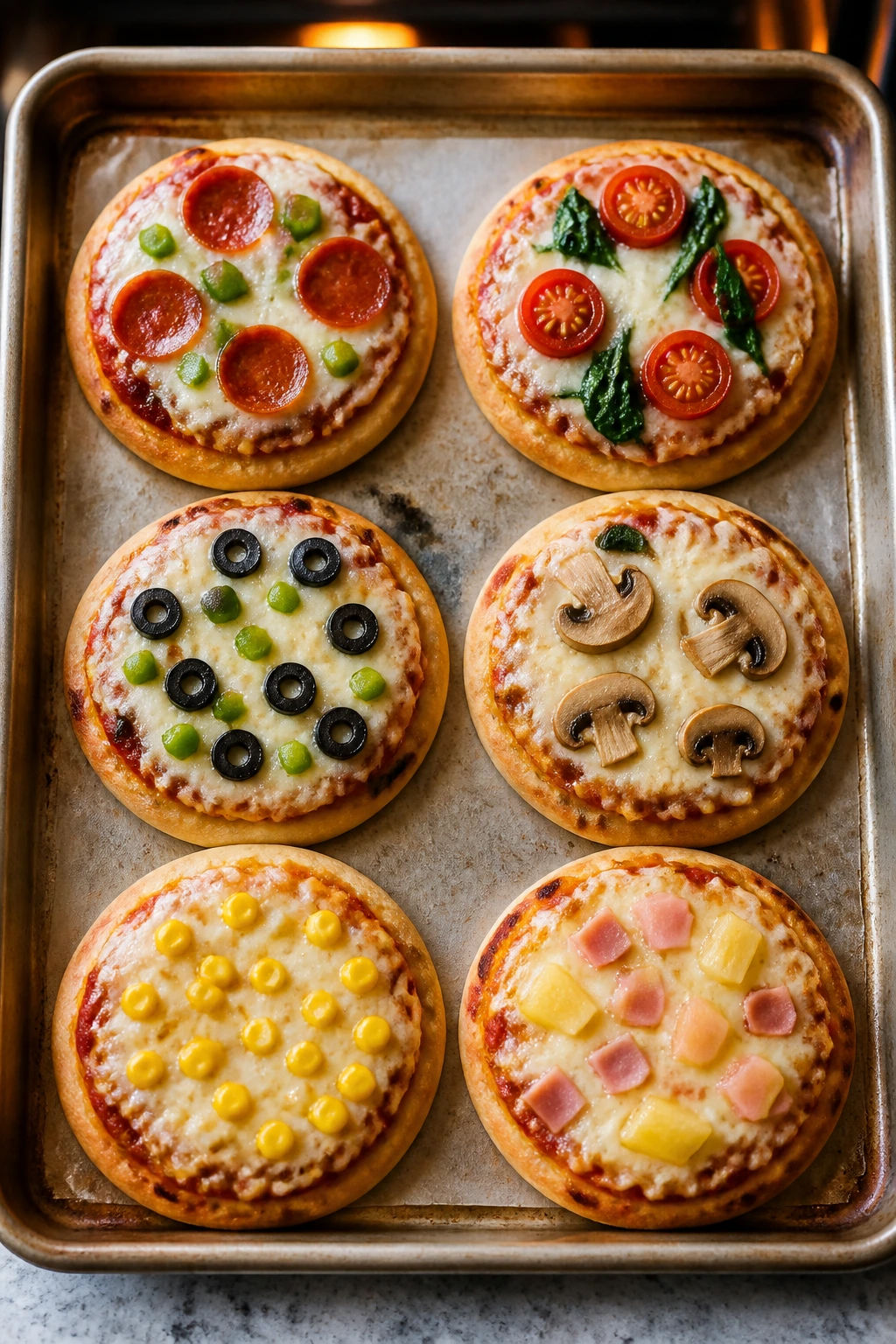
Mini pita pizzas are useful because they let every kid build their own without having to stare at a whole pie topped with whatever one child hates most. The pita base crisps up fast, the cheese melts evenly, and the toppings can stay in tiny, controlled amounts. That control is the real reason this meal lands.
Why It Works:
The small size means fast cooking and easy customization. Pita also gives you a slightly thicker, sturdier base than a tortilla, which helps if your family likes a little chew. You can keep the toppings minimal and still make the food feel like real pizza, not a substitute.
Key Ingredients:
- 6 mini pitas or 3 large pitas cut in half
- 1 cup pizza sauce
- 2 cups shredded mozzarella
- 1/2 cup mini pepperoni
- 1/2 cup diced ham, optional
- 1/2 cup finely diced bell pepper, optional
- 1 tbsp olive oil
- 1/2 tsp dried oregano
Quick Steps:
- Heat the oven to 425°F and line a baking sheet.
- Brush the pitas lightly with olive oil.
- Spread a thin layer of pizza sauce over each one.
- Add mozzarella and a small amount of toppings.
- Sprinkle oregano on top.
- Bake 8 to 10 minutes until the cheese melts and the edges crisp.
- Cut into wedges if needed.
Equipment for This Recipe:
- Baking sheet
- Parchment paper
- Spoon for sauce
- Knife or pizza cutter
- Pastry brush, optional
How to Serve This Dish:
Serve the pizzas with carrot sticks, grapes, or a little marinara for dipping. Mini pizzas work well on a big platter if you have different topping preferences in the same household. Keep the toppings modest so the pitas don’t become overloaded and awkward to eat.
Pro Tips for This Recipe:
- Use a thin layer of sauce so the base stays crisp.
- Pre-diced toppings should be tiny; big chunks fall off.
- Bake until the cheese is bubbling at the center, not just melted at the edges.
- Let them cool for a minute before serving or the cheese slips.
Variations on This Dish:
- White Pizza Pitas: Use ricotta and mozzarella instead of red sauce.
- Breakfast Pizzas: Add scrambled egg and a little cheese.
- Sausage Version: Use cooked mild sausage crumbles instead of pepperoni.
Common Mistakes to Avoid with This Dish:
- Too much sauce: It softens the pita too fast.
- Toppings too large: Big pieces slide off.
- Baking at too low a temperature: The pita needs hot heat to crisp.
22. Baked Ziti with Ricotta
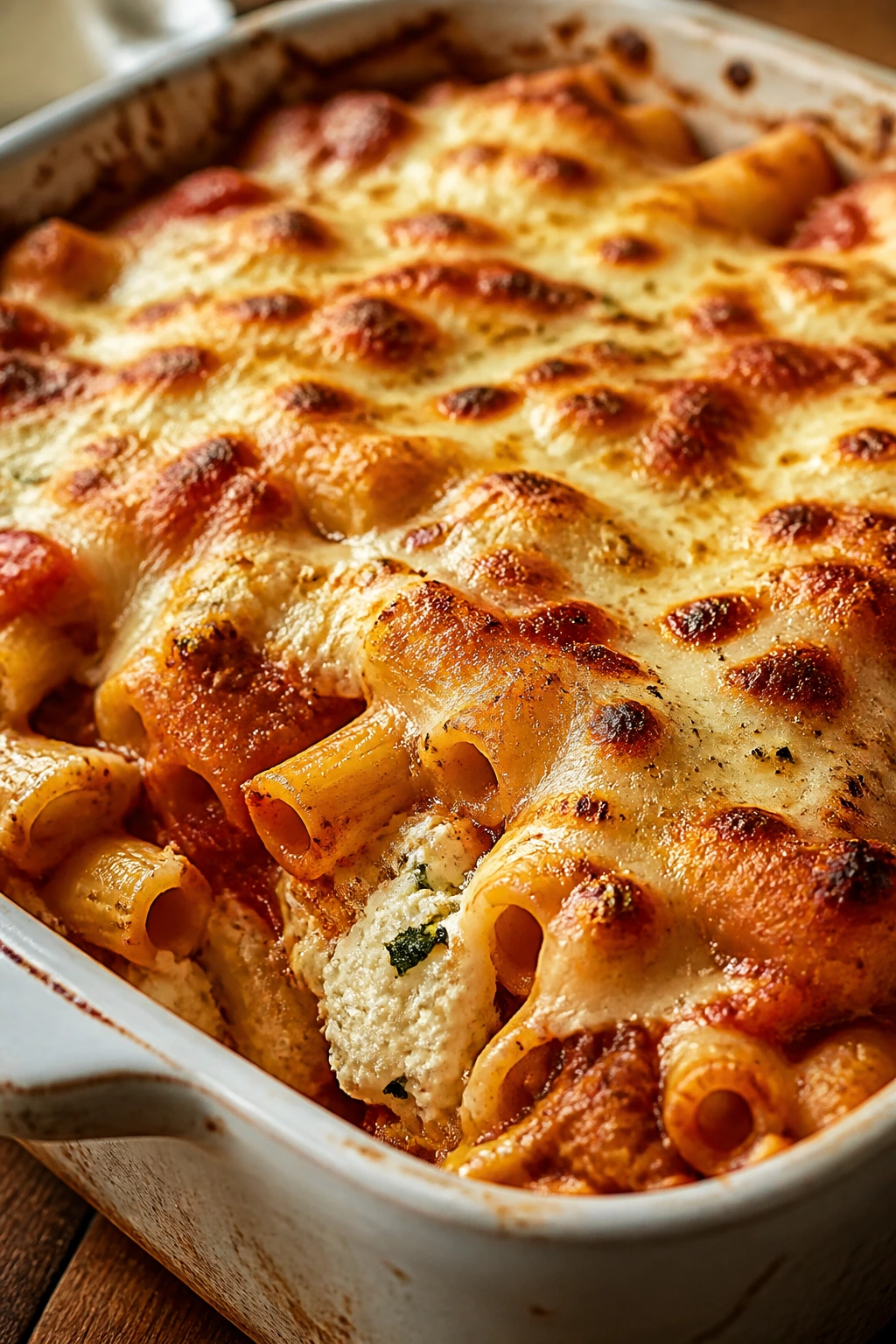
Baked ziti is one of those casseroles that looks more complicated than it is, and that helps at a picky table. The pasta stays soft, the ricotta makes little creamy pockets, and the mozzarella on top gives you the browned, stretchy finish kids usually go after first. It’s substantial without feeling loud.
Why It Works:
The layered pasta-and-cheese setup feels familiar to kids who like lasagna but don’t want the full structure of lasagna. Ziti holds sauce well, and the ricotta keeps the center from drying out. If you keep the seasoning mild and the pasta shape easy to scoop, this lands as a comfort dish instead of a challenge.
Key Ingredients:
- 12 oz ziti
- 1 lb ground turkey or mild Italian sausage
- 3 cups marinara sauce
- 1 cup ricotta
- 2 cups shredded mozzarella
- 1/2 cup grated parmesan
- 1 large egg
- 1 tsp Italian seasoning
- 1/2 tsp kosher salt
- 1/4 tsp black pepper
Quick Steps:
- Cook the ziti until just al dente and drain.
- Brown the turkey or sausage and stir in the marinara and seasoning.
- Mix the ricotta with the egg, parmesan, salt, and pepper.
- Layer sauce, pasta, ricotta mixture, and mozzarella in a baking dish.
- Bake at 375°F for 25 to 30 minutes until bubbling and browned.
- Rest 10 minutes before slicing or scooping.
Equipment for This Recipe:
- Large pot
- Skillet
- Mixing bowl
- Baking dish
- Spoon or spatula
How to Serve This Dish:
Scoop the ziti into bowls with a little extra parmesan on top and a piece of garlic bread on the side. A small salad can live on the table for anyone who wants it, but the pasta should stay the focus. If you’re serving younger kids, break the pasta slightly in the bowl so it’s easier to fork.
Pro Tips for This Recipe:
- Undercook the pasta a little so it doesn’t soften too much in the oven.
- Use mild sausage if your family doesn’t like heat.
- Let the casserole rest before cutting or the ricotta layer slips.
- A little extra sauce around the edges helps prevent dryness.
Variations on This Dish:
- Spinach Ziti: Fold in chopped spinach if your household tolerates it in baked pasta.
- Three-Cheese Version: Add provolone for a stronger melt.
- Meatless Ziti: Skip the meat and add extra sauce plus a little sautéed mushroom if desired.
Common Mistakes to Avoid with This Dish:
- Too little sauce: Ziti should be saucy, not dry.
- Cutting right away: The layers need time to settle.
- Using a strong sausage: Mild usually works better at a picky table.
Why Simple Food Works Better Than Fancy Food Here
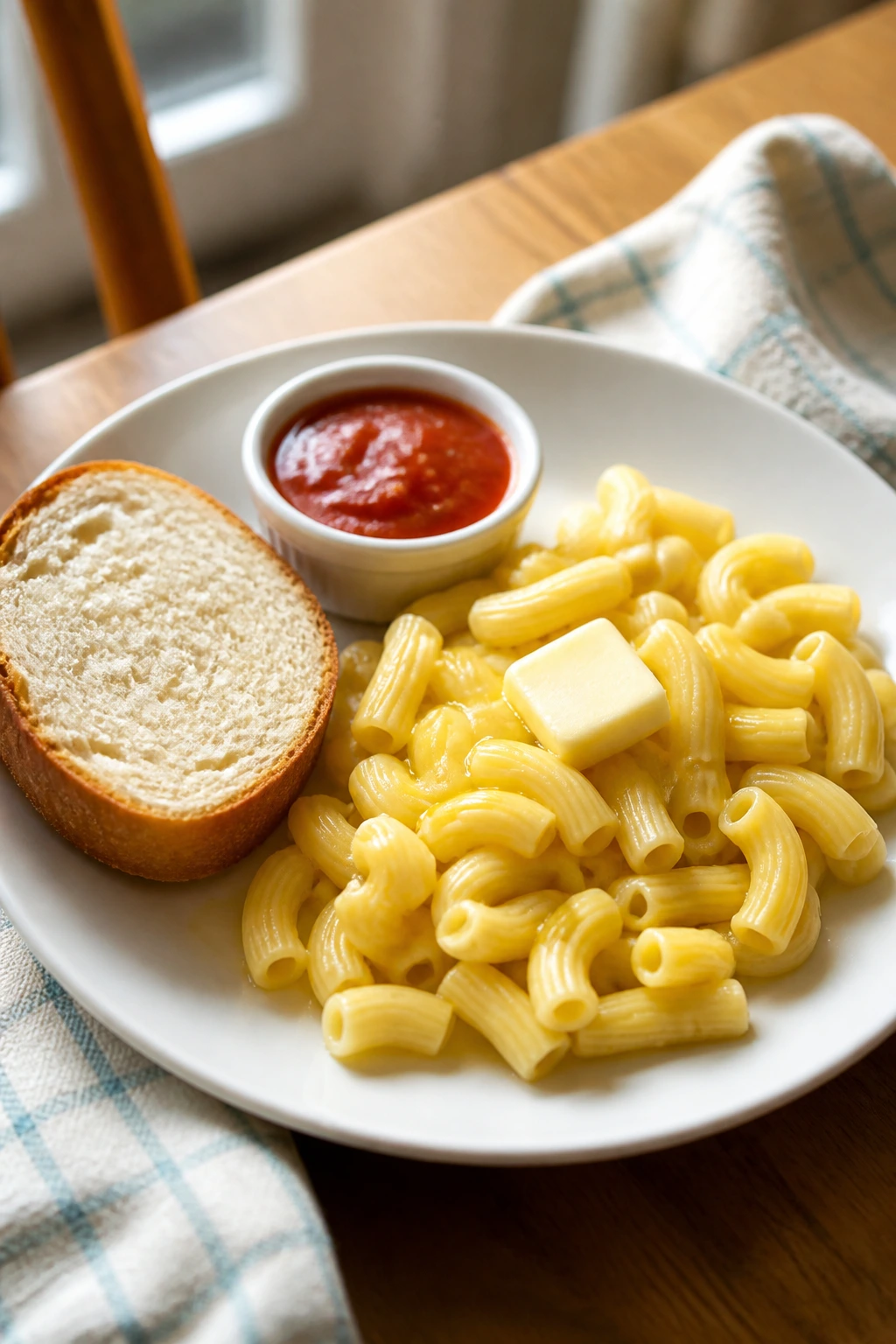
Picky eaters usually object to surprise, not dinner itself. That’s why these meals lean on shapes and flavors people already trust: noodles, chicken pieces, cheese, potatoes, rice, bread, and tomato sauce. When a plate feels legible at a glance, the tension drops. The child who panics at mixed textures can eat the sandwich. The child who hates visible vegetables can eat the sauce. Everyone gets to keep some control.
There’s also a very practical reason this style of cooking works: mild food is easier to adjust at the table. Hot sauce can sit out. Extra cheese can sit out. Pickles, ketchup, ranch, mustard, parmesan, and bread all let each person finish the plate their own way. That matters more than recipes that insist every bite be identical.
I’d also argue that the best family meals for picky eaters are not the ones that hide everything. They’re the ones that respect what kids can handle and quietly expand the plate from there. That’s a far better long game than trying to win a vegetable ambush.
Essential Equipment for These Recipes
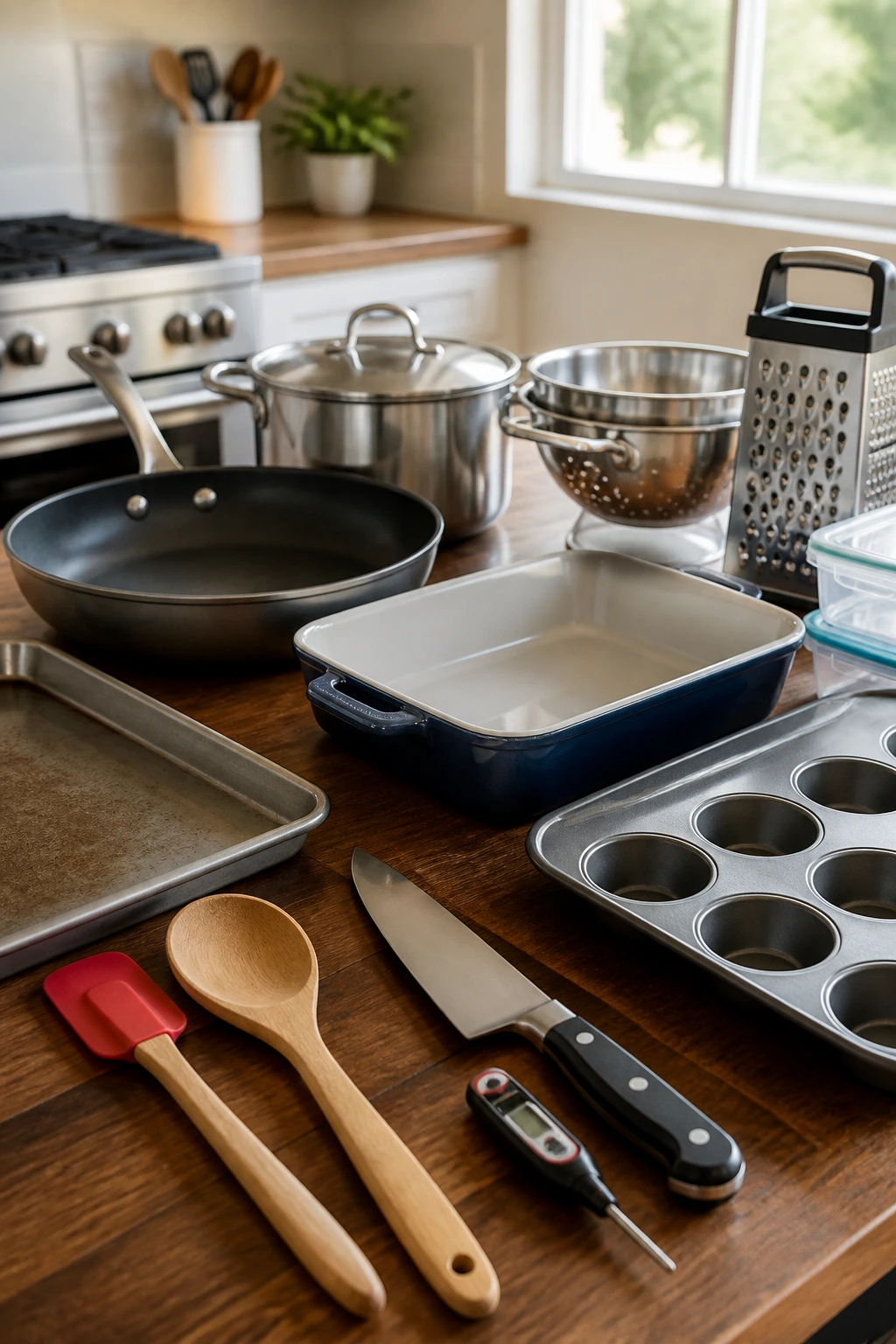
- Large sheet pan: Needed for chicken tenders, potato bites, mini pizzas, and baked casseroles that brown better with airflow.
- Deep skillet or sauté pan: A must for sloppy joes, cheeseburger pasta, taco bowls, and one-pot mac.
- Saucepan or Dutch oven: Helpful for mac and cheese, tomato soup, and any sauce that needs whisking.
- 9×13-inch baking dish: The backbone of the casseroles; use a sturdy one that heats evenly.
- Muffin tin: Required for mini meatloaf muffins, and it also works for portioned leftovers.
- Box grater or microplane: Fine grating matters for parmesan, zucchini, and carrots that need to disappear into a sauce.
- Instant-read thermometer: Especially useful for chicken and meatballs; guessing gets expensive when dry meat shows up.
- Sharp chef’s knife: Small, even cuts make a real difference in picky-eater food.
- Mixing bowls: Have at least two medium ones ready so breading, sauces, and fillings don’t get crowded together.
- Spatula and wooden spoon: The everyday tools that keep casseroles, sauces, and skillet meals moving.
- Colander: Pasta and rice-based meals need proper draining, not a rushed tilt over the sink.
- Airtight storage containers: Leftovers stay more appealing when they’re sealed well and portioned in flat containers.
Smart Shopping and Ingredient Tips
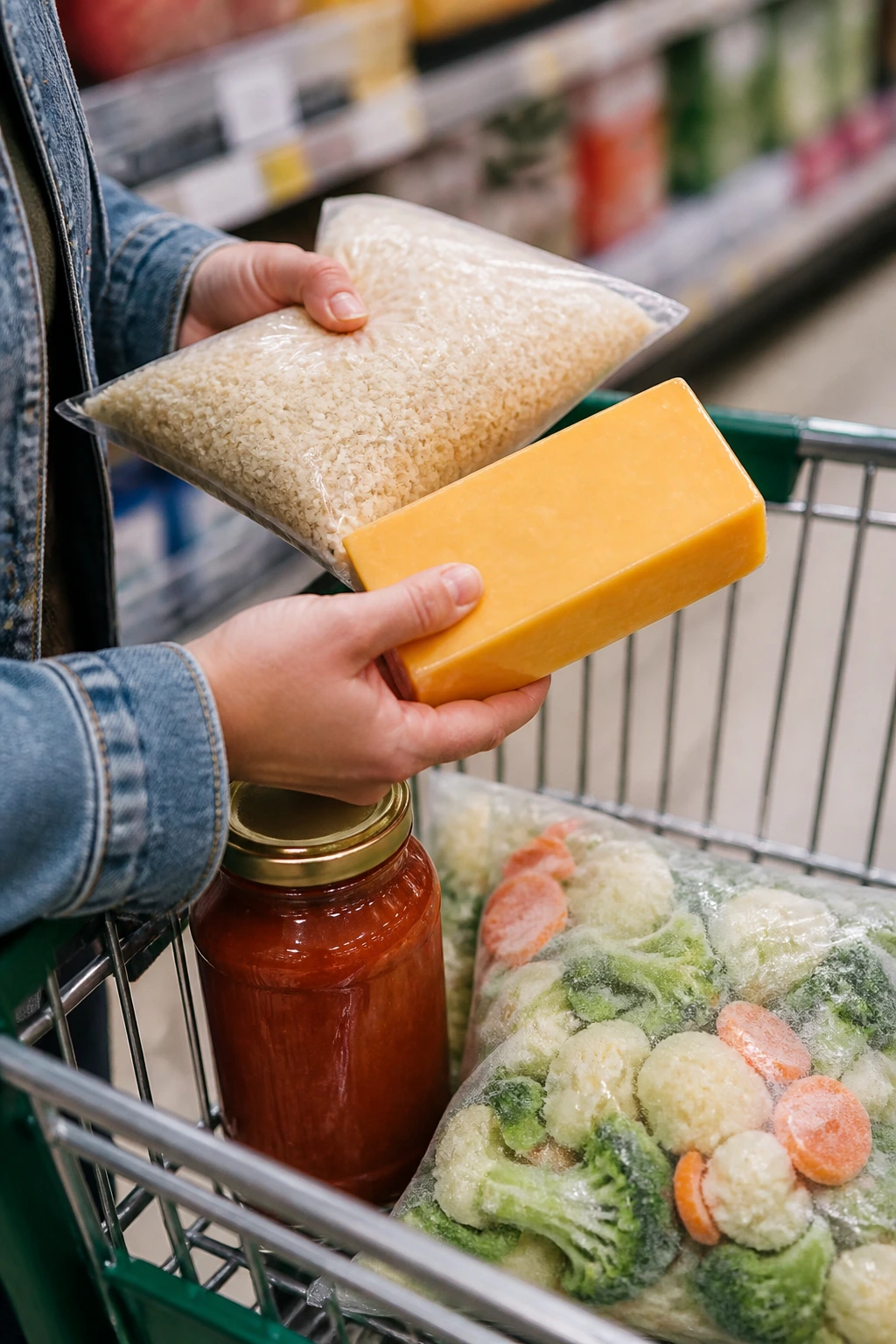
Picky-eater cooking lives or dies on ingredient choice. Buy good breading and decent cheese before you worry about fancy seasonings. Panko gives chicken tenders a lighter crunch than regular crumbs, and sharp cheddar melts with more flavor, while American cheese and processed cheese give you that smooth, forgiving melt kids tend to like in skillet meals.
For chicken, thighs stay juicier than breasts in casseroles, sheet-pan dinners, and teriyaki bowls. Breasts work fine for tenders if you’re cutting them into even strips, but once you start baking sauce-heavy dishes, thighs forgive overcooking better. Ground turkey is a useful swap in meatballs, taco bowls, and ziti, but it needs salt and a little fat or it can taste flat.
When you shop for sauces, look for the ones with short ingredient lists and mild flavor. A jar of marinara that’s too acidic can make kids suspicious fast, and some barbecue sauces run smoky enough to feel sharp. Mild enchilada sauce, a balanced teriyaki, and standard ketchup all behave predictably. That predictability matters.
Frozen vegetables can be your friend here. Corn, peas, and broccoli florets from the freezer section often cook better than sad, oversized fresh vegetables that have been sitting in the crisper drawer too long. The key is size. Chopping broccoli small or grating carrots fine does more for acceptance than any “hidden” label on a meal ever will.
How to Serve These Recipes
Presentation:
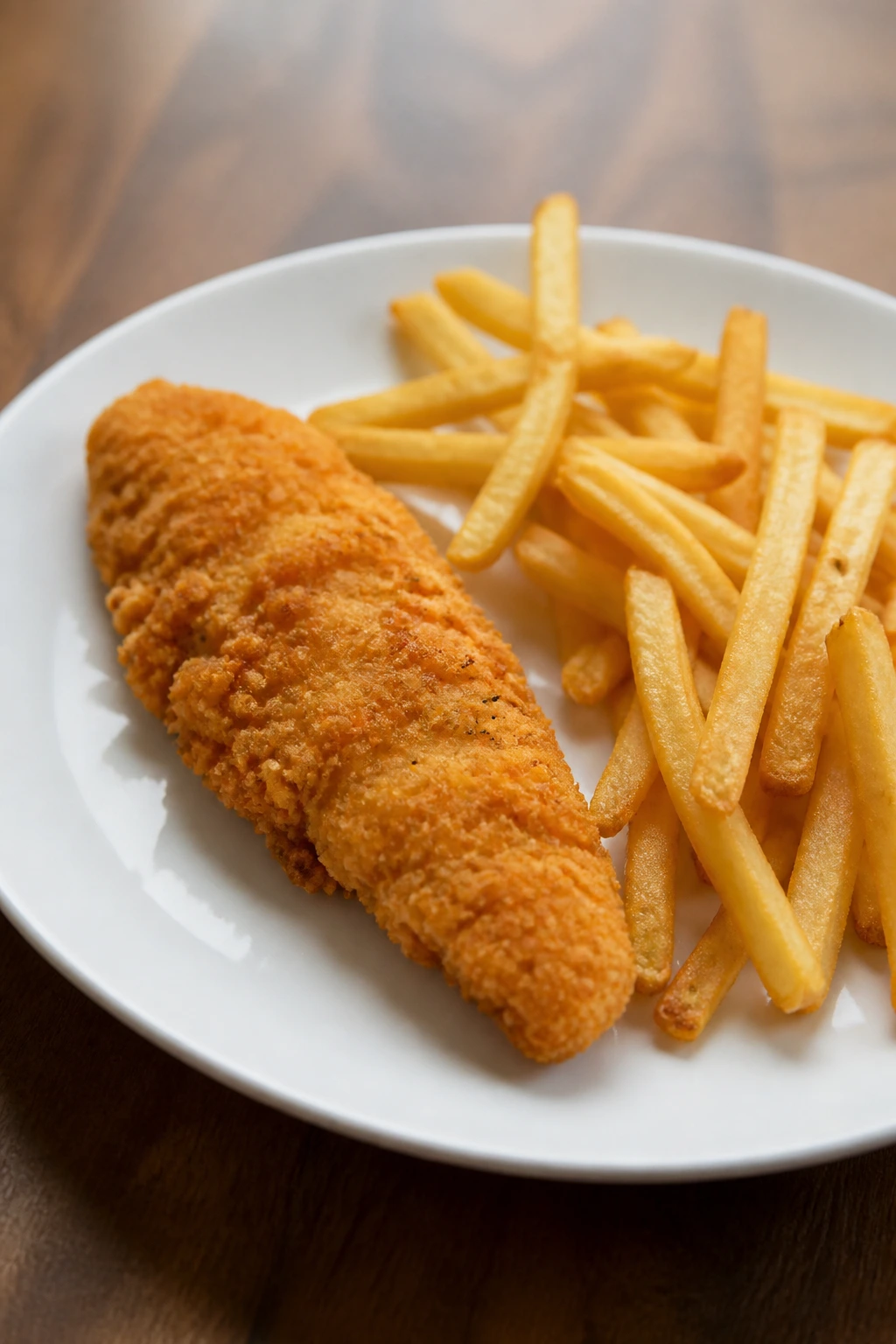
Keep the plate clean and obvious. A chicken tender beside fries looks friendlier than a chicken tender buried under three garnishes. Bowls work well for pasta, rice, and casserole meals because the edges keep food from spreading into a swamp.
Accompaniments:
Set out familiar extras: ketchup, ranch, sour cream, parmesan, pickles, fruit, breadsticks, apple slices, carrot sticks, and mild dips. Use sides that can stay separate. That separation gives picky eaters room to relax.
Portions:
Younger children usually do better with one main item and one side, not a giant all-in plate. Two meatballs, a handful of noodles, or a slider plus fruit is enough for many smaller appetites. Older kids often eat more if the food is handheld or pre-cut into strips.
Beverage Pairing:
Milk works with mac and cheese, chicken tenders, and grilled cheese. Water or lightly flavored sparkling water works with pasta casseroles and taco bowls. If you’re serving a sweeter meal like teriyaki chicken or BBQ potatoes, cold lemonade or apple juice keeps the plate from feeling too heavy.
Additional Tips and Flavor Boosters
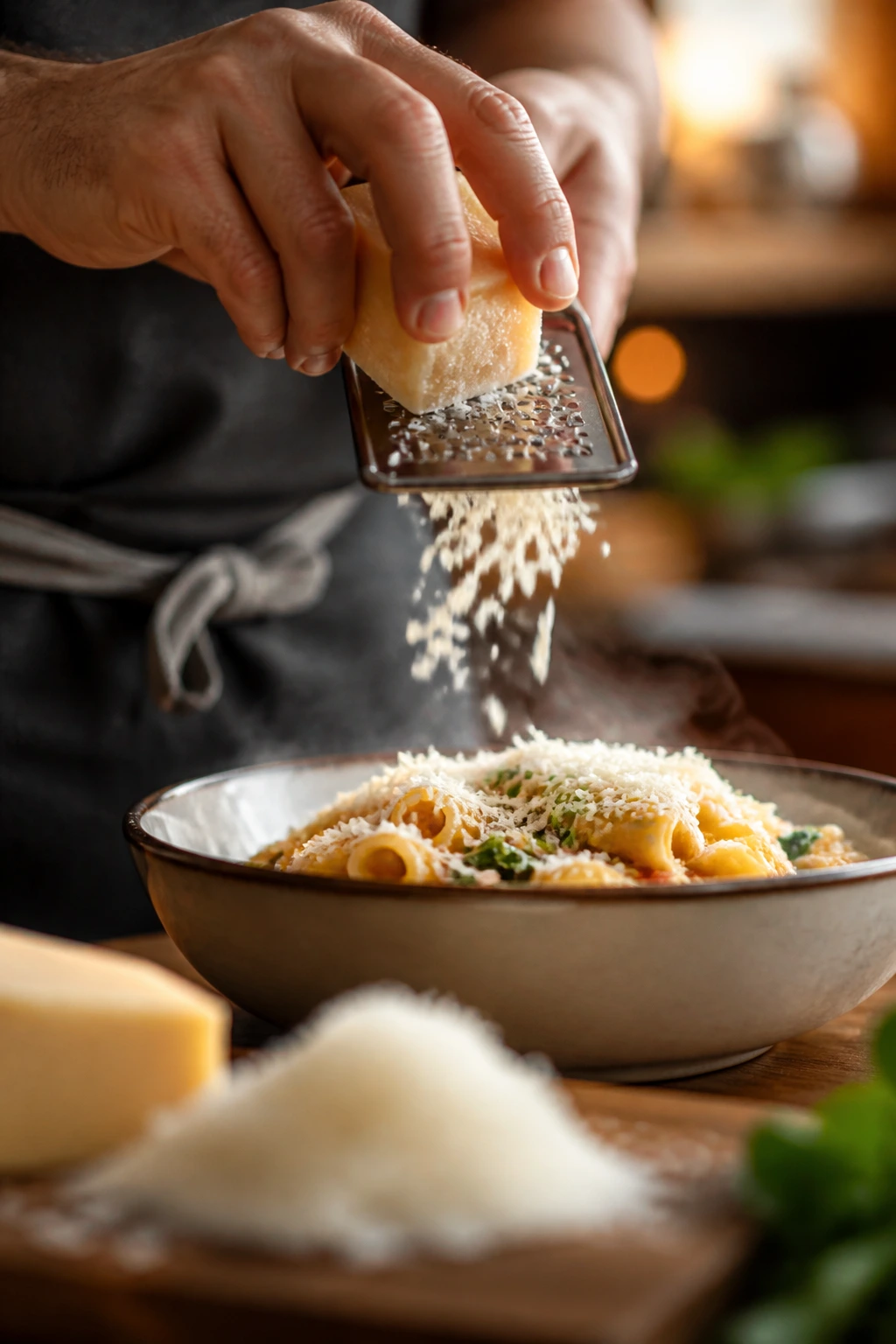
Flavor Enhancement: A tiny finishing touch goes a long way. Parmesan on noodles, a brush of butter on biscuits, or a spoon of warm sauce over chicken can make a meal feel finished without turning it into a project.
Customization: Keep add-ins on the side instead of forcing them into the main pan. Broccoli, pickles, sour cream, green onions, and hot sauce all work better when the family can choose. Choice lowers resistance.
Serving Suggestions: Cut things smaller than you think you need to. Chicken tenders become easier to accept when they’re sliced. Sliders stay less messy when the filling is thick. Meatballs feel friendlier when they’re bite-size.
Make-It-Yours: For dairy-light plates, lean on tomato-based dishes, sheet-pan chicken, and teriyaki bowls. For gluten-free needs, use rice, potatoes, corn tortillas, and gluten-free pasta. For smaller spice tolerance, keep the heat off the table and let adults add it later.
Make-Ahead, Storage, and Reheating Guidance
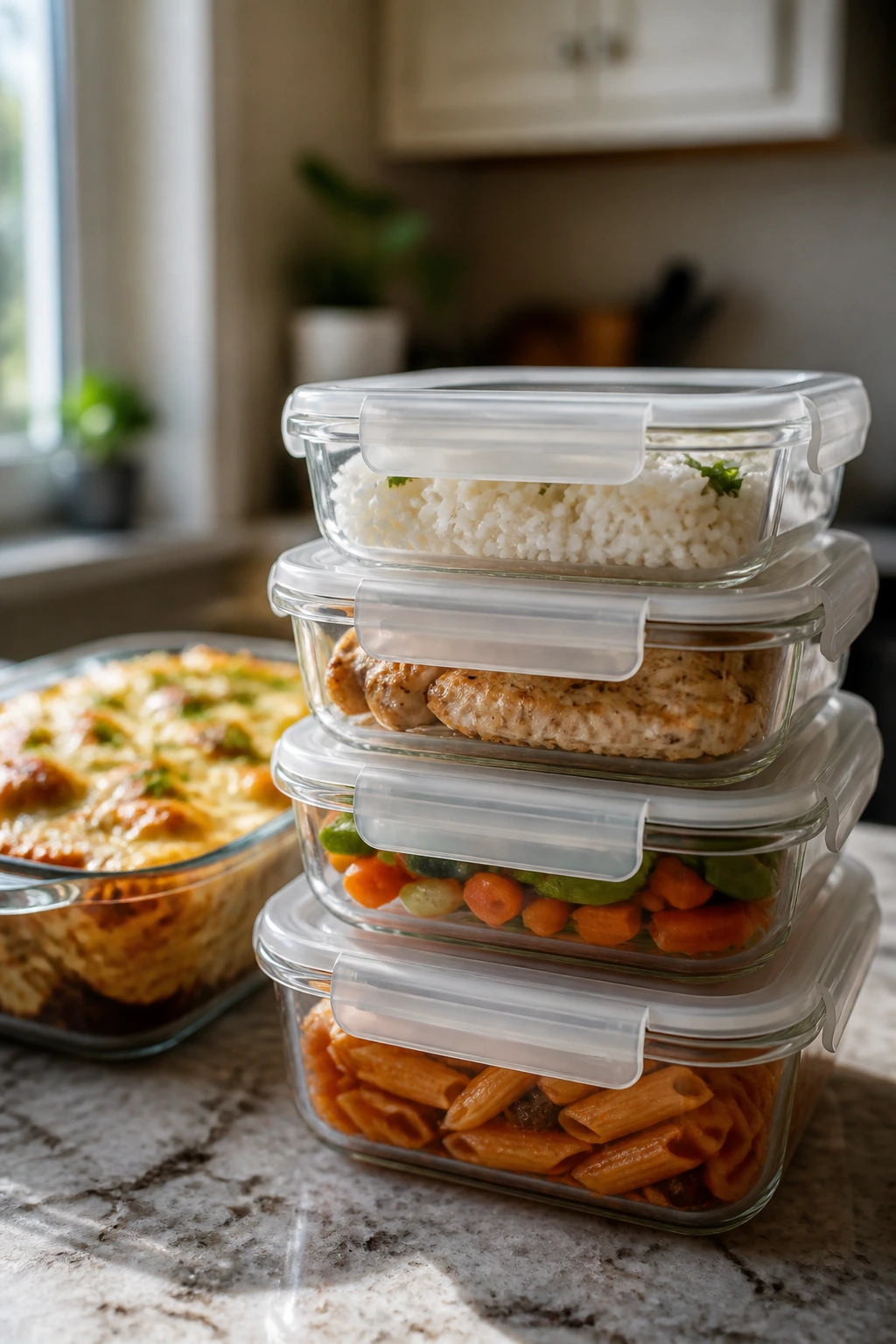
Most of these recipes hold up well for 3 to 4 days in the refrigerator when stored in airtight containers. Pasta bakes, meatballs, taco meat, sloppy joe filling, and chicken casserole all reheat well. The smoother the sauce, the easier the reheat.
For the freezer, aim for up to 2 months on meatballs, casseroles, sloppy joe filling, taco meat, and baked ziti. Cool the food fully before freezing, and freeze in flat containers or zip bags pressed thin. That shape thaws faster and keeps the texture less watery.
Chicken tenders and grilled cheese are different. They’re best fresh, though tenders can be reheated in a 375°F oven or air fryer for 6 to 8 minutes until the crust crisps again. Microwave reheating will work in a pinch, but it softens the breading. I’d skip the microwave if crunch matters.
For pasta casseroles and mac and cheese, reheat covered in the oven at 325°F with a splash of milk stirred in first. That small splash keeps the cheese sauce from drying out. Skillet meals like cheeseburger pasta and one-pot mac can be revived over low heat with a spoonful of broth or milk.
Potato and rice dishes often taste better the next day, especially if they’re not over-sauced. BBQ potatoes and taco rice bowls can be reheated in the microwave, covered, in short bursts. If the rice looks dry, add a teaspoon of water before reheating so it steams instead of hardening.
Variations and Adaptations to Try
The No-Spice Table:
Keep all seasonings gentle and let adults add heat at the table. This works well for chicken tenders, taco bowls, enchilada casserole, and teriyaki bowls. A separate hot sauce bottle solves more problems than one “spicy” pan ever will.
The Cheese-First Swap:
If one child trusts cheese more than sauce, push cheese forward. Use extra cheddar in mac and cheese, cheeseburger pasta, ziti, and broccoli rice casserole. American cheese or mozzarella can soften sharper flavors without making the food taste childish.
Gluten-Free School Night:
Use gluten-free pasta, corn tortillas, rice bowls, potatoes, and gluten-free crumbs where needed. Chicken tenders and meatballs adapt well with GF panko and crumbs. The structure of the meal stays the same, which matters more than people think.
Vegetable-Hiding Mode:
Grate carrots into sauces, chop broccoli small for casseroles, and blend tomato soup smooth. Hidden vegetables work best when they change the texture only a little. If the vegetables announce themselves, the plan is already lost.
Hands-On Dinner Night:
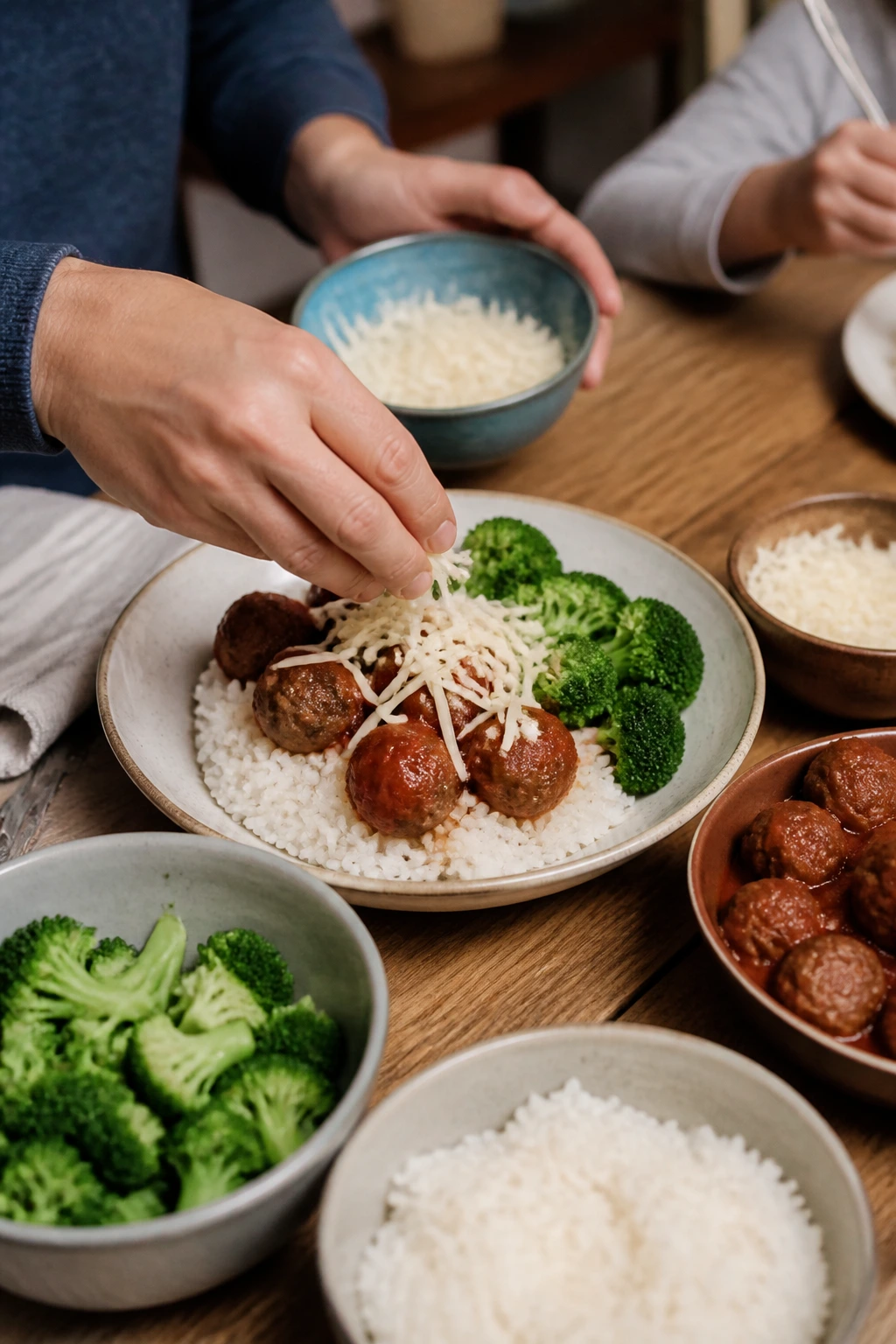
Put the components on the table and let everyone build their own bowl, slider, or pizza. Mini pita pizzas, taco rice bowls, baked potatoes, and sliders all benefit from this. Choice tends to increase bites, and dinner gets calmer when kids feel like they’re part of the setup.
Common Mistakes to Avoid
The biggest mistake is overcomplicating the plate. Too many toppings, too many sauces, or too many mixed ingredients can make a picky eater shut down before the first bite. Use fewer ingredients and let the food taste like itself.
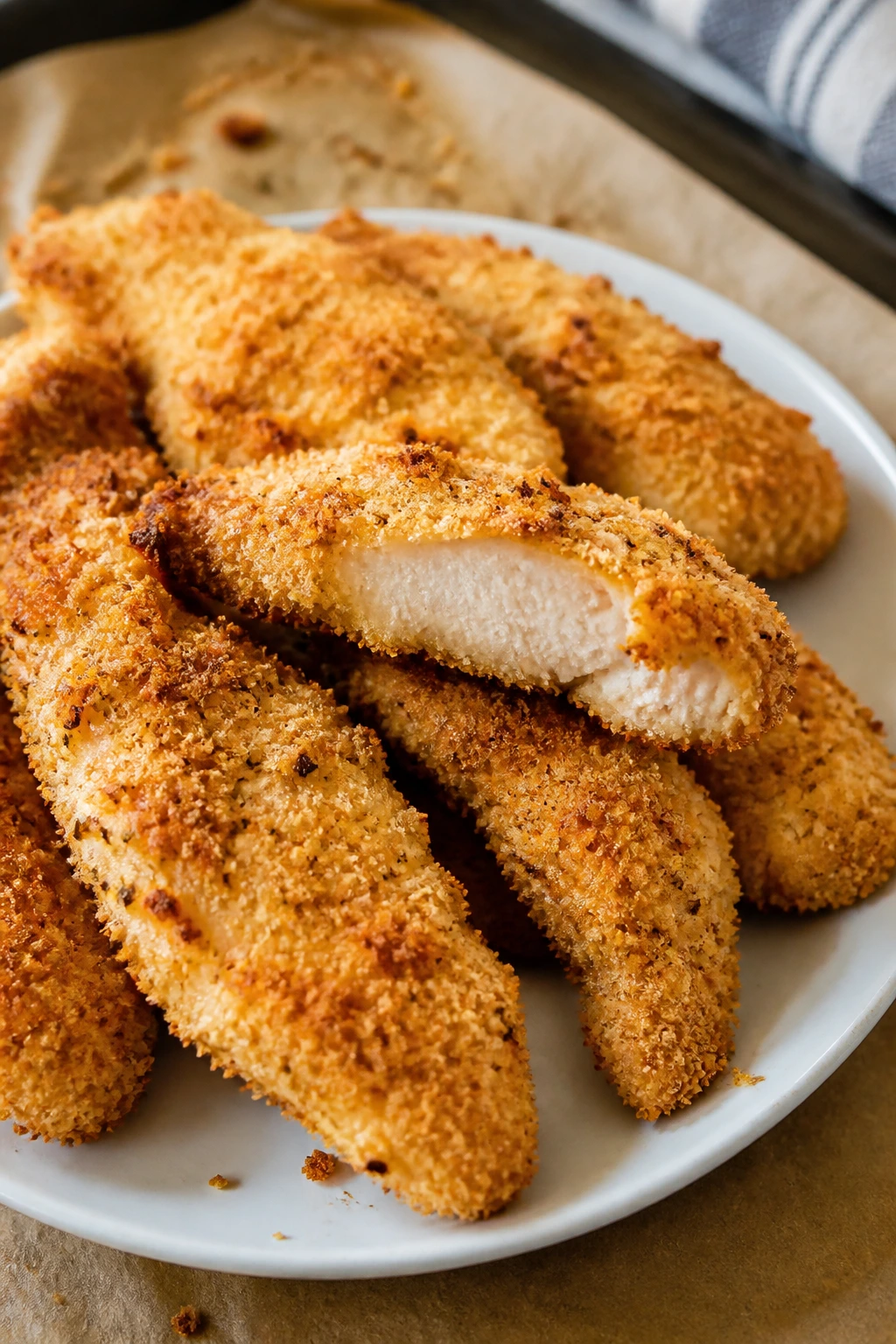
Another common problem is soggy texture. That shows up in chicken tenders baked on a crowded pan, sloppy joe filling that’s too wet, or quesadillas stuffed with too much sauce. The fix is boring but effective: cook off extra liquid, use racks and hot ovens where they matter, and don’t assemble early.
Oversalting happens fast with cheese, processed sauces, broth, and seasoning mixes all at once. A dish can go from kid-friendly to sharp and tiring in one extra shake of salt. Taste as you go, especially with boxed broth and jarred sauce already in the mix.
People also make the mistake of hiding vegetables too aggressively. If you shove in big chunks of carrot or broccoli and call it “hidden,” kids spot the trick instantly. Grate, chop, or blend them small enough that they support the dish instead of interrupting it.
Finally, serving the food too hot can be a silent problem. Children are less likely to eat something that burns the tongue, even if they liked the smell. Let casseroles rest, cut sandwiches into manageable pieces, and cool saucy meals for a minute or two.
Frequently Asked Questions
How do I keep picky eaters from rejecting a meal before they taste it?
Start with familiar shapes and predictable colors. Chicken tenders, sliders, noodles, pizza, rice bowls, and casseroles all read as known foods before anyone takes a bite. Once the plate feels familiar, kids are more likely to try it.
Can I make these meals ahead of time?
Yes, especially the casseroles, meatballs, taco fillings, and pasta bakes. Assemble them earlier in the day, refrigerate, then bake when needed. Just add a few extra minutes in the oven if the dish goes in cold.
What if one child wants plain food and another wants toppings?
Serve the base plain and keep toppings in small bowls. That works for taco bowls, baked potatoes, pizza, noodles, and grilled cheese with soup. Separate toppings solve more table fights than almost any recipe tweak.
Which of these recipes freeze best?
Meatballs, sloppy joe filling, ziti, enchilada casserole, taco meat, and mac and cheese all freeze well. Chicken tenders and grilled cheese do not keep their best texture after freezing. Save those for fresh cooking or short-term fridge storage.
How can I add vegetables without making dinner look “healthy” in a bad way?
Use very small cuts and mix them into sauces, casseroles, and meat mixtures. Grated carrot in spaghetti, chopped broccoli in rice casserole, and corn in taco bowls are easy wins. The key is to support the meal, not announce the vegetable.
What’s the best way to reheat pasta without drying it out?
Add a splash of milk, broth, or water before reheating, then cover the dish. Oven reheating at a lower temperature works best for casseroles, while skillet meals do better over low heat on the stove. A microwave is fine for small portions if you stir halfway through.
Can I swap ground turkey for beef in most of these recipes?
Usually, yes. Turkey works well in meatballs, taco bowls, sloppy joes, and baked ziti, but it needs enough seasoning and a little fat so the flavor doesn’t get thin. If the recipe feels dry, add a spoonful of oil, sauce, or cheese.
My child hates mixed textures. Which meals should I start with?
Chicken tenders, buttered noodles, grilled cheese with tomato soup, sliders, and mini pita pizzas are the least likely to trigger a texture objection. Those meals keep the parts separate and the textures easy to understand. Casseroles usually work later, after trust builds.
Are these meals good for toddlers?
Several are, with small adjustments. Cut chicken tenders, meatballs, sliders, and potatoes into small bites, and keep sauces mild. Watch salt levels, cool the food a bit before serving, and choose soft textures that don’t require much chewing.
What if my family wants spice but one child absolutely does not?
Keep the base mild and add spice at the table. Extra hot sauce, red pepper flakes, jalapeños, or spicy seasoning can sit beside the meal without touching the child’s plate. That’s the cleanest way to keep everyone fed without making two separate dinners.
The Dinner Truce
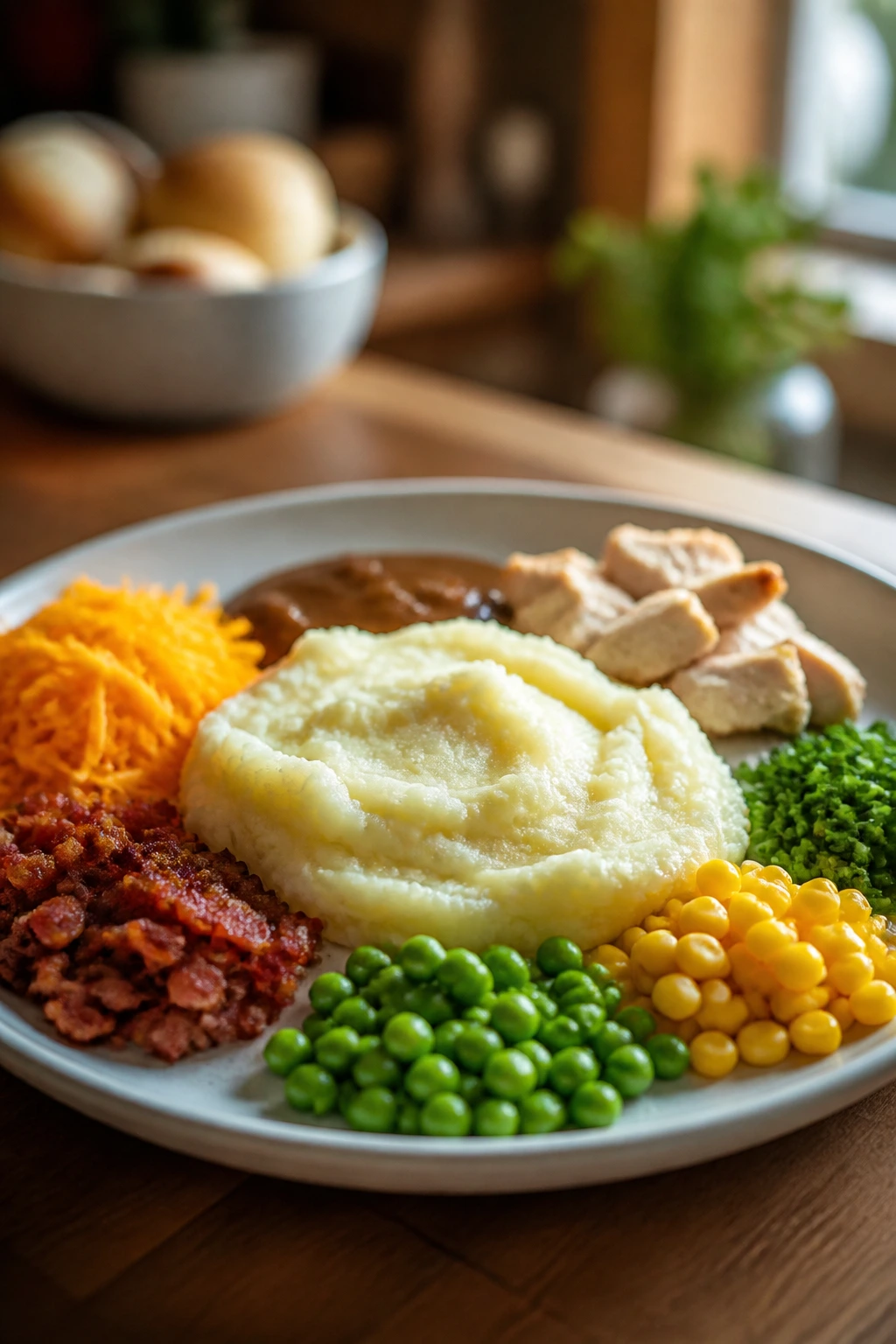
The best family dinners for picky eaters don’t try to win a contest against the kids. They meet them where they are: familiar shapes, mild flavors, separate toppings, and enough crunch or melt to make the first bite feel safe. That’s why these meals keep coming back into real kitchens. They’re not flashy. They get eaten.
If you keep one eye on texture and another on how a plate looks before the fork goes in, dinner gets easier fast. Start with the familiar, add the vegetables quietly when you can, and let kids choose a few pieces for themselves. That little bit of control changes more than most people expect.