



Quick easy meals for picky eaters have a funny problem: adults keep trying to make them “better,” and kids keep voting for plain pasta, toasted bread, and cheese that melts in long stretchy ribbons. The winning dinner is usually the one that looks familiar before the first bite. A clean triangle of quesadilla. A buttery noodle nest. A slider with soft bread and no surprise crunch in the middle.
That’s the practical truth behind feeding picky kids. They often care less about flavor “complexity” than about control, shape, texture, and whether the sauce is touching everything at once. Separate the parts, keep the seasoning mild, and give them something warm with a crisp edge or a creamy center, and the table gets quieter. Fast.
The recipes below are built around that very specific kind of peace. No dramatic hidden-vegetable theater. No twelve-step chef move that turns a Tuesday night into a science project. Just meals that come together fast, taste familiar, and give you a real shot at hearing, “Can I have seconds?” without bribery.
Why These Dinners Keep the Table Quiet
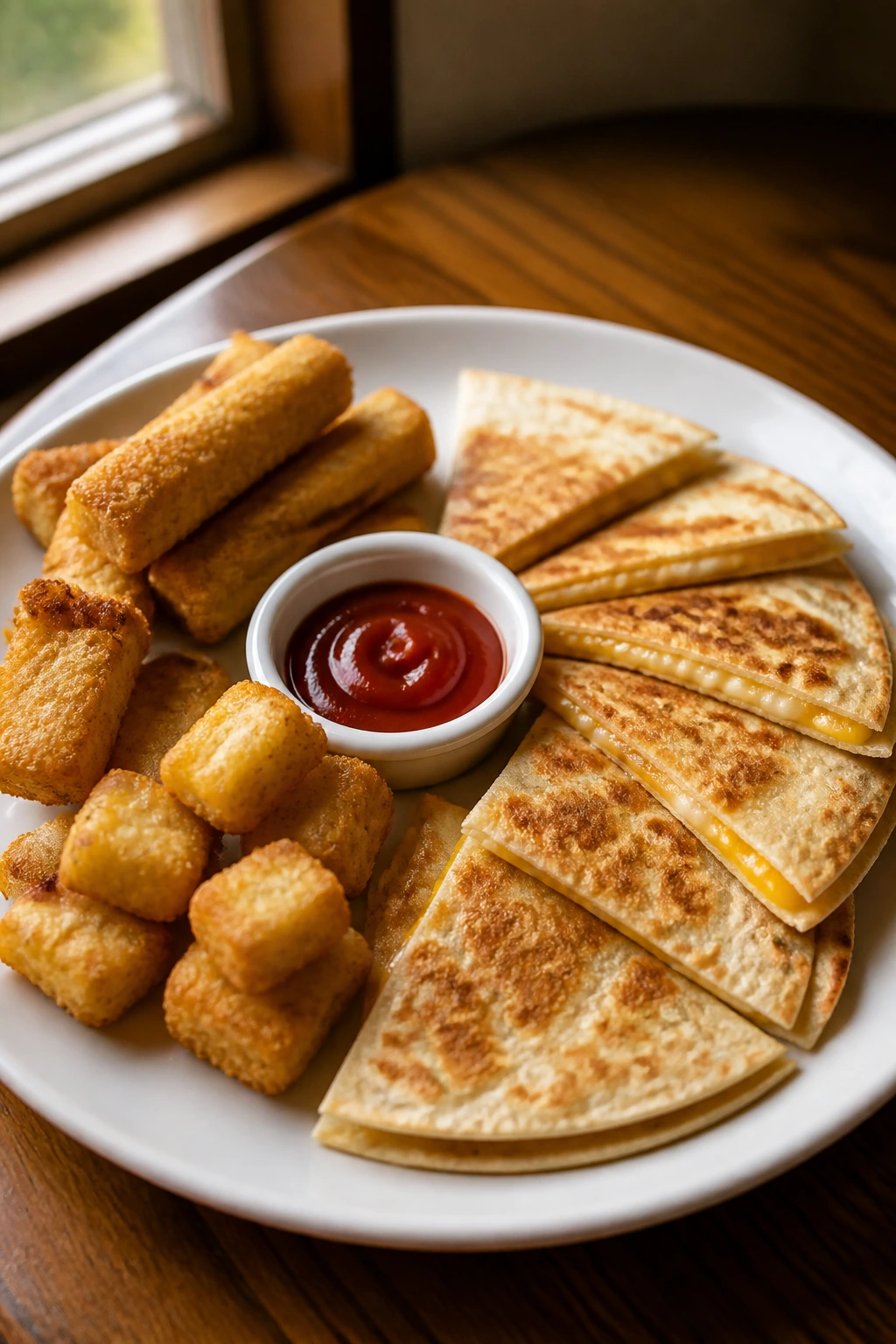
-
Familiar Shapes: Triangles, noodles, sliders, sticks, and bites feel safer than a bowl of mystery mash, which is why these meals lean hard on forms kids already trust.
-
Mild, Not Bland: The recipes keep spice low and seasoning simple, but they still use enough salt, butter, cheese, or sauce to taste like dinner instead of plain filler.
-
One Safe Food per Plate: Every meal includes at least one obvious “yes” food — bread, pasta, rice, cheese, or chicken — so a picky kid can start there and branch out if they want to.
-
Fast Enough for Real Life: Most of these take about 20 to 35 minutes, and the few that bake need very little hands-on time.
-
Easy to Split Up: If one child wants plain noodles and another wants sauce, these meals let you separate the parts without cooking two different dinners.
-
Leftovers Still Make Sense: A lot of picky-eater meals collapse once they sit in the fridge. These hold up because they reheat into something recognizable, not sad and soggy.
1. Cheesy Scrambled Egg Quesadillas
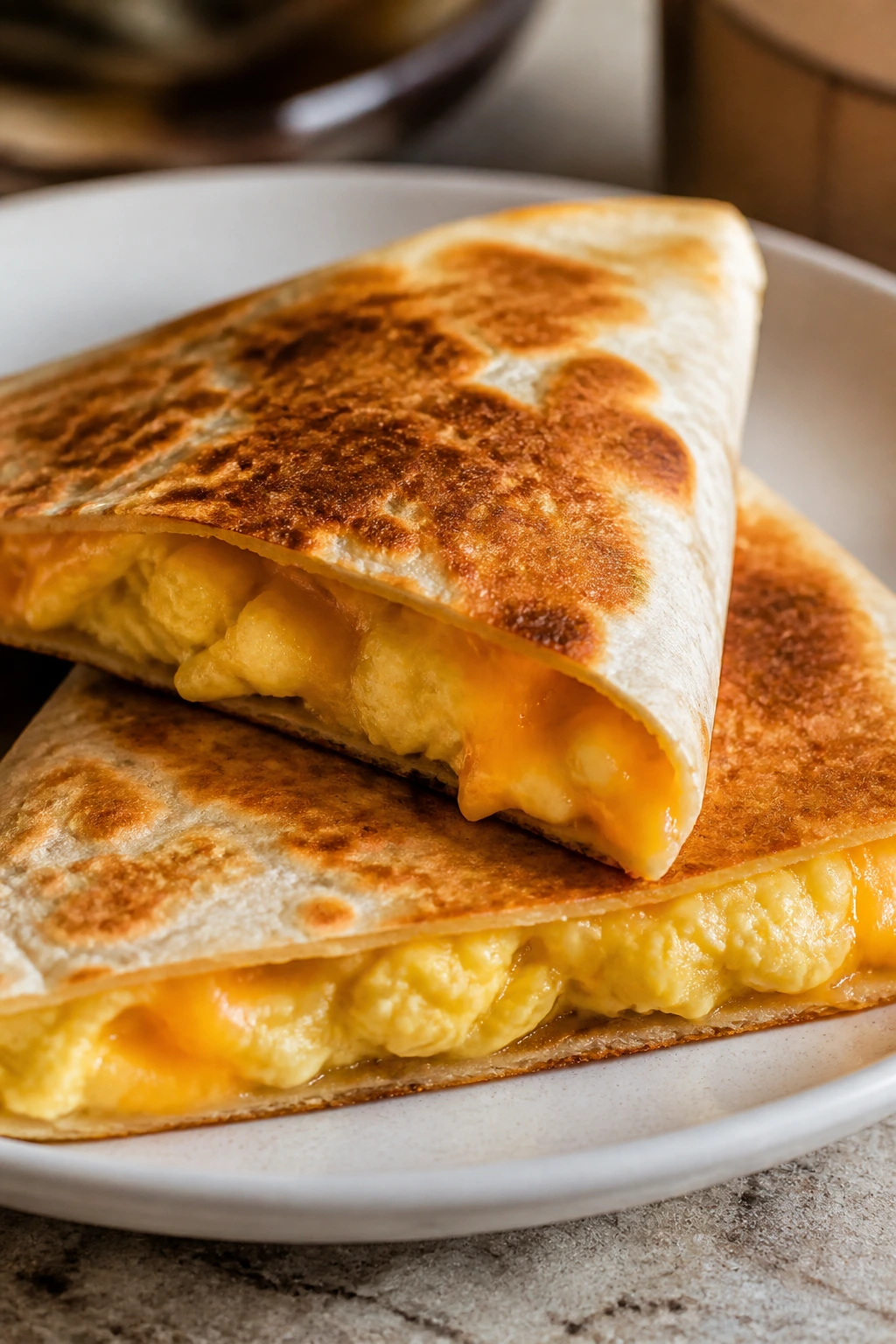
Soft scrambled eggs tucked inside a toasted tortilla are one of those meals that disappear fast because they don’t ask for much. The edges get crisp, the cheese turns into glue, and the whole thing slices into neat triangles that are easy for small hands.
Why It Works:
Eggs can be a tough sell when they’re dry or bouncy. Here, they stay soft and mild, and the tortilla gives the whole thing a familiar shell. Keep the heat low and the filling modest, and the cheese melts before the tortilla burns.
Key Ingredients:
- 4 large eggs
- 2 tablespoons whole milk
- 1/4 teaspoon fine salt
- 1 tablespoon butter
- 2 8-inch flour tortillas
- 1 cup shredded mild cheddar cheese
- 2 tablespoons sour cream or ketchup for serving
Quick Steps:
- Whisk the eggs, milk, and salt in a small bowl until the mixture looks smooth and pale yellow.
- Melt the butter in a 10-inch nonstick skillet over medium-low heat.
- Add the eggs and stir slowly with a spatula for 2 to 3 minutes, until the curds are soft and still look a little glossy.
- Lay one tortilla in the skillet, sprinkle on half the cheese, spoon the eggs over it, then add the rest of the cheese and the second tortilla.
- Cook for 1 to 2 minutes per side, pressing lightly, until the tortilla is golden and the cheese has melted.
- Rest for 1 minute, then cut into wedges.
Equipment for This Recipe:
- 10-inch nonstick skillet
- Silicone spatula
- Small mixing bowl
- Whisk
- Cutting board and sharp knife
How to Serve This Dish:
Cut the quesadilla into 4 wedges and tuck them on a plate with apple slices or grapes. A tiny bowl of ketchup or sour cream on the side keeps the meal friendly and familiar.
Pro Tips for This Recipe:
- Keep the eggs slightly underdone in the skillet; they finish inside the quesadilla.
- Use mild cheddar or Monterey Jack if sharper cheese tends to put kids off.
- Let the quesadilla sit for a minute before cutting so the cheese doesn’t gush out.
- If your tortillas are stiff, warm them for 10 seconds in the microwave first so they fold cleanly.
Variations on This Dish:
- Breakfast Taco Version: Add 2 tablespoons of finely chopped cooked bacon and a spoonful of salsa if your kid likes a little more flavor.
- Plain Cheese Rescue: Skip the eggs and make a simple cheese quesadilla when the mood is extra picky.
- Gluten-Free Swap: Use gluten-free tortillas, but warm them first so they don’t crack at the fold.
Common Mistakes to Avoid with This Dish:
- Cooking the eggs on high heat: They turn dry and grainy fast. Low heat keeps them soft.
- Overfilling the tortilla: Too much filling makes the quesadilla split open before the cheese sets.
- Cutting it right away: The cheese needs a short rest or it slides everywhere.
2. Buttered Parmesan Noodles
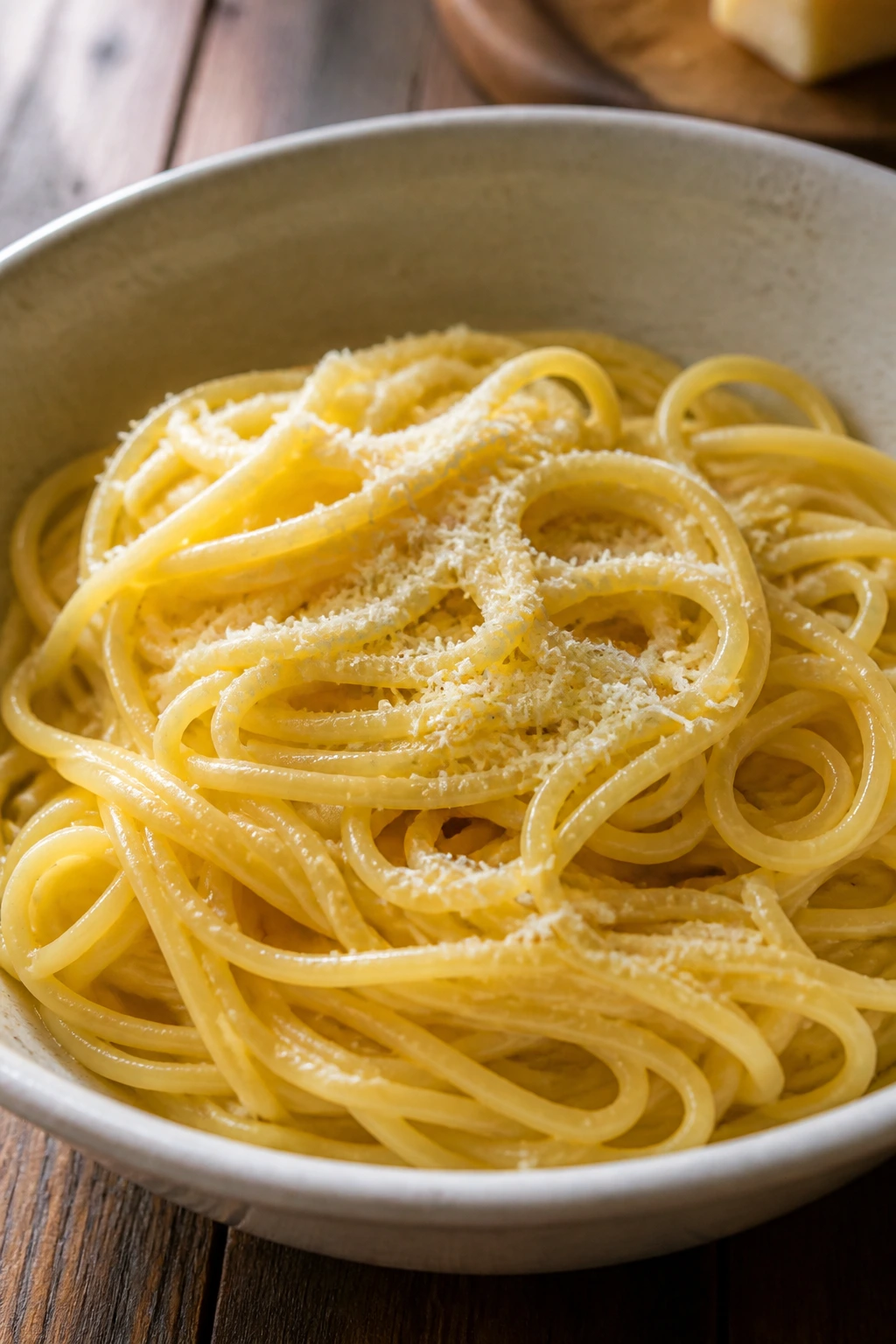
This is the dinner equivalent of a deep breath. Noodles, butter, parmesan, salt. That’s it, and that’s exactly why it works when a child is tired, hungry, and done negotiating. The shine from the butter matters here; the noodles should look glossy, not greasy.
Why It Works:
Picky eaters often trust plain pasta because every bite is the same. Butter and parmesan add flavor without changing the texture into anything weird. A little reserved pasta water makes the sauce cling instead of pooling in the bottom of the bowl.
Key Ingredients:
- 8 ounces spaghetti or angel hair
- 3 tablespoons unsalted butter
- 1/2 cup finely grated parmesan cheese
- 1/4 teaspoon fine salt
- 1/8 teaspoon garlic powder, optional
- 2 to 4 tablespoons reserved pasta water
- 1 tablespoon chopped parsley, optional
Quick Steps:
- Bring a medium pot of salted water to a boil and cook the pasta until just tender, about 8 to 10 minutes.
- Reserve 1/2 cup of the pasta water, then drain the noodles.
- Return the hot pasta to the pot over low heat.
- Add the butter, parmesan, salt, and garlic powder if using.
- Toss for 30 to 60 seconds, adding 1 tablespoon of pasta water at a time until the sauce turns silky and coats the noodles.
- Serve right away with more parmesan on top.
Equipment for This Recipe:
- Medium pot
- Colander
- Wooden spoon or tongs
- Measuring cups
- Microplane or fine grater
How to Serve This Dish:
Pile the noodles into a shallow bowl and finish with a tiny rain of parmesan. It goes well with peas, sliced cucumbers, or plain roasted chicken if you want to turn it into a bigger meal.
Pro Tips for This Recipe:
- Grate the parmesan finely so it melts instead of clumping.
- Salt the pasta water well; otherwise the noodles taste flat no matter how much cheese you add.
- Butter goes in while the pasta is hot, not after it cools.
- Angel hair cooks fast, which helps on nights when dinner needs to happen now.
Variations on This Dish:
- Lemon Butter Noodles: Add 1 teaspoon lemon zest for a brighter finish that still stays gentle.
- Cheesy Pea Version: Stir in 1/2 cup thawed peas during the last minute of tossing.
- Dairy-Free Swap: Use dairy-free butter and a parmesan-style topping made for melting.
Common Mistakes to Avoid with This Dish:
- Dumping in dry parmesan: It turns clumpy. Use finely grated cheese and hot pasta.
- Skipping the pasta water: The sauce can look greasy instead of glossy.
- Overcooking the noodles: Soft pasta gets mushy fast once it sits in butter.
3. Mini Chicken and Cheese Sliders
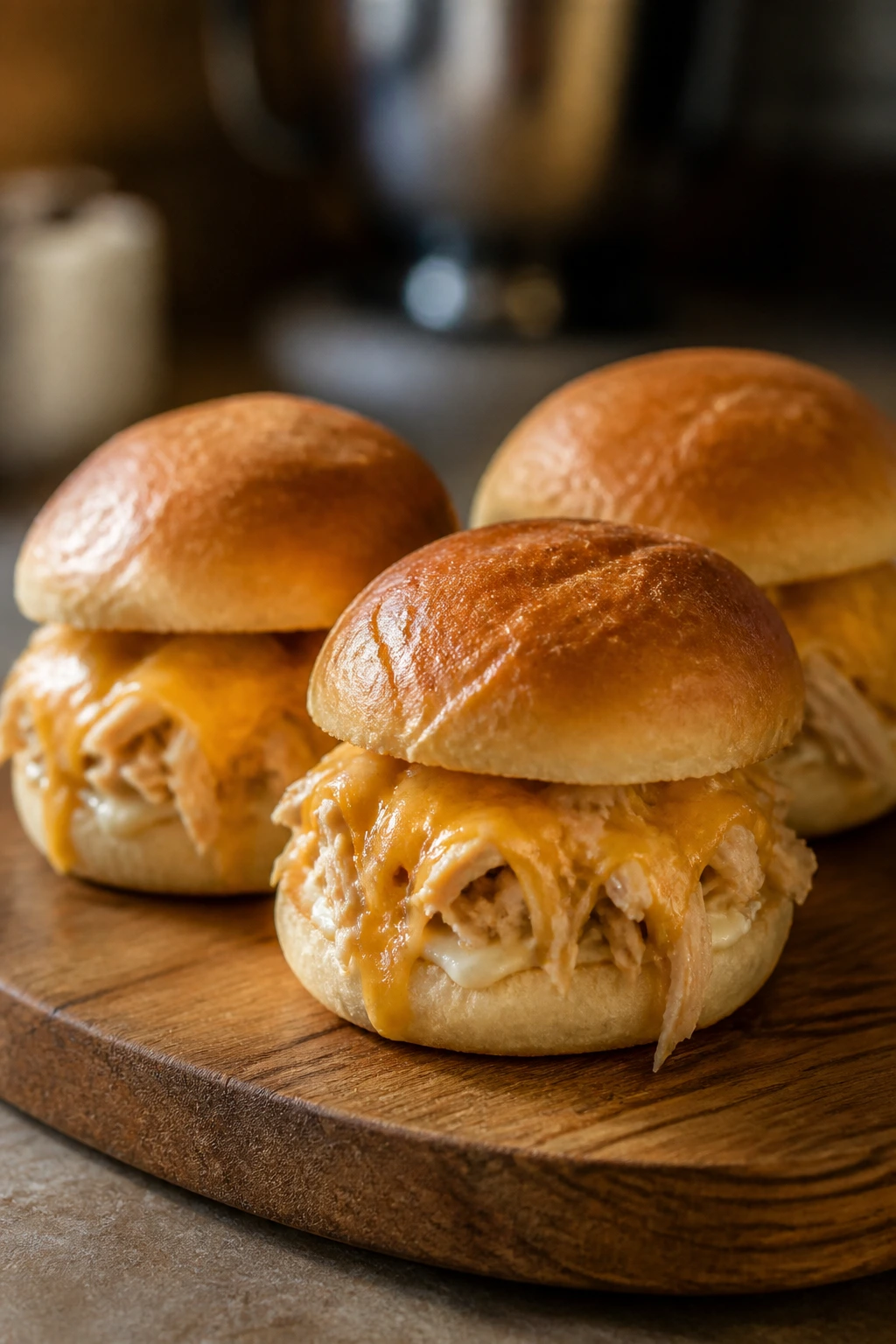
Soft rolls, shredded chicken, and melted cheese make these little sandwiches feel more like a snack than a sermon. Kids who reject “chicken dinner” often accept the same chicken tucked into bread because the texture is calmer and the shape makes sense.
Why It Works:
This meal keeps every bite simple: bread, chicken, cheese, butter. The rolls get toasted on top while the filling stays soft underneath, which gives you that nice contrast picky eaters tend to accept. Use rotisserie chicken and you cut the work down to almost nothing.
Key Ingredients:
- 12 slider rolls
- 2 cups shredded cooked chicken
- 1 1/2 cups shredded mozzarella cheese
- 2 tablespoons mayonnaise
- 1 tablespoon yellow mustard, optional
- 3 tablespoons melted butter
- 1 teaspoon garlic powder
- 1 teaspoon dried parsley
Quick Steps:
- Preheat the oven to 350°F and lightly grease a 9×13-inch baking dish.
- Split the slider rolls in half and place the bottom halves in the dish.
- Mix the chicken with mayonnaise and mustard if using, then spread it over the rolls.
- Sprinkle on the mozzarella and set the tops in place.
- Stir the melted butter with garlic powder and parsley, then brush it over the tops.
- Bake for 12 to 15 minutes, until the cheese melts and the tops turn golden.
Equipment for This Recipe:
- 9×13-inch baking dish
- Mixing bowl
- Pastry brush
- Sharp knife
- Foil
How to Serve This Dish:
Serve two sliders per child with carrot sticks, fruit, or a handful of plain chips. They hold well on a plate and do not need a fork, which is half the battle.
Pro Tips for This Recipe:
- Use rolls with a soft crumb, not crusty buns.
- Shred the chicken finely so it spreads evenly and doesn’t fall out.
- Cover with foil for the first 8 minutes if your oven browns quickly.
- Brush the butter on top only; too much on the bottom makes the rolls soggy.
Variations on This Dish:
- BBQ Chicken Sliders: Swap the mayo for 1/4 cup barbecue sauce if your kids like sweet smoke.
- Ham and Cheese Shortcut: Replace the chicken with thin sliced ham and use Swiss or cheddar.
- Plain Cheese Slides: Make them with just mozzarella for a super-safe version.
Common Mistakes to Avoid with This Dish:
- Packing the filling too thick: The rolls slide apart. Keep it thin and even.
- Using wet chicken: It makes the bread gummy. Drain any excess liquid first.
- Baking uncovered the whole time: The tops can dry out before the cheese melts.
4. Baked Chicken Tenders with Honey Mustard Dip
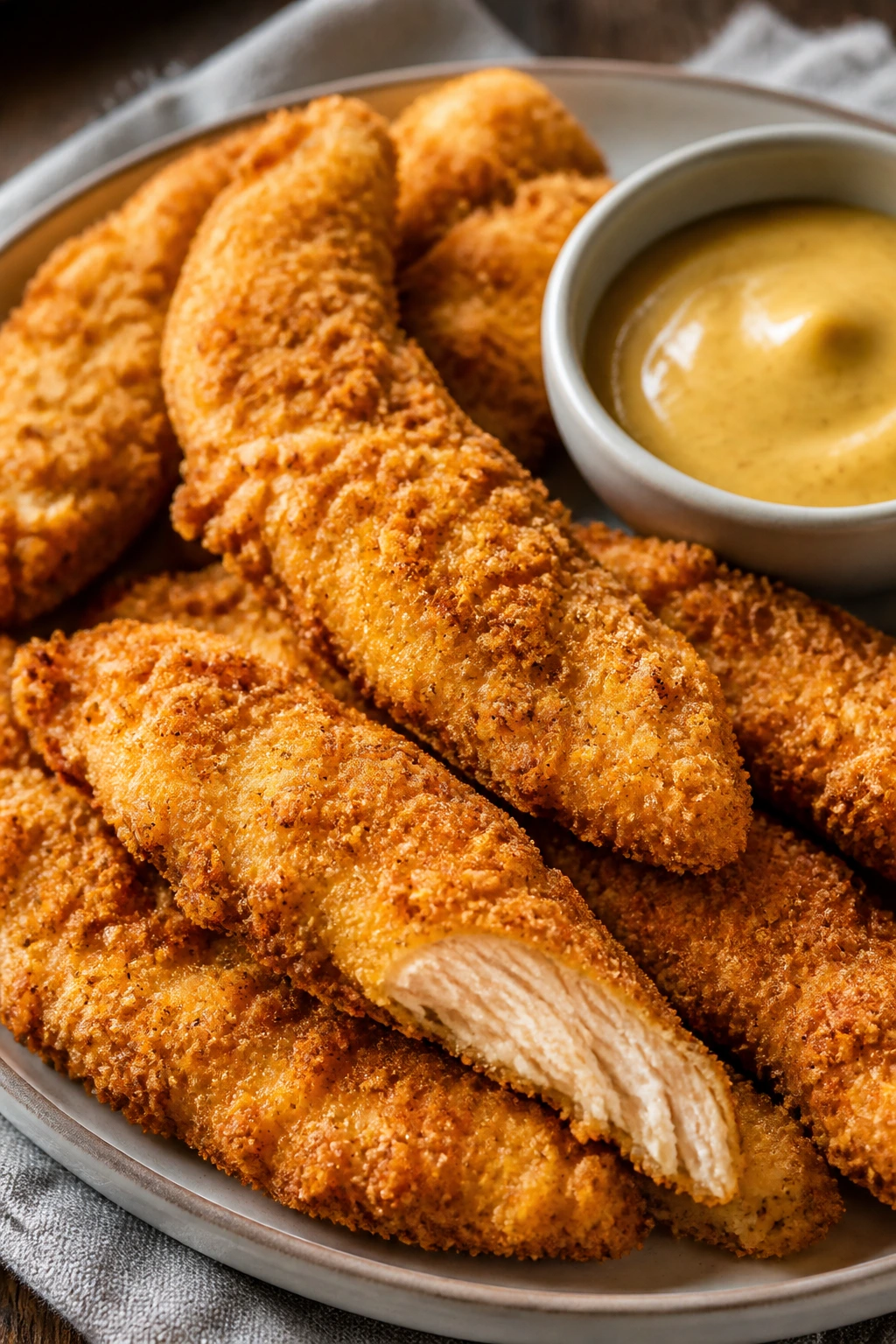
Crispy edges, juicy centers, and a dip that tastes sweet first and tangy second. That little bit of sweetness matters. It gives kids something familiar to chase the chicken with, and the breadcrumb coating keeps the texture steady from first bite to last.
Why It Works:
Chicken tenders are a classic safe food because they’re easy to hold, dunk, and eat in pieces. Baking instead of frying keeps the kitchen calmer, but a hot oven and a light oil spray still give you the crunch kids expect. The dip does the heavy lifting for flavor without getting bossy.
Key Ingredients:
- 1 1/2 pounds chicken tenders
- 1 cup all-purpose flour
- 2 large eggs
- 2 tablespoons milk
- 2 cups panko breadcrumbs
- 1 teaspoon salt
- 1/2 teaspoon paprika
- 2 tablespoons olive oil or cooking spray
For the Dip:
- 1/4 cup mayonnaise
- 2 tablespoons yellow mustard
- 2 tablespoons honey
Quick Steps:
- Preheat the oven to 425°F and line a baking sheet with parchment paper.
- Set up three shallow bowls: flour in one, beaten eggs and milk in the second, panko mixed with salt and paprika in the third.
- Dredge each chicken tender in flour, then egg, then panko, pressing the crumbs on firmly.
- Place the tenders on the baking sheet, mist with oil, and bake for 16 to 20 minutes, flipping halfway through.
- Stir the dip ingredients together in a small bowl.
- Serve once the chicken reaches 165°F and the coating looks deep golden.
Equipment for This Recipe:
- Rimmed baking sheet
- Parchment paper
- Three shallow bowls
- Tongs
- Instant-read thermometer
How to Serve This Dish:
Pair the tenders with fries, peas, or apple slices and keep the dip on the side. Kids usually like control over the dunking part, and that matters more than people admit.
Pro Tips for This Recipe:
- Press the crumbs onto the chicken or they’ll fall off in the oven.
- Use panko, not fine breadcrumbs, for better crunch.
- Don’t crowd the tray; hot air needs room around each piece.
- Check for doneness with a thermometer, because overcooked tenders get stringy.
Variations on This Dish:
- Parmesan Crust Tenders: Add 1/3 cup grated parmesan to the panko.
- Plain Salted Version: Skip the paprika and serve with ketchup if spice is a problem.
- Air Fryer Route: Cook at 400°F for about 10 to 12 minutes, flipping once.
Common Mistakes to Avoid with This Dish:
- Skipping the flour layer: The coating won’t stick well.
- Using too much oil: The breading can turn greasy instead of crisp.
- Cutting into the chicken too early: Let the juices settle for 3 minutes after baking.
5. Mild Taco Rice Bowls
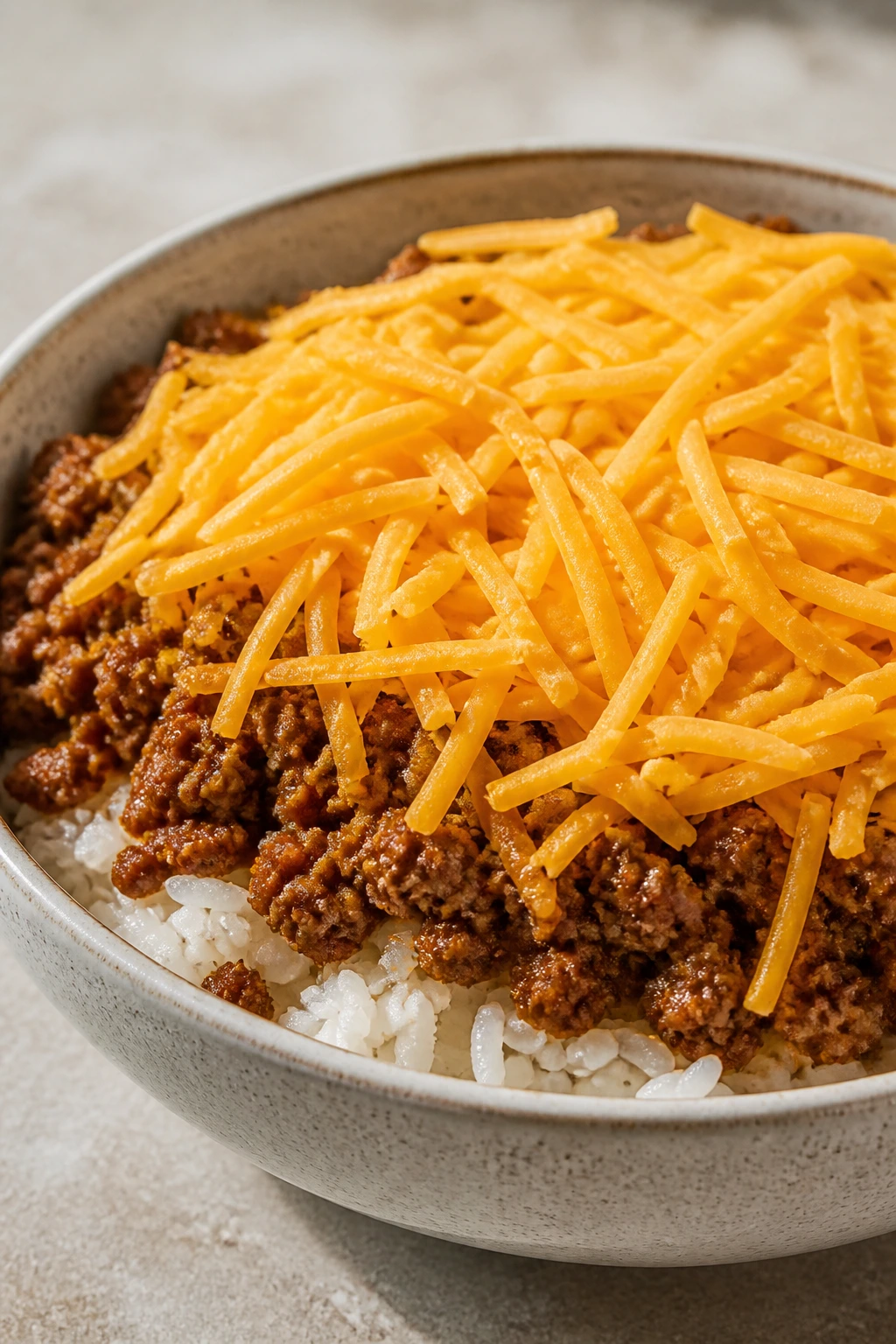
A taco bowl can be a picky eater’s friend if you keep it calm. Rice on the bottom, seasoned meat in the middle, cheese on top. Each part stays visible, which matters when a child wants to know exactly what they’re eating before it reaches their mouth.
Why It Works:
This meal is built in layers, so kids can choose what touches what. The seasoning stays mild, and the rice gives a soft base that cools the whole bowl down. Serve the toppings separately and it feels less like “mixed food” and more like a choose-your-own plate.
Key Ingredients:
- 1 pound ground beef or ground turkey
- 1 tablespoon olive oil
- 1 packet mild taco seasoning
- 1/2 cup water
- 3 cups cooked white rice
- 1 cup shredded cheddar cheese
- 1 cup shredded lettuce, optional
- 1/2 cup diced tomatoes, optional
- 1/4 cup sour cream
Quick Steps:
- Heat the olive oil in a large skillet over medium heat.
- Add the ground beef and cook for 6 to 8 minutes, breaking it up until no pink remains.
- Stir in the taco seasoning and water, then simmer for 2 to 3 minutes until the mixture looks thick.
- Spoon the rice into bowls and top with the meat.
- Add cheese and any extra toppings in small piles, not all mixed together.
- Finish with sour cream and serve warm.
Equipment for This Recipe:
- Large skillet
- Wooden spoon
- Rice cooker or saucepan
- Serving bowls
- Small spoon for toppings
How to Serve This Dish:
Set the bowl up like a little food bar. Some kids will take the lettuce, some won’t, and that’s fine; the bowl still works because the rice, meat, and cheese do the main job.
Pro Tips for This Recipe:
- Choose mild taco seasoning, not “hot,” or the whole bowl can turn into a negotiation.
- Drain the meat if it releases a lot of fat.
- Keep toppings in separate piles so kids can see every part.
- White rice is usually safer than brown rice for picky textures.
Variations on This Dish:
- Cheesy Bean Bowl: Add 1/2 cup rinsed black beans if your kid likes them.
- Chicken Taco Bowl: Use shredded rotisserie chicken and warm it with the seasoning.
- Snack Plate Version: Skip the bowl and serve the parts separately with tortilla chips.
Common Mistakes to Avoid with This Dish:
- Making the meat too spicy: A little heat hides nothing in a child’s mouth.
- Overloading the bowl: Too many toppings make it feel like a salad.
- Using dry rice: Slightly fluffy rice is easier to eat with a spoon.
6. Classic Grilled Cheese with Tomato Soup
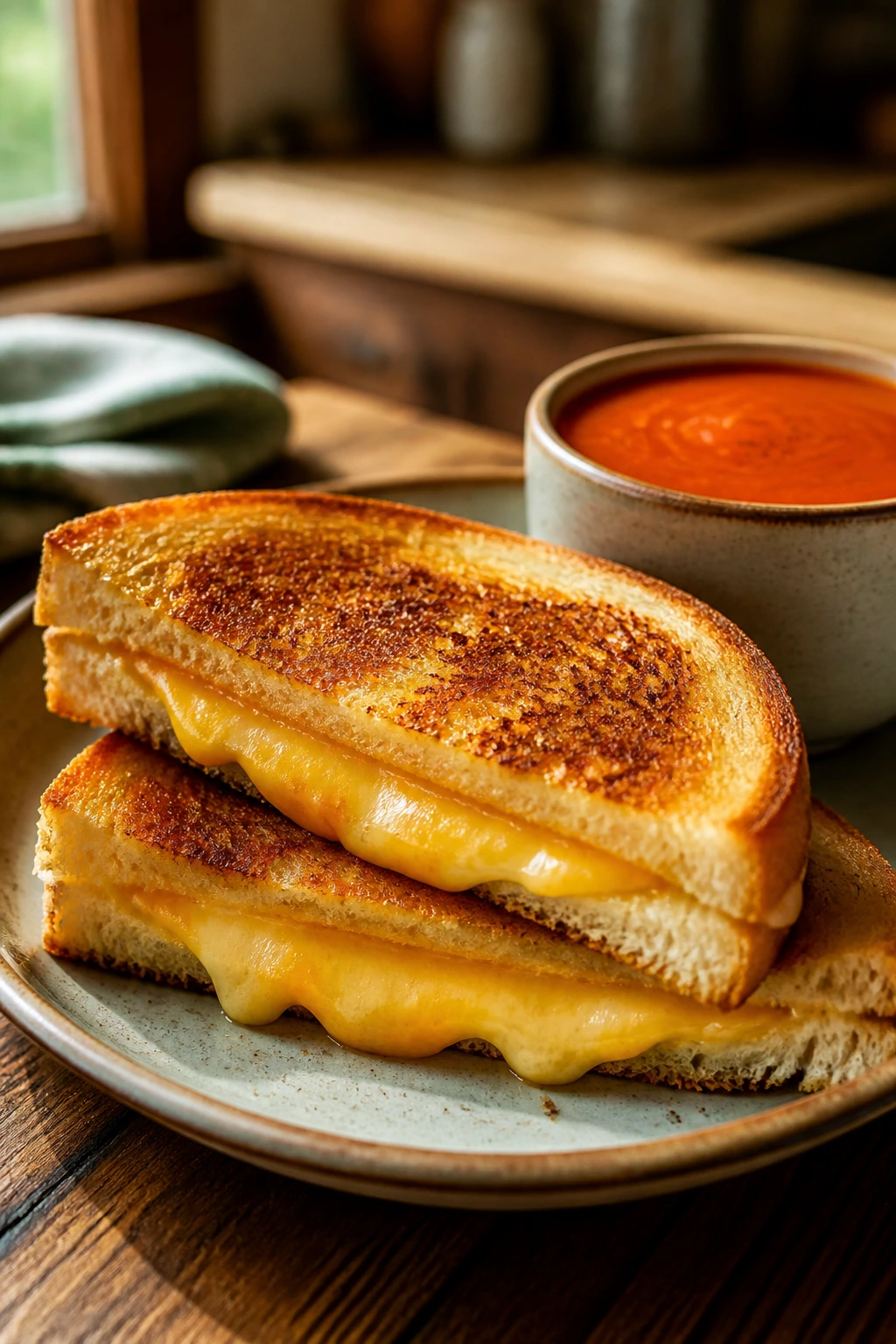
This is the old reliable combo for a reason. Crisp bread, molten cheese, and a smooth tomato soup for dipping or sipping. The key is keeping the soup velvety and the sandwich golden, not dark brown and bitter on the edges.
Why It Works:
Grilled cheese feels safe because the ingredients are obvious and the texture is predictable. Tomato soup gives the meal warmth without adding chew or surprise. Kids who resist tomato chunks often accept soup when it’s blended smooth and served in a small mug for dipping.
Key Ingredients:
- 4 slices sandwich bread
- 4 slices American cheese or 1 cup shredded cheddar
- 2 tablespoons softened butter
For the Soup:
- 1 tablespoon olive oil
- 1/2 small onion, finely chopped
- 2 cloves garlic, minced
- 1 (28-ounce) can crushed tomatoes
- 1 cup chicken broth or vegetable broth
- 1/2 cup milk or half-and-half
- 1/2 teaspoon salt
- 1/4 teaspoon sugar
Quick Steps:
- Start the soup by warming the olive oil in a saucepan over medium heat.
- Cook the onion for 4 to 5 minutes, then add the garlic for 30 seconds.
- Add the tomatoes, broth, salt, and sugar, then simmer for 15 minutes.
- Blend until smooth, stir in the milk, and keep warm on low heat.
- Butter the bread, fill with cheese, and cook in a skillet over medium-low heat for 3 to 4 minutes per side.
- Slice and serve with the soup.
Equipment for This Recipe:
- Saucepan
- Blender or immersion blender
- Skillet
- Spatula
- Ladle
How to Serve This Dish:
Cut the sandwich into fingers or triangles and serve the soup in a small bowl so kids can dip without making a mess. A few crackers on the side are not fancy, but they work.
Pro Tips for This Recipe:
- Use American cheese if you want the smoothest melt.
- Keep the pan at medium-low so the bread browns while the cheese melts.
- A pinch of sugar in the soup softens the sharp tomato edge.
- Blend the soup until no bits remain if texture is a sticking point.
Variations on This Dish:
- Mozzarella Stretch Version: Use mozzarella for a milder, stringier melt.
- Garlic Bread Grilled Cheese: Brush the bread with garlic butter instead of plain butter.
- Dairy-Free Option: Use plant-based butter and meltable dairy-free cheese.
Common Mistakes to Avoid with This Dish:
- High heat on the sandwich: The bread burns before the cheese melts.
- Chunky soup for a texture-sensitive kid: Blend it smooth.
- Too much filling: The sandwich splits and leaks.
7. Pizza Bagels
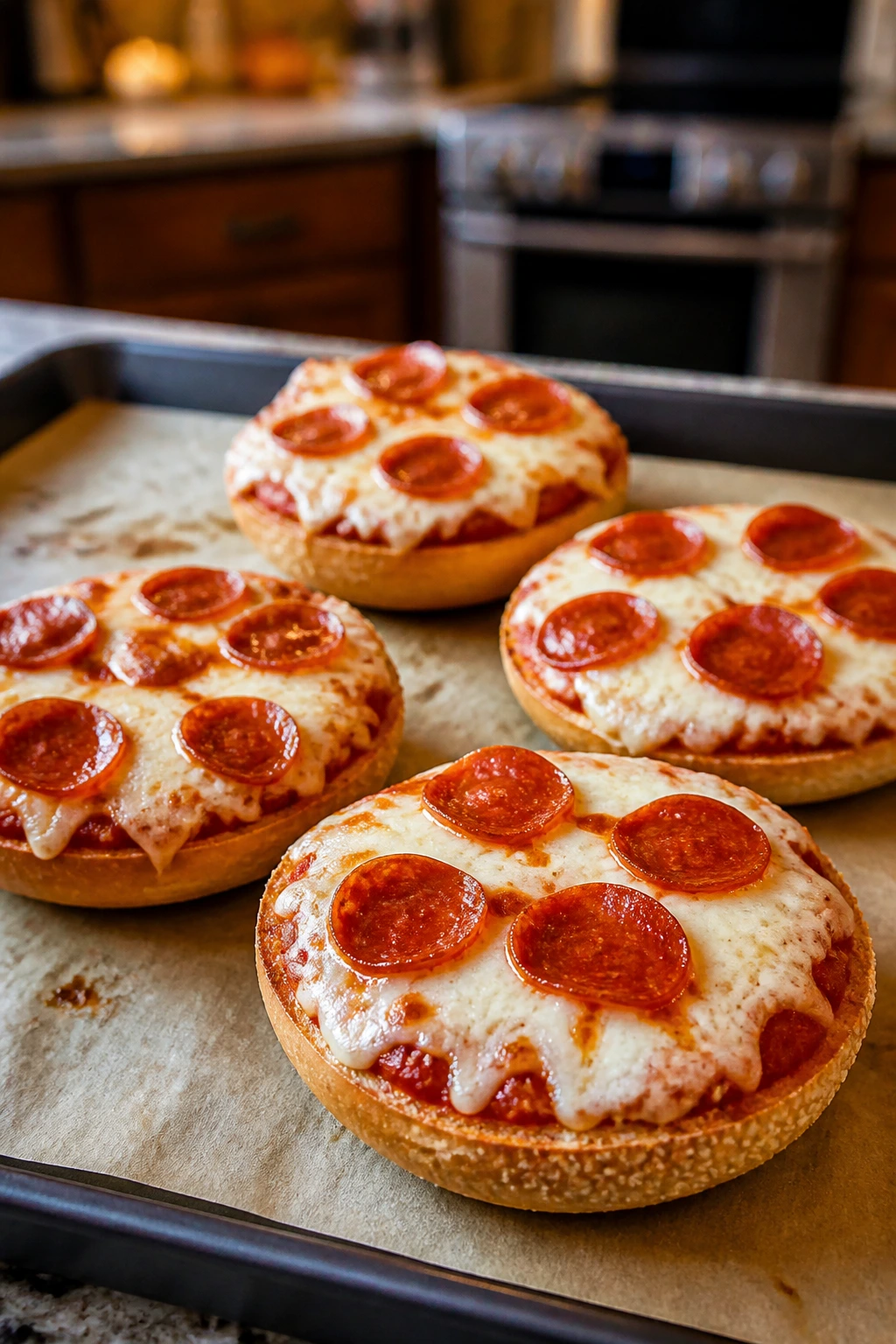
Pizza bagels taste like permission. They are bread, sauce, cheese, and maybe one topping if the child is feeling brave. That’s the charm. They’re also fast enough that you can make them before anyone starts asking when dinner is arriving.
Why It Works:
Bagels are sturdy, which matters because sauce soaks soft bread fast. The toasted surface holds the toppings, and the cheese forms that familiar pizza blanket kids usually trust. Since each one is individual, you can leave pepperoni off one and nobody needs a lecture.
Key Ingredients:
- 4 plain bagels, halved
- 1 cup pizza sauce
- 2 cups shredded mozzarella cheese
- 1/2 cup mini pepperoni, optional
- 1 teaspoon dried oregano
- 1 tablespoon olive oil
Quick Steps:
- Preheat the oven to 425°F and line a baking sheet with parchment.
- Split the bagels and brush the cut sides with olive oil.
- Toast them for 4 minutes to help them stay crisp under the sauce.
- Spread 2 tablespoons of sauce on each half, then add cheese and any toppings.
- Sprinkle oregano over the top.
- Bake for 8 to 10 minutes, until the cheese melts and bubbles.
Equipment for This Recipe:
- Baking sheet
- Parchment paper
- Spoon
- Butter knife or offset spatula
- Oven mitts
How to Serve This Dish:
Serve with cucumber slices, grapes, or a few carrot sticks if your kid wants a side. Pizza bagels work as dinner, after-school fuel, or a quick lunch when the fridge is looking sparse.
Pro Tips for This Recipe:
- Toast the bagels first so they don’t get soggy.
- Keep the sauce layer thin.
- Use shredded mozzarella, not fresh, for a cleaner melt.
- Let kids build their own if toppings are a point of conflict.
Variations on This Dish:
- Cheese-Only Version: Sauce and mozzarella alone are often enough.
- Breakfast Pizza Bagels: Add scrambled egg and a little cooked bacon.
- Veggie Corner: Place one finely chopped mushroom or bell pepper on half the bagels for the curious child only.
Common Mistakes to Avoid with This Dish:
- Too much sauce: It floods the bagel and slides off.
- Skipping the toast step: The bread can get soft in the middle.
- Overbaking: Cheese turns oily and the bagel edges go hard.
8. Stovetop Mac and Cheese
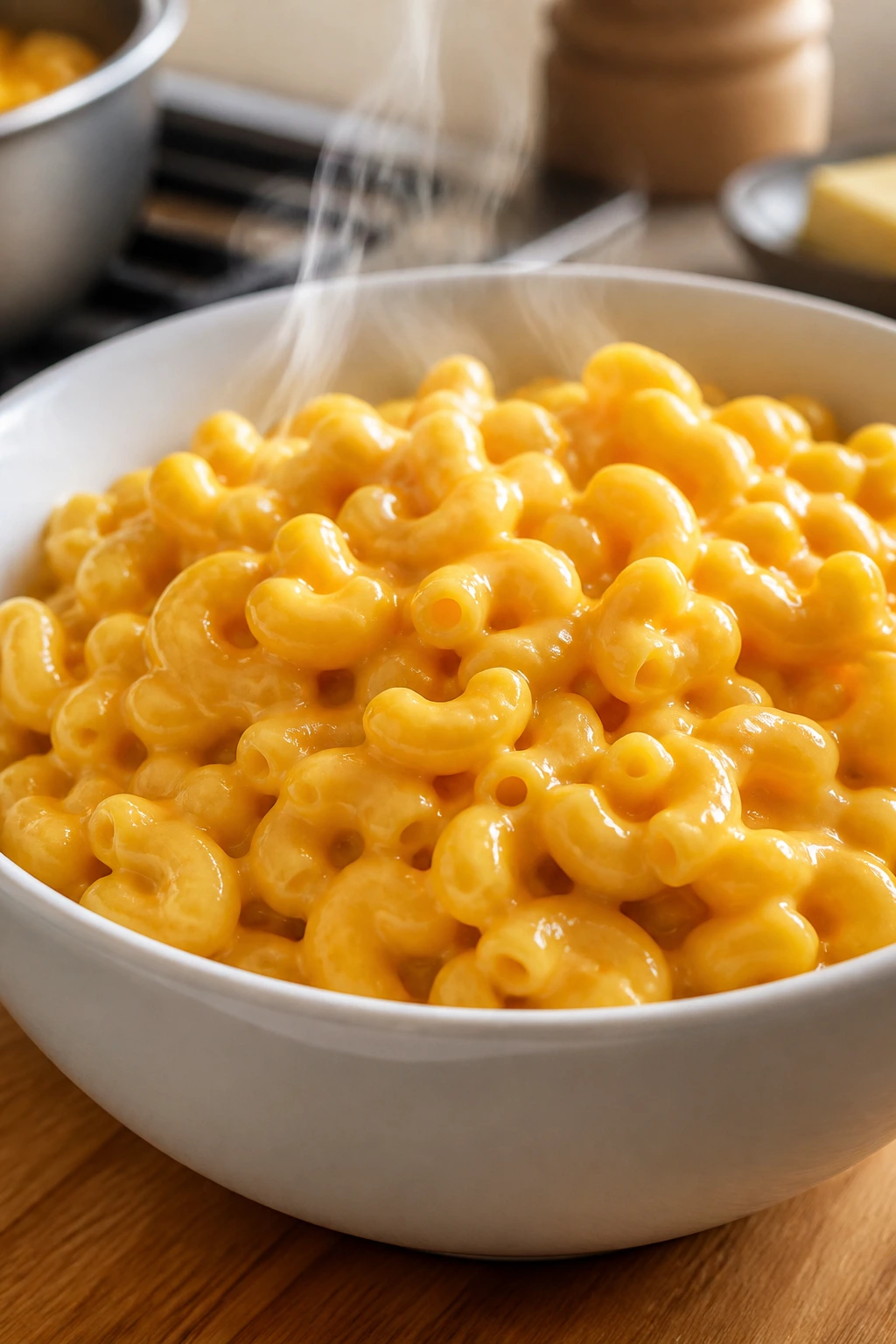
Good mac and cheese has one job: taste like creamy comfort without any grainy cheese drama. This version stays simple and smooth, and it uses pasta shapes that catch sauce in their curves and elbows. That helps every bite taste like the first one.
Why It Works:
Picky kids often prefer mac when the sauce is even and the pasta is soft but not mushy. A quick roux gives the cheese sauce body, so it coats instead of clumping. Sharp cheese can be too bossy here; mild cheddar wins more often than not.
Key Ingredients:
- 8 ounces elbow macaroni
- 2 tablespoons butter
- 2 tablespoons all-purpose flour
- 1 1/2 cups whole milk
- 1 1/2 cups shredded mild cheddar cheese
- 1/2 teaspoon salt
- 1/4 teaspoon garlic powder, optional
Quick Steps:
- Cook the macaroni in salted water until just tender, then drain.
- Melt the butter in a saucepan over medium heat.
- Whisk in the flour and cook for 1 minute until it smells a little nutty.
- Slowly whisk in the milk and cook for 3 to 4 minutes until the sauce thickens.
- Lower the heat and stir in the cheese, salt, and garlic powder.
- Add the macaroni and stir until every piece is coated.
Equipment for This Recipe:
- Medium saucepan
- Whisk
- Colander
- Measuring cups
- Wooden spoon
How to Serve This Dish:
Serve in a shallow bowl with peas on the side or chopped hot dog mixed in for a heavier meal. If you want the kid to stay happy, keep the bowl warm; mac and cheese cools into a block fast.
Pro Tips for This Recipe:
- Shred the cheese yourself if you can; pre-shredded cheese can make the sauce less smooth.
- Keep the heat low after the cheese goes in.
- Salt the pasta water so the noodles don’t taste flat.
- A splash of milk revives leftovers that look too thick.
Variations on This Dish:
- Bacon Mac: Fold in 1/4 cup chopped cooked bacon.
- Hidden Cauliflower Option: Stir in 1 cup very finely chopped cooked cauliflower if your kid tolerates tiny soft bits.
- White Cheddar Version: Swap in a milder white cheddar for a less orange, slightly sharper bowl.
Common Mistakes to Avoid with This Dish:
- Boiling the cheese sauce after adding cheese: It can turn grainy.
- Using too little liquid: The pasta grabs the sauce and turns pasty.
- Overcooking the noodles: Soft elbows fall apart in the sauce.
9. Turkey Meatballs and Spaghetti
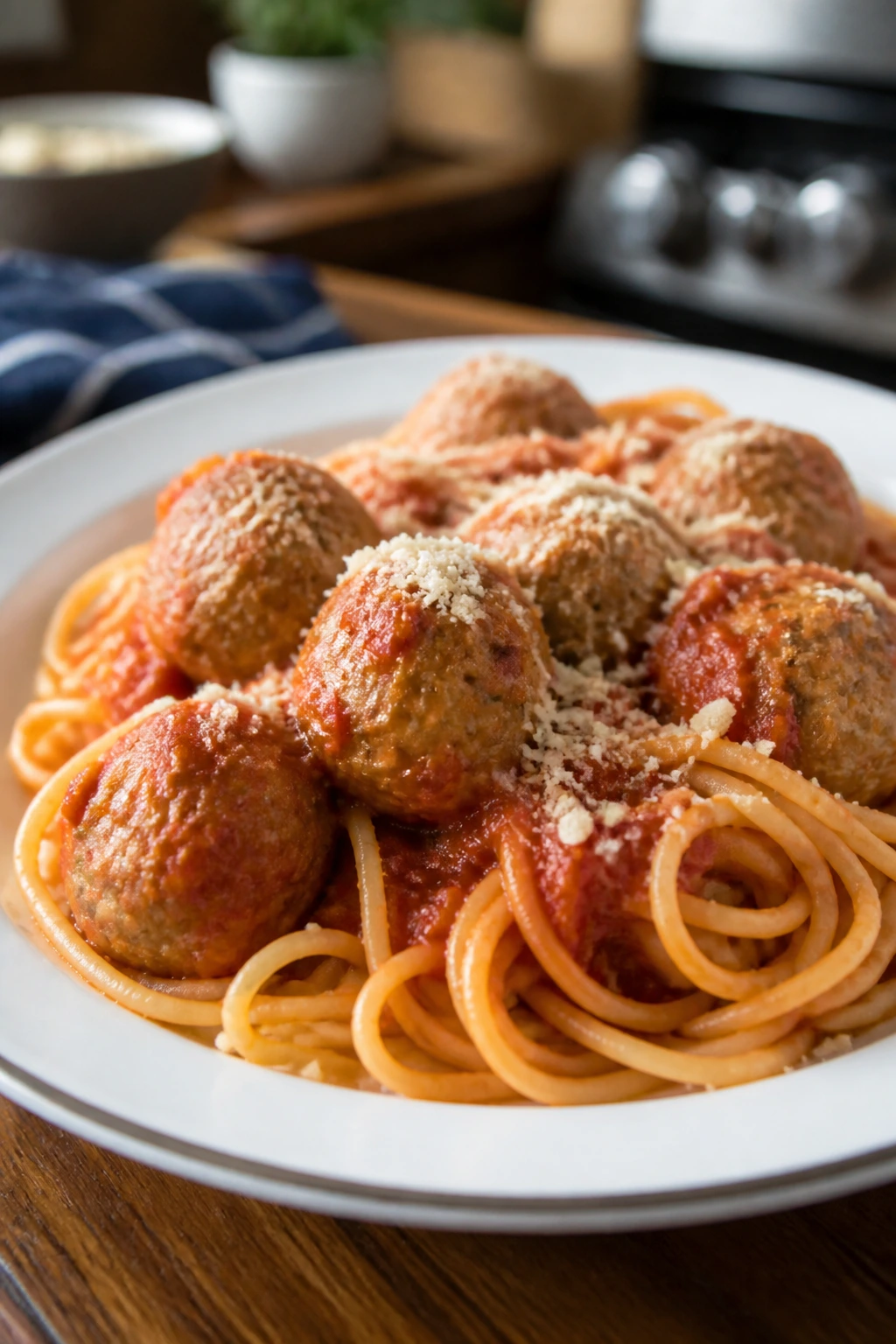
Meatballs are useful because they read as their own little food. A child can decide whether to eat one, two, or none without the whole plate feeling like a negotiation. The sauce should be mild and the meatballs tender, not dense enough to bounce.
Why It Works:
Ground turkey keeps the flavor gentle, and the parmesan in the meatballs adds enough savor to make them taste like dinner. Spaghetti is familiar, but you can switch the shape if a child likes short pasta more. Small meatballs also cool fast, which matters for kids who dislike hot food straight from the pan.
Key Ingredients:
- 1 pound ground turkey
- 1/2 cup breadcrumbs
- 1 egg
- 1/4 cup grated parmesan
- 1 teaspoon salt
- 1/2 teaspoon garlic powder
- 1 tablespoon olive oil
- 1 (24-ounce) jar mild marinara sauce
- 12 ounces spaghetti
Quick Steps:
- Mix the turkey, breadcrumbs, egg, parmesan, salt, and garlic powder in a bowl.
- Roll into 16 small meatballs.
- Heat the olive oil in a large skillet over medium heat and brown the meatballs for 6 to 8 minutes, turning gently.
- Pour in the marinara, lower the heat, and simmer for 10 minutes until the meatballs are cooked through.
- Cook the spaghetti separately, drain it, and toss with a little sauce.
- Serve the meatballs over the pasta with extra parmesan.
Equipment for This Recipe:
- Large skillet with lid
- Mixing bowl
- Pot for pasta
- Colander
- Spoon or small scoop
How to Serve This Dish:
Serve the meatballs on the side if your child likes control, or pile them over spaghetti if they’re comfortable with saucy food. Garlic bread is a useful extra, though honestly the pasta does most of the work.
Pro Tips for This Recipe:
- Make the meatballs small so they cook evenly and stay tender.
- Don’t pack the meat mixture tightly or the meatballs get heavy.
- Mild jarred marinara keeps the flavor predictable.
- A splash of pasta water helps the sauce cling to the noodles.
Variations on This Dish:
- Cheesy Meatball Bake: Move the cooked meatballs and sauce into a baking dish, add mozzarella, and broil briefly.
- Beef Swap: Ground beef gives a richer flavor if turkey feels too lean.
- Mini Slider Style: Serve the meatballs on soft rolls with cheese for a different meal.
Common Mistakes to Avoid with This Dish:
- Overmixing the meatball mix: It turns the meatballs tough.
- Using huge meatballs: They brown outside before they cook through.
- Adding too much sauce heat: A simmer is enough; a hard boil can make the meatballs split.
10. Pancake Dippers with Sausage Links
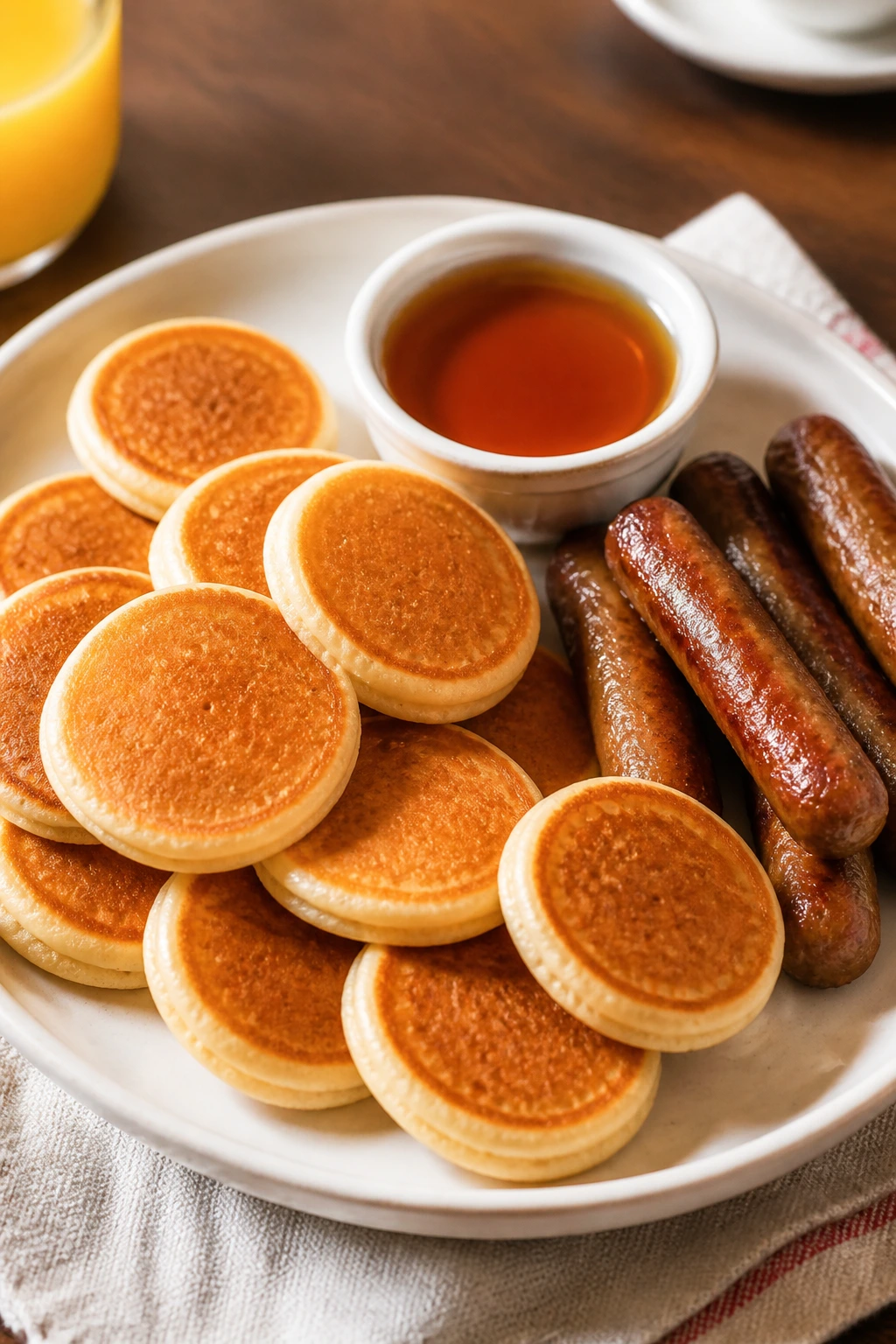
This is breakfast-for-dinner with a practical bent. Pancakes are easy to hold, sausage links bring salt and fat, and the whole plate feels like finger food. That alone can win over a child who gets fussy when a fork enters the room.
Why It Works:
Pancake dippers are more appealing than a stack because they’re built for dunking. The small size keeps the texture light, and a little maple syrup on the side lets kids control sweetness. Sausage gives the meal enough protein to feel like dinner, not dessert in disguise.
Key Ingredients:
- 1 1/2 cups pancake mix
- 1 1/4 cups milk
- 1 large egg
- 1 tablespoon melted butter
- 8 breakfast sausage links
- Butter and maple syrup for serving
Quick Steps:
- Whisk the pancake mix, milk, egg, and melted butter until just combined.
- Cook the sausage links in a skillet over medium heat until browned and hot through, about 8 minutes.
- Heat a lightly buttered griddle over medium-low heat.
- Pour the pancake batter into 3-inch strips or small rounds and cook for 2 minutes per side.
- Keep the pancakes warm in a low oven while you finish the batch.
- Serve the dippers with sausage and syrup.
Equipment for This Recipe:
- Skillet or griddle
- Mixing bowl
- Whisk
- Spatula
- Baking sheet for keeping warm
How to Serve This Dish:
Set the pancakes beside the sausage links and let kids dip as they go. Add strawberries or banana slices if they’ll take fruit, but don’t push it. This plate works because it feels playful.
Pro Tips for This Recipe:
- Stop mixing the batter as soon as the dry streaks disappear.
- Make the pancakes small enough to dip without breaking.
- Cook them over medium-low so the centers stay tender.
- Warm syrup in a small cup; cold syrup makes pancakes feel heavy.
Variations on This Dish:
- Blueberry Dot Version: Drop a few blueberries into each pancake while it cooks.
- Turkey Sausage Swap: Use turkey sausage for a lighter flavor.
- Mini Waffle Route: Use the same batter in a waffle maker if your kid prefers crisp edges.
Common Mistakes to Avoid with This Dish:
- Overmixing the batter: The pancakes turn chewy.
- Cooking too hot: The outside browns before the inside sets.
- Serving pancakes too thick: Kids can’t dunk them well.
11. Sloppy Joe Sliders
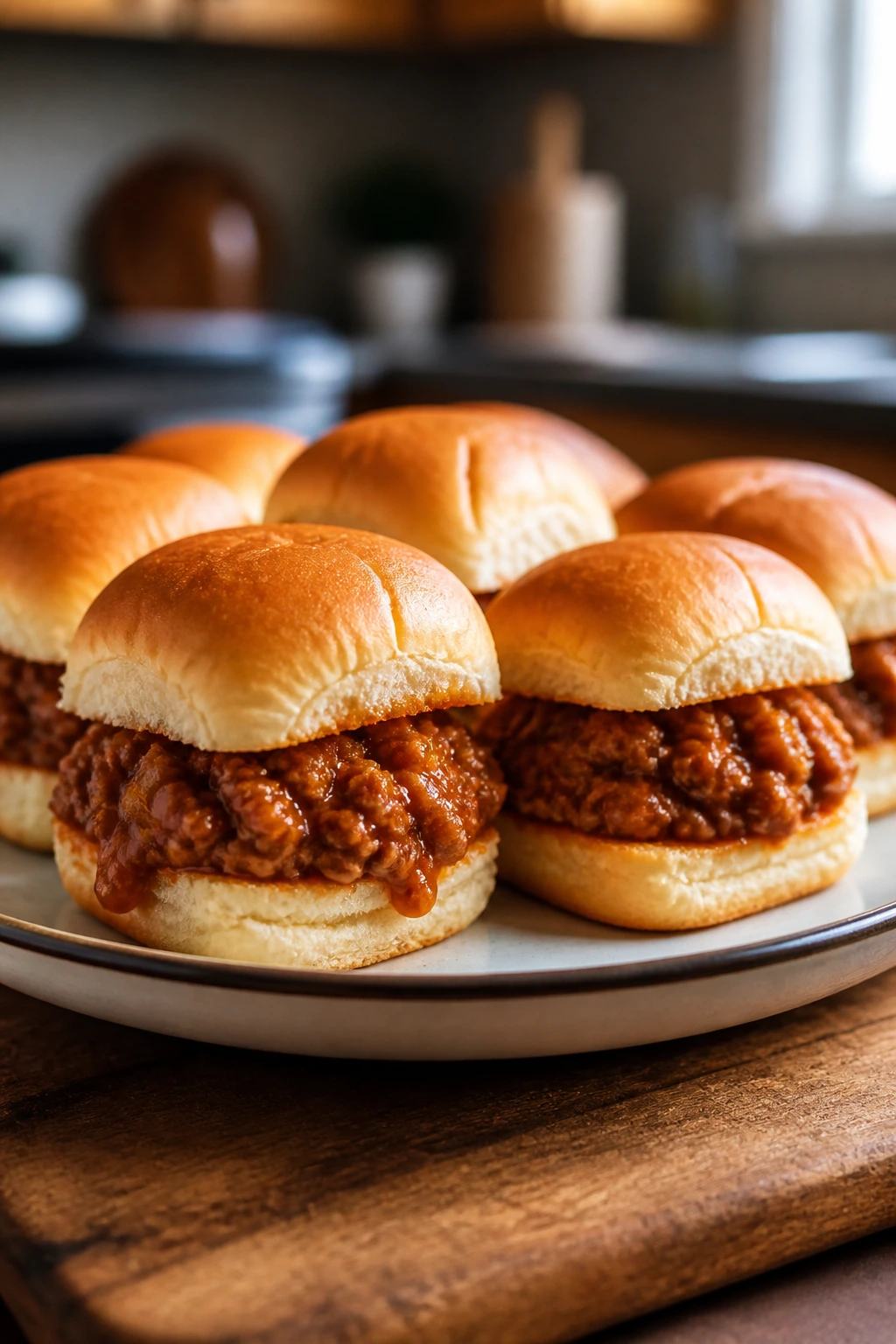
Sloppy Joe sliders sound messy, and they are, but in a good way if you keep the filling thick. The sweet-savory meat goes on soft buns, and the small size keeps the whole thing from turning into a plate-wide collapse. Kids often like the flavor long before they care about the name.
Why It Works:
This meal leans on sweetness and soft bread, two things many picky kids welcome. The beef mixture should be thick enough to sit on the bun instead of flooding it. Slider size also makes the serving look less intimidating than a big sandwich.
Key Ingredients:
- 1 pound ground beef
- 1/2 small onion, finely diced
- 1/2 cup ketchup
- 2 tablespoons brown sugar
- 1 tablespoon Worcestershire sauce
- 1 teaspoon yellow mustard
- 8 slider buns
- 1 cup shredded cheddar cheese, optional
Quick Steps:
- Cook the ground beef and onion in a skillet over medium heat until the meat is browned and the onion softens.
- Drain extra fat if needed.
- Stir in ketchup, brown sugar, Worcestershire sauce, and mustard.
- Simmer for 5 minutes until the mixture looks thick and glossy.
- Spoon the filling onto the slider buns and top with cheese if using.
- Serve warm.
Equipment for This Recipe:
- Large skillet
- Wooden spoon
- Spoon for scooping
- Knife
- Baking sheet, if you want to warm the buns
How to Serve This Dish:
Serve with corn, chips, or a simple fruit cup. Keep napkins nearby because the name is honest, and the filling will make a little mess no matter how carefully you build it.
Pro Tips for This Recipe:
- Cook the filling until it’s thick, not runny.
- Use soft buns that won’t fight the filling.
- Add the cheese only after the meat has thickened.
- If the onion is a problem, grate it finely so it disappears into the sauce.
Variations on This Dish:
- BBQ Joe Sliders: Replace half the ketchup with barbecue sauce.
- Cheesy Topper Version: Melt sliced cheese over the filling before assembling.
- Taco Joe Twist: Swap in taco seasoning and serve with shredded lettuce.
Common Mistakes to Avoid with This Dish:
- Thin filling: It pours out of the bun with the first bite.
- Dry beef: Drain fat, yes, but leave enough moisture for a saucy mixture.
- Using crusty bread: Soft sliders are the point.
12. Ham and Cheese Crescent Roll-Ups

These are the kind of little rolls that seem almost too simple until you realize kids keep grabbing them. Ham and cheese wrapped in crescent dough gives you a soft, salty, melty bite with no fork required. That’s a strong argument on a tired night.
Why It Works:
Crescent dough bakes into a flaky shell without demanding much skill. The filling is familiar and mild, and the shape makes the meal feel snack-like even when it’s dinner. Because they’re rolled individually, you can keep the portions small and predictable.
Key Ingredients:
- 1 can crescent roll dough
- 8 thin slices deli ham
- 8 slices mild cheddar or Swiss cheese
- 2 tablespoons melted butter
- 1 teaspoon poppy seeds, optional
Quick Steps:
- Preheat the oven to 375°F and line a baking sheet with parchment.
- Unroll the crescent dough and separate it into triangles.
- Place a half slice of ham and a cheese slice on each triangle.
- Roll each one from the wide end to the point, then place seam-side down on the sheet.
- Brush with melted butter and sprinkle poppy seeds if using.
- Bake for 11 to 13 minutes, until golden and puffed.
Equipment for This Recipe:
- Baking sheet
- Parchment paper
- Pastry brush
- Knife
- Oven mitts
How to Serve This Dish:
Serve two or three rolls with fruit, baby carrots, or plain yogurt on the side. They also work well in lunchboxes once they’ve cooled.
Pro Tips for This Recipe:
- Keep the cheese slice tucked inside the ham so it doesn’t leak out.
- Don’t overfill the triangles or the dough splits.
- Press the seam closed before baking.
- If you want a shinier finish, brush the rolls with butter right when they come out.
Variations on This Dish:
- Pizza Roll Version: Use mozzarella, a thin swipe of pizza sauce, and a bit of pepperoni.
- Turkey and American Cheese Swap: Mild and safe.
- Breakfast Roll-Up: Add scrambled egg and cheese for a morning version.
Common Mistakes to Avoid with This Dish:
- Letting the dough get warm before rolling: It becomes sticky and hard to handle.
- Too much filling near the point: The roll bursts open in the oven.
- Baking too long: Crescent dough goes from golden to dry fast.
13. Chicken Fried Rice
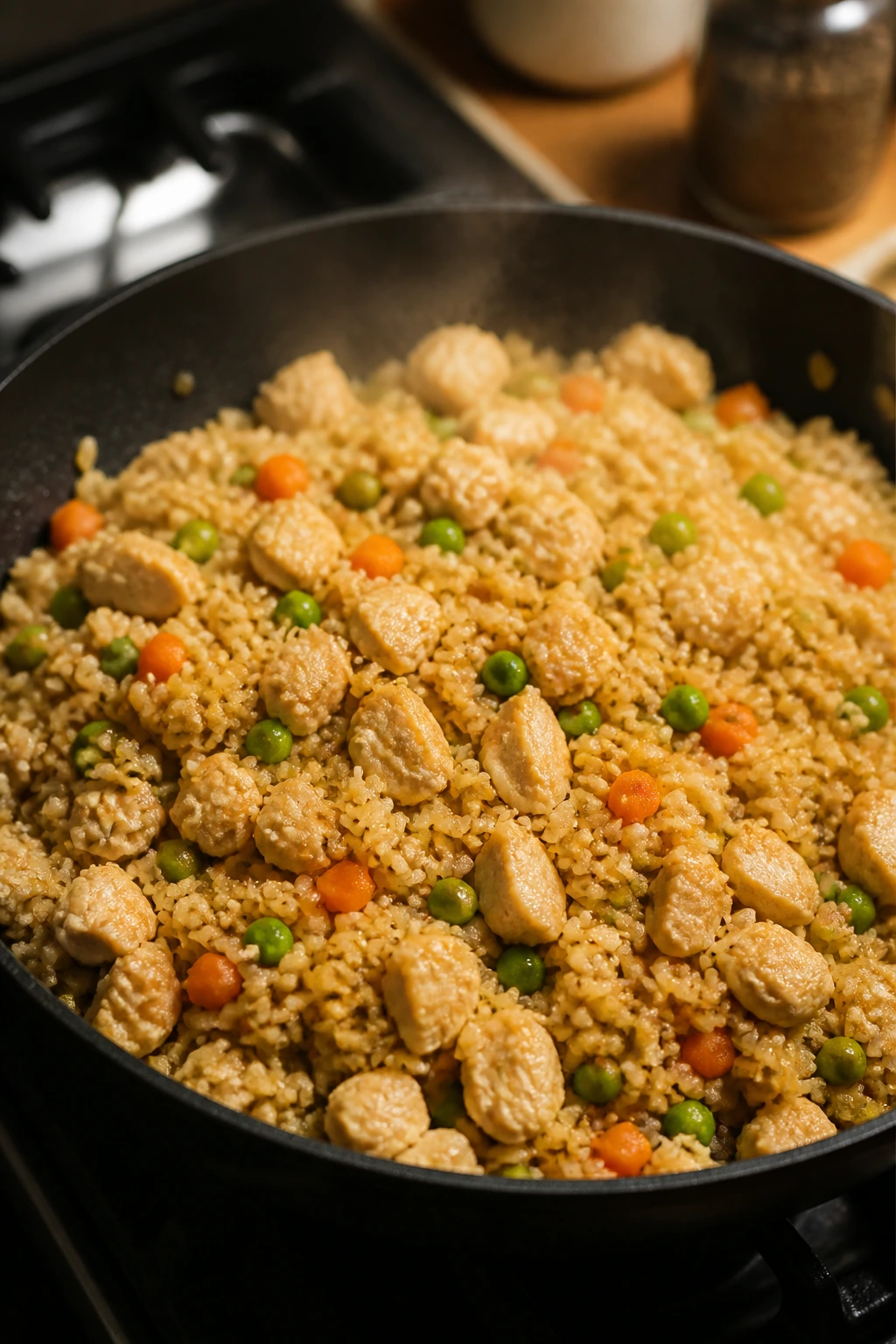
Chicken fried rice solves the leftover problem with style. The rice gets a little toasted, the chicken stays in small pieces, and the peas and carrots can be kept tiny enough that kids barely object. The trick is making the pan hot enough to dry the rice out a bit.
Why It Works:
Fried rice is friendly to picky eaters because every spoonful tastes the same. The soy sauce is mild and savory, not heavy, and you can keep the vegetable pieces small. Using day-old rice helps the grains stay separate instead of mushy.
Key Ingredients:
- 2 tablespoons neutral oil
- 2 cups cooked, chilled white rice
- 1 cup cooked chicken, diced small
- 2 large eggs, beaten
- 1/2 cup frozen peas and carrots, thawed
- 2 tablespoons low-sodium soy sauce
- 1 teaspoon sesame oil
- 2 green onions, sliced thin, optional
Quick Steps:
- Heat the oil in a large skillet or wok over medium-high heat.
- Add the eggs and scramble for 30 to 45 seconds, then remove them.
- Add the rice and break up any clumps with a spatula.
- Stir in the chicken and vegetables, then cook for 3 to 4 minutes until the rice starts to sizzle.
- Add soy sauce and sesame oil, then stir in the eggs.
- Cook for 1 more minute and serve hot.
Equipment for This Recipe:
- Large skillet or wok
- Spatula
- Mixing bowl
- Knife and cutting board
- Measuring spoons
How to Serve This Dish:
Serve it in a shallow bowl with a few cucumber slices or a plain orange wedge. If your child prefers things separate, keep the eggs on one side and the rice on the other.
Pro Tips for This Recipe:
- Use chilled rice so it fries instead of steaming.
- Chop the chicken small; big chunks throw off the texture.
- Keep the heat high enough to get a little sizzle.
- Low-sodium soy sauce keeps the flavor gentle.
Variations on This Dish:
- Egg-Free Version: Skip the egg and add extra chicken.
- Shrimp Swap: Use small cooked shrimp for a different protein.
- Vegetable-Light Route: Use only peas and skip the carrots if that’s the safer move.
Common Mistakes to Avoid with This Dish:
- Fresh hot rice: It clumps and turns soft.
- Too much soy sauce: The rice gets dark and salty fast.
- Crowding the pan: The ingredients steam instead of fry.
14. Cheesy Baked Ziti
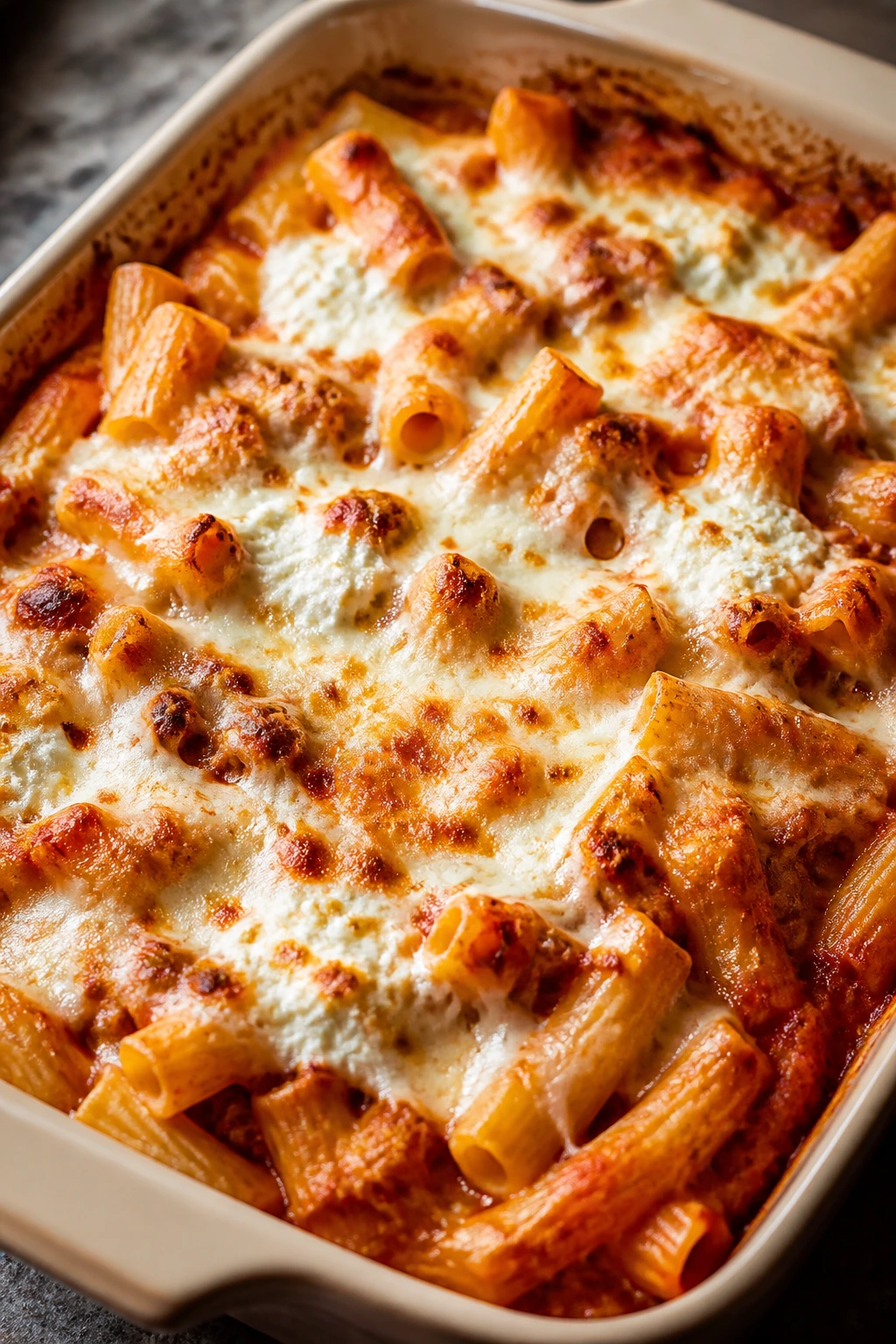
Baked ziti earns its place by looking like a pasta casserole rather than a bowl of mixed sauce. The cheese melts into the noodles, the top turns golden, and the inside stays soft. For many kids, that casserole top is the part they remember.
Why It Works:
Tube pasta holds sauce in its center, which helps every bite stay juicy. The mozzarella stretches, the ricotta keeps things creamy, and the tomato sauce stays mild enough not to scare anyone off. It’s a good one for serving a family with mixed appetites because it can sit for a minute without falling apart.
Key Ingredients:
- 1 pound ziti
- 2 tablespoons olive oil
- 3 cups mild marinara sauce
- 1 cup ricotta cheese
- 2 cups shredded mozzarella cheese
- 1/2 cup grated parmesan
- 1 teaspoon salt
- 1/2 teaspoon dried basil
Quick Steps:
- Preheat the oven to 375°F and grease a 9×13-inch baking dish.
- Cook the ziti until just shy of tender, then drain.
- Toss the pasta with olive oil and marinara.
- Layer half the pasta in the dish, dollop over half the ricotta, then sprinkle half the mozzarella and parmesan.
- Repeat with the remaining pasta and cheeses.
- Bake for 20 to 25 minutes until bubbling, then let it rest for 5 minutes before serving.
Equipment for This Recipe:
- Large pot
- Colander
- 9×13-inch baking dish
- Mixing spoon
- Foil
How to Serve This Dish:
Serve with garlic bread or plain salad if the kids tolerate it. Keep the portions modest; baked ziti is filling, and a heavy scoop can look intimidating.
Pro Tips for This Recipe:
- Undercook the pasta by 1 minute so it stays firm after baking.
- Use mild sauce with no chunks if texture is an issue.
- Let the casserole rest or the cheese will slide.
- A little parmesan on top gives a salty finish without making the sauce sharp.
Variations on This Dish:
- Meat Sauce Version: Brown 1/2 pound ground beef and stir it into the marinara.
- Mozzarella-Only Version: Skip ricotta if a creamy middle layer is unpopular.
- Mini Bake Cups: Bake the same mixture in muffin tins for handheld portions.
Common Mistakes to Avoid with This Dish:
- Overcooking the pasta first: It gets mushy in the oven.
- Too much sauce: The casserole turns soupy.
- Serving immediately: The layers need a short rest to settle.
15. Homemade Hamburger Helper Skillet
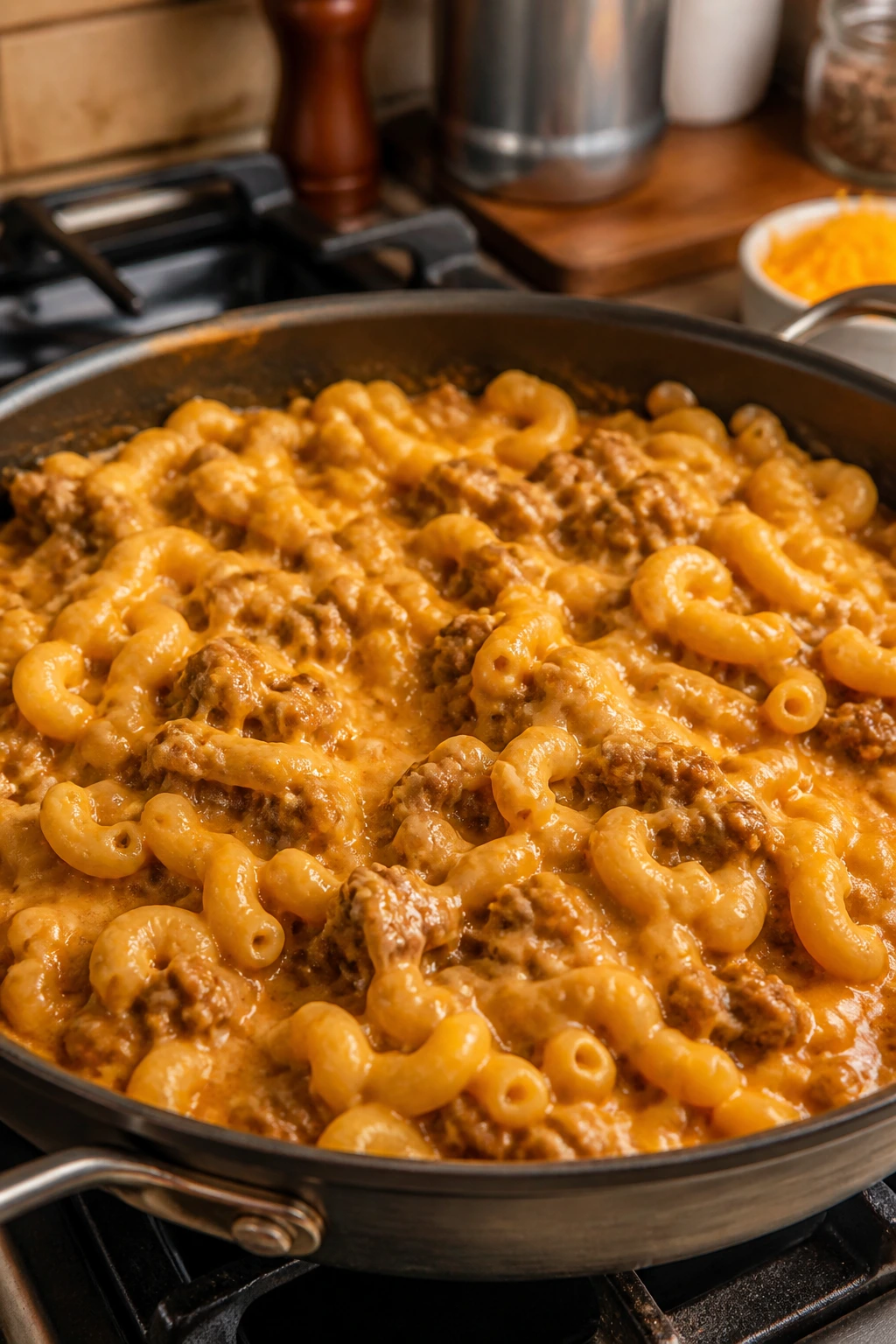
This tastes like boxed comfort food, only fresher and less salty. The pasta cooks right in the pan, soaking up the sauce, and the cheese gives the whole thing a creamy finish. It’s the kind of dinner that makes kids stop asking what else there is.
Why It Works:
One skillet means fewer dishes and a more uniform texture, which picky eaters often prefer. The ground beef is cut small, the sauce stays mild, and the pasta gets soft enough to feel familiar. It’s also easy to keep the whole thing in one pan without turning it into a casserole project.
Key Ingredients:
- 1 pound ground beef
- 1 small onion, finely chopped
- 2 cups beef broth
- 1 1/2 cups milk
- 2 cups uncooked elbow macaroni
- 1 cup shredded cheddar cheese
- 2 tablespoons tomato paste
- 1 teaspoon salt
- 1/2 teaspoon paprika
Quick Steps:
- Brown the beef and onion in a large skillet over medium heat, then drain extra fat.
- Stir in tomato paste, salt, and paprika for 30 seconds.
- Add broth, milk, and macaroni.
- Bring to a gentle simmer, cover, and cook for 10 to 12 minutes, stirring once or twice, until the pasta is tender.
- Stir in the cheddar until melted.
- Serve while the sauce is still creamy.
Equipment for This Recipe:
- Large deep skillet
- Wooden spoon
- Measuring cups
- Lid for the skillet
- Cheese grater
How to Serve This Dish:
Serve straight from the skillet with peas or corn on the side. If your child likes bread, a buttered roll on the plate makes the meal feel complete.
Pro Tips for This Recipe:
- Stir once or twice while it cooks so the pasta doesn’t stick.
- Use a deep skillet; shallow pans spill.
- Add the cheese after the pasta is tender, not before.
- A little extra broth fixes a skillet that gets too thick.
Variations on This Dish:
- Turkey Skillet: Ground turkey works if you want a lighter flavor.
- Cheddar Jack Version: Mix cheeses if mild cheddar feels too flat.
- No Onion Route: Use onion powder instead of chopped onion.
Common Mistakes to Avoid with This Dish:
- Boiling too hard: The milk can scorch.
- Using too little liquid: The pasta won’t cook through.
- Walking away from the pan: This one wants a little attention.
16. Quesadilla Pizza
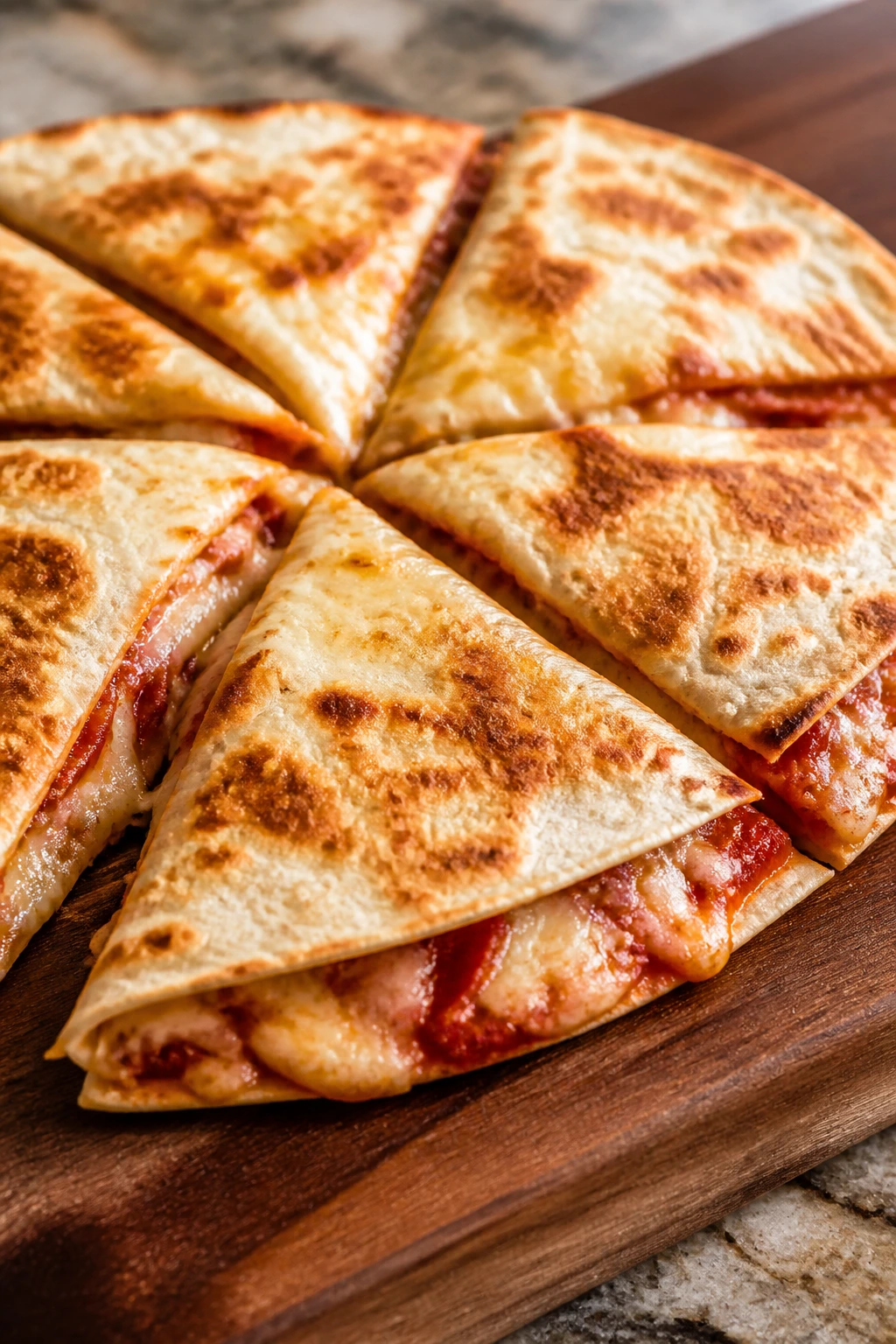
This recipe is a small trick with a big payoff: it tastes like pizza, but it cooks like a quesadilla. Tortillas crisp up faster than pizza dough, and the filling stays thin enough that kids can eat it without the toppings sliding off. It’s an excellent answer when a child wants pizza and you have about twelve minutes.
Why It Works:
You get the familiar pizza flavor profile without waiting for dough to rise or handling a floppy slice. The tortilla gives crisp edges, and the cheese seals everything together. It also lets you keep toppings minimal, which is usually the smart move with picky eaters.
Key Ingredients:
- 4 flour tortillas
- 1 cup pizza sauce
- 2 cups shredded mozzarella cheese
- 1/2 cup mini pepperoni, optional
- 1 teaspoon Italian seasoning
- 1 tablespoon olive oil
Quick Steps:
- Heat a large skillet over medium heat.
- Brush one tortilla lightly with oil and place it in the skillet.
- Spread 2 tablespoons of sauce over half the tortilla, then add cheese and any toppings.
- Fold the tortilla over and cook for 2 to 3 minutes per side until golden and crisp.
- Repeat with the remaining tortillas.
- Slice into wedges and serve hot.
Equipment for This Recipe:
- Large skillet
- Spatula
- Pastry brush
- Knife or pizza cutter
- Plate for resting
How to Serve This Dish:
Serve with a few carrot sticks, grapes, or a small side salad if the family actually eats salad. The wedges work well for lunch, dinner, or a late snack that keeps everyone from raiding the pantry.
Pro Tips for This Recipe:
- Keep the sauce layer thin so the tortilla doesn’t get soggy.
- Use shredded mozzarella for the best melt.
- Cook on medium, not high, or the tortilla browns too fast.
- Let each quesadilla rest for a minute before cutting.
Variations on This Dish:
- Cheese-Only Pizza Quesadilla: Sauce and mozzarella alone can be enough.
- Pepperoni Edge: Add just a few pepperoni slices for kids who want one topping only.
- Breakfast Pizza: Swap the sauce for a thin layer of scrambled eggs and cheese.
Common Mistakes to Avoid with This Dish:
- Too much filling: It leaks and tears the tortilla.
- Cooking too hot: The outside crisps before the cheese melts.
- Skipping the rest time: The filling slides out on the first cut.
17. Cheese Ravioli with Butter and Parmesan
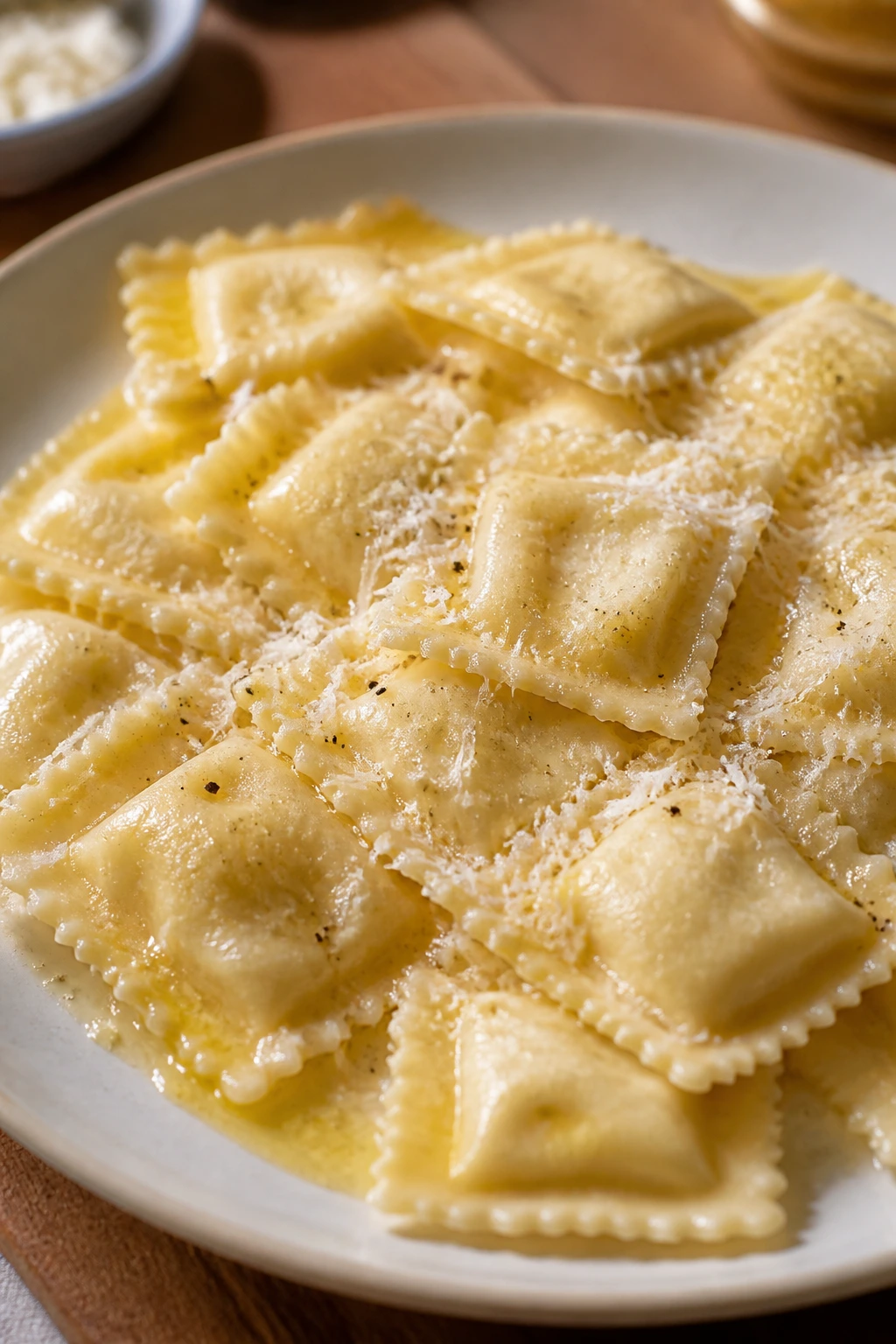
Cheese ravioli is a smart move when plain pasta gets old. The filled pockets feel a little more special without becoming adventurous, and butter with parmesan keeps the flavor mild. It’s a good way to make dinner feel like more than noodles from a box.
Why It Works:
The ravioli already contains cheese, so you don’t need a complicated sauce. A little butter and parmesan coat the pasta without drowning it, and the shape offers a small surprise inside every bite. That built-in filling is often enough to hold a picky kid’s interest for one meal.
Key Ingredients:
- 1 pound refrigerated cheese ravioli
- 3 tablespoons unsalted butter
- 1/3 cup grated parmesan cheese
- 1/4 teaspoon salt
- 1 tablespoon chopped parsley, optional
- 1/4 cup reserved pasta water
Quick Steps:
- Bring a pot of salted water to a boil and cook the ravioli according to the package directions, usually 3 to 5 minutes.
- Reserve 1/4 cup pasta water before draining.
- Melt the butter in the warm pot over low heat.
- Add the ravioli back in with parmesan and salt.
- Toss gently, adding a splash of pasta water if the sauce looks too dry.
- Serve right away with extra parmesan.
Equipment for This Recipe:
- Large pot
- Colander
- Wooden spoon
- Measuring cup
- Serving bowl
How to Serve This Dish:
Serve the ravioli in a shallow bowl with a little butter pooling at the bottom and maybe a side of peas. If the child likes bread, add a plain roll; the ravioli can stand on its own.
Pro Tips for This Recipe:
- Refrigerated ravioli cooks fast, so stay close to the pot.
- Keep the heat low when tossing with butter so the filling doesn’t burst.
- Use finely grated parmesan for the smoothest finish.
- A touch of pasta water helps the sauce cling.
Variations on This Dish:
- Marinara Finish: Add a few spoonfuls of mild marinara if butter sauce feels too plain.
- Spinach Ravioli Swap: Use spinach and cheese ravioli if your child accepts the filling.
- Garlic Butter Version: Add 1 small minced garlic clove to the butter for a gentle garlic note.
Common Mistakes to Avoid with This Dish:
- Boiling ravioli too long: The pasta splits.
- Tossing too hard: The filling can tear open.
- Using heavy sauce: It buries the mild cheese flavor kids usually accept.
18. Mini Egg Muffin Cups
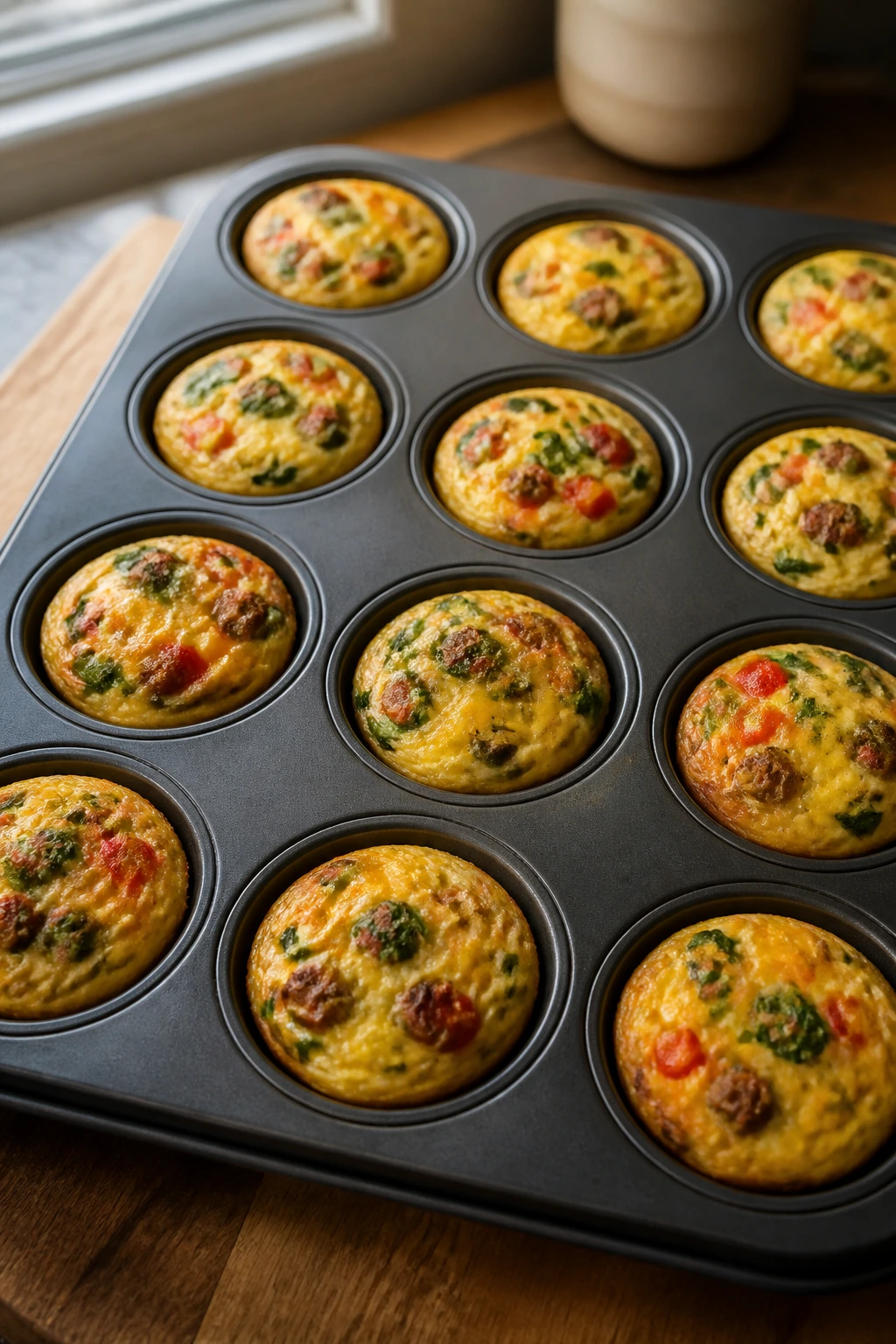
Egg muffins are useful because they look like tiny savory cupcakes, which is already more appealing than a pan of chopped vegetables. Keep the fillings simple and the texture soft, and they work for breakfast, lunch, or a quick dinner with fruit on the side.
Why It Works:
The muffin shape makes portions easy to manage, and the eggs bake into a soft custard instead of a rubbery slab. Cheese helps the flavor stay friendly, and small bits of ham or bacon disappear into the mix. You can make them ahead and warm them up without much damage.
Key Ingredients:
- 8 large eggs
- 1/4 cup milk
- 1/2 teaspoon salt
- 1 cup shredded cheddar cheese
- 1/2 cup finely diced ham or cooked bacon
- 1/4 cup finely chopped bell pepper, optional
- Nonstick cooking spray
Quick Steps:
- Preheat the oven to 350°F and spray a 12-cup muffin tin.
- Whisk the eggs, milk, and salt until smooth.
- Stir in the cheese, ham, and bell pepper if using.
- Divide the mixture evenly among the muffin cups, filling each about 3/4 full.
- Bake for 18 to 20 minutes until the centers are set and the tops look just dry.
- Cool for 5 minutes before removing.
Equipment for This Recipe:
- 12-cup muffin tin
- Whisk
- Mixing bowl
- Measuring cup
- Cooling rack
How to Serve This Dish:
Serve two muffin cups per child with toast, fruit, or hash browns. They also pack well for lunch if you’re trying to avoid another sandwich.
Pro Tips for This Recipe:
- Dice the fillings very small so every bite feels even.
- Don’t overfill the cups or they puff and spill.
- Let them cool a few minutes before removing from the tin.
- Grease the pan well or the eggs cling stubbornly.
Variations on This Dish:
- Bacon and Cheese Only: Skip the pepper if that texture causes complaints.
- Veggie-Minimal Version: Use just a spoonful of spinach, chopped tiny and squeezed dry.
- Breakfast Sandwich Base: Split one muffin open and tuck it into a toasted English muffin.
Common Mistakes to Avoid with This Dish:
- Too much milk: The cups turn watery.
- Large vegetable chunks: They stand out in every bite.
- Underbaking: The center stays soft and collapses when removed.
19. Chicken Pot Pie Biscuit Bake
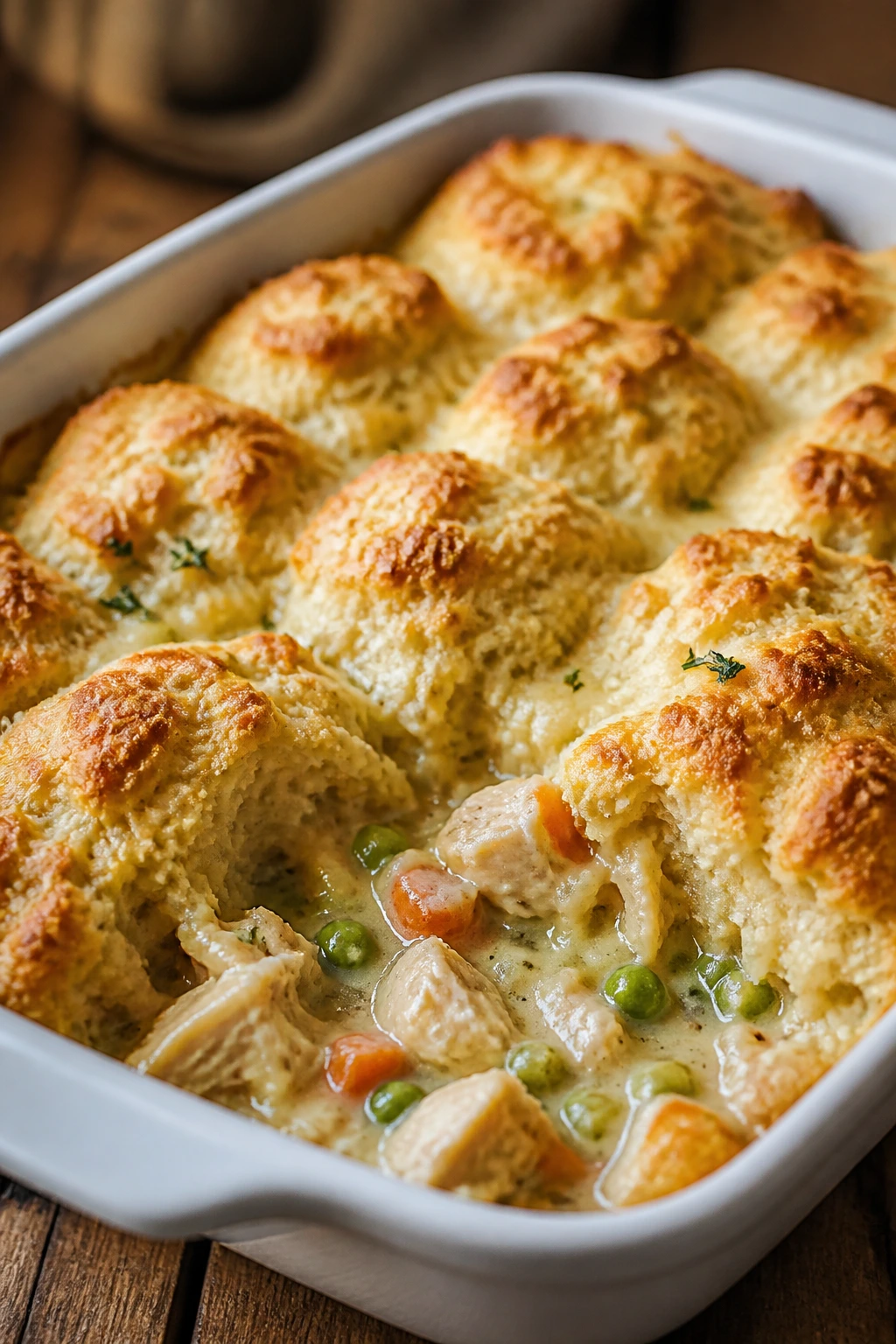
This is pot pie for people who don’t want to fuss with pie crust. The filling stays creamy and mild, the biscuits bake on top, and every spoonful gives you chicken, vegetables, and soft bread in one bite. For kids, that biscuit lid often feels like the best part.
Why It Works:
The dish keeps the familiar pot pie flavor but removes the fiddly crust work. Using refrigerated biscuits saves time, and the filling can stay simple with very small vegetables. If a child is suspicious of mixed casseroles, the biscuit topping helps because it reads as bread first.
Key Ingredients:
- 2 cups cooked shredded chicken
- 1 cup frozen mixed vegetables, thawed
- 1 can cream of chicken soup
- 1/2 cup milk
- 1 teaspoon salt
- 1/2 teaspoon black pepper
- 1 can refrigerated biscuit dough
- 1 tablespoon melted butter
Quick Steps:
- Preheat the oven to 375°F and grease an 8×8-inch baking dish.
- Stir together the chicken, vegetables, soup, milk, salt, and pepper in the dish.
- Arrange the biscuits on top.
- Brush the biscuits with melted butter.
- Bake for 25 to 30 minutes until the filling bubbles and the biscuits turn golden.
- Let it rest for 5 minutes before serving.
Equipment for This Recipe:
- Baking dish
- Mixing spoon
- Pastry brush
- Oven mitts
- Foil, if needed
How to Serve This Dish:
Scoop it into bowls so the biscuits stay partly on top of the creamy filling. It’s a full meal by itself, though a little fruit on the side keeps the plate from feeling too heavy.
Pro Tips for This Recipe:
- Chop the vegetables smaller if your child objects to big pieces.
- If the biscuits brown too fast, cover loosely with foil near the end.
- Use rotisserie chicken to save time.
- Let the bake rest or the filling runs everywhere.
Variations on This Dish:
- Cheddar Biscuit Top: Sprinkle a little shredded cheese over the biscuits before baking.
- Turkey Pot Pie Swap: Use leftover turkey instead of chicken.
- Veggie-Lite Version: Use only peas and carrots if the mixed vegetables are too busy.
Common Mistakes to Avoid with This Dish:
- Thin filling: It needs to be thick enough to spoon.
- Overbaking the biscuits: They dry out before the filling is done.
- Skipping the rest: The sauce sets as it cools.
20. Mini Corn Dog Muffins

These little muffins are not fancy, and that’s the point. Cornmeal batter and hot dog pieces give you the same sweet-savory thing kids like about corn dogs, but without the stick, the fryer, or the mess. They’re handy for dinner, snacks, or lunchbox jobs.
Why It Works:
The batter bakes into a soft corn muffin around the hot dog pieces, which makes the texture predictable. Mini muffin size means quick baking and easy portioning. If your child likes dipping, a small cup of ketchup or mustard keeps it fun.
Key Ingredients:
- 1 cup yellow cornmeal
- 1 cup all-purpose flour
- 1/4 cup sugar
- 1 tablespoon baking powder
- 1/2 teaspoon salt
- 1 cup milk
- 1 large egg
- 1/4 cup melted butter
- 6 hot dogs, cut into 1-inch pieces
Quick Steps:
- Preheat the oven to 400°F and grease a mini muffin tin.
- Whisk the cornmeal, flour, sugar, baking powder, and salt in a bowl.
- Stir in the milk, egg, and melted butter until just combined.
- Spoon the batter into the muffin cups, filling each about halfway.
- Press one hot dog piece into each cup.
- Bake for 12 to 14 minutes until the tops are golden and a toothpick comes out clean.
Equipment for This Recipe:
- Mini muffin tin
- Mixing bowl
- Whisk
- Spoon
- Cooling rack
How to Serve This Dish:
Serve warm with ketchup, honey mustard, or plain fruit on the side. They make a solid lunchbox item once cooled, and they travel better than full-size corn dogs.
Pro Tips for This Recipe:
- Grease the pan well or the muffins stick hard.
- Don’t overmix the batter; it should look a little lumpy.
- Cut the hot dogs evenly so the muffins bake at the same pace.
- A tiny dab of mustard on the side goes farther than mixing it in.
Variations on This Dish:
- Cheddar Corn Dog Muffins: Stir 1/2 cup shredded cheddar into the batter.
- Turkey Dog Swap: Use turkey hot dogs for a lighter flavor.
- Breakfast Bite Version: Replace the hot dogs with cooked sausage pieces.
Common Mistakes to Avoid with This Dish:
- Overfilling the muffin cups: Batter spills and bakes onto the pan.
- Using cold butter chunks: Melt it first for a smooth batter.
- Leaving them in too long: They dry out fast in mini form.
21. French Toast Sticks with Yogurt Dip
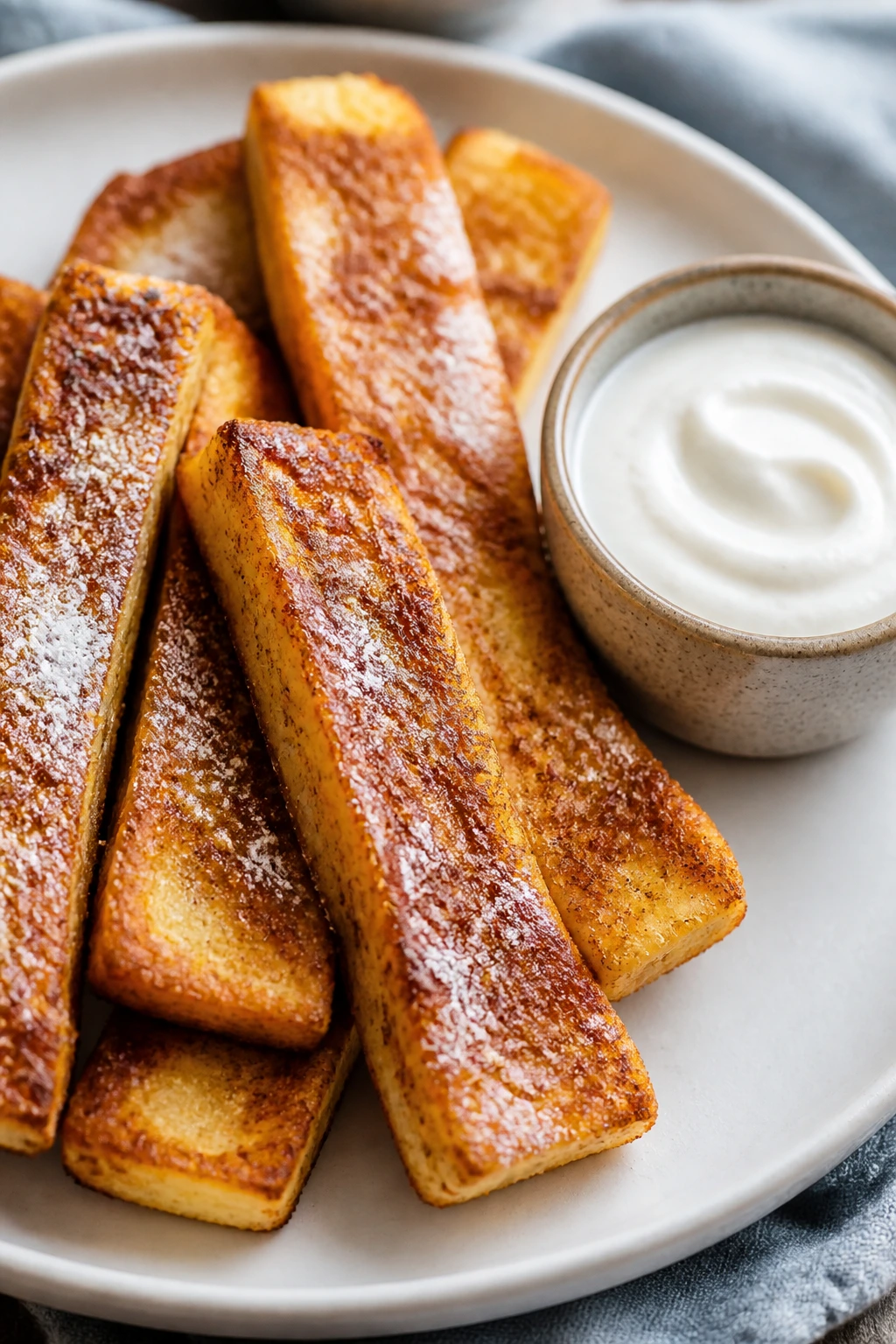
French toast sticks are breakfast food dressed like finger food, and that’s the sort of thing picky eaters tend to trust. The exterior should be lightly crisp, the inside custardy but not soggy, and the dip sweet enough to feel like a reward without turning the plate into dessert.
Why It Works:
Cutting bread into sticks changes the whole mood of the meal. Kids can dip, dunk, and hold their food without getting lost in a fork-and-knife situation. Day-old bread holds up better here, which keeps the center tender and the outside from collapsing.
Key Ingredients:
- 8 slices sturdy bread
- 3 large eggs
- 3/4 cup milk
- 1 teaspoon vanilla extract
- 1/2 teaspoon cinnamon
- 2 tablespoons butter
For the Dip:
- 1 cup plain or vanilla yogurt
- 1 tablespoon honey
- 1/4 teaspoon vanilla extract
Quick Steps:
- Cut the bread into 3 long sticks per slice.
- Whisk the eggs, milk, vanilla, and cinnamon in a shallow bowl.
- Dip each stick quickly so it’s coated but not soaked.
- Cook in melted butter over medium heat for 2 to 3 minutes per side until golden.
- Stir the dip ingredients together.
- Serve warm.
Equipment for This Recipe:
- Skillet
- Shallow bowl
- Spatula
- Knife and cutting board
- Small bowl for dip
How to Serve This Dish:
Set out the sticks with the yogurt dip and a few berries or banana slices. If it’s dinner, add sausage or scrambled eggs so it doesn’t feel like breakfast pretending to be something else.
Pro Tips for This Recipe:
- Use bread that’s a day old so it doesn’t turn mushy.
- Dip fast; soaking is the quickest way to ruin the texture.
- Keep the pan at medium, not high.
- Warm the dip slightly if cold dairy bothers your child.
Variations on This Dish:
- Cinnamon Sugar Finish: Dust with a little cinnamon sugar after cooking.
- Stuffed Version: Spread a thin layer of cream cheese between two slices before cutting into sticks.
- Savory Swap: Skip the cinnamon and vanilla, then serve with cheese dip.
Common Mistakes to Avoid with This Dish:
- Soaking the bread too long: The sticks fall apart.
- Cooking on high heat: The outside burns while the middle stays wet.
- Using very soft bread: It tears when you lift it.
22. Pizza Pasta Bake
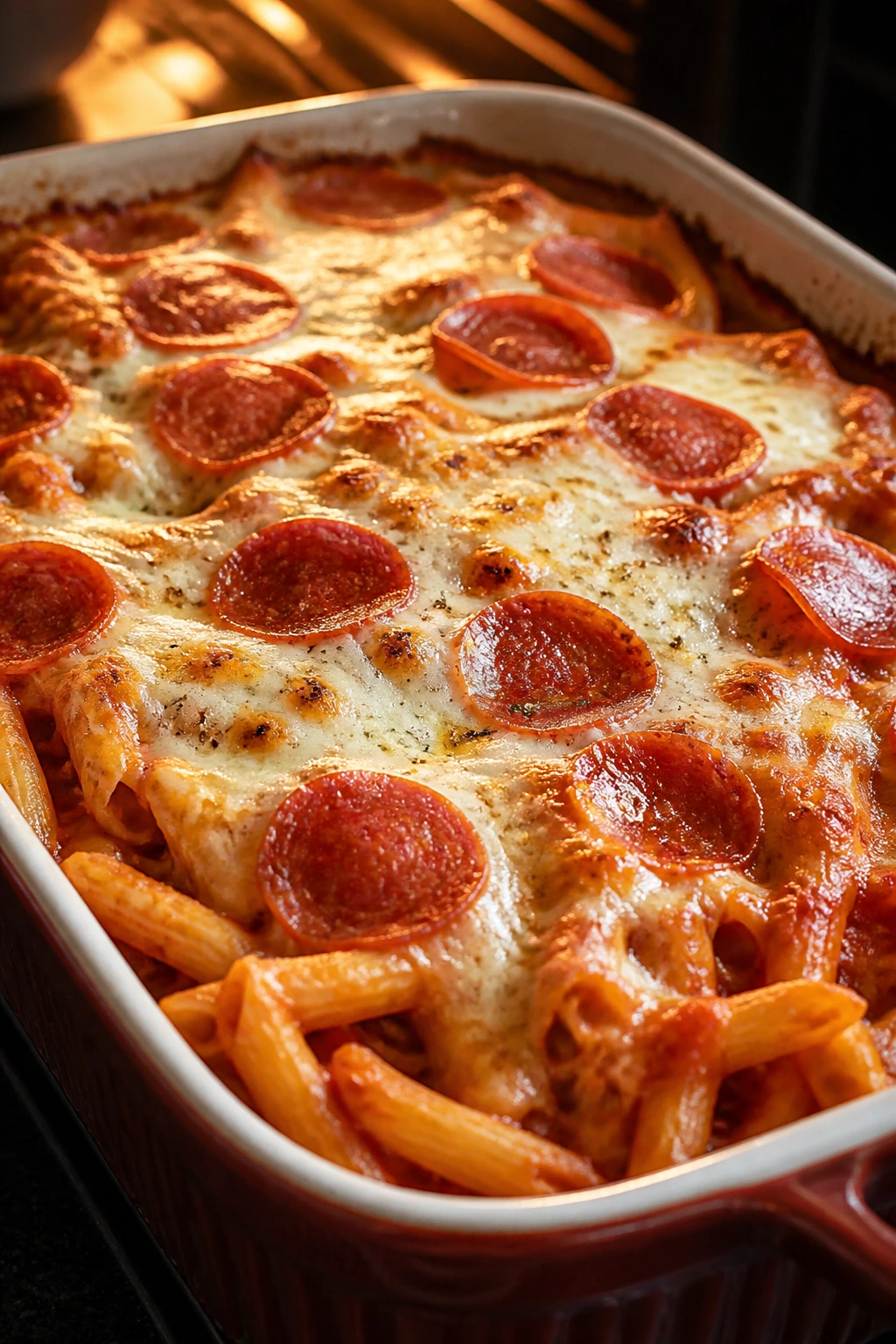
Pizza pasta bake is exactly what it sounds like, and that honesty helps. Pasta, sauce, cheese, pepperoni if wanted — baked until the top bubbles and the edges crisp a little. It gives you pizza flavor without the pressure of a perfect crust, which is a gift on a busy night.
Why It Works:
This dish combines two safe foods kids already know: pasta and pizza toppings. The baked cheese top makes it feel special, and the pasta underneath keeps it filling. Since everything bakes together, the flavors blend just enough without becoming mushy or weird.
Key Ingredients:
- 1 pound short pasta like penne or rotini
- 3 cups mild marinara sauce
- 2 cups shredded mozzarella cheese
- 1/2 cup mini pepperoni, optional
- 1 teaspoon Italian seasoning
- 1 tablespoon olive oil
- 1/4 cup grated parmesan
Quick Steps:
- Preheat the oven to 375°F and grease a 9×13-inch baking dish.
- Cook the pasta until just shy of tender, then drain.
- Toss the pasta with marinara, olive oil, Italian seasoning, and half the mozzarella.
- Spread it in the baking dish and top with the remaining mozzarella, pepperoni, and parmesan.
- Bake for 20 minutes until bubbling, then broil for 1 to 2 minutes if you want a browned top.
- Rest for 5 minutes before serving.
Equipment for This Recipe:
- Large pot
- Colander
- Baking dish
- Mixing spoon
- Foil, if the top browns too fast
How to Serve This Dish:
Serve it in scoops with a spoon or spatula so each portion keeps the cheese cap intact. A side of garlic bread makes this feel like pizza night without the pizza stress.
Pro Tips for This Recipe:
- Undercook the pasta slightly because it keeps cooking in the oven.
- Keep the sauce mild and smooth.
- Don’t broil too long or the cheese turns oily.
- Let it rest so the portions hold together.
Variations on This Dish:
- Cheese-Only Version: Leave off the pepperoni and let the mozzarella do the work.
- Sausage Pizza Bake: Add cooked crumbled sausage for a heartier pan.
- White Pizza Pasta Bake: Use alfredo sauce instead of marinara if tomato is the problem.
Common Mistakes to Avoid with This Dish:
- Overcooking the pasta before baking: It ends up soft.
- Too much sauce: The bake gets loose and soupy.
- Serving it immediately: The cheese runs everywhere.
Why These Easy Meals Work Better Than “Sneaky” Food
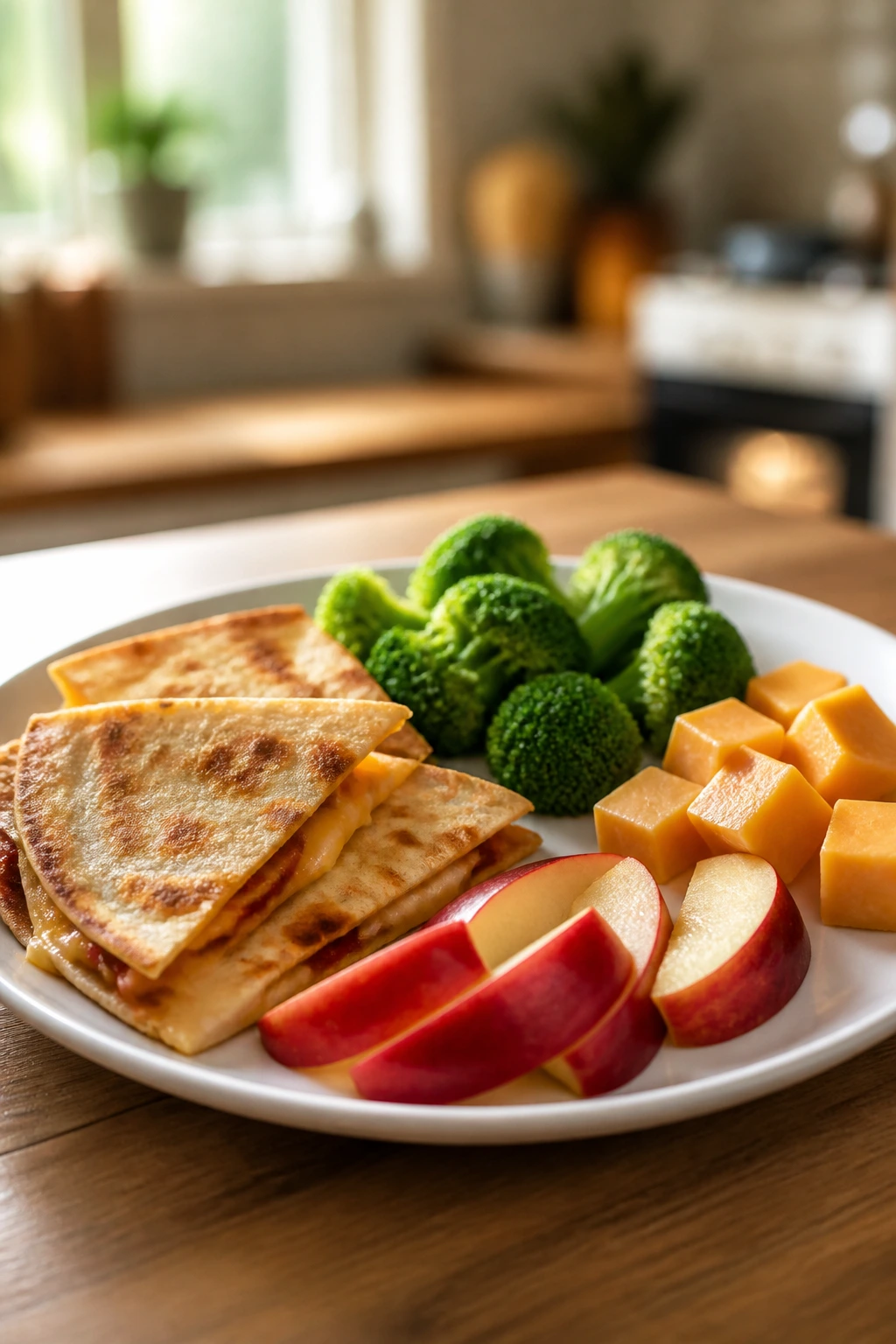
The best quick easy meals for picky eaters usually win by being honest about what they are. A cheese quesadilla doesn’t pretend to be vegetables. Butter noodles don’t hide behind a sauce so thick you need a decoder ring. That honesty lowers the temperature at the table, which is half the job on a rough night.
Kids often eat more willingly when the food is separated, the texture is predictable, and the flavors are mild enough to feel safe. A crunchy edge here. A soft center there. Sauce on the side instead of drenched over everything. Those little choices do more than any stealth tactic ever will, and they’re a lot easier to repeat tomorrow.
Essential Equipment for These Recipes
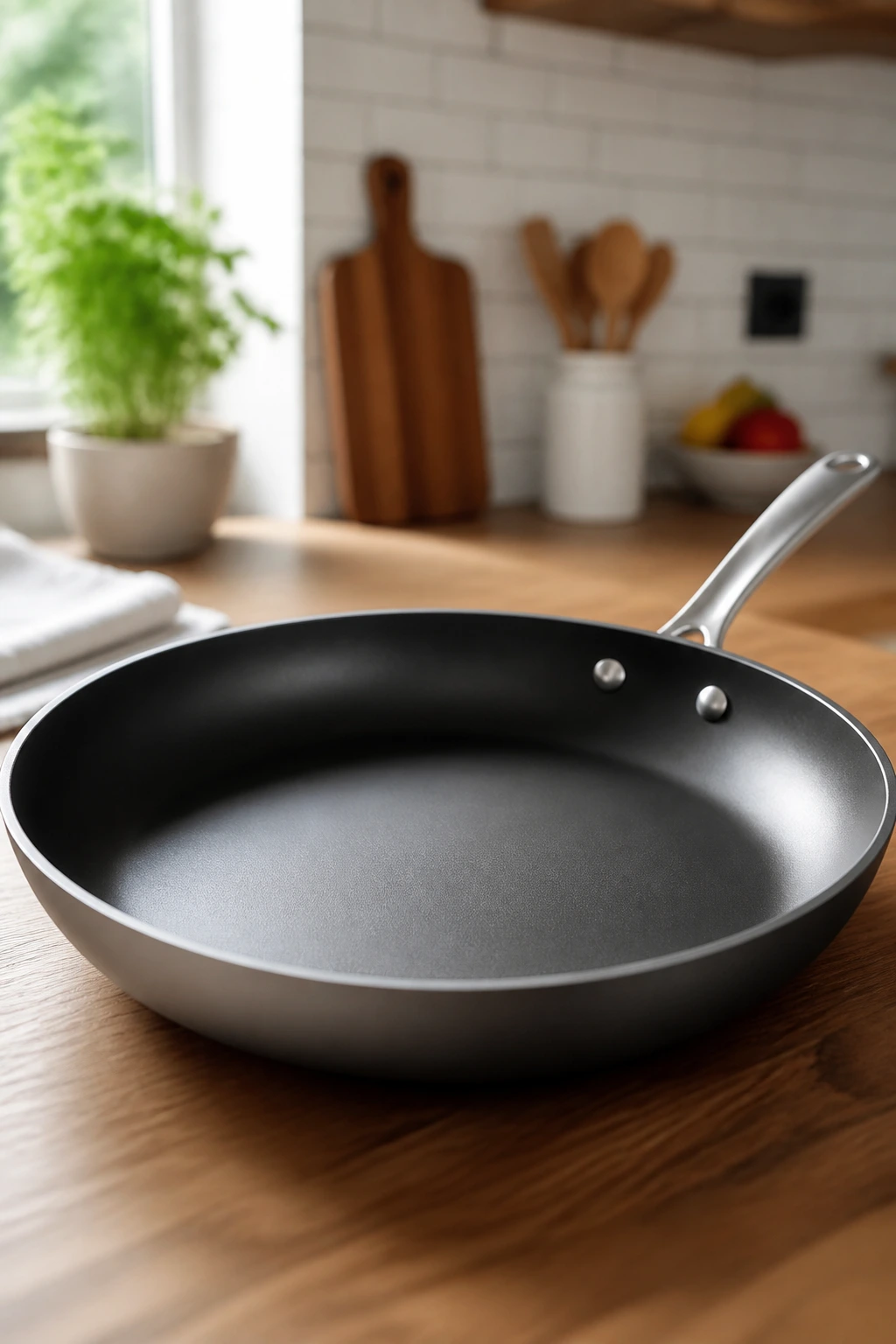
- 10-inch nonstick skillet: Useful for quesadillas, grilled cheese, eggs, and quick stovetop dinners where sticking is the enemy.
- Large deep skillet or wok: Better for fried rice, skillet pastas, and anything that needs room to toss without splashing.
- Rimmed baking sheet: Ideal for chicken tenders, pizza bagels, French toast sticks, and other oven jobs that need airflow.
- 9×13-inch baking dish: The workhorse for sliders, baked ziti, pasta bakes, and pot pie casseroles.
- Muffin tin or mini muffin tin: Handy for egg cups and corn dog muffins, where portion control matters.
- Instant-read thermometer: Not glamorous. Extremely useful for chicken, especially when kids refuse dry meat.
- Whisk and mixing bowls: You’ll use them constantly for eggs, batter, and sauces.
- Colander: Pasta nights need one. There’s no shortcut that feels better.
- Spatula and wooden spoon: Gentle enough for eggs and sturdy enough for skillet meals.
- Parchment paper or foil: Keeps pans cleaner and helps with sticky baked items.
Smart Shopping and Ingredient Tips
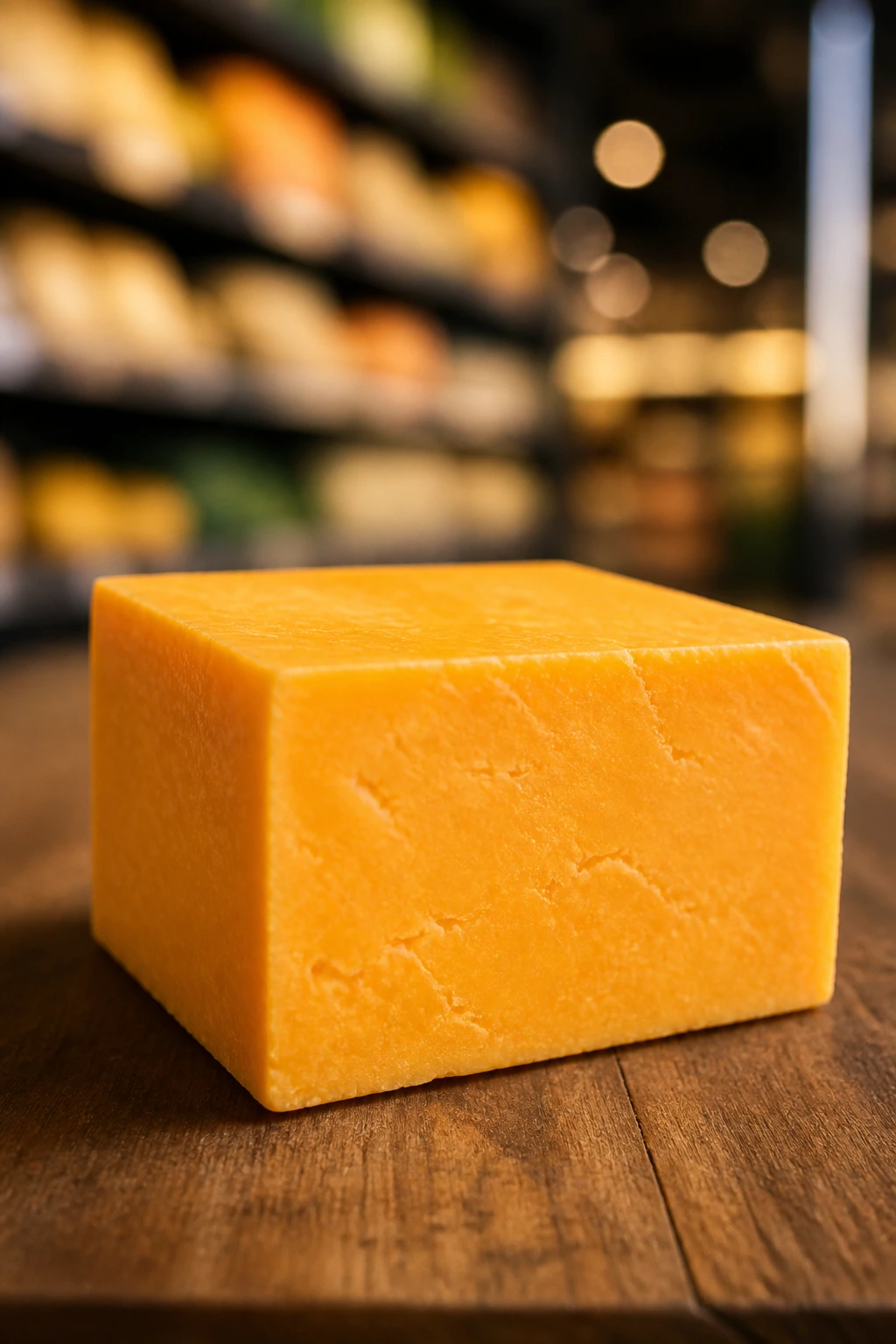
Start with ingredients that behave politely. Mild cheddar, mozzarella, American cheese, plain tortillas, soft slider buns, and short pasta shapes usually get farther with picky kids than sharp cheese or fancy bread. Save the assertive flavors for the adults’ plates if you want them.
Rotisserie chicken is one of the few shortcuts I’ll defend every time. It works in sliders, fried rice, pot pie, and cheesy bakes because the meat is already cooked, already seasoned, and easy to shred. If the skin is too salty, pull it off and use only the meat. Same for marinara: pick a mild jar with a short ingredient list and no visible chunks if texture is a trigger.
For pasta, choose shapes that hold sauce in little pockets — elbows, rotini, ziti, ravioli, penne. Long noodles have their place, but short pasta is less slippery and easier for small forks. On the produce side, frozen peas and carrots are often the better choice because they’re softer, smaller, and more predictable than fresh vegetables that need a lot of cutting.
One more thing. Buy bread that bends. Soft sandwich bread, slider buns, tortillas, and crescent dough all work because they fold and toast without fighting the filling. Crusty bread can be lovely, but it can also become a negotiation you did not ask for.
How to Serve These Recipes
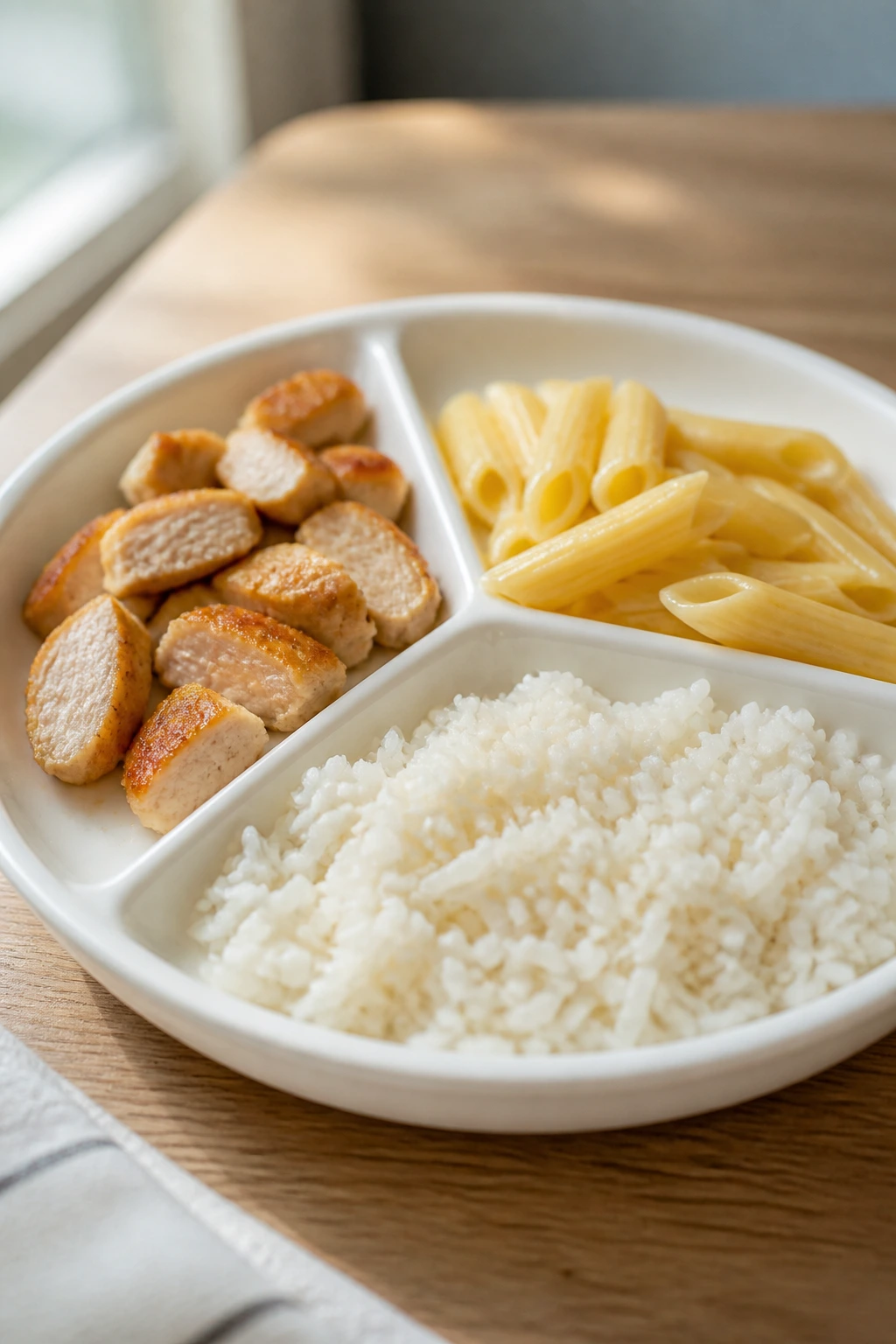
Presentation: Keep the plate neat and divided. Kids who dislike mixed food often relax when the chicken, pasta, rice, or dip stays in its own little zone instead of being piled into one mound.
Accompaniments: Think simple and familiar: apple slices, grapes, carrot sticks, peas, corn, plain chips, crackers, yogurt, or a buttered roll. A side doesn’t need to be elaborate if the main dish already carries dinner.
Portions: Small servings work better than adult-size piles. Two sliders, one cup of pasta, four tender pieces, or a modest scoop of rice is usually enough to start; you can always offer seconds without making the first plate intimidating.
Beverage Pairing: Cold milk is still the quiet champion for cheese-heavy meals. For kids who don’t want milk, water with ice or a very lightly sweetened fruit spritzer keeps the meal simple and doesn’t compete with the food.
Additional Tips and Flavor Boosters
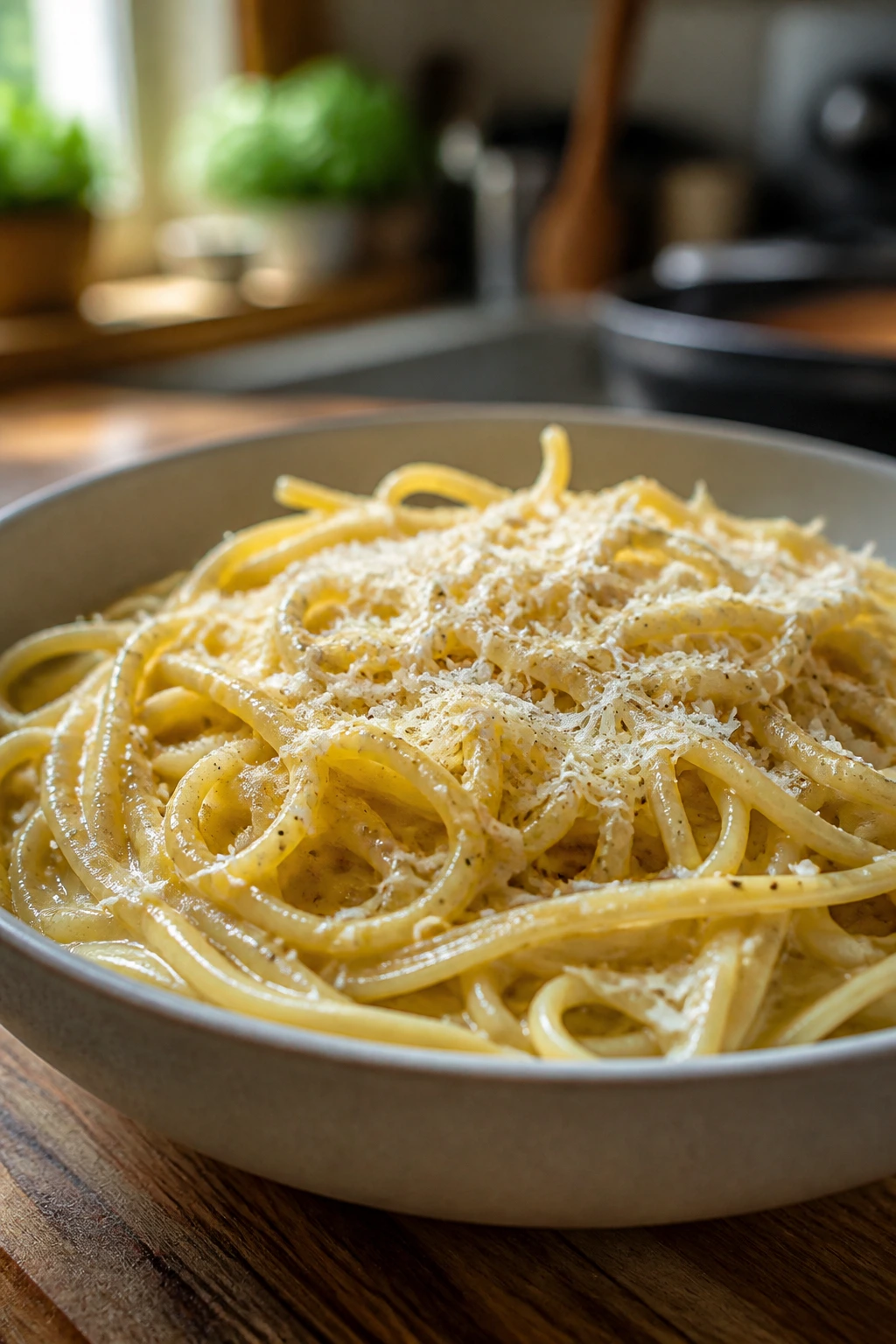
Flavor Enhancement: A tiny bit of parmesan, garlic butter, or a mild dipping sauce can wake up a plate without changing the meal’s personality. I’m especially fond of finishing buttered noodles with a teaspoon of pasta water and extra parmesan; it turns a plain bowl into something glossy and more complete.
Customization: Let one part of the meal stay plain. Put sauce on the side, keep the vegetables separate, or offer cheese on the top instead of baked into everything. Kids who need control often do better when they can build the bite themselves.
Serving Suggestions: Cut sandwiches into triangles, pizza into squares, pancakes into strips, and sliders into halves. The shape matters more than people think. It makes the food look smaller, less complicated, and easier to start.
Make-It-Yours: For dairy-free meals, use meltable plant-based cheese and dairy-free butter where needed. For gluten-free meals, tortillas, pasta, and breadcrumbs have decent alternatives now, but it helps to toast or crisp them a little so the texture doesn’t turn soft and sandy.
Make-Ahead, Storage, and Reheating Guidance
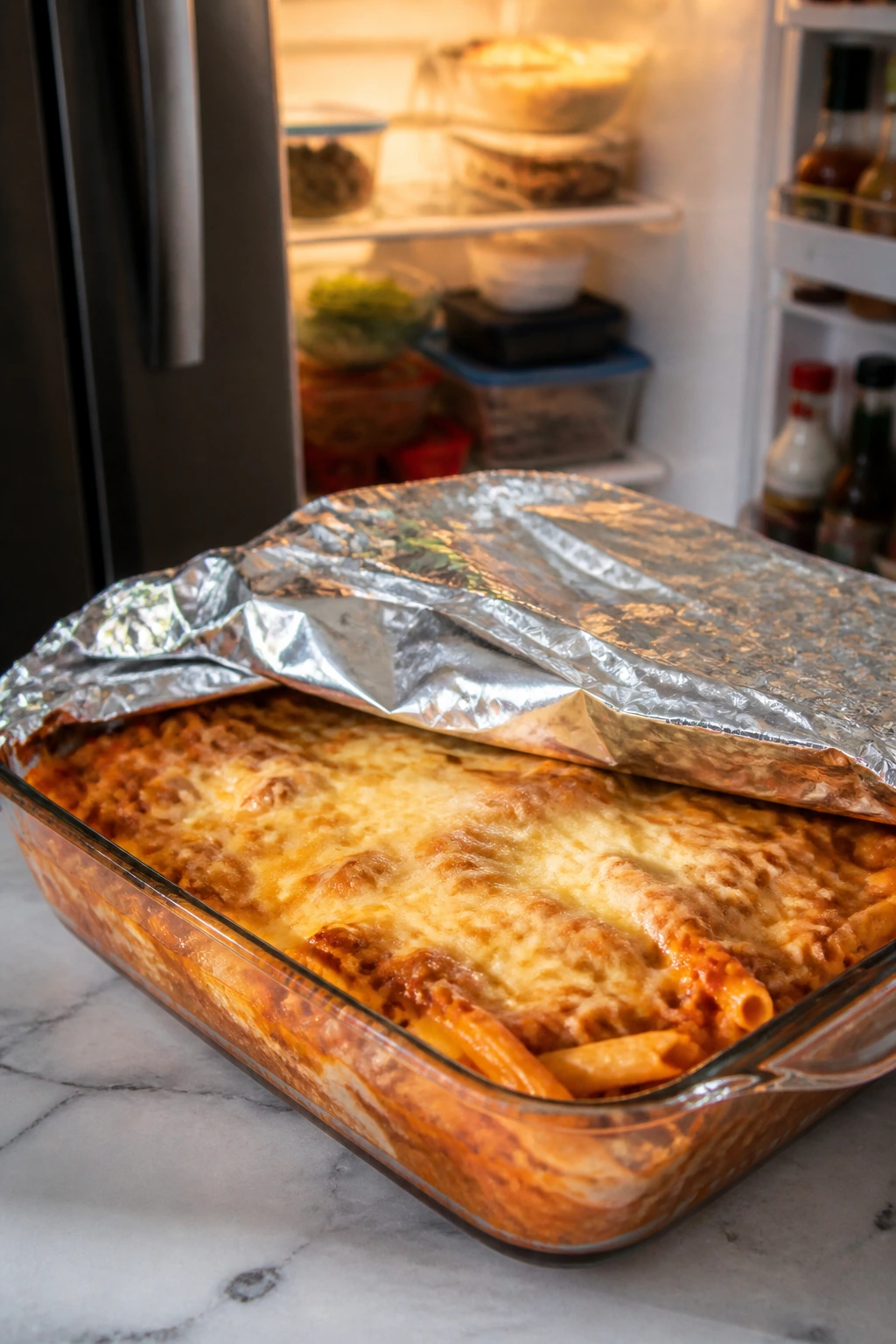
Most of these meals keep well in the fridge for 3 to 4 days if you cool them quickly and store them in airtight containers. The soft-bread items — sliders, roll-ups, grilled cheese, quesadillas — are best reheated in a skillet or toaster oven rather than the microwave, which tends to make them limp. Pasta bakes, mac and cheese, sloppy joe filling, meatballs, and fried rice all reheat well in a covered skillet with a splash of water or broth.
For the freezer, hold back on anything bread-based if you can. The filling for sloppy joes, meatballs, taco meat, chicken fried rice, mac and cheese, and baked ziti freezes well for up to 2 months. Thaw overnight in the fridge, then reheat slowly so the sauce doesn’t split. Chicken tenders and corn dog muffins also freeze decently once baked; reheat them in a 375°F oven or air fryer until the centers are hot.
Make-ahead works especially well for the casseroles and skillet meals. You can cook taco meat, meatballs, sloppy joe filling, ziti, or pot pie filling a day in advance and assemble when dinner time gets messy. Egg muffins and corn dog muffins are also solid prep items for breakfast or lunchboxes. Just keep the breading crisp by reheating with dry heat, not steam.
A final note from the trenches: if a meal contains cheese and pasta, it will almost always thicken in the fridge. That’s not a failure. It’s what the fridge does. Add a spoonful of milk, broth, or water while reheating, stir gently, and the texture comes back.
Variations and Adaptations to Try
-
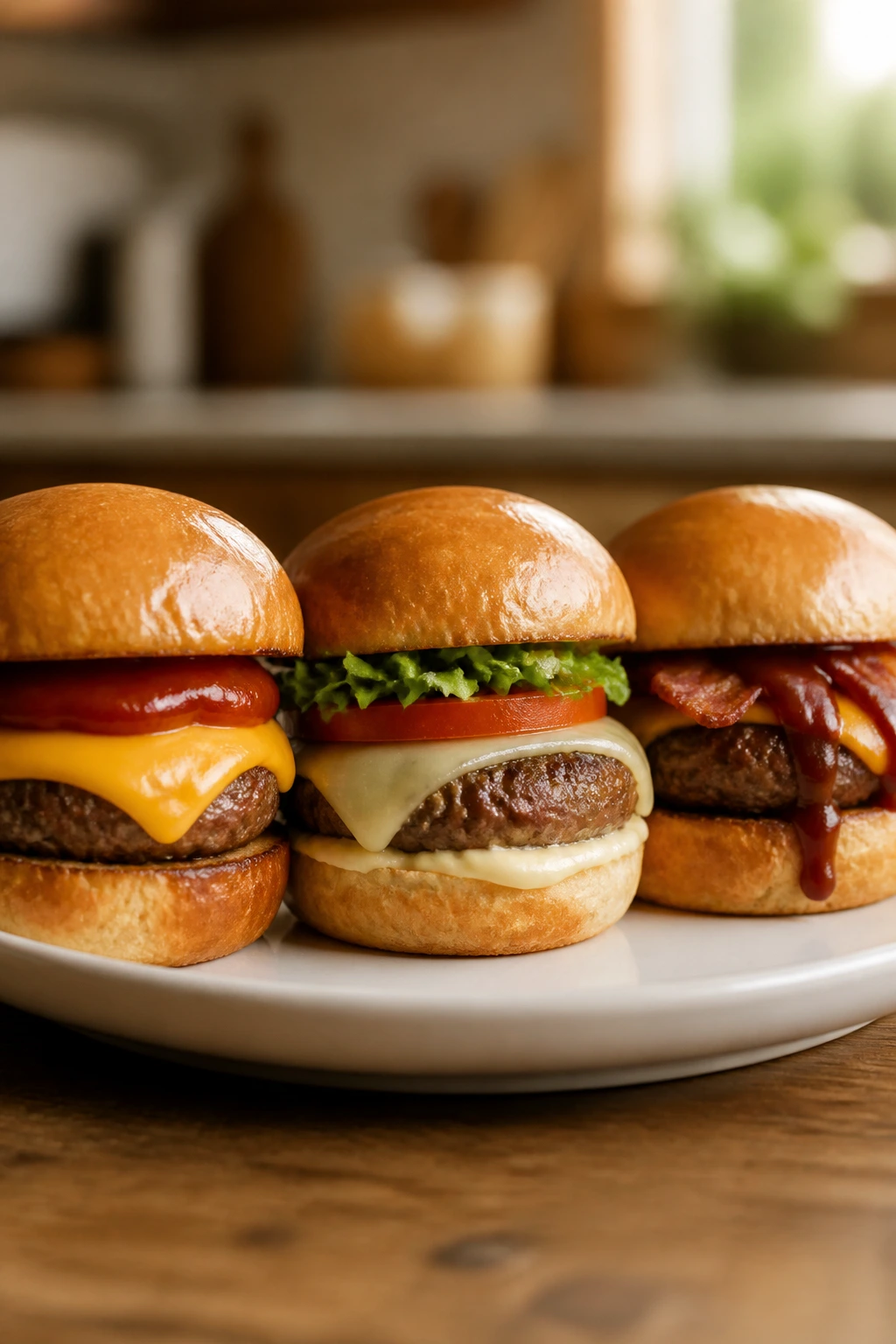
The Plain Plate Route: Keep one side of the plate completely bare — plain pasta, plain rice, plain bread, or plain chicken — so a child who hates mixed food still has a path in.
-
The Crunch Upgrade: Add toasted breadcrumbs, crisped tortillas, or a quick broil on top of casseroles to give the meal a little texture without changing the flavor.
-
The Dairy-Free Turn: Use plant-based butter, dairy-free cheese, and unsweetened non-dairy milk in recipes like quesadillas, mac and cheese, and baked pasta. The texture changes a bit, but the structure still works.
-
The Protein Swap: Change the chicken, beef, turkey, or ham depending on what your family actually buys. Most of these recipes tolerate a one-to-one swap as long as the meat is cooked through and seasoned gently.
-
The Lower-Sodium Path: Choose low-sodium broth, mild sauces, and less processed cheese when possible. Then lean on butter, parmesan, and careful browning for flavor instead of salt.
-
The Tiny-Texture Fix: Chop vegetables smaller than you think you should, and cook them until soft. For kids who object to “bits,” smaller is not a detail. It’s the difference between eating and refusing.
Common Mistakes to Avoid When Cooking for Picky Eaters
The biggest mistake is trying to make every meal “healthy” by force. That usually means hidden vegetables, extra sauces, or a strange texture that looks familiar from a distance and suspicious up close. Kids notice. They always do.
Another trap is making the food too mixed. A casserole with three sauces, four vegetables, and a mystery topping is too much for many children. Separate components are your friend. A plate with rice, chicken, cheese, and one vegetable on the side is calmer than a bowl where everything is tangled together.
Dry chicken is another deal-breaker. If you overcook tenders, sliders, or pot pie filling, the whole meal feels less forgiving. Use a thermometer on chicken and pull it at 165°F. No guesswork. Dry meat gets rejected faster than bland meat.
Sauces can also ruin a promising dinner when they’re too sharp, too sweet, or too runny. Mild marinara, plain tomato soup with a little sugar, soft cheese sauce, and thick taco meat all work because they sit in the middle. They don’t shout.
And please do not overload the plate. A mountain of food can look exciting to adults and panicked to kids. Start smaller. Seconds are easier to ask for than permission to leave the table early.
Picky-Eater Meal Questions People Actually Ask

Can I make these meals ahead for the whole week?
Some of them, yes. Meatballs, taco meat, sloppy joe filling, mac and cheese, fried rice, and pasta bakes all hold up well for a few days. Keep the bread-based meals separate until serving so they don’t go soft.
What if my child only eats plain noodles or plain rice?
That’s still a place to start. Serve the sauce, cheese, chicken, or vegetables on the side and let the meal stay segmented. The plate can be plain at first and still count as progress.
How do I make a meal more filling without making it fancier?
Add a second safe item, not a weird one. Pair buttered noodles with chicken, grilled cheese with soup, or sliders with fruit and chips. Familiar sides work better than trying to smuggle in too much change.
Are frozen vegetables okay in these recipes?
Absolutely. Frozen peas, carrots, corn, and mixed vegetables are often softer and smaller than fresh ones, which helps with texture. Thaw them first if the recipe needs them to blend in smoothly.
Can I use rotisserie chicken in most of these meals?
Yes, and I would. It works in sliders, fried rice, pot pie bake, chicken quesadillas, and pasta dishes. Shred it finely so it blends into the meal instead of arriving in big fibrous chunks.
What’s the best way to reheat pasta without drying it out?
Add a spoonful of water, milk, broth, or sauce before reheating, then cover the dish loosely. Microwave in short bursts or reheat on the stovetop over low heat. Stir once or twice so the bottom doesn’t overcook.
How do I handle a kid who hates sauce touching anything?
Serve the sauce in a separate cup or spoon it on one side of the plate only. That small bit of control often makes the difference between refusal and a first bite.
Can I swap cheese types if my child is picky about flavor?
Yes, and it matters more than people think. American cheese melts very smoothly and tastes mild, mozzarella is gentle and stretchy, and cheddar is sharper. If a child dislikes strong cheese, start with the mildest option.
What if the meal turns out soggy?
Usually the fix is heat and a shorter sauce layer. Toast bread before adding toppings, drain pasta well, cook fillings until thick, and keep wet ingredients modest. Sogginess is mostly a moisture problem, not a flavor problem.
Final Thoughts
Meals for picky eaters do not need to be clever. They need to be edible, familiar, and fast enough that nobody gets hungry enough to start a kitchen argument. Soft bread, simple cheese, mild sauce, crisp edges, and separate components go a long way.
The nicest part is that these dinners don’t trap you in kid food forever. They’re real meals, just shaped in a way that gets accepted on the first try. Start with one of the safest options on the list, keep the flavors gentle, and let the plate do some of the convincing for you.