



If dinner has turned into a nightly trade — one bite of broccoli for one episode, one forkful of chicken for a promise, one suspicious sniff of sauce before the whole plate gets side-eye — the problem usually isn’t your cooking. It’s the setup.
Easy dinners for picky eater families work best when the meal feels familiar before the first bite. Kids who flinch at mixed textures, bright sauces, or anything that looks “different” are often reacting to surprise more than flavor. A plain noodle, a piece of chicken they can see, a potato split open with butter on the side — those small things lower the tension fast.
I’m not a fan of turning dinner into a stealth mission. Hiding vegetables in everything can backfire when a child notices the trick. Trust matters. A better move is to build meals with a few safe parts, keep the risky stuff tiny and optional, and let the table look predictable from a distance. That approach sounds almost too plain to matter. It matters a lot.
Why These Dinners Usually Work
-
One safe food on every plate: A familiar starch or protein gives cautious eaters something they already trust before they deal with the rest of dinner.
-
Sauce stays optional: Putting ketchup, salsa, gravy, or marinara in a small bowl keeps the plate from becoming a slippery mess kids refuse to touch.
-
Separate parts beat mixed mush: Many picky eaters handle food better when the chicken, rice, vegetables, and dip are clearly distinct.
-
Small portions lower the pressure: Two broccoli florets or three peas are easier to face than a whole heap of something new.
-
Leftovers actually help here: The same plain rice, pasta, chicken, or potatoes can turn into a second dinner without making you cook from scratch again.
-
The table stays calmer: When kids know what’s on their plate, they argue less, poke around less, and eat sooner.
The Plate Formula That Calms a Suspicious Dinner Table
The easiest picky-eater dinners are not flashy. They’re structured. I like a simple four-part plate: one anchor food, one protein, one easy vegetable or fruit, and one dip or sauce on the side. That setup gives a child a map, and kids who distrust dinner need a map more than they need a surprise.
Here’s the part people often skip. The anchor food is not a filler. It’s the peace treaty. Plain rice, buttered noodles, a roll, roasted potatoes, tortilla wedges, or a baked potato gives a child one obvious thing to eat while they decide what to do with everything else.
The Three Things to Put on the Plate First
-
A starch they already know: Rice, noodles, potatoes, bread, tortillas, or pasta shells are usually the safest starting point.
-
A protein that looks like itself: Chicken pieces, meatballs, eggs, or cheese sticks work better when the child can see the shape.
-
One small side that is not a trap: A few cucumber coins, apple slices, carrots, peas, or a tiny scoop of corn can sit there without becoming the whole conversation.
I also like to keep sauces off the main food unless a child asks for them. That sounds fussy, but it saves a lot of drama. A plate with dry chicken and a little ranch cup looks boring to adults and reassuring to kids. Boring is fine here. Boring gets eaten.
There’s another quiet benefit. This kind of plate makes repeated exposure easier. A child might ignore the cucumber today, touch it tomorrow, lick the dip off it later in the week, and finally eat it next month. That slow, weird path is normal. Pushing harder usually only makes the vegetable feel more suspicious.
Pasta Nights With Sauce Bowls and Buttered Backup
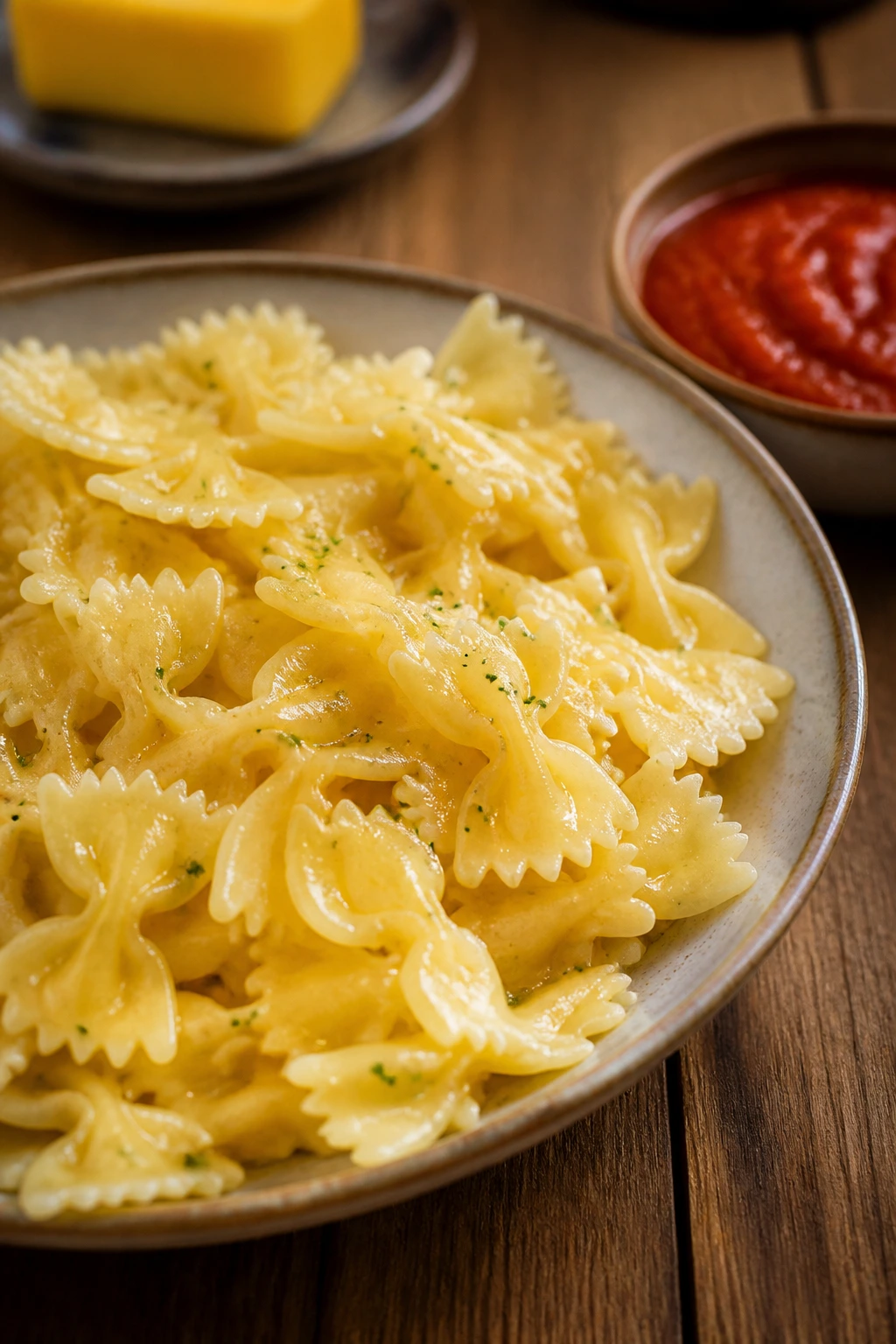
Pasta is the family meal that forgives a lot of mistakes. A plain bowl of noodles is rarely offensive, and that gives you room to do dinner two ways at once: familiar for the cautious eater, a little more seasoned for everyone else. That is one reason pasta shows up so often in easy dinner ideas for picky eater families. It gives you a built-in backup.
The trick is to stop treating pasta like one single thing. A child who rejects marinara may still eat noodles with butter and parmesan. Another child may accept a mild meat sauce but refuse visible onion pieces. A third might eat every single noodle if the sauce stays in a separate bowl. Fine. Let it be separate.
What Helps Pasta Land Better
-
Keep one batch plain: Toss half the noodles with a little butter or olive oil and salt before sauce goes anywhere near them.
-
Choose shapes that hold up: Penne, rotini, shells, and rigatoni catch sauce well. Long noodles are fine too, but little kids often handle short shapes more easily.
-
Serve sauce on the side when needed: Marinara, alfredo, pesto, or meat sauce can sit in tiny bowls so nobody has to commit.
-
Offer one familiar top layer: Shredded parmesan, mozzarella, or a little grated cheddar can make the dish feel safer.
-
Add protein separately: Meatballs, rotisserie chicken, or sliced sausage work better when they’re easy to identify.
Pasta also gives you a clean way to vary dinner without making it look like a new meal every time. Monday can be buttered noodles with peas on the side. Wednesday can be spaghetti with meatballs. Friday can be mac and cheese with chopped chicken stirred in for the adults and plain on the kids’ side of the table. Same base. Different mood.
I’d rather do that than force a creamy casserole on a child who already dislikes mixed textures. Not everything needs to be tucked together. Some dinners are better when the edges stay visible.
Taco Bars Built From Familiar Parts
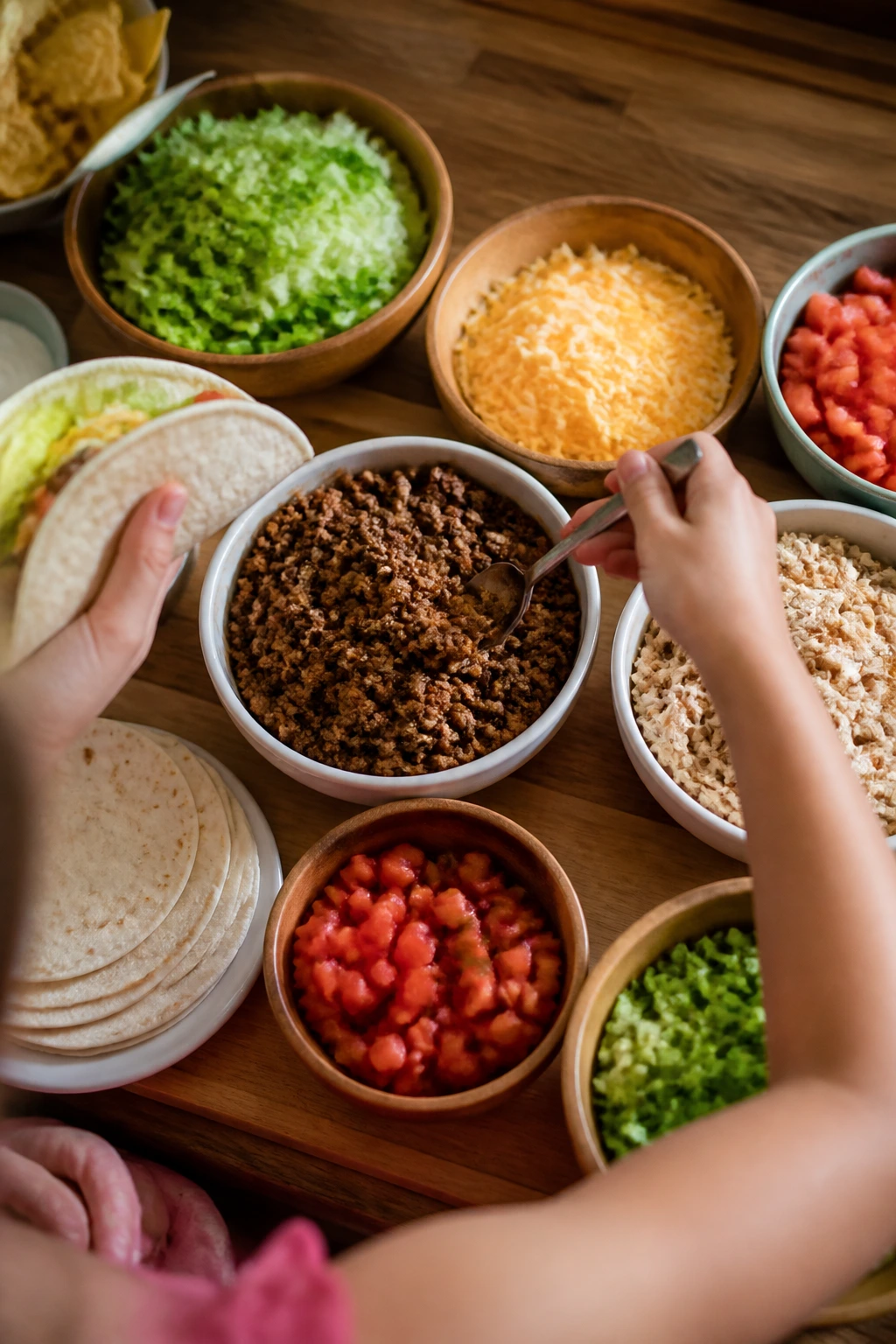
A taco bar looks casual on purpose, and that is exactly why it works. Kids who balk at a fully assembled taco often do better when they can build the thing themselves, one little part at a time. Tortilla first. Cheese second. Chicken or beef next. Maybe a tomato if the mood is brave. Maybe not.
The beauty here is control. You are not asking a picky eater to accept a finished object. You’re asking them to assemble a dinner from pieces they can inspect. That changes the whole feel of the meal.
I prefer a taco setup that leans mild and plain. Season the meat well, but do not drown it in heat. Keep the hot sauce for the adults. Put salsa, sour cream, lettuce, and chopped tomatoes in separate bowls. If a child likes rice more than tortillas, turn the same ingredients into a burrito bowl. If a child hates soft tacos, give them tortilla chips and let them make nacho plates.
Small Taco-Bar Moves That Help
-
Use mini tortillas or small shells: Smaller builds feel less overwhelming and are easier for little hands.
-
Keep one dry ingredient on the side: Rice, shredded cheese, or refried beans gives the plate a safe base.
-
Offer plain protein first: A spoonful of plain chicken, ground beef, or black beans can go on the plate before seasonings and toppings.
-
Avoid wet overload: Too much salsa or sour cream makes the tortilla break and turns dinner into a mess.
-
Let the child decide the order: Some kids want cheese first because they can see it. Some want meat first because that feels “done.”
I’m also a fan of taco night because the leftovers are painless. The meat becomes quesadillas, the rice becomes a lunch bowl, and the tortillas turn into quick roll-ups. That matters on the nights when everyone is hungry and patience has already left the building.
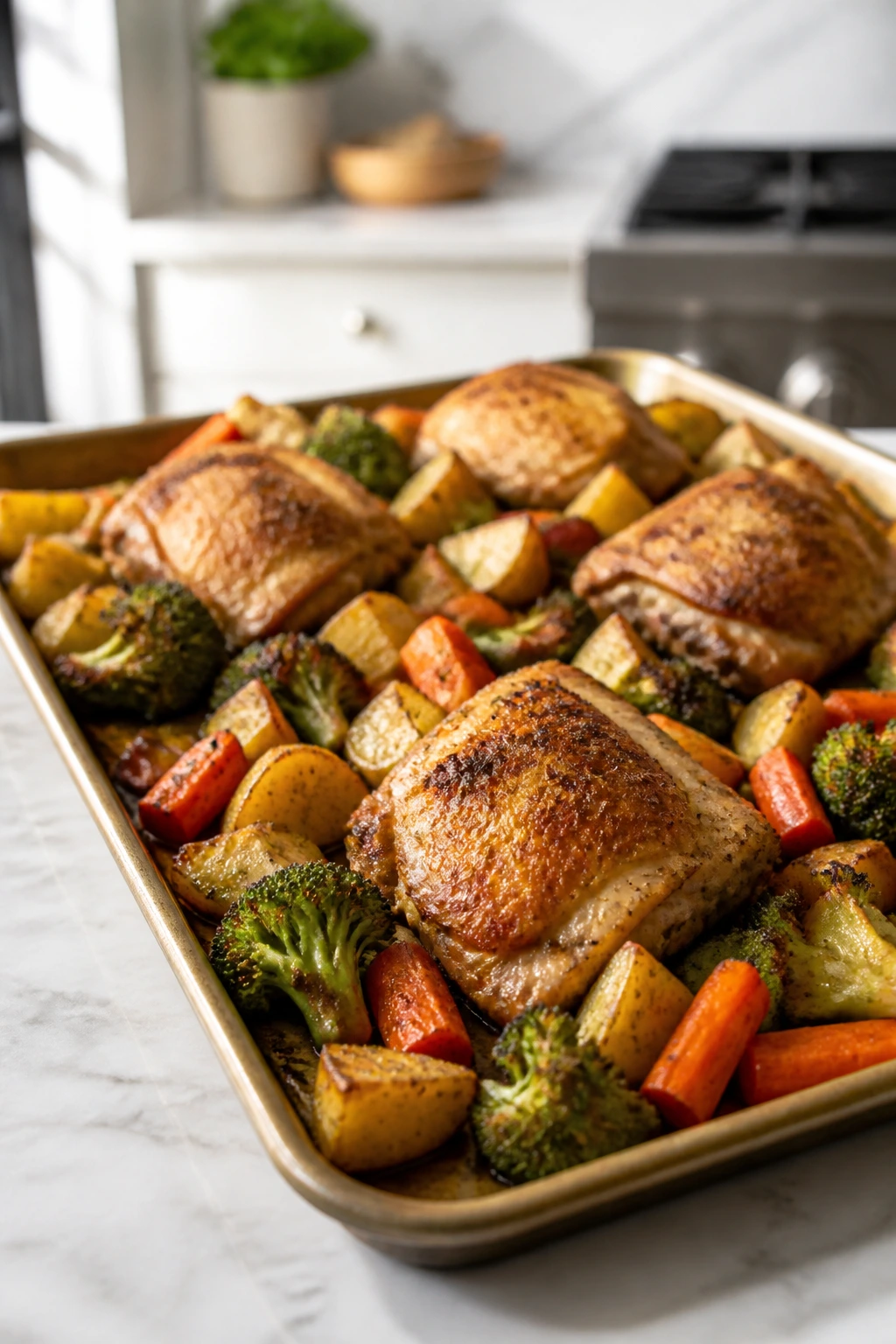
Sheet Pan Chicken and Potatoes Kids Recognize
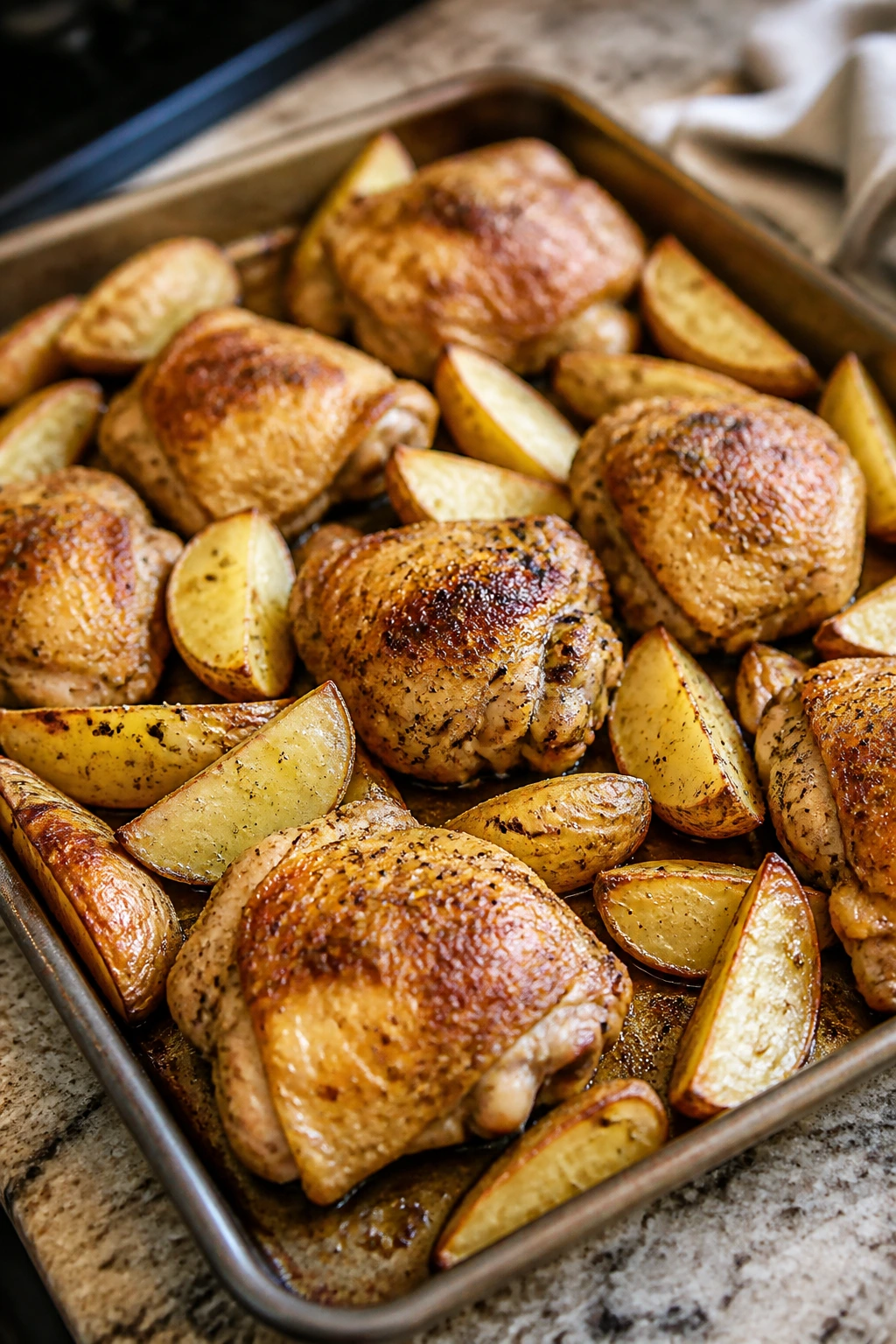
Golden edges help. Kids who resist soft, saucy food often trust roasted food sooner because it looks finished in a simple way. A sheet pan dinner with chicken and potatoes gives you that browned edge, a clear shape, and a plate that does not look like someone stirred everything together in a hurry.
This is where a lot of “healthy family dinner” advice goes wrong. People cram carrots, onions, broccoli, and peppers onto one pan, then act shocked when a picky eater refuses dinner. If the goal is to get a child to eat chicken and potatoes, then chicken and potatoes need to be the stars. You can add a vegetable, sure. Keep it modest. Keep it separate if necessary.
A Better Sheet Pan Layout
-
Chicken pieces: Boneless thighs, chicken tenders, or small breast pieces cook evenly and are easier to recognize.
-
Potato wedges or cubes: They brown well and give the plate a familiar anchor.
-
One vegetable, if used: Carrots, green beans, or broccoli florets can sit on the edge of the pan, not buried under the chicken juices.
-
A simple seasoning blend: Salt, pepper, garlic powder, and a little paprika go far without making the food taste “spicy.”
-
Dipping sauce on the side: Ranch, honey mustard, or ketchup often wins more cooperation than extra seasoning.
The temperature matters too. Roast hot enough to get color — 400°F to 425°F is the zone where potatoes develop crisp corners instead of going soft and pale. Chicken should come out juicy, not dry and apologetic. If your oven runs cool, give the potatoes a head start so they can brown instead of steaming.
I like this dinner because it looks like real dinner. Not cafeteria food. Not a casserole mystery. Just roasted pieces, a clean plate, and a sauce cup if someone wants it.
Meatballs, Nuggets, and Other Safe-Shape Proteins
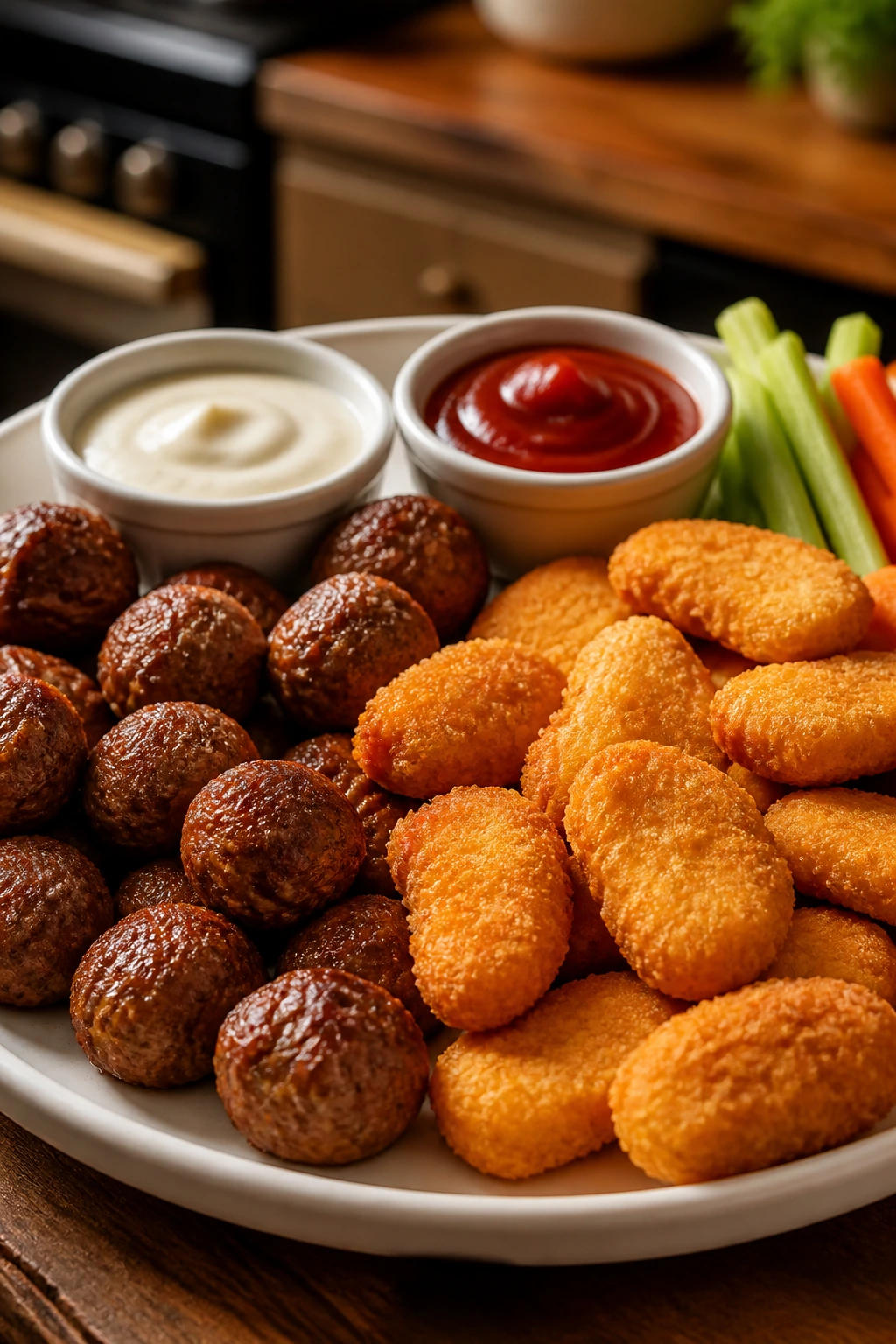
Round foods have a strange power over picky eaters. So do finger-shaped foods. Meatballs, chicken nuggets, turkey bites, and little patties feel less threatening because the shape tells the child what they’re dealing with. That sounds tiny. It isn’t tiny at the table.
There’s also a texture reason these dinners work. A well-cooked meatball gives you a crisp outside and a soft center. A nugget gives you crunch, then a familiar middle. Kids who hate stringy meat or wet casseroles often do fine with these shapes, especially if there’s something to dip them in.
Frozen meatballs are not a moral failure, by the way. Sometimes they are the right answer. Same with store-bought nuggets on a night when your brain has turned to soup. The goal is a dinner the family can live with, not a medal for making every piece from scratch.
Good Pairings for Shape-Based Dinners
-
Rice or buttered noodles: Both calm the plate down and work with almost any meatball or nugget.
-
Mild dipping sauces: Ketchup, ranch, barbecue sauce, honey mustard, or plain yogurt dip can sit in small cups.
-
Simple fruit or vegetable sides: Apples, cucumbers, peas, or baby carrots give a little color without making dinner feel chaotic.
-
Mini slider buns or rolls: Meatballs and patties can turn into sandwiches if the child wants food in bread form.
I prefer to keep the seasoning simple and the outside a little crisp. Overly soft meatballs can feel weird to children who already distrust texture. And if you’re making homemade nuggets, bread them lightly and bake or air-fry until the coating looks dry and golden. Soggy breading is a fast way to lose the room.
These dinners also travel well into lunch boxes. That’s a bonus, but not the main point. The main point is that a child who sees a neat little food shape on the plate often relaxes enough to start.
Quesadillas and Grilled Cheese That Count as Dinner
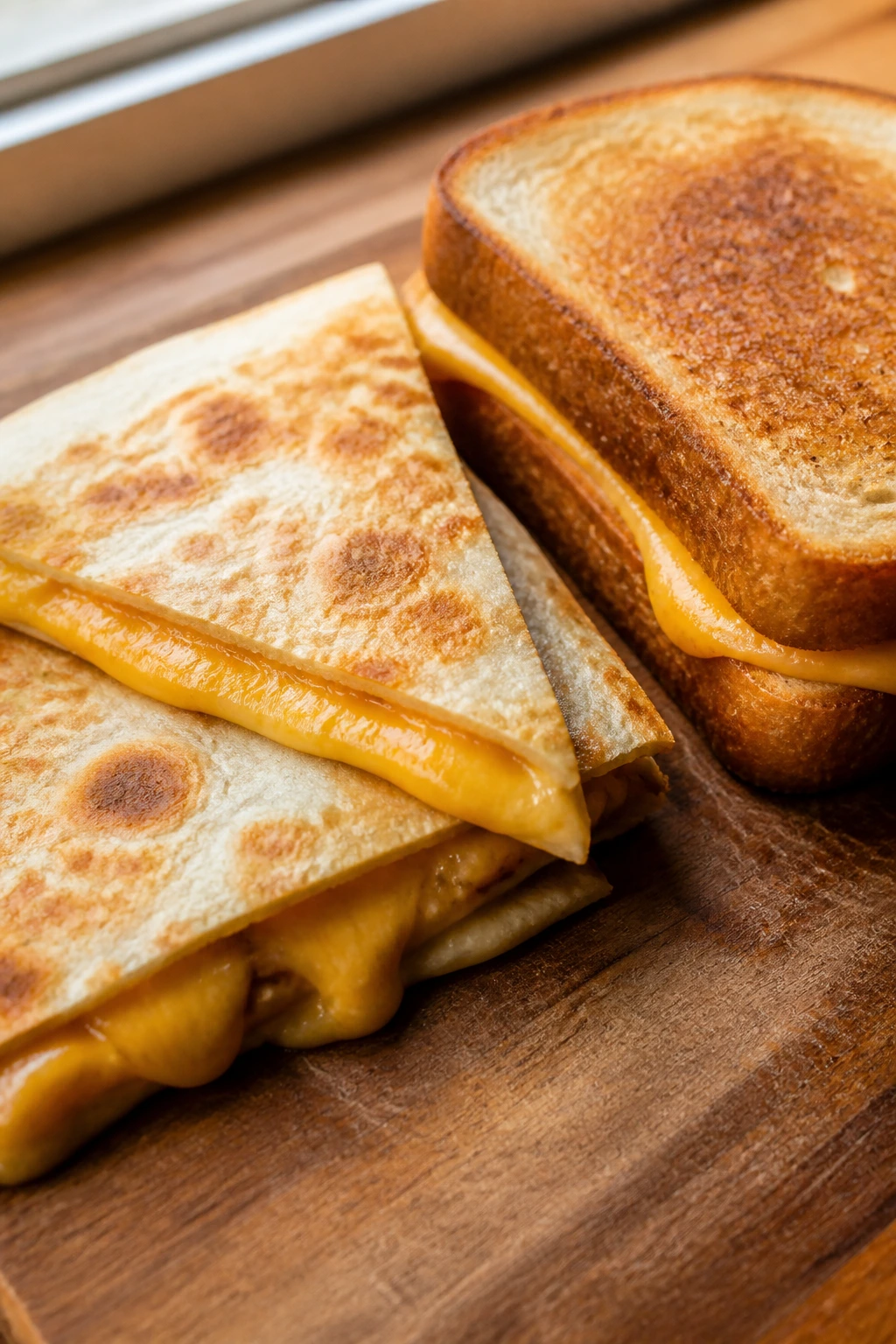
Melted cheese changes the mood of a meal. It just does. The smell of butter hitting a skillet, the crispy edge on the bread or tortilla, the stretch when you cut into the middle — those details make quesadillas and grilled cheese feel like comfort without requiring a complicated recipe.
I like these dinners because they solve a picky-eater problem without pretending to be something else. A cheese quesadilla is still a cheese quesadilla even if you add shredded chicken or a thin layer of beans. A grilled cheese stays grilled cheese even if you serve tomato soup on the side. Kids understand that. Adults understand that. Nobody needs a speech.
The Fillings That Usually Work
-
Shredded cheese only: Simple and often the safest first version.
-
Very thin fillings: Cooked chicken, refried beans, or tiny bits of ham work better than chunky vegetables.
-
Dry fillings over wet ones: Wet salsa inside a quesadilla can make the tortilla soggy before it hits the skillet.
-
One dip on the side: Salsa, sour cream, ranch, or guacamole can stay optional.
A good skillet matters here. Medium heat is your friend. Too hot, and the tortilla burns before the cheese melts. Too cool, and you get a pale, limp shell with no crisp edge. You want the outside golden and the inside soft enough to pull apart in clean strings. That middle is the sweet spot.
The same logic works for grilled cheese. Use a sturdy bread, a moderate amount of cheese, and a little butter or mayo on the outside so the crust browns evenly. If you add tomato slices or spinach, keep them sparse. One layer. Not a salad pretending to be lunch.
I’ll say this plainly: when dinner is sliding toward mutiny, a well-made quesadilla is one of the fastest routes back to peace.
Breakfast-for-Dinner When Everyone Is Out of Steam
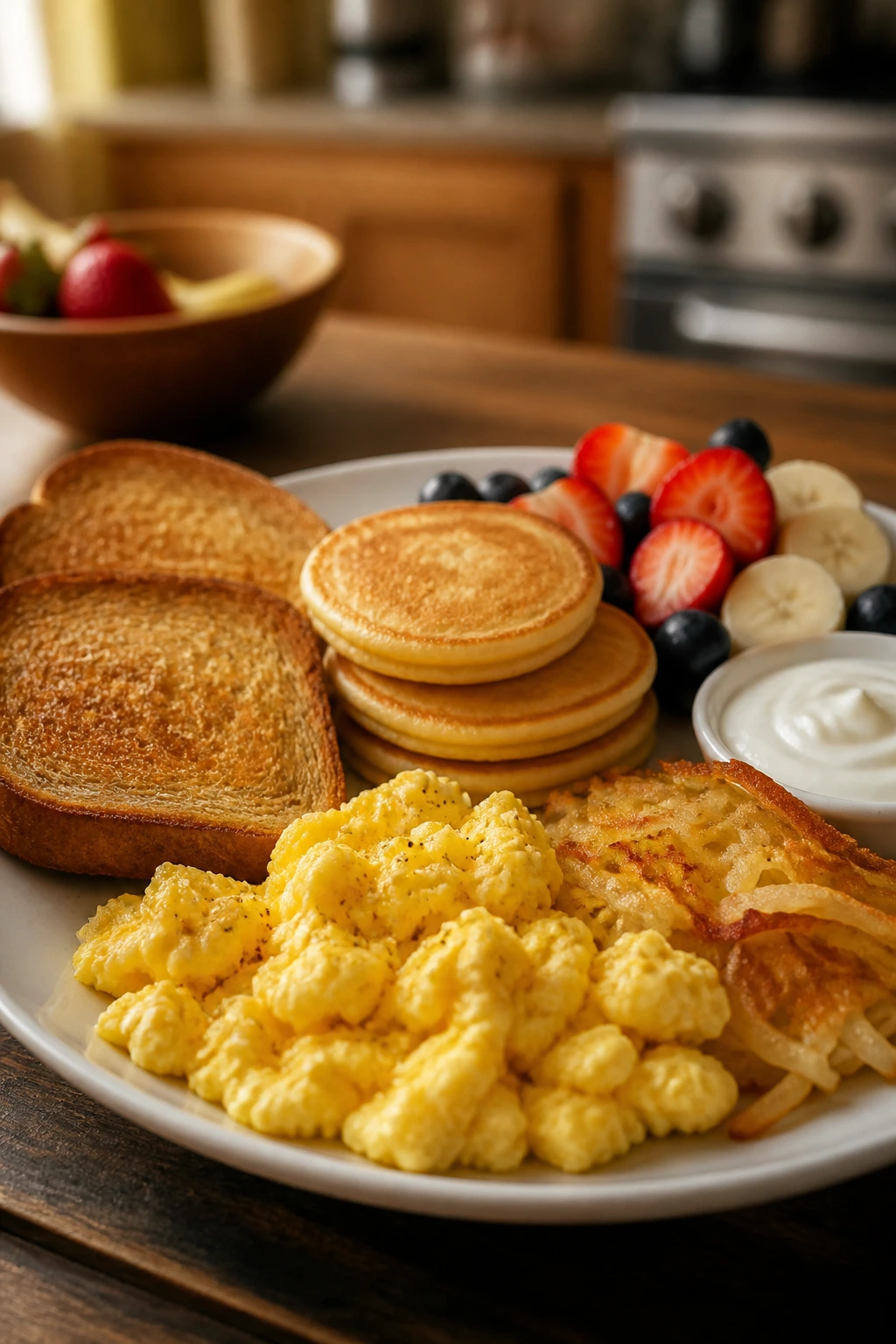
Breakfast for dinner is not a gimmick. It’s a pressure release valve.
When the day has been long and the kids are already tired, familiar morning foods often land better than a “real dinner” that nobody asked for. Eggs, toast, pancakes, waffles, hash browns, fruit, and yogurt are easy to understand. There is no hidden logic to decode. No mystery sauce. No battle over whether the chicken has touched the peas.
I’ve noticed this with picky eaters: breakfast foods often feel safer because they are predictable in shape, smell, and color. Scrambled eggs are soft but not mushy if you cook them right. Toast is crisp. Pancakes are sweet and mild. Hash browns give you crunch. Those are clean signals.
Keep Breakfast Dinner From Getting Too Sweet
-
Pair sweet with savory: Serve pancakes with eggs, or waffles with sausage and fruit, so the meal doesn’t become dessert in disguise.
-
Make eggs gently: Soft scrambled eggs are usually easier for kids to accept than browned, rubbery ones.
-
Use small portions: Mini pancakes, half toast, or a few hash browns feel approachable.
-
Keep toppings separate: Syrup, jam, butter, and peanut butter can sit out in tiny amounts.
This is also a great night for leftovers. Leftover potatoes become hash. Leftover vegetables can slide into a frittata if your kids are open to that. A plain bowl of fruit and yogurt may not sound dramatic, but on a bad evening, it can be exactly enough.
Dinner does not need to look like dinner to count. That might be the whole secret.
Baked Potato Bars With Toppings in Little Bowls
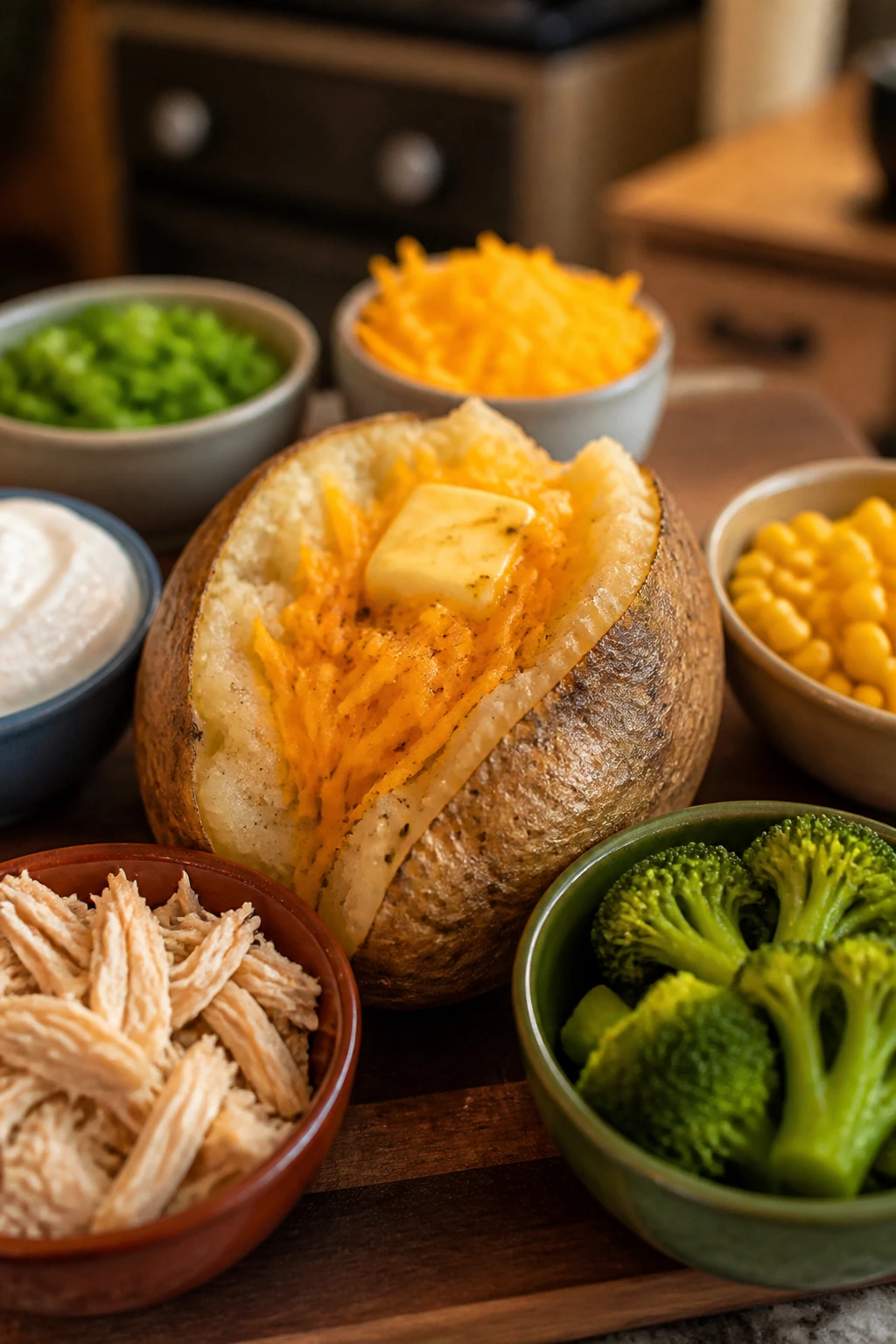
A baked potato is one of the most forgiving foods on the table. Cut it open, add butter, and you already have a decent dinner. Add cheese, sour cream, shredded chicken, bacon bits, corn, or broccoli if the family is willing, and the potato turns into a blank canvas that does not demand much from the eater.
The reason this works for picky eaters is simple: the base is familiar and the toppings are optional. Nobody has to commit to all of it at once. A child can eat the fluffy inside with butter and ignore the rest. That is enough for one night.
Microwaving the potatoes first and finishing them in the oven saves time and gives you a better skin than the microwave alone. If you’re using small potatoes, they cook faster and are easier for kids to handle. Big potatoes are fine too, but they can feel like a project. Some kids like projects. Most hungry kids do not.
Toppings That Usually Fit
-
Butter and shredded cheese: The safest starting point.
-
Sour cream or plain yogurt: Gives a cool, creamy contrast.
-
Shredded chicken or taco meat: Helps turn the potato into a full meal.
-
Steamed broccoli or corn: Works best when offered on the side instead of piled on top.
-
Chives or green onion: Only if the child already accepts those flavors.
I like this dinner for families because each person can build a different plate from the same batch of potatoes. One child may want butter and cheese only. Another may pile on chicken and sour cream. An adult can make a more loaded version without forcing the table to match.
Also, potatoes are cheap in a way that still feels useful, not punishing. That matters when you’re feeding a group and trying to keep the grocery bill sane.
Soup Night With Bread for Dipping
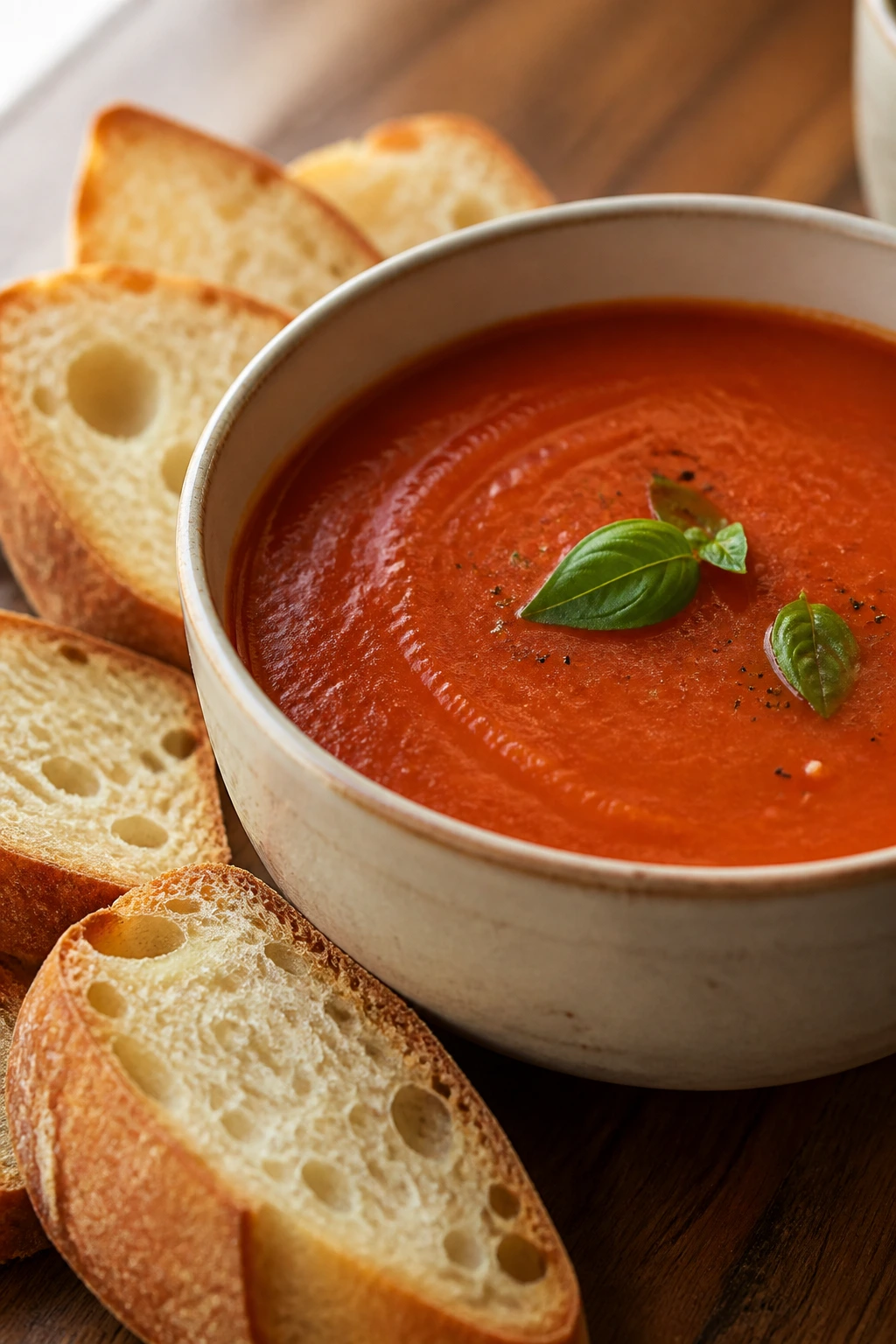
Soup is tricky. It can be perfect for a picky eater, or it can be a bowl of too many things mixed together. The difference usually comes down to texture and control. A child who hates mushy vegetables might love chicken noodle soup if the carrots are tiny and the noodles hold their shape. A child who hates “wet food” may still eat soup if there’s plenty of bread to dunk.
The dipping piece matters more than people think. Crackers, toast fingers, grilled cheese strips, pretzel sticks, and dinner rolls turn soup into an activity with edges. That makes the meal less slippery, both literally and mentally.
Broth-based soups often land better than thick stews when you’re dealing with a cautious eater. Tomato soup with grilled cheese is a classic for a reason. Chicken noodle soup works because the ingredients are recognizable. Even a smooth butternut squash soup can win if the flavor is mild and the child has a sturdy piece of bread nearby.
Soup Dinners That Usually Go Better
-
Chicken noodle: Keep the broth clear and the noodles not overcooked.
-
Tomato soup: Mild, not too acidic, and paired with grilled cheese.
-
Plain broth with add-ins on the side: Great when the child wants noodles but not vegetables.
-
Blended vegetable soup: Works best when the texture is completely smooth and the flavor stays simple.
A quick note on temperature: serve soup hot enough to feel cozy, not so hot that it burns a cautious first sip. Kids who’ve had one bad mouthful of blazing soup can become soup skeptics for a while. Let it cool for a minute. That minute is worth it.
I also like soup nights because they teach kids to dip and try without pressure. That tiny action — one dunk, one bite, done — can be a bridge to more complicated meals later.
The Freezer Shelf That Saves a Rough Evening
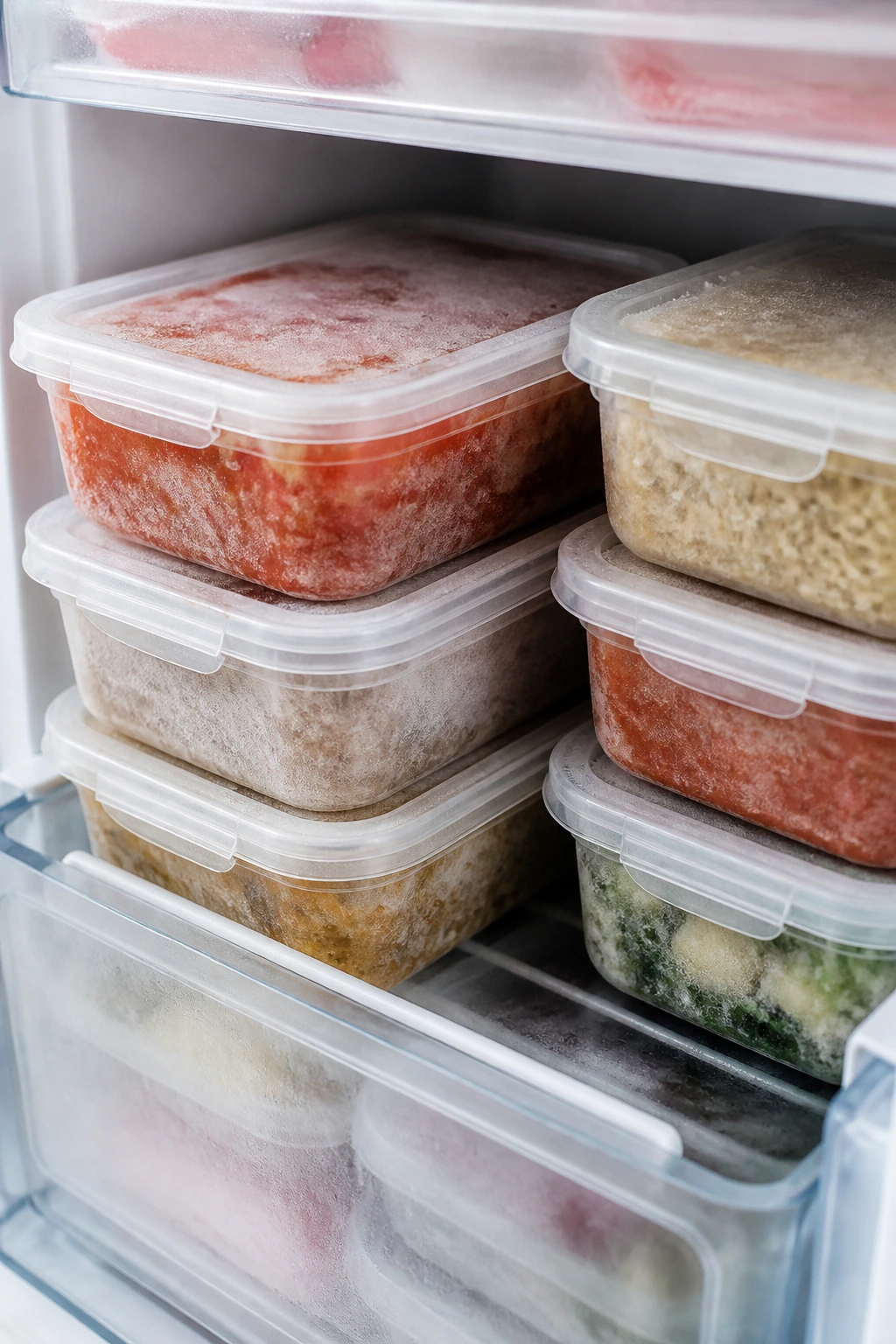
The best picky-eater dinner is often the one you already made yesterday. Or last week. Or tucked away in a container that is waiting to save you from a chaotic evening.
Freezer-first dinners are about structure, not guilt. Cooked meatballs, shredded chicken, rice, pasta sauce, breakfast burritos, quesadillas, mini muffins, and soup all freeze well when you portion them properly. On a rough night, you thaw just enough for the family and build a meal around one or two safe foods instead of starting from zero.
I like to keep freezer meals boring on purpose. A container labeled “meatballs,” another labeled “rice,” another labeled “soup” — that kind of simple pantry logic is exactly what tired parents need. If the food has too many components crammed into one box, it becomes a second decision at the worst time.
Good Things to Freeze for Picky-Eater Nights
-
Cooked meatballs or nuggets: Reheat fast and hold their shape.
-
Cooked rice or pasta: Freeze flat in bags so they reheat evenly.
-
Shredded chicken: Turns into tacos, quesadillas, soup, or pasta.
-
Individual portions of soup: Thaw what you need, not an entire pot.
-
Breakfast items: Pancakes, waffles, egg muffins, and breakfast sandwiches save more than one dinner problem.
A freezer meal doesn’t have to be fancy to be smart. It just needs to reheat without turning grainy, soggy, or weird. Rice should be cooled before freezing and reheated with a splash of water. Pasta is better slightly undercooked before freezing. Quesadillas re-crisp nicely in a skillet or air fryer. Soup comes back to life on the stove faster than in a microwave if you have the patience.
That shelf in the freezer can be the difference between “everyone ate” and “I gave up and served crackers.” You already know which one feels better.
Vegetables Without Starting a Fight
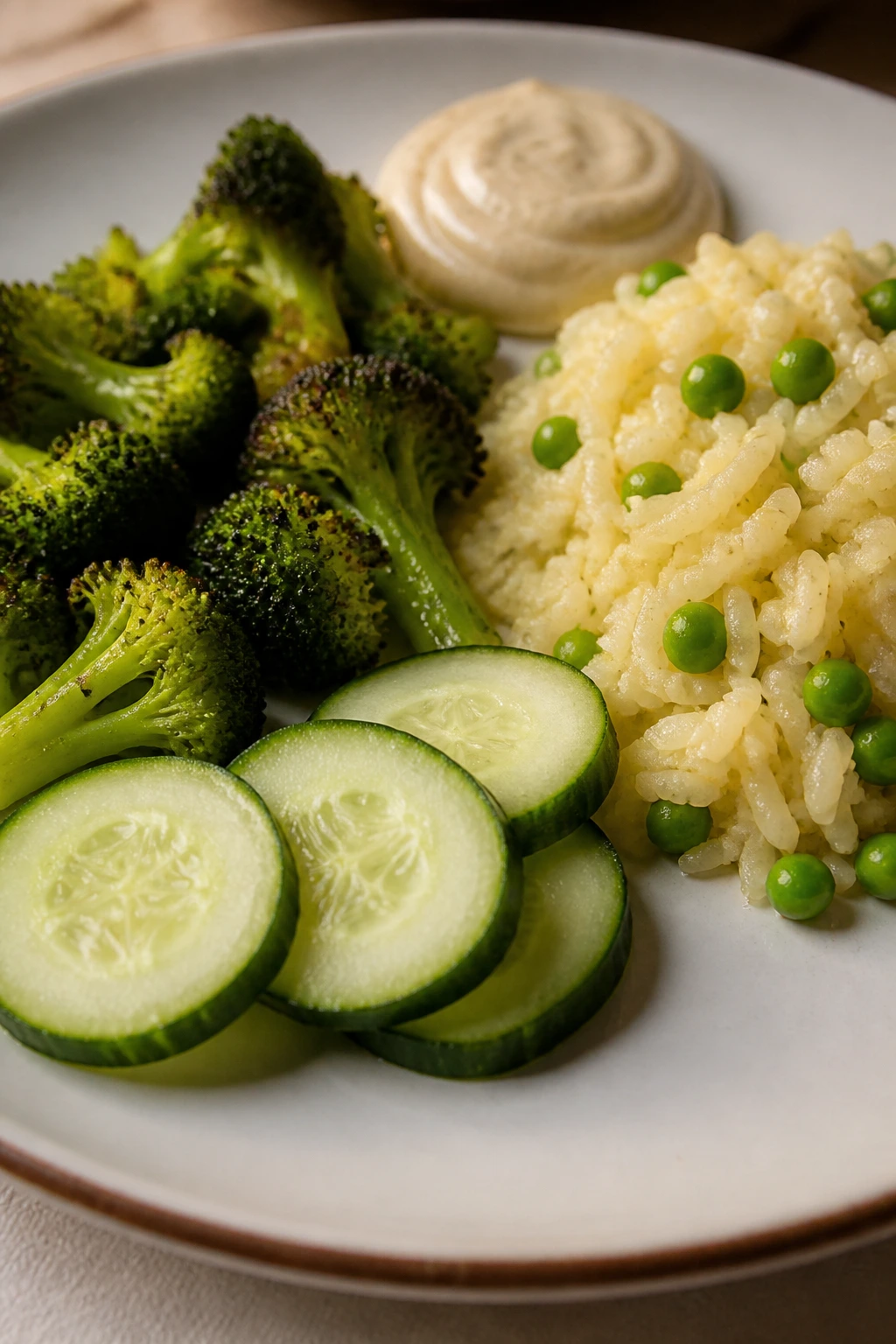
Stop trying to make vegetables win the whole dinner. That’s the mistake. Vegetables do better when they are introduced like one quiet side note, not the headline. A child who hates steamed broccoli may still eat raw cucumber with ranch, roasted carrots with salt, or peas folded into buttered rice. The form matters as much as the vegetable itself.
I’m not opposed to serving vegetables every night. I’m opposed to overwhelming children with them. Two florets of roasted broccoli on the plate can teach more than a mountain of overcooked broccoli nobody touches. Tiny portions lower the drama, and that gives the child a chance to practice.
Vegetable Approaches That Often Work Better
-
Crunchy and raw: Cucumber coins, carrot sticks, snap peas, bell pepper strips.
-
Roasted and browned: Carrots, cauliflower, broccoli, or green beans with a little oil and salt.
-
Mixed into a familiar base: Peas in pasta, corn in rice, spinach in scrambled eggs.
-
Served with dip: Ranch, hummus, yogurt dip, or tzatziki can make a raw vegetable feel less strange.
There’s a fine line here. If you hide vegetables so thoroughly that the child feels tricked, you may get a meal eaten and trust damaged. I’d rather put the vegetables on the table honestly and keep them small. A child can grow into a food. They do not need to be ambushed by it.
Another useful move: let the child choose between two vegetables instead of asking them to accept a whole garden. Cucumber or carrots. Peas or corn. Broccoli or green beans. Choice lowers the wall.
Sauce, Texture, and Temperature: The Three Things Kids Notice First
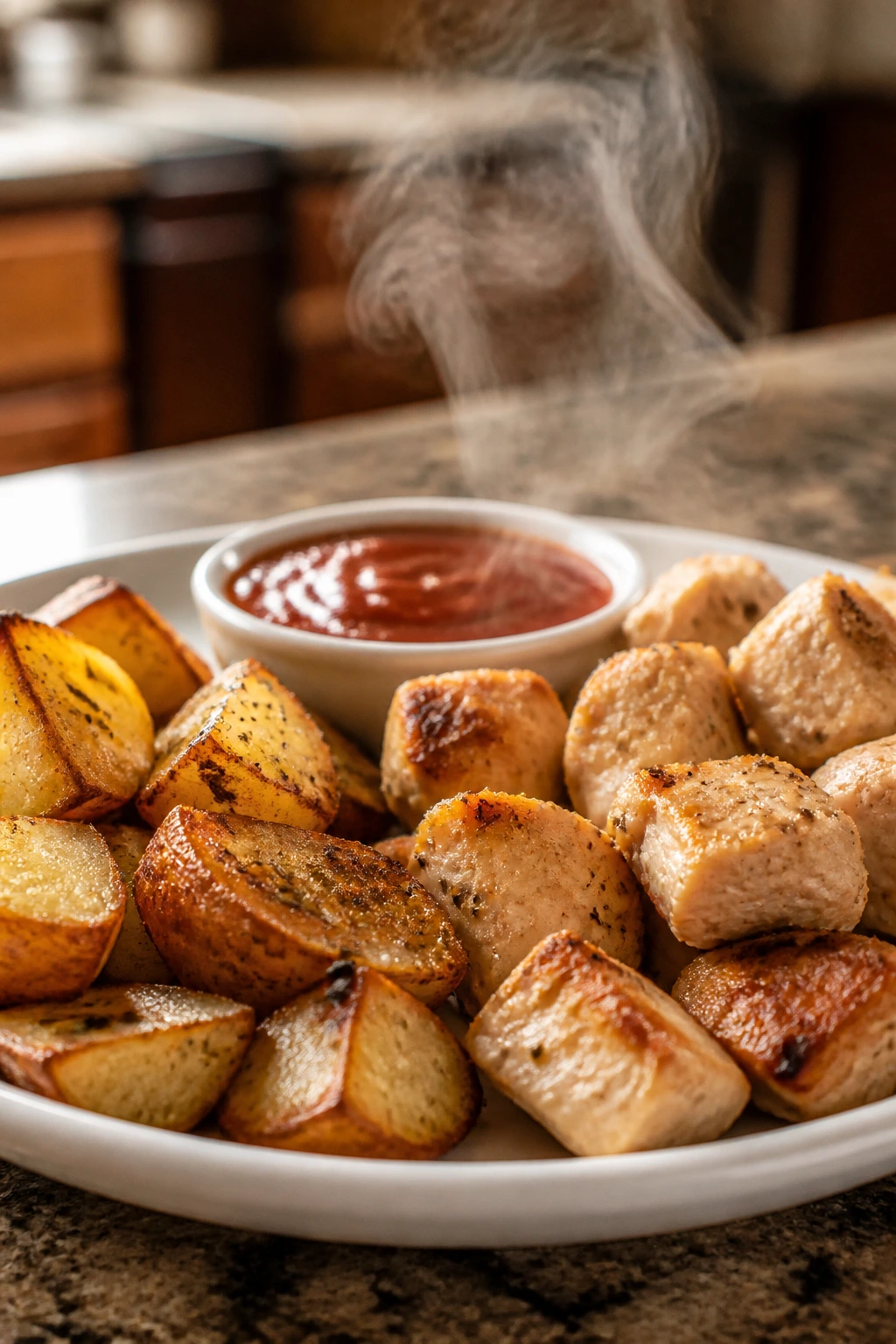
A lot of adults think picky eating is about flavor. Sometimes it is. More often, it’s about how the food feels, how it looks, and whether it arrives at the right temperature. Sauce can be the villain. So can mush. So can a plate of food that’s too hot, too cold, or too mixed.
Kids notice the physical stuff first. Sticky cheese. Wet bread. Slimy vegetables. Dry chicken. Grainy sauce. If you fix those three areas, dinner tends to go more smoothly even when the recipe itself is plain.
What Usually Works Better
-
Keep sauce separate: A cup of ketchup or marinara gives kids control over how much they use.
-
Aim for one texture per food: Crispy potatoes, soft eggs, crunchy carrots, tender chicken. Mixed textures are not bad, but they need to be managed.
-
Serve food at a friendly temperature: Too hot and a child recoils. Too cold and the meal feels unfinished.
-
Cut food into manageable pieces: Bite-size often feels safer than a big slab or a long strand.
-
Use browning on purpose: Golden edges on chicken, potatoes, toast, and quesadillas make food look more finished and less soft.
If a child rejects a meal three times, I do not assume they hate the flavor. I look at the setup. Was the sauce all over everything? Were the vegetables mushy? Was the chicken stringy? Was the whole plate steaming? Those details matter more than most parents expect, and once you start watching for them, dinner gets a lot easier to adjust.
There’s no magic here. Just fewer surprises.
Small Moves That Make Dinner Less of a Battle
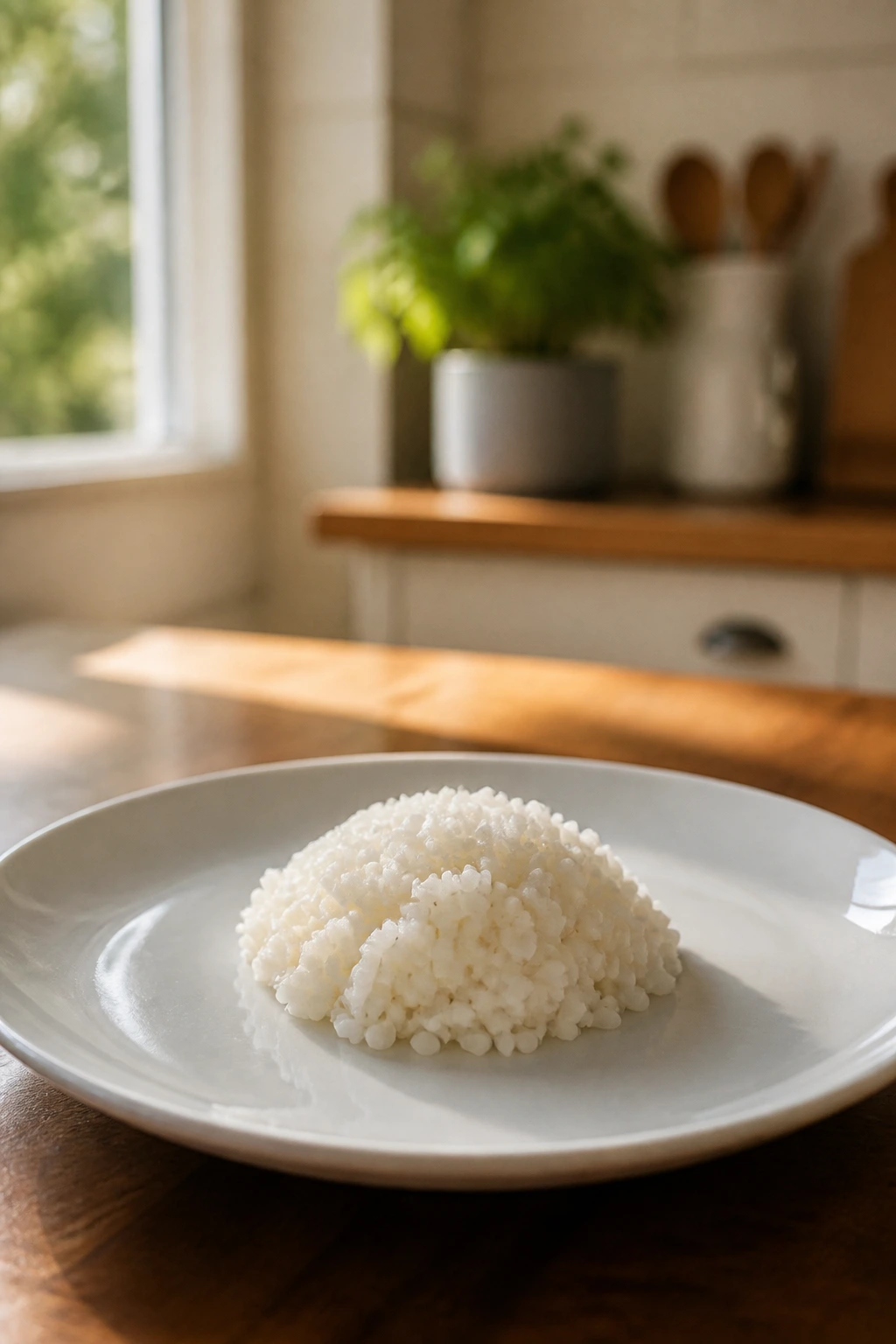
The dinner battle usually gets smaller when you change the smallest habits. Not the whole menu. The habits.
One of the best moves is to serve one anchor food every night. That can be plain rice, buttered noodles, bread, potatoes, or tortillas. The point is not indulgence. The point is to give the child a known safe place on the plate. From there, you can add the other pieces without making them feel trapped.
I also like to keep sauces in little cups. It sounds almost silly until you watch a child relax because the ketchup is not leaking over the chicken. Sauces in cups say, “You’re in charge.” That little shift helps more than a dramatic speech ever will.
Practical tips that actually help:
-
Cut food to match the child’s comfort level: Smaller pieces are easier to inspect, stab, and accept.
-
Use a “one new thing” rule: One unfamiliar item is enough. Two or three turns dinner into a challenge.
-
Serve vegetables with a dip you already know they like: Ranch, hummus, or yogurt dip can make the first bite less threatening.
-
Don’t overfill the plate: A crowded plate can look like a warning sign to a picky eater.
-
Keep one emergency backup: Bread, fruit, yogurt, or plain pasta can save the meal if the main dish gets rejected.
-
Let kids help build dinner when possible: Stirring, spooning, sprinkling cheese, or filling a bowl gives them some ownership.
I’m a big believer in repeating dinners without apologizing for it. Kids do better with repetition than adults usually think. If taco night shows up often enough, the child gets used to taco night. If buttered noodles appear as the safe base, that becomes normal. Normal is powerful.
What Usually Goes Wrong at the Table
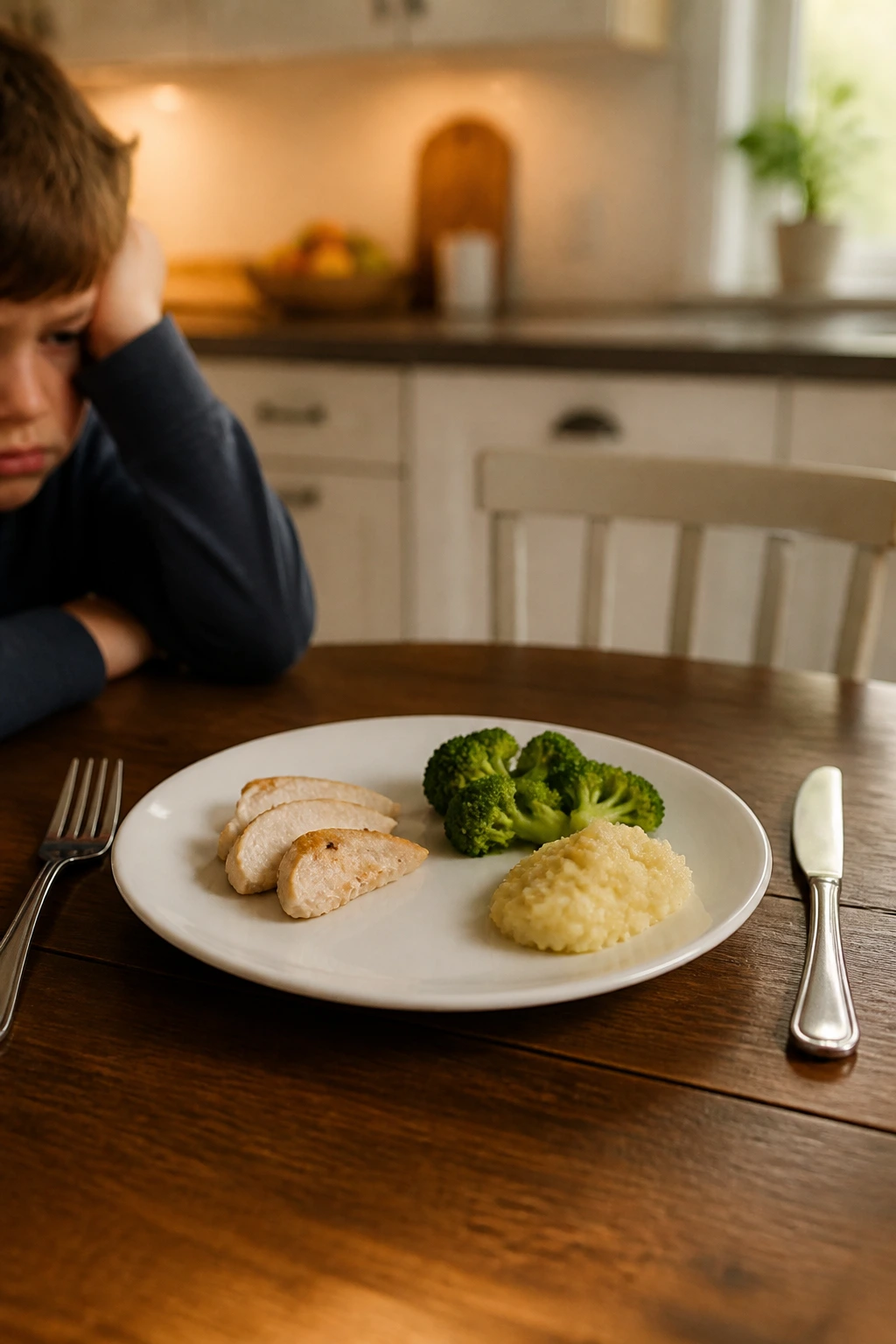
Some dinner mistakes are obvious. Others look like good intentions until you see the plate untouched.
The biggest error is making every dinner a negotiation. If the child can barter, stall, and rearrange the whole meal every night, dinner becomes a long argument with food sitting there getting cold. A little choice is helpful. Too much choice turns into chaos. The fix is simple: set the menu, offer one or two controlled choices, and stop there.
Another common problem is serving too many new foods at once. One new thing is a stretch. Three new things is a test. Picky eaters rarely pass tests they never agreed to take.
The Mistakes I’d Fix First
-
Overloading the plate: Too much food can look like pressure, not abundance.
-
Mixing everything together: Casseroles and saucy bakes can work, but mixed textures are a hard sell for many children.
-
Hiding vegetables too aggressively: If the child notices the trick, trust drops fast.
-
Cooking until everything is mushy: Overcooked broccoli, pasta, and chicken all become harder to accept.
-
Making separate meals every night: That creates a second job for you and often reinforces pickiness instead of easing it.
-
Serving food too hot or too cold: A burned mouth or a lukewarm plate can ruin a meal before the first bite.
The fix for most of these mistakes is boring and effective: simplify the plate, keep the textures clear, and let one safe food anchor the meal. Nothing glamorous there. Plenty useful, though.
Easy Swaps and Different Ways to Run the Same Meal
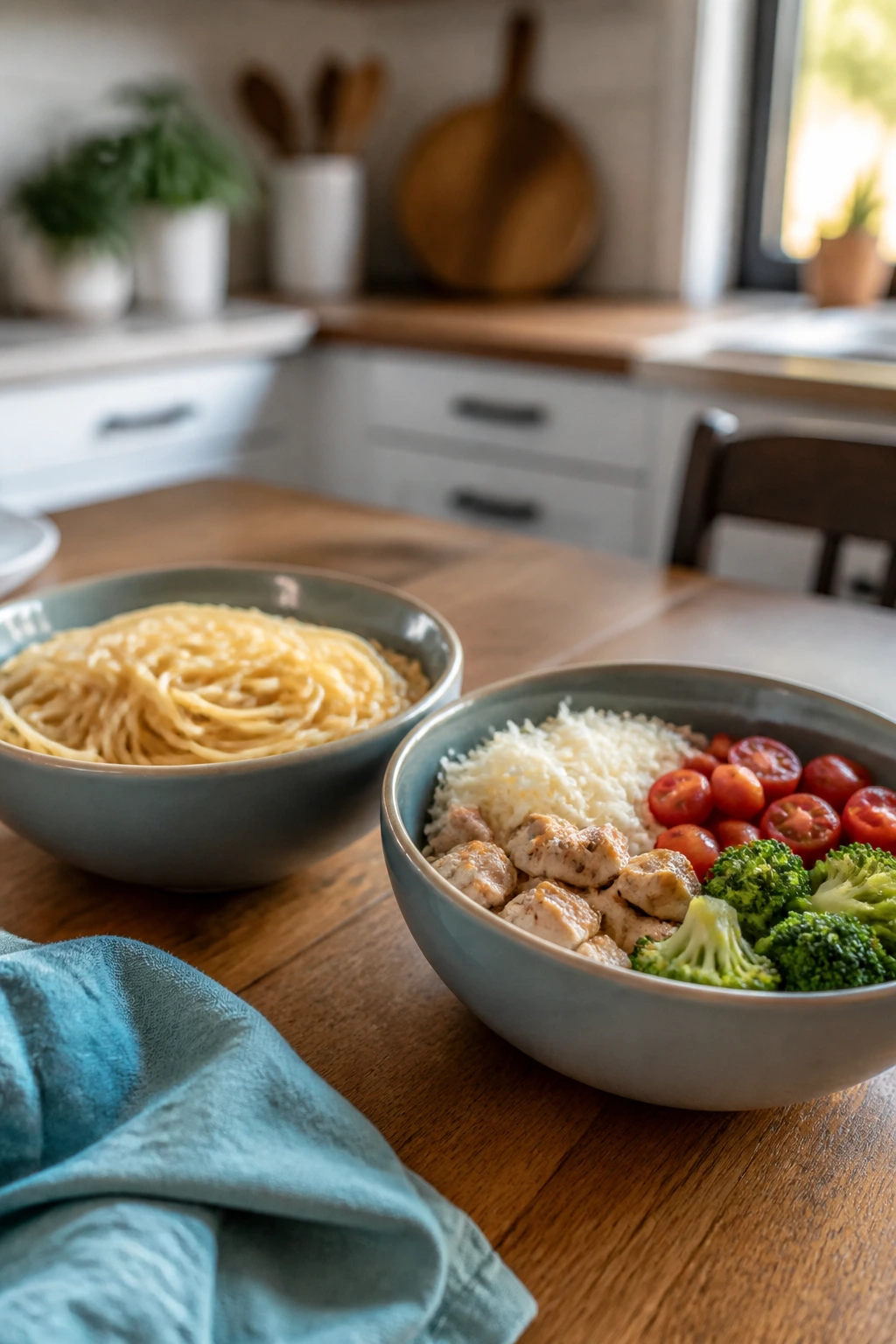
The Two-Bowl Night
Serve the meal in two bowls instead of one mixed plate: one bowl with the safe base, one bowl with the protein or topping. This is great when a child hates sauces touching starches. It also works well for adults who want the “real” version and kids who want plain parts.
The Dip-First Dinner
Build the meal around foods that can be dunked. Chicken strips, fries, roasted potatoes, cucumber sticks, and pita wedges all give picky eaters a point of contact before they commit to a full bite. It’s a small psychological trick, but it matters.
The Breakfast Reset
When dinner has gone badly for a few nights, breakfast foods can reset the table. Eggs, toast, pancakes, fruit, and hash browns feel safe and familiar. I use this one when nobody has patience left.
The Freezer Buffer Week
Keep one or two backup meals frozen and ready. That might be meatballs, cooked rice, soup, or shredded chicken. On the roughest nights, you combine freezer pieces with one fresh item and move on. No need to start from scratch.
The Tiny-Explorer Plate
Put one very small portion of a new food next to a plate full of trusted foods. Not a big pile. Just a taste-sized amount. That tiny exposure is enough to keep the food in play without turning dinner into a dare.
The Gear That Makes These Dinners Easier
-
Rimmed sheet pans: Essential for roasting chicken, potatoes, vegetables, and nuggets without losing pieces to the oven floor.
-
Large skillet or griddle: Useful for quesadillas, grilled cheese, eggs, and quick reheating.
-
Instant-read thermometer: The simplest way to keep chicken juicy without guessing.
-
Sauce cups or small ramekins: These keep ketchup, salsa, ranch, and dip separate from the main plate.
-
Sharp chef’s knife: Better cuts mean neater vegetables, cleaner chicken pieces, and less kitchen frustration.
-
Cutting board with a damp towel underneath: Helps the board stay put when you’re slicing potatoes or chopping fruit.
-
Mixing bowls in three sizes: One for the main dish, one for toppings, one for backup.
-
Food storage containers: Pick containers that stack well and seal tightly; leftovers are part of the plan here.
-
Parchment paper or foil: Makes sheet-pan cleanup much faster, especially when cheese or sauce shows up.
Make-Ahead, Fridge, and Freezer Rules That Actually Help
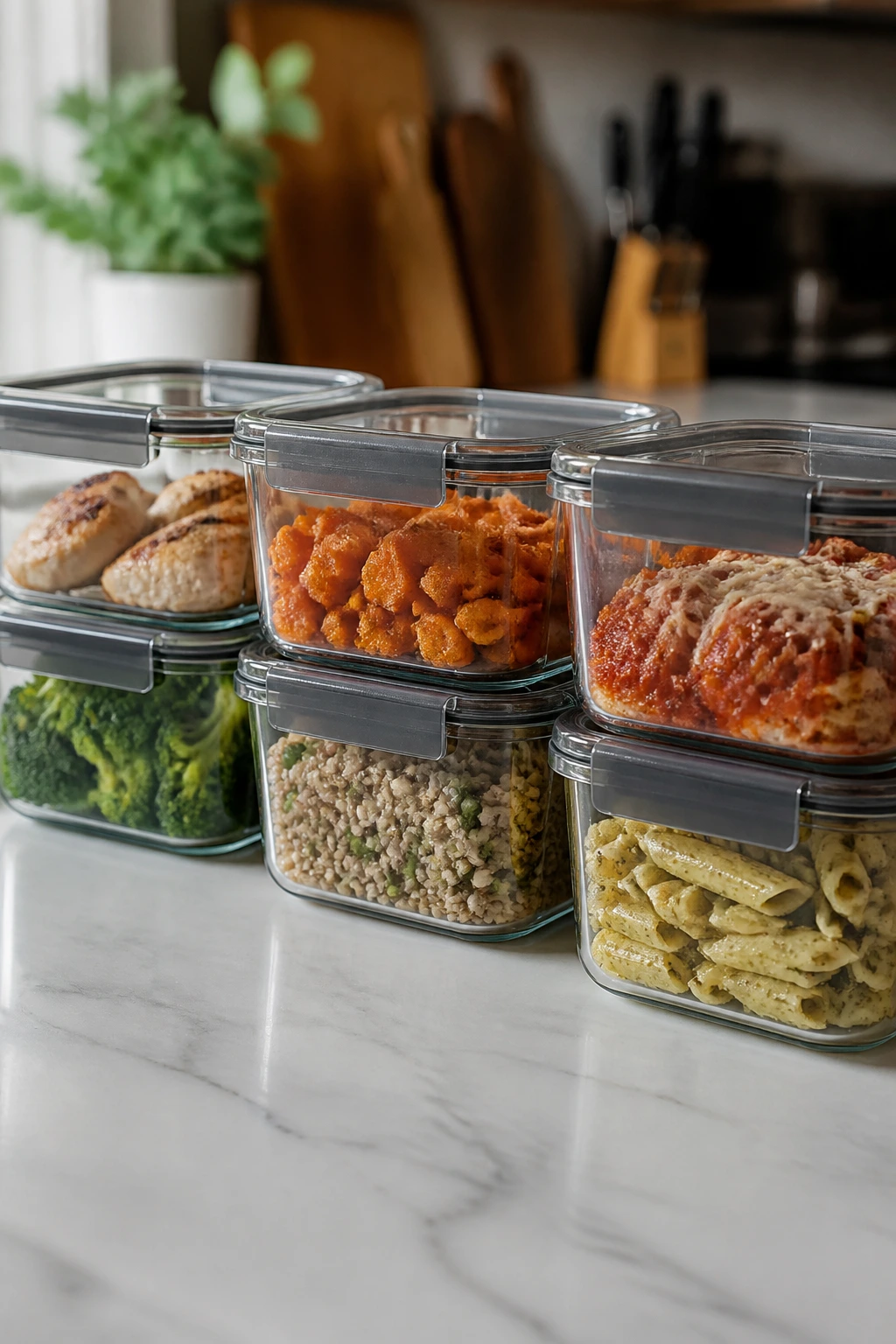
Leftovers are only useful if they still taste like food later.
Cooked chicken, meatballs, pasta, potatoes, and rice usually keep well in the fridge for 3 to 4 days when stored in airtight containers. Soups and sauces can hold for the same window, sometimes a bit longer if they were chilled quickly and handled cleanly. If a food has sat at room temperature for more than 2 hours, it belongs in the trash, not the fridge.
Freezing works best when you separate components. Rice freezes better flat in a bag than in a tall clump. Shredded chicken is easier to thaw than a whole chunk. Meatballs, nuggets, soup, and cooked pasta sauce all freeze nicely for about 2 to 3 months without turning sad and grainy.
Reheating matters too.
-
Pasta: Warm gently in a skillet with a splash of water or sauce so it doesn’t dry out.
-
Chicken and potatoes: Reheat in a 350°F oven or air fryer until hot and crisp at the edges.
-
Quesadillas and grilled cheese: Use a dry skillet or toaster oven so the bread or tortilla re-crisps.
-
Soup: Reheat on the stove over medium heat until steaming hot, stirring now and then.
-
Rice: Sprinkle with a teaspoon or two of water, cover loosely, and warm until the steam returns.
If you’re making dinner ahead for picky eaters, keep the parts separate until serving day. A reheated mixed casserole rarely pleases a child who already dislikes mixed food. Separate pieces stay more recognizable. Recognizable food tends to get eaten.
Frequently Asked Questions
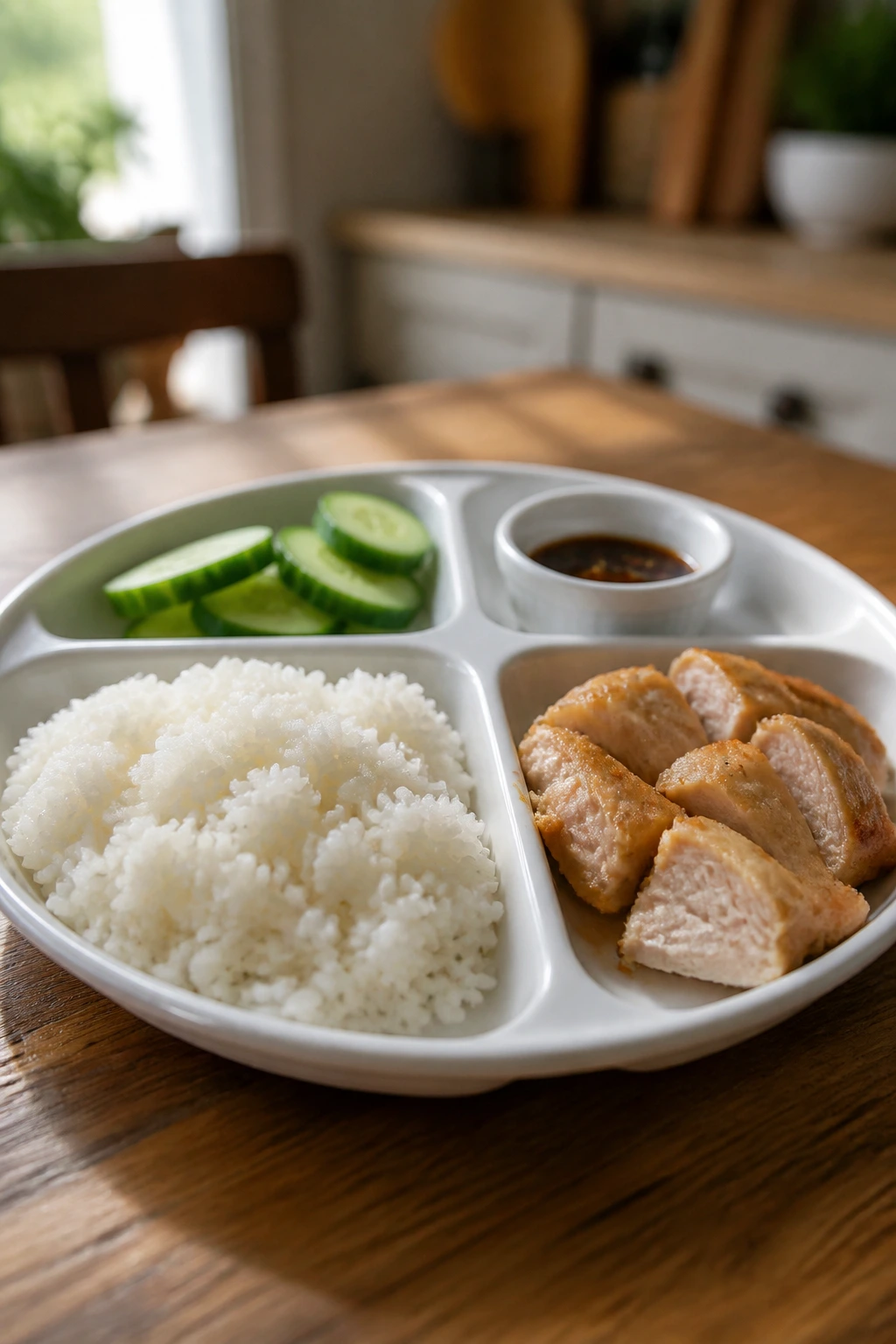
What if my child only eats plain pasta, bread, or rice?
Start there and treat those foods as the anchor, not the enemy. Add one tiny side on the plate — a piece of chicken, a cucumber slice, or a bit of cheese — and leave it there without pressure. Repeated exposure matters more than one dramatic dinner.
Should I hide vegetables in sauces or casseroles?
Sometimes it helps to add vegetables in a gentle way, but hiding them too well can backfire if the child notices. I prefer visible vegetables in small amounts, plus occasional blending for sauces or soups when the flavor stays familiar.
Is it better to make one family meal or separate meals?
One family meal works well if you build it with an anchor food, a protein, and optional toppings. Separate meals every night usually create more work and more arguing. The middle ground is one base meal with one or two controlled options.
How do I get my child to try new foods without pressure?
Put the food on the table in a tiny portion and leave it alone. Let the child look, smell, touch, or ignore it. That low-pressure exposure is often the path that leads to real tasting later.
What if my child hates mixed textures?
Stop mixing. Serve the rice separate from the chicken, the sauce separate from the noodles, and the vegetables separate from the dip. A child who hates mush may do fine with crisp or dry foods if you keep them distinct.
Can these dinners work for toddlers and older kids at the same table?
Yes, and that’s one of the reasons I like them. Use the same main components, then adjust the size and seasoning. Toddlers get smaller pieces and milder flavors; older kids and adults can add sauce, heat, or toppings.
Are store-bought shortcuts okay?
Absolutely. Frozen meatballs, rotisserie chicken, frozen waffles, and good bread can save a night. If the shortcut helps you serve a calm dinner instead of giving up, it’s the right move.
What do I do if dinner keeps coming back untouched?
Look at the texture, temperature, and setup before you blame the recipe. Too hot, too mushy, too saucy, or too many new items can make a plate feel unmanageable. Simplify the plate and try again with one change, not six.
How often should I repeat the same dinner?
Often enough that it stops feeling new. Repetition builds familiarity, and familiarity lowers resistance. Rotate around a few safe dinners instead of reinventing the menu every night.
A Calmer Way to Feed the Table
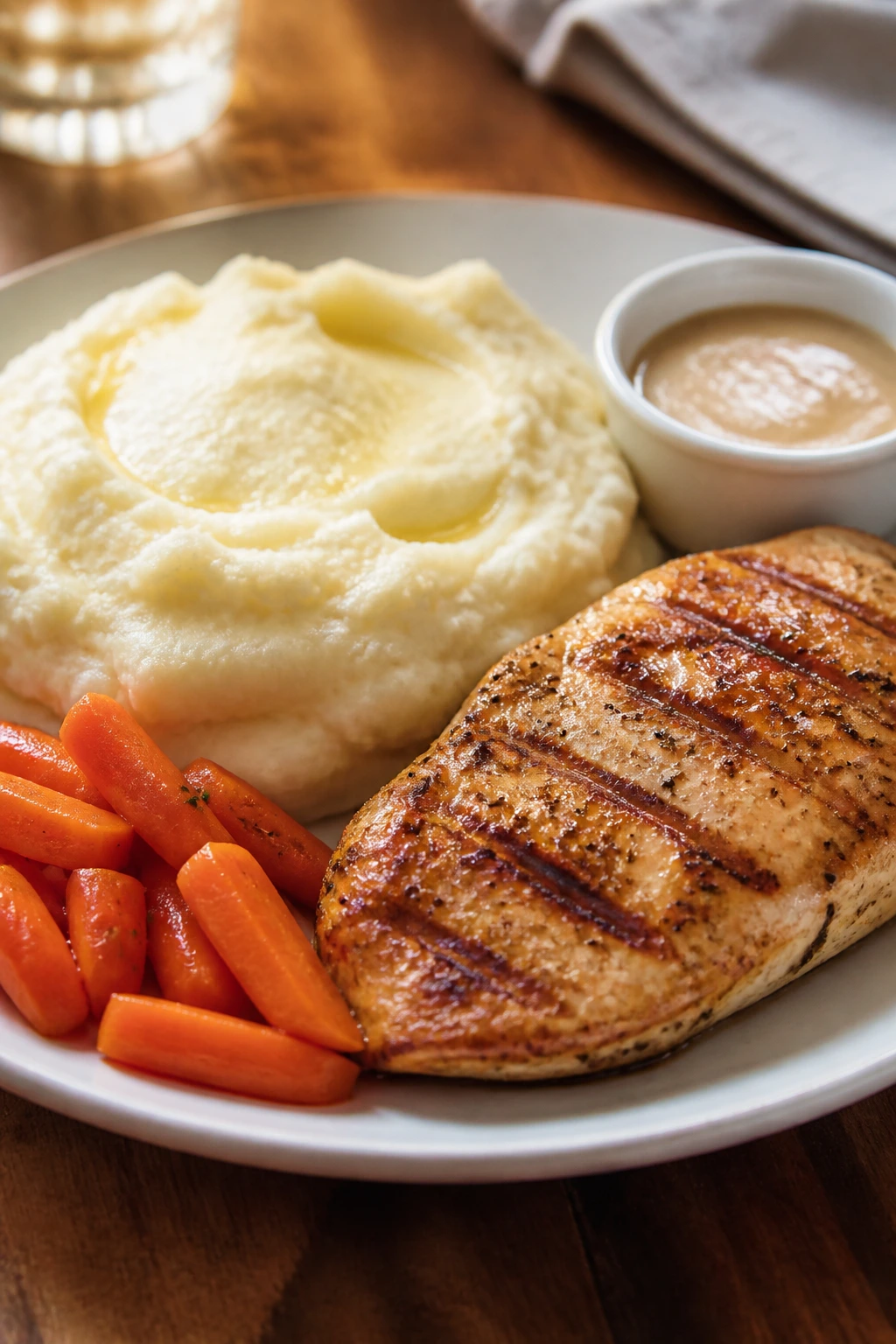
A family dinner doesn’t have to be a nightly referendum on taste. Most picky-eater wins come from structure, not cleverness. A plain starch, a recognizable protein, one small side, and a sauce cup on the side can do more than a fancy recipe with twelve ingredients and a hidden vegetable nobody trusts.
The real shift is this: stop asking dinner to solve every feeding problem at once. Pick a few meals that repeat well, keep the components visible, and let the table get used to seeing the same friendly foods again and again. That kind of dinner looks plain from the outside. From the inside, it’s a relief.
If the next meal needs to feel easier, choose one of these dinner patterns and make it twice. The second time is usually where the calm starts.