



Movie night changes dinner rules fast. A bowl that works fine at the table can turn into a lap disaster once everybody leans back, the lights go down, and the first loud scene starts. The best family meal planning ideas weekly are the ones that understand that tiny shift: food needs to stay warm, hold together, travel well from kitchen to couch, and not demand a fork in the dark.
That’s why the smartest movie-night dinners are rarely the fanciest ones. They’re the meals built from one tray, one pot, or one board. They’re the dinners with a little crunch, a little sauce on the side, and enough flexibility that one kid can skip the onions while another goes heavy on the cheese. A good couch meal does not fight the evening. It fits it.
If your family keeps defaulting to takeout because you don’t want to think too hard on movie night, that’s not a food problem. It’s a planning problem. The fix is a rotation of meals that are easy to repeat, easy to prep, and easy to eat without a knife. That’s where these 25 ideas earn their keep.
Why This Collection Works for Movie Night
- One-handed eating: Most of these meals land in a wrap, a bowl, a slider, or a square you can hold without chasing fillings across the plate.
- Kid-adjustable: Strong flavors stay optional. Put the pickles, hot sauce, onions, or herbs on the side, and the whole table can eat from the same spread.
- Low cleanup: Sheet pans, slow cookers, casserole dishes, and boards do most of the work, which matters when you don’t want a sink full of dishes after the credits roll.
- Budget-aware: Rice, potatoes, beans, pasta, tortillas, and rotisserie chicken show up a lot here because they stretch a grocery trip without feeling like filler.
- Make-ahead friendly: Several of these ideas get easier if you chop, simmer, bake, or shred something earlier in the day. Movie night should feel relaxed, not like a second shift.
1. Sheet-Pan Pizza Night With Two Toppings and a Salad
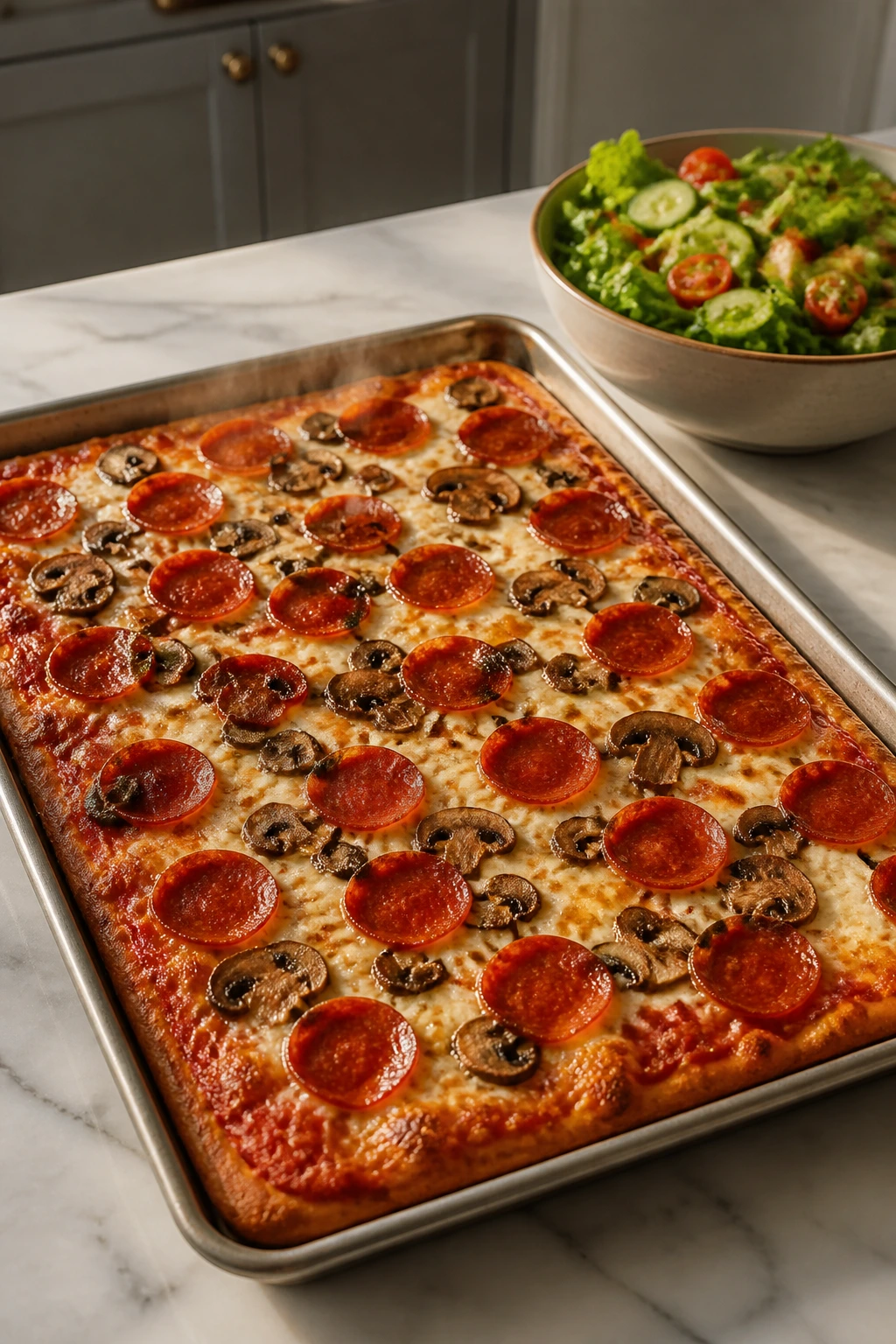
Pizza belongs on movie night because it solves two problems at once: dinner and atmosphere. A single sheet pan gives you a crisp edge, a soft center, and slices that can be cut into tidy squares instead of floppy wedges. That shape matters more than people admit. Squares stay neater on a couch tray.
Why It Works
The trick is restraint. Pick two toppings, maybe three if your crowd is calm. Pepperoni and mushrooms. Sausage and peppers. Plain cheese with a small bowl of red pepper flakes for the adults. The point is not to build a pizza museum. The point is to get hot food to the table before the opening credits end.
A quick side salad with a sharp vinaigrette keeps the meal from feeling too heavy, and it only takes a few minutes to throw together. Keep the dressing bright. A dull, creamy dressing next to hot cheese makes the whole plate feel sluggish.
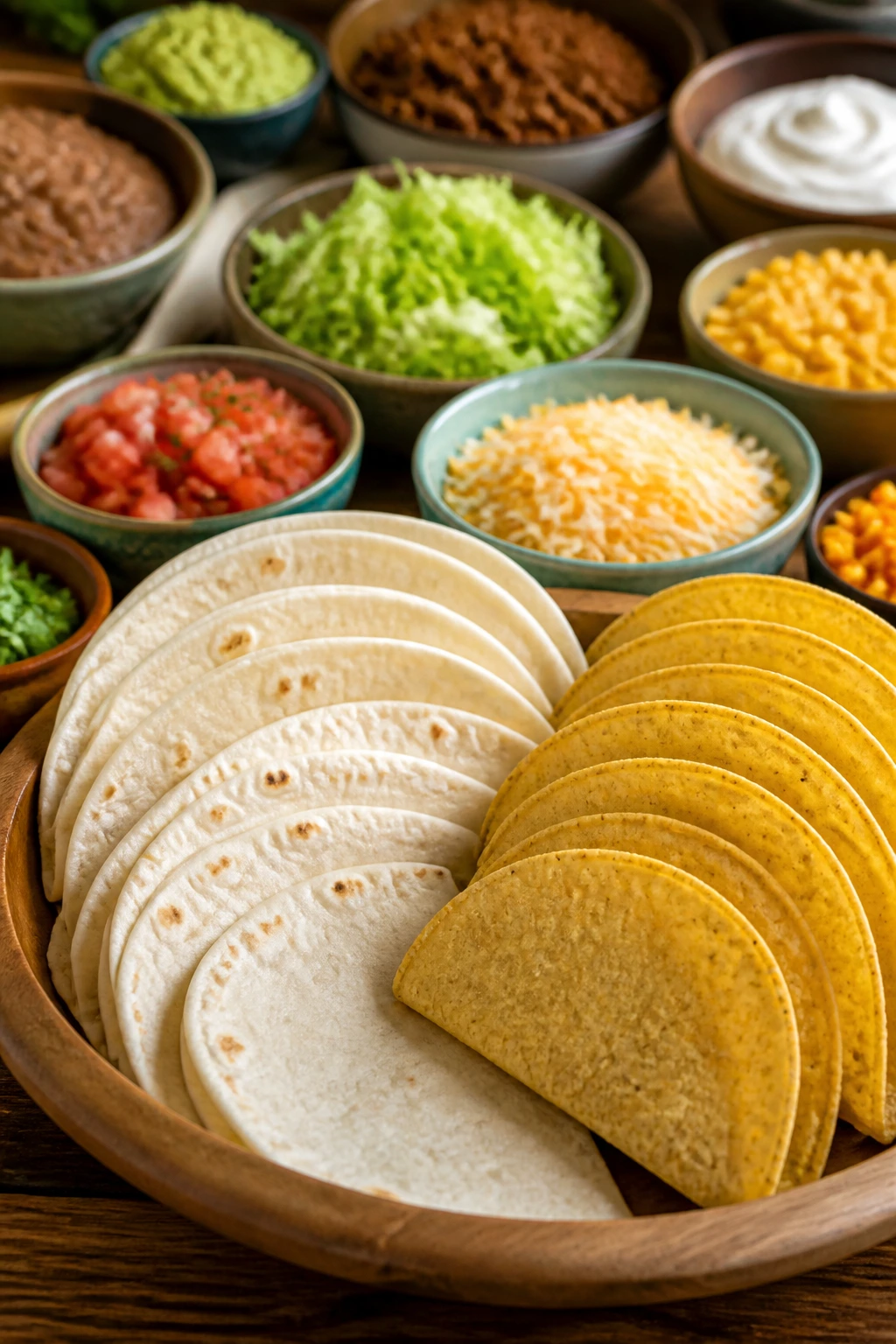
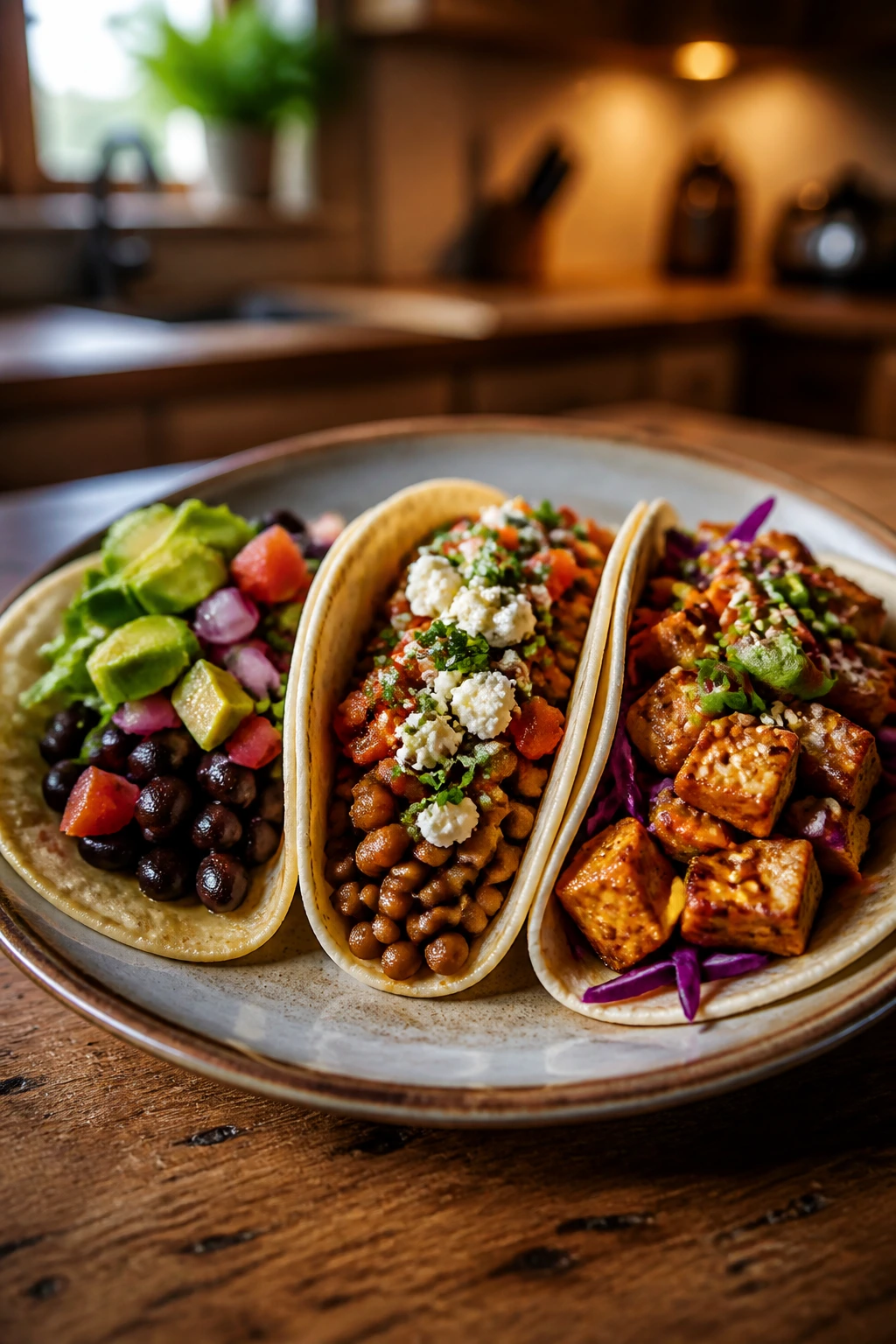
2. Taco Bar With Soft and Crunchy Shells
Tacos are one of the easiest ways to feed a family with mixed opinions. Somebody wants beef. Somebody wants beans. Somebody wants “just cheese and lettuce,” which is a classic kid strategy for getting three ingredients and calling it a meal. Give everybody a shell and let the toppings do the negotiating.
The best taco night for movie watching is the one with a low, organized setup. Warm the tortillas in a clean kitchen towel, keep the meat in a covered skillet or small slow cooker, and arrange the toppings in short, reachable rows. Nobody needs a tower of bowls. A neat line of small dishes is easier to navigate in the dark and feels more intentional.
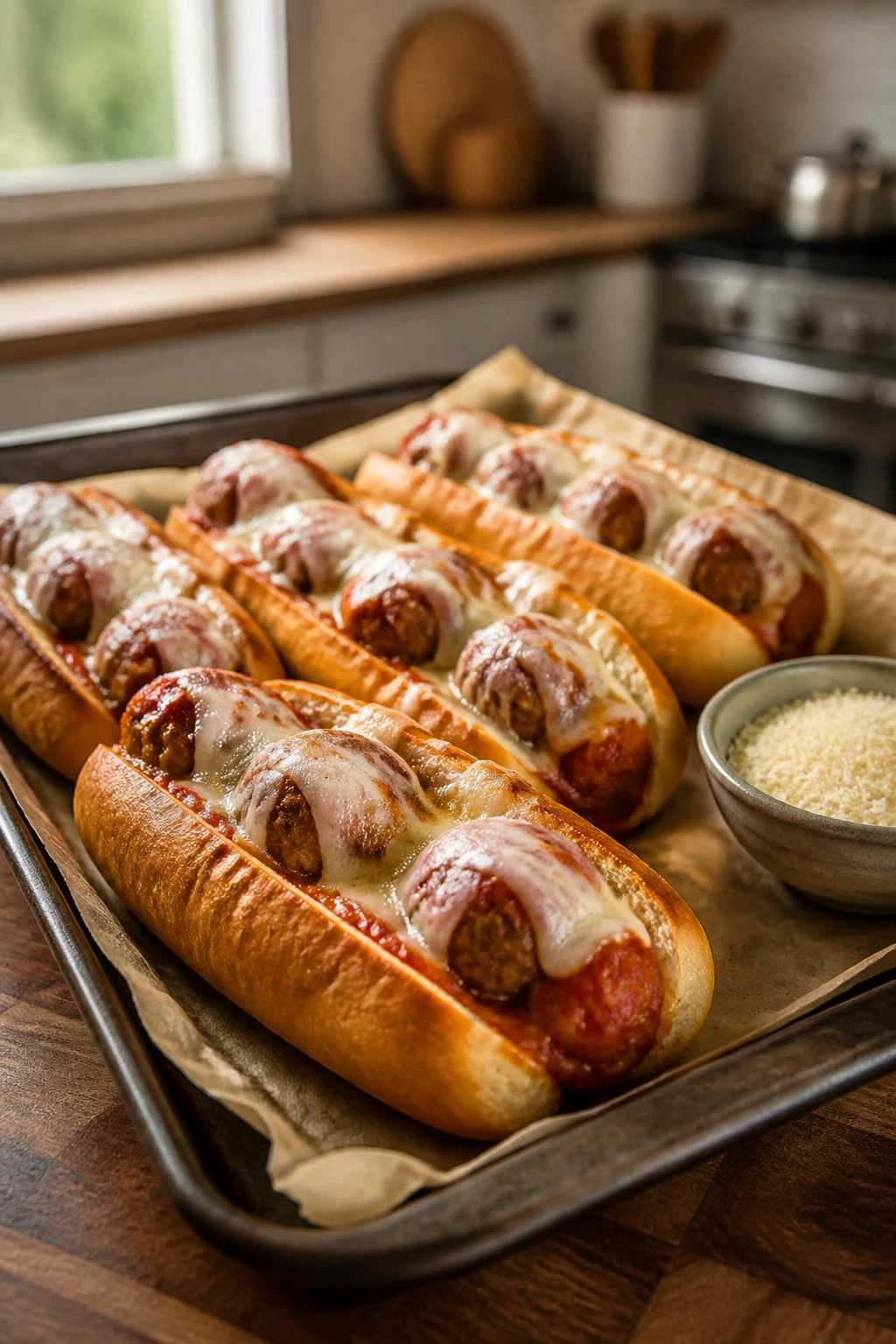
3. Meatball Sub Tray That Stays Together
Meatball subs sound messy, and they are—but in a useful way. The sauce lives inside the bread, the cheese stretches instead of sliding, and the whole sandwich feels hearty enough to carry a long movie. Use toasted rolls if you can. They hold up better once the sauce hits.
Best for the nights when everybody shows up hungry
This is the meal to make when you want something substantial without dragging out the evening. Keep the meatballs warm in marinara, split the rolls but do not overfill them, and add a small dish of grated parmesan for people who want more salt and depth. If you line the tray with parchment, cleanup is almost laughably easy.
A chopped Italian-style salad on the side gives you some crunch and keeps the plate from becoming all bread and cheese. That little bit of lettuce and vinegar makes a bigger difference than it should.
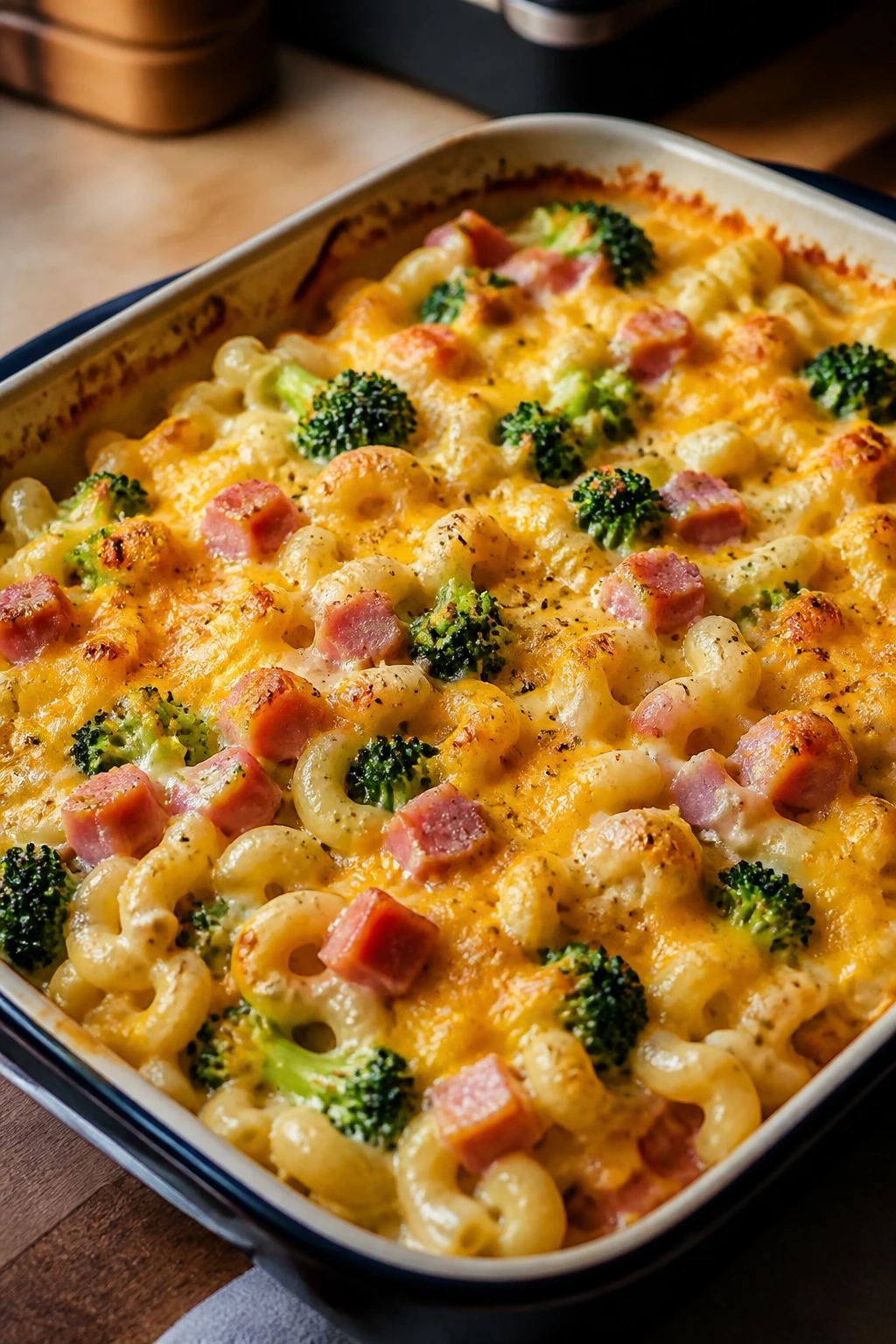
4. Baked Mac and Cheese With Broccoli and Ham
Mac and cheese works because it feels like comfort food, but the broccoli and ham make it read as dinner instead of a side dish pretending to be an event. Bake it until the top starts to brown in scattered spots. Those browned bits matter. They bring a faint toastiness that keeps the dish from going flat.
A casserole like this is also one of the best make-ahead movie meals. You can assemble it earlier, refrigerate it, and bake it when the film is about to start. The edges will be a little thicker, the center creamy, and the whole pan will hold its shape when you scoop it.
Serve it with a crunchy cucumber salad or a pile of apple slices. That bite of freshness keeps the plate moving.
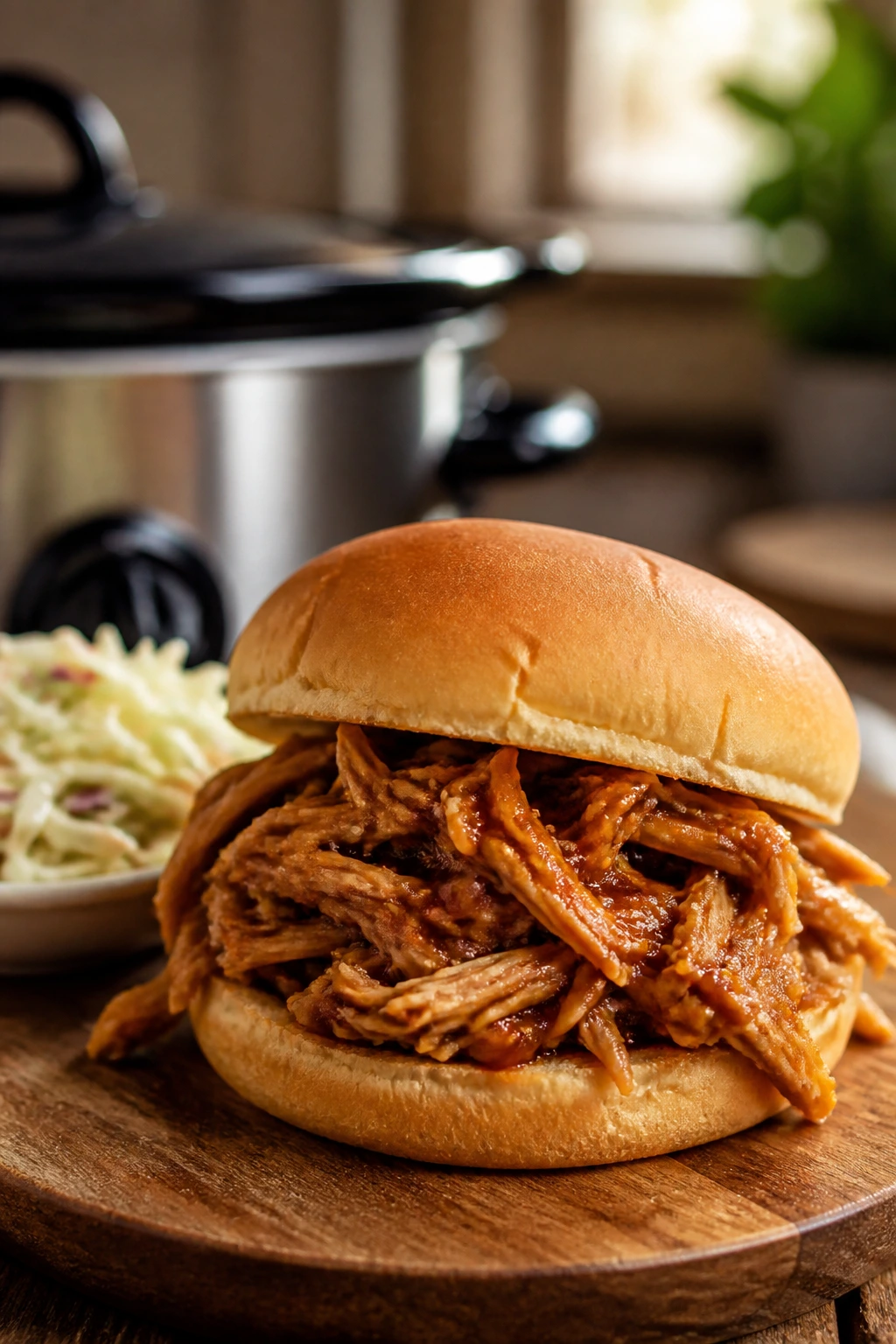
5. Slow-Cooker Pulled Chicken Sandwiches
Pulled chicken is what happens when you want dinner to taste like you worked harder than you did. A slow cooker makes the meat tender enough to shred with two forks, and the sauce keeps it juicy until everyone is ready to eat. This is the kind of meal that makes the house smell like you’ve been planning all afternoon.
Put the slaw on the side, not on the sandwich, if you want the buns to stay intact through the whole movie. Brioche buns are soft and rich, but regular hamburger buns work fine if you toast the cut sides for a minute or two. The toast buys you time.
This one is especially good for a week with a packed afternoon. You can start it early, walk away, and come back to a dinner that already knows what it’s doing.
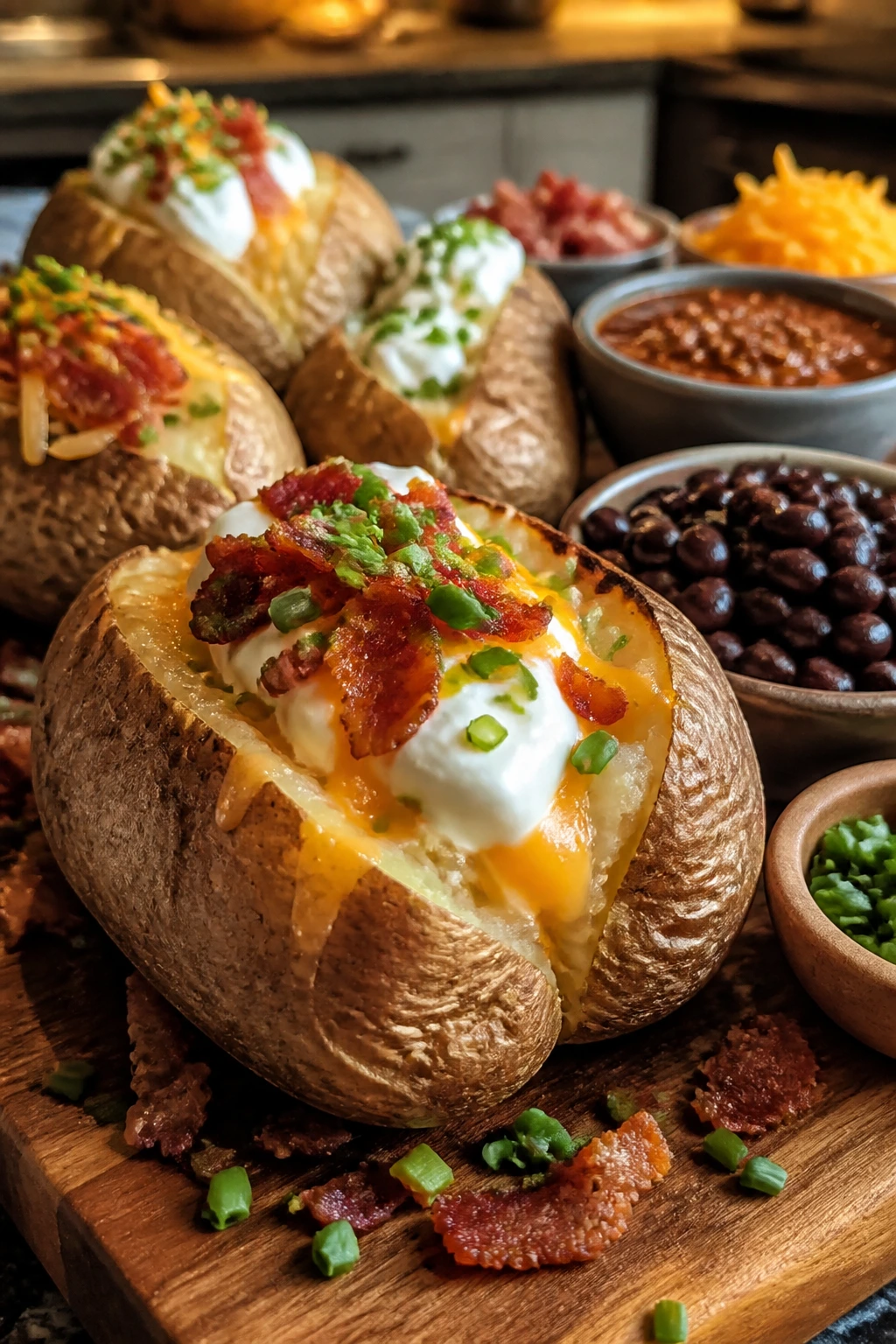
6. Loaded Baked Potato Bar With All the Good Stuff
A baked potato bar is underrated because it turns a humble potato into a family-sized choice board. Bake russets until the skins are crisp and the centers give when squeezed gently with a towel. Then let everyone choose from butter, sour cream, cheddar, bacon, chives, black beans, or leftover chili.
The reason this works on movie night is simple: the format is calm. Nothing spills as easily as a bowl of saucy food, and a potato holds its own on a tray. You can also set out sweet potatoes if some people prefer them, though I’d keep the toppings simple there—maybe just butter, cinnamon, and a pinch of salt.
It’s a meal that feels interactive without becoming chaotic. There’s a difference, and this one stays on the right side of that line.
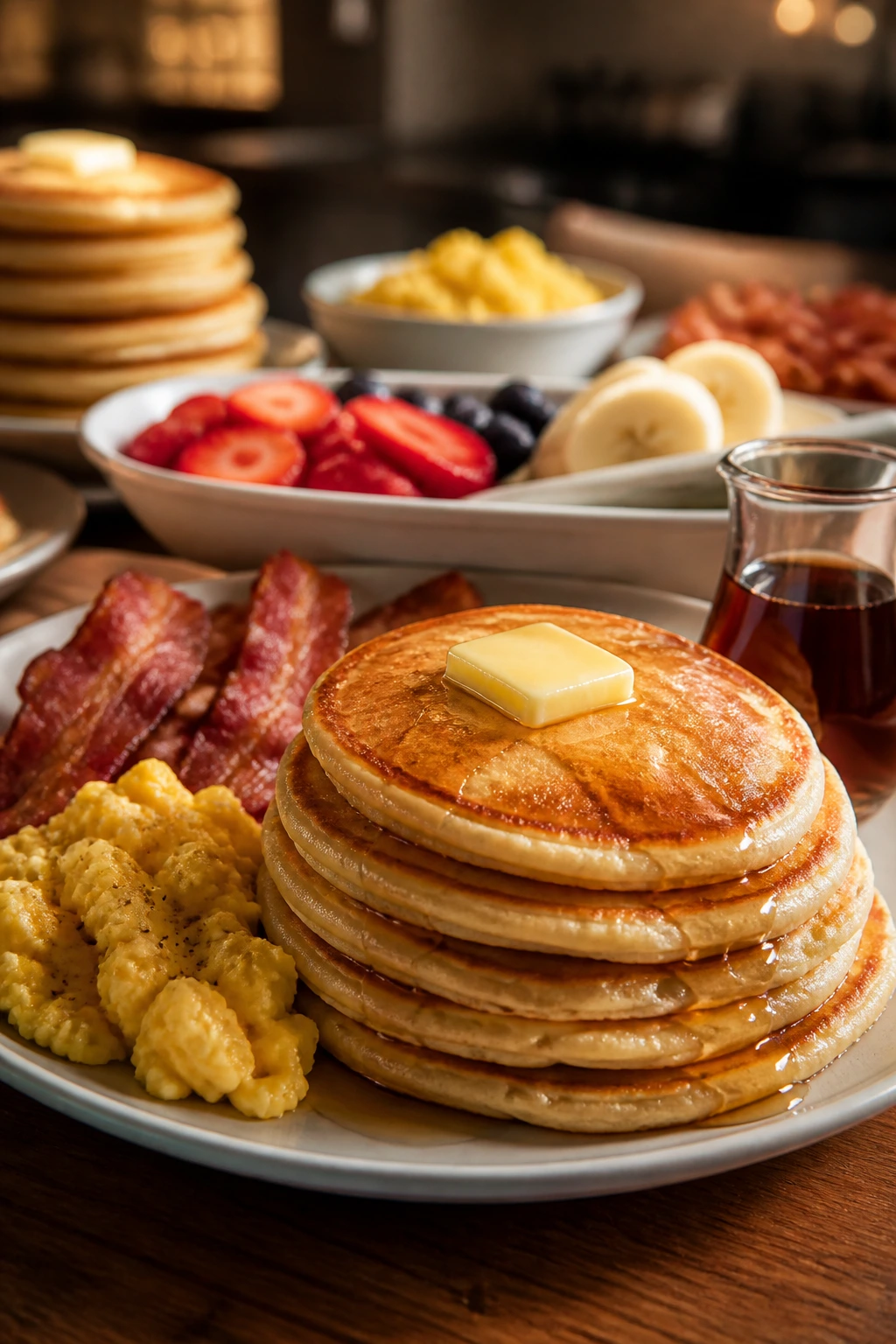
7. Breakfast-for-Dinner Pancake Spread
Breakfast for dinner is fun because it breaks the normal shape of the evening. Pancakes, scrambled eggs, bacon, and fruit feel a little mischievous after dark, especially if you keep the stack small and the syrup warm in a tiny pitcher. The whole spread reads as friendly, not fussy.
What makes this work for a family film is the pacing. Pancakes can be made in batches and kept warm on a sheet pan in a low oven. The eggs stay soft if you pull them off the heat before they look fully done; they’ll finish on the plate. That prevents the dry, rubbery texture that ruins a breakfast dinner fast.
If you want to make it feel special without much extra work, add sliced strawberries or orange wedges. The bright fruit cuts through the butter and gives the meal a cleaner ending.
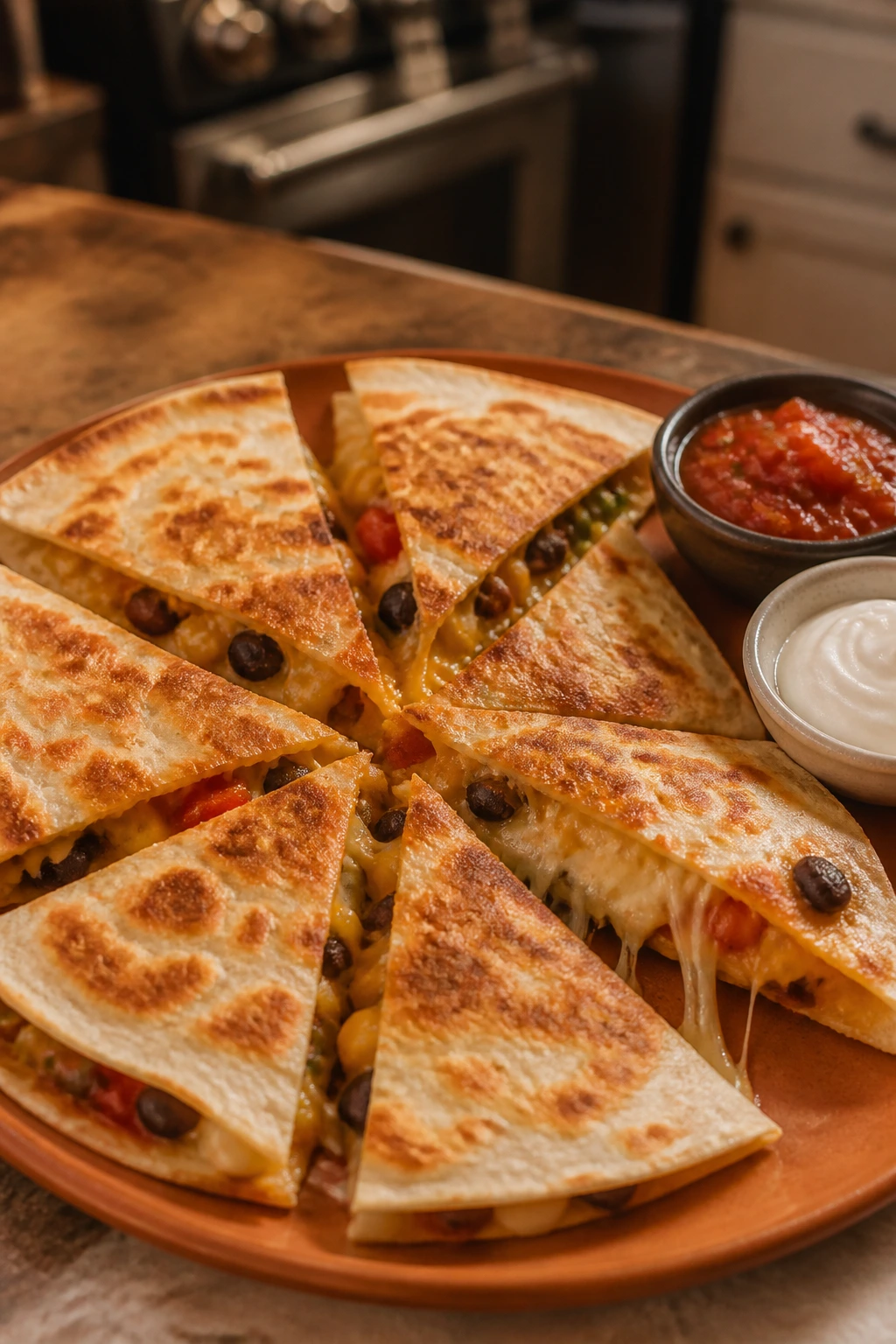
8. Quesadilla Cut-and-Serve Night
Quesadillas are one of the easiest couch dinners because they cut neatly into wedges and don’t demand much attention. Fill them with cheese and one or two extras—shredded chicken, black beans, sautéed peppers, maybe a little corn. Too many fillings and they lose the crisp edges that make them worth doing.
The real advantage is speed. You can cook a few at a time in a skillet, hold them on a rack so the bottoms stay crisp, and slice them into triangles as soon as they’re cool enough to handle. Salsa and sour cream go in small bowls. No one wants to dip a floppy corner of tortilla into a giant container.
If you’ve got a family that argues over spice, this is the meal to keep mild at the base and lively at the table. Hot sauce on the side. Always on the side.
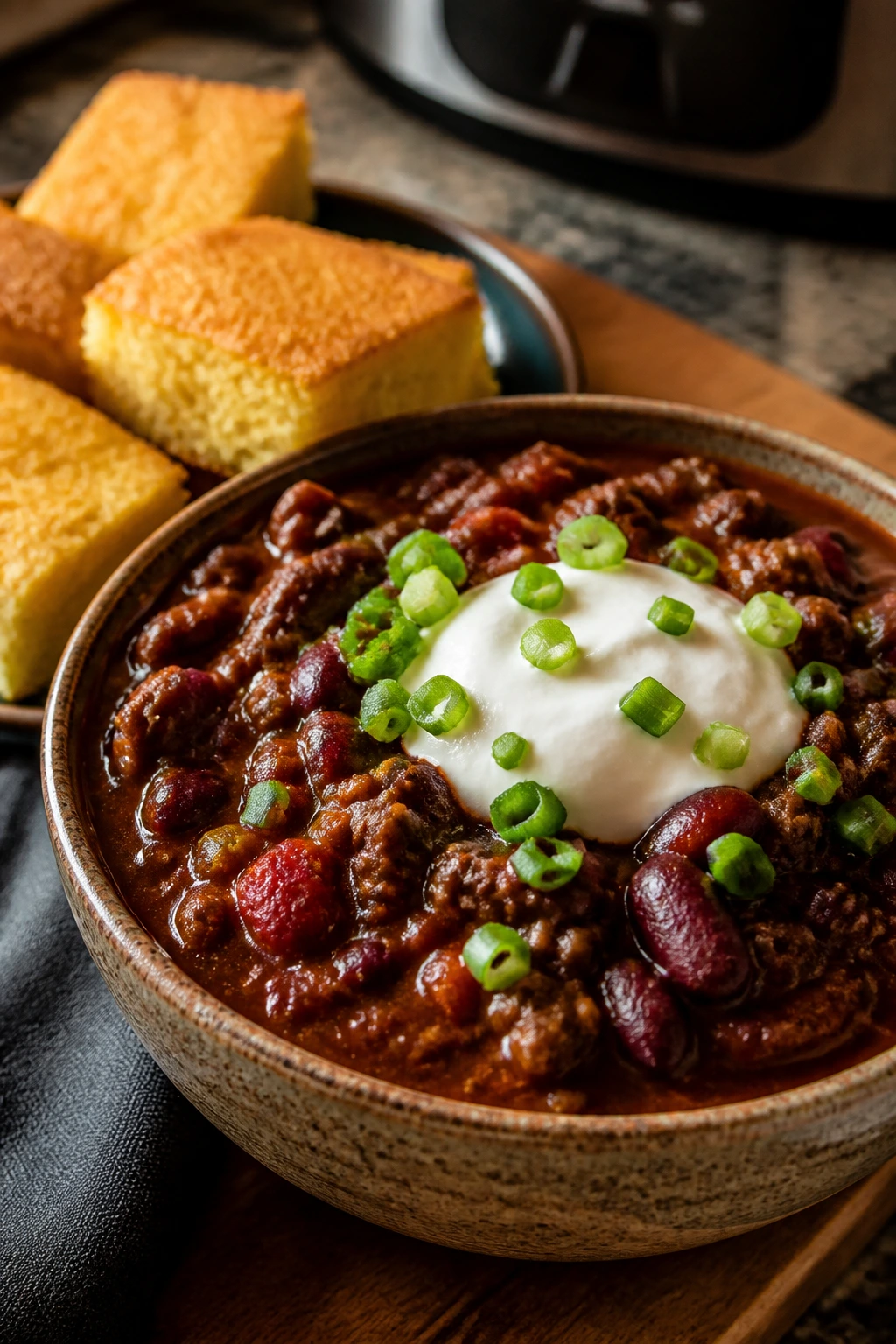
9. Chili With Cornbread Squares
Chili belongs in the movie-night rotation because it holds heat well and tastes even better after a little resting time. Beef, turkey, or beans all work. What matters is the texture: thick enough to mound on a spoon, not soupy enough to drip onto blankets.
Cornbread squares are the right partner here. They’re easier to portion than a loaf, and they give you something to dunk without needing a knife. A warm pan of cornbread also makes the whole dinner feel a little more planned, which matters when you’re trying to make a Tuesday-night film feel special.
A spoonful of plain yogurt or sour cream on top cools the heat and adds a creamy note. A scatter of scallions helps too, if your crowd will tolerate them.
10. Mini Burger Slider Night
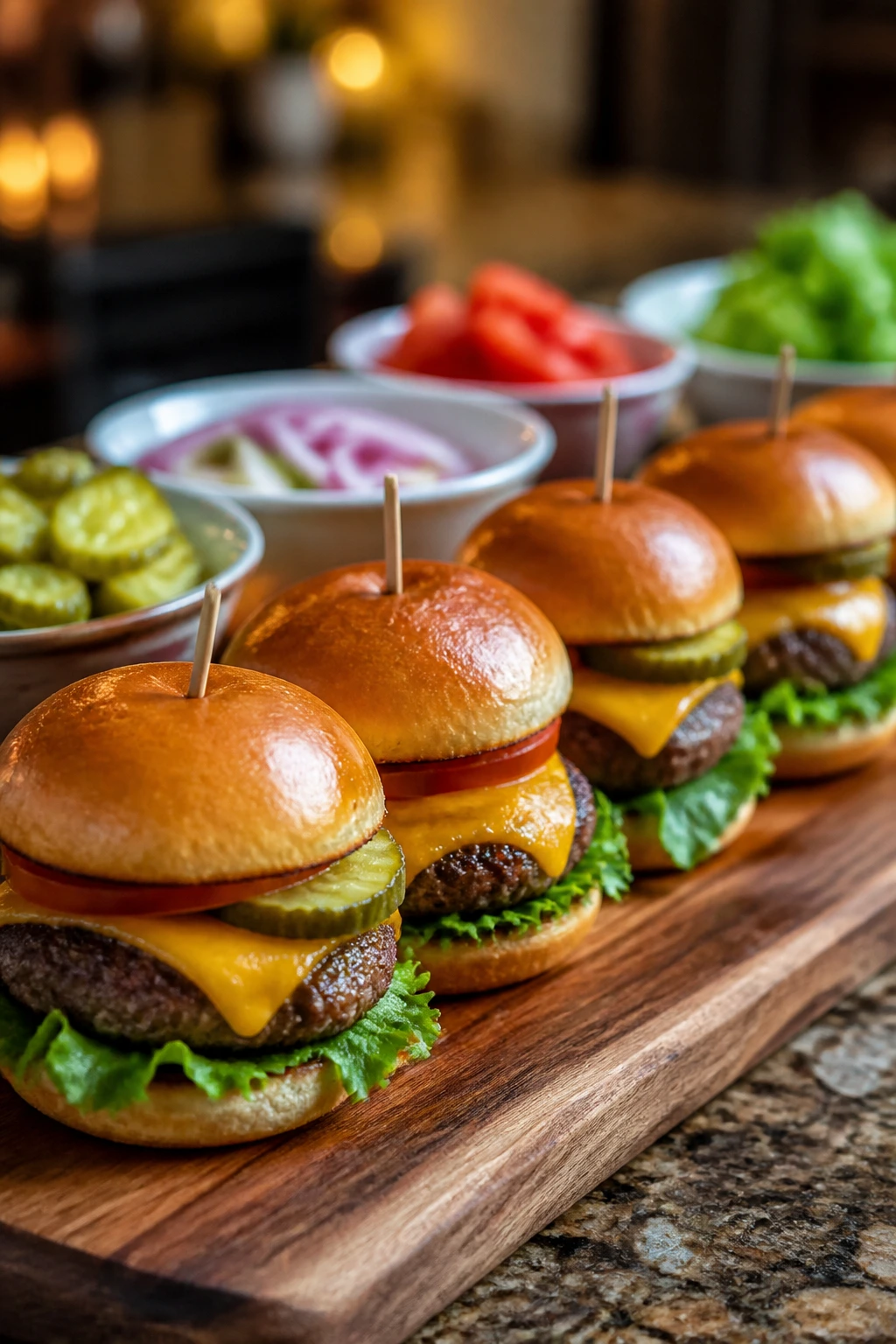
Sliders are a good compromise when some people want a burger and others want “not too much food.” They’re small enough to eat without making the evening feel heavy, but they still feel like a proper treat. Toast the buns. That step saves the bottom layer from going soggy the moment ketchup shows up.
A slider night also keeps the kitchen organized. Patties can cook fast on a skillet or griddle, cheese melts quickly, and the toppings can stay in separate small bowls. Pickles, lettuce, tomato, and onions. That’s enough. Don’t turn the counter into a deli case.
If you want the meal to feel movie-night specific, make the sliders a little smaller than usual and add a side of oven fries or potato wedges. Small food, big satisfaction. That’s the whole trick.
11. Pita Pocket Picnic
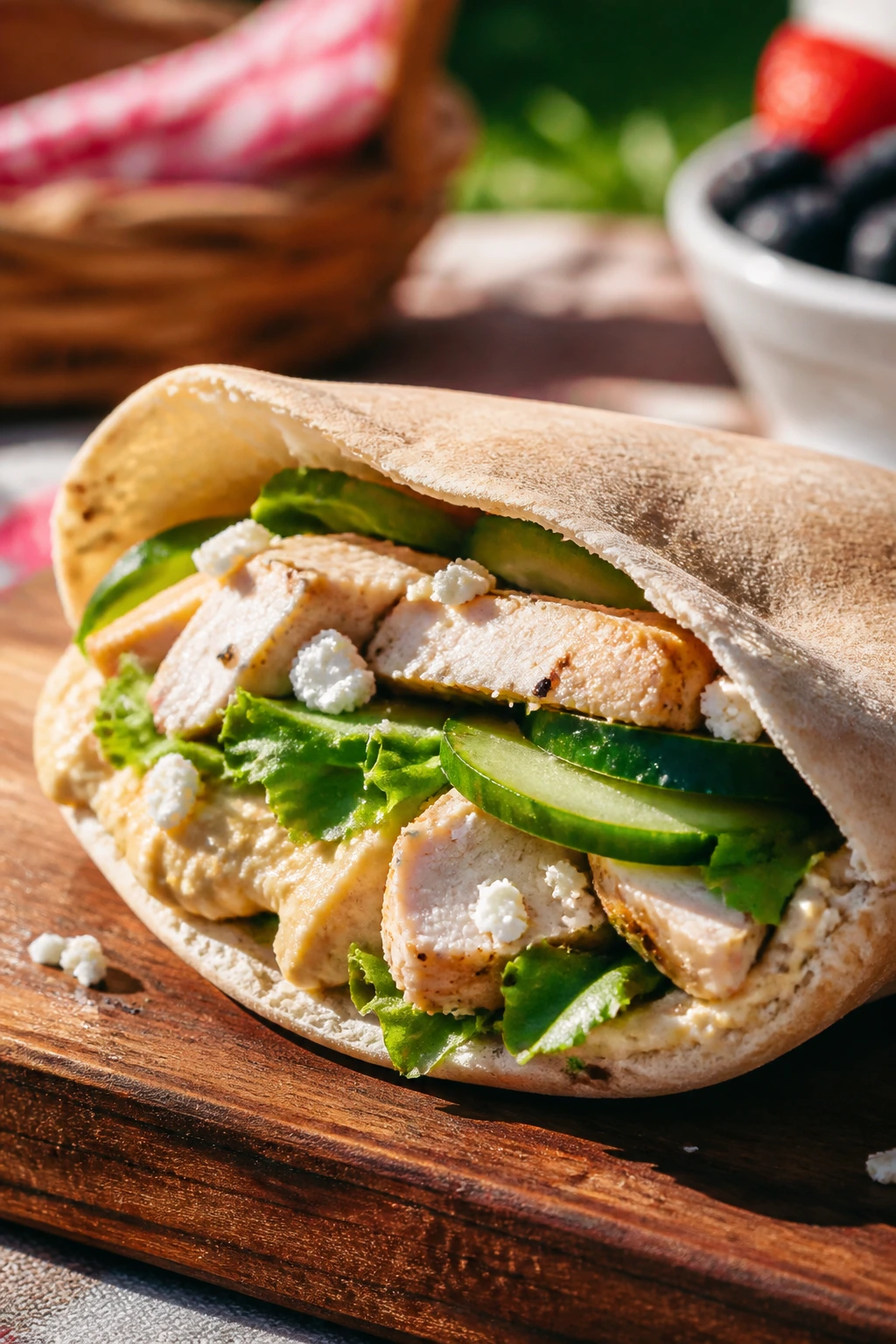
A pita pocket dinner feels easy and slightly lighter, which is useful when the movie is long and nobody wants to feel weighed down halfway through. Split warm pitas and fill them with hummus, sliced chicken, cucumbers, lettuce, and a little feta if your family likes it. Chickpeas work too, and they do not complain.
The reason this lands well for family meal planning is flexibility. Each person can build a pocket that leans more crunchy, more creamy, or more protein-heavy. A couple of extra bowls on the side—tzatziki, olives, cherry tomatoes—turn it into a spread without much work.
This is the meal I’d pick after a day with too much takeout temptation. It feels fresh, but not virtuous. That balance matters.
12. Ramen Bowl Bar With Soft Eggs and Corn
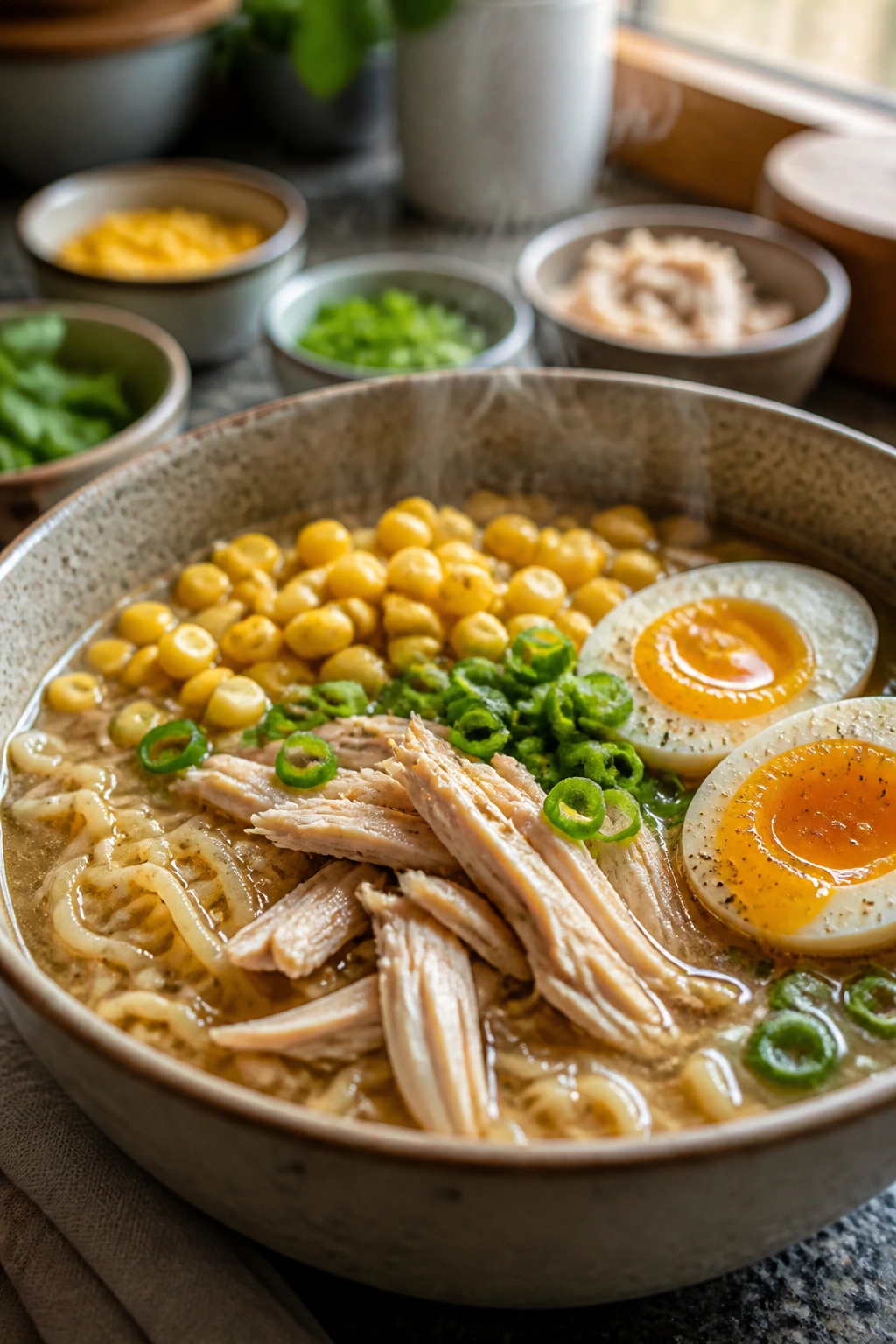
Ramen night can be as simple or as involved as you want, which makes it a useful movie-night idea. Start with a good broth, noodles, and a few toppings: soft-boiled eggs, corn, sliced scallions, shredded carrots, mushrooms, or leftover chicken. The broth should be hot enough to steam, but not so boiling that it loses its clean taste.
What makes this worth the effort is the build-your-own part. Put the toppings in small bowls and let each person decide how busy their bowl should be. Kids often go for noodles, corn, and chicken. Adults usually add scallions and a little chili oil.
Serve it in sturdy bowls, not shallow ones. Noodle soup in a shallow bowl is a spill waiting to happen, and movie night has enough drama already.
13. Pasta Bake and Salad
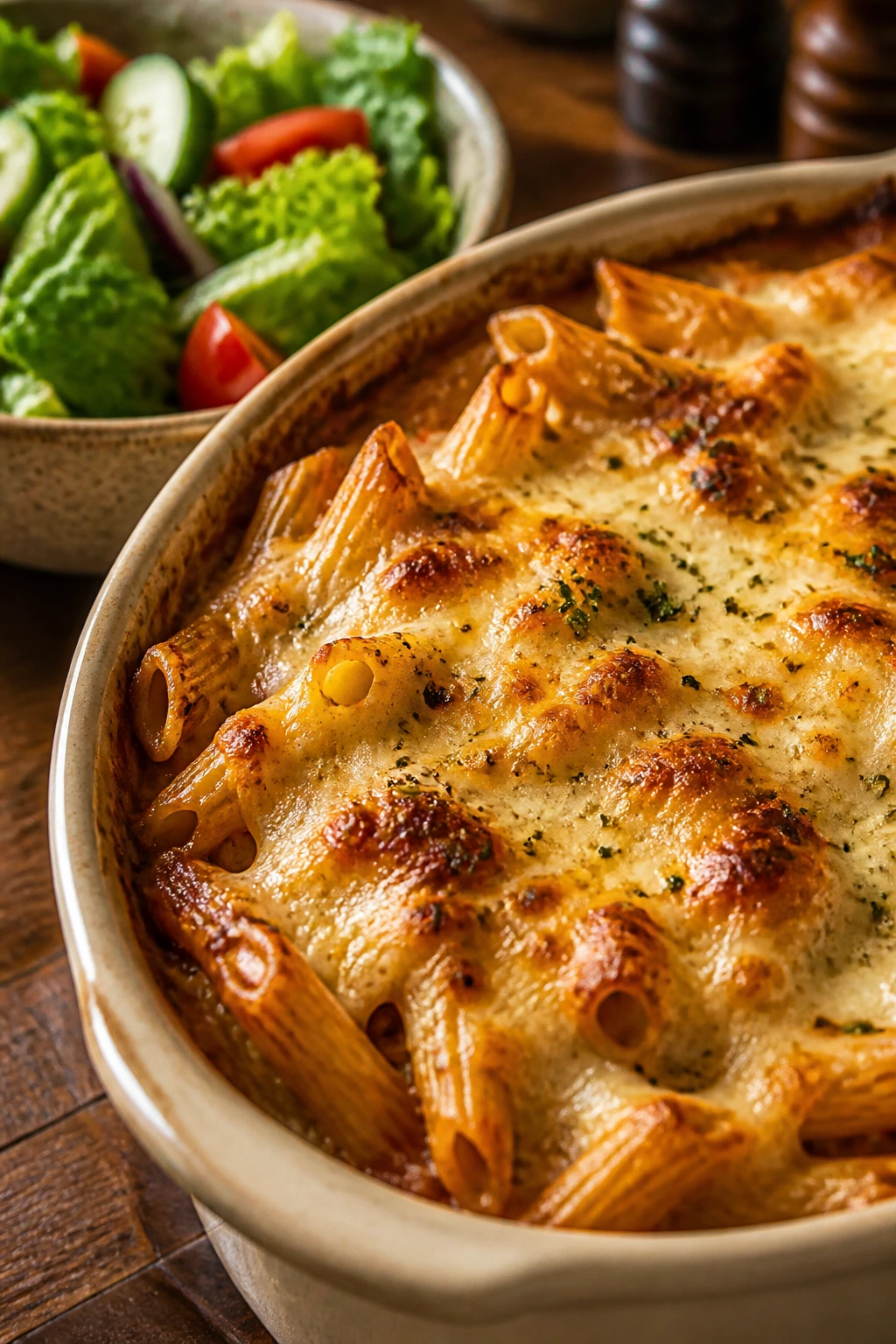
Pasta bake is one of those dinners that gets better the moment you stop trying to make it delicate. Penne, ziti, or rigatoni all work because the sauce gets trapped inside the tubes and the top can brown a little at the edges. That browned edge is the part people fight over.
A simple green salad with a sharp dressing gives the plate some lift. Keep the dressing citrusy or vinegary. A creamy salad next to baked pasta tends to feel heavy fast, and then the whole meal sinks into the couch before the movie does.
This is also one of the most practical leftovers on the list. Pasta bake reheats well the next day, so if your family night runs late, breakfast doesn’t have to be a separate planning project.
14. Nacho Platter Dinner That Disappears Fast
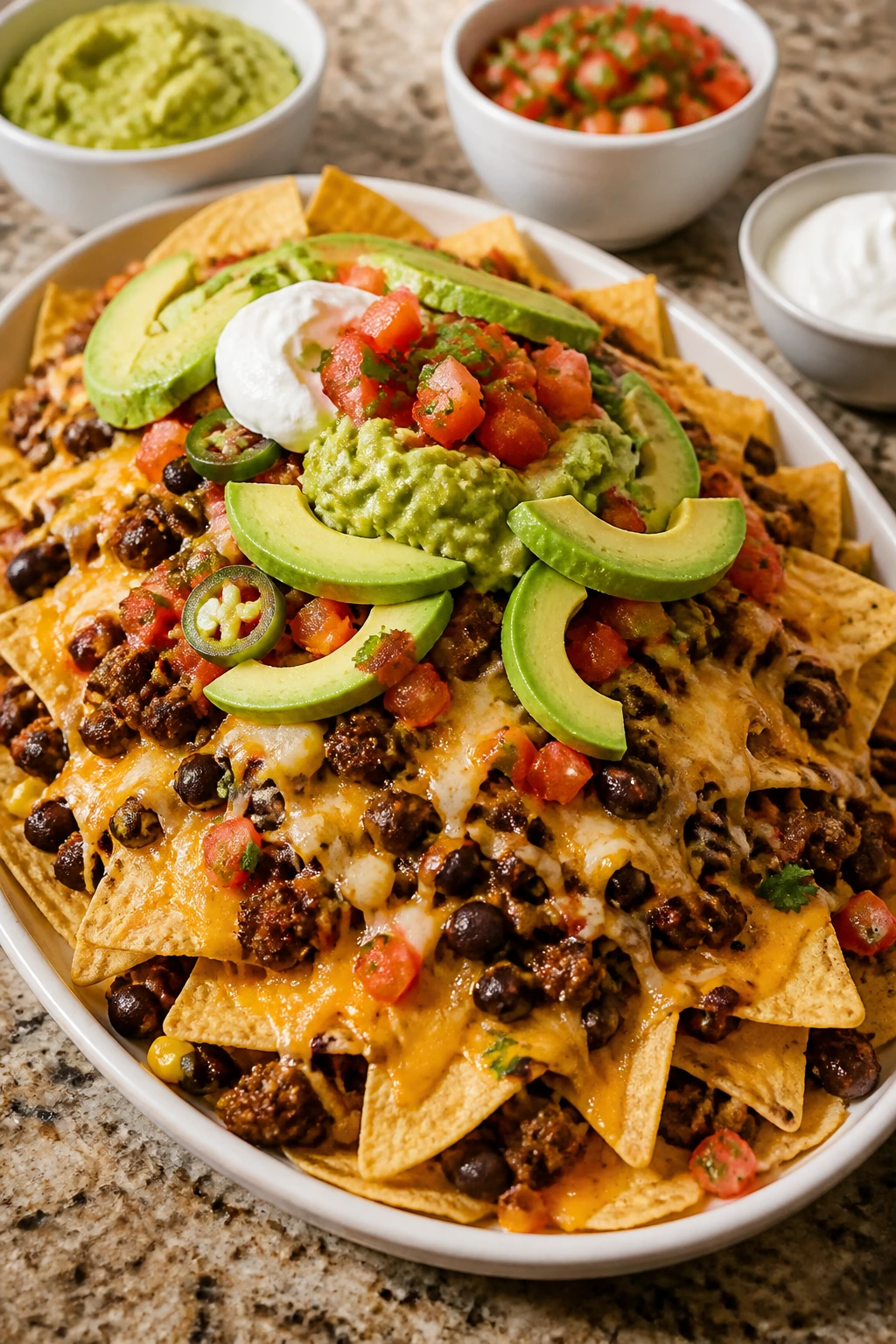
Nachos are loud in the best way. They’re a movie-night classic because everyone can pick at the tray while the movie starts, and nobody needs a formal plate unless they want one. The key is layering: chips, cheese, beans or meat, then more chips, then more cheese. If everything sits on top, the bottom layer goes cold too soon.
A good nacho platter needs contrast. Creamy avocado, sharp salsa, maybe some jalapeños for the adults, and a little lettuce or diced tomato if you want freshness. Set the wet toppings off to the side so the chips don’t surrender before the opening credits are done.
Do not overdo the tray. A thin, well-distributed layer eats better than a mountain that collapses at first contact.
15. Chicken Tender Basket With Two Dips
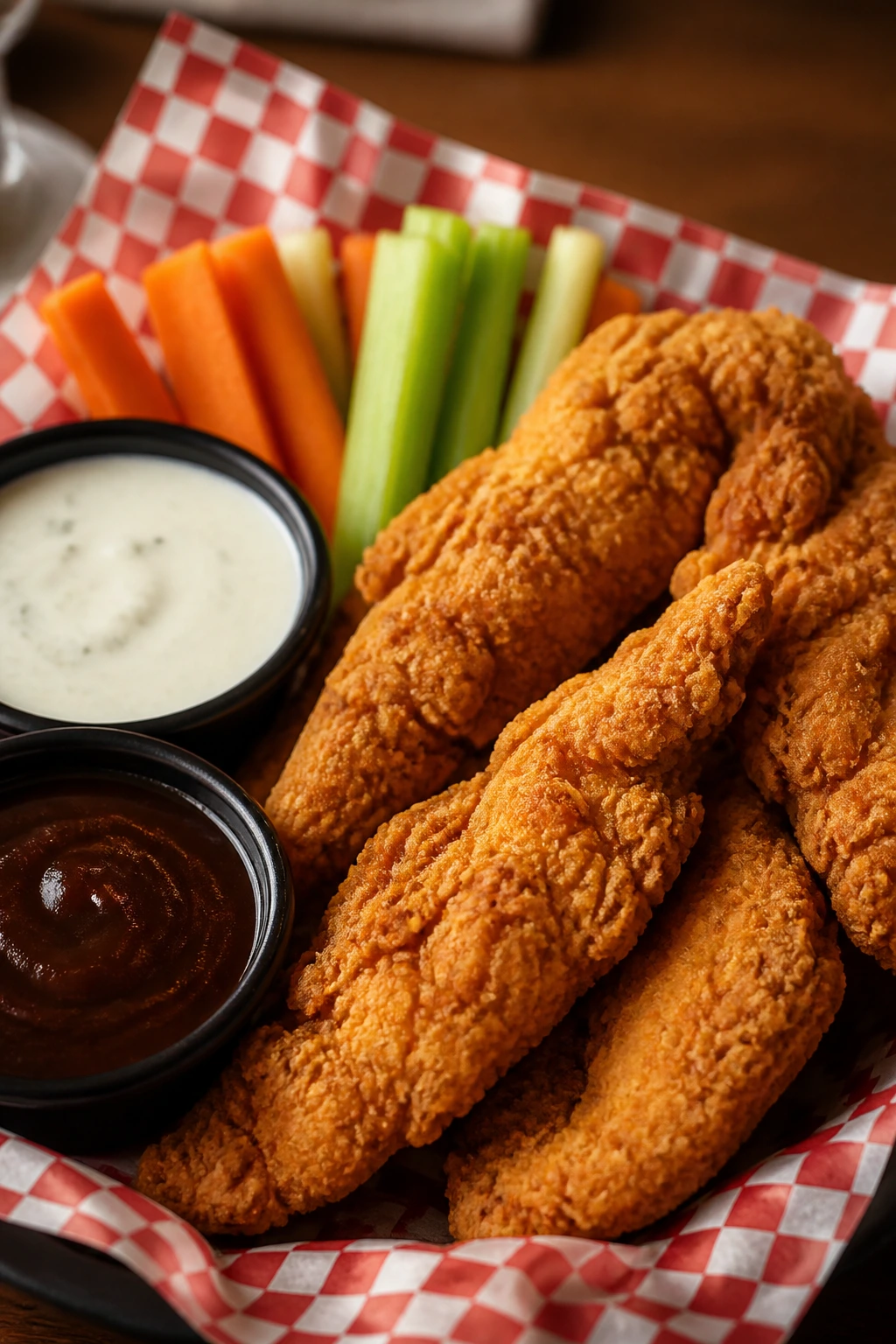
Chicken tenders may be the most reliable movie-night dinner on earth. Crispy outside, tender inside, and easy to dip without a fork. Baked or air-fried tenders hold up well, especially if you keep them on a rack until serving so the crust stays crunchy instead of steaming itself soft.
Two dips is the right number. One creamy, one tangy. Ranch and barbecue. Honey mustard and ketchup. Pick a pair and stop there. If you offer six sauces, the meal starts to feel like a condiment puzzle.
Add carrot sticks, cucumber slices, or oven fries and the basket feels like dinner instead of a snack with a promotion. That’s the line this meal needs to cross.
16. Teriyaki Rice Bowl Bar
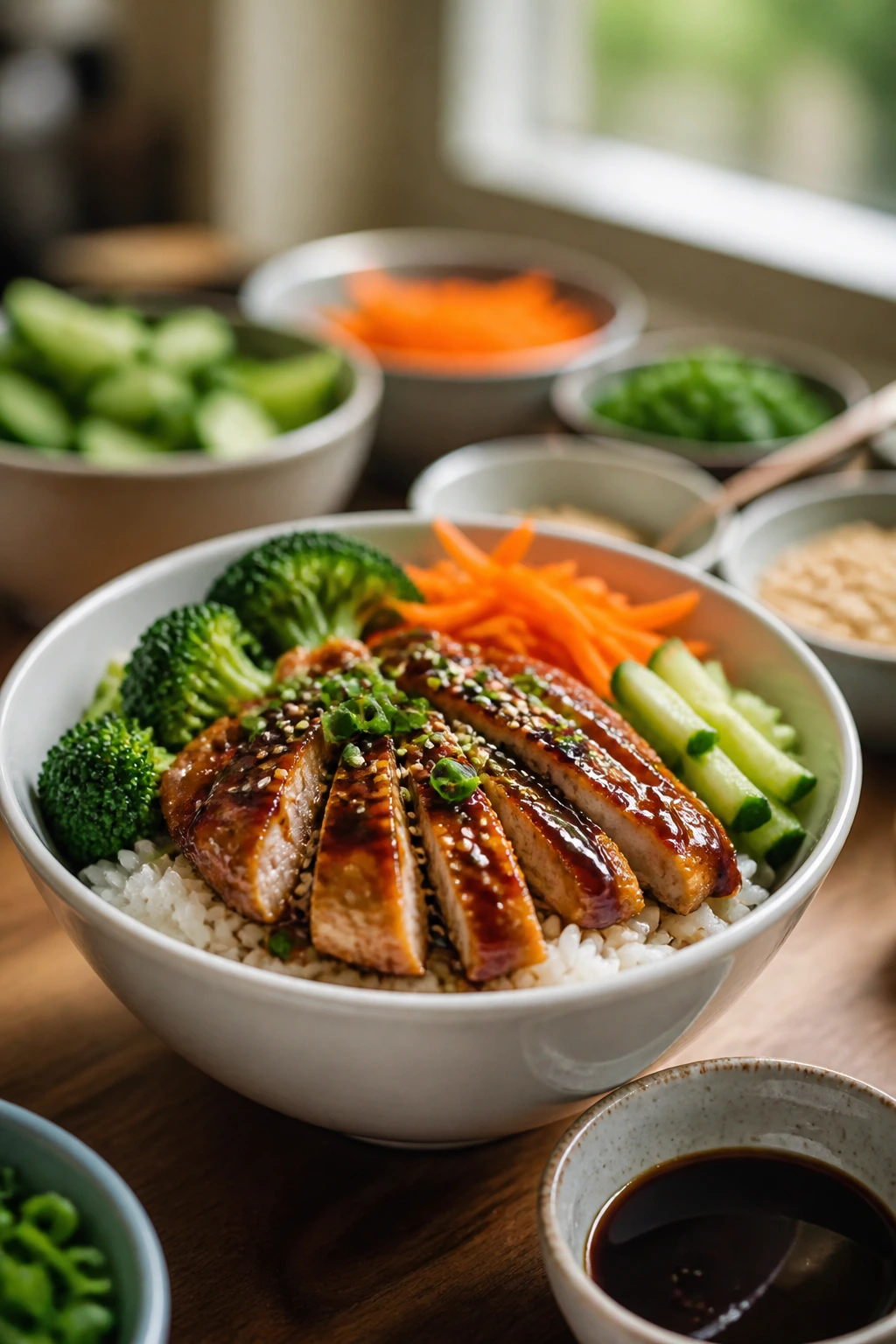
Rice bowls solve a lot of family tension because the base stays neutral and the toppings do the talking. Teriyaki chicken or tofu, steamed broccoli, shredded carrots, cucumber, sesame seeds, and a little extra sauce on the side make a bowl that feels complete without becoming heavy.
The move here is to keep the rice fluffy and the toppings separate until serving. If everything gets mixed too early, the bowl turns mushy before anyone sits down. A little structure keeps the texture sharp, which matters on a movie-night meal where people eat slowly.
This is a good option when you want dinner to feel more polished without adding work. It looks neat in a bowl, and it’s easy to scale up if a few extra mouths show up.
17. Grilled Cheese and Tomato Soup
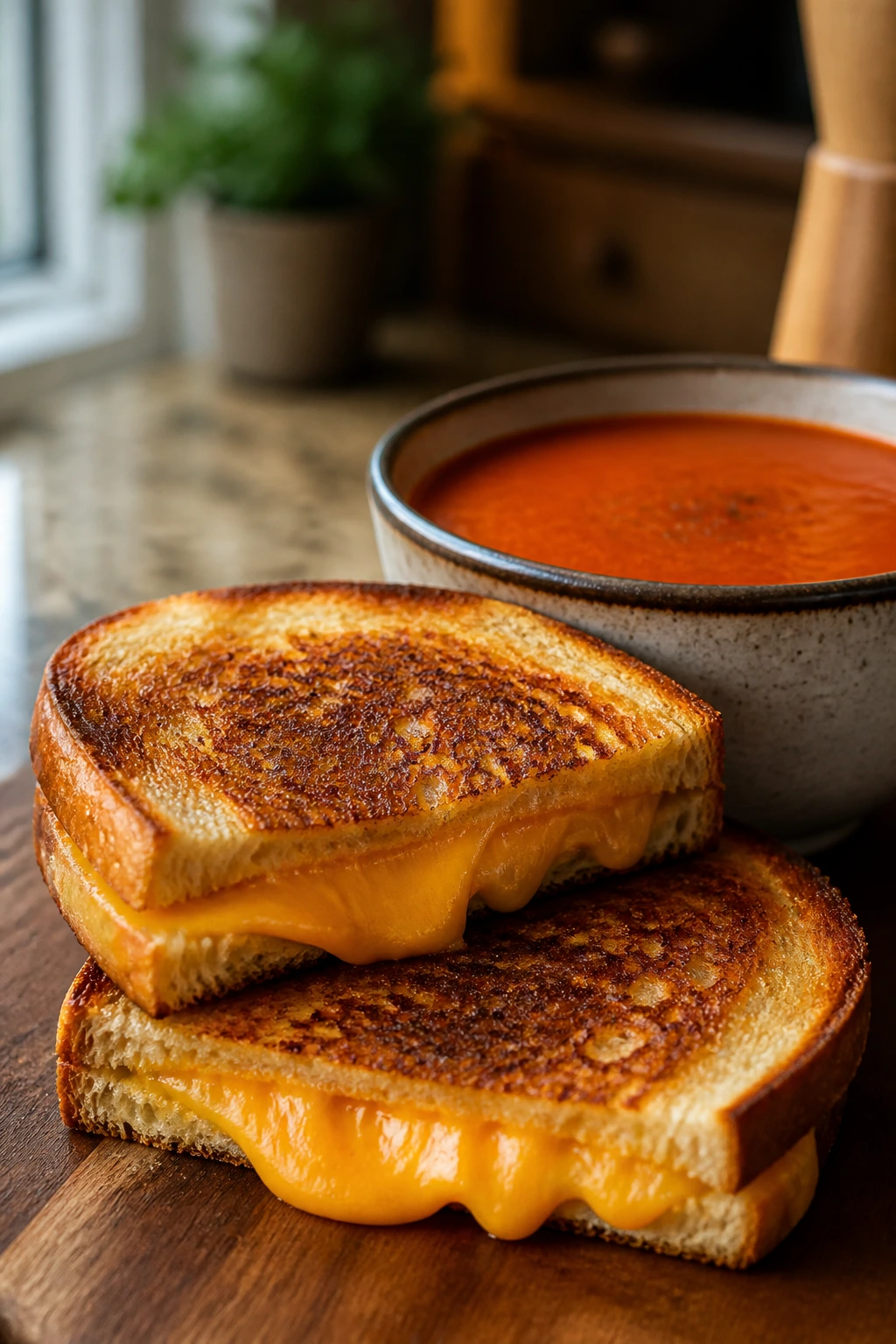
This is the dinner equivalent of pulling on a sweatshirt after a long day. The grilled cheese gets crisp on the outside if you cook it low enough to let the bread brown without burning, and the soup gives you something hot and tomato-bright to dip into. Simple. Honest. No one needs a lecture.
The bread matters here. Plain white bread gives you that classic crunch, but sourdough adds a little chew and stands up better to the soup. Cheese-wise, cheddar melts well, but a mix of cheddar and mozzarella gives you more pull.
Keep the soup in mugs or sturdy bowls, not delicate little cups. A hot dip dinner deserves something that won’t tip at the slightest nudge.
18. Build-Your-Own Flatbread Board
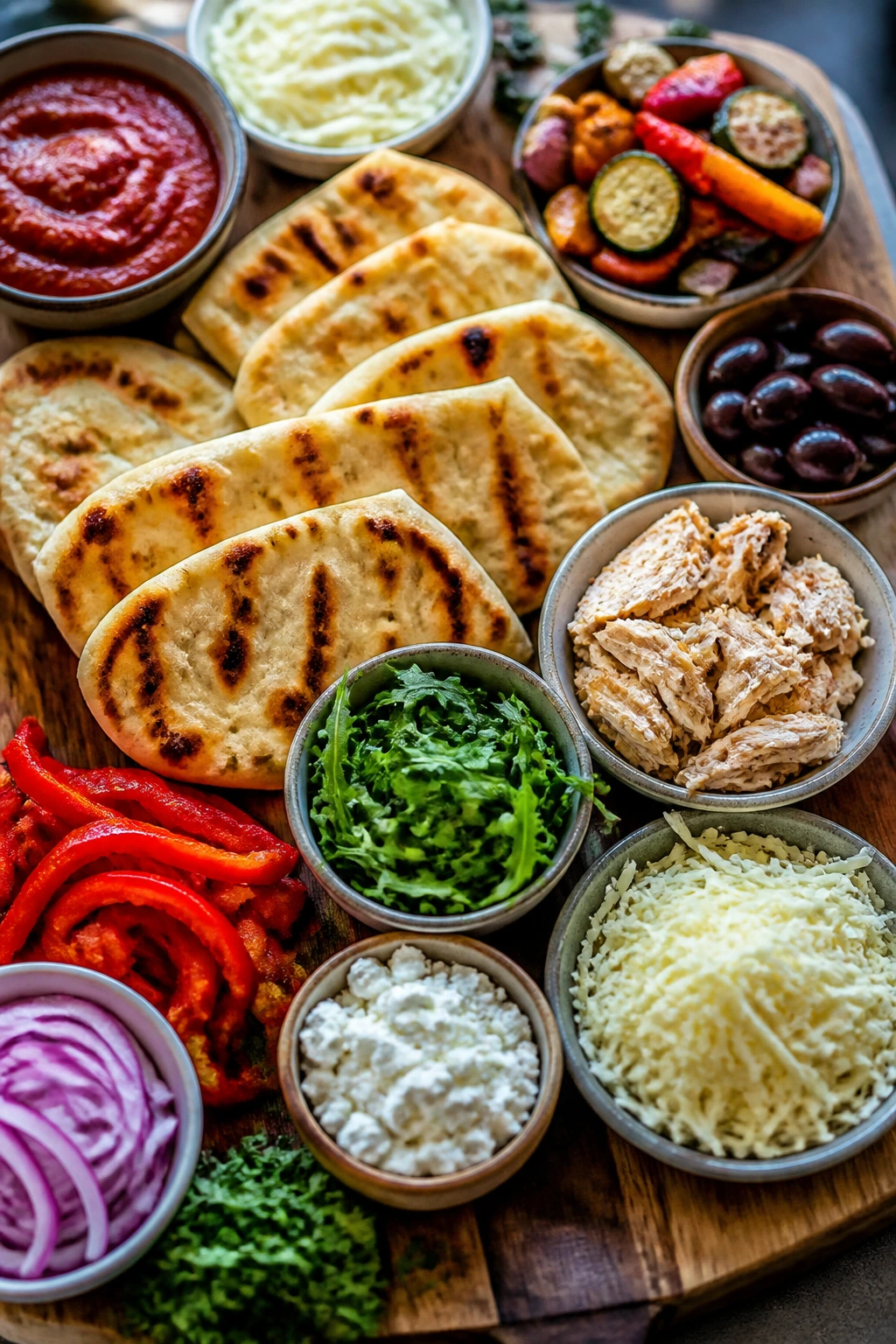
Flatbreads are a nice middle ground between pizza and sandwiches. Set out naan or store-bought flatbreads, a sauce or two, cheese, roasted vegetables, chicken, olives, and herbs. Everyone builds a version that suits them, then the tray goes into the oven for a few minutes until the edges start to crisp.
This works well when your family wants a little control but not the full chaos of a giant topping bar. It feels more organized than taco night and less formal than a full homemade pizza spread. That balance makes it useful in a weekly rotation.
If you cut the finished flatbreads into strips, they’re easier to eat on the couch. A small thing. A useful one.
19. Stir-Fry Noodle Bowls With Snap and Sauce
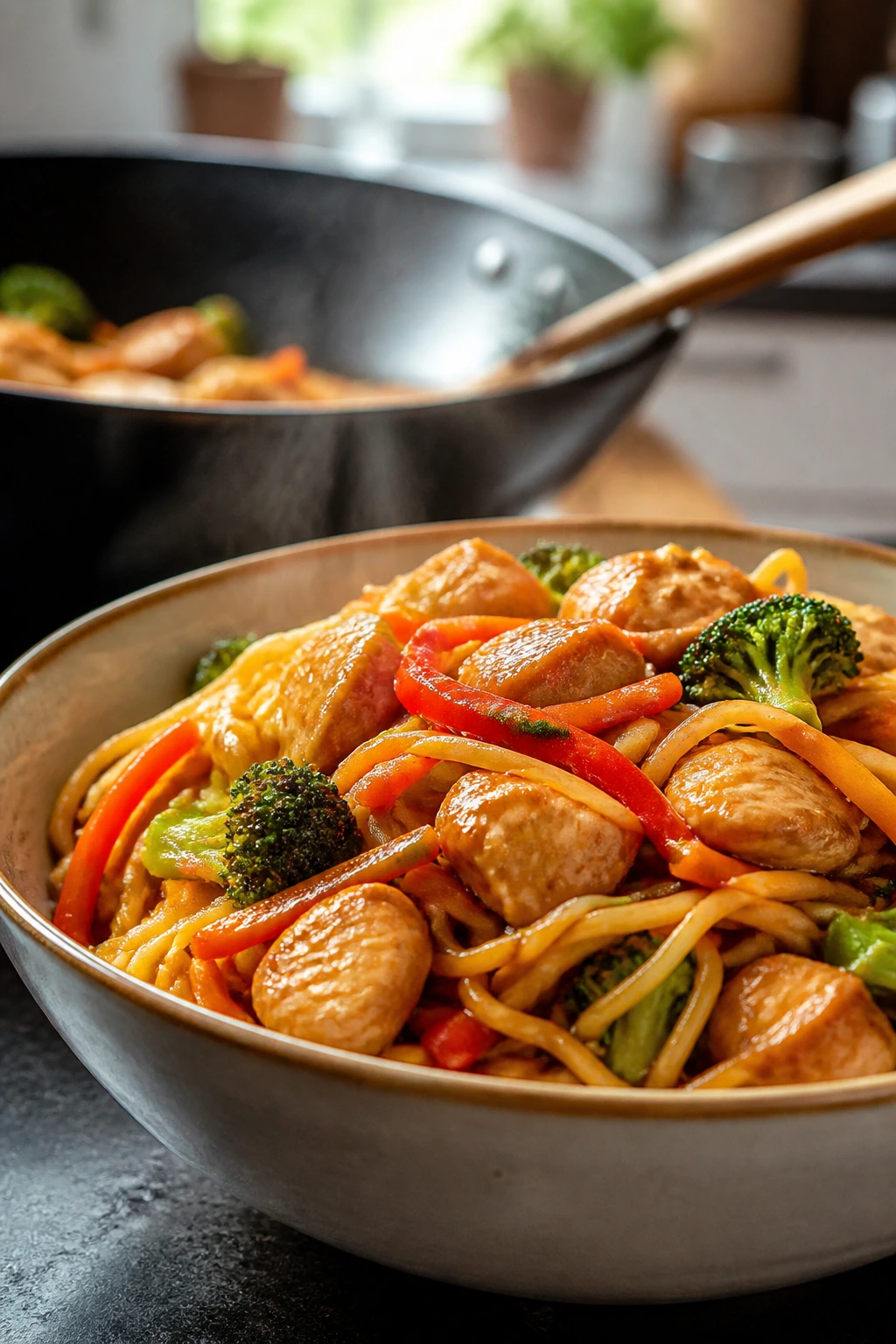
Stir-fry noodle bowls are a strong choice when you have vegetables hanging around in the fridge and do not want them to become science experiments. Use noodles that stay springy, not limp, and keep the sauce bright enough to taste through the carbs. Soy sauce, ginger, garlic, and a little honey or brown sugar usually do the job.
The best version for movie night has bite-sized pieces. Chicken sliced thin, carrots cut into matchsticks, broccoli in small florets. Big chunks are clumsy in the dark. Small pieces eat more easily and feel less like a task.
A bowl like this also gives you a clean way to use what you already have. That alone earns it a place in a weekly meal plan.
20. Sloppy Joe Sliders With Pickles on the Side
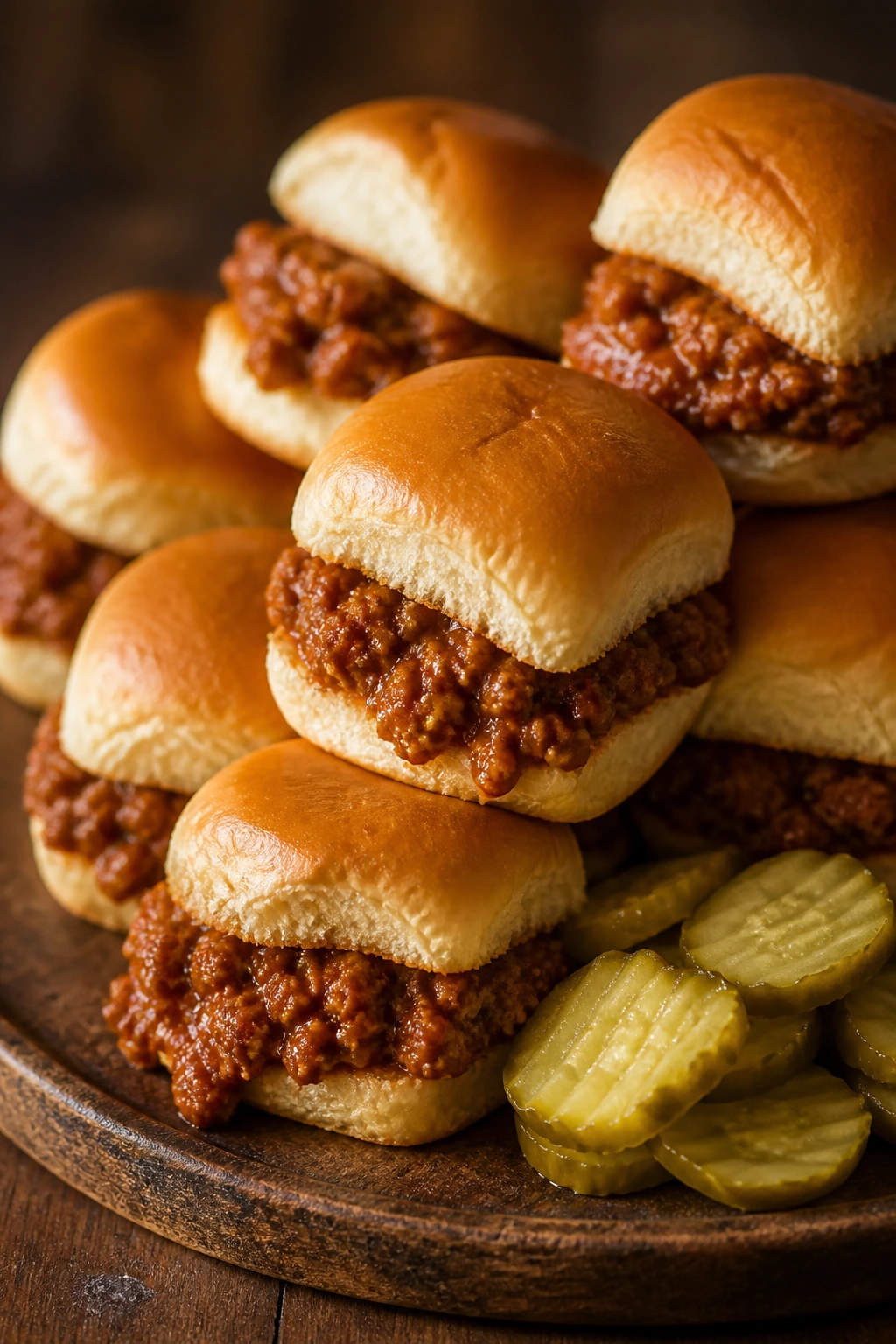
Sloppy Joes are famous for one obvious reason: they are messy. Put them on sliders and the mess becomes manageable. The buns stay smaller, the filling can be tucked in more neatly, and the whole thing feels playful instead of chaotic.
A little acidity helps. Pickles on the side, maybe a few sliced onions if your crowd is into that sharp bite. Without something tangy, sloppy joes can lean sweet in a way that gets old fast.
This is one of those movie-night meals that makes sense when you want to feed a crowd without much ceremony. It’s familiar, fast, and easy to make in a pan big enough for seconds.
21. Stuffed Shells With Garlic Bread
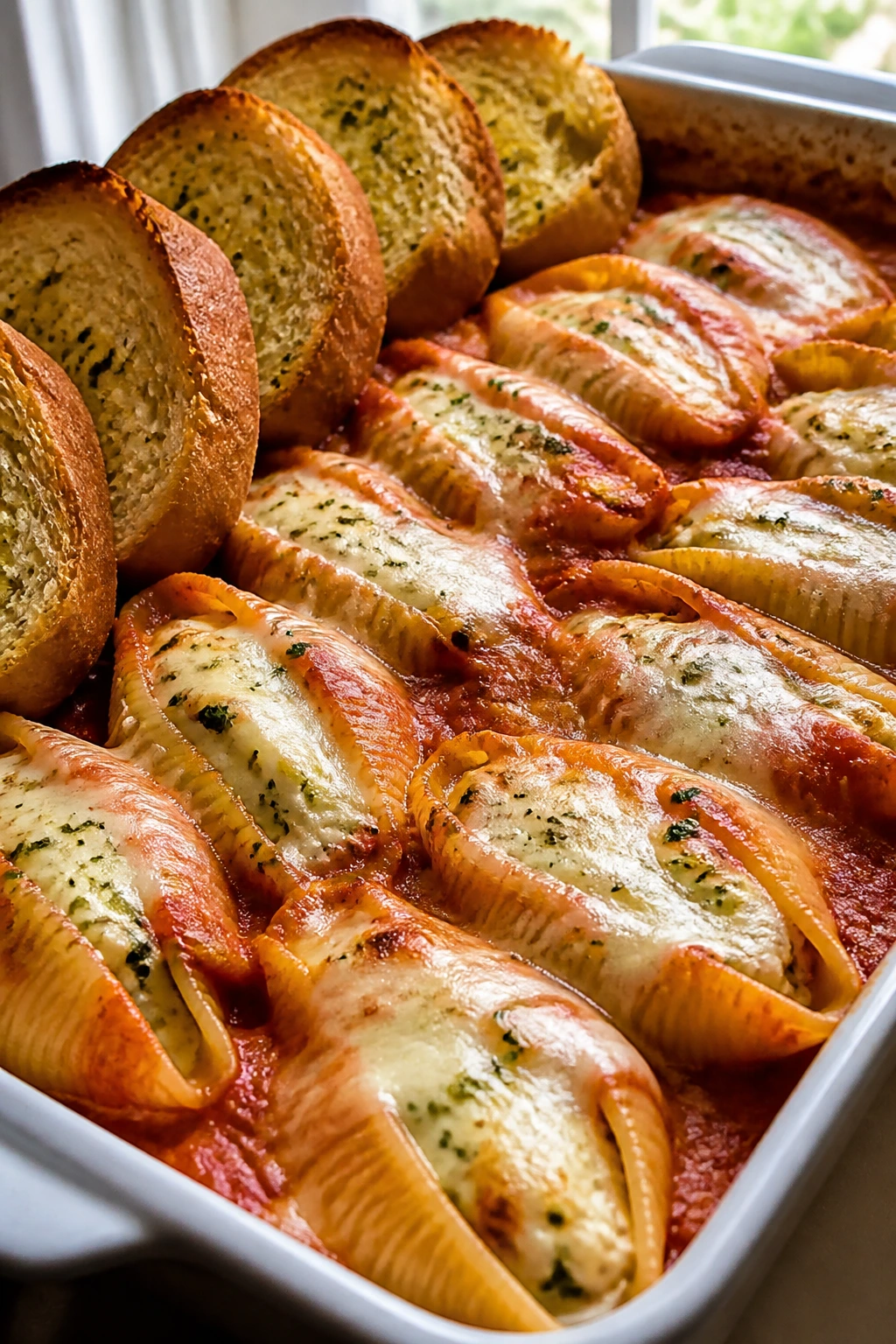
Stuffed shells are a baked pasta move that feels slightly more special than a regular spaghetti night. The shells hold the filling in little pockets, and the tomato sauce keeps everything moist through a long bake. Ricotta, spinach, parmesan, and mozzarella make the standard version, though sausage works if you want more heft.
Garlic bread is not optional in my book. It gives the meal a crunch that the pasta cannot provide on its own. Better yet, it lets people swipe up the extra sauce at the bottom of the dish, which is often the best part.
This is a nice choice for a weekend movie because it can sit in the oven while everybody settles in. Not flashy. Just steady and warm.
22. Roast Chicken and Veggie Tray
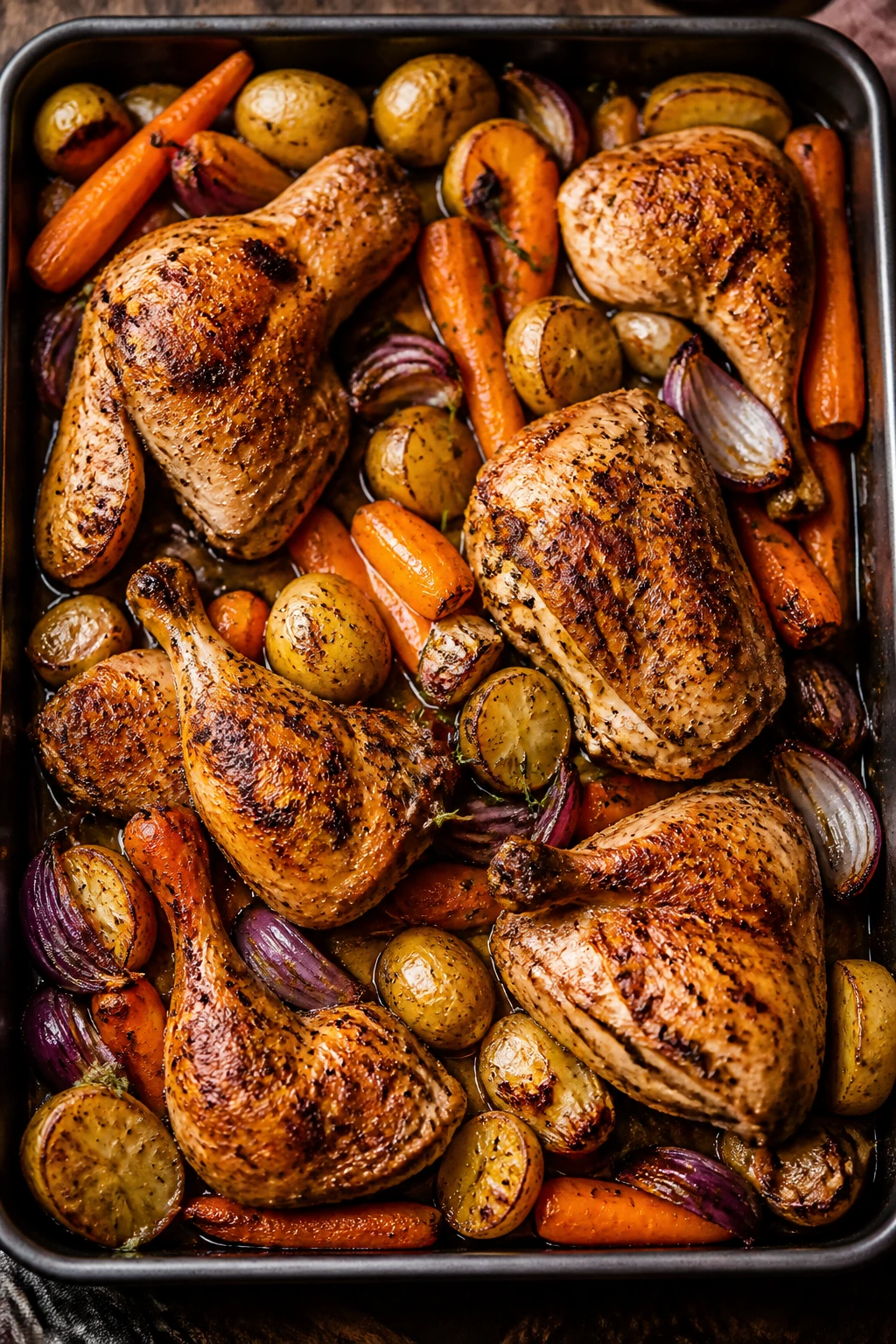
A roast chicken dinner has a different kind of movie-night energy. It’s calmer, more adult, but still family-friendly if you keep the sides simple. Roast chicken pieces or a cut-up whole bird with carrots, potatoes, onions, and a little oil on a single tray, and you get a meal that looks more composed than the work it took.
The vegetables matter here. Cut them into the same general size so they finish at the same time and pick up the chicken juices along the edges. That browned, savory spot on the potato is the one everyone reaches for.
If you want this to fit a couch dinner, carve the chicken before serving and keep everything in shallow bowls. Less awkwardness. Less fumbling with bones in the dark.
23. Breakfast Pizza With Fruit

Breakfast pizza sounds like a gimmick until you eat it. Then it becomes a thing. Use a crust that can handle eggs, cheese, and a little bacon or sausage, and bake it until the eggs are set and the cheese has those golden spots on top. The crust should stay firm enough to lift, which is the whole game.
A bowl of fruit on the side keeps the meal from tipping too far into richness. Grapes, berries, orange slices, melon—anything crisp and cool works. That contrast keeps people from feeling weighed down before the film is halfway done.
This is a fun pick when you want movie night to feel a little different without having to invent a brand-new kitchen plan. Familiar ingredients, odd timing. That’s enough.
24. Mediterranean Mezze Dinner With Dips and Pita
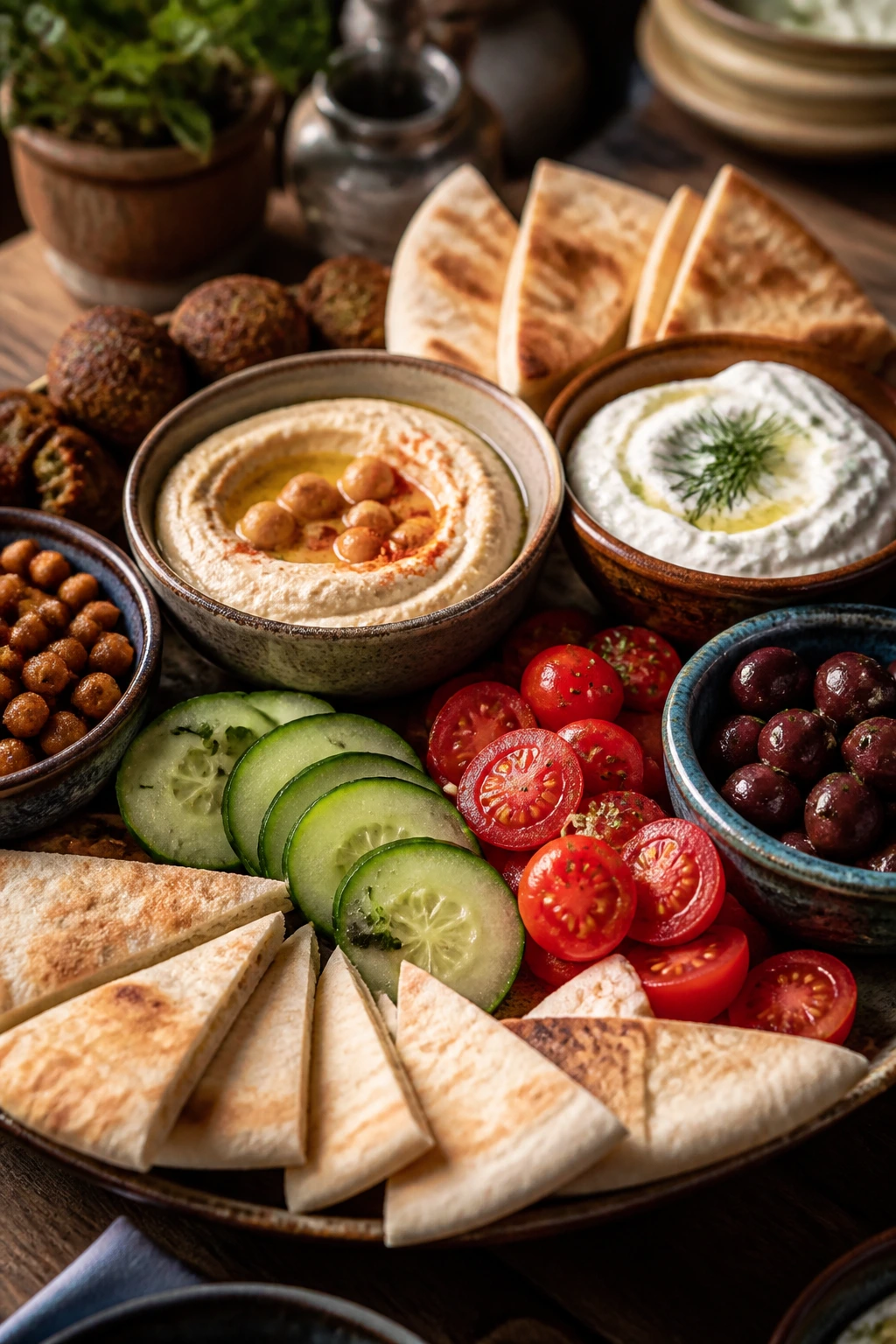
A mezze-style dinner is almost made for movie night because it turns dinner into a steady snack table. Hummus, tzatziki, olives, cucumbers, cherry tomatoes, pita, roasted chickpeas, and maybe a tray of grilled chicken or falafel make a spread that people can graze on as the film runs.
The beauty here is pace. Nobody has to finish a huge plate before sitting down. Everyone can keep reaching for small bites, which fits the rhythm of a long movie better than a formal meal does. Just keep the dips in shallow bowls with spoons, and the whole setup stays tidy enough to trust on the couch.
If your family likes variety, this is a good one to repeat often. It never feels exactly the same twice.
25. The Big Snack Board Supper
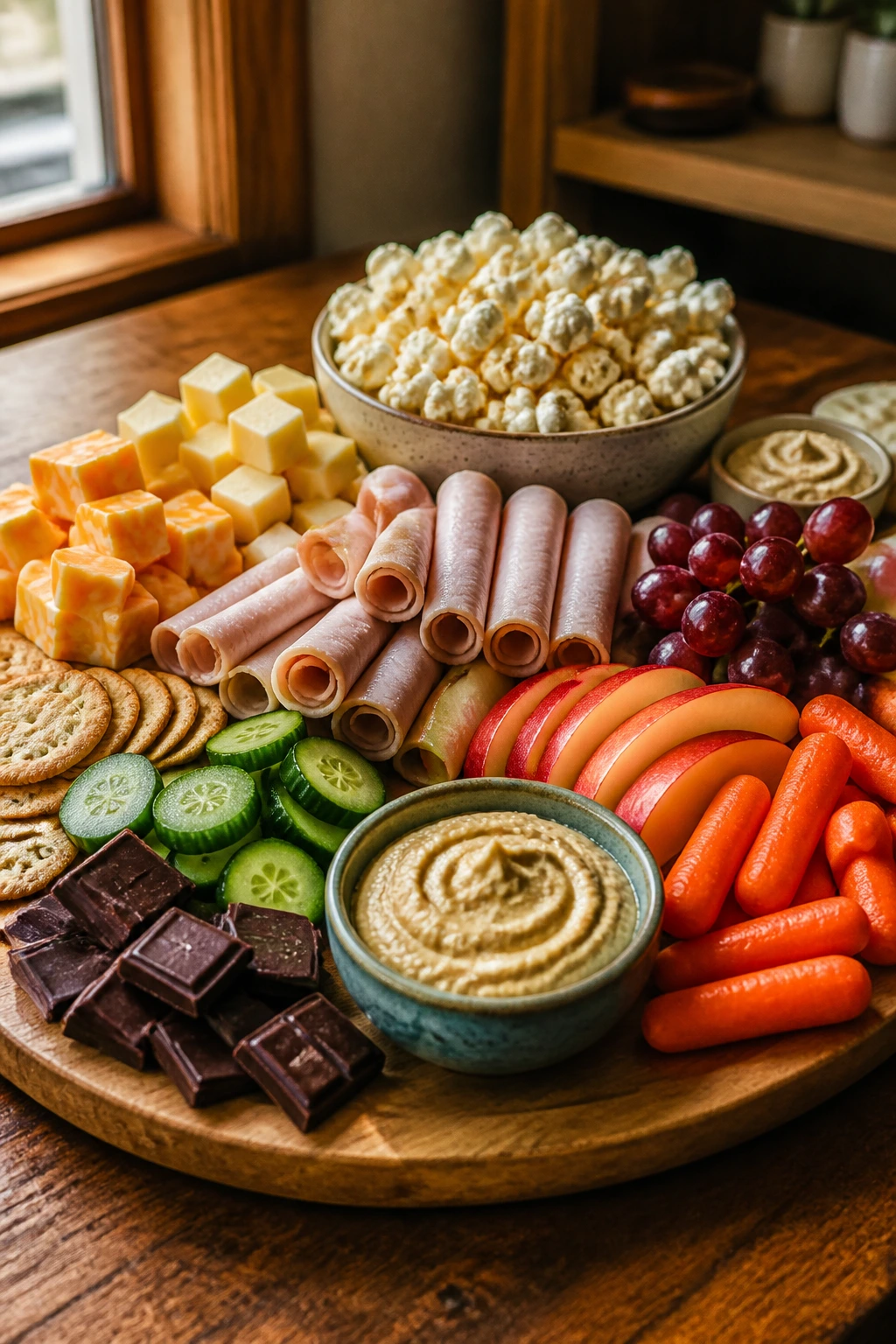
This is the one I’d save for the night when you want movie night to feel festive without cooking a full, hot dinner. Build a board with popcorn, cheese cubes, turkey roll-ups, fruit, carrots, cucumbers, crackers, hummus, and a few sweet things like dark chocolate or pretzels. It sounds casual because it is. That’s the point.
A snack board works best when there’s enough protein to keep it from collapsing into dessert. Add boiled eggs, nuts if your household is safe with them, or leftover chicken if you need more substance. Without that anchor, the board turns into a series of snacks pretending to be dinner.
It’s the easiest way to feed different appetites at the same time. Also the easiest way to make an ordinary Friday feel a little more deliberate.
Why Weekly Movie-Night Meal Planning Works So Well
Movie-night food has its own rules, and the sooner you admit that, the easier dinner gets. A plate that is perfect at the kitchen counter may be useless on a sofa arm. Food that needs constant fork work, a lot of stirring, or a delicate balance of hot and cold usually falls apart the moment people settle in with blankets and remotes. The meals in this collection avoid that problem by leaning on shapes that hold together: bowls, bars, sliders, squares, trays, and wraps.
There’s also the timing issue. A weekly movie night usually lands after a full day of other stuff—work, school, practice, errands, laundry, all of it. Dinner needs to feel like part of the fun, not a separate project. That’s why make-ahead sauces, cooked grains, shredded chicken, and tray-bake meals show up so often here. They let you do the noisy part earlier, then coast when the room gets dark.
The best part is how repeatable these meals are. Once your family finds three or four favorites, you can rotate them without having to think too hard. That is what makes family meal planning ideas weekly actually useful. Not novelty. Rhythm.
Essential Equipment for These Recipes
- Rimmed sheet pans: Sheet-pan pizza, roasted chicken, nachos, and flatbreads all behave better when the edges can catch drips.
- 9×13-inch baking dish: Pasta bakes, mac and cheese, stuffed shells, and breakfast casseroles fit cleanly here.
- Large skillet or griddle: Use this for quesadillas, sliders, grilled cheese, and anything that needs even browning.
- Slow cooker: Pulled chicken, chili, and warm sauces stay easy when they can hold heat without attention.
- Large soup pot or Dutch oven: Handy for chili, ramen broth, tomato soup, and big-batch sauces.
- Tongs and a wide spatula: These make it easier to turn sandwiches, lift flatbreads, and move hot pieces without tearing them apart.
- Sharp chef’s knife and cutting board: A lot of movie-night meals improve when toppings are cut smaller and faster.
- Small bowls and ramekins: These keep toppings, dips, and sauces organized instead of spilling across the counter.
- Parchment paper or foil: Line trays whenever you can. Cleanup gets much easier, and food lifts better.
- Pizza cutter: Useful for pizza, flatbread, quesadillas, and even sheet-pan sandwiches cut into squares.
Smart Shopping and Ingredient Tips
A movie-night meal plan gets easier when your pantry does part of the work. Keep a few flexible staples around: tortillas, slider buns, pasta, rice, canned beans, salsa, broth, shredded cheese, and one or two jarred sauces you actually like. That mix covers a surprising amount of ground, and it keeps you from starting from scratch every time the family wants a screen-night dinner.
Rotisserie chicken earns its space in this rotation. So do frozen vegetables that hold their shape, like broccoli, corn, peas, and mixed stir-fry vegetables. Fresh is nice when you have time to chop, but frozen often tastes better than tired produce that has been sitting in the crisper drawer for too long.
Cheese is another place to shop smart. A block of cheddar or mozzarella melts better than most pre-shredded bags, though pre-shredded saves time when the evening is already packed. Buy both kinds if you need to. There’s no award for doing extra grating at 5:45 p.m.
For bread, choose sturdier shapes. Brioche buns for sliders, sub rolls with a little chew, pita that opens cleanly, flatbreads that don’t crack. Thin, flimsy bread turns soggy fast when sauces hit it. That is not a moral failing. It is just dinner physics.
How to Serve These Meals
Presentation: Serve movie-night food in shallow bowls, rimmed trays, baskets lined with parchment, or small plates that are easy to balance. If the food is saucy, keep the sauce in a separate ramekin until the plate is built. The cleaner the setup, the less likely somebody will give up and eat over the sink.
Accompaniments: Keep one crunchy thing and one fresh thing on the side whenever you can. Oven fries, cucumber slices, carrot sticks, a quick salad, fruit, or pickles all do a job here. A meal that is all soft food tends to feel flat halfway through the film.
Portions: Plan on smaller portions than a formal dinner, but not tiny ones. Sliders, wedges, handhelds, and bowl meals usually work best when people can go back for a little more instead of starting with one giant serving. For kids, build around the main item plus one side. For adults, make sure there’s enough protein so nobody starts hunting the fridge halfway through.
Beverage Pairing: Sparkling water with lemon, cold milk, homemade lemonade, iced tea, or root beer all fit this kind of meal without demanding attention. For a cozier night, apple cider or warm cocoa can work with baked pasta, grilled cheese, or breakfast-for-dinner plates.
Additional Tips and Flavor Boosters
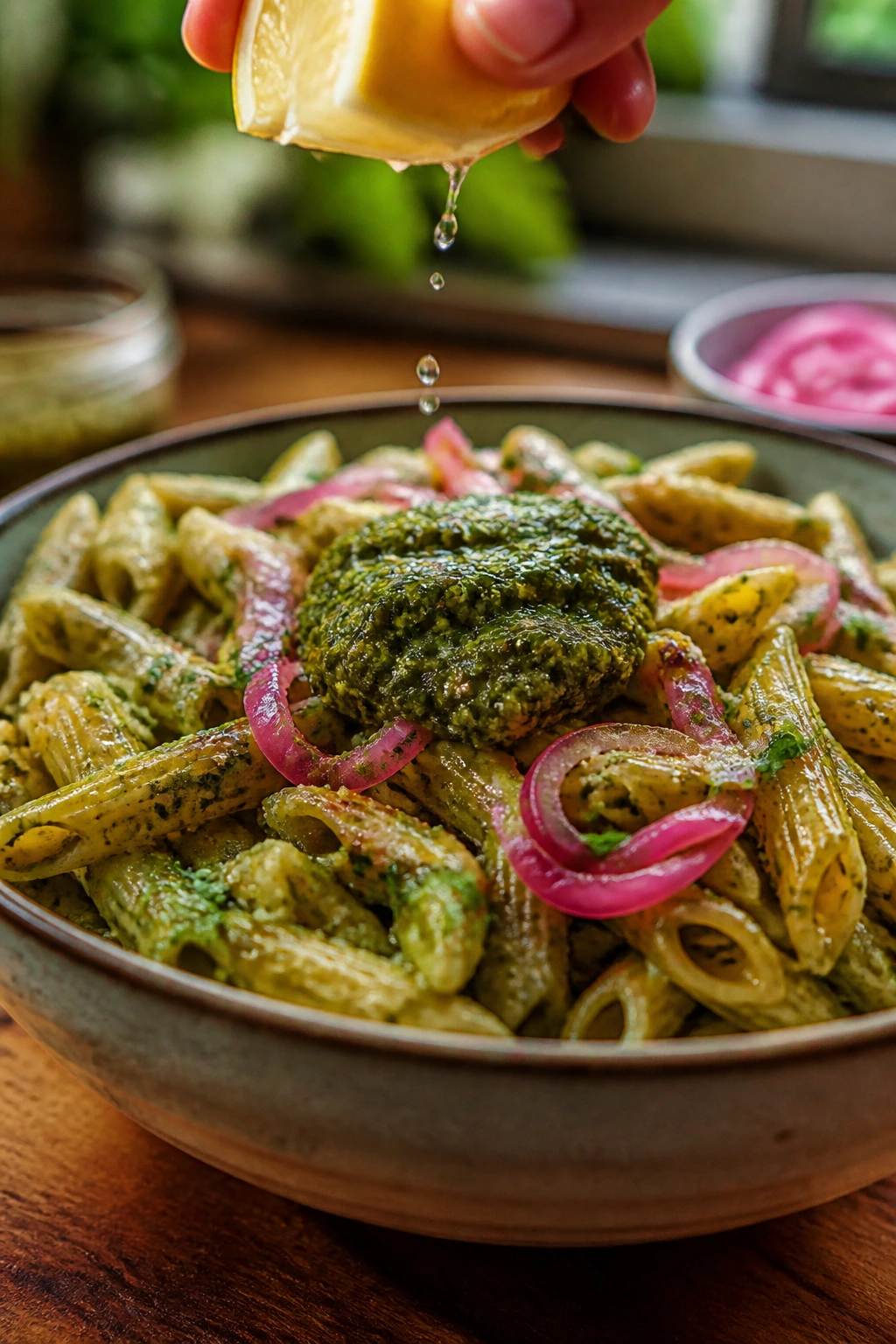
Flavor Enhancement: Keep one bright finishing element on hand—lemon juice, hot sauce, chopped herbs, pickled onions, or a spoonful of pesto. A small hit of acid or herbs can wake up baked pasta, rice bowls, and pulled chicken fast.
Customization: Build meals with a base-plus-toppings approach. One family member can take chicken, another beans, another extra cheese, and nobody has to eat around the whole dinner to be happy. That’s the beauty of tacos, flatbreads, bowls, and nacho trays.
Serving Suggestions: A sprinkle of scallions, sesame seeds, chopped parsley, or crushed tortilla chips gives the plate a finished look and a better texture. You do not need much. A teaspoon can change the whole bite.
Make-It-Yours: For dairy-free households, use olive oil-based spreads, dairy-free cheese only where it actually melts well, and lean harder on salsa, herbs, and broth for flavor. For gluten-free nights, rice bowls, chili, potato bars, and lettuce wraps are the easiest places to start. For lower-sodium cooking, use more garlic, onion, citrus, and vinegar so the food still tastes awake.
Make-Ahead, Storage, and Reheating Guidance
A lot of these movie-night meals improve when part of the work happens earlier. Sauces, chili, pulled chicken, meatballs, and pasta bakes can all be cooked ahead and held in the refrigerator for 3 to 4 days. Most of them also freeze well for up to 2 months, especially if you cool them first and pack them in flat, freezer-safe containers.
For reheating, match the method to the texture you want back. Pasta bakes, stuffed shells, and mac and cheese do better in a 350°F oven covered with foil until they’re hot in the middle, then uncovered for a few minutes if you want the top to crisp again. Chili, soup, and pulled chicken reheat nicely in a saucepan over low heat with a splash of water or broth if they look tight.
Crispy foods need a different approach. Pizza, quesadillas, sliders, tenders, and flatbreads revive better in a 375°F to 400°F oven or an air fryer than in the microwave. The microwave is fine for speed, but it softens everything, and a soft crust on movie night is disappointing in a way that is hard to explain until it happens.
Store toppings separately whenever possible. Lettuce, pickles, chopped tomatoes, herbs, and crunchy bits belong in their own containers so they don’t wilt or soak up sauce before you’re ready.
Variations and Adaptations to Try
The Pantry-First Week: Build three or four movie-night dinners around what you already have: pasta, canned beans, tortillas, rice, broth, and frozen vegetables. It lowers grocery stress and keeps the plan from depending on one perfect shopping trip.
The Vegetarian Swap: Tacos, nachos, rice bowls, baked potatoes, flatbreads, and chili all work well without meat if you use beans, lentils, tofu, or extra vegetables with enough seasoning. The key is not to under-salt the plant-based version.
The Gluten-Free Couch Menu: Potato bars, rice bowls, chili, grilled chicken platters, lettuce wraps, and corn tortilla tacos are easy places to start. Just watch sauces and seasoning blends, because that’s where hidden gluten likes to hide.
The Mild Kid Night: Keep the base simple and let the adults add heat at the table. Use mild salsa, plain cheese, soft tortillas, and sauces in side bowls so nobody gets trapped with a plate that is too spicy to finish.
The Leftovers Night: Turn roast chicken, chili, pulled meat, or leftover rice into a second movie-night meal. That’s where weekly planning gets smart: one dinner gives you another dinner with a different shape.
Common Mistakes to Avoid
A big movie-night mistake is serving food that needs constant knife-and-fork work. Pasta that clumps, soups in flimsy bowls, and giant sandwiches that fall apart all ask for more attention than people want to give when the screen is on. Fix it by choosing smaller, sturdier formats: sliders instead of full burgers, squares instead of wedges, bowls instead of plates full of loose bits.
Another problem is overloading the food with wet toppings. Salsa, tomatoes, saucy meats, and dressings can turn chips, bread, or tortillas soggy fast. Keep the wet stuff separate until serving, or put it in a small bowl on the side.
Too many toppings can also backfire. A taco or flatbread with six competing fillings loses its shape and starts tasting muddy. Pick two or three main flavors and stop there. You can always put the rest on the table.
Serving food that is too hot is a small but common issue. Cheese burns, soup scalds, and kids give up halfway through when they have to wait forever for each bite to cool. Let hot food sit for a minute or two before it hits the table, especially if people will be eating in laps.
Finally, don’t forget the napkins. Serious mistake. The meal does not need to be fancy, but it does need to be practical.
Frequently Asked Questions
How far ahead can I plan these movie-night meals?
A full week is easy, and a two- or three-week rotation is even better if you repeat a few favorites. Keep a short list of meals that use the same staples—tortillas, rice, pasta, potatoes, buns—so shopping feels lighter.
What if my kids are picky eaters?
Use build-your-own formats. Taco bars, flatbreads, potato bars, sliders, and nacho platters work because kids can choose the parts they trust and skip the rest without turning dinner into a battle.
Which meals are best if I want fewer dishes?
Sheet-pan pizza, roasted chicken trays, nacho platters, and snack-board suppers are the easiest on cleanup. Slow cookers help too, as long as you keep toppings and sides simple.
Can I make these meals with store-bought shortcuts?
Absolutely. Rotisserie chicken, jarred marinara, frozen pizza dough, prewashed greens, and canned beans all have a place here. The goal is a smooth evening, not a from-scratch badge.
How do I keep dinner warm while the movie starts?
Use a low oven, a covered slow cooker, or a lidded casserole dish. For crispy items, hold them on a rack in a warm oven for a short stretch, then serve before they lose their crunch.
What if we have different eating styles in one house?
Choose meals that split easily into parts. Rice bowls, tacos, pizza, and flatbreads let one person lean vegetarian, another go heavier on protein, and a third keep things simple.
How do I scale these ideas for a bigger crowd?
Bigger crowds like trays, bars, and bowls because the food is already organized. Make more of the base item first—potatoes, rice, pasta, buns—then increase toppings and sauces in separate bowls.
Are leftovers good the next day?
Many of them are. Chili, pasta bake, pulled chicken, and rice bowls reheat well if you store the parts separately. Crisp items lose texture, so plan to reheat them in the oven instead of the microwave.
What if my movie-night meal keeps feeling repetitive?
Change the format, not the ingredients. Taco night can become quesadillas. Pulled chicken can become sliders, rice bowls, or flatbreads. That little shift keeps the week from feeling stuck.
A Better End to Movie Night
A good movie-night dinner should feel like it belongs to the evening, not like it interrupted it. The meals here do that by keeping the cooking manageable, the cleanup sensible, and the eating format relaxed enough for a blanket and a good show. That matters more than perfect garnish ever will.
If you build even a small rotation from this list—one pizza night, one taco night, one tray-bake, one snack-board supper—the weekly planning gets easier almost immediately. The kitchen stays calmer. The couch stays cleaner. And dinner starts working with movie night instead of against it.