



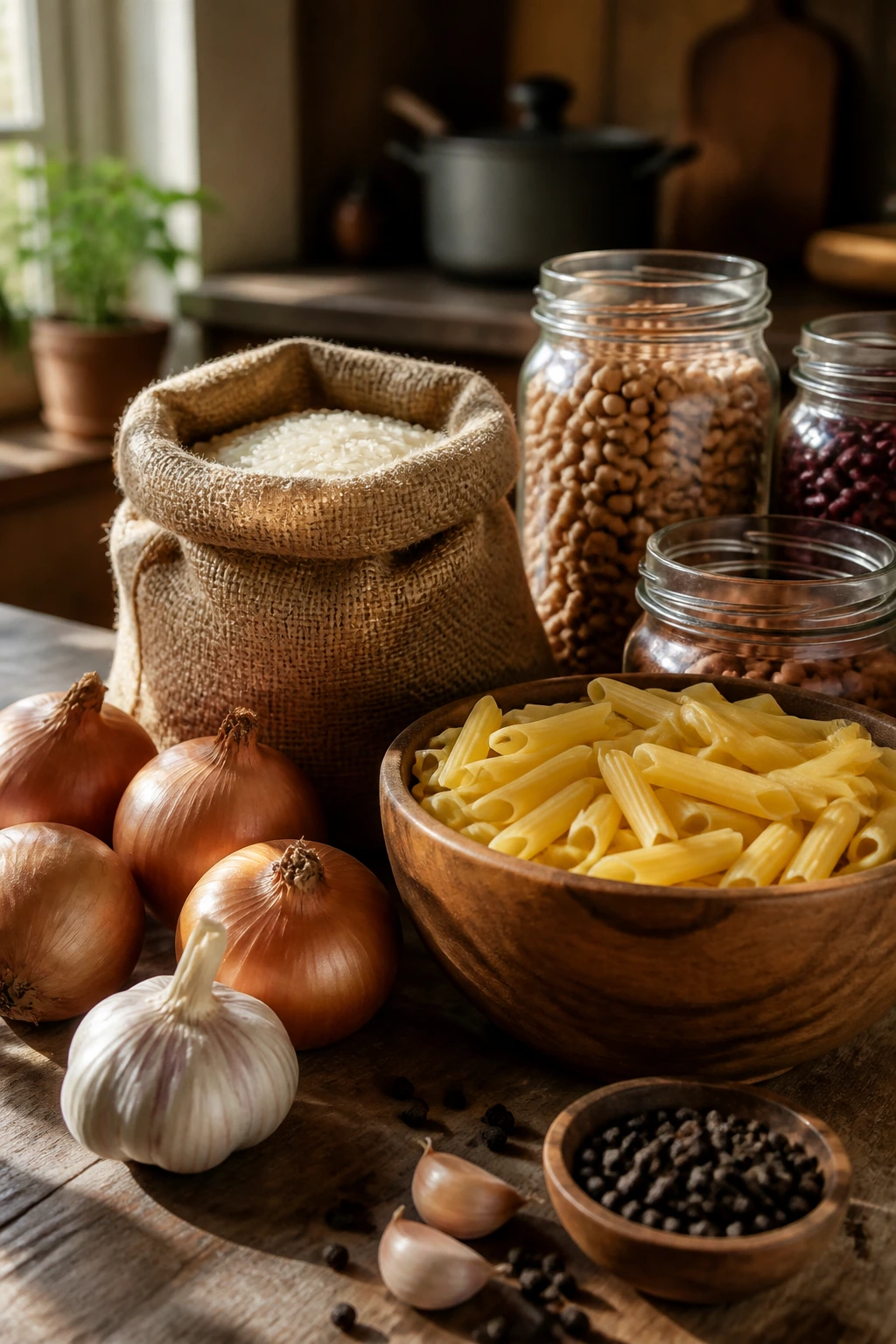
A box of pasta, a can of beans, a jar of tomatoes, a sack of rice, a few onions hiding in the back of the bin — that’s where recipes on a budget start to get interesting. The best pantry-staple meals aren’t apology dinners. They’re the kind of supper that comes together from shelf-calm ingredients, tastes like somebody planned ahead, and costs far less than the takeout menu taped to the fridge.
I’ve always trusted pantry cooking more than fancy shopping lists. Give me dry lentils, canned tuna, peanut butter, oats, rice, or a can of chickpeas, and I can make something that eats like a real meal, not a scavenger hunt. The trick is knowing how to build flavor in layers: a little fat, a little acid, enough salt, and one texture that keeps the whole thing from tasting flat. That’s the difference between “cheap dinner” and “I’d make that again on purpose.”
Some of these are stove-top fast. Some bake quietly while you clear the counter. A few are the sort of thing you can assemble with one eye on the clock and one hand still holding your grocery receipt. They all use pantry staples in ways that make practical sense, which is really the whole point.
Why This Collection Earns Its Spot in a Real Kitchen
-
Shelf-First Cooking: Every recipe starts with ingredients that keep well, so you can cook without making a second store run for one forgotten item.
-
Low-Cost Flavor Builders: Onion, garlic, canned tomatoes, beans, broth, and dried spices do the heavy lifting here, which keeps the grocery bill down without making dinner taste thin.
-
Fast Enough for Weeknights: Most of these meals land on the table in 20 to 40 minutes, and several are even quicker if you already have cooked rice or leftover pasta.
-
Flexible by Design: If you have chickpeas instead of black beans, or frozen spinach instead of cabbage, the recipes still work. That’s pantry cooking at its best.
-
Good at Stretching Protein: Eggs, lentils, beans, tuna, sardines, and peanut butter show up a lot for a reason. They keep the meal filling without pushing the price up.
-
Built for Leftovers: Soups, bakes, and rice dishes tend to taste even better the next day, which means lunch is handled before you even wash the pot.
1. Garlic Butter Spaghetti with Toasted Breadcrumbs
The smell of garlic hitting butter in a skillet is half the point here. This is the kind of spaghetti that tastes bigger than the ingredient list suggests — glossy strands, a little heat from red pepper flakes, and crunchy crumbs on top so every bite has a bit of snap.
Why It Works:
Pasta is one of the cheapest dinners that still feels like dinner. The breadcrumb topping brings texture, and a splash of pasta water helps the butter cling instead of sliding off the noodles. It’s fast, filling, and forgiving, which is exactly what budget cooking should be.
Key Ingredients:
- 12 ounces spaghetti
- 4 tablespoons unsalted butter
- 3 tablespoons olive oil
- 4 cloves garlic, thinly sliced
- 1 cup plain breadcrumbs
- 1/2 teaspoon red pepper flakes
- 1/2 cup grated Parmesan
- 2 tablespoons chopped parsley, optional
- Salt and black pepper
Quick Steps:
- Bring a large pot of salted water to a boil and cook the spaghetti until al dente, usually 8 to 10 minutes.
- While the pasta cooks, warm 1 tablespoon olive oil in a skillet over medium heat and toast the breadcrumbs until golden, about 3 minutes.
- Add the remaining oil, butter, garlic, and red pepper flakes to the skillet. Cook for 1 minute, just until the garlic smells sweet.
- Toss in the drained spaghetti with 1/2 cup reserved pasta water, Parmesan, salt, and pepper. Stir until the sauce coats the noodles.
- Finish with the toasted crumbs and parsley.
Equipment for This Recipe:
- Large pot
- Large skillet
- Colander
- Wooden spoon
- Microplane or box grater
How to Serve This Dish:
Pile it into shallow bowls so the crumbs stay on top instead of sliding to the bottom. A plain green salad or a few roasted carrots are enough beside it. It serves 4 as a main dish, though I’ve watched two hungry people finish it with no regret.
Pro Tips for This Recipe:
- Keep the garlic pale. Brown garlic tastes bitter fast.
- Save more pasta water than you think you need. That starch is your sauce.
- Toast the crumbs first. If you add them raw, they just go soft.
- Use the cheap breadcrumbs if that’s what you have. They work fine here.
Variations on This Dish:
- Tomato-Bright Version: Stir in 2 tablespoons tomato paste with the garlic for a deeper, redder sauce.
- Anchovy Lift: Melt 2 chopped anchovy fillets into the butter for a salty, savory edge.
- No-Dairy Bowl: Skip the Parmesan and finish with extra olive oil plus lemon zest.
Common Mistakes to Avoid with This Dish:
- Overcooking the garlic makes the whole pan taste sharp instead of mellow. Pull it off the heat the moment it turns fragrant.
- Skipping the pasta water leaves the noodles dry. Add it in small splashes until the sauce loosens.
- Adding crumbs too early turns them soggy. Put them on at the end.
2. Pantry Chickpea Curry
This one smells like toasted spices, onion, and simmering tomato sauce, which is to say: dinner arrives before the lid comes off the pot. Chickpeas hold their shape and give you enough bite that the curry doesn’t collapse into mush.
Why It Works:
Canned chickpeas are cheap, high in protein, and absorb sauce without falling apart. Coconut milk softens the edges, canned tomatoes bring acidity, and curry powder does a lot of work for one spoonful. It’s the kind of meal that gets better after ten minutes on the stove because the spices have time to settle in.
Key Ingredients:
- 2 tablespoons oil
- 1 yellow onion, diced
- 3 cloves garlic, minced
- 1 tablespoon grated ginger, optional
- 2 tablespoons curry powder
- 1 can diced tomatoes, 14.5 ounces
- 2 cans chickpeas, drained and rinsed
- 1 can coconut milk, 13.5 ounces
- 1/2 cup water or broth
- Salt to taste
Quick Steps:
- Heat the oil in a pot over medium heat and cook the onion for 5 to 7 minutes, until soft and lightly golden.
- Add the garlic, ginger, and curry powder. Stir for 30 seconds until the spices smell warm.
- Pour in the tomatoes, chickpeas, coconut milk, and water.
- Simmer uncovered for 15 to 20 minutes, stirring now and then, until the sauce thickens slightly.
- Season with salt and serve hot over rice.
Equipment for This Recipe:
- Medium pot
- Wooden spoon
- Can opener
- Measuring spoons
- Rice cooker or saucepan, if serving with rice
How to Serve This Dish:
Ladle it over rice so the sauce has something to soak into. A spoonful of yogurt on top helps if you want to cool the heat, and a squeeze of lime makes the whole bowl wake up. Four generous servings is the usual landing point.
Pro Tips for This Recipe:
- Toast the curry powder briefly. It tastes deeper that way.
- Rinse the chickpeas well. The can liquid can muddy the sauce.
- Don’t boil the coconut milk hard. Gentle simmering keeps it creamy.
- Add spinach at the end if you want a green element without extra work.
Variations on This Dish:
- Peanut Chickpea Curry: Stir in 2 tablespoons peanut butter for a richer, nuttier sauce.
- Red Lentil Mix-In: Add 1/2 cup red lentils and 1 extra cup water for a thicker, heartier pot.
- Green Pantry Curry: Swap half the tomatoes for frozen spinach and use a little lime juice at the end.
Common Mistakes to Avoid with This Dish:
- Using too little salt leaves the curry flat. Taste after simmering and season again.
- Letting the sauce boil hard can make the coconut milk split a little.
- Skipping the onion base costs you flavor you can’t fake later.
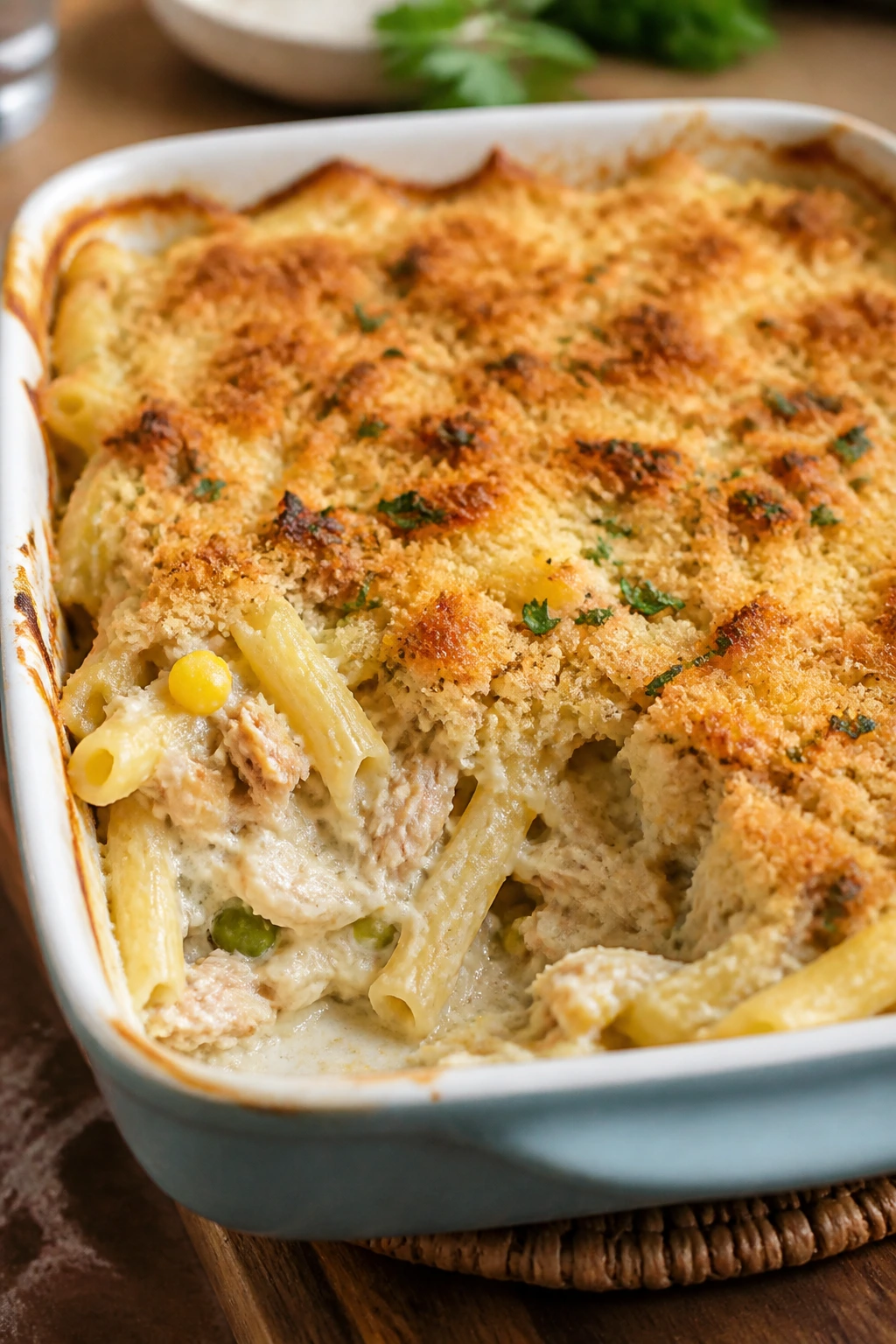
3. Tuna Pasta Bake
This is the casserole version of common sense: pasta, tuna, a creamy binder, and a browned top that smells like supper before it leaves the oven. It’s the kind of meal that makes canned tuna feel less like an emergency and more like a plan.
Why It Works:
Tuna brings protein and a savory edge without raising the cost much. A can of condensed soup or a quick milk-based sauce keeps things creamy, and baking gives the top layer a little crust. It’s pantry food with enough structure to cut into squares if you want.
Key Ingredients:
- 12 ounces short pasta
- 2 cans tuna, drained
- 1 can condensed cream of mushroom soup
- 1 cup milk
- 1 cup frozen peas
- 1 cup shredded cheddar
- 1/2 cup breadcrumbs
- 1 tablespoon butter, melted
- Salt and pepper
Quick Steps:
- Heat the oven to 400°F and grease a baking dish.
- Cook the pasta until just shy of done, about 1 minute less than package directions.
- Stir together the soup, milk, tuna, peas, and pasta in a large bowl. Season lightly.
- Spread the mixture in the dish, top with cheese and breadcrumbs mixed with melted butter, then bake for 20 to 25 minutes.
- Rest for 5 minutes before serving.
Equipment for This Recipe:
- 9×13-inch baking dish
- Large pot
- Mixing bowl
- Colander
- Spoon or spatula
How to Serve This Dish:
Serve it with a crisp salad or a pile of steamed green beans; the bake is rich enough that something sharp or fresh helps. It makes 6 modest servings, and the leftovers hold together well the next day.
Pro Tips for This Recipe:
- Undercook the pasta a touch. It keeps from going soft in the oven.
- Use solid white tuna if you want bigger flakes. Chunk tuna disappears more into the sauce.
- Mix the topping right before baking. The crumbs stay drier and browner.
- Let it rest. The sauce sets as it sits.
Variations on This Dish:
- Corn and Tuna Bake: Swap the peas for corn if that’s what’s in the freezer.
- No-Condensed-Soup Version: Use 2 tablespoons flour whisked into butter, then add 1 1/2 cups milk and 1 cup broth.
- Spicy Pantry Bake: Add a spoonful of mustard and a pinch of cayenne.
Common Mistakes to Avoid with This Dish:
- Overcooking the pasta gives you mush after baking.
- Adding too much liquid makes the casserole soupy.
- Forgetting to season the tuna mix leaves the whole dish pale and dull.
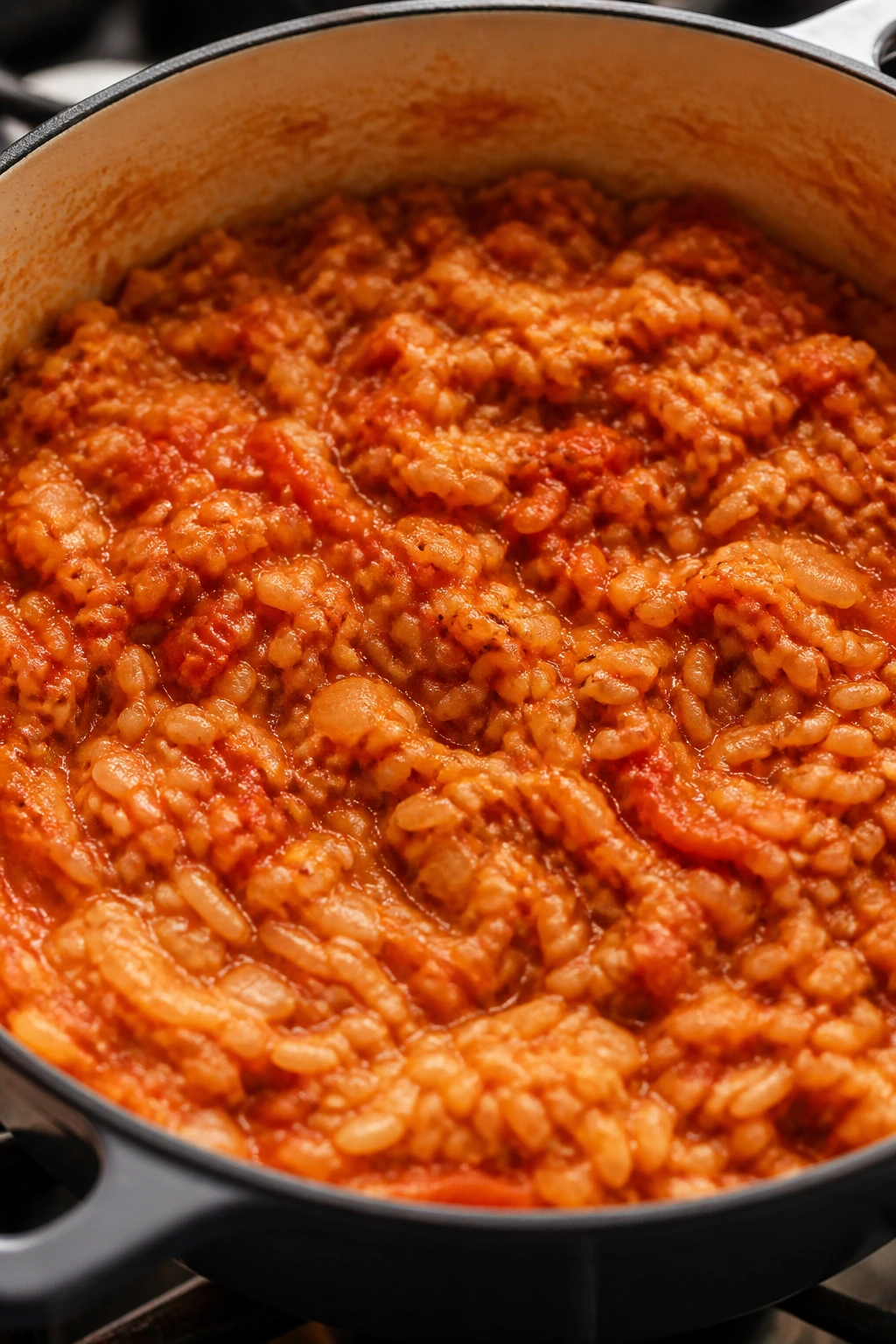
4. One-Pot Tomato Rice
Tomato rice is one of those humble meals that smells far better than it has any right to. The rice cooks in seasoned tomato broth, so every grain picks up color and flavor instead of staying plain and separate.
Why It Works:
Rice is cheap, filling, and a natural sponge for seasoning. Canned tomatoes bring acidity and body, onion and garlic build the base, and paprika adds warmth without requiring anything fancy. One pot means less cleanup, which matters more than people admit.
Key Ingredients:
- 1 1/2 cups long-grain rice
- 1 tablespoon olive oil
- 1 small onion, diced
- 2 cloves garlic, minced
- 1 can diced tomatoes, 14.5 ounces
- 2 cups broth or water
- 1 teaspoon paprika
- Salt and pepper
- 2 tablespoons chopped parsley, optional
Quick Steps:
- Warm the oil in a pot over medium heat and cook the onion for 4 to 5 minutes.
- Add the garlic and paprika, stirring for 30 seconds.
- Stir in the rice, tomatoes, broth, salt, and pepper.
- Bring to a boil, cover, and reduce to low heat. Cook for 18 minutes.
- Turn off the heat and let it sit covered for 5 minutes before fluffing.
Equipment for This Recipe:
- Medium saucepan with lid
- Wooden spoon
- Measuring cups
- Fork for fluffing
How to Serve This Dish:
Serve it as a side under beans, fried eggs, or roasted vegetables. It also works as a simple main with a few spoonfuls of yogurt on top. Four servings is a fair count, though a small bowl disappears fast.
Pro Tips for This Recipe:
- Don’t stir once it starts cooking. That’s how rice turns sticky.
- Use broth if you have it. Water works, but broth gives the rice a deeper taste.
- Keep the lid on. Steam is doing the work.
- Fluff with a fork, not a spoon. It keeps the grains separate.
Variations on This Dish:
- Black Bean Rice: Stir in 1 can black beans at the end for a fuller meal.
- Herby Version: Add oregano and bay leaf while the rice cooks.
- Lemon Finish: A squeeze of lemon at the end sharpens the tomatoes.
Common Mistakes to Avoid with This Dish:
- Using the wrong rice ratio causes undercooked or gummy grains.
- Lifting the lid too often lets steam escape.
- Starting with a scorching pan can burn the rice on the bottom before the center cooks.
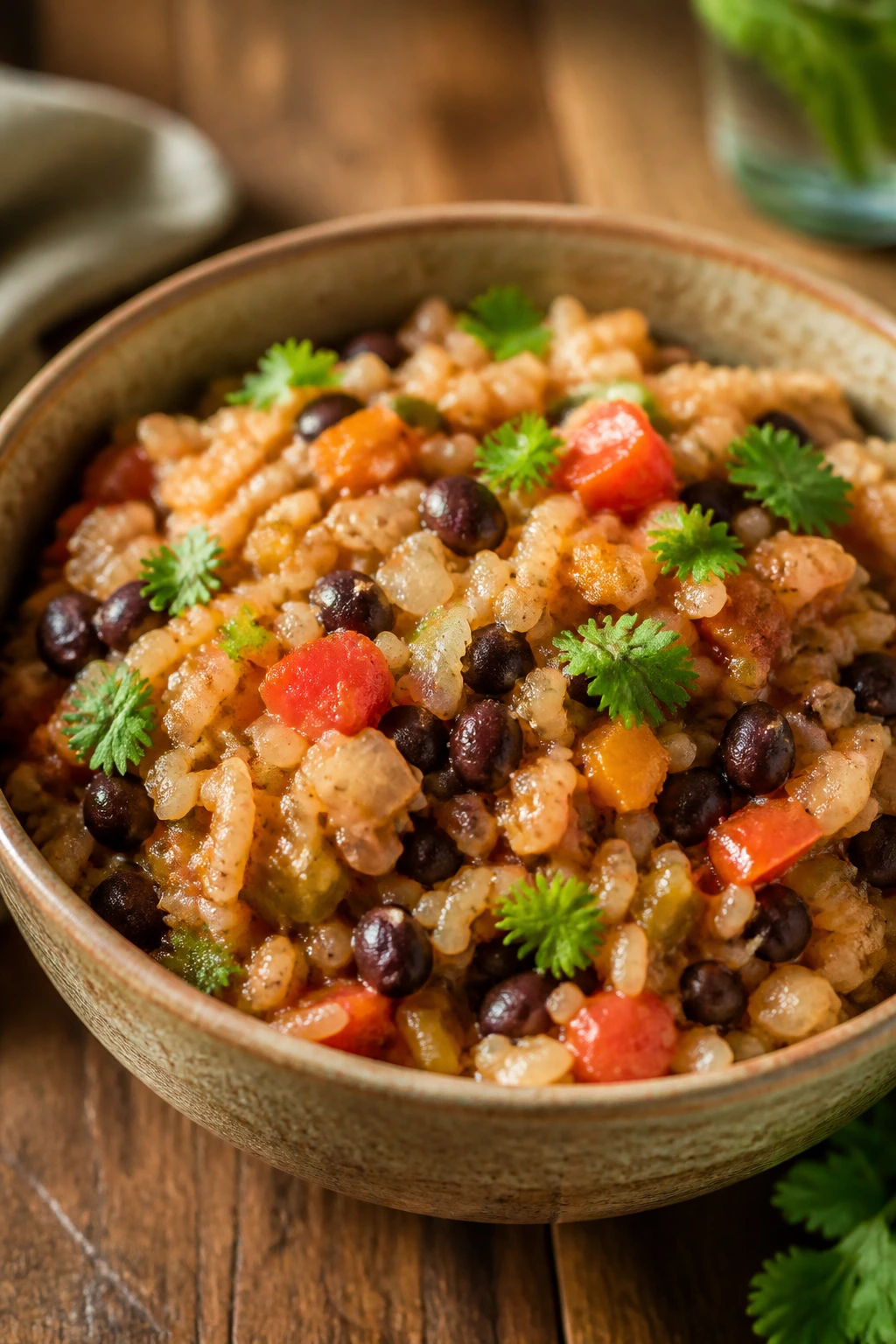
5. Black Bean Burrito Skillet
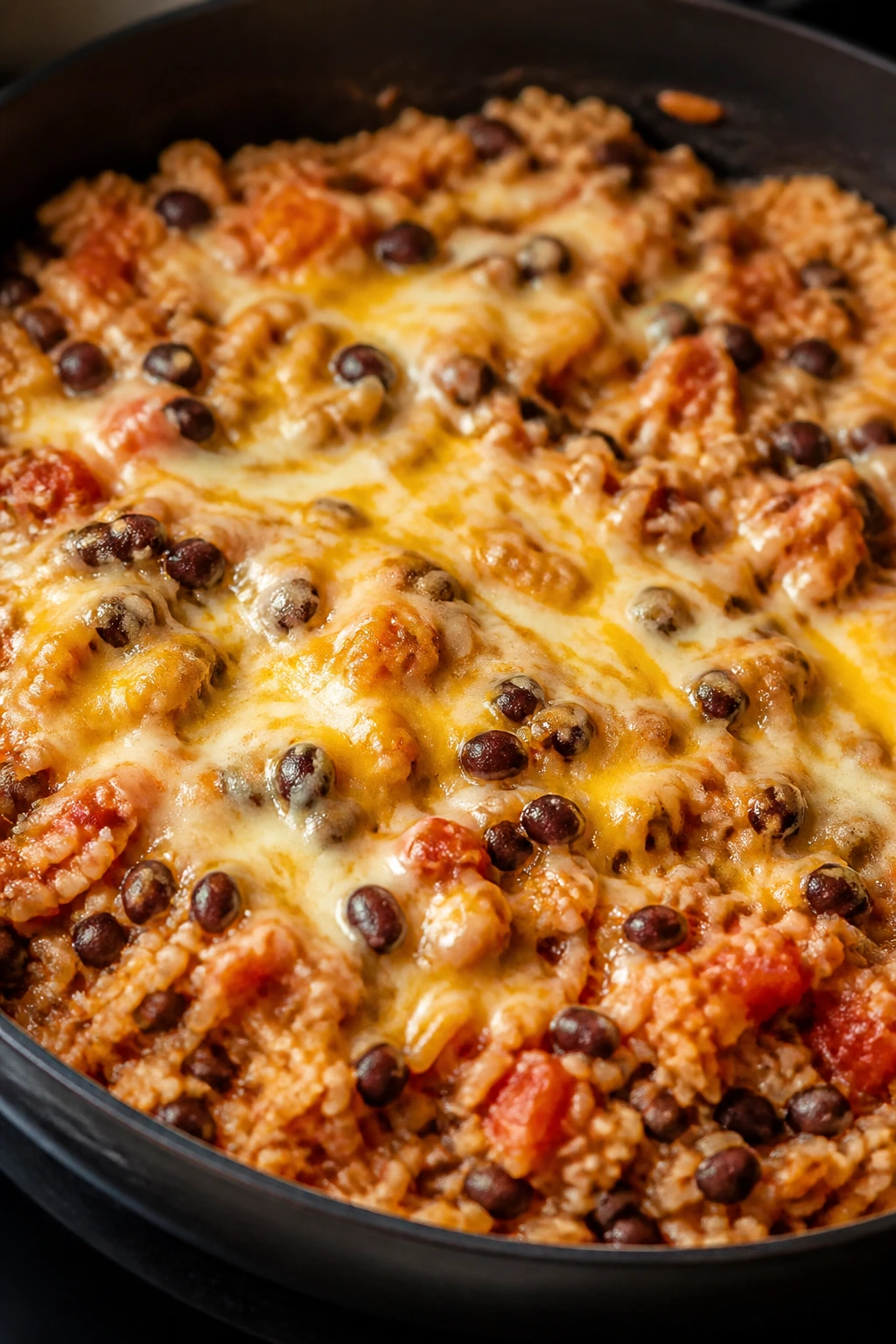
If you want cheap food that still feels energetic, this is it. Beans, rice, salsa, and a little cheese turn into a skillet dinner that tastes like a burrito without the extra assembly line.
Why It Works:
Black beans are sturdy, low-cost, and good at holding seasoning. Salsa carries onion, tomato, and spice in one jar, which saves time and money. Add rice and tortillas, and you’ve got a pan full of dinner that can be scooped, wrapped, or eaten straight from the skillet.
Key Ingredients:
- 1 tablespoon oil
- 1 small onion, diced
- 2 cans black beans, drained and rinsed
- 1 1/2 cups cooked rice
- 1 cup salsa
- 1 teaspoon cumin
- 1 cup shredded cheese
- 4 flour tortillas, warmed
- Salt to taste
Quick Steps:
- Heat the oil in a skillet over medium heat and cook the onion for 4 minutes.
- Stir in the beans, rice, salsa, cumin, and a pinch of salt.
- Cook for 5 to 7 minutes, stirring, until everything is hot and the mixture looks thick.
- Sprinkle cheese over the top, cover the skillet for 1 minute, and let it melt.
- Serve with warm tortillas for scooping.
Equipment for This Recipe:
- Large skillet with lid
- Wooden spoon
- Can opener
- Dry skillet or microwave for warming tortillas
How to Serve This Dish:
Set the skillet in the middle of the table and let people build their own wraps. A spoonful of sour cream or plain yogurt makes the bowl a little softer, and chopped onions add crunch. It feeds 4 hungry people without much fuss.
Pro Tips for This Recipe:
- Use thick salsa. Watery salsa makes the skillet soupy.
- Warm the tortillas separately. Cold tortillas crack.
- Mash a few beans against the side of the pan if you want the filling thicker.
- Add the cheese at the end. It melts cleanly that way.
Variations on This Dish:
- Corn Swap: Add 1 cup frozen corn for sweetness and extra bulk.
- Breakfast Version: Top with fried eggs instead of tortillas.
- Smoky Chipotle Version: Stir in adobo sauce from a chipotle can.
Common Mistakes to Avoid with This Dish:
- Leaving the beans whole and dry makes the skillet feel separate. Let them simmer with salsa.
- Using too much rice turns it pasty. Keep the balance bean-heavy.
- Skipping the salt is a fast route to bland burrito filling.
6. Lentil Vegetable Soup
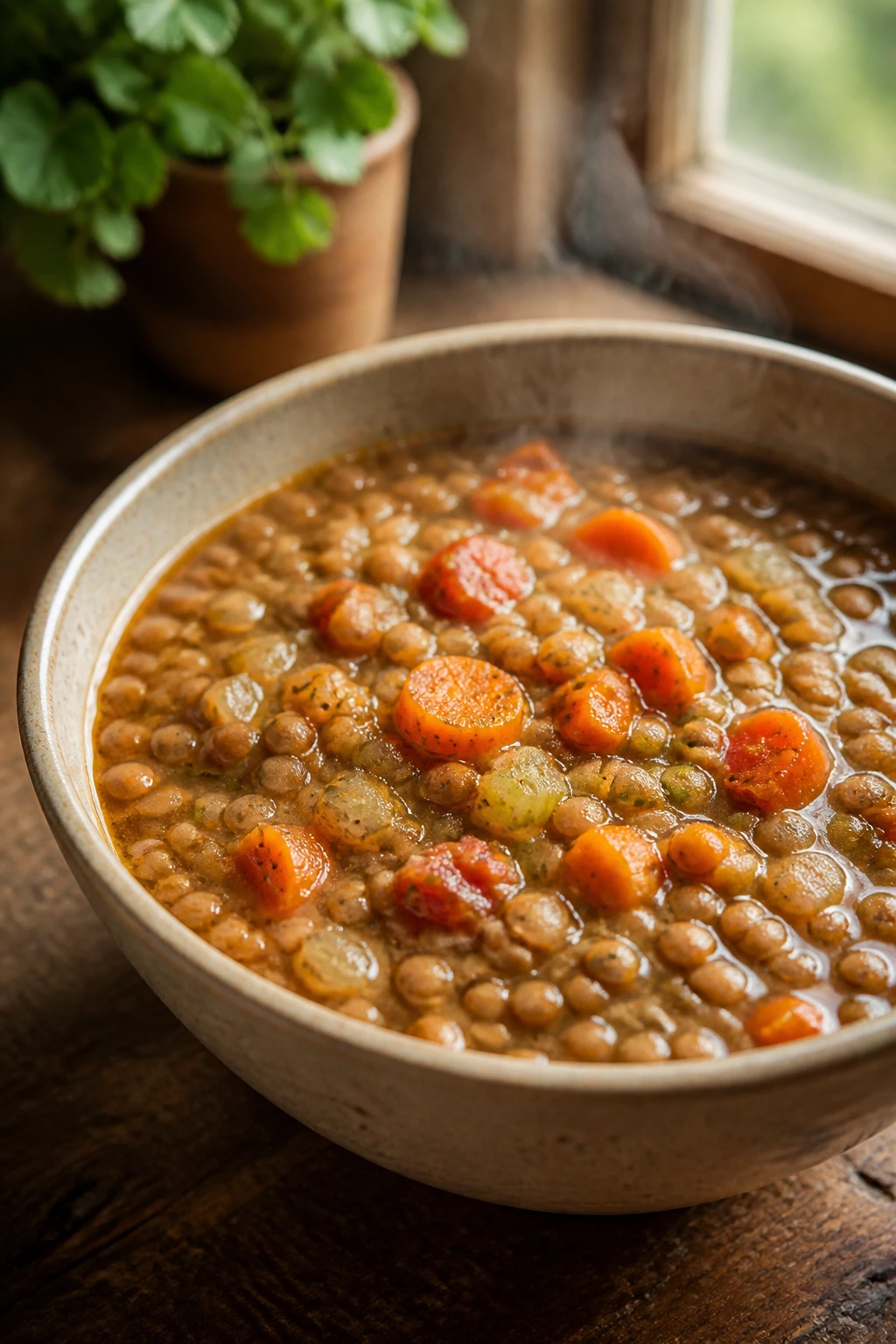
Lentil soup has a way of looking modest in the pot and then eating like a full meal. The broth gets thick and earthy, the vegetables soften into the background, and the lentils give the spoon a little body.
Why It Works:
Dry lentils are cheap and cook fast compared with other beans. They don’t need soaking, and they build a creamy texture all by themselves when they simmer. Add carrots, onion, celery, and canned tomatoes, and you’ve got a soup that tastes slow-cooked without actually taking all day.
Key Ingredients:
- 1 tablespoon olive oil
- 1 onion, chopped
- 2 carrots, diced
- 2 celery stalks, diced
- 3 cloves garlic, minced
- 1 cup brown lentils, rinsed
- 1 can diced tomatoes, 14.5 ounces
- 6 cups broth or water
- 1 bay leaf
- Salt and pepper
Quick Steps:
- Heat the oil in a pot and cook the onion, carrots, and celery for 6 minutes.
- Add the garlic and stir for 30 seconds.
- Pour in the lentils, tomatoes, broth, bay leaf, salt, and pepper.
- Bring to a boil, then simmer uncovered for 25 to 30 minutes until the lentils are tender.
- Remove the bay leaf and adjust seasoning.
Equipment for This Recipe:
- Large soup pot
- Cutting board and knife
- Wooden spoon
- Ladle
How to Serve This Dish:
Ladle it into deep bowls with bread, crackers, or a spoonful of rice. A splash of vinegar or lemon at the table wakes it up fast. It makes 6 bowls, and the leftovers are excellent.
Pro Tips for This Recipe:
- Rinse lentils well. You’ll wash off dust and tiny bits.
- Salt near the end if you’re using salty broth. You can always add more.
- Blend a cup if you want it thicker. I do this when I want a stew-like bowl.
- Add greens at the end if you have spinach or kale to use up.
Variations on This Dish:
- Italian Lentil Soup: Add oregano and a rind of Parmesan if you keep one.
- Smoked Paprika Version: Use smoked paprika instead of bay leaf for a deeper finish.
- Potato Stretch: Add diced potatoes if you need more bulk.
Common Mistakes to Avoid with This Dish:
- Boiling hard the whole time breaks the lentils too quickly.
- Cutting the vegetables too large leaves them underdone when the lentils are ready.
- Forgetting acid at the end makes the soup taste heavy.
7. Fried Rice with Eggs and Frozen Veg
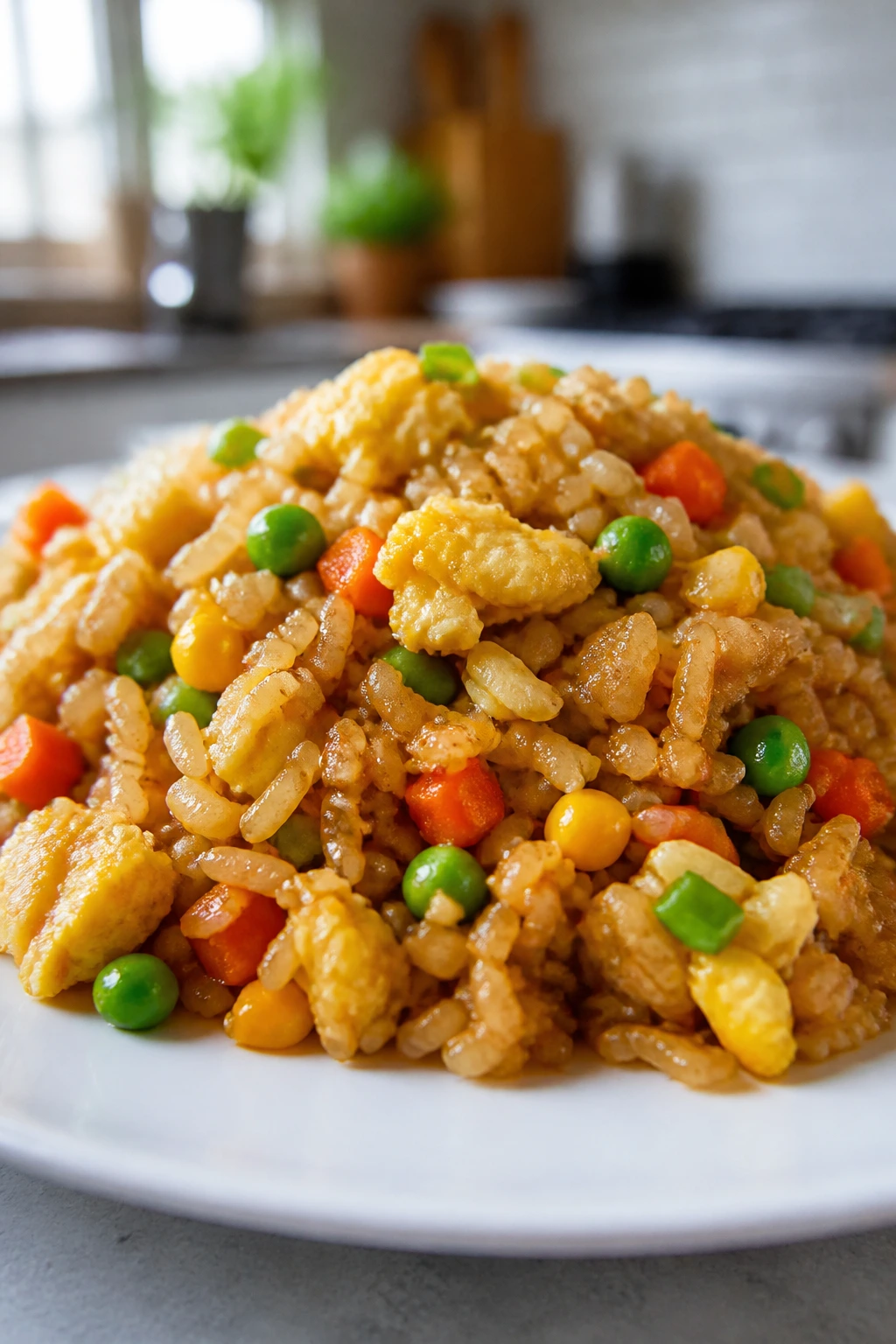
Fried rice is the old trick that keeps paying rent. Cold rice, eggs, frozen vegetables, and soy sauce become a meal with chewy grains and little crisp edges if you use a hot enough pan.
Why It Works:
Day-old rice dries out a bit, which is exactly what you want. That dryness keeps the grains from clumping into porridge. Eggs bring protein, frozen vegetables save prep time, and a little sesame oil goes a long way.
Key Ingredients:
- 3 cups cooked rice, cold
- 3 eggs, beaten
- 1 tablespoon oil
- 1 cup frozen mixed vegetables
- 2 tablespoons soy sauce
- 1 teaspoon sesame oil
- 2 scallions, sliced, optional
- Salt to taste
Quick Steps:
- Heat the oil in a large skillet over medium-high heat.
- Scramble the eggs for 1 minute, then push them to one side.
- Add the frozen vegetables and cook for 2 minutes.
- Stir in the rice and soy sauce, breaking up clumps with the spoon.
- Cook 3 to 4 minutes until the rice is hot and a few grains start to sizzle.
- Finish with sesame oil and scallions.
Equipment for This Recipe:
- Large skillet or wok
- Spatula
- Mixing bowl
- Measuring spoons
How to Serve This Dish:
Serve it in bowls with chili crisp, if you like heat. A sliced cucumber or a fried egg on top works well too. It feeds 3 to 4 people, depending on how hungry the crowd is.
Pro Tips for This Recipe:
- Use cold rice. Fresh rice turns sticky.
- Don’t crowd the pan. A bigger skillet gives you better texture.
- Add soy sauce around the edges of the pan. It sizzles instead of going flat.
- Use frozen vegetables straight from the bag. No thawing needed.
Variations on This Dish:
- Garlic Fried Rice: Fry 2 minced garlic cloves in the oil before the eggs.
- Peanut Fried Rice: Stir in 1 tablespoon peanut butter for a richer sauce.
- Vegetable-Heavy Version: Add shredded cabbage for extra bulk.
Common Mistakes to Avoid with This Dish:
- Starting with wet rice gives you a sticky mess.
- Using a low heat pan prevents any browning.
- Adding too much soy sauce at once turns the rice dark and salty fast.
8. Shakshuka with Canned Tomatoes
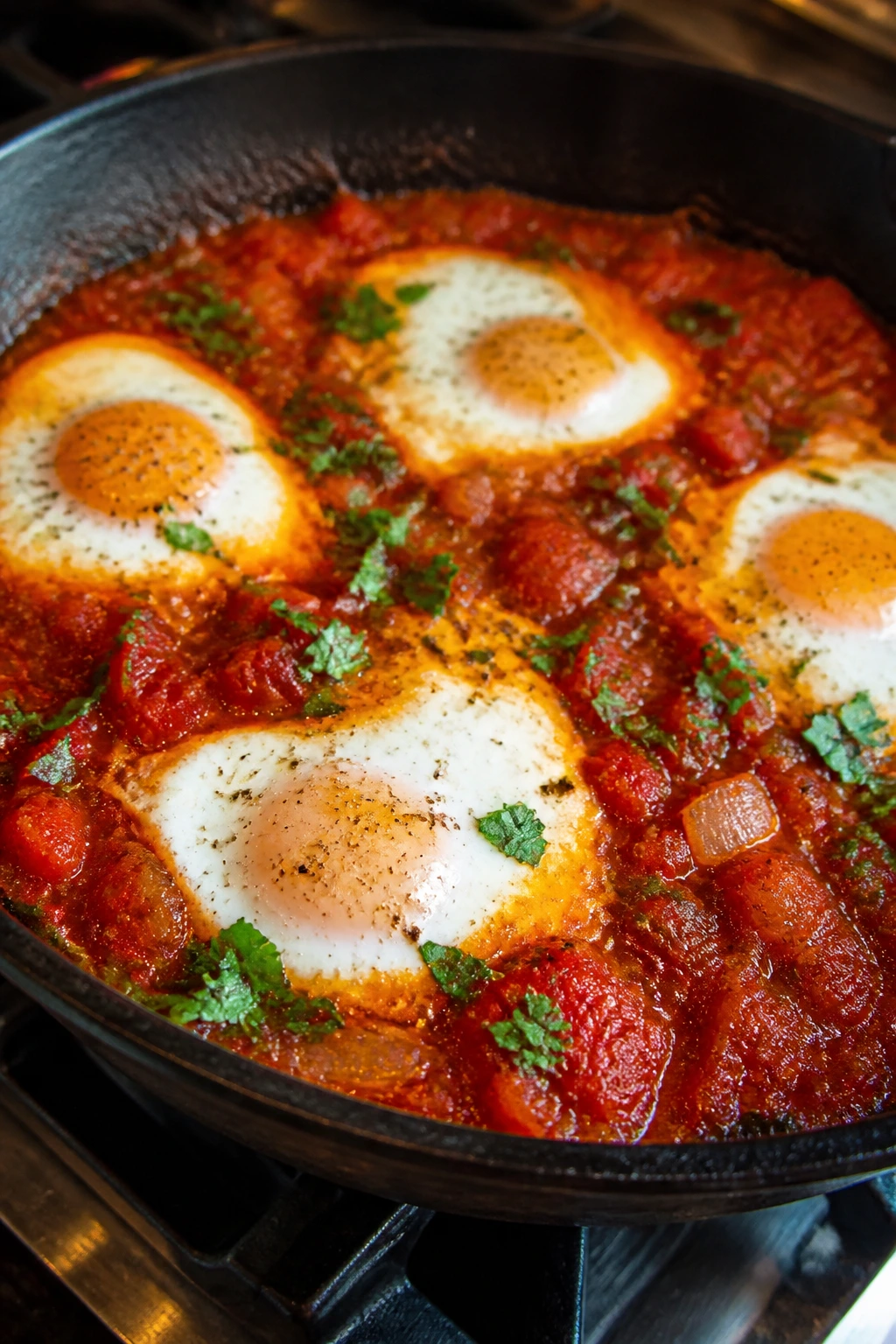
This is what canned tomatoes were made for. The sauce turns thick and brick-red, the eggs poach right in the pan, and the whole thing smells like cumin and garlic long before breakfast or dinner lands.
Why It Works:
Shakshuka uses pantry ingredients that already know how to work together: tomatoes, onion, garlic, spices, and eggs. The sauce has enough acid to stay lively, and the eggs give you richness without needing meat. It’s cheap, fast, and good with bread for swiping up the last bits.
Key Ingredients:
- 2 tablespoons olive oil
- 1 onion, sliced
- 1 bell pepper, sliced
- 3 cloves garlic, minced
- 1 teaspoon cumin
- 1 teaspoon paprika
- 1 can crushed tomatoes, 28 ounces
- 4 to 6 eggs
- Salt and pepper
- Bread for serving
Quick Steps:
- Warm the oil in a skillet over medium heat and cook the onion and pepper for 6 to 8 minutes.
- Add the garlic, cumin, and paprika. Stir for 30 seconds.
- Pour in the tomatoes, season lightly, and simmer for 10 minutes until thick.
- Make small wells in the sauce and crack in the eggs.
- Cover and cook 5 to 7 minutes until the whites are set and the yolks still jiggle.
Equipment for This Recipe:
- Large skillet with lid
- Wooden spoon
- Knife and cutting board
- Bread knife, if serving crusty bread
How to Serve This Dish:
Bring the skillet straight to the table with bread on the side. The sauce should be thick enough that a spoon can drag through it, and the eggs should sit like little glossy islands. It feeds 2 to 4, depending on how many eggs you use.
Pro Tips for This Recipe:
- Simmer the tomato base long enough. Thin sauce turns runny around the eggs.
- Cover the pan for gentle egg setting. The tops cook without drying out.
- Crack eggs into a bowl first if you want neater placement.
- Add feta if you have it. It’s optional, not required.
Variations on This Dish:
- Chickpea Shakshuka: Add 1 can chickpeas to the tomato sauce.
- Harissa Version: Stir in 1 teaspoon harissa for heat.
- Green Pepper Swap: Use green pepper for a sharper, slightly bitter edge.
Common Mistakes to Avoid with This Dish:
- Adding eggs to thin sauce makes the pan watery.
- Overcooking the yolks takes away the best part.
- Seasoning only at the end means the tomato base never develops enough flavor.
9. Peanut Noodles with Cabbage
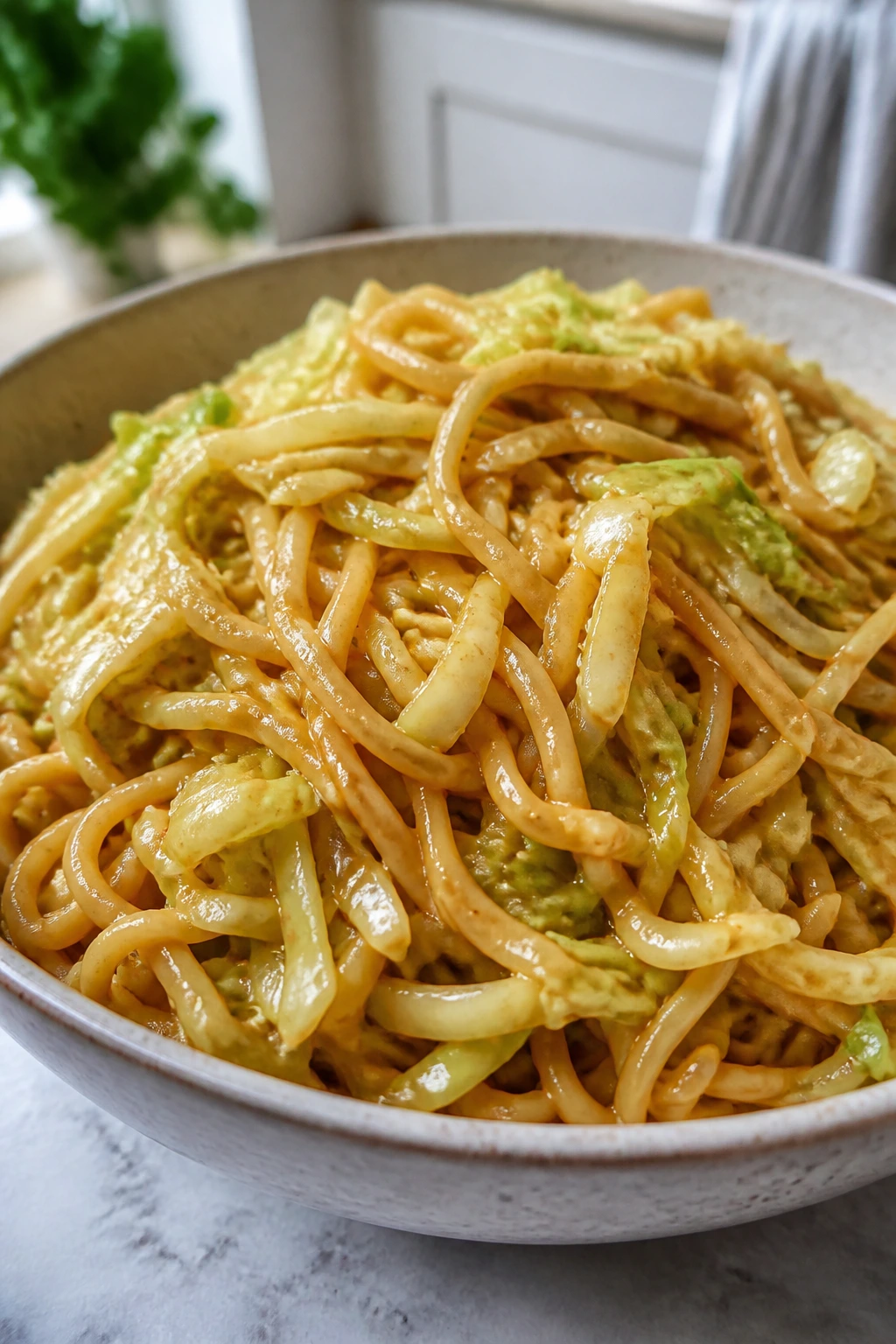
This bowl tastes like takeout that got cheaper and smarter. Peanut butter becomes a silky sauce with soy sauce, vinegar, and garlic, and shredded cabbage gives the noodles crunch that survives longer than any lettuce ever could.
Why It Works:
Peanut butter is a pantry powerhouse. It adds fat, body, and a roasted note all at once. The vinegar cuts the richness so the sauce doesn’t stick to your mouth, and cabbage is one of the cheapest vegetables that can stay crisp in a hot bowl.
Key Ingredients:
- 12 ounces spaghetti or ramen noodles
- 1/2 cup peanut butter
- 2 tablespoons soy sauce
- 1 tablespoon rice vinegar or white vinegar
- 1 teaspoon sugar
- 2 cloves garlic, grated or minced
- 2 cups shredded cabbage
- 1 teaspoon sesame oil
- Hot water, as needed
Quick Steps:
- Cook the noodles until tender, then drain, saving 1 cup of cooking water.
- Whisk peanut butter, soy sauce, vinegar, sugar, garlic, sesame oil, and 1/4 cup hot water in a bowl.
- Toss the hot noodles with the sauce, adding noodle water a tablespoon at a time until glossy.
- Fold in the cabbage so it stays a little crisp.
- Serve warm or at room temperature.
Equipment for This Recipe:
- Pot for noodles
- Large bowl
- Whisk or fork
- Tongs
How to Serve This Dish:
Pile it into bowls and top with scallions, sesame seeds, or a shake of chili flakes. It works as a light main for 4, or as a side for 6 if there’s other food around.
Pro Tips for This Recipe:
- Whisk the sauce before the noodles go in. Peanut butter needs help smoothing out.
- Use hot noodle water, not cold. The sauce loosens and coats better.
- Add cabbage at the very end. You want crunch, not limp threads.
- A little vinegar matters. Skip it and the sauce tastes heavy.
Variations on This Dish:
- Thai-Inspired Bowl: Add lime juice and a spoonful of chili paste.
- Sesame Noodle Version: Stir in 1 tablespoon tahini for a deeper nutty note.
- Protein Boost: Add a fried egg or leftover shredded chicken.
Common Mistakes to Avoid with This Dish:
- Using too much peanut butter makes the sauce paste-like.
- Not thinning it enough leaves noodles clumpy.
- Overcooking the cabbage turns the bowl soft and dull.
10. White Bean Stew with Rosemary
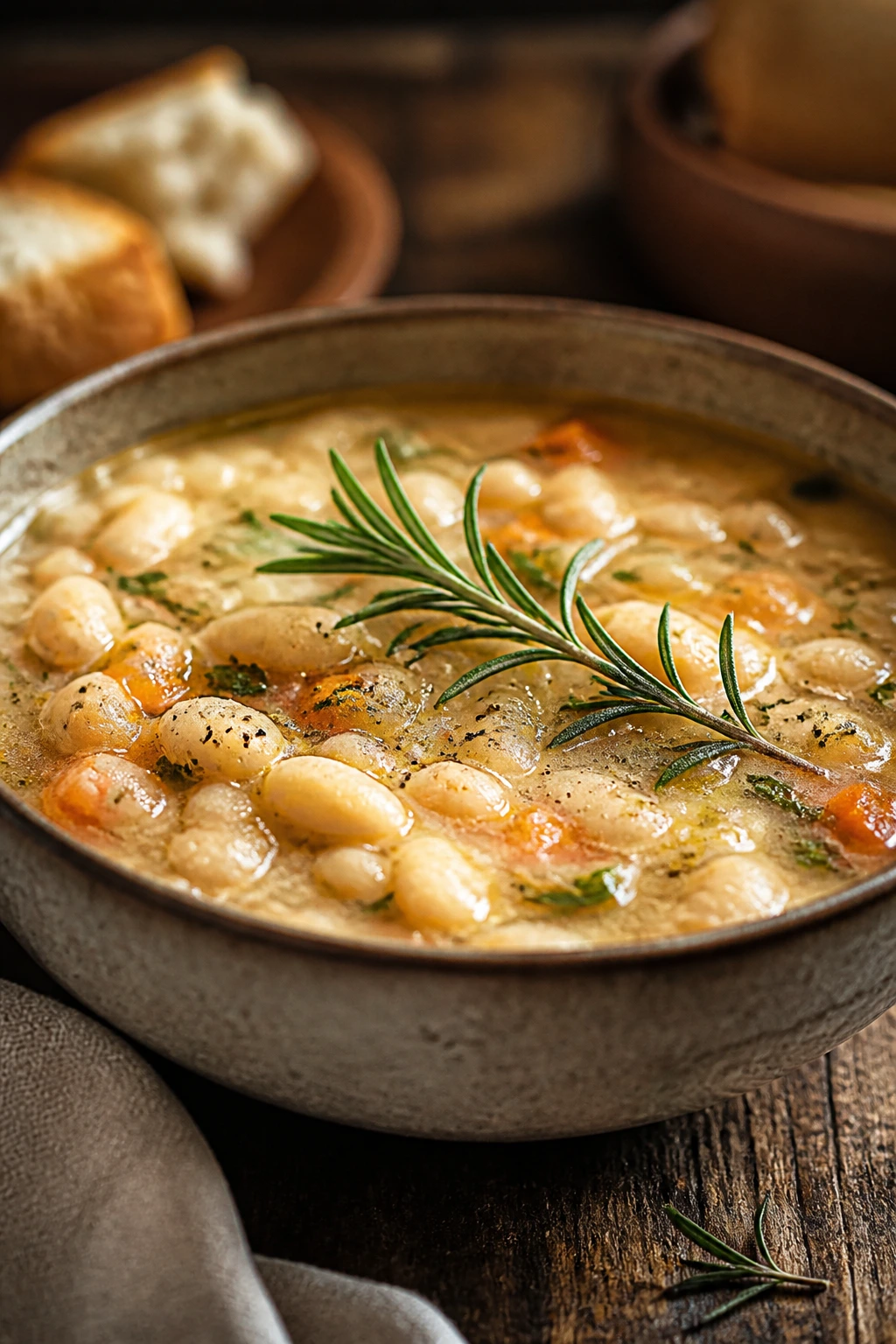
White bean stew is what happens when a few cheap ingredients decide to act dignified. The beans turn creamy, the broth tastes herbal and clean, and rosemary gives the whole pot a smell that feels more expensive than it is.
Why It Works:
Canned white beans are soft enough to thicken the broth without falling apart completely. Rosemary and garlic give structure, carrots bring a little sweetness, and a squeeze of lemon at the end keeps the stew from feeling heavy. It’s a pantry meal that eats like something slow-simmered.
Key Ingredients:
- 2 tablespoons olive oil
- 1 onion, chopped
- 2 carrots, diced
- 3 cloves garlic, minced
- 2 cans white beans, drained and rinsed
- 4 cups broth
- 1 teaspoon chopped rosemary or 1/2 teaspoon dried
- 2 cups spinach
- Salt, pepper, lemon juice
Quick Steps:
- Heat the oil in a pot and cook the onion and carrots for 6 minutes.
- Add the garlic and rosemary, stirring for 30 seconds.
- Add the beans and broth, then simmer for 15 minutes.
- Mash a few beans against the side of the pot to thicken the stew.
- Stir in the spinach until wilted, then finish with lemon juice.
Equipment for This Recipe:
- Soup pot
- Wooden spoon
- Potato masher or fork, optional
- Ladle
How to Serve This Dish:
Serve it with toast rubbed with garlic or with crackers that can stand up to the broth. The stew makes 4 hearty bowls and leaves plenty of room for a second piece of bread.
Pro Tips for This Recipe:
- Mash only a few beans. Too many and the stew turns pasty.
- Use rosemary carefully. A heavy hand can taste piney.
- Add lemon at the end. Heat dulls that bright edge.
- Spinach should go in last. It takes less than a minute to wilt.
Variations on This Dish:
- Tomato White Bean Stew: Add 1/2 cup canned tomatoes for a warmer, redder broth.
- Sausage Version: Brown sliced sausage first if you want meat in the pot.
- Chard Swap: Use chopped chard instead of spinach.
Common Mistakes to Avoid with This Dish:
- Overloading the rosemary makes the stew taste sharp.
- Skipping the mash leaves the broth thin.
- Adding lemon too early strips away the fresh finish.
11. Baked Ziti with Pantry Sauce
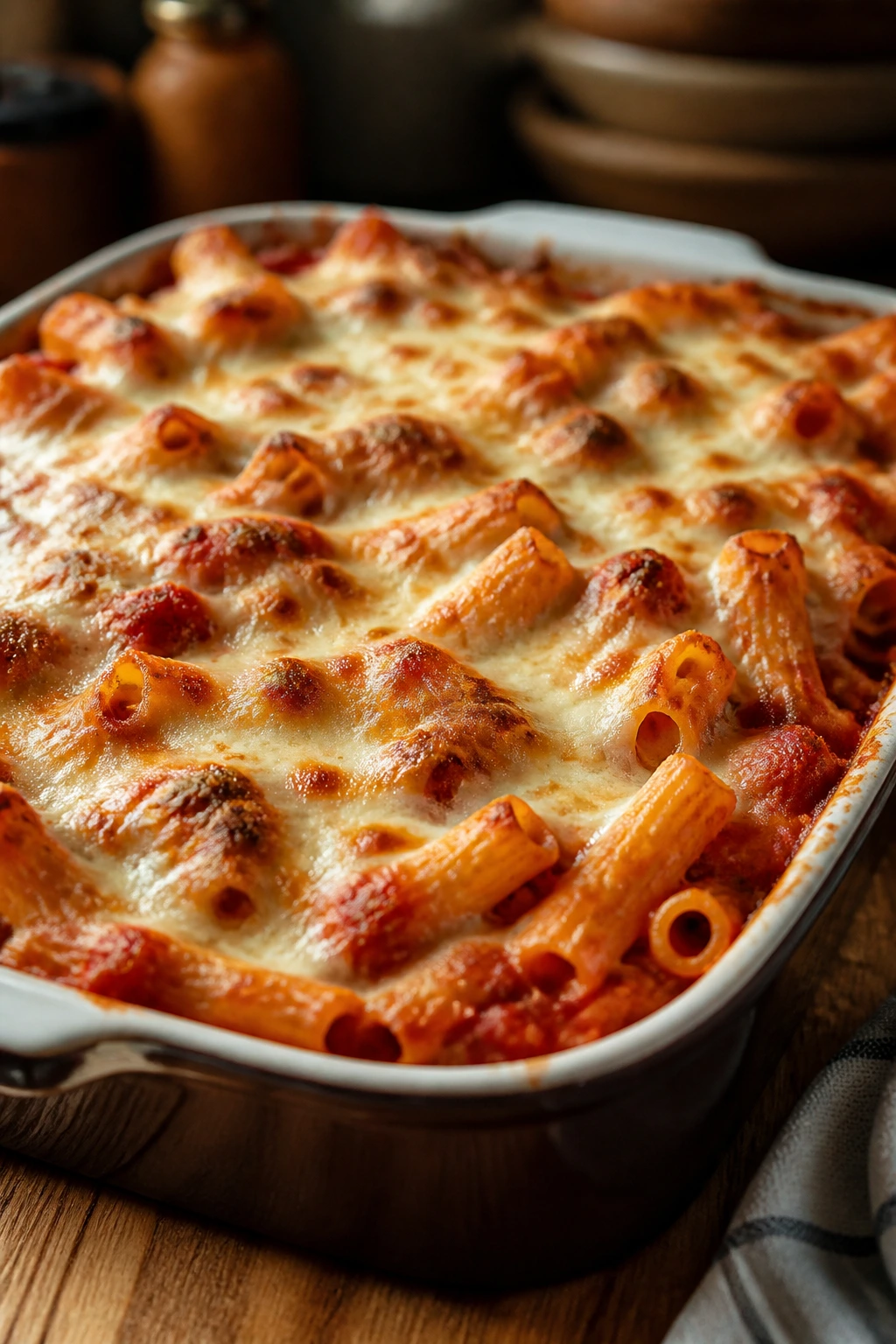
Baked ziti is a pantry meal with a little swagger. The pasta traps sauce in all its ridges, the cheese melts into pockets, and the top gets browned in a way that makes the kitchen smell like somebody cooked all afternoon.
Why It Works:
Pasta, jarred sauce or canned tomatoes, and cheese are the core of the whole thing. Baking deepens the flavor and gives you a meal that slices cleanly instead of sloshing around. It’s the sort of dish that quietly handles a small crowd.
Key Ingredients:
- 1 pound ziti or penne
- 1 tablespoon olive oil
- 1 jar marinara sauce, 24 ounces
- 1 cup ricotta or cottage cheese
- 2 cups shredded mozzarella
- 1/2 cup grated Parmesan
- 1 teaspoon Italian seasoning
- Salt and pepper
Quick Steps:
- Heat the oven to 375°F and grease a baking dish.
- Cook the pasta until just al dente and drain.
- Stir the pasta with marinara, ricotta, half the mozzarella, seasoning, salt, and pepper.
- Spread into the dish, top with remaining mozzarella and Parmesan.
- Bake for 25 minutes until bubbling and lightly browned.
Equipment for This Recipe:
- Large pot
- 9×13-inch baking dish
- Mixing bowl
- Colander
- Spatula
How to Serve This Dish:
Let it rest for 10 minutes so the slices hold together better. A little salad or steamed broccoli on the side balances the cheese. It serves 6 easily, and the leftovers are one of the best parts.
Pro Tips for This Recipe:
- Undercook the pasta slightly. It keeps baking from turning it soft.
- Mix some cheese into the sauce. That helps the casserole set.
- Rest before cutting. Hot ziti falls apart fast.
- Use cottage cheese if that’s what you have. It melts into the dish just fine.
Variations on This Dish:
- Meatless Mushroom Ziti: Stir sautéed mushrooms into the sauce.
- Spinach Bake: Add a few handfuls of frozen spinach, squeezed dry.
- Spicy Version: Add red pepper flakes to the sauce.
Common Mistakes to Avoid with This Dish:
- Using too much sauce makes the bake soupy.
- Skipping the rest time gives you a messy scoop.
- Forgetting salt in the pasta water leaves the noodles bland.
12. Split Pea Soup
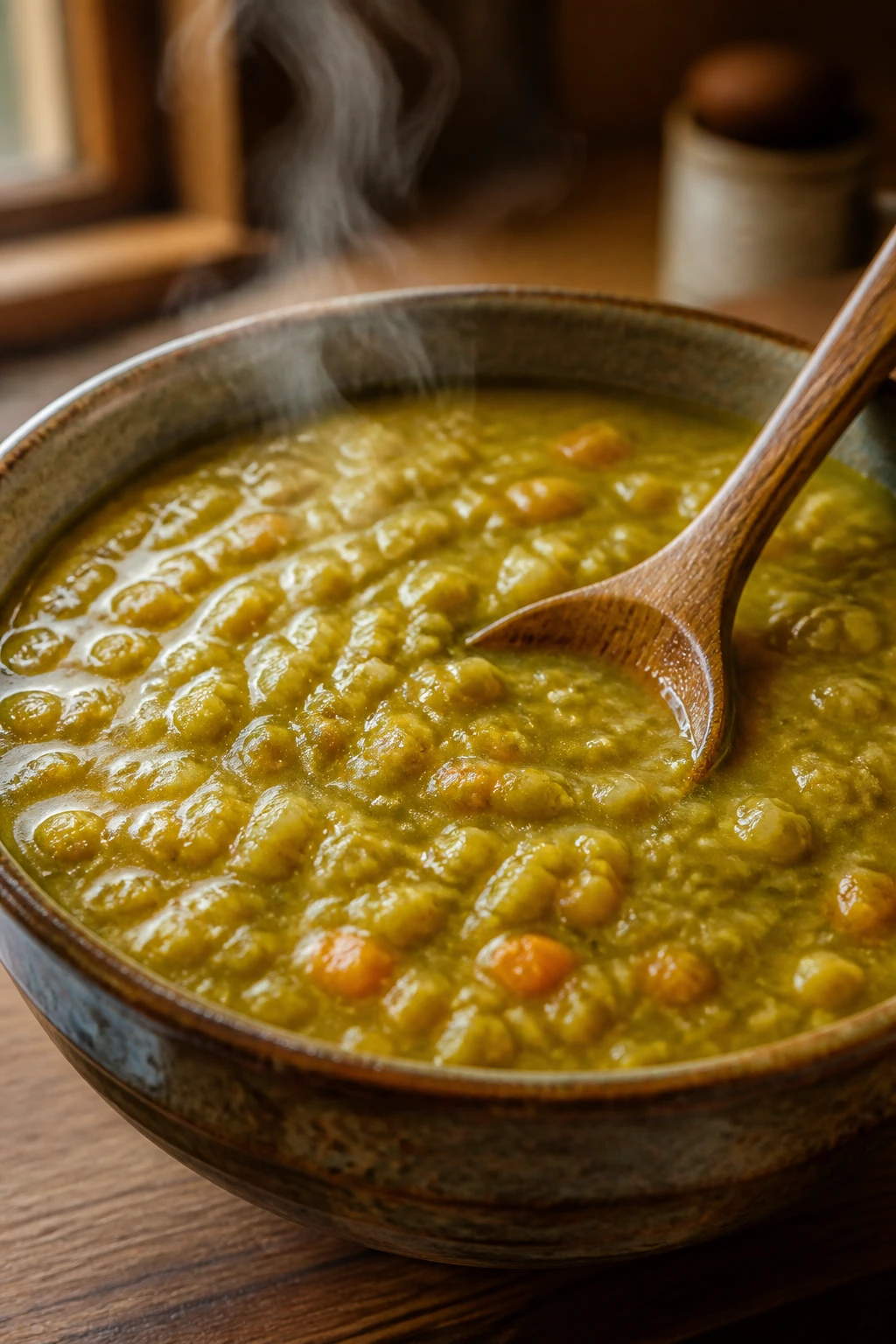
Split pea soup looks plain before it cooks, then suddenly turns into a thick, soothing pot with a green-gold color and a texture that clings to the spoon. It’s cheap in the best possible way.
Why It Works:
Split peas break down as they simmer, which means they create their own body without cream. Onion, carrot, celery, and bay leaf make the base taste rounded, while smoked paprika can fake the depth people usually expect from ham. It’s a smart use of a very inexpensive dry ingredient.
Key Ingredients:
- 1 tablespoon oil
- 1 onion, chopped
- 2 carrots, chopped
- 2 celery stalks, chopped
- 2 cloves garlic, minced
- 1 pound split peas, rinsed
- 7 cups broth or water
- 1 bay leaf
- 1/2 teaspoon smoked paprika
- Salt and pepper
Quick Steps:
- Cook the onion, carrots, and celery in oil over medium heat for 6 minutes.
- Add the garlic and smoked paprika and stir for 30 seconds.
- Pour in the split peas, broth, bay leaf, salt, and pepper.
- Bring to a boil, then simmer partially covered for 45 to 50 minutes, stirring now and then.
- Remove the bay leaf and mash or blend a little if you want it smoother.
Equipment for This Recipe:
- Large soup pot
- Wooden spoon
- Immersion blender, optional
- Ladle
How to Serve This Dish:
Serve with crusty bread or saltines and a little black pepper on top. It makes 6 bowls, and the texture gets even thicker after it cools a bit.
Pro Tips for This Recipe:
- Rinse the peas well. Dust can make the broth dull.
- Stir near the end. Split peas stick once they thicken.
- Add more water if needed. The soup tightens as it sits.
- Use smoked paprika sparingly. A little adds depth; too much takes over.
Variations on This Dish:
- Potato Split Pea Soup: Add a diced potato for extra thickness.
- Lemony Finish: A squeeze of lemon after cooking brightens the bowl.
- Garlicky Version: Add an extra clove or two if you like a stronger base.
Common Mistakes to Avoid with This Dish:
- Cooking on too high heat scorches the bottom.
- Using old split peas can leave you with grains that never soften.
- Forgetting to stir gives you a thick skin on top.
13. Cornbread Chili Skillet
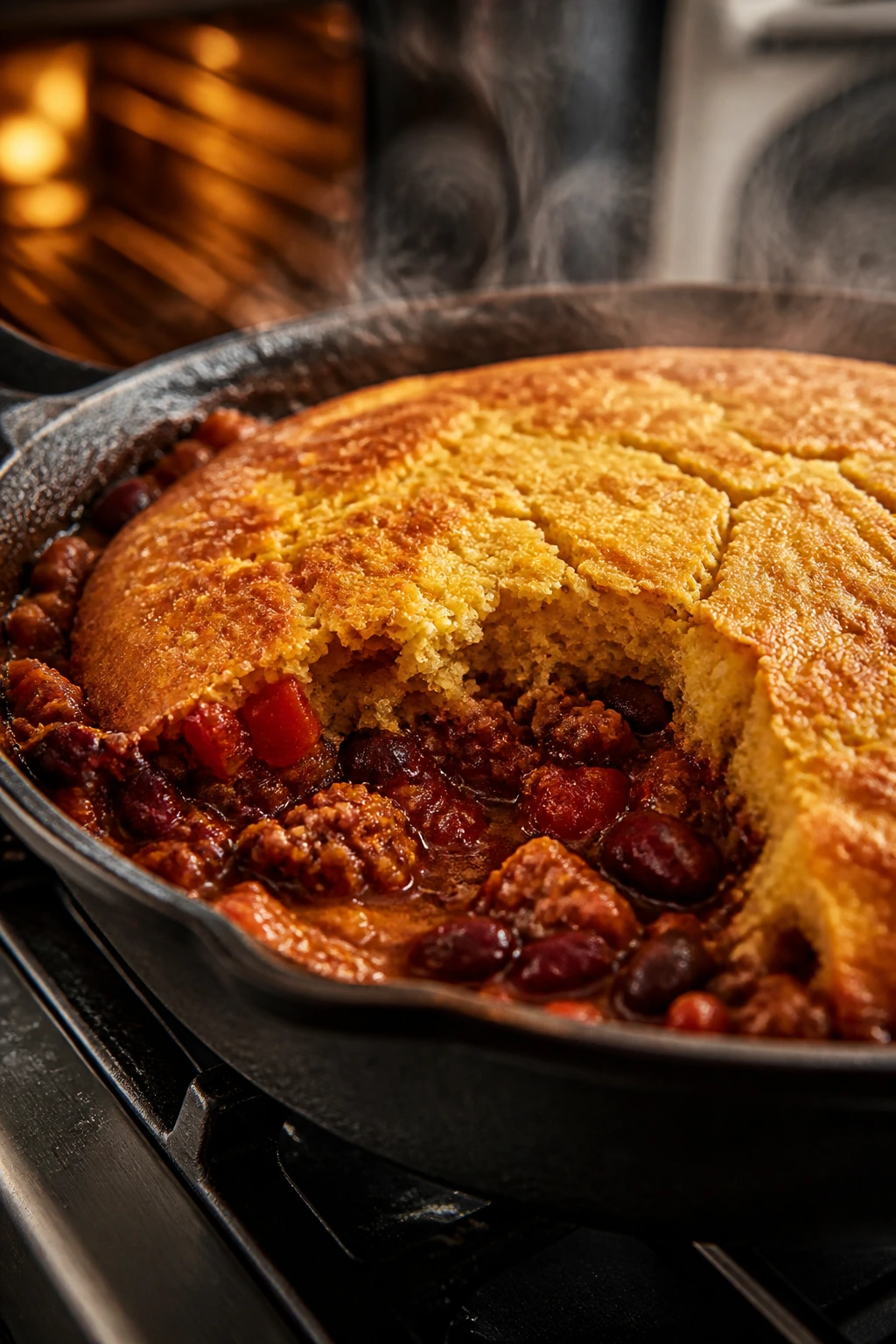
This is the kind of skillet meal that turns canned beans and tomatoes into something that feels like a proper event. The cornbread bakes right on top, so the bottom picks up steam from the chili and the top stays golden.
Why It Works:
Beans, tomatoes, and chili powder give you a hearty base without much cost. Cornbread mix saves time and keeps the topping from being fussy. The trick is making the chili thick enough that the bread bakes instead of sinking.
Key Ingredients:
- 1 tablespoon oil
- 1 onion, diced
- 1 can black beans, drained
- 1 can kidney beans, drained
- 1 can diced tomatoes, 14.5 ounces
- 2 tablespoons chili powder
- 1 box cornbread mix
- 1 egg
- 1/3 cup milk
- 1/2 cup shredded cheese, optional
Quick Steps:
- Heat the oven to 400°F.
- Cook the onion in oil for 5 minutes, then stir in beans, tomatoes, and chili powder.
- Simmer for 10 minutes until thick, then transfer to an oven-safe skillet if needed.
- Mix the cornbread batter with egg and milk, spoon over the chili, and add cheese if using.
- Bake 18 to 22 minutes until the cornbread is set and golden.
Equipment for This Recipe:
- Oven-safe skillet
- Mixing bowl
- Wooden spoon
- Measuring cups
How to Serve This Dish:
Let it cool for 5 minutes before scooping so the topping holds together. A dollop of sour cream or yogurt on top helps cut the spice. It feeds 4 to 6 depending on appetite.
Pro Tips for This Recipe:
- Thicken the chili first. Wet filling ruins the cornbread top.
- Use a skillet with decent sides. It keeps the topping from spilling.
- Don’t overmix the cornbread batter. A few lumps are fine.
- Add cheese under the batter if you want a meltier middle.
Variations on This Dish:
- Corn and Bean Chili: Stir in frozen corn for sweetness.
- Turkey Version: Brown ground turkey before the onion.
- Spicy Jalapeño Top: Add sliced jalapeños to the batter.
Common Mistakes to Avoid with This Dish:
- Putting wet chili in the oven makes the topping gummy.
- Using too little seasoning leaves the beans flat.
- Cutting too soon makes the cornbread crumble.
14. Pasta e Ceci
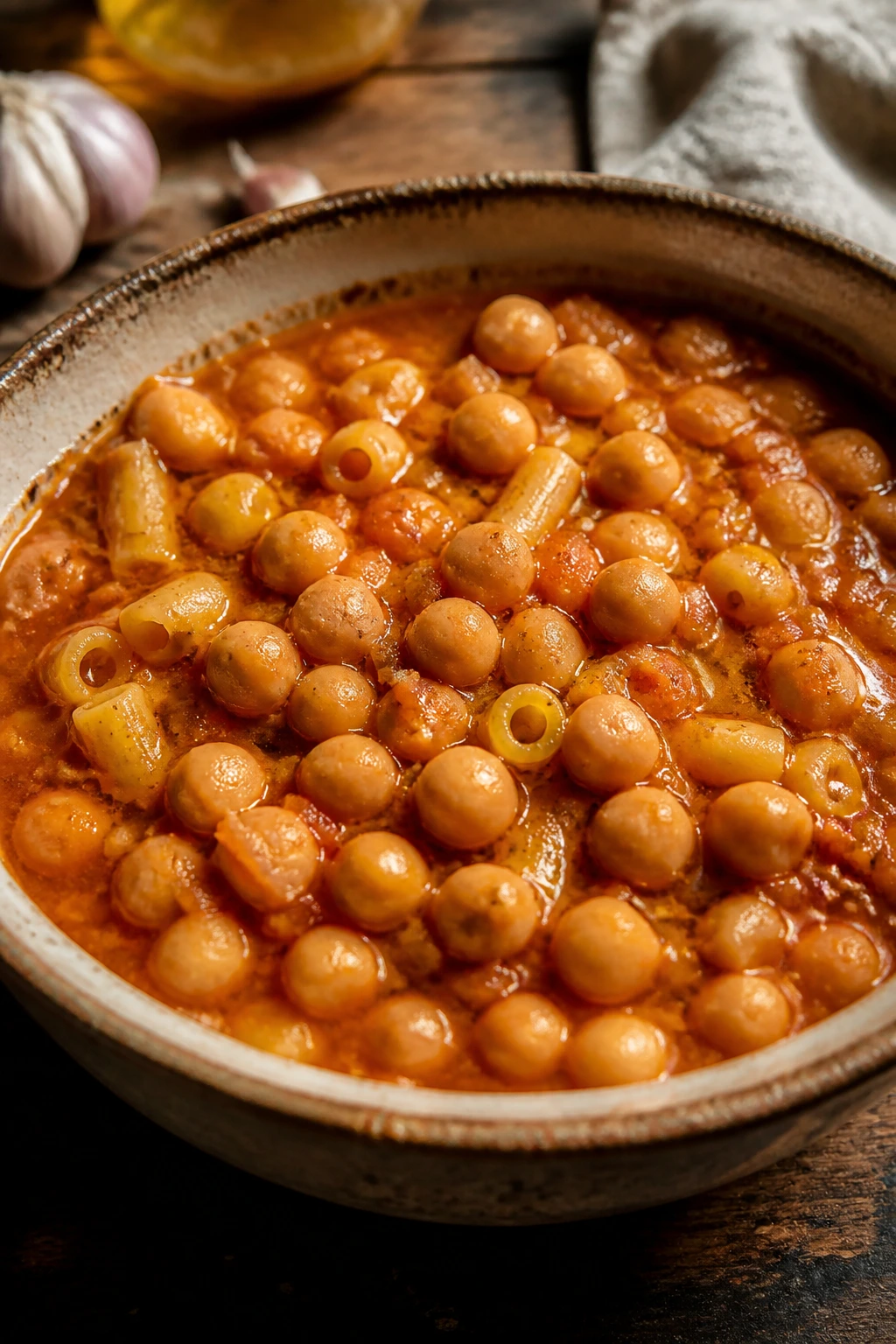
Pasta e ceci is the kind of pantry recipe that feels both ancient and practical. Chickpeas, pasta, garlic, tomato paste, and olive oil turn into a bowl with enough heft to count as dinner and enough broth to keep it from feeling heavy.
Why It Works:
Chickpeas and pasta are a cheap, filling pair. Tomato paste gives you concentrated flavor for almost no money, and a little starchy pasta water helps turn the pot silky. It’s the sort of meal that looks simple because it is simple.
Key Ingredients:
- 2 tablespoons olive oil
- 3 cloves garlic, minced
- 2 tablespoons tomato paste
- 1 teaspoon rosemary or oregano
- 2 cans chickpeas, drained
- 4 cups broth
- 8 ounces small pasta
- Salt, pepper, chili flakes
Quick Steps:
- Warm the oil in a pot over medium heat and cook the garlic for 30 seconds.
- Stir in tomato paste and herbs; cook 1 minute until darker and fragrant.
- Add chickpeas, broth, salt, pepper, and chili flakes.
- Simmer 10 minutes, then add pasta and cook until tender, about 8 to 10 minutes.
- Stir in more broth if needed and serve thick and soupy.
Equipment for This Recipe:
- Soup pot
- Wooden spoon
- Measuring spoons
- Ladle
How to Serve This Dish:
Serve it in bowls with a drizzle of olive oil and extra pepper. A piece of toasted bread beside it is more than enough. Four servings is typical, though it can stretch farther if you’re not starving.
Pro Tips for This Recipe:
- Cook the tomato paste first. Raw paste tastes tinny.
- Use a small pasta shape. Big shapes don’t fit the bowl as well.
- Keep extra broth nearby. The pasta drinks fast.
- Finish with olive oil. It rounds off the chickpeas.
Variations on This Dish:
- Spinach e Ceci: Add spinach in the last minute.
- Creamier Pot: Mash some chickpeas before adding pasta.
- Lemon Pepper Version: Add lemon zest at the end.
Common Mistakes to Avoid with This Dish:
- Adding pasta too early turns it mushy.
- Skipping the tomato paste step means less depth.
- Letting the pot dry out makes the starch stick to the bottom.
15. Tuna Melt Quesadillas
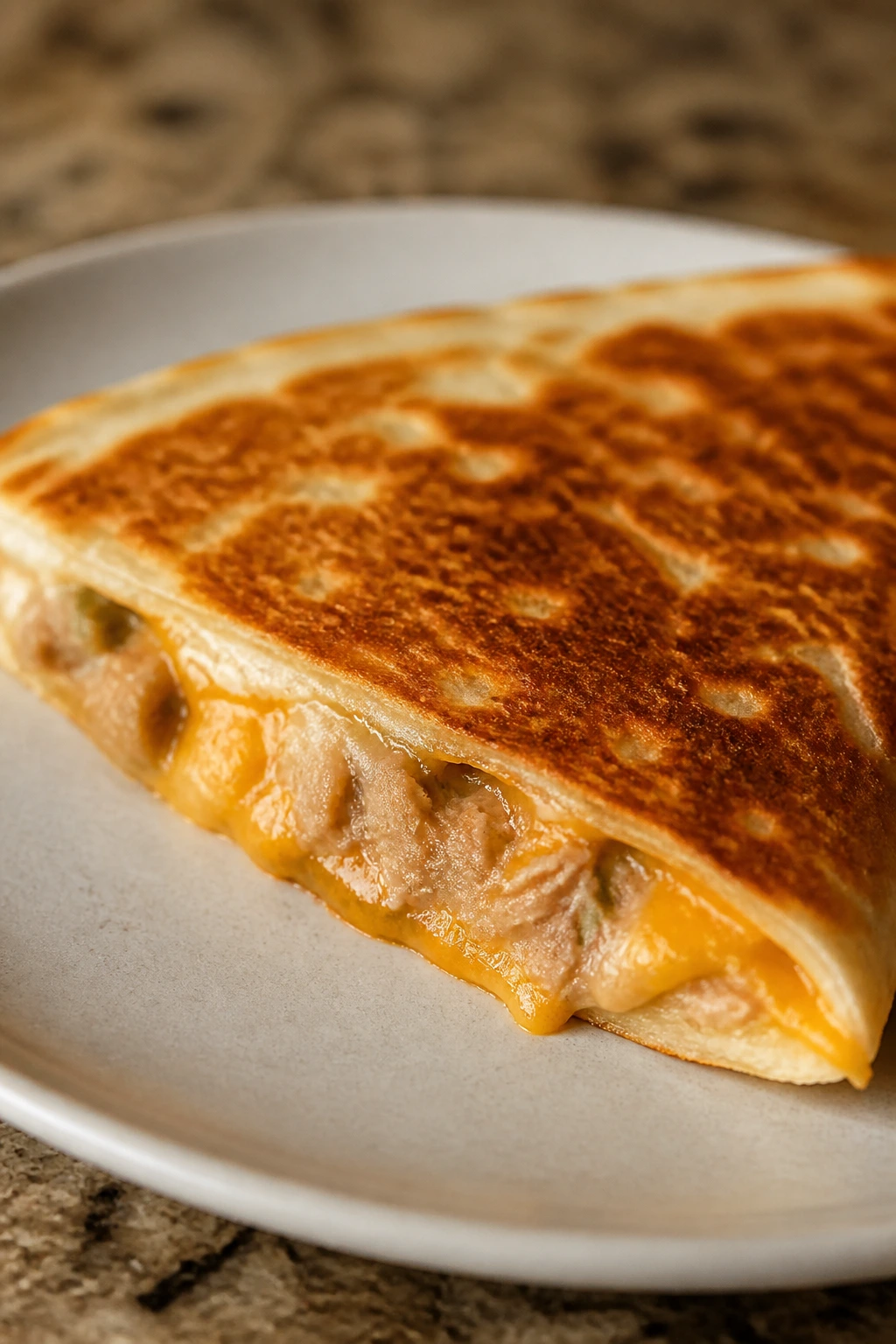
This is what happens when two cheap lunch ideas shake hands and decide to become dinner. The tortillas crisp up, the tuna mix gets warm and melty, and the edges pick up a little buttered browning in the pan.
Why It Works:
Canned tuna is inexpensive protein, and tortillas cook fast enough that you can go from pantry to plate in minutes. Cheese helps bind the filling, while a little mayo or yogurt keeps the tuna from drying out. It’s practical food with a crisp edge.
Key Ingredients:
- 2 cans tuna, drained
- 1/4 cup mayonnaise or plain yogurt
- 1 tablespoon chopped onion or relish
- 1 cup shredded cheddar
- 4 flour tortillas
- 1 tablespoon butter or oil
- Black pepper
Quick Steps:
- Mix tuna, mayo, onion or relish, and black pepper in a bowl.
- Heat a skillet over medium heat and melt a little butter.
- Lay down 1 tortilla, add half the cheese and half the tuna mix, then top with another tortilla.
- Cook 2 to 3 minutes per side until crisp and the cheese melts.
- Cut into wedges and repeat.
Equipment for This Recipe:
- Skillet
- Spatula
- Bowl
- Knife or pizza cutter
How to Serve This Dish:
Serve the wedges with pickles, soup, or a handful of carrot sticks. The crisp tortilla and warm filling make a solid 2 to 4 serving meal, depending on who’s at the table.
Pro Tips for This Recipe:
- Drain the tuna well. Wet filling slips out.
- Use medium heat. High heat burns tortillas before cheese melts.
- Press gently with the spatula. It helps the quesadilla seal.
- Let it rest a minute before cutting. The filling settles.
Variations on This Dish:
- Melted Tomato Version: Add a thin slice of tomato if you have one.
- Spicy Tuna Quesadilla: Stir in hot sauce or chili flakes.
- Capers and Lemon: Use a little lemon zest and capers for a brighter taste.
Common Mistakes to Avoid with This Dish:
- Overfilling the tortillas leads to leaks.
- Using cold cheese from a clump slows the melt.
- Cooking on too low heat leaves the tortilla pale and chewy.
16. Loaded Baked Potatoes with Beans
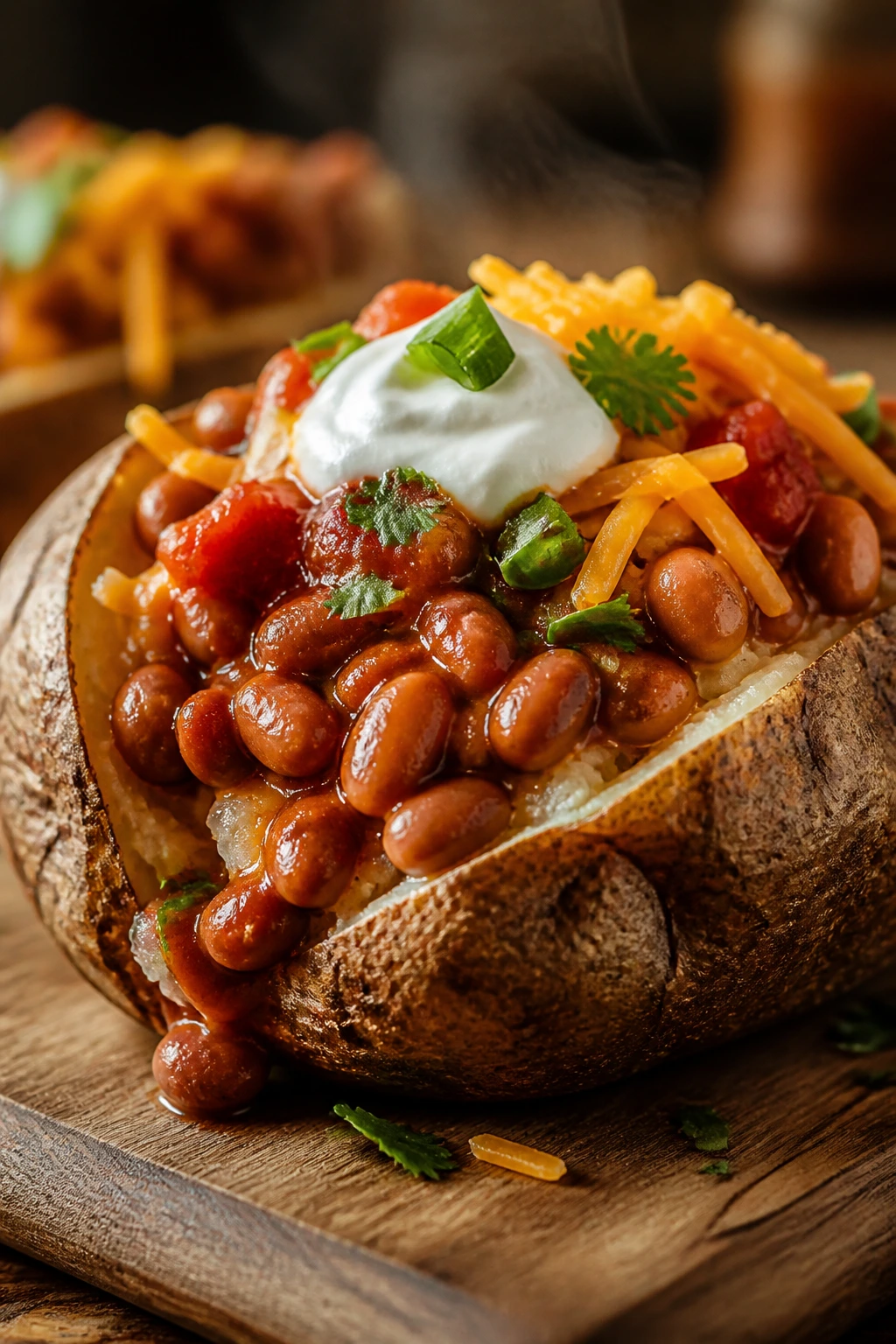
A baked potato can carry more dinner than people give it credit for. When you split it open and pile on beans, butter, cheese, and salsa, it stops being a side and becomes a full meal with a soft center and a crisp skin.
Why It Works:
Potatoes are cheap, filling, and good at carrying salty toppings. Beans add protein, cheese gives richness, and salsa brings acid and spice so the whole thing doesn’t taste one-note. It’s a low-cost meal with a high payoff.
Key Ingredients:
- 4 russet potatoes
- 1 tablespoon oil
- 2 cans pinto or black beans, drained
- 2 tablespoons butter
- 1/2 cup sour cream or yogurt
- 1 cup shredded cheese
- 1/2 cup salsa
- Salt and pepper
Quick Steps:
- Heat the oven to 425°F and prick the potatoes with a fork.
- Rub them with oil and salt, then bake for 45 to 55 minutes until the skins are crisp and the centers give when pressed.
- Warm the beans with a pinch of salt in a small pot.
- Split the potatoes, fluff the insides with a fork, and add butter.
- Top with beans, cheese, sour cream, and salsa.
Equipment for This Recipe:
- Baking sheet
- Fork
- Small saucepan
- Knife
How to Serve This Dish:
Serve the potatoes on plates with extra salsa on the side. If you want a little crunch, add a cabbage slaw or pickled onions. One potato is a meal for most people, two if the crowd is serious.
Pro Tips for This Recipe:
- Bake potatoes directly on the oven rack if you like crisp skins.
- Salt the skins before baking. That matters more than people think.
- Warm the beans first. Cold beans drag the whole thing down.
- Don’t skimp on the butter inside. It gives the potato body.
Variations on This Dish:
- Chili Potato: Spoon chili over the beans.
- Broccoli Cheese Version: Swap salsa for steamed broccoli.
- Breakfast Potato: Top with a fried egg and hot sauce.
Common Mistakes to Avoid with This Dish:
- Microwaving without finishing in the oven gives you soft skin.
- Using tiny waxy potatoes makes the filling feel skimpy.
- Skipping salt on the potato itself leaves the skin bland.
17. Egg Drop Ramen
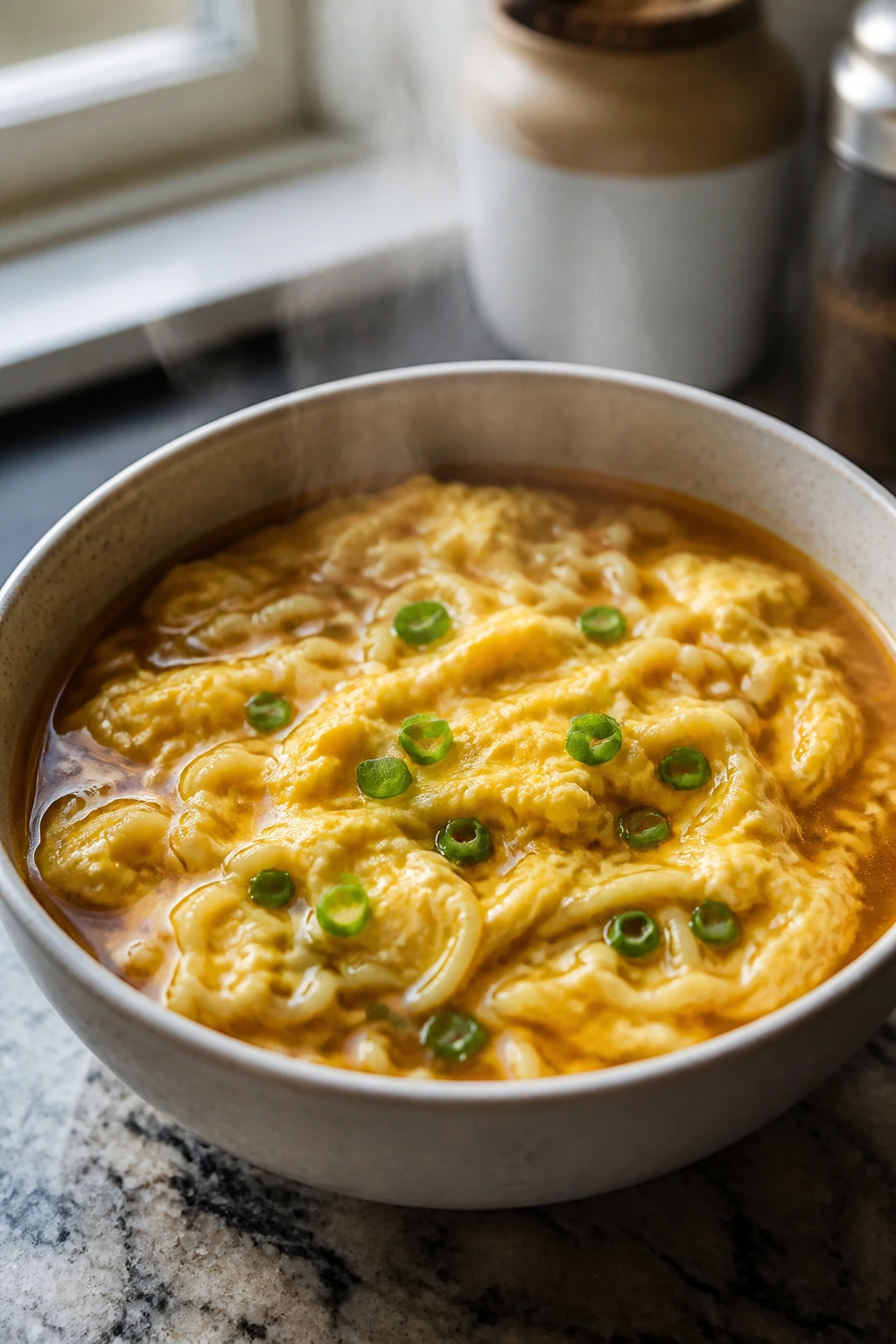
This is the dinner equivalent of having your act together in under 10 minutes. The broth is savory, the noodles are cheap, and the egg ribbons make the bowl feel soft and complete.
Why It Works:
Instant ramen is one of the fastest budget bases in the pantry, but it gets much better with a real broth and an egg or two. The egg drop trick thickens the soup slightly and gives the bowl a delicate texture. A few frozen peas or scallions keep it from looking too bare.
Key Ingredients:
- 2 packs ramen noodles, seasoning packets reduced or discarded
- 4 cups broth or water
- 2 eggs, beaten
- 1 teaspoon soy sauce
- 1 teaspoon sesame oil
- 1/2 cup frozen peas or sliced scallions
- Chili flakes, optional
Quick Steps:
- Bring the broth to a simmer in a pot.
- Add the ramen noodles and cook for 2 minutes.
- Stir in peas, soy sauce, and sesame oil.
- Slowly drizzle in the beaten eggs while stirring the broth in one direction.
- Turn off the heat once the egg forms soft ribbons.
Equipment for This Recipe:
- Small pot
- Fork or whisk
- Measuring cup
- Bowl for beating eggs
How to Serve This Dish:
Serve immediately while the noodles are springy and the eggs are tender. A few drops of chili oil or a squeeze of lime changes the whole bowl. It makes 2 generous servings.
Pro Tips for This Recipe:
- Stir the broth while adding egg. That’s what makes ribbons instead of blobs.
- Use broth if you have it. Water works, but broth tastes fuller.
- Don’t overcook the noodles. They keep softening in the bowl.
- Keep seasoning light until the end. Ramen packets can be salty.
Variations on This Dish:
- Sesame Bowl: Add a spoonful of tahini for a thicker soup.
- Miso-ish Version: Stir in a teaspoon of miso if you keep it.
- Vegetable Boost: Toss in spinach or frozen corn.
Common Mistakes to Avoid with This Recipe:
- Boiling the eggs instead of drizzling them gives you torn bits, not ribbons.
- Letting the noodles sit too long turns them mushy.
- Using the full seasoning packet plus extra soy can make the broth too salty.
18. Cabbage and Noodles
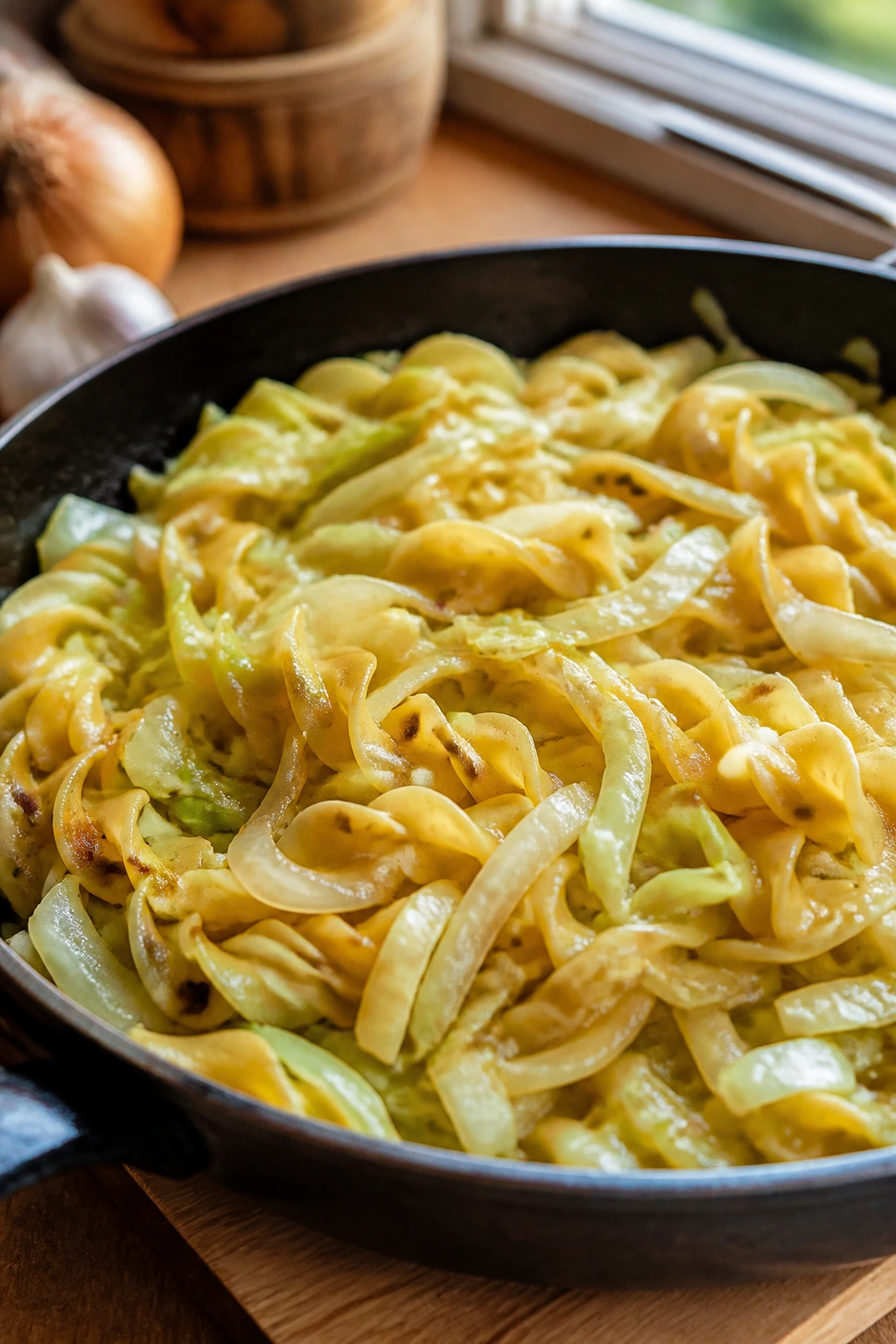
Cabbage and noodles is what happens when you want something cheap, comforting, and a little buttery without turning on a dozen burners. The cabbage softens, the noodles catch the fat, and the edges pick up a faint sweetness.
Why It Works:
Cabbage is one of the cheapest vegetables that can still carry a dish. When it cooks down, it gets sweet and tender. Pair it with noodles and onion, and you have a meal that tastes like more effort than it takes.
Key Ingredients:
- 12 ounces egg noodles
- 1/2 head green cabbage, thinly sliced
- 1 onion, sliced
- 3 tablespoons butter or oil
- 1/2 teaspoon caraway seeds, optional
- Salt and pepper
- Sour cream, optional
Quick Steps:
- Cook the noodles in salted water until tender, then drain.
- Cook the onion in butter over medium heat for 4 minutes.
- Add cabbage, caraway seeds, salt, and pepper. Cook 10 to 12 minutes until soft and lightly browned.
- Toss in the noodles and cook 1 more minute.
- Serve hot with sour cream if you like.
Equipment for This Recipe:
- Large skillet
- Pot for noodles
- Colander
- Wooden spoon
How to Serve This Dish:
Serve it as a main with black pepper on top, or alongside sausage if you’re stretching it into a bigger dinner. It feeds 4 and doesn’t need much else.
Pro Tips for This Recipe:
- Slice the cabbage thinly. Big chunks stay tough.
- Let it brown a little. That’s where the flavor is.
- Use enough butter or oil. Dry cabbage tastes flat.
- Salt at the end too. Noodles soak up seasoning fast.
Variations on This Dish:
- Onion-Heavy Version: Use an extra onion for more sweetness.
- Bacon Version: Crisp chopped bacon first, then cook the cabbage in the fat.
- Vinegar Finish: A small splash of vinegar wakes up the whole pan.
Common Mistakes to Avoid with This Dish:
- Rushing the cabbage leaves it watery.
- Overcooking the noodles makes the dish soft.
- Using too little fat gives you a dry skillet instead of a silky one.
19. Tomato Lentil Dal
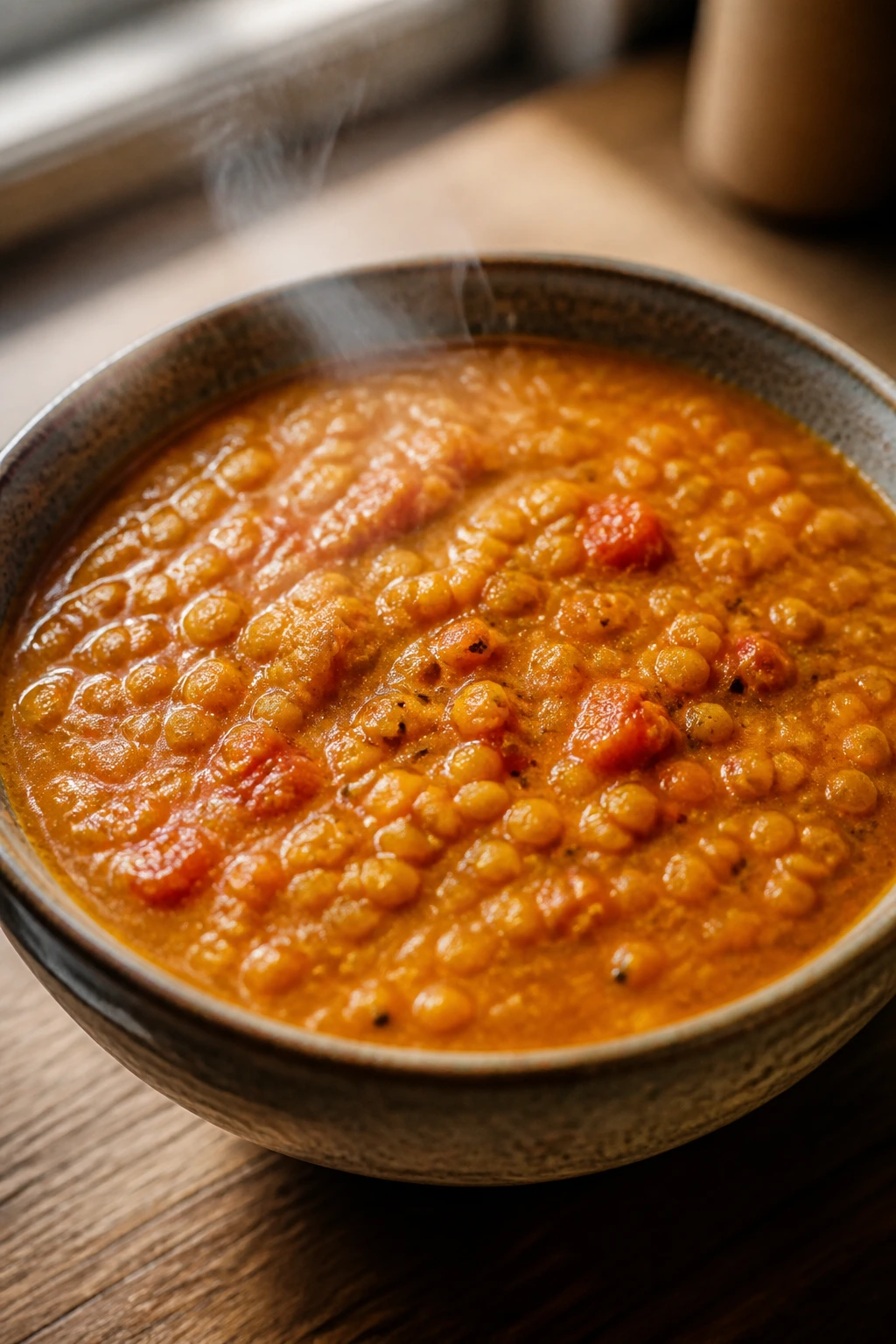
Dal is one of the best things you can do with red lentils and a can of tomatoes. It cooks fast, thickens on its own, and tastes like spices that had time to settle even when dinner came together in a hurry.
Why It Works:
Red lentils break down quickly, so they make a creamy base without blending. Tomato adds tang, garlic and onion build depth, and curry spices make the whole pot taste warmer than the clock says it should. Rice or flatbread turns it into a full meal.
Key Ingredients:
- 1 tablespoon oil
- 1 onion, chopped
- 3 cloves garlic, minced
- 1 teaspoon curry powder
- 1/2 teaspoon turmeric
- 1 cup red lentils, rinsed
- 1 can diced tomatoes, 14.5 ounces
- 3 cups water or broth
- Salt
- Cilantro or yogurt, optional
Quick Steps:
- Cook the onion in oil over medium heat for 5 minutes.
- Add garlic, curry powder, and turmeric; stir for 30 seconds.
- Add lentils, tomatoes, water, and salt.
- Simmer for 15 to 18 minutes, stirring, until the lentils fall apart.
- Serve thick or loosen with more water.
Equipment for This Recipe:
- Saucepan
- Wooden spoon
- Measuring cups
- Bowl for serving
How to Serve This Dish:
Serve it over rice with a spoonful of yogurt if you want it cooler and creamier. A little cilantro on top helps, but it’s not required. It makes 4 bowls and stretches farther than you’d expect.
Pro Tips for This Recipe:
- Rinse red lentils well. They can foam a little.
- Stir near the bottom. Dal thickens fast.
- Add water if it sets too hard. The texture should be spoonable.
- Finish with lemon if you want a brighter bowl.
Variations on This Dish:
- Coconut Dal: Replace 1 cup water with coconut milk.
- Spinach Dal: Stir in spinach at the end.
- Smoky Dal: Add a pinch of smoked paprika.
Common Mistakes to Avoid with This Dish:
- Using green or brown lentils instead of red changes the cook time a lot.
- Letting it stick at the bottom gives a burnt note fast.
- Forgetting salt makes the tomatoes taste sour instead of balanced.
20. Sardine Toast with Lemon and Herbs
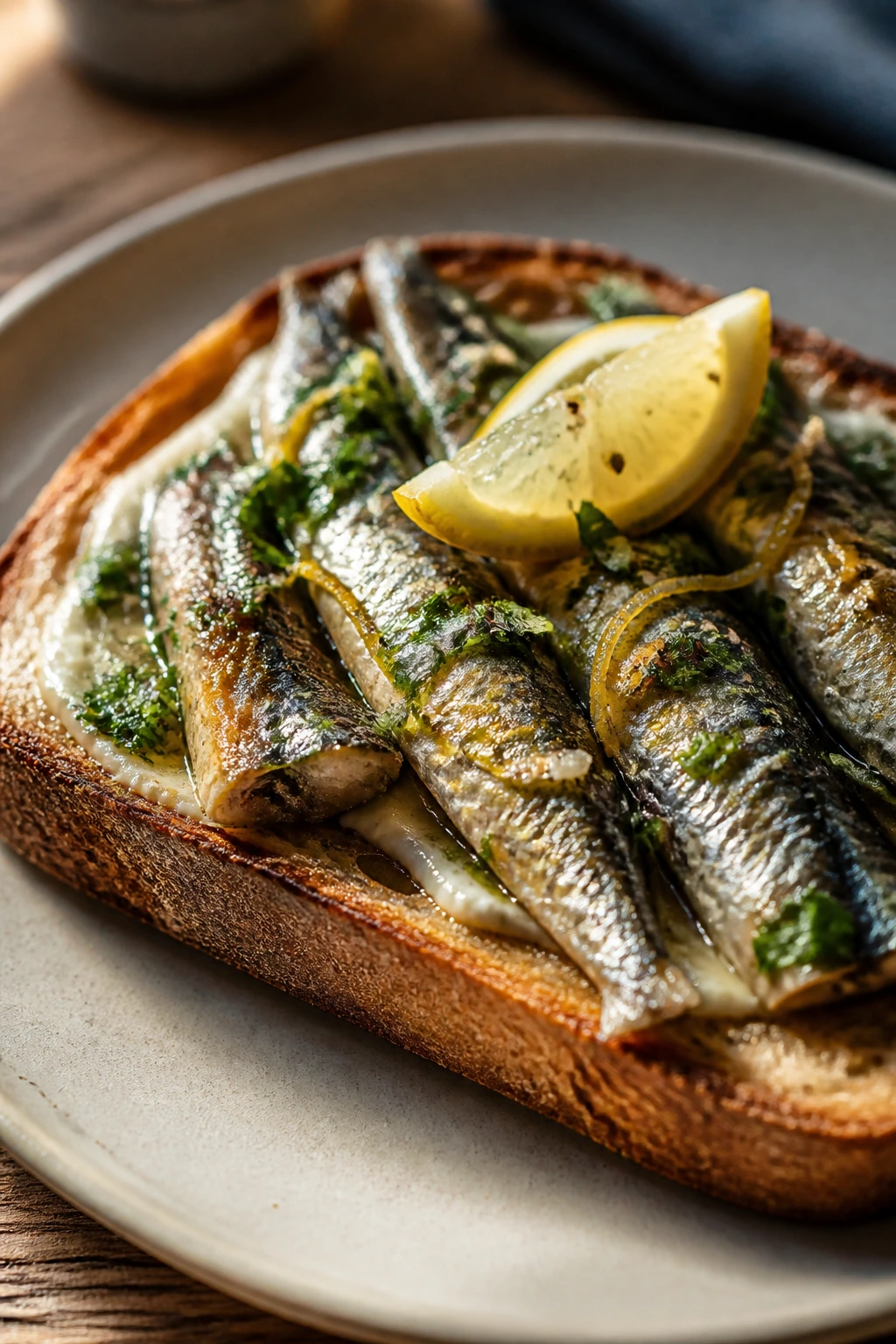
This one will either become a favorite or stay in the “I respect it, but maybe not for everyone” column. Sardines are cheap, packed with flavor, and much better when you give them crisp bread, lemon, and a bit of herb freshness.
Why It Works:
Sardines bring fat and salt in one tin, which means you don’t need much else. Lemon cuts through the richness, and toast gives the whole thing structure. It’s fast, filling, and far more satisfying than it sounds on paper.
Key Ingredients:
- 2 cans sardines, drained or lightly oiled
- 4 slices sturdy bread
- 1 tablespoon olive oil
- 1/2 lemon, juiced
- Black pepper
- 1 tablespoon chopped parsley or dill, optional
- Red pepper flakes, optional
Quick Steps:
- Toast the bread until crisp and brown.
- Warm the sardines gently in a small skillet, if you want them less chilly.
- Drizzle bread with olive oil and lemon juice.
- Top with sardines, pepper, herbs, and red pepper flakes.
- Serve right away.
Equipment for This Recipe:
- Toaster or skillet
- Small pan, optional
- Knife
- Plate
How to Serve This Dish:
Serve the toast open-faced with a pickle or a few tomato slices if you have them. Two slices make a light meal, four make a bigger one. It’s quick enough to eat standing up, which is sometimes the point.
Pro Tips for This Recipe:
- Use sturdy bread. Soft sandwich bread gets soggy fast.
- Don’t drown the sardines in toppings. Their flavor should stay front and center.
- A little lemon goes far. Too much makes the toast wet.
- Pepper matters here. It cuts the richness.
Variations on This Dish:
- Mustard Sardine Toast: Spread a little mustard on the bread first.
- Tomato Sardine Toast: Add sliced tomato in a thin layer.
- Herby Salad Toast: Mix sardines with parsley and chopped onion before topping the bread.
Common Mistakes to Avoid with This Dish:
- Using weak bread makes the toast collapse.
- Skipping acid leaves the sardines heavy.
- Serving cold sardines on damp toast makes the whole thing dull.
21. Oatmeal Banana Pancakes
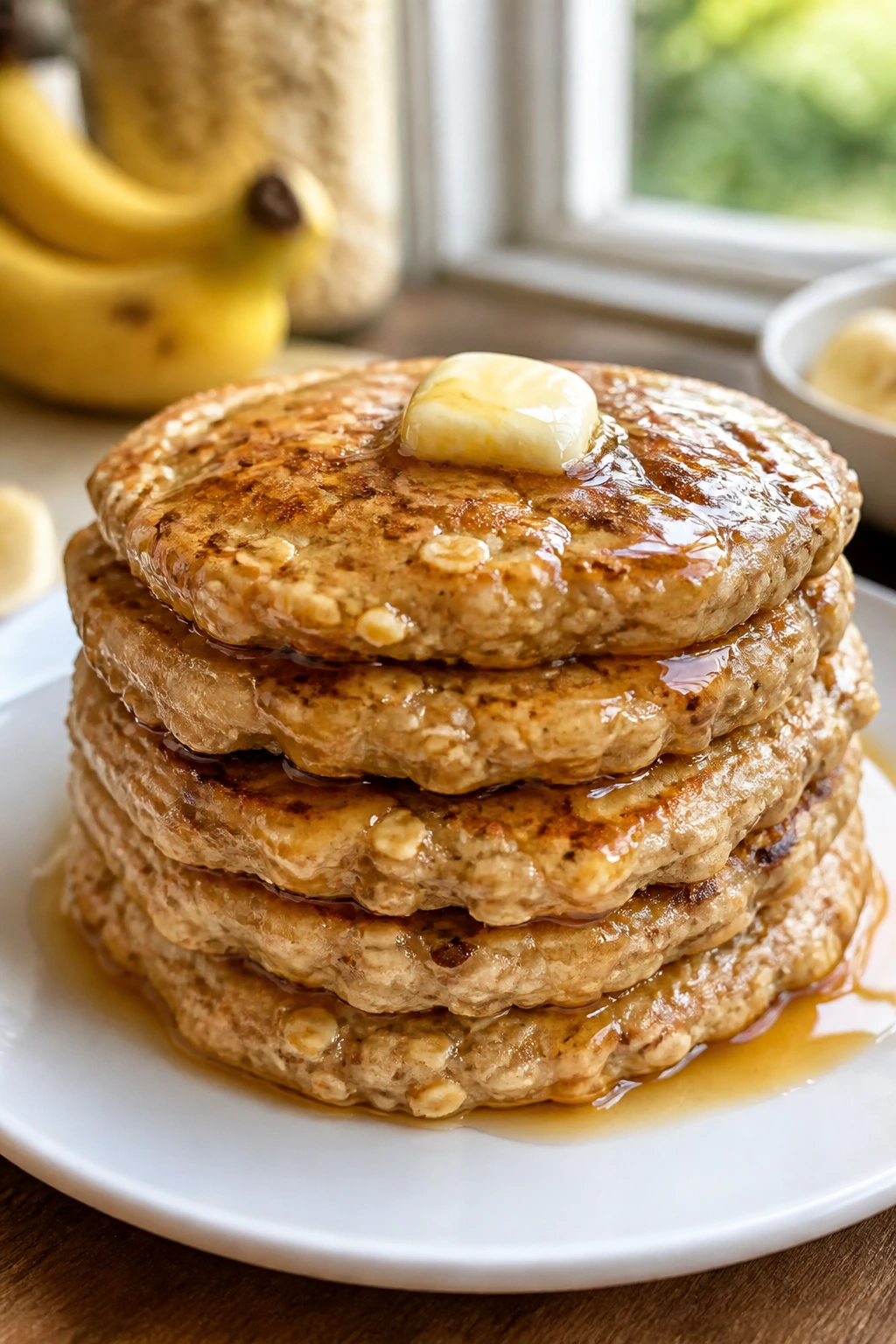
These pancakes are proof that oats belong in more than a bowl. They’re soft in the middle, a little nutty, and built from ingredients that usually live in the pantry or fruit basket.
Why It Works:
Oats, banana, eggs, and a bit of milk make a batter that cooks fast and costs less than boxed mixes with a lot of marketing. Banana adds sweetness and moisture, so you don’t need much sugar. They’re good for breakfast, but nobody’s stopping you from making them at dinner.
Key Ingredients:
- 1 cup rolled oats
- 1 ripe banana
- 2 eggs
- 1/2 cup milk
- 1 teaspoon baking powder
- 1/2 teaspoon cinnamon
- Pinch of salt
- Butter or oil for the pan
Quick Steps:
- Blend or mash the oats, banana, eggs, milk, baking powder, cinnamon, and salt until combined.
- Let the batter sit 5 minutes so the oats soften.
- Heat a skillet over medium heat and grease it lightly.
- Pour 1/4 cup batter per pancake and cook 2 to 3 minutes per side until set and golden.
- Serve warm.
Equipment for This Recipe:
- Blender or mixing bowl
- Skillet or griddle
- Spatula
- Measuring cup
How to Serve This Dish:
Serve with peanut butter, syrup, or a handful of berries if you have them. Three medium pancakes make a solid serving, and the batter scales up cleanly.
Pro Tips for This Recipe:
- Use a ripe banana. Spotty peel means better sweetness.
- Let the batter rest. Oats need time to soak.
- Keep the heat moderate. Too hot and the outside darkens before the middle sets.
- Flip once. Pancakes do not like extra handling.
Variations on This Dish:
- Chocolate Chip Version: Stir in a small handful of chips.
- Apple-Cinnamon Version: Replace banana with grated apple.
- Peanut Butter Pancakes: Add 2 tablespoons peanut butter to the batter.
Common Mistakes to Avoid with This Recipe:
- Using underripe banana leaves the pancakes bland.
- Making the batter too thin creates fragile cakes.
- Cooking on high heat burns the edges before the center firms up.
22. Bean and Rice Stuffed Peppers
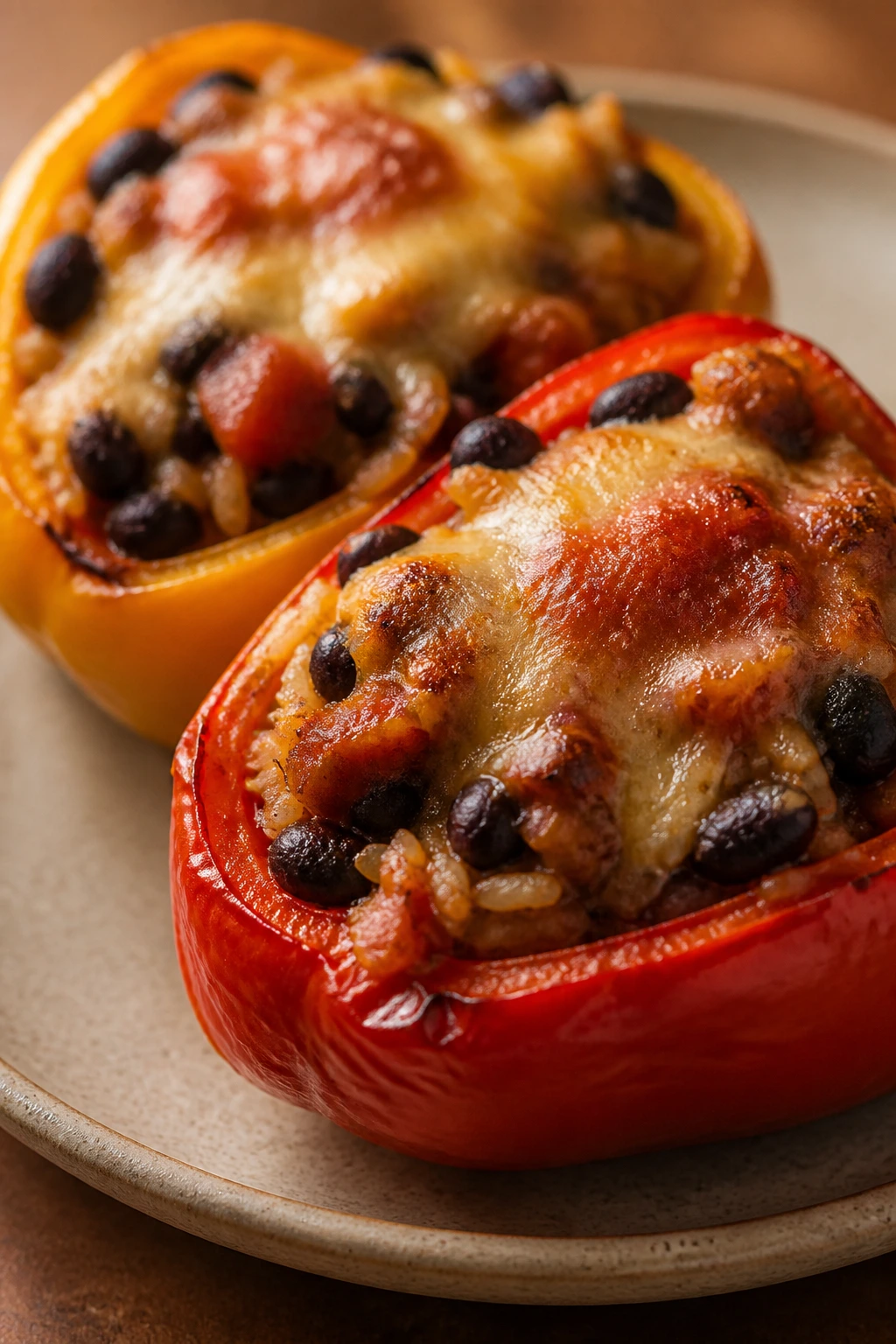
Stuffed peppers are a neat trick for turning rice and beans into something that looks like you planned dinner. The peppers soften in the oven, and the filling gets warm, savory, and a little saucy from the salsa.
Why It Works:
Bell peppers hold their shape and become sweet in the oven. Rice and beans stretch the filling, while salsa keeps everything moist without a separate sauce. It’s a good use for leftover rice, but fresh-cooked rice works too.
Key Ingredients:
- 4 bell peppers, halved and seeded
- 1 1/2 cups cooked rice
- 1 can black beans, drained and rinsed
- 1 cup salsa
- 1 teaspoon cumin
- 1 cup shredded cheese
- Salt and pepper
Quick Steps:
- Heat the oven to 375°F.
- Place the pepper halves in a baking dish and bake for 10 minutes to soften slightly.
- Mix rice, beans, salsa, cumin, salt, and pepper.
- Fill the peppers, top with cheese, and bake 20 minutes more until the peppers are tender.
- Let rest 5 minutes before serving.
Equipment for This Recipe:
- Baking dish
- Mixing bowl
- Spoon
- Knife
How to Serve This Dish:
Serve two pepper halves per person with a side salad or a scoop of sour cream. They hold their shape best if you let them cool for a few minutes. Four servings is the usual result.
Pro Tips for This Recipe:
- Pre-bake the peppers. It keeps them from staying too firm.
- Use thick salsa. Thin salsa can leak out.
- Pack the filling firmly. Loose filling falls apart.
- Add cheese near the end. It melts without overbrowning.
Variations on This Dish:
- Corn and Bean Version: Add frozen corn for sweetness.
- Taco Pepper Swap: Use taco seasoning instead of cumin.
- Rice-Lite Version: Mix in chopped cauliflower if you have it.
Common Mistakes to Avoid with This Recipe:
- Skipping the first bake leaves peppers underdone.
- Using too much liquid in the filling makes the dish watery.
- Overstuffing the shells causes the filling to spill.
23. Potato and Onion Frittata
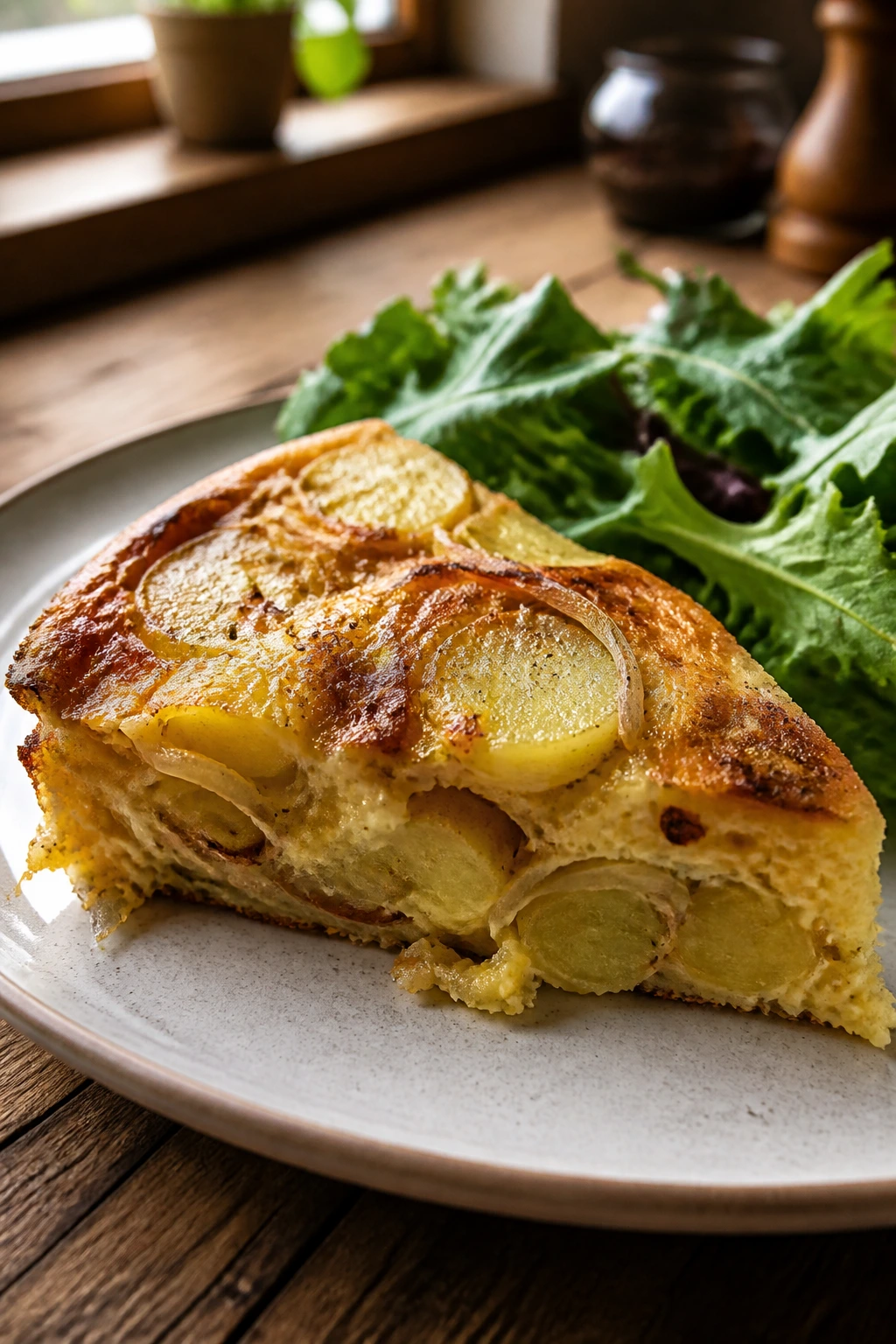
A frittata is what happens when eggs decide to carry the meal themselves. Potatoes make it substantial, onions go sweet in the pan, and the edges brown just enough to give each slice a little grip.
Why It Works:
Eggs are cheap protein, and potatoes stretch them further. Cooking the potatoes and onion first gives the frittata a head start, so the eggs only need a few minutes in the oven or under a broiler. It’s useful for breakfast, lunch, or a plain old dinner on toast.
Key Ingredients:
- 6 eggs
- 2 medium potatoes, thinly sliced
- 1 small onion, sliced
- 2 tablespoons olive oil
- 1/4 cup milk
- 1/2 cup shredded cheese, optional
- Salt and pepper
Quick Steps:
- Heat the oven to 375°F.
- Cook the potatoes and onion in oil in an oven-safe skillet for 12 to 15 minutes until tender.
- Whisk eggs, milk, salt, and pepper, then pour over the potatoes.
- Sprinkle cheese on top if using.
- Bake 10 to 12 minutes until the center is set.
Equipment for This Recipe:
- Oven-safe skillet
- Whisk
- Mixing bowl
- Spatula
How to Serve This Dish:
Cut it into wedges and serve with toast, greens, or tomatoes. It’s good warm or at room temperature, which makes leftovers easy. Four servings is a fair estimate.
Pro Tips for This Recipe:
- Slice potatoes thin. Thick slices take too long.
- Use enough oil. Potatoes need fat to brown.
- Don’t overbake. Eggs turn rubbery fast.
- Let it sit a few minutes before cutting. It slices cleaner.
Variations on This Dish:
- Herb Frittata: Add dried oregano or parsley.
- Bean Frittata: Fold in a handful of beans before baking.
- No-Cheese Version: Skip the cheese and finish with salsa.
Common Mistakes to Avoid with This Recipe:
- Trying to rush the potatoes leaves them undercooked.
- Using a cold skillet in the oven can make the cook uneven.
- Baking until the eggs puff hard dries the center.
24. Minestrone with Canned Beans
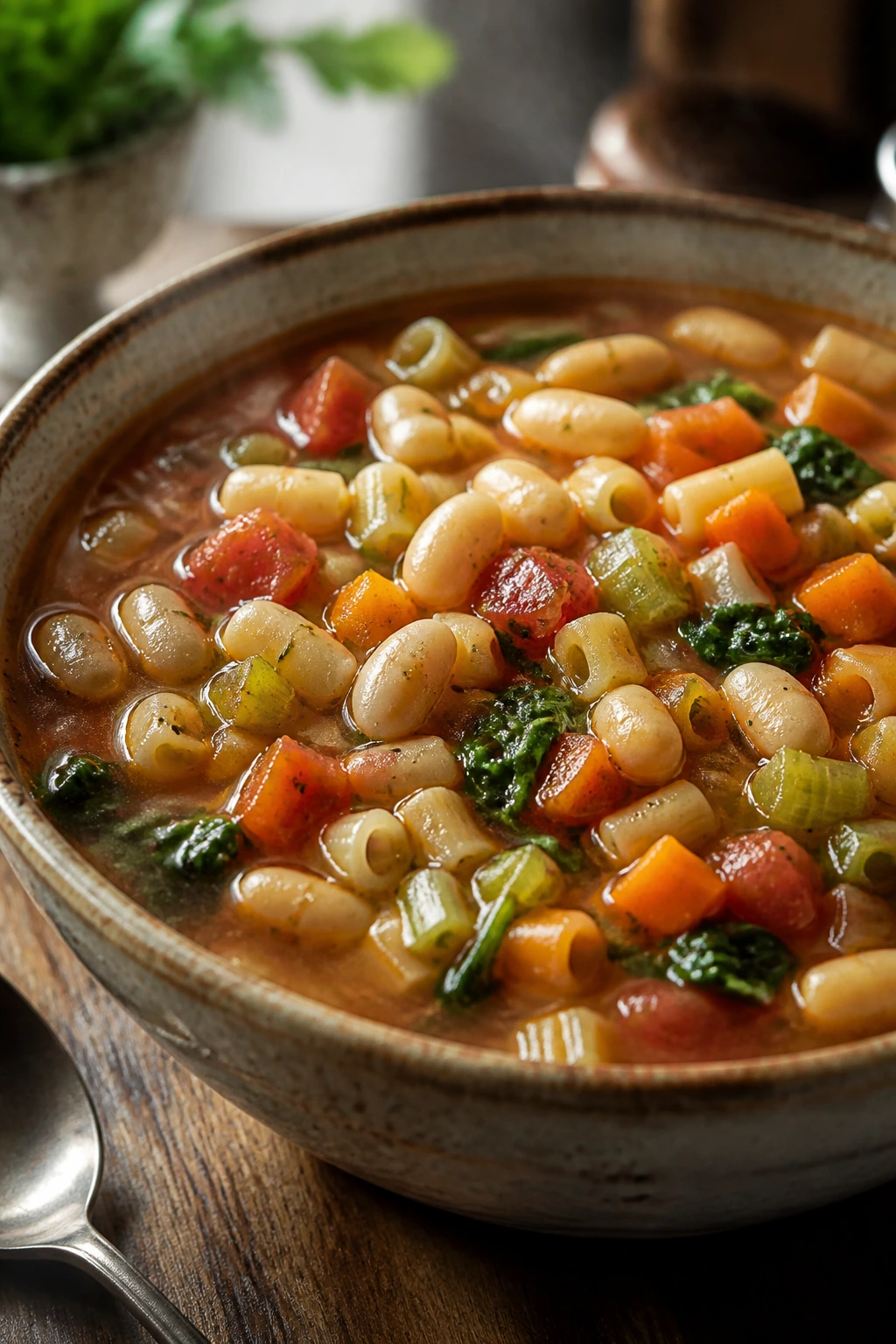
Minestrone is the pantry soup that never asks for much and gives back a lot. Beans, tomatoes, pasta, and vegetables become a bowl with enough texture that every spoonful feels different from the last.
Why It Works:
This soup uses low-cost ingredients that each bring something useful: beans for protein, pasta for body, tomatoes for acidity, and vegetables for sweetness and color. It’s one of those soups that handles substitutions without getting confused. That makes it practical, which is a good trait in a soup.
Key Ingredients:
- 1 tablespoon olive oil
- 1 onion, diced
- 2 carrots, diced
- 2 celery stalks, diced
- 3 cloves garlic, minced
- 1 can diced tomatoes, 14.5 ounces
- 1 can cannellini beans, drained
- 1/2 cup small pasta
- 4 cups broth
- 1 cup frozen green beans or spinach
- Italian seasoning, salt, pepper
Quick Steps:
- Cook onion, carrots, and celery in oil for 6 minutes.
- Add garlic and Italian seasoning, stirring for 30 seconds.
- Pour in tomatoes, beans, broth, and a pinch of salt.
- Simmer 15 minutes, then add pasta and cook until tender.
- Stir in frozen greens at the end and serve hot.
Equipment for This Recipe:
- Soup pot
- Knife and cutting board
- Wooden spoon
- Ladle
How to Serve This Dish:
Serve with crusty bread, or keep it plain if you want the soup to do all the work. The broth should be lively, not muddy. It makes 4 to 6 bowls depending on how much pasta you add.
Pro Tips for This Recipe:
- Keep the vegetable dice small. Minestrone eats better that way.
- Add pasta late. It keeps the broth from going starchy too soon.
- Use frozen greens without thawing. They go straight into the pot.
- Finish with pepper or Parmesan if you have it.
Variations on This Dish:
- Pasta-Free Version: Swap the pasta for extra beans.
- Pesto Finish: Stir in a spoonful at the end.
- Tomato-Heavy Version: Add extra canned tomatoes for a richer broth.
Common Mistakes to Avoid with This Recipe:
- Overcooking the pasta in the soup makes it bloated.
- Using huge chunks of vegetables slows the cooking.
- Serving without enough salt leaves the whole pot quiet.
25. No-Bake Peanut Butter Oat Bars
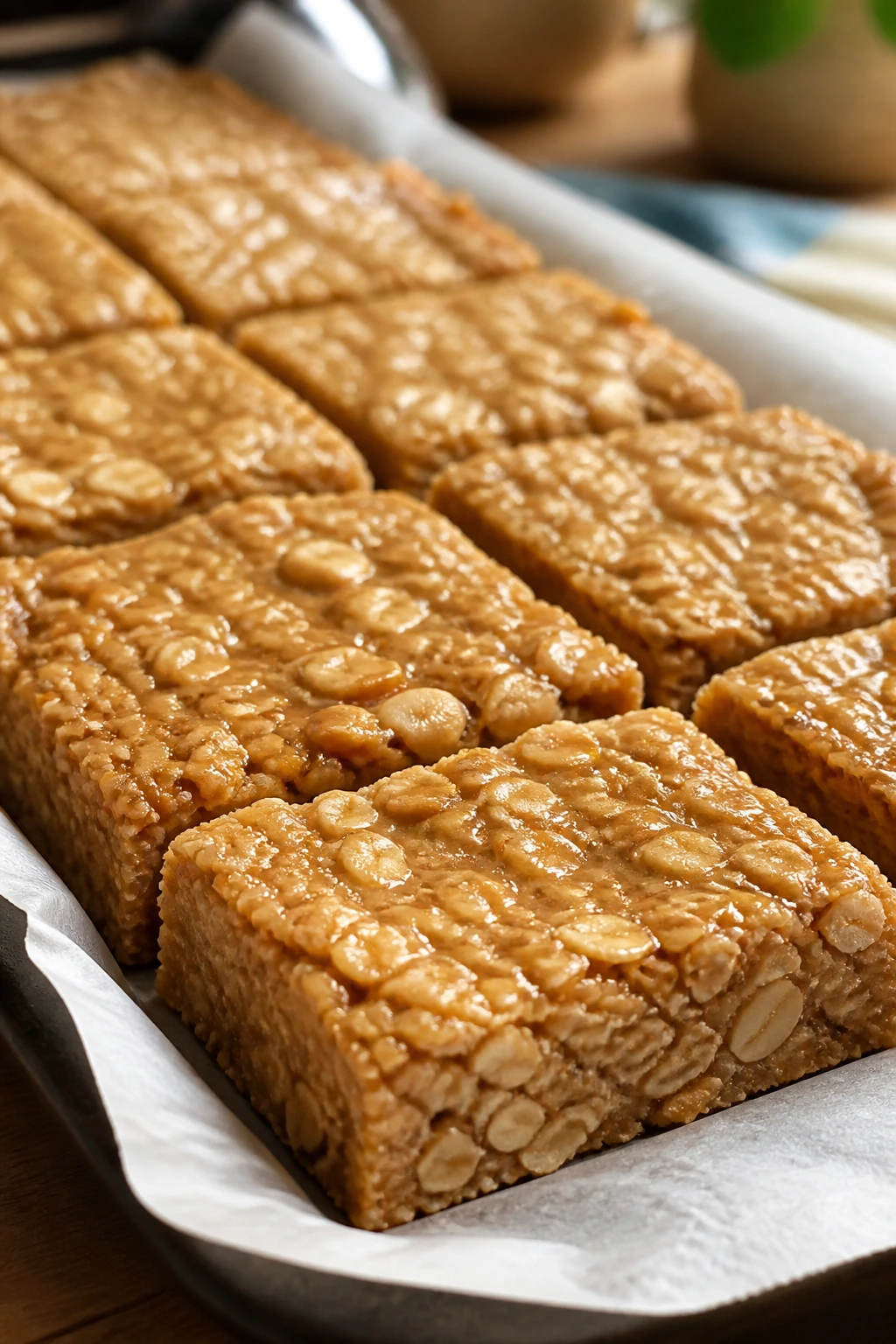
These bars are the pantry answer to a snack drawer that keeps emptying itself. They’re chewy, a little salty, and dense enough to hold in your hand without falling apart.
Why It Works:
Oats, peanut butter, and honey or syrup bind together without baking. That makes this one of the cheapest sweet snacks you can keep around. The oats give chew, the peanut butter gives fat and flavor, and a pinch of salt keeps the sweetness from taking over.
Key Ingredients:
- 2 cups rolled oats
- 1 cup peanut butter
- 1/2 cup honey or maple syrup
- 1/2 teaspoon vanilla extract
- 1/4 teaspoon salt
- 1/2 cup chopped peanuts or raisins, optional
Quick Steps:
- Line an 8×8-inch pan with parchment paper.
- Warm the peanut butter and honey in a saucepan over low heat until loose, about 2 minutes.
- Stir in vanilla, salt, oats, and optional add-ins.
- Press the mixture firmly into the pan.
- Chill for 1 hour before slicing.
Equipment for This Recipe:
- Small saucepan
- Mixing bowl
- 8×8-inch pan
- Parchment paper
- Spatula
How to Serve This Dish:
Cut the bars into neat squares and keep them cold if your kitchen runs warm. They work as breakfast, snack, or dessert, which is part of the charm. The batch makes 9 to 12 bars depending on how you cut them.
Pro Tips for This Recipe:
- Press firmly into the pan. Loose bars fall apart.
- Use old-fashioned oats, not instant. The texture is better.
- Chill long enough. Warm bars won’t slice cleanly.
- Add a few peanuts on top if you want more crunch.
Variations on This Dish:
- Chocolate Chip Version: Stir in 1/3 cup chips after the mixture cools slightly.
- Seeded Version: Use sunflower seeds instead of peanuts.
- Cinnamon Snack Bar: Add 1/2 teaspoon cinnamon for a warmer flavor.
Common Mistakes to Avoid with This Recipe:
- Not heating the binder enough leaves the bars crumbly.
- Cutting before chilling turns them into a sticky mess.
- Using too much oat dries the bars out.
Why Pantry Staples Keep Cheap Meals from Tasting Thin
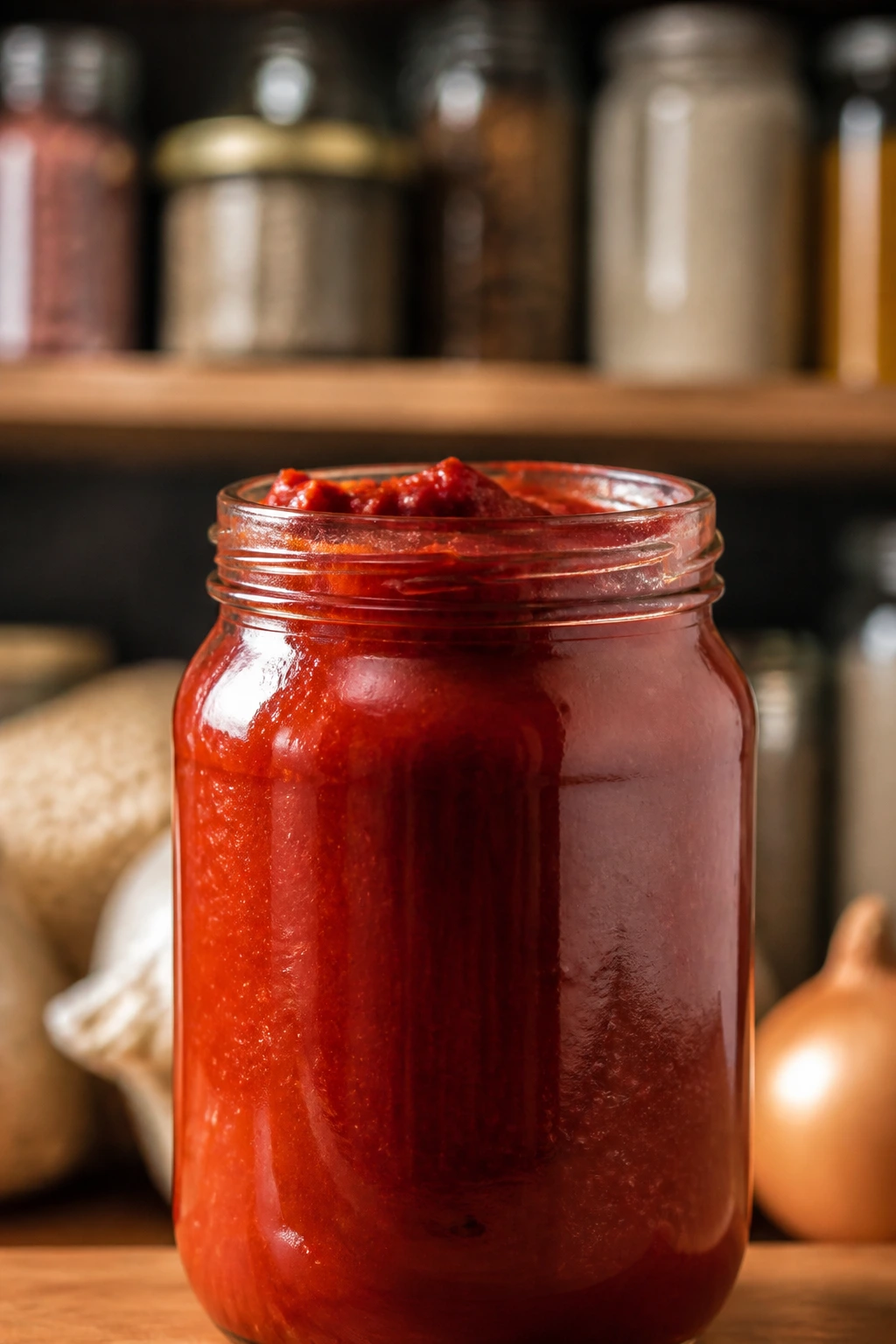
Pantry cooking works because it gives you ingredients that already know how to behave. Dry pasta thickens in starch. Canned tomatoes bring acid and body. Beans turn creamy when they simmer long enough. Rice drinks up flavor, and oats, lentils, and peanut butter each bring texture that cheap fresh ingredients often can’t match for the same price.
The other advantage is control. You get to choose where the money goes. A jar of tomato paste can change a whole pot. A bag of rice can stretch five meals. A can of chickpeas can become curry, soup, salad topping, or pasta sauce. That kind of flexibility is what makes pantry staples useful instead of merely cheap.
And yes, a good pantry meal usually has at least one bright finish — lemon, vinegar, hot sauce, herbs, a little cheese, even black pepper. Skip that, and the dish can taste like it stayed in the cabinet too long. Add it, and the whole thing wakes up.
Essential Equipment for These Recipes
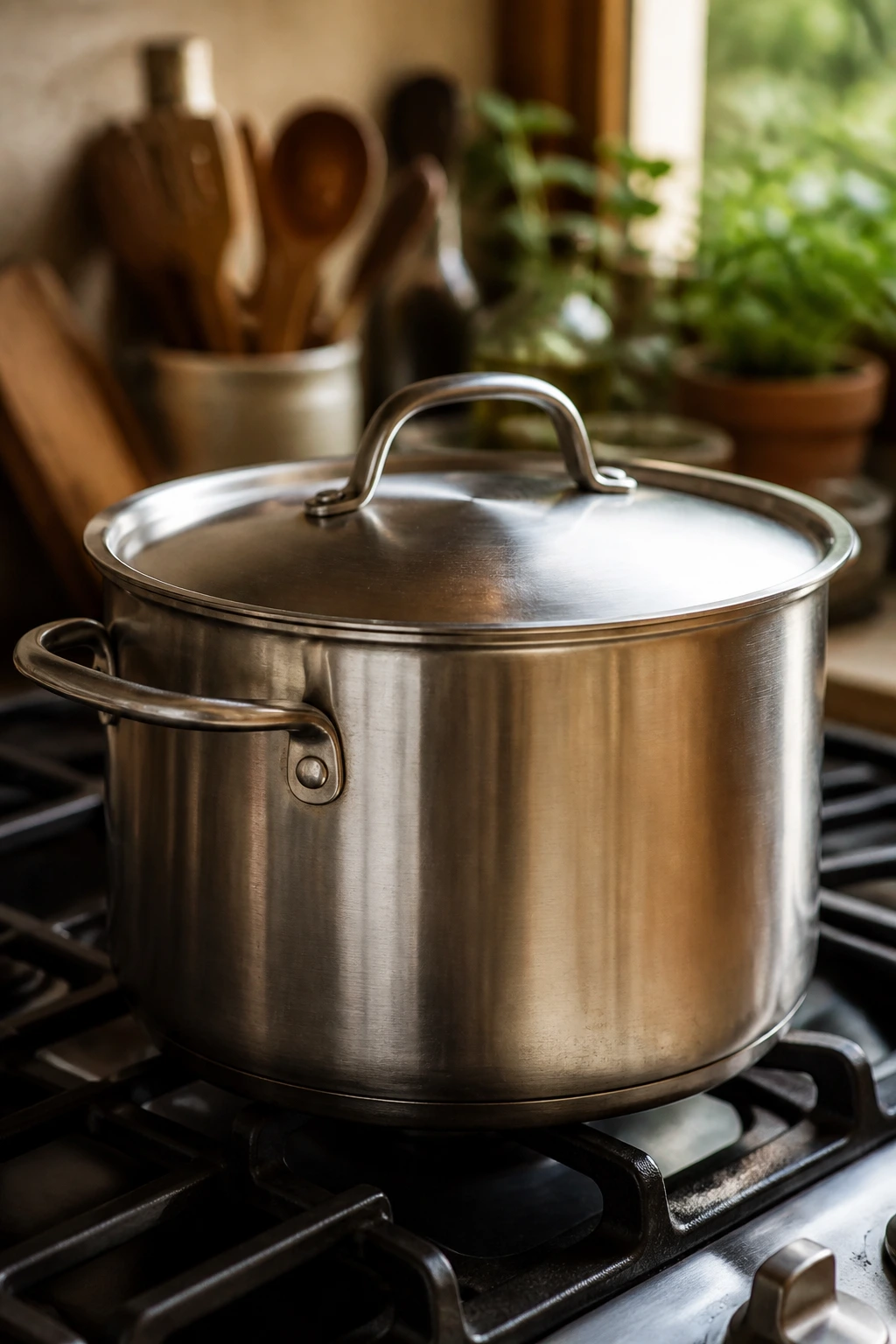
- Large pot with lid: Useful for soups, rice, pasta, and anything that needs a simmer.
- Deep skillet or sauté pan: Best for fried rice, shakshuka, skillet dinners, and quick sauces.
- Baking dish or oven-safe skillet: Needed for casseroles, baked pasta, stuffed peppers, and cornbread chili.
- Colander: Pasta and rice-adjacent work gets easier fast with one.
- Wooden spoon or silicone spatula: Gentle on pans and good for stirring thick mixtures.
- Sharp knife and cutting board: Onion, cabbage, peppers, carrots, and potatoes all behave better when cut cleanly.
- Measuring cups and spoons: Pantry recipes lean on exact ratios more than people think.
- Can opener: A humble tool, but it earns its place in this collection.
- Fine grater or microplane: Handy for garlic, ginger, lemon zest, and cheese.
- Airtight containers: Leftovers from soups, rice dishes, and baked pasta keep better when sealed well.
Smart Shopping and Ingredient Tips
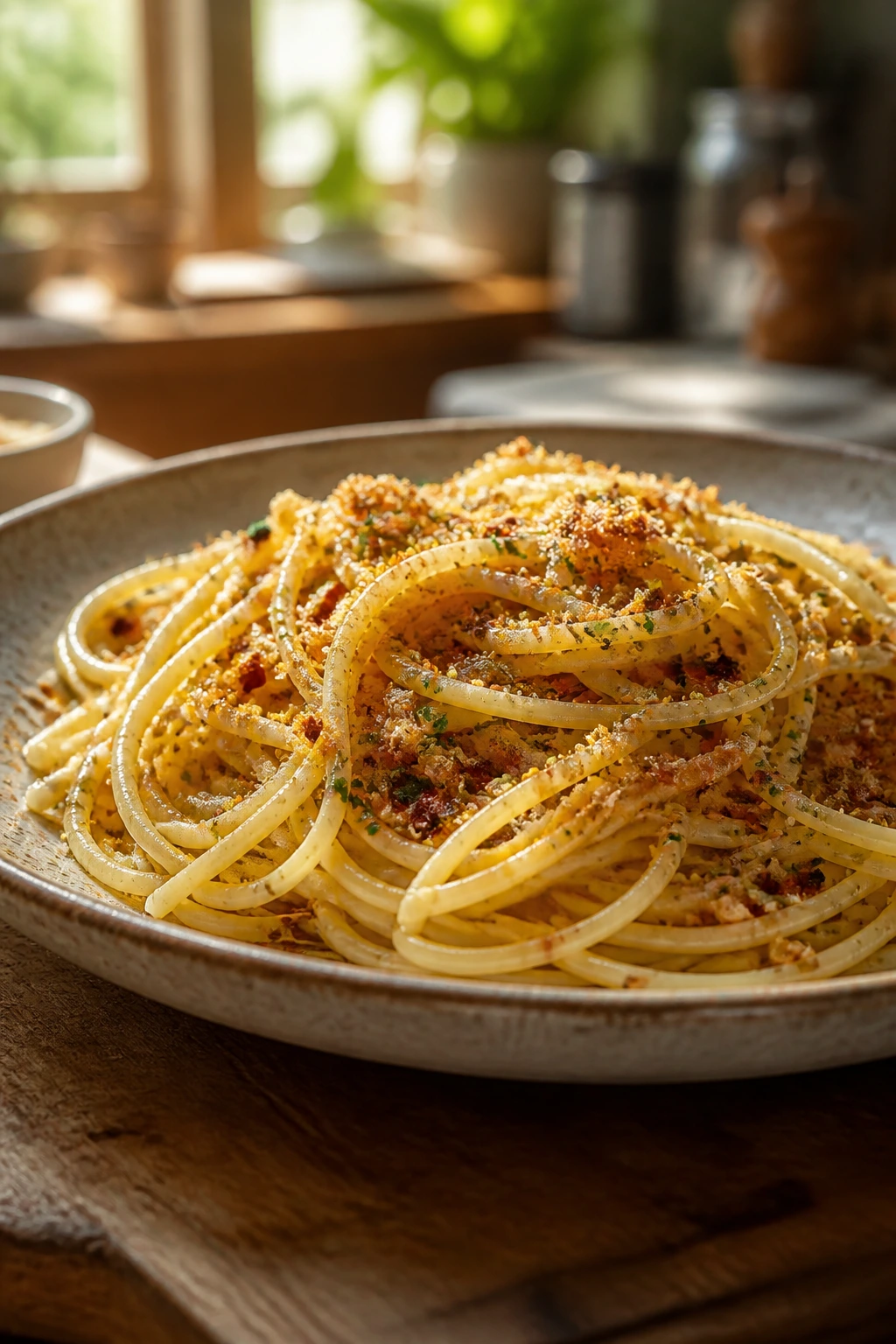
The cheapest pantry recipe is the one that uses what you already have, so start by checking your shelves before making a list. Look for dry lentils, pasta shapes that cook quickly, canned beans with intact seals, canned tomatoes with no dents or rust, and rice that smells clean, not stale. Store brands are fine for most of this. In several of these recipes, they’re the smarter buy.
Frozen vegetables deserve a spot in the pantry conversation too. They’re picked at a workable stage, they don’t wilt in the drawer, and they save you from tossing out half a bunch of celery two weeks later. Frozen peas, spinach, corn, and mixed vegetables all pull their weight in soups, rice, and casseroles. I’d rather have a bag of frozen peas than a sad drawer full of limp produce.
For spices, buy the smallest jar that still makes sense for your pace of cooking. Old curry powder loses its punch. Chili powder and cumin are the big workers here, so keep those fresh enough that they smell alive when you open them. If the jar smells like dust, the food will taste like dust too. Same rule for oil: a neutral oil for frying, olive oil for flavor, and a little butter when you want richness without spending much.
A final tip: stock at least one acid and one crunchy topping. Vinegar, lemon juice, pickles, breadcrumbs, peanuts, sesame seeds — these tiny extras keep pantry meals from becoming mushy and flat. Cheap food needs contrast.
How to Serve These Recipes
Presentation:
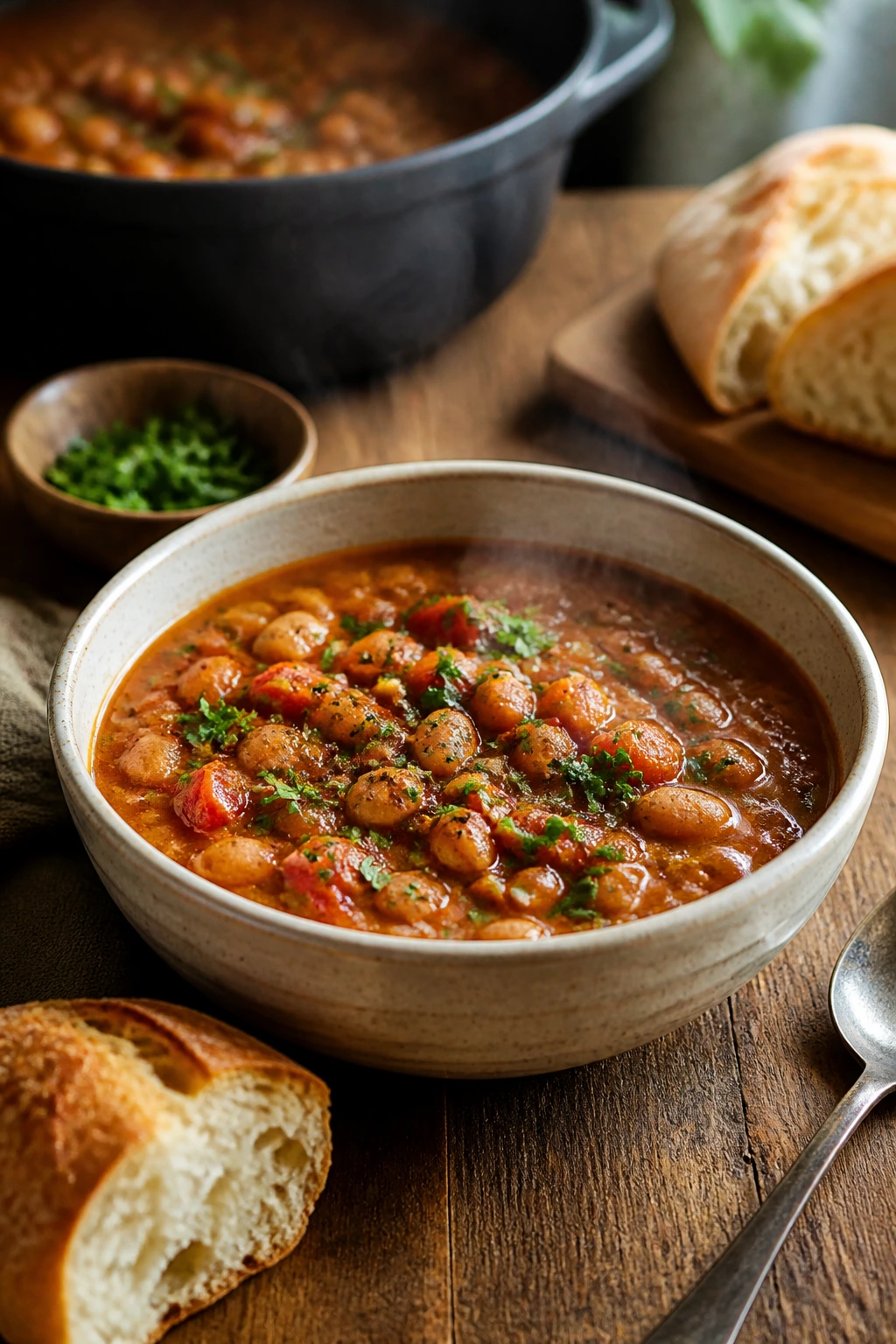
Keep the bowls and plates simple, then use the finish to do the work. A drizzle of oil, a handful of herbs, a spoonful of yogurt, or a scatter of breadcrumbs makes a plain stew or pasta look cared for. For baked dishes, let them rest before scooping so the edges stay neat instead of collapsing into a heap.
Accompaniments:
Bread is the obvious partner for soups, shakshuka, and bean stews. A green salad or shredded cabbage slaw helps with richer dishes like baked ziti, tuna bake, and cornbread chili. For rice and bean meals, a fried egg or quick pickle can be enough to round the plate out.
Portions:
Soups and stews usually feed 4 to 6, though the bread on the side changes that math fast. Pasta bakes and skillet dinners usually cover 4 to 6 as well. Egg-based meals and toast dishes tend to work best at 2 to 4 servings. If you need to scale up, increase salt and acid a little more slowly than the rest.
Beverage Pairing:
Sparkling water with lemon is an easy fit for almost all of these. For something warmer, iced tea with a little honey handles spicy or tomato-heavy dishes well. Coffee belongs with the breakfast recipes, and a light lager or dry cider fits the bean-heavy dinners if you’re serving adults and want a simple match.
Additional Tips and Flavor Boosters
Flavor Enhancement:
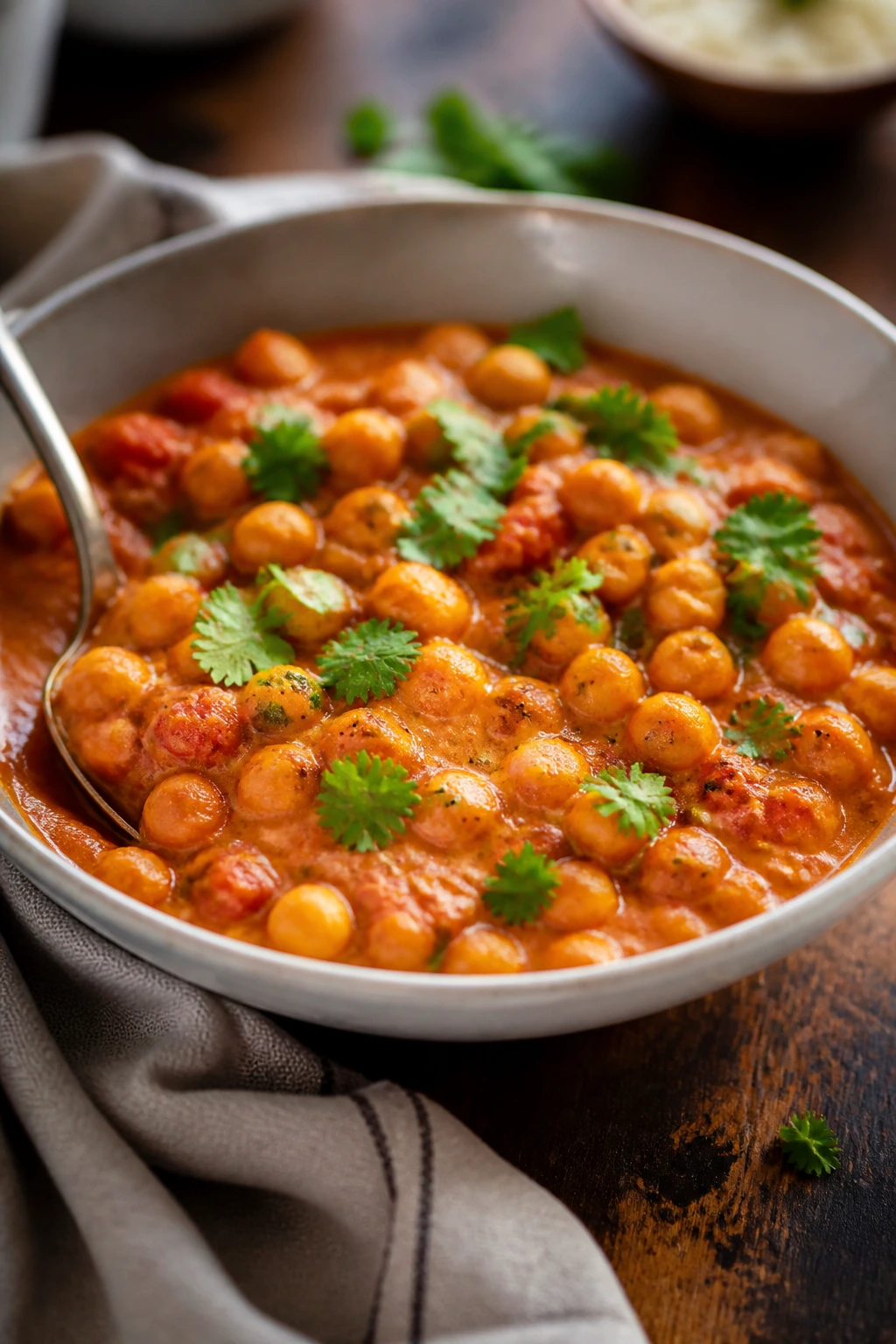
A spoonful of tomato paste cooked in oil for 30 to 60 seconds can change a soup, rice dish, or bean skillet more than an extra spice ever will. If a recipe feels quiet, try that before adding more salt.
Customization:
Use frozen spinach in soups, cabbage in noodles, corn in bean skillets, or leftover rice in fried rice and stuffed peppers. Pantry recipes reward substitutions that match texture, not just flavor. Keep the liquid balance in mind and you’ll be fine.
Serving Suggestions:
Chopped herbs, scallions, shredded cheese, lemon wedges, hot sauce, and toasted breadcrumbs all earn their keep here. I keep a jar of toasted crumbs in the freezer for exactly this reason. They rescue creamy food from feeling soft all the way through.
Make-It-Yours:
For vegetarian bowls, lean on beans, lentils, eggs, or peanut butter. For dairy-free versions, use olive oil, coconut milk, or extra broth instead of cream or cheese. For a little heat, red pepper flakes, chili oil, or a dab of hot sauce changes the mood fast without changing the grocery bill much.
Make-Ahead, Storage, and Reheating Guidance
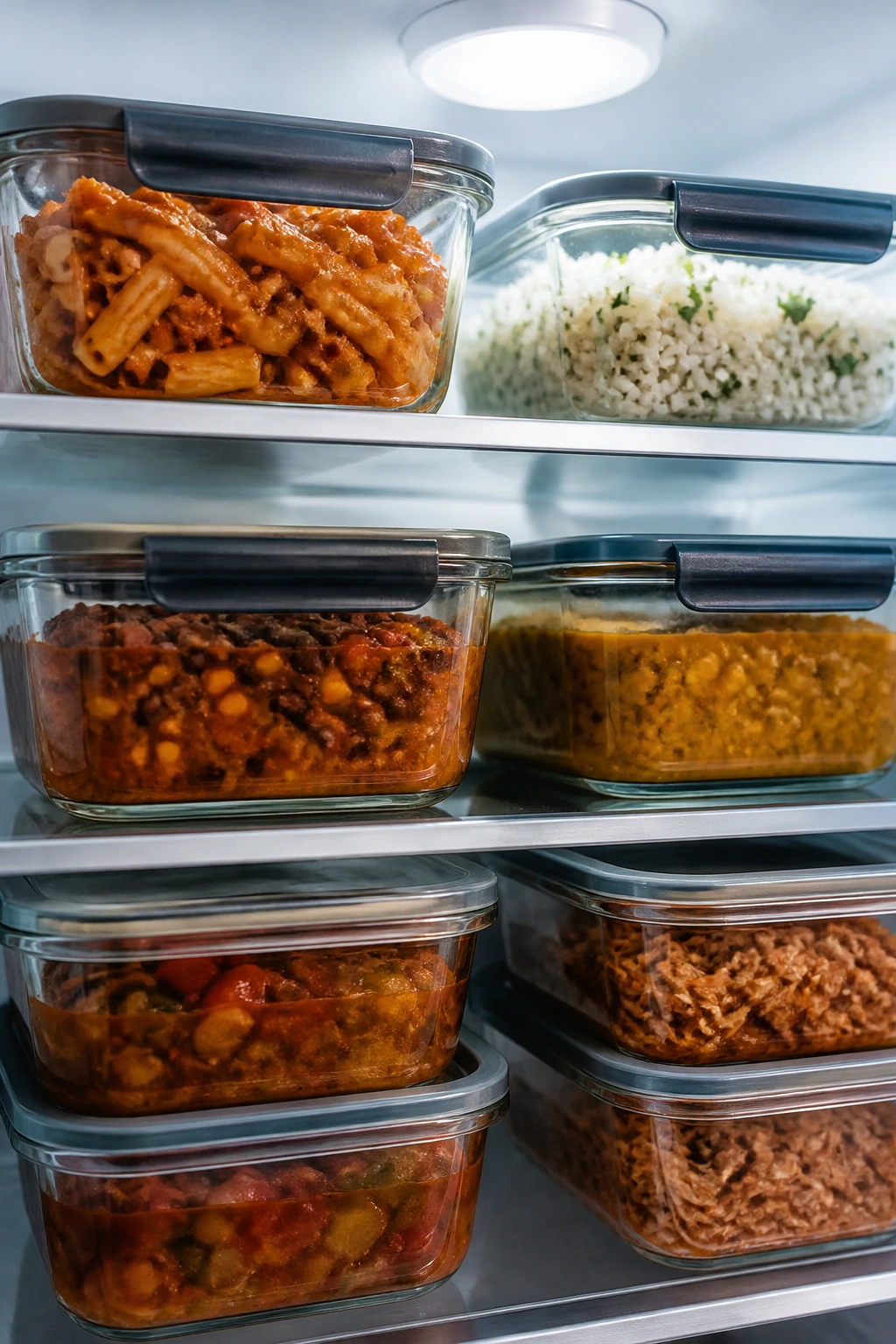
Soups, stews, dal, and chili keep well in the fridge for 3 to 4 days in airtight containers. They also freeze well for up to 3 months, though rice and pasta tend to soften after thawing. Reheat soups on the stove over medium-low heat, adding a splash of water or broth if they have tightened up. If you’re using the microwave, cover loosely and stir once halfway through so the middle doesn’t stay cold.
Baked pasta, tuna casseroles, cornbread chili, and stuffed peppers usually hold in the fridge for 3 to 4 days. They freeze for up to 2 months, but the texture is best if you cool them fully before packing them up. Reheat covered in a 350°F oven until the center reaches steaming hot, or use the microwave in short bursts and finish with a minute uncovered if the top needs a little life. Add a spoonful of sauce or a splash of water before reheating pasta bakes so they don’t dry out.
Rice dishes, fried rice, and cabbage noodles are best within 2 to 3 days. Store them cold and reheat in a skillet with a teaspoon of oil or water so the grains loosen again. Egg dishes, including frittata and shakshuka, keep for up to 2 days in the fridge, though shakshuka is at its best fresh because the eggs keep setting as they sit. No-bake bars and pantry snacks can stay covered at room temperature for 1 day if the kitchen is cool, or in the fridge for 1 week.
Variations and Adaptations to Try
The Beans-First Swap:
If you’re short on meat or want to keep costs lower, push beans, lentils, and eggs to the front of the plate. Chickpea curry, lentil soup, and white bean stew hold this line well. The meals stay filling because the protein comes with fiber, not just with price.
Gluten-Free Pantry Turn:
Use rice, corn tortillas, potatoes, oats labeled gluten-free, and naturally gluten-free soups like dal, shakshuka, and bean stews. Pasta bakes and noodle dishes need a swap, but the rest of the collection bends easily. Rice-based bowls tend to be the least fussy option.
Dairy-Free Version:
Skip cheese and use olive oil, coconut milk, or extra tomato sauce to keep things rich. Peanut noodles, chickpea curry, tomato rice, and several soups already work without dairy. For baked dishes, a breadcrumb topping with oil gives you crunch where cheese would usually sit.
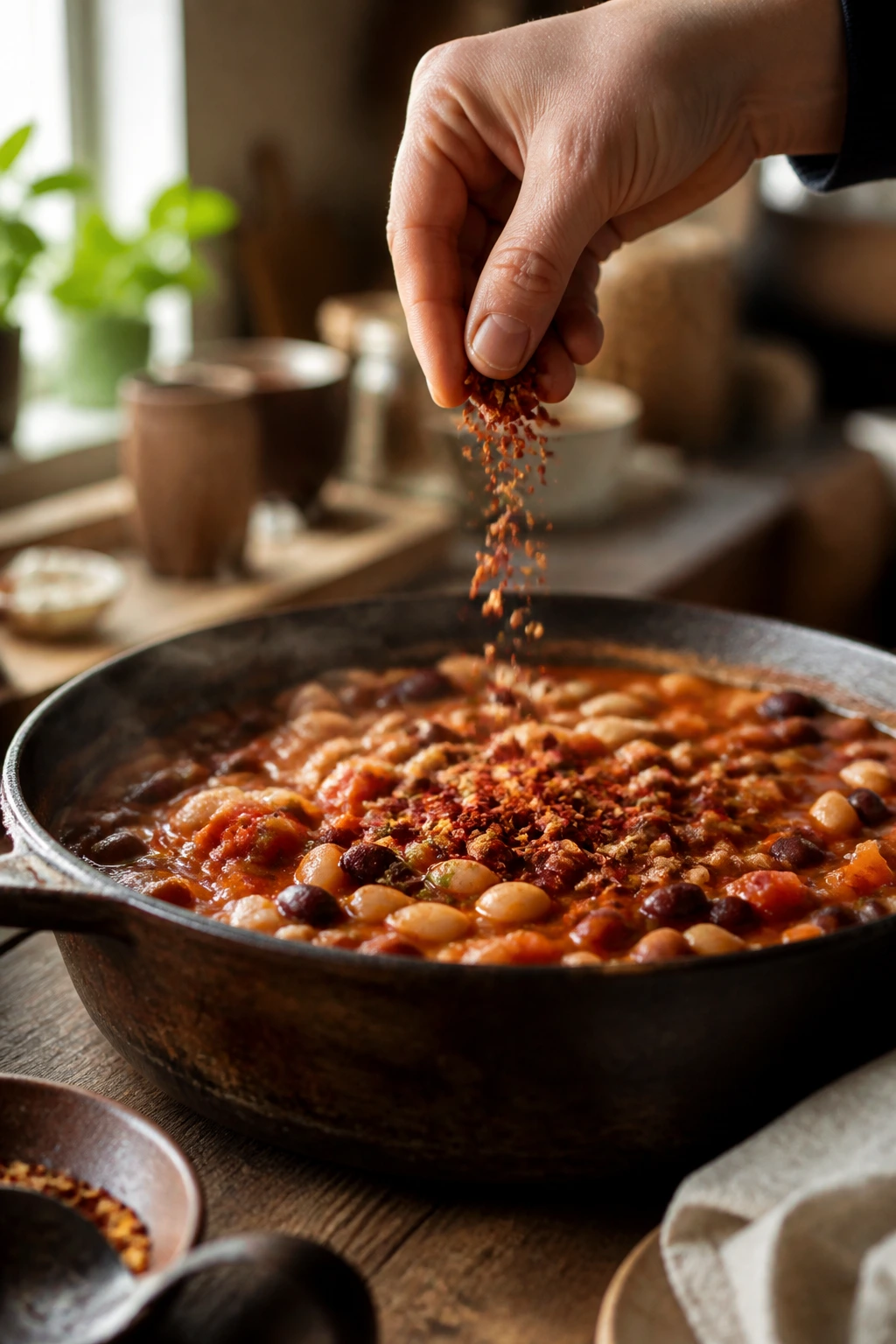
Spice-It-Up Edit:
Add red pepper flakes, chili oil, hot sauce, or canned chipotle to tomato-based dishes, bean skillets, and pasta. A little heat can make pantry food feel more awake, especially if the base is canned or starchy. Start small. You can always add more.
Kid-Friendly Mild Version:
Pull back on chili powder, black pepper, and strong herbs. Keep sauces smooth, serve toppings on the side, and use familiar shapes like spaghetti, ziti, tortillas, or potatoes. Kids usually do better when the meal looks simple and the spicy stuff lives in a separate bowl.
Regional Pantry Twist:
Turn the same ingredients in different directions: Italian herbs for pasta e ceci, cumin and salsa for bean skillets, curry powder for lentils, sesame oil and soy for noodles, smoked paprika for split pea soup. The pantry can travel farther than people think.
Common Mistakes to Avoid
The biggest mistake with pantry cooking is underseasoning at the start and then trying to fix everything at the table. Salt goes into the pot, not just on top. Tomatoes, beans, rice, and lentils need seasoning while they cook or they’ll stay muted no matter what you shake over them later.
Another trap is pushing everything to the same texture. Soft beans, soft pasta, soft vegetables, and soft sauce can all end up in the same bowl, and then the meal feels muddy. Keep one thing crisp or toasty — breadcrumbs, cabbage, toast, sesame seeds, or browned edges on a skillet. That little change matters more than a second spice jar.
A lot of budget cooks also skip acid because it sounds optional. It isn’t. Lemon, vinegar, salsa, pickles, or even a spoon of tomato paste can cut the heaviness of beans, rice, cheese, and peanut sauce. Without that bright note, pantry meals can taste thick in the wrong way.
Finally, people often cook canned and dried ingredients as if they all behave the same. They don’t. Lentils cook fast. Split peas break down. Rice needs a lid and a steady hand. Pasta wants salt and a good amount of water. Treat each ingredient like it has its own pace and the meal will behave better.
Frequently Asked Questions
What counts as a pantry staple for these recipes?
I’m thinking dry pasta, rice, oats, canned beans, canned tomatoes, tuna, sardines, peanut butter, broth, flour, sugar, oil, and common spices. Eggs, onions, garlic, potatoes, cabbage, and frozen vegetables are the fridge-and-freezer partners that make the pantry ingredients work.
Can I swap canned beans for dried beans?
Yes, but plan ahead. Dried beans need soaking and long cooking, so they’re cheaper per serving but not faster. Use about 1 1/2 cups cooked beans for every 15-ounce can once they’re done.
Are frozen vegetables worth buying for budget meals?
Absolutely. Frozen peas, corn, spinach, and mixed vegetables save prep time, waste less, and hold up better than many “fresh” vegetables that sit around for days. They’re especially useful in soups, fried rice, and casseroles.
How do I keep these meals from tasting bland?
Salt the base, not just the end. Then add one bright note — vinegar, lemon, salsa, hot sauce, or pickles — and one texture change like breadcrumbs or toasted nuts. Cheap ingredients need contrast more than they need fancy extras.
Which recipe in this collection is the fastest?
Egg drop ramen and tuna melt quesadillas usually land at the top of the speed list. Garlic butter spaghetti and peanut noodles are close behind if your noodles are boiling while you prep the sauce.
Can I make these recipes vegetarian or vegan?
Most of them already lean vegetarian. For vegan versions, use oil instead of butter, skip cheese or yogurt, and lean on chickpeas, beans, lentils, peanut butter, and coconut milk for body. Tomato rice, chickpea curry, dal, bean skillet, and several soups already fit that path with almost no effort.
What if my soup or stew turns out too thick?
Add warm broth or water a little at a time while stirring. Most bean and lentil dishes tighten as they sit, so it’s normal to loosen them during reheating. Go slow — a splash too much is easier to fix than a bowl that’s gone watery.
Can I freeze pasta dishes?
Yes, but the texture shifts a bit. Baked pasta freezes better than plain sauced pasta because the cheese and structure help it hold up. If you know a dish will be frozen, stop the pasta a minute early so it doesn’t turn soft after reheating.
How do I build a meal from only five pantry items?
Pick one starch, one protein, one vegetable or acid, one fat, and one seasoning. Rice, beans, canned tomatoes, olive oil, and chili powder will make a respectable skillet. Pasta, tuna, garlic, butter, and breadcrumbs do the same job in a different accent.
Pantry Meals That Keep Dinner Cheap and Worth Eating
The nice thing about pantry cooking is that it doesn’t ask you to pretend. It tells the truth about what you have, what you need, and how far a few shelves can stretch when you cook with a little care. That’s why these recipes keep showing up in real kitchens. They’re useful, and they don’t waste time trying to be anything else.
A good pantry meal should leave you with a clean pot, a full plate, and a little relief. Not perfection. Just dinner that shows up on time, tastes like somebody thought ahead, and makes the next meal easier too.