



A basket of chicken thighs, potato cubes, and broccoli can hit the table before a frozen pizza even gets warm enough to slice. That is the real appeal of a quick air fryer dinner under $10: the machine gives you browned edges and hot food without making you buy half the grocery store.
The trick isn’t magic. It’s choosing ingredients that like the same heat, the same timing, and the same small handful of seasonings. The air fryer loves food with surface area — chicken skin, cabbage wedges, pepper strips, tofu cubes, little potato chunks — because the hot air can move around them and do the browning for you.
Under ten dollars is easiest when you’re feeding two people, though three lighter plates are possible if you lean on potatoes, rice, or cabbage. Once you stop chasing expensive cuts and fancy sauces, the whole thing gets oddly calm. You buy the right pieces, season them with a little nerve, and let the basket do what it does best.
Why a Quick Air Fryer Dinner Under $10 Works So Well
- Fast heat means less waiting: A basket air fryer usually needs only 2 to 4 minutes to preheat, so you are not burning the clock while a full oven crawls upward.
- Small batches brown better: The compact chamber keeps hot air moving around the food, which gives potatoes, thighs, broccoli, and sausage a crisp surface instead of a pale, steamed look.
- Frozen vegetables save money and time: A bag of frozen broccoli, green beans, or cauliflower often costs less than fresh produce and can go straight into the basket after a quick dry-off.
- One sauce changes the whole plate: Mustard, salsa, yogurt, soy sauce, or a quick vinegar drizzle can make a cheap meal feel finished without buying a jar of specialty dressing.
- Pantry seasoning stretches the budget: Garlic powder, paprika, cumin, pepper, and salt get used by the teaspoon, so one jar keeps working across several dinners.
- Leftovers still taste like dinner: Foods that crisp in the air fryer reheat with some of that texture intact, which matters when you’re trying to make one grocery run do more work.
That combination is why the air fryer is so useful for low-cost meals. It rewards good shopping, not expensive shopping.
The Budget Formula That Keeps Dinner Cheap and Complete
What actually keeps an air fryer dinner under $10? Not a miracle. Not a giant list of ingredients, either. The formula is boring in the best possible way: one protein, one sturdy vegetable, one starch or bread, and one sharp finish.
Start with one protein that has some fat
Fat matters here. A little fat gives you browning and helps the meat stay juicy in the hot airflow. Bone-in chicken thighs, smoked sausage, pork chops, and extra-firm tofu are all useful because they don’t collapse when the basket gets hot.
Add one vegetable that can handle direct heat
This is where a lot of cheap dinners go wrong. Tender greens wilt too fast, while sturdy vegetables like broccoli, cabbage, green beans, Brussels sprouts, peppers, and onions can take the blast and come out with some color. They are doing real work on the plate, not just filling space.
Pick one starch that carries the sauce
Potatoes are the obvious move. They crisp, they’re cheap by the pound, and they make the plate feel substantial without asking for much. Tortillas, pita, or a scoop of rice can also stretch a meal, but potatoes are the air fryer’s best friend because they like the same heat as the protein.
Finish with something sharp
Salt alone is not enough. A cheap meal wakes up when it gets acid or a punchy sauce at the end: mustard, vinegar, lemon, yogurt, salsa, hot sauce, soy sauce, or even a spoon of pickled jalapeño juice if that’s what’s in the fridge. The finish is where the meal stops tasting like pantry math and starts tasting like dinner.
The big mistake is spending the whole budget on one flashy ingredient and then trying to fill the plate with nothing. Better to buy one decent protein and let the rest be inexpensive, sturdy, and useful.
Cheap Proteins That Crisp Instead of Drying Out
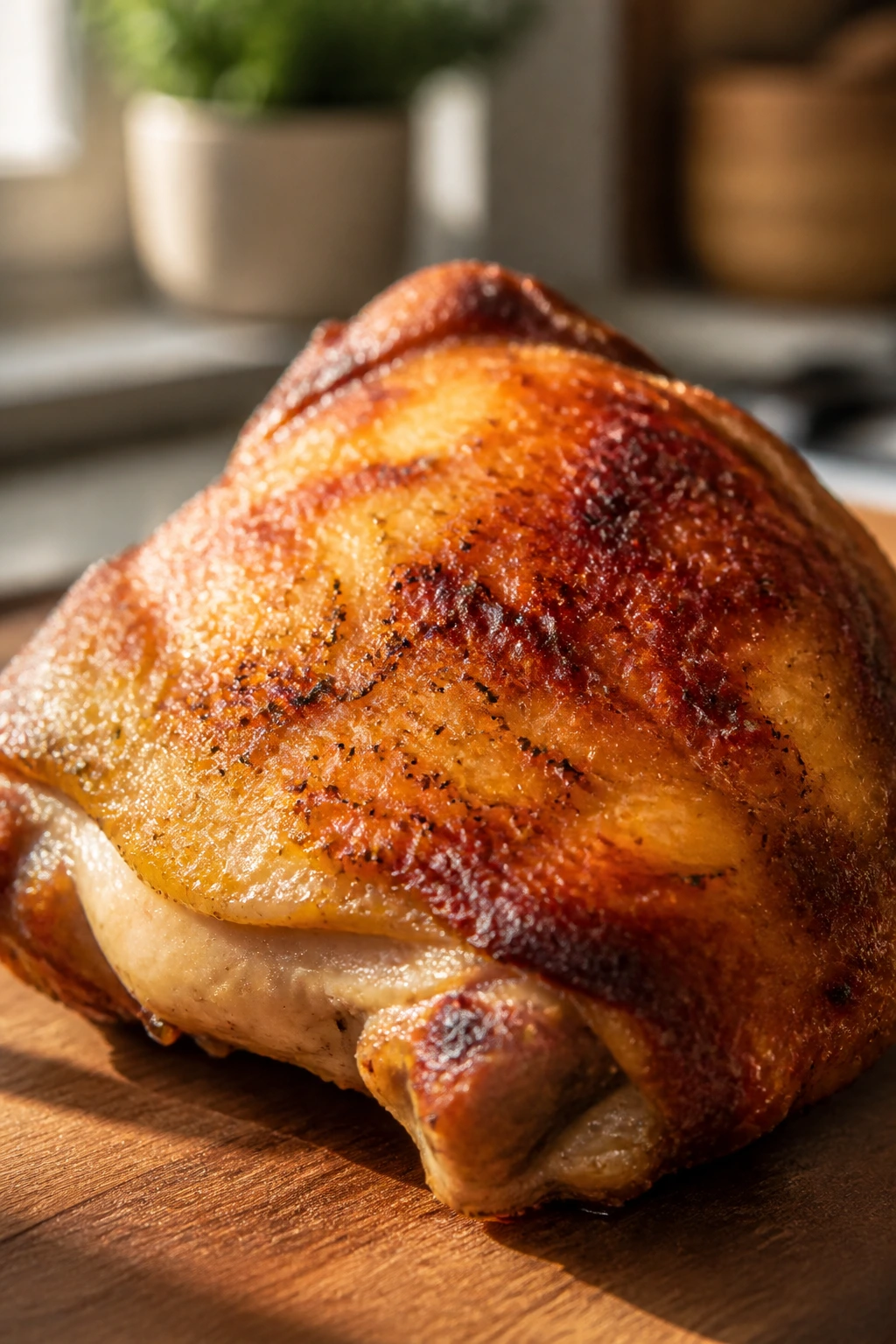
Chicken thighs show up for a reason. They cost less than breasts in many stores, they forgive a hot basket, and the skin gets better, not worse, in the air fryer. Bone-in, skin-on thighs are the sweet spot if you want a dinner that feels rich without tipping over the budget.
I reach for chicken breast only when it’s on sale and I can cut it into cutlets or strips. Whole thick breasts are where a lot of budget dinners go out to die. They need more attention, and if you miss by a couple of minutes, they turn chalky. Thin pieces cook faster and give you more browned surface, which is what the air fryer wants.
Sausage is another useful shortcut. Smoked sausage, kielbasa, and even some chicken sausages are already seasoned, which means you can put most of your flavor effort into the vegetables and sauce. Slice them into 1/2-inch coins or split links lengthwise if you want more browning. They pick up color fast.
Pork chops are underrated in budget cooking. Thick, bone-in chops can stay juicy if you stop chasing them past 145°F and give them a 3-minute rest. Thin chops are harder. They cook fast, yes, but they also punish hesitation, so I only use them when I can monitor the basket closely.
Tofu has earned its place, even if people still treat it like a backup plan. Extra-firm tofu, pressed for 10 minutes and cut into cubes, picks up spice and browning well. A light dusting of cornstarch helps the edges tighten in the hot air. It’s cheap, filling, and excellent with a soy-vinegar finish.
Frozen fish fillets can fit the budget too, especially thinner white fish like tilapia or pollock. They cook fast and need very little fuss. No thick sauce. No elaborate crust. Just oil, salt, pepper, and a squeeze of lemon at the end.
My blunt opinion: if you want the easiest path under $10, start with chicken thighs or smoked sausage. They give you the best ratio of price, forgiveness, and flavor.
Vegetables That Cook Fast and Still Taste Like Dinner
Broccoli is the workhorse vegetable here. The florets brown at the tips, the stems soften without falling apart, and the whole thing tastes better once the edges go a little nutty. A quick toss with oil, salt, and garlic powder is enough. Frozen broccoli works too, but it needs to be dry enough to roast rather than steam.
Cabbage is one of the most overlooked budget vegetables around. It’s cheap by the pound, holds its shape, and gets sweeter at the edges when it meets hot air. Cut it into wedges or thick strips, keep the core in place if you want the pieces to hold together, and roast until the outer leaves blister.
Green beans are fast and useful when you need a side that doesn’t eat the whole evening. They only need a little oil and salt, and they can sit next to sausage or chicken without demanding their own sauce. If they come out wrinkled and dull, the basket was crowded.
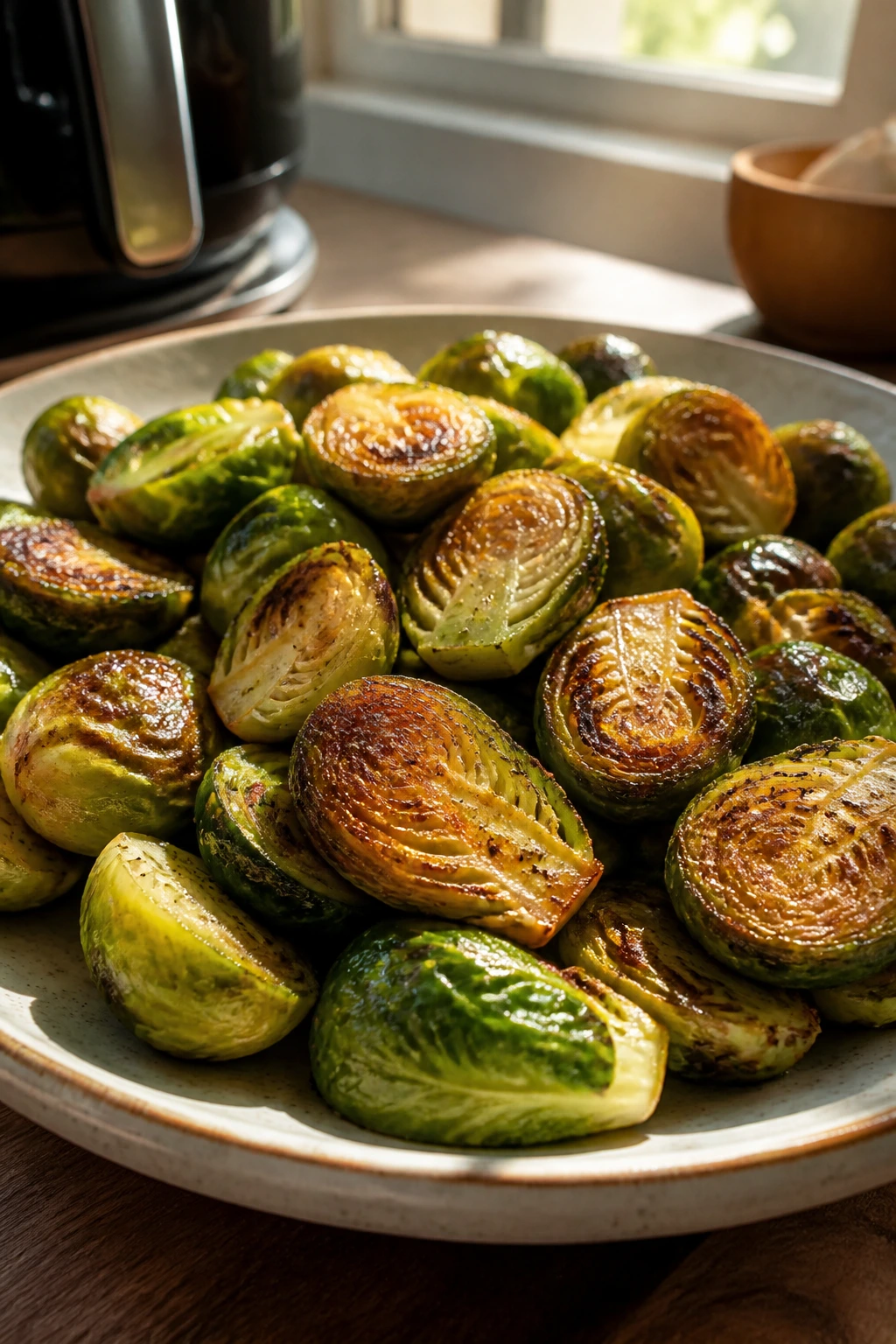
Brussels sprouts belong in this conversation too, but only if you halve them. Whole sprouts take longer, and the outside can dry before the inside softens. Halved sprouts at 380°F with a bit of oil get a little crisp shell and a soft center. That’s the point.
Bell peppers and onions are the easy win when you want a dinner that leans more toward fajita night or sausage-and-veg bowls. They soften fast, pick up spice well, and make the whole basket smell like you know what you’re doing. They can get too soft if they sit in the basket too long, so pair them with something that cooks at a similar speed.
Carrots work best when you cut them thin. Thick chunks lag behind, which is annoying when the rest of the plate is already done. Match the shape to the timing, and they stop being fussy.
Steam ruins cheap vegetables faster than almost anything else. Dry them well, oil them lightly, and give them room.
Starches That Stretch a Plate Without Feeling Bare
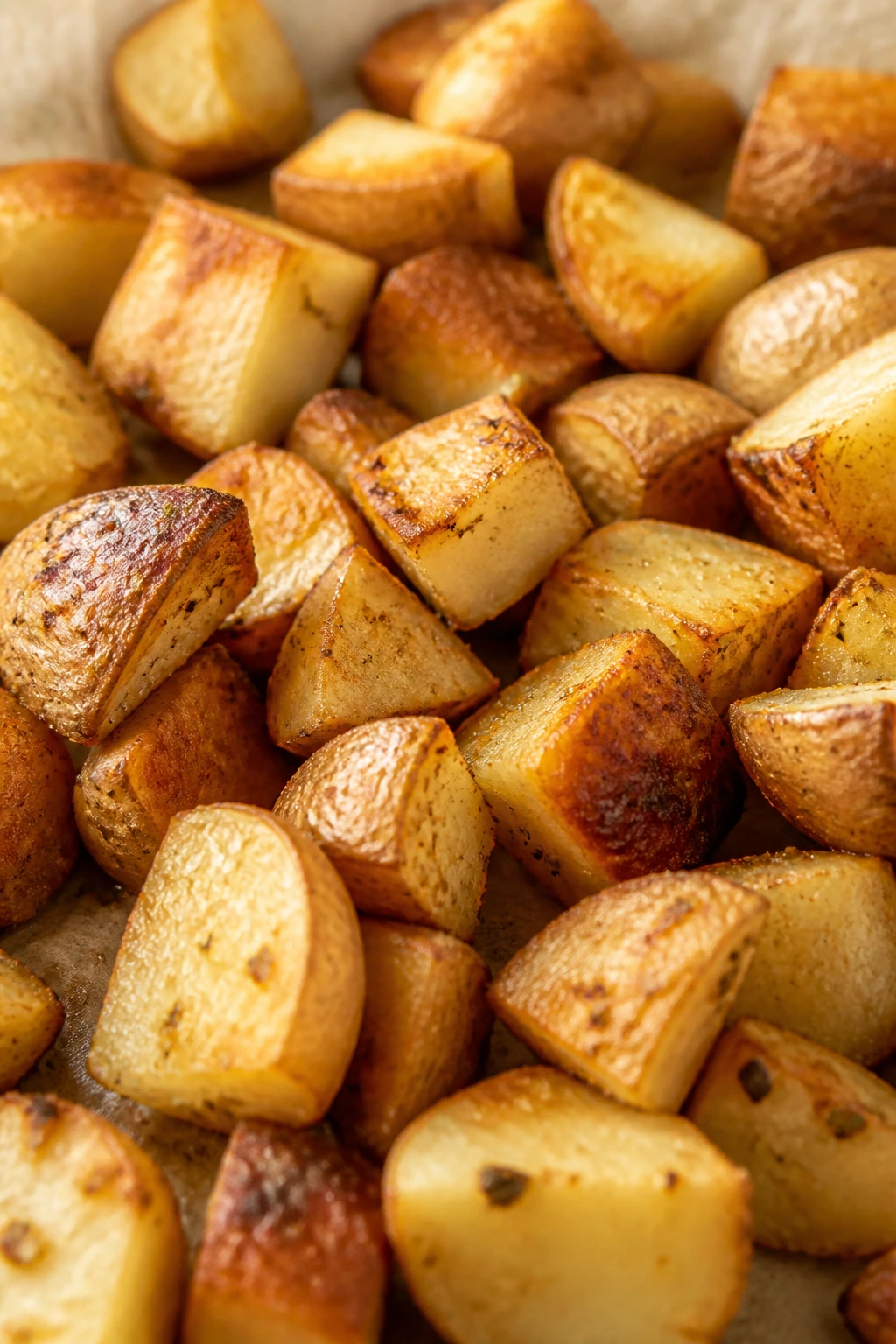
Potatoes are the obvious answer, and for once the obvious answer is right. A pound of russets or Yukon Golds can become wedges or cubes, crisping on the outside while staying soft inside. Salt, pepper, oil, and one sharp sauce at the end are enough to make them feel intentional.
Sweet potatoes are useful when you want something a little softer and sweeter. They brown faster because of the sugar, so I cut them a bit smaller and watch the basket more closely. Too much time and the edges go from caramelized to scorched in a hurry.
Tortillas and pitas are not the main event, but they stretch a meal cheaply and fast. Toss them in the air fryer for 1 to 2 minutes at the end, and they pick up enough warmth and edge to hold sausage, tofu, or chicken without tearing apart. Leftover filling suddenly looks like a plan.
Rice helps when the rest of the dinner is strong but the portion size needs a little help. The rice itself doesn’t belong in the basket, of course, but a small scoop under chicken or tofu makes the plate feel full without costing much. If you keep microwavable rice packs around, they can save a dinner that is running short on volume.
Breaded fries and frozen tater products can fit the budget too, though I use them less often than whole potatoes. They’re convenient, but they’re also easy to overpay for. A bag of potatoes usually does more.
If you want the cheapest starch with the most control, go with cubed potatoes. Cut them to about 3/4-inch pieces, toss with oil and salt, and let them cook long enough to brown. They’re plain in the package and generous on the plate.
Seasonings and Sauces That Make the Budget Taste Bigger
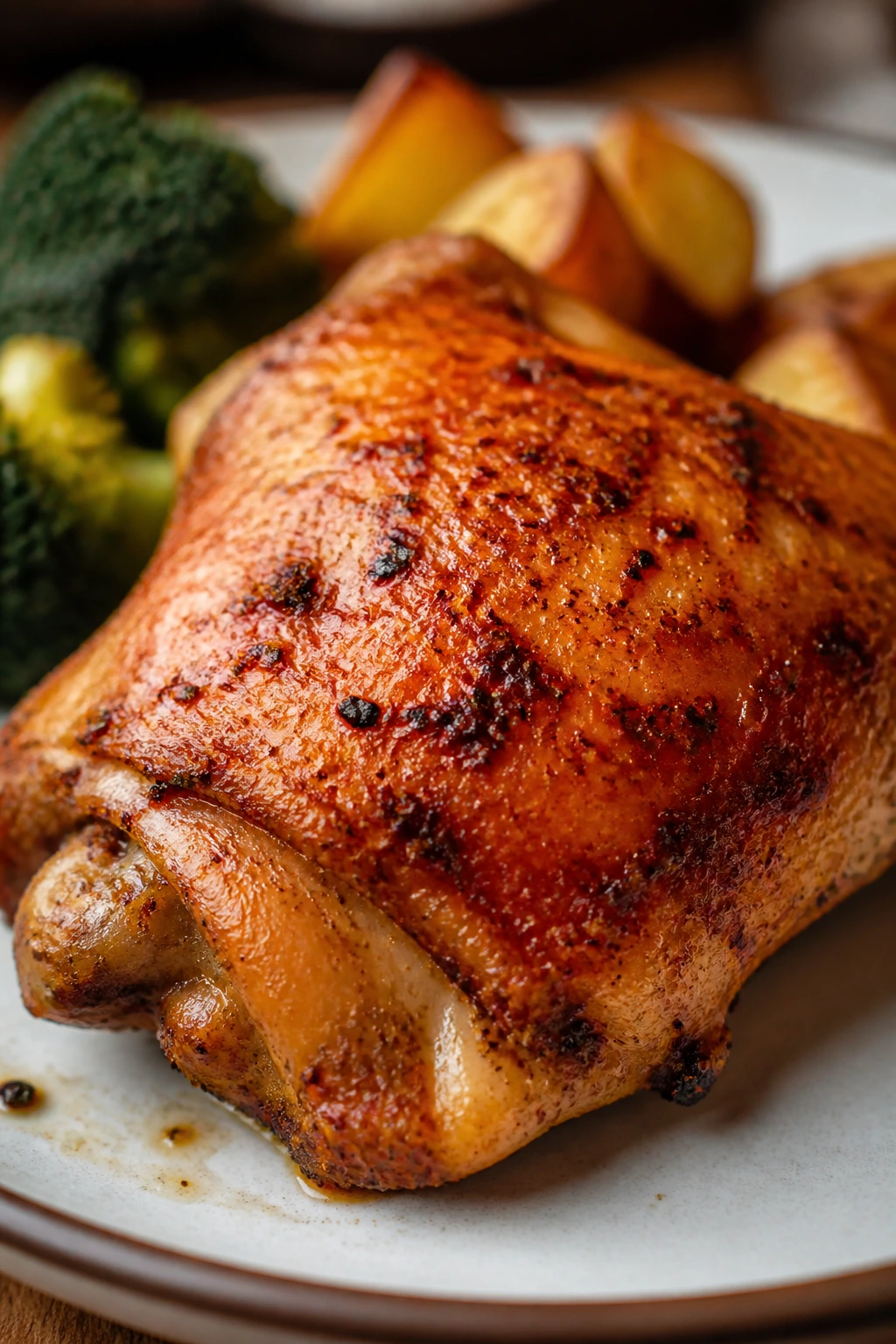
A cheap tray tastes flat when all the flavor comes from salt at the end. The fix is simple: season the food before it cooks, then add a fresh finish after it comes out. Salt, pepper, garlic powder, and paprika do the heavy lifting for most dinners.
Smoke helps. So does heat. A little smoked paprika on potatoes and chicken gives a roasted flavor that tastes like more effort than it takes. Cumin and chili powder push the meal toward Tex-Mex. Onion powder sounds dull on paper and works just fine in the basket.
A few seasoning mixes that stay useful
- Garlic-paprika mix: 2 teaspoons garlic powder, 2 teaspoons paprika, 1 teaspoon salt, and 1 teaspoon black pepper.
- Tex-Mex mix: 2 teaspoons chili powder, 1 teaspoon cumin, 1 teaspoon garlic powder, and 1 teaspoon salt.
- Simple herb mix: 1 teaspoon dried thyme, 1 teaspoon oregano, 1 teaspoon garlic powder, and salt to taste.
- Mustard finish: 1 tablespoon mustard, 1 teaspoon vinegar, and a pinch of honey or sugar.
- Soy finish: 1 tablespoon soy sauce, 1 teaspoon vinegar, and a few drops of sesame oil.
The timing of sauce matters. Sugar burns. That’s not drama, just physics. If a sauce has honey, maple, barbecue sauce, or any other sweet part, brush it on during the last couple of minutes or after the food is done. If you dump it on early, you get dark patches and sticky spots before the inside finishes cooking.
Acid is the part people forget. A squeeze of lemon or a splash of vinegar can make potatoes taste less heavy and chicken taste less blunt. It’s a tiny move with a large payoff.
I keep one more rule in my head: the cheaper the ingredient, the more it needs a sharp finish. Don’t be shy about it.
Dinner Templates That Stay Under Budget
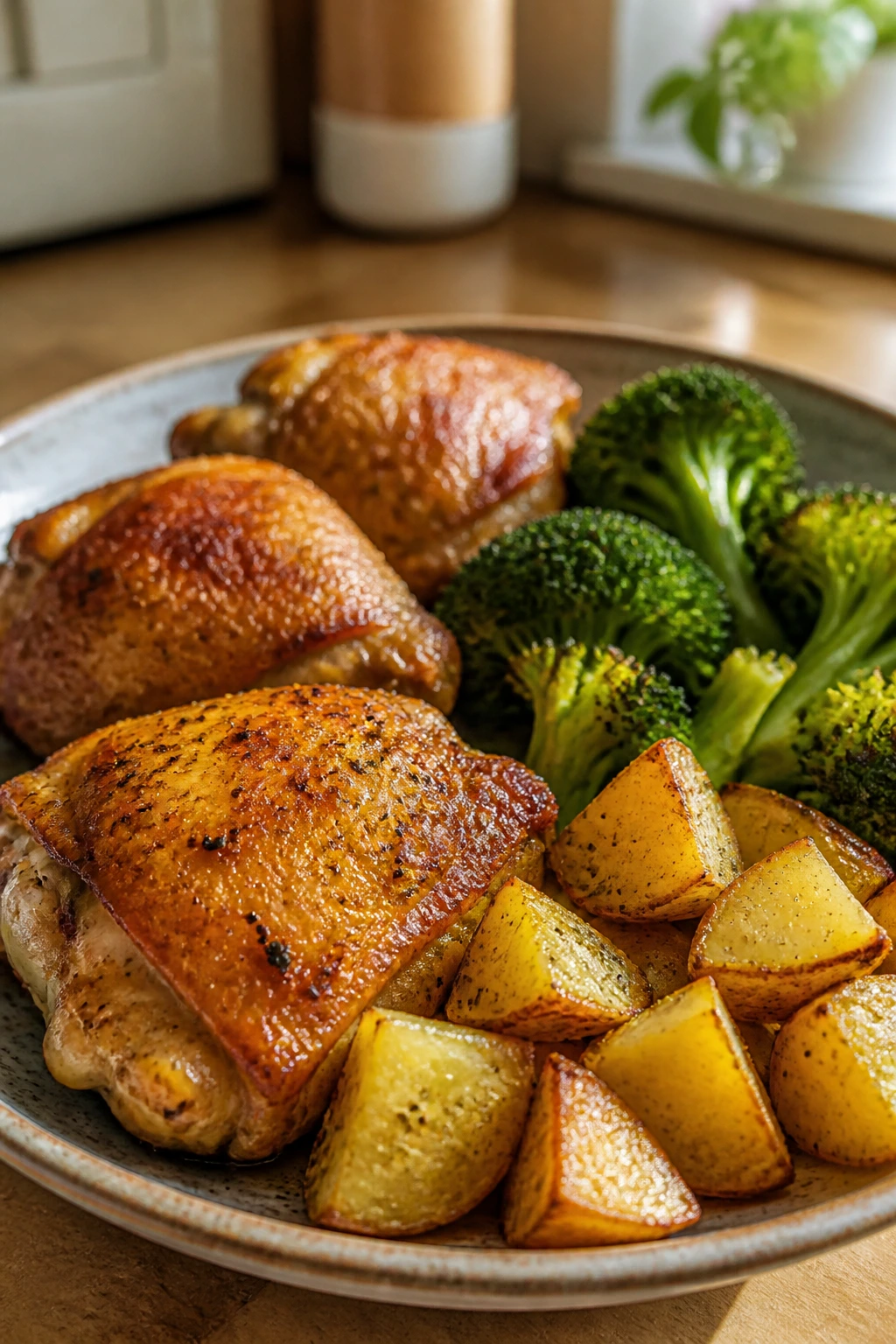
The most reliable way to keep a quick air fryer dinner under $10 is to stop improvising from scratch every night. Use a template. Once you know which combinations work, you can swap the pieces based on what’s on sale or already in the pantry.
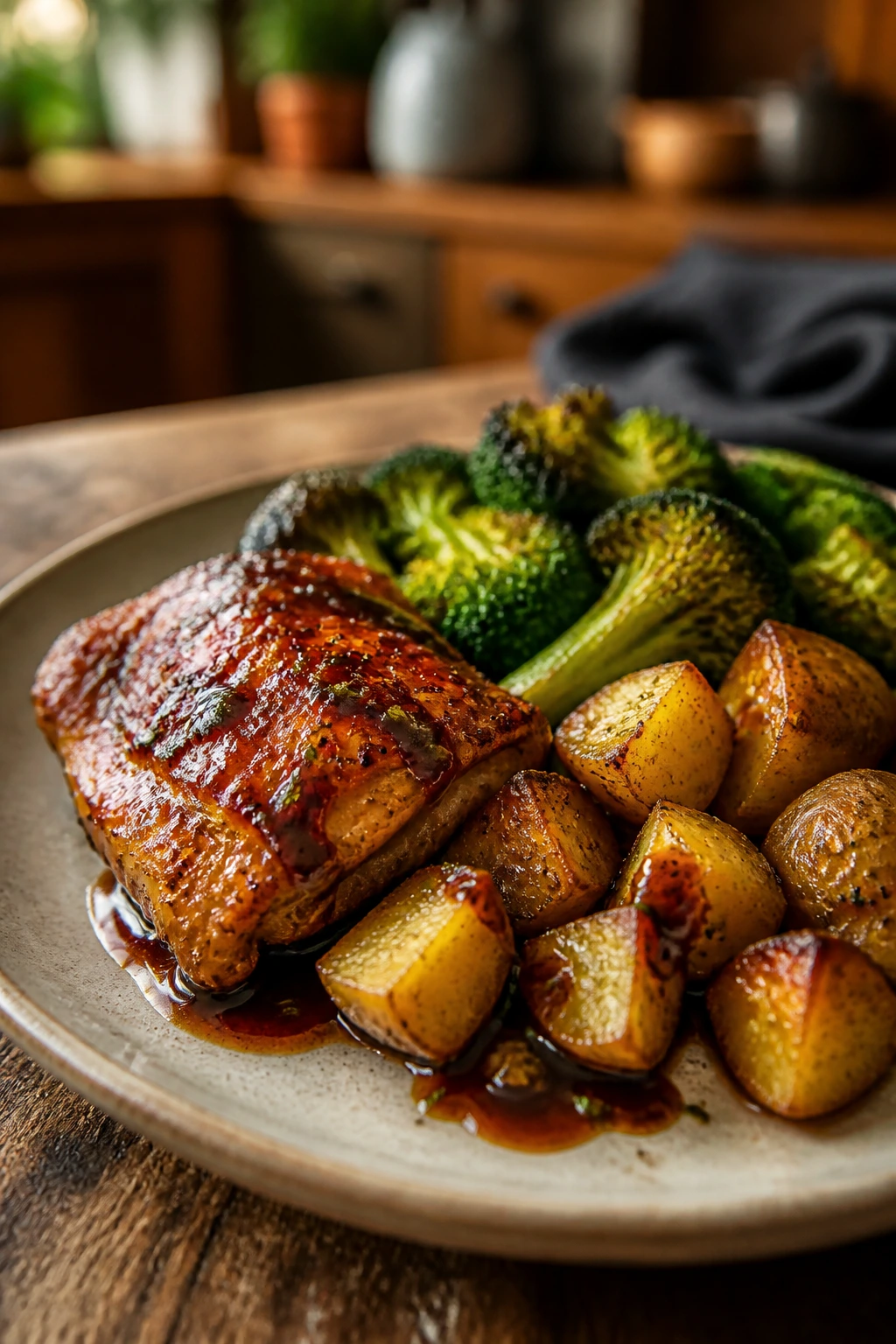
Chicken Thighs, Broccoli, and Potatoes
This is the one I reach for when the fridge looks ordinary and I want dinner to feel solid. Bone-in, skin-on thighs give you enough fat for browning, potatoes carry the plate, and broccoli fills in the edges with a little color. In many grocery stores, the ingredients for two hungry servings land close to the budget if you already have oil, salt, pepper, and mustard.
The timing is straightforward: start the potatoes first, give them a head start, then add the seasoned thighs, and tuck the broccoli in near the end so it stays green instead of limp. Finish with a quick mustard-vinegar drizzle. It tastes like you planned the meal. You did, but it doesn’t have to look fussy.
Smoked Sausage, Peppers, Onions, and Warm Pitas
Sausage is the easy answer when the night feels long and the fridge is not cooperating. Slice it into coins, toss it with peppers and onions, and let the whole thing roast together until the edges of the sausage darken a little. The fat from the sausage seasons the vegetables as they cook, which is the kind of accidental efficiency I love in budget food.
Warm the pitas in the basket for the last minute or two and stuff them with the filling, or just pile everything into a bowl and tear the bread on the side. A splash of vinegar or a squeeze of lemon wakes up the whole plate. This dinner usually lands comfortably under budget for two, and it’s the kind of meal that doesn’t need a second sauce to feel finished.
Crispy Tofu, Green Beans, and Rice Bowls
Why does tofu work so well here? Because the air fryer likes surfaces, and tofu has plenty once you press it and cut it into cubes. A light coat of oil, cornstarch, salt, and soy sauce gives it enough skin to brown, and the green beans can cook in the same basket if you add them after the tofu has started to firm up.
Put the rice underneath and the whole thing suddenly looks like a real bowl, not a fallback dinner. A little chili crisp, sesame oil, or soy-vinegar sauce makes the plate taste far more expensive than it is. This is one of the cheapest dinners in the bunch if you already keep rice and soy sauce around.
Pork Chops, Cabbage Wedges, and Mustard Finish
This one is built on contrast. Pork chops need to stay juicy, and cabbage wants high heat and time, so they work together better than people expect. A small cabbage cut into wedges can go into the basket first, then the chops can join once the cabbage starts to soften and brown.
Pull the chops at 145°F and let them rest for 3 minutes. Don’t chase them higher. The cabbage will finish sweet and browned around the edges, and a quick mustard finish keeps the whole plate from feeling heavy. It’s a quiet dinner, not a flashy one, and that is exactly why it works.
One useful habit: double the vegetables before you double the protein. That is usually how you stay under budget without making dinner feel stingy.
How to Shop for a Quick Air Fryer Dinner Under $10 Without Guessing
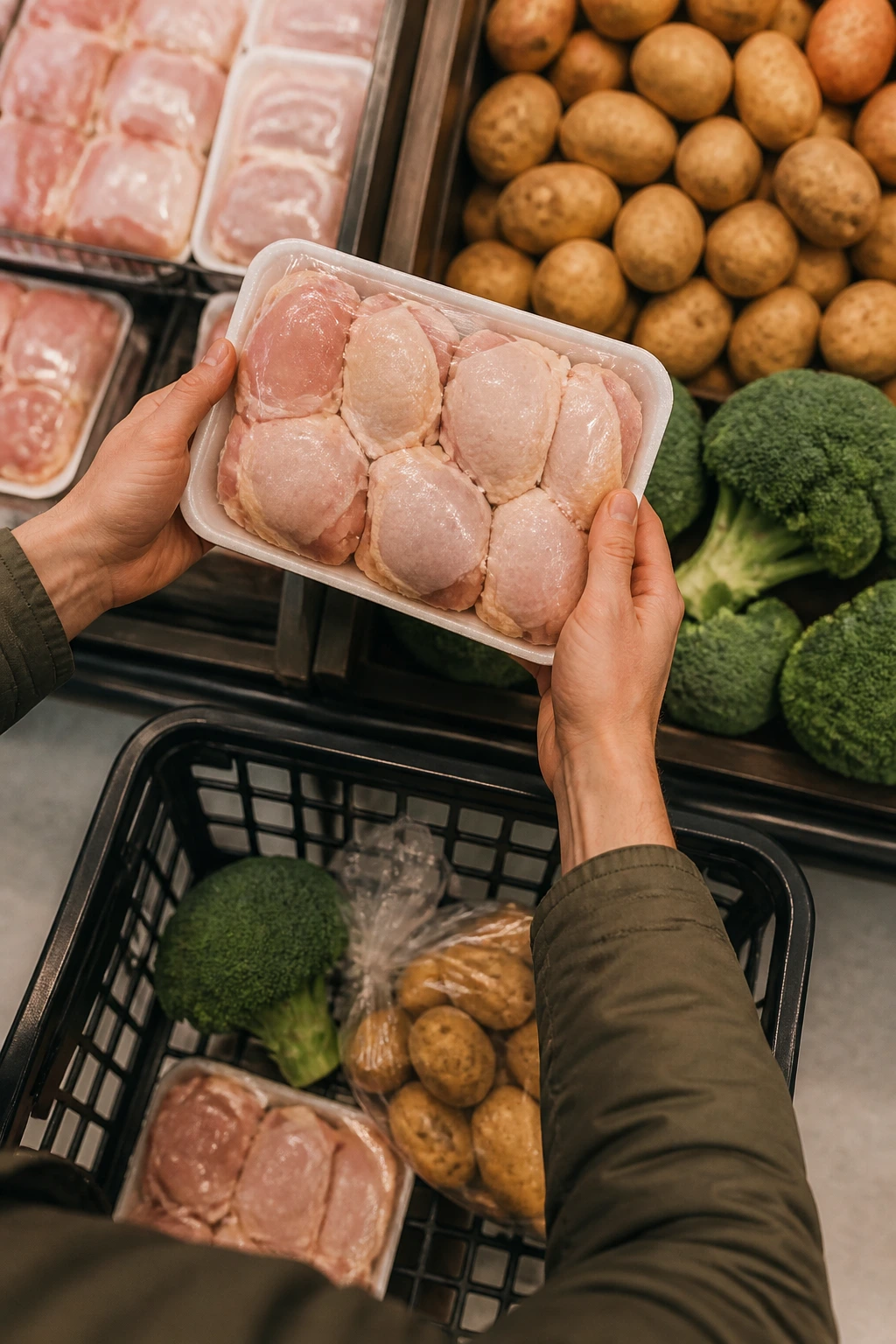
Most grocery budgets get wrecked in the aisle, not at the stove. The food itself usually isn’t the problem. It’s the extras. One fancy sauce, one bag of pre-cut vegetables, one pricier cut of meat, and suddenly the dinner is over the line before you get home.
Start with the protein. Check the unit price, not just the sticker on the shelf. Bone-in thighs, sausage links, pork chops, tofu, and frozen fish fillets often give you more usable food per dollar than lean, boneless cuts that cook fast but punish mistakes.
After that, buy one vegetable that can handle heat and one starch that can stretch the plate. A whole head of cabbage beats a bag of dressed slaw. A bag of potatoes beats a box of specialty fries. Frozen broccoli usually beats sad, limp fresh broccoli that will be thrown out in two days. Waste is expensive.
Keep an eye on the ingredients you already own. If you have mustard, vinegar, garlic powder, paprika, and salt, you can build several dinners without buying another jar of sauce. That’s where the real savings live. Not in choosing the cheapest-looking package, but in choosing the ingredients that get used all the way up.
Store-brand frozen vegetables are a smarter buy than many people think. They don’t spoil quickly, they cost less per serving than a lot of fresh produce, and they fit the air fryer’s speed. The only catch is moisture. Pat them dry or spread them out a bit before cooking, and they stop behaving like soup.
The cheapest dinner isn’t the one with the lowest sticker price. It’s the one that doesn’t leave you with leftovers you forgot, herbs you never used, or a sauce bottle that took three meals to empty.
Air Fryer Timing, Temperature, and Basket Spacing
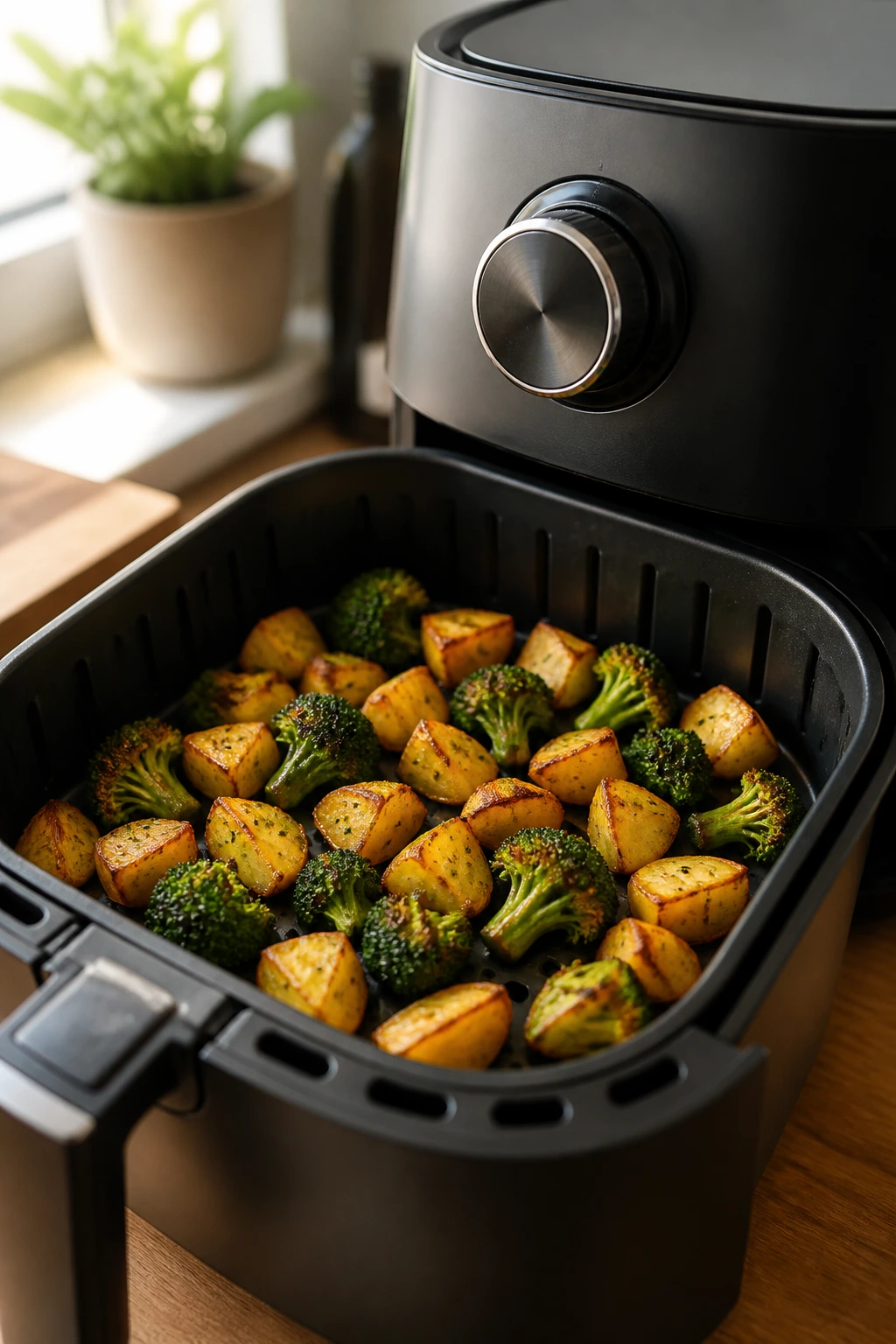
Temperature wins. Every time. If the basket is too crowded, if the heat is too low, or if the food is cut in mismatched sizes, the air fryer stops browning and starts steaming. That’s when cheap ingredients turn dull.
For most budget dinners, 380°F to 400°F is the useful range. Chicken thighs usually land well around 390°F. Potatoes like 400°F if they’re cubed small enough. Broccoli and cabbage need a little less or they scorch at the edges before the inside softens. Tofu does well at 400°F after it’s been pressed and dried. Pork chops usually behave around 375°F to 400°F depending on thickness.
A few timing rules that save dinner
- Preheat briefly: 2 to 4 minutes is enough for most basket models when you want a crisp surface.
- Keep the food in one layer: If pieces overlap, the bottom stays pale and soft.
- Shake or flip once: Halfway through is enough for most foods; every few minutes is a waste of heat.
- Use a thermometer: Poultry should hit 165°F, ground meat 160°F, and pork chops 145°F with a 3-minute rest.
- Add fast-cooking vegetables late: Broccoli, peppers, and green beans usually only need the last 6 to 10 minutes.
- Oil lightly, not heavily: 1 to 2 teaspoons per pound is usually plenty for browning.
USDA guidance on safe temperatures matters here. Poultry is not a place to guess. If chicken thighs are done at 165°F, pull them. If pork hits 145°F, give it a short rest and move on. The timer on the air fryer is a suggestion. The thermometer is the decision.
Basket spacing sounds boring until you ignore it. Then it becomes dinner. If the food looks wet and crowded, it will taste wet and crowded.
Essential Equipment and Pantry Staples
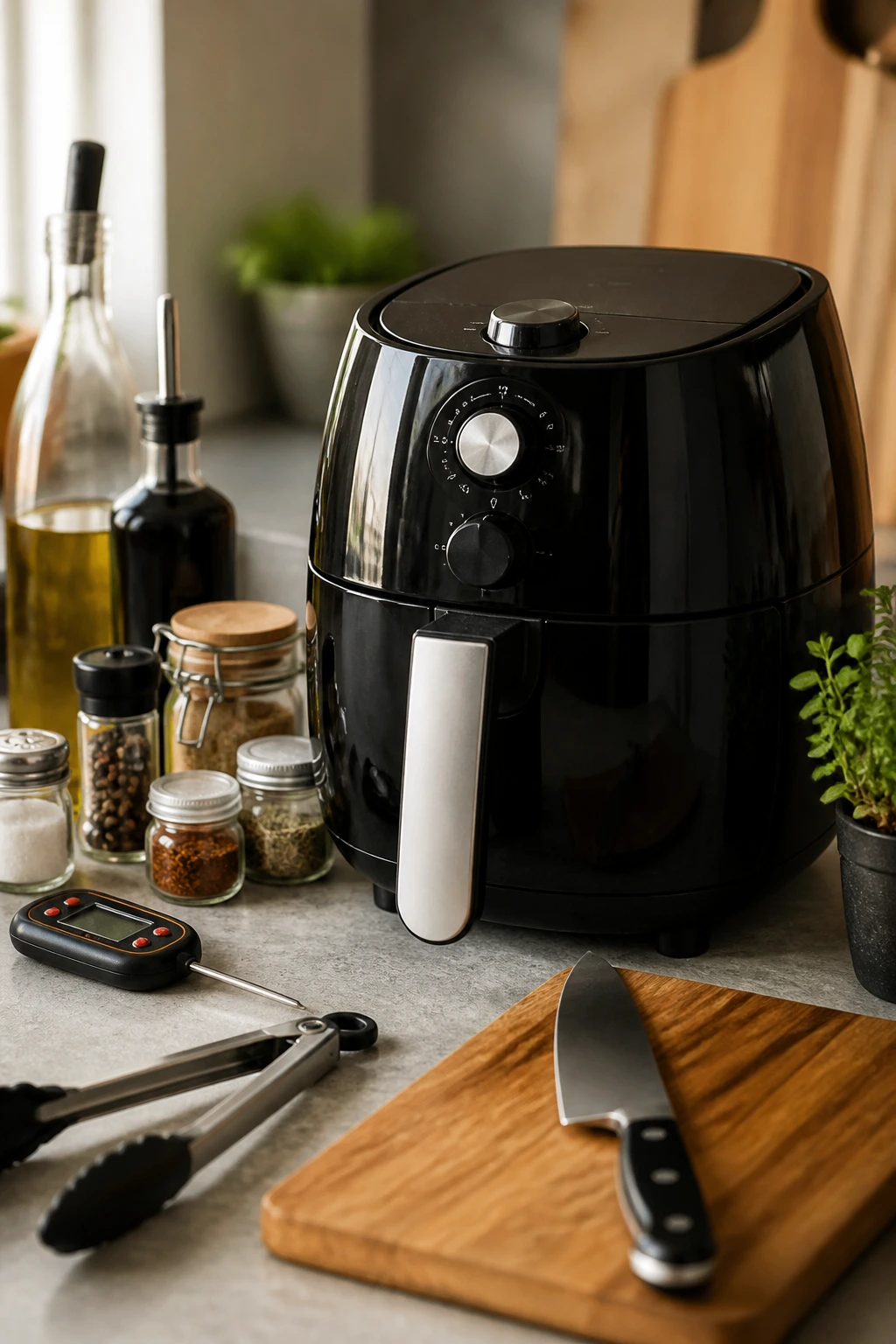
Keep these tools close and the whole process gets easier.
Core tools
- Basket-style air fryer, 4 to 6 quarts: Big enough for two good servings without packing the basket too tightly.
- Instant-read thermometer: The fastest way to keep chicken and pork from overcooking.
- Tongs with silicone tips: Useful for flipping meat and moving hot vegetables without tearing the crust.
- Sharp knife and cutting board: Even pieces cook evenly; uneven pieces fight the timer.
- Small mixing bowl: Handy for tossing spices with oil before the food goes into the basket.
- Perforated parchment liners: Optional, and only useful if they do not block airflow.
- Rimmed plate or small tray: Good for resting meat so the juices settle instead of running everywhere.
Pantry staples
- Neutral oil or olive oil: A little goes a long way for crisping.
- Kosher salt or fine salt: The first thing budget food needs.
- Black pepper: Simple, but it keeps the plate from tasting flat.
- Garlic powder: Better than fresh garlic for fast air fryer cooking because it won’t burn as quickly.
- Paprika or smoked paprika: Gives vegetables and potatoes a deeper, roasted flavor.
- Cumin or chili powder: Useful when you want a Tex-Mex direction.
- Mustard: Cheap, sharp, and excellent as a finish.
- Vinegar or lemon juice: The acid that makes the plate taste finished.
- Soy sauce: A small bottle lasts a long time and works with chicken, tofu, and vegetables.
- Cornstarch: Optional, but useful for tofu or extra-crisp vegetables.
If you only buy one non-obvious thing, buy the thermometer. It pays for itself in avoided dry chicken alone.
How to Plate a Cheap Dinner So It Feels Complete
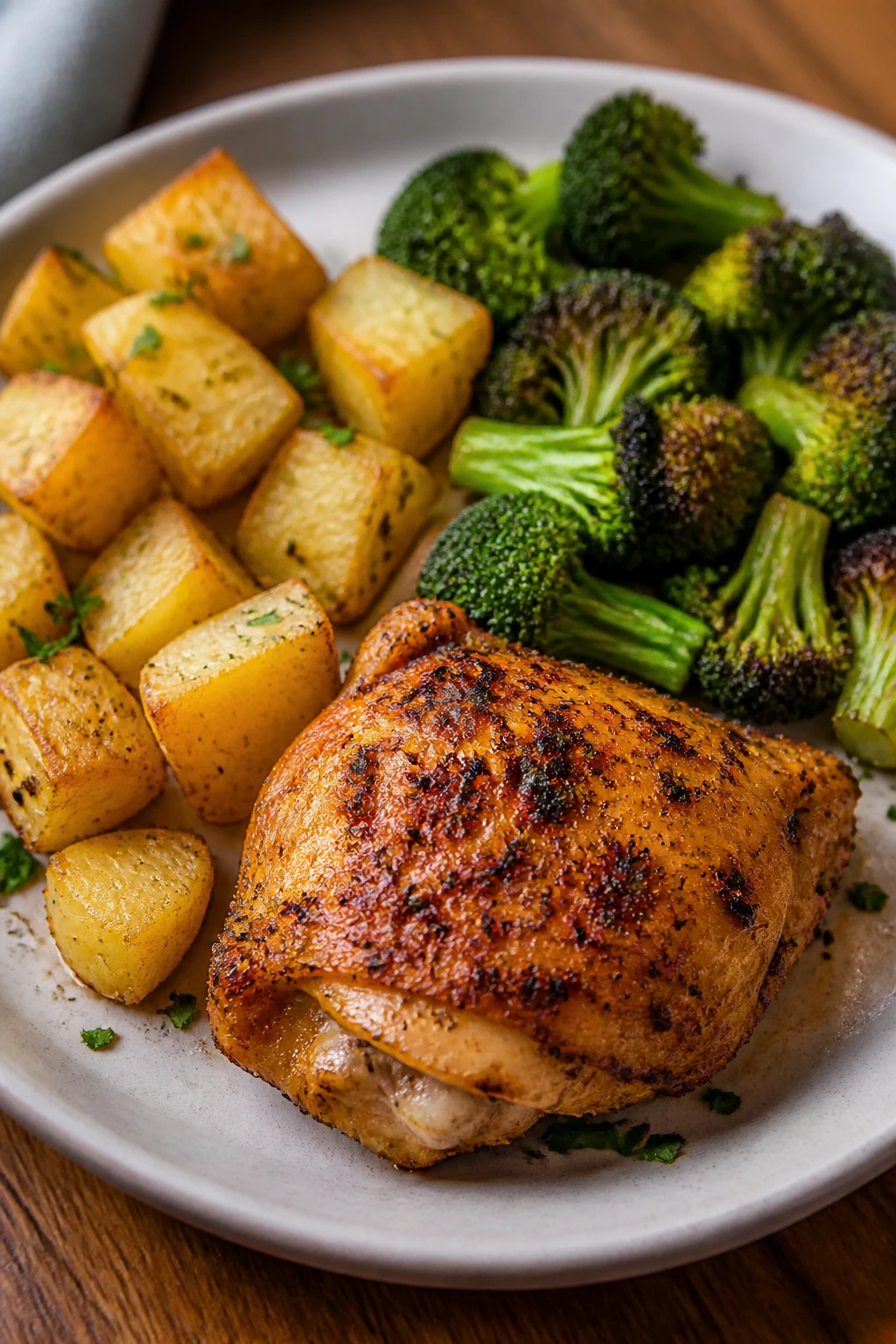
A cheap dinner can still look like dinner. The problem is not cost. It’s arrangement. If everything lands in a single beige heap, the plate reads as rushed. If you separate the parts and show a little contrast, even a modest meal feels deliberate.
Presentation: Put the starch down first, then lean the protein against it, then pile the vegetables where the browned sides show. Slice chicken or pork across the grain before serving. A spoonful of sauce over the protein, not all over everything, keeps the vegetables from going limp.
Accompaniments: Pick one cold, crisp side if you have it. A cucumber salad, pickles, shredded slaw, or even a handful of cherry tomatoes helps cut through the hot, salty food. Bread works when the sauce is the star. Rice works when the protein is aggressively seasoned. The goal is contrast.
Portions: For two hungry adults, 1 pound of protein plus 1 pound of potatoes or a similar starch and 2 to 3 cups of vegetables usually feels right. For four people, don’t just double the protein. Use more cabbage, potatoes, rice, or tortillas so the meal stretches without becoming thin.
Beverage Pairing: Sparkling water with lemon is the cleanest match. Iced tea works with sausage or barbecue-style seasoning. A dry cider or light beer can handle chicken thighs and mustard finishes if you want something a little less plain.
A plate with one brown thing, one green thing, and one starchy thing already looks more intentional than most budget dinners. Add a sharp sauce and it stops looking budget at all.
Practical Tips for Better Flavor Without Spending More
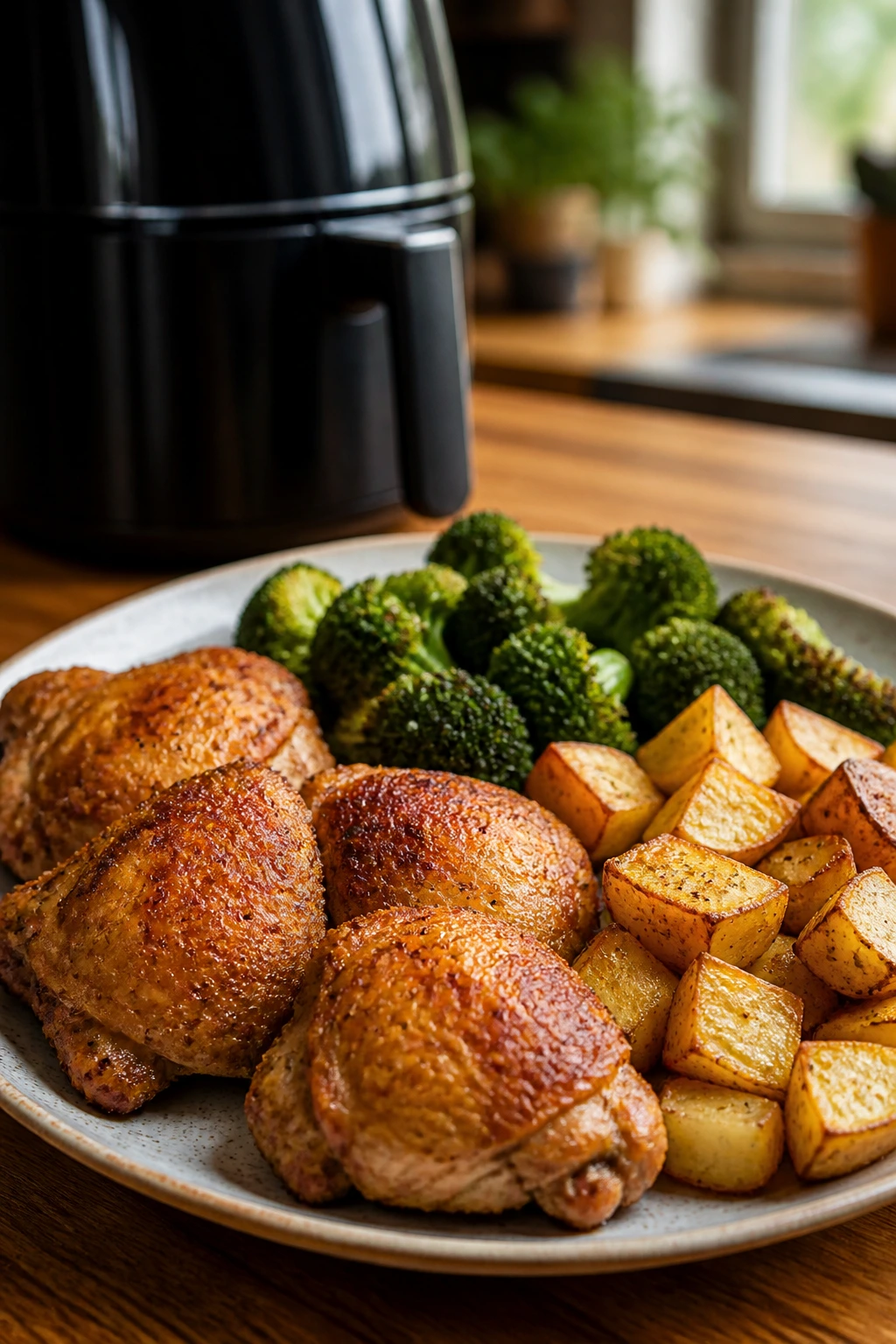
Flavor Enhancement: Finish the cooked food with a tiny splash of vinegar or a squeeze of lemon. It takes cheap chicken, potatoes, or cabbage from heavy to bright in about five seconds. I reach for acid more often than butter here, because butter can hide weak seasoning but acid fixes the whole balance.
Time-Saver: Cut potatoes smaller than you think you need to. 3/4-inch cubes cook far more evenly than big wedgey chunks, and they let you cook the protein without babysitting the basket forever. Frozen broccoli is worth keeping around because it skips washing, trimming, and spoilage.
Cost-Saver: Buy whole cabbage, whole potatoes, and store-brand frozen vegetables. You pay for surface area when you buy pre-cut produce. The air fryer already does the cutting-down work through heat, so there is no reason to spend extra for someone else to slice the onion.
Pro Move: Toss potatoes with salt 10 minutes before cooking, then let them sit while you prep everything else. A little surface moisture comes out, which helps the outside dry and brown faster. It’s a tiny move, but it changes the texture enough that you notice.
Make-It-Yours: Use whatever seasoning blend you actually enjoy. Taco seasoning for sausage and peppers. Curry powder for tofu and cauliflower. Za’atar on potatoes. Ranch seasoning on chicken thighs. The budget part stays the same; the flavor direction changes.
A cheap dinner also gets better when you stop trying to make every bite equal. Put the sauce on the protein, the acid on the starch, and the herbs on the top. That is enough.
Common Mistakes That Make Cheap Air Fryer Dinners Worse
Crowding the basket: This is the fastest way to turn browned food into pale food. The symptom is obvious — wet-looking potatoes, floppy vegetables, and chicken that tastes steamed instead of roasted. Fix it by cooking in two batches or by starting the slower ingredient first and adding the faster one later.
Using wet vegetables straight from the bag: Frozen broccoli or green beans can work, but not if they go in dripping. The symptom is a soggy bottom and weak color. Pat them dry, shake off extra ice, and give them enough space to roast.
Cooking everything at the same time: Potatoes do not cook at the same speed as broccoli. Chicken thighs do not cook at the same speed as pepper strips. If you ignore that, some parts will be raw while others are already overdone. Stage the basket on purpose.
Saucing too early: Sweet sauces burn. The symptom is blackened edges and sticky patches before the food is done. Brush on barbecue sauce, honey glaze, or teriyaki only near the end, or spoon it over the food after cooking.
Skipping the thermometer: Guessing is the expensive way to cook. Overcooked chicken and pork cost the same as juicy chicken and pork, but they do not feel the same on the plate. Use the thermometer, pull the food at the right number, and rest it for a few minutes.
Thinking cheap food needs less seasoning: That mindset costs dinner flavor. Budget ingredients are often plain, so they need salt, pepper, garlic powder, acid, or a finishing sauce to feel complete. Cheap food does not need more money. It needs more attention.
Variations for Different Diets and Flavor Preferences
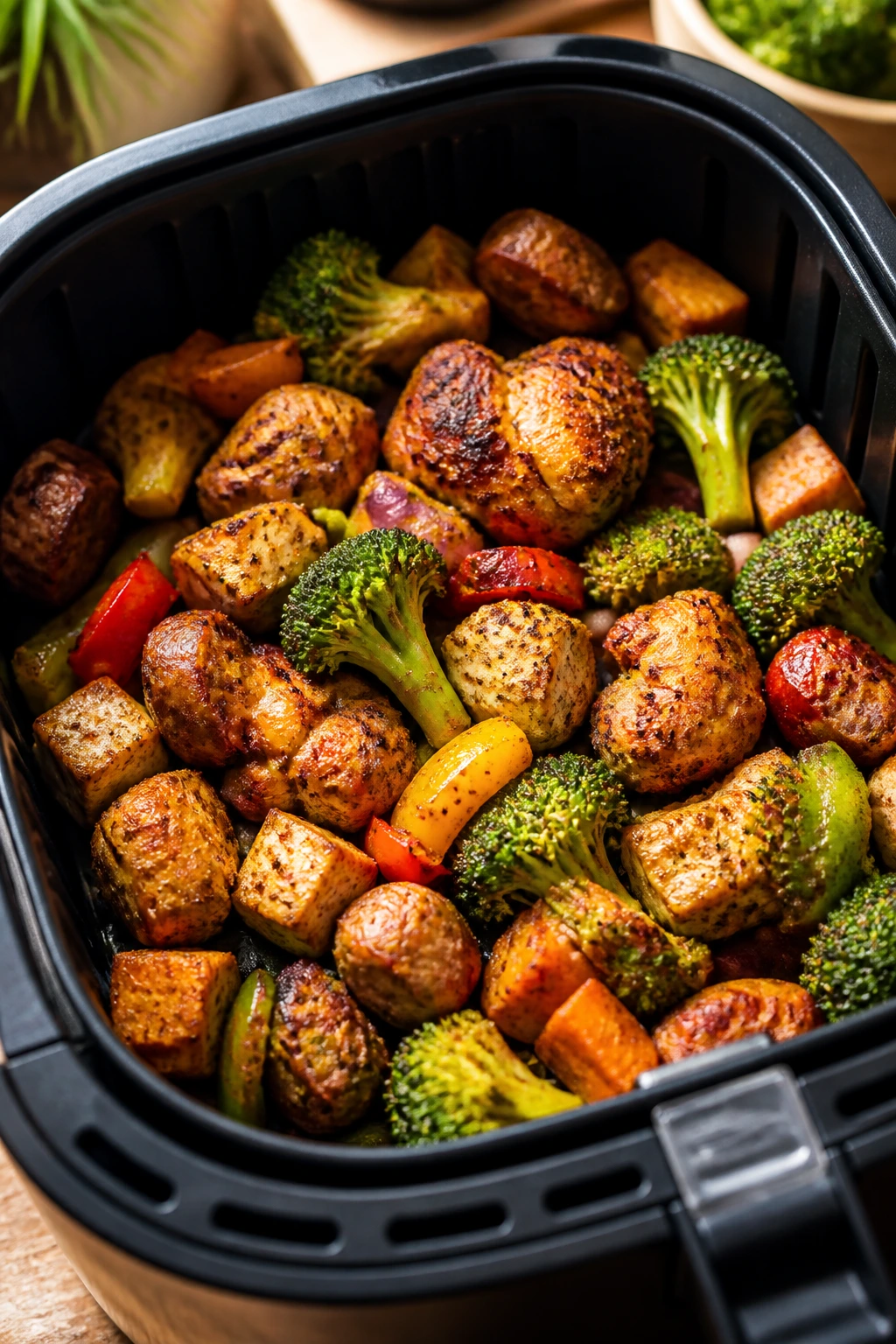
Smoky Tex-Mex Basket: Swap the mustard finish for cumin, chili powder, and a little lime juice. Chicken thighs, sausage, or tofu all work here, and tortillas or rice can stretch the plate without making it heavy. Add onions and peppers if you want the basket to smell like a taqueria.
Bright Lemon-Herb Plate: Use chicken, broccoli, and potatoes with olive oil, garlic, lemon zest, and dried thyme. This version feels lighter, especially if you keep the sauce simple and skip anything sweet. It’s the one I make when I want the plate to taste clean rather than rich.
Meatless Crunch Bowl: Press tofu, toss it with cornstarch and soy sauce, and pair it with cabbage or green beans. A peanut sauce, chili crisp, or sesame-vinegar drizzle gives the bowl some weight. Rice underneath makes it feel like a real dinner, not a side dish collection.
Low-Carb Pork and Greens: Use pork chops with cabbage, Brussels sprouts, or broccoli instead of potatoes. A mustard or vinegar finish keeps the plate sharp, which matters when you cut the starch. This is the version that feels the fullest without leaning on bread.
Dairy-Free Comfort Plate: Keep the cooking oil simple and use herbs, garlic, and acid for the finish instead of butter or cheese. It’s easy to forget how much flavor lives in salt, pepper, and a good splash of vinegar. Once you do, dairy stops feeling necessary.
Corn Tortilla Wrap Night: If you want something closer to street-food energy, use sausage, peppers, onions, or chicken and pile it into warm corn tortillas. That swap gives you a gluten-free direction without changing the cooking method much at all.
How to Store, Reheat, and Pack Leftovers
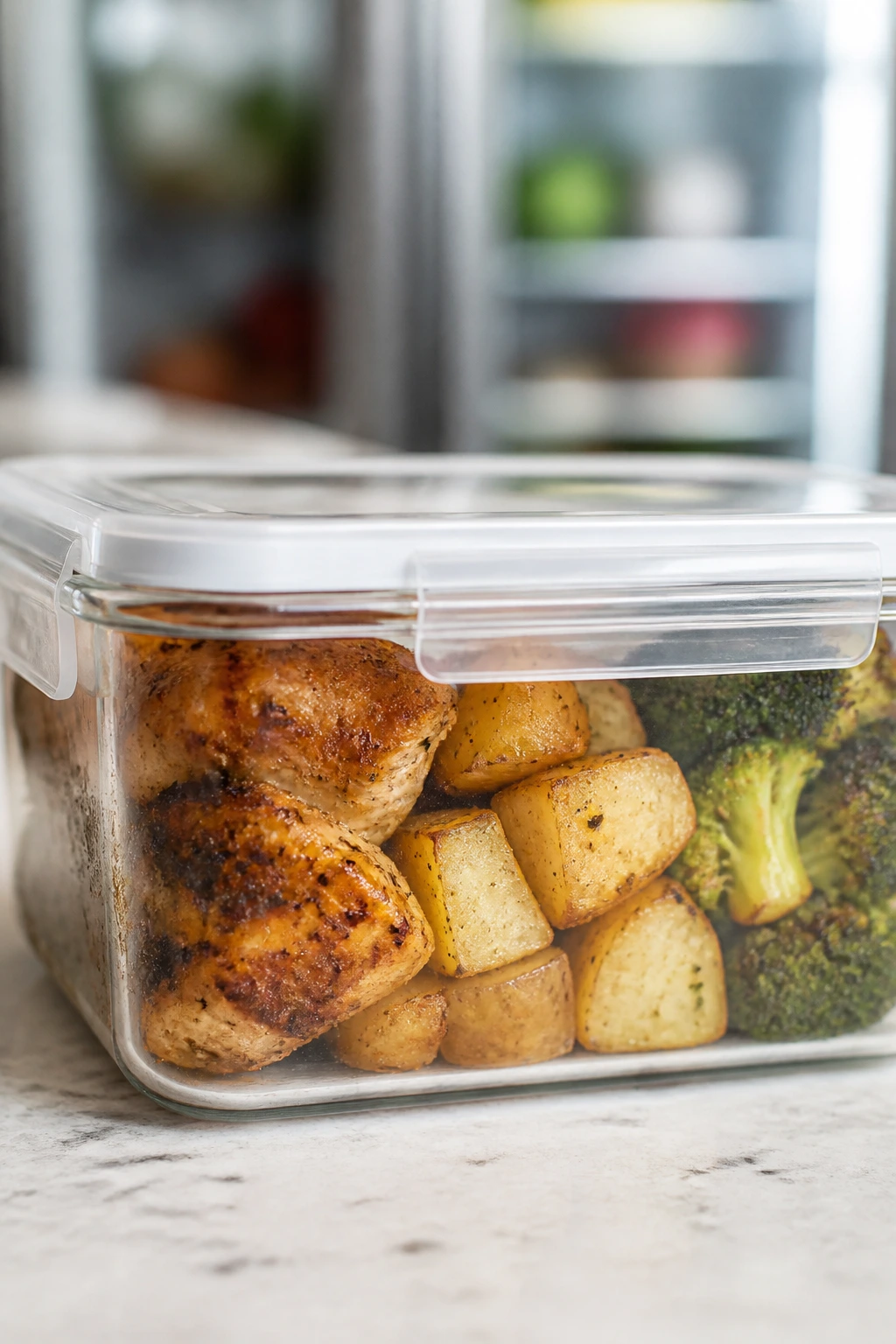
Cool leftovers within 2 hours, then get them into airtight containers. That matters for safety, but it also matters for texture. If food sits around hot and covered, steam softens the crust you just worked for.
Most cooked proteins and vegetables keep well in the fridge for 3 to 4 days. Chicken thighs, sausage, pork chops, tofu, potatoes, broccoli, and cabbage all fit that window. The catch is texture: potatoes and crispy vegetables taste best when you reheat them in the air fryer rather than the microwave.
For reheating, use 350°F to 375°F for 4 to 8 minutes, depending on thickness. Chicken and sausage usually need a few minutes; potatoes may need a little longer. Cover saucy items loosely with foil if they are drying too fast, but don’t seal them tightly or you’ll trap steam and lose the crispness.
Freezing works best for the protein and starch, not for every vegetable. Cooked chicken, sausage, tofu, pork, and potatoes can be frozen for about 2 months. Cabbage and broccoli can freeze too, but they soften on the way back, so I only freeze them when they’re part of a saucier meal. Reheat frozen portions from thawed if you can; the texture is better.
If you know leftovers are coming, keep the sauce separate. That single habit saves more food than people expect. Crispy leftovers stay crispy longer when the sauce doesn’t sit on them overnight.
Frequently Asked Questions
Can you really make a quick air fryer dinner under $10?
Yes, especially for two servings and especially if you lean on store-brand staples. Chicken thighs, sausage, tofu, potatoes, cabbage, and frozen vegetables make the math work more easily than expensive cuts or pre-made sauces. The biggest savings usually come from using pantry seasonings instead of buying a new bottle for every meal.
What’s the cheapest protein for this kind of dinner?
Bone-in chicken thighs are usually one of the best bets, followed by smoked sausage and extra-firm tofu. Pork chops can also be a good buy when they’re on sale. The cheapest option changes by store, so unit price matters more than the package label.
Do frozen vegetables work in the air fryer?
They do, but they need a little help. Shake off the ice, pat them dry if you can, and don’t cram them into the basket. Broccoli, green beans, and cauliflower hold up best because they have enough structure to roast instead of collapsing.
Do I need to preheat the air fryer?
A brief preheat helps with browning, especially on chicken skin, potatoes, and tofu. Two to four minutes is enough for most basket models. If your machine heats slowly or the manufacturer says otherwise, add a couple of minutes to the cooking time and watch the color.
How do I keep chicken from drying out?
Use thighs if you want the easiest route, and don’t cook by timer alone. Pull poultry at 165°F, then let it rest for a few minutes before cutting. A light coat of oil and proper basket spacing also help the surface brown before the inside overcooks.
Can I feed four people and still stay under $10?
Sometimes, yes, but the meal needs more starch and vegetables than protein. Cabbage, potatoes, tortillas, and frozen broccoli stretch the plate farther than a second package of meat would. If you feed four often, build around one sale protein and let the sides do more of the work.
What if my air fryer basket is small?
Cook the meal in stages. Start the longest-cooking ingredient first, keep it warm on a plate, and bring in the faster pieces later. A small basket is not a problem if you treat the dinner like a sequence instead of forcing everything into one round.
What reheats best the next day?
Chicken thighs, sausage, pork chops, and potatoes do well in the air fryer again. Reheat them at 350°F until hot, and the edges will regain some crispness. Vegetables with a lot of water, like broccoli and peppers, are better when they’re tucked into rice or wrapped in a tortilla the second day.
A Dinner Worth Keeping in Rotation
A quick air fryer dinner under $10 works because it respects the ingredients instead of trying to disguise them. Chicken thighs stay juicy, potatoes turn crisp, cabbage gets sweet at the edges, and a sharp finish makes the whole plate feel intentional. That’s a better use of the machine than trying to force it into every kind of food at once.
The real habit here is simple. Keep one protein, one sturdy vegetable, one starch, and one sauce in your head, and the grocery store stops feeling like a place where dinner gets more expensive by the minute. Start with thighs, potatoes, and broccoli if you want the least drama. Once that feels automatic, the rest is just swapping pieces around.