



A pitcher of iced tea can go dull fast if you treat it like hot tea with a few ice cubes thrown in at the last second. The best iced tea recipes know better. They build enough strength to survive dilution, then they finish with fruit, herbs, spice, or citrus so the glass still tastes alive after the ice starts melting.
That’s the difference between a drink people sip once and a drink people keep reaching for. One is cold. The other has shape. You can taste it in the first swallow: a little tannin, a clean sweet edge, a bright top note from lemon or peach or mint, and enough chill that the whole thing stays crisp instead of syrupy.
These iced tea recipes lean across the whole tea shelf — black tea, green tea, white tea, oolong, rooibos, hibiscus, matcha, and a few hybrid pitchers that are part refreshment, part party trick. Some are classic and Southern, some are floral and light, some go creamy, and some are built for a table full of people who do not all want the same thing. That’s the sweet spot. Variety without chaos.
Why You’ll Love This Collection

-
Pitcher-Friendly: Every recipe scales cleanly to a 1-quart or 1/2-gallon batch, so you can keep the tea flowing without starting over between glasses.
-
Tea for Every Mood: Black tea, green tea, white tea, oolong, rooibos, and herbal blends give you caffeine options without making the whole spread taste the same.
-
Easy to Batch Ahead: Most of these teas taste better after a couple of hours in the fridge, which is exactly what you want when people are arriving all at once.
-
Fruit and Herb Variety: Peach, citrus, berries, mint, basil, sage, rosemary, and cucumber keep the flavors sharp and specific instead of one-note sweet.
-
Crowd Safe: You can make one unsweetened pitcher and one sweetened pitcher, then let people adjust their own glass. That’s the simplest way to keep everyone happy.
-
Looks Better Than It Is Hard: Clear glasses, a few good ice cubes, and one clean garnish make these feel polished with almost no extra work.
1. Classic Southern Sweet Tea
This is the pitcher that disappears first when there’s a crowd and a warm room. It should taste like black tea with a soft sugar finish, not like melted candy, and the lemon slice at the end keeps it from going flat.
Why It Works:
Black tea has enough tannin to stand up to sugar and ice, which is why this version tastes full even after it chills. Dissolving the sugar while the tea is still hot keeps the pitcher smooth, and the cold water at the end brings the whole batch down without making it thin.
Key Ingredients:
- 5 black tea bags or 5 teaspoons loose-leaf Assam — strong enough to hold flavor after dilution.
- 1/2 cup granulated sugar — sweetens while the tea is hot so it dissolves cleanly.
- 4 cups boiling water — this pulls the tea out fast and evenly.
- 4 cups cold water — cools the batch without watering down the flavor too much.
- 1 lemon, sliced thin — adds a sharp edge at serving time.
- Ice, for serving — use plenty; a half-filled glass tastes unfinished.
Quick Steps:
- Step 1: Brew the Base. Bring 4 cups water to a boil, then remove it from the heat and add the tea bags. Steep for 4 to 5 minutes, until the tea smells strong and the color is deep amber.
- Step 2: Sweeten While Hot. Stir in the sugar until it disappears completely. Do not wait until the tea is cold; the sugar won’t dissolve as smoothly.
- Step 3: Dilute and Cool. Pour the tea into a heatproof pitcher, add the 4 cups cold water, and stir once or twice. The tea should look clear, not cloudy.
- Step 4: Chill. Refrigerate for at least 1 hour, or until very cold.
- Step 5: Serve Over Ice. Fill glasses with ice, add a lemon slice, and pour the tea down the side of the glass.
Equipment for This Recipe:
- Medium saucepan — for steeping the tea.
- Heatproof pitcher — glass makes it easier to check color.
- Long spoon — for stirring sugar without splashing.
- Fine-mesh strainer — optional if you use loose tea.
- Measuring cups — useful for keeping the water ratio steady.
How to Serve This Dish:
Serve it in tall glasses packed with ice and one lemon wheel resting on the rim. It goes well with fried chicken, tomato sandwiches, or salty peanuts, and it’s one of the few drinks that can sit beside barbecue without getting ignored.
Pro Tips for This Recipe:
- Use loose-leaf Assam if you want a slightly bolder cup; it has a malty edge that works well with sugar.
- If the tea tastes sharp, don’t add more sugar first — add 1/4 cup more cold water and taste again.
- Make a second unsweetened pitcher for guests who like tea with no sugar at all.
Variations on This Dish:
- Brown Sugar Porch Tea: Swap in packed light brown sugar for a deeper, almost caramel note.
- Half-and-Half Citrus Tea: Add 1/2 cup fresh orange juice with the lemon for a softer finish.
- Minted Sweet Tea: Drop in 6 mint leaves during the chill time, then strain them out before serving.
Common Mistakes to Avoid with This Dish:
- Don’t steep black tea for 8 minutes and hope for the best. It turns rough and tinny fast.
- Don’t dump a hot batch over a full pitcher of ice. You’ll get weak tea with a watery edge.
2. Lemon-Ginger Green Iced Tea
This one smells sharp in the best way: green tea, fresh ginger, and lemon working together instead of competing. The ginger should read as warm and bright, not fiery, and the whole pitcher finishes clean enough that you want a second glass.
Why It Works:
Green tea needs a shorter steep than black tea, or it goes bitter and dry at the back of the tongue. Ginger adds warmth without heaviness, and lemon lifts the grassy note so the drink tastes fresh instead of muddy.
Key Ingredients:
- 4 green tea bags or 4 teaspoons loose-leaf sencha — delicate but strong enough for a pitcher.
- 1 2-inch piece fresh ginger, sliced thin — gives the tea a clean bite.
- 1/4 cup honey — softens the ginger and rounds the green tea.
- 1 lemon, juiced — brightens the finish.
- 4 cups water — for steeping the tea base.
- 2 cups cold water — cools the finished brew.
- Ice and thin lemon slices — for serving.
Quick Steps:
- Step 1: Simmer the Ginger. Bring 2 cups water and the ginger slices to a gentle simmer for 5 minutes.
- Step 2: Steep the Tea. Add the remaining 2 cups hot water and the green tea bags. Steep for 2 to 3 minutes only, until the tea smells fresh and pale-gold.
- Step 3: Sweeten and Strain. Remove the tea bags and strain the ginger out if you want a smoother pitcher. Stir in the honey while the tea is still warm.
- Step 4: Finish the Citrus. Add the lemon juice and the cold water. Taste once; if the ginger feels too loud, add another splash of cold water.
- Step 5: Chill and Pour. Refrigerate until cold, then serve over ice with lemon slices.
Equipment for This Recipe:
- Small saucepan — to simmer the ginger.
- Heatproof pitcher — for chilling and serving.
- Fine-mesh strainer — helps keep the ginger fibers out.
- Citrus juicer — makes the lemon easier to finish.
- Measuring spoon — for the honey.
How to Serve This Dish:
This works best in a clear glass with a big lemon slice and a few ice cubes that don’t vanish in two minutes. It’s a nice fit with grilled fish, cucumber tea sandwiches, or anything salty that needs a bright drink beside it.
Pro Tips for This Recipe:
- Keep the green tea steep under 3 minutes. If you forget and leave it longer, start again.
- Honey dissolves better while the tea is warm; add it after steeping, not after chilling.
- If you want more ginger, simmer it longer before the tea goes in — that gives heat without bitterness.
Variations on This Dish:
- Mint-Ginger Green Tea: Add 8 mint leaves during the last minute of chilling.
- Lime Ginger Cooler: Swap the lemon juice for lime juice and add a lime wheel.
- Sparkling Ginger Tea: Replace 1 cup of the cold water with chilled seltzer right before serving.
Common Mistakes to Avoid with This Dish:
- Don’t boil green tea hard for several minutes. It turns grassy and harsh.
- Don’t leave the ginger slices in the pitcher overnight. They can take over the whole drink.
3. Peach Black Iced Tea
This tastes like ripe peach juice meeting a sturdy tea base and deciding to behave. The fruit should be present but not jammy, and the black tea keeps the drink from turning into peach candy.
Why It Works:
Black tea has enough backbone to carry fresh peach flavor without getting buried. A little lemon keeps the sweetness from flattening out, and using peach nectar or mashed peach adds body that plain syrup can’t give you.
Key Ingredients:
- 4 black tea bags — strong enough for fruit and ice.
- 2 ripe peaches, sliced — use fragrant fruit, not hard ones.
- 1/3 cup honey — sweetens the tea without making it heavy.
- 2 tablespoons lemon juice — sharpens the peach flavor.
- 4 cups boiling water — for brewing.
- 2 cups cold water — for cooling.
- Ice and extra peach slices — for the final glass.
Quick Steps:
- Step 1: Brew the Tea. Steep the black tea bags in 4 cups boiling water for 4 to 5 minutes.
- Step 2: Add the Peaches. Stir in the peach slices while the tea is still warm and let them sit for 10 minutes.
- Step 3: Sweeten. Remove the tea bags and mash a few peach slices lightly against the side of the pitcher. Stir in the honey and lemon juice.
- Step 4: Dilute. Add the cold water and strain out the peach slices if you want a smoother pour.
- Step 5: Chill and Serve. Refrigerate until cold, then pour over ice with fresh peach slices.
Equipment for This Recipe:
- Medium saucepan — for brewing.
- Pitcher — for chilling the tea.
- Knife and cutting board — for slicing peaches.
- Wooden spoon or muddler — for lightly pressing the fruit.
- Strainer — optional, depending on texture.
How to Serve This Dish:
Serve it in a tall glass with a peach slice tucked inside the ice. It’s especially good with biscuits, ham, or anything buttery that likes a little fruit on the side.
Pro Tips for This Recipe:
- If peaches are a little bland, let the sliced fruit sit in the warm tea for the full 10 minutes.
- Use honey while the tea is warm so it disappears cleanly.
- Frozen peach slices work well and chill the pitcher faster.
Variations on This Dish:
- Spiced Peach Tea: Add 1 cinnamon stick during the steep.
- Peach-Mint Tea: Add a small handful of mint in the last 5 minutes of chilling.
- Peach Lemon Tea: Increase the lemon juice to 1/4 cup for a sharper, more picnic-style drink.
Common Mistakes to Avoid with This Dish:
- Don’t use underripe peaches and expect them to flavor the tea. They taste pale and starchy.
- Don’t over-mash the fruit into purée unless you want a cloudy, pulpy pitcher.
4. Mint Honey Black Tea
This one leans cool and clean, with mint that reads fresh instead of toothpaste-y. The honey should soften the tea’s edges, not bury them, and the finish ought to feel brisk enough to reset your palate.
Why It Works:
Black tea carries mint better than delicate tea does, because the flavor can handle the herb without fading. Honey works nicely here because it blends with the mint’s cool note and gives the whole pitcher a softer middle.
Key Ingredients:
- 4 black tea bags — the base needs enough strength.
- 1 packed cup fresh mint leaves — enough for aroma without turning bitter.
- 1/4 cup honey — sweetens the tea in a rounded way.
- 1 lemon, juiced — keeps the mint from feeling flat.
- 4 cups boiling water — for steeping.
- 2 cups cold water — for cooling.
- Ice and mint sprigs — for serving.
Quick Steps:
- Step 1: Steep the Tea. Brew the black tea bags in 4 cups boiling water for 4 minutes.
- Step 2: Add Mint Briefly. Stir in the mint leaves and let them sit for 2 minutes only. Long mint steeping makes the tea taste green and bitter.
- Step 3: Sweeten and Strain. Remove the tea bags, strain out the mint, and stir in the honey while the tea is warm.
- Step 4: Add Lemon and Water. Stir in the lemon juice and cold water.
- Step 5: Chill. Refrigerate until cold and serve over ice with a mint sprig.
Equipment for This Recipe:
- Small saucepan — for the hot brew.
- Pitcher — for chilling and serving.
- Fine strainer — useful if you want no leaf bits.
- Long spoon — for stirring honey.
- Measuring cup — for the water.
How to Serve This Dish:
Pour it over crushed ice if you want a more café-style glass, or use regular cubes for a slower melt. It goes well with salty snacks, grilled chicken, or lemon cookies that can keep up with the mint.
Pro Tips for This Recipe:
- Bruise the mint lightly between your palms before it goes into the tea; that wakes up the scent.
- If you want a softer mint profile, use spearmint instead of peppermint.
- Make the pitcher a little stronger than you think you need; ice will tame it.
Variations on This Dish:
- Mint-Lime Tea: Replace the lemon with lime for a sharper, cooler edge.
- Honey Basil Tea: Swap half the mint for basil leaves if you want a more herbal finish.
- Unsweetened Garden Tea: Skip the honey and serve with lemon wedges so guests can sweeten their own glass.
Common Mistakes to Avoid with This Dish:
- Don’t crush the mint hard in the pitcher. You’ll get cloudy tea and a bitter herbal taste.
- Don’t use dried mint here. It tastes dusty in iced tea.
5. Hibiscus Berry Tea
This pitcher is ruby-red, tart, and just sweet enough to feel polished. Hibiscus gives the drink its snap, the berries make it smell like summer fruit instead of floral syrup, and the color alone usually wins people over.
Why It Works:
Hibiscus has a naturally sharp, cranberry-like tang, which makes it a great base for fruit tea. Mixed berries round off the acidity, and a small amount of sugar keeps the drink from feeling thin or sour.
Key Ingredients:
- 4 hibiscus tea bags or 4 tablespoons dried hibiscus — strong color and tart flavor.
- 1 cup mixed berries, fresh or frozen — raspberries, blueberries, or blackberries all work.
- 1/3 cup granulated sugar — balances the tartness.
- 1 lime, juiced — sharpens the berry finish.
- 4 cups boiling water — for steeping.
- 2 cups cold water — for dilution.
- Ice and extra berries — for serving.
Quick Steps:
- Step 1: Steep the Hibiscus. Brew the hibiscus in 4 cups boiling water for 6 to 7 minutes, until the liquid turns deep red.
- Step 2: Add the Berries. Stir in the berries and let them sit for 10 minutes.
- Step 3: Sweeten and Mash. Remove the tea bags and lightly mash a few berries against the side of the pitcher. Stir in the sugar until dissolved.
- Step 4: Add Citrus and Water. Stir in the lime juice and cold water.
- Step 5: Chill and Serve. Refrigerate until cold, then pour over ice with a few floating berries.
Equipment for This Recipe:
- Medium saucepan — for boiling water.
- Heatproof pitcher — for steeping and chilling.
- Fine-mesh strainer — optional if you don’t want berry seeds.
- Spoon or muddler — for pressing fruit.
- Measuring cups — for the sugar and water.
How to Serve This Dish:
Use clear glasses here; the color is half the point. It pairs well with salty roasted nuts, shortbread, or fried appetizers that need a tart drink to reset the palate.
Pro Tips for This Recipe:
- Frozen berries are fine and actually help cool the tea faster.
- If the color is bright but the flavor feels thin, let the berries sit longer rather than adding more sugar first.
- Strain the pitcher if you want a smoother texture for a party pour.
Variations on This Dish:
- Berry-Mint Hibiscus: Add a small handful of mint during chilling.
- Orange Hibiscus Cooler: Swap the lime for orange juice and add orange slices.
- Sparkling Berry Tea: Top each glass with chilled seltzer right before serving.
Common Mistakes to Avoid with This Dish:
- Don’t under-steep hibiscus. Pale tea tastes flat and sour in a bad way.
- Don’t leave fruit pulp in the pitcher for days; it gets murky and tired.
6. Cucumber Jasmine Tea
This is the crispest drink in the bunch, the one that tastes like a chilled glass and a clean kitchen window. Jasmine tea brings perfume, cucumber brings coolness, and the lime keeps the whole thing from feeling too soft.
Why It Works:
Jasmine tea is fragrant enough to stand beside cucumber without getting lost. The cucumber adds body and freshness, while lime or a little agave keeps the drink from tasting like scented water.
Key Ingredients:
- 4 jasmine tea bags or 4 teaspoons loose-leaf jasmine green tea — floral, but not heavy.
- 1 medium cucumber, thinly sliced — use a firm cucumber with thin skin.
- 2 tablespoons agave syrup — dissolves easily in cold tea.
- 1 lime, juiced — wakes up the floral note.
- 4 cups hot water — for brewing.
- 2 cups cold water — for cooling.
- Ice and cucumber ribbons — for serving.
Quick Steps:
- Step 1: Brew the Tea. Steep the jasmine tea in 4 cups hot water for 3 minutes.
- Step 2: Add Cucumber. Stir in half the cucumber slices and let them sit for 10 minutes.
- Step 3: Sweeten and Finish. Remove the tea bags, stir in the agave and lime juice, then add the cold water.
- Step 4: Chill. Refrigerate until cold.
- Step 5: Serve. Strain if desired, then pour over ice with a cucumber ribbon or slice.
Equipment for This Recipe:
- Kettle or saucepan — for hot water.
- Pitcher — for steeping.
- Vegetable peeler — for cucumber ribbons.
- Strainer — optional.
- Long spoon — for mixing.
How to Serve This Dish:
Serve it in narrow glasses over lots of ice, with a ribbon of cucumber curled inside if you want it to feel a little special. It suits sushi, cucumber tea sandwiches, or plain crackers with soft cheese.
Pro Tips for This Recipe:
- Don’t let jasmine tea steep too long; the floral note turns sharp.
- If you want a stronger cucumber taste, mash a few slices lightly before chilling.
- Peel the cucumber only if the skin is thick or waxy.
Variations on This Dish:
- Basil Cucumber Tea: Swap half the cucumber for basil leaves.
- Lime Cucumber Cooler: Add extra lime juice and a pinch of salt.
- Sparkling Jasmine Tea: Replace 1 cup of cold water with sparkling water at the end.
Common Mistakes to Avoid with This Dish:
- Don’t use a bitter, overbrewed jasmine base. The floral notes get ugly fast.
- Don’t skip the acid. Without lime, cucumber tea can taste strangely flat.
7. Mango White Tea Cooler
This tastes soft, sunny, and a little creamy if you use ripe mango nectar. White tea keeps the flavor delicate, so the mango can lead without turning the drink heavy.
Why It Works:
White tea has a gentle enough profile that mango doesn’t feel like it’s fighting the base. A touch of lime keeps the fruit from going syrupy, and honey smooths the edges without burying the tea.
Key Ingredients:
- 4 white tea bags or 4 teaspoons loose-leaf white tea — delicate and light.
- 1 cup mango nectar or smooth mango purée — gives the tea body.
- 1/4 cup honey — sweetens the pitcher.
- 1 lime, juiced — keeps the mango bright.
- 4 cups hot water — for brewing.
- 2 cups cold water — for cooling.
- Ice and mango slices — for serving.
Quick Steps:
- Step 1: Steep Gently. Brew the white tea in 4 cups water at about 175°F for 3 minutes.
- Step 2: Add Mango. Stir in the mango nectar while the tea is still warm.
- Step 3: Sweeten. Add the honey and lime juice, stirring until smooth.
- Step 4: Dilute and Chill. Add the cold water and refrigerate until cold.
- Step 5: Serve. Pour over ice and garnish with a thin mango slice.
Equipment for This Recipe:
- Medium saucepan or kettle — for heating water.
- Heatproof pitcher — for chilling.
- Whisk or spoon — to blend the mango smoothly.
- Fine strainer — helpful if your purée is pulpy.
- Measuring cup — for the nectar.
How to Serve This Dish:
Serve it in a glass that shows the pale gold color and the orange mango streaks. It fits brunch, fruit salad, and anything with cream cheese or coconut.
Pro Tips for This Recipe:
- Use ripe mango nectar; thin, watery juice tastes dull here.
- Keep the white tea water cooler than boiling, or the tea loses its soft edge.
- If the drink feels thick, add a splash more cold water before chilling.
Variations on This Dish:
- Mango-Lime Sparkler: Top each glass with seltzer.
- Mango Mint Tea: Add 6 mint leaves during chilling.
- Creamy Mango Tea: Stir in 2 tablespoons coconut milk per glass at serving.
Common Mistakes to Avoid with This Dish:
- Don’t brew white tea in rolling-boil water. It gets flat and papery.
- Don’t use mango chunks unless you plan to strain the whole pitcher.
8. Spiced Chai Iced Tea
This one is warm and cold at the same time, which is part of the appeal. The cinnamon and cardamom should smell cozy, but the finish needs to stay crisp enough that you still know you’re drinking tea, not dessert.
Why It Works:
Chai spices hold up well to ice because they’re built on warming notes rather than fruit or florals. A little milk softens the edges, and sweetener is best added while the tea is still hot so the spices don’t taste dusty.
Key Ingredients:
- 4 chai tea bags or 4 tablespoons chai loose tea — for a strong spiced base.
- 1 cinnamon stick — deepens the spice note.
- 1/4 cup brown sugar — gives the tea a molasses edge.
- 1 cup whole milk or oat milk — adds creaminess.
- 4 cups hot water — for brewing.
- 2 cups cold water — for cooling.
- Ice — for serving.
Quick Steps:
- Step 1: Brew the Chai. Steep the chai tea bags and cinnamon stick in 4 cups hot water for 5 minutes.
- Step 2: Sweeten. Stir in the brown sugar until dissolved.
- Step 3: Cool the Base. Remove the tea bags and cinnamon stick, then add the cold water.
- Step 4: Add Milk. Stir in the milk just before chilling, or add it per glass if you want a clearer pitcher.
- Step 5: Serve Over Ice. Pour into ice-filled glasses.
Equipment for This Recipe:
- Saucepan — for steeping.
- Pitcher — for chilling.
- Spoon — for stirring.
- Strainer — optional if your chai has loose spice pieces.
- Measuring cups — for the milk and water.
How to Serve This Dish:
Pour it into short glasses over large ice cubes, especially if you’re serving it alongside cookies or toasted nuts. It’s also good with brunch pastries that can handle a spiced drink.
Pro Tips for This Recipe:
- If you like stronger spice, let the cinnamon stick sit in the hot tea for the full 5 minutes.
- Oat milk keeps the flavor softer than dairy milk and won’t fight the spices.
- Stir before pouring; milk-based iced tea can settle at the bottom.
Variations on This Dish:
- Vanilla Chai Tea: Add 1 teaspoon vanilla extract after sweetening.
- Cardamom Chai Tea: Crack 2 extra cardamom pods and steep them with the tea.
- Dirty Chai Tea: Add a shot of espresso to each glass if you want a stronger kick.
Common Mistakes to Avoid with This Dish:
- Don’t add too much milk. It can mute the spice and make the tea taste thin.
- Don’t leave chai sitting out for hours if it has dairy in it; chill it promptly.
9. Arnold Palmer with Basil
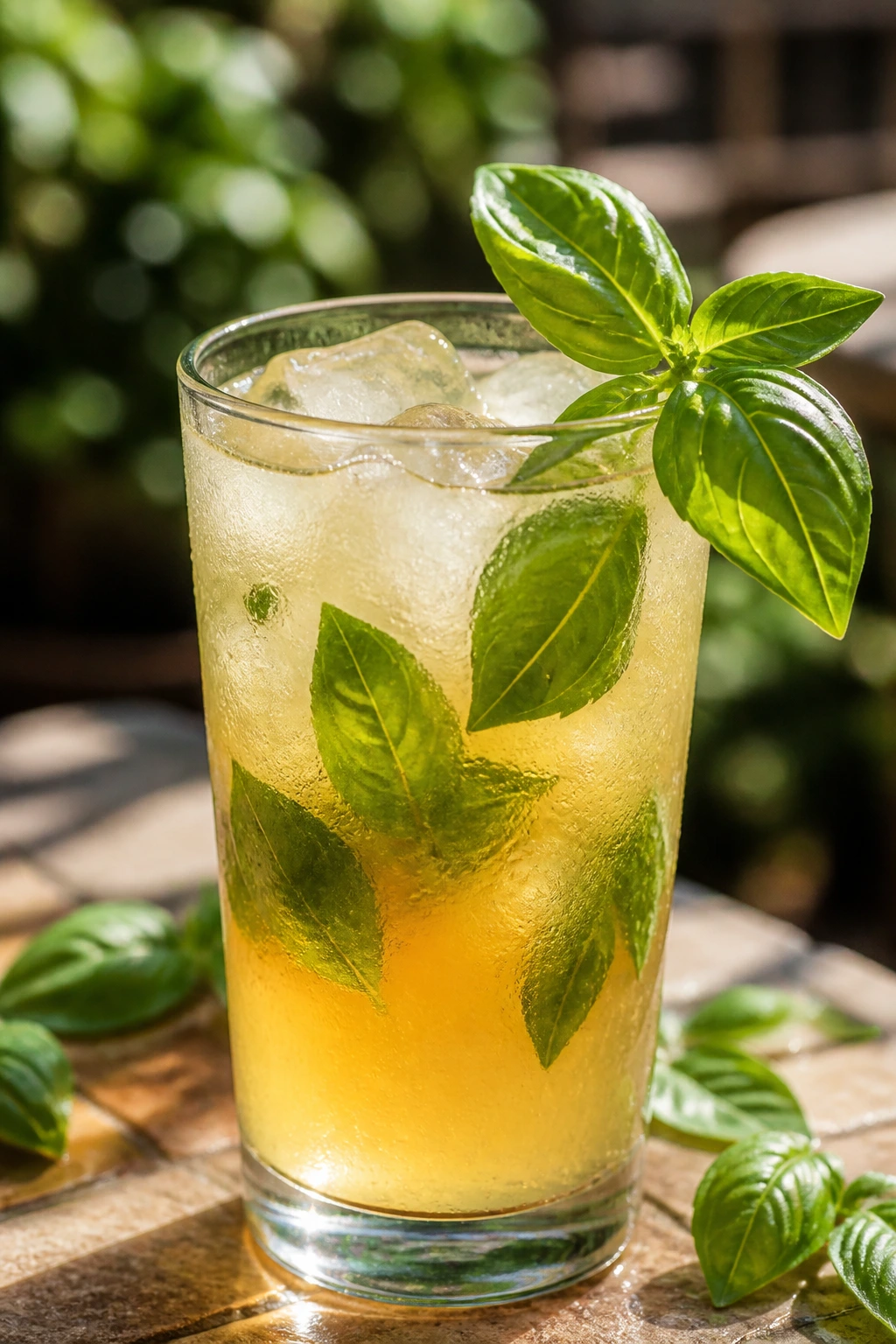
This is the half-tea, half-lemonade pitcher that always seems to vanish at a table full of people who can’t agree on sweetness. Basil sounds unusual here, but it gives the lemonade a green, fresh top note that makes the whole thing taste brighter.
Why It Works:
Black tea and lemon are already a proven pair; the basil just nudges them into fresher territory. The herbal note keeps the lemonade from feeling sugary, and the tea stops the drink from becoming one-dimensional.
Key Ingredients:
- 4 black tea bags — a sturdy tea base.
- 1 cup lemon juice — the sharp half of the drink.
- 1/3 cup granulated sugar — sweetens the lemonade.
- 1 packed cup basil leaves — for aroma and a soft herbal note.
- 4 cups hot water — for steeping the tea.
- 2 cups cold water — to finish the lemonade.
- Ice and basil sprigs — for serving.
Quick Steps:
- Step 1: Brew the Tea. Steep the black tea bags in 4 cups hot water for 4 to 5 minutes.
- Step 2: Make the Lemonade Base. In a pitcher, whisk the lemon juice, sugar, and basil leaves together until the sugar starts to dissolve and the basil smells vivid.
- Step 3: Combine. Remove the tea bags and pour the warm tea into the lemonade base.
- Step 4: Dilute. Add the cold water and stir.
- Step 5: Chill and Serve. Strain if you want a smoother pitcher, then pour over ice.
Equipment for This Recipe:
- Saucepan — for the tea.
- Pitcher — for mixing.
- Whisk — to help the sugar dissolve.
- Muddler or spoon — for gently pressing basil.
- Strainer — optional.
How to Serve This Dish:
Serve it in a tall glass with a lemon wheel and a basil leaf laid on top. It’s good with sandwiches, grilled chicken, or anything salty and casual that wants a bright drink beside it.
Pro Tips for This Recipe:
- Don’t shred the basil. Gentle bruising is enough.
- Taste before chilling; cold tea tastes less sweet than warm tea.
- If the lemonade feels too sharp, add 1 to 2 tablespoons more sugar while the tea is warm.
Variations on This Dish:
- Mint Palmer: Use mint instead of basil for a more classic finish.
- Honey Palmer: Swap sugar for honey and stir it into the hot tea.
- Sparkling Palmer: Replace 1 cup of cold water with sparkling water right before serving.
Common Mistakes to Avoid with This Dish:
- Don’t over-muddle the basil. It can turn grassy fast.
- Don’t under-sweeten the lemonade base and hope ice will fix it. It won’t.
10. Raspberry Lime Rooibos
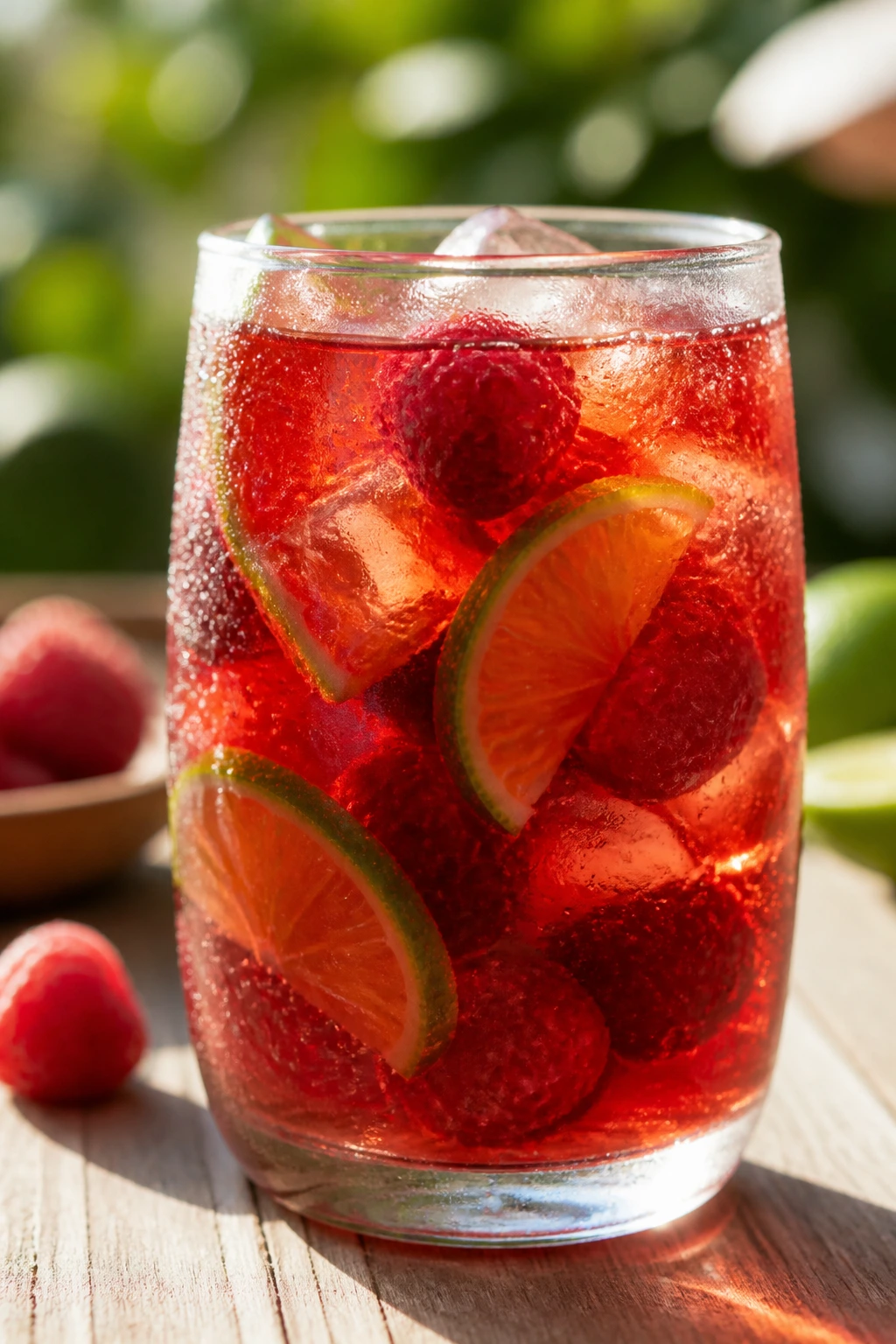
This is the caffeine-free pitcher that doesn’t taste like a compromise. Rooibos brings a soft, almost honeyed base, raspberries give it color and bite, and lime keeps the fruit from getting syrupy.
Why It Works:
Rooibos steeps longer than black or green tea without going bitter, which makes it perfect for cold fruit. Raspberry gives the drink enough tartness to feel grown-up, while lime keeps the finish clean and bright.
Key Ingredients:
- 4 rooibos tea bags or 4 teaspoons loose-leaf rooibos — naturally caffeine-free.
- 1 cup raspberries, fresh or frozen — for fruit and color.
- 1/4 cup granulated sugar — enough to soften the tart edges.
- 2 tablespoons lime juice — adds snap.
- 4 cups boiling water — for steeping.
- 2 cups cold water — to finish.
- Ice and extra raspberries — for serving.
Quick Steps:
- Step 1: Steep the Rooibos. Brew the rooibos in 4 cups boiling water for 6 to 7 minutes.
- Step 2: Add the Raspberries. Stir in the raspberries and let them sit for 10 minutes.
- Step 3: Sweeten. Remove the tea bags and stir in the sugar until dissolved.
- Step 4: Finish the Lime. Add the lime juice and cold water, then mash a few raspberries lightly.
- Step 5: Chill and Serve. Refrigerate until cold, then pour over ice.
Equipment for This Recipe:
- Saucepan — for boiling.
- Pitcher — for cooling.
- Fine strainer — if you want a smoother drink.
- Spoon or muddler — for lightly pressing the fruit.
- Measuring cups — for the water.
How to Serve This Dish:
Serve it in a lowball or tall glass with a few floating berries. It’s nice with scones, butter cookies, or a snack board that needs a non-caffeinated drink with some personality.
Pro Tips for This Recipe:
- Frozen raspberries work well and add chill at the same time.
- Rooibos is forgiving, so don’t panic if it steeps a minute longer.
- If you want a deeper berry flavor, let the fruit sit in the hot tea a little longer before adding the lime.
Variations on This Dish:
- Blackberry Rooibos: Swap the raspberries for blackberries and add a few basil leaves.
- Raspberry Orange Rooibos: Add orange juice instead of lime for a softer finish.
- Sparkling Rooibos Fizz: Top each glass with seltzer just before serving.
Common Mistakes to Avoid with This Dish:
- Don’t treat rooibos like green tea and pull it too early. It needs a longer steep.
- Don’t leave berry seeds in the pitcher if you want a clean pour for guests.
11. Cold-Brew Oolong with Nectarine
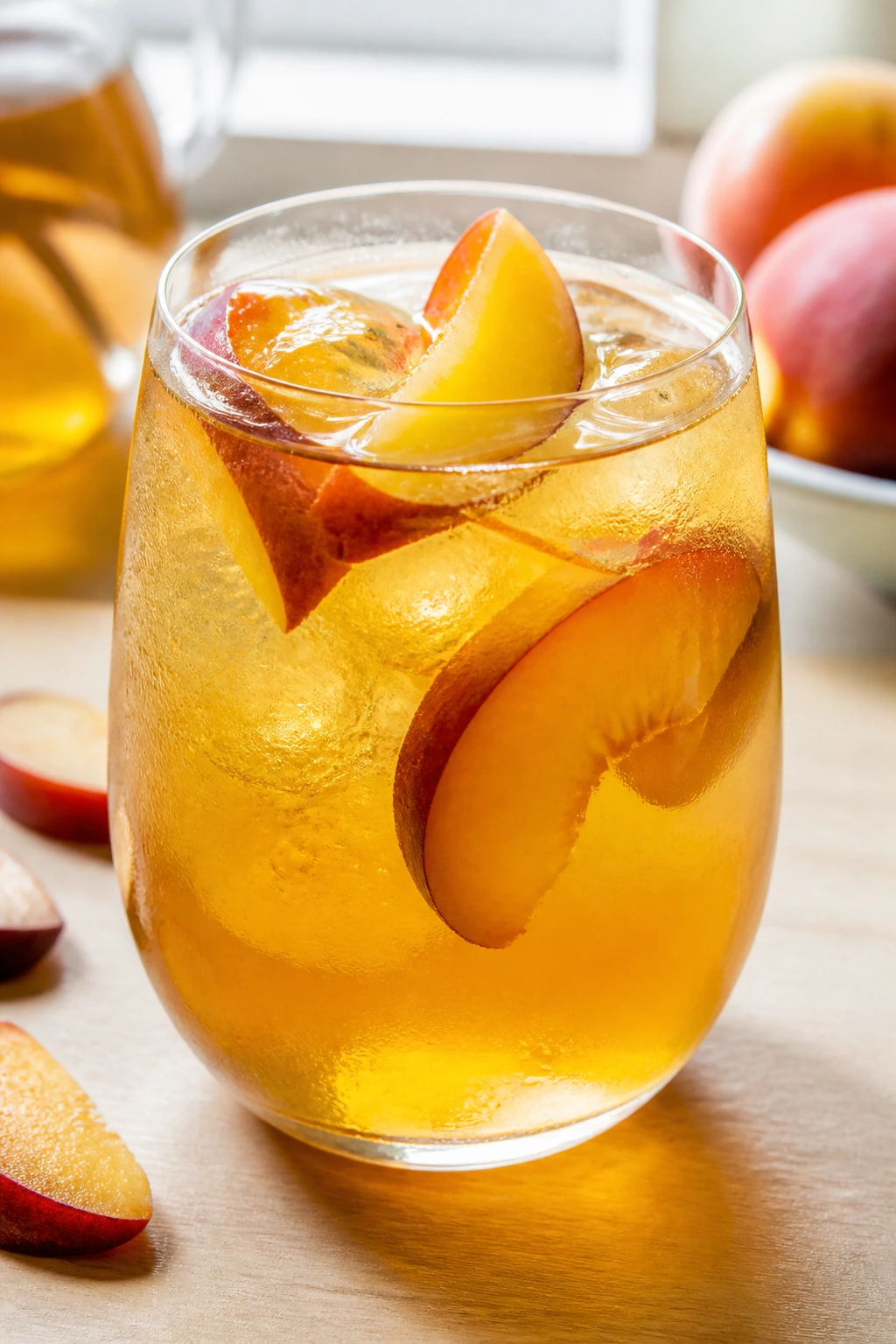
This is the smoothest tea in the lineup, the kind that tastes like someone planned ahead in a very calm kitchen. Cold brewing keeps oolong round and mellow, and nectarine adds perfume without making the drink sticky.
Why It Works:
Oolong sits between green and black tea, so it can handle fruit without getting lost. Cold brewing pulls out a softer, less tannic flavor, which is why this one tastes polished even before you add the nectarines.
Key Ingredients:
- 4 oolong tea bags or 4 teaspoons loose-leaf oolong — medium-bodied and smooth.
- 2 ripe nectarines, sliced — fragrant fruit with soft skin.
- 2 tablespoons honey — gives the tea a clean sweetness.
- 1 tablespoon lemon juice — keeps the nectarines bright.
- 4 cups cold water — for cold brewing.
- Ice — for serving.
- Extra nectarine slices — for garnish.
Quick Steps:
- Step 1: Start the Cold Brew. Combine the oolong and cold water in a pitcher.
- Step 2: Chill Overnight. Refrigerate for 6 to 8 hours, until the tea tastes mellow and lightly floral.
- Step 3: Add Fruit. Stir in the nectarine slices, honey, and lemon juice.
- Step 4: Let It Sit Briefly. Leave the fruit in the tea for 15 minutes so the flavor blooms.
- Step 5: Serve Cold. Strain if you want a cleaner glass, then pour over ice.
Equipment for This Recipe:
- Pitcher with lid — cold brew needs room in the fridge.
- Fine strainer — optional.
- Knife and cutting board — for nectarines.
- Spoon — for stirring honey.
- Measuring cups — for the water.
How to Serve This Dish:
Serve it very cold in clear glasses with two nectarine slices tucked against the ice. It works well with light brunch food, fruit salad, or plain tea cakes.
Pro Tips for This Recipe:
- Use ripe nectarines; hard ones don’t release enough flavor.
- If you want a stronger tea, add 1 extra teaspoon of oolong rather than steeping longer.
- Cold brew tastes softer than hot-brew tea, so don’t expect a sharp finish.
Variations on This Dish:
- Peach Oolong: Swap nectarines for peaches if that’s what you have.
- Honey-Lime Oolong: Increase the lime juice and skip the lemon.
- Herbal Oolong Fizz: Add a splash of sparkling water at serving.
Common Mistakes to Avoid with This Dish:
- Don’t brew oolong hot for too long, then chill it and call it cold brew. The flavor gets rough.
- Don’t let the fruit sit for several days; it starts to taste tired.
12. Thai Iced Tea
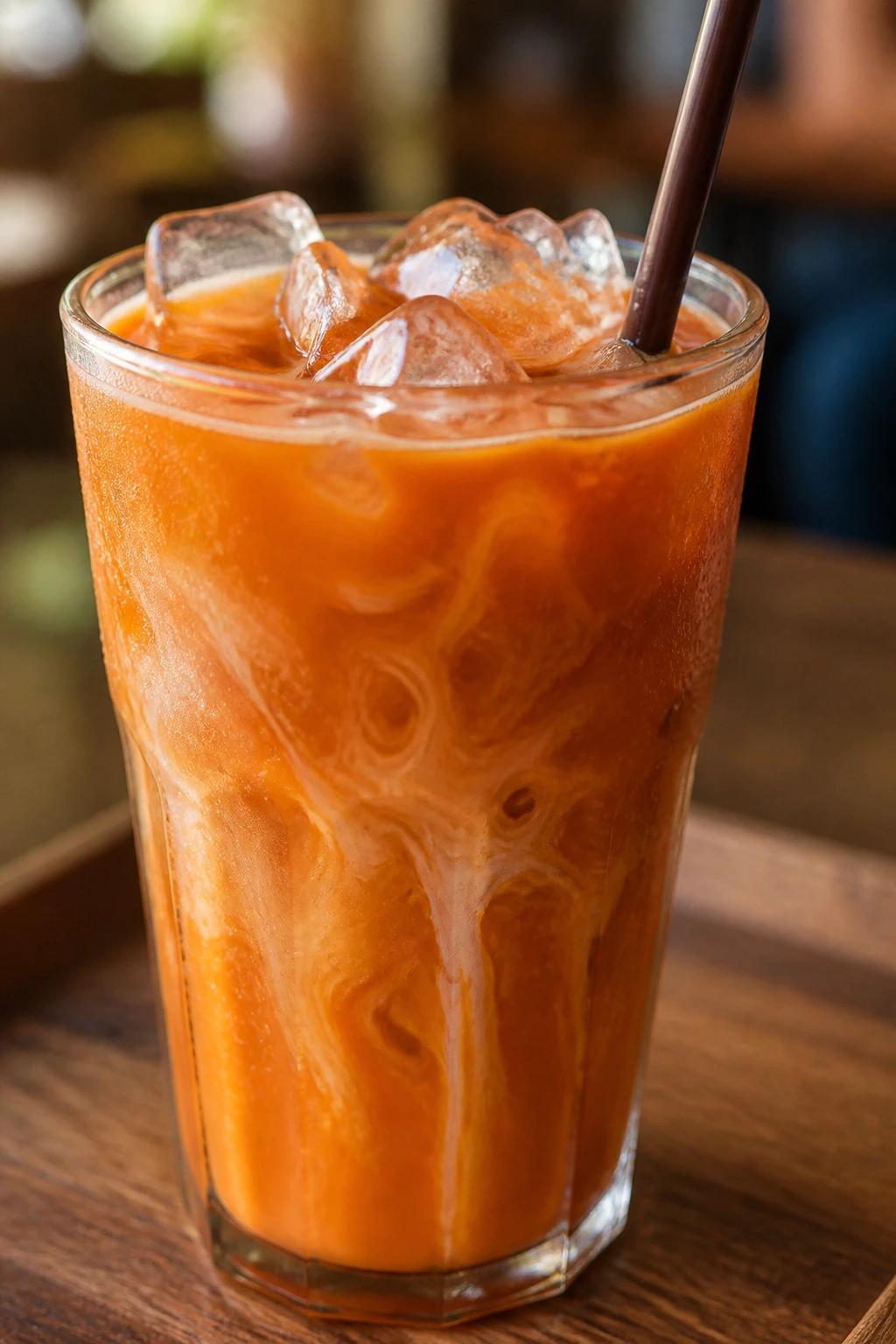
This one is bold, orange, and unapologetically sweet in the way people expect Thai iced tea to be. The condensed milk gives it that signature creamy stripe when poured over ice, and the spices should taste warm rather than heavy.
Why It Works:
Thai tea mix is built for strong brewing, which means it holds up to ice and milk without losing its character. Sweetened condensed milk adds body and sweetness together, and that layered look in the glass is part of the fun.
Key Ingredients:
- 1/2 cup Thai tea mix — the classic orange-black base.
- 3 cups boiling water — strong enough to extract the tea.
- 1/4 cup granulated sugar — for extra sweetness, if needed.
- 1/2 cup sweetened condensed milk — gives the tea its creamy finish.
- 1/2 cup evaporated milk or whole milk — thins the condensed milk slightly.
- Ice — lots of it.
- Orange slices — optional but useful for garnish.
Quick Steps:
- Step 1: Steep the Tea. Pour the boiling water over the Thai tea mix and steep for 5 minutes.
- Step 2: Strain Well. Strain the tea through a fine mesh sieve into a pitcher to catch the fine leaves.
- Step 3: Sweeten. Stir in the sugar while the tea is still hot, tasting before you add all of it.
- Step 4: Chill. Refrigerate until cold.
- Step 5: Serve with Milk. Fill glasses with ice, pour in the tea, then top with condensed milk and evaporated milk.
Equipment for This Recipe:
- Saucepan or kettle — for the water.
- Fine-mesh strainer — Thai tea mix is fine and dusty.
- Pitcher — for chilling.
- Long spoon — for stirring.
- Measuring cups — for the milk.
How to Serve This Dish:
Serve it in a clear glass so the milk swirl shows up. It’s good with spicy food, sesame cookies, or anything that benefits from a sweet, cooling drink beside it.
Pro Tips for This Recipe:
- Pour the milk over the back of a spoon if you want distinct layers.
- If your tea mix is already sweetened, taste before adding extra sugar.
- Keep this one cold; dairy and warmth do not get along well.
Variations on This Dish:
- Coconut Thai Tea: Swap half the milk for coconut milk.
- Less-Sweet Thai Tea: Cut the condensed milk by a third and add more evaporated milk.
- Vanilla Thai Tea: Add 1/2 teaspoon vanilla extract to the milk mixture.
Common Mistakes to Avoid with This Dish:
- Don’t use weak tea here. Thai tea should be assertive.
- Don’t leave the pitcher at room temperature for long if it already has milk in it.
13. Blackberry Sage Iced Tea
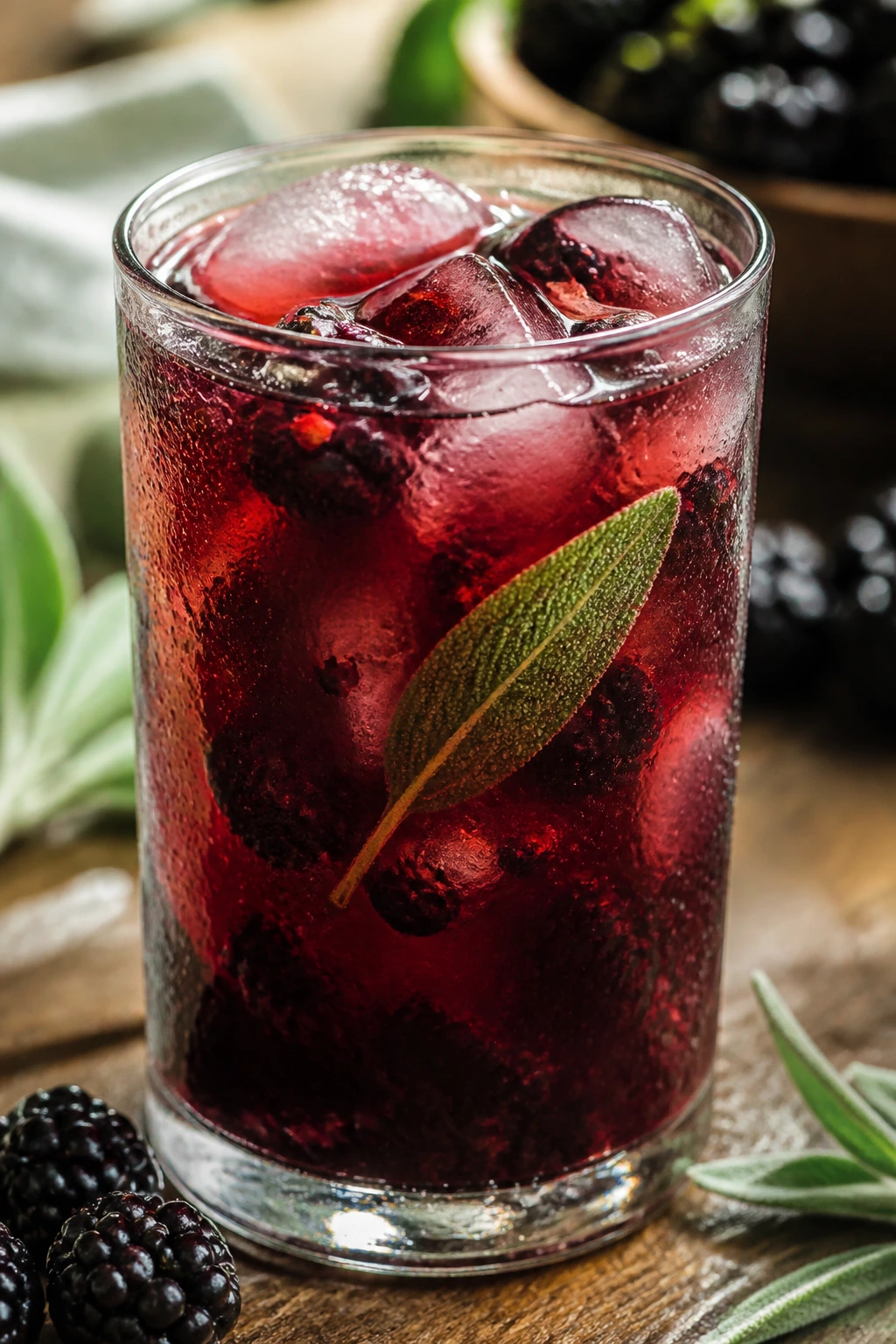
This tastes darker and a little more serious than the fruit teas, which is part of its charm. Blackberry brings jammy color, sage adds a savory herbal note, and black tea keeps the whole thing from getting too soft.
Why It Works:
Sage can take over fast if you’re careless, but in a short steep it gives the tea a clean, woodsy edge. Blackberries bring sweetness and enough pectin-like body to make the drink feel full.
Key Ingredients:
- 4 black tea bags — the base.
- 1 cup blackberries — fresh or frozen.
- 6 fresh sage leaves — fragrant, not dominant.
- 1/3 cup honey — balances the berry and herb.
- 1 lemon, juiced — sharpens the finish.
- 4 cups boiling water — for steeping.
- 2 cups cold water — for cooling.
Quick Steps:
- Step 1: Brew the Tea. Steep the black tea bags in 4 cups boiling water for 4 minutes.
- Step 2: Add Sage and Berries. Stir in the sage and blackberries and let them sit for 8 to 10 minutes.
- Step 3: Sweeten. Remove the tea bags and stir in the honey while warm.
- Step 4: Add Citrus and Water. Stir in the lemon juice and cold water.
- Step 5: Chill and Serve. Refrigerate until cold, then pour over ice.
Equipment for This Recipe:
- Saucepan — for brewing.
- Pitcher — for chilling.
- Strainer — if you want a smooth finish.
- Spoon — for mashing berries lightly.
- Knife — if you want to chop sage.
How to Serve This Dish:
It looks good in a tall glass with a blackberry or two dropped into the ice. Serve it with roast chicken, cheese crackers, or a savory snack plate.
Pro Tips for This Recipe:
- Use sage sparingly; 6 leaves is plenty.
- Frozen blackberries make the drink colder faster and are easier to mash.
- If it tastes too herbal, add a little more lemon rather than more honey.
Variations on This Dish:
- Blackberry Thyme Tea: Replace half the sage with thyme for a lighter herb note.
- Blackberry Mint Tea: Use mint if you want a fresher finish.
- Sparkling Blackberry Tea: Top each glass with seltzer.
Common Mistakes to Avoid with This Dish:
- Don’t oversteep sage. It turns bitter and chalky.
- Don’t use very sweet blackberry jam as a shortcut; it makes the tea sticky.
14. Blood Orange Earl Grey Iced Tea
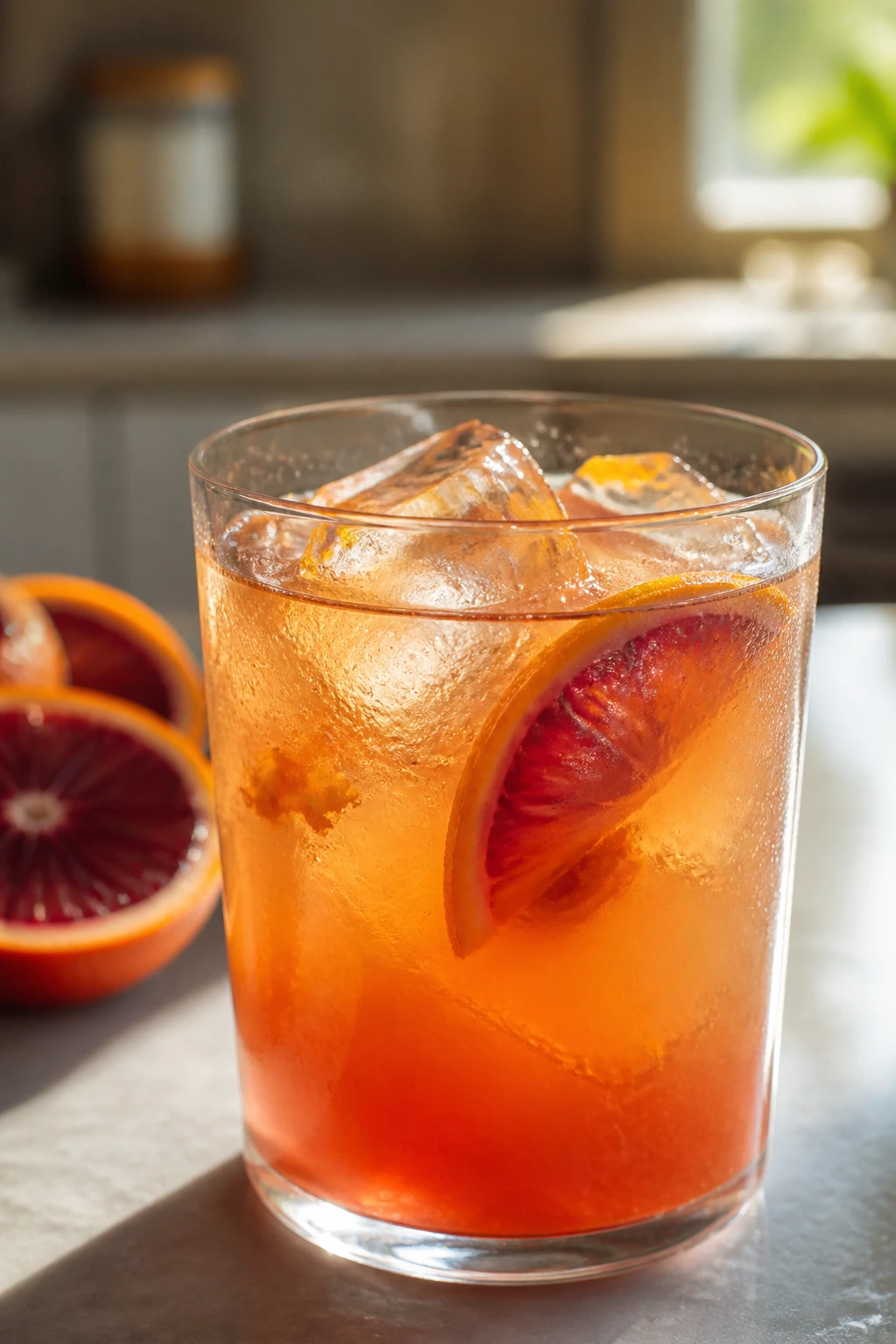
This is the one that tastes the most grown-up in a room full of pitchers. Earl Grey’s bergamot gives the drink a perfume-like note, and blood orange brings a dark citrus edge that feels brighter than regular orange juice.
Why It Works:
Bergamot already behaves like citrus, so Earl Grey and blood orange make sense together without becoming loud. A little sugar smooths the tea, and the orange zest makes the whole pitcher smell like someone peeled the fruit directly into the glass.
Key Ingredients:
- 4 Earl Grey tea bags — bergamot-forward and sturdy.
- 1 cup blood orange juice — gives color and a tart citrus note.
- 1/4 cup granulated sugar — balances the acid.
- 1 tablespoon orange zest — adds aroma.
- 4 cups boiling water — for steeping.
- 2 cups cold water — for cooling.
- Ice and orange slices — for serving.
Quick Steps:
- Step 1: Brew the Tea. Steep the Earl Grey in 4 cups boiling water for 4 minutes.
- Step 2: Sweeten. Stir in the sugar while the tea is hot.
- Step 3: Add Citrus. Add the blood orange juice and orange zest.
- Step 4: Dilute and Chill. Pour in the cold water and refrigerate until cold.
- Step 5: Serve. Strain if needed, then pour over ice.
Equipment for This Recipe:
- Saucepan — for brewing.
- Pitcher — for chilling.
- Microplane or zester — for the orange.
- Fine strainer — optional.
- Measuring cups — for the juice.
How to Serve This Dish:
This one deserves clear glasses and a clean orange wheel. Serve it with shortbread, almond cookies, or a brunch spread that needs a slightly floral drink.
Pro Tips for This Recipe:
- Don’t steep Earl Grey too long, or the bergamot starts to taste soapy.
- Use actual blood orange juice if you can; the color is half the appeal.
- Zest the orange before juicing it. Much easier.
Variations on This Dish:
- Lemon Earl Grey Tea: Swap the blood orange for lemon juice.
- Honey Orange Tea: Use honey instead of sugar for a softer finish.
- Sparkling Earl Grey: Replace 1 cup of cold water with chilled club soda.
Common Mistakes to Avoid with This Dish:
- Don’t overdo the zest. Too much orange peel can taste bitter.
- Don’t skip sweetness entirely. Earl Grey plus citrus can feel sharp without it.
15. Iced Matcha Lemonade
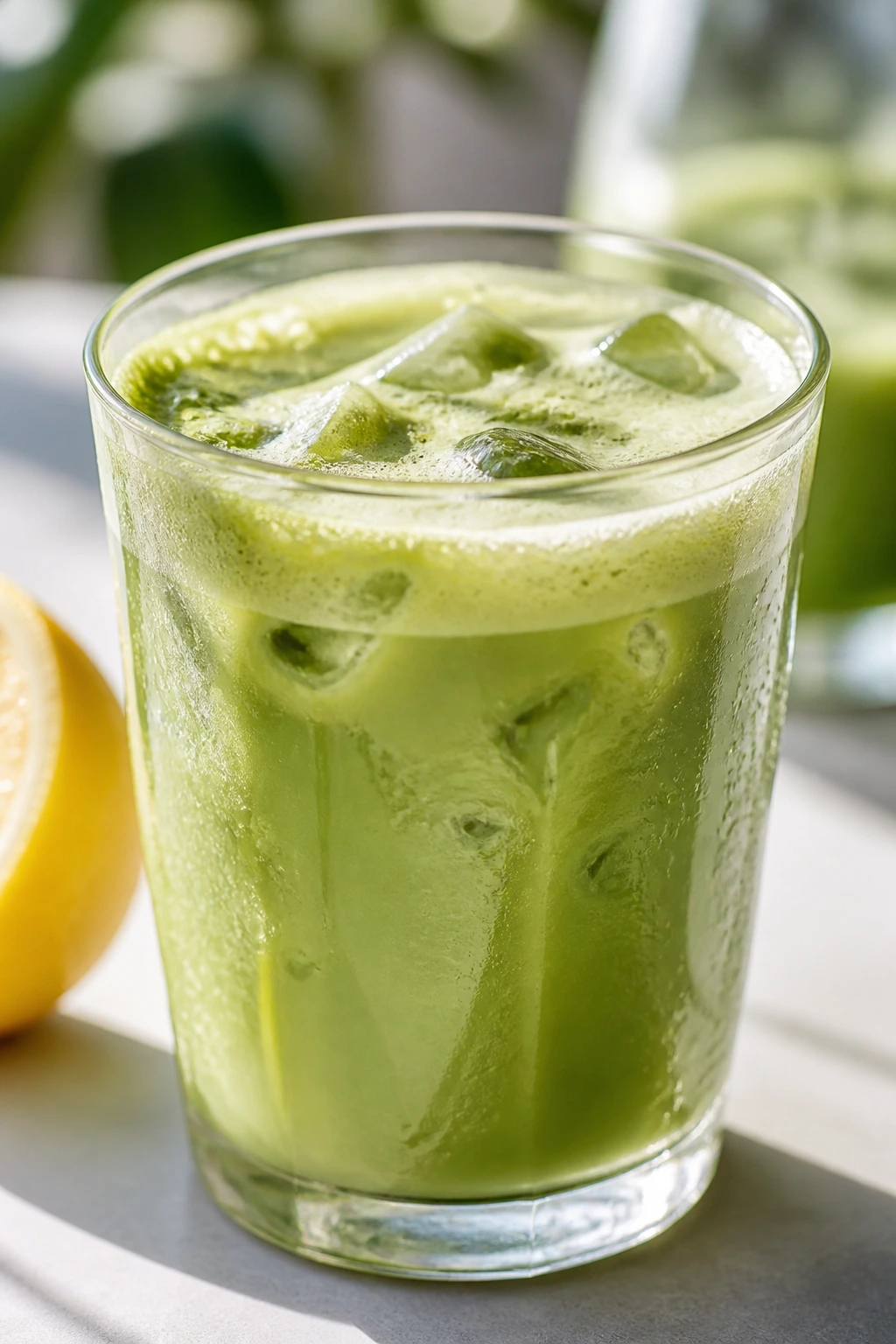
This is bright, grassy, and a little dramatic in the glass. Matcha gives the drink color and body, lemonade gives it snap, and the two together taste sharper than either one alone.
Why It Works:
Matcha works as a suspension, not a steeped tea, so whisking matters more than time. Lemonade cuts through the green flavor and makes the drink feel refreshing instead of vegetal.
Key Ingredients:
- 2 teaspoons matcha powder — sifted if it’s clumpy.
- 1/4 cup hot water at about 175°F — for whisking the matcha.
- 1/4 cup honey — sweetens the base.
- 1/2 cup fresh lemon juice — gives the lemonade its punch.
- 3 1/2 cups cold water — for dilution.
- Pinch of fine salt — keeps the flavor from tasting flat.
- Ice — for serving.
Quick Steps:
- Step 1: Whisk the Matcha. In a small bowl, whisk the matcha with the hot water until smooth and foamy.
- Step 2: Sweeten the Base. Whisk in the honey and a pinch of salt while the matcha is still fluid.
- Step 3: Build the Lemonade. In a pitcher, combine the lemon juice and cold water.
- Step 4: Add the Matcha. Pour the matcha mixture into the pitcher and whisk again until evenly green.
- Step 5: Serve Over Ice. Stir before pouring each glass, because matcha settles.
Equipment for This Recipe:
- Small bowl — for whisking the matcha.
- Bamboo whisk or small whisk — useful for breaking up clumps.
- Pitcher — for serving.
- Measuring spoons — for the matcha.
- Fine sieve — optional, for sifting the powder.
How to Serve This Dish:
Serve it over plenty of ice in a clear glass so the color stays front and center. It works especially well with light snacks, fruit, or anything fried that needs a sharp drink beside it.
Pro Tips for This Recipe:
- Sift the matcha first if it tends to clump.
- Use water that’s warm, not boiling, or the matcha gets bitter.
- Stir again right before serving; matcha sinks faster than people expect.
Variations on This Dish:
- Sparkling Matcha Lemonade: Replace 1 cup of the cold water with sparkling water.
- Honey-Mint Matcha: Add 4 mint leaves to the pitcher.
- Stronger Matcha Tea: Increase the matcha to 3 teaspoons for a deeper green flavor.
Common Mistakes to Avoid with This Dish:
- Don’t use boiling water for matcha. It tastes harsh almost immediately.
- Don’t walk away from the pitcher and expect it to stay mixed. It needs a stir.
16. Pineapple Mint Green Tea
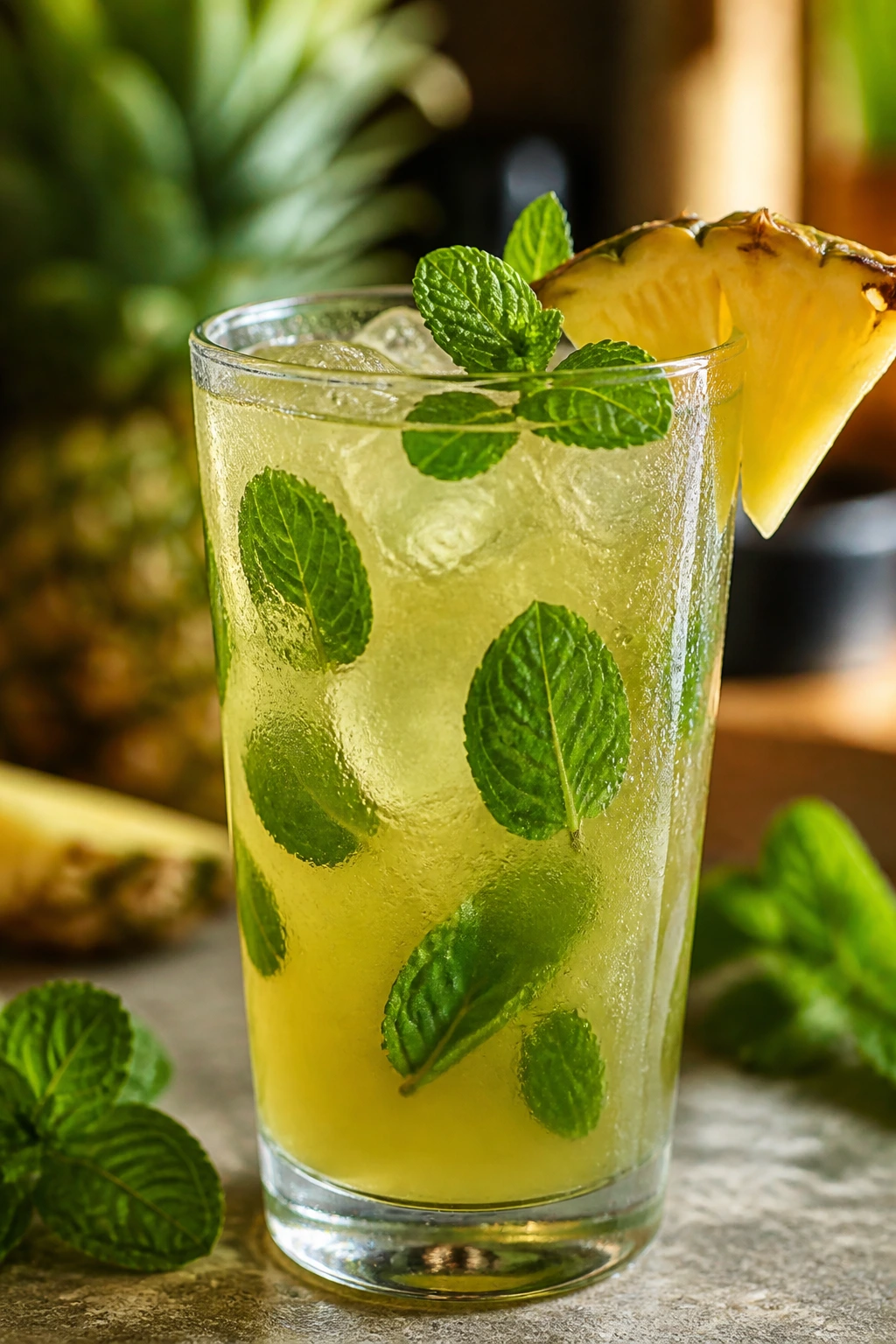
This tastes tropical without getting syrupy, which is the trick. Pineapple juice gives the tea a bright bite, mint keeps it cool, and green tea gives the drink enough structure to stay interesting after the ice melts.
Why It Works:
Green tea has the right amount of grassiness to support pineapple. Mint adds a cooling finish that makes the drink feel lighter, and a little honey keeps the fruit from tasting too sharp.
Key Ingredients:
- 4 green tea bags — a clean base.
- 1 cup pineapple juice — sweet and tangy.
- 1 packed cup mint leaves — for coolness.
- 1/4 cup honey — balances the pineapple.
- 4 cups hot water — for steeping.
- 2 cups cold water — for cooling.
- Ice and mint sprigs — for serving.
Quick Steps:
- Step 1: Brew the Tea. Steep the green tea in 4 cups hot water for 2 to 3 minutes.
- Step 2: Add Mint. Stir in the mint leaves for 2 minutes, then strain them out.
- Step 3: Sweeten. Add the honey while the tea is still warm.
- Step 4: Add Pineapple and Water. Stir in the pineapple juice and cold water.
- Step 5: Chill and Serve. Refrigerate until cold, then pour over ice.
Equipment for This Recipe:
- Saucepan — for hot water.
- Pitcher — for chilling.
- Strainer — for the mint.
- Spoon — for stirring honey.
- Measuring cups — for juice and water.
How to Serve This Dish:
Serve this in a wide glass with a mint sprig and a pineapple wedge if you want a more festive look. It goes well with grilled shrimp, fruit salad, or snacky salty food.
Pro Tips for This Recipe:
- Keep the green tea steep short, or the pineapple will not save it.
- Use 100% pineapple juice, not a sugary punch drink.
- If you want more mint flavor, bruise the leaves lightly before adding them.
Variations on This Dish:
- Pineapple Lime Tea: Replace some pineapple juice with lime juice.
- Pineapple Basil Tea: Swap basil for mint if you want a more herbal finish.
- Sparkling Pineapple Tea: Top the glass with seltzer.
Common Mistakes to Avoid with This Dish:
- Don’t steep green tea too long. It goes bitter fast.
- Don’t use pineapple syrup without tasting first; it can make the tea cloying.
17. Blueberry Lavender Iced Tea
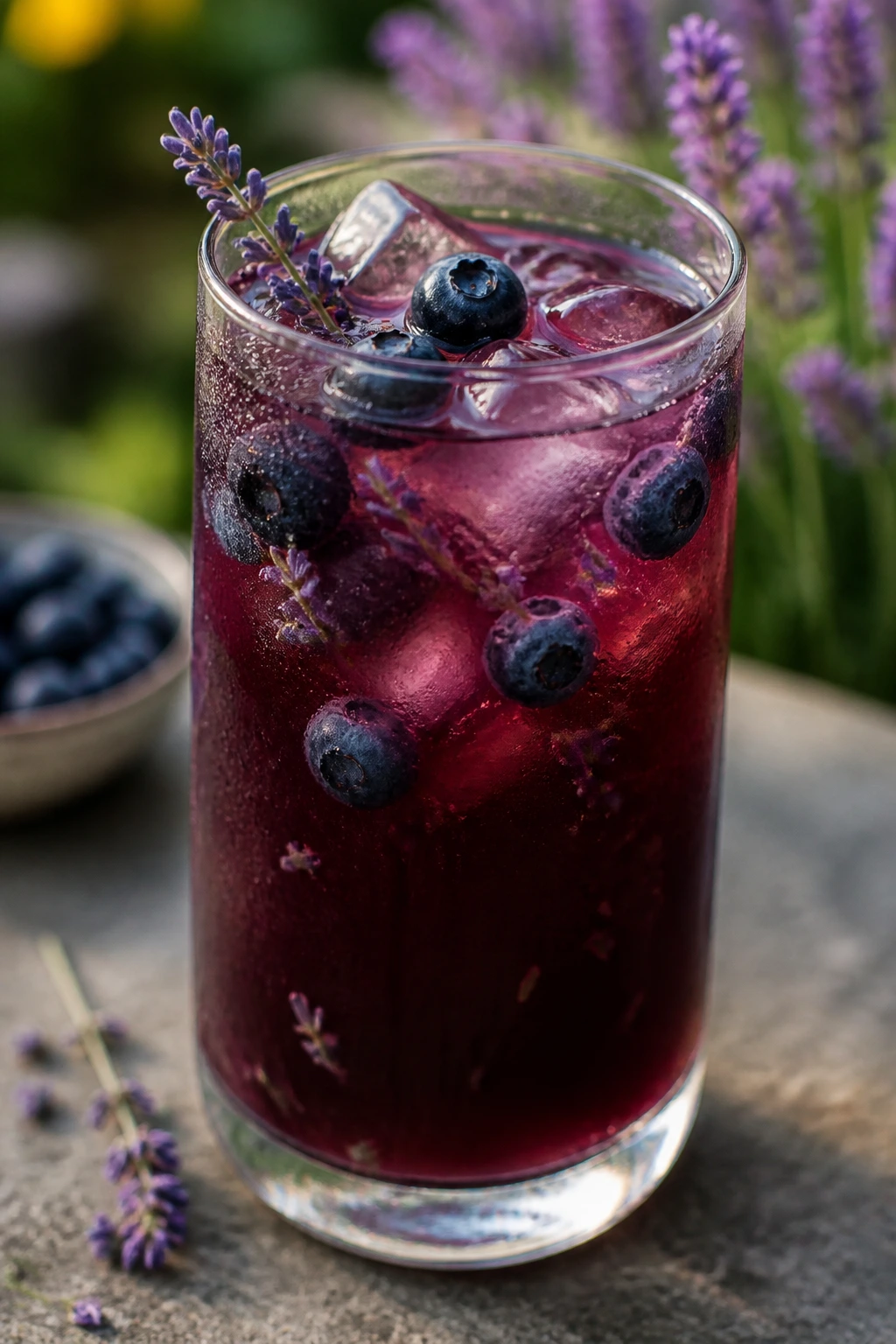
This one is floral in the right way if you keep the lavender light. Blueberries bring the softness, black tea brings strength, and the whole pitcher smells like fruit and a little bit of garden air.
Why It Works:
Lavender is potent, so a small amount is enough to shape the drink without making it perfume-like. Blueberries add body and color, and black tea gives the pitcher a firm base so the floral note doesn’t float away.
Key Ingredients:
- 4 black tea bags — sturdy enough for berries and lavender.
- 1 cup blueberries — fresh or frozen.
- 1 teaspoon dried culinary lavender — use sparingly.
- 1/3 cup honey — softens the floral edge.
- 1 lemon, juiced — keeps the tea bright.
- 4 cups boiling water — for brewing.
- 2 cups cold water — for cooling.
Quick Steps:
- Step 1: Brew the Tea. Steep the black tea bags in 4 cups boiling water for 4 minutes.
- Step 2: Add Lavender and Berries. Stir in the blueberries and lavender, then let them sit for 8 minutes.
- Step 3: Sweeten. Remove the tea bags and stir in the honey while warm.
- Step 4: Finish with Lemon. Add the lemon juice and cold water.
- Step 5: Chill and Serve. Strain if you want a smooth pour, then serve over ice.
Equipment for This Recipe:
- Saucepan — for brewing.
- Pitcher — for chilling.
- Fine strainer — optional.
- Spoon or muddler — to press berries lightly.
- Measuring spoon — for the lavender.
How to Serve This Dish:
Serve it in clear glasses with a few blueberries floating on top. It works well with scones, lemon bars, or a snack tray with soft cheese and crackers.
Pro Tips for This Recipe:
- Use culinary lavender only; potpourri lavender belongs nowhere near a pitcher.
- If the lavender tastes strong, add more lemon rather than more sugar.
- Frozen blueberries can help chill the tea and give up more color.
Variations on This Dish:
- Blueberry Mint Tea: Swap lavender for mint if you want a fresher cup.
- Blueberry Lemon Tea: Drop the lavender and add more lemon juice.
- Sparkling Blueberry Tea: Finish with chilled club soda.
Common Mistakes to Avoid with This Dish:
- Don’t use too much lavender. A heavy hand makes the tea taste like soap.
- Don’t leave the berries in too long if you want a clean-looking pitcher.
18. Watermelon White Tea
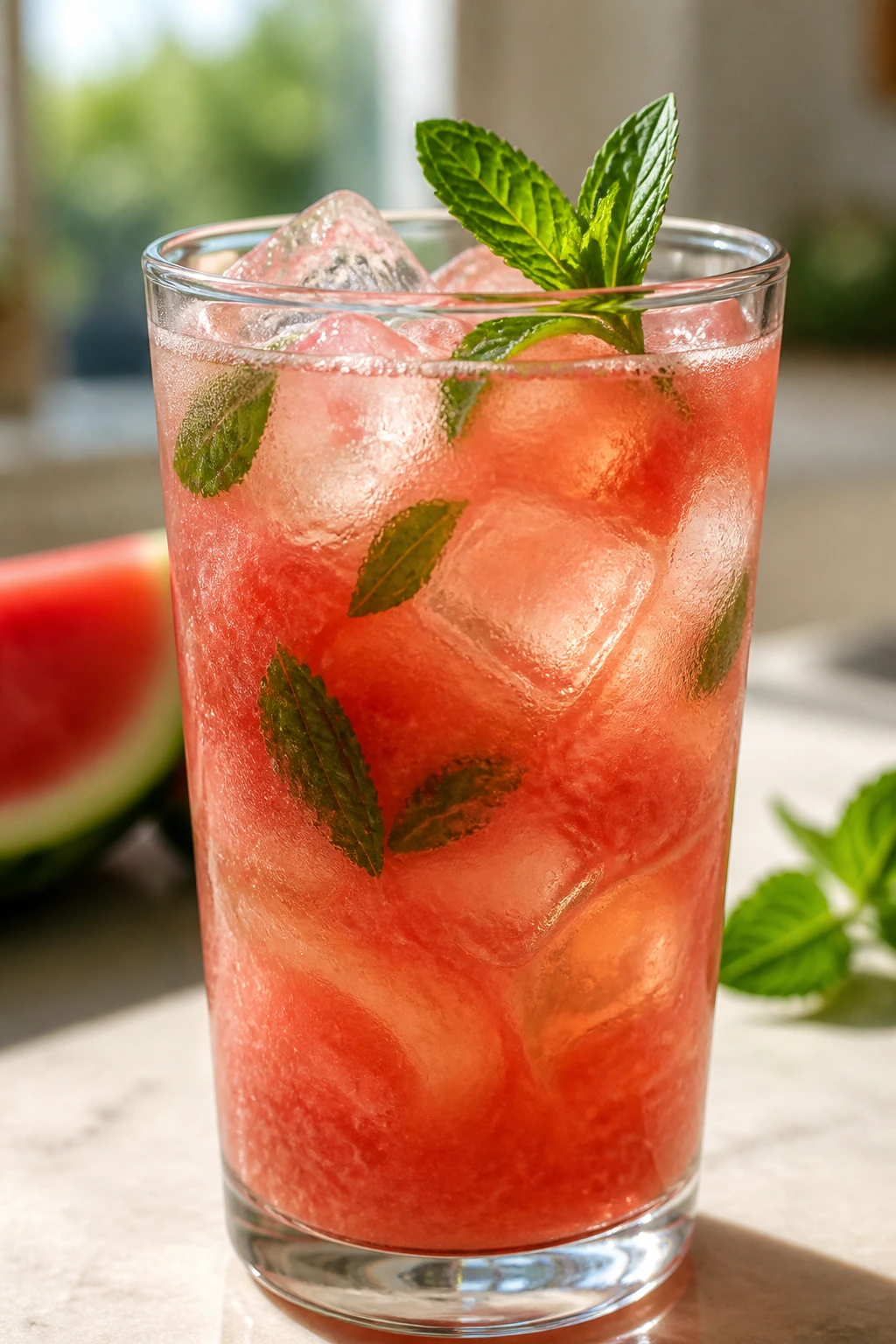
This tastes almost too easy, which is part of why it works. Watermelon gives the tea a clean, juicy sweetness, white tea keeps it light, and mint turns the whole glass into something cool enough for a hot table.
Why It Works:
White tea doesn’t fight watermelon, so the fruit stays front and center. Because watermelon is mostly water, it blends smoothly with the tea base and creates a pitcher that tastes fresh instead of thick.
Key Ingredients:
- 4 white tea bags — delicate base.
- 2 cups watermelon purée or strained watermelon juice — ripe and sweet.
- 2 tablespoons lime juice — keeps it from going flat.
- 1/4 cup honey — adds a soft sweet note.
- 1 packed cup mint leaves — for the finish.
- 4 cups hot water — for brewing.
- Ice and mint — for serving.
Quick Steps:
- Step 1: Brew the Tea. Steep the white tea in 4 cups water at about 175°F for 3 minutes.
- Step 2: Add Watermelon. Stir in the watermelon purée or juice.
- Step 3: Sweeten and Brighten. Add the honey and lime juice.
- Step 4: Add Mint. Stir in the mint leaves and let them sit for 5 minutes, then strain if desired.
- Step 5: Chill and Serve. Refrigerate until cold, then pour over ice.
Equipment for This Recipe:
- Blender or strainer — if you’re starting with watermelon chunks.
- Pitcher — for chilling.
- Kettle or saucepan — for the water.
- Spoon — for stirring.
- Measuring cups — for the purée.
How to Serve This Dish:
Serve it in a clear glass with a little watermelon wedge or a mint sprig tucked at the rim. It’s especially nice with salty appetizers, grilled corn, or anything light and crunchy.
Pro Tips for This Recipe:
- Strain the watermelon if you want a cleaner, less pulpy pitcher.
- Use very ripe watermelon; pale fruit makes a pale drink.
- Keep the white tea gentle so the fruit stays soft and sweet.
Variations on This Dish:
- Watermelon Basil Tea: Swap the mint for basil.
- Watermelon Lime Fizz: Add sparkling water right before serving.
- Watermelon Ginger Tea: Add a thin slice or two of ginger during brewing.
Common Mistakes to Avoid with This Dish:
- Don’t use underripe watermelon and expect the tea to fix it.
- Don’t overbrew white tea. It should stay delicate.
19. Peach Basil Green Tea
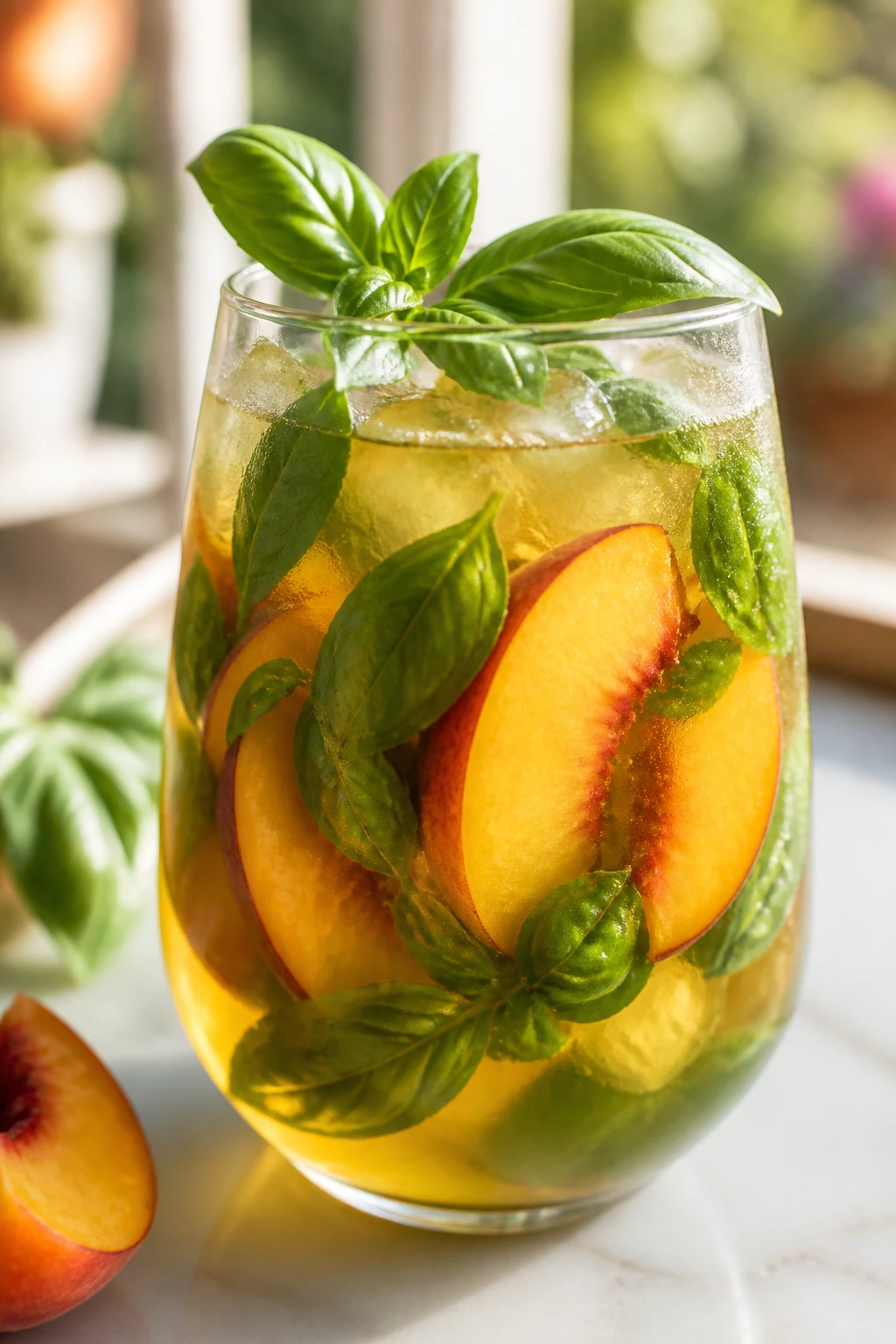
This one is fruit-forward, but the basil keeps it from tipping into plain peach drink territory. Green tea gives it a crisp backbone, and the basil makes the pitcher smell a little more interesting than your average fruit tea.
Why It Works:
Peach and basil have enough sweetness and herbiness to feel balanced without much fuss. Green tea keeps the drink from turning heavy, and lemon gives the fruit a cleaner finish.
Key Ingredients:
- 4 green tea bags — clean and brisk.
- 2 ripe peaches, sliced — use fragrant fruit.
- 1/2 cup fresh basil leaves — for a soft herbal note.
- 1/4 cup honey — sweetens the tea.
- 1 lemon, juiced — brightens the peach.
- 4 cups hot water — for brewing.
- 2 cups cold water — for cooling.
Quick Steps:
- Step 1: Brew the Tea. Steep the green tea in 4 cups hot water for 2 to 3 minutes.
- Step 2: Add Peach and Basil. Stir in the peach slices and basil leaves, then let them sit for 10 minutes.
- Step 3: Sweeten. Remove the tea bags and stir in the honey.
- Step 4: Add Lemon and Water. Stir in the lemon juice and cold water.
- Step 5: Chill and Serve. Strain if you want, then pour over ice.
Equipment for This Recipe:
- Saucepan — for brewing.
- Pitcher — for chilling.
- Knife and cutting board — for fruit.
- Spoon — for gentle mashing.
- Strainer — optional.
How to Serve This Dish:
Serve it in a tall glass with a peach slice and one basil leaf on top. It goes well with grilled chicken, crostini, or a picnic spread that needs one bright drink.
Pro Tips for This Recipe:
- Use basil sparingly; it should support the peach, not take over.
- If peaches are very sweet, use a little less honey.
- A few lightly mashed peach slices in the pitcher give the tea a fuller body.
Variations on This Dish:
- Peach Mint Green Tea: Use mint instead of basil for a cooler finish.
- Peach Lime Tea: Swap the lemon for lime juice.
- Sparkling Peach Tea: Add seltzer just before serving.
Common Mistakes to Avoid with This Dish:
- Don’t steep green tea too long. It turns brisk into bitter.
- Don’t use basil like a garnish only; it needs a brief sit to release flavor.
20. Grapefruit Rosemary Black Tea
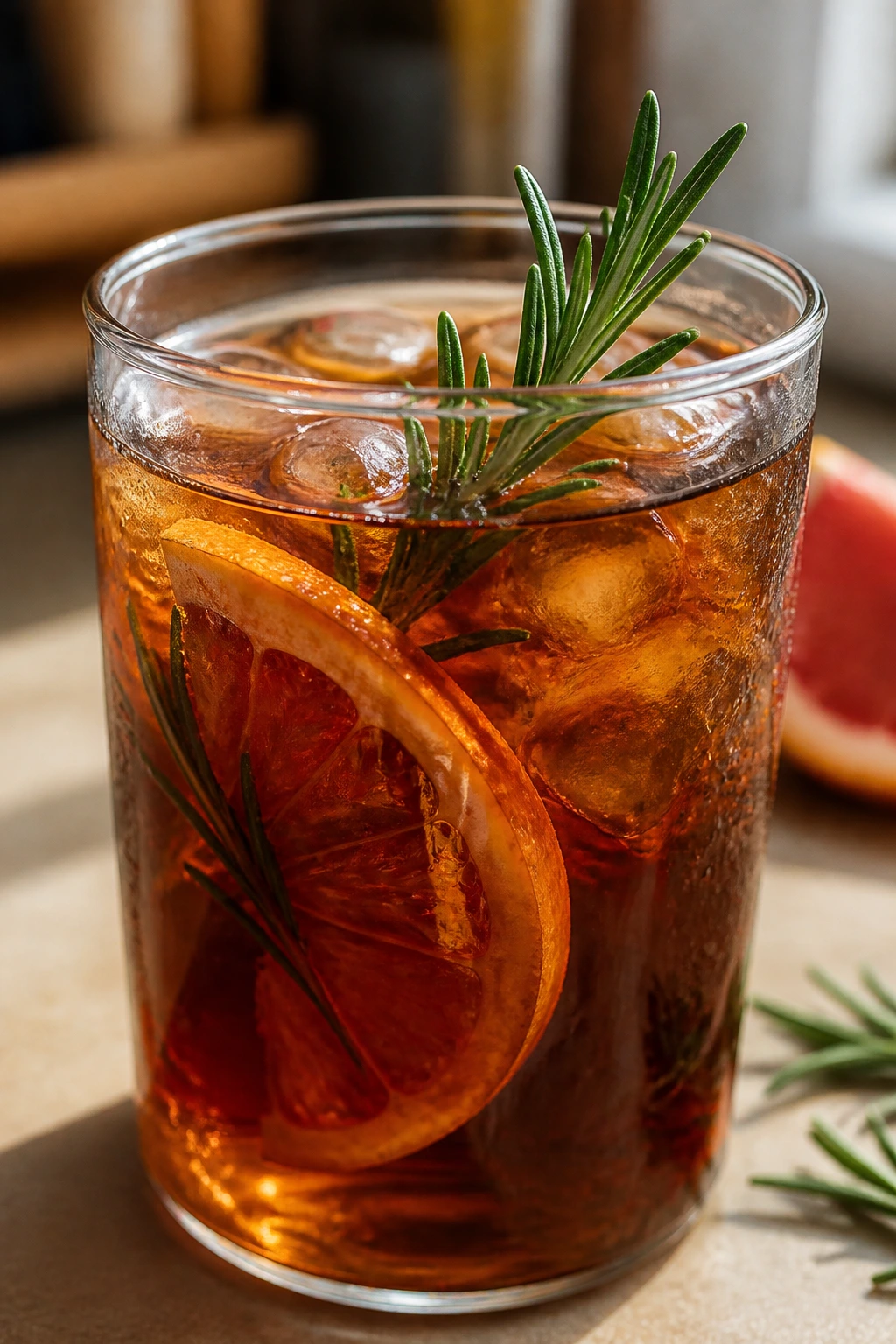
This is the savory-fruit drink on the table, and it holds its own beautifully. Grapefruit brings bite, rosemary brings a piney edge, and black tea keeps the whole thing grounded instead of perfume-like.
Why It Works:
Rosemary can be too intense if left in the tea too long, but a short steep gives it a clean, woody note. Grapefruit sharpens the drink and black tea keeps the citrus from tasting thin.
Key Ingredients:
- 4 black tea bags — the base.
- 1 cup grapefruit juice — tart and slightly bitter in a good way.
- 1 rosemary sprig — fragrant, not dominant.
- 1/4 cup honey — softens the grapefruit.
- 1 lemon, juiced — keeps the drink bright.
- 4 cups boiling water — for brewing.
- Ice and grapefruit slices — for serving.
Quick Steps:
- Step 1: Brew the Tea. Steep the black tea bags in 4 cups boiling water for 4 minutes.
- Step 2: Add Rosemary. Drop in the rosemary sprig for 2 minutes, then remove it.
- Step 3: Sweeten. Stir in the honey while the tea is warm.
- Step 4: Add Citrus. Stir in the grapefruit juice and lemon juice.
- Step 5: Chill and Serve. Refrigerate until cold, then pour over ice.
Equipment for This Recipe:
- Saucepan — for brewing.
- Pitcher — for chilling.
- Strainer — optional.
- Spoon — for stirring honey.
- Citrus juicer — helpful here.
How to Serve This Dish:
Serve this in a tall glass with a grapefruit slice or a rosemary tip if you want a more polished look. It pairs well with roast chicken, salty olives, or savory snacks.
Pro Tips for This Recipe:
- Keep rosemary contact short. More time is not better here.
- If your grapefruit is very tart, add another tablespoon of honey.
- Use ruby grapefruit for a softer, sweeter flavor.
Variations on This Dish:
- Orange Rosemary Tea: Replace grapefruit with orange juice for a gentler cup.
- Grapefruit Mint Tea: Swap rosemary for mint if you want it fresher.
- Sparkling Rosemary Tea: Add club soda right before serving.
Common Mistakes to Avoid with This Dish:
- Don’t steep rosemary like a regular herb tea. It gets pine-heavy fast.
- Don’t skip the sweetener. Grapefruit alone can feel too sharp.
21. Strawberry Mint Hibiscus Tea
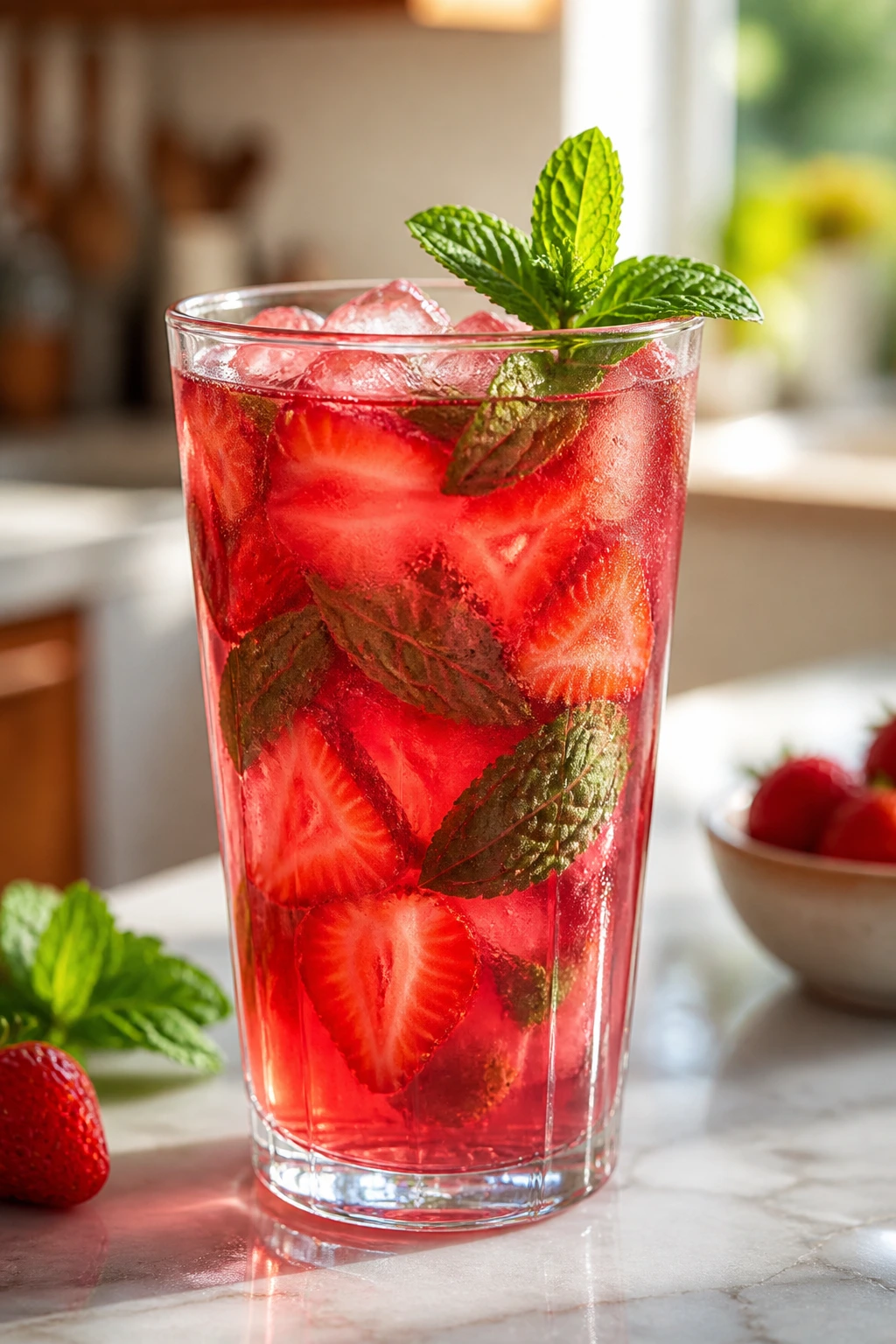
This is the pink-red crowd favorite that tastes cheerful without being childish. Hibiscus gives the tart base, strawberries bring round sweetness, and mint keeps the finish cool.
Why It Works:
Hibiscus and strawberry already share a berry-like tartness, so they blend naturally. Mint adds lift, which matters because hibiscus can get heavy if all you do is sweeten it.
Key Ingredients:
- 4 hibiscus tea bags — tart and vividly colored.
- 1 cup strawberries, sliced — ripe and fragrant.
- 1/2 cup fresh mint leaves — cool and clean.
- 1/3 cup sugar — enough to soften the edge.
- 1 lime, juiced — keeps the fruit lively.
- 4 cups boiling water — for brewing.
- Ice and strawberry slices — for serving.
Quick Steps:
- Step 1: Brew the Hibiscus. Steep the hibiscus tea bags in 4 cups boiling water for 6 minutes.
- Step 2: Add Strawberries and Mint. Stir in the strawberries and mint leaves, then let them sit for 8 minutes.
- Step 3: Sweeten. Remove the tea bags and stir in the sugar while warm.
- Step 4: Finish with Lime. Add the lime juice and stir.
- Step 5: Chill and Serve. Refrigerate until cold, then pour over ice.
Equipment for This Recipe:
- Saucepan — for brewing.
- Pitcher — for chilling.
- Spoon — for mashing berries lightly.
- Strainer — optional.
- Measuring cups — for the sugar.
How to Serve This Dish:
Serve it in clear glasses with a strawberry slice floating at the top. It’s a good match for pastries, fruit platters, or anything lightly salty.
Pro Tips for This Recipe:
- Don’t let mint sit for hours; it gets blunt.
- Frozen strawberries make a good shortcut and chill the tea faster.
- Taste after chilling, not before — hibiscus changes a little in the fridge.
Variations on This Dish:
- Strawberry Basil Hibiscus: Use basil instead of mint for a more herbal note.
- Strawberry Lemon Hibiscus: Swap lime for lemon.
- Sparkling Strawberry Tea: Finish with chilled seltzer.
Common Mistakes to Avoid with This Dish:
- Don’t under-sweeten hibiscus and expect the berries to rescue it.
- Don’t leave fruit pulp in a warm pitcher too long; the flavor goes dull.
22. Vanilla Almond Black Tea
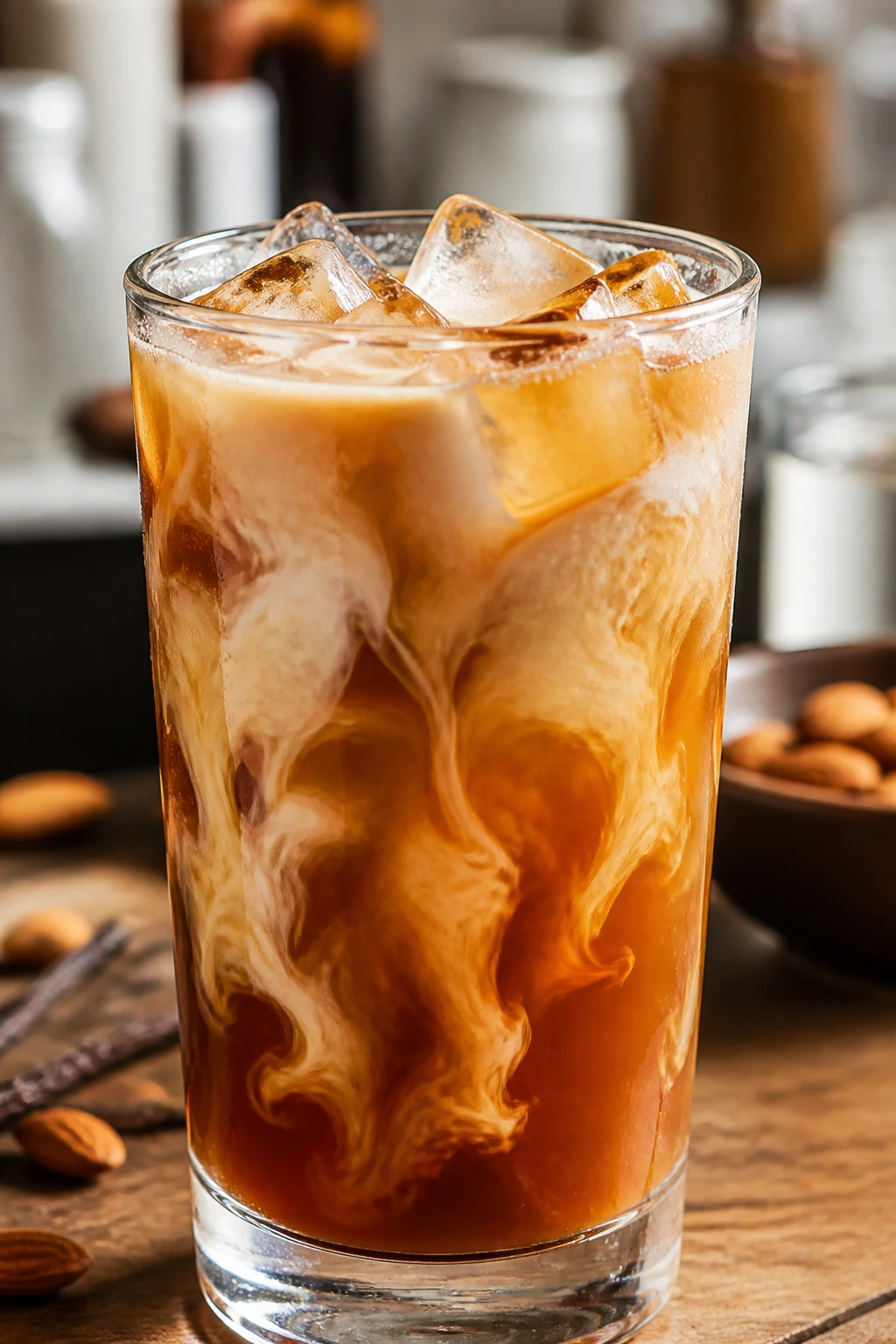
This tastes like a tea shop drink that got simplified for a home pitcher. Vanilla softens the black tea, almond gives it a quiet nutty note, and the result sits somewhere between iced tea and a light dessert drink.
Why It Works:
Black tea is strong enough to carry both vanilla and almond without disappearing. A small splash of milk or almond milk rounds the edges, and the drink tastes more complete if you sweeten the tea while it is still hot.
Key Ingredients:
- 4 black tea bags — a solid base.
- 1 teaspoon vanilla extract — gives the tea a warm finish.
- 1/4 teaspoon almond extract — use carefully; it’s potent.
- 2 tablespoons maple syrup — soft sweetness.
- 1 cup unsweetened almond milk or whole milk — for creaminess.
- 4 cups boiling water — for brewing.
- Ice — for serving.
Quick Steps:
- Step 1: Brew the Tea. Steep the black tea bags in 4 cups boiling water for 4 to 5 minutes.
- Step 2: Sweeten. Stir in the maple syrup while the tea is warm.
- Step 3: Add Flavoring. Stir in the vanilla extract and almond extract.
- Step 4: Cool and Add Milk. Add the almond milk or whole milk and refrigerate until cold.
- Step 5: Serve. Pour over ice and stir before drinking.
Equipment for This Recipe:
- Saucepan — for brewing.
- Pitcher — for chilling.
- Spoon or whisk — for mixing in extracts.
- Measuring spoons — for the almond extract.
- Glasses — clear ones show off the pale color nicely.
How to Serve This Dish:
Serve it over ice with a very light sprinkle of cinnamon if you want it to feel more café-like. It’s good with toasted nuts, shortbread, or breakfast pastries.
Pro Tips for This Recipe:
- Use almond extract lightly; too much tastes sharp and artificial.
- Maple syrup gives a deeper finish than white sugar here.
- If the tea tastes too soft, add a little extra brewed tea instead of more milk.
Variations on This Dish:
- Vanilla Oat Tea: Swap almond milk for oat milk and skip the almond extract.
- Honey Almond Tea: Use honey instead of maple syrup for a lighter sweetness.
- Creamy Almond Tea: Add a splash more milk and serve it almost like a latte.
Common Mistakes to Avoid with This Dish:
- Don’t overdo almond extract. A heavy hand makes the tea taste like candy.
- Don’t add milk to tea that’s still steaming hot if you want a clean texture.
23. Pomegranate Green Tea
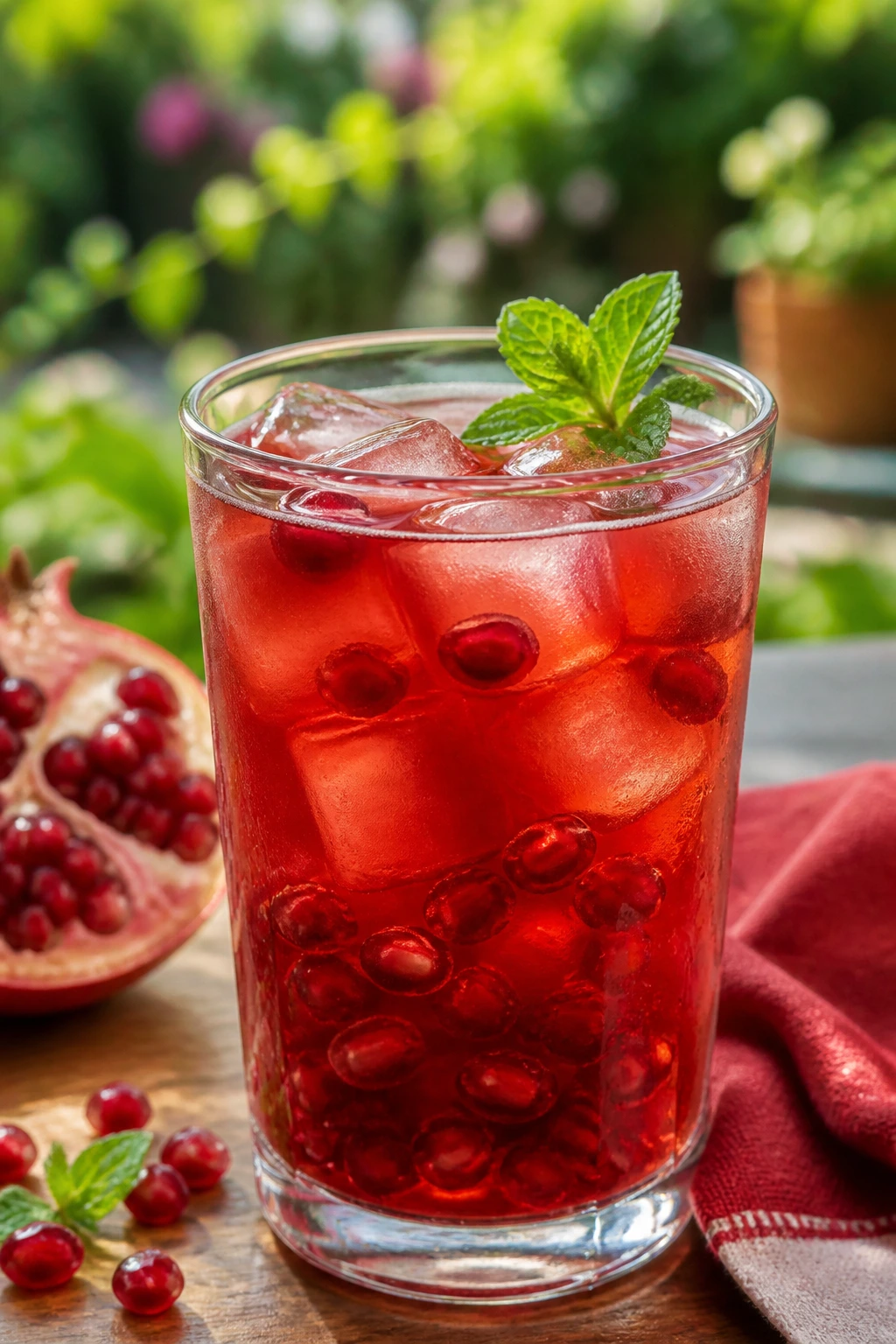
This one has a sharp, jewel-like flavor that wakes up a table fast. Pomegranate gives the tea a tart fruit backbone, and green tea keeps it bright rather than heavy.
Why It Works:
Green tea and pomegranate both lean fresh and slightly bitter, so they match well. Orange juice or a little honey can soften the edge without muting the fruit.
Key Ingredients:
- 4 green tea bags — the tea base.
- 1 cup pomegranate juice — tart and deep red.
- 2 tablespoons orange juice — softens the sharpness.
- 1/4 cup honey — balances the fruit.
- 4 cups hot water — for steeping.
- 2 cups cold water — for cooling.
- Ice and pomegranate seeds — for serving.
Quick Steps:
- Step 1: Brew the Tea. Steep the green tea in 4 cups hot water for 2 to 3 minutes.
- Step 2: Sweeten. Stir in the honey while the tea is warm.
- Step 3: Add Juice. Mix in the pomegranate juice and orange juice.
- Step 4: Dilute and Chill. Add the cold water and refrigerate.
- Step 5: Serve Over Ice. Pour into glasses and add a few pomegranate seeds.
Equipment for This Recipe:
- Saucepan — for brewing.
- Pitcher — for chilling.
- Spoon — for stirring.
- Measuring cups — for juice and water.
- Fine strainer — optional.
How to Serve This Dish:
Serve it in a clear glass because the color is half the point. It’s good with cheese plates, savory pastries, or anything that likes a tart counterpoint.
Pro Tips for This Recipe:
- Keep the green tea short and gentle.
- Use 100% pomegranate juice, not a sweet punch blend.
- If it feels too sharp after chilling, add 1 to 2 tablespoons more honey.
Variations on This Dish:
- Pomegranate Mint Tea: Add mint during chilling.
- Pomegranate Lemon Tea: Swap orange juice for lemon if you want more bite.
- Sparkling Pomegranate Tea: Finish with chilled club soda.
Common Mistakes to Avoid with This Dish:
- Don’t brew green tea too long and then add tart juice. Bitter plus bitter gets ugly.
- Don’t use fake pomegranate drink mix; the flavor is thin.
24. Cinnamon Apple Black Tea
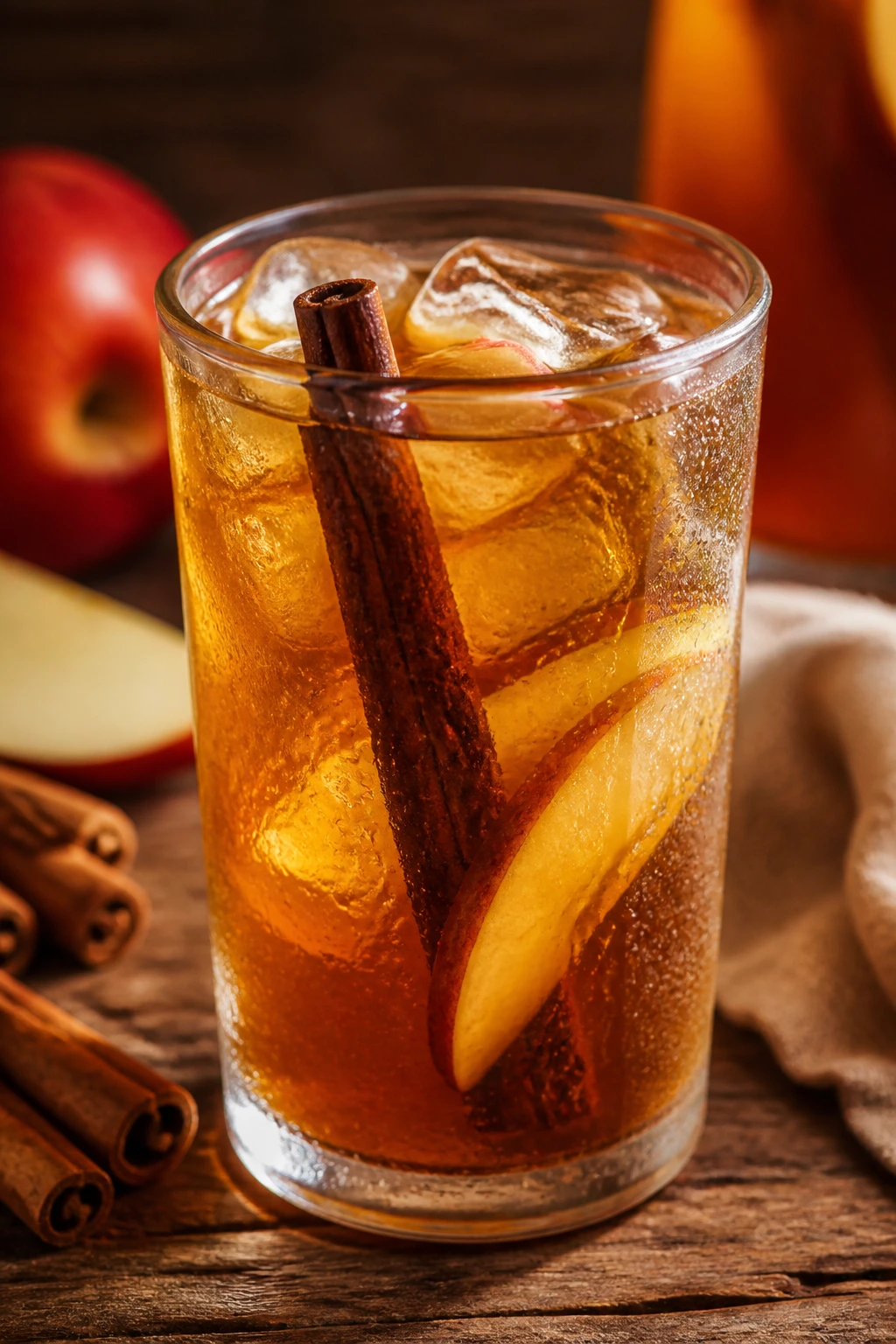
This tastes like a crisp apple and a spice cabinet shook hands. Black tea keeps the drink grounded, cinnamon warms it up, and apple juice makes the whole pitcher feel round and familiar.
Why It Works:
Apple juice brings sweetness without the grainy texture of cooked fruit. Cinnamon adds warmth that works especially well with black tea, and lemon keeps the finish from leaning too sweet.
Key Ingredients:
- 4 black tea bags — sturdy enough for apple juice.
- 2 cups apple juice — gives the tea its fruit body.
- 1 cinnamon stick — for warmth.
- 2 tablespoons maple syrup — for a softer sweet note.
- 1 tablespoon lemon juice — brightens the apple.
- 4 cups boiling water — for brewing.
- Ice and apple slices — for serving.
Quick Steps:
- Step 1: Brew with Cinnamon. Steep the black tea bags and cinnamon stick in 4 cups boiling water for 5 minutes.
- Step 2: Sweeten. Stir in the maple syrup while the tea is warm.
- Step 3: Add Apple Juice. Pour in the apple juice and lemon juice.
- Step 4: Chill. Refrigerate until cold.
- Step 5: Serve. Pour over ice with a thin apple slice.
Equipment for This Recipe:
- Saucepan — for brewing.
- Pitcher — for chilling.
- Spoon — for stirring.
- Knife — for apple slices.
- Measuring cups — for juice and water.
How to Serve This Dish:
Serve it in a glass with a cinnamon stick or apple slice if you want it to look tidy on a brunch table. It pairs well with muffins, pork, or anything that likes a sweet-spice drink.
Pro Tips for This Recipe:
- Use cloudy apple juice if you want a fuller mouthfeel.
- Don’t leave the cinnamon stick in all day or it will start to dominate.
- Cold tea tastes less sweet, so taste after chilling.
Variations on This Dish:
- Apple-Ginger Tea: Add a slice of fresh ginger to the hot brew.
- Apple Orange Tea: Swap some apple juice for orange juice.
- Sparkling Apple Tea: Top each glass with seltzer.
Common Mistakes to Avoid with This Dish:
- Don’t use too much cinnamon. It can flatten the apple.
- Don’t add apple juice to tea that’s still boiling hot if you want a clear flavor.
25. Lychee Jasmine Tea
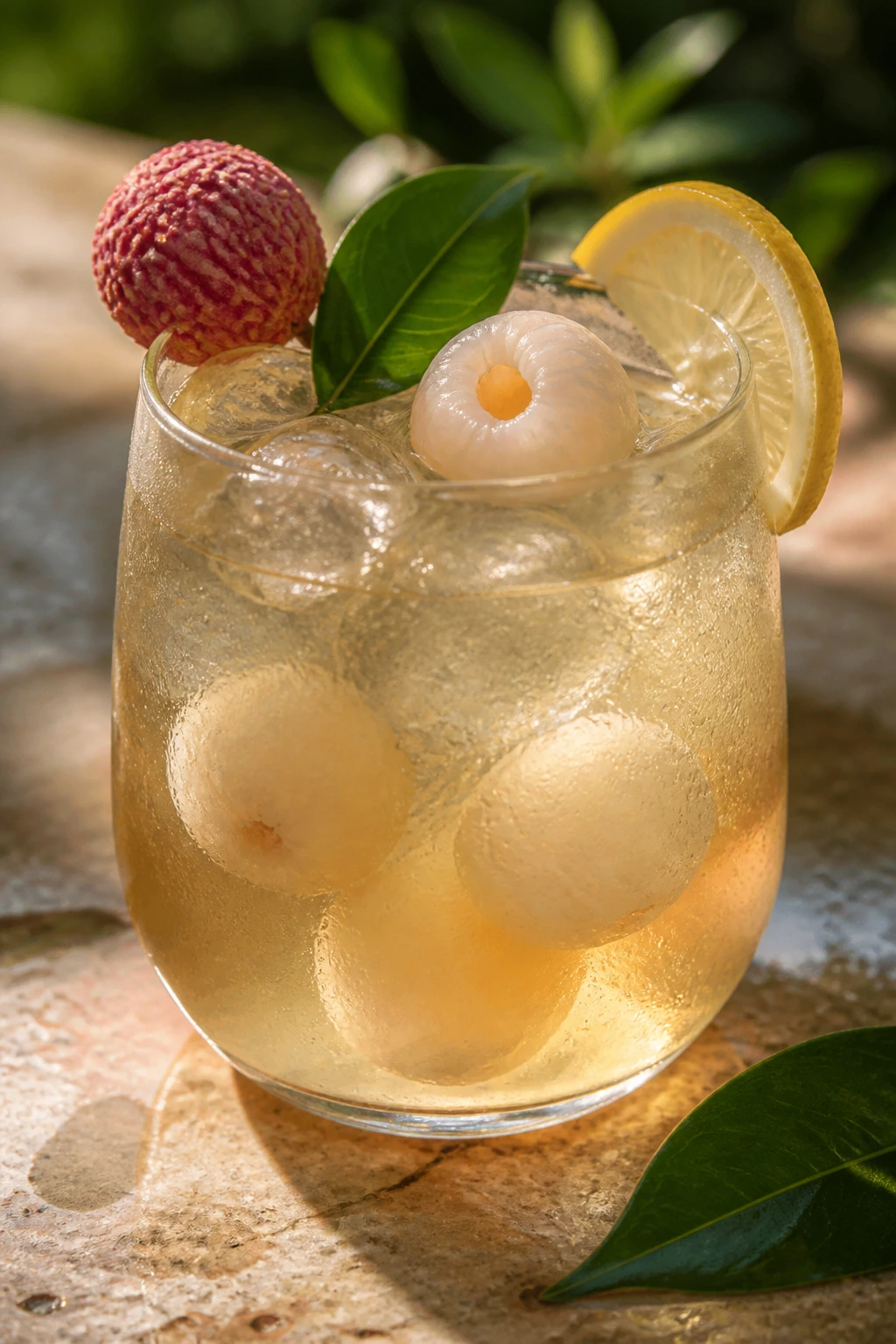
This one is soft, fragrant, and a little unusual in a way that people usually remember. Lychee has a floral sweetness all its own, and jasmine tea mirrors it without turning the pitcher heavy.
Why It Works:
Jasmine and lychee are naturally compatible because both bring perfume-like fruit notes. Using a bit of the lychee syrup from the can helps sweeten the tea, and lemon keeps the flavor from drifting into syrup territory.
Key Ingredients:
- 4 jasmine tea bags — floral green tea base.
- 1 cup canned lychees, drained — use the fruit and the syrup.
- 1/2 cup lychee syrup from the can — sweetens the tea with real lychee flavor.
- 1 tablespoon lemon juice — balances the sweetness.
- 4 cups hot water — for steeping.
- 2 cups cold water — for cooling.
- Ice and lychee fruit — for serving.
Quick Steps:
- Step 1: Steep the Tea. Brew the jasmine tea in 4 cups hot water for 3 minutes.
- Step 2: Add Lychee. Stir in the lychees and lychee syrup while the tea is still warm.
- Step 3: Add Lemon. Stir in the lemon juice.
- Step 4: Dilute and Chill. Add the cold water and refrigerate.
- Step 5: Serve. Pour over ice and add one lychee to each glass if you like.
Equipment for This Recipe:
- Saucepan — for brewing.
- Pitcher — for chilling.
- Strainer — optional.
- Spoon — for stirring.
- Can opener — if needed.
How to Serve This Dish:
Serve it in a narrow glass or small tumbler; this is a lighter, more aromatic tea. It goes well with fruit tarts, spring rolls, or anything delicate that won’t bulldoze the flavor.
Pro Tips for This Recipe:
- Don’t let jasmine steep too long; it can turn perfumy in a bad way.
- Use lychee syrup sparingly if your can is very sweet.
- Chilled lychee fruit makes a nice garnish and a little snack at the bottom of the glass.
Variations on This Dish:
- Lychee Mint Tea: Add mint during chilling.
- Lychee Lemon Tea: Increase the lemon juice for a sharper finish.
- Lychee Sparkler: Top with chilled sparkling water at serving.
Common Mistakes to Avoid with This Dish:
- Don’t overbrew the jasmine base. It should stay light.
- Don’t use too much lemon or you’ll flatten the lychee perfume.
26. Coconut Cold-Brew Tea
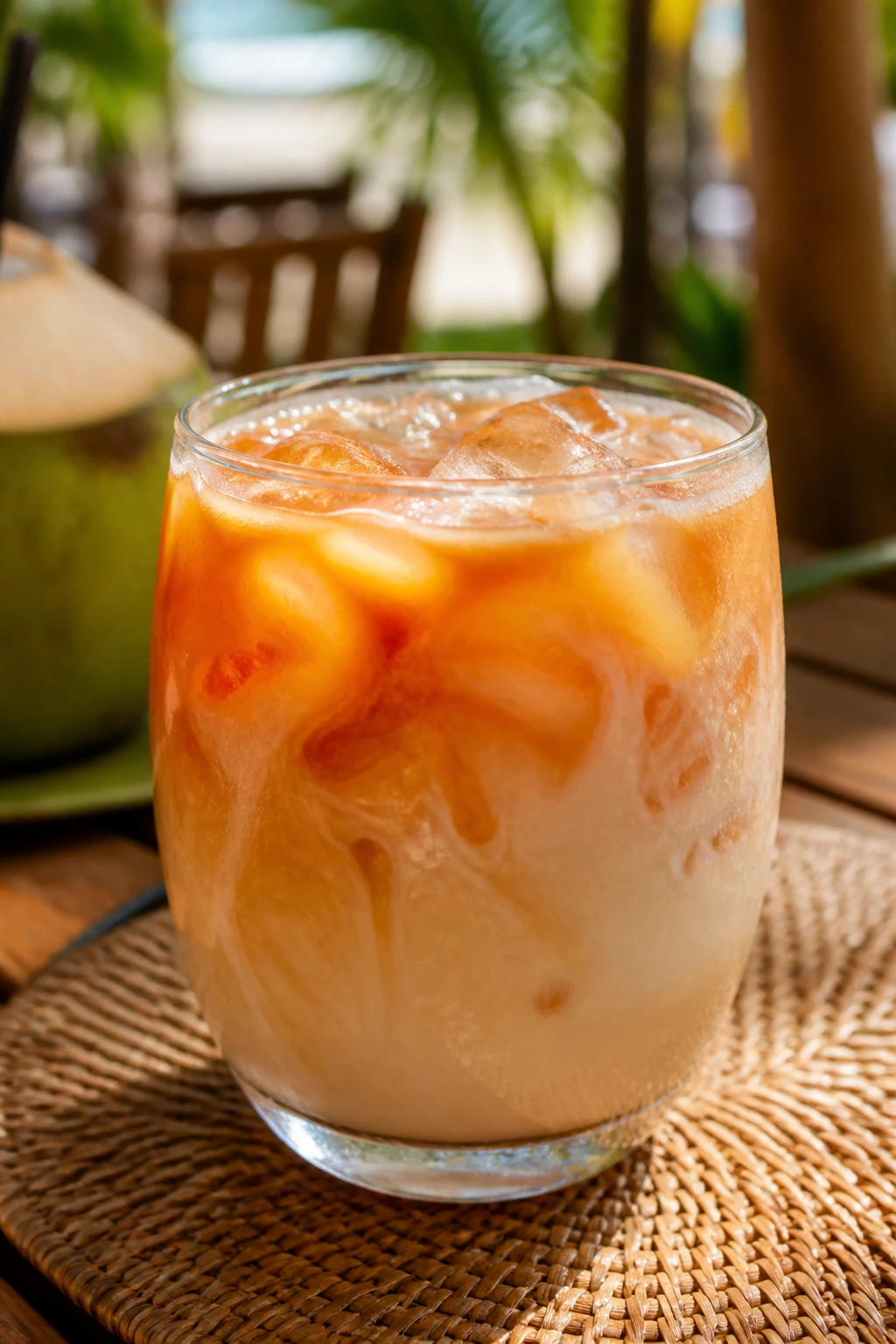
This one is mellow, lightly tropical, and smooth enough to drink fast on a hot table. Coconut water gives it a clean sweetness, coconut milk adds body, and the cold-brew black tea keeps the flavor from getting blunt.
Why It Works:
Cold brewing pulls fewer tannins, which matters when coconut is in the mix. The coconut water makes the drink taste fresher than plain sugar water, and a little lime wakes up the finish.
Key Ingredients:
- 4 black tea bags — for a smooth cold brew.
- 2 cups coconut water — adds a clean, natural sweetness.
- 1 cup cold water — keeps the balance right.
- 1/2 cup coconut milk — for a softer, creamier edge.
- 2 tablespoons agave syrup — dissolves easily in cold liquid.
- 1 tablespoon lime juice — brightens the coconut.
- Ice and toasted coconut flakes — for serving.
Quick Steps:
- Step 1: Cold Brew the Tea. Combine the black tea bags and cold water in a pitcher, then refrigerate for 6 to 8 hours.
- Step 2: Add Coconut Water. Remove the tea bags and stir in the coconut water and agave.
- Step 3: Finish with Lime. Stir in the lime juice.
- Step 4: Add Coconut Milk. Stir in the coconut milk just before serving.
- Step 5: Serve Over Ice. Top with toasted coconut flakes if you want extra texture.
Equipment for This Recipe:
- Pitcher — for cold brewing.
- Spoon — for stirring.
- Measuring cups — for the liquids.
- Fine strainer — optional.
- Small skillet — if you’re toasting coconut flakes.
How to Serve This Dish:
Serve it in a clear glass with a light sprinkle of toasted coconut on top. It works with grilled shrimp, fruit, or a snack tray that needs something soft and cold.
Pro Tips for This Recipe:
- Add coconut milk at the last minute so it stays smooth.
- If the coconut water tastes too sweet, use more plain cold water.
- Keep the tea in the fridge during brewing, not on the counter.
Variations on This Dish:
- Pineapple Coconut Tea: Swap some coconut water for pineapple juice.
- Vanilla Coconut Tea: Add 1/2 teaspoon vanilla extract.
- Iced Coconut Milk Tea: Increase the coconut milk and serve it more like a creamy tea.
Common Mistakes to Avoid with This Dish:
- Don’t make this one warm; coconut milk can separate if it gets hot.
- Don’t let the tea oversteep for more than 8 hours or it gets dull.
27. Ginger Peach Oolong
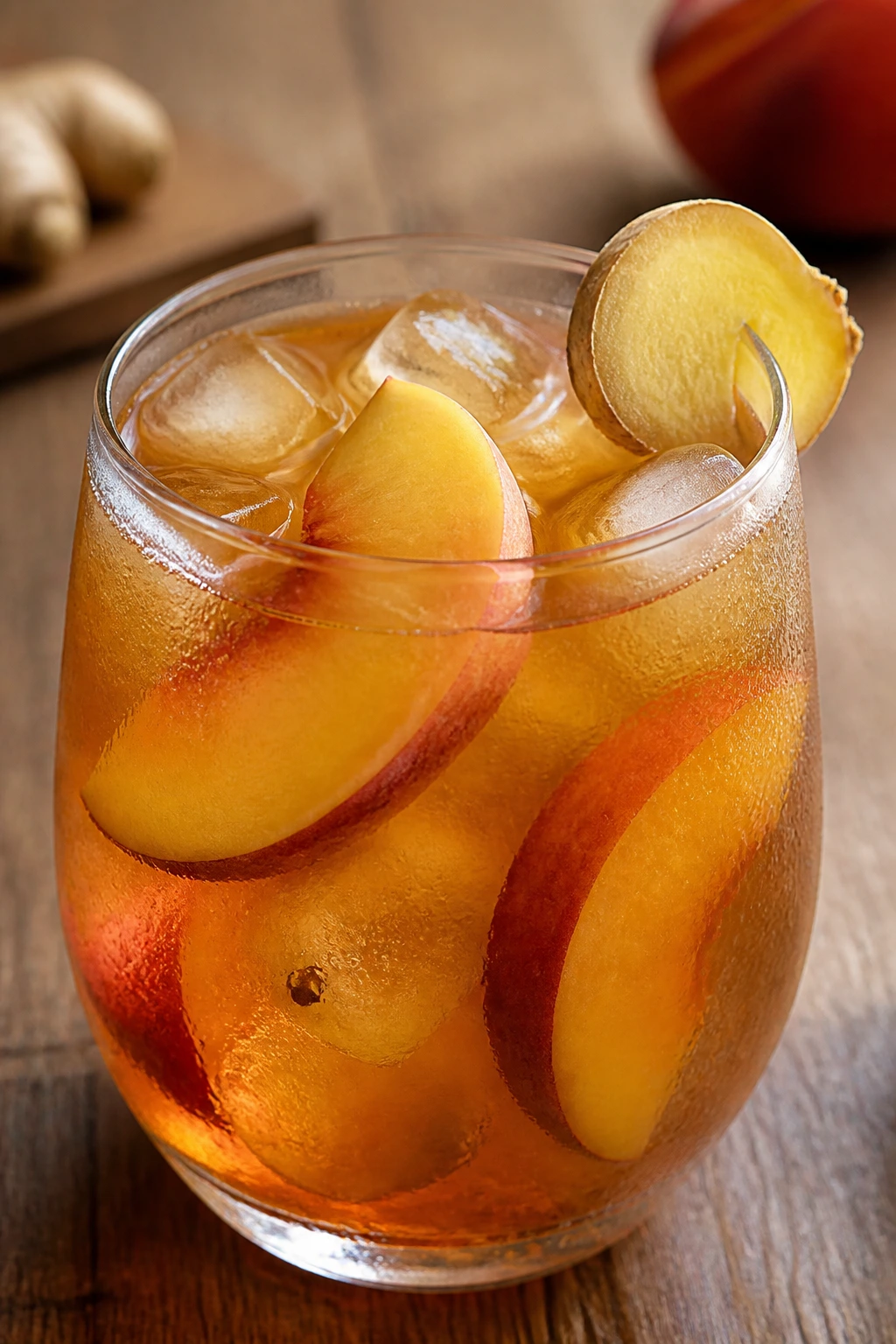
This is a little sharper than peach tea and more grown-up than a plain fruit pitcher. Oolong gives it a toasty middle, ginger adds a clean bite, and peach keeps the edges soft enough to drink fast.
Why It Works:
Oolong has enough depth to hold fruit and spice without disappearing. Ginger wakes the drink up, and peach keeps the tea from feeling too dry or too floral.
Key Ingredients:
- 4 oolong tea bags — medium-bodied and lightly toasty.
- 2 ripe peaches, sliced — fragrant fruit.
- 1 2-inch piece fresh ginger, sliced thin — for warmth.
- 1/4 cup honey — smooth sweetness.
- 1 lemon, juiced — balances the peach.
- 4 cups hot water — for brewing.
- 2 cups cold water — for cooling.
Quick Steps:
- Step 1: Brew the Oolong. Steep the tea bags and ginger in 4 cups hot water for 4 minutes.
- Step 2: Add Peach. Stir in the peach slices and let them sit for 10 minutes.
- Step 3: Sweeten. Remove the tea bags and stir in the honey.
- Step 4: Add Lemon and Water. Stir in the lemon juice and cold water.
- Step 5: Chill and Serve. Refrigerate until cold, then pour over ice.
Equipment for This Recipe:
- Saucepan — for brewing.
- Pitcher — for chilling.
- Knife and cutting board — for peaches and ginger.
- Spoon — for stirring.
- Strainer — optional.
How to Serve This Dish:
Serve it with peach slices and a single ginger coin if you want the glass to look pulled together. It fits brunch, grilled food, and snack plates with cheese or nuts.
Pro Tips for This Recipe:
- Fresh ginger should be sliced thin so it releases flavor quickly.
- If peaches are very ripe, you may not need all the honey.
- Oolong sits in a nice middle ground, so don’t oversteep it into black-tea territory.
Variations on This Dish:
- Peach Oolong Sparkler: Add sparkling water right before serving.
- Ginger-Lime Oolong: Use lime instead of lemon.
- Mint Peach Oolong: Add mint leaves during chilling.
Common Mistakes to Avoid with This Dish:
- Don’t leave ginger in too long or the drink gets sharp and hot.
- Don’t use pale peaches and expect a deep fruit flavor.
28. Cherry Vanilla Rooibos
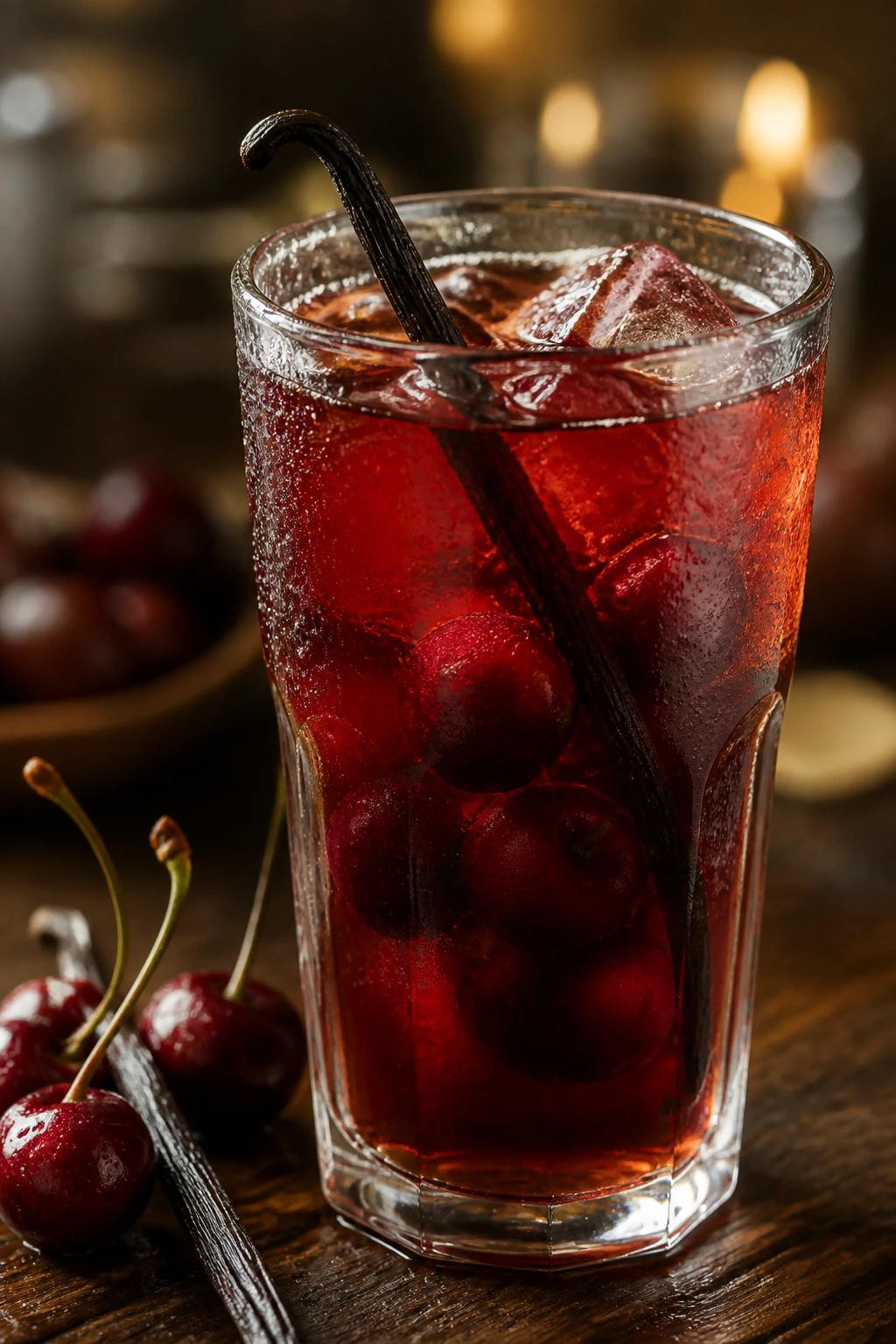
This tastes soft, round, and a little nostalgic, like cherry syrup grew up and got a better tea base. Rooibos keeps the drink caffeine-free, cherry adds deep fruitiness, and vanilla makes the whole pitcher feel smoother.
Why It Works:
Rooibos can handle sweet fruit without going bitter, which makes it a safe place for cherry flavor. Vanilla softens the cherry’s edge and gives the drink a fuller finish.
Key Ingredients:
- 4 rooibos tea bags — caffeine-free and mellow.
- 1 cup cherries, pitted and halved — fresh or frozen.
- 1 teaspoon vanilla extract — adds warmth.
- 1/4 cup maple syrup — gives a deeper sweetness.
- 1 tablespoon lemon juice — keeps the cherry flavor bright.
- 4 cups boiling water — for brewing.
- Ice and cherries — for serving.
Quick Steps:
- Step 1: Brew the Rooibos. Steep the tea bags in 4 cups boiling water for 7 minutes.
- Step 2: Add Cherries. Stir in the cherries and let them sit for 10 minutes.
- Step 3: Sweeten. Stir in the maple syrup and vanilla extract.
- Step 4: Add Lemon. Stir in the lemon juice.
- Step 5: Chill and Serve. Refrigerate until cold, then pour over ice.
Equipment for This Recipe:
- Saucepan — for brewing.
- Pitcher — for chilling.
- Pitter or knife — for cherries.
- Spoon — for mashing fruit lightly.
- Strainer — optional.
How to Serve This Dish:
Serve it in a clear glass with a cherry or two dropped into the ice. It’s nice with baked goods, soft cookies, or a brunch plate that needs a caffeine-free option.
Pro Tips for This Recipe:
- Frozen cherries work very well and give the tea faster color.
- Rooibos likes a longer steep, so don’t pull it early.
- Maple syrup gives the cherry a deeper note than white sugar.
Variations on This Dish:
- Cherry Almond Rooibos: Add a tiny splash of almond extract.
- Cherry Lime Tea: Swap lemon for lime if you want a brighter edge.
- Sparkling Cherry Tea: Add club soda in the glass.
Common Mistakes to Avoid with This Dish:
- Don’t overuse vanilla. It should be a whisper, not dessert frosting.
- Don’t skip the acid; cherry tastes flat without it.
29. Lemon Verbena Green Tea
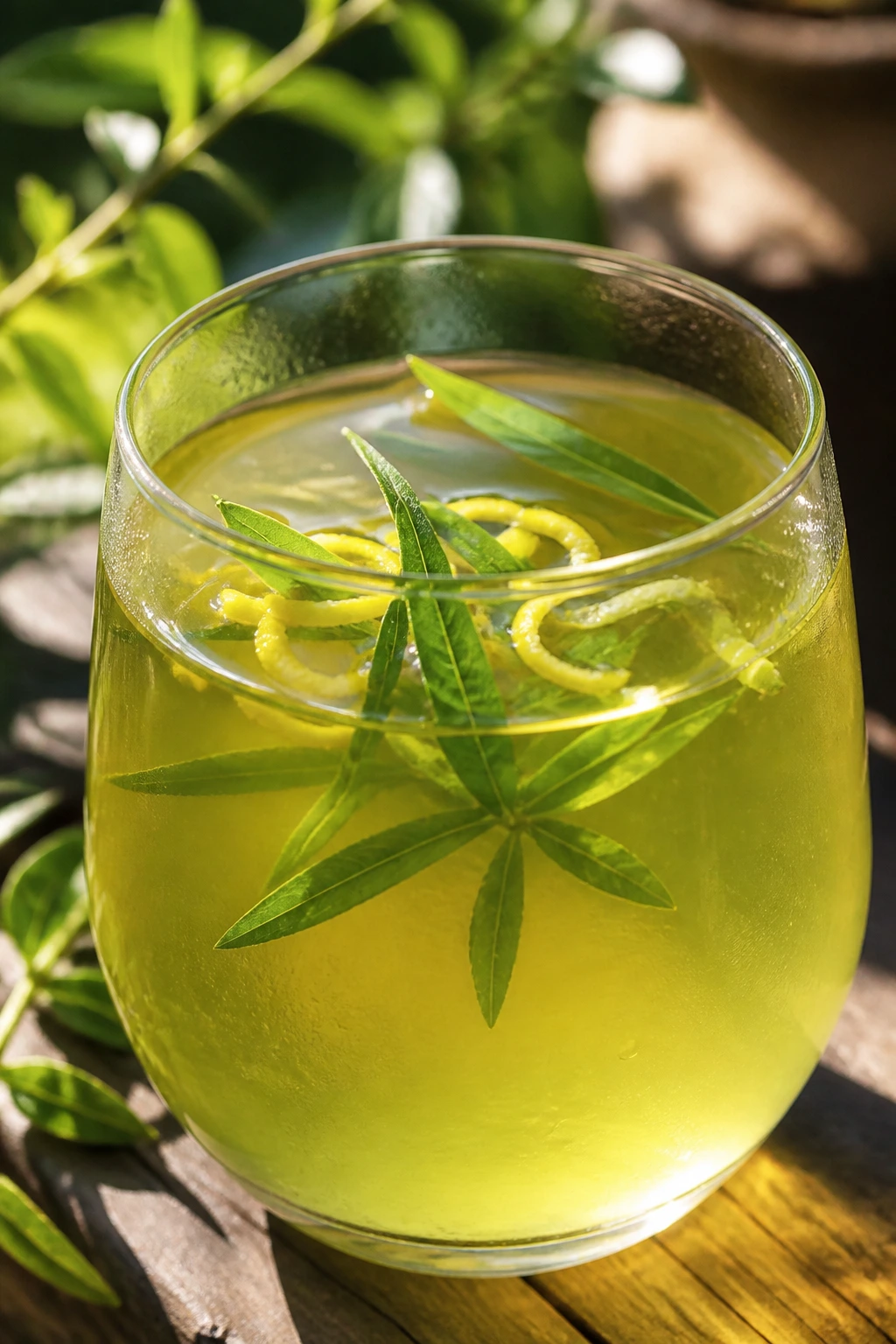
This is one of the lightest, cleanest teas in the collection, and it tastes like a cold breeze if you keep the lemon verbena restrained. Green tea gives it structure, verbena gives it lift, and honey smooths the edges just enough.
Why It Works:
Lemon verbena brings a gentle citrus note that feels softer than lemon juice. That means you get brightness without harshness, and green tea keeps the drink crisp rather than perfumed.
Key Ingredients:
- 4 green tea bags — a clean base.
- 2 tablespoons fresh lemon verbena leaves or 2 lemon verbena tea bags — for aroma.
- 1 tablespoon lemon zest — adds a sharper top note.
- 1/4 cup honey — balances the herbal edge.
- 4 cups hot water — for brewing.
- 2 cups cold water — for cooling.
- Ice — for serving.
Quick Steps:
- Step 1: Brew the Tea. Steep the green tea in 4 cups hot water for 2 to 3 minutes.
- Step 2: Add Verbena. Add the lemon verbena leaves for 2 minutes, then remove them.
- Step 3: Sweeten. Stir in the honey while the tea is warm.
- Step 4: Add Zest and Water. Stir in the lemon zest and cold water.
- Step 5: Chill and Serve. Refrigerate until cold, then pour over ice.
Equipment for This Recipe:
- Saucepan — for brewing.
- Pitcher — for chilling.
- Zester or microplane — for the lemon.
- Spoon — for stirring.
- Strainer — optional.
How to Serve This Dish:
Serve it very cold in a simple clear glass so the aroma can lead. It goes well with light sandwiches, herb crackers, or anything that benefits from a clean, citrusy drink.
Pro Tips for This Recipe:
- If your verbena is very fresh, use less than you think; the aroma can be strong.
- Zest the lemon before you juice it, if you plan to juice it at all.
- Keep the steep short so the green tea stays clean.
Variations on This Dish:
- Verbena Mint Tea: Add a few mint leaves during chilling.
- Verbena Lemon Tea: Add a little lemon juice for more bite.
- Sparkling Verbena Tea: Top each glass with seltzer.
Common Mistakes to Avoid with This Dish:
- Don’t use too much verbena or the tea starts tasting perfumed.
- Don’t overbrew the green tea and then expect the herb to save it.
30. Sparkling Cantaloupe Tea Punch
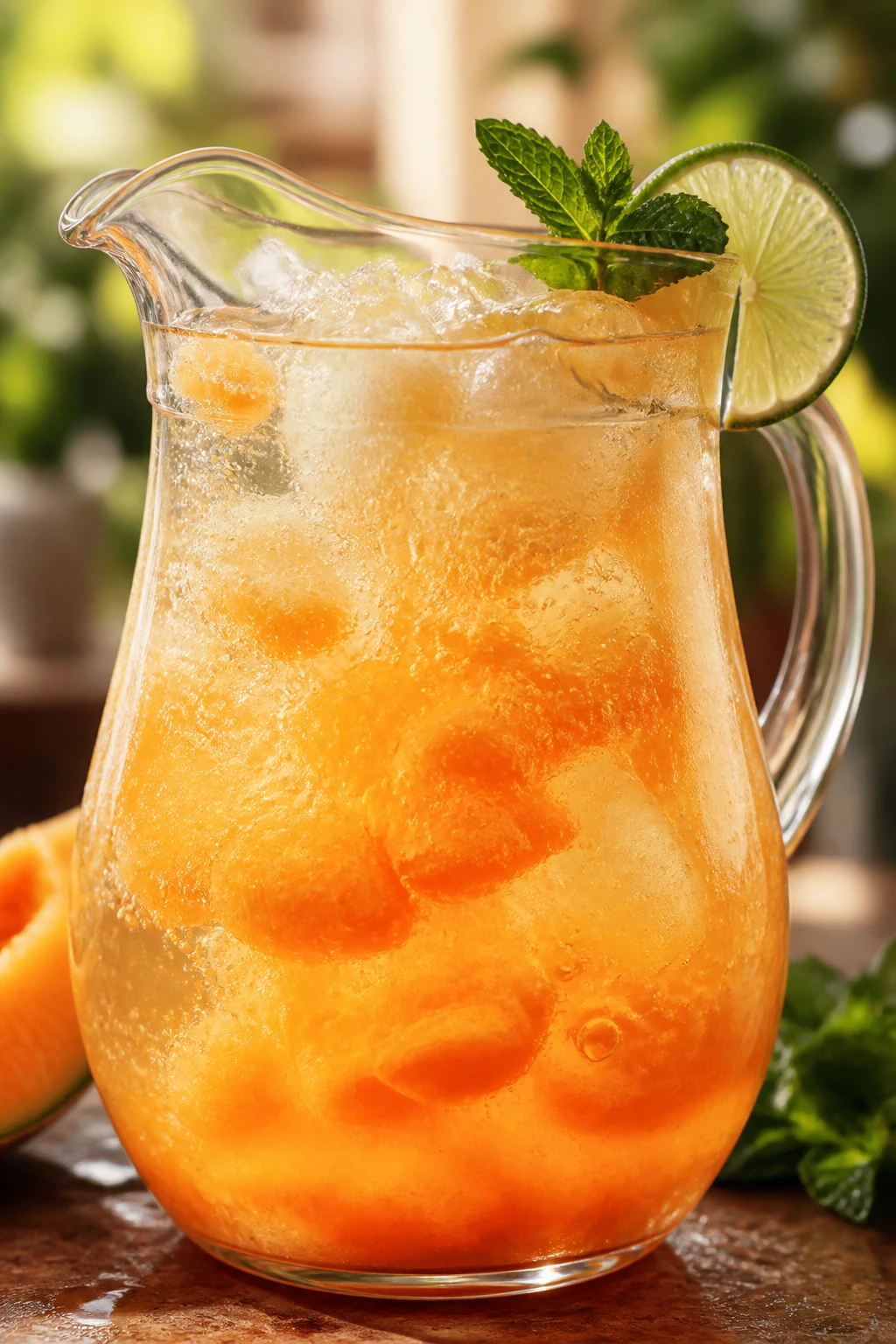
This is the party pitcher, the one that behaves more like a punch but still tastes like tea. Cantaloupe brings mellow sweetness, white tea keeps it light, and sparkling water makes the whole thing feel lively instead of heavy.
Why It Works:
White tea lets the cantaloupe stay soft and clean. Sparkling water should go in at the very end so the drink keeps its bubbles, and lime or a touch of honey keeps the melon from tasting one-note.
Key Ingredients:
- 4 white tea bags — a delicate tea base.
- 2 cups cantaloupe purée — strained or smooth, depending on texture.
- 2 cups sparkling water — add at the end for bubbles.
- 2 tablespoons lime juice — keeps the melon bright.
- 1/4 cup honey — balances the fruit.
- 3 cups hot water — for brewing the tea.
- Ice and mint — for serving.
Quick Steps:
- Step 1: Brew the Tea. Steep the white tea in 3 cups water at about 175°F for 3 minutes.
- Step 2: Add Cantaloupe. Stir in the cantaloupe purée while the tea is still warm.
- Step 3: Sweeten and Brighten. Add the honey and lime juice.
- Step 4: Chill. Refrigerate until cold.
- Step 5: Add Bubbles and Serve. Stir in the sparkling water just before pouring, then serve over ice.
Equipment for This Recipe:
- Blender — for the cantaloupe.
- Pitcher — for chilling and serving.
- Spoon — for mixing.
- Fine strainer — optional if you want a silky punch.
- Measuring cups — for the liquids.
How to Serve This Dish:
Pour it into clear glasses over a few ice cubes and finish with mint if you want the color to pop. It works best for a brunch table, a big snack spread, or any crowd that wants something a little more festive than plain tea.
Pro Tips for This Recipe:
- Add the sparkling water right before serving, not before chilling.
- Use ripe cantaloupe with a strong aroma; pale melon tastes flat.
- If the purée is very thick, strain it once for a cleaner drink.
Variations on This Dish:
- Cantaloupe Mint Punch: Add mint to the pitcher during chilling.
- Cantaloupe Ginger Tea: Add a thin slice of ginger to the steep.
- Cantaloupe Lime Fizz: Increase the lime juice for a sharper party punch.
Common Mistakes to Avoid with This Dish:
- Don’t stir in the sparkling water too early or the bubbles disappear.
- Don’t use under-ripe melon; it makes the whole pitcher taste muted.
Why a Pitcher of Tea Works So Well for a Crowd
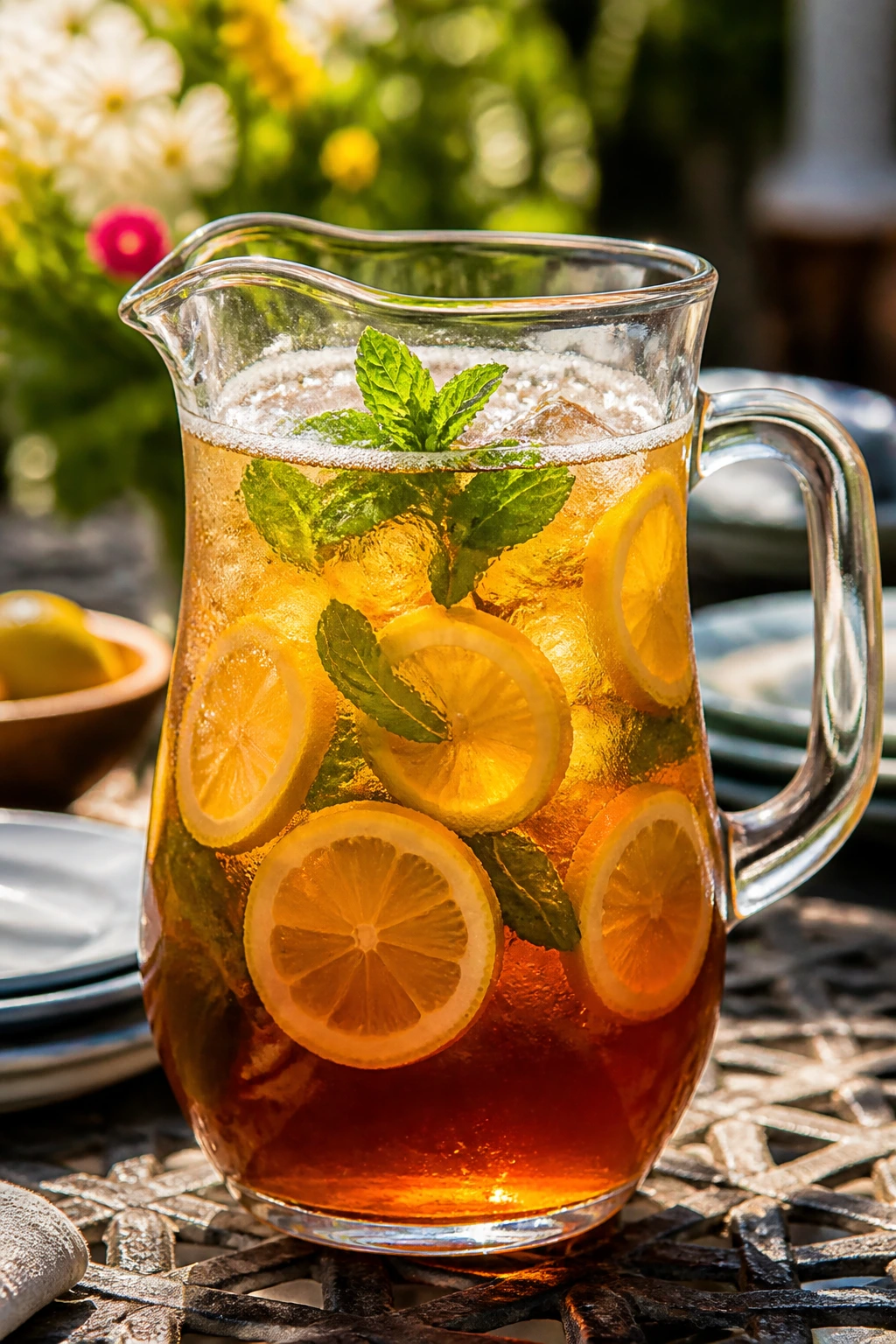
A good iced tea pitcher is not about one perfect recipe. It’s about a system that lets you keep the drink cold, keep the flavor strong, and keep the guest who wants no sugar from living at the same table as the guest who wants the sweetest thing in the house. That’s why hot-brewed black tea, cold-brew oolong, herbal rooibos, and fruit-heavy punches all earn a place here.
There’s also a practical reason these drinks behave so well in groups: tea takes on flavor quickly, and it gives flavor back just as fast when you add citrus, herbs, or fruit. That means you can build a drink around what you already have on hand — a few peaches, a handful of mint, half a bag of lemons, one ripe melon — without turning the result into a random mash of leftovers.
The pitchers that work best tend to follow the same rule. Brew strong enough to survive ice. Sweeten while warm. Add delicate herbs briefly. Save sparkling water for the last minute. Simple. Repeatable. Useful.
Essential Equipment for These Recipes
-
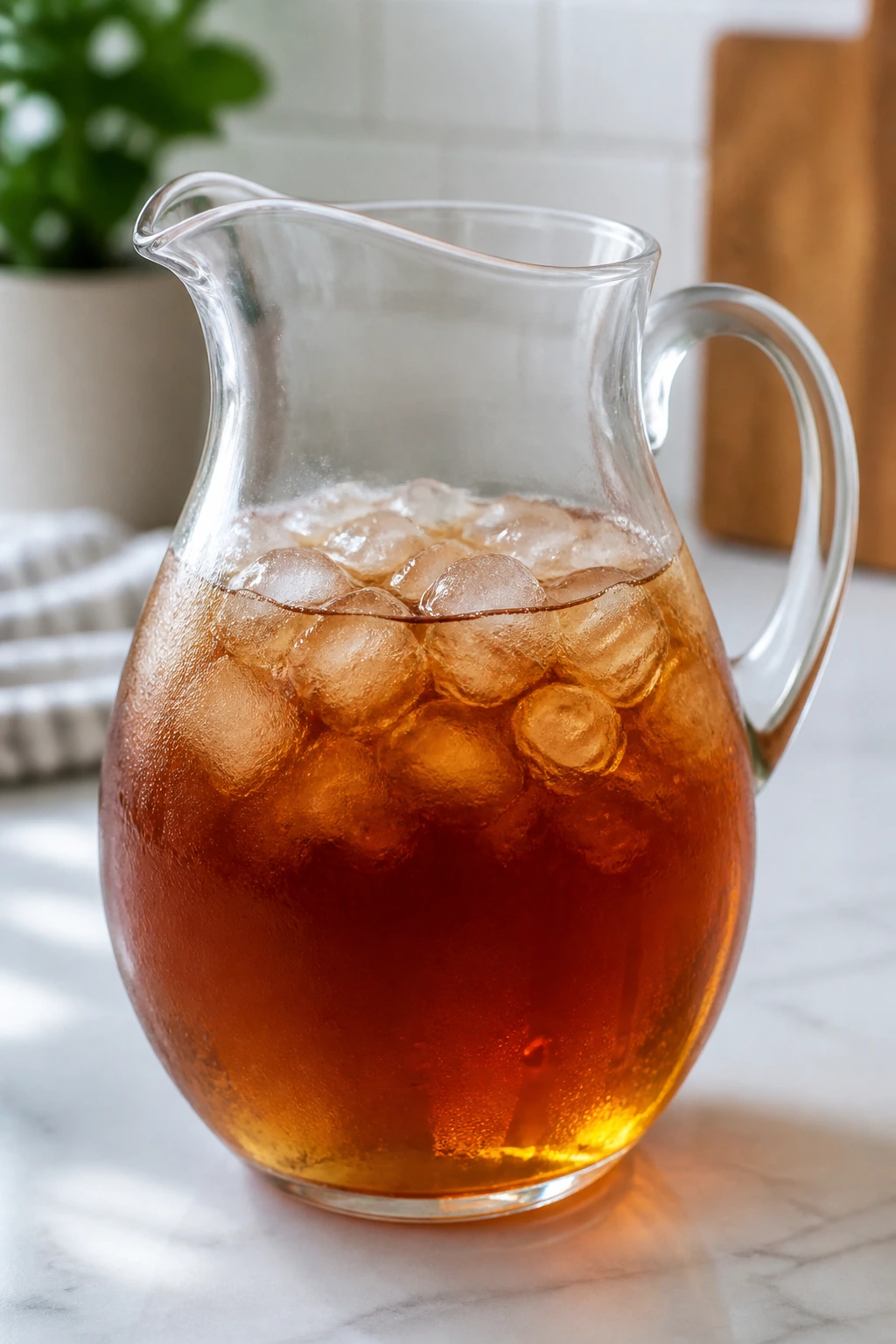
2-quart heatproof pitcher or glass jar — a clear pitcher helps you judge color and keeps hot tea safer to handle.
-
Medium saucepan — useful for hot-brewed teas and fruit-infused batches.
-
Kettle — a quick way to get boiling water without guessing.
-
Fine-mesh strainer — helpful for loose tea, berry pulp, and herb-heavy pitchers.
-
Long spoon or wooden spoon — makes it easy to stir sweetener into warm tea.
-
Citrus juicer — not mandatory, but it saves your wrists when lemon and lime show up often.
-
Knife and cutting board — for peaches, citrus slices, herbs, and garnish.
-
Measuring cups and spoons — the ratios matter more than people think when ice is involved.
-
Muddler or the back of a spoon — useful for gently bruising berries or herbs without shredding them.
-
Ice cube trays — a small thing, but a real help if you want tea ice cubes or frozen fruit cubes.
Smart Shopping and Ingredient Tips

Tea bags are fine here, and I say that without apology. Loose-leaf tea gives a slightly cleaner finish, especially in black and oolong recipes, but a good tea bag beats a fancy loose tea that you under-steep and underuse. If you’re buying bagged tea, look for blends that list the tea type clearly — Assam, Ceylon, sencha, oolong, rooibos, jasmine — instead of vague “iced tea” blends that taste like they were designed in a lab.
Fruit matters more than people usually admit. A hard peach, a pale cantaloupe, or blueberries with no smell will give you a flat pitcher no matter how careful you are. For peaches, nectarines, melon, and berries, use fruit that smells like something when you hold it near your face. If the fruit is meant to be mashed or steeped, ripeness beats prettiness every time.
For citrus, fresh juice is worth the small extra effort. Bottled lemon or lime juice can work in a pinch, but it often tastes thin and oddly metallic next to tea. Zest is another quiet hero. A teaspoon or so of fresh zest can make a pitcher feel brighter without making it sour.
Herbs deserve a light hand. Mint, basil, rosemary, sage, and lavender all become louder as they sit. Use fresh herbs when you can, and if you only have dried lavender, use culinary-grade flowers sparingly. A little goes a long way. Too much goes straight into soap territory.
Sweeteners behave differently, too. Granulated sugar dissolves best in hot tea, honey softens fruit teas nicely, maple syrup works well in spiced or apple batches, and agave is useful when you want sweetness to blend into a cold pitcher without much stirring. If you’re making several recipes for a group, keep a little plain syrup on hand so guests can adjust their glass without changing the whole batch.
How to Serve These Recipes
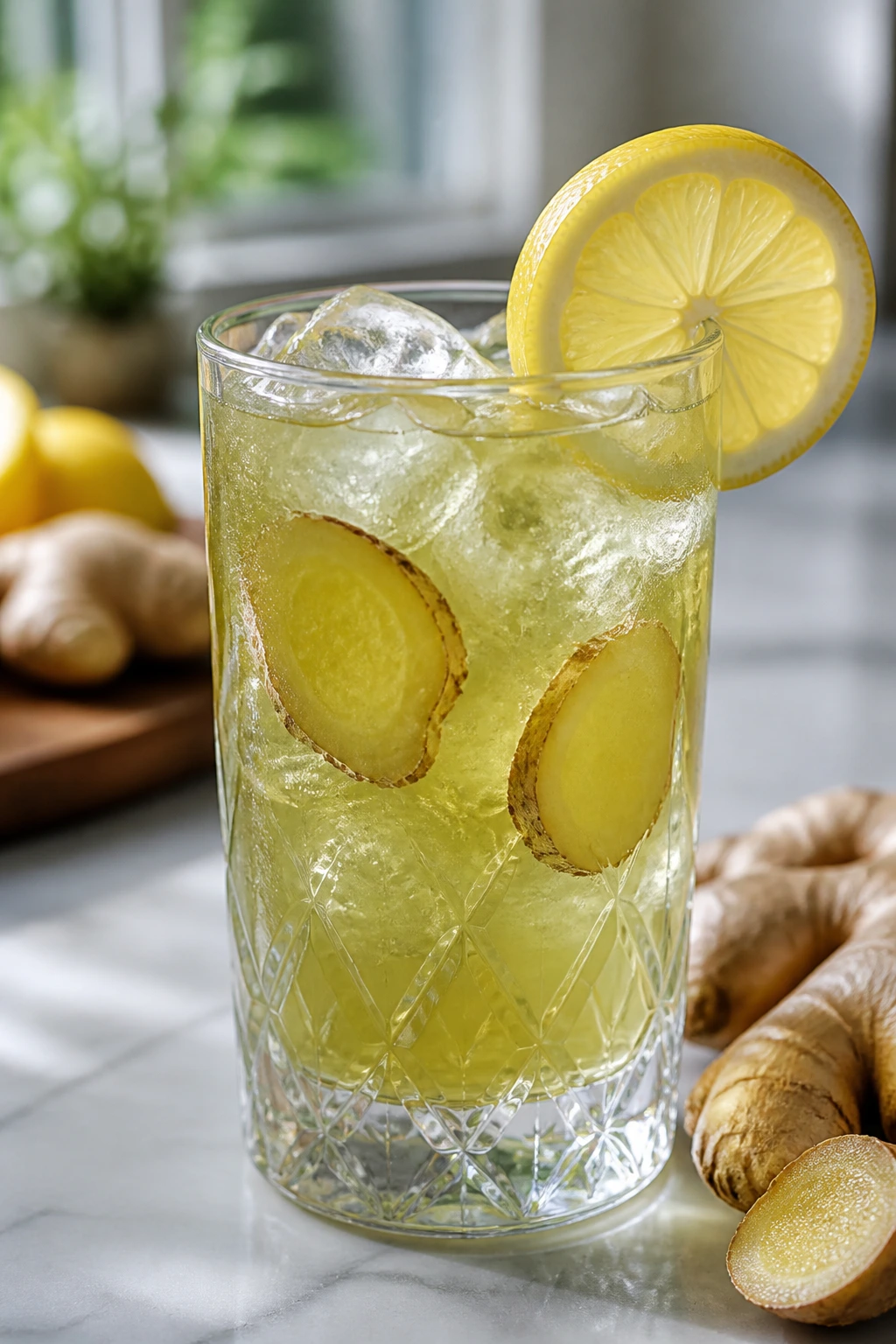
Presentation:
Use clear glasses whenever you can. Tea is one of the few drinks where color is part of the appeal, and a bright peach pitcher or deep hibiscus glass looks more finished when you can see it. A single fruit slice, herb sprig, or citrus wheel is enough; cluttering the rim with three garnishes usually makes the drink look less appealing, not more.
Accompaniments:
The safest food pairings are salty, buttery, and lightly sweet: tea sandwiches, scones, shortbread, grilled chicken, fruit salad, crackers with cheese, and roasted nuts. If you’re serving a sweeter tea like Thai iced tea or peach sweet tea, lean into savory food on the table so the whole spread doesn’t feel sugary.
Portions:
Plan on 8-ounce servings for a normal pour, 10 to 12 ounces if the weather is warm or the tea is the main drink on the table. Most of these recipes make about 4 servings, but they scale cleanly to a full pitcher or a larger party batch; just keep the tea-to-water ratio steady and add ice at the end.
Beverage Pairing:
If you want a second drink on the table, keep it simple: chilled sparkling water, plain club soda, or a lightly flavored seltzer. That gives guests a non-sweet option without fighting the tea. For brunch, I like one sweet pitcher and one unsweetened pitcher side by side. It saves a lot of explaining.
Additional Tips and Flavor Boosters

Flavor Enhancement:
A tiny pinch of salt in fruit-heavy or sweet tea recipes can make the tea taste fuller without making it salty. It’s not a trick for every pitcher, but in peach, mango, watermelon, or berry tea, it helps the fruit show up more clearly.
Customization:
If you want a tea that feels more polished, make a strong concentrate and dilute it slowly with cold water or ice. That gives you control over sweetness and keeps the flavor from going thin too fast. For crowd serving, I often keep a small bottle of plain syrup nearby so the last guest can sweeten their glass without altering the pitcher.
Serving Suggestions:
Freeze berries, peach slices, or melon balls and use them as garnish cubes. They chill the tea without watering it down, and they look better than regular ice after the first ten minutes. A twist of citrus peel also does more work than people expect.
Make-It-Yours:
For a caffeine-free table, use rooibos, hibiscus, or lemon verbena. For a dairy-free pitcher, choose honey, agave, or maple instead of milk-based sweeteners. And if you want lower sugar, start with half the sweetener, chill the tea, then taste again before adding more. Cold tea always tastes less sweet than warm tea.
Make-Ahead, Storage, and Reheating Guidance

Most brewed iced tea keeps 3 to 4 days in the refrigerator if you store it in a covered pitcher or jar. Black tea and rooibos hold up the best over that window. Green tea, white tea, and floral teas are a little more fragile; they taste brightest in the first 24 to 48 hours, especially if they’re carrying fruit or herbs.
Fruit and herb add-ins shorten the clock. A pitcher with berries, peach slices, mint, basil, or cucumber usually tastes best the same day or the next day, and I’d strain out the solids after about 12 to 24 hours so the tea doesn’t go muddy. Citrus-heavy teas stay sharp a bit longer, but if they start tasting dull, they probably need a fresh squeeze of lemon or lime rather than more sugar.
If you want to make ahead for a party, brew the tea base the day before and keep the fruit, herbs, and sparkling water separate until serving time. That matters more than people think. A chilled base with fresh garnishes always tastes cleaner than a fully assembled pitcher that sat around absorbing every flavor at once.
Leftover tea can be frozen in ice cube trays for up to 2 months. Tea cubes are useful in a pinch because they chill a glass without thinning the flavor. They’re especially handy for plain black tea, peach tea, and hibiscus tea. I use them more than I expected to.
As for reheating, these recipes are meant to stay cold. There isn’t much reason to reheat a finished iced tea pitcher, except for a chai or spiced tea concentrate you want to serve hot instead of iced. If you do that, warm it gently over low heat until steaming, not boiling, and stop there. For chilled tea, the better fix is usually to brew a fresh batch or strengthen the next one.
Variations and Adaptations to Try
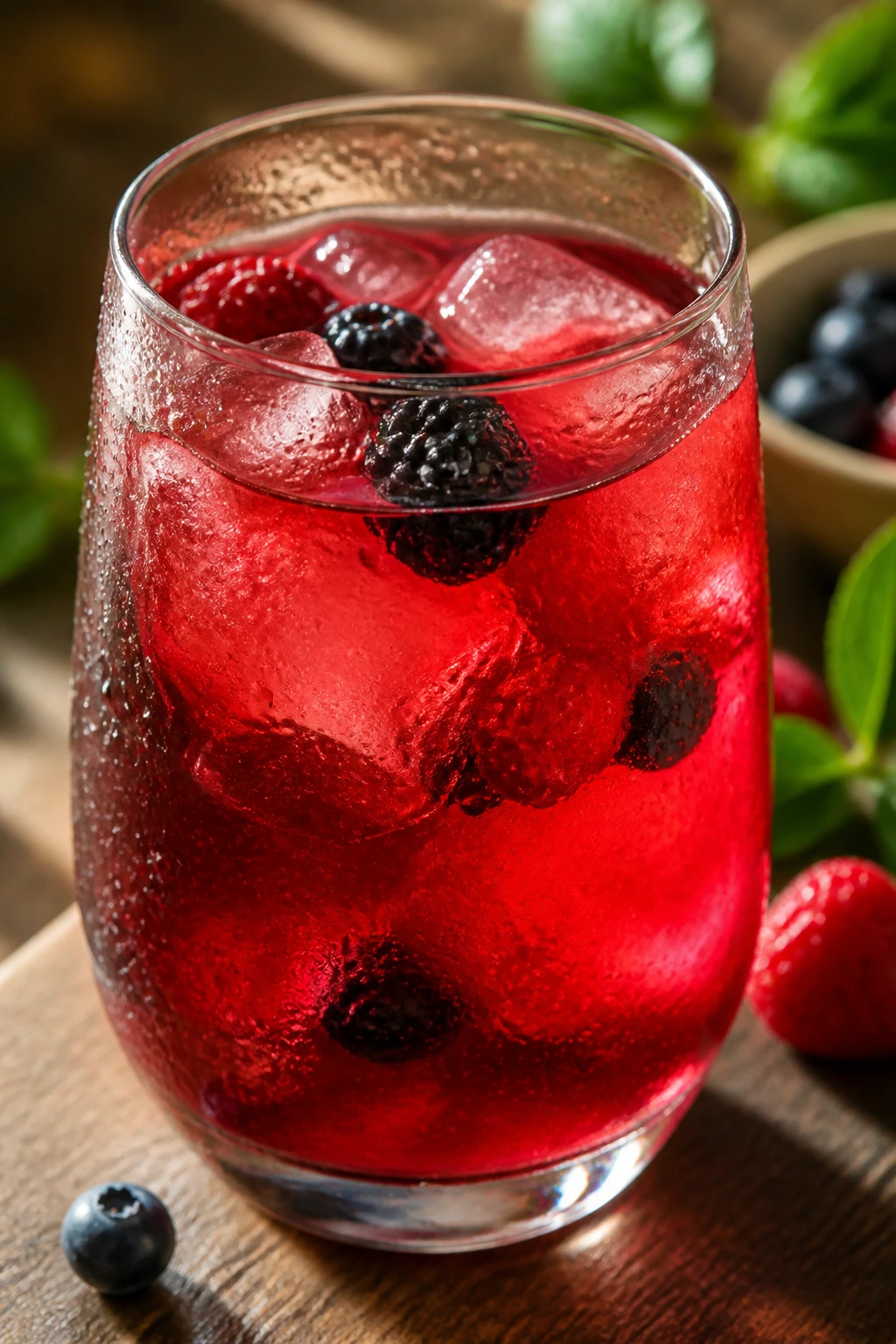
Caffeine-Free Pitcher:
Swap black, green, white, or oolong bases for rooibos, hibiscus, chamomile, or lemon verbena. You keep the pitcher habit without the caffeine, and the fruit-heavy recipes still work because those herbal teas can carry citrus and berries well.
Sparkling Tea Turn:
Replace 1 to 2 cups of still water with chilled sparkling water right before serving. This works best in citrus, berry, peach, and melon teas, where the bubbles help the drink feel sharper and more festive.
Lower-Sugar Batch:
Cut the sweetener by about half, then lean on ripe fruit, citrus zest, and a longer chill time to keep the flavor full. This is the right move for fruit teas that already have natural sweetness, like peach, mango, watermelon, or cantaloupe.
Creamy Tea Route:
For black tea bases, especially chai, vanilla almond, or Thai tea, add milk, oat milk, evaporated milk, or condensed milk in the glass rather than the pitcher. That keeps the base flexible and avoids separation if the tea sits too long.
Frozen Fruit Method:
Use frozen berries, peach slices, cherries, or melon cubes in place of some of the ice. They chill the tea without washing it out, and they release flavor as they thaw.
Herb-and-Citrus Twist:
Mint, basil, rosemary, sage, lemon zest, lime zest, and orange zest can all be swapped around more than people think. The rule is simple: one herb, one citrus, and one fruit is usually enough. More than that, and the pitcher starts losing shape.
Common Mistakes to Avoid
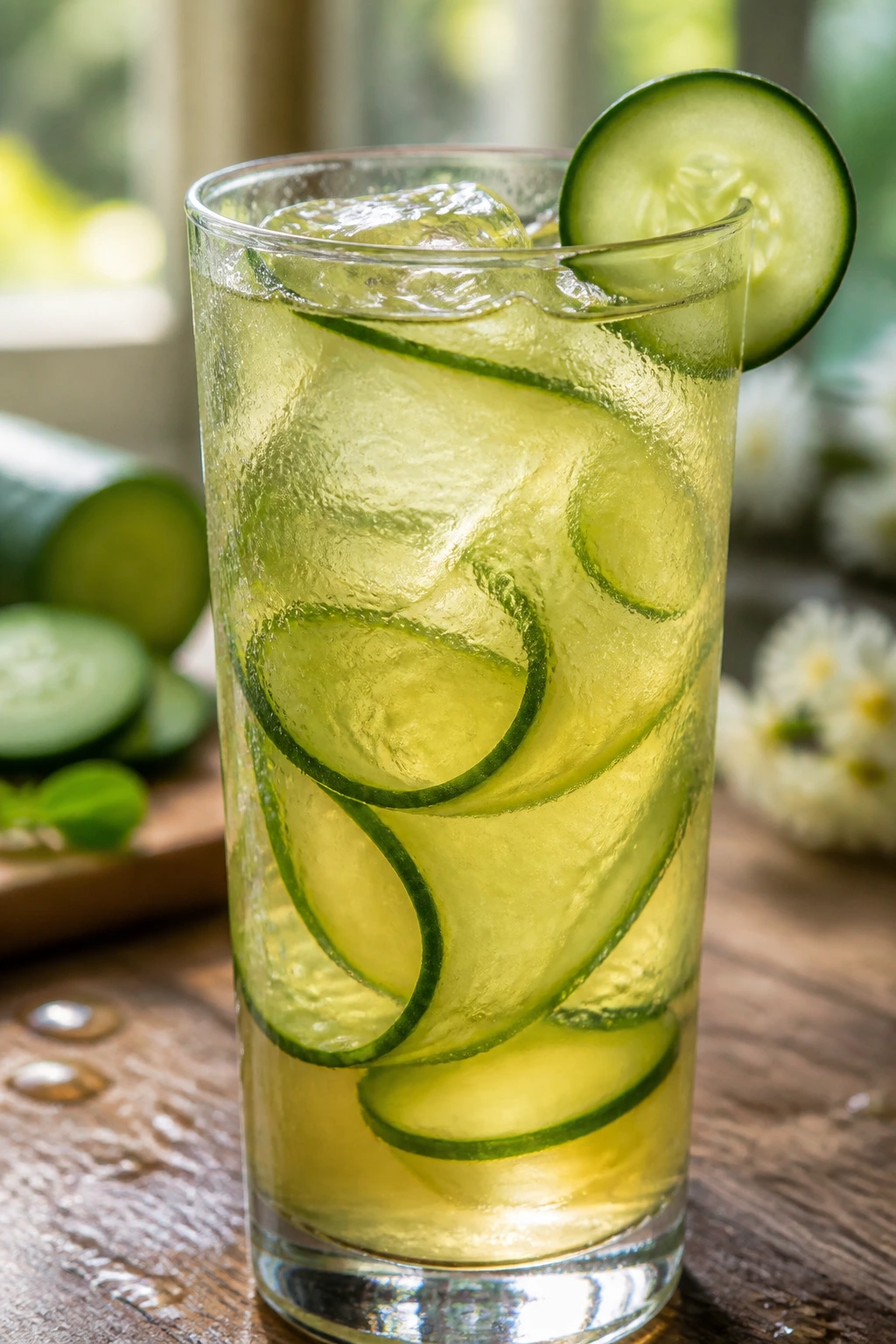
Over-steeping is the big one. Black tea gets harsh if you leave it too long, green tea turns bitter fast, and jasmine tea can go perfumey in a bad way. The fix is boring but real: watch the clock and pull the tea while it still smells bright.
Pouring hot tea over a mountain of ice is another easy way to flatten the whole drink. You end up with a weak, watery glass that tastes cold but not finished. Brew a little stronger than you think you need, then chill it with cold water or add ice at serving time.
Herbs can turn from fresh to bitter faster than fruit can. Mint, basil, sage, and rosemary should usually stay in the tea briefly, then come out unless the recipe is built for a long infusion. If the herb taste starts to dominate, strain it and taste again before you do anything else.
People also forget that cold tea tastes less sweet than warm tea. That’s why a pitcher that tasted fine in the saucepan can seem under-seasoned after an hour in the fridge. Taste after chilling, not only before it goes cold.
Finally, do not leave fresh fruit sitting in a pitcher for days and expect the flavor to improve forever. It won’t. The tea gets murky, the fruit goes limp, and the whole thing tastes tired. Make the base ahead if you want, but add the garnish and delicate fruit late.
Frequently Asked Questions
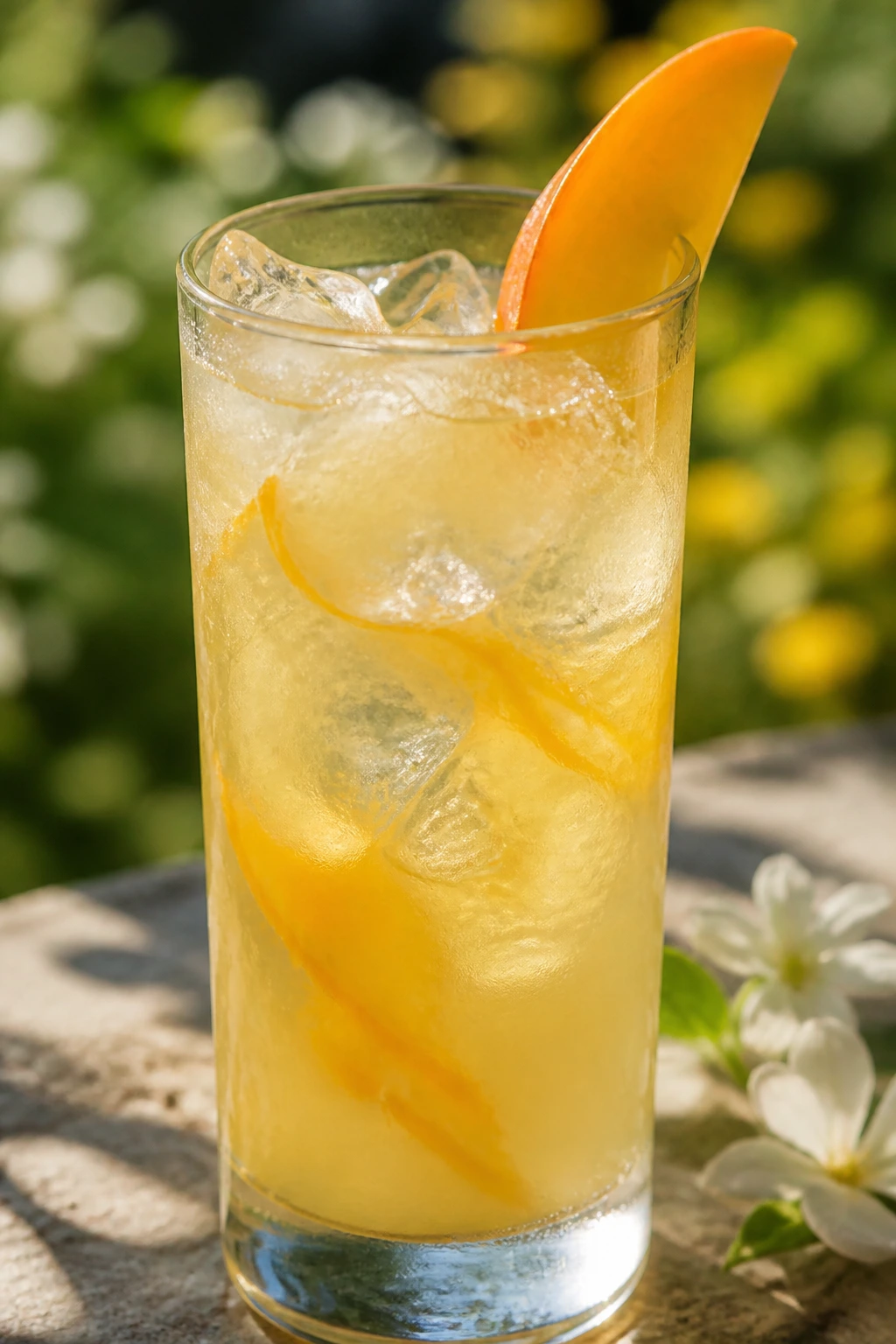
Can I use tea bags instead of loose-leaf tea?
Yes, and for pitcher tea, tea bags are often easier. Just use the bag count suggested in each recipe, and don’t squeeze them dry at the end unless you want extra tannin.
How do I keep iced tea from turning cloudy?
Cloudiness usually comes from oversteeping, hard water, or shocking the tea too fast. Steep the tea for the right time, let it cool for a few minutes before chilling, and strain out leaves or fruit before refrigerating.
Should I sweeten iced tea while it’s hot or cold?
Hot. Sugar, honey, maple syrup, and condensed milk all blend more easily in warm tea. If you wait until the drink is cold, you’ll spend more time stirring and still get pockets of sweetness.
What tea works best for a party pitcher?
Black tea is the most forgiving because it stands up to sugar, citrus, and ice. Rooibos is a strong second choice if you want something caffeine-free, and hibiscus is great when you want color and tartness.
Can I make these recipes the day before?
Yes, most of them do well when the base is made ahead and chilled overnight. If the recipe uses fresh fruit, herbs, or sparkling water, add those closer to serving so the flavor stays sharp.
What if my tea tastes bitter after chilling?
That usually means the tea was steeped too long or too hot. You can soften it with a little extra cold water, a squeeze of lemon, or a spoonful of sweetener, but the best fix is to shorten the next brew.
How much tea should I plan per guest?
For a mixed drinks table, figure on about 8 ounces per person, more if tea is the main beverage. If you’re serving a long meal or a warm-weather crowd, making one extra pitcher never hurts.
Can I turn these into cocktails?
You can, but add spirits to the glass, not the pitcher, so the whole batch stays useful for everyone. Black tea with bourbon, peach tea with vodka, and hibiscus tea with gin all make sense, but keep a nonalcoholic pitcher on the table too.
Final Pour
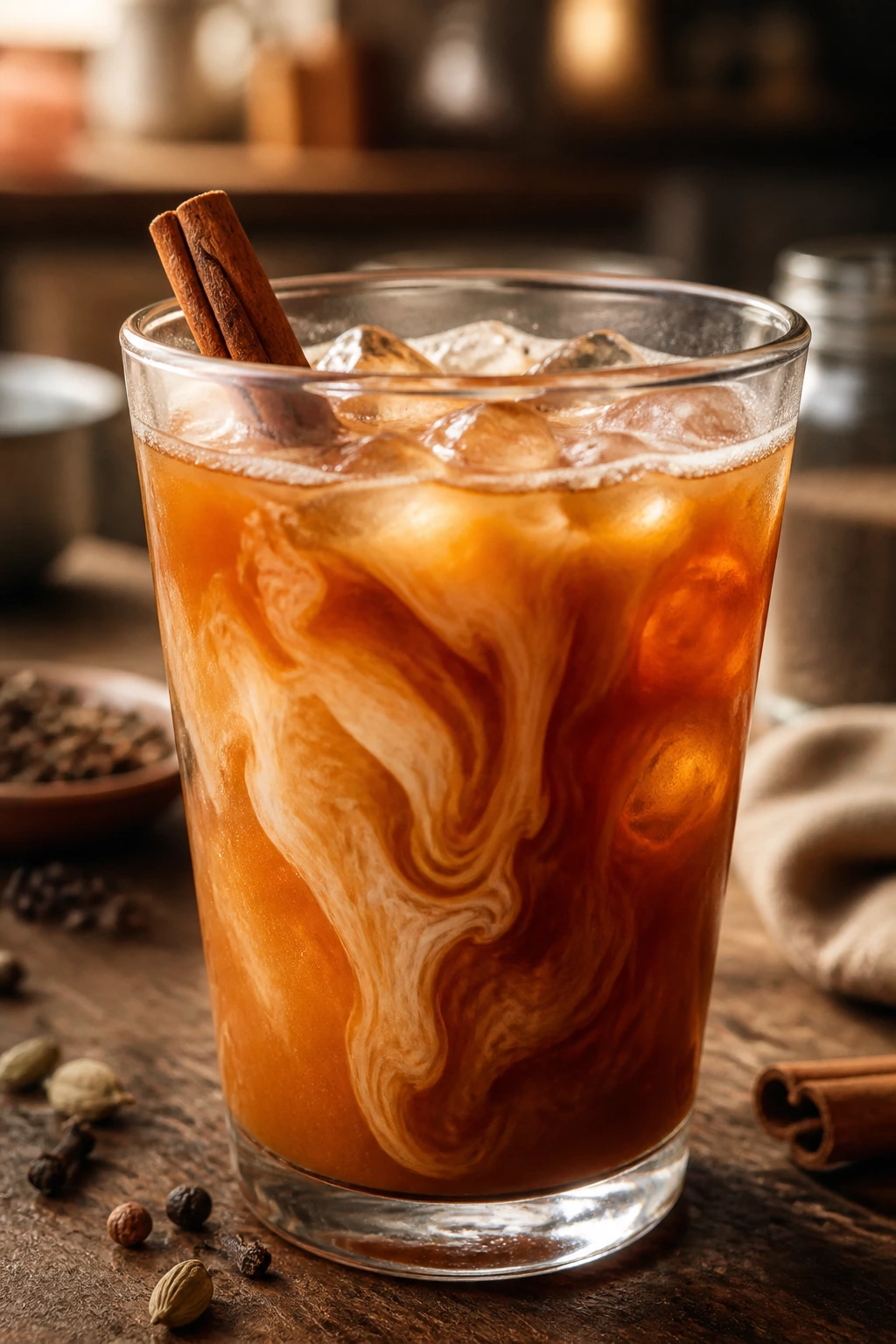
The best iced tea recipe is the one that still tastes deliberate after the ice has melted a little. That’s the whole game here: enough tea strength, enough sweetness, enough freshness, and no wasted motion. When you get the balance right, the pitcher doesn’t need a speech.
Keep one good brewed base in the fridge, keep a bowl of citrus and fruit on the counter, and you can pivot from sweet tea to peach, from hibiscus to chai, without much drama. That kind of flexibility is what makes a drink worth repeating.