



A good classic rum punch cocktail should taste like cold citrus first, then rum, then a little spice at the back of the throat. Not syrup. Not candy. And definitely not the neon fruit bowl that sits on a patio table until the ice collapses and nobody wants the last glass.
Rum punch works because it has one job and does it well: keep the fruit bright, the sweetness in line, and the rum from shouting over everything else. The old punch shorthand — sour, sweet, strong, weak — still survives for a reason. It forces balance. If one part runs heavy, the whole bowl tips. If the citrus goes flat, the drink tastes sleepy. If the rum is harsh, no amount of garnish can save it.
I like this style of punch because it behaves like a host who knows when to talk and when to let the music run. You can make it in a pitcher, a punch bowl, or a big measuring jug if that’s what you’ve got. The trick is keeping the juices cold, adding the ice at the right moment, and choosing rums that bring shape instead of noise. Once those pieces are in place, the drink lands exactly where it should: bright, easy to sip, and polished enough to carry a whole gathering without feeling fussy.
Why This Rum Punch Recipe Works So Well
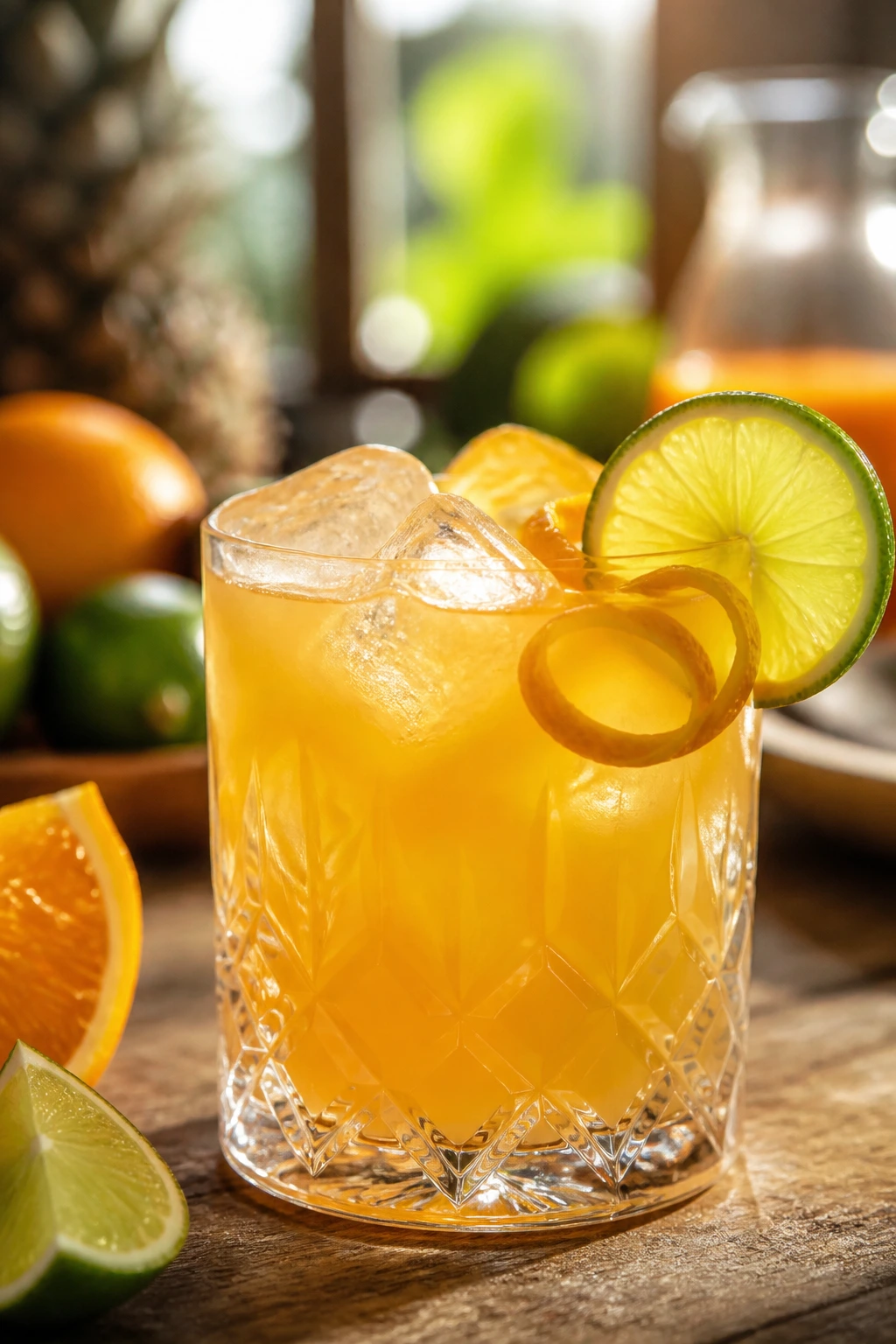
- Two rums do two different jobs: The white rum keeps the punch clean and brisk, while the dark rum brings molasses, vanilla, and a little oak to the finish.
- Fresh citrus keeps the bowl alive: Lime and orange juice give the drink a sharper, cleaner edge than bottled mixer punch ever will.
- Pineapple softens the edges: A little pineapple juice rounds out the acidity so the punch tastes lush without turning sticky.
- Bitters keep the fruit from flattening out: Four dashes of Angostura add spice and depth, which matters once the ice starts melting.
- It scales without drama: Double it, halve it, or pour it into a bowl for eight guests; the ratio stays intact as long as you keep the sour, sweet, and strong parts in step.
- It tastes better after a short chill: Thirty minutes in the fridge gives the lime, rum, and syrup time to settle into the same lane instead of tasting like separate ingredients.
Timing, Yield, and Chill Notes
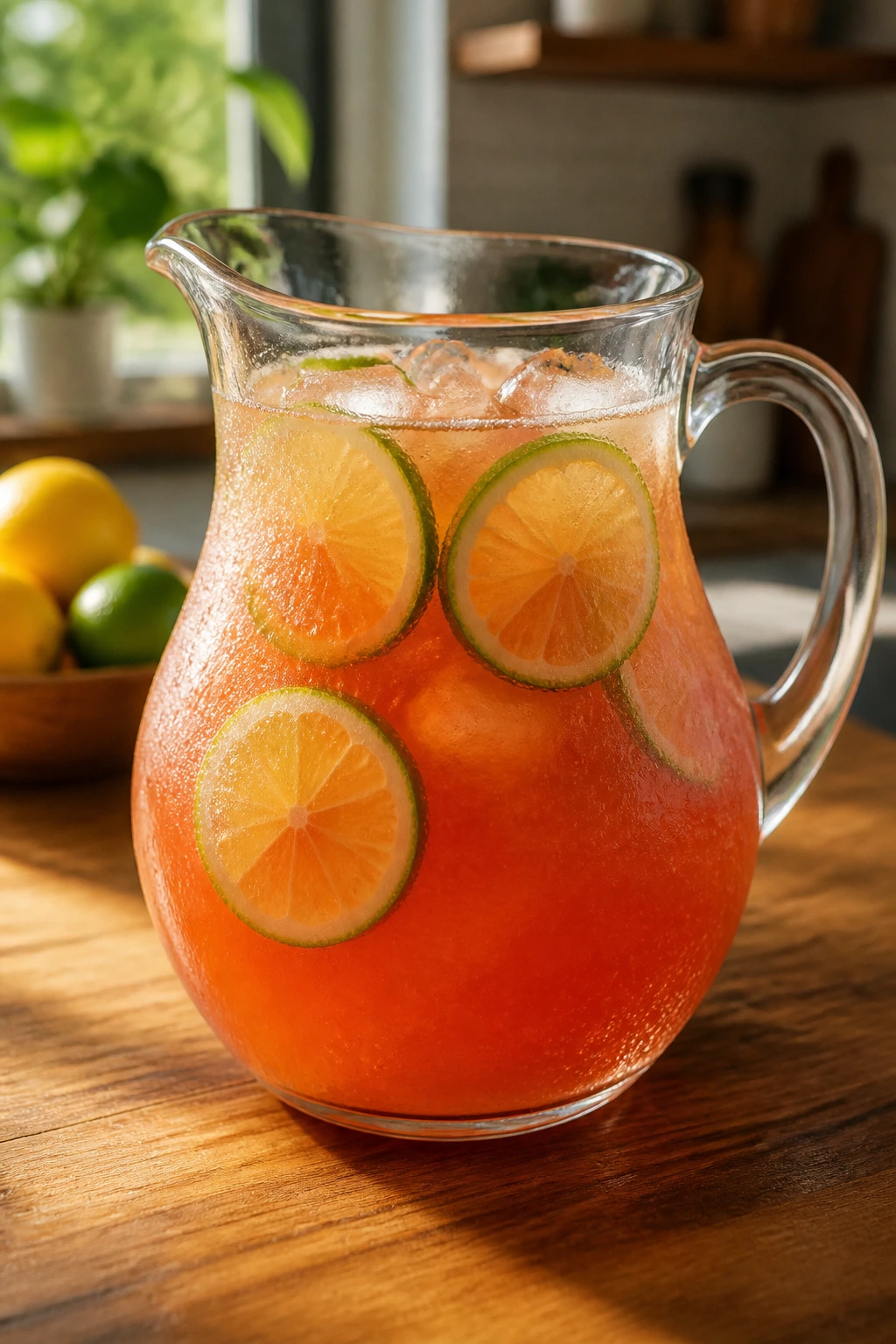
Yield: Serves 8 to 10
Prep Time: 15 minutes
Cook Time: 0 minutes
Total Time: 15 minutes, plus 30 minutes chilling for the cleanest flavor
Difficulty: Beginner — there’s no stove involved, but the balance matters, and the ice needs a little respect.
Chill/Rest Time: 30 minutes recommended; 10 minutes minimum if you’re short on time
Best Served: Very cold, over ice, with the garnish added at the last minute
A rum punch doesn’t need complicated timing, but it does need temperature control. If the juices are warm and the ice goes in too early, the first glass is diluted before the second person even reaches the bowl. Cold ingredients keep the drink tight and bright. That small detail matters more than fancy glassware ever will.
The Ingredients That Build the Drink
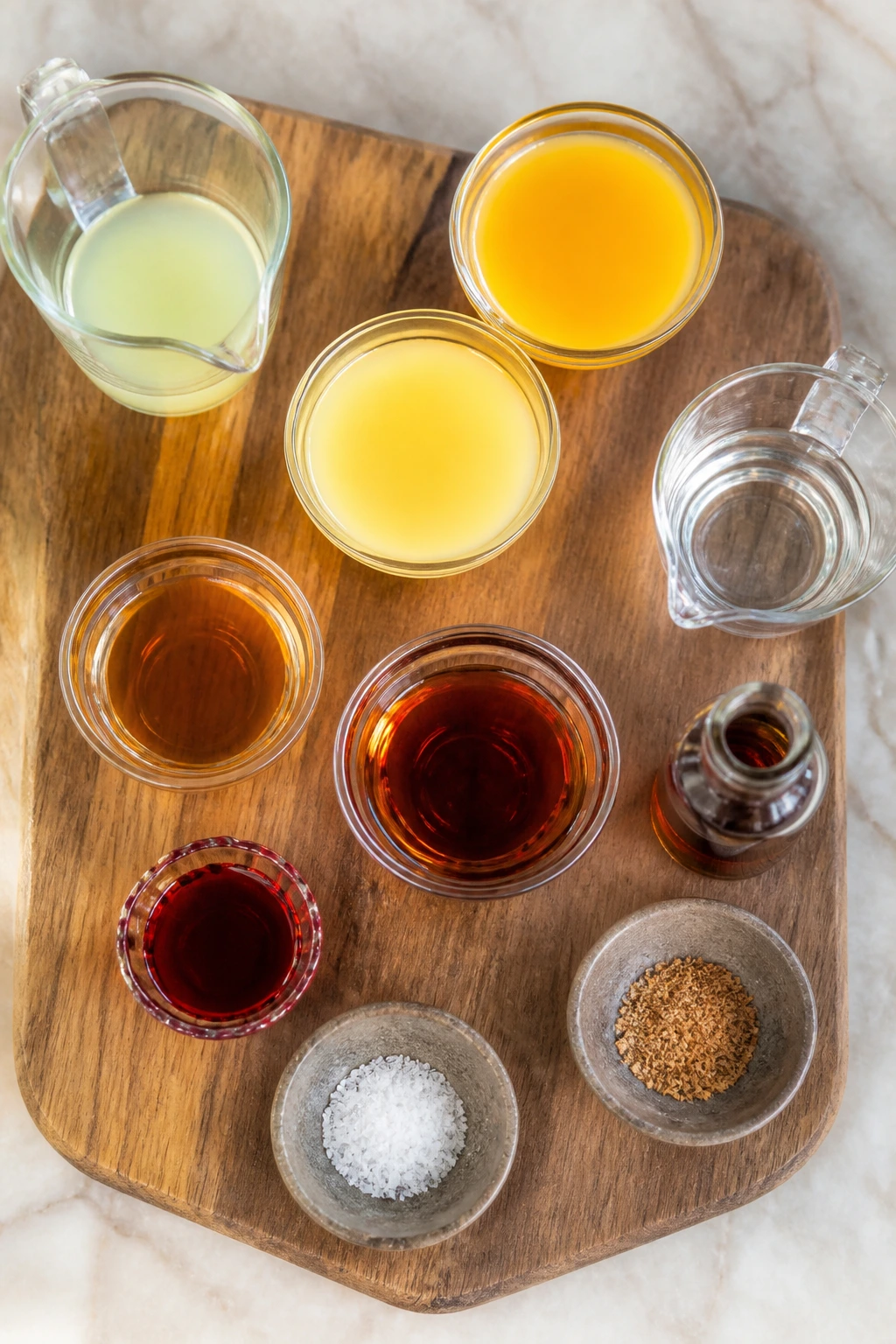
For the Punch:
- 1 cup fresh lime juice, strained
- 1 cup fresh orange juice, strained
- 1 1/2 cups pineapple juice
- 1/2 cup demerara syrup or simple syrup
- 1/4 cup grenadine
- 1 cup white rum
- 1 cup dark or aged rum
- 4 dashes Angostura bitters
- 1/8 teaspoon fine sea salt
- 1/4 teaspoon freshly grated nutmeg
- 1/4 cup overproof rum, optional float
For Serving:
- Ice cubes or one large ice block
- Lime wheels
- Orange slices
- Pineapple wedges
- Maraschino cherries, optional
The list looks simple because it should. Rum punch gets muddy fast when people start throwing in too many bottles. You want a handful of ingredients that each earn their place.
What Each Ingredient Does in the Glass
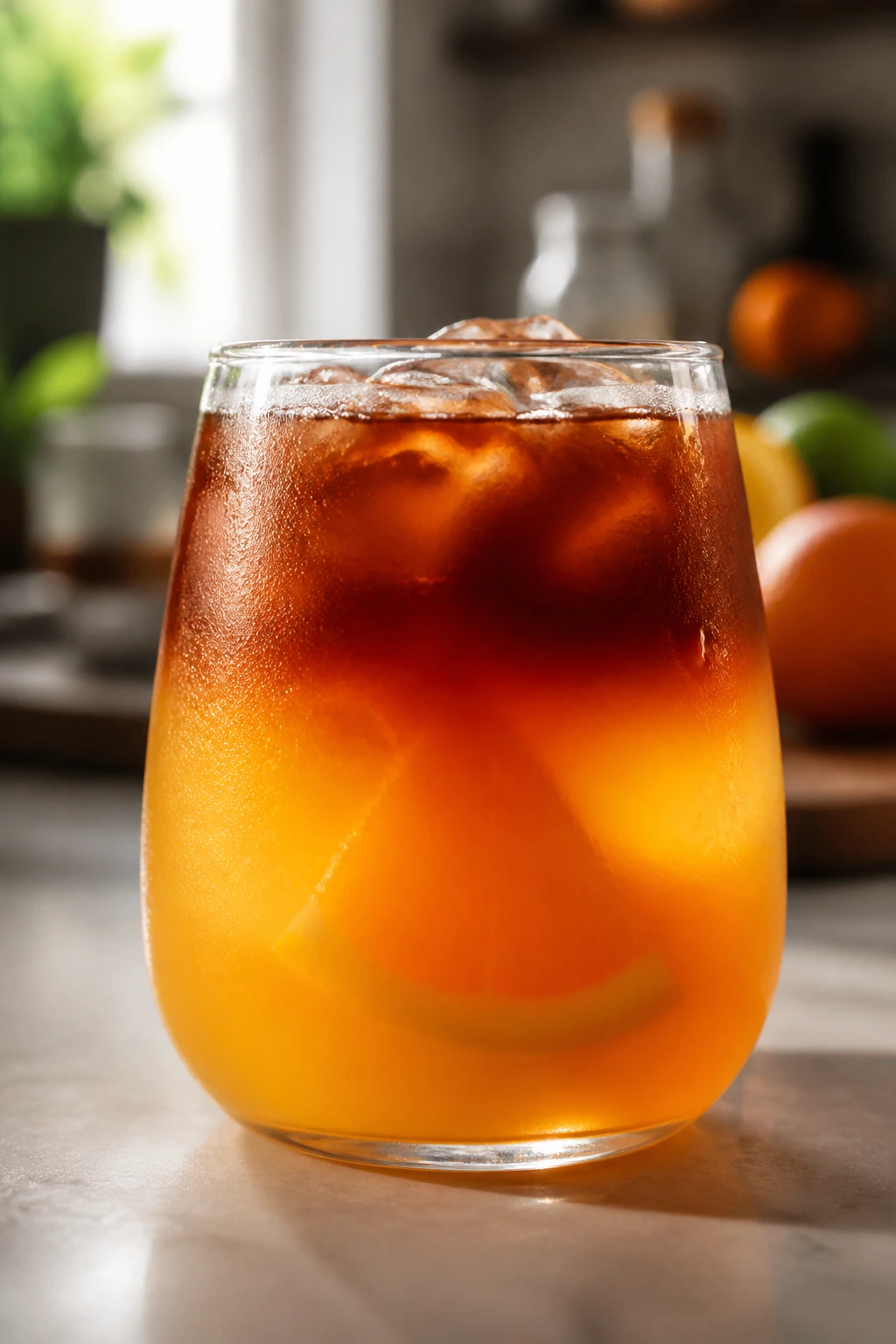
The Rum Base
What to use: 1 cup white rum and 1 cup dark or aged rum, with 1/4 cup overproof rum only if you want a float on top.
Preparation: Keep the white rum chilled if you can. The dark rum can sit at room temperature, but cold rum gives the finished punch a cleaner, firmer feel when it first hits the glass.
Substitutions: If you only have one bottle, use an aged gold rum instead of a split base. Spiced rum can work in a pinch, but it pushes cinnamon and vanilla to the front, which changes the drink a lot.
Tips: Don’t overdo the high-proof stuff. A float should smell inviting, not burn like a dare. One small pour on top is enough to make the aroma bloom.
The Citrus and Fruit Juices
What to use: 1 cup fresh lime juice, 1 cup fresh orange juice, and 1 1/2 cups pineapple juice.
Preparation: Strain the lime and orange juice if you want a smoother drink, especially if you’re juicing by hand and picking up pulp along the way. I usually keep a small mesh strainer beside the cutting board because lime seeds have a way of launching themselves across the kitchen.
Substitutions: Good bottled orange juice can step in if needed, though fresh is better. Pineapple juice from a can or carton works well here as long as it tastes clean, not metallic or overly sweet.
Tips: Lime is the one I would not fake. That sharp edge is what stops the punch from tasting syrupy. Fresh orange juice gives the drink lift; pineapple rounds it out.
The Sweetener and Spice
What to use: 1/2 cup demerara syrup or simple syrup, 1/4 cup grenadine, 4 dashes Angostura bitters, 1/8 teaspoon fine sea salt, and 1/4 teaspoon freshly grated nutmeg.
Preparation: Stir the syrup and grenadine together before adding the rum so the color and sweetness distribute evenly. Grate the nutmeg at the end if you can; the smell falls off fast once it sits around.
Substitutions: Plain simple syrup works if you don’t have demerara syrup. If grenadine is too sweet for your taste, pomegranate syrup is a cleaner swap with a little more tartness.
Tips: The salt doesn’t make the drink salty. It keeps the fruit from tasting thin. Bitters do the same thing in a different register — they give the punch some spine.
Garnishes and Ice
What to use: Ice cubes or one large ice block, plus lime wheels, orange slices, pineapple wedges, and optional cherries.
Preparation: Chill the glasses if you have room in the freezer. If you’re using a punch bowl, a large block of ice melts much slower than a pile of cubes and keeps the drink from turning watery halfway through the first round.
Substitutions: Frozen citrus wheels work well if you want garnish and ice in one move. Fresh mint can be used, though I’d keep it light so it doesn’t pull attention away from the citrus.
Tips: Don’t bury the surface in fruit. A crowded bowl looks busy for about thirty seconds, then the garnish gets soggy and blocks the ladle. One or two well-placed slices do more.
Stirring the Punch Without Watering It Down
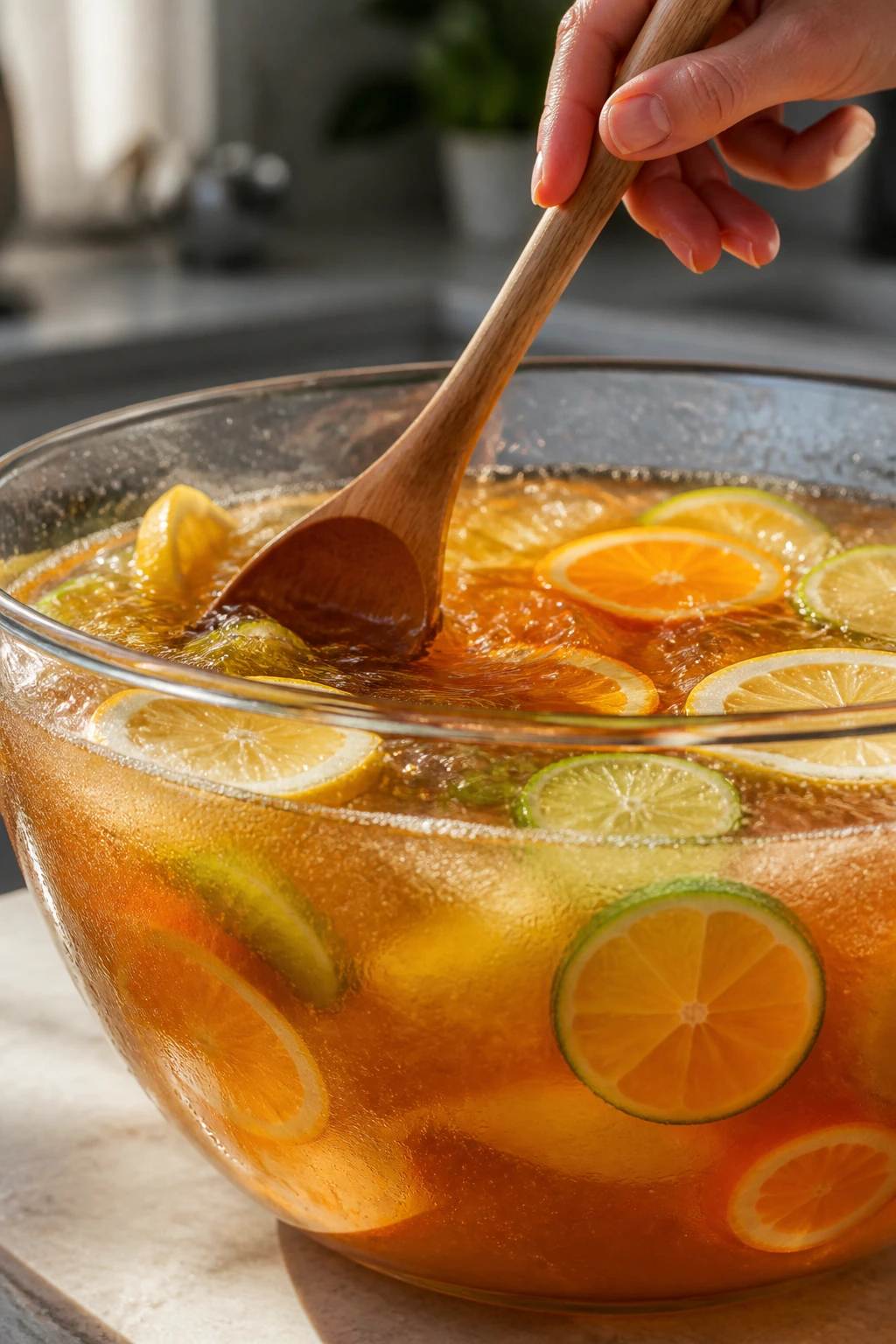
Prep the Fruit and Bowl:
-
Chill a large pitcher, punch bowl, or mixing jug in the freezer for 10 to 15 minutes. If you do not have freezer space, rinse it with ice water for 5 minutes and dry it well.
-
Juice the limes and oranges, then strain both juices into a large measuring cup or bowl. You want about 2 cups total citrus, and the liquid should look clear, glossy, and bright.
-
Measure the pineapple juice, demerara syrup, grenadine, bitters, salt, and nutmeg into the same bowl. Stir until the syrup loosens and the color turns even.
Build the Punch:
-
Add the white rum and dark rum. Stir slowly for 15 to 20 seconds, scraping the bottom of the bowl so the syrup does not sink and stay there. The mixture should smell like lime peel, brown sugar, and fruit.
-
Taste a spoonful. If it feels too sharp, add 1 tablespoon more syrup. If it feels too sweet, add 1 tablespoon more lime juice. Do not adjust by pouring in more rum first — that’s how a punch gets unbalanced fast.
-
Cover the bowl and chill the mixture in the refrigerator for 30 minutes if you have the time. That short rest softens the edges and lets the fruit and rum stop arguing with each other.
Finish and Serve:
-
Just before serving, add ice to the punch bowl or fill individual glasses with ice. If you’re using a bowl, a single large ice block is better than a mountain of cubes. Add the ice only at the end so the first glass is not half water.
-
Float the overproof rum on top if you’re using it, then garnish with lime wheels, orange slices, and a few pineapple wedges. Finish with a small shower of nutmeg over the top. The smell should hit before the first sip does.
How Rum Punch Finds Its Balance
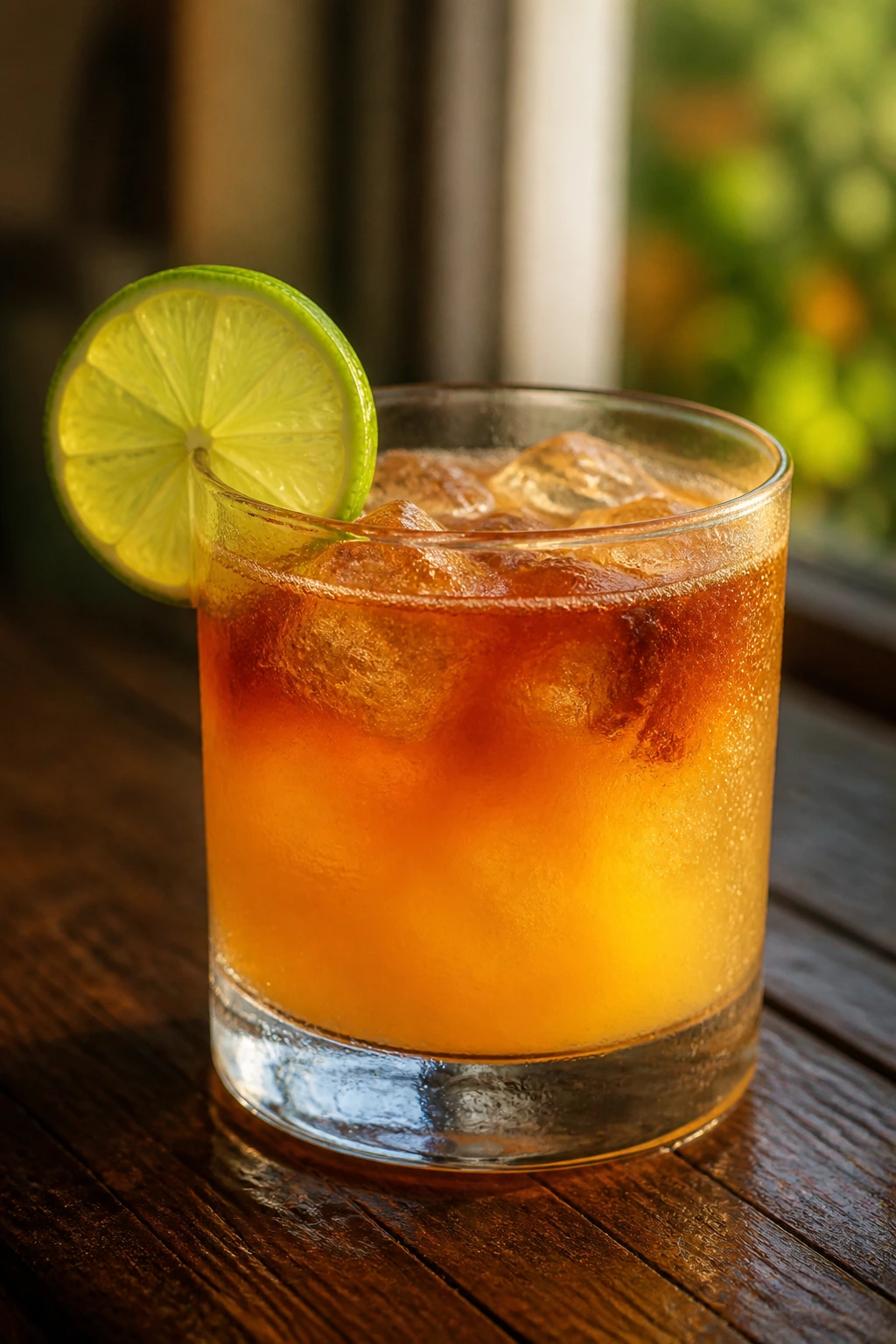
The old punch formula matters because it gives you a shape to build around. Sour is the lime. Sweet is the syrup and grenadine. Strong is the rum. Weak is the juice — the part that stretches the drink and keeps it from becoming a liquor-forward slug. That structure has survived through generations of bartenders because it solves the same problem every batch drink faces: how to stay lively after the ice starts melting.
Rum is not one flavor. That’s the first useful thing to remember. White rum brings a clean line and keeps the drink from getting heavy. Dark rum adds warmth, a little molasses, and a finish that feels round instead of blunt. If you use only dark rum, the punch can feel thick. If you use only white rum, the drink can taste a little thin, like it’s missing a low note.
Pineapple juice does a sneaky amount of work here. It softens the lime without taking over, and it gives the punch a plush texture that orange juice alone can’t quite supply. The grenadine is there for color and a faint pomegranate-like sweetness, not to make the bowl taste like syrup. That’s the line a lot of home recipes cross. They pour in too much red syrup and lose the citrus almost entirely.
A tiny pinch of salt and a few dashes of bitters are the kind of details people skip when they’re in a hurry, which is exactly why the drink tastes flatter when those details are missing. Salt wakes up fruit. Bitters give the whole bowl a bit of dry structure. Neither one should announce itself. You should feel them more than taste them.
The Tools That Make Mixing Easier
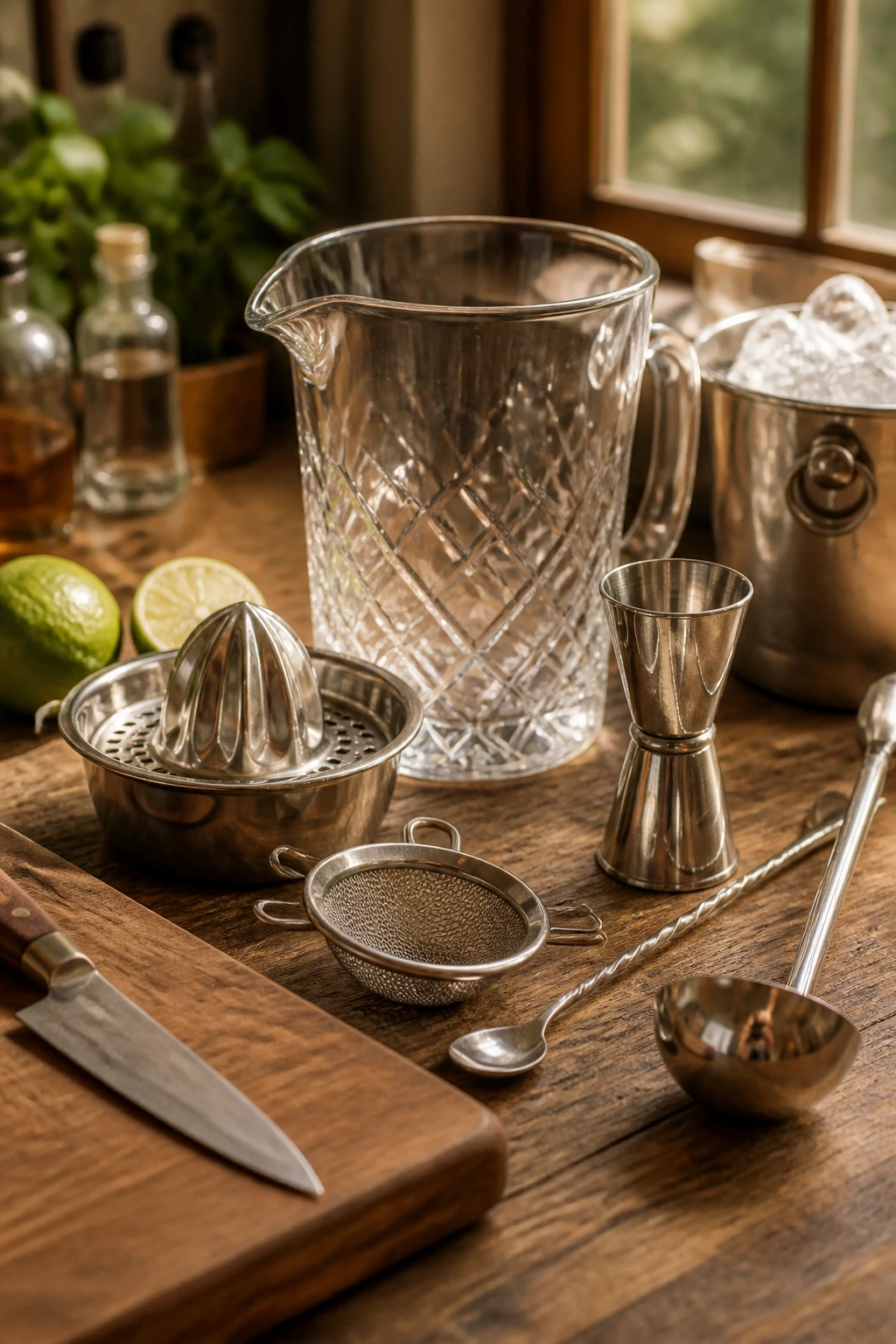
- Large pitcher or punch bowl, at least 2 quarts: A cramped vessel makes stirring messy and doesn’t leave enough room for ice and garnish.
- Citrus juicer or reamer: Hand-squeezing works fine, but a reamer gets more juice out with less effort.
- Fine-mesh strainer: Handy for catching seeds and pulp so the texture stays smooth.
- Jigger or measuring cup: Rum punch is forgiving, but it is not guesswork-friendly.
- Long-handled spoon or bar spoon: You need something that reaches the bottom of the bowl without splashing the sides.
- Ladle: Makes serving easier when you’re using a punch bowl.
- Ice bucket or plenty of freezer space: Cold ingredients matter, and cold serving vessels matter almost as much.
- Sharp knife and cutting board: For clean citrus wheels, orange slices, and pineapple wedges that don’t look chewed up.
Why the Punch Bowl Wins Over the Shaker
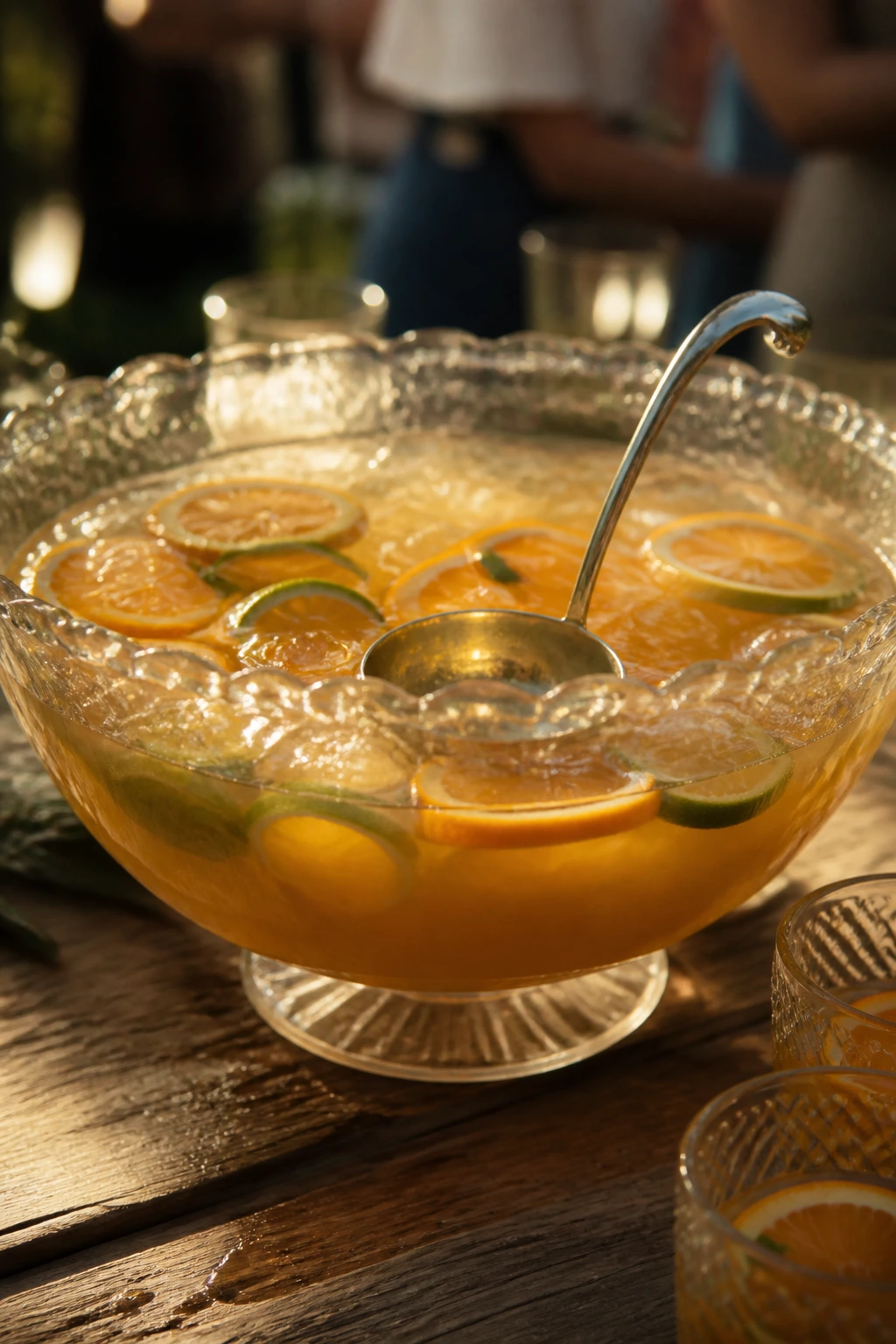
A shaker is the wrong tool here. It bruises the ice, over-dilutes the fruit, and forces you to make the drink in tiny batches like you’re assembling test tubes. Rum punch wants a pitcher or bowl because the drink needs room to settle. It also needs to be easy to ladle, which is a very old-fashioned but useful point.
The social part matters too. Punch is meant to be poured, not fussed over one glass at a time while everyone stands around waiting. That’s one reason this style of drink has lasted. It lets you make a proper batch, step back, and keep your hands free for the rest of the spread.
If you’re serving four people, a big pitcher is enough. If the room is full, go for the bowl and make the garnish simple. A drink like this looks better when it is cool and orderly than when it is overloaded with fruit skewers trying to prove a point.
How to Serve Rum Punch So It Stays Cold and Bright
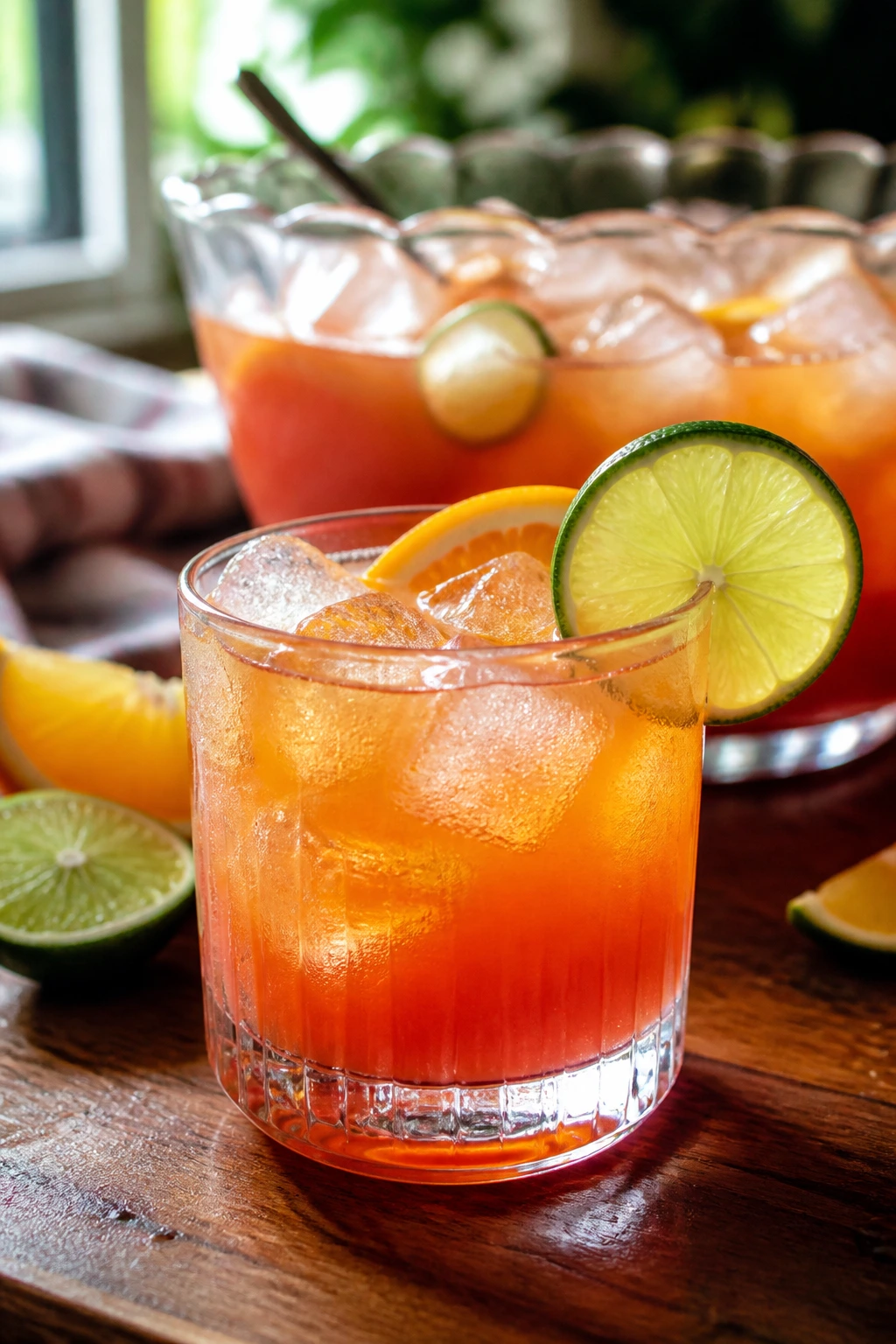
Presentation: Serve the punch in chilled rocks glasses or short highball glasses over a few large ice cubes. A thin lime wheel on the rim and one small slice of orange in the glass are enough; the drink should look crisp, not crowded. If you’re using a punch bowl, keep the ladle visible and the garnish floating lightly on top rather than buried under a pile of fruit.
Accompaniments: I like this with salty, spicy food — jerk chicken wings, grilled shrimp, plantain chips, coconut rice, or roasted nuts with a little chile and lime. The drink is sweet enough to handle heat, but not so sweet that it needs dessert to stand next to it. If you’re serving a lighter spread, a citrusy slaw or a cold seafood platter keeps the table balanced.
Portions: Plan on about 6 ounces per serving if you’re using the recipe as written, though a punch glass filled with a good amount of ice will make each pour look smaller than it is. For a smaller group, halve the batch and keep the ratios exact. For a larger crowd, double everything and use a bowl that can hold the liquid plus ice without reaching the rim.
Beverage Pairing: Since the punch already carries the alcohol, the companion drink should stay dry and clean — sparkling water with lime, unsweetened iced tea, or a crisp lager if you’re serving food. Those drinks reset the palate instead of competing with the bowl. Nobody needs two sweet beverages on the same table.
Small Changes That Make the Punch Taste Sharper, Cleaner, or Softer
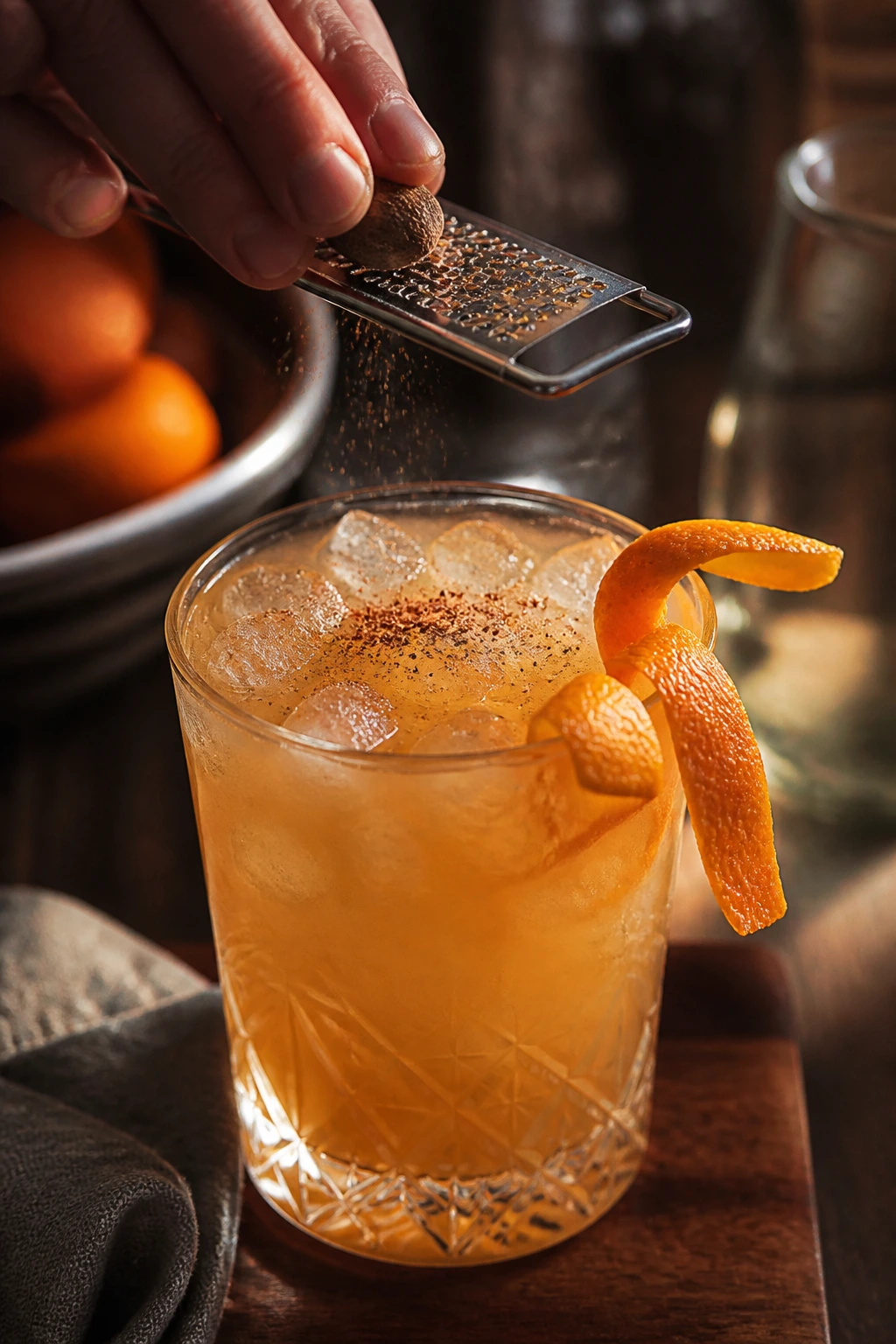
Flavor Enhancement: Grate a little fresh nutmeg over each serving glass right before you hand it over. That tiny dusting gives the drink a warm aroma that lands before the rum does. A thin strip of orange peel, twisted over the bowl, does something similar; it makes the citrus smell deeper and cleaner.
Time-Saver: Juice the limes and oranges earlier in the day and keep them in separate jars in the fridge. Citrus loses some brightness after a while, so if you want to get ahead, stop at one day and keep the containers sealed tight. The rest of the ingredients can wait.
Cost-Saver: Use one bottle of decent white rum and a smaller pour of dark rum instead of buying a fancy aged bottle for the whole batch. The dark rum is there for depth, not volume. A small amount goes a long way, and that’s where the money should stay.
Make-It-Yours: If you like a sharper punch, cut the grenadine to 2 tablespoons and add another tablespoon of lime juice. If you want a softer tropical note, replace 1/2 cup of the orange juice with mango or passion fruit juice. For a less sweet finish, use simple syrup sparingly and let the pineapple do more of the talking.
Where Rum Punch Goes Wrong
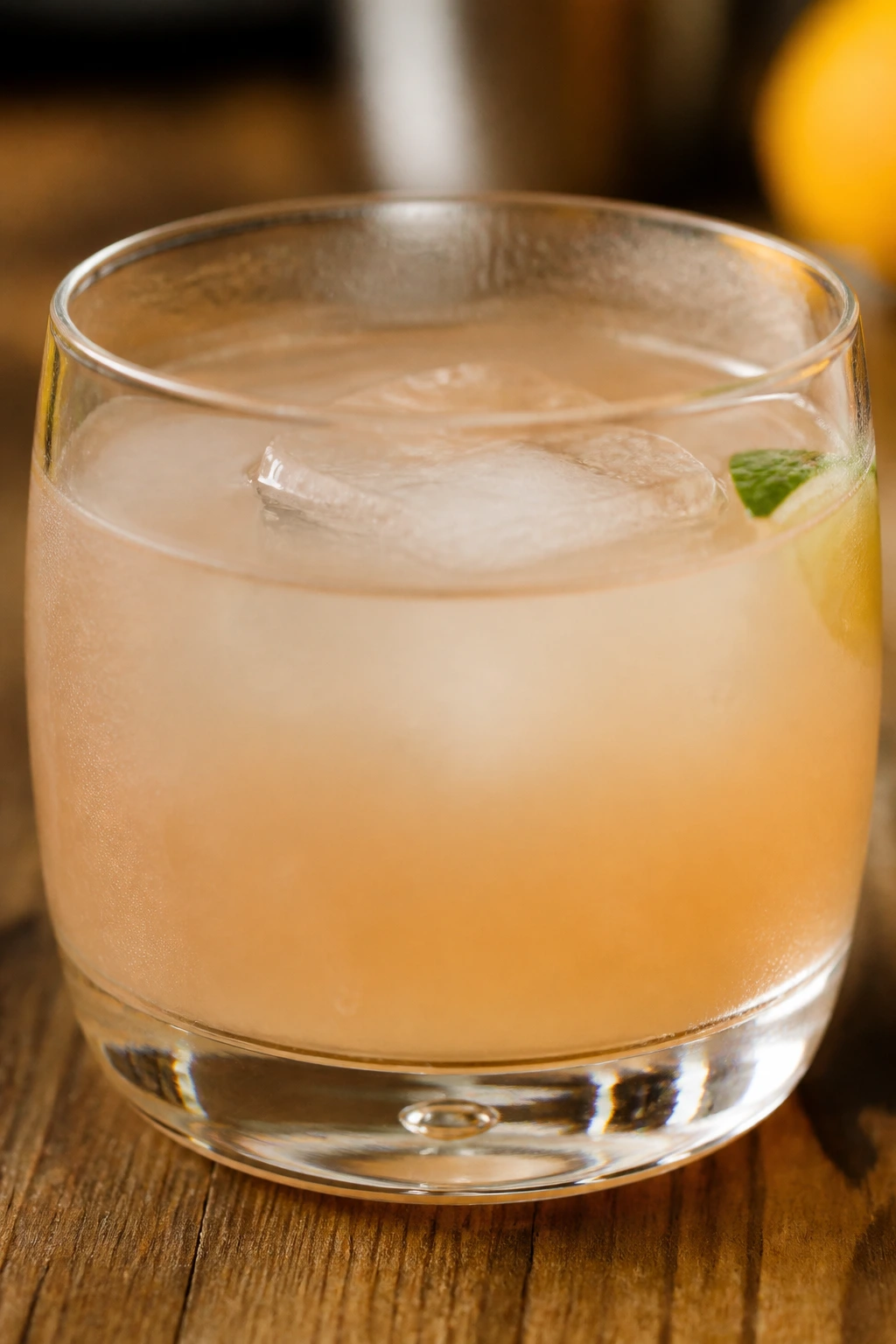
- Adding ice too early: The bowl tastes watered down before the first refill because the ice starts melting while the room is still getting settled. Fix it by chilling the base first and adding ice only when the glassware is ready.
- Using too much grenadine: The drink turns red and candy-sweet, and the lime disappears. Fix it by measuring the grenadine instead of pouring from the bottle until the color looks right.
- Skipping bitters and salt: The punch ends up tasting flat, even if the fruit is fresh. Fix it with 4 dashes of Angostura and a small pinch of salt; both disappear into the background but sharpen the edges.
- Relying on one rum flavor: A single bottle can work, but a punch made with only spiced rum or only dark rum often feels one-note. Fix it with a split base so the drink has brightness and depth.
- Serving it warm: Room-temperature punch tastes much sweeter and less refined than the same drink served cold. Fix it by chilling the base and the glasses, then keeping the bowl out of direct sun or warm air.
- Overloading the garnish: A bowl packed with fruit looks busy for a moment, then becomes annoying to ladle and waters the drink faster than it should. Fix it with a few clean slices and enough ice to do the cooling work.
Classic Rum Punch Variations That Still Taste Like the Real Thing

Brighter Porch Punch: Cut the grenadine to 2 tablespoons and add an extra tablespoon of lime juice. This version works when you want the drink a little leaner and more citrus-forward, with less of the red syrup note.
Deep Oak Punch: Replace the white rum with another 1 cup of aged or dark rum and keep the overproof float optional. The result is warmer, darker, and a little more serious, which suits a smaller group that likes rum to taste like rum.
Ginger Spark Punch: Add 1/2 cup cold ginger beer to the pitcher right before serving. The bubbles lift the citrus and give the punch a sharper finish, but only add it at the end or you’ll lose the fizz.
No-ABV Island Bowl: Swap the rums for 1 1/2 cups strong chilled black tea and 1/2 cup club soda. Keep the juices, syrup, bitters, salt, and nutmeg the same. You still get the structure of punch, just without the alcohol, and the tea brings enough tannin to stop it from tasting like juice alone.
Pineapple-Forward Crowd Pleaser: Increase the pineapple juice to 2 cups and reduce the orange juice to 1/2 cup. This one leans softer and more tropical, which works well if your guests prefer a rounder, less tart drink.
Make-Ahead, Storage, and Batch-Mixing Notes
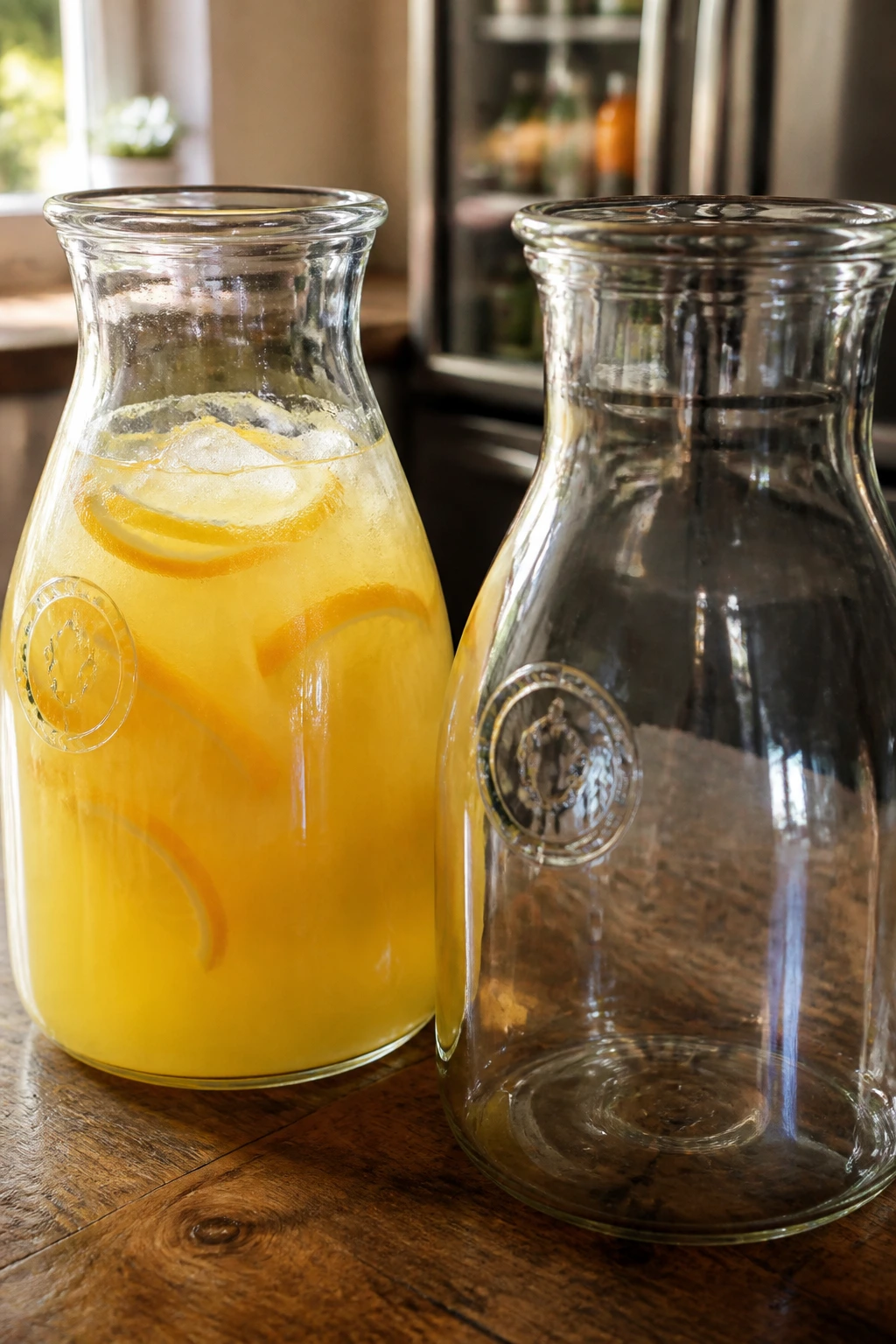
The smartest way to make rum punch ahead is to split the job into two parts. Mix the citrus juices, pineapple juice, grenadine, syrup, bitters, salt, and nutmeg up to 24 hours in advance, and keep that base sealed in the refrigerator. Add the rum a few hours before serving if you want the flavors to marry more closely; add it right before serving if you like the alcohol a little brighter on the nose.
Once the punch is fully mixed, it keeps in the refrigerator for up to 3 days, though the first 24 hours are the best tasting. After that, the citrus aroma softens and the drink loses some lift. If the bowl has already been diluted with ice, treat it as a same-day drink and finish it within a few hours.
Do not freeze the finished punch. The alcohol and sugar make the texture awkward, and the result is a slushy, half-thawed mess rather than a proper frozen cocktail. If you want to freeze something, freeze the citrus juice in ice cube trays for up to 2 months and use those cubes in single-glass pours. They chill the drink without watering it down.
There is no reheating step here, which is part of the charm. If the punch has been sitting in the fridge and tastes a little tight, let it stand at room temperature for 5 to 10 minutes, stir once, and taste again. Sometimes that’s all it needs. If the flavor has dulled, add 1 teaspoon lime juice and 1 dash bitters per quart to wake it back up.
Rum Punch Questions People Ask at the Bar

Can I make rum punch the day before?
Yes, and the drink often tastes more settled after a few hours in the fridge. Mix everything except the ice and garnish, then stir once before serving so the syrup doesn’t sit at the bottom.
Do I need both white rum and dark rum?
No, but the split base gives the punch a cleaner top note and a deeper finish. If you only have one bottle, choose an aged gold rum rather than a spiced rum, since spiced rum can take the whole drink in a cinnamon direction.
Can I use bottled citrus juice?
Orange juice can come from a bottle if it tastes fresh and not overly sweet. Lime juice is trickier; bottled lime juice tends to taste flat and a little metallic, so I’d only use it if there’s no other choice and I’d start with less than the recipe calls for, then taste.
How do I make the punch less sweet?
Cut the grenadine first, not the lime. Then reduce the syrup a bit and taste again. Too many people try to fix sweetness by adding more rum, which only makes the drink harsher.
What if my punch tastes thin?
A pinch more salt, another dash of bitters, or a small pour of dark rum usually fixes that. Thin punch usually means the flavors are spread out too far, not that the drink needs to be stronger in an obvious way.
Can I make it sparkling?
Yes, but add the bubbles right at the end. A splash of club soda or ginger beer keeps the drink lively, though too much fizz pushes it away from classic punch and into spritz territory.
Is grenadine required?
Not strictly, but I like it because it gives the drink its color and a soft pomegranate note. If you skip it, add a little more demerara syrup and a touch more citrus so the drink doesn’t taste hollow.
What glass should I use if I don’t have a punch bowl?
A big pitcher works fine, and a wide-mouth jar can work for smaller batches if it’s sturdy. The main thing is room for stirring and enough space for ice, because a cramped vessel dilutes too fast.
A Bowl Worth Passing Around
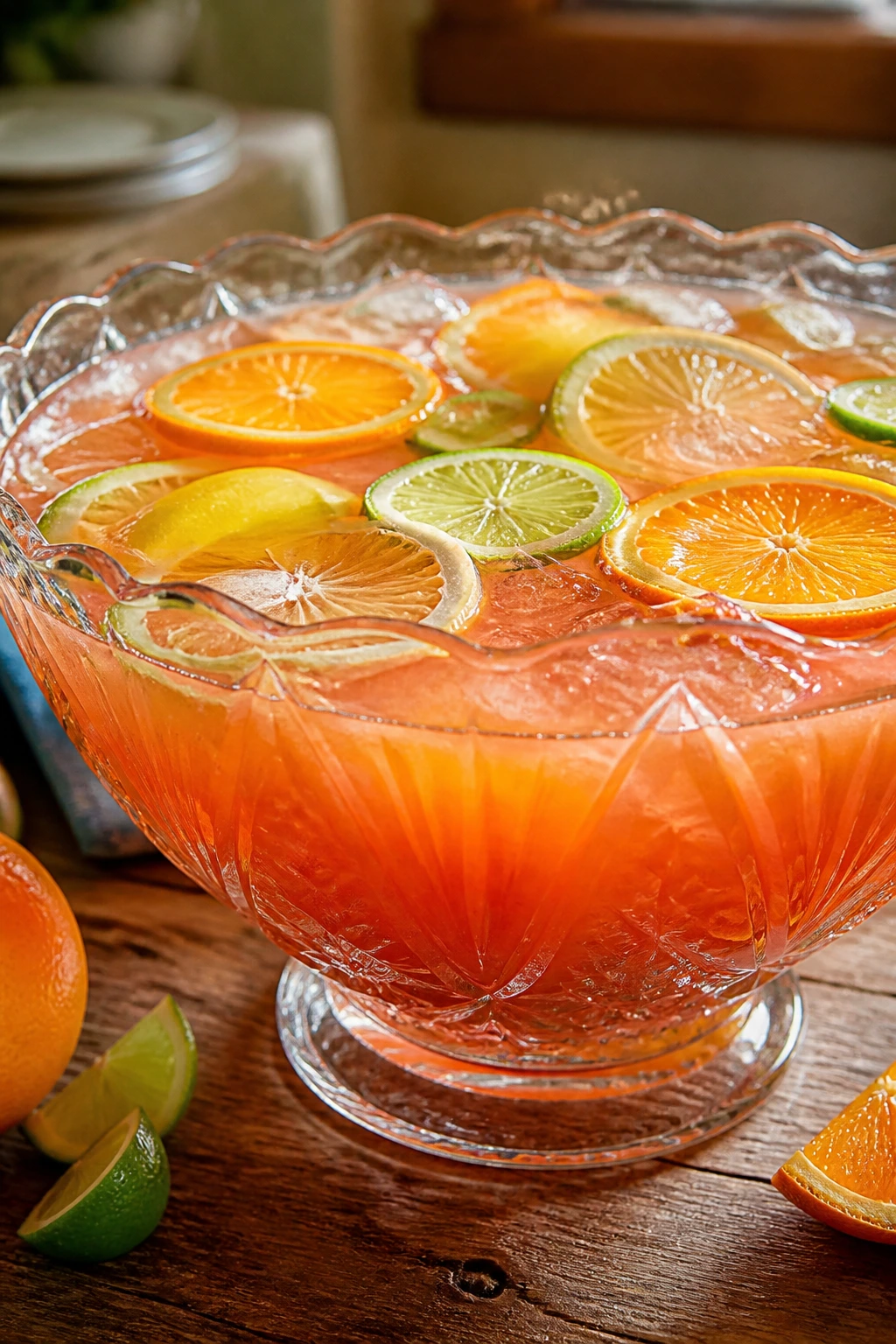
Rum punch has lasted because it knows what it is. It isn’t trying to be a show-off drink, and it doesn’t need ten ingredients to prove a point. Give it fresh citrus, a split rum base, a little spice, and enough chill to keep the edges bright, and it does the rest with almost rude confidence.
The nice part is that once you make it this way, the bowl starts to feel easy. You can adjust the sweetness a notch, swap the garnish, or lean the rum darker without losing the shape of the drink. Keep the ice out of the bowl until the end, and the last glass will still taste like the first one.
Classic Rum Punch Cocktail — Recipe Card
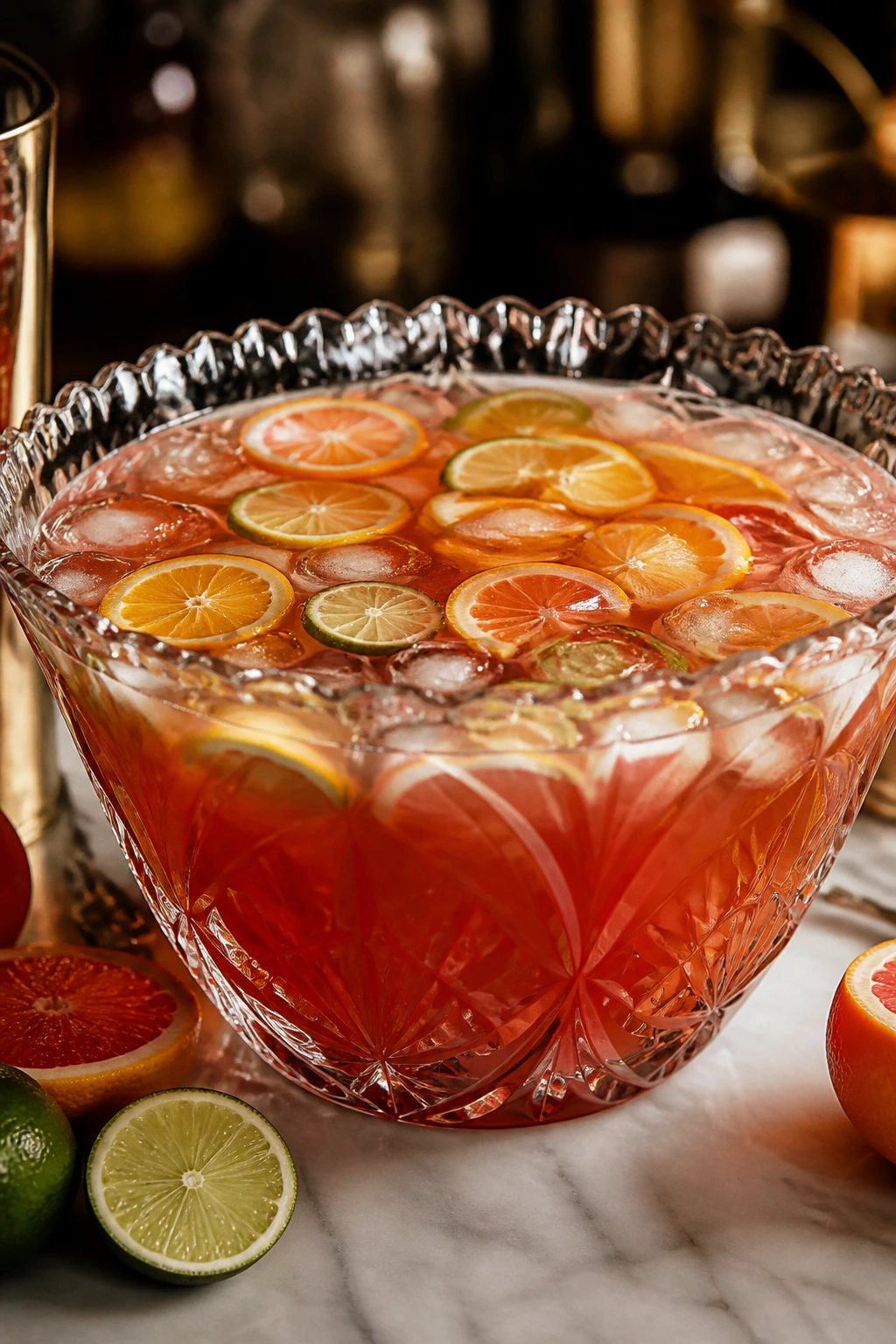
Recipe Name: Classic Rum Punch Cocktail
Description: A bright, batch-friendly rum punch made with fresh lime and orange juice, pineapple juice, white rum, dark rum, bitters, and a little spice. It pours cold, tastes balanced, and stays lively over ice.
Prep Time: 15 minutes
Cook Time: 0 minutes
Total Time: 15 minutes, plus 30 minutes chilling recommended
Course: Drink, Cocktail
Cuisine: Caribbean-inspired
Servings: 8 to 10 servings
Calories: About 210 kcal per serving
Ingredients
For the Punch:
- 1 cup fresh lime juice, strained
- 1 cup fresh orange juice, strained
- 1 1/2 cups pineapple juice
- 1/2 cup demerara syrup or simple syrup
- 1/4 cup grenadine
- 1 cup white rum
- 1 cup dark or aged rum
- 4 dashes Angostura bitters
- 1/8 teaspoon fine sea salt
- 1/4 teaspoon freshly grated nutmeg
- 1/4 cup overproof rum, optional float
For Serving:
- Ice cubes or one large ice block
- Lime wheels
- Orange slices
- Pineapple wedges
- Maraschino cherries, optional
Instructions
-
Chill a large pitcher or punch bowl for 10 to 15 minutes.
-
Juice the limes and oranges, then strain the juices into a large bowl or measuring cup.
-
Add the pineapple juice, demerara syrup, grenadine, bitters, salt, and nutmeg. Stir until smooth.
-
Pour in the white rum and dark rum. Stir for 15 to 20 seconds.
-
Taste and adjust with 1 tablespoon more lime juice for brightness or 1 tablespoon more syrup for sweetness.
-
Chill the mixture in the refrigerator for 30 minutes if time allows.
-
Add ice to the bowl or fill serving glasses with ice just before serving.
-
Float the overproof rum on top if using, then garnish with citrus slices and a small dusting of nutmeg.
Notes: Add ice at the last minute to keep the punch from thinning out. Fresh lime juice matters here. If you want a less sweet bowl, cut the grenadine to 2 tablespoons and taste before adding more.