



Kids meals for picky eaters work best when the plate looks familiar before the first bite. A triangle of quesadilla, a tidy pile of buttered noodles, a little muffin-tin egg bite — those things tend to get a fair hearing. A casserole with seventeen ingredients and a leafy garnish? That’s a harder sell in a house where one green speck can trigger a full kitchen negotiation.
The trick is not to hide everything under cheese and hope for the best. It’s to build meals with clean flavors, soft textures, crisp edges, and enough control that a child can choose what goes on the fork. Dips matter. Small pieces matter. So does serving food warm, not scorching, and keeping sauces on the side when the sauce is the thing getting blamed for dinner drama.
A good picky-eater meal also respects adult reality. You still need protein. You still need leftovers that reheat without turning rubbery or sad. And you still need recipes that don’t require three pans, a special trip to the store, and a prayer. So that’s the standard here: simple, recognizable meals with just enough flexibility to keep everyone fed without turning dinner into a referendum.
Why This Collection Gets Eaten
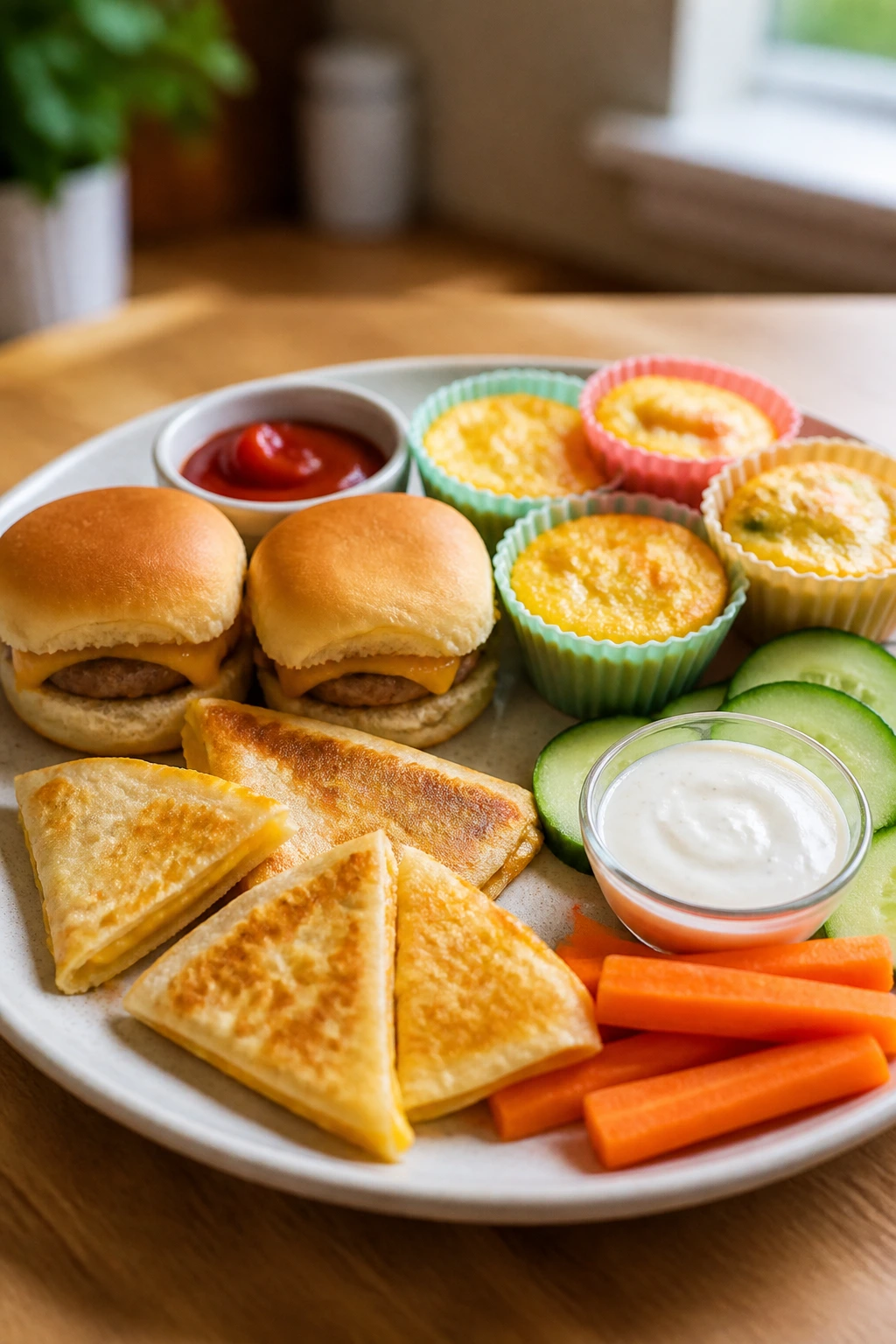
-
Familiar Shapes: Fingers, triangles, sliders, cups, and muffins feel easier to trust than a pile of mixed textures on one plate.
-
Mild by Default: The base flavors stay soft and familiar, so heat and stronger seasonings can live on the table instead of in the pan.
-
Dip-Friendly: Ketchup, ranch, marinara, sour cream, and yogurt sauces buy extra bites because kids like having a little control.
-
Small Pieces, Less Pushback: Bite-sized food cools faster and looks less intimidating than one giant cutlet or a big casserole scoop.
-
Leftovers That Still Work: Several of these hold up in the fridge for lunch boxes, after-school plates, or a second dinner without turning mushy.
-
Easy to Customize: Most recipes here can take one safe add-in — cheese, peas, corn, carrots, a spoonful of sauce — without changing the whole dish.
1. Mini Chicken Quesadillas
Triangles go farther than wedges should have any right to. These mini chicken quesadillas have crisp tortillas, melty cheddar, and mild shredded chicken tucked inside so nothing feels too busy on the plate.
Why It Works: The tortillas crisp fast in a skillet, which gives kids that first satisfying crunch before they hit the soft filling. Use cooked chicken that’s already seasoned lightly; this is not the place for smoky spice or a heavy sauce. The whole point is a warm, tidy hand-held meal that can be dipped in ranch or salsa if someone wants it.
Key Ingredients:
- 1 lb cooked shredded chicken — rotisserie chicken works well here.
- 8 small flour tortillas — the 6-inch size folds neatly.
- 2 cups shredded cheddar — mild and melty.
- 1 tbsp butter or neutral oil — helps the tortillas brown.
- 1/2 cup mild salsa — optional, for mixing into the chicken.
- 1/2 tsp garlic powder — enough to wake up the filling.
Quick Steps:
- Mix the chicken with garlic powder and salsa if you want the filling a little softer.
- Heat a large skillet over medium heat and melt half the butter.
- Fill each tortilla with chicken and cheese, then fold it in half.
- Cook 2 to 3 minutes per side, until the outside is golden and the cheese is fully melted.
- Rest for 1 minute before cutting into triangles.
Equipment for This Recipe:
- Large nonstick skillet — keeps the tortillas from sticking.
- Spatula — for flipping without tearing.
- Cutting board and sharp knife — for clean triangle cuts.
How to Serve This Dish: Serve two or three triangles per child with ranch, ketchup, or sour cream in a tiny bowl. A few cucumber sticks or apple slices on the side keep the plate from looking heavy.
Pro Tips for This Recipe:
- Use pre-cooked chicken that’s chopped small; big shreds make the quesadilla fall apart.
- Don’t overfill the tortillas or the cheese will leak out and burn on the pan.
- Let them rest for a minute before slicing so the cheese settles instead of sliding out.
Variations on This Dish:
- Cheese-Only Shortcut: Skip the chicken and make a plain cheddar quesadilla for the most cautious eaters.
- Turkey Taco Version: Swap in cooked ground turkey with a pinch of taco seasoning.
- Corn Tortilla Swap: Use small corn tortillas if flour is not a good fit, though they’ll crack more easily.
Common Mistakes to Avoid with This Dish:
- Packing in too much filling leaves you with a messy pan and a broken tortilla.
- Cooking on high heat makes the outside brown before the cheese melts.
- Cutting immediately after cooking causes the filling to spill out.
2. Buttered Parmesan Noodles
Butter and noodles need almost no persuasion. This is the meal you make when the table needs something plain, warm, and dependable, but you still want the bowl to taste like you paid attention.
Why It Works: Egg noodles hold butter well, and a little parmesan clings to the ridges instead of slipping off. Keep the sauce light; if you drown the pasta, it stops feeling simple and starts feeling slick. A splash of pasta water gives the noodles a glossy finish without turning them soupy.
Key Ingredients:
- 12 oz egg noodles — soft and fast-cooking.
- 3 tbsp unsalted butter — the base of the sauce.
- 1/2 cup grated parmesan — the salty finish.
- 1/4 tsp garlic powder — optional, but worth it.
- 1/4 tsp fine salt — only if your parmesan is mild.
- 2 to 4 tbsp reserved pasta water — helps the sauce coat evenly.
Quick Steps:
- Boil the noodles in salted water until just tender, about 7 to 8 minutes.
- Reserve 1/2 cup pasta water, then drain the noodles.
- Return the pot to low heat and melt the butter.
- Toss in the noodles, parmesan, garlic powder, and a splash of pasta water.
- Stir until the noodles look shiny and evenly coated, then serve right away.
Equipment for This Recipe:
- Large pot — for boiling the noodles evenly.
- Colander — to drain without overcooking.
- Wooden spoon — for tossing gently.
How to Serve This Dish: Spoon the noodles into shallow bowls and top with a little extra parmesan. They sit well beside meatballs, roasted chicken, or a simple hard-boiled egg if you want to turn a side into a meal.
Pro Tips for This Recipe:
- Grate the parmesan finely so it melts into the butter instead of clumping.
- Keep some pasta water back; dry noodles need that starch to look silky.
- Serve immediately. These are best while the butter is still loose and glossy.
Variations on This Dish:
- Pea-Butter Version: Stir in 1 cup frozen peas during the last minute of boiling.
- Chicken Bowl Version: Add diced cooked chicken for extra protein.
- Tiny Herb Finish: A sprinkle of parsley works if your crowd accepts green flecks.
Common Mistakes to Avoid with This Dish:
- Rinsing the noodles washes away the starch that helps the sauce cling.
- Adding parmesan to a scorching hot, dry pot can make it grainy.
- Waiting too long to serve lets the butter set up and the noodles stiffen.
3. Hidden-Veggie Mac and Cheese
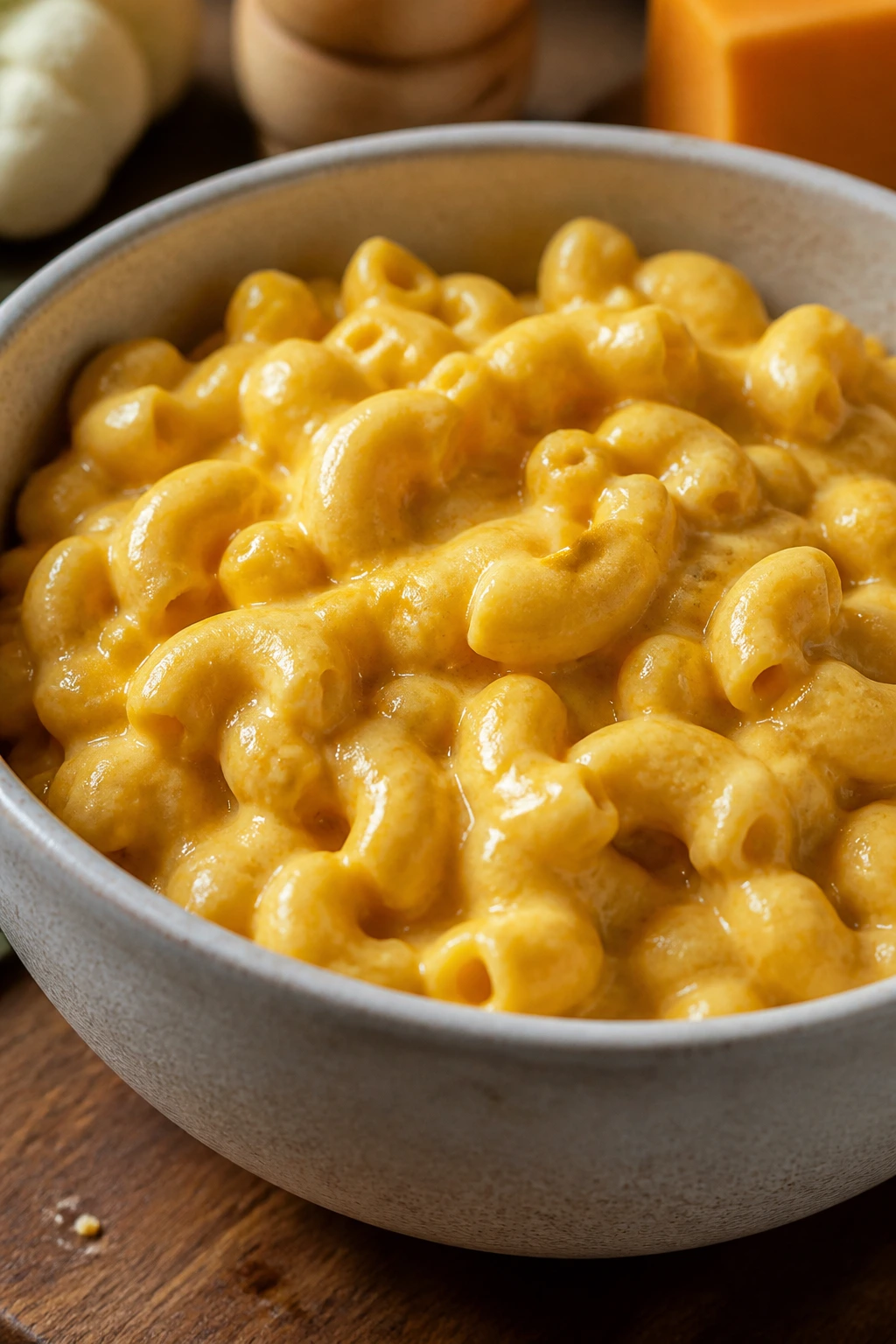
A smooth cheese sauce can carry a surprising amount of cauliflower or butternut squash if you keep the texture right. The trick is to make the vegetables disappear into the sauce, not announce themselves.
Why It Works: Kids usually object to vegetables they can spot and identify. Pureed cauliflower or squash softens the sauce, adds body, and stays quiet under cheddar. The result still tastes like mac and cheese, not a stealth project.
Key Ingredients:
- 8 oz elbow macaroni — the classic shape.
- 2 tbsp butter — for the roux.
- 2 tbsp all-purpose flour — thickens the sauce.
- 1 1/2 cups milk — whole milk gives a creamier finish.
- 1 cup cauliflower or butternut squash puree — blended until smooth.
- 2 cups shredded mild cheddar — the main cheese.
- 1/2 tsp fine salt — adjust after the cheese melts.
Quick Steps:
- Cook the macaroni until just tender, then drain.
- Melt the butter in a saucepan over medium heat, whisk in the flour, and cook for 1 minute.
- Slowly whisk in the milk, then add the puree and stir until smooth.
- Add the cheddar a handful at a time, stirring until melted and glossy.
- Fold in the macaroni and serve while the sauce is creamy.
Equipment for This Recipe:
- Medium saucepan — for the sauce.
- Whisk — keeps the roux smooth.
- Immersion blender or regular blender — for ultra-smooth puree.
How to Serve This Dish: Serve in small bowls with a spoonful of peas or apple slices on the side. If you want a little contrast, add buttery breadcrumbs on top for crunch.
Pro Tips for This Recipe:
- Blend the vegetable puree until it’s completely smooth; little lumps can give the game away.
- Keep the sauce on low heat after the cheese goes in. Boiling can make it grainy.
- Start with a mild cheddar. Sharp cheese can overpower the hidden vegetable and make the flavor less familiar.
Variations on This Dish:
- Butternut Sweetness: Butternut squash makes the sauce slightly sweeter and very kid-friendly.
- Stovetop Plus Bake: Transfer to a dish, top with crumbs, and bake 10 minutes for a firmer top.
- Protein Add-In: Stir in diced chicken or small ham cubes.
Common Mistakes to Avoid with This Dish:
- Using a gritty puree leaves tiny vegetable bits that kids spot right away.
- Overcooking the noodles turns the final bowl mushy.
- Dumping all the cheese in at once can make the sauce clumpy.
4. Crispy Chicken Tenders
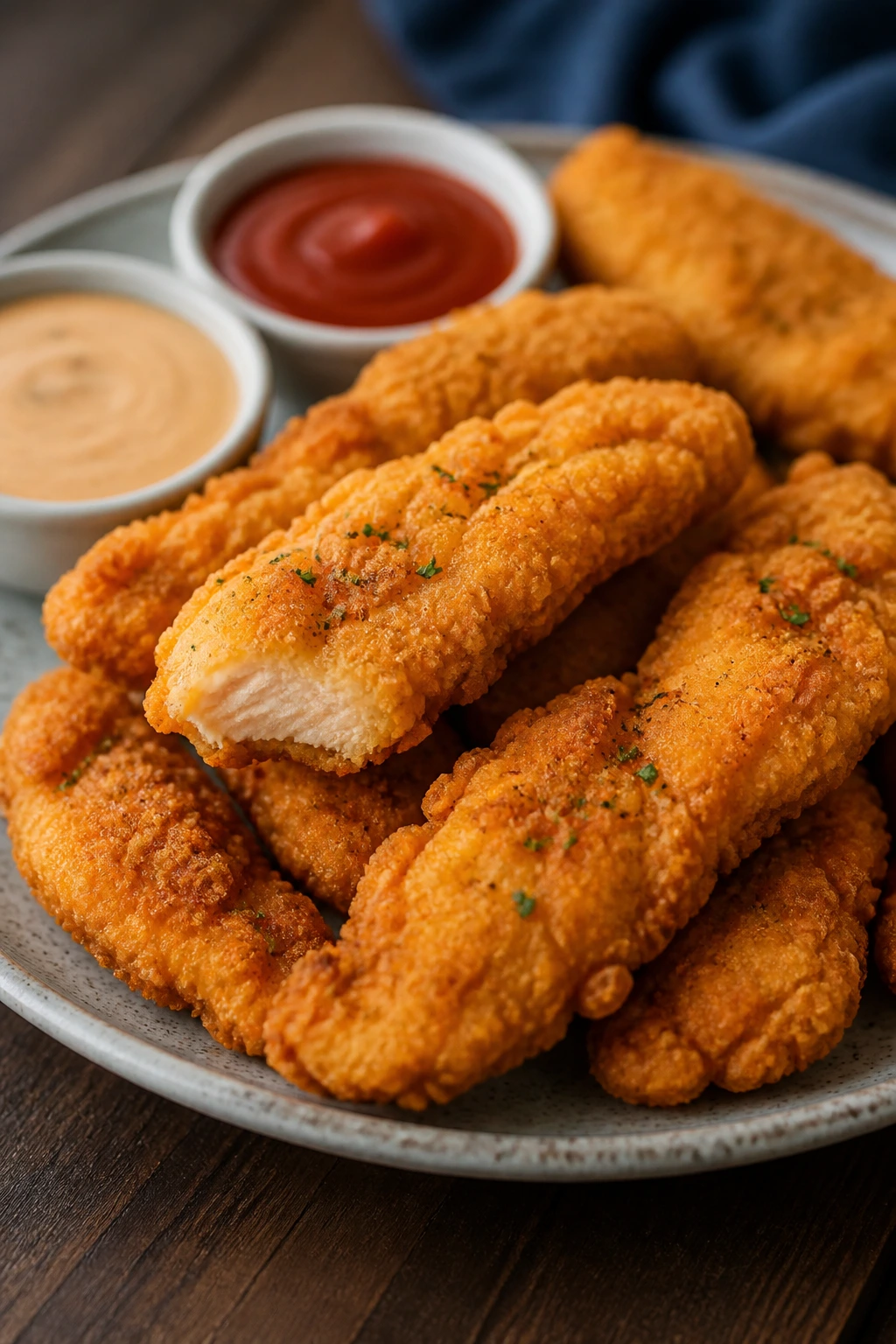
A crunchy coating is half the battle. The other half is keeping the chicken juicy inside, which is where even thickness and a hot oven matter more than fancy seasoning.
Why It Works: Chicken tenders are familiar, easy to dip, and easy to portion. Panko gives a light crisp shell instead of a dense crust, and baking keeps the kitchen from smelling greasy. If you keep the seasoning mild, the tenders work with ketchup, honey mustard, or ranch without argument.
Key Ingredients:
- 1 1/2 lbs chicken tenders — or sliced chicken breast strips.
- 1 cup all-purpose flour — the first coating.
- 2 large eggs — the glue.
- 2 cups panko breadcrumbs — for crunch.
- 1 tsp salt — enough to season the coating.
- 1 tsp paprika — optional, for color.
- Cooking spray — helps the crust brown in the oven.
Quick Steps:
- Heat the oven to 425°F and set a wire rack over a sheet pan.
- Set up three shallow bowls: flour, beaten eggs, and panko mixed with salt and paprika.
- Coat each tender in flour, then egg, then breadcrumbs, pressing gently so the crumbs stick.
- Place on the rack, spray lightly with oil, and bake 15 to 18 minutes until golden and the chicken reaches 165°F.
- Rest for 3 minutes before serving.
Equipment for This Recipe:
- Rimmed sheet pan — catches drips.
- Wire rack — helps the crust stay crisp.
- Three shallow bowls — makes breading easier.
How to Serve This Dish: Put the tenders on a plate with dip cups and one plain side, like buttered corn or potato wedges. Kids usually eat these faster when the sauce is separate.
Pro Tips for This Recipe:
- Pat the chicken dry before breading or the coating slips off.
- Press the panko on gently but firmly; loose crumbs end up on the pan instead of the chicken.
- Use a wire rack. It keeps the bottom from steaming.
Variations on This Dish:
- Cornflake Crunch: Swap half the panko for crushed cornflakes.
- Gluten-Free Version: Use gluten-free flour and crumbs.
- Parmesan Crust: Mix 1/2 cup parmesan into the crumb bowl for a saltier finish.
Common Mistakes to Avoid with This Dish:
- Crowding the pan traps steam and softens the crust.
- Skipping the resting time makes the coating slide when you cut in.
- Baking until the coating is dark brown can dry out the chicken.
5. Turkey Meatballs in Marinara
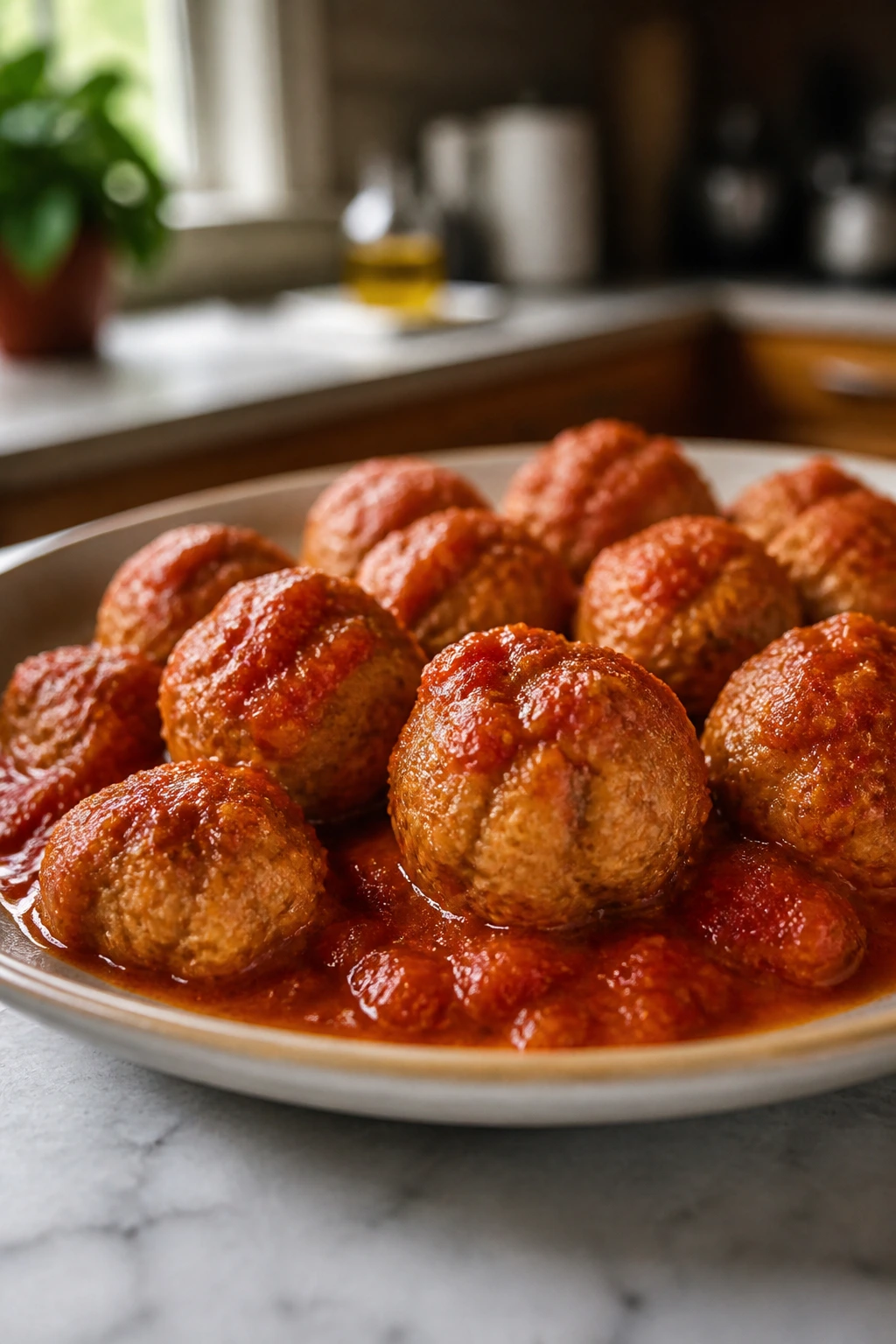
Small meatballs are easier to trust than a giant piece of meat, which is probably why they disappear faster at the table. These stay mild, tender, and saucy enough to coat pasta without drowning it.
Why It Works: Ground turkey stays lean, but the egg, breadcrumbs, and milk keep the meatballs soft. A quick bake gives them shape before they simmer in marinara, which helps the outside stay neat instead of breaking apart in the sauce. You get a familiar pasta-night flavor with less mess on the plate.
Key Ingredients:
- 1 lb ground turkey — not too lean if you can help it.
- 1 egg — binds the mixture.
- 1/2 cup breadcrumbs — keeps the meatballs tender.
- 1/4 cup grated parmesan — adds flavor.
- 2 tbsp milk — softens the mix.
- 1 tsp Italian seasoning — mild and familiar.
- 2 cups marinara sauce — for simmering.
Quick Steps:
- Heat the oven to 400°F and line a sheet pan.
- Mix the turkey, egg, breadcrumbs, parmesan, milk, and seasoning just until combined.
- Roll into 1 1/2-inch balls and bake for 14 to 16 minutes.
- Warm the marinara in a skillet, add the meatballs, and simmer 5 to 10 minutes.
- Serve over pasta or tucked into soft rolls.
Equipment for This Recipe:
- Sheet pan — for baking the meatballs.
- Large mixing bowl — for a gentle mix.
- Skillet or saucepan — to warm the sauce.
How to Serve This Dish: Spoon four to six meatballs over noodles or rice, and keep extra sauce on the side. A slice of garlic bread makes the plate look like dinner, not a compromise.
Pro Tips for This Recipe:
- Mix only until the ingredients come together. Overmixing makes the meatballs tight.
- Use a small cookie scoop if shaping meatballs drives you crazy.
- If the marinara is sharp, add a pinch of sugar to smooth it out.
Variations on This Dish:
- Cheesy Center: Press a small cube of mozzarella into each meatball.
- Chicken Swap: Ground chicken works the same way.
- Mini Sub Version: Serve on slider buns with extra sauce.
Common Mistakes to Avoid with This Dish:
- Making the balls too large leaves the middle undercooked.
- Moving them around the pan too soon can flatten one side.
- Simmering hard in the sauce can make them split.
6. Breakfast Quesadillas
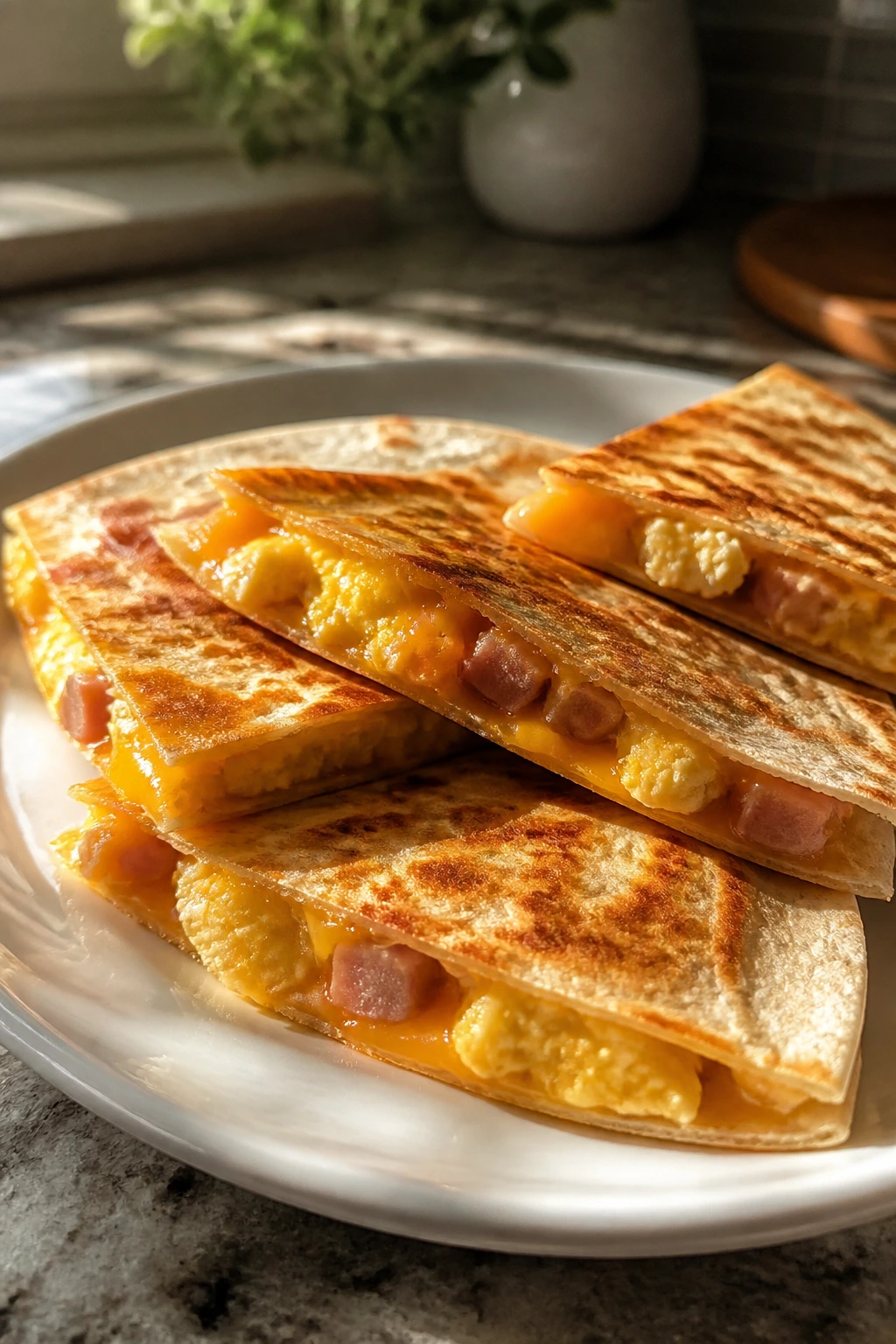
Eggs, cheese, and a tortilla are already speaking the right language. Add a little ham or bacon, and you have a breakfast that looks like lunch but still disappears before school drop-off energy fades.
Why It Works: Scrambled eggs stay soft inside the tortilla, and the cheese acts like a seal. It’s a tidy hand-held meal that feels familiar enough for selective eaters who distrust mixed plates. Serve it with syrup or salsa and let the kid choose the direction.
Key Ingredients:
- 6 large eggs — scrambled softly.
- 1 tbsp butter — for the eggs.
- 4 large flour tortillas — flexible and easy to fold.
- 1 cup shredded cheddar — melts well.
- 4 slices cooked ham or 6 strips bacon — optional protein.
- 1/4 tsp salt — for the eggs.
Quick Steps:
- Scramble the eggs in butter over medium-low heat until just set and still glossy.
- Warm a skillet over medium heat.
- Lay one tortilla in the pan, sprinkle cheese on half, then add eggs and ham.
- Fold and cook 2 minutes per side until the tortilla is golden.
- Cut into wedges and serve warm.
Equipment for This Recipe:
- Nonstick skillet — for both eggs and quesadillas.
- Spatula — for folding and flipping.
- Mixing bowl and fork — to beat the eggs.
How to Serve This Dish: Slice each quesadilla into three wedges and stack them slightly off-center on the plate. Add fruit on the side if you want the meal to feel complete without making it bigger.
Pro Tips for This Recipe:
- Pull the eggs off the heat while they still look a little soft; they finish in the tortilla.
- Warm the tortillas first if they crack when folded.
- Keep the filling near one side so the fold stays neat.
Variations on This Dish:
- Plain Cheese Version: Eggs can be skipped for a very cautious eater.
- Potato Breakfast Quesadilla: Add 1/2 cup diced leftover potatoes.
- Veggie Fold-In: Finely chopped spinach or peppers can disappear into the eggs.
Common Mistakes to Avoid with This Dish:
- Overcooked eggs turn dry and crumbly inside the tortilla.
- Filling the whole tortilla makes flipping messy.
- Using high heat burns the outside before the cheese melts.
7. Cheeseburger Sliders
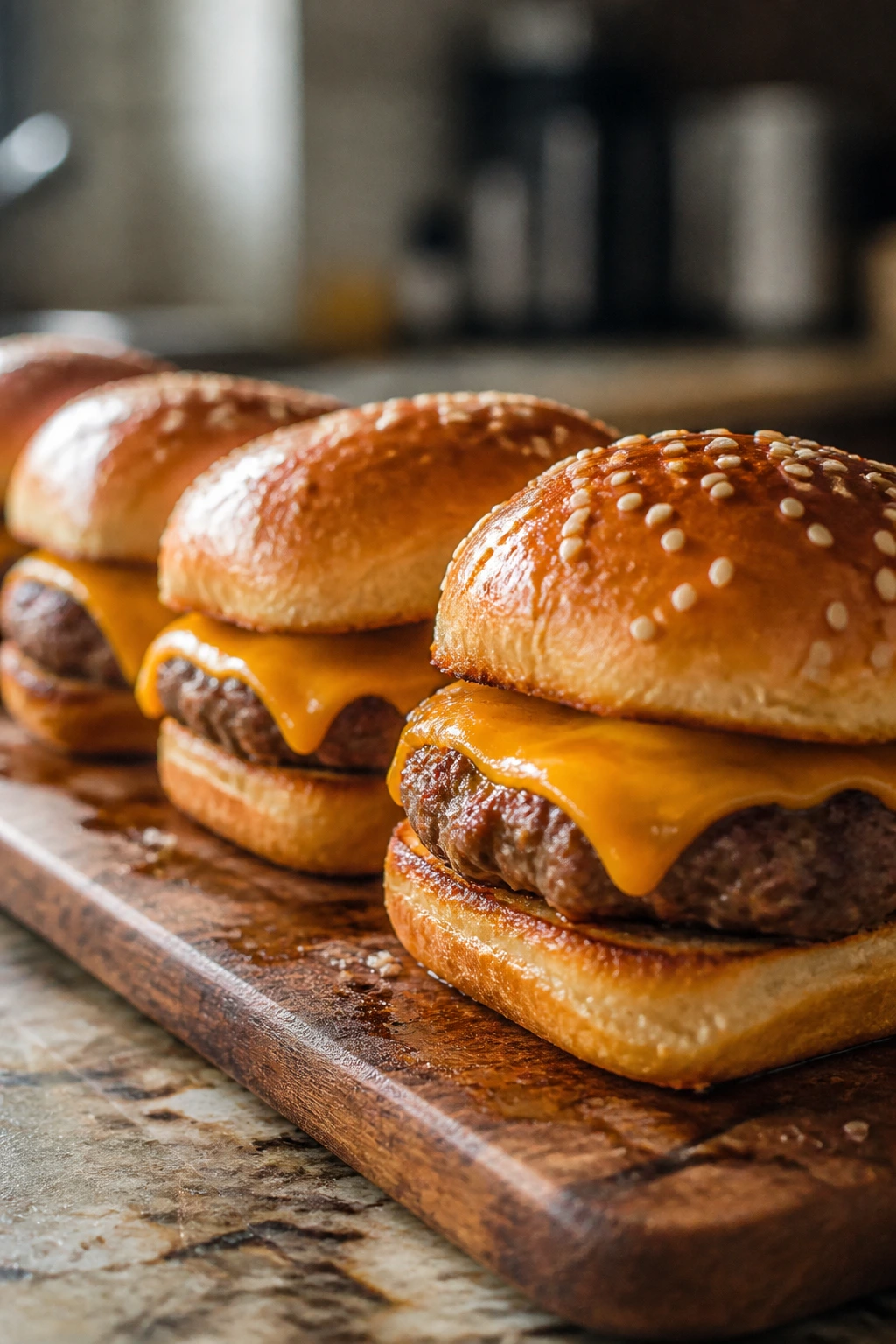
A slider is basically a burger that got a friendlier haircut. Keep it small, keep it juicy, and use cheese that melts into the meat instead of sitting there looking decorative.
Why It Works: Mini burgers are less intimidating than a tall, floppy sandwich. The beef stays recognizable, the bun stays soft, and a little ketchup or pickle on the side lets kids choose how far they want to go. The whole tray feels casual, which is part of the charm.
Key Ingredients:
- 1 lb ground beef — 80/20 has the best flavor.
- 1 tsp salt — seasons the patties.
- 1/2 tsp garlic powder — mild and useful.
- 12 slider buns — soft, split rolls.
- 6 slices American cheese — melts smoothly.
- 2 tbsp ketchup — optional, for serving.
- 1 tbsp butter — for the buns.
Quick Steps:
- Divide the beef into 12 small patties and season with salt and garlic powder.
- Cook in a skillet over medium-high heat for 2 to 3 minutes per side.
- Add cheese during the last minute and cover the pan so it melts.
- Brush the buns with butter and toast them lightly.
- Assemble with ketchup or plain and serve warm.
Equipment for This Recipe:
- Large skillet — for the patties.
- Spatula — for flipping.
- Small brush or spoon — for buttering buns.
How to Serve This Dish: Put the sliders on a platter and let kids build their own with one or two toppings. Fries, carrot sticks, or baked potato wedges fit without stealing the whole show.
Pro Tips for This Recipe:
- Make the patties thin; thick sliders turn into a bun-and-beef stack.
- Press a tiny dimple into each patty so it cooks flat.
- American cheese melts more evenly here than fancy sliced cheddar.
Variations on This Dish:
- Pickle Burger Version: Add one thin pickle slice for kids who like tang.
- Turkey Slider Swap: Ground turkey works, but add a splash of oil for moisture.
- Cheese-Only Bun: Leave off the pickle and ketchup for the most cautious eater.
Common Mistakes to Avoid with This Dish:
- Using oversized patties makes the sliders hard to hold.
- Skipping the bun toast leaves you with soft, soggy bottoms.
- Overcooking the beef makes the sliders dry fast.
8. Pizza Toast
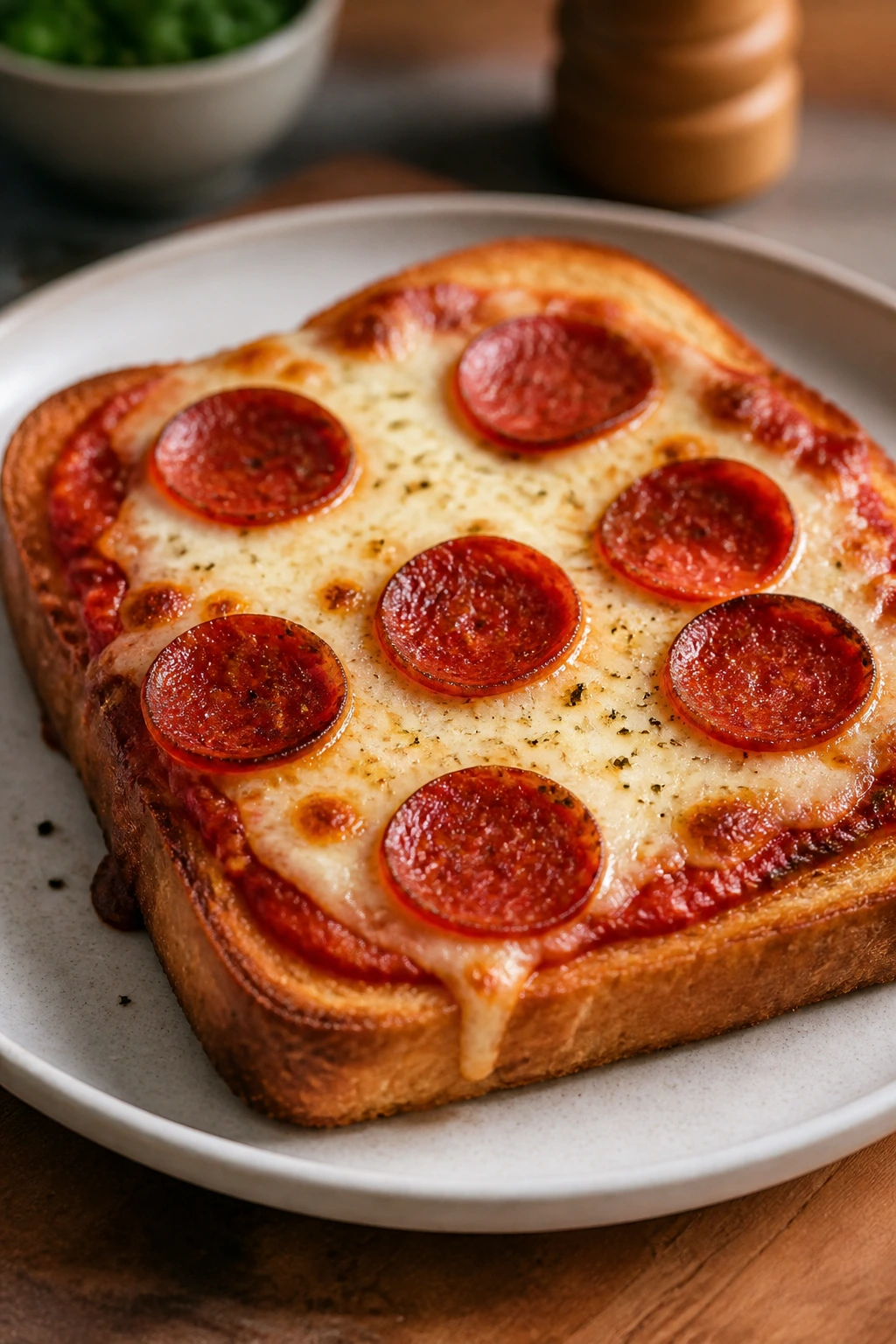
Pizza toast tastes like a shortcut, and that’s because it is. Still, it scratches the same itch as a slice from a pizzeria: tomato, cheese, and a browned edge that feels like a reward.
Why It Works: Bread gives you a soft base that crisps at the edges, and the sauce-to-cheese ratio is easy to control. Keep toppings minimal so each slice stays readable. Kids who reject loaded pizza often do better with this because nothing is piled high or hidden.
Key Ingredients:
- 6 slices sandwich bread or sturdy white bread — thick enough to hold sauce.
- 3/4 cup pizza sauce — not too much.
- 2 cups shredded mozzarella — the melt matters.
- 1/4 cup mini pepperoni — optional.
- 1 tsp Italian seasoning — for the top.
- 1 tsp olive oil — helps the bread toast.
Quick Steps:
- Heat the oven to 425°F.
- Lightly brush the bread with olive oil and place on a sheet pan.
- Spread pizza sauce over each slice, then add mozzarella and toppings.
- Sprinkle with Italian seasoning and bake 8 to 10 minutes until the cheese bubbles.
- Rest for 1 minute before cutting.
Equipment for This Recipe:
- Sheet pan — for baking.
- Spoon — for spreading sauce.
- Knife or pizza cutter — for easy slicing.
How to Serve This Dish: Serve two slices with fruit, a simple salad, or cucumber coins. The edges should be crisp, the middle soft, and the cheese pulled in short, neat strings.
Pro Tips for This Recipe:
- Toast the bread for 2 minutes before topping if your sauce tends to soak in.
- Use a very light hand with sauce; too much turns the bread limp.
- Tiny toppings beat big chunks every time here.
Variations on This Dish:
- Cheese-Only Toast: Skip toppings and make it a plain cheese melt.
- Veggie Confetti: Finely chopped peppers or mushrooms work better than big slices.
- English Muffin Version: Split muffins give you built-in portion control.
Common Mistakes to Avoid with This Dish:
- Using too much sauce makes the bread soggy before the cheese browns.
- Big toppings slide off and make the slice awkward to eat.
- Underbaking leaves the bread pale and floppy.
9. Mild Taco Rice Bowls
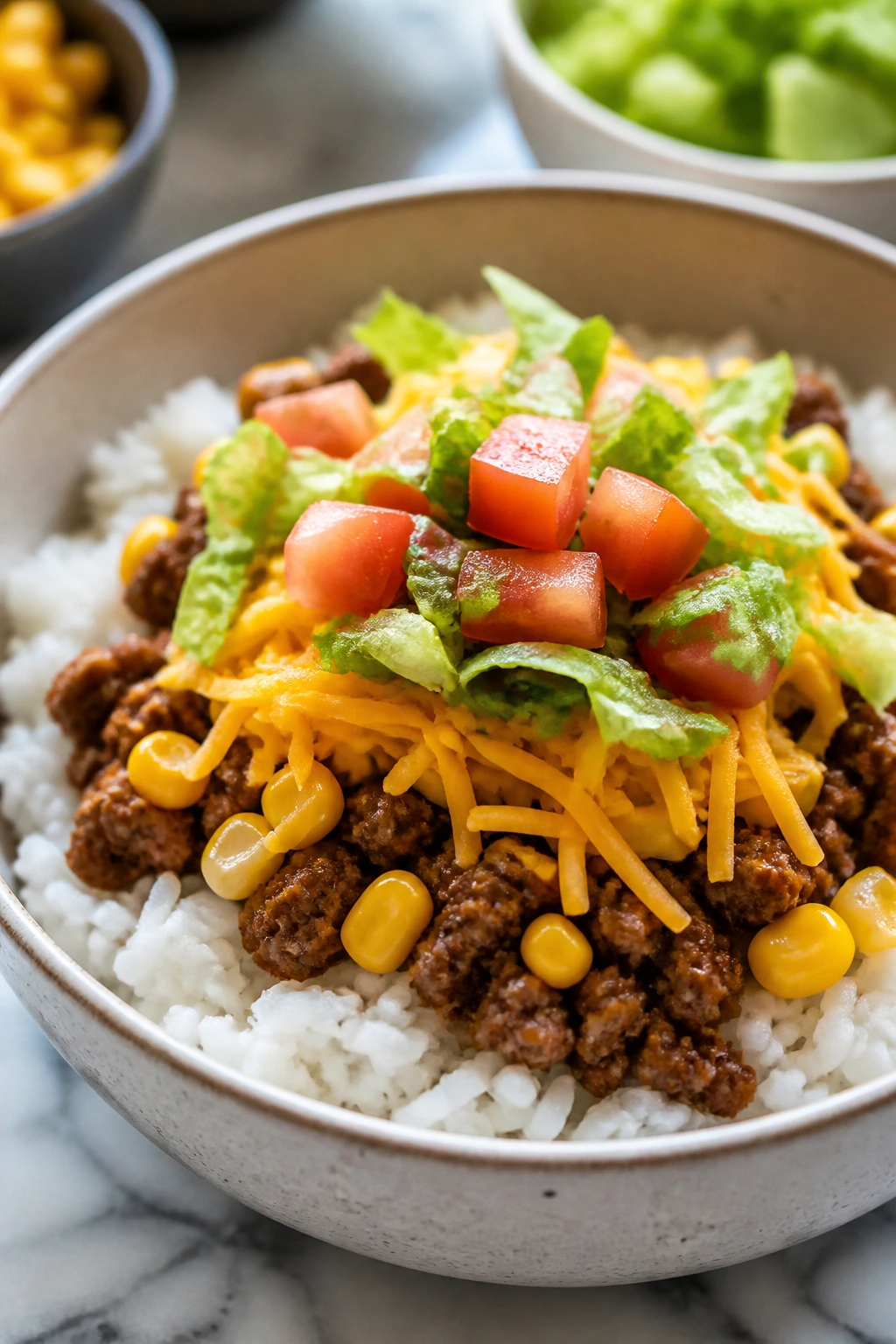
This is a taco night that gives kids some say in the matter. The bowl keeps the parts separate, and the mild seasoning stays in the background while the cheese and rice do the easy work.
Why It Works: Rice softens the spice and makes the bowl feel familiar, even if the meat gets a little bolder. Keep the seasoning gentle and let toppings do the rest. A child who won’t touch a taco can often accept a rice bowl because it looks less messy.
Key Ingredients:
- 1 lb ground beef or ground turkey — whichever your family uses most.
- 1 packet mild taco seasoning — or 2 tbsp homemade blend.
- 2 cups cooked rice — white or brown.
- 1 cup corn — frozen or canned.
- 1 cup shredded cheddar — for the top.
- 1/2 cup salsa or sour cream — optional.
- 1 avocado, sliced — optional.
Quick Steps:
- Brown the meat in a skillet over medium heat, then drain if needed.
- Add the taco seasoning and 1/2 cup water; simmer until thick.
- Warm the rice and corn.
- Build bowls with rice, meat, cheese, and toppings.
- Serve with salsa or sour cream on the side.
Equipment for This Recipe:
- Skillet — for the meat.
- Saucepan or microwave bowl — for the rice.
- Spoon — for layering the bowls.
How to Serve This Dish: Keep the toppings in little piles rather than mixing them together. The bowl should look tidy enough that a picky eater can point to the parts they want.
Pro Tips for This Recipe:
- Use mild seasoning first; heat can be added at the table.
- Let the meat simmer until the liquid is mostly gone or the bowl gets watery.
- Warm the rice before assembling so the cheese melts a little on contact.
Variations on This Dish:
- Bean Booster: Add a half cup of black beans.
- Cheese-Heavy Version: Stir cheese into the hot meat for a softer bowl.
- Crunchy Finish: Add tortilla chips on top for kids who like texture.
Common Mistakes to Avoid with This Dish:
- Over-seasoning the meat can scare off cautious eaters.
- Serving the bowl wet makes the rice mushy.
- Mixing every topping together removes the control kids usually want.
10. Grilled Cheese with Creamy Tomato Soup
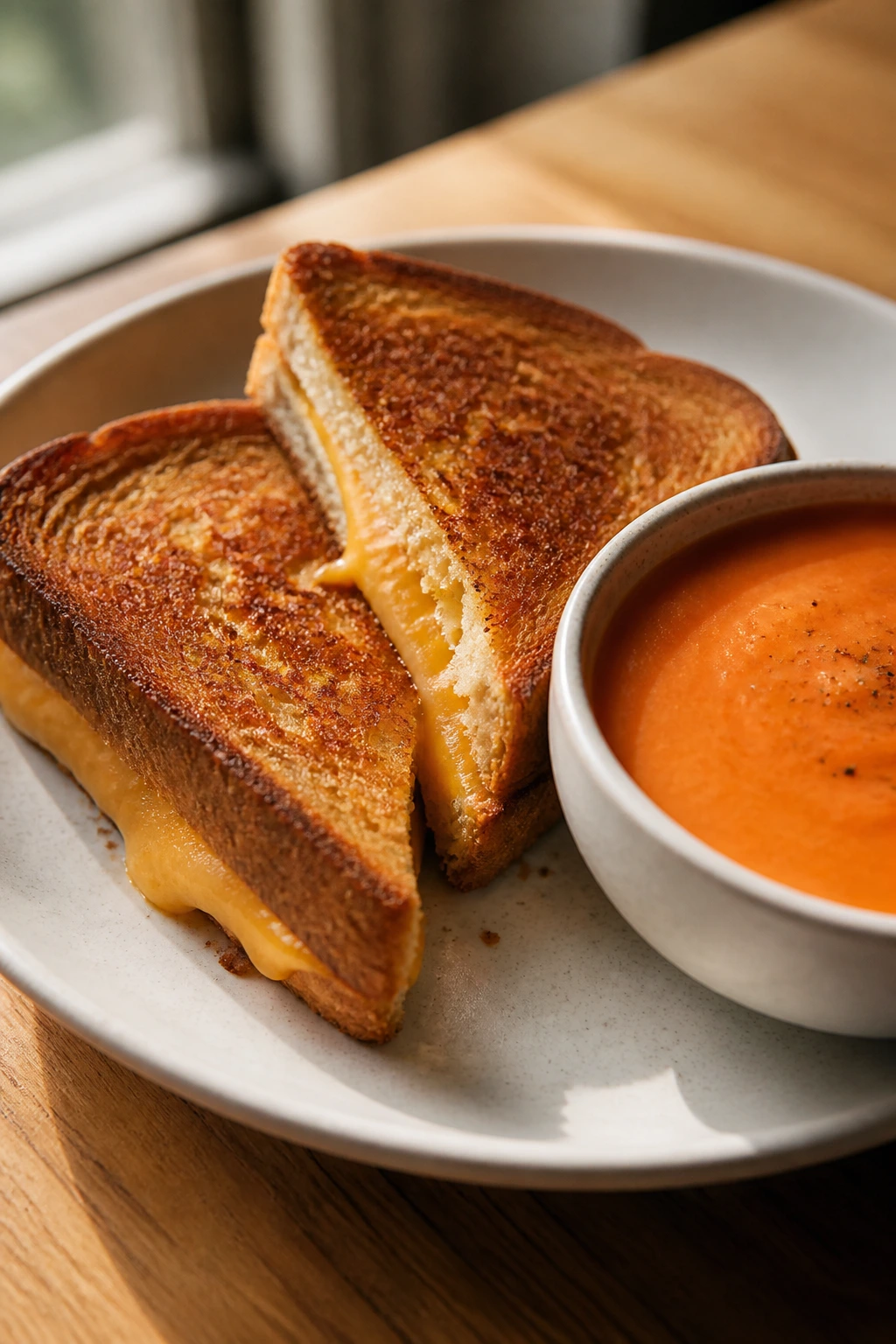
Some meals are popular because they solve a problem before anyone names it. Grilled cheese and tomato soup is one of those pairs: crunchy, melty, dunkable, and so familiar it barely needs explaining.
Why It Works: The sandwich gives you crisp bread and soft cheese, while the soup adds a smooth, mild dip that cuts the richness. Tomato soup is easier to accept when it’s creamy rather than sharp. This is one of those meals that feels like comfort without needing fancy ingredients.
Key Ingredients:
- For the Soup:
- 1 tbsp olive oil
- 1 small onion, chopped
- 1 garlic clove, minced
- 1 can (28 oz) crushed tomatoes
- 2 cups chicken or vegetable broth
- 1/2 cup heavy cream or whole milk
- 1/2 tsp salt
- For the Sandwiches:
- 8 slices bread
- 8 slices American cheese or 2 cups shredded cheddar
- 3 tbsp butter, softened
Quick Steps:
- Sauté the onion in olive oil over medium heat until soft, about 5 minutes.
- Add garlic, tomatoes, broth, and salt; simmer 15 to 20 minutes.
- Stir in the cream, then blend if you want a smoother soup.
- Butter the bread, fill with cheese, and cook in a skillet over medium heat until both sides are golden.
- Serve the soup hot with the sandwiches cut into strips.
Equipment for This Recipe:
- Saucepot — for the soup.
- Blender or immersion blender — optional, for a smoother texture.
- Skillet — for the sandwiches.
How to Serve This Dish: Cut the grilled cheese into long fingers for dipping. Serve the soup in a wide bowl so the sandwich can actually reach it without making a mess.
Pro Tips for This Recipe:
- Use American cheese if the eater is very selective; it melts in a soft, familiar way.
- Keep the soup creamy and mild, not sharp.
- Cook the sandwich over medium heat. High heat browns too fast and leaves cold cheese inside.
Variations on This Dish:
- Cheddar Melt Version: Use shredded cheddar for a more classic flavor.
- Cracker Soup Night: Offer saltines or oyster crackers on the side.
- Herby Upgrade: A small pinch of basil works if your crowd accepts herbs.
Common Mistakes to Avoid with This Dish:
- Boiling the soup hard after adding cream can make it split.
- Cutting the sandwich too soon causes the cheese to ooze out.
- Letting the bread burn before the cheese melts gives you a gloomy sandwich.
11. Baked Ziti with Cottage Cheese
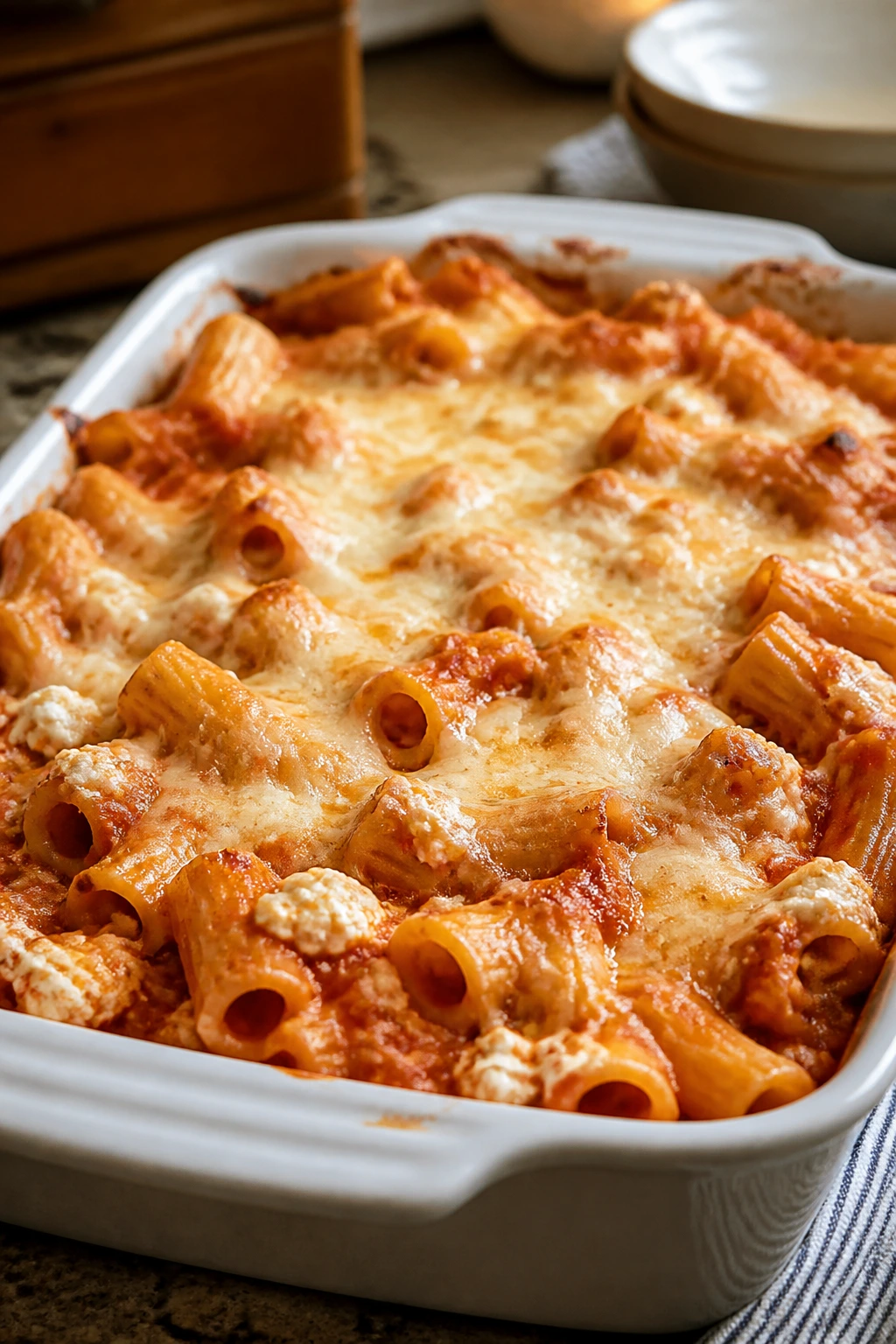
Baked ziti is friendly because it looks like pasta, not a mystery. Cottage cheese softens into the sauce and adds body without the heavier feel that some kids notice right away.
Why It Works: The tubes hold sauce in the middle, which keeps every forkful readable. Cottage cheese is milder than ricotta for many kids, and it bakes into the pasta instead of sitting in obvious white clumps. This is a casserole that still tastes like pasta night.
Key Ingredients:
- 12 oz ziti or penne — short pasta is easier to portion.
- 2 cups marinara sauce — mild and smooth.
- 1 1/2 cups cottage cheese — small curd works best.
- 2 cups shredded mozzarella — for the top.
- 1/2 cup grated parmesan — for depth.
- 1 egg — helps the cheese layer hold.
- 1 tsp Italian seasoning — optional.
Quick Steps:
- Heat the oven to 375°F and cook the pasta until just shy of tender.
- Stir together the cottage cheese, egg, parmesan, and seasoning.
- Toss the pasta with the marinara and half the mozzarella.
- Spread half in a baking dish, dollop with the cheese mixture, then add the rest.
- Top with remaining mozzarella and bake 25 minutes until bubbly.
Equipment for This Recipe:
- 9×13-inch baking dish — standard size.
- Large pot — for boiling pasta.
- Mixing bowl — for the cheese layer.
How to Serve This Dish: Scoop into shallow bowls and pair with garlic bread or a plain green salad if that’s a battle you’re willing to pick. It holds shape best after a short rest.
Pro Tips for This Recipe:
- Undercook the pasta by 1 minute so it doesn’t go soft in the oven.
- Use smooth marinara. Chunky sauce is more likely to get pushed aside.
- Let it rest 10 minutes after baking so the slices hold together.
Variations on This Dish:
- Meat Sauce Version: Add browned ground beef to the marinara.
- Spinach Blend-In: Finely chopped spinach disappears pretty well here.
- Three-Cheese Finish: Add a little provolone for a stretchier top.
Common Mistakes to Avoid with This Dish:
- Overcooked pasta turns the casserole mushy.
- Too much sauce makes the dish slide apart.
- Skipping the rest time leaves you with soupier scoops.
12. Mini Pita Pizzas
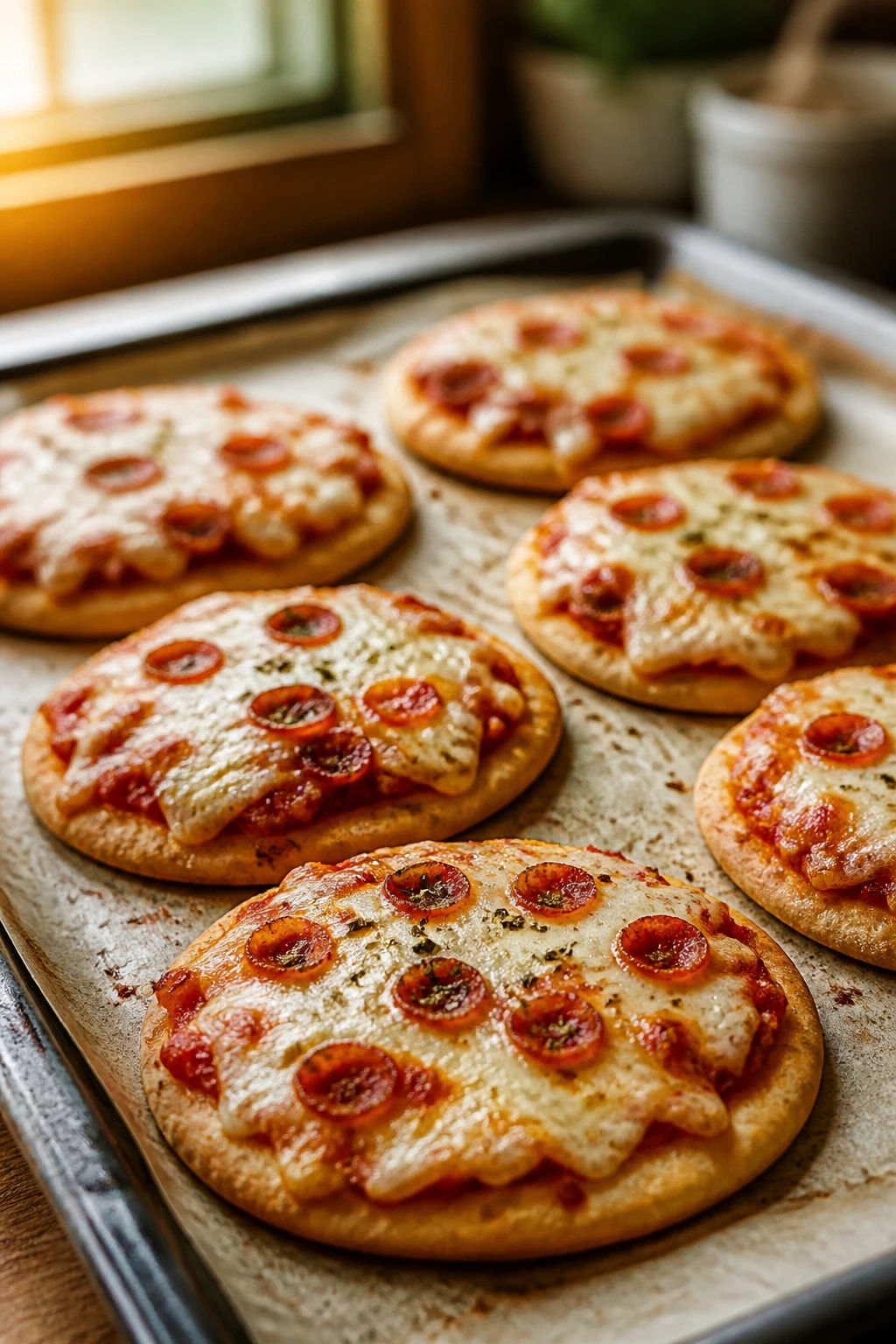
Mini pita pizzas are what happens when dinner needs to be obvious. Bread, sauce, cheese, toppings. That’s it. Kids usually understand the assignment before you finish setting out the pan.
Why It Works: The small size makes each pizza feel personal, and that matters more than people admit. Pita or naan stays sturdy under sauce, so the crust doesn’t collapse under the first bite. If toppings are kept tiny and light, this becomes one of the easiest ways to get pizza night on the table fast.
Key Ingredients:
- 6 mini pitas or naan rounds — the base.
- 3/4 cup pizza sauce — spread thin.
- 2 cups shredded mozzarella — melts quickly.
- 1/4 cup mini pepperoni or diced cooked chicken — optional.
- 1 tsp dried oregano — for the top.
- 1 tsp olive oil — helps crisp the edges.
Quick Steps:
- Heat the oven to 425°F.
- Place the pitas on a sheet pan and brush lightly with olive oil.
- Spread each with sauce, then add cheese and toppings.
- Sprinkle oregano on top and bake 8 minutes until the cheese is bubbling.
- Cool for 2 minutes before serving.
Equipment for This Recipe:
- Sheet pan — for baking.
- Spoon — for spreading sauce.
- Spatula — for lifting the pizzas.
How to Serve This Dish: Serve one or two mini pizzas per child with carrot sticks or grapes. They’re best when the edges are crisp and the center still gives a little chew.
Pro Tips for This Recipe:
- Toast the pitas for 2 minutes before topping if they tend to get soft.
- Use a light hand with sauce.
- Finely chopped toppings stay put better than big slices.
Variations on This Dish:
- Cheese-Only Base: Plain mozzarella keeps it very safe.
- Veggie Sprinkle: Finely chopped peppers or mushrooms work if they’re tiny.
- White Pizza: Swap sauce for a thin layer of ricotta and olive oil.
Common Mistakes to Avoid with This Dish:
- Piling on toppings makes the pita soggy.
- Baking too long dries out the crust.
- Overloading with sauce leaves the center floppy.
13. Cheesy Chicken and Rice Casserole
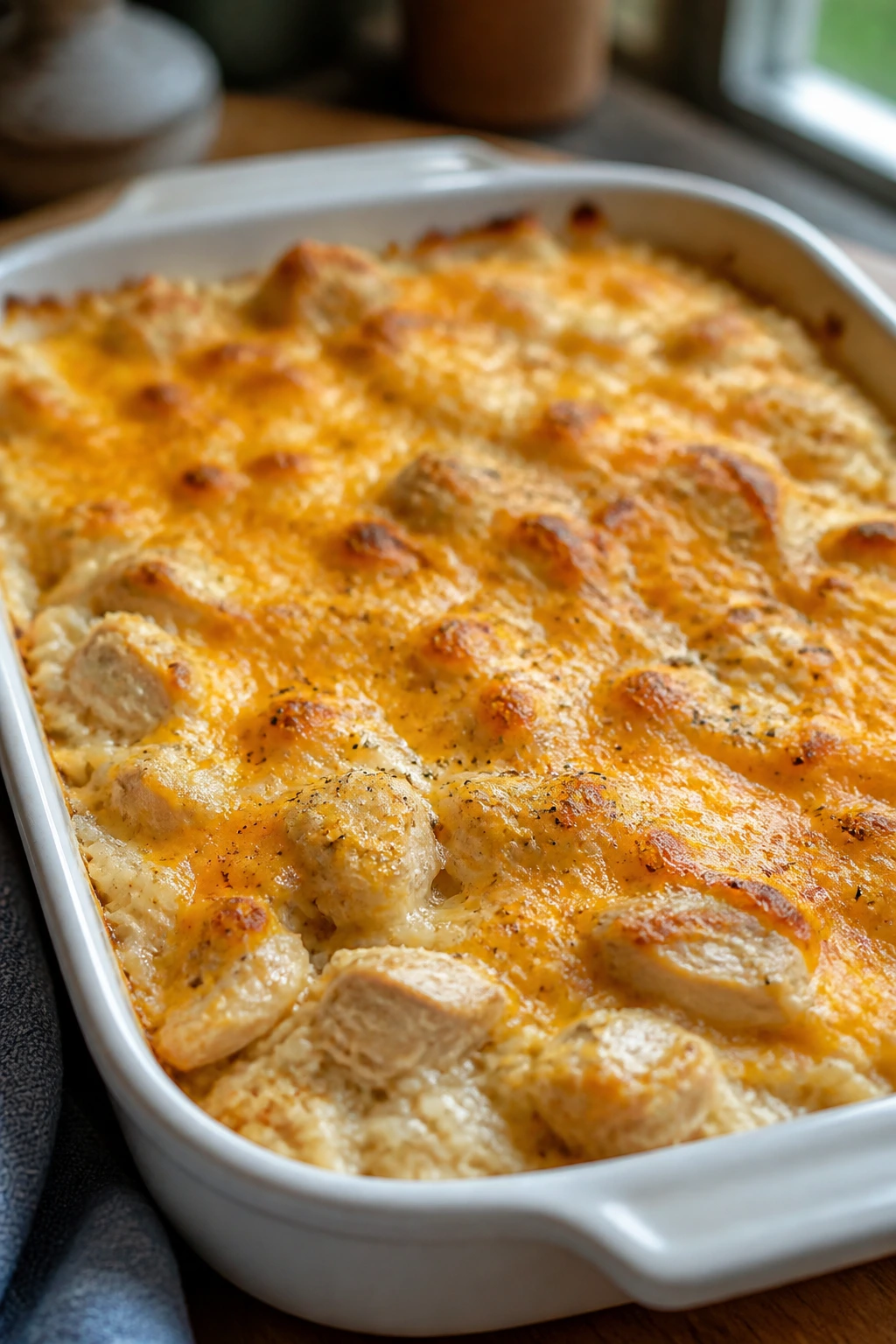
This is the casserole you make when you need something soft, mild, and filling without a lot of debate. Rice gives it structure, chicken gives it protein, and the cheese makes the whole thing feel familiar.
Why It Works: The ingredients are all recognizable, and the texture stays gentle rather than sharp or crunchy. A little frozen veg blends in well because the sauce and cheese keep everything soft. It’s one of those dishes that reheats nicely, which is half the reason it earns a spot.
Key Ingredients:
- 2 cups cooked chicken, chopped — rotisserie is fine.
- 2 cups cooked rice — white rice is the safest bet.
- 1 can cream of chicken soup, 10.5 oz — or homemade white sauce.
- 1 cup milk — loosens the base.
- 2 cups shredded cheddar — for the cheesy top.
- 1 cup frozen peas and carrots — optional, for color.
- 1/2 tsp black pepper — light hand only.
Quick Steps:
- Heat the oven to 375°F.
- Stir the soup, milk, chicken, rice, vegetables, and pepper together.
- Spread into a greased baking dish.
- Top with cheddar and bake 25 to 30 minutes until hot and bubbling.
- Rest 5 minutes before scooping.
Equipment for This Recipe:
- Large mixing bowl — for combining everything.
- 9×13-inch dish — for baking.
- Spoon or spatula — for spreading.
How to Serve This Dish: Scoop it into a bowl with buttered bread or plain crackers. The top should be lightly browned, not crusty, so it stays easy to eat.
Pro Tips for This Recipe:
- Use day-old rice if possible; fresh rice can get a bit sticky.
- Chop the chicken small so no one gets a giant chunk.
- If your kid hates vegetables, keep them tiny and soft or leave them out.
Variations on This Dish:
- Broccoli Version: Swap peas and carrots for finely chopped broccoli.
- Turkey Version: Leftover turkey works the same way.
- Extra-Cheesy Top: Add a handful of mozzarella for more stretch.
Common Mistakes to Avoid with This Dish:
- Using too much rice makes the casserole dry.
- Skipping the rest time causes the first scoop to collapse.
- Adding hard vegetables raw leaves them undercooked.
14. Ham and Cheese Egg Muffins
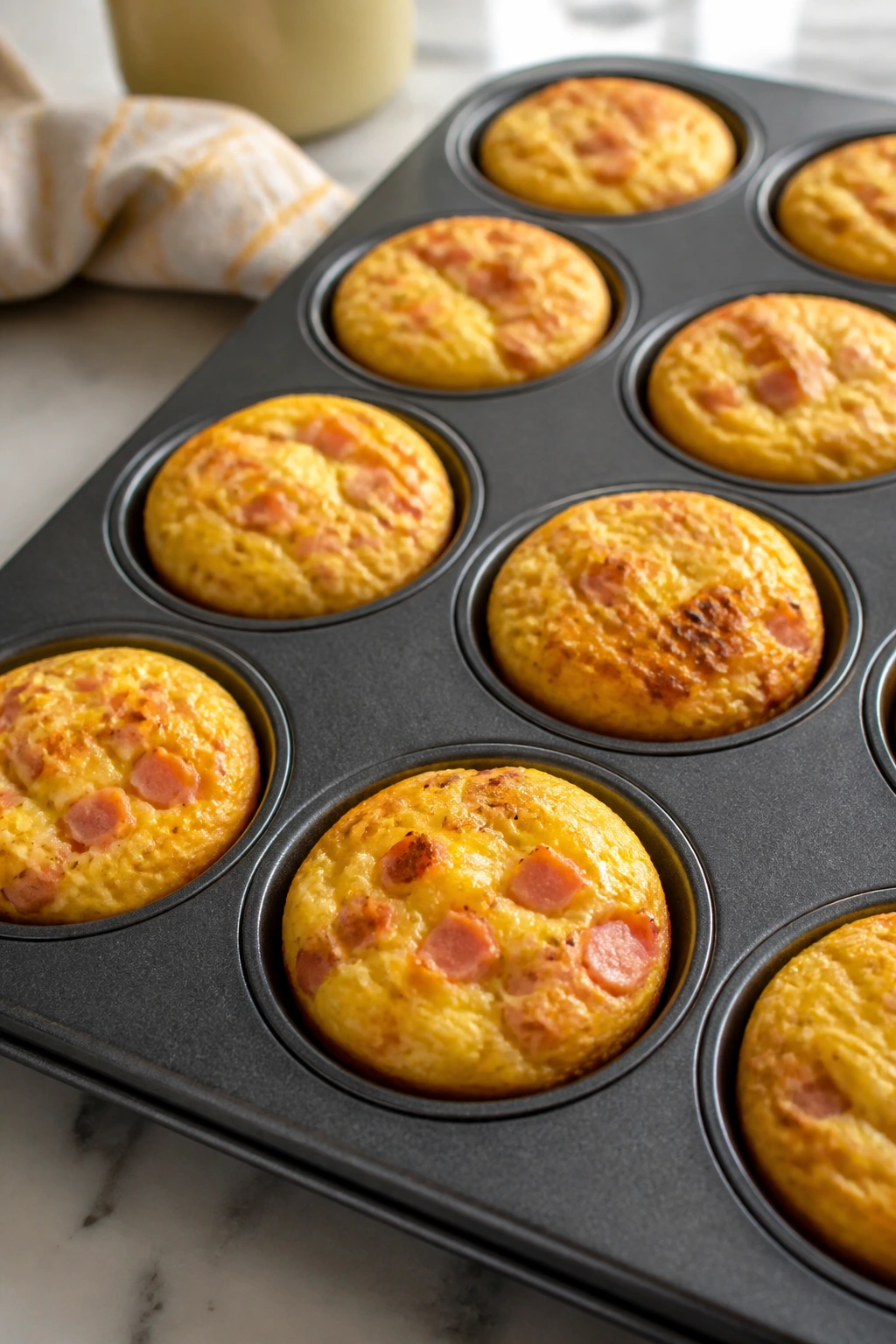
These are tiny, neat, and easy to hold, which already puts them ahead. Egg muffins feel like breakfast but work at lunch too, especially when the filling is simple and the cheese stays front and center.
Why It Works: Baking eggs in muffin cups gives you a portion that doesn’t slide around on the plate. Ham and cheese are plain enough to pass the test for most cautious eaters. You can make a tray ahead and reheat them without much loss.
Key Ingredients:
- 8 large eggs — the base.
- 1/4 cup milk — makes the eggs a little softer.
- 1 cup diced ham — small cubes work best.
- 1 cup shredded cheddar — melts into the egg.
- 1/2 tsp salt — enough for the whole batch.
- 2 tbsp chopped chives — optional.
Quick Steps:
- Heat the oven to 350°F and grease a 12-cup muffin tin.
- Whisk the eggs, milk, and salt.
- Stir in the ham, cheddar, and chives.
- Divide into the cups and bake 18 to 20 minutes until puffed and set.
- Cool 5 minutes before lifting out.
Equipment for This Recipe:
- Muffin tin — standard 12-cup pan.
- Mixing bowl and whisk — for the eggs.
- Measuring cup with a spout — makes pouring easier.
How to Serve This Dish: Pair two muffins with toast fingers or fruit. They’re tidy enough for a lunchbox and soft enough for a child who dislikes chewy egg casseroles.
Pro Tips for This Recipe:
- Grease the tin well or the edges stick like glue.
- Dice the ham small so each bite is even.
- Pull them from the oven when the centers are just set; overbaking makes them rubbery.
Variations on This Dish:
- Sausage Swap: Cooked breakfast sausage works in place of ham.
- Plain Cheese Version: Keep it simple for the most selective eaters.
- Veggie Tiny Dice: Finely chopped bell pepper or spinach can disappear into the eggs.
Common Mistakes to Avoid with This Dish:
- Filling the cups too high makes the eggs overflow.
- Under-greasing the pan leads to torn muffins.
- Baking too long gives you dry, spongy eggs.
15. Sloppy Joe Toast
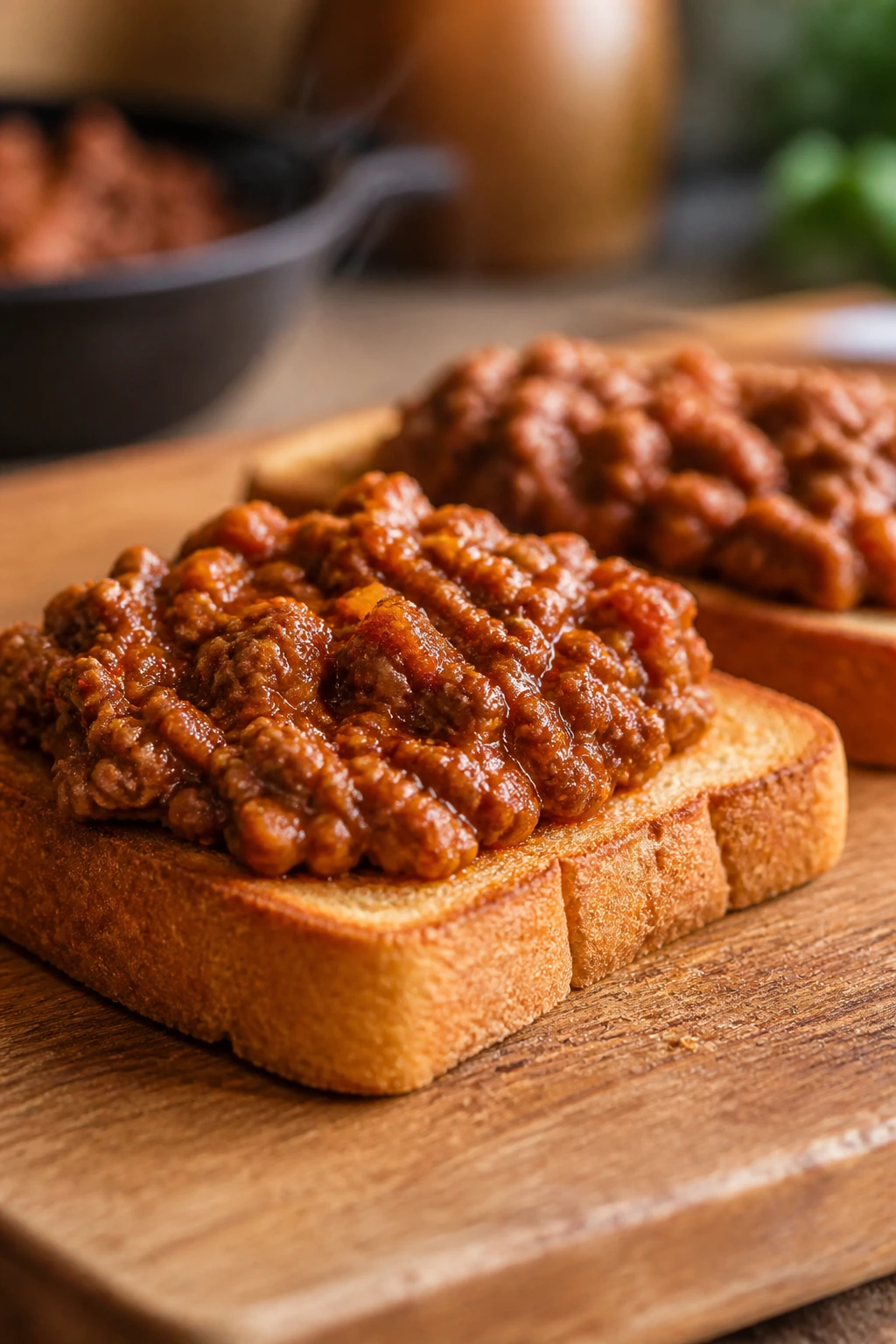
This has all the messy flavor of a sloppy joe without committing to a squishy bun. Toast gives the filling some structure, and that matters when you’re trying to keep dinner from collapsing halfway through.
Why It Works: The meat mixture is thick enough to stay on the toast without running everywhere. Toast also browns a little under the sauce, which keeps the bottom from turning soggy immediately. It feels familiar, cheap, and very honest.
Key Ingredients:
- 1 lb ground beef — or ground turkey.
- 1 small onion, finely chopped — optional, but useful.
- 3/4 cup ketchup — the main sauce.
- 1/4 cup tomato sauce — smooths the ketchup.
- 1 tbsp brown sugar — rounds out the flavor.
- 1 tbsp Worcestershire sauce — gives depth.
- 8 slices thick bread — toasted.
- 1 cup shredded cheddar — optional.
Quick Steps:
- Brown the beef and onion in a skillet over medium heat.
- Drain excess fat, then add ketchup, tomato sauce, brown sugar, and Worcestershire.
- Simmer 5 to 7 minutes until thick and spoonable.
- Toast the bread and spoon the meat on top.
- Add cheddar if you want, then serve hot.
Equipment for This Recipe:
- Large skillet — for the filling.
- Toaster or broiler — for the bread.
- Spoon — for topping the toast.
How to Serve This Dish: Serve open-faced with a napkin nearby; this is a friendly mess, not a pristine one. A few pickle chips on the side make sense if your eater likes tang.
Pro Tips for This Recipe:
- Simmer until the sauce looks thick, not loose.
- Choose thick bread so it doesn’t collapse.
- Add cheese while the meat is still hot so it melts on contact.
Variations on This Dish:
- Roll Version: Spoon the filling into slider buns.
- Cornbread Base: Serve on cornbread squares for a softer bottom.
- Mild BBQ Twist: Swap half the ketchup for barbecue sauce.
Common Mistakes to Avoid with This Dish:
- A watery filling slides right off the toast.
- Thin bread goes mushy too quickly.
- Over-sweetening makes the sauce cloying.
16. Mac and Cheese Muffins
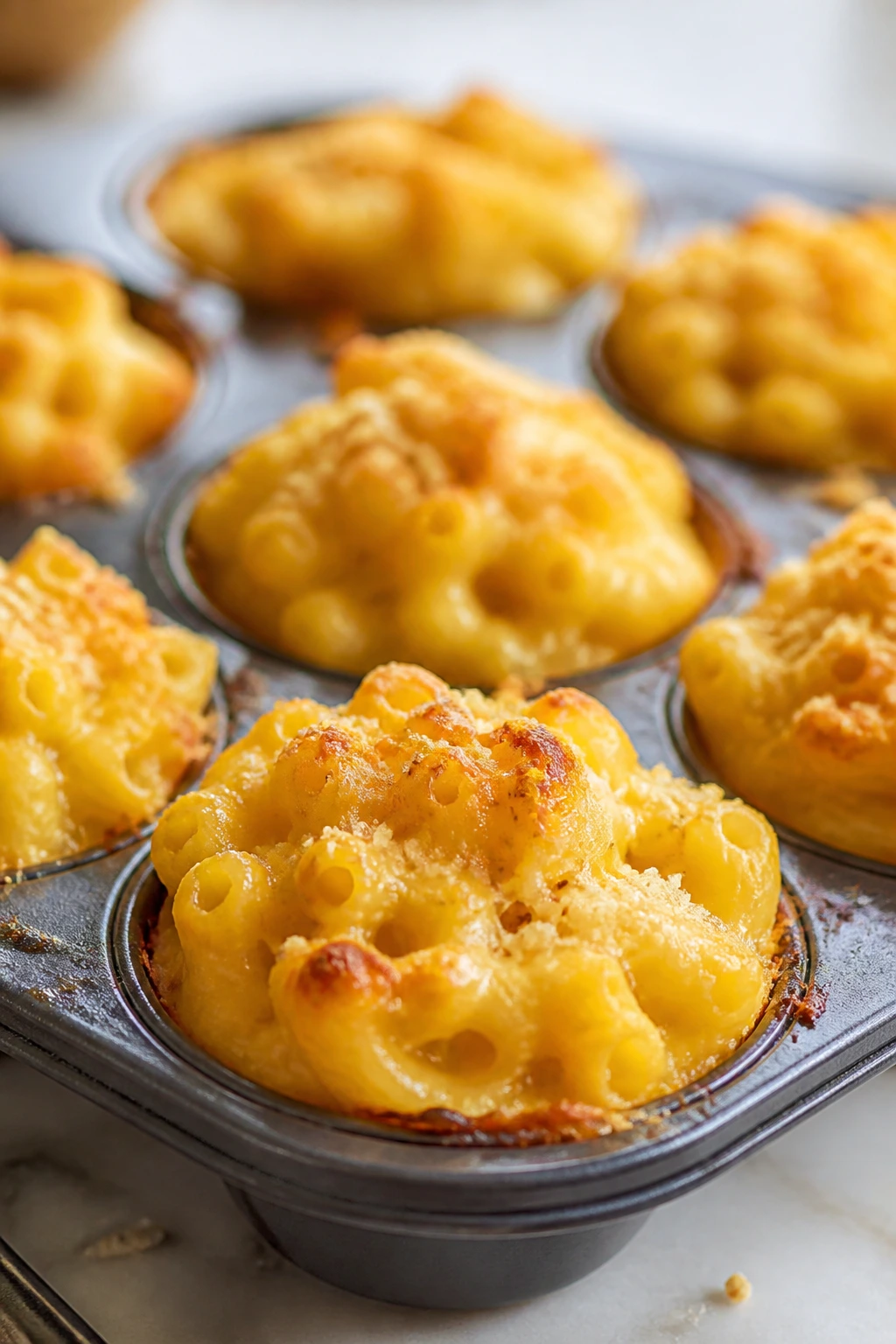
These are the lunchbox version of mac and cheese, only cleaner to hold and easier to portion. They bake into little rounds that stay together long enough for a child to pick them up without a fork fight.
Why It Works: The egg and cheese set the pasta into a soft, sliceable muffin. It’s still recognizable as mac and cheese, which helps a lot. And because they’re individual portions, they cool faster than a baking dish full of pasta.
Key Ingredients:
- 2 cups cooked elbow macaroni — cooled slightly.
- 2 large eggs — bind the muffins.
- 1 cup milk — keeps them tender.
- 2 cups shredded cheddar — the flavor.
- 1/2 cup grated parmesan — for the top.
- 2 tbsp melted butter — for richness.
- 1/2 tsp salt — adjust to taste.
Quick Steps:
- Heat the oven to 375°F and grease a muffin tin.
- Whisk eggs, milk, butter, and salt.
- Stir in the pasta and cheeses.
- Divide into the cups and press down lightly.
- Bake 18 to 20 minutes until set and lightly browned.
Equipment for This Recipe:
- Muffin tin — for shape.
- Mixing bowl — for the filling.
- Spoon or measuring cup — for packing the cups.
How to Serve This Dish: Serve two or three muffins with ketchup, ranch, or fruit. They’re especially handy when you need dinner to feel snack-like.
Pro Tips for This Recipe:
- Let the pasta cool a little before mixing so the eggs don’t scramble.
- Pack the mixture firmly into the cups for cleaner removal.
- Use a cheese blend with good melt; dry cheese makes the muffins crumbly.
Variations on This Dish:
- Broccoli Fold-In: Add very finely chopped broccoli.
- Ham Version: Dice a little ham into the mix.
- Plain Cheddar: If you need the safest version, skip the parmesan.
Common Mistakes to Avoid with This Dish:
- Overcooked pasta gets gummy in the oven.
- Not greasing the tin makes the muffins stick.
- Underbaking leaves the centers soft and hard to remove.
17. Taco Pasta
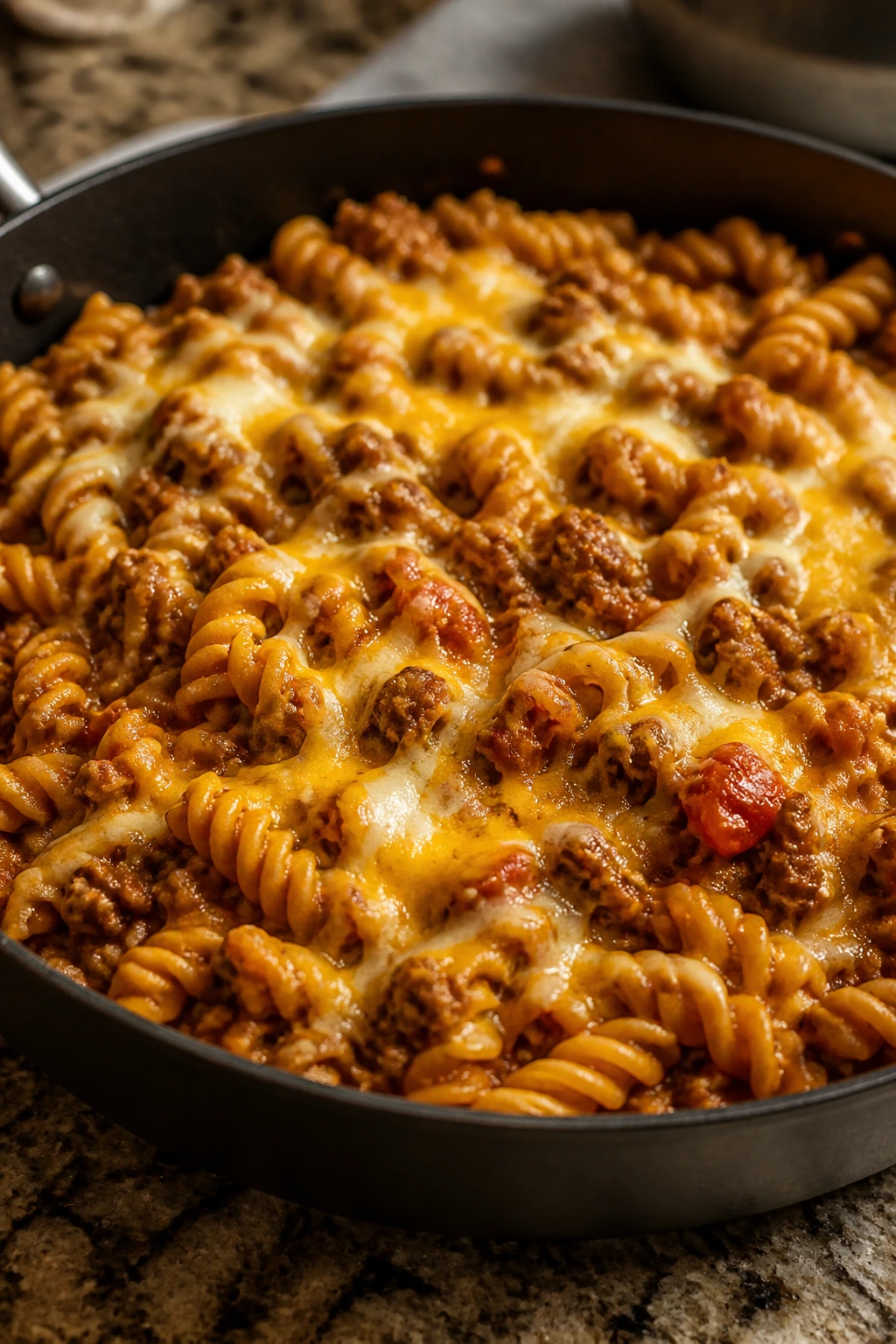
Taco pasta sounds like a mash-up, and it is, but in the useful sense. You get noodles, seasoned meat, and cheese in one pan, which means fewer dishes and fewer complaints.
Why It Works: Rotini or shells catch the sauce so the seasoning isn’t all sitting at the bottom. Keep the taco spice mild and let the cheese smooth the edges. Kids who like pasta and kids who like tacos usually both find something to accept here.
Key Ingredients:
- 12 oz rotini or shells — good for catching sauce.
- 1 lb ground beef or turkey — the protein.
- 2 tbsp mild taco seasoning — or a packet.
- 1 cup salsa — mild and smooth.
- 1 cup shredded cheddar — stirred in at the end.
- 1/2 cup sour cream — optional for serving.
- 2 cups water or broth — for cooking the pasta if one-pot.
Quick Steps:
- Brown the meat in a deep skillet.
- Stir in the taco seasoning, salsa, water or broth, and uncooked pasta.
- Simmer covered until the pasta is tender, about 10 to 12 minutes.
- Turn off the heat and stir in the cheese.
- Serve with sour cream or extra cheese on top.
Equipment for This Recipe:
- Deep skillet or wide pot — for one-pan cooking.
- Wooden spoon — for stirring.
- Measuring cups — for the liquid.
How to Serve This Dish: Spoon into bowls and top with a little more cheese. If you want to calm the bowl down, add a few tortilla chips on the side instead of mixing them in.
Pro Tips for This Recipe:
- Stir a few times while the pasta cooks so nothing sticks.
- Keep the seasoning mild; the salsa already brings flavor.
- Use a pasta shape with curves or ridges. Smooth noodles don’t carry the sauce as well.
Variations on This Dish:
- Bean Addition: Stir in black beans with the pasta.
- Creamier Version: Add more sour cream at the end.
- Corn Mix-In: Sweet corn lightens the flavor a little.
Common Mistakes to Avoid with This Dish:
- Too much liquid turns it into soup.
- Over-seasoning can make the bowl taste sharp.
- Forgetting to stir causes the pasta to stick on the bottom.
18. Mini Meatloaf Muffins
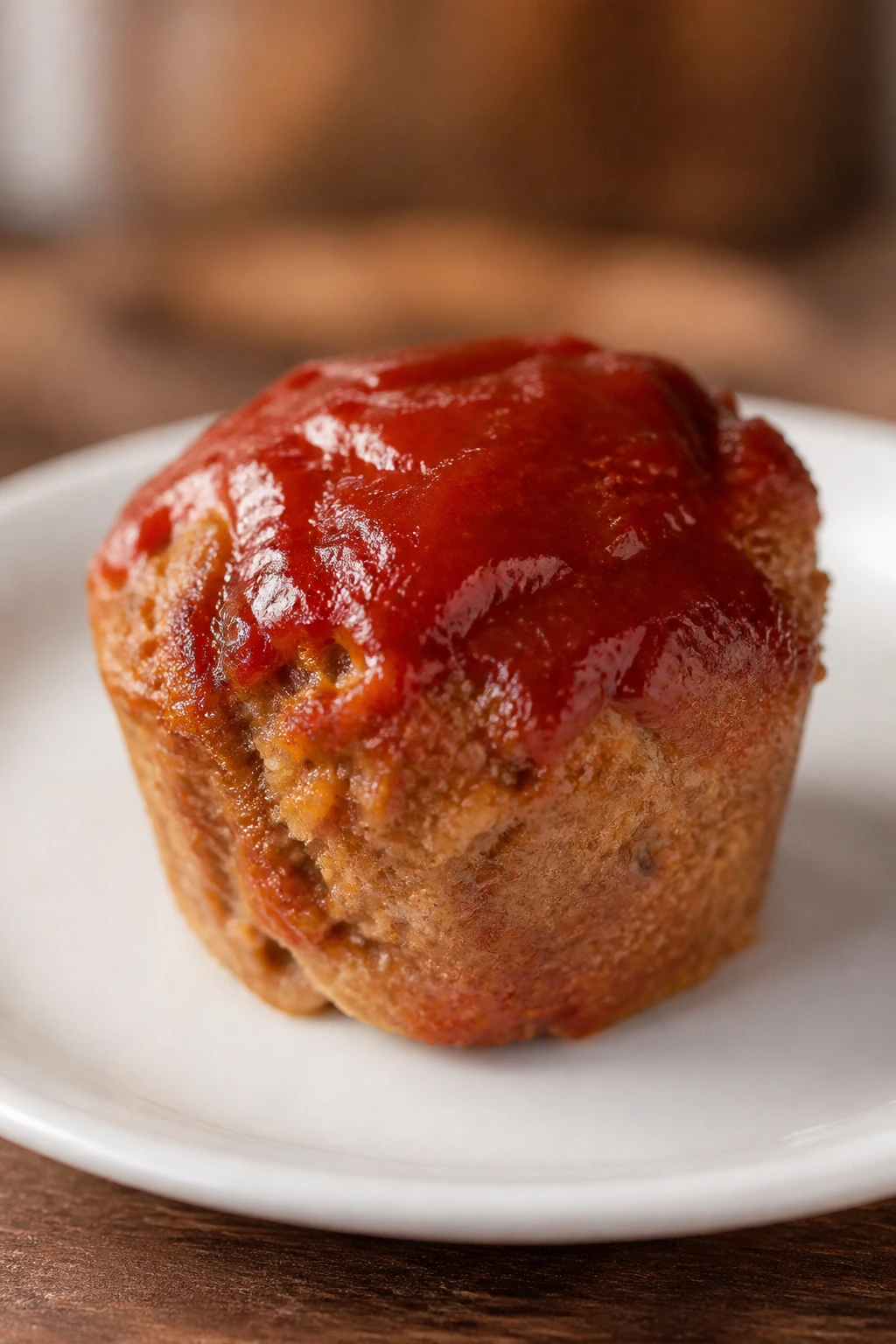
Meatloaf gets more respect when it shows up in muffin form. The edges brown faster, the centers cook evenly, and the portions look less like a project.
Why It Works: Small portions cook through faster than a loaf, which means less waiting and fewer dry edges. The ketchup glaze gives kids a familiar sweet finish. Add mashed potatoes and you’ve got a dinner that feels old-school in a good way.
Key Ingredients:
- 1 lb ground beef or turkey — beef is richer; turkey is lighter.
- 1 egg — binds the mixture.
- 1/2 cup breadcrumbs — for tenderness.
- 1/4 cup milk — keeps it soft.
- 1 tsp salt — enough for the batch.
- 1 tbsp ketchup — mixed in.
- 1/2 cup ketchup — for the glaze.
Quick Steps:
- Heat the oven to 375°F and grease a muffin tin.
- Mix the meat, egg, breadcrumbs, milk, salt, and 1 tbsp ketchup.
- Divide into muffin cups and top each with a little glaze.
- Bake 18 to 20 minutes until the centers reach 160°F for beef or 165°F for turkey.
- Rest 5 minutes before serving.
Equipment for This Recipe:
- Muffin tin — for shape.
- Mixing bowl — for the meat.
- Spoon — for the glaze.
How to Serve This Dish: Serve two muffins with mashed potatoes or buttered noodles. The glaze should look shiny, not sticky and burnt.
Pro Tips for This Recipe:
- Mix gently. Packed meatloaf turns dense fast.
- A muffin scoop helps keep the portions even.
- Check temperature, not just color, so you don’t overcook them.
Variations on This Dish:
- Cheese-Center Muffins: Add a small cube of cheddar in the middle.
- BBQ Glaze: Swap ketchup glaze for barbecue sauce.
- Oat Swap: Use quick oats instead of breadcrumbs if needed.
Common Mistakes to Avoid with This Dish:
- Overmixing makes the muffins tough.
- Too much glaze can burn before the meat finishes.
- Baking in a dry tin causes sticking.
19. Sheet Pan Chicken and Potatoes
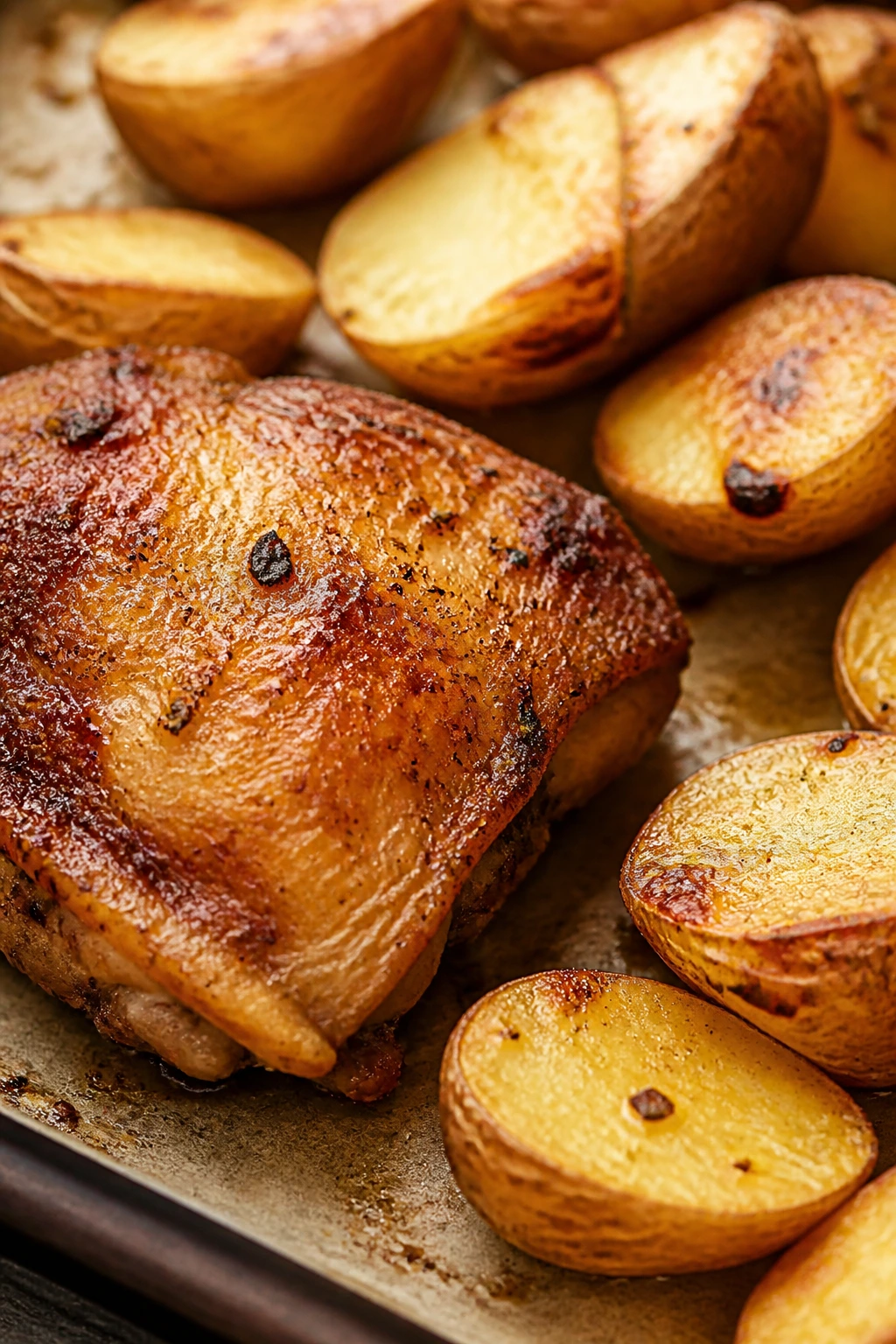
This is one of those dinners that looks plain and lands exactly right. Chicken, potatoes, and carrots roast together until the edges brown and the vegetables soften into something that feels like actual dinner.
Why It Works: The ingredients stay separate enough for kids who don’t like mixed foods, but they still share the same pan and seasoning. Bone-in or boneless chicken both work, though boneless cooks faster and is easier to portion. The sheet pan keeps the cleanup from feeling like punishment.
Key Ingredients:
- 1 1/2 lbs chicken thighs or breasts — thighs stay juicier.
- 1 1/2 lbs baby potatoes, halved — so they cook through.
- 3 carrots, cut into sticks — similar size helps.
- 2 tbsp olive oil — for roasting.
- 1 tsp salt — across the pan.
- 1 tsp garlic powder — mild seasoning.
- 1 tsp paprika — optional, for color.
Quick Steps:
- Heat the oven to 425°F.
- Toss potatoes and carrots with half the oil, salt, and garlic powder.
- Arrange them on a sheet pan and nestle the chicken among the vegetables.
- Brush the chicken with remaining oil and seasoning, then roast 35 to 40 minutes until the chicken reaches 165°F.
- Rest 5 minutes before serving.
Equipment for This Recipe:
- Rimmed sheet pan — for roasting.
- Mixing bowl — for tossing vegetables.
- Meat thermometer — the easiest way to check doneness.
How to Serve This Dish: Put the chicken and vegetables on a plate with a little pan juice spooned over the potatoes. If a child wants a dip, ketchup is usually the safe answer.
Pro Tips for This Recipe:
- Cut the potatoes small enough to finish at the same time as the chicken.
- Don’t overcrowd the pan or the vegetables steam.
- Use thighs if you want the chicken more forgiving.
Variations on This Dish:
- Lemon Finish: A small squeeze of lemon at the table brightens the pan.
- Honey Glaze: Brush the chicken with a little honey and mustard.
- Green Bean Swap: Use green beans instead of carrots if that’s the vegetable you can get away with.
Common Mistakes to Avoid with This Dish:
- Big potato chunks stay hard while the chicken overcooks.
- Crowding the pan blunts the browning.
- Skipping the thermometer leads to dry chicken.
20. Chicken Broccoli Alfredo
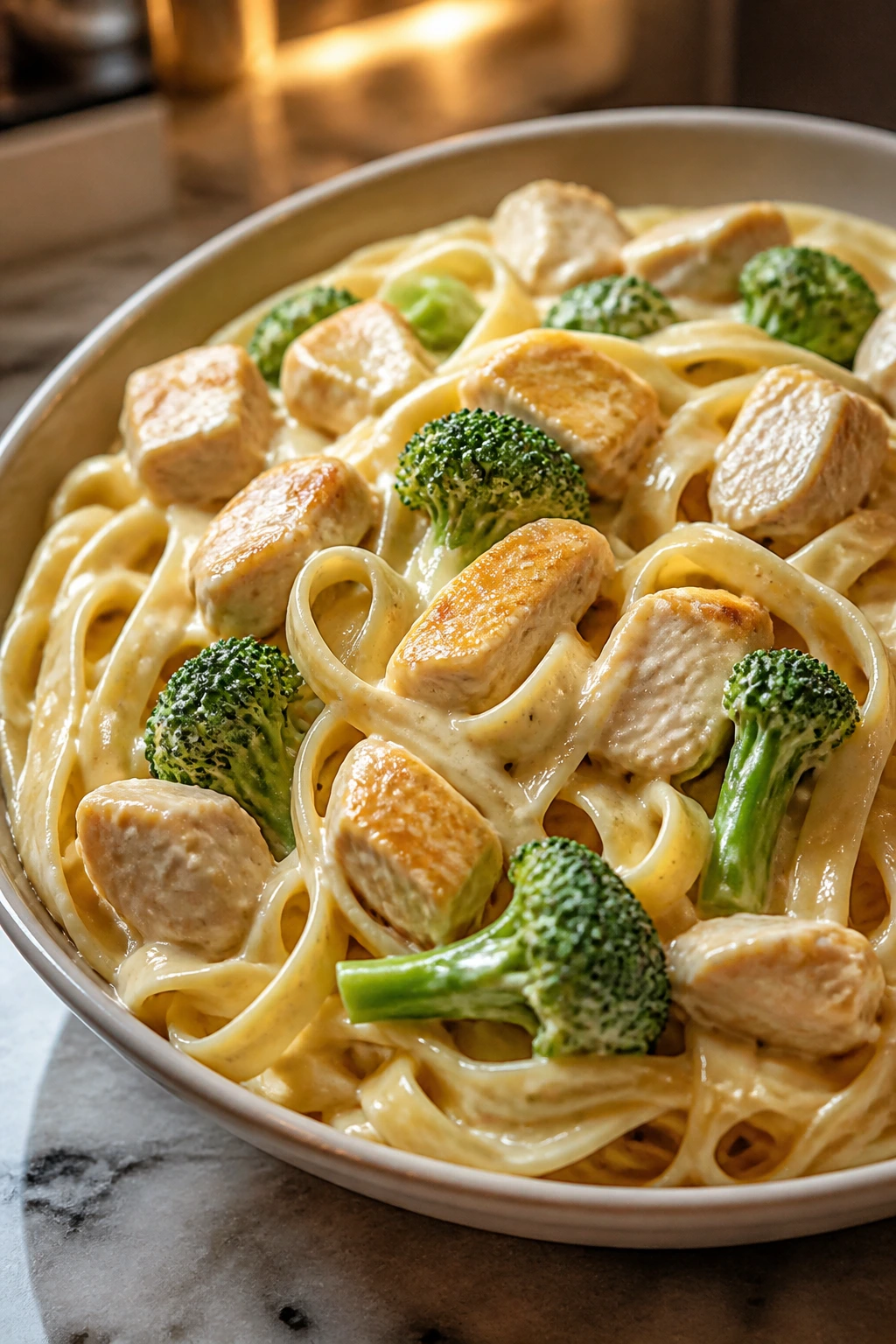
Broccoli gets a little more respect when it’s tucked into a creamy Alfredo bowl. The sauce softens the edge, and the pasta makes the whole thing feel more like comfort than compromise.
Why It Works: Alfredo gives you a thick, mild sauce that clings to pasta and chicken. Broccoli florets should be small, tender, and fully cooked so they don’t feel like a surprise. This one works best when the sauce stays smooth and the chicken is chopped into bite-size pieces.
Key Ingredients:
- 12 oz fettuccine or penne — penne is easier for little forks.
- 2 cups cooked chicken, chopped — keep the pieces small.
- 3 cups broccoli florets — cut small.
- 2 cups Alfredo sauce — jarred or homemade.
- 1/2 cup grated parmesan — for finishing.
- 1 tbsp butter — optional, for richness.
Quick Steps:
- Boil the pasta and broccoli together, adding the broccoli in the last 3 minutes.
- Drain and return to the pot.
- Stir in the Alfredo sauce and butter over low heat.
- Add the chicken and parmesan, then toss until hot.
- Serve right away.
Equipment for This Recipe:
- Large pot — for pasta and broccoli.
- Colander — to drain.
- Spoon or tongs — for tossing.
How to Serve This Dish: Serve in shallow bowls with extra parmesan. Garlic bread can go on the side, but keep it plain so the pasta stays the star.
Pro Tips for This Recipe:
- Chop the broccoli small before boiling so it softens quickly.
- Use penne if long noodles are too much trouble at the table.
- Warm the sauce gently; hard boiling can make Alfredo separate.
Variations on This Dish:
- Cauliflower Swap: Cauliflower florets work the same way if broccoli is refused.
- Bacon Version: A little crumbled bacon helps for kids who like salt.
- Extra-Creamy: Add a splash of milk if the sauce tightens up.
Common Mistakes to Avoid with This Dish:
- Overcooking broccoli turns it dull and mushy.
- Using too little sauce makes the pasta dry.
- High heat can make the Alfredo break.
21. Ham and Cheese Roll-Ups
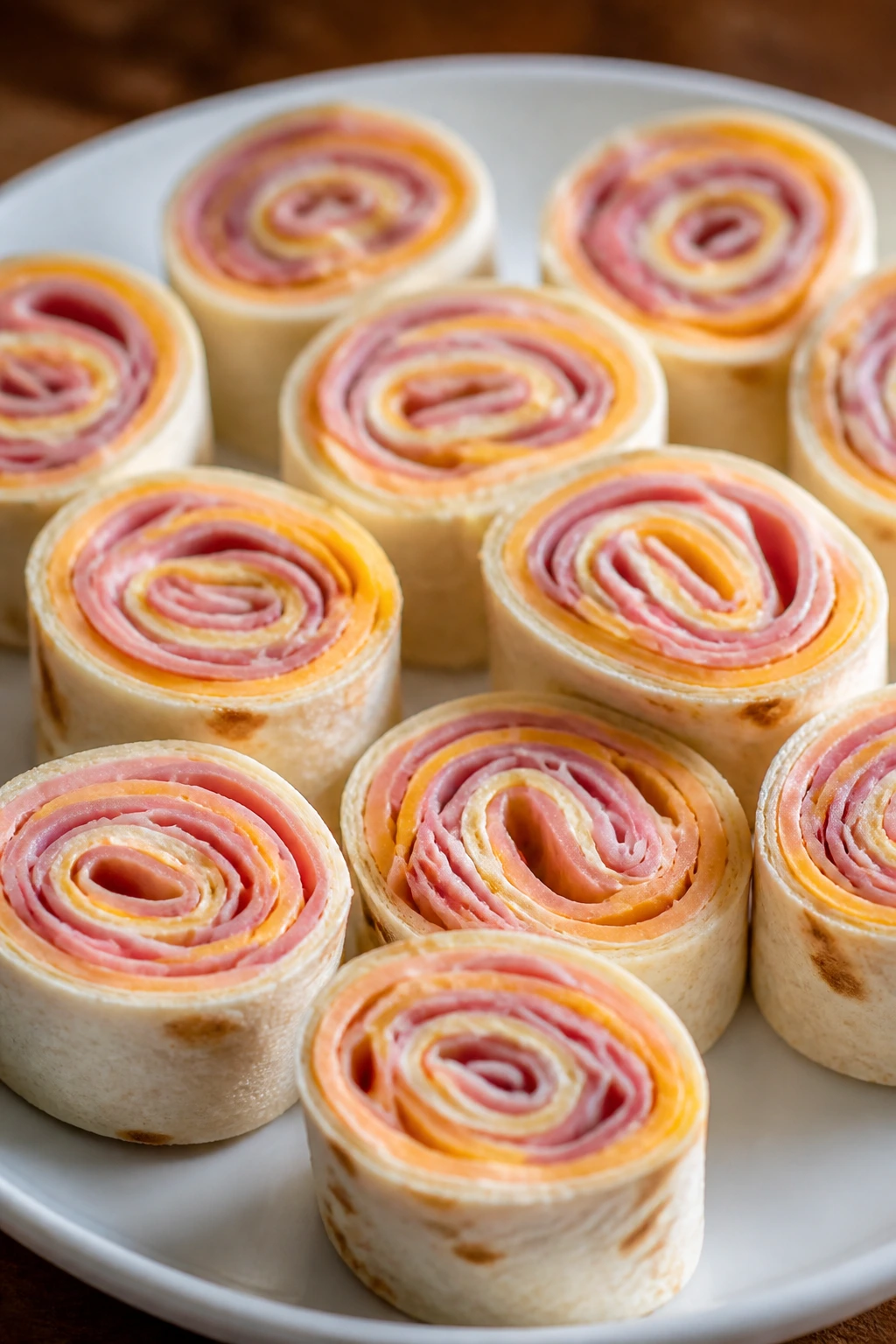
Roll-ups are lunchbox food that doesn’t need much explaining. Ham, cheese, and a soft tortilla are enough to make a meal that can be sliced into neat spirals or eaten whole if the day is moving fast.
Why It Works: The ingredients are plain, cold, and easy to see, which gives cautious eaters less to object to. A thin layer of cream cheese helps everything stick together and keeps the tortilla from tearing. It’s one of the fastest ways to turn a few slices of ham into lunch.
Key Ingredients:
- 4 large flour tortillas — soft and flexible.
- 8 slices deli ham — thin slices roll better.
- 4 slices cheese or 1 1/2 cups shredded cheese — mild cheddar or American.
- 4 tbsp cream cheese or mayonnaise — acts like glue.
- 1 cup shredded lettuce — optional.
- 1 tbsp mustard — optional and only if accepted.
Quick Steps:
- Spread cream cheese over each tortilla.
- Layer ham, cheese, and any lettuce in the center.
- Roll tightly and press the seam down.
- Chill 10 minutes if you want cleaner slices.
- Cut into pinwheels or serve whole.
Equipment for This Recipe:
- Cutting board — for rolling and slicing.
- Butter knife — for spreading.
- Sharp knife — for clean cuts.
How to Serve This Dish: Slice into bite-size rounds for a snack plate, or serve whole with fruit and crackers. They’re better cold or just slightly chilled than hot.
Pro Tips for This Recipe:
- Don’t overfill the tortilla or it’ll spring open.
- Chill before slicing if you want the spirals to hold.
- Use thin cheese slices if the tortilla keeps tearing.
Variations on This Dish:
- Turkey Swap: Deli turkey works the same way.
- Pizza Roll-Up: Add a smear of pizza sauce and mozzarella.
- Plain Cheese Version: Remove mustard and lettuce for a simpler filling.
Common Mistakes to Avoid with This Dish:
- Thick fillings make the roll impossible to slice neatly.
- Warm tortillas tear more easily than room-temperature ones.
- Skipping the chill step makes the roll-ups loosen.
22. Peanut Butter Banana Roll-Ups
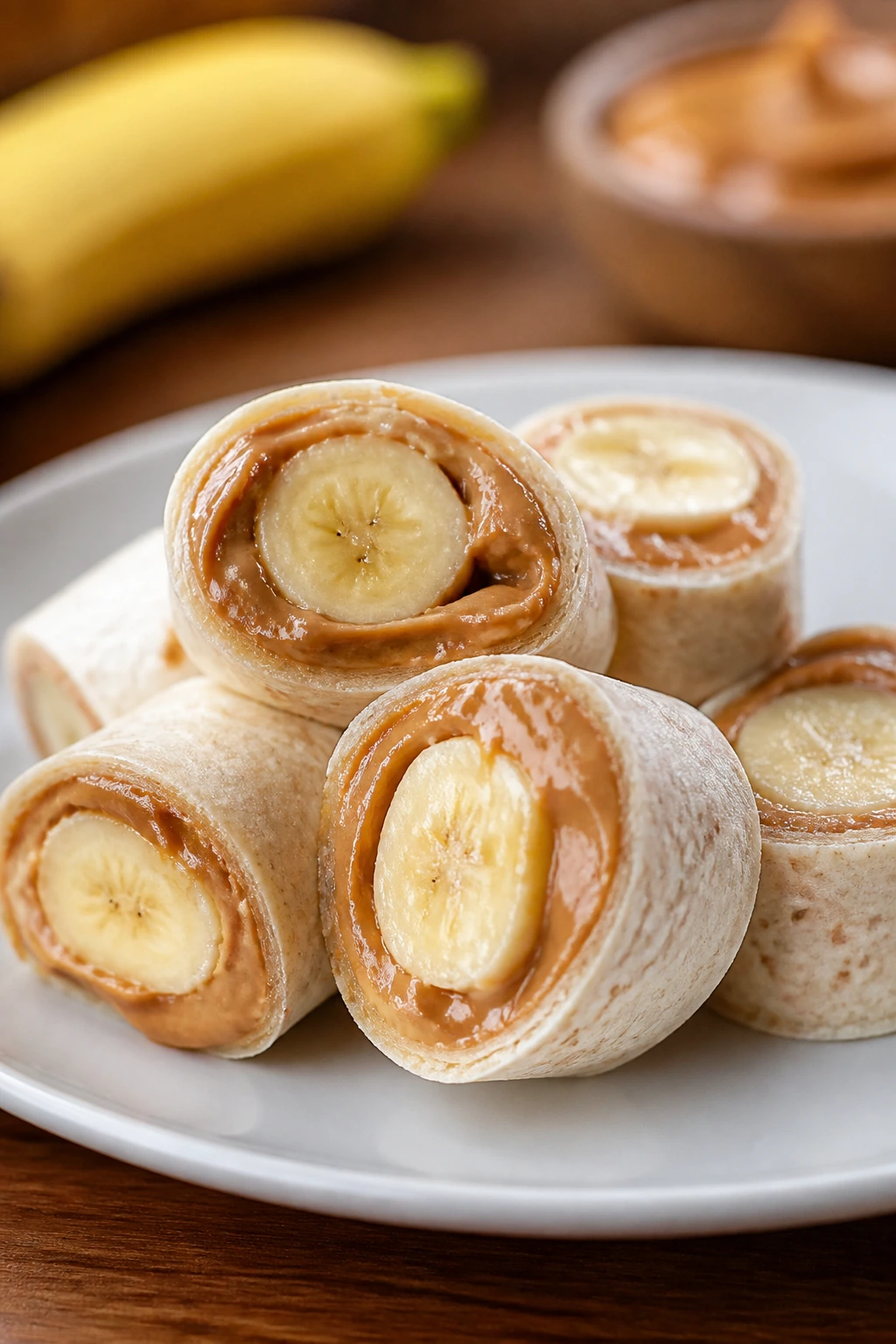
This is the kind of lunch that feels like a snack but still gets the job done. Peanut butter and banana are already a familiar pair, and wrapping them in a tortilla keeps the whole thing tidy enough for little hands.
Why It Works: The soft filling means no rough texture surprises. A little honey helps the peanut butter spread without tearing the tortilla, and cinnamon adds warmth without making the flavor weird. If you need a no-cook meal that still feels complete, this is one worth keeping around.
Key Ingredients:
- 4 large flour tortillas — soft wraps.
- 1/2 cup peanut butter — smooth spreads best.
- 2 bananas, sliced lengthwise — not too ripe.
- 1 tbsp honey — optional.
- 1/2 tsp cinnamon — optional.
- 1 tbsp chopped sunflower seeds — optional for crunch.
Quick Steps:
- Warm the tortillas for 10 seconds so they bend easily.
- Spread peanut butter across the center of each tortilla.
- Add banana slices and a drizzle of honey if using.
- Roll tightly and slice in half.
- Serve immediately.
Equipment for This Recipe:
- Butter knife — for spreading.
- Cutting board — for rolling and slicing.
- Small knife — for banana prep.
How to Serve This Dish: Cut into short pieces for younger kids or leave whole for older ones. A yogurt cup or apple slices make it feel more like lunch and less like a snack.
Pro Tips for This Recipe:
- Use bananas that are yellow with just a few freckles, not mushy.
- If the tortilla cracks, warm it a little more.
- Sunflower butter works well when peanut butter is not allowed.
Variations on This Dish:
- Apple Swap: Thin apple slices give more crunch.
- Chocolate Drizzle: A tiny drizzle makes it dessert-like.
- Seed-Free Version: Skip the crunch entirely if texture is a problem.
Common Mistakes to Avoid with This Dish:
- Overripe bananas make the wrap soggy.
- Too much peanut butter causes the tortilla to slip.
- Rolling too loosely makes it fall apart after slicing.
23. Baked Potato Bar
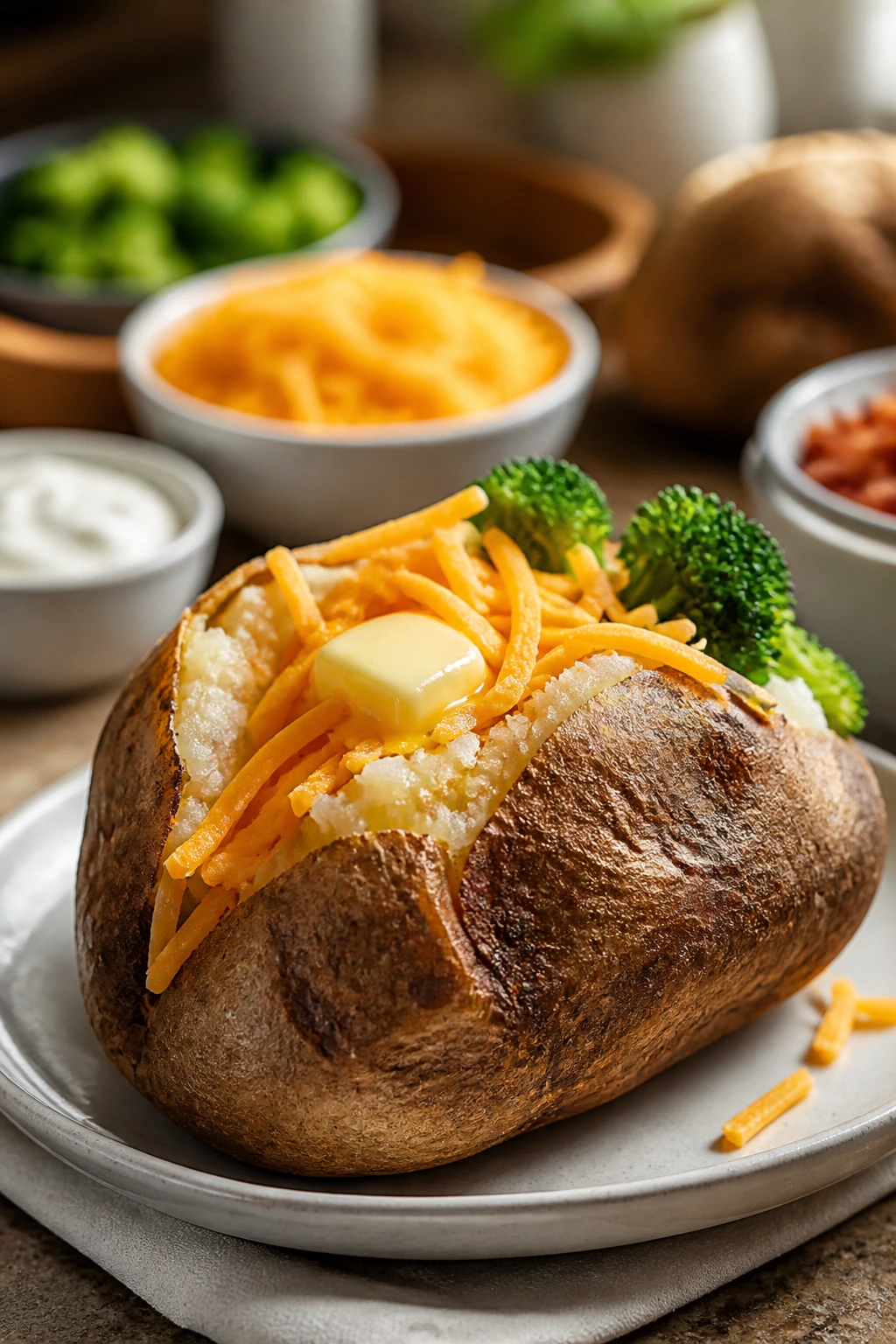
A baked potato is one of the rare dinners where everyone can stay in their lane. The base is plain, the toppings are optional, and a kid who only wants butter and cheese doesn’t need to make a speech about it.
Why It Works: Potatoes are neutral and filling, which makes them a safe stage for picky eaters. The bar format gives control without requiring you to cook a separate meal. You can offer a few toppings and still keep the whole thing manageable.
Key Ingredients:
- 4 large russet potatoes — for fluffy insides.
- 2 tbsp olive oil — for the skins.
- 1 tsp salt — rubbed on the outside.
- 2 tbsp butter — for serving.
- 1 cup shredded cheddar — the obvious topper.
- 1 cup sour cream — optional.
- 1 cup broccoli florets or beans — optional vegetable.
- 1/2 cup bacon bits — optional.
Quick Steps:
- Heat the oven to 425°F.
- Scrub the potatoes, prick them, rub with oil and salt, and bake 50 to 60 minutes.
- Split them open and fluff the insides with a fork.
- Add butter, cheese, and any other toppings.
- Serve immediately while hot.
Equipment for This Recipe:
- Baking sheet — to catch drips.
- Fork — to prick and fluff.
- Sharp knife — to split the potatoes.
How to Serve This Dish: Put the potatoes on plates with toppings in little bowls. If you want fewer fights, let kids build their own and keep the vegetables separate.
Pro Tips for This Recipe:
- Use russets for the fluffiest middle.
- Rub the salt into the skin before baking for better texture.
- Bake until the skins feel crisp and the centers give easily when squeezed.
Variations on This Dish:
- Loaded Version: Add bacon, scallions, and extra cheese.
- Broccoli Cheddar Version: Steam the broccoli and pile it on.
- Bean Bowl: Skip dairy and top with beans and salsa.
Common Mistakes to Avoid with This Dish:
- Wrapping potatoes in foil makes the skin soft instead of crisp.
- Undercooking leaves the center dense and chalky.
- Overloading toppings can turn the potato into a sloshy mess.
24. Broccoli Cheddar Soup
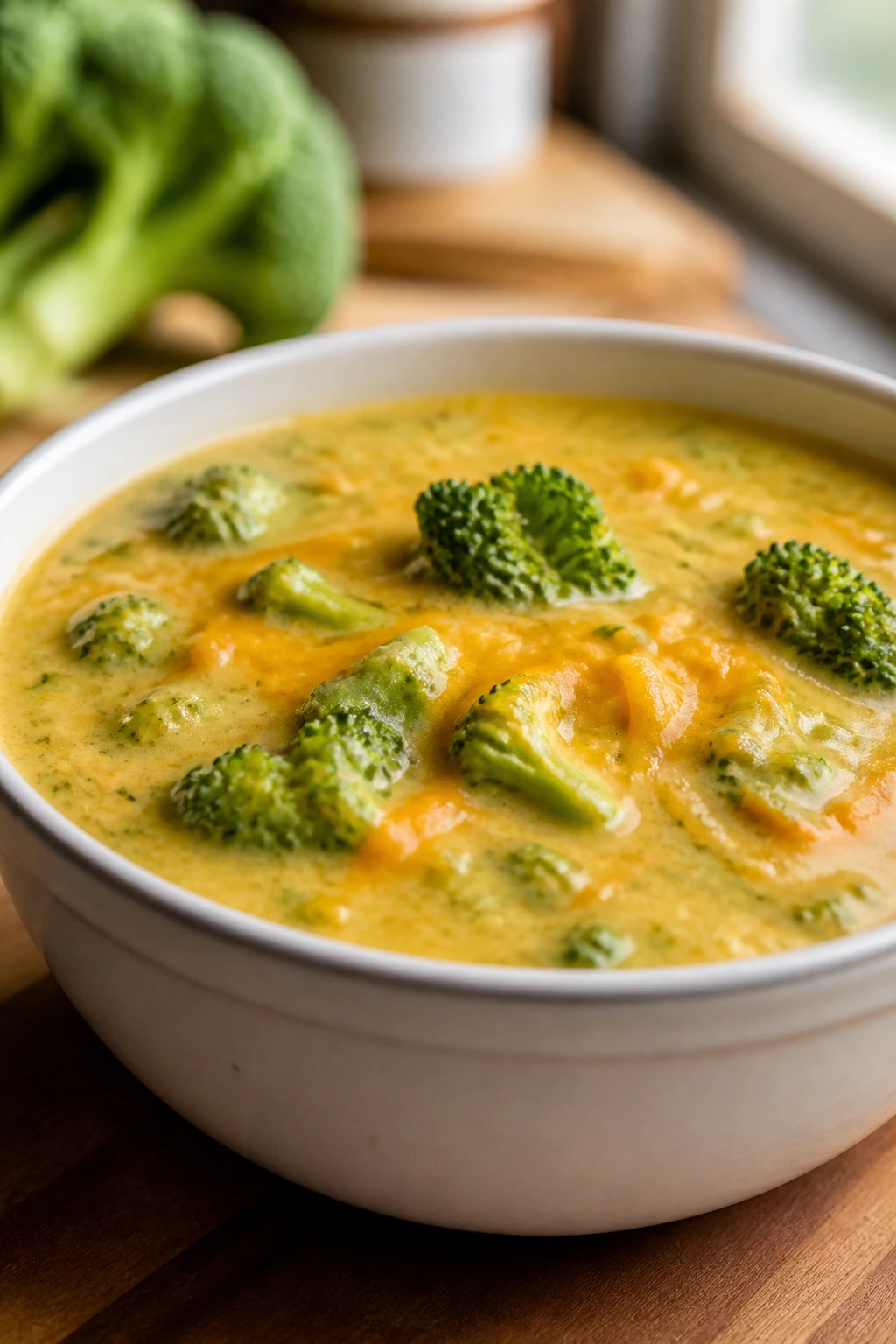
Broccoli is much easier to negotiate when it arrives in a bowl of cheddar. The soup gets creamy and mild, and the florets soften enough that they don’t feel like a green interruption.
Why It Works: A smooth, cheesy soup lowers the vegetable noise without pretending the broccoli isn’t there. Keep the pieces small and the texture fairly soft. Kids who dislike chunky soup often do better when part of it gets blended.
Key Ingredients:
- 1 tbsp butter — for the base.
- 1 small onion, chopped — optional.
- 3 cups broccoli florets, chopped small — the main ingredient.
- 3 cups broth — vegetable or chicken.
- 2 cups milk — for creaminess.
- 2 tbsp flour — to thicken.
- 2 cups shredded cheddar — melt it in at the end.
Quick Steps:
- Melt butter and cook the onion until soft, about 5 minutes.
- Stir in the flour, then add broth and broccoli.
- Simmer 15 to 20 minutes until the broccoli is tender.
- Stir in milk and cheddar over low heat.
- Blend part of the soup if you want a smoother bowl.
Equipment for This Recipe:
- Soup pot — for cooking.
- Whisk — for the flour.
- Blender or immersion blender — optional for texture.
How to Serve This Dish: Serve with crackers, grilled cheese fingers, or a bread roll. If the soup is very smooth, it tends to go down easier for cautious eaters.
Pro Tips for This Recipe:
- Chop the broccoli small so it softens quickly.
- Add cheese off the boil to avoid graininess.
- Blend only part of the soup if you want a few vegetable pieces to stay visible.
Variations on This Dish:
- Cauliflower Swap: Use half cauliflower and half broccoli.
- Extra-Thick Version: Add more flour and less broth.
- Potato Boost: A small diced potato makes the soup more filling.
Common Mistakes to Avoid with This Dish:
- Boiling after the cheese goes in can break the soup.
- Leaving broccoli in huge pieces makes the texture harder to accept.
- Too little salt leaves the soup flat.
25. Teriyaki Chicken Rice Bowls
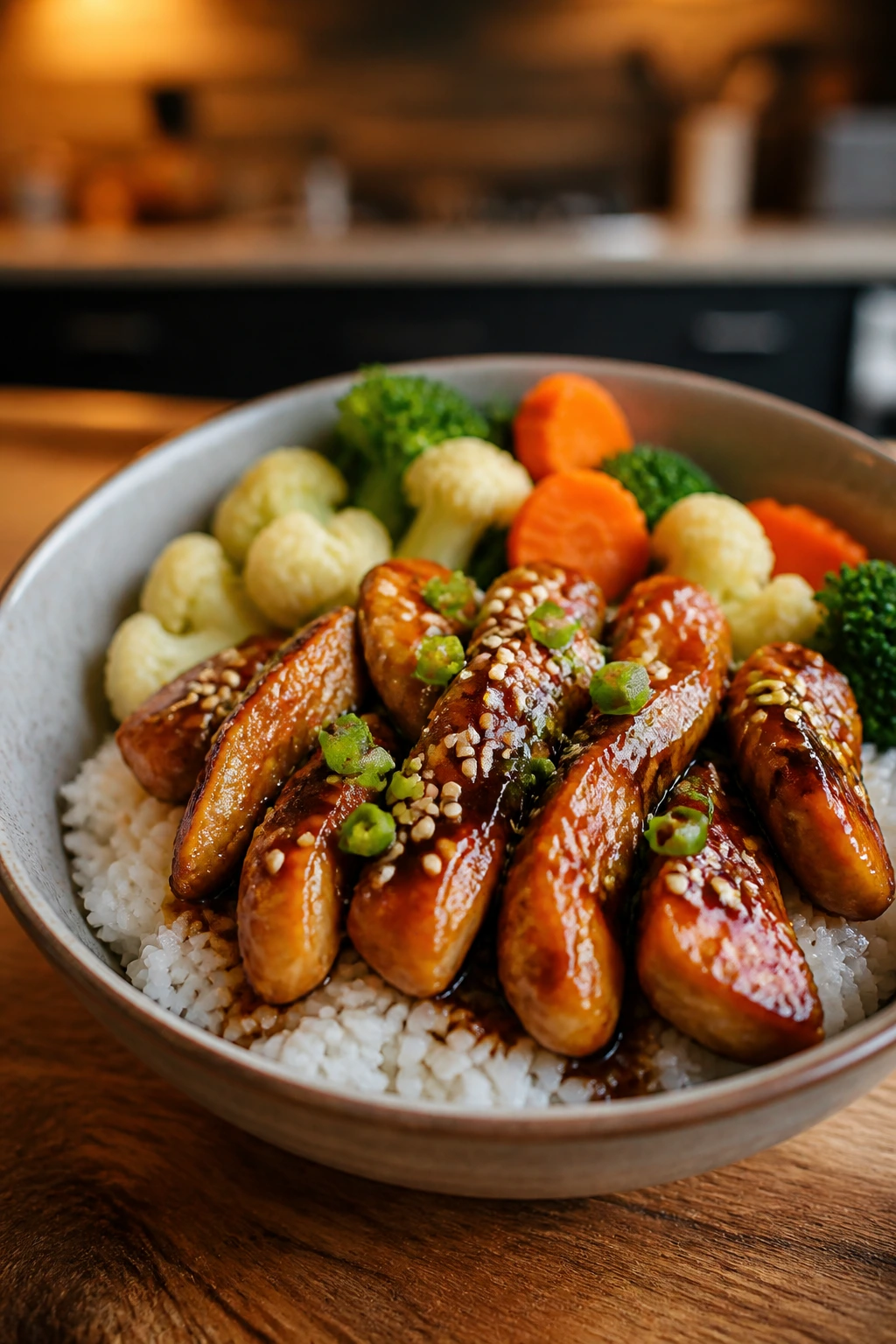
Sweet soy sauce has a way of making plain chicken look more approachable. Add rice and a few soft vegetables, and the bowl feels calm enough for a child who wants dinner to stay predictable.
Why It Works: Teriyaki brings a sweet-salty glaze that’s familiar without being spicy. Rice absorbs extra sauce so it doesn’t pool on the bottom of the bowl. Keep the vegetables soft and simple; this is not the place for crunchy surprises.
Key Ingredients:
- 1 lb chicken thighs or breast, cut into bite-size pieces.
- 1 cup teriyaki sauce — store-bought or homemade.
- 2 cups cooked rice — plain white rice works best.
- 1 cup steamed carrots — soft and sweet.
- 1 cup snap peas or edamame — optional.
- 1 tsp sesame seeds — optional.
Quick Steps:
- Cook the chicken in a skillet over medium-high heat until browned and cooked through.
- Pour in the teriyaki sauce and simmer 2 to 3 minutes until sticky.
- Warm the rice and steam the vegetables.
- Build bowls with rice, chicken, and vegetables.
- Sprinkle sesame seeds on top if you want a little extra.
Equipment for This Recipe:
- Large skillet — for the chicken.
- Saucepan or rice cooker — for the rice.
- Steamer basket or microwave-safe bowl — for the vegetables.
How to Serve This Dish: Keep the bowl sectioned if your eater prefers separate foods. A little extra teriyaki on the side works better than flooding the bowl.
Pro Tips for This Recipe:
- Cut the chicken small so it cooks fast and stays tender.
- Simmer the sauce until it coats the chicken, not until it burns.
- Soft carrots usually go over better than crisp ones here.
Variations on This Dish:
- Pineapple Version: Add a few pineapple chunks for sweetness.
- Vegetable-Heavy Version: Use carrots and peas only if the eater tolerates them.
- Chicken-Thigh Swap: Thighs stay juicier than breast meat.
Common Mistakes to Avoid with This Dish:
- Too much sauce makes the bowl sticky and messy.
- Under-cooked chicken is not a shortcut worth taking.
- Crunchy vegetables can derail a kid who wants soft textures.
26. Mini Calzones
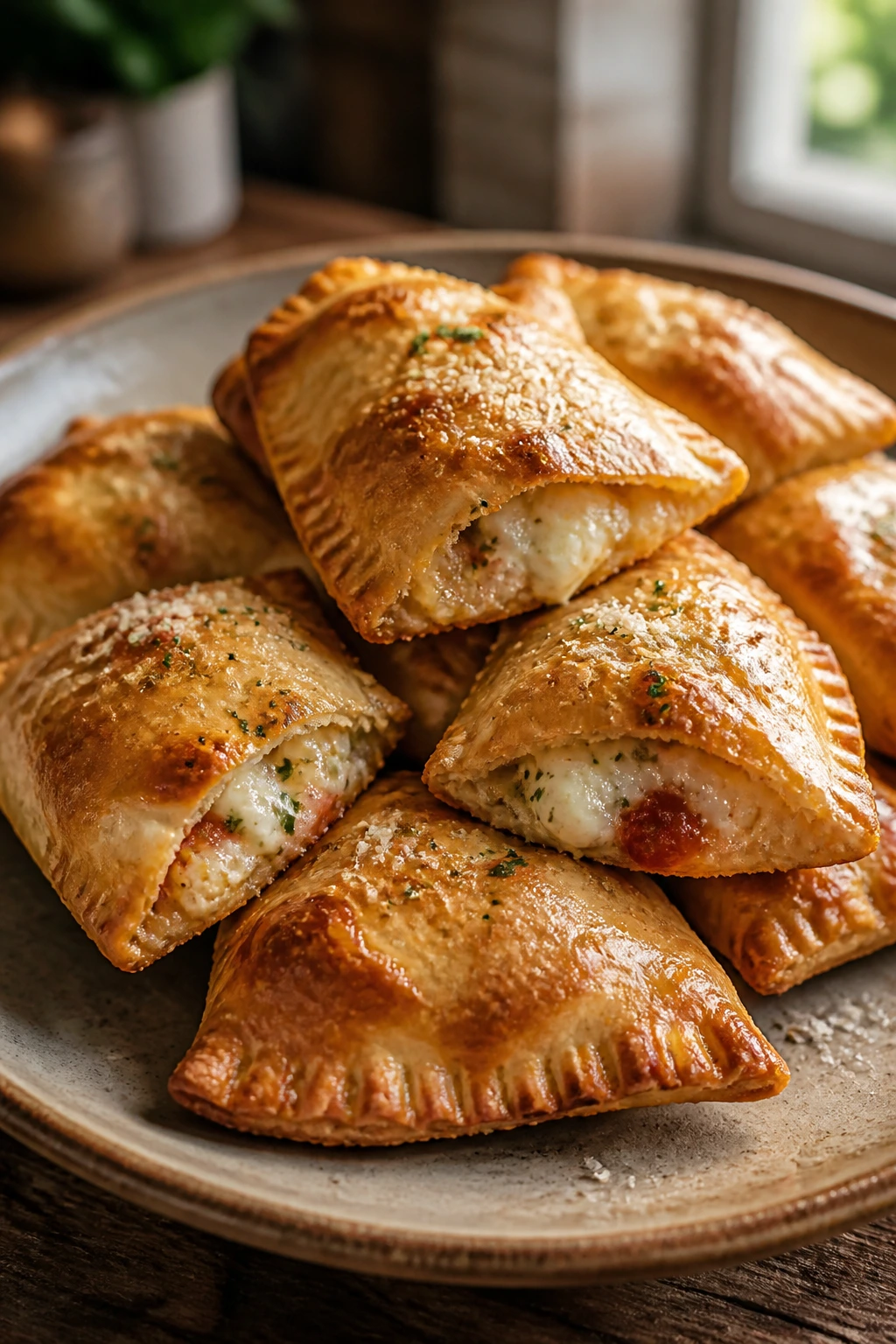
Calzones are pizza with a roof, and that roof helps. Everything is tucked inside, which means fewer toppings falling off and fewer comments about what touched what.
Why It Works: The dough seals the filling in, so the cheese stays where it belongs. Small calzones also cool down faster than a giant one, which helps with impatient eaters. They’re tidy enough for lunch but still feel like a treat.
Key Ingredients:
- 1 lb pizza dough — store-bought is fine.
- 1 cup ricotta — creamy base.
- 1 cup shredded mozzarella — stretch and melt.
- 1/2 cup pepperoni or cooked sausage — optional.
- 1/2 cup marinara — for dipping.
- 1 egg, beaten — for the wash.
Quick Steps:
- Heat the oven to 425°F.
- Divide the dough into 6 pieces and flatten each into a small circle.
- Mix ricotta, mozzarella, and toppings, then spoon into the center.
- Fold over, seal the edges, brush with egg wash, and cut a tiny steam vent.
- Bake 12 to 15 minutes until golden.
Equipment for This Recipe:
- Sheet pan — for baking.
- Rolling pin — optional, for shaping the dough.
- Fork — to crimp the edges.
How to Serve This Dish: Serve with a small cup of marinara on the side. A calzone should look sealed and golden, not burst open like it lost an argument.
Pro Tips for This Recipe:
- Don’t overfill the centers or they’ll leak.
- Seal the edges well with a fork.
- Let them cool a few minutes so the cheese doesn’t pour out on the first bite.
Variations on This Dish:
- Cheese-Only Calzone: A very safe first try.
- Ham and Cheese Version: Swap pepperoni for ham.
- Veggie Fine Dice: Mince vegetables very small if you want to include them.
Common Mistakes to Avoid with This Dish:
- Wet filling tears the dough.
- Poorly sealed edges open in the oven.
- Cutting immediately causes hot cheese to run everywhere.
27. French Bread Pizza Boats
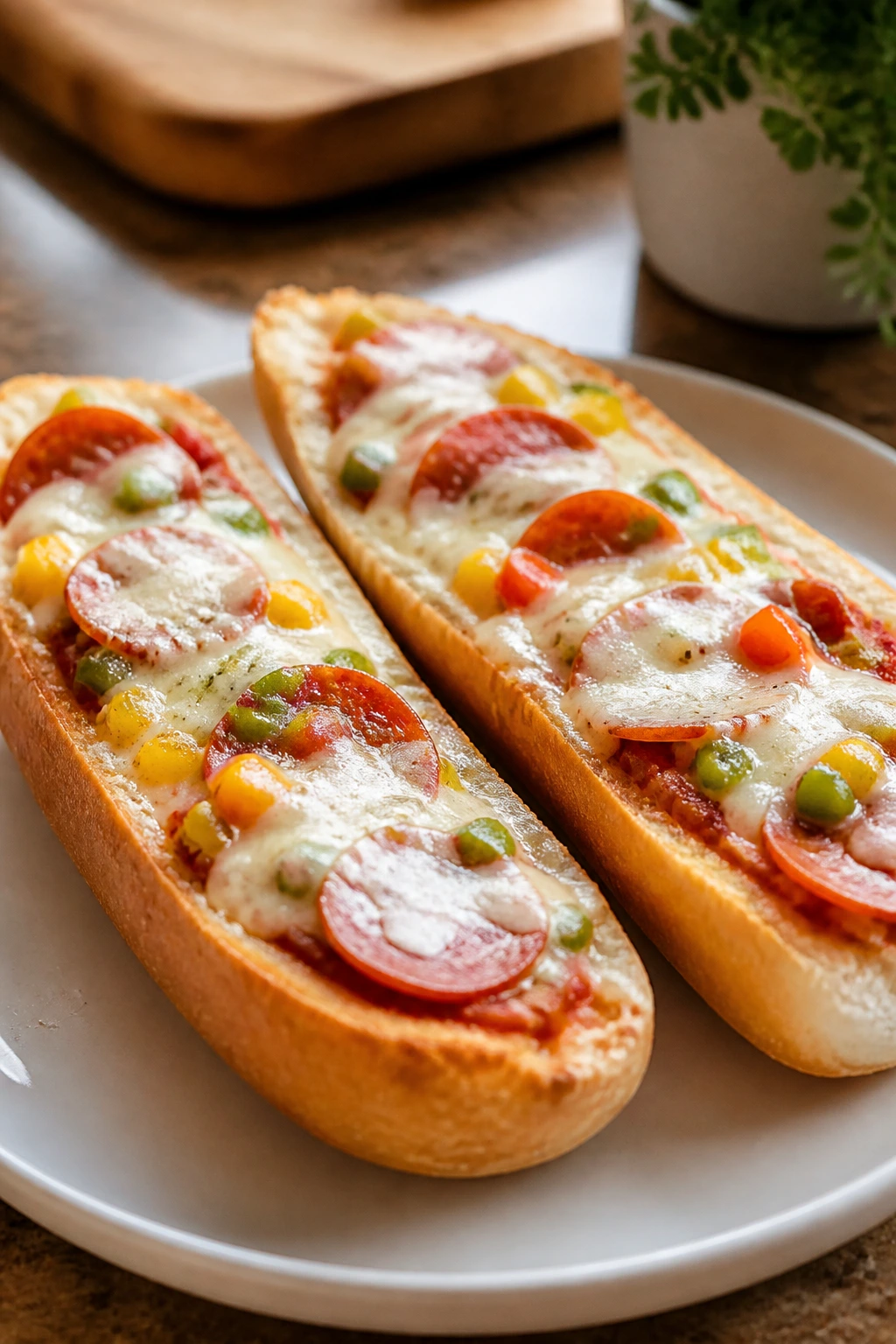
French bread gives pizza a sturdier crust and a cleaner line between soft and crisp. That makes it easier for younger eaters who like a firm bite and don’t want floppy slices.
Why It Works: The bread acts like a built-in pan, so the toppings stay put. It also toasts fast, which means the cheese gets bubbly before the bread dries out. A child who likes pizza but dislikes messy slices often does better with these.
Key Ingredients:
- 1 large loaf French bread — halved lengthwise.
- 1 cup pizza sauce — spread thin.
- 2 cups shredded mozzarella — for the melt.
- 1 cup toppings — pepperoni, cooked sausage, or finely diced peppers.
- 1 tsp Italian seasoning — optional.
- 1 tbsp olive oil — for brushing.
Quick Steps:
- Heat the oven to 425°F.
- Brush the bread with olive oil and toast cut-side up for 3 minutes.
- Add sauce, cheese, toppings, and seasoning.
- Bake 8 to 10 minutes until the cheese bubbles and the edges brown.
- Slice into smaller pieces and serve.
Equipment for This Recipe:
- Sheet pan — for baking.
- Serrated knife — for slicing the loaf.
- Spoon — for spreading sauce.
How to Serve This Dish: Serve the boats cut into kid-size lengths, not giant slabs. A few grapes or carrot sticks make the plate look rounded out without competing.
Pro Tips for This Recipe:
- Toast the bread first so the sauce doesn’t seep in.
- Use less sauce than you think. French bread can handle a lot, but kids don’t need it.
- Finely chopped toppings stay in place better than larger ones.
Variations on This Dish:
- Cheese Boat: Leave off the toppings entirely.
- Meat Lovers Light: Add just a few slices of pepperoni.
- White Garlic Version: Swap tomato sauce for garlic butter and cheese.
Common Mistakes to Avoid with This Dish:
- Skipping the toast step leads to soggy bread.
- Too much sauce makes the loaf limp.
- Thick toppings slide off when you cut the bread.
28. Oven-Baked Fish Sticks
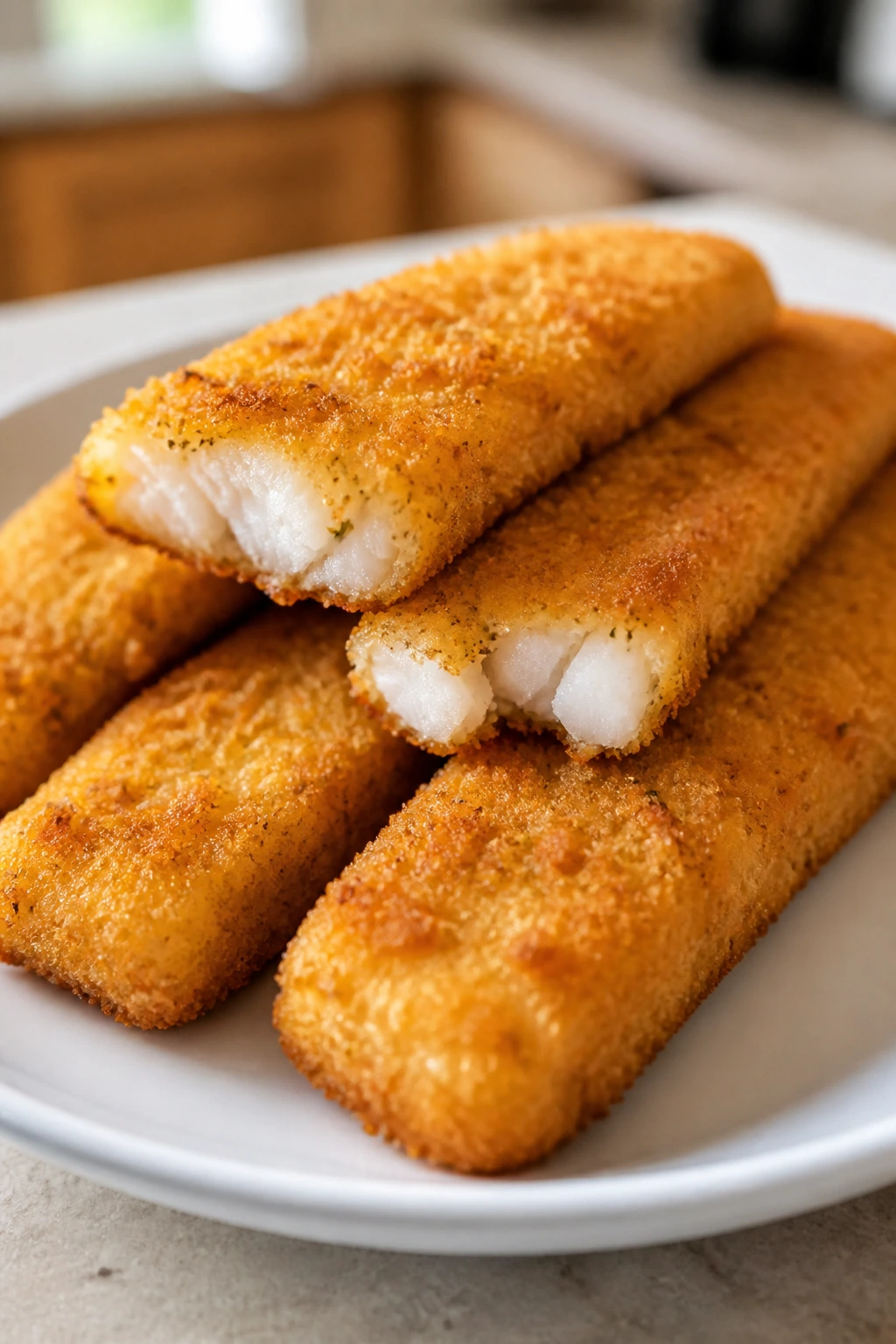
Fish sticks earn points because they look exactly like they claim to be. Crisp coating, mild fish, easy dipping — that’s the whole pitch.
Why It Works: White fish has a soft flavor that doesn’t bully the plate. Panko gives the fish sticks a light crust without making them heavy. Bake them hot so the coating crisps before the fish dries out.
Key Ingredients:
- 1 1/2 lbs white fish fillets — cod or haddock.
- 1/2 cup flour — first coat.
- 2 eggs, beaten — for sticking.
- 2 cups panko breadcrumbs — for crunch.
- 1 tsp salt — in the crumb mix.
- 1 tbsp oil or cooking spray — to brown the crust.
- Lemon wedges — optional.
Quick Steps:
- Heat the oven to 425°F and line a sheet pan.
- Cut the fish into stick-shaped pieces.
- Coat in flour, then egg, then panko mixed with salt.
- Arrange on the pan, spray lightly with oil, and bake 12 to 15 minutes until the fish flakes and the coating is golden.
- Serve with tartar sauce or ketchup.
Equipment for This Recipe:
- Sheet pan — for baking.
- Three shallow bowls — for breading.
- Fish spatula or regular spatula — for lifting.
How to Serve This Dish: Keep the sticks hot and the dip nearby. A small pile of peas or roasted potatoes works well without making the plate busy.
Pro Tips for This Recipe:
- Pat the fish dry before breading.
- Cut the sticks evenly so they finish together.
- Don’t overbake; fish dries fast.
Variations on This Dish:
- Parmesan Crust: Mix a little parmesan into the panko.
- Cornflake Coating: Swap in crushed cornflakes for extra crunch.
- Air Fryer Version: Cook at 400°F until crisp and opaque.
Common Mistakes to Avoid with This Dish:
- Wet fish makes the breading slip off.
- Uneven pieces cook at different speeds.
- Too much oil can make the crust greasy instead of crisp.
29. Chicken Nugget Rice Bowls
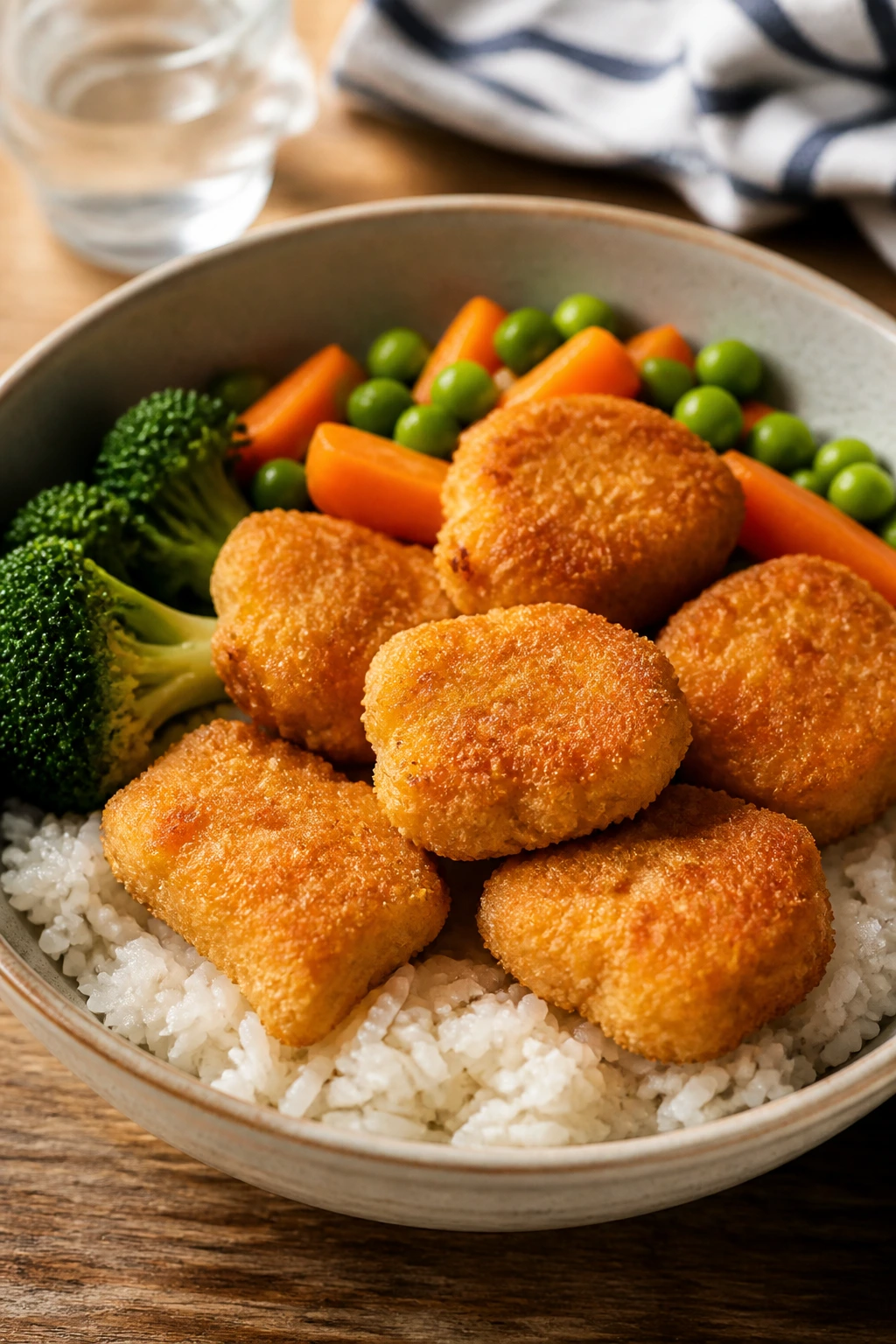
This is basically a peace treaty in a bowl. Nuggets, rice, and a few soft add-ins keep the meal plain enough for cautious eaters while still giving you an actual dinner.
Why It Works: Many kids already trust chicken nuggets, so using them as the protein lowers the resistance. Rice turns a snack into a meal, and a mild sauce can sit on the side instead of soaking everything. You can keep the vegetables tiny or leave them out without changing the structure.
Key Ingredients:
- 16 frozen chicken nuggets — baked or air-fried.
- 2 cups cooked rice — the base.
- 1 cup peas and carrots — optional and soft.
- 1/2 cup shredded cheddar — optional.
- 1/4 cup ketchup or honey mustard — for dipping.
- 1 tbsp butter — for the rice, if you want it richer.
Quick Steps:
- Cook the nuggets according to the package directions.
- Warm the rice and stir in butter if using.
- Heat the peas and carrots until soft.
- Build bowls with rice, nuggets, and vegetables.
- Add cheese or dip on the side.
Equipment for This Recipe:
- Sheet pan or air fryer basket — for the nuggets.
- Rice pot or microwave bowl — for the rice.
- Serving bowls — for assembly.
How to Serve This Dish: Keep the nuggets on top so the bowl reads clearly. Dip cups make the meal feel like a choice rather than a command.
Pro Tips for This Recipe:
- Don’t pile steaming nuggets over rice right away or they soften too fast.
- Use smaller nuggets if you want easier bites.
- Offer sauce on the side so the bowl doesn’t turn soggy.
Variations on This Dish:
- BBQ Bowl: Swap ketchup for barbecue sauce.
- Cheese Melt Bowl: Add a little cheese over the hot rice.
- Veggie-Free Version: Skip the peas and carrots entirely.
Common Mistakes to Avoid with This Dish:
- Using too much sauce makes the rice gluey.
- Overcooked nuggets get dry fast.
- Mixing everything together removes the “safe parts” some kids want.
30. Turkey Sliders with Cheese
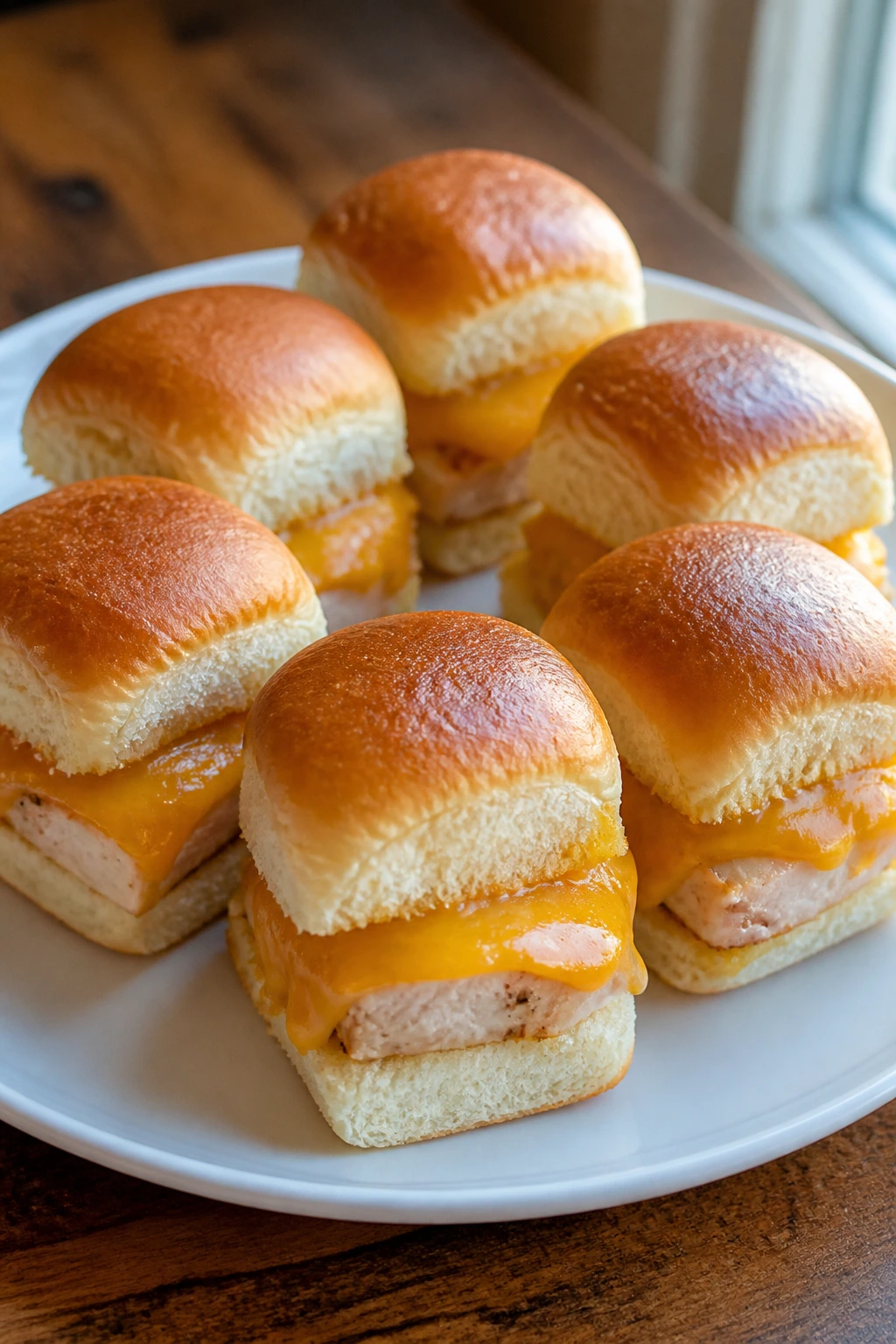
Turkey sliders have to work a little harder than beef, so the seasoning and cheese matter. Keep them juicy, keep them small, and they’ll hold up just fine.
Why It Works: Mini patties are easier to bite than full burgers, and cheese gives turkey the extra richness it sometimes needs. These are soft, familiar, and manageable. They’re also a smart way to serve a burger-style meal without a giant greasy stack.
Key Ingredients:
- 1 lb ground turkey — not extra lean if possible.
- 1 egg — to bind.
- 1/3 cup breadcrumbs — keeps the patties tender.
- 1 tsp salt — for the meat.
- 6 slider buns — soft rolls.
- 6 cheese slices — American or cheddar.
- 1 tbsp ketchup or mayo — optional.
Quick Steps:
- Mix turkey, egg, breadcrumbs, and salt.
- Form 6 small patties and cook in a skillet over medium heat, about 4 minutes per side.
- Add cheese at the end and cover to melt.
- Toast the buns lightly.
- Assemble and serve warm.
Equipment for This Recipe:
- Skillet — for cooking.
- Spatula — for flipping.
- Plate — for resting the cooked patties.
How to Serve This Dish: Serve with one easy side, like fruit or oven fries. The sliders should be soft enough to bite cleanly without needing a stack of napkins.
Pro Tips for This Recipe:
- Don’t make the patties too thick or they dry out.
- Let the cheese melt under a lid for a few seconds.
- A tiny smear of ketchup on the bun is often enough.
Variations on This Dish:
- Beef Swap: Use ground beef if turkey feels too lean.
- Plain Cheese Slider: No condiments, no problem.
- Mini Melt: Serve open-faced on toasted bun halves.
Common Mistakes to Avoid with This Dish:
- Overcooking turkey makes it chalky.
- Loose patties crumble in the pan.
- Too much sauce makes the sliders slippery.
31. Creamy Pesto Pasta with Peas
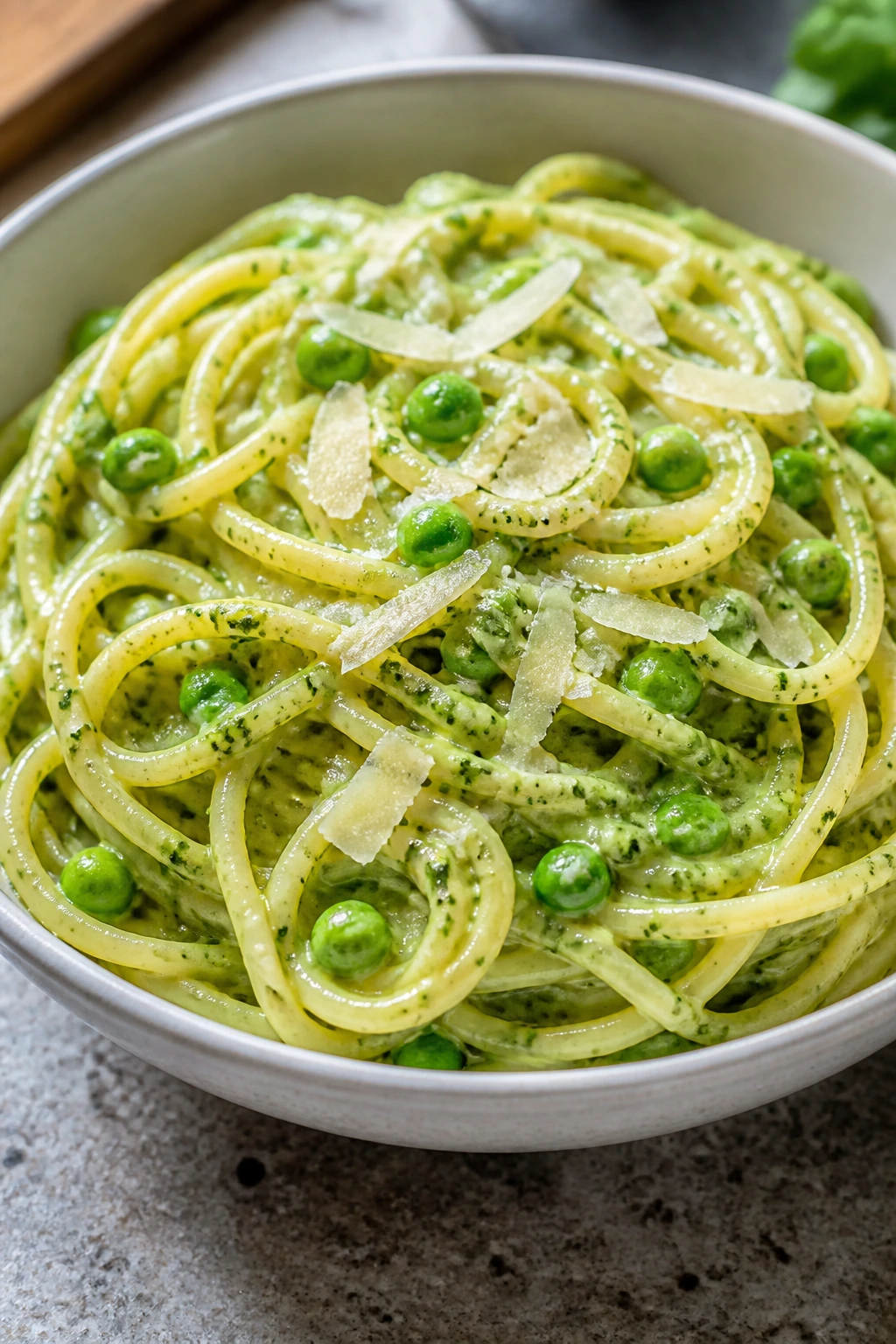
Pesto can be a little loud for picky eaters, so the cream matters here. It softens the basil and makes the sauce taste round instead of green.
Why It Works: Cream and parmesan tame pesto into a gentler sauce. Peas bring a little sweetness and blend into the pasta without much fuss. This is a useful bridge meal for kids who like mac and cheese but need something with a little more personality.
Key Ingredients:
- 12 oz pasta — penne or rotini.
- 1/2 cup pesto — store-bought is fine.
- 1/2 cup heavy cream or half-and-half — softens the pesto.
- 1 cup frozen peas — cook until tender.
- 1/2 cup grated parmesan — for finishing.
- 1 cup chopped cooked chicken — optional.
Quick Steps:
- Boil the pasta, adding the peas in the last 2 minutes.
- Drain and return to the pot.
- Stir in pesto and cream over low heat.
- Add parmesan and chicken if using.
- Toss until coated and serve immediately.
Equipment for This Recipe:
- Large pot — for pasta.
- Colander — for draining.
- Spoon — for tossing the sauce.
How to Serve This Dish: Serve in a bowl with extra parmesan on the side. If you want to keep the pesto taste gentler, lean on the cream and use a little less sauce.
Pro Tips for This Recipe:
- Use a small amount of pesto first and add more only if needed.
- Peas should be soft, not crisp.
- Warm the sauce gently or the cream can separate.
Variations on This Dish:
- No-Chicken Version: Keep it vegetarian.
- Spinach Swap: Finely chopped spinach can replace peas.
- Pasta Bake: Transfer to a dish and bake with mozzarella on top.
Common Mistakes to Avoid with This Dish:
- Too much pesto can taste sharp.
- Overcooked peas turn dull and mealy.
- Boiling after the cream goes in can split the sauce.
32. Sweet and Sour Meatballs
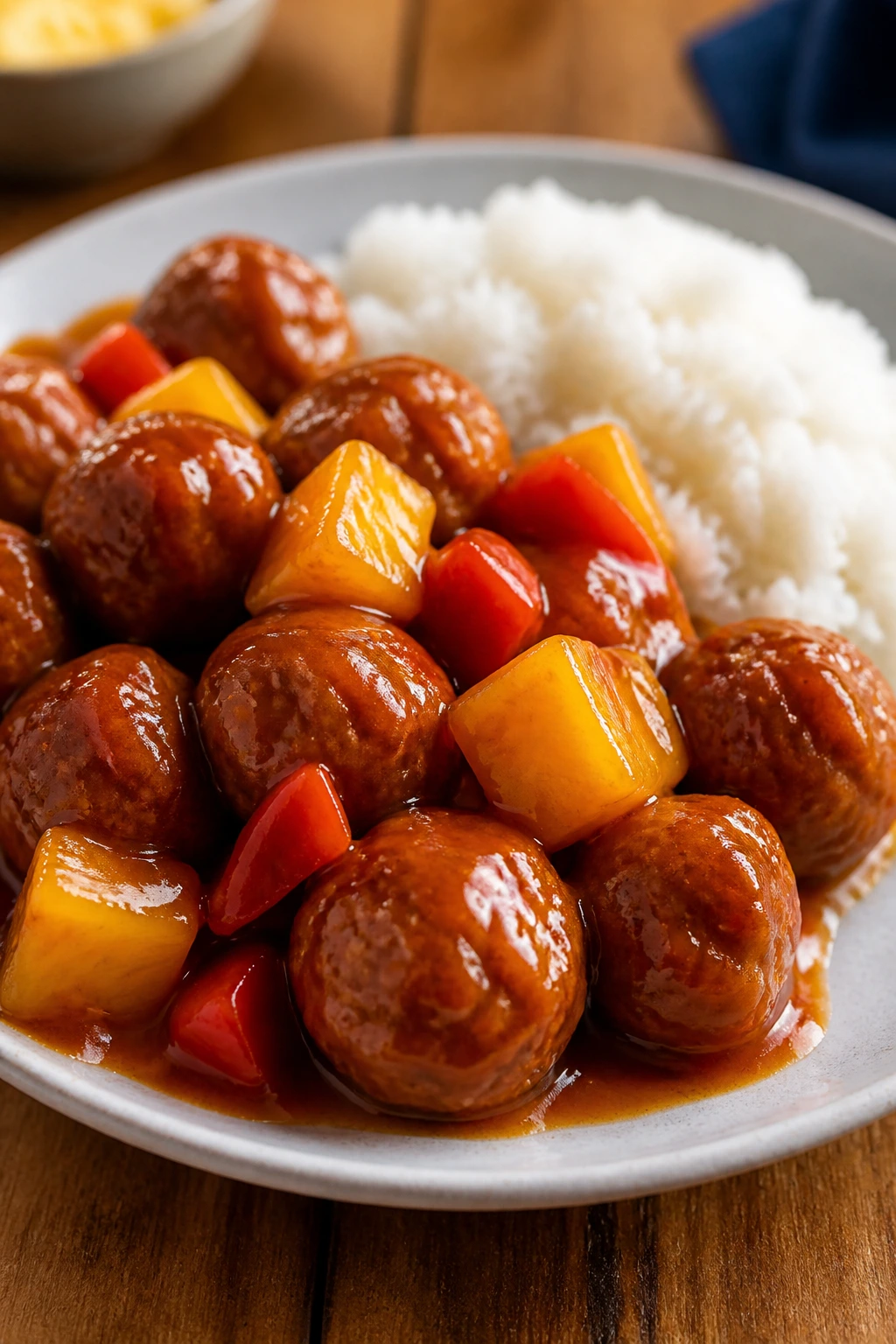
Sweet and sour sauce can be a useful bridge for kids who don’t like tomato-heavy meals. The pineapple adds sweetness, and the meatballs stay bite-sized and easy to track on the plate.
Why It Works: The sauce is glossy, mild, and familiar enough to feel like takeout without the salt bomb. Meatballs are easier to eat than a stir-fry full of mixed pieces, and rice gives the bowl a soft base. This meal is all about keeping the flavors balanced and the pieces small.
Key Ingredients:
- 1 lb meatballs, homemade or frozen — about 20 to 24 small ones.
- 1 cup pineapple chunks — canned is fine, drained.
- 1 red bell pepper, diced small — optional.
- 1/2 cup sweet and sour sauce — more if needed.
- 2 cups cooked rice — for serving.
- 1 tsp sesame seeds — optional.
Quick Steps:
- Cook the meatballs according to package directions or bake homemade ones at 400°F until done.
- Warm the sauce in a skillet with pineapple and pepper, if using.
- Add the meatballs and stir gently to coat.
- Simmer 3 to 5 minutes until everything is hot.
- Serve over rice.
Equipment for This Recipe:
- Skillet — for the sauce and meatballs.
- Baking sheet — if using homemade meatballs.
- Rice pot or cooker — for the rice.
How to Serve This Dish: Keep the rice plain and spoon the saucy meatballs on top. If the eater is skeptical, serve the pineapple on the side instead of mixed in.
Pro Tips for This Recipe:
- Use small meatballs so every bite stays neat.
- Drain canned pineapple well or the sauce gets watery.
- Add the bell pepper only if you know the eater can handle soft vegetables.
Variations on This Dish:
- Chicken Meatball Version: Use ground chicken or frozen chicken meatballs.
- No-Pepper Version: Skip the vegetables entirely.
- Rice-Noodle Bowl: Serve over plain noodles instead.
Common Mistakes to Avoid with This Dish:
- Too much sauce makes the bowl sticky.
- Overcooked meatballs dry out fast.
- Using huge fruit chunks can distract picky eaters.
33. Veggie Pizza Quesadillas
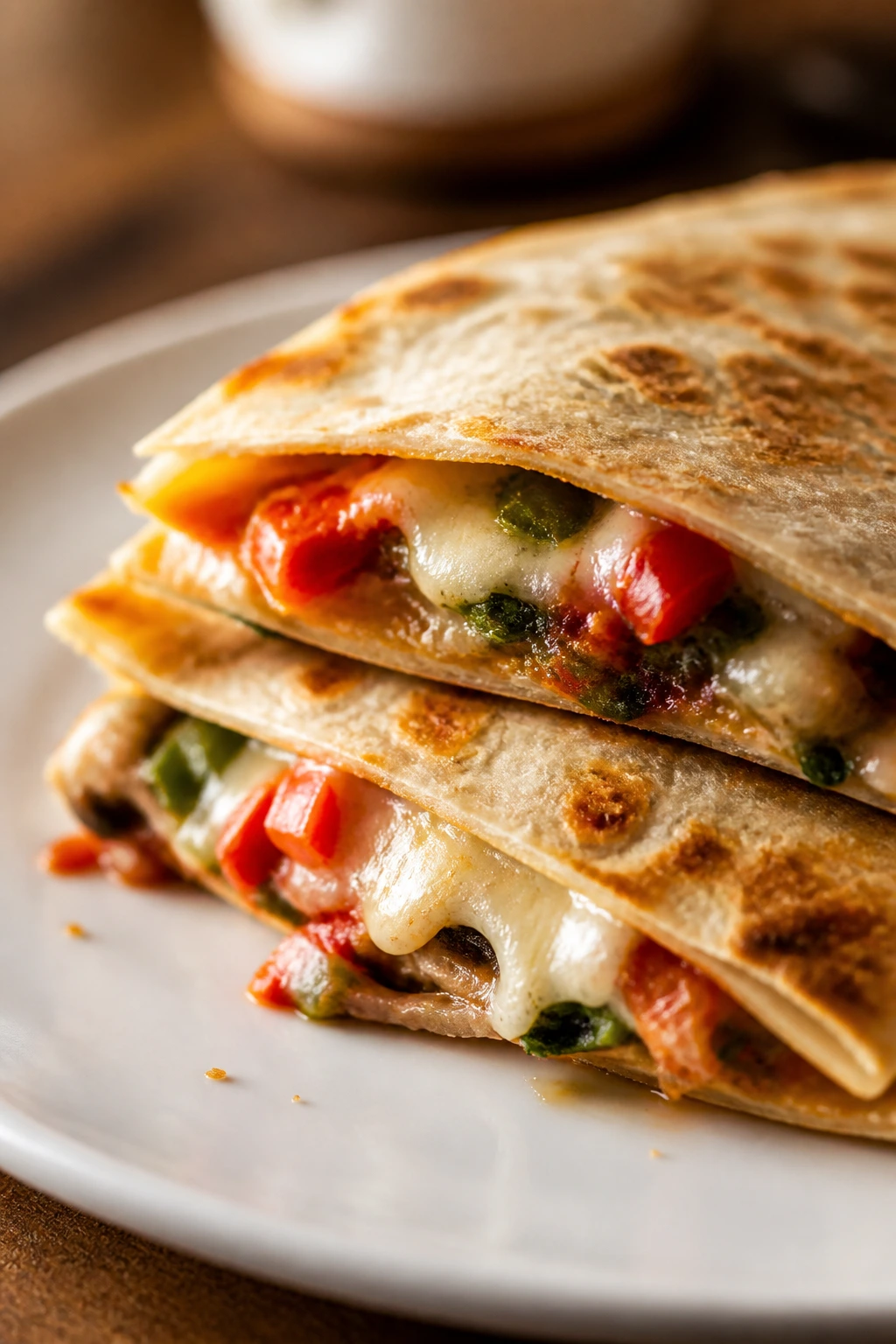
This is one of the safer ways to put vegetables on the table without pretending they’re invisible. Tiny chopped veggies under cheese and sauce still look like pizza, which helps more than people think.
Why It Works: The tortilla crisps on the outside, and the cheese melts around the vegetables so the texture stays softer than raw toppings. The pizza flavor keeps it familiar. If you chop the vegetables small enough, they blend into the filling instead of taking over.
Key Ingredients:
- 4 large flour tortillas — flexible and sturdy.
- 1 cup shredded mozzarella — the melt.
- 1/2 cup pizza sauce — spread thin.
- 1 cup finely chopped vegetables — peppers, mushrooms, spinach.
- 1 tbsp olive oil — for the skillet.
- 1/2 tsp Italian seasoning — optional.
Quick Steps:
- Heat the skillet over medium heat and add a little oil.
- Spread sauce on half each tortilla, then add cheese and finely chopped vegetables.
- Fold and cook 2 to 3 minutes per side until golden and melted.
- Rest briefly, then cut into wedges.
- Serve warm with extra sauce.
Equipment for This Recipe:
- Skillet — for crisping.
- Spatula — for flipping.
- Cutting board — for chopping vegetables very small.
How to Serve This Dish: Serve with a dip cup of pizza sauce so the quesadilla still reads like pizza. The vegetables should be tiny enough that they don’t announce themselves in every bite.
Pro Tips for This Recipe:
- Cook watery vegetables first if needed.
- Keep the vegetable pieces small and soft.
- Use enough cheese to hold the filling together.
Variations on This Dish:
- Cheese-First Version: Use fewer vegetables and more cheese.
- Spinach and Mozzarella: Spinach disappears well when chopped finely.
- Pepperoni Add-On: Add a few small slices if your kid likes meat toppings.
Common Mistakes to Avoid with This Dish:
- Raw, chunky vegetables create a crunch kids may reject.
- Too much sauce makes the tortilla soggy.
- Overfilling causes the quesadilla to burst open.
34. Mild Chili Cheese Bowls
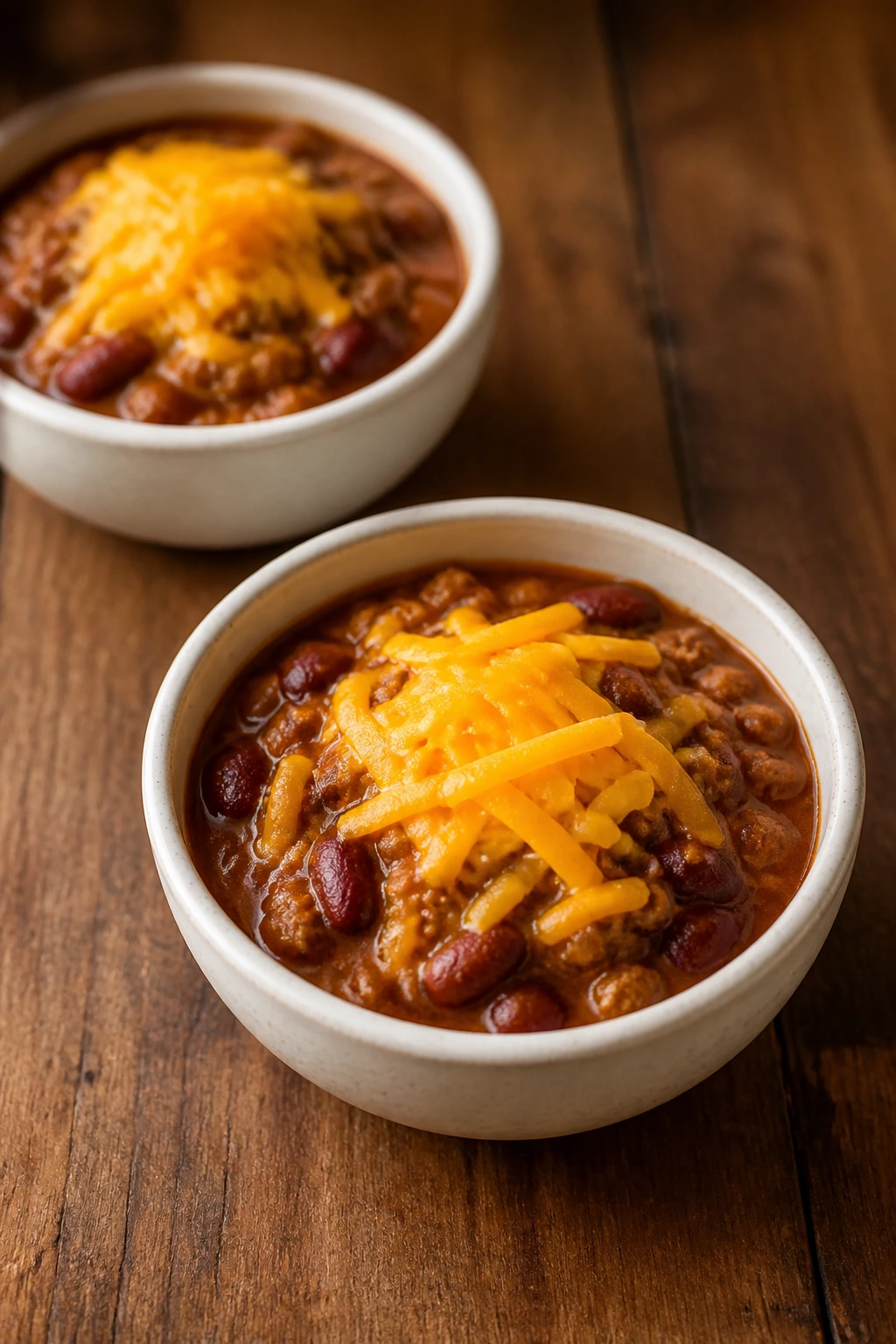
Chili gets friendlier when you keep the spice low and the toppings obvious. Cheese, crackers, and a thick spoonable texture do a lot of the work here.
Why It Works: A mild chili can give you beans, meat, and tomato in one bowl without tasting aggressive. The cheese smooths out the edges, and a thick consistency keeps it from feeling soupy. This is one of the better ways to serve beans to kids who don’t love beans.
Key Ingredients:
- 1 lb ground beef or turkey — the base.
- 1 can beans, drained and rinsed — kidney or pinto.
- 1 can diced tomatoes — mild.
- 1 cup tomato sauce — thickens the chili.
- 1 tbsp chili powder — keep it mild.
- 1 tsp cumin — optional.
- 1 cup shredded cheddar — for serving.
- Crackers or cornbread — optional.
Quick Steps:
- Brown the meat in a pot and drain excess fat.
- Add beans, tomatoes, tomato sauce, chili powder, and cumin.
- Simmer 15 to 20 minutes until thick.
- Spoon into bowls and top with cheddar.
- Serve with crackers or cornbread.
Equipment for This Recipe:
- Large pot — for simmering.
- Wooden spoon — for stirring.
- Ladle — for serving.
How to Serve This Dish: Keep the bowl thick and the toppings simple. A handful of crackers on the side gives kids a way to interact with the chili without forcing the issue.
Pro Tips for This Recipe:
- Rinse canned beans well to keep the flavor cleaner.
- Simmer until the chili is spoon-thick, not watery.
- Add cheese after ladling so it melts on top instead of disappearing.
Variations on This Dish:
- No-Bean Version: Use more meat and less bean if needed.
- Corn Addition: A cup of corn adds sweetness.
- Over-Rice Bowl: Serve over plain rice to soften the flavor.
Common Mistakes to Avoid with This Dish:
- Too much chili powder makes the bowl too sharp.
- A thin chili looks less inviting and spills easily.
- Skipping the simmer leaves the flavors flat.
35. Tuna Melt Bites
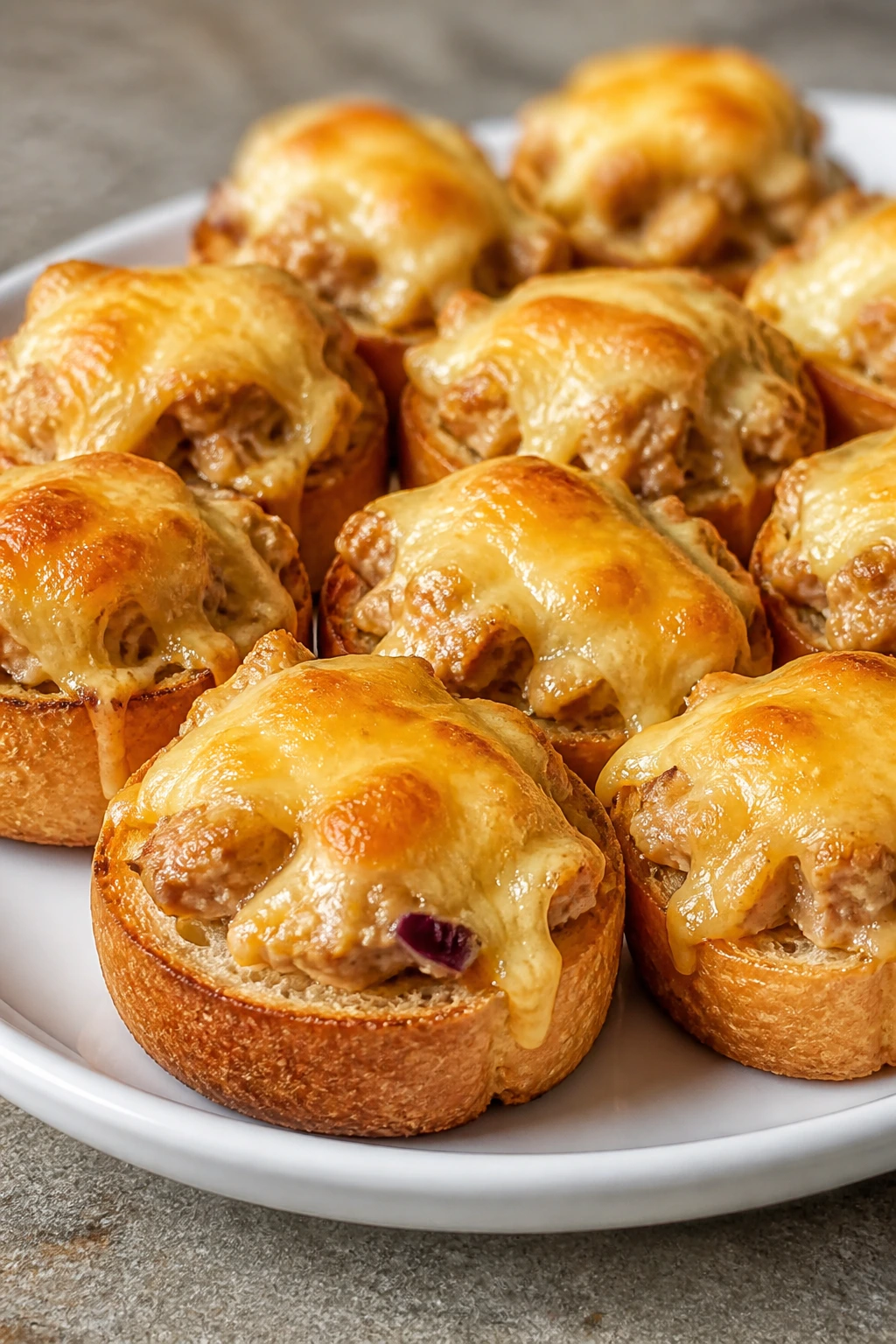
Tuna can be a hard sell, but tuna melt bites change the conversation by making everything small, warm, and cheesy. A crisp top and a soft middle help a lot.
Why It Works: Tuna salad mixed with mayo and cheese tastes milder than straight tuna. Baking or broiling the bites gives you a toasted edge, which makes them feel closer to snack food than a lecture. They’re useful when you need lunch to land quickly.
Key Ingredients:
- 8 slices bread or 4 English muffins — the base.
- 2 cans tuna, drained — packed in water is fine.
- 1/4 cup mayonnaise — binds the filling.
- 1 tbsp pickle relish — optional.
- 1 cup shredded cheddar or sliced cheese — for melting.
- 1 tbsp butter — for the bread.
Quick Steps:
- Mix tuna, mayo, and relish if using.
- Toast the bread lightly or split the English muffins.
- Spoon tuna mixture over the bread and top with cheese.
- Broil 1 to 2 minutes until the cheese melts and the edges brown.
- Cool slightly before serving.
Equipment for This Recipe:
- Broiler-safe sheet pan — for the melts.
- Mixing bowl — for tuna salad.
- Spoon — for topping.
How to Serve This Dish: Cut into small squares or halves. A few cucumber sticks or grapes balance the plate without making it look fussy.
Pro Tips for This Recipe:
- Drain the tuna well or the topping slides off.
- Use a mild cheese if the eater is cautious.
- Watch the broiler. Tuna melts go from golden to scorched in a blink.
Variations on This Dish:
- Plain Tuna Toast: Skip the cheese for a less intense version.
- Mayo-Light Version: Use less mayo and more cheese.
- Mini Muffin Tops: English muffins are easier for little hands.
Common Mistakes to Avoid with This Dish:
- Wet tuna makes the bread soggy fast.
- Overbrowning under the broiler ruins the whole batch.
- Too much relish makes the flavor sharper than you want.
36. Parmesan Chicken with Carrots
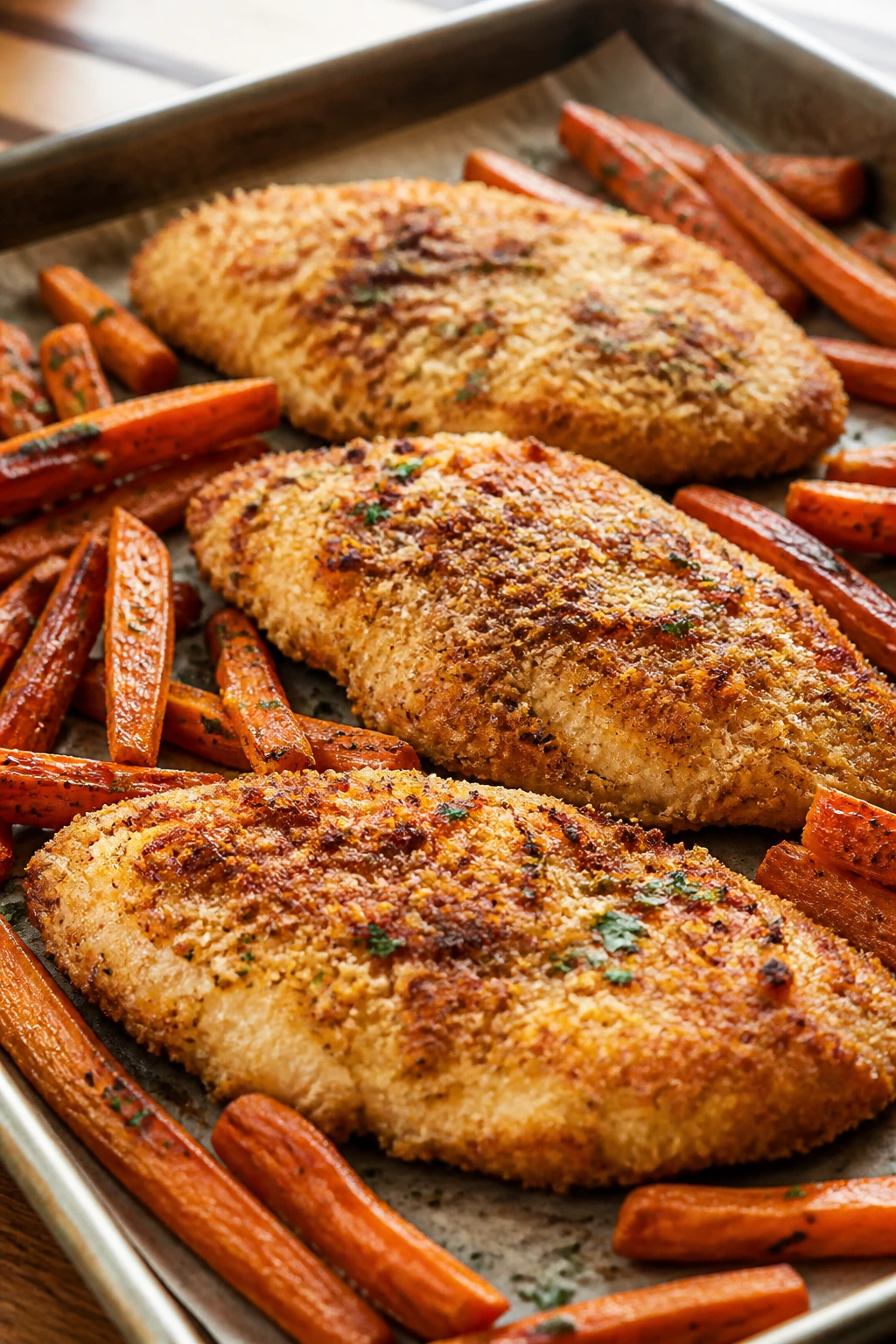
This is chicken with a crisp coating and a sweet vegetable that doesn’t pick a fight. Parmesan adds a salty edge, but not so much that it stops feeling kid-friendly.
Why It Works: The breadcrumb-parmesan coating gives the chicken a crunch that’s familiar without being heavy. Carrots roast until sweet and soft, which makes them easier to accept than raw ones. A sheet pan dinner like this is plain in the best way.
Key Ingredients:
- 1 1/2 lbs chicken cutlets — thin pieces cook evenly.
- 1/2 cup flour — first coating.
- 2 eggs, beaten — for the breading.
- 1 cup panko breadcrumbs — crisp texture.
- 1/2 cup grated parmesan — mixed into the crumbs.
- 4 carrots, cut into sticks — roast alongside.
- 2 tbsp olive oil — for the carrots.
- Salt and pepper — lightly.
Quick Steps:
- Heat the oven to 425°F.
- Toss carrots with oil and a little salt, then spread on a sheet pan.
- Coat the chicken in flour, egg, and panko-parmesan mixture.
- Add the chicken to the pan and bake 18 to 20 minutes until cooked through.
- Serve hot with extra parmesan if wanted.
Equipment for This Recipe:
- Sheet pan — for roasting.
- Three shallow bowls — for breading.
- Tongs — for moving the chicken.
How to Serve This Dish: Serve the chicken cut into strips with carrots on the side. Ketchup or honey mustard fits better than a heavy sauce.
Pro Tips for This Recipe:
- Thin cutlets cook fast and stay tender.
- Press the coating on firmly.
- Roasting the carrots on the same pan lets them take on a little of the chicken flavor.
Variations on This Dish:
- Plain Crumb Version: Skip the parmesan if needed.
- Potato Add-On: Add halved baby potatoes to the pan.
- Air Fryer Version: Works well for smaller batches.
Common Mistakes to Avoid with This Dish:
- Thick chicken pieces dry out before the coating browns.
- Loose crumbs fall off in the oven.
- Overcrowding the pan softens the crust.
37. Tortellini with Butter and Parmesan
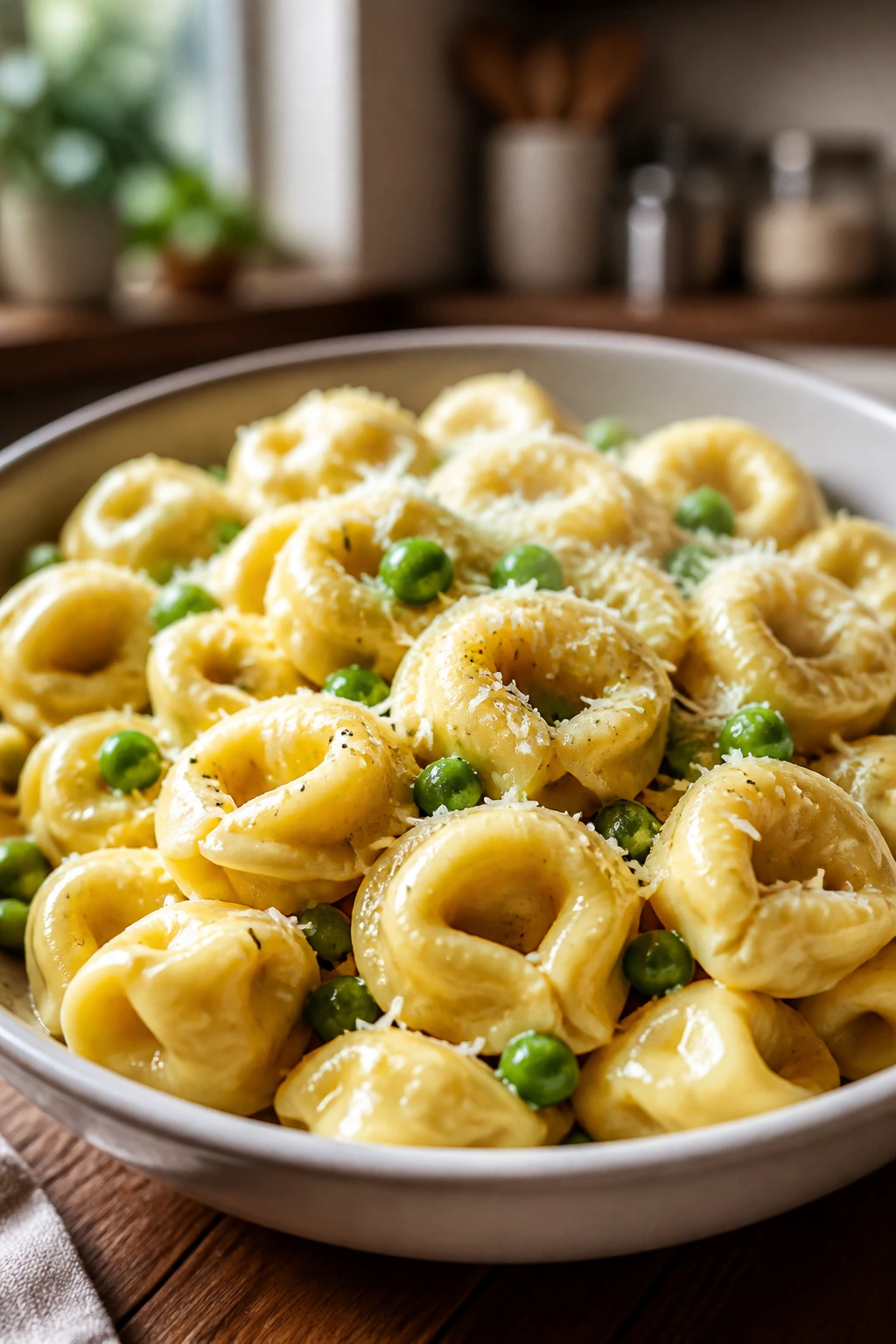
If plain noodles are accepted, tortellini usually has a better chance because it looks more finished. The cheese inside the pasta adds interest without making the dish feel complicated.
Why It Works: Fresh tortellini cooks in minutes and tastes rich even with a simple butter-parmesan finish. A little pea or chicken can be added without changing the whole identity. This is a nice bridge between “I only eat plain pasta” and a more complete dinner.
Key Ingredients:
- 20 oz cheese tortellini — fresh or refrigerated.
- 3 tbsp butter — for the sauce.
- 1/2 cup grated parmesan — to coat the pasta.
- 1 cup peas — optional.
- 1 garlic clove, minced — optional.
- Salt for the water — enough to season the pasta.
Quick Steps:
- Boil the tortellini according to package directions.
- Add peas in the last minute if using.
- Drain and return to the pot.
- Toss with butter, parmesan, and garlic if using.
- Serve right away.
Equipment for This Recipe:
- Large pot — for boiling.
- Colander — for draining.
- Spoon — for tossing.
How to Serve This Dish: Serve in shallow bowls with extra parmesan on top. If you need a protein, a few small chicken pieces on the side are less disruptive than mixing them in.
Pro Tips for This Recipe:
- Fresh tortellini usually tastes better here than dried.
- Use enough butter to coat, not puddle.
- Add peas only at the end so they stay bright.
Variations on This Dish:
- Chicken Tortellini: Stir in diced cooked chicken.
- Lemon Butter Finish: A tiny bit of lemon juice helps.
- Cheese Trio: Add mozzarella for a softer melt.
Common Mistakes to Avoid with This Dish:
- Overcooking tortellini makes it split.
- Too much parmesan without butter turns the pasta dry.
- Heavy garlic can overpower the mild filling.
38. Tuna Noodle Casserole
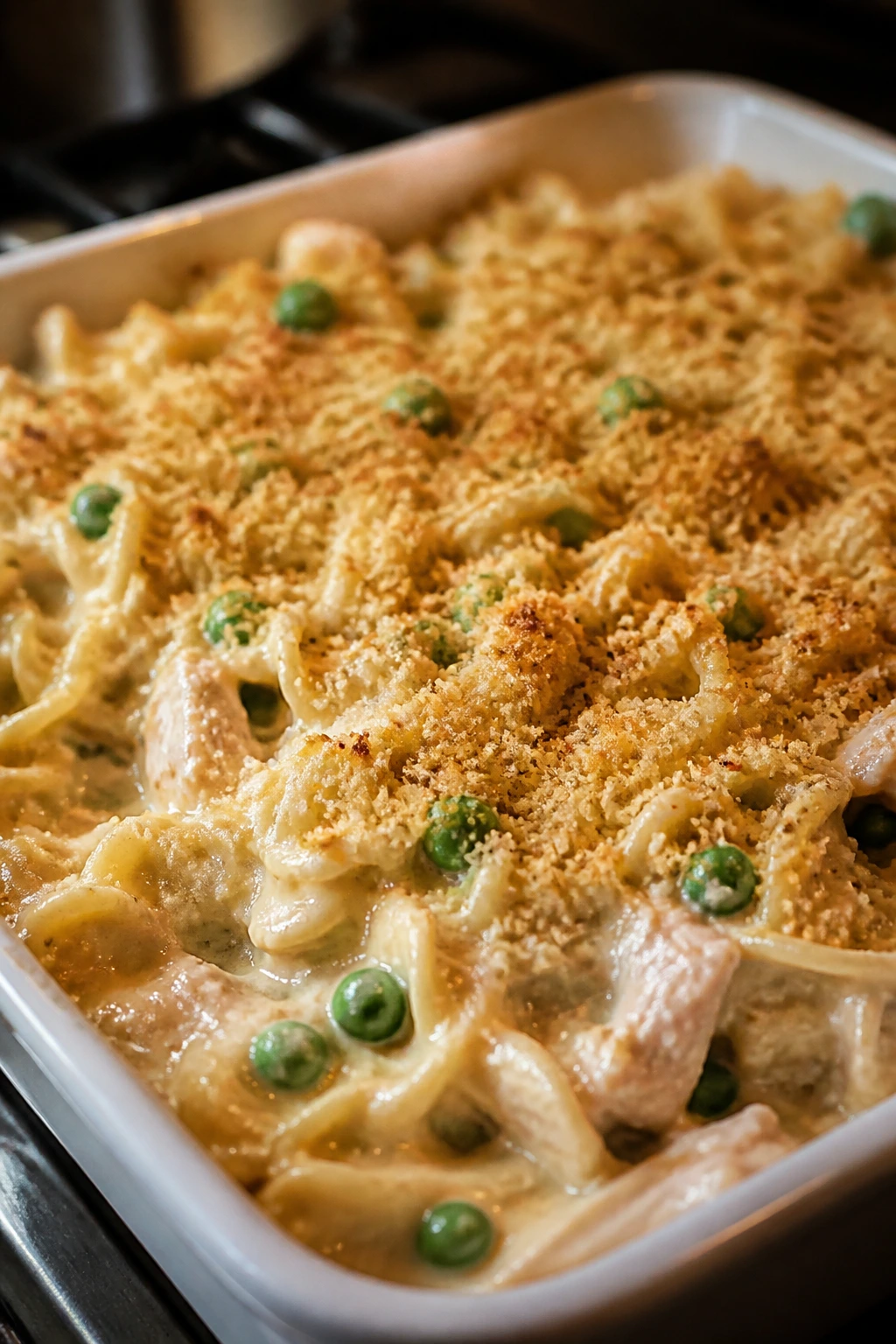
This old-school casserole survives because it stays soft, mild, and efficient. Tuna, noodles, and a creamy sauce create a dinner that doesn’t ask too many questions.
Why It Works: The noodle shape holds the sauce, and peas add a little color without much crunch. Cream of mushroom soup keeps the texture familiar and low-stress. It’s not flashy. It just gets the job done.
Key Ingredients:
- 12 oz egg noodles — the standard choice.
- 2 cans tuna, drained — flaked small.
- 1 can cream of mushroom soup — the sauce base.
- 1 cup milk — loosens the sauce.
- 1 cup peas — frozen works fine.
- 1 cup shredded cheddar — optional, but useful.
- 1/2 cup breadcrumbs — for the top.
Quick Steps:
- Heat the oven to 375°F.
- Cook the noodles until barely tender.
- Mix noodles, tuna, soup, milk, peas, and cheese.
- Spread into a baking dish, top with breadcrumbs, and bake 25 minutes.
- Let it sit 5 minutes before serving.
Equipment for This Recipe:
- Baking dish — for the casserole.
- Large pot — for the noodles.
- Mixing bowl — for combining.
How to Serve This Dish: Serve it in sturdy scoops with buttered toast if you want to make the meal feel complete. The top should be lightly crisp, not dry.
Pro Tips for This Recipe:
- Undercook the noodles a little.
- Break the tuna into small flakes so every bite feels even.
- Add a splash more milk if the mixture looks too stiff before baking.
Variations on This Dish:
- No-Crumb Version: Skip the breadcrumb top for a softer finish.
- Cheddar Boost: Mix extra cheese through the casserole.
- Corn Swap: A little corn can replace peas if needed.
Common Mistakes to Avoid with This Dish:
- Overcooked noodles turn the casserole gummy.
- Too little milk leaves it dry.
- Heavy browning on top makes the texture less appealing.
39. Ham Fried Rice
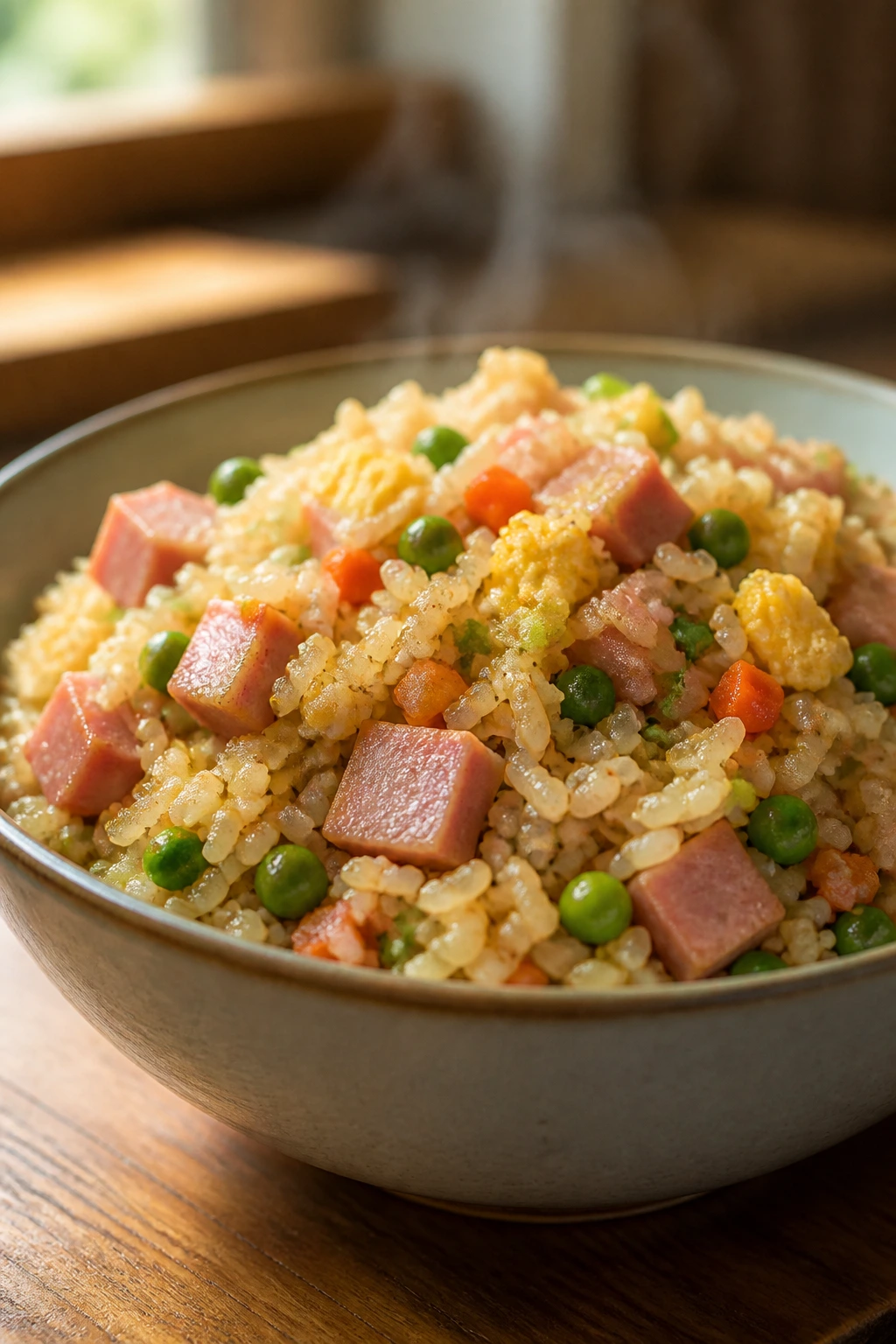
Fried rice is one of the cleanest ways to turn leftovers into dinner. Ham keeps it familiar, eggs make it soft, and the rice gets a little savory without becoming too “mixed.”
Why It Works: Cold rice fries better than fresh rice because it stays separate in the pan. Ham gives you a salty, easy-to-recognize protein. Peas and carrots can stay tiny so they don’t dominate the bowl.
Key Ingredients:
- 3 cups cooked rice, chilled — day-old is ideal.
- 2 cups diced ham — cut small.
- 2 large eggs — scrambled into the rice.
- 1 cup peas and carrots — frozen.
- 2 tbsp soy sauce — mild seasoning.
- 1 tbsp butter or oil — for the pan.
Quick Steps:
- Heat the butter or oil in a large skillet.
- Scramble the eggs, then push them aside.
- Add ham, peas, carrots, and rice; stir-fry until hot.
- Drizzle in soy sauce and toss until evenly coated.
- Serve warm.
Equipment for This Recipe:
- Large skillet or wok — for stir-frying.
- Spatula — for breaking up rice.
- Bowl — for holding the cooked eggs if needed.
How to Serve This Dish: Serve in a bowl with a little extra soy sauce on the side for adults only, if necessary. The rice should stay loose, not clumped into a mound.
Pro Tips for This Recipe:
- Use chilled rice so the grains stay separate.
- Dice the ham small.
- Keep the soy sauce modest; too much can make the dish salty fast.
Variations on This Dish:
- Chicken Fried Rice: Swap ham for chicken.
- Egg-Heavy Version: Add an extra egg for softness.
- Corn Swap: Corn can replace peas if that’s the vegetable you can get through.
Common Mistakes to Avoid with This Dish:
- Fresh rice turns sticky in the pan.
- Too much sauce makes everything wet.
- Overcrowding the skillet prevents browning.
40. Baked Spaghetti Casserole
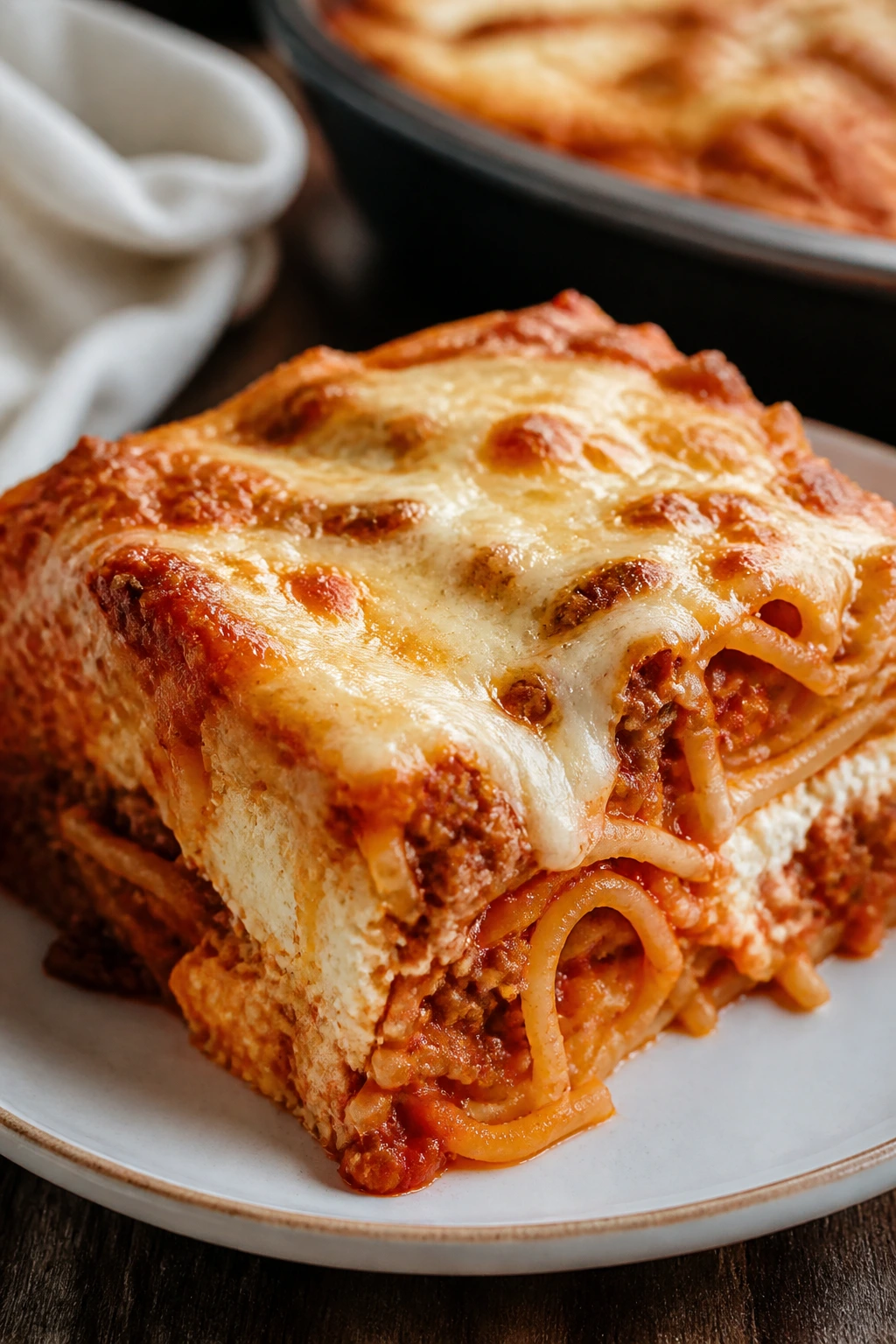
Spaghetti can be fussy at the table, but baked into a casserole it behaves better. The cheese melts through the noodles, and the whole thing slices into manageable squares.
Why It Works: Baking noodles with sauce and cheese gives you a softer, more cohesive dish than plain spaghetti on a plate. The ricotta layer adds creaminess without making the sauce too heavy. Kids who like pasta and cheese usually find this easier than a full bowl of twirly noodles.
Key Ingredients:
- 12 oz spaghetti — broken in half if you want it easier to serve.
- 1 lb ground beef — browned.
- 3 cups marinara sauce — mild.
- 1 cup ricotta — or cottage cheese.
- 2 cups shredded mozzarella — for the top.
- 1/2 cup grated parmesan — for flavor.
Quick Steps:
- Heat the oven to 375°F.
- Cook the spaghetti until just shy of done.
- Mix the pasta with the meat sauce.
- Layer half in a baking dish, dollop with ricotta, then add the rest.
- Top with mozzarella and parmesan and bake 25 minutes.
Equipment for This Recipe:
- Large pot — for the pasta.
- 9×13-inch baking dish — for assembly.
- Mixing bowl — for the sauce and pasta.
How to Serve This Dish: Let it rest before cutting into squares. A square of spaghetti casserole looks more organized than a loose pile of noodles, which matters more than people think.
Pro Tips for This Recipe:
- Break the spaghetti if long noodles frustrate your eaters.
- Undercook the pasta by a minute.
- Rest the casserole so the layers hold.
Variations on This Dish:
- Plain Cheese Version: Skip the beef for a meatless bake.
- Extra-Mild Version: Use a simple tomato sauce.
- Meatball Version: Tuck in small cooked meatballs instead of ground beef.
Common Mistakes to Avoid with This Recipe:
- Overcooked noodles turn the bake soft and sticky.
- Too much sauce makes it fall apart.
- Cutting too soon causes the layers to slide.
41. Mini Chicken Pot Pies
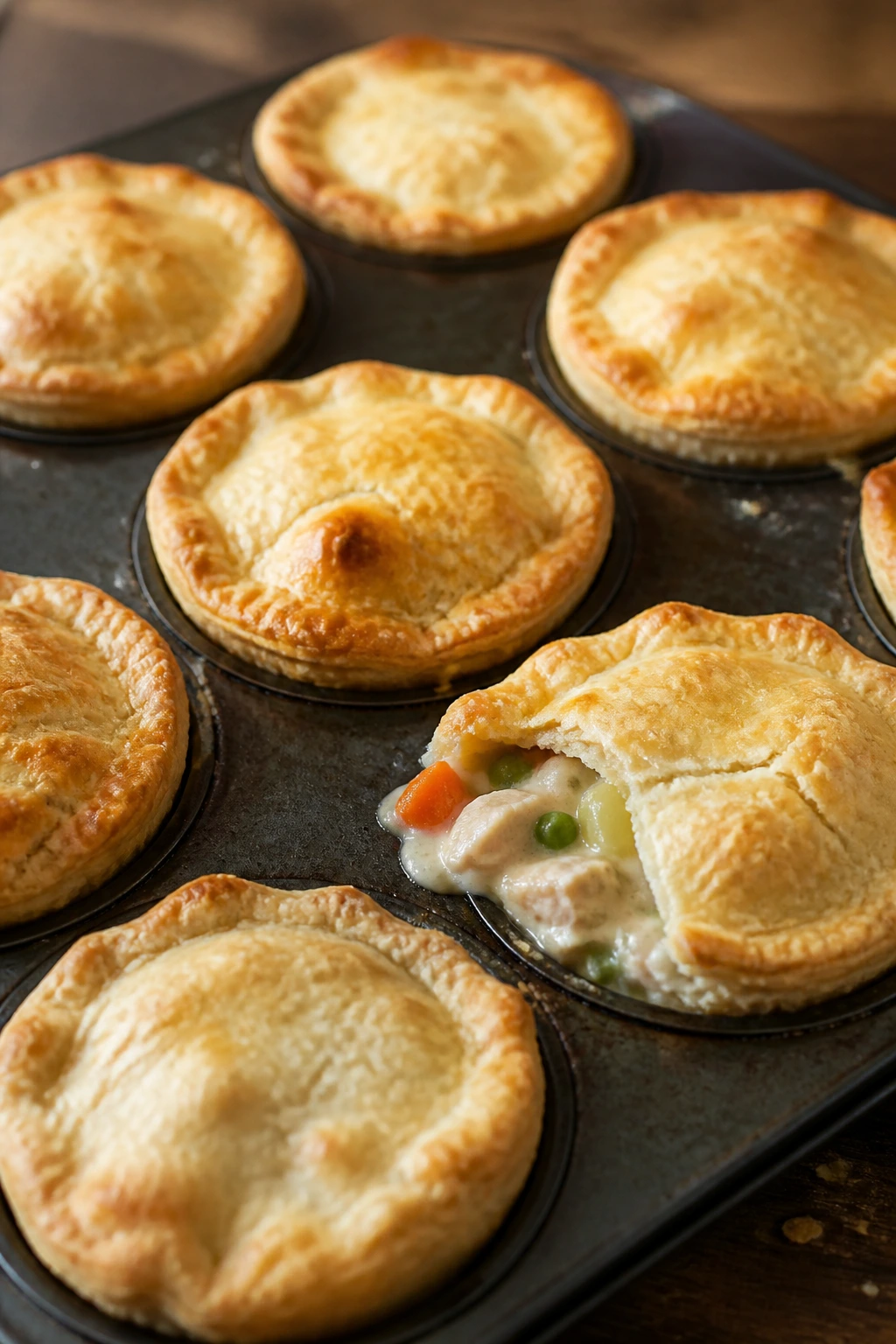
Chicken pot pie gets easier to love when it comes in a small, sealed package. The crust acts like a lid, the filling stays creamy, and every portion looks neat.
Why It Works: Mini pies are less intimidating than a big casserole dish of pale filling. The biscuit or pastry top keeps the dish visually simple, and the filling can stay mild with chicken and soft vegetables. Kids who avoid mixed meals sometimes do better when the mixture is enclosed.
Key Ingredients:
- 2 cups cooked chicken, chopped small — rotisserie works.
- 1 cup frozen mixed vegetables — thawed.
- 1 can cream of chicken soup — or 1 1/4 cups white sauce.
- 1 cup milk or broth — to thin the filling.
- 1 package refrigerated biscuit dough or 2 pie crusts — for the tops.
- 1 egg, beaten — for brushing, optional.
Quick Steps:
- Heat the oven to 375°F.
- Mix chicken, vegetables, soup, and milk until creamy.
- Spoon into muffin cups or ramekins.
- Top with biscuit rounds or crust circles and brush with egg if using.
- Bake 20 to 25 minutes until golden and bubbling.
Equipment for This Recipe:
- Muffin tin or small ramekins — for individual pies.
- Mixing bowl — for the filling.
- Baking sheet — to catch drips.
How to Serve This Dish: Serve warm, not blazing hot, so the filling doesn’t spill on the first bite. A small spoon and a napkin help more than a fork here.
Pro Tips for This Recipe:
- Cut the vegetables small so they soften quickly.
- Keep the filling creamy but not runny.
- Let them rest a few minutes before serving.
Variations on This Dish:
- Turkey Pot Pie: Leftover turkey works well.
- Biscuit Lid Version: Biscuit dough is faster than pie crust.
- Corn and Pea Swap: Use whichever vegetables are already liked.
Common Mistakes to Avoid with This Dish:
- Watery filling leaks out.
- Overfilling the cups causes messy overflow.
- Serving too hot burns little mouths and kills the appeal fast.
42. Beef and Cheese Empanadas
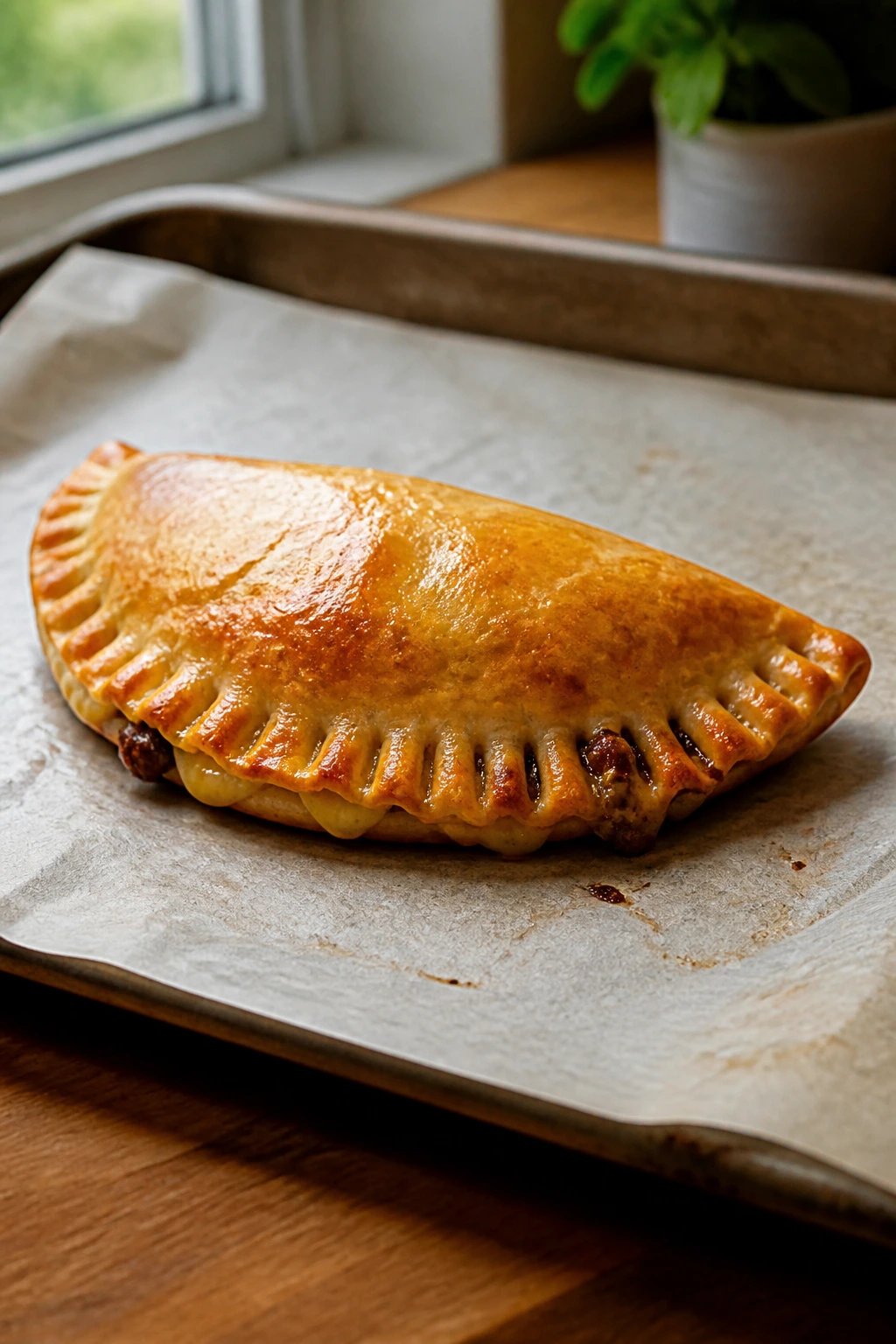
Empanadas have a built-in advantage: they’re sealed, portable, and neat. For a picky eater, that sealed edge can feel safer than an open plate full of mixed filling.
Why It Works: The dough wraps around the beef and cheese so the filling stays hidden until the first bite. Small hand pies are easier to manage than a big savory turnover. They work especially well when the filling stays mild and a little saucy, not greasy.
Key Ingredients:
- 1 lb ground beef — browned and drained.
- 1 small onion, finely chopped — optional.
- 1 tsp cumin — mild seasoning.
- 1/2 cup salsa — thick, not watery.
- 1 cup shredded cheddar — for richness.
- 1 package pie crust or empanada dough — chilled.
- 1 egg, beaten — for sealing.
Quick Steps:
- Cook the beef and onion, then stir in cumin and salsa.
- Cool slightly and mix in cheese.
- Cut dough into circles, fill, fold, and crimp the edges with a fork.
- Brush with egg wash and bake at 400°F for 18 to 20 minutes.
- Cool a few minutes before serving.
Equipment for This Recipe:
- Skillet — for the filling.
- Rolling pin — if needed.
- Baking sheet — for baking.
How to Serve This Dish: Serve with a little sour cream or ketchup if the eater likes dipping. The empanadas should be golden and sealed, not cracked open.
Pro Tips for This Recipe:
- Cool the filling before stuffing or the dough gets soggy.
- Use a thicker salsa so the filling stays put.
- Don’t overfill; a tablespoon or two is usually enough.
Variations on This Dish:
- Chicken and Cheese Version: Use shredded chicken instead of beef.
- Plain Cheese Version: Skip the onion for a safer filling.
- Baked Snack Size: Make smaller rounds for lunch boxes.
Common Mistakes to Avoid with This Dish:
- Wet filling tears the dough.
- Poor sealing causes leaks in the oven.
- Overbaking makes the crust hard instead of flaky.
43. Pancake Sliders
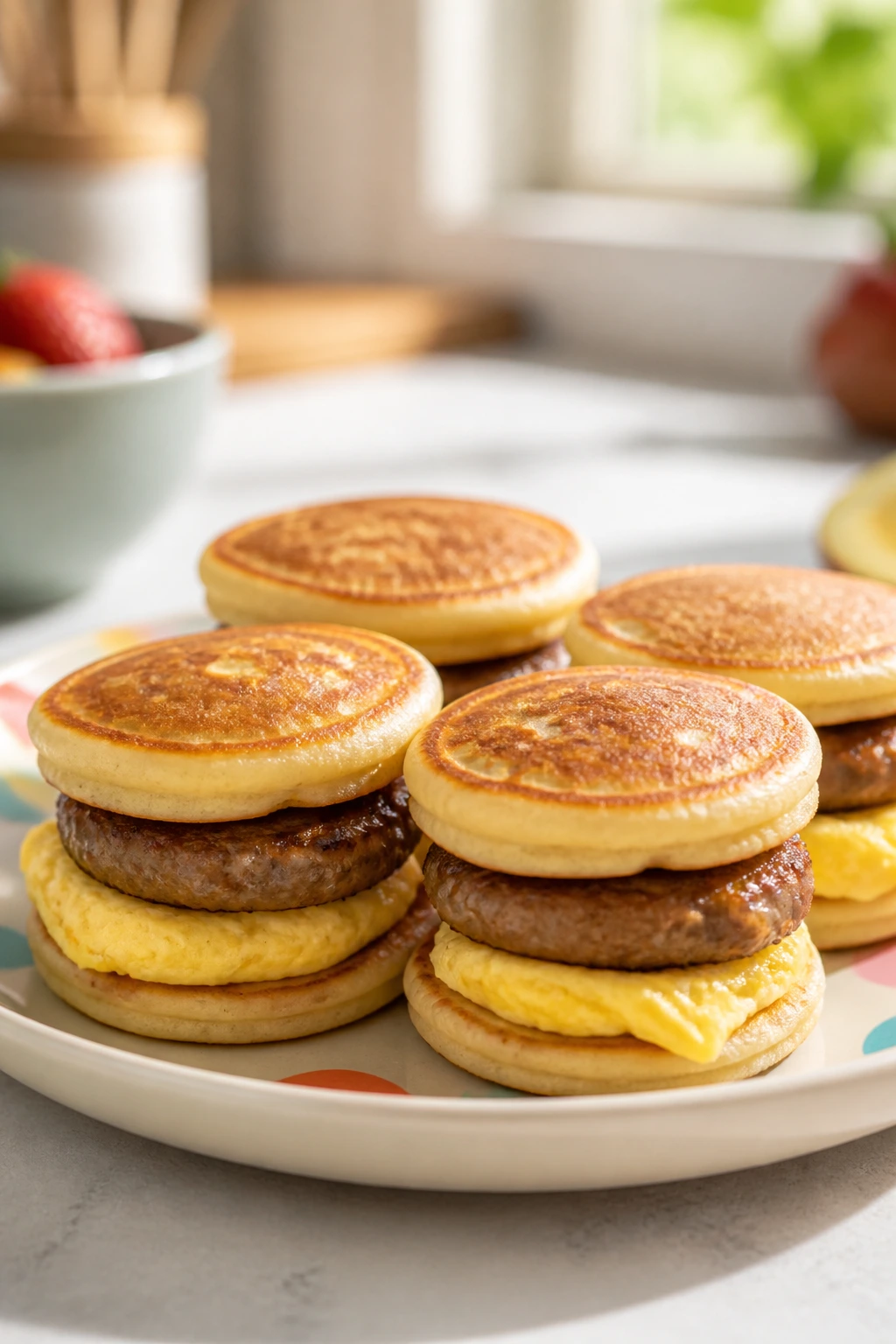
Breakfast food in sandwich form gets attention fast. Pancake sliders turn a familiar morning stack into something handheld, which makes them easier to eat and easier to accept.
Why It Works: Pancakes are already sweet and familiar, so they act like buns with a little more character. Egg and sausage or bacon add the savory middle, but you can keep the portion small enough that it still feels playful. It’s a meal that doesn’t argue with a child’s appetite.
Key Ingredients:
- 2 cups pancake batter — homemade or from a mix.
- 4 breakfast sausage patties or 8 strips bacon — cooked.
- 4 eggs — scrambled or fried.
- 4 slices cheese — optional.
- 1 tbsp butter — for the pan.
- Maple syrup — for serving.
Quick Steps:
- Make 8 small pancakes, about 4 inches across.
- Cook the sausage and eggs.
- Build each slider with one pancake, sausage, egg, cheese if using, and another pancake.
- Serve with syrup on the side.
- Eat warm.
Equipment for This Recipe:
- Skillet or griddle — for pancakes.
- Spatula — for flipping.
- Mixing bowl — if making batter from scratch.
How to Serve This Dish: Serve two sliders per child with fruit on the side. A drizzle of syrup makes them feel fun without making the plate too sweet.
Pro Tips for This Recipe:
- Keep the pancakes small so they stack neatly.
- Don’t make the batter too thin or the pancakes spread.
- Cook the eggs gently so they stay soft.
Variations on This Dish:
- Bacon Version: Bacon works if sausage is refused.
- Cheese-Free Version: Skip the cheese for a lighter feel.
- PB&J Slider: Pancakes can also sandwich peanut butter and jam for lunch.
Common Mistakes to Avoid with This Dish:
- Giant pancakes are hard to hold.
- Overcooked eggs dry out the sandwich.
- Too much syrup makes the sliders slippery.
44. Cottage Cheese Pancakes with Berries
These pancakes are a little softer and a little richer than standard ones, which makes them useful when breakfast needs to feel special but still stay simple. Cottage cheese blends into the batter and gives it a tender crumb.
Why It Works: Cottage cheese adds protein and moisture without making the pancakes taste cheesy in a loud way. Berries give a sweet, bright hit that works with the mild base. The texture is softer than a standard flapjack, which many kids prefer.
Key Ingredients:
- 1 cup cottage cheese — small curd.
- 2 large eggs — for structure.
- 1 cup flour or oat flour — choose what you have.
- 1 tsp baking powder — for lift.
- 1 tbsp sugar — optional.
- 1 cup berries — fresh or frozen.
- Butter for the skillet — as needed.
Quick Steps:
- Whisk cottage cheese and eggs until mostly smooth.
- Stir in flour, baking powder, and sugar.
- Fold in a handful of berries.
- Cook spoonfuls on a buttered skillet over medium heat until bubbles form, then flip.
- Serve warm with the remaining berries.
Equipment for This Recipe:
- Mixing bowl — for the batter.
- Skillet or griddle — for cooking.
- Spatula — for flipping.
How to Serve This Dish: Stack the pancakes in little piles and spoon berries over the top. A touch of maple syrup is enough; too much and the cottage cheese point gets lost.
Pro Tips for This Recipe:
- Let the batter sit 5 minutes so the flour hydrates.
- Frozen berries should go in straight from the freezer to avoid streaking.
- Cook on medium heat so the middles set before the outsides darken.
Variations on This Recipe:
- Blueberry Version: Blueberries are the easiest swap.
- Banana Version: Mashed banana can replace some sugar.
- Plain Pancake Version: Skip berries if the eater wants total simplicity.
Common Mistakes to Avoid with This Dish:
- Batter that’s too thin spreads and burns.
- High heat browns the pancakes before the center sets.
- Overmixing makes them tough.
45. Breakfast Sausage and Egg Muffins
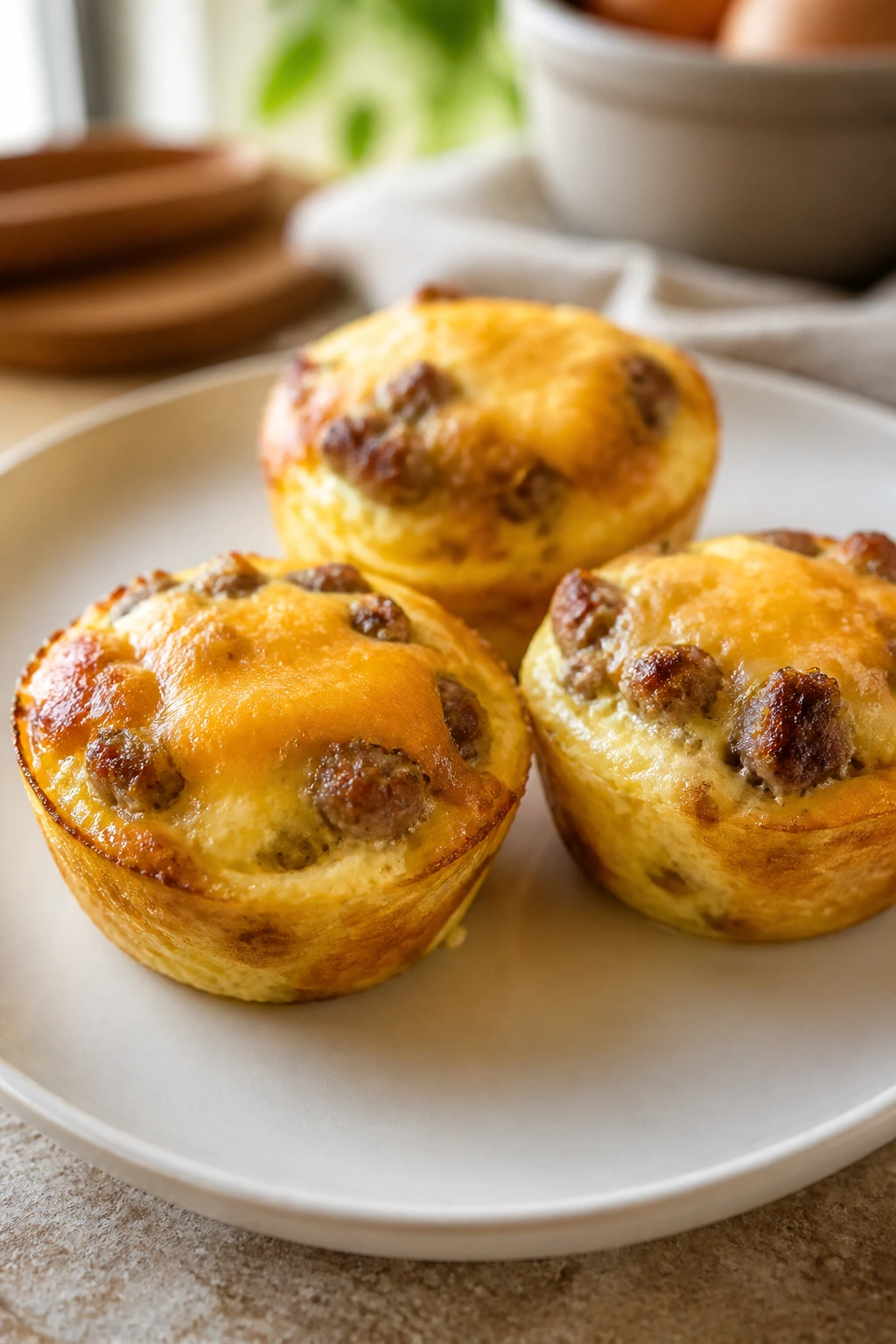
These muffins are built for busy mornings and small appetites. Sausage and eggs bake into a tidy portion that can be eaten with one hand and reheated without much trouble.
Why It Works: The muffin shape keeps the eggs in place and makes the portion size obvious. Breakfast sausage adds a familiar savory note, and cheese helps the muffins stay soft. They’re one of the more practical make-ahead options in the bunch.
Key Ingredients:
- 8 large eggs — the base.
- 1/2 lb breakfast sausage, cooked and crumbled — mild if possible.
- 1 cup shredded cheese — cheddar or Monterey Jack.
- 1/4 cup milk — for softness.
- 1/2 tsp salt — light.
- 2 tbsp diced bell pepper — optional and very small.
Quick Steps:
- Heat the oven to 350°F and grease a muffin tin.
- Whisk eggs, milk, and salt.
- Stir in sausage, cheese, and pepper if using.
- Divide into cups and bake 18 to 20 minutes until set.
- Cool slightly before removing.
Equipment for This Recipe:
- Muffin tin — for the shape.
- Whisk and bowl — for the egg mixture.
- Measuring cup — for easy pouring.
How to Serve This Dish: Serve with toast or fruit. They’re good hot, warm, or cold enough for a lunchbox, which is why people keep making them.
Pro Tips for This Recipe:
- Grease the pan generously.
- Use fully cooked sausage so the muffins don’t need extra oven time.
- Don’t overfill the cups or the tops will dome and spill.
Variations on This Dish:
- Ham Swap: Diced ham works the same way.
- Cheese-Heavy Version: Add a little more cheese for a softer bite.
- Spinach Tiny Dice: A small amount of spinach can disappear well.
Common Mistakes to Avoid with This Dish:
- Wet add-ins make the muffins collapse.
- Overbaking turns them rubbery.
- Sticking in the pan ruins the neat little shape.
46. Cheesy Cornbread Muffins with Beans
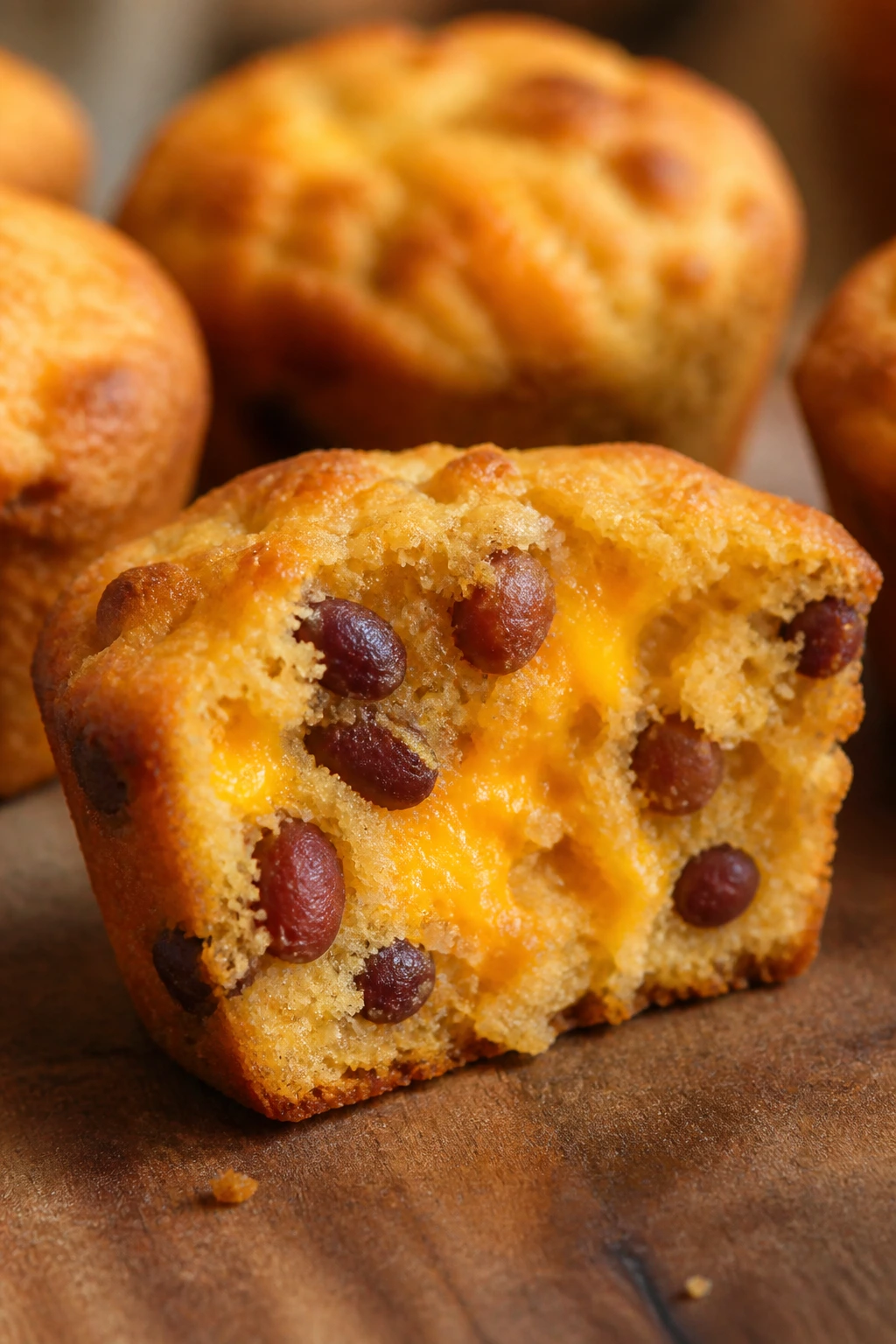
Cornbread muffins can make beans feel less like a separate category and more like part of the meal. The cheese helps, and the muffin shape keeps everything friendly.
Why It Works: Cornbread has a sweet, soft flavor that many kids already accept. Mixing in beans gives the muffins more staying power without requiring a big stew or chili. This works especially well when you want a lunch or dinner that feels almost snack-like.
Key Ingredients:
- 1 box cornbread mix — plus the eggs and milk it calls for.
- 1 cup shredded cheddar — stirred in.
- 1 can black beans, rinsed and drained — mashed lightly.
- 1 cup corn — frozen or canned, drained.
- 1 egg and milk — per package directions.
Quick Steps:
- Heat the oven to the package temperature, usually 400°F or 375°F.
- Prepare the cornbread batter.
- Stir in cheese, beans, and corn.
- Divide into a greased muffin tin and bake until golden, about 15 to 20 minutes.
- Cool slightly before serving.
Equipment for This Recipe:
- Muffin tin — for baking.
- Mixing bowl — for the batter.
- Spoon — for portioning.
How to Serve This Dish: Serve with butter, plain yogurt, or alongside soup. The muffins should be soft in the center and lightly browned on top.
Pro Tips for This Recipe:
- Mash some beans so the texture stays mellow.
- Don’t overmix the batter.
- Use cheese that melts smoothly rather than a dry shred.
Variations on This Dish:
- Jalapeño-Free Chili Side: Serve with mild chili for older kids.
- Honey Butter Finish: A little honey butter makes them feel like a treat.
- Plain Corn Version: Leave out the beans if needed.
Common Mistakes to Avoid with This Dish:
- Too many beans makes the muffins heavy.
- Overbaking dries the crumb.
- Using a cold batter can slow the rise.
47. Creamy Sausage Gnocchi
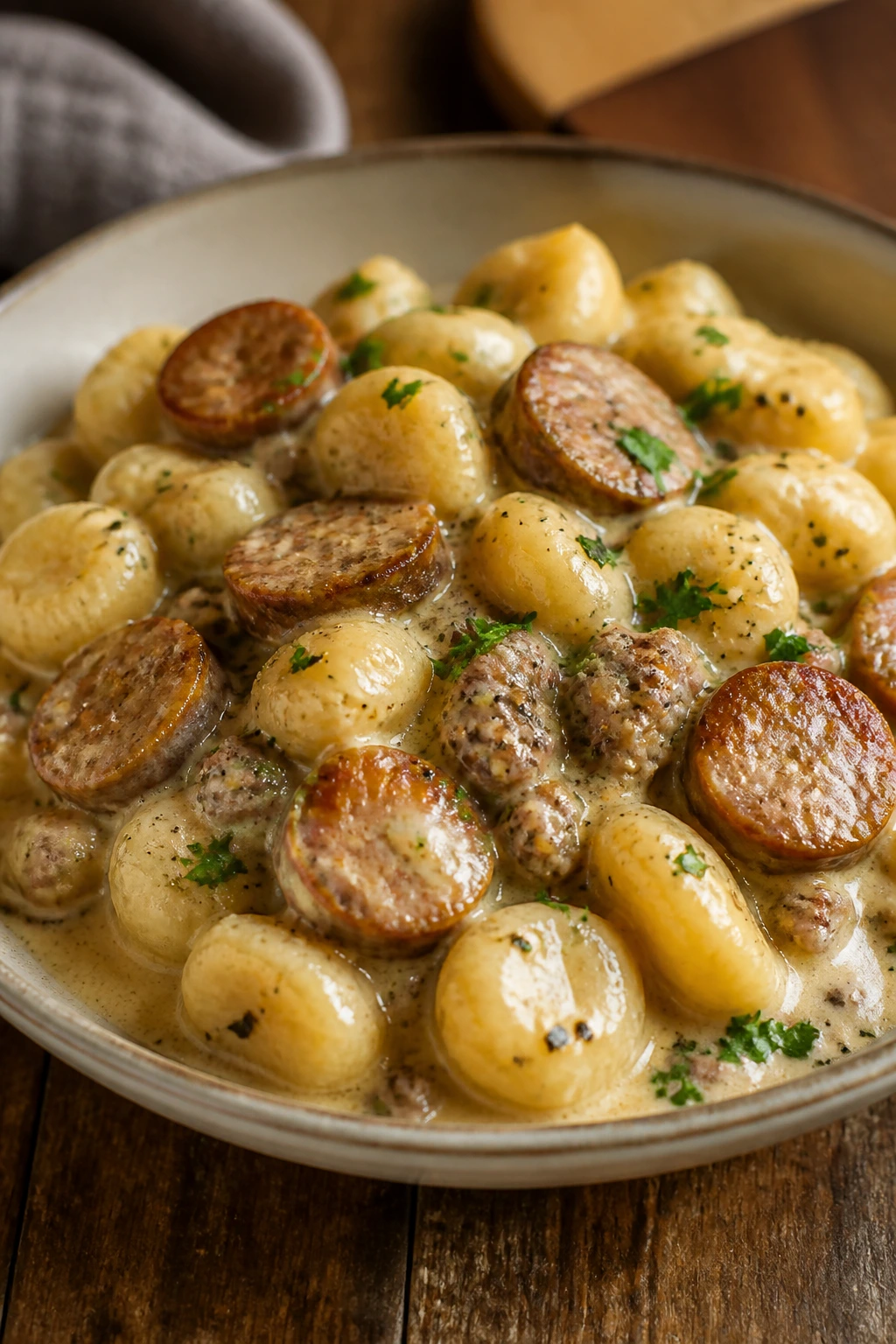
Gnocchi has a soft, dumpling-like texture that many kids like right away. Add a creamy sausage sauce and the whole pan turns into a warm, low-drama dinner.
Why It Works: Potato gnocchi cooks fast and feels almost pillowy. Mild sausage gives the sauce enough flavor without turning spicy, and the cream smooths everything down. Spinach is optional, but chopped very small it can slip into the sauce without much protest.
Key Ingredients:
- 1 lb potato gnocchi — shelf-stable or refrigerated.
- 1/2 lb mild sausage — casings removed.
- 1 cup chicken broth — for the sauce.
- 1 cup cream or half-and-half — for richness.
- 1/2 cup grated parmesan — to finish.
- 2 cups spinach — optional, chopped.
- Salt and pepper — light.
Quick Steps:
- Brown the sausage in a skillet.
- Add broth and cream, then stir in gnocchi.
- Simmer 5 to 7 minutes until the gnocchi is tender and the sauce thickens.
- Stir in parmesan and spinach if using.
- Serve immediately.
Equipment for This Recipe:
- Large skillet — for one-pan cooking.
- Wooden spoon — for stirring.
- Measuring cup — for the liquid.
How to Serve This Dish: Serve in shallow bowls with extra parmesan. The gnocchi should look plump and coated, not floating in too much sauce.
Pro Tips for This Recipe:
- Keep the sausage mild so the sauce stays friendly.
- Simmer gently or the cream may separate.
- Chop spinach finely if you’re adding it.
Variations on This Recipe:
- Chicken Sausage Version: Lighter and still savory.
- No-Greens Version: Skip the spinach entirely.
- Tomato Cream Version: Add a spoonful of marinara for a rosier sauce.
Common Mistakes to Avoid with This Dish:
- Overcooking gnocchi makes it fall apart.
- Too much broth leaves the sauce thin.
- Strong sausage can overpower the whole dish.
48. Rice and Bean Burrito Bowls
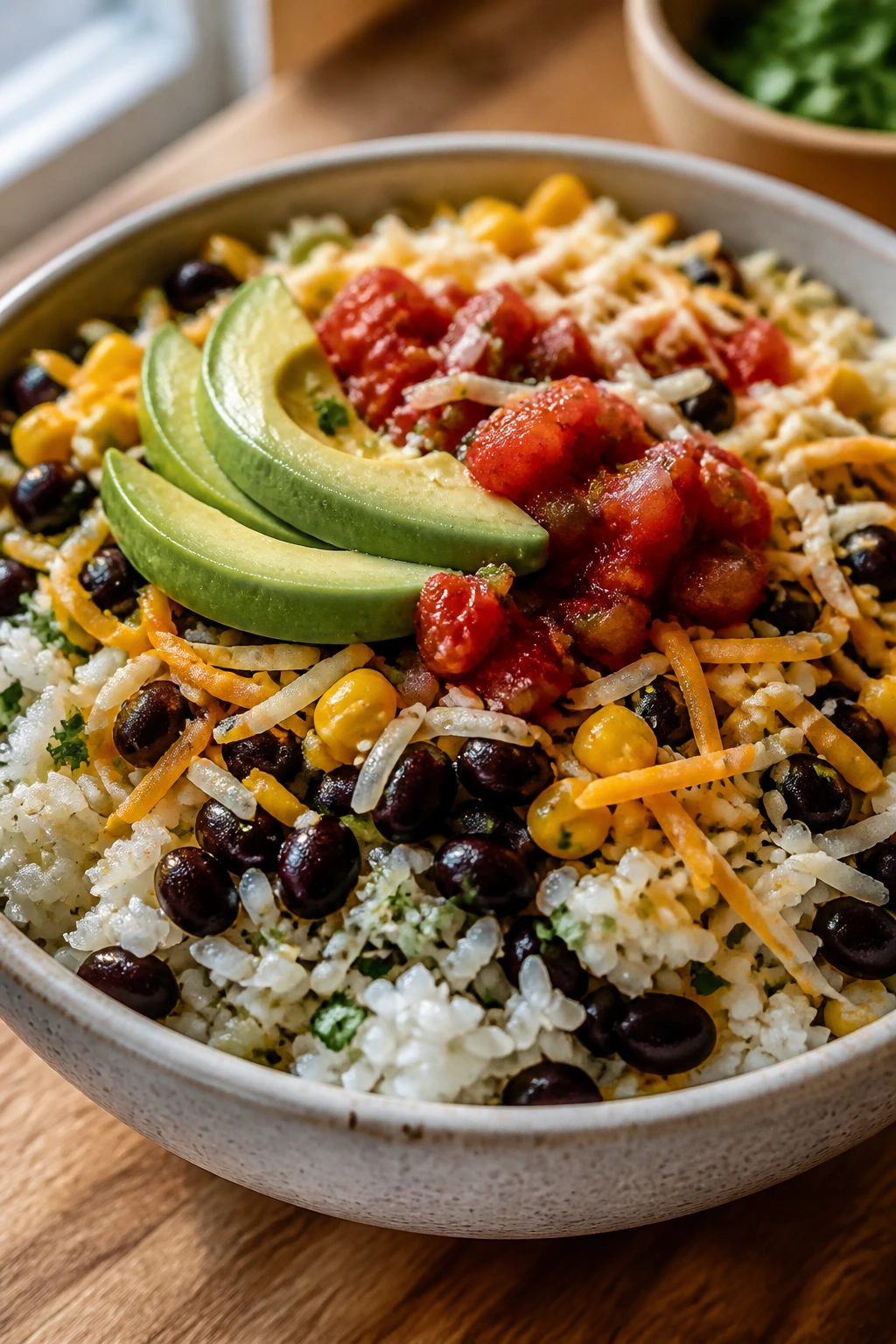
This is the bowl version of keeping options open. Rice, beans, cheese, and a few simple toppings let kids choose what lands on the fork.
Why It Works: The bowl format is less intimidating than a full burrito because everything is visible. Beans bring protein, rice keeps the texture soft, and cheese gives the bowl a familiar finish. If the eater wants only rice and cheese, the meal still works.
Key Ingredients:
- 2 cups cooked rice — white or brown.
- 1 can black beans, rinsed and drained — warmed.
- 1 cup corn — optional.
- 1 cup shredded cheese — cheddar or Monterey Jack.
- 1 avocado, sliced — optional.
- 1/2 cup salsa — mild.
- 1 tbsp lime juice — optional, for adults or older kids.
Quick Steps:
- Warm the beans and corn in a small saucepan.
- Heat the rice.
- Build bowls with rice, beans, corn, and cheese.
- Add avocado or salsa if wanted.
- Serve with tortilla chips if you want extra crunch.
Equipment for This Recipe:
- Small saucepan — for warming beans.
- Rice cooker or pot — for the rice.
- Serving bowls — for assembling.
How to Serve This Dish: Keep toppings separate and let kids build their own. If you want the bowl to feel fuller, a few chips on the side do more than piling everything into the bowl.
Pro Tips for This Recipe:
- Warm the beans so they don’t taste flat from the can.
- Keep salsa mild and serve extra on the side.
- If rice is plain, a little butter makes it more appealing.
Variations on This Dish:
- Chicken Bowl: Add shredded chicken for more protein.
- Bean-Free Version: Use rice, cheese, and corn only.
- Queso Finish: A spoonful of queso works when cheese isn’t enough.
Common Mistakes to Avoid with This Dish:
- Cold beans feel like punishment.
- Too much salsa makes the bowl watery.
- Mixing too early removes the choice factor kids like.
49. Apple Cinnamon Oatmeal Bake
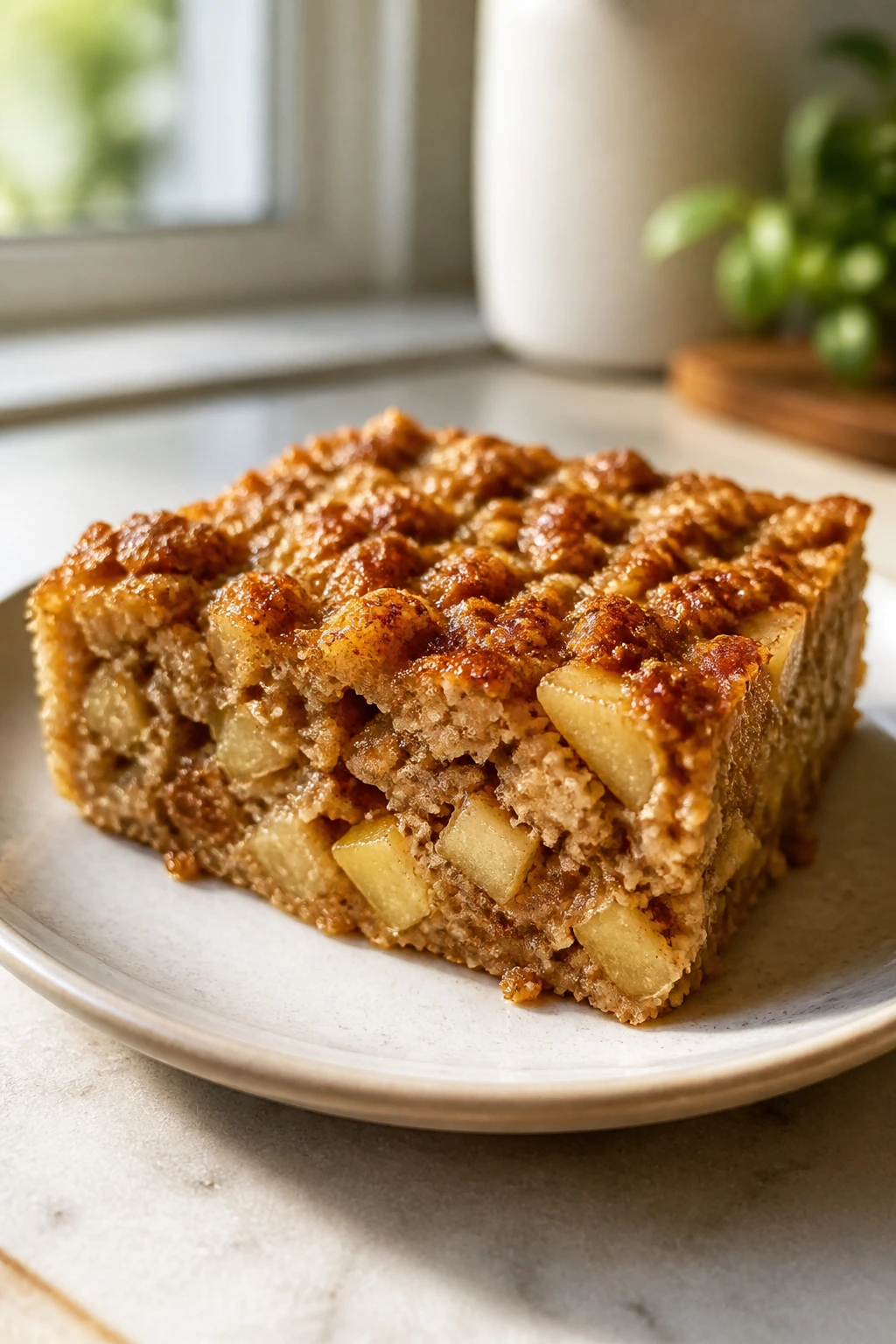
Baked oatmeal earns trust because it slices cleanly and tastes a little like breakfast cake. Apples and cinnamon give it a familiar flavor, and the texture is soft enough for younger kids.
Why It Works: Oats hold together when baked with eggs and milk, turning into something spoonable or sliceable depending on how you cut it. Apples soften into sweet pockets, and cinnamon does a lot of work without being loud. It’s a breakfast that reheats without losing its shape.
Key Ingredients:
- 2 cups rolled oats — not instant.
- 2 apples, diced small — peeled if needed.
- 2 large eggs — bind the bake.
- 2 cups milk — dairy or non-dairy.
- 1/4 cup maple syrup — optional sweetness.
- 1 tsp cinnamon — the main spice.
- 1 tsp baking powder — helps the texture.
- 1/2 tsp salt — to keep it from tasting flat.
Quick Steps:
- Heat the oven to 350°F and grease an 8×8-inch dish.
- Mix oats, apples, cinnamon, baking powder, and salt.
- Whisk eggs, milk, and maple syrup, then combine with the dry ingredients.
- Pour into the dish and bake 35 to 40 minutes until set.
- Cool 10 minutes before slicing.
Equipment for This Recipe:
- Baking dish — 8×8-inch works well.
- Mixing bowl — for the batter.
- Whisk — for the liquid.
How to Serve This Dish: Serve warm with yogurt or a little milk poured around the slice. It tastes friendly enough that even cautious eaters often accept the apple pieces.
Pro Tips for This Recipe:
- Dice the apples small so they soften fully.
- Let it rest before slicing or it falls apart.
- Use rolled oats, not instant, for better structure.
Variations on This Dish:
- Berry Swap: Use berries instead of apples.
- Banana Cinnamon Version: Mash one banana into the wet mixture.
- Nutty Top: A few chopped walnuts on top work for older kids.
Common Mistakes to Avoid with This Dish:
- Too much liquid makes the bake soupy.
- Giant apple chunks stay hard.
- Cutting too soon causes crumbling.
50. Yogurt Parfait Breakfast Cups
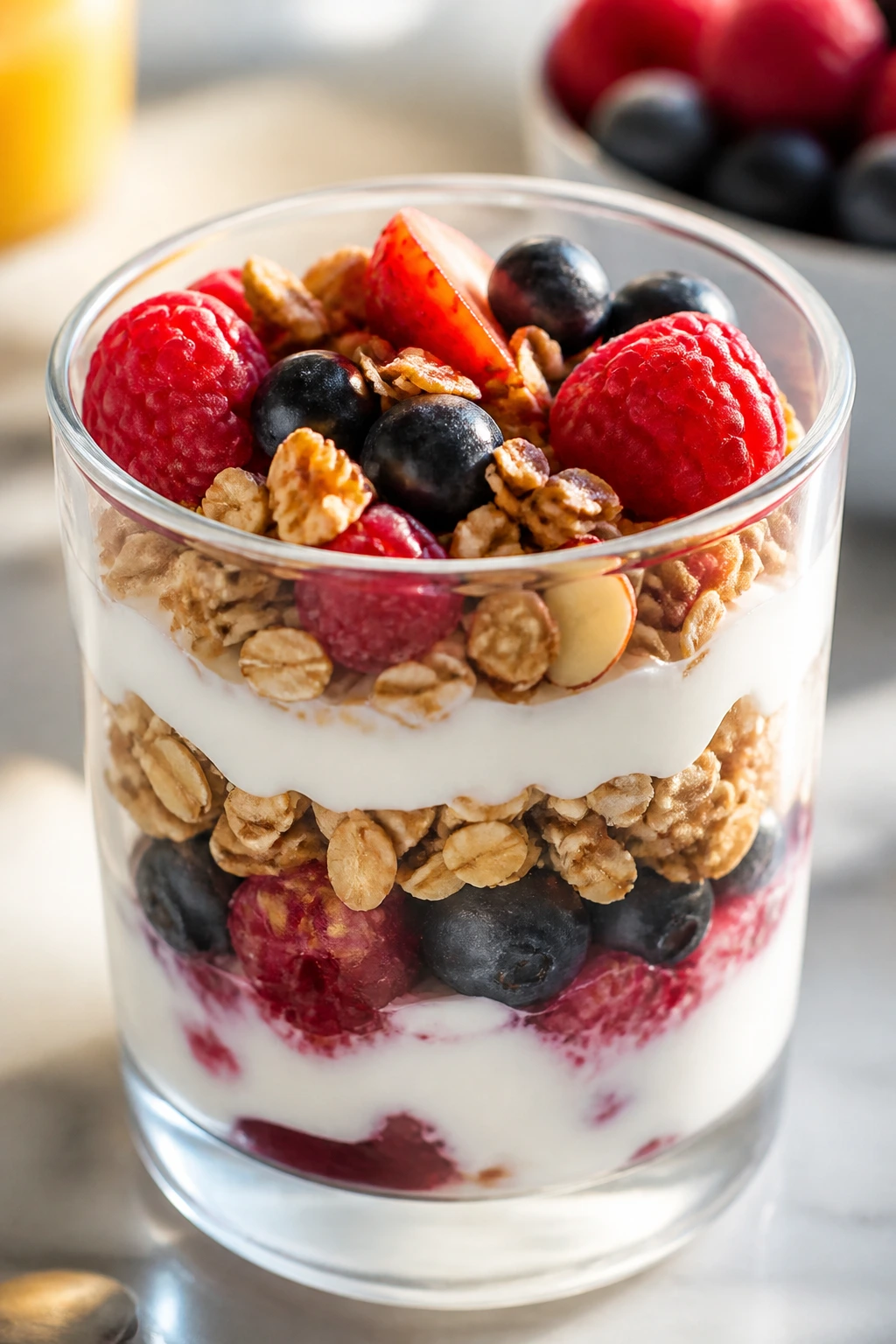
Parfaits are one of the simplest ways to make breakfast feel chosen instead of imposed. Layers look neat, and neat is half the battle with selective eaters.
Why It Works: Yogurt gives a cool, creamy base, granola adds crunch, and berries bring sweetness without a lot of fuss. The layers make the meal look deliberate and separate, which many picky kids prefer. It’s also a useful no-cook option when mornings are moving fast.
Key Ingredients:
- 2 cups Greek yogurt — plain or vanilla.
- 2 cups berries — strawberries, blueberries, or raspberries.
- 1 1/2 cups granola — not too chunky.
- 2 tbsp honey — optional.
- 1 tbsp chia seeds — optional.
- 1 banana, sliced — optional.
Quick Steps:
- Spoon yogurt into cups or jars.
- Add a layer of berries.
- Add granola just before serving so it stays crisp.
- Drizzle with honey if wanted.
- Serve chilled.
Equipment for This Recipe:
- Small cups or jars — for layering.
- Spoon — for scooping.
- Knife and cutting board — if using fruit that needs slicing.
How to Serve This Dish: Serve in clear cups if you want the layers to show. A parfait works best when the granola stays crunchy and the fruit looks fresh.
Pro Tips for This Recipe:
- Add granola at the last minute.
- Keep berries dry so the yogurt doesn’t thin out.
- Use vanilla yogurt if plain yogurt is a hard sell.
Variations on This Dish:
- Peach Cup: Swap in sliced peaches.
- PB Yogurt Cup: Stir a little peanut butter into the yogurt.
- Plain Fruit Bowl: Skip granola entirely if crunch is a problem.
Common Mistakes to Avoid with This Dish:
- Soft granola turns soggy fast.
- Watery fruit makes the yogurt loose.
- Overloading the cup makes it hard to eat neatly.
Why Familiar Shapes and Mild Sauces Keep Dinner Moving
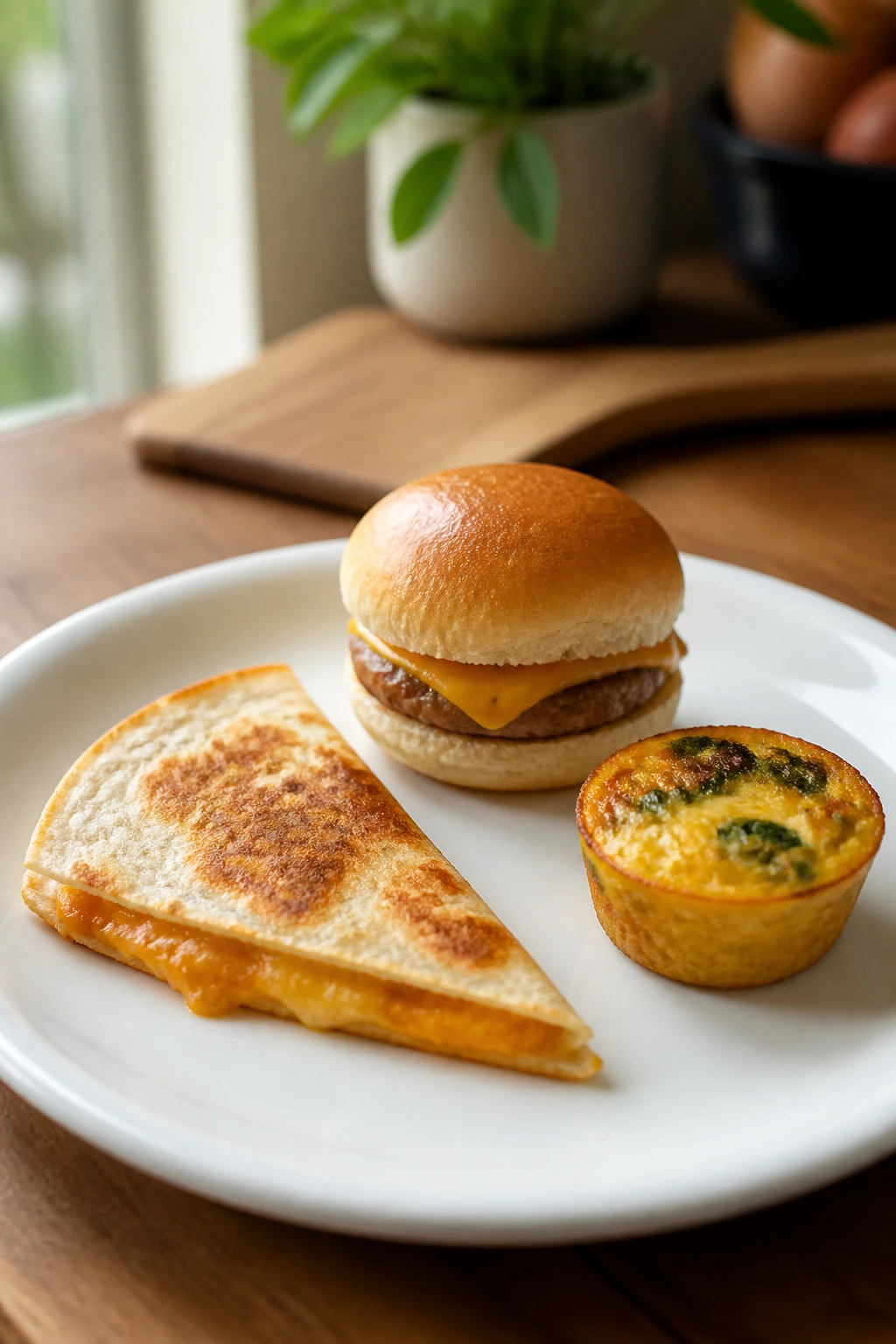
The best kids meals for picky eaters rarely depend on a dramatic recipe trick. They depend on recognition. A slider looks like a burger. A quesadilla cuts into triangles. A muffin tin egg bite feels more controllable than a casserole scoop. That familiarity lowers the number of decisions a child has to make at the table, and dinner gets less argumentative for everyone involved.
Mild sauces matter for the same reason. Marinara, cheese sauce, cream-based soups, butter, and yogurt dressings all do different jobs, but they share one useful trait: they soften edges. They reduce sharpness, cover dryness, and help ingredients stick together. That is why a basic chicken tender becomes easier to love once there’s ranch nearby, and why pasta with a glossy butter-parmesan coating gets a friendlier response than a dry bowl of noodles.
Texture is the other quiet hero. Crisp on the outside, soft on the inside. Small pieces instead of giant slabs. Dippable rather than drenched. Those details sound minor until you’re standing at the counter watching a child inspect dinner with the intensity of a customs officer. Get the texture right, and you often need less convincing, less chopping, and less drama.
Essential Equipment for These Recipes
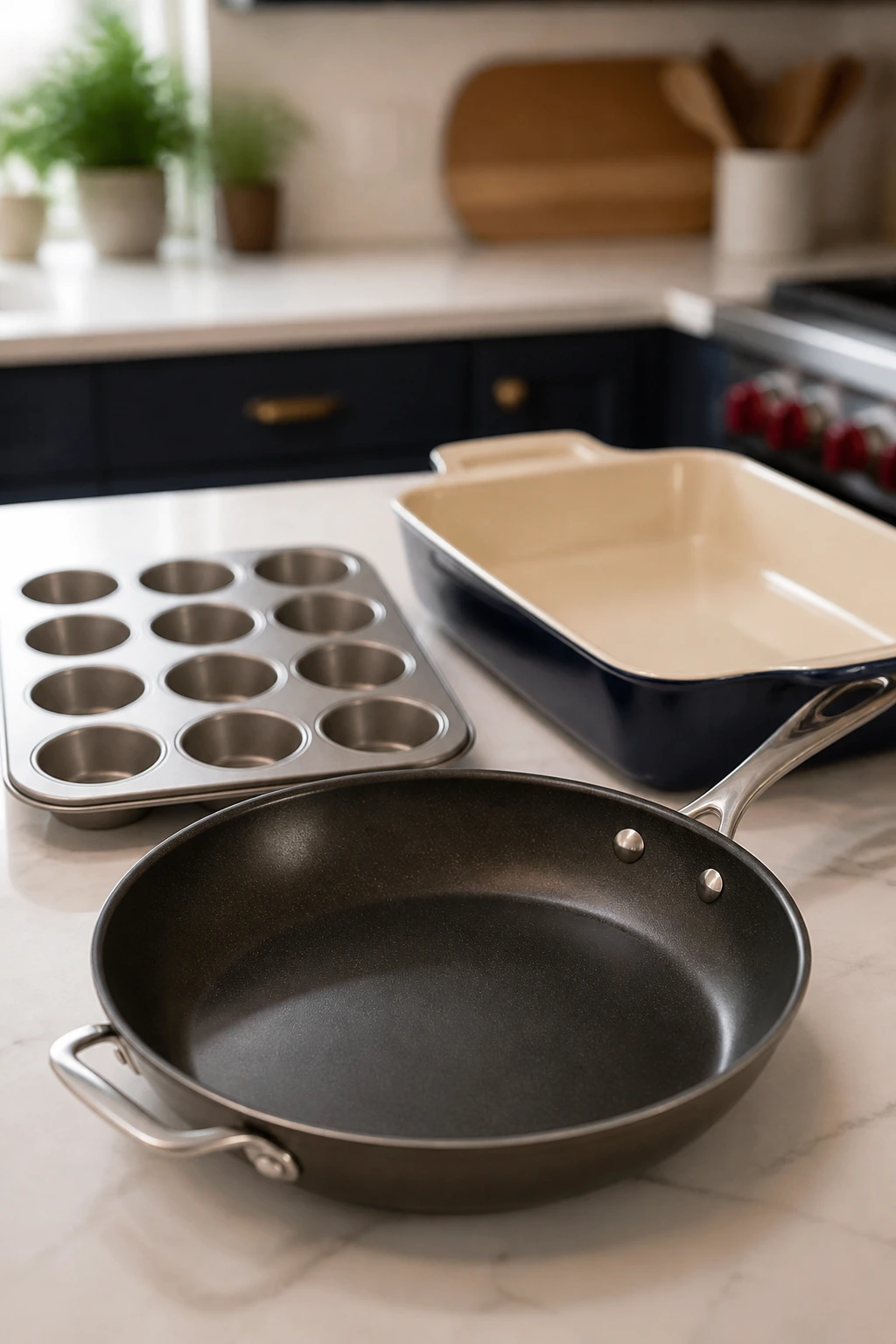
-
Large skillet or sauté pan: Useful for quesadillas, sliders, meatballs, fried rice, and anything that needs browning before it gets saucy.
-
Rimmed sheet pans: These handle chicken tenders, fish sticks, sheet-pan dinners, pizza toast, and roasted vegetables without making a mess in the oven.
-
9×13-inch baking dish: The right size for casseroles, baked ziti, spaghetti bake, chicken and rice, and pot pies.
-
Muffin tin: A workhorse for egg muffins, mac and cheese muffins, mini meatloaves, and breakfast bakes.
-
Large pot: Needed for noodles, pasta bakes, soups, and anything that starts on the stove.
-
Mixing bowls in two sizes: One for wet ingredients, one for breading or assembly. Small ones help when you want to set out dips.
-
Wire rack: Optional, but worth it for chicken tenders and fish sticks. It keeps the bottom crisp.
-
Instant-read thermometer: Especially useful for chicken and turkey. 165°F is the number that keeps guesswork out of dinner.
-
Sharp knife and cutting board: For slicing sliders, chopping vegetables small, and making neat shapes kids actually notice.
-
Airtight storage containers: Leftovers keep better when they’re sealed in shallow containers instead of shoved into a deep dish.
Smart Shopping and Ingredient Tips
Buy the foods that stay recognizably themselves after cooking. That means shredded cheddar that melts smoothly, short pasta shapes that catch sauce, sandwich bread that can toast without collapsing, and chicken that’s already trimmed into manageable pieces. For picky eaters, the exact shape of the ingredient matters more than people admit. Rotini beats spaghetti in some houses. Mini tortillas beat burrito-size wraps. Small curd cottage cheese usually blends more quietly than large curd.
Frozen vegetables are often the smartest move here. Peas, corn, broccoli florets, and mixed vegetables are picked and frozen quickly, which means they’re soft and useful once cooked. Fresh vegetables are fine when you have them, but if you’re buying for a child who dislikes texture surprises, frozen tends to be more reliable and less wasteful. Just don’t overcook them. Soft, not waterlogged.
For proteins, ground beef, ground turkey, chicken tenders, rotisserie chicken, ham, and mild sausage carry most of the load. Use the fattier ground beef when you want juicier sliders or meatballs. Use turkey when you want something lighter, but add moisture with egg, breadcrumbs, or a little sauce. With chicken, the safest path is often cooked and chopped small before it ever reaches the table.
Cheese deserves a little attention too. American cheese melts softly and calmly. Cheddar brings sharper flavor. Mozzarella stretches, which some kids love and others ignore. If a child is sensitive to strong flavors, keep the cheese mild and let adults add hotter or saltier toppings after serving.
How to Serve These Recipes
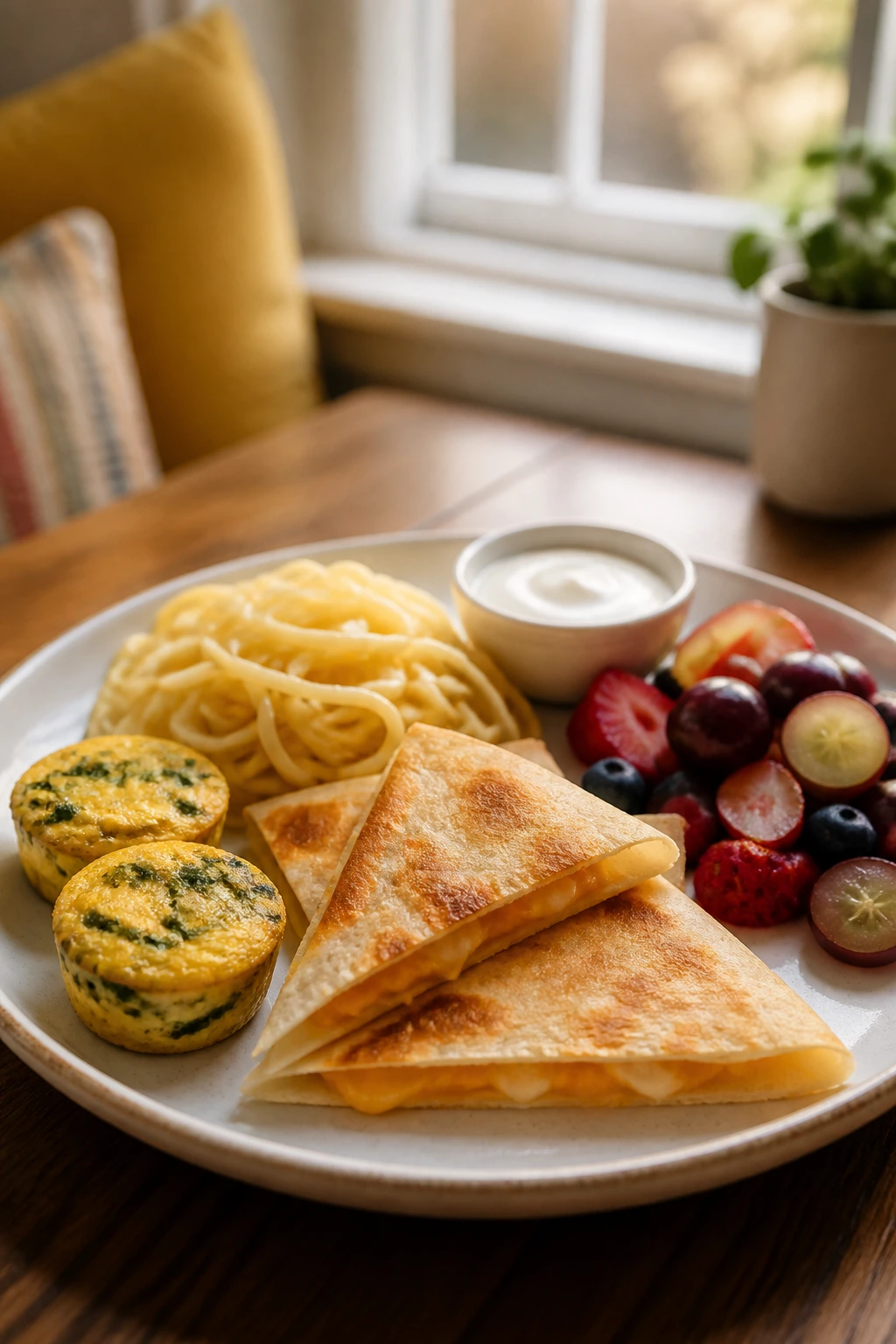
Presentation: Keep the plate tidy and readable. Triangles, fingers, cups, sliders, and small scoops are easier to accept than a crowded heap. If the meal has sauce, serve the sauce in a separate cup whenever possible so the eater can decide how much touches the food.
Accompaniments: Fruit usually plays well here — grapes, apples, berries, orange segments, or banana slices. On the savory side, use the least disruptive partners: carrot sticks, cucumber rounds, corn, plain rice, roasted potatoes, buttered noodles, or toast. The side should support the meal, not compete with it.
Portions: Most kids do better with a modest first serving and a visible second helping waiting nearby. Two sliders, one cup of pasta, two small quesadilla wedges, or one muffin-sized egg portion is often enough to start. Smaller portions reduce the “too much on the plate” reaction, which is real even when nobody says it out loud.
Beverage Pairing: Milk still works with many of these meals, especially pasta, grilled cheese, and breakfast bakes. Water with fruit slices is the safest catchall. For older kids, a small glass of sparkling water can feel special without changing the meal.
Additional Tips and Flavor Boosters
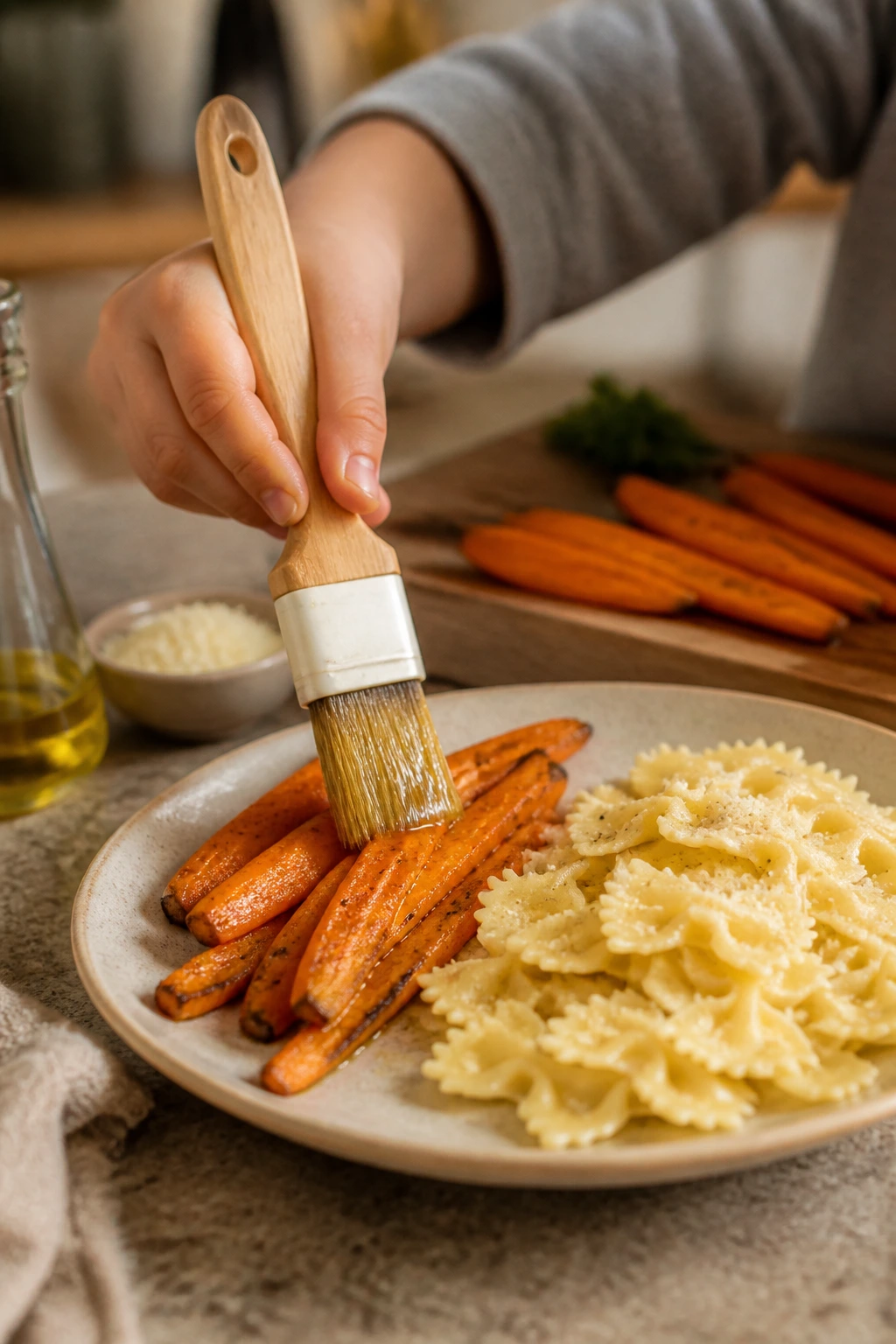
Flavor Enhancement: A little parmesan, a spoon of butter, or a quick brush of olive oil at the end can change how a plain meal lands. These are not dramatic moves. They’re the kind of finishing details that make food taste cared for.
Customization: Let kids choose one part of the meal — cheese on or off, sauce on the side, fruit instead of vegetables, ketchup or ranch, rice or noodles. A small choice is often enough to reduce resistance. I’d rather give one real choice than five fake ones.
Serving Suggestions: Cut sandwiches into strips, slice quesadillas into triangles, serve pasta in shallow bowls, and use small cups for dips. Tiny servings feel less confrontational. A meal can be plain and still look intentional.
Make-It-Yours: Gluten-free versions usually work well with corn tortillas, rice bowls, or gluten-free pasta. Dairy-free meals can lean on olive oil, tomato sauce, and baked chicken. If you need higher protein, add eggs, turkey, yogurt, beans, or chicken without changing the whole structure of dinner.
Make-Ahead, Storage, and Reheating Guidance
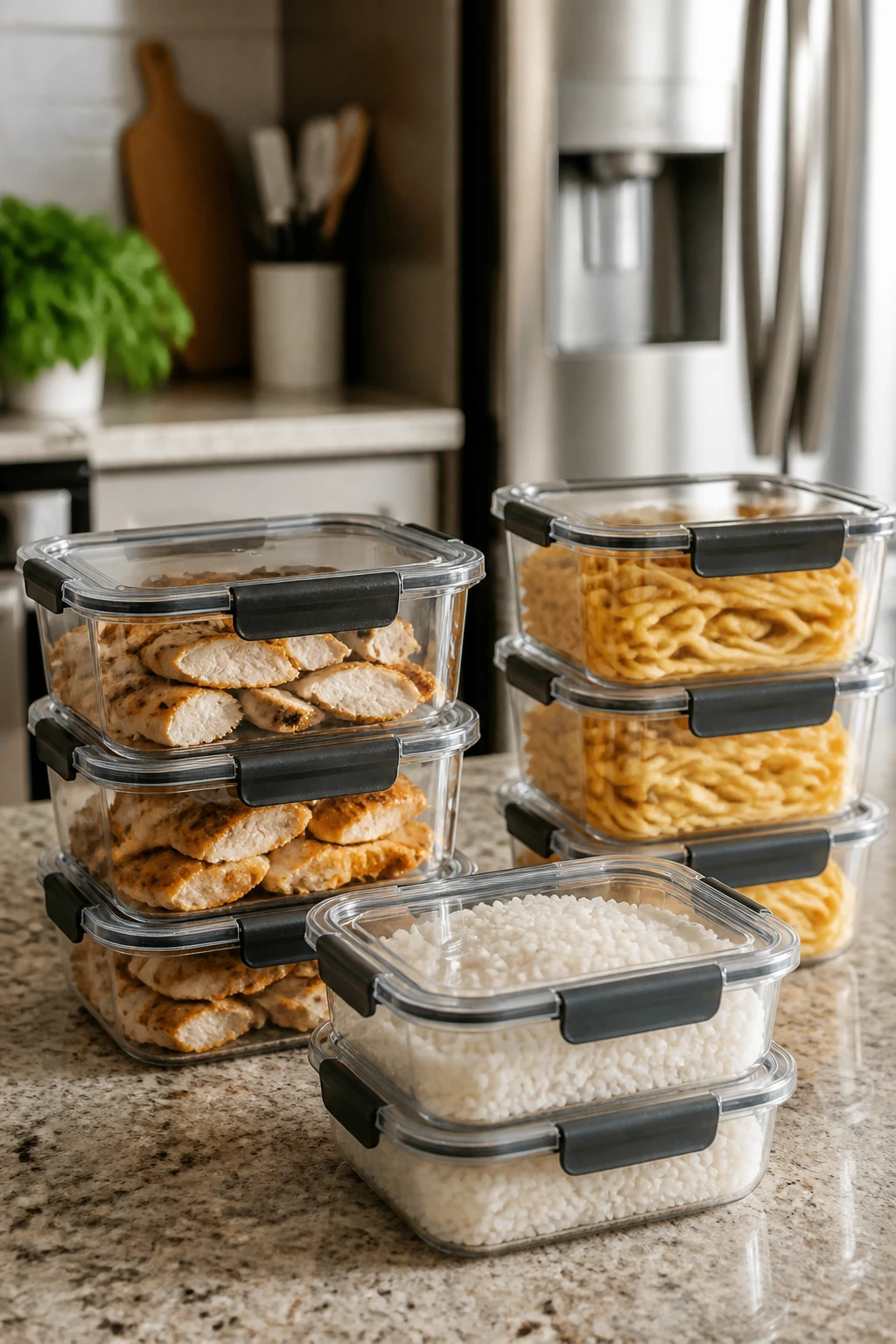
Most cooked chicken, turkey, beef, pasta, rice, and casserole dishes in this collection keep 3 to 4 days in the refrigerator in airtight containers. Soups and chili usually do the same, though they often taste better after the flavors settle overnight. Freeze meatballs, sliders patties, cooked chicken, baked pasta, and pot pie filling for up to 2 to 3 months. Label the containers. Future you will appreciate it.
Crispy foods need a little more thought. Chicken tenders, fish sticks, pizza toast, and quesadillas keep best for 1 to 2 days in the fridge, and they reheat best in a 350°F oven or air fryer until hot and crisp again. Microwaving works in a pinch, but the crust softens, and selective eaters notice that faster than adults do. If crispness matters, use dry heat.
Breakfast muffins, egg bites, and baked oatmeal hold well for 3 to 4 days refrigerated. Reheat them in the microwave for 20 to 40 seconds, or warm them in the oven if you want the edges firmer. Roll-ups and parfaits are a little more time-sensitive: roll-ups are best within a day or two, while parfaits should be assembled close to serving so the granola doesn’t go soggy.
A practical trick: store sauces separately when you can. Quesadillas stay better if the dip is not already inside them. Rice bowls stay cleaner if the sauce is poured on top at the table. That one habit preserves texture better than almost any clever recipe move.
Variations and Adaptations to Try
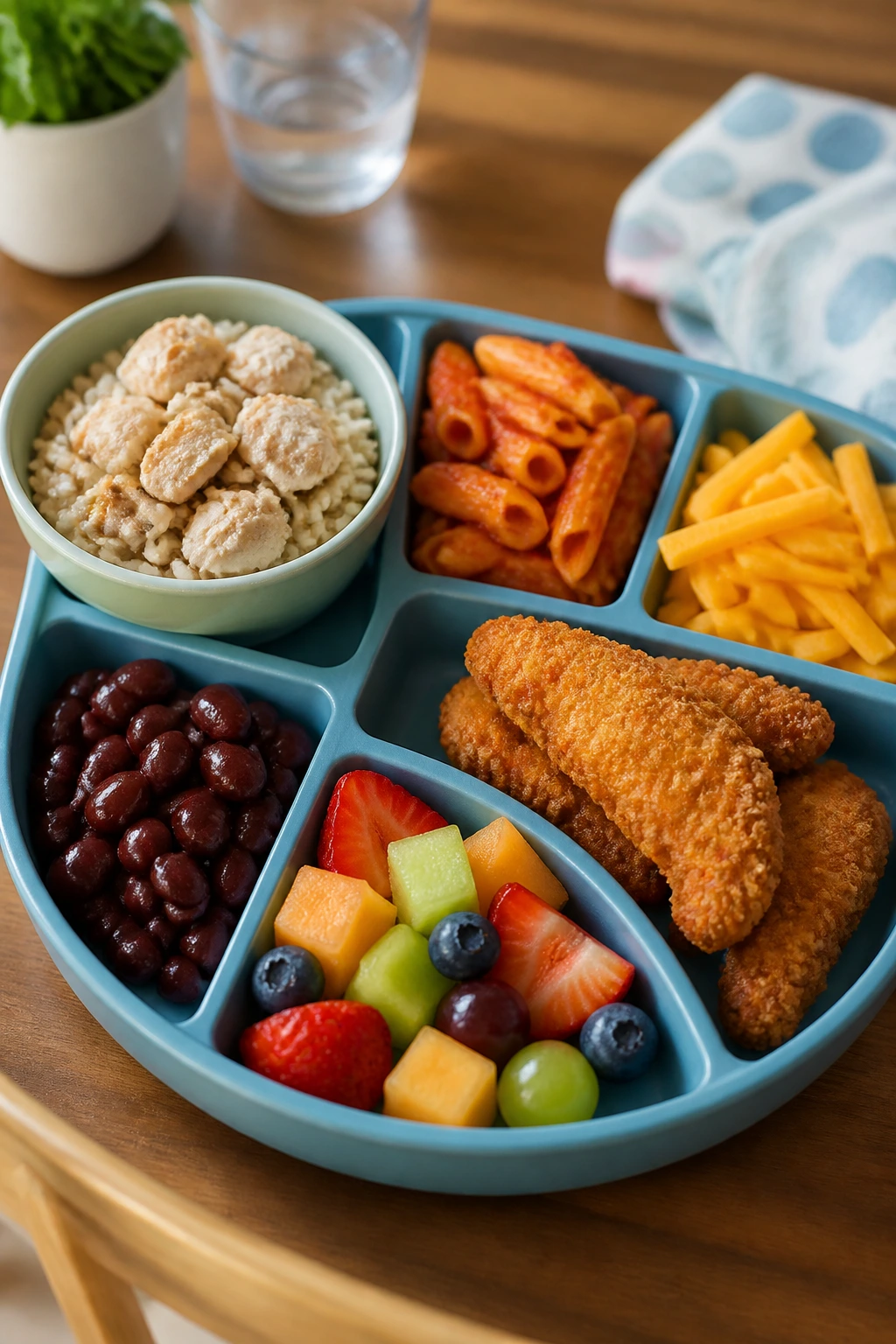
The No-Mystery Plate: Keep every component visible and separate. Think rice bowls, sliders, quesadillas, and bento-style lunch plates. Kids who hate mixed textures often relax when they can see exactly what they’re eating.
The Dairy-Free Swap: Use olive oil instead of butter, dairy-free cheese where it melts decently, and tomato or broth-based sauces. Chicken tenders, rice bowls, fried rice, roasted chicken, and many soups work easily in this lane.
The Gluten-Free Shift: Corn tortillas, rice, potatoes, polenta, baked potatoes, and rice bowls carry a lot of the list. Use gluten-free pasta in mac and cheese, ziti, or noodle bakes, and choose panko labeled gluten-free if you want the crunch.
The Crunch-First Version: If a child trusts crisp foods, push more meals toward baked coatings, toasted bread, and sheet-pan edges. Chicken tenders, fish sticks, sliders with toasted buns, pizza toast, and calzones all benefit from that approach.
The Protein-Heavy Plate: Add eggs, turkey, chicken, cheese, beans, tuna, yogurt, or cottage cheese without changing the dish’s identity. This helps when a child is selective but still needs a meal that lasts longer than the drive home.
The Spice-On-The-Side Plan: Keep the main dish mild and offer hot sauce, salsa, pepper flakes, or mustard for adults at the table. That way the child’s meal stays calm and the grown-ups can still wake theirs up.
Common Mistakes to Avoid
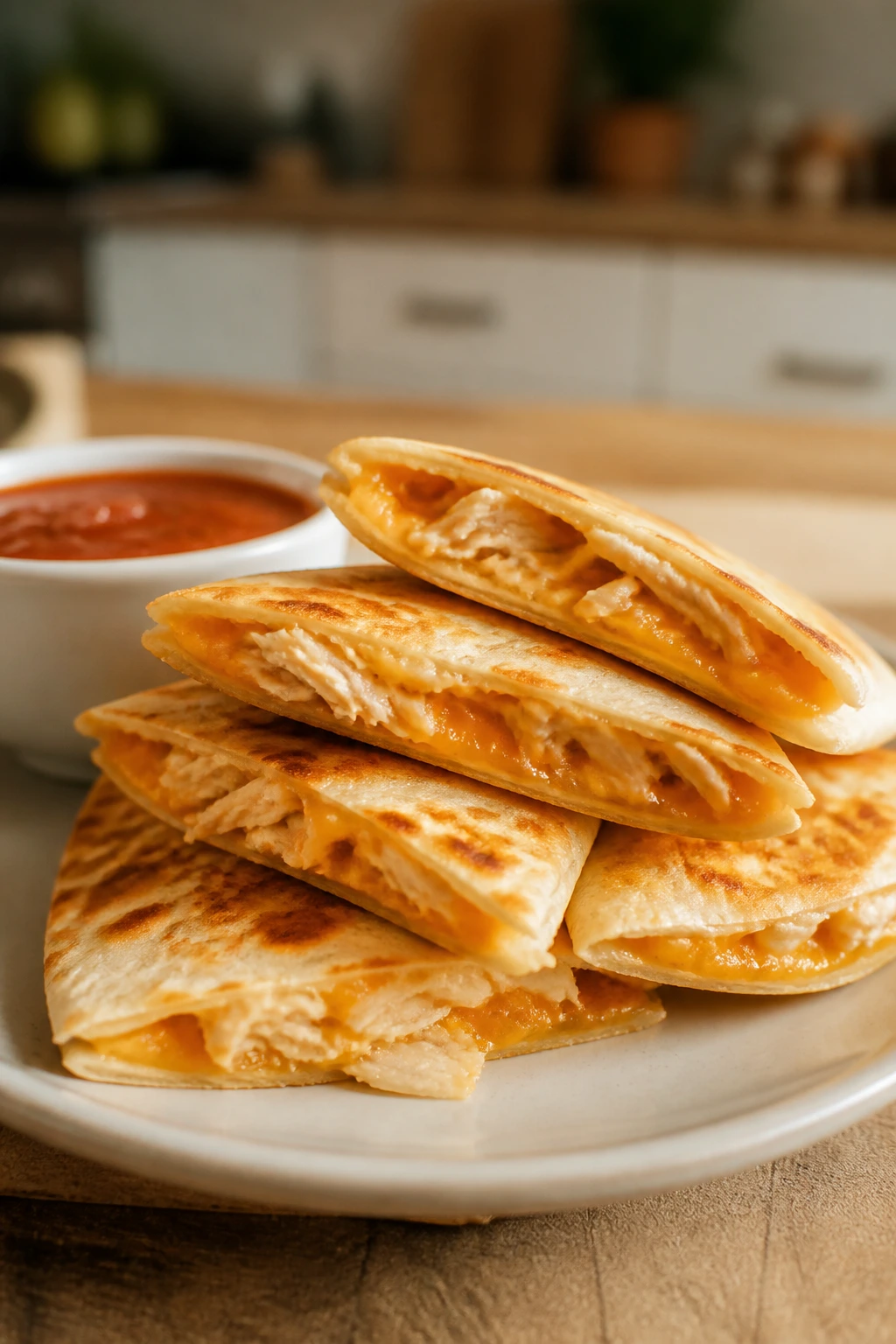
The first mistake is making the meal look too busy. A picky eater can get overwhelmed by too many colors, too many sauces, or too many ingredients touching each other. The fix is not boring food. The fix is cleaner plating and smaller choices.
The second mistake is over-saucing everything. Too much marinara, too much cheese sauce, too much dressing, too much ketchup — it all creates the same problem: sogginess. Keep the base dry enough to hold shape, and add extra sauce at the table if it’s wanted.
The third mistake is serving food too hot. Burned tongues make kids suspicious for the rest of the week. Let quesadillas, pasta bakes, soup, and chicken cool for a few minutes before the first bite. Warm is friendly. Scalding is not.
The fourth mistake is ignoring texture. Crunchy breading, soft pasta, tender rice, and smooth sauces each have a role. If you mix in hard vegetables, huge chunks, or slippery fillings without considering the bite, the meal can fail even when the flavor is fine.
The fifth mistake is changing five things at once. If a child already trusts plain mac and cheese, don’t move directly to a three-vegetable baked version with hot sauce. Add one change at a time. One. That’s usually enough.
Frequently Asked Questions
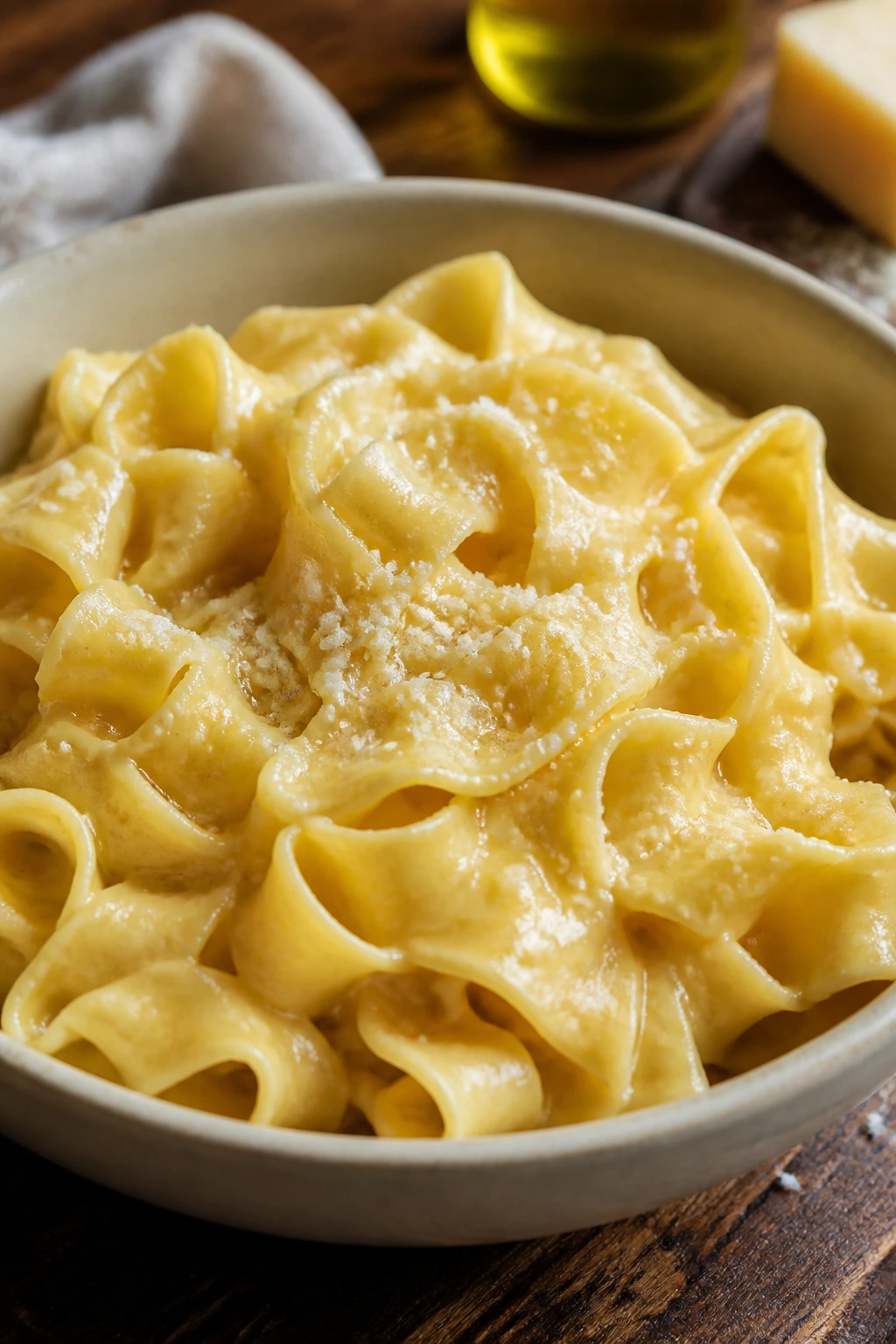
How do I choose which meals to try first?
Start with the foods your child already tolerates in some form. If they like chicken nuggets, go for tenders or nugget rice bowls. If they like pasta, start with buttered noodles or mac and cheese muffins. Familiarity beats cleverness.
What if my child hates mixed foods?
Use meals that can stay separated on the plate: sliders, rice bowls, baked potatoes, quesadilla wedges, or mini meatloaves with a side. Even casseroles can work if you serve them in tidy squares and keep toppings mild.
Can I hide vegetables in these recipes without making them obvious?
Yes, but keep the texture smooth. Pureed cauliflower in mac and cheese, finely chopped spinach in pasta, mashed beans in cornbread muffins, and tiny diced vegetables in quesadillas all work better than big visible chunks. If the vegetable changes the texture too much, the trick fails.
Which recipes freeze best?
Meatballs, chili, baked pasta, meatloaf muffins, chicken pot pie filling, and cooked rice bowls freeze well. Quesadillas and pizza toast are less ideal because crisp breading suffers. If a meal depends on crunch, reheat it in the oven or air fryer instead of freezing it.
How do I make dinner less messy?
Use smaller portions, thicker sauces, and foods kids can hold with their hands. Cut sandwiches into strips, use dip cups, and choose bowls over giant plates when a meal has several parts. The table stays calmer when the food behaves itself.
What can I do if a meal gets rejected because of one ingredient?
Remove that ingredient next time without changing the whole recipe. If broccoli is the problem, swap in peas or leave vegetables on the side. If the sauce is the issue, serve it separately. A narrow adjustment usually works better than a full makeover.
Are these meals good for lunchboxes too?
Many are. Ham and cheese roll-ups, egg muffins, mini meatloaf muffins, mac and cheese muffins, baked oatmeal, sliders, and cold pasta dishes travel well. Keep wet sauces separate, and pack anything crispy only if it can be reheated later.
What’s the safest way to handle chicken and turkey dishes?
Cook poultry to 165°F at the thickest point. That applies to tenders, meatballs, casseroles, sliders, and sheet-pan chicken. A thermometer is faster and more reliable than guessing from color alone.
How can I make these meals work for siblings with different tastes?
Build a base that everyone tolerates, then split the toppings. One child can have plain noodles while another gets peas and chicken. One slider can stay bare while another gets pickles. The same pan can feed two opinions if you stop trying to force one plate.
A Low-Drama Dinner Table
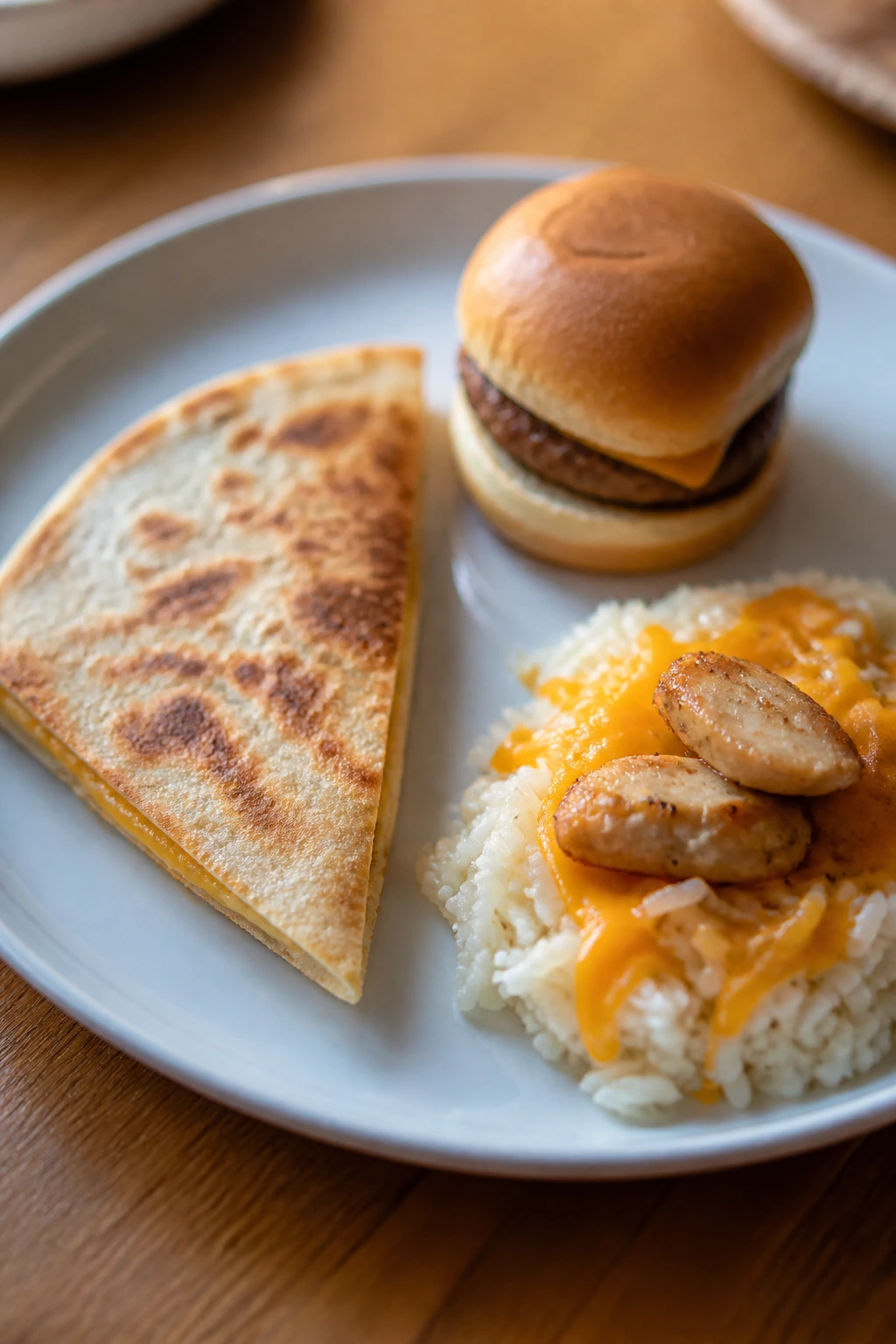
The best part of a picky-eater meal isn’t that it tricks anyone. It’s that it lowers the temperature of dinner. A good quesadilla, a clean slider, a bowl with rice and cheese and one safe protein — those things create fewer battles, and that gives everyone more room to actually eat.
If you remember only one rule, make it this: keep the food readable. Familiar shapes. Mild sauce. One choice at a time. That combination solves more weeknight problems than fancy recipes ever will, and it tends to hold up long after the novelty wears off.