



Seven o’clock on a family night is a brutal time for dinner to be fussy. Someone is hungry enough to lose patience, someone else is tired enough to reject anything unfamiliar, and the pan on the stove has about twelve minutes to earn its keep. That’s where an easy cozy meal for family night kids will actually eat has to be more than “edible.” It has to feel familiar the second it hits the table.
My bias is obvious: I like dinners that come out of one dish, make the kitchen smell like butter and toasted cheese, and don’t ask children to be brave. A baked pasta casserole with a mild sauce, tender chicken, peas, and a browned top is one of the safest bets. So is creamy chicken and rice, or a gentle meatball bake with garlic bread on the side. The details change, but the logic stays the same.
The best family-night meals aren’t trying to impress anybody. They’re trying to disappear from plates.
And that matters, because the dinner that gets eaten without a debate buys you something priceless: a quieter table, fewer negotiations, and a little room to breathe before bedtime math, bath time, or the second round of “I forgot my shoes.” That’s the real win. Not perfection. Just a warm pan and a full set of clean forks.
Why This Easy Cozy Meal Works for Family Night
-
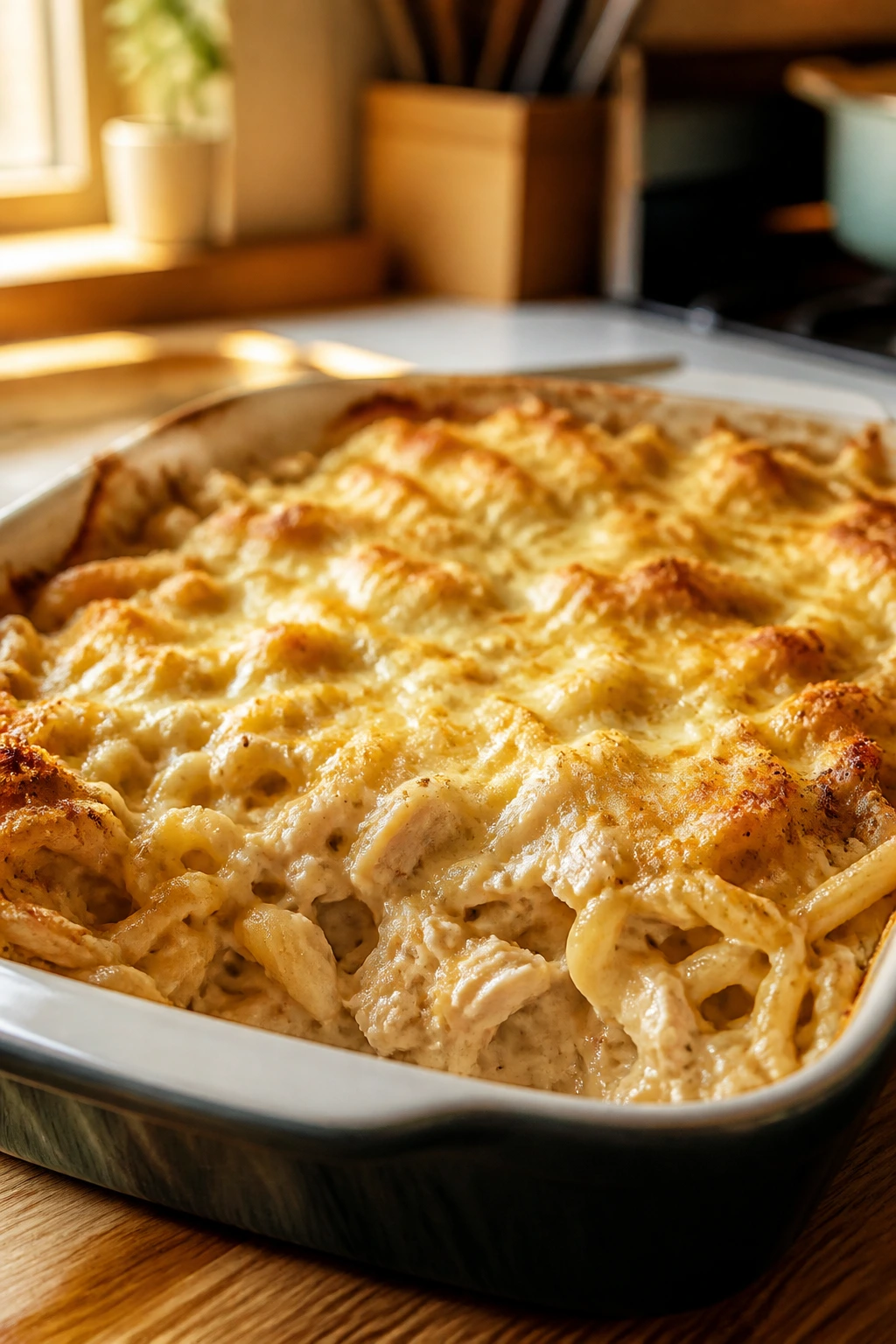
It looks familiar at first glance: Kids usually trust a dinner they can identify in three seconds — pasta, chicken, cheese, rice, or meatballs beat mystery sauces and mixed-up textures every time.
-
The texture is soft in the right way: Warm noodles, tender chicken, and a creamy sauce are easier sells than anything crunchy, slippery, or packed with surprise bits.
-
The oven does part of the work: A meal that bakes while you set the table, answer a question, and find one missing sock feels far more manageable than a stovetop dinner that needs constant stirring.
-
It scales without drama: You can feed four or feed eight by adding one more baking dish, one more bag of pasta, or a second loaf of bread. No one gets a tiny portion and no one starts peeking into the pot for seconds.
-
Leftovers usually hold up: The best cozy dinners taste almost as good the next day, which means one effort can cover dinner and tomorrow’s lunch.
-
You can keep the vegetables subtle: Finely chopped spinach, grated carrots, peas, or roasted broccoli can blend into the meal without turning it into a vegetable lecture.
The Dinner Formula That Keeps the Table Calm
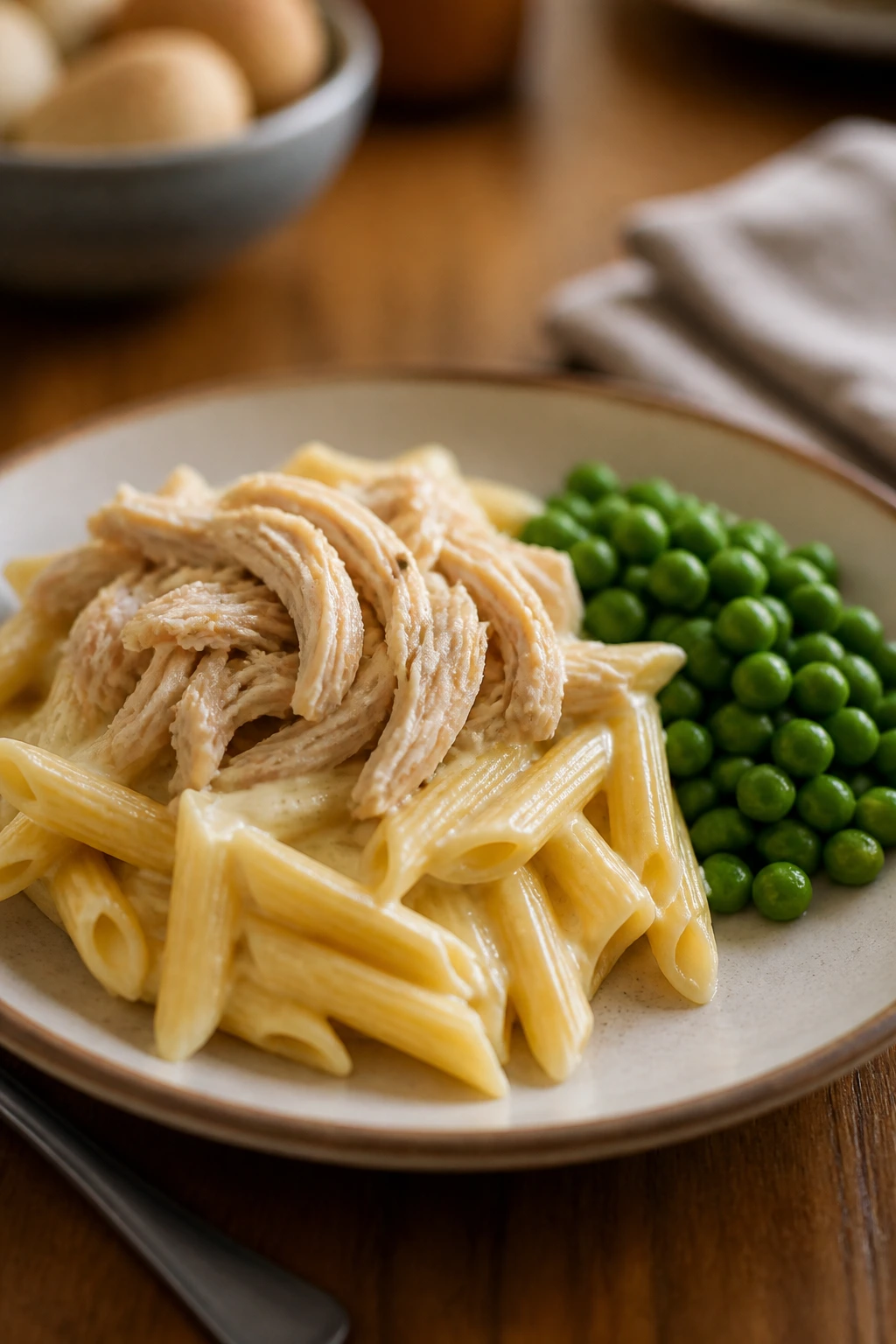
A family-night meal that kids actually eat usually follows a simple pattern, even if nobody calls it that at the table. There’s a familiar base, a mild protein or sauce, and one or two add-ins that keep the adults from feeling like they’re eating from a kiddie menu.
That formula matters because most dinner resistance is about recognition, not nutrition. A child who can spot pasta shapes, shredded chicken, or melted mozzarella is already halfway to taking the first bite. A child staring at a beige casserole with a dozen invisible intentions is much less likely to cooperate.
The three pieces that do the heavy lifting
Start with a familiar base. Pasta is the obvious comfort move, but rice, potatoes, and soft rolls can do the same job. The point is to give the plate a shape kids already know how to approach.
Add one gentle protein. Rotisserie chicken, browned ground turkey, meatballs, or shredded pork are easier for kids than anything with a hard sear or a strong spice crust. Tender matters more than glamorous.
Finish with one vegetable that behaves. Peas, spinach, broccoli florets chopped small, or grated carrots disappear nicely into sauce. You do not need a whole salad bar. You need one reasonable green thing.
What to leave out
A family-night dinner can get too clever fast. Too many textures make a plate feel busy, and busy plates get abandoned. Big chunks of onion, visible mushrooms, capers, heat that builds on the tongue — those things might be fine on another night, but they work against the whole “kids will actually eat it” promise.
My rule is simple. If the dish needs a sentence of explanation before anyone eats it, it probably needs to be simplified.
Choosing the Main Dish Kids Recognize at First Glance
The easiest cozy meal for family night is usually the one that looks like something kids have already agreed to eat in another form. That sounds obvious, but people forget it the second they start shopping. They buy a specialty sauce, a fancy pasta shape, a vegetable with a hard edge, and then wonder why the dinner needs persuasion.
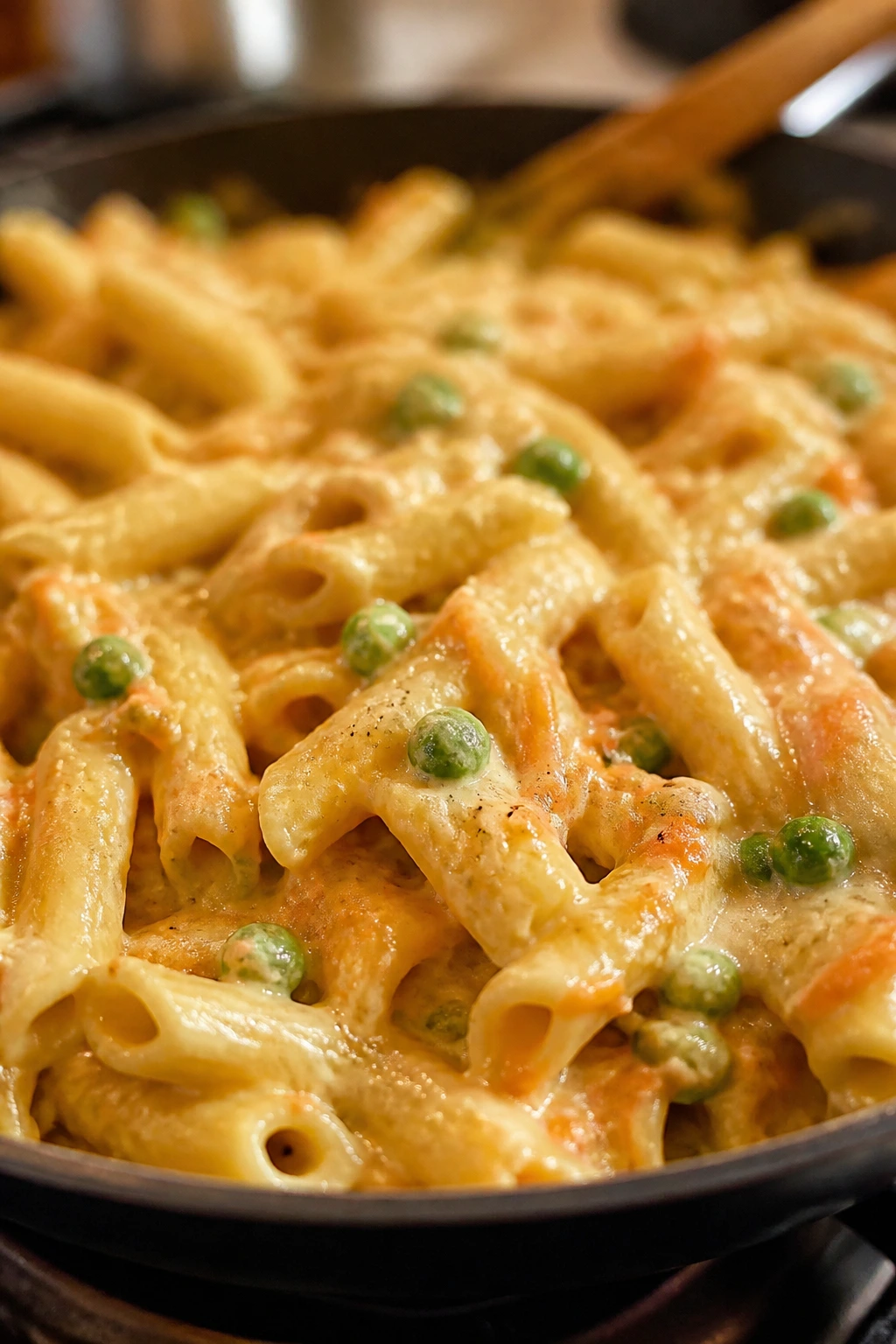
The safest anchor is a baked pasta casserole. It gives you soft noodles, sauce, cheese, and enough structure to scoop. That combination is almost unfair in its reliability. It smells like dinner, it looks like dinner, and the browned top gives the whole thing a little drama without asking for any bravery from the person eating it.
Meatballs are another strong anchor. So is shredded chicken tucked into creamy rice or noodles. The trick is to choose a protein children already recognize as part of a real meal, not a culinary exam.
If you want the lowest-friction choice
- Baked ziti or baked penne: The shape holds sauce, the top gets golden, and the middle stays soft.
- Creamy chicken and rice: The grains stay comforting, and the chicken can be shredded so there’s nothing chewy to argue about.
- Meatballs with noodles or mashed potatoes: This works because the meatball has a clear identity. Kids know what it is before they taste it.
- Mild taco casserole: Useful if your household likes tacos but not too much spice. Think seasoned beef, cheese, and tortilla chips on top, not a spicy situation.
The best part is that you do not need to chase novelty. A family-night meal wins by being dependable enough to repeat. Repetition is not a flaw here. It’s the point.
Mild, Creamy, and Golden: The Flavor Profile Kids Usually Trust
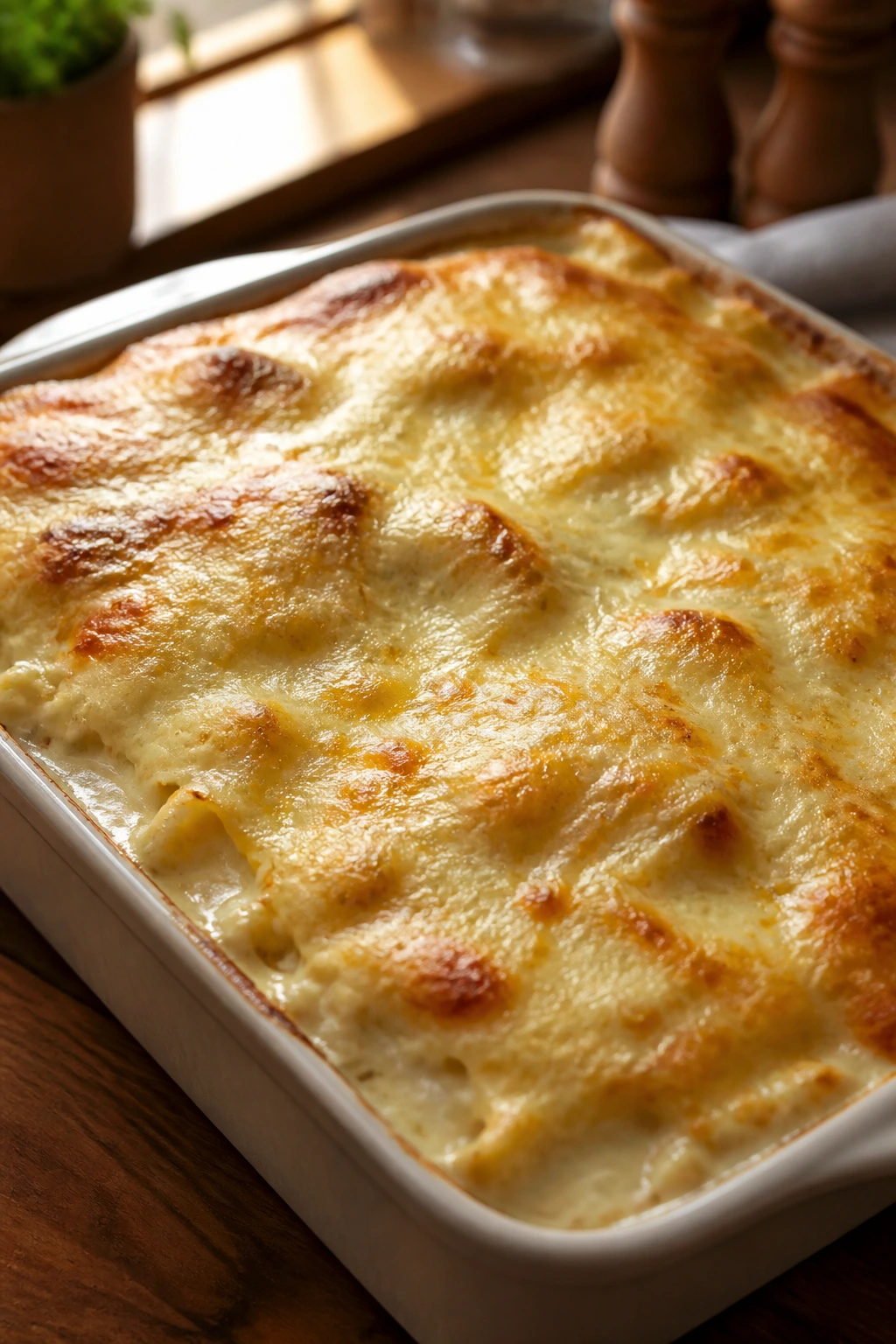
The flavor profile that gets eaten is usually quieter than the one adults daydream about while browsing recipe blogs. Kids tend to trust mild tomato sauce, butter, cheese, roasted garlic that’s cooked until soft, and herbs that stay in the background. They are less enthusiastic about heat, sharp vinegar, or anything that smells aggressively “green” before it hits the tongue.
That doesn’t mean bland. It means rounded. There’s a difference. A good cozy family meal has enough salt to taste like food, enough fat to feel comforting, and enough browning on top to make each bite a little different from the last.
Cheese helps here, but not in a sloppy way. Mozzarella gives you stretch. Mild cheddar gives you more flavor. A little Parmesan adds a salty edge on top. If you want kids to accept the dish, the cheese should melt into the meal rather than sit on it like a dare.
What works better than bold seasoning
A gentle hand with seasoning goes farther than people think. Garlic powder, onion powder, a little dried basil, a pinch of oregano, and a few turns of black pepper usually do more for this kind of dinner than a giant amount of spice. If you want heat, put crushed red pepper on the table for the adults.
That same logic applies to sauces. A sauce should coat the noodles or chicken, not flood the bowl. When the sauce is too thin, dinner feels slippery and a little messy in a way children notice immediately. When it’s too thick, it turns gluey after baking. The sweet spot is somewhere in the middle — saucy enough to hold moisture, thick enough to cling.
A cozy meal should smell like it belongs in the kitchen, not like it’s trying to win a contest. That’s the lane.
The Oven Method That Gives You Hands-Free Time
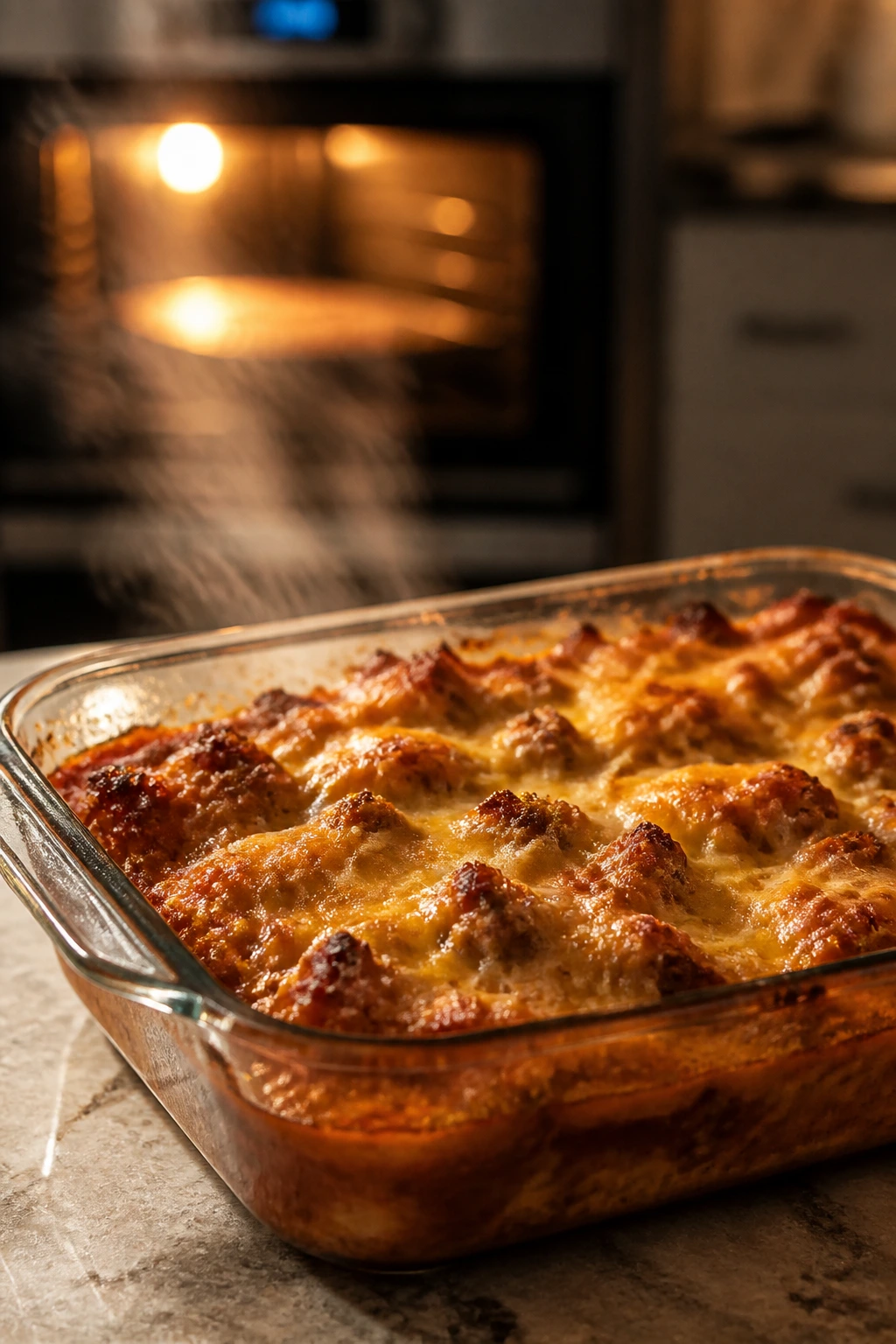
If there’s one reason baked family dinners keep showing up on sensible people’s tables, it’s this: once they’re in the oven, they stop asking questions. No stirring. No constant checking. No pan to babysit while somebody needs help finding a library book or a left shoe.
The oven method is especially useful for family night because it creates a little buffer. That buffer matters. You can drain pasta, mix a sauce, assemble a casserole, and then pause for five minutes without the whole meal falling apart.
A good oven dinner also lets you handle the timing in chunks instead of all at once. Boil the starch first, make the sauce while it cooks, assemble, bake, rest. That sequence is calm in a way stovetop meals rarely are.
A timeline that keeps the evening sane
- 10 to 15 minutes: Boil pasta or rice, brown or shred the protein, and stir together the sauce.
- 15 to 25 minutes: Bake until the edges bubble and the top starts to pick up color.
- 5 to 10 minutes: Let the dish rest before serving so it settles instead of collapsing into a steaming puddle.
That rest is not decorative. It’s doing actual work. Cheese firms up a bit, sauce thickens, and portions scoop cleaner. Skip it and the first serving often looks messier than it tastes.
If you’re feeding kids who eat slowly, a covered dish holds heat better than a bare one. A loose piece of foil for the first stretch of baking can also prevent the top from overbrowning before the middle is hot.
How to Add Vegetables Without Turning Dinner Into a Negotiation
Vegetables are easier to get into a family-night meal when they behave like part of the dish instead of a separate announcement. This is where a lot of home cooks overthink things. They want the meal to feel wholesome, so they throw in giant broccoli spears or a mountain of mushrooms. The kids notice. The meal becomes a conversation.
That conversation is avoidable.
Finely chopped, grated, or wilted vegetables disappear better into a cozy dinner than chunky ones. Grated carrots soften into tomato sauce. Baby spinach melts down to almost nothing. Frozen peas bring color and sweetness with barely any prep. Finely chopped broccoli florets can work if you blanch or roast them first so they’re tender instead of squeaky.
The vegetables that cause the fewest arguments
- Peas: Stir in at the end; they stay sweet and bright.
- Spinach: Wilt it into sauce or tuck it between layers of pasta.
- Carrots: Grate them fine so they soften and sweeten the sauce.
- Zucchini: Grate and squeeze it dry before adding it to a bake.
- Broccoli florets: Chop them small, then roast or steam first so they don’t stay tough.
There’s another route, too: serve the vegetables on the side and keep the main dish clean. That’s often the easier move if you have one child who hates mixed foods. A few cucumber slices, steamed green beans with butter, or roasted carrots on a separate plate can keep the peace.
The point is not to trick anybody. The point is to make vegetables easier to accept. There’s a difference, and kids can tell when adults are being sneaky.
How to Serve It So It Feels Special Without Extra Work
Family night meals do not need a deep styling session. They do need a little intention. If you dump the casserole in the middle of the table and hand out forks, it will still feed everyone. But if you add one or two tiny rituals, dinner feels like an event instead of a necessary interruption.
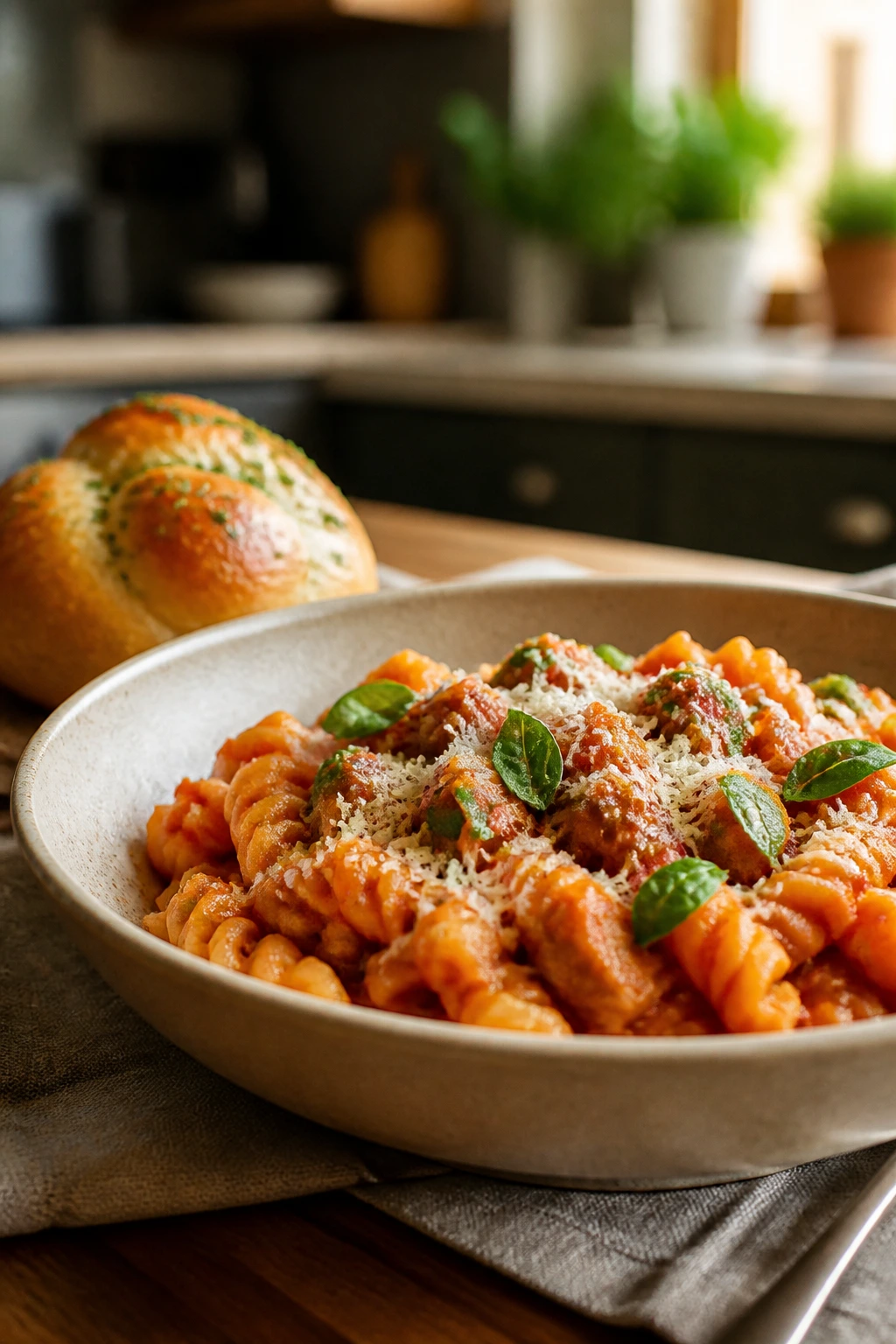
A shallow bowl is often better than a flat plate for a cozy meal. It holds sauce, keeps pasta from sliding around, and makes the portion look fuller. A sprinkle of Parmesan on top, a few torn basil leaves, or a tiny dusting of black pepper on the adults’ servings is enough to make the dish look finished.
Bread helps more than people admit. Not because every meal needs a starch on the side, but because a warm slice of garlic bread or a soft dinner roll gives kids a safe backup. If they eat the bread first, fine. If they use it to mop up sauce, even better. That’s food being eaten, not judged.
Small things that make a big difference
Put the serving spoon in the dish before you call everyone over. Set the napkins where they can be reached without a scavenger hunt. Warm the bowls for a minute if you’re serving a baked pasta or creamy chicken dish; it keeps the first portion from cooling too fast.
If you want the meal to feel a little more like a treat, bring one cold thing to the table alongside it. Apple slices, grapes, or a simple cucumber salad work better than a complicated side. They add contrast and stop the dinner from feeling heavy in the way some cozy meals can if they’re not balanced carefully.
That’s enough. Too much extra work and the whole point starts to slip.
Practical Tips for Better Texture and Easier Cleanup
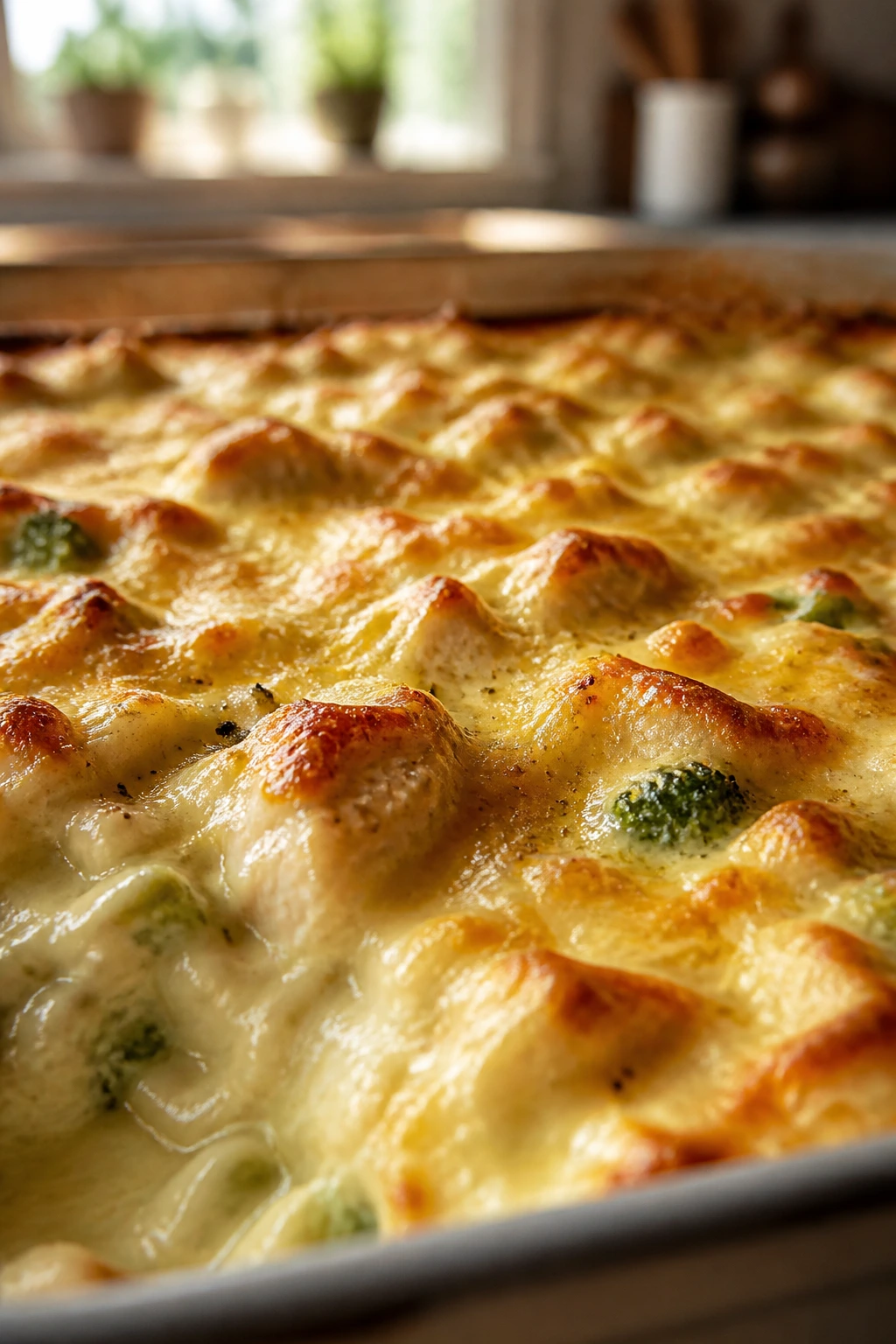
The difference between a family-night dinner that lands and one that feels awkward is usually not the recipe itself. It’s the tiny choices around it. A casserole can be close to perfect and still disappoint if the texture is wrong or the cleanup is miserable.
Texture fix: Undercook pasta by 1 to 2 minutes before baking it. Pasta keeps cooking in the oven, and if you boil it all the way to soft before it goes in, the final dish turns heavy and dull. You want it just shy of done so the bake finishes the job.
Cheese move: Shred cheese yourself if you want the smoothest melt. Pre-shredded cheese is convenient and it absolutely has a place on a busy night, but the anti-caking coating can make the top a little less silky. If you’re using pre-shredded, toss it with a tiny spoonful of cornstarch only if the recipe needs extra thickening.
Cleanup saver: Line the oven rack below your casserole with foil if the dish tends to bubble over. That one move saves you from the burnt-cheese smell that lingers for days. For sheet-pan meals, parchment paper is worth its weight in sanity.
Time-saver: Keep a rotisserie chicken in the rotation. Shred it while it’s still warm and it comes apart in long, useful pieces instead of stubborn little shards. It’s one of the few shortcuts I never argue with.
Flavor booster: Save a spoonful of pasta water, broth, or even milk before assembling the meal. A splash of it can loosen a sauce that got too thick while you were dealing with the rest of the evening.
The small gains stack up. That’s the real secret, if there is one.
Common Mistakes That Make Family Dinner Harder Than It Needs to Be
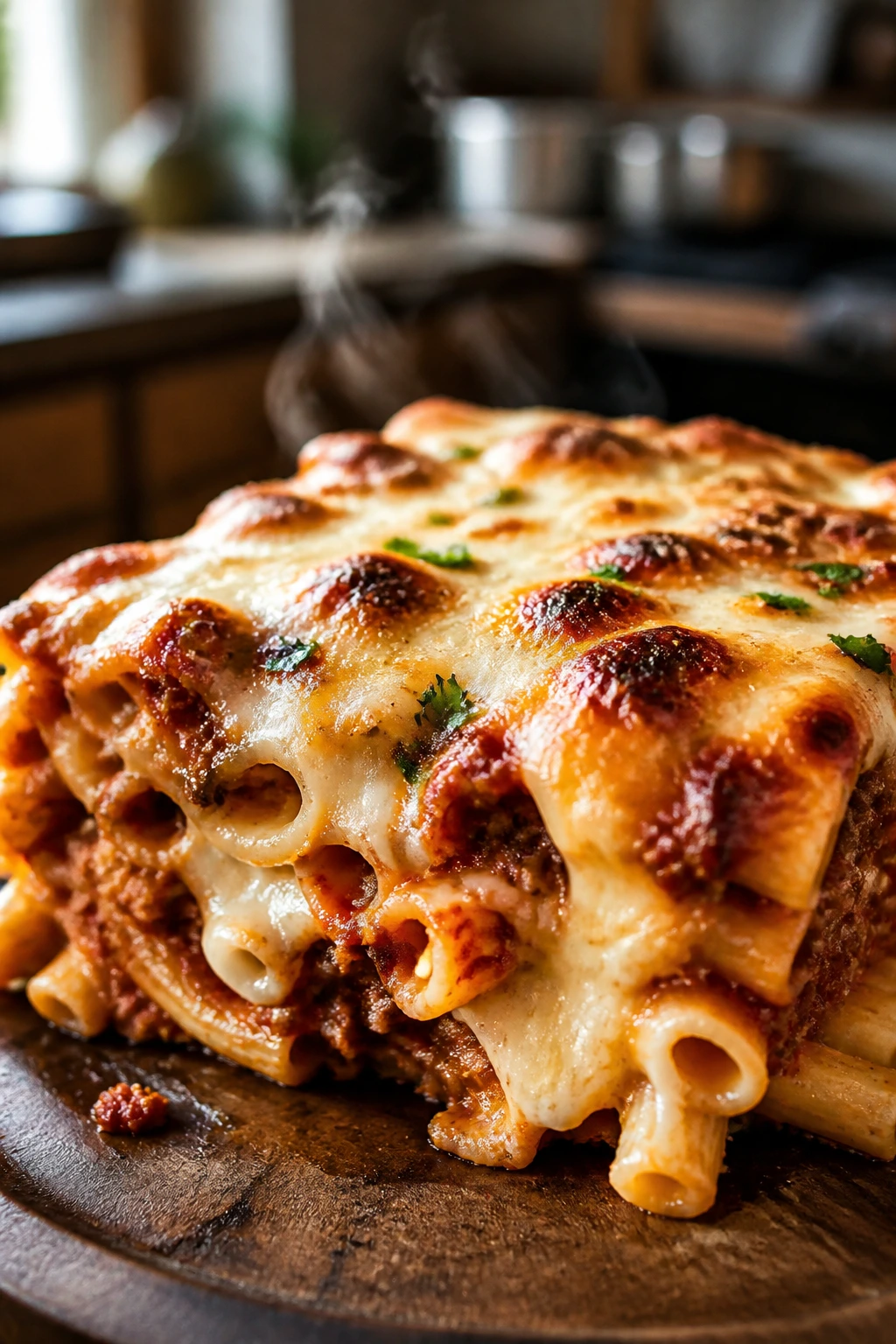
A cozy meal for family night only works if it stays calm from stove to table. Most of the problems that show up are self-inflicted, which is annoying but also fixable.
Making the meal too clever: If the dinner has too many ingredients, too many textures, or a sauce that needs explaining, kids often back away before they taste it. Keep the structure simple. One starch, one protein, one vegetable, one sauce. That’s enough.
Overbaking until everything dries out: Casseroles often go from creamy to tired in a few extra minutes. Watch for bubbling edges and a lightly golden top, then pull it. If the center is already hot, it does not need a punishment round.
Hiding vegetables so well they turn watery: Grated zucchini, spinach, and mushrooms can be useful, but they need the moisture handled correctly. Squeeze zucchini dry, wilt spinach first, and cook mushrooms down before they go into the dish. If not, the sauce thins out and the whole pan gets loose.
Serving a meal that’s too hot to eat: This sounds small. It isn’t. Kids are far less patient with food that burns their mouth, and a too-hot casserole can make them distrust the dish for the rest of the night. Rest the pan for 5 to 10 minutes so the steam settles.
Skipping seasoning on the sauce: A pile of cheese can’t fix a flat sauce. Salt the sauce, taste it before you assemble, and make sure it has enough flavor on its own. Cheese should support the meal, not carry it.
Forgetting to build in a backup: Keep bread, fruit, or plain rice nearby if you’re serving a new variation. It lowers the stakes for the child who needs a safe food on the plate.
The good news is that none of these mistakes are dramatic. They’re the kind you can stop making on the very next dinner.
Variations for Different Ages, Diets, and Appetites
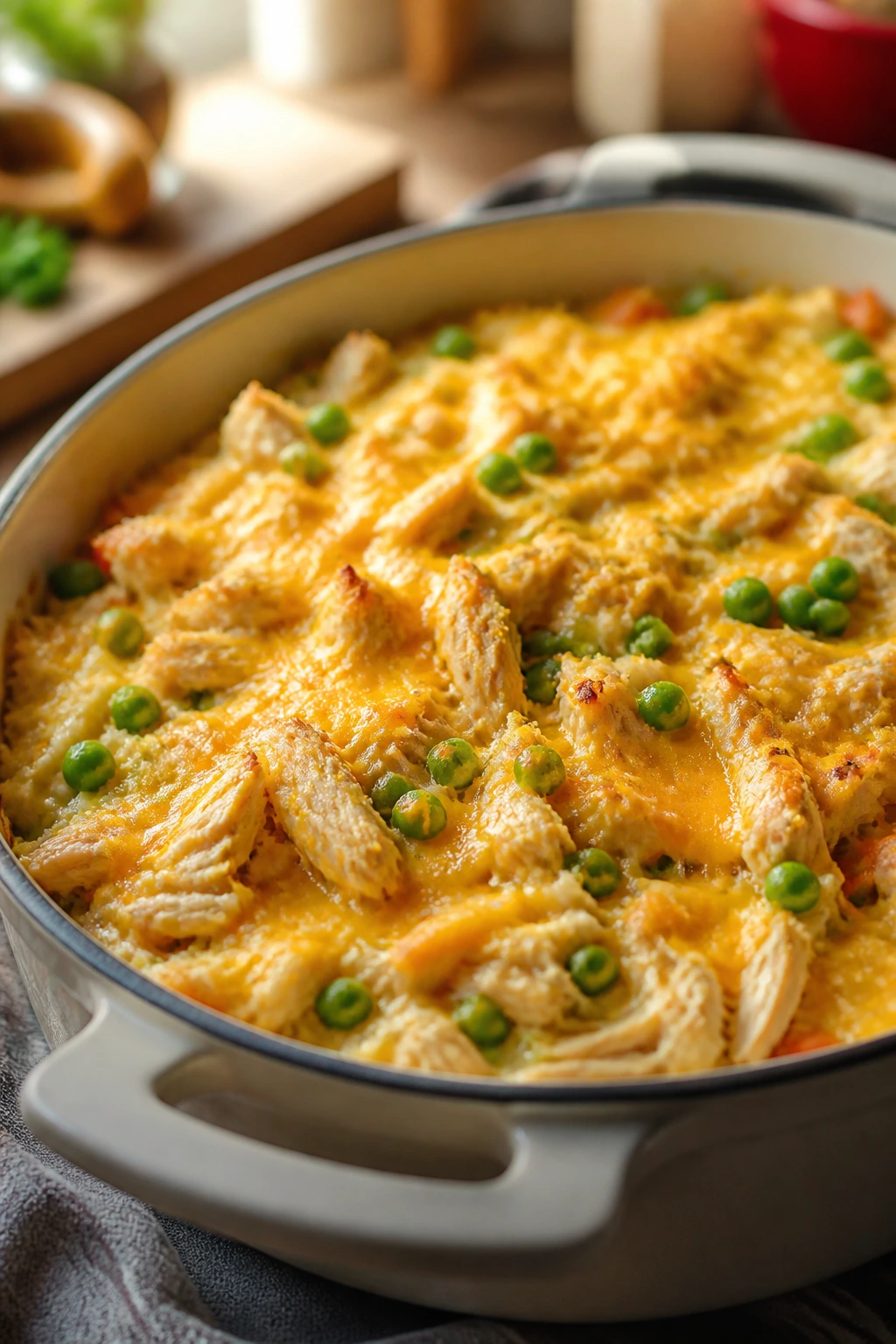
The nice thing about a family-night dinner is that the structure is flexible. You can keep the cozy feeling and still make it fit different households. That matters when one child wants sauce, another wants everything separate, and an adult would like to see more vegetables without causing a scene.
Rotisserie Chicken Bake: Use shredded rotisserie chicken, mild marinara, pasta, mozzarella, and peas. This is the most straightforward version and the one I’d choose on a night when the calendar is loud and everyone’s patience is short.
Meatball Comfort Night: Swap in small meatballs, either homemade or store-bought, and serve the meal over buttered noodles or mashed potatoes. Kids usually love the clear shape of meatballs, and the portioning is easy because they can count what they want.
Vegetarian Cozy Bake: Use white beans or chopped mushrooms for heft, but cook the mushrooms down first so they don’t release water into the sauce. A little extra cheese helps make the dish feel satisfying instead of like a compromise.
Gluten-Free Pasta Night: Choose a sturdy gluten-free pasta, undercook it slightly, and bake it with a sauce that isn’t too thin. Some gluten-free pastas soften fast, so keep an eye on the oven and let the dish rest before serving.
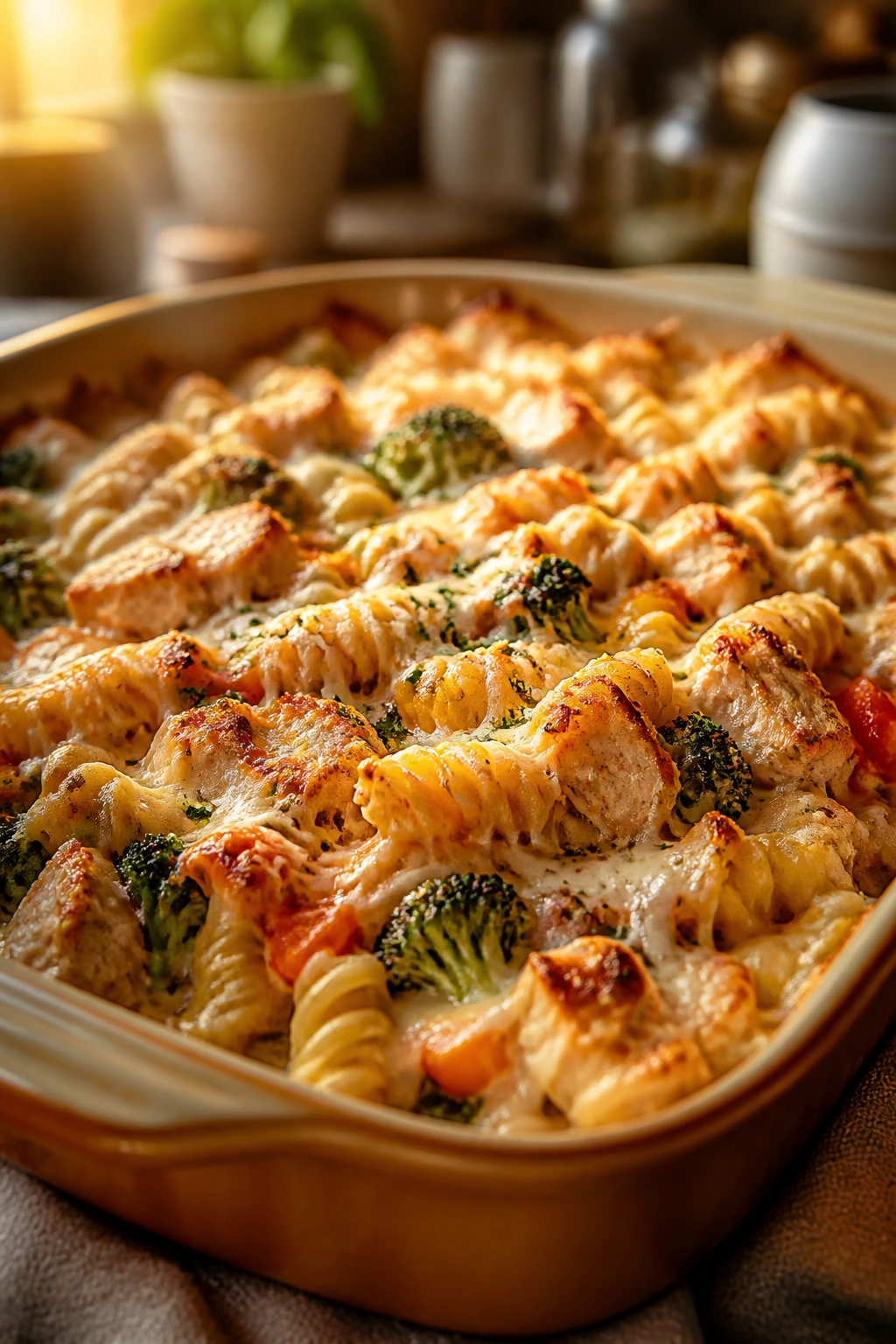
Creamy Broccoli Chicken Version: Add finely chopped broccoli florets that have been steamed just until tender. This version is a little greener, a little less tomato-heavy, and works well if your family likes broccoli as long as it isn’t crunchy.
Mild Taco Casserole: Use ground turkey or beef, taco seasoning kept light, shredded cheese, crushed tortilla chips on top, and a side of sour cream. It feels festive enough for family night without moving into spicy territory.
If a child hates mixed textures, serve the same ingredients deconstructed for them. Pasta on one side, chicken on the other, sauce in a small bowl. Same dinner. Less friction.
Essential Equipment for the Meal
-
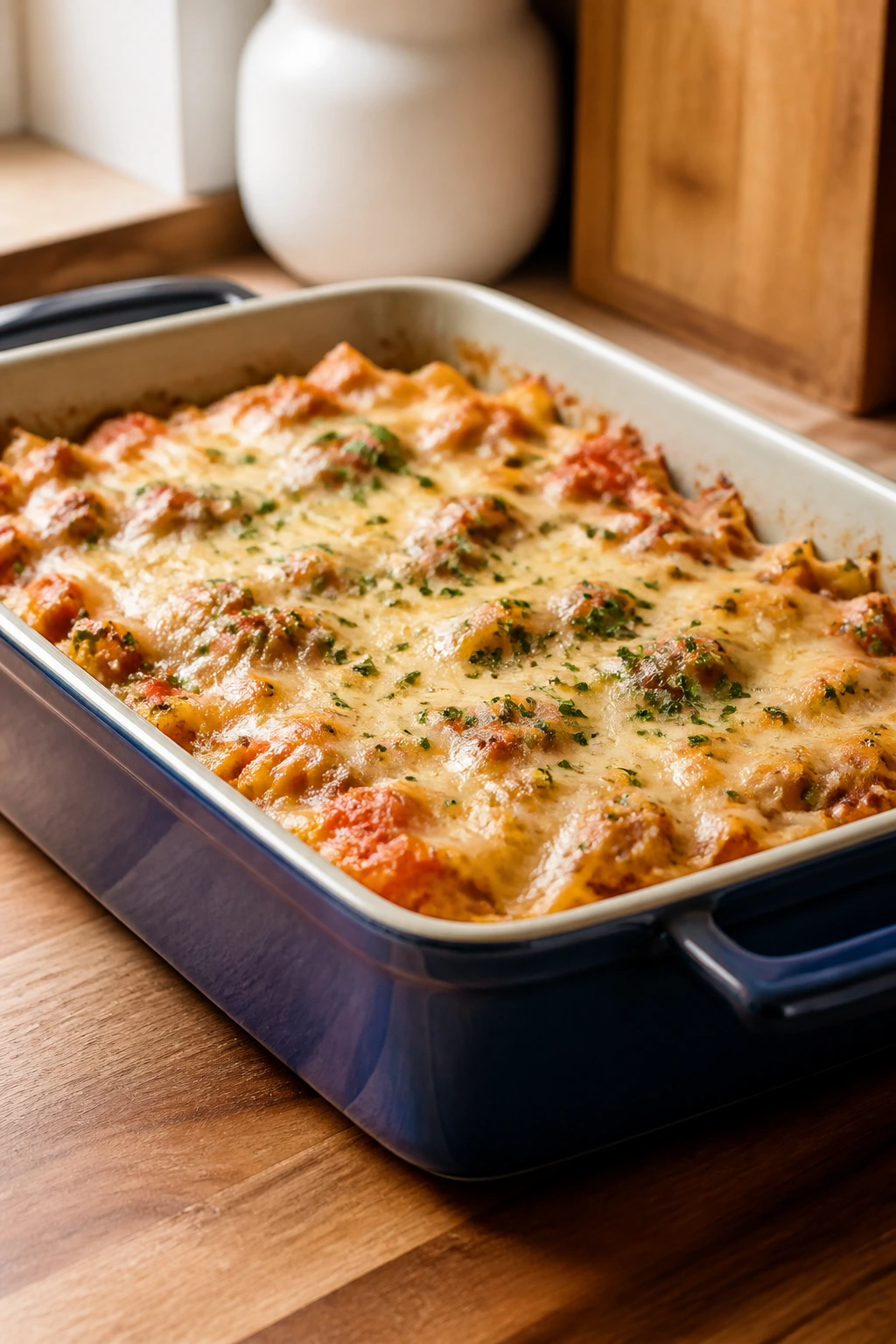
9×13-inch baking dish: The classic size for a family-night casserole; deep enough to hold sauce without sloshing over the edge.
-
Large pot or Dutch oven: Useful for boiling pasta, cooking rice, or building the sauce in one place.
-
Colander: A small thing, but it saves you from draining hot starch into the sink with the wrong bowl under it.
-
Wooden spoon or heatproof spatula: Better for stirring sauce than a flimsy spoon that bends under a heavy mixture.
-
Box grater or microplane: Helpful for shredding cheese and grating carrots so they soften into the meal.
-
Rimmed sheet pan: Good for catching drips under the casserole or roasting vegetables on the side.
-
Instant-read thermometer: Useful when the meal includes chicken; the safe internal temperature is 165°F in the thickest part.
-
Foil or parchment paper: Makes cleanup easier and can keep the top from browning too fast.
-
Sharp knife and cutting board: Basic, but essential if you’re chopping vegetables or slicing bread.
-
Airtight storage containers: Leftovers stay fresher and reheat better when they’re sealed instead of left loose in a bowl.
Make-Ahead, Storage, and Reheating Without Drying It Out
The best cozy dinners are often the ones you can partially prep before the evening gets loud. A sauce can be made earlier in the day. Vegetables can be chopped and tucked into a container. Chicken can be shredded and chilled. Pasta is the only part I’m cautious about making too far ahead, because it gets soft if it sits in sauce for too long before baking.
If the meal includes cooked chicken, follow the usual food-safety rule: get it into the fridge within 2 hours. That guidance matters more when the kitchen is warm or when the dish sits out while everyone gathers around.
Leftovers usually keep for 3 to 4 days in the refrigerator if they’re sealed well. For freezing, most baked pasta, chicken casseroles, and similar cozy meals hold up for up to 2 to 3 months. After that, the texture usually starts to suffer even if the food is still technically safe.
Reheating without wrecking the texture
- Oven: Cover the dish with foil and reheat at 325°F to 350°F until hot in the center. Add a splash of milk, broth, or sauce if it looks dry.
- Microwave: Reheat in short bursts, stirring once or twice if the food allows it. A damp paper towel over the top helps keep moisture in.
- From frozen: Thaw overnight in the fridge if you can. If not, reheat gently and give the center extra time.
Some versions of this meal improve overnight, especially pasta bakes and saucy chicken dishes. The flavors settle, the sauce thickens, and the leftovers feel less scattered than the first serving. That said, anything with a crunchy topping is best eaten fresh or revived briefly in the oven so it doesn’t turn limp.
Frequently Asked Questions
What’s the easiest cozy meal for family night if my kids are picky?
A baked pasta casserole with a mild sauce, shredded chicken, and mozzarella is one of the safest starting points. It looks familiar, it’s soft enough for younger eaters, and you can keep the vegetables subtle.
Can I make this kind of meal with store-bought shortcuts?
Absolutely. Rotisserie chicken, jarred marinara, frozen peas, and pre-shredded cheese can turn a long evening into a manageable one. I’d rather see a fully eaten shortcut dinner than a scratch-made meal nobody touches.
How do I keep dinner warm while everyone gets to the table?
Let the meal rest for 5 to 10 minutes after baking, then cover it loosely with foil. For serving, keep the dish on a warm pad or in a low oven, and place the bread or sides nearby so nobody has to wait while one piece goes cold.
What vegetables work best in a kids-will-actually-eat dinner?
Peas, spinach, grated carrots, finely chopped broccoli, and zucchini that has been squeezed dry usually behave well. They soften into the dish instead of sitting on top like a warning.
Can I make it dairy-free or gluten-free?
Yes, but choose replacements that can handle heat. Gluten-free pasta can work well if you undercook it a little, and dairy-free cheese or creamy sauces are best when they’re baked gently rather than blasted at high heat.
What if one child eats only the noodles and ignores everything else?
That’s normal enough to stop worrying about. Serve a small portion, keep one safe food on the side, and don’t turn dinner into a campaign. Kids often try more when the pressure is lower.
Should I bake it covered or uncovered?
Both, if you want the best result. Cover it for part of the bake so the inside stays moist, then uncover it long enough for the top to brown. A foil cover keeps the sauce from evaporating too fast.
Can I use rice instead of pasta for a family night meal?
Yes, and creamy chicken-and-rice casseroles are one of the most reliable swaps. Rice gives you a softer, more spoonable dinner, which works well for younger kids or anyone who prefers less chew.
What if the meal turns out dry?
Stir in a little warm broth, milk, or sauce before reheating leftovers. For the first bake, the fix is usually less about rescue and more about prevention: undercook the starch slightly, keep enough sauce in the pan, and don’t leave it in the oven longer than needed.
A Better Kind of Busy-Night Dinner
The nicest thing about a family-night meal like this is that it lowers the stakes without lowering the quality. You still get a real dinner. You still get something warm in the middle of the table. You just don’t have to wrestle it into existence.
That’s the part people miss when they chase complicated weeknight recipes. The goal isn’t to impress the family with how much work dinner took. The goal is to put down a pan of food that smells good, tastes mild enough for the pickiest kid, and lets everyone eat without a running commentary.
On the nights when the house feels loud and every task arrives all at once, a baked, cozy dinner is a small kind of mercy. Keep one in your back pocket, and the table gets easier fast.