



A pan of stuffed shells has a way of making a room feel settled. Sauce is bubbling at the edges, cheese has browned in a few little freckles, and the smell drifting out of the kitchen says the hard part is over. For stuffed shells dinners for hosting, that’s the whole trick: they look generous, they slice and serve cleanly, and they don’t ask you to stand over the stove while guests are already pouring the wine.
I’ve always liked stuffed shells better than lasagna for a crowd. Lasagna can be magnificent, sure, but it’s also a little bossy. Shells are friendlier. Each one is a neat pocket of ricotta, vegetables, meat, or something richer and more savory, which means people get a real portion instead of a sloppy mound that falls apart on the plate. They also forgive a host’s timing in a way that fussy dishes never do. You can boil the pasta, mix the filling, tuck everything into a baking dish, and let the oven do the quiet work while you wipe the counter and pretend you’re not checking the clock.
The best part is how much range they give you without changing the basic rhythm. One pan can be classic ricotta and spinach, another can be sausage and marinara, and a third can lean creamy with chicken Alfredo or earthy with mushrooms and goat cheese. That’s a nice thing to have in your back pocket when you’re feeding people with different tastes and opinions, which is to say: everyone. The shells stay familiar, but the flavors shift enough to make each dinner feel like its own little occasion.
Why You’ll Love This Collection
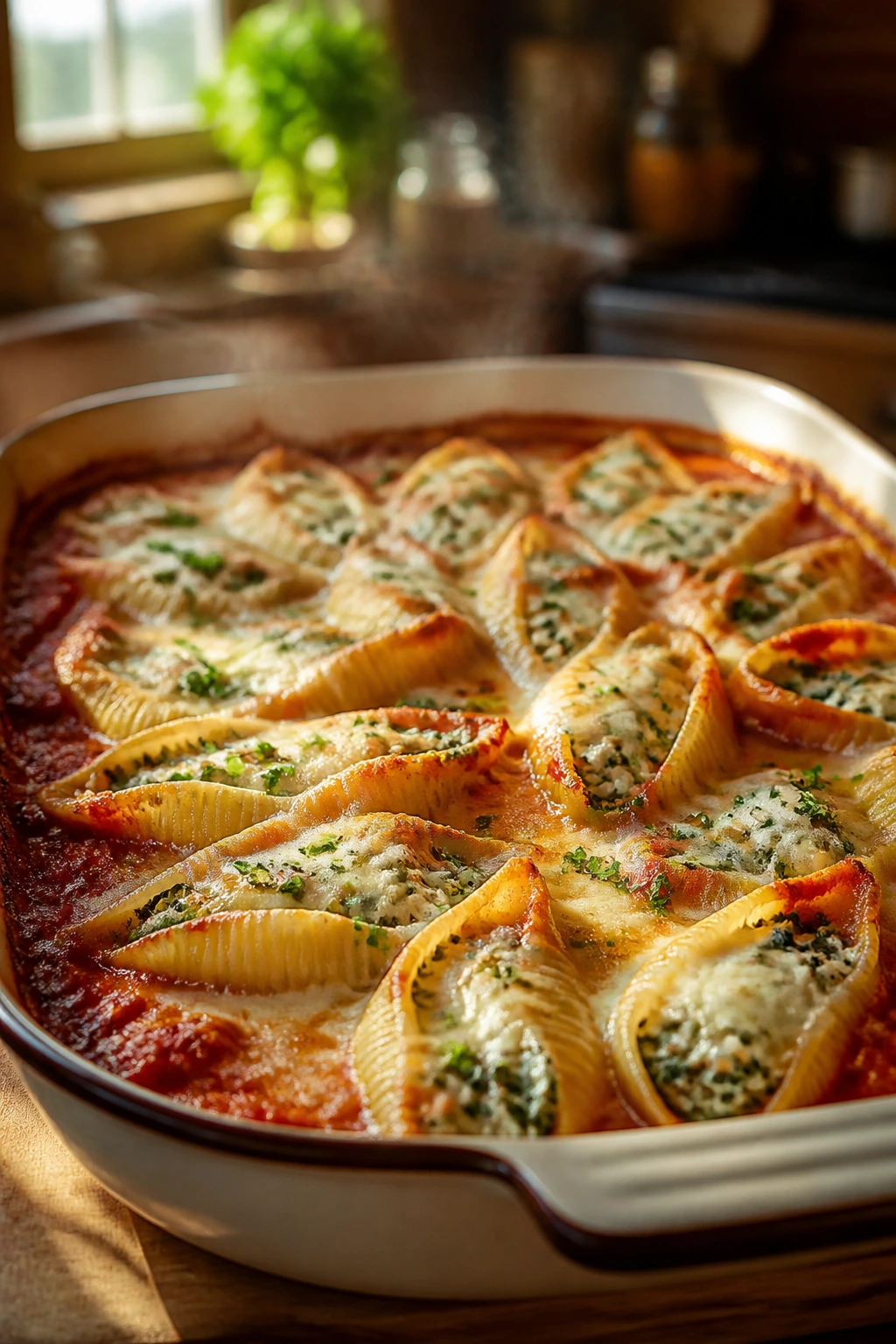
- Make-Ahead Friendly: Most stuffed shells can be assembled a day ahead, chilled, and baked when the guests are almost there and the kitchen has started to smell like garlic.
- Crowd-Pleaser Range: You get meat-forward, vegetarian, creamy, spicy, and seasonal options, so one menu can cover a mixed table without feeling random.
- Low-Stress Serving: A baking dish of shells is easy to carry, easy to portion, and much less chaotic than a platter of individual entrées.
- Budget-Smart Base: Ricotta, pasta shells, marinara, and a handful of add-ins stretch farther than most people expect, especially for a dinner that looks this full.
- Easy to Dress Up: A little basil, extra Parmesan, or a drizzle of good olive oil changes the mood fast. Fancy enough for guests. Still sane enough for you.
1. Classic Ricotta and Spinach Stuffed Shells
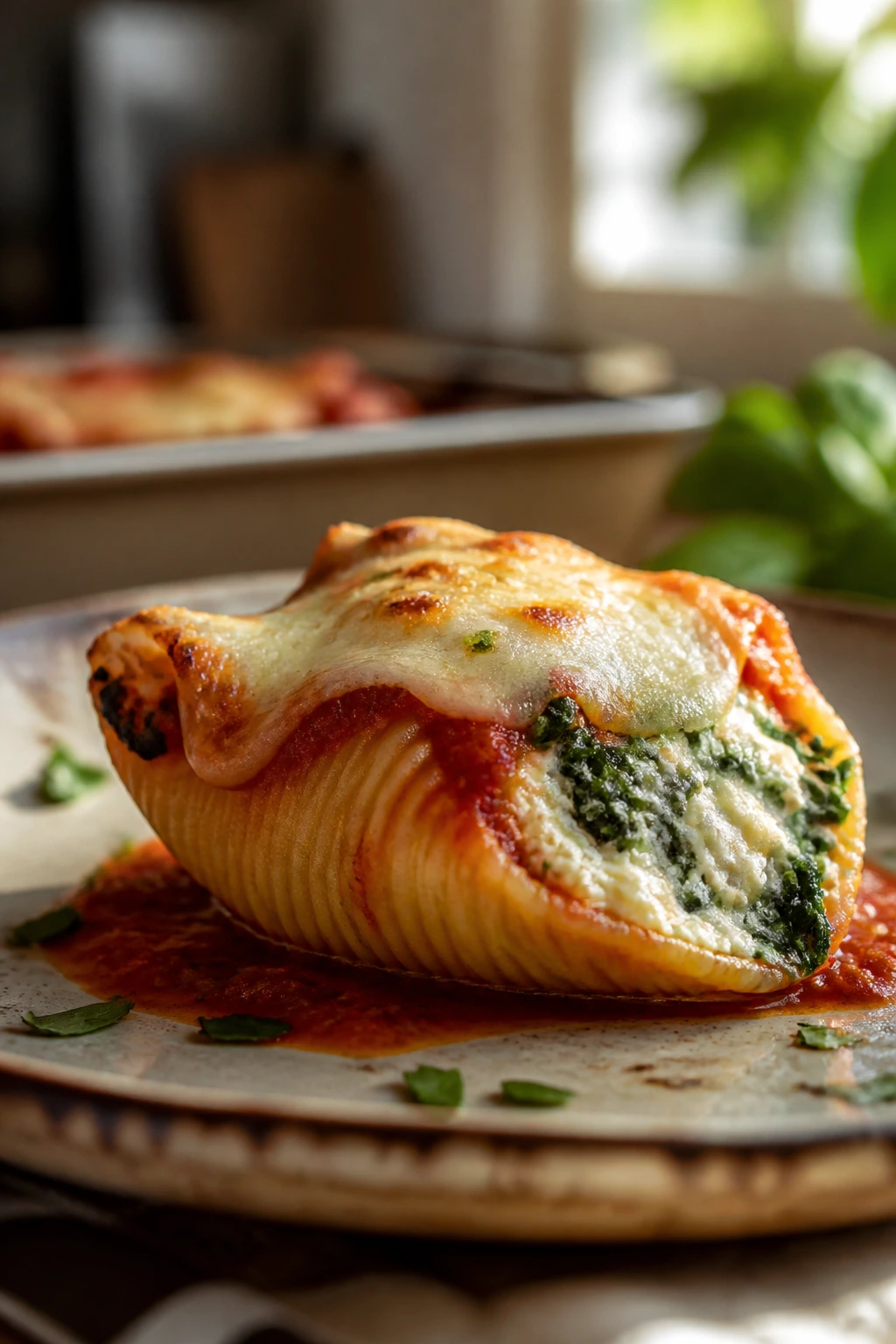
This is the version I reach for when I want the table to go quiet for a minute. The filling is creamy and mild, the spinach gives it a little earthiness, and the marinara keeps everything bright instead of heavy. It smells like the kind of dinner people trust before they even take a bite.
There’s a reason this one shows up at so many family tables. It uses familiar ingredients, but the texture is what makes it work: soft shells, lush ricotta, melted mozzarella, and just enough garlic to keep the filling from tasting flat. It also gives you the broadest possible lane for hosting, because it plays nicely with salad, bread, roasted vegetables, and even a second pan of something meatier if you want to split the menu.
Why It Works: The filling stays tender without turning watery if you drain the ricotta and squeeze the spinach dry, which sounds small until you’ve baked a pan that turns into soup at the bottom. The shells get a quick boil, then finish in the oven, so they keep their shape instead of collapsing into the sauce. A 375°F bake gives the cheese time to melt and the sauce time to bubble without scorching the edges, and that balance matters when you’re cooking ahead for guests.
Key Ingredients:
- 20 jumbo pasta shells
- 1 tablespoon kosher salt, for the pasta water
- 1 tablespoon olive oil
- 15 ounces whole-milk ricotta, drained if loose
- 10 ounces frozen chopped spinach, thawed and squeezed very dry
- 1½ cups shredded low-moisture mozzarella
- ½ cup finely grated Parmesan
- 1 large egg
- 2 cloves garlic, finely grated
- 1 teaspoon dried Italian seasoning
- ½ teaspoon kosher salt
- ¼ teaspoon black pepper
- 3 cups marinara sauce
- 2 tablespoons chopped basil or parsley
Quick Steps:
- Preheat and boil: Heat the oven to 375°F (190°C). Bring a large pot of salted water to a boil and cook the shells until they are just short of al dente, usually 1 to 2 minutes less than the package suggests.
- Cool the pasta: Drain the shells, toss them with olive oil, and spread them on a sheet pan so they do not stick together while you make the filling.
- Mix the filling: Stir together the ricotta, spinach, mozzarella, Parmesan, egg, garlic, Italian seasoning, salt, and pepper until the mixture looks evenly speckled and thick.
- Build the pan: Spread 1½ cups marinara in the bottom of a 9×13-inch baking dish. Fill each shell with a heaping spoonful of filling and place it seam-side up in the sauce.
- Top and bake: Spoon the remaining sauce over the shells, sprinkle with a little extra mozzarella if you want more browning, and cover tightly with foil. Bake for 25 minutes, then uncover and bake 10 to 12 minutes more until the sauce bubbles at the edges.
- Rest and serve: Let the pan sit for 10 minutes before serving so the filling settles and the shells hold together better on the plate.
Tips and Variations:
- Dryness Control: If your ricotta looks loose, let it drain in a fine-mesh sieve for 20 to 30 minutes before mixing.
- Sharper Finish: A little lemon zest in the filling gives the dish a cleaner, brighter taste without making it taste citrusy.
- Make-It-Easier: Use a zip-top bag with one corner snipped off to fill the shells fast and neatly.
2. Sausage, Onion, and Parmesan Stuffed Shells
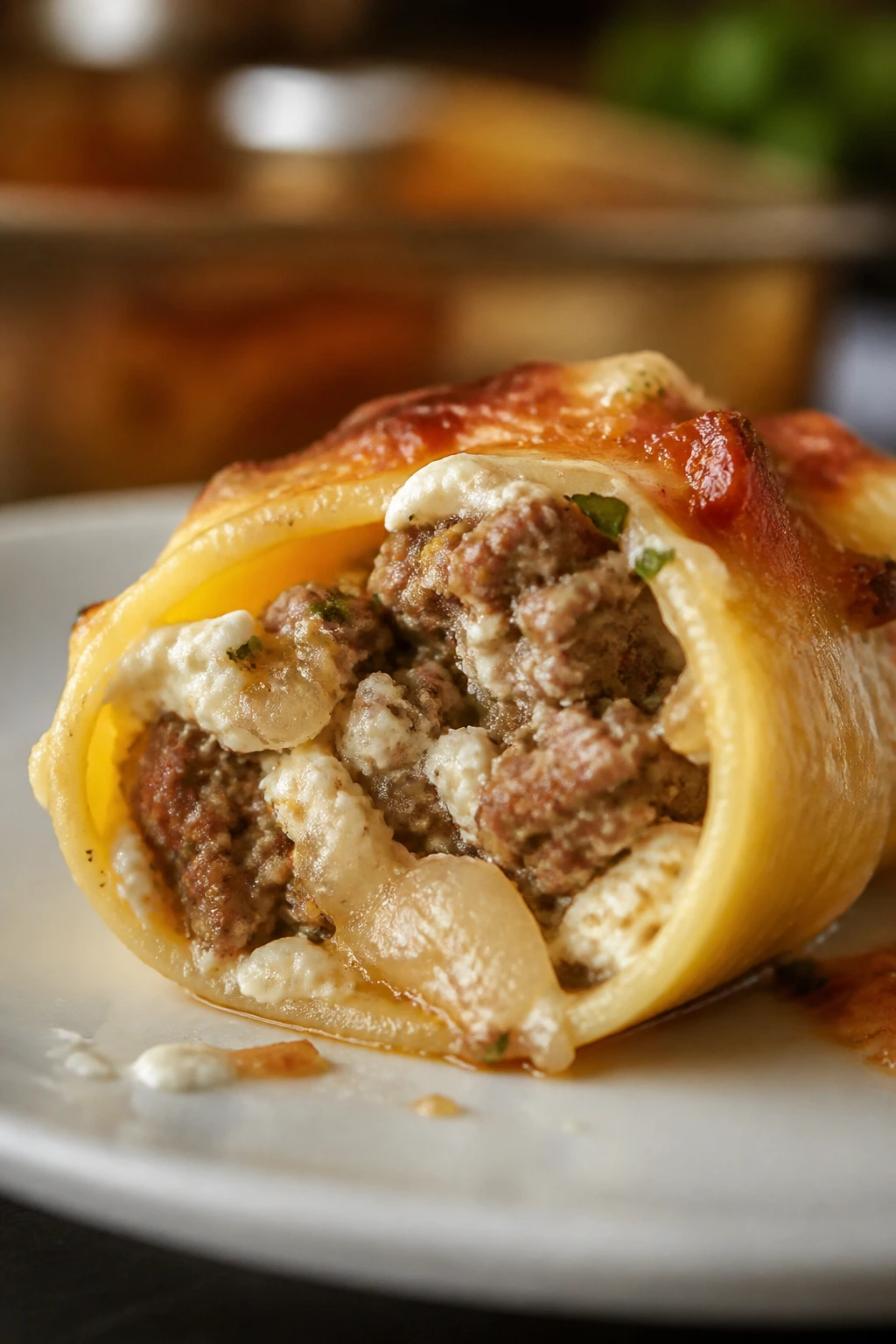
This one walks in with more swagger. The sausage brings salt, fennel, and a little fat to the party, and the onion softens into sweetness so the filling tastes round instead of blunt. It’s the pan I’d set out when I want guests to feel like they’re being fed something sturdy and satisfying, not just “pasta.”
A good sausage shell is all about contrast. You want the filling rich but not greasy, the sauce tomatoey but not sharp, and the cheese to melt into the meat without disappearing under it. The onion and Parmesan help there, because they pull the whole thing toward a deeper, more savory place.
Why It Works: Italian sausage does the heavy lifting here, but the ricotta keeps the filling from eating like a meatball stuffed inside another starch. Browning the sausage before it goes into the shells gives you those little crisped bits that taste better than any shortcut version, and the fennel seed echoes the sausage without making the filling taste busy. A 375°F oven is hot enough to brown the top in a normal hosting window, yet gentle enough that the shells stay tender.
Key Ingredients:
- 20 jumbo pasta shells
- 1 tablespoon kosher salt, for boiling the pasta
- 1 tablespoon olive oil
- 1 pound sweet or hot Italian sausage, casings removed
- 1 small yellow onion, finely diced
- 3 cloves garlic, minced
- 15 ounces ricotta
- 1 cup shredded mozzarella
- ½ cup finely grated Parmesan
- 1 large egg
- 1 teaspoon fennel seed, lightly crushed
- ½ teaspoon crushed red pepper flakes
- ½ teaspoon kosher salt
- ¼ teaspoon black pepper
- 3 cups marinara sauce
- ¼ cup chopped parsley
Quick Steps:
- Cook the shells: Boil the shells in salted water until just under al dente, then drain and spread them on a tray to cool.
- Brown the sausage: Heat the olive oil in a skillet over medium-high heat. Add the sausage and onion, breaking the meat into small crumbles, and cook until the sausage is browned and the onion is soft and sweet-smelling, about 8 to 10 minutes.
- Add the garlic: Stir in the garlic, fennel seed, and red pepper flakes for 30 seconds, just until the garlic smells fragrant and not raw. Let the mixture cool for a few minutes.
- Make the filling: Combine the cooled sausage mixture with ricotta, mozzarella, Parmesan, egg, salt, pepper, and parsley. The filling should feel thick, not runny.
- Assemble the dish: Spread 1½ cups marinara in a baking dish. Stuff the shells generously and arrange them over the sauce. Spoon the remaining sauce over the top.
- Bake and finish: Cover with foil and bake at 375°F for 25 minutes. Uncover and bake 10 to 15 minutes more, until the sauce is bubbling and the cheese has melted into glossy spots.
Tips and Variations:
- Heat Level: Hot sausage plus red pepper flakes gives this a sharper edge; skip the flakes if you want a calmer, broader flavor.
- Texture Check: Let the sausage cool before mixing it with the ricotta or the filling can loosen and slide out of the shells.
- Serving Move: A green salad with a sharp vinaigrette cuts through the richness better than a heavy side dish.
3. Chicken Alfredo Stuffed Shells
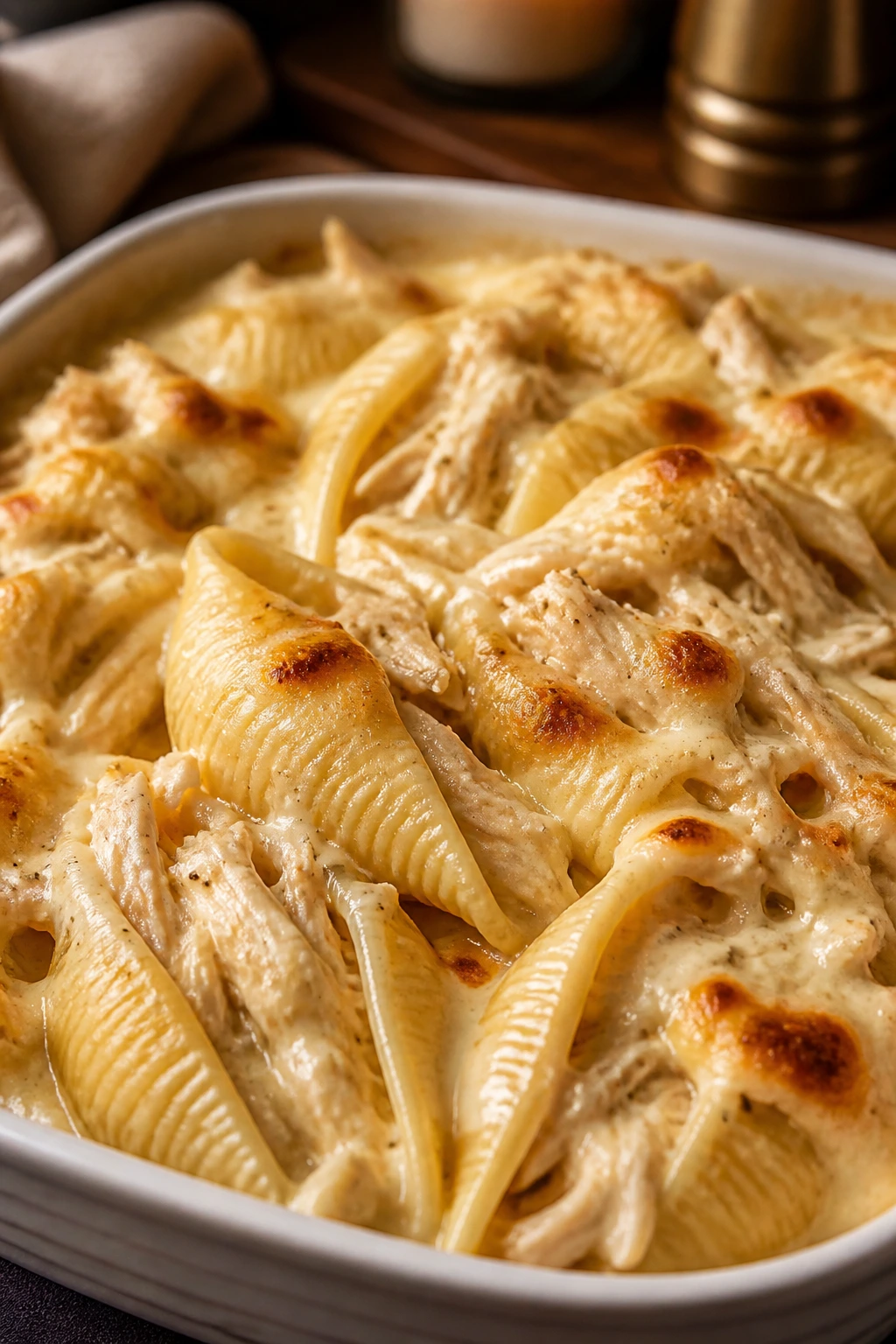
Creamy, mild, and a little luxurious, this is the one that makes people think you went farther than you did. The chicken makes the shells feel like a full dinner on their own, while the Alfredo sauce gives the whole pan a soft, silky finish that tastes especially nice when you want a white-sauce option on the table.
It’s also one of the easiest ways to repurpose cooked chicken without making it feel like leftovers. Shredded rotisserie chicken works beautifully, though any cooked chicken that’s seasoned simply will do. A little spinach tucked into the filling keeps the richness from tipping over into mushy territory.
Why It Works: Alfredo sauce clings to the shells in a way marinara never quite does, which makes each portion taste rich all the way through instead of just wet on top. Ricotta and cream cheese give the filling body, and the shredded chicken keeps it from feeling too soft. At 375°F, the sauce warms gently and thickens around the edges without breaking, which is a small thing until you’ve had a cream sauce split in the oven.
Key Ingredients:
- 20 jumbo pasta shells
- 2 cups shredded cooked chicken
- 15 ounces ricotta
- 4 ounces cream cheese, softened
- 1½ cups shredded mozzarella
- ½ cup finely grated Parmesan
- 1 large egg
- 2 cups Alfredo sauce
- 1 cup baby spinach, chopped
- 1 clove garlic, finely grated
- ¼ teaspoon ground nutmeg
- ½ teaspoon kosher salt
- ¼ teaspoon black pepper
- 2 tablespoons chopped parsley
Quick Steps:
- Boil and cool: Cook the shells in salted water until just shy of tender, then drain and cool them on a tray.
- Mix the filling: Stir together the chicken, ricotta, cream cheese, mozzarella, Parmesan, egg, spinach, garlic, nutmeg, salt, pepper, and parsley until evenly combined.
- Start the sauce: Spread 1 cup Alfredo sauce in the bottom of a baking dish so the pasta has a soft landing and does not stick.
- Fill the shells: Spoon the chicken mixture into each shell and nestle them into the sauce in a single layer.
- Top with more sauce: Pour the remaining Alfredo over the shells and add a light scatter of mozzarella if you want a browned top.
- Bake: Cover with foil and bake at 375°F for 25 to 30 minutes, then uncover and bake 5 to 10 minutes more until the sauce bubbles at the edges and the top looks glossy.
- Rest: Let it sit for 8 to 10 minutes before serving, then finish with parsley and a crack of black pepper.
Tips and Variations:
- Use What You Have: Rotisserie chicken makes this especially fast, but leftover roast chicken is fine if you shred it well.
- Balance the Richness: A squeeze of lemon over the finished pan wakes up the sauce without turning it into something else entirely.
- Extra Green: Fold in sautéed chopped spinach if you want more vegetable presence and less cream-heavy feel.
4. Spinach-Artichoke Stuffed Shells with Garlic Marinara
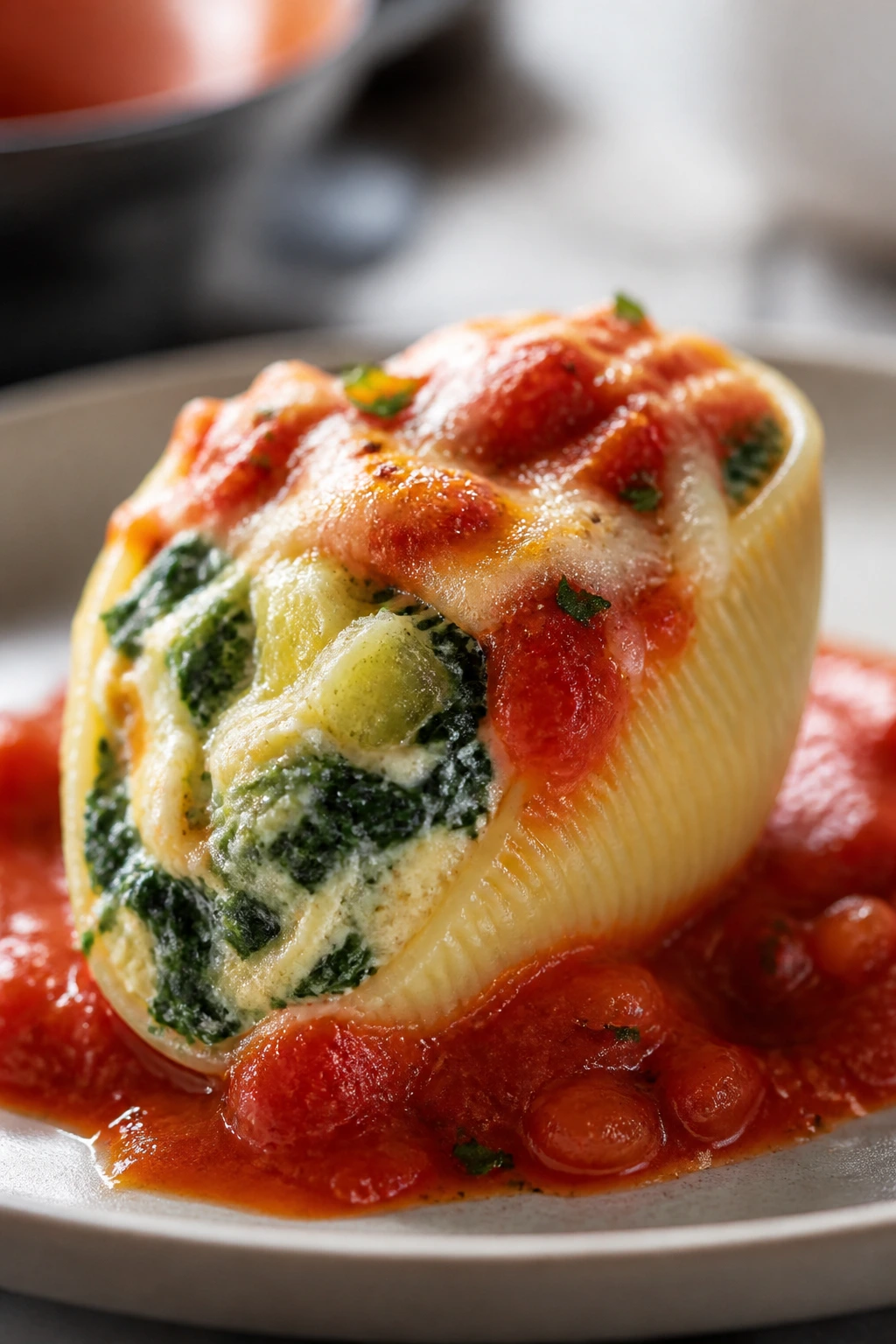
If you like spinach-artichoke dip, this is the dinner version you’ve probably been waiting for. The filling is creamy, tangy, and pleasantly briny from the artichokes, and the garlic marinara beneath it keeps the whole thing from sliding into pure dip territory. It tastes like a party dish that found a proper dinner plate.
This is a smart hosting pan because it feels familiar but not predictable. Most people know the flavor combination already, which means the first bite lands fast. But in shell form, it reads as an actual meal rather than something people hover around with crackers.
Why It Works: Cream cheese gives the filling the soft, plush texture that makes spinach-artichoke so recognizable, while ricotta keeps it lighter and less dense than a true dip. Marinated artichoke hearts bring a little tang and salt, so the dish doesn’t need much else to taste complete. The garlic marinara underneath adds moisture and contrast, and that bottom layer matters more than people think; shells baked on a dry pan can seize up and go chalky at the edges.
Key Ingredients:
- 20 jumbo pasta shells
- 15 ounces ricotta
- 4 ounces cream cheese, softened
- 10 ounces frozen chopped spinach, thawed and squeezed dry
- 1 cup chopped artichoke hearts, patted dry
- 1½ cups shredded mozzarella
- ½ cup finely grated Parmesan
- 1 large egg
- 2 cloves garlic, minced
- 1 teaspoon lemon zest
- ½ teaspoon kosher salt
- ¼ teaspoon black pepper
- 3 cups garlic marinara
- 2 tablespoons chopped parsley
Quick Steps:
- Prepare the shells: Cook the pasta until just short of al dente, drain, and spread it out so the shells do not cling together.
- Mix the filling: In a large bowl, combine ricotta, cream cheese, spinach, artichokes, mozzarella, Parmesan, egg, garlic, lemon zest, salt, and pepper. The mix should look thick and heavily studded with green and white bits.
- Sauce the dish: Spread 1½ cups garlic marinara in a 9×13-inch baking dish.
- Stuff and arrange: Fill each shell and place it seam-side up in the sauce.
- Top and bake: Spoon the rest of the sauce over the shells, cover with foil, and bake at 375°F for 25 minutes. Uncover and bake 10 minutes more, until the cheese is soft and the sauce is bubbling.
- Finish and rest: Rest the pan for 10 minutes, then scatter parsley over the top before serving.
Tips and Variations:
- Dry the Artichokes: Wet artichokes water down the filling fast, so blot them with paper towels before chopping.
- Brighten the Pan: A little extra lemon zest at the end keeps the dish from tasting heavy.
- Shortcut Move: Jarred marinara works well here, but give it an extra minute with minced garlic in a saucepan if it tastes flat.
5. Roasted Mushroom and Goat Cheese Stuffed Shells
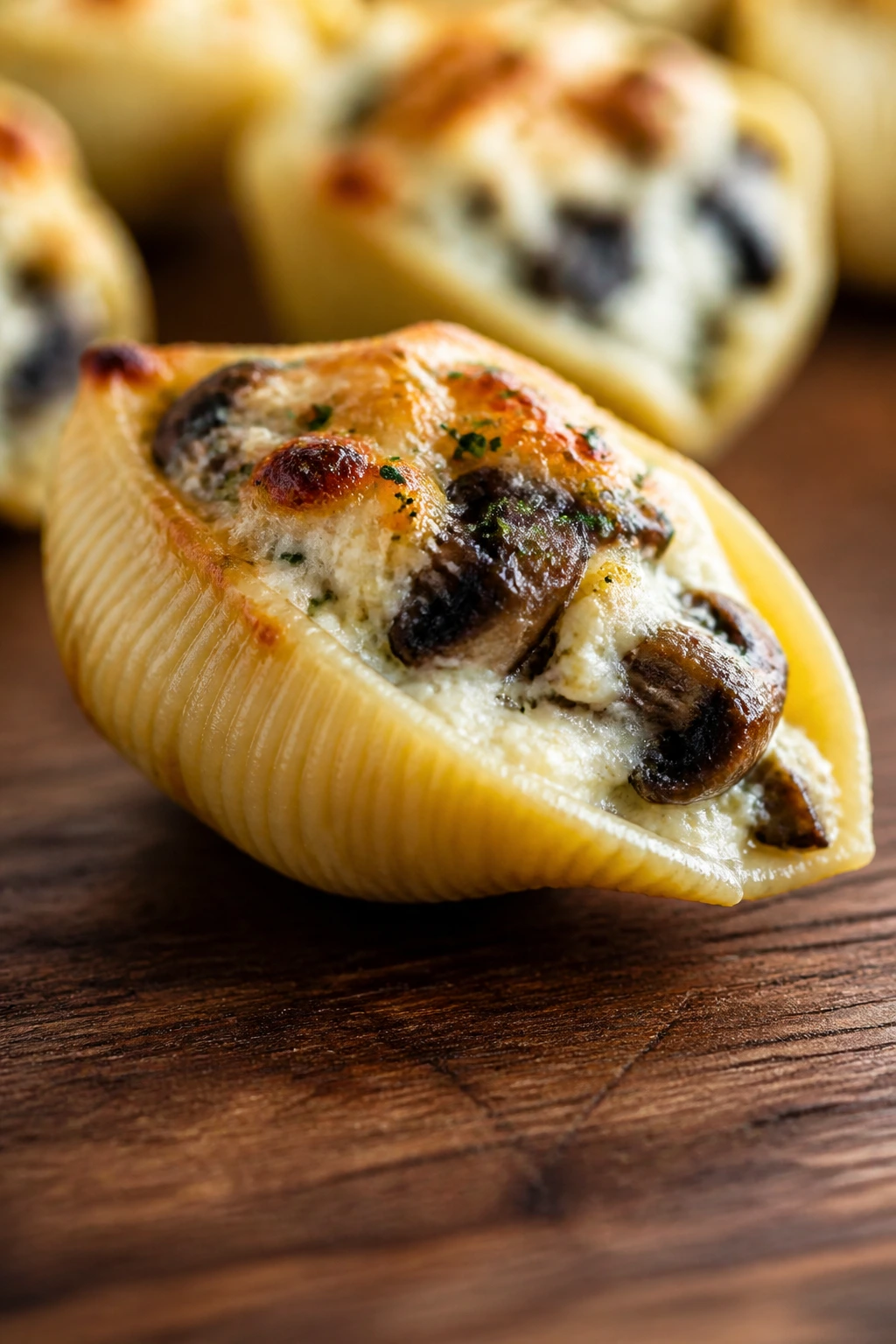
This is the pan for people who like dinner to taste a little deeper, a little earthier, and not remotely boring. Roasted mushrooms bring a savory, almost meaty flavor, while goat cheese gives the filling a tang that cuts through the richness. It’s the one I’d make when I want guests to take a second bite before talking.
Mushrooms are tricky in stuffed pasta because they hold water if you’re careless. Roast them until they shrink and brown a little, and the flavor changes completely. They stop tasting like cooked vegetables and start tasting like dinner with some backbone.
Why It Works: Roasting the mushrooms drives off moisture and concentrates their flavor, which means the filling stays thick instead of leaking into the sauce. Goat cheese adds tang and a soft, creamy texture that ricotta alone cannot deliver, and the thyme brings a woodsy note that fits the mushrooms without shouting. A tomato base keeps the filling from feeling too rich, while the browned edges after baking give the pan that restaurant-style look hosts secretly want.
Key Ingredients:
- 20 jumbo pasta shells
- 1 pound cremini mushrooms, finely chopped
- 2 tablespoons olive oil
- 1 tablespoon unsalted butter
- 1 small shallot, minced
- 2 cloves garlic, minced
- 15 ounces ricotta
- 6 ounces goat cheese, softened
- ½ cup finely grated Parmesan
- 1 large egg
- 1 teaspoon fresh thyme leaves or ½ teaspoon dried thyme
- ½ teaspoon kosher salt
- ¼ teaspoon black pepper
- 3 cups marinara sauce
- 2 tablespoons chopped parsley
Quick Steps:
- Roast the mushrooms: Heat the oven to 425°F (220°C). Toss the mushrooms with olive oil, salt, and pepper, then spread them on a sheet pan and roast for 15 to 18 minutes, until browned and no longer wet.
- Cook the aromatics: Melt the butter in a small skillet over medium heat. Add the shallot and garlic and cook for 2 minutes, just until soft and fragrant.
- Mix the filling: Combine the roasted mushrooms, shallot mixture, ricotta, goat cheese, Parmesan, egg, thyme, salt, and pepper. Let the mixture cool before stuffing if it still feels warm.
- Prepare the shells: Boil the pasta until barely tender, drain, and cool.
- Assemble: Spread 1½ cups marinara in the baking dish, fill the shells, and arrange them over the sauce. Spoon the remaining sauce over the top.
- Bake: Cover and bake at 375°F for 25 minutes, then uncover and bake 10 to 12 minutes more until the top is lightly bronzed and the sauce bubbles around the sides.
- Serve: Rest for 10 minutes and finish with parsley.
Tips and Variations:
- Moisture Matters: If the mushrooms still look shiny and wet after roasting, give them another few minutes. That dryness is what protects the filling.
- Sharp Finish: A tiny drizzle of balsamic over the plated shells gives the dish a darker, sweeter edge.
- Go Even Earthier: Swap half the marinara for mushroom sauce if you want a deeper, more savory pan.
6. Beef Bolognese Stuffed Shells
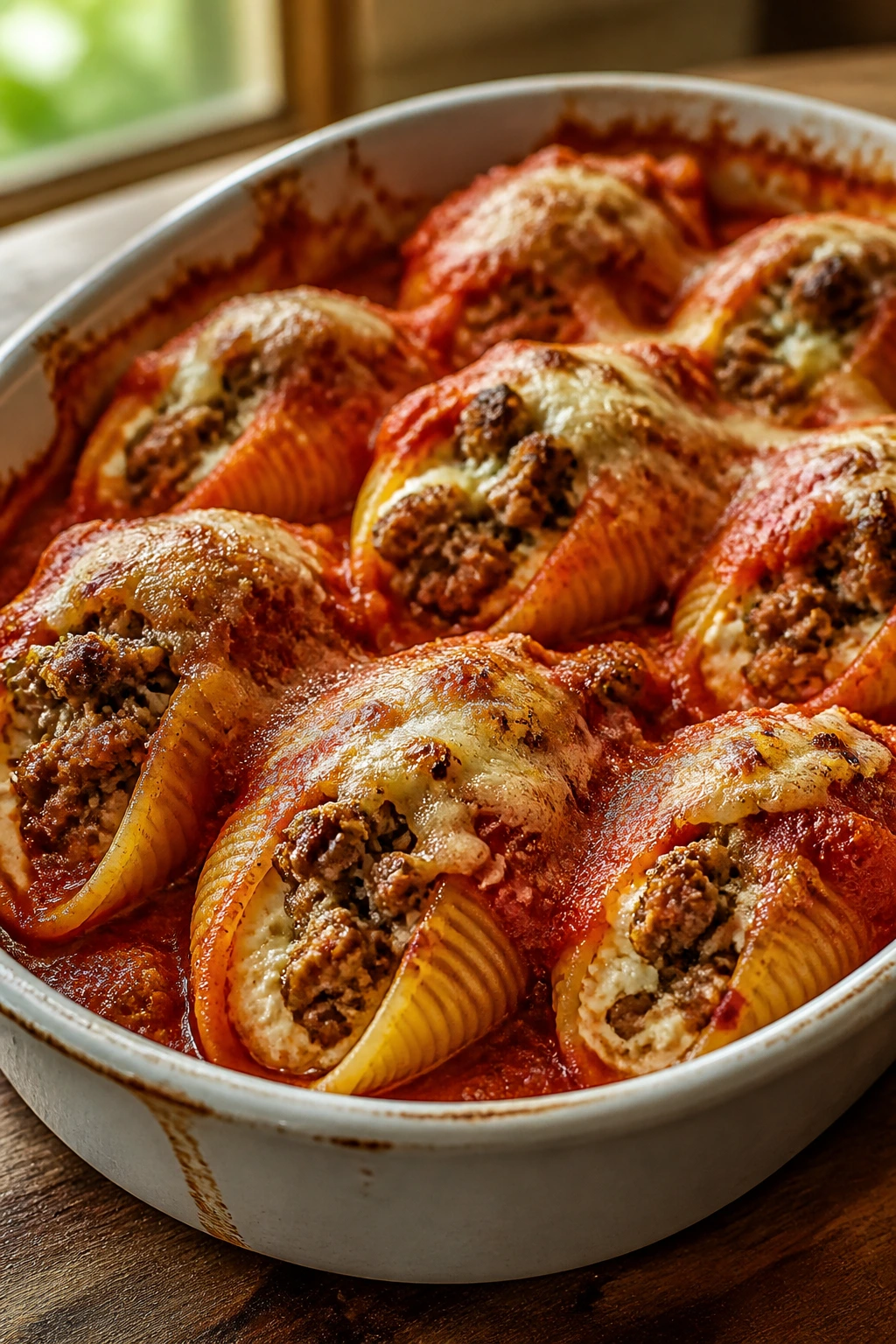
This is the heavy-hitter. Not in a bad way — in the “people will go back for seconds and then ask what you put in it” way. The beef gives the shells a hearty center, the tomato paste deepens the sauce, and the ricotta smooths out the edges so the whole thing feels layered instead of blunt.
For hosting, that matters. You want something substantial enough to anchor the meal, but you do not want it to eat like a block of meat and pasta. The mix of vegetables, tomato, beef, and cheese keeps the flavor broad and very dinner-table friendly.
Why It Works: A little carrot and celery in the beef mixture gives the filling the soft sweetness and depth that make Bolognese taste like more than browned meat in red sauce. Tomato paste, cooked for a minute before the sauce goes in, adds a darker, more concentrated base that clings to the shells instead of running off the plate. Using some of the meat sauce inside the filling and the rest on top keeps each bite balanced, which is the whole game with a pan this rich.
Key Ingredients:
- 20 jumbo pasta shells
- 1 pound lean ground beef
- 1 tablespoon olive oil
- 1 small yellow onion, diced
- 1 carrot, finely diced
- 1 celery stalk, finely diced
- 3 cloves garlic, minced
- 2 tablespoons tomato paste
- 1 cup marinara sauce
- 15 ounces ricotta
- 1 cup shredded mozzarella
- ½ cup finely grated Parmesan
- 1 large egg
- 1 teaspoon dried oregano
- ½ teaspoon kosher salt
- ¼ teaspoon black pepper
- 2 tablespoons chopped basil
Quick Steps:
- Boil the shells: Cook the pasta in salted water until just under al dente, then drain and cool.
- Build the meat base: Heat the olive oil in a skillet over medium heat. Cook the onion, carrot, and celery for 5 to 6 minutes until softened, then add the beef and cook until browned, breaking it into fine crumbles.
- Deepen the flavor: Stir in the garlic and tomato paste and cook for 1 minute, until the paste darkens slightly and smells sweet rather than raw. Add the marinara and simmer for 3 minutes, then remove from the heat and cool for 5 to 10 minutes.
- Mix the filling: Combine most of the meat mixture with ricotta, mozzarella, Parmesan, egg, oregano, salt, pepper, and basil, saving about 1 cup of the sauce for the top.
- Assemble the dish: Spread a little sauce in the bottom of the baking dish, fill the shells, and arrange them tightly in rows. Spoon the reserved sauce over the top.
- Bake: Cover and bake at 375°F for 25 to 30 minutes, then uncover and bake 10 to 12 minutes more until bubbling and browned in spots.
- Rest and serve: Let the pan settle for 10 minutes so the filling holds its shape.
Tips and Variations:
- Drain the Beef: If the pan looks greasy after browning, spoon off excess fat before adding the tomato paste.
- Sauce Control: Keep some sauce for the top so the shells do not dry out as they bake.
- Big Crowd Fix: This recipe scales well in two pans; one can stay vegetarian if you need it to.
7. Butternut Squash and Sage Stuffed Shells
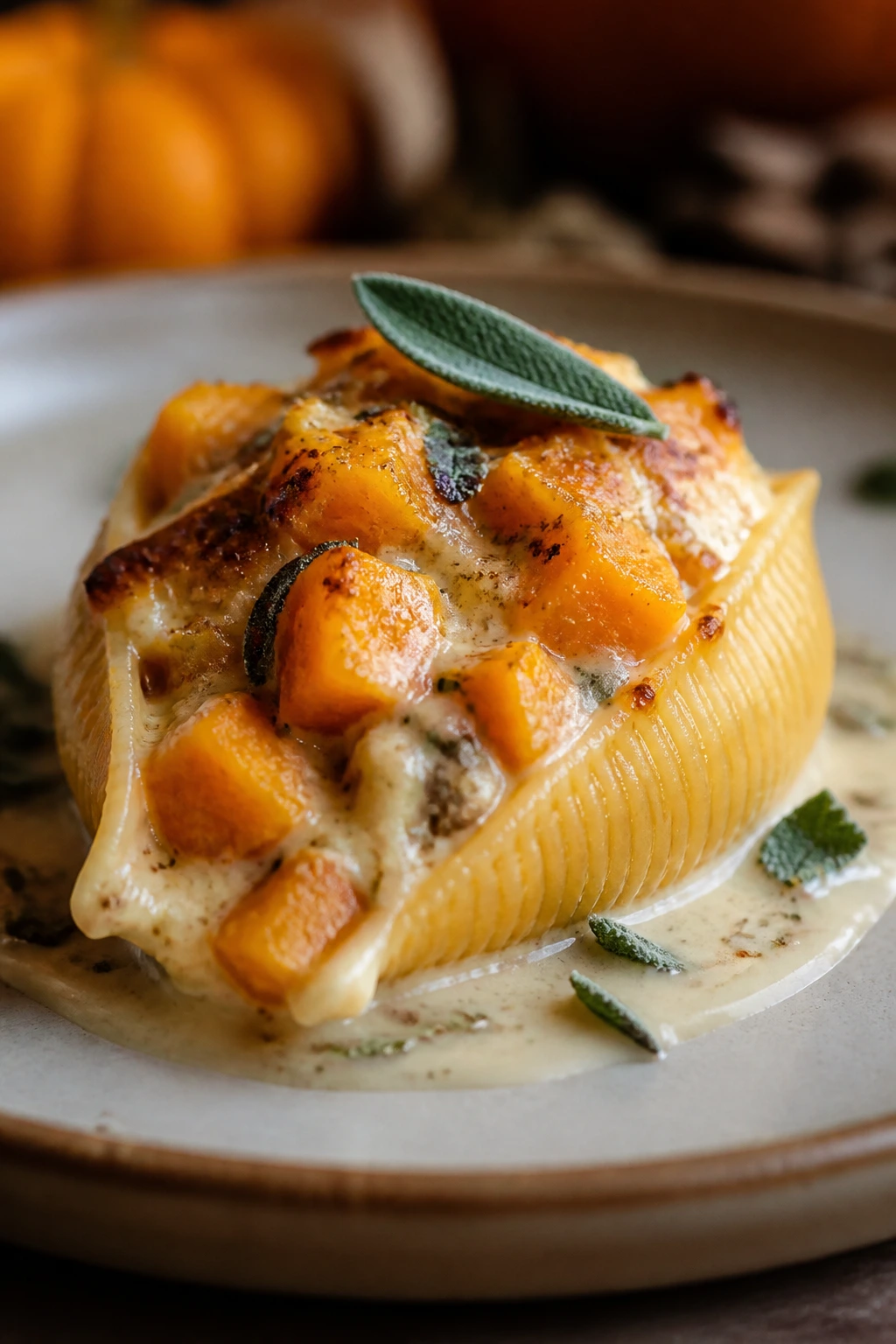
This is the elegant one. The squash turns sweet and silky in the oven, the sage smells like a good autumn kitchen even if you make it in a plain old Tuesday mood, and the brown butter sauce gives the whole dish a toasted, nutty finish that feels special without turning precious. It’s the kind of pan that makes people think you care a little too much. I say that as a compliment.
Stuffed shells can go sweet-savory without becoming dessert-like, and this is where that balance is easiest to pull off. You want the squash to taste roasted, not sugary, and you want the herbs to keep everything grounded. A little Parmesan and nutmeg do a lot of work in the background.
Why It Works: Roasting the squash before mixing it into the filling gives it a firmer texture and a deeper flavor than steaming ever will. Brown butter and sage bring a toasted, savory note that keeps the filling from reading as soft or one-note, and ricotta stretches the squash so it fills shells neatly without turning dense. A cream-and-butter sauce underneath protects the pasta from drying out while still letting the color of the filling show through.
Key Ingredients:
- 20 jumbo pasta shells
- 1½ pounds butternut squash, peeled and cut into 1-inch cubes
- 2 tablespoons olive oil
- 15 ounces ricotta
- ½ cup finely grated Parmesan
- 1 cup shredded mozzarella
- 1 large egg
- 1 clove garlic, finely grated
- ½ teaspoon kosher salt
- ¼ teaspoon black pepper
- Pinch of ground nutmeg
- 4 tablespoons unsalted butter
- 8 sage leaves
- 1 cup heavy cream
- ½ cup milk
- 2 tablespoons chopped toasted walnuts, optional
Quick Steps:
- Roast the squash: Heat the oven to 425°F (220°C). Toss the squash with olive oil and a pinch of salt, then roast for 25 to 30 minutes, until the cubes are soft and browned at the edges.
- Mash the filling: Let the squash cool slightly, then mash it with ricotta, Parmesan, mozzarella, egg, garlic, salt, pepper, and nutmeg until mostly smooth with a few small chunks.
- Make the sauce: Melt the butter in a skillet over medium heat. Add the sage leaves and cook until the butter smells nutty and the leaves crisp up, about 3 to 4 minutes. Stir in the cream and milk and warm through.
- Cook the shells: Boil the pasta just until barely tender, then drain and cool.
- Assemble: Spread a little of the brown butter sauce in the baking dish. Fill the shells and place them in a single layer, then spoon the rest of the sauce around and over them.
- Bake: Cover and bake at 375°F for 25 minutes, then uncover for 10 minutes until the tops look lightly set and the sauce bubbles.
- Finish: Let the pan rest for 10 minutes. Scatter walnuts over the top if you want a little crunch.
Tips and Variations:
- Texture Boost: Leave a few small chunks of squash in the filling so it doesn’t turn baby-food smooth.
- Nutty Finish: Toasted walnuts are optional, but they make a real difference if you like a little crunch against the creaminess.
- Seasoning Check: Squash needs salt more than most people expect, so taste the filling before stuffing the shells.
8. Buffalo Chicken Stuffed Shells
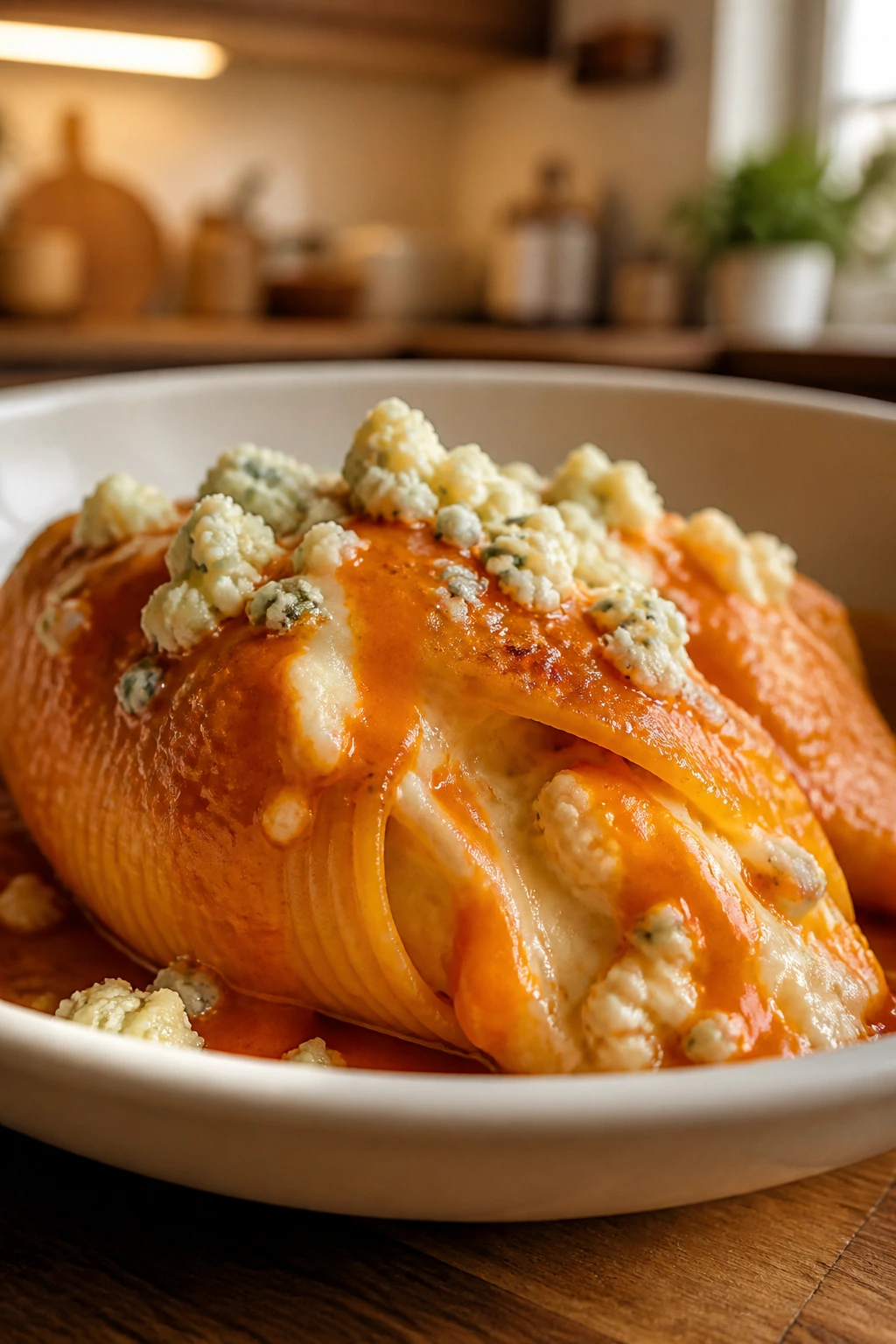
A little spicy, a little creamy, and gone too fast. That’s the short version. Buffalo chicken shells bring the party energy without turning into finger food chaos, and the blue cheese finish gives them the sharp edge they need so the sauce doesn’t just taste like orange dairy.
This one is especially good when your crowd likes a bolder flavor or when you want the dinner to feel less formal and more fun. It still works as a sit-down meal, but it has enough heat and tang to keep people interested after the first bite. If there’s any dish here that gets people talking while they eat, it’s probably this one.
Why It Works: Buffalo sauce has enough acidity to cut through the creaminess of ricotta and cream cheese, which keeps the filling from tasting heavy. Using Alfredo as the pan sauce sounds rich — and it is — but it also softens the heat so the dish lands in that useful middle ground where spice-lovers and cautious eaters can meet. The blue cheese and green onions finish the whole thing with bite and freshness, which keeps the pan from becoming one-note.
Key Ingredients:
- 20 jumbo pasta shells
- 2 cups shredded cooked chicken
- 8 ounces cream cheese, softened
- 1 cup ricotta
- ½ cup buffalo sauce, plus ¼ cup more for drizzling if you like
- 1½ cups shredded mozzarella
- ⅓ cup crumbled blue cheese
- 2 cups Alfredo sauce
- 1 large egg
- 2 green onions, thinly sliced
- ½ teaspoon garlic powder
- ¼ teaspoon black pepper
Quick Steps:
- Prepare the shells: Boil the pasta in salted water until just shy of al dente, drain, and spread it out to cool.
- Mix the filling: In a large bowl, combine chicken, cream cheese, ricotta, buffalo sauce, mozzarella, blue cheese, egg, garlic powder, pepper, and half of the green onions. Stir until the mixture is thick and evenly coated in orange streaks.
- Sauce the pan: Spread 1 cup Alfredo sauce in the bottom of a baking dish.
- Fill and arrange: Spoon the chicken mixture into each shell and nestle them into the sauce in a single layer.
- Finish the sauce layer: Pour the remaining Alfredo over the shells. If you want more heat, drizzle the extra buffalo sauce over the top in thin ribbons.
- Bake: Cover with foil and bake at 375°F for 25 minutes. Uncover and bake 10 minutes more, until the sauce bubbles and the top looks glossy.
- Garnish and rest: Let the pan stand for 8 to 10 minutes, then finish with the remaining green onions.
Tips and Variations:
- Heat Control: Choose a milder buffalo sauce if the rest of the table runs cautious; you can always put extra sauce on the side.
- Blue Cheese Choice: If blue cheese is a hard sell, leave it out of the filling and just sprinkle a little on top.
- Better Bite: A few tiny celery leaves or minced celery mixed into the garnish gives the dish a fresher finish.
Why Stuffed Shells Work So Well for Hosting
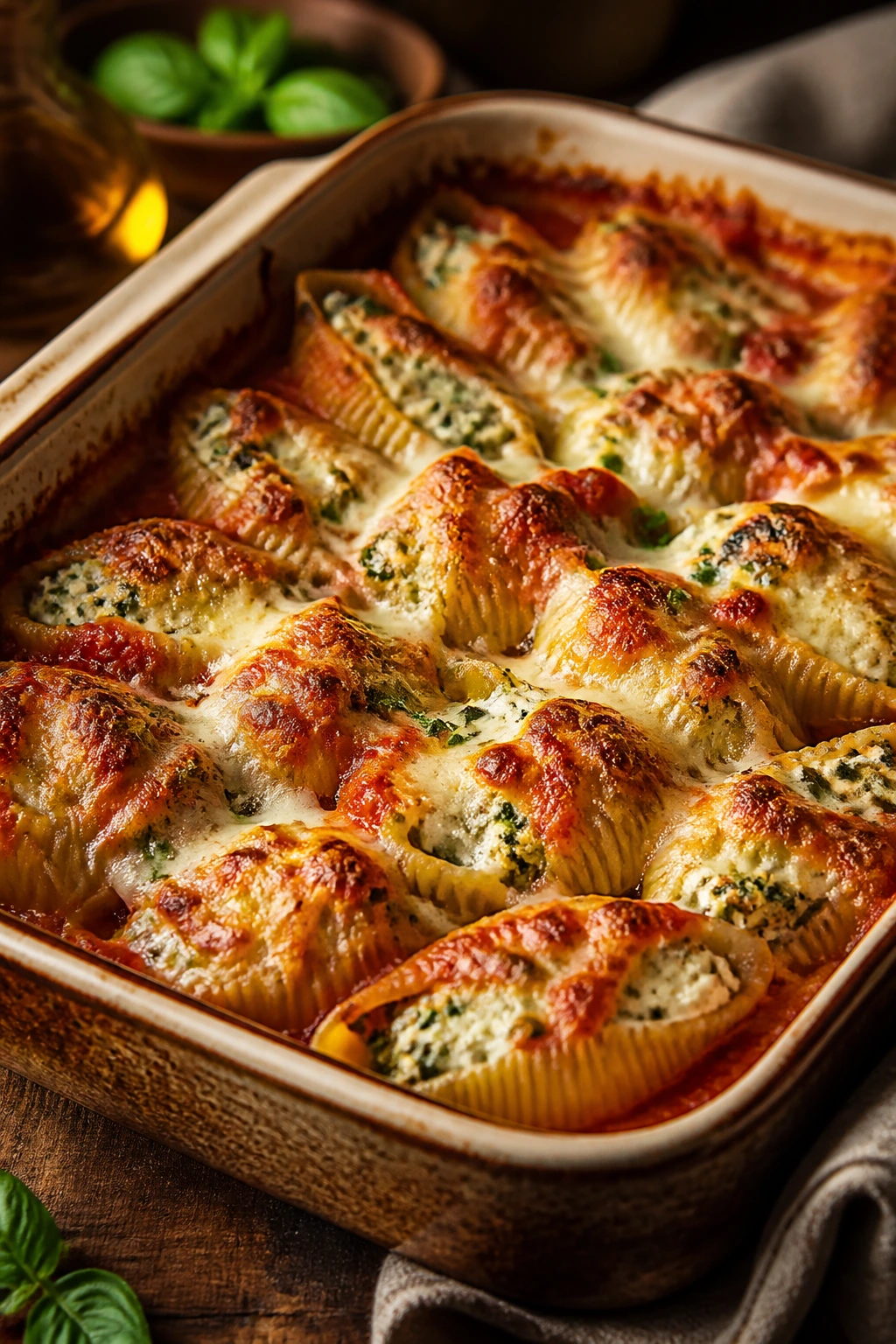
Stuffed shells earn their place on a hosting menu because they behave. They hold their shape, they portion cleanly, and they can be parked in the oven while you finish everything else that always seems to happen at the last minute. A good shell bake also gives you visual drama without a lot of moving parts: one dish, one sauce, one melted top, and a pan that arrives at the table looking like you knew exactly what you were doing.
They’re also easier to scale than a lot of other pasta dishes. You can make one pan for six or two pans for a larger crowd without changing your whole method, and the filling can be adapted to the people in front of you. Meat eaters get sausage or beef. Vegetarians get spinach, artichoke, mushroom, or squash. And if somebody wants “just a little” of everything, shells make that possible without extra plating.
The hidden advantage is timing. Stuffed shells can be assembled earlier in the day, chilled, then baked after the guests arrive. That means you’re not racing a boiling pot while trying to talk, pour drinks, and remember where you put the serving spoon. Which, for hosting, is a relief.
Essential Equipment for These Recipes
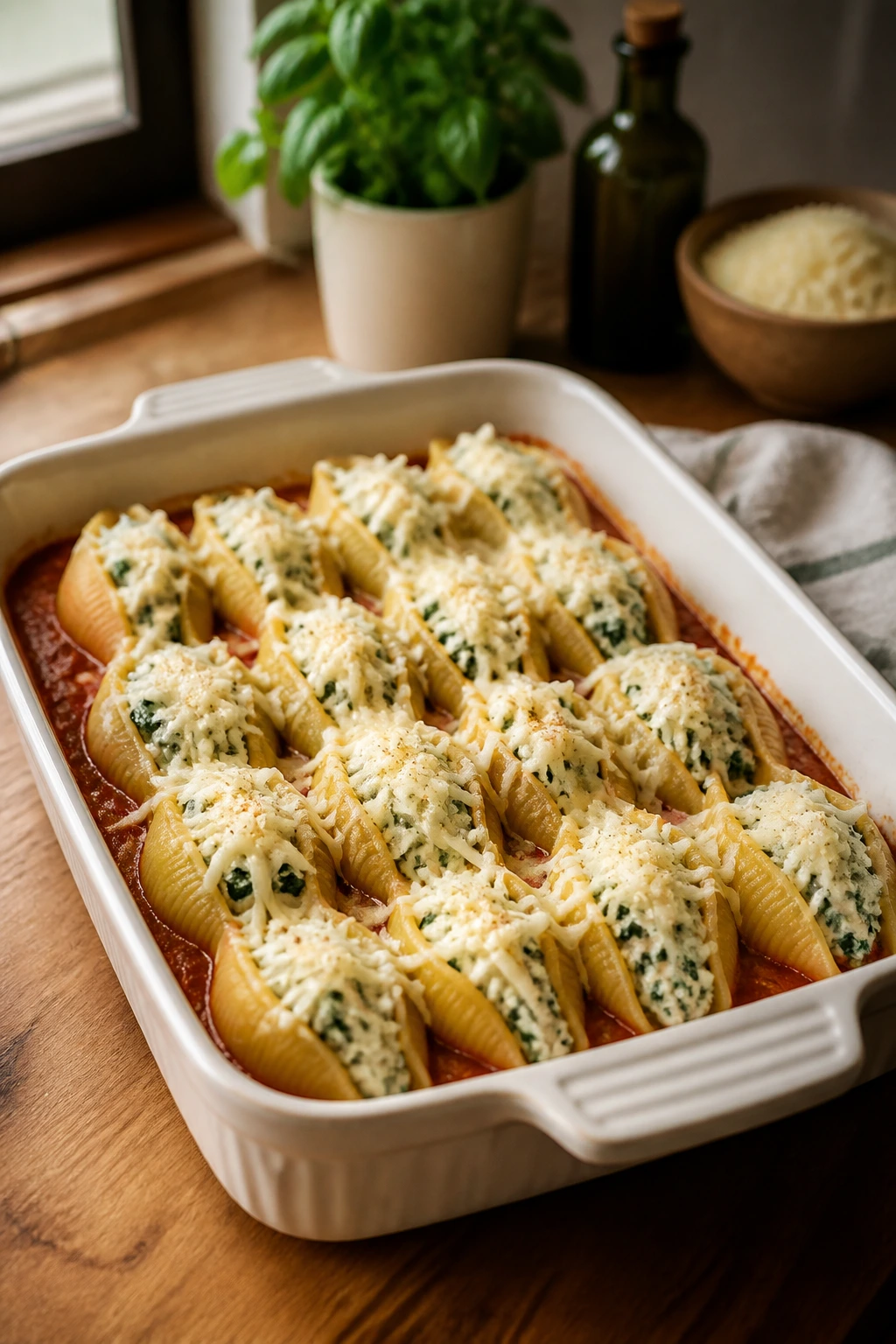
- 9×13-inch baking dish: The standard size for most of these shell bakes; a deep dish gives the sauce room to bubble without spilling over.
- Large pot, 6 to 8 quarts: You need enough space for the shells to move around while they boil so they do not crack.
- Slotted spoon or spider: Makes it easier to lift the shells out gently without tearing them.
- Large mixing bowl: The fillings need room for folding, especially once cheese and meat or vegetables are added.
- Medium skillet: Handy for sausage, beef, mushroom roasting support, or sauce reductions.
- Sheet pan: A simple place to cool boiled shells so they do not stick together.
- Piping bag or zip-top bag: Optional, but it makes filling the shells faster and cleaner.
- Microplane or fine grater: Best for garlic, Parmesan, and citrus zest, which all disappear more evenly when grated fine.
- Foil: Keeps the top from overbrowning while the centers heat through.
- Instant-read thermometer: Not required for every pan, but useful for meat-based fillings if you want to be exact.
Smart Shopping and Ingredient Tips
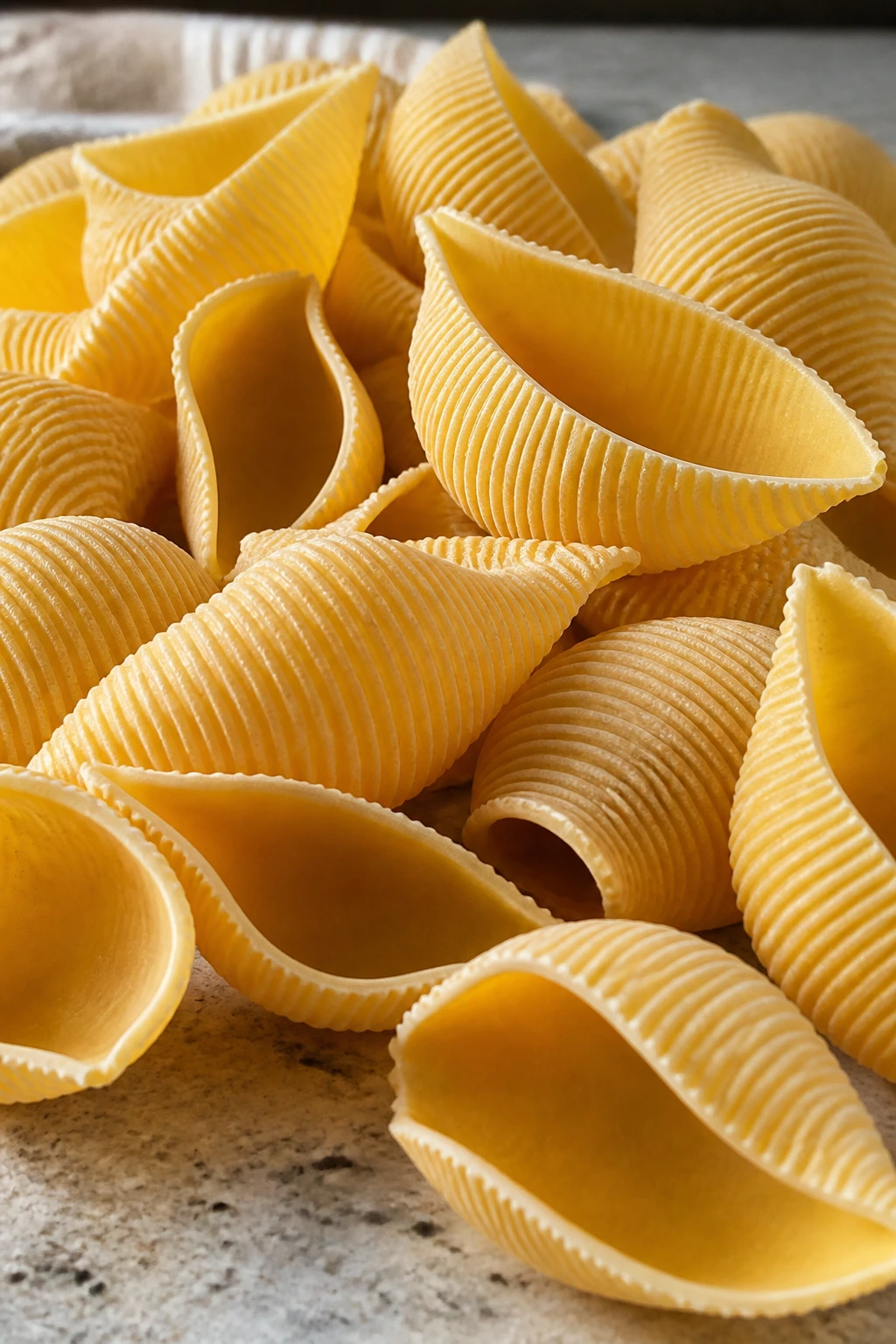
Jumbo pasta shells are one of those groceries worth checking before you leave the store. You want a box with a good number of intact shells, because cracked shells turn the whole process into patchwork. If you can find shells that are a little thicker, they tend to hold up better after boiling and baking, especially when you’re stuffing them generously for guests.
Ricotta matters more than people think. Whole-milk ricotta gives a richer, smoother filling and usually bakes up less grainy than part-skim. If your ricotta looks wet, drain it in a sieve or cheesecloth for 20 to 30 minutes, or overnight if you want a firmer filling. Frozen spinach is fine in most of these recipes, but it has to be squeezed dry until it feels almost crumbly. Wet spinach is the fastest way to ruin a good pan.
For the sauces, choose something with body. A thin marinara disappears into the pasta and leaves the top dry. A sauce with a little texture clings better and gives the shells more flavor. If you’re making your own, a simple canned tomato sauce cooked with garlic and olive oil is enough; you do not need to turn this into a project.
For meat, buy enough fat to carry flavor. Italian sausage and ground beef both work better when they’re not ultra-lean, because a little richness helps the filling stay juicy. For vegetables, pick mushrooms that feel firm, artichoke hearts packed in water or oil, and squash with dense, orange flesh. And if you’re using fresh herbs, buy more than you think you need. The leaves at the end make the dish feel alive.
How to Serve These Stuffed Shells for a Crowd
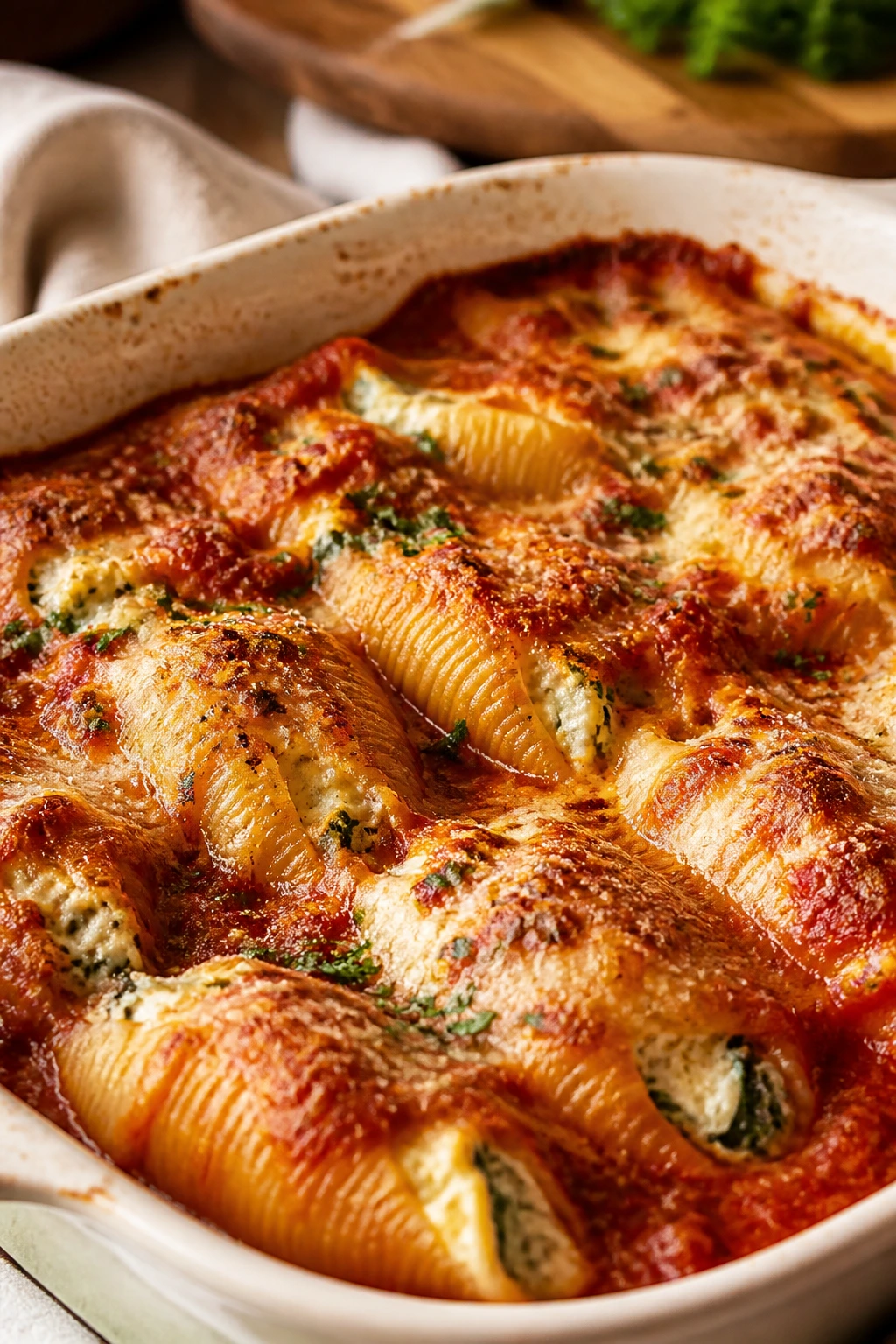
Presentation: Serve the shells straight from the baking dish after a short rest. A spoonful of extra sauce around the edges, a little grated Parmesan, and a scatter of basil or parsley make the whole pan look finished without a lot of effort. For a dressier table, plate three to four shells per person and spoon a little sauce underneath them rather than on top.
Accompaniments: A crisp green salad, garlicky broccolini, roasted asparagus, or a Caesar salad all work well because they keep the plate from feeling heavy. Bread matters here too — warm baguette, garlic bread, or a rustic loaf for sauce-dipping is the move. If you’re serving the butternut or mushroom versions, a simple bitter-green salad keeps the meal from leaning too soft.
Portions: Most of these shells work as a main dish with 4 to 5 shells per adult, depending on sides and the richness of the filling. For larger appetites, count on 5 to 6 shells. If you’re feeding a mixed group, it’s smarter to make two different pans with smaller portions each than one giant pan that forces everyone into the same flavor.
Beverage Pairing: Tomato-based shells like classic, sausage, beef, and mushroom versions do well with Chianti, Sangiovese, or a medium-bodied red with a little acidity. Creamy pans like chicken Alfredo and buffalo chicken like Pinot Grigio, sparkling water with lemon, or a crisp pale beer. For the squash and spinach-artichoke pans, a dry white or even a dry rosé keeps the table bright.
Extra Flavor Moves That Make Them Pop
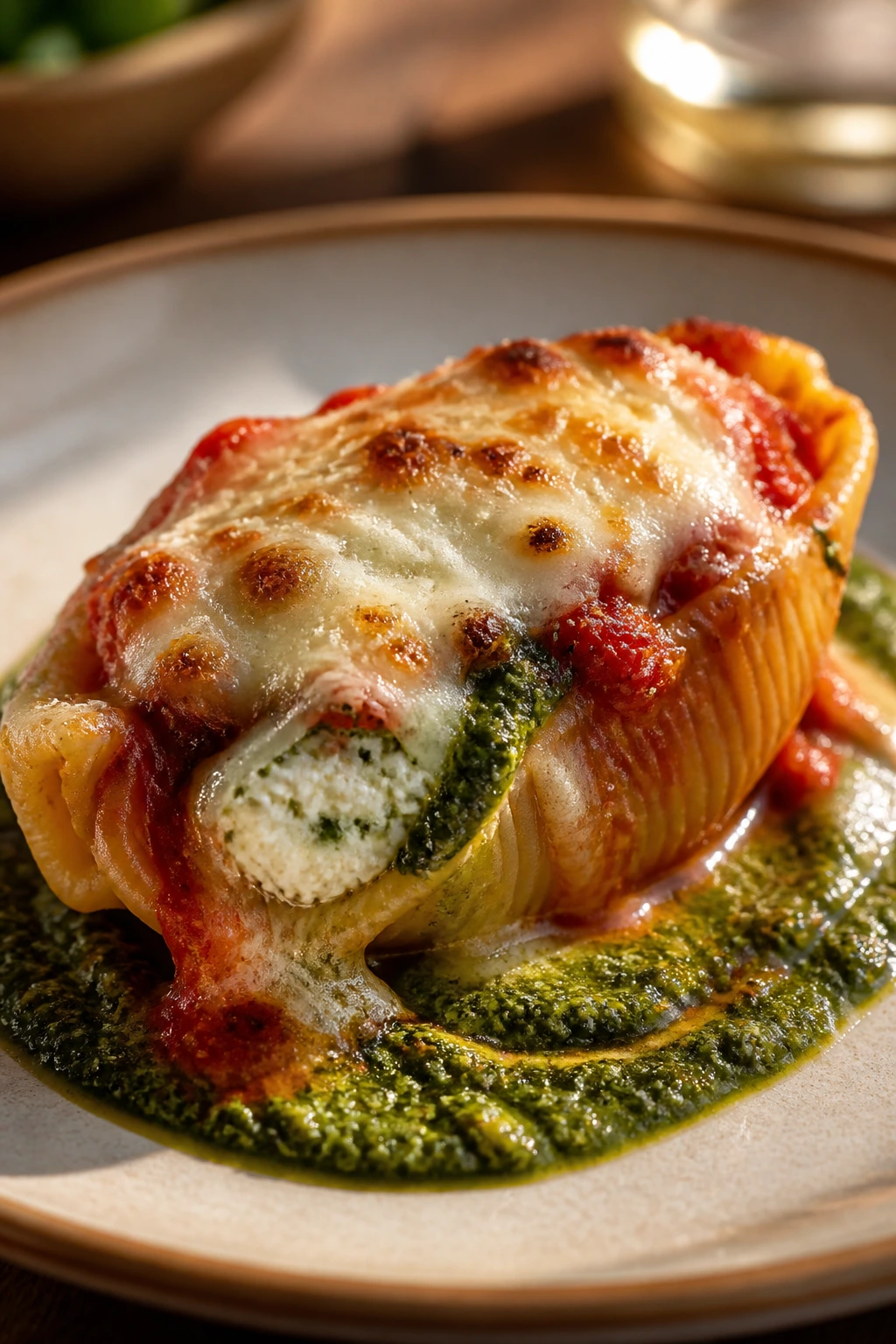
Flavor Enhancement: A spoonful of pesto stirred under the top layer of sauce brings herb flavor into classic ricotta, spinach, or chicken shells without making the whole dish taste green. For squash shells, a pinch of nutmeg and a little brown butter go a long way; for sausage shells, a tiny splash of red wine in the pan while the meat cooks deepens the sauce.
Customization: Add chopped olives or roasted red peppers to the vegetarian shells if you want a saltier edge. Fold in extra spinach or kale with the ricotta if you need more green on the table. For the meat versions, a little finely chopped fennel or celery gives the filling more dimension without changing the personality of the dish.
Serving Suggestions: Fresh herbs are not decorative fluff here. Parsley, basil, chives, and green onion each change the final bite a little, especially on creamy shells. A small bowl of extra Parmesan and a little jar of chili flakes on the table lets guests tune their own plates without you having to guess their tolerance.
Make-It-Yours: For a lighter version, use part-skim ricotta and reduce the cheese on top. For a richer pan, add a few spoonfuls of mascarpone to the filling. For people avoiding meat, the spinach-artichoke and mushroom shells already carry the table well, and they do not need apology or extra explanation.
Make-Ahead, Storage, and Reheating Guidance
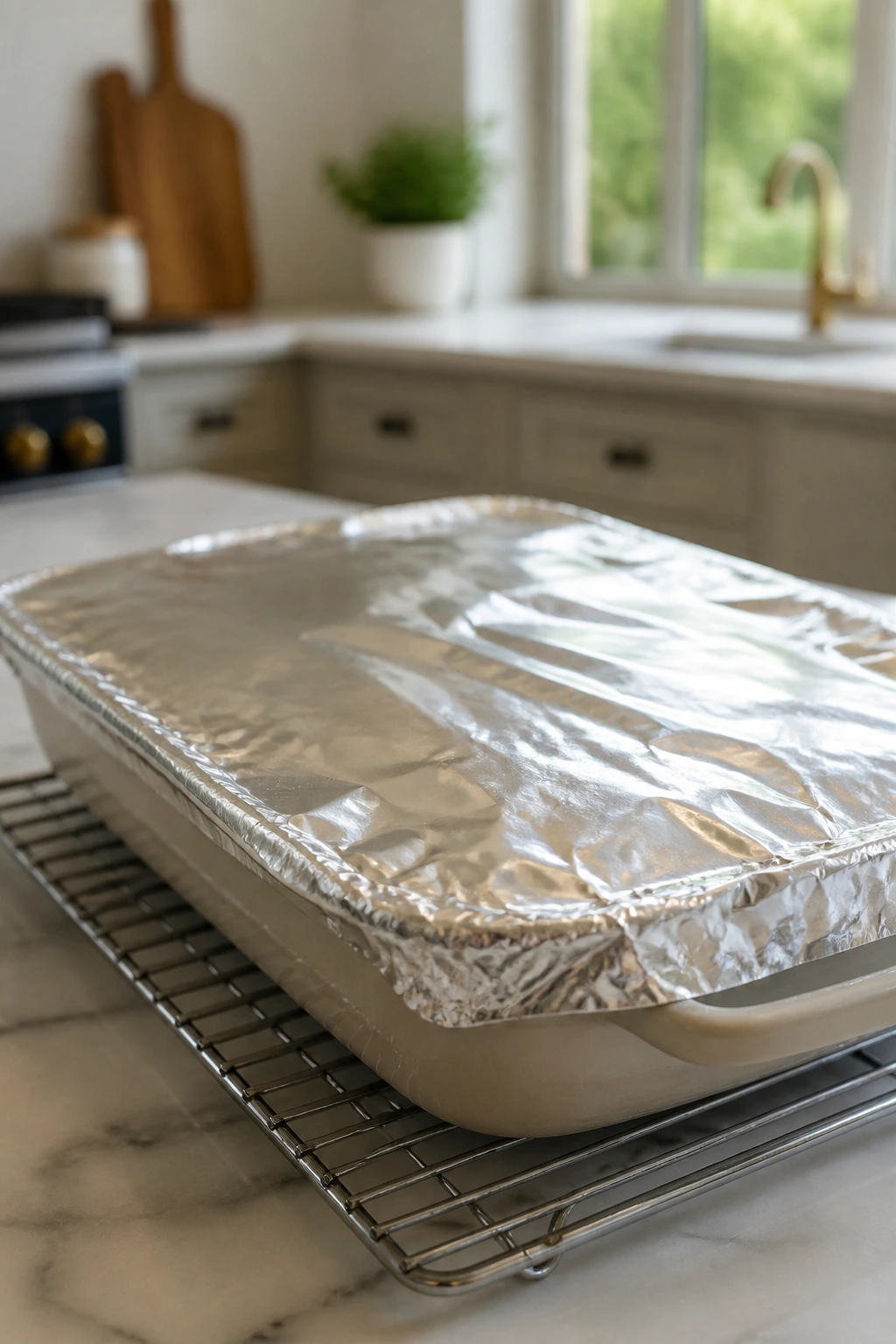
These stuffed shells are built for advance prep. Most unbaked pans can be assembled up to 24 hours ahead, covered tightly, and refrigerated until you’re ready to bake. If the filling contains a lot of moist vegetables, press a piece of parchment or foil directly over the shells before covering the dish so the top does not dry out in the fridge.
Leftovers keep well for 3 to 4 days in the refrigerator, sealed in an airtight container or tightly wrapped in the baking dish. The sauce may thicken overnight, which is normal. To reheat, cover the dish with foil and warm it at 350°F until the center is hot and the sauce is bubbling again, usually 20 to 30 minutes depending on portion size. A splash of extra marinara, Alfredo, or even a tablespoon or two of water around the edges helps revive the sauce if it looks tight.
Freezing works well too. Assemble the shells in a freezer-safe dish, cover tightly, and freeze for up to 2 months. For best texture, freeze before baking rather than after. Bake from thawed if possible, or add extra covered baking time if going straight from the freezer. The center should be hot all the way through before you uncover the dish.
Individual portions reheat nicely in the microwave, but use a lower power setting and add a spoonful of sauce on top so the pasta does not toughen. Cream-based versions like chicken Alfredo and buffalo chicken are happiest reheated gently. Tomato-based versions are a little more forgiving.
Easy Swaps and Style Changes
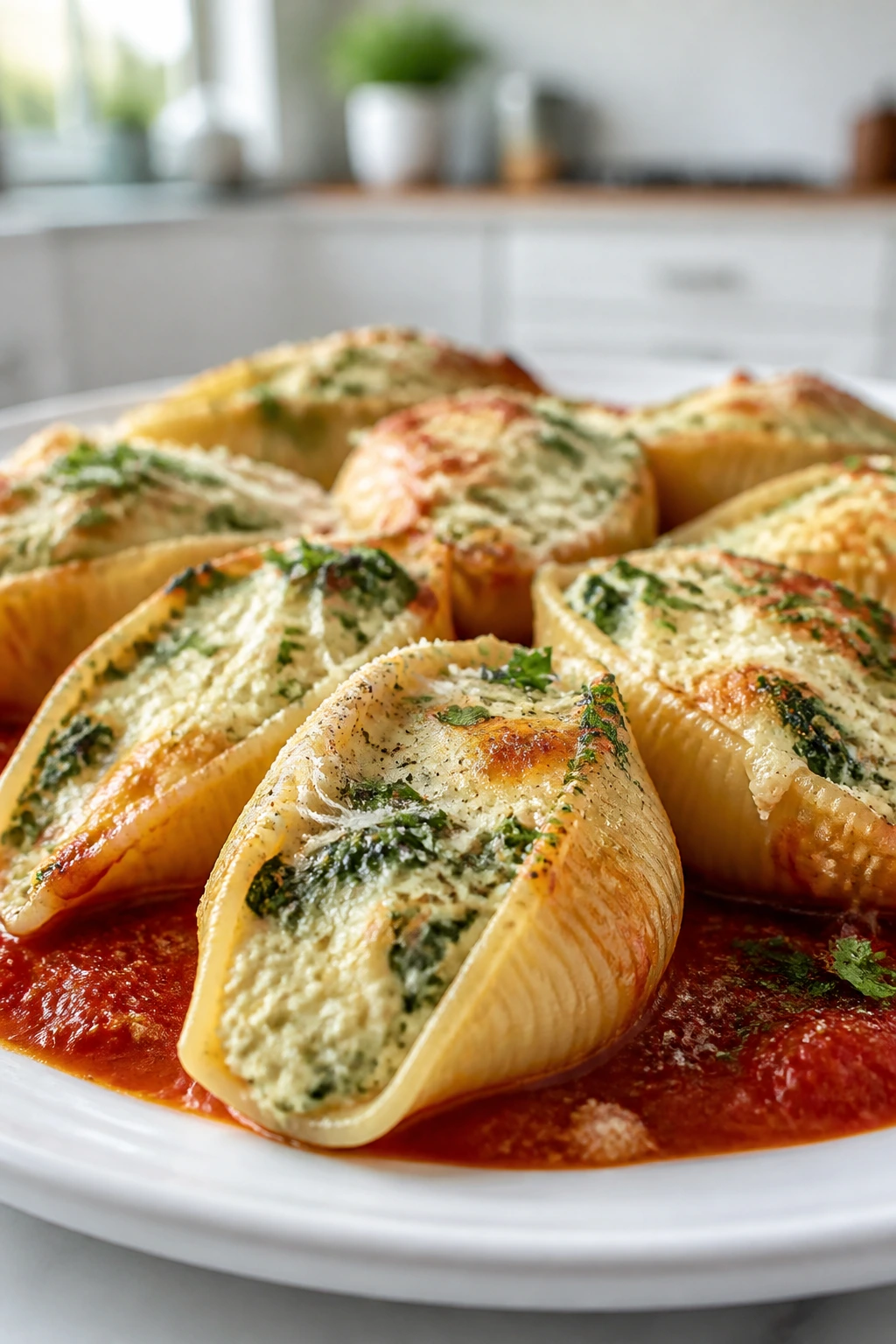
Gluten-Free Shell Night: Use gluten-free jumbo shells if you can find them, or switch to gluten-free manicotti if the shells are impossible to source. The fillings in these recipes work the same way, though the pasta will be a touch more fragile, so handle it gently after boiling.
Lighter Midweek Version: Part-skim ricotta, reduced mozzarella, and turkey sausage can make the heavier pans feel easier without changing the structure. Keep the sauce generous, because leaner fillings dry out faster if you get stingy with moisture.
Green-First Variation: The spinach-artichoke shell can take chopped kale, sautéed Swiss chard, or even broccoli rabe if you want a more assertive vegetable flavor. Just cook the greens down and squeeze them dry before mixing them in.
Heat-Lover’s Batch: Buffalo shells are the obvious one, but the sausage and beef versions can take Calabrian chili paste, red pepper flakes, or hot Italian sausage without losing their balance. Add heat in the filling first, then taste the sauce before putting any more on top.
Party-Size Double Pan: If you’re feeding a larger group, split one flavor across two pans rather than cramming everything into a single dish. The shells bake more evenly, the tops brown better, and you can keep one pan vegetarian while the other goes meat-heavy.
Broken-Shell Rescue: If several shells split while boiling, do not toss the whole batch. Line a smaller baking dish with sauce, nestle the broken shells in close, and cover them with extra sauce and cheese. Nobody at the table will care.
Common Mistakes to Avoid
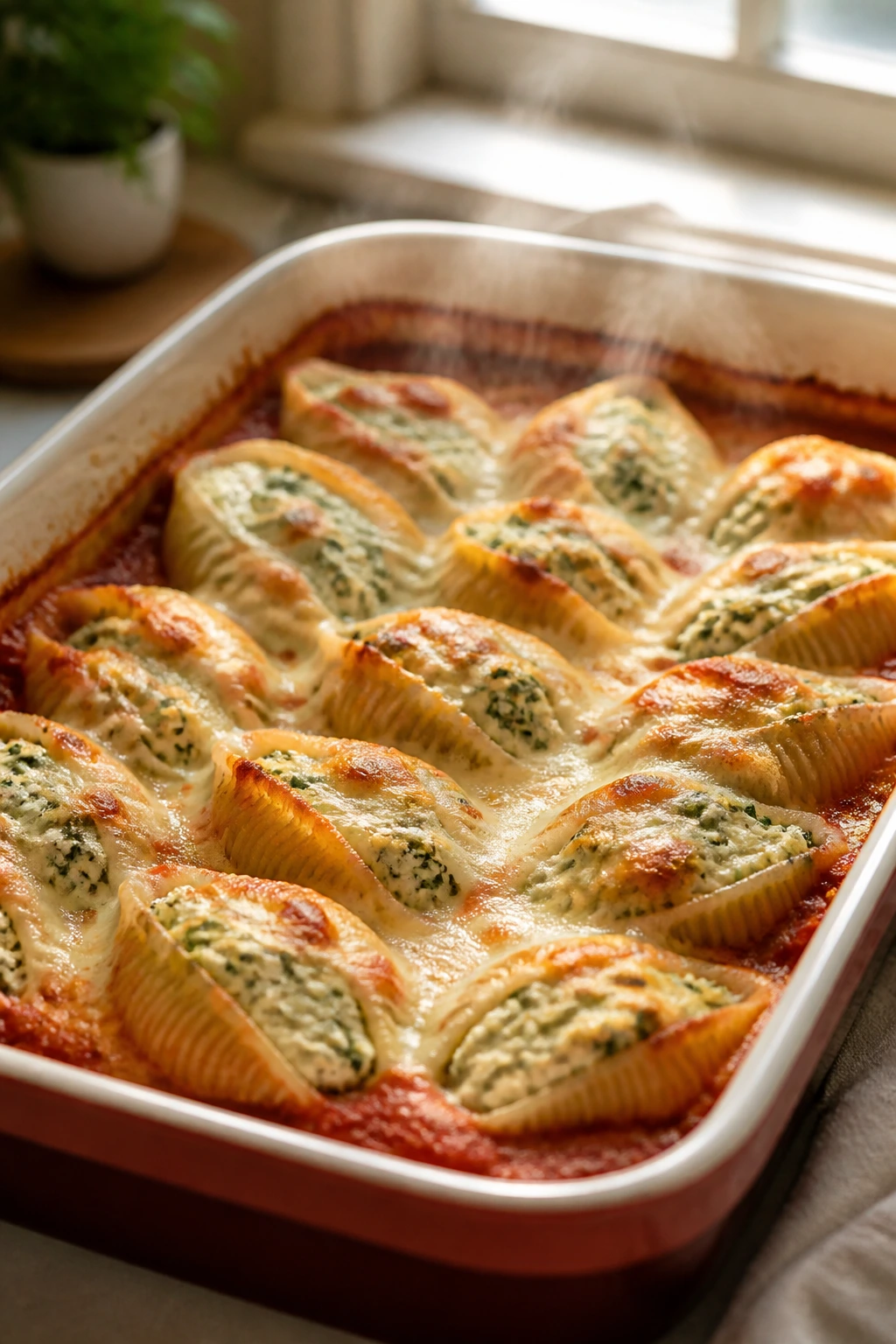
- Overcooking the pasta: Soft shells tear when you fill them and go mushy in the oven. Boil them until just short of al dente and cool them fast.
- Using wet filling: Ricotta that hasn’t drained and spinach that hasn’t been squeezed dry will loosen the filling and leave a watery pan. Drain and press first.
- Under-saucing the bottom: Bare baking dishes make pasta stick and dry out around the edges. Always start with a generous base layer of sauce.
- Packing the shells too tightly: If you overstuff and cram them into the dish, the filling leaks out while baking. Fill them generously, but let them sit in a single neat layer.
- Skipping the rest time: The pan looks tempting straight from the oven, but the filling needs 8 to 10 minutes to settle. Cut too soon and the shells slide apart.
- Baking uncovered for too long: The top can brown before the middle is hot. Keep foil on for the first part of baking, then uncover near the end.
Stuffed Shells Questions People Ask Most
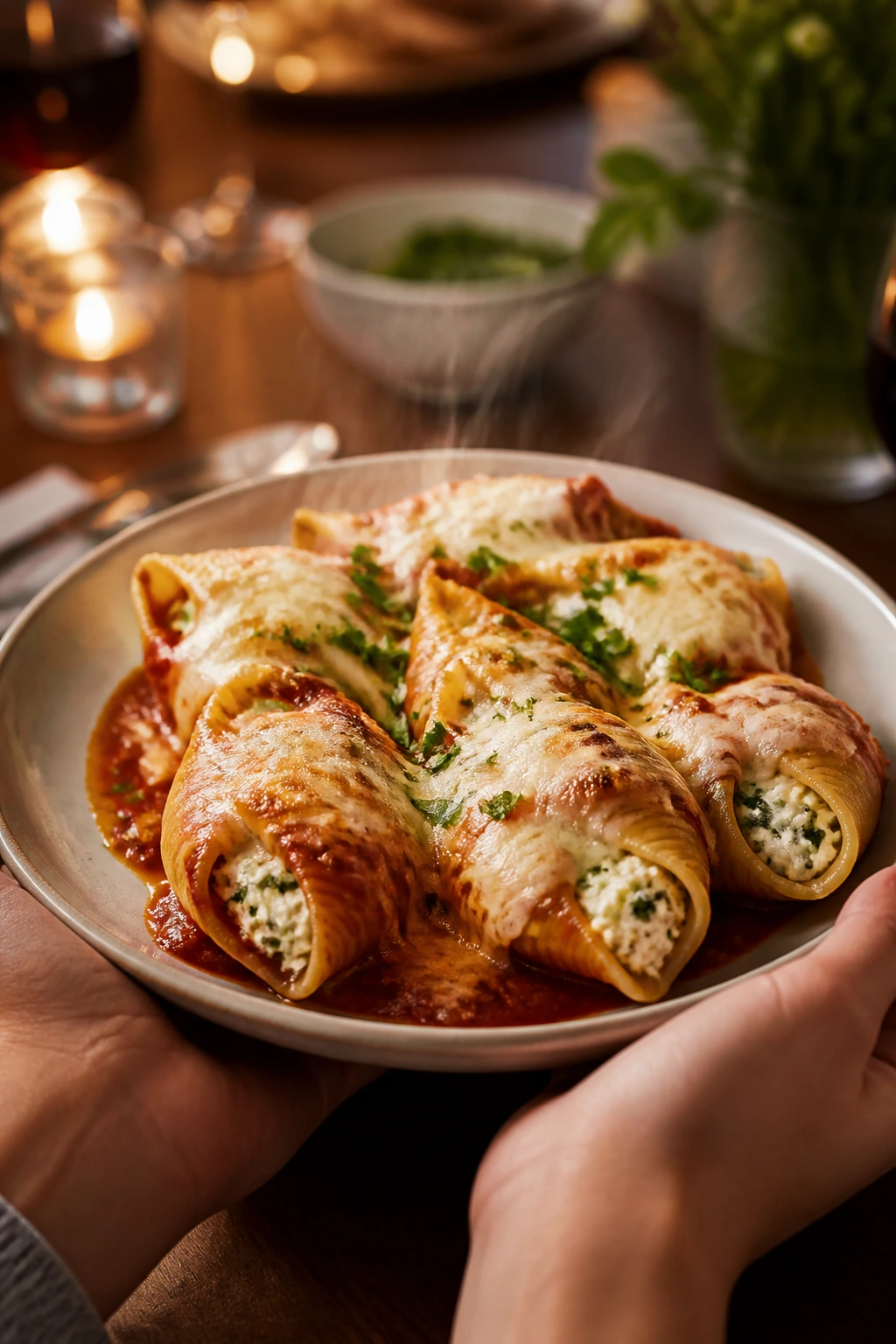
Can I assemble stuffed shells the day before?
Yes, and for hosting, that’s one of the smartest things you can do. Assemble the pan, cover it tightly, and refrigerate it for up to 24 hours. Add a few extra minutes to the bake time if the dish goes into the oven cold.
Do I need to cook the shells all the way before stuffing them?
No. In fact, that’s how people end up with broken, mushy pasta. Boil them until just under al dente so they stay sturdy enough to fill and finish cooking in the oven.
What if my ricotta filling seems too loose?
Stir in a little more Parmesan, chill the filling for 15 to 20 minutes, or drain the ricotta more thoroughly next time. Loose filling usually means there’s too much moisture in the cheese or vegetables.
Can I freeze stuffed shells before baking?
Yes. Freeze them in a tightly covered baking dish, then bake from thawed if possible. If baking from frozen, keep the dish covered longer so the center has time to heat through without drying the top.
Can I use cottage cheese instead of ricotta?
You can, but the texture changes. Cottage cheese is wetter and a little grainier, so blend it briefly or drain it first if you want a smoother filling.
How do I keep the shells from sticking together after boiling?
Drain them well, toss them with a little olive oil, and spread them in a single layer on a tray. Do not stack them while they’re hot unless you enjoy tearing pasta apart with your fingers.
What if I want one pan vegetarian and one pan with meat?
That’s easy. Make a shared ricotta base, divide it, then add spinach-artichoke or mushroom filling to one bowl and sausage, chicken, or beef to the other. You keep the workflow simple and give guests a choice.
How do I reheat leftovers without drying them out?
Cover the dish tightly and rewarm it in a 350°F oven with a spoonful of extra sauce around the edges. If you microwave a single portion, add a little sauce on top and cover the plate loosely so the filling stays soft.
A Better Kind of Hosting Dinner
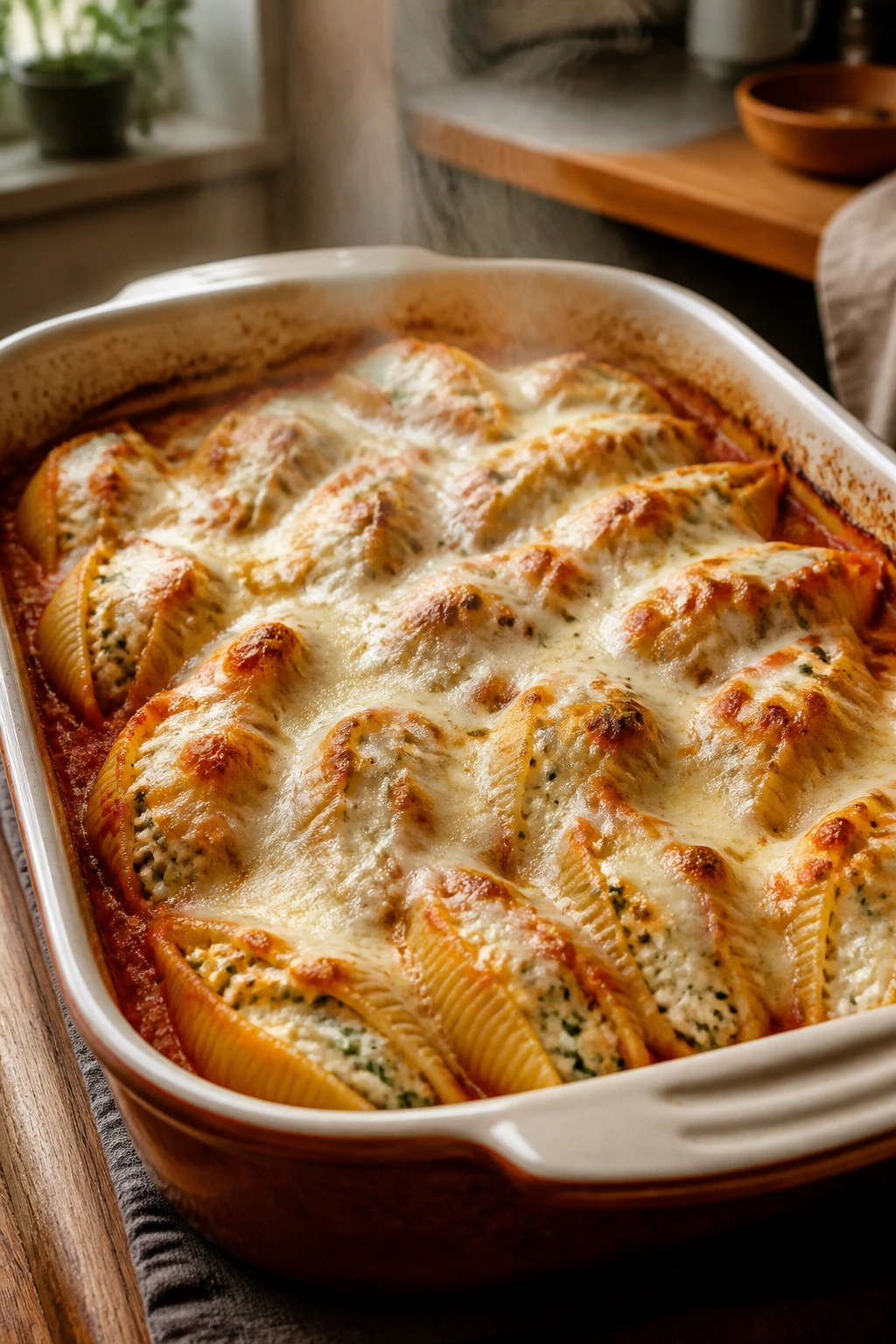
Stuffed shells are one of those dinners that quietly solve a lot of hosting problems. They look generous, they can be made ahead, and they give you enough room to play with flavor without changing the basic method every single time. That makes them useful in the real world, which is where dinner happens.
If you keep a good marinara, a sturdy pan, and a few filling ideas in your pocket, you can turn one format into a whole season of dinners that feel different enough to matter. Pick the one that fits your crowd, make the sauce a little better than usual, and let the oven carry more of the load than it gets credit for.