



The trouble with stovetop rice is not the rice. It’s the hovering. You lift the lid too soon, steam escapes, and a pot that looked promising a minute ago turns patchy, wet, or dry in odd little islands.
A slow cooker changes the whole mood. Crockpot rice sits under a sealed lid, drinks in broth, and cooks with a kind of stubborn patience that a saucepan never quite offers. The catch is that rice is fussy about liquid, and a slow cooker is forgiving in some places and unforgiving in others — so the ratio matters more than the romance.
When it works, the grains come out soft and relaxed, tender enough to break apart easily under a fork without collapsing into glue. That’s the version I like: rice that behaves itself, takes on onion and butter, and disappears under braised meat, curry, beans, or gravy without making a fuss.
Why Crockpot Rice Earns Its Keep
This is not flashy food. That’s the point.
A good crockpot rice recipe gives you a side dish that doesn’t ask for babysitting, stirring, or a moment of panic when the pot starts boiling over. You measure, rinse, cover, and walk away. That’s a real advantage on nights when the rest of dinner already has your attention.
- No hovering: The lid stays shut the whole time, so you’re not losing steam every time you check the pot.
- Soft, tender grains: The rice finishes plush and spoonable, which is exactly what you want under saucy dinners or in a rice bowl.
- Cheap pantry base: Two cups of rice, a little broth, and a bit of butter do enough work to feed a table without draining your wallet.
- Plays well with other dishes: Roast chicken, chili, curry, grilled sausage, beans, and pan gravy all land better on a bed of plain but well-seasoned rice.
- Good leftovers: Reheated rice can be dry if you’re careless, but when you rehydrate it with a splash of water or broth, it comes back nicely.
Rice also has a reputation for being “easy,” which is how people end up overcooking it. This version keeps the ingredient list short but doesn’t treat the method casually. There’s a difference.
The Short List That Makes Crockpot Rice Work
Keep the ingredient list plain and exact. Rice does not need a lot of chatter; it needs clean measurements and the right kind of liquid.
For the Rice:
- 2 cups long-grain white rice, rinsed until the water runs mostly clear
- 3 cups low-sodium chicken broth or vegetable broth
- 1 cup water
- 2 tablespoons unsalted butter, cut into 4 pieces
- 1 tablespoon olive oil
- 1 small yellow onion, very finely diced
- 2 garlic cloves, minced
- 1 teaspoon fine sea salt
- 1/2 teaspoon black pepper
- 1 bay leaf
For Finishing:
- 2 tablespoons chopped parsley or chives
Yield: Serves 6
Prep Time: 10 minutes
Cook Time: About 1 hour 45 minutes on HIGH, or 2 1/2 to 3 hours on LOW
Total Time: About 1 hour 55 minutes, plus 10 minutes resting
Difficulty: Beginner — the ingredient list is short and the slow cooker does most of the work.
Chill/Rest Time: 10 minutes off heat before fluffing
Best Served: Warm, right after fluffing
That’s the whole outline in one glance. The rest is about why these ingredients matter and how the slow cooker handles them once the lid goes down.
What Each Ingredient Does Once the Lid Closes
What matters here isn’t that the ingredients are cheap. It’s that each one solves a small problem the slow cooker would otherwise create.
The Rice Itself
What to use: 2 cups long-grain white rice, with jasmine as the closest swap. Long-grain gives you the cleanest grain separation after a long, covered cook, and jasmine adds a little perfume without changing the method much.
Preparation: Rinse the rice under cold water for 30 to 45 seconds until the runoff looks only faintly cloudy, then drain well. If you leave the rice wet in the strainer, you quietly add extra liquid to the pot.
Substitutions: Jasmine rice works with the same timing but tends to finish a touch softer. Converted rice can work too, though it usually wants a longer cook and a little more liquid.
Tips: Instant rice is the wrong tool here. It breaks down fast in a slow cooker and turns the texture from tender to gluey without much warning.
The Cooking Liquid
What to use: 3 cups low-sodium broth and 1 cup water. That gives the rice enough flavor to taste seasoned without turning salty before the grains are fully done.
Preparation: Stir the broth and water together before it goes in so the salt spreads evenly. Cold liquid is fine; warm liquid is optional if you want the pot to get going a little faster.
Substitutions: Vegetable broth works cleanly if you want a meatless side. Homemade stock is great as long as it is not heavily salted, because you still need room to adjust at the end.
Tips: Low-sodium broth matters more here than it does in a stovetop pot. Slow cookers trap steam instead of reducing liquid much, so salt doesn’t get boiled down and mellowed the way it would in a saucepan.
The Butter and Oil
What to use: 2 tablespoons unsalted butter and 1 tablespoon olive oil. The butter gives the rice a round, savory taste, and the oil helps keep the grains from sticking to one another or to the insert.
Preparation: Cut the butter into pieces so it melts quickly, and use the oil to lightly coat the slow cooker insert before anything else goes in.
Substitutions: All butter will taste richer. All olive oil keeps the dish dairy-free and still gives you a clean, glossy finish.
Tips: The fat does not need to brown. It only needs to coat the grains and soften the flavor so the rice doesn’t taste like plain hot starch.
Onion, Garlic, and Bay Leaf
What to use: 1 small yellow onion, 2 garlic cloves, and 1 bay leaf. That’s enough to give the rice a quiet savory base without making it taste like onion soup.
Preparation: Dice the onion very small and mince the garlic finely. Big chunks stay a little firmer because the cooker doesn’t boil as hard as a stockpot.
Substitutions: Shallot can replace onion if you want a softer flavor. Garlic powder can stand in for fresh garlic in a pinch, though the flavor is flatter. The bay leaf is optional, but I like it.
Tips: The cooker softens aromatics slowly, not aggressively. Small cuts melt into the rice better, and that’s what keeps the finished pot from tasting rough around the edges.
The Finish
What to use: 2 tablespoons chopped parsley or chives. This is the bright part, the bit that wakes the rice back up after a long, gentle cook.
Preparation: Chop the herbs right before serving so they stay sharp and green. If you chop them too early, they get limp on the board and lose some of their lift.
Substitutions: Cilantro works if you’re serving this with beans, chili, or something with a little heat. Dill is good with fish. Scallions are the most flexible swap of all.
Tips: Fresh herbs are not there to hide the rice. They give you one clean, lively note at the end so the pot doesn’t taste flat.
The Tools That Keep the Grains from Going Starchy
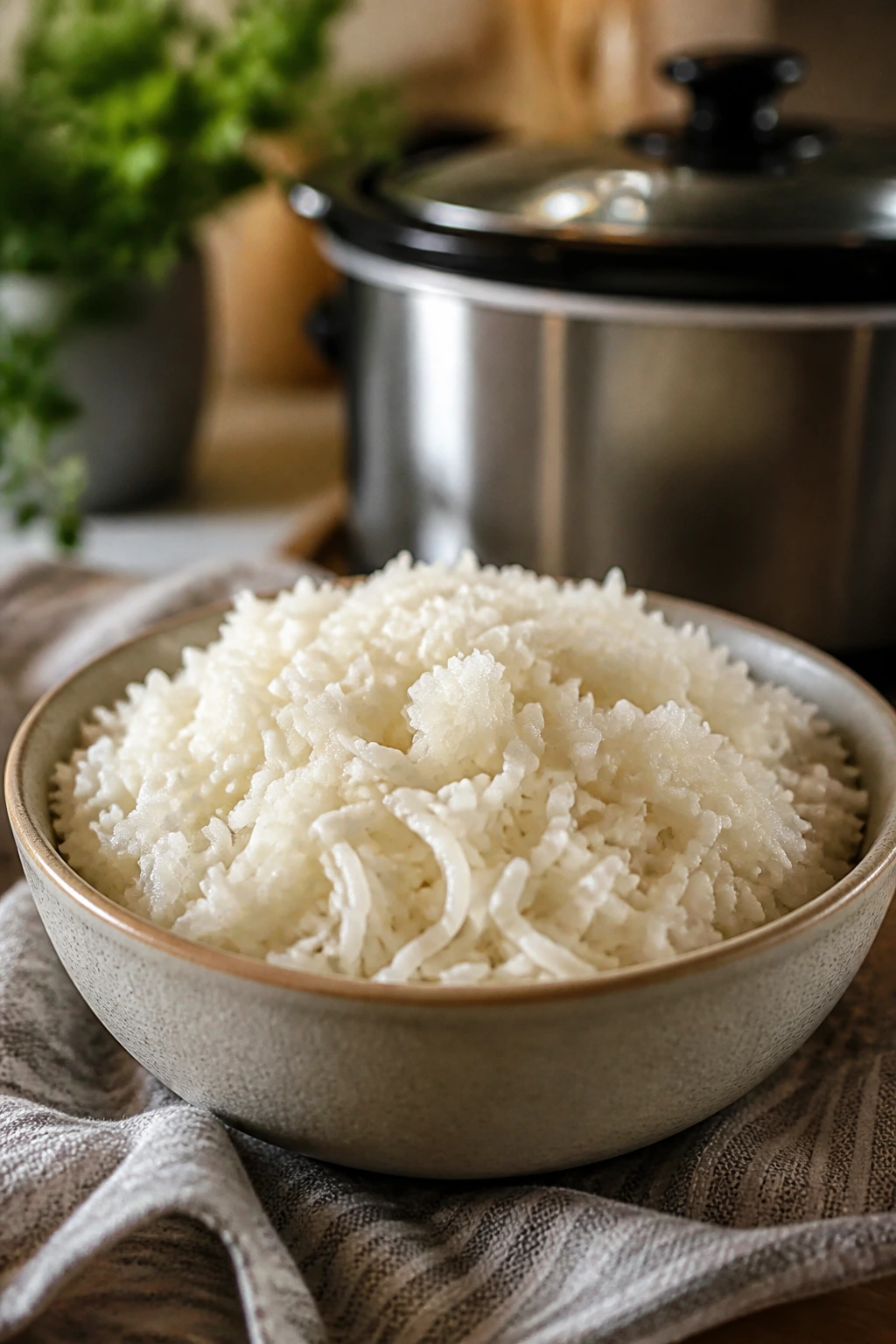
You do not need a special rice machine to make good rice. You do need the right size slow cooker and a few tools that make the process cleaner.
- 4- to 6-quart slow cooker with a tight-fitting lid — This recipe fits comfortably in that range and needs a lid that seals well so steam stays in the pot.
- Fine-mesh strainer — The easiest way to rinse the rice without losing half the grains down the sink.
- Liquid measuring cup — Broth needs actual measurement here; eyeballing it is how people end up with wet rice or dry rice.
- Wooden spoon or silicone spatula — Good for one gentle stir before cooking and for fluffing at the end without breaking the grains.
- Measuring cups and spoons — Rice ratios are not the place to get casual.
- Optional clean kitchen towel — If your lid drips condensation badly, a towel can help catch moisture, but keep it away from vents and any hot edges.
A slow cooker that runs hot or cool will change the timing a little, which is why the cook time is a range instead of a promise. That’s normal. Rice is not offended by that kind of honesty.
The Step-by-Step Method for Tender, Spoonable Rice
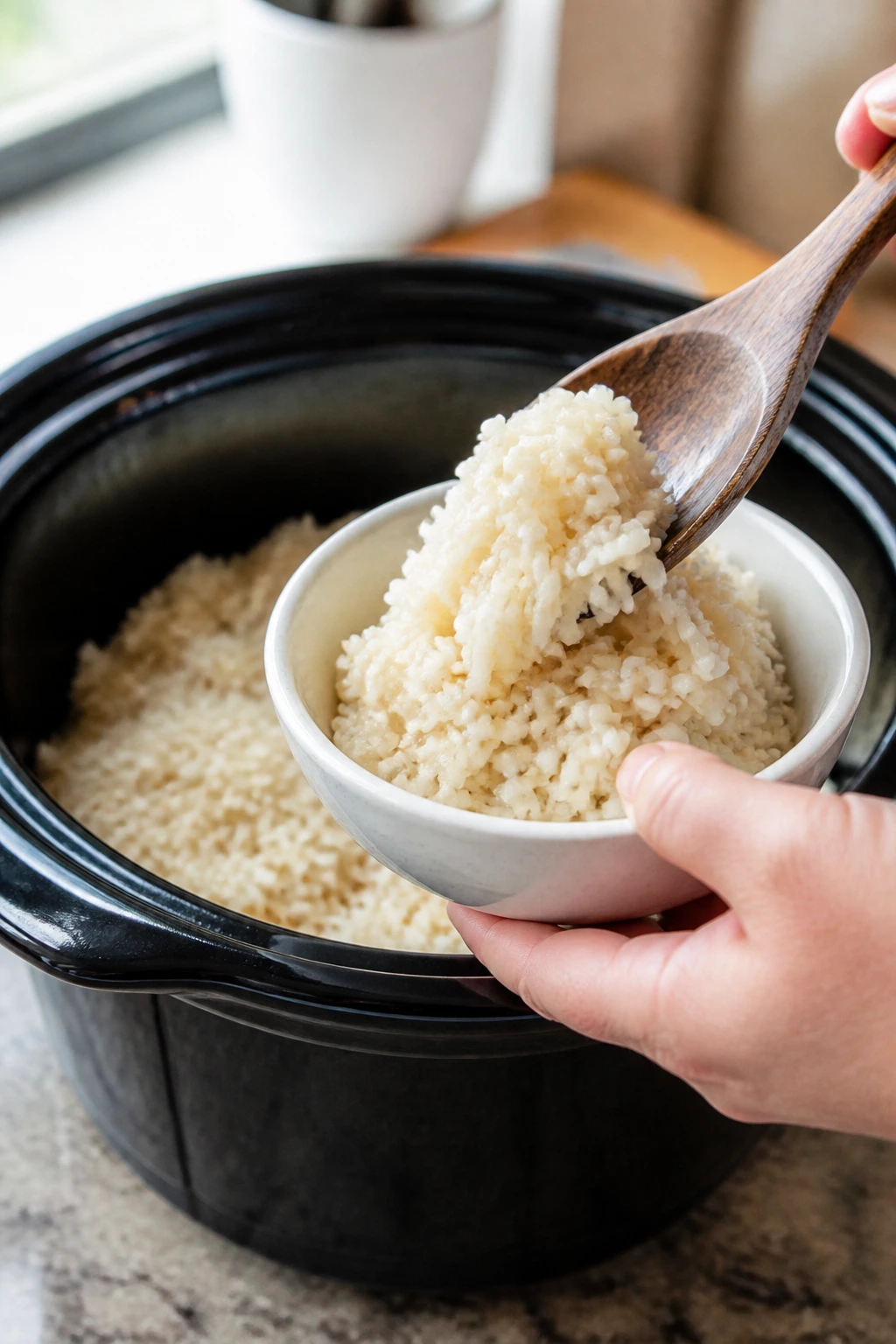
The method is plain, but there are a few places where a careless hand can wreck the pot. Rice punishes little mistakes faster than most side dishes.
Prep the Rice and the Pot
-
Rinse 2 cups of rice in a fine-mesh strainer under cold water for 30 to 45 seconds, swishing with your hand, until the water running off the rice is only faintly cloudy. Drain it well. Do not skip this if you want looser grains; the surface starch is what makes the finished pot sticky.
-
Lightly grease the slow cooker insert with a little butter or a quick swipe of oil, making sure the bottom and lower sides are coated. Add the diced onion, minced garlic, butter, and olive oil.
Build the Cooking Liquid
- Add the rice, broth, water, salt, pepper, and bay leaf. Stir once, gently, just enough to spread the onion and garlic through the liquid and settle the rice into an even layer. Stop stirring after this point — overmixing breaks the grains and encourages a gummy finish.
Cook the Rice
-
Cover and cook on HIGH for 1 hour 30 minutes to 1 hour 45 minutes, or on LOW for 2 1/2 to 3 hours, until the liquid is absorbed and the rice is tender all the way through. If your slow cooker runs hot, start checking at 1 hour 20 minutes on HIGH. Do not lift the lid for the first 75 minutes.
-
When the rice is ready, the top should look matte with just a faint sheen of moisture, and a spoon should pull through the center without hitting a wet pocket. If you still see liquid pooling, re-cover and cook for 10 to 15 minutes more.
Rest and Finish
-
Turn off the slow cooker and let the rice sit, covered, for 10 minutes. Remove the bay leaf, then fluff the rice with a fork or silicone spatula. Fold in the parsley or chives and taste for salt.
-
Serve right away, or if dinner is still finishing, move the rice to a warm bowl and cover it loosely. If you need to keep it in the slow cooker, hold it on WARM for only 30 to 45 minutes. Longer than that, and the edges start to dry out.
The point of the rest time is simple. It lets the last bit of steam distribute itself through the pot so the grains finish evenly instead of feeling damp on top and dense underneath.
How to Serve Crockpot Rice Without Making It Boring
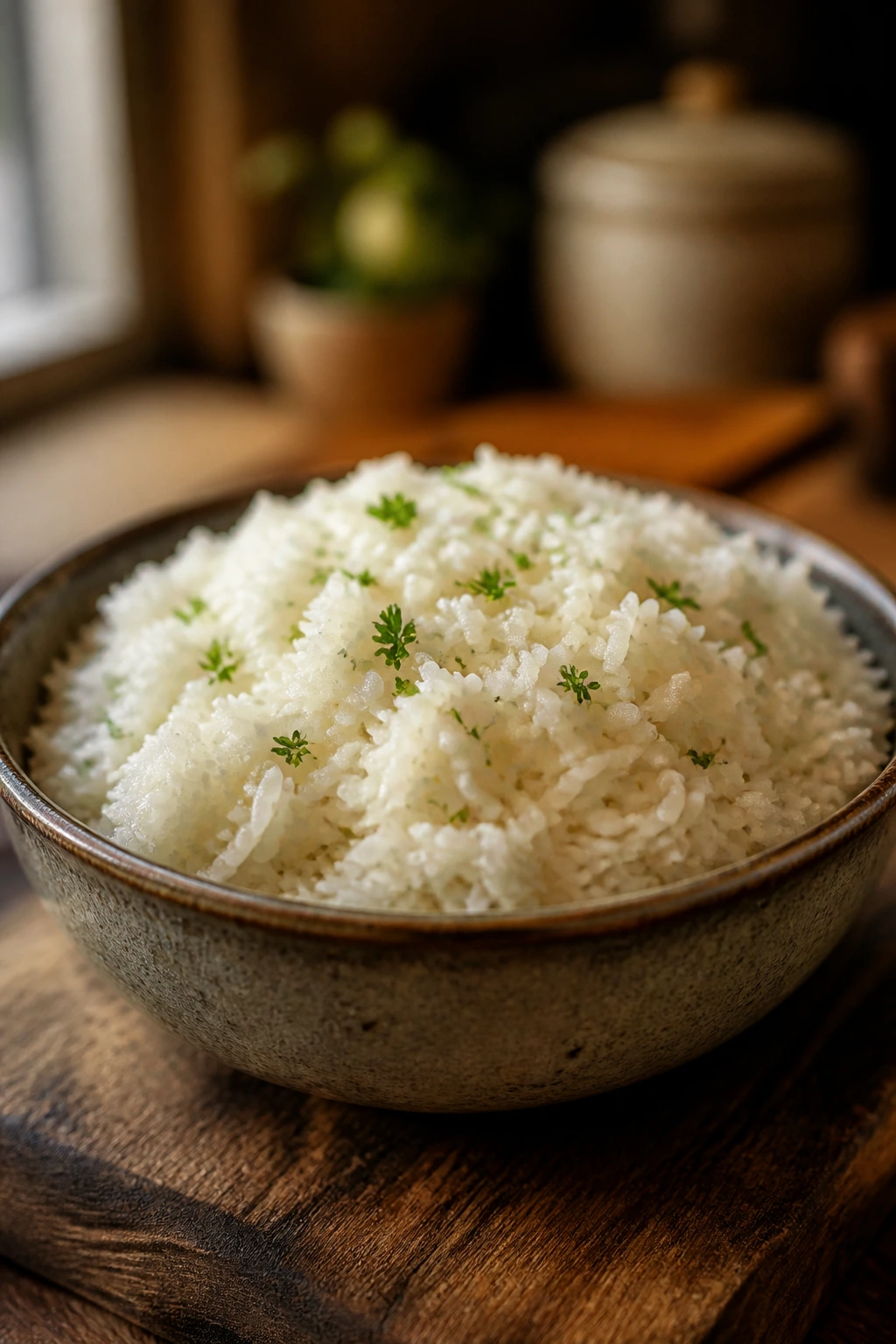
A bowl of this rice should look loose, glossy, and a little plush around the edges. If it’s packed down like a brick, you’ve missed the mood.
Presentation: Spoon it into a shallow bowl or onto a wide platter, then fluff the top with a fork so the grains lift instead of sit flat. For saucy mains, make a small well in the center and let the sauce sink into it.
Accompaniments: This rice is built for roast chicken, pulled pork, braised beef, curry, black beans, grilled sausage, fried eggs, and roasted vegetables. A sharp green salad or sliced cucumbers on the side keeps the plate from feeling heavy.
Portions: Plan on 1/2 cup to 3/4 cup cooked rice per person as a side. If you’re using it as the base for a bowl meal, 1 to 1 1/4 cups per person is a better target. A 2-cup dry batch usually serves 6 as a side and 4 as a main base.
Beverage Pairing: Dry Riesling or Sauvignon Blanc works nicely with herbier dinners. For everyday meals, unsweetened iced tea or sparkling water with lemon keeps the whole plate clean.
If you’re serving something especially rich — say, pot roast or a heavy curry — let the sauce do the talking. The rice should support dinner, not compete with it.
Small Tweaks That Change the Texture and Flavor
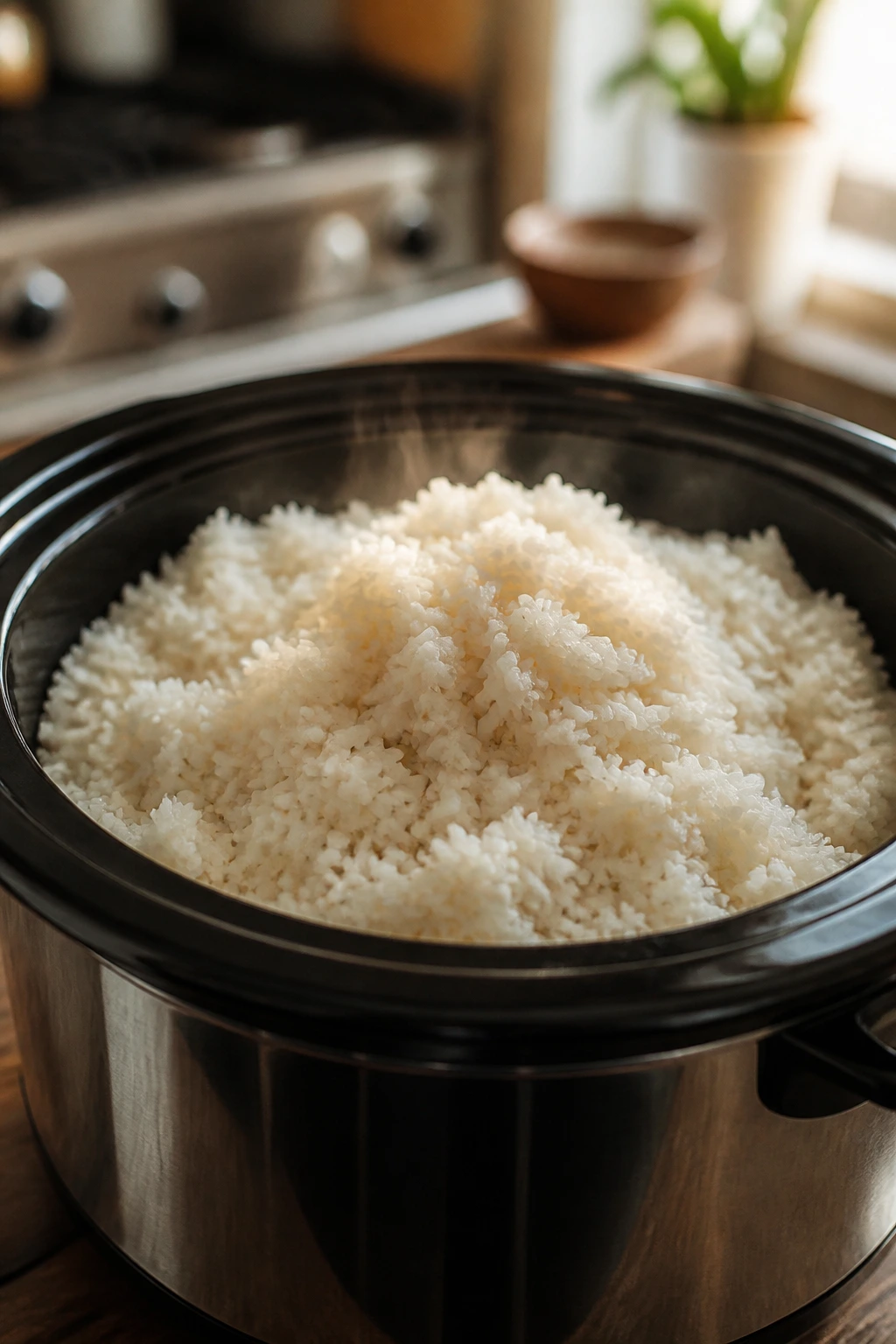
A few small adjustments change the whole pot. Not enough to turn it into a different recipe. Just enough to make it yours.
Texture Control
If you want the grains more separate and a little firmer, cut the water back by 1/4 cup. If you want the softer, more spoonable side of the spectrum — the “fall-apart” part without drifting into mush — keep the recipe as written and let it rest the full 10 minutes before fluffing. That resting time matters more than people think.
Flavor Boost
A teaspoon of bouillon paste stirred into the broth deepens the savory note without forcing you to reach for more salt at the table. If you like a little brightness, finish the pot with a squeeze of lemon after the herbs go in. A small hit of acid makes plain rice taste less sleepy.
Easy Add-Ins
Frozen peas, thawed corn, or finely diced carrots can go in during the last 10 to 15 minutes of cooking. They keep their shape better that way and don’t turn the pot into a vegetable stew. A handful of sliced scallions on top gives you a fresher finish than dried herbs alone.
Make-It-Yours
Use vegetable broth and olive oil if you want a dairy-free version. Swap parsley for cilantro and serve it with hot sauce, beans, and avocado if you’re leaning toward a more Southwestern plate. If the rice is going under grilled fish, dill and lemon zest fit better than butter and parsley.
I also like a tiny knob of butter stirred in at the very end, even when the recipe already has butter in the pot. It doesn’t change the method. It just gives the rice a rounder taste right where it lands on the plate.
The Mistakes That Turn Good Rice Into Glue
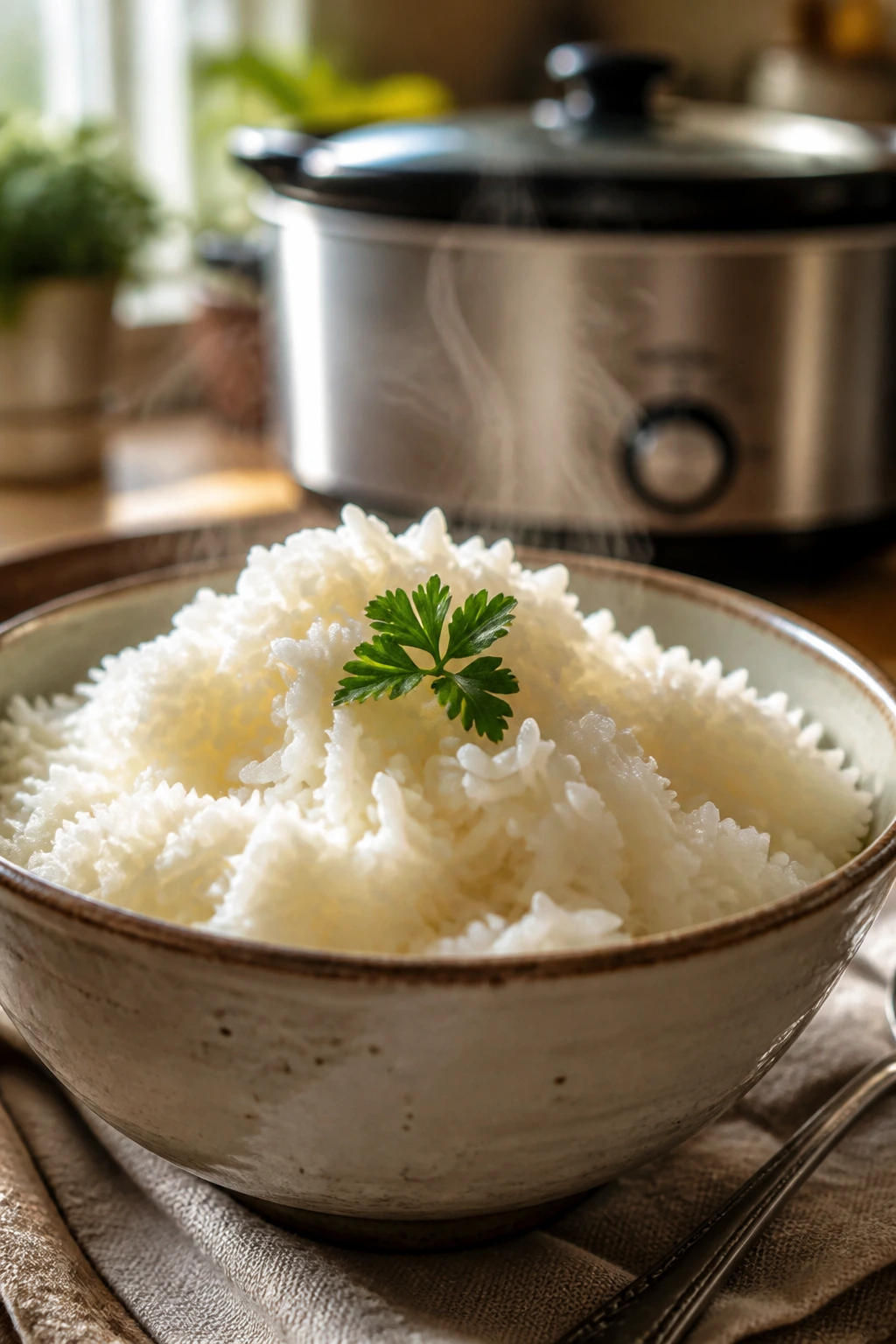
The mistakes are boring, and that’s exactly why they happen so often.
-
Using the wrong rice: Instant rice or quick-cook rice turns soft too fast and collapses into paste. Use regular long-grain white rice, or jasmine if you want a more fragrant version.
-
Adding too much liquid: If the rice looks shiny, wet, or soupy at the end, the ratio was off. Measure the broth and water exactly, and if your slow cooker runs wet, cut the water by 1/4 cup next time.
-
Lifting the lid early and often: Every peek steals heat and steam. The pot needs at least 75 minutes untouched on HIGH before you even start checking.
-
Treating the clock like law: Some slow cookers run hotter than others, and some lids seal better. Start with the timing range, then trust what the rice looks and feels like.
-
Leaving it on WARM too long: The edges dry out, the bottom gets crusty, and the top starts to lose its softness. WARM is a short holding setting, not an extra cooking phase.
-
Skipping the rest at the end: Rice that looks done can still be unevenly wet inside. Ten minutes off heat with the lid on lets the moisture settle so the texture evens out.
One more thing: if the bottom edge browns a little, don’t panic and stir it through the whole pot. That crust is not a failure. Scrape it away if you don’t want it, but don’t turn the whole batch muddy to save a few toasted grains.
Variations Worth Trying in the Same Pot
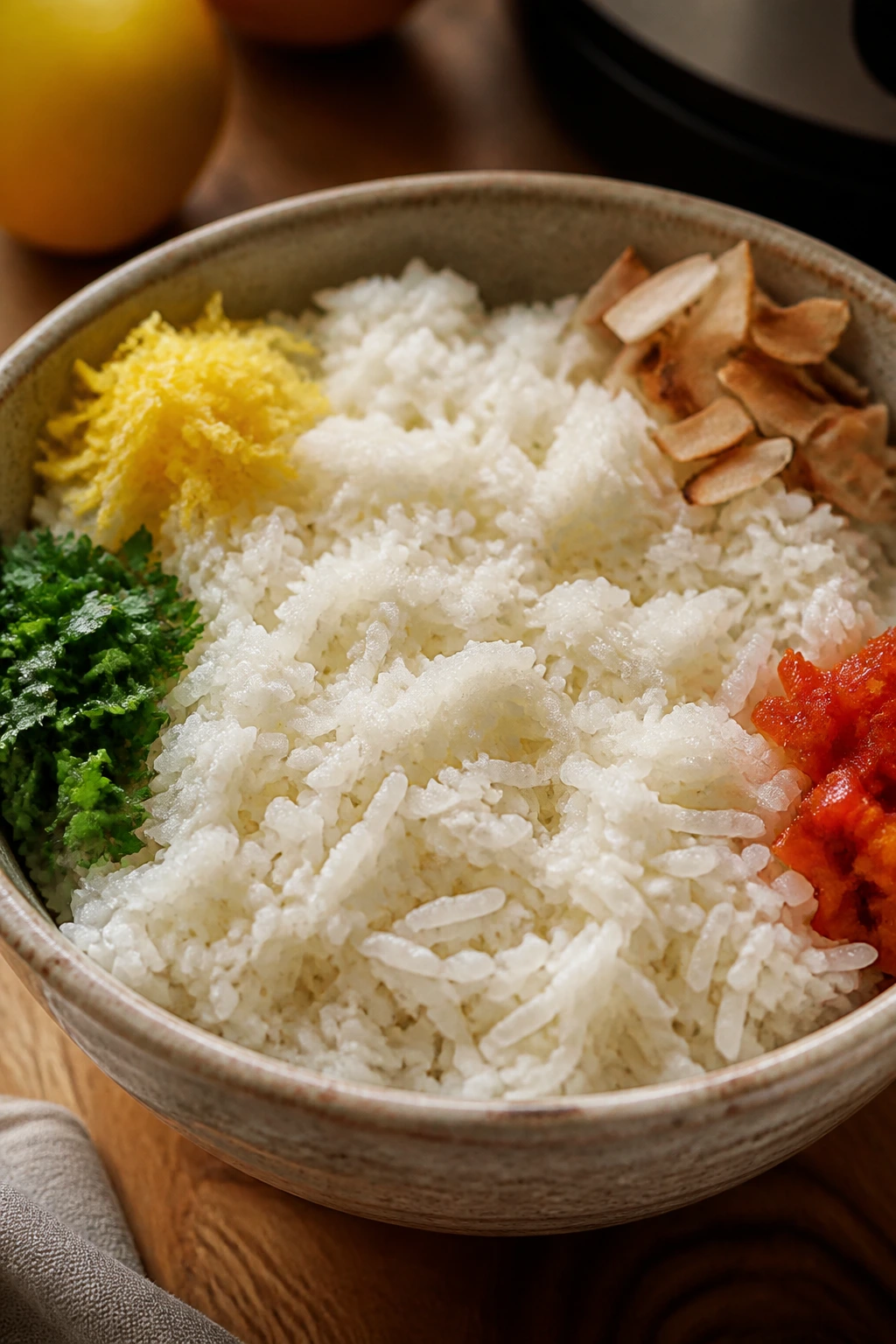
Once the base recipe behaves, flavor changes are easy. Keep the method steady and change the profile.
Garlic-Butter Herb Rice
Add one extra minced garlic clove and 1 teaspoon dried thyme to the pot, then finish with a tablespoon of chopped parsley and a little grated Parmesan if dairy fits the meal. This version sits especially well next to roast chicken, mushrooms, or roasted carrots.
Coconut-Lime Rice
Replace 1 cup of the broth with 1 cup unsweetened coconut milk, then stir in the zest of 1 lime after cooking. The rice turns richer and a little sweeter, which makes it a strong match for curry, grilled shrimp, or spicy black beans.
Spanish Pantry Rice
Stir 1 tablespoon tomato paste and 1 teaspoon smoked paprika into the liquid before cooking, then add 1/2 cup thawed peas during the last 10 minutes. The pot comes out warm red-gold and works well with sausage, roasted peppers, or seared chicken thighs.
Golden Turmeric Rice
Add 1/2 teaspoon turmeric and 1/4 teaspoon cumin to the broth, then finish with chopped cilantro instead of parsley. The color goes deep yellow, and the flavor lands somewhere between plain rice and a mild, savory curry base.
If you want to keep things plain but different, switch the herbs. Parsley makes the rice clean and direct. Cilantro makes it brighter. Chives make it feel a little more polished without becoming fussy.
How to Store, Reheat, and Make It Ahead
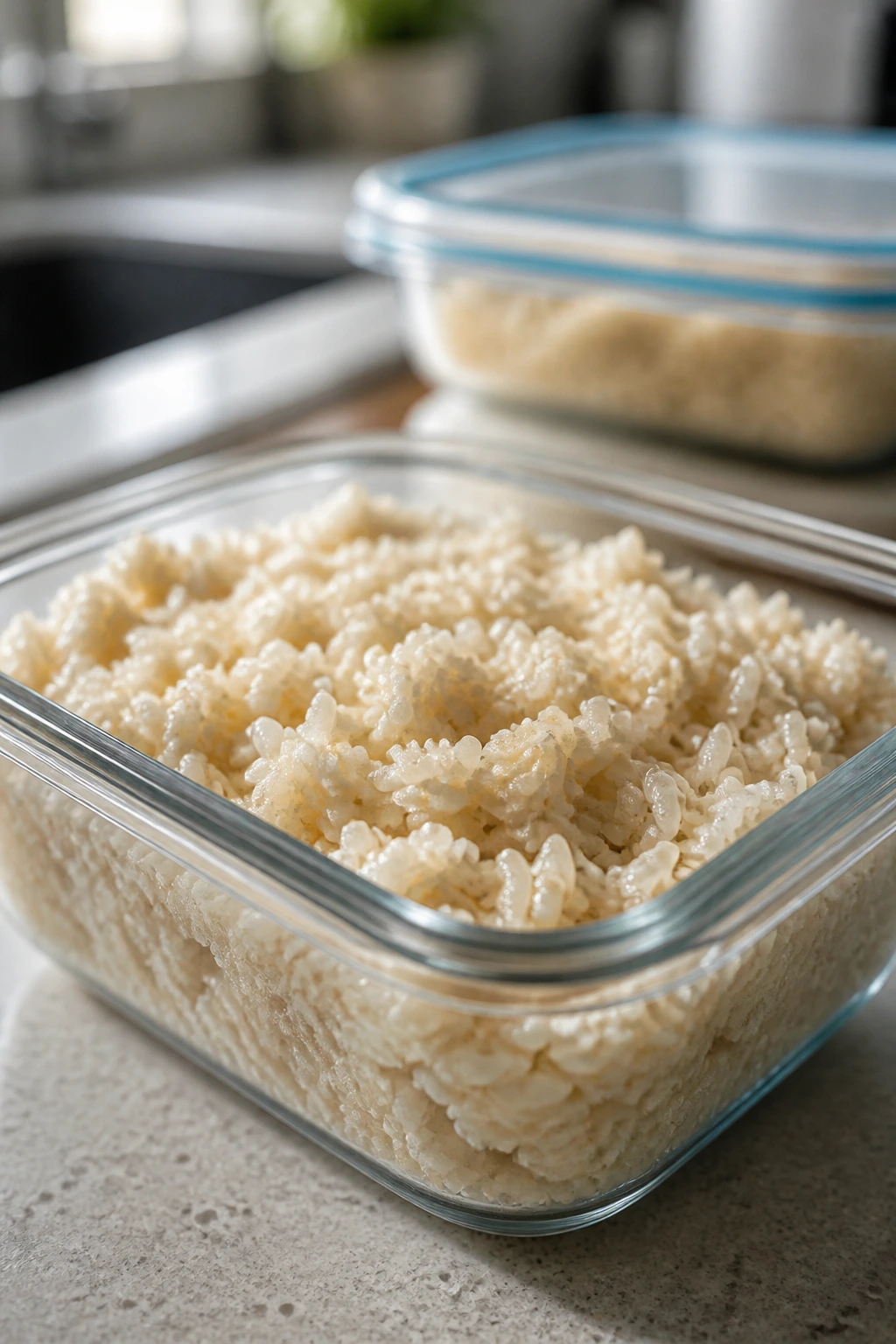
Cooked rice is not a food that likes to loiter. Get it cooled promptly, and it stays useful. Leave it sitting around, and it becomes a food safety headache fast.
In the Fridge
Transfer the rice to shallow containers and refrigerate it within 1 hour if you can manage that, or within 2 hours at the absolute latest. Shallow containers cool faster than one deep bowl, which matters for both safety and texture. Kept airtight, the rice holds well for 3 to 4 days.
In the Freezer
Rice freezes better than most people expect. Portion it into 1-cup packets or flat freezer bags, press the air out, and freeze for up to 2 months. Flat packets thaw faster and stack better, which is a small kitchen mercy I appreciate more than I should.
Reheating Without Drying It Out
For the microwave, add 1 to 2 tablespoons of water or broth per cup of rice, cover the container, and heat in 60- to 90-second bursts, stirring once between rounds. For the stovetop, put the rice in a skillet or saucepan with a splash of broth, cover it, and warm it over low heat until the grains loosen again. If you’re reheating a larger amount, a covered dish in a 325°F oven for 15 to 20 minutes also works.
What You Can Do Ahead
You can rinse the rice, dice the onion, and mince the garlic a day ahead if you want to make the cook day feel lighter. You can also cook the full batch ahead, chill it fast, and reheat it later — in fact, this rice often tastes a little more settled the next day. Just don’t leave it on WARM in the cooker all afternoon and call it meal prep. That’s not the same thing.
When reheated rice feels dry, a teaspoon of butter or a splash of broth fixes more than people expect. It’s a small rescue, not a big production.
Questions People Ask Before the Lid Goes On
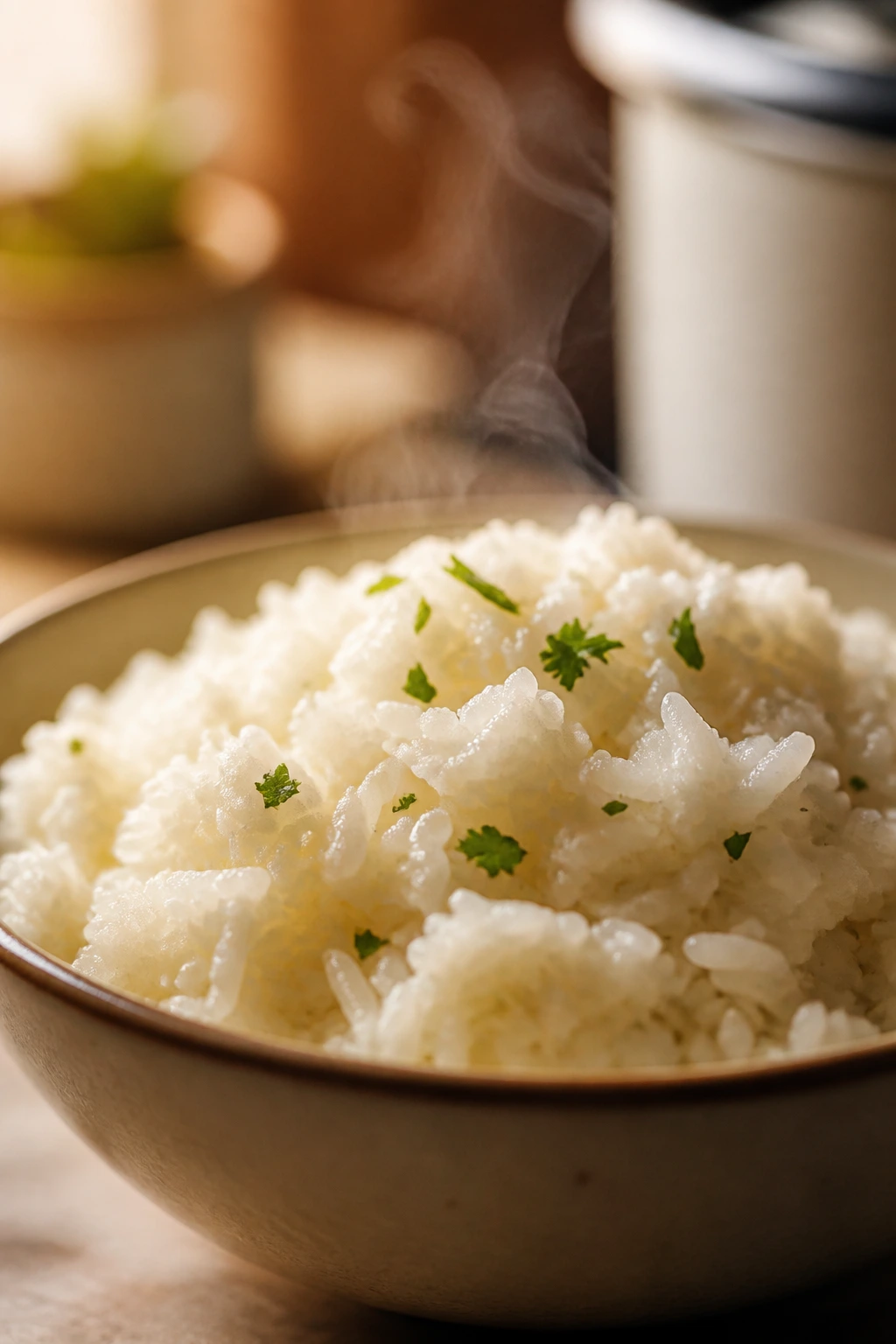
Can I use jasmine rice instead of regular long-grain rice?
Yes. Jasmine rice works well here and gives the pot a slightly more fragrant finish. Start checking at the early end of the cook time, because jasmine can soften a little faster than plain long-grain rice.
Can I make this with brown rice?
You can, but I would treat it as a separate recipe rather than a simple swap. Brown rice needs more liquid and a longer cook, and the timing in this recipe will not give you the same result.
Do I have to rinse the rice?
If you want lighter, looser grains, yes. If you skip the rinse, the surface starch stays on the rice and the finished pot comes out softer and a touch stickier, which some people actually prefer for curry or stewy meals.
Why is the center still crunchy after the suggested cook time?
Slow cookers vary, and some run cooler than others. Add 1/4 cup hot broth, stir once, cover again, and cook for another 10 to 15 minutes; if it keeps happening, your cooker probably needs the full HIGH range rather than the shorter end.
Can I add vegetables or protein directly to the pot?
Small vegetables like peas or corn work well near the end. Raw chicken or sausage changes the cooking time and the liquid balance enough that I’d rather cook them separately or turn the dish into a different one-pot meal.
Can I double the recipe?
Yes, if your slow cooker is big enough and you don’t push the insert past about two-thirds full. A deeper pile of rice can cook unevenly, with a dry top and a sluggish center, so bigger is not always better.
Can I make it on the stovetop instead?
Yes, but use the stovetop method for the specific rice you bought rather than copying the slow cooker ratio. A saucepan loses steam differently, so the liquid and timing need to be adjusted; the slow cooker formula is built for a sealed, gentle cook.
The Quiet Workhorse
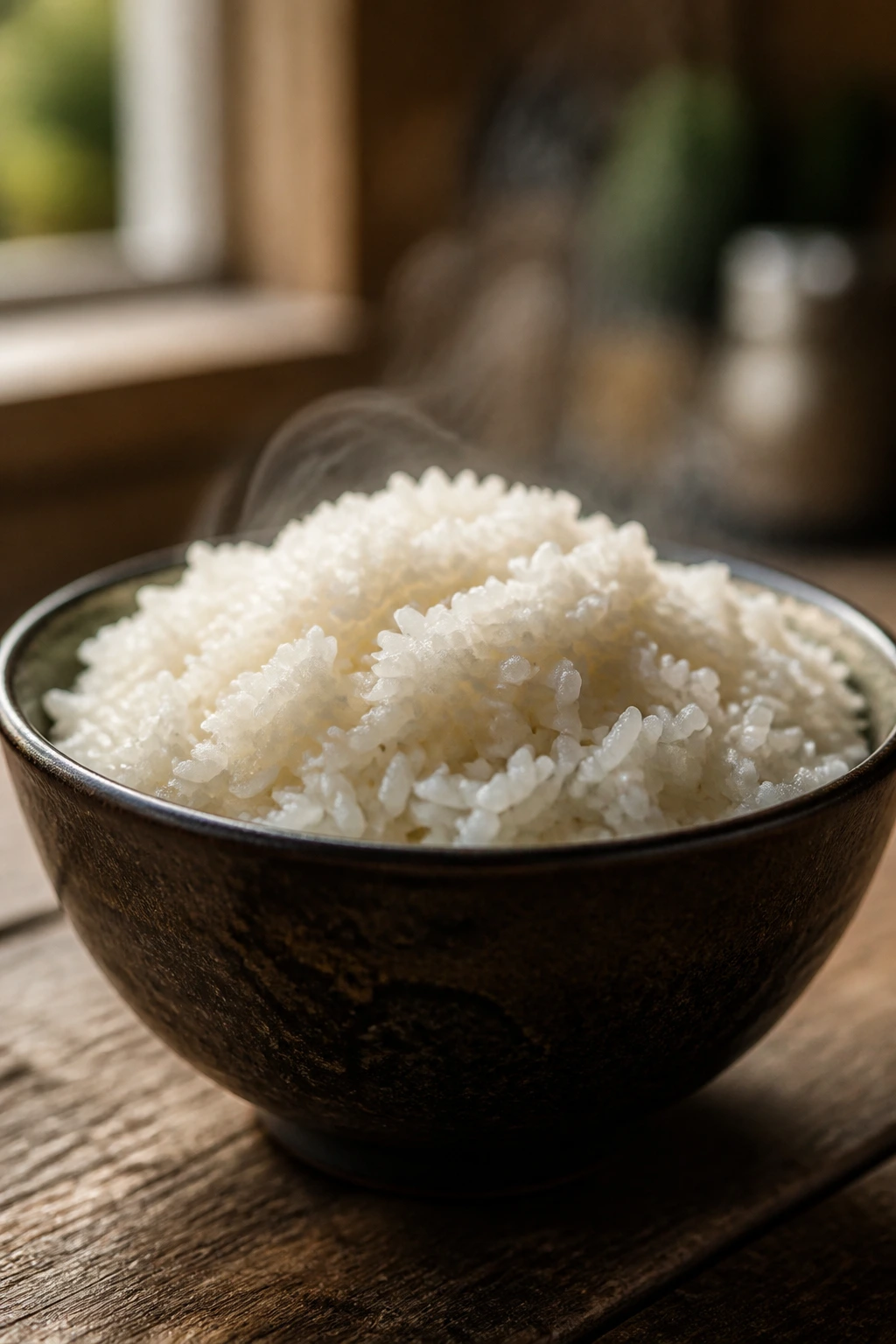
Rice should be the quiet part of dinner. Not the part that needs coaxing, not the part that sticks to the pot, and not the part that makes you stand over steam with a spoon and a worried face.
That’s why this slow cooker version earns its place. The rice comes out soft, steady, and ready for whatever the rest of the plate is doing. It can disappear under gravy or sit beside roasted vegetables and still taste like it meant to be there.
Keep the ratio in your head, keep the lid closed, and the slow cooker does the dull work for you. That’s not glamorous. It is useful, though, and useful wins plenty of dinners.
Fall-Apart Crockpot Rice — Recipe Card
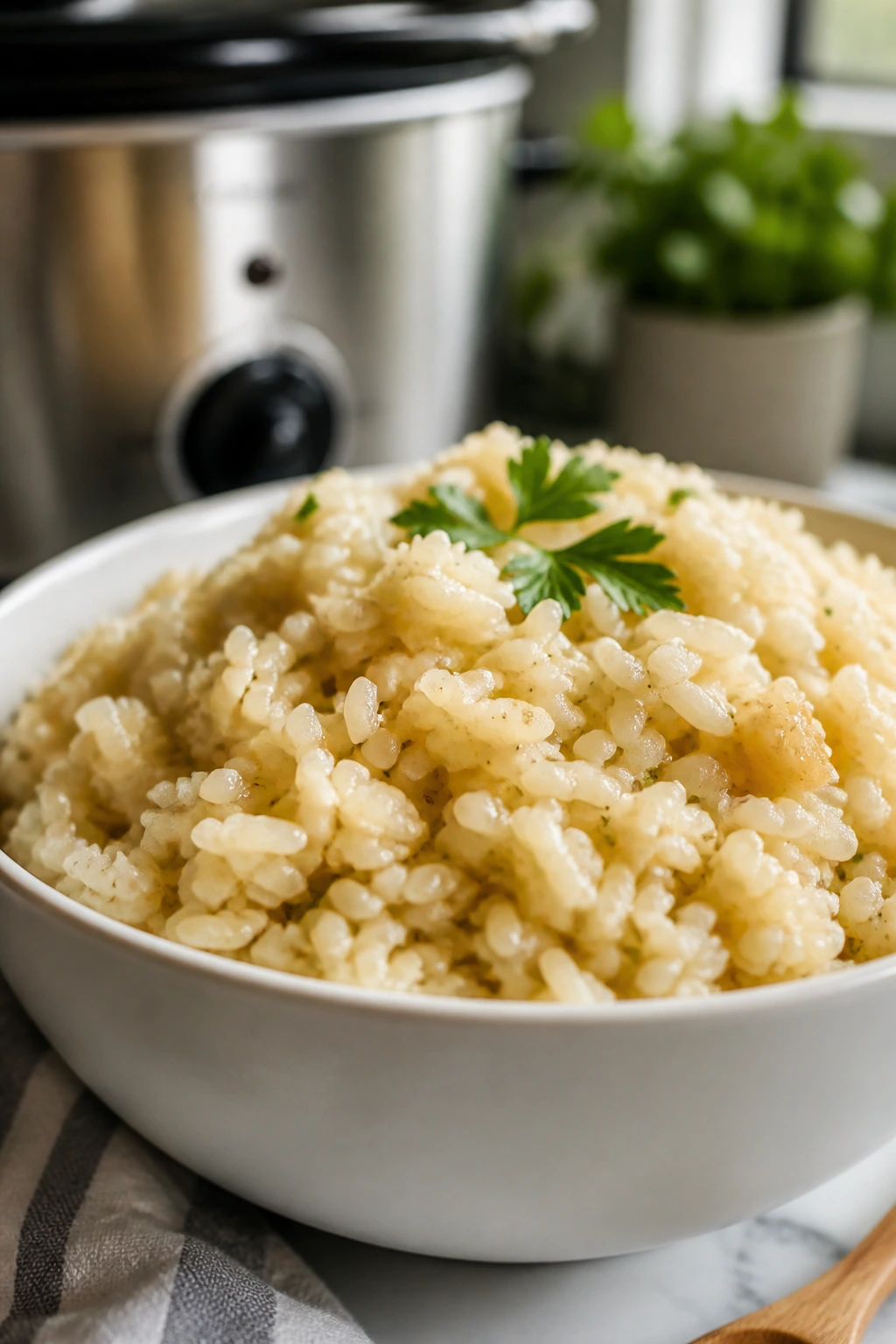
Recipe Name: Fall-Apart Crockpot Rice
Description: Soft, buttery slow-cooker rice made with broth, onion, garlic, and a short rest at the end so the grains finish tender and spoonable. It’s built to sit under saucy dinners and soak up flavor without turning mushy.
Prep Time: 10 minutes
Cook Time: 1 hour 45 minutes on HIGH
Total Time: 1 hour 55 minutes, plus 10 minutes resting
Course: Side Dish
Cuisine: American
Servings: 6 servings
Calories: About 170 kcal per serving
Ingredients
For the Rice:
- 2 cups long-grain white rice, rinsed until the water runs mostly clear
- 3 cups low-sodium chicken broth or vegetable broth
- 1 cup water
- 2 tablespoons unsalted butter, cut into 4 pieces
- 1 tablespoon olive oil
- 1 small yellow onion, very finely diced
- 2 garlic cloves, minced
- 1 teaspoon fine sea salt
- 1/2 teaspoon black pepper
- 1 bay leaf
For Finishing:
- 2 tablespoons chopped parsley or chives
Instructions
- Rinse the rice in cold water until the runoff is only faintly cloudy, then drain well.
- Lightly grease the slow cooker insert, then add the onion, garlic, butter, and olive oil.
- Stir in the rice, broth, water, salt, pepper, and bay leaf. Mix gently once.
- Cover and cook on HIGH for 1 hour 30 minutes to 1 hour 45 minutes, until the liquid is absorbed and the rice is tender.
- Let the rice sit covered for 10 minutes off heat, then remove the bay leaf.
- Fluff with a fork, fold in the parsley or chives, and serve warm.
Notes: Use low-sodium broth so you can salt to taste at the end. If the rice is still a little firm after the cook time, add 1/4 cup hot broth and cook 10 minutes more. Refrigerate leftovers promptly in shallow containers.