



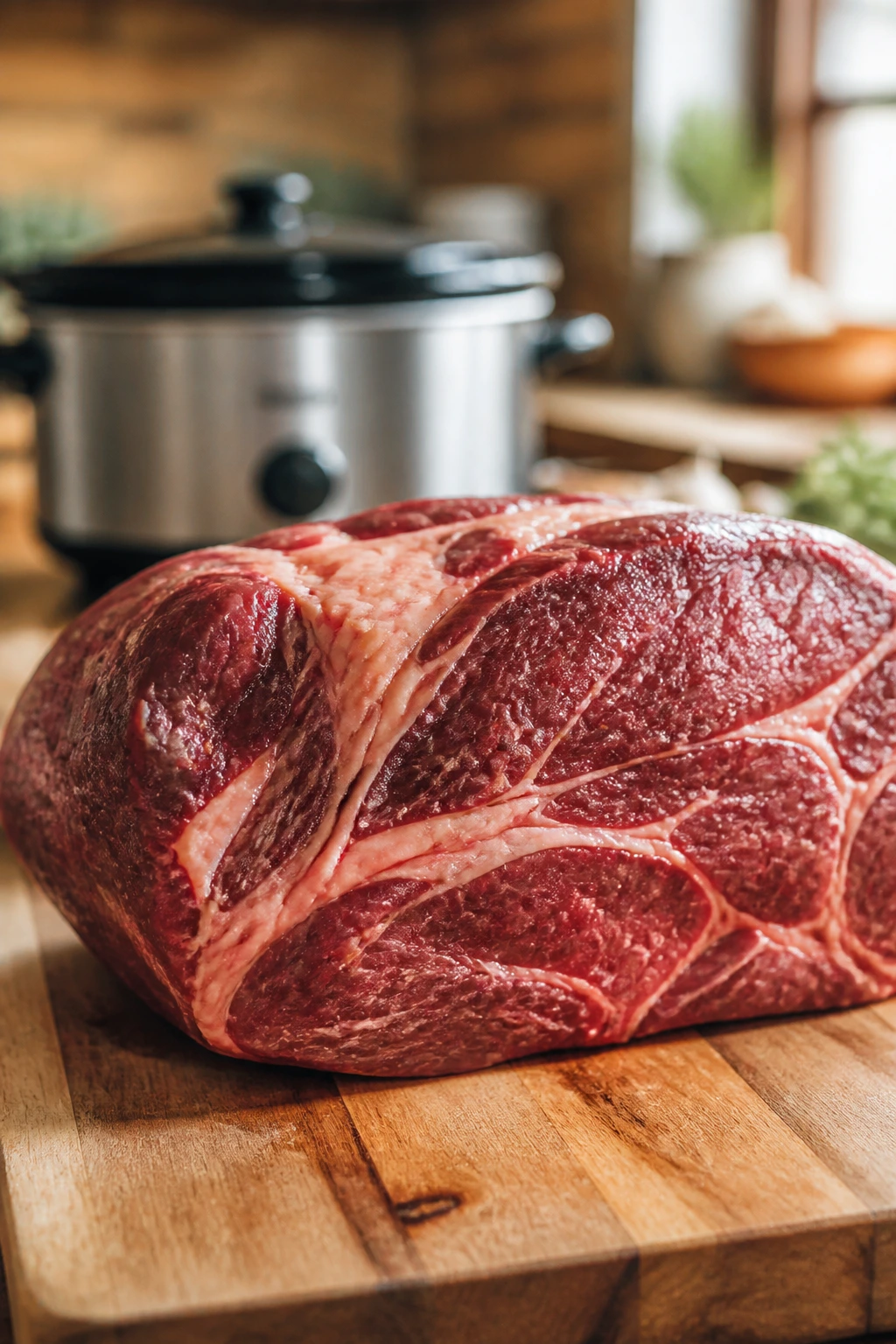
The best slow cooker beef is not the lean, tidy cut sitting prettily in the butcher case. It’s the rougher one. The chuck roast with streaks of fat, a little connective tissue, and a shape that looks more useful than elegant. Give that cut a long, low bath with onions, broth, tomato paste, and a splash of wine, and it turns into something soft enough to pull apart with a fork but still rich enough to taste like dinner, not just meat.
That’s the whole appeal of a set-and-forget roast. You don’t need babysitting. You need the right cut, a short sear, and a braising liquid that tastes deep instead of watery. After a few hours, the onions go sweet, the garlic mellows out, the gravy darkens, and the beef starts giving up that stubborn texture that makes chuck roast such a reliable piece of beef for the slow cooker.
Lean cuts fight this method. Chuck works with it. The marbling melts, the collagen loosens, and the lid traps enough moisture that the roast stays lush instead of dry. If you’ve ever taken a bite of slow-cooked beef that tasted like it had been simmered in beige water, you already know why the details matter. They matter a lot.
Why This Slow Cooker Beef Earns a Spot in the Rotation
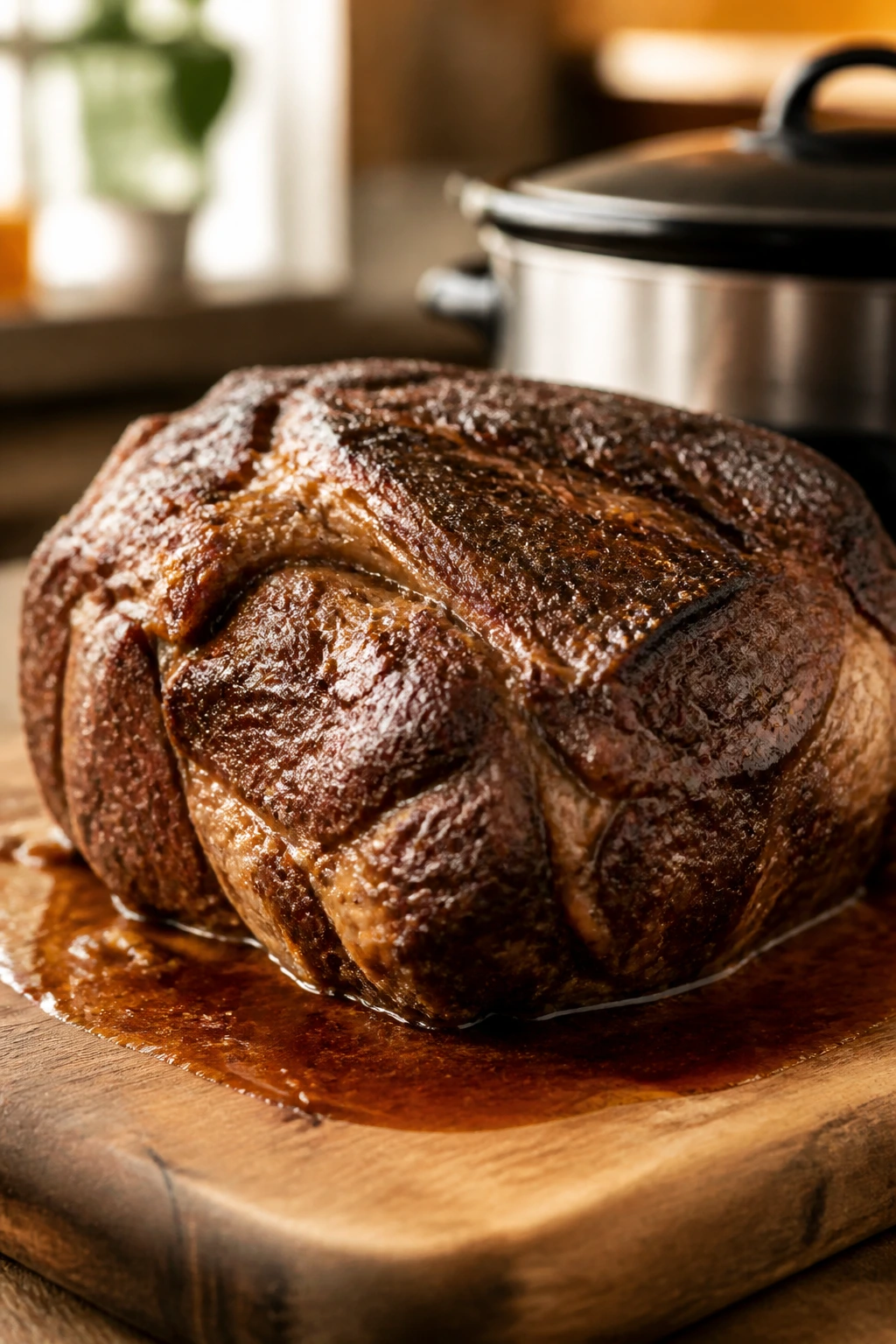
- The chuck roast does the heavy lifting: The fat and connective tissue melt down over hours, so the meat turns tender instead of stringy.
- The sauce tastes built, not dumped together: Tomato paste, Worcestershire, soy sauce, and red wine give the broth a dark, savory edge that tastes like it took work.
- The vegetables keep their shape if you cut them right: Big carrot chunks and baby potatoes can handle a long cook without collapsing into mush.
- The sear matters, and it’s worth the extra pan: Browning the roast gives you the crust and pan drippings that a straight dump-and-cook version never gets.
- The leftovers hold up well: The beef soaks up more gravy overnight, which makes tomorrow’s sandwich or bowl taste even better.
- It fits real schedules: Once the lid goes on, the slow cooker keeps the roast going while you’re out of the kitchen, not hovering over it.
Why Chuck Roast Belongs in the Slow Cooker
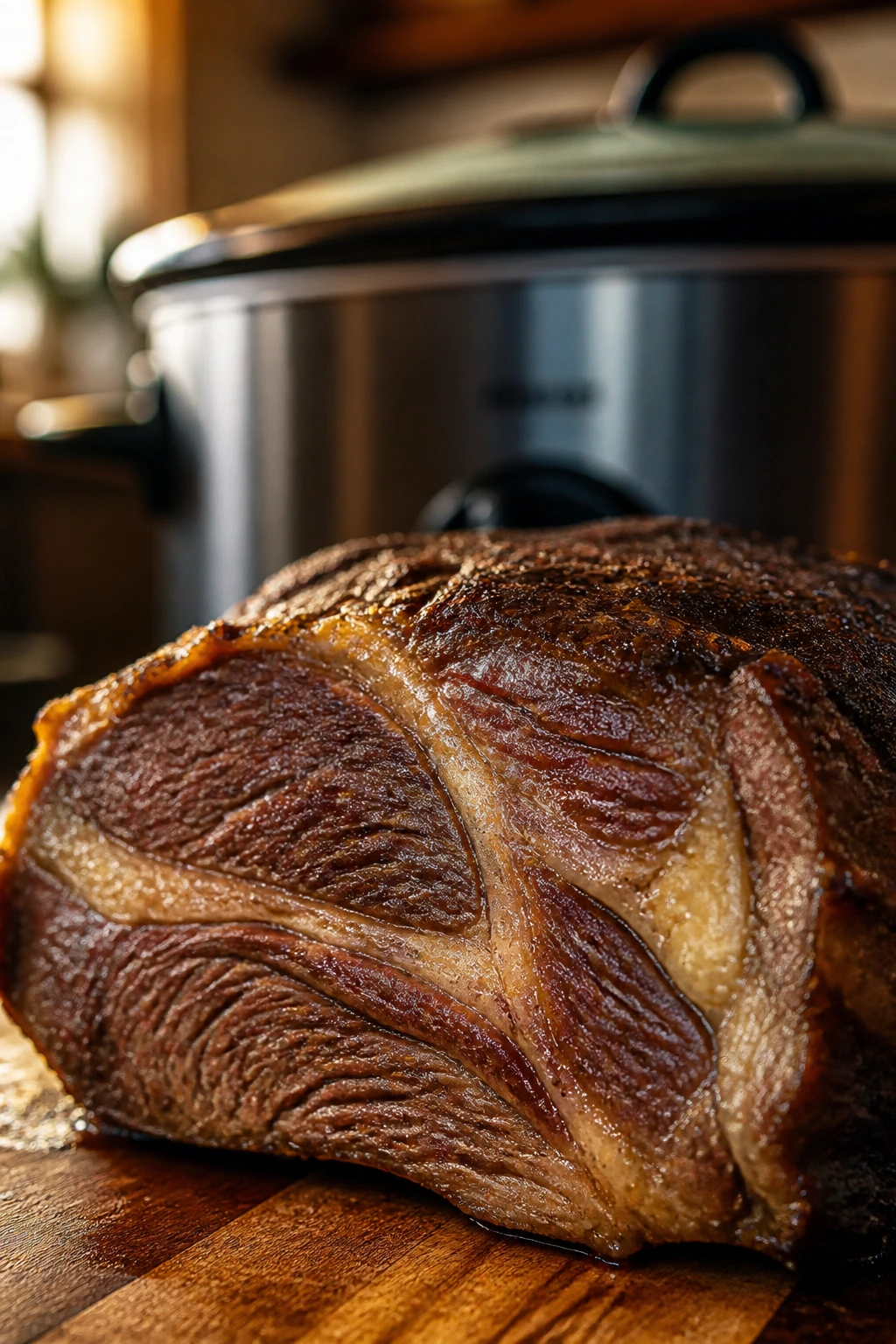
A good slow cooker beef recipe starts with an honest cut of meat. Chuck roast is cut from the shoulder, which means it gets worked. A lot. That’s why it’s marbled and a little stubborn. That toughness is not a flaw here; it’s the reason the roast turns silky after several hours of low heat.
I reach for chuck roast before brisket or round roast when I want the beef to come out tender without any drama. Round roast can work, but it asks for more precision because it’s leaner and less forgiving. Brisket is lovely in the right setup, though it wants a little more fat and a little more time. Chuck sits in the sweet spot. It has enough marbling to self-baste and enough connective tissue to turn gelatinous in the pot, which is exactly what makes the gravy taste plush instead of thin.
There’s also a reason this version uses tomato paste, Worcestershire sauce, soy sauce, and a little Dijon. Those ingredients don’t make the roast taste like tomato sauce or stir-fry. They deepen the beefiness. Tomato paste gives the liquid a dark, cooked edge. Worcestershire brings that funky, savory bass note. Soy sauce tightens the salt and umami without making the whole pot taste Asian or salty in a loud way. Dijon cuts through the richness so the final bite doesn’t land flat.
And yes, the browning step matters. A slow cooker can make meat tender, but it cannot invent browned flavor out of nowhere. That crust you get from searing is the Maillard reaction doing its thing, and it tastes like beef with a backbone. Skipping it will still get you dinner. It just won’t get you the version worth remembering.
How Big the Roast Is and How Long It Needs
Yield: Serves 6 to 8 with sides
Prep Time: 25 minutes
Cook Time: 8 hours on low, or 5 to 6 hours on high
Total Time: About 8 hours 25 minutes on low, or about 5 hours 25 minutes on high
Difficulty: Beginner to Intermediate — the steps are straightforward, but browning the beef and finishing the gravy take a little attention.
Chill/Rest Time: 10 to 15 minutes before slicing or shredding
Best Served: Hot, with gravy spooned over the beef and vegetables
A 6-quart slow cooker is the right size for this roast. Smaller than that and you’ll start crowding the pot, which makes the vegetables pile up too tightly and the liquid level get awkward. If your cooker runs hot, keep an eye on the low setting after about 7 hours. Every machine has its own personality. Some are gentle. Some behave like they have something to prove.
The Ingredients That Turn a Chuck Roast into Gravy-Slick Beef
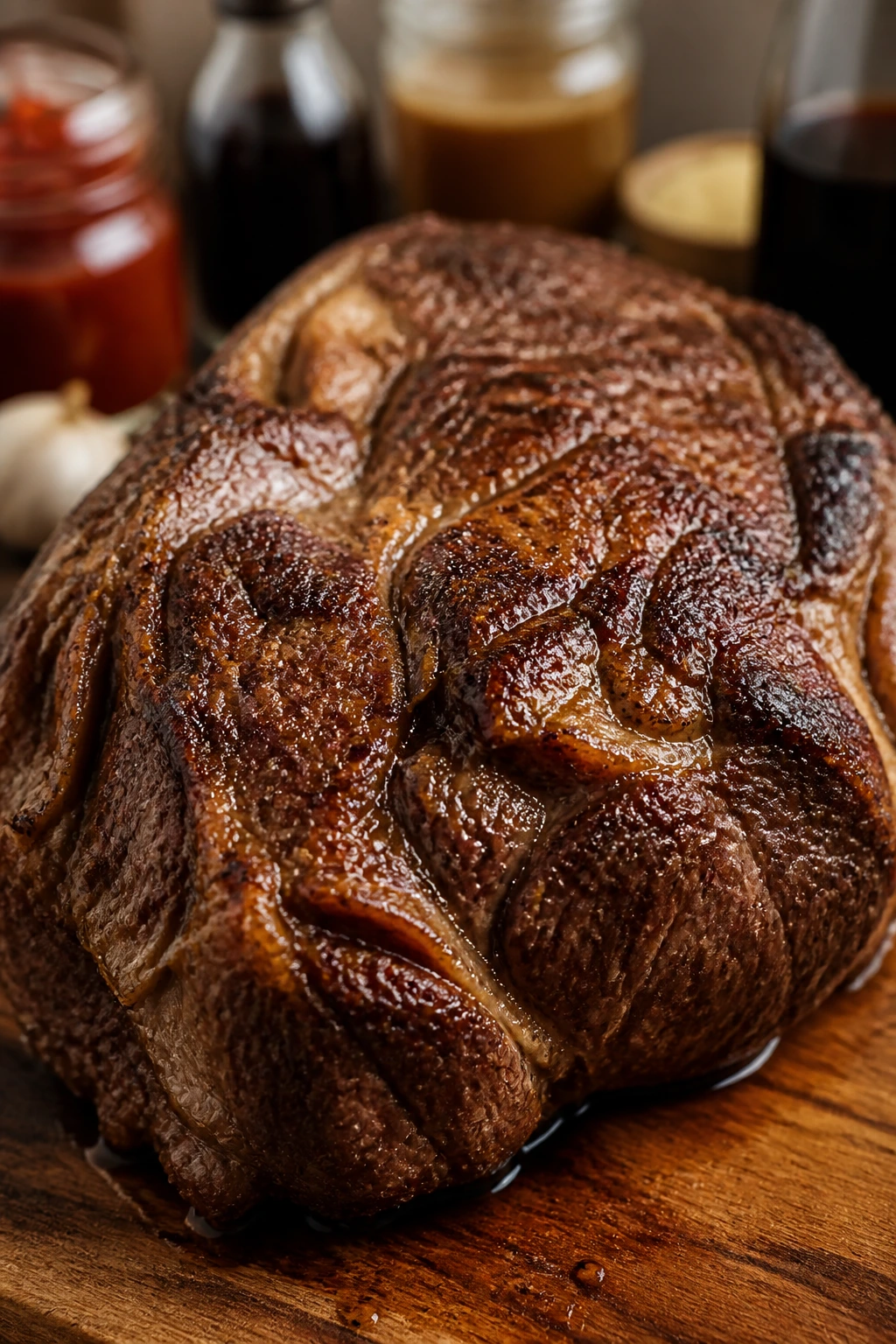
For the Beef and Seasoning:
- 3 1/2 to 4 pounds boneless chuck roast
- 2 teaspoons kosher salt
- 1 teaspoon freshly ground black pepper
- 2 tablespoons all-purpose flour, optional, for a light crust
- 2 tablespoons neutral oil, such as canola or avocado
For the Vegetables:
- 1 large yellow onion, cut into thick wedges
- 4 carrots, peeled and cut into 2-inch chunks
- 2 celery stalks, cut into 1-inch pieces
- 1 1/2 pounds baby Yukon Gold potatoes, halved if large
- 4 garlic cloves, smashed and chopped
For the Braising Liquid and Gravy:
- 2 tablespoons tomato paste
- 1 cup beef broth
- 1/2 cup dry red wine, or 1/2 cup more beef broth
- 2 tablespoons Worcestershire sauce
- 1 tablespoon soy sauce
- 2 teaspoons Dijon mustard
- 2 sprigs fresh thyme, or 1 teaspoon dried thyme
- 2 bay leaves
- 1 tablespoon cornstarch
- 2 tablespoons cold water
- 1 tablespoon unsalted butter
- 2 tablespoons chopped fresh parsley
What Each Ingredient Is Doing in the Pot
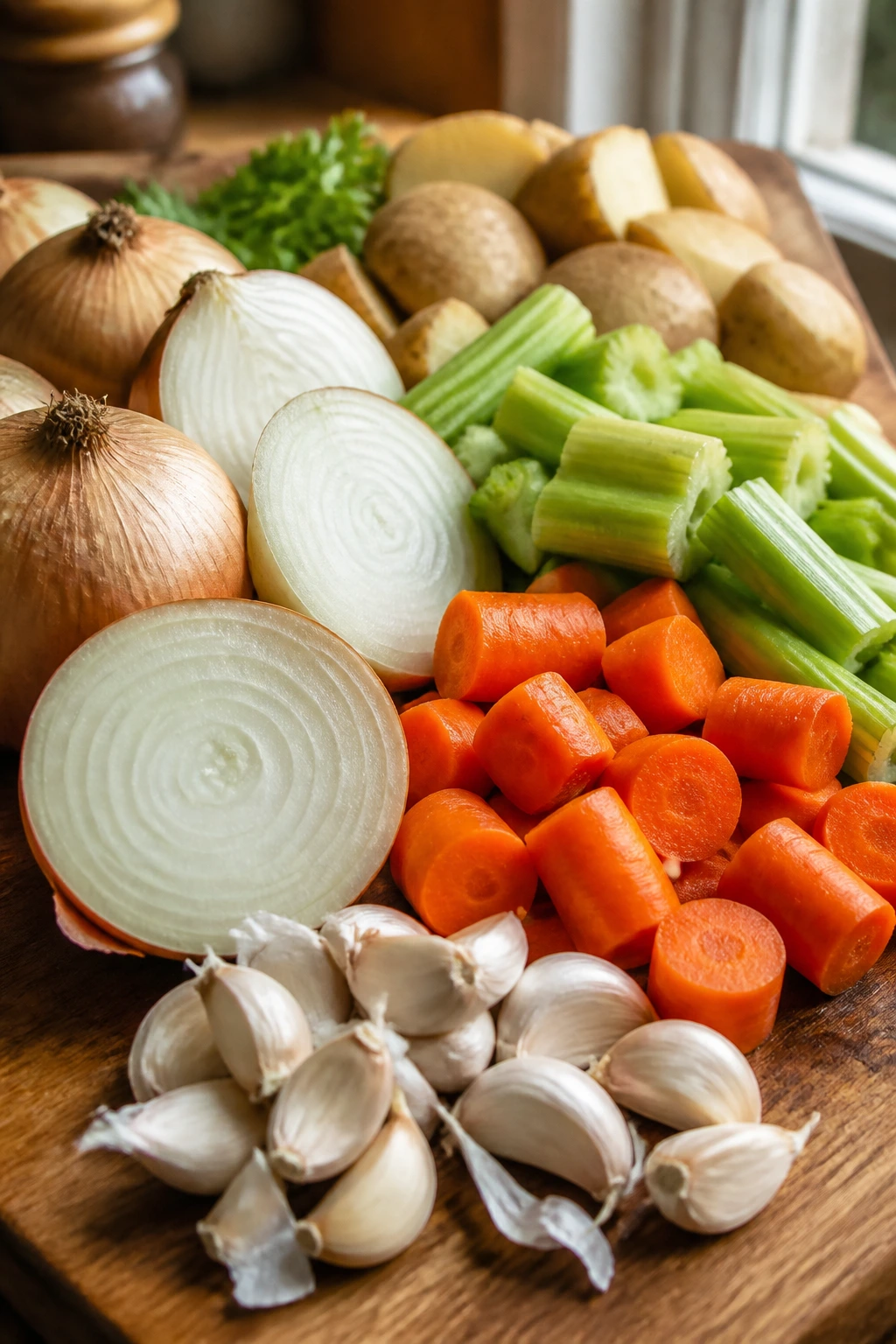
Chuck Roast and Seasoning
What to use: A 3 1/2 to 4 pound boneless chuck roast with visible marbling, 2 teaspoons kosher salt, 1 teaspoon black pepper, and 2 tablespoons flour if you want a little crust.
Preparation: Pat the roast dry before seasoning it so the surface browns instead of steaming. If you use flour, dust it lightly right before the sear so it doesn’t turn gummy.
Substitutions: Brisket works if you like a slightly richer, fattier roast; bottom round can work, but it needs a touch more broth and a little more care because it is leaner.
Tips: Do not trim every scrap of fat off the roast. A little fat cap helps keep the meat supple, and in a long cook that fat turns into flavor, not baggage.
Onions, Carrots, Celery, and Potatoes
What to use: 1 large onion, 4 carrots, 2 celery stalks, and 1 1/2 pounds baby potatoes.
Preparation: Keep the onions in thick wedges so they soften into silky strands instead of disappearing. Cut the carrots into 2-inch pieces and the potatoes large enough to stay intact after hours of heat.
Substitutions: Parsnips, turnips, or chunks of peeled sweet potato all work if you want a different shape or sweetness. If you don’t want potatoes in the pot, serve the roast over mashed potatoes or buttered noodles instead.
Tips: Bigger pieces are not laziness here. They are insurance. Small vegetable chunks are the fastest route to a pot that looks like stew by dinnertime.
Braising Liquid
What to use: 1 cup beef broth and 1/2 cup dry red wine, or all broth if you want to skip the wine.
Preparation: Mix the liquid with tomato paste, Worcestershire sauce, soy sauce, Dijon, thyme, and bay leaves before it goes into the cooker so the seasoning gets spread through the whole pot.
Substitutions: If you leave out the wine, add a tablespoon of red wine vinegar or balsamic vinegar at the end for brightness. A low-sodium broth works well if you like to control the salt yourself.
Tips: The liquid should come partway up the sides of the roast, not cover it completely. You’re braising, not boiling. The lid will trap enough steam to do the work.
Umami Builders and Herbs
What to use: 2 tablespoons tomato paste, 2 tablespoons Worcestershire sauce, 1 tablespoon soy sauce, 2 teaspoons Dijon mustard, 2 sprigs thyme, and 2 bay leaves.
Preparation: Stir the tomato paste into the hot pan for a minute before adding liquid so it loses that raw, metallic taste. Smash the thyme lightly between your fingers to wake it up.
Substitutions: Rosemary can stand in for thyme if that’s what you have, but use a lighter hand because rosemary gets woody fast. Tamari can replace soy sauce if you want a gluten-free swap.
Tips: These ingredients should smell savory, not sharp, when they go in. If the pan smells burnt after the tomato paste, lower the heat and add the liquid sooner.
Gravy Finish
What to use: 1 tablespoon cornstarch mixed with 2 tablespoons cold water, 1 tablespoon butter, and 2 tablespoons chopped parsley.
Preparation: Make the slurry in a small cup before the roast finishes so you can thicken the juices while they’re still hot.
Substitutions: Arrowroot can replace cornstarch if needed, though it thickens a little faster and can get slippery if you overdo it. Fresh chives can replace parsley if you want a sharper finish.
Tips: Butter at the end gives the gravy a softer shine. It does not need much. One tablespoon is enough to round off the edges without making the sauce heavy.
The Tools I’d Want on the Counter
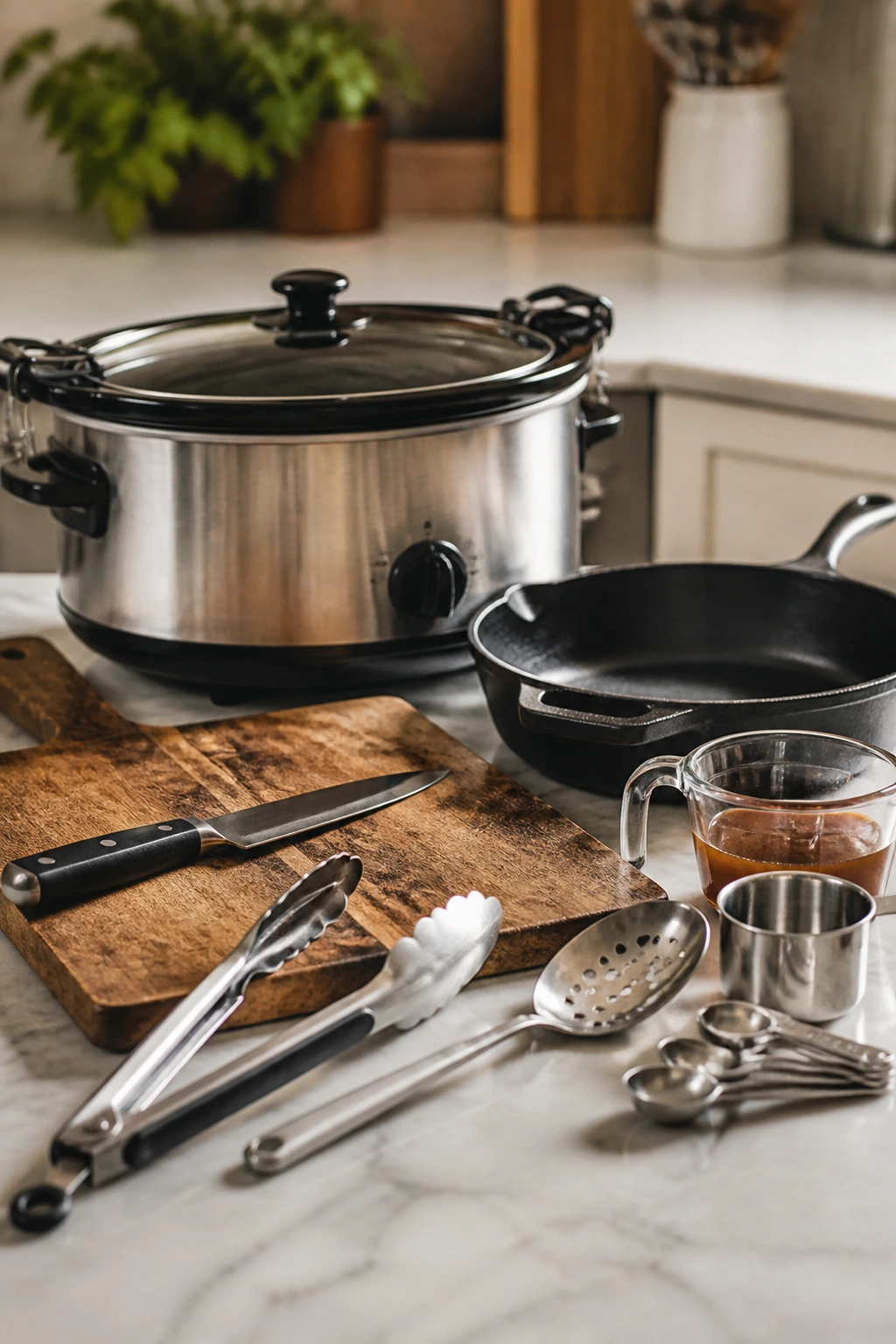
- 6-quart slow cooker — Large enough for a 4-pound roast plus vegetables without packing everything too tightly.
- Large skillet or Dutch oven — Best for browning the beef and softening the onions before everything goes into the slow cooker.
- Tongs — Helps you turn the roast cleanly without puncturing it and losing juices onto the counter.
- Chef’s knife — You’ll use it for the onions, carrots, celery, garlic, and potatoes.
- Cutting board with a juice groove — Handy when the roast rests and gives up its juices.
- Measuring cups and spoons — The broth, Worcestershire, soy sauce, and slurry all benefit from being measured, not guessed.
- Small bowl or cup — For mixing the cornstarch slurry before the gravy step.
- Slotted spoon — Useful if you want to move the vegetables to a platter without hauling too much liquid with them.
- Instant-read thermometer, optional — Not mandatory, but useful if you want to check for the 195 to 205°F range that gives you shreddable beef.
How to Brown, Layer, and Slow-Cook the Beef
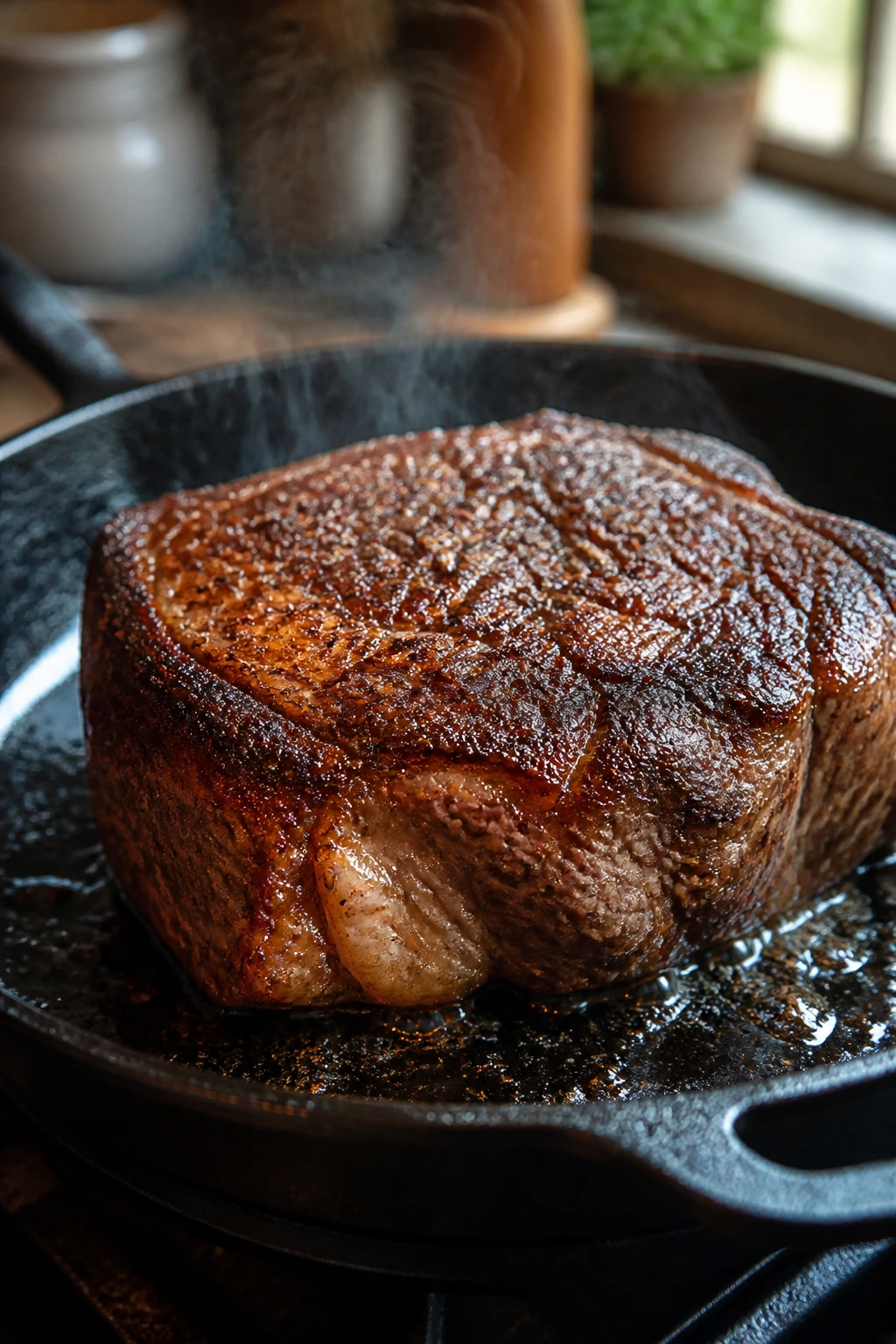
Prep the Roast
- Pat the chuck roast dry with paper towels and season it all over with the kosher salt and black pepper. If you’re using the flour, dust the roast lightly on all sides and shake off the excess.
- Let the roast sit while you prep the vegetables, about 10 minutes. That short pause gives the salt time to start drawing out moisture, which helps the surface brown better.
Build the Flavor Base
3. Heat the oil in a large skillet over medium-high heat until it shimmers. Lay the roast in the pan and brown it for 4 to 5 minutes per side, plus the edges if you can manage them. Do not rush this step; you want a deep brown crust, not pale gray meat.
4. Transfer the roast to a plate. Lower the heat to medium and add the onion, carrots, and celery to the same pan. Cook for 4 to 5 minutes, stirring now and then, until the onion starts to soften and the edges look glossy.
5. Add the garlic and tomato paste and stir for 1 minute, until the paste darkens slightly and smells cooked instead of raw. If the pan looks dry, add a splash of broth to keep the paste from scorching.
6. Pour in the red wine and scrape up the browned bits from the bottom of the pan. Let the wine bubble for 1 to 2 minutes, just until the sharp alcohol smell fades and the liquid looks a little syrupy.
Load the Slow Cooker
7. Place the potatoes in the bottom of the slow cooker, then add the onion mixture over them. Set the browned roast on top, fat side up if the roast has a clear fat cap.
8. Pour the broth mixture into the cooker, then add the Worcestershire sauce, soy sauce, Dijon mustard, thyme, and bay leaves. The liquid should come about one-third to halfway up the roast.
9. Cover and cook on low for 8 to 9 hours, or on high for 5 to 6 hours, until the beef is fork-tender and a thermometer inserted into the thickest part reads around 195 to 205°F. The meat should twist apart easily, not fight back.
10. Lift the roast and vegetables out onto a platter and tent loosely with foil. If there are thyme stems or bay leaves in the liquid, pull them out now.
11. Whisk the cornstarch and cold water together until smooth, then stir the slurry into the hot liquid. Cook on high for 10 to 15 minutes, or transfer the liquid to a saucepan and simmer it over medium heat until it turns glossy and coats the back of a spoon. Stir in the butter, taste, and add a pinch more salt only if the gravy needs it.
12. Slice the beef against the grain if you want tidy slices, or shred it with two forks if you want a looser, more rustic texture. Spoon the gravy over the meat and vegetables, then finish with parsley.
How to Serve It Without Fuss
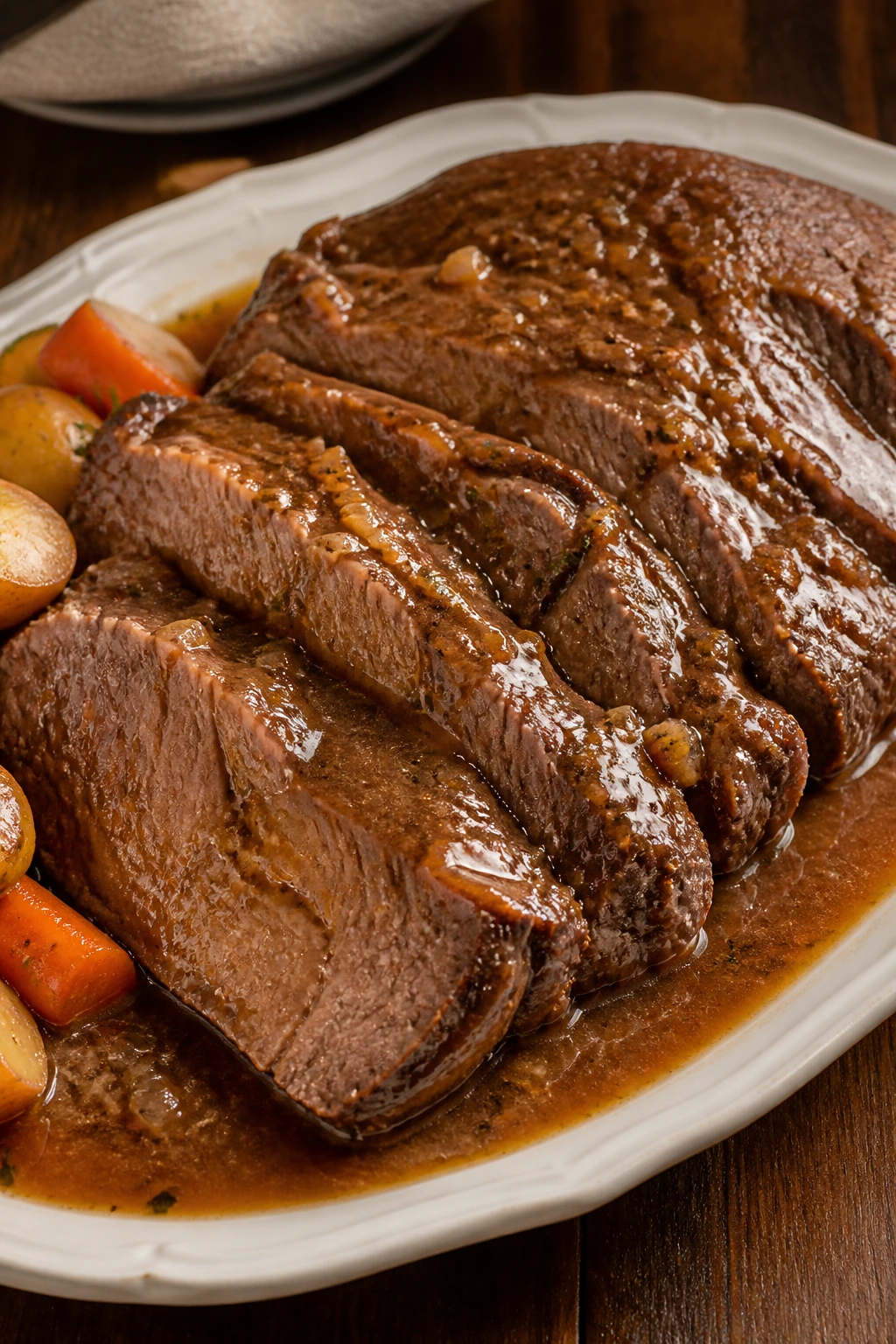
Presentation:
Pile the roast on a wide platter or shallow bowl and spoon the gravy over the top so some of the meat stays visible. I like to leave a few carrot chunks and potatoes peeking out from the sides. It looks honest, not fussy, which suits this dish.
Accompaniments:
Butter-swabbed mashed potatoes are the obvious move, but they are not the only one. Crusty bread soaks up the gravy well, and buttered egg noodles give you that old-school pot-roast comfort without adding more work. A simple green salad or blistered green beans keeps the plate from leaning too heavy.
Portions:
A 3 1/2 to 4 pound roast feeds 6 people with sides, or 8 if you shred it and stretch it across buns or noodles. If you want larger portions, keep the slices thick and serve plenty of gravy. Thin slices disappear faster than you think.
Beverage Pairing:
A medium-bodied red wine, like cabernet sauvignon or merlot, plays nicely with the gravy. If you want something nonalcoholic, go with unsweetened iced tea with lemon or sparkling water with a squeeze of citrus. The acid keeps the rich beef from feeling too heavy.
The Small Moves That Make the Flavor Taste Bigger
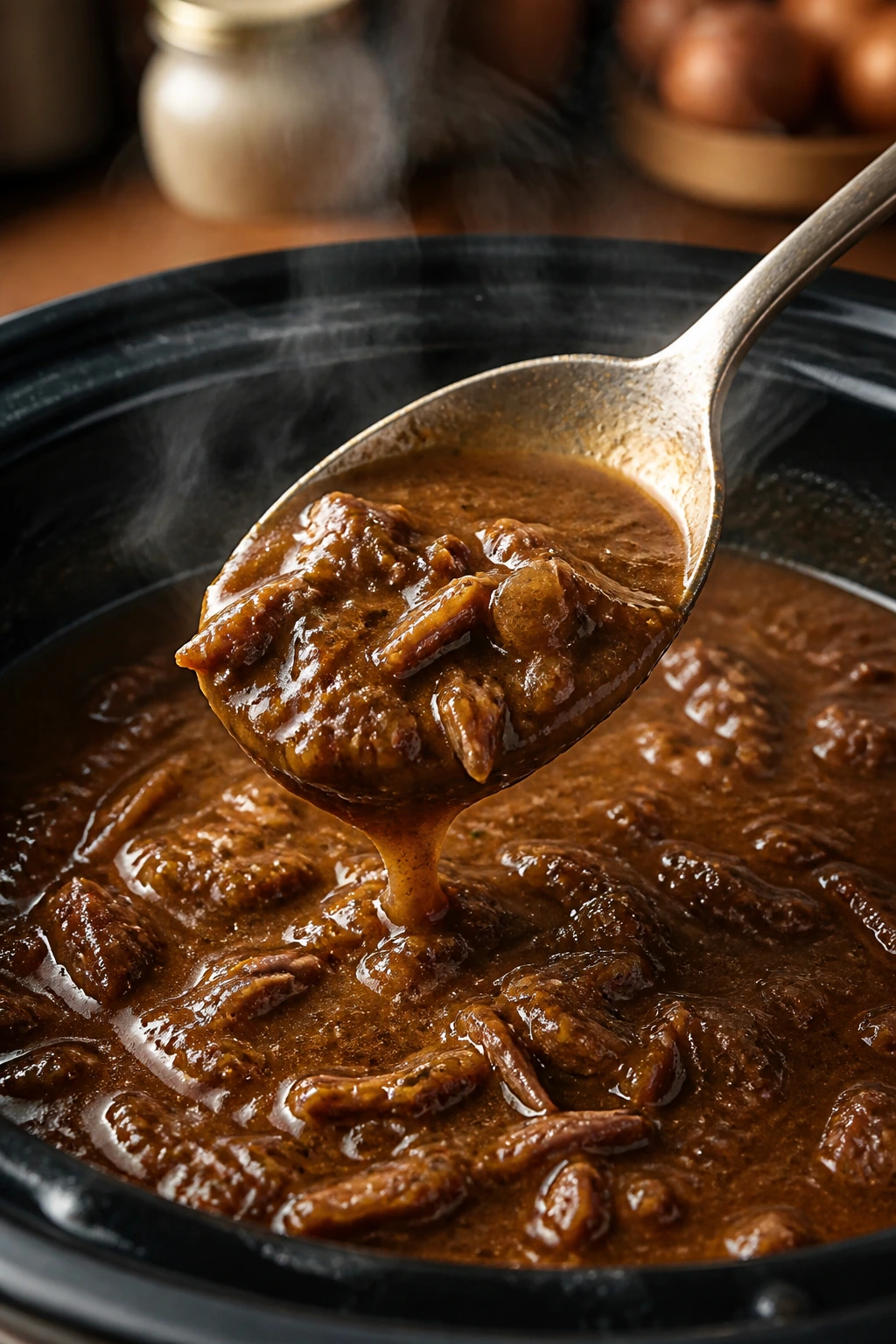
Flavor Enhancement: A teaspoon of red wine vinegar stirred into the finished gravy wakes up the beefy flavor without making the sauce taste sour. If you like a deeper note, a small splash of balsamic works too, but keep it light. You’re sharpening the edges, not turning the gravy into salad dressing.
Time-Saver: Chop the onion, carrots, celery, and garlic the night before and store them in an airtight container in the fridge. You can also season and dry the roast ahead of time, then keep it uncovered on a tray in the fridge for a few hours. That extra air exposure helps the surface dry out, which means a better sear.
Pro Move: Let the roast rest on the platter for 10 to 15 minutes before slicing. The muscle fibers relax and the juices settle, so the first cut does not dump everything onto the board. If you shred the beef instead, pull it with two forks only after it has rested a bit. It falls apart cleaner.
Cost-Saver: Buy chuck roast when it’s on sale and freeze it raw in the size you like to cook. This recipe is built around a cut that behaves well under slow heat, so you do not need premium beef to get a good bowl of dinner. The long cook does the heavy lifting.
Where Slow Cooker Beef Goes Wrong
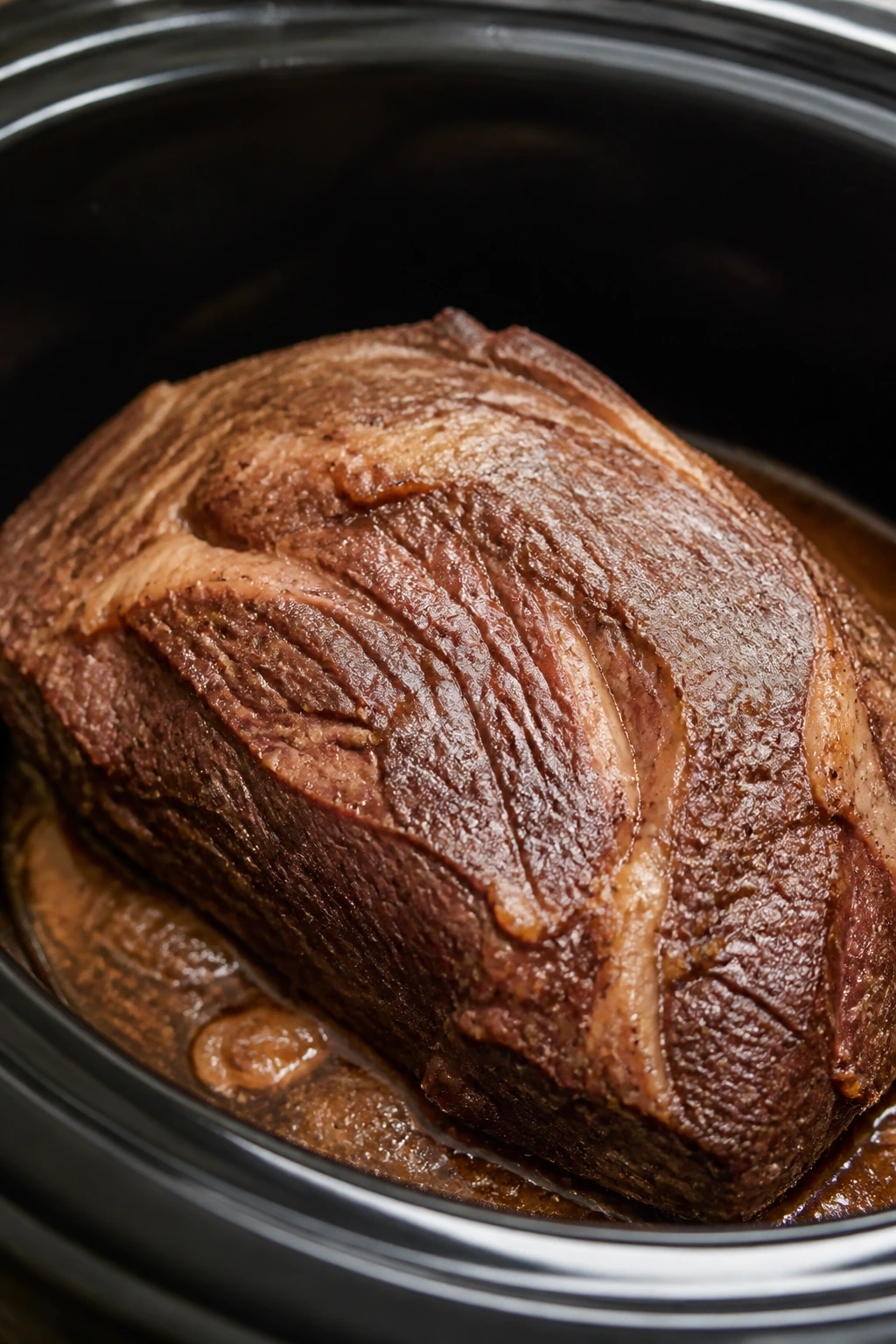
- Using a lean roast because it was cheaper: The beef comes out dry and stringy instead of soft. Fix it by choosing chuck roast, brisket, or another marbled cut with connective tissue.
- Skipping the browning step: The meat tastes boiled and the gravy tastes thin. Fix it with a hard sear in a hot skillet until the surface is dark brown, not just tan.
- Adding too much liquid: The vegetables float around, the sauce stays watery, and the roast loses that braised texture. Fix it by keeping the liquid partway up the roast, not over it.
- Cutting the vegetables too small: Carrots collapse and potatoes turn mealy by the time the beef is tender. Fix it by cutting everything into larger, slow-cook-friendly pieces.
- Pulling the roast before it is fully tender: The beef may be cooked through, but it still slices tight and feels chewy. Fix it by waiting until a fork twists in easily or the center sits in the 195 to 205°F range.
- Lifting the lid again and again: Every peek dumps heat and stretches the finish time. Fix it by trusting the clock and checking once near the end, not every hour.
Four Ways to Change the Flavor
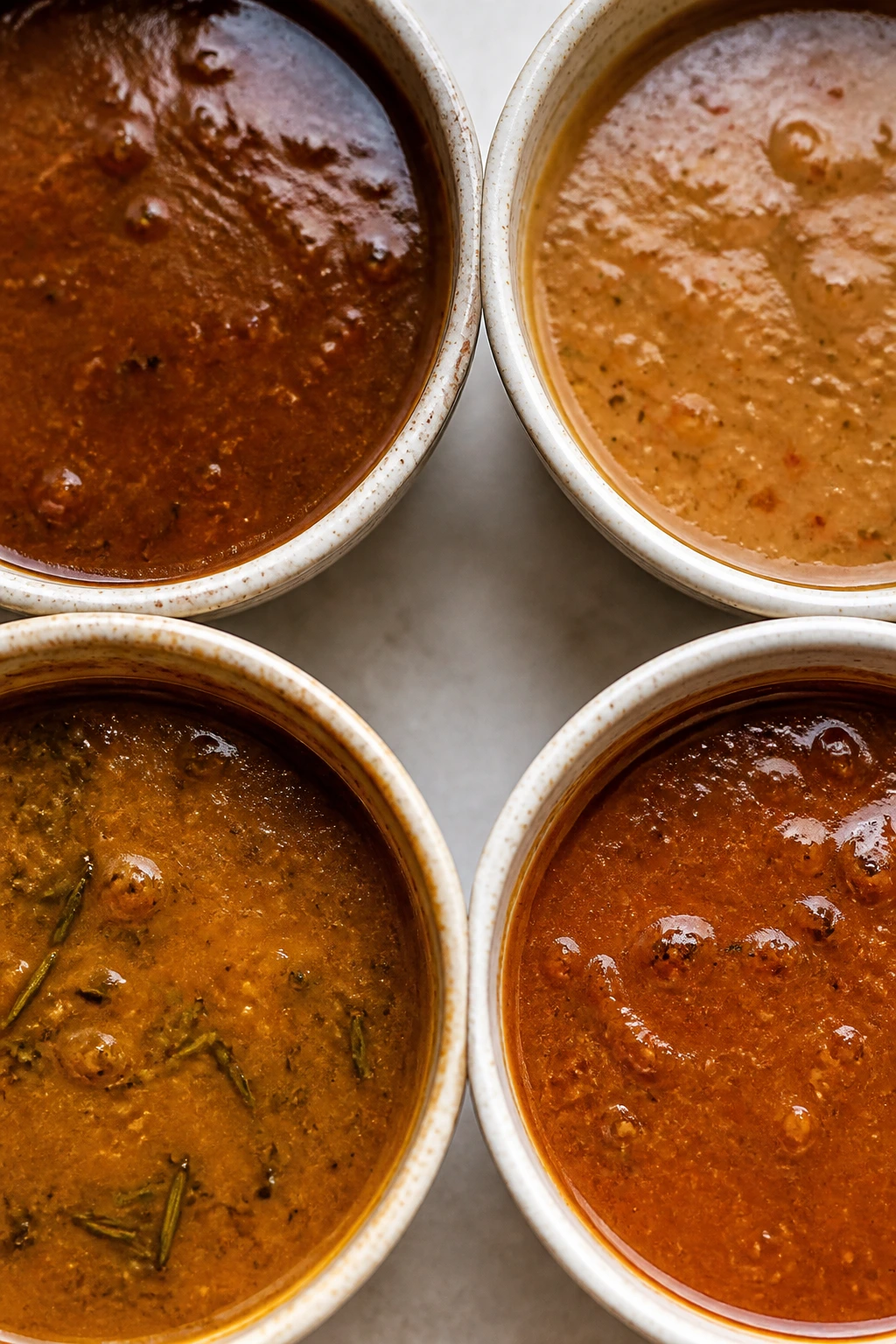
French Onion Roast
Add 2 extra sliced onions to the pot and swap the thyme for rosemary. If you want to lean into the onion flavor, stir a splash of dry sherry into the gravy at the end and serve the beef over toasted bread with melted Gruyère. It tastes like a cross between pot roast and French onion soup, but heavier in the best way.
Mushroom Gravy Chuck Roast
Add 8 ounces of sliced cremini mushrooms with the onions and carrots. They give the gravy a darker, earthier edge and make the whole dish taste more savory without needing any extra salt. This version works well if you plan to serve the beef over egg noodles.
No-Wine Pantry Roast
Skip the wine and use 1 1/2 cups beef broth total, then finish the gravy with 1 tablespoon of red wine vinegar or apple cider vinegar. You still get depth, and the pot tastes less boozy and more straightforward. This is the version I make when the pantry is doing the bare minimum.
Shredded Sandwich Beef
Leave out the potatoes and add another 1/2 cup broth so the meat has extra moisture for shredding. After cooking, pull the beef into strands, return it to the gravy, and pile it onto toasted rolls. A spoonful of horseradish or pickled onions on top gives it some bite.
Leftovers, Freezing, and Reheating
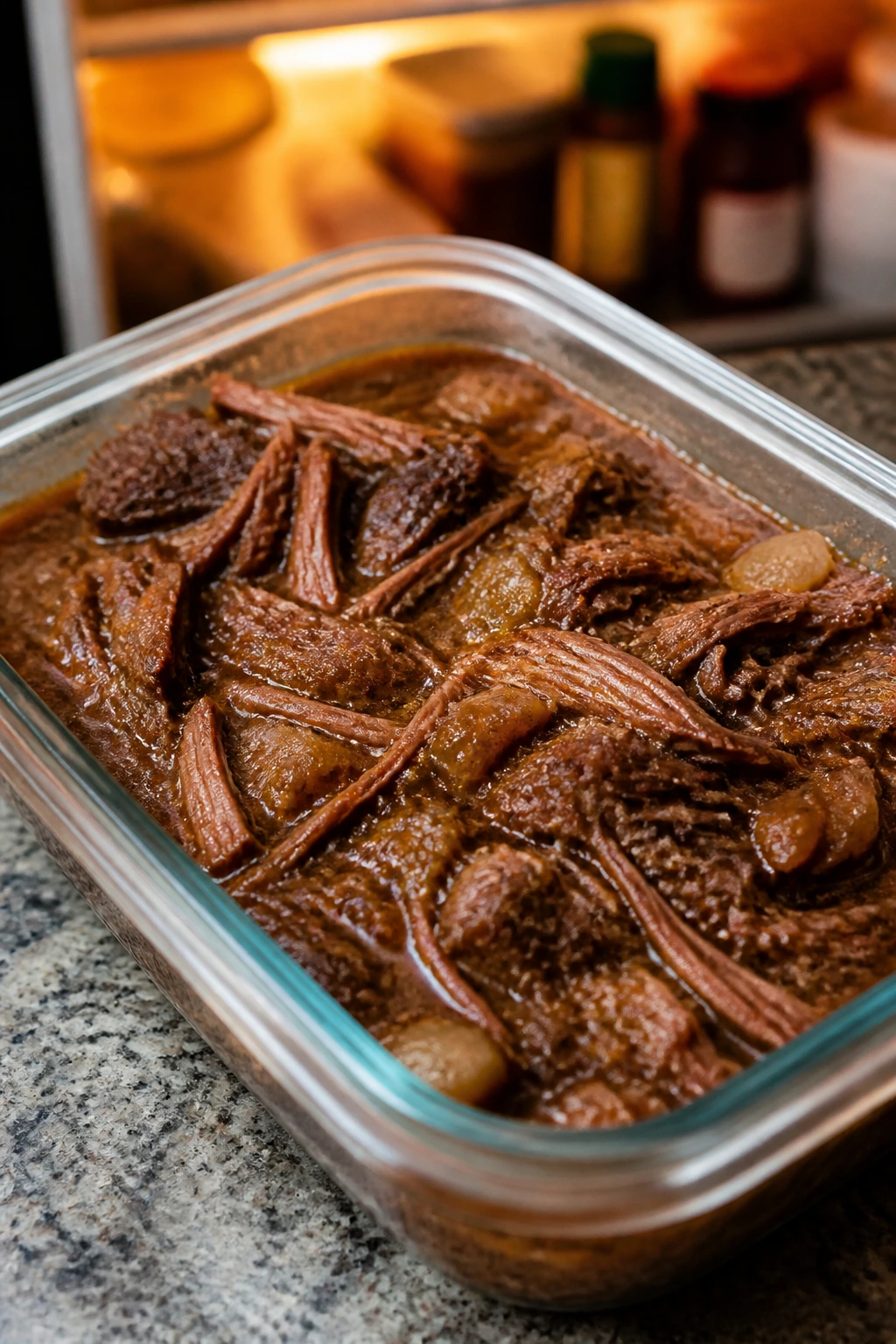
Room temperature: Do not leave the roast or gravy sitting out for more than 2 hours. After that, the beef should go into shallow containers and into the fridge.
Refrigerator: Store the beef, vegetables, and gravy together in airtight containers for 3 to 4 days. If you know the potatoes will bother you after reheating, scoop them out and store them separately from the meat and sauce. They soften a bit more each day, and that’s normal.
Freezer: Freeze the beef and gravy for up to 3 months. The best way is to pack it into freezer-safe containers or zip-top bags in meal-size portions, with enough gravy to coat the meat. That liquid protects the beef from drying out in the freezer. Potatoes are the weak link here; they can turn grainy after thawing, so if you plan to freeze a batch, freeze the meat and gravy first and add fresh potatoes later.
Reheating: Warm leftovers gently. On the stovetop, use low heat in a covered skillet or saucepan with a splash of broth until the gravy loosens and the beef is hot all the way through. In the oven, cover the roast tightly and reheat at 300°F until warmed through, about 20 to 30 minutes depending on the amount. The microwave works for individual portions, but use 50% power and stir the gravy halfway through so the edges do not dry out.
Make-ahead: You can season and sear the roast a day ahead, then refrigerate it. The vegetables can be chopped ahead too. If you want to cook the whole thing in advance, the flavor settles nicely overnight; the gravy thickens a bit in the fridge, and the beef usually tastes even more savory the next day.
Questions People Ask Before They Start

Can I skip browning the beef and still get good results?
Yes, but the flavor will be flatter and the gravy will taste less built. Browning adds a dark crust and those browned pan bits that turn into real depth later. If you are in a rush, the roast will still cook, but the difference is noticeable.
Should this cook on low or high?
Low gives you the widest tenderness window and the most forgiving texture. High is fine when you need dinner sooner, but it shrinks your margin before the beef crosses from tender to dry-tired. If you have the time, low is the better setting for chuck roast.
What if my roast is still tough after 8 hours?
It usually needs more time, not less. Tough beef after a long cook means the connective tissue has not fully broken down yet, so keep cooking in 30-minute blocks until a fork twists through the center with almost no resistance. A roast can be safe to eat and still not be tender enough.
Can I use brisket or bottom round instead of chuck?
Brisket can work nicely, especially if it has good fat on it. Bottom round is leaner, so it can dry out if you are not careful, though a little extra broth and a shorter hold after cooking can help. Chuck is still the easiest cut for this method.
Do the potatoes go in at the start or later?
At the start is fine if you use baby potatoes or larger chunks. If you cut them too small, they will soften more than you probably want. For firmer potatoes, you can add them halfway through the cook, but that does mean opening the lid.
How do I keep the gravy from tasting watery?
Use enough salt, enough browning, and not too much liquid. If it still seems thin at the end, reduce the liquid with the lid off or whisk in a little more cornstarch slurry. A final pat of butter also helps the sauce taste rounder.
Can I make this without wine and still keep the flavor deep?
Yes. Use more beef broth and finish with a small splash of vinegar or balsamic at the end. That little hit of acid keeps the roast from tasting one-note and gives the gravy a cleaner finish.
A Roast That Handles Itself
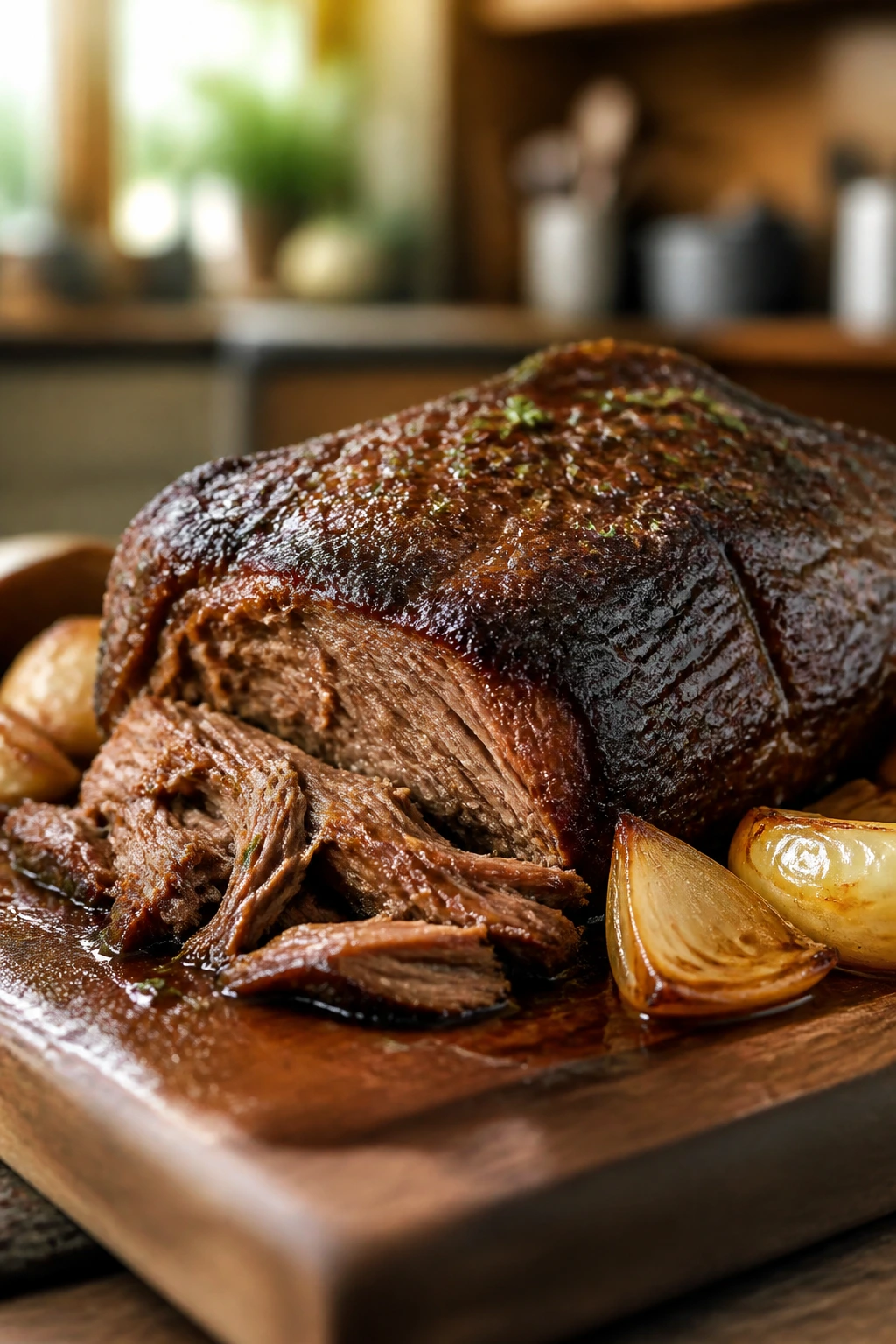
The nicest thing about this kind of slow cooker beef is how little it asks of you once the lid is on. The pot does the patient part. You get the smell of onions, garlic, and beef filling the kitchen, then a platter of meat that yields under a fork instead of fighting back.
I like recipes that earn their place by being useful, not dramatic. This one does that. It turns a cheap-looking cut into something sturdy, glossy, and rich enough to serve with bread, mashed potatoes, or a pile of noodles, and it does it without turning your evening into a cooking project. Keep a good chuck roast in mind the next time you want dinner to take care of itself.
Set-and-Forget Slow Cooker Beef Roast — Recipe Card
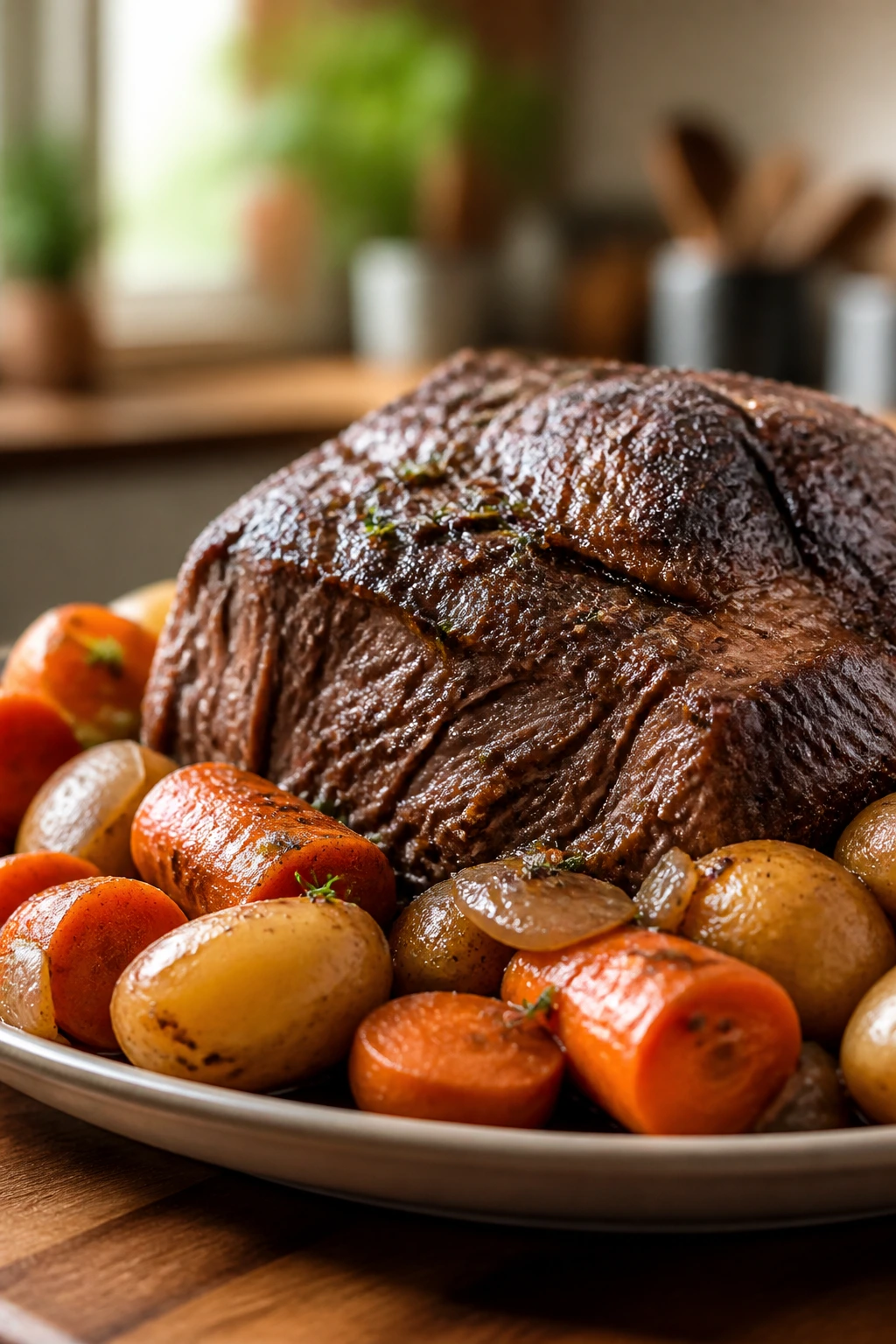
Recipe Name: Set-and-Forget Slow Cooker Beef Roast
Description: Chuck roast cooks low and slow with onions, carrots, potatoes, beef broth, wine, and a savory gravy base until the meat turns fork-tender. The finished roast is rich, glossy, and built for spooning over potatoes, bread, or noodles.
Prep Time: 25 minutes
Cook Time: 8 hours on low, or 5 to 6 hours on high
Total Time: About 8 hours 25 minutes on low, or about 5 hours 25 minutes on high
Course: Main Course, Dinner
Cuisine: American
Servings: 6 to 8 servings
Calories: About 465 kcal per serving
Ingredients
For the Beef and Seasoning:
- 3 1/2 to 4 pounds boneless chuck roast
- 2 teaspoons kosher salt
- 1 teaspoon freshly ground black pepper
- 2 tablespoons all-purpose flour, optional, for a light crust
- 2 tablespoons neutral oil, such as canola or avocado
For the Vegetables:
- 1 large yellow onion, cut into thick wedges
- 4 carrots, peeled and cut into 2-inch chunks
- 2 celery stalks, cut into 1-inch pieces
- 1 1/2 pounds baby Yukon Gold potatoes, halved if large
- 4 garlic cloves, smashed and chopped
For the Braising Liquid and Gravy:
- 2 tablespoons tomato paste
- 1 cup beef broth
- 1/2 cup dry red wine, or 1/2 cup more beef broth
- 2 tablespoons Worcestershire sauce
- 1 tablespoon soy sauce
- 2 teaspoons Dijon mustard
- 2 sprigs fresh thyme, or 1 teaspoon dried thyme
- 2 bay leaves
- 1 tablespoon cornstarch
- 2 tablespoons cold water
- 1 tablespoon unsalted butter
- 2 tablespoons chopped fresh parsley
Instructions
-
Pat the chuck roast dry and season it with salt and pepper. Lightly dust with flour if using.
-
Heat the oil in a large skillet over medium-high heat and brown the roast on all sides, 4 to 5 minutes per side.
-
Add the onion, carrots, and celery to the skillet and cook for 4 to 5 minutes. Stir in the garlic and tomato paste and cook for 1 minute.
-
Pour in the red wine, scrape up the browned bits, and let it bubble for 1 to 2 minutes.
-
Place the potatoes in the slow cooker, add the vegetable mixture, and set the roast on top, fat side up.
-
Pour in the beef broth, Worcestershire sauce, soy sauce, Dijon mustard, thyme, and bay leaves.
-
Cover and cook on low for 8 to 9 hours, or on high for 5 to 6 hours, until the beef is fork-tender and reaches about 195 to 205°F.
-
Transfer the beef and vegetables to a platter and tent loosely with foil. Remove the bay leaves and thyme stems.
-
Whisk the cornstarch and cold water together, stir it into the hot liquid, and cook until the gravy thickens. Stir in the butter.
-
Slice or shred the beef, spoon the gravy over the top, and finish with parsley.
Notes: For firmer vegetables, cut the carrots and potatoes larger. If the gravy tastes flat, add a small splash of red wine vinegar at the end. Freeze the beef and gravy together for best texture; potatoes are better made fresh.