



A light healthy air fryer dinner under 500 calories only works if you stop treating calories like a punishment and start treating them like a budget. That sounds fussy until you put the plate together and realize the air fryer gives you something a skillet often doesn’t: browned edges, crisp corners, and a real roasted smell, all without bathing everything in oil.
The trick is not “eating less.” The trick is choosing the right building blocks. A lean protein, a vegetable that holds its shape, one measured fat source, and a starch that earns its spot. That’s the whole game. A chicken breast with broccoli and a small potato can feel complete. Shrimp with peppers and rice can feel complete. Even tofu and cauliflower can feel complete if you season them like you mean it.
Where people go wrong is obvious once you’ve seen it a few times. They pour oil straight from the bottle. They use a thick bottled sauce because it’s easy. They throw breaded food into the basket and act surprised when the calories jump. None of that is hard to fix. The better move is calmer, and honestly more satisfying: build dinner with intention, use the air fryer for texture, and let the food do most of the work.
Why This Approach Works
-
The air fryer gives you browned edges with very little oil. A teaspoon of olive oil is about 40 calories, which is a very different story from the half-cup of oil deep-frying would demand.
-
Lean proteins carry the meal without eating the whole calorie budget. Chicken breast, shrimp, white fish, turkey cutlets, and extra-firm tofu all leave room for vegetables and a small starch.
-
Vegetables hold their shape better when dry heat is doing the cooking. Broccoli gets those dark tips. Brussels sprouts split and crisp. Green beans blister. That texture matters more than people admit.
-
You can still include starch without turning dinner into a carb pile. A small potato, half a cup of rice, or a single tortilla gives the plate enough substance to feel like dinner, not a side dish wearing a fake mustache.
-
The calorie spikes usually come from add-ons, not the main ingredients. Sauce, cheese, breading, oil, nuts, and avocado can all fit—but only when they’re measured, not poured with hope.
Why the Air Fryer Is So Good at Keeping Dinner Light

Hot circulating air does a very specific job. It dries the surface of food fast, which means the outside can brown before the inside turns to mush. That’s why broccoli gets those toasted tips and why chicken can feel juicy without needing a full slick of oil. You’re getting a crisping effect from heat movement, not a heavy fat bath.
The basket also forces a useful kind of restraint. If you fill it too much, the food stops roasting and starts steaming. That sounds like a flaw, but it’s a built-in correction. A crowded pan in the oven can hide mistakes; an overloaded air fryer basket makes them obvious fast. Pale vegetables and soggy potatoes are the machine telling you to back off.
I like that honesty. It’s annoying once, then useful forever.
The other advantage is timing. Many light dinners fall apart because by the time one part is done, another has gone cold. The air fryer shortens that gap. A batch of broccoli takes 8 to 10 minutes. Chicken cut into strips can be done in 10 to 12 minutes. Shrimp needs even less. That speed makes a real weeknight dinner possible without turning on three burners and creating a pile of dishes.
One caution: the air fryer is not a deep fryer in disguise. Wet batter will not magically become fried chicken in a basket. If you want a light result under 500 calories, dry coatings, spice rubs, and small amounts of seasoned crumbs work far better than heavy batter. Thin is the word. Not sad. Thin.
Where the Calories Hide on the Plate
The fastest way to blow past 500 calories is not the chicken. It’s the “little extras” that never look little while you’re adding them.
Oil Is the First Trap
A tablespoon of olive oil lands around 120 calories. That is the same reason a dinner can look restrained and still surprise you when you add everything up. You do not need much oil for air fryer food. Usually, 1 to 2 teaspoons total for a full dinner is enough if you toss the food well and use a preheated basket.
Sauces Are the Quiet Problem
Creamy sauces are where a light dinner often takes a hard left. Two tablespoons of mayo-based sauce can run 150 calories or more, and nobody pours a perfectly level two tablespoons when they’re hungry. Yogurt-based sauces, salsa, mustard, vinegar, lemon, and hot sauce give you more room to breathe.
Breading Creep Happens Fast
A dusting of seasoned crumbs is one thing. A thick breaded coating with flour, egg, panko, and oil is another. That second version can turn a lean protein into a meal that eats half your calorie budget before vegetables show up.
Portion Creep Is Sneakier Than You Think
People eyeball potatoes, rice, cheese, and nuts with heroic optimism. A “small handful” of shredded cheese can be 90 to 120 calories. A “little rice” can become a full cup before you notice. If you’re keeping dinner under 500, measure the starch once or twice until your hand learns the size.
The Best Proteins for a 500-Calorie Air Fryer Dinner

Protein is the anchor. It keeps the meal from feeling like a plate of vegetables with a legal disclaimer.
Chicken Breast
Chicken breast is the easiest place to start because the calorie math stays friendly. A 4-ounce cooked portion is roughly 165 to 190 calories, depending on trim and brand. Cut it into cutlets or strips, season it well, and it cooks fast—usually 10 to 12 minutes at 390°F to 400°F.
I prefer chicken breast for meals with a starch because it buys you the most room. You can fit broccoli, potatoes, and a spoonful of sauce without crowding the number.
Shrimp
Shrimp is almost unfair in this format. Six ounces of raw shrimp is often around 160 to 180 calories, and it cooks in a flash. Toss it with garlic, paprika, lemon, and a teaspoon of oil, then air fry at 380°F to 400°F for about 6 to 8 minutes, shaking once.
It’s the best protein when you want the vegetables to stay the star. Shrimp has flavor without being heavy.
White Fish
Cod, haddock, and tilapia are lean enough to leave room for a real plate. A 4-ounce fillet often sits between 90 and 120 calories before seasoning, which is a lot of wiggle room. The catch is moisture. Fish likes a hot basket and a short cook time, usually 8 to 10 minutes, and it needs a gentle hand so it doesn’t fall apart when you turn it.
Salmon
Salmon costs more calories than white fish, but it brings richness that can make a lighter dinner feel complete. A 4-ounce portion usually lands around 230 to 250 calories, which still works if the rest of the plate stays lean. I’d pair salmon with asparagus, broccoli, or a big pile of green beans, then keep starch small.
Extra-Firm Tofu
Tofu is the vegetarian option that behaves best in an air fryer. Press it for 15 to 20 minutes, cube it, and toss it with soy sauce, garlic, and a little cornstarch if you want more crust. It usually cooks in 12 to 15 minutes at 390°F, and a half-block portion can still fit comfortably under the calorie limit.
Vegetables That Crisp Instead of Steam

Some vegetables shine in the air fryer. Others sulk.
Broccoli is one of the best. Cut it into 1-inch florets, dry it well, and give it a light toss with oil and salt. The stems stay tender while the tops get toasty and almost nutty at the edges. Brussels sprouts do something similar, especially when halved. The cut sides caramelize and the outer leaves turn crunchy enough to feel like a snack.
Cauliflower works for the same reason, though it can go a little bland if you don’t season it properly. I like smoked paprika, garlic powder, black pepper, and a squeeze of lemon after cooking. Green beans blister fast and stay snappy. Asparagus gets sweet and a little wrinkly at the tips, which is exactly what you want.
Carrots, sliced on a diagonal, need more time than the softer vegetables, but they bring a nice sweetness to the plate. Peppers are easy, though they soften more than they crisp. Zucchini is the tricky one. It tastes fine, but it sheds water. If you use it, cut it thick, salt it lightly, and do not crowd the basket.
A simple rule helps here: the drier and firmer the vegetable, the better it behaves. If it’s watery, give it more space and less seasoning until the end.
Starches That Still Fit the Budget

If you want dinner to feel like dinner, you probably want a starch. Good. You should.
A single medium potato is around 160 calories. Cut it into wedges, toss it with a teaspoon of oil, garlic powder, salt, and pepper, then air fry at 400°F for 15 to 18 minutes, shaking halfway through. A small sweet potato wedge tray works the same way, though sweet potatoes soften faster and can get a little sticky at the edges.
Rice is the easiest starch to portion because the number is familiar. Half a cup of cooked rice is about 100 to 120 calories, depending on the grain. That’s enough to sit under chicken or shrimp without taking over the plate. Quinoa is a little richer, usually around 110 to 120 calories for half a cup cooked, and it adds a pleasant chew.
Tortillas are useful when you want a taco-style plate or a wrap. A small corn tortilla can be around 50 to 70 calories. A standard flour tortilla usually lands higher. The point isn’t to ban bread. It’s to choose the size on purpose.
Beans also fit, though people forget to count them. Half a cup of black beans is roughly 110 calories and brings fiber, which helps dinner feel more substantial. I like them with shrimp, salsa, and cabbage slaw when I want a fast bowl with some texture.
Sauces and Finishes That Add Flavor Without Blowing the Count

A light dinner gets boring fast if you forget the finishing layer. Air frying gives you browning. Sauce gives you personality.
Yogurt-based sauces are my favorite cheap trick. Plain Greek yogurt with lemon juice, garlic, dill, and salt gives you a creamy drizzle for far fewer calories than mayo-based dressing. Two tablespoons is usually enough to wake up chicken, fish, or roasted vegetables. If you want it thinner, add water a teaspoon at a time until it looks pourable.
Salsa is another easy win. Tomato salsa, corn salsa, and even roasted salsa add acid, salt, and heat without bringing much baggage. Spoon it over shrimp bowls or chicken plates, and the meal suddenly looks like it took more work than it did.
Mustard vinaigrette deserves more credit than it gets. Dijon, lemon, a little olive oil, and vinegar make a punchy sauce that tastes bright rather than heavy. You only need a small spoonful. That’s the part people miss. Strong flavor means less quantity.
Some sauces are worth the calories, but only in measured amounts. Pesto, tahini, and peanut sauce taste great, and they are dense. A tablespoon can add up fast. I still use them, I just treat them like finishing accents instead of pouring them over everything in sight.
A final note: herbs, citrus zest, and vinegar often do more than another splash of oil. A squeeze of lemon over hot broccoli can change the whole plate in five seconds.
How to Build a Real Dinner Plate That Feels Complete

The easiest way to stay under 500 calories is to think in parts, not recipes. You need a protein, a vegetable, one carb if you want it, and a sauce or garnish that makes the whole thing taste finished.
Here’s the plate formula I trust most:
- 4 to 6 ounces of lean protein
- 1½ to 2 cups of vegetables
- 1 small starch or ½ cup cooked grain
- 1 to 2 tablespoons of sauce
- One sharp finish like lemon, herbs, or pickled onion
That formula leaves room for flavor without turning dinner into a math problem. It also makes portions look normal. Too many “healthy” dinners fail because they look like lunch leftovers spread across a huge plate. A tighter, balanced plate feels more satisfying.
A few sample combinations show how the math works.
-
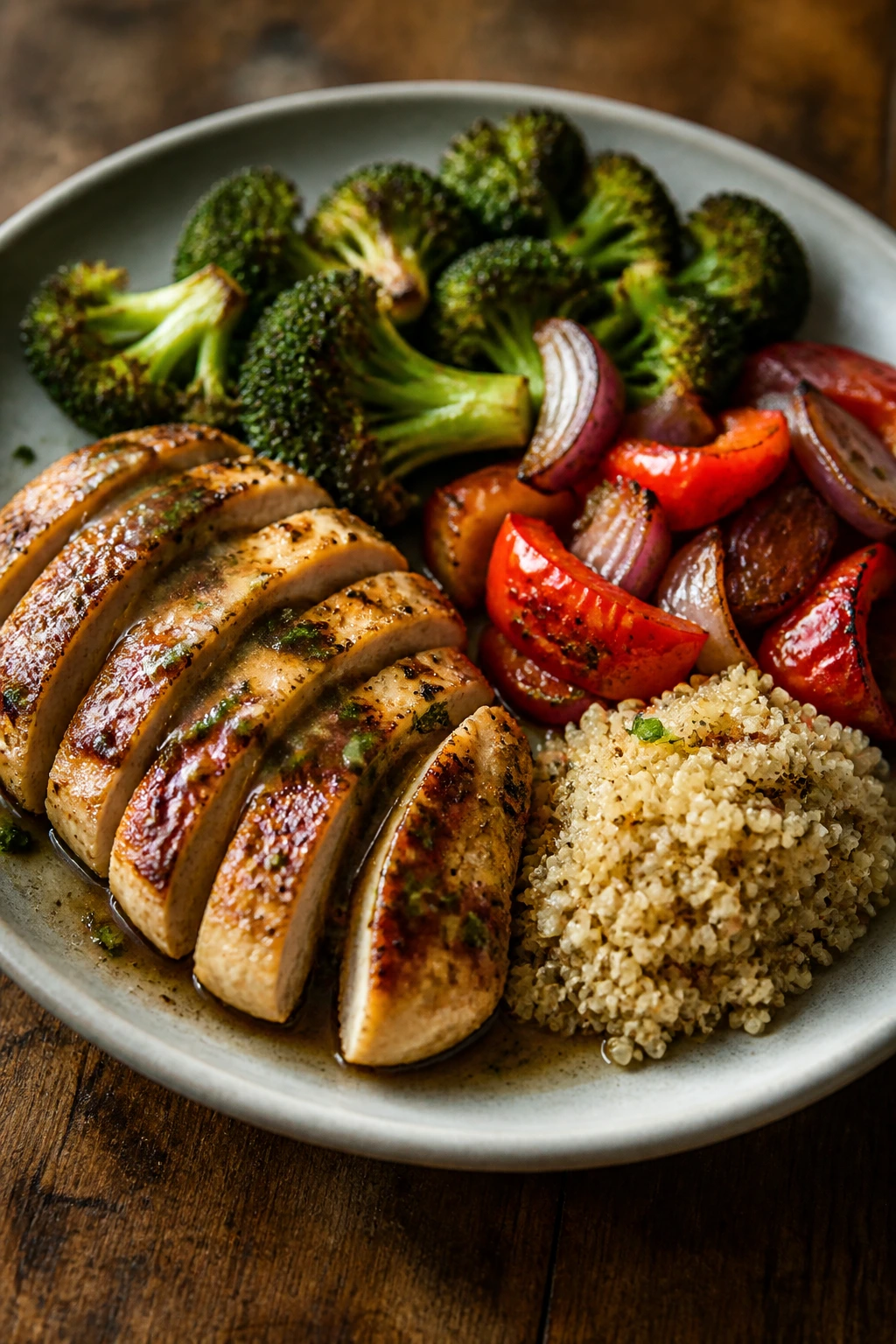
Chicken breast, broccoli, and roasted potatoes: 4 ounces chicken breast, 1½ cups broccoli, 1 small potato, 1 teaspoon oil, and lemon yogurt sauce. That usually lands around 430 to 490 calories, depending on the exact portion sizes.
-
Shrimp, peppers, and rice: 6 ounces shrimp, 1½ cups peppers and onions, ½ cup rice, salsa, and a little lime. That often sits around 380 to 450 calories.
-
Salmon, asparagus, and sweet potato: 4 ounces salmon, 1½ cups asparagus, ½ medium sweet potato, and dill yogurt sauce. That can sit near the 450 to 500 mark if the oil stays measured.
-
Tofu, cauliflower, and quinoa: ½ block extra-firm tofu, 2 cups cauliflower, ½ cup quinoa, soy-ginger sauce, and scallions. Usually comfortable in the 400s if the tofu is pressed and the sauce stays light.
The key is not to chase a perfect number. It’s to keep the plate in range and make it taste like a meal, not a compromise.
A Weeknight Cooking Rhythm That Works in Real Kitchens
The meal gets easier when you stop trying to cook everything at once.
Start by preheating the air fryer for about 3 minutes if your model needs it. Not all baskets heat the same way, but preheating helps browning and shortens the total time. While that happens, prep the food into pieces that cook at a similar speed. Chicken strips, broccoli florets, and potato wedges all behave better when they’re close to the same size.
If you’re using a starch, cook that first or cut it smaller than the protein. Potatoes need more time than shrimp. Sweet potatoes cook faster than white potatoes. Fish cooks faster than both. That seems obvious when you say it out loud, but it is the mistake people make over and over: one basket, three ingredients, one cooking time. Doesn’t work.
A good weeknight rhythm looks like this:
- Chop and season the starch first.
- Prep the vegetables and protein while the fryer heats.
- Cook the item that needs the most time.
- Add the quicker ingredients for the last stretch.
- Rest the protein for 2 to 3 minutes before serving.
That last rest matters. Chicken stays juicier if you let the juices settle. Fish firms up a bit. Shrimp stops going rubbery. Two minutes feels annoying when you’re hungry. It still helps.
If your air fryer has two racks or a dual-basket setup, you can make the meal feel almost unfairly easy. One side can hold broccoli or Brussels sprouts, the other can handle chicken or tofu. Use that to your advantage, but keep the spaces open. Crowding is where all the nice crisp edges disappear.
Practical Tricks for Better Results and Better Flavor
Dry the surface first. Pat chicken, fish, shrimp, and tofu dry with paper towels before seasoning. Moisture on the surface becomes steam, and steam is the enemy of browning.
Salt in layers. Put a small amount of salt on the protein before cooking, then taste the finished plate and add a little more at the end if needed. Vegetables often taste better with a pinch of flaky salt after they come out of the basket, not before.
Use acid at the finish. Lemon juice, lime juice, rice vinegar, and red wine vinegar wake up roasted vegetables faster than extra oil does. I reach for acid when the plate tastes flat.
Measure oil once, then trust your hands. A teaspoon brushed or tossed over a tray is usually enough for a whole dinner. After a few meals, your eye gets better. Until then, use a spoon. Free-pouring is how “light” turns into “why is this so heavy?”
Warm the sauce, not the food. If you’re using a yogurt sauce or a drizzle that tastes better at room temperature, let it sit out while the air fryer runs. Cold sauce over hot food isn’t wrong, but it can dull the flavor of roasted vegetables.
Add crunch at the end. Scallions, chopped herbs, sesame seeds, or a few crushed baked tortilla chips make the plate feel deliberate. Keep the amount tiny. The goal is texture, not a topping avalanche.
Mistakes That Push the Meal Over 500 Calories
The first mistake is using oil like it’s free. It isn’t. If you pour instead of measure, the calorie count climbs fast and the food can taste greasy instead of crisp. Fix it with a teaspoon measure or a spray bottle that gives a thin, even coat.
The second mistake is crowding the basket. Food that sits on top of itself steams, which means pale vegetables and soft potato edges. Cook in two batches if you need to. The second batch takes less time anyway because the basket is already hot.
The third mistake is treating sauces as background noise. Creamy dressings, aioli, tahini, and pesto can all be part of the meal, but they need portion control. If you want a richer sauce, use a spoon and stop when you’ve hit the amount you planned.
The fourth mistake is stacking starches without noticing. Potatoes plus rice, or tortilla plus beans plus corn, can push a meal over the line fast. Pick one main carb and let the vegetables do the volume work.
The fifth mistake is using the wrong cut of protein for the calorie target. Chicken thighs, sausage, and heavily marinated meat can all taste good, but they use up the budget quicker than lean chicken breast, shrimp, or white fish. That does not make them bad. It just means the rest of the plate has to shrink.
The last one is skipping the thermometer. Dry chicken breast is the most common failure here. If you guess, you’ll overcook it. If you use an instant-read thermometer and pull chicken at 165°F, fish at the proper flaky point, and shrimp as soon as it turns opaque, dinner stays much better.
Variations for Different Diets and Tastes
Mediterranean Lemon Plate
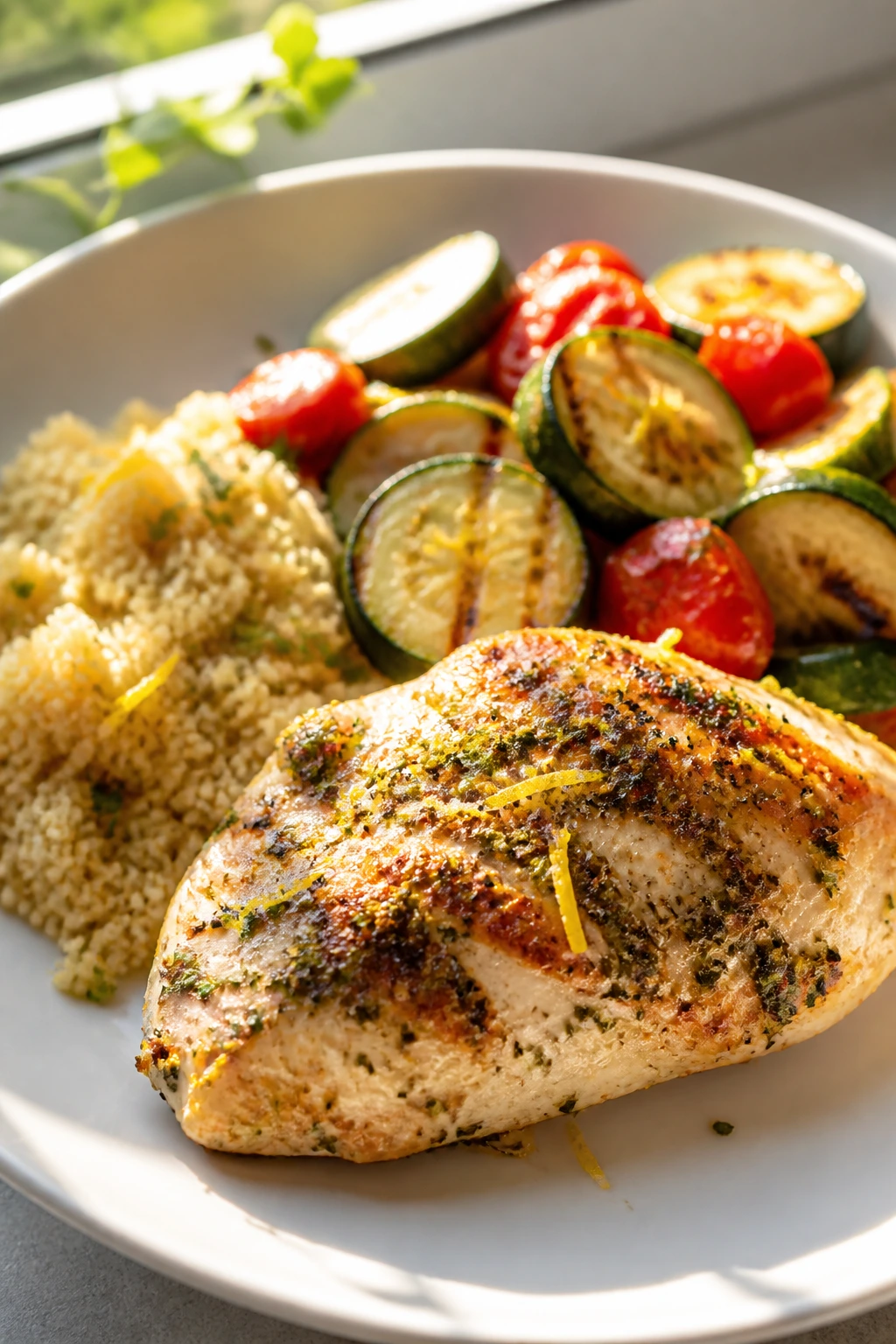
Use chicken breast or cod, toss it with oregano, garlic, lemon zest, and a teaspoon of olive oil, then pair it with zucchini, tomatoes, and a small portion of couscous or potatoes. A spoonful of tzatziki keeps the plate bright without feeling heavy.
Smoky Chipotle Bowl
Season shrimp, chicken, or tofu with chipotle powder, cumin, garlic, and lime. Add peppers, onions, and black beans, then finish with a little salsa instead of a creamy sauce. It tastes deeper than the ingredient list suggests, and it still stays comfortably in range.
Low-Carb Veg-Heavy Tray
Skip the starch and build the plate around protein plus two vegetables. Chicken breast with broccoli and cauliflower, or salmon with asparagus and Brussels sprouts, gives you a lot of food volume without the starch step. Add lemon and herbs so it doesn’t taste bare.
Vegetarian Crunch Dinner
Press extra-firm tofu, then air fry it with cauliflower, green beans, or Brussels sprouts. Finish with soy sauce, rice vinegar, sesame seeds, and scallions. If you want more body, add a half cup of quinoa or edamame.
Kid-Friendly Mild Version
Use chicken tenders or tofu cubes, season with garlic powder, paprika, and a little salt, and keep the sauce simple—think honey mustard or yogurt dip. Skip the strong heat and serve with potato wedges so the plate feels familiar.
Tools That Make These Dinners Easier

-
Air fryer basket or air fryer oven: A basket model crisps fast; an oven-style model gives you more room, which helps with vegetables.
-
Instant-read thermometer: The fastest way to stop overcooking chicken, fish, and shrimp. This is not optional if you want consistency.
-
Kitchen scale: Helpful when you’re tracking calories closely or comparing raw and cooked portions.
-
Tongs or a silicone spatula: Lets you shake, turn, and move food without scraping the basket coating.
-
Mixing bowl: Useful for tossing vegetables and protein with oil and seasonings evenly.
-
Cutting board and sharp knife: A dull knife gives you uneven pieces, and uneven pieces finish at different times.
-
Small measuring spoons: The easiest way to keep oil, sauce, and spices under control.
-
Perforated parchment liners: Optional, but handy for sticky marinades or fish. Use only liners made for air fryers so airflow isn’t blocked.
Make-Ahead, Storage, and Reheating Guidance
Cooked air fryer dinner components usually keep 3 to 4 days in the refrigerator in sealed containers. Fish is the shortest-lived piece of the group; I’d eat it within 2 days if possible. Chicken, tofu, roasted potatoes, broccoli, and Brussels sprouts hold up better, though vegetables soften a bit each day.
The freezer is a mixed bag. Cooked chicken, shrimp, and tofu freeze reasonably well for up to 2 months if you pack them tightly and press out extra air. Roasted potatoes and most air fryer vegetables freeze less gracefully; they lose crispness and can turn mealy or watery. If you plan to freeze, save the starches for fresh cooking and freeze the protein on its own.
Reheating is where the air fryer earns another point. A basket at 350°F for 4 to 6 minutes brings chicken and vegetables back to life better than the microwave does. Shake once halfway through. For fish, use a shorter reheat and stop as soon as it’s warmed through; too much heat dries it out fast. Shrimp needs even less time, sometimes only 2 to 3 minutes.
Microwave reheating is fine when speed matters. Use 50% power in short bursts, then finish with 1 to 2 minutes in the air fryer if you want the edges back. That hybrid method works especially well for potatoes and vegetables. Keep sauces separate until serving. If you mix them in before storage, the vegetables go soft and the plate loses the contrast that made it good in the first place.
For make-ahead prep, chop vegetables and mix dry seasonings the night before. You can also portion proteins in small containers with marinade or spice rubs, then cook them straight from the fridge. That saves enough time to matter, and it keeps dinner from becoming a project.
Questions People Ask Before They Make One
Can a dinner under 500 calories actually feel filling?
Yes, if the plate has enough protein and fiber. A 4- to 6-ounce protein portion plus 1½ to 2 cups of vegetables gives you more volume than people expect, especially when the vegetables are roasted and seasoned well.
What’s the easiest protein to start with?
Chicken breast is the cleanest starting point because it’s forgiving, easy to season, and simple to portion. Shrimp is even faster, but it cooks so quickly that you need to watch the timer closely.
Do I need to preheat the air fryer every time?
Usually, yes, if you want better browning. A few minutes of preheating helps vegetables crisp and keeps proteins from sitting in a cool basket long enough to dry out unevenly.
Can I use frozen vegetables?
You can, but they need a little extra time and they should go into the basket frozen, not thawed. If you thaw them first, they usually release too much water and go limp.
How much oil is enough?
For most light dinners, 1 to 2 teaspoons total is enough for the whole tray or basket. If the food looks dry, add a tiny bit more next time, not half a pour this time.
What if my chicken breast always comes out dry?
You’re probably cooking it too long or cutting it too thick for the basket. Flatten it to an even thickness, use a thermometer, and pull it as soon as it hits 165°F in the thickest part.
Can I cook the protein and vegetables together?
Yes, if the pieces are sized to finish at about the same time. Chicken strips and broccoli work well together. Shrimp and asparagus work even better. A thick potato wedge and fish fillet do not belong in the same basket unless you stagger them.
How do I keep the meal under 500 calories when sauces are my favorite part?
Measure the sauce separately and treat it like a finishing accent. Two tablespoons of a bold sauce can be enough if the rest of the plate is seasoned properly, and the food is hot enough to carry the flavor.
A Plate That Still Feels Like Dinner
The best light dinners do not look apologetic. They look intentional. A crisp protein, vegetables with browned edges, one measured starch, and a sauce that tastes like it belongs there—that’s a plate you’ll finish without staring into the fridge again ten minutes later.
That’s why the air fryer works so well for this kind of meal. It gives you texture fast, it rewards clean portions, and it punishes the lazy habits that make “healthy” food turn dull. Once you get used to that rhythm, the under-500-calorie target stops feeling like a restriction and starts feeling like a built-in structure.
And that structure is useful. It keeps dinner light without turning it into a snack plate, which is a much nicer place to be.