



A lean low carb dinner under 500 calories should not feel like a punishment plate. If it does, the problem is usually the build — too little protein, too little color, and too much vague “a drizzle” of oil hiding in the corners.
The sweet spot is tighter than most people think. You’re aiming for a plate with 25 to 40 grams of protein, a pile of nonstarchy vegetables, and one measured fat or sauce that gives the whole thing a finish instead of a fog.
That sounds fussy until you cook it a few times. A hot skillet turns chicken breast from “dry and boring” into juicy and browned. Lemon wakes up broccoli that would otherwise taste flat. A spoon of yogurt sauce, mustard pan juices, or salsa verde can make a plate feel complete without blowing through the calorie ceiling.
Why a Lean Low Carb Dinner Under 500 Calories Feels Easier to Repeat
- Protein keeps hunger quieter: A dinner built around 4 to 6 ounces of lean protein tends to sit better through the evening than a plate that leans on bread, rice, or pasta.
- Vegetables do the heavy lifting: Two cups of broccoli, cabbage, zucchini, green Calories get sneaky at dinner. One extra glug of olive oil, a heavy handful of cheese, a sauce poured with a loose wrist, and a plate that looked tidy in the pan suddenly stops feeling like a lean low carb dinner under 500 calories and starts acting like a very normal high-calorie meal with a salad attached.
The better version is less dramatic, and that’s part of why it works. A hot skillet, a measured spoon of fat, a sharp hit of acid, and a pile of vegetables with some browning on the edges can make a plate feel complete without a starch-heavy sidecar. I’ve always trusted meals that give you contrast: crisp and tender, hot and bright, juicy and savory. Those textures do more work than people give them credit for.
There’s also a practical truth here that doesn’t get said enough. Most home cooks do not need a new diet identity; they need a dinner pattern that keeps the calorie math honest without turning the kitchen into a spreadsheet. Once you know how to build the plate, the same logic works for chicken, shrimp, turkey, cod, tofu, pork tenderloin, or a fast skillet of beef and cabbage. The trick is not eating less food. It’s choosing the right food and putting it together with a little discipline.
Why This Dinner Format Works So Well
- Protein does the heavy lifting: A dinner built around 4 to 6 ounces of lean protein usually lands in the sweet spot where hunger stays quiet and calories stay manageable.
- Vegetables give the plate size: Two to three cups of broccoli, zucchini, cabbage, mushrooms, or cauliflower can make dinner feel generous for a fraction of the calories that pasta or rice would add.
- Measured fat is enough: 1 to 2 teaspoons of oil is often all you need for browning and flavor; free-pouring is where the calorie budget starts to wobble.
- Sauce matters more than another side: A spoon of yogurt dressing, salsa, mustard pan sauce, or lemon-herb vinaigrette can do more for satisfaction than a second helping of chicken.
- The leftovers behave well: Lean proteins and roasted vegetables reheat better than most people expect, especially when you store the sauce separately.
- The plate stays flexible: You can swap the protein, change the spice profile, and still keep dinner under 500 calories without rebuilding the whole meal.
What Makes a Lean Low Carb Dinner Under 500 Calories Feel Satisfying
The plate needs a job for each part. Protein handles fullness. Vegetables carry volume. Fat and acid carry flavor. If one of those jobs goes missing, you notice fast.
That’s the part people often miss when they focus only on the calorie number. A 480-calorie dinner can feel tiny if it’s mostly plain chicken and steamed broccoli. A 470-calorie dinner can feel generous if the chicken is browned, the broccoli has a little char, and there’s a sharp lemon-garlic sauce pooling at the edge of the plate.
There’s also a range issue. “Low carb” does not mean the same thing to everyone. Some readers want under 20 grams of carbs, some are fine with 25 to 35 grams as long as it comes from vegetables, and some just want to skip bread, rice, potatoes, and pasta at dinner. The plate-building logic still works either way. Keep the starch out, keep the vegetables honest, and let the protein do its job.
A useful mental formula looks like this:
- Protein: 150 to 250 calories
- Vegetables: 50 to 120 calories
- Fat or sauce: 40 to 100 calories
- Optional garnish: 20 to 50 calories
That’s not a prison. It’s a fence. You can climb over it if you want salmon or avocado, but then you trim elsewhere. That’s the whole game.
The Lean Protein Choices That Keep the Numbers Honest

Chicken breast gets the most attention for a reason. It’s mild, easy to season, and a 5-ounce cooked portion usually lands in a calorie range that leaves room for vegetables and sauce. If you pound it to even thickness or slice it into cutlets, it cooks fast enough for a weeknight and doesn’t dry out nearly as often as people fear.
Turkey tenderloin and extra-lean ground turkey are my other two staples. Tenderloin behaves a lot like chicken breast but has a slightly deeper flavor, which helps when you’re using bold seasonings like smoked paprika, cumin, or garlic. Ground turkey is useful when you want meatballs, taco skillets, stuffed peppers, or a quick cabbage stir-fry. Choose a package that says 93% lean or leaner if you’re watching calories closely.
Seafood That Fits the Budget
Shrimp is one of the easiest lean proteins for this style of dinner. A 6-ounce portion of shrimp is fast to cook, high in protein, and hard to make heavy unless you drown it in butter. Cod, haddock, tilapia, and other mild white fish do the same job, though they need gentler heat and a little more care. Fish rewards restraint. Pull it the second it flakes cleanly.
Tuna steaks are another good option when you want something that feels a bit more special without shifting the calorie count much. Sear them briefly, keep the center blush-colored if you like that texture, and pair them with crisp vegetables rather than a creamy side.
Pork and Beef Without the Detour
Pork tenderloin deserves more credit than it gets. It’s lean, cooks fast when sliced into medallions, and takes on mustard, rosemary, garlic, and apple cider vinegar without getting muddy. A 4 to 5-ounce serving can fit comfortably into a low carb dinner if you keep the sauce measured.
For beef, think small and specific. Flank steak, top sirloin, or extra-lean ground beef can work, but the portions need to be honest. A little goes a long way. A 4-ounce cooked portion with peppers, mushrooms, and cauliflower rice can fit the theme. A six-ounce slab of ribeye with buttered mushrooms does not.
Plant-Based Choices That Still Keep Carb Counts Reasonable
Tofu is the easiest plant-based fit. Extra-firm tofu has enough structure to sear well, especially if you press it first and cut it into cubes or planks. It isn’t “lean” in the same way chicken breast is, but it can still work beautifully in a low carb dinner when the portion is measured and the sauce stays bright rather than sugary.
Tempeh is firmer and more nutty, but it carries a few more carbs than tofu. Use it when you want a heartier bite and accept that the calories will climb faster. That’s fine. The point isn’t purity. The point is knowing the tradeoff before you plate it.
Vegetables That Build Volume Without Pushing Carbs Up

Broccoli is the dependable workhorse here. It roasts well, steams fast, and actually tastes better with a little char on the crowns. Cauliflower does almost the same job and gives you more wiggle room because it behaves like a blank canvas. Both are better when they’re dry before they hit the heat. Wet florets steam. Dry florets brown.
Cabbage is my personal favorite for this kind of cooking. It’s cheap, sturdy, and much more useful than people assume. Slice it into ribbons and toss it into a skillet with garlic and a spoon of soy sauce, or roast wedges until the edges darken and the center turns soft. It adds bulk without a carb load that gets in the way.
Mushrooms matter because they bring a meaty chew and a deep brown flavor when you cook them hard enough. Don’t crowd them. Give them space. If you shove a pound of mushrooms into a small pan, they leak water and turn gray before they brown. A wide skillet fixes that.
The Best Low Carb Vegetables for Dinner
- Zucchini: Slices into half-moons, noodles, or ribbons; cooks fast and takes on sauce well.
- Cauliflower: Works as rice, mash, florets, or roasted steaks.
- Broccoli: Roasts, steams, or stir-fries without falling apart.
- Cabbage: Cheap, sturdy, and great for skillet meals.
- Spinach: Best wilted into hot pans at the end.
- Asparagus: Fast, tidy, and easy to portion.
- Green beans: Hold their shape and stay crisp if you don’t overcook them.
- Mushrooms: Add savory depth and make lean plates feel less sparse.
The cooking method changes the mood. Roasting gives vegetables edge and sweetness. Sautéing keeps them snappy. Steaming is fine if you finish with lemon, butter, or a little sesame oil, because plain steamed vegetables can feel like a box-checking exercise. I prefer to cook vegetables as though they matter, because they do. Nobody gets excited about limp broccoli.
Sauces, Herbs, and Fats: The Small Extras That Matter Most
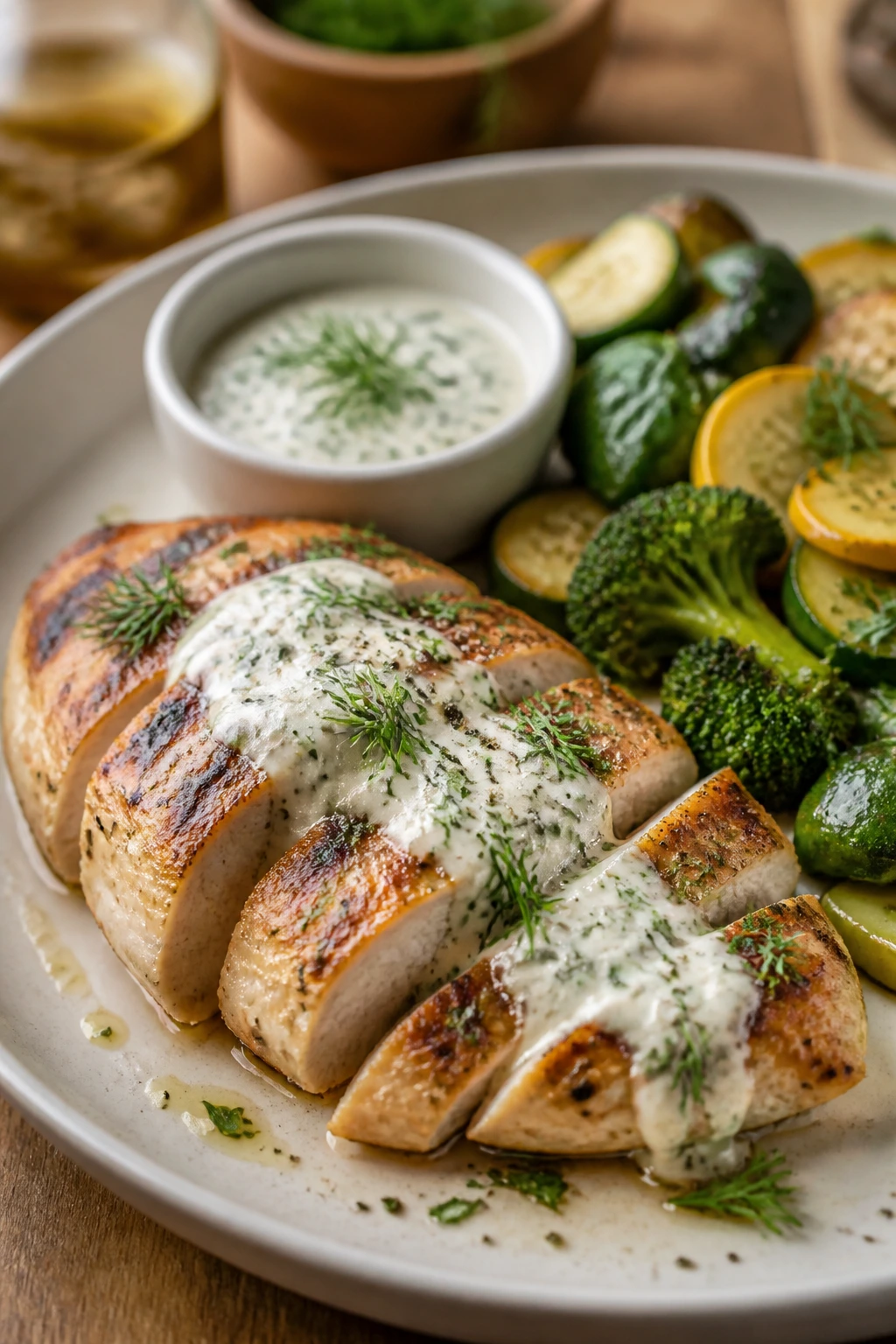
A low calorie dinner becomes a chore when every bite tastes the same. Sauce fixes that, and it does not have to be heavy. A spoon of Greek yogurt whisked with lemon juice, garlic, dill, and salt gives chicken or fish a cool, tangy finish that tastes richer than its calorie count. A mustard pan sauce made with broth and a splash of vinegar brings bite without much fat. Salsa is even easier. So is chimichurri if you keep the oil measured.
That measured part matters. Oil is not evil. It’s just dense. One tablespoon has about 120 calories, and that number climbs fast when the bottle is tilted casually over a hot pan. If you want a crisp sear on chicken or tofu, use a teaspoon in the pan and a brush or spray to coat the food lightly. You’ll still get browning if the pan is hot enough.
Acid deserves more attention than it gets. Lemon, lime, red wine vinegar, apple cider vinegar, rice vinegar, and even pickle brine can wake up a plate that tastes flat. A squeeze at the end does more than you’d think. Add herbs too: parsley, cilantro, dill, basil, scallions, mint. Fresh herbs are not garnish in this context. They’re part of the flavor system.
Flavor Moves That Stay Lean
- Citrus: Lemon zest on chicken or fish adds fragrance before the first bite.
- Vinegar: A teaspoon or two can cut through roasted vegetables and make them taste brighter.
- Mustard: Sharp, low-calorie, and great in pan sauces.
- Chili paste or flakes: Useful when the plate needs heat instead of fat.
- Garlic and ginger: Strong enough to make lean ingredients taste intentional.
- Greek yogurt: Good for cool sauces, dips, and quick marinades.
The nicest thing about these flavor tools is that they stack. Lemon plus dill. Mustard plus thyme. Lime plus chili. Garlic plus parsley. Pick two or three, not ten. A lean dinner gets messy when every bottle ends up in the pan.
The Cooking Methods That Suit This Kind of Dinner
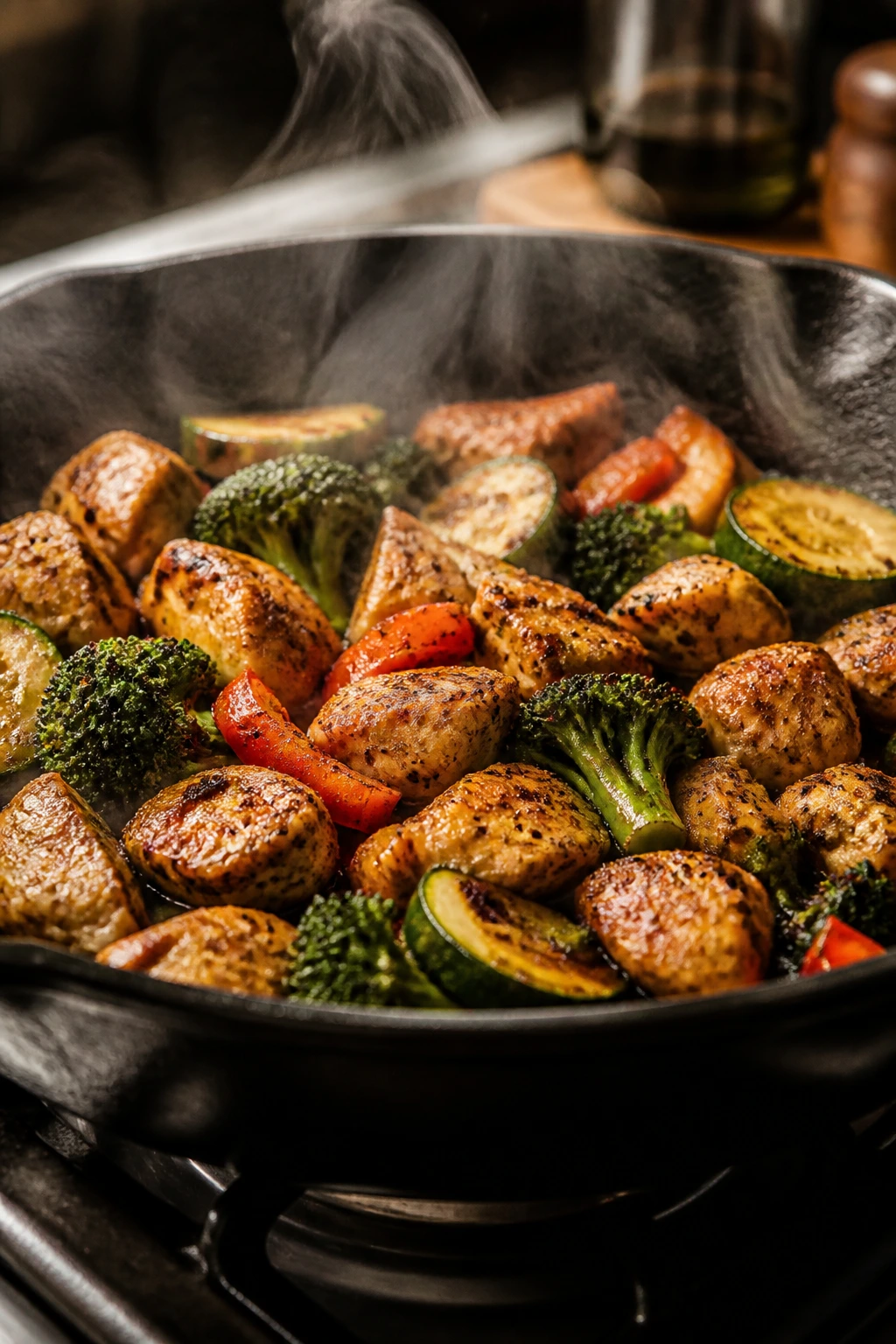
A skillet is probably the most useful tool here because it gives you browning fast. Browning matters. It turns plain chicken into something that tastes cooked on purpose. It also lets you make a sauce in the same pan, which keeps cleanup down and picks up the browned bits stuck to the bottom.
Sheet-pan cooking is the easiest path when you want dinner and vegetables done at the same time. Put chicken, shrimp, pork tenderloin medallions, or tofu on one side of the pan and low-carb vegetables on the other. Use high heat — 425°F to 450°F — and don’t pile everything on top of each other. Crowding is the enemy of browning. A packed pan steams. A spaced-out pan roasts.
When the Air Fryer Helps
The air fryer is useful for lean dinners because it gives fast color without much oil. Chicken cutlets, shrimp, tofu cubes, zucchini chips, and even green beans crisp nicely in a light coating of seasoning. I like it most when I want a fast protein and a vegetable with some edge, not when I want a saucy braise.
When the Grill Is Worth It
Grilling is a strong move for chicken breast, shrimp skewers, pork tenderloin, and even thick-cut vegetables like zucchini planks or portobello caps. The heat builds flavor quickly. It also takes a little more attention than people admit. A grill can take food from browned to charred in under a minute, especially with small shrimp or thin cutlets.
What Not to Expect From Slow Cooking
Slow cookers are useful for shredded chicken or turkey if you want taco filling, lettuce wraps, or soup-like dinners. They are not the best path for a crisp, lean low carb dinner plate. You usually need a finish in the oven or skillet to add texture. That extra step is worth it if you want the food to taste like dinner instead of leftovers from a pot.
Sample Dinner Plates That Stay Under 500 Calories

A plate formula helps more than a random recipe list because you can swap ingredients around without losing the structure. Once you know the shape, the dinner becomes repeatable.
Lemon-Garlic Chicken, Broccoli, and Cauliflower Mash
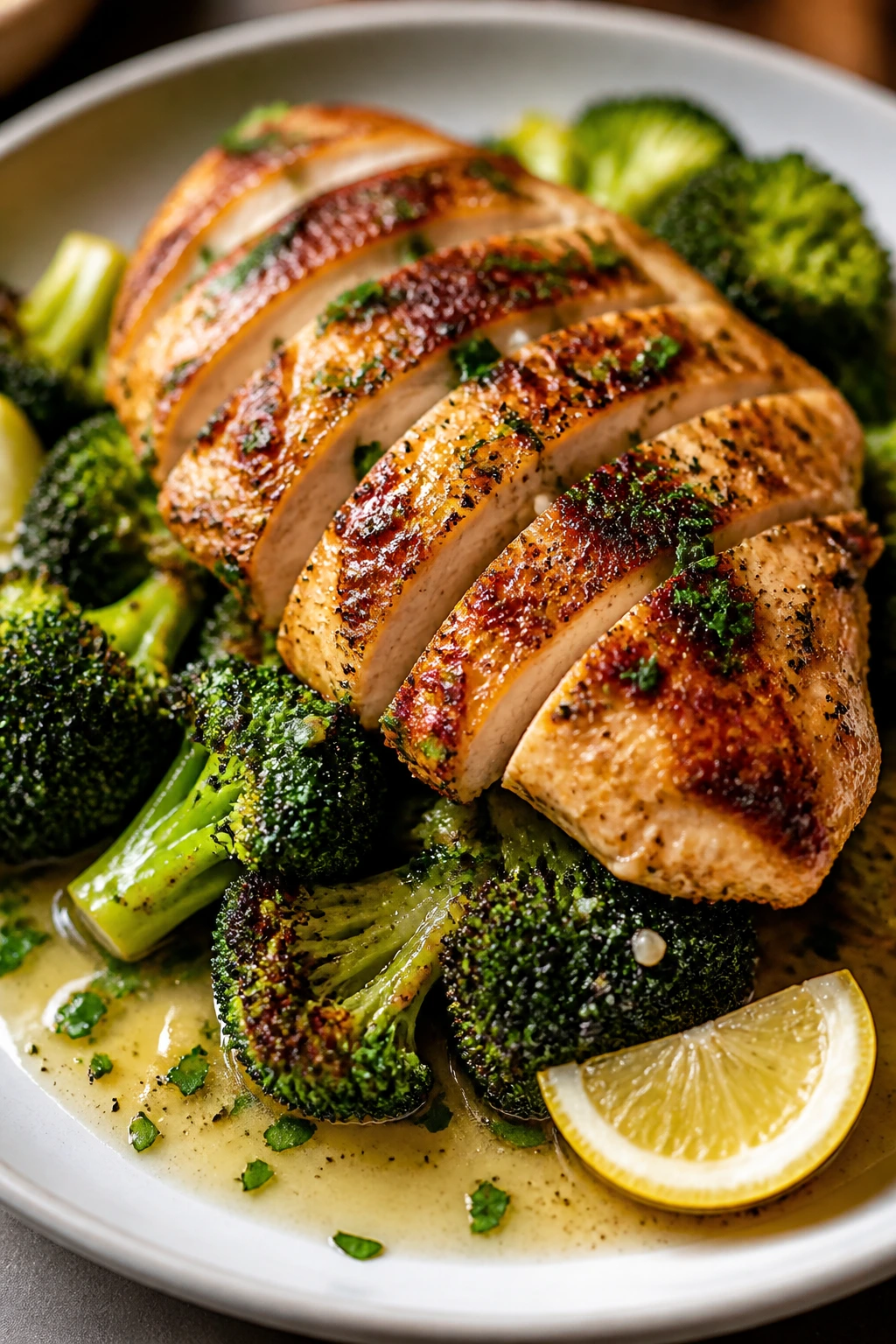
This is the plainspoken classic, and I mean that kindly. A 5-ounce chicken breast, a heap of roasted broccoli, and a side of cauliflower mashed with a spoon of Greek yogurt and garlic can land around 400 to 480 calories depending on how much oil and dairy you use. It feels complete because the chicken is savory, the broccoli has rough edges, and the cauliflower mash gives you something soft to scoop up.
Shrimp Fajita Skillet With Lettuce Cups
Shrimp cooks in minutes, which makes it easy to build a low-carb dinner that still feels lively. Sauté peppers and onions in a measured teaspoon of oil, toss in shrimp with cumin and chili powder, and finish with lime. Spoon the mixture into lettuce cups or serve it over shredded cabbage. A plate like this usually stays in the 300 to 450 calorie range unless you start adding cheese and sour cream with a generous hand.
Turkey Meatballs With Zucchini Noodles
Ground turkey meatballs can stay lean if you keep the binder light and skip heavy cheese in the mix. Serve them with quick tomato sauce over zucchini noodles that have been salted, drained, and briefly sautéed so they don’t weep all over the plate. A few meatballs, a modest handful of zoodles, and a half-cup of sauce can fit comfortably under 500 calories.
Pork Tenderloin With Green Beans and Mustard Pan Sauce
Pork tenderloin sliced into medallions gives you a dinner that feels sturdier than chicken but still stays lean. Serve it with green beans tossed in garlic and a mustard pan sauce made from broth, Dijon, and vinegar. The sauce should be glossy, not creamy. This meal usually lands around 420 to 490 calories depending on the exact cut and how much oil you use in the pan.
Tofu and Mushroom Stir-Fry Over Cauliflower Rice
This is the one I reach for when I want something meatless but not carb-heavy. Pressed extra-firm tofu browns nicely in a hot skillet, mushrooms deepen the flavor, and cauliflower rice gives the dish a familiar base without the starch. Use soy sauce, ginger, garlic, and scallions, then finish with sesame seeds if you can spare the calories. Keep the sesame oil measured. A little goes a long way.
Cod With Roasted Asparagus and Tomato-Olive Relish
White fish is easy to undercook or overcook, which makes people nervous. Cod is worth learning because it pairs so well with sharp toppings. Roast the asparagus until it starts to blister, then spoon a relish of chopped tomatoes, olives, capers, and parsley over the fish. The plate feels bright and clean, and it usually stays well below 500 calories unless you pour extra oil over the vegetables.
How to Keep Lean Proteins Juicy Instead of Dry
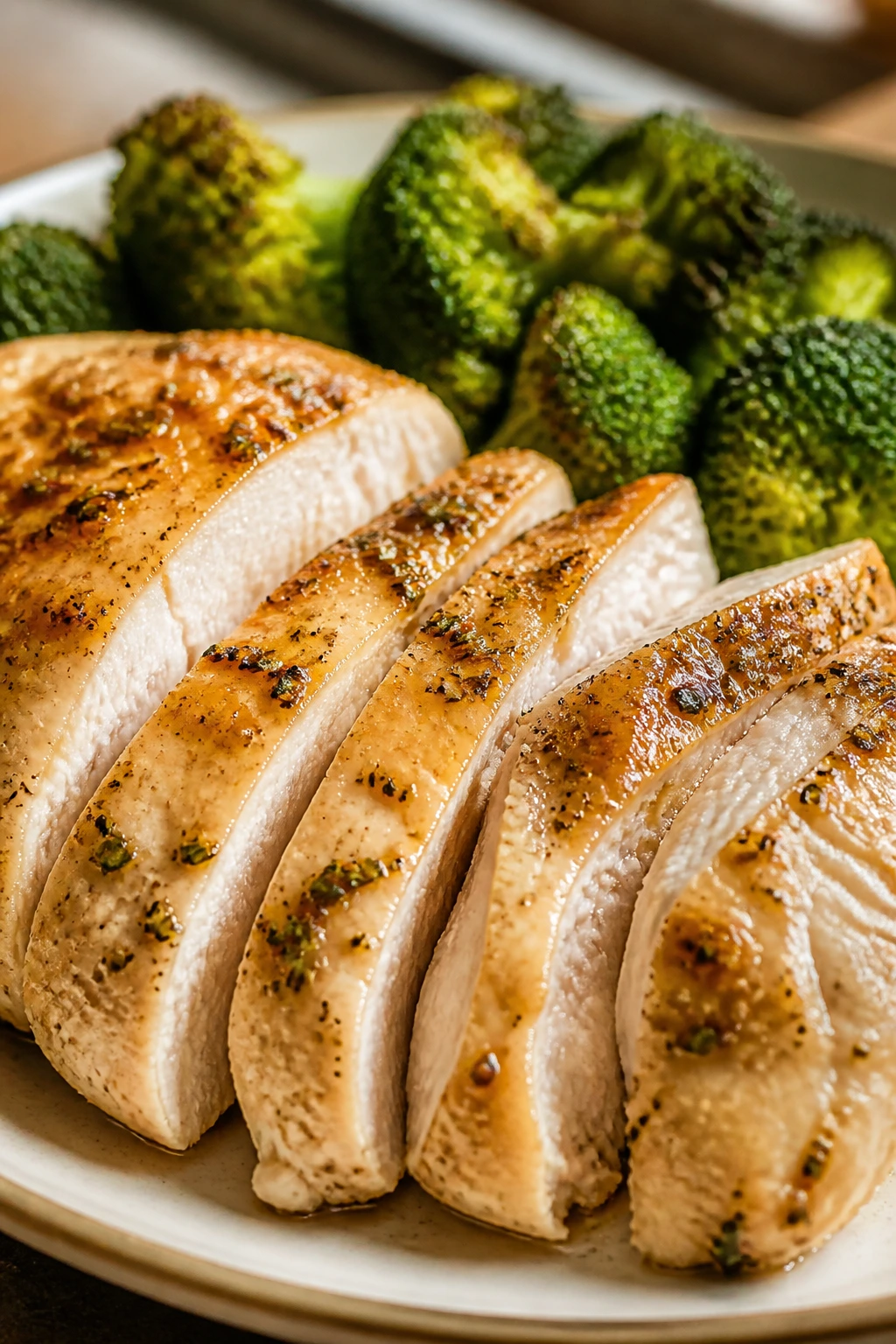
Dry chicken breast has probably scared more people away from lean dinners than any calorie count ever did. The fix starts before cooking. If the pieces are uneven, the thin parts overcook before the thick part reaches temperature. Pound them to even thickness or slice them into cutlets. That alone changes the result more than most seasoning blends ever will.
A quick salt solution helps too. A 20- to 30-minute brine in water salted at about 1 tablespoon per cup can make chicken and pork noticeably juicier. You don’t need a giant bucket. A bowl and a little discipline are enough. Rinse and pat dry if the brine is strong, then season and cook.
Temperature matters more than appearance. For chicken breast, pull it when the center reaches 160°F to 165°F and let it rest for 5 minutes. For shrimp, cook until they turn opaque and curl into a loose C shape. Tight O-shaped shrimp are usually overdone. For fish, look for flakes that separate easily with a fork but still hold some moisture.
A Few Cooking Habits That Help
- Use a thermometer: Guessing is how dry lean meat happens.
- Rest the meat: Five minutes can keep the juices inside the slice instead of leaking onto the board.
- Don’t crowd the pan: Steam is not sear.
- Sear, then finish gently: High heat for browning, lower heat or short oven time to finish.
- Slice against the grain: Especially for chicken cutlets, pork, and steak.
There’s a small but useful habit that pays off all the time: stop cooking a minute earlier than you think you should, then check again after resting. Lean protein keeps cooking for a few minutes off the heat. If you wait for it to look perfect in the pan, you’ve already gone too far.
A Weeknight Rhythm That Makes This Style of Cooking Easier
You do not need to invent dinner from scratch every night. You need a repeatable rhythm. That starts with keeping the right proteins and vegetables around, then rotating flavor profiles so you don’t get bored. Chicken breast Monday, shrimp Wednesday, pork tenderloin Friday, tofu or turkey in between. Same structure. Different spice set.
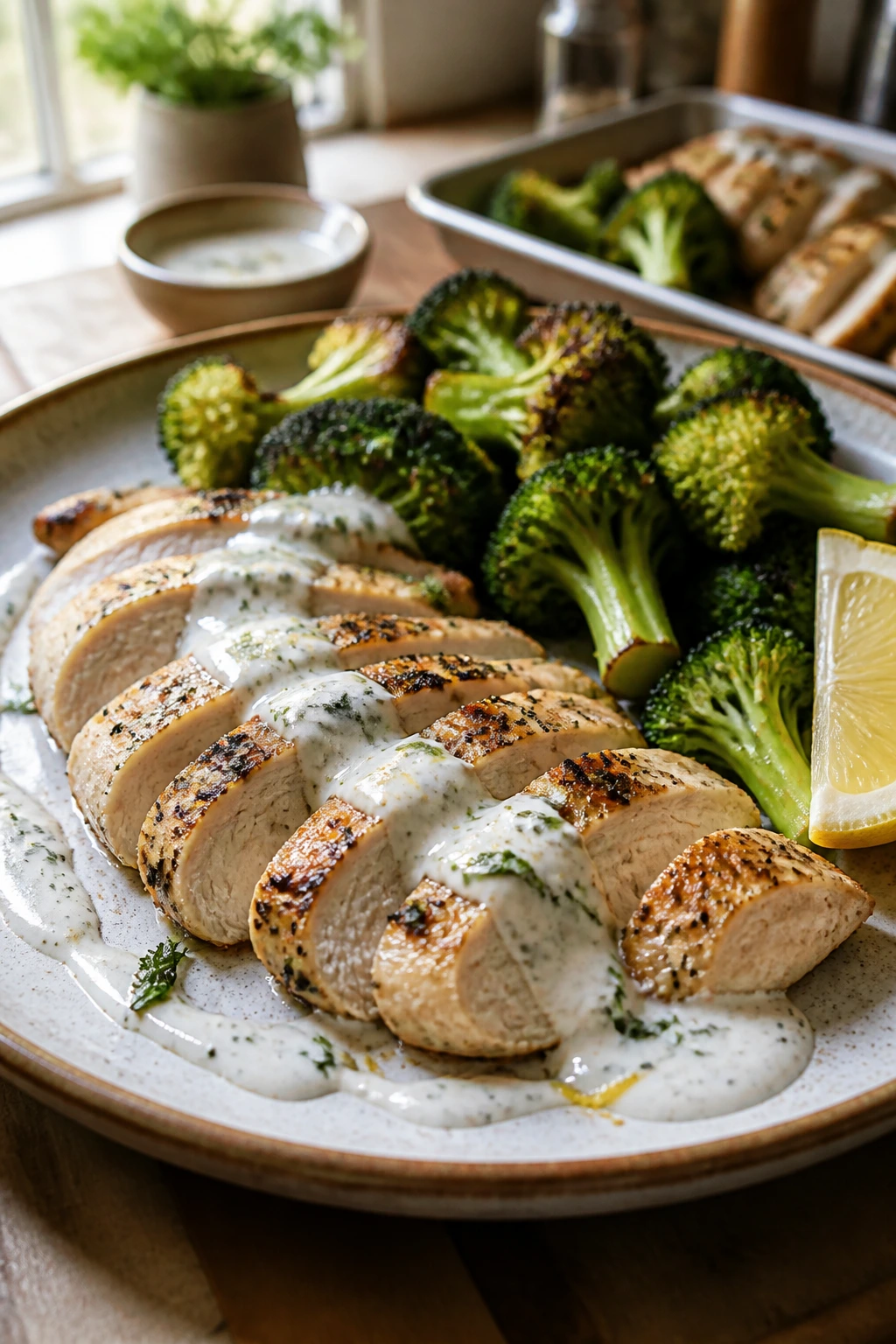
I like to think in pairs: one protein plus two vegetables. That’s it. If the protein is mild, the vegetables can be louder. If the protein has stronger flavor, the vegetables can stay plain and the sauce does the talking. A platter of roasted broccoli, sliced chicken, and lemon yogurt sauce is easy to plate. So is a skillet of turkey, cabbage, and salsa. The variations are broader than they look.
Batch prep helps, but only if you stay realistic about what still tastes good after storage. Cooked chicken, turkey meatballs, roasted cauliflower, and green beans all keep well. Delicate zucchini noodles and dressed lettuce do not. Save those for the day you eat them. That distinction matters more than almost any meal-prep blog advice I’ve ever seen.
A Simple Prep Pattern
- Roast two sheet pans of vegetables.
- Cook one protein in a skillet or oven.
- Mix one cold sauce.
- Store everything separately.
- Reheat only the hot parts.
That’s the whole system. It’s not glamorous. It works.
Practical Tips for Better Flavor, Faster Prep, and Cleaner Cleanup
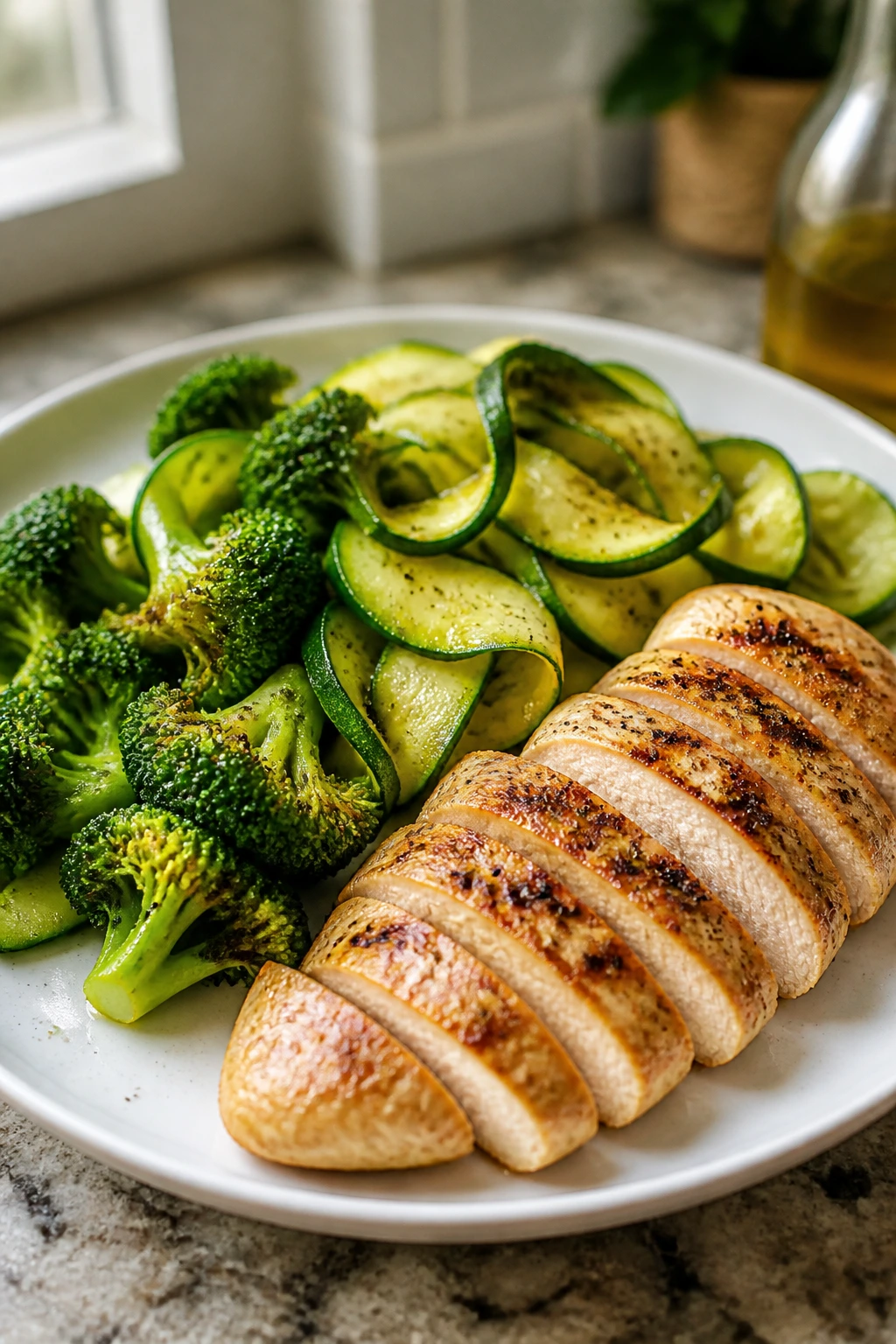
A little planning beats a pantry full of random “healthy” products you never use. Flavor Enhancement: keep a short list of high-payoff items on hand — Dijon mustard, salsa, low-sodium soy sauce, lemons, garlic, smoked paprika, cumin, and Greek yogurt. Those seven ingredients can make plain chicken, shrimp, tofu, or turkey taste like a real dinner instead of a diet compromise.
Time-Saver: cut vegetables in the order they cook. Hard vegetables first, tender ones last. Broccoli and cabbage can stand up to heat; spinach needs only a minute. If you throw everything into the same pan at once, the soft stuff goes limp while the sturdy stuff still has crunch in the middle.
Cost-Saver: buy family packs of chicken breast, pork tenderloin, or ground turkey and freeze them in meal-sized portions. The same trick works for shrimp. Peel and devein if needed, portion it into freezer bags, and flatten the bags so they thaw faster. A flat bag also sits better in the freezer, which sounds trivial until you’re rummaging around at 6 p.m.
Pro Move: roast vegetables on parchment or foil when you want faster cleanup, but leave a little bare space for browning. Vegetables sitting in a puddle of liquid won’t caramelize. If you want crisp edges, spread them out and resist the urge to stir every few minutes.
Portion Check: use a kitchen scale for proteins when you’re first learning the rhythm. A 6-ounce chicken breast is more meat than most people guess, and a 10-ounce breast can blow your calorie budget before you’ve added oil. After a few weeks, your eye gets better. Until then, the scale is your friend.
Finish Well: don’t forget the last 30 seconds. Lemon zest, chopped herbs, a spoon of yogurt sauce, or a few capers can change a plate more than a second sprinkle of salt. The food should taste awake when it reaches the table.
Common Mistakes That Push These Dinners Off Track
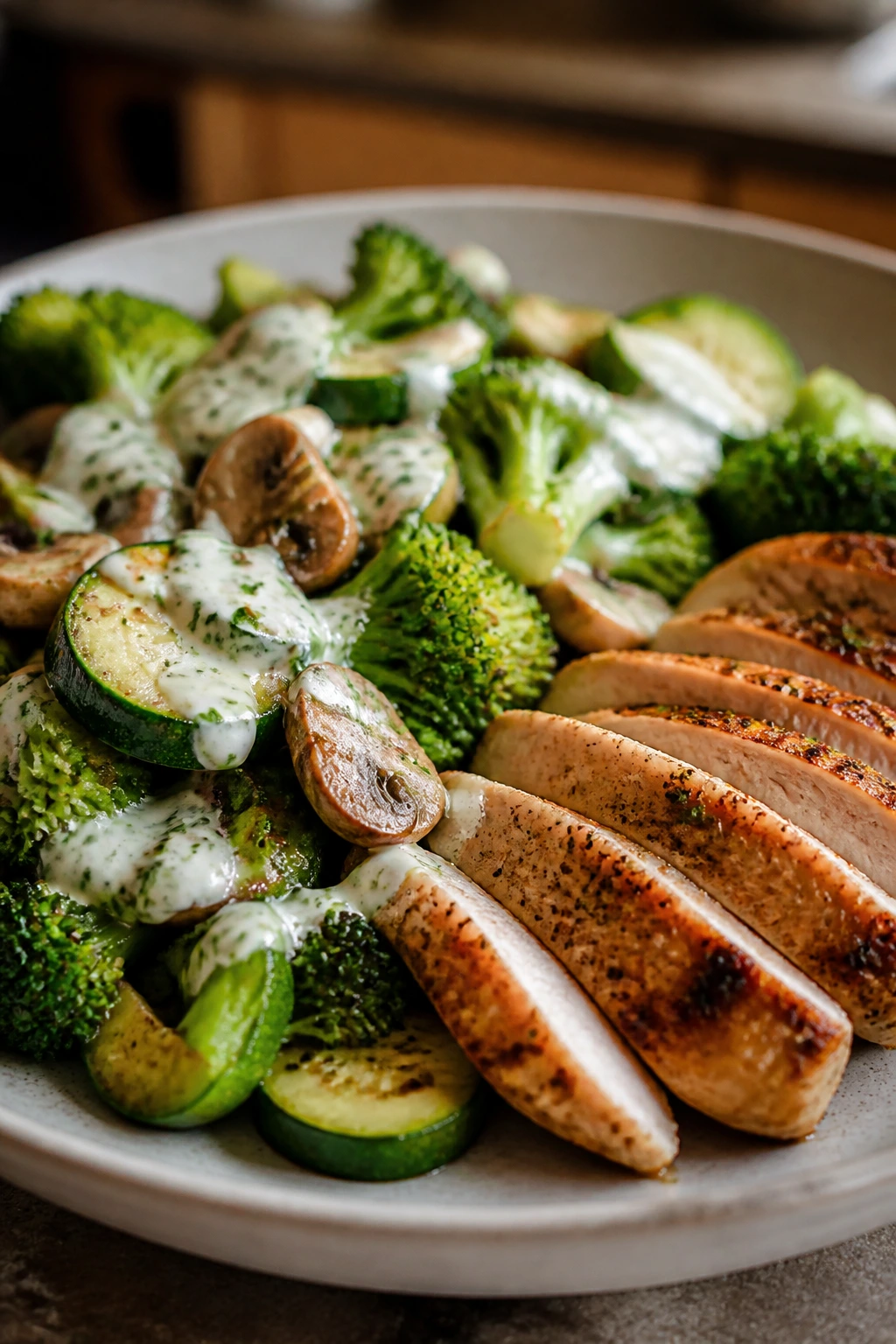
The biggest mistake is treating oil like a seasoning you can pour with confidence. You can’t. A skillet full of chicken and vegetables can quietly absorb far more fat than you intended, and the calorie count climbs without any obvious visual cue. Measure it. A teaspoon is usually enough for sautéing if the pan is hot.
Another problem is cooking lean protein too hard. Chicken breast that goes from 165°F to “well, probably fine” becomes stringy and chalky. Fish turns dry and flakes apart in an unhappy way. Shrimp get rubbery fast. If you’re guessing, you’re probably overcooking.
The Mistakes I See Most Often
- Too much sauce in the wrong form: Creamy dressings, sugary glazes, and bottled sauces can turn a lean plate into a calorie pile-up. Fix it with mustard, yogurt, citrus, broth, or a smaller measured amount.
- Starchy sides hiding in plain sight: Corn, beans, potatoes, rice, pasta, and crusty bread are not bad foods, but they do not belong on a strict low carb plate unless you budget for them carefully.
- Vegetables with no seasoning: Plain steamed broccoli is a tax, not dinner. Salt, acid, herbs, garlic, chili, or a little browned butter make the difference.
- Overcrowded pans: Too much food in one skillet means steam, not color. Roast or sauté in batches if you need to.
- No resting time: Cutting into chicken or pork the moment it leaves the heat sends the juices onto the cutting board. Wait a few minutes.
- Trying to make every meal taste identical: Lean dinner gets boring fast if every night is chicken and broccoli with the same spice blend. Rotate the seasonings.
The fix for most of these problems is not complicated. Measure the oil. Pull the protein early. Season the vegetables. Cook in batches when needed. That’s boring advice, maybe, but boring advice is often what keeps dinner from going sideways.
Variations and Dietary Swaps Worth Trying

Mediterranean Lemon Plate: Swap the usual garlic-and-herb route for oregano, lemon, cucumber, tomato, and a spoonful of tzatziki. Use chicken breast or shrimp, keep the olive oil measured, and add kalamata olives sparingly. The plate tastes brighter and a little saltier, which helps when you want something that feels less like “diet food” and more like lunch at a café.
Tex-Mex Skillet: Use extra-lean ground turkey or chicken, then season with cumin, chili powder, smoked paprika, and a small amount of salsa. Serve over shredded lettuce, cauliflower rice, or sautéed peppers. A few slices of avocado are fine if you’re keeping the portions honest elsewhere.
Garlic-Ginger Stir-Fry: This version works well with shrimp, tofu, chicken, or thin-sliced pork. Use ginger, garlic, soy sauce, rice vinegar, and scallions, then add broccoli, mushrooms, and snap peas if your carb budget allows a few more grams. It’s fast, sharp, and a lot more satisfying than a bottle of sweet stir-fry sauce.
Creamy Without the Cream: Mix Greek yogurt with lemon juice, dill, garlic, and salt for chicken, fish, or roasted vegetables. It gives you the feel of a creamy sauce without the heavy hand of mayonnaise or full-fat cream. Keep it cold and add it at the end so it doesn’t split.
Vegetarian Protein Bowl: Press extra-firm tofu, sear it hard, then serve with cauliflower rice, mushrooms, spinach, and a sesame-soy dressing. If you want a little more bite, add edamame in a measured portion. That pushes the carb count a bit, but not enough to wreck the dinner.
Tools That Make Lean Low Carb Cooking Easier
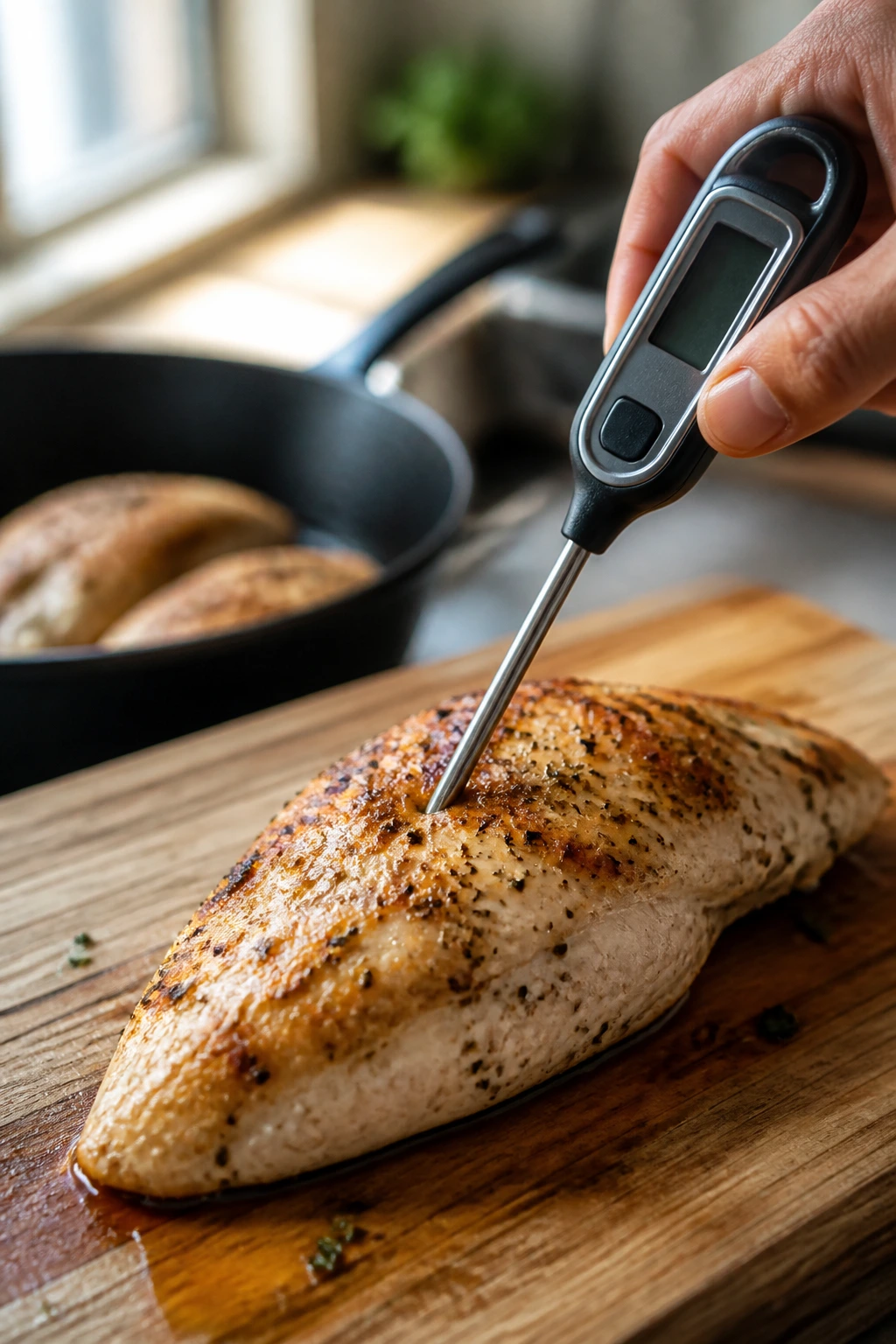
- Instant-read thermometer: The simplest way to stop overcooking lean protein.
- Large skillet, preferably 10- to 12-inch: Gives vegetables room to brown instead of steam.
- Rimmed sheet pan: Best for chicken, fish, shrimp, and roasted vegetables.
- Tongs: Useful for flipping cutlets, shrimp, and vegetables without tearing them.
- Kitchen scale: Helpful when you want to keep protein portions honest.
- Sharp chef’s knife: Makes slicing vegetables faster and safer.
- Cutting board with a damp towel underneath: Keeps it from sliding around.
- Microplane or fine grater: Good for garlic, lemon zest, and ginger.
- Meal prep containers with tight lids: Useful for storing components separately.
- Parchment paper or foil: Cuts cleanup and helps with easy release on sheet pans.
A few tools are optional but worth owning if you cook this way often. An air fryer is useful for fast browning. A squeeze bottle for oil can help you stop free-pouring. A fish spatula is nice for delicate fillets, though a thin regular spatula can do the job.
Storage, Reheating, and Make-Ahead Planning
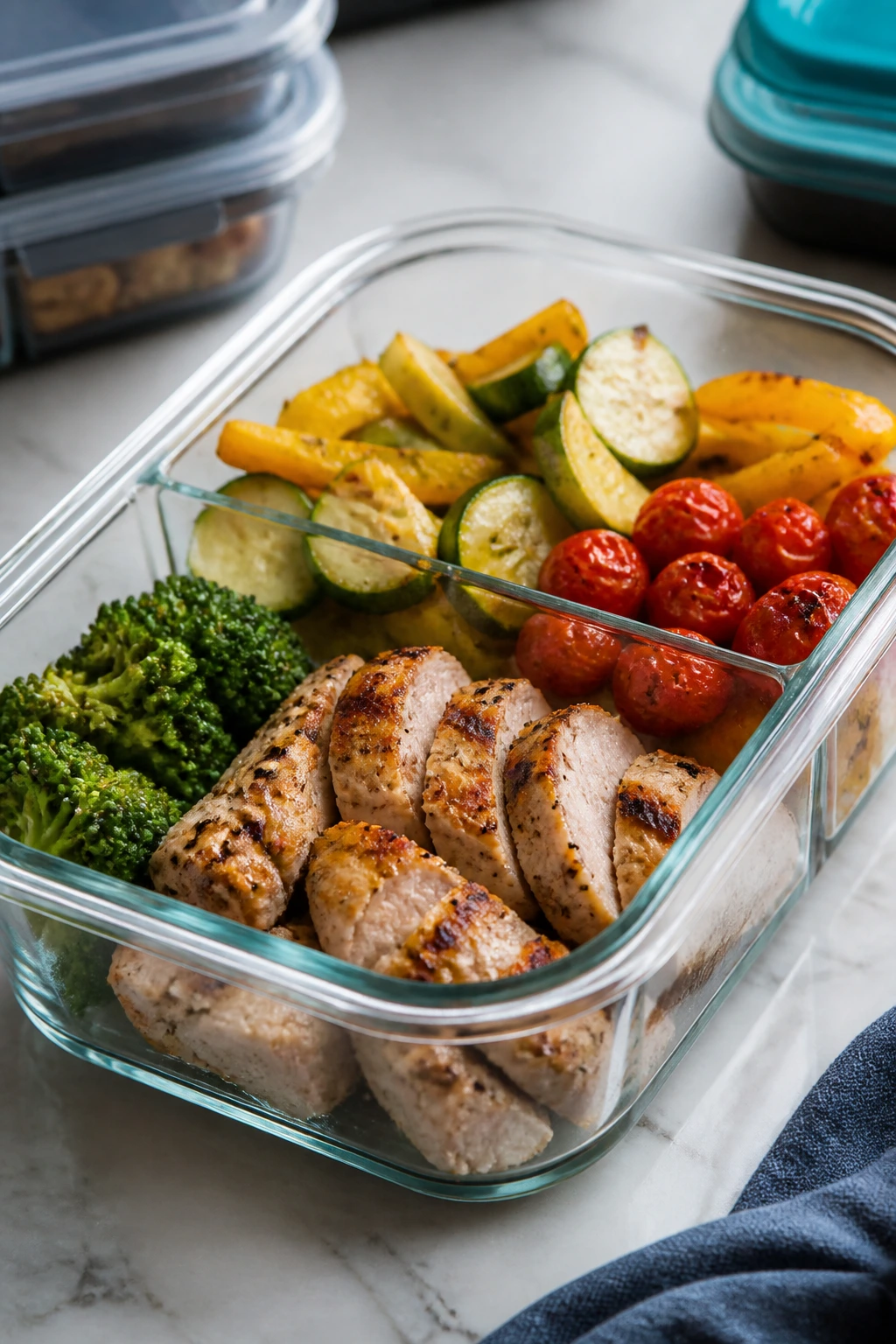
Lean low carb dinners keep better than people expect if you store the pieces separately. Cooked chicken, turkey, pork tenderloin, and roasted vegetables generally hold for 3 to 4 days in the refrigerator. Cooked fish is shorter-lived — aim for 1 to 2 days if you want the texture to stay pleasant. Shrimp is also best eaten sooner rather than later.
Freezing works for some components, not all. Cooked chicken, turkey meatballs, pork, and cauliflower rice freeze well for up to 2 months, sometimes a little longer if your freezer stays cold and the container is sealed tightly. Zucchini noodles, dressed salads, and watery vegetables do not freeze well. They thaw into a soggy mess. Save yourself the disappointment.
Best Reheating Methods by Food Type
- Chicken and turkey: Reheat in a skillet over low heat with a spoon of broth, or in the oven at 325°F until warm.
- Pork tenderloin: Gentle oven heat works best; slice after reheating to keep it from drying out.
- Fish and shrimp: Warm them briefly in a skillet or low oven. Microwave only if you have no other option, and stop early.
- Roasted vegetables: Recrisp in the oven or air fryer for a few minutes at moderate heat.
- Sauces: Heat separately and add at the end.
For make-ahead planning, cook proteins and sturdier vegetables one or two days ahead, then make the sauce the day you eat. If you’re using lettuce, cucumber, avocado, or zucchini noodles, prep them fresh. Those ingredients get fussy in the fridge. The meal tastes better when the cold stuff stays cold and the hot stuff stays hot.
Frequently Asked Questions
How do I keep a low carb dinner under 500 calories without feeling hungry?
Start with a real portion of protein, not a token amount. Then add 2 to 3 cups of vegetables with some texture — roasted, sautéed, or stir-fried — and finish with a sauce that has enough salt and acid to make the plate taste complete. Hunger usually shows up when protein is too small or vegetables are too soft and bland.
What proteins work best for this kind of dinner?
Chicken breast, turkey tenderloin, shrimp, cod, pork tenderloin, and extra-lean ground turkey are the easiest fits. They all give you a solid protein number without forcing the calories too high. Salmon can fit too, but the fat content is higher, so the rest of the plate needs to stay tighter.
Can I use chicken thighs and still keep the meal under 500 calories?
Yes, but the portion needs to be smaller and the rest of the plate should be lighter. Skinless thighs bring more flavor and more fat than breast meat, which means you’ll want to keep oils and creamy sauces in check. A modest thigh portion with a huge serving of broccoli or cabbage can still work.
Do I have to count net carbs?
Not unless you want to. If you like tracking net carbs, subtract fiber from total carbs. If that sounds tedious, skip the math and focus on the ingredients: keep grains, bread, potatoes, and sugar-heavy sauces out of the picture, and let vegetables carry the carbs you do eat.
What’s the easiest sauce for a lean dinner?
Greek yogurt mixed with lemon juice, garlic, salt, and herbs is probably the fastest. Salsa is even easier if you want something with more heat. Mustard whisked with broth and vinegar gives you a pan sauce in a minute or two.
How do I stop lean meat from drying out?
Use a thermometer, pull the meat a little early, and let it rest before slicing. Pounding chicken breasts to even thickness helps a lot, and a short brine can make the texture noticeably juicier. Don’t cook by color alone. That’s where people get burned.
Can I meal prep these dinners for the whole week?
Yes, but prep the components separately. Cook the protein and sturdier vegetables ahead, then store sauces, herbs, and delicate vegetables on the side. Reheat the hot parts gently and add the fresh pieces right before eating. That keeps the meal from turning mushy by day three.
What if I only have an air fryer or a sheet pan?
That’s fine. Both methods work well for lean low carb dinners. The air fryer is good for small portions and fast crisping, while the sheet pan is better when you want protein and vegetables done at the same time.
A Dinner Plate That Feels Like Dinner
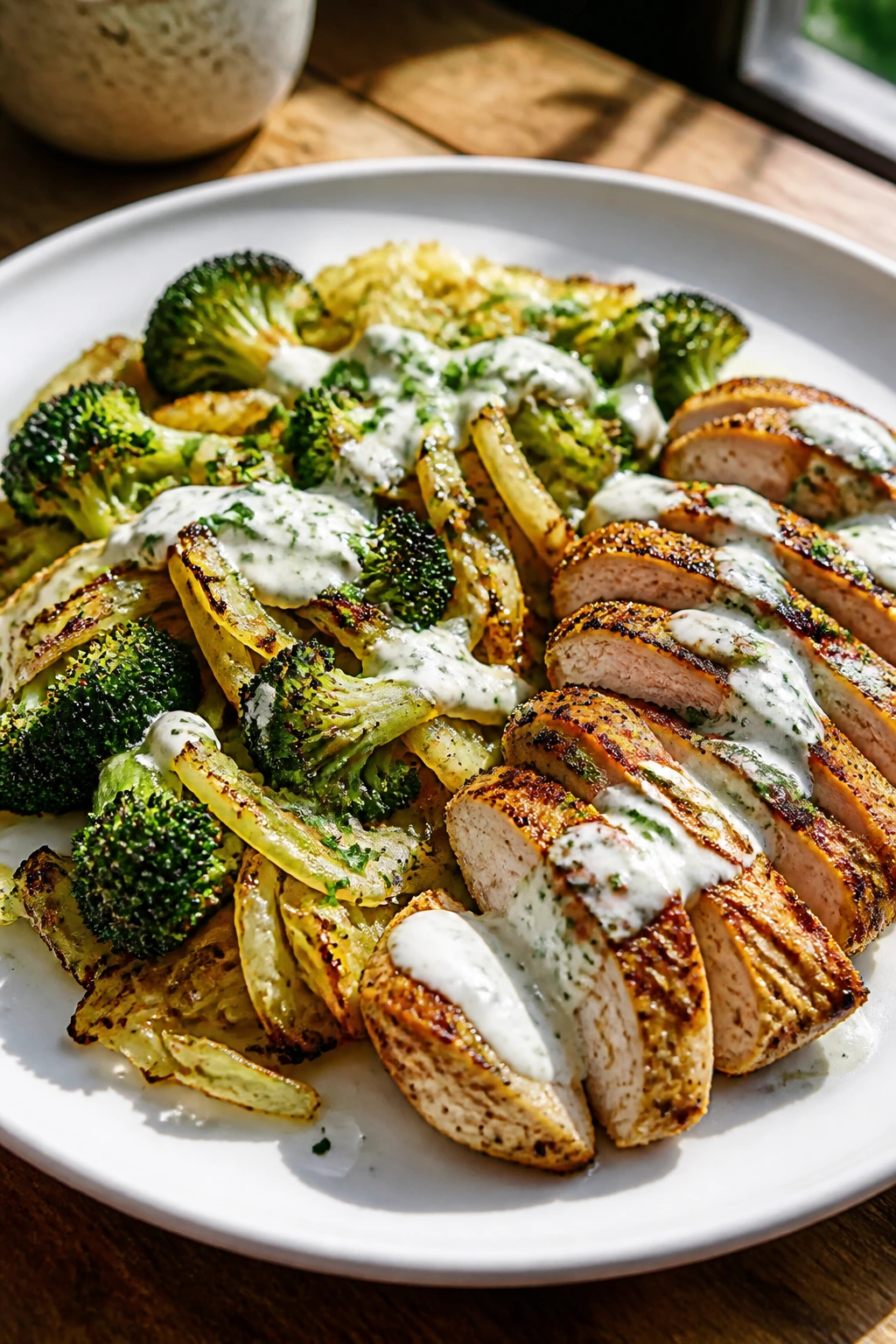
A lean low carb dinner under 500 calories works best when it stops trying to imitate a heavy meal and starts acting like its own thing. Plenty of protein. Vegetables with some browning. A sauce that wakes everything up. That combination gives you a plate that’s easy to repeat without getting tired of it.
The nicest part is the flexibility. Once the rhythm is in your hands, you can swap chicken for shrimp, broccoli for cabbage, yogurt sauce for salsa, and still keep the numbers where you want them. That’s the kind of dinner pattern worth keeping around — one that survives a busy Tuesday, a tired Thursday, and the occasional fridge cleanout without falling apart.