



A 500-calorie meal can go wrong in two very different ways. It can be tiny and miserable, or it can look generous on the plate and vanish from your stomach in twenty minutes because every calorie got spent on oil, cheese, and sauce instead of real food. That second version is the one people keep making by accident.
The better version is quieter. A lean protein. Vegetables with some bite left in them. A measured starch, not a runaway pile of it. Enough seasoning that the food tastes alive. That is the sweet spot for clean healthy eating habits under 500 calories, and it’s less about eating less food than about spending your calories like you mean it.
Clean eating is a lousy phrase when it turns food into a badge, so I use it here in the plain, practical sense: recognizable ingredients, short labels, and not much hidden sugar or heavy fat. That still leaves room for canned beans, frozen vegetables, Greek yogurt, tofu, oats, salmon, brown rice, and a sensible splash of olive oil. The real trick is knowing which parts of the plate do the actual work—and which ones quietly eat your budget.
Why Clean Healthy Eating Habits Under 500 Calories Work So Well
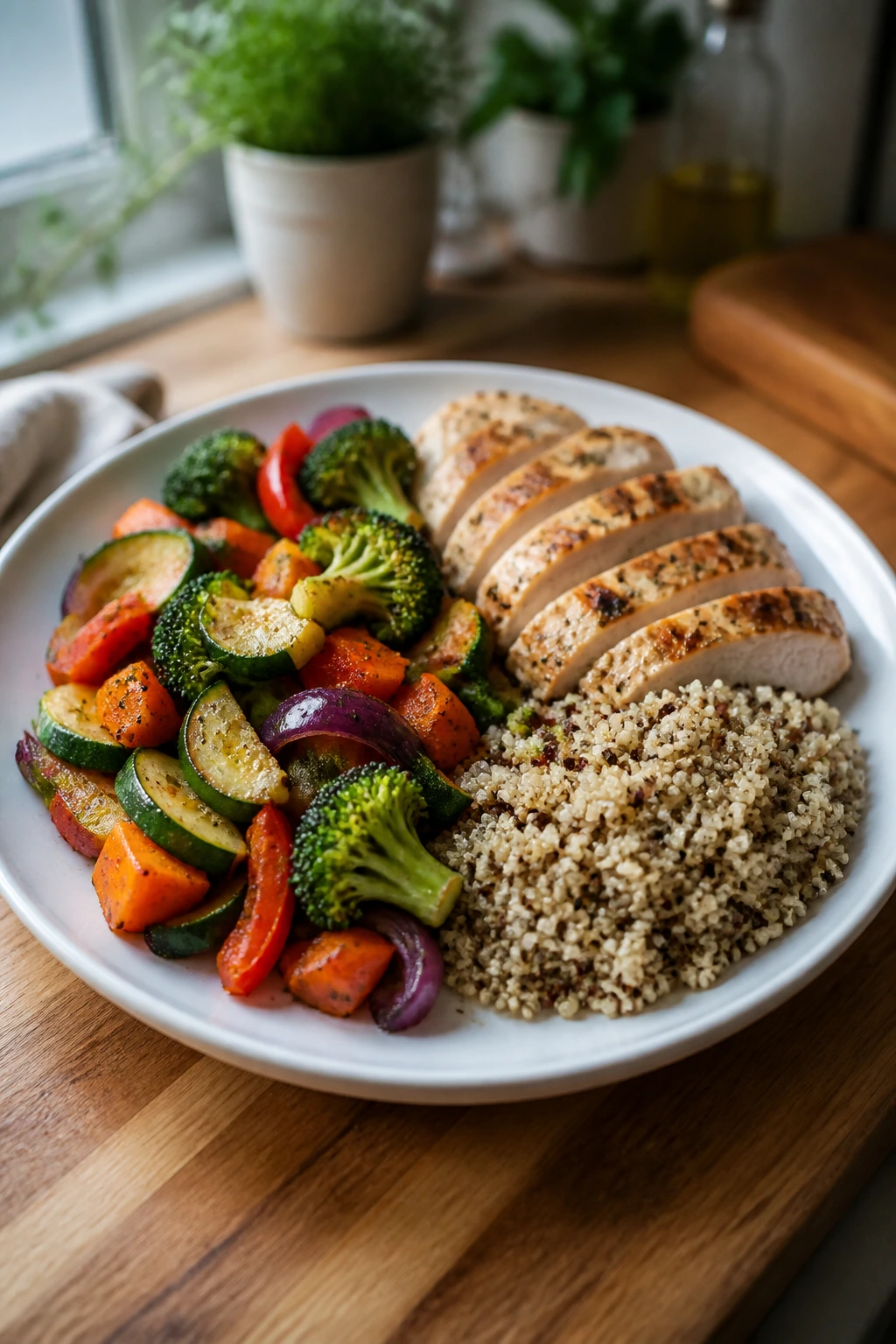
Portion control with a real boundary: A 500-calorie ceiling is large enough for an actual meal, but small enough that a free-poured dressing or a handful of nuts can’t hide in the margins.
Better satiety per bite: Protein, fiber, and water-rich produce buy more fullness than crackers, pastry, or a bowl of plain starch ever will.
Less decision fatigue: A few repeatable meal templates beat starting from zero three times a day. That’s the part most people underestimate.
Room for the rest of the day: Keeping lunch or dinner under 500 leaves space for a snack, a bigger evening meal, or just a less stressful day of eating.
Flexible, not rigid: The same structure can land at 350 calories on a light day or 650 on a higher-need day with one extra scoop of rice or one more egg.
The Half-Plate, Quarter-Plate Rule That Keeps Meals Balanced
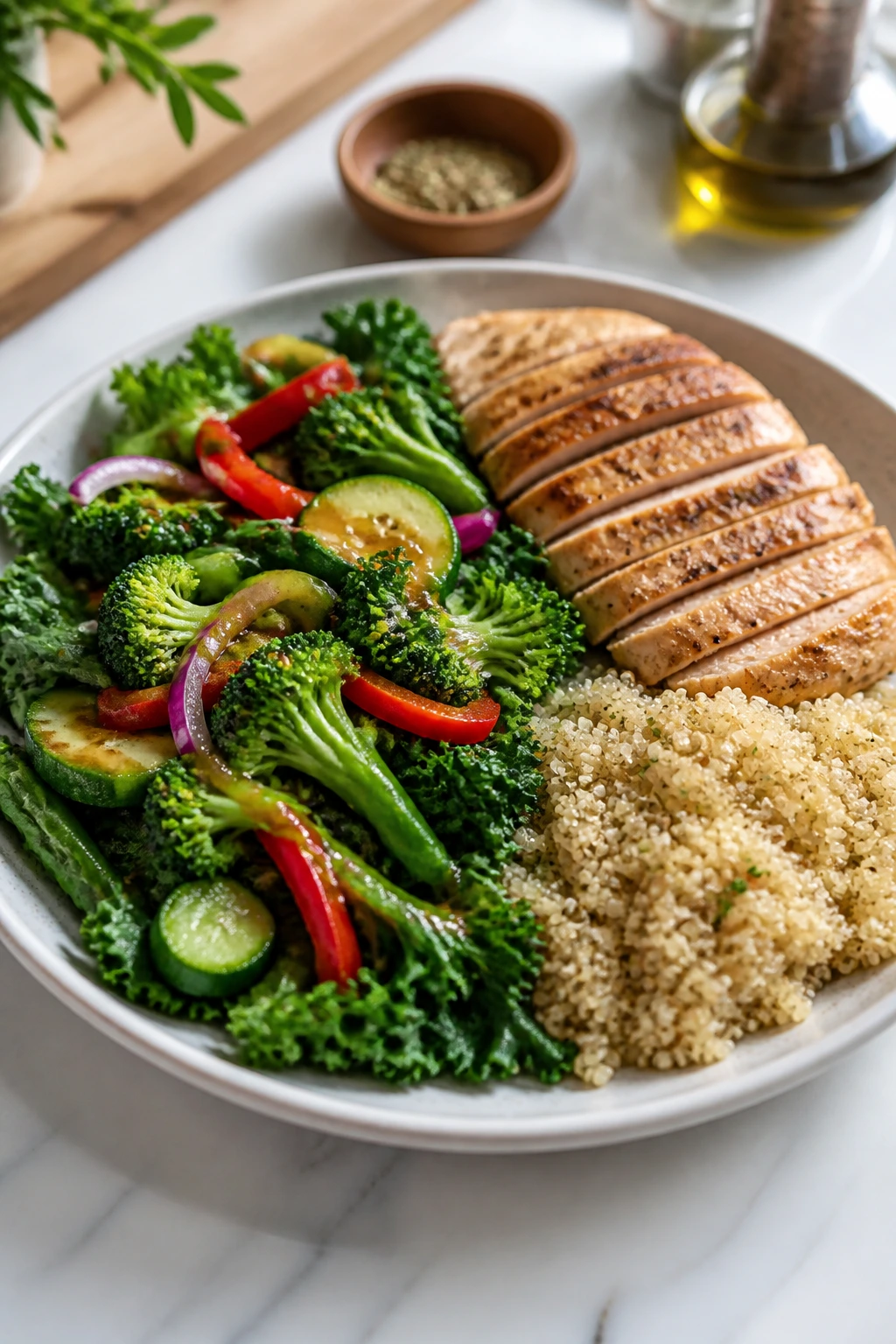
The easiest way to keep a meal under 500 calories is to stop thinking in calories first and start thinking in shape. Half the plate should usually be vegetables or fruit, a quarter should be protein, and the last quarter can hold a starch—rice, potatoes, quinoa, beans, whole-grain bread, whatever actually fits the meal. Then you finish with a small amount of fat or sauce, not a flood of it.
That half-quarter-quarter pattern works because it forces volume into the meal before calorie-dense ingredients get a chance to take over. Two cups of broccoli, a pile of spinach, or a chopped salad base takes up room on the plate without eating your whole budget. A few ounces of chicken or tofu bring the protein. A half cup of rice or a small potato gives the meal some staying power.
The part people mess up is the fat. Oil is useful. So is avocado. So are nuts. But these are not background extras; they are concentrated calories, and they need measurements. A teaspoon of olive oil coats vegetables differently from a tablespoon. A tablespoon of tahini changes a bowl much more than another handful of lettuce ever will.
If you like numbers, here is the rough shape I reach for: 4 to 6 ounces of lean protein, 2 cups of vegetables, 1/2 to 1 cup of starch, and 1 teaspoon to 1 tablespoon of fat or sauce. That combination often lands between 350 and 500 calories depending on the protein and starch choices. It also looks like dinner, which matters more than people admit.
What Clean Eating Means When You Are Also Watching Calories
“Clean” gets used in messy ways. Some people mean organic only. Some mean gluten-free. Some mean raw. Some mean expensive. None of that is the point here.
For clean healthy eating habits under 500 calories, I’d define clean as short ingredient lists, familiar foods, and little added sugar or heavy fat. Plain Greek yogurt qualifies. Frozen broccoli qualifies. Canned tuna qualifies. Brown rice qualifies. A rotisserie chicken can qualify too, if you skip the skin and don’t drown it in dressing. The food does not have to be virtuous. It has to be useful.
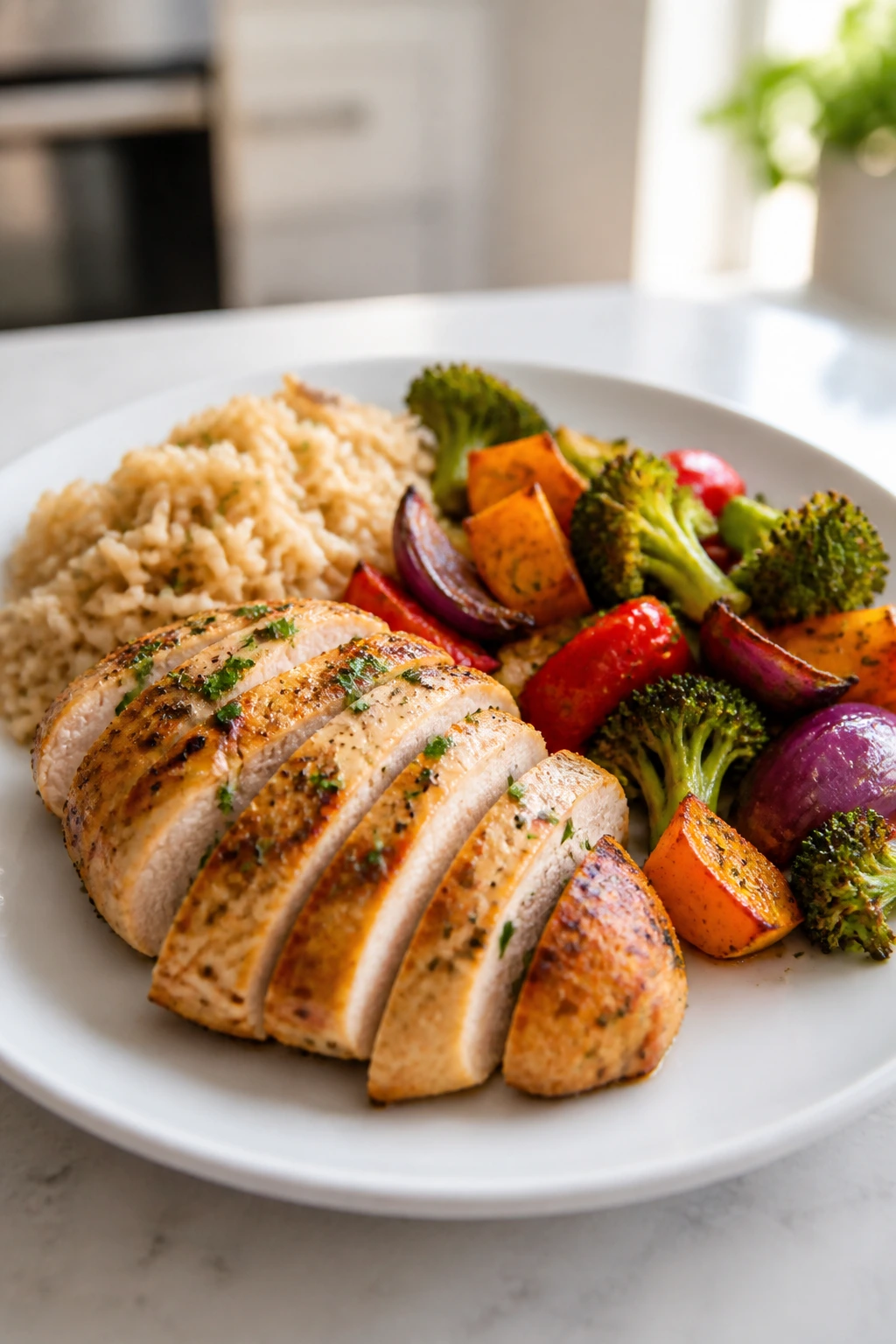
That definition keeps you out of the trap where “clean” becomes a reason to buy three niche products with gorgeous packaging and no staying power. A chicken breast with roasted vegetables is plain, maybe even a little boring on paper, but it behaves beautifully in real life. It’s easy to portion, easy to season, and easy to keep under 500 without turning the meal into a snack.
What usually pushes meals off the rails is not the main ingredient. It’s the extras. Breaded coatings, creamy sauces, giant pours of oil, sugar-heavy coffee drinks, and the casual “just a bit more” of cheese or nuts. Those things can absolutely fit into a sensible day of eating. They just need a seat at the table, not permission to run the place.
One more thing. Frozen and canned foods are not cheating. They are the reason this habit survives past the first enthusiastic grocery trip. A freezer full of vegetables and a pantry with beans, tuna, and oats is much more useful than a fridge packed with fragile produce that goes limp before you cook it.
Protein Is the Part That Makes a 500-Calorie Meal Feel Real
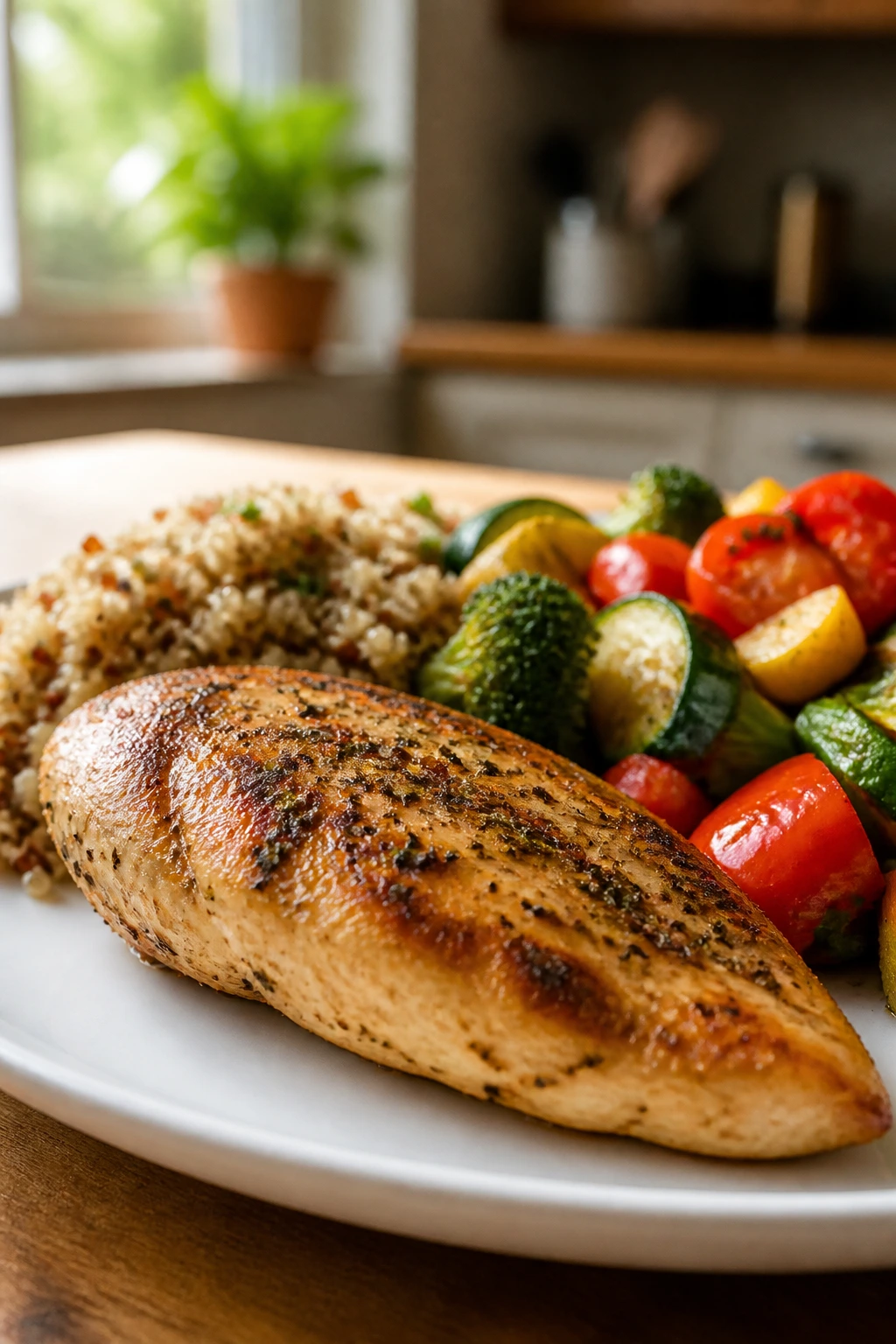
A 500-calorie meal without protein is usually just a short-lived arrangement. It fills you up for a minute, then the hunger comes back with an attitude. Protein slows that whole cycle down. It gives the meal structure. It also makes the calories count in a way that plain starch never quite does.
For most meals, I like to see 25 to 35 grams of protein if the goal is staying satisfied. Sometimes more at dinner, sometimes less at a snack, but that range is a useful target. A 4-ounce chicken breast, a can of tuna, 1 cup of Greek yogurt, 3 eggs plus egg whites, firm tofu, tempeh, salmon, turkey, cottage cheese, and edamame all do good work here. Beans help too, though they often need a partner to bring the protein number up where you want it.
The smart move is to choose protein that behaves well in a 500-calorie meal. Chicken breast gets dry if you overcook it by even a little, so it needs attention. Chicken thighs are more forgiving, though they carry more fat. Fish is quick but fragile. Tofu soaks up flavor but wants a hot pan and a little patience. Eggs are cheap and useful, but if they’re doing all the work in a meal, you may need extra whites or a side of Greek yogurt to keep the protein level up.
There’s also a flavor point here that gets missed. Lean protein can taste flat if you treat it like an obligation. Salt it properly. Use garlic. Use smoked paprika, cumin, lemon, fresh herbs, chili flakes, or soy sauce. A meal with enough protein should not taste like gym food unless you actively want it to. It should taste like dinner.
Fiber, Water, and Crunch: The Volume Trick
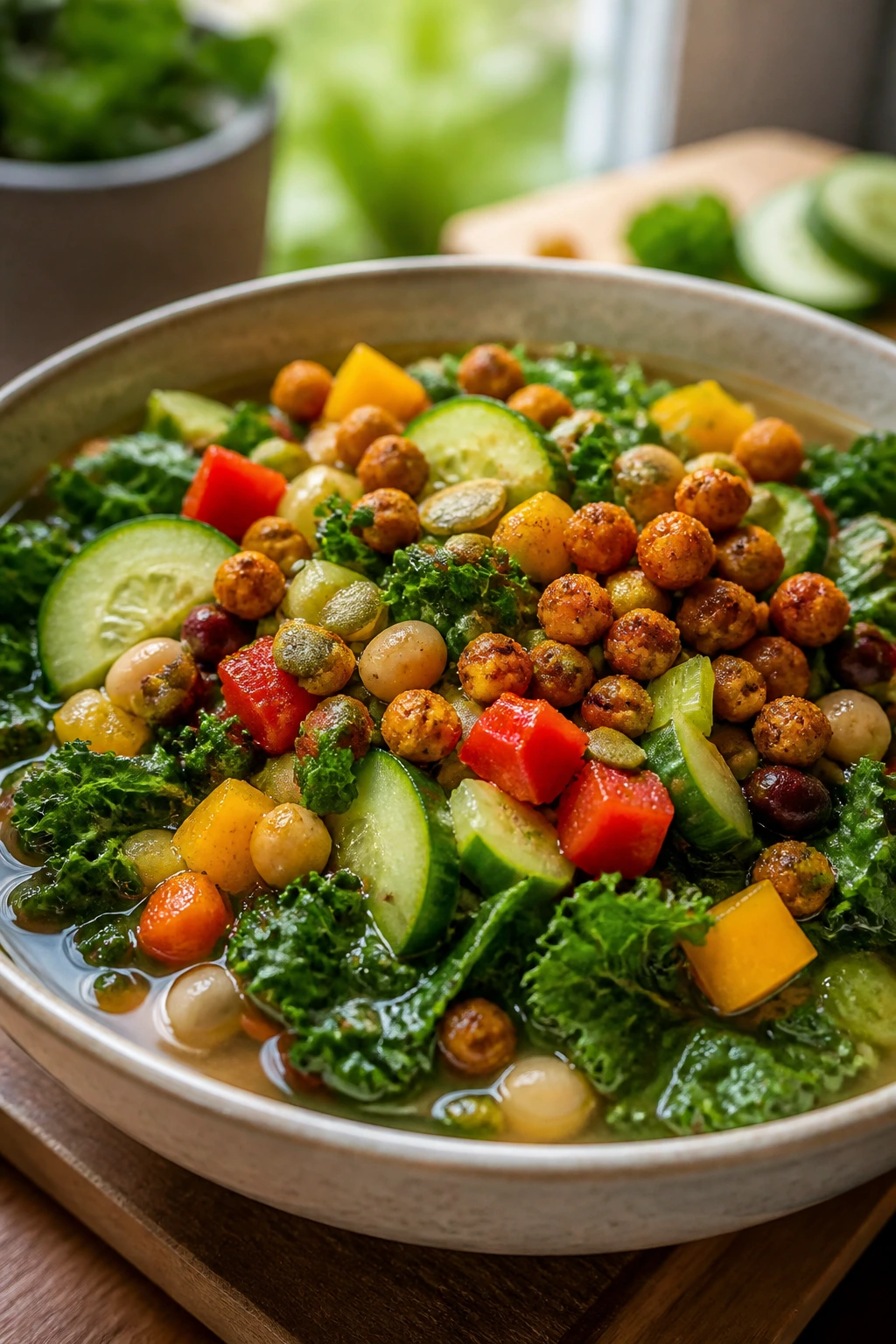
The most reliable under-500 meals are not small. They are dense with low-calorie volume. That means vegetables, broth, fruit, beans, and the kind of textures that make your brain think you ate more than you did. Crunch helps. Warmth helps. A little char helps. Mushy food tends to fade faster than crisp food, and limp food is a fast track to the pantry.
Two cups of leafy greens look like a lot in the bowl and almost nothing after they wilt. That is fine, as long as you keep the other pieces of the meal honest. Broccoli, cauliflower, cabbage, zucchini, mushrooms, cucumbers, tomatoes, peppers, asparagus, green beans, berries, oranges, and melon all pull their weight because they bring water and fiber without a huge calorie bill. Beans and lentils do the same thing with a little more heft.
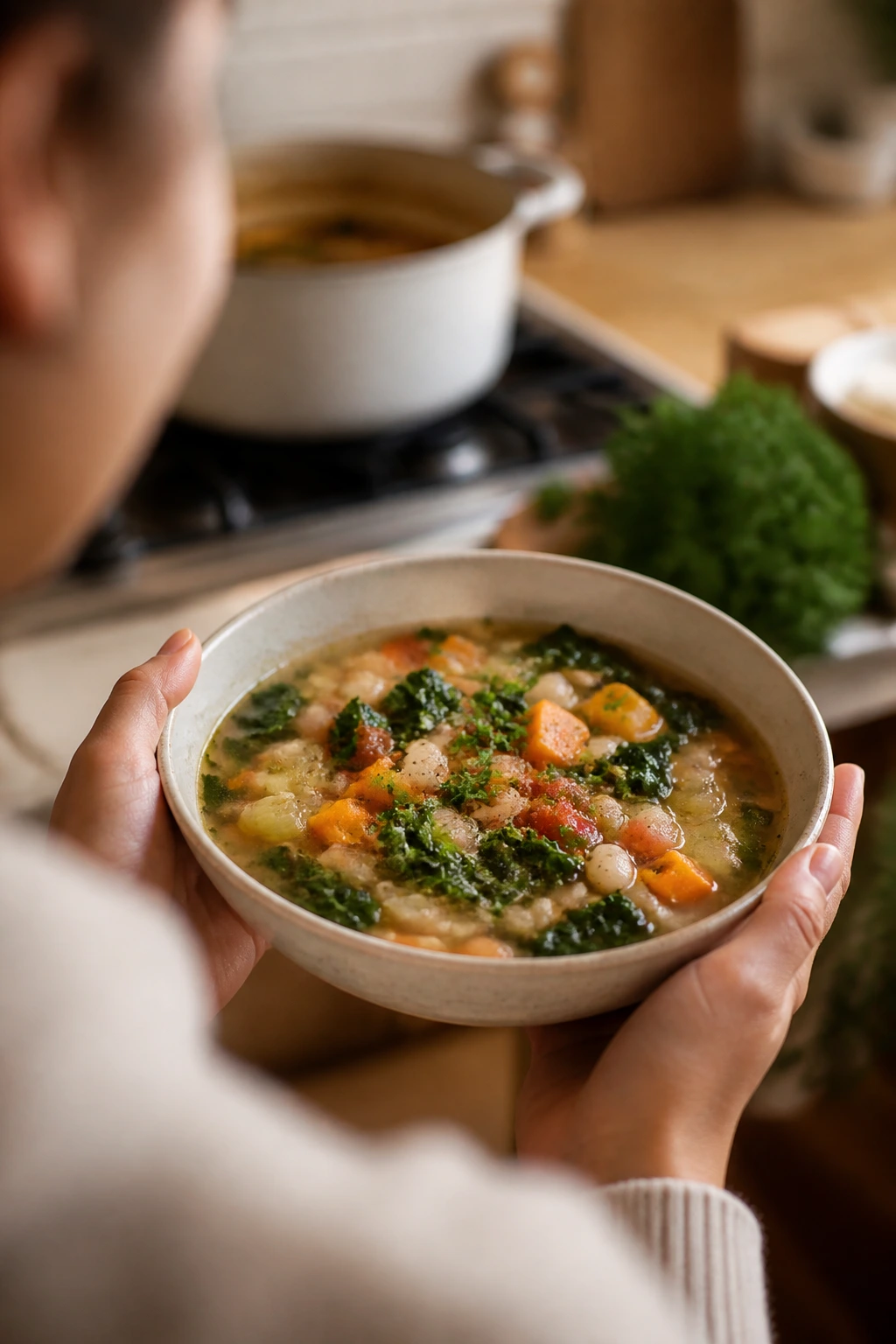
Soups are one of the sneakiest good tools in this space. Broth adds volume. Vegetables stretch the bowl. A measured portion of chicken, beans, or tofu turns a soup into an actual meal. If you like to eat quickly, soup can slow you down, which is not a small thing. The body catches up to fullness a little late, and a broth-based meal gives it time.
I also like the contrast between soft and crisp. A bowl of roasted vegetables with a fresh cucumber salad on the side feels bigger than the same calories in one cooked mound. A taco bowl with crunchy lettuce, juicy tomatoes, and warm seasoned chicken feels finished. A plate of steamed veg and dry chicken breast feels like a worksheet. Same calorie range. Very different life.
Breakfasts That Feel Normal at 350 to 500 Calories
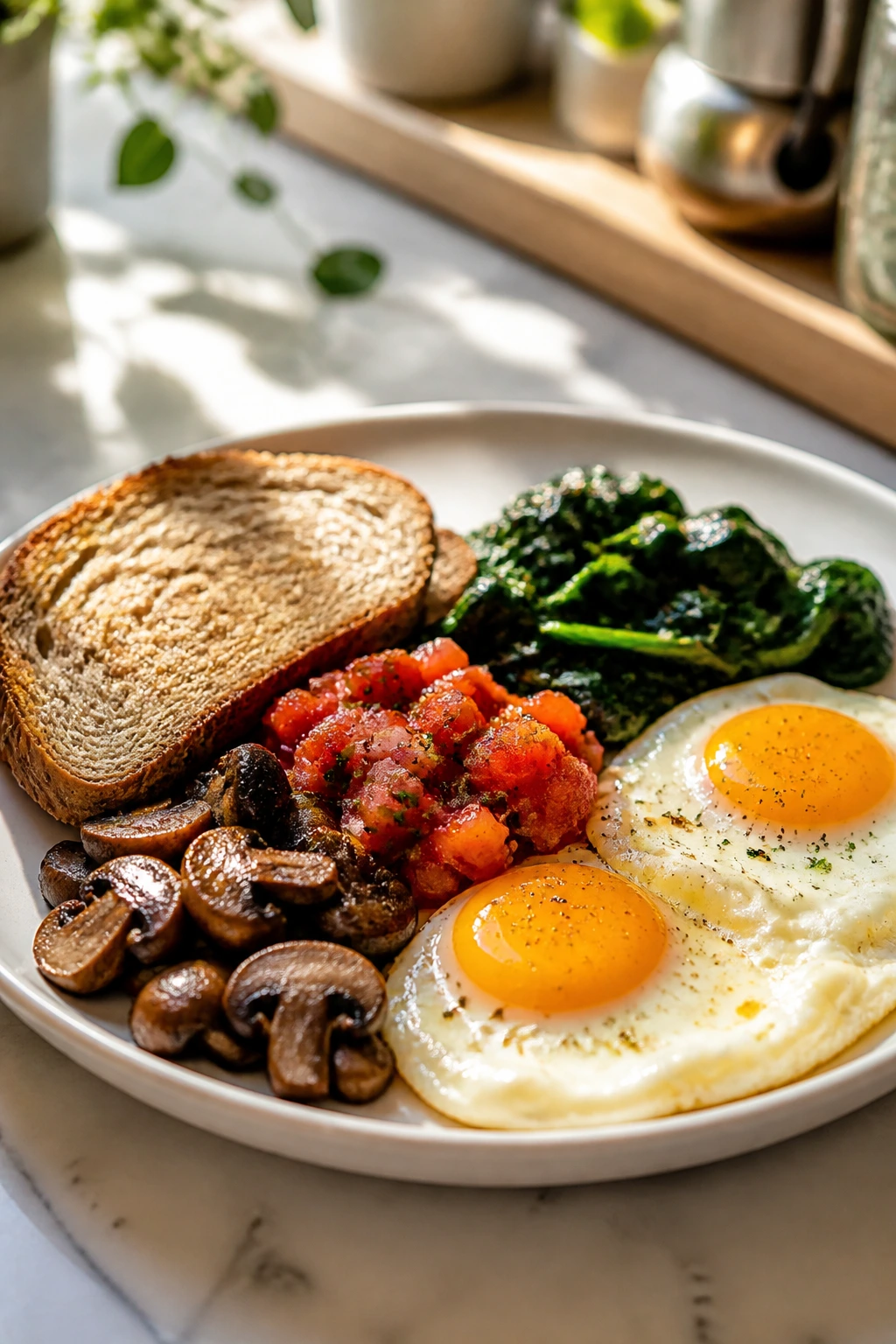
Breakfast is where a lot of clean eating plans quietly fail. People either go too light and get ravenous by 10 a.m., or they build a sugar-and-bread situation that burns fast and leaves them hunting for snacks before noon. The fix is not to make breakfast tiny. It’s to make it anchored.
Savory breakfasts that hold you longer
Eggs are the easy answer, but not the boring one if you season them well. Two whole eggs plus three egg whites, sautéed spinach, mushrooms, and salsa can land around 300 to 400 calories depending on the pan oil and whether you add toast. Throw in one slice of whole-grain bread or a small roasted potato, and you still usually stay under 500 while getting a decent protein hit.
Savory breakfast works because it acts like a real meal instead of dessert wearing a disguise. That matters if you are the kind of person who hates sweet food in the morning or gets tired of oatmeal halfway through the week.
Cold bowls that don’t feel flimsy
A bowl of plain Greek yogurt can go a long way when you build it right. Think 1 cup Greek yogurt, 1/2 cup berries, 1 tablespoon chia seeds, cinnamon, and maybe 1/4 cup oats or a small sprinkle of nuts. That combination stays tidy on calories and gives you protein, fiber, and enough texture to stop it from feeling like baby food.
Cottage cheese works the same way, especially if you take it in a savory direction. Cucumber, tomato, cracked pepper, and a little smoked salt turn it into something that feels more like lunch than a diet compromise. Weirdly enough, that makes it more useful.
Warm breakfasts for colder mornings
Oatmeal is only a trap if you make it bare. A half cup of dry oats plus a scoop of protein powder, berries, and a spoon of peanut butter can stay under 500 if you measure the add-ins. The peanut butter is the part to watch. One tablespoon tastes great. Three tablespoons quietly changes the whole day.
Egg muffins, baked ahead with spinach, turkey, and a small amount of cheese, also fit here. So do breakfast burritos made with a small whole-wheat tortilla, eggs, salsa, and vegetables. The tortilla size matters. Bigger is not better when the goal is a clean calorie ceiling.
Lunches That Travel Without Falling Apart
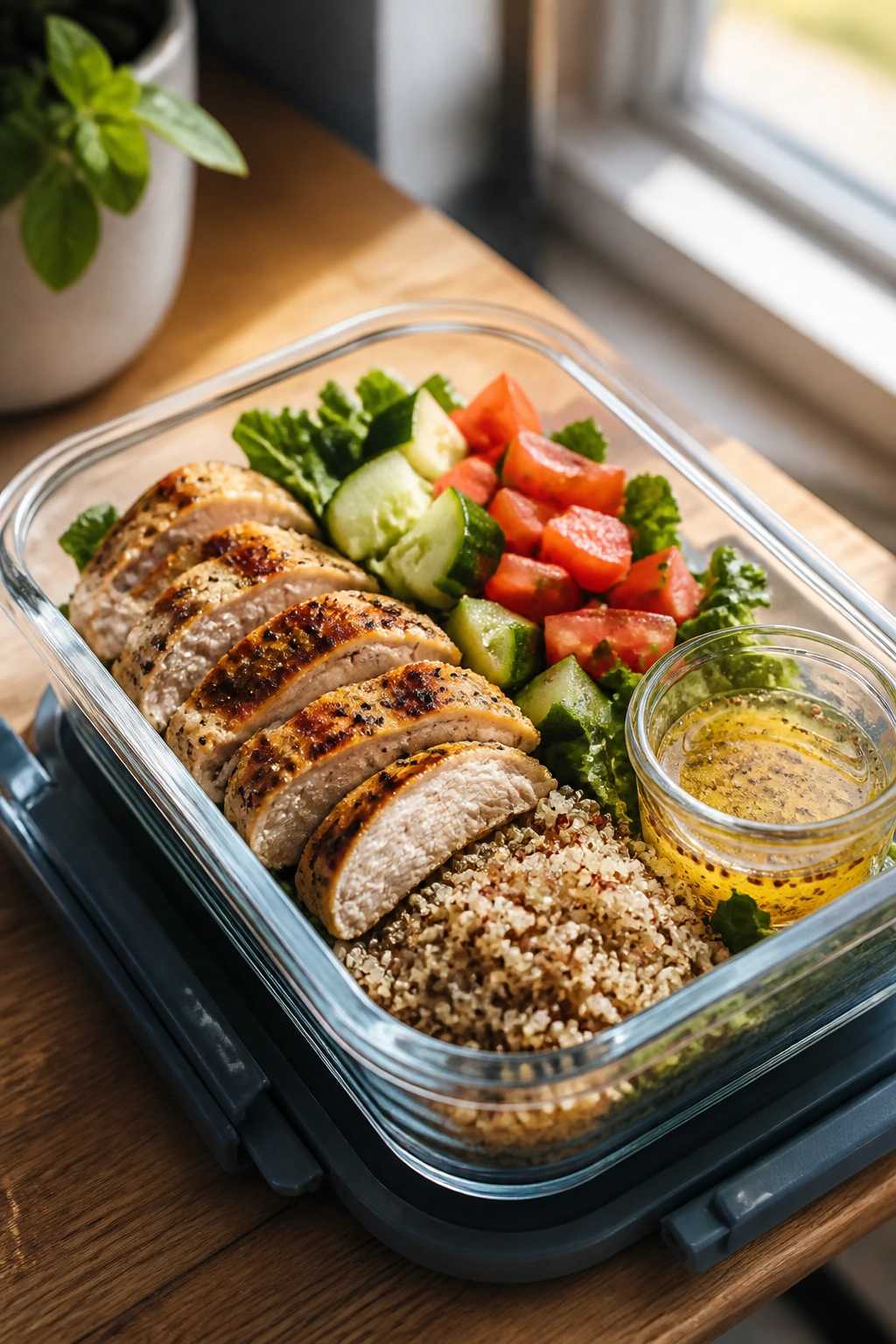
Lunch has a practical problem breakfast doesn’t always face: it has to survive a container, a commute, a fridge, and maybe a microwave that hates you. The best under-500 lunches are sturdy. They taste fine at room temperature if they have to, and they do not collapse into limp sadness after four hours.
Bowls that keep their shape
Grain bowls work because every ingredient has a job. Try 4 ounces grilled chicken, 1/2 cup cooked quinoa or brown rice, 2 cups chopped greens or cabbage, cucumber, tomato, and a measured tablespoon of vinaigrette. That usually lands in the 400-calorie range, give or take the dressing. It also holds together much better than a delicate salad with a giant pile of wet toppings.
The trick is layering. Put the sturdier vegetables on the bottom. Keep the dressing in a separate cup if you can. Add avocado if you want, but measure it. Half an avocado is not “free healthy fat” just because it is green.
Wraps that need discipline
Wraps are useful, but they can get reckless fast. A large tortilla alone can eat a surprising chunk of your calorie budget. A better version is a medium whole-wheat tortilla stuffed with turkey, mustard, lettuce, tomato, cucumber, and a little shredded cheese. Add a side of fruit or crunchy vegetables if you need more volume. You’ll get a more stable lunch than a giant overstuffed wrap that tears itself open halfway through eating.
Cold wraps also work well with hummus, roasted vegetables, and leftover chicken. Just don’t make the mistake of stacking every “healthy” ingredient in the kitchen inside one tortilla. A wrap is not a contest.
Soup and chili for the people who like warm food at noon
Brothy soup is one of the best ways to stay under 500 without feeling shortchanged. A chicken vegetable soup, lentil soup, turkey chili, or bean chili can be portioned cleanly and reheated without drama. The important part is controlling the oil and starch. A soup can look lean and still be calorie-heavy if it starts with too much oil or ends with too much pasta.
If lunch is where you tend to go off-script, soup is a good answer because it slows you down. You eat from a bowl instead of grazing from a container. Small difference. Big effect.
Dinners That Feel Like Dinner, Not a Side Dish
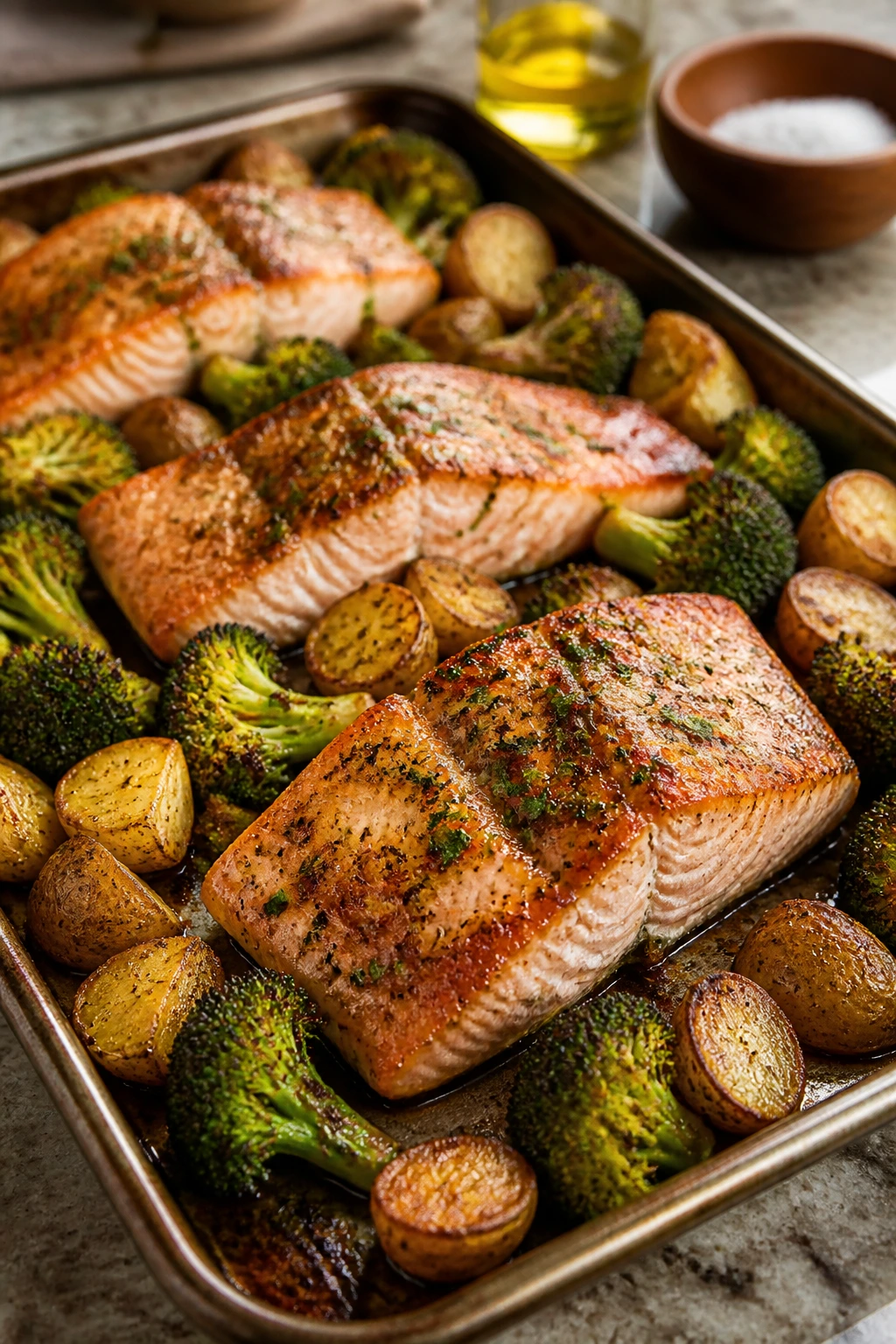
Dinner needs more emotional weight than lunch. People want something warm, something that smells like food when it hits the pan, something that looks like the day ended properly. Under 500 calories, that is still possible. You just have to be sharper about the build.
Sheet-pan suppers do the heavy lifting
A sheet pan is a very honest tool. If you roast salmon with broccoli and a few baby potatoes at 425°F, the vegetables shrink, the potatoes get crisp, and the fish develops those little browned edges that make dinner feel finished. The whole trick is using a measured amount of oil—about a teaspoon or two for the full pan, not a loose spiral from the bottle.
Chicken thighs, Brussels sprouts, carrots, and onion are another good sheet-pan combo if you keep the portion controlled. The nice part about roasting is that the food tastes more substantial than the calorie count suggests. A little browning goes a long way.
Skillet meals are faster, but they need guardrails
A stir-fry can stay under 500 easily if you do not let the sauce turn into soup and the oil turn into a puddle. Shrimp, tofu, or chicken with peppers, snap peas, broccoli, garlic, ginger, and a measured amount of soy sauce and sesame oil hits the sweet spot. Add 1/2 to 3/4 cup cooked rice and you still have room for dinner.
The caution here is blunt: sesame oil is not a free seasoning. It is delicious, and it is calorie-dense. Use it like perfume, not bathwater.
Saucy food can still work
People hear “under 500 calories” and imagine dry food forever. Nonsense. Tomato sauce, salsa, broth-based sauce, yogurt sauces, mustard sauces, and vinaigrettes all fit. Turkey meatballs with marinara over zucchini noodles is a strong example. So is chicken fajita bowls with onions, peppers, salsa, and a measured spoon of guacamole on the side.
The difference between a meal that works and a meal that leaks calories is often one ladle of sauce. One. That sounds fussy until you’ve eaten the same “light” dinner three times and realized the hidden calories were coming from the pan, not the protein.
Snacks and Mini Meals for the Spaces Between Meals
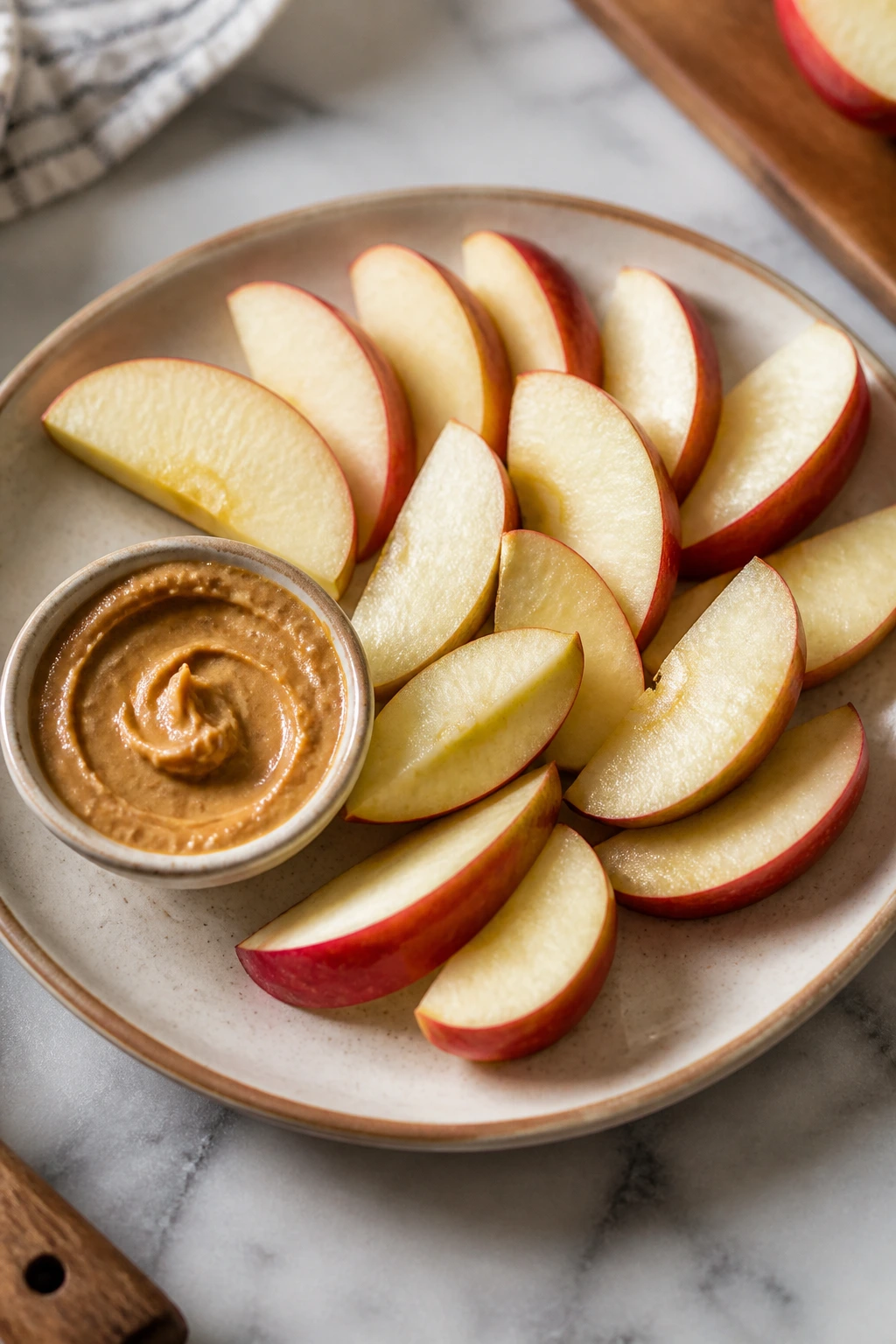
Not everyone needs a snack. That is worth saying out loud. A lot of people eat better when they stop treating every gap like an emergency. Still, if you genuinely need something between meals, the snack has to do a job. It should take the edge off hunger, not just entertain your hands.
Protein helps here too. So does fiber. Apple slices with a measured tablespoon of peanut butter. Cottage cheese with cucumber and pepper. A hard-boiled egg or two. Edamame. Plain yogurt with berries. Carrots and hummus, if you keep the hummus portion honest. These all fit the under-500 approach because the calories are visible, not hidden.
Liquid snacks are the one I watch most carefully. Smoothies can be useful, but they can also become drinkable calorie piles. If you make one, treat it like a meal: protein powder or Greek yogurt, fruit, spinach, and a measured liquid base. Do not throw in peanut butter, oats, honey, chia, and almond milk without counting, unless you want a 700-calorie “snack” that behaves like lunch.
The best mini meal I know is simple and a little boring: one protein, one fruit or vegetable, one measured fat if needed. That structure is hard to overeat and easy to repeat. Repetition is the point. Snacks are supposed to calm the day down, not start a second round.
Grocery Staples That Make Clean Eating Easier
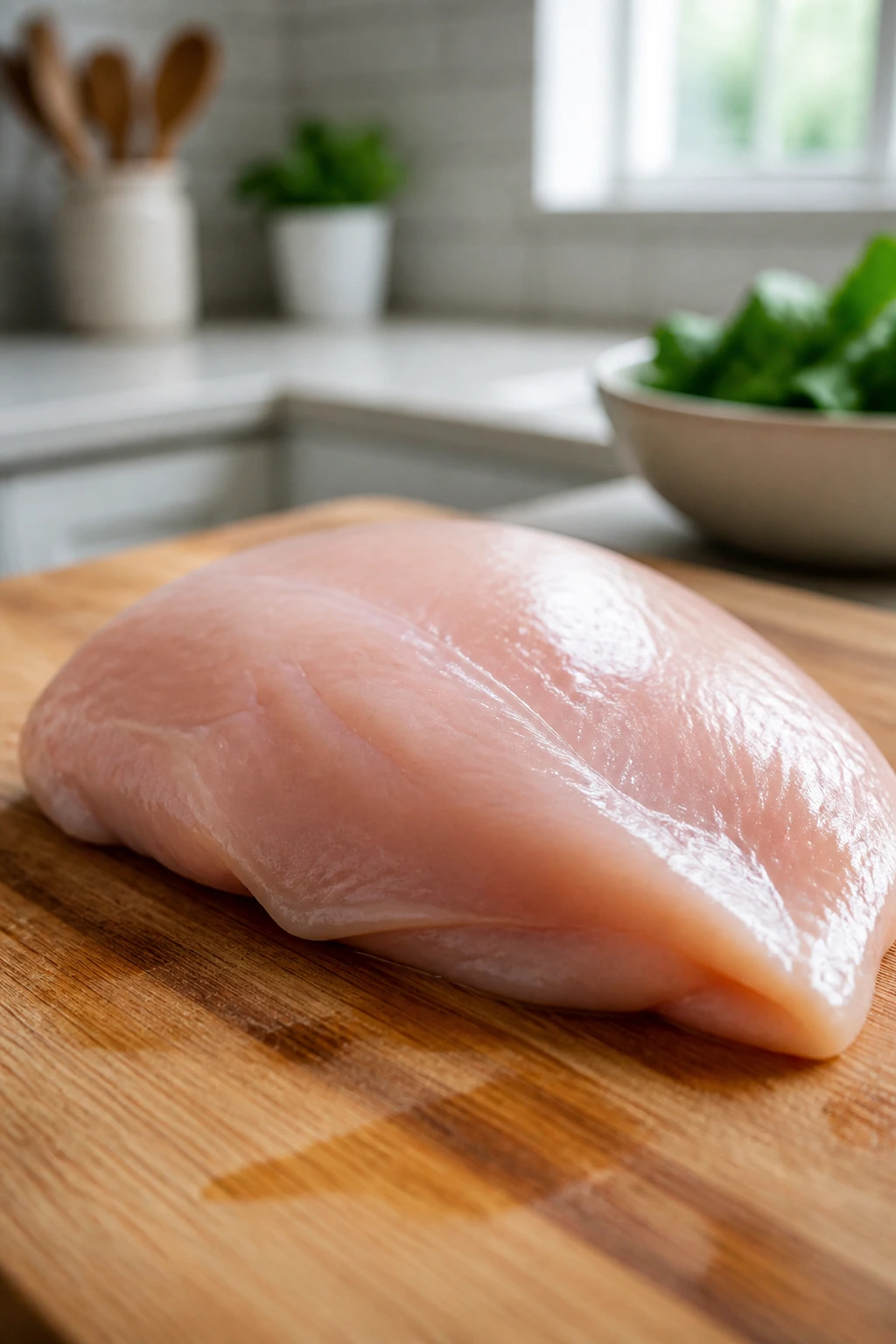
A smart grocery list is half the battle. If the fridge is stocked badly, you end up improvising with whatever is close, and that almost always means too much bread, too much cheese, or something in a wrapper that has no business being dinner.
Proteins: chicken breast, boneless thighs, turkey, eggs, egg whites, canned tuna, salmon, shrimp, tofu, tempeh, Greek yogurt, cottage cheese, and edamame. These are the backbone of a 500-calorie meal because they carry the fullness.
Vegetables and fruit: spinach, romaine, cabbage, broccoli, cauliflower, zucchini, mushrooms, peppers, onions, cucumbers, tomatoes, carrots, berries, apples, oranges, lemons, and limes. Buy a mix of sturdy and soft produce so you can build both salads and hot meals without starting from zero.
Smart carbs: oats, brown rice, quinoa, potatoes, sweet potatoes, whole-grain bread, whole-wheat tortillas, beans, lentils, and corn tortillas if you portion them carefully. These give the meal shape. They’re not the enemy. They’re the dial you turn up or down.
Flavor makers: mustard, salsa, low-sodium broth, soy sauce, vinegar, hot sauce, garlic, ginger, chili flakes, cumin, smoked paprika, dried oregano, dill, parsley, and basil. These are the things that keep “healthy” from tasting flat.
Fats and extras: olive oil, avocado, nuts, seeds, cheese, tahini, and nut butter. Keep them around. Measure them. That is the whole arrangement.
One small rule helps a lot: buy fewer sauces and use them better. A fridge with six half-used condiments and no vegetables is a familiar disaster. Two or three good flavor lanes are enough.
Meal Prep for Clean Eating Under 500 Calories Without Losing Flavor
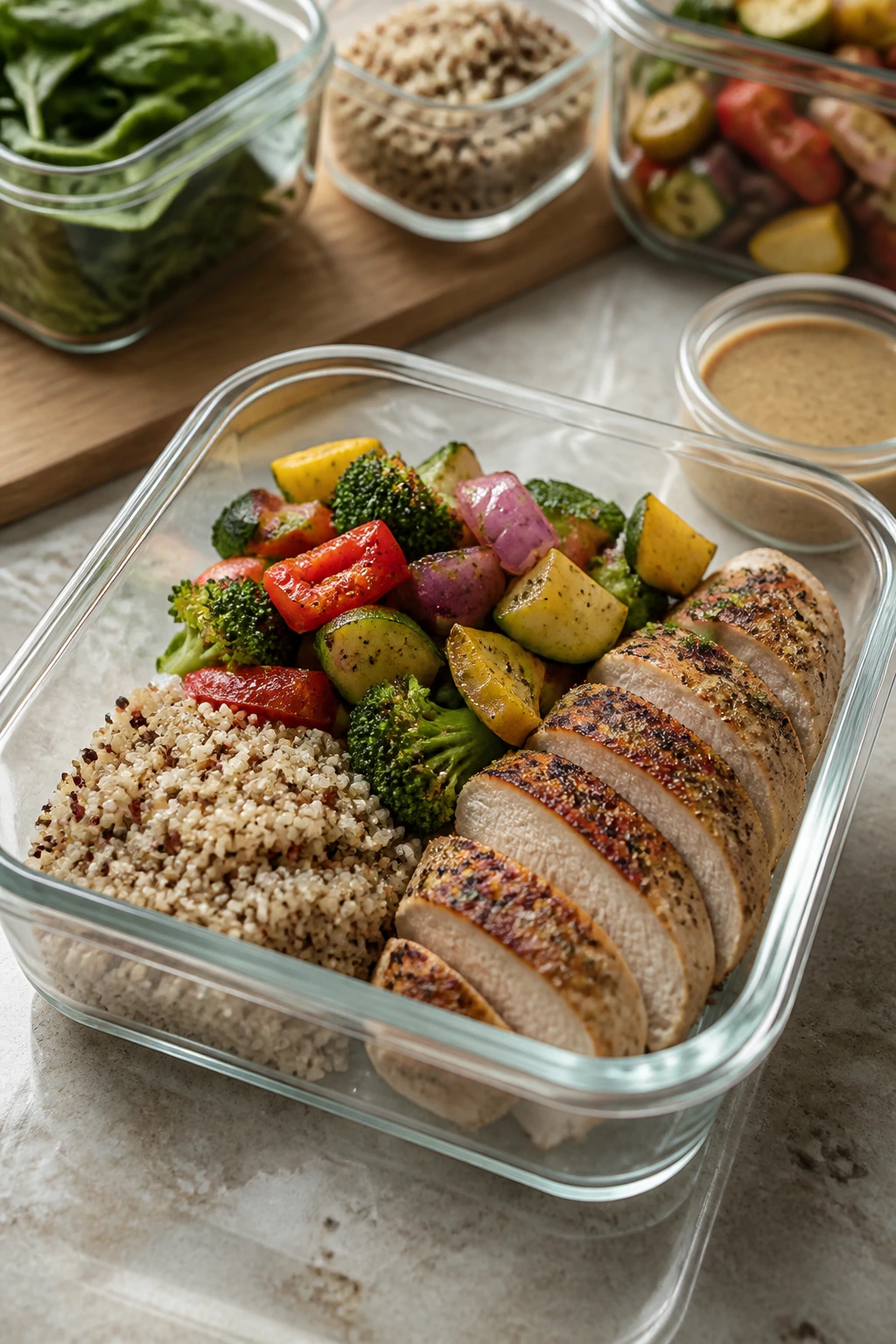
Meal prep does not have to mean Sunday becomes a second job. The version that works best for me is component prep, not full-meal assembly. Cook the pieces. Keep them separate. Build the meal later when you’re less tired and less likely to sabotage yourself with extra oil.
Start with one protein, one starch, and two vegetables. Roast chicken, bake salmon, grill turkey burgers, or press tofu. Cook a pot of rice or quinoa. Roast a tray of broccoli and a tray of carrots or peppers at a high heat—425°F is a good place to start—so the vegetables caramelize instead of steaming. That browned edge matters. A lot.
Then make one or two sauces. A lemon-yogurt sauce. A salsa-verde style drizzle. Mustard vinaigrette. A simple herb dressing with vinegar and a measured spoon of oil. Sauces are the difference between “meal prep” and “leftover tray sadness.”
I also like to pre-portion the calorie-dense pieces. Nuts in small containers. Cheese in 1-ounce packs. Dressing in little cups. Avocado only when I’m actually using it. This is not obsession. It is just removing the part of the process where your hand keeps saying yes after your head already said enough.
If you prep for three days at a time, the food usually stays fresher and tastes better than a five-day container pile. Chicken and grains can stretch farther than delicate vegetables. Greens, herbs, and avocado are best added the day you eat. The fridge looks calmer that way too.
Practical Ways to Stay Full Without Raising the Calorie Count
Flavor Enhancement: Use acid hard and often. Lemon juice, lime juice, vinegar, pickled onions, mustard, salsa, and hot sauce wake up a meal without adding much to the calorie total. A bland 400-calorie bowl is still a bland bowl.
Time-Saver: Keep frozen vegetables, pre-washed greens, and a cooked protein on hand. Frozen broccoli roasted on a hot tray is not a compromise; it is dinner in 20 minutes, which is a different kind of luxury.
Pro Move: Pre-portion the calorie-dense stuff before you cook. One tablespoon of oil in a tiny bowl. One ounce of cheese. Half an avocado. It feels fussy for exactly two days, then it saves you from guessing forever.
Cost-Saver: Build meals around eggs, beans, lentils, tuna, tofu, and frozen vegetables. These are the unglamorous heroes. They make clean eating possible when the budget is not cooperating.
Satiety Hack: Start dinner with broth, salad, or raw vegetables. Not because appetite is bad, but because volume up front makes it easier to stop when the real meal is done.
Make-It-Yours: If you love crunch, keep chopped cabbage, cucumbers, radishes, and celery around. If you love warmth, keep soup, roasted vegetables, and a good skillet in rotation. The more your food feels like your food, the less likely you are to go looking for a pantry fallback.
Mistakes That Blow Past 500 Calories Fast
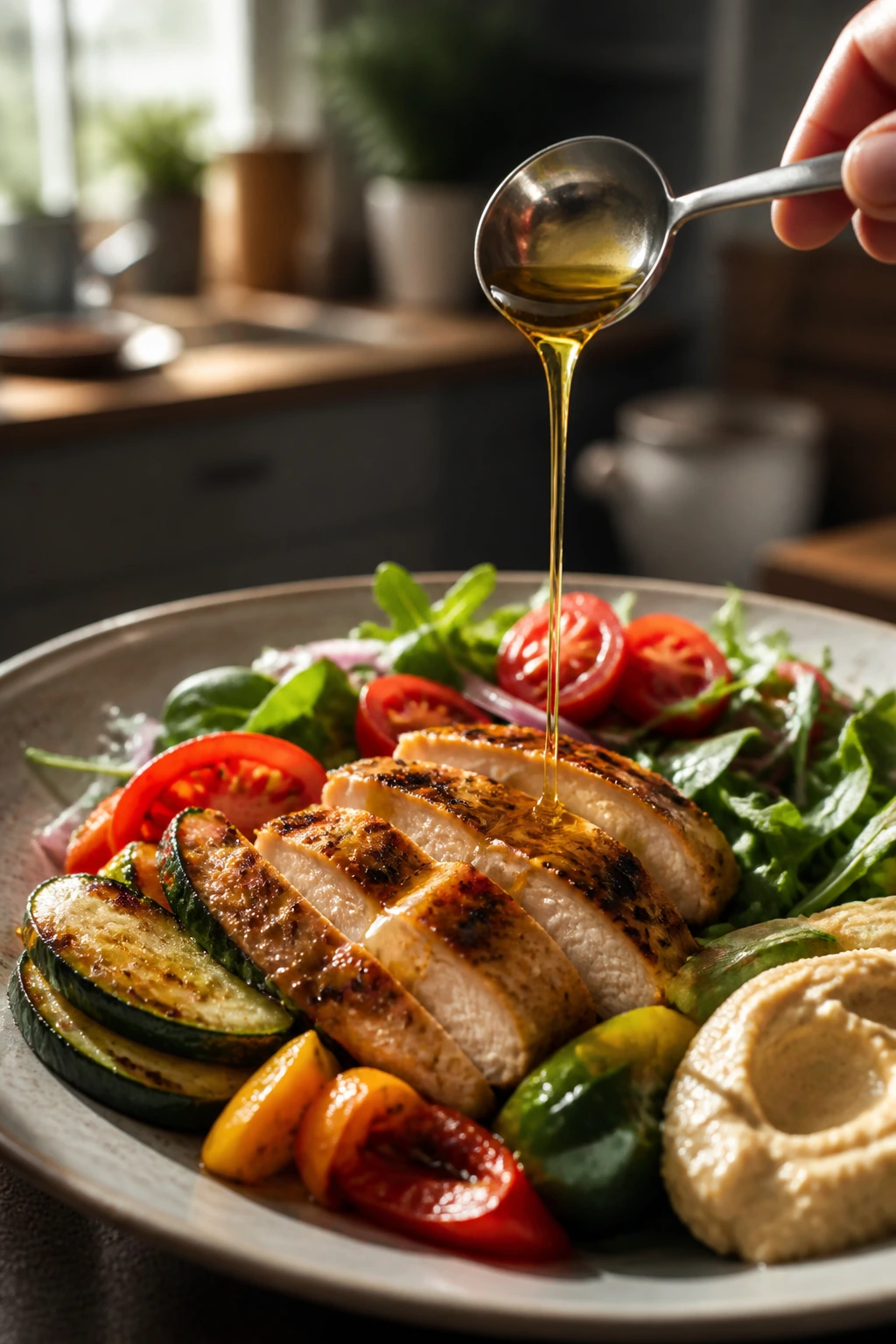
The frustrating part about healthy eating is that the mistakes are small and easy to miss. A meal does not usually jump from 420 calories to 900 because of one dramatic disaster. It creeps there through little habits.
-
Free-pouring oil: The plate looks light, but the numbers climb fast. Oil should be measured, not guessed. A teaspoon versus a tablespoon is a meaningful difference, and two tablespoons can turn a clean meal into a much heavier one.
-
Treating nuts, avocado, cheese, and nut butter like garnish: They are healthy, yes. They are also dense. The fix is not to ban them. The fix is to use them like finishing ingredients, not background filler.
-
Skipping protein and calling it a meal: A bowl of fruit, toast, or salad with no real protein often leaves you hungry again too soon. Add eggs, yogurt, chicken, tofu, tuna, beans, or cottage cheese so the meal has a backbone.
-
Making salads too delicate: Lettuce, a few tomatoes, and a heavy pour of dressing do not hold up well. Use sturdier greens, add beans or chicken, and keep the dressing separate until the last minute. A proper salad should feel like lunch, not air in a bowl.
-
Letting sauces run wild: Creamy dressings, pesto, teriyaki, mayo-based spreads, and restaurant-style marinades can be sneaky. Measure them. A spoonful or two can be the difference between staying under 500 and quietly doubling the meal.
-
Eating “healthy snacks” all afternoon: Handfuls of trail mix, dates, protein bars, and endless bites of whatever’s on the counter add up fast. If you need a snack, make it planned. Unplanned grazing is where the numbers disappear.
Smart Variations for Different Eating Styles
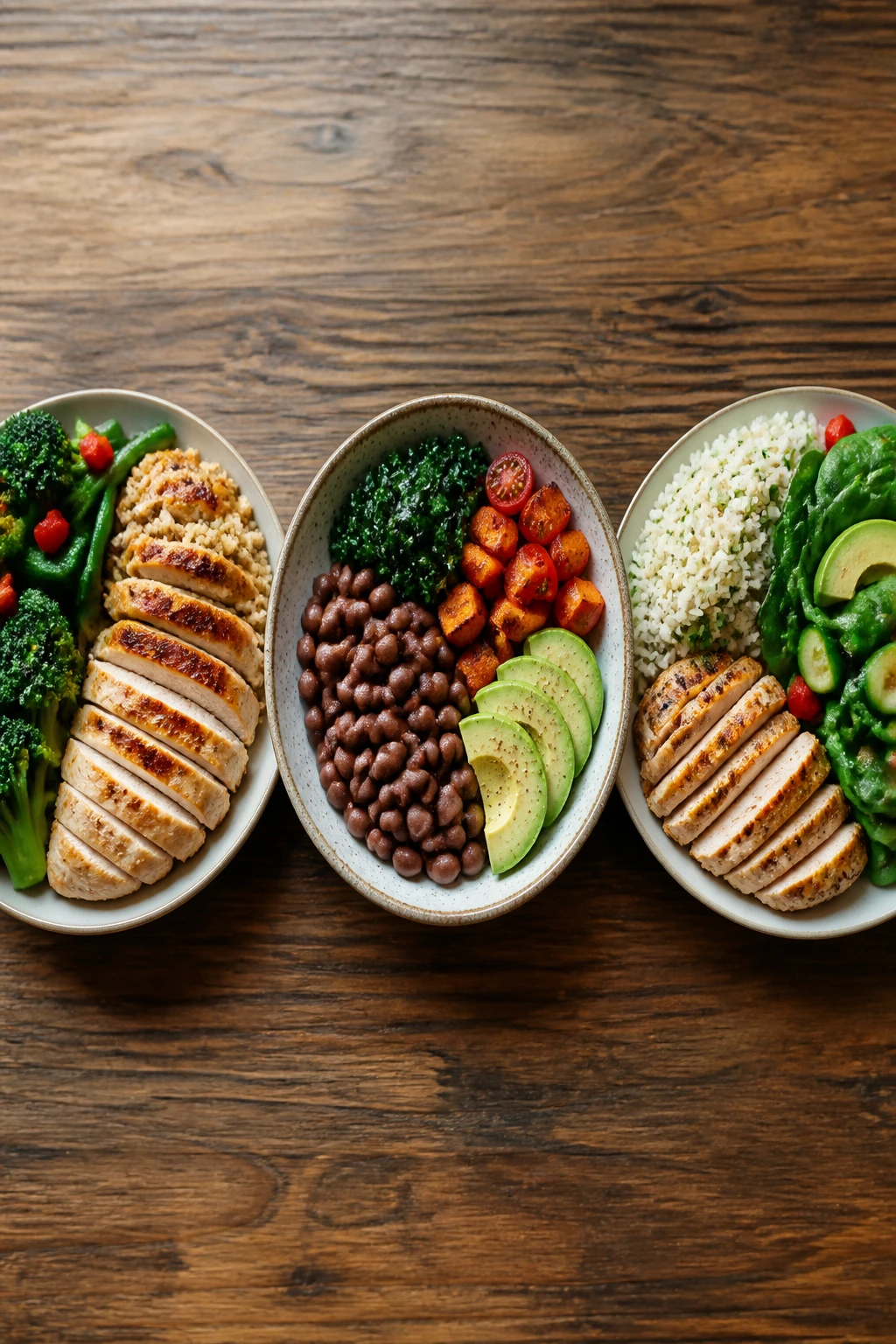
High-Protein Push: Increase the lean protein and trim the starch slightly. Think chicken breast, egg whites, Greek yogurt, tuna, tofu, shrimp, or cottage cheese. This version works well if you get hungry fast and want meals that stay quiet for longer.
Plant-Forward Plate: Build around beans, lentils, tofu, tempeh, edamame, and lots of vegetables. Use tahini, salsa, vinegar, herbs, and a little olive oil for flavor, but keep the oil measured. It’s a strong fit if you want meals that feel lighter without becoming skimpy.
Lower-Carb Dinner Build: Swap rice, bread, or potatoes for extra vegetables, cauliflower rice, or a second serving of greens. That can help if you prefer a more vegetable-heavy plate, though I’d still keep some carbs in the day if cutting them too hard makes you snack later.
Budget Pantry Version: Eggs, oats, canned tuna, canned beans, frozen vegetables, brown rice, and chicken thighs are the core players here. You can eat very well on this setup. The fridge just needs a little more organization.
Mediterranean Tilt: Use fish, chickpeas, cucumbers, tomatoes, olives in small amounts, lemon, dill, parsley, and a measured amount of feta or olive oil. It’s one of the easiest ways to keep food bright without stacking calories too high.
Comfort-Style Reset: Roasted potatoes, turkey chili, vegetable soup, skillet chicken, and air-fried cutlets can all fit the format. This one matters for people who do not want to feel like they’re eating “diet food” every night.
Tools and Equipment That Make Portions Easier to See
-
Digital kitchen scale: The scale earns its keep fast. It makes protein, rice, nuts, cheese, and even avocado measurable instead of negotiable.
-
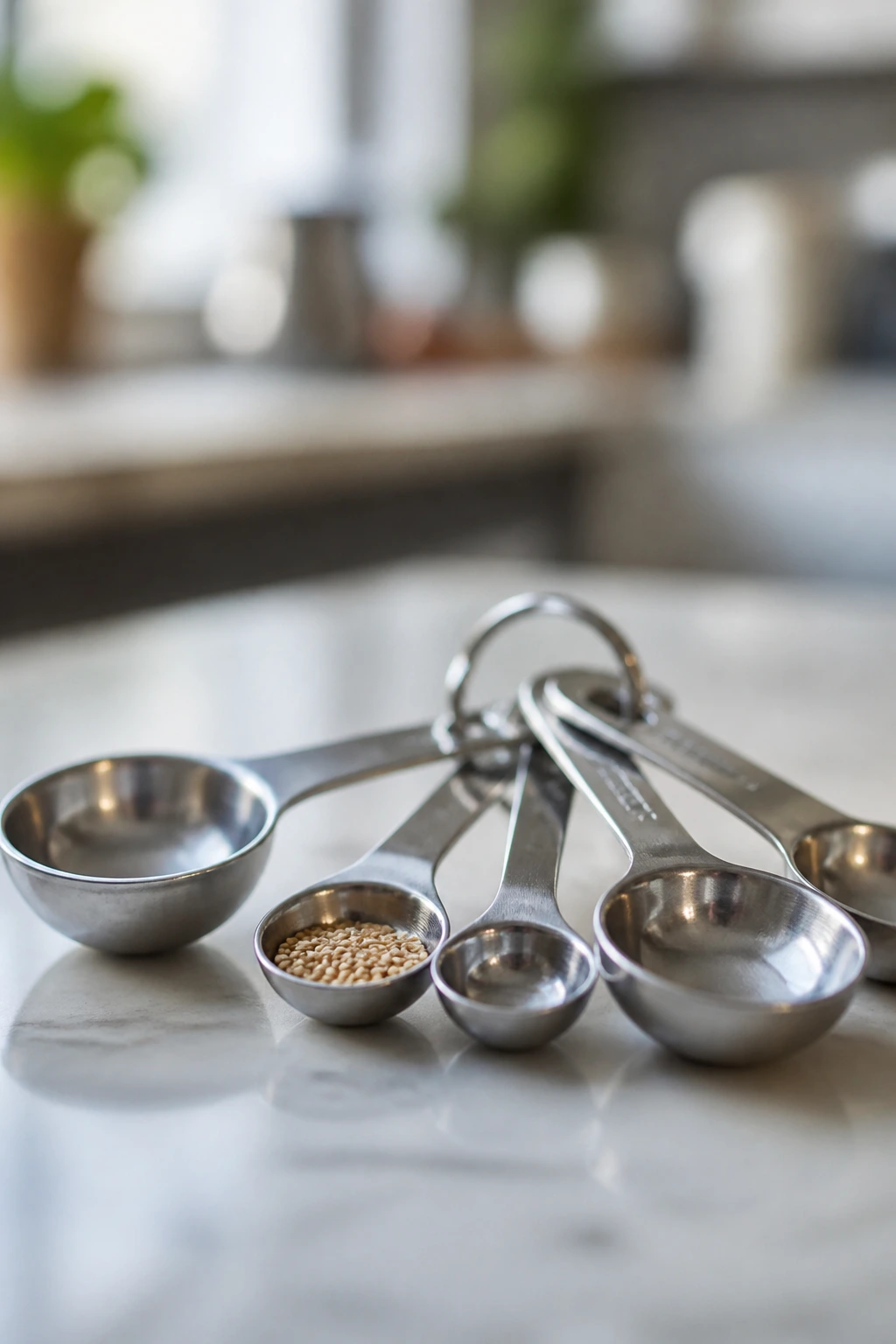
Measuring spoons and cups: Oil, dressing, nut butter, rice, oats, and sauces behave differently when you eyeball them. These tools keep the plate honest.
-
Sheet pans: Best for roasting vegetables and proteins in batches. A rimmed pan is worth having because it keeps juices from running everywhere.
-
Nonstick skillet or well-seasoned cast-iron pan: Good for eggs, tofu, chicken pieces, shrimp, and quick vegetable sautés. Use enough heat to brown, not steam.
-
Instant-read thermometer: Especially useful for chicken, turkey, and fish. It prevents dry meat and removes guesswork.
-
Airtight containers: Choose ones that stack cleanly and hold a real portion, not a vague blob. A 2-cup container is often a good lunch size.
-
Salad spinner: Not glamorous. Very useful. Dry greens hold dressing better and don’t turn into swampy leaves by lunchtime.
-
Small sauce cups or mini containers: These are for dressings, salsa, nut butter, and oil portions. Small tools, big difference.
-
Blender or stick blender: Helpful if you like soups, yogurt-based sauces, or smoothies that need more structure and less chaos.
Storage, Reheating, and Make-Ahead Timing
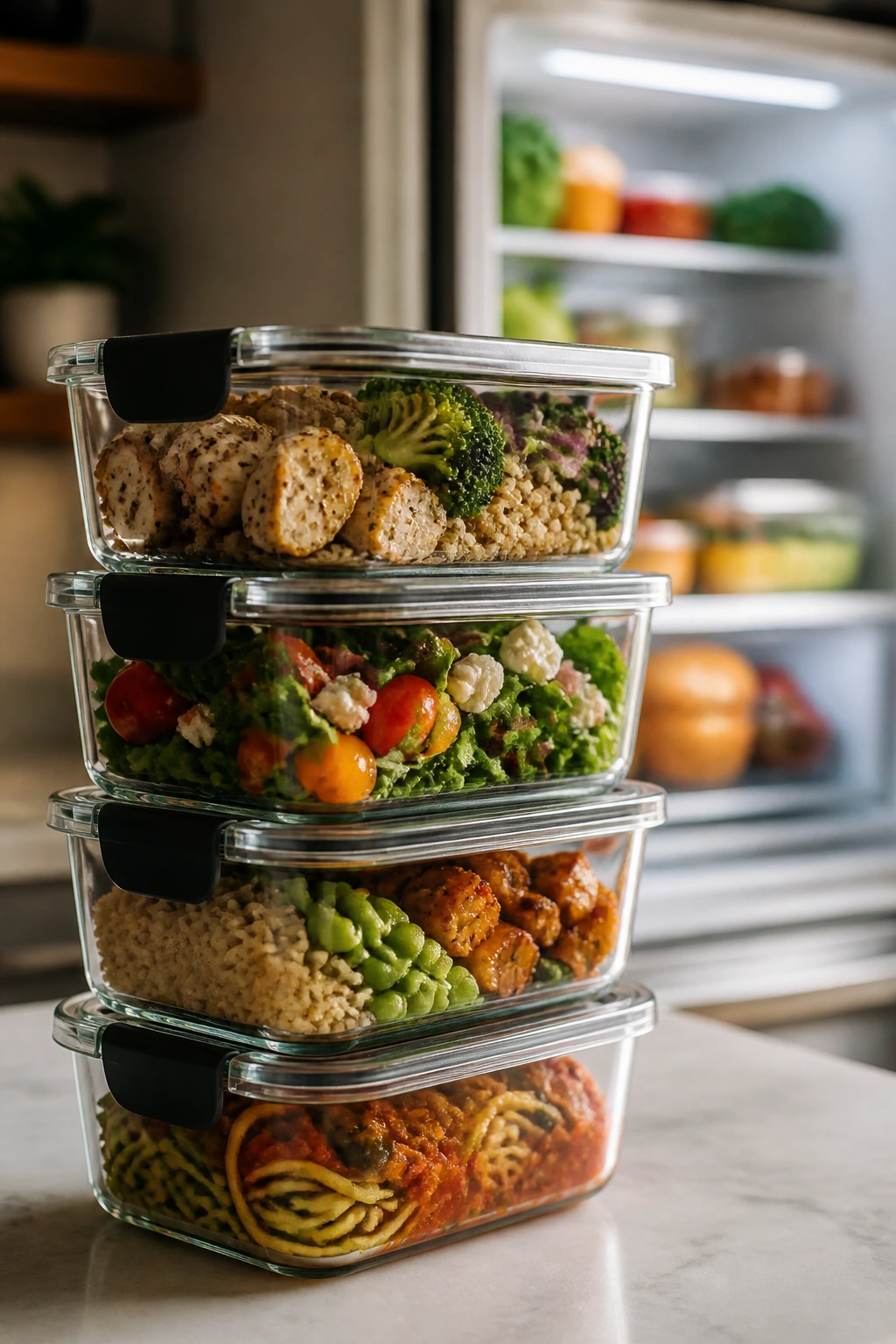
Cooked protein and vegetables are happiest when you treat them like perishable food, not pantry goods. Cool leftovers within 2 hours, then get them into containers and into the fridge. Cooked chicken, turkey, tofu, grains, and roasted vegetables usually keep 3 to 4 days in the refrigerator. Fish is shorter—closer to 2 to 3 days—because the texture declines faster.
Freezing helps if you batch cook more than you can eat in a few days. Cooked chicken, turkey chili, soups, beans, and grains freeze well for 1 to 3 months, depending on the dish. Roasted vegetables freeze, but they soften. That is fine if you plan to reheat them into a soup, skillet, or rice bowl. It is less fine if you want them crisp on a salad later.
The best reheating method depends on the food. Skillets are best for vegetables and proteins you want to revive with a little browning. Microwaves are fine for grains and soups if you add a splash of water and cover the container. Ovens and air fryers work well for cutlets, potatoes, and roasted vegetables that should not come back soggy. Fish deserves gentle heat. Too much and it turns dry in a minute.
Dressings and sauces should stay separate until serving whenever possible. Greens with dressing on them at noon are limp by midafternoon. A rice bowl packed with sauce from the start can get muddy. If you prep ahead, you’re usually better off storing components and assembling the final meal the day you eat it.
Questions People Ask Before They Start

Can a meal under 500 calories actually keep me full?
Yes, if it includes enough protein, fiber, and volume. A 450-calorie bowl of chicken, vegetables, and a measured starch will hold up far better than 450 calories of cereal, crackers, or a pastry.
Do I need to count every single calorie to make this work?
No. Most people do better using repeatable templates and measuring only the high-calorie ingredients—oil, nuts, cheese, dressing, nut butter, rice, and bread. That gets you close enough without turning lunch into a spreadsheet.
How much protein should I aim for in a 500-calorie meal?
A useful target is around 25 to 35 grams for most meals, with breakfast sometimes a little lower and dinner sometimes a little higher. That range is one of the easiest ways to make a smaller meal feel complete.
Are frozen vegetables and canned beans okay for clean eating?
Absolutely. Frozen vegetables are often better than sad fresh ones that have been sitting in the drawer. Canned beans are practical, cheap, and very useful—just rinse them if you want to cut some of the sodium.
What if I’m hungry an hour after eating?
Check the meal structure first. If protein was low, fix that. If the meal was mostly soft starch, add vegetables or a more filling protein next time. If the meal was small because you were scared of calories, that’s the obvious place to adjust.
Can I still eat carbs and stay under 500 calories?
Yes, and you probably should if they help the meal feel normal. The trick is to portion them on purpose—half a cup of rice, a small potato, one slice of bread, one tortilla—not pile them on without noticing.
Are smoothies a good option for clean healthy eating under 500 calories?
They can be, but they need control. Use a protein base, fruit, maybe some spinach, and keep the add-ins limited. The danger is turning a smoothie into a drinkable dessert with three kinds of sweetener and a few spoonfuls of nut butter.
How do I handle eating out without blowing the whole pattern?
Pick the protein first, then ask for vegetables, then choose one starch or one sauce-heavy item, not six. Grilled, roasted, steamed, and brothy foods usually behave better than fried or creamy ones. And yes, restaurant portions are often bigger than they need to be.
Should every meal be under 500 calories?
Not necessarily. Some people do better with a lighter breakfast and a bigger dinner, or the reverse. The number is a tool, not a law, and the best version is the one that fits your actual day without leaving you underfed.
A Plate Worth Repeating
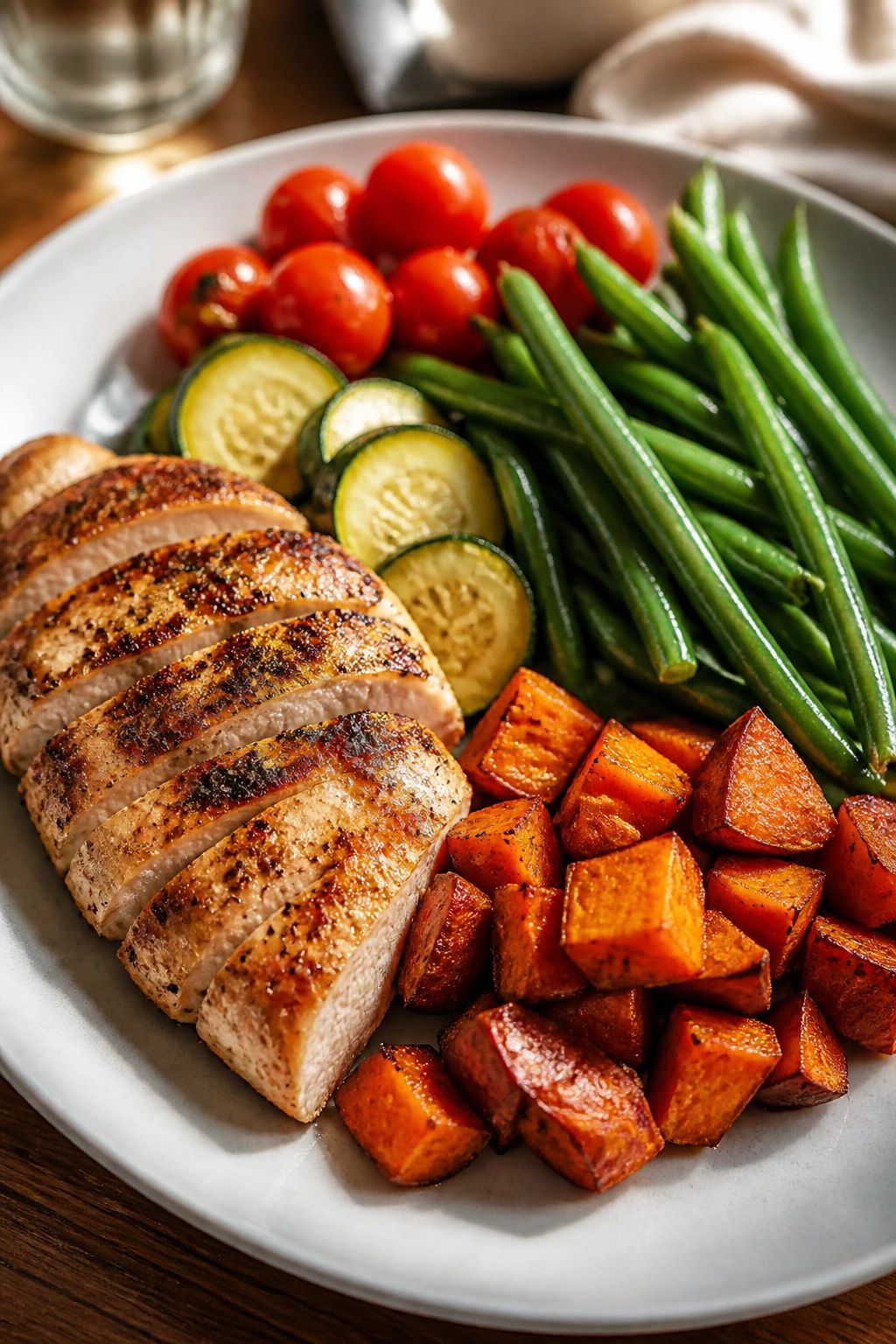
The best clean healthy eating habits under 500 calories are the ones you can repeat on an ordinary Tuesday with a half-dead fridge and very little patience. That means the food has to taste like food, not penance. It also means your system has to be flexible enough to survive grocery gaps, late nights, and the occasional meal that needs hot sauce and a little extra salt to come alive.
A good under-500 meal is not tiny. It is intentional. Protein carries it, vegetables give it volume, and measured starch or fat finishes it without taking over. Once those pieces start to feel automatic, the whole thing gets easier—not because you got more disciplined, but because the plate finally makes sense.
Build a few meals you genuinely like, keep the ingredients around, and let the routine do some of the work. That is the part that lasts.